Vue normale

  • ✇Euromaidan Press
  • Russia struck same Kyiv building twice in one night. Reason why is tactic Ukraine has seen before
    On 1 August, Russia burned the vehicles that rushed to Ukrainian civilians after its terrorist attacks. Russian forces hit the territory of Kyivmedspetstrans twice during their massive strike on Kyiv, and while the workers fortunately escaped injury, five ambulances burned down completely, the Kyiv City State Administration reported. The strike crippled part of the fleet that responds to exactly these attacks. The double strike on the ambulance depot was part of a combi
     

Russia struck same Kyiv building twice in one night. Reason why is tactic Ukraine has seen before

1 août 2026 à 13:49

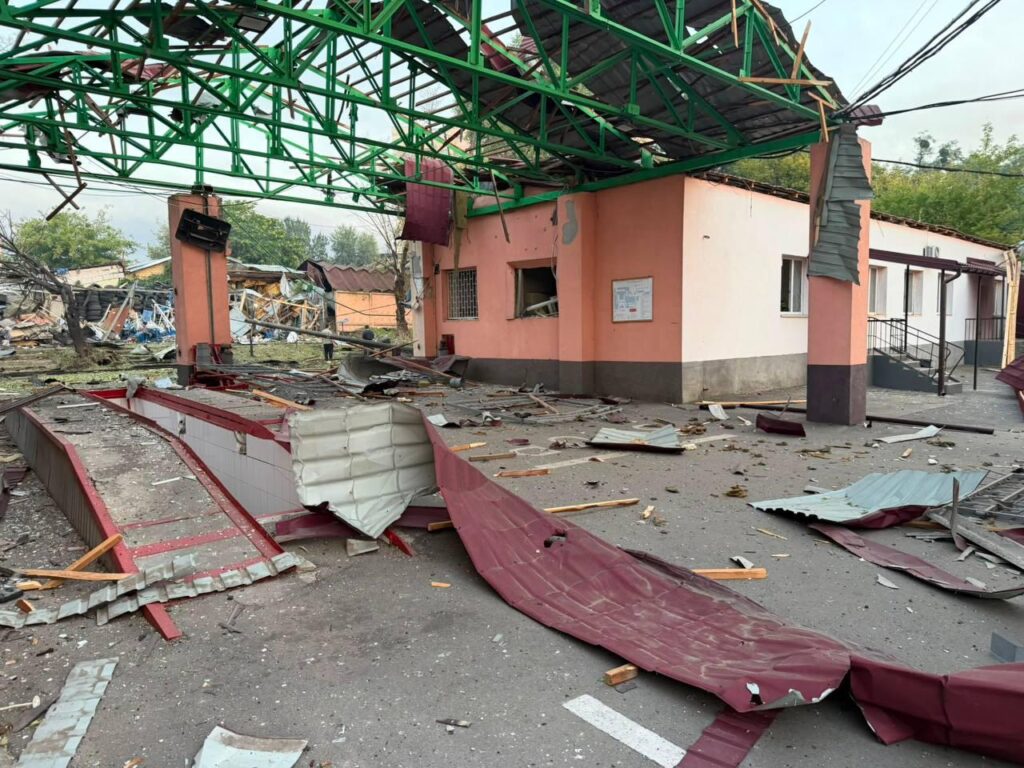
Russian forces hit the territory of Kyivmedspetstrans twice on 1 August 2026. Source: The Kyiv City State Administration

On 1 August, Russia burned the vehicles that rushed to Ukrainian civilians after its terrorist attacks. Russian forces hit the territory of Kyivmedspetstrans twice during their massive strike on Kyiv, and while the workers fortunately escaped injury, five ambulances burned down completely, the Kyiv City State Administration reported.

The strike crippled part of the fleet that responds to exactly these attacks. The double strike on the ambulance depot was part of a combined attack that killed at least nine people across Kyiv.

Kyivmedspetstrans is the municipal organization that operates the capital's ambulances and specialized emergency medical transport. The Russian strike partially destroyed four of its buildings while damaging several more premises.

"Twenty vehicles that served the capital's healthcare facilities sustained significant damage," the Ukrainian authorities said.

The barrage that hit the ambulances

The strike on the medical depot came during one of the heaviest ballistic attacks on the capital of the summer. On the night of 1 August, Russian forces launched a combined strike using 35 missiles and 185 attack drones of various types.

The missile mix was overwhelmingly ballistic. Russia fired 27 Iskander-M ballistic missiles, four Zircon anti-ship missiles, two Kh-59/69 guided aviation missiles, and two Kh-31 anti-radar missiles. Ukraine's air defenses managed to shoot down only one Iskander-M ballistic missile and one Kh-59/69.

Against 27 ballistic missiles, Ukraine intercepted only one because the Patriot is the only system that reliably engages Iskander-M, Zircon, and similar high-speed weapons, and Ukraine has run out of Patriot interceptors.

Striking the ambulances twice fits a documented pattern

Hitting a medical-transport depot twice in one attack is not incidental, and it carries the marks of a tactic Ukraine has documented across the war. A second strike on the same site endangers the emergency crews responding to the first, and destroying ambulances degrades the capacity to save the wounded from the very barrage that created them.

Russia has repeatedly used "double-tap" strikes that hit a target, wait for rescuers and medics to arrive, then strike again, a tactic Ukrainian prosecutors and international monitors have flagged as targeting first responders. Ukraine documented the same method days earlier, when Russia struck a passenger train in Zaporizhzhia Oblast twice.

  • ✇Euromaidan Press
  • Russian strike on Kyiv Oblast destroyed $2.6 million in HIV supplies serving 300,000 people
    A Russian strike burned the supplies that keep Ukraine's HIV epidemic under control. The attack on the night of 19 July completely destroyed a contractor warehouse of the Alliance for Public Health in Kyiv Oblast, where medical goods and HIV-prevention supplies were stored, the nongovernmental organization said on Facebook. The warehouse held syringes, needles, alcohol wipes, condoms, lubricants, and other medical products purchased by the Alliance for more than $2.6 millio
     

Russian strike on Kyiv Oblast destroyed $2.6 million in HIV supplies serving 300,000 people

21 juillet 2026 à 06:25

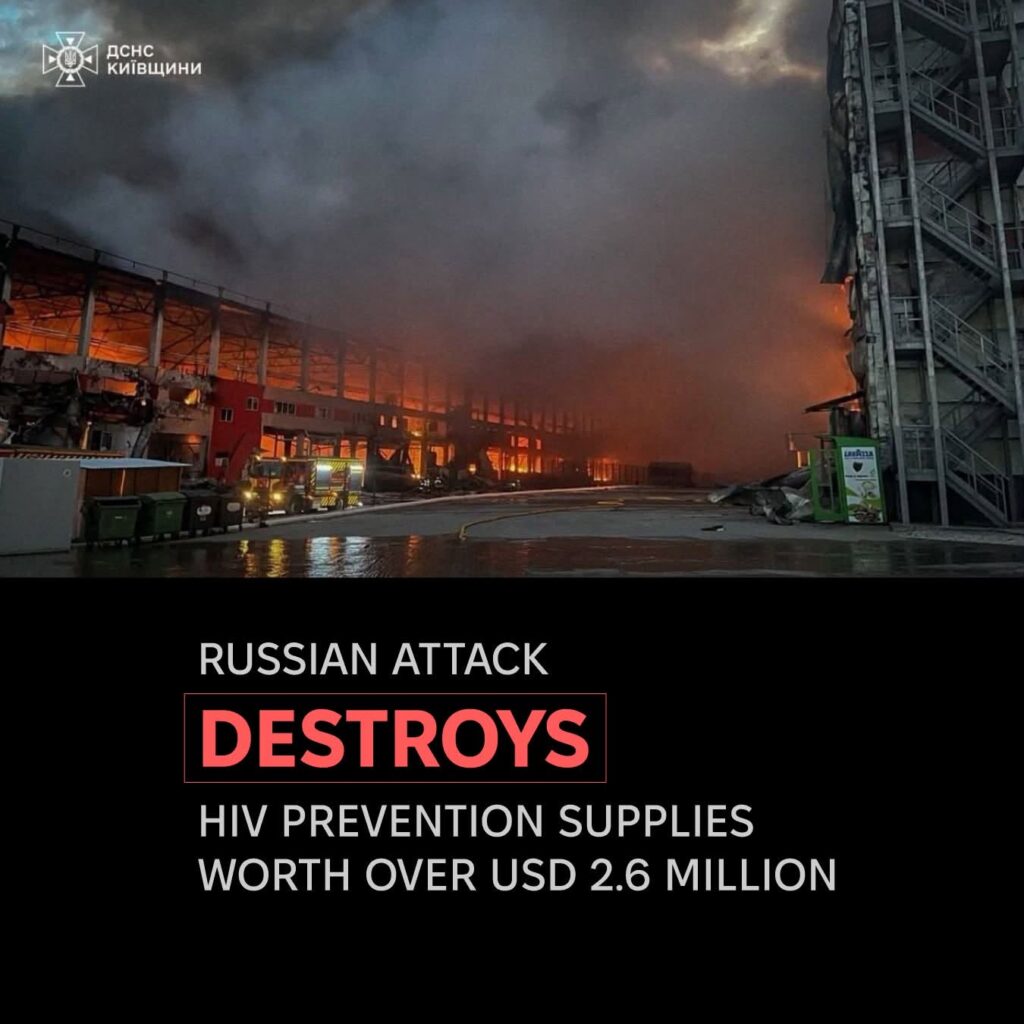
A Russian missile destroyed a contractor warehouse of the Alliance for Public Health in Kyiv Oblast, where medical goods and HIV-prevention supplies were stored. Source: The Alliance for Public Health

A Russian strike burned the supplies that keep Ukraine's HIV epidemic under control. The attack on the night of 19 July completely destroyed a contractor warehouse of the Alliance for Public Health in Kyiv Oblast, where medical goods and HIV-prevention supplies were stored, the nongovernmental organization said on Facebook.

The warehouse held syringes, needles, alcohol wipes, condoms, lubricants, and other medical products purchased by the Alliance for more than $2.6 million that serve over 300,000 people a year.

"Russia continues to destroy not only Ukraine's civilian and medical infrastructure, but also the resources on which people's health directly depends," the Alliance said.

June decision saved this year's services

The Alliance's risk-management system is the reason no one has lost services this year. Back in June, the organization carried out an early distribution of stocks across Ukraine's regions, moving supplies out of central storage and into the field ahead of need.

Because of that, all partners of the Alliance and of the Public Health Center are fully supplied with prevention materials through the end of 2026, and there will be no interruption in prevention services, the organization said.

What burned in the warehouse was the reserve intended to cover 2027. Those stocks were completely destroyed, and the Alliance has already informed its international donors of the losses and of the urgent need to restock HIV-prevention supplies for Ukraine's needs next year.

Why supplies matter

Ukraine has one of the largest HIV epidemics in Europe, and its control depends on exactly the unglamorous items the warehouse holds. Sterile syringes and needles are the backbone of harm-reduction programs that stop transmission among people who inject drugs.

In 2025, HIV-positive patients across Ukraine faced a crisis when US-funded treatment programs remained in political limbo. A report published on 13 May highlighted that medication supplies, including for children, are only guaranteed until November, following a funding freeze by the US President Donald Trump administration in January.

❌