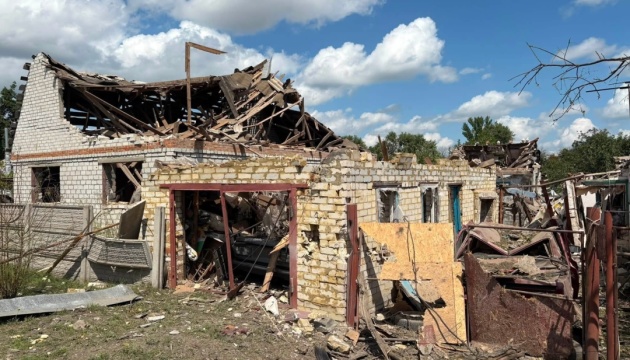
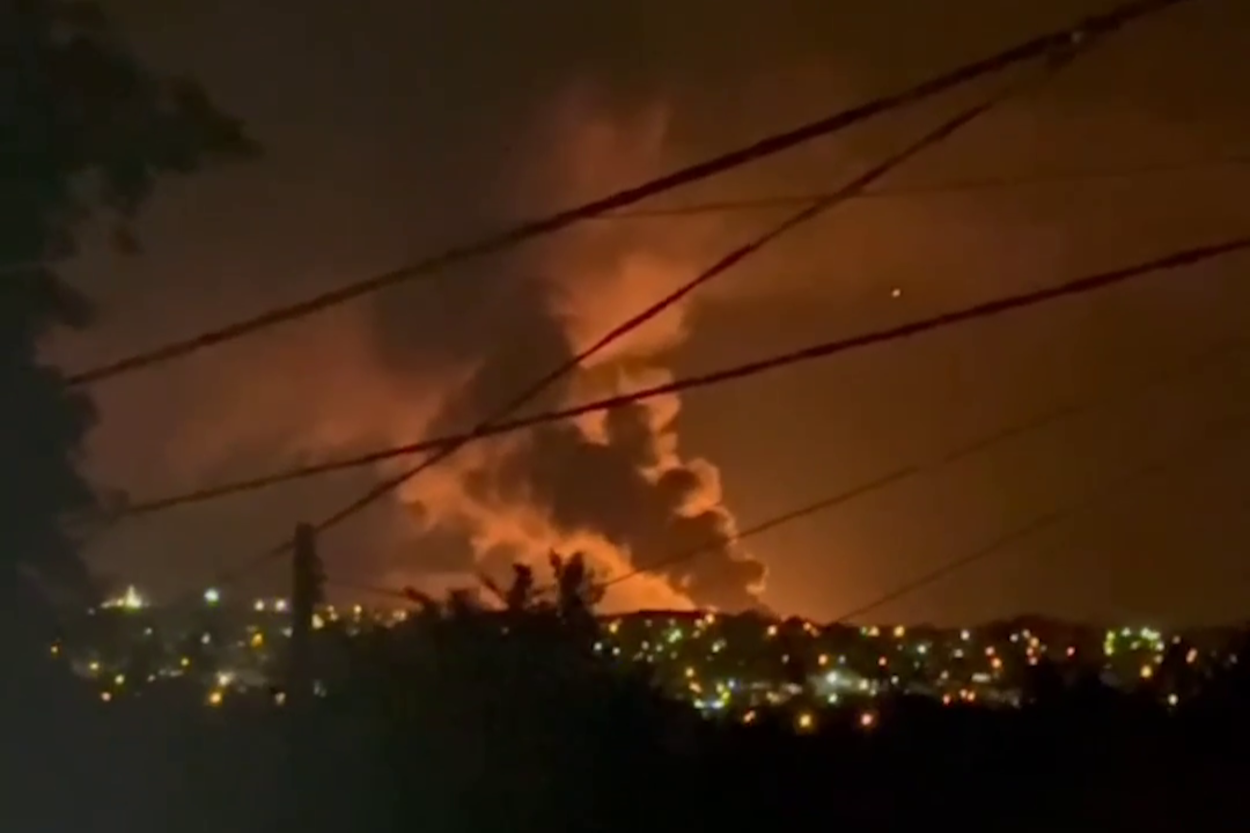
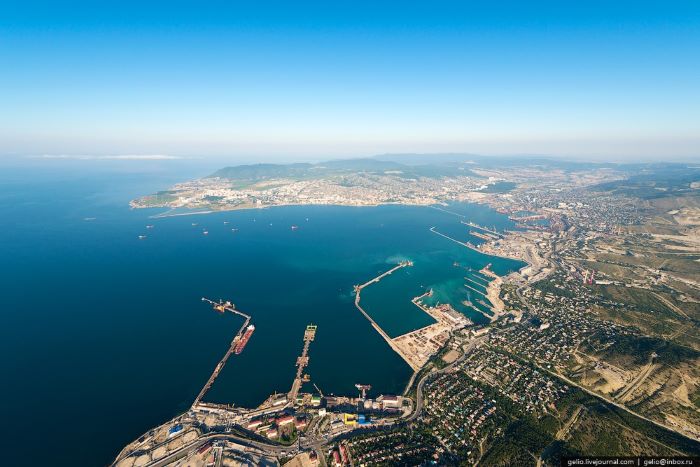
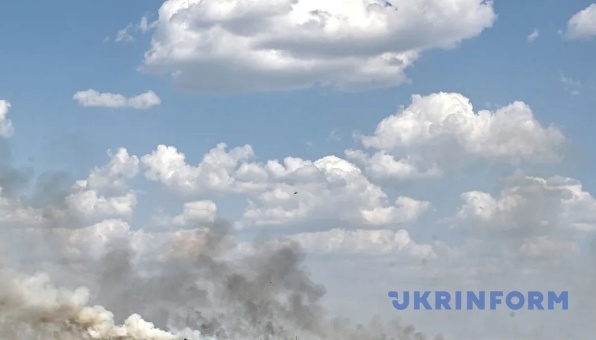
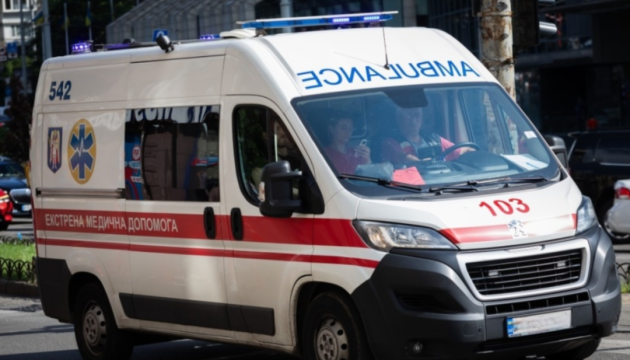
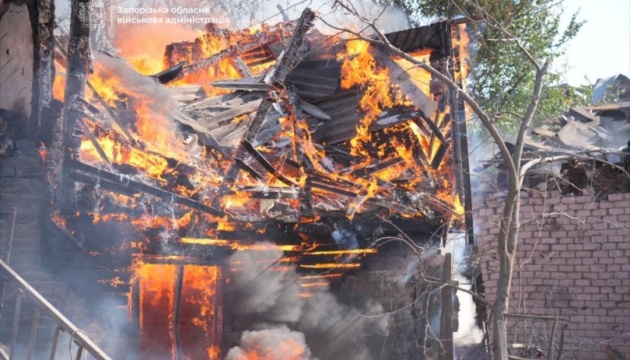
Two people were killed and several others injured, including children, as a result of a Russian missile strike on Odesa. Fires broke out in the city following the attack.
Two people were killed and several others injured, including children, as a result of a Russian missile strike on Odesa. Fires broke out in the city following the attack.
Exclusives
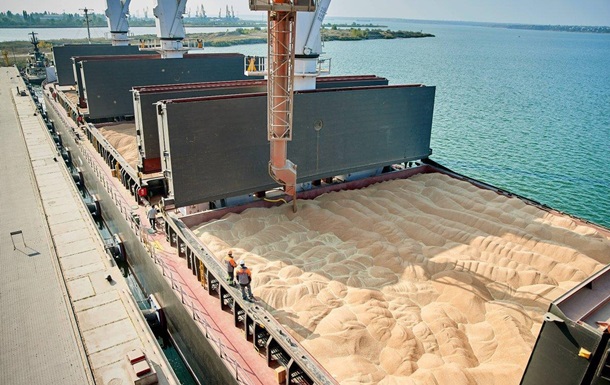
Russia’s port strikes leave Ukraine’s grain with almost nowhere else to go. Russia’s strikes have halted Ukraine’s deepwater grain exports—and there’s no way around the damage: one rail line carries almost all of it.
Ukraine is turning Crimea into an island. It just fired the minister who armed the effort. The same pattern that cost Zaluzhnyi his job in 2024—success, popularity, a Syrskyi clash, a possible rival.
The Syrskyi feud was not it: why Ukrain
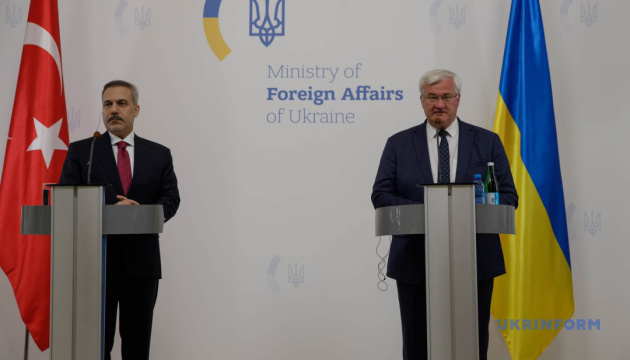
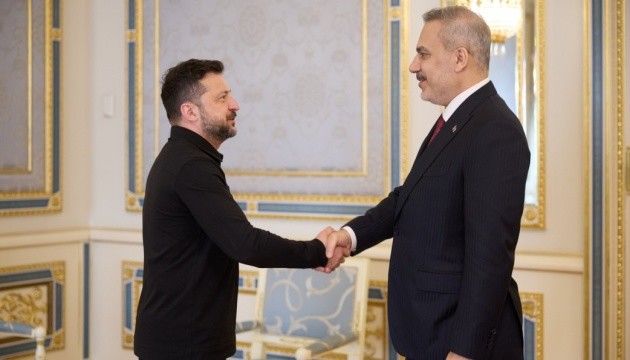
President Volodymyr Zelensky has said that Türkiye has reaffirmed its readiness to help facilitate a meeting at the leaders' level aimed at ending the war.
President Volodymyr Zelensky has said that Türkiye has reaffirmed its readiness to help facilitate a meeting at the leaders' level aimed at ending the war.
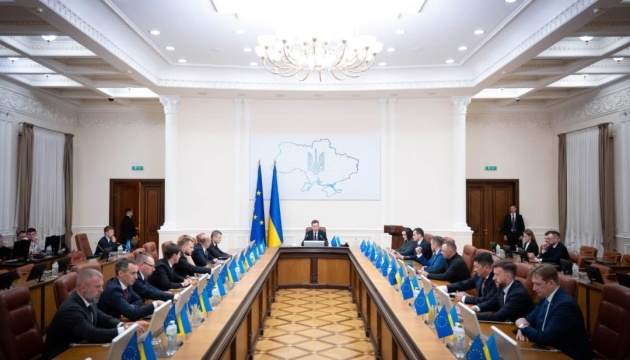
President Volodymyr Zelensky has said that the new government led by Prime Minister Sergii Koretskyi will focus primarily on preparing Ukraine for the coming winter and accelerating the implementation of agreements with international partners.
President Volodymyr Zelensky has said that the new government led by Prime Minister Sergii Koretskyi will focus primarily on preparing Ukraine for the coming winter and accelerating the implementation of agreements with international partners.
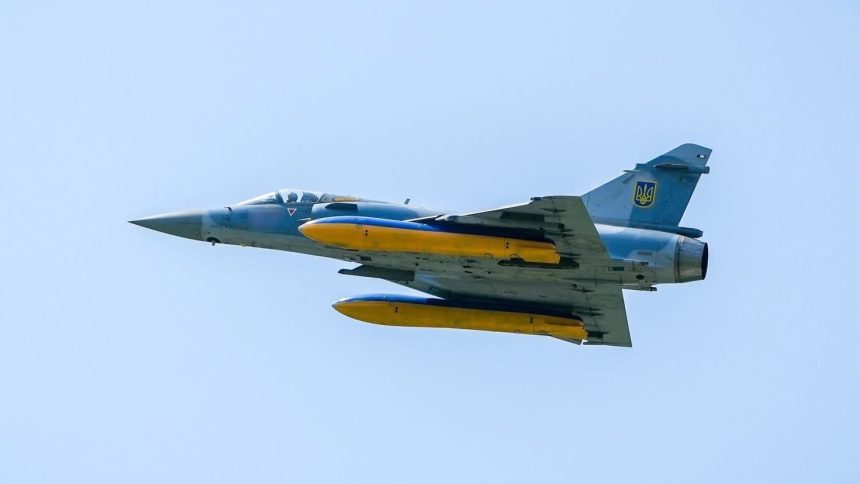
France's promise to hand Ukraine its first Rafale fighters will leave Kyiv operating one of the most mixed combat-jet fleets in the world—eight types built in four countries—according to RFE/RL. Analysts say Ukraine is taking on that complexity by choice—a wartime bridge it means to dismantle once its Soviet jets are gone.
Ukraine entered the full-scale war with a Soviet-built air force and has spent years remaking it under fire, leaning on whatever hardware allies will par
France's promise to hand Ukraine its first Rafale fighters will leave Kyiv operating one of the most mixed combat-jet fleets in the world—eight types built in four countries—according to RFE/RL. Analysts say Ukraine is taking on that complexity by choice—a wartime bridge it means to dismantle once its Soviet jets are gone.
Ukraine entered the full-scale war with a Soviet-built air force and has spent years remaking it under fire, leaning on whatever hardware allies will part with. Every jet it adds now folds into an air campaign reaching ever deeper into Russian-held skies.
The Rafale pledge, and the fleet it caps
Paris announced on 14 July that Ukraine will receive an initial four Rafales from a batch of 16, once Ukrainian pilots and ground crews have completed conversion to the type. That training could start in 2026, France and Ukraine said in a joint statement, with the jets expected over Ukraine around 2028-2029.
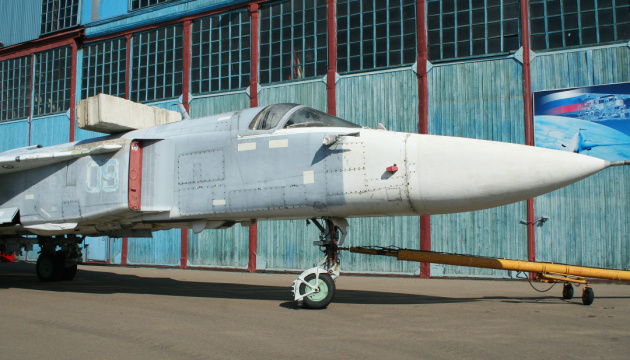
By RFE/RL's count, the deliveries will leave Ukraine flying eight combat-jet types from four countries: the Soviet MiG-29s and Su-27s it inherited, older Su-24 and Su-25 strike aircraft, and four Western fighters— American F-16s, French Mirage 2000s and Rafales, and Swedish Gripens. Almost no air force runs a lineup that wide.
Why does everyone else standardize
Militaries converge on one or two jet types for hard economic reasons. Each type needs its own supply chain, its own trained mechanics, its own spare parts, its own pilot pipeline. Germany and France, both large and well-funded, field just two fighter types each. Several NATO members fly only one.
Explore further
Paris reportedly offers Athens a deal — 43 Greek Mirage 2000 jets for Ukraine, discounted Rafales in return
Christoph Bergs, an air power analyst at the Royal United Services Institute, told RFE/RL the fragmentation is a passing cost, not a fixed design. Kyiv wants to swap out its Soviet fleet entirely, he said, and the small batches of Gripens and Rafales arriving this decade will first cover "a transitionary, likely accelerated period of training and tactical integration."
Why Ukraine has no choice
The Soviet jets still at the core of Ukraine's fighting fleet became a liability after Russia seized Crimea in 2014 and cut off the flow of spare parts. Each year they keep flying, they grow harder to maintain and riskier to keep aloft. Kyiv cannot wait for one Western type to arrive in bulk while Russia attacks now, so it takes whatever allies will send, whenever they send it.
That is how the fleet became a patchwork—by wartime arithmetic, not design. F-16s came first because the US and its European operators had them in numbers and the parts to keep them airworthy. Mirages came because France had a few to spare. Gripens are coming because Sweden signed on for as many as 150, Rafales because Kyiv wants 100. Each deal made sense on its own, together, they hand Ukraine a training and maintenance load no peacetime planner would ever take on.
What the complexity buys
The mix pays Ukraine back in two ways. It builds combat air power faster because Kyiv accepts whatever airframe is available instead of waiting for a single standardized type. And it spreads the risk, so no lone supply cutoff or political reversal grounds the whole force. When Washington wavered over F-16 munitions and rules of engagement, the other jets kept flying.
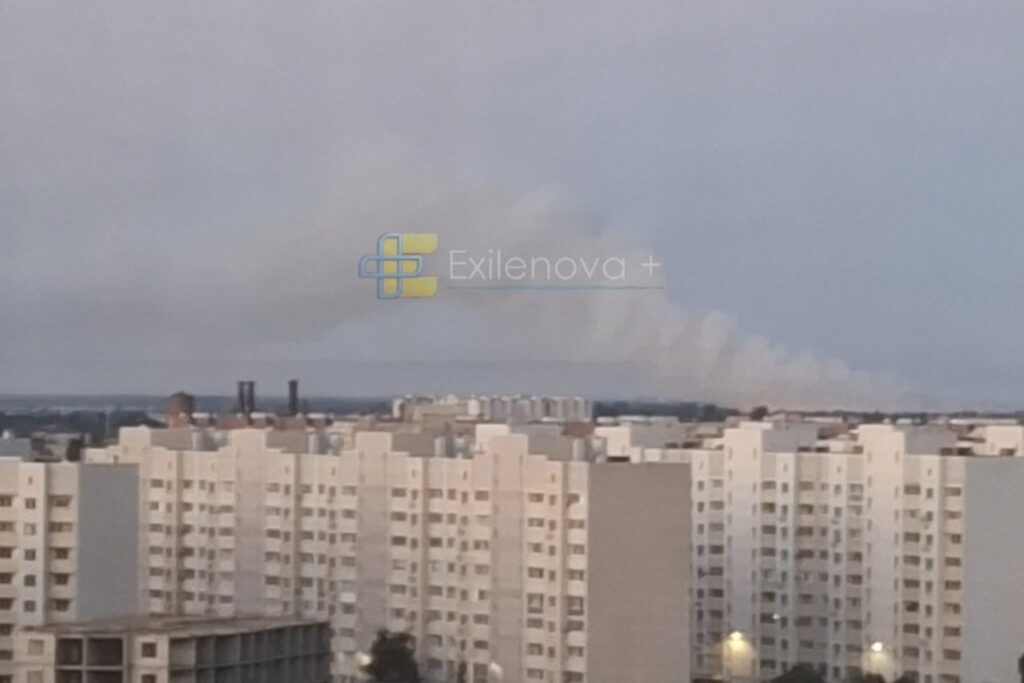
A reported overnight drone attack targeted Russia's Engels-2 strategic airbase in Saratov Oblast on 16 July, with open-source analysts identifying a fire on the installation that hosts bombers used in missile attacks against Ukraine.
The monitoring Telegram channel Exilenova+ reported that multiple drones targeted the airbase overnight. Videos published by the channel appeared to show a fire burning on or near the military installation.
Independent Russian outlet Ast
A reported overnight drone attack targeted Russia's Engels-2 strategic airbase in Saratov Oblast on 16 July, with open-source analysts identifying a fire on the installation that hosts bombers used in missile attacks against Ukraine.
The monitoring Telegram channel Exilenova+ reported that multiple drones targeted the airbase overnight. Videos published by the channel appeared to show a fire burning on or near the military installation.
Independent Russian outlet Astra reported, based on open-source analysis, that a fire broke out on the airbase following the strike.
Shahed-like drone design draws attention
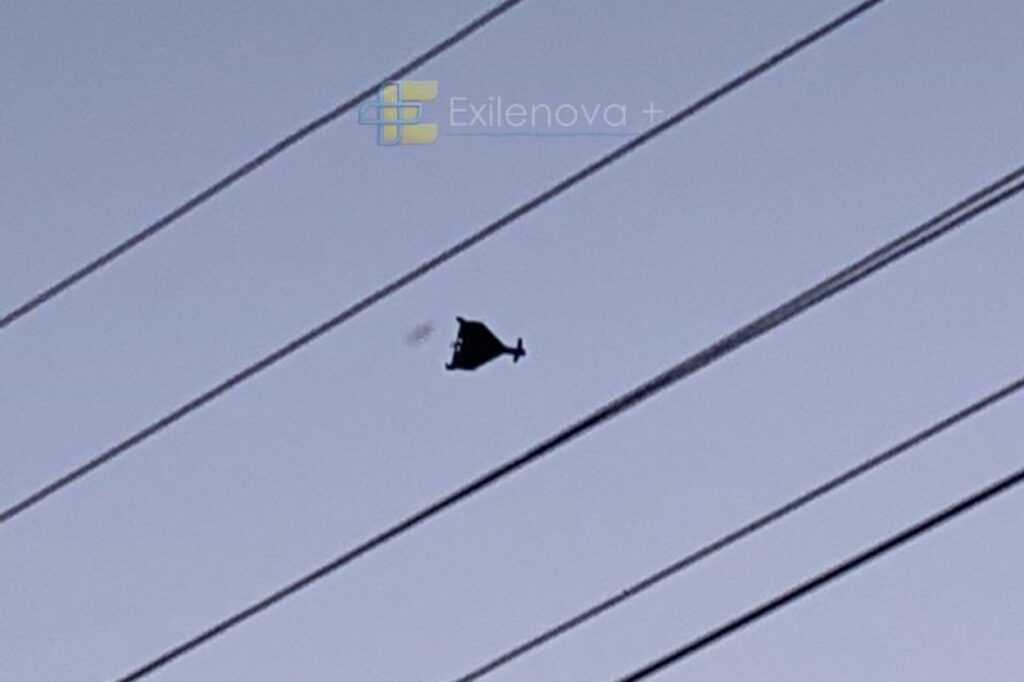
Ukrainian defense outlet Militarnyi noted that footage recorded by local residents appeared to show drones visually resembling Iranian-designed Shahed loitering munitions, which Russia has used extensively to strike Ukrainian cities and infrastructure throughout its full-scale invasion.
The outlet noted that visually similar drones have been observed during previous Ukrainian long-range strikes inside Russia.
An unidentified Ukrainian drone, visually resembling the Iranian-designed Shahed kamikaze drone, used to attack Russia's Engels-2 airbase on 16 July 2026. Photo: Exilenova+
Base used for missile attacks on Ukraine
Engels-2 is one of Russia's principal strategic aviation bases and hosts Tu-95MS and Tu-160 strategic bombers, which Russia regularly uses to launch Kh-101 cruise missiles against Ukrainian cities and infrastructure.
The base also stores munitions, fuel, and maintenance equipment supporting Russia's long-range bomber fleet. Militarnyi noted that Russia expanded the airbase last year by constructing additional aircraft parking areas to accommodate more strategic bombers.
The airbase has been targeted repeatedly since Russia launched its full-scale invasion of Ukraine in 2022, reflecting Ukraine's campaign to degrade Russia's long-range strike capabilities deep behind the front line.
Explosions reported across Engels
Residents of the Russian cities of Saratov and Engels reported hearing multiple explosions beginning around 2:30 a.m. local time, according to monitoring channels.
Saratov Oblast Governor Roman Busargin acknowledged a drone attack on the region, saying civilian infrastructure in Engels had been damaged but reporting no casualties. He did not confirm any strike on the military airfield.
According to Astra, one drone also struck a residential apartment building about two kilometers from the airbase. Militarnyi reported that local residents also described power outages following the explosions, with social media users suggesting a substation may have been hit.
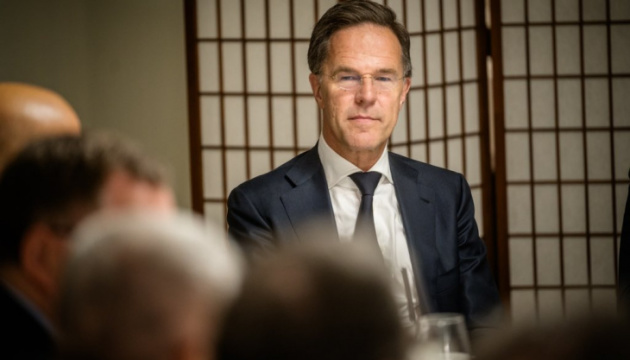
NATO Secretary General Mark Rutte does not expect the appointment of a new Ukrainian defense minister to bring major changes to Kiev's strategy in its fight against Russia.
NATO Secretary General Mark Rutte does not expect the appointment of a new Ukrainian defense minister to bring major changes to Kiev's strategy in its fight against Russia.
Prime Minister of Ukraine Sergii Koretskyi has said the next heating season is likely to be more difficult than the previous one due to intensified Russian attacks, adding that the government is accelerating preparations for winter.
Prime Minister of Ukraine Sergii Koretskyi has said the next heating season is likely to be more difficult than the previous one due to intensified Russian attacks, adding that the government is accelerating preparations for winter.
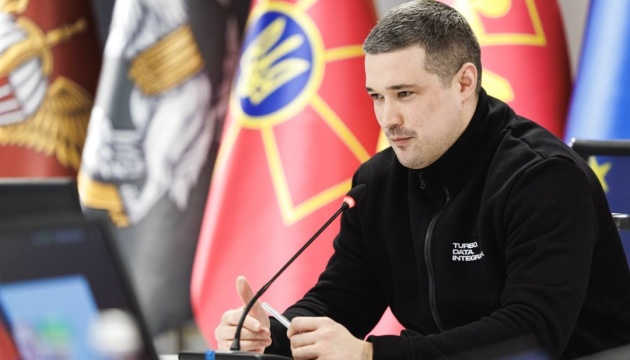
Ukraine’s President Volodymyr Zelenskyy told the crowds demanding the return of dismissed Defense Minister Mykhailo Fedorov that they were right to protest even during the war—then pressed ahead anyway, naming his special operations chief Yevhenii Khmara acting defense minister and passing over both Fedorov and Interior Minister Ihor Klymenko, the reported frontrunner.
Explore further
Ukraine’s President Volodymyr Zelenskyy told the crowds demanding the return of dismissed Defense Minister Mykhailo Fedorov that they were right to protest even during the war—then pressed ahead anyway, naming his special operations chief Yevhenii Khmara acting defense minister and passing over both Fedorov and Interior Minister Ihor Klymenko, the reported frontrunner.
Explore further
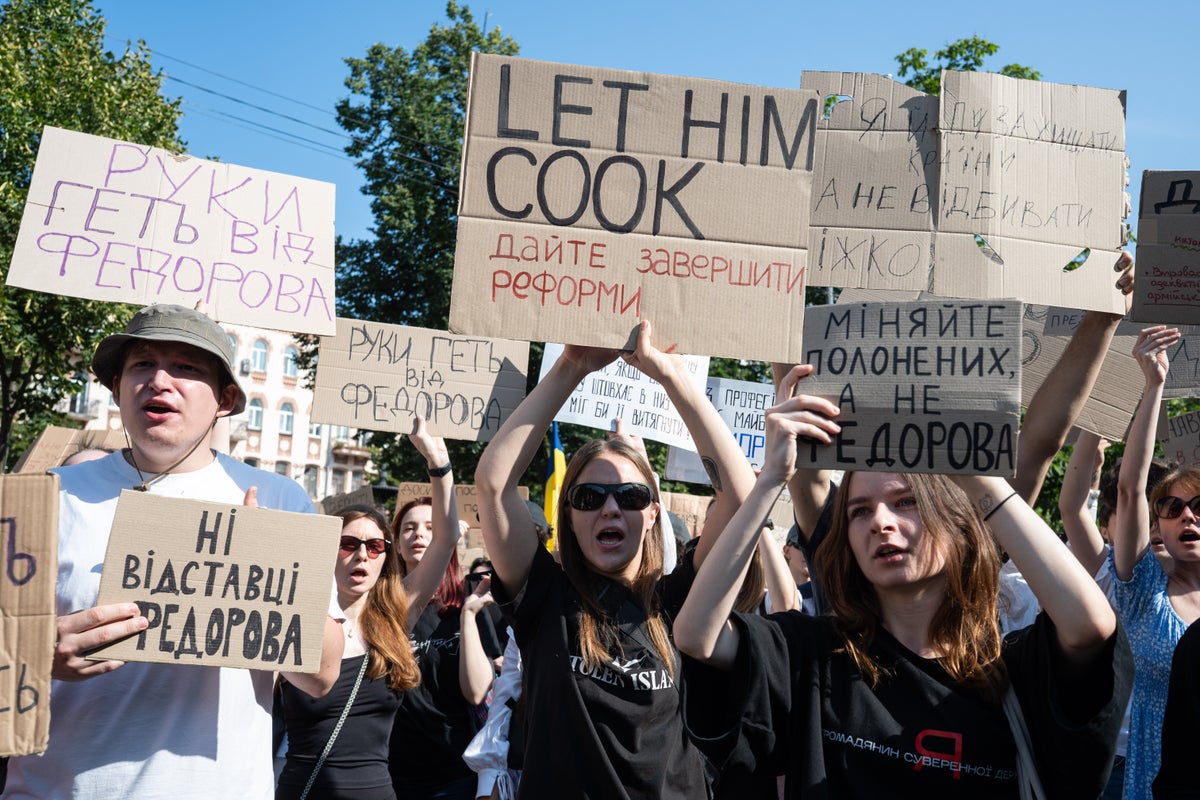
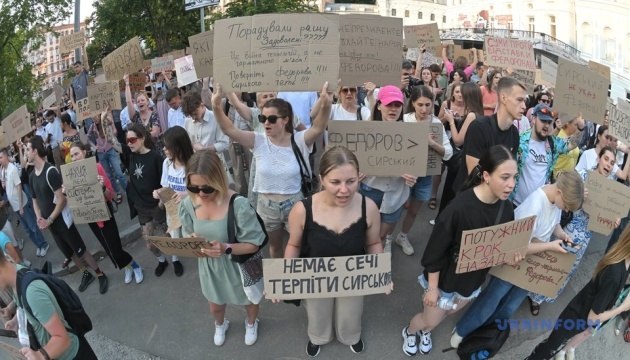
“Cardboard” protests against Zelenskyy’s firing of Fedorov erupt across Ukraine
It was the second time in a year that street protests have thrown one of Zelenskyy’s decisions into doubt. Last July, a week of rallies forced him to reverse a law stripping Ukraine’s anti-corruption agencies of their independence. He called his own answer an ellipsis rather than a full stop and said Fedorov would remain on his team in a role to be named later, he told a briefing reported by Ukrainska Pravda.
At the briefing, Zelenskyy floated Interior Minister Ihor Klymenko as the man who could stop it.
The president tied the incoming minister’s first task to ending “busification”—recruitment officers seizing men in public and bundling them into minibuses bound for enlistment offices. At the briefing, he floated Interior Minister Ihor Klymenko as the man who could stop it. By evening, he had chosen Khmara instead.
The rallies he answered had filled nearly 20 cities that morning, most of the crowds young, and they stayed peaceful.
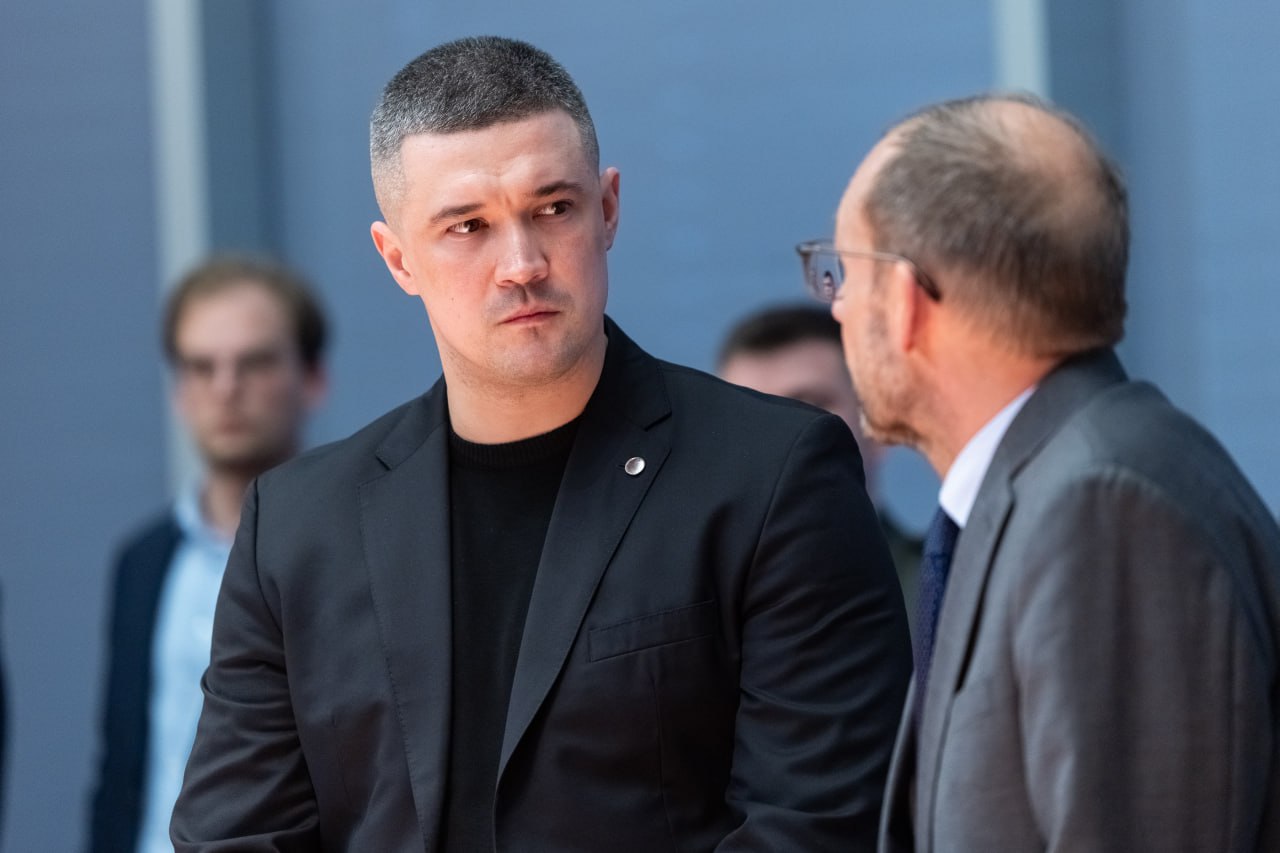
Ukrainian Defense Minister Mykhailo Fedorov in Germany, on 15 April 2026. Source: Fedorov
The man he fired blames the army
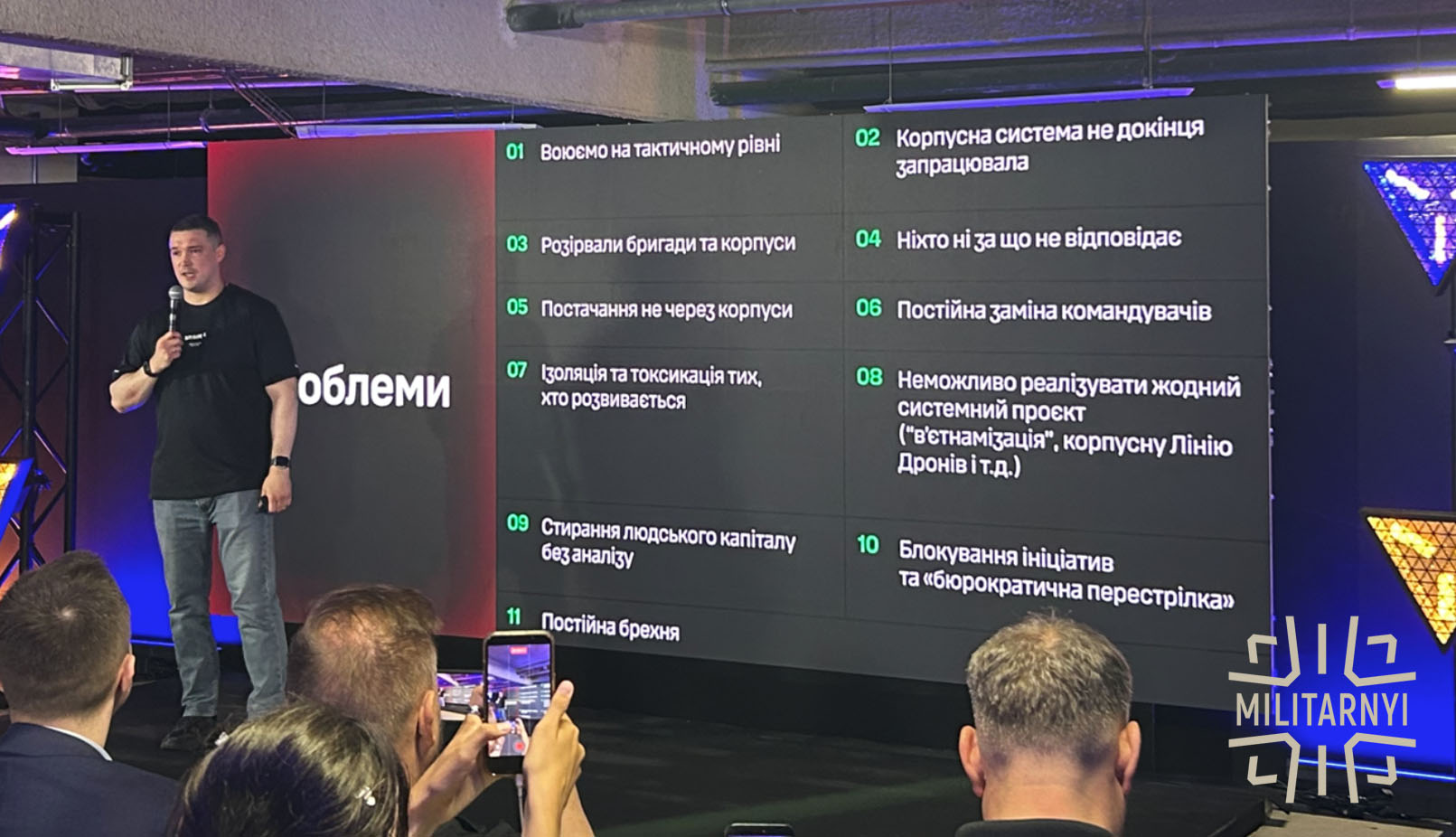
Fedorov, in his own farewell briefing hours earlier, argued that no minister can fix mobilization without deeper change within the army, since Ukraine’s recruitment centers answer to the military command rather than the Defense Ministry, as reported by LIGA.net.
Zelenskyy told his party’s faction that Fedorov had botched the recruitment-center reform.
Where leadership and supply already work, he said, the problem disappears—pointing to the National Guard’s 13th “Khartia” brigade, which he said has a waiting list of at least 2,000 foreign volunteers. The state, he added, is selling its recruits lies and chaos.
Explore further
Fedorov breaks his silence: Ukraine’s army chief Syrskyi gave him an ultimatum—then blocked his reforms
That runs counter to the reason given for his removal. Zelenskyy told his party’s faction that Fedorov had botched the recruitment-center reform and that he could not choose between the minister and Commander-in-Chief Oleksandr Syrskyi, lawmakers said afterward, as Censor.net reported.
Ukrainian President Zelenskyy (left) meets with Yevhen Khmara after his appointment to lead the SBU during Ukraine's largest wartime reshuffle. 5 January 2025. Photo: Zelenskyy/TB
Zelenskyy turns to his special operations chief
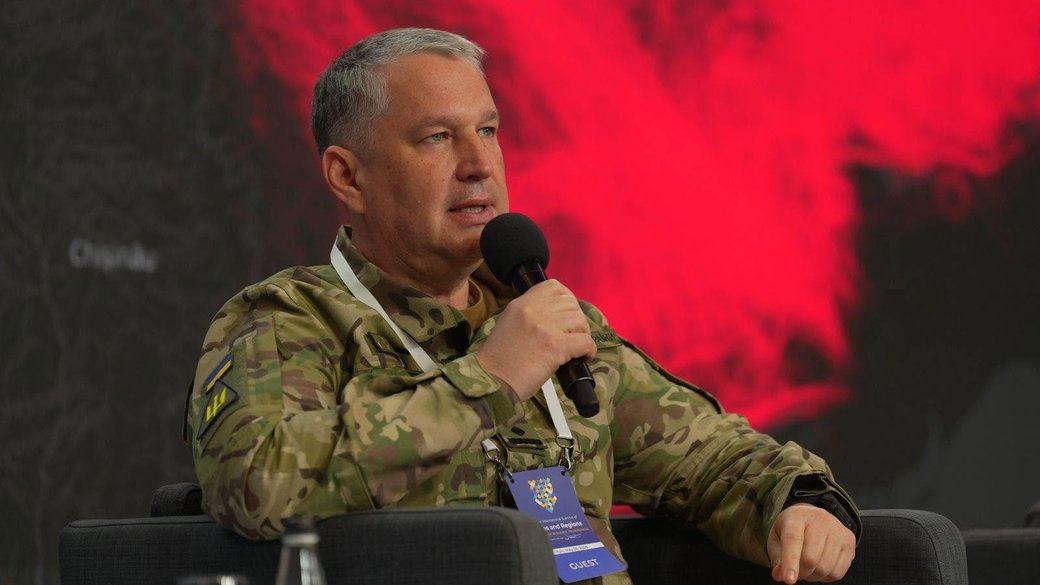
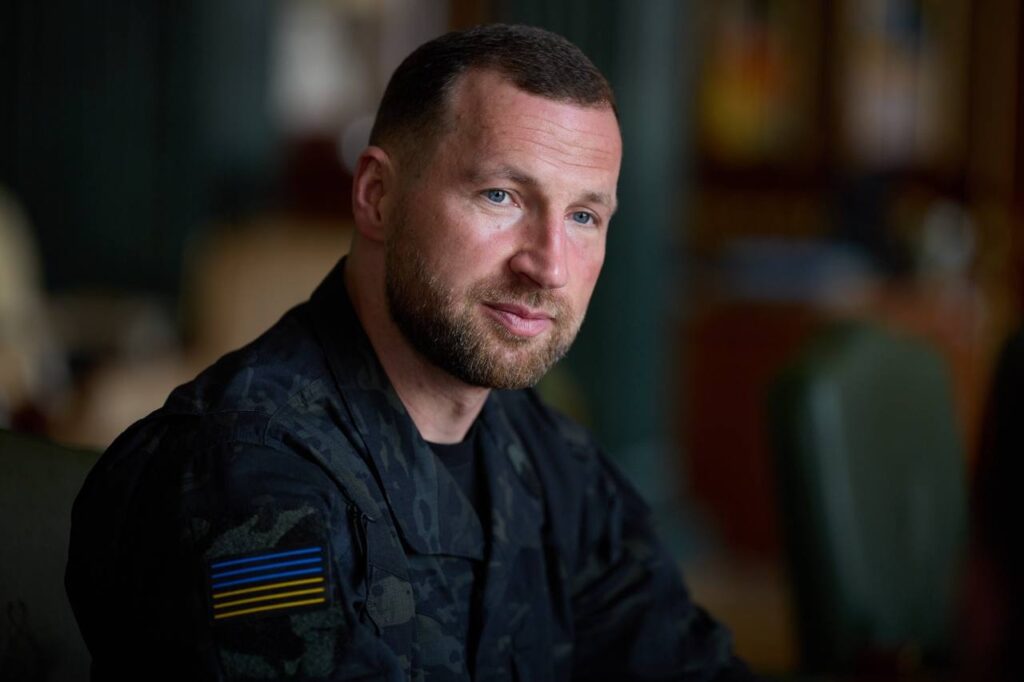
Khmara, whom Zelenskyy had made acting head of the Security Service in January, was told to run the ministry. The president praised his experience directing Ukraine’s long-range strike operations against Russia and said he would ask parliament to confirm him once the legal formalities were done, the president wrote on his official channel.
Parliament has already confirmed a new prime minister, Naftogaz chief Serhii Koretskyi. Khmara’s confirmation is the vote still to come.
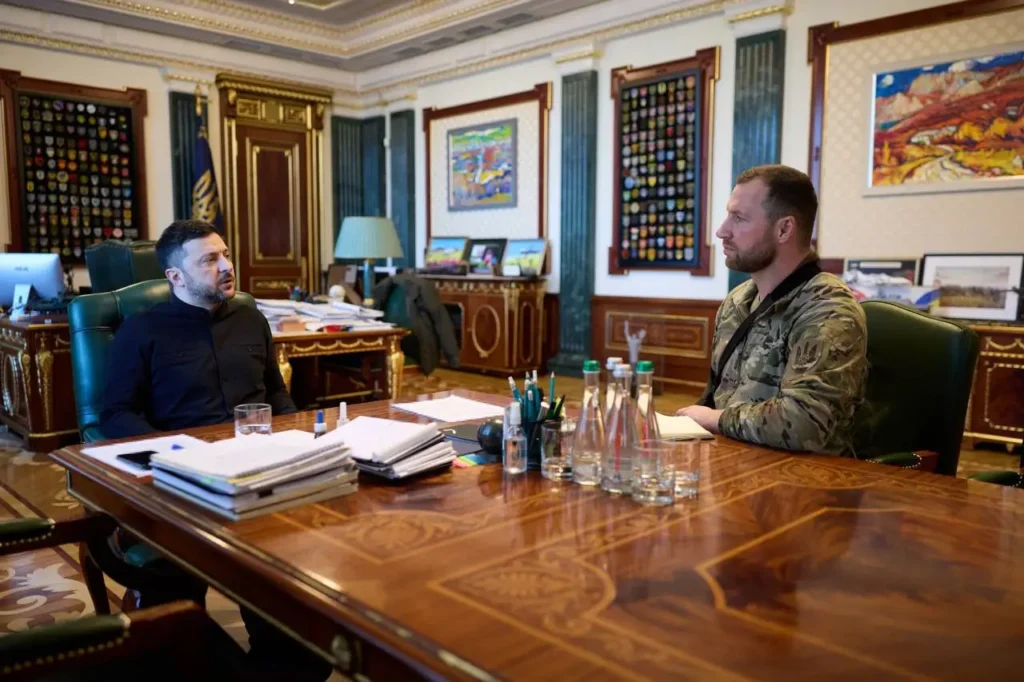
President Volodymyr Zelensky has appointed Yevhen Khmara as acting minister of defense of Ukraine and, once the necessary legal procedures are completed, will ask the Verkhovna Rada to endorse his nomination.
President Volodymyr Zelensky has appointed Yevhen Khmara as acting minister of defense of Ukraine and, once the necessary legal procedures are completed, will ask the Verkhovna Rada to endorse his nomination.
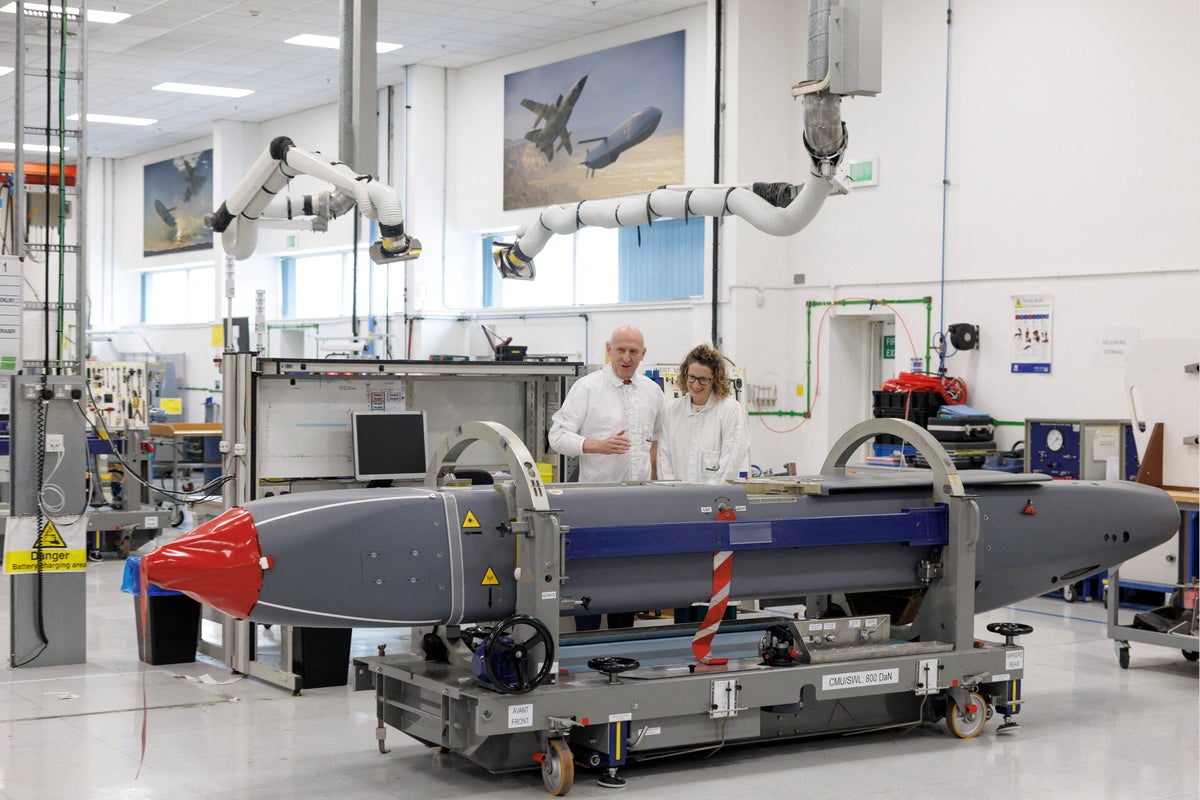
The United Kingdom has signed contracts with several defense companies to develop its first domestically produced ballistic missile in more than 50 years, with a "pared-down" design intended to accelerate deliveries to Ukraine by late 2027, Bloomberg reported on 16 July, citing people familiar with the program.
According to Bloomberg, the accelerated effort, known as Project Nightfall, is designed to both bolster Ukraine's long-range strike capabilities and reduce Europ
The United Kingdom has signed contracts with several defense companies to develop its first domestically produced ballistic missile in more than 50 years, with a "pared-down" design intended to accelerate deliveries to Ukraine by late 2027, Bloomberg reported on 16 July, citing people familiar with the program.
According to Bloomberg, the accelerated effort, known as Project Nightfall, is designed to both bolster Ukraine's long-range strike capabilities and reduce Europe's dependence on American-made weapons.
Fast-tracked development
Bloomberg reported that the UK Ministry of Defence relaxed some of the missile's original requirements after receiving feedback from industry in an effort to speed up development.
The revised specifications reportedly reduce the missile's range from more than 600 kilometers to 500 kilometers and its warhead from 300 kilograms to 200 kilograms, while raising the target unit cost from under £500,000 to a maximum of £800,000.
According to Bloomberg's sources, test launches are expected to begin within the next 12 months, with the first deliveries planned for late 2027. The publication noted that ballistic missile programs typically take more than a decade to develop and field.
Supporting Ukraine and Europe's rearmament
The project is intended to achieve two strategic goals: supplying Ukraine with long-range strike capabilities and expanding Europe's indigenous defense industrial base as European governments seek to lessen reliance on US military support, Bloomberg reported.
The missile is expected to be capable of launching from multiple vehicle platforms, firing salvos in quick succession, operating in electronically contested environments, and being manufactured at a rate of up to 10 systems per month.
A UK Ministry of Defence spokesperson told Bloomberg that Britain is "applying the lessons of Ukraine to deliver military capability faster, using rapid prototyping, innovation and close collaboration with British industry."
Broader UK weapons effort
Project Nightfall is one of several British initiatives aimed at strengthening Ukraine's long-range strike capabilities.
Britain is also developing a low-cost, long-range cruise missile for Ukraine under Project Brakestop, with testing already underway in the UK, Bloomberg reported.
The report comes as European governments continue expanding joint defense projects and increasing investments in domestic weapons production amid Russia's ongoing full-scale invasion of Ukraine.
Recently, the number of attacks on Zaporizhzhia has increased, and the Defense Forces have not been able to destroy all the drones and unmanned aerial vehicles heading toward the city.
Recently, the number of attacks on Zaporizhzhia has increased, and the Defense Forces have not been able to destroy all the drones and unmanned aerial vehicles heading toward the city.
Between 92% and 95% of Ukraine’s export grain reaches the ports by rail. The deepwater terminals that once stockpiled up to seven million tons a month can now hold four to five—a gap of about 2.5 million tons a month that the Danube barges, the trucks, and the western rail crossings together cannot come close to filling, wrote Bohdan Kostetskyi, operating partner at the trade and analysis firm Barva Invest.
Türkiye raised its transit fee by about 15% on 1 July, and Ukr
Between 92% and 95% of Ukraine’s export grain reaches the ports by rail. The deepwater terminals that once stockpiled up to seven million tons a month can now hold four to five—a gap of about 2.5 million tons a month that the Danube barges, the trucks, and the western rail crossings together cannot come close to filling, wrote Bohdan Kostetskyi, operating partner at the trade and analysis firm Barva Invest.
Türkiye raised its transit fee by about 15% on 1 July, and Ukrzaliznytsia has proposed a 30% rail increase from 1 August.
The country’s main farmers’ union now estimates Ukraine has lost about a third of its capacity to export grain by sea, as reported by Reuters. More than 90% of its farm exports move through three ports in Odesa Oblast, and the country had forecast around 43 million tons for the 2026/27 season, which began in July, compared with 37 million last year.
The squeeze is set to tighten on schedule: Türkiye raised its transit fee by about 15% on 1 July, and Ukrzaliznytsia has proposed a 30% rail increase from 1 August that would add $5 to $6 per ton.
Explore further
Russia can’t blockade Ukraine’s grain ports, so it bombs them—exports could drop a third
The shock reaches world markets
World wheat markets reacted immediately. Euronext wheat jumped 7% on 15 July to €231.75 ($265) a ton, its highest since February 2025. The move ran both ways: Ukraine has been hitting Russia’s own Black Sea shipping, striking more than 100 vessels in the Sea of Azov and choking a route that carries roughly a quarter of Russian grain exports.
Shipowners have begun refusing to enter Ukrainian ports, citing force majeure.
Major traders have now suspended purchases for delivery to deepwater terminals, and shipowners have begun refusing to enter Ukrainian ports, citing force majeure, Barva Invest’s Kostetskyi said. Four of Ukraine’s 13 large export terminals had stopped buying, industry sources told Reuters.
Kernel, the country’s largest grain exporter, halted operations at its Chornomorsk terminals after strikes on 10–12 July, with around 45,000 tons of wheat and 9,000 tons of sunflower oil lost or damaged, the company reported. Deputy Economy Minister Taras Vysotskyi said the state will do what it can to keep exports at or above last year’s level.
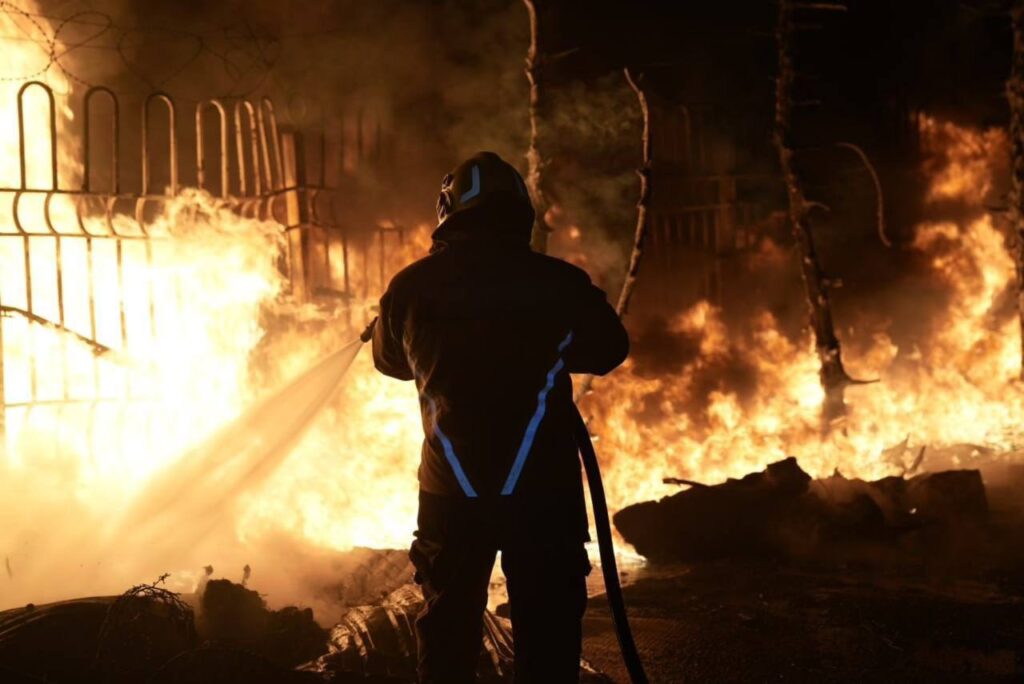
A rescuer extinguishes a fire at port infrastructure in Odesa Oblast after Russian drone strikes overnight on 2-3 May 2026. Credit: Oleh Kiper/Telegram
No way around the rail line
By Kostetskyi’s figures, the land alternatives cannot take up the slack. River exports through the Danube ports run about 100,000 tons a month, truck exports roughly the same, and rail to the western border crossings tops out at 300,000 to 400,000 tons—set against the 2.5 million tons of monthly capacity the ports have lost, a trickle.
The zone where trucking can compete with rail has narrowed to about 200 km from the ports.
They are also getting harder to feed: the zone where trucking can compete with rail has narrowed to about 200 km from the ports, so even a rail tariff rise that might, in theory, widen the delivery radius runs into trucking costs too high to close the gap.
Falling prices hit farmers
The damage travels straight to the farm gate. With deepwater buyers gone, purchase prices have fallen within days—rapeseed bids at crushing plants dropped about 1,000 hryvnia per ton (about $24) over the week, and Kernel cut its terminal bids about 200 hryvnia per ton (about $5) in a single day, trade outlet Latifundist reported.
The share of the big bulk carriers that haul grain to Asia has fallen to about 20%, down from 40% to 45% in earlier years.
Every hryvnia off the price lands on producers who, the All-Ukrainian Agrarian Council warns, are being pushed toward running out of working capital for the next sowing campaign. The council, which represents more than 1,400 small and mid-sized producers, has backed port operators in asking the government and foreign partners to widen war-risk insurance and compensation.
War-risk premiums are already built into the sea leg—freight from Constanța to Alexandria runs about $5 per ton cheaper than from Odesa, and the share of the big bulk carriers that haul grain to Asia has fallen to about 20%, down from 40% to 45% in earlier years. Türkiye’s higher transit fee and the proposed rail hike would pile several more dollars per ton onto grain that is already struggling to reach a ship.
The rail line still carries almost everything.
Kostetskyi does not expect a full, prolonged shutdown of maritime exports, reading the current strikes as a fixed campaign window rather than a permanent blockade. But the constraint he describes does not lift when the strikes pause. The rail line still carries almost everything, the ports still handle less than they did, and the routes meant as a fallback were never built for this.
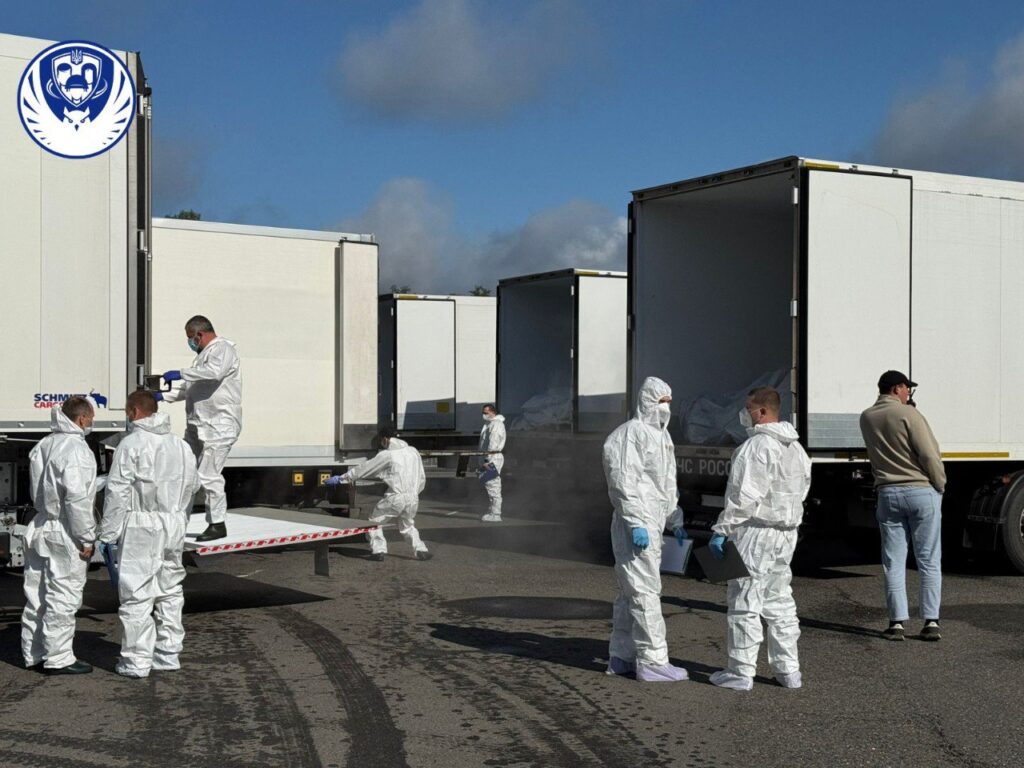
Ukraine has repatriated the bodies of 501 people whom Russia says may be Ukrainian service members, the Coordination Headquarters for the Treatment of Prisoners of War announced on 16 July.
The transfer is one of the latest in a series of wartime repatriation operations between Ukraine and Russia, allowing Ukrainian authorities to begin the process of identifying the dead and eventually return them to their families.
Identification process begins
The Coordination
Ukraine has repatriated the bodies of 501 people whom Russia says may be Ukrainian service members, the Coordination Headquarters for the Treatment of Prisoners of War announced on 16 July.
The transfer is one of the latest in a series of wartime repatriation operations between Ukraine and Russia, allowing Ukrainian authorities to begin the process of identifying the dead and eventually return them to their families.
Identification process begins
The Coordination Headquarters said the remains will undergo forensic examination by Ukrainian investigators and experts to establish their identities.
The headquarters noted that Russia identified the bodies as potentially belonging to Ukrainian military personnel.
Ukrainian authorities will independently verify each identity through forensic procedures. The process can take weeks or months, particularly when remains are fragmented or degraded, and often relies on DNA analysis and other forensic methods.
Coordinated repatriation effort
According to the headquarters, the operation involved the Coordination Headquarters for the Treatment of Prisoners of War, the Security Service of Ukraine's Joint Center, the Armed Forces, the Interior Ministry, the Office of the Parliamentary Commissioner for Human Rights, the Commissioner for Persons Missing Under Special Circumstances, the State Emergency Service, and other security agencies.
The headquarters also thanked the International Committee of the Red Cross for assisting with the repatriation.
Part of ongoing humanitarian exchanges
Since the start of Russia's full-scale invasion, Ukraine and Russia have periodically exchanged the bodies of fallen soldiers alongside prisoner-of-war swaps.
Once repatriated, the remains are transferred to specialized state institutions, where forensic experts work to identify the deceased before they can be returned to their families for burial.
Since the start of the day, the Russian army has attacked the positions of the Ukrainian Defense Forces 54 times. The enemy is exerting the most pressure in the Sloviansk and Pokrovsk sectors.
Since the start of the day, the Russian army has attacked the positions of the Ukrainian Defense Forces 54 times. The enemy is exerting the most pressure in the Sloviansk and Pokrovsk sectors.
Divers from the Omega Special Purpose Center of the Ukrainian National Guard, using strike drones, destroyed a Russian Su-24M bomber at the Saky Military Airfield in temporarily occupied Crimea.
Divers from the Omega Special Purpose Center of the Ukrainian National Guard, using strike drones, destroyed a Russian Su-24M bomber at the Saky Military Airfield in temporarily occupied Crimea.
Counterintelligence and investigators from the Security Service of Ukraine have detained the CEO of a defense enterprise and his deputy for production, who are suspected of allowing ammunition to be stored in warehouses located near residential buildings in the city of Vyshneve, Kyiv region.
Counterintelligence and investigators from the Security Service of Ukraine have detained the CEO of a defense enterprise and his deputy for production, who are suspected of allowing ammunition to be stored in warehouses located near residential buildings in the city of Vyshneve, Kyiv region.
Due to repatriation efforts, the remains of 501 individuals, who the Russian side claims may be Ukrainian service members, have been returned to Ukraine.
Due to repatriation efforts, the remains of 501 individuals, who the Russian side claims may be Ukrainian service members, have been returned to Ukraine.
Outgoing Defense Minister Mykhailo Fedorov used a briefing on 16 July to say Ukraine's top military command blocked his reforms and that Commander-in-Chief Oleksandr Syrskyi handed him an ultimatum, Militarnyi reported. He said he had pushed to replace both Syrskyi and General Staff chief Andrii Hnatov, and that the General Staff spent months refusing to sign off on his changes. He spoke a day after confirming he was leaving the post.
Ukraine has spent the war rebuilding it
Outgoing Defense Minister Mykhailo Fedorov used a briefing on 16 July to sayUkraine's top military command blocked his reforms and that Commander-in-Chief Oleksandr Syrskyi handed him an ultimatum, Militarnyi reported. He said he had pushed to replace both Syrskyi and General Staff chief Andrii Hnatov, and that the General Staff spent months refusing to sign off on his changes. He spoke a day after confirming he was leaving the post.
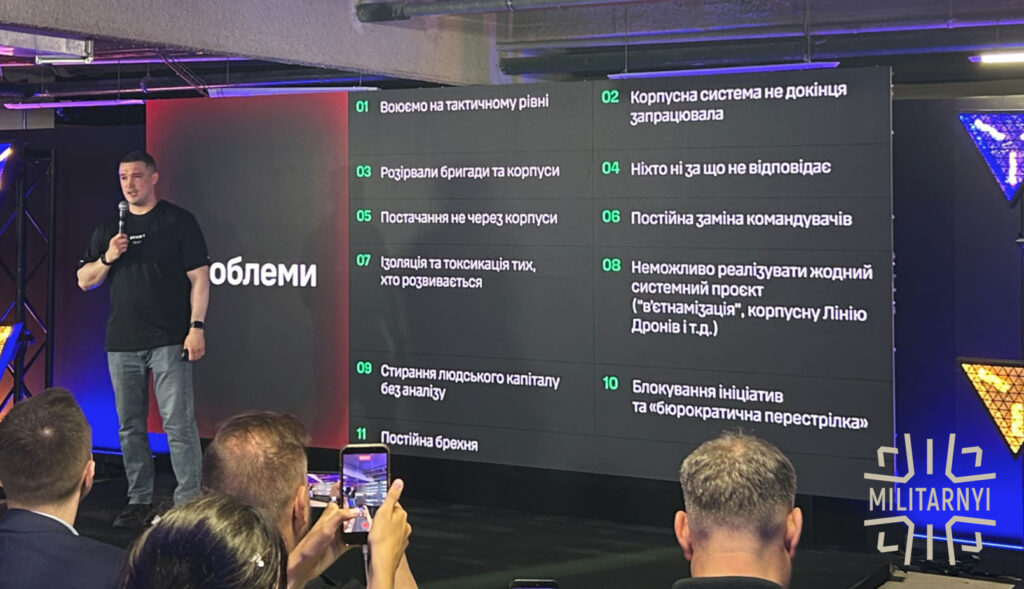
Ukraine has spent the war rebuilding its army around open tenders and a homegrown drone industry, a shift that pits startup-style managers against a traditional command structure over who controls the tools the front now runs on. Fedorov's account lands in the middle of a government shakeup. President Volodymyr Zelenskyy moved this week not to renominate him, with Interior Minister Ihor Klymenko set to take the defense post and Naftogaz chief Serhii Koretskyi approved as prime minister.
Zelenskyy's decision drew a rare wartime backlash: protests broke out in Kyiv and more than a dozen cities, and deputy Air Force commander Pavlo Yelizarov resigned the same day, warning that the firing and the blocking of Fedorov's reforms would "cause numerous casualties and destruction of Ukraine."
Fedorov, credited with building the drone force that reshaped the war, is being replaced mid-reform.
Fedorov said that once Zelenskyy told him he did not plan to dismiss Syrskyi, he accepted it and agreed to work with the general, "because our client is the Ukrainian people." But his ministry's initiatives began to be blocked, he said, and Syrskyi was "not ready to talk about problems personally, to his face."
Explore further
“Cardboard” protests against Zelenskyy’s firing of Fedorov erupt across Ukraine
Instead, the commander preferred to "weave intrigues" and assume someone had ordered a media campaign against him. That is what led Syrskyi to effectively deliver an ultimatum, Fedorov said.
"Instead of figuring out how to defeat Russia asymmetrically, which is the commander-in-chief's task, he figured out how to split the country," he said.
Fedorov stressed he had not set an "either me or Syrskyi" condition and was ready to keep working, and credited Syrskyi with saving the country in 2022. But the war had fully changed since, he argued:
"The drone changes the architecture. The management system has changed, we must change."
Explore further
The Syrskyi feud was not it: why Ukraine really dropped its drone-war minister
Why he wanted the command replaced
Fedorov said he had proposed "radical personnel decisions" — removing both Syrskyi and Hnatov — to fix systemic problems in the army, Liga reported. Ukraine has no other option, he argued, if it wants to beat the enemy asymmetrically and with minimal losses, "where strong leader-commanders will develop, will not be suppressed and written off." He tied the demand to ending abuses in the army, including in the Skelia assault regiment, hit weeks earlier by reports of non-combat deaths in its training centers.
The blocking
The obstruction was concrete, Fedorov said. For six months the General Staff refused to sign the documents needed to change the ministry's structure and create a competence center, citing formal objections and a reluctance to bring in new people.
Explore further
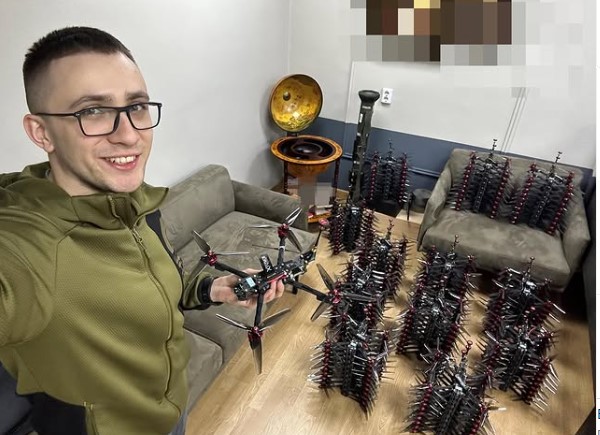
“Our state became further from victory”: Ukraine’s top volunteer, whose fund bought 286,000 FPV Drones, just lost his defense post
The ministry kept improvising around the blocks:
"We always hacked this with some non-standard solutions and continue to do it, but overall it doesn't work if we're talking about a serious system."
Even routine reforms stalled — approving a basic plan to supply brigades with drones took four months, and distribution still ran on loyalty rather than need, he said at the same briefing.
Fedorov also rejected the blame directed at his ministry over mobilization, noting the recruitment centers answer to the commander-in-chief and the General Staff, not to him, Liga reported. There is no fixing mobilization "without a new social contract and without real changes in the army," he said.
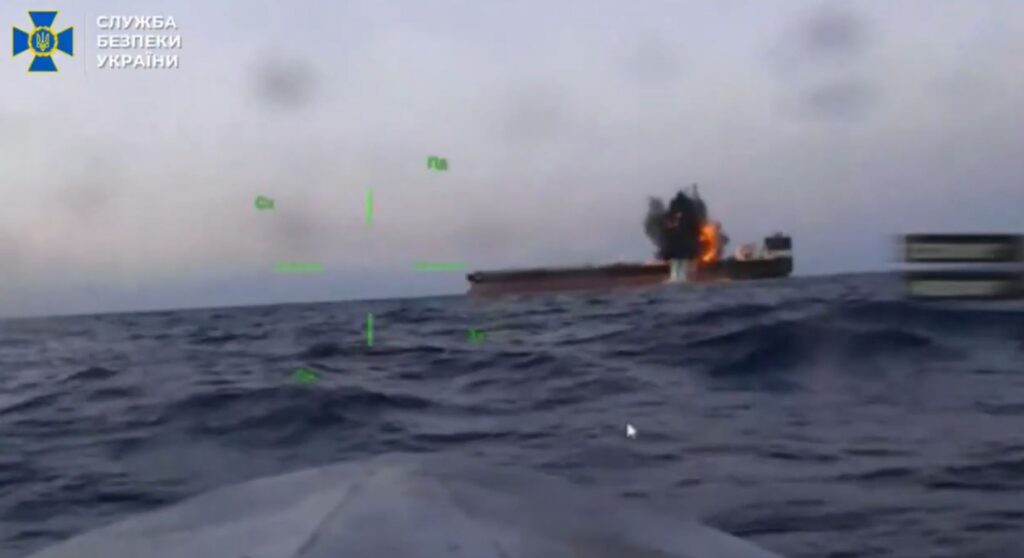
Ukraine's Security Service (SBU) struck two sanctioned Russian oil tankers with naval drones in the Black Sea, the SBU said. The vessels belong to the shadow fleet Moscow uses to sell crude around Western sanctions, and Russian aircraft tried and failed to stop the attack.
Oil exports remain the biggest source of cash for Russia's war, and Ukraine has spent 2026 attacking that revenue, where Western measures have left the money moving. Ukraine keeps targeting Russian oil re
Ukraine's Security Service (SBU) struck two sanctioned Russian oil tankers with naval drones in the Black Sea, the SBU said. The vessels belong to the shadow fleet Moscow uses to sell crude around Western sanctions, and Russian aircraft tried and failed to stop the attack.
Oil exports remain the biggest source of cash for Russia's war, and Ukraine has spent 2026 attacking that revenue, where Western measures have left the money moving. Ukraine keeps targeting Russian oil refineries, oil pipelines, depots, export terminals, and tankers. Forcing Moscow to defend its own oil exports at sea makes every shipment slower and costlier, compounding a fuel crisis already reshaping daily life inside Russia.
Two tankers, one sanctions-busting job
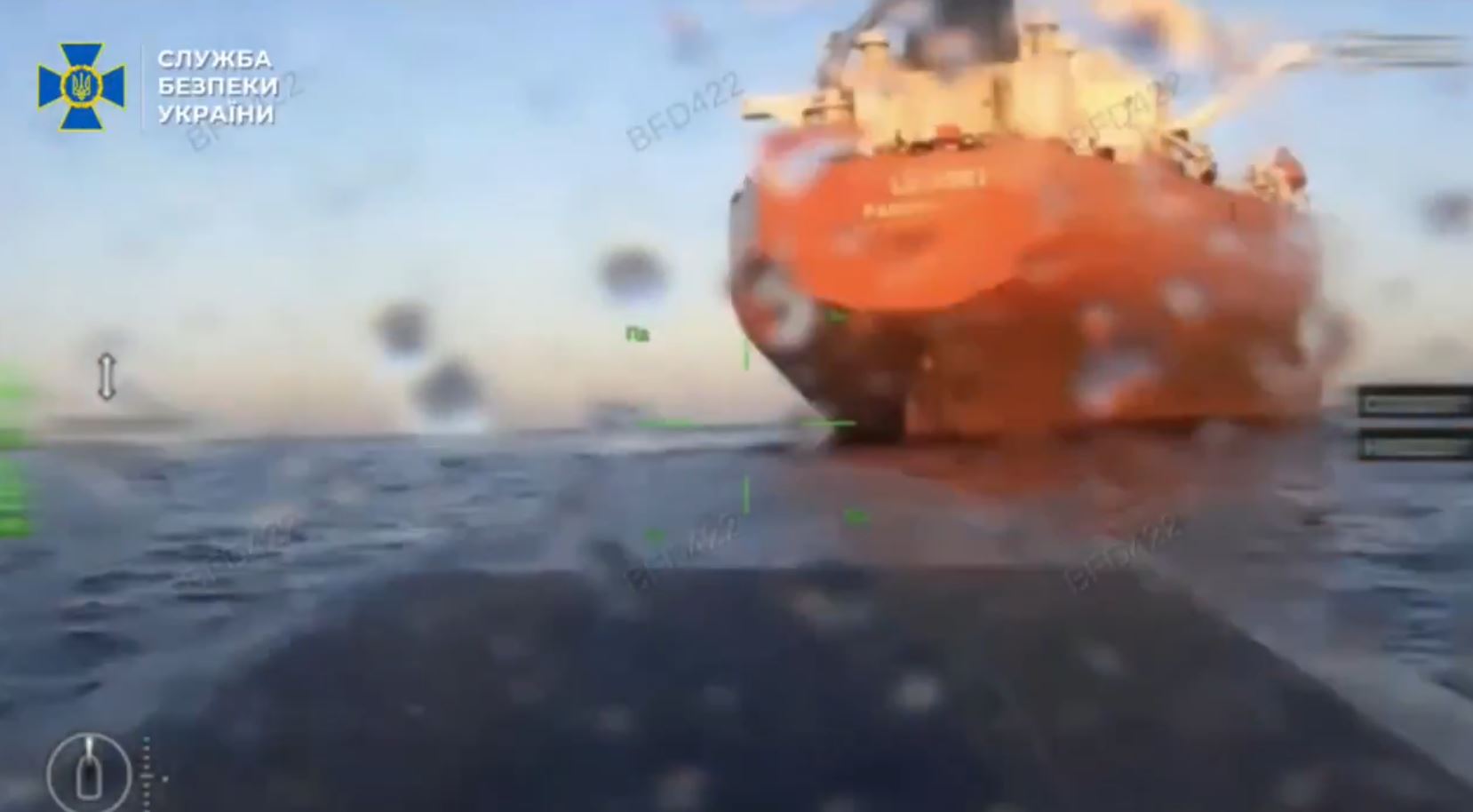
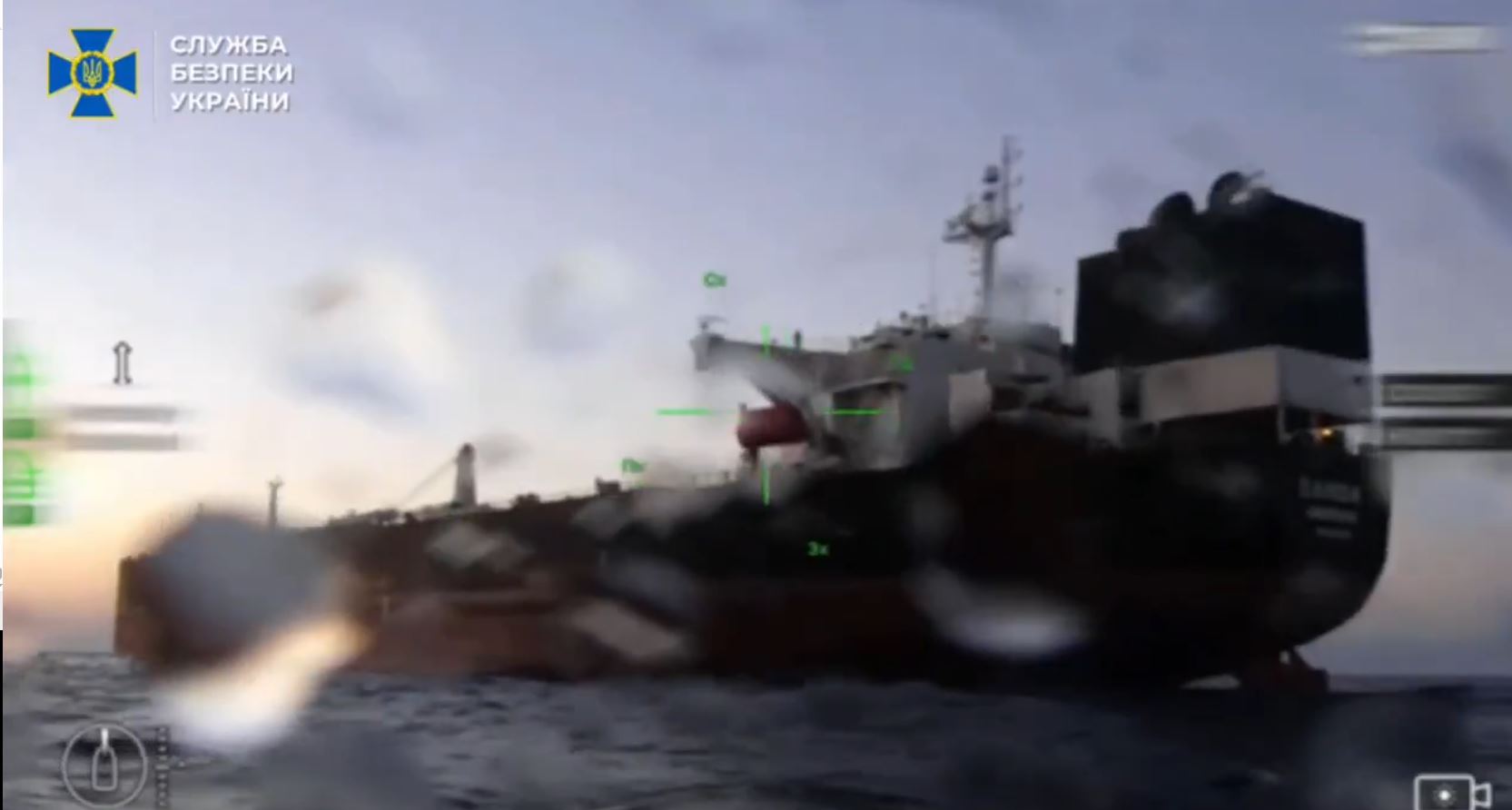
The SBU, working with the Navy, hit the ocean-going tankers Louise 1 and Banda — both under Ukrainian sanctions — with Mamai naval drones.
An SBU naval drone closes on the stern of the Russian shadow-fleet tanker Louise 1 in the Black Sea, 16 July 2026. Screenshot from SBU video
Louise 1 had moved Russian crude through the G7 and EU embargo, loading at Baltic and Black Sea ports with its transponder switched off. In 2026 alone, it carried nearly 3 million tons of Russian Urals crude, the SBU said.
The sanctioned Russian tanker Banda in the sight of an SBU naval drone before the strike in the Black Sea, 16 July 2026. Screenshot from SBU video
Banda had run Russian crude out of four ports: Ust-Luga, Kerch, Novorossiysk, and Nakhodka.
Ukraine's SBU hits two shadow-fleet tankers in the Black Sea
The Security Service of Ukraine and Navy struck the sanctioned tankers Louise 1 and Banda with Mamai sea drones, the SBU said. The Louise 1 alone moved nearly 3 mn tons of Russian crude in 2026.
The service calls each shadow-fleet tanker a legitimate target and a working part of Russia's war machine. Every strike, it says, cuts the oil money paying for the invasion.
A week earlier, the SBU's Sea Baby drone hit the sanctioned tanker Blue in Ukraine's waters off occupied Yalta. Ukraine has spent 2026 turning cheap drones into kinetic sanctions on Russia's tanker fleet. Sea Baby drones have wrecked shadow-fleet tankers across the Black Sea since late 2025.
The air campaign running alongside it
The naval strikes run in parallel with an aerial-drone campaign by the Unmanned Systems Forces (SBS). On 16 July, SBS operators struck 11 more shadow-fleet vessels — five oil tankers, a gas carrier, three dry-cargo ships, and two tugs.
Ukraine's drones hit 11 more shadow-fleet ships in a single day, pushing the 10-day total to 147
Ukraine's Unmanned Systems Forces (SBS) struck 11 vessels of Russia's sanctions-dodging shadow fleet on 16 July, commander Robert "Madyar" Brovdi said. The day's haul, in the Black… pic.twitter.com/4iZPIjoT2B
On 15 July, President Volodymyr Zelenskyy dismissed Mykhailo Fedorov, his fourth defense minister since the start of the full-scale war, after just six months in office.
Neither Zelenskyy nor the Presidential Office has attributed the decision to poor performance or misconduct, and there is no evidence of incompetence, corruption, or scandal. The evidence points the other way. Fedorov was removed at the peak of Ukraine's best months of the war—and if performance is not
On 15 July, President Volodymyr Zelenskyy dismissed Mykhailo Fedorov, his fourth defense minister since the start of the full-scale war, after just six months in office.
Neither Zelenskyy nor the Presidential Office has attributed the decision to poor performance or misconduct, and there is no evidence of incompetence, corruption, or scandal. The evidence points the other way. Fedorov was removed at the peak of Ukraine's best months of the war—and if performance is not the reason, the question is what is.
Under Fedorov, Ukraine has at times liberated more ground than it lost and driven up the cost of every meter Russia takes: ISW assessed that in June 2026 Russian forces suffered over 19 times as many casualties per square kilometer seized as a year earlier.
The clearest results are at sea. What the Financial Times has called the largest naval warfare in half a century has, by Ukraine's own count, put at least 136 Russian and Russia-linked vessels under drone attack between 6 and 15 July—oil tankers, shadow-fleet tankers, cargo ships, ferries, even the tugs sent to rescue them.
The first round, in the Sea of Azov, is over; the campaign has now moved into the Black Sea. Ukrainian forces are striking the ships that fuel and supply occupied Crimea, at an intensity analysts compare to the Iran–Iraq "Tanker War" of the 1980s. The campaign is effectively turning Crimea into an island, setting the stage for its future liberation.
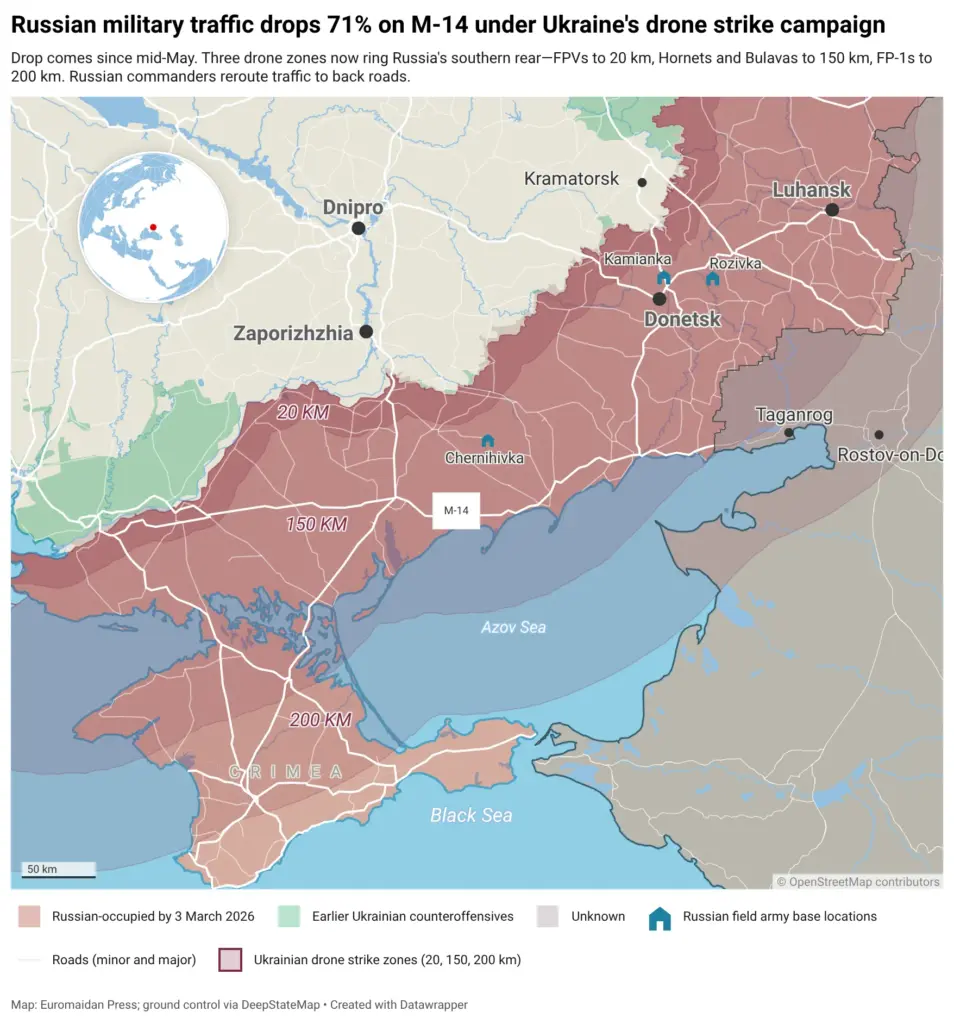
On land, the same logic runs 200 kilometers deep. Rather than seizing terrain, Ukrainian forces contest the airspace above it—a sustained interdiction campaign against the M-14 and H-20 highways that sustain Russian forces in the occupied south, striking convoys, fuel and ammunition depots, command posts, and the recovery vehicles sent after earlier losses.
Map: Euromaidan Press
In June 2026 they temporarily severed every land route between occupied Kherson Oblast and Crimea. The potential prize is large: the isolation of Crimea, and with it the recovery of Zaporizhzhia and Kherson oblasts, the Zaporizhzhia Nuclear Power Plant, the farmland, and the port of Kherson.
Then the deep strikes on Russian oil. Ukraine's long-range campaign has knocked out a large share of Russia's refining capacity—by Kyiv's estimate more than 40%, by independent analysts closer to a quarter—enough to force gasoline rationing across dozens of Russian regions, hours-long queues, a fuel emergency in Crimea, and imports from India and Belarus. It has not stopped Russia's offensives, but it has degraded logistics, stretched air defenses, slowed the tempo, and made the war more expensive to keep fighting.
Explore further
Ukraine is advancing in the southeast. It’s still not enough to win the war
Not all of this is Fedorov's, and he never claimed it was: these are the work of the Armed Forces, Defence Intelligence (DIU), and the Security Service of Ukraine (SBU). But the ministry he ran made them possible. By his own accounting—a farewell list of 22 points—his team shut down Starlink for Russian forces, rebuilt procurement so that Ukraine bought more drones in four months than in all of 2025, funded the Drone Line, and pushed interception rates sharply upward through mandatory after-action review. Western partners and Ukrainian civil society rated him one of the most effective and incorruptible ministers in the government.
So why was he sacked?
The official reason is the one Zelenskyy gave: unity. He wanted the army and the Defense Ministry aligned, and made clear he would not let the two fight each other while the war continued. That much is true—but it explains the friction, not the choice: why the friction was resolved by removing the reformer and keeping the general. The real reason is harder. Reporting from multiple outlets points not to one cause but to several, reinforcing each other.
The first is a real and deepening conflict with Commander-in-Chief Oleksandr Syrskyi—over priorities, procurement, and command—described by well-connected Ukrainian journalists as a generational clash between a young reformer with a startup background and a traditional military general. Zelenskyy reportedly told his own faction that ideally both should go, but that he could not remove both now. Choosing between the past and the future, he chose the past. He chose Syrskyi.
The second is resistance to reform. Fedorov tried to restructure the ministry along NATO lines, digitize procurement and logistics, and close off the corruption an unreformed defense sector runs on—threatening entrenched interests inside the ministry and the defense industry, and generating significant institutional resistance.
The third is political. Fedorov had become one of the country's most popular figures, trusted by the military, civil society, and Western partners. A minister that successful, that independent, and that popular is exactly the kind a presidential office prefers to keep on a shorter leash.
No single one of these explains the decision. Together they do—and the shape is familiar. In February 2024, Zelenskyy removed General Valerii Zaluzhnyi, then Ukraine's most trusted and popular commander—also amid a real clash with Syrskyi, whom Zelenskyy then installed in his place, and also against a growing political rivalry. Success, popularity, a Syrskyi conflict, a potential future opponent: the same configuration, the same choice.
The dismissal drew rare wartime protests in Kyiv and open criticism from Western allies. "It is a pity our country today is significantly further from victory," wrote Serhii Sternenko, a former aide to Fedorov, on the day it was announced. "Real reforms have not even been allowed to begin, although we have still managed to bring about a great deal of change."
That is the cost, and it will be part of Zelenskyy's legacy: he removes the innovators and the reformers, and the potential rivals along with them—while the war is still on, and Ukraine still needs them.
Hans Petter Midttun, independent analyst on hybrid warfare, Non-Resident Fellow at the Centre for Defense Strategies, board member of the Ukrainian Institute for Security and Law of the Sea, former Defense Attaché of Norway to Ukraine, and officer (R) of the Norwegian Armed Forces.
Editor's note. The opinions expressed in our Opinion section belong to their authors. Euromaidan Press' editorial team may or may not share them.
Ukraine was the largest recipient of German government arms export licenses in the first half of 2026, with approved exports worth more than EUR 2.52 billion.
Ukraine was the largest recipient of German government arms export licenses in the first half of 2026, with approved exports worth more than EUR 2.52 billion.
1,500 British and French troops will deploy to Poland in September for the first joint exercises of the Coalition of the Willing, Poland's Deputy Defense Minister Paweł Bejda said on TVP Info. The maneuvers will focus on moving troops and equipment at scale—transport and logistics, not combat.
"We are preparing for operations connected with the transfer and transport of forces. We want to show that we know how to do this," Bejda said.
The Coalition of the Willing was form
1,500 British and French troops will deploy to Poland in September for the first joint exercises of the Coalition of the Willing, Poland's Deputy Defense Minister Paweł Bejda said on TVP Info. The maneuvers will focus on moving troops and equipment at scale—transport and logistics, not combat.
"We are preparing for operations connected with the transfer and transport of forces. We want to show that we know how to do this," Bejda said.
The Coalition of the Willing was formed in March 2025 as a European-led framework to guarantee Ukraine's security after any ceasefire, and it has spent more than a year turning pledges into forces it can actually send. By April 2025, only six of 30 member countries had committed troops. British military planners floated a 64,000-strong force. European ministers doubted they could muster even 25,000. The September exercise puts the coalition's central promise—that Britain and France can lead a credible multinational force—to its first test with troops on the ground rather than in a communiqué.
Why logistics is the real test
Since Russia's full-scale war, Poland has handled 95% of allied military aid transiting to Ukraine, Bejda noted. The September drills rehearse that same task: moving forces and equipment through the corridor a security-guarantee force would rely on.
Poland's Defense Minister Władysław Kosiniak-Kamysz said the country is becoming the site of Europe's most important military exercises. Prime Minister of Poland Donald Tusk said the maneuvers would prepare the coalition for "real security guarantees for Ukraine, but also for the region."
What still isn't resolved
In February 2026, British and French paratroopers rehearsed rapid Ukraine deployment in Exercise Orion. Days earlier, a growing number of coalition members had privately conceded their troop contributions depended on Moscow's approval—effectively handing President of Russia Vladimir Putin a veto over the force meant to deter him.
Thank you. I was thinking of adding one more sentence at the end. Do you think that's enough, or is there anything else I should expand or improve?
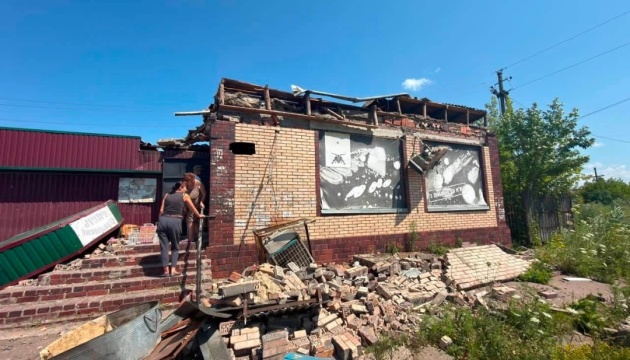
On the morning of July 16, the Russian military struck a civilian enterprise near Kharkiv, injuring four passengers aboard a minibus that was passing the area during the attack.
On the morning of July 16, the Russian military struck a civilian enterprise near Kharkiv, injuring four passengers aboard a minibus that was passing the area during the attack.
During the night of July 16, Ukraine's Unmanned Systems Forces struck 11 vessels of Russia's shadow fleet in the Black Sea and the Sea of Azov, including five tankers, one tanker-gas carrier, three dry cargo ships, and two tugboats.
During the night of July 16, Ukraine's Unmanned Systems Forces struck 11 vessels of Russia's shadow fleet in the Black Sea and the Sea of Azov, including five tankers, one tanker-gas carrier, three dry cargo ships, and two tugboats.
Ukrainian Defense Minister Mykhailo Fedorov said that reform initiatives proposed by the Ministry of Defense had begun to be blocked and that Commander-in-Chief of the Armed Forces of Ukraine Oleksandr Syrskyi was not prepared to discuss existing problems openly.
Ukrainian Defense Minister Mykhailo Fedorov said that reform initiatives proposed by the Ministry of Defense had begun to be blocked and that Commander-in-Chief of the Armed Forces of Ukraine Oleksandr Syrskyi was not prepared to discuss existing problems openly.
President Volodymyr Zelenskyy has removed the defense minister who built Ukraine’s drone war and pushed Elon Musk to cut Russia off from Starlink—Mykhailo Fedorov, a minister whom Ukrainians, in the last national poll, trust more than the president himself. Analysts and anti-corruption campaigners say the entire government was dissolved to make his removal possible without a scandalous vote.
President Volodymyr Zelenskyy has removed the defense minister who built Ukraine’s drone war and pushed Elon Musk to cut Russia off from Starlink—Mykhailo Fedorov, a minister whom Ukrainians, in the last national poll, trust more than the president himself. Analysts and anti-corruption campaigners say the entire government was dissolved to make his removal possible without a scandalous vote.
Explore further
Ukraine’s reformist defense Minister is out after six months. Earlier, his audit exposed $7.2 billion in defense overspending
The move has set off a sharp public backlash, which commentators are comparing to last summer’s anti-corruption protests. A senior air force commander resigned, and cardboard-sign crowds returned to the streets of Kyiv, Lviv, Odesa, and other cities on the morning of 16 July, hours after Russian ballistic missiles killed two people in Kyiv overnight. Parliament is expected to vote on Zelenskyy’s nominee, Interior Minister Ihor Klymenko, later in the day.
By mid-morning, the protests had spread to Ivano-Frankivsk, Kremenchuk, Poltava, Mykolaiv, with crowds in Kyiv chanting “Shame.”
The crowds gathered at the same Kyiv square, beside the Ivan Franko Theatre and in sight of the Office of the President, where they massed a year ago to defend the country’s anti-corruption agencies. This standoff forced Zelenskyy to reverse course within nine days. By mid-morning, the protests had spread to more cities—Ivano-Frankivsk, Kremenchuk, Poltava, Mykolaiv—with crowds in Kyiv chanting “Shame.”
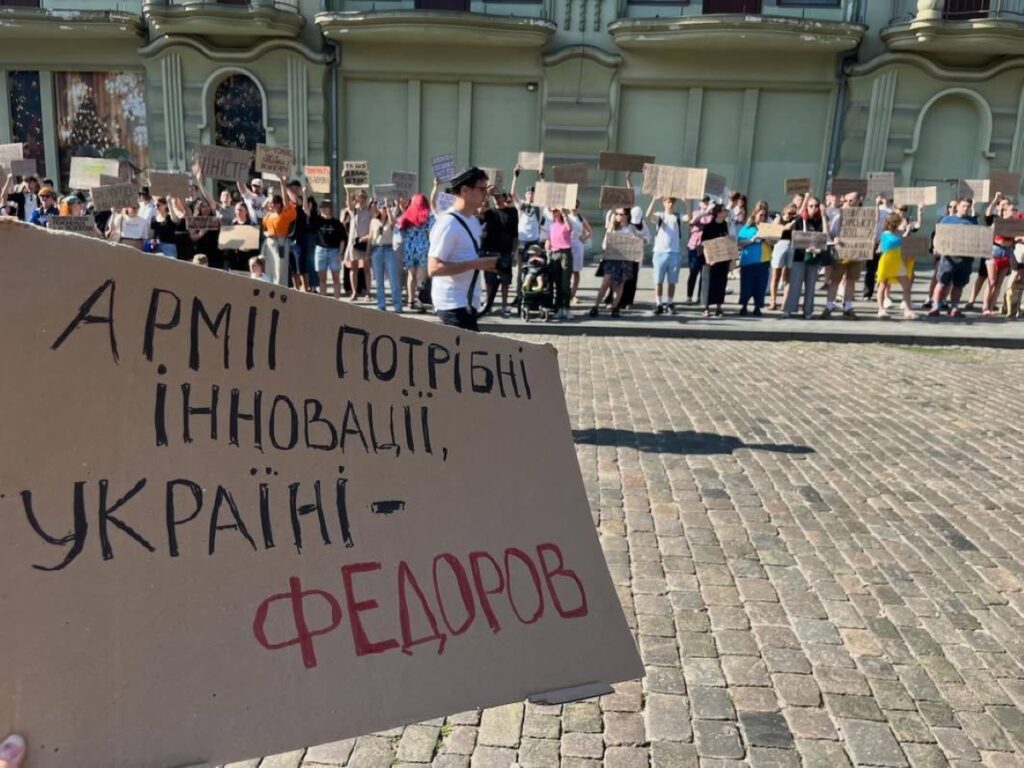
Protesters on Rishelievska Street in Odesa on the morning of 16 July rally against the dismissal of Defense Minister Mykhailo Fedorov, one holding a sign reading “The army needs innovation, Ukraine needs Fedorov.” Photo: Телебачення Торонто / @torontotv
A resignation from inside the air force
Pavlo Yelizarov, a deputy commander of the air force, announced his resignation in protest, saying he had joined the armed forces in 2022 to win the war, not to imitate activity, and warning that stalling Fedorov’s air-defense reforms would let more Russian missiles and drones through. He called the dismissal grave harm to the country’s defense but said he would stay in uniform.
Explore further
Ukraine’s deputy Air Force commander resigns the moment Fedorov loses the ministry
Serhii Sternenko, who advised the ministry on drones, also stepped down.
By the figures Fedorov published in his farewell message, the air force’s interception rate for attack drones rose from 83% to 91% during his six months, and for cruise missiles from 47% to 87%—gains he tied to after-action reviews of each mass Russian strike. His team also ran the Logistics Lockdown program, which is choking Russian resupply to occupied Crimea.
Olexiy Haran, professor of comparative politics at Kyiv-Mohyla Academy and research director at the Ilko Kucheriv Democratic Initiatives Foundation. Photo: Olexiy Haran / Facebook
The minister who outpolled the president
Zelenskyy has cast the decision as a management problem. At a Servant of the People faction meeting on 15 July, he pointed to a running conflict between Fedorov and Commander-in-Chief Oleksandr Syrskyi. He said Fedorov had failed to deliver mobilization reform, according to lawmakers who were there.
The stated reason for dismissing Prime Minister Yulia Svyrydenko—the need for an energy specialist before winter—was unpersuasive.
Olexiy Haran, professor of comparative politics at the National University of Kyiv-Mohyla Academy and research director at the Ilko Kucheriv Democratic Initiatives Foundation, offered Euromaidan Press a different read.
The stated reason for dismissing Prime Minister Yulia Svyrydenko—the need for an energy specialist before winter—was unpersuasive, he said, since outgoing first deputy prime minister and energy minister Denys Shmyhal was already a high-level specialist in the field.
The more convincing explanation lay in Fedorov: dissolving the whole cabinet let Zelenskyy drop him without a targeted dismissal vote that would have drawn a scandal. Anti-corruption campaigner Daria Kaleniuk reached the same conclusion, telling the Kyiv Independent the entire government resignation was conceived to remove Fedorov.
In a recent poll, more Ukrainians trusted Fedorov than distrusted him by a margin of 29 points—wider than Zelenskyy’s 27.
The trigger, Haran said, may be Fedorov’s popularity. In a recent KIIS poll from May and early June, more Ukrainians trusted Fedorov than distrusted him by a margin of 29 points—wider than Zelenskyy’s 27, and beaten only by the Kharkiv mayor and the war’s most-trusted commanders, among them former army chief Valerii Zaluzhnyi.
Zelenskyy, Haran said, may have come to see his defense minister as a rival, and he predicted the removal would only lift Fedorov’s standing.
Volodymyr Omelyan, former minister of infrastructure of Ukraine. Photo: Volodymyr Omelyan / Facebook
A former minister’s harsher read
Former infrastructure minister Volodymyr Omelyan told Euromaidan Press that the reshuffle could be an attempt to strengthen the government before a hard winter—but only if real professionals are appointed and left to work free of the Office of the President, which he doubted would happen.
He dismissed a theory foreign analysts had raised with Euromaidan Press—that the change is meant to reset relations with Poland—as nonsense.
Zelenskyy’s overriding aim, Omelyan argued, is to consolidate the security services and sideline the opposition to hold power indefinitely, with the war effort, arming the military, and EU integration all ranked behind the private interests of a few people around him.
He dismissed a theory foreign analysts had raised with Euromaidan Press—that the change is meant to reset relations with Poland—as nonsense, saying it would take new presidents in both countries.
Liudmyla Buimister, non-affiliated member of Ukraine's parliament. Photo: Liudmyla Buimister / Facebook
Doubts about the successor
Klymenko, tapped to replace him, brings his own controversy. Non-affiliated MP Liudmyla Buimister warned that handing him defense would endanger a key wartime ministry, saying he had failed outright as interior minister.
She blamed him for the chaotic “busification” mobilization drives—in which men are seized off the street into vans—that police, she said, first stood back from and then made worse, in remarks on Telegram.
A reversal would mean Zelenskyy openly readmitting Fedorov, and the president, he said, is stubborn.
Incoming prime minister Serhii Koretskyi defended the nominee, calling him a results-driven minister. The objection lands on the exact ground Zelenskyy used to justify the swap: he faulted Fedorov for failing on mobilization, and mobilization is the brief on which Buimister says Klymenko has already failed.
Whether the protests move Zelenskyy is the open question. Last summer, mass protests and a freeze on EU aid reversed a similar move in nine days. Haran expects it to be harder this time: a reversal would mean Zelenskyy openly readmitting Fedorov, and the president, he said, is stubborn in such moments.
Russian forces attacked people on the outskirts of the village of Hryhorivka in the Zaporizhzhia district with a drone, injuring two boys aged 15 and 17.
Russian forces attacked people on the outskirts of the village of Hryhorivka in the Zaporizhzhia district with a drone, injuring two boys aged 15 and 17.
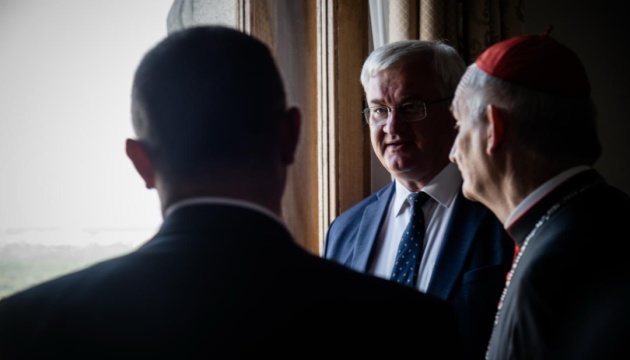
Ukrainian Foreign Minister Andrii Sybiha drew the attention of Cardinal Matteo Zuppi of the Holy See to the humanitarian situation in the Russian-occupied communities of Oleshky and Hola Prystan, where thousands of civilians urgently need a humanitarian corridor.
Ukrainian Foreign Minister Andrii Sybiha drew the attention of Cardinal Matteo Zuppi of the Holy See to the humanitarian situation in the Russian-occupied communities of Oleshky and Hola Prystan, where thousands of civilians urgently need a humanitarian corridor.
The Ukrainian partisan movement Atesh says Russia is responding by pulling scarce military units—including operators from its elite Rubicon (also spelled Rubikon) drone center—off other duties to guard the tankers. This comes as Ukraine struck 147 vessels of Russia's sanctions-dodging shadow fleet between 6 and 16 July, collapsing maritime traffic in the Sea of Azov and pushing the campaign into the Black Sea.
Russia's "shadow fleet" is a network of 1,400+ aging tankers use
The Ukrainian partisan movement Atesh says Russia is responding by pulling scarce military units—including operators from its elite Rubicon (also spelled Rubikon) drone center—off other duties to guard the tankers. This comes as Ukraine struck 147 vessels of Russia's sanctions-dodging shadow fleet between 6 and 16 July, collapsing maritime traffic in the Sea of Azov and pushing the campaign into the Black Sea.
Russia's "shadow fleet" is a network of 1,400+ aging tankers used to move Russian oil in violation of Western sanctions and the G7 price cap. The ships fly flags of convenience, use opaque ownership structures, and engage in ship-to-ship transfers designed to obscure the oil's origin.
Oil is Russia's largest export earner and the financial foundation of its war. The shadow fleet is how Moscow keeps that revenue flowing despite sanctions—and, increasingly, how it moves fuel to Russian forces in occupied Ukraine, including Crimea, amid the fuel crisis Ukrainian strikes have created.
Through 2026, Ukraine has turned cheap drones into a blockade of that revenue at both ends—the refineries that turn oil into cash, and the tankers that move it. Between 6 and 15 July, Ukrainian drones struck 136 vessels of the shadow fleet across the Sea of Azov and the Black Sea, according to Unmanned Systems Forces commander Robert "Madyar" Brovdi. The past 24 hours added 11 more ships to the tally, according to the SBS' scoreboard.
Ship movements in the Sea of Azov dropped from 132 vessels on 6 July to 43 by 12 July, synthetic-aperture-radar imagery cited by the open-source channel Oko Gora showed.
The partisans inside Russia's own ranks
Atesh—"fire" in Crimean Tatar and Turkish—is a partisan movement of Ukrainians and Crimean Tatars operating inside Russia and Russian-occupied territory. It gathers intelligence on Russian military movements, recruits agents within Russian ranks, and passes targeting data to Ukraine's Defense Forces.
Explore further
Crimea occupation officials pack up as some reportedly flee to Russia on state fuel as Ukrainian strikes intensify, ATESH claims
Russia's best drone unit, reportedly set to guard tankers
An Atesh agent embedded at the Black Sea Fleet headquarters reportedly said Russia plans to redeploy scarce, high-value military units to protect its tankers in the Black and Azov seas. Among the units named are the operators from the Rubicon drone center, the 51st Air Defense Division, and the 1096th Anti-Aircraft Missile Regiment of the Black Sea Fleet.
According to the report, Russia plans to assign up to three service members to each tanker, armed with twin machine guns, man-portable air-defense systems (MANPADS), and anti-aircraft drones to repel Ukrainian drone attacks. Atesh framed the reported redeployment as evidence of the Russian command's alarm at the pace of losses:
"The reason for the command's panic is obvious," the group wrote, citing more than the 136 vessels struck in just over a week.
If accurate, the redeployment would carry a cost for Russia beyond the ships themselves. Rubicon— Russia's Center for Advanced Unmanned Technologies—is one of Moscow's most effective drone formations, built to disrupt Ukrainian logistics and hunt down drone operator teams. It has been a central element of Russia's pressure on the Pokrovsk axis. Pulling Rubicon operators to guard tankers would divert a scarce, specialized capability from the front line to defensive maritime duty—a reallocation Ukraine's campaign would have forced.
Ukraine built a sea denial with no navy
Ukraine has no conventional navy in the Black Sea. It has instead built sea denial from nothing, using unmanned systems alone—first driving the Russian Black Sea Fleet out of Sevastopol, now hunting the commercial fleet that funds the war. The shadow-fleet campaign extends that logic from warships to the economic infrastructure behind them.
Ukraine's drones hit 11 more shadow-fleet ships in a single day, pushing the 10-day total to 147
Ukraine's Unmanned Systems Forces (SBS) struck 11 vessels of Russia's sanctions-dodging shadow fleet on 16 July, commander Robert "Madyar" Brovdi said. The day's haul, in the Black… pic.twitter.com/4iZPIjoT2B
The strategic effect is already visible in Russia's export data: roughly 135 million barrels of Russian oil are now sitting in floating storage, loaded but undelivered, as buyers slow their liftings and tankers idle for weeks. Whether or not Russia specifically redirects Rubicon, the campaign has forced Moscow into a defensive posture over a maritime supply chain it previously treated as low-risk—assigning armed crews, escorts, and air defense to civilian tankers that were never built to be defended.
"The shadow fleet will go to the bottom, following the Black Sea [Fleet]." Atesh closed its report
Ukraine supports Turkey serving as one of the main venues for a potential meeting between President Volodymyr Zelensky and Russian President Vladimir Putin.
Ukraine supports Turkey serving as one of the main venues for a potential meeting between President Volodymyr Zelensky and Russian President Vladimir Putin.
The shake-up could become a test of Zelensky’s political authority as Ukraine’s fight against Russia’s full-scale invasion approaches four and a half years
The shake-up could become a test of Zelensky’s political authority as Ukraine’s fight against Russia’s full-scale invasion approaches four and a half years

 Connexion













 SBU
SBU