❌

Vue lecture

Bomb Threats Disrupt European Flights and Rattle Passengers

Passengers recounted landing at a military base and being subjected to security checks and travel delays after threats that turned out to be hoaxes affected planes in Italy, Poland and Spain.

© Gonzalo Fuentes/Reuters

Passengers disembarking from an Aer Lingus plane at a military air base in Évreux, France, on Thursday after a fake bomb threat.
  •  

What to Know About the Bomb Threats Disrupting Flights in Europe

More threats were reported Friday after dozens of planes were targeted earlier this week. Officials have not reported finding any explosives, but the hoaxes have added to anxiety over hybrid attacks on the continent.

© Gonzalo Fuentes/Reuters

An Aer Lingus plane was diverted to Évreux military air base in France on Thursday.
  •  

Germany just caught the man suspected of ordering sabotage on Ukraine’s Starlink lifeline

A Starlink antenna

German special police units have arrested a Turkish citizen in Reutlingen district on suspicion of ordering the 23 September arson attack on a Starlink ground station in Poland, the Stuttgart Prosecutor General's Office and Baden-Württemberg's State Criminal Police Office announced on 3 November. Investigators say he hired the two men who allegedly set the fire, acting from Germany. A trail in the case leads to a Turkish crime gang whose members may have worked for Russian intelligence, Der Spiegel reported.

Starlink keeps Ukraine's drone units and front-line troops connected, and Poland has supplied 29,500 of the terminals they use. Until now, arrests in Europe's run of attacks on Starlink sites had reached only people suspected of carrying them out. This is the first suspect held as the one who ordered an attack, and Germany has opened its own terrorism case instead of only executing Poland's warrants. That may bring investigators a step closer to whoever paid for the fire.

Prosecutors say he gave the orders from Germany

According to the investigators, the man commissioned the two Turkish citizens detained in October to carry out the attack. He also allegedly arranged for another suspect to drive them to Poland on the night of 23 September. Police seized eight mobile phones and ammunition from him. A Stuttgart court ordered him held on strong suspicion of preparing a terrorist offense. Prosecutors gave no further details, citing the ongoing investigation.

The two alleged arsonists, aged 38 and 34, were detained in Nürtingen on 12 October under European arrest warrants issued by Poland, and their extradition proceedings are still under way. Warsaw blamed Russian intelligence for the fire. Tomasz Siemoniak, the minister coordinating Poland's special services, said those services increasingly turn to people tied to the criminal world.

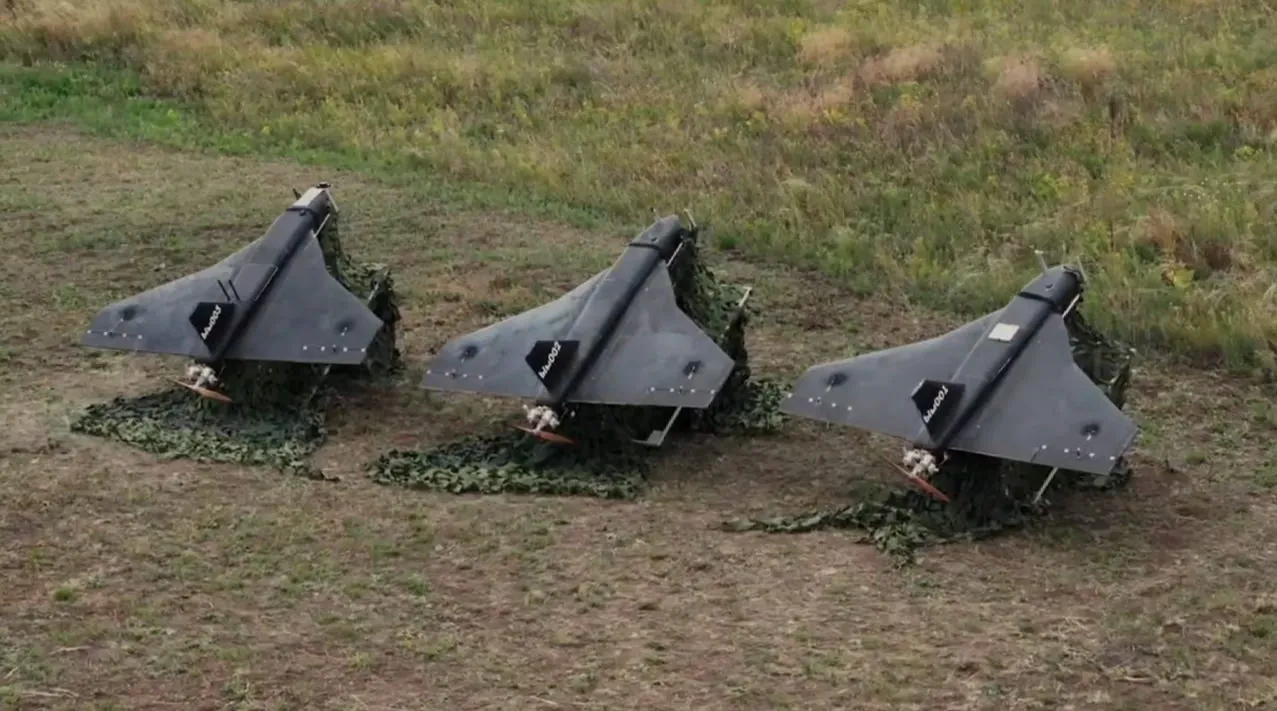
Three gray, triangular-wing drones sit on camouflage netting in a grassy field.
Explore further

ISW connects drone crashes in Moldova and Romania, a Starlink fire in Poland, and a Berlin airport shutdown into one Russian pattern

A Turkish gang whose leader Russia never handed over

In October, Der Spiegel first reported, citing independent sources in several countries, that the trail leads to the Daltons, a Turkish organized crime group also active in Germany. Gang members may have carried out the sabotage on behalf of Russian intelligence, the magazine wrote. The gang's alleged leader, Beratcan Gökdemir, was arrested in Russia in 2024, but Moscow never extradited him to Türkiye. German security sources told Der Spiegel that Russia even protected him, and it is unclear whether he is still there.

Germany's Interior Ministry warned in May that working with organized crime suits Russian services especially for “sabotage or killing operations,” Der Spiegel reported. Until now, Russia has mostly relied on petty criminals paid small sums, who know little about who is behind a job. On 27 October, Turkish police detained 85 suspected Daltons members, 30 of them minors, in 30 provinces. They said the gang recruited people through social media and directed them in a messaging group, and did not mention Starlink.

Three Starlink sites attacked in under a month

The fire in Wola Krobowska, south of Warsaw, was the first of three attacks on Starlink sites in Europe. In October, intruders burned antennas at a satellite ground station near Sofia, and a German court has ordered two 19-year-old Germans held pending extradition to Bulgaria. Sofia says the same pair struck another EU country on 18 October, the night guards foiled an attempt to burn Starlink antennas at a Lithuanian company. The Bulgarian and Lithuanian attacks are not part of the German arrest warrant, Der Spiegel noted.

  •  

What Trump’s Midterm Defeat Means for Iran and Oil Prices

Commentators abroad wondered what President Trump’s electoral losses might mean for oil prices, the war on Iran and the future of American politics.

© Doug Mills/The New York Times

President Trump walking offstage after a rally in Salina, Kan., on Sunday. The election results mean the Democrats will take control of the House and Senate.
  •  

$400 billion US tech giant helping Ukraine is now facing backlash on both sides of Atlantic

Yuliia Svyrydenko, Ukraine's Minister of Economy (left), and Louis Mosley, executive vice president for UK and Europe at Palantir (right), signing an agreement. London, 3 March 2024. Photo: Ukraine's Economy Ministry

An American company that is one of Ukraine’s defense-tech partners is now under fire on both sides of the Atlantic. Palantir, with a market value of around $400 billion, met a backlash in the US for backing Kyiv under the administration of Donald Trump, the firm’s head for the UK and Europe, Louis Mosley, told Bloomberg in London.

Palantir’s chief executive, Alex Karp, had previously said he had worked with former Ukrainian Defense Minister Mykhailo Fedorov for five years. On 1 September, Fedorov announced a new defense-tech company that Karp would be the first to invest in.

At the same time, Palantir is facing criticism in Europe over its support for Israel.

A company caught between two backlashes

Mosley played down the idea that Palantir is especially unpopular in Europe. The company had been built from the start to defend the West, he said, and believes in liberal democracy, the rule of law, and the values that make up the West.

Yet European governments are steadily pulling away from American technology firms, Bloomberg noted, as deteriorating relations with the Trump administration push them to reduce their dependence on US infrastructure.

Europe peels away

For example, France’s security services have replaced Palantir’s tools with those of a local firm, ChapsVision. In Britain, Palantir is at risk of losing a $443 million contract with the National Health Service, where its ties to Israel and the Gaza war, and concerns over access to government and health data, have drawn protests.

For some countries, Bloomberg noted, the company has come to stand for Trump’s assertive pro-American posture and for US technological dominance at the expense of their own sovereignty.

Deeply embedded, hard to unwind

Palantir, valued at around $400 billion and co-founded in 2003 by billionaires Peter Thiel and Karp, is wired into the government machinery of the US and other countries. Its products serve civilian agencies, intelligence services, police forces, and militaries around the world.

In 2025, NATO’s military command reached a deal with Palantir to deploy its Maven system, which uses artificial intelligence for surveillance and targeting.

  •  

A 31,000-Mile Walk Ends in England, at Mom’s House

Karl Bushby arrived in Hull, England, on Monday after spending 28 years crossing four continents on foot.

© Paul Ellis/Agence France-Presse — Getty Images

  •  

Are Freezers Being Hacked? Europe and the U.S. Military Investigate.

A wave of disruptions at grocery stores, which some officials blame on cyberattacks, highlights the vulnerability of supply chains. Shops across Europe were affected again on Monday.

© Fred Tanneau/Agence France-Presse — Getty Images

Shelves were empty at a grocery store in Névez, France, last month after hundreds of supermarket refrigeration systems in the country were targeted.
  •  

Russia Senses Opportunity in Polish Political Turmoil

After its sometime allies were ousted in elections in Hungary and Serbia, Moscow has seized on Poland’s constitutional standoff in its effort to weaken Europe’s support for Ukraine.

© Wojtek Radwanski/Agence France-Presse — Getty Images

Protesting outside Poland’s Constitutional Tribunal in Warsaw on Sunday.
  •  

Why Orban and Vucic Broke With Trump on Election Denial

Rejecting President Trump’s election denial playbook, nationalist leaders in Serbia and Hungary opted for an orderly retreat.

© Pedja Milosavljevic/Agence France-Presse — Getty Images

Aleksandar Vucic conceded defeat in the Serbian parliamentary elections in Belgrade on Oct. 25.
  •  

Over 80 meters long, a dry cargo hold, and an owner investigated over Russian drone operations: the ship Sweden boarded off Gotland

sweden finds 12 km oil slick east gotland — boards sanctioned shadow fleet tanker · post swedish coast guard police vessels boarding flora 1 baltic sea 3 2026 bordning av

Swedish police boarded a Russia-linked cargo ship off the island of Gotland overnight, Swedish broadcaster TV4 reported, without naming the ship. The ship’s owner has faced investigations over suspected Russian hybrid and reconnaissance operations. Police later described the check as routine.

Russia’s war on Ukraine runs partly on ships: tankers carrying oil money and freighters slipping cargo past sanctions. European states have stepped up boardings, yet detained ships are often released within days. Washington, meanwhile, is weighing relief for sanctioned tankers. Some of these vessels are also suspected of serving Russia’s covert war on Europe itself. That ranges from cable cuts to drone flights over airports and military sites.

A night boarding off Gotland’s northwest coast

Police went aboard the ship off Gotland’s northwest coast in the night into Saturday, 31 October, TV4 said. “We are on board during the night, checking the crew and their travel documents,” Carina Skagerlind, spokesperson for the Stockholm police region, told the broadcaster.

The vessel is a dry cargo ship more than 80 meters long. Sweden’s National Task Force, the police’s elite tactical unit, took part, according to TV4’s sources. Skagerlind would not confirm that. “We have used the resources we needed,” she said.

Police later called it a routine border check

Later on Saturday, Skagerlind called it a border check on a ship that had been lying in a port on Gotland, Swedish news agency TT reported. “This is a routine assignment,” Skagerlind said. The travel documents raised no remarks, she added. Asked about the task force, she said the border police are responsible for the area and did the work.

An owner whose ships appear near drone alarms

The company that owns the ship has had its vessels turn up near drone alarms in several European countries, TV4 reported. Investigators suspect the ships acted as depots for Russian intelligence drones. European intelligence sources told TV4 the ships “most likely act in the Russian state’s interest.” The company has offices in Russia’s Kaliningrad exclave and says it recruits its crews there. The crew of this ship are Russian citizens, according to TV4’s sources.

Three gray, triangular-wing drones sit on camouflage netting in a grassy field.
Explore further

Russia may target southern Europe with drones launched from merchant ships—El Mundo

Ships as drone platforms are not a new suspicion in Europe. In September 2025, Germany seized the freighter Scanlark over an alleged drone flight over a frigate at the Kiel naval base. France then held the tanker Boracay, linked to drones over Denmark, and it resumed its voyage about a week later.

Sweden’s earlier boardings

Sweden has boarded several Russia-linked ships over the past year. In December 2025, Swedish authorities boarded the sanctioned Russian vessel Adler, tied to North Korean ammunition shipments.

In March, the Swedish Coast Guard and police seized the Caffa, a cargo ship linked to grain stolen from occupied Ukraine, and a Swedish court later ruled that Kyiv can have it. A week after the Caffa, Swedish forces boarded the tanker Sea Owl I under a suspected false flag. In April, Sweden boarded the sanctioned tanker Flora 1 after a 12 km oil slick appeared east of Gotland.

Ukraine strikes Russia’s ships, with one exception

Ukraine treats Russia’s shadow fleet as a military target. Its drone forces have disabled 300 such ships in 11 weeks, Unmanned Systems Forces commander Robert Brovdi said in September.

Tankers carrying Russian diesel to the United States are off-limits, though. “Nobody is touching these ships for sure,” Ukrainian President Volodymyr Zelenskyy told journalists, Ukrinform reported on 28 October. The ships are connected to the United States, he explained.

Washington cleared Russian diesel blocked by sanctions in October. Three tankers are now carrying Russian diesel to the US. The first, Agioi Fanendes, loaded 40,000 tons at Russia’s Baltic port of Primorsk. Another of the three, the Leruo, is under EU, UK, and Canadian sanctions, the Financial Times reported, according to United24 Media.

  •  

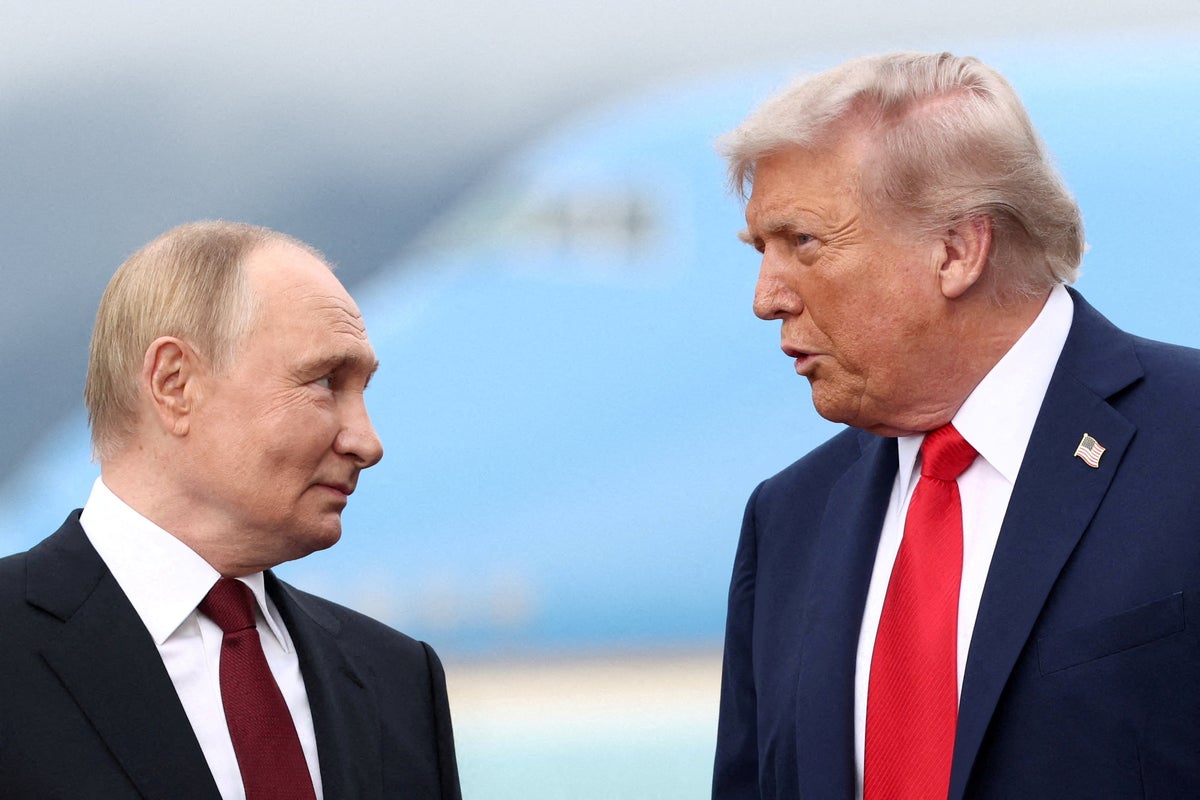
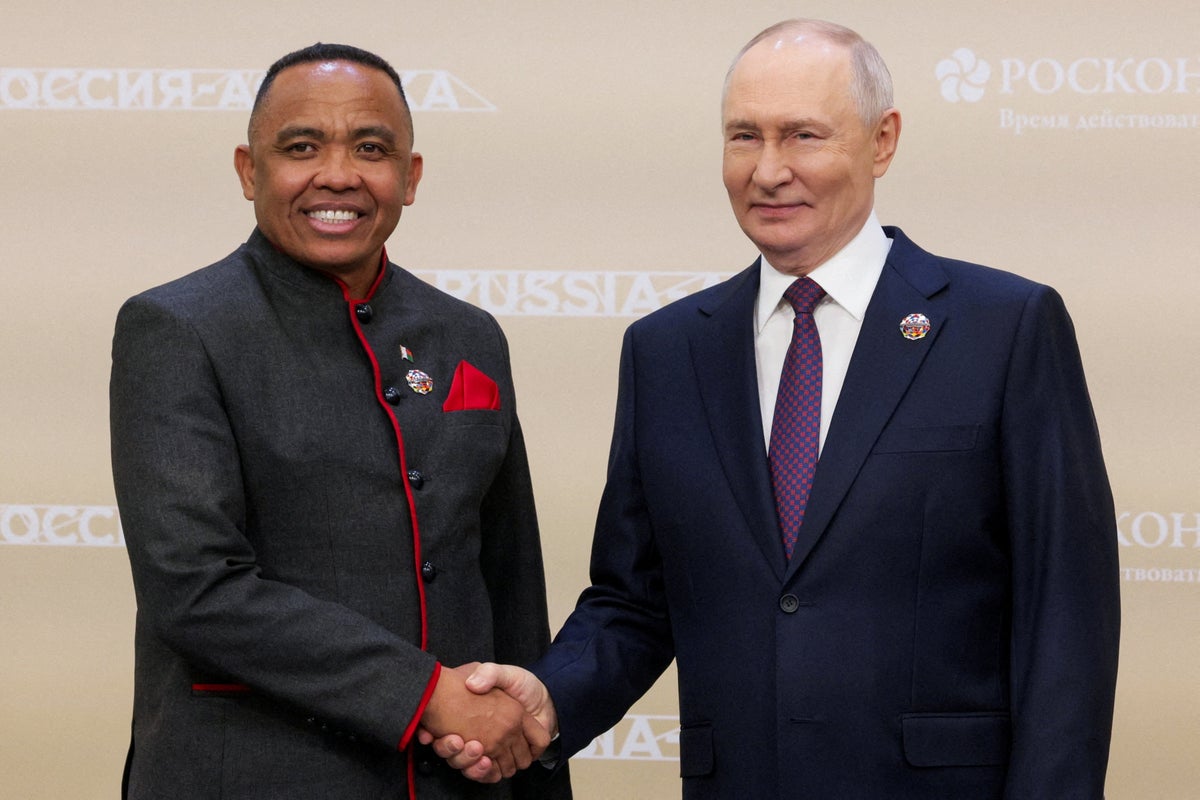
Putin Breaks Down His Isolation, With a Big Assist From Trump

Notching wins from Washington, the Russian leader is talking with foreign leaders and could return to diplomatic center stage with possible summit meetings.

© Pool photo by Anastasia Barashkova

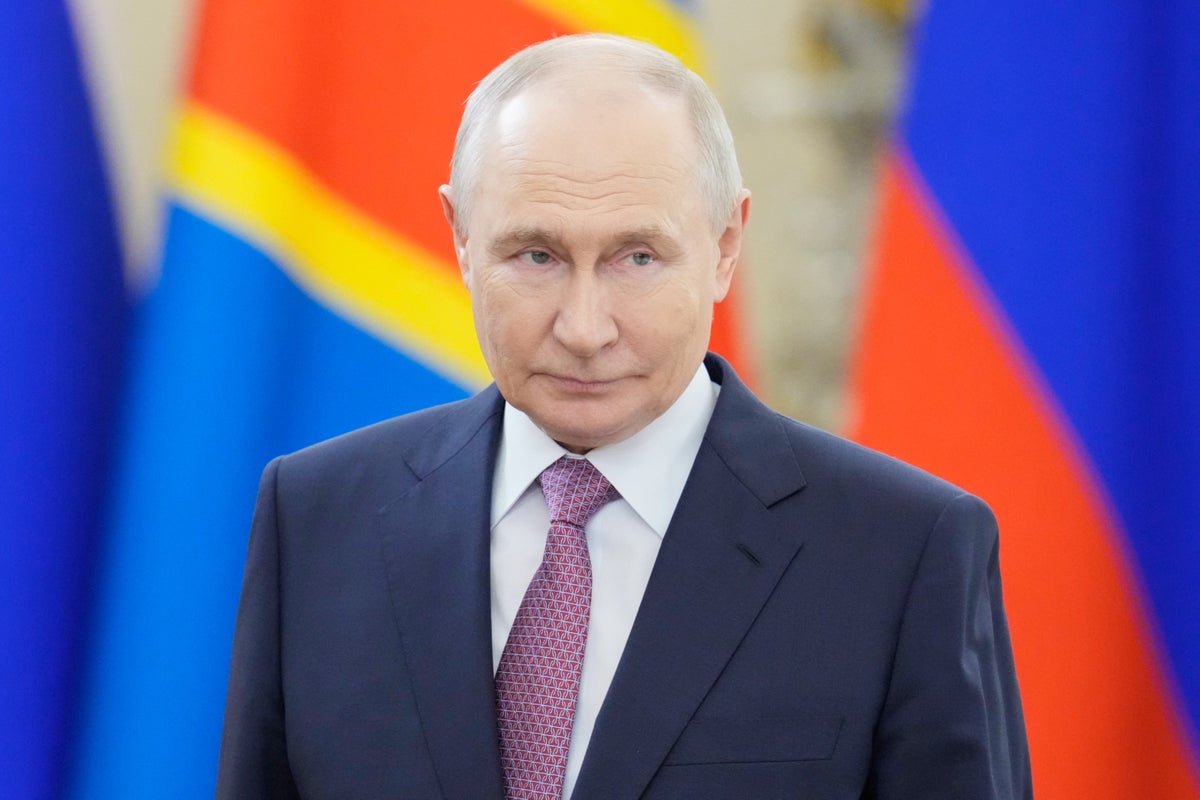
President Vladimir V. Putin of Russia during a Russia-Africa Summit in Moscow on Thursday.
  •  

Carney Commits Canada to Becoming European Union’s First ‘Associate Member’

The move is part of the Canadian prime minister’s effort to reduce American influence over Canada and expand trade to other parts of the world.

© Pool photo by Christopher Katsarov

Prime Minister Mark Carney on Thursday during the 21st E.U.-Canada summit in Montreal, Quebec.
  •  

The Pentagon wants NATO’s eastern flank to be quiet about Russia while Washington courts Moscow

Colby restrains US aid to Ukraine

In recent weeks, the Pentagon has urged several NATO allies, among them Lithuania, Latvia, and Estonia, to tone down their public warnings about the threat from Russia, four people familiar with the matter told Reuters. Pentagon officials argued that some European statements undermined Europe's security, the sources said. Pentagon policy chief Elbridge Colby recently advised a Baltic official against any "poking" of the Russians, one of the people said.

Russia's full-scale war on Ukraine is in its fifth year, and Moscow has spread a deniable arson and sabotage campaign across Europe. As Washington offers Moscow sanctions relief and presses Kyiv to stop hitting Russian energy, the restraint it seeks appears to fall on those Russia threatens, first Ukraine and now NATO's eastern flank.

An Estonian delegation was told to be "measured"
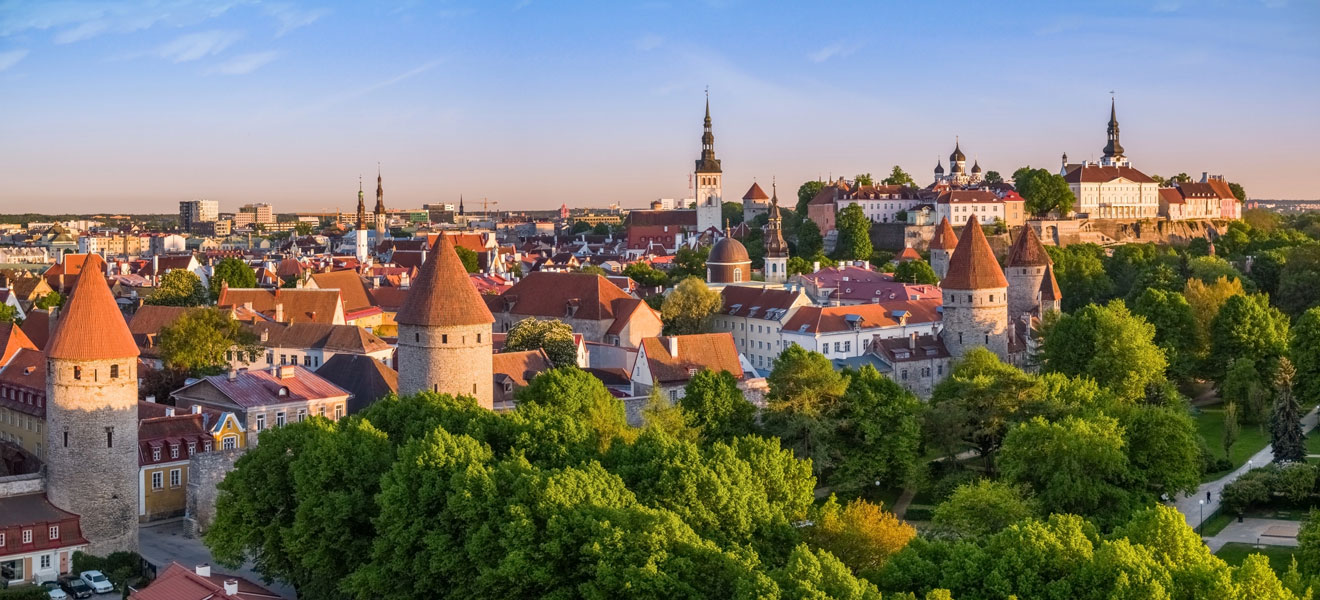
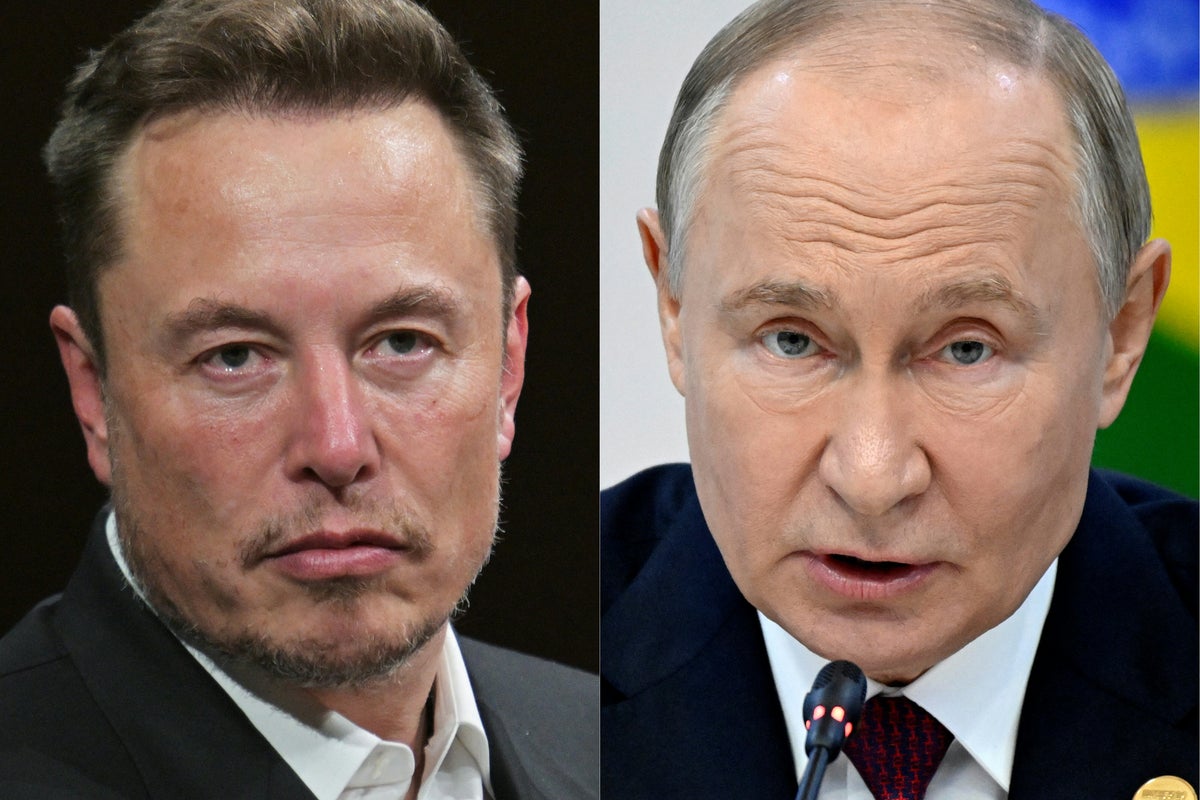
As an example of unhelpful rhetoric, Colby cited Europeans' public suggestions that Russia was "cornered like a rat," the person said. Reuters could not determine whose words he meant. In late September, Estonia said Russia had ordered the arson at Milrem Robotics, a Tallinn company supplying ground robots to Ukraine, and Estonian Prime Minister Kristen Michal likened Putin to a "rat in the corner." Michal said Putin was stepping up activity in Europe to erode the West's backing for Kyiv, and that the surest deterrent was to "back Ukraine."
At another meeting, Pentagon officials asked an Estonian delegation to keep its communications "measured," a person briefed on the encounter said. Another European official described the Pentagon's private messaging this way:

"We are helping you. The Americans are there… Just don't be loud. Don't make noise."

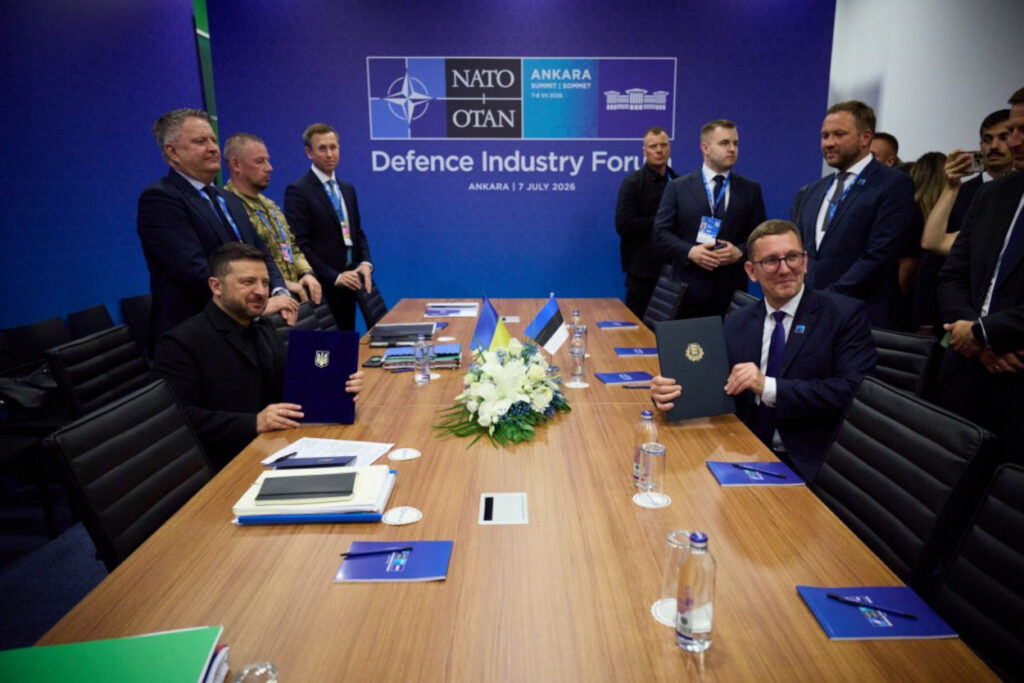
Ukrainian President Volodymyr Zelenskyy and Estonian Prime Minister Kristen Michal on the sidelines of the NATO summit in Ankara, 7 July 2026
Ukrainian President Volodymyr Zelenskyy and Estonian Prime Minister Kristen Michal on the sidelines of the NATO summit in Ankara, 7 July 2026. Photo: Ukrainian President's Office

One European official called the advice cordial but baffling, since the Baltic states' own intelligence services have repeatedly judged it unlikely in recent months that Russia would test NATO's mutual defense provisions.

estonian capital allocates € 200000 ukrainian cities development view tallinn estonia tallinnee city introduces program supporting municipalities aid expertise sharing eu integration initiatives estonia's launched new cooperation support 2025 city's
Explore further

Deals with dictators lead to hell: Estonia’s PM urges Europe to help Ukraine destroy Russia’s refineries after Washington eased sanctions on diesel

The Pentagon refused to discuss "private conversations among allies," and the Baltic defense ministries did not reply.

One messenger is a key figure in the review of US troops in Europe

Colby is a key figure in the Pentagon's ongoing review of US force posture in Europe, which could lead to a sharp troop drawdown. In September, the Pentagon was weighing pulling up to 40,000 troops from Europe.

Russia has lately stepped up its deniable attacks on NATO members, Western intelligence officials say. Its suspected arson campaign against Starlink sites serving Ukraine has reached Lithuania, and on 28 October German prosecutors announced the arrest of two Belarusians suspected of plotting arson near Nuremberg. Russia denies running a sabotage campaign. Meanwhile, US officials have discussed business deals with Russia, which many European officials oppose.

  •  

Germany holds two 19-year-olds over Bulgaria’s Starlink arson, and Sofia says they also attacked the network Ukraine fights with elsewhere in the EU

germany holds two 19-year-olds over starlink arson bulgaria sofia says struck another eu country too · post higher regional court düsseldorf olg-duesseldorf ukraine news ukrainian reports

The Higher Regional Court in Düsseldorf has ordered two 19-year-old Germans held pending extradition to Bulgaria, which accuses them of setting fire to Starlink antennas at a satellite ground station near Sofia, the court and Düsseldorf prosecutors said on 29 October. The men, from Duisburg and Moers, were arrested on 23 October, German prosecutors told Reuters.

As Russia presses its war on Ukraine, Starlink keeps Ukraine’s drone units and front-line troops connected, and its ground sites in Europe have become targets. Within a month, fires and attempted fires hit Starlink sites in Poland, Bulgaria, and Lithuania, and Warsaw and Vilnius have linked them to Russia. The Bulgarian case now has its first arrests, and Sofia says the same pair struck another EU country, which would make it more than a one-off.

Sofia says the pair struck another EU country on 18 October

Bulgarian Interior Minister Ivan Demerdzhiev said he expected both suspects to be handed over to Bulgaria, and that the same two carried out a similar attack in another EU member state on 18 October, the state news agency BTA reported on 28 October. He did not name the country outright, but went on to cite Lithuania’s prime minister on an attempted arson there.

Overnight on 18 October, intruders tried to set fire to a Lithuanian company that stores Starlink equipment used by Ukraine, but tipped-off guards foiled the attempt. Lithuania’s prime minister called it part of Russia’s hybrid war.

Bulgarian Prime Minister Rumen Radev said the suspects had been detained in Germany several days earlier, and that disclosing their names sooner would have let them flee. The opposition wants to know whether a foreign security service warned Bulgaria at least a week before the attack, and how two 19-year-olds could enter the country and leave unnoticed. Parliament has failed three times to gather a quorum for a sitting to hear Radev and the security chiefs.

The suspects refuse a quick handover

The two did not agree to a simplified extradition, and the court will rule later on whether handing them over is admissible, according to the court’s statement carried by the dts news agency. Any extradition is to be approved only on the condition that, after a final sentence, they are offered a transfer back to Germany to serve it. Their lawyers plan to contest the Bulgarian warrant, dpa reported.

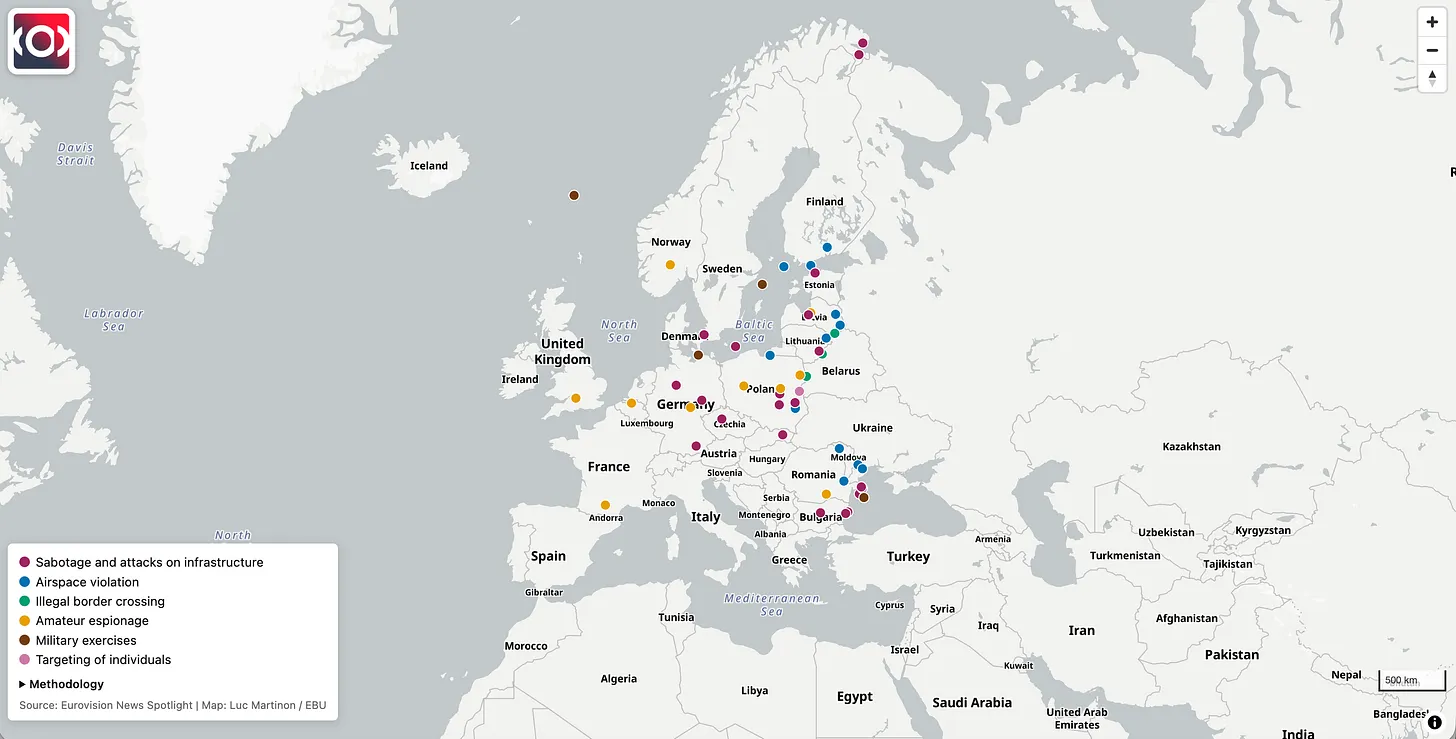
Physical hybrid incidents linked to Russia in 17 European countries, 1 April to 15 October 2026; many points stand for clusters of incidents. Map: Luc Martinon/ EBU, Eurovision News Spotlight
Explore further

17 public broadcasters mapped Russia’s hybrid war on Europe. Germany: four dots

Bulgarian prosecutors say the pair crossed from Serbia as tourists on 9 October, set fire to eight antennas at the Plana teleport south of Sofia, and drove back to Serbia the same night. They were charged in absentia, a Sofia court confirmed European arrest warrants for them, and they face three to 12 years in prison if convicted.

Sofia City prosecutors announced the arrests on 27 October and said German authorities are gathering evidence for the case under a European investigation order. The pre-trial investigation continues, they said.

  •  

After 28 Years Walking the Globe, Karl Bushby Is Almost Home

Karl Bushby has walked 31,000 miles, crossing some of the world’s harshest landscapes. He plans to reach his mother’s house in England next week.

© Sam Bush for The New York Times

Mr. Bushby in London. He said his journey was a reminder of people’s kindness.
  •  

As war strains Kremlin finances, Putin reaches into more pockets in search of new revenue streams

With Russia’s invasion of Ukraine intensifying the strain on state finances, President Vladimir Putin is reaching for cash to fund his government and the war, squeezing tax revenue from an economy that’s increasingly skewed toward the military — while civilian needs take a back seat

© Copyright 2026 The Associated Press. All rights reserved

  •  

A Chinese Port Could Be a Lifeline for Spain, but Also a Threat

Residents say a proposed Chinese car plant in northern Spain will create new jobs. Others say it’s a long-term risk, distilling a debate about the costs and perks of ties to China.

© Daniel Rodrigues for The New York Times

Boats in Ferrol, Spain, in 2020. The city is becoming known for its warm welcome of Chinese industry into Spain and Western Europe.
  •  
❌