
 Connexion
Ukrainian commander, whose unit destroyed 57,000 Russia’s targets: US telling allies to brace for years of war at Ramstein means no “miraculous de-escalation” is coming
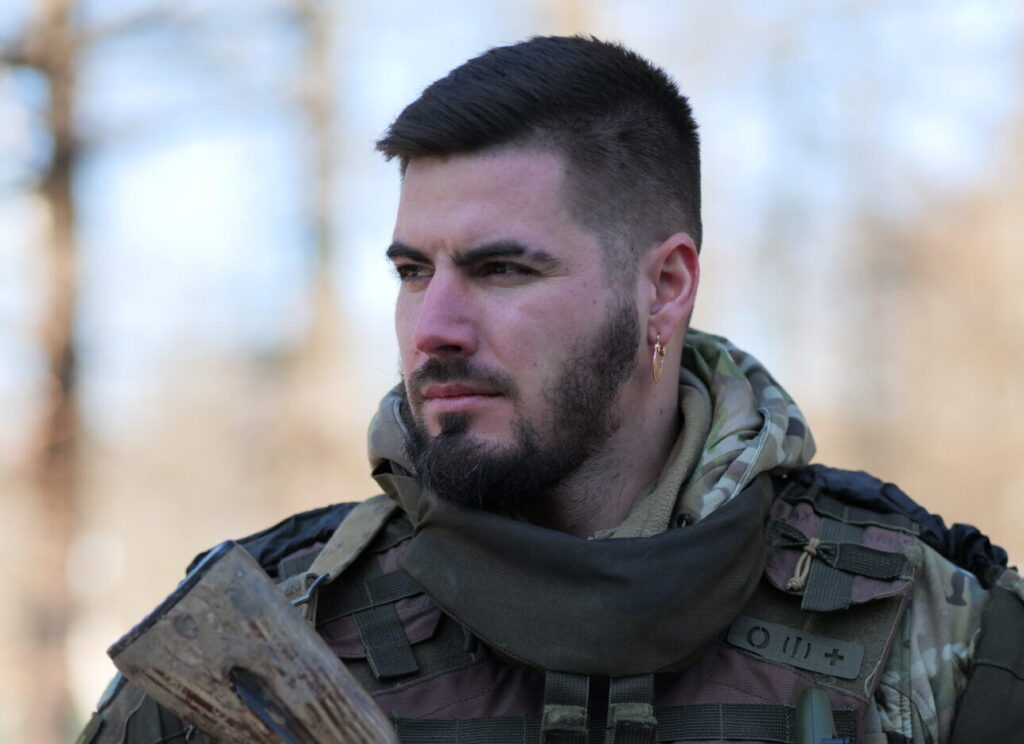
The US told Ukraine's allies to prepare for a war lasting years at the latest Ramstein meeting, the forum where Kyiv's partners decide the military aid it gets. Yurii Fedorenko, commander of the 429th "Achilles" Unmanned Systems Brigade, said that the message confirms there will be no "miraculous de-escalation" from the latest round of US-Russia talks.
Fedorenko commands one of Ukraine's most effective drone units, a brigade credited with more than 57,000 strikes, as per Militarnyi. The unit was formed around volunteers who, on 24 February, 2022, established a rifle company within the 128th Battalion of the 112th Territorial Defense Brigade.
Fedorenko reads a long war
He took the message from US defense policy chief Elbridge Colby, who told the 36th Ramstein contact group to prepare for a protracted war.
“A cold shower for everyone hoping for a quick peace: the US representatives urge preparation for years of war," Fedorenko says.
It means that the allies must brace for a hard winter in Ukraine, for Russia sharpening its hybrid war against Europe, and for Ukraine's military needs lasting a long time.
Colby, he says, dispelled the illusions of anyone still hoping for a "miraculous de-escalation" and made clear no timeline for a settlement is in view.
Peace talks hinge on side deals
A real peace process is unlikely in the coming months, Fedorenko argues. Recalling NATO Secretary General Mark Rutte’s remarks, he says that, in his view, the collective West should not simply maintain its current level of support for Ukraine, but strengthen it.
“Western media, quoting these remarks, conclude that the attempt to revive negotiations with the Kremlin has failed. In reality, that is too categorical a statement,” the commander says.
He explains that any long-term track of so-called “peace negotiations” is inevitably linked to resolving “parallel", yet highly important issues, such as the exchange of prisoners of war, navigation in the Black Sea, and the need for temporary ceasefires during visits to Kyiv or Moscow by international delegations, among others.
“At the same time, Russia will use — and is already using — this mechanism to manipulate and advance its own interests. We need to be prepared for that as well,” Fedorenko adds.
Force alone moves the Kremlin
His bottom line is stark. Grounds for a serious conversation will appear, he said, only when Russia exhausts its reserves and its ability to attack and begins to fall back.
"Whatever signals the Kremlin sends, our partners and we should firmly remember: the aggressor understands only the language of force," Fedorenko says.
Until the moment of its weakness comes, he adds, the West should do two specific things before the cold sets in: tighten sanctions on Russia and send Ukraine more support.
