Vue lecture

Ukraine's Sapsan ballistic missile to enter serial production following successful combat testing

Ukraine's Sapsan ballistic missile to enter serial production following successful combat testing

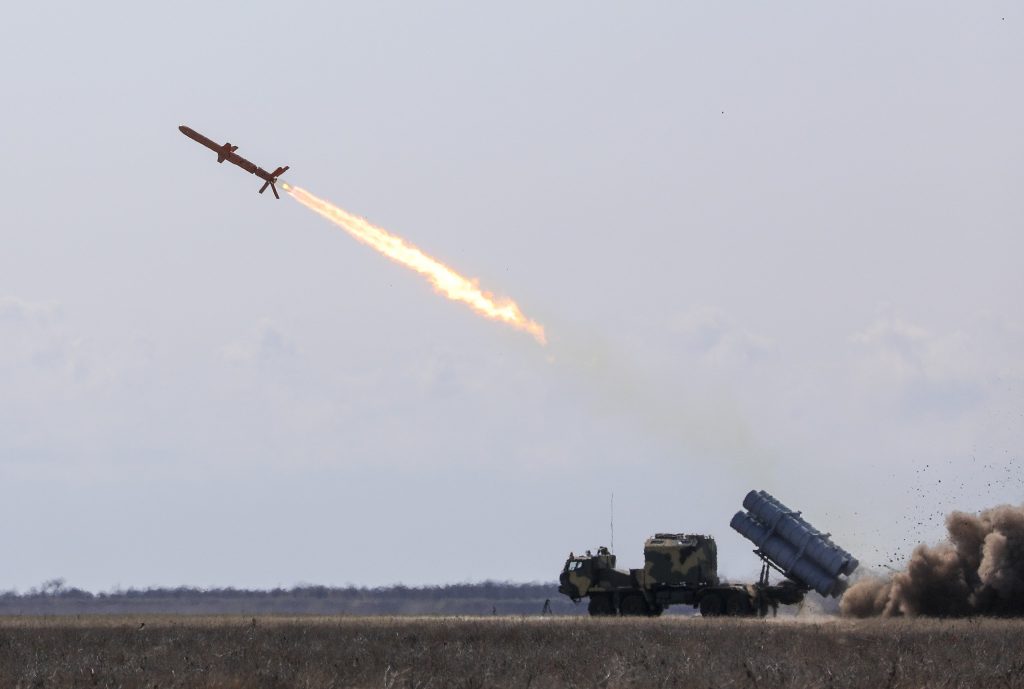
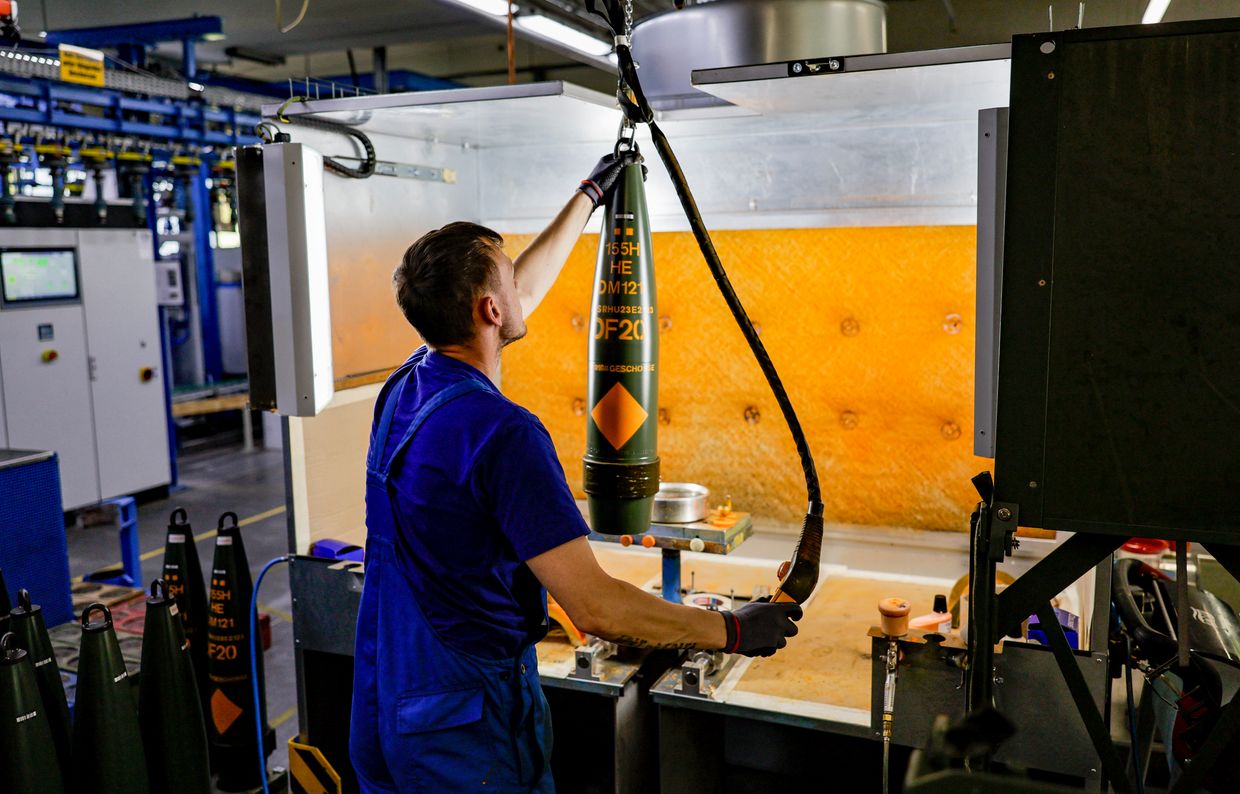
Ukraine’s domestically developed short-range Sapsan ballistic missile has successfully completed combat testing and is in the process of serial production, Ukrainian media reported on June 13.

The missile, with a payload of 480 kg, completed testing in May after successfully striking a Russian military target at a range of nearly 300 km, Valentyn Badrak, head of the an independent Ukrainian think Center for Army, Conversion and Disarmament Studies told Liga.net.

Ukraine's Defense Ministry reportedly dedicated a department to formulate and test the missile.

There is no reported timeline as to when the missiles can be seen in regular use on the battlefield.

Domestically produced long-range weapons are of key importance to Ukraine's defense strategy, as Western partners have been slow in delivering adequate weaponry amid increasing Russian attacks and offensives.

The news comes as U.S. Defense Secretary Pete Hegseth said in a congressional hearing on June 10 that the United States will reduce funding allocated for military assistance to Ukraine in its upcoming defense budget

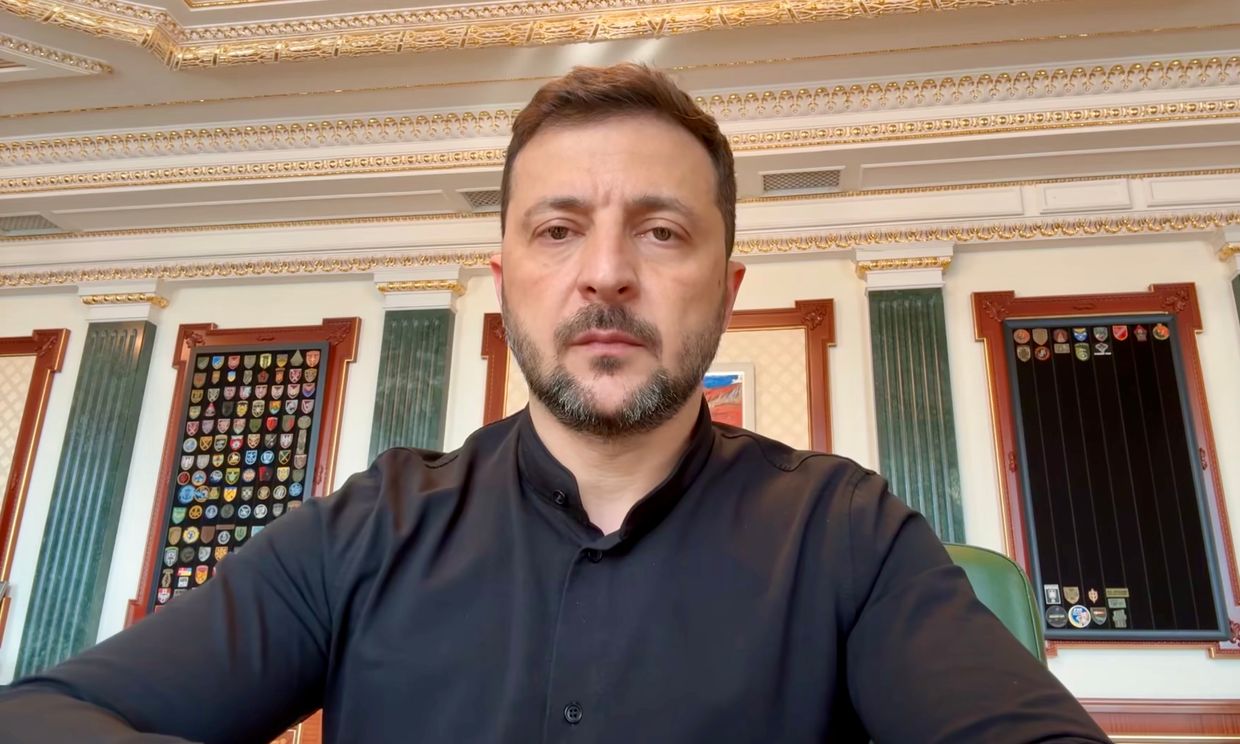
In November 2024, President Volodymyr Zelensky announced that Ukraine has produced its first 100 missiles.

Since then, Ukraine has continued to increase domestic weapon production. Zelensky said on April 16 that over 40% of the weapons used at the front line are now produced in Ukraine, including over 95% of drones used at front line.

Zelensky also previously revealed that Ukraine had developed another domestic-made weapon, a missile-drone Palianytsia.

As Ukraine attempt to increase its defense production, Russia has continued to unleash large-scale attacks on Ukrainian cities, regularly launching hundreds of drones to overwhelm Ukrainian air defenses.

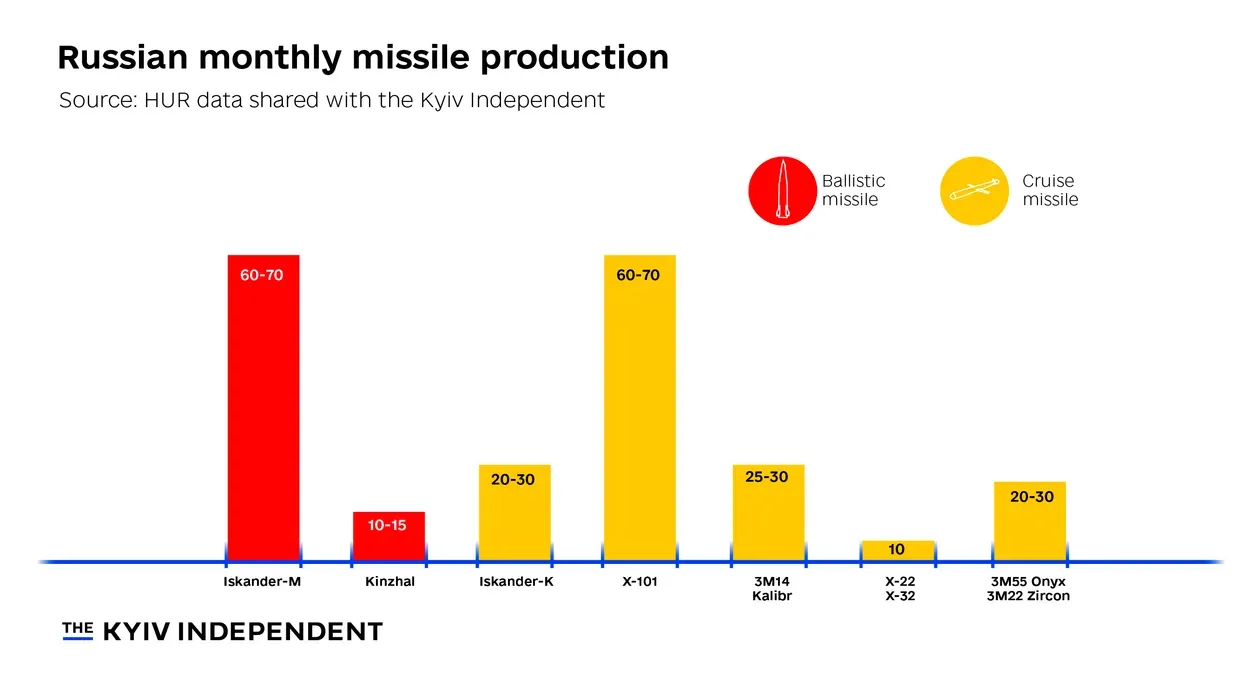
Ukraine's military intelligence (HUR) shared with the Kyiv Independent that Russia's production of ballistic missiles has increased by at least 66% over the past year.

Ukraine's Sapsan ballistic missile to enter serial production following successful combat testing
Russian monthly missile production (Nizar al-Rifai/The Kyiv Independent)

Ukraine's Defense Minister Rustem Umerov said in late 2024 that Ukraine also resumed and scaled up serial production of Neptune cruise missiles, modifying them to have a greater range.

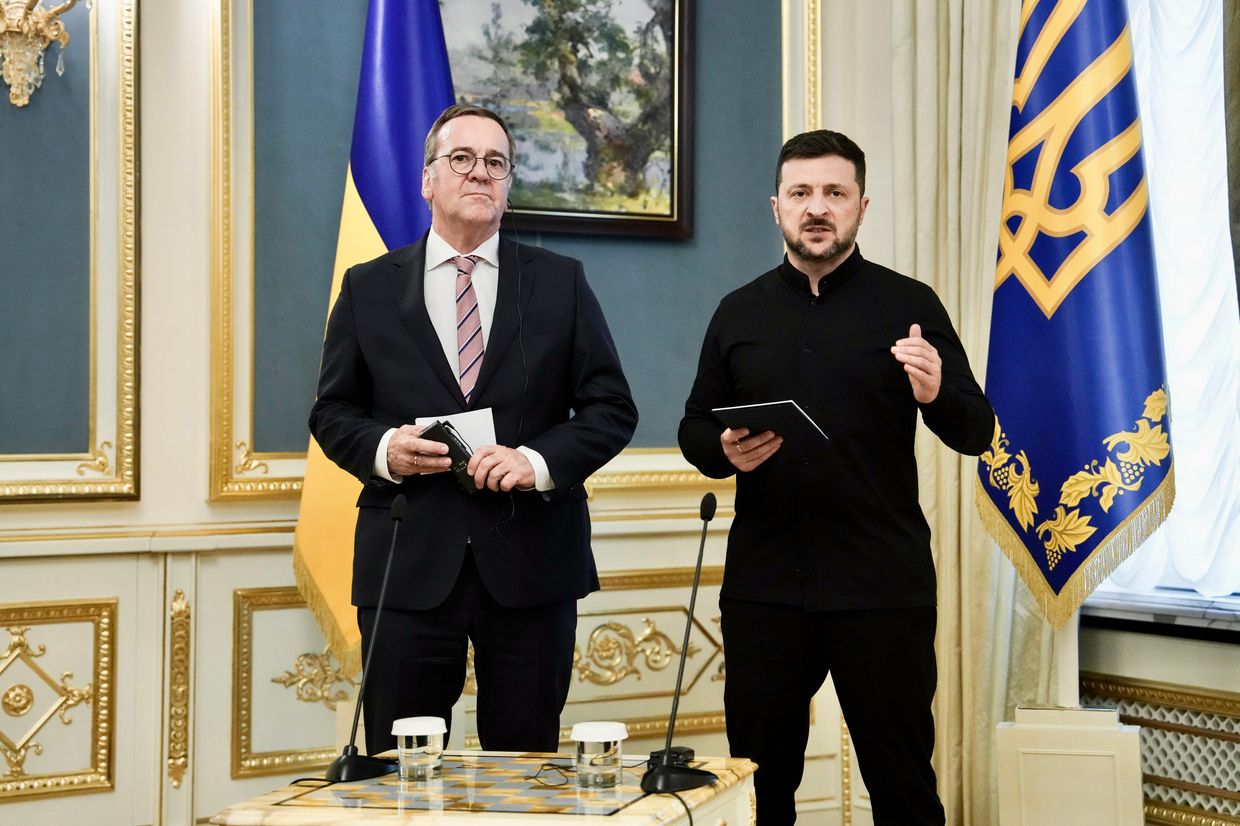
Kyiv has received a number of long-range missiles from partners, such as U.S.-made ATACMS, British Storm Shadow, or French SCALP/T. Despite Ukrainian requests, German Defense Minister Boris Pistorius said on June 12 that Berlin has no plans to provide Taurus long-range missiles to Kyiv.

Germany to supply new Iris-T air defense systems to Ukraine, rules out Taurus missiles
Germany will deliver new IRIS-T air defense systems to Ukraine under a three-year supply plan, President Volodymyr Zelensky said during a joint press conference with German Defense Minister Boris Pistorius, who said Berlin has no plans to provide Taurus long-range missiles.
Ukraine's Sapsan ballistic missile to enter serial production following successful combat testingThe Kyiv IndependentTim Zadorozhnyy
Ukraine's Sapsan ballistic missile to enter serial production following successful combat testing
  •  

Russian Su-25 jet reportedly crashes in Donetsk Oblast

Russian Su-25 jet reportedly crashes in Donetsk Oblast

Editor's note: This is a developing story and is being updated.

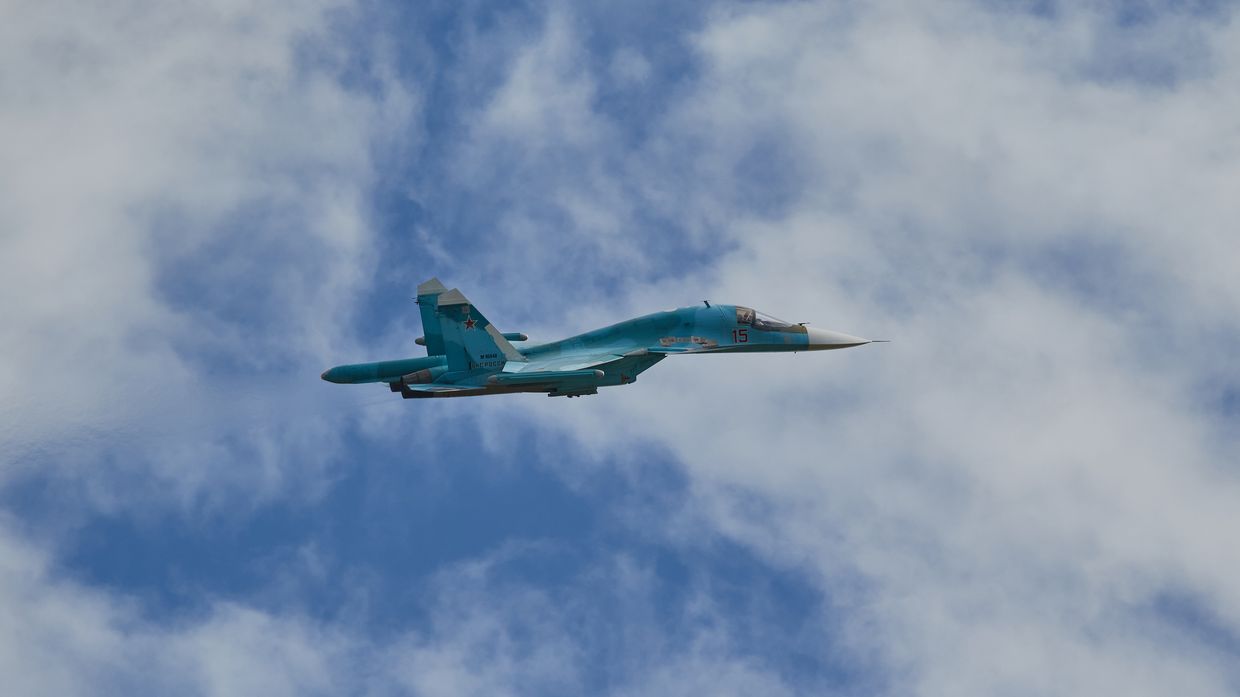
A Russian SU-25 fighter jet reportedly crashed over Donetsk Oblast on June 13, Russian social media channels reported.

Videos posted on social media of the purported crash by bloggers with close ties to the Russian Air Force appear to show the plane crashing into a field after closely being followed by another fighter jet. The circumstances of the crash remain unclear as rumours swirl of Russian 'friendly fire' as a potential cause of the crash.

The Kyiv Independent cannot independently verify the crash or the details surrounding it. Neither the Ukrainian nor Russian military have commented on the reported crash.

The Su-25, a Soviet-designed close-air support aircraft developed by Sukhoi in the late 1970s, is built for battlefield survivability. It features heavy armor and can withstand enemy fire.

The aircraft has been widely used in various conflicts, including in Afghanistan, Chechnya, and, more recently, in Ukraine, where both Russian and Ukrainian forces operate the platform.

Ukraine has downed multiple Russian Su-25s throughout the war. On Feb. 8, Ukraine's military reported shooting down a Russian Su-25 near the town of Toretsk in Donetsk Oblast.

In another instance, Russia's Defense Ministry said on on March 24 that Russian Su-25 attack aircraft crashed during a routine training flight in Primorye Krai in Russia's Far East.

The incident comes less than two week following Ukraine's 'Operation Spiderweb' in which Ukrainian drones smuggled deep inside Russia and hidden inside trucks struck as many as 41 Russian heavy bombers at four airfields across the country.

Ukraine war latest: Ukrainian MiG-29 strikes Russian drone hub, ammo depot in Zaporizhzhia direction, releases video
Key developments on June 13: * Ukrainian MiG-29 strikes Russian drone hub, ammo depot in Zaporizhzhia direction, releases video * Ukrainian military denies NYT claims about Russian presence in Dnipropetrovsk Oblast * Russia preparing strategic reserves for conflicts beyond Ukraine, Ukraine warns * Ukraine repatriates bodies of 1,200 citizens, soldiers under Istanbul deal
Russian Su-25 jet reportedly crashes in Donetsk OblastThe Kyiv IndependentThe Kyiv Independent news desk
Russian Su-25 jet reportedly crashes in Donetsk Oblast
  •  

Without a hint of irony, Putin offers condolences for 'civilian casualties' in Iran, condemns Israel's 'violations' of UN Charter

Without a hint of irony, Putin offers condolences for 'civilian casualties' in Iran, condemns Israel's 'violations' of UN Charter

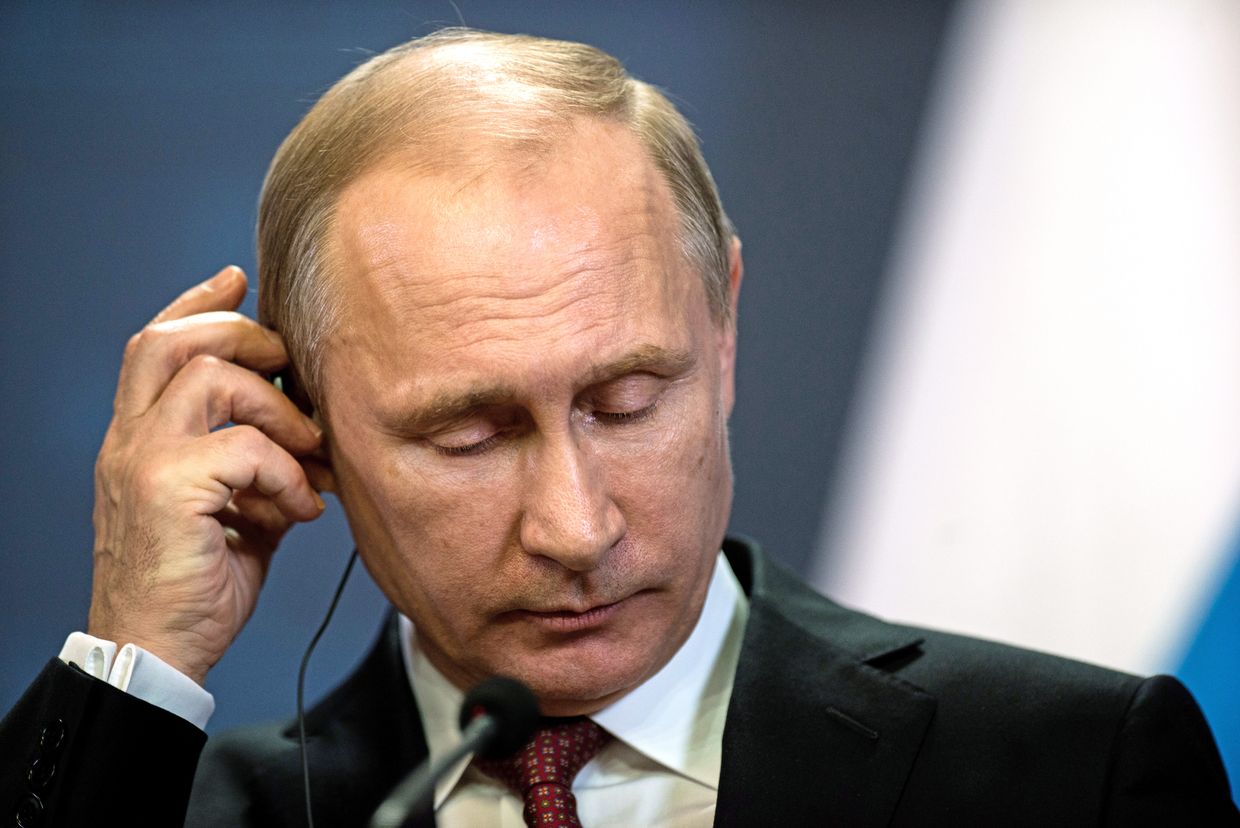
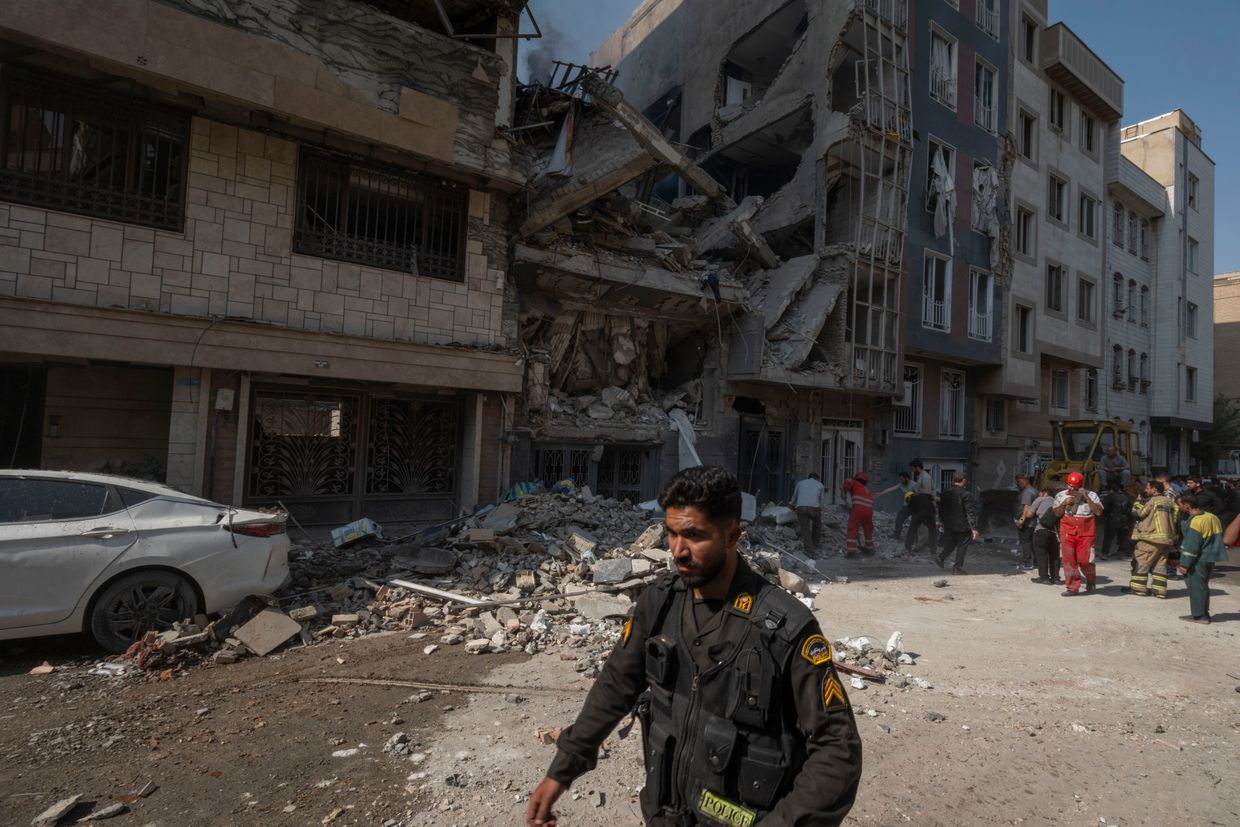
Russian President Vladimir Putin spoke separately with Iranian President Masoud Pezeshkian and Israeli Prime Minister Benjamin Netanyahu on June 13, amid a sweeping Israeli air assault on Iran that killed top military officials and targeted the country's nuclear infrastructure.

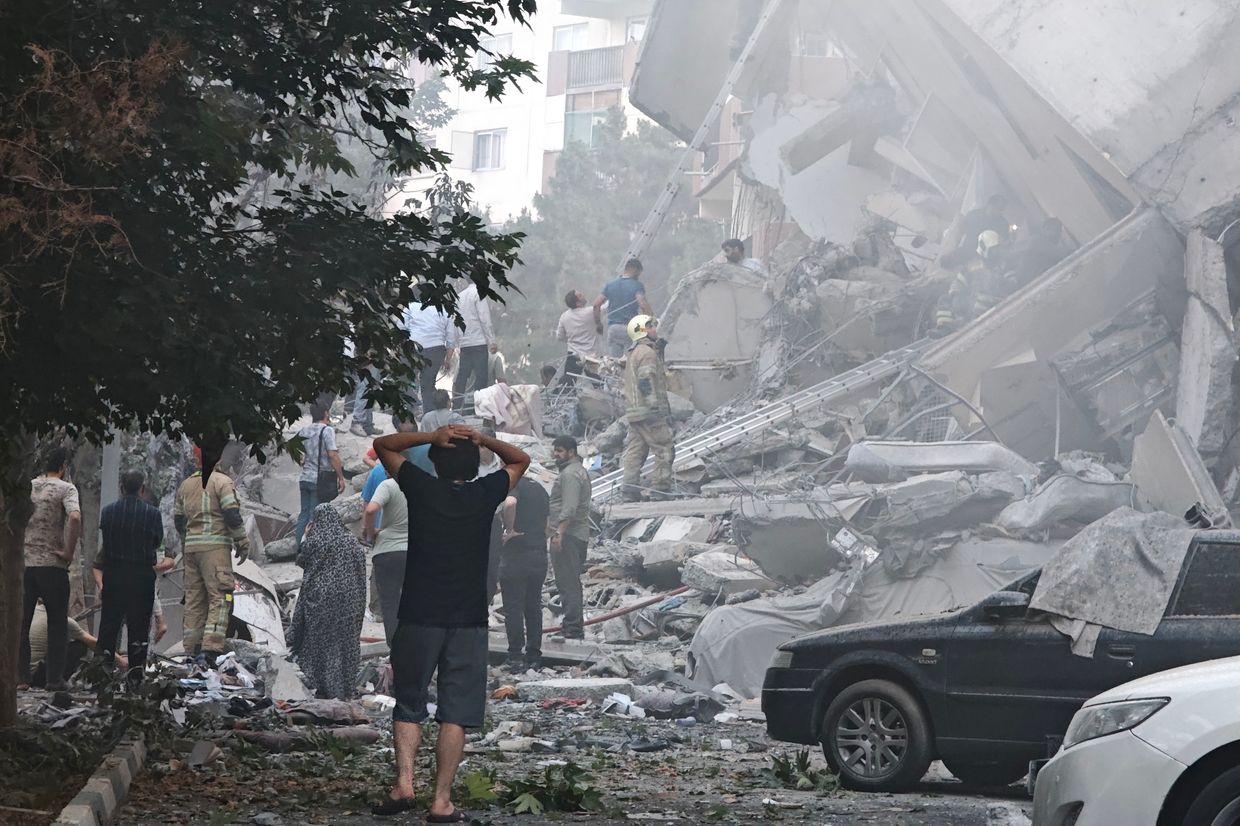
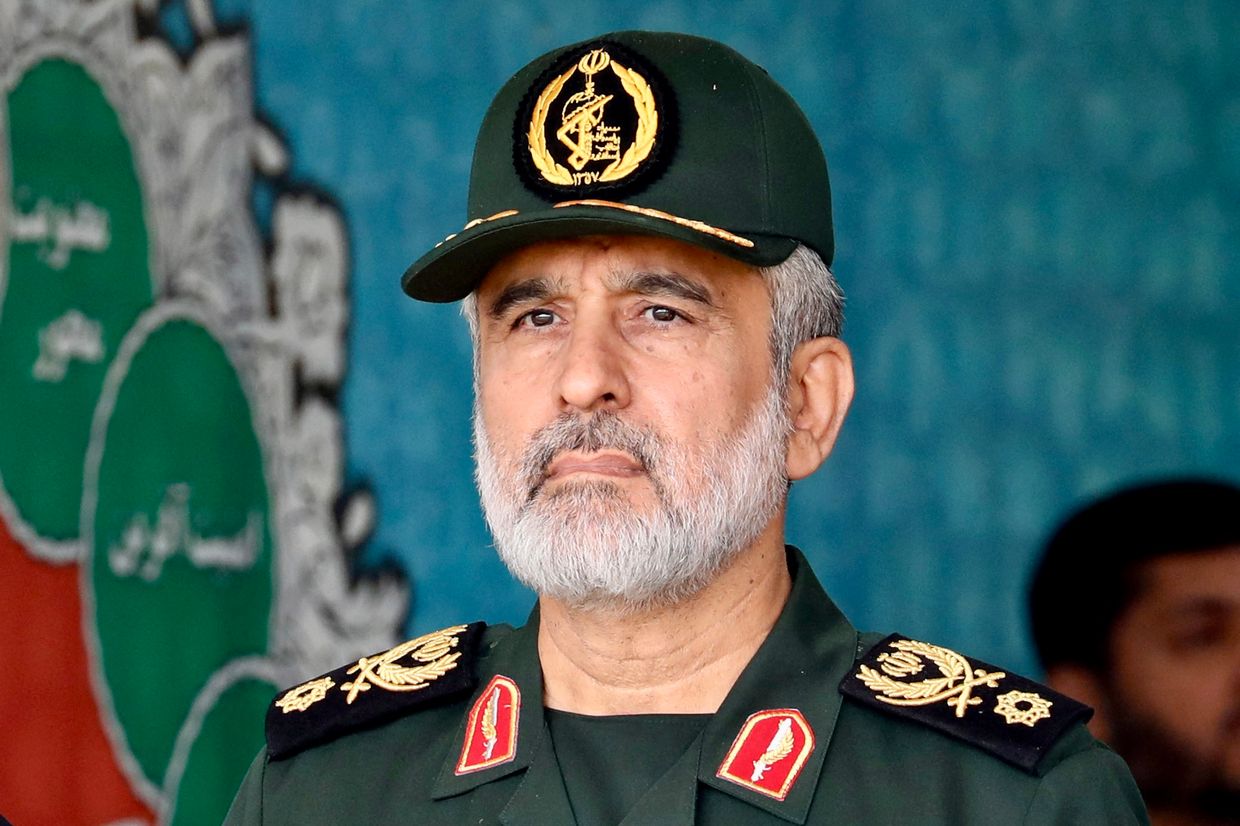
The Israeli strike, described by Tel Aviv as "preemptive," involved 200 aircraft and the release of 330 munitions on over 100 sites. Iran's Islamic Revolutionary Guard Corps confirmed that several senior commanders were killed, including aerospace chief Amir Ali Hajizadeh.

During his call with Pezeshkian, Putin expressed condolences for what the Kremlin described as "numerous civilian casualties" and condemned Israel's actions as violations of the UN Charter and international law.

The conversations took place just hours after Russia launched its own missile and drone assault on Ukraine. At least four civilians were killed and 24 injured in Russian attacks across multiple regions on June 13, according to Ukrainian officials.

Moscow has killed tens of thousands of Ukrainian civilians, and the true extent of the death toll is simply not known. Russia's full-scale invasion of Ukraine was a clear and direct violation of both international law and the UN Charter.

During the conversation with Netanyahu, Putin emphasized "the importance of returning to the negotiation process," and offered to mediate in the conflict.

The Russian leader, who has himself been indicted by the International Criminal Court for war crimes in Ukraine, also pledged Moscow's support in "de-escalating the conflict."

Russia has deepened military and political ties with Tehran since the start of its full-scale war against Ukraine. Iran has supplied Moscow with thousands of Shahed-type attack drones and short-range ballistic missiles used in routine strikes on Ukrainian cities.

Ukraine's Foreign Ministry responded to the Middle East escalation by expressing concern about broader regional instability but reiterated that "the Iranian regime supports Russia in its illegal war of aggression" and provides it with "weapons to kill Ukrainians."

Kyiv warned that the fallout could destabilize international security and trigger economic shocks. Global oil prices soared over 10% after the Israeli operation — a development that could enhance revenues for Russia, whose war budget is largely financed by energy exports.

Israel-Iran war could provide economic boost Russia needs to continue fight against Ukraine
Israel’s “preemptive” strikes against Iran targeting the country’s nuclear program and killing top military officials could have far-reaching implications for Ukraine and could boost Russia’s ability to continue its full-scale invasion, experts have told the Kyiv Independent. Iran has been one of Russia’s staunchest allies throughout the war, providing thousands
Without a hint of irony, Putin offers condolences for 'civilian casualties' in Iran, condemns Israel's 'violations' of UN CharterThe Kyiv IndependentChris York
Without a hint of irony, Putin offers condolences for 'civilian casualties' in Iran, condemns Israel's 'violations' of UN Charter
  •  

British jets intercept Russian spy plane over Baltic Sea, Poland calls it NATO readiness test

British jets intercept Russian spy plane over Baltic Sea, Poland calls it NATO readiness test

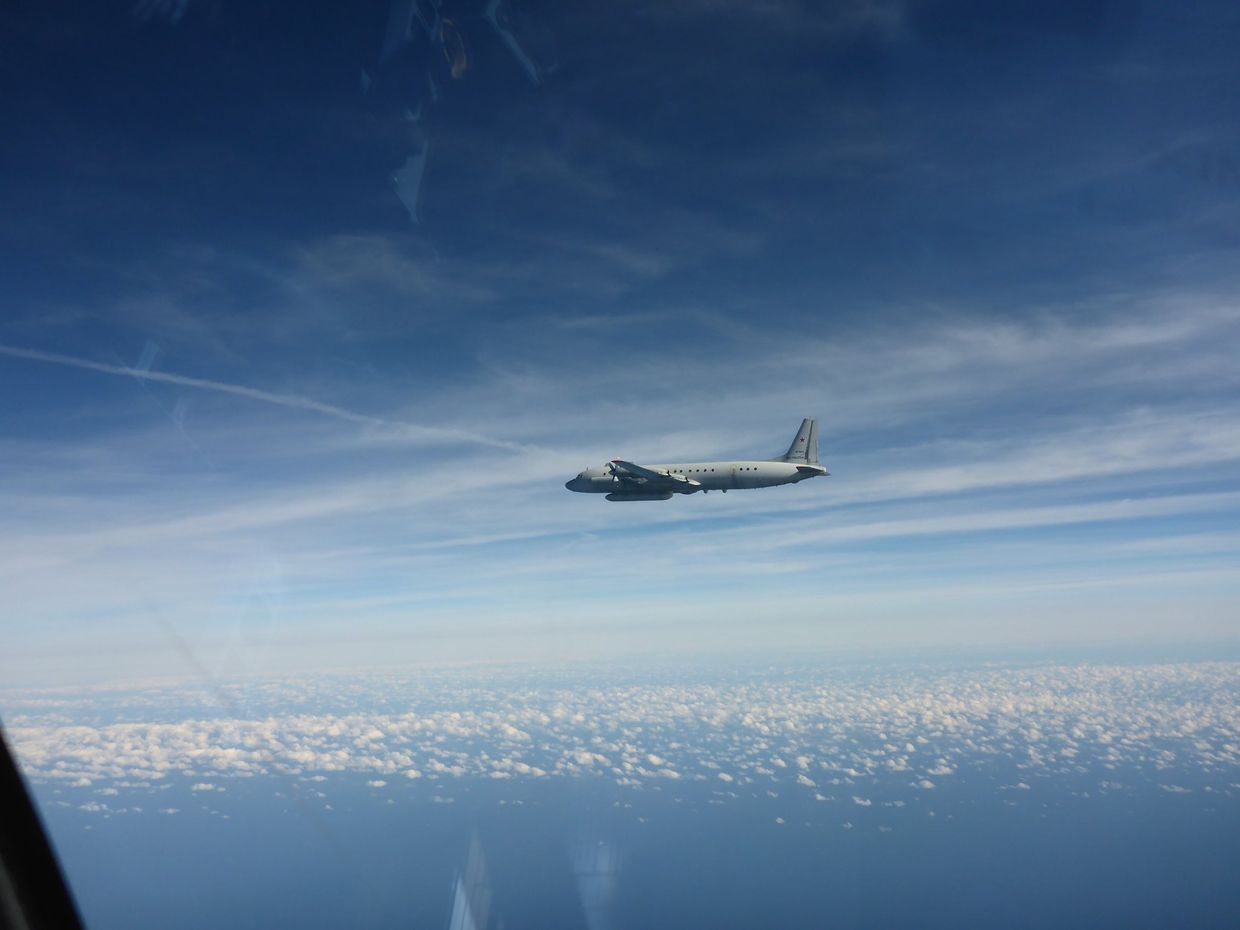
British fighter jets intercepted a Russian Il-20 reconnaissance aircraft that violated airspace over the Baltic Sea on the morning of June 13, Poland's military command reported.

"This is another case of provocative testing of the readiness of NATO countries' systems," the statement said, adding that NATO command structures are now analyzing the incident.

The Russian Il-20, based on the Il-18 transport aircraft, is used for electronic surveillance and reconnaissance missions. It is equipped with radar and signal intelligence gear designed to collect information on military infrastructure and communication networks.

According to the military command, the aircraft entered Baltic Sea airspace at approximately 10:50 a.m. and was promptly intercepted by two British fighter jets operating out of Poland.

No further details were disclosed about the exact location of the encounter or how long the Russian aircraft remained in restricted airspace.

The incident adds to a series of aerial provocations reported by NATO allies since the start of Russia's full-scale invasion of Ukraine in 2022. Poland has repeatedly scrambled jets in response to Russian missile and drone attacks near its border.

On Feb. 11, a Russian Su-24MR reconnaissance aircraft flew into Polish airspace over the Bay of Gdansk for more than a minute. Moscow attributed the incursion to a navigational error, but Polish officials dismissed the claim as implausible.

Poland shares a long border with Ukraine and a northern coastline along the Baltic Sea, where Russia's militarized Kaliningrad exclave is located.

Warsaw has repeatedly warned that Russia's ongoing aerial provocations could lead to a dangerous escalation if not firmly countered.

How an Israel-Iran war could help Russia’s economy — and deprive Ukraine of weapons
Israel’s “preemptive” strikes against Iran targeting the country’s nuclear program and killing top military officials could have far-reaching implications for Ukraine and could boost Russia’s ability to continue its full-scale invasion, experts have told the Kyiv Independent. Iran has been one of Russia’s staunchest allies throughout the war, providing thousands
British jets intercept Russian spy plane over Baltic Sea, Poland calls it NATO readiness testThe Kyiv IndependentChris York
British jets intercept Russian spy plane over Baltic Sea, Poland calls it NATO readiness test
  •  

Iranian commander killed in Israeli airstrike oversaw Shahed drone supply to Russia

Iranian commander killed in Israeli airstrike oversaw Shahed drone supply to Russia

Editor's note: This story has been updated with additional details.

Iran's Islamic Revolutionary Guard Corps (IRGC) confirmed on June 13 that its aerospace commander, Amir Ali Hajizadeh, was killed in an Israeli air strike on a command facility, according to the Times of Israel.

Hajizadeh was sanctioned by the European Union in 2022 for overseeing Tehran's supply of Shahed-type drones to Russia for use in its war against Ukraine, which have become a key component of Moscow's war against Ukraine.

He played a central role in advancing Iran's drone and missile capabilities, meeting with then-Russian Defense Minister Sergei Shoigu in 2023 to showcase Iranian weapons.

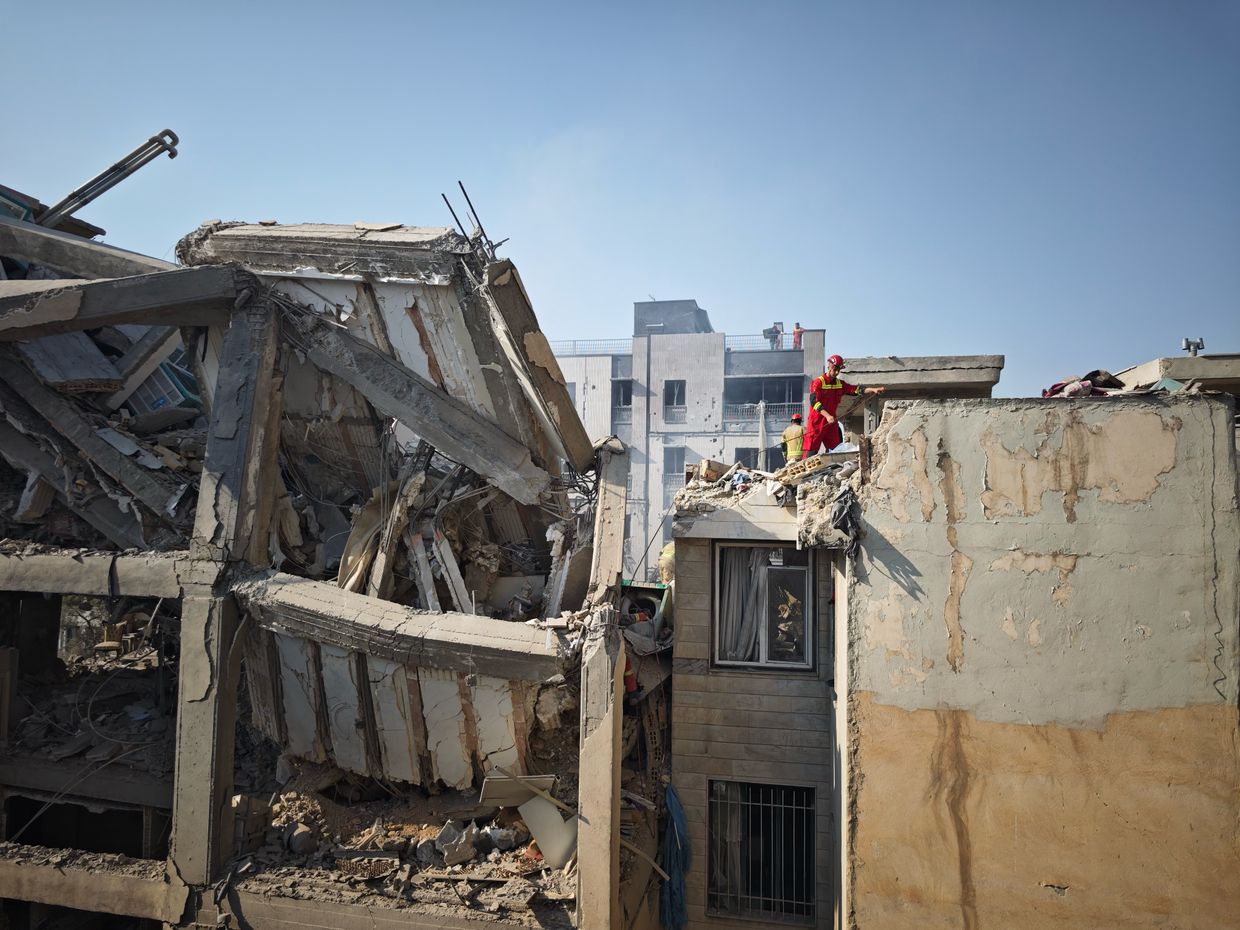
The Israeli operation, described as "preemptive," involved 200 aircraft and the dropping of 330 munitions, targeting the country's nuclear program and killing top military officials.

Hajizadeh is also known for his role in the January 2020 downing of a Ukrainian civilian aircraft, which Iran later admitted was mistakenly shot down amid tensions with the U.S. All 176 people on board were killed.

Ukraine's Foreign Ministry issued a statement on June 13 expressing concern over the fallout from the Israeli operation but underscored that "the Iranian regime supports Russia in its illegal war of aggression" and supplies Moscow with "weapons to kill Ukrainians."

Along with North Korea, Iran has been a key ally to Russia during its full-scale war against Ukraine, providing thousands of Shahed strike drones and short-range ballistic missiles.

The drones, cheap and packed with explosives, have become a central weapon in Russia's aerial assaults on Ukraine since their introduction in late 2022.

Known for flying long distances before slamming into targets, they are now mass-produced by Russia and launched in near-nightly waves to overwhelm Ukrainian air defenses.

The Israeli strike took place amid escalating tensions in the Middle East, as well as U.S. negotiations with Tehran regarding its nuclear program. The Trump administration has acknowledged it knew about the operation in advance but denied any involvement.

Kyiv warned of the potential global repercussions of the strike, noting that regional instability could severely impact international security and financial markets, particularly oil.

Crude prices surged more than 10% following the attack, boosting revenues for Moscow, whose economy is heavily reliant on energy exports.

Russia has condemned Israel's attacks as "unprovoked aggression" and a violation of the U.N. Charter.

After Israel’s strikes, Ukraine says Iran ‘source of problems’ but warns against destabilization
Ukraine on June 13 expressed concern over the security situation in the Middle East after Israeli air strikes against Iran, but stressed that Tehran remains a “source of problems” in the region “and beyond.”
Iranian commander killed in Israeli airstrike oversaw Shahed drone supply to RussiaThe Kyiv IndependentMartin Fornusek
Iranian commander killed in Israeli airstrike oversaw Shahed drone supply to Russia
  •  

Ukrainian military denies NYT claims about Russian presence in Dnipropetrovsk Oblast

Ukrainian military denies NYT claims about Russian presence in Dnipropetrovsk Oblast

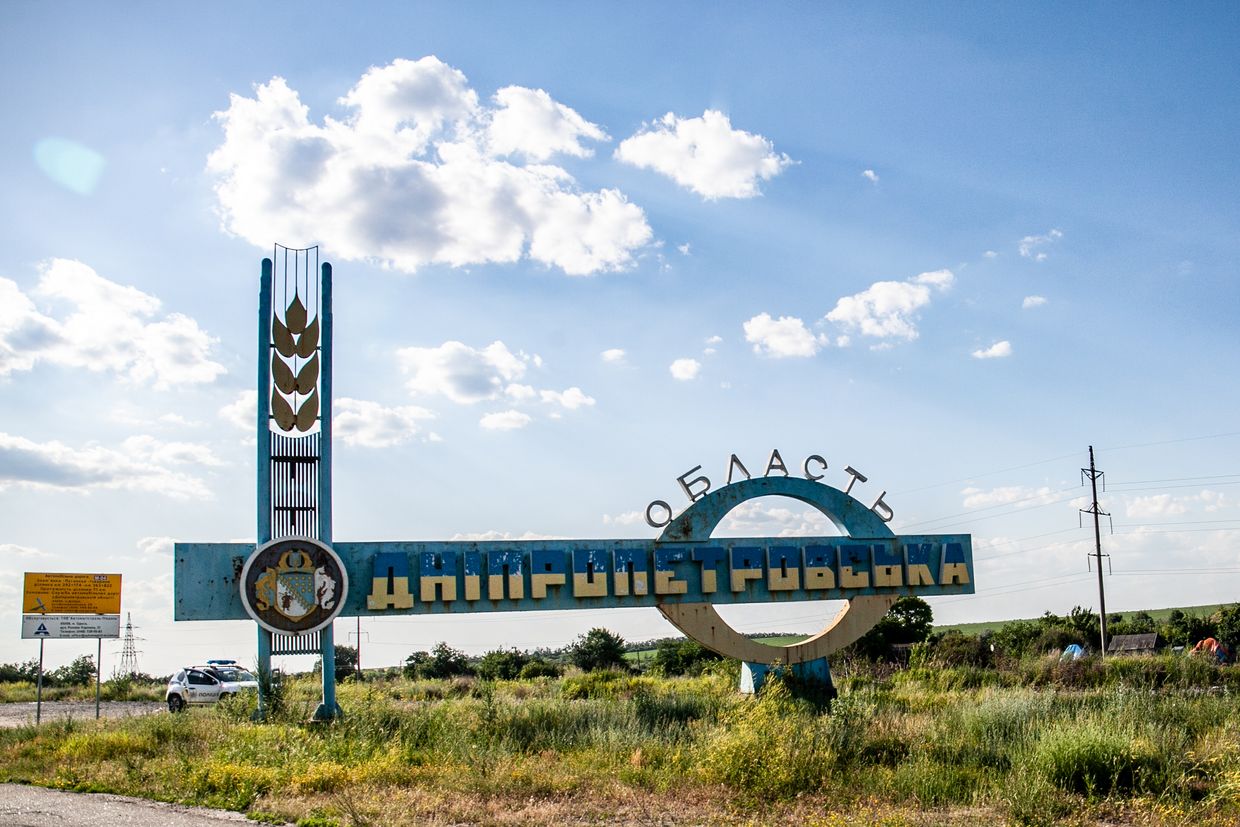
There is no confirmed information that Russian troops have entered Ukraine's Dnipropetrovsk Oblast, spokesperson Victor Tregubov of the Khortytsia group of forces told Ukrainian media outlet Suspilne on June 13, refuting earlier claims published by the New York Times (NYT).

The NYT cited Ukrainian military sources claiming that Russian troops crossed the administrative boundary into Dnipropetrovsk Oblast for the first time since the war began.

The reporting also referenced a map by the Institute for the Study of War (ISW) indicating that Russian forces advancing in the region had allegedly secured a foothold.

Tregubov said the situation remains unchanged as of June 13. He indicated that no information suggests Russian forces have crossed the administrative border, but he noted that updated intelligence may be available later in the day.

Andrii Zadubiny, press officer of the Khortytsia forces, also rejected the claims.

"No enemy incursion into Dnipropetrovsk Oblast has been recorded. We refute this information," he told Suspilne. He suggested that ISW might be relying on Russian sources.

On June 8, Russia's Defense Ministry claimed that its forces had entered Dnipropetrovsk Oblast, a claim that has not been substantiated by Ukrainian authorities.

The Ukrainian monitoring group DeepState also reported no evidence of Russian forces entering the oblast. A map depicting Russian-occupied areas of Ukraine indicates that the Russian troops are only a couple of kilometers from the border.

To date, Dnipropetrovsk Oblast — a major industrial region in central Ukraine — has not seen confirmed Russian ground incursions, though it has remained under constant threat from missile and drone attacks.

In late April, Ukrainian authorities began mandatory evacuations of families with children from four front-line villages — Kolona Mezhova, Novopidhorodne, Raipole, and Sukhareva Balka — located just kilometers from Russian positions.

The latest developments come amid growing pressure on Ukrainian defenses across multiple fronts and continued failure of U.S.-mediated negotiations to produce a ceasefire agreement.

After Israel’s strikes, Ukraine says Iran ‘source of problems’ but warns against destabilization
Ukraine on June 13 expressed concern over the security situation in the Middle East after Israeli air strikes against Iran, but stressed that Tehran remains a “source of problems” in the region “and beyond.”
Ukrainian military denies NYT claims about Russian presence in Dnipropetrovsk OblastThe Kyiv IndependentMartin Fornusek
Ukrainian military denies NYT claims about Russian presence in Dnipropetrovsk Oblast
  •  

Russia may provoke crisis in Transnistria ahead of Moldova's elections, Sandu warns

Russia may provoke crisis in Transnistria ahead of Moldova's elections, Sandu warns

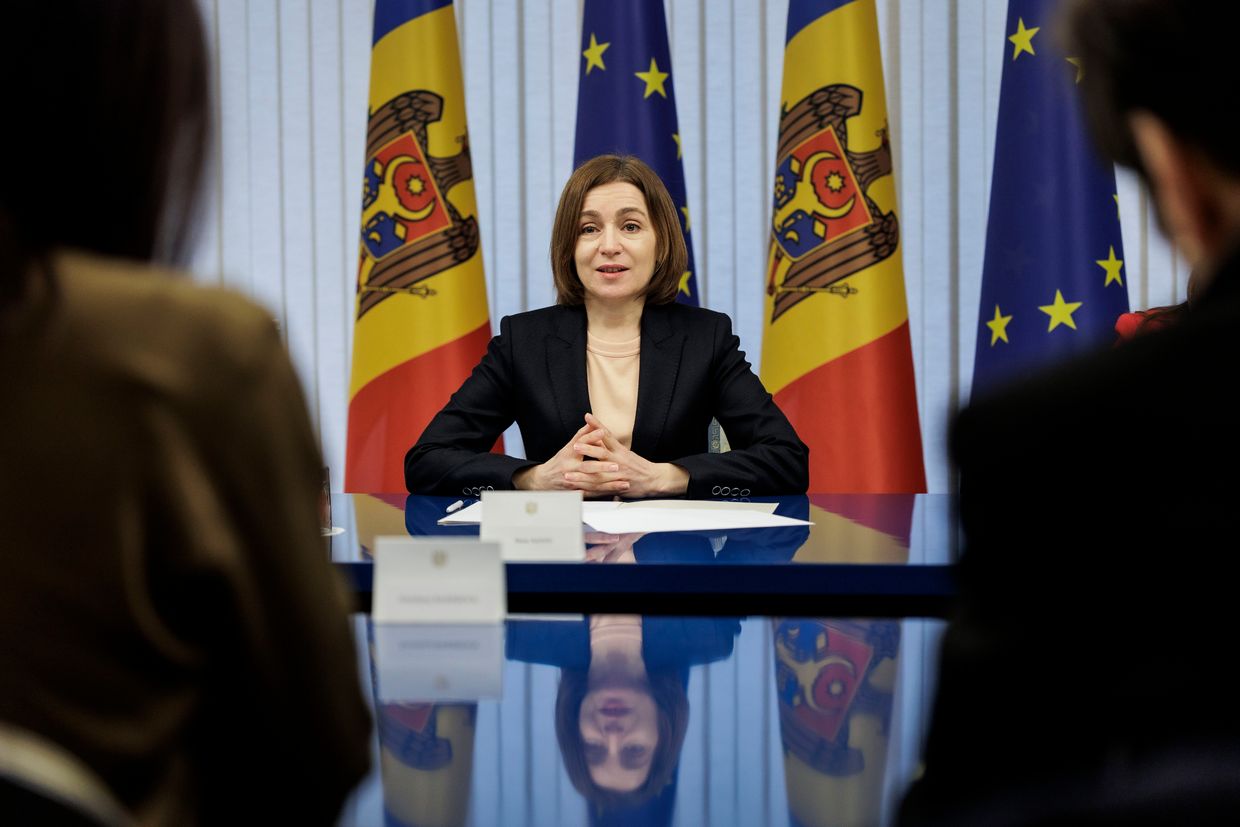
Moscow may instigate a crisis in Moldova's Russian-occupied Transnistria region to destabilize the country ahead of parliamentary elections scheduled for September, Moldovan President Maia Sandu said on June 12, according to Moldovan outlet Newsmaker.

"All these years, Russia has been using the residents of Transnistria and can provoke an even greater crisis at any moment if it suits its plans in Moldova," Sandu said.

"We can expect this crisis to deepen in the coming months, before the elections."

The president's comments come after Transnistria declared a 30-day state of emergency on June 11, due to a sharp reduction in natural gas supplies.

The unrecognized region, located along Moldova's eastern border with Ukraine, has faced mounting energy shortages since January, when Russian gas giant Gazprom halted deliveries.

Sandu, a pro-European leader of the country, warned that Moscow could combine voter bribery and political manipulation with "blackmail" in Transnistria.

"Russia may promise assistance in exchange for votes on the Right Bank. We can expect all sorts of games," the president said.

In February, Moldova's government revealed that Transnistria rejected a 60 million euros ($62 million) EU energy aid package under pressure from Moscow.

The Moldovan president assured that the country's institutions are monitoring the risks and pledged that the elections would be "free and fair," despite growing instability.

Sandu emphasized that Chisinau is prepared to support the population in Transnistria but must first address "the main problem — the withdrawal of Russian troops."

"This is a key issue that we must resolve peacefully, because otherwise we will not be able to justify our financial support," she said.

Moscow continues to maintain a military presence in Transnistria, which has been under the control of pro-Russian separatists since the early 1990s. President Volodymyr Zelensky said in February that around 1,000 to 1,500 Russian troops are currently stationed in the region.  

Chisinau has repeatedly called for the peaceful reintegration of Transnistria and the withdrawal of Russian forces, citing it as essential to Moldova's security and development.

Moldovan Prime Minister Dorin Recean earlier told the Financial Times that Russia plans to send 10,000 troops to Transnistria and establish a pro-Kremlin government in Moldova.

Russia preparing strategic reserves for conflicts beyond Ukraine, Ukraine warns
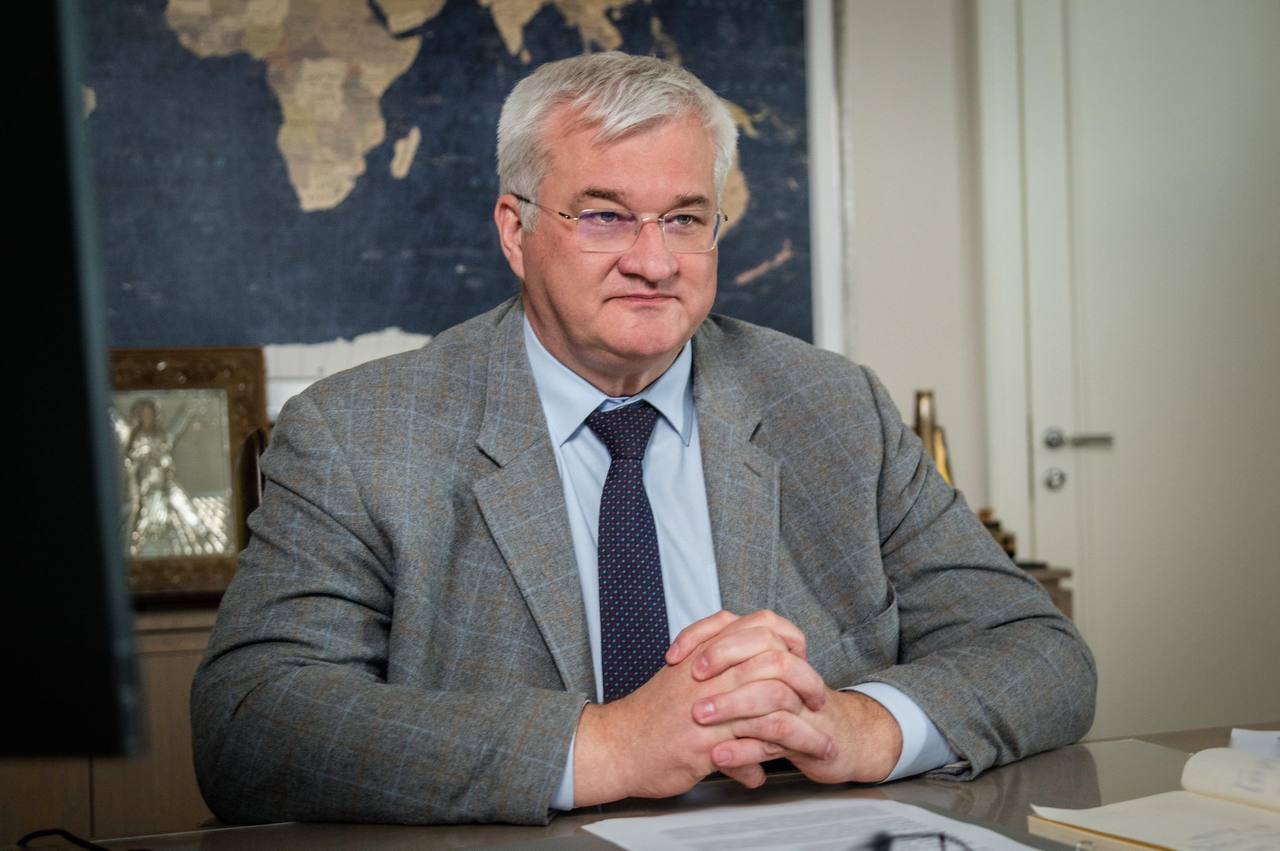
“According to our intelligence, Russia has started to prepare strategic reserves, which indicates plans for combat operations not only in Ukraine,” Ukraine’s Foreign Minister Andrii Sybiha said
Russia may provoke crisis in Transnistria ahead of Moldova's elections, Sandu warnsThe Kyiv IndependentAnna Fratsyvir
Russia may provoke crisis in Transnistria ahead of Moldova's elections, Sandu warns
  •  

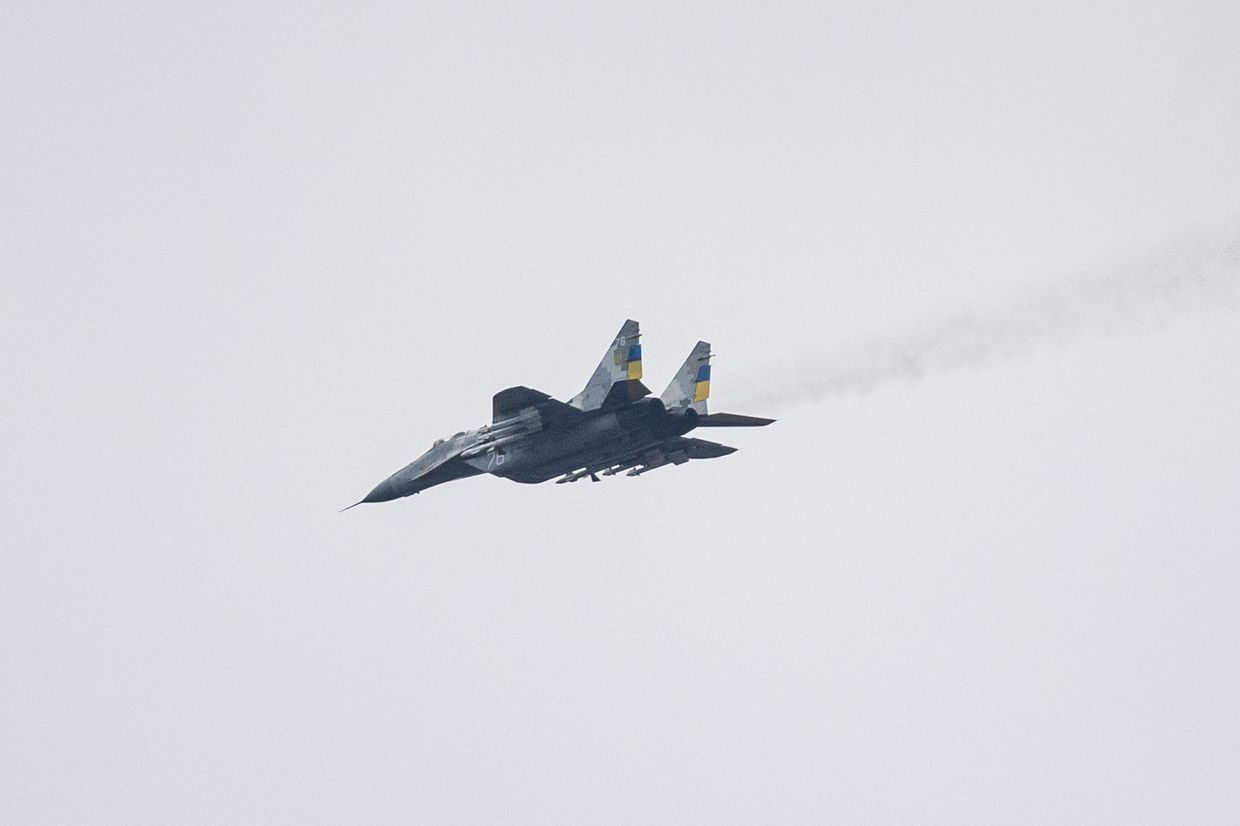
Ukrainian MiG-29 strikes Russian drone hub, ammo depot in Zaporizhzhia direction, releases video

Ukrainian MiG-29 strikes Russian drone hub, ammo depot in Zaporizhzhia direction, releases video

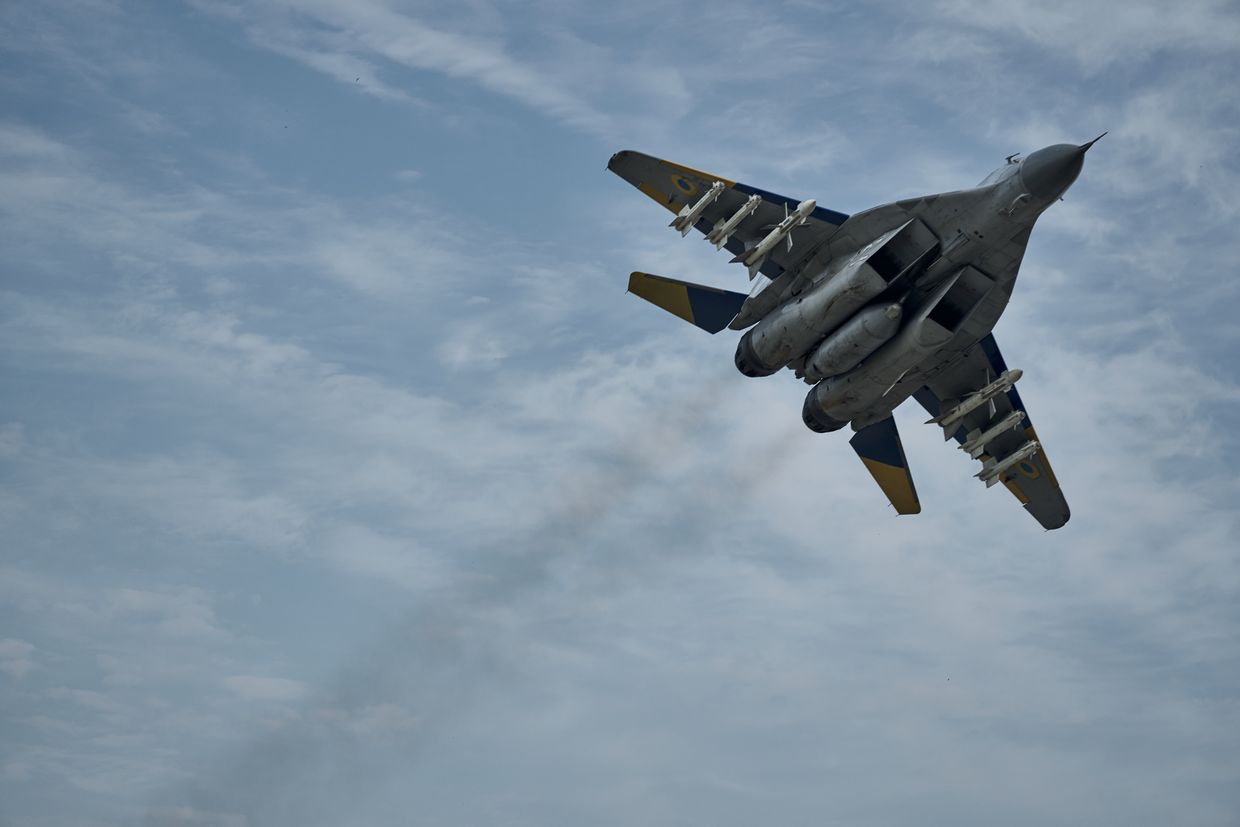
A Ukrainian MiG-29 fighter jet carried out a precision strike on Russian positions in the Zaporizhzhia direction, targeting a command post for drone operators and a combined ammunition and fuel depot, Ukraine's Air Force reported on June 13.

The Air Force did not disclose the exact location of the strike but thanked international partners for providing the guided munitions used in the attack.

"We thank our partners for their highly accurate and effective 'arguments'," the service wrote.

0:00
/
A Ukrainian MiG-29 fighter jet carried out a precision strike on Russian positions in the Zaporizhzhia area of southern Ukraine on June 13, 2025. (Ukraine's Air Force / Telegram)

The MiG-29, a Soviet-designed multirole fighter jet, remains a front-line platform in Ukraine's air force and has been adapted to carry Western-supplied precision-guided weapons.

Zaporizhzhia Oblast, located in southeastern Ukraine, remains one of the war's most contested areas. While the city of Zaporizhzhia is under Ukrainian control, southern parts of the region remain occupied by Russian forces.

Commander-in-Chief Oleksandr Syrskyi said on May 31 that Russia has intensified offensive operations across several key areas, including Zaporizhzhia, as part of a broader summer push.

Ukrainian forces have continued to conduct airstrikes and sabotage missions to degrade Russian supply lines and disrupt offensive preparations.

Russia preparing strategic reserves for conflicts beyond Ukraine, Ukraine warns
“According to our intelligence, Russia has started to prepare strategic reserves, which indicates plans for combat operations not only in Ukraine,” Ukraine’s Foreign Minister Andrii Sybiha said
Ukrainian MiG-29 strikes Russian drone hub, ammo depot in Zaporizhzhia direction, releases videoThe Kyiv IndependentAnna Fratsyvir
Ukrainian MiG-29 strikes Russian drone hub, ammo depot in Zaporizhzhia direction, releases video
  •  

Russia preparing strategic reserves for conflicts beyond Ukraine, Ukraine warns

Russia preparing strategic reserves for conflicts beyond Ukraine, Ukraine warns

Foreign Minister Andrii Sybiha warned on June 13 that Russia has begun preparing strategic military reserves, signaling plans for military operations that may extend beyond Ukraine.

"According to our intelligence, Russia has started to prepare strategic reserves, which indicates plans for combat operations not only in Ukraine," Sybiha said during the Globsec conference in Prague, calling for urgent diplomatic and economic pressure.

"Allies need full diplomatic mobilization to stop this war. This is not just a question for Ukraine. (Russian President Vladimir) Putin only understands strength, and right now it's crucial to apply sanctions in a timely manner, using them as economic weapons to pressure Russia," Sybiha said.

The comments come as Russia intensifies its military offensives and missile strikes across Ukraine, despite participating in two recent rounds of peace talks in Istanbul. The first talks were held on May 16, followed by a second meeting on June 2. While both rounds produced agreements on prisoner exchanges, they failed to secure a ceasefire.

President Volodymyr Zelensky said in a June 12 interview with Germany's Bild newspaper that Russia is using the talks to delay tougher U.S. sanctions, while continuing to escalate attacks on Ukrainian cities.

Russia also continues to issue nuclear threats to Western countries. Putin claimed on June 11 that Russia possesses the world's most advanced nuclear systems, with 95% of its strategic nuclear forces reportedly made up of modern equipment.

Putin emphasized the need to significantly strengthen Russia's ground forces. Russian defense spending has surged to 6.3% of GDP, the highest level since the Cold War, as Moscow continues to ramp up its military investment amid the ongoing war.

What Russia’s 1 million casualties mean for Ukraine
The Kyiv Independent’s Chris York sits down with George Barros, team lead for the Russia and Ukraine portfolio at the Institute for the Study of War, to discuss what Russia’s approaching one million casualties mean for its war effort in Ukraine. They explore how the Kremlin might generate more forces — and what impact this could have on Russia’s economy.
Russia preparing strategic reserves for conflicts beyond Ukraine, Ukraine warnsThe Kyiv IndependentChris York
Russia preparing strategic reserves for conflicts beyond Ukraine, Ukraine warns
  •  

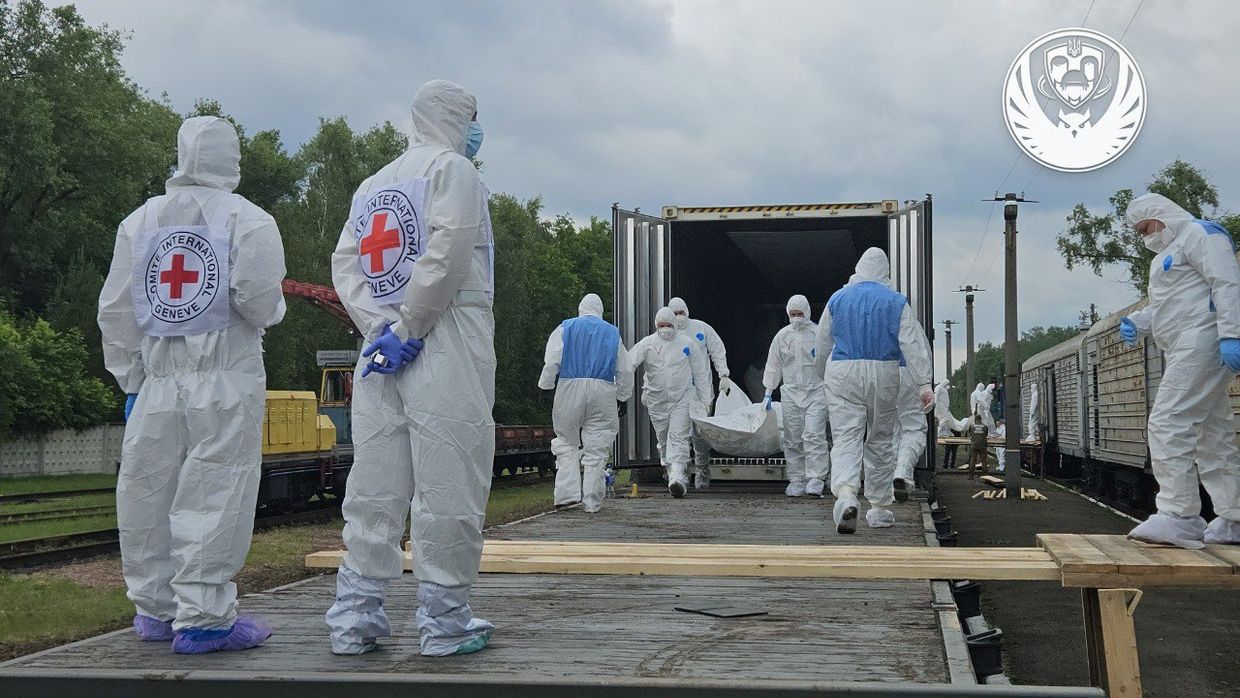
Ukraine repatriates bodies of 1,200 citizens, soldiers under Istanbul deal with Russia

Ukraine repatriates bodies of 1,200 citizens, soldiers under Istanbul deal with Russia

Ukraine has brought home the bodies of 1,200 Ukrainian soldiers and citizens as part of an agreement with Russia in Istanbul, the Coordination Headquarters for the Treatment of the Prisoners of War (POWs) announced on June 13.

The repatriation comes after Ukraine brought back the bodies of 1,212 fallen service members earlier this week, with Moscow voicing readiness to release the remains of some 6,000 Ukrainians total during recent peace talks in Istanbul.

The headquarters coordinated the operation with the Security Service of Ukraine (SBU), the Ombudsman's Office, the military, the Interior Ministry, and other state and defense bodies. The International Committee of the Red Cross has also provided assistance.

It is not immediately clear whether Ukraine released the bodies of Russian soldiers in return. During the previous exchange on June 11, Moscow claimed it had repatriated the bodies of 27 Russian service members.

At the Istanbul meeting on June 2, Russian and Ukrainian delegations agreed on a new exchange of POWs but failed to reach a ceasefire agreement.

The talks led to the most extensive prisoner swap in late May, involving 1,000 captives on each side. The exchanges continued this week, focusing on severely ill and wounded soldiers.

Russia accused Ukraine on June 7 of failing to uphold a proposed prisoner exchange, a charge Kyiv denied. Russian media published footage showing refrigerated containers allegedly holding the bodies of Ukrainian soldiers, suggesting Kyiv had rejected their return.

POW Coordination Headquarters deputy head Andrii Yusov told Ukrainian Pravda that the footage had been filmed inside Russia and not at a designated exchange site.

Kyiv has repeatedly urged Moscow to adopt an "all-for-all" prisoner exchange formula. While over 5,000 Ukrainians have been returned from Russian captivity since March 2022, Russia continues to resist a comprehensive swap.

Ukraine, Russia carry out another exchange of POWs under Istanbul deal
The prisoners of war (POWs) were released as part of a prisoner exchange with Russia agreed upon during recent peace talks in Istanbul, the Coordination Headquarters for the Treatment of the POWs said.
Ukraine repatriates bodies of 1,200 citizens, soldiers under Istanbul deal with RussiaThe Kyiv IndependentMartin Fornusek
Ukraine repatriates bodies of 1,200 citizens, soldiers under Istanbul deal with Russia
  •  

Russia condemns Israel's strike on Iran as 'unprovoked aggression'

Russia condemns Israel's strike on Iran as 'unprovoked aggression'

Editor's note: This story was updated to include a comment from Ukrainian Foreign Ministry spokesperson Heorhii Tykhyi.

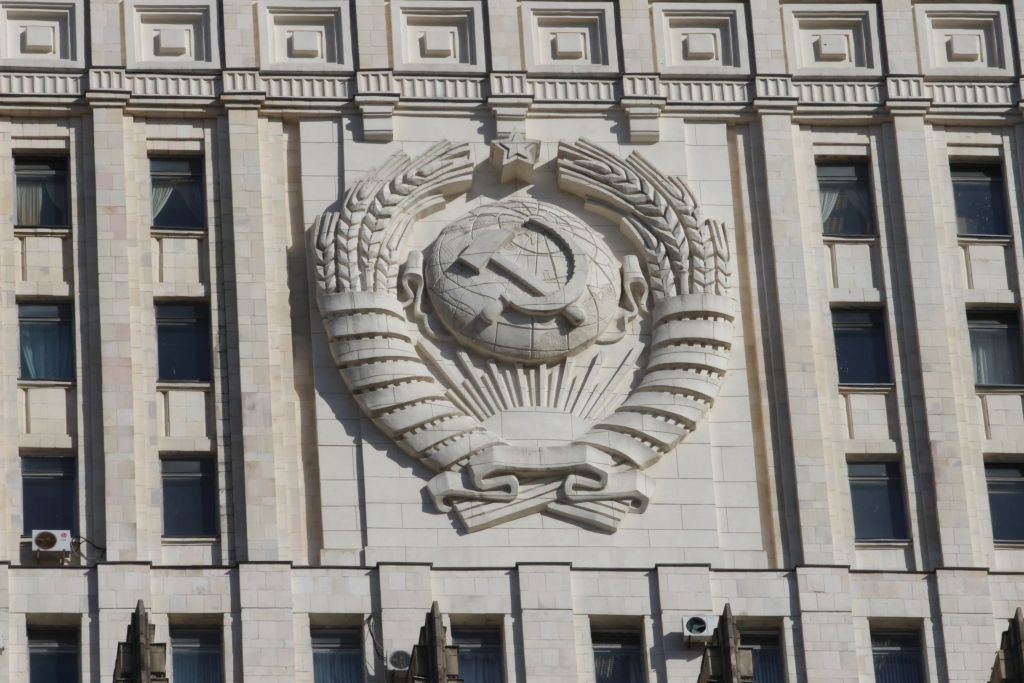
Russia's Foreign Ministry expressed "extreme concern" on June 13 over Israel's recent strike on Iran, calling it a dangerous escalation that violated the United Nations Charter and international law.

Moscow, which currently wages war against Ukraine, the largest conflict on the European continent since World War II, condemned Israel's attack as an "unprovoked aggression."

Earlier on June 13, Israeli Prime Minister Benjamin Netanyahu said that Israeli forces had launched "Operation Rising Lion," a preemptive strike targeting Iran's nuclear program. In a televised address, Netanyahu claimed Israeli forces struck Iran's main nuclear enrichment site in Natanz and targeted key nuclear scientists.

In a statement, the Russian Foreign Ministry denounced Israel's overnight attacks as "unprovoked military strikes" targeting a sovereign U.N. member's nuclear facilities. The ministry said the international community "cannot remain indifferent" to such actions that undermine global and regional stability.

The statement called it "cynical" that the strikes occurred during a session of the International Atomic Energy Agency and just before another round of indirect Iran–U.S. talks in Oman, scheduled for June 15.

Moscow said this timing undermined diplomatic efforts aimed at reducing confrontations over Tehran's nuclear program.

The ministry accused Western countries of fueling "anti-Iranian hysteria" in international forums and warned that military solutions cannot resolve the Iranian nuclear issue. It urged all parties to show restraint to avoid a full-scale regional war.

Ukrainian Foreign Ministry spokesperson Heorhii Tykhyi responded to Russia's statement, saying it was "one of those awkward moments when the Russian Foreign Ministry comments on the Middle East but forgets to look at the mirror."

Russian condemnation comes as Moscow and Tehran continue to strengthen their ties. Iran's parliament ratified on May 21 a 20‑year strategic partnership agreement with Russia, deepening military and economic cooperation.

While the pact does not include mutual defense, it outlines joint military exercises, energy cooperation, and interbank links designed to circumvent Western sanctions.

Iran has also supplied Russia with thousands of Shahed drones and ballistic missiles used against Ukraine throughout Moscow's war.

Previously, Moscow claimed its willingness to remove excess nuclear material from Iran, converting it into reactor fuel in support of U.S.–Iran nuclear talks. Kremlin spokesperson Dmitry Peskov said Russia is prepared to assist if both Iran and the U.S. find its help valuable.

Israel launches ‘preemptive’ air strikes on Iran’s nuclear program, IRGC chief killed in attack
Israeli forces launched “preemptive strikes” on Iran overnight on June 13, tarting Iran’s nuclear program, Prime Minister Benjamin Netanyahu said in an overnight address.
Russia condemns Israel's strike on Iran as 'unprovoked aggression'The Kyiv IndependentLucy Pakhnyuk
Russia condemns Israel's strike on Iran as 'unprovoked aggression'
  •  

Amid Moscow's war in Ukraine, Trump wonders why 'everybody hates' Russia

Amid Moscow's war in Ukraine, Trump wonders why 'everybody hates' Russia

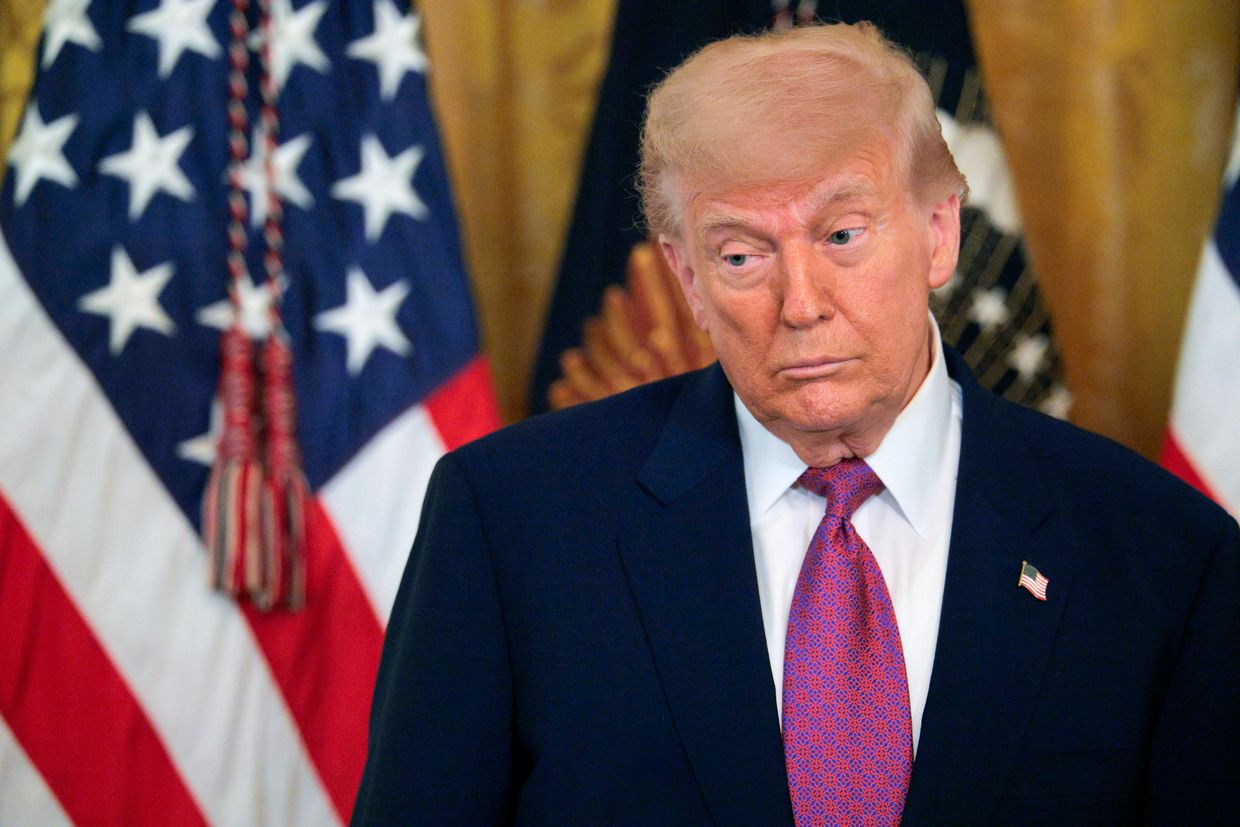
U.S. President Donald Trump on June 12 praised Russia's role in World War II, saying Russian President Vladimir Putin is "confused" why everyone "hates" Moscow.

Speaking at a White House press conference, Trump recounted a conversation with French President Emmanuel Macron about World War II commemorations.

"I said, 'You're celebrating our victory?' He said, 'Yes.' I said, "Your victory?'" Trump said.

"And then I spoke to President Putin at the time. He lost 51 million people. He (sic!) fought with us in World War II. Russia did fight. It's interesting, isn't it? It fought with us in World War II, and everyone hates it.

"And now everybody hates Russia and loves Germany and Japan. It's a strange world."

Trump said Putin had expressed confusion over the West's treatment of Russia post-war, citing the Soviet Union's wartime alliance with the U.S. and U.K.

"We were your ally," Putin allegedly told Trump. "Now everybody hates Russia."

Trump's remarks align with a Kremlin propaganda narrative that downplays the Soviet Union's World War II non-Russian casualties. According to Ukraine's Institute of National Remembrance, Ukraine alone lost more than 10 million people during the war and suffered immense destruction on its territory — a fact often overlooked in Kremlin-led historical revisionism.

Russia has frequently weaponized its version of World War II history to justify present-day aggression. The Kremlin has invoked anti-Nazi rhetoric and Soviet-era heroism to rationalize its full-scale invasion of Ukraine, launched in February 2022 — a war that has resulted in tens of thousands of deaths and the displacement of millions.

Trump has positioned himself as the only leader capable of ending the Russia-Ukraine war, but his reluctance to apply real pressure on Moscow has left Kyiv and its allies doubtful. The U.S. president has softened his tone on Russia while repeatedly threatening sanctions over its attacks on Ukraine — yet no new measures have been imposed.

Talking at the press conference about the war and the stalled peace efforts, Trump said he was "disappointed" with both Russia and Ukraine, adding that "deals could have been made."

Trump has previously said that he refrained from imposing additional sanctions in hopes of securing a peace deal between Kyiv and Moscow.

"If I think I'm close to getting a deal, I don't want to screw it up by doing that," he said on May 28, adding that a decision would come "in about two weeks."

Despite failed peace efforts in Istanbul and Russia's continued refusal to agree to a ceasefire, Trump reportedly asked Senate Republicans to delay voting on a bipartisan sanctions bill that would impose a 500% tariff on imports from countries buying Russian oil.

The legislation, introduced in April, has broad bipartisan support, including backing from Senate Minority Leader Chuck Schumer and House Speaker Mike Johnson.

Meanwhile, Russia continues its offensive in Ukraine and has shown no signs of seeking peace. It continues escalating its attacks on Ukrainian cities, causing numerous civilian casualties.

Who’s countering Russian propaganda now? Expert on US’ declining disinformation defense
The Kyiv Independent’s Natalia Yermak speaks to James Rubin, a former diplomat who led the Global Engagement Center in 2022-2024, about how deeply the Russian propaganda influences U.S. politics and why the center’s closure “disarms” the country in the information war.
Amid Moscow's war in Ukraine, Trump wonders why 'everybody hates' RussiaThe Kyiv IndependentNatalia Yermak
Amid Moscow's war in Ukraine, Trump wonders why 'everybody hates' Russia
  •  

Russian military equipment reportedly hit in Ukrainian drone attack against Crimea

Russian military equipment reportedly hit in Ukrainian drone attack against Crimea

Editor's note: The story is being updated.

Explosions could be heard across Crimea early on June 13, including in Sevastopol and Simferopol, the Crimean Wind Telegram channel reported amid Russian claims of Ukrainian drone attacks.

Atesh partisans reported "precise hits" against Russian military facilities near Simferopol.

"Our agents report that due to the negligence of the (Russian) command, valuable equipment was damaged, probably an air defense missile system," the group said on Telegram.

"There are also losses among the troops," Atesh said, adding that the exact numbers are difficult to establish.

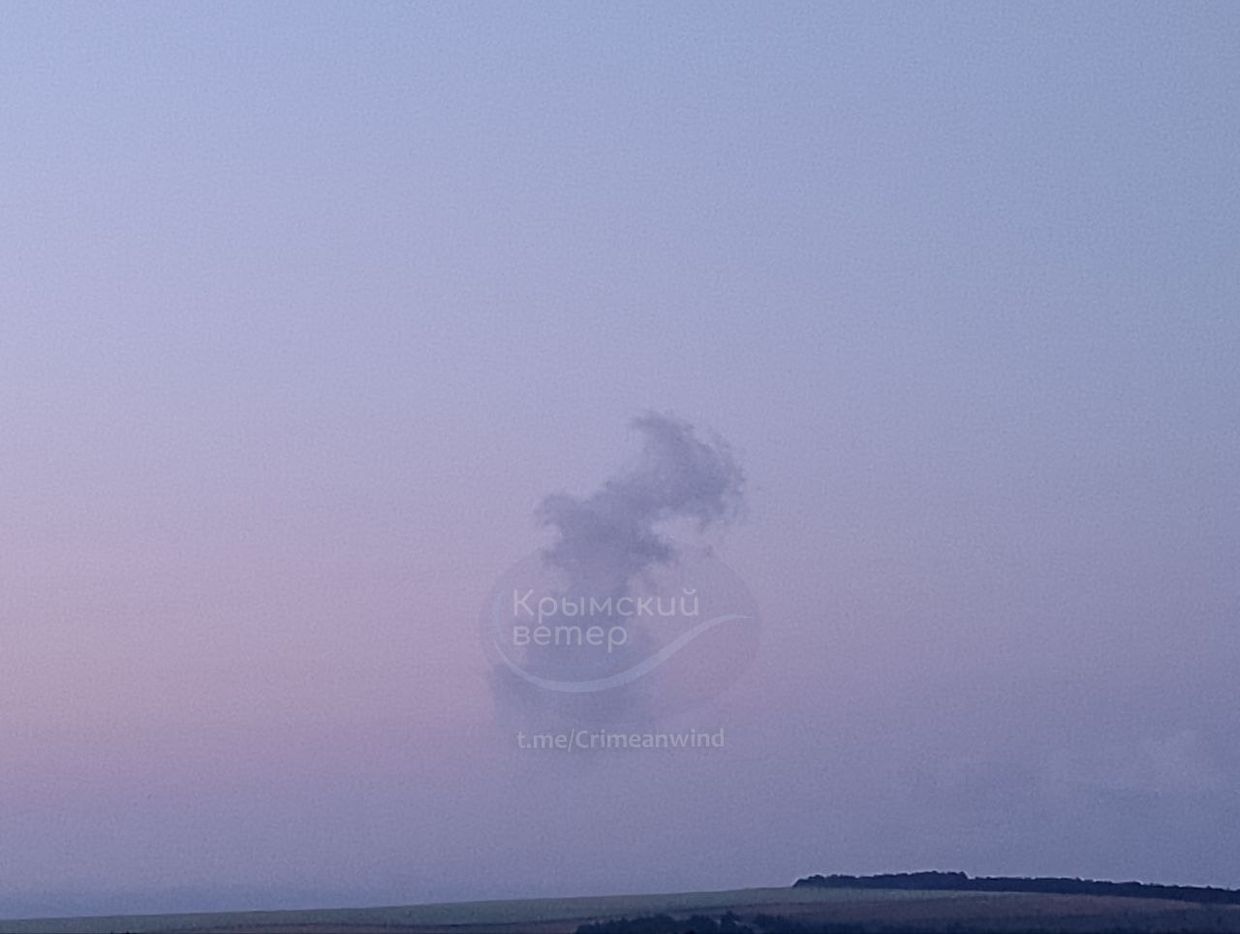
The pro-Ukrainian Crimean Wind Telegram channel reported a hit in Simferopol, Crimea's capital, sharing a photo of a plume of smoke rising in the vicinity of a local power station and of the village of Perevalne. Blasts in Yevpatoriia, Saki, Fedosia, and elsewhere were also reported.

Russia's Defense Ministry claimed its air defenses shot down 125 Ukrainian drones overnight on June 13, including 70 over Crimea and seven over the Black Sea. Russian officials did not comment on possible damage.

The Kyiv Independent could not verify the claims. Ukraine has not commented on the alleged attacks.

Russia has illegally occupied Crimea since 2014, transforming the peninsula into a heavily militarized stronghold to support its war against Ukraine.

Ukrainian forces have repeatedly targeted the peninsula with missiles and drones since the outbreak of the full-scale war in 2022. Most recently, Ukrainian drones attacked an ammunition depot used by Russia's 126th Coastal Defense Brigade near the village of Perevalne.

As Russian losses in Ukraine hit 1 million, Putin’s war economy heads toward breaking point
Russian losses in Ukraine hit a massive, and grim milestone on June 12 — 1 million Russian soldiers killed or wounded during the 39-month-long full-scale war, according to figures from Kyiv. Although hugely symbolic, the number is unlikely to prompt a change in tactics from Moscow as it gears up for
Russian military equipment reportedly hit in Ukrainian drone attack against CrimeaThe Kyiv IndependentChris York
Russian military equipment reportedly hit in Ukrainian drone attack against Crimea
  •  

Oil prices surge after Israeli strike on Iran

Oil prices surge after Israeli strike on Iran

Global oil prices soared on June 13  after Israel launched a strike on Iran, triggering fears of a broader conflict in the energy-rich Middle East that could disrupt global supplies, the BBC reported.

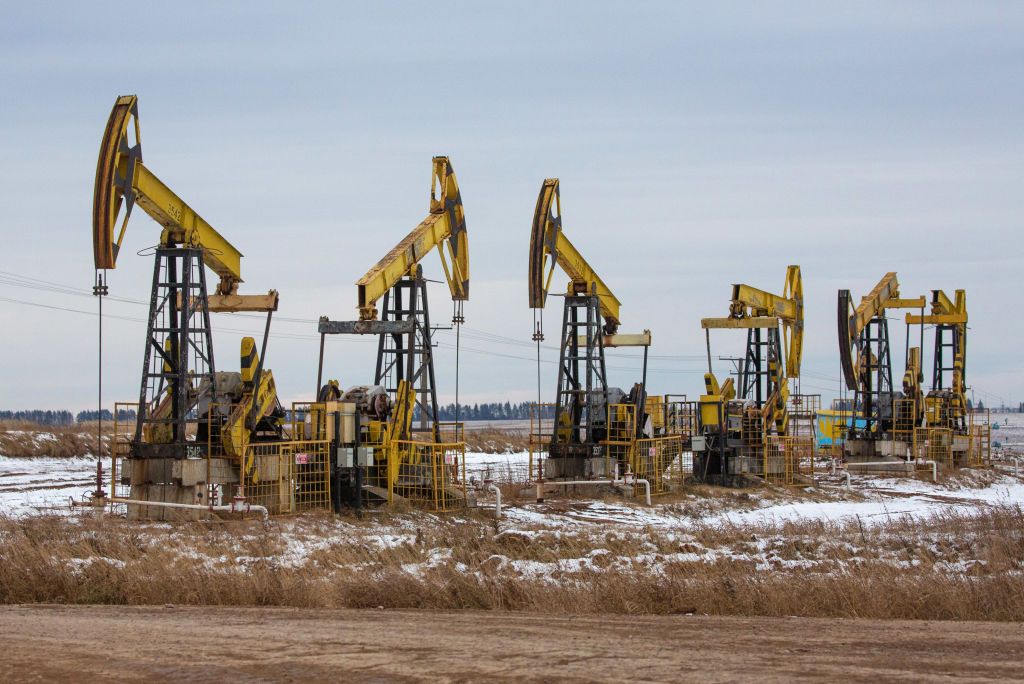
The spike threatens to undermine Western efforts to choke off a vital revenue stream for Russia, which relies heavily on oil profits to sustain its war in Ukraine.

According to the BBC, Brent and Nymex crude prices jumped by more than 10% following the Israeli attack, reaching their highest levels since January. Prices later stabilized but remained about 7.5% higher, with Brent at $74.50 a barrel and Nymex at $73.20.

The price surge comes at a crucial time for Ukraine and its Western allies, who are intensifying efforts to minimize the Kremlin's oil revenues — the backbone of Russia's wartime economy.

President Volodymyr Zelensky urged the European Union on June 11 to impose tougher sanctions on Russia, including a more aggressive price cap on oil exports.

"A ceiling of $45 per barrel of oil is better than $60, that's clear," Zelensky said at the Ukraine-Southeast Europe Summit in Odesa. "But real peace will come with a ceiling of $30. That's the level that will really change the mindset in Moscow."

The EU's current $60 per barrel cap, introduced in December 2022, prohibits Western companies from shipping, insuring, or servicing Russian oil sold above the threshold. While this measure has curtailed some of Russia's profits, the Kremlin continues to earn significant revenue, especially when market prices rise.

European Commission President Ursula von der Leyen said on June 10 that the EU is considering lowering the cap to $45, a move that will be discussed at the G7 summit in Canada between June 15 and 17. According to Reuters, most G7 countries, excluding the U.S. and Japan, are prepared to proceed with the reduction regardless of Washington’s stance.

Israeli Prime Minister Benjamin Netanyahu said early on June 13 that Israeli forces had launched "Operation Rising Lion," a preemptive strike targeting Iran's nuclear program. In a televised address, Netanyahu claimed Israeli forces struck Iran's main nuclear enrichment site in Natanz and targeted key nuclear scientists.

Key to Russia’s defeat lies in its economy
As the war in Ukraine grinds on, attention remains fixed on the battlefield. But Russia’s most vulnerable flank is not in the trenches — it’s in the treasury. The West, and especially the United States, holds economic levers that could push Vladimir Putin toward serious negotiations or even collapse
Oil prices surge after Israeli strike on IranThe Kyiv IndependentWojciech Jakóbik
Oil prices surge after Israeli strike on Iran

  •  

General Staff: Russia has lost 1,001,560 troops in Ukraine since Feb. 24, 2022

General Staff: Russia has lost 1,001,560 troops in Ukraine since Feb. 24, 2022

Russia has lost 1,001,560 troops in Ukraine since the beginning of its full-scale invasion on Feb. 24, 2022, the General Staff of Ukraine's Armed Forces reported on June 13.

The number includes 1,220 casualties that Russian forces suffered just over the past day.

According to the report, Russia has also lost 10,934 tanks, 22,791 armored fighting vehicles, 51,821 vehicles and fuel tanks, 29,105 artillery systems, 1,416 multiple launch rocket systems, 1,184 air defense systems, 416 airplanes, 337 helicopters, 40,507 drones, 3,337 cruise missiles, 28 ships and boats, and one submarine.

As Russian losses in Ukraine hit 1 million, Putin’s war economy heads toward breaking point
Russian losses in Ukraine hit a massive, and grim milestone on June 12 — 1 million Russian soldiers killed or wounded during the 39-month-long full-scale war, according to figures from Kyiv. Although hugely symbolic, the number is unlikely to prompt a change in tactics from Moscow as it gears up for
General Staff: Russia has lost 1,001,560 troops in Ukraine since Feb. 24, 2022The Kyiv IndependentChris York
General Staff: Russia has lost 1,001,560 troops in Ukraine since Feb. 24, 2022
  •  

Ukraine secures return of 5 children from Russia, Russian-occupied territories

Ukraine secures return of 5 children from Russia, Russian-occupied territories

Ukraine successfully brought back five children who had been forcibly taken to Russia as well as Russian-occupied territory, Presidential Office head Andriy Yermak announced on June 12.

The children have been returned home under the President of Ukraine’s initiative, Bring Kids Back UA, according to Yermak.

"We are fulfilling the President's mission — to bring back every Ukrainian child," Yermak said in an statement.

Since February 2022, at least 20,000 Ukrainian children have been abducted from Russian-occupied territories and sent to other Russian-controlled areas of Ukraine or to Russia itself, according to a Ukrainian national database, "Children of War." Only 1,359 children have been returned thus far.

Dmytro Lubinets, Ukrainian Parliament’s Commissioner for Human Rights, estimated that Russia has unlawfully deported up to 150,000 Ukrainian children, while the Children’s Ombudswoman, Daria Herasymchuk, puts the figure at 200,000–300,000.

In March 2023, the International Criminal Court (ICC) issued arrest warrants for Russian President Vladimir Putin and Children's Commissioner Maria Lvova-Belova, citing their involvement in the unlawful transfer of Ukrainian children. Russia dismissed the ICC's decision as "outrageous and unacceptable."

Under orders from Putin, children were transported via military aircraft in 2022, reclassified in Russian databases as native-born, and subjected to pro-Russian re-education before being adopted into Russian families. Ukrainian children had been transported to at least 21 regions throughout Russia.

Child abductions have played a key part of U.S.-Russia peace negotiations — all of which Russia has thus far rejected. Ukrainian officials have named their return as a key condition for any future peace agreement with Russia.

President Volodymyr Zelensky said on June 3 that during the Istanbul negotiations, Russian representatives dismissed the issue of abducted Ukrainian children as a "show for childless European old ladies" and acknowledged deporting several hundred children.

CNN reported on June 11 that the Yale University-based Humanitarian Research Lab, which spearheads the Ukraine Conflict Observatory is preparing to shut down after its funding was terminated by the Trump administration.

A Yale study published on Dec. 3 detailed Russia's systematic program of deporting and forcibly assimilating Ukrainian children.

With only 2 weeks of funding left, US group tracking Russian abduction of Ukrainian children prepares to shut down
“Right now, we are running on fumes,” Nathaniel Raymond, the lab’s executive director, told CNN. “As of July 1, we lay off all of our staff across Ukraine and other teams, and our work tracking the kids officially ends.”
Ukraine secures return of 5 children from Russia, Russian-occupied territoriesThe Kyiv IndependentAnna Fratsyvir
Ukraine secures return of 5 children from Russia, Russian-occupied territories


  •  

Over 111,000 Russian soldiers killed in Ukraine identified by media investigation

Over 111,000 Russian soldiers killed in Ukraine identified by media investigation

Russian independent media outlet Mediazona, in collaboration with the BBC Russian service, has confirmed the identities of 111,387 Russian military personnel killed in Ukraine.

The publications' latest report covers the period of February 24, 2022 to June 6, 2025. Since it was last updated at the end of May, 1,762 additional Russian military personnel have been confirmed killed.

The journalists note that the actual figures are likely significantly higher, as their verified information comes from public sources such as obituaries, posts by relatives, memorial community tree-plantings, regional media reports, statements from local authorities, among other sources.

The outlet published the complete list of identified casualties for the first time in February, marking three years since Russia launched its full-scale invasion of Ukraine. According to the publication, volunteers manually enter and verify each record to prevent duplicate entries in the database.

The journalists' findings come as Russia surpassed 1 million losses on June 12, marking a symbolic, yet grim milestone in the 3-year-long war. The estimate, which is broadly in-line with estimates made by Western intelligence agencies, likely includes those killed, captured, wounded, and missing.

The confirmed death toll now includes 28,200 volunteers, 17,400 recruited prisoners, and nearly 12,300 mobilized soldiers, according to the media outlets. Over 5,100 officers have also been confirmed to have been killed.

Amid renewed summer offensives in multiple sectors of the front, Russia has steadily gained ground in eastern Ukraine and Kursk Oblast in recent months but at the cost of heavy casualties as well as equipment losses.

Ukraine's Coordination Headquarters for the Treatment of the Prisoners of War (POWs) said on June 12 said that more than 100,000 Russian families have contacted a Ukrainian-run initiative in search of information about missing Russian soldiers.

Moscow does not disclose its casualty figures, though a Defense Ministry official let slip in December that the department received 48,000 requests to identify missing soldiers.

As Russian losses in Ukraine hit 1 million, Putin’s war economy heads toward breaking point
Russian losses in Ukraine hit a massive, and grim milestone on June 12 — 1 million Russian soldiers killed or wounded during the 39-month-long full-scale war, according to figures from Kyiv. Although hugely symbolic, the number is unlikely to prompt a change in tactics from Moscow as it gears up for
Over 111,000 Russian soldiers killed in Ukraine identified by media investigationThe Kyiv IndependentChris York
Over 111,000 Russian soldiers killed in Ukraine identified by media investigation


  •  

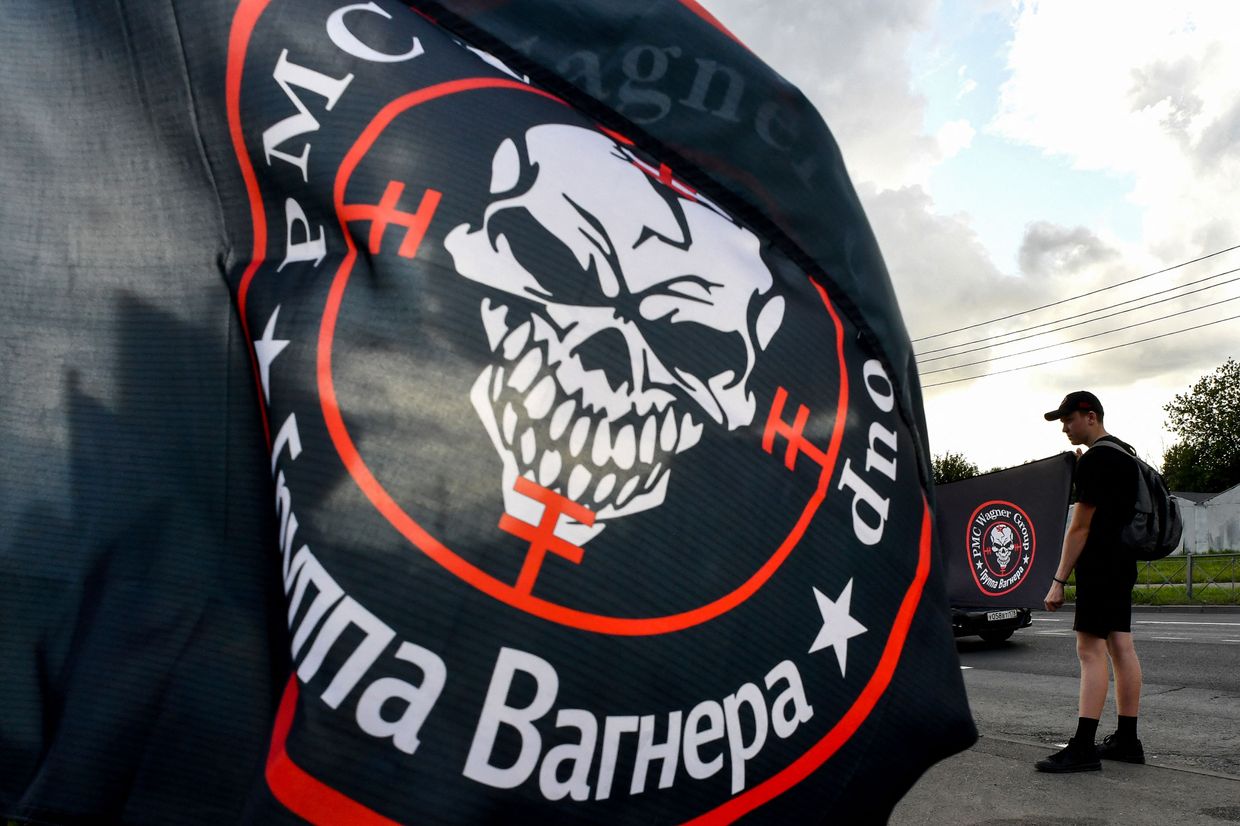
Russia's Wagner Group abused civilians in secret prisons in Mali, investigation finds

Russia's Wagner Group abused civilians in secret prisons in Mali, investigation finds

Since 2021, Russian Wagner mercenaries have detained, tortured, and forcibly disappeared hundreds of civilians in secret prisons across Mali, according to a joint investigation published on June 12 by Forbidden Stories, France 24, Le Monde, and IStories.

The investigation found that mercenaries with Russia's Wagner Group, working alongside Malian government forces, had systematically abducted and detained civilians, holding them in prisons at former United Nations bases and military bases across Mali.

Drawing on eyewitness accounts and satellite imagery, the investigation identified six detention centers where Wagner held civilians between 2022 and 2024. The total number of Wagner detention centers in Mali is likely to be much higher.

Prisoners were subjected to systematic torture – including beatings, waterboarding, electric shocks, starvation, and confinement in sweltering metal containers.

The investigation was carried out as part of the Viktoriia project, in memory of Ukrainian journalist Viktoriia Roshchyna, who was captured by Russian forces in 2023 while investigating the illegal detention of civilians in Russian-occupied territories of Ukraine. She was killed in Russian captivity in 2024.

The Russian mercenary group, known for its deployment in Ukraine and short-lived rebellion against the Kremlin in 2023, has a strong presence across the African continent, backing Russian business interests and Moscow-friendly regimes.

The mercenaries have been particularly active in Mali since late 2021 and have been accused of perpetrating war crimes. In December 2024, Human Rights Watch accused Wagner mercenaries and Malian government forces of deliberately killing 32 civilians.

The Wagner Group recently announced its withdrawal from Mali, where it fought alongside Malian government forces to fend off Islamist insurgents. Wagner has been active across the African continent for years and has been previously accused of committing human rights abuses.

Ukraine war latest: Ukraine strikes targets in Russia, including gunpowder plant
Key developments on June 11: * Ukrainian drones strike targets in Russia, including gunpowder plant, General Staff says * Zelensky urges ‘stronger’ EU sanctions on Russia, lower oil price cap * Ukraine repatriates bodies of 1,212 fallen soldiers * Ukraine’s SBU releases fresh video of Operation Spiderweb, teases ‘new surprises’ * NATO summit statement
Russia's Wagner Group abused civilians in secret prisons in Mali, investigation findsThe Kyiv IndependentThe Kyiv Independent news desk
Russia's Wagner Group abused civilians in secret prisons in Mali, investigation finds
  •  

G7 ready to lower Russian oil price cap without US support, Reuters reports

G7 ready to lower Russian oil price cap without US support, Reuters reports

Most Group of Seven (G7) nations are prepared to lower the Russian oil price cap from $60 to $45 a barrel even without support from the United States, Reuters reported on June 12, citing unnamed sources familiar with the matter.

According to Reuters, the European Union and United Kingdom, backed by other European G7 countries and Canada, are ready to lead the charge in lowering the Russian oil price cap – even if U.S. President Donald Trump opts out.

The price cap, which bans Western companies from shipping, insuring, or otherwise servicing Russian oil sold above $60 per barrel, was first introduced in December 2022 as a measure to limit the Kremlin's ability to finance its war against Ukraine.

The G7 had previously attempted to lower the Russian oil price cap; however, the proposal was dropped after U.S. Treasury Secretary Scott Bessent reportedly declined to support it.

It is unclear whether the U.S. will support the decision this time around. Japan's position is also undecided.

Participating country leaders will revisit the price cap discussion at the upcoming G7 summit. Canada, which holds the G7 presidency this year, will host the summit on June 15-17 in Kananaskis County, located in the western province of Alberta.

The summit agenda will include topics such as support for Ukraine in the Russian war, global economic stability, digital transformation, and climate change.

President Volodymyr Zelensky is expected to attend the summit and seek a meeting with U.S. President Donald Trump.

EU could impose Russian oil price cap without US support, Kallas says
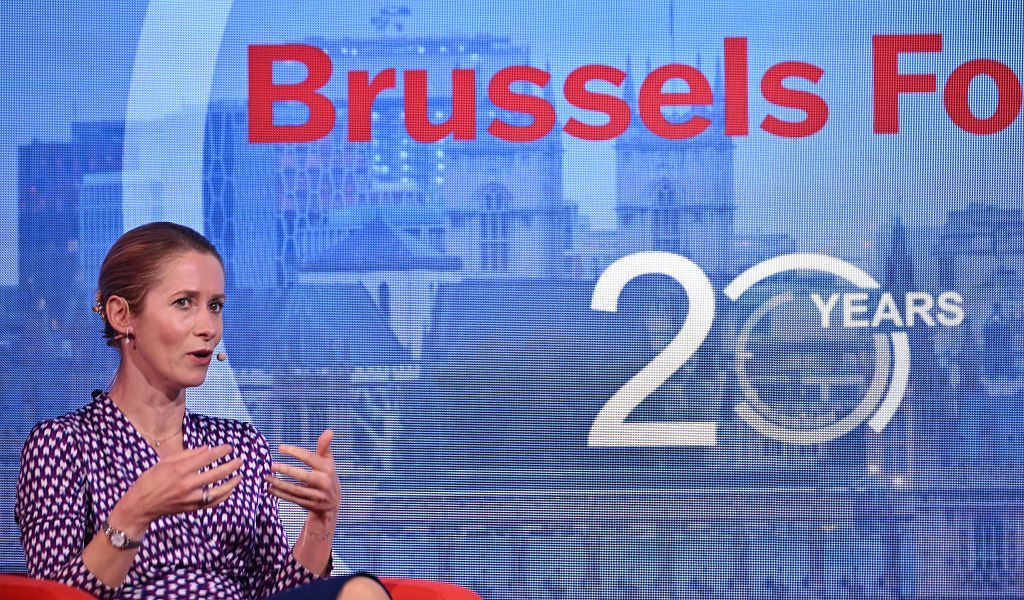
The European Union can impose an additional price cap on Russian oil without U.S. support, EU High Representative Kaja Kallas said at the Brussels Forum on June 11.
G7 ready to lower Russian oil price cap without US support, Reuters reportsThe Kyiv IndependentVolodymyr Ivanyshyn
G7 ready to lower Russian oil price cap without US support, Reuters reports
  •  

Putin announces creation of separate drone branch in Russian military

Putin announces creation of separate drone branch in Russian military

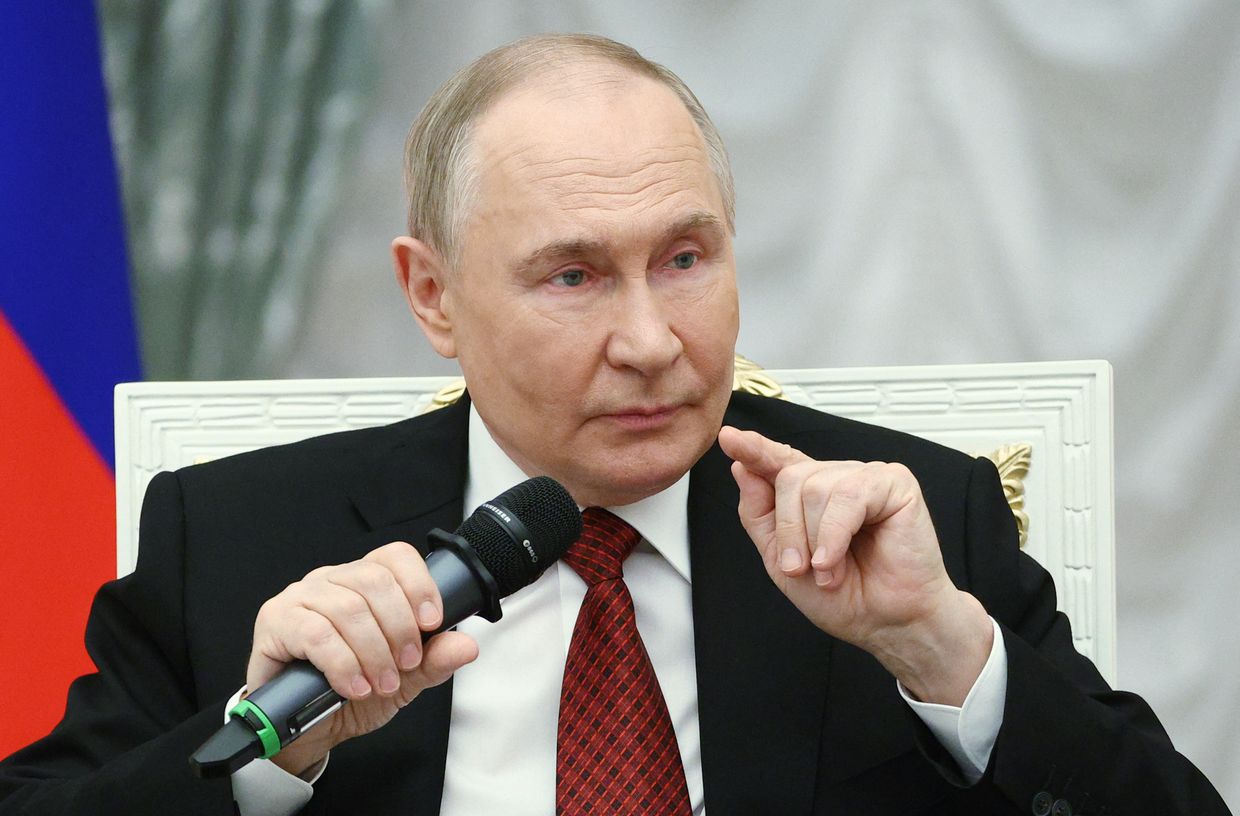
Russia will establish a dedicated military branch for unmanned systems, President Vladimir Putin said on June 12 during a meeting on the state armament program.

"We have accumulated a great deal of experience to create this branch of the armed forces," Putin said, noting the move includes personnel training, manufacturing, and deployment of modern equipment.

The announcement comes as both Russia and Ukraine increasingly use drones for strike missions and surveillance. Unmanned systems have become central to battlefield operations and enabling deep strikes.

Ukraine established its own Unmanned Systems Forces (USF) in June 2024 to formalize and scale its drone-based operations on the battlefield. The USF has since launched hundreds of deep strikes into Russian territory and worked to integrate drone technology across combat units.

Russia, meanwhile, has ramped up drone production over the past year, launching waves of Iranian-designed Shahed-type suicide drones in near-daily attacks on Ukrainian cities.

President Volodymyr Zelensky said on May 27 that Moscow intends to produce up to 500 drones daily, with Russian manufacturers gearing up to manufacture 300-350 drones each day.

Russian drone production has been supported by a steady flow of components from China and a workforce that includes teenagers and foreign laborers from African countries.

The Kremlin's move mirrors Kyiv's earlier military reform and signals Russia's recognition of drones as a critical pillar of modern warfare.

As Russian losses in Ukraine hit 1 million, Putin’s war economy heads toward breaking point
Russian losses in Ukraine hit a massive, and grim milestone on June 12 — 1 million Russian soldiers killed or wounded during the 39-month-long full-scale war, according to figures from Kyiv. Although hugely symbolic, the number is unlikely to prompt a change in tactics from Moscow as it gears up for
Putin announces creation of separate drone branch in Russian militaryThe Kyiv IndependentChris York
Putin announces creation of separate drone branch in Russian military
  •  

Russia exploits medical exemptions to bypass sanctions, Lithuania says

Russia exploits medical exemptions to bypass sanctions, Lithuania says

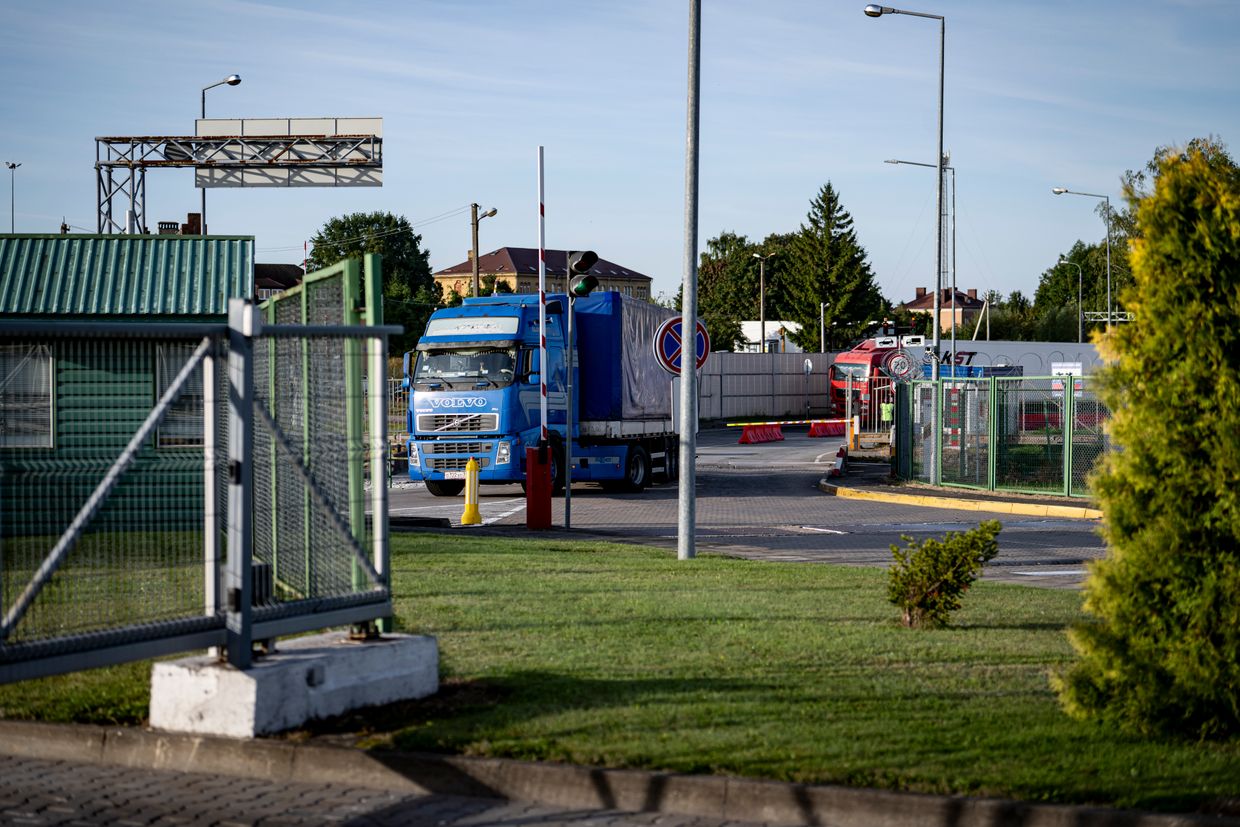
Russia is exploiting automatic medical exemptions in EU sanctions regulations to import dual-use goods for its military, Lithuania's Deputy Foreign Minister Gabija Grigaite-Daugirde told Bloomberg on June 12.

According to Grigaite-Daugirde, Lithuanian customs authorities blocked 28,854 goods in 2024 that were allegedly destined for Russia and Belarus "under the guise of medical exemption."

Many of the flagged shipments contained parts for motor vehicles, refrigerators, copiers, and microelectronics — all of which can have military applications.

"We have witnessed parts for motor vehicles, refrigerators, copying machines, and other types of microelectronics being exported directly to Russia, claiming that these are bound for medical use," she said.

Under current EU rules, medical exemptions are automatically granted, leaving customs authorities to investigate the shipments retroactively. Lithuania has called for reforms allowing exporters to apply for exemptions before shipments are approved.

"Leaving automatic exemptions from sanctions for medical goods is like closing a door but leaving a keyhole," Grigaite-Daugirde said. "Russia definitely finds a way to pass."

As Moscow shifts to a wartime economy and seeks Western-made technology for its arms production, its efforts to circumvent sanctions have grown "desperate," she added.

Lithuania, a key EU and NATO member bordering both Belarus and Russia's heavily militarized Kaliningrad exclave, has taken a hardline stance on enforcement and regularly pushes for tougher sanctions within the bloc.

Why can’t the West match Russia’s ammunition production?
The West is failing to catch up to Russia’s production of the most basic unit of war for the past half-millennium — gunpowder. The modern propellants and explosives that power war have largely been offshored. While Western manufacturers are churning out shell casings, they are short on the materials to fill
Russia exploits medical exemptions to bypass sanctions, Lithuania saysThe Kyiv IndependentKollen Post
Russia exploits medical exemptions to bypass sanctions, Lithuania says
  •  

Ukrainian forces 'gradually pushing back' Russian troops from Sumy Oblast, Zelensky says

Ukrainian forces 'gradually pushing back' Russian troops from Sumy Oblast, Zelensky says

Ukrainian forces are gradually driving Russian troops back from parts of Sumy Oblast, President Volodymyr Zelensky said on June 12, amid escalating cross-border assaults in the region.

"Today, there was a report from Commander-in-Chief (Oleksandr) Syrskyi — the front and, above all, the Pokrovsk direction, the Kursk operation, the border area of Sumy Oblast," Zelensky said in a video address.

"Our units in Sumy Oblast are gradually pushing back the occupiers. Thank you to each of our soldiers, sergeants, and officers for this result."

The statement follows weeks of intensified Russian offensives along the northeastern border. Russian troops have advanced into Sumy Oblast since Ukraine's withdrawal from most of its positions in Russia's Kursk Oblast in March.

Since March, Russia has reportedly taken control of about 200 square kilometers (80 square miles) in northern Sumy Oblast, including roughly a dozen small villages. As of May 31, mandatory evacuations were ordered for 213 settlements.

In May, Russian President Vladimir Putin ordered his military to create a so-called "security buffer zone" along the border with Ukraine, while Zelensky said on May 28 that Moscow had massed 50,000 troops near Sumy.

In a separate interview with Bild on June 12, Zelensky dismissed Moscow's claims of significant territorial gains as "a Russian narrative" aimed at shaping global perceptions. He stressed that Ukrainian forces have managed to hold off a renewed offensive for nearly three weeks.

Sumy Oblast, which shares a long border with Russia, has been under near-constant attack since the start of the full-scale invasion in 2022.

On June 3, Russian strikes on the city of Sumy killed six people and injured 28 others, including children.

As Russian losses in Ukraine hit 1 million, Putin’s war economy heads toward breaking point
Russian losses in Ukraine hit a massive, and grim milestone on June 12 — 1 million Russian soldiers killed or wounded during the 39-month-long full-scale war, according to figures from Kyiv. Although hugely symbolic, the number is unlikely to prompt a change in tactics from Moscow as it gears up for
Ukrainian forces 'gradually pushing back' Russian troops from Sumy Oblast, Zelensky saysThe Kyiv IndependentChris York
Ukrainian forces 'gradually pushing back' Russian troops from Sumy Oblast, Zelensky says
  •  

Russia converts Kerch Airport in Crimea into military base, investigation shows

Russia converts Kerch Airport in Crimea into military base, investigation shows

Kerch Airport in occupied Crimea is being repurposed from civilian to military use, according to a June 12 investigation by Radio Free Europe/Radio Liberty's Schemes project, citing satellite imagery and Russian real estate registry data.

On March 4, 2025, the Russian-backed authorities officially transferred part of the airport's land to Russia's Defense Ministry for indefinite use, according to the investigation.

Russia illegally annexed Crimea in 2014 after a discredited referendum under military occupation. Since then, the peninsula has become a heavily militarized zone.

Satellite images from the Planet Labs imaging company show ongoing construction at the site, including the installation of protective and camouflage structures around the runway.

The changes suggest the airport is being converted into a military facility capable of supporting drone operations or housing short-range air defense systems such as the Pantsir-S1 or Tor-M2, according to aviation expert Anatoly Khrapchinsky.

The new runway will be suitable for drone launches, Khrapchinsky noted.

Kerch Airport has not hosted regular commercial flights since 2007 and was previously used as a truck holding area for freight vehicles crossing the nearby ferry. That function was relocated in March 2025, officially as part of a "reorganization."

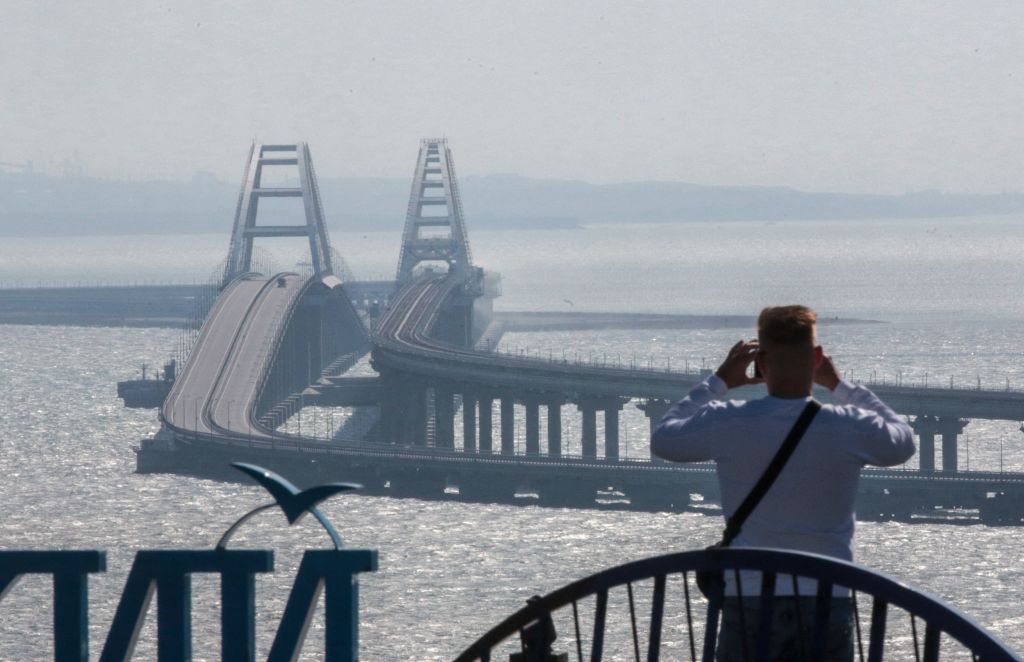
The city of Kerch, situated near the strategic Kerch Strait, lies just across from Russia's Krasnodar Krai and is home to the crucial Crimean Bridge, built after Russia's illegal annexation of the peninsula in 2014.

Germany to supply new Iris-T air defense systems to Ukraine, rules out Taurus missiles
Germany will deliver new IRIS-T air defense systems to Ukraine under a three-year supply plan, President Volodymyr Zelensky said during a joint press conference with German Defense Minister Boris Pistorius, who said Berlin has no plans to provide Taurus long-range missiles.
Russia converts Kerch Airport in Crimea into military base, investigation showsThe Kyiv IndependentTim Zadorozhnyy
Russia converts Kerch Airport in Crimea into military base, investigation shows
  •  

Russia reportedly redeploys bombers to Far East bases after Ukraine's Operation Spiderweb

Russia reportedly redeploys bombers to Far East bases after Ukraine's Operation Spiderweb

Russia has redeployed dozens of long-range bombers to more remote bases within the country, Russian independent media outlet Agentstvo reported on June 11, citing OSINT analyst AviVector.

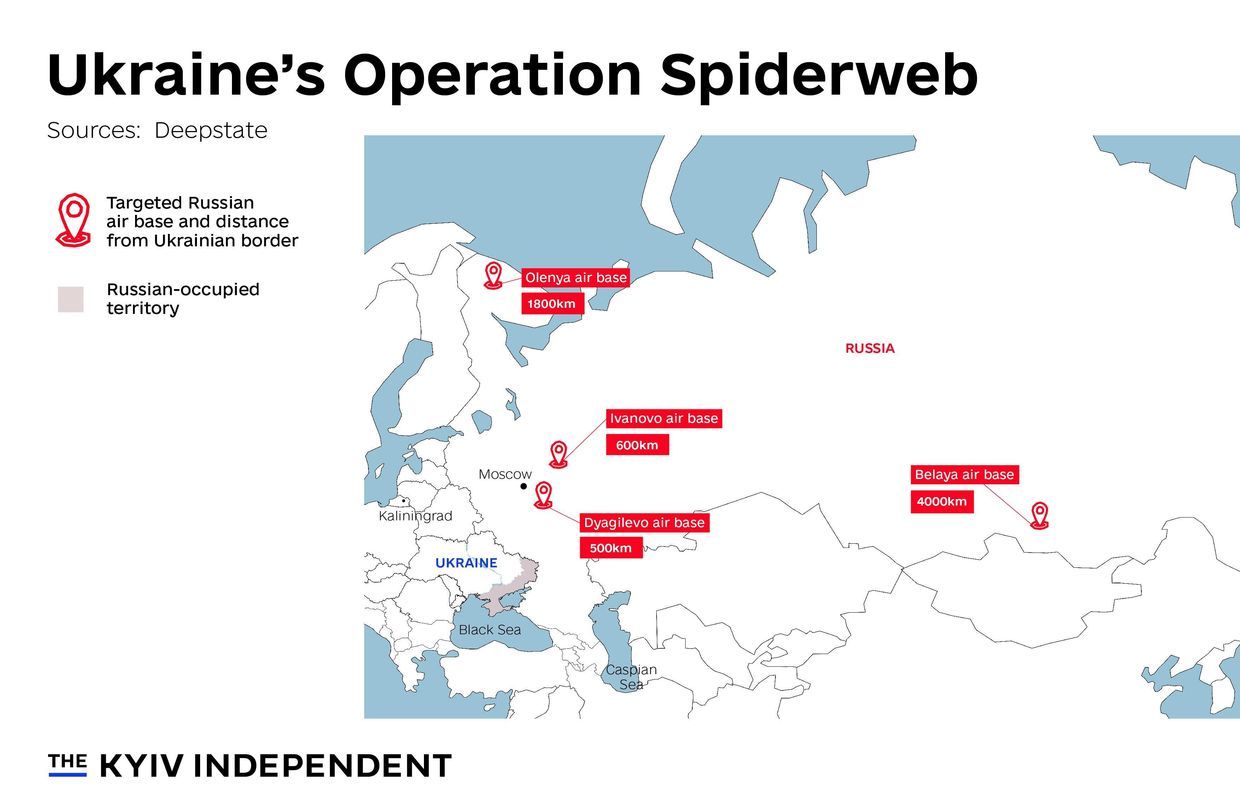
The relocation comes in the wake of Ukraine's Operation Spiderweb, the unprecedented mass drone strike on June 1 that targeted four Russian air bases deep inside the country.  

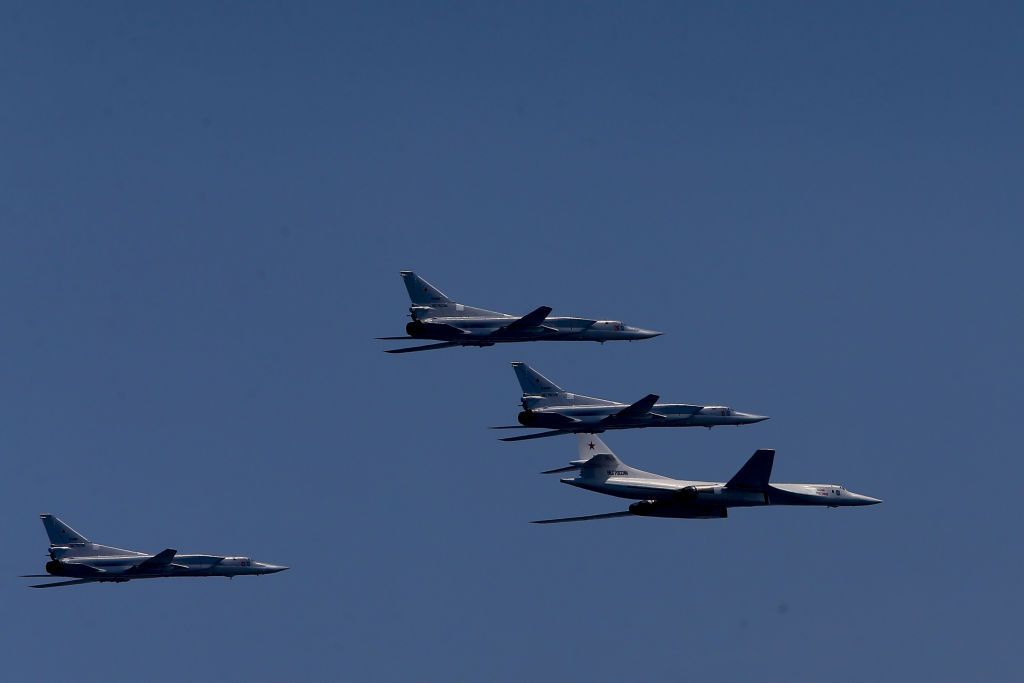
The Security Service of Ukraine (SBU) said 117 drones were launched from hidden positions across Russia, damaging 41 aircraft, including Tu-95, Tu-22M3, and Tu-160 bombers.

According to Agentstvo, all Tu-160 bombers have been evacuated from Belaya airfield in Irkutsk Oblast and Olenya airfield in Murmansk Oblast. Some were relocated to Anadyr in Chukotka, Yelizovo in Kamchatka, and Borisoglebskoye in Tatarstan.

Tu-22M3 and Tu-95MS bombers were also redeployed. Eleven Tu-22M3s and all Tu-95MS aircraft near Murmansk reportedly relocated to the Ukrainka airfield in Amur Oblast, Engels-2 in Saratov Oblast, Borisoglebskoye in Tatarstan, and Mozdok in North Ossetia.

Russia reportedly redeploys bombers to Far East bases after Ukraine's Operation Spiderweb
Ukraine's Operation Spiderweb. (Nizar al-Rifai/The Kyiv Independent))

The reported relocation of bombers is the latest sign that Ukraine's drone warfare is forcing the Kremlin to rethink its strategic posture, even far from the front lines.

Western analysts and military officials praised Ukraine's ingenuity in the Spiderweb operation. NATO Admiral Pierre Vandier called the mission a modern reinvention of the "Trojan Horse," demonstrating Ukraine's growing technical sophistication and deep-strike capability.

President Volodymyr Zelensky claimed that roughly half of the targeted aircraft are damaged beyond repair. Russia has acknowledged losses but insisted all damaged aircraft will be restored.

  •  

Over 100,000 Russian families seek missing soldiers through Ukrainian project, Kyiv says

Over 100,000 Russian families seek missing soldiers through Ukrainian project, Kyiv says

More than 100,000 Russian families have contacted a Ukrainian-run initiative in search of information about missing Russian soldiers, Ukraine's Coordination Headquarters for the Treatment of the Prisoners of War (POWs) said on June 12.

The announcement comes as Russia and Ukraine are conducting a series of the most extensive prisoner exchanges since the beginning of the large-scale war in 2022. The latest phase of the exchange occurred on June 12.

The initiative, called "I Want to Find" (Russian: "Хочу найти"), has received 100,324 requests from Russian citizens seeking answers about relatives who vanished while serving in Russia's military, the Coordination Headquarters said.

The actual number of missing Russian troops is believed to be significantly higher. Since launching its full-scale invasion of Ukraine in February 2022, the Kremlin has largely concealed the scale of its military losses, forcing many families to search independently, Ukrainian officials said.

In May 2025 alone, the project received a record 12,320 inquiries — the highest monthly figure since the program began in January 2024.

Through the project, families can verify whether their relatives have been captured or killed, which may enable them to pressure Russian authorities to pursue prisoner exchanges. As of June, Ukraine has confirmed 2,415 Russian soldiers held in captivity, with 1,126 of them already exchanged for Ukrainian defenders, the Coordination Headquarters said.

"Many more Russians remain in captivity, but not all families know about the program or have submitted requests," the agency added.

A detailed analysis of the requests revealed that some of Russia's most severely depleted units include the 15th Separate Motorized Rifle Brigade (Military Unit 90600), which accounts for 2,277 missing personnel — the highest of any single unit. Of the 20 most-affected units, 17 are motorized rifle brigades, often deployed in Russia's most brutal infantry assaults, commonly referred to as "meat grinder" tactics.

The data also showed that 26% of missing soldiers were under the age of 30. The youngest reported missing was 18, and the oldest was 67.

The project has also uncovered a shift in public sentiment, claiming 75% of those submitting requests said they do not support Russia's war in Ukraine.

According to the Ukrainian General Staff, Russia has lost over 1 million troops since the start of its invasion — a figure reported for the first time on June 12, with 1,140 casualties recorded in just one day. The total reported Russian losses stand at 1,000,340 as of that date.

The Kremlin has not commented on the figures.

As Russian losses in Ukraine hit 1 million, Putin faces an economic time bomb
Russian losses in Ukraine hit a massive, and grim milestone on June 12 — 1 million Russian soldiers killed or wounded during the 39-month-long full-scale war, according to figures from Kyiv. Although hugely symbolic, the number is unlikely to prompt a change in tactics from Moscow as it gears up for
Over 100,000 Russian families seek missing soldiers through Ukrainian project, Kyiv saysThe Kyiv IndependentChris York
Over 100,000 Russian families seek missing soldiers through Ukrainian project, Kyiv says
  •  

EU approves new tariffs on Russian, Belarusian agricultural goods

EU approves new tariffs on Russian, Belarusian agricultural goods

The Council of the EU on June 12 approved fresh tariffs on fertilizers and remaining agricultural goods from Russia and Belarus, aiming to reduce Russian export revenues.

The measures target those goods that have not yet been subject to additional customs duties and will enter into force on July 1. The tariffs on fertilizers will increase gradually over the next three years.

The step comes as the EU readies additional sanctions against Russia as it continues to wage its all-out war against Ukraine.

"Polish Presidency motto is 'Security, Europe!' and these measures increase our economic security by reducing dependencies from Russia," said Michal Baranowski, the trade undersecretary at the Polish Economy Ministry.

"We are further reducing Russia’s export revenues and therefore its ability to finance its brutal war. This is united Europe at its best," he said in a statement.

The new tariffs will apply to goods that made up around 15% of all agricultural imports from Russia in 2023. Fertilizer tariffs will focus on certain nitrogen-based products, the Council said in a statement.

Russian fertilizers accounted for more than a quarter of all of the EU's imports in this sector in 2023, worth almost $1.5 billion.

Apart from stifling Russia's trade revenue, the step also aims to reduce the EU's dependence on Russian and Belarusian goods, protect European farmers, and diversify the supply.

The EU adopted higher tariffs on cereals, oilseeds, and some other products from Russia and Belarus in May 2024. Earlier this year, the European Commission proposed imposing similar measures on all remaining agricultural products from the two countries.

Putin’s suspected daughter found working in anti-war galleries in Paris
Nastya Rodionova, a Russian writer and artist who has been based in Paris since 2022, had only met gallery manager Luiza Rozova in passing at events before she learned who the 22-year-old’s parents were. Described by a number of people as a “very nice and well-mannered girl,” Rozova is
EU approves new tariffs on Russian, Belarusian agricultural goodsThe Kyiv IndependentKate Tsurkan
EU approves new tariffs on Russian, Belarusian agricultural goods
  •  

US Ambassador to Russia Tracy leaving post, embassy says

US Ambassador to Russia Tracy leaving post, embassy says

U.S. Ambassador to Moscow Lynne Tracy will soon be stepping down from her post, the U.S. Embassy in Russia announced on June 12.

The statement said that Tracy is "concluding her mission at the U.S. Embassy in Russia," without providing further details.

The move comes as U.S. President Donald Trump makes a decisive break from the previous Biden administration’s Russia policy, aiming to restore relations and negotiate a peace deal in Ukraine.

Tracy replaced John Sullivan at the key diplomatic post in Moscow in January 2023, after being nominated by former President Joe Biden.

A seasoned diplomat, Tracy previously served as the U.S. ambassador to Armenia and held posts at diplomatic missions in Russia, Turkmenistan, Pakistan, Kazakhstan, Afghanistan, and Kyrgyzstan.

The embassy announced a live stream on June 13 to "bid farewell" to the outgoing envoy.

Tracy led the U.S. mission in Russia in one of the lowest points of the U.S.-Russian relationship in decades, as Washington imposed massive sanctions on Moscow and backed Ukraine against Russian aggression.

Though diplomatic contacts during this period were limited, Tracy played a key role in negotiating the release of U.S. citizens held in Russia, such as Wall Street Journal reporter Evan Gershkovich.

The ambassador is concluding her mission after around two years, a similar time period to her predecessor. It is not immediately clear who will replace her.

In April, Bridget Brink, the U.S. ambassador to Ukraine, unexpectedly resigned, later explaining the move by opposition to Trump's foreign policy.

Russia also appointed its new envoy to the U.S., Alexander Darchiev, earlier this year amid a thaw in U.S.-Russian ties under Trump.

America’s weak strongman
Over the past two months, financial investors have hit upon a new trading strategy, based on a simple rule: TACO — Trump Always Chickens Out. America’s president threatens to slap massive import tariffs on friends and foes alike, or to remove the Federal Reserve chair, only to back down when
US Ambassador to Russia Tracy leaving post, embassy saysThe Kyiv IndependentTimothy Snyder
US Ambassador to Russia Tracy leaving post, embassy says
  •  

Ukraine, Russia carry out another exchange of POWs under Istanbul deal

Ukraine, Russia carry out another exchange of POWs under Istanbul deal

Editor's note: The story is being updated.

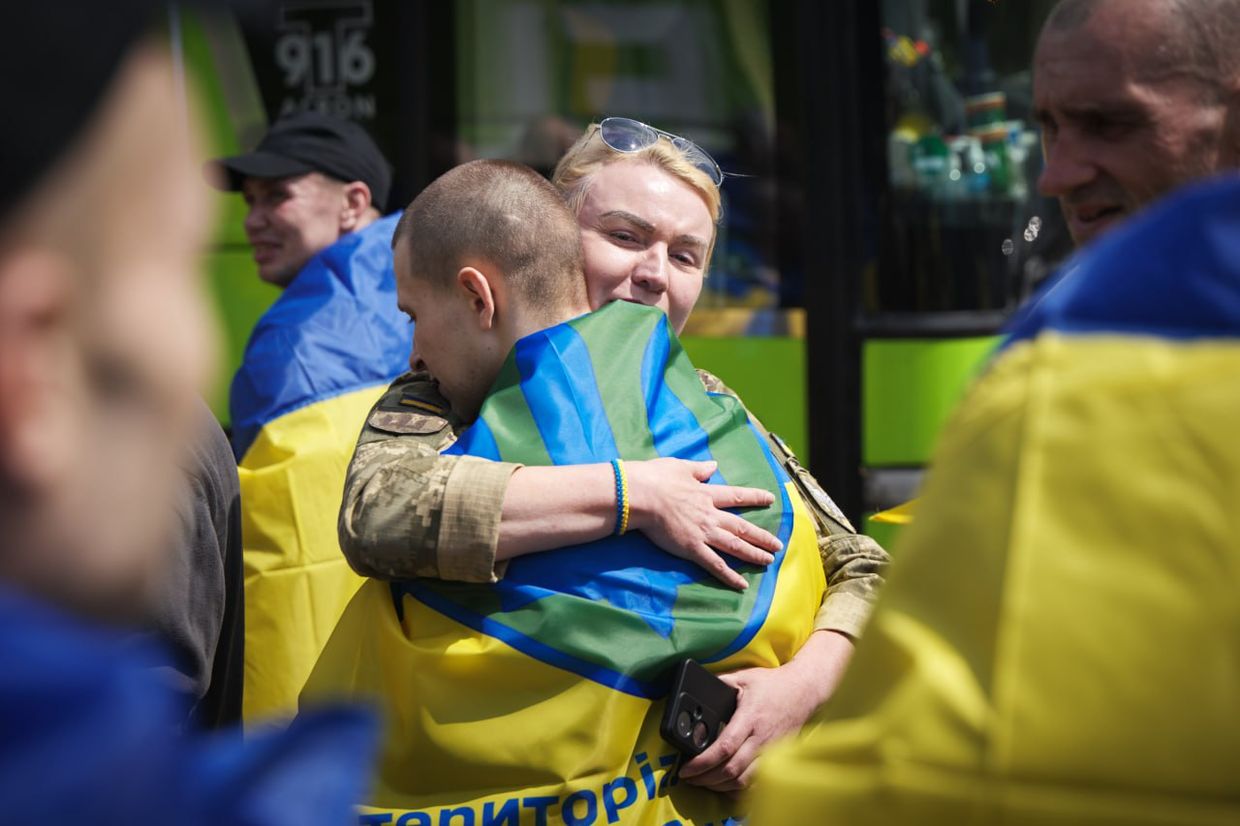
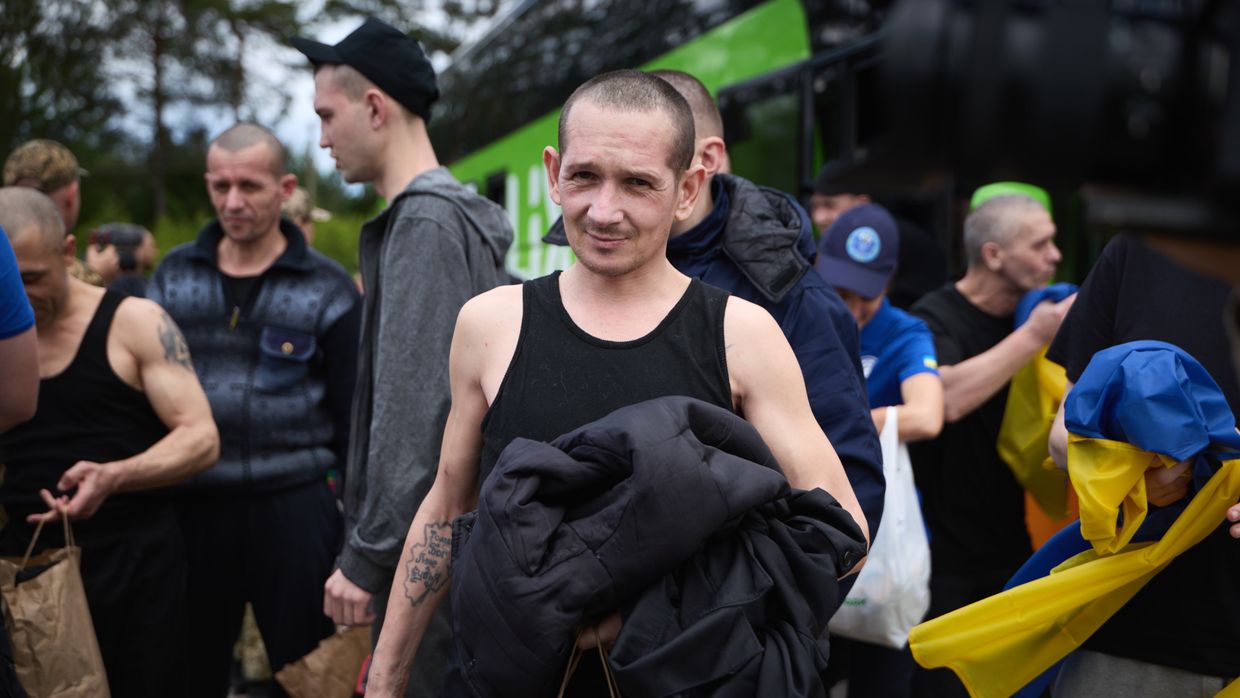
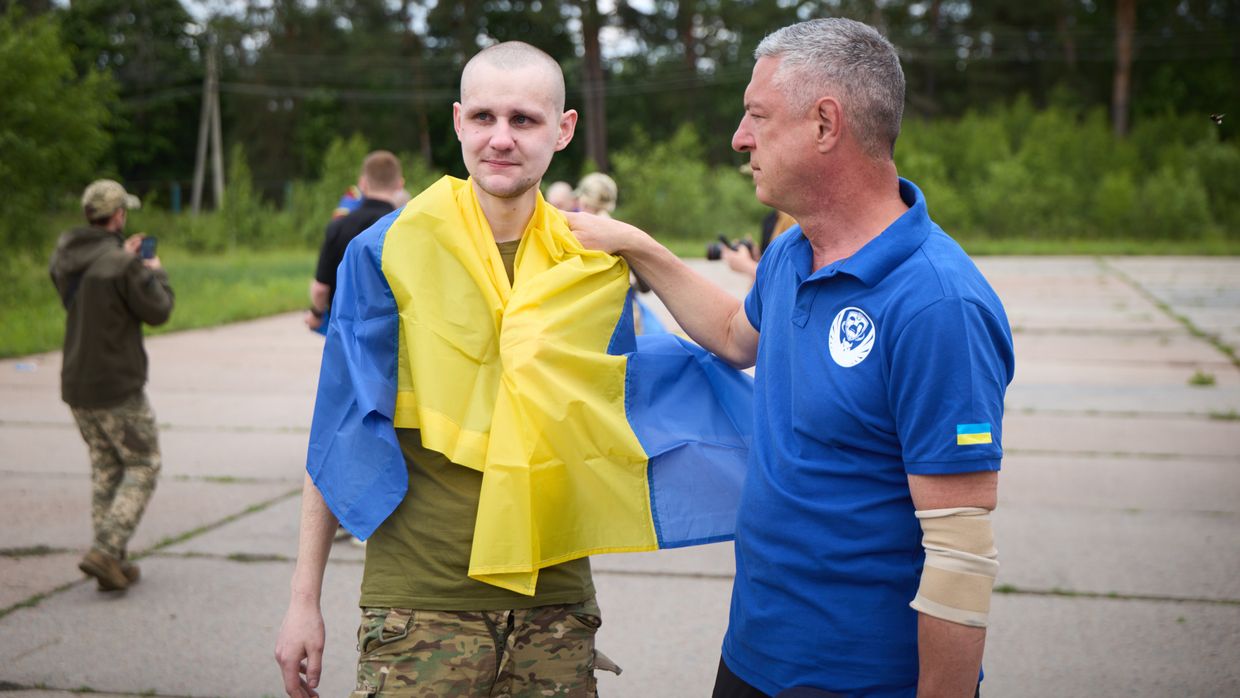
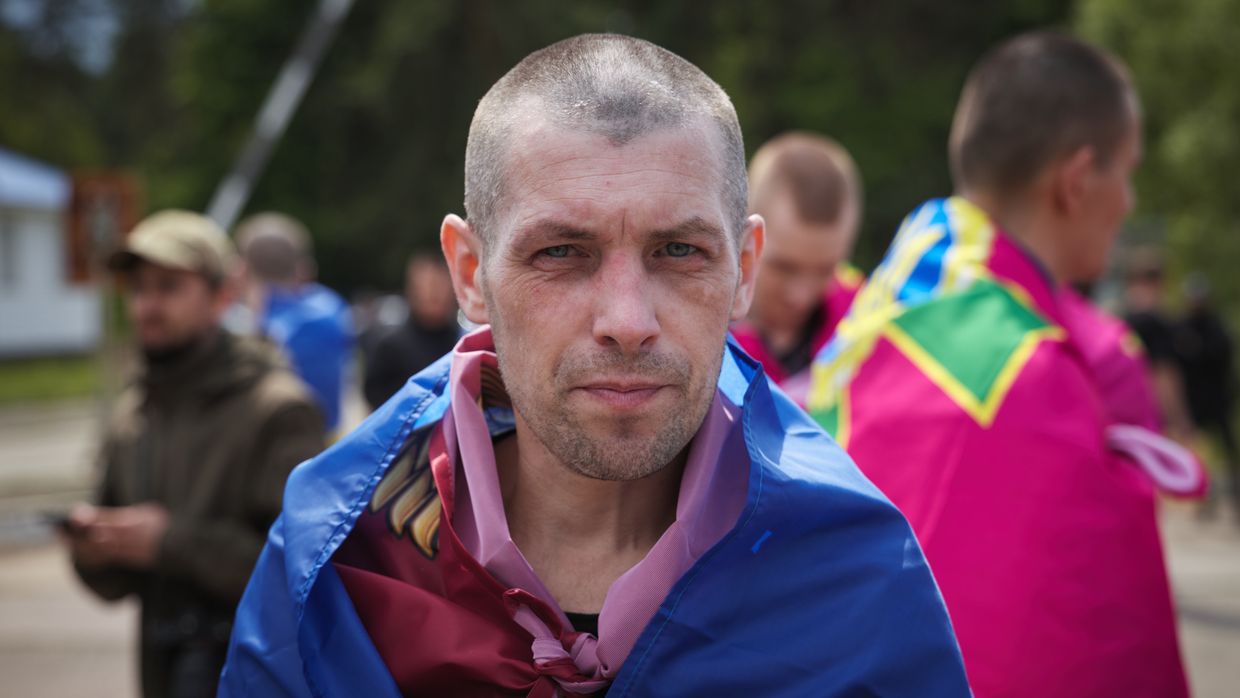
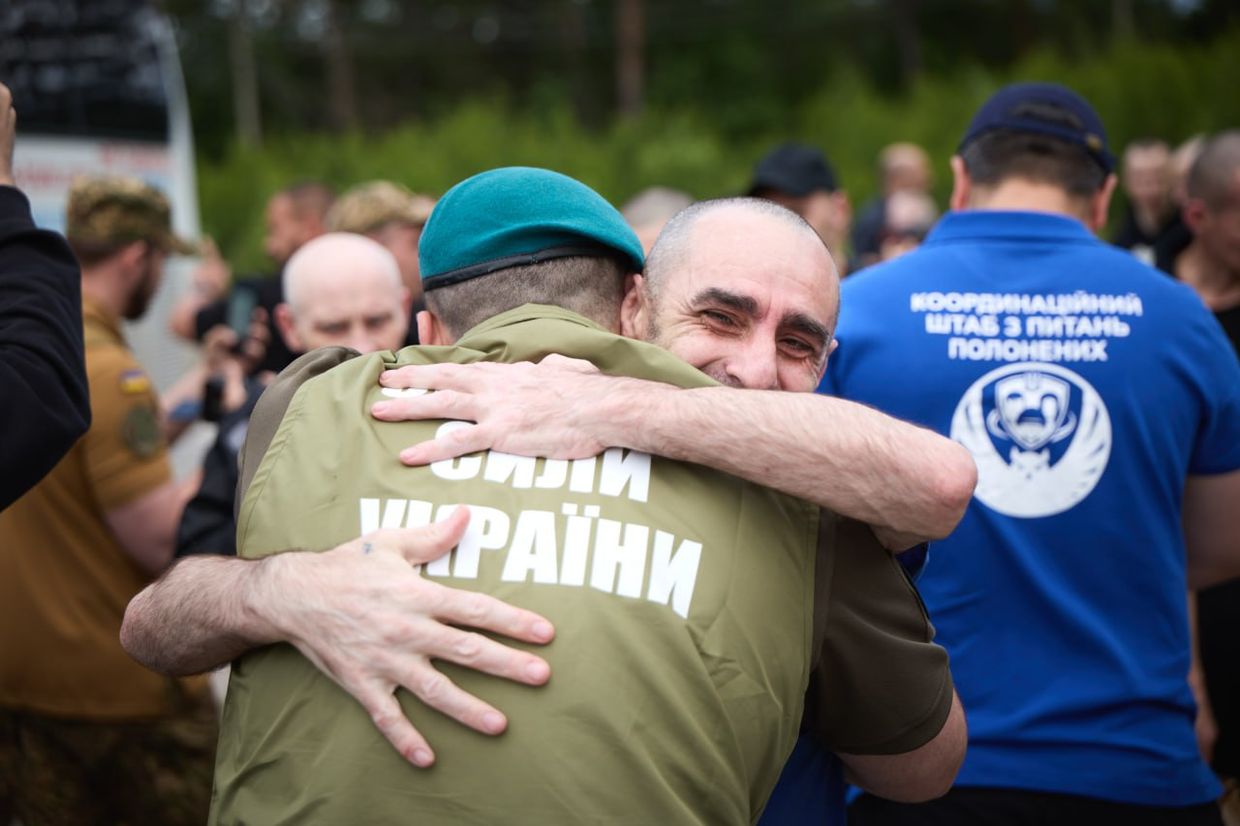
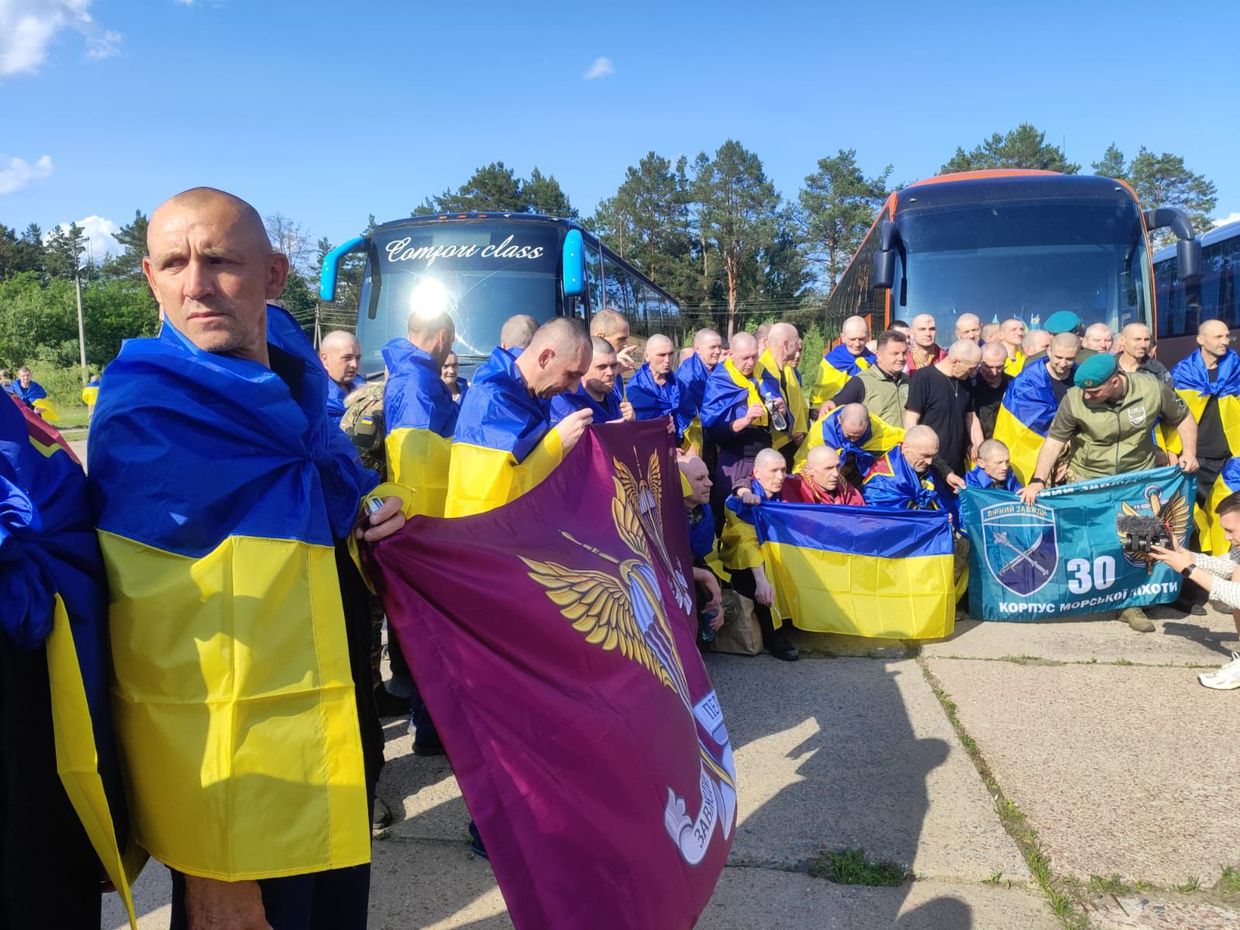
Ukraine has brought home another group of service members from Russian captivity, President Volodymyr Zelensky announced on June 12, saying the latest exchange focused on "severely wounded and seriously ill warriors."

The prisoners of war (POWs) were released as part of a prisoner exchange with Russia agreed upon during recent peace talks in Istanbul, Ukraine's Coordination Headquarters for the Treatment of the POWs said.

The June 12 release follows a similar exchange on June 10, which also prioritized severely injured and ill captives. As during the previous swap, the number of personnel released was not immediately disclosed.

Ukraine, Russia carry out another exchange of POWs under Istanbul deal
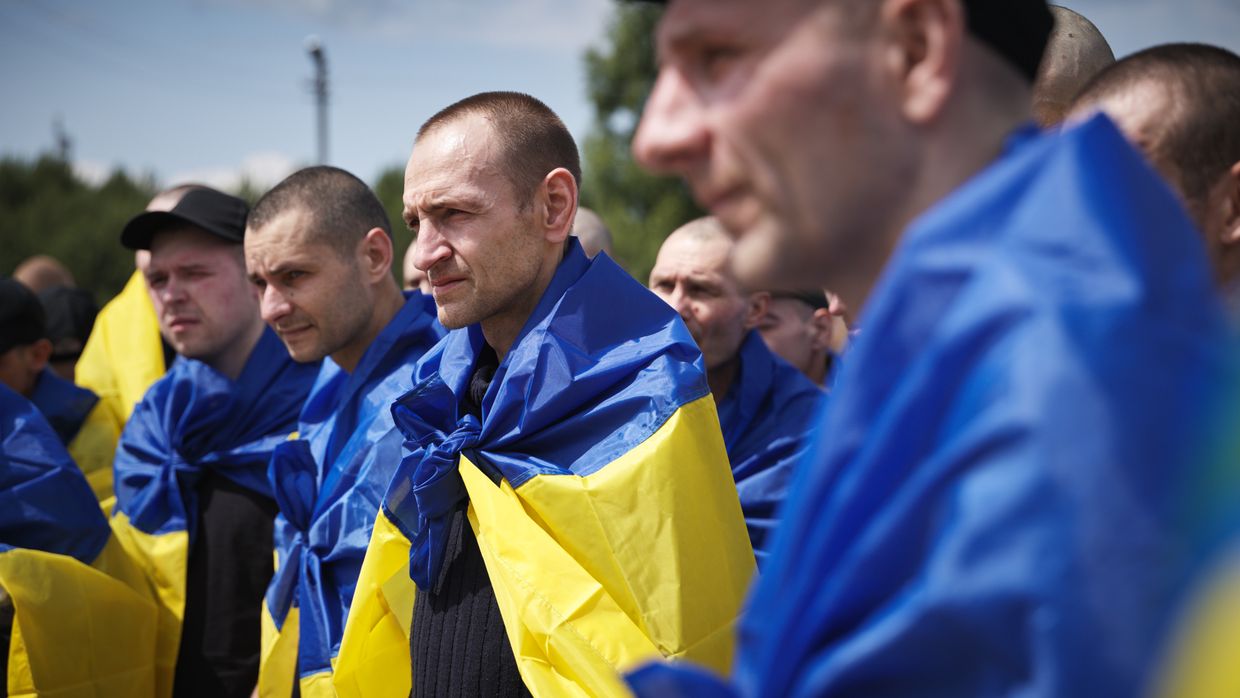
Ukrainian service members released from Russian captivity under a prisoner exchange on June 12, 2025. (President Volodymyr Zelensky/X)
Ukraine, Russia carry out another exchange of POWs under Istanbul deal
Ukrainian service members released from Russian captivity under a prisoner exchange on June 12, 2025. (President Volodymyr Zelensky/X)
Ukraine, Russia carry out another exchange of POWs under Istanbul deal
Ukrainian service members released from Russian captivity under a prisoner exchange on June 12, 2025. (President Volodymyr Zelensky/X)
Ukraine, Russia carry out another exchange of POWs under Istanbul deal
Ukrainian service members released from Russian captivity under a prisoner exchange on June 12, 2025. (President Volodymyr Zelensky/X)

Russia's Defense Ministry has also announced that its soldiers had been released from Ukrainian captivity as part of the swap, without disclosing their numbers.

Some of the POWs had been held by Russia for more than three years, according to the headquarters. Many of the released defenders had been classified as missing in action.

"This is part of a major exchange that continues in phases," the headquarters said in a statement. "These soldiers require urgent medical care and will receive full assistance, including psychological rehabilitation and financial compensation for their time in captivity."

0:00
/
Ukrainian service members released from Russian captivity under a prisoner exchange on June 12, 2025. (Ukraine's Coordination Headquarters for the Treatment of the POWs)

Soldiers from multiple Ukrainian military branches, including the Armed Forces, Air Assault Forces, Navy, Air Force, Territorial Defense Forces, National Guard, Border Guard Service, and the State Special Transport Service, were freed in the exchange. Many had served in combat operations across Donetsk, Luhansk, Kharkiv, Kherson, and Zaporizhzhia oblasts.

The Istanbul deal was reached during a second round of direct talks between the Ukrainian and Russian delegations on June 2. While no political breakthrough was achieved, both sides agreed to a phased exchange of prisoners and the repatriation of fallen soldiers’ remains.

Ukraine, Russia carry out another exchange of POWs under Istanbul deal
Ukrainian service members released from Russian captivity under a prisoner exchange on June 12, 2025. (President Volodymyr Zelensky/X)
Ukraine, Russia carry out another exchange of POWs under Istanbul deal
Ukrainian service members released from Russian captivity under a prisoner exchange on June 12, 2025. (President Volodymyr Zelensky/X)

As part of that agreement, Russia pledged to return the bodies of up to 6,000 Ukrainian service members.

Ukraine has brought back the bodies of 1,212 fallen service members on June 11. Vladimir Medinsky, aide to Russian President Vladimir Putin, claimed Ukraine released the remains of 27 Russian service members, while Kyiv did not confirm this.

The recent prisoner swap comes weeks after the largest such exchange of the war to date, which took place between May 23 and 25, with each side releasing 1,000 captives. Since Russia's full-scale invasion began, more than 5,000 Ukrainian POWs have been returned home, according to official figures.

Ukraine continues to push for an "all-for-all" formula to bring every captured Ukrainian soldier back, but Moscow has so far rejected such a comprehensive agreement. Meanwhile, the Coordination Headquarters said preparations are underway for the next phase of exchanges in the coming weeks.

Ukraine, Russia conduct second prisoner swap under Istanbul deal
“All of them require immediate medical attention,” President Volodymyr Zelensky said.
Ukraine, Russia carry out another exchange of POWs under Istanbul dealThe Kyiv IndependentTim Zadorozhnyy
Ukraine, Russia carry out another exchange of POWs under Istanbul deal
  •  

World Wide Wikipedia. Pourquoi il faut à tout prix défendre Wikipedia.

C’était il y a 24 ans. Le 15 Janvier 2001 naissait Wikipédia. dans un monde numérique où Google était lui-même né en 1998 et le web encore quelques années avant (disons vers 1991 pour faire simple même si sa date de naissance officielle est plutôt en Mars 1989).

Elle a dû faire toutes les guerres, pour être si forte aujourd’hui.

A l’image d’une chanson de Cabrel, elle a en effet dû faire toutes les guerres pour être si forte aujourd’hui. Et aujourd’hui encore elle est la cible d’une offensive coordonnée qui va des USA jusqu’à la France. Une offensive d’une violence et d’une portée rarement atteinte. Avec en tête un Musk qui rêve de sonner l’Hallali de l’encyclopédie.

L’histoire de Wikipedia est indissociable de celle du web et du numérique plus largement ; elle en a toujours constitué un point nodal. Elle est une Babel moderne, elle a changé le périmètre de ce que l’on nommait encyclopédisme (pour un « encyclopédisme d’usage » comme je le qualifiais en 2008), elle en a aussi changé certains codes et certaines valeurs. A l’échelle du monde numérique et un peu au-delà, elle est le dernier espace commun non-marchand, entièrement dédié à la connaissance. Un espace dont le fonctionnement reste ouvert et transparent, tant dans sa gestion administrative (c’est une fondation, Wikimedia, qui préside aux destinées de l’encyclopédie) que dans sa matérialité documentaire (chaque page de l’encyclopédie propose d’accéder à son historique de modifications et aux débats qui en sont à l’origine).

Contrairement à ce que l’on lit souvent dans les arguties de ses détracteurs, non, il n’y a aucun anonymat sur Wikipedia mais un toujours possible pseudonymat. C’est à dire que concrètement il est toujours possible via différents moyens techniques de rattacher un pseudonyme à une identité civile. Et c’est aussi la raison pour laquelle les « proxys ouverts » (qui eux, permettraient en effet un anonymat réel) sont interdits sur Wikipedia. J’en profite d’ailleurs pour rappeler que globalement, cette règle du pseudonymat prévaut dans la quasi-totalité des médias sociaux grands publics, c’est à dire que oui, bien sûr, Facebook, X et d’autres ont toujours la possibilité de retrouver les auteurs de propos condamnables par la loi ou à l’origine de phénomènes de harcèlement. Le fait qu’ils ne le fassent pas systématiquement, le fait qu’ils n’appliquent même pas leurs propres règles, dit tout de leur cynisme fondé sur l’optimisation de la circulation des discours de haine. Je ne vous réexplique pas tout ça en détail, j’ai déjà écrit des centaines d’articles sur ce sujet (et quelques livres aussi). Flemme de tout réexpliquer, l’archive du blog est aussi là pour cela. Je vous en mets quand même un parmi tant d’autres, qui synthétise l’essentiel.

Au commencement il y a la haine de Musk.

Musk qui n’est pas à un revirement près, et qui après avoir par le passé à de nombreuses reprises « loué » Wikipedia pour les services qu’elle rendait, prend aujourd’hui la tête d’une croisade réactionnaire internationale.

Musk, c’était mieux avant.

Très tôt dans la dynamique de l’installation de Trump à la Maison Blanche, Elon Musk appelait au boycott de Wikipedia. Au motif qu’elle serait – selon lui – une entreprise partisane entièrement vouée au Wokisme et à l’extrême gauche. Pour rappel, absolument aucune étude scientifique sérieuse depuis que Wikipedia existe n’a permis de prouver une telle assertion. A la différence de toutes les études scientifiques démontrant en revanche que globalement l’écosystème des plateformes penchait plutôt à droite et que dans le cas particulier de Twitter puis de X les discours conservateurs et d’extrême-droite étaient, pour le coup, délibérément mis en avant. Et que oui globalement « internet » et « les algorithmes » sont très clairement de droite, et que cela s’explique tout à fait rationnellement.

Ces derniers jours encore, une étude de Global Witness notamment reprise sur Techcrunch et sur Nieman Lab, démontrait que concernant X et TikTok et à l’occasion des élections de ce week-end en Allemagne, tout était fait pour favoriser la place du parti d’extrême-droite AfD, parti qui ne fait aucun mystère ni tabou de son affiliation néo-nazie.

« 78 % du contenu politique recommandé algorithmiquement par TikTok aux comptes testés, et provenant de comptes que les utilisateurs testés ne suivaient pas, soutenait le parti AfD. (…) Sur X, Global Witness a constaté que 64 % des contenus politiques recommandés soutenaient l’AfD. En testant le biais politique général de gauche ou de droite dans les recommandations algorithmiques des plateformes, ses conclusions suggèrent que les utilisateurs de médias sociaux non partisans en Allemagne sont exposés à des contenus de droite plus de deux fois plus que des contenus de gauche à l’approche des élections fédérales dans le pays. » (Traduit par moi avec l’aide de DeepL)


D’autres études, chroniquées récemment sur Arte (« Comment Elon Musk manipule les élections allemandes« ), abondent dans ce sens et en décrivent quelques-uns des principaux mécanismes.

On pourrait donc presque sourire que l’homme qui adresse des saluts nazis à la foule (il a été particulièrement vexé que ce salut soit enregistré comme tel dans Wikipédia), qui rétablit les pires comptes complotistes et antisémites sur sa plateforme, qui oriente délibérément à l’extrême-droite l’ensemble de ce qu’il lui est possible d’orienter à l’extrême-droite, que cet homme là vienne dénoncer le fait que Wikipedia penche un peu à gauche (ce qui je le rappelle, est factuellement faux), le tout dans un paysage numérique qui non seulement penche très clairement du côté conservateur, et dans lequel depuis le scandale « fondateur » de Cambridge Analytica, on peut désormais documenter à presque chaque élection dans presque chaque pays du monde le fait que des partis ou des candidats d’extrême-droite sont non seulement soutenus mais parfois directement conduits au pouvoir par le jeu des plateformes numériques (dernier épisode en date, l’élection en Roumanie). Mais naturellement rien de tout cela ne prête à sourire.

Musk lance donc la meute à l’assaut de Wikipedia. Et comme attendu, la meute le suit. La meute des conservateurs américains, la meute des trumpistes convaincus, la meute des influenceurs MAGA, la meute de Fox News, et la meute de l’ensemble de l’écosystème médiatique qui leur sert de relai. Cet appel au boycott fonctionne sur deux points.

Premier point, une ânerie totale : Wikipedia ne pencherait politiquement que dans un seul sens, Musk la baptise d’ailleurs régulièrement « Wokepédia » en référence à sa névrose obsessionnelle commune avec Frédérique Vidal et Jean-Michel Blanquer. Faites ici un petit détour chez Authueil pour lire sa courte mais éclairante synthèse : « Wikipédia est-il de gauche ? » (spoiler alert : bah non)

Second point : un axe économique. Musk recommande s’assécher la fondation Wikimedia qui gère entre autres l’encyclopédie Wikipedia en cessant de la financer par des dons. « Coupez les financements à Wikipédia tant que l’équilibre n’est pas restauré ! » écrivait-il le 21 Janvier sur son compte X. Il faut ici savoir qu’au-delà des dons de particuliers, on trouve aussi nombre des « Big Tech » qui financent Wikipedia (Apple, Google, Microsoft, Cisco, etc) Et que par-delà l’impact qu’il espère avoir sur les donateurs particuliers, c’est surtout sur cet écosystème de la Tech qu’Elon Musk entend peser de tout son mortifère poids. Et malheureusement au regard des derniers ralliements et reniements de la plupart des géants de la tech américaine, il est a minima raisonnable d’être très inquiets.

Comme rappelé également par Damien Leloup dans Le Monde :

« à la fin du mois de décembre 2024, sur X, il appelait déjà ses abonnés à ne pas donner d’argent à l’encyclopédie, alors en pleine campagne de financement de fin d’année, pour protester contre une supposée dérive à gauche du site, qualifié de « Wokepedia ». A l’origine de cette saillie : un message d’un compte de la droite dure américaine affirmant, à la suite d’une mauvaise lecture des bilans financiers de la Fondation Wikimédia, qu’elle consacre 50 millions de dollars (48 millions d’euros) par an à des projets de « diversité et inclusion », honnis d’Elon Musk et des républicains américains. En réalité, cette somme finance principalement le développement de l’encyclopédie, les salaires d’avocats et des mesures de cybersécurité. »


Lors de l’un de ses derniers meeting électoraux, Donald Trump qualifiait Elon Musk de « plus grand capitaliste de l’histoire de l’Amérique« . Pour donner un point de comparaison sur la menace financière que Musk est en situation d’exercer sur Wikipedia si le modèle économique de cette dernière venait à vaciller ou à n’être plus garanti, un article de Lila Shroff dans The Atlantic rappelle que « la fondation Wikimedia a un budget annuel de 189 millions de dollars. A côté de cela, Musk a dépensé près de 288 millions de dollars rien que pour supporter Trump et d’autres candidats républicains dans cette élection présidentielle. »

Comme le précise le titre de l’article de Lila Shroff, « Elon Musk veut ce qu’il ne peut pas avoir : Wikipedia. »  On peut en effet considérer qu’il est dans la nature de ces personnalités toxiques de désirer en premier ce qui leur résiste le plus ou leur semble le plus inaccessible. Mais l’histoire a également montré que ce qui nous semblait hier tout à fait improbable devenait aujourd’hui tout à fait possible. L’exercice de pensée auquel nous devons nous astreindre est donc de nous figurer un monde dans lequel Elon Musk pourrait un jour racheter Wikipedia. Ou la détruire. Ce qui revient de toute façon au même. Exactement comme il l’a fait pour Twitter. Pour l’instant le fonctionnement de la fondation Wikimedia n’offre à Elon Musk aucune prise directe pour une quelconque forme d’OPA hostile. Mais s’interdire d’imaginer que cela puisse un jour advenir revient à baisser notre garde et à créer les conditions pour rendre cela possible.

La meute Française contre Wikipedia prendra ses quartiers résidentiels dans le journal Le Point, qui en l’espace de quelques semaines réussit un double tour de force. Primo en menaçant de livrer à la vindicte populaire les noms et coordonnées d’un contributeur régulier de Wikipedia dont le principal tort avait été de participer à la mise à jour de la page Wikipédia dudit journal en y rappelant de manière factuelle un certain nombre d’éléments. Et deuxio de publier une « tribune » signée par la fine fleur du printemps républicain et de la réacosphère (plus quelques malheureuses et malheureux égarés et le lot habituel de signataires de métier, qui ont vu de la lumière et se sont offert à moindre frais ce qu’ils croient toujours être un petit moment de gloire, plus celles et ceux qui regrettent déjà), tribune intitulée : « Halte aux campagnes de désinformation et de dénigrement menées sur Wikipedia. » Je ne vous mets même pas le lien tellement la litanie d’approximations, de contre-vérités et de mauvaise foi qu’elle contient** est pénible à lire.  Le principal problème de la majorité des signataires de cette tribune, en tout cas de celles et ceux qui en sont à l’initiative, est qu’ils et elles ne sont pas contents de certains points mentionnés dans leur propre page Wikipédia et n’ont pas la possibilité de les enlever ou de les modifier (et je vous garantis que certain.e.s ont pourtant vraiment tout essayé ;-). Leur autre point commun, et il est bien plus inquiétant et signifiant, c’est de partager avec Elon Musk un agenda illibéral et, à la manière d’une Blanche-Neige sous extas, de voir des Wokes partout et de se sentir investis de la mission de les éradiquer. Et sans offense pour les femmes qui en sont signataires, cette tribune est avant tout une belle collection de tristes burnes.

** Mais si vous aimez vous faire du mal vous pouvez toujours retaper son titre dans Google, ou mieux, aller lire le debunking point par point de Tsaag Valren (doctorante en sciences de l’information et Wikipédienne), enchaîner avec l’article de Jean-Noël Lafargue « Le Point contre Wikipedia », et terminer avec le billet de Daniel Schneidermann, « Wikipedia : leur mauvaise conscience. »

Alors attention et entendons-nous bien.

Oui il y a eu et il y aura probablement encore des opérations de désinformation et de dénigrement dans Wikipédia. Oui il y a eu et il y aura toujours ce que l’on appelle des « guerres d’édition » dans Wikipédia, et il en fut d’anthologie comme celle de 2007 opposant les partisans de Ségolène Royal à ceux de Nicolas Sarkozy lors du débat d’entre deux tours et sur le sujet des EPR, Celle également des équipes de Trump pour tenter de déstabiliser la campagne d’Hillary Clinton juste avant sa première accession à la Maison Blanche, Celle aussi de la cellule lancée par Eric Zemmour lors de sa campagne présidentielle, cellule baptisée WikiZedia (sic) et qui avait pour objet de modifier un nombre substantiel d’articles de l’encyclopédie pour y mettre en avant ou en tout cas les rendre favorables à certaines thèses défendues par le candidat néo-fasciste.

Donc oui, il y a en effet de la désinformation et du dénigrement dans Wikipedia. Oui mais primo il y en a bien moins que dans les écosystèmes et plateformes socio-médiatiques traditionnelles. Oui mais deuxio ces opérations de désinformation et de dénigrement sont bien mieux repérées, identifiées, combattues et rapidement signalées ou corrigées que dans tous les autres écosystèmes sus-mentionnés. Et oui tertio l’essentiel de ces campagnes de désinformation et de dénigrement ne viennent pas du camp de l’amicale LGBTQIASGW (Lesbiano-Gay-Bi-Trans-Queer-Intersexuée-Anarcho-Syndicalo-Gauchisto-Wokiste) mais viennent du camp de la droite conservatrice et de l’extrême-droite (et là aussi cela s’explique rationnellement pour les mêmes raisons que l’internet et les algorithmes penchent globalement à droite, relire notamment ce qu’écrit Jen Schradie à ce sujet).

Et oui bien sûr Wikipedia n’est pas exempte de biais. Mais là encore comme l’indiquent les chercheurs et chercheuses interviewées par Damien Leloup dans Le Monde :

 « il y a surtout un biais de diplôme » parmi les contributeurs de l’encyclopédie en ligne, explique Nicolas Jullien, professeur à l’IMT Atlantique, directeur de recherche au sein du groupement d’intérêt scientifique Marsouin et coauteur de plusieurs études à grande échelle sur les utilisateurs de Wikipédia. « Si vous êtes titulaire d’une licence, vous avez statistiquement beaucoup plus de chances d’avoir essayé de contribuer à Wikipédia ; pour contribuer, il faut notamment se sentir légitime à le faire.« 

« Il y a des biais sur l’encyclopédie, et ils sont bien connus : un biais de genre, notamment, avec une très grande majorité d’hommes parmi les contributeurs, et une surreprésentation assez spectaculaire des populations très fortement diplômées, enseignants, journalistes, informaticiens » abonde Jeanne Vermeirsche.


Des biais que non seulement la fondation Wikimedia reconnaît (depuis 2011), qui sont documentés et explicités dans l’encyclopédie elle-même, et sur lesquels travaillent nombre d’associations et de militantes et militants pour tenter de les réduire et de les atténuer.

Et puis il y a les histoires singulières et les débats d’admissibilité, souvent un peu kafkaïens au premier abord, mais toujours heuristiquement passionnants dès lors que l’on s’y plonge en détail. Et à la fin ce qu’il peut advenir de pages de gens qui ne sont ni ne prétendent à la célébrité. Ainsi il y a peu de temps le collègue et camarade Francis Mizio relatait comment et pourquoi il avait fait « vider » sa page Wikipédia. Et souvenez-vous, il y a de cela presqu’exactement 10 ans, je vous racontais l’histoire du débat d’amissibilité de ma propre page Wikipedia (qui d’ailleurs mériterait une sérieuse mise à jour, jdcjdr 😉

Et oui bien sûr le modèle encyclopédique de Wikipédia est particulier puisqu’il repose sur la « vérifiabilité » plutôt que sur la « vérité », mais là encore il faut se souvenir de Foucault et de ce qu’il écrivait à propos des régimes de vérité :

« Chaque société a son régime de vérité, sa politique générale de la vérité: c’est-à-dire les types de discours qu’elle accueille et fait fonctionner comme vrais ; les mécanismes et les instances qui permettent de distinguer les énoncés vrais ou faux, la manière dont on sanctionne les uns et les autres ; les techniques et les procédures qui sont valorisées pour l’obtention de la vérité ; le statut de ceux qui ont la charge de dire ce qui fonctionne comme vrai. »


Ce qui déplaît à Elon Musk comme aux signataires de la tribune des tristes burnes, ce qui les hérisse et leur semble inacceptable, c’est qu’ils ne soient pas et ne soient plus les seuls en charge de dire ce qui est vrai et ce qui ne l’est pas, ce qui est dicible et ce qui doit être dissimulé. Ce qu’ils omettent enfin de signaler, c’est que pour une bonne moitié des signataires de la tribune du Point, ils et elles ont été non pas les victimes mais les initiateurs et initiatrices de campagnes de désinformation et de dénigrement. Campagnes de désinformation et de dénigrement dont cette tribune est la forme aussi pathétique qu’évidente d’une prétérition en miroir.

L’autre grand déplaisir de Musk et de ses affidés, l’autre grande raison de sa croisade contre Wikipedia, c’est précisément qu‘elle est l’un des derniers espaces numériques dans lequel il est possible, quelque soit le sujet, d’avoir un débat politique (relativement) apaisé en ce sens qu’il s’inscrit toujours dans le contexte de règles éditoriales communes et transparentes, règles dont l’applicabilité peut cependant être contestée, critiquée et débattue par chacun, et le tout dans un espace toujours par essence rendu public (et « la démocratie« , comme le disait et l’écrivait Bernard Stiegler « c’est d’abord un exercice de rendu public« ).

Là encore ce point est rappelé dans le papier de Damien Leloup dans Le Monde :

Or Wikipédia reste l’une des rares grandes plateformes où des débats politiques peuvent avoir lieu de façon à la fois intense et apaisée, y compris sur les sujets les plus polémiques, note Jeanne Vermeirsche. « Un exemple parmi d’autres : sur la page Wikipédia de [l’influenceuse antiféministe] Thaïs d’Escufon, il y a des débats quotidiens lancés par des contributeurs qui souhaitent enlever le qualificatif “d’extrême droite” de sa présentation. (…) Les discussions restent très cordiales par rapport à ce qu’on peut voir sur d’autres plateformes, avec des références constantes aux règles et aux sources, ce qui cadre le débat. A mon sens, les critiques qu’adresse Elon Musk à Wikipédia montrent surtout une méconnaissance de son fonctionnement. »


Or Musk veut tout sauf des débats politiques apaisés, sereins et équilibrés dans l’obligation faite à chacun de respecter les mêmes règles et de s’offrir aux mêmes arbitrages. C’est l’exacte antithèse de ce pourquoi il a (entre autres) racheté Twitter et de ce qu’il y a déployé depuis. C’est aussi ce qui explique qu’après avoir supprimé la modération au profit des « Community Notes », il veut maintenant entièrement revoir ou supprimer les Community Notes qu’il juge « instrumentalisées par des activistes et des gouvernements. » En réalité il s’est lui-même fait régulièrement « corriger » par ces Community Notes et ne le supporte pas. Musk ne méconnaît pas le fonctionnement de Wikipedia : il s’en contrefout. Et il s’en contrefout précisément parce que ce fonctionnement l’exaspère et l’entrave dans l’ambition politique qu’il s’est désormais assignée.

« Projet 2025. » Viens-voir le Doxxer non n’aie pas peur.

Le « Projet 2025 » est porté par « l’Heritage Foundation« , un lobby (notamment) climato-dénialiste qui milite (notamment) pour l’effondrement des politiques publiques. Et le cadre de ce « Projet 2025 » c’est une doctrine qui s’étale sur 900 pages et qui a pour objet (en gros) de conférer à Trump les pleins pouvoirs et à faire en sorte qu’en effet, au bout de son second mandat, il ne soit plus utile ou nécessaire de voter (comme il l’a lui-même annoncé). Dans ce cadre déjà plus que délétère et creepy (sur ce sujet, allez lire l’article d’Olivier Petitjean sur l’Observatoire des Multinationales), il est donc prévu, au titre du « Projet 2025 », de s’attaquer en mode « doxxing » (c’est à dire en faisant de la dénonciation et de la divulgation publique de données personnelles), d’identifier et de cibler les principaux contributeurs et contributrices de Wikipedia sur des pages diffusant des idées et des faits contraires à l’idéologie illibérale, conservatrice et climato-dénialiste de l’Heritage Foundation. Rien que ça. Oui oui, un peu comme la récente tentative d’intimidation d’un contributeur francophone par un journaliste du Point. Mais là où Le Point y va en mode « on défend la boutique par tous les moyens, y compris ceux d’authentiques salopards qui ont fumé toute leur déontologie journalistique« , les moyens colossaux mobilisés par l’Heritage Foundation sont d’une toute autre nature et d’une toute autre ambition.

L’angle affiché par l’Heritage Foundation est officiellement de lutter contre l’anti-sémitisme et donc de cibler en priorité les principaux contributeurs et contributrices des pages qui traitent du conflit Israëlo-Palestinien. En réalité il s’agit de s’assurer par ce biais de garantir les intérêts Israëliens dans l’expression de sa doctrine, et d’écraser toute parole issue de la défense de la cause Palestinienne. Et derrière ce combat d’apparence contre l’anti-sémitisme, il s’agit de cibler par tous les moyens (y compris ceux plus ou moins légaux) les principaux contributeurs de pages en lien avec les libertés civiles et religieuses, le droit à l’avortement, le réchauffement et le dérèglement climatique, etc.

Là aussi il faut savoir que Wikipedia a déjà pris un grand nombre de mesures sur des sujets politiques sensibles, au premier rang desquels, justement, le conflit Israëlo-Palestinien (décisions qui concernant aussi les pages ou sujets pour lesquels peuvent être mobilisés des intérêts pro-russes, pro-chinois, etc.) Je cite ici la fin de l’article de Stephen Harrison sur Slate à ce sujet :

« Depuis des mois, les juges bénévoles du comité d’arbitrage de Wikipédia [« Wikipedia’s Arbitration Committee » ou ArbCom] (une sorte de « cour suprême » de Wikipedia) examinent les actions des rédacteurs très impliqués dans les articles sur Israël et les Palestiniens. Le 23 janvier, l’ArbCom a rendu son verdict dans l’affaire PIA5, un procès virtuel dans lequel il a examiné la conduite de 14 éditeurs très prolifiques dans ce domaine. Après avoir entendu les déclarations préliminaires des parties et constaté les faits (notamment le fait que certains rédacteurs utilisaient des comptes fictifs trompeurs), l’ArbCom a finalement banni plusieurs rédacteurs pro-palestiniens et pro-israéliens pour « édition non neutre ».

En plus de ces interdictions, la commission a introduit une nouvelle mesure punitive, la « restriction d’édition équilibrée », qui stipule que les utilisateurs sanctionnés ne peuvent consacrer qu’un tiers de leurs éditions à ce sujet controversé. En substance, ces wikipédiens sont contraints d’élargir leur champ d’action. (Le verdict a déjà suscité la controverse au sein de la communauté Wikipédia, certains se demandant si ces rédacteurs trouveront des moyens créatifs de contourner la règle). »


Et Stephen Harrison de conclure (et moi de souligner) :

Quelle que soit son efficacité, la dernière décision de Wikipédia est conforme à ses principes quasi-démocratiques. Elle reflète un engagement en faveur du débat en ligne plutôt que les tactiques autoritaires proposées par Heritage Foundation. Mais si le groupe de réflexion réussit à identifier et à cibler les éditeurs, les conséquences pourraient être profondes. Face au risque de harcèlement ou de représailles dans le monde réel, de nombreux rédacteurs bénévoles – en particulier ceux qui couvrent des sujets politiquement sensibles – pourraient tout simplement cesser de contribuer. Ceux qui resteront seront probablement les voix les plus idéologiquement orientées, ce qui érodera encore plus l’objectif déclaré de neutralité de Wikipédia. (Traduit avec Deepl et moi-même)


Se souvenir de ce que Dorothy Allison écrivait dans « Peau. A propos de sexe, de classe et de littérature ».

« J’ai appris à travers de grands chagrins que tous les systèmes d’oppression se nourrissent du silence public et de la terrorrisation privée.« 


World Wide Wikipedia (against Fascism).

Wikipedia est aujourd’hui l’exemple de tout ce que Musk abhorre. Elle est surtout devenue l’exemple de tout ce que l’extrême-droite et les mouvements conservateurs détestent : une agora réelle, transparente, publique, indépendante financièrement sans avoir à passer par la publicité, et peut-être surtout, surtout, l’un des derniers espaces collectifs international dans lequel la liberté d’expression est correctement encadrée et définie et où elle n’est pas directement corrélée à une liberté d’exposition et de circulation elle-même fabriquée et orientée de manière exogène (c’est à dire où le Free Reach ne décide pas entièrement du Free Speech). C’est aussi, comme l’écrivait Alexis Madrigal, « le dernier bastion d’une réalité partagée ».

A l’heure où les saluts Nazis se multiplient et où des fous furieux pourtant démocratiquement élus s’offrent des tronçonneuses plaquées or, il n’est pas vain de réaffirmer que Wikipedia dans son histoire et dans évolution est une rempart de résistance à l’essentiel des 14 signes qu’Umberto Eco pointait comme ceux permettant de reconnaître le fascisme. Et que c’est aussi et peut-être d’abord pour cela que les apprentis fascistes et les extrêmes-droites réunies l’ont toujours combattue et la combattront toujours. Et que toujours nous devrons la défendre et en prendre soin. Parmi ces 14 signes, voici les 9 qui semblent particulièrement d’actualité dans ce que représente aujourd’hui Wikipedia pour lutter contre la dérive fasciste et révélateurs des motivations de l’offensive qu’elle subit.

  • 1 – « La première caractéristique du fascisme éternel est le culte de la tradition. Il ne peut y avoir de progrès dans la connaissance. La vérité a été posée une fois pour toutes, et on se limite à interpréter toujours plus son message obscur. »  Wikipedia se définit par l’idée même que les progrès dans la connaissance sont constants et doivent être constamment documentés. 

  • 2 – « Le conservatisme implique le rejet du modernisme. (…) » Wikipedia est évidemment moderne.  

  • 3 – « Le fascisme éternel entretient le culte de l’action pour l’action. Réfléchir est une forme d’émasculation. En conséquence, la culture est suspecte en cela qu’elle est synonyme d’esprit critique. (…) » Est-il vraiment besoin que je développe en quoi Wikipedia est à l’opposé de tout cela ?

  • 4 – « Le fascisme éternel ne peut supporter une critique analytique. L’esprit critique opère des distinctions, et c’est un signe de modernité. Dans la culture moderne, c’est sur le désaccord que la communauté scientifique fonde les progrès de la connaissance. Pour le fascisme éternel, le désaccord est trahison. » Là encore, à l’évidence, Wikipedia en constitue l’antithèse.

  • 5 – « En outre, le désaccord est synonyme de diversité. Le fascisme éternel se déploie et recherche le consensus en exploitant la peur innée de la différence et en l’exacerbant. Le fascisme éternel est raciste par définition. » Trump et Musk et toutes les grandes entreprises de la Tech ont mis fin aux politiques de diversité et d’inclusion (DEI). Wikipedia (sans être un absolu de perfection) contribue à continuer de les faire vivre et exister, et ne nie pas les évidences concernant ses propres marges de progression ou d’empêchement sur ces sujets. Elle demeure aussi un lieu où en termes de contenus encyclopédiques, l’ensemble des minorités peuvent exister et être documentées dans l’ensemble de leurs revendications.

  • 6 – « Le fascisme éternel puise dans la frustration individuelle ou sociale. C’est pourquoi l’un des critères les plus typiques du fascisme historique a été la mobilisation d’une classe moyenne frustrée, une classe souffrant de la crise économique ou d’un sentiment d’humiliation politique, et effrayée par la pression qu’exerceraient des groupes sociaux inférieurs. » Là aussi toute la critique adressé par Musk et l’extrême-droite à Wikipédia repose précisément sur l’effroi de la pression qu’exerceraient des groupes sociaux inférieurs », c’est à dire sur ce qu’Eco aurait pu appeler, si le terme avait été disponible à l’époque de la parution de son texte, le Wokisme.

  • 7 – « Aux personnes privées d’une identité sociale claire, le fascisme éternel répond qu’elles ont pour seul privilège, plutôt commun, d’être nées dans un même pays. C’est l’origine du nationalisme. En outre, ceux qui vont absolument donner corps à l’identité de la nation sont ses ennemis. Ainsi y a-t-il à l’origine de la psychologie du fascisme éternel une obsession du complot, potentiellement international. Et ses auteurs doivent être poursuivis. La meilleure façon de contrer le complot est d’en appeler à la xénophobie. Mais le complot doit pouvoir aussi venir de l’intérieur. » Ici encore l’essentiel des critiques adressées à Wikipedia par le camp réactionnaire et néo ou proto-fasciste s’inscrivent dans le registre étendu du complotisme.

  • (…)
  • 13 – « Le fascisme éternel se fonde sur un populisme sélectif, ou populisme qualitatif pourrait-on dire. Le Peuple est perçu comme une qualité, une entité monolithique exprimant la Volonté Commune. Étant donné que des êtres humains en grand nombre ne peuvent porter une Volonté Commune, c’est le Chef qui peut alors se prétendre leur interprète. Ayant perdu leurs pouvoirs délégataires, les citoyens n’agissent pas; ils sont appelés à jouer le rôle du Peuple. » Dans l’ensemble des dispositifs discursifs sur lesquels Musk à la main, ou ceux sur lesquels il donne son avis, cette « expression populaire » ne lui sied que tant qu’elle sert ses intérêts propres ou cible ses adversaires et ennemis personnels. Toute autre expression populaire l’insupporte (expliquant ses revirements sur les questions de modération, de notes de communauté, de « transparence » des choix algorithmiques, et bien sûr son combat contre Wikipedia).

  • 14 – « Le fascisme éternel parle la Novlangue. La Novlangue, inventée par Orwell dans 1984, est la langue officielle de l’Angsoc, ou socialisme anglais. Elle se caractérise par un vocabulaire pauvre et une syntaxe rudimentaire de façon à limiter les instruments d’une raison critique et d’une pensée complexe. » Wikipedia est complexe. La langue de Trump (et celle de Musk) sont une novlangue et un néoparler, vocabulaire extrêmement limité, syntaxe et phrases très courtes compréhensibles par un enfant de 9 ans

Umberto Eco, Reconnaître le fascisme, Grasset, 2017 (publication originale italienne en 1997). Extrait disponible.


Le web s’est aujourd’hui réduit comme peau de chagrin. Les conversations qui l’éclairaient et les controverses qui l’animaient ont toutes progressivement et aujourd’hui presqu’entièrement migré sur des plateformes désormais totalement emmerdifiées. Alors oui, et aux côtés d’un autre immense géant et bien commun qui se nomme l’Internet Archive (si utile dans le grand effacement mis en place par l’administration Trumpiste), oui aujourd’hui la part non-marchande du World Wide Web est presqu’entièrement soluble dans un World Wide Wikipedia.

Il nous faut défendre, toujours, ce bien commun qu’est Wikipedia. Et par-delà ce combat, il nous faut aussi partir à la reconquête de tous ces espaces discursifs abandonnés aux plateformes ; il nous faut retrouver des espaces d’expression singuliers et liés par autre chose que la mathématique d’un calcul algorithmique entièrement inféodé à des intérêts politiques et économiques partisans ; que chacun et chacune puisse disposer de sa page et de son adresse ; il y a longtemps aux débuts du web on appelait cela des « Homepages » ; il y a un peu moins longtemps on appelait cela des Blogs. Peu importe comment on appellera ces espaces demain. Mais il faut qu’ils existent. Et il est impératif qu’ils résistent.


One Three More Thing(s).

D’abord la parole à Tim Berners Lee, le boss, l’inventeur du World Wide Web, qui le rappelait sur son compte Twitter à l’occasion du 20ème anniversaire de Wikipedia, elle est le web que nous voulons : « un espace ouvert et collaboratif permettant un libre accès au savoir pour toute la planète. » Rien de plus, mais rien de moins. « Toute la planète » n’a pas encore accès a ce savoir, c’était (et cela reste) le combat qu’il fallait mener. Aujourd’hui s’ajoute un autre combat, qui est que la partie de la planète qui y a accès, puisse continuer de pouvoir en jouir dans toute la plénitude de cet accès.

Ensuite mon histoire préférée et qui résume et représente le mieux ce qu’est Wikipédia dans sa dimension collective, c’est celle du griot.

« J’ai rencontré un jour un griot, un homme âgé, circulant de village en village, racontant depuis toujours des histoires interminables, notamment sur les épopées des familles nobles de son pays, des histoires fourmillant de détails. Et je lui demandai comment il faisait pour se souvenir de cet ensemble de détails, pour n’en oublier aucun. Il me dit alors qu’il y avait toujours dans l’assistance, quelqu’un qui lui-même avait été bercé avec ces mêmes histoires, les avait entendues depuis son enfance, et le corrigeait dès qu’il faisait une erreur ou oubliait quelque chose.« 


Enfin, je me suis promis de ne jamais terminer un article sur Wikipédia sans remettre cette citation d’une magnifique interview de Michel Serres en 2007. Alors je vous la remets. Cadeau.

« C’est une entreprise qui m’enchante parce que, pour une fois, c’est une entreprise qui n’est pas gouvernée par des experts. J’ai une grande grande confiance dans les experts, bien entendu. A qui voulez-vous que je fasse confiance sinon à des experts ? Mais cette confiance envers les experts est limitée puisque les experts, qu’ils soient mathématiciens, astronomes ou médecins ne sont que des hommes. Par conséquent, ils peuvent se tromper et il y a là dans cette entreprise de liberté, de communauté, de vérification mutuelle, quelque chose qui, dans la gratuité, la liberté, m’enchante complètement et me donne une sorte de confiance dans ce que peut être un groupement humain.« 


One (last) More Thing (promis).

Si vous êtes parvenu au bout de la lecture de cet article, et si vous en partagez l’essentiel, alors il reste encore une chose à faire. Oui bien sûr vous pouvez chacune et chacun contribuer à Wikipedia. Mais il y a une autre chose. Également importante. Également essentielle. Également déterminante. Pour l’avenir de Wikipedia et donc pour une part de notre avenir commun de connaissances. Cette chose, je vous la laisse découvrir et vous la glisse sous ce lien. Elle est à la portée de chacune et chacun d’entre nous. C’est aussi le plus beau bras d’honneur que vous pouvez adresser à Elon Musk, à Donald Trump et à l’ensemble de l’internationale du salut Nazi et des tronçonneuses en argent. Cliquez ici.

  •  

Risks vs. Harms: Youth & Social Media

Risks vs. Harms: Youth & Social Media

Since the “social media is bad for teens” myth will not die, I keep having intense conversations with colleagues, journalists, and friends over what the research says and what it doesn’t. (Alice Marwick et. al put together a great little primer in light of the legislative moves.) Along the way, I’ve also started to recognize how slipperiness between two terms creates confusion — and political openings — and so I wanted to call them out in case this is helpful for others thinking about these issues.

In short, “Does social media harm teenagers?” is not the same question as “Can social media be risky for teenagers?”

The language of “harm” in this question is causal in nature. It is also legalistic. Lawyers look for “harms” to place blame on or otherwise regulate actants. By and large, in legal contexts, we talk about PersonA harming PersonB. As such, PersonA is to be held accountable. But when we get into product safety discussions, we also talk about how faulty design creates the conditions for people to be harmed due to intentional, malfeasant actions by the product designer. Making a product liability claim is much harder because it requires proving the link of harm and the intentionality to harm.

Risk is a different matter. Getting out of bed introduces risks into your life. Risk is something to identify and manage. Some environments introduce more potential risks and some actions reduce the risks. Risk management is a skill to develop. And while regulation can be used to reduce certain risks, it cannot eliminate them. And it can also backfire and create more risks. (This is the problem that María Angel and I have with techno-legal solutionism.)

Let’s unpack this a bit by shifting contexts and thinking about how we approach risks more generally.

Skiing is Risky.

Skiing is understood to be a risky sport. As we approach skiing season out here in the Rockies, I’m bracing myself for the uptick in crutches, knee wheelies, and people under 40 using the wheelchair services at the Denver airport. There is also a great deal of effort being put into trying to reduce the risk that someone will leave the slopes in this state. I’m fascinated by the care ski instructors take in trying to ensure that people who come to the mountains learn how to take care. There’s a whole program here for youngins designed to teach them a safety-first approach to skiing.

And there’s a whole host of messaging that will go out each day letting potential skiers know about the conditions. We will also get fear-mongering messages out here, with local news reporting on skiers doing stupid things and warnings of avalanches that too many folks will ignore. And there will be posters at the resorts telling people to not speed on the mountains because they might kill a kid. (I think these posters are more effective as scaring kids than convincing skiers to slow down.)

No matter what messaging goes out, people will still get hurt this season like they do every season. And so there are patrollers whose job it is to look for people in high-risk situations and medics who will be on hand to help people who have been injured. And there’s a whole apparatus structured to get them of the mountain and into long-term care.

Unless you’re off your rocker, you don’t just watch a few YouTube videos and throw yourself down a mountain on skis. People take care to learn how to manage the risks of skiing. Or they’re like me and take one look at that insanity and dream of a warm place by a fire or sitting in a hot tub instead of spending stupid amounts of money to introduce that kind of risk into their lives.

Crossing the Street is Risky.

The stark reality is that every social environment has risks. And one of the key parts of being socialized through childhood into adulthood is learning to assess and respond to risks.

Consider walking down the street in a busy city. As any NYC parent knows, there are countless near-heart attacks that occur when trying to teach a 2-year-old to stop at the corner of the sidewalk. But eventually they learn to stop. And eventually they learn to not bowl people over while riding their scooter down that sidewalk. And then the next stage begins — helping young people learn to look both ways before crossing the street, regardless of what is happening with the light, and convincing them to maintain constant awareness about their environment. And eventually that becomes so normal that you start to teach your child how to J-walk without getting a ticket. And eventually, the child turns into a teenager who wanders the city alone, J-walking with ease while blocking out all audio signals with their headphones. But then take that child — or an American adult — to a city like Hanoi and they’ll have to relearn how to cross a street because nothing one learns in NYC about crossing streets applies to Hanoi.

Is crossing the street risky? Of course. But there’s a lot we can do to make it less risky. Good urban design and functioning streetlights can really help, but they don’t make the risk disappear. And people can actually cross a street in Hanoi, even though I doubt anyone would praise the urban design of streets and there are no streetlights. While design can help, what really matters for navigating risk is rooted in socialization, education, and agency. Mixed into this is, of course, experience. The more that we experience crossing the street, the easier it gets, regardless of what you know about the rules. And still, the risk does not entirely disappear. People are still hit by cars while crossing the street every year.

The Risk of Social Media Can Be Reduced.

Can social media be risky for youth? Of course. So can school. So can friendship. So can the kitchen. So can navigating parents. Can social media be designed better? Absolutely. So can school. So can the kitchen. (So can parents?) Do we always know the best design interventions? No. Might those design interventions backfire? Yes.

Does that mean that we should give up trying to improve social media or other digital environments? Absolutely not. But we must also recognize that trying to cement design into law might backfire. And that, more generally, technologies’ risks cannot be managed by design alone.

Fixating on better urban design is pointless if we’re not doing the work to socialize and educate people into crossing digital streets responsibly. And when we age-gate and think that people can magically wake up on their 13th or 18th birthday and be suddenly able to navigate digital streets just because of how many cycles they took around the sun, we’re fools. Socialization and education are still essential, regardless of how old you are. (Psst to the old people: the September that never ended…)

In the United States, we have a bad habit of thinking that risks can be designed out of every system. I will never forget when I lived in Amsterdam in the 90s, and I remarked to a local about how odd I found it that there were no guardrails to prevent cars from falling into the canals when they were parking. His response was “you’re so American” which of course prompted me to say, “what does THAT mean?” He explained that, in the Netherlands, locals just learned not to drive their cars into the canals, but Americans expected there to be guardrails for everything so that they didn’t have to learn not to be stupid. He then noted out that every time he hears about a car ending up in the canal, it is always an American who put it there. Stupid Americans. (I took umbrage at this until, a few weeks later, I read a news story about a drunk American driving a rental into the canal.)

Better design is warranted, but it is not enough if the goal is risk reduction. Risk reduction requires socialization, education, and enough agency to build experience. Moreover, if we think that people will still get hurt, we should be creating digital patrols who are there to pick people up when they are hurt. (This is why I’ve always argued that “digital street outreach” would be very valuable.)

But What About Harms?

People certainly face risks when encountering any social environment, including social media. This then triggers the next question: Do some people experience harms through social media? Absolutely. But it’s important to acknowledge that most of these harms involve people using social media to harm others. It’s reasonable that they should be held accountable. It’s not reasonable to presume that you can design a system that allows people to interact in a manner where harms will never happen. As every school principal knows, you can’t solve bullying through the design of the physical building.

Returning to our earlier note on product liability, it is reasonable to ask if specific design choices of social media create the conditions for certain kinds of harms to be more likely — and for certain risks to be increased. Researchers have consistently found that bullying is more frequent and more egregious at school than on social media, even if it is more visible on the latter. This makes me wary of a product liability claim regarding social media and bullying. Moreover, it’s important to notice what schools have done in response to this problem. They’ve invested in social-emotional learning programs to strengthen resilience, improve bystander approaches, and build empathy. These interventions are making a huge difference, far more than building design. (If someone wants to tax social media companies to scale these interventions, have a field day.)

Of course, there are harms that I do think are product liability issues vis-a-vis social media. For example, I think that many privacy harms can be mitigated with a design approach that is privacy-by-default. I also think that regulations that mandate universal privacy protections would go a long way in helping people out. But the funny thing is that I don’t think that these harms are unique to children. These are harms that are experienced broadly. And I would argue that older folks tend to experience harms associated with privacy much more acutely.

But even if you think that children are especially vulnerable, I’d like to point out that while children might need a booster seat for the seatbelt to work, everyone would be better off if we put privacy seatbelts in place rather than just saying that kids can’t be in cars.

I have more complex feelings about the situations where we blame technology for societal harms. As I’ve argued for over a decade, the internet mirrors and magnifies the good, bad, and ugly. This includes bullying and harassment, but it also includes racism, xenophobia, sexism, homophobia, and anti-trans attitudes. I wish that these societal harms could be “fixed” by technology; that would be nice. But that is naive.

I get why parents don’t want to expose children to the uglier parts of the world. But if we want to raise children to be functioning adults, we also have to ensure that they are resilient. Besides, protecting children from the ills of society is a luxury that only a small segment of the population is able to enjoy. For example, in the US, Black parents rarely have the option of preventing their children from being exposed to racism. This is why white kids need to be educated to see and resist racism. Letting white kids live in “colorblind” la-la-land doesn’t enable racial justice. It lets racism fester and increases inequality.

As adults, we need to face the ugliness of society head on, with eyes wide open. And we need to intentionally help our children see that ugliness so that they can be agents of change. Social media does make this ugly side more visible, but avoiding social media doesn’t make it go away. Actively engaging young people as they are exposed to the world through dialogue allows them to be prepared to act. Turning on the spicket at a specific age does not.

I will admit that one thing that intrigues me is that many of those who propagate hate are especially interested in blocking children from technology for fear that allowing their children to be exposed to difference might make them more tolerant. (No, gender is not contagious, but developing a recognition that gender is socially and politically constructed — and fighting for a more just world — sure is.) There’s a long history of religious communities trying to isolate youth from kids of other faiths to maintain control.

There’s no doubt that media — including social media — exposes children to a much broader and more diverse world. Anyone who sees themselves as empowering their children to create a more just and equitable world should want to conscientiously help their children see and understand the complexity of the world we live in.

In the early days of social media, I was naive in thinking that just exposing people to people around the world to each other would fundamentally increase our collective tolerance. I had too much faith in people’s openness. I know now that this deterministic thinking was foolish. But I have also come to appreciate the importance of combining exposure with education and empathy.

Isolating people from difference doesn’t increase tolerance or appreciation. And it won’t help us solve the hardest problems in our world — starting with both inequity and ensuring our planet is livable for future generations. Instead, we need to help our children build the skills to live and work together.

Put another way, to raise children who can function in our complex world, we need to teach them how to cross the digital street safely. Skiing is optional.

  •  
❌