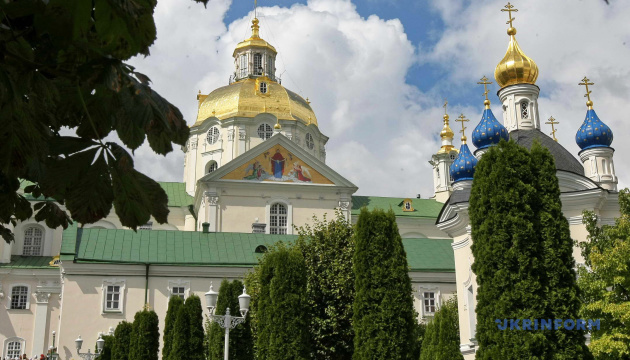
The State Service of Ukraine for Ethnopolitics and Freedom of Conscience (DESS), responding to a request from the Pochaiv Holy Dormition Lavra, has granted an additional 60 days to comply with an order requiring it to remedy violations of legislation on freedom of conscience and religious organizations.
The Main Intelligence Directorate of the Ministry of Defense of Ukraine (DIU) has announced the launch of a targeted disinformation campaign aimed at discrediting military intelligence and the combat units of the Main Intelligence Directorate.
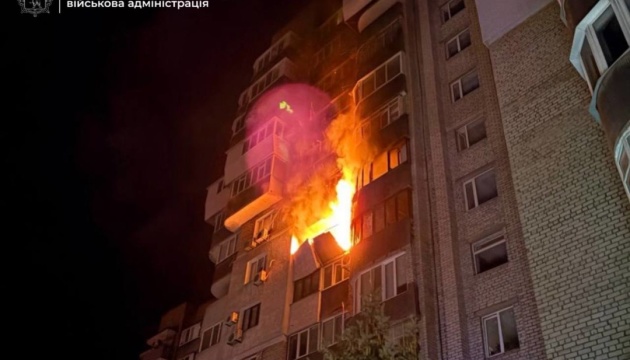
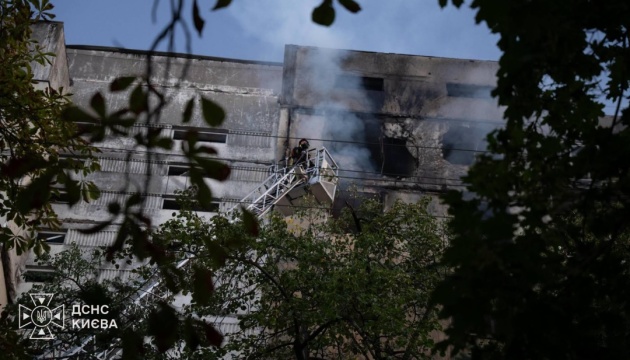
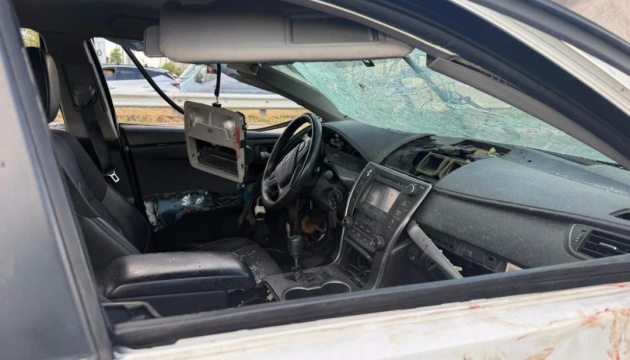
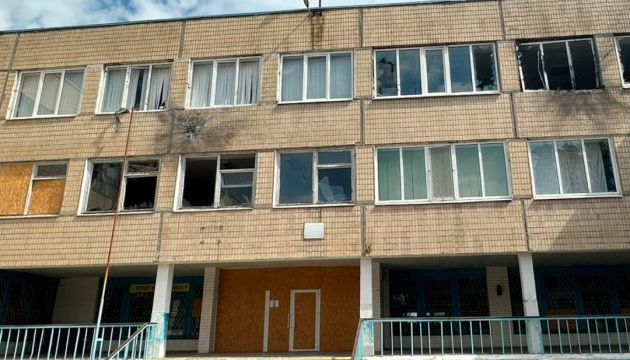
In the Holosiivskyi district of Kyiv, three people were injured and another 25 were evacuated after a Russian drone struck a 9-story residential building.
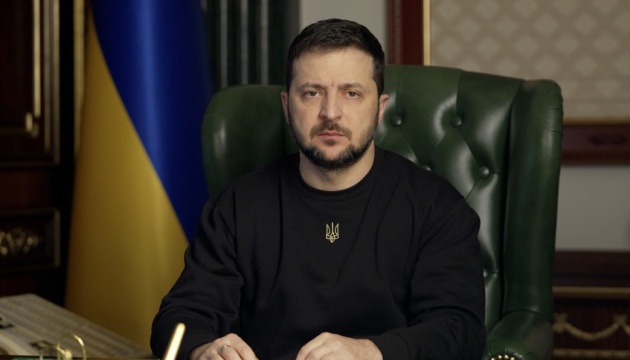
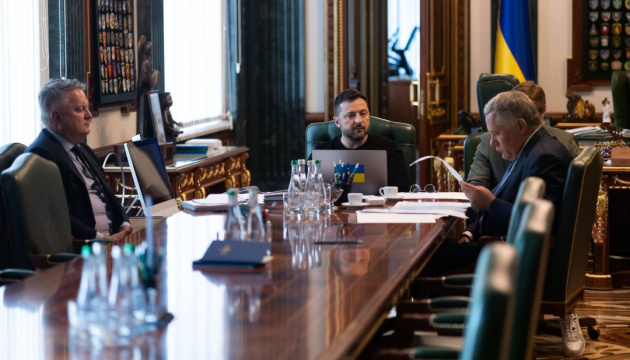
Ukrainian President Volodymyr Zelensky announced the dismissal of the deputy heads of the Main Intelligence Directorate (DIU) and the Security Service of Ukraine (SSU).
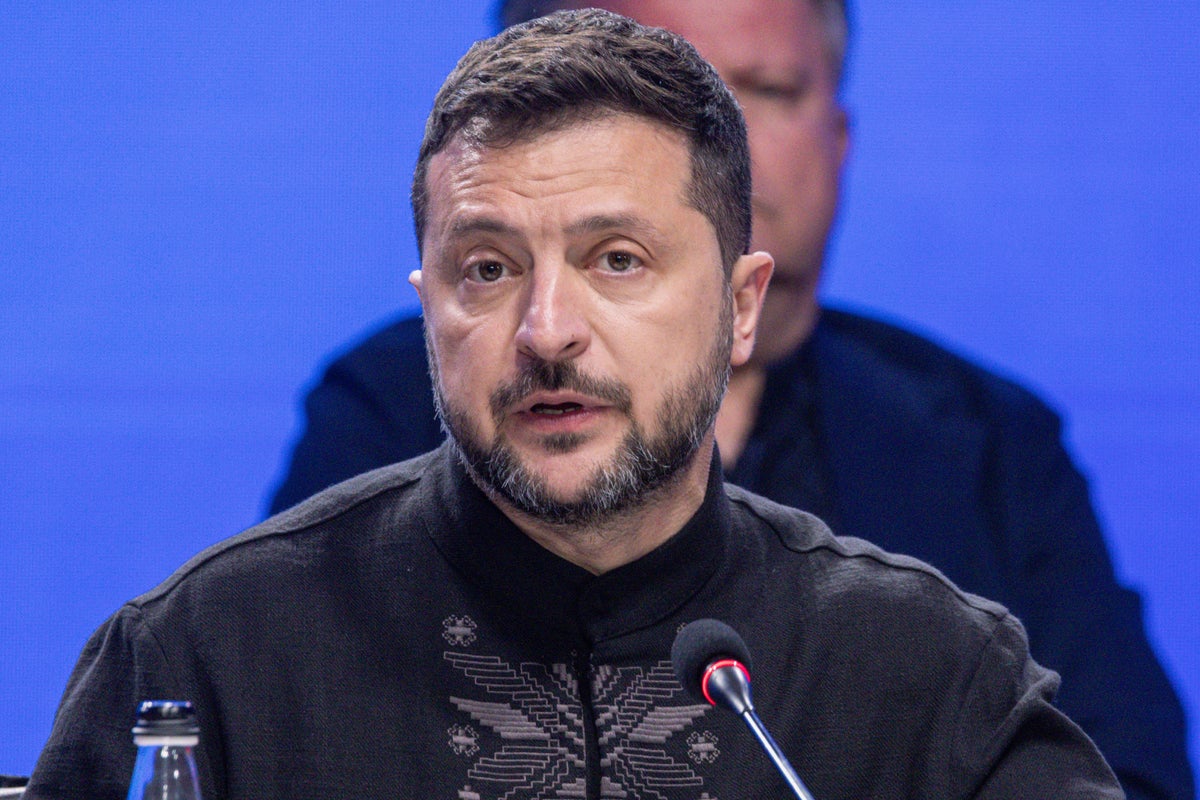
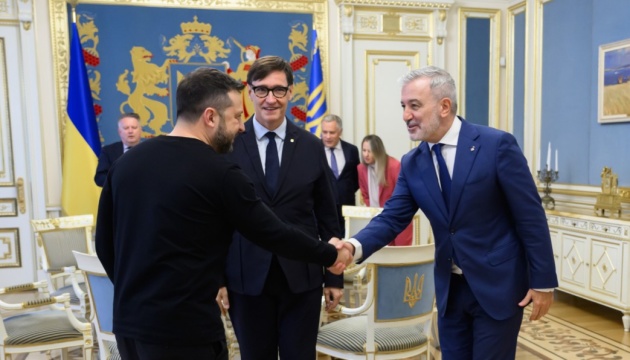
During a meeting with Salvador Illa, president of the Generalitat of Catalonia, and Jaume Colboni, mayor of Barcelona, President Volodymyr Zelensky discussed Ukraine’s recovery and regional cooperation.
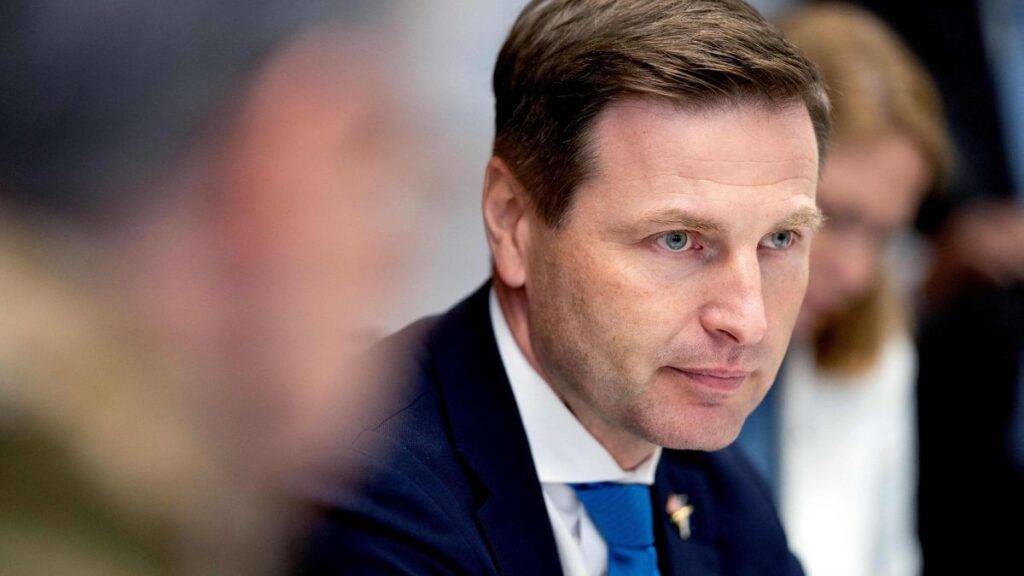
Estonia's defense minister resigned on 2 September over a failed €70 million ammunition deal for Ukraine, ERR reported. The state procurement agency paid EU funds to companies that had never sold artillery shells. Estonian taxpayers may now have to cover the losses.
The Baltic states have poured billions into defense since Russia's full-scale invasion of Ukraine. Estonia alone redirected €500 million toward air defense and drones. It pledged 0.25% of GDP in annual aid for Kyiv. Defense budgets have grown faster than the procurement systems managing them.
Minister walks over "socks and ammunition"
Hanno Pevkur has held the post since 2022. Amid the scandal, he told Estonian public broadcaster ETV he would step down.
"The minister does not count socks and ammunition," Pevkur said.
RKIK's former chief countered that no major decisions were made without the ministry's approval.
Three opposition parties called for his resignation before he announced it. Prime Minister Kristen Michal said Pevkur was not personally at fault but acknowledged political responsibility applied. The resignation followed a National Audit Office report released on 28 August. Estonia's Prosecutor's Office has also opened a criminal investigation into the procurement.
The deal that fell apart
In 2024, Estonia's Center for Defense Investments (RKIK) signed four contracts with Datasel S.R.L., an Italian-registered firm. Eesti Ekspress reported that the Indian company Neco Defense Munitions owned it. Neither had ever sold a single artillery shell. RKIK paid roughly $81 million in advance using the EU's European Peace Facility. The first delivery was due in November 2024. Ammunition that arrived failed to meet quality standards. Estonia canceled the deals and filed a case at the European Court of Arbitration in Strasbourg.
Pevkur is the second Baltic defense minister to resign in four months. Latvia's Andris Sprūds stepped down in May after drone incursions from Russia's war destabilized the country's government.
Poland will recover hundreds of millions of euros from a shared European Union fund for weapons it handed to Ukraine, the defense outlet Militarnyi reported. The money had been frozen for two years and only started moving after a change of government in Hungary lifted a veto.
Europe's ability to keep weapons moving to Ukraine rests on members trusting they will be paid back for what they give away. When that cost-sharing seizes up, national governments face the full bill alone, and the case for the next donation gets harder. A single member's veto can jam that machinery for years.
The money starts flowing again
Poland will receive up to $500 million in 2027 from the European Peace Facility (EPF), an EU fund that reimburses member states for military aid to Ukraine. Deputy Defense Minister Paweł Zalewski told the Polish news agency PAP that the ceiling combines the $465 million now secured with a possible $12–35 million more, depending on which of the two payout options the European Commission picks. Warsaw had already collected $960 million earlier, bringing its total EU reimbursement to roughly $1.4 billion.
Explore further
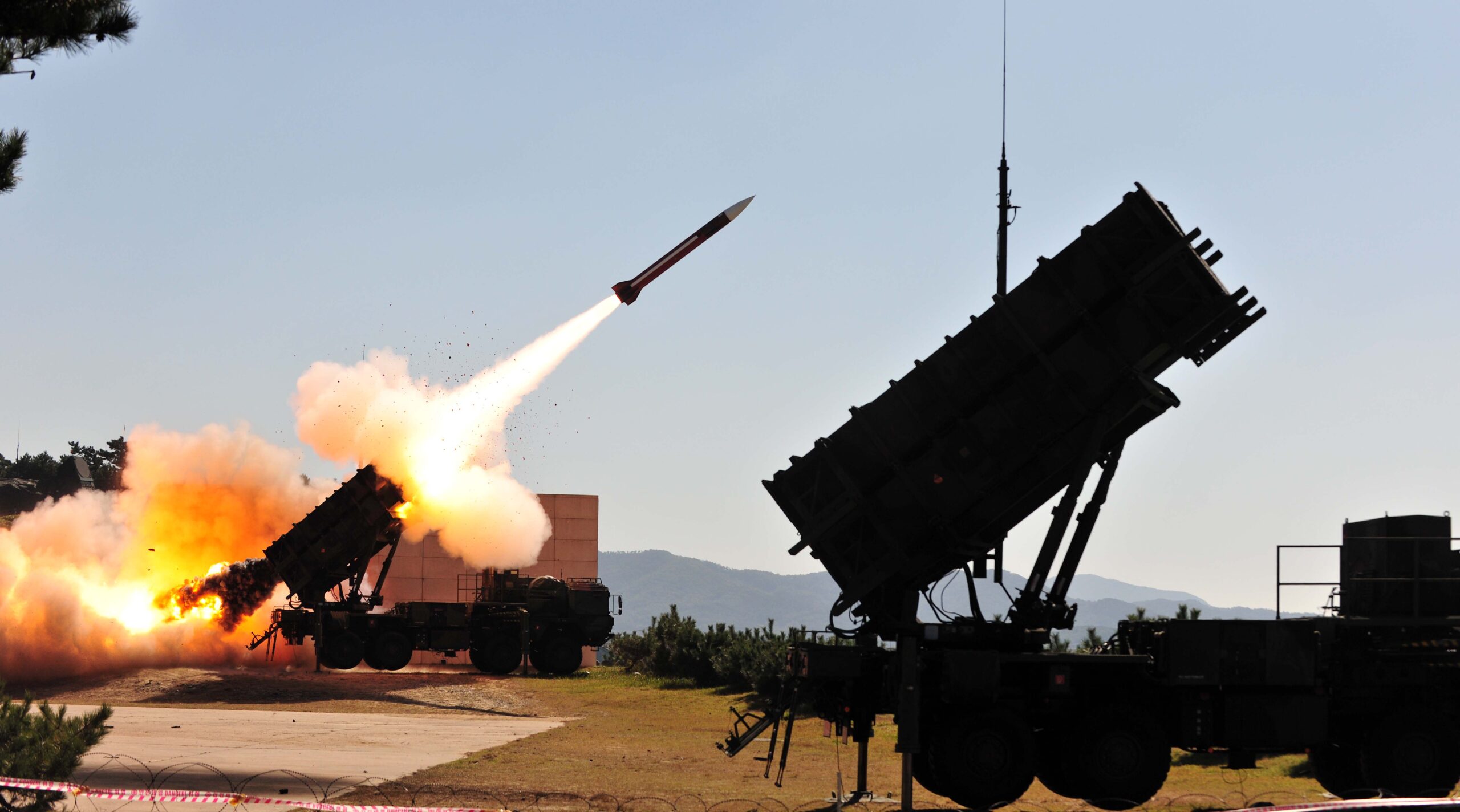
190 or 580 Patriot missiles? What Ukraine’s EU-loan request could buy—and why Washington still decides
The reimbursements had stalled in 2024, when Hungary blocked a $7.7 billion tranche. Budapest dropped the veto in June 2026 after a new government took over, unfreezing the funds. The bloc is now steering part of the money toward joint arms purchases and its training mission for Ukraine, rather than just reimbursement.
Where Poland stands among donors
By Militarnyi's tally of Kiel Institute figures, total Polish aid has reached $6.8 billion, with $5.2 billion of that military. That ranks Poland 11th among donors by raw volume. When weighed against each country's economy, it ranks 9th, equal to 1.021% of Polish GDP, with the military share at 0.775%.
Explore further
A masked figure got into a Polish drone-parts plant—Poland now suspects a foreign spy service set the fire
What Warsaw handed over
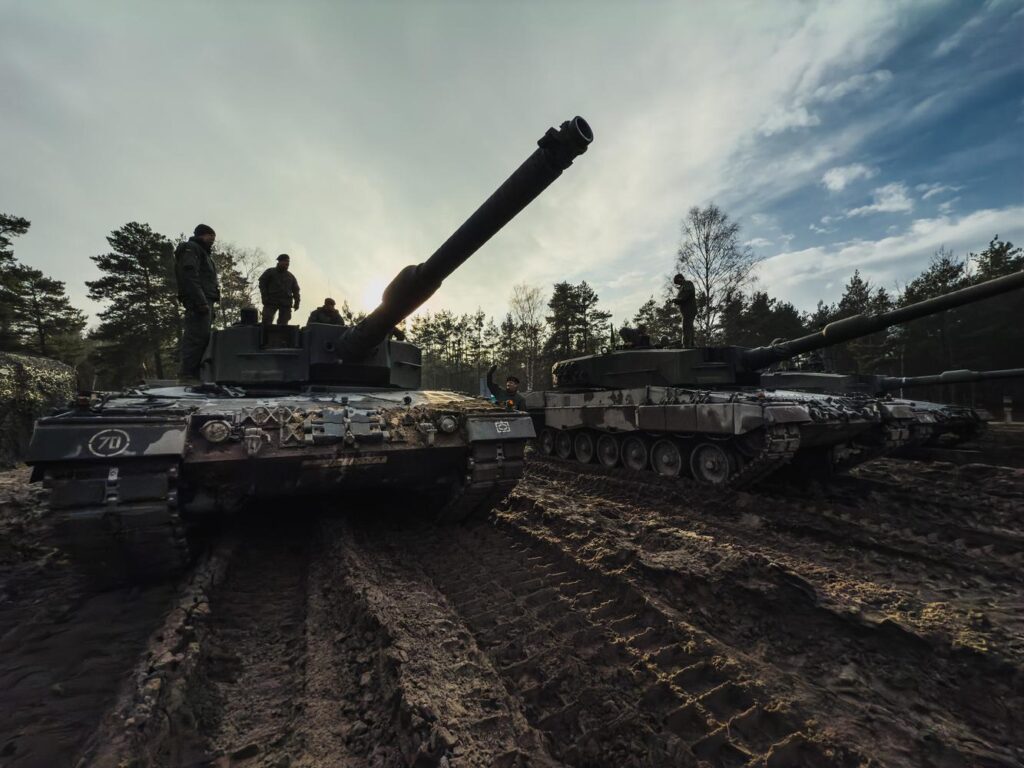
Poland has supplied ammunition and other weapons since early 2022, before the full-scale invasion, and has since handed over more than 350 tanks—14 Leopard 2A4, about 60 PT-91 Twardy, and roughly 280 Soviet-era T-72 variants. Warsaw also sent Krab self-propelled howitzers, Piorun shoulder-fired air-defense missiles, and Grad rocket launchers. Alongside Slovakia, it was among the first NATO states to send Ukraine fighter jets, delivering 14 MiG-29 jets and 10 Mi-24 attack helicopters between 2022 and 2024.
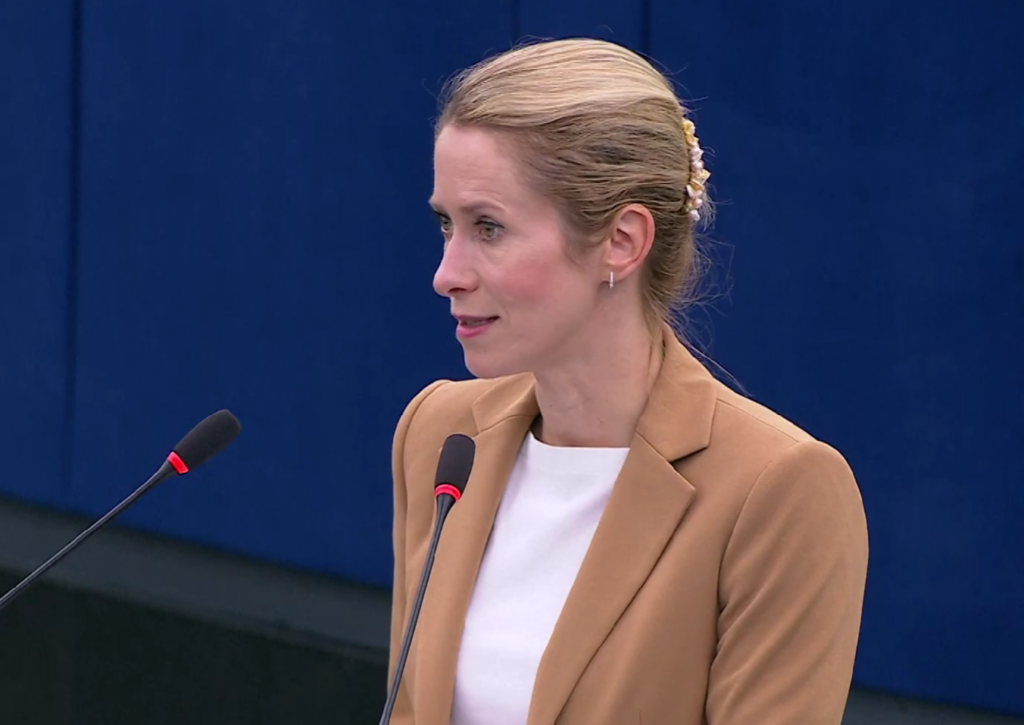
EU foreign ministers have given broad backing to an entry ban on Russians who fought in Ukraine and to stricter tourist visa rules for Russian citizens, DW reported. The bloc's foreign policy chief announced that support on 2 September, after an informal meeting in Wicklow, Ireland, without setting out what the tightening would involve. She tied the visa question to the risk of sabotage in Europe.
Russia has been attacking Ukraine since 2014 and at full scale since 2022, bombing Ukrainian cities, and for several years its agents have also worked inside Europe, cutting cables, flying drones over military bases, and setting fires at plants and warehouses that supply Ukraine. The bloc that funds much of Ukraine's defense has still not managed to keep the citizens of that state out of its own territory.
"Broad support," and nothing pinned down
EU foreign policy chief Kaja Kallas spoke to reporters after the ministers finished.
"There was broad support for moving ahead with a ban on entry to the EU for Russian ex-combatants and tougher visa restrictions for Russian tourists," she said.
She did not name the restrictions planned for Russian tourists, say when they might take effect, or say which categories of Russian citizens they would cover.
The bloc has no unified position on tightening visa rules further, Kallas acknowledged. Some member states have so far argued against additional steps in that direction, she said.
Explore further
Russia’s former soldiers may face a locked EU border—if France and Italy stop balking
Many EU countries say tourist visas serve sabotage preparation
Reporters asked Kallas about accounts that one suspect in the Leipzig attack may have entered the EU on a tourist visa issued by Italy. German authorities have to confirm or refute those accounts, she said. If the information is correct, it shows that visas can be used to enter the bloc by potential wrongdoers who intend to harm it, she added. Many EU countries pointed out that tourist visas are used in preparing sabotage, because the people who carry it out need to get onto EU territory, she said.
Berlin blamed Moscow for the hybrid attack in Leipzig on 1 September, and moved to close Russia's consulate in Bonn and end the agreement for a Moscow-backed cultural center in Berlin after the drone attack on Leipzig/Halle Airport. Lithuania has exposed a Russian military intelligence network behind attempted arson in four NATO countries, and someone left funeral wreaths outside defense companies in Lithuania and Czechia in late August.
Explore further
Russia’s ex-combatants entering the EU is a risk flagged in a leaked threat assessment
"It is not normal": Russians in Europe while Russia bombs Ukraine
Many ministers raised the visa question while the meeting was discussing Russia's war against Ukraine, Kallas said.
"It is not normal when a country bombs Ukraine, kills civilians—in July and August more than ever during this war—and at the same time Russians enter and enjoy the hospitality of European countries. That should not be," she said.
EU representatives said in July that the ban, kept separate from the tourist visa rules, was agreed in principle but still needed an evidence standard for refusing entry. The EU Council signs off after that, and the European Commission hoped at the time to finish by October.
UN monitors counted 437 civilians killed and more than 2,600 injured across Ukraine in July, the deadliest month since 2022. That count included 183 children killed or injured, also the highest since 2022. Russian drones and missiles then kept Kyiv under near-constant fire for four days at the end of August.
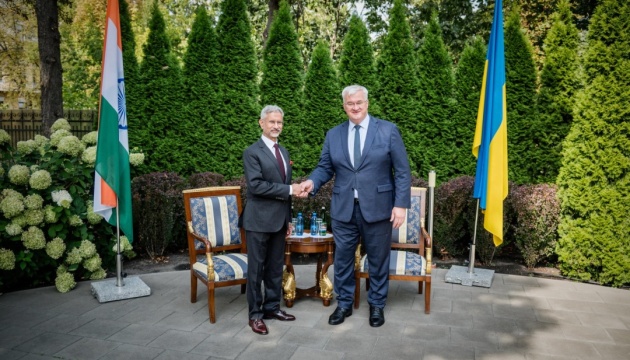
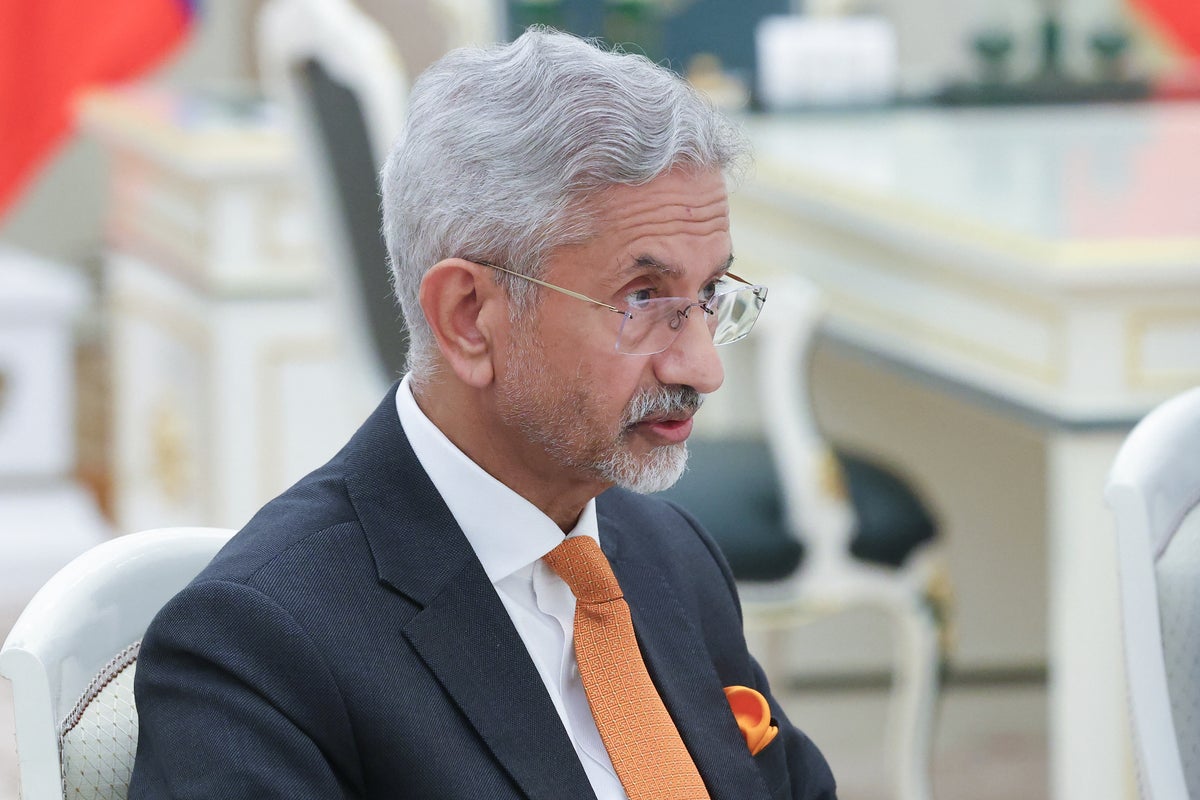
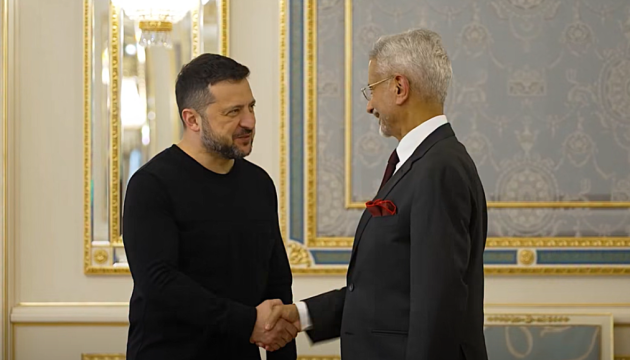
President Volodymyr Zelensky said that during his meeting with Indian Foreign Minister Subrahmanyam Jaishankar, they discussed ending Russia’s war against Ukraine and the situation in the Black Sea. According to Zelensky, India has a clear position: peace is needed.
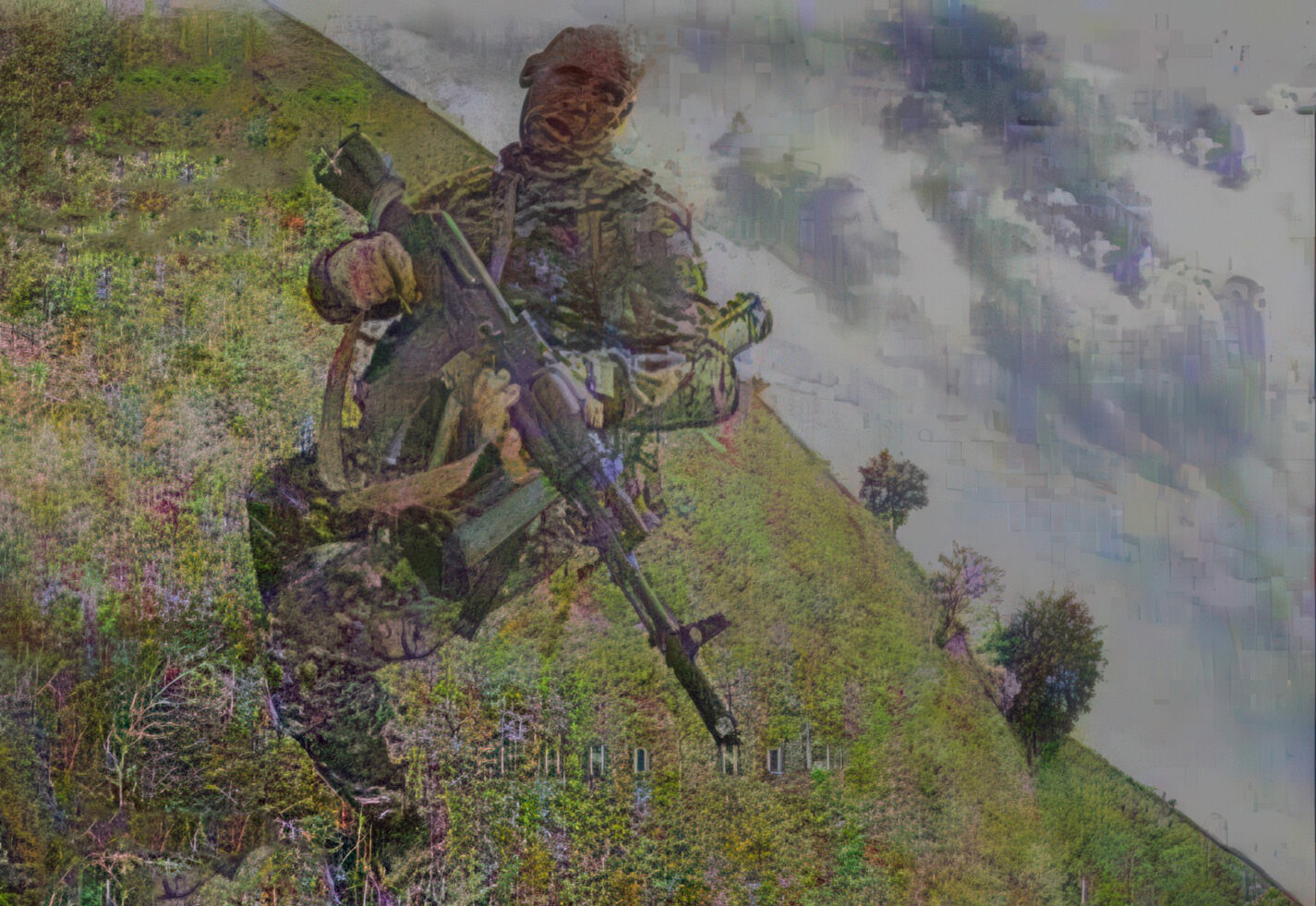
Ukraine's National Guard says its assault units have cleared four square kilometers of ground near Kupiansk. According to the military, fighters of the 23rd R.U.G. Assault Regiment of the Khartiia corps have pushed Russian forces out of territory between the settlements of Dvorichna and Zapadne, working with the 35th Separate Marine Brigade on one stretch.
Russia wants Kupiansk as a logistics node and a springboard for pushing deeper into Kharkiv Oblast. Just outside the city sits the Kupiansk-Vuzlovyi station, a key rail hub whose capture would let Russian forces move supplies and equipment far more easily.
“Overall, another 4 square kilometers of Ukrainian territory have been liberated. As long as the enemy remains on our land, the work continues,” the National Guard said.
Ukraine said its assault units have cleared another four square kilometers of ground near Kupiansk
Fighters of the 23rd R.U.G. Assault Regiment of the Khartiia corps pushed Russian forces out of the territory between the settlements of Dvorichna and Zapadne The National Guard pic.twitter.com/aOXrXm0BRw
The clearing north of the city is only one part of a contested picture. Kupiansk straddles the Oskil River: Ukraine holds the left, eastern bank, while Russian forces have pushed onto the right, western bank closer to Ukraine's rear.
On 2 September, Viktor Tregubov, head of communications for Ukraine's Joint Forces Group, said Russian troops had infiltrated part of northern Kupiansk on that right bank.
"On the right bank, the Russians are trying to hold the northern parts of the city, where they've already infiltrated some of their fighters," he told Suspilne, adding that Ukrainian forces are making trouble for them there.
The infiltrators are trying to reach the city through the village of Holubivka, he said.
On the left bank, Russian units are trying to reach the railway station.
"The Russians are pushing very hard toward it. They want to narrow our bridgehead," Tregubov reported.
No confirmed Russian advance
Back in July, Trehubov mentioned the Russian forces’ logistical problems in this direction, according to ArmyInform.
He explained that logistics for Russian forces in the area had been effectively paralyzed by a fuel shortage, with even water being delivered exclusively by drones.
Russian propaganda claims that the Russian Sever (North) military grouping has allegedly captured the settlements of Vasylivka, Dovzhanka, Blahodatne and Slyzneve and “closed the Vovchansk cauldron” are false.
The European Union is discussing export support with Ukraine and its neighboring countries, including through so-called solidarity lanes, Agriculture Commissioner Christophe Hansen told Bloomberg on 2 September.
Strikes in the Black Sea have curtailed exports from both Ukraine and Russia, while low water limits how much grain vessels can carry on the Danube, Ukraine’s main fallback when sea traffic slows. Wheat and corn prices are at multiyear highs, and the Bloomberg Agriculture Spot Index jumped by more than 13% in August, its sharpest monthly rise in over a decade. Hansen said the EU’s role as a major food exporter means drought-driven production losses could cause shortages elsewhere.
Created after Russia's full-scale invasion, the solidarity lanes carry Ukrainian exports by road, rail, and river through neighboring countries when Black Sea shipping is disrupted.
The European Commission is separately weighing relief for drought-hit EU farmers. Hansen urged governments to use flexibilities in the Common Agricultural Policy, the EU's farm-subsidy system, including exemptions for circumstances beyond farmers' control, emergency fertilizer aid, and earlier payments, but proposed no new measures in a letter seen by Bloomberg. EU agriculture ministers are due to discuss the drought in Ireland next week and in Brussels later in September.
Russian attacks squeeze Ukraine’s export routes
Low water is only one obstacle to Ukraine’s southern export routes. Russia has repeatedly attacked ports and transport links along the Danube and on Odesa Oblast’s Black Sea coast. Some Ukrainian farmers have sold wheat below production cost as port prices fell, leaving less money for the next sowing.
Romania detected more than 100 drones during seven attacks on Danube ports in mid-August, interim Romanian Defense Minister Radu Miruță said. Russia struck Izmail, Ukraine's largest Danube port, three times in August. The 29 August attack killed one person and destroyed five grain trucks, Odesa regional authorities said.
Ukraine and Moldova have pursued a rail corridor through Moldova to Constanța, Romania’s main Black Sea port, as an alternative. Moldova later halved transit tariffs through 31 December. Ukrainian officials estimate the corridor could handle around 10% of Ukraine's grain exports, Reuters reported.
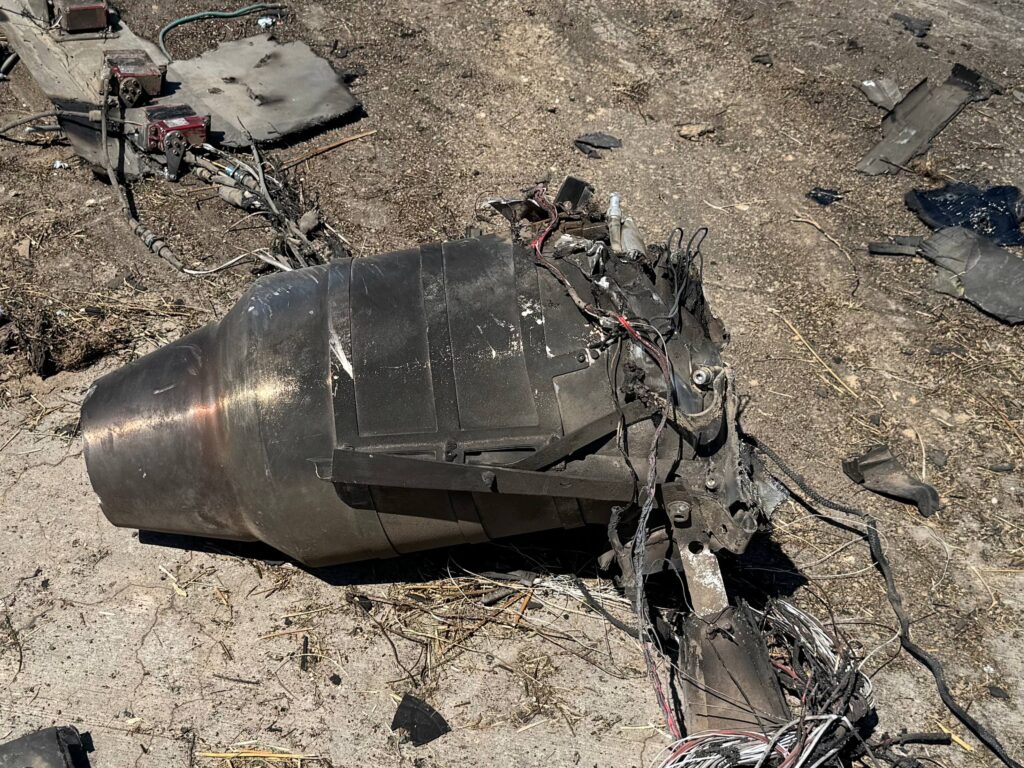
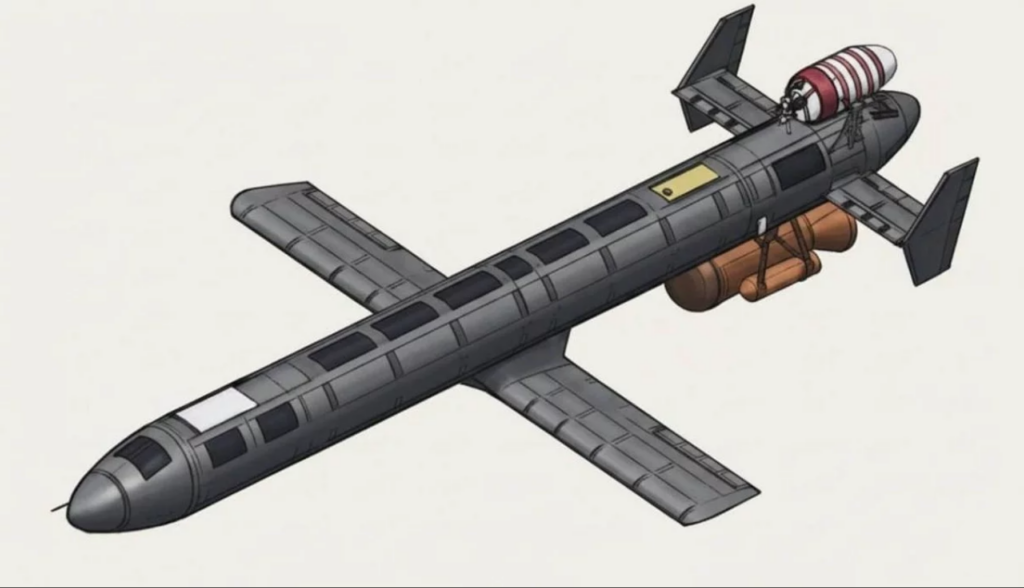
Russia has been bolting small FPV attack drones to the wings of its long-range Gerans and releasing them deep inside Ukraine, far behind the front. The tactic may now have reached Kyiv Oblast, where an FPV drone was recently recorded, though it is not confirmed that a Geran delivered it, Serhii "Flash" Beskrestnov, the president's adviser on defense technologies, told UNIAN. A Geran drop is one of the versions being weighed.
A Geran (the Russian-built version of Iran's Shahed-136) can fly hundreds of kilometers, so bolting short-range FPVs to its wings carries them far past the front line before release. Russia has done the same with its Molniya and Gerbera drones, and in May Euromaidan Press reported FPVs delivered this way, turning up dozens of kilometers from the border, on the ground, and even on the roofs of apartment buildings.
A year-old experiment, still rare
"The Russians have been running these experiments for a while. They attach two FPVs above the wings and drop them," Beskrestnov said.
He last recorded the tactic a week ago in Konotop, in Sumy Oblast, where Russian forces held two such drones on a carrier's wings and released them.
Until now, he added, it had shown up only on conventional Gerans. Holding an FPV on a jet-powered Geran is far harder because the speed is too high for a clean release, "but technologically it's entirely possible," Beskrestnov believes.
Ukrainian air defenders have brought at least one carrier down: in March, the Darknode anti-Shahed unit destroyed a Geran carrying two wing-mounted FPVs over Ukrainian airspace before it could release them, Militarnyi reported.
Low yield, mostly a scare tactic
Russia uses the tactic sparingly, and by its own measure, it does not work well.
"If you look at the number of successful strikes they've had with these FPVs, it's small," Beskrestnov explained, because controlling a drone dropped this way is difficult.
The FPVs carry no large warhead, and the launches often serve mainly to terrorize civilians, he said.
The dropped drones are usually flown over ordinary mobile networks rather than through a relay mounted on the carrier.
"There's an ordinary SIM card, and they control the FPV through it," Beskrestnov said, adding that Ukraine has been recording the practice on and off for about a year.
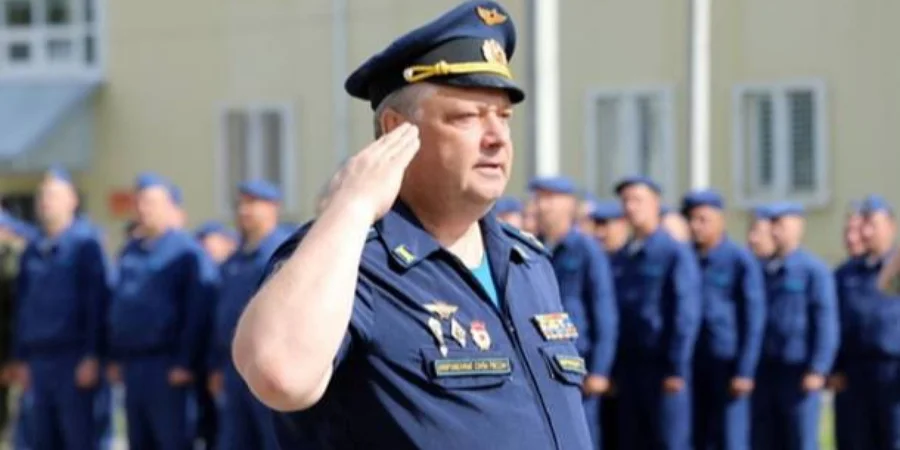
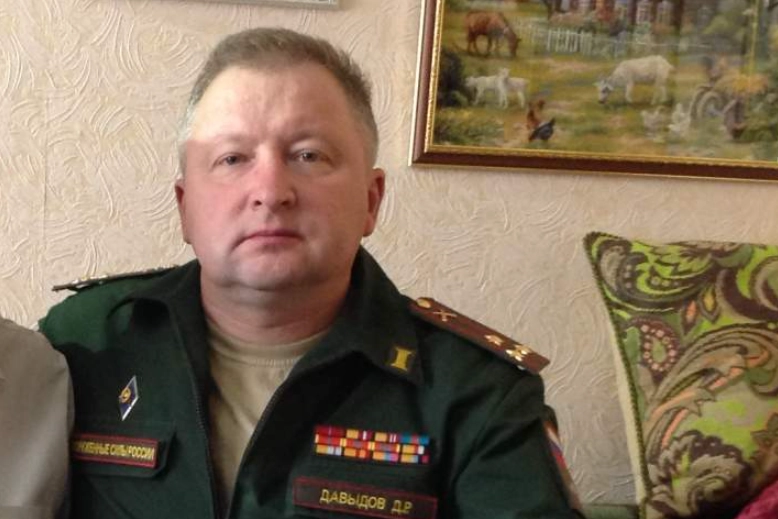
A gunman on a motorcycle shot a Russian Aerospace Forces officer twice in Saratov Oblast on the morning of 3 September, Radio Svoboda reported. Telegram channels identify the wounded man as Nikolai Varpakhovich, the major general who commands Russia's heavy bomber division at Engels. Ukraine's security service and prosecutors named that officer a suspect three days earlier over the missile strike on Kyiv's main children's hospital.
Russia's strikes have hit hospitals, warehouses, railway infrastructure, residential neighborhoods, and the power system, which is a target again as winter approaches while protection work runs behind. The officers who plan and order the long-range strikes work far from any of it, so reaching one of them at all shifts a risk that has sat almost entirely on Ukrainian civilians.
Ukraine's services have pursued senior Russian officers in the rear, sometimes unofficially claiming the operation and sometimes saying nothing at all. Bombings have killedat least three generals in and around Moscow since December 2024, and a fourth died in a Moscow restaurant blast whose target Russia has never established. Nobody has claimed the Engels shooting yet, and Ukrainian officials have not commented on it.
Two shots outside Engels, then the motorcycle was gone
The attack happened in Probuzhdeniye, a settlement next to the city of Engels in Russia's Volga region. The Russian Telegram channel Shot said the officer was leaving a shop when an unknown man on a motorcycle fired twice, hitting his face and his body. Another Russian channel, Mash, reported that the gunman rode up to a detached house, that one bullet struck the abdomen and the other the head, and that surgeons removed both. The accounts of the spot and the wounds do not match.
The officer's driver was hit as well, got away, and called an ambulance himself. The attacker wore a helmet and fled, and doctors in Saratov operated before preparing the officer for a flight to Moscow.
Explore further
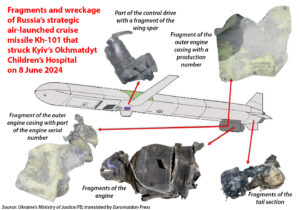
Forensic experts identify over 30 parts of Russian Kh-101 missile that hit Okhmatdyt hospital
Russia confirms a shooting and leaves the name out
The regional branch of Russia's Investigative Committee stated that someone had attempted to kill a serviceman and that the victim was hospitalized. Investigators stated they had recovered cartridge cases and bullets at the scene and opened a case for attempted murder and illegal weapons trafficking. They released no name.
The Telegram channel Dosye Shpiona, possibly linked to the Ukrainian special services, named the victim as Nikolai Varpakhovich, commander of the 22nd Heavy Bomber Aviation Division of Russia's long-range aviation. Meduza noted that no official source has confirmed this. Agentstvo reported that Varpakhovich comes from Ryazan, served earlier as deputy head of the 43rd flight-crew training center, and has lived in Saratov Oblast since at least 2024, with documents listing an apartment in Engels and a house in Probuzhdeniye.
Explore further
Car bomb kills Russian general who armed Russia’s war on Ukraine—fourth top officer assassinated near Moscow since late 2024
Ukraine named him a suspect on 31 August
The SBU and the Prosecutor General's Office announced an in absentia suspicion against Varpakhovich on 31 August. Investigators say he issued the combat order for the strike that hit Kyiv's Okhmatdyt children's hospital on 8 July 2024, killing two people and injuring 32. Russia's Defense Ministry claimed that day's missiles went at military-industrial sites and airbases.
It was his second notice this year. Ukraine charged him in June over a 2022 cruise-missile strike on an Odesa apartment block that killed eight, and prosecutors had notified his division's commander of suspicion back in June 2023.
Engels-2 is one of Russia's main strategic aviation bases, home to the Tu-95MS and Tu-160 bombers that fire Kh-101 cruise missiles at Ukrainian cities. Ukrainian drones have reached it repeatedly, and in late August the SBU's Alpha unit struck a Tu-95MS there, tearing off about a third of its right wing.
Berlin accused Moscow of being behind a recent drone attack at an airport in Leipzig. Experts tell Suha Kidwai that the Kremlin’s hybrid attacks are a deliberate ploy to destabilise the biggest economy in Europe ahead of key elections
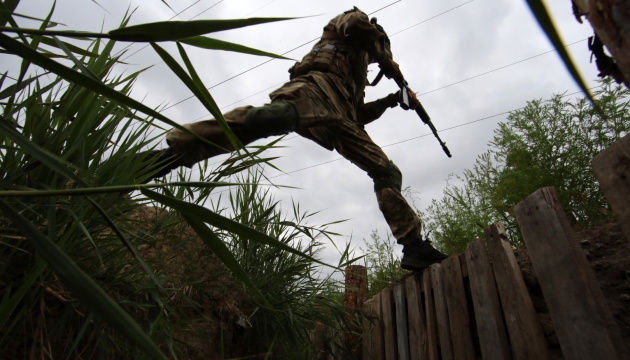
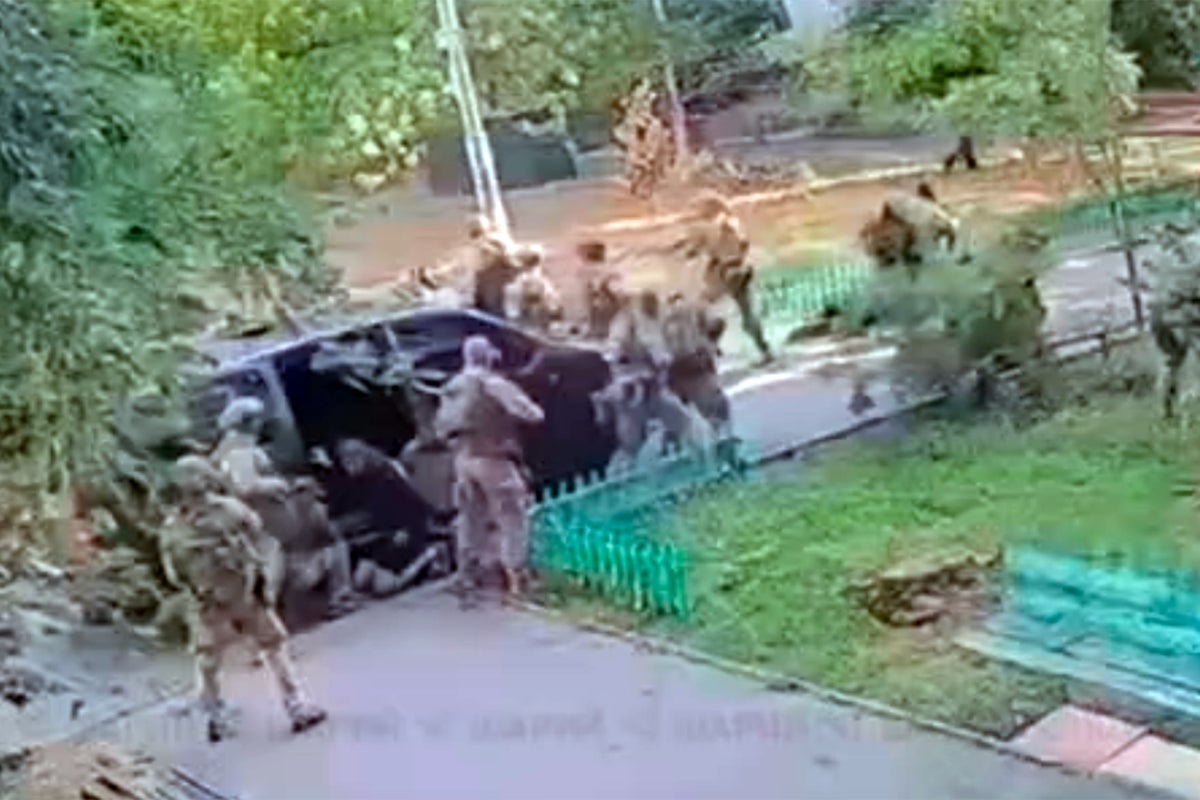
Servicemen of the 23rd Separate Assault Regiment R.U.G. of the Khartia Corps of the National Guard of Ukraine have cleared new areas of Russian troops in the Kupiansk district, Kharkiv region.
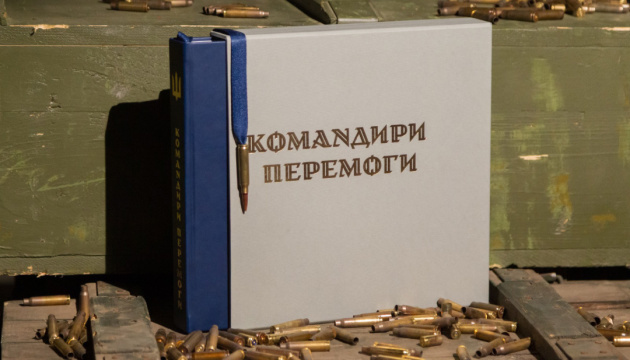
Ukraine’s national news agency Ukrinform will present its book Commanders of Victory in Lviv on September 10. The book is based on the agency’s multimedia journalism project of the same name.
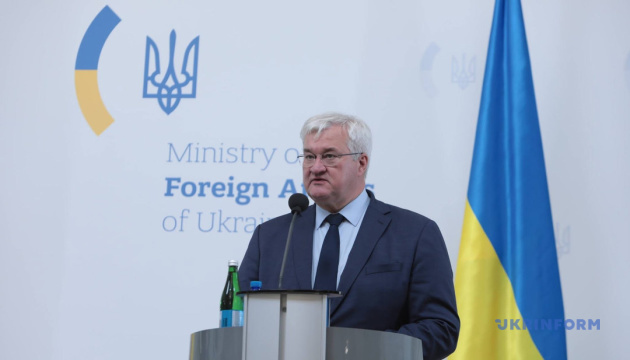
Minister of Foreign Affairs of Ukraine Andrii Sybiha expects “new momentum” in negotiations to end the Russia-Ukrainia war as a new political season begins in many world capitals.
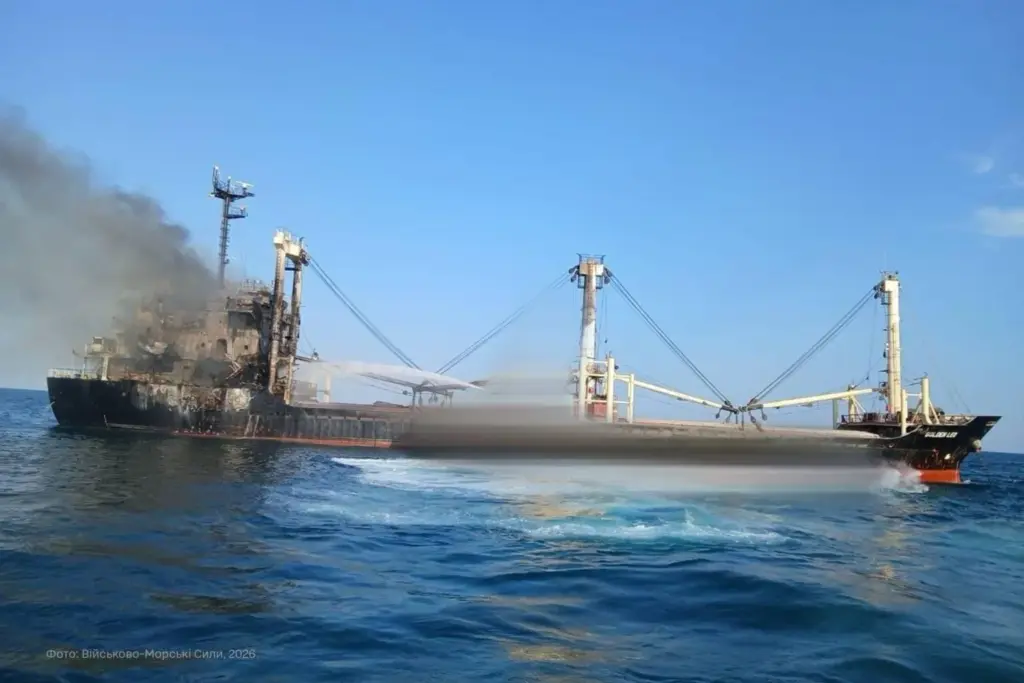
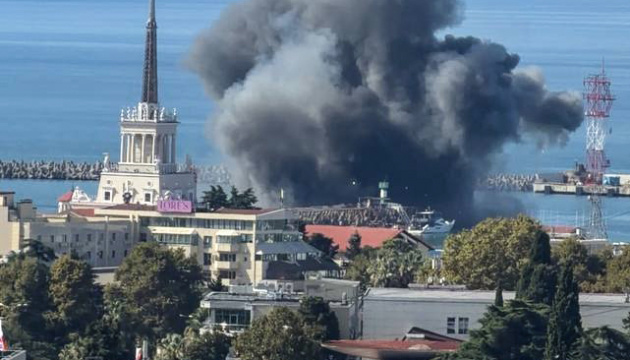
An unmanned surface vessel operated by the Naval Forces of the Armed Forces of Ukraine struck the Nefrit multipurpose support vessel, sailing under the Russian flag, while it was in the port of Sochi.
On September 2 and during the night of September 3, 2026, units of the Ukrainian Defense Forces struck a number of enemy military targets, including a BK-16 landing craft, an electronic warfare system, a UAV command post, and enemy warehouses.
Ukraine formally notified the International Civil Aviation Organization (ICAO) on 2 September that Russian airspace is unsafe for civilian flights because of increased military activity, Ukrainian Foreign Minister Andrii Sybiha said. The letter behind the notification asks the organization to urge its member states to stop civil flights over Russia altogether, ZN reported.
ICAO, the UN aviation agency, cannot close Russian airspace or order carriers to reroute. European and US airlines already avoid Russia's airspace, while carriers from China, Türkiye, and the Gulf states have kept flying through it. Those remaining airlines must assess the safety of flying amid drone and air defense operations. Drone alerts during reported Ukrainian attacks have repeatedly shut Russian airports and delayed hundreds of flights.
The notification follows a 1 September warning by Ukrainian President Volodymyr Zelenskyy, who told airlines, insurers, and other aviation stakeholders that Russian skies were becoming unsafe as Ukrainian drones reached deeper into the country.
Zelenskyy said Ukraine's Foreign Ministry would pass information about the risks to international organizations. The letter to ICAO came from another office—Mykola Kalashnyk, Ukraine's minister for recovery, infrastructure, and transport, whose portfolio covers aviation.
Russian President Vladimir Putin said Zelenskyy's statement amounted to "a bid for state terrorism" and that Moscow would find a way to respond if civilian "tragedies" followed.
Sybiha urged airlines to avoid Russian airspace and said the notice was meant to prevent unintended incidents, arguing that Moscow was failing to disclose the dangers its war had created. He invoked Ukraine’s inherent right to self-defense under Article 51 of the UN Charter, the provision that recognizes states’ right to defend themselves against an armed attack. The foreign minister further stated that the war was “returning home to Russia.”
In its separate statement, ICAO warned of rising threats to civil aviation worldwide. It did not mention Russia, endorse Ukraine’s assessment, or say Kyiv’s notification had prompted it.
The UN aviation body identified long-range weapons, drones, navigation-signal interference, and advanced air-defense systems as growing dangers to civilian aircraft. It reiterated that international aviation law prohibits the use of weapons against them.
ICAO urged member states to assess airspace under their control, share threat intelligence quickly, and improve military-civilian coordination.
Russian airports were already facing repeated closures
Russian airspace has not been legally or completely closed. The disruption has instead taken the form of temporary restrictions at individual airports.
From 5–7 May 2026, restrictions during reported Ukrainian attacks delayed more than 450 flights at Moscow airports, while limits at Vnukovo remained in place for nearly 18 hours.
On 6 July 2025, Moscow's Sheremetyevo airport canceled 171 flights, while airports in five other cities suspended operations. During an earlier wave on 22 May 2025, Domodedovo halted flights four times in one day and Sheremetyevo three times, while Vnukovo and Zhukovsky also restricted operations.
Airports in Kaluga, Nizhny Novgorod, Saratov, and Tambov were temporarily closed during a 27 May attack in which Moscow claimed 99 drones were intercepted. Two days later, another alert delayed 20 arrivals and 14 departures at Vnukovo, pro-Kremlin Telegram channels claimed.
Russia has started launching its strike drones during the day, not only after dark. The reason is the new jet-powered Geran drones, which fire groups cannot take down, so for Russia there is no longer any difference between attacking by day or by night, Serhii "Flash" Beskrestnov, President Zelenskyy's adviser on defense technologies, told Glavcom.
The near-hourly daytime raids are the new face of a campaign that culminated on 1 September, Knowledge Day, when Russia hit Kyiv and its region with ballistic missiles and jet-powered drones and killed 12 people. That strike culminated a six-day assault on the capital that began on 27 August, two days after CIA Director John Ratcliffe arrived in Moscow. However, even after that, the attack continued. Sirens now sound across Kyiv and the surrounding oblast roughly once an hour, around the clock.
Why the shift to daylight
The daytime raids carry an added economic and psychological weight, he said. The threat of strikes forces shops and businesses to open and close unpredictably, snarls transport, and can halt rail service.
"They understand perfectly well that daytime attacks hurt the population and business," Beskrestnov said, adding that the state railway Ukrzaliznytsia is paralyzed.
Keeping the defenders on their feet
A further aim is to hold Ukraine's air defense in a permanent state of readiness, Beskrestnov said. Round-the-clock attacks mean radar stations and generators must run without pause.
"Radar stations and generators run constantly, and that also puts a strain on our troops," he added.
Kyiv remains a Russian prime target because it carries symbolic as well as military weight, as the capital houses the government, business, and warehouses, and a strike there would resonate far more than terrorizing a small town.
Russian forces first concentrated on districts nearer the drones' launch corridors — Kyiv's Left Bank, and the Brovary and Boryspil raions — before switching to the other bank to hunt for targets. As the cold season approaches, he expects Russia to intensify strikes on the energy infrastructure it has so far spared.
The deputy commander of the Russian Volunteer Corps (RVC) was tasked with planning an assassination attempt on one of the leaders of the Russian opposition movement during his visit to Ukraine and was ordered to eliminate servicemen of the Ukrainian Defense Forces.
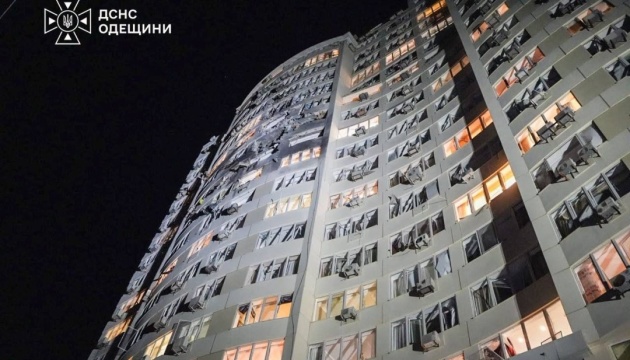
Last night, the Russians caused damage in 13 regions of Ukraine; specifically, in Odesa, a drone struck a residential high-rise, injuring 17 people, three of whom were children.
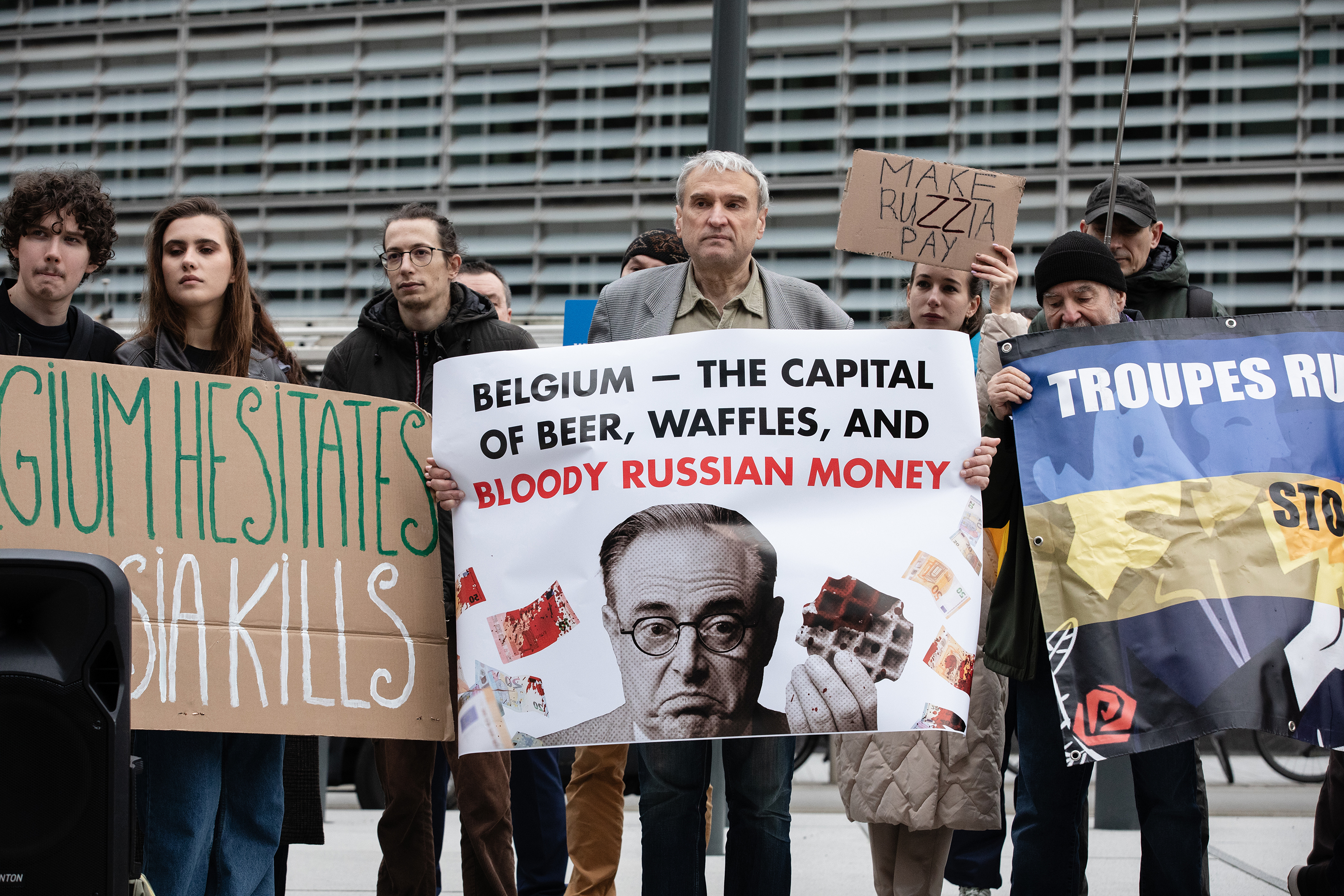
Belgium's foreign minister said the kingdom's opposition to using Russia's frozen assets for Ukraine has not changed, Reuters reported. A push by four member states to revive the plan "generated little enthusiasm or appetite" among European Union foreign ministers, he said. Belgium points instead to part of an already-agreed European loan arriving sooner.
Russia's invasion has become a contest of endurance in which Moscow spends at war rates and counts on Western money thinning out first. Ukraine's army runs on financing decided in foreign capitals, so how fast Europe settles who pays sets what Kyiv can order and field. EU governments have held some $243.7 billion of Russian central-bank money since Russia's full-scale invasion began in February 2022. About €214 billion of it sits at Euroclear, the Brussels depository at the center of the argument.
Nothing has changed, Belgium's foreign minister told the room
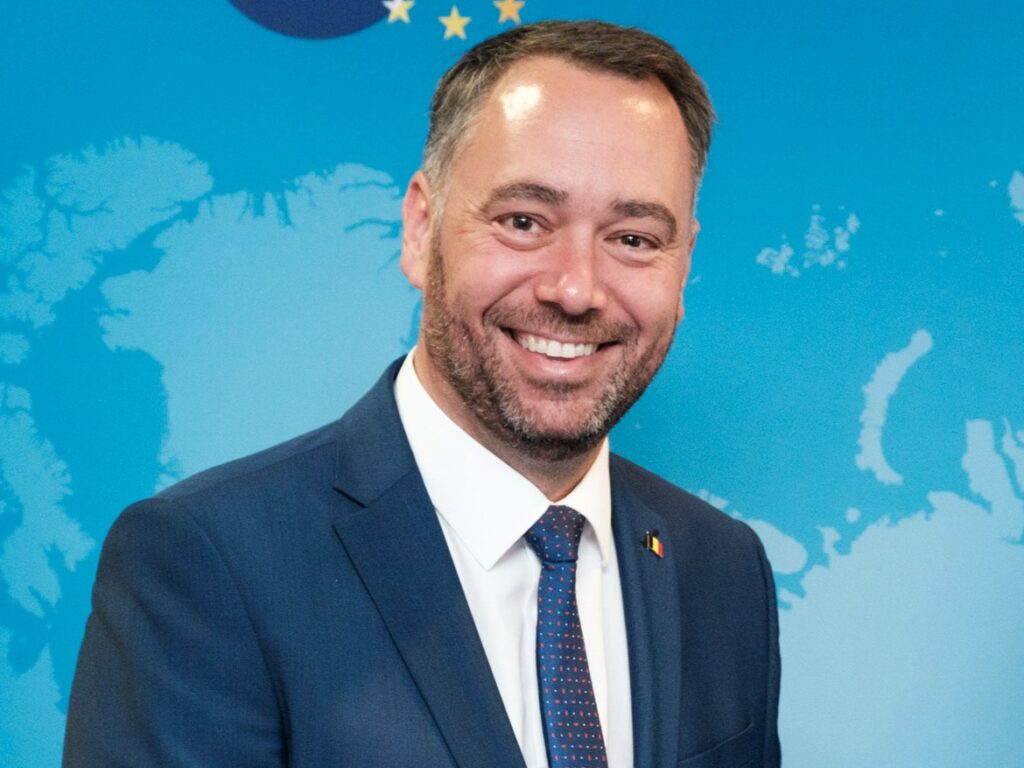
Belgian Foreign Minister Maxime Prévot spoke after an informal meeting of EU foreign ministers in Ireland on 2 September. Four countries had put the frozen-assets question back on the agenda, and his colleagues showed little interest in taking it up, he said. Belgium's own position has not moved in a year, he added. Anything that amounts to confiscating the money would carry very significant risks for his country, he said.
The country's Defense Minister Theo Francken told Flemish broadcaster VRT in remarks published on 30 August that the door is closed and the question is not open for discussion. He also said the Baltic States should be more careful about returning to it, and recalled how much support Belgium gives Lithuania, Latvia, and Estonia, The Moscow Times reported.
Explore further
Ukrainians rally across dozens of countries to demand Europe use Russia’s frozen billions
 Connexion






The National Guard pic.twitter.com/aOXrXm0BRw