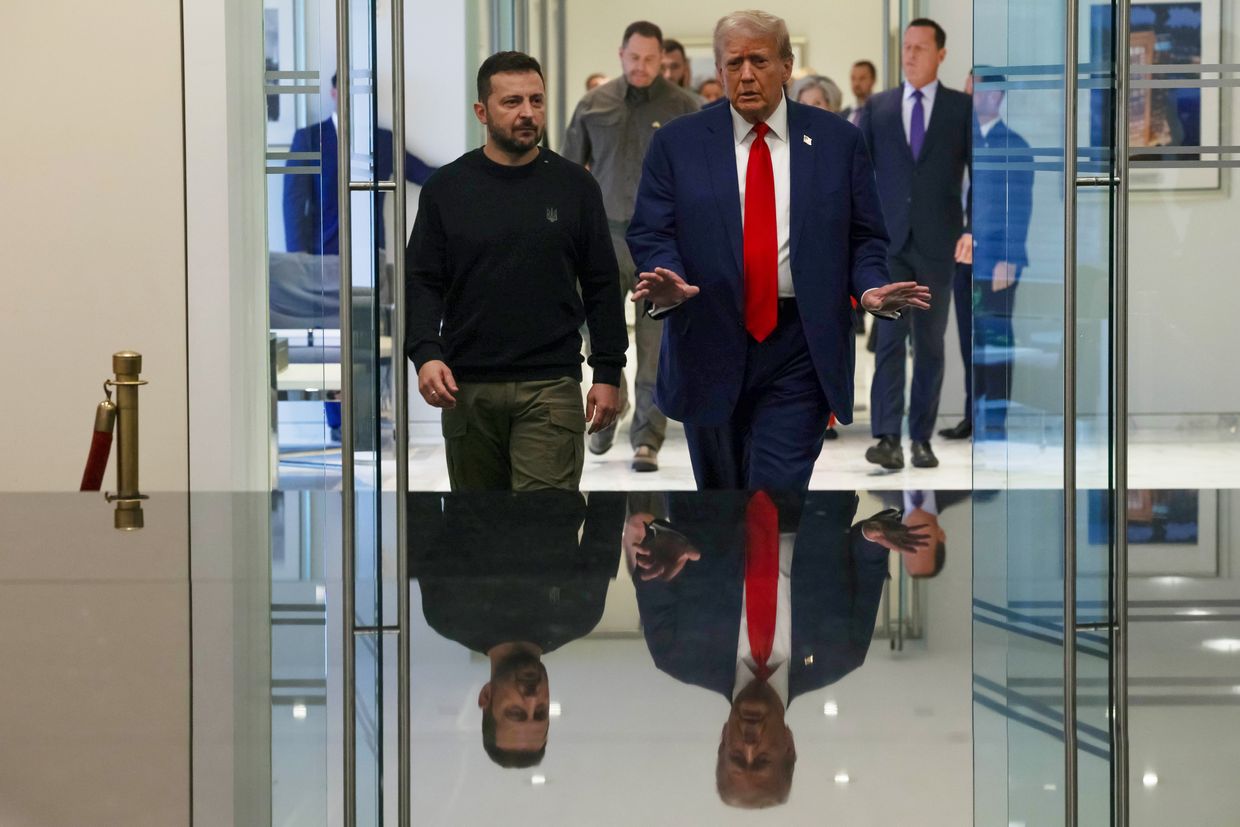
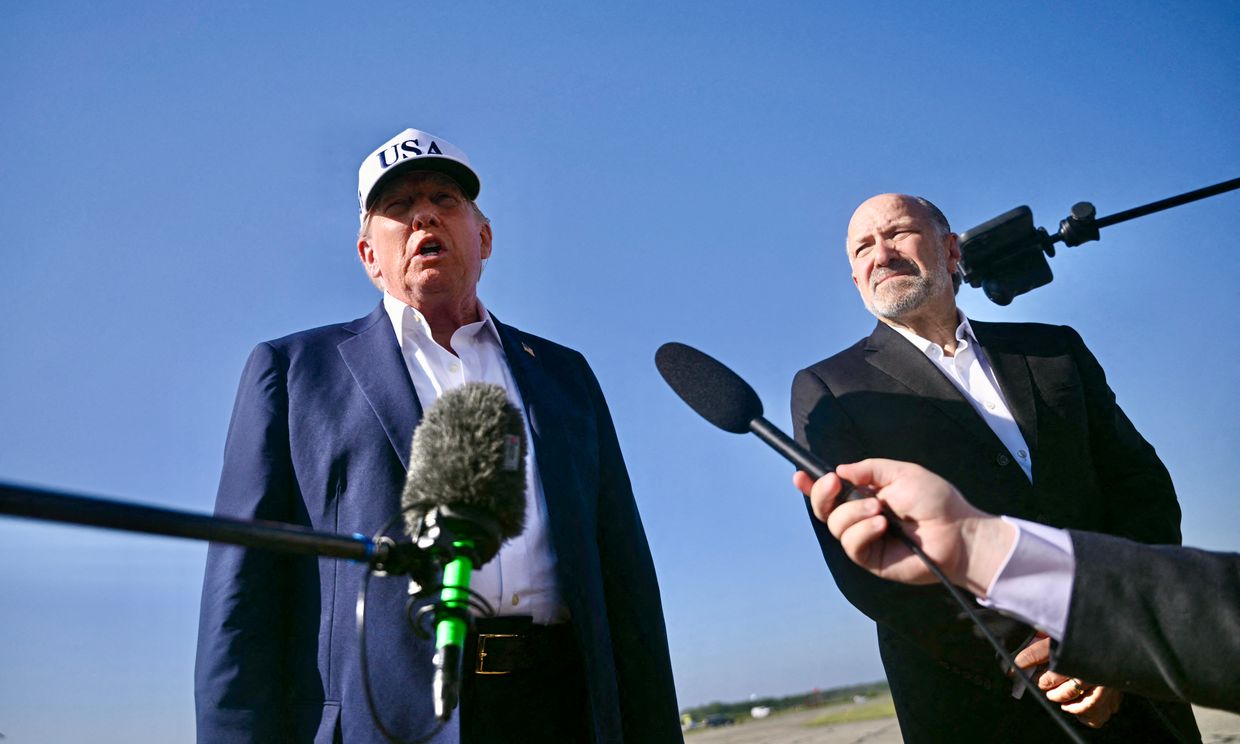
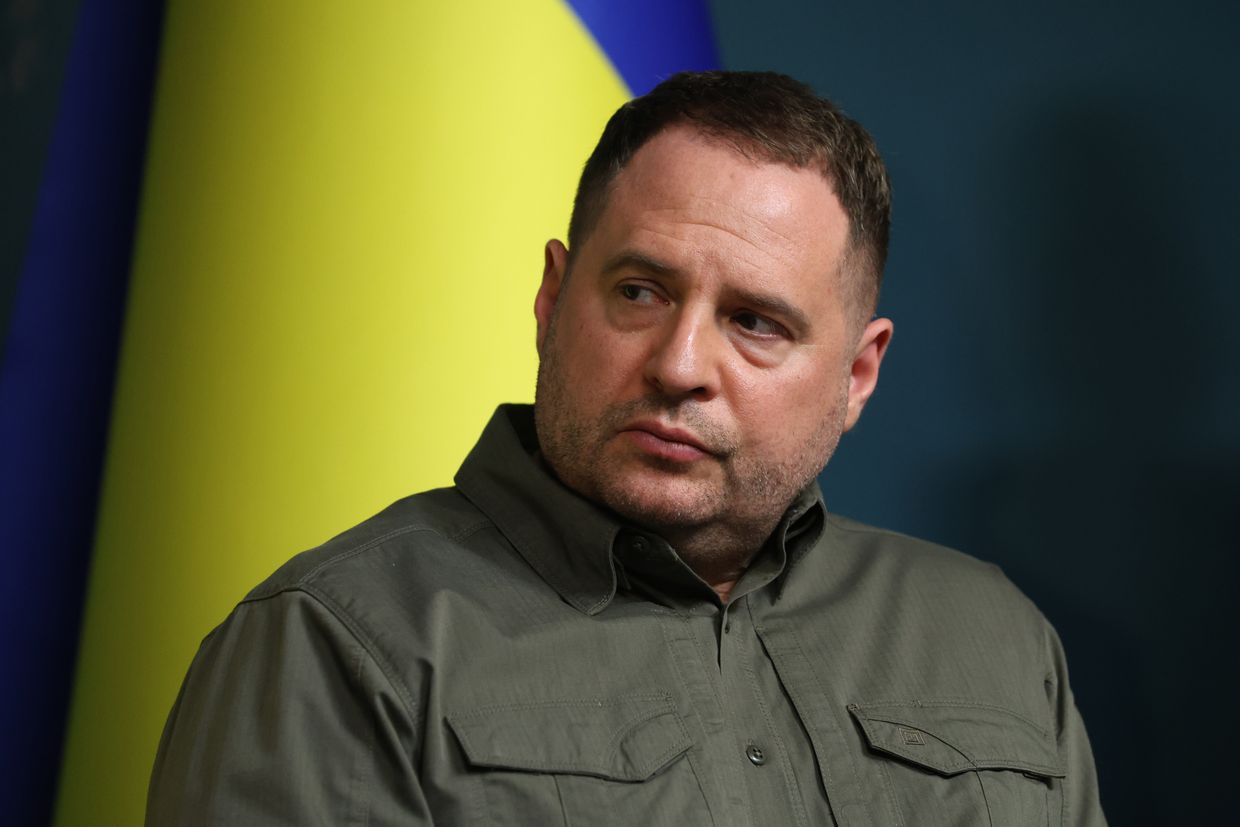
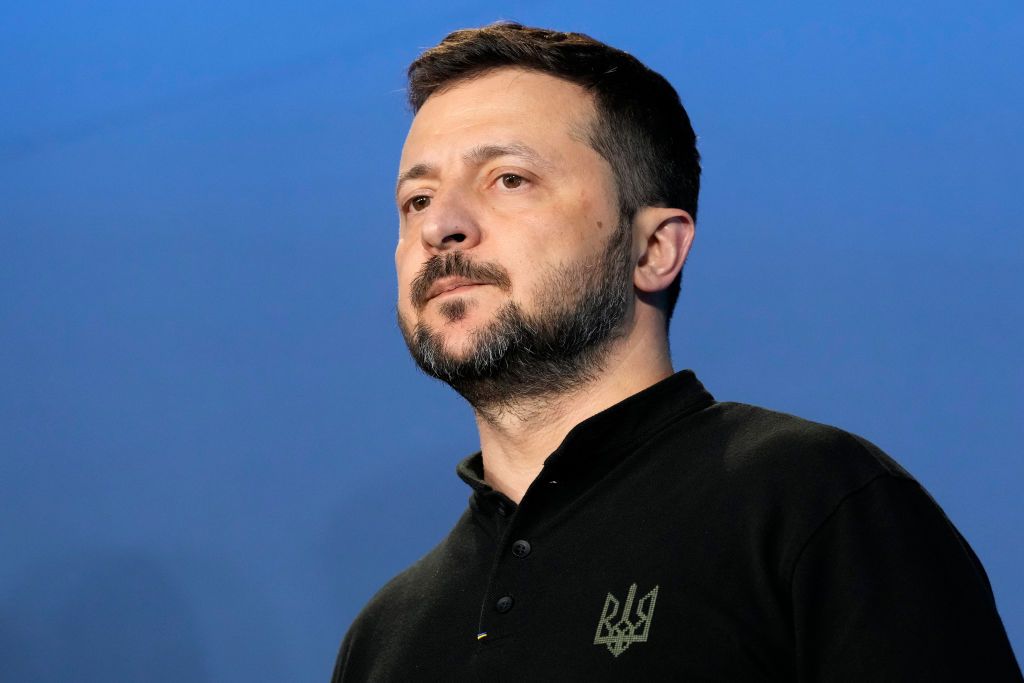
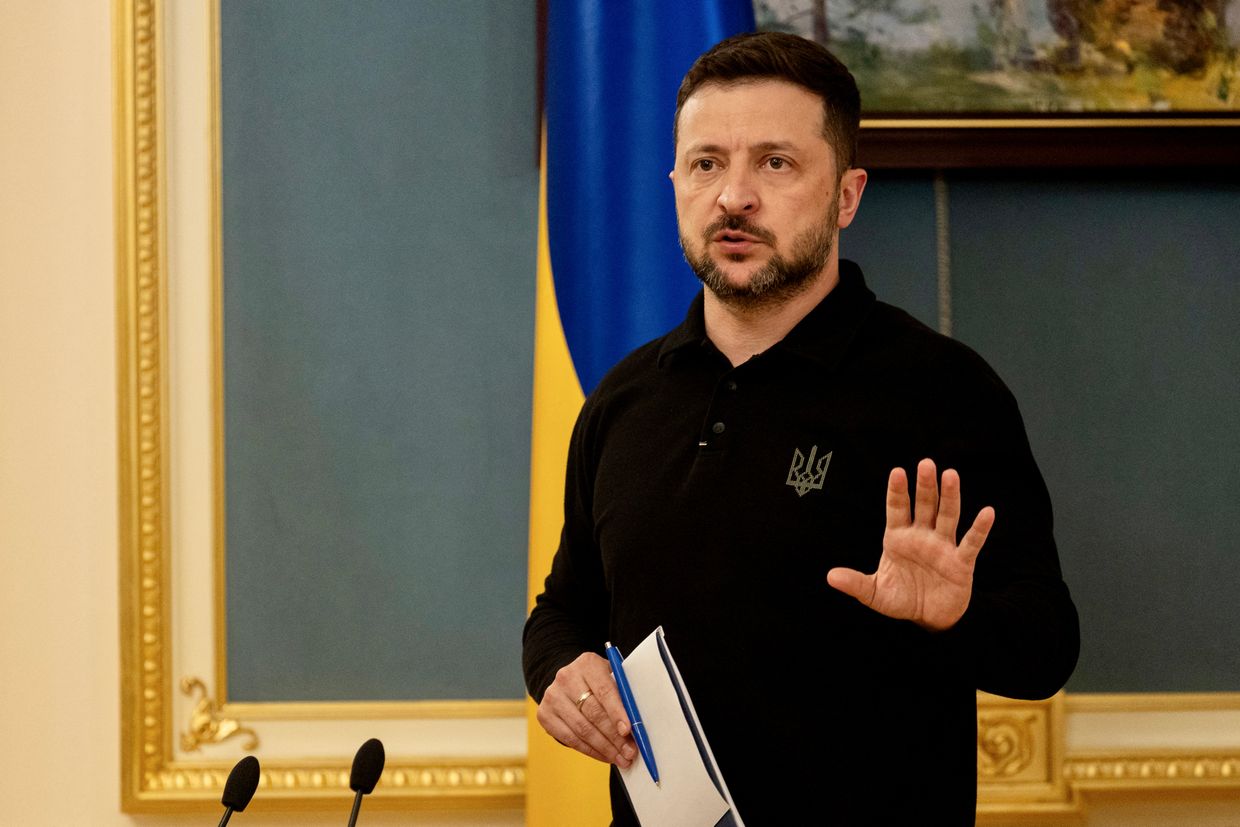
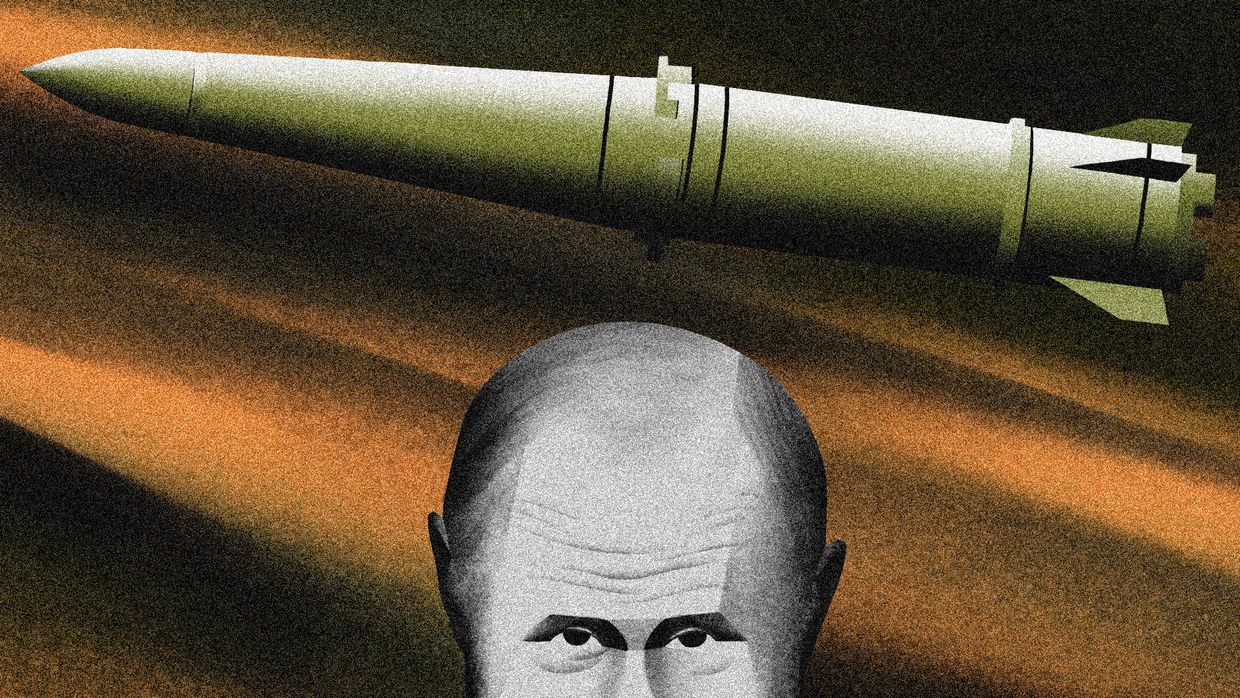
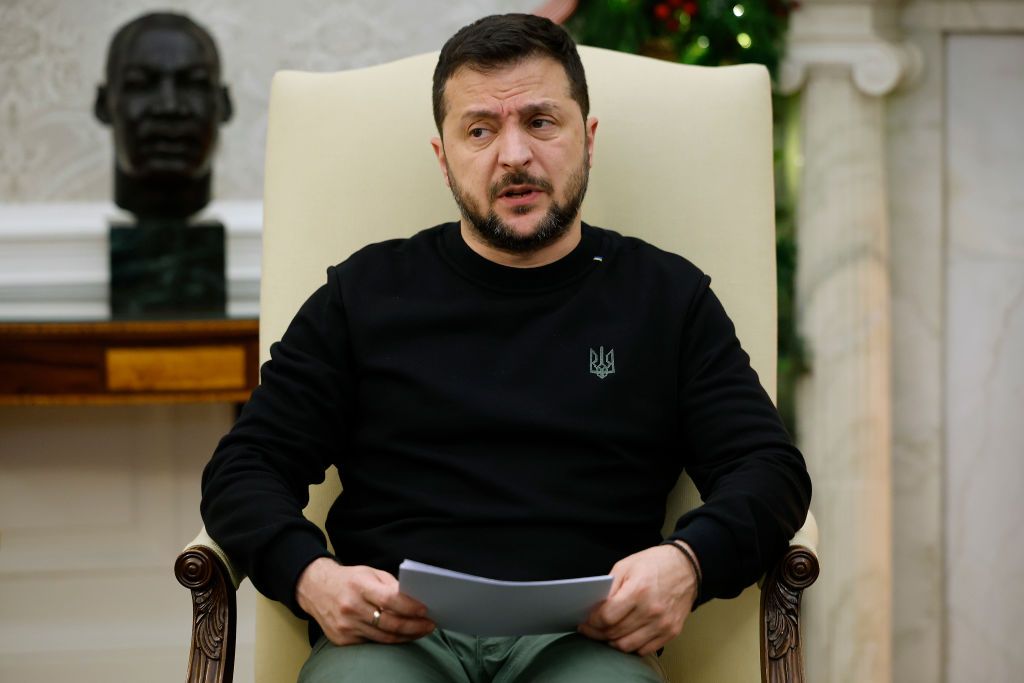
The series of recent steps by the president that seem to favor Vladimir Putin reflect his intensifying desire to normalize the relationship with Moscow even if it means further undercutting Ukraine.
The series of recent steps by the president that seem to favor Vladimir Putin reflect his intensifying desire to normalize the relationship with Moscow even if it means further undercutting Ukraine.
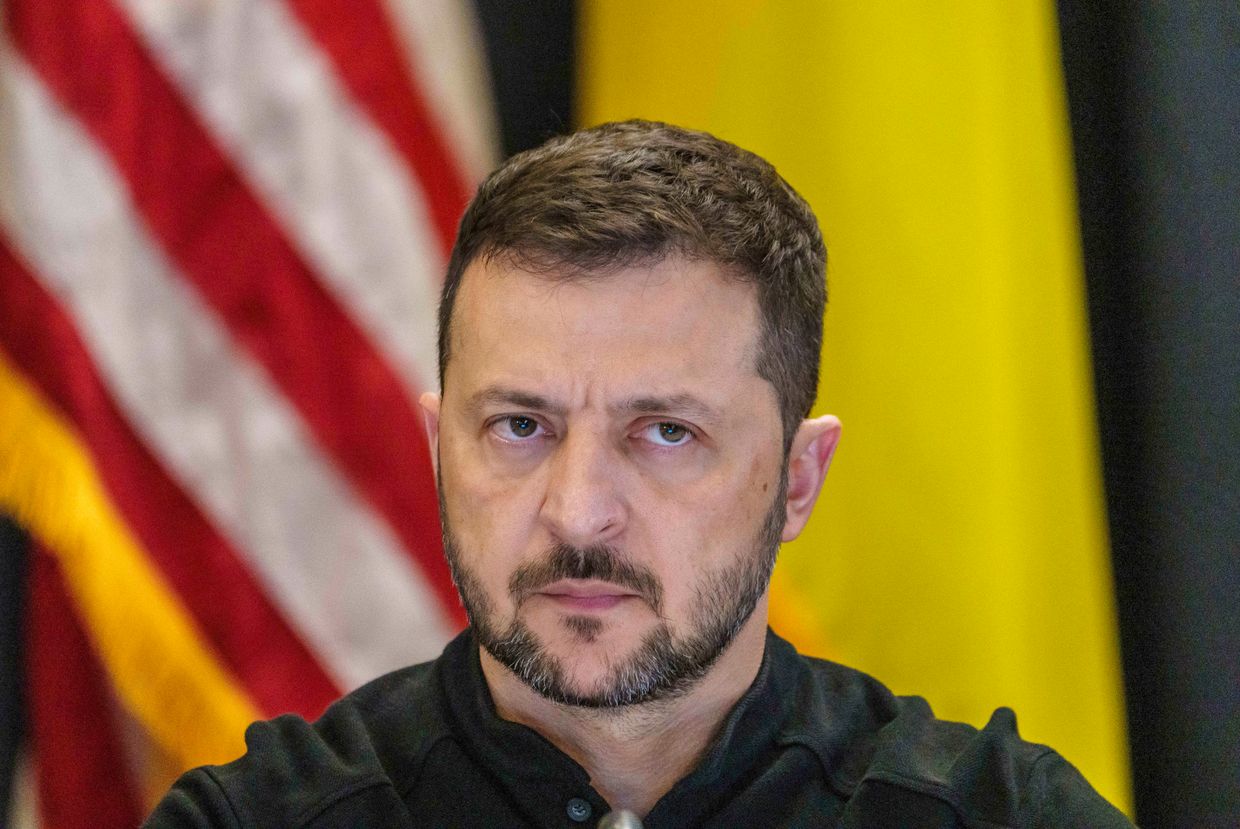
President Volodymyr Zelensky said he didn’t want to believe that Washington wanted an end to the war at Ukraine’s expense. “But that’s how it looks,” he added.
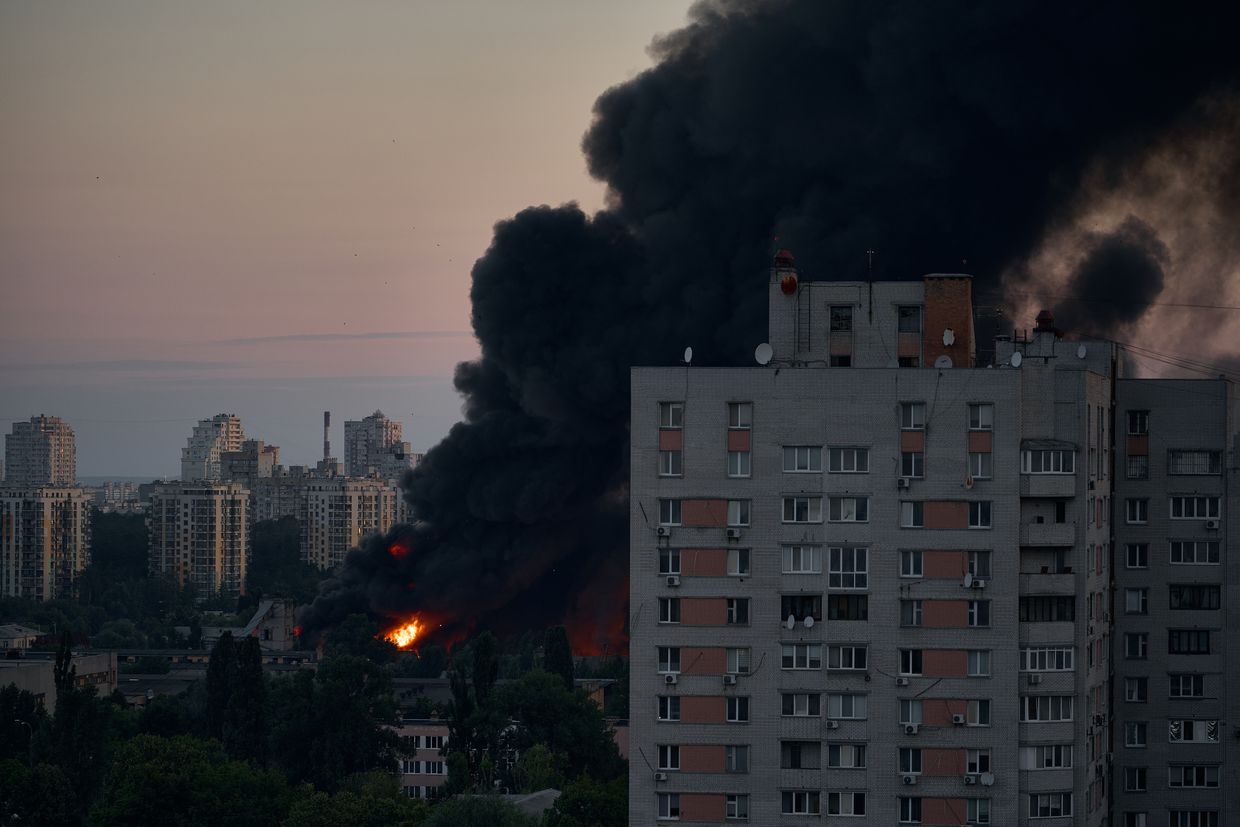
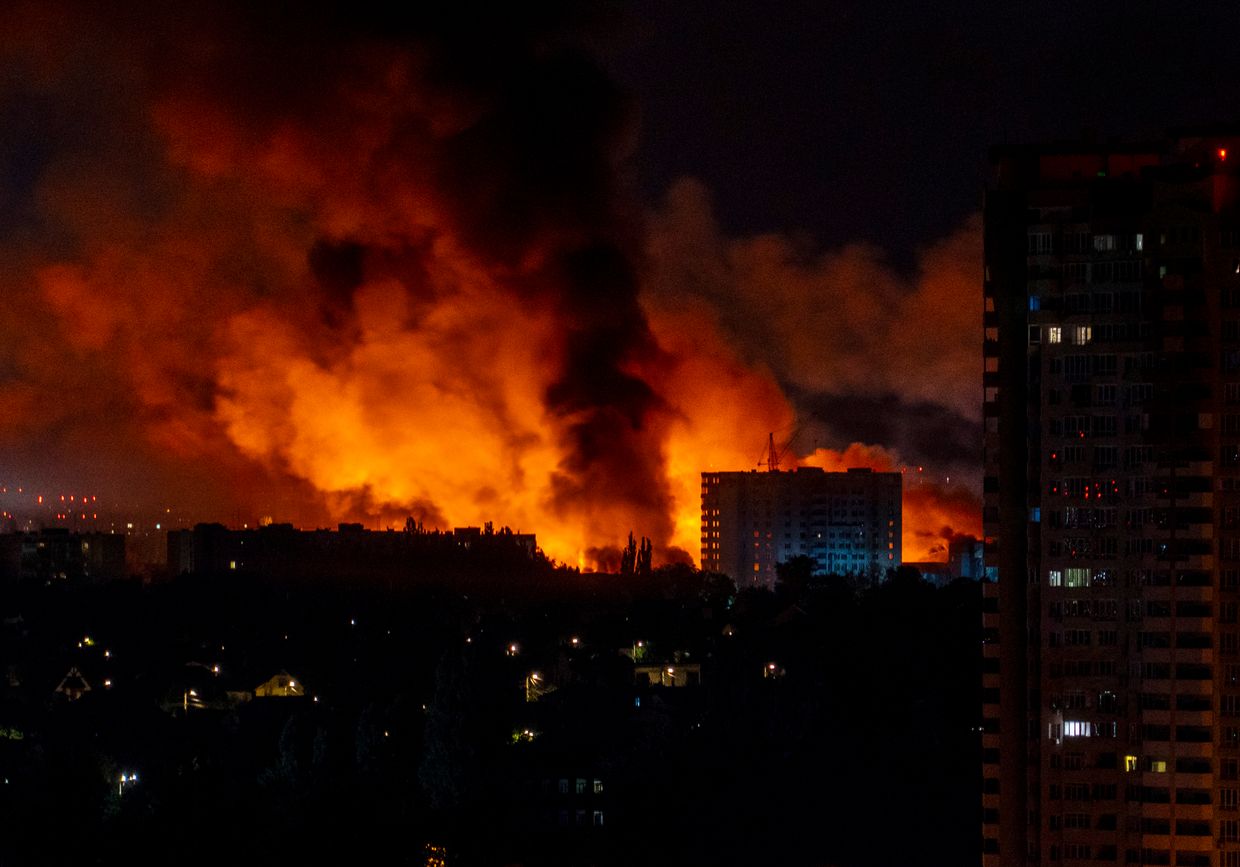
Damage from a Russian attack in Kyiv, Ukraine, on Monday. The country has complained about what it describes as lapses in U.S. intelligence sharing before attacks.
The fighters are a key tool against Moscow’s latest weapon of choice. But deploying the multimillion-dollar planes to counter drones is an imperfect fix.
The Fetesti Air Base Air Base in Borcea, Romania, this month. The base is the only training site outside the United States where Ukrainian pilots fly the F-16.
The president on Sunday justified his reversal of almost five years of sanctions against Russia as part of peace negotiations. He did not name any hostage.
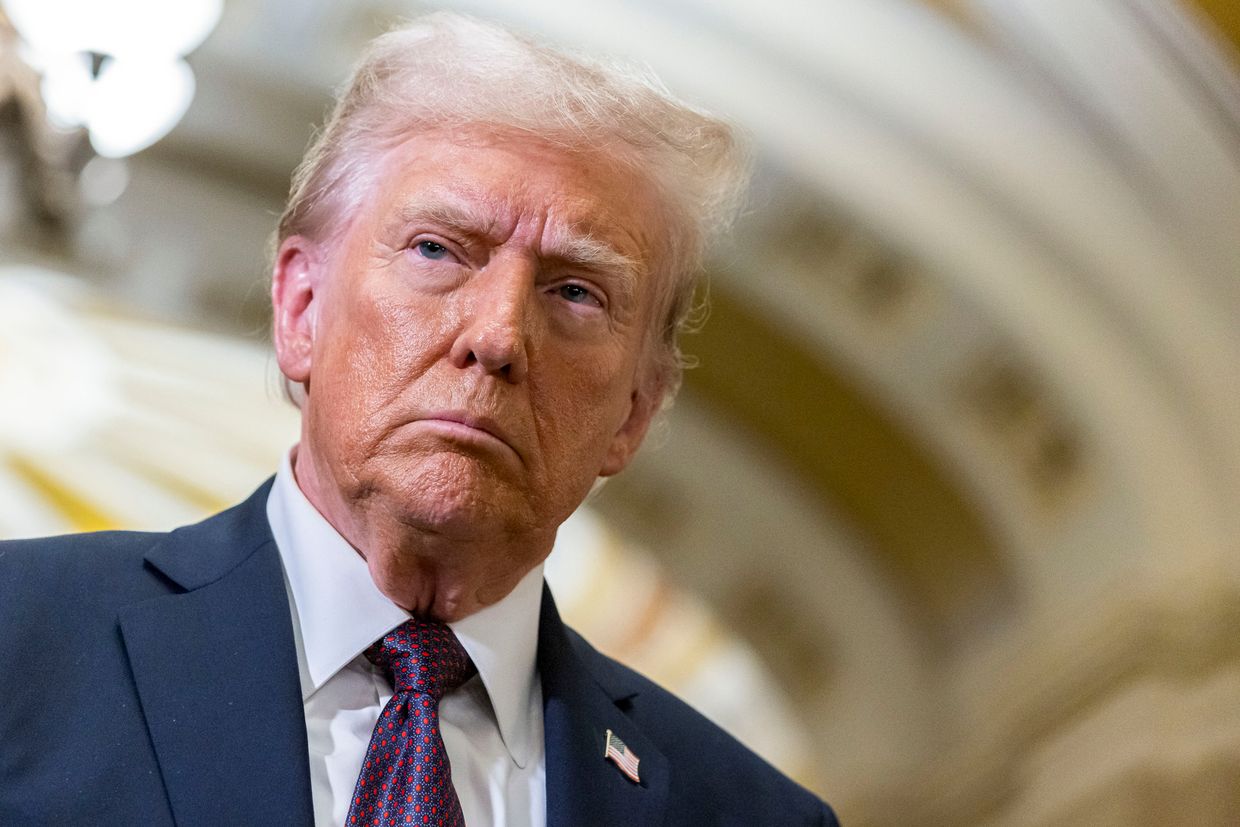
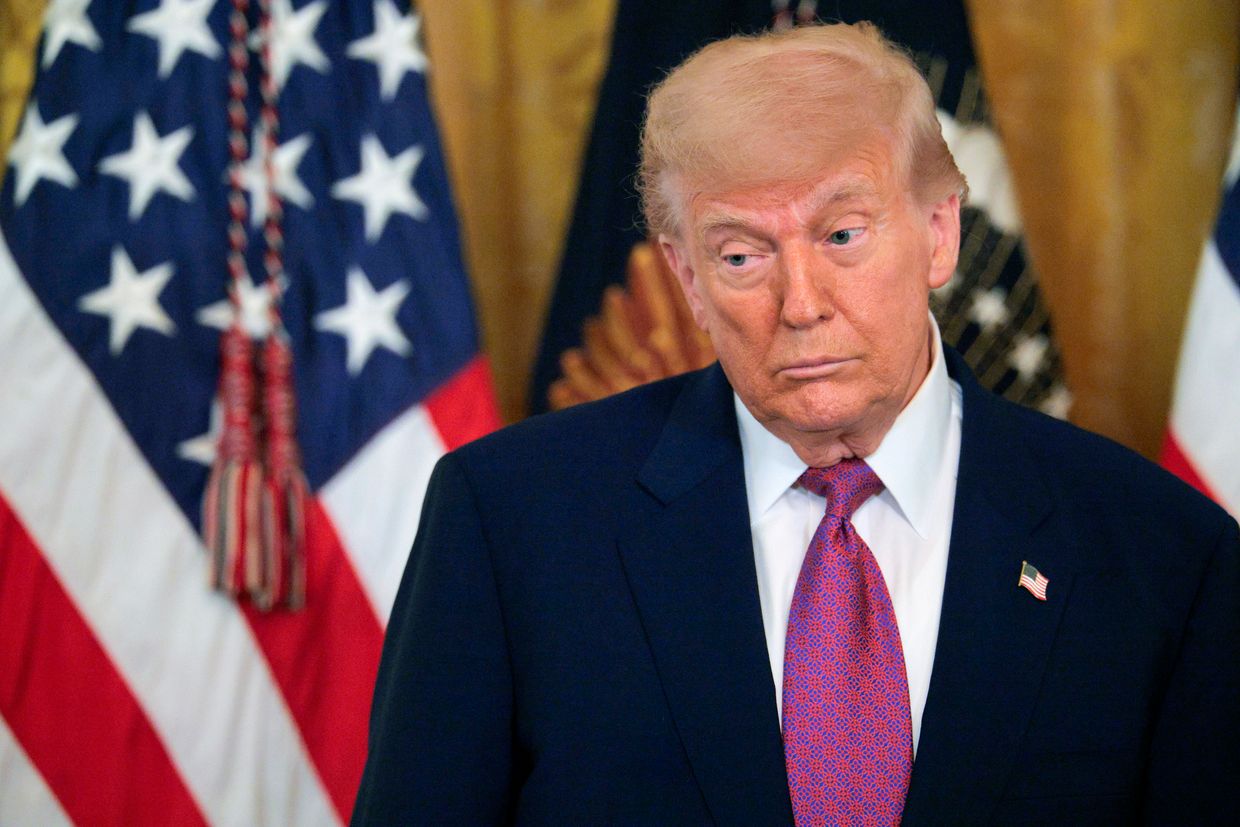
President Trump wrote on social media on Sunday: “I am in the process of negotiating Peace in the war between Russia and Ukraine, and don’t want to do anything that will drive, foolishly, Russia away from the bargaining table.”
President Volodymyr Zelensky of Ukraine pressed Sunday for more information on possible restrictions to Starshield, a U.S.-provided satellite internet service used by the Ukrainian military.
Where the two presidents’ war of words will end is anybody’s guess. But if it continues, it could threaten the crucial operational help that Ukraine still gets from the United States.
The Ukrainian president’s defiant decision to continue attacking Russian refineries underscores President Trump’s inability to end a war he had promised to resolve.
President Trump during a campaign stop in Alaska on Tuesday. He has not delivered on his promises to end the war in Ukraine, or to lower prices, and recent deals with Russia could complicate both issues.
President Volodymyr Zelensky expressed overt frustration with the United States in an interview with The Financial Times. He had paused the strikes to comply with a demand from the United States.
President Volodymyr Zelensky, who met with Britain’s prime minister, has said Ukraine received no warning of Russian attacks, but President Trump has said Washington is still “sharing intel.”
Asked about apparent U.S. threats to cut off intelligence sharing with Kyiv, which can warn of Russian aerial attacks, President Trump said information continued to flow.
Shocked by the U.S. agreement with Russia, which Ukraine has called “a gift” to President Putin, officials in Europe have coalesced around a cautious diplomatic message.
Hours after President Trump said the United States would buy Russian diesel, the Kremlin said there would be no immediate resumption of discussions to end the war.
President Trump at a campaign rally in Syracuse, N.Y., on Friday. His announcement that the United States would buy Russian diesel was followed by the lifting of U.S. sanctions on Russian diesel exports.
President Volodymyr Zelensky of Ukraine revealed last month that two POWs defected to South Korea. South Korea accused him of breaking a confidentiality agreement.
Après quatre ans et demi de guerre, «il n’y a même plus l’ombre d’une tendance de rapprochement», dit à InfoBref Yann Breault, professeur au Collège militaire royal de Saint-Jean et codirecteur de l’Observatoire de l’Eurasie à l’Uqam.
Le professeur croit que, d’un côté comme de l’autre, «il n’y aura pas de changement de position tant qu’il n’y aura pas de changement de régime».
En Russie, le parti de Vladimir Poutine n’aura pas de vrais adversaires aux élections qui auront lieu en septembre.
En Ukraine, aucune élection n’est prévue tant que la guerre se poursuit.
À la suite d’une rencontre entre Donald Trump et Vladimir Poutine l’été dernier en Alaska, les États-Unis avaient piloté un processus de négociations diplomatiques entre les deux pays.
Le gouvernement américain avait dévoilé un plan de paix en novembre.
Fin décembre, Volodymyr Zelensky prévoyait encore de «finaliser» ce plan en janvier.
Les pourparlers de paix n’ont pas abouti.
Les négociations diplomatiques entre les deux pays sont «au point mort», observe Yann Breault.
L’Ukraine et la Russie «se parlent encore de façon indirecte».
«Il y a des rencontres informelles entre des personnalités européennes et des proches de l’administration russe», indique Yann Breault.
Mais «les Américains n’ont plus de leviers pour influencer la position ukrainienne, depuis qu’ils ont cessé de financer directement l’Ukraine», note le professeur.
Un changement de régime?
C’est ce qui pourrait mettre un terme au conflit, croit le professeur.
En Russie, où Vladimir Poutine n’a aucune vraie opposition, «il ne faut pas compter sur les élections».
Le président russe a par ailleurs fait modifier la Constitution afin d’être autorisé à rester au pouvoir jusqu’en 2036.
Yann Breault note que la Russie fait face à plusieurs enjeux:
difficultés économiques
appauvrissement des oligarques
«fatigue» des chaines de commandement militaire
Mais il juge que les chances d’un effondrement du régime russe sont actuellement «faibles».
En Ukraine, la situation est «plus fragile».
Les tensions au sein du gouvernement «se sont multipliées», notamment à la suite de poursuites pour corruption.
Il y a aussi des «tensions très fortes dans les troupes ukrainiennes», depuis qu’un populaire ministre de la défense a été démis de ses fonctions.
Des manifestations de la population perdurent d’ailleurs à travers le pays pour s’opposer à cette décision du gouvernement.
Ukraine has synchronized its sanctions against Russia with the last three packages of economic penalties imposed by the European Union, President Volodymyr Zelensky announced on July 8.
"Three more packages of EU sanctions are fully effective in Ukraine," Zelensky said in his evening address.
Earlier on July 8, the president announced a new round of sanctions, including restrictions on five Chinese-registered companies accused of supplying components found in Russian Shahed-type drones used to attack Ukraine.
Vladyslav Vlasiuk, Zelensky's sanctions commissioner, told reporters on July 8 that the latest decrees bring Ukrainian penalties in line with the EU's 15th, 16th, and 17th packages of sanctions against Russia.
The 15th package targets individuals from Russia, Belarus, and China, among other countries, according to Vlasiuk. It includes the Russian pilot Alexander Azarenkov, who was involved in the deadly attack on the Okhmatdyt children's hospital in Kyiv. Zelensky signed the sanctions decree on the one-year anniversary of the strike.
The 16th package includes individuals from Russia, China, Turkey, and other nations. It also targets the Voin Center, Russia's military-patriotic education organization operating in occupied Ukrainian territories, and Pivdennyi Flot LLC, which transports Russian oil via its "shadow fleet," Vlasiuk said.
The 17th package designates firms from Russia, China, Turkey, and other countries, including the gold-mining company Petropavlovsk and the Chinese company Skywalker Technology Co. Ltd, produce drone parts for Russia.
The EU is expected to approve its 18th package of sanctions against Russia later this week, after facing opposition from pro-Kremlin bloc members Slovakia and Hungary.
Ukraine has taken measures to coordinate sanctions with international partners in order to amplify pressure on Moscow. Zelensky on June 27 signed a decree to synchronize Ukraine's sanctions against Russia with those imposed by the EU and Group of Seven (G7).
President Volodymyr Zelensky signed an order on July 8 imposing sanctions on five Chinese-registered companies accused of supplying components found in Russian Shahed-type drones used to attack Ukraine.
The decree follows a statement by Ukraine's Security Service (SBU), which said it recovered Chinese-made parts from downed drones during a July 4 air assault on Kyiv.
Sanctions were imposed on Central Asia Silk Road International Trade, Suzhou Ecod Precision Manufacturing, Shenzhen Royo Technology, Shenzhen Jinduobang Technology, and Ningbo BLIN Machinery.
The list was published on the Presidential Office's website alongside the official decision by Ukraine's National Security and Defense Council.
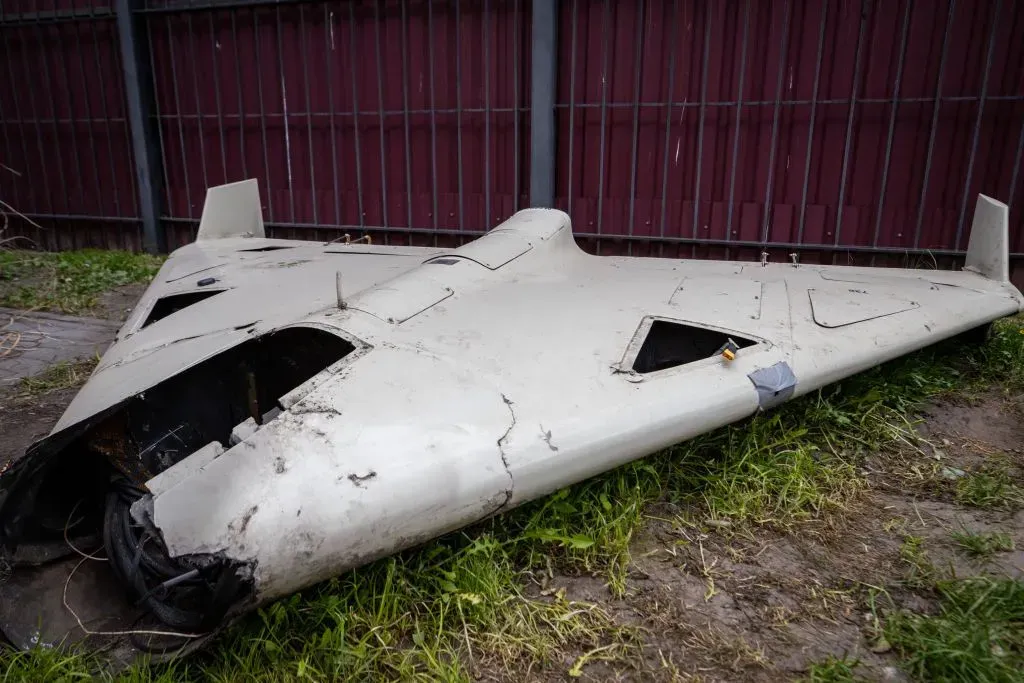
Russia's domestically produced drones based on Iran's Shahed-136 is a loitering munition extensively used by Russia to target Ukrainian cities, and is assembled with components sourced from around the world. Kyiv has warned that some of these parts continue to flow through countries that have not joined Western sanctions.
China has emerged as one of Moscow's key wartime partners, helping Russia circumvent sanctions and becoming the largest supplier of dual-use goods aiding its defense sector.
Vladyslav Vlasiuk, the Ukrainian president's commissioner for sanctions, told journalists on July 7 that Russia's growing ability to sustain weapons production is being driven by a flow of Chinese components and materials.
Zelensky has repeatedly accused China of backing Russia and providing technological and logistical support for its war effort. On May 29, he said Beijing had blocked the sale of drones to Ukraine while continuing to supply them to Russia.
Ukraine has already sanctioned several Chinese companies tied to Russia's war effort.
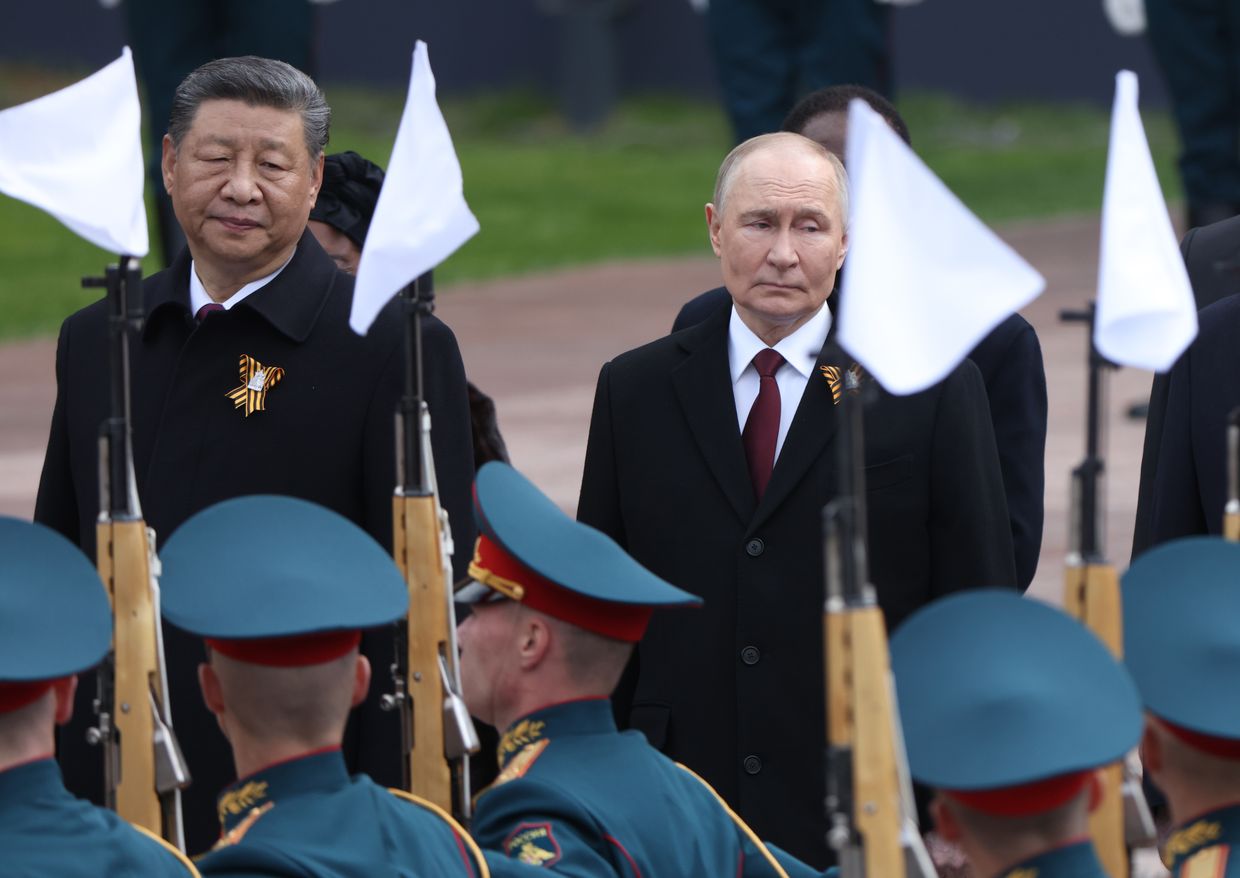
As Russian-Chinese relations deepen, Russian President Vladimir Putin is expected to visit China in September, where he is scheduled to meet with Chinese leader Xi Jinping.
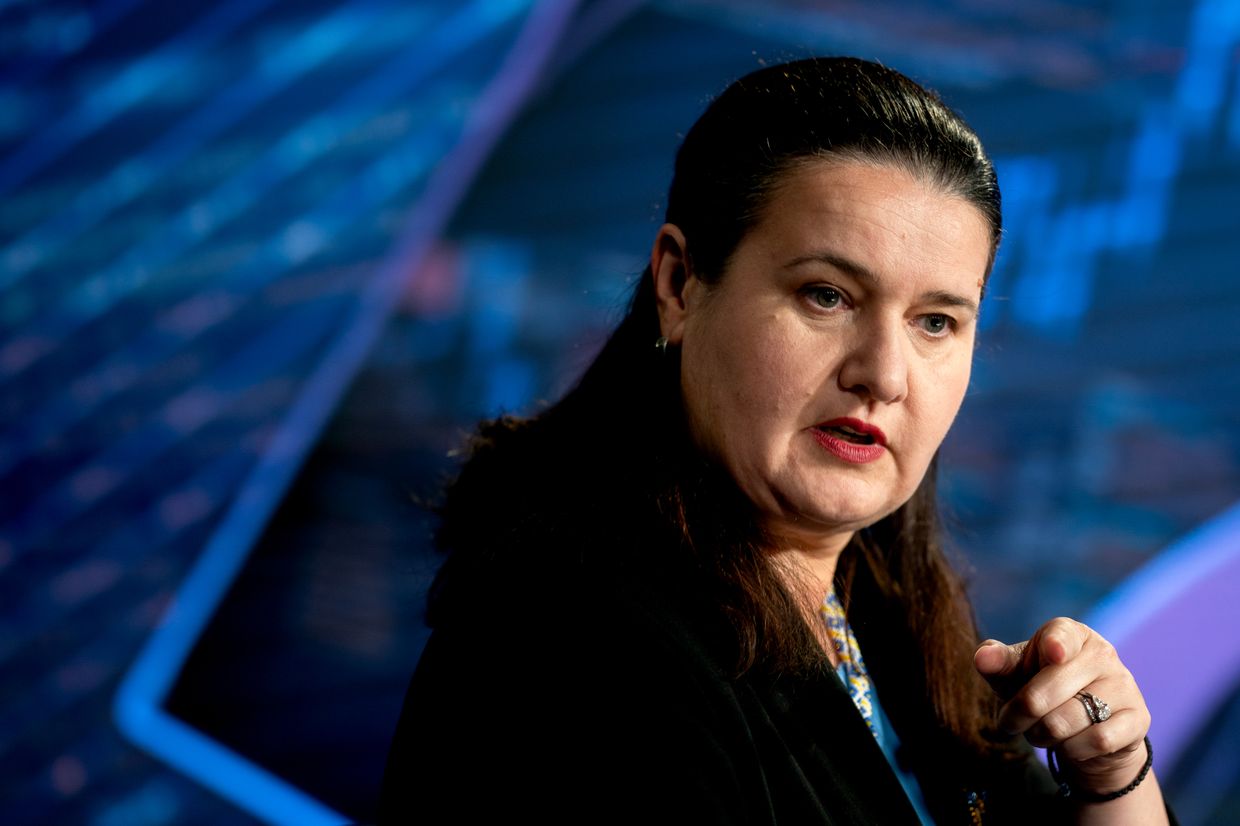
Ukraine's ambassador to the U.S. has been informed by President Volodymyr Zelensky that she is to be dismissed, a source in the President's Office confirmed to the Kyiv Independent on July 8.
Oksana Markarova has held the post since April 2021, and played a central role in coordinating U.S. military and financial support during the early phases of Russia's full-scale invasion.
But her future in the role was thrown into doubt earlier this week when it was revealed that Zelensky and U.S. President Donald Trump discussed a potential change during a recent phone call, a source in the President's Office told the Kyiv Independent on July 7.
According to the source, the topic of replacing her was raised by Kyiv, suggesting the move could be "useful for both sides." The source added that there are multiple "strong candidates" in the running.
The source added that there are multiple "strong candidates" in the running.Prime Minister Denys Shmyhal, Deputy Prime Minister Olha Stefanishyna, Defense Minister Rustem Umerov, and Energy Minister Herman Halushchenko are among the candidates, Bloomberg previously reported.
The possible reshuffle comes at a moment of renewed tension between Kyiv and Washington. The U.S. Defense Department recently paused shipments of critical weapons systems, including Patriot missiles and precision-guided munitions, sparking concern in Kyiv.
The discussion about Ukraine's representation in Washington also coincides with longstanding speculation about a broader government reshuffle.
U.S. President Donald Trump told President Volodymyr Zelensky during a phone call on July 4 that he was not responsible for the suspension of U.S. arms shipments to Ukraine, The Wall Street Journal (WSJ) reported on July 7, citing unnamed sources familiar with the matter.
The suspension of aid, which includes Patriot air defense missiles and precision-guided munitions, has drawn criticism from Kyiv amid an intensifying Russian aerial campaign that has killed and injured hundreds of civilians in recent weeks.
According to WSJ, Trump told the Ukrainian president that he had ordered a review of Pentagon munitions stockpiles following last month's U.S. strikes on Iran's nuclear sites, but he did not direct the military to halt weapons deliveries.
NBC News reported on July 4 that Defense Secretary Pete Hegseth unilaterally halted the shipment to Ukraine on July 2, despite internal Pentagon assessments showing the aid would not compromise U.S. military readiness.
According to Politico, U.S. Special Envoy Keith Kellogg and Defense Minister Rustem Umerov are scheduled to meet in Rome later this week to discuss restarting U.S. military aid to Ukraine.
Trump did not acknowledge a halt in U.S. weapons shipments to Ukraine. On July 7, he said the U.S. would provide Ukraine with "more weapons," pointing to the scale of Russia's attacks.
"They have to be able to defend themselves, they're getting hit very hard now," Trump told reporters alongside a U.S. and Israeli delegation at the White House.
The comments follow Trump's July 3 call with Russian President Vladimir Putin, after which he said he was "very disappointed" with the Kremlin's continued refusal to end hostilities.
The following day, Trump and Zelensky spoke by phone in what the U.S. president described as a "very strategic" conversation focused on Ukraine's need for air defenses.
Two rounds of direct talks between Russia and Ukraine held in Istanbul in May and June led only to prisoner exchanges, with no breakthrough on ending hostilities. Moscow has maintained maximalist conditions while rejecting calls for an unconditional ceasefire.
President Volodymyr Zelensky and U.S. President Donald Trump discussed a potential change in Ukraine's ambassador in Washington during a recent phone call, a source familiar with the conversation told the Kyiv Independent.
Oksana Markarova has held the post since April 2021, and played a central role in coordinating U.S. military and financial support during the early phases of Russia's full-scale invasion.
According to the source, the topic of replacing her was raised by Kyiv, suggesting the move could be "useful for both sides." The source added that there are multiple "strong candidates" in the running.
When contacted by the Kyiv Independent, a spokesperson for Stefanishyna said they "do not comment on rumors."
The possible reshuffle comes at a moment of renewed tension between Kyiv and Washington. The U.S. Defense Department recently paused shipments of critical weapons systems, including Patriot missiles and precision-guided munitions, sparking concern in Kyiv.
The discussion about Ukraine's representation in Washington also coincides with longstanding speculation about a broader government reshuffle.
Rumors about replacing Shmyhal as prime minister have circulated since last summer. Although Zelensky replaced several officials in September 2024, Shmyhal remained in office.
Halushchenko, one of the potential ambassadorial candidates, has faced criticism in parliament. Lawmakers from the Energy Committee, led by lawmaker Inna Sovsun, introduced a motion to dismiss him in January, citing alleged corruption.
Shmyhal has served as Ukraine's Prime Minister since March 2020, overseeing national governance during a period marked by reforms and wartime crises. Before his premiership, he held key roles as Ivano-Frankivsk Oblast Governor and Vice Prime Minister.
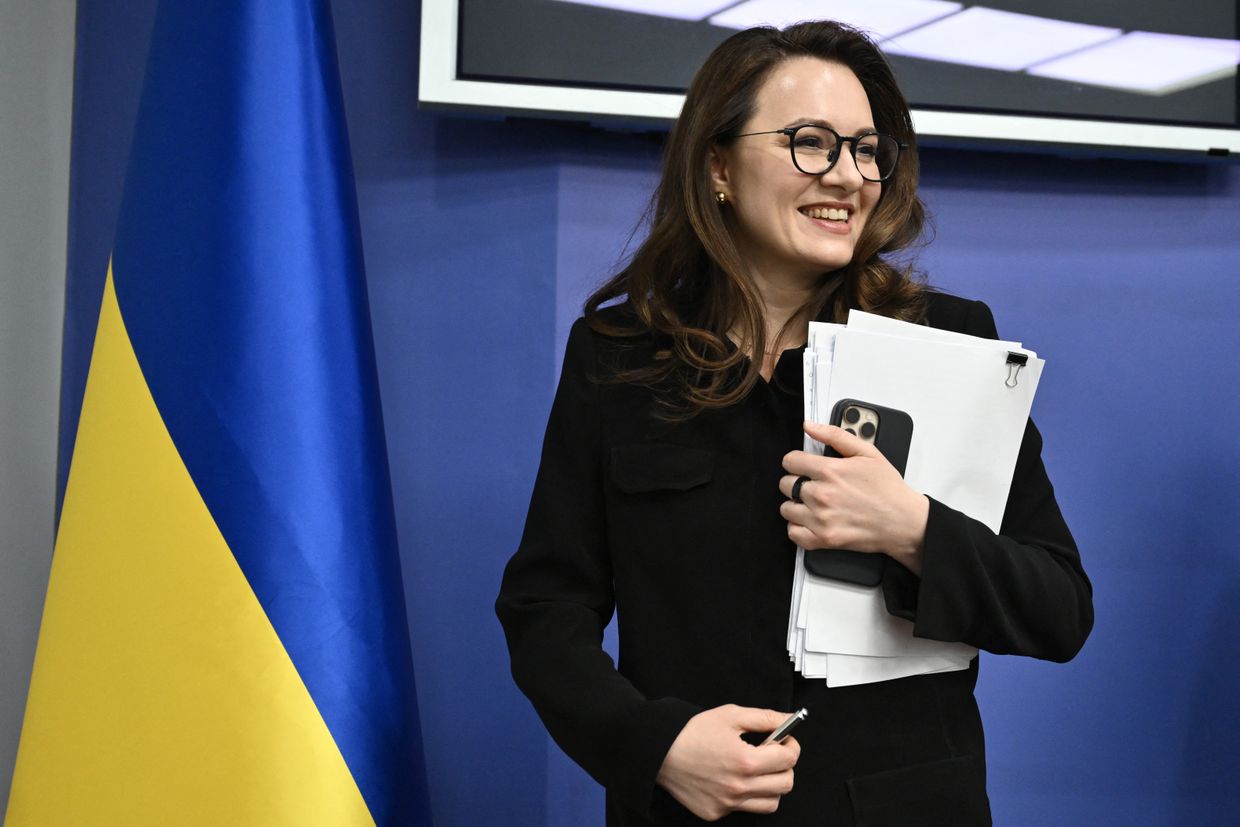
Stefanishyna is a seasoned Ukrainian diplomat and expert in European integration who has held high-level government roles since 2020. In September 2024, she was appointed Deputy Prime Minister for European and Euro-Atlantic Integration, and Justice Minister.
Umerov is Ukraine's current Defence Minister, appointed in September 2023. He started his political career as a member of the Parliament for the opposition party Voice (Holos). Umerov played a major role in peace talks with Russia in the early phase of the full-scale war.
The ambassadorial review comes as Kyiv seeks to strengthen its diplomatic ties with Washington.
Zelensky described his July 5 phone call with Trump as "the best conversation in all this time." The U.S. president echoed the sentiment, calling the exchange "very strategic."
Andriy Yermak, head of Ukraine's Presidential Office, has been leading campaigns to supplant three top officials in the Ukrainian government, the Economist reported on July 6, citing multiple anonymous officials.
The story follows a corruption probe into Deputy Prime Minister Oleksii Chernyshov, the highest-ranking official in Ukrainian history to face such charges while still in office. According to the Economist's sources, Yermak was a driving force behind the investigation.
Yermak, President Volodymyr Zelensky's close friend and chief adviser, spurred on the Chernyshov probe while also renewing attempts to replace Kyrylo Budanov, head of Ukraine's military intelligence agency (HUR) , and Prime Ministery Denys Shmyhal, three unnamed officials told the Economist.
There is no evidence that Yermak ordered an investigation into Chernyshov, the Economist reports, but officials told the outlet that he influenced the case by allowing it to progress while freezing other investigations.
Chernyshov ran afoul of Yermak by offering himself as an alternative liaison to Washington, the officials claimed. His removal would also reportedly clear the way for Deputy Prime Minister Yuliia Svyrydenko, a Yermak protege, to assume the role of Prime Minister in the event of Shmyhal's dismissal.
Rumors of a government reshuffle unseating Shmyhal have circulated for months. Ukrainian media reported last summer that Zelensky was considering replacing the prime minister with Svyrydenko. While several key officials were replaced in a reshuffle in September 2024, Shmyhal kept his post.
Chernyshov, too, has said he will not step down from his role as deputy prime minister despite the ongoing corruption probe.
Reports of imminent dismissal have also periodically surrounded Budanov, Ukraine's spy chief. Budanov has rejected such rumors as "Russian propaganda" in the past.
Sources told the Economist that Yermak was leading another effort to oust Budanov in June 2025. According to the outlet, warnings from the White House not to fire Budanov may have helped secure his position.
Politico reported in June that U.S. officials, particularly those working in the Trump administration, found Yermak's diplomatic style abrasive and off-putting, potentially risking U.S.-Ukrainian relations at a critical time.
President Volodymyr Zelensky described his recent phone call with U.S. President Donald Trump as "the best conversation in all this time" in an evening address on July 5.
"Patriot (missiles) are key to protection from ballistic (missiles). We discussed several other important issues that our teams will work out in detail at meetings in the near future," Zelensky said.
The two leaders spoke on July 4, agreeing to strengthen Ukraine's air defenses amid intensified Russian strikes, Zelensky said earlier.
A day prior to speaking with Zelensky, Trump held a phone call with Russian President Vladimir Putin in an effort to discuss ending Russia's war against Ukraine.
"This was probably the best conversation in all this time, it was maximally productive. We discussed the topic of air defenses. I am grateful for the readiness to help," Zelensky said, describing his phone call with Trump.
Relations between Ukraine and the U.S. have previously been strained as the White House pushed Kyiv to sign a lucrative bilateral minerals deal and tried to broker a peace deal with Moscow that did not rule out major concessions for Ukraine.
Zelensky's phone call with the U.S. leader followed media reports and announcements from Washington of a pause in military assistance to Ukraine. Trump, on July 3, denied that Washington has stopped supplying weapons to Kyiv.
Trump described his July 3 conversation with Putin as disappointing, saying that the call "didn't make any progress" in stopping Russia's war against Ukraine.
"I'm very disappointed with the conversation I had today with President Putin," Trump told journalists. "Because I don't think he's there. And I'm very disappointed. I don't think he's looking to stop this fighting."
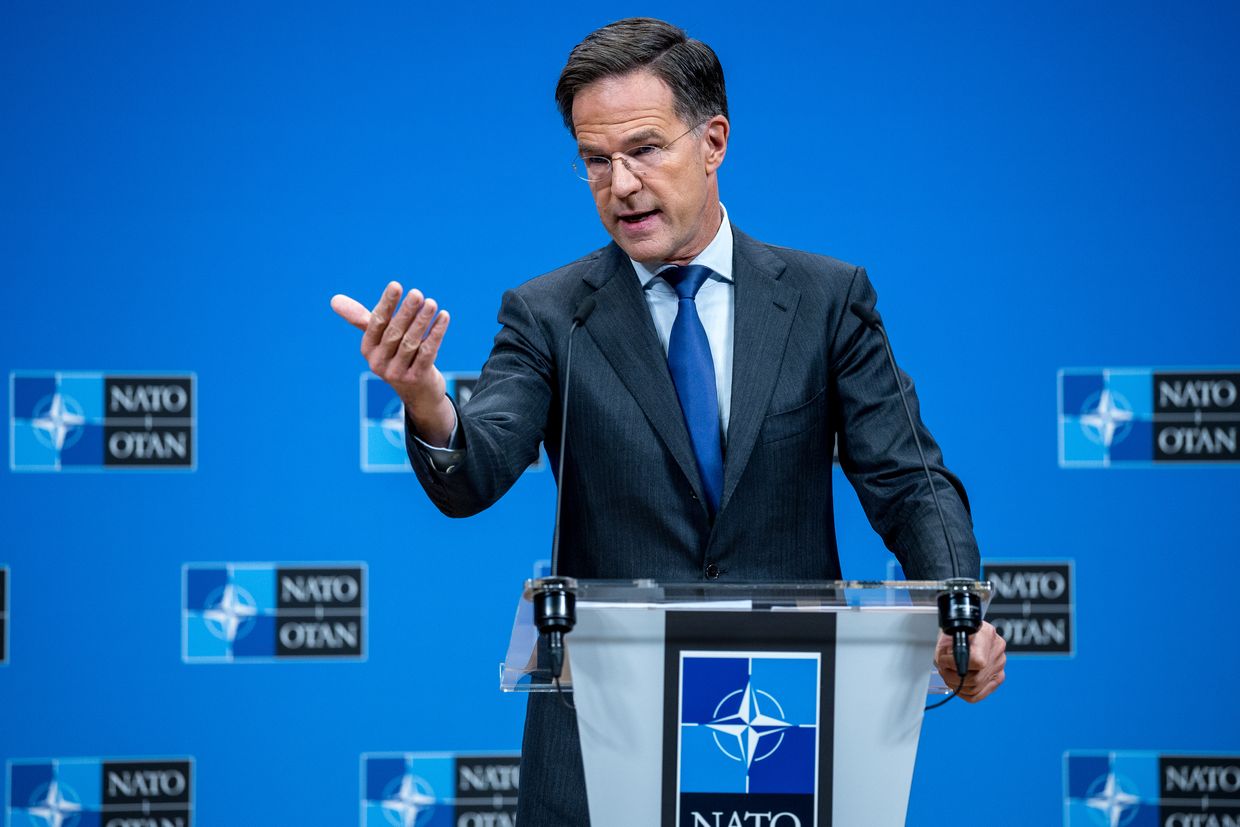
NATO Secretary General Mark Rutte on July 4 called on the United States to show "flexibility" in its military aid to Ukraine, after Washington unexpectedly paused some weapon deliveries citing concerns over dwindling domestic stockpiles.
The Pentagon's decision to halt transfers of artillery rounds and air defense systems coincides with a significant escalation in Russian attacks on Ukrainian cities, exposing critical vulnerabilities in Ukraine's air defense capabilities as current US funding nears expiration this summer.
"The US has to make sure that the stockpiles are at the level we need for the U.S. to have, because they are crucial for our collective defense," Rutte told reporters on July 4. "At the same time, of course, we hope for the flexibility, we have to make sure also that Ukraine can move forward."
The Pentagon announced the aid pause this week, citing a review of U.S. stockpiles as it assesses the need to conserve weapons for other potential security threats. This move comes as Russia intensified its air campaign, unleashing record drone and missile strikes on Kyiv and other major urban centers overnight.
President Volodymyr Zelensky spoke with U.S. President Donald Trump by phone Friday, aiming to persuade the U.S. leader to resume deliveries and increase weapon sales to the country. Trump expressed disappointment following his latest conversation with Russian counterpart Vladimir Putin, which produced no progress toward a ceasefire in Russia's war against Ukraine, now in its fourth-year.
Given Russia's apparent unwillingness to pursue a ceasefire, allies must "be sure" Ukraine "has what it needs to stay in the fight," Rutte emphasized. He spoke after a ceremony welcoming Air Force General Alexus Grynkewich, the new commander of U.S. military forces in Europe and top NATO military commander.
Grynkewich acknowledged the ongoing discussions, adding: "We’ll see more play out of the next week or two." He also announced a 90-day review of U.S. forces in Europe, examining potential future US posture in the region.
A broader US military review is expected later this summer, potentially outlining significant reductions in Europe. This prospect has already raised concerns among European NATO allies, who say they have received no prior information about these plans.
President Volodymyr Zelensky and U.S. President Donald Trump held a phone conversation on July 4, agreeing to strengthen Ukraine's air defenses, Zelensky announced on Telegram.
The call came as Russia escalated its aerial campaign across Ukraine, including an overnight July 4 attack that struck Kyiv and several other regions, injuring at least 23 civilians and sparking dozens of fires in the capital.
"Today we discussed the situation: Russian air strikes and, more broadly, the situation on the front lines. President Trump is very well informed," Zelensky said.
"We discussed air defense options and agreed to work on increasing airspace protection. We agreed on a meeting between our teams."
Zelensky said the two leaders also discussed Ukraine's defense industry potential and explored possibilities for direct cooperation with U.S. partners.
"We are ready for direct projects with America and believe that this is extremely necessary for security, especially with regard to drones and related technologies," he added.
Trump told Zelensky that the U.S. is willing to assist Ukraine with air defense amid intensified Russian strikes, Axios reported, citing unnamed sources. The call between the two presidents reportedly lasted about 40 minutes.
This conversation followed a phone call between Trump and Russian President Vladimir Putin on July 3, during which the Kremlin said Putin reaffirmed that "Russia will continue to pursue its goals" in its war against Ukraine despite U.S. calls for a ceasefire.
Trump told reporters on July 3 that he was "very disappointed" by the conversation with Putin.
"I don't think he's there... I don't think he's looking to stop this fighting."
The call also followed the U.S. Defense Department's decision to pause shipments of key weapons systems to Ukraine, including Patriot missiles and precision-guided artillery rounds. Kyiv has warned that the delay threatens to weaken its air defenses and emboldens Moscow.
Despite repeated expressions of frustration about Russia's continued aggression, Trump's administration has yet to impose new sanctions or approve additional aid for Ukraine since taking office in January.
While Russia and Ukraine resumed direct talks in Istanbul this year, the two rounds of negotiations — on May 16 and June 2 — have yielded only prisoner exchanges and no progress toward a ceasefire.
U.S. President Donald Trump said he was "very disappointed" with Russian President Vladimir Putin following a phone call on July 3, during which the two leaders discussed the ongoing war in Ukraine.
Trump told reporters he "didn't make any progress" and accused Putin of showing no willingness to stop the fighting.
Trump also said that he is planning to talk to President Volodymyr Zelensky on July 4.
"I'm speaking to President Zelensky tomorrow in the early morning, and I'm very disappointed with the conversation I had today with President Putin," Trump told journalists. "Because I don't think he's there. And I'm very disappointed. I don't think he's looking to stop this fighting."
Later on July 4, Kremlin spokesperson Dmitry Peskov said Russia "is paying close attention to all of Trump's statements," but added Moscow will continue its full-scale war in Ukraine because "it is not yet possible to achieve goals through diplomatic means."
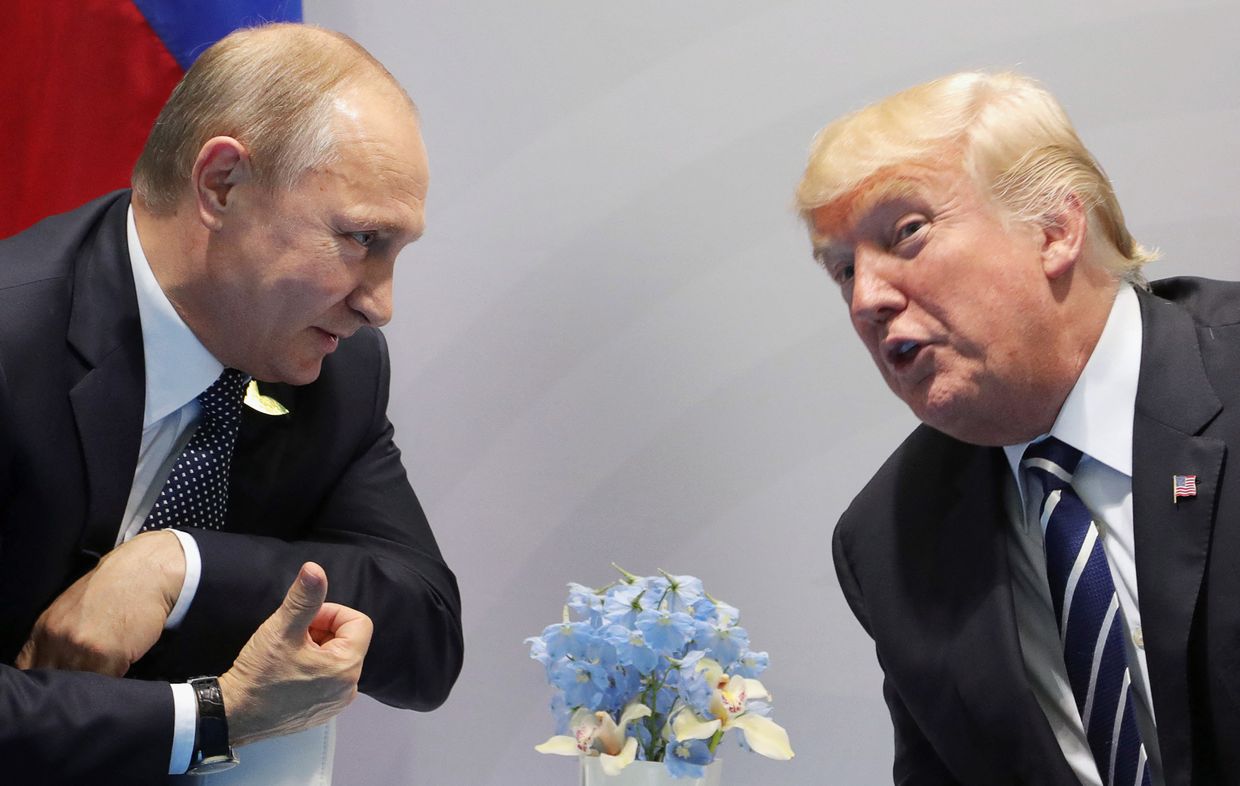
The hour-long conversation between Trump and Putin marked the sixth time the two leaders have spoken since Trump took office in January. According to Kremlin aide Yury Ushakov, Putin reiterated that "Russia will continue to pursue its goals," refusing to back down from what the Kremlin calls the "root causes” of the conflict.
The White House did not issue a readout of the call. Trump provided few additional details, only saying the discussion covered "a lot of things" and confirming no progress had been made on securing a ceasefire.
The call came just hours before one of the largest Russian aerial assaults on Ukraine in recent months. According to Zelensky, air raid sirens began sounding across Ukraine almost simultaneously with media reports about the Trump-Putin call.
"Russia is once again demonstrating that it is not going to end the war and terror," Zelensky said. "The first air raids in our cities and regions began yesterday, almost simultaneously with the start of media discussions of President Trump's phone call with Putin."
Overnight on July 4, Russian forces launched more than 550 aerial weapons, including over 330 Iranian-type Shahed drones and multiple types of missiles, across Ukraine, with Kyiv as the main target. At least 23 people were injured in the capital, where fires broke out in multiple districts and air pollution reached dangerous levels.
Zelensky renewed calls for increased military assistance from Ukraine's partners, especially the delivery of U.S.-made Patriot missile systems.
"Patriots and their missiles are real defenders of life," he said.
Despite Ukraine's urgent appeals, the U.S. Defense Department has paused shipments of Patriot systems and other key munitions, citing the need to replenish domestic stockpiles. Ukrainian officials have warned that such delays threaten to embolden Russia and intensify attacks on civilians.
President Volodymyr Zelensky called for more air defence for Ukraine after a massive drone and missile attack on Ukraine's capital overnight on July 4.
According to Zelensky, as U.S. President Donald Trump and Russian President Vladimir Putin were talking on the phone on July 3, air raid sirens blared across Ukraine.
"Moreover, the first air raids in our cities and regions began yesterday almost simultaneously with the start of media discussions of President Trump's phone call with Putin," Zelensky wrote.
"This was one of the most large-scale air attacks – deliberately massive and cynical... Russia is once again demonstrating that it is not going to end the war and terror."
The overnight attack struck Kyiv and several other regions, injuring at least 23 people and setting off dozens of fires in Ukraine's capital. Russian forces launched more than 550 aerial weapons, including over 330 Iranian-type Shahed drones and multiple types of missiles, including ballistic missiles, Zelensky said.
Firefighting efforts and debris removal are still ongoing after another Russian strike. This was one of the most large-scale air attacks – deliberately massive and cynical. In total, 550 targets were launched, including at least 330 Russian-Iranian “shaheds”, along with missiles,… pic.twitter.com/vnn31oST0z
— Volodymyr Zelenskyy / Володимир Зеленський (@ZelenskyyUa) July 4, 2025
Kyiv was the main target. Ukraine's military said it shot down 270 aerial threats, while 208 additional drones were jammed by electronic warfare. Interceptor drones also downed dozens more, Zelensky said, calling their growing use a key defense priority.
Zelensky stressed the need for continued and increased military aid from allies, especially air defenses. "Patriots and their missiles are real defenders of life," Zelensky said. "It is very important to maintain the support of partners in ballistic missile defense."
Despite Russia's escalating attacks and Ukraine's desperate need for air defense munitions, the U.S. has decided to halt shipments of Patriot missiles and other promised weapons to Kyiv, claiming it needs to secure its own stockpiles.
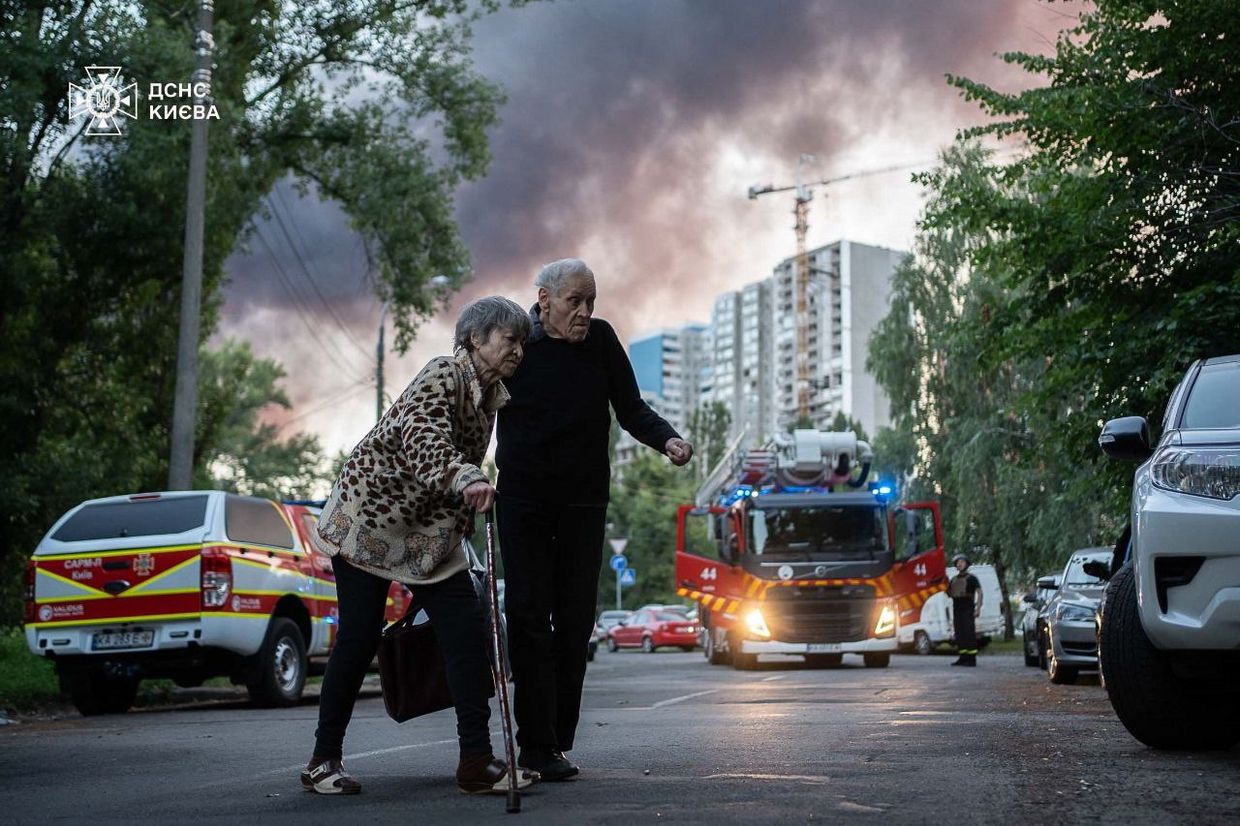
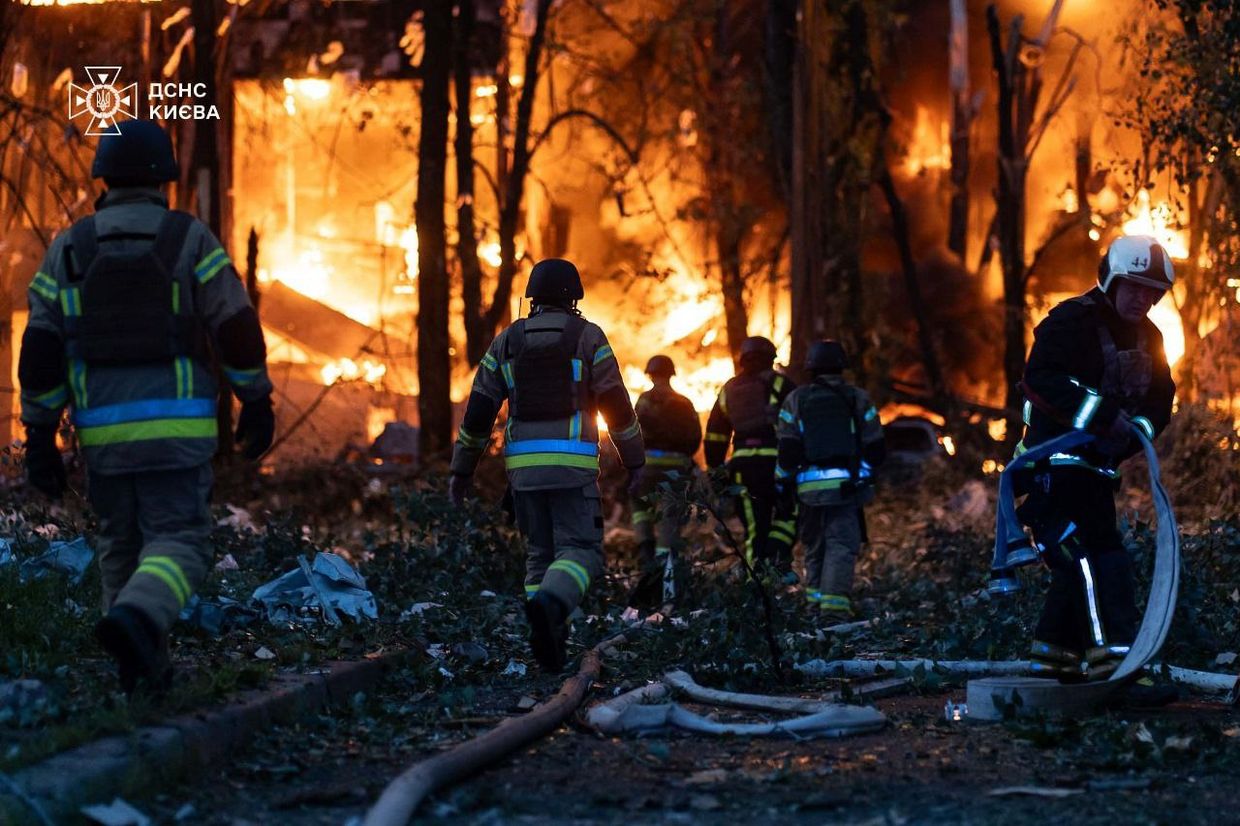
Kyiv residents and emergency crews at the site of Russian attack on July 4, 2025. Russia targeted the capital throughout the night with drones and missiles, causing fires across the city. (Ukraine's State Emergency Service / Telegram)
Firefighters respond at an attack site in Kyiv after Russia launched a mass attack overnight on July 4, 2025. (Ukraine's State Emergency Service / Telegram)
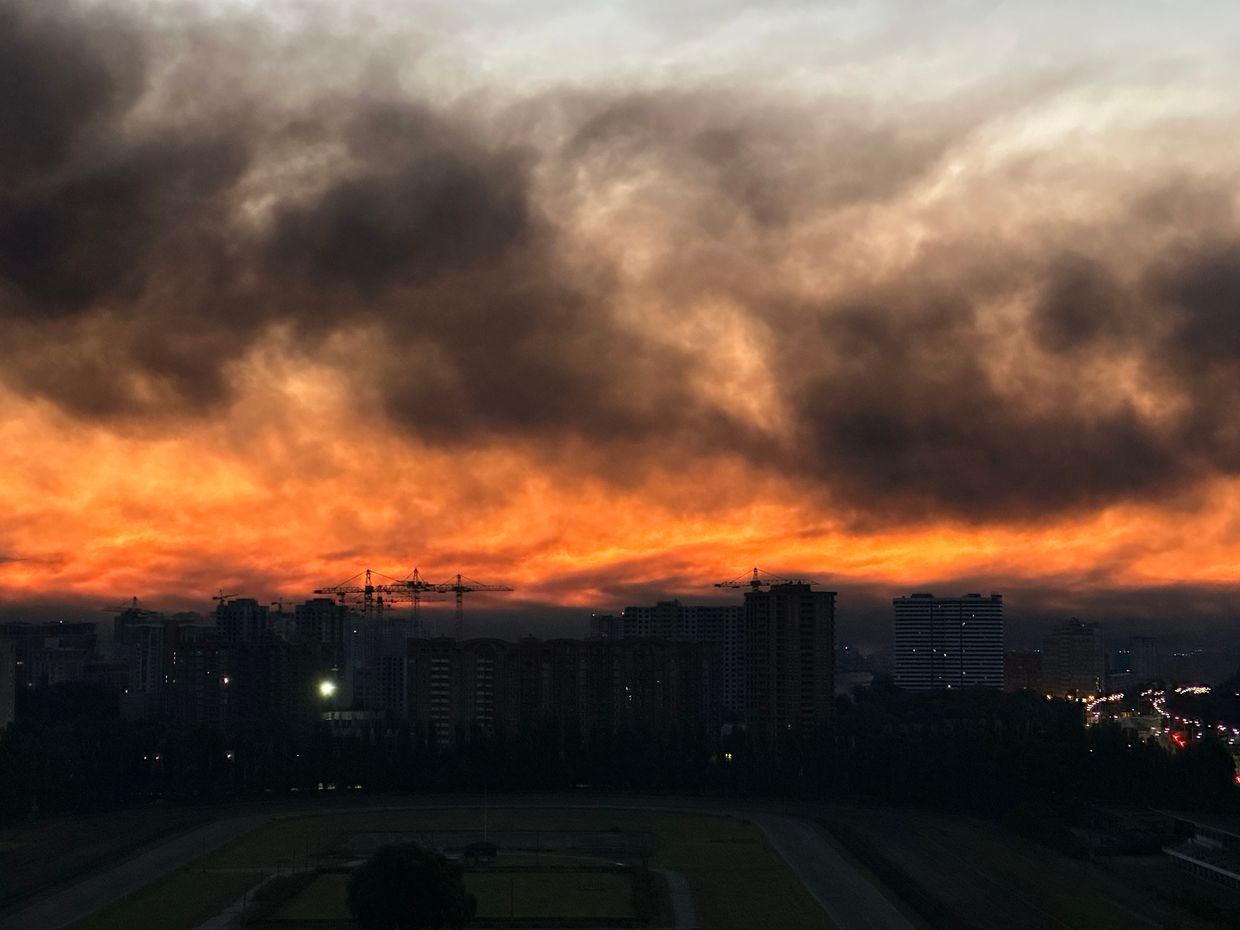
Smoke rises over the residential district after a Russian drone and missile attack in Kyiv, Ukraine, on July 4, 2025. (Yurii Stefanyak / Global Images Ukraine via Getty Images)
Beyond Kyiv, strikes also hit the Dnipropetrovsk, Sumy, Kharkiv, Chernihiv, and Kyiv oblasts, according to Zelensky. Fires and damage were reported in nearly every district of the capital, including residential buildings, schools, medical facilities, and railway infrastructure.
Local authorities described the night as "terroristic." Kyiv Mayor Vitali Klitschko reported fires in at least five districts. Air quality in the city remained dangerously poor by morning, as noted by the Ministry of Environmental Protection.
Meanwhile, Russian state media reported that during the Trump-Putin call, Putin reiterated his determination to continue pursuing the Kremlin's goals in Ukraine, despite mounting international calls for a ceasefire.
Zelensky called on Ukraine's allies, particularly the United States, to apply massive and immediate pressure on Russia. "We need to ensure that for every such attack on people and lives, they (Russia) feel the corresponding sanctions and other blows to their economy, their earnings, their infrastructure," he said. "Only this can bring faster change."
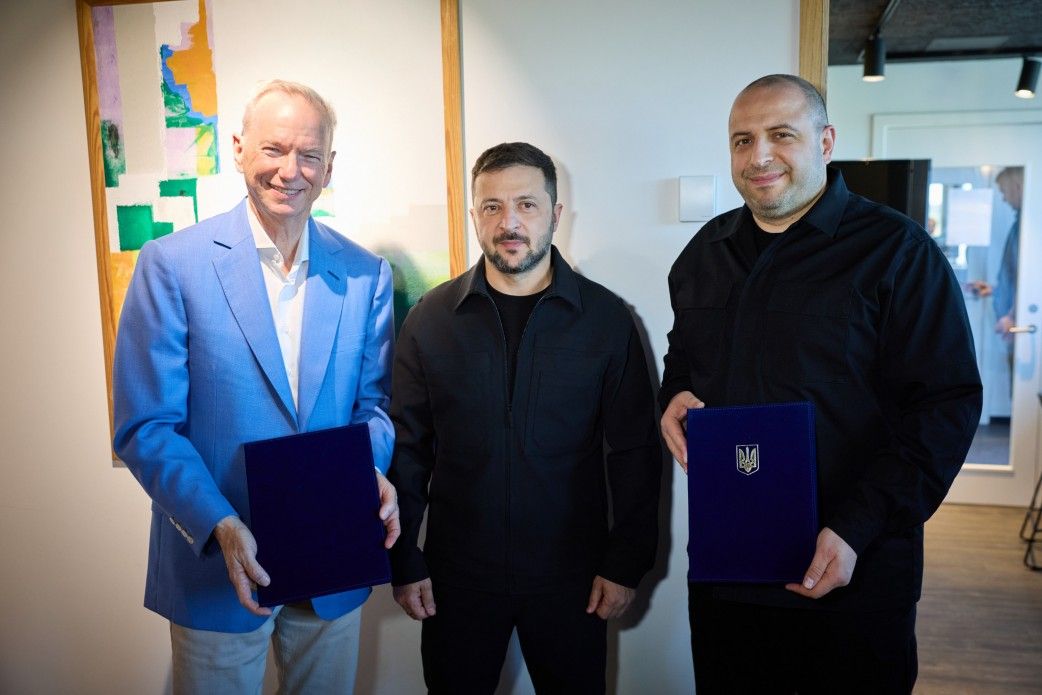
Ukraine signed a major deal with U.S. company Swift Beat to co-produce hundreds of thousands of drones this year, President Volodymyr Zelensky announced on July 3 during his visit to Denmark.
The long-term strategic partnership agreement was signed by Ukraine's Defense Minister Rustem Umerov and Eric Schmidt, the CEO of Swift Beat, in Denmark on the same day.
Under the deal, the company will produce various kinds of unmanned aerial vehicles for Ukraine, including those designed to intercept Russian drones and missiles, reconnaissance, attack, and other drones, Zelensky said in a statement published on the website of the President's Office.
"The key priority is interceptor drones that have already proven effective in Ukraine," Zelensky said. "We've tested models from several companies, and now we're signing serious contracts."
Swift Beat will increase its production capacity, aiming to produce hundreds of thousands of drones for Ukraine this year, with plans to scale up production in 2026, according to Zelensky.
"Modern drones will be supplied to Ukraine as a priority, on special terms and at cost," Zelensky said.
The announcement comes just a day after the U.S. Defense Department (DOD) has halted shipments of some air defense missiles and other weapons previously promised to Kyiv. Ukraine has been trying to negotiate buying U.S. weapons for months after U.S. President Donald Trump, who has opposed military aid to Kyiv, took office in January.
Swift Beat has a significant presence in Ukraine, according to Zelensky's office. It specializes in autonomous AI-powered drones and cooperates with Ukrainian engineers and the military, conducting drone testing on Ukrainian territory, the statement reads.
Zelensky arrived in Denmark on July 3 to mark the country's assumption of the rotating presidency of the Council of the European Union.
Zelensky also said that during his visit, he plans to raise the issue of political blockages hindering Ukraine's path to joining the European Union.
"We're ready to open three accession clusters and want to start with one now, in the very near future. But political blockages remain, purely political," he said.
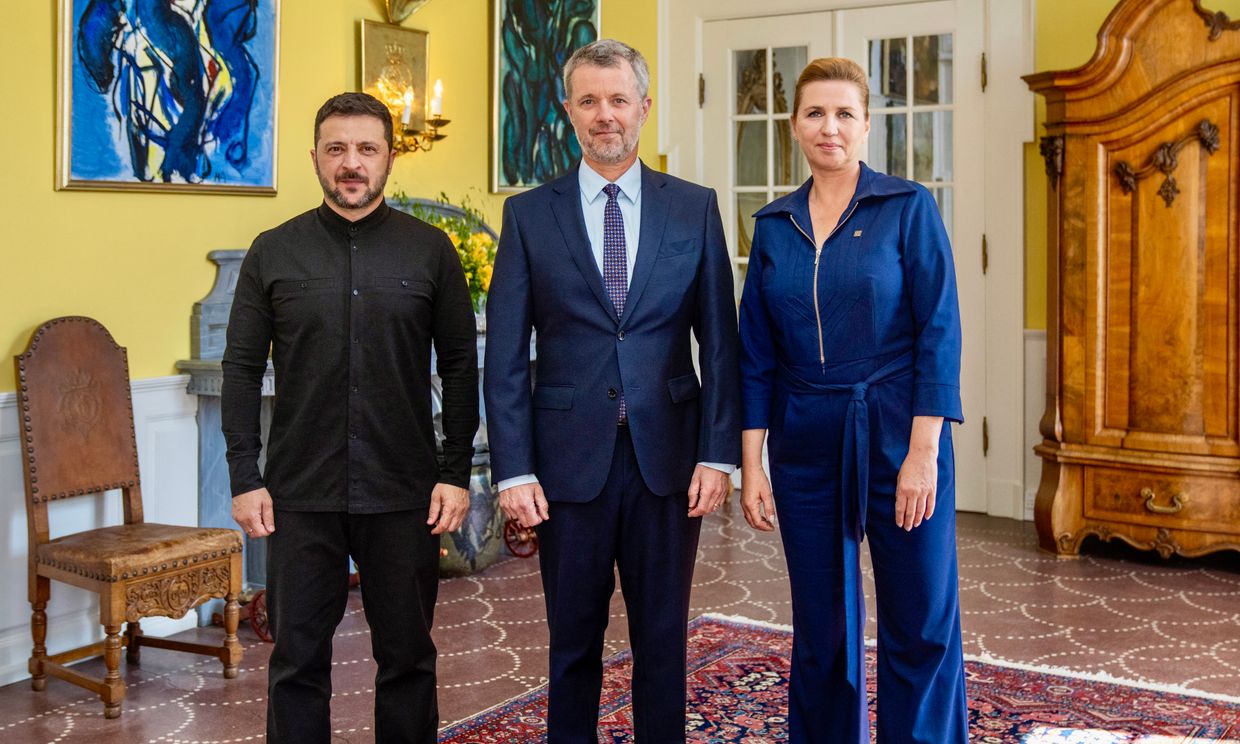
Denmark's King Frederik (C), President Volodymyr Zelensky (L), and Denmark's Prime Minister Mette Frederiksen (R) in Aarhus, Denmark, on July 3, 2025. (Ida Marie Odgaard / Ritzau Scanpix / AFP)
While EU member states agreed to take into account the European Commission's assessment that Ukraine is ready to open the first, Fundamentals cluster, the process remains stalled due to Hungary's refusal to grant unanimous support.
Ukraine applied for EU membership in 2022 and was granted candidate status shortly thereafter, but full negotiations require the approval of all 27 EU member states.
Denmark has been a key backer of Ukraine since the start of Russia's full-scale invasion in 2022. In February 2024, Copenhagen signed a 10-year bilateral security agreement with Kyiv, pledging long-term defense cooperation until Ukraine secures NATO membership.
Zelensky said he expects Denmark to expand its financial support for Ukraine's drone and missile production initiatives.
"What we've just signed requires significant funding. I'm counting on our relationship with Denmark," the president said.
The Ukrainian president will also participate in official events commemorating Denmark's presidency of the Council. According to Danish broadcaster DR, the events will be attended by Denmark's royal family, government officials, and EU leaders.
Ukrainian President Zelensky must consider a petition to decriminalize pornography after it reached the required 25,000 signatures, according to data on the official Ukrainian government petitions website.
Despite being illegal, models on subscription-based site OnlyFans, known for being an adult content platform, must declare their income and pay taxes, as required for all paid content creators.
The decriminalization petition was created by Ukrainian OnlyFans model Svetlana Dvornikova, who argued that "law enforcement should focus on real crimes instead of conducting operations to buy intimate photos."
"Over five years, I've paid more than Hr 40 million ($958,062) in taxes to the state," Dvornikova wrote in the petition.
"But instead of gratitude for this money, the state opened a criminal case against me."
In January 2025, Ukraine's OnlyFans content creators declared more than $7 million in income, paying $1.5 million in personal income and military taxes, though it's unclear what specific content these users create on the platform.
Ukrainian MP Yaroslav Zhelezniak, who has initiated bills to legalize pornography, calculated that from 2020 to 2022, 5,000 Ukrainians earned $123 million on OnlyFans.
"Porn today is mostly online platforms, and those who earn on these platforms officially pay taxes. That's millions of dollars going to the armed forces," Zhelezniak said on his YouTube channel.
The latest bill to legalize pornography was registered in November 2024 and supported by parliament's law enforcement committee in December, but hasn't been brought to a vote yet.
The bill proposes decriminalizing only the creation and storage of pornographic content by consenting adults.
Criminal liability would still apply for revenge porn, deepfake porn, extreme porn, child pornography, and distribution to minors.
"We're simply changing Article 301 of the Criminal Code so that adults who film and distribute intimate videos aren't thrown in prison for 3-5 years," Zhelezniak wrote on his Telegram channel.
"Currently, under Article 301, you can be punished even for storing nude photos on your personal phone."
In July 2022, a similar petition to legalize pornography reached the required number of signatures. It didn't lead to changes, and Zelensky responded by citing existing laws about "protecting public morality."
President Volodymyr Zelensky said on July 1 that he had signed the ratification documents establishing the Special Tribunal for the Crime of Aggression against Ukraine, marking a major step toward prosecuting Russia's leadership.
Ukraine and the Council of Europe signed the agreement establishing the Special Tribunal on June 25 during a ceremony in Strasbourg. Zelensky and Council of Europe Secretary General Alain Berset signed it after more than three years of advocacy and diplomacy.
"The agreement must now be swiftly ratified so that the process of creating the tribunal can begin," Zelensky said in a statement. He also instructed Ukraine's government to urgently submit necessary legislative changes to parliament to ensure Kyiv's full implementation of the agreement.
"I ask members of parliament to treat this as an immediate priority," Zelensky added, urging lawmakers to pass the needed legislation without delay.
The tribunal, once established, would specifically target Russia's top political and military leadership for the crime of aggression, defined as the illegal use of force by one state against another, which existing international bodies, like the International Criminal Court (ICC), are not able to prosecute due to jurisdictional limitations.
Zelensky also called on the Foreign Ministry and the Presidential Office to finalize a roadmap with international partners for the tribunal's launch.
"Already this year, Russia must begin to feel that accountability for the crime of aggression is inevitable," he said. "Aggression is a crime, and Russia's truly inevitable punishment for this crime is in the global interest of everyone in the world who wants their people to live in peace."
Speaking at the Parliamentary Assembly of the Council of Europe (PACE) on June 25, Zelensky thanked the body for championing the idea from its inception and pushing forward international accountability for Russia's invasion.
"It was here in this assembly, that the first call for such a tribunal was made," Zelensky said. "The idea was born here – and now it’s gaining real support from partner countries in Europe and beyond."
The tribunal is designed to close a legal gap that currently prevents the ICC from prosecuting Russia for the crime of aggression, although the court has issued arrest warrants for Russian President Vladimir Putin and Russian children's rights commissioner Maria Lvova-Belova in connection with the deportation of Ukrainian children.
Alongside the tribunal, the Council of Europe has also helped establish the Register of Damage, which has received over 34,000 claims from Ukrainians documenting losses and harms caused by the war.
Zelensky has repeatedly stressed the need for full justice and has called for the prosecution of all Russian officials responsible for planning and executing the war.
President Volodymyr Zelensky and German Foreign Minister Johann Wadephul met in Kyiv on June 30, where the two leaders discussed Germany supplying additional IRIS-T air defense systems, joint weapons production, and strengthening sanctions against Russia, Zelensky said.
Wadephul earlier said Germany is working with its defense industry, European allies, and the U.S. to secure more air defense systems for Ukraine.
"We are going down every path available... The German defense industry is trying to expand its capacity. We're speaking with our European partners, and I believe we must also move forward with the United States," he said.
Zelensky met with executives of German defense companies alongside Wadephul during the visit to Ukraine's capital.
"We discussed sanctions pressure on Russia, the potential for supplying new IRIS-T systems, and joint weapons production — both in Ukraine and in Germany," Zelensky said in a post to social media.
Zelensky noted Germany signalled it believes that Ukraine's future is in NATO amid Russia's war against Ukraine.
"We will continue to develop relevant military hubs and increase the presence of German companies in Ukraine. We had an in-depth discussion on interceptor drones. I am grateful for the willingness to help," Zelensky said.
Earlier in the visit, Wadephul noted that he remains in close contact with German Defense Minister Boris Pistorius to assess whether existing systems from Germany's own stockpiles can be redirected to Ukraine.
President Volodymyr Zelensky signed a decree to withdraw from the Ottawa Convention banning anti-personnel mines, a step that follows the Baltic nations and Poland's move to boost their defense as the war rages on in Ukraine.
The 1997 treaty, joined by over 160 countries, bans the use, production, stockpiling, and transfer of anti-personnel landmines in efforts to protect civilians from the scattered explosives that could still injure them long after the conflict is over.
"Russia has never been a party to this convention and uses anti-personnel mines extremely cynically," Zelensky said in justifying the decision. "And not only now, in the war against Ukraine. This is the signature style of Russian killers — to destroy life by all methods at their disposal.
Earlier in March, the Baltic states and Poland announced their intention to withdraw from the Ottawa Convention, a significant shift in defense policy that shows how countries near Ukraine are preparing for a potential war in Europe.
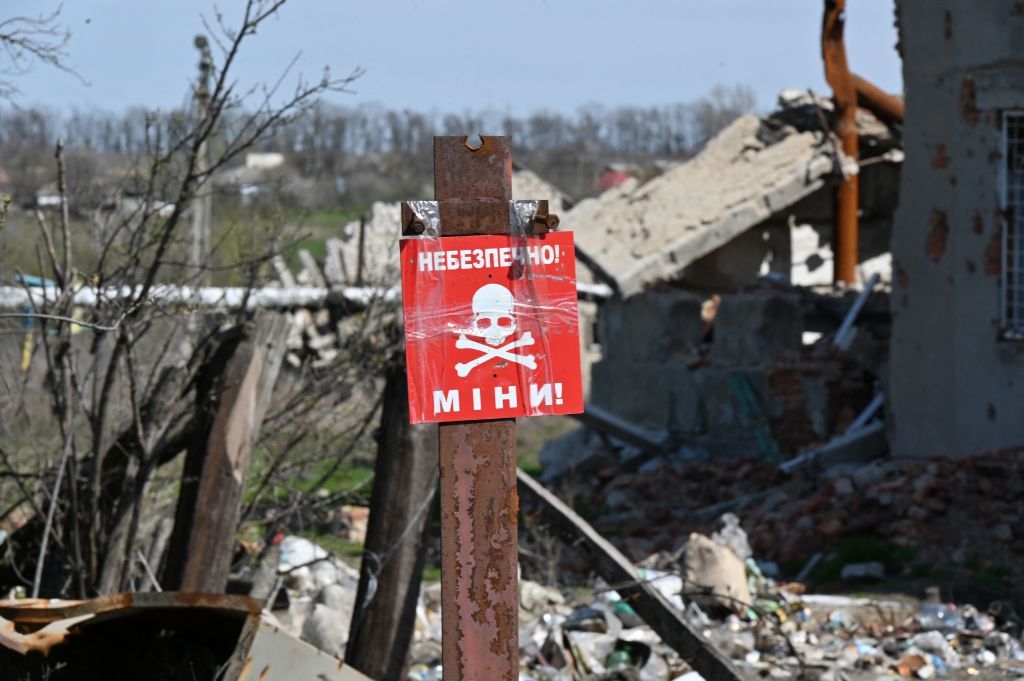
Anti-personnel mines are scattered across the battlefield in Ukraine, with soldiers and civilians often losing their feet or limbs due to detonations. Territories liberated by Ukraine since 2022 have been heavily covered with mines, making it extremely difficult and dangerous to clear them. Russia has used more than a dozen variants of anti-personnel mines since it launched a full-scale invasion of Ukraine in 2022, according to Human Rights Watch's June report.
In a surprise move that angered Moscow, the Biden administration in 2024 approved the provision of anti-personnel mines to Ukraine. Then Defense Secretary Lloyd Austin said it was to help Ukraine stall the Russian advances in the east as the front-line situation deteriorated.
"This is a step that the reality of war has long demanded," lawmaker Roman Kostenko, secretary of the parliament's defense committee, said in the Facebook post announcing a significant move forward in withdrawing from the major mine treaty.
Now that Zelensky signed the decree enacting the decision of the National Security and Defense Council of Ukraine, it will land on the parliament's table, Kostenko said. The dates when the decision will take effect are still unclear.
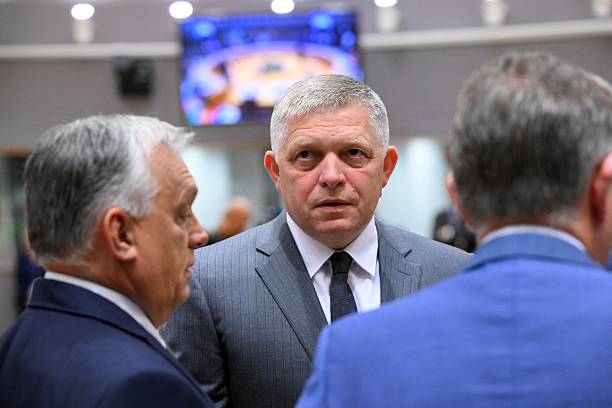
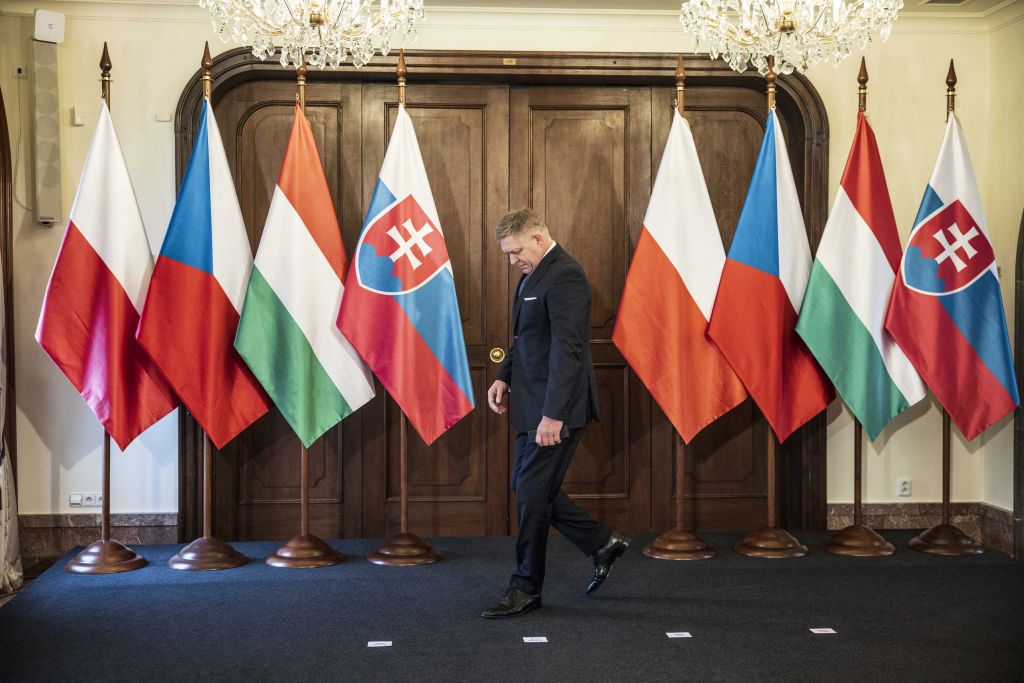
Slovak Prime Minister Robert Fico said on June 28 that he does not intend to meet directly with President Volodymyr Zelensky, claiming that the Ukrainian president "hates" him, as relations between the two countries continue to sour.
Fico's comments come just one day after Slovakia joined Hungary in blocking an 18th package of sanctions against Russia, an unnamed EU official toldthe Kyiv Independent. Unlike Hungarian Prime Minister Viktor Orban, who has consistently opposed sanctions against Russia, Slovakia has not previously attempted to block EU sanctions.
"I see no reason to meet with the Ukrainian president," Fico toldSlovak broadcaster STVR, stressing he has better relations with Ukrainian Prime Minister Denys Shmyhal. "My meeting with President Zelensky has no significance because he hates me," he added.
Fico's comments on a potential meeting refer to talks on improving bilateral relations between the two countries, including in areas of Ukraine's EU accession as well as additional sanctions on Russia.
"I’m the Prime Minister of the Slovak Republic, and my task is to do everything to ensure that gas prices in Slovakia do not rise because of Ukraine," Fico told STVR, in reference to concerns over Slovakia's reliance on Russian gas and energy exports that were allegedly not addressed in the 18th sanctions package.
Slovakia has requested that the adoption of the 18th package of EU sanctions against Russia be postponed until a decision is made on the consequences for the member states from RePowerEU, the European Commission's initiative to end dependence on Russian fossil fuels by 2030 in response to Russia's invasion of Ukraine.
EU foreign policy decisions, including sanctions, require unanimous approval by all member states. A Slovak veto could continue to force concessions or delay enforcement in future rounds.
Despite the criticism, Fico added that "Ukraine's EU membership brings more advantages than disadvantages for Slovakia," but stressed that other officials, including Slovakian President Peter Pellegrini would handle discussions with top Ukrainian leadership.
Since taking office in 2023, Fico has also reversed Slovakia's previous pro-Ukraine policy, ending military aid to Kyiv and questioning the value of EU sanctions on Russia.
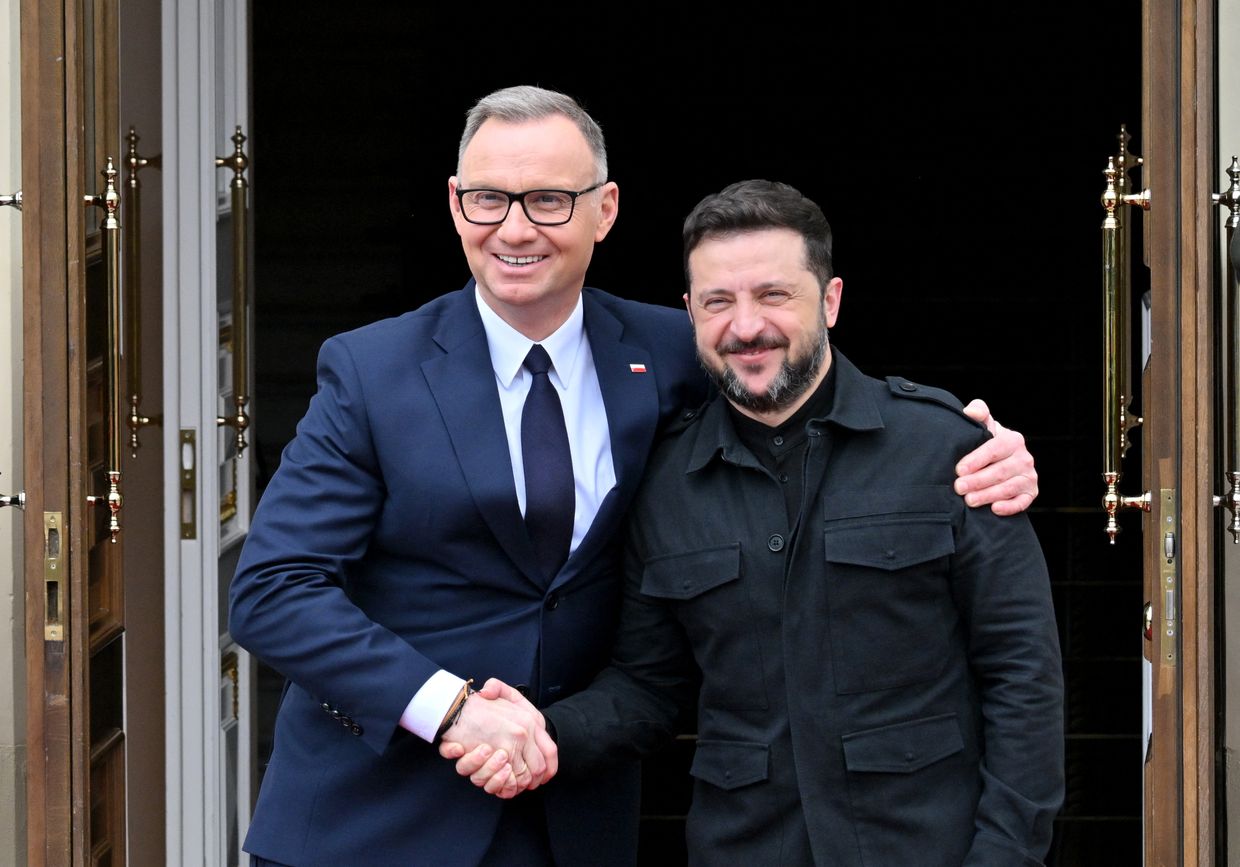
Outgoing Polish President Andrzej Duda arrived in Kyiv to meet with President Volodymyr Zelensky as part of a farewell gesture ahead of his departure from office in August, Duda announced on social media.
"President Duda has stood by Ukraine's side during the most difficult times of Russia's full-scale aggression," Foreign Minister Andrii Sybiha said on X on June 28, which is also Ukraine's Constitution Day.
"We are grateful to him and all Poles who have shown true solidarity with Ukraine."
Upon his arrival, Duda joined Zelensky in a wreath-laying ceremony honoring fallen soldiers at an event marking Ukraine’s Constitution Day.
The two leaders discussed the further development of relations between Kyiv and Warsaw at the EU level and in coordination with NATO partners.
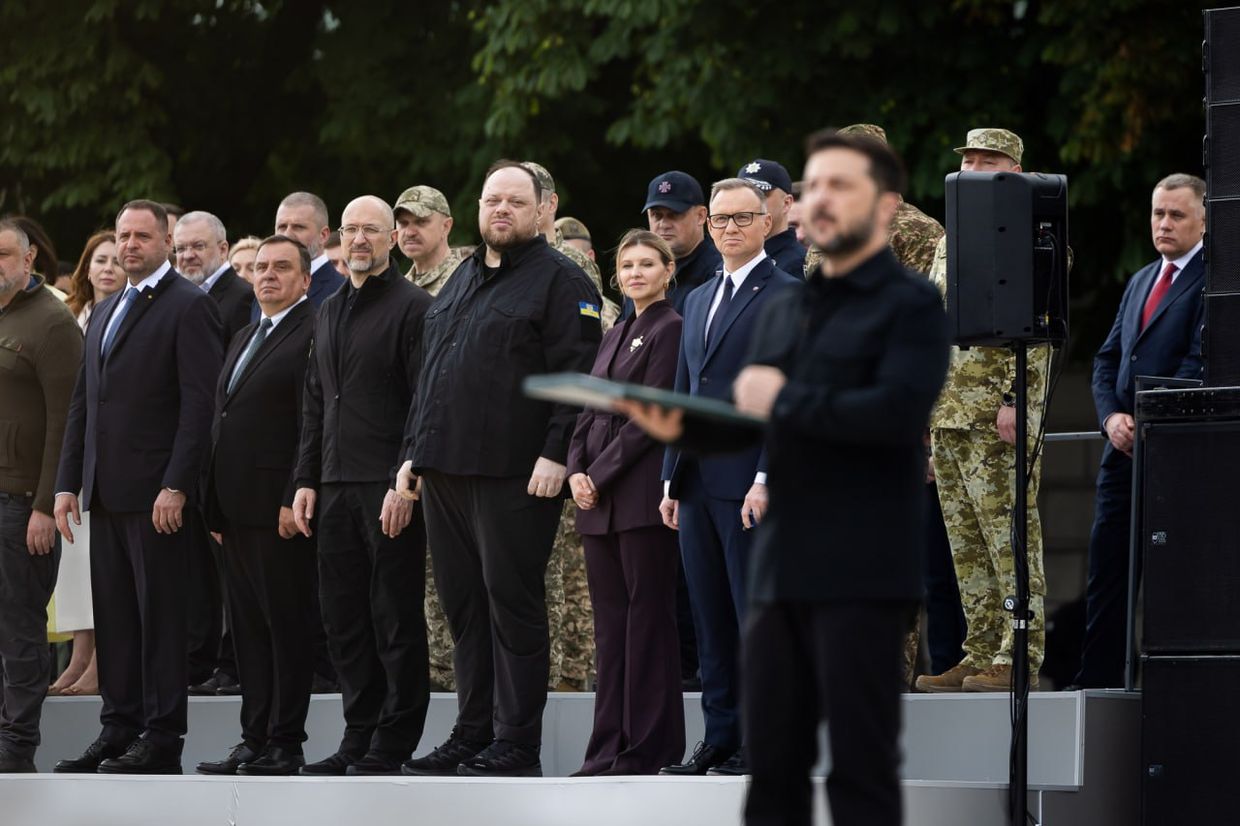
President Volodymyr Zelensky, Polish President Andrzej Duda, First Lady Olena Zelenska, and Ukrainian officials are seen during an official event marking Ukraine’s Constitution Day at Sofiyska Square in Kyiv on June 28, 2025. (Volodymyr Zelensky/Telegram)
"In recent months, we have been implementing some fairly substantial Ukrainian-Polish agreements on defense cooperation," the Ukrainian president said.
Zelensky also awarded Duda the Order of Freedom, one of Ukraine’s highest honors.
"Andrzej has been with Ukraine since the first days of the war, always side by side, a reliable ally and a true friend. This is undoubtedly the level of relations we want to preserve and strengthen with Poland," Zelensky said.
Since Russia launched its full-scale invasion in 2022, Poland has emerged as one of Ukraine’s most committed allies, providing weapons, sheltering millions of refugees, and rallying international support.
Ukraine provides over 40% of the weapons used to defend the nation's independence against Russia's full-scale invasion, President Volodymyr Zelensky said at the State and Business Forum in Kyiv on June 27.
As Ukraine scales up domestic defense production, Zelensky has been lobbying foreign partners to provide funding to help match its manufacturing capacity.
The government and Ukrainian businesses now provide more than 40% of the weapons the country uses in its fight against Russia, Zelensky said. Business-driven innovations in technology have helped Ukraine on the battlefield, particularly in drone development.
"Thanks to Ukrainian entrepreneurship and all the conditions we have created as a state, a new sector of our domestic manufacturing has emerged and immediately become one of the world’s most advanced — the production of drones of various types," Zelensky said.
"Hundreds of companies are now involved in weapons production in one way or another."
Zelensky's comments come a day after Defense Minister Rustem Umerov reported that Ukrainian companies have increased their industrial capacity in order to produce four million drones a year.
At the NATO summit in The Hague on June 24, Zelensky said Ukraine could potentially produce as many as eight million drones per year, but lacks the financial backing to achieve its full capacity. During the summit, Ukraine signed agreements on joint weapons production with the U.K. and Denmark in an effort to bridge the gap between Kyiv's capacity and current funds.
Ukraine has rapidly developed its drone capabilities since 2022, evolving from modifying commercial aircraft to producing military UAVs, attack drones, and reconnaissance systems at scale.
President Volodymyr Zelensky has instructed government officials to prepare a decision introducing a long-term moratorium on business inspections in Ukraine, the Presidential Office announced on June 27.
Zelensky discussed the moratorium during an address at the "State and Business Forum: From Dialogue to Partnership," held in Kyiv.
"I have instructed that a decision on a long-term moratorium on business inspections be prepared to protect businesses from any pressure by unscrupulous individuals in various government positions," he said.
Economic growth is a vital component of Ukrainian resilience, necessitating ongoing dialogue between the government and entrepreneurs, Zelensky said. In addition to imposing the moratorium on inspections, Kyiv will also expand the Council for Entrepreneurship Support in an effort to cultivate entrepreneurship in Ukraine.
"Even under such harsh conditions of this war, Ukraine can rely on its entrepreneurs — on our domestic Ukrainian manufacturing, our Ukrainian logistics, our Ukrainian services across all sectors — from security to everyday life, as well as on Ukrainian developments and investments," the president said.
Following Russia's full-scale invasion in early 2022 and the onset of martial law, Ukraine temporarily suspended certain business regulations, including tax inspections for businesses. Zelensky signed a law resuming tax inspections for certain businesses in December 2023.
Now in its fourth year of full-scale war against Russia, Ukraine's economy is still attempting to recover from the massive blow dealt in 2022, when the GDP dropped by 29.1%. At the same forum on June 27, Ukraine's new Prosecutor General Ruslan Kravchenko announced another measure meant to boost business: an audit of criminal cases related to businesses in Ukraine.
"The second priority is to finally sort out the proceedings related to business, protect business, and achieve justice in these matters," Kravchenko said.
The Prosecutor's Office will be dedicated to "ensuring the rights of investors and businesses," Kravchenko wrote on his Telegram channel on June 26. Efforts to safeguard businesses will not interfere with Ukraine's legal obligations and the regulatory reforms required for its integration into the European Union, he said.
Ukraine's next goal in ongoing negotiations with Russia is to organize a direct meeting between President Volodymyr Zelensky and Russian President Vladimir Putin, Defense Minister Rustem Umerov said during a press briefing on June 26.
Speaking to journalists in Kyiv, Umerov, who was part of Ukrainian peace talks delegation, outlined a multi-stage negotiation process that began in January with an initiative from U.S. President Donald Trump. Umerov stressed that Ukraine welcomed the idea of a ceasefire from the outset and remains fully committed to a just peace.
"Ukraine has always remained consistent in its pursuit of peace," Umerov said. "We supported the U.S. initiative for a full ceasefire from the very beginning and demonstrated our commitment through multiple rounds of negotiations. But any dialogue must take place without ultimatums and with full respect for our country's sovereignty."
The talks unfolded in several rounds in Jeddah, Riyadh, Paris, London, and Istanbul. During the second round of negotiations in Riyadh, Ukraine communicated with Russia indirectly, through U.S. mediators. In Turkey, U.S. mediators were excluded from talks due to Russia's request, according to Umerov.
"President Zelensky's proposal to meet with Putin is aimed at showing Donald Trump that Moscow is not truly seeking peace," Mykola Kniazhytzkyi, a Ukrainian lawmaker from the European Solidarity party, told the Kyiv Independent.
"Its real goal is the destruction of Ukrainian statehood and the genocide of the Ukrainian people."
Oleksandr Merezhko, a lawmaker from Zelensky’s party and chair of the parliament's foreign affairs committee, called the proposal for a bilateral high-level meeting "an interesting political step." He said it is a logical move since "Putin decides everything in Russia."
However, the MP questioned the overall advisability of a direct meeting between Zelensky and Putin.
"It seems to me that it would be better to conduct such negotiations in a format involving not only Zelensky, but also the United States and the European Union," Merezhko said, adding that European leaders could help build a "balance of power," given the risk that the U.S. might potentially lean toward Russia.
He said that talks between the leaders should take place after the ceasefire, at least a temporary one, is in place.
"For them (Russia), negotiations are a tool of war. They have never conducted them in good faith and will never do this. In general, there is no need for negotiations, there is a need for pressure (from the West)," Merezhko said.
Umerov said Ukraine had accepted a U.S.-proposed full ceasefire across land, sea, and air in early March, but Russia has rejected the proposal.
While no agreement on a comprehensive ceasefire has been reached, talks have led to a few major prisoner exchanges, including a 1,000-for-1,000 swap that took place in late May and a follow-up deal for up to 1,200 prisoners from each side.
Umerov said the focus of recent negotiations has included humanitarian issues such as the release of civilians and children, as well as conditions for a meeting of Ukrainian and Russian leaders. He emphasized that the next stage must include top-level dialogue.
"After completing discussions on humanitarian issues, Ukraine plans to move forward to the topic of a leaders' summit for substantive dialogue," he said.
The latest peace talks between Russia and Ukraine took place on June 2 in Istanbul, following an earlier meeting on May 16. Both times, the Ukrainian delegation was led by Umerov. Despite Ukraine's insistence on a 30-day ceasefire, Russia proposed only a temporary 2–3-day truce in limited areas to retrieve the bodies of fallen soldiers. Umerov called this offer "insufficient" and accused Moscow of avoiding meaningful peace.
"Russia rejects even the very idea of stopping the killings," Umerov said following the June 2 talks. "That's why we appeal to the world: pressure is needed for real peace, not for an imitation of negotiations."
Zelensky has also criticized Moscow's limited ceasefire offers and called on Trump to follow through on promised sanctions if talks remain fruitless. Trump has repeatedly suggested that he is monitoring the peace process closely and warned that the U.S. response could change if Putin is not prepared to end the war.
No further U.S. sanctions were imposed after more than 100 days of Moscow's refusal to the proposed ceasefire.
European firms continue to ship critical weapons components to Russia, President Volodymyr Zelensky told the European Council on June 26 in a plea for tougher EU sanctions against Moscow.
"Some European companies are still sending critical components to Russia. These end up in missiles and other weapons used to kill us, kill Ukrainians," Zelensky said in a video address to the European Council summit in Brussels.
Ukraine is in the process of identifying these materials and will pass along evidence to EU officials, he said.
Zelensky's remarks were part of a broader appeal for the EU to expand and strengthen economic penalties on Russia. While the bloc reached an agreement in Brussels to extend current sectoral sanctions for another six months, it is still debating its proposed 18th package of sanctions against Russia.
Zelensky urged the EU to pass "a truly strong" 18th package, targeting "Russia's oil trade, its shadow tanker fleet, Russian banks and other financial instruments, and the supply chains that bring equipment or parts for making weapons."
The sanctions should not only penalize Russia's so-called "shadow fleet" vessels, but also the tankers' captains and the ports Russia uses to export oil, Zelensky said.
The president also reiterated his call to drop the current oil price cap to $30 per barrel.
"Russia's military ambitions grow when its oil revenues are high," he said.
Several European countries still rely heavily on Russian oil and gas, Zelensky pointed out. Ukraine understands the complexities of this situation and treads carefully in order to respect its partnership with the EU.
"Yet, sadly, we don't always feel this same understanding in return when it comes to Ukraine's needs," Zelensky said.
"It feels especially strange to hear such strong criticism — even political pressure from some leaders — while our respect for EU rules allows oil to keep flowing."
While Zelensky did not specify any particular EU leaders, Slovak Prime Minister Robert Fico in June threatened to veto the 18th sanctions package, citing concerns over Slovakia's reliance on Russia's energy imports. Fico has emerged as one of the EU's strongest supporters of Russia, alongside Hungarian Prime Minister Viktor Orban.
Orban took aim against Kyiv at the Brussels summit by blocking a unanimous statement of support for Ukraine's accession to the EU. All 26 other member states supported the statement, while Hungary was the sole opponent.
In his address to the Council, Zelensky urged the EU to send a clear signal of support for Ukraine's European path. Ukraine has fulfilled its obligations in the accession process, the president argued, and deserves recognition of its progress.
"Any delay by Europe at this point could create a global precedent and a reason to doubt Europe's words and commitments," he said.
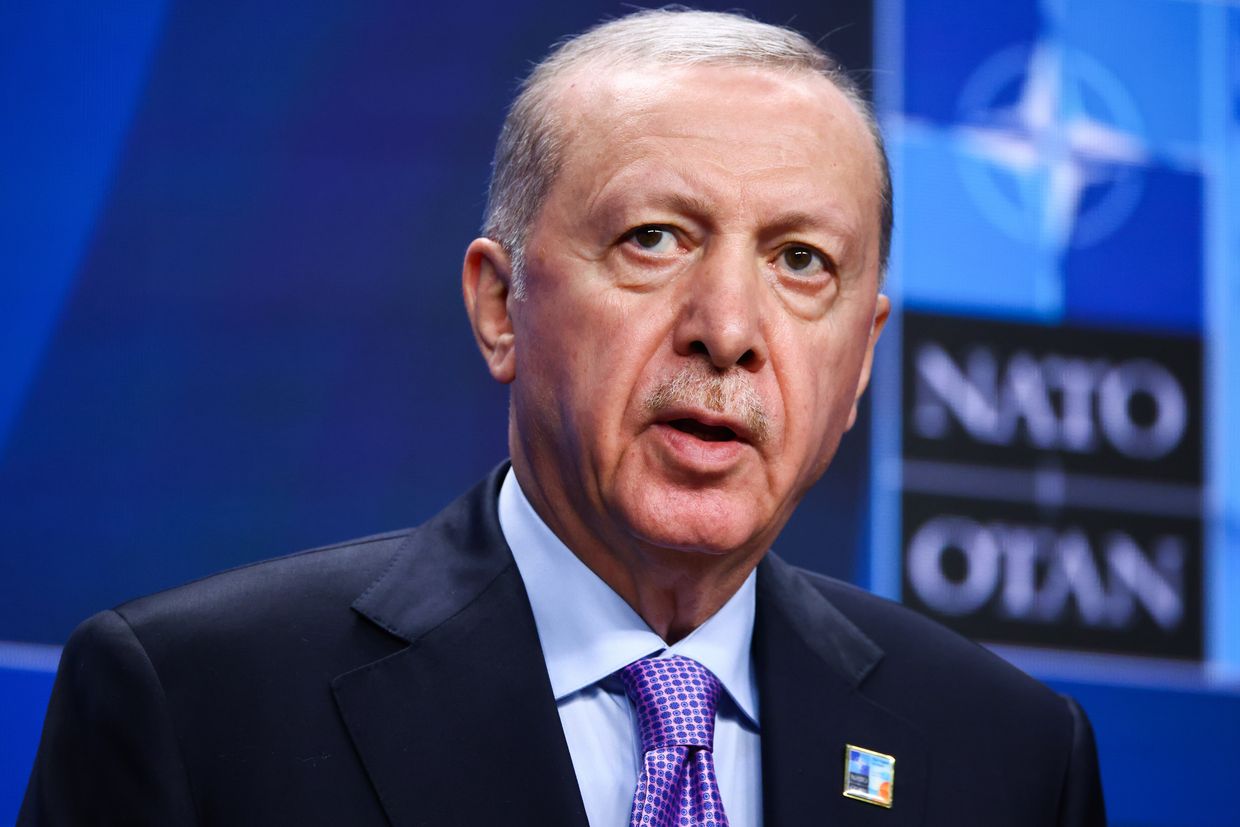
Turkish President Recep Tayyip Erdogan said Ankara is working to organize a meeting between President Volodymyr Zelensky and Russian President Vladimir Putin, with U.S. President Donald Trump potentially joining the talks, Reuters reported.
Speaking after his meeting with Trump, Erdogan said on June 26 that the U.S. president expressed interest in participating if the meeting were to take place in Turkey.
"He said,'If Russian President Vladimir Putin comes to Istanbul or Ankara for a solution, then I will also come,'" Erdogan told reporters. "We will hold the necessary contacts and, God willing, realize this meeting as soon as possible."
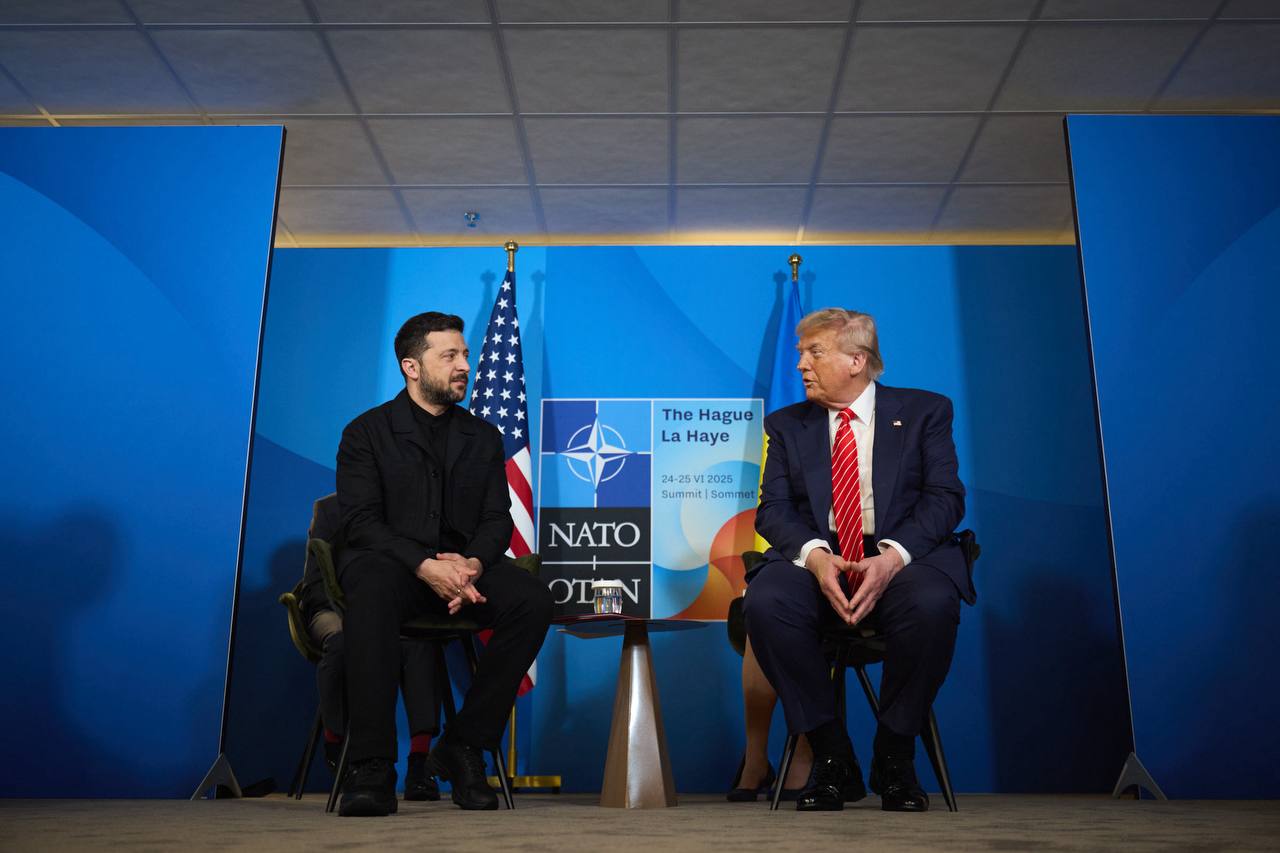
Zelensky and Trump met during the NATO summit on June 25, where the two leaders discussed battlefield developments, Kyiv's need for additionalair defense systems, and the potential for co-production of drones.
Zelensky has previously voiced openness to a trilateral meeting. On May 27, he told public broadcaster Suspilne that he was ready to sit down with both Trump and Putin.
Putin has claimed he is also willing to meet, but did not attend previous talks proposed in Istanbul, opting instead to send lower-level delegates to peace discussions held on May 16.
The Kremlin has long sought to portray Zelensky as "illegitimate", with spokesperson Dmitry Peskov in February claiming that any talks must consider "legal aspects" of his mandate.
Turkey previously hosted direct peace talks in March 2022 and has remained one of the few countries with open lines to both Kyiv and Moscow. The latest round of direct talks on June 2 was held in Istanbul.

 Connexion