Saint-Léonard | Un motocycliste blessé après une collision avec une conductrice


Grâce à sa filière d’anciens membres des Rangers, le CH vient de recevoir tout un cadeau avec Chris Kreider.

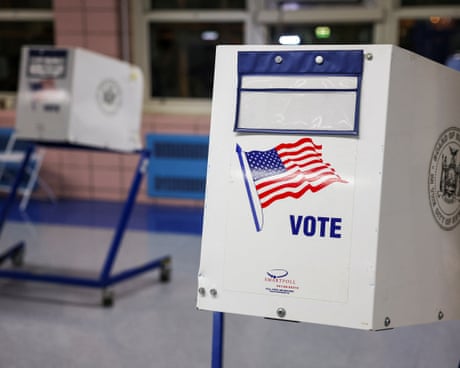
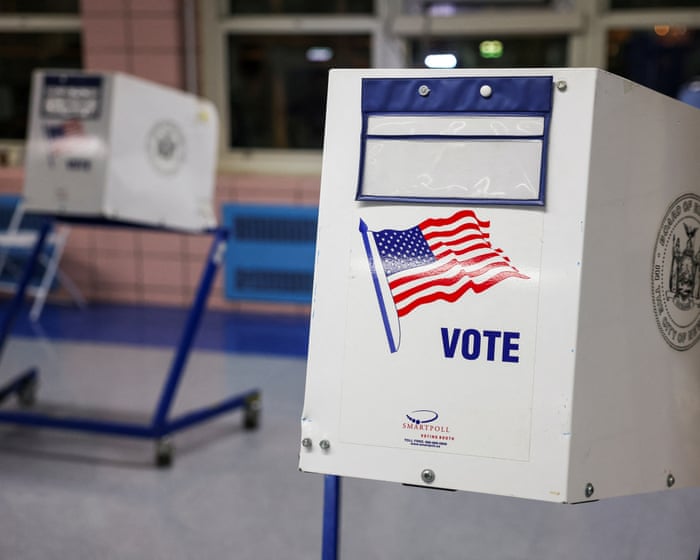
Officers were instructed to search state voter databases and create federal records on suspected non-citizen voters despite concerns over the process
Department of Homeland Security (DHS) lawyers told officers investigating voter fraud they would not be held responsible for violating state laws around accessing voter registration information, an anonymous whistleblower revealed on Monday. DHS officers also had concerns about the reliability of the data they were working with, the whistleblower said.
The Trump administration has ramped up its investigation into noncitizen voting ahead of the midterm elections. Noncitizen voting is extremely rare and the effort has only turned up a handful of cases so far.
Continue reading...
© Photograph: Andrew Kelly/Reuters

© Photograph: Andrew Kelly/Reuters

© Photograph: Andrew Kelly/Reuters

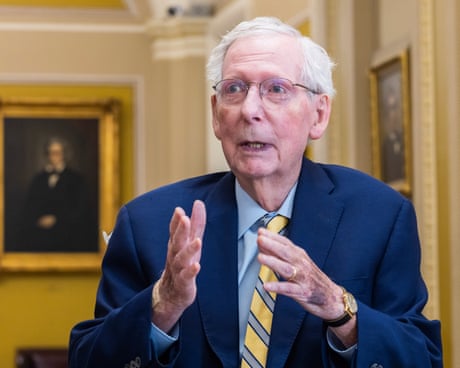
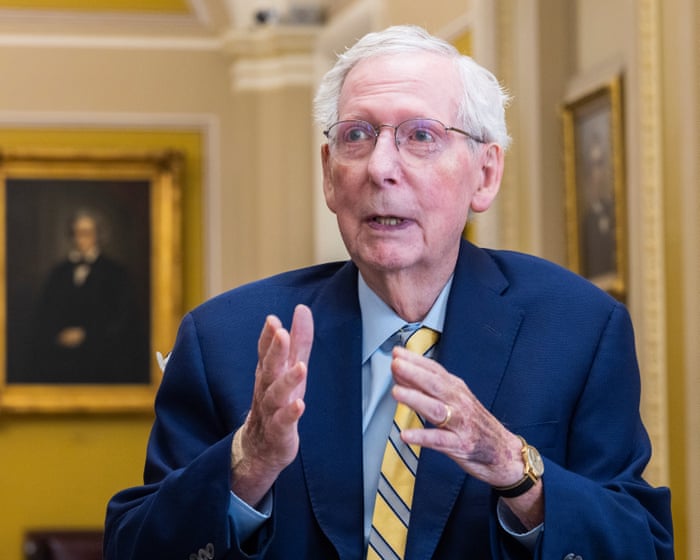
The 84-year-old said he was prepared to cast his first vote after rampant speculation about his health
Mitch McConnell, the former Republican Senate majority leader, returned to the Capitol on Monday and cast his first vote after a months‑long absence that fueled rampant speculation about his health.
One of the highest-profile figures in Congress, the 84-year-old senator has been away from the Senate since mid-June, following what his office said was a fall that left him hospitalized. After weeks of silence, that spurred demands for greater transparency and stoked online conspiracies, McConnell disclosed that he had been “briefly unconscious” and “also had to deal with a mild case of pneumonia”. He was discharged from a rehabilitation center last month.
Continue reading...
© Photograph: Finn Gomez/Getty Images

© Photograph: Finn Gomez/Getty Images

© Photograph: Finn Gomez/Getty Images

© Tierney L. Cross for The New York Times

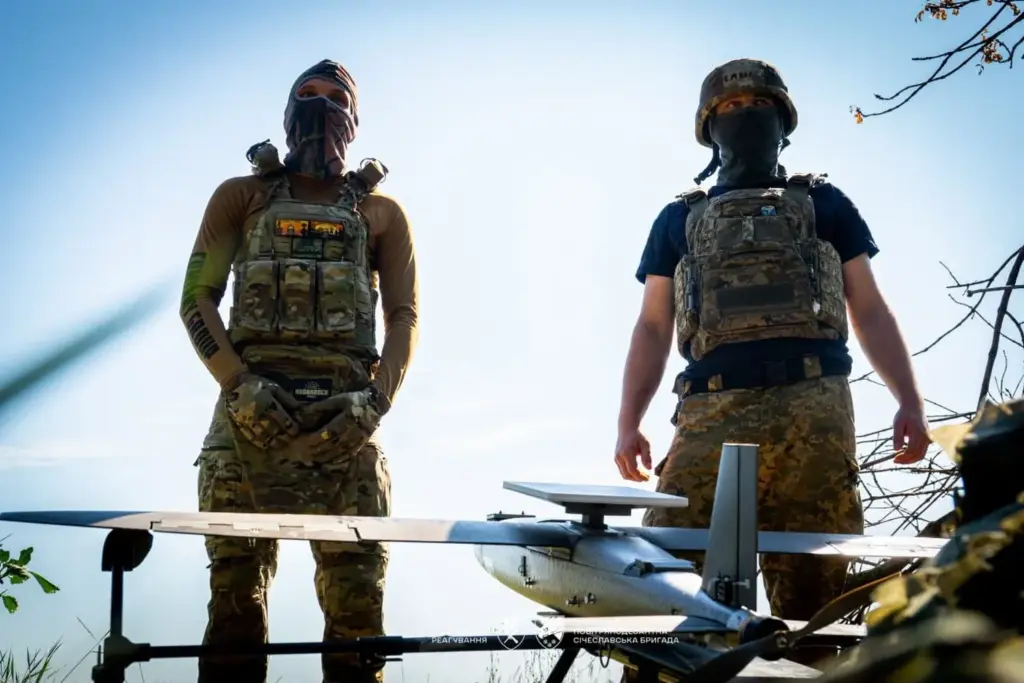
Ukraine's battlefield-tested drone makers and Europe's arms firms have sat down together for the first time to build drones and the systems to shoot drones down as a single industry. Eighteen companies, nine Ukrainian and nine European, held the opening meeting of the EU-Ukraine Drone Alliance in Brussels, Defender Media reported.
The alliance answers a threat both sides now share. Russia is scaling up its own drone production. Its drone war has spilled past Ukraine, with its drones crossing repeatedly into NATO airspace this summer and showing Europe how unready it is for the fighting Ukraine has learned the hard way.
The Alliance will support Ukraine's capabilities it needs on the battlefield, while strengthening Europe's defense readiness for the future.
The alliance sets up shop
The first job is organizational, said Roman Tkachenko, a co-founder of the Ukrainian firm Tencore: form the governing bodies and set the priorities. The 18 members were chosen from about 400 applicants, Kubilius said, and the alliance is designed as a decision-making body, according to UA News.
On the Ukrainian side, it includes Tencore, Athlon Avia, and Vyriy Industry. On the European side, Germany's Quantum Systems, Italy's Fincantieri, and Denmark's Terma.
Kubilius, who opened the session and called it historic, said the first tangible results should come by the end of the year. He named accelerating joint ventures and counter-drone projects as the top tasks.
Europe wants Ukraine's combat edge
Kubilius was blunt about what Europe hopes to learn: how to adapt a product in days, shorten development cycles, and scale a production line from a peacetime trickle to full output within weeks. In return, he said, the EU offers Ukraine cutting-edge technology and continent-wide manufacturing.
The Alliance will bring together companies, start-ups, researchers, armed forces, and other users from EU countries and Ukraine.
The Alliance is a result of the Drone Deal, announced by President Ursula von der Leyen in Kyiv on 15 July, according to the EU Commission.
Les services essentiels seraient maintenus malgré les débrayages.


Le Club Lions de Rimouski dévoile les trois finalistes au prix de la Personnalité sportive de l’année, une tradition vieille de 61 ans. Il s’agit de René Alary, du Club de baseball senior Le Shaker, Jean-Charles Fournier, du Club de pickleball et Azur Desrosiers, du Club de patinage artistique.
Cette année, le Club Lions a sollicité les associations et organismes afin qu’elles proposent des candidatures pour souligner l’engagement exceptionnel de personnes qui contribuent au développement du sport amateur dans la communauté rimouskoise.
Trois candidats ont été retenus parmi l’ensemble des candidatures reçues à la suite de l’appel lancé à la fin du mois d’août.
Président du Shaker, René Alary s’implique dans le baseball régional depuis plus de 50 ans. Tour à tour instructeur et administrateur, il demeure encore aujourd’hui l’un des principaux artisans du baseball senior à Rimouski.
Membre actif du bureau de direction de la Ligue senior Puribec du Bas-Saint-Laurent, René Alary compte une quarantaine d’années d’implication au sein de l’Association du hockey mineur de Rimouski. Il poursuit également sa carrière de journaliste sportif au Journal Le Soir.
Jean-Charles Fournier préside le Club de pickleball de Rimouski et s’occupe de l’ensemble de ses activités. Son engagement a permis de faire passer le nombre de membres d’une trentaine en 2019 à près de 250 aujourd’hui.
Il a notamment travaillé à l’ajout de nombreux plateaux de jeu à l’UQAR, au Cégep et, plus récemment, au nouveau Centre multisports. Jean-Charles Fournier a également joué un rôle important dans la réalisation du projet de quatre terrains extérieurs de pickleball aux Tennis de Rimouski.
Pour sa part, Azur Desrosiers a agi pendant deux ans comme vice-président du Club de patinage artistique de Rimouski (CPAR). Il a joué un rôle clé dans la coordination de plusieurs campagnes de financement ainsi que dans l’organisation d’un gala annuel, de trois compétitions et de deux galas méritas.
Azur Desrosiers a également participé à l’organisation de soirées de lauréats avec Patinage Est du Québec, en plus de s’investir activement au sein du comité d’éthique du CPAR. Il s’implique aussi au sein du soccer mineur.
Le Club Lions remettra le prix ce vendredi 18 septembre, à 18 h, dans le cadre de la première journée du Tournoi de golf Formule Rita, présenté au Club de golf Les Saules.
Un comité composé de membres du Club Lions et de journalistes sportifs, présidé par Robert Gagnon, a étudié les candidatures soumises. Le Club Lions remettra un chèque au club sportif du lauréat. Tous les finalistes recevront également un cadeau souvenir.
Les personnes qui ne sont pas inscrites au Tournoi de golf Formule Rita peuvent participer au souper et assister à la soirée au coût de 20 $ par personne.
Pour information, il est possible de joindre Robert Gagnon au 418 750-0279 ou par courriel à robertgagnon5@gmail.com.

CDC announces changes to how it reports measles deaths as Pennsylvania continues to confirm more cases
The Trump administration has changed the way it counts measles deaths amid an outbreak in Pennsylvania, which on Sunday saw the third apparent measles-related death in the state reported by a local coroner.
The US Centers for Disease Control and Prevention (CDC) is now using data from the National Center for Health Statistics (NCHS), which is a way to track mortality trends over time, according to a note published to the agency’s website on 4 September.
Continue reading...
© Photograph: The Washington Post/Getty Images

© Photograph: The Washington Post/Getty Images

© Photograph: The Washington Post/Getty Images
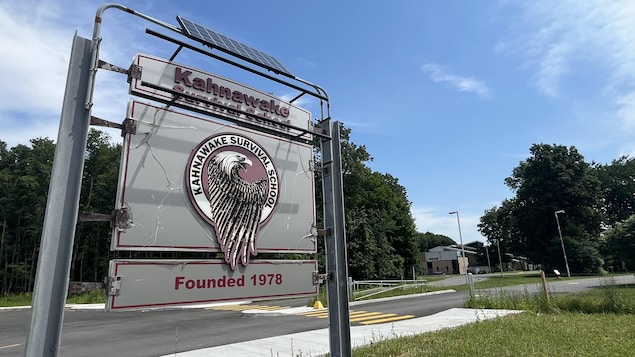
C’est ce que révèlent de nouvelles analyses réalisées près de la limite est de la communauté mohawk.


:fill(blur):format(jpg)/2026/09/14/6aa833392d081619020179.png)

US president’s eldest child married Palm Beach socialite Bettina Anderson in three-day celebration across two exclusive private islands
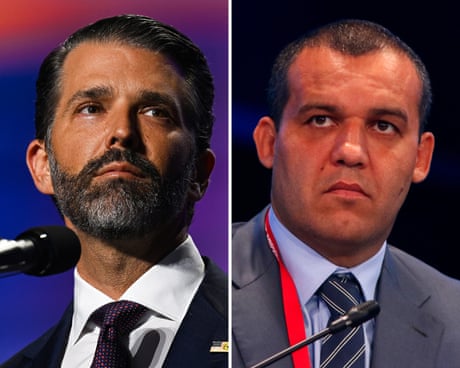
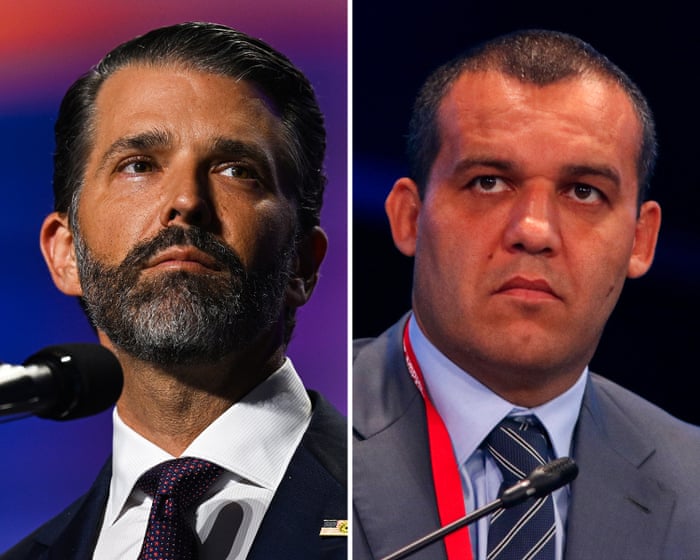
Donald Trump Jr and his wife, Bettina, confirmed on Monday that a Russian oligarch close to Vladimir Putin partially paid for the couple’s wedding celebrations in May, following a ProPublica report revealing Umar Kremlev spent hundreds of thousands of dollars on the events.
Trump Jr, the US president’s eldest child, married the Palm Beach socialite in a lavish three-day celebration across two exclusive private islands in May.
Continue reading...
© Composite: Getty Images, SOPA Images/LightRocket

© Composite: Getty Images, SOPA Images/LightRocket

© Composite: Getty Images, SOPA Images/LightRocket

US President Donald Trump said that Ukraine has agreed not to strike Russian energy facilities. According to him, Russia has agreed to do the same. Trump wrote about this on his social media platform, Truth Social. He also claimed that the global diesel fuel price rise is "mostly caused by the Russia/Ukraine War, not Iran.”
Leading international media and think tanks are directly pointing out that the US president is trying to mask his own miscalculations in the war with Iran ahead of the Congressional elections. For example, Politico writes that Trump is trying to find a "scapegoat" in Ukraine, blaming Kyiv's strikes for the fuel price rise, not the Strait of Hormuz closure.
The energy crisis and the spike in diesel prices to over $6.20 per gallon in the US began right after the military conflict between the US and Israel, and Iran erupted in February 2026, Fox News reports.
Diesel is the fuel used by Russian tanks that attack Ukrainian cities.
At the same time, President Volodymyr Zelensky stated that Ukraine is ready to ensure an "energy truce" with Russia, provided there are no strikes from the aggressor country. To this end, Ukraine is proposing that partners serve as guarantors of the agreements with Moscow for such a truce.
"Food, energy, and other elements of basic life support must be protected, and Russian strikes are aimed primarily at this," Zelensky said.
Every day, targets include Ukrainian energy facilities, port infrastructure, logistics, and even food and pharmaceutical warehouses, he added.
Zelensky also added that such an agreement must hold after the Russian elections.
"For this to be reliable, long-term, and have a real effect on people's lives — and not fall apart after the Russians hold their 'elections' and get exactly the easing of tension on gasoline and diesel they need for that period," he said.
Zelensky added that the war must be brought to an end, and de-escalation around strikes on critical infrastructure could be a first step toward peace.
"We expect specifics from our partners," he added.

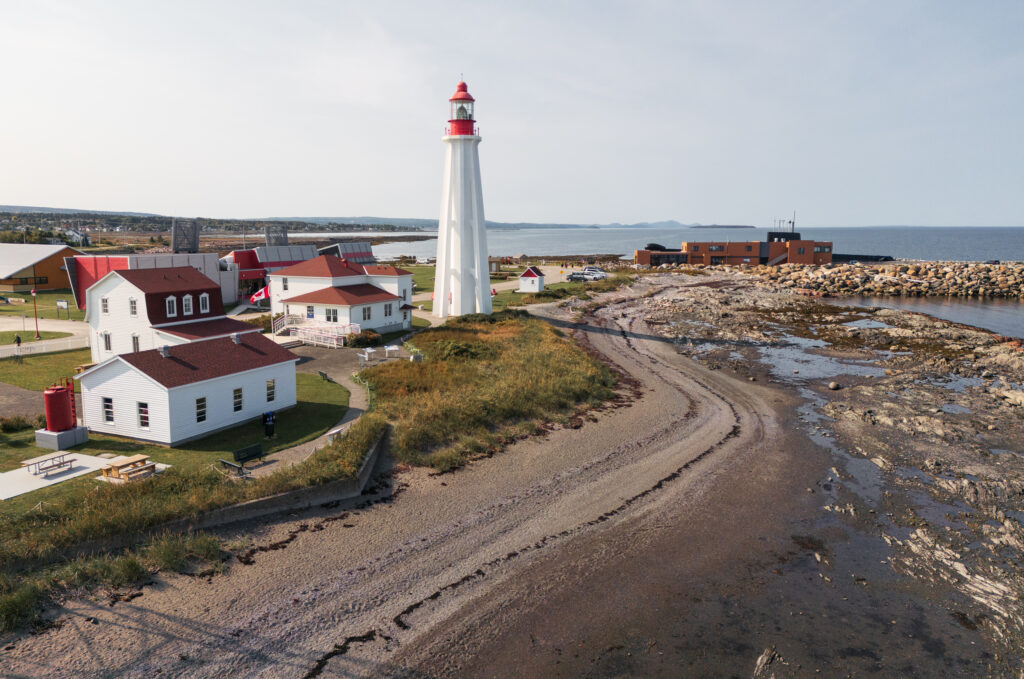
Les Amis des phares du Saint-Laurent souligneront leur 25e anniversaire le 19 septembre en offrant au public des conférences gratuites au Site historique maritime de la Pointe-au-Père. L’événement se conclura par un vin d’honneur afin de célébrer cet important jalon.
Également connu sous le nom de la Corporation des gestionnaires de phare de l’estuaire et du golfe du Saint-Laurent, l’organisation œuvre depuis 25 ans à la sauvegarde des phares et ainsi qu’au partage de connaissance et des expertises sur les phares du Saint-Laurent.
Au cours des 25 dernières années, la sauvegarde du patrimoine maritime, la cession de phares à des organisations privées, la restauration et quelquefois la disparition de phares ont marqué les activités de la corporation.
Depuis 2023, la corporation travaille sous le nom des Amis des phares afin de rassembler tous les passionnés des phares et du patrimoine. Les services aux gestionnaires de phares demeurent au cœur des actions de la Corporation.
Afin de souligner le travail des bénévoles et de poursuivre sa mission, la corporation offrira le 19 septembre des conférences qui se tiendront au Hangar 14 au Site historique maritime de la Pointe-au-Père. Les gens auront l’opportunité de mieux connaître les réalisations des amis des phares et pourront découvrir des restaurations de différents phares du Saint-Laurent.
14h00 – Conférence : « 25 ans sous le signe de la lumière : l’histoire des Amis des phares »
14h30 – Conférence : » Quand les phares renaissent : restaurer des phares du Saint-Laurent »
15h30 – Hommage à un gardien de phare
16h à 19h – Cocktail du 25e anniversaire
La population est invitée à consulter la page Facebook de la Route des phares pour en savoir plus sur l’événement ou pour devenir membre des Amis des phares.
Les activités du 19 septembre seront offertes gratuitement.


The New York District Attorney announced on Monday that it has seized 12 websites hosting AI-generated non-consensual intimate imagery, primarily of celebrities and public figures.
The DA’s office said it believes that this marks the largest seizure of such sites in history. The people using and running these sites who are now under investigation used AI tools to turn approximately 1,200 people’s photos into “hyper-realistic” images and videos of them engaged in sexual conduct, according to the DA’s office.
The images allegedly depicted “politicians, first ladies of multiple countries, primarily public-facing individuals, including actors, politicians, athletes, musicians, social justice advocates, and social media influencers.
New York has had laws specifically criminalizing sexually explicit deepfakes in place since 2023. Bragg referenced this legislation when asked what law the office is acting on.
“While the victims of these sites are largely celebrities, we know that anyone can be a victim in these crimes, particularly in domestic violence cases, many of our intimate violence cases involve threats to at least images and videos, and we know that deepfakes are being used in the same way,” District Attorney Alvin Bragg said in the press conference Monday. “So, whoever you are, the message to survivors is the same: You are not alone. Help is available. If you let us know that an image has been posted without your permission, without your consent, we can take action as long as that website is accessible from Manhattan.”
Bragg declined to answer whether images of minors were included in these websites, saying, “The investigation is ongoing.”
In June, the U.S. Departments of Justice and Homeland Security seized two domains that were being used to publish “thousands of digitally forged images and videos depicting famous women as nude and sometimes engaged in sexual activity, without their consent,” and featured topics like “rape,” “forced,” and “degradation,” according to a press release. Images on those sites allegedly depicted politicians, first ladies of multiple countries, royalty, journalists, television presenters, athletes, entertainers, and others.
And in May 2025, the massive deepfakes hosting site and forum MrDeepfakes.com shut down following an investigation by the Canadian Broadcasting Company, Der Spiegel, and Bellingcat.
Earlier this month, the first man in the country to be convicted of violating the Take It Down Act was sentenced to 15 years in prison, after investigators found more than 3,000 real and AI-generated abuse images on his devices.
Slightly altered images of women who are public figures are taking over social media sites like X.com, 404 Media reported last month. These images are often not completely nude AI images of women, or face-swapped sexual material, but depict women as wearing more revealing clothing than they did in the real photo or video, or with digitally altered bodies.
The DA’s office is encouraging victims of deepfakes to contact its Cyber Crime Bureau at (212) 335-9600. Bragg said targets of deepfakes might not know that something can be done, and wants them to know there’s a “cop on the beat.”
“Our message to the people who are creating and publishing this content: What you are doing is a crime. We are investigating, and support survivors in taking down this content and seeking accountability for folks who break the law,” Bragg said.

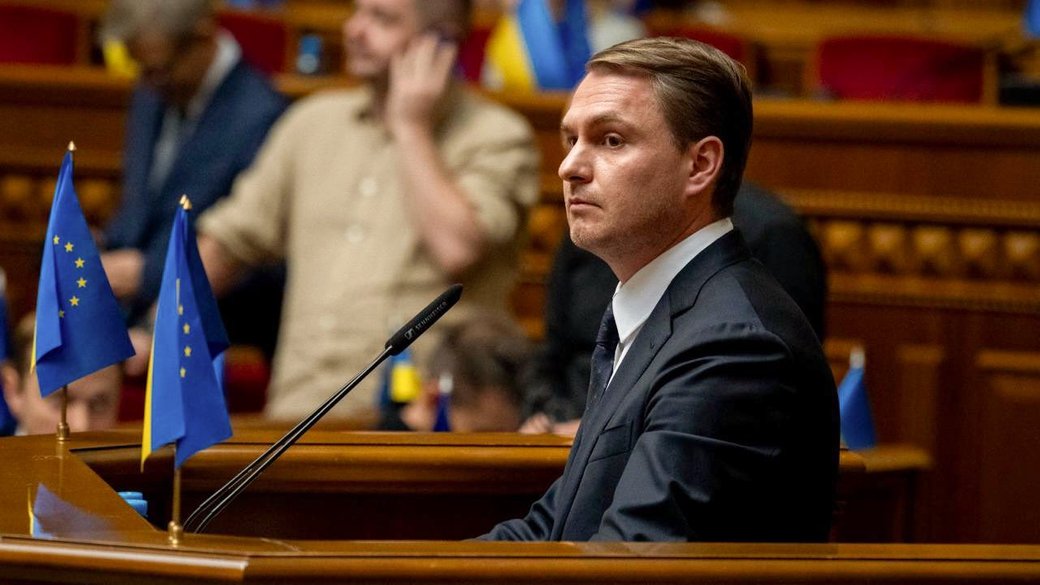
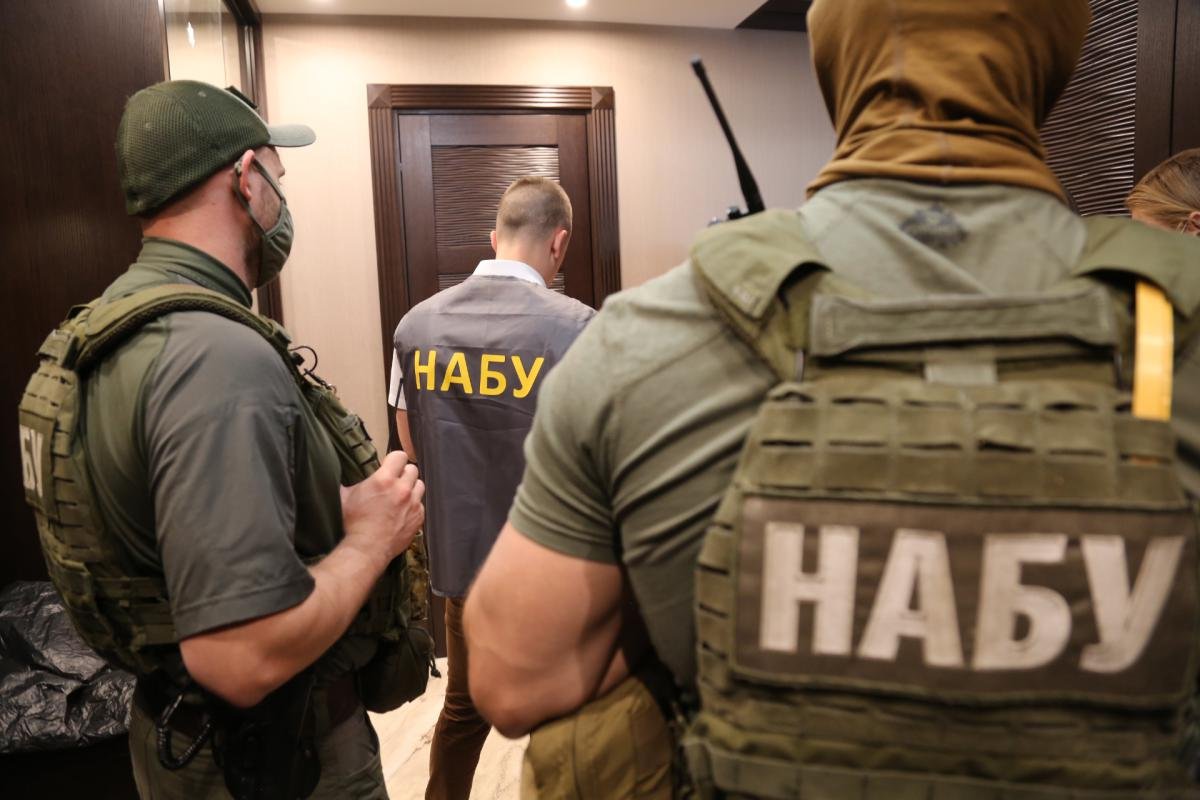
Ukrainian President Volodymyr Zelenskyy suspended Ruslan Kravchenko from the post of prosecutor general by decree on 14 September. The decree came hours after Kravchenko announced criminal accusations against Semen Kryvonos, director of Ukraine's National Anti-Corruption Bureau (NABU), which is investigating Kravchenko's office.
Zelenskyy's suspension comes amid a conflict between the Prosecutor General's Office and Ukraine's anti-corruption bodies: NABU, which investigates high-level corruption, and SAPO, which prosecutes NABU's cases. Their independence is central to Ukraine's post-Euromaidan reforms and EU accession.
Zelenskyy's decree gave no reason and cited martial-law powers allowing the president to suspend officials appointed under his authority, Censor reported.
Davyd Arakhamia, parliamentary leader of Zelenskyy's Servant of the People party, said lawmakers would vote on 15 September on a submission from Zelenskyy, who urged the Rada to back the dismissal without delay. The law enforcement committee backed it the same afternoon. Kravchenko submitted his resignation on 7 September.
Kravchenko was abroad on what his office called an official trip to a 16 September conference on Ukrainian children in Paris, organized by the Parliamentary Assembly of the Council of Europe. Yet a spokesperson for the assembly told the Kyiv Independent that neither Kravchenko nor anyone from his office would take part, and that he would not appear as a speaker or a participant, and Censor's sources say he registered the trip as a business trip to Brussels.
The NGO Anti-Corruption Action Center alleged that he signed the notices in exchange for being let out of the country, and that the trip was possible only with Zelenskyy's permission. It published no evidence.
Before his suspension, Kravchenko said he had signed notices of suspicion against Kryvonos, NABU’s director, and an unnamed associate of SAPO head Oleksandr Klymenko.
A notice of suspicion is a formal pretrial accusation that generally confers suspect status upon service of the notice. Kravchenko accused Kryvonos of forging documents to obtain an illicit benefit on an especially large scale and arranging a fictitious adoption to avoid legal liability. The second alleges that the unnamed associate tried to influence anti-corruption judges, offered them bribes, and helped others evade mobilization.
Kravchenko linked the notices to Operation Carthage, claiming NABU and SAPO used its searches to obtain and remove case files concerning their personnel.
NABU and SAPO rejected the allegations, denied taking files or seeking immunity, and called Kravchenko's actions a continuation of a "systemic attack" on independent anti-corruption agencies. Since Kryvonos had not been served, the agencies described the announcement as public rather than procedural.
At the center of Operation Carthage is Serhii Kropyva, deputy head of the Prosecutor General's Office international cooperation department, whom NABU and SAPO accuse of running a bribery scheme that protected fraudulent call centers and laundered the proceeds.
Kropyva was remanded in custody with bail set at UAH 120 million ($2.7 million) while NABU and SAPO searched the Prosecutor General's Office premises. NABU has not named Kravchenko as a suspect, and he denies protecting the call centers or receiving criminal proceeds.
The dispute between Kravchenko and the two agencies also revives a broader struggle over their independence from the prosecutor general. In July 2025, parliament placed NABU and SAPO under greater control by the prosecutor general, triggering Ukraine’s first major wartime street protests and Western pressure before lawmakers restored their formal independence.
The European Commission reiterated on 14 September that both the protection of agencies and the reform of the Prosecutor General’s Office, including the competitive selection of its head, are part of Ukraine’s EU accession commitments.

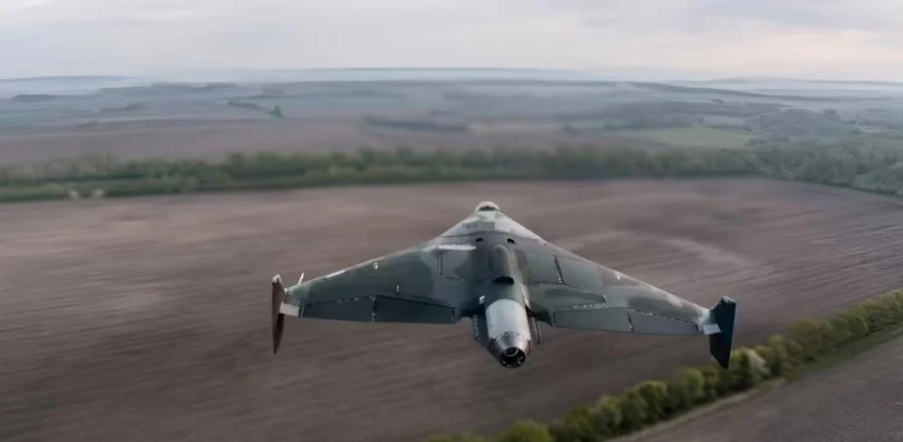
Russia has fielded a new generation of cheap, jet-powered drones and cruise missiles faster than Ukraine or the US can build defenses against them, according to The Wall Street Journal. The weapons run on Chinese parts that slip past Western sanctions, and they are already getting through air defenses designed to stop slower drones. Analysts say the West underestimated how fast Moscow could move from an idea to a full assembly line.
Russia now leans on cheap, mass-produced drones to swamp Ukraine's air defenses with sheer numbers night after night, and its factories keep growing to keep the attacks coming. The bigger lesson reaches past this war: in a long fight, cheap weapons in large numbers can beat a small stock of expensive ones.
Ukraine had learned to shoot down the Iran-designed Shahed drones Russia was launching. Then Moscow moved the goalposts. The newest model, the Geran-5, looks more like a missile than a drone—Mike Monnik, head of the drone-threat firm DroneSec, called it "essentially a poor-man's cruise missile," and it forced a rewrite of Ukraine's counter-drone playbook. The Geran-5 and the Banderol cruise missiles are each estimated to cost about $100,000. A US Tomahawk costs more than $2 million.
Moscow needed only about two years to take each weapon from the drawing board to the battlefield, reworking earlier designs, testing them in combat, and pushing them into serial production. Ukrainian assessments, echoed by the drone-intelligence firm DroneSec, trace the leap to Chinese parts—the turbojet engines, the navigation computers, the radios—most of them off-the-shelf, dual-use gear anyone can buy. The weapons are aimed at Ukrainian cities and infrastructure—a Banderol struck a residential area of Kharkiv in July.
US forces and NATO have knocked down cheap drones with costly Patriot interceptors and fighter jets, often firing several interceptors at a single weapon. Western firms that built interceptors for slow drones are now scrambling to make faster, jet-powered ones. Kateryna Bondar of the Center for Strategic and International Studies said the West keeps underestimating how fast Russia turns experiments into production, and that Kyiv had years of warning yet was still caught off guard.
"I'm surprised everyone is surprised," she said.
At NATO's July summit in Ankara, members committed more than $40 billion to counter-drone defenses over the coming five years.

NATO officers are now learning from Ukraine’s combat experience in UAVs, electronic warfare, and intelligence. Ukrainian military personnel have held a series of seminars for officers from the Polish and German armies on applying lessons from modern warfare to military command and decision-making, Ukraine's Defense Ministry said.
No NATO army has fought a modern war. Because Ukraine's soldiers are the only ones with years of combat under saturating drones and jamming, their experience is now reshaping how the alliance plans and trains, not the reverse.
The seminars have mixed theory with live exercises and set Ukrainian operational practice against NATO's written doctrine, exposing where the alliance's assumptions about maneuver, command, and the use of force no longer fit a battlefield run by technology.
Ukraine teaches the lessons of drone war
"Ukrainian officers bring the experience of real modern war, and the practical work lets us test together how it can be used to train troops," said Colonel Valerii Vyshnivskyi.
He is Ukraine's senior representative at the NATO-Ukraine Joint Analysis, Training and Education Center (JATEC), the first joint civil-military institution between NATO and Ukraine.
The course runs through a joint centre
The three-week event took place in Lublin, at the base of the Lithuanian-Polish-Ukrainian Brigade, which provided the facilities. It was part of JATEC's support for a program called Captains' Training, intended to facilitate the exchange of tactical-level lessons between Ukraine's forces and NATO. The officers worked through Troop Leading Procedures for planning a company's actions and the Military Decision Making Process, used by a battalion staff.
In Ukraine, the Come Back Alive foundation has backed the same course since 2022.

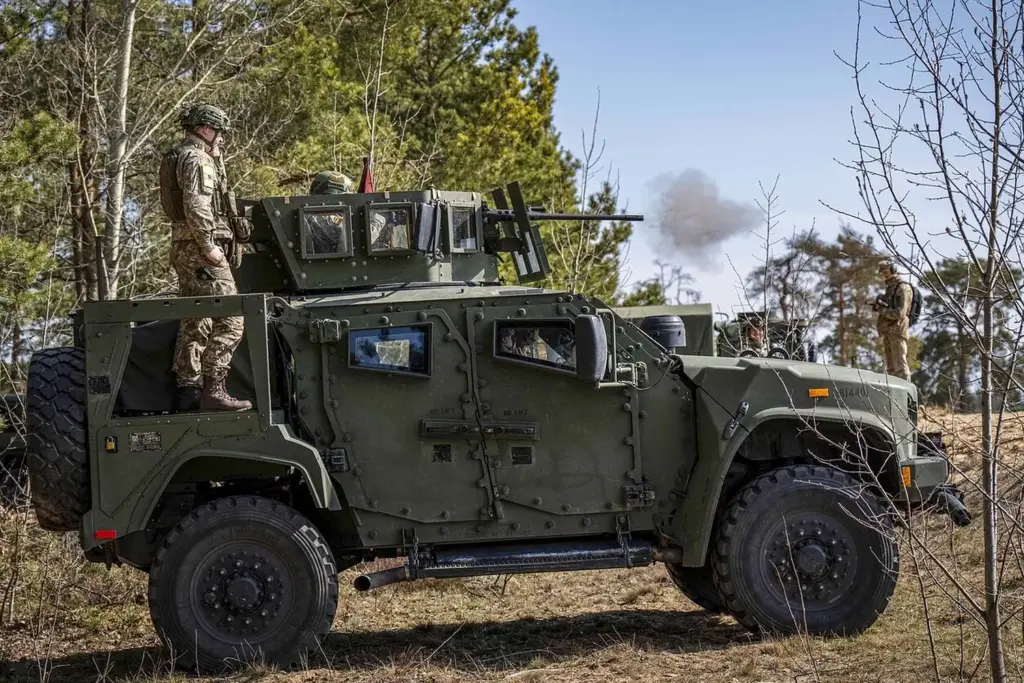
Lithuanian troops began military exercises across 12 municipalities in the southern half of the country on 14 September, training to respond to different types of military threats, LRT reported. The exercises will run through 18 September.
NATO's eastern flank has faced growing security pressure from Russia's war against Ukraine. Lithuania borders Russia's Kaliningrad Oblast to the southwest and Belarus to the east, while its territory forms part of the land route connecting the Baltic states with Poland and the rest of NATO.
The exercises involve multiple types of drones, boats, weapons, and wheeled military and civilian transport vehicles, with troops moving on foot and by vehicle during the day and at night. No imitation ammunition or pyrotechnics will be used, the army said.
Vilnius International Airport was closed on 13 September for 38 minutes after radar detected what was initially feared to be a drone. An Italian air force detachment based at Šiauliai as part of NATO's Baltic Air Defense mission scrambled a fighter jet, which identified the contact as a flock of birds.
Vilmantas Vitkauskas, head of Lithuania's National Crisis Management Center, told LRT radio that a large concentration of birds moving in one direction can register on radar as a drone-like object.
Separately, Poland said on 14 September that its military had found a suspected Russian military drone near its Baltic Sea coast. Polish Defense Minister Władysław Kosiniak-Kamysz said a preliminary inspection indicated it was a Russian military drone.
Operational Command spokesman Jacek Goryszewski told TVN24 it was most probably a Russian Gerbera, a cheap long-range drone built from plywood and foam that is often used as a decoy but can carry explosives, and said it had drifted to shore under military observation, with no violation of Polish airspace recorded since late July.
Another multinational exercise, Strong Griffin 2026, is also underway in Lithuania's Švenčionys district near the Belarusian border. Running from 2 to 20 September, it involves about 2,500 troops and 500 pieces of equipment from Lithuania, the United States, Poland, the Netherlands, France, and Portugal, plus partner countries Ukraine and Moldova, according to LRT. Drone work is integrated across it, from reconnaissance to long-range strikes and countering enemy drones.
European intelligence services expect the danger to grow rather than fade. Dutch military intelligence assesses that Russia could mount a regional conflict against NATO within a year of the fighting in Ukraine ending, and reports that preparations for sabotage across Europe have been rising again since mid-2025.

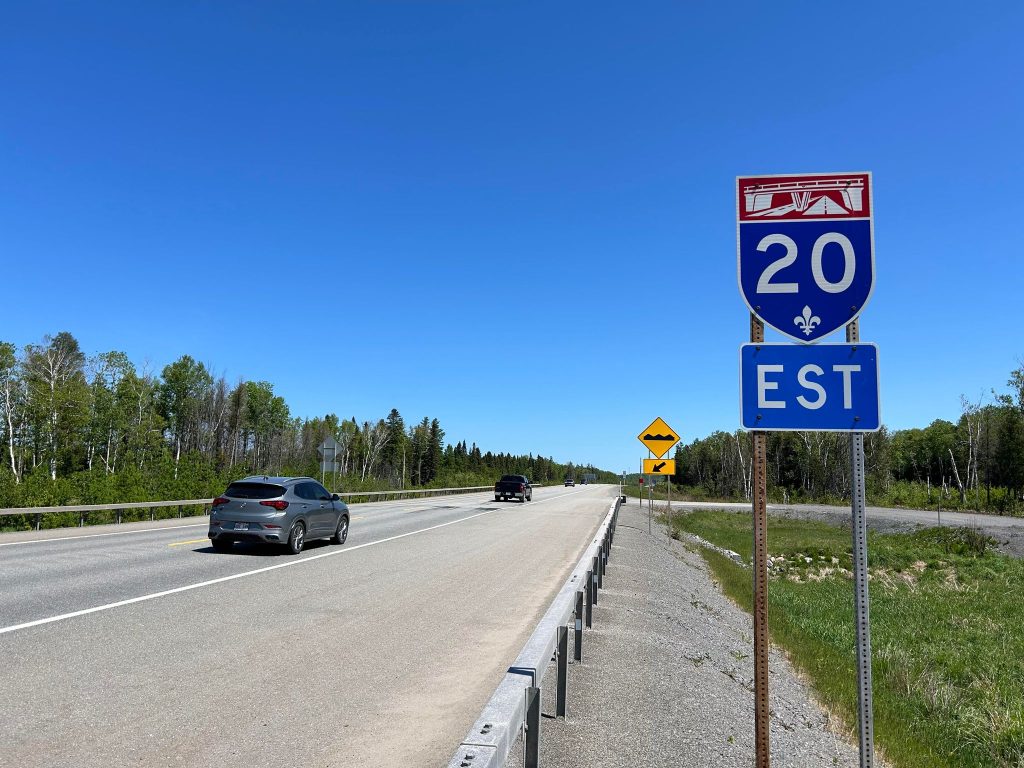
Le ministère des Transports et de la Mobilité durable fermera l’autoroute 20 entre Cacouna et Notre-Dame-des-Neiges, ce mercredi 16 septembre de 6 h à 17 h, pour réaliser des travaux d’entretien.
Les équipes procéderont à du marquage ponctuel, à du rapiéçage de la chaussée ainsi qu’à différentes interventions sur la signalisation.
Pendant la fermeture, les automobilistes devront emprunter un détour par la route Moreault, la route 132 et la route de Notre-Dame-des-Neiges.
Les travaux pourraient être reportés, prolongés ou annulés en raison des conditions météorologiques défavorables ou de contraintes opérationnelles.

This week we’re joined by Jennie Rose Halprein, executive director of Library Futures, a non-profit that advocates for a fair digital future for libraries and the communities they serve. We have written a bunch of stories about libraries over the years, and I have talked to Jennie a few times for those stories. I always have really interesting conversations with her, but a lot of what we talk about never makes it into my articles. That’s why I wanted to share one of those conversations with you today. We of course touch upon censorship but also many other subjects, so I hope you enjoy this conversation as much as I did.
Listen to the weekly podcast on Apple Podcasts, Spotify, or YouTube.
Become a paid subscriber for early access to these interview episodes and to power our journalism. If you become a paid subscriber, check your inbox for an email from our podcast host Transistor for a link to the subscribers-only version! You can also add that subscribers feed to your podcast app of choice and never miss an episode that way. The email should also contain the subscribers-only unlisted YouTube link for the extended video version too. It will also be in the show notes in your podcast player.

The actor’s latest promotion has stirred outrage but will no doubt be good for the prediction markets hoping to lure in young men
Prediction markets are a cynical business.
Many customers will lose money, and the real product may just be the delightful dopamine hit that comes in that brief window between placing a bet and its outcome – which is statistically more likely to be a disappointment than a victory. So the bettor has to think they are buying more than their own fleecing.
Continue reading...
© Photograph: Novig

© Photograph: Novig

© Photograph: Novig

A Russian state-linked espionage group ran much of its campaign against Ukraine on Claude, the AI assistant sold by US company Anthropic, which set out the case in a threat report published on 10 September, covering activity it disrupted between December 2025 and August 2026. Ukrainian government, military, and diplomatic staff recurred most often among the targets, with the drone supply chain second. Other Russian users of the same chatbot produced on-air tickers and voiceover scripts for state broadcasters, while Russian-speaking criminals went after the AI industry itself.
Anthropic tracks the group as GTG-20006 and says its attribution matches public reporting that links it to Midnight Blizzard, a hacking group the US and UK governments attribute to Russia's SVR foreign intelligence service. A Russian-speaking operator using the handle JackPoterz ran campaigns against military intelligence targets in Ukrainian and European governments, plus diplomatic and defense bodies and individuals connected to US foreign policy.
More than 20 organizations appeared in the actor's planning and live operations, from ministries and embassies to think tanks and defense companies. Ukrainian government, military, and diplomatic staff came up most often, and the operators scanned email and remote-access systems across more than two dozen Ukrainian state organizations. Russia has worked these networks all war, treating Ukrainian media as a priority cyber target.
The operators bulk-exported the mailboxes of at least two drone component manufacturers and went after a military drone maker. They also stole a complete proprietary software development kit for a drone vision system, the code and documentation engineers need to build on that hardware, then spent days pulling it apart. They recovered the product architecture, the parts list, the supplier dependencies, and details of a product the company had not announced. Military drone control and AI vision firmware drew their particular interest.
To reach people indirectly, the group also compromised at least three vendors running hotel guest WiFi and redirected guests to its own servers, pushing malware at their devices and hunting for Ukrainian officials and drone manufacturers. To reach people indirectly, the group also compromised at least three vendors running hotel guest WiFi and redirected guests to its own servers, pushing malware at their devices and hunting for Ukrainian officials and drone manufacturers. Microsoft documented the same method on 31 July, calling it CaptiveCrunch and tracing it to a Midnight Blizzard sub-cluster. Russian services have tracked the weapons pipeline before, tapping private cameras in Europe to watch arms shipments bound for Ukraine.
Claude fingerprinted mail systems, built the phishing infrastructure, ran commands inside victim networks, harvested credentials, and organized hundreds of gigabytes of stolen data, Anthropic found. Automated agents also checked whether the group's implants were being detected, rewrote flagged malware until it passed, and staged it for the next intrusion. The operators also seized WhatsApp accounts and targeted at least two former high-level Ukrainian officials that way, and stole cloud email from at least eight bodies, including a national prosecutor office and a military education institute.
Four individual operators fed state outlets, among them a former Sputnik Moldova editor-in-chief. Anthropic says content generated with Claude reached Sputnik Moldova, RIA Novosti, Sputnik en Español, Sputnik Africa, and RT's English newsroom, including fabricated claims about Moldova's President Maia Sandu before the parliamentary election of 28 September 2025.
A Russian-speaking operator in Bangui also supplied daily material to Radio Lengo Songo, a station investigators say the Wagner Group founded and funded in 2017, coordinating with RT, Sputnik Afrique, and TASS.
A Russian-speaking actor moved from hotel-booking and fintech intrusions to attacking AI firms, planting instructions in one vendor's testing system and hitting roughly 30 companies in four days while chasing an unreleased Claude model. The hunt for the model failed, though the actor did take production API keys from that testing system, and Anthropic says its own systems were never breached. A Russian- and Ukrainian-speaking group meanwhile sold fake discounted access to the assistant, routing customers to a different model and stealing their logins.

OpenAI is hiring hundreds of contractors who read a massive stream of real users’ ChatGPT prompts, with the prompts sometimes including sensitive personal information, 404 Media has learned. The prompts these people review can include whole conversations between users and the chatbot, conversations that most of ChatGPT’s more than 900 million users probably don’t realize may be read by actual people.
The goal of these prompt review teams is to improve the responses ChatGPT gives to its users, with the contractors rating and critiquing the chatbot’s generated replies. Internal documents seen by 404 Media show contractors training ChatGPT to not anthropomorphize itself, and to be less sycophantic, a key problem for OpenAI whose over-sycophantic 4o model led in part to multiple peoples’ suicides, according to various lawsuits.
The news presents a major privacy risk for ChatGPT’s users, with people often using ChatGPT as a therapist, professional assistant, or digital friend, and providing it with all sorts of intimate details about their lives. The contractors don’t see ChatGPT usernames, and OpenAI says it tries to remove personal information before prompts reach the reviewers, but the company acknowledged sensitive details can still get through.
The news also dispels the misconception that these models are improving only because of OpenAI’s mass scraping of the internet, the talent of its well-paid engineering and AI teams, or the power of its newer models. An important and overlooked part are the outside contractors paid to read and review ChatGPT responses to real prompts over and over again. Anthropic confirmed to 404 Media it is also using human review to improve its models.
“No,” someone who works with the prompts said when asked if they think ChatGPT users know that humans are reading their chats. “I don’t think they would imagine some contractor somewhere [...] is analyzing the conversations.”

Le maire de Mont-Joli, Martin Soucy, aimerait voir les candidats à l’élection provinciale du 5 octobre prochain dans la circonscription de Matane-Matapédia-La Mitis prendre des engagements sur des enjeux locaux en santé et en transport plutôt que de seulement rapporter les priorités de leur formation politique.
« La population a besoin de savoir quelles sont leurs priorités dans le domaine de la santé pour les gens de Mont-Joli. On se rappelle qu’il y a présentement des coupures dans les heures d’ouverture de l’urgence de Mont-Joli. Un mémoire a été déposé par la MRC de La Mitis au nom des 16 municipalités. J’aimerais entendre les candidats sur le sujet, sur ce qu’ils feraient et s’ils ont l’intention de reconnaître l’urgence de Mont-Joli comme une urgence majeure avec un budget en conséquence », affirme-t-il.
Le maire souligne que la problématique à Mont-Joli n’est pas un manque de médecins, mais l’impossibilité de remplacer ces médecins par des médecins dépanneurs dans le cas d’absence prolongée.
Martin Soucy aimerait également connaître la position des candidats concernant la situation de l’autoroute 20 entre Mont-Joli et Rimouski.

« On nous avait promis des élargissements de voies pour améliorer la sécurité. Quelques forages ont été faits, mais ils sont en retard de 18 mois par rapport à leurs promesses. Il n’y a rien qui se fait. On parle beaucoup du prolongement de l’autoroute 20 entre Bic et Trois-Pistoles, mais ce qui préoccupe les gens de Mont-Joli, c’est la sécurité du tronçon Rimouski-Mont-Joli et ça j’aimerais l’entendre ».
Un autre aspect important pour le maire de Mont-Joli, c’est le transport collectif, autant celui inter-MRC que celui intra-MRC qui est actuellement sous-financé.
« Il y a eu des coupures au cours des dernières années dans le transport collectif et adapté. On se rend compte que la part du gouvernement provincial dans le financement du service n’est pas équitable. On subventionne plus les grandes capitales. Ily a une iniquité présentement dans le budget du transport collectif sur le territoire.
Monsieur Soucy a aussi des attentes en matière de transport aérien.

« Nous avons une seule desserte présentement qui passe par Wabush pour aller à Montréal. La Régie avait présenté de quoi au ministère des Transports qui semblait satisfaire, mais finalement notre région a été délaissée. Pourtant, l’aéroport est un vecteur économique important. J’invite les candidats à se prononcer sur ces enjeux, mais aussi sur les infrastructures et le logement. Le député sortant, Pascal Bérubé, s’est prononcé, mais on n’entend pas grand-chose des autres candidats ».

© Sonu Mehta/Hindustan Times, via Getty Images
Strike on kingdom’s east-west pipeline could affect 4% of global oil supply. Plus, report reveals British monarchy’s role in financing slave trade
Good morning. Oil prices have climbed above $108 a barrel after a series of drone attacks from Iraq’s territory forced Saudi Arabia to close its east-west crude pipeline. Saudi traders said the kingdom would run out of oil stocks for export if it did not reopen within days. Gas prices also climbed higher. Energy prices have surged this year, as the US-Israel war with Iran has disrupted oil and gas supply across the Middle East.
The spike came as the Iran-aligned Houthi forces in Yemen launched several attacks against Saudi Arabia and captured the strategic island of Perim in the Bab al-Mandab strait on Sunday, expanding their control of the waterway.
Where did the attack on Saudi Arabia come from? Iraq’s government confirmed the attacks were launched from its territory and ordered an investigation. Baghdad is under mounting pressure to stop militant groups – including those backed by Saudi Arabia’s regional rival Iran – launching attacks on Gulf countries from Iraqi soil. The US president, Donald Trump, said he believed Tehran was responsible.
Why has Saudi Arabia been relying on its east-west pipeline? Riyadh has increased the use of the 745-mile pipeline since the start of the war on Iran in order to bypass the strait of Hormuz’s closure. The world’s biggest exporter has used the pipeline to reroute about 4m barrels a day – about 4% of global supply – but with the pipeline out of service, the Red Sea port of Yanbu now has stocks to maintain exports for just five to seven days.
What is the Anthropic CEO proposing? Robert Booth explains Amodei’s suggestion: first, each US AI company grants access to third-party evaluators; second, all companies in democratic countries establish common safety standards; and third, the world’s democratic AI powers coordinate with autocracies – notably China – to control the race.
How has Barack Obama intervened over AI? The former US president made a direct appeal to Democrats to coalesce around a unified AI safety policy, arguing that waiting for voluntary compliance from tech firms was a recipe for governance failure.
Continue reading...
© Photograph: 2026 Copernicus Sentinel Data/AFP/Getty Images

© Photograph: 2026 Copernicus Sentinel Data/AFP/Getty Images

© Photograph: 2026 Copernicus Sentinel Data/AFP/Getty Images
Ça bouge un peu. Dans le bon sens. Je profite de ma pause de midi pour écrire quelques mots.
Vous savez ces changements progressifs que vous n’arrivez pas à attribuer à un seul facteur, mais où vous identifiez quand même des éléments spécifiques qui ont joué un rôle? Voilà, on est là-dedans.
J’ai pu passer à 60% il y a deux semaines. Ça fonctionne. Alors bien sûr, ça fonctionne parce qu’en dehors du boulot il n’y a pas grand-chose. Je fais très attention. Mais c’est plus facile maintenant de faire attention car j’identifie mieux ce qui me fatigue et quand c’est important de récupérer (merci le Groupe Energie).
Par exemple: l’interaction, ça me fatigue toujours. Je garde donc un oeil sur mes heures d’interaction quotidiennes. Je limite la durée de mes appels téléphoniques sociaux (sinon je causerais volontiers trois heures au tél) et je les programme. Si je vais à Berne une journée (ça commence à devenir réaliste d’y aller une fois par semaine), il y a beaucoup d’interaction (normal je profite), donc j’ai repéré les “salles de repos” (qu’on a la chance d’avoir) et j’agende mes moments de pause.
Nouveau sur le radar, le mouvement et les déplacements. Je vois une ORL à ce sujet vendredi, mais on dirait qu’il y a quelque chose qui se trame côté vestibulaire ou neuro-visuel. Ça explique pourquoi une balade au parc “m’étourdit”, pourquoi certaines activités physiques me fatiguent de façon étonnante, pourquoi je me retrouve parfois avec un mal des transports dans le train alors qu’avant l’accident, jamais. En attendant d’y voir plus clair, j’ai mis le frein sur la marche, j’ai récupéré un vélo d’appartement pour pouvoir activer un peu mon métabolisme sans secouer mon cerveau, et je tiens mieux compte de la fatigue liée aux déplacements. J’ai vraiment l’impression que depuis que je bouge moins, ça va mieux.
Ça fait un moment maintenant que je suis en train de réussir à mettre en place des routines (quotidiennes et hebdomadaires) qui commencent à tenir. Le sommeil est sous contrôle, de façon satisfaisante. Je ne sais plus si j’ai déjà parlé de comment j’y étais arrivée, mais ça vaudra la peine une fois que je fasse un article qui l’abord en détail. Mais globalement, la clé c’est d’avoir une routine du matin “brainless”, et une routine du soir qui démarre assez tôt et me “porte” jusque dans mon lit. Un bon livre de chevet est aussi crucial, pour moi.
Chaque dimanche, je planifie en détail la semaine à venir. Ça prend du temps, ça peut sembler contraignant, mais ça m’évite de faire de grossières erreurs “sur le moment”. Je regarde quand je vais faire mes heures de travail, je prévois mes pauses, les plages de repos, les plages où je peux faire quelque chose, je place dans l’agenda les obligations ou impératifs. Ça aussi, ça vaudrait la peine que j’en parle une fois en détail. Je fais ça avec une copine: on se fait une visio et on regarde en semble les plannings de chacune qu’on a préparés auparavant.
En toile de fond, quelque chose a bougé à un autre niveau. Je crois que je commence à accepter/intégrer la vision “long terme” de ma récupération. Qu’il ne s’agit pas de patienter en attendant un “retour à la normale” qui viendrait avec le temps et des interventions (logo, ergo, et compagnie). Comme l’a dit une participante du Groupe Energie, la vie on en a une, c’est maintenant – la vie c’est ça, là, aujourd’hui. Ce n’est pas une idée nouvelle, mais depuis j’y repense souvent, et ça m’a encouragée dans cette direction: construire aujourd’hui une vie qui me va, même avec – malgré – les limitations post-accident. Ce n’est pas se résigner à ce que ça reste comme ça. C’est la base sur laquelle le “normal-après” va pouvoir se construire. Je sens que ça me sort de l’attente, ça me donne un sentiment de satisfaction de reprendre le contrôle, même si mon train-train parfois me semble étriqué. Si j’ai “que ça”, j’en fais quoi?
J’ai écouté il y a peu cette émission dont l’invité est mon neurologue. Une chose m’est restée: l’idée qu’une blessure au cerveau (ou une maladie) impacte l’identité. Je suis bien sûre “toujours moi” et largement “la même” (surtout comparé à d’autres atteintes plus sévères), mais il y a un bout de ça. Être une personne très active, avec beaucoup d’énergie, sportive, ça faisait vraiment partie de mon identité. Et là, pour le moment en tous cas, j’ai perdu ça. J’ai justement plutôt un déficit d’énergie plutôt qu’un excès. Ma capacité à bouger est diminuée. Je ne fais plus le tiers du quart de ce que je faisais. C’est vrai, ça touche à mon identité, cette histoire.
Avec un pas ou deux de recul, je peux mettre le focus sur ma vie de maintenant. Si je suis dans une phase de ma vie où je sors moins, où je ne vais pas aller faire des randonnées, du ski, du judo, où j’ai besoin de plus de repos, de plus de calme, où je dois prendre garde à mon quota d’interactions sociales, qu’est-ce que je me construis comme vie?
Notre identité elle comporte une part de stabilité, mais aussi une part en évolution. Ça bouge au cours d’une vie. La difficulté avec un accident, c’est que ça crée un changement brutal et non maîtrisé. Là, je sens que je commence à reprendre la main dessus. Si je n’ai plus la capacité (en termes d’énergie) de faire un milliard de choses comme avant, qu’est-ce que je fais? Les pistes tournent autour de m’occuper de mon espace de vie (vu que j’y passe plus de temps, ça fait sens), de devenir la championne de l’optimisation de l’énergie plutôt que de l’optimisation de comment “tetrisser” un max de choses dans le temps fini d’une journée ou d’une semaine, d’aller à plus de spectacles et de concerts si je ne peux pas m’amuser dans les montagnes, d’avoir un vélo d’appartement pour limiter l’impact de ma sédentarisation forcée, d’écrire plus aussi, peut-être, d’apprendre des choses sur les orchidées…
Ça ne s’arrête pas là, bien sûr. Mais me construire une vie satisfaisante avec ce que j’ai pour le moment, et qui pourra ensuite s’étendre au fil du temps qui passe et du cerveau qui trouve des nouveaux chemins pour faire quelque chose qui ressemble à l’ancien, ça semble déjà pas mal pour l’instant.
Recent social media lawsuits have addressed concerns about mental health. But what about its cognitive effects?
A few years ago, when I’d just started graduate work, I was waiting with a grandmother finishing a questionnaire I’d handed her about her 19-year-old granddaughter who was in the testing room next door. They were participating in a study that used brain imaging to look at adolescent development. The older woman had a soft southern accent and a warm laugh.
“What’s funny?” I asked.
Continue reading...
© Photograph: Peter Cripps/Alamy

© Photograph: Peter Cripps/Alamy

© Photograph: Peter Cripps/Alamy
Some of the everyday struggles animating voters have a climate link lurking in the background
When Florida governor Ron DeSantis signed a law erasing the words “climate change” from state statutes in May 2024 – colloquially known as the “don’t say climate change” law – Democrats were outraged. Just six months later, many liberal politicians began to go quiet on the issue themselves. After Donald Trump won the 2024 election, mentions of the climate crisis started to disappear from Democrats’ rhetoric. As the 2026 midterms approach, that retreat is still shaping how some candidates talk about climate on the campaign trail.
The trend, known as “climate-hushing”, may reflect the limitations of Joe Biden’s climate policies, said Daniel Aldana Cohen, assistant sociology professor at the University of California, Berkeley, who studies climate politics and inequality. Green jobs and housing investments fell short of the climate movement’s desires, consumer incentives disproportionately benefited wealthier households, and Democrats struggled to effectively communicate their accomplishments. The president has since rolled back many Biden-era clean energy incentives and regulations.
Continue reading...
© Composite: Shutterstock, CQ-Roll Call via Getty Images, AP

© Composite: Shutterstock, CQ-Roll Call via Getty Images, AP

© Composite: Shutterstock, CQ-Roll Call via Getty Images, AP
Cette semaine à l'émission Cyber Citoyen, Sam fait une plongée dans l'univers des "infostealers", ces logiciels qui infectent nos ordinateurs pour voler nos données confidentielles.
On discute de ce que c'est, comment ça fonctionne, quel est l'écosystème dans lequel cela existe et qui sont les cibles.
En deuxième partie, Catherine aborde Flock et les caméras de surveillance de masse.
Pour en savoir plus voici les présentations parlant d'infostealers mentionnées durant l'épisode:
Articles mentionnés dans le segment sur Flock:
Vous pouvez voir ou entendre Catherine à Radio-Canada ici:
Animation: Catherine Dupont-Gagnon
Montage: Sam Harper
Indicatif sonore: DJ Mutante
Crédit photo: Clément Falize
Hébergé par Acast. Visitez acast.com/privacy pour plus d'informations.

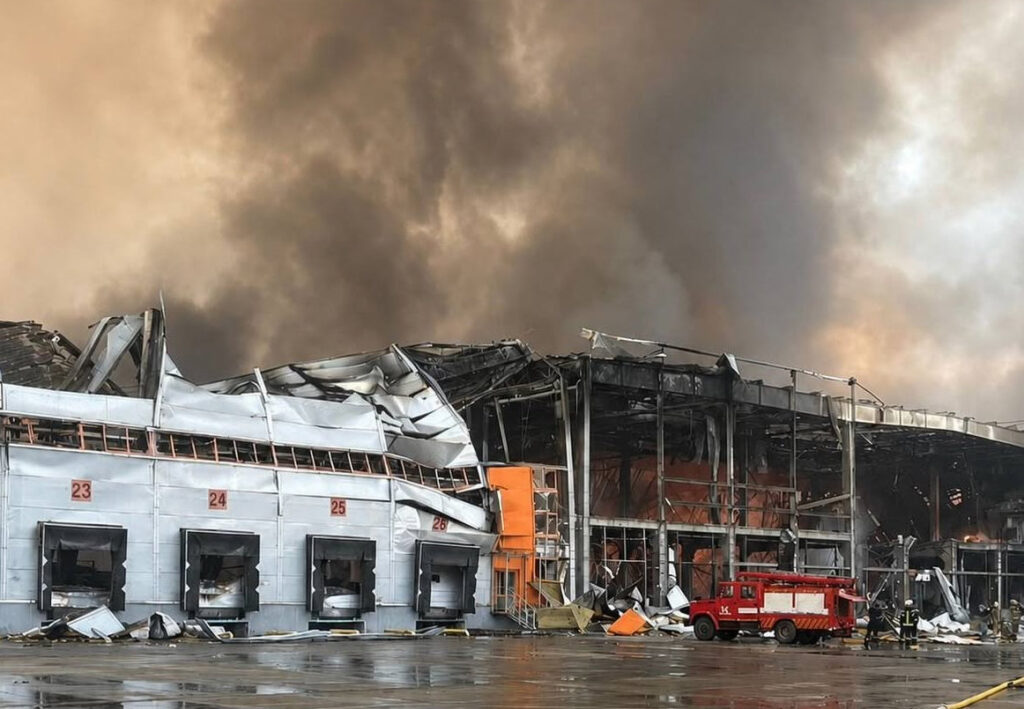
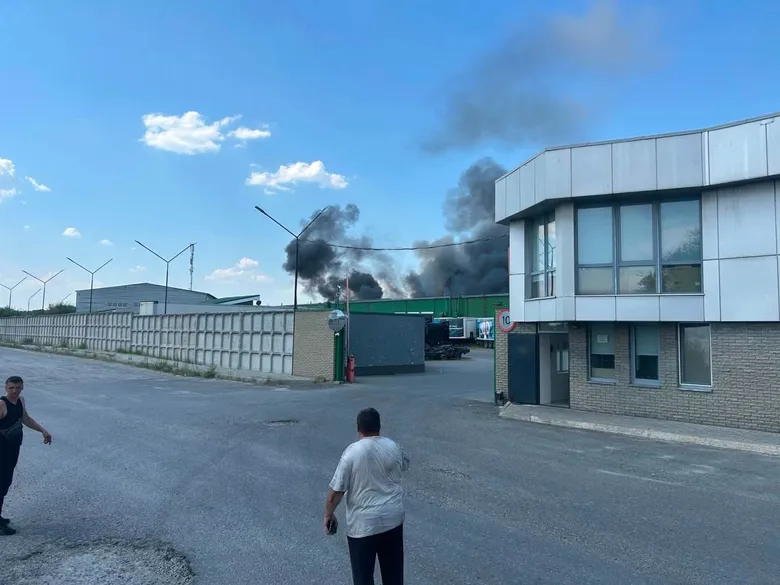
Russia struck a fourth Ukrainian pharmaceutical warehouse in two weeks on 14 September, setting fire to the Odesa depot of medicine distributor BaDM, Ekonomichna Pravda reported. Russian forces hit it during an attack they ran across the country through the night.
The BaDM complex stands on the edge of Odesa. The strike started a fire on the grounds, and the State Emergency Service worked at the site. It left significant damage to the storage buildings.
Preliminarily, nobody was hurt, sources on the pharmaceutical market told Ekonomichna Pravda. BaDM is one of the biggest wholesalers moving medicines to Ukrainian pharmacies.
Russia launched 108 strike drones from 18:00 on 13 September, Ukraine's Air Force said. The wave carried Shahed-type drones, among them jet-powered ones, Gerbera drones, and Parodiya decoys. Air defense downed or suppressed 85 of them by 08:00. Ukrainian forces recorded hits at seven locations, and the Air Force said the attack was still running when it published that count.

© Olivier Morin/Agence France-Presse — Getty Images

/2026/09/14/6aa7999737e70218206310.jpg)

Progressive politicians such as Zohran Mamdani offer answers to the bitter post-9/11 legacy of failures at home and abroad
Twenty-five years after 9/11, two pieces of journalism, describing two different phenomena in contemporary New York, tell us a great deal about a city, and indeed a world, caught between two eras. In one, New York Magazine dives into “Habibi City”, a New York where a “cultural shift is underway, led by a generation of New Yorkers coming into its own”. This new generation is labelled as originating in “SWANA” – south-west Asia and north Africa, a region that “includes countries from Palestine to Iran to Sudan”. In the other, Vanity Fair describes calls for Zohran Mamdani to not attend the 9/11 memorial ceremony as partly founded in “inchoate, emotional” impulses, that see “the city’s first Muslim mayor as a stand-in for the 19 Muslims who hijacked four planes and turned them into deadly weapons, part of the ‘them’ who attacked ‘us’.”
Together they capture what has changed over a generation, and what remains stubbornly the same. Members of a diaspora of Muslim background are indeed breaking through and accumulating, as New York Magazine says, “clout”. They are no longer simply a fixture of bodegas and halal carts, but of Saturday Night Live, upmarket dining, entertainment and politics too. Mamdani is both the expression of that cohort and the catalyst of its recognition as an emerging force. They care deeply for their local communities but also for those in Gaza and beyond.
Continue reading...
© Photograph: Adam Gray/Reuters

© Photograph: Adam Gray/Reuters

© Photograph: Adam Gray/Reuters