Vue lecture

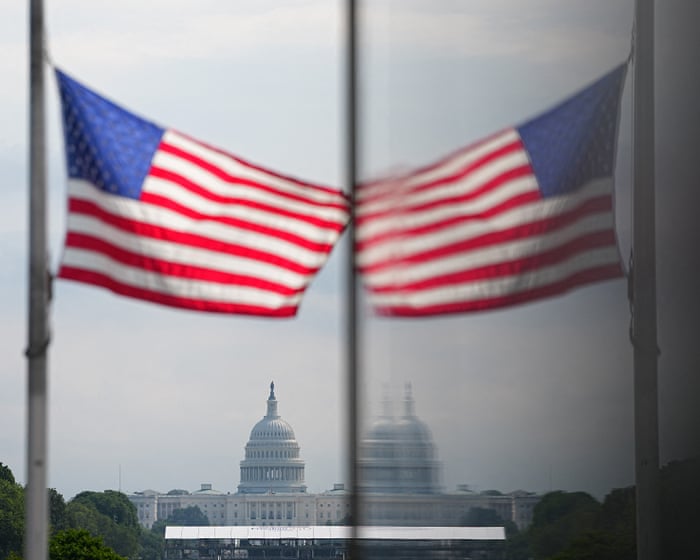
In 2016, Trump pledged to erase the federal debt. It just hit $40tn | Steven Greenhouse

The trillions in tax cuts going to the rich and corporations could have instead been used to address the affordability crisis

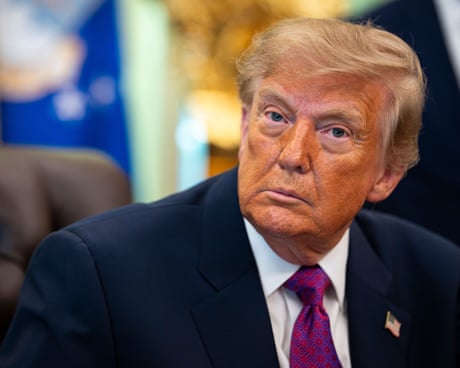
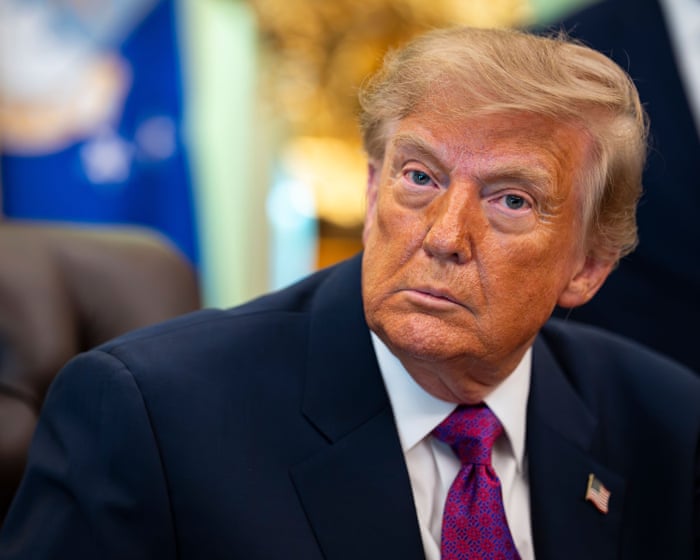
Dear reader, I recognize that your eyes might glaze over at any mention of the nation’s $40tn federal debt. But your reaction to this mind-boggling number shouldn’t be ennui; it should be outrage and dismay.

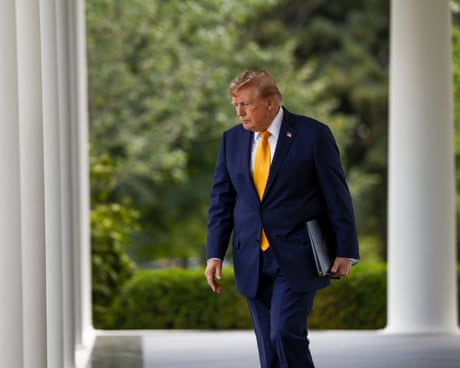
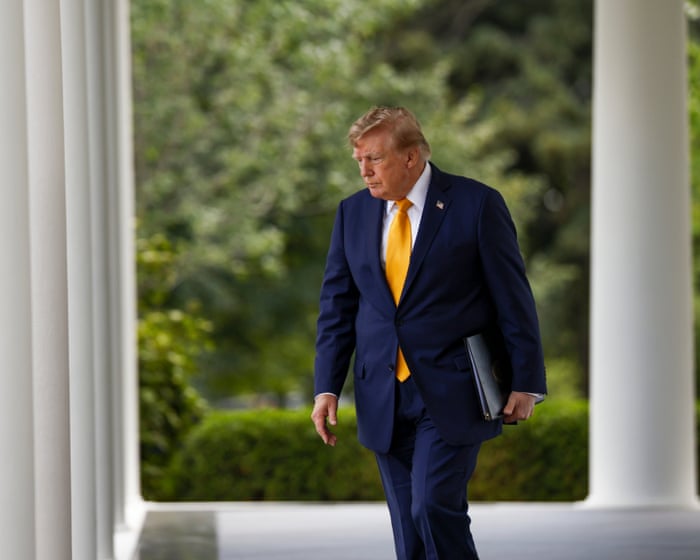
Outrage is in order because the nation’s debt has climbed to more than $40tn under Donald Trump, even though back in 2016, when the debt was less than half what it is today, candidate Trump insisted that he’d totally eliminate the debt within eight years. That was yet another example of the Demagogue-in-Chief’s willingness to say anything, no matter how insincere or untrue, to woo voters.

Continue reading...

© Photograph: Annabelle Gordon/EPA

© Photograph: Annabelle Gordon/EPA

© Photograph: Annabelle Gordon/EPA

  •  

The wars in Ukraine and Iran are becoming dangerously enmeshed | Christopher S Chivvis

As the Trump administration refuses to end its war in Iran, it is steering into the storm, not out of it

Russia hasn’t yet killed large numbers of Europeans outside Ukraine, but it’s getting closer. The night of 4-5 August, an airport bus driver discovered an armed drone lying near the tarmac of the Leipzig-Halle airport, which is a central hub of Europe’s logistical support to Ukraine’s war effort. A cargo jet, meanwhile, may have struck a second drone shortly after takeoff, forcing an abrupt landing, and investigators found a third drone laden with military explosives nearby.

In 2024, incendiary devices hidden in parcels ignited in DHL cargo at the same airport. Had these detonated in the air, a major air catastrophe and large-scale civilian casualties would have ensued, probably resulting in a broader war.

Continue reading...

© Photograph: Tom Williams/CQ-Roll Call, Inc/Getty Images

© Photograph: Tom Williams/CQ-Roll Call, Inc/Getty Images

© Photograph: Tom Williams/CQ-Roll Call, Inc/Getty Images

  •  

Trump’s ridiculous bullying of Canada is backfiring | Robert Reich

The US president’s need to assert dominance is igniting patriotism abroad and a backlash at home

What do bullies do when someone stands up to their bullying and punches them in the face? They look for someone weaker to bully who won’t punch back.

Presumably that’s why Donald Trump has now taken on Canada, after Iran punched back so hard in the cage match the US president began more than six months ago as to leave him humiliated and baffled.

Continue reading...

© Photograph: Cole Burston/AFP/Getty Images

© Photograph: Cole Burston/AFP/Getty Images

© Photograph: Cole Burston/AFP/Getty Images

  •  

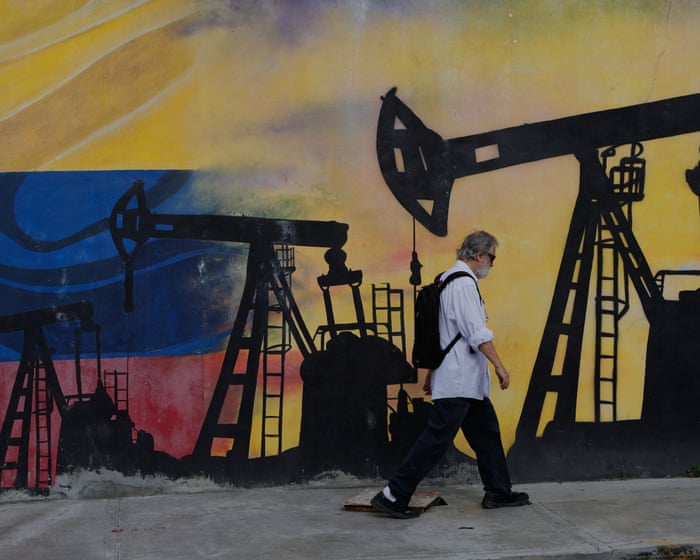
US officials defend Venezuela oil deal amid questions over rebuilding plan

Government talks up pact but Venezuelan opposition alarmed that democracy yet to return after Maduro exit

Trump administration officials on Tuesday defended a highly contentious deal giving the US control of a significant chunk of Venezuelan oil reserves, arguing that the sweeping agreement would help stabilize and rebuild democracy in the shattered South American country while giving Washington vital access to strategic crude reserves.

Last week, Donald Trump announced a “groundbreaking” deal that would give the US “majority” control over 65bn barrels – roughly one-fifth – of Venezuela’s oil reserves.

Continue reading...

© Photograph: Pedro Mattey/AP

© Photograph: Pedro Mattey/AP

© Photograph: Pedro Mattey/AP

  •  

‘Dangerous power grab’: top Democrats decry USPS system that could thwart mail-in voting – as it happened

This live blog is now closed.

Democratic senator Chuck Schumer is introducing a bill that would reverse Donald Trump’s most recent tariffs, among them the new 50% duty on Canadian goods, MS Now reported.

While the Senate minority leader’s proposed legislation has virtually no chance of becoming law, Schumer hopes that his proposal shows that Democrats are actively fighting the affordability crisis. Schumer first shared his proposed legislation with MS Now.

Continue reading...

© Photograph: Robyn Beck/AFP/Getty Images

© Photograph: Robyn Beck/AFP/Getty Images

© Photograph: Robyn Beck/AFP/Getty Images

  •  

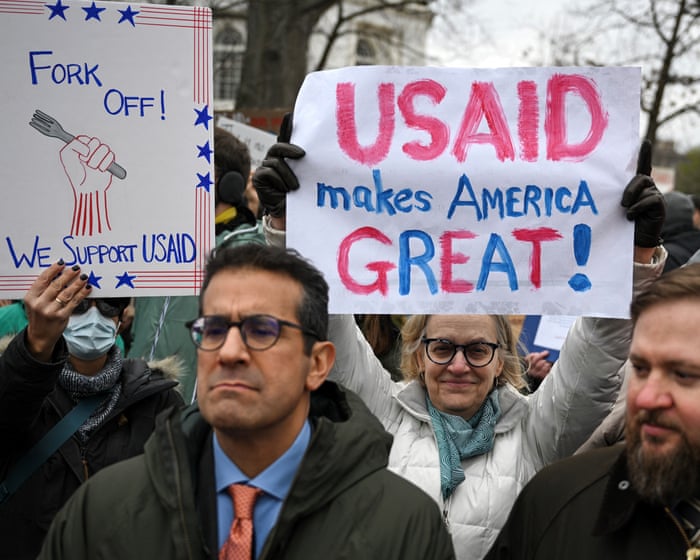
How misconceptions and woeful PR allowed Musk to shred USAID so easily | Jeremiah A Carew

A year on from the purge, with thousands of jobs cut and billions in foreign aid lost, a former leader reflects on the sorry saga – and why it would never happen to Nasa

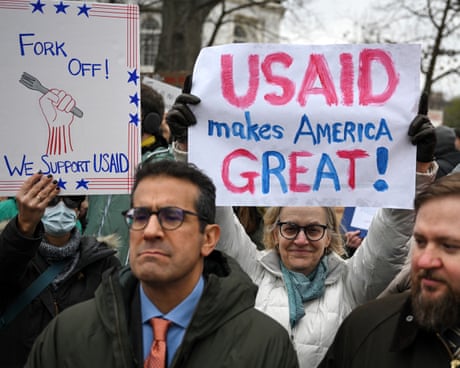
A year has passed since I and thousands of colleagues lost our jobs at USAID. Asking myself “Why us?” I have come to the conclusion that the American public had very little idea of what we were doing and why.

Doge, the “department of government efficiency”, began its work in January 2025, with USAID as its first target, in a reckless campaign that even Elon Musk has said he would not repeat. At that moment of chaos, Americans lacked the knowledge that could contradict the false narrative presented by Musk, who called the agency a “criminal organisation” and “a viper’s nest of radical left-marxists who hate America”.

Continue reading...

© Photograph: Drew Angerer/AFP/Getty Images

© Photograph: Drew Angerer/AFP/Getty Images

© Photograph: Drew Angerer/AFP/Getty Images

  •  

The Guardian view on Trump’s immigration crackdown: who will have fewer rights next? | Editorial

Par : Editorial

The president’s deportation machine is creating a class of people inside the US who have fewer protections against the power of the state

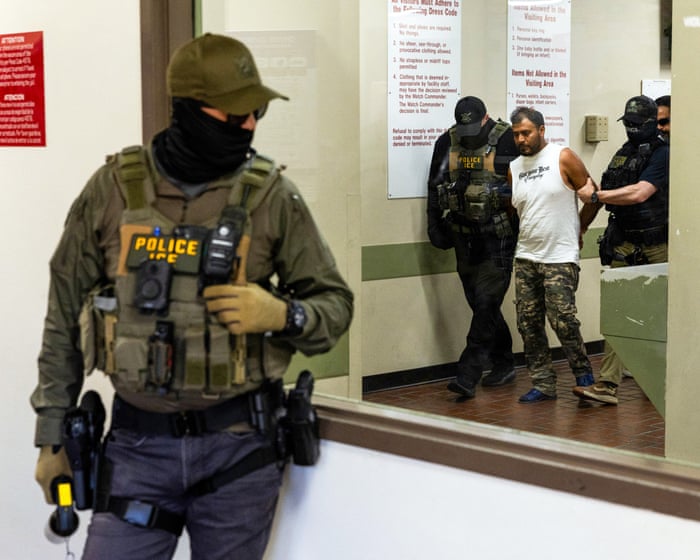
Is the Trump administration creating a group in the US with fewer protections against executive power owing to their immigration status? Its often openly racist actions suggest so. US Immigration and Customs Enforcement (ICE) claims to target “the worst of the worst” – undocumented migrants who commit violent crimes. Yet the Guardian reported that over half of those arrested in July had no criminal convictions or pending charges. That month, ICE made record arrests and deportations, apprehending 1,500 people and removing 1,100 daily.

When campaigning, Donald Trump falsely claimed that Haitians were “eating the pets”. In office, his administration moved to end temporary protected status (TPS) for Haitians. In June, the supreme court let the protection expire, leaving about 350,000 people at risk of deportation to a country gripped by violence and instability. The court’s decision means more than 1 million TPS holders from 13 nations previously considered too unsafe to return to are now at risk of deportation. Many have lived and worked legally in the US for years.

Do you have an opinion on the issues raised in this article? If you would like to submit a response of up to 300 words by email to be considered for publication in our letters section, please click here.

Continue reading...

© Photograph: Al Drago/Pool/Al Drago - Pool/CNP/Shutterstock

© Photograph: Al Drago/Pool/Al Drago - Pool/CNP/Shutterstock

© Photograph: Al Drago/Pool/Al Drago - Pool/CNP/Shutterstock

  •  

Trump’s ballroom construction can resume at White House, supreme court rules – as it happened

This live blog is now closed.

Chris Hippensteel

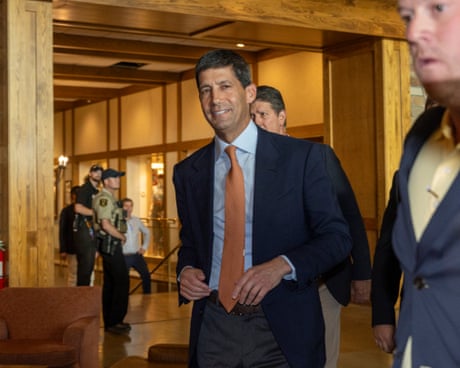
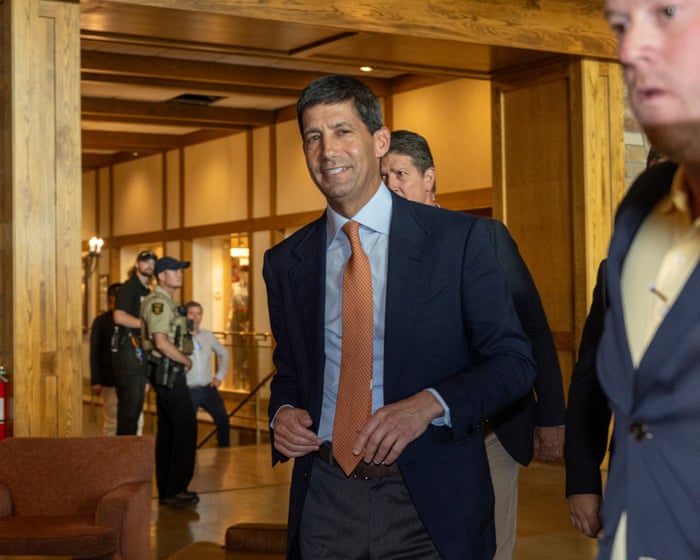
We’re watching today as Scott Bessent, the US treasury secretary, and Kevin Warsh, the chair of the Federal Reserve, deliver their opening remarks at the G20 meetings in Asheville, North Carolina.

Continue reading...

© Photograph: Kevin Lamarque/Reuters

© Photograph: Kevin Lamarque/Reuters

© Photograph: Kevin Lamarque/Reuters

  •  

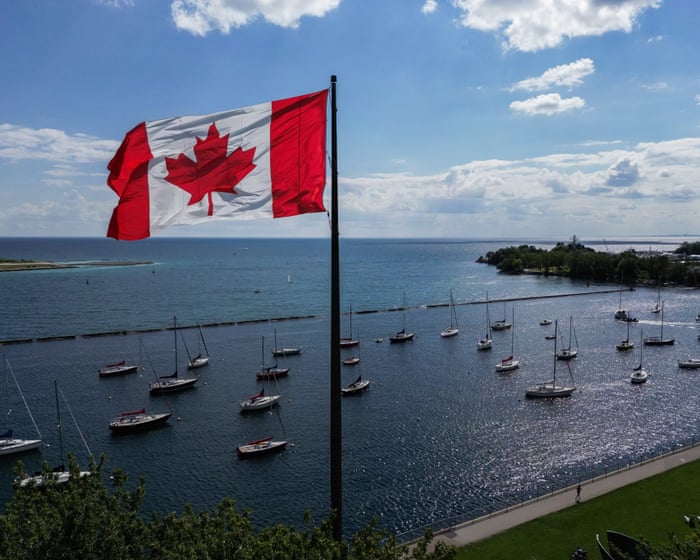
Canada erects giant ‘Lake Ontario’ sign as spat with Trump over name escalates

Meanwhile, Trump posts video of himself kicking over a Lake Ontario sign and replacing it with Lake America sign

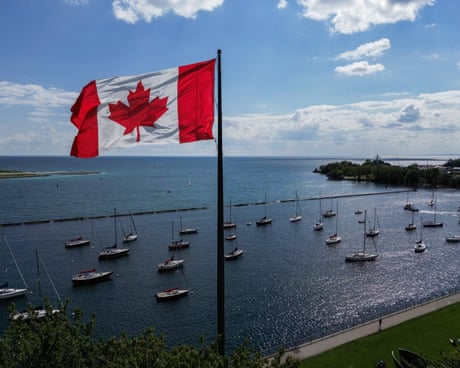
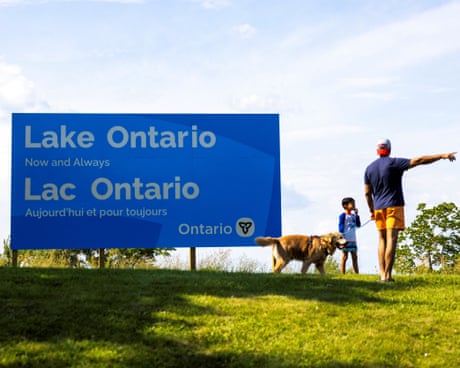
Donald Trump and Canada continued a verbal duel on Saturday over the US government’s administrative renaming of Lake Ontario, with the Ontario premier erecting a giant sign saying “Lake Ontario. Now and Always” – and the American president posting a video of him tearing down an avatar of that sign, erecting a replacement saying Lake America, and dancing to YMCA.

Rhetoric over the naming of Lake Ontario is the public face of an escalating trade dispute between the US and its northern neighbor involving a 50% US tariff on Canadian steel and retaliatory tariffs from Ottawa.

Continue reading...

© Photograph: Carlos Osorio/Reuters

© Photograph: Carlos Osorio/Reuters

© Photograph: Carlos Osorio/Reuters

  •  

Documents leaked by Trump official to bolster a conspiracy show ‘absolutely nothing’

Inside the US state department, critics are still attacking a shuttered office established to counter foreign propaganda. Now, some of its work is also being resumed

A botched leak of purportedly explosive government files to a prominent conservative online personality was supposed to offer proof of what the Trump administration and its allies have long alleged: that a little-known office inside the US state department, created to fight foreign propaganda, had secretly become a tool for domestic censorship.

Two former high-ranking officials at the Global Engagement Center (GEC), a target of Republican ire that lost its funding in 2024 and was disbanded after Donald Trump’s return to office in 2025, say the documents show nothing of the kind.

Continue reading...

© Photograph: Aaron Schwartz/AFP/Getty Images

© Photograph: Aaron Schwartz/AFP/Getty Images

© Photograph: Aaron Schwartz/AFP/Getty Images

  •  

Fed chair says delivering ‘stable prices’ is central bank’s job as inflation persists

However, Kevin Warsh didn’t say if interest rates would change in coming months, as inflation remains stubborn

The US Federal Reserve is not done fighting high inflation, its chair, Kevin Warsh, said in his first major speech in the role on Friday, emphasizing that it was “the Fed’s job to deliver stable prices”.

Warsh did not indicate where the Fed will take interest rates in the coming months, despite US inflation remaining stubbornly above the central bank’s 2% target amid the war in Iran. But his speech was taken by markets as a signal that rates may rise in the coming months, a move that may put him at odds with Donald Trump, who has aggressively called for rates to be cut.

Continue reading...

© Photograph: Natalie Behring/Getty Images

© Photograph: Natalie Behring/Getty Images

© Photograph: Natalie Behring/Getty Images

  •  

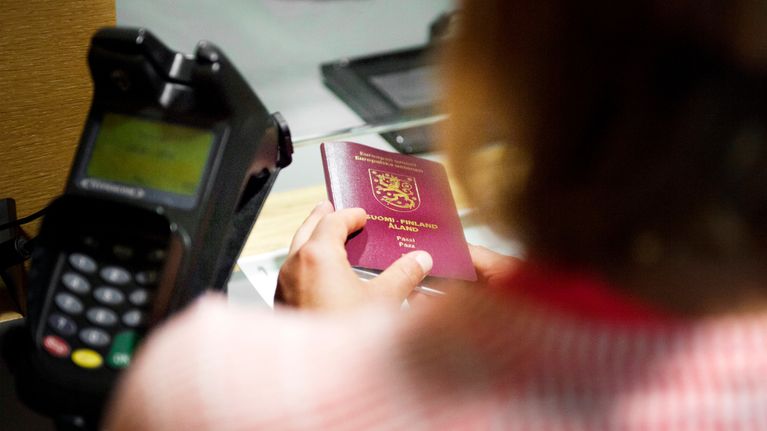
A suspected Russian scheme to obtain Finnish citizenship ran for more than 20 years before Finland noticed

suspected russian scheme obtain finnish citizenship ran more than 20 years before finland noticed · post passport police licensing service point tiina jutila / yle ukraine news ukrainian reports

Finnish police and the Border Guard suspect a scheme that turned paper employment into residence permits and citizenship, Yle reported. Investigators believe one man organized it through companies that did little or no business, and that it may have run for more than two decades. The suspected organizer and the people who obtained citizenship are Russian nationals.

Russia's invasion of Ukraine pushed European states to restrict Russian travel, freeze assets, and harden their borders, while Moscow expanded sabotage, espionage, and recruitment across the continent. A passport from any member state carries movement, residence, and work rights across the whole union, so documents issued on false grounds in one country become an opening into all of them.

Jobs that existed only in documents

Authorities suspect the main figure arranged fictitious employment relationships for foreign nationals. That paperwork let them apply for Finnish residence permits and, later, for citizenship. From 2003 he registered several companies in southeastern Finland, police and the Border Guard said. The firms either did no real business at all or very little of it. The suspected criminal arrangement appeared shortly after 2003.

Applicants are suspected of paying for the fictitious jobs and for help assembling their documents.

russian spies buying properties near military bases across europe three intelligence agencies warn · post holy mother god kazan orthodox church västerås sweden 1024px-ryska_ kyrkan_västerås_nov-2019 spy services have built network
Explore further

Russian spies buying properties near military bases across Europe, three intelligence agencies warn

At least 12 citizenships, five unfinished applications

At least 12 people obtained Finnish citizenship without grounds, by the investigation's account. Five more naturalizations were still unfinished when the preliminary investigation opened in 2024. Criminal police commissioner Teppo Tähtinen said the scale of the case came as a surprise to investigators. 

Investigators also believe the arrangement ran further back, with people naturalized earlier possibly involved. The statute of limitations has expired on those cases.

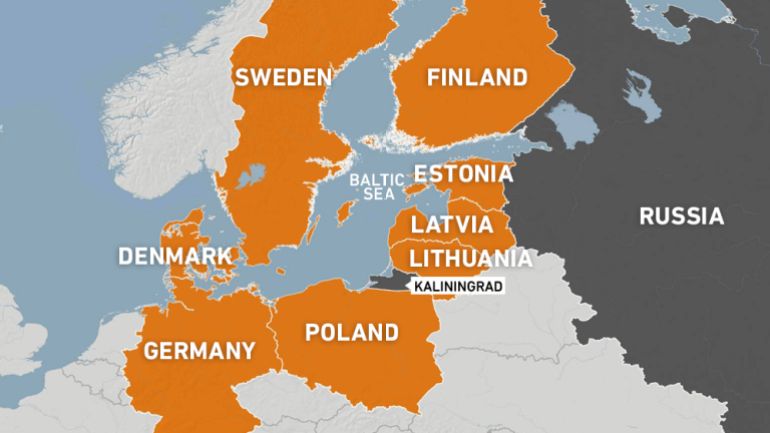
Russian sabotage Hybrid warfare in the Baltic sea Putin NATO European security Lithuania Finland Sweden Estonia Germany Russian war against Ukraine full-sclae invasion
Explore further

Russia will be combat-ready again by 2027 — Estonia’s military chief sets a two-year clock for NATO

The preliminary investigation found that the main suspect and his accomplices sat Finnish language exams for other people. They also completed study assignments in Finnish on their behalf. Without that, the applicants probably could not have obtained citizenship, the investigation found.

Naturalization normally requires five to eight years of residence on a residence permit, Finnish or Swedish at B1 level, and confirmed income, The Moscow Times reported. In 2025, 14,689 people received Finnish citizenship. Russians were among the nationalities filing the most applications, together with citizens of Iraq, Syria, Afghanistan, and Somalia.

Finland's harder line toward Russia

Finland has kept its eastern border with Russia closed, and Helsinki has accused Moscow of steering migrants toward the crossings. The country has also rearmed since Russia's full-scale invasion of Ukraine, raising its reserve age and setting a long-term troop target. Last week Finnish authorities opened an inquiry into a suspected Russian airspace violation over the Gulf of Finland.

  •  

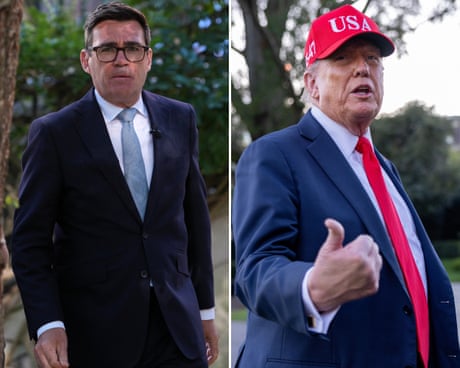
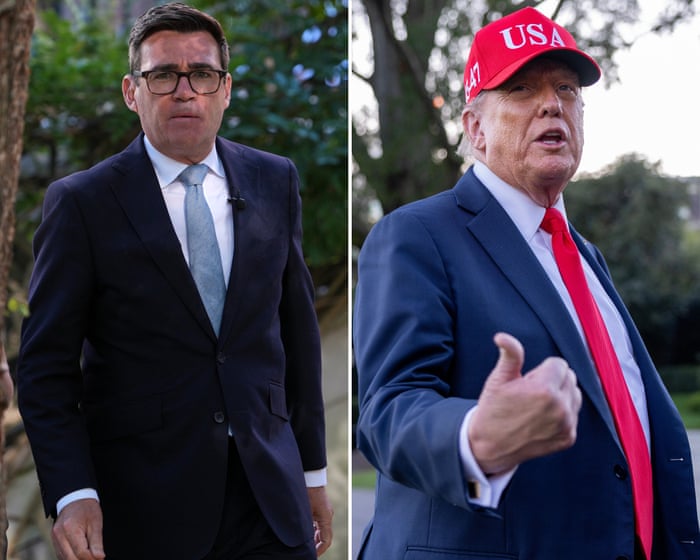
Unlike needy Keir, trash-talking Andy speaks a language Trump understands | John Crace

Burnham has nothing to hide as he prepares to meet president he once called poisonous. It may actually win him more respect

It makes a pleasant change. Not so long ago, Keir Starmer was falling over himself in his efforts to keep things sweet with Donald Trump. Offering the US president a second state visit within minutes of meeting him. Everyone knows you should never put out on the first date: it only makes the other person think you’re a pushover. Sure enough, The Donald banked the marching bands and the Windsor silver service, made polite conversation for three days and then went back to trash-talking him.

Yet still, Starmer just sat there and took it. As if one word of criticism would be too much. Wittering on about the “special relationship” as if Trump gave a moment’s thought to the UK before he did anything. The rest of us wouldn’t have put money on the US president even being able to locate Britain on a map. It was only latterly, when The Donald chose to bomb Iran, that the penny finally dropped for Keir. And even then he looked pained by the apparent betrayal, as he resisted the calls of Kemi Badenoch and Nigel Farage to join in the war.

Continue reading...

© Composite: Kin Cheung/Getty Images; Tasos Katopodis/Getty Images

© Composite: Kin Cheung/Getty Images; Tasos Katopodis/Getty Images

© Composite: Kin Cheung/Getty Images; Tasos Katopodis/Getty Images

  •  

Trump downplays Moscow visit by CIA director as ‘semi-routine’

President denies visit was to gain support for Iran sanctions or due to fears that Putin plans to ‘test Nato resolve’

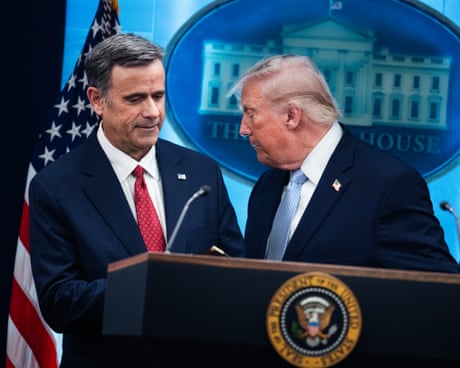
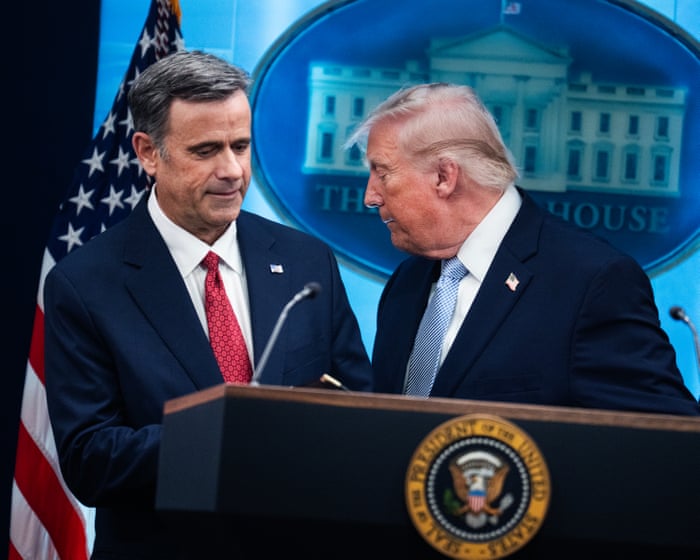
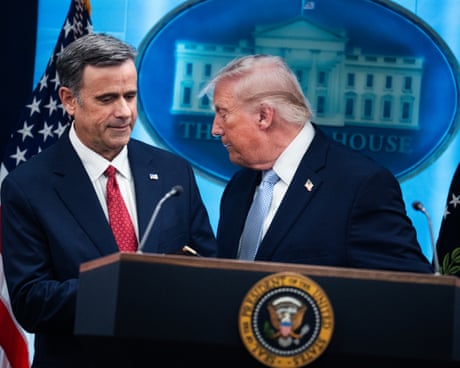
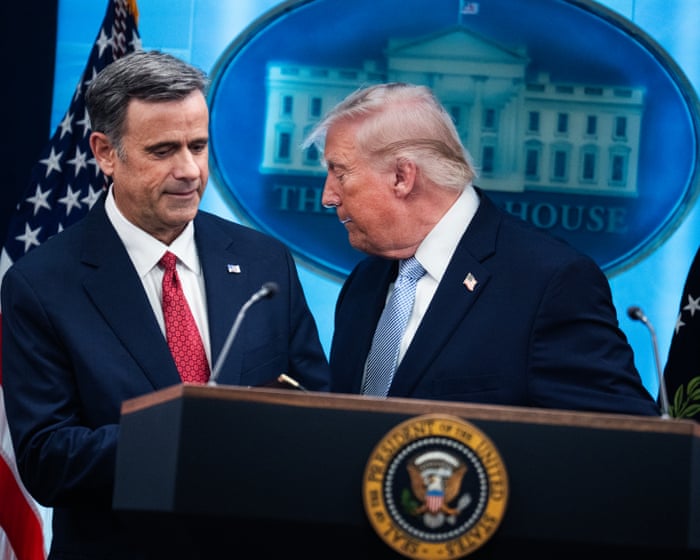
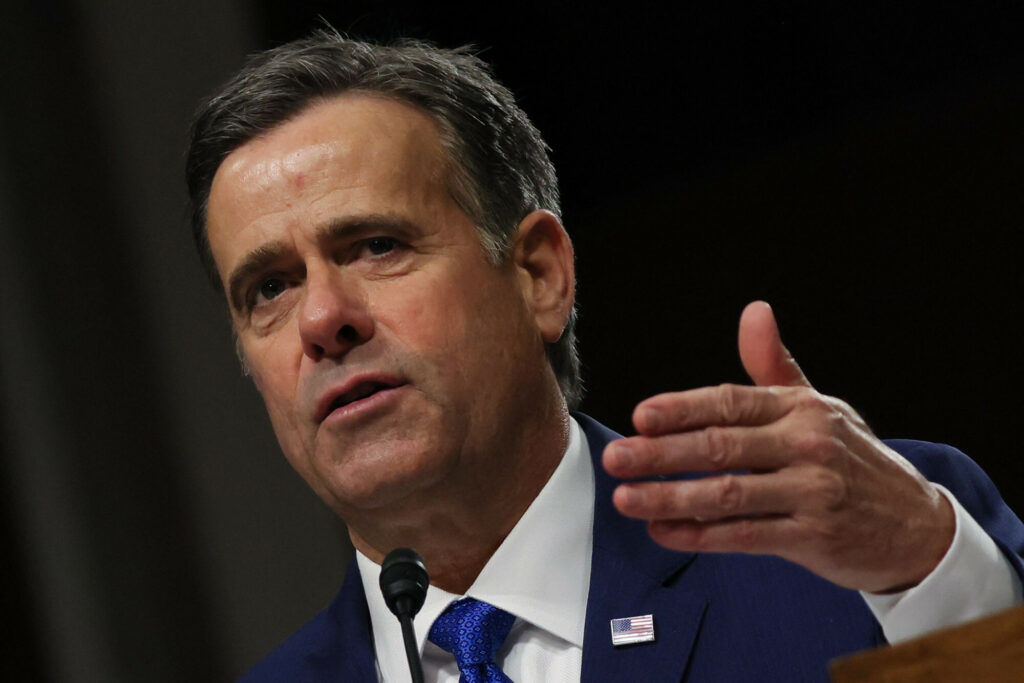
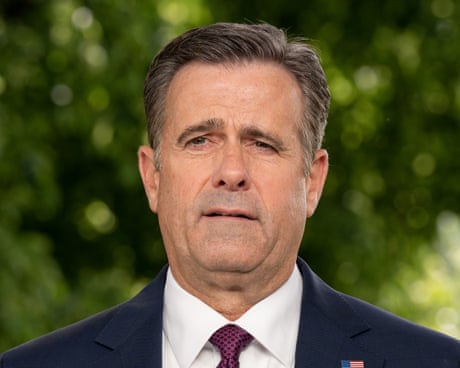
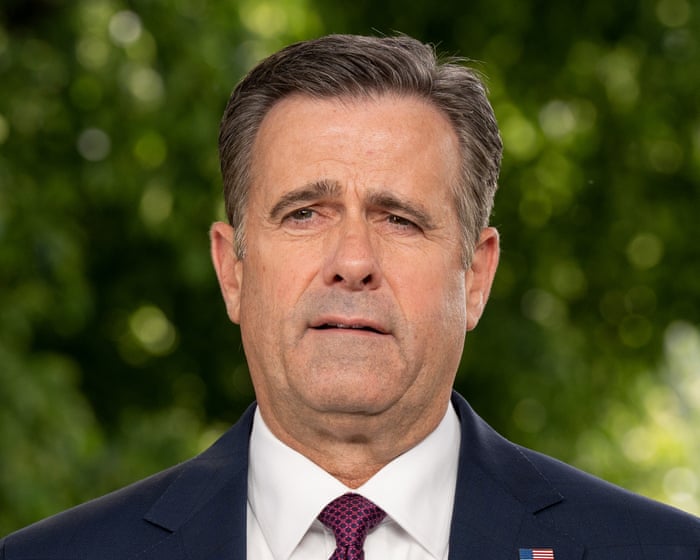
Donald Trump has downplayed a visit to Moscow by the CIA director, John Ratcliffe, as “semi-routine” after he turned up in the Russian capital unannounced, triggering a wave of speculation about the reasons for his trip.

Ratcliffe was reported to have flown to Moscow on a government transport plane on Tuesday in a rare visit after taking off from the Andrews air force base in Maryland.

Continue reading...

© Photograph: Tom Williams/CQ-Roll Call, Inc/Getty Images

© Photograph: Tom Williams/CQ-Roll Call, Inc/Getty Images

© Photograph: Tom Williams/CQ-Roll Call, Inc/Getty Images

  •  

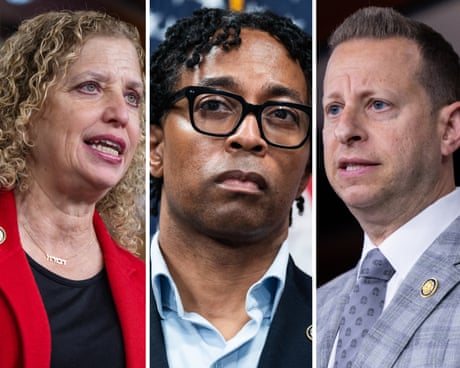
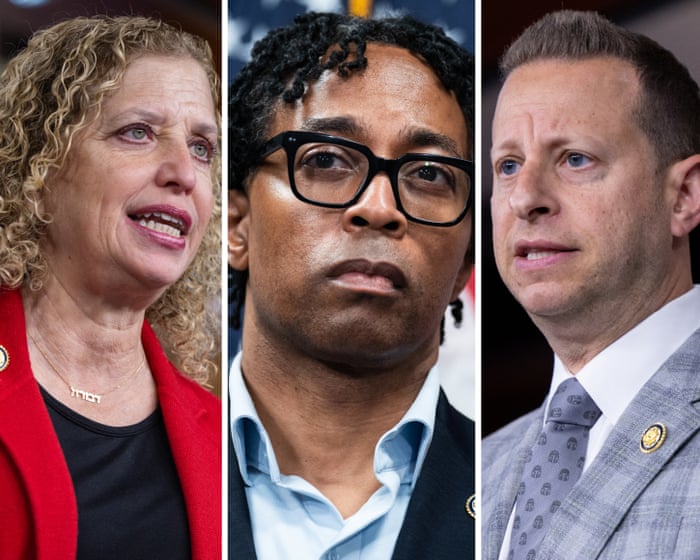
Three pro-Israel Democrats given key roles on House foreign affairs panel

Debbie Wasserman Schultz and Wesley Bell to join as Jared Moskowitz becomes ranking member on sub-committee

Three pro-Israel Democrats have been given key roles on a powerful congressional body overseeing US foreign policy in a move rounding sharply counter to popular sentiment within the party and likely to anger leftwing activists.

The appointments to the US House of Representatives foreign affairs committee follow a succession of wins in party primaries for progressive candidates who put criticism of Israel and its actions in Gaza at the core of their campaign messages.

Continue reading...

© Composite: Getty Images

© Composite: Getty Images

© Composite: Getty Images

  •  

US C-17 spends 8½ hours in Moscow during first CIA chief visit since 2021

cia director john ratcliffe

CIA Director John Ratcliffe visited Moscow on 25 August, becoming the first known serving CIA chief to travel to the Russian capital since November 2021, The Washington Post reported.

The CIA and White House did not publicly explain the mission.

The Kremlin said the unannounced trip involved “contacts between security services” but did not identify whom Ratcliffe met or what they discussed. Dmitry Peskov told Interfax that Ratcliffe did not meet with Russian President Vladimir Putin. The CIA and White House did not publicly explain the mission.

Expert raises possibility of a warning mission

Washington also asked Ukraine not to attack Moscow or St. Petersburg during the visit, Ukrainian sources told Suspilne. Kyiv was told that a senior US delegation was traveling to Russia, although officials were not initially told that Ratcliffe would be part of it.

“It is difficult to speculate because there is essentially no information,” Tartu researcher Vladimir Sazonov, an associate professor who studies Russian state ideology and information warfare, told Euromaidan Press.

Ratcliffe may have carried a warning, as William Burns did in 2021, Sazonov said. It could have concerned a possible new Russian mobilization after September’s State Duma elections or Moscow’s escalating hybrid operations against NATO.

Stalled Ukraine diplomacy and Russia’s relationship with Iran were other possible subjects. None has been confirmed.

Explore further

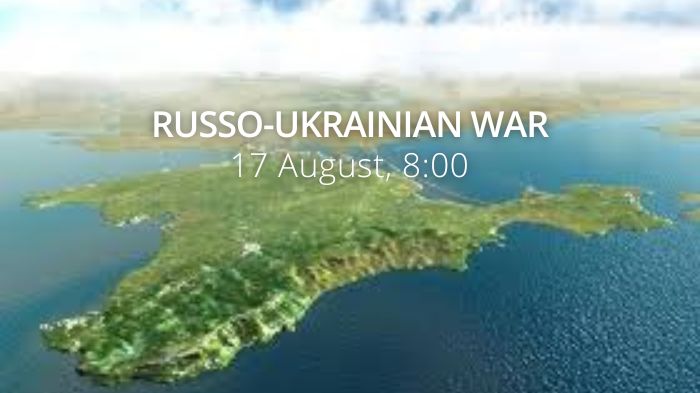
Russo-Ukrainian War. Day 175: Another explosion in Crimea

The last CIA visit came before Russia invaded

A US Air Force C-17 flew from Joint Base Andrews outside Washington to Riga, and then Moscow, according to flight data analyzed by The Washington Post. The aircraft remained at Vnukovo Airport for about eight and a half hours before returning to Latvia. The newspaper also verified footage of a diplomatic motorcade traveling through central Moscow.

cia director william burns
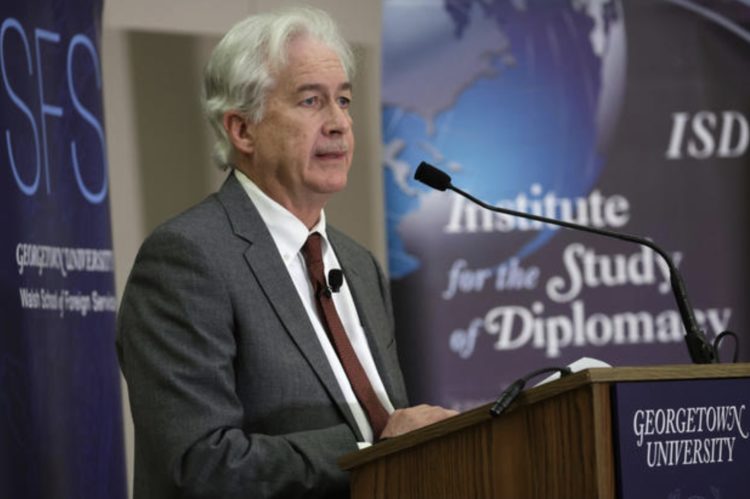
The career diplomat and former ambassador to Russia, the CIA Director, William Burns/ Source: Getty Images

Ratcliffe’s visit was the first by a CIA director since Burns traveled to Moscow in November 2021 with evidence that Russia was preparing a major attack on Ukraine.

During that visit, Burns spoke with Putin by telephone from the Kremlin because the Russian president was in Sochi. Russia launched its full-scale invasion less than four months later.

Sazonov also raised the possibility that Ratcliffe discussed Americans detained in Russia. The CIA participated in previous negotiations that freed journalists Evan Gershkovich and Alsu Kurmasheva, and former US Marine Paul Whelan, RFE/RL documented CIA involvement.

“If we do not know the answers, all we can do is ask the relevant questions,” Sazonov added.

  •  

ICE arrested 50,000 people in July – quietly the biggest month in Trump’s second term

Administration moved away from high-profile raids that defined immigration enforcement approach last year but still deported record number of people

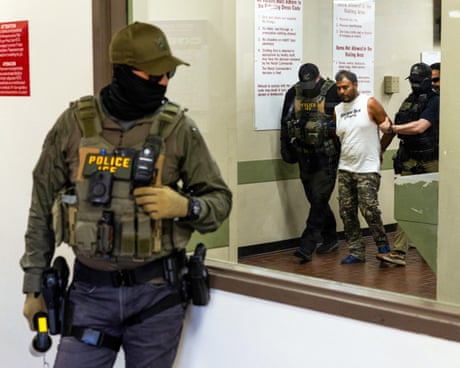
The Trump administration arrested and deported a record number of immigrants in July, according to newly released government data – apprehending an average of 1,500 people and removing 1,100 people daily.

This latest data confirms what attorneys and immigrant advocates have been seeing across the US – although the administration has moved away from the high-profile, militarized raids that came to define its immigration enforcement approach last year, it is quietly ramping up its operations.

Continue reading...

© Photograph: Blake Fagan/AFP via Getty Images

© Photograph: Blake Fagan/AFP via Getty Images

© Photograph: Blake Fagan/AFP via Getty Images

  •  

‘132F’: meet the man calling out NYC’s infernally hot subway stations

Jack Klein takes heat readings, gives fans to overheated passengers and lugs big jugs of water into the stations

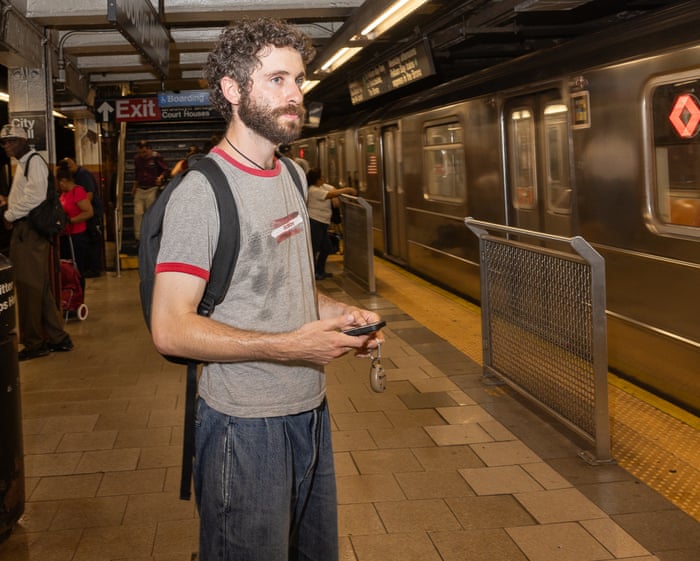
On a recent August day in the subterranean furnace of New York City’s subway, one bearded, curly haired man was studying his phone for different reasons than the other wilting passengers – to track the soaring temperatures and ponder how underground train stations can cool down in an era of climate crisis.

Jack Klein, a 31-year-old construction site manager, has in the past two years taken it upon himself to become a sort of guerrilla subway heat operative, sticking teardrop-shaped thermometers to steel beams in seven of the hottest Manhattan stations and posting social media videos of the hades-like summer temperatures that commuters have to endure.

Continue reading...

© Photograph: Thalia Juarez/The Guardian

© Photograph: Thalia Juarez/The Guardian

© Photograph: Thalia Juarez/The Guardian

  •  

With no friends left to burn, Trump is running out of diplomatic ammunition | Rafael Behr

Everyone can see that the Iran war has been a strategic disaster for the US, while a failing president pretends he is winning

Now is the twilight of Donald Trump’s supremacy. The US is still the richest and most heavily armed nation on Earth. That status is secure. The current president, contemptuous of law and indulged in lawlessness by a supine Congress, enjoys even greater power than the constitution allows.

With those advantages it takes a special talent for incompetence to look as thwarted and impotent as Trump does with more than two years of his second term still to run.

Rafael Behr is a Guardian columnist

Continue reading...

© Photograph: Anadolu/Getty Images

© Photograph: Anadolu/Getty Images

© Photograph: Anadolu/Getty Images

  •  

FBI raided Spanish vacation rental of wealthy leftwing funder James ‘Fergie’ Chambers after his arrest

Lawyer Baltasar Garzón, representing Chambers, said case against his client is ‘very strange’ as US requests extradition

FBI agents raided the Ibiza, Spain, vacation rental of 41-year-old James “Fergie” Chambers, a US citizen and wealthy donor to leftwing and humanitarian projects worldwide, in the days following his arrest last month, the Guardian has learned.

Baltasar Garzón, a human rights lawyer representing Chambers, revealed the details in an exclusive interview. Chambers is wanted for extradition by the Trump administration for alleged financial support of Hamas, as well as other charges.

Continue reading...

© Photograph: Chedly Ben Ibrahim/NurPhoto via Getty Images

© Photograph: Chedly Ben Ibrahim/NurPhoto via Getty Images

© Photograph: Chedly Ben Ibrahim/NurPhoto via Getty Images

  •  

The Guardian view on Trump’s economic threats: bullies can overplay their hand | Editorial

Par : Editorial

Tariffs on Canada, threats against Iran’s partners and bond market intervention show a president weaponising US power while making Americans poorer at home

Three moves in the last week have exposed the limits of Donald Trump’s economic bullying. The US slapped 50% tariffs on another $20bn of Canadian goods – then threatened the same rate on the cars, trucks, parts and steel that America Inc depends on. On Monday, the Treasury secretary, Scott Bessent, menaced Iran’s trading partners with exclusion from the US financial network, hoping that coercion can deliver what months of war have not. And as the costs of war, tariffs and pro-billionaire tax cuts helped send US bond yields higher, the Treasury stepped in to tame long-term rates. These are not contradictory policies but a gamble: that US economic power can be repeatedly weaponised without reducing others’ willingness to depend on it.

The Trump administration’s “D-day” sanctions are potentially the most consequential because they expose the scaffolding of American financial power. While markets shrugged off the immediate threat, that calculation might change were the US to target a major Chinese refinery or bank. Such an escalation could spark a trade war with Beijing. The US has leverage. But China has pressure points – especially farmers in Republican states – that make using it costly. In the long run, there is a price to pay. Nations hold one another’s currencies partly because they trust the political relationship. Mr Trump is testing what happens when they don’t.

Continue reading...

© Photograph: Will Oliver/UPI/Shutterstock

© Photograph: Will Oliver/UPI/Shutterstock

© Photograph: Will Oliver/UPI/Shutterstock

  •  

CIA director John Ratcliffe reportedly on Moscow visit

Unannounced trip reported by US media is said to be Ratcliffe’s first known visit to Russia as CIA chief

The CIA director, John Ratcliffe, has made an unannounced visit to Moscow, US media reported, after flight data showed an American military aircraft flew to the Russian capital, where a US diplomatic motorcade was later spotted.

CBS News quoted sources familiar with the situation as confirming Ratcliffe’s trip, saying it was his first known visit to Russia as CIA chief. Axios separately confirmed the visit, quoting a US official.

Continue reading...

© Photograph: Bloomberg/Getty Images

© Photograph: Bloomberg/Getty Images

© Photograph: Bloomberg/Getty Images

  •  

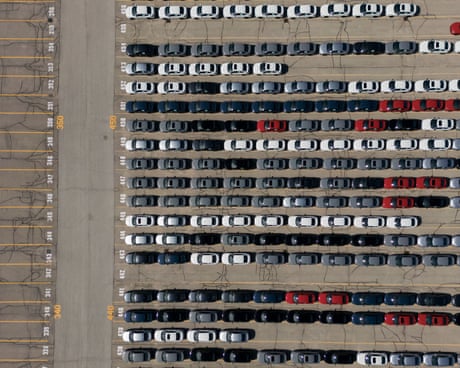
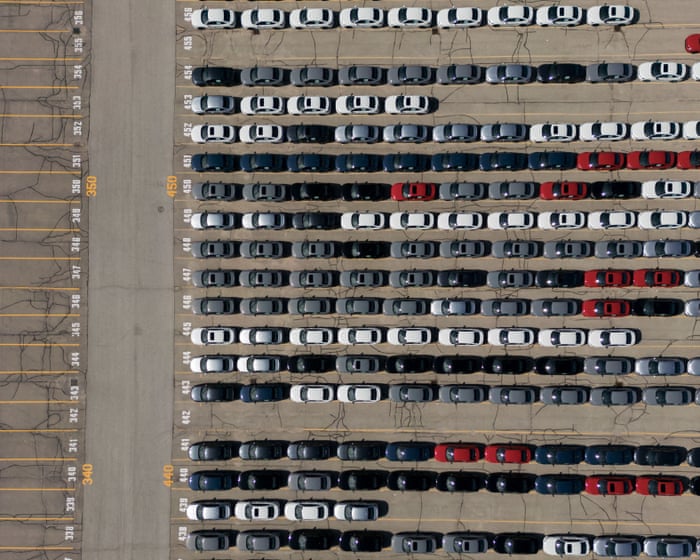
Trump announces new 50% tariff on Canadian cars, trucks and steel

Move is latest deterioration in trade relations between neighbors with historically strong economic ties

Donald Trump announced a new 50% tariff on automobiles and crucial raw materials from Canada, the latest deterioration in trade relations between the two neighbors with historically strong economic ties.

The US president said that the increased tariffs would start on 1 January 2027 on all cars, trucks, automobile parts and steel. He also derided the nation’s tariffs on American farmers, writing on social media that Canada has been “ripping off” the US “for years”.

Continue reading...

© Photograph: Cole Burston/AFP/Getty Images

© Photograph: Cole Burston/AFP/Getty Images

© Photograph: Cole Burston/AFP/Getty Images

  •  

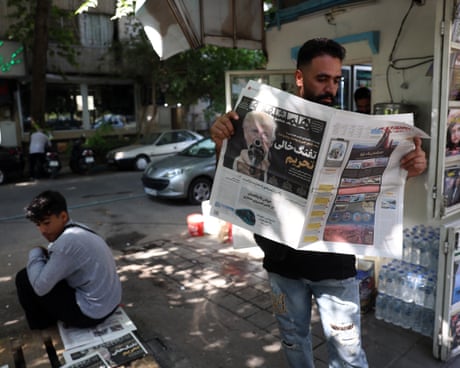
Iran’s foreign minister calls threat of new US economic sanctions ‘desperate’

Abbas Araghchi says country is unbowed but president Masoud Pezeshkian admits its people face ‘many problems’

Iran’s foreign minister has dismissed the threat of a fresh round of US economic sanctions as a “desperate” ploy, even as its president acknowledged that the Iranian people are facing “many problems” amid Washington’s efforts to isolate and debilitate the country’s economy.

Last week, Donald Trump announced a new campaign to increase the pressure on the Iranian economy, calling it “the most crushing economic operation ever taken against any country”. The US Treasury secretary, Scott Bessent, is expected to announce further punitive economic measures on Iran – which he has described as “the toughest sanctions in history” – on Monday.

Continue reading...

© Photograph: Abedin Taherkenareh/EPA

© Photograph: Abedin Taherkenareh/EPA

© Photograph: Abedin Taherkenareh/EPA

  •  

Persuasion, denial and bluster: Trump ‘stuck’ on Iran war ahead of elections

As the president tries to extract the US from his Iran war quagmire, leadership in Tehran is only too happy to crush his midterm dreams

In the aftermath of his devastating election defeat, the US president remained haunted by regrets over Iran.

Months before Jimmy Carter lost the 1980 presidential election to Ronald Reagan, eight US servicemen died in a botched high-risk rescue mission that failed to secure the freedom of dozens of US hostages seized in Tehran.

Continue reading...

© Illustration: Guardian Design / Getty Images

© Illustration: Guardian Design / Getty Images

© Illustration: Guardian Design / Getty Images

  •  

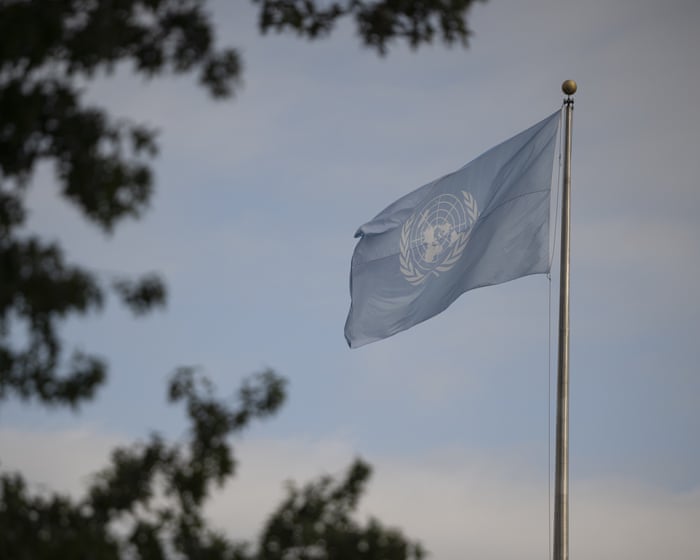
Trump administration begins transfer of $725m to UN, amid billions owed

Par : Reuters

UN secretary general has said UN faces ‘imminent financial collapse’ due to unpaid contributions from member states

The Trump administration has started the process to transfer $725m to the United Nations, a congressional notification seen by Reuters ⁠showed – a move aid experts said ⁠was a welcome step towards paying ​billions in dues owed.

There was no immediate response from Washington DC to questions about the reasons for the payment from an administration that has slashed funding to many UN agencies and blasted the global body for not living up to ⁠its potential.

Continue reading...

© Photograph: Anadolu/Getty Images

© Photograph: Anadolu/Getty Images

© Photograph: Anadolu/Getty Images

  •  

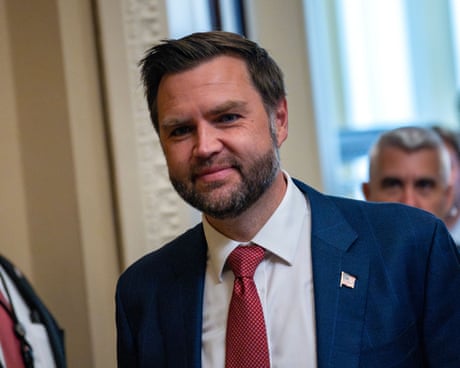
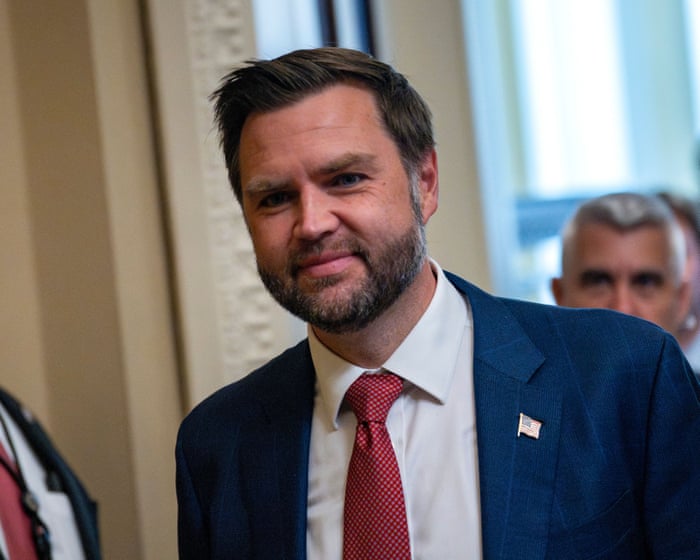
JD Vance reportedly mocks Carney for trying to ‘out-tough’ Trump on trade

Audio recording of US vice-president apparently made at New York fundraiser and shared with Canadian Press

Leaked audio from a private event has reportedly captured the US vice-president, JD Vance, mocking Canada for apparently capitulating in a trade deal and taunting the prime minister, Mark Carney, for trying to “out-tough” Donald Trump.

The recording, which was reportedly made at a fundraiser and shared with the Canadian Press, comes in the last stretch of a difficult negotiation in which the US president has threatened to impose 50% tariffs on Canada.

Continue reading...

© Photograph: Bonnie Cash/UPI/Shutterstock

© Photograph: Bonnie Cash/UPI/Shutterstock

© Photograph: Bonnie Cash/UPI/Shutterstock

  •  

US places sanctions on 10 people over alleged Hezbollah cash-smuggling ring

Courier network carried millions of dollars in cash to Lebanon on commercial flights, treasury department says

The US treasury department announced sanctions on Thursday against 10 people it says formed a courier network that smuggled hundreds of millions of dollars to Hezbollah by carrying cash onboard commercial flights between Iran, Turkey, the United Arab Emirates and Lebanon.

The office of foreign assets control (OFAC) said the network allowed Hezbollah, the Iran-backed Lebanese militant group,to obtain foreign currency and dodge sanctions outside the formal banking system. The treasury department linked the operation to a scheme once associated with Behnam Shahriyari, a now-deceased finance official for Iran’s Islamic Revolutionary Guard Corps Quds Force.

Continue reading...

© Photograph: NurPhoto/Getty Images

© Photograph: NurPhoto/Getty Images

© Photograph: NurPhoto/Getty Images

  •  

The Guardian view on the Ebola outbreak in the DRC: a case study in why international aid matters | Editorial

Par : Editorial

The Trump administration’s ‘America first’ approach has contributed to the scale of the crisis now unfolding in one of the world’s poorest countries

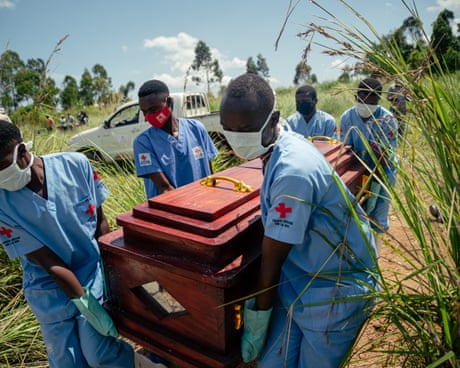
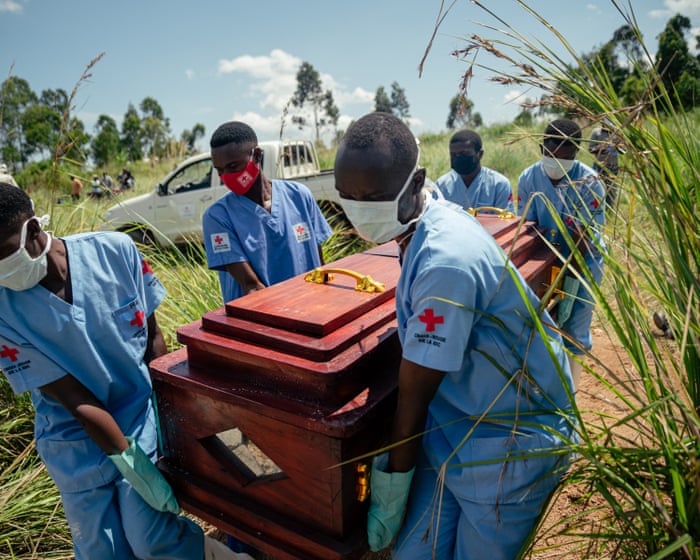
For months health experts have warned that the scale of the Ebola outbreak in the Democratic Republic of the Congo (DRC) could surpass the one that swept west Africa in 2014-16. This week, the authorities in the DRC announced that a grim milestone has already been passed: at least 2,325 people have died from the virus, making it the deadliest of the country’s 17 outbreaks and the fastest-growing in history.

There is no effective vaccine against Bundibugyo – a rare strain of the virus that spread fatally undetected during the spring, often being misdiagnosed as malaria or typhoid. In contrast to neighbouring Uganda, which succeeded in eliminating an outbreak, multiple factors are combining to let the disease rip through the DRC. The worst-affected region is contested by armed groups, and a context of population displacement and chronic insecurity has made monitoring and surveillance more difficult. Ebola treatment centres have been attacked as a result of misinformation and community distrust.

Continue reading...

© Photograph: Jospin Mwisha/AFP/Getty Images

© Photograph: Jospin Mwisha/AFP/Getty Images

© Photograph: Jospin Mwisha/AFP/Getty Images

  •  

Why are progressives winning across the United States? It’s not complicated | Bernie Sanders

Poll after poll shows the same thing. The American people know that the current economic system is rigged

The media pundits have written article after article desperately trying to understand why progressive candidates, despite being heavily outspent, keep defeating establishment Democrats in primaries around the country. Well, the answer is not complicated.

Whether it is a corrupt campaign finance system, unprecedented income and wealth inequality, a broken and wildly expensive healthcare system, the enormous threats posed by AI or an immoral and destructive foreign policy, progressives are talking about the real issues facing working families. And they are providing real solutions. Establishment Democrats are not.

Continue reading...

© Photograph: Jeenah Moon/Reuters

© Photograph: Jeenah Moon/Reuters

© Photograph: Jeenah Moon/Reuters

  •  

Iran’s Supreme Leader Signals Intention to Keep Country on a War Footing

Ayatollah Mojtaba Khamenei’s appointment of hard-line loyalists to top jobs suggests he is prepared to keep the country on a war footing and to quash domestic dissent.

© Arash Khamooshi/Polaris for The New York Times

A rally in Tehran in April, with posters of Ayatollah Mojtaba Khamenei. The ayatollah has not been seen in public since being named supreme leader of Iran.
  •  

Kosova is no precedent for Russia’s annexation of Crimea—Ukraine should say so

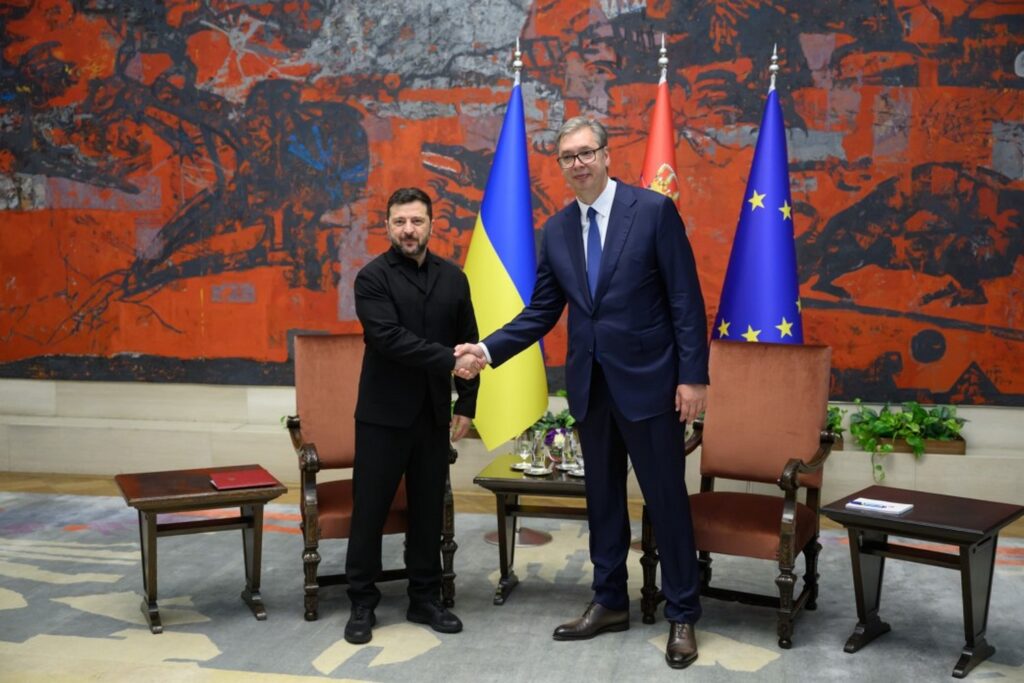
During President Volodymyr Zelenskyy’s recent visit to Serbia, he was asked whether Belgrade could continue to count on Ukraine’s position on Kosova. Zelenskyy reaffirmed that position, saying that Ukraine respects Serbia’s territorial integrity and international law and that its stance on Kosova’s “unilateral declaration of independence” remains unchanged.

Explore further

Zelenskyy’s Kosovo comments in Belgrade prompt flag removal in Prishtina

For many Kosovars, who have stood firmly with Ukraine since Russia’s full-scale invasion, this is difficult to understand. There is particular pain in hearing President Zelenskyy appear to dismiss what Kosovars endured—when it is precisely that memory of war, displacement, and atrocities that made Kosova one of Ukraine’s most instinctive supporters.

Kosova emerged from an international process designed to resolve a conflict; Russia manufactured “independence” as an instrument of conquest.

The danger of “unilateral”

There is a big problem with the way Kosova is being discussed by President Zelenskyy. Describing its independence simply as a “unilateral declaration” removes everything that matters about how Kosova actually became independent.

It also plays directly into an argument Vladimir Putin has been making for years: if the West accepted Kosova, why should it reject what Russia has done in Crimea, Donetsk, or Luhansk?

Ukraine should be dismantling that argument, not inadvertently reinforcing it. Kosova’s declaration was unilateral in one narrow sense: Serbia did not consent. But Ukrainians should understand the problem with treating the aggressor’s consent as the decisive test.

Imagine telling a community in Ukraine devastated by Russian forces that Moscow must retain a permanent veto over the political settlement that determines its future.

Kosova’s path to independence

Kosova did not simply decide one day in 2008 to break away from Serbia. The declaration came at the end of a process that had lasted years. Kosova’s path to statehood came through the violent dissolution of Yugoslavia, a federation that ultimately fragmented into seven independent states, and after years of systematic repression of Kosova’s overwhelmingly Albanian population. The culmination was the 1998–99 Kosova war.

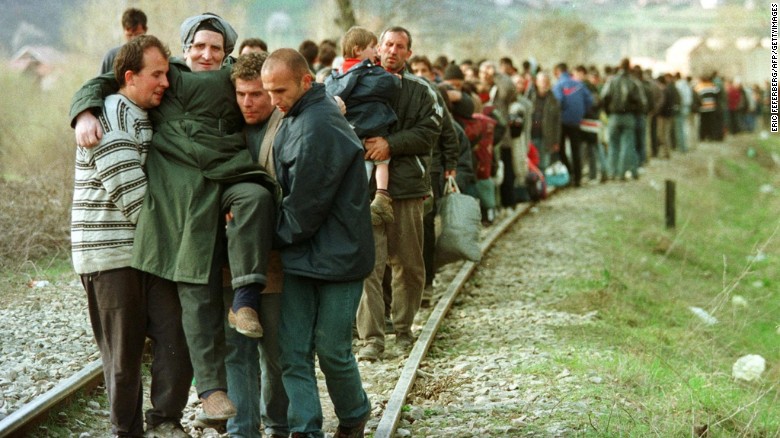
Serbian and Yugoslav forces conducted a campaign of violence and forced displacement against Kosovar Albanians. Nearly 800,000 people were expelled from Kosova in a matter of months because of a violent ethnic cleansing campaign of the Serbian army against Kosovars.

Hundreds of thousands more were internally displaced. Thousands of civilians were killed, cities and villages burned, homes destroyed, and women subjected to sexual violence.

kosovo
Kosovar refugees fleeing their homeland. 01 March 1999, Blace area, the former Yugoslav Republic of Macedonia. Photograph: UN Photo

When the war ended in 1999, Kosova did not declare independence. Nor did Albania invade Kosova and annex it. Instead, Kosova was placed under UN Security Council Resolution 1244. For almost nine years, its institutions developed under international administration while its final status remained unresolved.

And then there were negotiations. UN Secretary-General Kofi Annan appointed former Finnish President Martti Ahtisaari to lead talks between Belgrade and Pristina over Kosova’s final status. After those negotiations failed to produce an agreement, Ahtisaari concluded that returning Kosova to Serbian rule was no longer a viable option and recommended internationally supervised independence.

This matters because Kosova’s declaration in February 2008 did not reject that international process. It embraced it. The declaration committed Kosova to implementing the Ahtisaari settlement and invited continued international involvement, including an EU rule-of-law mission and NATO’s security presence.

Call the final declaration unilateral if you wish. The process that produced it was anything but.

What the ICJ found

Even after independence, the issue was subjected to further international scrutiny. At Serbia’s initiative, the UN General Assembly asked the International Court of Justice to examine the declaration. In 2010, the court concluded that Kosova’s declaration “did not violate international law.” It also found that it did not violate UN Security Council Resolution 1244.

None of this means Kosova’s path to independence was simple or uncontested. Clearly, it was not. But reducing this history to the word “unilateral” creates precisely the opening Russia needs to manufacture a parallel with Ukraine.

Crimea breaks the comparison

Putin has used Kosova for years to claim that the West created a precedent Russia merely followed: Kosova separated from Serbia without Belgrade’s consent, so why should Crimea be different? Because that is clearly where the similarity ends.

Crimea, Donetsk, and Luhansk were annexed following a Russian invasion. Moscow occupied Ukrainian territory, installed or backed proxy authorities, staged referendums under military occupation, and ultimately claimed Ukrainian land as its own.

Kosova emerged from an international process designed to resolve a conflict; Russia manufactured “independence” as an instrument of conquest. Ukraine should insist on that distinction every time Moscow invokes Kosova.

Russians support Putin putinism war in Ukraine
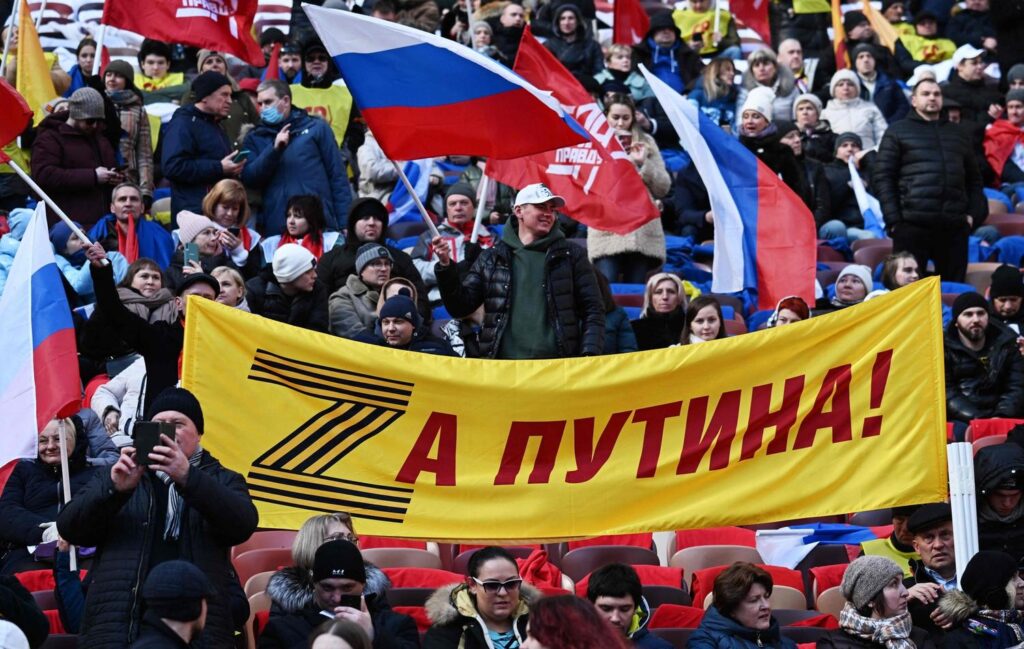
People gather for a concert marking the eight anniversary of Russia's annexation of Crimea at the Luzhniki stadium in Moscow on 18 March 2022. - The banner bearing the letter "Z" in the colours of the ribbon of Saint George, which has become a symbol of support for Russian military action in Ukraine, reads "For Putin!" (Photo by Pavel BEDNYAKOV / various sources / AFP)

Ukraine understandably approaches Kosova cautiously. A country fighting for its territorial integrity is wary of anything that might appear to weaken that principle. But acknowledging the exceptional circumstances of Kosova does not weaken Ukraine’s argument. Treating Kosova and Crimea as comparable cases does.

Russia wants Kosova to be its precedent. Ukraine does not have to accept the premise. Ukraine, in fact, has a particular interest in explaining the difference, because Ukrainians know better than almost anyone what Russian-manufactured "self-determination” actually looks like. That is not Kosova’s story.

Kosova chose Ukraine first

There is also an irony here that is difficult for Kosovars to ignore. Kosova has stood with Ukraine since the beginning of Russia’s full-scale invasion. It imposed sanctions against Russia and Belarus, provided assistance to Ukraine, and offered refuge to Ukrainian journalists.

It did all of this without being recognized by Kyiv—Kosovars did not need recognition to know which side they were on.

Ukraine’s experience resonates deeply in Kosova. We know what it means to live through war and displacement. We also know what it means when a larger neighbor invokes history to argue that it has the right to determine your future.

That does not make the two cases identical—but it should make Ukrainians skeptical when Russia tries to turn Kosova into a justification for its own imperial project.

removal of the ukrainian flag from public display in pristina, kosovo
The Ukrainian flag is removed from a public display in Pristina after President Volodymyr Zelenskyy reaffirmed Ukraine’s support for Serbia’s territorial integrity. Video still: Përparim Rama/Facebook.

Kosovars did not expect President Zelenskyy to arrive in Belgrade and announce that Ukraine had suddenly changed its position on Kosova. But it is reasonable to expect Kyiv to revisit its approach to Kosova and to recognize the process by which Kosova came to be, a process that Ukraine’s closest allies today understood, supported, and ultimately recognized.

That requires abandoning a framing that reduces Kosova’s history to a “unilateral declaration” and inadvertently gives credibility to the parallel Russia has spent years trying to construct. For Kosovars, the hope is that a more honest understanding of that history will eventually lead Ukraine to reconsider recognition, too.

Not as a reward for Kosova’s support for Ukraine, but as the natural outcome of seeing Kosova on its own terms rather than through the precedent Moscow wants it to be.

Putin has spent years trying to make Kosova his precedent. Ukraine should take that argument away from him. Doing so would bring Kyiv closer to the position of the allies standing beside it today—and perhaps, in time, recognition would follow.

Nezir Sinani
Nezir Sinani is executive director of the B4Ukraine Coalition, an alliance of more than 100 civil society organizations pressing companies and financial institutions to stop enabling Russia’s war against Ukraine. A longtime Kosovar activist, his work is rooted in Kosova’s own experience of war and displacement.

Editor's note. The opinions expressed in our Opinion section belong to their authors. Euromaidan Press' editorial team may or may not share them.

Submit an opinion to Euromaidan Press

  •  

L’ère de l’hyperpolitique, une conversation avec Anton Jäger

L’un des penseurs les plus brillants de la nouvelle génération a inventé un concept qui semble capturer parfaitement la séquence que nous traversons. Comment vivre à l’âge d’une politisation extrême, de plus en plus radicale — mais sans les cadres de la politique ? Anton Jäger présente la thèse de son dernier livre : l’hyperpolitique.
Permalien
  •  

Est-ce que ça sert encore de se mobiliser ? - Les idées larges avec Anton Jäger - Regarder l’émission complète

Dans son dernier livre, Anton Jäger, historien des idées politiques, tente de comprendre ce paradoxe : alors qu’il n’a jamais été aussi facile, grâce aux réseaux sociaux, de se mobiliser en masse, les mouvements sociaux ne semblent jamais arracher de vraies conquêtes. Comment la culture politique s’est-elle transformée ? Pourquoi nous sentons-nous aussi impuissants ?
Permalien
  •  

Risks vs. Harms: Youth & Social Media

Risks vs. Harms: Youth & Social Media

Since the “social media is bad for teens” myth will not die, I keep having intense conversations with colleagues, journalists, and friends over what the research says and what it doesn’t. (Alice Marwick et. al put together a great little primer in light of the legislative moves.) Along the way, I’ve also started to recognize how slipperiness between two terms creates confusion — and political openings — and so I wanted to call them out in case this is helpful for others thinking about these issues.

In short, “Does social media harm teenagers?” is not the same question as “Can social media be risky for teenagers?”

The language of “harm” in this question is causal in nature. It is also legalistic. Lawyers look for “harms” to place blame on or otherwise regulate actants. By and large, in legal contexts, we talk about PersonA harming PersonB. As such, PersonA is to be held accountable. But when we get into product safety discussions, we also talk about how faulty design creates the conditions for people to be harmed due to intentional, malfeasant actions by the product designer. Making a product liability claim is much harder because it requires proving the link of harm and the intentionality to harm.

Risk is a different matter. Getting out of bed introduces risks into your life. Risk is something to identify and manage. Some environments introduce more potential risks and some actions reduce the risks. Risk management is a skill to develop. And while regulation can be used to reduce certain risks, it cannot eliminate them. And it can also backfire and create more risks. (This is the problem that María Angel and I have with techno-legal solutionism.)

Let’s unpack this a bit by shifting contexts and thinking about how we approach risks more generally.

Skiing is Risky.

Skiing is understood to be a risky sport. As we approach skiing season out here in the Rockies, I’m bracing myself for the uptick in crutches, knee wheelies, and people under 40 using the wheelchair services at the Denver airport. There is also a great deal of effort being put into trying to reduce the risk that someone will leave the slopes in this state. I’m fascinated by the care ski instructors take in trying to ensure that people who come to the mountains learn how to take care. There’s a whole program here for youngins designed to teach them a safety-first approach to skiing.

And there’s a whole host of messaging that will go out each day letting potential skiers know about the conditions. We will also get fear-mongering messages out here, with local news reporting on skiers doing stupid things and warnings of avalanches that too many folks will ignore. And there will be posters at the resorts telling people to not speed on the mountains because they might kill a kid. (I think these posters are more effective as scaring kids than convincing skiers to slow down.)

No matter what messaging goes out, people will still get hurt this season like they do every season. And so there are patrollers whose job it is to look for people in high-risk situations and medics who will be on hand to help people who have been injured. And there’s a whole apparatus structured to get them of the mountain and into long-term care.

Unless you’re off your rocker, you don’t just watch a few YouTube videos and throw yourself down a mountain on skis. People take care to learn how to manage the risks of skiing. Or they’re like me and take one look at that insanity and dream of a warm place by a fire or sitting in a hot tub instead of spending stupid amounts of money to introduce that kind of risk into their lives.

Crossing the Street is Risky.

The stark reality is that every social environment has risks. And one of the key parts of being socialized through childhood into adulthood is learning to assess and respond to risks.

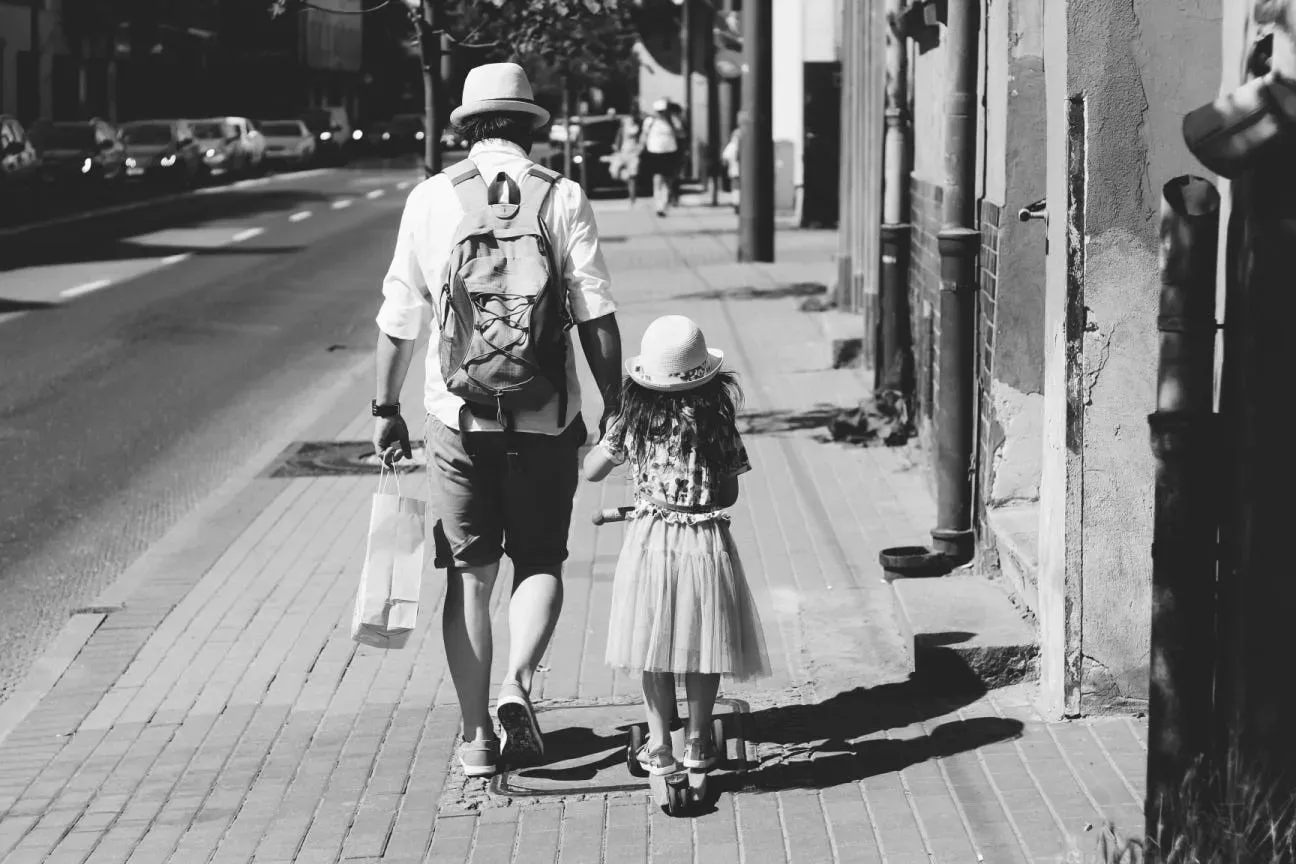
Consider walking down the street in a busy city. As any NYC parent knows, there are countless near-heart attacks that occur when trying to teach a 2-year-old to stop at the corner of the sidewalk. But eventually they learn to stop. And eventually they learn to not bowl people over while riding their scooter down that sidewalk. And then the next stage begins — helping young people learn to look both ways before crossing the street, regardless of what is happening with the light, and convincing them to maintain constant awareness about their environment. And eventually that becomes so normal that you start to teach your child how to J-walk without getting a ticket. And eventually, the child turns into a teenager who wanders the city alone, J-walking with ease while blocking out all audio signals with their headphones. But then take that child — or an American adult — to a city like Hanoi and they’ll have to relearn how to cross a street because nothing one learns in NYC about crossing streets applies to Hanoi.

Is crossing the street risky? Of course. But there’s a lot we can do to make it less risky. Good urban design and functioning streetlights can really help, but they don’t make the risk disappear. And people can actually cross a street in Hanoi, even though I doubt anyone would praise the urban design of streets and there are no streetlights. While design can help, what really matters for navigating risk is rooted in socialization, education, and agency. Mixed into this is, of course, experience. The more that we experience crossing the street, the easier it gets, regardless of what you know about the rules. And still, the risk does not entirely disappear. People are still hit by cars while crossing the street every year.

The Risk of Social Media Can Be Reduced.

Can social media be risky for youth? Of course. So can school. So can friendship. So can the kitchen. So can navigating parents. Can social media be designed better? Absolutely. So can school. So can the kitchen. (So can parents?) Do we always know the best design interventions? No. Might those design interventions backfire? Yes.

Does that mean that we should give up trying to improve social media or other digital environments? Absolutely not. But we must also recognize that trying to cement design into law might backfire. And that, more generally, technologies’ risks cannot be managed by design alone.

Fixating on better urban design is pointless if we’re not doing the work to socialize and educate people into crossing digital streets responsibly. And when we age-gate and think that people can magically wake up on their 13th or 18th birthday and be suddenly able to navigate digital streets just because of how many cycles they took around the sun, we’re fools. Socialization and education are still essential, regardless of how old you are. (Psst to the old people: the September that never ended…)

In the United States, we have a bad habit of thinking that risks can be designed out of every system. I will never forget when I lived in Amsterdam in the 90s, and I remarked to a local about how odd I found it that there were no guardrails to prevent cars from falling into the canals when they were parking. His response was “you’re so American” which of course prompted me to say, “what does THAT mean?” He explained that, in the Netherlands, locals just learned not to drive their cars into the canals, but Americans expected there to be guardrails for everything so that they didn’t have to learn not to be stupid. He then noted out that every time he hears about a car ending up in the canal, it is always an American who put it there. Stupid Americans. (I took umbrage at this until, a few weeks later, I read a news story about a drunk American driving a rental into the canal.)

Better design is warranted, but it is not enough if the goal is risk reduction. Risk reduction requires socialization, education, and enough agency to build experience. Moreover, if we think that people will still get hurt, we should be creating digital patrols who are there to pick people up when they are hurt. (This is why I’ve always argued that “digital street outreach” would be very valuable.)

But What About Harms?

People certainly face risks when encountering any social environment, including social media. This then triggers the next question: Do some people experience harms through social media? Absolutely. But it’s important to acknowledge that most of these harms involve people using social media to harm others. It’s reasonable that they should be held accountable. It’s not reasonable to presume that you can design a system that allows people to interact in a manner where harms will never happen. As every school principal knows, you can’t solve bullying through the design of the physical building.

Returning to our earlier note on product liability, it is reasonable to ask if specific design choices of social media create the conditions for certain kinds of harms to be more likely — and for certain risks to be increased. Researchers have consistently found that bullying is more frequent and more egregious at school than on social media, even if it is more visible on the latter. This makes me wary of a product liability claim regarding social media and bullying. Moreover, it’s important to notice what schools have done in response to this problem. They’ve invested in social-emotional learning programs to strengthen resilience, improve bystander approaches, and build empathy. These interventions are making a huge difference, far more than building design. (If someone wants to tax social media companies to scale these interventions, have a field day.)

Of course, there are harms that I do think are product liability issues vis-a-vis social media. For example, I think that many privacy harms can be mitigated with a design approach that is privacy-by-default. I also think that regulations that mandate universal privacy protections would go a long way in helping people out. But the funny thing is that I don’t think that these harms are unique to children. These are harms that are experienced broadly. And I would argue that older folks tend to experience harms associated with privacy much more acutely.

But even if you think that children are especially vulnerable, I’d like to point out that while children might need a booster seat for the seatbelt to work, everyone would be better off if we put privacy seatbelts in place rather than just saying that kids can’t be in cars.

I have more complex feelings about the situations where we blame technology for societal harms. As I’ve argued for over a decade, the internet mirrors and magnifies the good, bad, and ugly. This includes bullying and harassment, but it also includes racism, xenophobia, sexism, homophobia, and anti-trans attitudes. I wish that these societal harms could be “fixed” by technology; that would be nice. But that is naive.

I get why parents don’t want to expose children to the uglier parts of the world. But if we want to raise children to be functioning adults, we also have to ensure that they are resilient. Besides, protecting children from the ills of society is a luxury that only a small segment of the population is able to enjoy. For example, in the US, Black parents rarely have the option of preventing their children from being exposed to racism. This is why white kids need to be educated to see and resist racism. Letting white kids live in “colorblind” la-la-land doesn’t enable racial justice. It lets racism fester and increases inequality.

As adults, we need to face the ugliness of society head on, with eyes wide open. And we need to intentionally help our children see that ugliness so that they can be agents of change. Social media does make this ugly side more visible, but avoiding social media doesn’t make it go away. Actively engaging young people as they are exposed to the world through dialogue allows them to be prepared to act. Turning on the spicket at a specific age does not.

I will admit that one thing that intrigues me is that many of those who propagate hate are especially interested in blocking children from technology for fear that allowing their children to be exposed to difference might make them more tolerant. (No, gender is not contagious, but developing a recognition that gender is socially and politically constructed — and fighting for a more just world — sure is.) There’s a long history of religious communities trying to isolate youth from kids of other faiths to maintain control.

There’s no doubt that media — including social media — exposes children to a much broader and more diverse world. Anyone who sees themselves as empowering their children to create a more just and equitable world should want to conscientiously help their children see and understand the complexity of the world we live in.

In the early days of social media, I was naive in thinking that just exposing people to people around the world to each other would fundamentally increase our collective tolerance. I had too much faith in people’s openness. I know now that this deterministic thinking was foolish. But I have also come to appreciate the importance of combining exposure with education and empathy.

Isolating people from difference doesn’t increase tolerance or appreciation. And it won’t help us solve the hardest problems in our world — starting with both inequity and ensuring our planet is livable for future generations. Instead, we need to help our children build the skills to live and work together.

Put another way, to raise children who can function in our complex world, we need to teach them how to cross the digital street safely. Skiing is optional.

  •  
❌