Près de 300 000 personnes étaient rassemblées, vendredi à Paris, pour accueillir le Pape Léon XIV au premier jour de sa visite de quatre jours en France. Après un passage à l'Élysée où ce dernier a prononcé un discours critique sur certains sujets politiques comme la fin de vie, le souverain pontife s'est rendu au siège de l'Unesco où il a mis en garde contre l'avènement de l'intelligence artificielle, il a dénoncé des dirigeants "bafouant l'État de droit".
Près de 300 000 personnes étaient rassemblées, vendredi à Paris, pour accueillir le Pape Léon XIV au premier jour de sa visite de quatre jours en France. Après un passage à l'Élysée où ce dernier a prononcé un discours critique sur certains sujets politiques comme la fin de vie, le souverain pontife s'est rendu au siège de l'Unesco où il a mis en garde contre l'avènement de l'intelligence artificielle, il a dénoncé des dirigeants "bafouant l'État de droit".
Canada’s prime minister is pursuing deeper trade, defense and cultural ties with China, India and the European Union, but none are likely to replace ties to the United States.
Canada’s prime minister is pursuing deeper trade, defense and cultural ties with China, India and the European Union, but none are likely to replace ties to the United States.
As part of an effort to lessen dependence on the United States, Prime Minister Mark Carney of Canada has signaled a pivot toward trading partners in Europe and Asia.
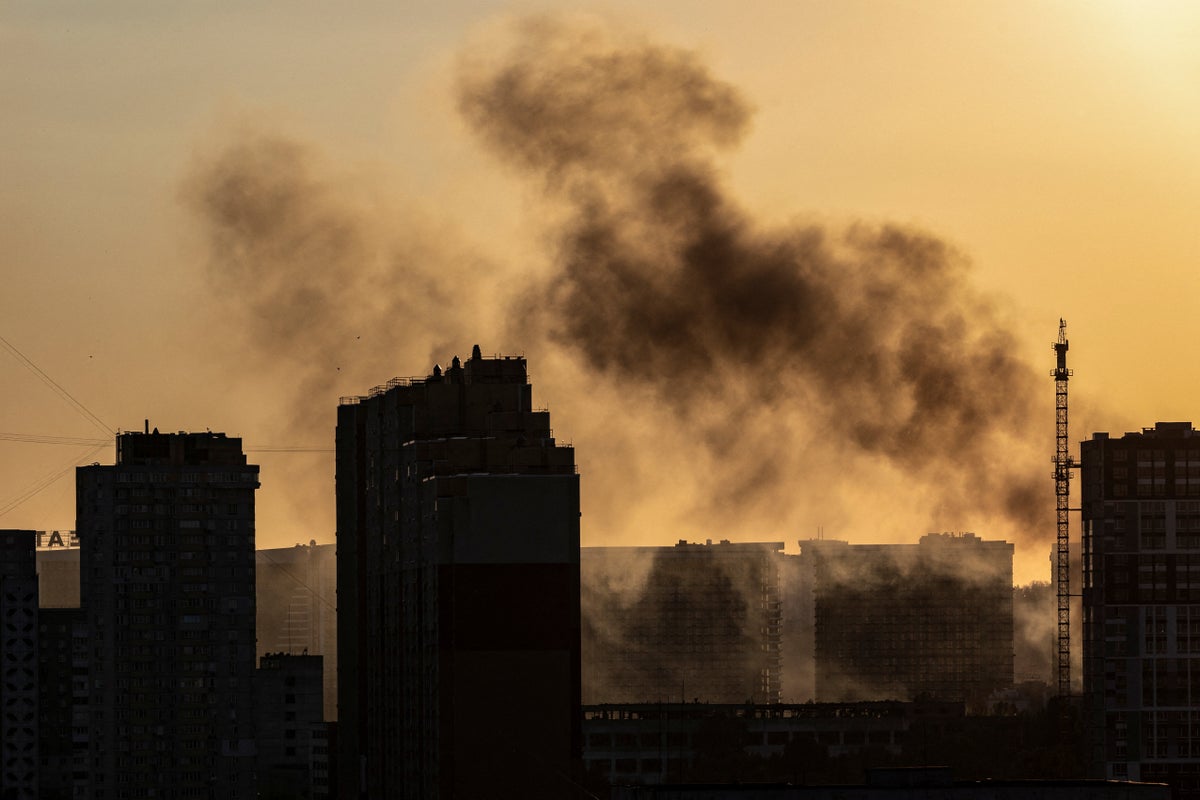
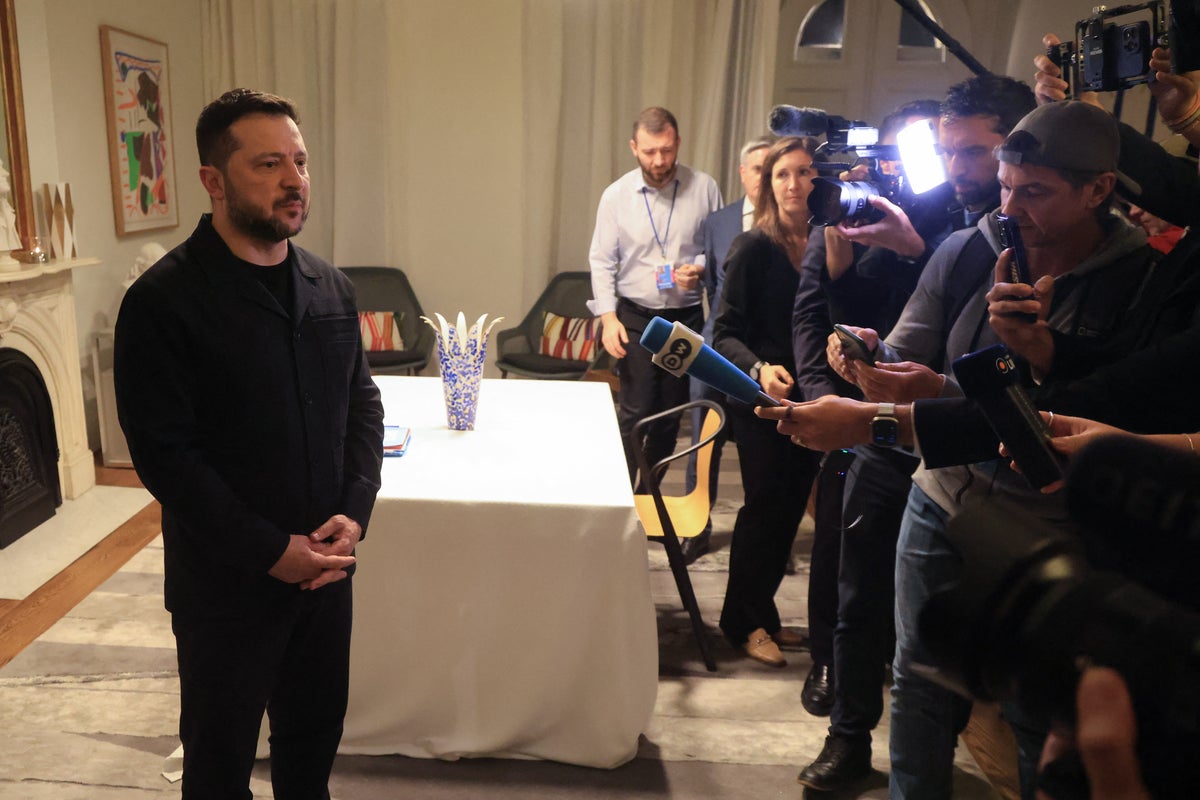
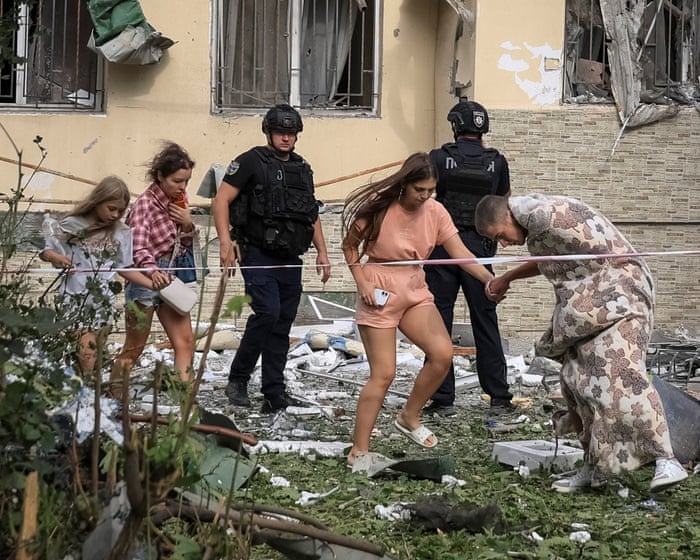
Russian strikes in Kyiv, Netanyahu in New York, floods in Japan and the Asian Games – the past seven days as captured by the world’s leading photojournalists Continue reading...
La défaite de Viktor Orban aux élections hongroises a changé la donne. Les États membres de l'Union européenne sont parvenus a s'entendre sur un remboursement par l'UE des fonds avancés à l'Ukraine par chaque pays. Un mécanisme qui ouvre la voie à de nouvelles aides pour soutenir Kiev.
La défaite de Viktor Orban aux élections hongroises a changé la donne. Les États membres de l'Union européenne sont parvenus a s'entendre sur un remboursement par l'UE des fonds avancés à l'Ukraine par chaque pays. Un mécanisme qui ouvre la voie à de nouvelles aides pour soutenir Kiev.
Face à des Européens peu audibles à l'Assemblée générale de l'ONU et inquiets de leurs vulnérabilités économiques, Aurore Lalucq, présidente de la commission des Affaires économiques et monétaires du Parlement européen, nous livre son analyse après la dernière réunion de l’Eurogroupe à laquelle elle a participé. Aurore Lalucq est eurodéputée du groupe socialiste et co-présidente de "Place publique".
Face à des Européens peu audibles à l'Assemblée générale de l'ONU et inquiets de leurs vulnérabilités économiques, Aurore Lalucq, présidente de la commission des Affaires économiques et monétaires du Parlement européen, nous livre son analyse après la dernière réunion de l’Eurogroupe à laquelle elle a participé. Aurore Lalucq est eurodéputée du groupe socialiste et co-présidente de "Place publique".
L'Europe n’a pas été épargnée par la canicule. Le mois d'août 2026 a été le mois le plus chaud jamais mesuré, et l’Europe dans son ensemble a vécu le pire été de son histoire : 2,7°C de plus que les normales de saison. Il en résulte une sécheresse record qui se prolonge encore en septembre. Au pic de l’été, les deux tiers du territoire de l'Union européenne étaient en état d’alerte, de quoi fragiliser la végétation et l'agriculture, et faciliter la propagation des incendies.
L'Europe n’a pas été épargnée par la canicule. Le mois d'août 2026 a été le mois le plus chaud jamais mesuré, et l’Europe dans son ensemble a vécu le pire été de son histoire : 2,7°C de plus que les normales de saison. Il en résulte une sécheresse record qui se prolonge encore en septembre. Au pic de l’été, les deux tiers du territoire de l'Union européenne étaient en état d’alerte, de quoi fragiliser la végétation et l'agriculture, et faciliter la propagation des incendies.
La CIA aurait averti plusieurs pays que la Russie se préparerait à lancer des opérations hybrides depuis la mer Méditerranée. Le risque est-il réel ou s'agit-il d'une opération de guerre informationnelle ?
La CIA aurait averti plusieurs pays que la Russie se préparerait à lancer des opérations hybrides depuis la mer Méditerranée. Le risque est-il réel ou s'agit-il d'une opération de guerre informationnelle ?
Putin could attack ports, transport and communications in a bid to test Nato’s resolve. Experts tell Maira Butt that Nato members must start preparing for the worst
Putin could attack ports, transport and communications in a bid to test Nato’s resolve. Experts tell Maira Butt that Nato members must start preparing for the worst
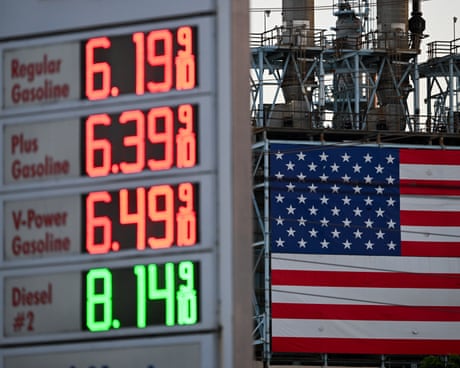
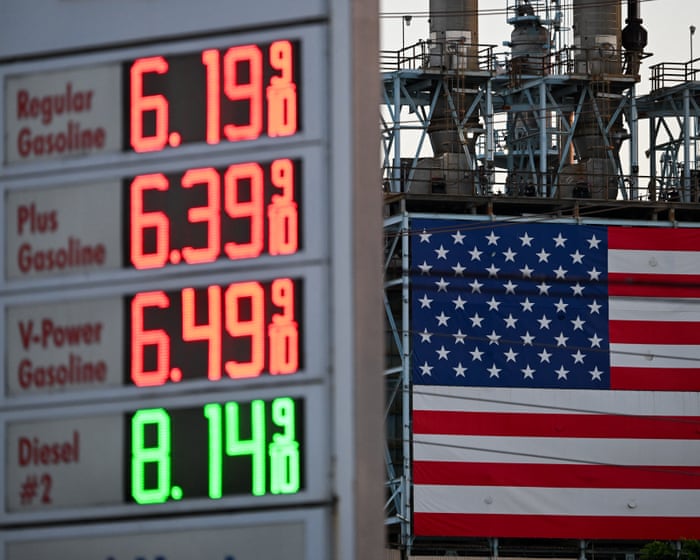
US president’s suggested 90-day export ban before midterm elections could bring even higher fuel prices across EuropeThe EU has warned Donald Trump against plans to ban US diesel exports to the global market, saying the move would negatively affect Europe and the US.The European Commission has reacted with “concern” to reports this week that the US president could prevent diesel from reaching the global market. Continue reading...
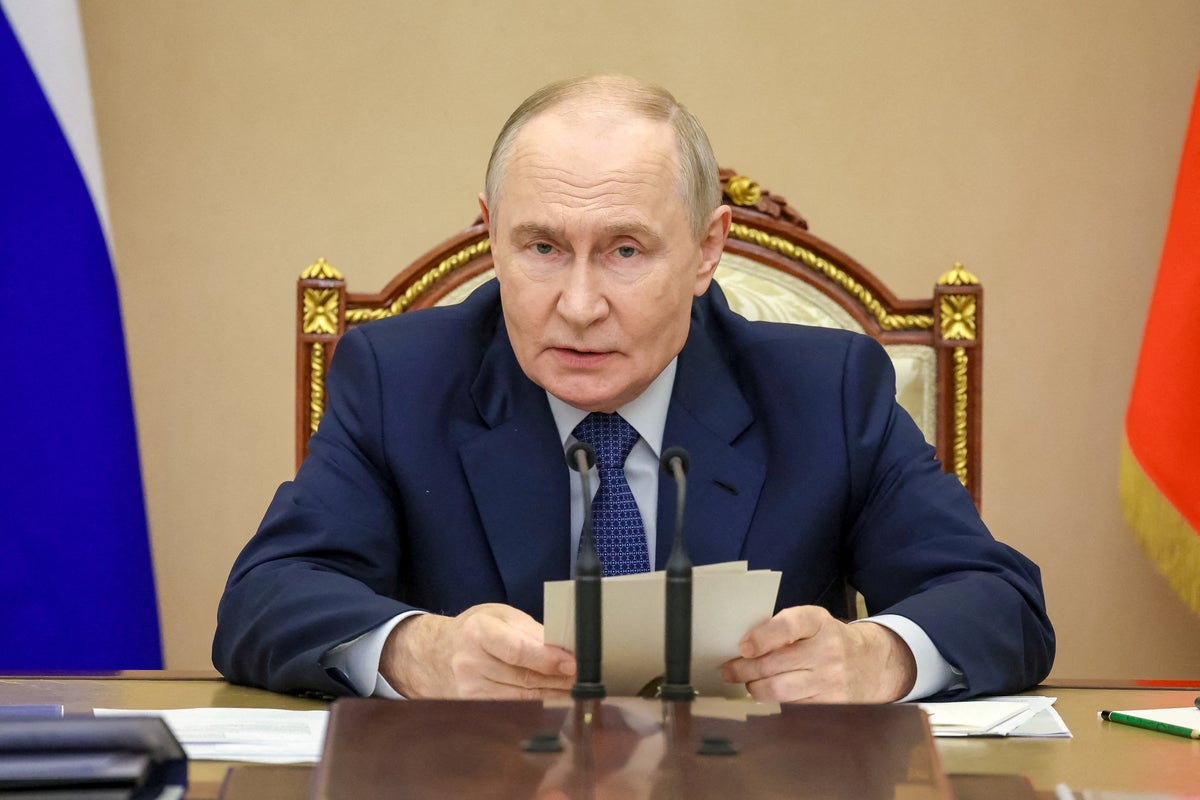
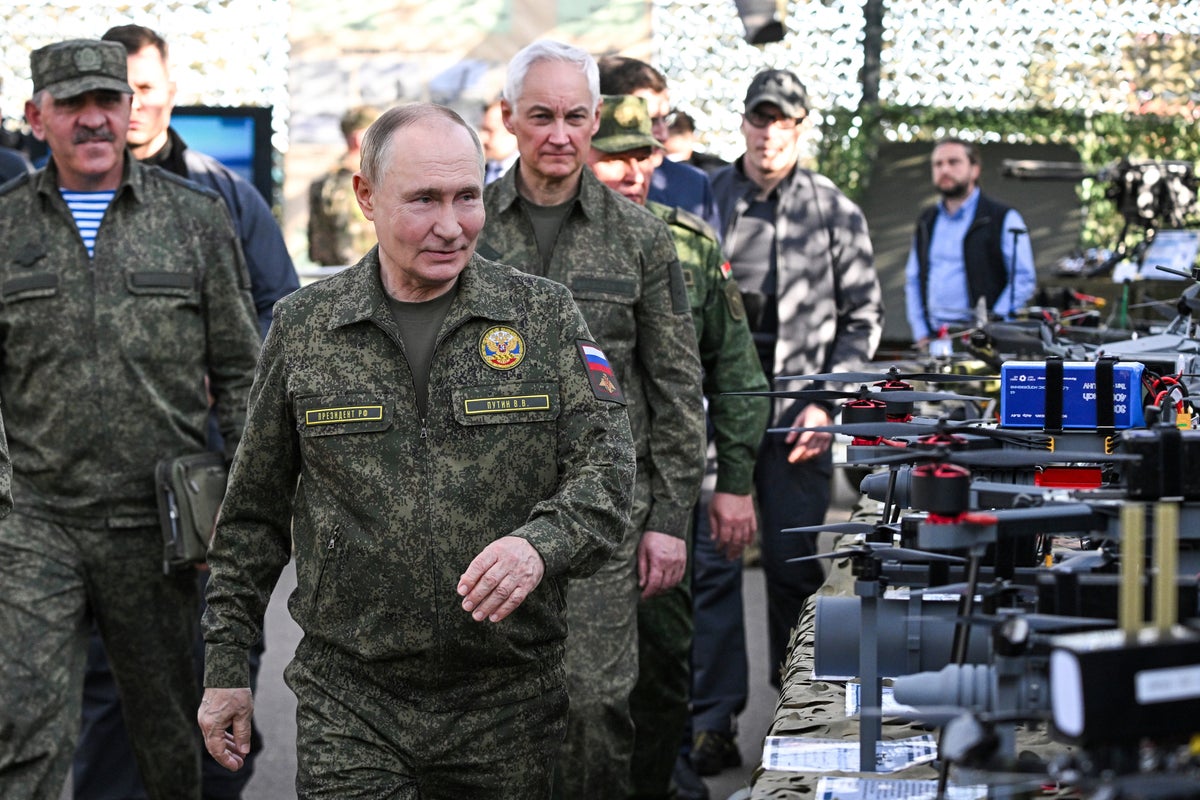
If President Vladimir V. Putin was hoping to get Europeans’ attention, he’s succeeded with a series of close-call incursions. The question now is what they will do about it.
If President Vladimir V. Putin was hoping to get Europeans’ attention, he’s succeeded with a series of close-call incursions. The question now is what they will do about it.
Lawyers for James ‘Fergie’ Chambers, wanted over alleged support for Hamas, say client is being persecutedThe Spanish government has decided to allow the Trump administration’s controversial extradition request to extradite wealthy activist James “Fergie” Chambers to continue in the country’s courts.Chambers, a US citizen and wealthy donor to leftwing and humanitarian projects, is currently imprisoned in Madrid. It is the first known case of the US seeking to extradite a citizen over alleged sup
Lawyers for James ‘Fergie’ Chambers, wanted over alleged support for Hamas, say client is being persecuted
The Spanish government has decided to allow the Trump administration’s controversial extradition request to extradite wealthy activist James “Fergie” Chambers to continue in the country’s courts.
Chambers, a US citizen and wealthy donor to leftwing and humanitarian projects, is currently imprisoned in Madrid. It is the first known case of the US seeking to extradite a citizen over alleged support for Hamas, an accusation tied to money Chambers has donated to support Palestinians, including the Sameer Project, in Gaza.
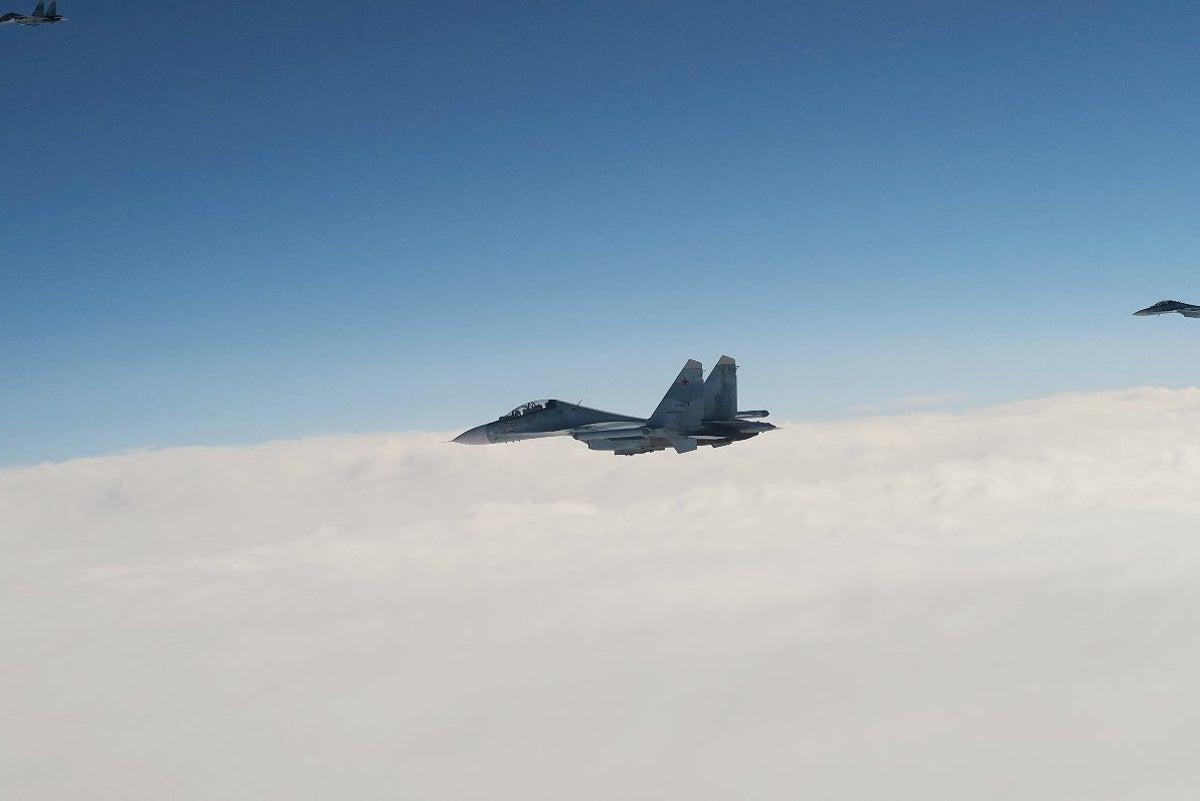
Nato's deputy commander in Europe is warning that Russian president Vladimir Putin is becoming increasingly reckless as the war in Ukraine drags on and as he seeks to divide Western allies
Nato's deputy commander in Europe is warning that Russian president Vladimir Putin is becoming increasingly reckless as the war in Ukraine drags on and as he seeks to divide Western allies
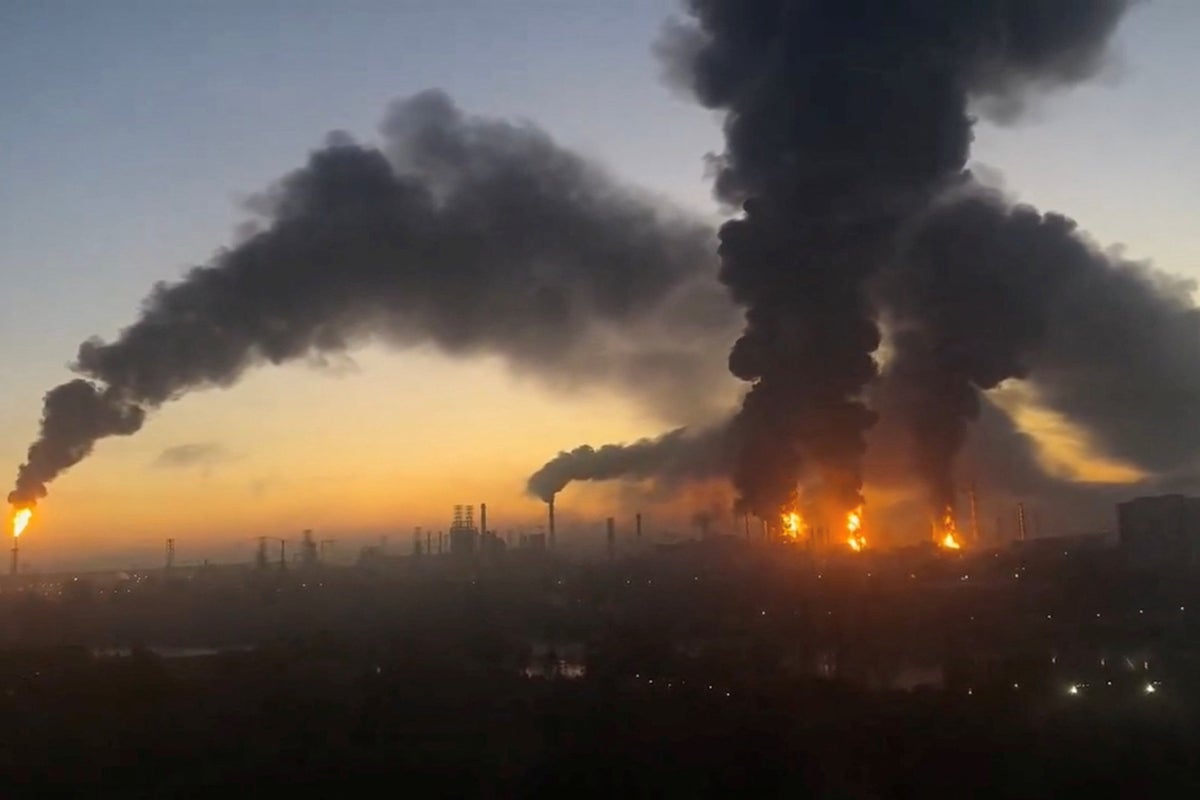
All but five of Russia’s 32 major oil refineries have been hit by Ukrainian drone attacks, costing the country an estimated $20bn. Experts tell Maira Butt that Zelensky has brought the reality of Putin’s invasion to the doorstep
All but five of Russia’s 32 major oil refineries have been hit by Ukrainian drone attacks, costing the country an estimated $20bn. Experts tell Maira Butt that Zelensky has brought the reality of Putin’s invasion to the doorstep
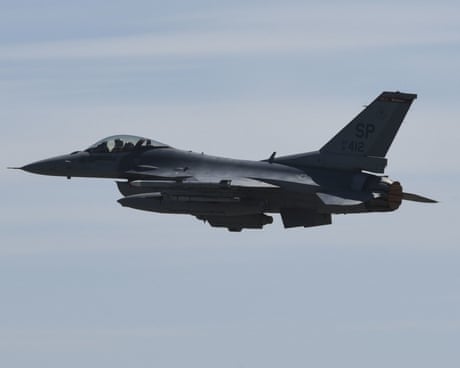
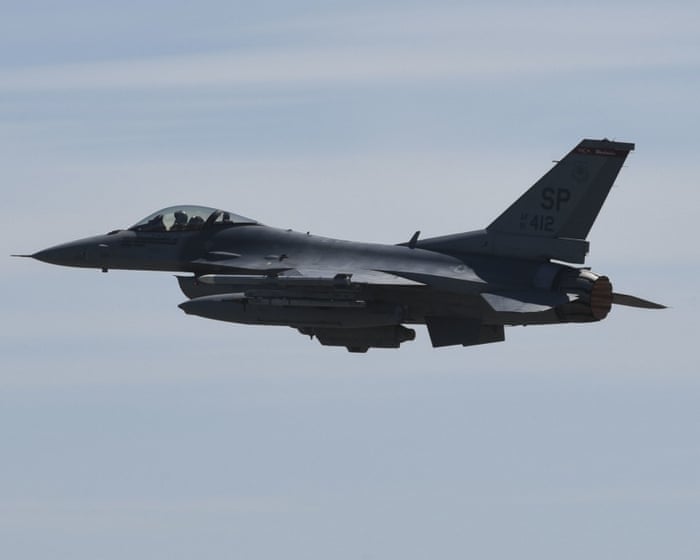
Officials say one pilot safely ejected as F-16 believed to have crashed on approach to Spangdahlem after training drillAn F-16 fighter jet assigned to the US air base Spangdahlem in western Germany crashed on Tuesday, the US military said, adding that one pilot had ejected safely and was receiving medical treatment.The cause of the incident is under investigation, the military said in a statement, with emergency response personnel at the scene of the crash. Continue reading...
Officials say one pilot safely ejected as F-16 believed to have crashed on approach to Spangdahlem after training drill
An F-16 fighter jet assigned to the US air base Spangdahlem in western Germany crashed on Tuesday, the US military said, adding that one pilot had ejected safely and was receiving medical treatment.
The cause of the incident is under investigation, the military said in a statement, with emergency response personnel at the scene of the crash.
Mark Rutte has the right idea – go beyond Washington and make the case for the transatlantic alliance to the public. They may well have a willing earAt a moment when Europe is focused on persuading Donald Trump to remain committed to Nato, it needs to convince Americans, too. So the presence this evening of the Nato secretary general, Mark Rutte, in front of a public audience in Des Moines, Iowa, is significant. This is the home town of Trump’s ambassador to Nato, Matthew Whitaker, and the visit
Mark Rutte has the right idea – go beyond Washington and make the case for the transatlantic alliance to the public. They may well have a willing ear
At a moment when Europe is focused on persuading Donald Trump to remain committed to Nato, it needs to convince Americans, too. So the presence this evening of the Nato secretary general, Mark Rutte, in front of a public audience in Des Moines, Iowa, is significant. This is the home town of Trump’s ambassador to Nato, Matthew Whitaker, and the visit brings the debate over Nato’s future directly to a midwestern audience in a red state that operates far from elite foreign-policy circles in Washington. Rutte’s appearance is long overdue.
Russia’s war in Ukraine and uncertainty over the US commitment to European security have forced European leaders to confront their dependence on Washington. While some are pressing for building European capabilities as a means to separate from the US, others see greater European defence spending as essential to keeping the US engaged. Either way, European governments can’t rely solely on meetings with Trump to secure the alliance’s future.
Trump’s announcement on Russia ally comes as he steps up his trade war with Canada, a long-term US ally and top supplier of potashPresident Donald Trump has said he is working on a “massive” deal to buy fertiliser from Belarus, pivoting away from main supplier Canada amid an escalating trade dispute, and moving instead toward an ally of Russia.“The United States is working on a massive deal with respect to the purchase of Potash from Belarus,” Trump said on his Truth Social network. “The pricing
Trump’s announcement on Russia ally comes as he steps up his trade war with Canada, a long-term US ally and top supplier of potash
President Donald Trump has said he is working on a “massive” deal to buy fertiliser from Belarus, pivoting away from main supplier Canada amid an escalating trade dispute, and moving instead toward an ally of Russia.
“The United States is working on a massive deal with respect to the purchase of Potash from Belarus,” Trump said on his Truth Social network. “The pricing would be for substantially less than we are currently paying to Canada, very good news for our farmers and ranchers.”
The Canadian prime minister’s remarks before the European parliament outlined a vision of the west without its most powerful memberThe speeches keep coming, each building on the previous one, as the Canadian prime minister builds a case for a new world order that has strikingly little to do with the United States of America, the country that has led the west since the second world war.On 20 January, in Davos, Mark Carney proposed that the world’s middle powers do more to support each other, in l
The Canadian prime minister’s remarks before the European parliament outlined a vision of the west without its most powerful member
The speeches keep coming, each building on the previous one, as the Canadian prime minister builds a case for a new world order that has strikingly little to do with the United States of America, the country that has led the west since the second world war.
On 20 January, in Davos, Mark Carney proposed that the world’s middle powers do more to support each other, in light of a “rupture” in the global order. That was clearly a reference to the destabilizing policies of Donald Trump, who had been inaugurated exactly one year earlier, and had spent most of that year insulting the US’s allies.
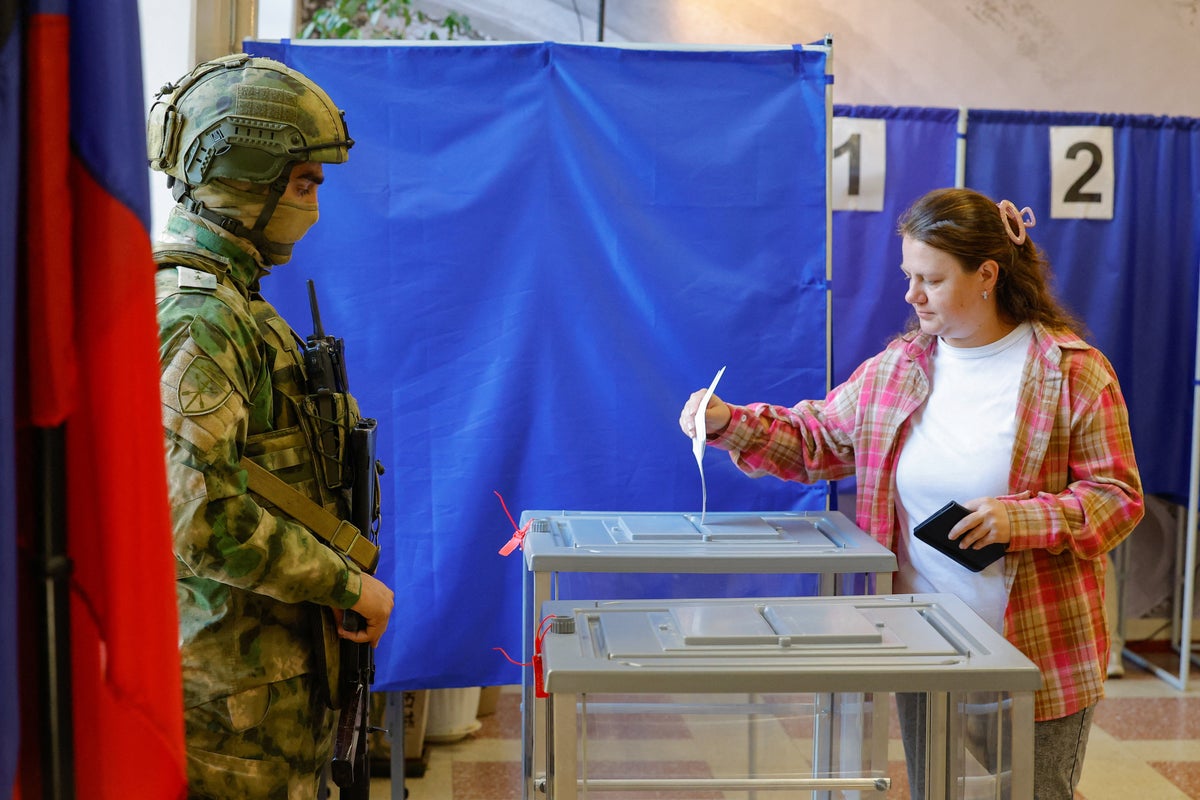
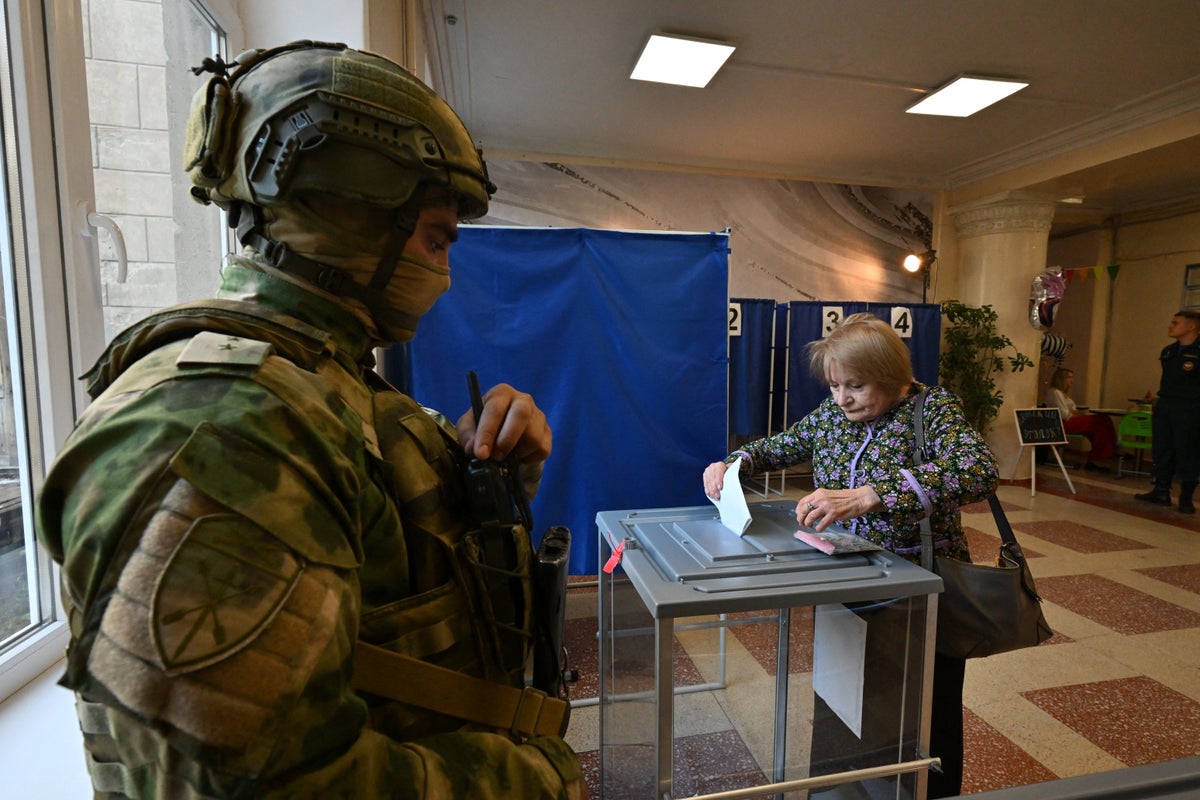
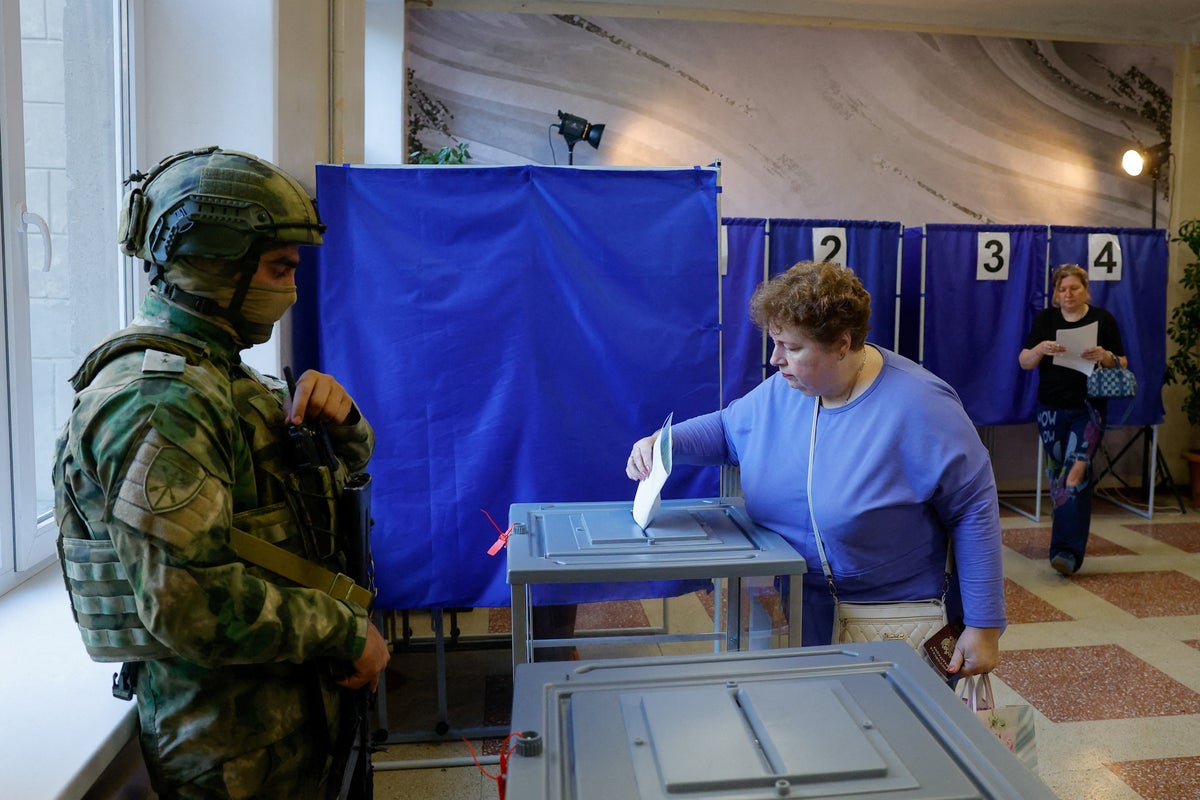
Russia turned away independent European observers as critics said there were few avenues for genuine dissent in the country’s first wartime parliamentary elections, Maira Butt reports
Russia turned away independent European observers as critics said there were few avenues for genuine dissent in the country’s first wartime parliamentary elections, Maira Butt reports
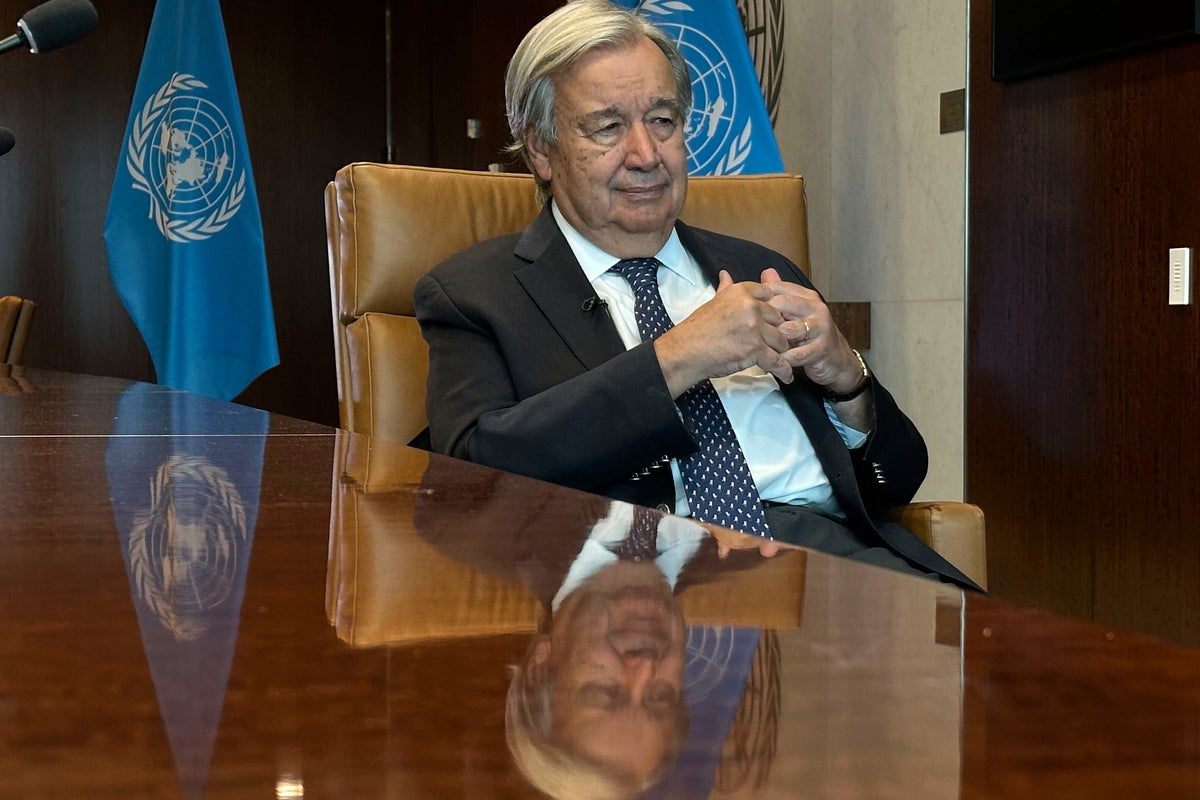
The United Nations headquarters in New York. For the first time, the threat posed by artificial intelligence will be atop the agenda of the U.N. General Assembly meeting this week.
The populist emphasis on national identity and threats to it, real and imagined, finds a deep response in voters adrift in a world they no longer understand.
The populist emphasis on national identity and threats to it, real and imagined, finds a deep response in voters adrift in a world they no longer understand.
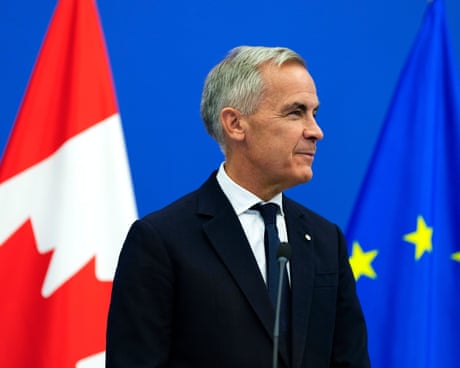
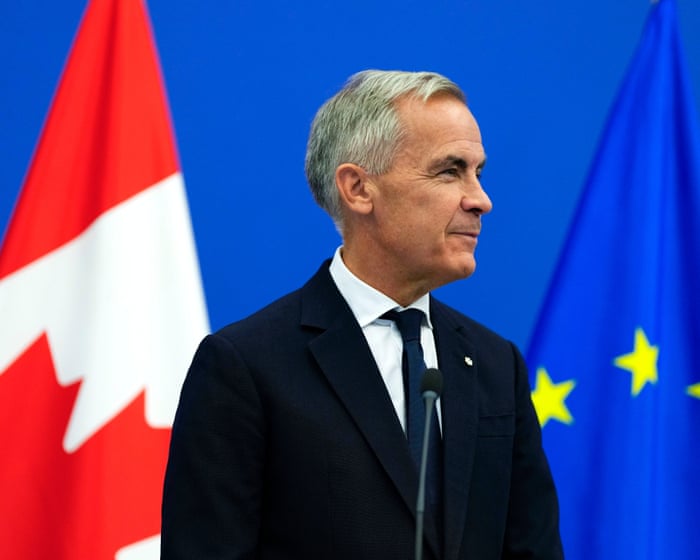
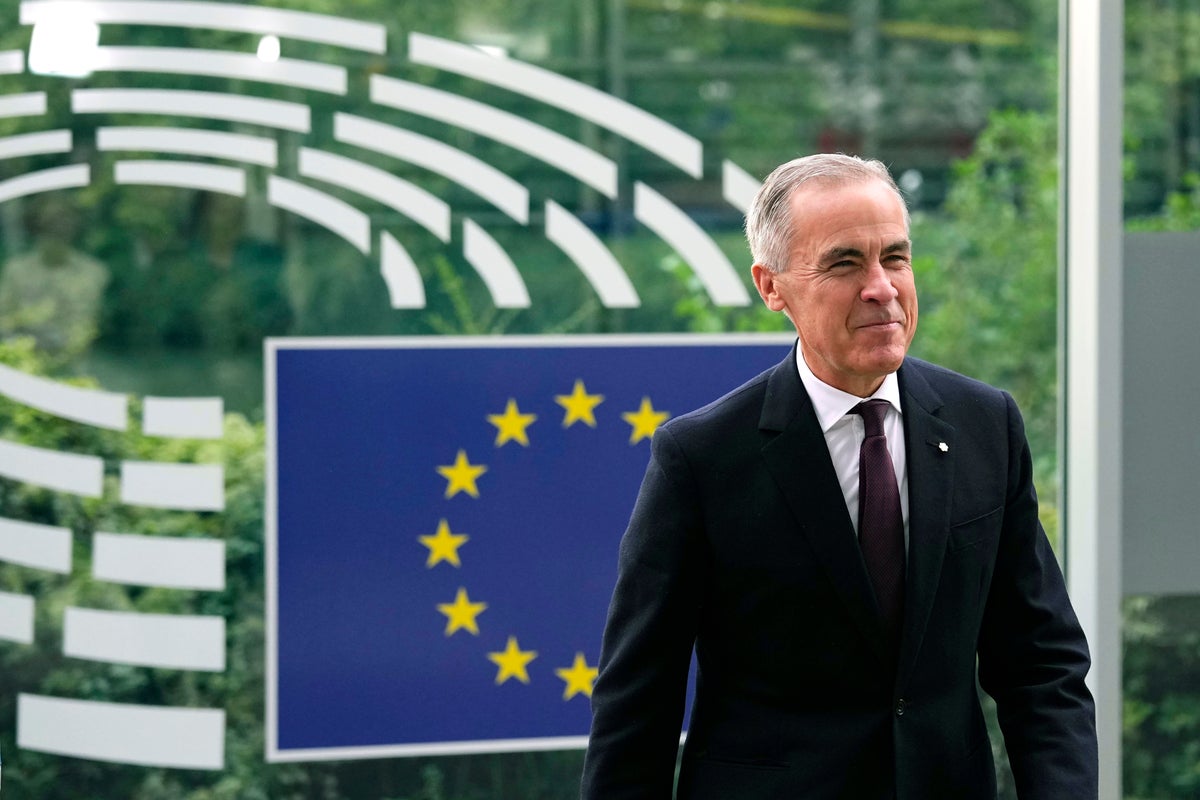
Prime Minister Mark Carney of Canada and President Emmanuel Macron of France met just after the European Union invited Canada to become its first “associate member.”
Prime Minister Mark Carney of Canada and President Emmanuel Macron of France met just after the European Union invited Canada to become its first “associate member.”
For years, Ukraine’s air defenses blunted Russia’s attempts to terrorize its cities from the sky. Now, after four years of adaptation, Moscow is fielding faster drones, massing ballistic missiles, and finding new ways to overwhelm a Ukrainian air-defense network running short of the interceptors needed to stop them.
Russia’s aerial campaign is becoming harder to contain just as its attacks are killing more Ukrainian civilians. July recorded at least 437 civilian deaths, the highest mont
For years, Ukraine’s air defenses blunted Russia’s attempts to terrorize its cities from the sky. Now, after four years of adaptation, Moscow is fielding faster drones, massing ballistic missiles, and finding new ways to overwhelm a Ukrainian air-defense network running short of the interceptors needed to stop them.
Russia’s aerial campaign is becoming harder to contain just as its attacks are killing more Ukrainian civilians. July recorded at least 437 civilian deaths, the highest monthly toll since the early months of the full-scale invasion, with UN monitors pointing to Russian missile and drone attacks as a key factor.
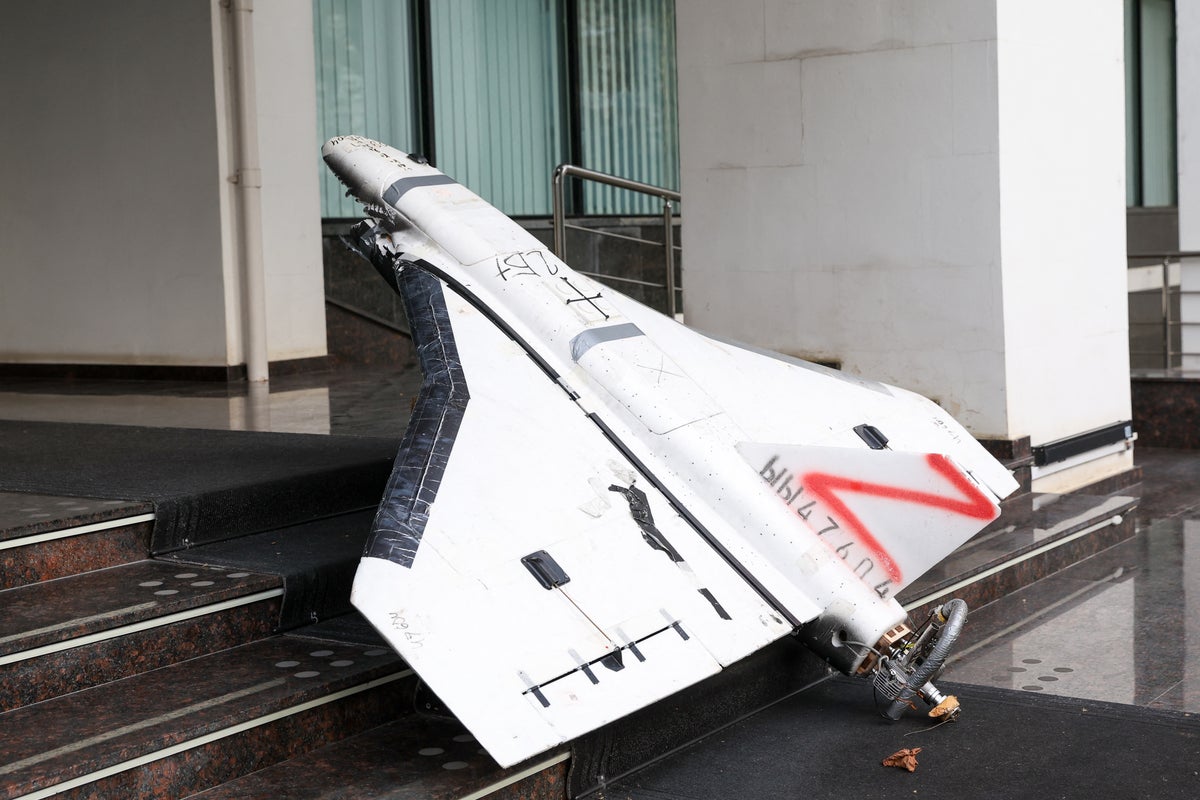
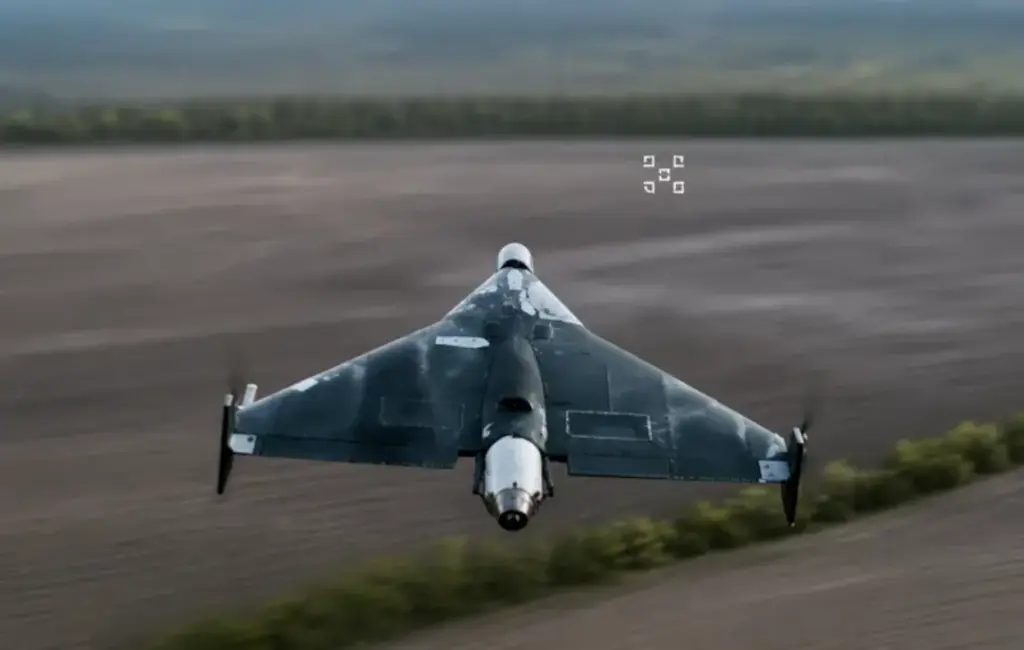
That shift is visible most clearly in Russia’s rapidly expanding use of jet-powered Geran drones. These drones can exceed 400 km/h, making them significantly harder to intercept than the slower, propeller-driven Shaheds Ukraine has spent years learning to counter. Russia reportedly launched as many as 2,850 jet-powered drones in August alone.
Ukrainian President Volodymyr Zelenskyy has warned that Russia’s escalation with the new drones is becoming “increasingly terrorist” and called for urgent efforts to develop defenses against them.
While Ukraine’s Western partners have taken steps to strengthen its air defenses, Russia has spent the same period adapting and expanding its ability to attack from the air. The gap is becoming increasingly visible in the skies over Ukrainian cities.
Ukrainian civilians are already paying the price
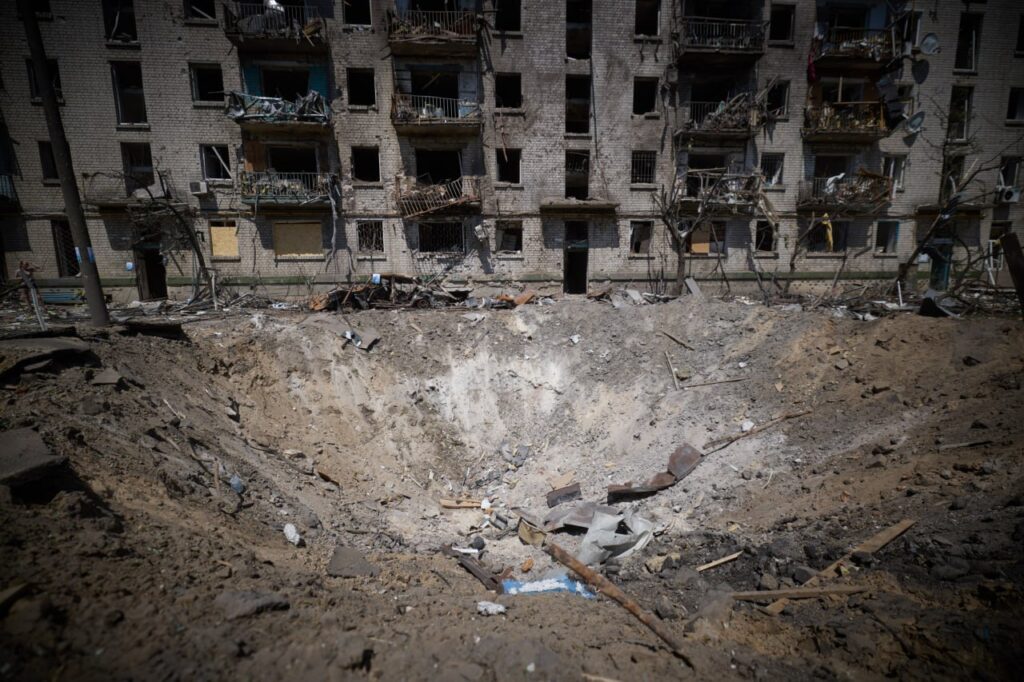
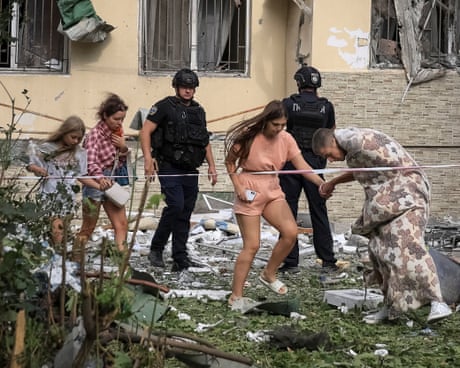
Russia has increasingly turned its ability to strike deep inside Ukraine into a weapon against civilian life itself: hitting residential areas, fuel stations, railways, energy infrastructure and other sites across cities far from the front.
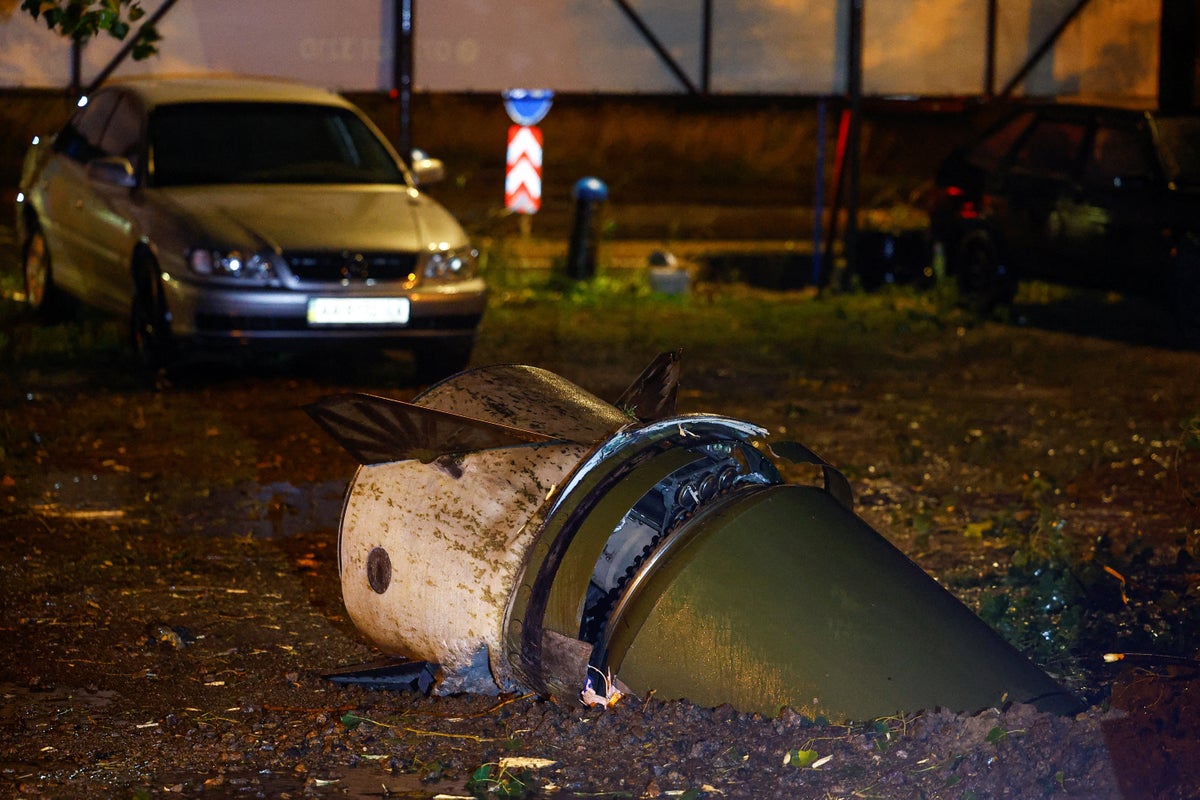
Since late August, Kyiv has faced near-continuous Russian drone attacks, with Russia increasingly sending waves of drones against the capital throughout the day and night. The shift has made air-raid alerts, explosions and disruptions to daily life a near-constant reality.
For Ukrainians, Russia’s evolving aerial campaign is measured in destroyed homes, injuries, deaths, and lives permanently changed.
In Kyiv, it has also changed everyday life: explosions interrupt sleep and work, people run for shelter as strikes unfold overhead, and the threat of another attack is never far away.
And the pressure is no longer confined to Kyiv. Kharkiv, Odesa, Sumy and Zaporizhzhia are all facing increasingly sophisticated combinations of drones and missiles.
The danger is not simply that Russia is launching more weapons. It is that Moscow has spent years learning which weapons can penetrate Ukraine’s defenses, how to combine them, and how to force Ukraine to spend its most valuable interceptors.
Zelenskyy’s warning captures the urgency: “You cannot simply wait for Russia to perfect its repertoire of killings.”
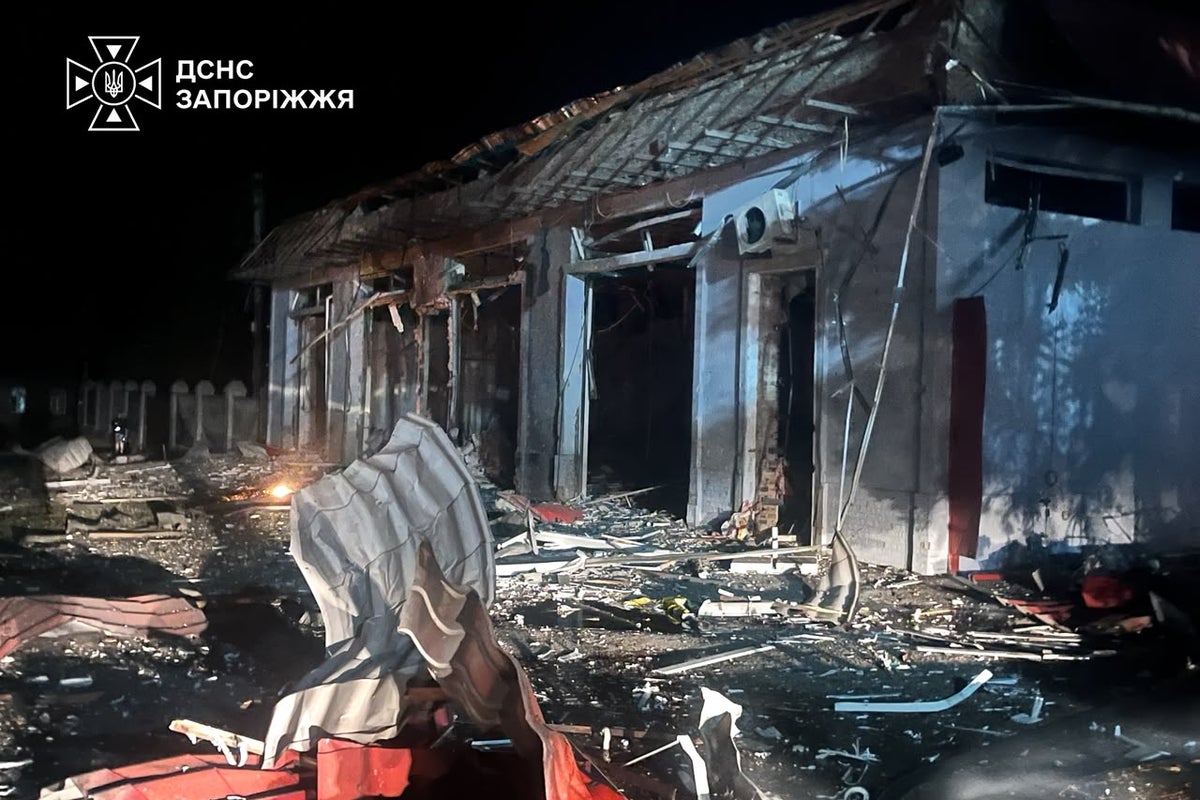
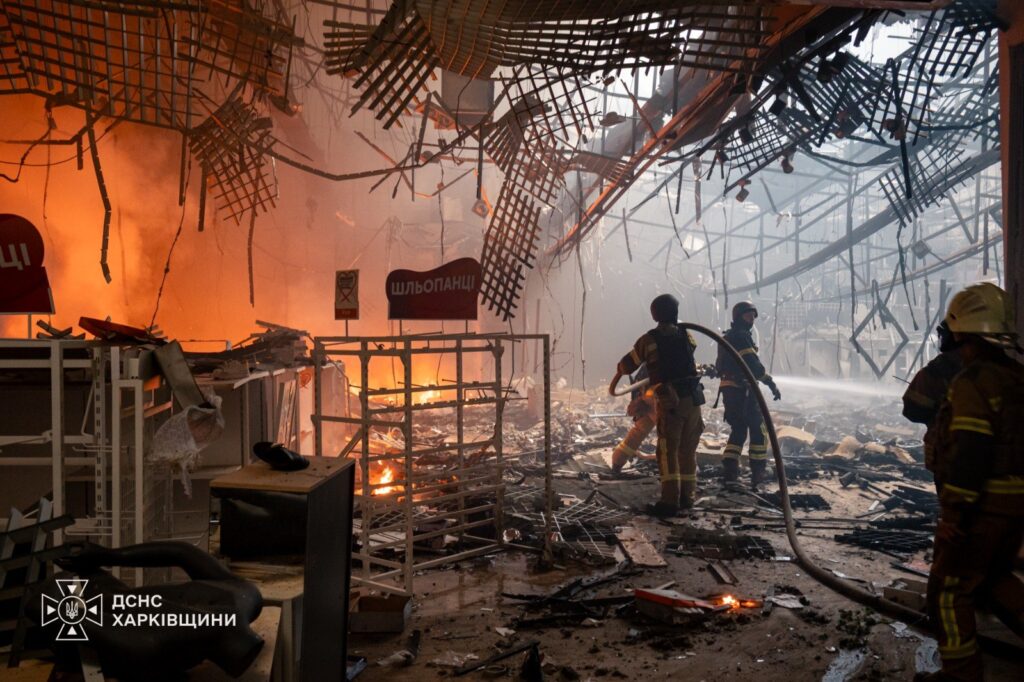
Emergency workers respond to a Russian strike on a shopping center in Kharkiv, Ukraine, on 28 August 2026. Photo: Ukraine’s State Emergency Service
Russia is adapting faster than Ukraine can rebuild its shield
The jet-powered Geran is only one part of the problem.
Russia has also dramatically increased its use of ballistic missiles. Reuters reported that 228 ballistic and hypersonic missiles were launched in July and the first eight days of August, with more than half being inaccurate RM48U training missiles repurposed for combat.
Ukraine has virtually exhausted its US-made Patriot interceptors, the only systems in its arsenal capable of reliably intercepting Russia’s ballistic missiles, while Moscow continues launching them at a high tempo.
The result is a more complex aerial threat: fast drones that are difficult to intercept, ballistic missiles that are extremely difficult to stop, and large waves of cheaper weapons that can force Ukraine to expend scarce defensive ammunition.
Ukraine is developing new ways to counter them, including interceptor drones specifically designed to hunt down the jet-powered Gerans. But Ukraine is developing these systems as Russia is already deploying its new weapons at scale.
Western countries have continued providing air-defense assistance. Canada, for example, announced a C$350 million package for interceptors earlier this month. But Ukrainian officials continue to say that deliveries remain far below what is needed to protect the country from Russia’s expanding aerial campaign.
Russia has spent years expanding the weapons it can use against Ukraine, while Ukraine and its partners are still racing to develop and supply the systems needed to stop them.
The threat Europe helped Russia develop
Some of Ukraine’s Western partners are now confronting a threat Russia has spent years developing over Ukraine: an increasingly sophisticated aerial arsenal that could eventually be turned against them.
European officials and defense analysts are increasingly warning that NATO countries themselves lack enough air and missile defenses to deal with a large Russian attack.
Latvia’s President Edgars Rinkēvičs recently said Europe is not sufficiently prepared for the kind of drone and aerial warfare Russia has developed in Ukraine, including because of delays in supplying Ukraine with critical air-defense systems.
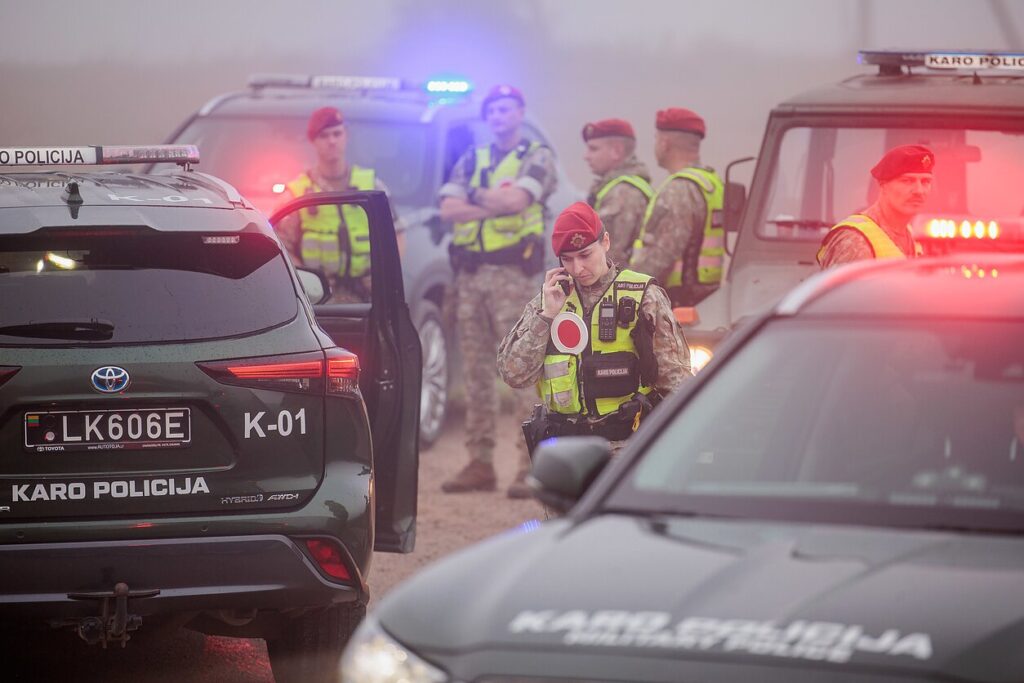
Those concerns are no longer hypothetical. On 14 September, an Italian NATO fighter jet shot down a Russian-made Geran-2 drone over Lithuania after it entered the country from Belarus. Poland and Romania have also faced Russian drone incursions since 2025.
Lithuanian military police at the site near Pratkūnai where NATO fighters shot down a drone, Kaišiadorys district, Lithuania, 15 September 2026. Photo: D. Umbrasas / LRT
This creates a problem that is partly of Europe’s own making. Russia has had more than four years to refine its drones, missiles, production lines and tactics while Ukraine’s partners have often been too slow to provide enough weapons to counter those systems as they were developed and deployed at scale.
In that same period, many European countries continued trading with Russia, particularly in fossil fuels, allowing Moscow to keep generating revenue from European markets even as those same governments were providing military aid to Ukraine.
The result is a Russian aerial arsenal that is more capable than the one Ukraine faced in 2022 – while some of the countries now worried about a future Russian threat lack the air defenses needed to protect themselves.
Western governments helped Ukraine fight Russia’s air war, but not at a scale or speed sufficient to prevent Russia from adapting.
Ukrainian civilians are paying the price for the time Russia was given to expand and refine its aerial warfare. Now, Europe is having to prepare for the possibility that those capabilities could one day be used against it.
Washington political analyst Eric Ham argues that Prime Minister Mark Carney is neutralizing Donald Trump’s aggressive trade shakedown by leveraging his middle powers doctrine to secure an alliance with the European Union.
— Permalien
Washington political analyst Eric Ham argues that Prime Minister Mark Carney is neutralizing Donald Trump’s aggressive trade shakedown by leveraging his middle powers doctrine to secure an alliance with the European Union.
— Permalien
Russian strikes in Kyiv, a female militia march in Tehran, protests in Pristina and Alfie Hewett at the US Open – the past seven days as captured by the world’s leading photojournalists Continue reading...
Russian strikes in Kyiv, a female militia march in Tehran, protests in Pristina and Alfie Hewett at the US Open – the past seven days as captured by the world’s leading photojournalists
A one-woman show about the perils of authoritarianism draws on a memoir by the Hungarian-American writer Kati Marton. Under Viktor Orban’s government, it might not have happened.
A one-woman show about the perils of authoritarianism draws on a memoir by the Hungarian-American writer Kati Marton. Under Viktor Orban’s government, it might not have happened.
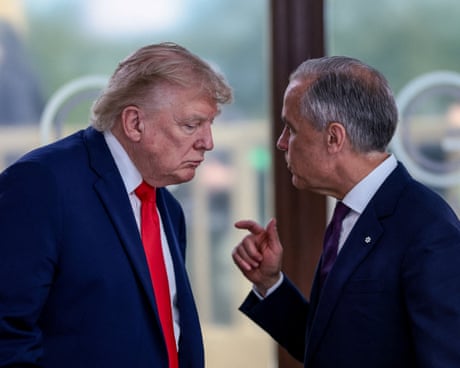
Prime Minister Mark Carney told European lawmakers that an alliance would help to secure sovereignty and independence for his country. The moves come amid a historic low for U.S. ties with Canada.
Prime Minister Mark Carney told European lawmakers that an alliance would help to secure sovereignty and independence for his country. The moves come amid a historic low for U.S. ties with Canada.
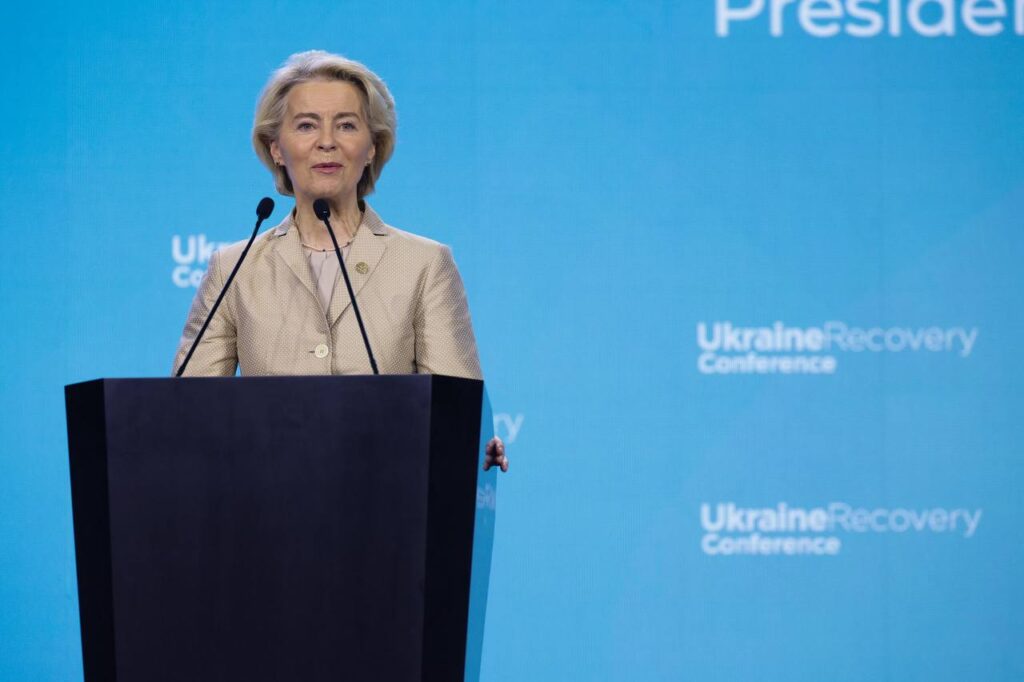
The EU plans to use money remaining under its €150 billion Security Action for Europe (SAFE) program to create a new program for joint projects with Ukrainian companies, European Commission President Ursula von der Leyen said on 16 September. She announced the plan during her State of the Union address to the European Parliament in Strasbourg.
Russia's full-scale war against Ukraine has pushed the EU to spend more on defense and build up its own weapons industry. SAFE was created as par
The EU plans to use money remaining under its €150 billion Security Action for Europe (SAFE) program to create a new program for joint projects with Ukrainian companies, European Commission President Ursula von der Leyen said on 16 September. She announced the plan during her State of the Union address to the European Parliament in Strasbourg.
Russia's full-scale war against Ukraine has pushed the EU to spend more on defense and build up its own weapons industry. SAFE was created as part of that effort, giving EU member states €150 billion in loans for defense spending. Ukraine is also facing heavy defense costs, with President Volodymyr Zelenskyy putting its additional defense funding gap for 2026 at $27 billion.
"Using the remaining funds from SAFE, we will be setting up a new programme for joint projects with Ukrainian companies," von der Leyen told the European Parliament.
EU Defense Commissioner Andrius Kubilius estimated that the unused portion of SAFE could amount to €10 billion to €20 billion, UNN reported. The exact sum will be known only after member states report on their SAFE projects by the end of October. The announcement caught several governments off guard: Poland and other capitals say the Commission never discussed it with them, and Warsaw had been counting on taking up the funds other countries declined for its own projects.
The proposal would allow unused money from member states' SAFE allocations to be redirected to joint projects with Ukrainian firms. One likely destination is Freya, the joint European-Ukrainian air and missile defense system meant as a cheaper answer to the American Patriot, which von der Leyen described as the start of the collaboration rather than the end of it.
In 2025, Ukraine gained associate partner status in SAFE and access to the EU's European Defense Fund, allowing Ukrainian companies to compete for contracts and co-develop military systems with European firms.
Fifteen member states have since said they plan to buy Ukrainian weapons through the program, and Canada joined it in December 2025 as the first non-European partner. Bulgaria agreed SAFE-funded joint weapons production with Ukraine in March 2026.
The war is costing Ukraine more every year, the government says. Its draft 2027 budget proposes ₴4.885 trillion ($110 billion) for defense needs, nearly 44% of GDP.
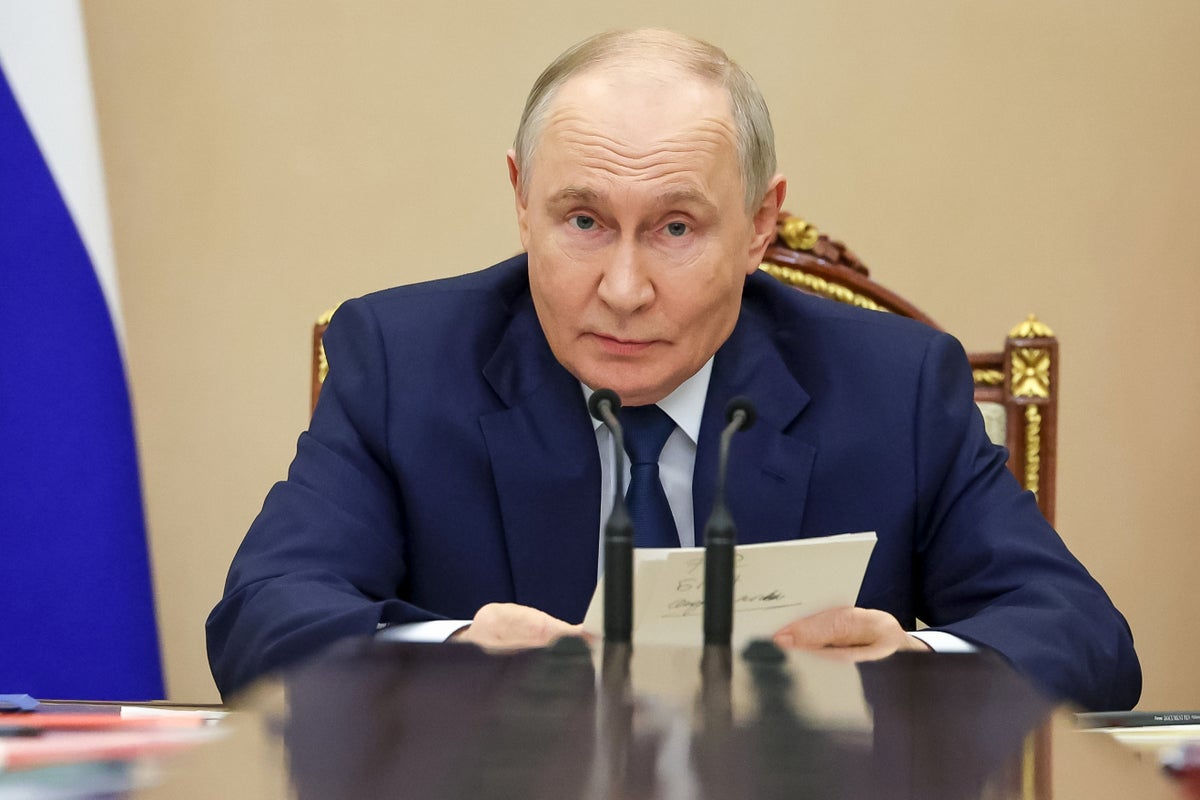
Putin has been facing declining approval ratings, mounting casualties and ‘net-zero’ territorial gains since March this year as polls open today. Experts tell Maira Butt what this could mean for the future of Russia
Putin has been facing declining approval ratings, mounting casualties and ‘net-zero’ territorial gains since March this year as polls open today. Experts tell Maira Butt what this could mean for the future of Russia

 Connexion