Republicans are entering the midterm elections with the highest rate of inflation since the spring, according to a government report released on Wednesday.
US price increases reached an annual rate of 3.7%in September, according to the latest data from the Bureau of Labor Statistics, up from 3.4% in August. This final inflation report before the pivotal midterm elections comes amid polls showing widespread dissatisfaction with the Trump administration over the cost of living.
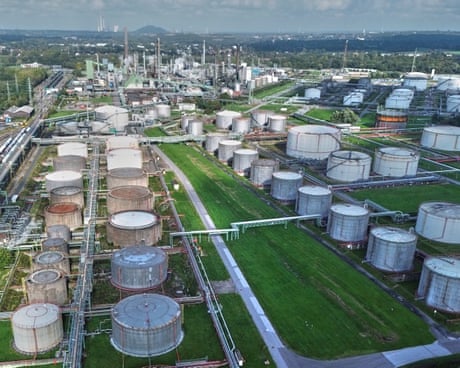
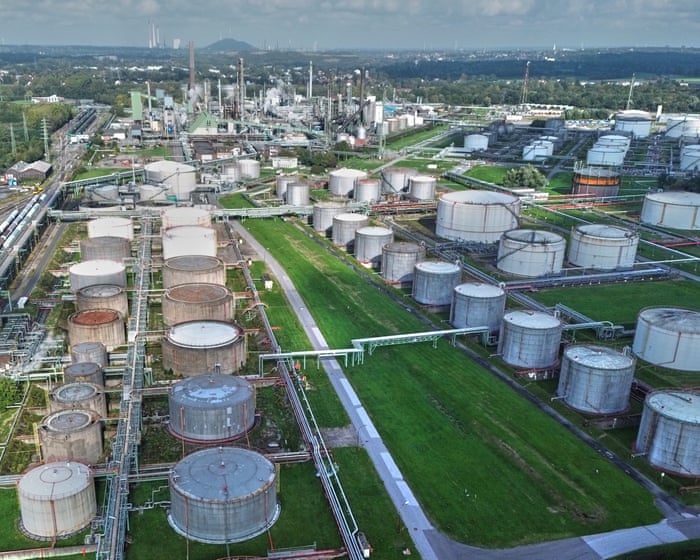
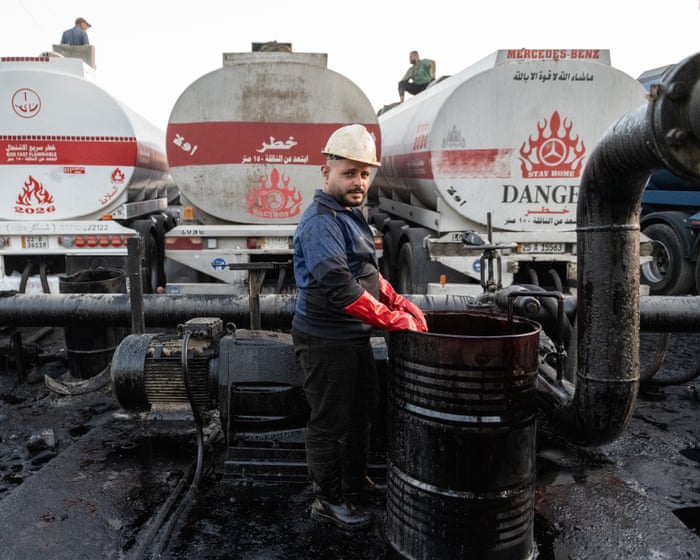
Firms turning crude oil into the ‘workhorse’ fuel stand to gain most despite economic fallout from record prices
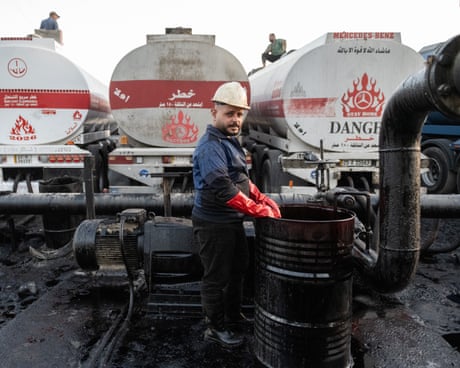
Days after Donald Trump announced a deal to import Russian diesel into the US in an effort to lower soaring pump prices, the world’s energy watchdog has warned that the global fuel shortage will drag into 2027.
Trump’s temporary sanctions reprieve was criticised for offering “too little, too late” to temper the sky high pump prices triggered by the shutdown of war-damaged refineries in the Middle East and Russia – once the world’s second-largest diesel exporter behind the US.
The two nations fought alongside each other during a brutal conflict in Tigray that left hundreds of thousands of people dead just a few years ago. Now they are on the brink of fighting each other.
Members of the Ethiopian Federal Police on patrol aboard a pickup truck as they continued operations after federal forces pushed back the rebel Tigray People’s Liberation Front in Mekelle, Ethiopia, last week.
The head of Britain’s domestic security agency accused Tehran and Moscow of escalating their hybrid campaigns in the U.K., and called Iran-led attacks on Jewish communities “sickening.”
US President Donald Trump’s envoys told Kyiv that letting Russia sell diesel could draw Moscow back to peace talks, Reuters reported. In the same meeting, they said Russia’s leader was not ready to negotiate. Since then, Moscow has offered nothing in return, and Trump has brushed off claims that Russia helps Iran.
Washington is pressing Ukraine to stop striking Russian refineries and offering Moscow economic incentives to return to peace talks, even though Russia has made no commitment in return. Yesterday, Russian ballistic missiles hit Kyiv before air raid sirens sounded, amid disputed warnings that the US could cut intelligence support. Meanwhile, Ukraine is being asked to halt its long-range campaign against the oil infrastructure that fuels and finances Russia's war.
The pitch: a diesel deal as a signal to Moscow
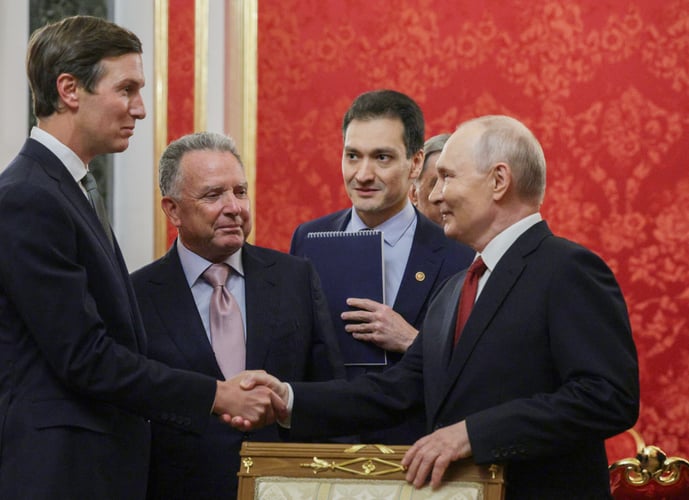
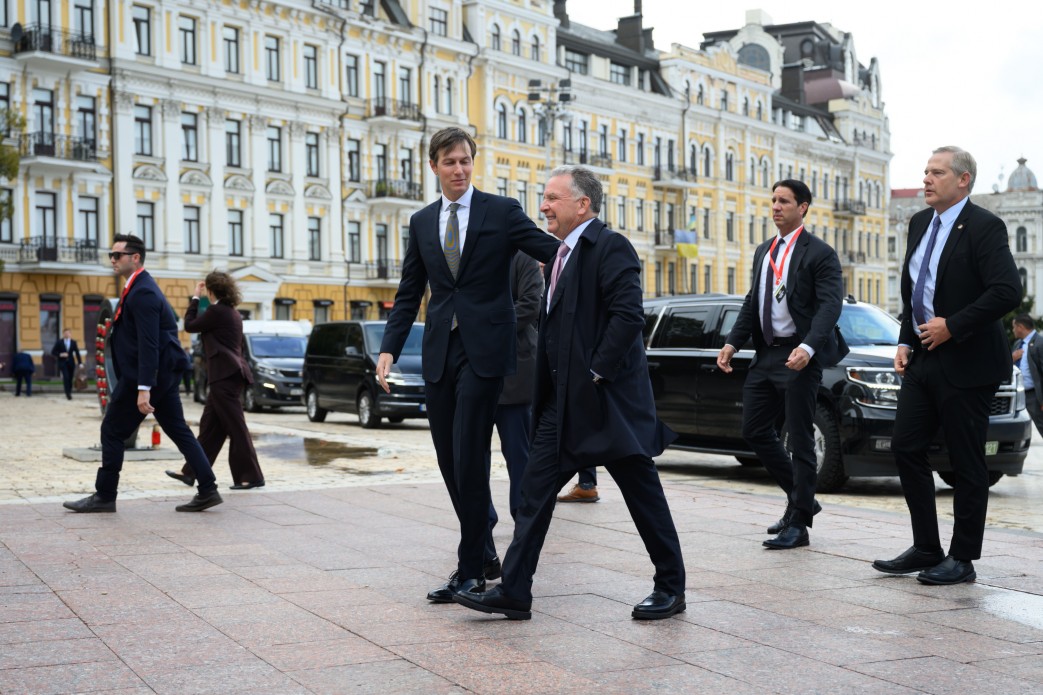
Trump’s Middle East envoy Steve Witkoff and Trump’s son-in-law Jared Kushner met the Ukrainian delegation in Miami on 9 October. They described Russian President Vladimir Putin as unprepared to negotiate but said the diesel deal could help restart three-way talks, two of the sources said.
The third source said the deal could “soften” Moscow because it “sends a signal that Trump is open to do things” with Russia. One of the sources described the plan:
“The idea was that the US could go back to Russia and say ‘See, the Ukrainians stopped striking and we gave you this deal. Now it’s your turn to do something.’”
Ukraine’s part was to stop hitting Russian refineries. Kushner repeated Trump’s request at the meeting, noting the administration had made it several times, two sources said.
Explore further
EU blacklists 1,569 Russian arms suppliers and their bosses in its biggest sanctions round ever, as Trump eases up on Moscow
Kyiv was asked to hold its fire on Russian oil
The Ukrainians agreed to nothing formally, Reuters’ sources said. They signaled they would accept an energy ceasefire if Russia did the same, but saw the US approach as an attempt to appease Russia with business deals.
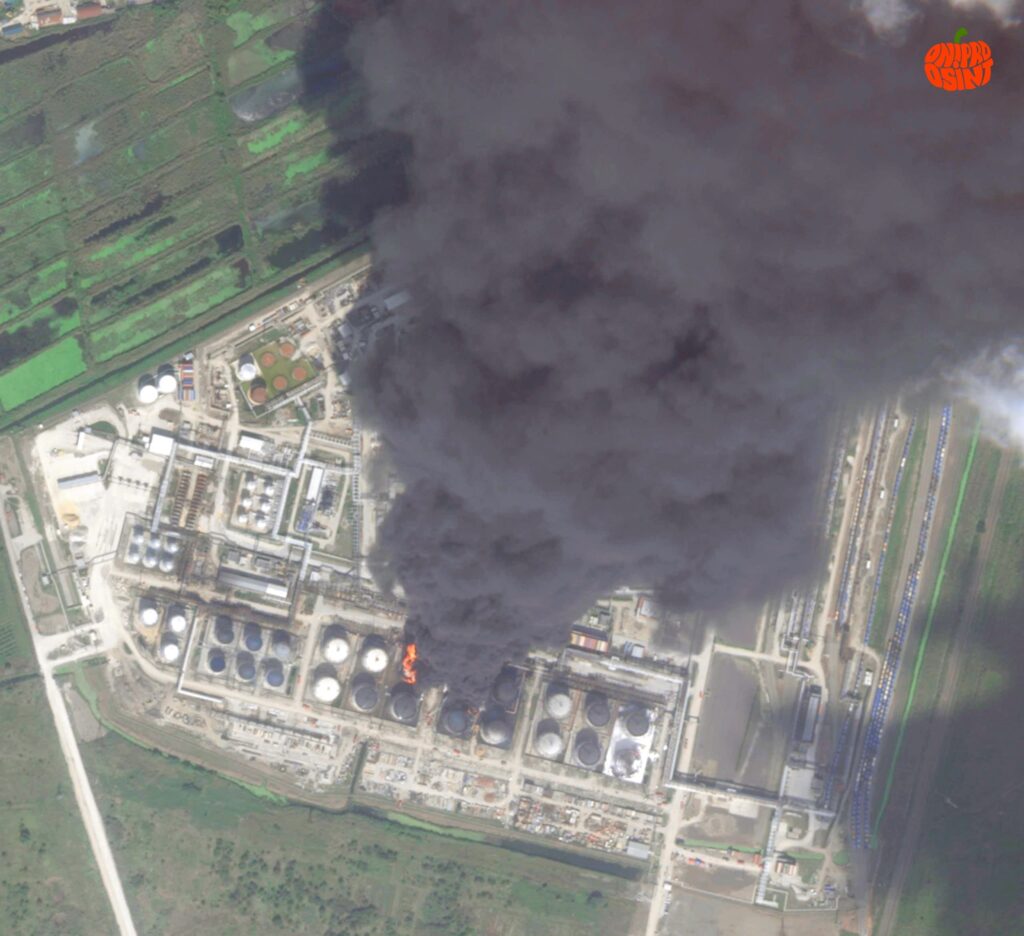
Two days later, Trump declared an energy ceasefire, and Ukrainian President Volodymyr Zelenskyy said Ukraine was ready if Russia reciprocated. Euromaidan Press has monitored official and unofficial Ukrainian and Russian sources and found no reports of new Ukrainian strikes on Russian refineries after Trump’s announcement. One of the last, on the night of the diesel announcement, knocked out more than half the tanks at a fuel-export terminal in Rostov-on-Don.
Three sources told Reuters the envoys did not threaten to cut US support over the refinery strikes. A Ukrainian official told Axios, however, that the envoys warned Trump could cut Ukraine off from US intelligence, which a US official denied. US officials are also believed to have told European allies that Trump would halt PURL, the NATO scheme for Europe-funded US weapons for Ukraine, unless the strikes stopped, according to FT.
Explore further
Ukrainian journalist asks Trump’s envoy to his face whether he was disgusted to sit across from “international criminal” Putin. Witkoff wouldn’t answer directly
What Moscow has offered in return
A person close to the Kremlin told Reuters that Putin would return to the table only when he gets “the remaining 11% of Donbas.” Ukraine refuses to cede more land. During the 9 October call that produced the deal, Putin declined to commit to resuming talks, his aide Yuri Ushakov told reporters, Axios reported.
Moscow has not confirmed the energy ceasefire either. Trump insisted on 12 October that the sides had agreed “because I said they agreed,” RFE/RL reported. On the evening of 12 October, Russian munitions collapsed an apartment stairwell in Kharkiv, killing four people. Russian Deputy Prime Minister Aleksandr Novak, meanwhile, claimed diesel exports could reach 3.0–3.5 million tons a month by year-end, above the volumes Trump announced.
“Too much to lose”: Trump on Russia and Iran
Late on 12 October, Trump wrote on Truth Social that he did not believe Russia and China were helping Iran, since they have “too much to lose.” In March, he told Fox News that Putin “might be helping them a little bit.” Asked about Russia’s possible support for Iran, Treasury Secretary Scott Bessent told Fox News on 2 September that his message to everyone was to “stay away.” That month, a Financial Times investigation found Russia secretly helping Iran develop supersonic cruise missiles that could threaten US warships.
Ukrainian drones have helped push Russia into its worst fuel crisis since the Soviet Union fell, The Washington Post (WaPo) reported on 11 October.
Diesel is where this war reaches American drivers. US President Donald Trump blames rising diesel prices mostly on Russia’s war in Ukraine, while experts blame mainly the US war with Iran. Some of his allies now accuse Kyiv of trying to sway the US midterms.
Drones go for the first stage of refining
The Washington Post looked at dozens of strikes between 1 April and 31 August. Three refinery experts then examined satellite images of 54 strikes with visible damage. In over half, the damage seems to be to the desalting and distillation units, known by the Russian acronym ELOU-AVT. These units clean the crude of water and salt, then split it into separate compounds, the first steps toward gasoline and diesel. More than a third appear to have hit secondary units, which turn those compounds into jet fuel, gasoline, and liquefied petroleum gas.
From April through August, drones struck two-thirds or more of the 36 big Russian refineries that S&P Global Energy tracks, a strike every third day. Some took as many as five hits. On 16 June, drones set the Moscow refinery’s distillation towers on fire. That strike and a second one days later kept the plant offline into September, WaPo reported, citing data firm Kpler. Ukraine targeted the refinery again on 20 September.
Explore further
Trump’s Russian diesel deal, which drew fury in Ukraine, is unlikely to lower prices, experts say
“We don’t need to hit the entire plant,” a Ukrainian drone battalion commander with the call sign Tango told The Washington Post. Ukraine knows where to strike so that a refinery stops and stays down, he said. His unit, Ukraine’s 1st Separate Center of Unmanned Systems, runs long-range strikes deep inside Russia.
Sanctions slow the repairs
The EU banned exports of oil-refining equipment to Russia the day after the 2022 invasion, and the US followed days later. WaPo reported that the bans cover the distillation and secondary processing units Ukraine keeps hitting. The bans make spare parts hard to get, Alexander Kolyandr of Eurasia Group told the paper, and the strikes come faster than repairs.
Since last year, Ukraine has doubled the size of each wave, decoys included, a person involved in the strike campaign told WaPo. The decoys are unarmed and draw Russian fire, wasting air-defense ammunition, WaPo explained. Without them, the person said, Ukraine would simply lose expensive systems. András Rácz of the German Council on Foreign Relations told WaPo that even if only 2–3% of drones get through, the damage is significant.
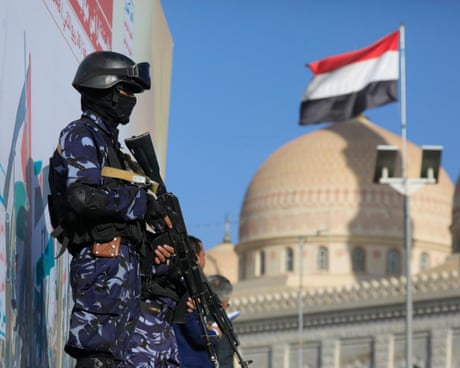
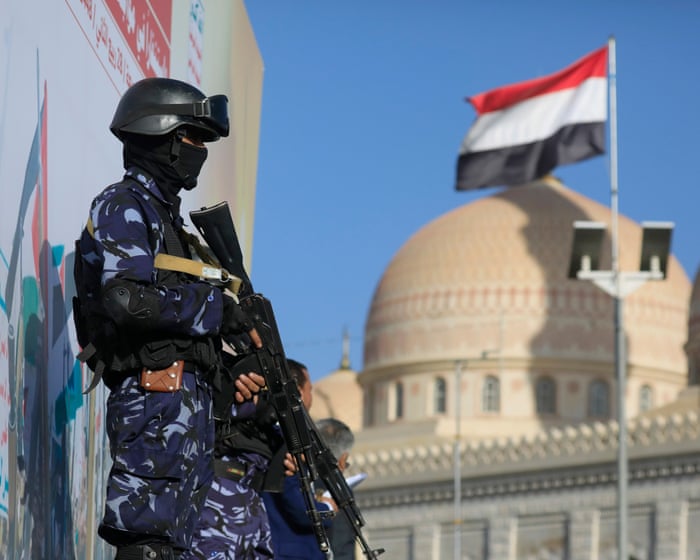
The Saudi authorities said they were fending off drone and missile attacks after a weekend of confrontation with the Houthi militia in Yemen, whose patrons Iran offered to mediate.
The Saudi authorities said they were fending off drone and missile attacks after a weekend of confrontation with the Houthi militia in Yemen, whose patrons Iran offered to mediate.
The latest attack by Houthi rebels on Saudi Arabia may prove to be more calamitous for the region than the world imagines
On Saturday, Houthi rebels launched a shocking and deadly attack on Saudi Arabia’s capital city, Riyadh. At the time of writing, the missile strike on King Khalid international airport has killed at least 13 people and left 300 injured, marking a significant turn in a regional conflagration that is only getting more intense. It was the single most deadly attack on any Gulf country since the US and Israel launched their war on Iran in February. In Saudi Arabia, a country that is unaccustomed to such fatalities, the death toll is bewilderingly high and likely to prompt a bloody response.
Over the past year, the Gulf has entered a new era of instability that is not temporary and cannot be reversed. This may feel like an overstatement – casualties have been relatively low, after all, compared with Gaza and Iran – but the gradual erosion of peace and security in places such as Saudi Arabia, Qatar and the UAE has changed the region more dramatically than its leaders would like to acknowledge.
Three deadly attacks by the Iran-backed Houthis in Yemen on an airport in the Saudi capital underscored the asymmetrical nature of their conflict with the kingdom.
Crown Prince Mohammed bin Salman of Saudi Arabia in Paris in August. Houthi strikes on the Saudi capital, Riyadh, have cast a shadow on his efforts to transform the kingdom into a global hub for business and tourism.
This is no scoffing matter. The accelerating proliferation of advanced nuclear weapons is bringing ‘end times’ closer by the day
Humankind has fearfully and sometimes joyfully anticipated the end of the world ever since it began. The Bible’s Book of Revelation speaks of “end times”, a period of tribulation, war, famine, plague, floods and environmental catastrophe that may seem a less absurd prospect today than perhaps it once did. Islam, too, posits a fateful day of judgment or day of reckoning. Christian evangelicals believe that, in the final rapture, a chosen few – the righteous or the “elect” – will be saved while sinners burn. It’s a minority view. Matthew’s gospel predicts most people will defy, ignore or ridicule warnings of imminent Armageddon. Peter, another of Jesus’s disciples, agreed: “In the last days, scoffers will come, scoffing and following their own evil desires.” Yet such worldly scepticism does not mean a universal cataclysm is less likely. It may make it more probable.
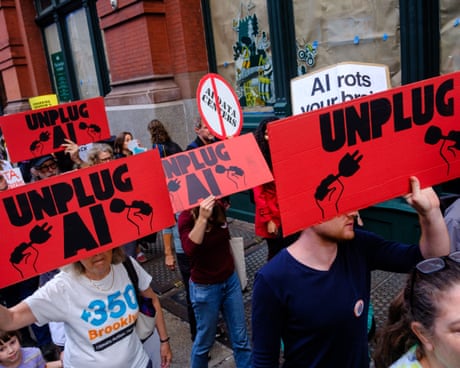
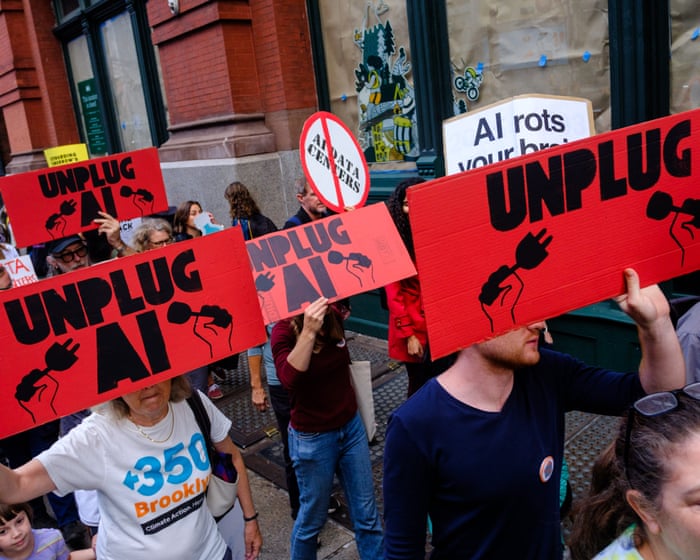
Donald Trump’s blanket denials of the dangers ostensibly posed by artificial intelligence, whose uncontrolled development is seen by some as the latest harbinger of apocalypse, could be interpreted as fulfilling Peter’s prophecy. This US president, the nearest thing the world has to a one-man doomsday machine, is a great one for scoffing and evil desires. In Robert Harris’s 2019 novel, The Second Sleep, a worried scientist lists half a dozen ways the world might end. They include devastating climate change, pandemic disease, a giant asteroid collision with Earth, or some other overwhelming calamity. Few heed the fictional scientist’s fears. In the event, what destroys him and almost everybody else is a disturbingly plausible cyber crash – a global digital and internet meltdown.
Simon Tisdall is a Guardian foreign affairs commentator
The strike on Saturday was the deadliest attack in a Gulf Arab country since the U.S.-Israeli war with Iran began in February, and forced the airport to temporarily suspend operations.
Inflation has hurt Americans at many levels: Farmers, truckers, consumers. It has also expanded the electoral map into what was safely Republican country just a few months ago.
It is odd for the US defense secretary to be laying the groundwork for an event that could be organized by Tehran
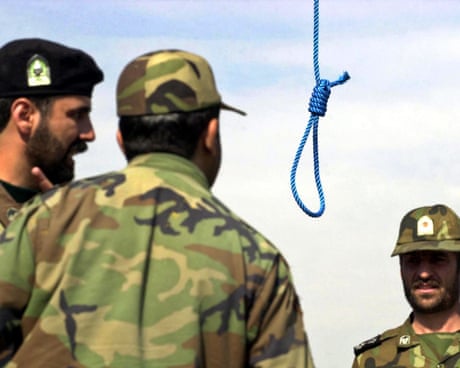
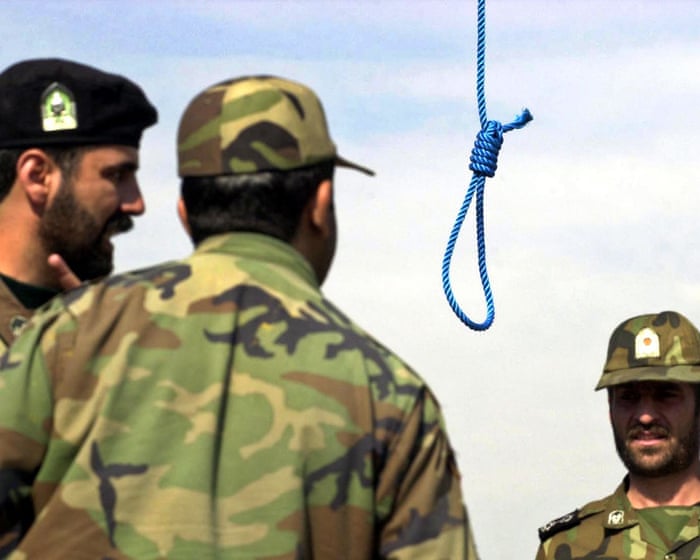
Pete Hegseth’s plans to stage a public execution resemble a grotesque Iran-imitation game.
Having failed over the past seven months to defeat the Tehran regime on the battlefield, the self-styled “secretary of war” now proposes to mirror its notorious practice of enforcing the death penalty as a grand public spectacle.
The escalating violence has brought the conflict in Yemen to the doorstep of the Saudi capital, and the kingdom has no easy options to curtail the increasingly sophisticated and targeted strikes.
A still from a video obtained from social media and verified by The New York Times showing a blast at King Khalid Airport in Riyadh, Saudi Arabia, on Thursday.
From cost of living to the Iran war, these are the issues that matter most to US voters across the political spectrum
US voters are about to deliver their first national verdict on the second presidency of Donald Trump. On 3 November, millions of Americans will vote in midterm elections to decide control of the House of Representatives and Senate, as well as the governorships in 36 states. The results could have a huge impact on Trump’s final two years in office.
Today, the Guardian launches its 2026 midterm voter panel. Our reporters have interviewed nine voters across the country and the political spectrum about the issues that matter to them, from the cost of living, immigration and healthcare to the war in Iran and whether they trust their political leaders.
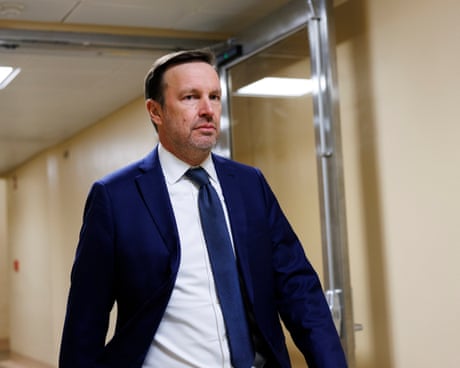
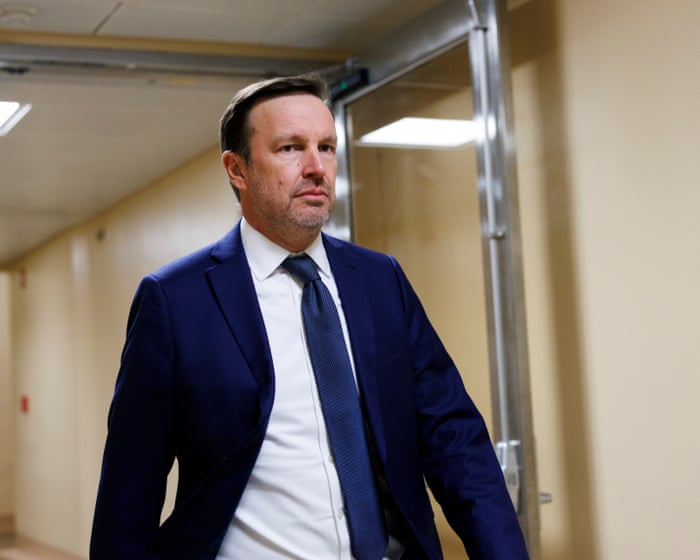
Chris Murphy says Pentagon blocked him from military base in Qatar and Iran strike on US embassy in Riyadh far worse than public led to believe
Senator Chris Murphy said the Pentagon blocked him from a major US base in Qatar, yet saw enough damage on the US embassy in Saudi Arabia to conclude that an Iranian strike would have been deadly had it happened during the day.
The Connecticut Democrat, who sits on the Senate foreign relations and appropriations committees, described the destruction he witnessed in Riyadh as “extraordinary” and much more damaging than the public has been led to believe.
President Trump said on social media on Thursday that he would not attack Iran before the midterm elections, and that the United States and Iran were “having productive discussions.”
Statement outlines pause on protracted war US president has struggled to end after almost eight months
Donald Trump has promised not to attack Iran before November’s US midterm elections, outlining a pause on the protracted war he has struggled to end after almost eight months.
In a Truth Social post on Thursday, the US president said Washington was “having productive discussions with the Islamic Republic of Iran”, which he claimed was “in very bad condition, both Economically and Militarily”.
Deployment for nearly a year was marked by reports of supply shortages and deteriorating morale and mental health among crew
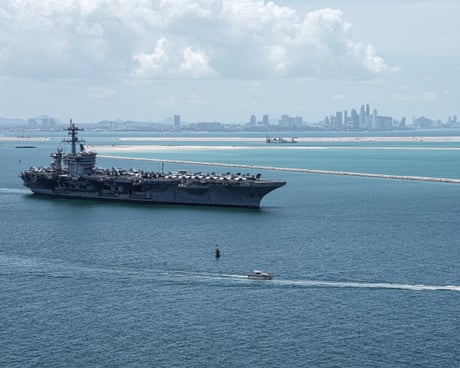
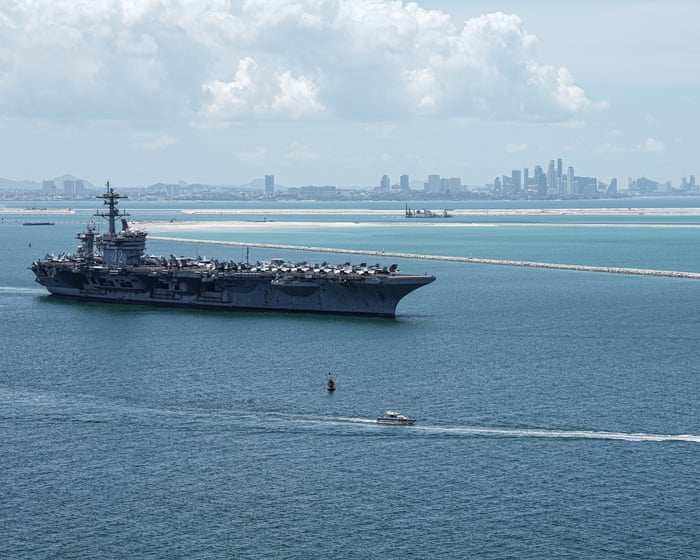
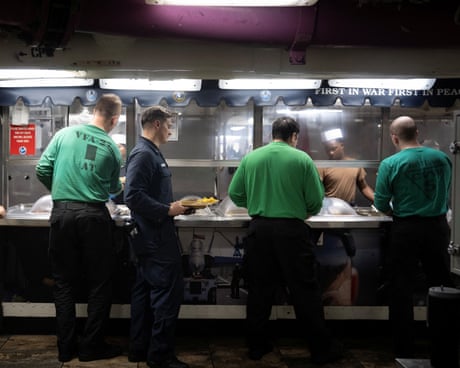
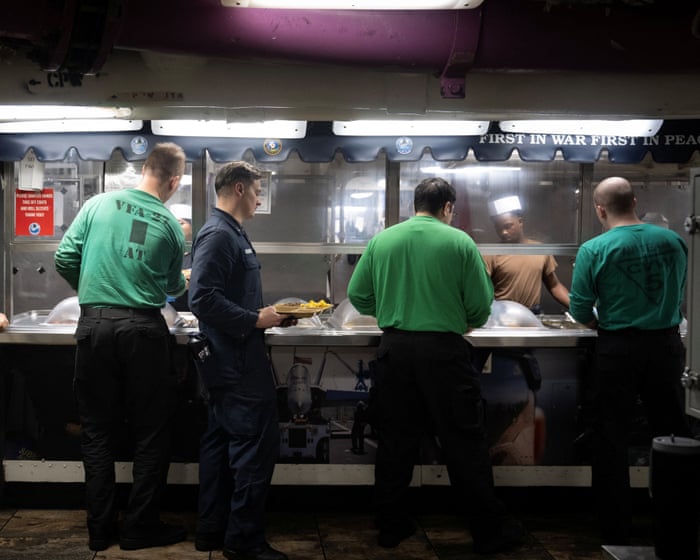
The USS Abraham Lincoln, the US aircraft carrier that has been deployed for nearly a year and has spent months supporting US military operations against Iran, is scheduled to dock in San Diego on Thursday afternoon.
It marks the end of a deployment that has been described as “one of the most operationally intense and consequential of the modern era” and that became marked by a record-setting stretch at sea, repeated deployment extensions, and reports of supply shortages and deteriorating morale and mental health among some crew members.
Russia is concentrating missiles on a smaller, more specific set of targets, and its jet-powered attack drones are part of the reason, the Institute for the Study of War (ISW) assessed. Its combined attack overnight on 7 October killed 22 people in Pryluky, the State Emergency Service (SES) said as of the morning of 8 October. Russian milbloggers noted the shift the same day.
Russia often uses concentrated drone and missile strikes to overwhelm localized Ukrainian air defenses and destroy urban centers, ISW noted. Pryluky, where the strike killed children, was one of the areas a Russian channel says drew a significant share of the Kh-101s that night. With winter close, ISW expects the same pattern against Ukraine's energy grid, with jet drones partly letting Russia keep its missiles for priority targets without firing many more.
Missile waves on a few areas, Russian channels claim
Russia launched 48 Kh-101, Iskander-K, and Kalibr cruise missiles overnight on 7 October, Ukraine's Air Force reported. It also fired ballistic missiles, Zircon and Oniks anti-ship missiles, and 130 strike and decoy drones, 46 of them jet-powered Shahed-type models.
Explore further
22 killed in Russian missile strike on Pryluky, including five children
Russian milbloggers claimed the same day that Moscow had grouped a large part of its missile salvo into repeated waves on a few areas, while other weapons kept stretching Ukraine's air defenses elsewhere. The pro-war Russian Telegram channel Dva Mayora described the change as a switch from striking with splayed fingers to a series of hits with missile "fists." Defenders must then absorb a sharply rising load around one chosen site as one wave follows another, the channel claimed.
Citing Ukrainian monitoring channels, it claimed that roughly 30 or more Kh-101 cruise missiles flew toward Pryluky, Kremenchuk, Svitlovodsk, and Oleksandriia in Chernihiv, Poltava, and Kirovohrad oblasts. It put the Kremenchuk group at up to 15 missiles, Kh-101s and Kalibrs among them, aimed at the area of Kremenchuk and its hydroelectric plant.
Jet drones take some of the load off Russia's missiles
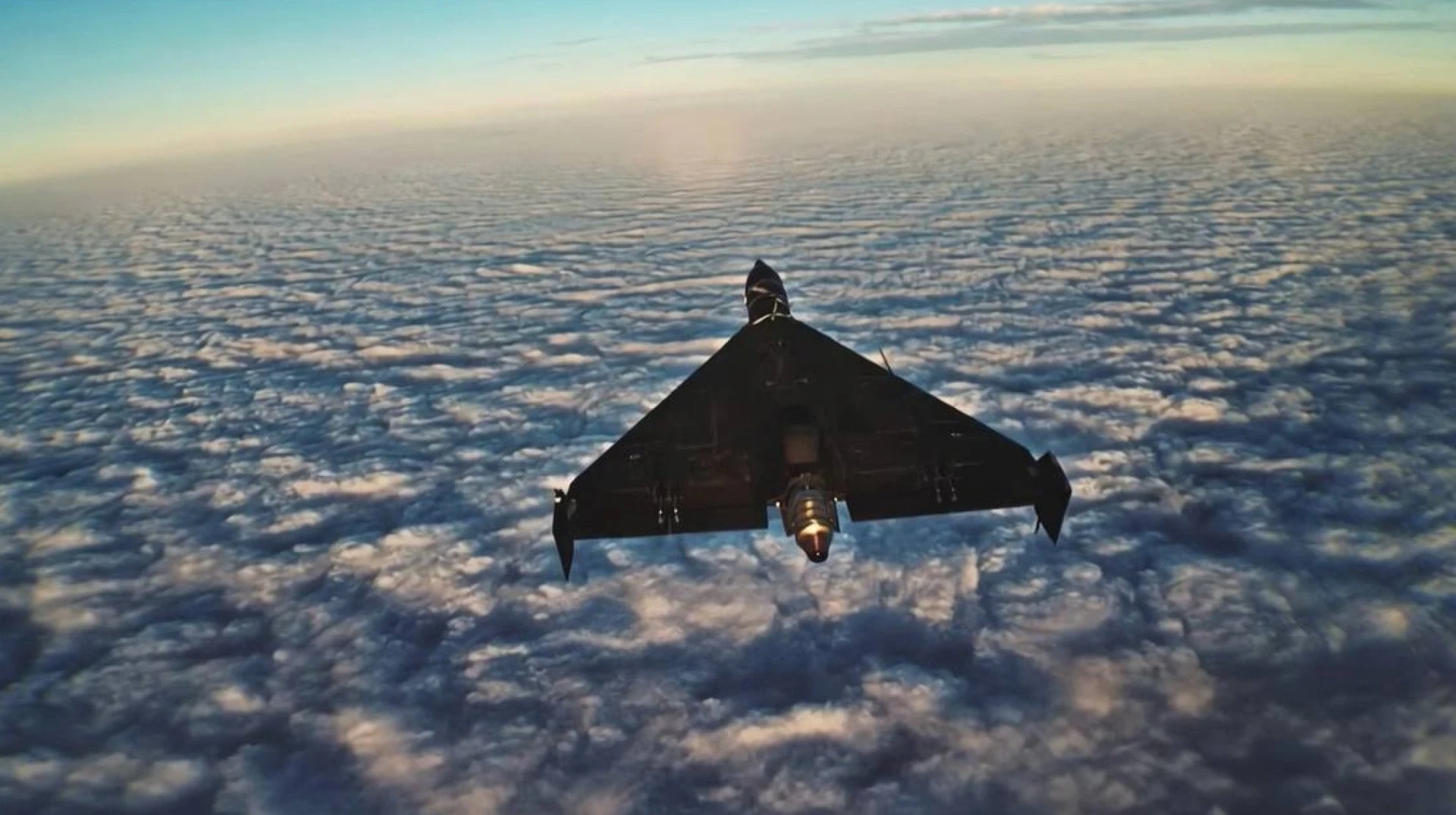
ISW said the jet-powered versions penetrate Ukrainian air defenses deeper and more reliably than propeller models. In ISW's assessment, that partly lets Russia concentrate cruise and ballistic missiles on priority targets without significantly raising missile use. Russia builds about 3,000 Geran-4 and Geran-5 jet drones a month, Ukraine's military intelligence agency (HUR) told Militarnyi in August.
Explore further
Ukraine spent three years learning to catch Russian drones—so Russia made them fly faster
ISW expects Russia to apply the pattern in a likely brutal winter campaign against energy infrastructure. Russia likely intends to make city life untenable and force Ukraine to capitulate to its demands, ISW assessed. Such tactics have not worked before and are unlikely to work now, analysts added.
They called cheap countermeasures to jet drones and small cruise missiles vital, alongside Western air defense aid such as US-made Patriots, which can stop ballistic missiles. Ukraine has already paired a Soviet-era Kub launcher with American RIM-7 interceptors to catch jet drones.
Global bond market sell-off continues and stocks fall amid reports White House has asked to see options for more strikes against Iran
Oil prices have risen sharply amid fears about escalating tensions in the Middle East and a squeeze on production from the threat of a hurricane off the US coast.
Brent crude, the international benchmark, rose by 5% to $105.3 a barrel on Thursday, triggering a wave of selling in the global bond and stock markets.
As the U.S.-Israeli war with Iran continues, it’s being felt in a wider region. Eric Schmitt, a national security correspondent at The New York Times, explains how the conflict is reaching U.S. bases and why the United States is pulling back its military presence in some locations.
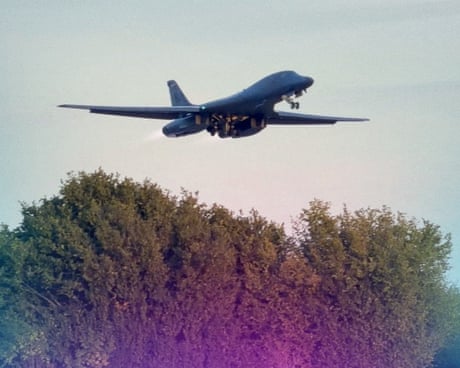
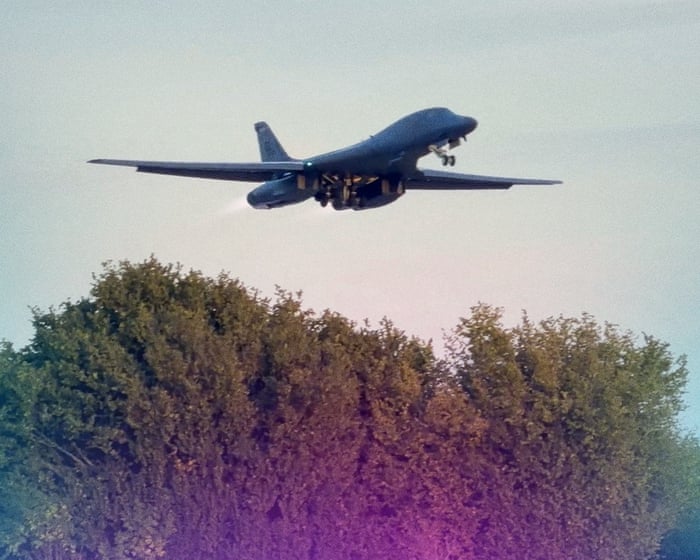
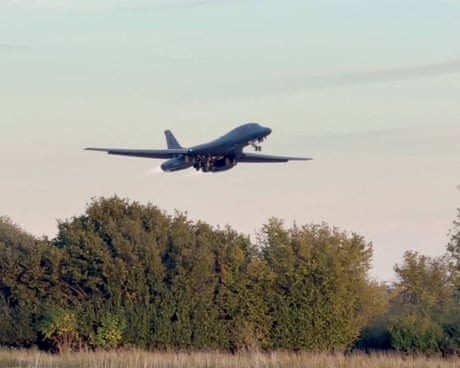
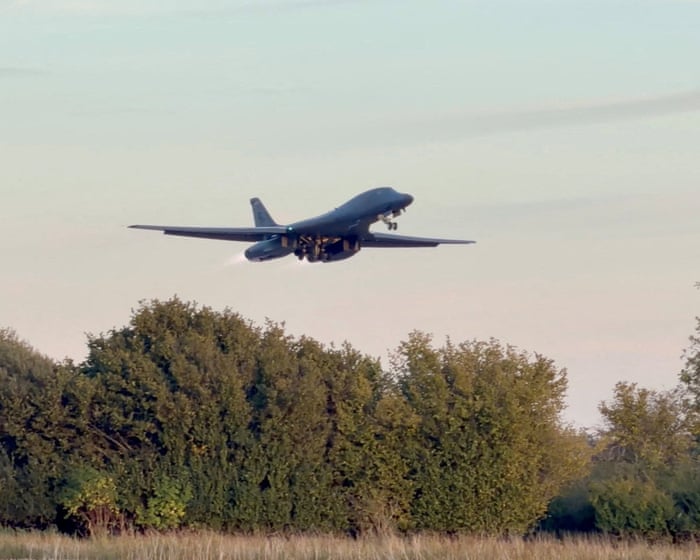
The R.A.F. Fairford air base, from which a dozen American B-1 bombers were withdrawn last weekend, has been a mainstay of U.S.-British military cooperation since it opened in 1944.
We appear to be entering a new era, in which political desperation at home leads to increasingly unhinged threats abroad
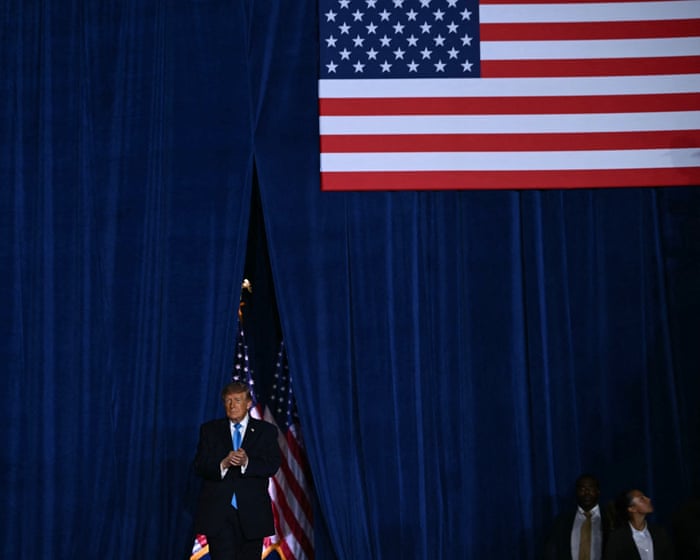
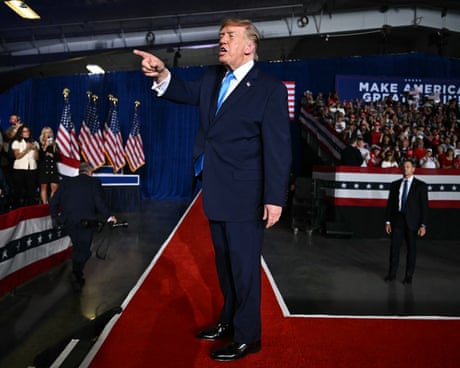
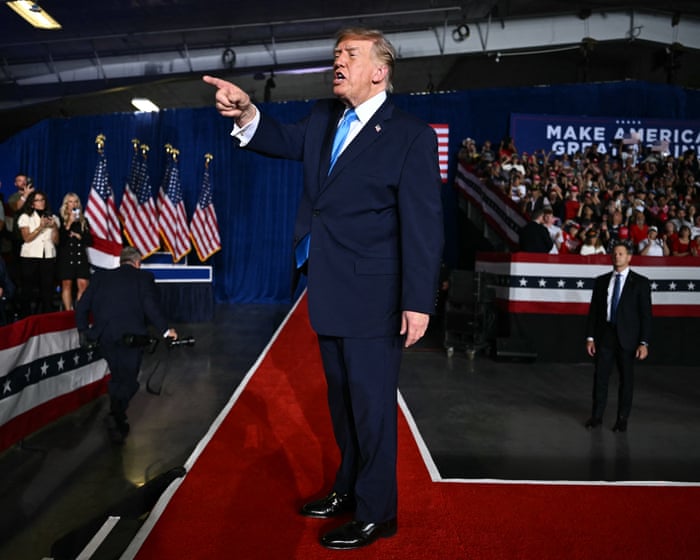
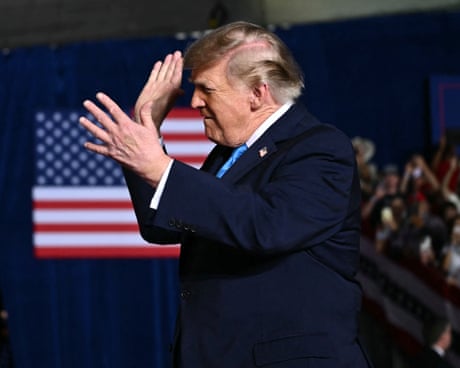
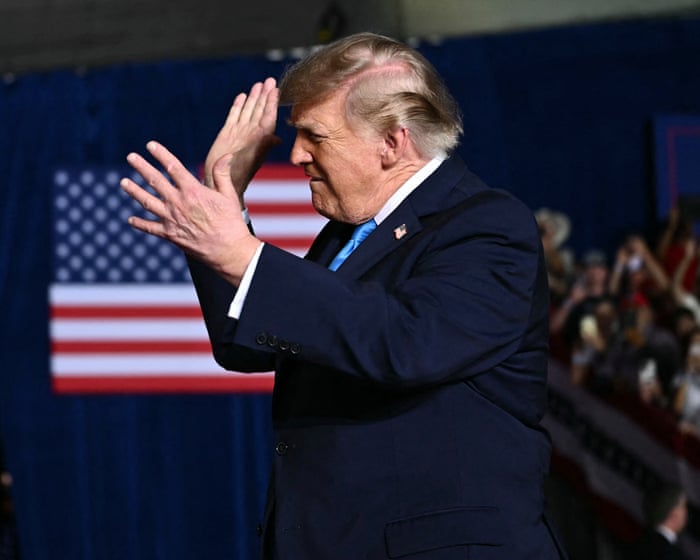
Donald Trump was in Nebraska on Monday, and though his long rally speech had elements of a performance, this was no Bruce Springsteen album. He offered another dark meditation on a world spiraling out of control, one in which the destruction of American cities is increasingly a possibility, unless Americans trust him to use the vast powers of the presidency to annihilate his foes.
The president drew fury when he suggested that Iran could launch a nuclear attack and “take out” Los Angeles or San Diego. California leaders reacted with scorn at Trump’s alarmism.
Ted Widmer, a former White House speechwriter, is the editor of American Speeches, and the recently published The Living Declaration: A Biography of America’s Founding Text, both published by the Library of America
Shahul Hamid Ahmad, the owner of Tefcas Marine, a small shipping agency that was hit with U.S. sanctions, standing in his empty office in Johor Bahru, Malaysia, in September.
As Angelenos bemoan ‘sad situation’, those in San Diego say remark a ‘disservice’ to town with multiple naval bases
Donald Trump’s extraordinary implication that Iran could “take out” Los Angeles and San Diego have sparked condemnation across the political spectrum. As residents of the two major west coast cities awoke on Tuesday to another sweltering day in a record-breaking heatwave, the president’s comments sent blood boiling even higher.
Jessica, a 28-year-old Los Angeles hair stylist, was scrolling through social media early on Tuesday morning and was shocked to see that Trump had just suggested Iran should decimate her home town.
Gavin Newsom said state’s threat-assessment center would be on heightened alert after president’s remarks
California’s governor, Gavin Newsom, on Tuesday directed the state’s emergency preparedness center to “actively monitor” possible threats to the state after Donald Trumpsuggested Iran could “take out” the cities of Los Angeles and San Diego.
Trump has faced a chorus of condemnation from Democratic leaders in California after his comments at a rally in Nebraska on Monday night, which the White House has suggested were being taken out of context.
A 22-year-old from London was the seventh person to be arrested by the counterterrorism police investigating an incident at R.A.F. Fairford last month.
According to U.S. and British officials, 12 B-1 Air Force bombers from R.A.F. Fairford air base were withdrawn because of the risk of a drone attack ordered by Iran’s Islamic Revolutionary Guard Corps.
The findings come after warnings from tech leaders that AI placed in the wrong hands could trigger larger threats such as nuclear war or bioweaponry destruction
Misusing artificial intelligence (AI) is the top threat to companies’ reputations – more so than being accused of putting children in the way of mental, emotional or physical harm and issues exposed by the US-Israel war on Iran, among other brand risks, according to a new survey of more than 150 public affairs leaders.
Those findings in the new edition of the quarterly Reputation Risk Index, released on Tuesday, came on the heels of other perhaps more dire warnings from leading tech figures that AI in the wrong hands could precipitate existential threats on a mass scale such as nuclear war or destruction by bioweaponry.
Leaders in California have denounced Donald Trump as “reckless” and “deranged” after the US president suggested Iran could “take out” Los Angeles and San Diego – two liberal cities in the blue state that has been a frequent target of his administration.
At a rally in ruby red Nebraska on Monday night, Trump told supporters that he hoped to see a “tremendous victory” in the fast-approaching November midterm elections. He then suggested high prices due to the war with Iran were a “small price to pay for keeping the world safe – keeping our country safe”.
According to U.S. and British officials, 12 B-1 Air Force bombers from R.A.F. Fairford air base were withdrawn because of the risk of a drone attack ordered by Iran’s Islamic Revolutionary Guard Corps.
The US withdrew its bombers from RAF Fairford after an investigation into an alleged planned terrorist attack on the base. At least 10 B-1 bombers used by the US military in the Iran conflict flew out of Fairford on Sunday, suggesting US officials were taking the threat seriously. Last week, five men in three vans near the military base were arrested, followed by a sixth British-Iranian national. All were released on bail, drawing criticism from the Pentagon. Lucy Hough speaks to Dan Sabbagh, the Guardian’s defence and security editor – watch on YouTube
A Saudi-led coalition launched a military campaign this week against the Iran-backed Houthi militia in the country, reviving memories of its previous effort.
Smoke billowing from the fuel storage area at King Khalid International Airport in Riyadh, Saudi Arabia, last month after the Houthis claimed to have attacked the facility.
A dozen B-1s stationed at Gloucestershire base redeployed over concerns about possible threat from Iran
Downing Street has insisted RAF Fairford is secure a day after the US air force suddenly withdrew a dozen B-1 bombers from the Gloucestershire base over security concerns about a possible threat from Iran.
The prime minister’s spokesperson, speaking during a scheduled briefing, said “yes” when asked if the military site was safe – contrasting with the concern the US military revealed during the hasty redeployment the day before.
A Mahan Air Boeing 777 with the tail sign EP-MTE arrived at Najaf International Airport in July, carrying the casket of Iran’s supreme leader, Ayatollah Ali Khamenei, who was killed in U.S.-Israeli strikes in February.
More than 200 U.S. intelligence and military analysts are in Saudi Arabia helping it provide assistance to its Yemeni allies, current and former U.S. officials say.
The U.S. war in Iran unleashed small-scale attacks by local criminals or disenfranchised young men hired anonymously to target Jewish and American sites in Europe and North America, experts say.
A police roadblock near the R.A.F. Fairford air base. Prime Minister Andy Burnham of Britain said on Wednesday that there were “strong indications that Iran played a part” in the previous weekend’s events there.
 Connexion