Senator Mark Kelly Amasses Nearly $25 Million Campaign War Chest

© Eric Lee for The New York Times


© Eric Lee for The New York Times


© Rebecca Noble/Reuters

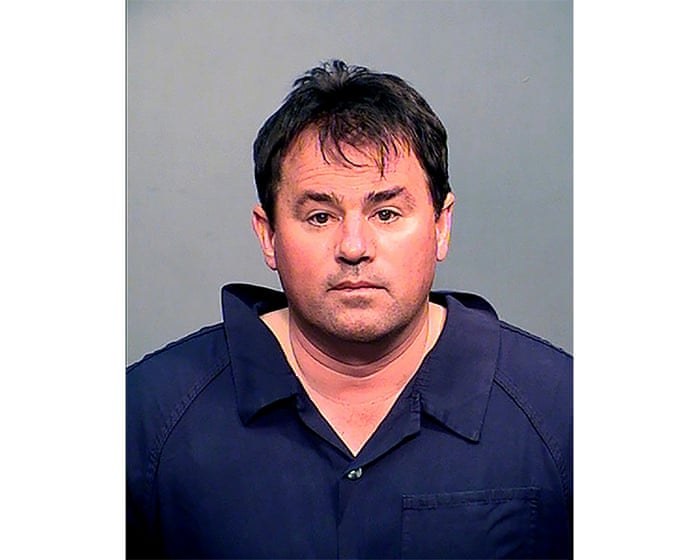
Mark Gatz was arrested at illegal campsite in June and had faced multiple citations for residing in Tonto national forest
A man in Arizona has pleaded guilty to violating federal fire restrictions and unlawfully residing in a national forest, after authorities said he spent years living at a makeshift campsite surrounded by what officials described as “approximately 1,000 pounds of trash”.
Mark Aaron Gatz was arrested on 25 June at his illegal campsite in Arizona’s Tonto national forest, according to court records. A United States Forest Service (USFS) officer wrote in documents submitted to court that Gatz had been operating an “illegal campsite” with a “hot wood burning campfire” despite fire restrictions and that he had told investigators that he had been living in the forest for about eight years.
Continue reading...
© Photograph: Andrew Lichtenstein/Corbis via Getty Images

© Photograph: Andrew Lichtenstein/Corbis via Getty Images

© Photograph: Andrew Lichtenstein/Corbis via Getty Images

Officers say they saw signs of life multiple times, and after hospital treated the child, he was taken to hospital’s morgue
A toddler who was declared dead after being discovered in a backyard pool in February was actually alive and found hours later in a room that serves as the hospital morgue, recently released police records show.
Two Gilbert police officers saw possible signs of life multiple times, but the child was still taken to the hospital’s “cold room” after being treated by staff, according to the documents.
Continue reading...
© Photograph: Ross D Franklin/AP

© Photograph: Ross D Franklin/AP

© Photograph: Ross D Franklin/AP

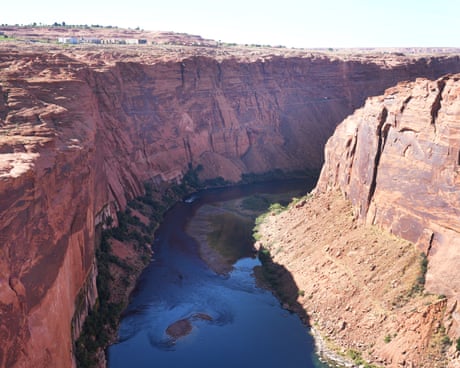
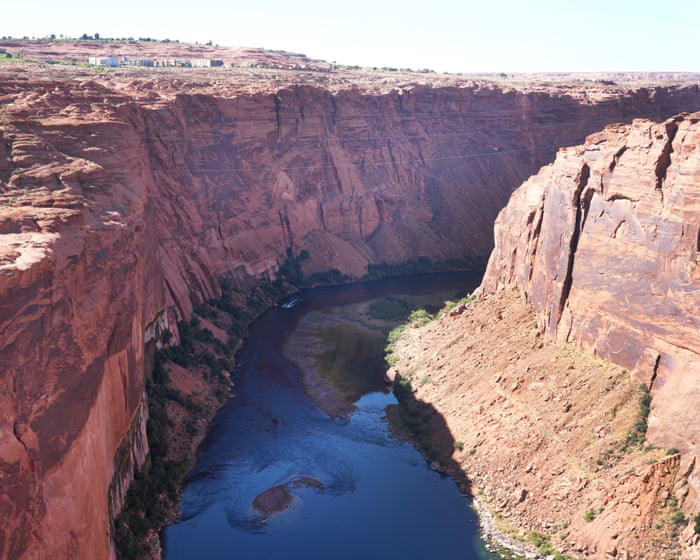
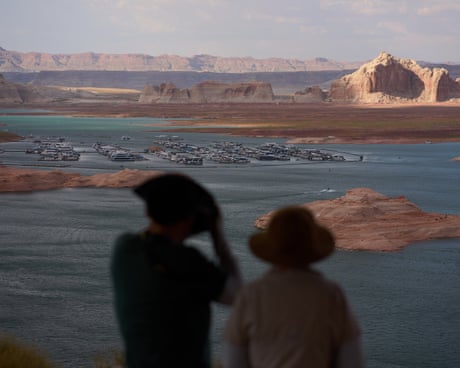
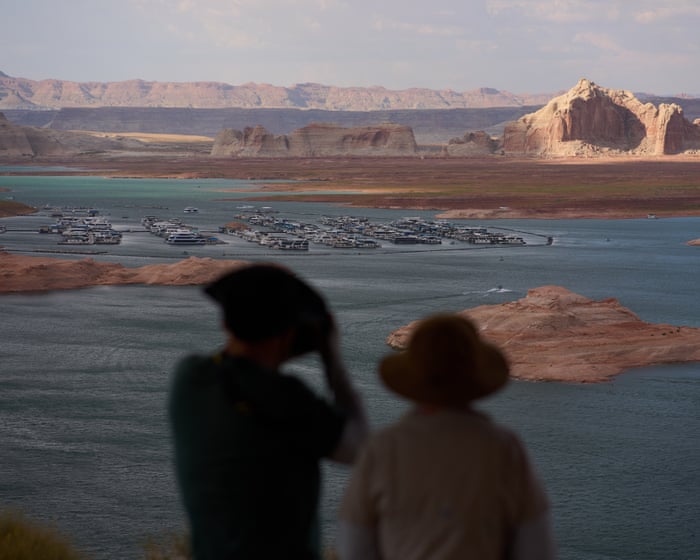
Experts say the critical reservoir system is careening toward a breaking point as the US west’s climate warms and dries
Lake Powell, the US’s second-largest reservoir, threatens to plunge to unprecedentedly low levels this year after a historically bleak snowpack failed to raise its water level, scientists and water experts have said, adding renewed urgency to stalled talks over how to conserve a water source depended on by tens of millions of people in the US south-west.
The 185-mile Colorado River reservoir currently stands at about 22% of its capacity, or roughly 5.6m acre-feet. Lake Powell fell below that level for a few months three years ago. But those 2023 levels were recorded in the winter, when the reservoir, which straddles the Utah-Arizona border, hits its lowest ebb. Spring runoff carried the level back up to 9.6m acre-feet by June, according to data from the US Bureau of Reclamation.
Continue reading...
© Photograph: RJ Sangosti/MediaNews Group/The Denver Post/Denver Post/Getty Images

© Photograph: RJ Sangosti/MediaNews Group/The Denver Post/Denver Post/Getty Images

© Photograph: RJ Sangosti/MediaNews Group/The Denver Post/Denver Post/Getty Images


© Kyle Mazza/Sipa USA, via Associated Press


© Eric Lee for The New York Times


© Ash Ponders for The New York Times


© Gretel Daugherty