Ukraine’s top-ranked tennis player, Elina Svitolina, was defeated in the quarterfinals of the WTA 500 tournament in Washington, D.C. (USA), which had a prize pool of $1,637,982.
Sept représentantes du Club de patinage artistique de Rimouski prendront part aux prochains Championnats québécois d’été, qui se dérouleront du 6 au 9 août à Pierrefonds, dans la région de Montréal.
Laurence Gagnon, Meredith Habel, Maude Harrisson, Elza Veilleux (pré-novice), Maïlie Hamilton (novice), Angélique Beaulieu et Rosalie Levesque (junior) participeront à cette compétition provinciale de haut niveau, réunissant les meilleurs espoirs du patinage artistique québécois.
Ces championnats lancent officiellement la saison 2026-2027 pour les patineuses des catégories pré-novice à senior. Ils accueilleront aussi des athlètes de différentes sections du pays ainsi que des officiels internationaux.
Les amateurs pourront suivre les performances en direct grâce à la webdiffusion offerte par Patinage Québec, accessible via le lien suivant.
Les heures et journées de passage des athlètes rimouskois seront également annoncées sur la page Facebook du club dans les prochains jours.
Sept représentantes du Club de patinage artistique de Rimouski prendront part aux prochains Championnats québécois d’été, qui se dérouleront du 6 au 9 août à Pierrefonds, dans la région de Montréal.
Laurence Gagnon, Meredith Habel, Maude Harrisson, Elza Veilleux (pré-novice), Maïlie Hamilton (novice), Angélique Beaulieu et Rosalie Levesque (junior) participeront à cette compétition provinciale de haut niveau, réunissant les meilleurs espoirs du patinage artistique québécois.
Ces championnats lancent officiellement la saison 2026-2027 pour les patineuses des catégories pré-novice à senior. Ils accueilleront aussi des athlètes de différentes sections du pays ainsi que des officiels internationaux.
Les amateurs pourront suivre les performances en direct grâce à la webdiffusion offerte par Patinage Québec, accessible via le lien suivant.
Les heures et journées de passage des athlètes rimouskois seront également annoncées sur la page Facebook du club dans les prochains jours.
Sophie Cunningham says she’s unconcerned that the rallies against transgender participation in women’s sports that have accompanied the Indiana’s Fever’s recent games are a distraction for the WNBA team.
Cunningham made the comments before the Fever’s game Friday night against the Portland Fire. Outside, a group rallied for the second straight game in support of Cunningham and her recent comments about transgender athletes.
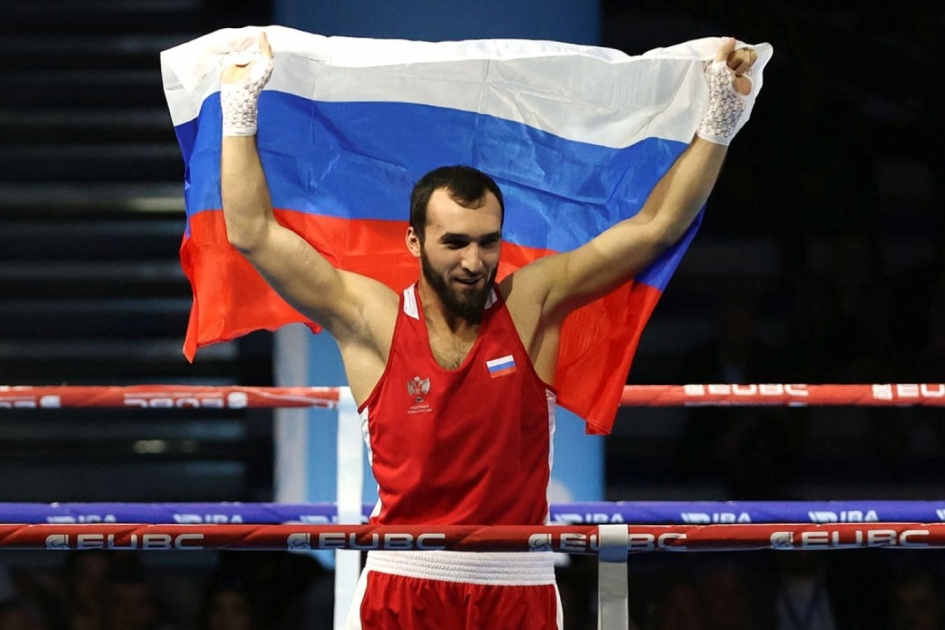
World Boxing has lifted the last restrictions on Russian athletes, clearing them to compete under their own flag and anthem as they chase qualification for the 2028 Los Angeles Olympics. Days earlier, in a frontline Kherson gym that Russian artillery had wrecked, the teenage boxers who trained there had recorded their own message to the Olympic movement: keep Russia out.
World Boxing approved the change on 30 July, the latest sports federation to roll back its wartime restrictions as the Olympic movement eases Russia back toward the Games, even as its attacks keep destroying Ukraine's sports infrastructure and the lives of athletes in frontline oblasts such as Kherson.
Tymur training in his yard. Photo from the family archive.
The 11-year-old martial-arts champion who trains between drone strikes
Tymur, 11, steps out into his yard and listens to the sky. No buzzing. This means no “human safari” drones nearby. Timur has just given himself his morning insulin shot, had his breakfast, and he now heads for his punching bag, hanging from the old walnut tree. He warms up with pull-ups, the branch being his pull-up bar, as his dog runs around, and then works the punching bag, pierced by Russian shrapnel.
Training in the yard is not enough, so Tymur rides his bicycle under Russian FPV drone attacks to his practice session. Along the way, he stops to hide under a tree. In summer, Kherson poplars and sycamore trees offer many good hiding places, and the anti-drone nets cover many streets, but the Russian drones are flying low now.
When they spot a car, a pedestrian, or a child on a bicycle, they dive even lower. The pilots on the other side of the river see their targets but carry on with their hunt. Lately, some drones fly without making any noise.
Hearing loud buzzing, Timur jumps off the bike and throws himself in the grass. Lawns are often littered with mines, but there is no choice. After a few stops, he arrives at the practice, held in a basement. For a while, Timur can focus on the training—until he starts on his way back home.
Tymur, the Kherson city champion in hand-to-hand combat and the Mykolaiv Oblast champion in MMA, takes his training seriously, even after he was diagnosed with insulin-dependent Type 1 diabetes right after the occupation. He dreams of becoming the champion of Ukraine, Europe, and the world.
His role model is Muhammad "D.K." Ali, a British professional boxer who, like Tymur, lives with insulin-dependent Type 1 diabetes. He is also inspired by Yulian Pozdniakov, a Ukrainian professional kickboxer, a European professional kickboxing champion, a Ukrainian IFMA Muay Thai and WAKO K-1 champion, and Timur has recently started training in kickboxing and Muay Thai.
Tymur and his punching bag. Photo from the family archive.
Chess retreats to a basement after Russia jails the grandfather who taught it
Like Tymur, Sasha started boxing before the occupation. Eight at the time, he also practiced chess with his grandfather, an avid player, who was kidnapped by the Russian military during the occupation and sentenced to 20 years of strict regime on fabricated charges. Sasha stopped boxing, but he still plays chess.
His grandmother Tania, who also plays chess, said in an interview that Kherson is “a sports city.” Tania trains at home, doing yoga and general fitness routines.
“Everything here—our rivers and fields—is made for an active lifestyle,” said Tania. “And so our people are fit, morally and physically. The enemy is trying to destroy our places of strength, but our children stand firm and train. They do not give up in spirit.”
Her daughter, Sasha’s aunt, also practices with him over the phone as she had to move to Mykolaiv due to intense attacks on her district of Kherson. She used to go to the Children’s and Youth Sports School, also known as Chess Club. Sasha practices online with a coach during the week, but on the weekend he follows the family tradition and joins about 20 other young Kherson chess players for in-person training at the same school. Tania often walks her grandson to the basement practices, and fondly remembers the chess club and its beautiful home.
Since the 1980s, the Children's and Youth Sports School, funded by the city, held training and national and international tournaments at a historic building, a snow-white villa with arched windows and ornate wrought-iron balconies downtown Kherson. Vitaliy Bohdanov, the president of the Kherson Oblast Chess Federation for over 20 years, told Euromaidan Press that generations of young Khersonians studied chess and checkers in a former residence of the Italian embassy.
In 2023, the school had to move classes and tournaments to a safe underground facility due to constant shelling, and the building stood vacant. On 24 July 2026, the Russian military destroyed the architectural monument. The building burned out, taking a 5,000-book library of books on chess with it, and its roof collapsed after artillery and drone attacks, during which drones dropped incendiary napalm-like mixture.
The former chess and checkers school in central Kherson, housed in a historic building that once served as the Italian consulate, was destroyed by a Russian attack in July 2026. Photo: Embassy of Italy in Ukraine/Facebook
Russia levels the last boxing gym as its teenagers film a plea to the IOC
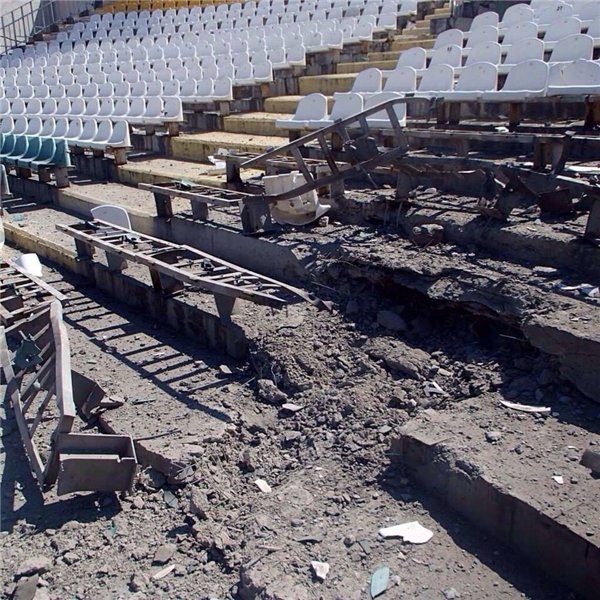
Kherson: a Russian shell destroyed the last boxing gym in Kherson, where children and teens trained.
Standing in the ruins, the coach urged the @iocmedia@Olympics IOC to ban Russian athletes. Young boxers spoke of shock, grief, and traveling to practice under drones. pic.twitter.com/iKnsnRGCVP
The morning after the chess club was destroyed, Russian artillery hit Kherson's only surviving boxing gym. After the city's liberation, the gym hosted regular training sessions and competitions.
Kherson boxing gym in August 2024. Photo by Zarina Zabrisky.
The youth team just returned from a tournament and, instead of practicing, helped to clean the premises. Four young athletes recorded an address to the International Olympic Committee, pleading to ban Russian athletes from international competitions. Tymofiy, 15, said that he trained in this boxing ring for seven years and could not find the words.
Standing amid bricks and fallen ceiling beams, Dmytro Obolentsev, Director of the Kherson Regional Children and Youth Sports School for Boxing and Other Sports and coach of the youth team, said that training will continue.
Kherson boxing gym after Russian artillery shelling, 25 July 2026. Photo by Zarina Zabrisky.
“These walls witnessed it all: the nerve-breaking moments before stepping onto the floor, the smiles after victory, the tears of defeat, the embraces of coaches, the applause of families, and the unforgettable moment when a young athlete stepped onto the podium to receive a well-earned medal and trophy,” wrote Zakhar Zhizhko, a Kherson resident. “Years will pass, but the memory of those competitions will remain. We want to believe that this gym will once again be filled with children's laughter, genuine emotion, and the joy of victory.”
The Olympic medalist who can no longer reach his river, and trains anyway
Serhii Kirsanov, Ukrainian sprint canoeist (Olympic silver medal in the K-4 1000 m event at the 1988 Summer Olympics, multiple World Championships winner) and his wife Luiza survived a Russian Shahid drone attack in Kherson.
Serhiy Kyrsanov, a fit man in his sixties, cleaned the destruction site on 29 July, after several Shahid drones devastated his neighborhood in the residential area of Kherson. Serhiy and his wife Luiza mopped broken glass and considered themselves lucky: their neighbors’ homes were destroyed and burned. Their spacious house featured Olympic posters and impressive memorabilia: Serhiy, a prominent Ukrainian rower, is an Olympic silver medalist and three-time world champion.
As Luiza wiped dust off the medal display in the living room, she said that both she and her husband are still involved in youth training in the city.
“I can’t row as we can’t reach the river,” said Serhiy. “But we do all sorts of other training, and we are not going to stop.”
Explore further
UN traces Kherson’s “human safari” up the chain of command — to Putin himself
The chess world condemns as the boxers' video circles the globe
The Italian Embassy in Ukraine condemned the attack on the chess school building, which was built for the Italian Ambassador in 1905 and hosted the Italian Embassy from 1906 to 1918. Lithuanian grandmaster and politician Viktorija Čmilytė-Nielsen expressed her indignation. Peter Heine Nielsen, a Danish chess grandmaster and five-time Danish champion, also condemned the attack. Garry Kasparov, former World Chess Champion and one of the greatest chess players in history, wrote that he was looking forward to helping to rebuild the chess club.
The boxing team’s video address to the International Olympic Committee went viral and was shared globally. Vladyslav Heraskevych, the first Ukrainian ever to compete in skeleton at the Winter Olympics, and an advocate for excluding Russian and Belarusian athletes from international sport, shared the address, adding that “Russian sports is an accomplice to Russia’s crimes.” The Boxing Federation of Ukraine issued a statement about the attack and looked into fundraising options.
"A sports city": 221 venues destroyed, its athletes still on the podium
Kherson ice rink destroyed by the Russian military. Photo by Zarina Zabrisky.
Tymur, Sasha and the young boxers are not an exception. The girls’ soccer team used to train outdoors until a Russian shell destroyed the soccer field. Russian shelling heavily damaged Kherson's only indoor ice rink, once home to youth hockey and figure skating. The war has devastated Kherson Oblast's sporting infrastructure as 221 sports facilities have been damaged or destroyed, forcing many clubs and sports schools to relocate, operate in basements, or train in mixed and remote formats.
Yet, sports go a long way in the city nicknamed “invincible.” Mothers and grandmothers frequent various training sessions, from fly yoga to belly dance and karate. Fathers and grandfathers run under drones and used to play basketball and soccer in the red zone until the point when being outside became impossible due to the massive FPV drone attacks. Swimming pools and gyms operate in half-ruined buildings and, in winter, in freezing temperatures.
Despite daily Russian attacks, Kherson's sports community continues to compete. According to the official regional statistics, provided by the Department of Physical Culture, Youth and Sports of the Kherson Regional State Administration, in 2025 more than 50 athletes from Kherson Oblast were winners or medalists at international and Ukrainian competitions across more than 20 sports, including rowing, wrestling, boxing, kickboxing, athletics, archery, volleyball, swimming, karate, sambo, draughts, sumo and canoeing.
The list included Olympic, Paralympic and Deaflympic athletes, as well as world, European and national champions and medalists. Kherson athletes competed at the Paris 2024 Olympic and Paralympic Games, the Deaflympics, and World and European Championships, while more than a dozen regional coaches were recognized for training international-level competitors.
During the first six months of 2026, 396 athletes from Kherson Oblast took part in Ukrainian and international competitions, winning 74 medals in Olympic sports, 93 in non-Olympic disciplines, and 10 in Paralympic and Deaflympic events.
Nearly 200 displaced children from Kherson Oblast participated in regional sports competitions, while another 198 children from frontline communities attended a two-week sports and rehabilitation camp in the Carpathians.
The boxers whose gym Russia destroyed had asked the Olympic movement to keep Russia out. On 30 July, World Boxing gave its answer: Russian athletes will compete under their own flag, like everyone else. Their ring is still rubble. Training, their coach said, continues—in the basement, under the nets.
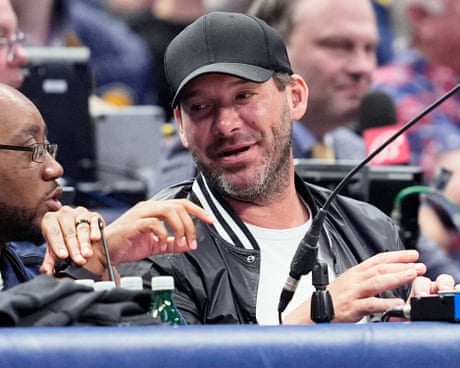
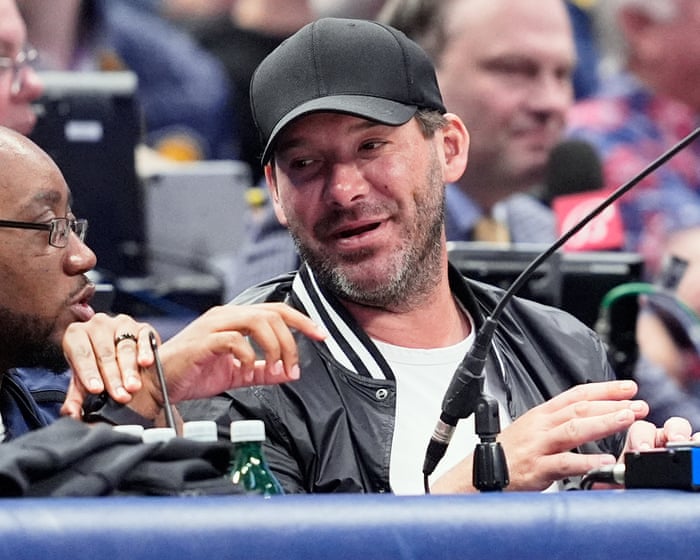
Tony Romo has been placed on leave from his role as the lead analyst on CBS’ NFL coverage following his arrest last week on suspicion of operating a vehicle while under the influence.
CBS Sports announced Friday that the former Dallas Cowboys quarterback was on leave “until further notice”. JJ Watt will join Jim Nantz and Tracy Wolfson as CBS Sports’ lead NFL team during Romo’s absence.
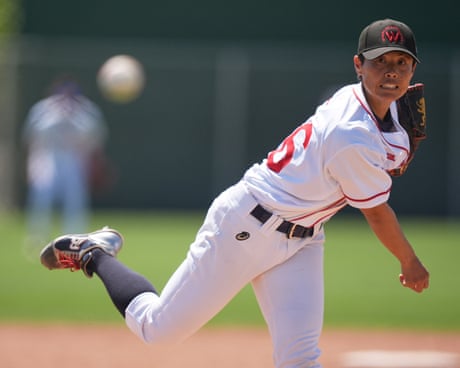
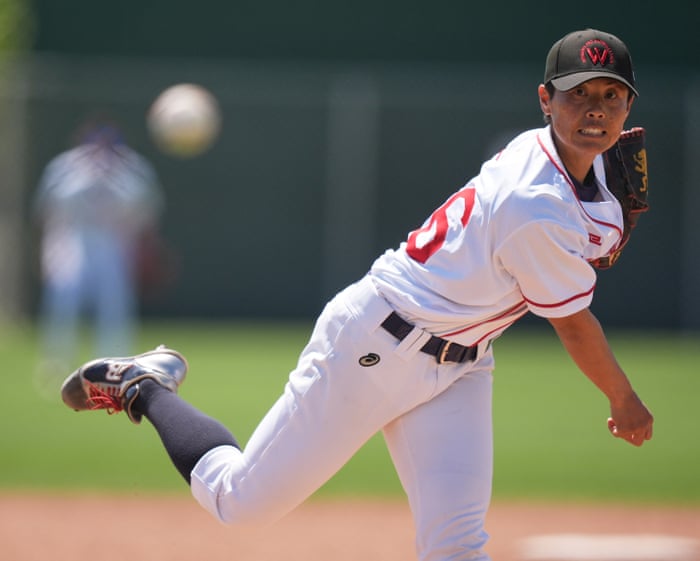
A six-time world champion and three-time World Cup MVP, Japan’s Ayami Sato joins the new Women’s Professional Baseball League hoping to help build the sport’s future
When Ayami Sato takes the mound as the starting pitcher for the Los Angeles Queens on Saturday, it will be the culmination of a professional career that has spanned 16 years and three countries. The right-handed hurler is largely considered the best pitcher in the history of women’s baseball. She has the awards and experience to prove it, and now she’s taking on America when she makes her debut in the Women’s Professional Baseball League, the first pro women’s baseball league in the United States since the 1950s.
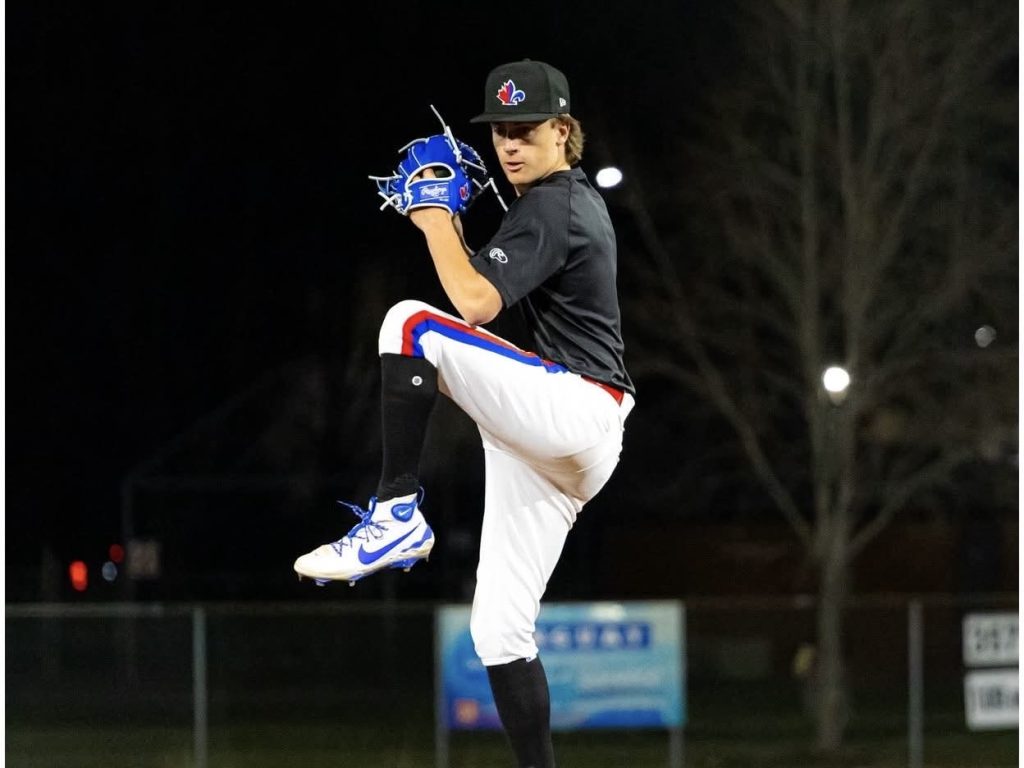
Even though most Americans tuning into the WPBL may not have heard of her, Sato’s resume speaks for itself. Sato’s fastball has been clocked at nearly 80mph and her curveball has a devastating spin rate that is higher than many Major League Baseball pitchers. As a member of the Japan National Team since 2010, Sato has won six gold medals. She is the only player in Women’s Baseball World Cup history to win three consecutive MVP awards. As a member of the now-defunct Japan’s Women’s Baseball League, Sato led the league in strikeouts in three of the last four seasons. And most recently, in 2024 she became the first woman to play pro baseball in Canada as a member of the Toronto Maple Leafs of the Intercounty Baseball League.
The World Cup gave MLS unprecedented momentum. Keeping it will depend less on signing aging icons than convincing America’s best young players to stay
“Thanks World, we’ll take it from here,” is Major League Soccer’s message to the American public. Yet two moves in the last week were emblematic of the issues the league faces in taking on the mantle of North America’s hosting of the game’s grandest stage.
A rising, under-the-radar homegrown player left for Europe, and a veteran with immense pedigree arrived, likely to close out his career. Sebastian Berhalter’s swapped title-chasing Vancouver Whitecaps for Middlesbrough of the EFL Championship. Free agent Brazil legend Casemiro traded Manchester’s Old Trafford for Nu Stadium in Miami.
World Boxing has stripped away the last restrictions on Russian competitors, clearing them to fight under their national flag rather than as neutrals, Reuters reported. The move brings the sport into line with a wider loosening across international competition, as the Olympic movement edges Russia back toward the Games while its war on Ukraine grinds on.
As Russia presses its invasion of Ukraine and steps up strikes on civilians, one international federation after another is quietly rolling back the wartime bans meant to isolate it, handing Moscow the global stage its aggression was supposed to cost it.
Boxing lifts the neutral-status rule
World Boxing's executive committee approved the change at a meeting that also discussed the allocation of major competitions in the 2027-29 cycle, which take in the qualifying route to the Los Angeles 2028 Games.
"The ExCo accepted that Russian athletes would now take part in World Boxing competitions like boxers from any other national federation," the body said.
he governing body attached only a monitoring commitment, none of it tied to the war. It said it would "strictly monitor the behaviour of Russian delegations during events as well as compliance with the anti-doping protocols." That pledge to police Russian anti-doping sits oddly beside Russia's own record, since WADA recently closed an eight-year case into the country's state-run doping program with hundreds of athlete sanctions.
Explore further
Sports federations are quietly readmitting Russia, which killed 660 Ukrainian athletes. UEFA is about to become holdout
Sport keeps reopening its doors to Russia
The boxing decision follows the International Olympic Committee provisionally reinstating Russia's Olympic body this month, clearing Russia's path back toward the 2028 Los Angeles Games. It caps a run of federations doing the same through 2026: artistic gymnastics scrapped its restrictions in May, muaythai restored Russian flags and anthems alongside wrestling, judo, sambo and taekwondo days later, and tennis never dropped the neutral pathway at all.
Not every sport has bent the same way. World chess went in the opposite direction in June, when the International Chess Federation suspended the Russian Chess Federation, the first time it had stripped its most powerful member of its membership rights.
Infantino’s role as president under increasing pressure
143 of Fifa’s 211 members now stand against scheme
Gianni Infantino’s authority has been dealt a fresh blow after Carlos Cordeiro, one of his senior advisers, resigned with immediate effect in protest at proposals to sell a stake in the World Cup.
In the latest embarrassment for Infantino, who saw European FAs threaten to boycott future Fifa tournaments on Thursday, the former US Soccer chief Cordeiro criticised “a bad deal for football” and pointed out that the global governing body already sits on huge amounts of debt-free reserves.
Western sanctions and Ukrainian drones are squeezing Russia’s Black Sea trade in looted goods, but they are not stopping it. The networks are finding new routes—and one of them now runs through Georgia, a country that one day hopes to join the European Union.
A new study finds that ships arriving from Russian-occupied Ukrainian ports are turning up at Georgia’s port of Poti far more often than they used to.
The same links that allow Russia to profit give Europe leverage to disrupt those networks.
The numbers climb steeply: 22 visits in the second half of 2023, 68 in 2024, and 145 in the first half of 2025 alone—on course, the study estimates, to nearly five times the 2024 total. Türkiye’s ports still take most of this traffic, but Poti is rising fastest.
The increase has tracked the Georgian Dream government’s drift toward Moscow since a disputed October 2024 election, a slide the European Parliament condemned as evidence of state capture. The authors caution that they cannot yet prove the shift is the result of deliberate policy.
A $120 billion pipeline that reaches into Europe
The study, which maps how Russia sustains and profits from its war on Ukraine, was produced by the Serious Organised Crime and Anti-Corruption Evidence Programme at the University of Birmingham and funded by the British government.
It follows goods moving through Black Sea shipping—worth about $120 billion a year—with military supplies flowing in and grain, coal, metal, and kaolin clay stripped from occupied territory flowing out, alongside oil sold above the price cap set by the Group of Seven in 2022. The study’s authors, Olivia Allison and Joshua Coyle, argue this trade is not a by-product of the war but an essential part of it, and one that reaches deep into European business.
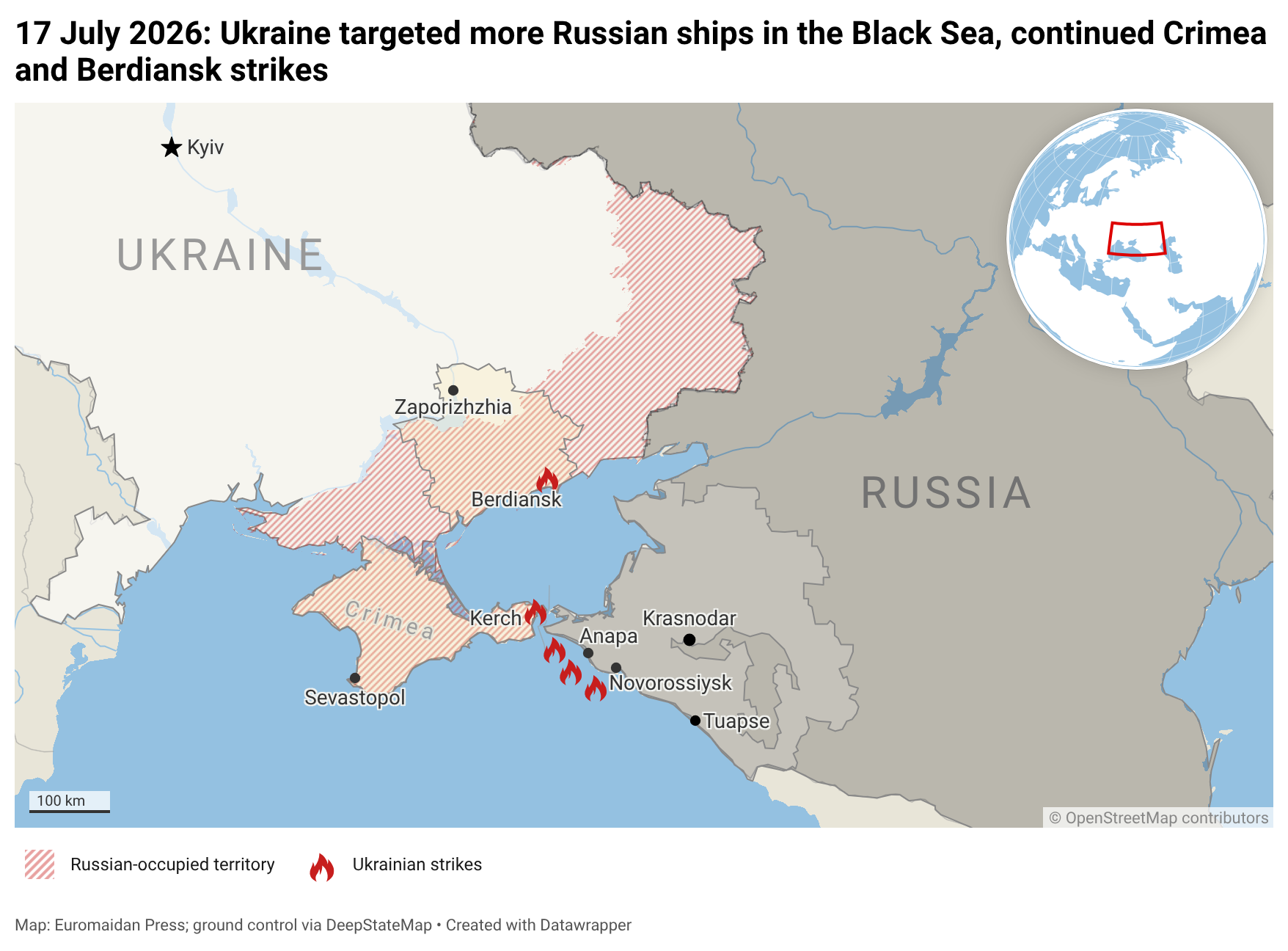
The rerouting is happening under mounting pressure. Ukraine has spent 2026 hunting Russia’s Black Sea tankers and cargo ships, hitting 201 vessels in three weeks this July, according to the commander of its drone forces, Robert Brovdi, while the European Union and others tighten sanctions on the ports and ships involved.
Explore further
Ukraine hits 201 Russian shadow fleet ships in three weeks. Commander says Crimea’s supply route is now blocked indefinitely
Grain is at the center of the trade. Investigators have documented Russia plundering the harvest in occupied Kherson and Zaporizhzhia, relabeling it as Russian, and selling it on to buyers in the Middle East and Africa. Ukrainian authorities have been tracking multiple ships carrying that grain to Israel, Egypt, and Algeria.
The upheaval reaches the top of Russia’s own grain business. In January 2025, a Russian court handed Rodnye Polya—for years the country’s largest grain exporter—to the state, ruling that its owner, Petr Khodykin, could not legally hold a strategic asset because he was a citizen of both Saint Kitts and Nevis and Russia.
The seizure did not prove a windfall. After an earlier auction drew no bids, the state sold the company in July 2026 for 11.7 billion roubles (about $150 million)—a small fraction of its former annual revenue—to a little-known firm that, as Kommersant reported, was acting for a grain holding part-owned by the sovereign wealth fund of Oman.
A vulnerability that runs both ways
On both ends of the trade, the study argues, are European companies. One Turkish port that receives ships arriving straight from occupied Crimea is run by a firm with a Dutch parent and a Taiwanese ultimate owner. Vessels in the trade, meanwhile, have been repaired in European Union shipyards and fitted with European-made cranes.
That overlap, the authors write, cuts both ways: the same links that allow Russia to profit give Europe leverage to disrupt those networks. The bloc’s newest sanctions package has begun to use it, targeting the shadow fleet, banks, and firms selling stolen Ukrainian grain.
Explore further
EU’s 21st Russia sanctions package will target the shadow fleet, banks, and firms selling stolen Ukrainian grain—Politico
Whether Georgia’s opening ports reflect a deliberate choice or simply the path of least resistance, the researchers do not say. Their data show only that the traffic keeps growing.
Akbar Majeed’s new feature tells the story of the sport through a Black lens and asks hard questions about the barriers facing the game’s breakthrough
Akbar Majeed takes a deep breath as he considers the legacy of the 2026 World Cup and, in particular, the effect of the US team’s collapse against Belgium for a last-16 exit.
“Unfortunately, that performance in the last game did not help at all,” he says.
Le Rimouskois Paul Trottier connait un excellent départ avec l’équipe 16U de l’Académie de baseball du Canada. Il savoure quotidiennement l’expérience d’évoluer avec des joueurs au haut potentiel de développement.
« L’ambiance à l’ABC est vraiment le fun. Tout le monde est là pour la même raison, soit se développer et devenir meilleur. J’ai évolué cinq ans au sport-études à Rimouski et j’étais rendu à un autre niveau. On verra où l’ABC va me mener. Jusqu’ici, j’ai une très bonne saison », nous a-t-il raconté lorsque rencontré lors d’une pause de quelques jours dans sa famille en début de semaine.
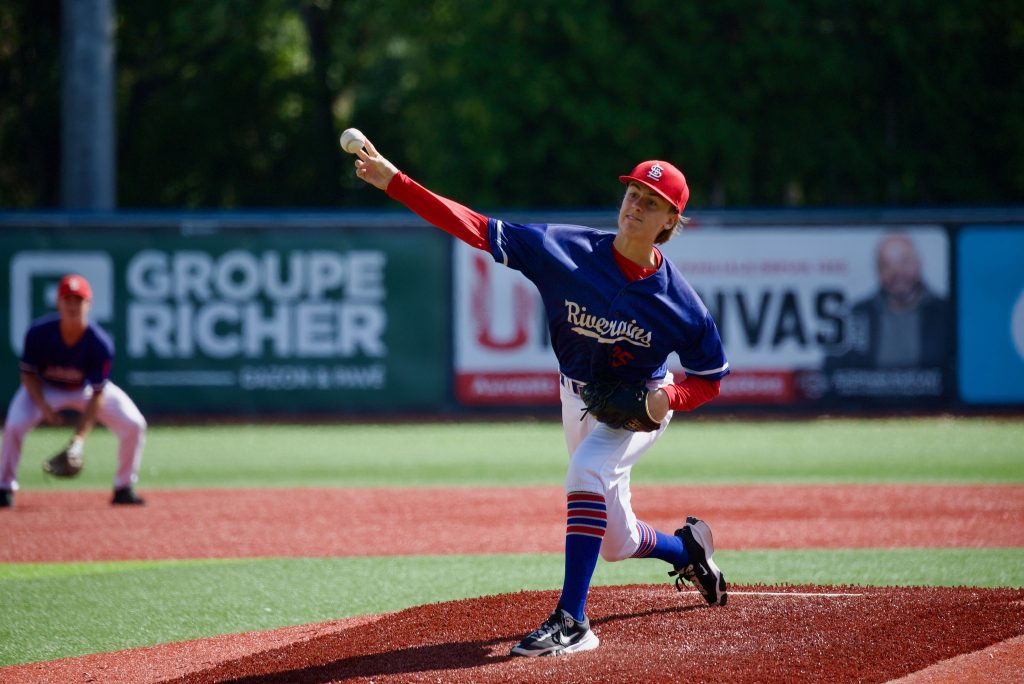
Paul Trottier dans l’uniforme des Riverains du Bas-Saint-Laurent en 2025. (Photo archives – Dominique Robert)
Il évolue sur une base régulière avec l’équipe 16U en plus d’avoir été rappelé pour quelques parties dans le 17U. Comme dans les grandes ligues, ses entraineurs l’ont spécialisé comme lanceur, lui qui peut aussi jouer à l’avant-champ. Il n’est pas allé au bâton cette saison.
Trottier n’a pas déçu, loin de là. Il présente un dossier de 4-0 et un sauvetage en dix sorties, dont cinq départs, au monticule. Sa moyenne de points mérités est de 2,15. Son prochain départ aura lieu samedi soir à Jonquière face aux Vouageurs.
100 % lanceur
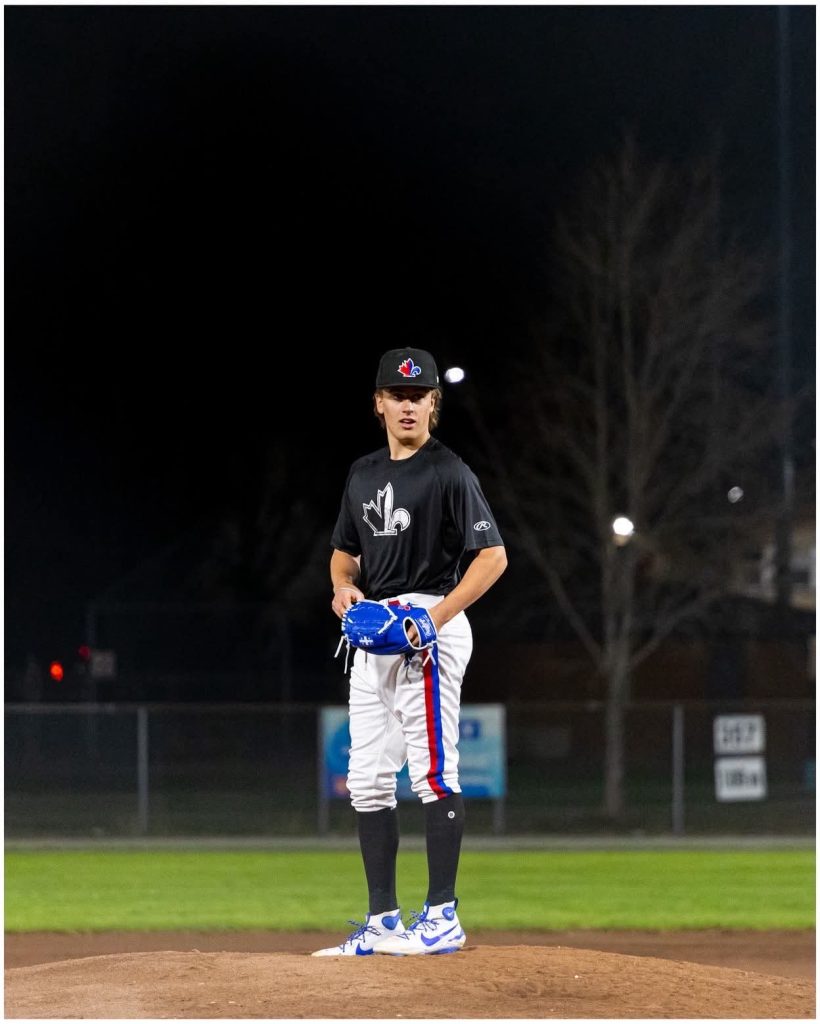
Paul Trottier (Photo : Malik Brisson)
« J’avais fait le camp comme joueur de position et lanceur. Pour être « two way » comme Shohei Ohtani, il faut que tu sois vraiment dominant dans les deux. Honnêtement, je suis content d’être lanceur. Au début de la saison, je faisais de la relève et j’ai ensuite eu un premier départ qui s’est très bien passé. Je suis rendu un lanceur partant assez régulier. »
Quelles sont tes forces sur la butte ? « Dans l’équipe, je dirais que je suis un de ceux qui utilisent le mieux ses lancers. Mes entraineurs me disent que je dois aller là pour lancer, par juste pitcher de toutes mes forces. On a des gars plus jeunes qui lancent plus fort que moi. Je lance davantage pour les retraits. En début d’année, j’ai atteint 85 (milles / heure), maintenant je suis entre 80 et 85. Je lance pour aller chercher des retraits en utilisant mes différents lancers », explique-t-il.
Incluant ses stats dans le 17U, il a déjà 44 manches lancées avec cinq victoires et un match protégé en plus d’une excellente moyenne de points mérités de 2,07. Son « WHIP » se situe à 1,11, ce qui signifie qu’il place à peine un coureur sur les buts sur des coups sûrs ou buts sur balles, par manche. Une excellente statistique. Il a enregistré 45 retraits sur des prises, soit un par manche en moyenne.
CPBL
Les équipes 16U et 17U de l’ABC à Montréal évoluent avant tout dans la Canadian premier baseball league (CPBL). Le circuit 16U compte sur treize équipes, les douze autres étant de l’Ontario. Ses parties locales se jouent au Stade Gary Carter à Montréal qui accueillera d’ailleurs les séries de fin de saison du circuit, la semaine prochaine.
Le calendrier de l’équipe comprend également une partie contre chacune des formations de la Ligue de baseball junior élite du Québec en plus de la participation à trois tournois, à London, Boston et Indianapolis. On peut parler d’une saison bien remplie d’environ 75 parties.
Camp des Blue Jays
En ce mercredi, Trottier était de retour à Montréal pour une journée d’évaluation au « Canadian Futures Showcase » organisée par les Blue Jays de Toronto. Il y a été invité après avoir pris part à un premier camp d’évaluation tenu en juillet.
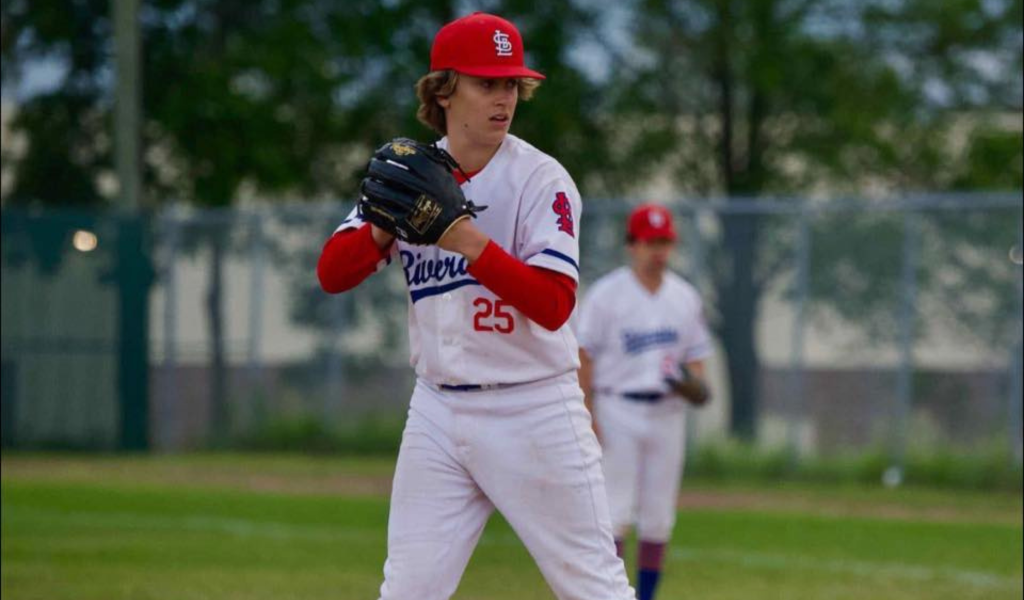
Paul Trottier a poursuivi son développement avec les Riverains du Bas-Saint-Laurent au cours des dernières saisons. (Photo archives – courtoisie)
50 joueurs ont déjà été retenus pour le showcase qui se tiendra à Vancouver à la mi-septembre. Une seconde liste sera annoncée le 17 août.
Au Collège Ahuntsic
Trottier, qui a 17 ans, devrait se retrouver avec l’équipe 17U en 2027. Entre-temps, son développement va se poursuivre avec l’ABC au Collège Ahuntsic dès la mi-août où il est inscrit en sciences humaines, volet psychologie. L’équipe aura un calendrier de parties à l’automne et s’entrainera tout l’hiver dans les installations sur place.
Protégé par Jonquière
Son futur pourrait aussi passer par les Élites de Jonquière, dans la Ligue junior élite du Québec. Il a été l’un des deux joueurs de 17 ans protégés par cette équipe, l’autre étant Émile Lapointe, de Rivière-du-Loup.
Ce ne sont pas les options qui vont manquer pour le jeune homme de Rimouski, le premier à avoir mérité un poste avec l’Académie de baseball du Canada. Les joueurs y reçoivent un encadrement de haut niveau. Le directeur de l’ABC est Marc-Antoine Bérubé qui est originaire de Trois-Pistoles.
A $22.5 billion redesign plan eliminates the “mobile lounges,” which were conceived as a way of making air travel more efficient. Many passengers found the opposite to be true.
Le Sélect de l’école Paul-Hubert de Rimouski participe au championnat national américain de futsal, présenté du 29 juillet au 2 août à Las Vegas, au Nevada.
L’équipe masculine U17 a accepté l’invitation à prendre part à cette prestigieuse compétition après avoir obtenu sa qualification grâce à son parcours au Northeast Regional Championship US Futsal, disputé en février dernier à Atlantic City, au New Jersey.
Les équipes masculines U17 et féminines U18 avaient toutes deux atteint la finale de leur catégorie, décrochant la médaille d’argent. Les garçons s’étaient inclinés 3-2 contre le Virginia Dream FC de Falls Church, tandis que les filles avaient subi un revers de 4-2 face au Gold Star de Springfield.
Pour sa part, la formation féminine U17 avait remporté les grands honneurs en défaisant l’Alexandria Futsal de Washington 5-3 en finale, après avoir obtenu la médaille d’argent lors de l’édition précédente.
Grâce à ces résultats, les équipes féminines U16 et U17 ainsi que l’équipe masculine U17 avaient reçu une invitation au championnat national américain.
Seule cette dernière a finalement choisi de faire le voyage à Las Vegas, où elle se mesurera aux meilleures équipes américaines de sa catégorie.
The project would make the airport easier to navigate and include a new United lounge, officials said. It’s part of the president’s plans to remake the Washington area.
An explosion at a port on Egypt’s Mediterranean coast set fire to two ships, including a U.S. gas storage tanker, according to maritime tracking firms.
The Kansas City Chiefs held their first full-squad workout of training camp Wednesday without offensive coordinator Eric Bieniemy, who remained with his family after the shooting of his wife – allegedly by their son – at their Virginia home last weekend.
Chiefs coach Andy Reid said after the workout that Mia Bieniemy had been released from the intensive care unit, where she was being treated for multiple gunshot wounds. But there was no timetable for when Eric Bieniemy would be back with the team.
Guy Bernier et Juliane Thériault, du Club d’athlétisme Coubertin de Rimouski, ont remporté des médailles d’or lors des Championnats provinciaux U20, Senior et Maître qui se tenaient en plein air, du 23 au 26 juillet, au Stade TELUS de l’Université Laval.
Chez les maîtres 45‑49, Bernier a dominé les épreuves de sprint en remportant le 100 m et le 200 m, avec des temps de 12.38 (12.13 en qualification) et 27.22.
Pour sa part, Thériault s’est imposée au 1 500 m, ajoutant aussi une médaille de bronze au 800 m.
Cette compétition marquait sa dernière sortie sous les couleurs du Club Coubertin, avant de poursuivre sa progression avec le Club d’athlétisme de l’Université de Laval.
Le Coubertin a aussi signé plusieurs autres présences sur le podium. Simon Blanchette a décroché l’argent au 100 m chez les maîtres 40‑44 grâce à un chrono de 12.58, tandis qu’Isaac Sirois a obtenu le bronze au 1 500 m en 3:59.07.
Parmi les performances notables, soulignons la progression d’Étienne Simard, qui a retranché plus de 15 secondes à sa marque personnelle au 1 500 m, arrêtant le chrono à 4:28.78.
Elliot Goulet et Florence Bernier ont également atteint la finale B du 100 m, malgré qu’ils couraient en étant surclassés.
En tout, 10 représentants du Club Coubertin ont participé aux Championnats provinciaux U20, Senior et Maître.
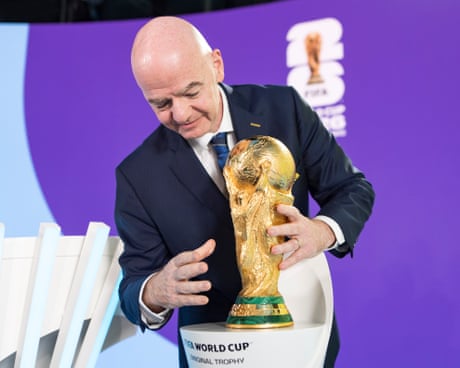
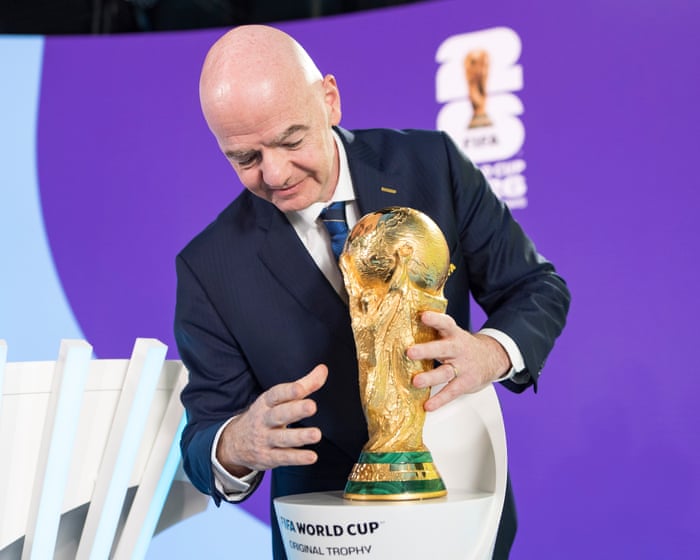
Fifa president Gianni Infantino has announced plans to sell off stakes in the World Cup to private investors in a new commercial entity worth $20bn. One of the leading would-be investors is Joshua Kushner, brother of Trump’s son-in-law Jared.
The plans have prompted an immediate backlash – with Uefa accusing Fifa of trying to ‘sell football’s soul’. Lucy Hough speaks to the Guardian reporter Paul MacInnes – watch on YouTube
Deal would extend Argentinian through 2030 World Cup
Coach would stand to earn ‘significantly’ more
Pochettino’s tenure has been mixed bag of results
USMNT head coach Mauricio Pochettino and US Soccer are “in the final stages” of finalizing an agreement for a new contract through the 2030 World Cup, multiple sources briefed on ongoing negotiations have told the Guardian. Those sources requested anonymity because they were not authorized to speak on the matter.
Pochettino was brought on as US head coach in September 2024, tapped to lead the team through the 2026 World Cup, where the Americans suffered a disappointing exit in the last 16. Both sides had expressed interest in potentially extending the deal in the run-up to the tournament, with US Soccer chief executive JT Batson saying the federation was “excited” about the potential of building on progress made during Pochettino’s initial spell as head coach.
À sa première année d’existence, l’équipe rimouskoise de stock-car Pouliot Racing se retrouve en bonne position pour mettre la main sur le championnat ACT Sportsman à l’Autodrome de Montmagny.
Une étape déterminante l’attend toutefois, le 22 août, où une finale de 100 tours pourrait faire basculer la course au titre.
Au volant de la voiture no 73, Félix Gratton abordera cette épreuve au sommet du classement général. Avec seulement deux courses à disputer d’ici la fin de la saison, il ne détient toutefois qu’une avance d’un point sur son plus proche poursuivant.
Plusieurs membres de l’équipe Pouliot Racing, dont Junior Pouliot et son pilote, Félix Gratton, au centre de la 2e rangée. (Photo courtoisie Rock Bouffard)
Après deux podiums en début de saison, le pilote de Mirabel a ajouté une quatrième place lors de la plus récente épreuve, disputée le 4 juillet. Grâce à ces résultats, Pouliot Racing occupe actuellement le premier rang du championnat.
L’équipe invite les amateurs du Bas-Saint-Laurent à se rendre à l’Autodrome Montmagny pour encourager la voiture no 73. Le dernier programme de la saison se tiendra le 19 septembre.
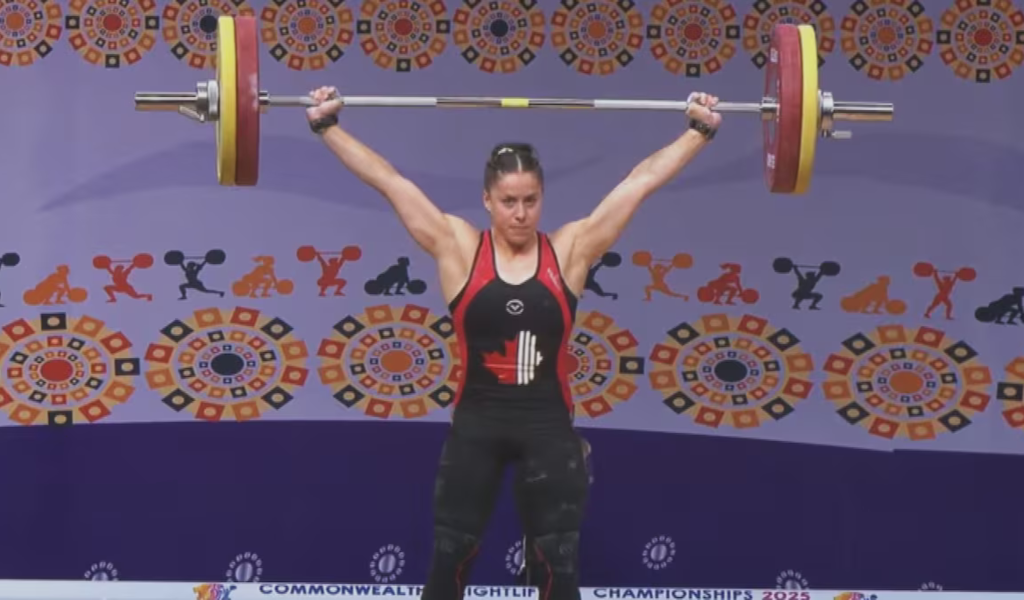
Maude Charron a gagné une troisième médaille d’or de suite aux Jeux du Commonwealth, mardi, couronnée championne chez les 63 kg à Glasgow, en Écosse.
L’haltérophile de Sainte-Luce a de plus égalé la marque qu’elle avait établie à l’épaulé-jeté en 2022.
À l’arraché, Charron a soulevé des barres de 99 et 102 kg avant de rater son essai à 105 kg. Elle a ensuite réussi son premier essai à l’épaulé-jeté, qui s’élevait à 124 kg.
L’athlète olympique a manqué de peu sa deuxième tentative à 130 kg, une charge qu’elle a su maintenir au-dessus de sa tête lors de son troisième passage à la plateforme.
Son cumulatif de 232 kg lui a permis de devancer l’Anglaise Sarah Davies Smale et son total de 217 kg. Cette dernière a tenté le tout pour le tout en fin de compétition en effectuant un bond de 16 kg entre ses deux derniers essais, mais elle a dû se contenter de la deuxième place.
« Je compétitionne avec elle depuis près de 10 ans. Je connais ses moves et je savais qu’elle allait tout faire pour essayer de gagner, peu importe l’écart avec la barre précédente, a souligné Maude Charron à Sportcom. Quand j’ai raté 130 kg, ça m’a un peu secouée. J’étais contente de me ressaisir et de lui fermer la porte à mon troisième essai. »
Femily-Crystie Notte, du Nauru, a mis la main sur le bronze, elle qui est 16 ans plus jeune que les deux autres médaillées du jour, âgées de 33 ans.
« [Sarah et moi], on est parmi les plus vieilles du circuit. On a toutes les deux des emplois à temps plein, nos maisons, mais on essaye de prouver que malgré notre quotidien, on est capables d’avoir de bons résultats. On peut être des gens normaux et faire de bonnes performances! »
Il s’agissait de la troisième médaille canadienne en haltérophilie à ces Jeux du Commonwealth.
Nouveau cycle olympique
Maude Charron s’est rendue à Glasgow afin d’évaluer son rendement à l’aube du processus de qualification olympique. Elle a donc qualifié ce troisième sacre de « cerise sur le sundae ».
Son but était simplement de repousser ses limites et tant mieux si elles lui permettaient de grimper sur le podium à nouveau.
« Avec la qualification olympique qui débute en octobre, on voulait voir où je me situais et ce que je suis encore capable de faire, comme c’est de plus en plus difficile de récupérer et de recréer des barres très lourdes comme ça », a spécifié Charron, qui travaille pour le Comité olympique canadien depuis un an.
Médaillée d’or aux Jeux olympiques de Tokyo et d’argent à ceux de Paris, elle compte y aller une étape à la fois avant de viser ceux de Los Angeles.
Pour le moment, rater deux barres aux Jeux du Commonwealth a eu pour effet de la motiver davantage en vue des Championnats du monde qui auront lieu en Chine, du 27 octobre au 8 novembre.
La catégorie de poids olympique se rapprochant le plus des 63 kg, celle où Charron a triomphé mardi, sera celle des 61 kg à Los Angeles. Seulement huit haltérophiles seront sélectionnés par catégorie.
« Je vieillis et on voit des jeunes de 17 ans qui arrivent et qui sont très fortes, alors ce sera de plus en plus difficile. Il faudra pousser et lever lourd plusieurs fois en un peu moins de deux ans. Ça ne s’annonce pas facile, mais je me donne l’opportunité de me questionner après chaque compétition, à savoir si j’ai encore envie et l’énergie pour le faire. Je ne veux pas me mettre de pression, tant et aussi longtemps que j’ai du plaisir en compétition, je vais continuer. »
Federal prosecutors charged a man returning to the United States with obstruction because he gave them a passcode that erased his smartphone during a customs search.
A U.S. citizen used an open-source operating system, GrapheneOS, on his Google Pixel phone to “delete the digital contents,” before the device was seized, an indictment against the man said.
Passionné de baseball, le Rimouskois Luc Jobin vit une nouvelle expérience cette semaine. Il agit à titre d’entraineur associé invité au Championnat canadien junior Little League qui se tient à Trois-Rivières.
Le terrain synthétique Martin-Bergeron accueille les meilleures équipes de l’Est canadien, de division 14U dans un tournoi qui sera suivi de la finale canadienne, aussi dans la capitale de la Mauricie, dans une série 2 de 3 contre les champions de l’Ouest, du 3 au 5 août.
Jobin s’implique avec les Blackbirds de Trois-Rivières. « Cette équipe est dirigée par mon bon ami, Pascal Boislard. Je l’assiste pendant cette compétition. J’y vais pour l’expérience de vivre un tel événement », explique celui qui dirige les Riverains 13U AA du secteur Est du Bas-Saint-Laurent, depuis plusieurs années.
L’équipe championne obtiendra son billet pour la prestigieuse Série mondiale Junior League qui se tiendra à Taylor, au Michigan.
Plusieurs connaissent la série mondiale des petites ligues 12U qui est présentée chaque été à Williamsport. À noter que l’équipe 12U des Blackbirds a mérité son laissez-passer pour la finale nationale, la semaine prochaine en Nouvelle-Écosse.
Enseignant de profession, Luc Jobin fait profiter les jeunes de ses qualités de pédagogue. (Photo archives Alain Tremblay)
Les équipes des « Little league » ne sont pas affiliées à Baseball Québec (BQ). Les Blackbirds 14U ont recruté des joueurs de plusieurs régions du Québec. Ils sont tous des joueurs affiliés à BQ et ont le droit de participer à ce championnat parce que leur équipe originale est en pause de calendrier.
Bon départ
Après avoir perdu leur premier match 10-4, vendredi dernier, les Blackbirds ont gagné les deux suivants, 23-2 contre les Patriotes de Rouyn-Noranda, dimanche, et 17-0 face aux Royals de Perth, lundi soir. Ils complèteront leur ronde préliminaire mardi contre Repentigny.
Une victoire les propulserait en demi-finale, jeudi, Les deux matchs de médailles seront joués le lendemain.
« Le fait de répartir les matchs sur plusieurs jours est très différent de ce à quoi je suis habitué. Les compétitions à Baseball Québec se déroulent sur trois jours. Les règles quant au nombre de lancers effectués par les lanceurs sont sensiblement les mêmes, mais comme les parties sont réparties une plus longue période, ça fait en sorte que les stratégies changent quelque peu », mentionne Luc Jobin.
Luc Jobin en entrevue avec René Alary lors du dernier tournoi 13U à Rimouski (Photo courtoisie Alain Tremblay)
Comme les résultats le montrent, les neuf clubs participants ne sont pas tous du même calibre.
« Le niveau est moins homogène que ce qu’on retrouve à BQ, mais les équipes les plus puissantes offrent un très bon niveau de jeu. J’apprécie beaucoup l’expérience qui me sort de ma zone de confort. Aussi, dans le 14U, les distances sont les mêmes que dans le baseball « adulte » (60,6 pouces pour le lanceur et 90 pieds pour les buts). Cela fait en sorte que ce sont les équipes qui ont les meilleurs athlètes qui performent le mieux », conclut-il.
Russian strikes on Black Sea shipping have brought Ukraine’s grain corridor to its first full stop since it opened in August 2023, Ag Bull Trading reported. The freeze is splitting the price of wheat in two, pushing it down on Ukrainian farms even as it climbs abroad, Latifundist’s analysis found.
Rapeseed now sells for about $70 a ton less than it did a week earlier, and wheat at the farm is fetching roughly a fifth less than last autumn. Some buyers are cutting their offers overnight, market participants reported.
With ships no longer calling, traders have stopped buying, and grain that would have sailed has nowhere to go; the near-total halt of seaport trade has pushed prices down at the ports. More than 90% of Ukraine’s farm exports move through three deepwater Odesa ports.
Explore further
Russia’s port strikes leave Ukraine’s grain with almost nowhere else to go
Carriers pull out as world prices climb
Maersk suspended service at a terminal in Chornomorsk’s fishing port and rerouted cargo to Romania’s Constanta, while the main ports and the corridor itself stayed open, as ThePublic reported; Hapag-Lloyd also paused its Chornomorsk calls.
On world exchanges, the same grain is moving the other way: Chicago wheat has jumped about 16% in July as attacks on Black Sea shipping stoke supply fears. Egypt, Algeria, and Indonesia together buy about 60% of Ukraine’s wheat, USDA figures show.
The freeze is splitting the price of wheat in two, pushing it down on Ukrainian farms even as it climbs abroad.
Grain piles up with nowhere to go
Seaborne farm exports have all but stopped, and with about 10 million metric tons of grain unsold from last season already competing for storage with the new crop, prices for growers keep sliding. The strain on the farm sector could turn critical within two to three months, the All-Ukrainian Agrarian Council’s deputy head Denys Marchuk warned.
The state has imposed no restrictions—shipowners paused their own calls after a run of Russian strikes on civilian cargo ships, Agriculture Minister Taras Vysotskyi told Latifundist.
He urged growers who can afford it to hold off selling, and said Ukraine may need to store an extra 10 to 12 million metric tons of grain it cannot ship, appealing to international partners for temporary storage capacity. The strikes went to the UN Security Council on 27 July, a session convened at Kyiv’s request.
Explore further
Russia’s ship strikes stall Ukraine’s grain corridor. The damage is moving inland
Growers face rising costs of their own—fuel, fertilizer, and equipment—and some are buying diesel on credit at about 87 hryvnias ($1.93) a liter, leaving little room to hold grain off a falling market.
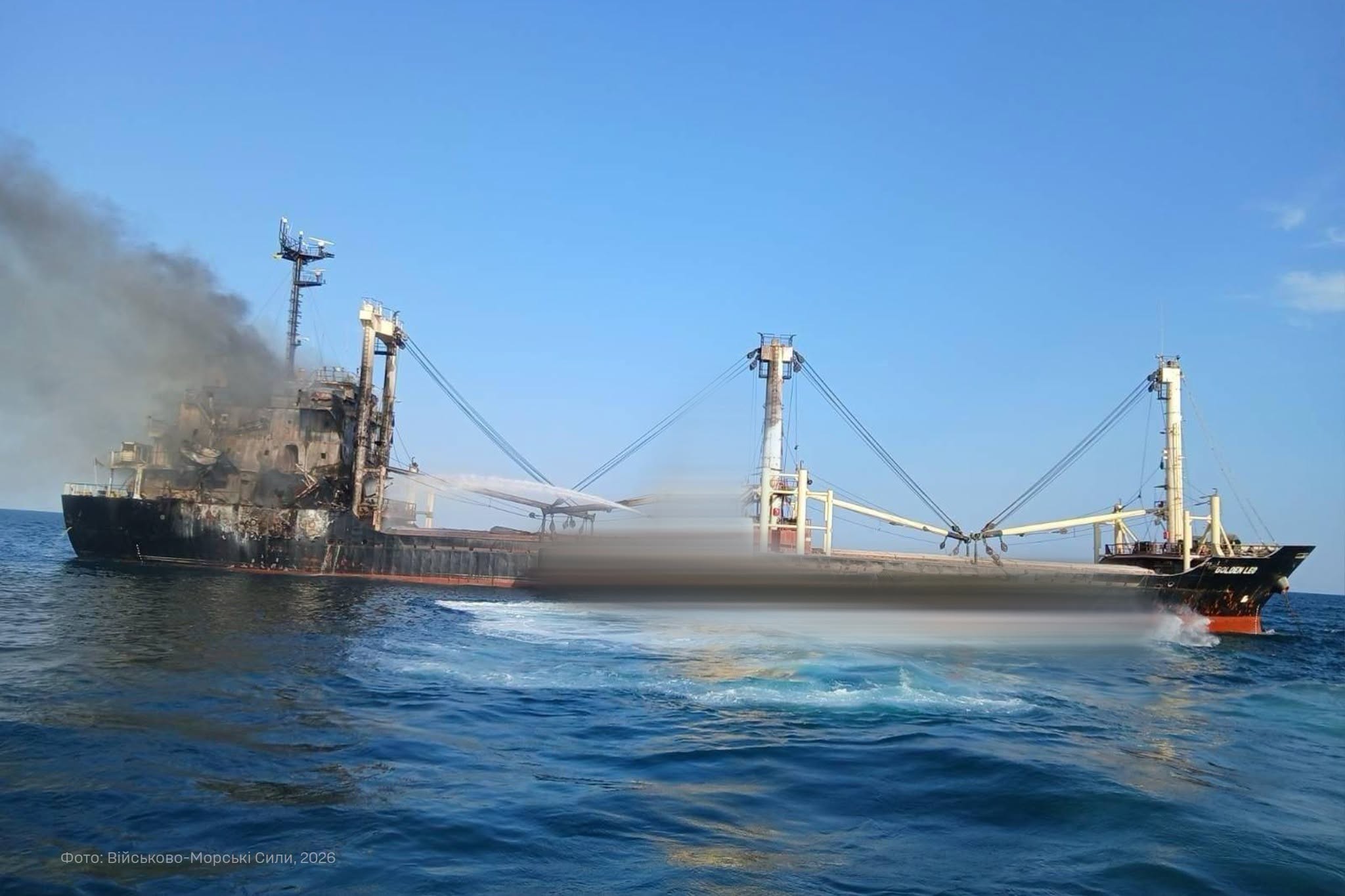
Yet nothing has been formally closed. The deadliest strike came on 19 July, when Russian missiles hit the Golden Leo, a Turkish-owned bulk carrier, as it left Odesa loaded with grain, a strike killing 10. The corridor remains officially open. The harvest has fewer ways out.
Just three months after blocking it, the European Union has cleared raw Russian sable pelts to return to its market, according to Euractiv. The reversal sits inside the sanctions package Brussels adopted last week, after Italy and Greece pushed for the exemption. Coats made from the fur stay barred from the bloc.
The EU first hit Moscow with sanctions over its 2014 seizure of Crimea, then rolled out numbered packages every few months after the 2022 full-scale invasion to choke the revenue bankrolling the war, even as analysts keep debating how fast the measures actually bite. Russia uses export revenue to help finance its all-out war against Ukraine.
A reprieve tucked into the toughest package yet
The bloc had caught sable in its sanctions net only in April. Now the exemption rides inside the 21st package of measures Brussels adopted last week, the round it promoted as its heaviest economic hit on Moscow to date. The change appears in the bloc's published sanctions text.
Euractiv says the European Commission defended the carve-out on supply grounds. It argued that Russia dominates the global sable market and that European makers have few alternative suppliers.
"Apparently, it's very difficult to get them anywhere else," a senior EU official told Euractiv.
The sable is a small carnivorous animal from the forests of northern Asia, and its pelt is considered exceptionally soft and prized by luxury fashion houses. A single coat can run into the hundreds of thousands of euros.
An EU diplomat told Euractiv that Italy and Greece drove the lobbying, the two biggest buyers of Russian pelts inside the bloc.
Explore further
EU adopts largest sanctions package on Russia: 218 names and 100+ banks and crypto platforms among those on the list
Coats stay out as Europe debates its own farms
The sanctions still block finished fur garments in both directions — barred from entering the bloc and from reaching Russian buyers, The EU’s wider luxury-goods restrictions also cover products such as diamonds and caviar. Greece's fur producers, clustered around Kastoria and Siatista, fought those wartime measures in 2022, warning they would kill the industry.
It lands as Brussels weighs a bloc-wide ban on its own fur farming, after a citizens' initiative demanded an end to the practice. Only a few EU countries, including Spain, Greece, Hungary, Finland, and Poland, still have active fur farms.
Russia’s strikes on civilian cargo ships have brought traffic through Ukraine’s Black Sea grain corridor—the route that carries the overwhelming share of the country’s farm exports—to a near-standstill at the peak of harvest.
Traders are buying less grain from farmers, prices are climbing, and Ukraine’s state railway has begun restricting grain shipments to Odesa’s ports. The UN Security Council meets on 27 July at Kyiv’s request.
This is not a blanket shutdown. The orders name specific shipments and destinations, and they hold until further notice.
Russian strikes drive the ships away
The corridor has not been formally closed. Shipowners simply stopped sending vessels in. Agriculture Minister Taras Vysotskyi said four or five ships entered Ukraine’s ports on 21 July and none by 22 July—the owners’ own decision, he stressed, not any Ukrainian restriction on navigation, he told Latifundist.
What stopped them was a run of Russian missile and drone strikes on the ships themselves. Foreign Minister Andrii Sybiha said no vessel passed through the corridor on 22 July and that Russia had bombed at least three civilian cargo ships in the preceding days, killing and wounding dozens of crew.
“Russia is holding global food security hostage,” Sybiha wrote, comparing the campaign to Iran’s targeting of energy routes in the Strait of Hormuz.
The deadliest single strike came on 19 July, when three cruise missiles hit the Golden Leo, a Turkish-owned bulk carrier, as it left Odesa loaded with grain, killing ten.
Explore further
Ten dead as Russia strikes a Turkish-owned bulk carrier off Odesa
Over the past month, Russian strikes have damaged 28 ships bound to or from Greater Odesa’s ports, about 11–12% of the traffic, killing 21 seafarers and wounding 34, according to Andrii Klymenko’s tally at the Institute of Black Sea Strategic Studies monitoring group.
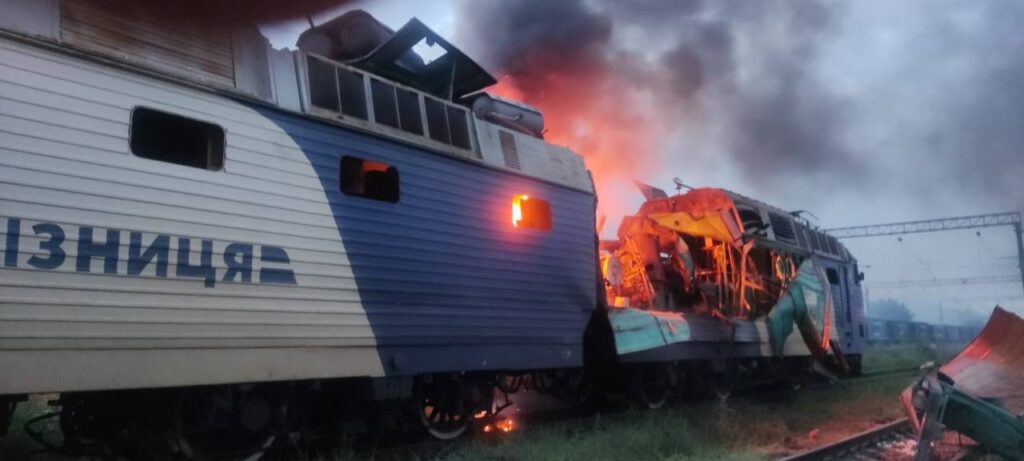
The image shows a train in Ukraine on fire, hit by a Russian drone. Source: Oleksii Kuleba
The disruption reaches Ukraine’s railways
Ukraine’s state railway has restricted grain shipments to Odesa’s ports, its restriction register shows. All freight to the Chornomorska-Export station serving the Odesa Port Plant was halted from 24 July. Barley bound for Louis Dreyfus Commodities Ukraine, one of the country’s three largest grain exporters, was restricted from 25 July, and wheat for the same firm from 26 July.
This is not a blanket shutdown. The orders name specific shipments and destinations, and they hold until further notice. The register gives no reason or volume, and Ukrzaliznytsia has not linked the orders to the shipping stoppage.
The squeeze on farmers predates the rail orders. Ukrainian traders were already cutting purchases from growers by 15 July, S&P Global reported, and one market source put cancellations at 30–40% of the shipowners due to call in late July and early August. “We won’t be trading as vessels cannot arrive at the port,” one Ukrainian seller told S&P Global.
Prices moved. December wheat on the Chicago exchange gained about $17 a metric ton in the week to 17 July, reaching $257, with the Black Sea escalation named as one of the drivers, AHDB reported. Russia and Ukraine together are forecast to supply more than 30% of the world’s wheat exports in 2026/27.
Who pays if the grain stops moving
Prolonged disruption would land hardest far from Ukraine. Egypt bought 2.4 million metric tons of Ukrainian wheat between July 2025 and February 2026; with Algeria and Indonesia, it took 60% of Ukraine’s wheat, while China, Türkiye, Libya, and Saudi Arabia bought 80% of its barley, USDA figures show.
The overland and river routes cannot make up the difference. Low water levels are limiting the Danube, Vysotskyi told Delo, and nothing can replace Ukraine’s deepwater ports in the medium term. If the delays hold, he said, Ukraine may have to store an extra 10 to 12 million metric tons of grain it cannot ship.
Par l’entremise de Charle-Édouard D’Astous, la Fondation Pierre-Luc Dubois a remis 20 équipements de hockey à des jeunes de Sainte-Anne-des-Monts, le 24 juillet dernier, quelques semaines après la tenue de son tournoi de golf au Club Bic-sur-Mer.
Le défenseur rimouskois du Lightning de Tampa Bay a récemment rejoint les rangs de la Fondation, qui cherche à rendre la pratique du hockey plus accessible aux jeunes par le prêt et la remise d’équipements.
La Fondation a remis pour plus de 80 000 $ en équipements neufs au cours de la dernière année dans la région et prévoit poursuivre ses efforts au même rythme au cours de la prochaine année.
Son tournoi de golf, présenté le 8 juillet au Club Bic-sur-Mer, a d’ailleurs permis d’amasser 72 000 $ en 2026. L’événement porte maintenant le nom de Tournoi de golf Dubois/D’Astous.
La Fondation Pierre-Luc Dubois conserve toutefois son appellation. L’organisme, qui a pris la relève de la Fondation Vincent Lecavalier en 2020, travaille également avec la Fondation Le But afin de récupérer et de redistribuer des équipements de hockey et d’aider davantage de jeunes à pratiquer ce sport.
Les camions et voitures pourront désormais l’emprunter pour circuler entre Windsor, en Ontario, et Détroit, au Michigan.
Le pont, de 2,5 km, est doté de:
6 voies de circulation
16 voies de péage
Une voie pour piétons et cyclistes ouvrira le 5 août.
Le pont doit son nom à Gordie Howe, un célèbre joueur canadien de l’équipe de hockey des Red Wings de Détroit.
La cérémonie d’inauguration du pont, vendredi, était uniquement canadienne.
La semaine dernière, à la suite de l’imposition de nouveaux tarifs américains, le gouvernement fédéral avait annulé une cérémonie conjointe avec les États-Unis.
Russia hit a civilian grain ship, waited, and hit it again. A Russian Shahed drone struck a Palau-flagged vessel carrying corn twice as it left a port in Odesa Oblast, setting it on fire, Ukraine's Minister for Restoration, Infrastructure and Transport Mykola Kalashnyk said. Two sailors are missing, and seven crew members and a Ukrainian pilot were rescued.
The double strike on a grain carrier is the maritime edge of Russia's campaign against Ukraine's food exports. The ship was carrying almost 2,800 tons of corn when it was hit as it left the port, and after the strikes, a fire broke out on board.
The State Border Guard Service, which carried out the rescue, reported that the vessel was leaving the mouth of the Danube bound from a Ukrainian port to Greece with nine crew and a pilot aboard when the Shahed hit it, then struck again, the second blast causing a large fire.
This is a deliberate attack on the civilian shipping that carries Ukrainian grain to world markets, and it fits a Russian campaign that has made ports and merchant ships a target through July.
"Russia continues deliberate attacks on civilian shipping and Ukraine's port infrastructure," Kalashnyk said.
The rescue pulled eight from a burning ship
The border guards' maritime security units rescued eight people after the double drone strike, the State Border Guard Service said. The sailors reacted quickly to the distress signal and evacuated eight from the burning vessel, all delivered to safety, with medics monitoring their condition.
The search continues for two crew members who went into the water after the first blast. The two accounts differ slightly on the totals, as they do in the first hours after any strike: Kalashnyk cited seven crew plus a Ukrainian pilot rescued, while the border guards counted eight evacuated. Both agree that two sailors are missing and a search-and-rescue operation is underway. What is confirmed is that a civilian grain ship was struck twice, caught fire, and lost two of its crew to the sea.
The strike is the maritime front of the grain war
The attack extends a campaign that has hammered Ukraine's grain export capacity through July.
From 11 to 15 July, Russian strikes hit three Greater Odesa ports and the merchant ships anchored there, cutting the region's grain-export capacity by roughly a third, according to Reuters. Odesa's ports carry more than 90% of Ukraine's agricultural exports.
Le Rimouskois Mathis Bourbonnais a finalement déclaré forfait en vue de la 72e Traversée internationale du lac Saint‑Jean.
L’ex-membre du Club de natation les Dauphins a souffert d’un virus, quelques heures avant de prendre le départ de l’épreuve d’endurance de 32 kilomètres, disputée ce samedi entre Péribonka et Roberval.
En 2026, la traversée réunissait 24 nageurs de partout à travers le monde.
À 21 ans, Bourbonnais aura certainement la chance de se reprendre.
Taiwan is stepping up plans to secure fuel and other vital imports as Chinese government ships practice moves that could one day be used in a blockade.
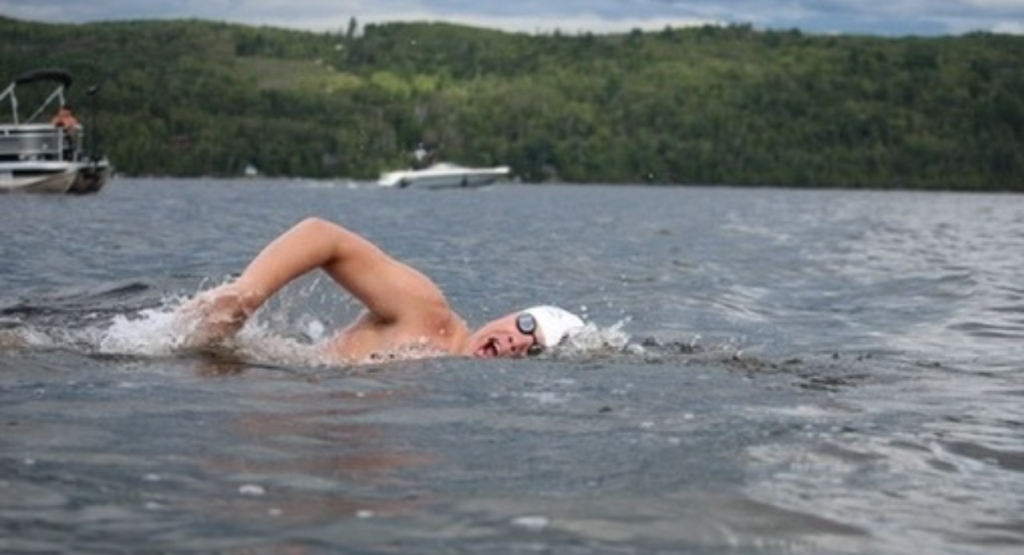
Le Rimouskois Mathis Bourbonnais fait partie des 24 athlètes inscrits, ce samedi 25 juillet, à la 72e Traversée internationale du lac Saint‑Jean.
La compétition réunira des nageurs de 11 pays pour affronter les 32 kilomètres séparant Péribonka et Roberval.
En moyenne, la Traversée internationale du lac-Saint-Jean attire autour de 25 athlètes, dont certains des plus titrés au monde, notamment le Bulgare Petar Stoychev, vainqueur à 11 reprises entre 2001 et 2011.
Parmi les inscrits cette année, Bourbonnais prendra le départ samedi à 8 h.
« C’est un peu stressant et excitant en même temps. C’est un gros événement, très impressionnant, surtout avec les athlètes qui viennent de partout dans le monde. Il y a 11 pays représentés. C’est très gros comme événement ici au Québec », explique-t-il.
Préparation physique et mentale
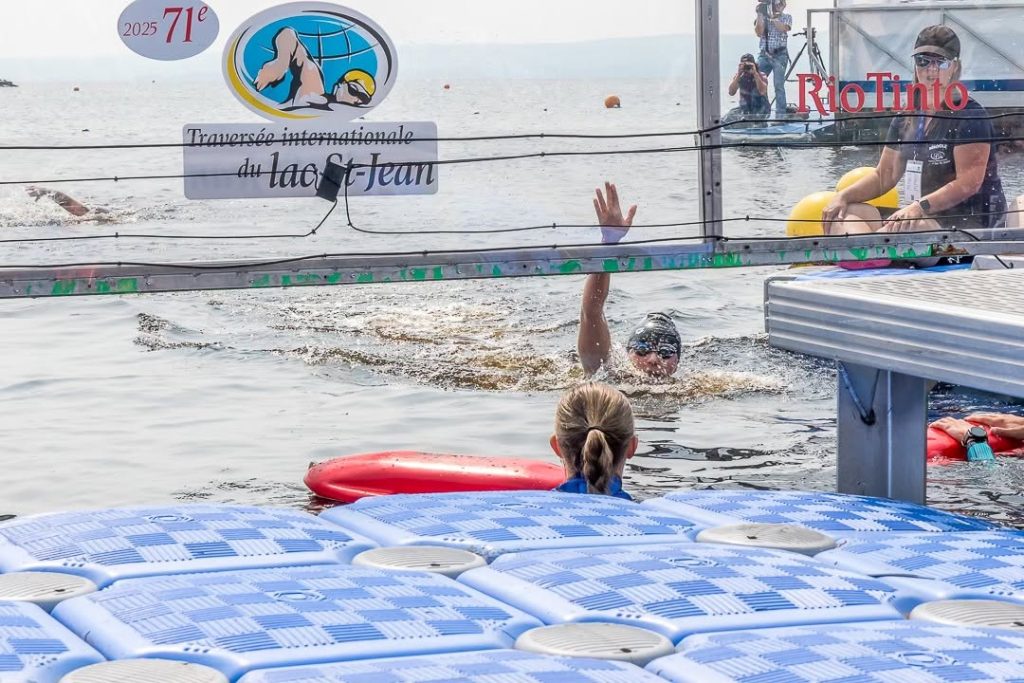
L’arrivée d’un nageur lors de la Traversée internationale du lac Saint-Jean, en 2025. (Photo courtoisie)
Habitué aux longues distances, Mathis Bourbonnais s’appuie sur ses expériences antérieures, dont une traversée de 38 km au lac Témiscouata en août 2023. « Avec mes dernières traversées, je suis déjà habitué face à ce genre d’épreuve. »
Sa préparation physique s’est concentrée sur le volume d’entraînement. « C’est vraiment juste beaucoup d’entraînement, beaucoup de millage. J’ai fait un test au Témiscouata avec 16 kilomètres parcourus » indique l’athlète rimouskois.
Il précise ne pas avoir eu de préparation particulière à effectuer pour la température de l’eau. « Je suis très résistant au froid », précise le nageur de 21 ans.
Inscription de dernière minute
Son inscription n’était pas prévue au départ « Ça a été vraiment dernière minute. Ce n’était pas du tout prévu dans mon été. »
Un ancien gagnant de la Traversée internationale du lac Saint-Jean, Robert Lachance, avec qui Mathis Bourbonnais s’entrainait, l’a convaincu de faire le grand saut.
« Il a mentionné directement aux organisateurs que j’avais fait quatre fois le Marathon de la relève, soit une épreuve de 10 kilomètres présentée la veille de la traversée. Ils ont ensuite communiqué avec moi pour m’inviter officiellement. J’ai pris un petit moment pour y réfléchir, parce que ce n’était pas planifié, mais je me suis dit : pourquoi pas, je vais m’inscrire », raconte-t-il.
Bourbonnais ne se fixe aucun objectif pour l’épreuve de samedi. Il envisage toutefois un retour plus structuré à l’entraînement par la suite. « J’aimerais recommencer plus sérieusement cette année pour probablement réessayer de refaire la traversée l’été prochain. »
La 27e édition du festival Fort Causap, Au Royaume du Saumon, se déroulera jusqu’au dimanche 26 juillet, au parc Lapointe de Causapscal.
Par Véronique Bossé- Initiative de journalisme local- L’Avant-Poste
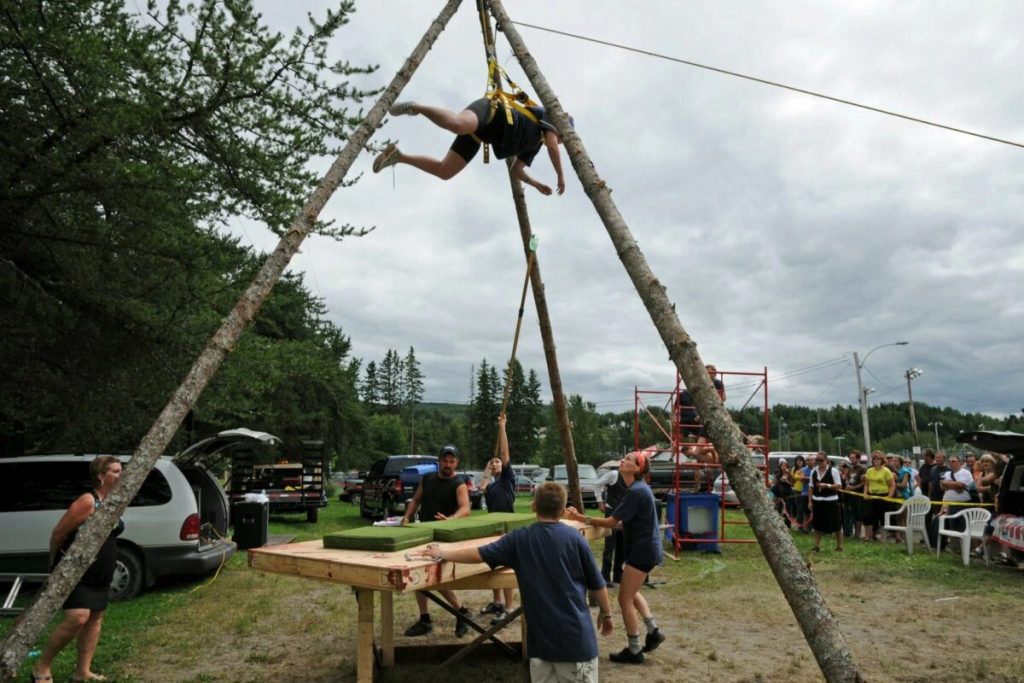
Au cours de l’événement, 24 équipes s’affronteront lors d’épreuves à l’image de Fort Boyard. Ces épreuves, qui sont physiques, intellectuelles ou les deux, sont créées à 100 % par des bénévoles.
« Il y a une douzaine d’épreuves par demi-journée. Le samedi matin compte 12 épreuves, où 12 équipes vont s’affronter. L’après-midi, même chose. Par la suite, je pense que ce sont les 14 meilleures équipes qui s’assurent une place pour le dimanche, qui compte alors 14 épreuves. Donc, à tour de rôle, les épreuves prennent entre 15 et 20 minutes chacune », expliquait la présidente de l’événement, Jessie Pilote, en entrevue avec L’Avant-Poste le mois dernier.
Les trois premières équipes et celle avec le meilleur esprit d’équipe obtiennent leur laissez-passer pour l’édition suivante.
En plus d’avoir deux équipes de plus qu’à l’habitude en 2026, le comité organisateur ajoute un premier tirage 50/50 à sa programmation. Le tirage prendra fin le dimanche 26 juillet à 23 h 55 et le gagnant sera dévoilé le lendemain. La moitié du montant accumulé servira à soutenir le festival.
Programmation
La soirée rock, avec entrée payante, se tiendra le jeudi dès 20 h avec Hair Nation, suivi de AlcoholicA à 22 h. Le vendredi soir fera place au country. L’entrée payante permettra d’assister au spectacle de Francis Degrandpré à 21 h, puis au spectacle de Phil Lauzon (Bearded édition) à 23 h.
Le samedi, l’accès au site est gratuit de 7 h à 18 h. Des activités familiales prendront place pendant la journée, en même temps que les épreuves. Le dévoilement des équipes finalistes aura lieu lors de la soirée festive, pour laquelle l’entrée est payante. Le dévoilement sera suivi du spectacle de Classe Moyenne à 21 h et du spectacle d’Alter Ego à 23 h.
Le dimanche sera semblable au samedi : l’accès au site sera gratuit de 7 h à 18 h et des activités familiales prendront également place dans la journée. Le début des épreuves des équipes finalistes se fera à 12 h 30.
La soirée de clôture, avec entrée payante, commencera à 20 h avec le dévoilement des équipes gagnantes. Le spectacle de Lendemain de veille, à 20 h 30, viendra conclure le tout.
Tous les détails de la programmation sont disponibles en ligne, sur la page Facebook Fort Causap, Au Royaume du Saumon.
Maude Charron vise une troisième médaille d’or consécutive aux Jeux du Commonwealth, disputés du 23 juillet au 2 août à Glasgow, en Écosse, après ses victoires de 2018 et de 2022.
L’haltérophile rimouskoise était montée sur la plus haute marche du podium à Gold Coast, en Australie, il y a huit ans, où elle avait établi un record des Jeux à l’épaulé-jeté en soulevant 122 kg.
En 2022, à Birmingham, en Angleterre, Charron a remporté une deuxième médaille d’or consécutive en établissant trois nouveaux records des Jeux chez les 64 kg : 101 kg à l’arraché, 130 kg à l’épaulé-jeté et un total de 231 kg.
« Ça me prend une motivation pour aller vers de troisièmes Jeux. Ça semble simple quand on est rendus là-bas, mais le chemin est très, très, très difficile. Je ne ferme pas la porte, je n’ouvre pas la porte », avait-elle confié à notre collègue Félix Ledoux, de Radio-Canada, en août dernier, lors des Championnats d’haltérophilie du Commonwealth.
À cette occasion, Charron a dominé l’épreuve des 63 kg en totalisant 230 kg, loin devant ses plus proches rivales, tout en établissant la meilleure performance de l’histoire de cette catégorie lors de ces championnats.
Championne olympique chez les 64 kg aux Jeux de Tokyo, en 2021, elle est remontée sur le podium à Paris, en 2024, en remportant la médaille d’argent dans la catégorie des 59 kg.
Les nageurs des Dauphins de Rimouski ont remporté six médailles et fracassé cinq records de club lors du Grand Prix du Québec, une compétition en piscine extérieure disputée du 14 au 17 juillet au parc Jean-Drapeau, à Montréal.
Anaé Cassista a signé les meilleures performances rimouskoises chez les moins de 13 ans en remportant la médaille d’argent au 100 mètres brasse ainsi que les médailles de bronze au 200 mètres brasse et au 200 mètres quatre nages.
La jeune athlète s’est qualifiée pour les finales des sept épreuves auxquelles elle était inscrite. Cassista en a également profité pour établir un nouveau record des Dauphins au 100 mètres brasse grâce à un temps de 1:17.16.
Hugo Brouillet a décroché deux médailles de bronze au 50 mètres et au 100 mètres brasse chez les 16-17 ans. Il a également battu les records de l’Est-du-Québec et des Dauphins au 100 mètres brasse avec un chrono de 1:05,49.
Les athlètes des Dauphins de Rimouski présents au Grand Prix de Montréal. (Photo courtoisie)
Chez les 18 ans et plus, Emma Ducharme a remporté l’épreuve du 50 mètres dos. Elle a aussi établi de nouveaux records de l’Est-du-Québec et des Dauphins au 50 mètres papillon en réalisant un temps de 28,30 s.
Au total, 359 athlètes représentant 57 clubs du Canada et un club des États-Unis ont participé au Grand Prix du Québec, dont huit nageurs des Dauphins de Rimouski.
Wheat in Chicago is at a two-year high, and southern Russia is bringing in its best harvest in years—yet Russian farmers are heading into the season earning less, not more.
Ukraine’s drone campaign in the Sea of Azov closed the Kerch Strait to shipping on 10 July, trapping the route that carries a quarter of Russia’s grain and sunflower-oil exports. Export duties and soaring logistics skim what still moves, and the grain piling up in full elevators is crushing prices at home while the world price climbs out of reach.
Russia is now heading for its weakest July wheat exports in nine years.
“Farmers should be receiving payment for half or all of their wheat harvest and putting that money back into circulation. But there is no one to sell to.”
Ural-Don agricultural holding president Alexander Yaroshenko
The weakest July in nine years
Russia may export 1.5 million tons of wheat this July—half its five-year average for the month and the lowest July volume since 2017, the SovEcon analytical center forecast on 20 July, its second cut in a week after analysts had already reduced July estimates by 13–20%, Kommersant reported.
The IKAR agricultural institute expects under two million tons. Both name the same main cause: navigation limits through the Kerch Strait, beyond which a quarter of Russia’s grain and sunflower-oil exports ship, according to SovEcon, with weak demand from Egypt and Türkiye adding pressure.
Russia shut the strait on 10 July after Ukrainian drones struck vessels across the Sea of Azov, including tankers—a closure Moscow imposed on itself because the water had become too dangerous to cross.
Explore further
Russia halts Don-Azov Channel shipping, closes Kerch Strait after Ukrainian tanker strikes
The backlog is already physical: grain exports down the Don River—27% of Russia’s grain exports last season—have stopped entirely, elevators at the Don ports are full, and agreed export contracts are collapsing because cargo cannot ship, industry figures told the Rostov business outlet Gorod N.
“Active trading should be picking up right now. Farmers should be receiving payment for half or all of their wheat harvest and putting that money back into circulation. But there is no one to sell to,” Ural-Don agricultural holding president Alexander Yaroshenko told the outlet.
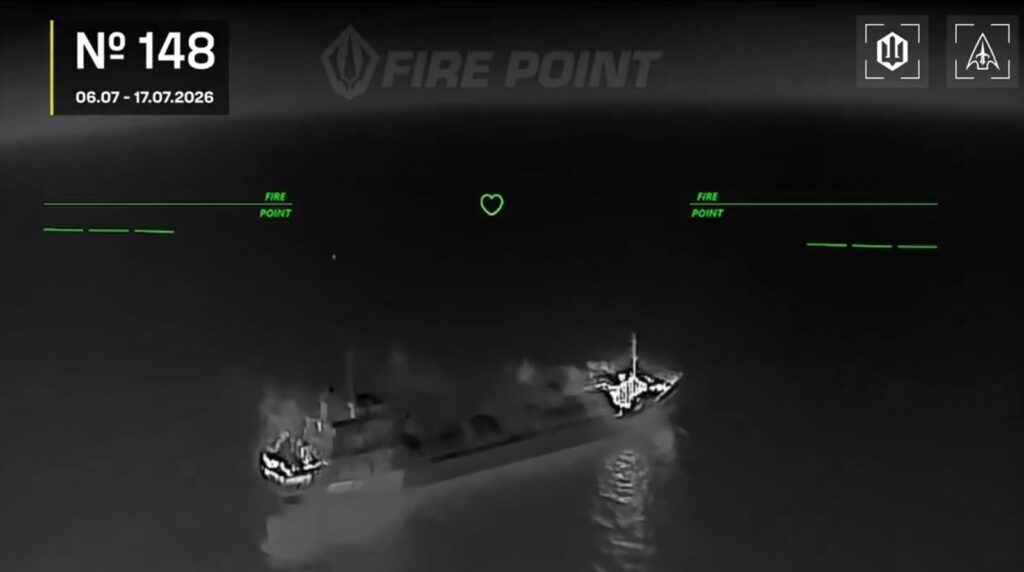
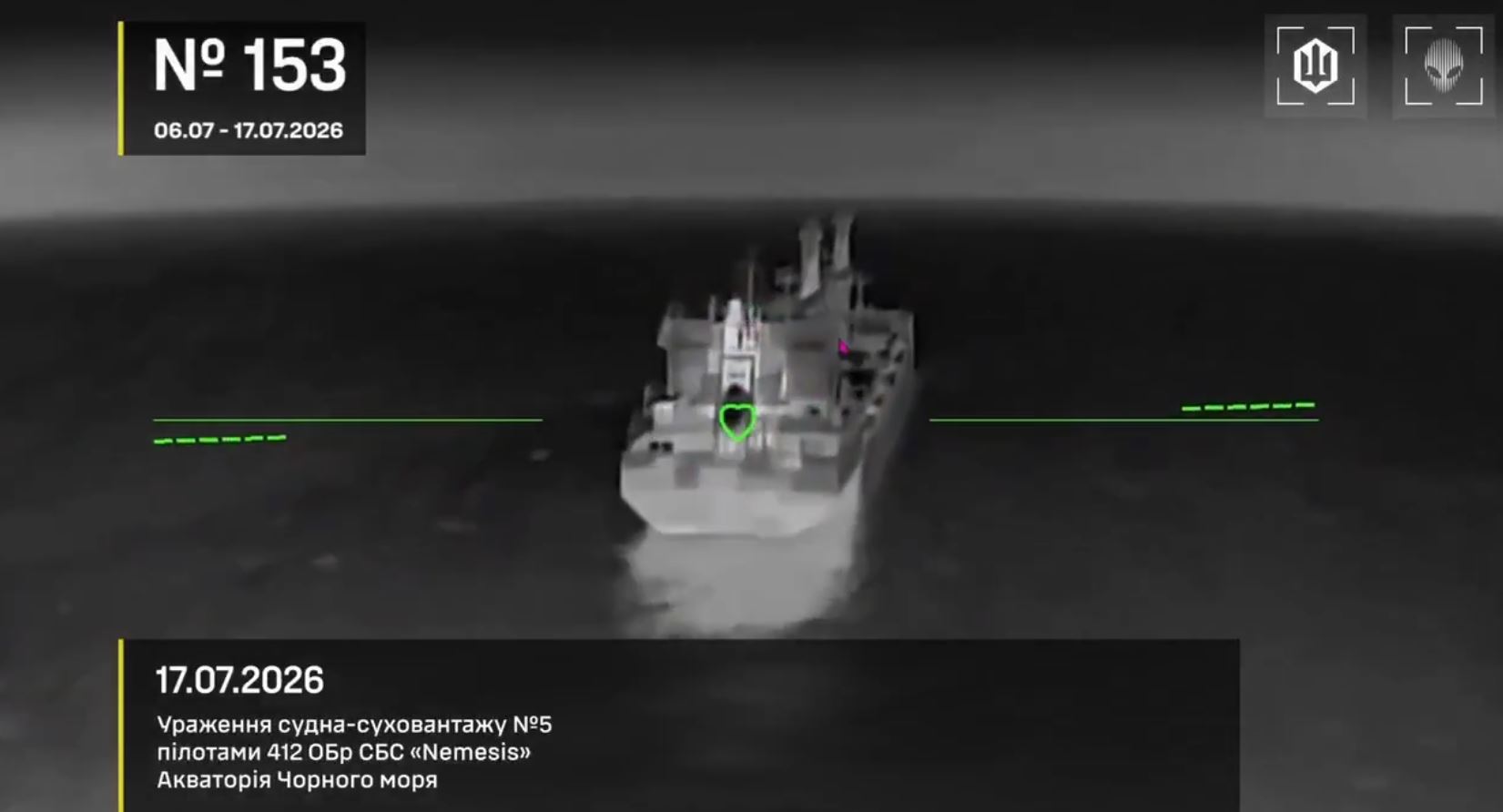
A drone strikes one of Russia's shadow-fleet bulk carriers in the Black Sea, recorded from another ship, on 17 July 2026. Screenshot from video: Exilenova+
The price rally Russia cannot collect
September wheat in Chicago gained more than 10% in a week, touching two-year highs, while Paris wheat hit a 17-month high, SovEcon director Andrei Sizov noted. “The market is starting to understand this is not the typical short-lived Black Sea rally,” the Financial Times quoted him as saying—this time, export estimates for both Russia and Ukraine may be cut substantially.
The Ukrainian half of that warning is already happening. Russia struck back at Ukraine’s grain gateways the same week: massed attacks on Chornomorsk on 10–12 July forced Kernel, Ukraine’s largest grain exporter, to halt terminal operations, with about 45,000 tons of wheat and 9,000 tons of sunflower oil lost or damaged—leaving Ukraine’s deep-water grain exports with almost nowhere to go.
Explore further
Russia’s port strikes leave Ukraine’s grain with almost nowhere else to go
Both of the Black Sea’s grain suppliers are choked at once—the reason, in Sizov’s reading, is that the market has stopped treating this as a passing rally.
The tension raises world prices, and the money goes to Russia’s competitors. Russian farmers are fenced off from their own rally twice—a floating export duty skims the price above them, and logistics costs climb as grain hunts for other routes. Ruble prices will stay under strong pressure, Sizov wrote on Telegram.
Why rerouting does not save the season
Russia’s deep-water ports beyond the strait can ship 4–4.5 million tons of grain a month—enough for July, but at the season’s peak in August through October, Russia normally ships 5–6.5 million tons a month, Sizov calculates on Telegram.
The industry agrees from the ground: the Black Sea ports cannot physically handle southern Russia’s seasonal volumes, and the railways to them were not built for it, Yaroshenko told Gorod N—while a grain trader told the same outlet that rerouting would jam rail approaches to Novorossiysk for months. The shallow Azov ports are not a convenience; they are the margin between Russia’s export capacity and its harvest.
And this year, the domestic market has more grain than usual to absorb. SovEcon expects the southern crop—grown in exactly the regions that ship through Azov—to rise 17.2% from last year. The best harvest is arriving in the provinces with the most blocked ports.
The long clock
The squeeze works through margins. Falling farm profitability is already cutting sowing—wheat area this year is the lowest since 2014, Forbes reported—and Sizov expects the trend to worsen in 2027.
The market is pricing the decay in real time: Rodnye Polya, once Russia’s largest grain exporter, was sold this month for 11.7 billion rubles ($150 million) to a little-known holding company, and terminal incomes will decline as the grain market’s export potential shrinks, Sizov told Kommersant.
Put together, the mechanism runs in one direction. Blocked ports overfill the domestic market; the surplus crushes the prices farmers live on; falling margins cut next year’s sowing; smaller harvests shrink the exports that made Russia the world’s top wheat supplier. The world, meanwhile, is already paying two-year-high prices to buy its wheat elsewhere—and the longer this runs, the more of Russia’s market share moves to the competitors the rally is enriching.
Russia struck a foreign-flagged civilian bulk carrier with cruise missiles as it left Odesa loaded with grain, killing much of its crew, Ukraine's Navy said. Fire broke out aboard the ship, and a search-and-rescue operation ran through the night to reach survivors. Ukrainian officials condemned the strike as another deliberate attack on unarmed civilian shipping.
Moscow can no longer blockade Ukraine's Black Sea ports, so it bombs the ships and terminals that keep the export route open — a campaign that squeezes Ukraine's single largest source of hard currency and puts the foreign crews sailing the corridor in the line of fire. This comes amid Ukraine's campaign against Russian shipping in the Black and Azov seas.
Three cruise missiles hit the ship as it sailed out
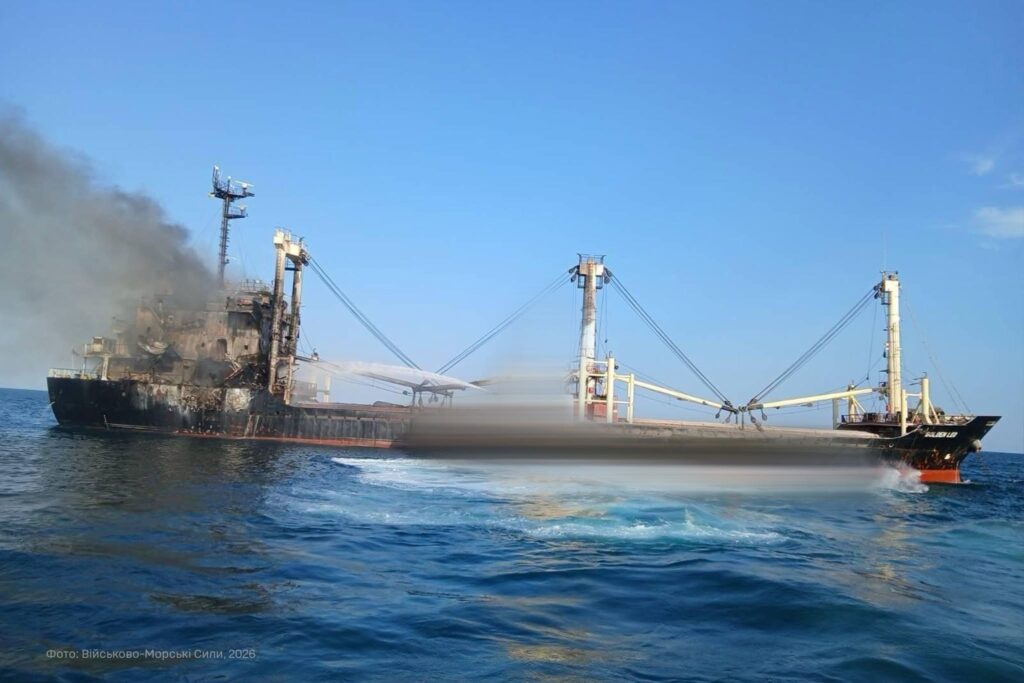
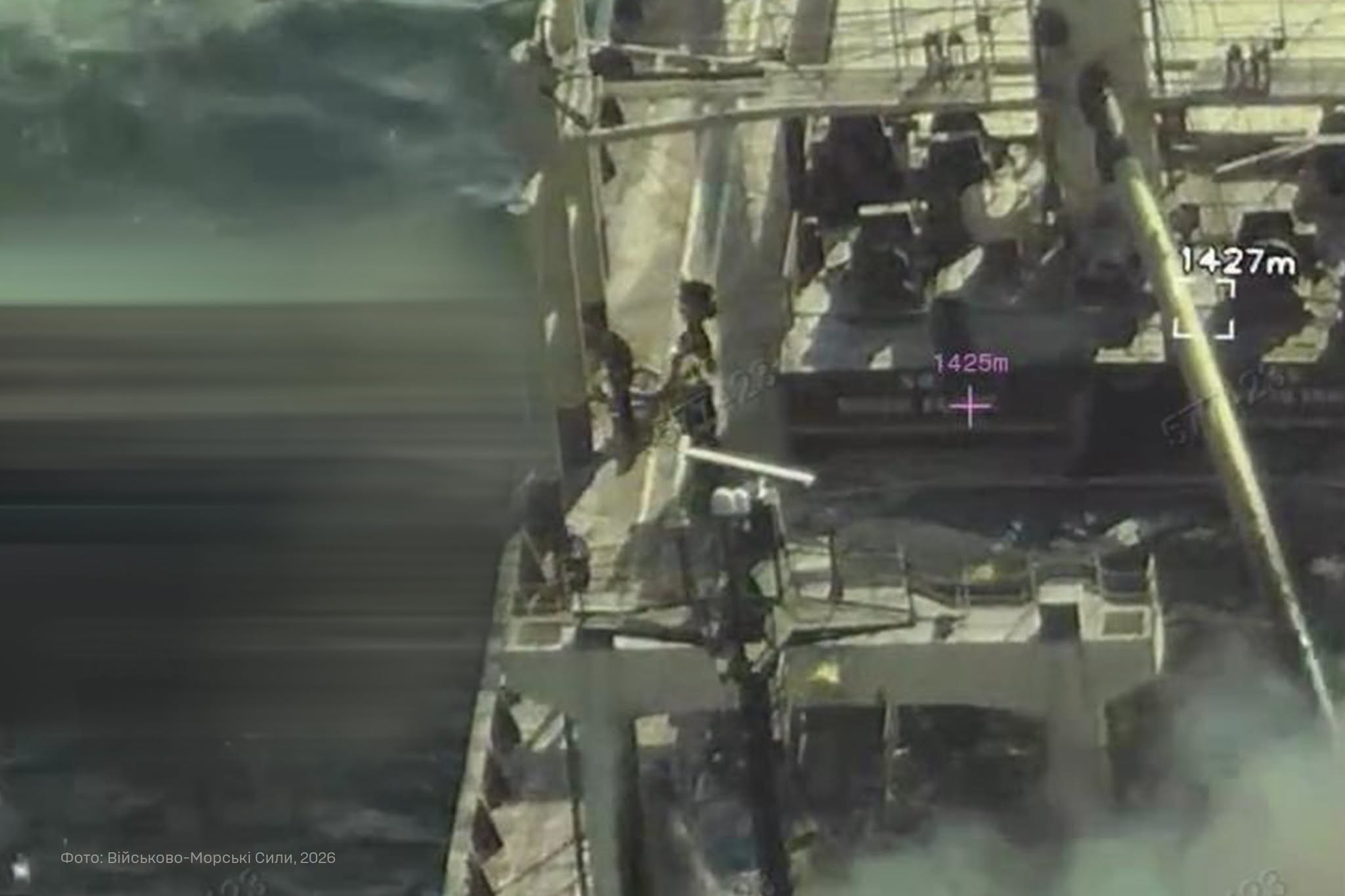
Russian forces fired three Kh-59/Kh-69 cruise missiles at the GOLDEN LEO, a Guinea-Bissau-flagged bulk carrier owned by a Turkish company, as it moved out of the combat zone with a cargo of corn on 19 July, Ukraine's Navy reported. The strike hit the starboard side of the superstructure, and a fire broke out on board.
The burned, smoking superstructure of the GOLDEN LEO after the Russian missile strike, in the Black Sea off Odesa, 19 July 2026. Photo: Ukraine's Navy
The missiles came in from the sea. Ukraine's Air Force warned of Russian missiles approaching Odesa and Chornomorsk from the Black Sea in the late afternoon, minutes before explosions were heard in the city. The ship took serious damage but did not sink, the Odesa outlet Dumska showed in photos from the scene, as tugs and rescue crews fought to keep it afloat.
The toll climbed to 10 overnight, including a Ukrainian sea pilot
The death toll rose through the night. The Ukrainian Sea Ports Authority (USPA) said10 people were killed, among them a Ukrainian sea pilot from its Delta-Pilot branch, and that eight crew members were rescued and brought ashore. A sea pilot boards a vessel to guide it safely in and out of port through difficult or dangerous waters.
Eighteen people were on board: crew members from Syria and India, along with the Ukrainian pilot. Eight of the rescued were taken to an Odesa hospital, two of them injured. By Monday, the USPA said the fire aboard the ship had been contained.
A frame from Navy footage shows the deck of the civilian bulk carrier GOLDEN LEO, struck by Russian missiles in the Black Sea off Odesa on 19 July 2026. Photo: Ukraine's Navy
Ukraine calls it terror against civilian shipping
The Navy says the strike was an act of terror and a violation of the laws of war.
"This is another deliberate Russian strike on an unarmed civilian vessel under a foreign flag that posed no military threat," it said. "The attack is an act of terror against peaceful shipping and a gross violation of international humanitarian law."
Prime Minister Serhii Koretskyi instructed the Foreign Ministry to immediately inform the states whose citizens were affected and Ukraine's international partners. The government and military command are separately preparing measures meant to strengthen the safety of shipping and shield civilian vessels and sailors from Russian attacks.
The strike lands in a month when Russia has been hammering the Odesa ports that carry the overwhelming share of Ukraine's farm exports. Russian forces have repeatedly gone after foreign-flagged ships moving through the maritime corridor, and used Geran-4 drones against grain carriers at Chornomorsk earlier in July.
Explore further
Russia hit two grain-loaded ships under Palau and Barbados flags in Odesa port overnight — grain bunker and administrative buildings also damaged
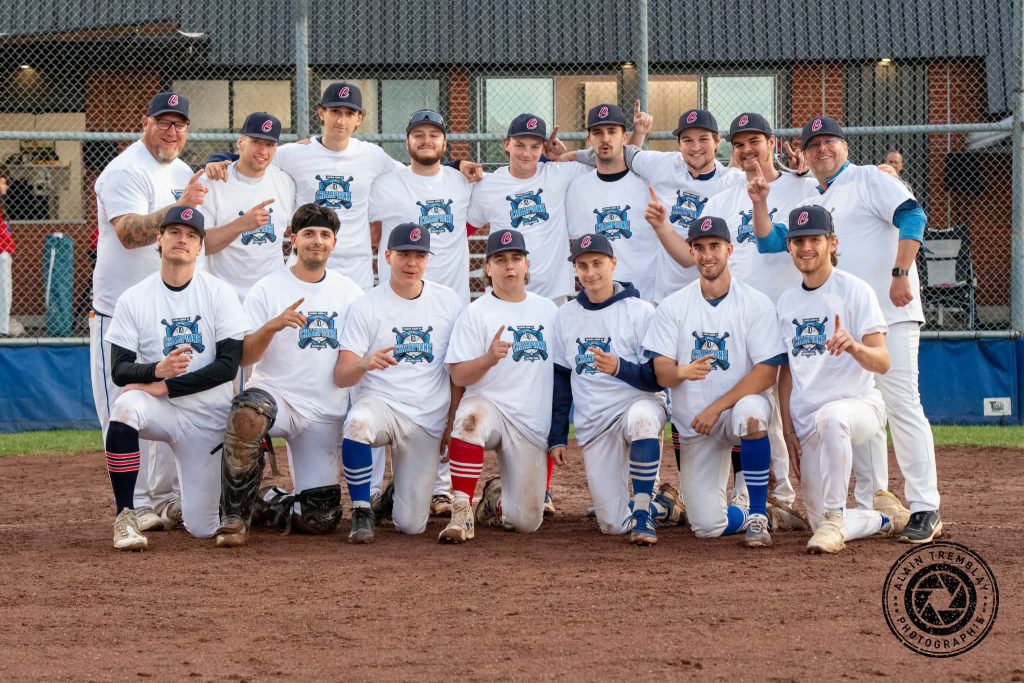
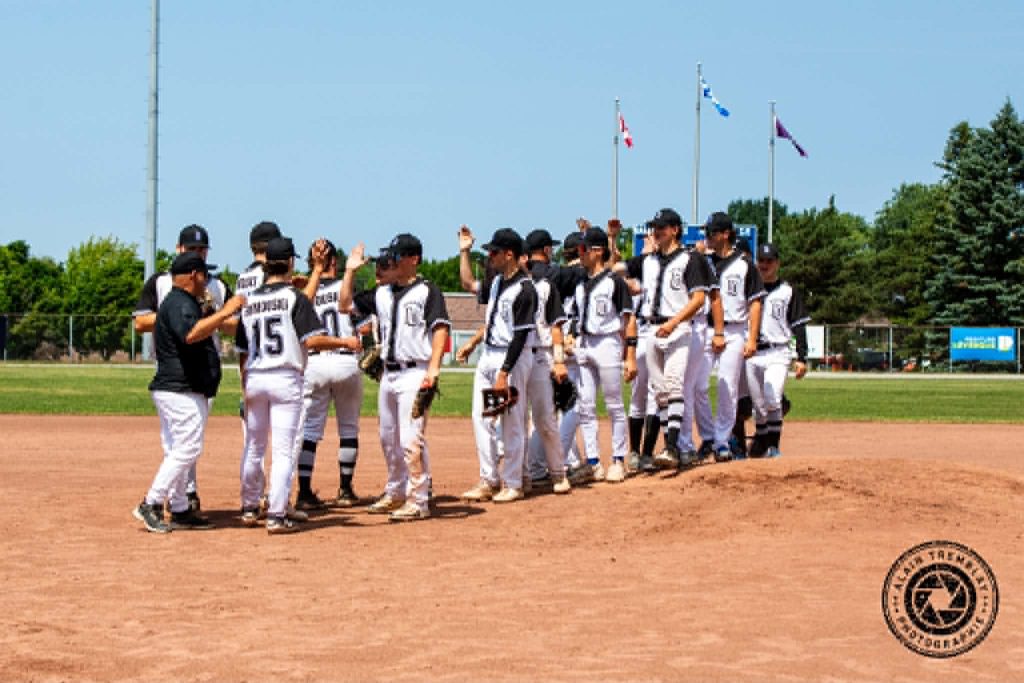
La cinquième édition du Tournoi provincial de baseball junior AA de Rimouski a couronné les Carnavals de la Capitale nationale comme équipe championne, dimanche soir, au Stade du Complexe sportif Guillaume-Leblanc.
Pour les Carnavals, il s’agit d’un copier-coller de leur performance de 2025 quand ils avaient remporté la finale par la marque de 19-6 sur les Monarques des Seigneuries de Lévis.
En finale cette année, ils ont vaincu le Baseball I.D de Rimouski par la marque de 17-3. C’est la troisième fois en cinq ans que l’équipe hôtesse s’incline en finale.
En après-midi en demi-finale, la formation rimouskoise est revenue de l’arrière pour l’emporter 7-6 face au Laurier de Victoriaville. Jakob Tremblay enregistre la victoire en relève. Nolan Dubé s’est signalé avec trois points produits.
Bilan
Dame nature n’a pas été très collaboratrice avec le tournoi. La pluie, qui a commencé à tomber samedi en fin d’après-midi, a rendu la vie difficile aux équipes participantes et au président du tournoi, Luc Jobin. Ce dernier avait joué de prudence, samedi, devançant le premier des quatre matchs de 10 h à 09 h, tout en diminuant le temps de pause entre les parties, afin de maximiser les chances de compléter la journée avant la pluie. Il a gagné son pari.
Dimanche, la première demi-finale a été repoussée de deux heures et les parties ont été diminuées à six manches, si bien que le tournoi a pu se terminer dans des conditions acceptables … ou presque, considérant l’état du terrain détrempé.
« Un bilan satisfaisant, malgré la température. On a dû faire faire quelques pirouettes dans le calendrier, mais les gens ont beaucoup apprécié qu’on puisse se réorganiser. Sur le plan des communications, on a quand même été assez sur le coup », a commenté Luc Jobin.
Son tournoi, le seul au niveau junior AA au Québec, a maintenant cinq ans. « La formule va demeurer. J’ai regardé divers scénarios et ça ne fonctionnerait pas. En même temps, les gens ne se plaignent pas. Ils aiment la formule actuelle, on va la conserver », assure-t-il.
En 2027, le tournoi se tiendra les 16-17-18 juillet.
À compter de demain, les ressortissants étrangers qui auront séjourné en République démocratique du Congo au cours des 21 derniers jours ne pourront plus entrer au Canada.
Cette interdiction ne s’applique pas aux citoyens canadiens ni aux résidents permanents.
Les Canadiens et résidents qui ont récemment séjourné en République démocratique du Congo, en Ouganda et au Soudan du Sud continueront:
d’être évalués à leur arrivée au Canada;
de s’isoler pendant 21 jours.
Depuis le début de l’épidémie, mi-mai, le virus a fait près de 800 morts, essentiellement en République démocratique du Congo.
La cinquième édition du Tournoi provincial de baseball junior AA de Rimouski couronnera son équipe championne, dimanche, au Stade du Complexe sportif Guillaume-Leblanc.Le Baseball I.D est l’une des quatre équipes restantes.
Par contre, les prévisions de la météo ne sont guère réjouissantes. En théorie, les demi-finales doivent se jouer à 10 h et 13 h.
« La première demi-finale sera fort probablement repoussée à midi. Une décision sera prise entre 8 h et 9 h », mentionne Luc Jobin qui a joué de prudence, samedi, devançant le premier des quatre matchs de 10 h à 09 h, tout en diminuant le temps de pause entre les parties, afin de maximiser les chances de compléter la journée avant la pluie. Il a gagné son pari.
MISE À JOUR À 09 H : la première demi-finale se jouera à midi et la seconde (impliquant le Baseball I.D) à 14 h 30. La finale suivra à 17 h.
La première demi-finale opposera les Carnavals de la Capitale nationale aux Seigneurs élites junior AA de Lanaudière. Suivra, l’affrontement entre le Baseball I.D de Rimouski et le Laurier de Victoriaville.
Les deux demi-finales pourraient être ramenées de sept à six manches afin de présenter la finale en début de soirée.
C’est la victoire pour le Baseball I.D, samedi après-midi (Photo : Alain Tremblay)
La formation rimouskoise a accédé à la demi-finale en vertu d’une belle victoire de 2-0 sur les Monarques de Lévis-Lotbinière, samedi. Olivier Proulx a offert une très solide performance au monticule avec un match complet, n’accordant que cinq coups sûrs, aucun but sur balles avec sept retraits sur des prises. Il a eu besoin de 96 lancers, dont 70 prises, et a profité d’une défensive très efficace.
Alexandre Bérubé a fait produire le premier point de son équipe sur un optionnel, le second étant marqué sur le même jeu à la suite d’une erreur.
Vendredi, le Baseball I.D avait disposé de Saint-Pascal par la marque de 14-2.
Ukraine's drones widened their assault on Russia's sanctions-dodging shadow fleet overnight on 17 July, hitting 12 more vessels in the Black Sea, according to Unmanned Systems Forces commander Robert "Madyar" Brovdi. The same night, drones struck occupied Kerch and Berdiansk, and satellites logged fires at Crimea's main rail hub as the campaign to cut the peninsula off from Russia pressed on.
Oil is the financial engine of Russia's war, and through 2026, Ukraine has turned cheap drones into a blockade of that revenue at both ends—the refineries that turn crude into cash and the tankers that move it—while tightening the noose around occupied Crimea. Each vessel struck forces Moscow to defend a maritime supply chain it once treated as low-risk, and each fire at Kerch's rail yard narrows the routes left to feed the peninsula—raising the cost of holding Crimea even as no single strike decides the war.
Twelve more ships in a single night
Brovdi saidhis operators hit nine dry-cargo ships, one tanker, one gas carrier, and one tug in the Black Sea. The strikes ran under the codename MoLoChKa, a Ukrainian term for dairy products.
Ukraine hit 12 more Russian shadow-fleet ships in the Black Sea—the 12-day total is now 159
Ukraine's Unmanned Systems Forces (SBS) struck 12 more vessels of Russia's sanctions-dodging shadow fleet in the Black Sea on 17 July, commander Robert "Madyar" Brovdi said. The day's… pic.twitter.com/N1GBbK0VWe
He put the 6–17 July total at 159 vessels of Russia's shadow fleet across both seas. Of those, 117 were hit in the Sea of Azov and 42 in the Black Sea.
A Ukrainian drone closes on a Russian dry-cargo ship, logged as the 153rd vessel hit, during Unmanned Systems Forces strikes in the Black Sea overnight on 17 July 2026. Screenshot from video: Robert "Madyar" BrovdiA drone strikes one of Russia's shadow-fleet bulk carriers in the Black Sea, recorded from another ship, on 17 July 2026. Screenshot from video: Exilenova+
Brovdi vowed the operation would run without end. Moscow will fall, he wrote, promising Ukraine would "feed and rebuild" Crimea once the peninsula is retaken.
The campaign earlier targeted the small feeder tankers that carry Russian oil down the Volga-Don Canal and across the Azov Sea to waiting export ships, now, in the Black Sea, it switched to larger ocean-going tankers and bulk carriers. In the Black Sea, the 17 July haul ran mostly to dry-cargo ships.
A fireball on the horizon caught by a CCTV camera on an occupied Crimea or from Russia's black Sea coast beach during overnight drone strikes on 17 July 2026. Screenshot: Supernova+
A day earlier, the Security Service of Ukraine's Mamai sea drones struck two shadow-fleet crude tankers in the same waters. The wider drive has already pushed the fight out of the Azov shallows and into the open Black Sea.
While the ships burned at sea, drones hit occupied Crimea from about 21:40 until morning, the monitoring Telegram channel Krymsky Veter reported. Residents heard explosions in at least Kerch, Simferopol, Feodosia, and Yevpatoria.
By morning, OSINT channels recorded a cluster of fires at Kerch's railway station, near the Crimean Bridge, and NASA FIRMS satellite data confirmed a blaze in the area, the monitoring channel Exilenova+ said. Early reports pointed to burning warehouses, rail wagons on the tracks, and possibly the Kerch oil depot and the Kerchenska electrical substation, though none of that was confirmed.
Monitoring channels also logged a fire near Shchebetivka, by the Koktebel substation, after drones reportedly struck a pumping station and the 110/35/6 kV facility there.
Crimea's supply lines under strain
The Kerch rail yard has grown critically overloaded as Ukrainian strikes hammer the peninsula's rail network. Two days earlier, occupation authorities in the northern city of Dzhankoi restricted mobile service to 16 hours a day amid power disruptions.
Reports of drone attacks and explosions continued throughout the night in Kerch. NASA FIRMS detected a fire near the Kerch railway station. pic.twitter.com/gydmLBgnwS
In occupied Berdiansk, Zaporizhzhia Oblast, Ukrainian strike drones hit energy infrastructure, sparking a fire, Exilenova+ said in a separate overnight report, sharing a video of the resulting fire.
A very toasty Russian-occupied Berdyansk airfield post Ukrainian ATACMS strike last night.
 Connexion








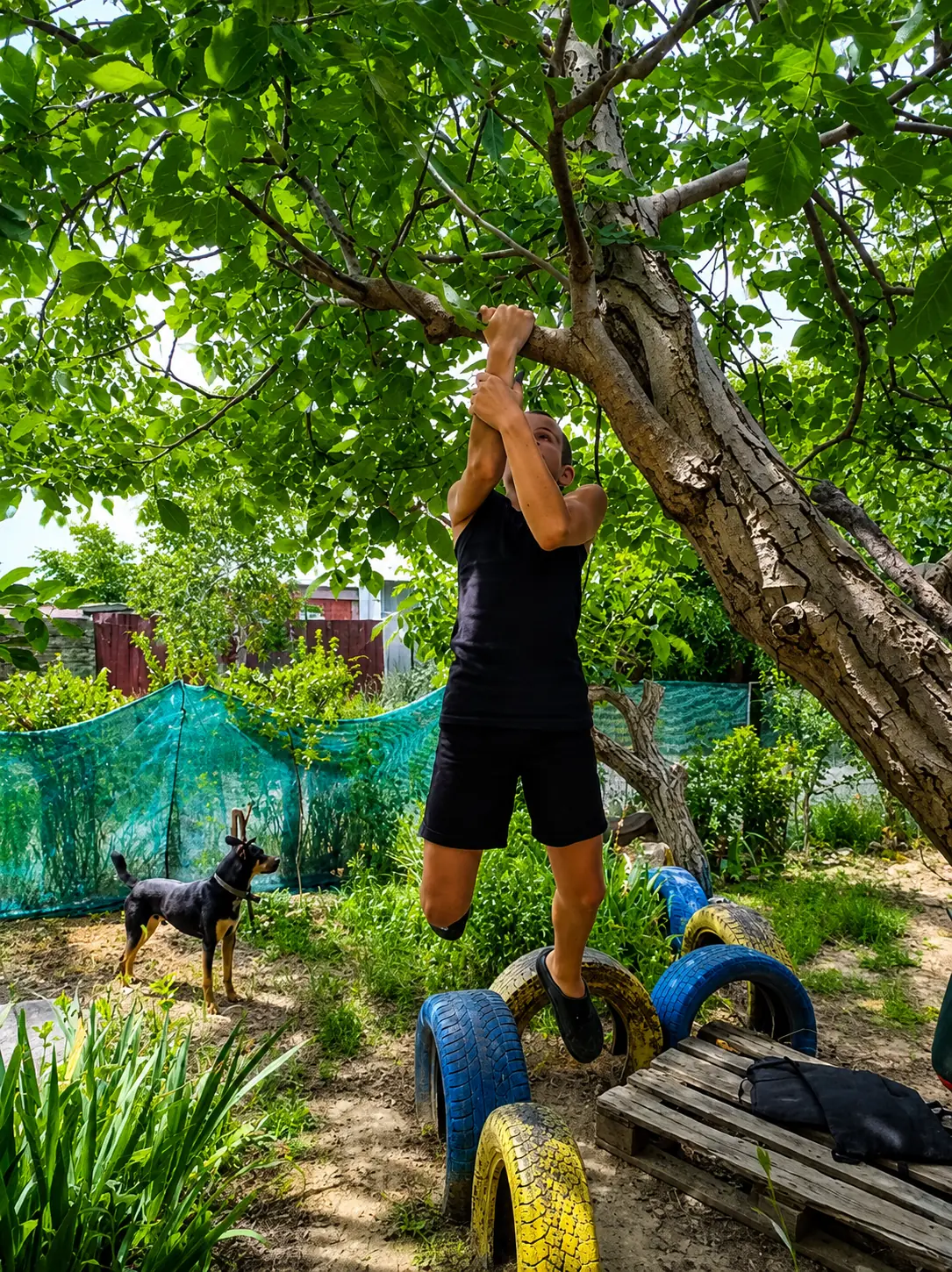
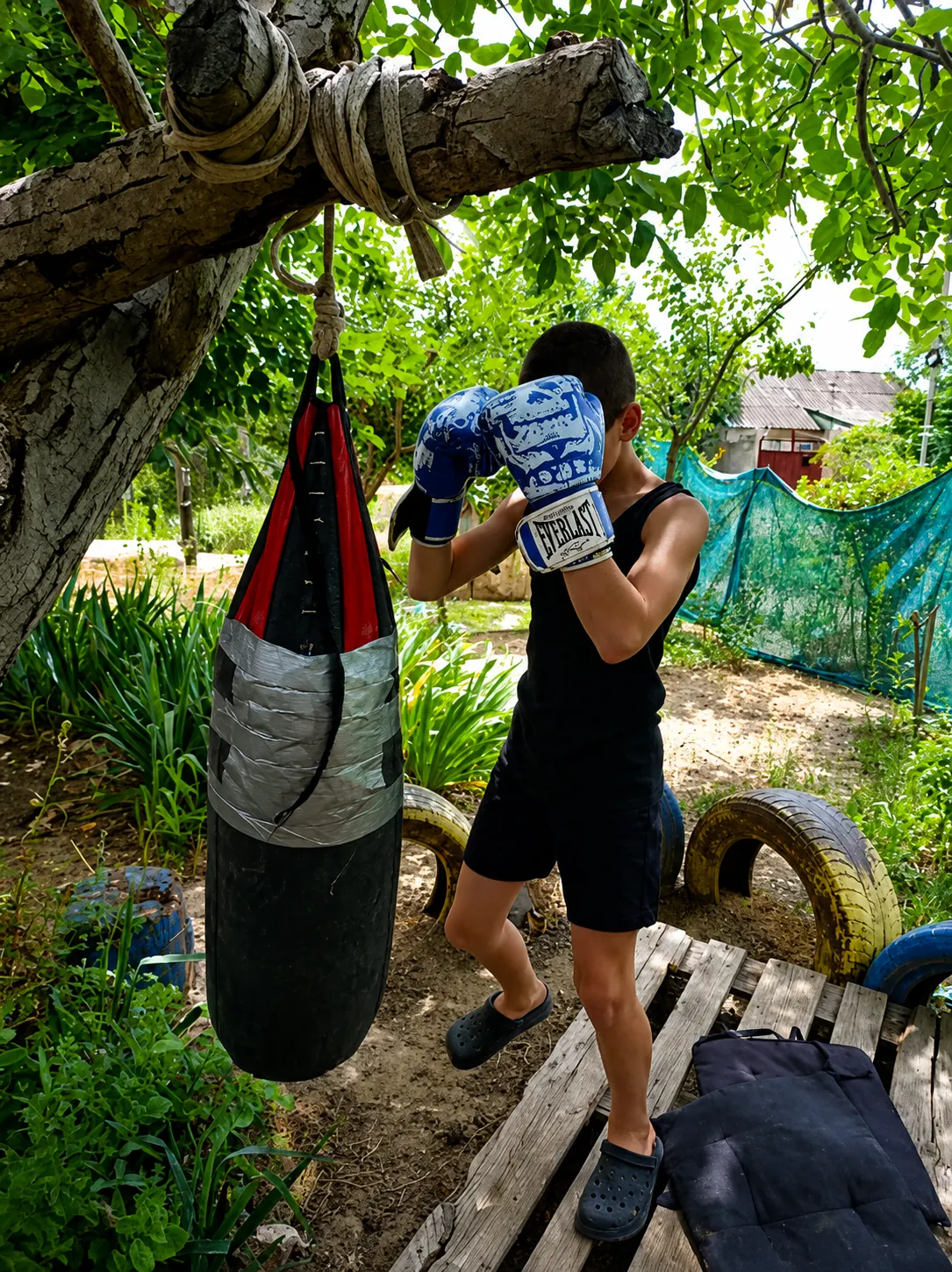

Kherson: a Russian shell destroyed the last boxing gym in Kherson, where children and teens trained.
(@ZarinaZabrisky) July 25, 2026
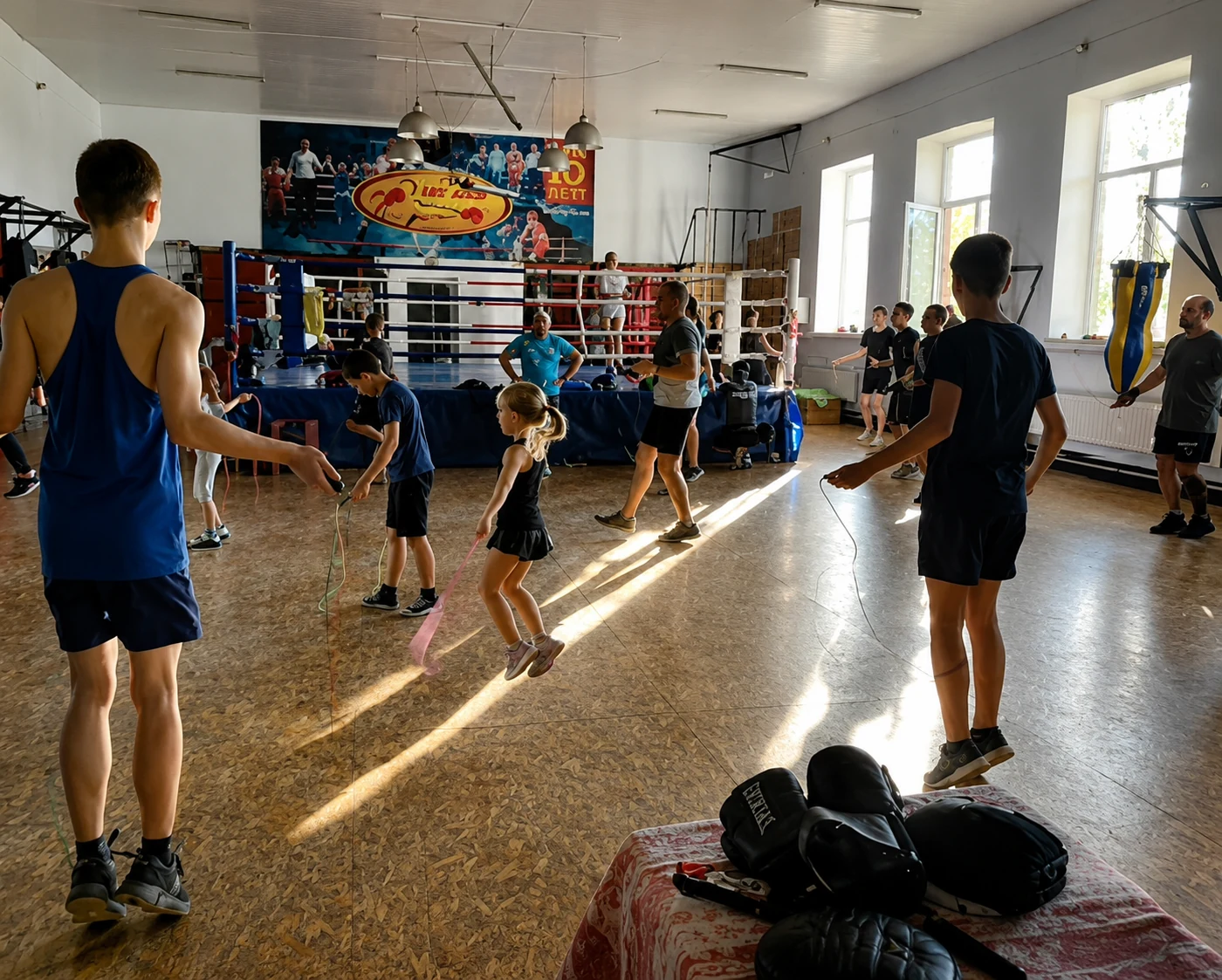
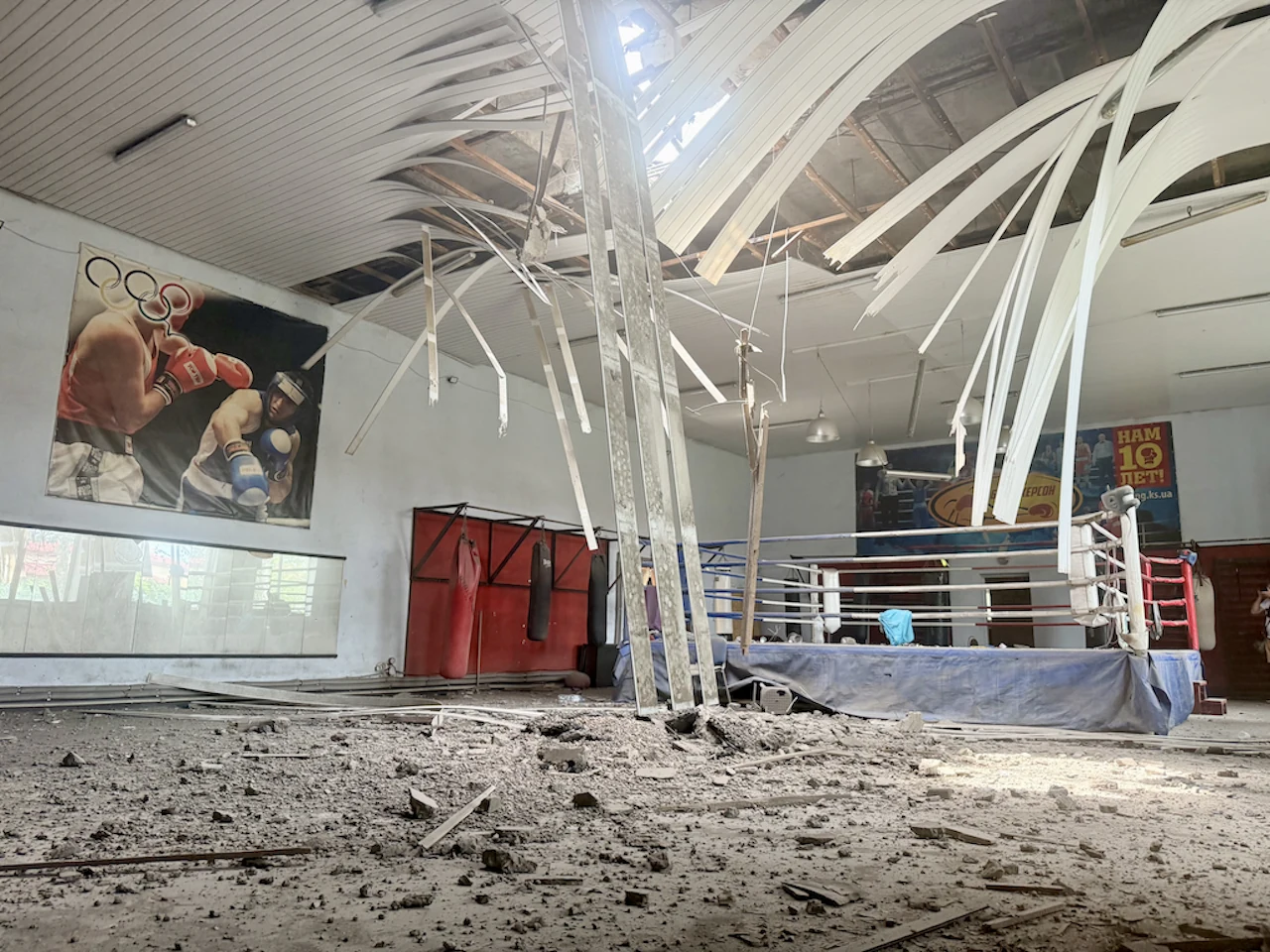
Serhii Kirsanov, Ukrainian sprint canoeist (Olympic silver medal in the K-4 1000 m event at the 1988 Summer Olympics, multiple World Championships winner) and his wife Luiza survived a Russian Shahid drone attack in Kherson.