❌

Vue normale

  • ✇Euromaidan Press
  • Ukraine is downing Russia’s fastest drones—just not often enough, and scaling up comes down to money
    Ukraine is stitching together a layered answer to Russia's faster, jet-powered Shahed drones, leaning on electronic jamming, fighter jets, and a new class of homegrown interceptors, RBC-Ukraine reported. Each tool has limits, and the new interceptors still bring down only the occasional jet drone. The bottleneck now is money and factory output, not ideas. Russia is pouring faster jet-powered drones into the air war as winter nears, a campaign Western analysts say is meant to wear Ukrain
     

Ukraine is downing Russia’s fastest drones—just not often enough, and scaling up comes down to money

1 octobre 2026 à 07:20

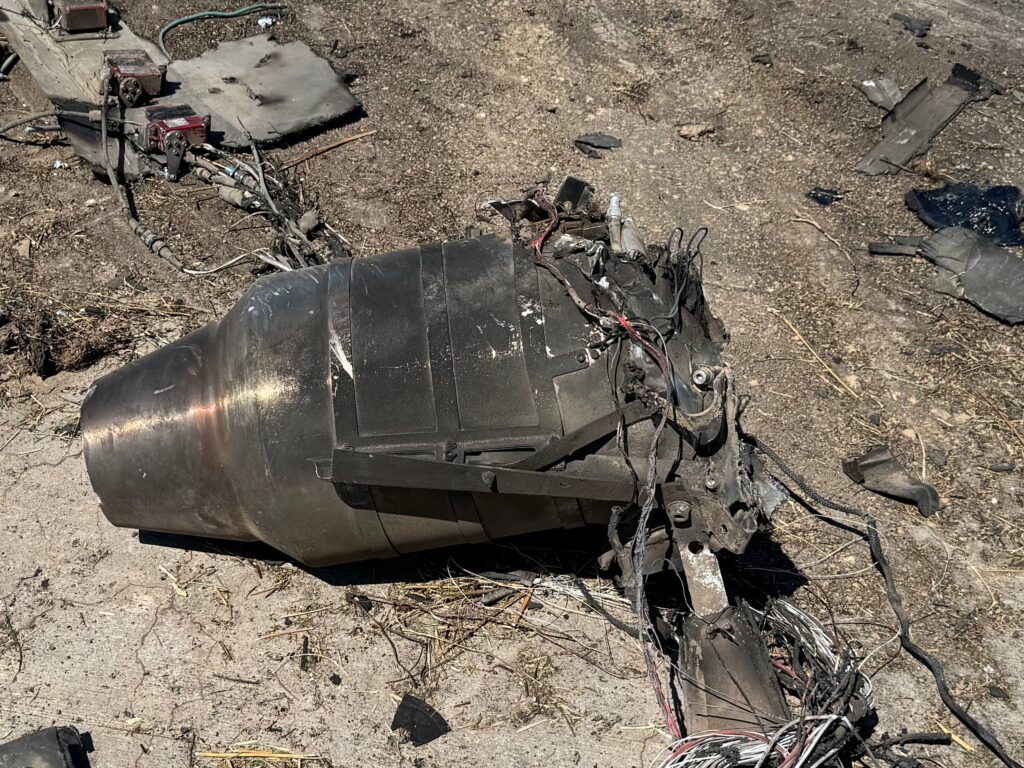
The image shows a fragment of a Russian drone Geran-4 in Kyiv Oblast. Source: Serhii "Flash" Beskrestnov

Ukraine is stitching together a layered answer to Russia's faster, jet-powered Shahed drones, leaning on electronic jamming, fighter jets, and a new class of homegrown interceptors, RBC-Ukraine reported. Each tool has limits, and the new interceptors still bring down only the occasional jet drone. The bottleneck now is money and factory output, not ideas.

Russia is pouring faster jet-powered drones into the air war as winter nears, a campaign Western analysts say is meant to wear Ukraine's defenses down—and holding those skies now turns on which side can keep out-producing the other's cheap weapons.

Fighter jets help, but they run on imported rounds

Electronic jamming can work against some of the drones, and Ukraine is also sending combat aircraft up after them. But aviation has a catch: the jets need air-to-air missiles and cannon rounds, and for the F-16 and Mirage those are imported and not always in stock. Flying over Kyiv adds danger to the civilians below and to the pilots, so Ukraine would rather catch the drones out on the approaches.

New interceptors are landing hits—just not enough

The newest piece is a wave of Ukrainian interceptor drones built to chase the jet versions, which fly three times faster than the propeller Shaheds. Ukrainian crews have been downing the jet Gerans in a recent run: on 19 September, presidential adviser Serhii Beskrestnov, known as Flash, confirmed one Geran-5 shot down, and in late September, operators of the National Guard's Separate Artillery Brigade brought down a Geran-4 with the Bullet interceptor made by General Cherry, the first Geran-4 that drone has downed, Ukraine's National Association of Defense Industries said. Ukrainian President Volodymyr Zelenskyy said several prototypes have proven themselves in combat.

Geran-5 in the sights of a STING S interceptor drone.
Explore further

Russia is now wiring its attack drones into one network in flight, so a single drone can scout, strike, and relay for the rest

Across all methods, Ukraine now intercepts about 57% of the jet drones Russia launches, Zelenskyy said on 28 September—a rate that has climbed but still trails the 90%-plus it manages against slower Shaheds. Kills by the new interceptors specifically remain isolated. In August, Air Force spokesperson Yurii Ihnat said jet drones can make up as much as two-thirds of the drones in some raids—though not every time. One promising route is reworking Ukraine's own long-range strike drones into interceptors. Kyiv is in talks with partners over the money; on 28 September, Ukraine's Defense Minister Yevhenii Khmara asked the EU to help finance the interceptors so enough reach the front quickly.

Hitting the launch sites and jamming the controls

Ukrainian forces strike the Russian airfields the jet drones launch from, RBC-Ukraine's sources said, though the raids have not forced Russia to abandon the attacks. On 20 August, military intelligence hit drone storage and launch sites at Primorsko-Akhtarsk, one of the launch bases RBC names, and at occupied Donetsk airfield. Ukraine also keeps going after the Belarusian relay towers Russia strings into a mesh network to steer the drones in, RBC's sources said.

Russia is now wiring its attack drones into one network in flight, so a single drone can scout, strike, and relay for the rest

30 septembre 2026 à 15:20

Geran-5 in the sights of a STING S interceptor drone.

Russia is wiring its long-range attack drones together by a mesh network in flight and buying pricier, higher-resolution cameras for them, Ukraine's Air Force reported on 29 September. Its spokesperson said one drone could serve as a scout, strike drone, and relay for the rest, which is why they often fly one behind another over long distances. Chains of them keep crossing near the Belarus border, UkrInform reports.

For Ukraine, the danger in each such upgrade is arithmetic: the more Russia networks cheap, once-disposable drones and pushes its control links away from the front, the harder they become to jam or shoot down, and the more of them reach the cities they are aimed at.

Sharper, pricier eyes

Ihnat said on a national broadcast that Russia is sourcing higher-quality materials and raising the resolution of its drone cameras. The cameras it buys are increasingly expensive and higher-quality, he said, which lets its operators study the ground in fine detail and use each drone for a specific purpose.

On a mesh network, he said, the drones talk to each other and hand the control signal back toward the operator, so no single link has to carry it alone.

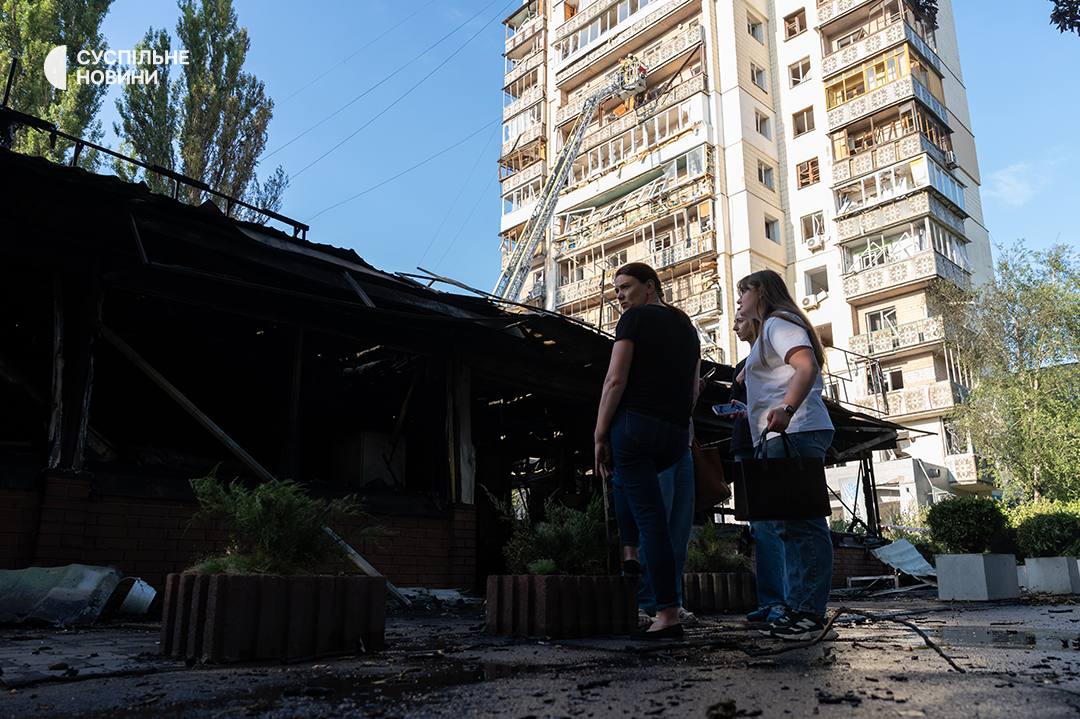
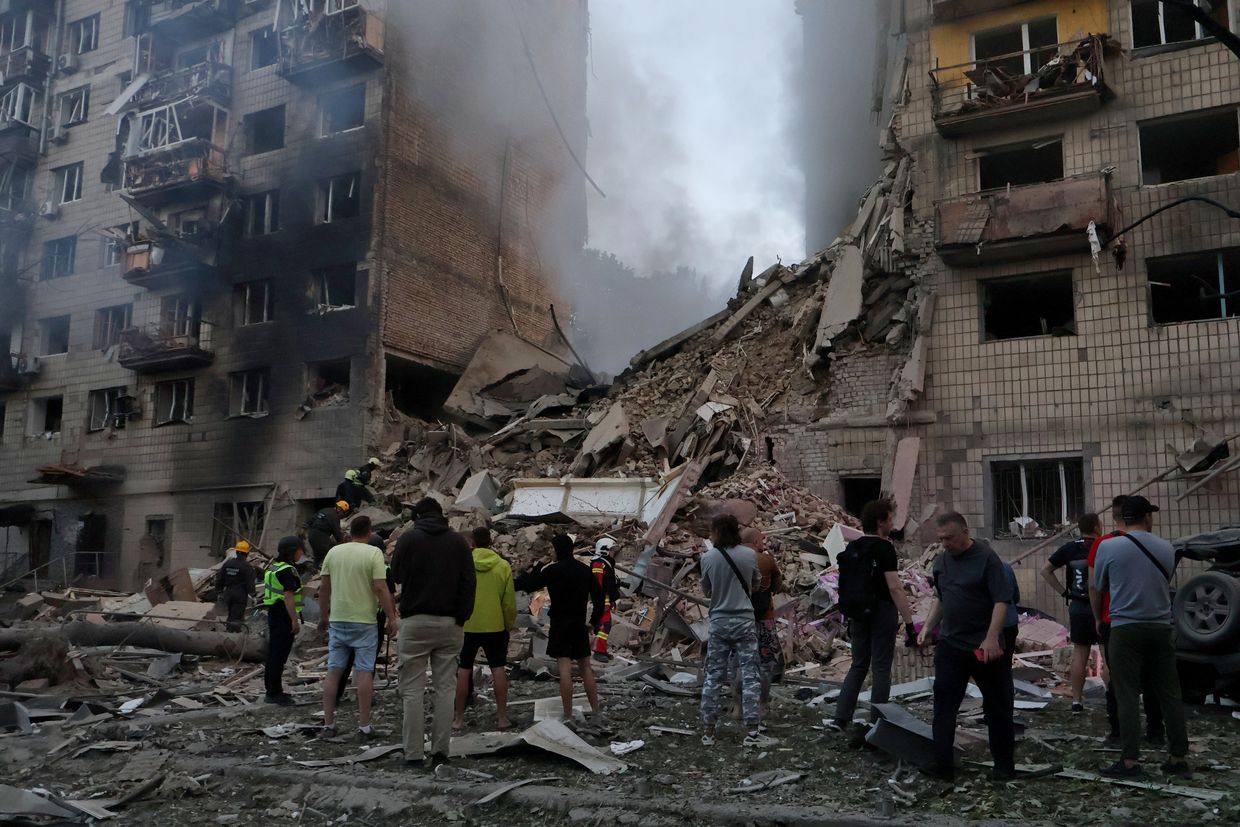
Aftermath of a massive Russian ballistic missile attack in Kyiv's Lukianivka district, 19 July 2026. Photo: Suspilne
Explore further

Russia is mapping everyday targets across Kyiv, from trolleybus depots to Zhuliany airport, top monitoring channel says, ahead of next ballistic strike

Chains along the Belarus border

Asked about relays operating out of Belarus and about Russia's guidance of jet-powered Shaheds, the exploding drones it fires in swarms, Ihnat said Moscow had already claimed its satellite network was ready. He confirmed mesh networks are in use and said their use was quite dangerous. Ukraine has no information yet on whether Russia is using towers, he said.

It often sees drones crossing long distances in chains along the Ukrainian-Belarusian border, so nothing can be ruled out, but intelligence would have to confirm whether such relays exist. Asked whether Russia is preparing a fresh ballistic strike, he said intelligence would warn when extra vigilance is needed.

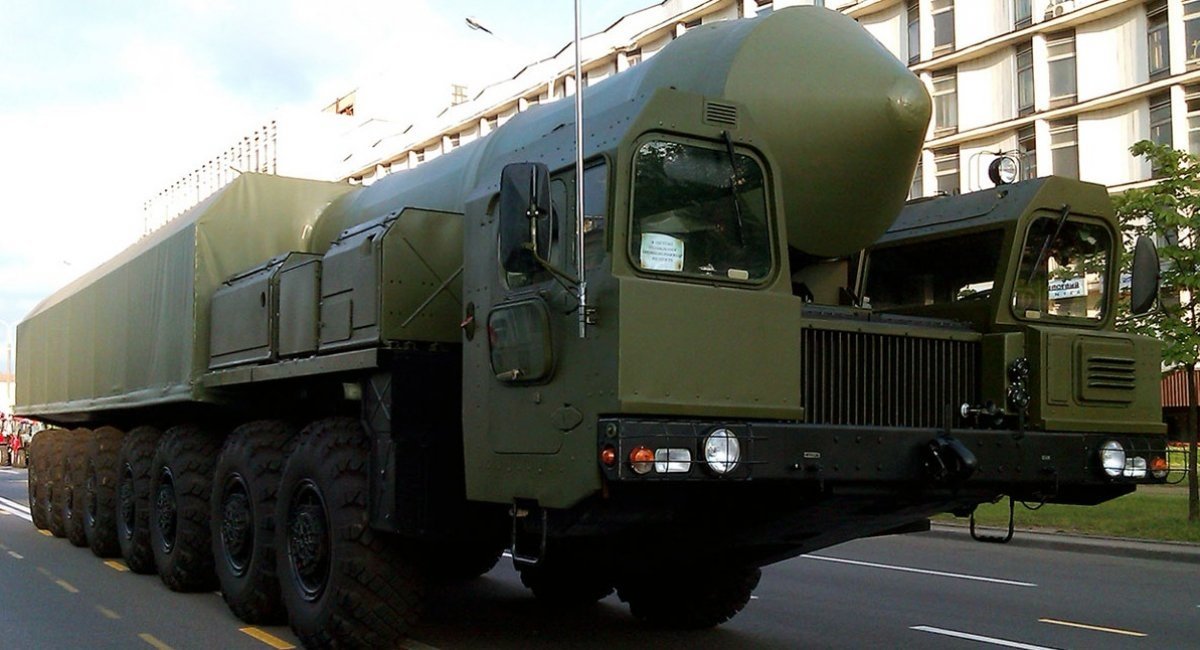
isw kremlin continues its nuclear threats while dangling economic carrots sway washington russia's rs-26 intercontinental ballistic missile rubezh oreshnik militarnyi appears focused reshaping ties through mix promises all refusing engage
Explore further

Russia deploys missile brigade to Belarus as fears grow over new threat to Kyiv

Ukraine's countermeasures

Ihnat has also said Russia launched more attack drones in September than in August, counting 3,177 jet-powered drones so far this month against 2,850 in August. To knock them down, Ukraine leans mainly on tactical aviation, including F-16 fighters, and on ground-based air defense when missiles are available, he said, with shoulder-fired man-portable air-defense systems (MANPADS) working well against jet drones inside their range. He said Ukraine needs more missiles for both Patriot systems and ground-based launchers, plus faster domestic solutions it can scale up.

  • ✇Euromaidan Press
  • Belarus holds military drills around the Suwalki Gap, NATO’s only land link to the Baltics
    Belarus sent tank and mechanized battalions to training grounds near Poland and Lithuania for four-day drills that Minsk says focus on border security, counter-sabotage operations, and defense against drones and light aircraft, Militarnyi reported on 17 September, citing the Belarusian Defense Ministry. The exercise includes tank and mechanized infantry battalions, units typically used in conventional ground warfare. Minsk says their tasks include guarding checkpoints and infrastructure
     

Belarus holds military drills around the Suwalki Gap, NATO’s only land link to the Baltics

17 septembre 2026 à 15:45

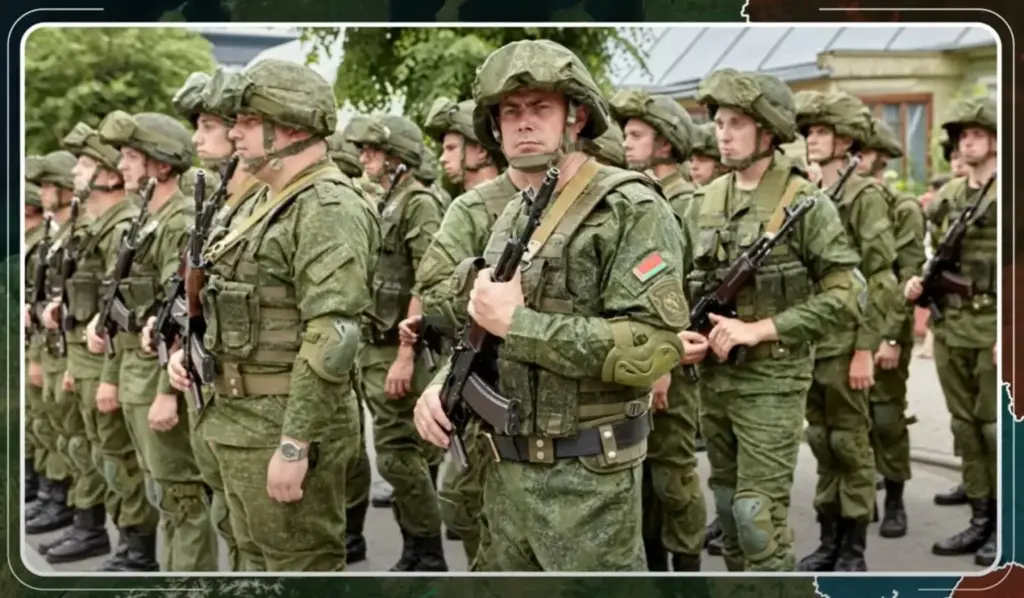
Belarusian soldiers in green uniforms and helmets stand in formation carrying rifles.

Belarus sent tank and mechanized battalions to training grounds near Poland and Lithuania for four-day drills that Minsk says focus on border security, counter-sabotage operations, and defense against drones and light aircraft, Militarnyi reported on 17 September, citing the Belarusian Defense Ministry.

The exercise includes tank and mechanized infantry battalions, units typically used in conventional ground warfare. Minsk says their tasks include guarding checkpoints and infrastructure and defending against drones. Some drills are taking place near the Suwałki Gap, the only land route connecting Lithuania, Latvia, and Estonia to the rest of NATO. The corridor lies between Belarus and Russia’s Kaliningrad region, which is separated from the rest of Russia. Belarus denies any offensive intent.

What Belarus says it is practicing

Belarus’s Western Operational Command is holding the exercises from 15 to 18 September under Chief of the General Staff Pavel Muraveyko, according to the ministry’s schedule outlined by Militarnyi.

The drills are taking place at the Gozha range near Lithuania and at the Brest and Ruzhany ranges near Poland. RBC-Ukraine wrote that mechanized and tank battalions are taking part and that the Brest and Ruzhany sites lie about 15 and 60 kilometers from the Polish border, respectively. Reservists have also been called up to local territorial-defense units, the ministry said.

Militarnyi cited the ministry as saying that one unit guarded a water intake, another directed traffic with police, and a mechanized brigade manned a checkpoint with border guards. The ministry also said truck-mounted fire teams were posted around the clock to defend against drones and practiced firing at targets imitating surveillance drones.

Muraveyko said the army was not considering offensive action and called allegations of preparations for an attack baseless, according to remarks quoted by Militarnyi. Belarus has not disclosed the total number of troops involved, and the exercise’s scale has not been independently verified.

The Moscow Times reported that the ministry also claimed the exercise remained below the notification thresholds set by the 2011 Vienna Document, an international agreement requiring advance notice of large military exercises.

How Russia could exploit the Suwałki Gap

In December 2025, security analyst Taras Zhovtenko warned that Russian propaganda had laid the groundwork to cite an alleged blockade of Kaliningrad to justify a limited incursion and the establishment of temporary checkpoints.

A German war game later modeled Russia staging border incidents before seizing key routes, although Baltic officials said the scenario severely underrated their armed forces.

Separately, French open-source analyst Clément Molin found that defenses along the Polish and Baltic borders with Russia and Belarus remained patchy and shallow, with Lithuania the most exposed. These assessments describe possible vulnerabilities, not evidence that an attack is planned.

  • ✇The Kyiv Independent
  • US envoy Kellogg denies agreeing to help halt Ukraine's drone strikes on Russia
    U.S. Special Envoy for Ukraine Keith Kellogg denied on July 1 that he agreed to "work on" halting Ukraine's drone attacks on Russia, contradicting Belarusian dictator Alexander Lukashenko's claim.Speaking at a state event on Belarus's Independence Day, Lukashenko said he relayed Russian President Vladimir Putin's position to Kellogg during their June 21 meeting in Minsk.According to Lukashenko, the Russian president is willing to consider a ceasefire in Ukraine if Ukrainian forces stop conductin
     

US envoy Kellogg denies agreeing to help halt Ukraine's drone strikes on Russia

2 juillet 2025 à 10:55
US envoy Kellogg denies agreeing to help halt Ukraine's drone strikes on Russia

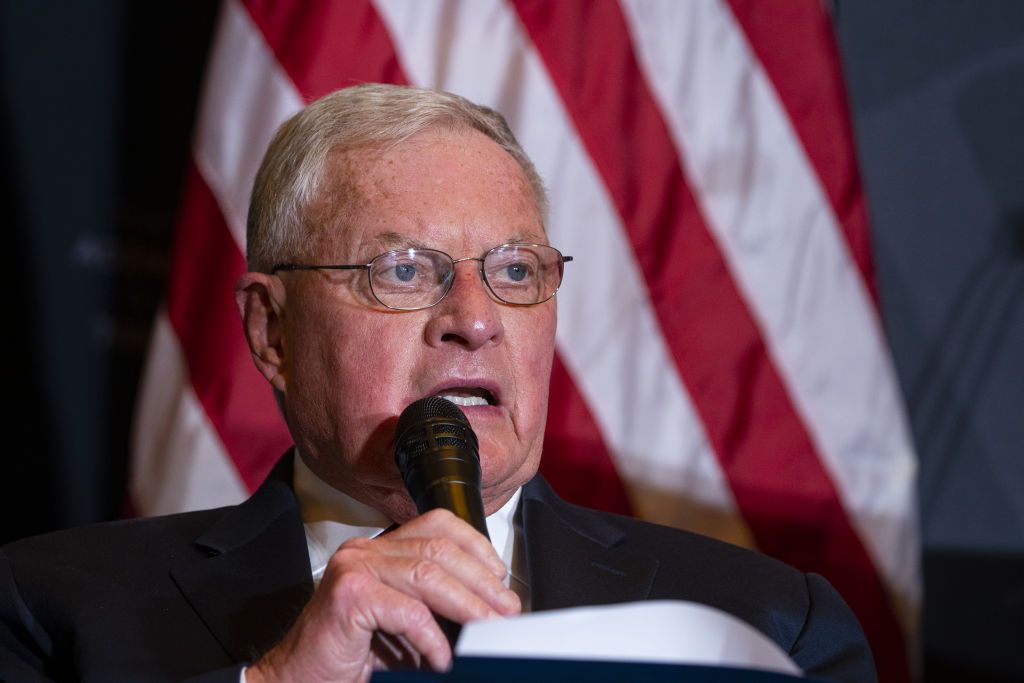
U.S. Special Envoy for Ukraine Keith Kellogg denied on July 1 that he agreed to "work on" halting Ukraine's drone attacks on Russia, contradicting Belarusian dictator Alexander Lukashenko's claim.

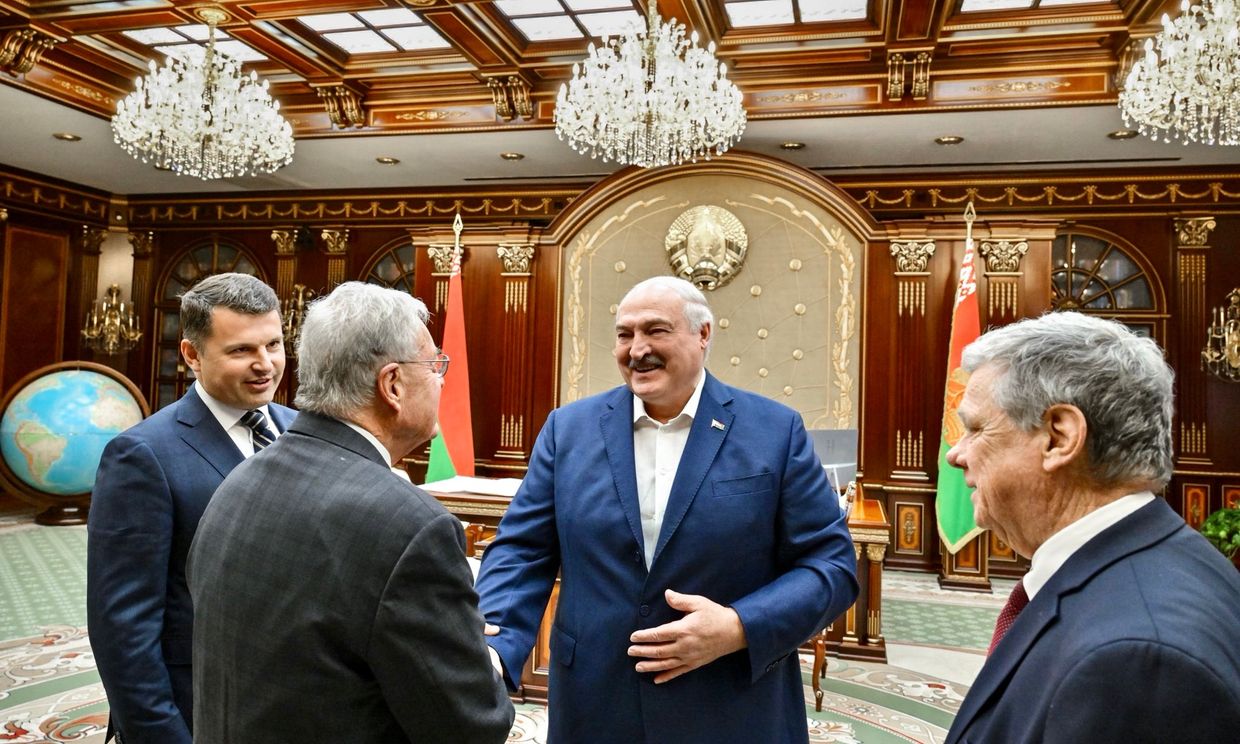
Speaking at a state event on Belarus's Independence Day, Lukashenko said he relayed Russian President Vladimir Putin's position to Kellogg during their June 21 meeting in Minsk.

According to Lukashenko, the Russian president is willing to consider a ceasefire in Ukraine if Ukrainian forces stop conducting drone strikes on Russian territory.

"I conveyed this position to the Americans," Lukashenko said on July 1. "We will work on it, said (the U.S. special envoy), in this direction."

Kellogg pushed back on the claim, writing on X that the quote was "taken out of context" and misrepresented the substance of their talks.

"At no point did I make comments related to Ukraine's prosecution of the war outside of a total ceasefire," he said. "In my conversation with Lukashenko, we discussed a full and unconditional ceasefire."

The June meeting between Kellogg and Lukashenko marked the highest-level U.S. visit to Belarus since former Secretary of State Mike Pompeo's 2020 trip. Belarusian state media widely portrayed Kellogg's visit as a sign of thawing relations.

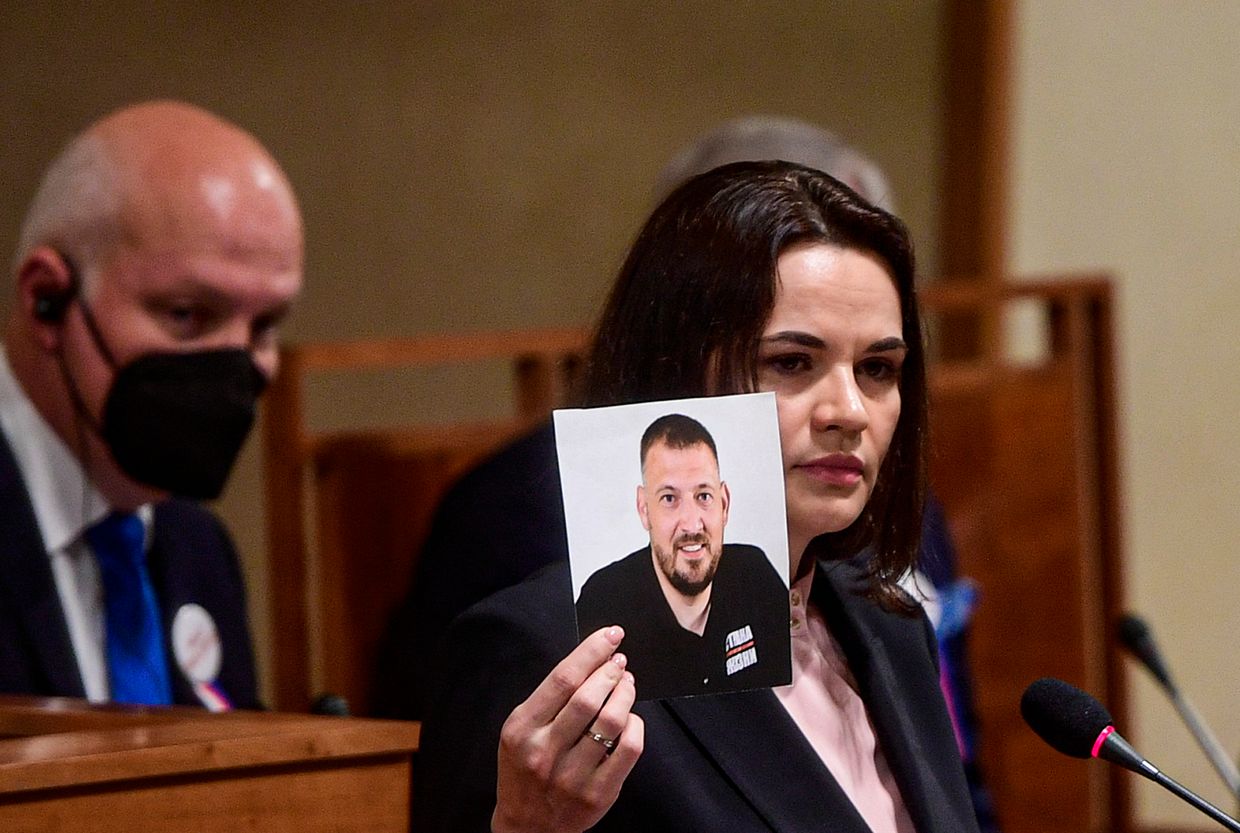
Shortly after the talks, Belarus released opposition leader and political prisoner Siarhei Tsikhanouski, who had been jailed since the 2020 presidential election.

Lukashenko has ruled Belarus since 1994 and remains a key ally of the Kremlin. His regime has allowed Russian troops and equipment to use Belarusian territory to attack Ukraine since the start of the full-scale invasion in February 2022.

Military aid delays will ‘encourage Russia to continue war,’ Ukraine tells US envoy
Ukraine warned that “any delay or hesitation in supporting Ukraine’s defense capabilities will only encourage Russia to continue war and terror, rather than pursue peace.”
US envoy Kellogg denies agreeing to help halt Ukraine's drone strikes on RussiaThe Kyiv IndependentMartin Fornusek
US envoy Kellogg denies agreeing to help halt Ukraine's drone strikes on Russia
  • ✇The Kyiv Independent
  • 'Oreshnik will be on Belarusian soil,' Lukashenko says of Russian missile deployment by year-end
    Belarusian dictator Alexander Lukashenko announced on July 1 that the Russian-made Oreshnik missile system will be deployed in Belarus by the end of 2025. Speaking at a ceremony marking Independence Day, Lukashenko said the decision was made in coordination with Russian President Vladimir Putin during a meeting in Volgograd."The first Oreshnik positions will be in Belarus. You’ve seen how Oreshnik works: the same missiles, the same strikes — but without nuclear warheads, without radioactive cont
     

'Oreshnik will be on Belarusian soil,' Lukashenko says of Russian missile deployment by year-end

2 juillet 2025 à 00:38
'Oreshnik will be on Belarusian soil,' Lukashenko says of Russian missile deployment by year-end

Belarusian dictator Alexander Lukashenko announced on July 1 that the Russian-made Oreshnik missile system will be deployed in Belarus by the end of 2025. Speaking at a ceremony marking Independence Day, Lukashenko said the decision was made in coordination with Russian President Vladimir Putin during a meeting in Volgograd.

"The first Oreshnik positions will be in Belarus. You’ve seen how Oreshnik works: the same missiles, the same strikes — but without nuclear warheads, without radioactive contamination of the land and air. This weapon will be stationed in Belarus by the end of the year," Lukashenko said.

Lukashenko, who has ruled since 1994 and claimed victory in a seventh consecutive presidential election in January, argued that hosting such weaponry would not make Belarus a target, adding that such concerns are being "imposed from outside." He claimed that countries possessing nuclear weapons have historically avoided military aggression and said the presence of such systems in Belarus is intended solely as a deterrent.

He also said he had delivered a warning to U.S. officials, stating that while nuclear weapons in Belarus are securely stored in accordance with international standards, any unauthorized incursion into Belarusian territory would trigger a "swift and forceful response."

The Belarusian leader emphasized that any use of the Oreshnik system would not involve nuclear warheads and that maintaining modern military capabilities is critical for national defense.

Russia first launched the experimental Oreshnik missile during a strike on the Ukrainian city of Dnipro on Nov. 21. Putin claimed the attack was in retaliation for Ukraine's use of U.S. and British long-range missiles against Russian territory.

Although little is publicly known about the missile, defense experts believe Oreshnik is not a wholly new development but likely an upgraded version of Russia’s RS-26 missile, also known as the Rubezh, which was first produced in 2011.

Lukashenko reportedly thanked Moscow for supporting the deployment of advanced weapons systems to Belarus and said the introduction of Oreshnik would serve as a tool for domestic stability. "I’m confident that even those of our supporters who don’t yet understand this will come to realize it — without a war. That’s why Oreshnik will be on Belarusian soil. To prevent uprisings," he said.

Ukraine war latest: Ukrainian drones strike Russian plant 1,300km from border, SBU source says
Key developments on July 1: * ‘With surgical precision’ — Ukrainian drones strike Russian plant 1,300km away, SBU source says * Russian missile strike on Dnipropetrovsk Oblast kills brigade commander, injures 30 people, Zelensky says * Ukrainian forces hit Russian command post in occupied Donetsk Oblast, General Staff says * Zelensky signs ratification of
'Oreshnik will be on Belarusian soil,' Lukashenko says of Russian missile deployment by year-endThe Kyiv IndependentThe Kyiv Independent news desk
'Oreshnik will be on Belarusian soil,' Lukashenko says of Russian missile deployment by year-end

Trump could free all Belarus's political prisoners 'with a single word,' released oppositionist Tsikhanouski says

22 juin 2025 à 08:52
Trump could free all Belarus's political prisoners 'with a single word,' released oppositionist Tsikhanouski says

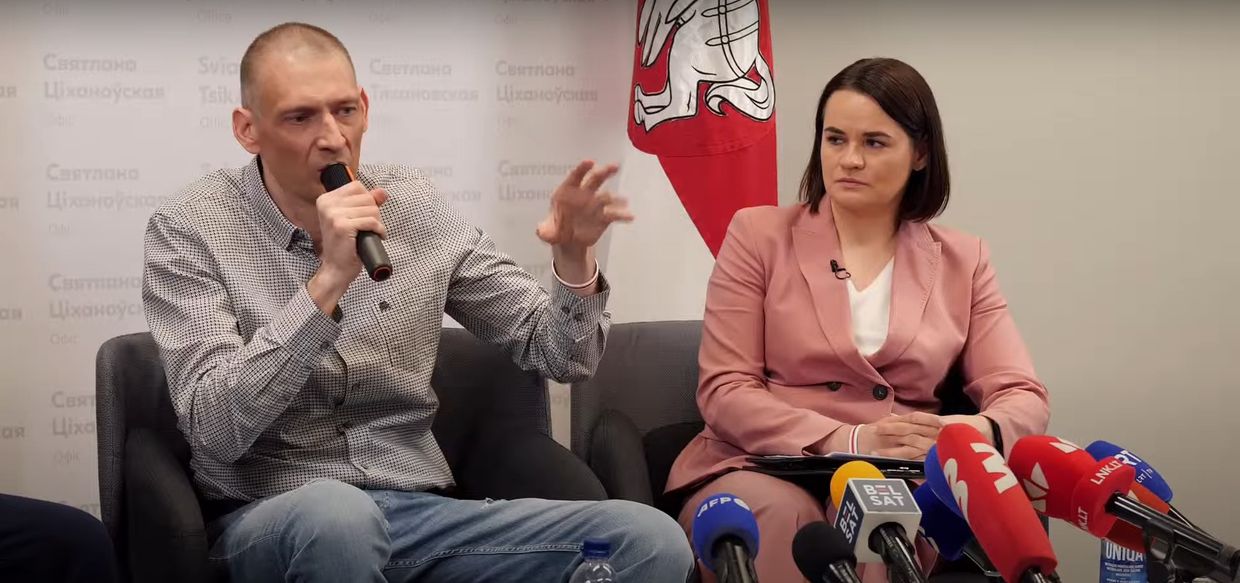
Siarhei Tsikhanouski, a Belarusian oppositionist recently released from prison, thanked the U.S. on June 22 for brokering his release and appealed to President Donald Trump to help free other political prisoners in Belarus.

"President Trump now has the power and opportunity to free all political prisoners in Belarus with a single word. And I ask him to do so, to say that word," Tsikhanouski said in Vilnius during his first press conference after the release.

Tsikhanouski, a popular blogger who planned to challenge Belarusian dictator Alexander Lukashenko in the 2020 presidential election, was arrested shortly before the vote and later sentenced to 18 years in prison on politically motivated charges.

The opposition leader and at least 13 other detainees were released from Belarusian prisons on June 21 after Lukashenko met U.S. Special Envoy for Ukraine, Keith Kellogg, in Minsk.

Speaking at the press conference alongside his wife and opposition leader, Sviatlana Tsikhanouskaya, Tsikhanouski affirmed that both of them "will continue to support Ukraine and call all of the perpetrators accountable."

Tsikhanouski confirmed that he used to do business both in Ukraine and in Russia but refuted allegations of pro-Russian sympathies, affirming his support for Ukraine and President Volodymyr Zelensky.

"I believe Crimea is Ukrainian. Zelensky has the hardest fate and a heavy load that no other president has. Zelensky is my hero," Tsikhanouski said.

He also said that Sviatlana Tsikhanouskaya remains the leader of the Belarusian opposition, and he will not challenge that.

Tsikhanouskaya stepped in as the opposition candidate in 2020 after her husband's arrest, but was forced into exile after Lukashenko declared victory in what was broadly seen as massive election fraud.

"Do you think that anybody who serves in prison automatically becomes a leader? We have 1,200 such leaders," Tsikhanouski added, referring to the number of political prisoners who remain in prison under Lukashenko's regime.

"Belarus can't be free until the Putin regime collapses. If it wasn't for (Russian President Vladimir) Putin, we would not be sitting here; it would have been over (after the Belarus' popular protests against Lukashenko) in 2020-2021," Tsikhanouski said.

Lukashenko, in power since 1994, is a close ally of Putin and has allowed Russia to use Belarusian territory for military operations against Ukraine.

The Belarusian dictator has maintained a tight grip over his country by electoral fraud, surveillance, and brutal crackdown on free press, civil society, and political opposition, prompting Western countries to impose sanctions on Belarus.

Russia ‘afraid to admit’ scale of losses, trying to hide by dumping soldiers’ bodies on Ukraine, Zelensky says
Ukrainian authorities have confirmed that at least 20 of the bodies Russia returned as Ukrainian were actually Russian soldiers, President Volodymyr Zelensky said.
Trump could free all Belarus's political prisoners 'with a single word,' released oppositionist Tsikhanouski saysThe Kyiv IndependentTim Zadorozhnyy
Trump could free all Belarus's political prisoners 'with a single word,' released oppositionist Tsikhanouski says
  • ✇The Kyiv Independent
  • 'My husband is free' — Belarus opposition leader Siarhei Tsikhanouski freed after US envoy visits Minsk
    Editor's note: This item has been expanded with additional details.Belarusian opposition leader and political prisoner Siarhei Tsikhanouski was released on June 21, shortly after dictator Alexander Lukashenko met in Minsk with U.S. President Donald Trump's special envoy for Ukraine, Keith Kellogg.Tsikhanouski , a popular blogger who planned to challenge Lukashenko in the 2020 presidential election, was arrested shortly before the vote and later sentenced to 18 years in prison on politically moti
     

'My husband is free' — Belarus opposition leader Siarhei Tsikhanouski freed after US envoy visits Minsk

21 juin 2025 à 10:15
'My husband is free' — Belarus opposition leader Siarhei Tsikhanouski freed after US envoy visits Minsk

Editor's note: This item has been expanded with additional details.

Belarusian opposition leader and political prisoner Siarhei Tsikhanouski was released on June 21, shortly after dictator Alexander Lukashenko met in Minsk with U.S. President Donald Trump's special envoy for Ukraine, Keith Kellogg.

Tsikhanouski , a popular blogger who planned to challenge Lukashenko in the 2020 presidential election, was arrested shortly before the vote and later sentenced to 18 years in prison on politically motivated charges. Amnesty International recognized Tsikhanouski as a prisoner of conscience.

His wife, Sviatlana Tsikhanouskaya, stepped in and became the main opposition candidate against Lukashenko.

At least 13 political detainees, including prominent blogger Ihar Losik, were also released on June 21, Belarusian independent outlet Nasha Niva reported.

The other released prisoners include three Polish citizens, two Latvian citizens, one Estonian citizen, a Swedish citizen, a U.S. citizen, and two Japanese citizens, according to Lukashenko's press secretary.

In a post on social media, Tsikhanouskaya welcomed the news but highlighted that "1,150 political prisoners remain behind bars."

My husband Siarhei is free! It’s hard to describe the joy in my heart.

Thank you, 🇺🇸 @POTUS, @SPE_Kellogg, @JohnPCoale, DAS Christopher W. Smith, @StateDept & our 🇪🇺 allies, for all your efforts.

We’re not done. 1150 political prisoners remain behind bars. All must be released. pic.twitter.com/MhngqBHFq3

— Sviatlana Tsikhanouskaya (@Tsihanouskaya) June 21, 2025

Kellogg's deputy, John Coale, said the released political prisoners had been transferred to Vilnius and expressed gratitude to the Lithuanian government for facilitating their relocation.

"President Trump's strong leadership led to the release of 14 prisoners from Belarus today. Thanks to the Lithuanian government for its cooperation and assistance — they remain a true friend and ally," Coale wrote on X.

According to official results of the 2020 election, Lukashenko won with 80% of the vote, while Tsikhanouskaya received just 10%. Evidence indicates that the election was heavily rigged, and Tsikhanouskaya could have realistically won the vote.

As a result, hundreds of thousands took to the streets in Belarus in 2020 to demand a fair election. Thousands were arrested, and many were beaten and tortured. At least seven demonstrators were killed during the protests.

Minsk has faced repeated Western sanctions since the brutal crackdown on pro-democracy protests.

Lukashenko, in power since 1994, is a close ally of Russian President Vladimir Putin and has allowed Russia to use Belarusian territory for military operations against Ukraine.

"You have caused quite a stir in the world with your arrival," Lukashenko told Kellogg during their meeting at the Palace of Independence, according to state-run outlet Belta.

"But I wonder why. Can't we have a normal dialogue and talk about our affairs – about relations between Belarus and the United States of America?"

Kellogg is the highest-ranking U.S. official to visit Belarus in recent years, following former Secretary of State Mike Pompeo's 2020 trip under Trump's first term.

Since Russia's full-scale invasion of Ukraine in February 2022, Lukashenko's regime has played a key logistical role in supporting Moscow's campaign, offering its territory for troop deployments and weapons stockpiles.

Russia ‘afraid to admit’ scale of losses, trying to hide by dumping soldiers’ bodies on Ukraine, Zelensky says
Ukrainian authorities have confirmed that at least 20 of the bodies Russia returned as Ukrainian were actually Russian soldiers, President Volodymyr Zelensky said.
'My husband is free' — Belarus opposition leader Siarhei Tsikhanouski freed after US envoy visits MinskThe Kyiv IndependentTim Zadorozhnyy
'My husband is free' — Belarus opposition leader Siarhei Tsikhanouski freed after US envoy visits Minsk
  • ✇The Kyiv Independent
  • Latvia prohibits Russian, Belarusian citizens from purchasing real estate
    Latvia's parliament adopted a bill on June 19 that prohibits citizens of Russia and Belarus from purchasing real estate in the country, Latvian media reported.The bill — which carves out exceptions for EU and Latvian permanent residence holders, Belarusian refugees, and repatriates — establishes the new restrictions under the pretenses of protecting the country's national security. In addition to citizens, the bill prohibits entities that are at least 25% owned by Russian or Belarusian nationals
     

Latvia prohibits Russian, Belarusian citizens from purchasing real estate

20 juin 2025 à 00:35
Latvia prohibits Russian, Belarusian citizens from purchasing real estate

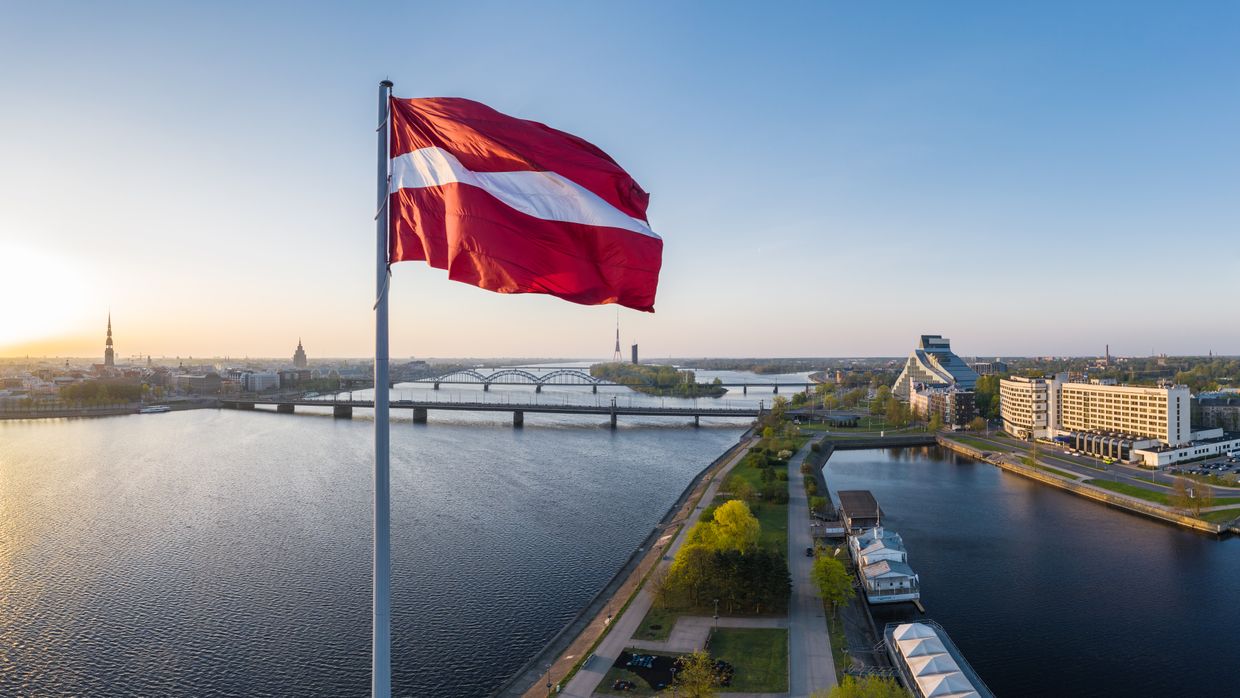
Latvia's parliament adopted a bill on June 19 that prohibits citizens of Russia and Belarus from purchasing real estate in the country, Latvian media reported.

The bill — which carves out exceptions for EU and Latvian permanent residence holders, Belarusian refugees, and repatriates — establishes the new restrictions under the pretenses of protecting the country's national security.

In addition to citizens, the bill prohibits entities that are at least 25% owned by Russian or Belarusian nationals from purchasing property.

"This is a step to limit the influence and presence in Latvia of persons and companies that are adverse to the country,” said Agnese Krasta, an Estonian member of parliament and one of the authors of the initiative.

Latvia, which borders both Russia and Estonia, is widely viewed as one of the most likely targets for a future Russian attack on NATO or the European Union. As the war in Ukraine continues to rage on, Latvia has taken action to increase civil preparedness measures and has drafted plans to relocate a quarter of its population in the case of war.

EU intelligence and security agencies have warned of mounting Russian sabotage operations, including several arson attacks believed to have been coordinated by Moscow.

Latvia joins Finland in imposing a ban on Russians from buying, as Baltic and Nordic countries continue to impose restrictions on Russia over its aggression in the region.

In September 2022, Latvia imposed entry restrictions on Russian citizens as part of a joint agreement with Lithuania, Estonia, and Poland.

Since the start of Russia's full-scale invasion in 2022, Latvia has been one of Ukraine's most vocal backers.

The Baltic state ranks among Europe's top defense spenders, allocating over 3% of GDP to defense in 2025, according to NATO estimates.

Diplomacy in crisis: G7 letdowns reveal limits to Western solidarity on Ukraine
KANANASKIS, Canada — The Group of Seven (G7) Leaders’ Summit ended on June 17 with no joint statement in support of Ukraine, no commitments to provide desperately needed U.S. weapons, and no meeting between President Volodymyr Zelensky and U.S. President Donald Trump. The Ukrainian delegation headed into the summit,
Latvia prohibits Russian, Belarusian citizens from purchasing real estateThe Kyiv IndependentDmytro Basmat
Latvia prohibits Russian, Belarusian citizens from purchasing real estate


  • ✇The Kyiv Independent
  • Kellogg to meet Lukashenko in highest-ranking US visit to Belarus in years, Reuters reports
    U.S. Special Envoy for Ukraine Keith Kellogg will meet Belarusian President Alexander Lukashenko in the coming days, Reuters reported on June 17, citing four sources familiar with the matter.Kellogg will meet Lukashenko in a visit to Belarus as peace talks to bring an end to Russia's war against Ukraine remain inconclusive, Reuters reported.In February, U.S. Deputy Assistant State Secretary Christopher W. Smith visited Belarus alongside two other U.S. officials to conduct a prisoner swap in a si
     

Kellogg to meet Lukashenko in highest-ranking US visit to Belarus in years, Reuters reports

17 juin 2025 à 23:44
Kellogg to meet Lukashenko in highest-ranking US visit to Belarus in years, Reuters reports

U.S. Special Envoy for Ukraine Keith Kellogg will meet Belarusian President Alexander Lukashenko in the coming days, Reuters reported on June 17, citing four sources familiar with the matter.

Kellogg will meet Lukashenko in a visit to Belarus as peace talks to bring an end to Russia's war against Ukraine remain inconclusive, Reuters reported.

In February, U.S. Deputy Assistant State Secretary Christopher W. Smith visited Belarus alongside two other U.S. officials to conduct a prisoner swap in a similar unannounced visit.

Lukashenko has been in power since 1994 and has been accused of staging fraudulent elections in Belarus. The leader declared a seventh consecutive presidential election victory in January.

Kellogg has given the impression that the meeting could help reinitiate largely unsuccessful peace talks between Ukraine and Russia, two sources told Reuters.

Lukashenko is seen as a key ally of Russian President Vladimir Putin as Russia faces isolation in response to its full-scale war against Ukraine.

The White House has discussed ways to weaken Russia's influence on Minsk and bring Belarus closer to the United States, one of the sources said.

On Feb. 12, Smith drove to Belarus from Lithuania following a phone call with Lukashenko. The small U.S. delegation visited a border town where three political prisoners were transferred, including one U.S. citizen and two Belarusian citizens, the New York Times reported.

Lukashenko assured he was ready to decrease repression in Belarus, Smith said, adding that the U.S. wants Belarus to be less reliant on Russia.

Belarus has faced Western sanctions following a presidential election in 2020 that international observers condemned as fraudulent. The sham election garnered mass protests that rejected the results.

Minsk refused to invite a mission from the Organization for Security and Cooperation in Europe (OSCE) to observe the country's Jan. 26 presidential election.

Belarus further isolated itself from the West as it supports Russia in its ongoing war against Ukraine.

‘He said he wasn’t going anywhere’ — Survivors search for missing following Russia’s deadliest attack on Kyiv this year
Sitting a few meters from the rubble of what used to be a nondescript nine-story residential building in Kyiv, Lilia rises to her feet every time another pile of debris is cleared from the site targeted by Russia during a mass overnight attack on June 17. “We are waiting (as
Kellogg to meet Lukashenko in highest-ranking US visit to Belarus in years, Reuters reportsThe Kyiv IndependentKateryna Denisova
Kellogg to meet Lukashenko in highest-ranking US visit to Belarus in years, Reuters reports
  • ✇The Kyiv Independent
  • EU approves new tariffs on Russian, Belarusian agricultural goods
    The Council of the EU on June 12 approved fresh tariffs on fertilizers and remaining agricultural goods from Russia and Belarus, aiming to reduce Russian export revenues.The measures target those goods that have not yet been subject to additional customs duties and will enter into force on July 1. The tariffs on fertilizers will increase gradually over the next three years.The step comes as the EU readies additional sanctions against Russia as it continues to wage its all-out war against Ukraine
     

EU approves new tariffs on Russian, Belarusian agricultural goods

12 juin 2025 à 08:42
EU approves new tariffs on Russian, Belarusian agricultural goods

The Council of the EU on June 12 approved fresh tariffs on fertilizers and remaining agricultural goods from Russia and Belarus, aiming to reduce Russian export revenues.

The measures target those goods that have not yet been subject to additional customs duties and will enter into force on July 1. The tariffs on fertilizers will increase gradually over the next three years.

The step comes as the EU readies additional sanctions against Russia as it continues to wage its all-out war against Ukraine.

"Polish Presidency motto is 'Security, Europe!' and these measures increase our economic security by reducing dependencies from Russia," said Michal Baranowski, the trade undersecretary at the Polish Economy Ministry.

"We are further reducing Russia’s export revenues and therefore its ability to finance its brutal war. This is united Europe at its best," he said in a statement.

The new tariffs will apply to goods that made up around 15% of all agricultural imports from Russia in 2023. Fertilizer tariffs will focus on certain nitrogen-based products, the Council said in a statement.

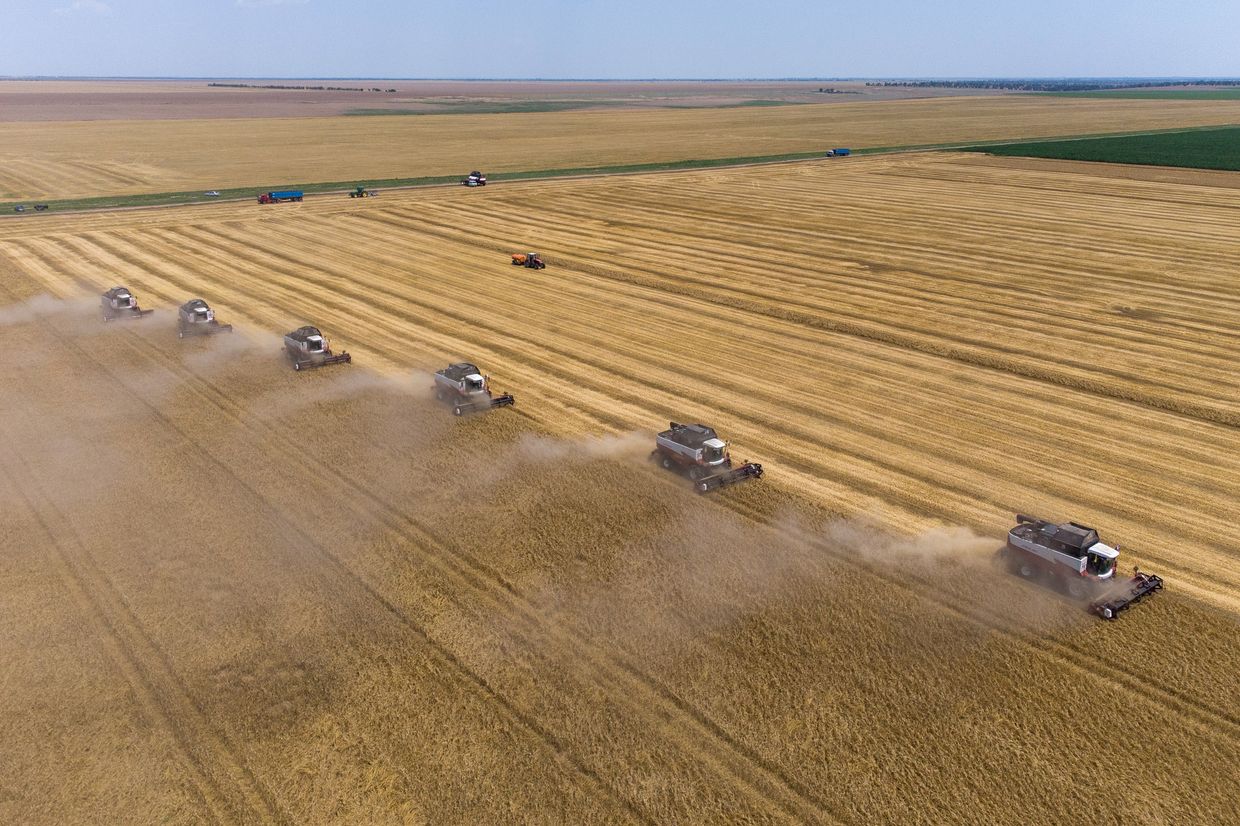
Russian fertilizers accounted for more than a quarter of all of the EU's imports in this sector in 2023, worth almost $1.5 billion.

Apart from stifling Russia's trade revenue, the step also aims to reduce the EU's dependence on Russian and Belarusian goods, protect European farmers, and diversify the supply.

The EU adopted higher tariffs on cereals, oilseeds, and some other products from Russia and Belarus in May 2024. Earlier this year, the European Commission proposed imposing similar measures on all remaining agricultural products from the two countries.

Putin’s suspected daughter found working in anti-war galleries in Paris
Nastya Rodionova, a Russian writer and artist who has been based in Paris since 2022, had only met gallery manager Luiza Rozova in passing at events before she learned who the 22-year-old’s parents were. Described by a number of people as a “very nice and well-mannered girl,” Rozova is
EU approves new tariffs on Russian, Belarusian agricultural goodsThe Kyiv IndependentKate Tsurkan
EU approves new tariffs on Russian, Belarusian agricultural goods
  • ✇Les carnets d'Anna Colin Lebedev
  • Regarder vraiment le Bélarus
    Il n’a jamais été simple de parler du Bélarus en France sans tomber dans le cliché. La formulation « dernière dictature d’Europe » a encore été reprise par les médias aujourd’hui pour évoquer le scrutin présidentiel qui s’est tenu dimanche, et j’en veux un peu aux journalistes pour cette paresse intellectuelle.« Dernière dictature d’Europe » était une formule confortable pour se rassurer sur le processus de démocratisation qui aurait été en voie de généralisation sur le continent européen; certe
     

Regarder vraiment le Bélarus

27 janvier 2025 à 03:15

Il n’a jamais été simple de parler du Bélarus en France sans tomber dans le cliché. La formulation « dernière dictature d’Europe » a encore été reprise par les médias aujourd’hui pour évoquer le scrutin présidentiel qui s’est tenu dimanche, et j’en veux un peu aux journalistes pour cette paresse intellectuelle.
« Dernière dictature d’Europe » était une formule confortable pour se rassurer sur le processus de démocratisation qui aurait été en voie de généralisation sur le continent européen; certes, à des vitesses variables, mais quand-même quasiment certain. Le Bélarus faisait alors office d’épouvantail et de dernier bastion d’un monde en cours de disparition. Cela empêchait de voir les dynamiques réelles sur place (et de s’interroger par exemple sur la manière dont la stabilité, les politiques sociales et le progrès économique pouvaient atrophier la sensibilité politique). Cela faisait aussi du bien à l’égo européen.
Nous n’en sommes plus là aujourd’hui, bien évidemment, et dans un contexte de montée d’attractivité des autoritarismes, le Belarus est plutôt un cas d’école qui devrait attirer notre attention. Dire que l’élection présidentielle qui vient de s’écouler était un simulacre, c’est à la fois vrai et stérile, parce que c’est une manière de dire « point, à la ligne, on passe à autre chose » qui neutralise toute volonté de compréhension.
Malheureusement, la guerre conduite par la Russie contre l’Ukraine m’a empêché d’être suffisamment vigilante sur le Bélarus pour livrer une analyse approfondie. Ce que je dis est à prendre avec des pincettes; ce sont des pistes à creuser.
Un régime politique autoritaire fonctionne grâce à un certain dosage de coercition et d’adhésion; il doit non seulement mettre en place une répression suffisamment forte pour bloquer les oppositions, mais aussi distribuer suffisamment de bénéfices pour susciter l’adhésion. Plus le ratio est en faveur des bénéfices, plus le pouvoir est stable; plus il penche du côté répressif, plus le régime est fragile. Pendant longtemps, le régime politique du Belarus s’est attaché à distribuer beaucoup de bénéfices à la population, notamment à travers des politiques sociales, des politiques de développement et une promesse de stabilité et de prévisibilité. Les Bélarusses vivaient – économiquement – plutôt mieux que beaucoup de leurs voisins, et en avaient conscience. Le prix politique à payer apparaissait donc comme acceptable.
Evidemment, le soutien de la Russie était et reste l’exosquelette du régime bélarusse, aussi bien d’un point de vue politique qu’économique.
Les protestations massives de 2020 étaient intervenues dans le contexte d’une certaine fragilisation du modèle, et notamment d’une perception du régime comme moins protecteur, mais aussi en décalage avec les demandes de la société. Les répressions violentes qui ont suivi et qui se sont maintenues tout au long des années suivantes ont fait basculer le ratio répression/bénéfices en faveur de la répression. Cette période violente va compter dans l’histoire politique bélarusse: on ne le perçoit pas encore, mais elle a donné naissance à une expérience différente, moins marginale de l’opposition politique, de la répression et de la prison. Elle a aussi permis de structurer une opposition à l’étranger et de lui donner des canaux de prise de parole. Derrière les apparences de « il ne se passe rien », le Belarus est en réalité bien plus prêt qu’en 2020 à entamer une transition politique, avec une nouvelle génération de citoyens jetés avec violence dans la politique.
Cependant, et paradoxalement, c’est la guerre en Ukraine qui a redonné de la stabilité au régime bélarusse. En effet, dans un contexte où la Russie essaie de toutes ses forces de faire du Bélarus un cobelligérant, il y a des choses que Loukachenko a réussi à protéger. Certes, des unités armées russes et des complexes d’armement sont désormais basés au Belarus, qui sert de base aux attaques contre l’Ukraine. Cependant, aucune unité armée bélarusse ne combat aux côtés de la Russie contre l’Ukraine. Pensez au paradoxe: des soldats nord-coréens, mais pas de soldats bélarusses, alors que le pays se déclare être le plus proche allié de la Russie. Le territoire du Bélarus reste un territoire en paix. Cela, les citoyens savent qu’ils le doivent en partie à Loukachenko… mais aussi en partie aux Ukrainiens qui ne désespèrent pas de retourner les Bélarusses contre Moscou, et qui ne les perçoivent pas de la même manière que les Russes.
La politique menée par Loukachenko vis-à-vis de la Russie a été caractérisée par un de mes anciens collègues bélarusses par la formule suivante: « on dit oui à tout, puis on bureaucratise au maximum le processus pour finalement ne rien faire ». C’est aussi une stratégie que les Bélarusses appliquent au quotidien vis-à-vis de leur Etat. Il y a une certaine résilience stratégique de la société bélarusse qu’on ferait bien de souligner. Ne nous laissons pas tromper par cette apparence de calme plat: le Bélarus n’est pas la Russie et suivra une dynamique qui lui sera propre.

❌