Aurélie Turcotte, une adolescente âgée de 15 ans, manque à l’appel. Le Service de police de la Ville de Montréal (SPVM) est à sa recherche, et sa famille et ses proches s’inquiètent pour sa sécurité.
Aurélie Turcotte, une adolescente âgée de 15 ans, manque à l’appel. Le Service de police de la Ville de Montréal (SPVM) est à sa recherche, et sa famille et ses proches s’inquiètent pour sa sécurité.
U.S. intelligence agencies have warned in internal reports that China could acquire or steal U.S. warplane technology if F-35 jets are sent to Saudi Arabia.
U.S. intelligence agencies have warned in internal reports that China could acquire or steal U.S. warplane technology if F-35 jets are sent to Saudi Arabia.
If the production and delivery of the planes is completed, which would take years, Saudi Arabia would be only the second country in the Middle East to have F-35 jets, after Israel.
U.S. intelligence agencies have warned in internal reports that China could acquire or steal U.S. warplane technology if F-35 jets are sent to Saudi Arabia.
U.S. intelligence agencies have warned in internal reports that China could acquire or steal U.S. warplane technology if F-35 jets are sent to Saudi Arabia.
If the production and delivery of the planes is completed, which would take years, Saudi Arabia would be only the second country in the Middle East to have F-35 jets, after Israel.
Le président américain Donald Trump a déclaré jeudi que des "progrès majeurs" avaient été "réalisés en vue de la mise en place d'une base de l'armée de terre américaine en Pologne", où environ 10 000 soldats américains sont actuellement stationnés. En Lituanie, le ministre des Affaires étrangères a déclaré qu'il s'attendait à des annonces imminentes de la part de Washington sur la présence américaine sur son sol.
Le président américain Donald Trump a déclaré jeudi que des "progrès majeurs" avaient été "réalisés en vue de la mise en place d'une base de l'armée de terre américaine en Pologne", où environ 10 000 soldats américains sont actuellement stationnés. En Lituanie, le ministre des Affaires étrangères a déclaré qu'il s'attendait à des annonces imminentes de la part de Washington sur la présence américaine sur son sol.
Le Centre d’hébergement d’urgence de Rimouski, le 95, fête son premier anniversaire. Depuis le 17 septembre 2025, le refuge a offert 2 235 hébergements, un nombre assez considérable selon le directeur de l’organisme d’En tout C.A.S., Luc Jobin, qui rappelle que la situation idéale demeure de régler le problème de l’itinérance.
Pour monsieur Jobin, les statistiques de la première année d’opération du refuge prouvent qu’il y avait un besoin, mais ça ne règle évidemment pas le problème de l’itin
Le Centre d’hébergement d’urgence de Rimouski, le 95, fête son premier anniversaire. Depuis le 17 septembre 2025, le refuge a offert 2 235 hébergements, un nombre assez considérable selon le directeur de l’organisme d’En tout C.A.S., Luc Jobin, qui rappelle que la situation idéale demeure de régler le problème de l’itinérance.
« Nous sommes une partie de la réponse aux besoins d’urgence, mais pour corriger la situation en matière d’itinérance, il faudra que ça passe par du logement », commente-t-il.
« C’est très bien d’offrir un centre d’hébergement d’urgence aux itinérants. Ça répond aux besoins d’urgence, mais ce serait encore mieux de ne plus avoir d’itinérance et pour ce faire, ça va prendre la construction de logements, surtout des logements abordables. On peut colmater des brèches pour les situations d’urgence, mais on ne peut pas toujours être dans l’urgence », poursuit monsieur Jobin.
Luc Jobin rappelle qu’une personne en situation d’itinérance coûte plus cher à la société que de lui trouver un logement.
« Nous avons tout intérêt à poursuivre les efforts qui sont déployés dernièrement à Rimouski pour avoir davantage de logements ».
Presque plus d’itinérance dans la Ville
La présence du centre d’hébergement d’urgence a presque complètement annulé l’itinérance dans les rues de Rimouski.
« Il n’y a pratiquement plus d’itinérants dehors, même s’il y aura toujours des gens qui veulent rester dans des tentes. Il y a des gens qui sont réfractaires à tout ce qu’on peut leur proposer. Les gens ont le droit de vivre comme ils le veulent. C’est très caché, un peu comme il y a 10-15 ans », souligne monsieur Jobin.
Le Centre d’hébergement d’urgence est situé au 95, rue de l’Évêché Ouest, en face des Ateliers Saint-Louis. (Photo Le Soir.ca – Annie Levasseur)
Cet été, le centre a développé un service de halte-douche pour que les personnes puissent répondre à certains besoins d’hygiène et peut-être venir passer une nuit ou deux au refuge.
« Ce service a été relativement occupé. On essaie d’offrir des choses, et non pas de les imposer, pour favoriser une réaffiliation aux services ».
19 autres anniversaires
Luc Jobin souhaite qu’il ne reste pas plus de 19 autres anniversaires au centre d’hébergement d’urgence.
« Parce que pour moi, on ne devrait plus être dans une situation d’urgence. Les personnes en situation d’urgence devraient avoir accès à une stabilité résidentielle qui ne passe pas par un centre d’hébergement d’urgence. Il faut se donner des objectifs et être ambitieux. L’objectif n’est pas d’ouvrir un 2e centre d’urgence. Il faut faire en sorte que les gens puissent avoir accès à du logement, ce que nous n’offrons pas. Nous sommes là pour combler des besoins d’urgence ».
Est-ce réaliste de penser atteindre l’itinérance zéro?
Une tente installée au parc de la Gare à Rimouski. (Photo archives Le Soir.ca)
« Il faut certainement se donner ça comme objectif. Le Québec tend vers une approche Housing first que la province n’avait pas adoptée, contrairement au reste du Canada. On avait opté, au Québec, pour une approche plus étapiste, c’est-à-dire de passer dans des refuges, pour ensuite aller dans des ressources intermédiaires, pour ensuite avoir accès à du logement. C’était une réhabilitation de la personne, mais dans toutes les sphères de sa vie. Cette approche a présenté certains écueils. On revient vers le Housing first qui vise à fournir d’abord un logement et ensuite à déployer des services auprès de la personne. La Norvège a utilisé ce modèle et elle est presqu’à itinérance zéro », affirme monsieur Jobin.
Anthony Kazmierczak agreed plea deal over January town-hall attack that came amid Minneapolis ICE crackdownThe man who sprayed vinegar at the Democratic US House member Ilhan Omar during a Minneapolis town hall was sentenced Thursday to 14 months in prison after reaching a deal with prosecutors.The sentencing of 56-year-old Anthony Kazmierczak came nearly eight months after the 27 January assault. At the time, Minneapolis was facing an immigration crackdown that led to angry protests, arrests an
The sentencing of 56-year-old Anthony Kazmierczak came nearly eight months after the 27 January assault. At the time, Minneapolis was facing an immigration crackdown that led to angry protests, arrests and the killing of two US citizens by federal officers.
A new sanctions bill is meant to pressure President Vladimir V. Putin of Russia to end the war in Ukraine. But President Trump is doubling down on a different approach: offering enticements to Russia.
A new sanctions bill is meant to pressure President Vladimir V. Putin of Russia to end the war in Ukraine. But President Trump is doubling down on a different approach: offering enticements to Russia.
Exclusives
“I can travel back to Finland and be safe. That is a luxury”: Sanna Marin on the Russian strike that stopped her train from Kyiv. The former Finnish prime minister has visited Ukraine around ten times since the full-scale invasion. This trip, she says, had more air-raid alarms than any of them, and a Russian drone hit the train travelling beside hers to the Polish border.
Military
No missiles intercepted again: Russia strikes Kyiv water infrastructure amid warnings of har
Executives working on AI at Microsoft and OpenAI admitted what its critics have been saying all along: Large language models are predatory pieces of technology that have been built on what a Microsoft executive called “an astonishing theft of unprecedented proportions,” and the “largest theft of labor in human history.” An internal Microsoft document said generative AI products have created a “doom loop” that is killing “the entire web.” Those statements and a series of other mask-off moments fe
Executives working on AI at Microsoft and OpenAI admitted what its critics have been saying all along: Large language models are predatory pieces of technology that have been built on what a Microsoft executive called “an astonishing theft of unprecedented proportions,” and the “largest theft of labor in human history.” An internal Microsoft document said generative AI products have created a “doom loop” that is killing “the entire web.”
Those statements and a series of other mask-off moments feature heavily in an unredacted court filing that was unsealed Thursday in the behemoth New York Times vs OpenAI copyright lawsuit that has been winding its way through the court system for years. In a filing asking for summary judgment (basically, a filing with the court asking it to rule), lawyers for the New York Times laid out a series of admissions made by Microsoft and OpenAI executives in documents and depositions that until now had remained either sealed or redacted at the request of Microsoft and OpenAI.
It’s easy to see why the AI companies wanted to hide this from the public. The statements, taken together, are some of the most damning indictments of the ways LLMs were trained, how they worked, and the immediate threat they pose to human labor. It is a reminder that even as AI becomes more powerful and companies try to shift the narrative to the supposed existential risk of “superintelligent” AI, the tools they have already built were created by stealing from human creativity and labor and are by definition existential threats to the human labor market.
“Millions of people around the world will soon consider large models ‘hoovering up’ all their work to be an astonishing theft of unprecedented proportions,” an internal Microsoft document cited in the case read, adding “almost no one intended for content they created to be used in this fashion, nor are they compensated for its use.”
The filing was written by lawyers for the New York Times but is largely comprised of statements and interviews with big tech executives that admit both that LLMs are largely trained on stolen content, that they represent an existential risk for the human writers, artists, and media companies that they stole from, and that their products have started a “doom loop” that is eating the web and destroying the businesses that these companies stole from.
The unredacted filing was found by Jason Kint, the CEO of Digital Content Next, a trade organization that represents digital media companies. Kint has been closely following and posting about massive AI copyright lawsuits.
The court filing cites an internal Microsoft document that found that AI products steal from human content creators, then cannibalize clicks from the people and websites they’ve stolen from, thereby destroying their business models.
“Our AI content strategy has started a ‘doom loop’ that will hurt the performance of our models and the entire web at the same time: It is highly unusual that an end-product threatens the economic foundations of its essential suppliers, but that is the situation we have created for our LLM business with respect to its ‘content supply chain,’” the document said.
Microsoft executives, including CEO Satya Nadella, testified under oath that after ripping content from the New York Times and other news sites, clicks to those news sites fully cratered, falling by more than 90 percent on Bing.
Documents obtained during the court proceedings found that OpenAI created “a hack to get around nytimes paywall,” to which OpenAI cofounder Greg Brockman said “ah, nice.” Microsoft executive Brent Hecht wrote that LLMs steal content “without ways of distributing economic value down the supply chain, [which] necessarily threatens the economic stability of those who create the content.”
OpenAI’s policy director Jack Clark wrote that the company was “creating systems that substitute for the labor of the people that define the ‘culture’ of society” and Microsoft, in a policy document, wrote that generative AI could “significantly disrupt the employment of the very people who generated the data on which the foundation model was trained […] LLMs are a product that destroys its supply chain.” OpenAI called itself an “existential threat” to news publishers, and an OpenAI software engineer testified that “no matter how prominently we show the links, users won’t click.”
None of this is at all surprising to anyone who has been paying attention to the development of generative artificial intelligence, but the document, taken in whole, is a real they-admit-it situation. OpenAI’s and Microsoft’s lawyers have been trying to argue that their model training is fair use and transformative under copyright law and that they are building something that is fundamentally different from the human labor that it was trained on. But internally, these executives know that what they have built has been built on stolen content and that the products they’ve made are cannibalizing the sources they’ve stolen from and destroying the internet as we know it.
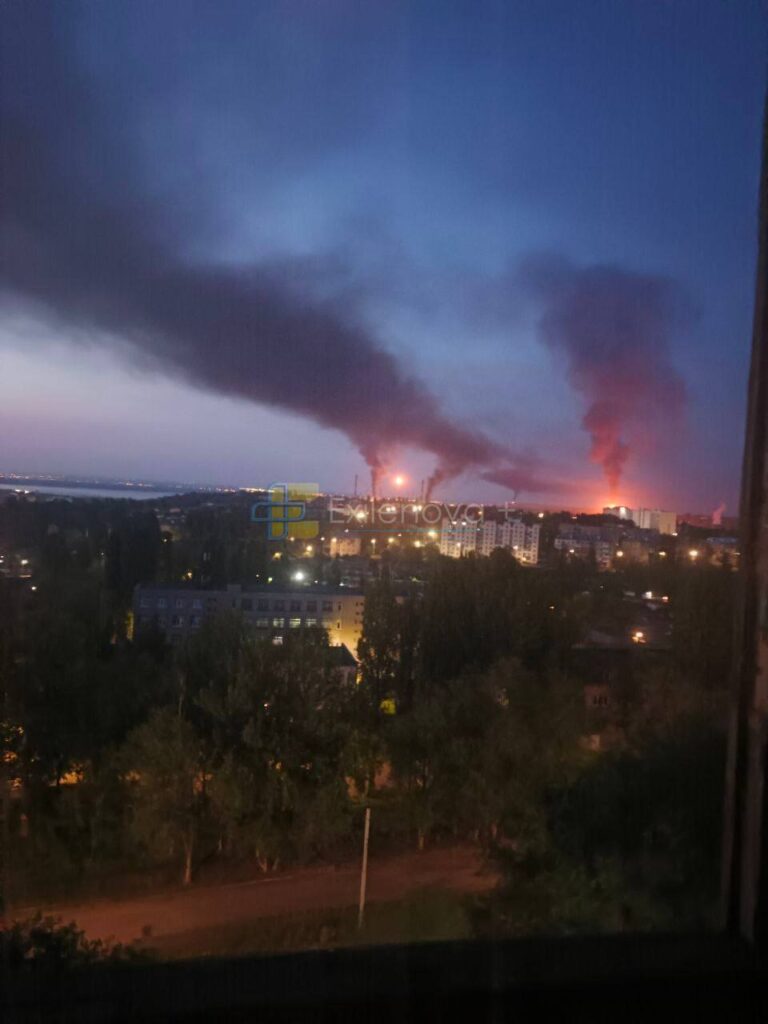
Oleshky, a Ukrainian city under Russian occupation in Kherson Oblast, is facing a severe humanitarian crisis, with more than 6,000 people, including around 200 children, potentially trapped there, according to Ukrainian Ombudsman Dmytro Lubinets.
Civilians are going without food, drinking water, medicine, and other basic necessities while facing daily shelling and drone attacks, Lubinets said.
The crisis has become so desperate that some residents are trying to escape on their own wi
Oleshky, a Ukrainian city under Russian occupation in Kherson Oblast, is facing a severe humanitarian crisis, with more than 6,000 people, including around 200 children, potentially trapped there, according to Ukrainian Ombudsman Dmytro Lubinets.
Civilians are going without food, drinking water, medicine, and other basic necessities while facing daily shelling and drone attacks, Lubinets said.
The crisis has become so desperate that some residents are trying to escape on their own without waiting for an organized evacuation, crossing mined fields because they see no other way out. They risk being killed by mines or Russian drones, but are attempting to leave because staying in Oleshky has become even more dangerous.
“People need to be saved,” Lubinets said, describing the city as a “death trap.”
Thousands remain trapped
Lubinets said his office has received 176 appeals concerning the humanitarian situation in the temporarily occupied territories of Kherson Oblast and has verified 358 people who urgently need assistance to safely leave the area.
He stressed that these are only people his office has managed to identify. Based on the population of Oleshky and the surrounding area, more than 6,000 people may still remain there, including around 200 children, he said.
The civilians remaining in the city are effectively in a “gray zone,” according to Lubinets. They face daily shelling and drone attacks while lacking food, drinking water, medicine, and other essential assistance.
“The stories make your blood run cold. And so there is only one task — to get our people out of this deadly danger,” Lubinets said.
People in Oleshky wait for food supplies. Hola Prystan is near Oleshky. Photo: BBC
“There is real hunger there”
Other reporting indicates that the shortages have persisted for months. According to Kherson Regional Military Administration head Oleksandr Prokudin, food deliveries to Oleshky have almost completely stopped, while Russian forces prevent residents from evacuating.
Natalia Soboleva, an Odesa volunteer who tracks the situation in Oleshky, told Espreso that residents are gathering grass and searching through destroyed basements for food.
The blockade has also affected humanitarian efforts. Soboleva said Russian forces attacked humanitarian vehicles attempting to bring food and water into the city. During the latest reported attempt on 1 September, Russian troops shelled four volunteer vehicles.
The crisis in Oleshky has been independently documented by international organizations and media. The UN, Human Rights Watch and the OSCE have all reported severe shortages of food and medical care, dangerous conditions for civilians, and restrictions on humanitarian aid and evacuation.
Explore further
International monitors confirm Russia’s blockade of occupied Oleshky, where the living starve and the dead go unburied
Russia has not confirmed evacuation, so civilians risk mines to escape
The ombudsman said some people are now trying to leave independently. They are crossing mined areas despite the risk of being killed by a mine or targeted by a drone because they do not see another way to escape.
This desperation has also been documented by Human Rights Watch, which said there is no organized evacuation route from Oleshky and that people attempting to leave face Russian military checkpoints and a dangerous journey through occupied territory.
Lubinets said Ukraine has been pressing for an organized humanitarian evacuation.
Ukraine and Russia had previously reached agreements and established clear procedures for such a mission, he said. Lubinets also secured the International Committee of the Red Cross’ readiness to participate within its mandate.
Ukraine prepared a list of people for evacuation and coordinated with its Security and Defense Forces to establish a ceasefire during the humanitarian mission.
But Russia has not confirmed its readiness to carry out the evacuation, according to Lubinets.
Explore further
Mined in, starved out, hunted from above—life in the towns Russia demands at the peace table
Months ago, he said, he informed international organizations, including the United Nations and the ICRC headquarters in Geneva, about the critical situation and called for assistance to prevent mass deaths.
Lubinets said his office continues to collect and verify information and coordinate with the ICRC, international organizations and Ukrainian authorities. It is also continuing to press Russia for an urgent evacuation of civilians remaining in Oleshky.
The situation is difficult to independently verify because Oleshky is under Russian occupation and access to the city is severely restricted. But reports of the humanitarian crisis have been corroborated by the UN, Human Rights Watch, the OSCE and other international organizations, as well as Ukrainian and international media.
C’est à Baie-Comeau, face au Drakkar, que l’Océanic va débuter, vendredi et samedi, la 32e saison de son histoire.
Après une saison très difficile marquée par une exclusion des séries éliminatoires, laquelle a suivi celle d’une participation à la Coupe Memorial, l’Océanic présente un visage très différent avec 15 des 25 joueurs qui sont des recrues de tous les âges.
L’équipe a connu du succès dans le calendrier des parties préparatoires avec six victoires en autant de sorties. Rien n’empêc
C’est à Baie-Comeau, face au Drakkar, que l’Océanic va débuter, vendredi et samedi, la 32e saison de son histoire.
Après une saison très difficile marquée par une exclusion des séries éliminatoires, laquelle a suivi celle d’une participation à la Coupe Memorial, l’Océanic présente un visage très différent avec 15 des 25 joueurs qui sont des recrues de tous les âges.
L’équipe a connu du succès dans le calendrier des parties préparatoires avec six victoires en autant de sorties. Rien n’empêche que bien des observateurs voient l’Océanic rater à nouveau la danse du printemps. La mission de les faire mentir s’amorce vendredi soir, 19 h 30, au Centre Alcoa.
« On a beaucoup de jeunes qui ont eu un gros camp d’entraînement, demandant. Je sens tout le monde excité que ça commence. Je pense qu’il n’y a rien de mieux qu’un premier week-end contre le Drakkar pour débuter ça. C’est une belle rivalité qui existe depuis plusieurs années entre les deux équipes », explique Joël Perrault.
« À Baie-Comeau, on va jouer dans un aréna qui n’est pas facile à jouer. Ça va mettre nos joueurs directement dans le bain. Ils ont démontré de belles choses dans les matchs hors-concours. Il ne faut pas se faire ébranler par quoi que ce soit. C’est une longue saison et il ne faut pas qu’on prenne les deux premiers matchs comme si c’étaient des matchs sans lendemain », poursuit l’entraineur-chef.
Des hauts et des bas
Questionné sur ses objectifs, il se limite à parler de progression. « Chaque journée sera une nouvelle journée et on voudra progresser dans ce qu’on fait. Il va clairement y avoir des hauts et des bas, considérant que nous sommes une jeune équipe. Il y en a quand tu as une équipe à maturité. Mais ce sera d’aller chercher toute l’expérience qu’on peut aller chercher et de compétitionner à chaque match. »
Perrault demeure réaliste. « On a eu un bon camp d’entrainement, mais il ne faut pas penser que, tout d’un coup, on aspire aux grands honneurs. Mais, je pense qu’on a une équipe qui va pouvoir rivaliser contre beaucoup d’équipes de notre ligue. Il va y avoir des soirs où notre jeunesse va paraître, mais notre talent et notre passion pour la game, ça va peser dans la balance. »
En santé
Ce n’est pas arrivé souvent depuis son arrivée à la barre de l’Océanic, mais ses 25 joueurs sont tous en santé et ont fait le voyage, jeudi. C’est la recrue de 20 ans, Edouard Lord, qui sera le gardien.
Edouard Lord (Photo Le Soir – René Alary)
Ce qui oblige le retrait de l’attaquant de 20 ans, Thomas Belzil, pour respecter la règle des trois joueurs de 20 ans dans un match. Belzil jouera le lendemain puisqu’un des deux autres gardiens sera devant le filet, le lendemain.
Rappelons que tous les matchs de l’Océanic seront radiodiffusés sur les ondes du FM 93 Rimouski.
EU Commission President Ursula von der Leyen says Europe will provide Ukraine with another €3.3 billion for missiles and drones as Russia intensifies attacks on Kyiv and seeks to make daily life in Ukraine's cities impossible.
Ukraine has repeatedly appealed to its partners for more air defense as Russia develops increasingly sophisticated ways to attack Ukrainian cities, while Ukraine’s stocks of air-defense interceptors have fallen to critically low levels.
Following a call with Pr
EU Commission President Ursula von der Leyen says Europe will provide Ukraine with another €3.3 billion for missiles and drones as Russia intensifies attacks on Kyiv and seeks to make daily life in Ukraine's cities impossible.
Ukraine has repeatedly appealed to its partners for more air defense as Russia develops increasingly sophisticated ways to attack Ukrainian cities, while Ukraine’s stocks of air-defense interceptors have fallen to critically low levels.
Following a call with President Volodymyr Zelenskyy, von der Leyen said the EU would disburse the funds on 18 September. She also said the EU had approved funding for Patriot air defense systems through its Ukraine Support Loan.
Ukraine needs more air defense
Russia has increasingly combined large numbers of attack drones with ballistic and cruise missiles, forcing Ukraine to defend vast areas while facing shortages of high-end interceptors.
The most difficult targets are Russia’s ballistic missiles, which can reach Ukrainian cities within minutes and require specialized systems such as Patriot to intercept. Ukraine has repeatedly called for more Patriot batteries and interceptors as Russia increases missile attacks.
Ukraine also needs additional air defense capabilities to counter Russia’s increasingly sophisticated drone attacks. Russia is deploying faster, more advanced Geran-type drones that are more difficult to intercept, increasing pressure on Ukraine’s already limited air-defense stocks.
Von der Leyen said the EU had approved funding for Patriot systems last week, but acknowledged that “clearly more is needed.”
The new €3.3 billion package will fund the procurement of missiles and drones for Ukraine, strengthening its ability to defend against Russian attacks.
I just had a phone call with President @ZelenskyyUa.
Tomorrow we will disburse €3.3 billion for missile and drones in Ukraine.
Von der Leyen also announced that the EU is prepared to use remaining funds from its Security Action for Europe (SAFE) program to launch a new joint EU-Ukraine defense initiative.
The proposed program would focus on developing a European air and missile defense system, building on the jointly developed anti-ballistic Freya system.
The goal is to combine Ukraine’s battlefield experience and defense innovation with European technology and industrial capacity, according to von der Leyen.
The announcement comes as Ukraine is trying to strengthen its air defenses ahead of another winter of Russian attacks, when strikes against energy and other critical infrastructure could have an especially severe impact on civilians.
Explore further
The EU has billions in unspent defense funds. It wants to use them for projects with Ukraine
Von der Leyen calls for broader support
Von der Leyen said the EU has already mobilized nearly €15 billion for Ukraine in 2026, with additional support planned. She added that “more is coming.”
She also said Ukraine needs to complete reforms in the Verkhovna Rada to unlock further funding and continue its path toward EU membership.
“Europe is stepping up,” von der Leyen said. “Now others must step up their support too.”
Les souvenirs de Montréalais d’origine chinoise seront réduits en poussière par des bulldozers, dans les prochaines semaines, alors que la Ville s’apprête à autoriser la démolition de quatre bâtiments liés à cette communauté.
Les souvenirs de Montréalais d’origine chinoise seront réduits en poussière par des bulldozers, dans les prochaines semaines, alors que la Ville s’apprête à autoriser la démolition de quatre bâtiments liés à cette communauté.
Donetsk Oblast’s preliminary economic losses from Russia’s full-scale invasion exceeded 1.08 trillion hryvnias ($26 billion) as of 1 August 2026, according to data provided by the Donetsk Regional Military Administration to Radio Free Europe/Radio Liberty’s Donbas.Realities project.
Donetsk Oblast has been at the center of Russia’s war against Ukraine since 2014, with the frontline running through the region and Ukrainian-controlled towns facing daily Russian attacks since 2022. Only ab
Donetsk Oblast’s preliminary economic losses from Russia’s full-scale invasion exceeded 1.08 trillion hryvnias ($26 billion) as of 1 August 2026, according to data provided by the Donetsk Regional Military Administration to Radio Free Europe/Radio Liberty’s Donbas.Realities project.
Donetsk Oblast has been at the center of Russia’s war against Ukraine since 2014, with the frontline running through the region and Ukrainian-controlled towns facing daily Russian attacks since 2022. Only about 30% of the oblast remains under Ukrainian control.
Industry accounts for most losses
According to the administration, businesses in the region’s real economy suffered more than 1.08 trillion hryvnias in losses, including lost profits, Donbas.Realities reported.
Industry accounted for 909.4 billion hryvnias ($22 billion) of the estimate, while the electricity and gas sectors suffered 156.5 billion hryvnias ($3.8 billion) in losses.
Agriculture accounted for 11.8 billion hryvnias ($285 million), transport for 1.5 billion hryvnias ($36 million), and other sectors for another 1 billion hryvnias ($24 million).
The losses among businesses operating in the social sphere were separately estimated at 100 million hryvnias ($2.4 million).
Emergency workers responding to the aftermath of a Russian airstrike on a residential building in Kramatorsk, Donetsk Oblast, Ukraine, on 4 August 2026. Photo: Ukraine's State Emergency Service
Full extent of damage remains unknown
The administration said its Department of Economy is collecting and consolidating information on losses caused by Russia’s invasion.
The regional administration said the figure is likely incomplete, as ongoing fighting and the scale of destruction make it impossible to determine the full extent of the damage.
“Determining the full extent of material damage caused in Donetsk Oblast is currently impossible,” the administration said, citing ongoing hostilities, the scale of destruction, limited access to damaged or destroyed sites, and the loss of documentation from occupied territories and areas of active fighting.
The administration emphasized that the figures are preliminary estimates and do not represent the region’s full material losses.
A final assessment can only be made after the security situation stabilizes and temporarily occupied territories are liberated, allowing authorities to properly document and assess the damage, it said.
Ruins in Kostyntynivka, Donetsk Oblast, May 2025. Photo: 93rd Brigade
Most of Donetsk Oblast remains under Russian control
About 30% of Donetsk Oblast remains under Ukrainian control, according to the regional administration.
The region has been a major battlefield throughout the full-scale war, with Russian forces continuing to attack Ukrainian-controlled areas while large parts of the region remain occupied.
The scale of the damage in Donetsk Oblast forms part of the much broader economic cost of Russia’s invasion. At the beginning of 2026, Ukrainian authorities and international organizations estimated Ukraine’s overall losses since the start of the full-scale invasion at more than $195 billion, Donbas.Realities reported.
Tout est en place pour la présentation du 28e tournoi de golf caritatif Formule Rita. Parmi les plus importants du genre dans l’Est-du-Québec, l’événement accueillera de nouveau environ 320 joueurs au profit des œuvres du Club Lions, ce vendredi 18 et ce samedi 19 septembre, au Club Les Saules.
Sous la présidence d’honneur, pour une quatrième année, de Line Marcoux et William Doucet, de Rimouski Toyota, l’événement tentera de fracasser son record de l’an dernier, alors qu’il avait réuni 334 j
Tout est en place pour la présentation du 28e tournoi de golf caritatif Formule Rita. Parmi les plus importants du genre dans l’Est-du-Québec, l’événement accueillera de nouveau environ 320 joueurs au profit des œuvres du Club Lions, ce vendredi 18 et ce samedi 19 septembre, au Club Les Saules.
En 2026, le comité organisateur remettra 30 000 $ à 10 organismes œuvrant auprès de la communauté, soit l’Association des personnes handicapées visuelles (5 000 $), le Centre d’action bénévole Rimouski-Neigette (5 000 $), Centraide BSL (3 000 $), Sclérose en plaques (3 000 $), Répit du passant (3 000 $), Moisson Rimouski-Neigette (3 000 $), Pro-Jeune Est (2 000 $), l’Hôtellerie Omer-Brazeau (2 000 $), la Maison Marie-Élisabeth (2 000 $) et le Fonds Sourire (2 000 $).
Cette reconnaissance souligne l’engagement exceptionnel de personnes qui contribuent au développement du sport amateur dans la communauté rimouskoise.
Plutôt cette semaine, le Club Lions de Rimouski a dévoilé les trois finalistes pour 2026, soit René Alary du Club de baseball senior Le Shaker, Jean-Charles Fournier du Club de pickleball et Azur Desrosiers du Club de patinage artistique.
René Alary, Jean-Charles Fournier et Azur Desrosiers (Photos courtoisie)
Un comité composé de membres du Club Lions et de journalistes sportifs, présidé par Robert Gagnon, a étudié les candidatures préalablement soumises. Le Club Lions remettra un chèque au club sportif du gagnant. Tous les finalistes recevront également un cadeau souvenir.
Redonner à la communauté
Comme lors des années précédentes, la Fondation Marcel-Gagné contribue à l’événement en ajoutant 6 000$ à la cagnotte finale destinée aux personnes démunies.
« Dès la création du tournoi, mon souhait était de rassembler les gens autour d’une activité conviviale tout en redonnant concrètement à la communauté. Soutenir les organismes qui viennent en aide aux personnes dans le besoin a toujours été au cœur de cette initiative. Avec le Club Lions de Rimouski, nous sommes fiers de célébrer cette 28e édition, car le milieu communautaire et les personnes de notre région en ont grandement besoin », précise l’instigatrice du tournoi de golf Formule Rita, Rita Marquis.
The US health secretary added that he would’ve made sweeping changes ‘on day one’ but he had to follow the lawAs the death toll from the worst measles outbreak in decades rises, Robert F Kennedy Jr headlined the Washington DC conference of the anti-vaccine organization Children’s Health Defense, which he led for nearly a decade.“Let me be clear. You have a strong and steadfast friend at the White House,” Kennedy, now serving as secretary of the US Department of Health and Human Services (HHS), t
The US health secretary added that he would’ve made sweeping changes ‘on day one’ but he had to follow the law
As the death toll from the worst measles outbreak in decades rises, Robert F Kennedy Jr headlined the Washington DC conference of the anti-vaccine organization Children’s Health Defense, which he led for nearly a decade.
“Let me be clear. You have a strong and steadfast friend at the White House,” Kennedy, now serving as secretary of the US Department of Health and Human Services (HHS), told anti-vaccine activists at the conference in a nearly hour-and-a-half-long speech. He urged patience, saying that he would’ve made sweeping changes “on day one” but that he had to follow the law in order to make permanent change.
Les élus montréalais sont appelés à voter dès la semaine prochaine sur une proposition de règlement municipal interdisant d’insulter les policiers et les autres employés municipaux.
Les élus montréalais sont appelés à voter dès la semaine prochaine sur une proposition de règlement municipal interdisant d’insulter les policiers et les autres employés municipaux.
Flock created a fake police department called “Flock City PD” that it used to search a series of live automated license plate readers in several U.S. cities during demonstrations of its surveillance system’s capabilities, public records show. The records show that Flock City PD searched real cameras for people holding signs, “crowds,” people wearing masks, and more, according to audit logs shared with 404 Media. Flock City PD also searched extremely sensitive queries, which Flock told 404 Med
Flock created a fake police department called “Flock City PD” that it used to search a series of live automated license plate readers in several U.S. cities during demonstrations of its surveillance system’s capabilities, public records show. The records show that Flock City PD searched real cameras for people holding signs, “crowds,” people wearing masks, and more, according to audit logs shared with 404 Media.
Flock City PD also searched extremely sensitive queries, which Flock told 404 Media were done to prove that the system would not actually perform these searches and that its moderation tools worked. These searches included “coexist bumper sticker,” “vehicle a pretty girl would drive,” “white truck with a trump sticker,” “religious cars,” “Star of David,” and “don’t tread on me flag.”
Flock employees accessing live cameras for sales purposes, and showing police specifically how to do dubious searches, have become political flashpoints in the backlash against the company. In April, we reported that Flock employees regularly accessed live cameras in Dunwoody, Georgia, at a children’s gymnastics room, at a playground, in a school, at a pool, and in a Jewish community center in the city while demoing the company’s tech to cops. Audit logs obtained by Jason Hunyar, the Dunwoody resident who originally discovered this access, show that an entity called “Flock City PD” also searched live Dunwoody cameras for all sorts of politically contentious topics during sales demos with police. This included searches for behavior that is expressly protected by the First Amendment.
The Flock City PD searches. "Allow" means the search was allowed, "warn" means a popup box appeared, and "block" means the search was blocked
Flock accounts called “Flock City PD - Law Enforcement Demo,” “Flock Intelligence,” and “Flock Safety - Commercial Sales Demo” ran searches in Dunwoody and Bryan, Texas, as well as a handful of other unknown jurisdictions, for “coexist bumper sticker,” “Star of David,” “person wearing a mask,” “crowd,” “vehicle with a political sticker,” “man holding rifle,” “person in scrubs,” “don’t tread on me flag,” “car that a pretty girl would drive,” and “vehicle with trump bumper sticker,” among other searches. All of these were “FreeForm” searches, meaning Flock’s AI image recognition algorithm would determine what would be returned. The audit logs show that not all of these searches were allowed by Flock’s system, and that its moderation tools either blocked some of the searches or displayed a warning prompt before doing the search.
A Flock spokesperson told 404 Media that some of the searches were done specifically to show the types of searches cops shouldn’t do, and to show some of the guardrails Flock had put in place to prevent these searches. For example, the searches for “vehicle a pretty girl would drive,” is listed as having a moderation “block.” A search for a person with “Star of David” was also listed as having a moderation block, but a search for “Star of David” on a vehicle raised a warning box about the nature of the search before allowing it to proceed.
The searches highlight how Flock employees regularly performed real, invasive searches on real cameras to demonstrate how its technology works; residents of Dunwoody have repeatedly told their city council that they feel like their privacy is being violated as an experiment and sales demonstration for a private company. After Hunyar and 404 Media reported on Flock cameras being accessed in sensitive locations by Flock employees, the company and the city said Dunwoody’s cameras would no longer be used for sales demonstration purposes. The Flock spokesperson said that these demonstrations were done to show police officers what not to do, and said that the “Flock City PD” account no longer searches on any real cameras. They added, “the Flock City PD demo environment is now isolated, and law enforcement agencies cannot form a sharing relationship with it.”
A recent Flock training webinar seen by 404 Media shows a Flock employee logged into the Flock City PD account having access to cameras that seem to be explicitly for training purposes, with names like “Flock Warehouse - LPR Demo Cameras,” “Circle K - Demo,” “Tennessee Demo Cameras,” “Scottsdale AZ Demo Video Cameras,” and “ALPR Demo.”
“Flock City PD is a demo and testing organization name used for law enforcement demonstrations and for our development engineers to conduct testing. Those searches were part of testing and validating FreeForm search moderation and related safeguards. These were not investigative searches conducted by a customer agency,” the Flock spokesperson told 404 Media. “That is also the context for prompts such as ‘Star of David’ or ‘large group with signs.’ These types of prompts are testing the safeguards of the system — that it appropriately blocks offensive or sensitive searches, or flags searches that may implicate First Amendment protections. Our policy is designed so that offensive or slur-based searches do not yield results, and prompts that may implicate First Amendment concerns trigger notice and audit review. As you can see in your screenshot — the safeguards we built are working.”
The audit logs show, however, that many of the sensitive searches were not blocked. Searches for “crowd,” “a person wearing scrubs,” “large group with signs” were all explicitly allowed. More sensitive searches, such as for “vehicle with trump bumper sticker,” “don’t treat on me flag,” “coexist number sticker,” “religious cars,” and “Star of David” had a warning box pop up, but Flock says in a blog post published in April that police can bypass this: “Searches for specific content that could potentially implicate First Amendment rights will trigger a pop-up warning the user and advising that this search will be sent to a superior for auditing if the user chooses to proceed.”
In a blog post explaining how it tests Flock, the company wrote, “some vehicle bumper stickers contain words and symbols indicating religious affiliations or nationalities, and the moderation policy needs to recognize, flag, and block these searches. Just like vehicle identification, these algorithms need to be trained in the real world using real-life examples. Those might be training and demo searches for things like ‘Cross bumper sticker,’ ‘Star of David,’ or ‘Japanese flag.’ These searches, if performed, should not return results.”
Dunwoody residents have made clear that they understand that Flock needs to test its systems, but they did not sign up to be guinea pigs for a surveillance company.
“Flock's claims that they impose restrictions on what users can search for in their database provides the opposite assurance of what they seem to purport. In doing so, they admit that their dynamic surveillance network does in fact capture this sensitive information, and that the gate to that information is controlled solely by the policies of a for-profit corporation,” Hunyar told 404 Media. “As shown in previous demos, their willingness to continuously monitor and catalogue the actions of law abiding citizens exercising their constitutionally protected rights should worry anyone who plans to exercise them now or in the future."
Plus vaste, plus moderne et pensée pour l’avenir, la nouvelle clinique Laser ProVue marque bien davantage qu’un simple déménagement. Elle incarne la continuité d’une histoire amorcée il y a plus de 25 ans et ouvre la porte à une ambition nouvelle : faire de cet espace du centre-ville de Rimouski un véritable pôle consacré à la santé.
UN HOMME, UNE VISION
L’histoire de Laser ProVue commence en janvier 1999 avec le Dr Raymond Simard. Originaire de Matane et établi à Rimouski depuis 1987, il
Plus vaste, plus moderne et pensée pour l’avenir, la nouvelle clinique Laser ProVue marque bien davantage qu’un simple déménagement. Elle incarne la continuité d’une histoire amorcée il y a plus de 25 ans et ouvre la porte à une ambition nouvelle : faire de cet espace du centre-ville de Rimouski un véritable pôle consacré à la santé.
UN HOMME, UNE VISION
L’histoire de Laser ProVue commence en janvier 1999 avec le Dr Raymond Simard. Originaire de Matane et établi à Rimouski depuis 1987, il fait figure de pionnier dans la région.
Dès 1994, il expérimente les premières techniques de chirurgie réfractive, puis le LASIK dès 1998. Pendant plus de deux décennies, il contribue à transformer la façon de traiter les problèmes de vision dans l’Est-du-Québec.
Sa philosophie demeure au coeur de la clinique: innover, exceller et rester proche des gens d’ici.
UNE NOUVELLE CLINIQUE CONÇUE POUR L’AVENIR
Au fil des années, l’équipe s’est agrandie, les expertises se sont diversifiées et les possibilités de traitement se sont multipliées.
« L’ancienne clinique ne répondait plus aux besoins actuels ni à ceux d’une pratique en pleine évolution. Le déménagement devient alors l’occasion de voir plus grand et de repenser complètement l’expérience patient. »
Le résultat : une clinique lumineuse, contemporaine et beaucoup plus vaste, conque autant pour les besoins d’aujourd’hui que pour ceux de demain.
LA TECHNOLOGIE AU SERVICE DE VOTRE VISION
Pour les patients de moins de 40 ans, la clinique propose la chirurgie réfractive au laser, soit le LASIK et le PRK, afin de corriger les défauts de vision.
Pour les patients de plus de 50 ans, elle offre le remplacement du cristallin, une intervention corrigeant les défauts de vision tout en corrigeant la presbytie.
Pour les cornées qui ne se prêtent pas au laser, Laser ProVue propose également la pose de lentilles intraoculaires phaques.
Enfin, la clinique complète son offre avec MacuMira comme traitement de la dégénérescence maculaire sèche.
En s’installant dans les anciens espaces de TELUS, les associés voient plus grand : créer éventuellement un pôle santé réunissant plusieurs expertises sous un même toit.
Un lieu moderne favorisant la collaboration et des soins complémentaires et accessibles, fidèle à la mission de Laser ProVue : innover aujourd’hui pour mieux soigner demain.
Quatre partenaires. Une même vision!
Quatre spécialistes passionnés, unis par l’expérience et une mission commune: vous offrir la meilleure expérience et des résultats qui changent la vie.
Dr Étienne Vachon-Joannette, MD, FRCSC
Le Dr Étienne Vachon-Joannette s’est joint à Laser ProVue en 2019. Il a complété ses études en médecine et sa résidence en ophtalmologie à l’Université Laval, où il a développé un intérêt marqué pour l’oculoplastie lors de son passage à l’hôpital St-Sacrement.
Dr Pascal Soucy,optométriste
Le Dr Pascal Soucy, optométriste diplômé de l’Université de Montréal en 1998, est associé à la clinique de Mont-Joli depuis 2001. Il partage aujourd’hui sa pratique avec Laser ProVue, où il se spécialise en chirurgie réfractive et a développé une clinique innovante dédiée à la sécheresse oculaire.
Dr Steven Gagnon, MD, FRCSC
Formé à l’Université Laval, le Dr Gagnon a suivi un parcours en médecine et en ophtalmologie, complété par une formation en chirurgie au laser chez Laser ProVue, où il est responsable des traitements PRK et LASIK.
Dr Jean-François Gravel, MD, FRCSC
Le Dr Jean-François Gravel, ophtalmologiste diplômé de l’Université Laval, s’est joint à Laser ProVue. Il pratique notamment la chirurgie de la cataracte et développera l’offre en chirurgie réfractive, dont le LASIK et la PRK.
Pour nous joindre :
226, rue Saint-Germain Est, Bureau 101, Rimouski, Québec, G5L 1B4
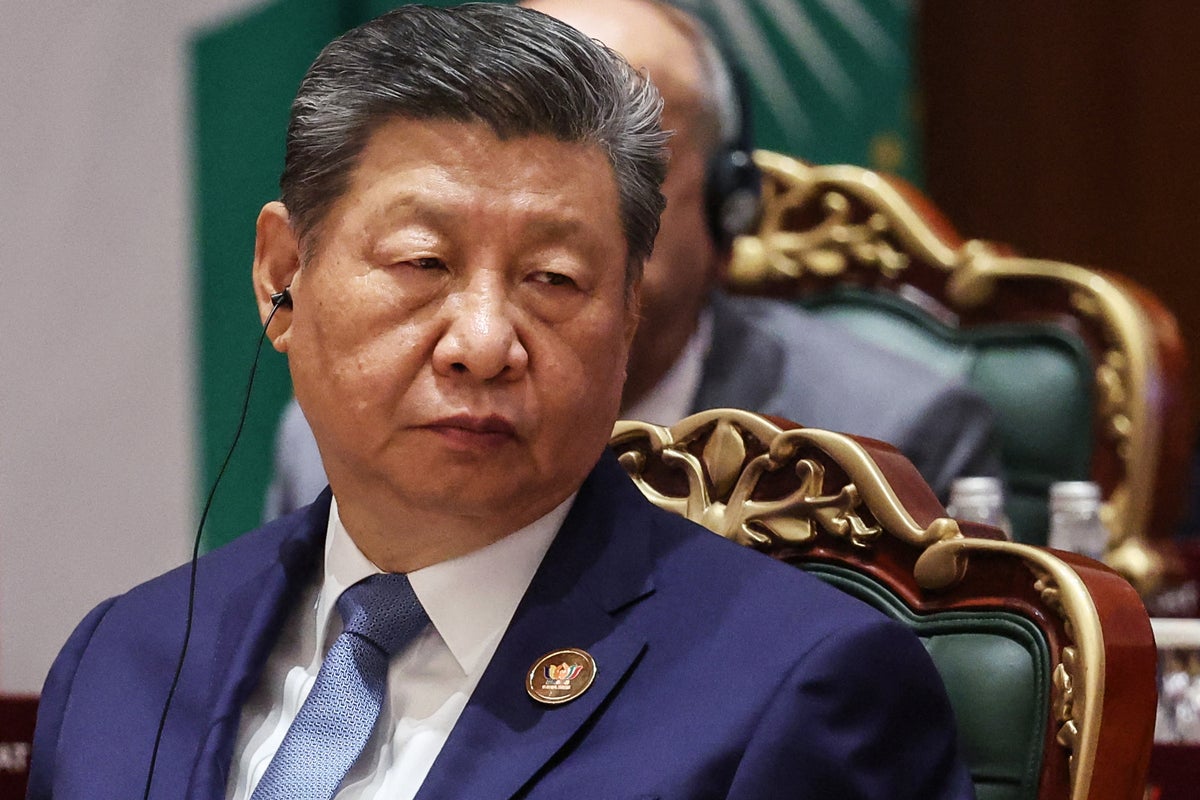
Des internautes affirment que Xi Jinping aurait fait un malaise cardiaque lors du dernier sommet des Brics en Inde. Ils présentent pour preuve une vidéo de l’événement où le Premier ministre indien semble s'inquiéter de la santé du président chinois. En réalité, Xi Jinping rencontrait un problème technique avec son appareil de traduction.
Des internautes affirment que Xi Jinping aurait fait un malaise cardiaque lors du dernier sommet des Brics en Inde. Ils présentent pour preuve une vidéo de l’événement où le Premier ministre indien semble s'inquiéter de la santé du président chinois. En réalité, Xi Jinping rencontrait un problème technique avec son appareil de traduction.
The US manager’s first squad of the 2030 World Cup cycle leans heavily on youth, injecting intrigue into the four-game window. Sign up for our free newsletter hereIn the moments after the USMNT’s 4-1 crash-out in the last 16 at this summer’s World Cup, Mauricio Pochettino took the podium for what many assumed would be his last press conference as the US head coach. I had a question for him: “Would you consider your tenure here a success?” His answer was full of the usual platitudes, but one thin
In the moments after the USMNT’s 4-1 crash-out in the last 16 at this summer’s World Cup, Mauricio Pochettino took the podium for what many assumed would be his last press conference as the US head coach. I had a question for him: “Would you consider your tenure here a success?” His answer was full of the usual platitudes, but one thing did stand out. He said, more or less, that he and his staff had finally gotten a good idea of the player pool.
It struck me as bizarre at the time. By almost every account, Pochettino had been brought in to win the game that he’d just lost. Given just two and a half years to get it done, his job had never really been to evaluate the player pool; it had been to maximize results with the tools at hand, something he did with varying levels of success. And now, in the shadow of arguably the most disappointing result in US men’s history, we were finding out that it had been a fact-finding mission? And there were suggestions that he was leaving?
Attorney also says Elizabeth Siders, 34, has been almost continuously pregnant since 15 without regular healthcareAn Ohio mother whose 16 children were rescued from appalling conditions pleaded not guilty to child endangerment and neglect charges in court on Wednesday.Elizabeth Siders, 34, is one of four family members, including her husband, Gary Siders Jr, charged with 16 charges of child endangerment and neglect after investigators found the children, who were 17 months to 18 years old, in “d
Attorney also says Elizabeth Siders, 34, has been almost continuously pregnant since 15 without regular healthcare
An Ohio mother whose 16 children were rescued from appalling conditions pleaded not guilty to child endangerment and neglect charges in court on Wednesday.
Elizabeth Siders, 34, is one of four family members, including her husband, Gary Siders Jr, charged with 16 charges of child endangerment and neglect after investigators found the children, who were 17 months to 18 years old, in “deplorable conditions” at the decrepit family home in the tiny village of Hamden in July.
Rivière-du-Loup. Je parcours à pied le pittoresque boulevard de l’Hôtel-de-Ville pour me rendre au lancement du Mouton. Des panneaux de la Ville marqués « Participez, bougez, sortez » s’adressent au vide, ou presque, sur les trottoirs – qui voudrait marcher là?
Mon retour d’Europe, où le transport en commun, efficace, fait bouger les gens1, est brutal : en Amérique du Nord, il n’y a personne dans les rues – tout le monde est (souvent seul) dans sa boîte motorisée pour se rendre d’une boîte (l
Rivière-du-Loup. Je parcours à pied le pittoresque boulevard de l’Hôtel-de-Ville pour me rendre au lancement du Mouton. Des panneaux de la Ville marqués « Participez, bougez, sortez » s’adressent au vide, ou presque, sur les trottoirs – qui voudrait marcher là?
Mon retour d’Europe, où le transport en commun, efficace, fait bouger les gens1, est brutal : en Amérique du Nord, il n’y a personne dans les rues – tout le monde est (souvent seul) dans sa boîte motorisée pour se rendre d’une boîte (la maison, le travail) à une autre (le complexe sportif, la Cité des achats). Les corps des gens, invisibles, intouchables.
Seulement 45,4 % de la population québécoise pratique le niveau recommandé d’activité physique2; pourtant tout le monde ne parle que de sport – de hockey. Même avec mes amies intellos, le sujet s’immisce, est imposé. Je saurai où en est le Canadien dans les séries, que je le veuille ou non.
Avec sa théorie critique du sport, le sociologue Jean-Marie Brohm cherche à « montr[er] la totale subordination de l’institution sportive aux stratégies économiques, diplomatiques, militaires et médiatiques des États [et autres] acteurs centraux de la civilisation du capital3 ». Le sport surinvestit notre vie, nous soumet à « ses effets d’abrutissement » (pendant les séries, on n’entend pas parler des coupes au Centre de services scolaires des Phares) ou à la « sportivisation propagandiste de l’espace public4 ». À Rimouski, 25,7 millions sont investis pour la construction d’un stade multisport (pour, encore, jouer à l’intérieur…); le même montant pourrait soutenir un écosystème culturel et communautaire entier.
Et quid des effets délétères sur l’environnement? On construit de nouvelles infrastructures, on défriche, on artificialise (on crée des nappes de stationnements pour les sportifs), on produit béton et acier, on consomme de l’eau; on se déplace en voiture, on fait du bruit, on pollue. On écoute le chant des rainettes sous les spots allumés pour rien au centre Adhémar-Saint-Laurent de Rimouski-Est.
Je n’ai rien contre l’activité physique; j’en ai contre « la logique sportive contemporaine5 », l’obsession, la marchandisation. Celle qui transforme la course, pourtant économe en matériel, en « vaste décharge6 » de bouteilles d’eau, de tee-shirts de marathon et de gels d’énergie en pochette plastique. Celle qui impose la compétition dans les cours d’éducation physique au lieu de faire comme mon professeur du primaire, Michel, qui nous emmenait marcher au sentier du Littoral. Bravo à l’école des Alizés à Mont-Joli qui fera faire du vélo aux enfants7. La bicyclette empouvoire les jeunes, leur permet une liberté nouvelle quant à l’usage de leur temps, de leur ville.
On fait quoi?
Difficile d’aller à contre-courant de la culture [sic] du sport et de ses affects obligatoires. Mais on peut réfléchir. Que faire de ces sentiments d’exultation, de fierté mal placée qu’on ne souhaite pas ressentir? Peut-on dépasser la compétition, même contre soi-même? Peut-on imaginer un sport qui n’implique ni domination, ni inégalités financières injustifiables, ni destruction du vivant?
Surtout, sachant qu’il s’agit d’« une coercition anthropologique majeure qui renforce et légitime l’idéologie productiviste et le principe de rendement de la société capitaliste8 », comment peut-on être de gauche et aimer le sport-spectacle, le sport-entreprise? (Aïe.)
On lit
Les garçons courent plus vite, livre de poésie jeunesse de Simon Boulerice, fait (re)vivre l’humiliation des moins doués en éduc : « j’en veux à Luc Léger / qu’est-ce que / cette course à paliers / cette course navette […] // je gravis les damnés paliers de ma honte / le cœur fêlé dans la gorge // […] mon corps est à bout / de cette course à vide9 ».
Deux Québécois ont reconnu cette semaine devant la justice américaine avoir joué un rôle clé dans un complot international de trafic d’armes à feu. Ils ont été piégés par un agent d’infiltration américain dans un hôtel de Montréal en 2016.
Deux Québécois ont reconnu cette semaine devant la justice américaine avoir joué un rôle clé dans un complot international de trafic d’armes à feu. Ils ont été piégés par un agent d’infiltration américain dans un hôtel de Montréal en 2016.
Salvo, a large black-and-tan dog rescued as a puppy in Pokrovsk, Donetsk Oblast, now visits patients at the UNBROKEN rehabilitation center in Lviv with his owner, volunteer Kostyantyn Bidnyi, according to a 16 September report by Ratusha. The visits bring dogs and patients together for play, simple activities, or time spent nearby.
The visits are part of UNBROKEN ANIMALS, a volunteer project in which people bring their own household dogs to the rehabilitation center. UNBROKEN says its c
Salvo, a large black-and-tan dog rescued as a puppy in Pokrovsk, Donetsk Oblast, now visits patients at the UNBROKEN rehabilitation center in Lviv with his owner, volunteer Kostyantyn Bidnyi, according to a 16 September report by Ratusha. The visits bring dogs and patients together for play, simple activities, or time spent nearby.
The visits are part of UNBROKEN ANIMALS, a volunteer project in which people bring their own household dogs to the rehabilitation center. UNBROKEN says its center has treated more than 20,000 wounded Ukrainians since Russia's full-scale invasion and provides physical, psychological and psychosocial rehabilitation, making the dog visits one small part of a much larger rehabilitation setting.
Patients can choose whether to play with a dog, walk it on a leash or simply spend time nearby. One patient, Vyacheslav, said, “I almost never skip the dog sessions.”
In one session, a blind patient who had lost both arms could not take part in most of the usual activities with Salvo. Volunteers described the dog's size, coloring, ears and tail to him, and he tried to touch Salvo, spoke to him, and then talked with people nearby, Bidnyi told Ratusha.
Kostyantyn Bidnyi and Salvo at the UNBROKEN rehabilitation center in Lviv. Photo: Ratusha
The activities can include throwing a ball, giving a command, offering a treat or walking the dog on a leash. Bidnyi said these simple actions can work on movement and coordination while the dog provides emotional motivation.
“We don't treat anyone,” Bidnyi said. Doctors and rehabilitation specialists handle patients' medical recovery, while the volunteers provide emotional support.
Salvo is one of several dogs that take part in the sessions. Ratusha reports that two or three owners usually come with their pets, giving patients different dogs to interact with. The animals are not specially trained working dogs; they are the volunteers' own pets, who accompany them to UNBROKEN on designated days. What starts as a regular outing becomes an hour of volunteering before the pairs return to their usual routines.
Salvo's name carries both halves of his story: in Latin, the language medicine still runs on, salvo means I heal,I keep safe — and the same root gave English "salvo," an artillery volley.
ZVS Holding evacuated its ammunition factory in Snina, a town in eastern Slovakia, on 16 September after a fire broke out on the roof of a production building. Work stopped temporarily in the affected section, but nobody was injured, Militarnyi reported.
The Snina plant has an annual capacity of roughly 100,000 shells and plans to triple it, Noviny reported. The blaze briefly disrupted part of a facility under expansion for Europe’s ammunition buildup, although co-owner CSG expects no i
ZVS Holding evacuated its ammunition factory in Snina, a town in eastern Slovakia, on 16 September after a fire broke out on the roof of a production building. Work stopped temporarily in the affected section, but nobody was injured, Militarnyi reported.
The Snina plant has an annual capacity of roughly 100,000 shells and plans to triple it, Noviny reported. The blaze briefly disrupted part of a facility under expansion for Europe’s ammunition buildup, although co-owner CSG expects no impact on customer deliveries. Authorities across Europe are investigating suspected Russian sabotage against defense companies, but no evidence links the Snina fire to that campaign.
ZVS Holding is owned equally by the Slovak state and the Czech defense conglomerate Czechoslovak Group (CSG). It makes 155 mm artillery shells, 120 mm tank rounds, and 30/35 mm cannon ammunition.
In December 2025, ZVS signed a seven-year framework agreement with Slovakia’s Defense Ministry to supply EU states. Purchases under the agreement may be financed through the bloc’s SAFE defense-loan program. Its Euro 58 billion ceiling represents the maximum possible value of future orders, not guaranteed purchases.
Firefighters brought the blaze under control during the afternoon. As thick black smoke rose over Snina, town officials advised nearby residents to limit time outdoors, close windows and doors, and switch off ventilation systems drawing in outside air.
Slovak Defense Minister Robert Kaliňák said the fire had not reached the plant’s production equipment and that the affected part of the building was not being used for manufacturing at the time. That section makes metal projectiles, he said.
Kaliňák said welding during the renovation may have sparked the fire, but stressed that investigators had not established the cause.
CSG said the fire started during roof repairs conducted by an external contractor. The company said the damage and cause still had to be assessed, but it did not expect the incident to affect customer deliveries, STVR reported.
Why sabotage fears shadow Europe’s arms plants
The Snina blaze was at least the fourth fire or explosion at a European ammunition facility since 10 August, after two fires struck a Bulgarian company and an explosion hit an Italian factory. No common cause has been established.
Preliminary findings pointed away from outside interference in the first Bulgarian fire. No evidence of sabotage, however, was reported after the Italian blast, and only the second Bulgarian fire remains under investigation for possible sabotage.
Czech authorities are examining a possible Russian trail behind an arson attack on a factory making drones and thermal optics for Ukraine.
Estonia has also probed suspected arson at a military-robot maker after courts documented earlier attacks directed by Russian military intelligence.
State reportedly asks for emergency assistance as state Democratic governor spars with US health secretaryPennsylvania is seeking emergency assistance from the US Centers for Disease Control and Prevention (CDC) as a major measles outbreak spreads across the state. The state warned the request could be withdrawn unless the federal agency publicly recognizes four measles-associated deaths reported by the state.The Pennsylvania department of health has begun the process of requesting CDC emergency
State reportedly asks for emergency assistance as state Democratic governor spars with US health secretary
Pennsylvania is seeking emergency assistance from the US Centers for Disease Control and Prevention (CDC) as a major measles outbreak spreads across the state. The state warned the request could be withdrawn unless the federal agency publicly recognizes four measles-associated deaths reported by the state.
The Pennsylvania department of health has begun the process of requesting CDC emergency support known as an Epi-Aid, according to a letter reviewed by the Guardian. The letter was first reported by Reuters on Thursday.
Le maire de cette ville de Seine-Saint-Denis et la Conférence des évêques de France contestent la version de la non-venue du Pape en raison de "points de deal".
Le maire de cette ville de Seine-Saint-Denis et la Conférence des évêques de France contestent la version de la non-venue du Pape en raison de "points de deal".
Georgia State University has rescinded a job offer given to a high profile activist who is currently fighting a case in which he allegedly wiped a security-focused Android phone before Customs and Border Protection (CBP) could search it. The case, which 404 Media first covered and has now received widespread and national attention, has important ramifications for privacy and when someone can still be charged with an offense even if authorities don’t have suspicion of any specific crime.Earlie
Georgia State University has rescinded a job offer given to a high profile activist who is currently fighting a case in which he allegedly wiped a security-focused Android phone before Customs and Border Protection (CBP) could search it. The case, which 404 Media first covered and has now received widespread and national attention, has important ramifications for privacy and when someone can still be charged with an offense even if authorities don’t have suspicion of any specific crime.
Earlier this month, activist Samuel Tunick and a group of supporters delivered a “demand letter” to the university. That letter, which Tunick shared with 404 Media, says he explained to the university he was facing a pending charge, which he describes as “an instance of textbook political repression, and a high profile civil liberties case.”
While delivering the letter, supporters held signs saying, “GSU sides with Trump,” and “Digital Privacy Under Attack!”
💡
Do you know anything else about this case? I would love to hear from you. Using a non-work device, you can message me securely on Signal at joseph.404 or send me an email at joseph@404media.co.
Tunick told 404 Media he was supposed to start his Teaching Assistant job on August 25. Then six hours before his first lab, Tunick received an automated email saying he had not passed the required background check. The letter says Tunick’s head of department asked the university for more information about the relevant hiring policy, “and she was told that there actually aren’t any.” Instead, in Tunick’s telling, “this was a subjective, and essentially arbitrary decision made for reasons that have not been made clear to me or other faculty.”
Tunick was also planning to pursue a M.S. of Geosciences at Georgia State, and was going to receive a tuition waiver and wages for his work as a Teaching Assistant. “Now I have had both my tuition waiver and source of income pulled out from under me at the drop of a hat, my economic security and academic career threatened due to a single absurd charge, to which I have pleaded ‘not guilty,’” the letter continues.
Tunick shared screenshots of emails between him and various faculty. One sent by the department head said, “I was told that the ‘Background Check Committee’ denied the approval for your hire, the Dean of Students denied the approval, and the legal department denied your approval.” That email reiterated there is no policy to be pointed to, and that each hire “undergoes a risk assessment on a case-by-case basis.” In another email, Tunick notes he had a misdemeanor in Fulton County, but these charges were dismissed.
Georgia State University did not respond to a request for comment.
404 Media first broke news of Tunick’s case in December and published an interview with Tunick and one of his lawyers, Matthew Dodge, in July. The airport encounter that led to the charge happened in January 2025, when Tunick was returning to the U.S. after a vacation in the Dominican Republic. Department of Homeland Security (DHS) officials called the airport ahead of time and asked agents there to stop Tunick, Dodge said.
The officers asked to search Tunick’s bags and pat him down, both of which he refused. Agents searched him and found nothing improper, Dodge said. Then, the agents said they wanted to search Tunick’s phone. Tunick provided them a code, which an officer then typed into the device. Rather than unlocking the phone, the device “went to a blank screen” and displayed the logo of GrapheneOS. In other words, the code wiped the device.
GrapheneOS is a security- and privacy-focused operating system, which includes all sorts of additional features. One of those is the duress password feature that “will irreversibly wipe the device,” according to GrapheneOS’s website.
Tunick participated in the Stop Cop City movement in Atlanta, and in a previous interview with 404 Media, Tunick put his prosecution for wiping his phone squarely in the context of other cases against the movement. Before the airport encounter, Tunick found out from his lawyer a tracker had been placed on his car. He also learned authorities subpoenaed his cellphone records and Gmail data. Tunick previously failed a background check for a job on a Christmas tree lot which involved going onto the property of a school, he previously said. When he asked the Atlanta Public Schools office about it, he was directed to the FBI.
The authorities “really just tried to dig up anything they could on me and they didn’t find anything,” Tunick previously told 404 Media. “At this point, it almost seems like it’s just intended to make my life miserable and discourage participation in any sort of advocacy or activism.”
The letter demands that Georgia State reinstate Tunick’s employment and/or the tuition waiver; provide more information about the hiring and background review process; and apply an “innocent until proven guilty” principle on hiring decisions.
Olivier Primeau a fait un arrêt à Rimouski mercredi pour prêter main-forte à la candidate de la Coalition avenir Québec, Julia Brillant-Ruest.
Après une visite chez Cotech, à L’Isle-Verte, l’entrepreneur et influenceur a poursuivi sa tournée auprès de PME rimouskoises. Il a rencontré Tommy Cloutier, de La Maison du Spaghetti et du Bistro de la Forge, Nicolas Beaulieu, du CMS Rimouski, ainsi que Josiane Pouliot, de PMI Structures.
Sur sa page Facebook, Olivier Primeau est surtout revenu sur
Olivier Primeau a fait un arrêt à Rimouski mercredi pour prêter main-forte à la candidate de la Coalition avenir Québec, Julia Brillant-Ruest.
Après une visite chez Cotech, à L’Isle-Verte, l’entrepreneur et influenceur a poursuivi sa tournée auprès de PME rimouskoises. Il a rencontré Tommy Cloutier, de La Maison du Spaghetti et du Bistro de la Forge, Nicolas Beaulieu, du CMS Rimouski, ainsi que Josiane Pouliot, de PMI Structures.
Sur sa page Facebook, Olivier Primeau est surtout revenu sur sa rencontre avec Tommy Cloutier et sur la quantité de paperasse imposée, selon lui, aux restaurateurs.
« MAPAQ, CNESST, RACJ (Régie des alcools, des courses et des jeux du Québec), permis d’alcool, timbrage des bouteilles, inspections, normes sanitaires, santé et sécurité, gestion des employés, renouvellements, formulaires… chaque règle prise individuellement peut avoir sa raison d’être, mais quand on additionne tout, ça devient extrêmement lourd », écrit-il.
Olivier Primeau souligne que les groupes de restauration plus importants peuvent se permettre d’avoir un employé qui s’occupe en bonne partie de ces tâches. Selon lui, la réalité est différente pour un propriétaire qui exploite un seul établissement.
« Imaginez quelqu’un qui ouvre son premier restaurant. Même si son restaurant fonctionne, même s’il a du succès et que les clients sont au rendez-vous, il n’a pas nécessairement les moyens d’engager quelqu’un uniquement pour gérer la bureaucratie. C’est donc lui qui doit le faire, souvent le soir ou la fin de semaine, après avoir géré ses employés, sa cuisine, ses fournisseurs, ses coûts et ses clients », souligne-t-il.
En tournée pour la CAQ
La Coalition avenir Québec a recruté monsieur Primeau pendant la campagne afin qu’il sillonne le Québec et rencontre des propriétaires de PME.
Or, selon plusieurs analystes politiques, il rendra service à la CAQ en visitant des circonscriptions où elle espère faire des gains ou consolider des positions de tête
Olivier Primeau doit recevoir 20 000 $ de la CAQ pour son travail pendant la campagne. Il a indiqué que cette somme serait remise à des œuvres caritatives.
Ukraine's arms industry wants the government to scrap a steep fee on weapons exports, warning it undercuts their prices just as Europe's defense market opens, RBC-Ukraine reported. The same fee has opened a second fight in Kyiv, where parliament this week declined to turn its revenue into money for the army.
Russia's war on Ukraine has pushed Europe into rearming, and Ukraine's battle-tested arms makers are among the few that can deliver at scale right now—an opening that domestic red t
Ukraine's arms industry wants the government to scrap a steep fee on weapons exports, warning it undercuts their prices just as Europe's defense market opens, RBC-Ukraine reported. The same fee has opened a second fight in Kyiv, where parliament this week declined to turn its revenue into money for the army.
Russia's war on Ukraine has pushed Europe into rearming, and Ukraine's battle-tested arms makers are among the few that can deliver at scale right now—an opening that domestic red tape could blunt, handing the advantage to competitors just as the market grows.
A €60 billion European window—and a fee in the way
The push comes as Europe opens a major market for Ukrainian weapons. The EU's €90 billion Ukraine Support Loan for 2026-2027 reserves €60 billion for defense purchases, and partners increasingly want weapons built on their own soil. International partners report more than 200 cooperation approaches to Ukrainian firms still without a decision, according to the industry's press release. Producers link the fee fix to Build with Ukraine, a co-production push they consider strategically significant.
Explore further
Ukraine’s Build with Ukraine has 200-plus foreign cooperation bids pending decision. Its arms industry, representing 400-plus firms, wants to help fix mechanism
Parliament won't route the money to the army
On 15 September, the Verkhovna Rada—Ukraine's parliament—rejected a bill in first reading that would have sent fee revenue collected from 1 August 2026 into a special budget fund for the Defense Ministry, half for buying, modernizing, and repairing weapons, half for soldiers' pay. The vote left the fee itself untouched, since it rests on the Cabinet resolution, and settled only that its revenue will not be earmarked for the army.
The fee producers want gone
The Ukrainian Council of Arms Manufacturers, joined by other defense and employer groups, prepared proposals to rework the July government resolution, No. 875. They want the fee—20% on finished goods and technologies, 30% on parts—cut to zero, or capped at 5%. Firms must also pay upfront, before any foreign payment lands, with no refund guaranteed if a deal collapses. A UAH 15 million (about $337,000) threshold shuts out the small test shipments new clients often begin with.
Explore further
Ukraine put an Italian-Swiss Skyguard into combat duty. The missile inside is a Cold War design derived from the American Sparrow
The fee has drawn complaints since the resolution took effect in early July. Ihor Fedirko, the council's executive director, earlier said the 30-day review window was welcome but warned it could clog into a bureaucratic queue as staff leave the agencies running it. One of the associations behind the submission calls the 30% rate on parts prohibitive, since Europe is where Ukrainian firms would undercut Chinese suppliers on price.
Ukraine has swung from banning weapons sales abroad to courting foreign buyers, and its defense sector now ranks among the country's fastest-growing industries. Wartime certification to NATO standards is turning that output into something European militaries can actually buy.
Exclusive: Internal FBI memo, reviewed by the Guardian, said women wanted to dox and ‘embarrass’ agents, but provided few detailsThe FBI internally warned that a group of women were creating fake online dating accounts with “tradwife” aesthetics in an effort to lure US immigration agents and “dox” them.The FBI in Chicago disseminated a brief memo to other law enforcement officials across the US on the potential threat to agents in February, warning that “as of late January 2026, a small group of
Exclusive: Internal FBI memo, reviewed by the Guardian, said women wanted to dox and ‘embarrass’ agents, but provided few details
The FBI internally warned that a group of women were creating fake online dating accounts with “tradwife” aesthetics in an effort to lure US immigration agents and “dox” them.
The FBI in Chicago disseminated a brief memo to other law enforcement officials across the US on the potential threat to agents in February, warning that “as of late January 2026, a small group of women allegedly were creating fictitious online dating profiles with the purpose of attracting and then doxxing law enforcement participating in immigration enforcement”. The report, which was shared with the Guardian, provided few details about the alleged scheme and did not explain the source of the information.
On September 10, the Brooklyn-based punk band Lathe of Heaven released a new single on its verified Spotify page called Riding High. Any fan of Lathe of Heaven would have immediately noticed that the song sounded nothing like the band’s previous work, that the vocals were not from lead singer Gage Allison, and that the album cover was widely different from the style and logo the band used previously. That’s because Lathe of Heaven didn’t write, perform, or willingly release Riding High. I cre
On September 10, the Brooklyn-based punk band Lathe of Heaven released a new single on its verified Spotify page called Riding High. Any fan of Lathe of Heaven would have immediately noticed that the song sounded nothing like the band’s previous work, that the vocals were not from lead singer Gage Allison, and that the album cover was widely different from the style and logo the band used previously.
That’s because Lathe of Heaven didn’t write, perform, or willingly release Riding High. I created the song with a simple prompt given to the AI music generator Udio, and I was able to release the track on Lathe of Heaven’s official Spotify page, as well as on its Apple Music, Tidal, and Amazon Music pages, without the band’s knowledge, by exploiting a glaring loophole in the way music is digitally distributed to streaming platforms.
The loophole has existed for years, but people who make AI slop music are now widely abusing it. Today, anyone can easily hijack a real artist’s Spotify page and flood it with AI-generated music. When someone clicks one of those tracks expecting to hear music from their favorite artists, the scammer will collect whatever royalties those streams generate, essentially piggybacking on their popularity, and the listener will hear low quality slop instead of their favorite artist. Various instances of this scam have been documented in the past, but 404 Media was able to identify and replicate the exact loophole scammers are exploiting. It was trivial to do, and neither music streaming platforms nor digital music distributors are taking responsibility for the problem.
The Patriots owner’s decision to ban the rapper from performing at the team’s stadium brings back memories of the blackballing of Colin KaepernickSix years ago, in the middle of a “racial reckoning” that never was, a White House that had begun out of control reached its chaotic apex. Federal officials were sweeping citizens off American streets in unmarked vehicles, surrounding the Lincoln Memorial with armed guards and rolling military vehicles through residential neighborhoods in a fascist rea
The Patriots owner’s decision to ban the rapper from performing at the team’s stadium brings back memories of the blackballing of Colin Kaepernick
Six years ago, in the middle of a “racial reckoning” that never was, a White House that had begun out of control reached its chaotic apex. Federal officials were sweeping citizens off American streets in unmarked vehicles, surrounding the Lincoln Memorial with armed guards and rolling military vehicles through residential neighborhoods in a fascist reaction to protests against the murder of George Floyd. It was at this point that NFL commissioner Roger Goodell, realizing it had all gone too far, appeared on a Zoom and admitted his league was “wrong” for not listening to its players when they had protested against police brutality.
The implication was clear: more than any other sports league, the NFL was harshest in its reaction to the protests that began with Trayvon Martin in 2012 and continued with Ferguson, Baltimore and Colin Kaepernick. By blackballing Kaepernick, sitting by while broadcast partners refused to air the national anthem to undermine the protests, and, most embarrassingly, Goodell’s draconian announcement that teams would be subject to fines if players showed dissent, the NFL had proven itself to act in the most un-American of ways.
Howard Bryant is the author of 11 books, including Full Dissidence: Notes from an Uneven Playing Field, and Kings and Pawns: Jackie Robinson and Paul Robeson in America. He also writes on Substack
A Ukrainian drone maker has revealed it built a strike weapon it kept classified, deputy director Andrii Rymaruk told Radio NV. For two years, Ukrspecsystems, known for manufacturing Ukraine's SHARK reconnaissance drones, hid its connection to the RAM-2X strike drone, even as crews used it to hunt Russia's costly air defenses and missile launchers deep behind the front. By 2025, it had quietly become the Defense Forces' flagship mid-strike drone.
Ukraine's war on Russia's air defenses i
A Ukrainian drone maker has revealed it built a strike weapon it kept classified, deputy director Andrii Rymaruk told Radio NV. For two years, Ukrspecsystems, known for manufacturing Ukraine's SHARK reconnaissance drones, hid its connection to the RAM-2X strike drone, even as crews used it to hunt Russia's costly air defenses and missile launchers deep behind the front. By 2025, it had quietly become the Defense Forces' flagship mid-strike drone.
Ukraine's war on Russia's air defenses increasingly runs on drones its own industry builds and fields in secret, revealed only once they have already destroyed the enemy's costliest launchers and radars. Holding one back that long lets its crews rack up strikes before Moscow can study the weapon and build a counter—and this maker went public only once wrecked drones had reached Russian hands.
Why come out now
The RAM-2X first flew in combat in early 2024, but the maker kept its role secret. Rymaruk said the company wanted the drone and its crews to finish the job first—destroy what needed destroying—before talking. Once shot-down units reached the enemy and turned up on social media, silence no longer protected anything. So after two years, Ukrspecsystems unveiled the drone at the MSPO defense expo in Kielce, Poland.
What it kills
This is a mid-strike drone—a loitering munition that flies deep behind the lines, circles, and dives into its target. Its victims include S-400 and S-300 air defenses, the systems Russia uses to shoot down aircraft, and Iskander launchers that fire ballistic missiles at Ukrainian cities.
Rymaruk put the RAM-2X's own tally at more than 350 Russian systems destroyed since 2024, while Defender Media, which interviewed him, reported more than 1,000 targets over two years. Ukrspecsystems credits the wider RAM series, which reaches back to a fixed-wing model supplied from late 2022, with more than 450 target engagements, over 400 of them against air defenses. Today, it destroys 50 to 60 pieces of Russian equipment a month.
How far, how many
The drone has grown fast. It flew 140 km in 2024 and now hits targets up to 180 km, almost 230 km in good conditions, and a crew from the 429th Achilles unmanned-systems brigade set a range record at 215.5 km. It has spread from a few crews to about 100 military units and 250 trained teams, and one operator can fly it from anywhere in Ukraine. It also works in pairs with the SHARK-M reconnaissance drone—one finds the target, the other kills it. In July, Ukrainians crowdfunded 30 of the drones for military intelligence and the security service through Serhii Prytula's foundation.
Sanna Marin has made the journey to Kyiv and back many times since February 2022, in winter, summer, and autumn. Speaking at the Book 2.0 conference in Lisbon on Wednesday, days after returning from the September 2026 Yalta European Strategy conference, the former Finnish prime minister said this trip stood apart.
"This was the first time that I noticed so many drone alarms," she said. "I think there was only one missile alarm at that time we visited previously. Now in Kyiv, in this
Sanna Marin has made the journey to Kyiv and back many times since February 2022, in winter, summer, and autumn. Speaking at the Book 2.0 conference in Lisbon on Wednesday, days after returning from the September 2026 Yalta European Strategy conference, the former Finnish prime minister said this trip stood apart.
"This was the first time that I noticed so many drone alarms," she said. "I think there was only one missile alarm at that time we visited previously. Now in Kyiv, in this international meeting, I have never seen so many alarms going off when there's an international meeting, also with the US quite heavily represented there on site."
The knock at 5 a.m.
Marin was traveling back to Poland by train when the drone threat reached her carriage. "There was a knock on the door at 5 a.m. saying that we need to evacuate the train," she said. "I quickly put on my clothes and then saw what was happening. But then for some reason we were able to continue, so we never evacuated."
Another train on the same route was less fortunate. "Another train that was also traveling to Poland was evacuated several times, and it was also hit by a drone, and there was a missile that landed quite near as well."
Damaged locomotive of the Kyiv–Warsaw passenger train at Yahodyn station after a Russian drone strike on 13 September 2026. The train was hit approximately two kilometers from the Polish border; passengers had been evacuated 15 minutes earlier and no one was injured.
Photo: Ukrzaliznytsia / State Emergency Service of Ukraine (DSNS Volyn)
That strike, on 13 September, hit the locomotive of a passenger train near the Polish border, at the Yahodyn crossing in Volyn Oblast. Ukraine's state railway operator, Ukrzaliznytsia, said the Russian drone may have been aimed at a diplomatic train carrying security advisers from several EU states and former European leaders, including former UK prime minister Boris Johnson, which had left the station earlier than scheduled as staff adjusted movements in real time. Former CIA director David Petraeus was on another train at the crossing during the attack.
Marin was careful not to assert what Russia intended. "I don't know what are the motives behind this. Was it just an accident where they're trying to hit a gas station, or whatever? So I don't know about the motives." A gas station near the Yahodyn crossing was indeed struck the same night, setting off a large fire.
What Marin could say was that the restraint she had seen on earlier visits was gone. "I think it is alarming that there isn't that kind of restraint any more from attacking when there are international people in Kyiv."
She read it as a message aimed at everyone who backs Ukraine, and framed her Lisbon remarks as a warning to Europe. "I think Putin is trying to send a signal that if you support Ukraine, we will bomb you. It's about creating fear. We shouldn't reply to that with fear but with determination."
Damaged locomotive of the Kyiv–Warsaw passenger train at Yahodyn station after a Russian drone strike on 13 September 2026. The train was hit approximately two kilometres from the Polish border; passengers had been evacuated 15 minutes earlier and no one was injured.
Photo: Ukrzaliznytsia / State Emergency Service of Ukraine (DSNS Volyn)
Russia has made Ukraine's railways a deliberate target. It struck the network around 1,200 times in 2025, more than the previous two years combined, shifting its aim from track and stations to the rolling stock itself, and about 40 railway workers have been killed since 2022, according to Ukrzaliznytsia. Strikes on trains have averaged about six a day since early March.
Why the west is suddenly in range
Western regions were long considered safer because of their distance from the front. Two changes have brought them within reach, and what Marin noticed on this trip is the product of both.
The first is control range. Russia's drones are steered in real time only within a "red zone" near the border and the front, and until recently that zone did not reach the west. Russia extended it by building signal repeaters on towers and rooftops in Belarus, boosting Shahed control signals far enough to reach Kyiv, Rivne, and Volyn.
Ukrainian hackers exposed the network in February 2026, and by June President Volodymyr Zelenskyy was giving Belarus's Aliaksandr Lukashenka one week to strip the repeaters from its border towers, warning that if Belarus did not, Ukraine would. Russia has also used signal-relay balloons drifting from Belarus to keep its drones connected.
The second is speed. Ukrainian interceptor drones had learned to bring down about half of the incoming Shaheds by mid-2026, up from roughly 10% over the winter, so Russia reached for jet power: the jet-powered Geran-4 is built to fly at up to 500 kilometers an hour, several times faster than the piston-engine drones Ukraine spent three years learning to intercept.
Jet-powered Gerans now make up a large and growing share of Russia's nightly launches, and the largest model, the Geran-5, is credited with a range of up to 1,000 kilometers, far enough to put Warsaw within reach of the drone bases Russia has built near its borders. The near-miss on a diplomatic train two kilometers from Poland is what that reach looks like at its western edge.
Explore further
Russia turns to 500-km/h Geran-4 jet drones to outrun Kyiv’s cheap interceptors
"That is a luxury"
Marin said she had not felt afraid on the train, and drew the distinction herself.
"Ukrainian people are living in fear every single day. I can travel back to Finland and be safe with my family. I think that is a luxury."
She said she would return. "I didn't feel intimidated or afraid, and I will definitely go back."
Un incendie criminel qui visait un restaurant dans l’arrondissement de Villeray–Saint-Michel–Parc-Extension, sur la rue Jean-Talon Est près de la 21e rue, a forcé l’évacuation des neuf logements de l’immeuble jeudi matin.
Un incendie criminel qui visait un restaurant dans l’arrondissement de Villeray–Saint-Michel–Parc-Extension, sur la rue Jean-Talon Est près de la 21e rue, a forcé l’évacuation des neuf logements de l’immeuble jeudi matin.
As the country’s top public health official spends his time in office undermining science, doctors and advocates mount an urgent campaign for childhood vaccinesOn an early September morning, dozens of families stood in line outside a clinic in Yeadon, Pennsylvania. It was “exclusion day”, the deadline by which students without complete immunizations are barred from returning to class.Instead of turning families away, school district leaders partnered with the county health department to vaccinat
As the country’s top public health official spends his time in office undermining science, doctors and advocates mount an urgent campaign for childhood vaccines
On an early September morning, dozens of families stood in line outside a clinic in Yeadon, Pennsylvania. It was “exclusion day”, the deadline by which students without complete immunizations are barred from returning to class.
Instead of turning families away, school district leaders partnered with the county health department to vaccinate kids nearby so they could go back to their desks. That day, 42 middle and high school students were vaccinated to protect against tetanus, pertussis and meningitis, among other diseases.
Russian oil refineries earned more in the first half of this year than in the same period a year earlier, even as Ukrainian drone strikes kept a fifth of the country's refining capacity out of action, The Moscow Times reported. Record wholesale prices and fast-growing payments from the federal budget have more than covered what the attacks and the repairs cost. Russian consumers are covering the rest at the pump.
Refineries turn Russian crude into the two things the war needs: fuel for
Russian oil refineries earned more in the first half of this year than in the same period a year earlier, even as Ukrainian drone strikes kept a fifth of the country's refining capacity out of action, The Moscow Times reported. Record wholesale prices and fast-growing payments from the federal budget have more than covered what the attacks and the repairs cost. Russian consumers are covering the rest at the pump.
Refineries turn Russian crude into the two things the war needs: fuel for the army, and billions in export earnings and taxes that help pay for it. That is why That is why Ukraine keeps hitting them with long-range drones, and why what those strikes do to Russian oil earnings matters more than how many plants are burning.
Where the profits come from
Russian refineries earned 938 billion rubles ($11.1 billion) in the first half of 2026, 16.2% more than a year earlier, according to the state statistics service Rosstat. Ukrainian drone strikes have put a fifth of the country's refining capacity out of action.
Two things produced that result, according to Promsvyazbank analyst Yekaterina Krylova: high wholesale prices on the SPIMEX commodity exchange, and a sharp increase in state fuel subsidies.
Wholesale prices took off in March, after the war in the Middle East began: light petroleum products have risen 37% since late February and diesel by a third, with July bringing record exchange prices of 82,600 rubles ($982) per tonne of AI-95 gasoline. Crude got cheaper for the refiners over the same stretch, as the ruble price of Urals oil peaked in spring and fell through the summer while the products made from it kept getting dearer.
Explore further
Ukraine says drones hit Russia’s gas heartland over 3,000 km from its border—a wartime record
The budget pays the difference, the country pays the bill
Russia's damper mechanism compensates oil companies for selling fuel cheaply at home rather than exporting it, and the payments grow as the gap between domestic and world prices widens.
The Finance Ministry paid out close to 350 billion rubles ($4.2 billion) a month in the second quarter, and 500 billion rubles ($5.9 billion) for July and August together. Krylova expects the subsidies and the prices together to widen net margins by 45% in the third quarter, to 35,000 rubles ($416) per tonne of gasoline.
Russia's retail prices tell the other half of the story. Gasoline has risen 21.2% since January and diesel 18.4%, well above Russian inflation. Budget money lets the majors, which own both the refineries and the filling-station chains, hold their own forecourt prices near inflation. Independent chains have no such cushion: they buy at the higher wholesale prices and sell dearer, which is how Russia has been squeezing them out of the market. For drivers, the crisis has been physical as well as financial, with rationing and dry pumps spreading across dozens of regions.
Explore further
Kazakh refinery deal could ease Russia’s front-line fuel pressure—but it covers just 0.3% of demand
What the strikes have cost
Ukrainian drones have been hitting Russian refineries since 2024, and the campaign escalated sharply from August 2025, when strikes deep inside Russia became systematic. Russian refineries disclose none of their losses from it.
Ukraine's General Staff estimated the total damage to the Russian oil industry since August 2025 at $13.5 billion, in a count published in early July. The insurance broker Mains put direct losses to the oil and gas sector from drone strikes last year at more than 100 billion rubles ($1.2 billion), and above a trillion rubles once lost profit and indirect damage are counted.

 Connexion


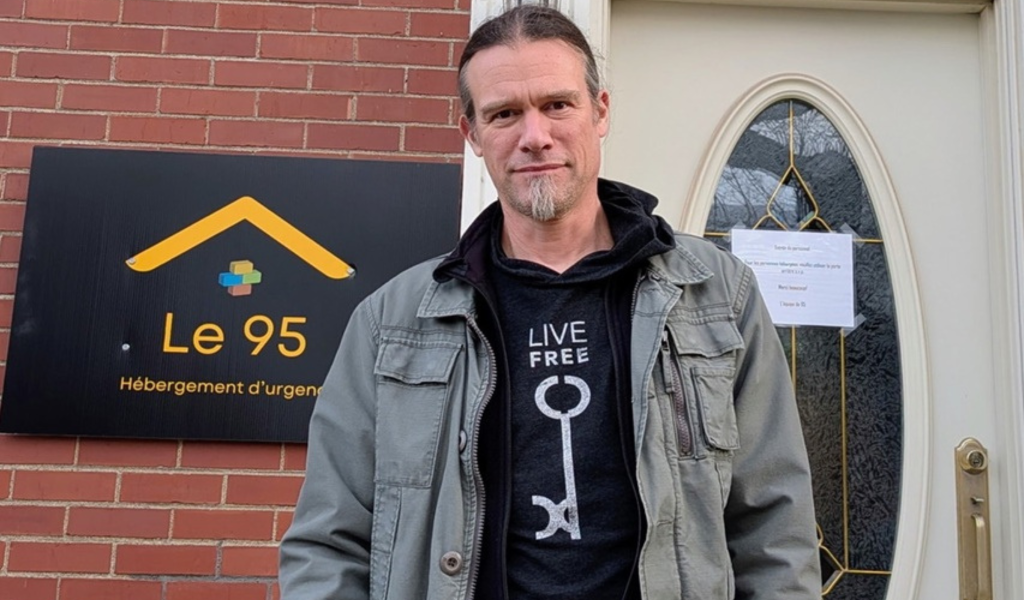










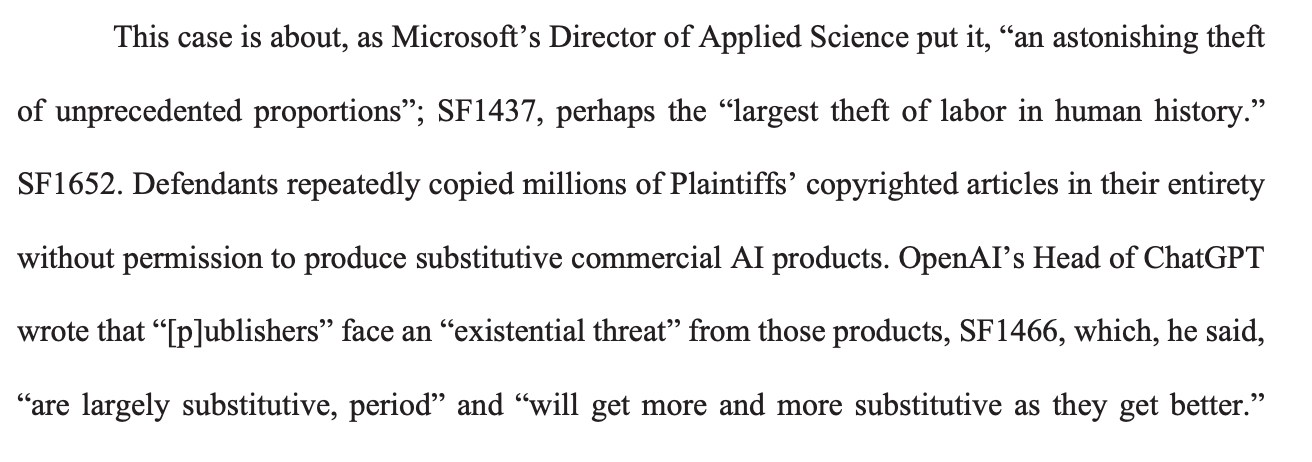












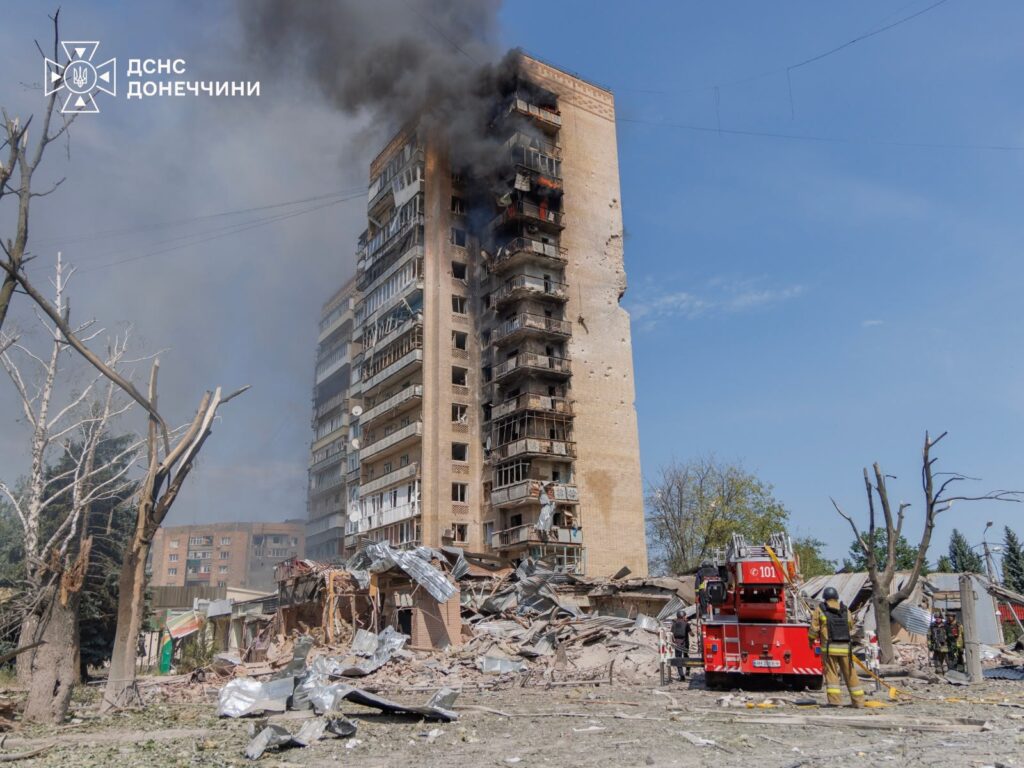
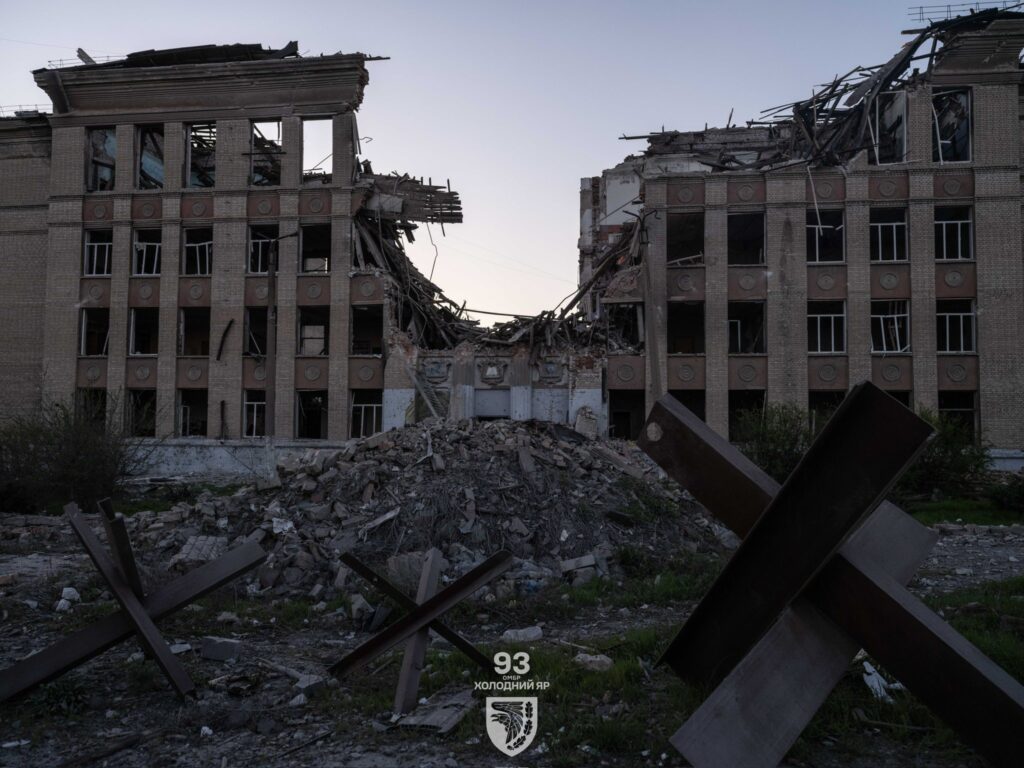








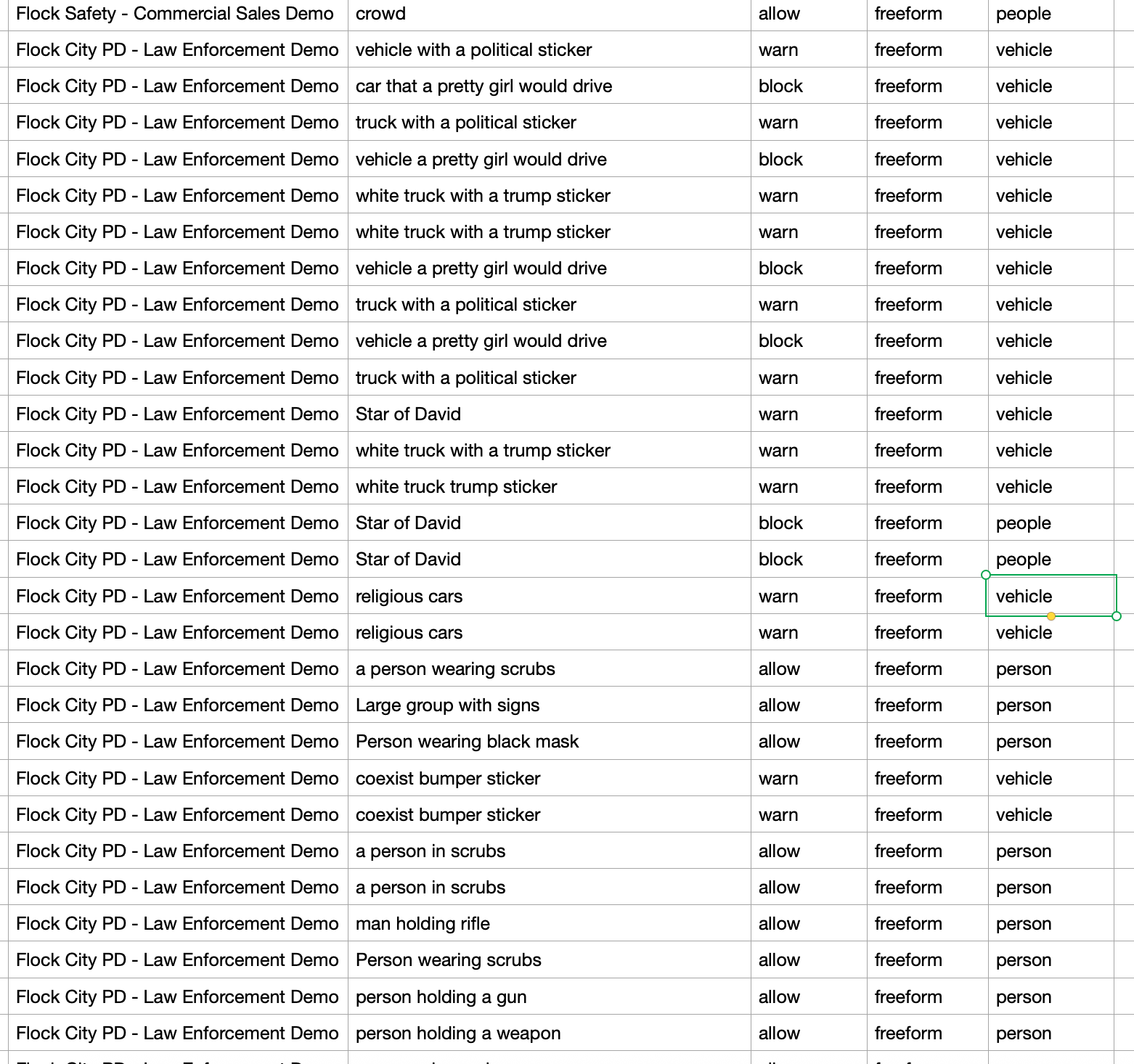

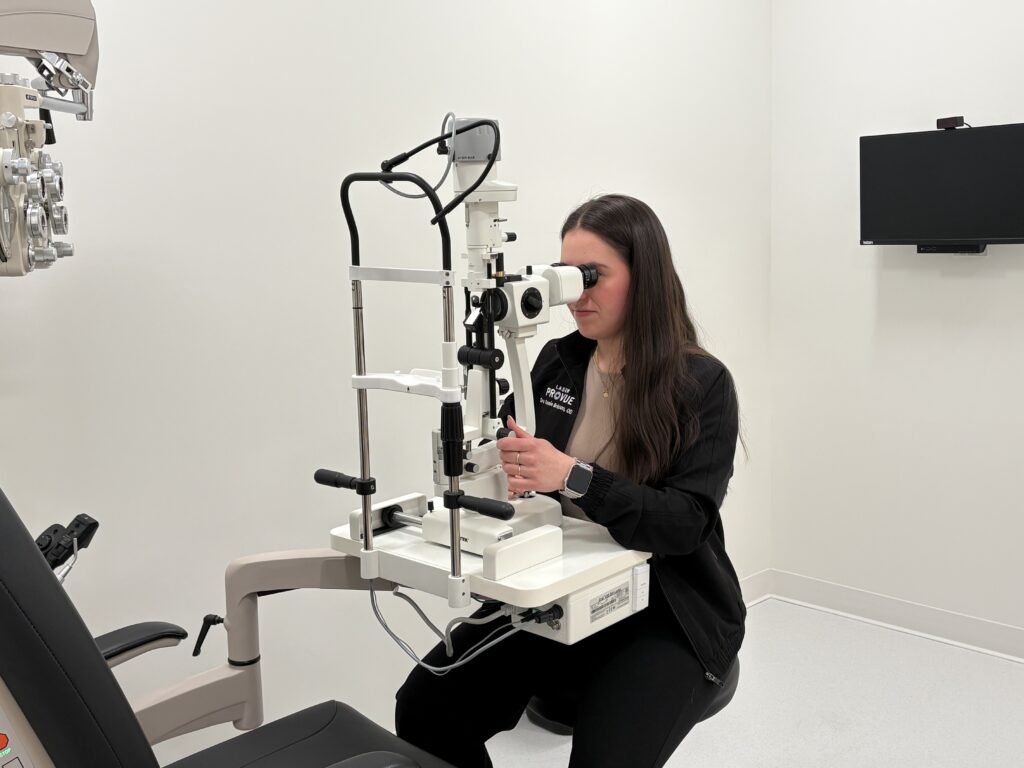
















/2026/09/17/6aac0d9b9cdbf070392199.jpg)