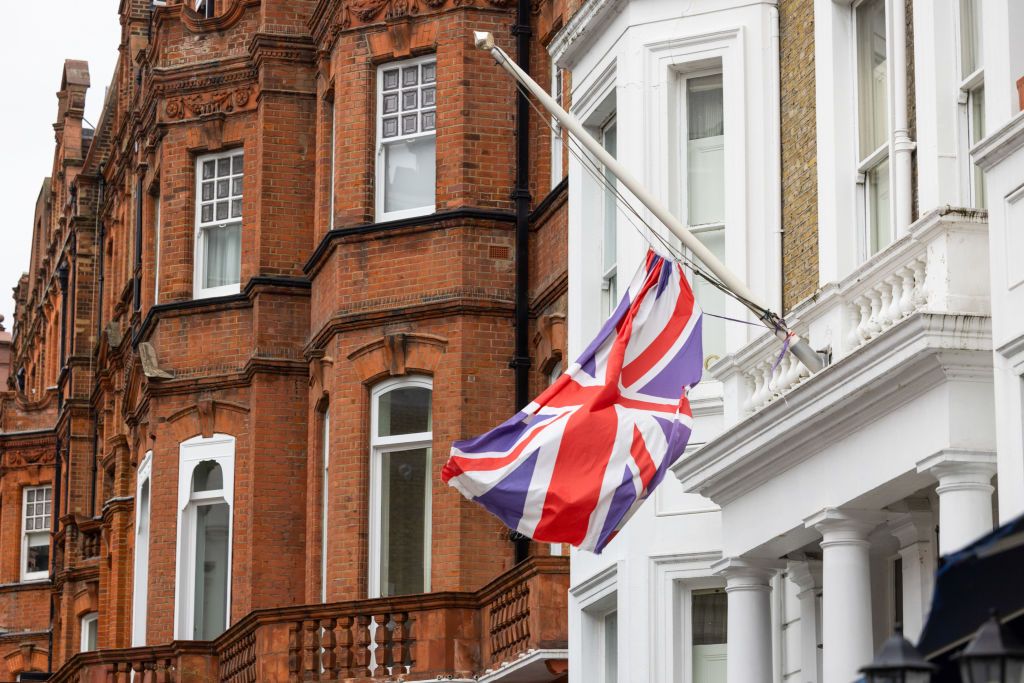
Nigel Farage, the Reform U.K. leader who resigned from Parliament and won back his seat on Thursday, stays on the offensive and says voters don’t care about allegations of financial impropriety.
Nigel Farage, the Reform U.K. leader who resigned from Parliament and won back his seat on Thursday, stays on the offensive and says voters don’t care about allegations of financial impropriety.
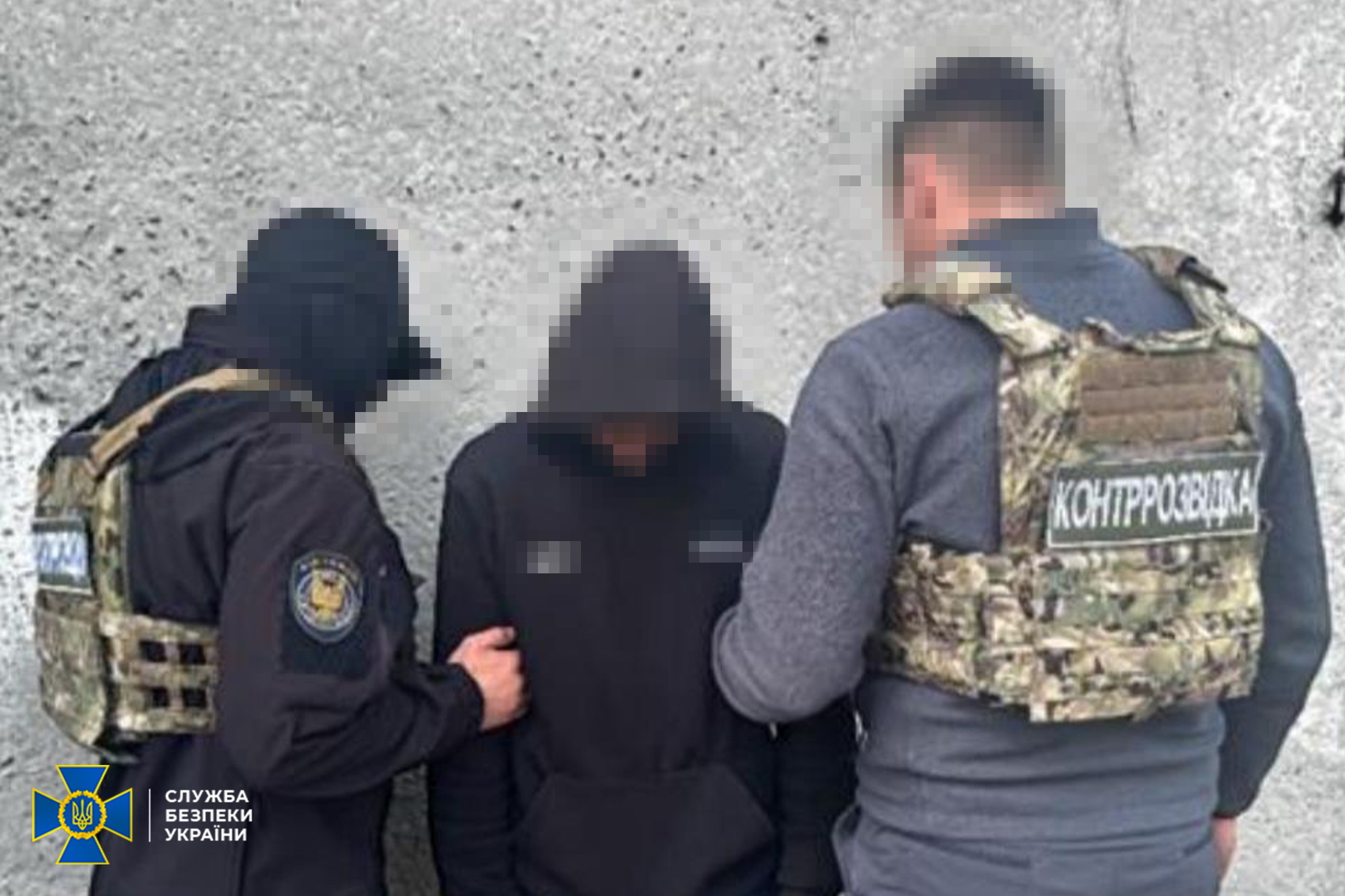
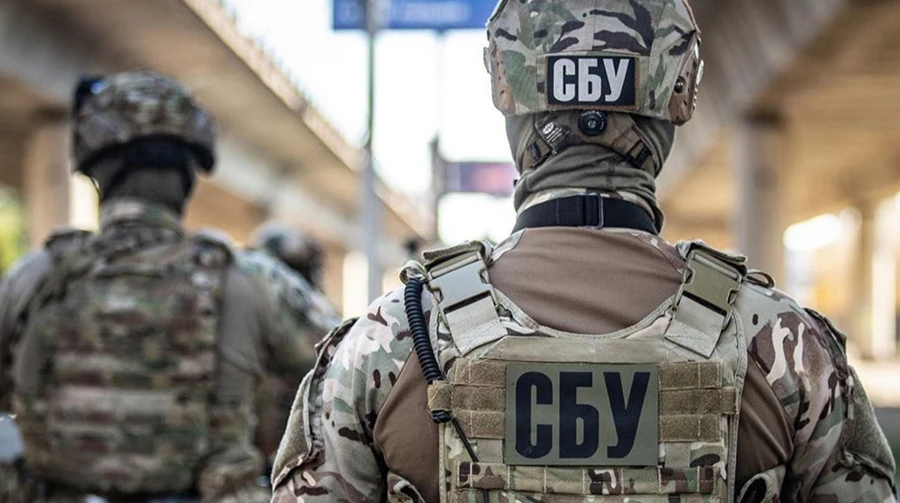
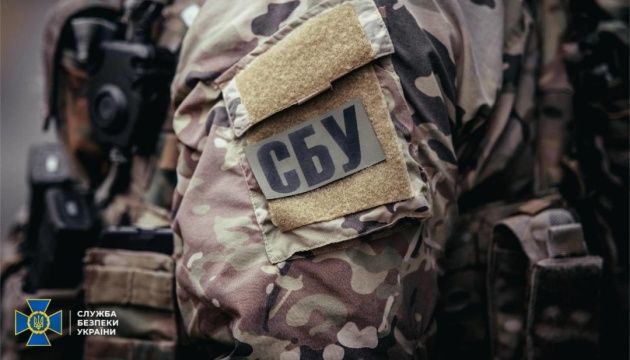
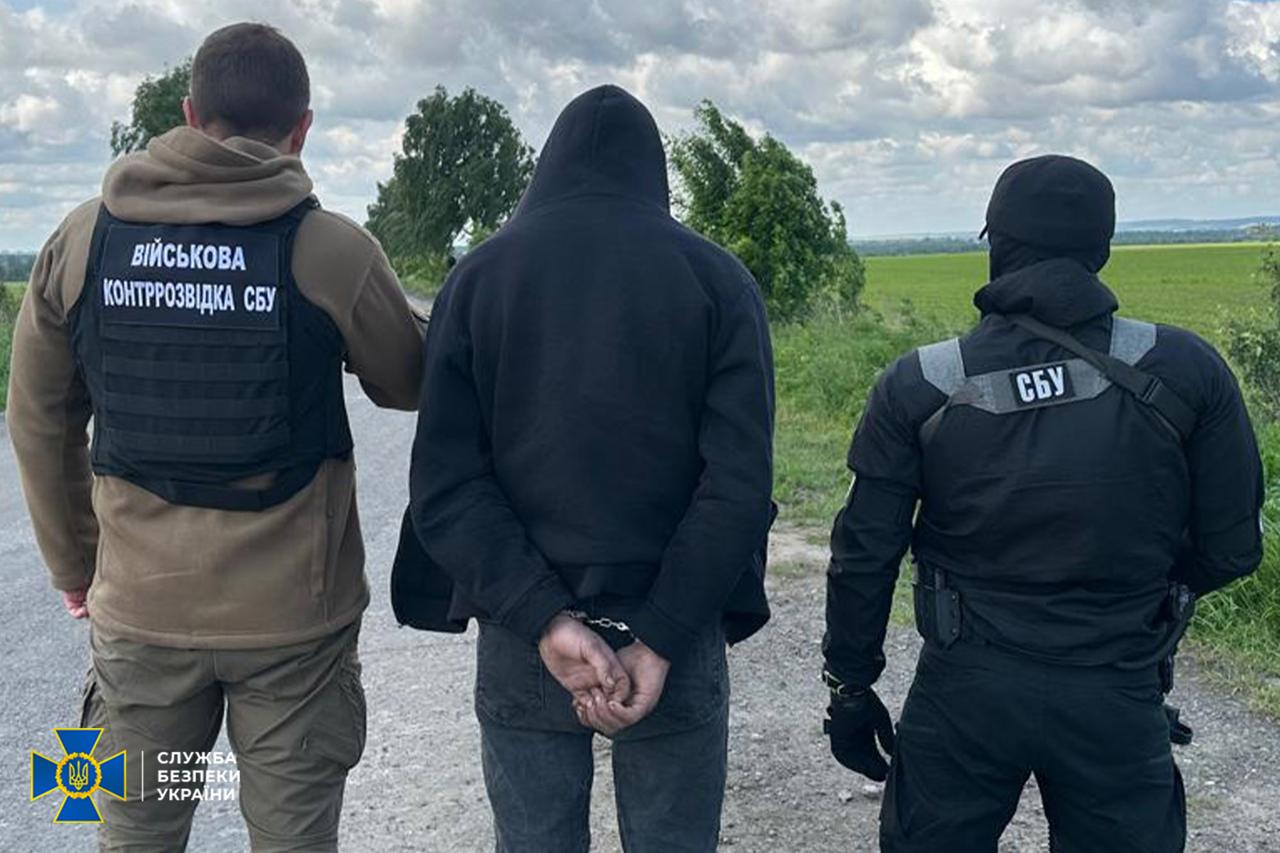
A Kyiv court has sentenced an unemployed man to 15 years in prison with confiscation of his property for carrying out arson attacks on behalf of Russian intelligence, Ukraine's Security Service (SBU) said on 13 August. The man was recruited while looking for "easy money" on Telegram channels and carried out two arson attacks in Kyiv before fleeing to Odesa, the SBU reported.
Russian intelligence increasingly recruits Ukrainians through Telegram for arson and sabotag
A Kyiv court has sentenced an unemployed man to 15 years in prison with confiscation of his property for carrying out arson attacks on behalf of Russian intelligence, Ukraine's Security Service (SBU) said on 13 August. The man was recruited while looking for "easy money" on Telegram channels and carried out two arson attacks in Kyiv before fleeing to Odesa, the SBU reported.
Russian intelligence increasingly recruits Ukrainians through Telegram for arson and sabotage. It targets people seeking quick money and treats them as disposable operatives, paying small sums for a single task and discarding them once they are caught.
The Russian agent carried out two arson attacks
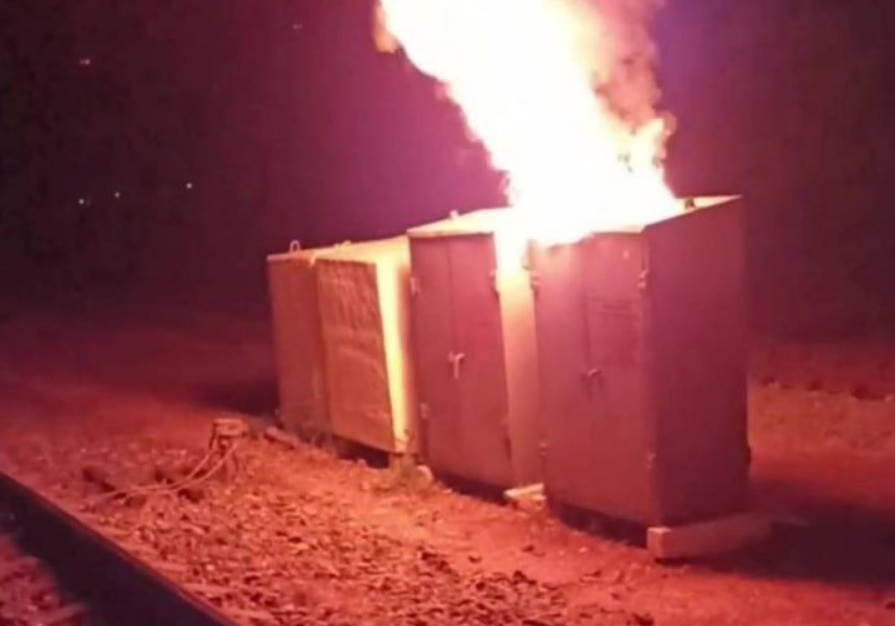
According to the SBU, the man first set fire to a relay cabinet belonging to a railway signaling system. Russia intended the attack to disrupt freight logistics, including supplies to areas near the front.
The agent later burned a volunteer’s SUV used to deliver humanitarian aid and evacuate civilians from areas affected by Russia’s war. He carried out the attacks at night, using a flammable mixture and filming each incident on his smartphone before sending the footage to his Russian handler.
The SBU arrested him in Odesa in July 2025, where he had attempted to hide after carrying out the attacks. Investigators seized his phone, which contained evidence of his cooperation with Russia.
A court found him guilty on two counts — sabotage committed under martial law, and intentional destruction of property by arson — both carried out as part of a group acting on prior conspiracy. He was sentenced to 15 years in prison with confiscation of his property.
Explore further
From “easy money” to murder: Russia escalates recruitment of Ukrainians for terrorist attacks inside Ukraine, police warn
Easy money, hard time: other Telegram recruits jailed too
The case follows several similar convictions. In a May case, an agent received 15 years for burning a railway relay cabinet near a Dnipro station in an attempt to disrupt frontline logistics. The SBU said the unemployed local, recruited through Telegram, filmed the arson and reported it to his handler, then was caught before he could carry out a planned series of attacks on the city's critical infrastructure.
In June 2026, another agent was sentenced to 15 years for preparing to burn an electrical substation in Kropyvnytskyi.
In July, SBU investigators reported that a GRU agent in Zaporizhzhia received 15 years for preparing explosives for Russian-organized attacks.
Nigel Farage, the leader of Reform U.K., won the Clacton by-election with 63 percent. Count Binface, a novelty candidate, came second with 27 percent, a personal best.
Nigel Farage, the leader of Reform U.K., won the Clacton by-election with 63 percent. Count Binface, a novelty candidate, came second with 27 percent, a personal best.
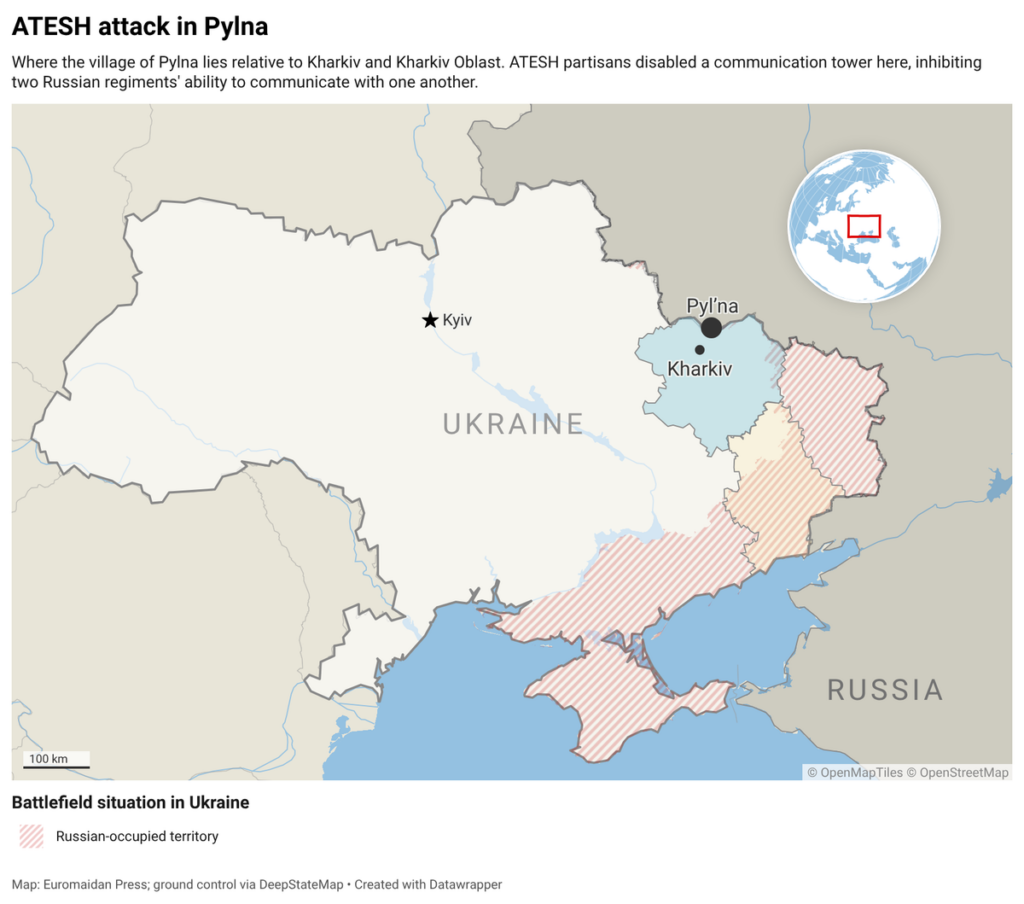
On 13 August, the Ukrainian-Crimean Tatar partisan movement ATESH said its agents had disabled a communications tower near Pylna in northern Kharkiv Oblast. The group said the damage disrupted links between two Russian motor rifle regiments near the border.
Pylna lies on the Russian border and was among the villages seized when Moscow opened the northern Kharkiv front in May 2024. The claimed tower attack is part of a wider Ukrainian resistance effort behind Russian li
On 13 August, the Ukrainian-Crimean Tatar partisan movement ATESH said its agents had disabled a communications tower near Pylna in northern Kharkiv Oblast. The group said the damage disrupted links between two Russian motor rifle regiments near the border.
Pylna lies on the Russian border and was among the villages seized when Moscow opened the northern Kharkiv front in May 2024. The claimed tower attack is part of a wider Ukrainian resistance effort behind Russian lines. Moscow's forces still depend on infrastructure in occupied territory to communicate, move supplies, and hold the line. Ukraine’s underground fighters exploit that dependence from within, targeting communications, transport, and fuel supplies to create problems for Russian units at the front.
ATESH said the tower carried data between Russian command posts and coordinated units in the area. The movement said its loss disrupted command channels and delayed border-zone mobile groups. It did not say how agents disabled the tower or how long the interruption would last.
The partisans stated that the communications between Russia’s 345th and 380th motor rifle regiments were hit hardest. The regiments operate in neighboring sectors and rely on stable links for joint action and rapid responses, according to the group. ATESH claimed their offensive tempo and ability to support each other had fallen.
Neither the claimed ATESH sabotage nor its reported effects have been independently verified.
ATESH attacks on Russian supply lines
The tower claim follows ATESH’s 10 August account of sabotaging an electric locomotive near Voronezh. The group said it carried military supplies toward the Kupiansk front in Kharkiv Oblast. In June, ATESH also said agents damaged power and rail equipment near Russia’s Novomoskovsk Azot plant, whose output feeds explosives production.
ATESH has also reported intelligence work inside Russian forces. In July, the group said an agent reported a Ukrainian strike on five military fuel trucks in occupied Luhansk. Together, the claims describe a campaign against transport, fuel, and communications behind the front.
Ukrainian resistance works behind the front
The claimed tower operation is one part of the Ukrainian resistance behind Russian lines. Underground networks also gather intelligence and sustain civil defiance.
A Euromaidan Press investigation documented groups planting explosives, tracking Russian positions, distributing leaflets, and painting Ukrainian symbols despite the threat of imprisonment and torture.
ATESH says its network includes Ukrainians, Crimean Tatars, anti-war Russians, and sources inside Russia’s military and occupation administrations. Its claims are often impossible to verify independently. Taken together, they portray a campaign to make Russia’s rear less secure while other groups preserve Ukrainian identity under occupation.
Russia may expand hybrid attacks against Poland and the Baltic states, including infrastructure sabotage or false-flag attacks, Bloomberg reported on 12 August, citing an unnamed European intelligence official.
The warnings come amid concern that Moscow wants to intimidate Ukraine’s supporters. The CIA warning follows Russian threats, incursions, alleged sabotage plots, and disinformation against Poland and the Baltic states. Most Western military aid reaches Ukraine t
Russia may expand hybrid attacks against Poland and the Baltic states, including infrastructure sabotage or false-flag attacks, Bloomberg reported on 12 August, citing an unnamed European intelligence official.
The warnings come amid concern that Moscow wants to intimidate Ukraine’s supporters. The CIA warning follows Russian threats, incursions, alleged sabotage plots, and disinformation against Poland and the Baltic states. Most Western military aid reaches Ukraine through Poland, while the Baltic states rank among Kyiv’s strongest supporters. Sabotage of transport, energy, or communications can slow aid delivery and test NATO while hiding Russia’s role.
Separately, a European government official told Bloomberg that the CIA had warned countries in the region of a possible future Russian attack. The CIA declined to comment.
The same official said Russia might instead be creating the impression of an impending attack to sow fear as part of an information operation. The official saw no signs that Moscow was preparing a conventional attack or invasion.
Moscow tests NATO’s eastern flank
Poland and Lithuania had already raised similar concerns. In July, Poland said it had credible intelligence that Russia was planning new provocations. Lithuania later warned that Moscow might rebuild captured Ukrainian drones for false-flag strikes on critical infrastructure.
In September 2025, between 19 and 23 Russian drones entered Polish airspace, shutting down airports and damaging buildings. Poland closed four airports as NATO aircraft responded.
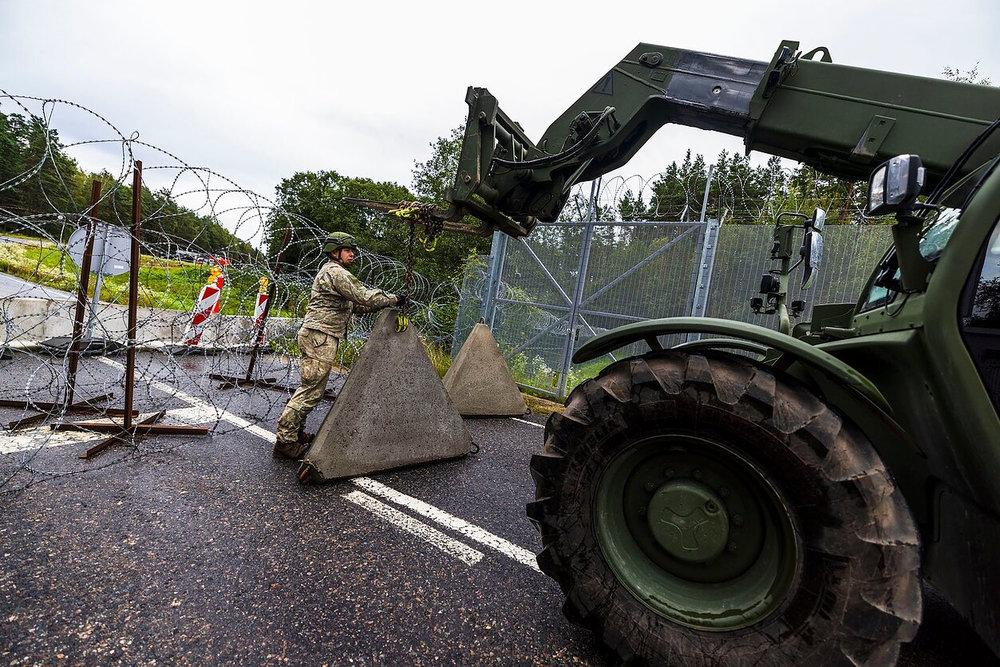
Meanwhile, five people are on trial in Lithuania over attacks allegedly organized for Russian military intelligence in 2024, Bloomberg reported. Lithuania has reinforced infrastructure sites and deployed troops since June.
These warnings and incidents place the CIA alert within a wider pattern of pressure on NATO’s eastern flank and Ukraine’s supporters.
How Russia strikes without starting a war
Bloomberg cited several recent unexplained drone incidents in Germany alongside the CIA warning. Citing Die Zeit, Euromaidan Press reported that an explosive-laden drone struck the wing of a parked Ukrainian An-124 at Leipzig-Halle airport and failed to detonate. A US Defense Department official in Europe told CNN that Washington assessed the drone belonged to Russian intelligence.
Bloomberg also reported that a cargo plane hit an unidentified object and that drones appeared over a military base the following day. It did not connect either incident to Russia.
More broadly, Russian hybrid operations have grown sharply since the full-scale invasion. CSIS found that attacks in Europe tripled from 2023 to 2024, after quadrupling the previous year. Separately, the US Helsinki Commission mapped nearly 150 operations in NATO territory attributed to or suspected of Russia between February 2022 and November 2024.
Retired Lt. Gen. Ben Hodges told Euromaidan Press in February that attacks on ports, railways, and cables can probe routes needed for NATO reinforcements. Their deniability raises the political cost of responding.
By hiding its role, Moscow can disrupt support for Ukraine and test NATO without openly starting a war.
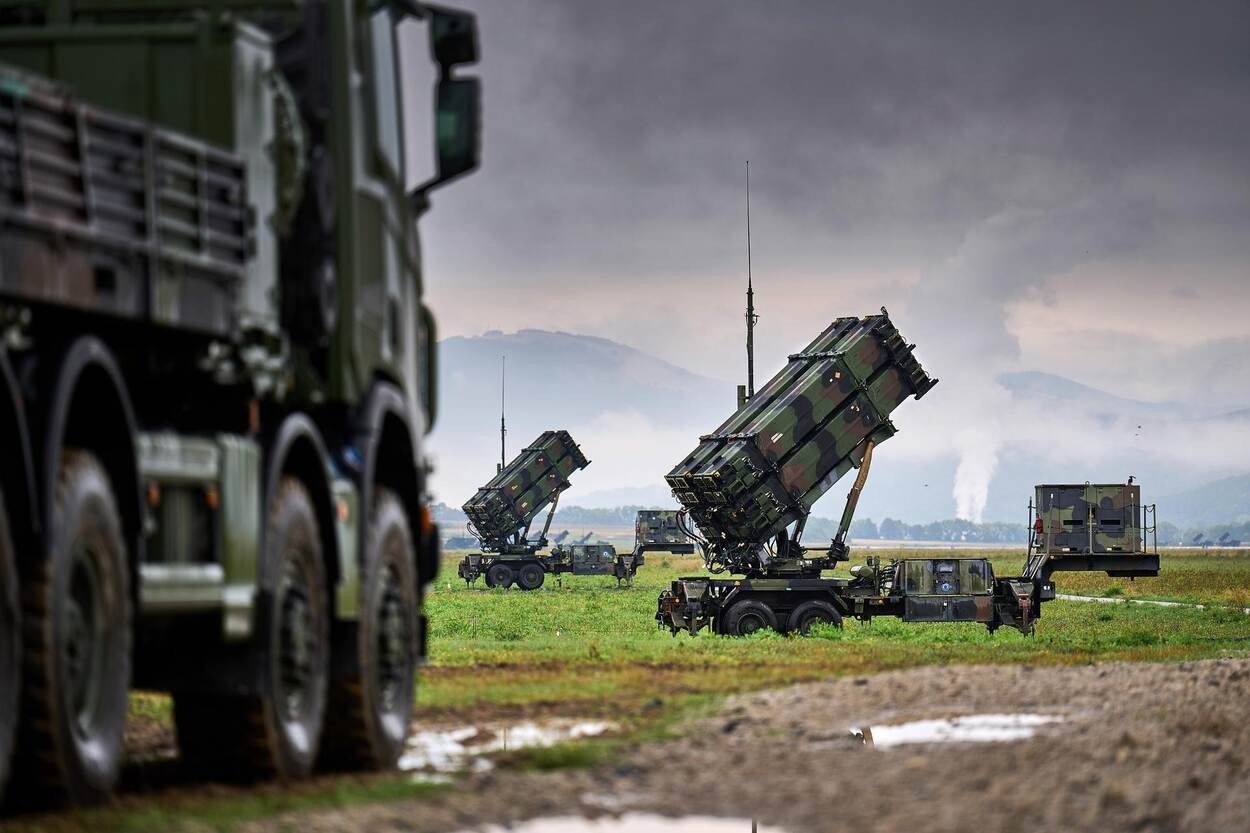
Poland will decide within days whether to send Ukraine another batch of Patriot interceptor missiles, Deputy Defense Minister Magdalena Sobkowiak-Czarnecka said in a radio interview RMF24. Any transfer, she said, has to be judged first against Poland's own security.
A Russian strike on NATO soil is now moving Warsaw where months of Ukrainian appeals had not. Sobkowiak-Czarnecka said Defense Minister Władysław Kosiniak-Kamysz leans toward sending more interceptors after
Poland will decide within days whether to send Ukraine another batch of Patriot interceptor missiles, Deputy Defense Minister Magdalena Sobkowiak-Czarnecka said in a radio interview RMF24. Any transfer, she said, has to be judged first against Poland's own security.
A Russian strike on NATO soil is now moving Warsaw where months of Ukrainian appeals had not. Sobkowiak-Czarnecka said Defense Minister Władysław Kosiniak-Kamysz leans toward sending more interceptors after a Russian missile crashed inside Poland on 30 July, and that he would rather one be shot down over Ukraine than reach Polish soil.
Tusk had signaled at the end of July that Warsaw would soon weigh sending more Patriots. Sobkowiak-Czarnecka's remarks are the first to put a timeline on that decision.
Warsaw had been split for weeks over whether giving up the missiles was the right call. She set that argument aside, saying only that a decision is a matter of the coming days.
A second handover from a thin stock
This would not be the first transfer. In the spring, Poland quietly gave Ukraine five PAC-3 MSE interceptors — the missiles a Patriot battery uses to stop ballistic threats — a move confirmed only in July, when the defense ministry declassified its aid records and Prime Minister Donald Tusk put the number at five.
The disclosure drew sharp criticism at home. Opposition figures noted that the PAC-3 is the only interceptor Poland holds capable of downing Russia's Iskander ballistic missiles — the same class of weapon now crossing into Polish airspace.
Why the interceptors are so scarce
PAC-3 interceptors are among the hardest munitions in NATO to spare. The United States builds them at a rate that does not cover its own needs, and only a handful of alliance members operate them at all.
Ukraine has been pressing for them for months. In early July, after one of the largest air attacks of the war, Kyiv appealed to nearly 40 countries to release Patriot missiles from existing stocks, warning that its air defenses cannot stop Russia's ballistic missiles without them.
Poland holds roughly 200 of the interceptors, by Ukrainian estimates — its own shield against the missiles now reaching its border. Kosiniak-Kamysz's reasoning turns that overlap into the case for giving some away: better the interceptor meets the missile over Ukraine than over Poland.
The transfer would come with Polish-Ukrainian relations at their lowest point in years. In May, Volodymyr Zelenskyy granted a special forces unit the honorary title "Heroes of the UPA" — the wartime insurgent army Poland blames for the Volhynia massacres of the 1940s, which Warsaw recognizes as genocide. Polish President Karol Nawrocki responded in June by stripping Zelenskyy of the Order of the White Eagle, the country's highest honor; three former Ukrainian presidents returned their own in solidarity, and Nawrocki has since tied Ukraine's path into the EU to the unresolved history. Yet the friction runs mostly at the presidential level. The aid decisions sit with the Tusk government, and it has kept the weapons — and now, in all likelihood, the interceptors — moving to Kyiv regardless.
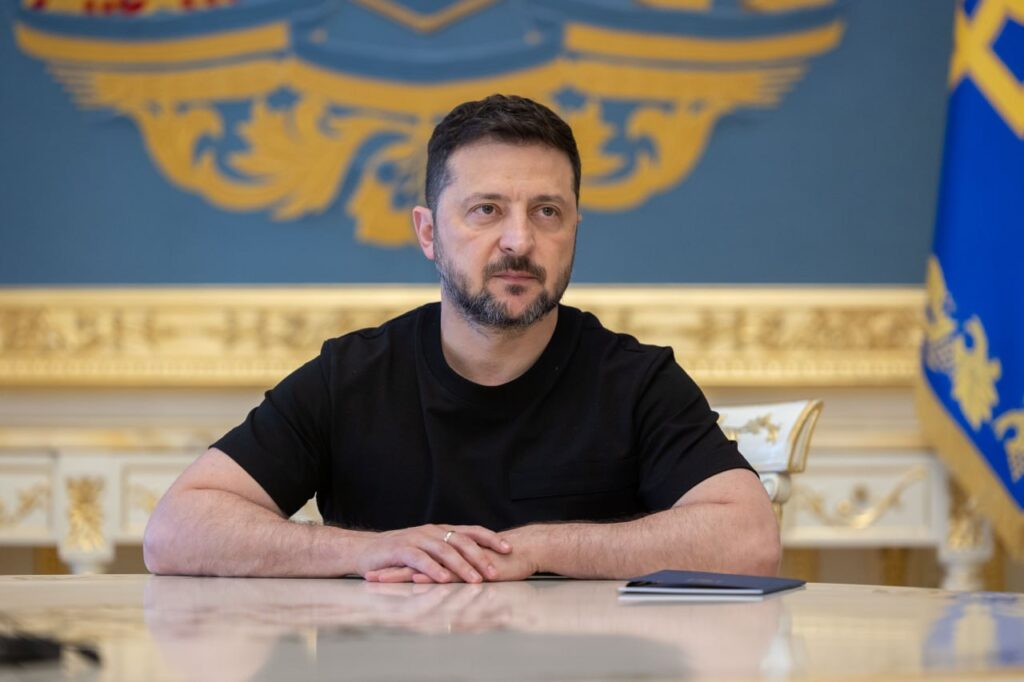
Ukraine holds only about a tenth of the Patriot interceptor missiles it needs from the United States to stop Russia's surging ballistic strikes, President Volodymyr Zelenskyy told CNN. Selling Kyiv 5% of the current US stockpile would carry the country through winter, he said, and 10% would let it "destroy all the Russians' ballistic missiles" — but he holds 1%.
The plea puts a number on a shortage that has run through Ukraine's diplomacy all summer and left its cities
Ukraine holds only about a tenth of the Patriot interceptor missiles it needs from the United States to stop Russia's surging ballistic strikes, President Volodymyr Zelenskyy told CNN. Selling Kyiv 5% of the current US stockpile would carry the country through winter, he said, and 10% would let it "destroy all the Russians' ballistic missiles" — but he holds 1%.
The plea puts a number on a shortage that has run through Ukraine's diplomacy all summer and left its cities increasingly exposed. It is the concrete cost of near-empty interceptor stocks: on 5 August, Russia fired 28 ballistic and anti-ship missiles at Kyiv and Ukraine intercepted none of them, killing 17 people, and four days earlier launched 27 ballistic missiles with only one stopped. July was the deadliest month for Ukrainian civilians since April 2022, according to the UN.
The arithmetic of a losing race
"This year we have two and a half times less interceptors than we had in 2025," Zelenskyy said, while "Russia has two times more ballistic missiles per month than they had before."
The interceptor that most reliably stops those missiles, the US-made Patriot's PAC-3, is scarce worldwide: the war between the United States and Iran drained stocks as American and Gulf forces spent dozens against Iranian missiles and drones, and the shortage has fallen hardest on Ukraine.
The bottleneck is structural, not budgetary. Only five or six countries build interceptors capable of stopping ballistic missiles, the US makes around 600 Patriots a year, and orders are placed years in advance — so money alone cannot close the gap before winter, defense expert Marc DeVore told Euromaidan Press in June.
A home-built Patriot, still uncertain
Zelenskyy said doubts remain over whether US President Donald Trump's apparent offer to let Ukraine manufacture its own Patriot interceptors will materialize. At the NATO summit in Ankara, Trump said he would license Ukraine to build the missiles, then days later said he was unsure; the Patriot makers have since sent officials to Kyiv, without result so far. "I hope that I will get it," Zelenskyy said, calling it "one of the biggest [challenges] I had from the very beginning of this war."
He described daily, largely private deal-making to close the gap: "million phone calls ... I try to exchange something to missiles ... I do some things which I can't even share. It doesn't mean that it's outside of the law. But I can't speak about it."
Putin, the Donbas, and the next war
On the stalled peace process, Zelenskyy said Kyiv had put new proposals to the Trump administration and needed "more involvement of the American side," adding that Vladimir Putin "doesn't want to stop this war now and (there's) not enough pressure on him now." He rejected ceding the rest of the Donbas that Putin seeks, arguing security guarantees matter more: "Why he will not come again ... to occupy us?"
He confirmed a recent call with Vice President JD Vance but declined to say whether Vance had asked Ukraine to halt strikes on a Russian Black Sea oil port that were hurting US firms and threatening a spike in global energy prices, as the Financial Times reported. Zelenskyy also endorsed Western assessments that Putin could widen the war toward a smaller NATO state, likely in the Baltics: "He wants quick victory ... occupy or destroy or control."
Nigel Farage, the right-wing populist leader, won a by-election for his parliamentary seat in Clacton, which he initiated after coming under pressure over his financial declarations.
Nigel Farage, the right-wing populist leader, won a by-election for his parliamentary seat in Clacton, which he initiated after coming under pressure over his financial declarations.
Nigel Farage, the right-wing populist leader, forced a by-election in his parliamentary seat of Clacton after he came under pressure over his financial declarations.
Nigel Farage, the right-wing populist leader, forced a by-election in his parliamentary seat of Clacton after he came under pressure over his financial declarations.
A Ukrainian court sentenced the former chief engineer of Lyman’s locomotive depot to 15 years in prison with property confiscation for helping Russia target the frontline city, Ukraine’s Security Service (SBU) said on 11 August. Investigators report he sent a Russian handler the locations of Ukrainian positions intended for guided-bomb and artillery strikes.
Lyman blocks Russia’s northern route toward Sloviansk and Kramatorsk, which are part of Ukraine's fortress belt i
A Ukrainian court sentenced the former chief engineer of Lyman’s locomotive depot to 15 years in prison with property confiscation for helping Russia target the frontline city, Ukraine’s Security Service (SBU) said on 11 August. Investigators report he sent a Russian handler the locations of Ukrainian positions intended for guided-bomb and artillery strikes.
Lyman blocks Russia’s northern route toward Sloviansk and Kramatorsk, which are part of Ukraine's fortress belt in the Donbas. As attacks on supply lines intensify, information about Ukrainian positions can help Russia direct bombs and artillery. The case fits a broader pattern of Russian intelligence recruiting people inside Ukraine to locate targets. Russian services have used money and blackmail, including threats against recruits’ families, to secure their cooperation.
According to the SBU, the former engineer traveled around Lyman and its outskirts to record Ukrainian military bases. He marked possible targets on Google Maps, then sent screenshots to a handler in Russia through a messaging app.
The collaborator operated from basement
The agency said an acquaintance whom it described as a “DNR deputy” in occupied Donetsk Oblast connected him with Russian intelligence. The SBU said the man moved into an apartment building’s basement to shelter himself while directing Russian strikes on the community.
SBU officers detained him in Sloviansk in May 2026. The agency said a seized smartphone contained evidence of his reconnaissance and contacts with the Russian side.
The SBU did not identify the man, the court, or any specific strike enabled by his information.
How Russia turns locals into spotters
The Lyman case involved an acquaintance of the former engineer, but Russian services also use money, blackmail, and online platforms to find recruits. The SBU says minors may initially receive simple assignments, such as taking photographs or painting graffiti, before being directed toward more serious sabotage.
Other recruits have allegedly answered Telegram offers of “easy money.” These include a Zaporizhzhia man later convicted of building bombs and a Dnipro suspect accused of activating more than 1,000 Starlink terminals for Russian forces.
Ukraine has prosecuted similar cases before. In November 2024, a court sentenced another Russian agent to 15 years for guiding missile and drone strikes in Zhytomyr Oblast.
More recent cases remain at the allegation stage. The SBU has accused a Kharkiv Oblast man of installing hidden cameras near military sites and a Poltava student of mapping energy facilities while filming air-defense units.
Newly analyzed airport camera footage shows a quadcopter drone loaded with Semtex explosive flew straight at a parked Ukrainian An-124 Ruslan cargo aircraft and struck its wing at Leipzig/Halle airport in Germany on the evening of 4 August, the media outlet Die Zeit reported on 10 August. The device bounced off the wing, fell to the ground, and failed to detonate. The drone attacked the aircraft at around 19:30 local time, the media outlet reports.
Russia's hybrid a
Newly analyzed airport camera footage shows a quadcopter drone loaded with Semtex explosive flew straight at a parked Ukrainian An-124 Ruslan cargo aircraft and struck its wing at Leipzig/Halle airport in Germany on the evening of 4 August, the media outlet Die Zeit reported on 10 August. The device bounced off the wing, fell to the ground, and failed to detonate. The drone attacked the aircraft at around 19:30 local time, the media outlet reports.
Russia's hybrid attacks are increasingly moving from the information domain into the physical one, including on the territory of other countries. This incident makes sabotage on NATO member states' territory potentially more dangerous if suspicion of Russian involvement is confirmed.
Footage contradicts the warning-shot theory
The drone struck the wing near the fuel tanks, then bounced off the aircraft's surface and fell to the ground. The explosive device also ended up on the ground and did not detonate. The device contained Semtex plastic explosive. Approximately four hours later, a tourist bus driver accidentally noticed it lying on the ground, put his foot on it, and reported the find to airport security.
Video analysis contradicts the earlier theory that the incident may have been intended only as a warning. The nature of the attack indicates an attempt to cause actual damage.
Drone found near a Ukrainian An-124 aircraft in Leipzig, Germany, on 5 August, 2026. Photo: screenshot from Bild video
Investigators examining foreign state involvement
German Interior Minister Alexander Dobrindt suggested that a state actor may have been behind the explosive-laden drone found at the airport. On 7 August, Germany's National Security Council convened under Chancellor Friedrich Merz.Earlier,the United States assessed that the drone discovered at Leipzig/Halle Airport in Germany overnight into 5 August belonged to Russian intelligence, a US Department of Defense official in Europe told CNN.
The cargo aboard the Ukrainian aircraft targeted in the sabotage attempt consisted of military equipment and ammunition that had arrived in Germany from France and was being prepared for further transportation, Süddeutsche Zeitung stated, citing a confidential German police report. However, Germany's Federal Ministry of the Interior denied this claim, according to dpa.
The An-124 Ruslan, struck by the drone, is operated by the Ukrainian company Antonov Airlines. After Russian forces destroyed its main base in Hostomel in 2022, the company has been using Leipzig/Halle airport as a temporary base for its aircraft.
Nigel Farage forced a new election in his parliamentary seat after coming under pressure over his finances. His main challenger is Count Binface, a novelty candidate.
Nigel Farage forced a new election in his parliamentary seat after coming under pressure over his finances. His main challenger is Count Binface, a novelty candidate.
Our reporter Amelia Nierenberg describes how the right-wing British political leader Nigel Farage, who is seeking re-election to Parliament, faces an unconventional opponent: Count Binface.
Our reporter Amelia Nierenberg describes how the right-wing British political leader Nigel Farage, who is seeking re-election to Parliament, faces an unconventional opponent: Count Binface.
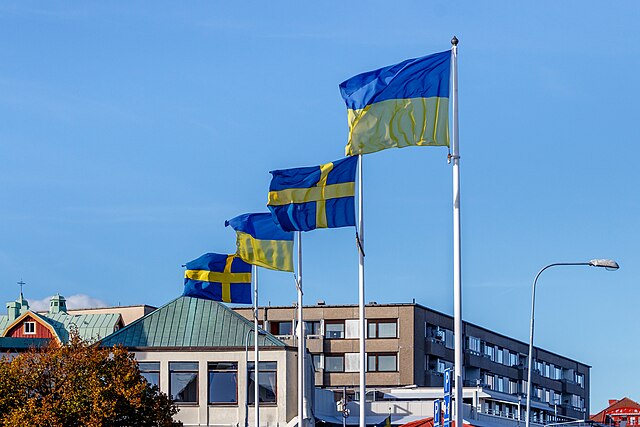
Sweden says it caught and stopped a Russian spy operation. Säpo Security Service has exposed the intelligence operation aimed at discrediting the country, Sweden Herald reported.
The operation is one strand of Russia's hybrid campaign against Europe. Since the full-scale war in Ukraine, Russia has run espionage, sabotage, and influence operations across European states, from undersea cable damage in the Baltic to disinformation. The Swedish case is one such effort, aime
Sweden says it caught and stopped a Russian spy operation. Säpo Security Service has exposed the intelligence operation aimed at discrediting the country, Sweden Herald reported.
The operation is one strand of Russia's hybrid campaign against Europe. Since the full-scale war in Ukraine, Russia has run espionage, sabotage, and influence operations across European states, from undersea cable damage in the Baltic to disinformation. The Swedish case is one such effort, aimed at undermining Swedish decision-making and discrediting Sweden and the EU.
The agent worked from a diplomatic mission
For the operation, Russian intelligence recruited its source inside a foreign embassy. The agent, recruited at a foreign diplomatic mission in Sweden, gathered information on the decision-making processes of Sweden's central government bodies and the kingdom's relations with other countries.
The goal was influence, not just information. The operation was meant to give Russian intelligence the ability to influence contentious issues, undermine Swedish decision-making, and discredit Sweden and the EU. It is the classic shape of a Russian influence operation: acquire inside knowledge of how a target state decides, then use it to steer or discredit those decisions.
Säpo watched it for a long time
The service said it tracked the operation before shutting it down. Säpo long monitored and documented the operation, recording meetings at which the agent passed information to two officers of Russia's Foreign Intelligence Service (SVR). It knew the tasks the agent was given and the questions he put to his handlers, Christoffer Wedelin, a deputy operations chief, said.
Säpo said it acted to contain the damage.
"Our assessment is that we have prevented the Russian intelligence operation. They have not succeeded in their mission," Wedelin said.
No one can be prosecuted
The case ends without arrests. The agent and the two Russian officers have left Sweden, and because all three hold diplomatic immunity, they cannot be arrested or prosecuted.
Ukrainian partisans say they crippled a locomotive moving Russian military supplies to the front. Agents of the ATESH movement carried out a sabotage operation near Voronezh, destroying the cab of an electric locomotive used to support military transport, ATESH reported.
Disabling a single locomotive cripples the entire supply line. The locomotive was supposed to continue its journey toward the Kupiansk direction, and after the cab was damaged, operating the machine at
Ukrainian partisans say they crippled a locomotive moving Russian military supplies to the front. Agents of the ATESH movement carried out a sabotage operation near Voronezh, destroying the cab of an electric locomotive used to support military transport, ATESH reported.
Disabling a single locomotive cripples the entire supply line. The locomotive was supposed to continue its journey toward the Kupiansk direction, and after the cab was damaged, operating the machine at its former pace became impossible, disrupting the schedule for forming and dispatching the next trains.
The target was a rail supply line to the front
ATESH said the sabotage hit a link in Russia's military logistics chain. The locomotive was part of the rail transport that moves Russian military cargo, and it was bound for the Kupiansk direction, one of the active sectors of the front in Kharkiv Oblast.
Russia depends heavily on railways to supply its forces. Its army moves ammunition, fuel, weapons, and heavy equipment to the front largely by rail, so the locomotives and the lines they run on are critical arteries of its war effort. A partisan network can reach them behind the front lines at a vulnerable point.
One damaged locomotive slows the whole chain
ATESH framed the value of the strike in terms of the cascade it sets off. The loss of even one link in the mainline causes delays in the delivery of ammunition, fuel, weapons, and heavy equipment.
Those delays compound at the front. When rear supply operations are interrupted, units lose combat effectiveness and suffer significant personnel losses, ATESH said, casting a single sabotaged locomotive as a blow that reaches the soldiers, depending on what it was carrying.
The strike fits ATESH's partisan campaign
Euromaidan Press cannot independently verify the Voronezh sabotage, which is ATESH's own account. But rail sabotage is a documented feature of the war behind Russian lines, and the movement's focus on the logistics that feed the front reflects a real vulnerability in an army that runs on rail.
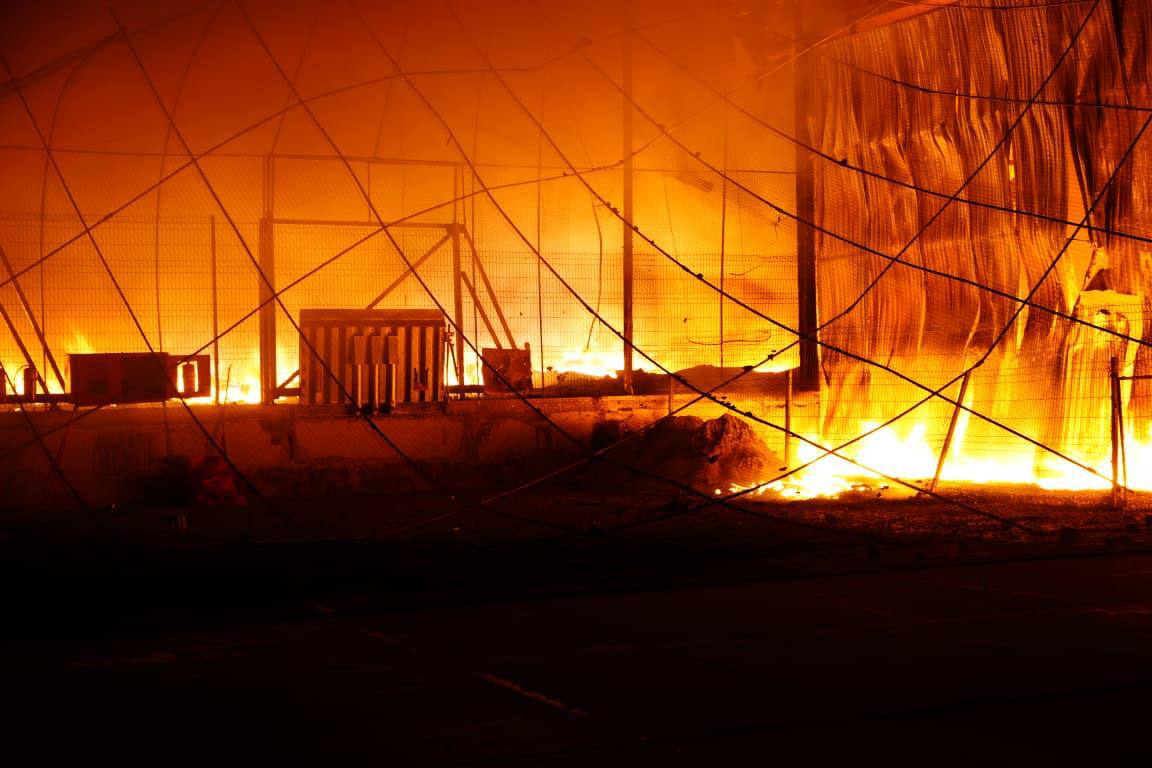
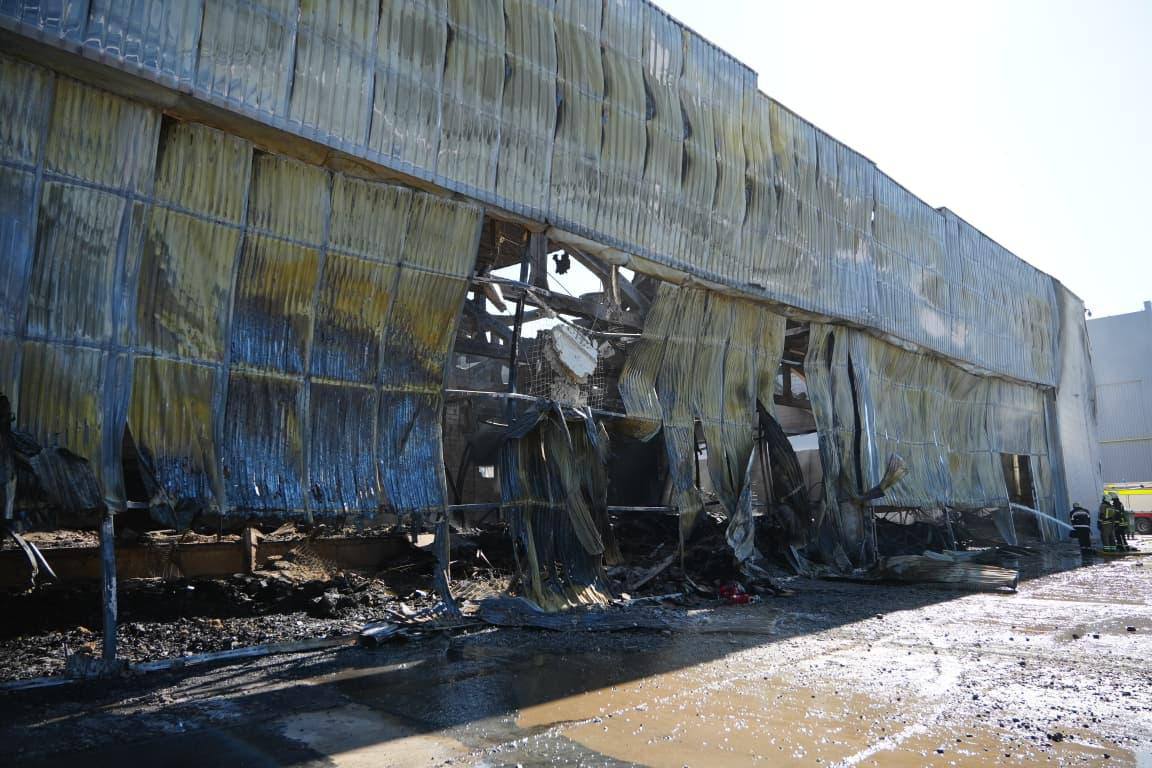
A Russian overnight strike heavily damaged a German-owned car-parts plant in Zhytomyr Oblast, forcing it to halt production, the company said. No workers were hurt, but the destruction was extensive. One of the region's major employers now has no restart date.
Russia increasingly hits the factories and warehouses of foreign companies that kept producing in Ukraine through the war, not only Ukrainian factories, energy facilities, infrastructure, and homes. Each strik
A Russian overnight strike heavily damaged a German-owned car-parts plant in Zhytomyr Oblast, forcing it to halt production, the company said. No workers were hurt, but the destruction was extensive. One of the region's major employers now has no restart date.
Russia increasingly hits the factories and warehouses of foreign companies that kept producing in Ukraine through the war, not only Ukrainian factories, energy facilities, infrastructure, and homes. Each strike on a foreign-owned factory chips away at the jobs and outside investment propping up Ukraine's wartime economy, adding to a burden the country's partners are scrambling to offset.
A German plant knocked offline
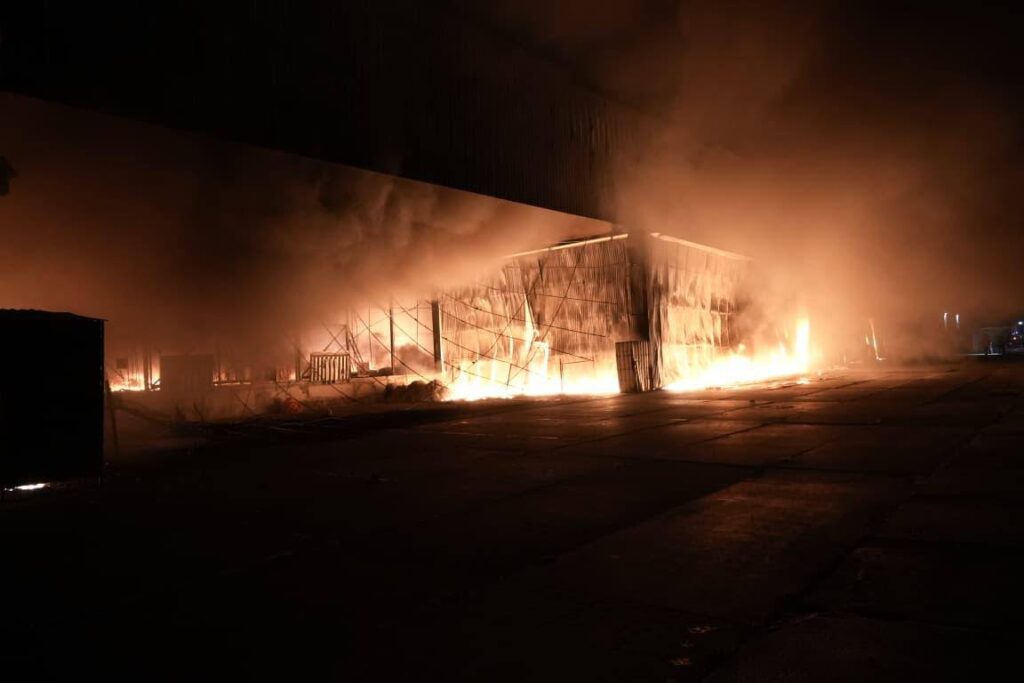
Russia struck Zhytomyr Oblast overnight into 9 August and hit the Kromberg & Schubert plant, which reported the attack on Facebook. Its production lines and infrastructure took heavy damage.
"The most important thing for us is that no employees were hurt in the attack," the statement said.
With the damage so severe, the plant suspended operations for an indefinite period. A restart depends on a technical assessment and the full scope of repairs, the company added.
Kromberg & Schubert is a civilian manufacturer with 100% German investment. It has run in the Zhytomyr region for 11 years and employs about 3,500 people. The plant makes the wiring harnesses that thread through cars, supplying European automakers.
The Kromberg & Schubert plant ablaze after the Russian strike in Zhytomyr Oblast, overnight on 9 August 2026. Photo: Vitalii Bunechko
Vitalii Bunechko, head of the Zhytomyr Oblast Military Administration, called it one of the region's budget-forming enterprises. He said the administration and local authorities are working to help the strategic investor and keep the plant running.
The burned-out Kromberg & Schubert plant after the Russian strike in Zhytomyr Oblast, 9 August 2026. Photo: Vitalii Bunechko
Part of a wider overnight assault
Bunechko reported that Russia had launched a massive strike on the oblast overnight. The attack also damaged civilian infrastructure, he said. State Emergency Service crews contained the fires, and investigators began work at the site.
Russia has repeatedly struck Zhytomyr Oblast during the war, stepping up its drone strikes on northwestern Ukraine, often exploiting Belarusian territory.
US negotiators have quietly kept a deal to let Ukraine help build Patriot interceptor missiles alive, even after US President Donald Trump publicly cast doubt on it, Reuters reported. Four people familiar with the talks said Washington never ordered them stopped. Ukraine, running low on air defenses, urgently wants the missiles to blunt Russia's growing ballistic strikes.
Russian daily drone attacks forced Kyiv to chase air defense from every direction at once, includin
US negotiators have quietly kept a deal to let Ukraine help build Patriot interceptor missiles alive, even after US President Donald Trump publicly cast doubt on it, Reuters reported. Four people familiar with the talks said Washington never ordered them stopped. Ukraine, running low on air defenses, urgently wants the missiles to blunt Russia's growing ballistic strikes.
Russian daily drone attacks forced Kyiv to chase air defense from every direction at once, including home-grown interceptors. But this year, Moscow has increasingly turned to ballistic missiles, the hardest weapons for Ukraine to stop. US-supplied PAC-3 interceptors fired by Patriot systems are among the few weapons that can reliably shoot them down, and Ukraine has now run out.
President Donald Trump greets Ukraine's President Volodymyr Zelenskyy at his Mar-a-Lago club, Sunday, Dec. 28, 2025, in Palm Beach, Fla. AP Photo/Alex Brandon/Eastnews
The talks Trump seemed to kill
Last week, Trump appeared to reverse course, telling reporters the US had not agreed to let Ukraine build Patriots and must be "very careful about letting somebody build them."
According to Reuters, two sources tied that to a tense White House meeting with Zelenskyy. Yet the negotiations pressed on.
"No order was given to halt the discussions," one source said, adding that talks continued with US arms makers and military officials.
Matthew Whitaker, Washington's envoy to NATO, is leading the drive for a deal. He visited Kyiv last month to weigh options with Ukrainian officials and weapons executives. His spokesperson framed the trip around drone collaboration that would benefit US forces, without naming the Patriot plan.
A senior administration official told Reuters that any agreement must protect US technology.
Reuters: The Patriot deal Trump denied is quietly still alive
What Ukraine could build
The options include making Patriot components in Ukraine and shipping them to Germany for final assembly, the sources said. A US official called that the most feasible route. Germany already produces an older Patriot model, and the advanced PAC-3, the newest Patriot interceptor, is expected to follow.
Ukraine could instead join an existing US-European Patriot program, or build a cheaper version of the PAC-3.
It might also tap Lockheed Martin's new lower-cost interceptor, the PAC-3 ACE, unveiled last month.
A promise made, then pulled back
During a meeting with Zelenskyy in Ankara last month, Trump said the US would license Ukraine to make PAC-3s. His later reversal caught many off guard, including Zelenskyy. In a follow-up call, US Vice President JD Vance assured him that deals between presidents would hold, one source said.
Explore further
Reuters: The Patriot deal Trump denied is quietly still alive
Ukraine's clock is running
Even with a deal, Ukraine would not receive newly built interceptors for a year or more. So Kyiv is urging allies to hand over some of theirs and exploring swaps to get missiles sooner.
Earlier, Zelenskyy warned that Ukraine had run out of Patriots. That day, it intercepted just one of 27 ballistic missiles Russia fired.
Global stocks of high-end interceptors have shrunk since the Iran war, with Patriots once bound for Ukraine diverted to US forces and Gulf allies.
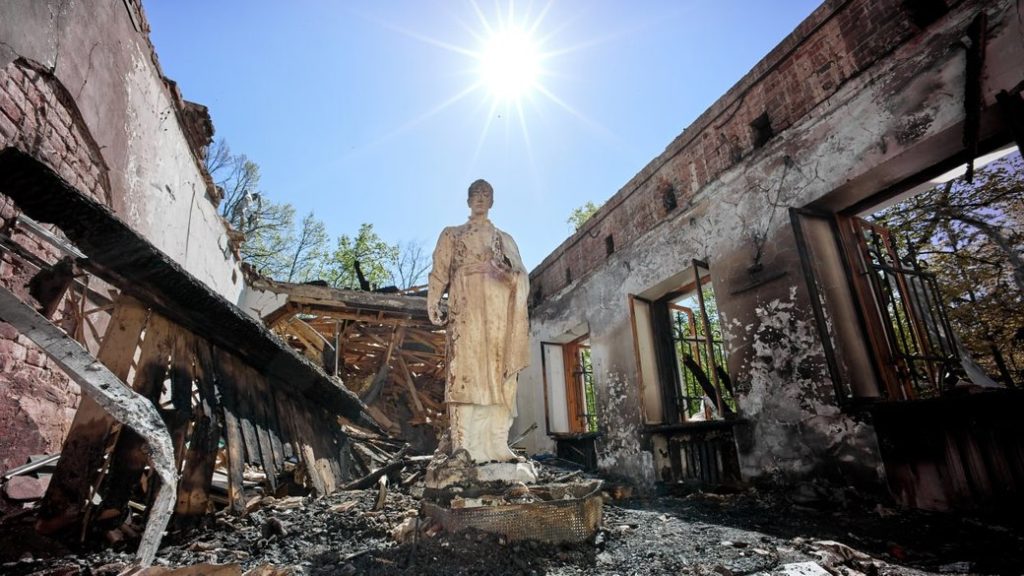
Russia has damaged or destroyed close to 2,000 cultural heritage sites and thousands more cultural venues across Ukraine since its full-scale invasion began, Ukraine's Ministry of Culture reported. The losses grew again over the past month, and officials say occupied territory keeps the true scale out of reach. As the tally rises, more of Ukraine's allies are stepping in to help protect what survives.
Russia's aerial strikes on residential buildings and civilian infrast
Russia has damaged or destroyed close to 2,000 cultural heritage sites and thousands more cultural venues across Ukraine since its full-scale invasion began, Ukraine's Ministry of Culture reported. The losses grew again over the past month, and officials say occupied territory keeps the true scale out of reach. As the tally rises, more of Ukraine's allies are stepping in to help protect what survives.
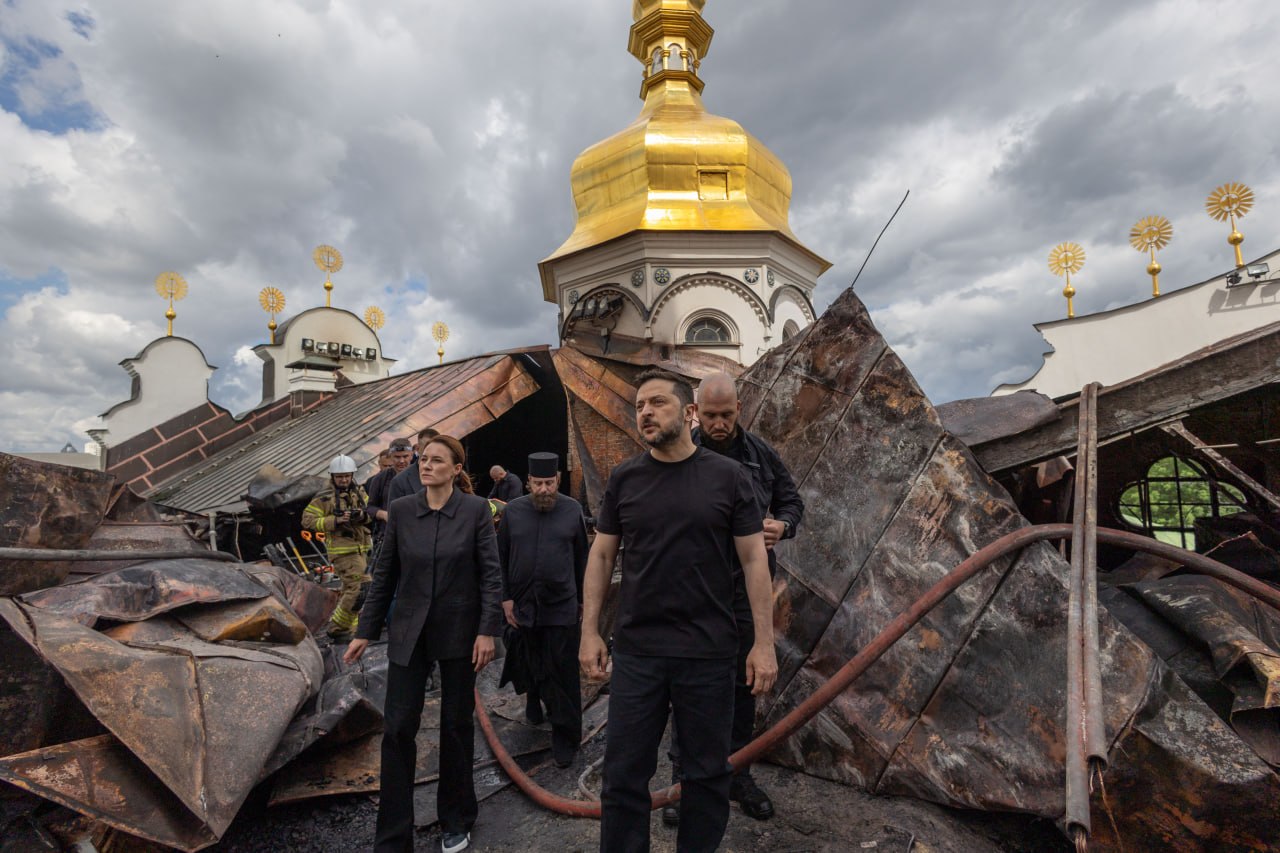
Russia's aerial strikes on residential buildings and civilian infrastructure are the most consistently hit targets of the ongoing war, and the leading source of civilian casualties. Some of those strikes hit museums, concert venues, monuments, and other cultural sites, hollowing out the civilian and cultural life that defines Ukraine. In June, a Russian drone struck the Kyiv-Pechersk Lavra, a UNESCO-listed monastery, a site as significant to Ukrainians as Notre-Dameis to the French.
The toll keeps rising
By the end of July 2026, Russia had damaged or destroyed 1,990 cultural heritage sites and 2,625 cultural venues, the ministry said. Russia "continues to systematically destroy" Ukraine's cultural heritage and infrastructure, it added.
Ukrainian leader Volodymyr Zelenskyy at the Kyiv-Pechersk Lavra, a UNESCO World Heritage site, damaged in a Russian attack on 15 June 2026. Source: Zelenskyy Telegram
Over the past month, the count climbed by 90, adding 41 heritage sites and 49 cultural venues. Of the heritage sites, 47 are gone entirely: one of national significance, 44 of local significance, and two newly identified. The remaining 1,943 are damaged. The full list includes 192 sites of national significance, 1,605 of local significance, and 193 newly identified.
Explore further
France compares Lavra strike to bombing Notre-Dame, calls for tougher sanctions
A protected site struck in July
In July, a Russian attack damaged a site inside Odesa's historic center, which sits on the UNESCO World Heritage List. Kyiv and the Sumy, Kharkiv, and Zaporizhzhia oblasts also saw fresh strikes on monuments. In the Zaporizhzhia and Sumy oblasts and in Kyiv, Russian forces hit heritage sites they had already damaged before.
The damaged interior of Odesa's Transfiguration Cathedral after a Russian strike, 23 July 2023. Photo: Odesa Eparchy of the UOC
The ministry records the most damaged heritage in Kharkiv Oblast, with 358 sites, followed by Kherson Oblast with 303, Kyiv with 272, Donetsk Oblast with 229, and Odesa Oblast with 211. Cultural venues have been hit across 354 communities, or 24% of all local communities in Ukraine. Over the past month, the Sumy, Dnipropetrovsk, Zaporizhzhia, and Chernihiv oblasts saw the most new destruction.
Explore further
Russia loots occupied Crimea’s ancient sites through six illegal archaeological digs
Village clubs bear the brunt
Community and club venues form the largest group of damaged cultural facilities, at 1,300 sites, or 49.5% of the total. Russian attacks destroyed 283 of them and damaged another 1,017. The heaviest facility losses fall on the Donetsk, Kharkiv, Kherson, Sumy, Kyiv, and Zaporizhzhia oblasts. Russia also re-struck previously damaged sites in the Kharkiv, Kherson, Odesa, Sumy, and Donetsk oblasts.
The ministry stresses the figures understate the loss. Russia's occupation of nearly all of Luhansk Oblast and large parts of the Zaporizhzhia, Donetsk, and Kherson oblasts blocks any full assessment.
Explore further
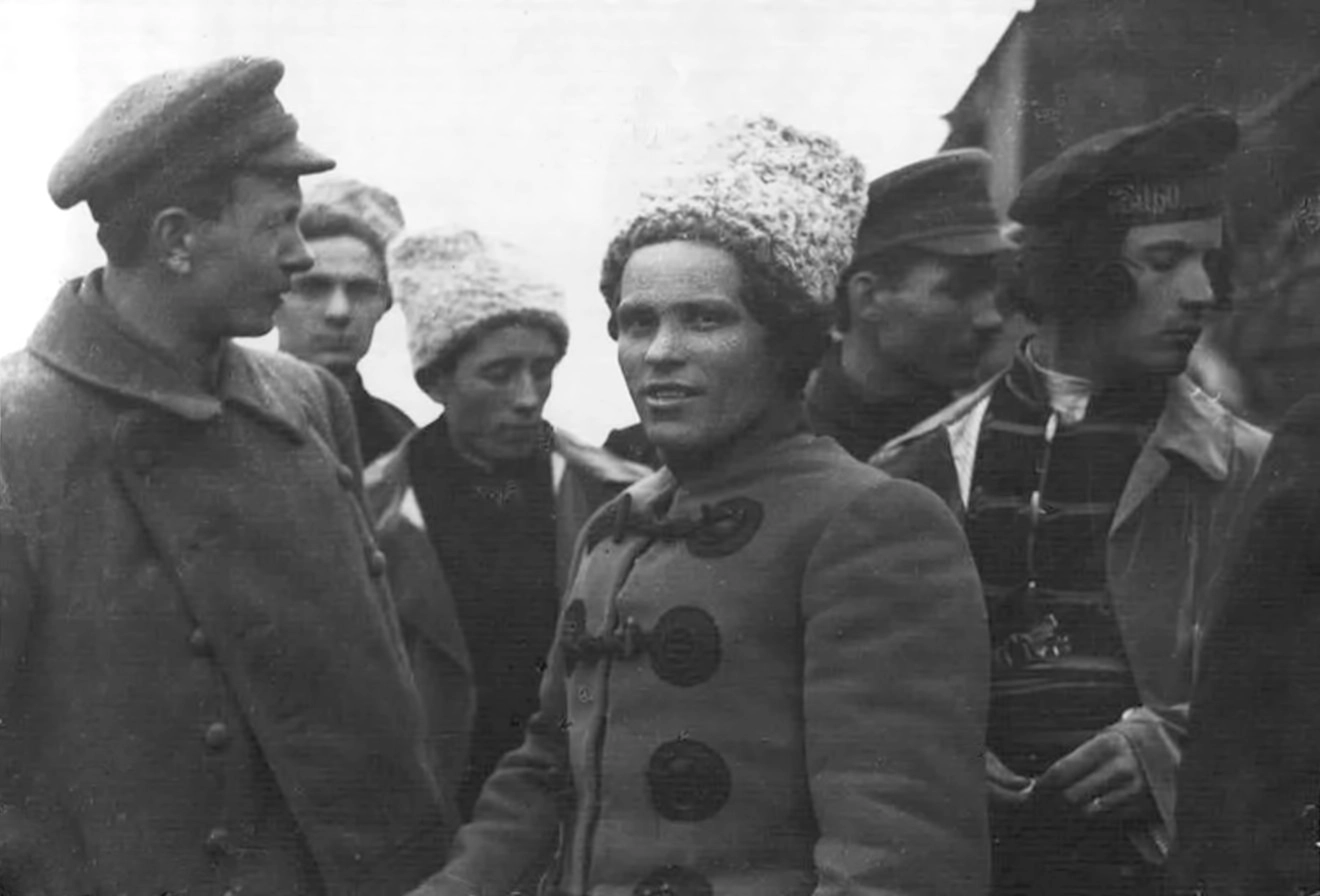
Russia blames Ukraine for museum it destroyed in Huliaipole, erasing memory of anti-imperial fighter Nestor Makhno
Earlier, Sweden signed a heritage-preservation deal and the EU backing a UNESCO initiative to catalog Ukraine's losses.
Each month of strikes turns reversible damage into permanent loss, and much of it now sits in land Ukraine cannot yet reach. The World Heritage site already declared in danger in occupied Crimea shows how far the erasure can run if the war grinds on.
Apple corrige une vieille frustration dans l’application Photos avec iOS 27. Une nouvelle collection, baptisée « Capturé par moi », permet d’afficher uniquement les photos et les vidéos réalisées avec l’appareil photo de l’iPhone. Au fil des années, la photothèque d’Apple est devenue un vaste espace où se côtoient les clichés personnels, les captures d’écran, […]
Apple corrige une vieille frustration dans l’application Photos avec iOS 27. Une nouvelle collection, baptisée « Capturé par moi », permet d’afficher uniquement les photos et les vidéos réalisées avec l’appareil photo de l’iPhone. Au fil des années, la photothèque d’Apple est devenue un vaste espace où se côtoient les clichés personnels, les captures d’écran, […]
Les billets d’embarquement numériques, les applications d’hôtels, les polices d’assurance en ligne et les portefeuilles mobiles permettent aujourd’hui de voyager avec beaucoup moins de documents imprimés. Pourtant, une majorité de Canadiens continuent de conserver leurs vieilles habitudes. Selon un sondage commandé par Saily, une application de cartes eSIM pour voyageurs, 73 % des Canadiens impriment […]
Les billets d’embarquement numériques, les applications d’hôtels, les polices d’assurance en ligne et les portefeuilles mobiles permettent aujourd’hui de voyager avec beaucoup moins de documents imprimés. Pourtant, une majorité de Canadiens continuent de conserver leurs vieilles habitudes. Selon un sondage commandé par Saily, une application de cartes eSIM pour voyageurs, 73 % des Canadiens impriment […]
Ce support réalisé par Jean-Claude Escuillie accepte des bûches de bon diamètre. Parfaitement calé en position ouverte grâce à un verrouillage efficace, il s...
— Permalien
Ce support réalisé par Jean-Claude Escuillie accepte des bûches de bon diamètre. Parfaitement calé en position ouverte grâce à un verrouillage efficace, il s...
— Permalien
Cette maladie fongique, très commune dans les régions au climat humide, affecte particulièrement les pruniers et les cerisiers cultivés et sauvages. Elle est causée par un champignon microscopique du genre Dibotryon. Les rameaux et les branches infectés portent des excroissances noires (nodules) cylindriques, d'aspect rugueux et charbonneux.
— Permalien
Cette maladie fongique, très commune dans les régions au climat humide, affecte particulièrement les pruniers et les cerisiers cultivés et sauvages. Elle est causée par un champignon microscopique du genre Dibotryon. Les rameaux et les branches infectés portent des excroissances noires (nodules) cylindriques, d'aspect rugueux et charbonneux.
— Permalien
Three men were found guilty on July 8 in connection with an arson attack on Ukraine-linked businesses in London, which British authorities say was orchestrated by Russia's Wagner mercenary group, Reuters reported.The alleged ringleader, Dylan Earl, 21, had already pleaded guilty to aggravated arson over the 2024 blaze targeting companies that were supplying Elon Musk's Starlink satellite equipment to Ukraine, according to Reuters. The systems are considered vital to Ukraine's communications and
Three men were found guilty on July 8 in connection with an arson attack on Ukraine-linked businesses in London, which British authorities say was orchestrated by Russia's Wagner mercenary group, Reuters reported.
The alleged ringleader, Dylan Earl, 21, had already pleaded guilty to aggravated arson over the 2024 blaze targeting companies that were supplying Elon Musk's Starlink satellite equipment to Ukraine, according to Reuters.
The systems are considered vital to Ukraine's communications and defense against Russia's ongoing invasion.
Earl also became the first person convicted under the U.K.'s National Security Act after admitting to a separate plot to attack a wine shop and restaurant in London’s upscale Mayfair district and to kidnap its owner, a prominent critic of Russian President Vladimir Putin.
Two others, Jake Reeves, 23, and Earl’s associate, also pleaded guilty to aggravated arson, with Reeves admitting to a charge under the National Security Act for receiving a material benefit from a foreign intelligence agency.
A jury at London's Old Bailey court convicted three additional men, Nii Kojo Mensah, 23, Jakeem Rose, 23, and Ugnius Asmena, 20, of aggravated arson. They had denied the charges. A fourth man, Paul English, 61, was acquitted.
Two other defendants, Ashton Evans, 20, and Dmitrijus Paulauskas, 23, were charged with failing to disclose knowledge of terrorist activity. Evans was convicted on one count and cleared of another. Paulauskas was acquitted of both charges and reportedly broke down in tears as the verdict was read.
Commander Dominic Murphy of the London Metropolitan Police reportedly said he was confident the Wagner Group and the Russian state were behind the attacks.
The U.K. has designated the Wagner Group as a terrorist organization.
Earl had exchanged hundreds of encrypted messages with a supposed Wagner handler using the alias "Privet Bot" on Telegram. According to reporting by the Organized Crime and Corruption Reporting Project (OCCRP), the account was previously advertised by Grey Zone, a Wagner-affiliated channel.
Prosecutors said Earl expressed interest in fighting for Wagner and was encouraged to recruit contacts from British soccer hooligan networks, Irish republican groups, and organized crime circles, Reuters reported. He and Evans also admitted to unrelated charges of dealing cocaine.
The Russian Embassy in London has denied any involvement in the warehouse attack and accused the British government of blaming Russia for domestic issues.
The Kremlin has consistently rejected accusations of sabotage and espionage, despite growing evidence and convictions tied to Russian-linked operations across Europe.
BRICS summit participants condemned recent attacks on Russia’s railway infrastructure, according to a joint declaration on July 6 from Rio de Janeiro."We condemn in the strongest possible terms the attacks on bridges and railway infrastructure deliberately targeting civilians in the Bryansk, Kursk and Voronezh regions of the Russian Federation on May 31, and June 1 and 5 2025, which resulted in the deaths of several civilians, including children," the document says.Bryansk, Kursk, and Voronezh o
BRICS summit participants condemned recent attacks on Russia’s railway infrastructure, according to a joint declaration on July 6 from Rio de Janeiro.
"We condemn in the strongest possible terms the attacks on bridges and railway infrastructure deliberately targeting civilians in the Bryansk, Kursk and Voronezh regions of the Russian Federation on May 31, and June 1 and 5 2025, which resulted in the deaths of several civilians, including children," the document says.
Bryansk, Kursk, and Voronezh oblasts are all located near Ukraine’s northeastern border and have played a central role in Russia’s war effort, serving as key logistical hubs and launch sites for missile and drone attacks on Ukrainian cities–often targeting civilian infrastructure and causing casualties.
In their declaration, BRICS leaders also called for a negotiated peace agreement between Russia and Ukraine.
“We recall our national positions concerning the conflict in Ukraine as expressed in the appropriate forum, including the UN Security Council and the UN General Assembly,” the document said. “We expect that current efforts will lead to a sustainable peace settlement.”
The statement comes a few days after a phone call between U.S. President Donald Trump and Russian President Vladimir Putin on July 3, in which Putin said "Russia will continue to pursue its goals" in the war against Ukraine, Kremlin aide Yury Ushakov said.
Russian Foreign Minister Sergey Lavrov attended the summit in person, while Russian President Vladimir Putin participated via video link.
Brazil is a member of the ICC and a signatory to the Rome Statute, meaning it is obliged to arrest Putin if he enters the country.
The ICC issued a warrant for the Russian leader's arrest in March 2023 over the illegal deportation of Ukrainian children during Russia's full-scale invasion of Ukraine.
The BRICS declaration also condemned recent U.S. and Israeli airstrikes on Iranian nuclear facilities as violations of international law and criticized the presence of foreign forces in Syria and Gaza, calling for Israeli withdrawal from Syrian territory.
BRICS, originally composed of Brazil, Russia, India, China, and South Africa, has expanded in recent years to include Iran, Egypt, the UAE, Ethiopia, and Indonesia.
The Atesh partisan group set fire to a signal cabinet that helps control traffic on a railway line near the Russian-occupied city of Yasynuvata in Donetsk Oblast, a route used for Russia's military logistics, the group claimed on Telegram on June 28.Yasynuvata lies some 22 kilometers (12.5 miles) from the occupied city of Donetsk and is considered to be a major railway junction in the region.According to the group, the sabotaged section is located near Russian military units, warehouses, and ind
The Atesh partisan group set fire to a signal cabinet that helps control traffic on a railway line near the Russian-occupied city of Yasynuvata in Donetsk Oblast, a route used for Russia's military logistics, the group claimed on Telegram on June 28.
Yasynuvata lies some 22 kilometers (12.5 miles) from the occupied city of Donetsk and is considered to be a major railway junction in the region.
According to the group, the sabotaged section is located near Russian military units, warehouses, and industrial facilities.
Atesh said the attack disrupted the delivery of a train carrying fuel for Russian forces.
"On Ukraine's Constitution Day, we remind the occupiers that this is an independent and free country. And Donetsk will always be Ukrainian," the statement read.
The Kyiv Independent could not verify these claims.
The Atesh partisan group regularly conducts sabotage attacks in Russia and Ukraine's Russian-occupied territories.
In early June, Atesh claimed to have destroyed a signal cabinet on the new Volnovakha-Mariupol railway, which had been recently built by occupying Russian forces.
Ukraine's security service (SBU) is teaching teenagers how to avoid recruitment by Russian intelligence online, the New York Times (NYT) reported on June 21."Maybe not all of these special operations are reported in the media — but believe me, the enemy is not sleeping... They are working actively and carrying out illegal activities, as strange as it may sound, directly inside your phones," SBU spokesperson Roksolana Yavorska-Isaienko told students.Approximately 22% of Ukrainians recruited by Ru
Ukraine's security service (SBU) is teaching teenagers how to avoid recruitment by Russian intelligence online, the New York Times (NYT) reported on June 21.
"Maybe not all of these special operations are reported in the media — but believe me, the enemy is not sleeping... They are working actively and carrying out illegal activities, as strange as it may sound, directly inside your phones," SBU spokesperson Roksolana Yavorska-Isaienko told students.
Approximately 22% of Ukrainians recruited by Russian intelligence to conduct sabotage or terrorist attacks are minors, Artem Dekhtiarenko, SBU spokesperson, said on April 2.
Russian intelligence attempts to recruit Ukrainian civilians online, offering easy money in return for sharing sensitive data or preparing sabotage or terrorist acts.
Russian intelligence finds its recruits using social platforms, including Telegram, Discord, and TikTok.
Unsuspecting teenagers are often offered hundreds or even thousands of dollars to conduct simpler tasks such as delivering packages or taking photos of energy sites, the NYT reports.
More serious tasks are commonly assigned to teenagers once they have been blackmailed for conducting less serious operations beforehand or when their phones are hacked to reveal compromising photos.
Russian intelligence is actively attempting to recruit Ukrainian nationals for illegal operations across the EU, Ukraine's military intelligence agency (HUR) said on June 2.
"The recruitment of Ukrainians for hostile operations in Europe is yet another tool of hybrid aggression that the Russian Federation is waging against Ukraine and the entire European community," HUR said.
The SBU caught a Russian agent as he was filming a military airfield in preparation for a Russian strike, the agency reported on June 15.
The Russian Federal Security Service (FSB) recruited the unemployed 24-year-old via the Telegram messaging app to collect coordinates for air attacks on airfields and logistic depots, the SBU said.
The Russian FSB allegedly offered "easy money" and instructed the recruit to find military facilities and carry out reconnaissance on the ground.
Ukraine’s Security Service (SBU) caught a Russian agent red-handed as he was filming a military airfield in preparation for a Russian strike, the agency reported on June 15. According to the SBU, the Russian Federal Security Service (FSB) recruited the unemployed 24-year-old via the Telegram messaging app to collect coordinates for air attacks on airfields and logistic depots. The FSB had allegedly instructed him to find military facilities and carry out reconnaissance on the ground in exchange
Ukraine’s Security Service (SBU) caught a Russian agent red-handed as he was filming a military airfield in preparation for a Russian strike, the agency reported on June 15.
According to the SBU, the Russian Federal Security Service (FSB) recruited the unemployed 24-year-old via the Telegram messaging app to collect coordinates for air attacks on airfields and logistic depots.
The FSB had allegedly instructed him to find military facilities and carry out reconnaissance on the ground in exchange for “easy money.”
The man was detained outside an airfield in Rivne Oblast while filming its outer perimeter with a hidden camera in his car. The SBU seized a phone and the camera on the scene, while other evidence was taken from the agent’s apartment.
If found guilty, he faces life imprisonment for high treason.
The SBU regularly announces it has foiled Russian agents and terrorist plots against military and civilian targets. The FSB usually targets unemployed people, those with criminal records, or addicts, according to the SBU's data.
In April, the SBU detained an instructor at a training center in Lviv Oblast who was planning to assassinate the base's commanders. That same month, the SBU detained nine FSB agents, including five minors, for plotting terrorist attacks in central and eastern Ukraine.
More than a fifth of FSB recruits in Ukraine are minors.
Ukraine’s military intelligence (HUR) ignited an electrical substation during a sabotage operation in the Russian city of Kaliningrad, causing $5 million in damage and cutting electricity to a military production site, a source in HUR told the Kyiv Independent. In the early hours of June 14, Ukrainian agents drained the coolant from the substation’s power transformer before setting the facility on fire. The inferno inflicted major damage on the facility and caused a power cut, impacting nearby R
Ukraine’s military intelligence (HUR) ignited an electrical substation during a sabotage operation in the Russian city of Kaliningrad, causing $5 million in damage and cutting electricity to a military production site, a source in HUR told the Kyiv Independent.
In the early hours of June 14, Ukrainian agents drained the coolant from the substation’s power transformer before setting the facility on fire. The inferno inflicted major damage on the facility and caused a power cut, impacting nearby Russian military sites.
"We once again remind you that Russia no longer has a rear either in the east, in the west, or anywhere else on the planet. Everything Russian involved in the war against Ukraine will burn, sink, and be destroyed regardless of its level of protection or location," the source said.
0:00
/
Ukrainian agents sabotage an electrical substation in Kaliningrad, Russia. June 14, 2025. (HUR)
The attacks involve HUR, Ukraine’s Security Service (SBU) as well as partisan and sabotage groups.
HUR was behind explosions near Desantnaya Bay in Russia's far eastern Vladivostok on May 30, which reportedly damaged military personnel and equipment. The operations took place approximately 6,800 kilometres from the Ukrainian border, making it Ukraine's furthest incursion into Russian territory, if confirmed.

 Connexion