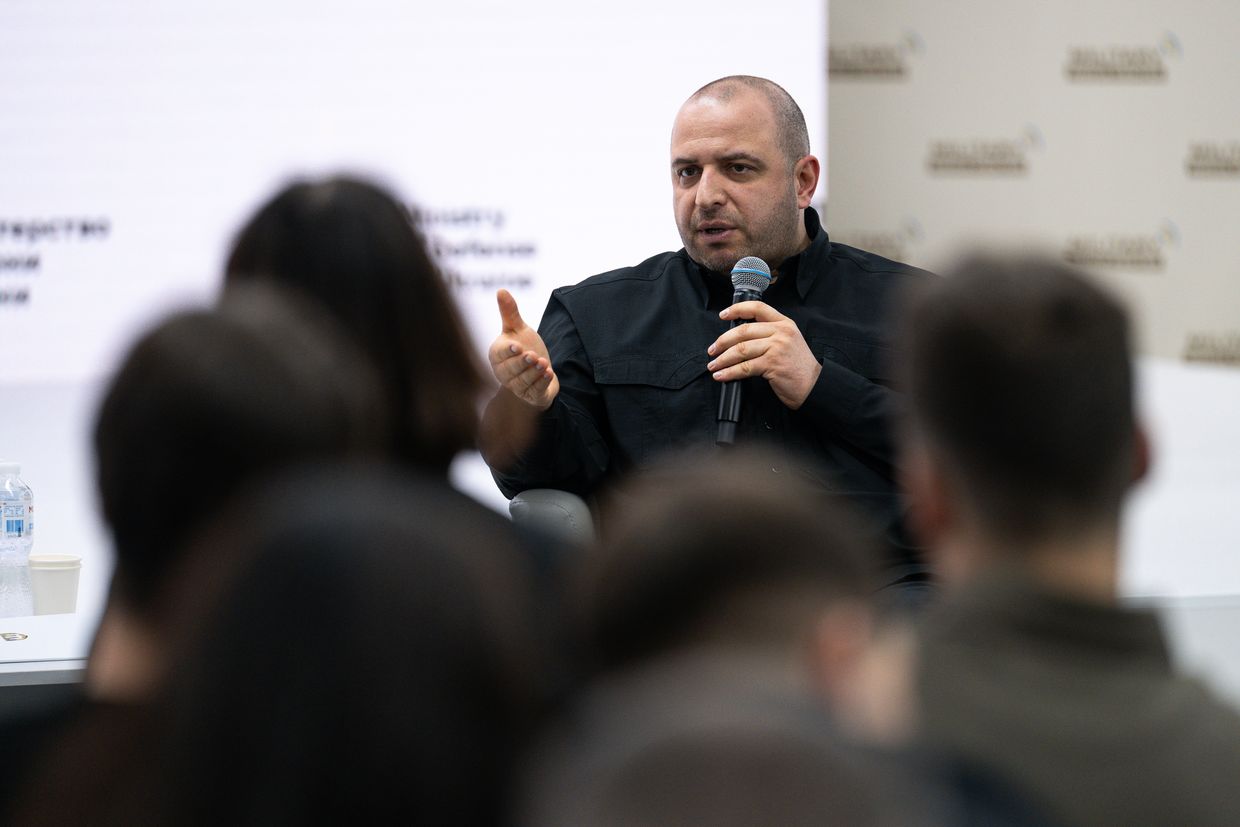
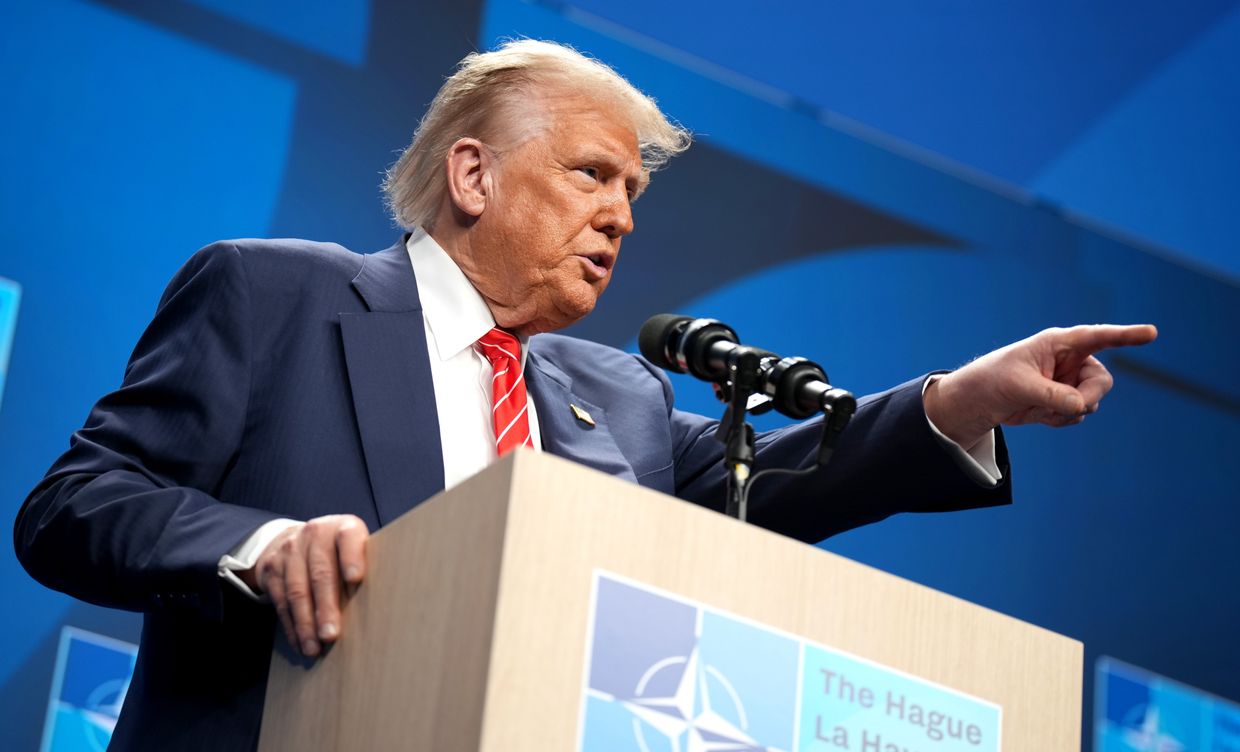
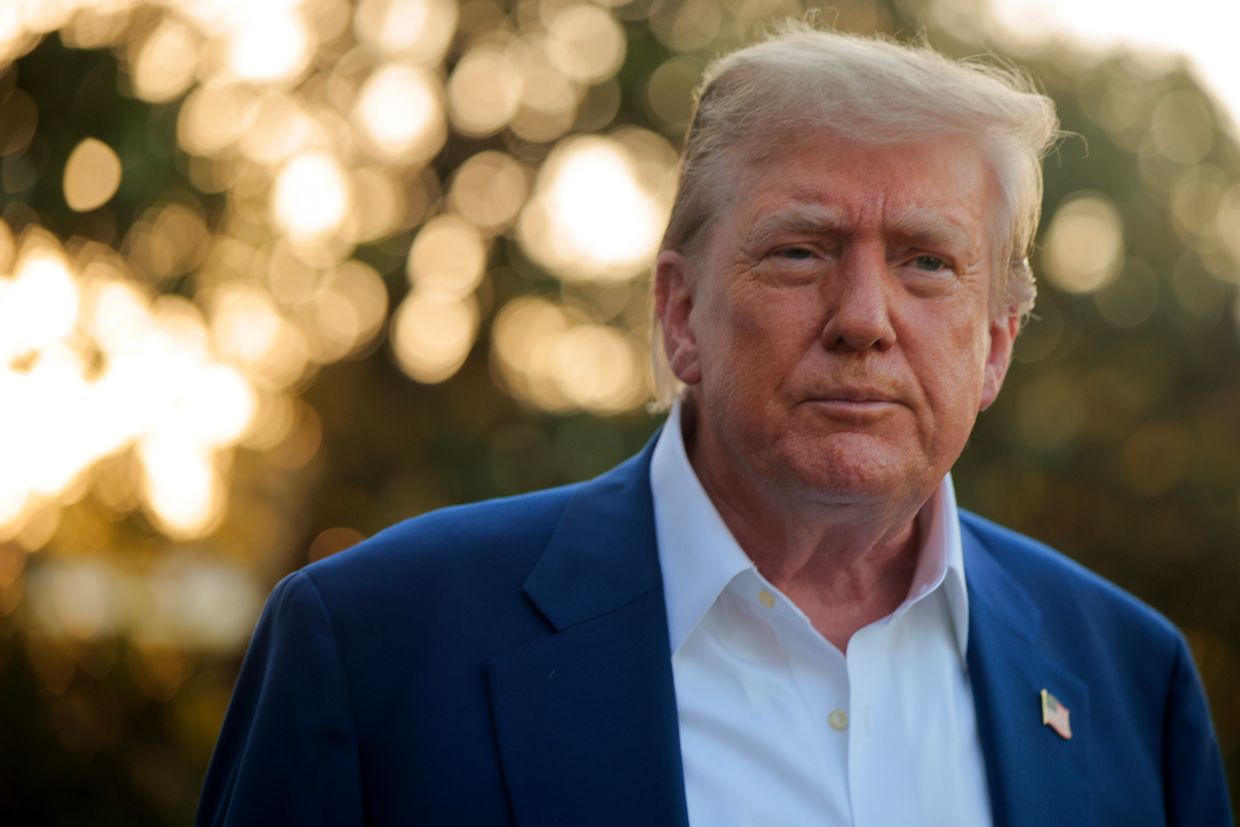
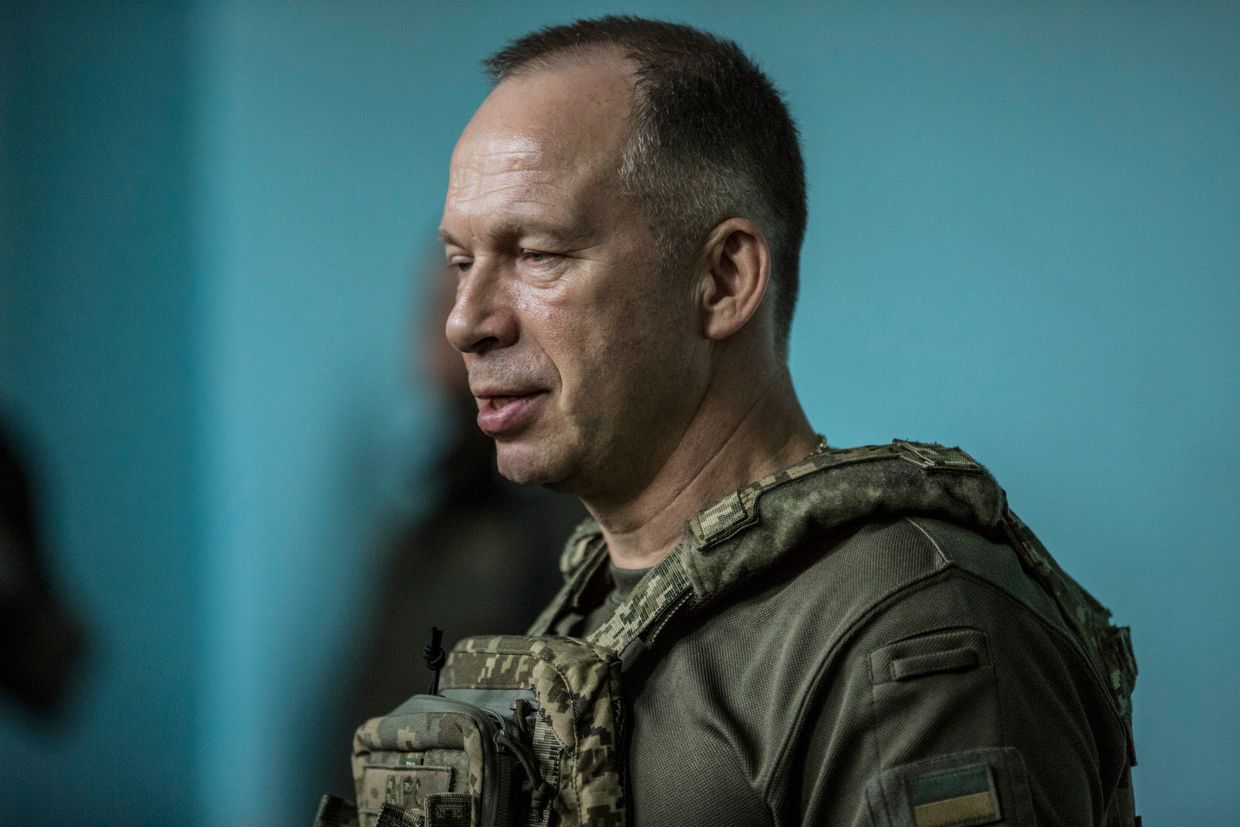
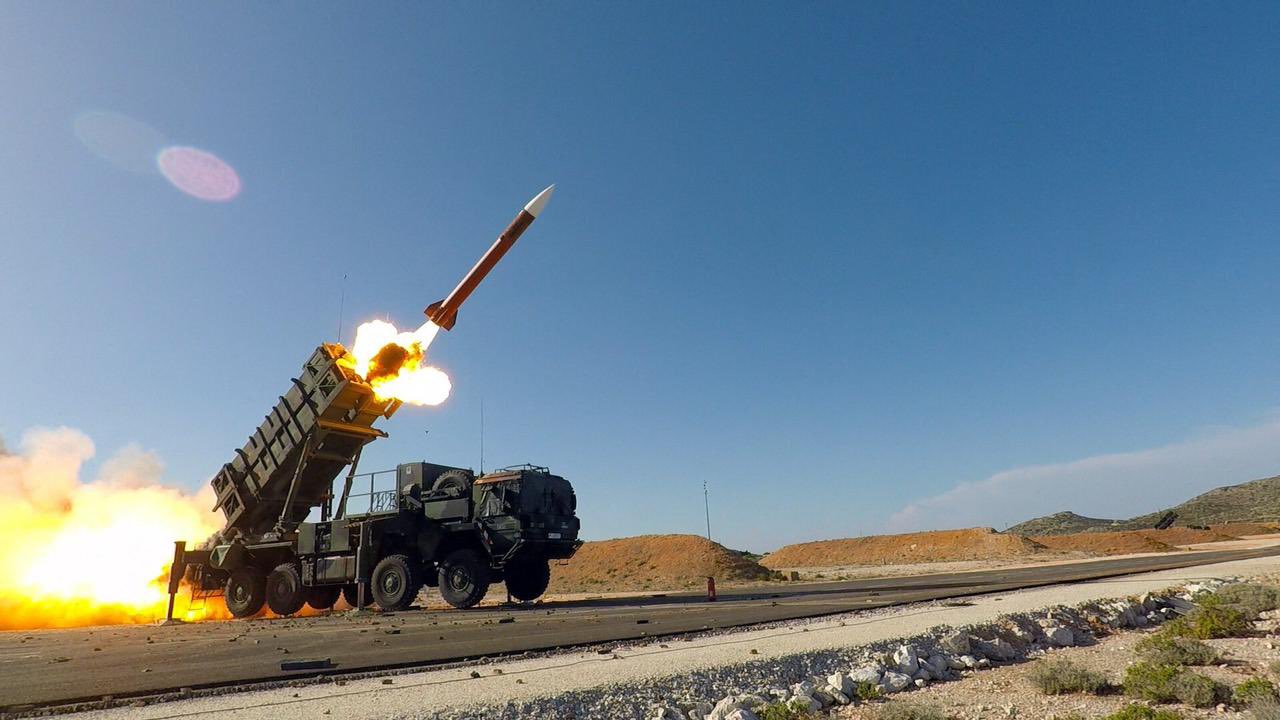
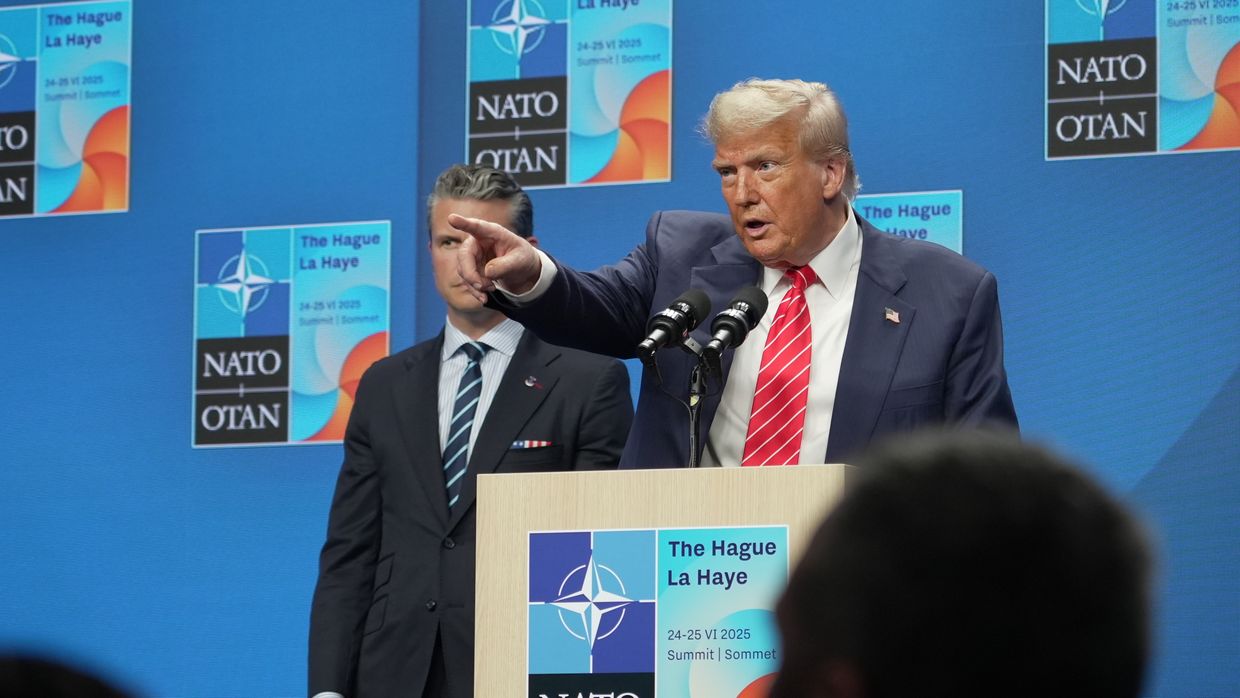
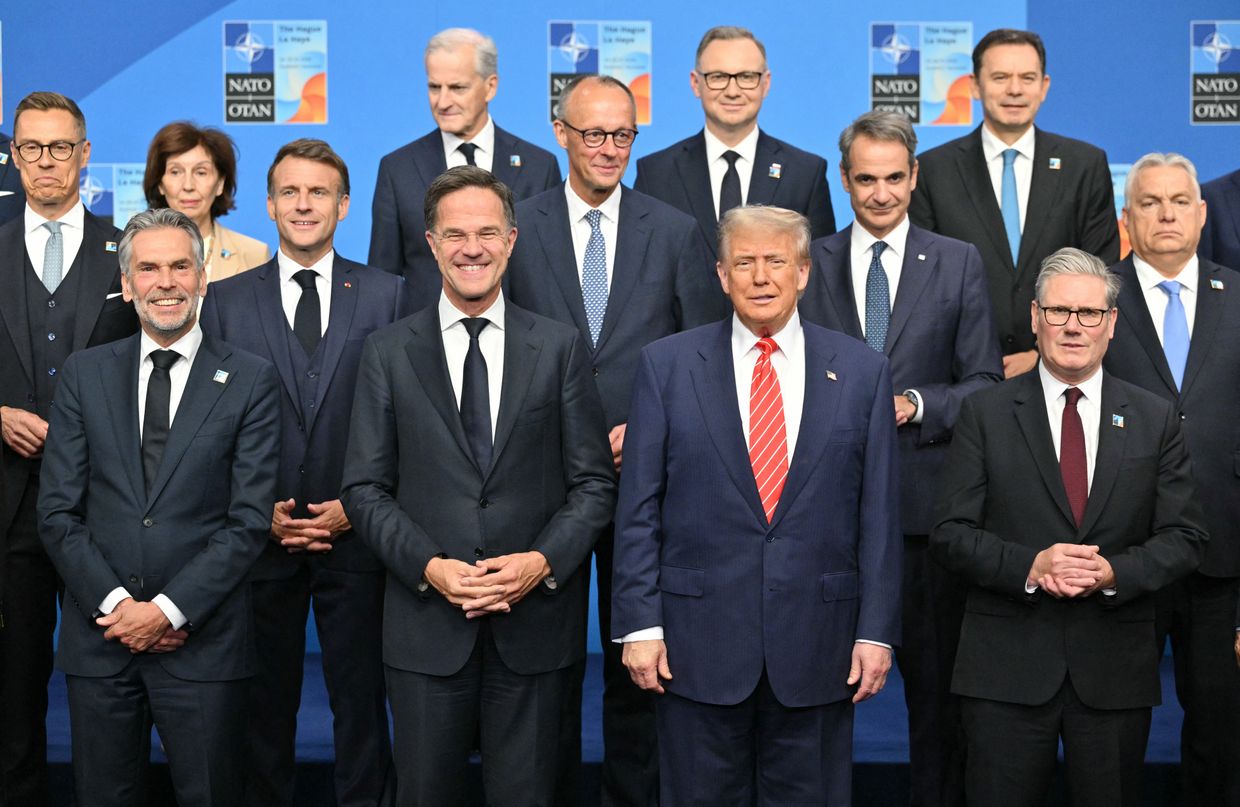
U.S. Special Envoy Keith Kellogg and Defense Minister Rustem Umerov are set to meet at the Ukraine Recovery Conference in Rome later this week to discuss the resumption of U.S. military assistance to Ukraine, Politico reported on July 7.Following the talks between Kellogg and Umerov in Rome, Politico reported that more meetings are set to take place in Kyiv over the next two weeks.The United States halted weapons shipments to Ukraine amid a capability review, the White House and Pentagon previou
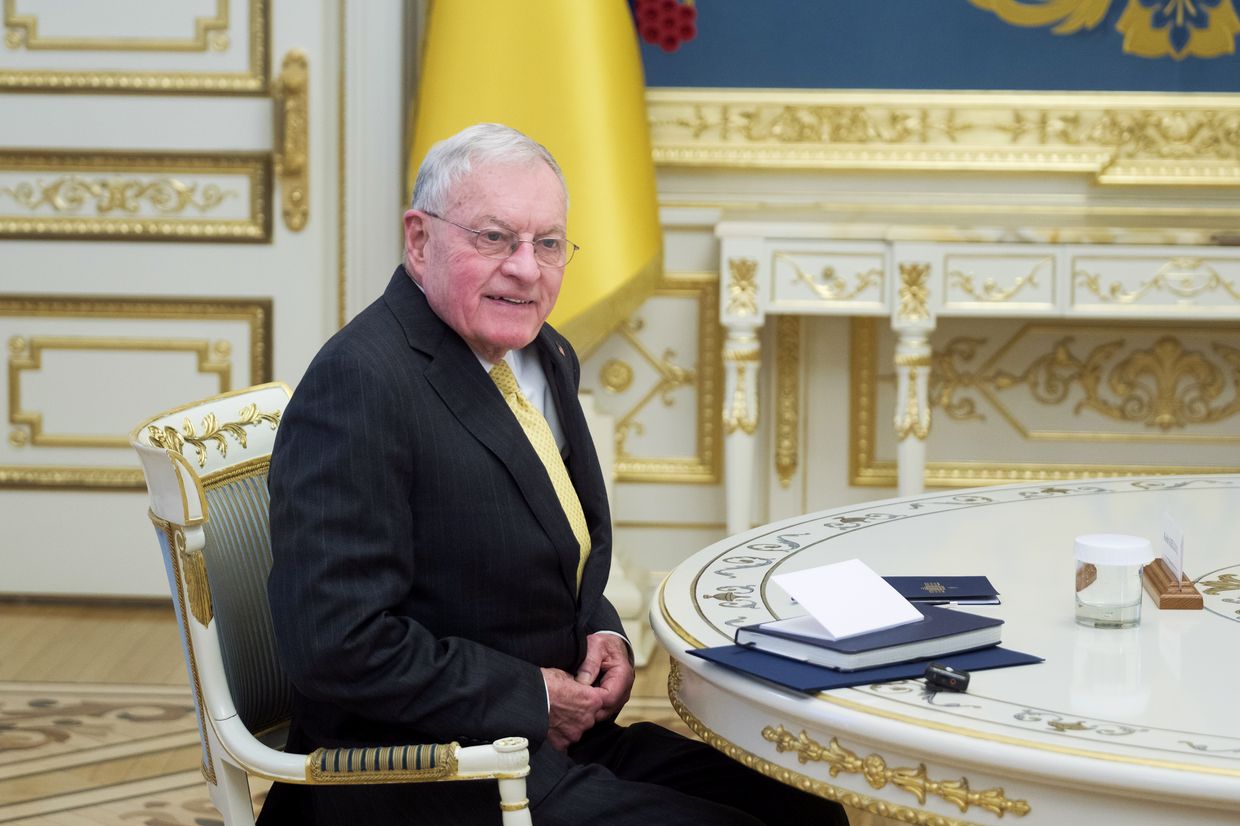
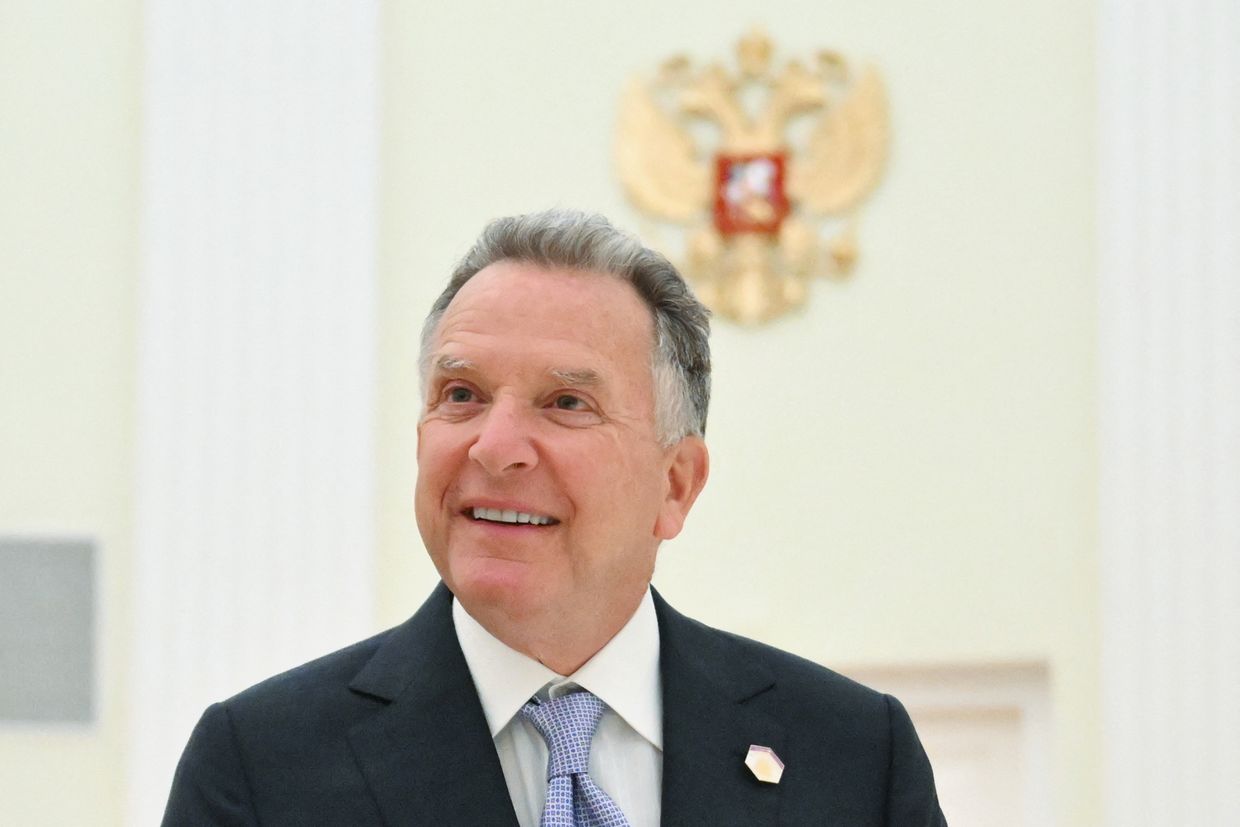
U.S. Special Envoy Keith Kellogg and Defense Minister Rustem Umerov are set to meet at the Ukraine Recovery Conference in Rome later this week to discuss the resumption of U.S. military assistance to Ukraine, Politico reported on July 7.
Following the talks between Kellogg and Umerov in Rome, Politico reported that more meetings are set to take place in Kyiv over the next two weeks.
The United States halted weapons shipments to Ukraine amid a capability review, the White House and Pentagon previously confirmed, with U.S. President Donald Trump on July 3 denying the pause.
Days later, Trump said that the United States would provide Ukraine with additional shipments of weapons amid intensified Russian attacks.
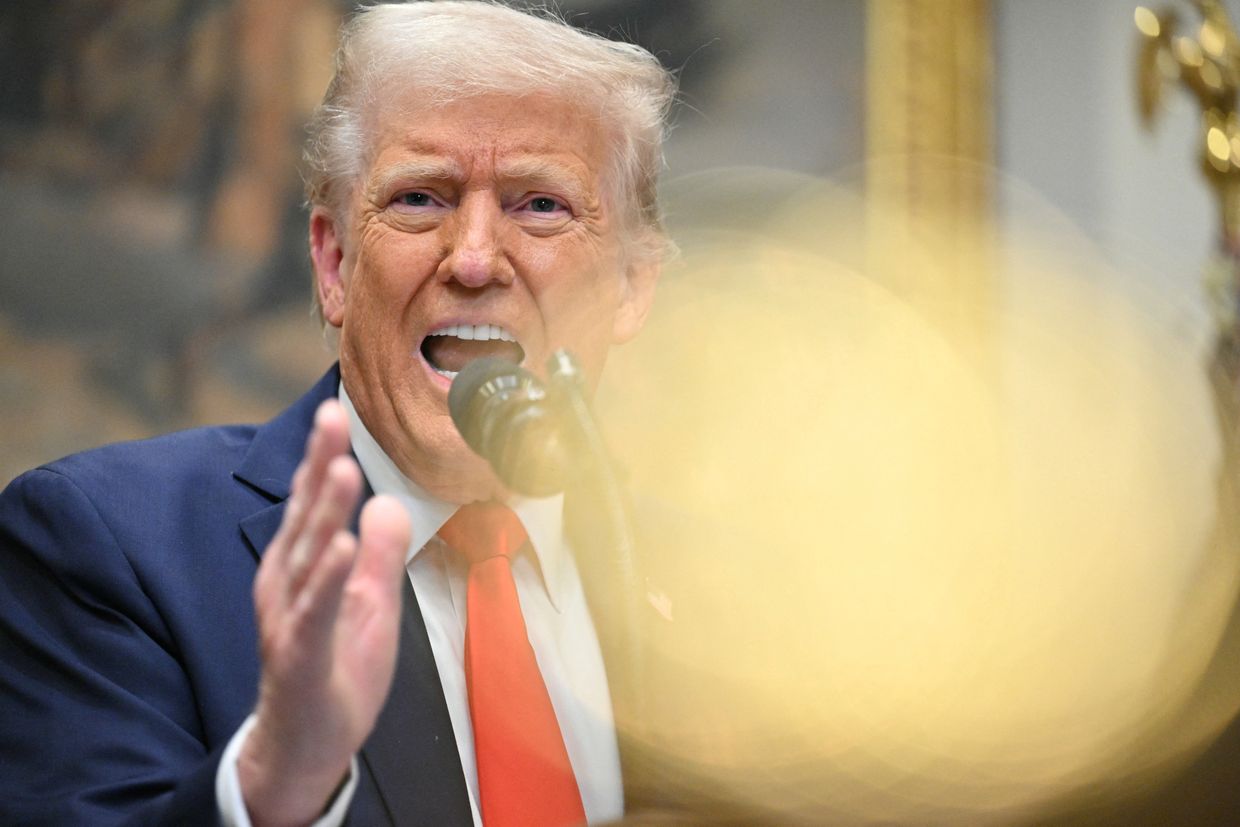
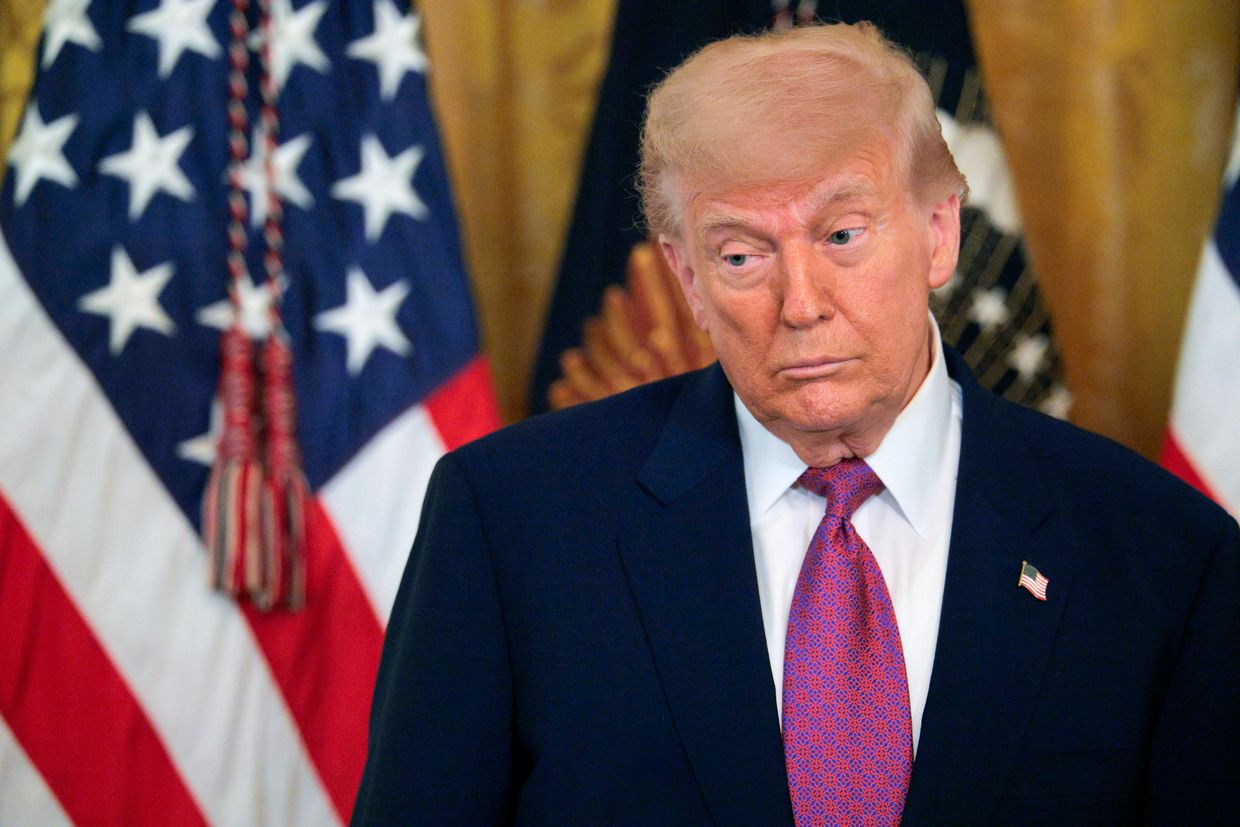
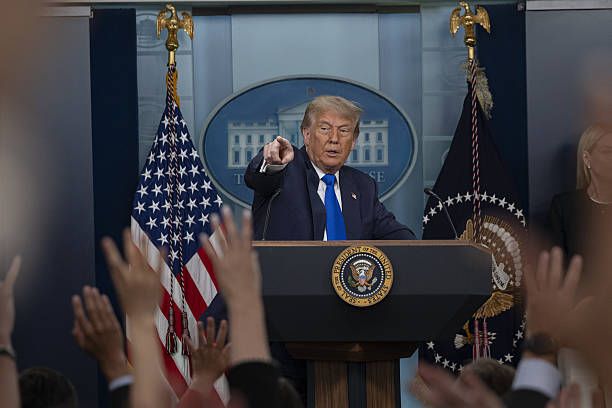
"We're gonna send some more weapons we have to them, they have to be able to defend themselves, they're getting hit very hard now," Trump said on July 7.
The halted U.S. military assistance to Ukraine could be resumed following planned high-level meetings at the conference, two people familiar with the matter told Politico.
A Kyiv meeting between Kellogg and Umerov following the Ukraine Recovery Conference was planned before the U.S. halted military assistance to Ukraine.
Kellogg's spokesperson Morgan Murphy said the meeting was "set up before news of the arms pause came to light last week."
Ukraine would like to promptly resume supplies of air defense and precision munitions, while the U.S. has signalled that the delivery of armored vehicles and engineering equipment may resume soon, the two sources said.
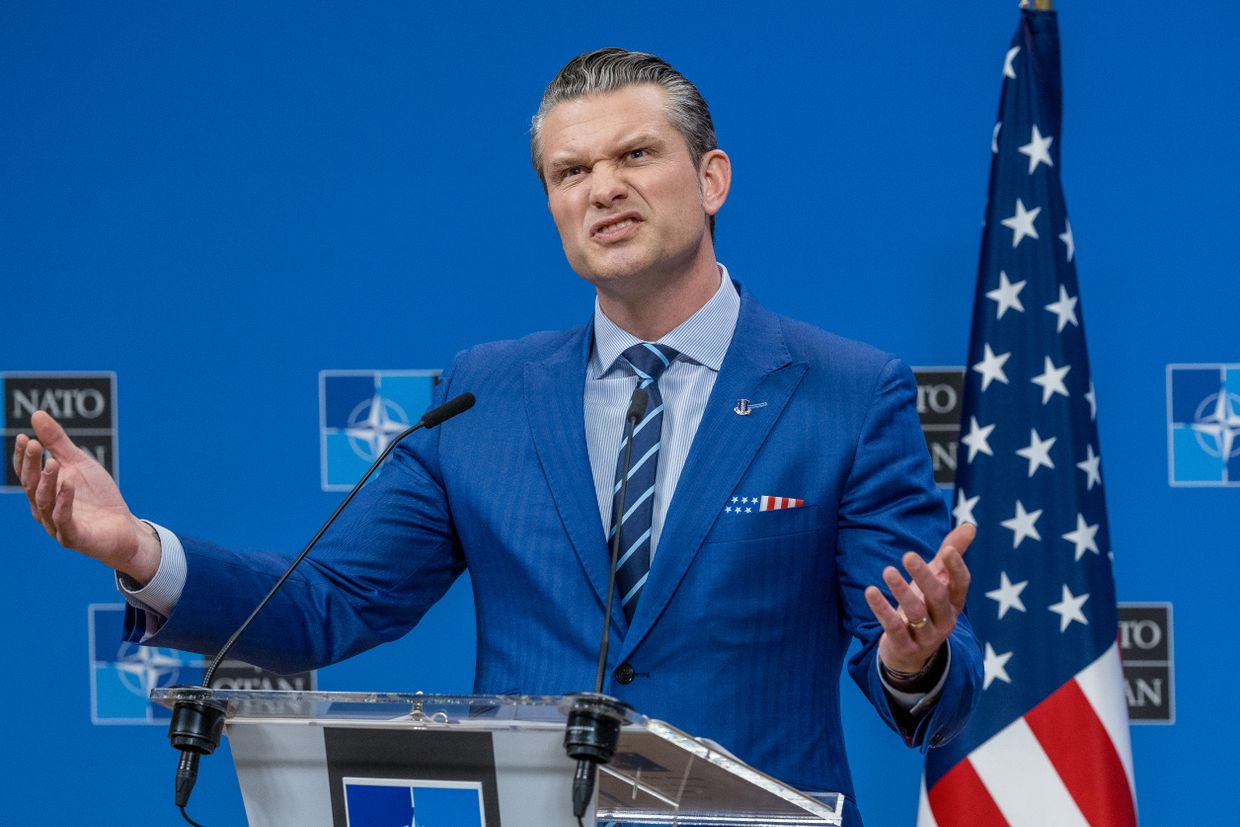
Pentagon spokesperson Sean Parnell confirmed on July 2 that some military assistance to Ukraine has been halted as the U.S. Defense Department conducts a review of foreign aiddeliveries.
"This capability review... is being conducted to ensure U.S. military aid aligns with our defense priorities... We see this as a common-sense, pragmatic step towards having a framework to evaluate what munitions are sent and where," Parnell said.
Despite the Pentagon announcement, Trump did not acknowledge a halt in U.S. weapons shipments to Ukraine.
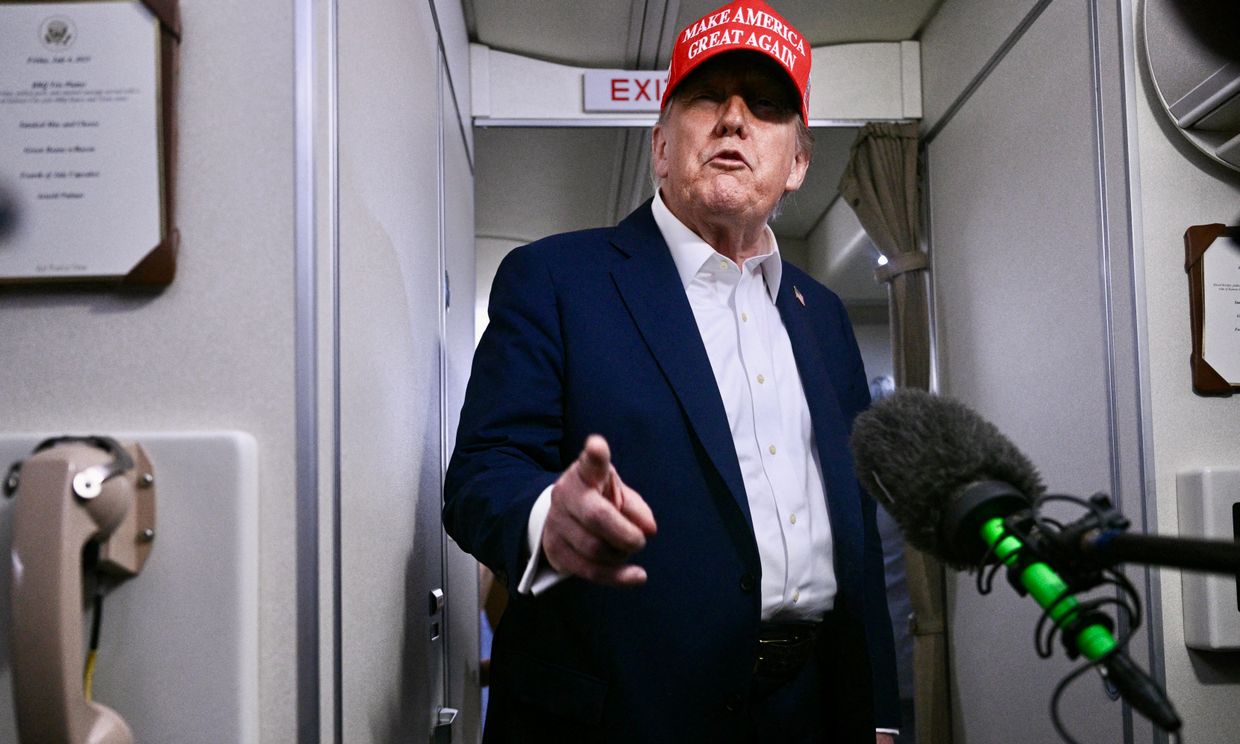
"Why did you pause weapons shipments to Ukraine?" a reporter asked Trump as the U.S. president prepared to board Air Force One on July 3.
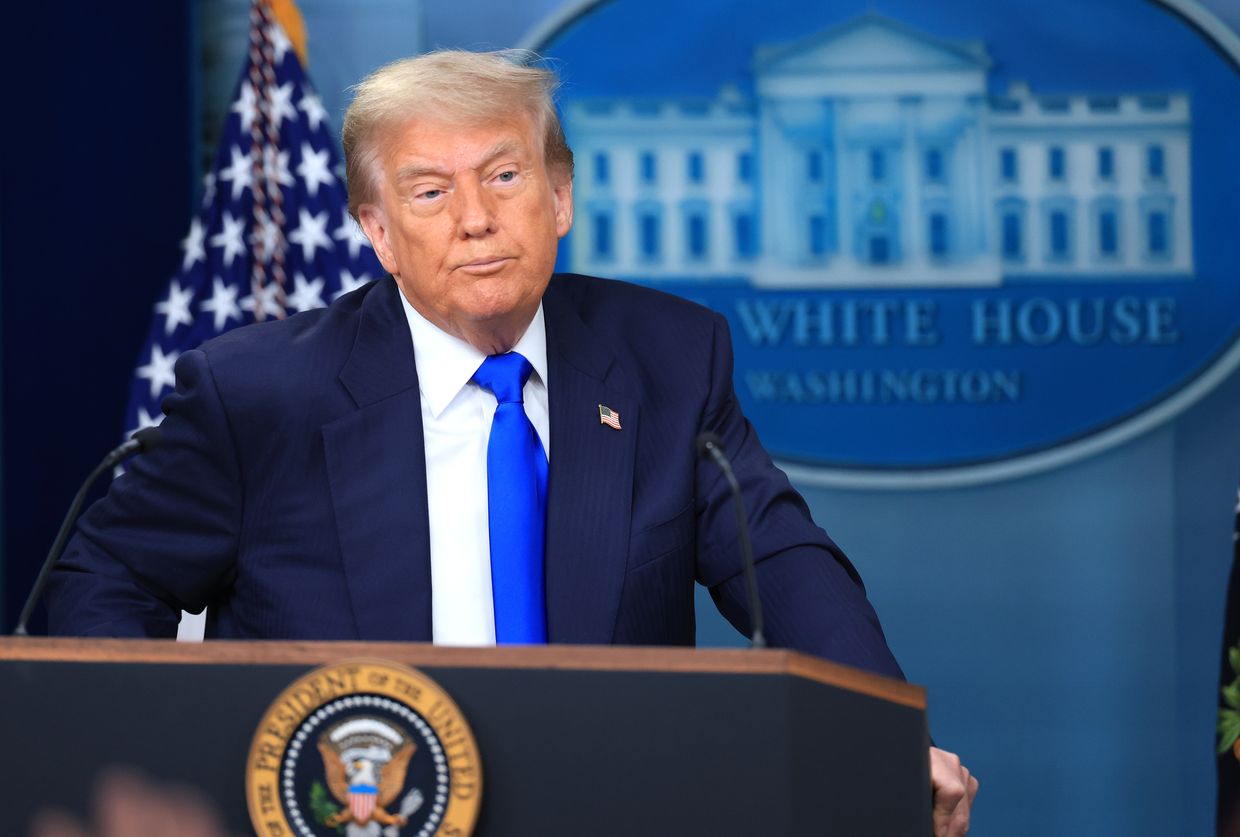
The United States will send "more weapons" to Ukraine amid intensified Russian strikes, U.S. President Donald Trump told reporters on July 7, adding that he is disappointed in Russian President Vladimir Putin."We're gonna send some more weapons we have to them, they have to be able to defend themselves, they're getting hit very hard now," Trump said alongside a U.S. and Israeli delegation at the White House.The U.S. halted weapons shipments to Ukraine amid a capability review, the White House an
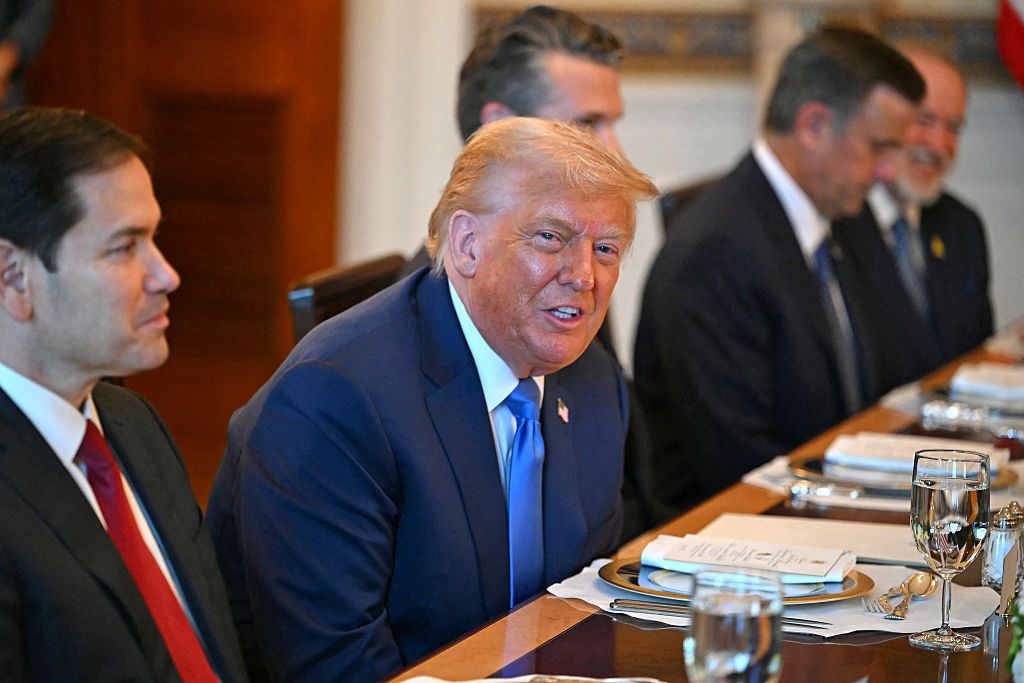
The United States will send "more weapons" to Ukraine amid intensified Russian strikes, U.S. President Donald Trump told reporters on July 7, adding that he is disappointed in Russian President Vladimir Putin.
"We're gonna send some more weapons we have to them, they have to be able to defend themselves, they're getting hit very hard now," Trump said alongside a U.S. and Israeli delegation at the White House.
The U.S. halted weapons shipments to Ukraine amid a capability review, the White House and Pentagon previously confirmed, with Trump later denying the pause.
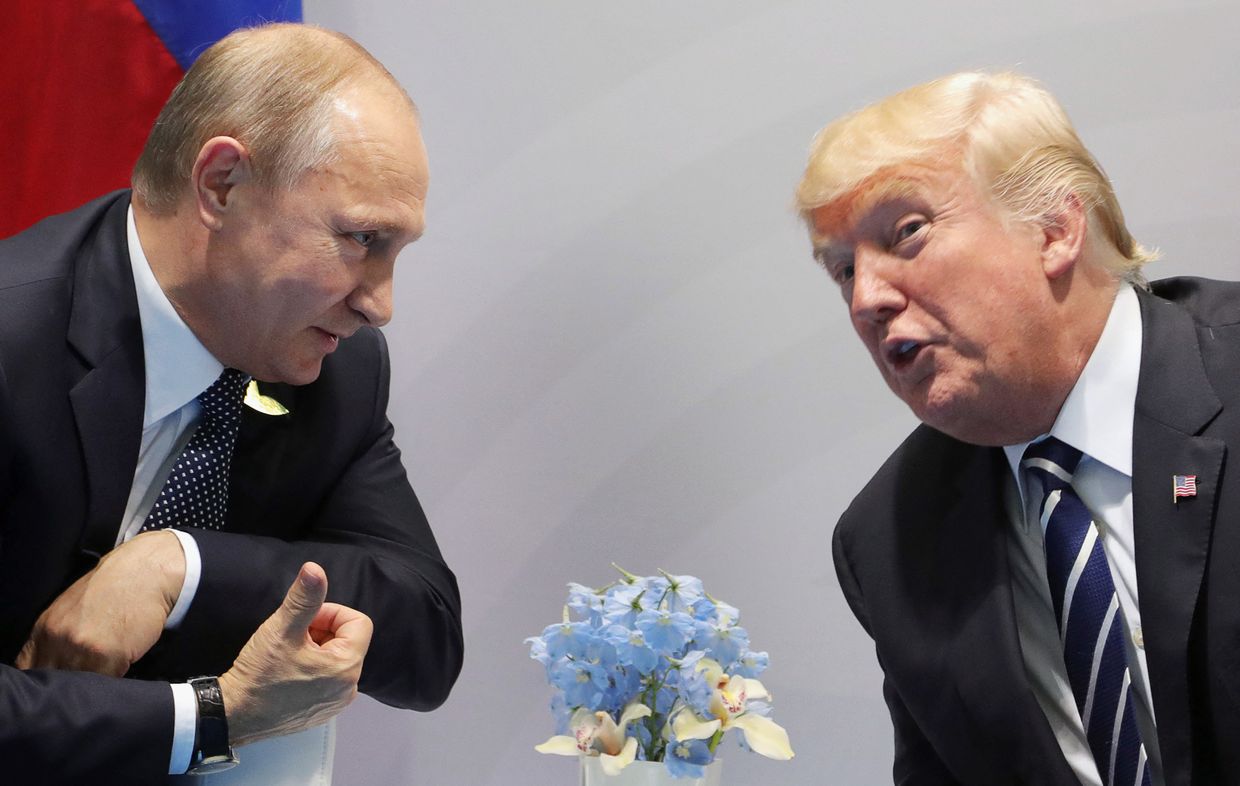
Trump previously said he was disappointed in Putin for not making progress to end Russia's war against Ukraine, following a phone call between the two leaders on July 3.
On July 7, Trump again said he was unhappy with Putin for failing to cooperate with U.S. efforts to end the war in Ukraine.
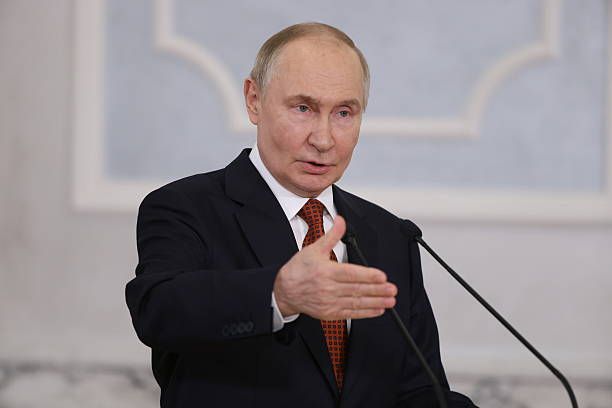
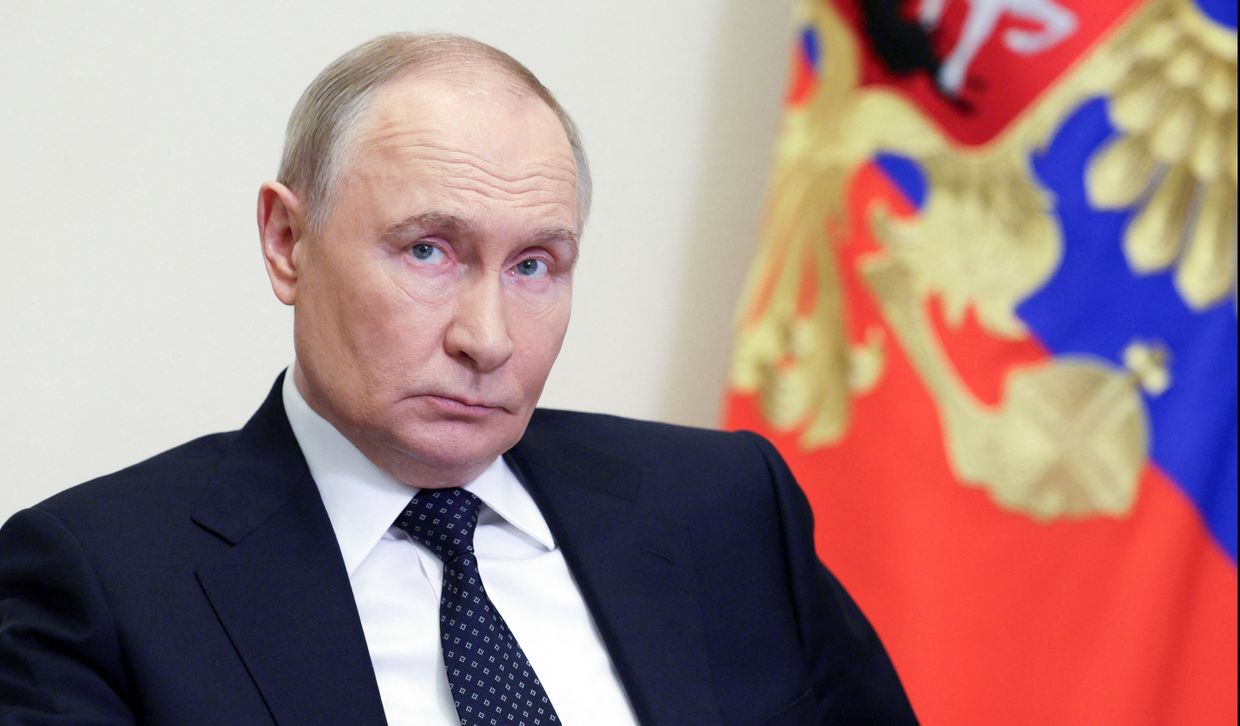
"It's a horrible thing, and I'm not happy with President Putin at all," Trump said. "I'm disappointed frankly that President Putin hasn't stopped."
He noted that the additional assistance the U.S. will supply to Ukraine will mainly consist of defense weapons amid increased Russian attacks.
"They're getting hit very hard. We're gonna have to send more weapons, your defensive weapons primarily, but they're getting hit very, very hard. So many people are dying in that mess," Trump said.
Later on July 7 the Pentagon released a statement confirming more weapons would be sent to Ukraine.
"At President Trump's direction, the Department of Defense is sending additional defensive weapons to Ukraine to ensure the Ukrainians can defend themselves while we work to secure a lasting peace and ensure the killing stops," it read.
"Our framework for POTUS to evaluate military shipments across the globe remains in effect and is integral to our America First defense priorities."
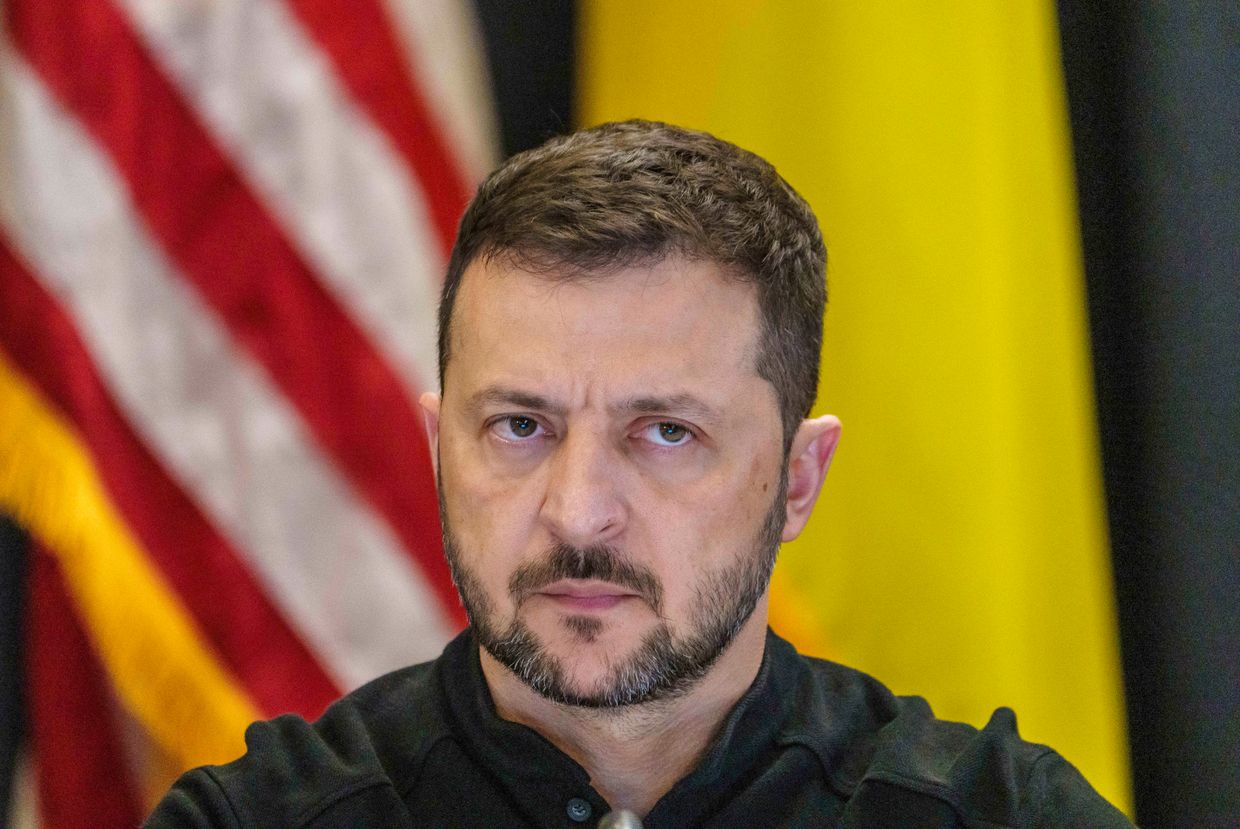
President Volodymyr Zelensky has previously said he and Trump discussed supplying Ukraine with additional Patriot missile systems following a phone call between the two on July 4.
Zelensky described his recent phone call with Trump as "the best conversation in all this time" in an evening address on July 5.
"Patriot (missiles) are key to protection from ballistic (missiles). We discussed several other important issues that our teams will work out in detail at meetings in the near future," he said.

Trump described his July 3 conversation with Putin as disappointing, saying that the call "didn't make any progress" in stopping Russia's war against Ukraine.
"I'm very disappointed with the conversation I had today with President Putin," Trump told journalists. "Because I don't think he's there. And I'm very disappointed. I don't think he's looking to stop this fighting."
Pentagon spokesperson Sean Parnell confirmed on July 2 that some military assistance to Ukraine has been halted as the U.S. Defense Department conducts a review of foreign aid deliveries.
"This capability review... is being conducted to ensure U.S. military aid aligns with our defense priorities... We see this as a common-sense, pragmatic step towards having a framework to evaluate what munitions are sent and where," Parnell said.
Despite the Pentagon announcement, Trump did not acknowledge a halt in U.S. weapons shipments to Ukraine.
"Why did you pause weapons shipments to Ukraine?" a reporter asked Trump as the U.S. president prepared to board Air Force One on July 3.
President Volodymyr Zelensky and U.S. President Donald Trump discussed a potential change in Ukraine's ambassador in Washington during a recent phone call, a source familiar with the conversation told the Kyiv Independent.Oksana Markarova has held the post since April 2021, and played a central role in coordinating U.S. military and financial support during the early phases of Russia's full-scale invasion. According to the source, the topic of replacing her was raised by Kyiv, suggesting the mov
President Volodymyr Zelensky and U.S. President Donald Trump discussed a potential change in Ukraine's ambassador in Washington during a recent phone call, a source familiar with the conversation told the Kyiv Independent.
Oksana Markarova has held the post since April 2021, and played a central role in coordinating U.S. military and financial support during the early phases of Russia's full-scale invasion.
According to the source, the topic of replacing her was raised by Kyiv, suggesting the move could be "useful for both sides." The source added that there are multiple "strong candidates" in the running.
When contacted by the Kyiv Independent, a spokesperson for Stefanishyna said they "do not comment on rumors."
The possible reshuffle comes at a moment of renewed tension between Kyiv and Washington. The U.S. Defense Department recently paused shipments of critical weapons systems, including Patriot missiles and precision-guided munitions, sparking concern in Kyiv.
The discussion about Ukraine's representation in Washington also coincides with longstanding speculation about a broader government reshuffle.
Rumors about replacing Shmyhal as prime minister have circulated since last summer. Although Zelensky replaced several officials in September 2024, Shmyhal remained in office.
Halushchenko, one of the potential ambassadorial candidates, has faced criticism in parliament. Lawmakers from the Energy Committee, led by lawmaker Inna Sovsun, introduced a motion to dismiss him in January, citing alleged corruption.
Shmyhal has served as Ukraine's Prime Minister since March 2020, overseeing national governance during a period marked by reforms and wartime crises. Before his premiership, he held key roles as Ivano-Frankivsk Oblast Governor and Vice Prime Minister.
Stefanishyna is a seasoned Ukrainian diplomat and expert in European integration who has held high-level government roles since 2020. In September 2024, she was appointed Deputy Prime Minister for European and Euro-Atlantic Integration, and Justice Minister.
Umerov is Ukraine's current Defence Minister, appointed in September 2023. He started his political career as a member of the Parliament for the opposition party Voice (Holos). Umerov played a major role in peace talks with Russia in the early phase of the full-scale war.
The ambassadorial review comes as Kyiv seeks to strengthen its diplomatic ties with Washington.
Zelensky described his July 5 phone call with Trump as "the best conversation in all this time." The U.S. president echoed the sentiment, calling the exchange "very strategic."
U.S. President Donald Trump said on July 6 that his administration is "helping a lot" when it comes to Ukraine, defending his approach to the ongoing war."I am helping Ukraine. I'm helping it a lot," Trump told reporters when asked in Washington why the U.S. does not support Ukraine as strongly as it supports Israel.The comment follows a growing outcry in Kyiv over the U.S. Defense Department's decision to pause deliveries of key weapons, including Patriot air defense missiles and precision-guid
U.S. President Donald Trump said on July 6 that his administration is "helping a lot" when it comes to Ukraine, defending his approach to the ongoing war.
"I am helping Ukraine. I'm helping it a lot," Trump told reporters when asked in Washington why the U.S. does not support Ukraine as strongly as it supports Israel.
The comment follows a growing outcry in Kyiv over the U.S. Defense Department's decision to pause deliveries of key weapons, including Patriot air defense missiles and precision-guided munitions.
Ukrainian officials have warned that the delay leaves the country more vulnerable to intensified Russian missile and drone attacks, which have killed and injured hundreds of civilians in recent weeks.
While Trump has repeatedly said he wants to end the war and support Ukraine, his administration has not imposed new sanctions on Russia since he took office in January and has yet to approve additional military assistance packages.
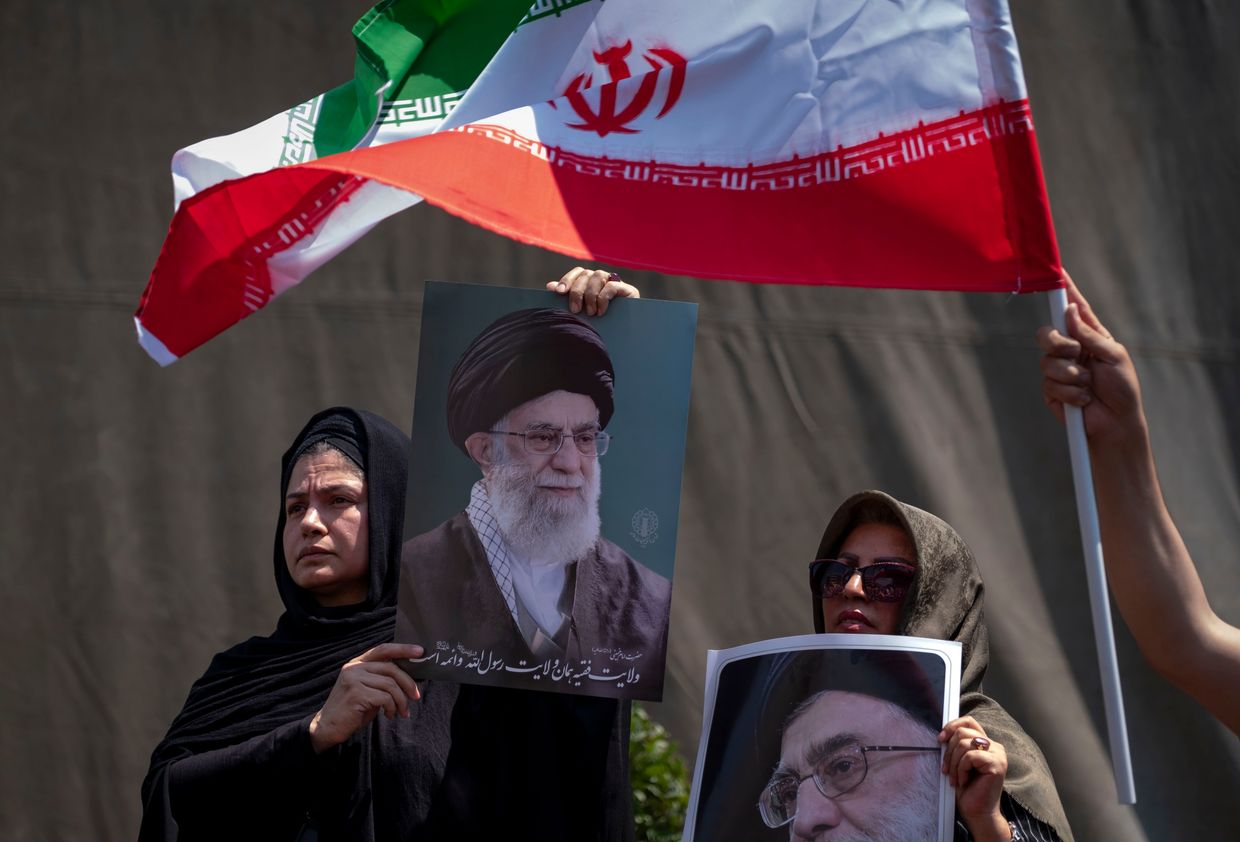
Instead, the Trump administration has prioritized military action in the Middle East. The U.S. launched air strikes on three nuclear sites in Iran on June 21, a move critics say stands in contrast to Washington's cautious posture toward Moscow.
Speaking on Air Force One on July 5, Trump expressed frustration over his July 3 phone call with Russian President Vladimir Putin.
"It just seems like he wants to go all the way and just keep killing people," Trump said.
Trump also spoke with President Volodymyr Zelensky on July 4 in what the U.S. president later described as a "very strategic" call. Trump said the two discussed Ukraine's urgent need for air defenses.
"They're going to need something because they're being hit pretty hard," Trump said, adding that supplying Patriot systems was a possibility.
Despite those comments, there have been no new authorizations for weapons deliveries, and Trump's administration has continued to avoid direct economic pressure on Moscow.
Two rounds of direct talks between Russia and Ukraine held in Istanbul in May and June led only to prisoner exchanges, with no breakthrough on ending hostilities. Moscow has maintained maximalist conditions while rejecting calls for an unconditional ceasefire.
U.S. President Donald Trump said on July 6 that his administration will impose an additional 10% tariff on countries aligning themselves with what he described as the BRICS group's "anti-American policy.""There will be no exceptions to this policy," Trump wrote on the social network Truth Social.The announcement coincided with the BRICS summit in Brazil, where member states, including Russia, China, and India, adopted a declaration condemning strikes on Iran and Israel's operations in Gaza. The
U.S. President Donald Trump said on July 6 that his administration will impose an additional 10% tariff on countries aligning themselves with what he described as the BRICS group's "anti-American policy."
"There will be no exceptions to this policy," Trump wrote on the social network Truth Social.
The announcement coincided with the BRICS summit in Brazil, where member states, including Russia, China, and India, adopted a declaration condemning strikes on Iran and Israel's operations in Gaza.
The document did not explicitly name the U.S. but criticized actions perceived as destabilizing. On June 21, the country carried out strikes on three major Iranian nuclear sites: Fordow, Natanz, and Isfahan.
Trump's latest trade threat escalates tensions with the BRICS group, which has increasingly sought to reduce dependence on the U.S. dollar and shift toward a multipolar world order.
Kirill Dmitriev, head of Russia's sovereign wealth fund, described the summit as the start of a new "Global South" era, highlighting the group's aim to reshape the global order.
Though Russian President Vladimir Putin said in October 2024 that there are no immediate plans to create a BRICS currency, he highlighted the group's goal of financial sovereignty.
In January, Trump warned of 100% tariffs on BRICS members if they attempt to adopt a new or existing currency to replace the U.S. dollar in international trade.
Russian Foreign Minister Sergey Lavrov attended the BRICS summit in person, while Putin participated via video due to an outstanding International Criminal Court (ICC) warrant. Brazil, the summit's host, is an ICC member and obligated to arrest Putin if he enters the country.
The declaration also condemned incidents on Russian railway infrastructure and called for a negotiated settlement in the war against Ukraine. However, it avoided urging Russia to halt its full-scale invasion.
BRICS expanded in 2024, admitting Egypt, Ethiopia, Iran, and the United Arab Emirates as new members. In October 2024, Putin hosted a BRICS forum in Kazan, attended by 36 world leaders.
U.S. President Donald Trump on July 6 commented on tech billionaire Elon Musk's plan to create a new political party, calling it "ridiculous" and warning that third-party movements have historically failed in the United States. "I think creating a third party is ridiculous... we've had tremendous success with the Republican Party," Trump told reporters on July 6 before boarding Air Force One in Morristown. "The Democrats have lost their way, but it's always been a two-party system, and I think c
U.S. President Donald Trump on July 6 commented on tech billionaire Elon Musk's plan to create a new political party, calling it "ridiculous" and warning that third-party movements have historically failed in the United States.
"I think creating a third party is ridiculous... we've had tremendous success with the Republican Party," Trump told reporters on July 6 before boarding Air Force One in Morristown. "The Democrats have lost their way, but it's always been a two-party system, and I think creating a third party just adds to the confusion."
These comments came after Musk unveiled plans on July 5 to launch a new political force in the U.S. called the "America Party."
Musk said the party's goal is to "give you back your freedom" and offer an alternative to the entrenched Republican and Democratic systems, a few weeks after a public split with Trump.
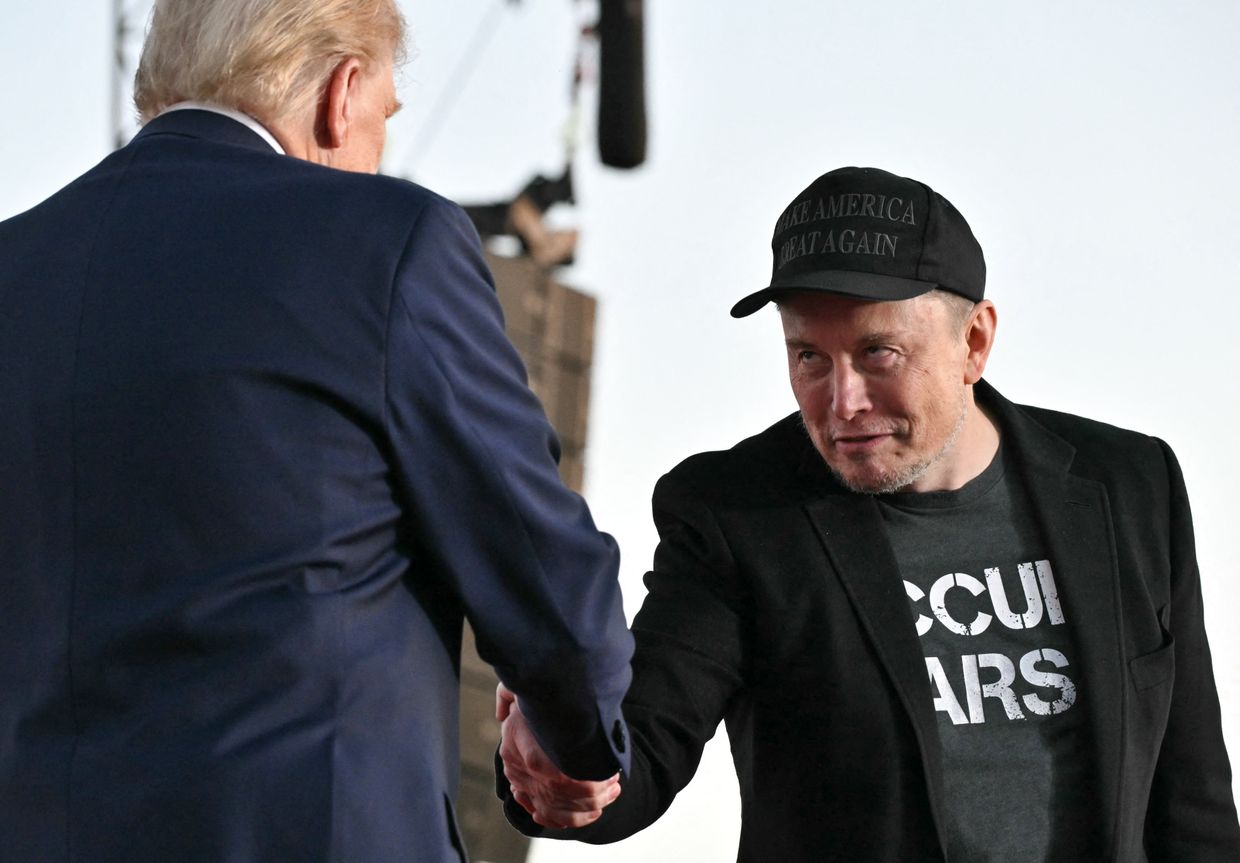
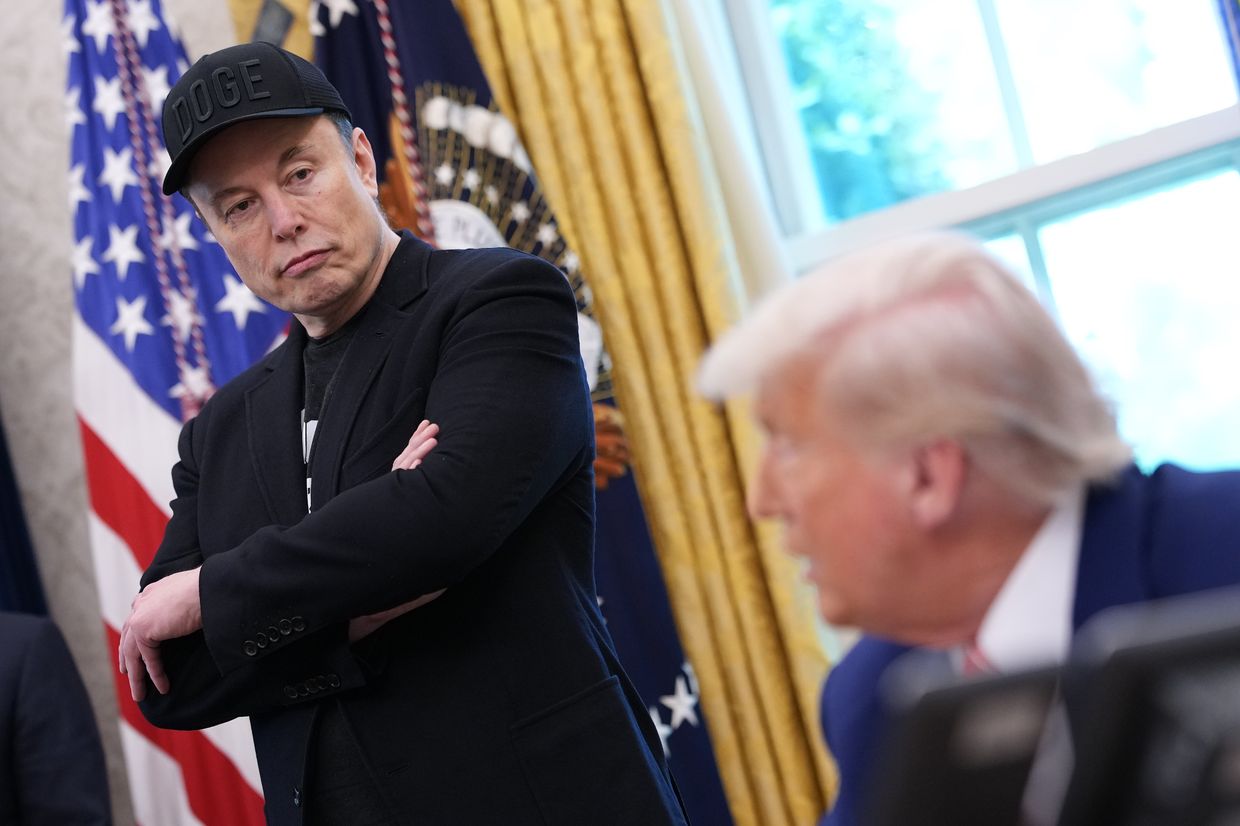
The strained relationship between Musk and Trump began to deteriorate significantly after a period when Musk publicly supported Trump's re-election bid and held a high-profile role in the U.S. government's Department of Government Efficiency (DOGE).
Musk's new party announcement followed Trump signing a major tax and spending bill into law, the One Big Beautiful Bill Act, legislation that Musk had strongly criticized.
Trump later commented further in a Truth Social post, saying that third parties bring "complete and total disruption and chaos" and criticizing Musk.
"I am saddened to watch Elon Musk go completely 'off the rails,' essentially becoming a TRAIN WRECK over the past five weeks," Trump wrote.
Trump also linked Musk's political shift to his frustration over the recently passed Republican bill eliminating the federal electric vehicle mandate.
"It is a Great Bill but, unfortunately for Elon, it eliminates the ridiculous Electric Vehicle (EV) Mandate, which would have forced everyone to buy an Electric Car in a short period of time. I have been strongly opposed to that from the very beginning," Trump added.
Musk led DOGE until May 30 and had been a key figure in dismantling U.S. foreign aid institutions, including USAID, which delivered billions in aid to Ukraine.
Weeks after a high-profile public falling out with U.S. President Donald Trump, tech mogul Elon Musk announced the creation of a new political party in the United States, dubbed the "America Party." Musk said on July 5 that the party's aim is to "give you back your freedom" and challenge the traditional two-party Republican and Democratic system.The announcement came a day after Trump signed his sweeping tax cut and spending bill into law, a legislative act that Musk has fiercely opposed. It rem
Weeks after a high-profile public falling out with U.S. President Donald Trump, tech mogul Elon Musk announced the creation of a new political party in the United States, dubbed the "America Party."
Musk said on July 5 that the party's aim is to "give you back your freedom" and challenge the traditional two-party Republican and Democratic system.
The announcement came a day after Trump signed his sweeping tax cut and spending bill into law, a legislative act that Musk has fiercely opposed. It remains unclear if the America Party has been formally registered with election authorities, but Musk indicated it would launch "next year."
Musk's decision follows a poll he conducted on X on July 4, asking his followers if he should create a new political party.He cited the overwhelming support, writing: "By a factor of 2 to 1, you want a new political party and you shall have it! When it comes to bankrupting our country with waste & graft, we live in a one-party system, not a democracy."
The strained relationship between Musk and Trump began to deteriorate significantly after a period where Musk publicly supported Trump's re-election bid and held a high-profile role in the U.S. government's Department of Government Efficiency (DOGE).
In May, Musk announced his departure from DOGE, citing the end of his "scheduled time." Initially, Trump praised him as "one of the greatest business leaders and innovators the world has ever produced."
However, tensions escalated sharply on May 22 after the U.S. House of Representatives passed the "One Big Beautiful Bill Act," a significant tax-cut and spending bill that Trump signed into law on Friday.
Musk vehemently condemned the legislation, calling it a "massive, outrageous, pork-filled Congressional spending bill is a disgusting abomination." He argued that the bill's spending would exacerbate the "already gigantic budget deficit" and "burden American citizens with crushingly unsustainable debt."
Adding to the friction earlier this week, Trump threatened to cut off billions of dollars in federal subsidies to Musk's companies and even hinted at the possibility of deporting the South Africa-born entrepreneur.
President Volodymyr Zelensky described his recent phone call with U.S. President Donald Trump as "the best conversation in all this time" in an evening address on July 5."Patriot (missiles) are key to protection from ballistic (missiles). We discussed several other important issues that our teams will work out in detail at meetings in the near future," Zelensky said.The two leaders spoke on July 4, agreeing to strengthen Ukraine's air defenses amid intensified Russian strikes, Zelensky said earl
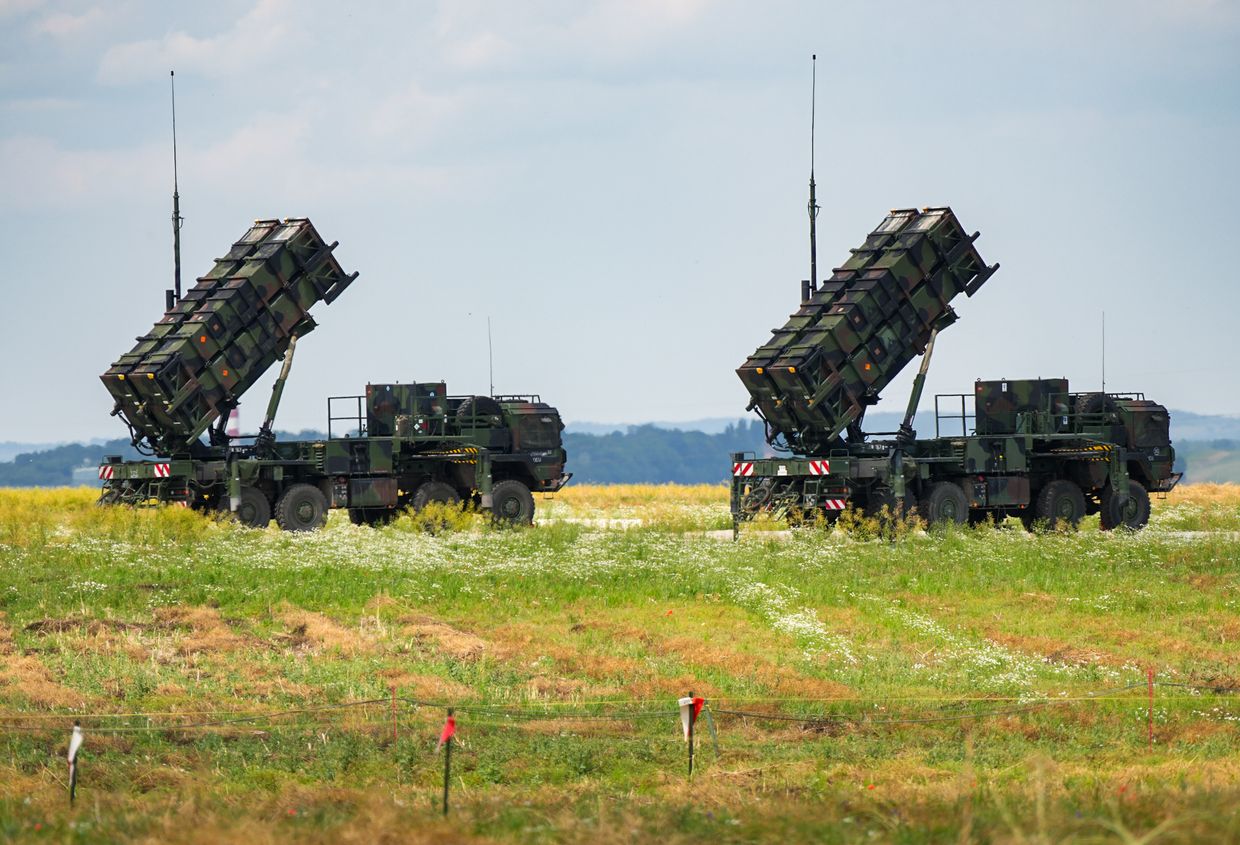
President Volodymyr Zelensky described his recent phone call with U.S. President Donald Trump as "the best conversation in all this time" in an evening address on July 5.
"Patriot (missiles) are key to protection from ballistic (missiles). We discussed several other important issues that our teams will work out in detail at meetings in the near future," Zelensky said.

The two leaders spoke on July 4, agreeing to strengthen Ukraine's air defenses amid intensified Russian strikes, Zelensky said earlier.
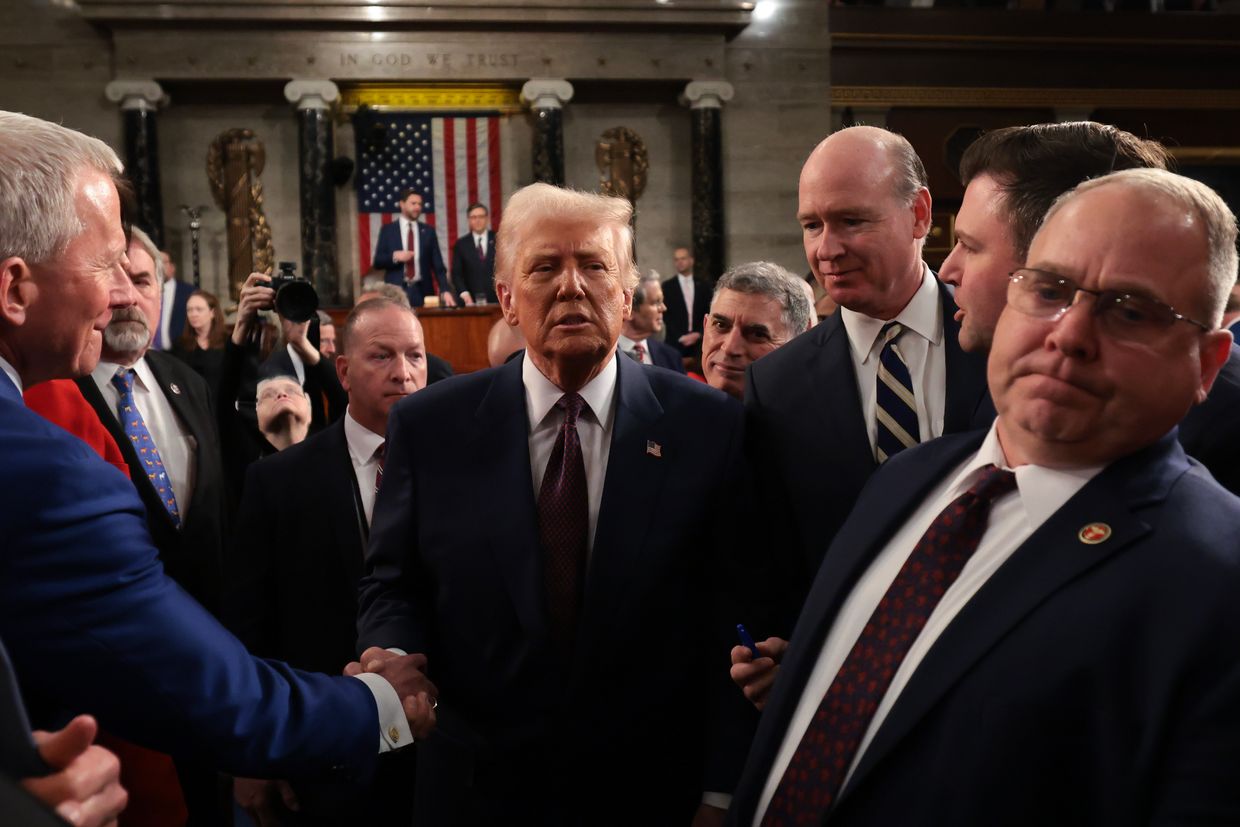
A day prior to speaking with Zelensky, Trump held a phone call with Russian President Vladimir Putin in an effort to discuss ending Russia's war against Ukraine.
"This was probably the best conversation in all this time, it was maximally productive. We discussed the topic of air defenses. I am grateful for the readiness to help," Zelensky said, describing his phone call with Trump.
Relations between Ukraine and the U.S. have previously been strained as the White House pushed Kyiv to sign a lucrative bilateral minerals deal and tried to broker a peace deal with Moscow that did not rule out major concessions for Ukraine.
Zelensky's phone call with the U.S. leader followed media reports and announcements from Washington of a pause in military assistance to Ukraine. Trump, on July 3, denied that Washington has stopped supplying weapons to Kyiv.
Trump described his July 3 conversation with Putin as disappointing, saying that the call "didn't make any progress" in stopping Russia's war against Ukraine.
"I'm very disappointed with the conversation I had today with President Putin," Trump told journalists. "Because I don't think he's there. And I'm very disappointed. I don't think he's looking to stop this fighting."
BlackRock, a U.S. investment firm, suspended work on a multibillion-dollar Ukraine recovery fund following U.S. President Donald Trump's election victory, prompting France to work on a replacement, Bloomberg reported on July 5.The plan nearly secured the initial support of institutions backed by the governments of Germany, Italy, and Poland, people familiar with the matter told Bloomberg.Kyiv has sought to secure investment in Ukraine's reconstruction as Russia's war continues to destroy infrast
BlackRock, a U.S. investment firm, suspended work on a multibillion-dollar Ukraine recovery fund following U.S. President Donald Trump's election victory, prompting France to work on a replacement, Bloomberg reported on July 5.
The plan nearly secured the initial support of institutions backed by the governments of Germany, Italy, and Poland, people familiar with the matter told Bloomberg.
Kyiv has sought to secure investment in Ukraine's reconstruction as Russia's war continues to destroy infrastructure across the country.
BlackRock halted its search for institutional investors in January, causing the planned funding that sought to secure $500 million from governments, development grants, and investment banks, and another $2 billion from private investors, to fall through.
The investment firm halted talks with institutional investors in January due to a lack of interest amid perceived uncertainty in Ukraine.
The fund was set to be unveiled by BlackRock at the upcoming Ukraine Recovery Conference on July 10-11 in Rome, Bloomberg reported.
A spokesperson for BlackRock said the investment firm completed advisory work for the recovery fund pro bono in 2024 and no longer has "any active mandate."
France is working on a proposal to replace the recovery fund led by BlackRock, people familiar with the matter told Bloomberg, adding that it remains uncertain how effective the plan will be without Washington's backing.
President Volodymyr Zelensky and Italian Prime Minister Giorgia Meloni are expected to attend the Ukraine Recovery Conference next week.
Despite a partial rebound from a 30% economic slump in 2022, foreign investment in Ukraine remains underwhelming.
Editor's note: This story has been updated with additional comments by U.S. President Donald Trump.U.S. President Donald Trump said on July 5 that Russian President Vladimir Putin does not appear interested in ending the war in Ukraine, according to a comment made onboard Air Force One.Trump reiterated that he was "very unhappy" with the July 3 phone call between the two leaders. "It just seems like he wants to go all the way and just keep killing people. It's not good. I wasn't happy with it,"
Editor's note: This story has been updated with additional comments by U.S. President Donald Trump.
U.S. President Donald Trump said on July 5 that Russian President Vladimir Putin does not appear interested in ending the war in Ukraine, according to a comment made onboard Air Force One.
Trump reiterated that he was "very unhappy" with the July 3 phone call between the two leaders.
"It just seems like he wants to go all the way and just keep killing people. It's not good. I wasn't happy with it," Trump told reporters.
The call, which lasted about an hour, was confirmed by the Kremlin to have focused on Ukraine. Putin reportedly told Trump that Russia would continue pursuing its "goals" in the war.
Trump's remarks follow a sharp escalation in Russian missile and drone attacks across Ukraine that have killed and injured hundreds of civilians in recent weeks.
The strikes have hit multiple regions, destroying civilian infrastructure amid persistent calls from Ukraine, the U.S., and Europe for an unconditional ceasefire.
When asked if he can end Russia's war against Ukraine, Trump said, "I don’t know. I can’t tell you whether or not that’s going to happen."
Trump agreed when asked if ending the war is a priority, saying, "Yes. I’d like to see it happen."
The day after his call with Putin, the U.S. president spoke by phone with President Volodymyr Zelensky and said the two had a "very strategic" conversation.
"We talked about different things... I think it was a very, very strategic call," Trump said. When asked about supplying Patriot air defense systems to Ukraine, he replied, "Yeah, we might."
"They're going to need something because they're being hit pretty hard," Trump added.
The statement comes as the U.S. Defense Department has paused deliveries of several key weapons systems, including Patriot missiles and precision-guided munitions, prompting concern in Kyiv.
While Trump has said he wants to help Ukraine, his administration has not imposed new sanctions on Russia since taking office and has not approved additional aid packages.
The U.S. president has instead directed strikes against Iran, targeting three nuclear facilities in June in response to regional escalations, a move critics say contrasts with his cautious approach toward Moscow.
When asked why he appears tougher on Tehran than Moscow, Trump told reporters, "No, I think I'm tougher on Russia than I am on Iran."
Despite two rounds of face-to-face talks between Moscow and Kyiv in May and June in Istanbul, no agreement on a ceasefire has been reached. The negotiations have only resulted in prisoner exchanges, as Moscow continues to push for maximalist demands in peace talks.
The U.S. has "reviewed" the components it is supplying Ukraine, but did not halt assistance, Italian Prime Minister Giorgia Meloni said on July 4."The United States has not stopped supplying weapons and supporting Ukraine, it has reviewed the decision to supply specific components... (this is) significant but very different from the total American disengagement that has been reported," Meloni said, speaking at a forum.U.S. President Donald Trump on July 3 denied that Washington has paused supply
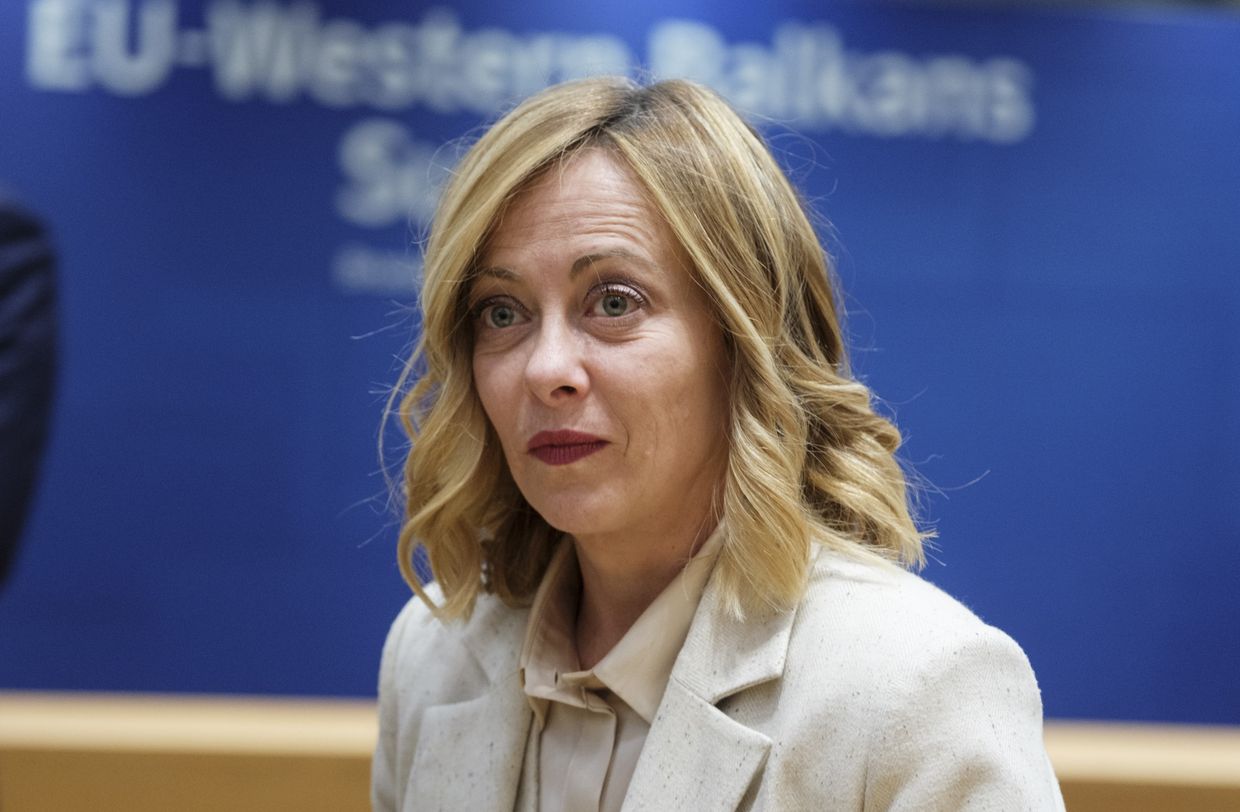
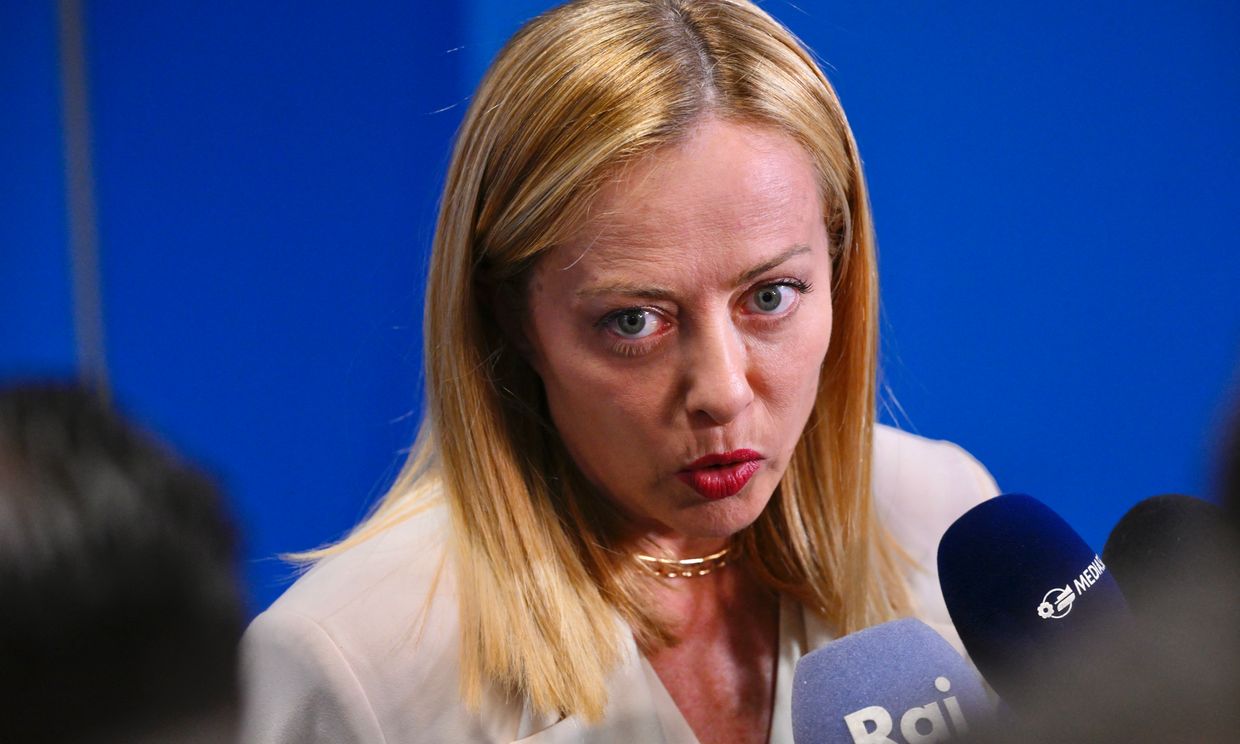
The U.S. has "reviewed" the components it is supplying Ukraine, but did not halt assistance, Italian Prime Minister Giorgia Meloni said on July 4.
"The United States has not stopped supplying weapons and supporting Ukraine, it has reviewed the decision to supply specific components... (this is) significant but very different from the total American disengagement that has been reported," Meloni said, speaking at a forum.
U.S. President Donald Trump on July 3 denied that Washington has paused supplying weapons to Kyiv amid media reports of a halt in shipments.
Pentagon spokesperson Sean Parnell confirmed on July 2 that some military assistance to Ukraine has been halted as the U.S. Defense Department conducts a review of foreign aid deliveries.
"I hope for positive developments on the issue," Meloni said, adding that she has spoken to Trump regarding Ukraine.
The weapons reportedly held back include two dozen Patriot air defense missiles, over two dozen Stinger air-defense systems, precision artillery rounds, Hellfire missiles, drones, and more than 90 AIM air-to-air missiles launched from F-16 fighter jets.
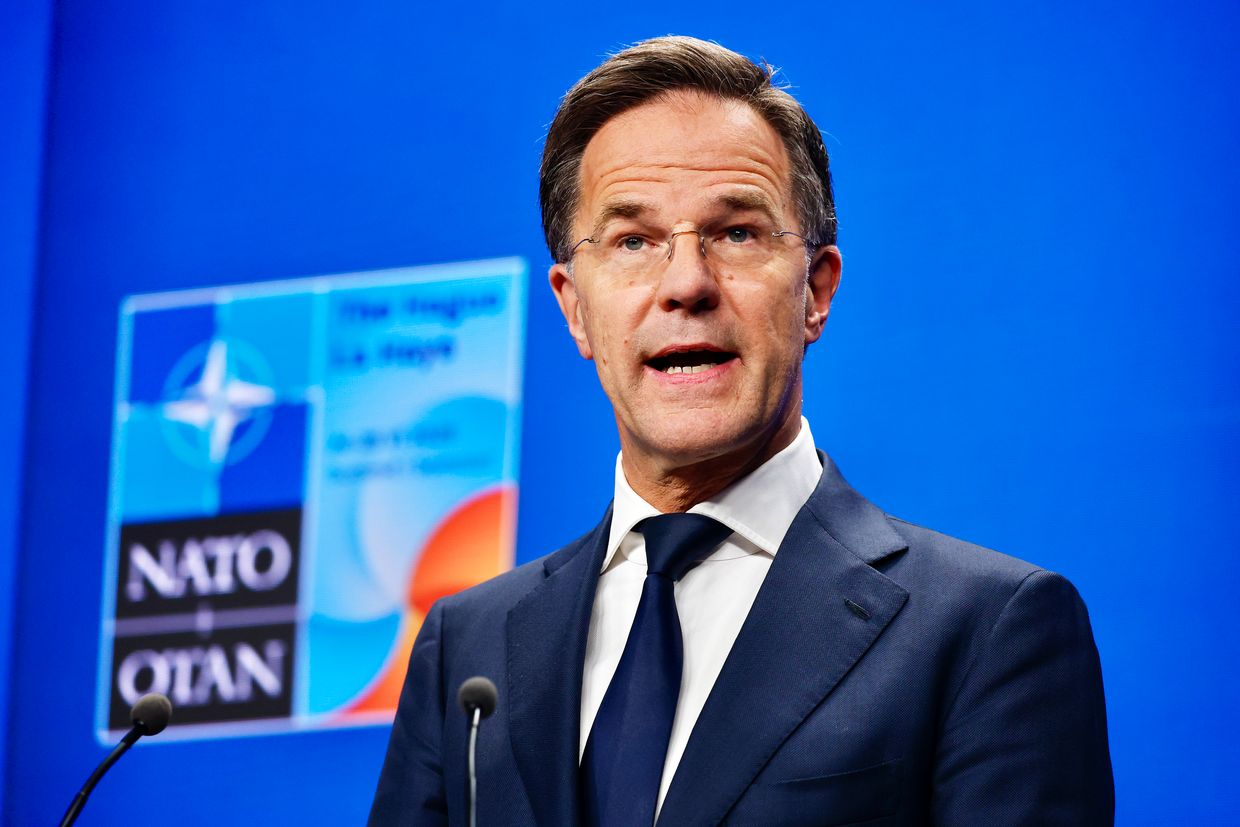
NATO Secretary General Mark Rutte said on July 2 that he understands the White House's need to safeguard its own defense capabilities, but underscored that Ukraine urgently requires sustained support.
"I totally understand that the U.S. always has to make sure its interests are covered... When it comes to Ukraine, in the short term, Ukraine cannot do without all the support it can get," Rutte said.
A bipartisan group of U.S. lawmakers voiced their opposition to the decision to halt military aid shipments to Ukraine on July 2.
"We must build up our own Defense Industrial Base here in the U.S. while simultaneously providing the needed assistance to our allies who are defending their freedom from brutal invading dictators. To not do both is unacceptable," Republican Rep. Brian Fitzpatrick, the co-chair of the Congressional Ukraine Caucus, said.
Democratic Senator Richard Blumenthal, a member of the Senate Armed Services Committee, described the military aid pause as "fallacious and maybe even disingenuous."
President Volodymyr Zelensky and U.S. President Donald Trump held a phone conversation on July 4, agreeing to strengthen Ukraine's air defenses, Zelensky announced on Telegram.The call came as Russia escalated its aerial campaign across Ukraine, including an overnight July 4 attack that struck Kyiv and several other regions, injuring at least 23 civilians and sparking dozens of fires in the capital."Today we discussed the situation: Russian air strikes and, more broadly, the situation on the fro
President Volodymyr Zelensky and U.S. President Donald Trump held a phone conversation on July 4, agreeing to strengthen Ukraine's air defenses, Zelensky announced on Telegram.
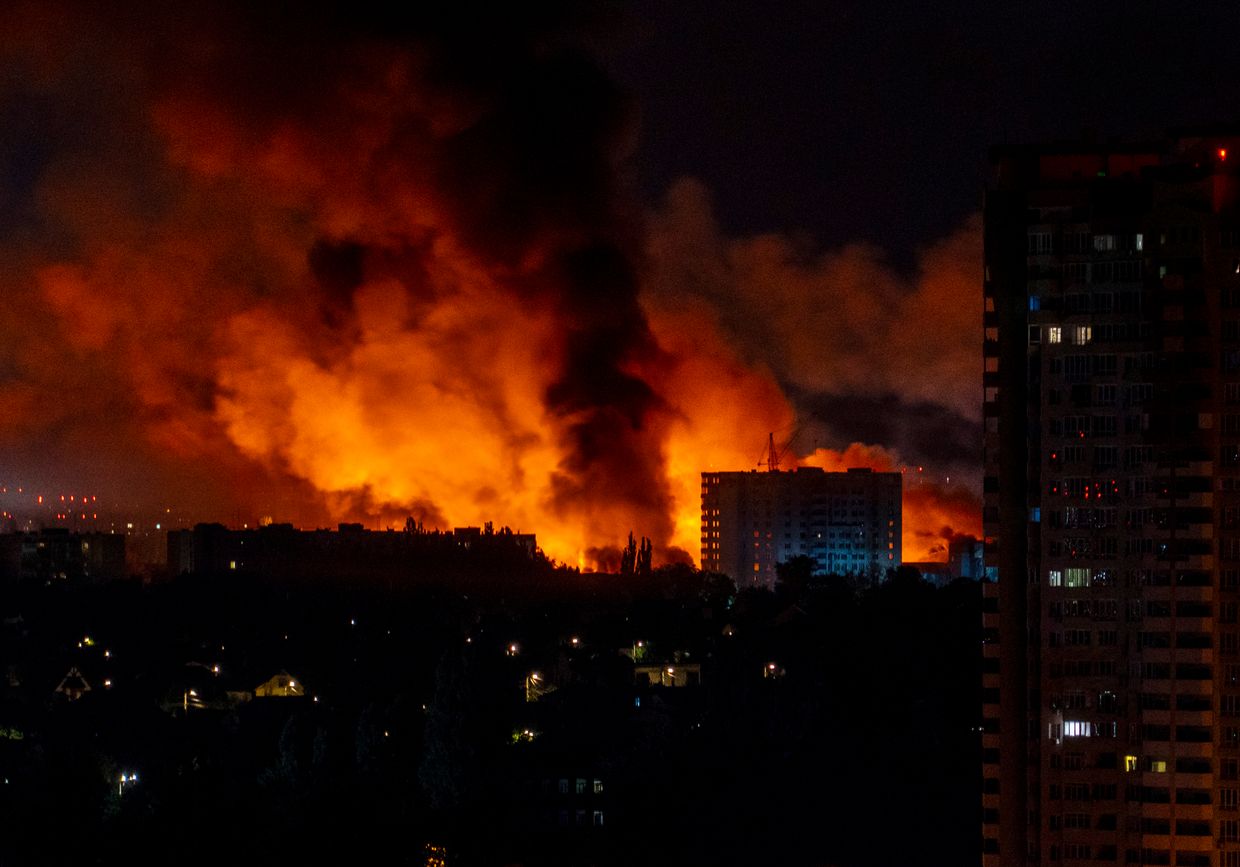
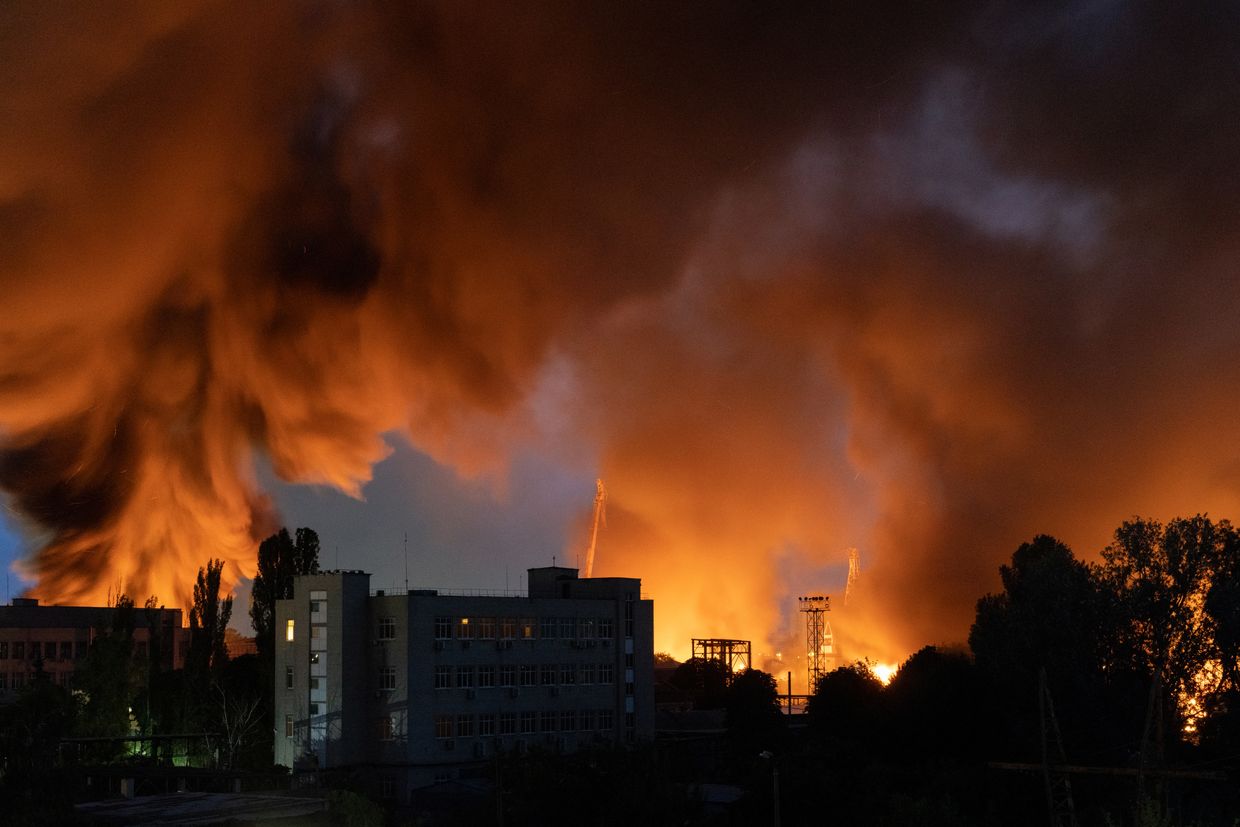
The call came as Russia escalated its aerial campaign across Ukraine, including an overnight July 4 attack that struck Kyiv and several other regions, injuring at least 23 civilians and sparking dozens of fires in the capital.
"Today we discussed the situation: Russian air strikes and, more broadly, the situation on the front lines. President Trump is very well informed," Zelensky said.
"We discussed air defense options and agreed to work on increasing airspace protection. We agreed on a meeting between our teams."
Zelensky said the two leaders also discussed Ukraine's defense industry potential and explored possibilities for direct cooperation with U.S. partners.
"We are ready for direct projects with America and believe that this is extremely necessary for security, especially with regard to drones and related technologies," he added.
Trump told Zelensky that the U.S. is willing to assist Ukraine with air defense amid intensified Russian strikes, Axios reported, citing unnamed sources. The call between the two presidents reportedly lasted about 40 minutes.
This conversation followed a phone call between Trump and Russian President Vladimir Putin on July 3, during which the Kremlin said Putin reaffirmed that "Russia will continue to pursue its goals" in its war against Ukraine despite U.S. calls for a ceasefire.
Trump told reporters on July 3 that he was "very disappointed" by the conversation with Putin.
"I don't think he's there... I don't think he's looking to stop this fighting."
The call also followed the U.S. Defense Department's decision to pause shipments of key weapons systems to Ukraine, including Patriot missiles and precision-guided artillery rounds. Kyiv has warned that the delay threatens to weaken its air defenses and emboldens Moscow.
Despite repeated expressions of frustration about Russia's continued aggression, Trump's administration has yet to impose new sanctions or approve additional aid for Ukraine since taking office in January.
While Russia and Ukraine resumed direct talks in Istanbul this year, the two rounds of negotiations — on May 16 and June 2 — have yielded only prisoner exchanges and no progress toward a ceasefire.
U.S. Defense Secretary Pete Hegseth unilaterally halted a weapons shipment to Ukraine on July 2 despite internal military assessments showing the aid would not compromise American military readiness, NBC News reported on July 4, citing three U.S. officials.The pause in aid, which included critical air defense systems and ammunition, reportedly caught the State Department, members of Congress, Ukraine, and key European allies off guard.Ukraine suffered one of the largest attacks on July 4, with P
U.S. Defense Secretary Pete Hegseth unilaterally halted a weapons shipment to Ukraine on July 2 despite internal military assessments showing the aid would not compromise American military readiness, NBC News reported on July 4, citing three U.S. officials.
The pause in aid, which included critical air defense systems and ammunition, reportedly caught the State Department, members of Congress, Ukraine, and key European allies off guard.
Ukraine suffered one of the largest attacks on July 4, with President Volodymyr Zelensky calling for more air defense to protect civilians in the cities. The attack on Kyiv killed one person and injured 23 more.
A senior U.S. military review had concluded that while some munitions stockpiles, including precision weapons, were low, they had not fallen below critical thresholds, according to NBC. Despite this, Hegseth opted to stop the shipment. This is reportedly his third such move since February.
"We are not at any lower point, stockpile-wise, than we’ve been in the three-and-a-half years of the Ukraine conflict," Congressman Adam Smith the top Democrat on the House Armed Services Committee, said. Smith, who said his staff reviewed the Pentagon's figures, called the justification "disingenuous."
The shipment reportedly included dozens of Patriot interceptors, 155 mm artillery rounds, Hellfire missiles, guided missile systems (GMLRS), Stinger and AIM air-to-air missiles, and grenade launchers.
Two sources told NBC that some of the weapons had already been loaded onto trucks in Poland when the halt was ordered.
Zelensky recently called Patriot systems "real defenders of life," since Patriot missile systems are the best air defense in Ukraine's arsenal. They are considered to be the most effective measure against Russian ballistic missiles like Iskander and Kinzhal.
Pentagon spokesman Sean Parnell described earlier the decision as part of a broader "capability review" to ensure U.S. forces remain equipped.
The halt has initiated debate over the future of U.S. support for Ukraine.
Lawmakers from both parties, including Republican Congressman Michael McCaul, expressed frustration at the lack of advance notice. "Now is the time to show Putin we mean business," McCaul wrote on X.
Republican Congressman Joe Wilson also reacted to the halt, warning of its consequences amid Russia's ongoing strikes.
"As Americans begin to enjoy the sounds of fireworks in celebration of our Nation's Independence, war criminal (Russian President Vladimir) Putin, who is losing his pathetic war, resorts to scorched earth tactics across Ukrainian cities that predate Moscow's existence," Wilson wrote.
Wilson said he is "confident the Department of Defense will advance President Trump’s objectives stated at The Hague to send additional air defense and approved weapons to help stop this absolute depravity, as allies have and must continue doing at a rapid pace."
Republican Congressman Brian Fitzpatrick has requested an emergency White House briefing, warning the decision could cost lives.
Trump has denied that the U.S. paused shipments on July 3, contradicting both Pentagon confirmation and reporting.
"We haven't," Trump told a reporter. "We're giving weapons." He also claimed the Biden administration had "emptied out our whole country" and insisted Washington must prioritize its own defense.
U.S. President Donald Trump's Special Envoy Steve Witkoff is pushing to lift U.S. energy sanctions on Russia, Politico reported on July 4, citing two people familiar with the matter. The move is part of a broader debate within Trump's administration over how to engage with Moscow amid the ongoing war in Ukraine.While Witkoff is reportedly advocating for the easing of energy sanctions, others in the administration disagree. Interior Secretary Doug Burgum favors reducing U.S. reliance on Russian i
U.S. President Donald Trump's Special Envoy Steve Witkoff is pushing to lift U.S. energy sanctions on Russia, Politico reported on July 4, citing two people familiar with the matter.
The move is part of a broader debate within Trump's administration over how to engage with Moscow amid the ongoing war in Ukraine.
While Witkoff is reportedly advocating for the easing of energy sanctions, others in the administration disagree. Interior Secretary Doug Burgum favors reducing U.S. reliance on Russian imports rather than expanding trade, according to Politico.
Despite pledging during his campaign to end the war in Ukraine in "24 hours," Trump has made little progress on securing a ceasefire. After nearly seven months of his presidency, and several peace talks between Russia, Ukraine, and the United States, no ceasefire agreement has been reached.
Moscow continues intensifying its attacks against Ukrainian cities. Russia launched one of the largest aerial attacks on Ukraine on July 4, hours after Russian President Vladimir Putin had a phone conversation with Trump.
When journalists asked if he had made any progress with Putin on the call, Trump responded: "No, I didn't make any progress with him today at all."
Europe's energy sector is a central issue in the debate. According to Politico, Moscow is in early talks with Washington about potentially restarting the Nord Stream pipeline project, with backing from U.S. investors. The development has sparked concern in Brussels.
One senior EU official reportedly warned that Trump and Putin appear to be aiming to "divide the European energy market and create (separate) spheres of influence."
Witkoff, a real estate developer-turned-envoy, has raised eyebrows in Washington and abroad over his handling of high-level talks with Russia. As reported by NBC News in May, he has relied on Kremlin-provided translators during multiple meetings with Putin, including a visit to Moscow on April 26, just a day after a Russian missile attack killed 12 people in Kyiv.
Trump's administration has so far refrained from imposing new sanctions against Russia, even as Putin continues to reject calls for a ceasefire.
U.S. President Donald Trump said he was "very disappointed" with Russian President Vladimir Putin following a phone call on July 3, during which the two leaders discussed the ongoing war in Ukraine. Trump told reporters he "didn't make any progress" and accused Putin of showing no willingness to stop the fighting.Trump also said that he is planning to talk to President Volodymyr Zelensky on July 4. "I'm speaking to President Zelensky tomorrow in the early morning, and I'm very disappointed with
U.S. President Donald Trump said he was "very disappointed" with Russian President Vladimir Putin following a phone call on July 3, during which the two leaders discussed the ongoing war in Ukraine.
Trump told reporters he "didn't make any progress" and accused Putin of showing no willingness to stop the fighting.
Trump also said that he is planning to talk to President Volodymyr Zelensky on July 4.
"I'm speaking to President Zelensky tomorrow in the early morning, and I'm very disappointed with the conversation I had today with President Putin," Trump told journalists. "Because I don't think he's there. And I'm very disappointed. I don't think he's looking to stop this fighting."
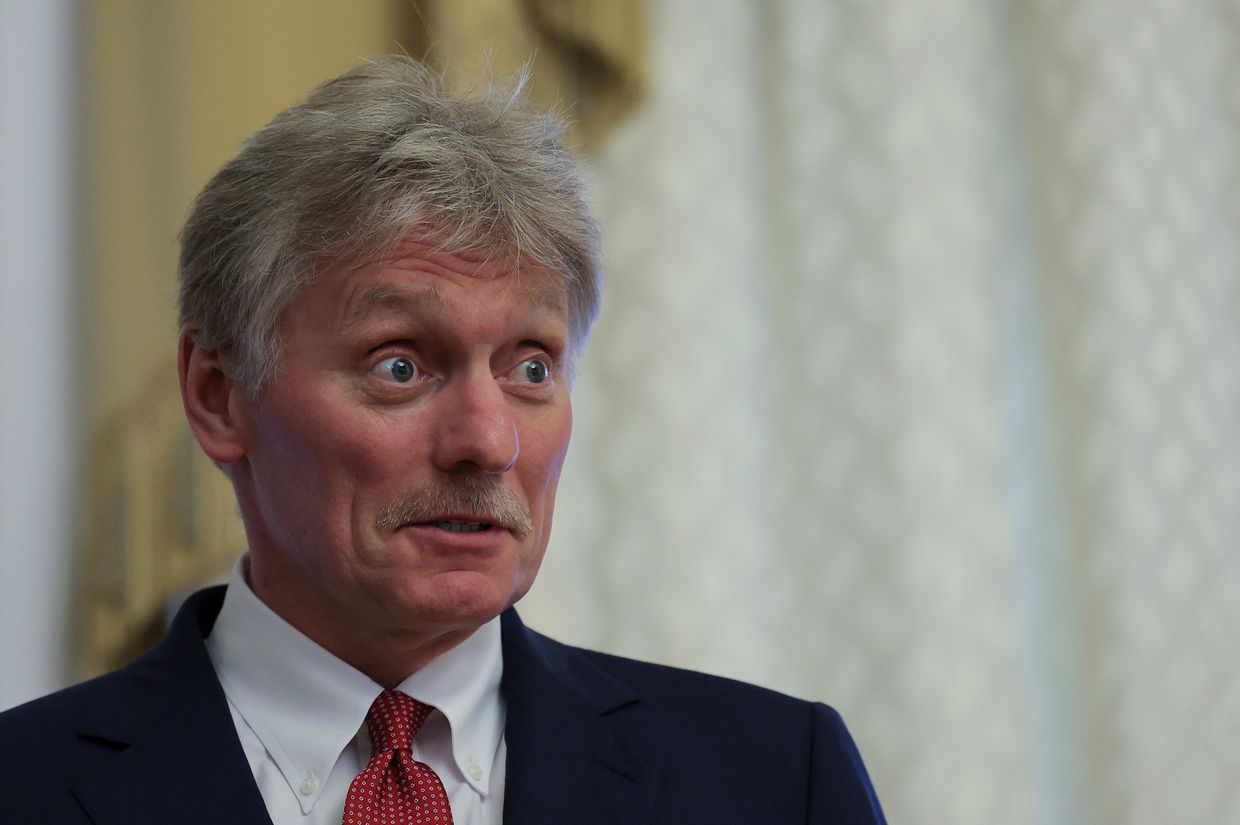
Later on July 4, Kremlin spokesperson Dmitry Peskov said Russia "is paying close attention to all of Trump's statements," but added Moscow will continue its full-scale war in Ukraine because "it is not yet possible to achieve goals through diplomatic means."
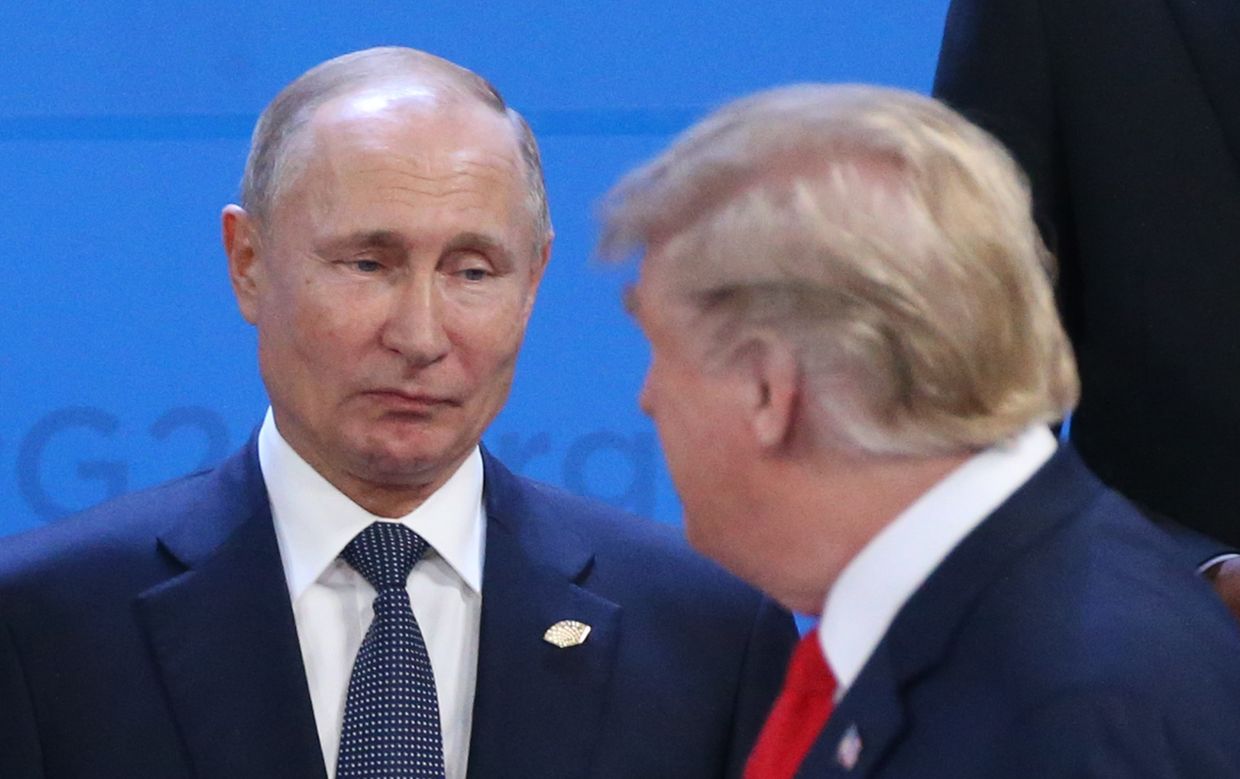
The hour-long conversation between Trump and Putin marked the sixth time the two leaders have spoken since Trump took office in January. According to Kremlin aide Yury Ushakov, Putin reiterated that "Russia will continue to pursue its goals," refusing to back down from what the Kremlin calls the "root causes” of the conflict.
The White House did not issue a readout of the call. Trump provided few additional details, only saying the discussion covered "a lot of things" and confirming no progress had been made on securing a ceasefire.
The call came just hours before one of the largest Russian aerial assaults on Ukraine in recent months. According to Zelensky, air raid sirens began sounding across Ukraine almost simultaneously with media reports about the Trump-Putin call.
"Russia is once again demonstrating that it is not going to end the war and terror," Zelensky said. "The first air raids in our cities and regions began yesterday, almost simultaneously with the start of media discussions of President Trump's phone call with Putin."
Overnight on July 4, Russian forces launched more than 550 aerial weapons, including over 330 Iranian-type Shahed drones and multiple types of missiles, across Ukraine, with Kyiv as the main target. At least 23 people were injured in the capital, where fires broke out in multiple districts and air pollution reached dangerous levels.
Zelensky renewed calls for increased military assistance from Ukraine's partners, especially the delivery of U.S.-made Patriot missile systems.
"Patriots and their missiles are real defenders of life," he said.
Despite Ukraine's urgent appeals, the U.S. Defense Department has paused shipments of Patriot systems and other key munitions, citing the need to replenish domestic stockpiles. Ukrainian officials have warned that such delays threaten to embolden Russia and intensify attacks on civilians.
President Volodymyr Zelensky called for more air defence for Ukraine after a massive drone and missile attack on Ukraine's capital overnight on July 4.According to Zelensky, as U.S. President Donald Trump and Russian President Vladimir Putin were talking on the phone on July 3, air raid sirens blared across Ukraine. "Moreover, the first air raids in our cities and regions began yesterday almost simultaneously with the start of media discussions of President Trump's phone call with Putin," Zelens
President Volodymyr Zelensky called for more air defence for Ukraine after a massive drone and missile attack on Ukraine's capital overnight on July 4.
According to Zelensky, as U.S. President Donald Trump and Russian President Vladimir Putin were talking on the phone on July 3, air raid sirens blared across Ukraine.
"Moreover, the first air raids in our cities and regions began yesterday almost simultaneously with the start of media discussions of President Trump's phone call with Putin," Zelensky wrote.
"This was one of the most large-scale air attacks – deliberately massive and cynical... Russia is once again demonstrating that it is not going to end the war and terror."
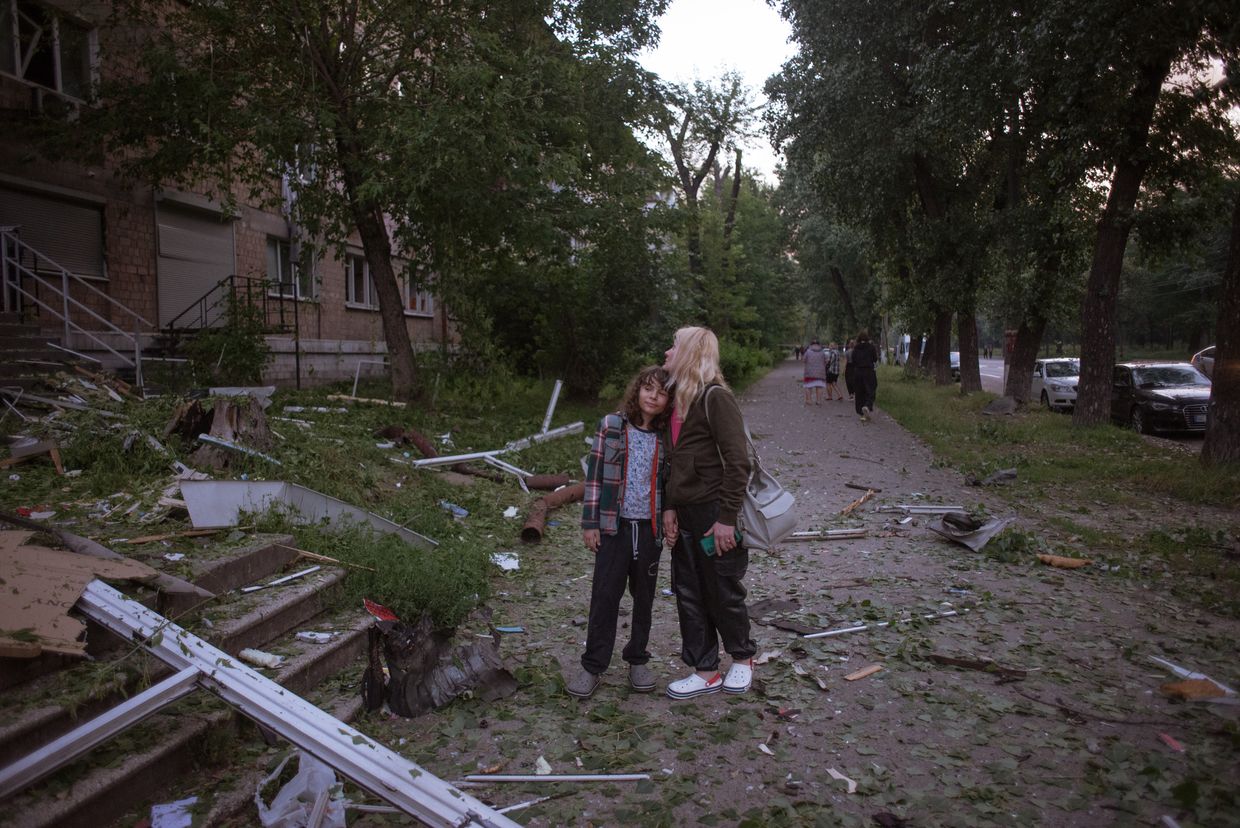
The overnight attack struck Kyiv and several other regions, injuring at least 23 people and setting off dozens of fires in Ukraine's capital. Russian forces launched more than 550 aerial weapons, including over 330 Iranian-type Shahed drones and multiple types of missiles, including ballistic missiles, Zelensky said.
Firefighting efforts and debris removal are still ongoing after another Russian strike. This was one of the most large-scale air attacks – deliberately massive and cynical. In total, 550 targets were launched, including at least 330 Russian-Iranian “shaheds”, along with missiles,… pic.twitter.com/vnn31oST0z
— Volodymyr Zelenskyy / Володимир Зеленський (@ZelenskyyUa) July 4, 2025
Kyiv was the main target. Ukraine's military said it shot down 270 aerial threats, while 208 additional drones were jammed by electronic warfare. Interceptor drones also downed dozens more, Zelensky said, calling their growing use a key defense priority.
Zelensky stressed the need for continued and increased military aid from allies, especially air defenses. "Patriots and their missiles are real defenders of life," Zelensky said. "It is very important to maintain the support of partners in ballistic missile defense."
Despite Russia's escalating attacks and Ukraine's desperate need for air defense munitions, the U.S. has decided to halt shipments of Patriot missiles and other promised weapons to Kyiv, claiming it needs to secure its own stockpiles.
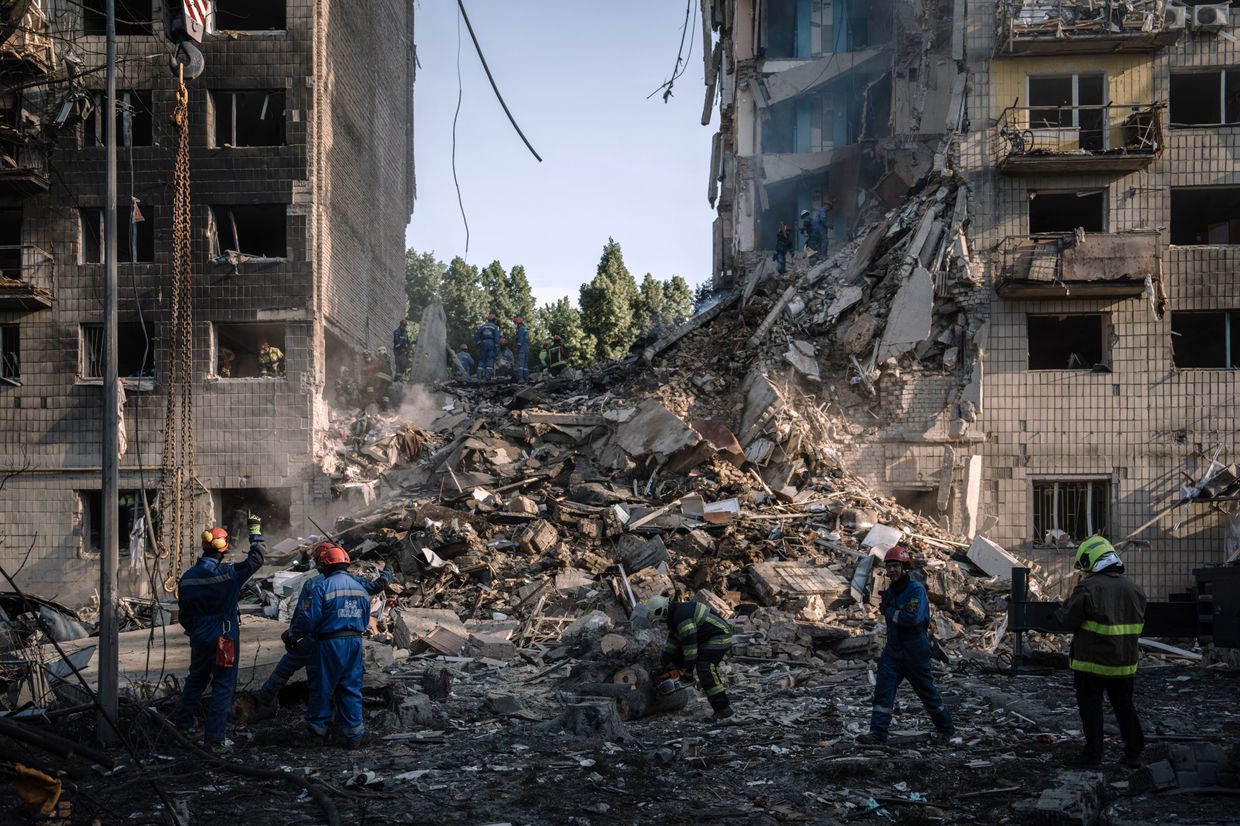
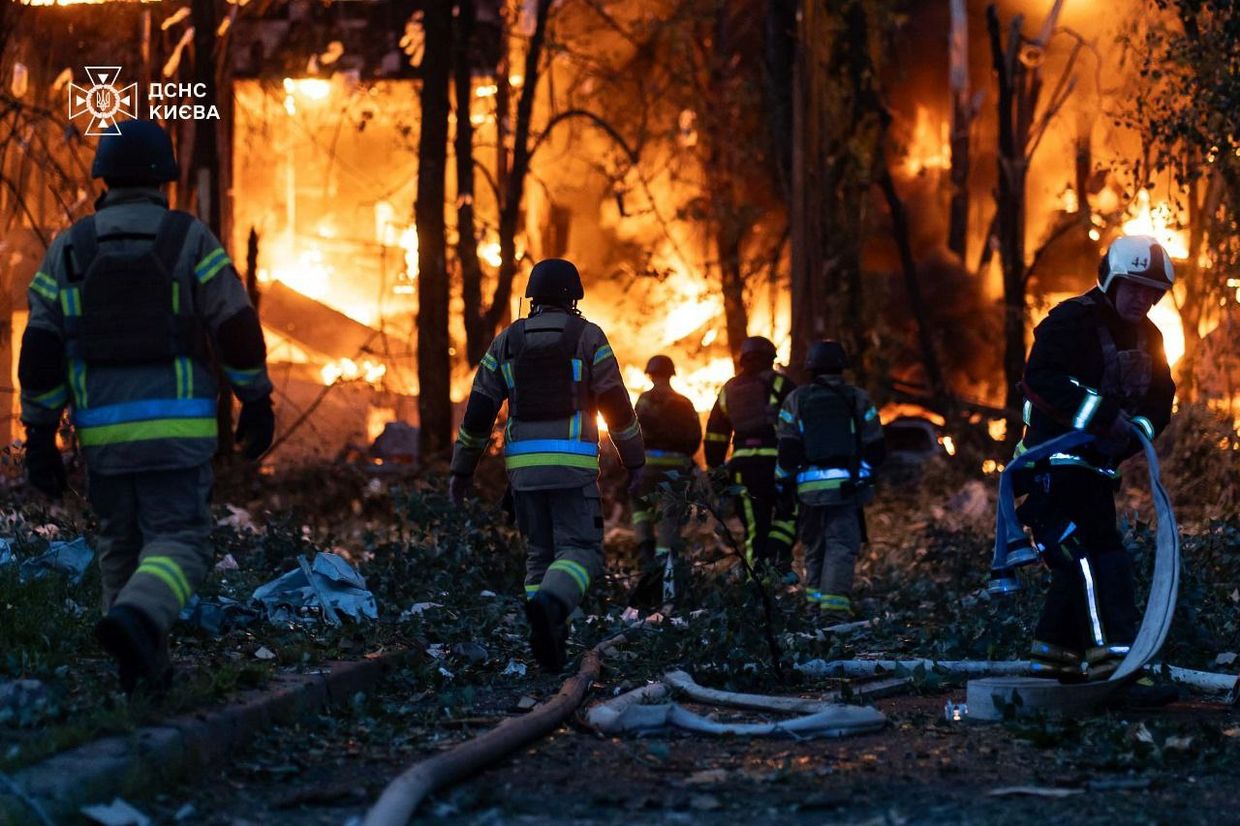
Kyiv residents and emergency crews at the site of Russian attack on July 4, 2025. Russia targeted the capital throughout the night with drones and missiles, causing fires across the city. (Ukraine's State Emergency Service / Telegram)
Firefighters respond at an attack site in Kyiv after Russia launched a mass attack overnight on July 4, 2025. (Ukraine's State Emergency Service / Telegram)
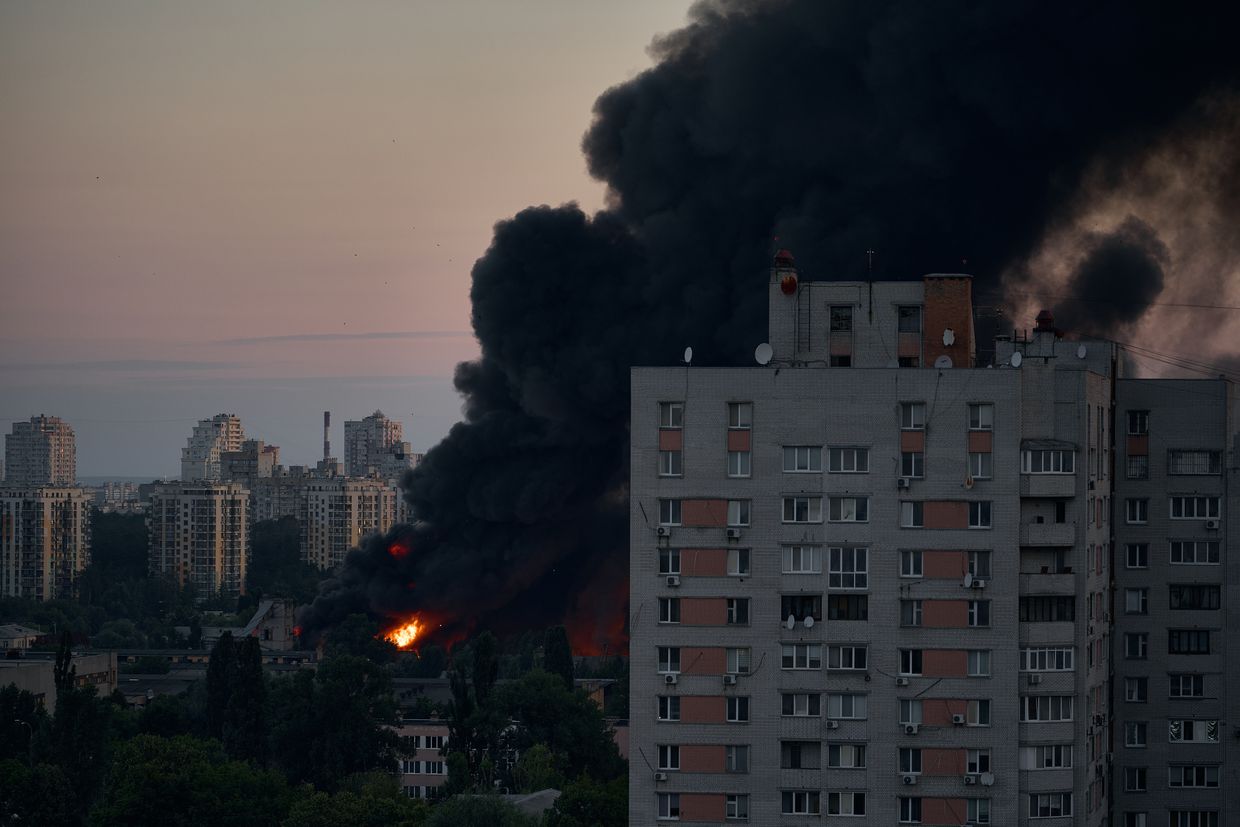
Smoke rises over the residential district after a Russian drone and missile attack in Kyiv, Ukraine, on July 4, 2025. (Yurii Stefanyak / Global Images Ukraine via Getty Images)
Beyond Kyiv, strikes also hit the Dnipropetrovsk, Sumy, Kharkiv, Chernihiv, and Kyiv oblasts, according to Zelensky. Fires and damage were reported in nearly every district of the capital, including residential buildings, schools, medical facilities, and railway infrastructure.
Local authorities described the night as "terroristic." Kyiv Mayor Vitali Klitschko reported fires in at least five districts. Air quality in the city remained dangerously poor by morning, as noted by the Ministry of Environmental Protection.
Meanwhile, Russian state media reported that during the Trump-Putin call, Putin reiterated his determination to continue pursuing the Kremlin's goals in Ukraine, despite mounting international calls for a ceasefire.
Zelensky called on Ukraine's allies, particularly the United States, to apply massive and immediate pressure on Russia. "We need to ensure that for every such attack on people and lives, they (Russia) feel the corresponding sanctions and other blows to their economy, their earnings, their infrastructure," he said. "Only this can bring faster change."
Three Democratic Senators have launched an investigation into U.S. President Donald Trump's refusal to impose new sanctions against Russia, the legislators announced in a joint statement on July 3. Since taking office in January, Trump has passed no new sanctions against Moscow. In some cases, he has even eased restrictions, even as Russia intensifies its full-scale war against Ukraine. Senate Democrats Jeanne Shaheen, Elizabeth Warren, and Chris Coons called on the administration to impose new
Three Democratic Senators have launched an investigation into U.S. President Donald Trump's refusal to impose new sanctions against Russia, the legislators announced in a joint statement on July 3.
Since taking office in January, Trump has passed no new sanctions against Moscow. In some cases, he has even eased restrictions, even as Russia intensifies its full-scale war against Ukraine.
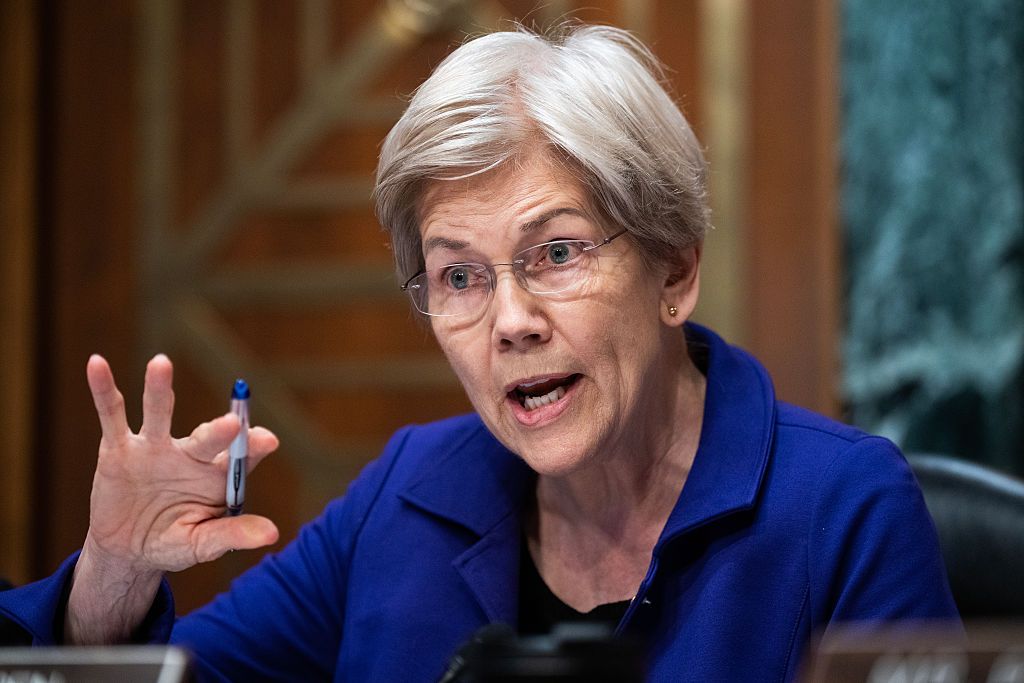
Senate Democrats Jeanne Shaheen, Elizabeth Warren, and Chris Coons called on the administration to impose new penalties on the Kremlin and said they planned to investigate Trump's "five-month pause" on sanctions.
"Americans should be asking why a president who says he wants to end a major war is instead letting the aggressor run rampant," the senators said in a joint statement issued July 3.
The statement followed an analysis by the New York Times (NYT), published July 2, which found that Washington's slowed momentum on sanctions created more opportunities for shell companies to funnel sanctioned goods into Russia.
Former U.S. President Joe Biden imposed an average of 170 new sanctions per month on entities tied to Moscow between 2022-2024, according to the NYT. Overall, the Biden administration slapped 6,200 penalties on individuals, businesses, ships, and aircraft connected to Russia.
Without new sanctions to maintain pressure on Moscow, the effects of the Biden sanctions regime have begun to erode, the NYT reported. An analysis of trade records and other data. showed that over 130 companies in China and Hong Kong are advertising sales of sanctioned computer chips to Russia. Despite this illegal activity, none of the companies have been sanctioned.
"On top of halting key assistance to Ukraine, President Trump has blocked regular updates to our sanctions and export controls for five months and counting—enabling a growing wave of evaders in China and around the world to continue supplying Russia's war machine," Senators Shaheen, Warren, and Coons said in their statement.
The senators called on Trump to "actively enforce the existing sanctions against Russia" and urged the administration to partner with EU and G7 nations to mount pressure on Moscow.
"Instead of taking clearly available steps to pressure the aggressors, President Trump is doing nothing and we will be investigating this missed opportunity to push for an end to this war," they said.
Along with letting U.S. sanctions on the Kremlin go stagnant, the Trump administration has removed sanctions on Karina Rotenberg, the wife of a key ally of Russian President Vladimir Putin, and notably exempted Russia from its sweeping "Liberation Day" tariffs.
reportedly obstructed bipartisan congressional efforts to target the Russian economy. Trump has asked Republican senators to weaken a proposed sanctions bill and has urged delays in a vote on the legislation.
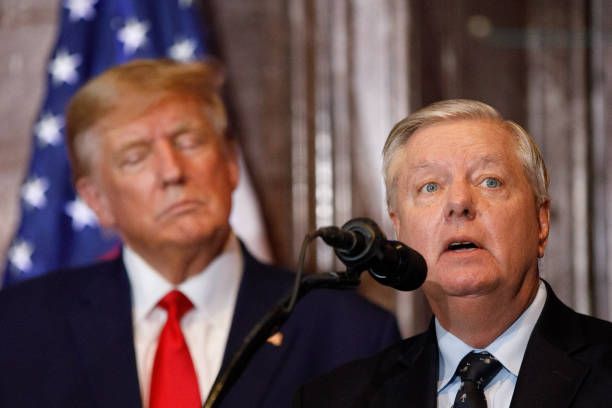
The bipartisansanctions bill, introduced by Republican Senator Lindsey Graham and Senate Democrat Richard Blumenthal, seeks to impose a 500% tariff on imports from countries that continue purchasing Russian oil and raw materials.
U.S. President Donald Trump brushed off a reporter's question on July 3 about pausing weapons deliveries to Ukraine, claiming Washington is "giving weapons" to Kyiv. The Pentagon previously confirmed that the U.S. has already halted some military aid shipments to Ukraine in order to conduct what it calls a "capability review" of its own stockpiles. "Why did you pause weapons shipments to Ukraine?" a reporter asked Trump as the president prepared to board Air Force One."We haven't," Trump replied
U.S. President Donald Trump brushed off a reporter's question on July 3 about pausing weapons deliveries to Ukraine, claiming Washington is "giving weapons" to Kyiv.
The Pentagon previously confirmed that the U.S. has already halted some military aid shipments to Ukraine in order to conduct what it calls a "capability review" of its own stockpiles.
"Why did you pause weapons shipments to Ukraine?" a reporter asked Trump as the president prepared to board Air Force One.
Trump then offered a contradictory answer, saying the U.S. is "trying to help" Ukraine while also claiming that former U.S. President Joe Biden depleted the country's weapons stocks with military aid to Kyiv and that Washington must defend its own interests.
"But we've given so many weapons — but we are giving weapons, and we're working with (Ukraine), we're trying to help them," Trump said.
"But we haven't... You know, Biden emptied out our whole country giving them weapons and we have to make sure that we have enough for ourselves."
Trump then asked the reporter which media outlet he represented.
Reports that the U.S. had suddenly paused some weapons shipments — including deliveries of desperately needed air defense missiles — left officials in Kyiv scrambling for answers. Trump's response provides little clarity and even less reassurance to Ukrainians facing increasingly deadly Russian missile attacks night after night.
The decision to halt the shipments "was made to put America's interests first following a (U.S. Defense Department) review of our nation's military support and assistance to other countries across the globe," White House Deputy Press Secretary Anna Kelly said in a statement after Politico broke the story on July 1.
The Washington Post later reported that a shipment of U.S. weapons, including advanced air defense systems and precision missiles, was halted in Poland where it was awaiting delivery to Ukraine.
U.S. State Department Spokesperson Tammy Bruce, like Trump, insisted that the U.S. was not pulling support from Ukraine.
"This is not — I will reinforce this — this is not a cessation of us assisting Ukraine or of providing weapons," Bruce told reporters at a briefing.
"This is one event in one situation, and we'll discuss what else comes up in the future. But be wary of painting too broad a brush there."
Trump's remarks about the weapons shipments followed an update on his July 3 phone call with Russian President Vladimir Putin.
"We had a call. It was a pretty long call. We talked about a lot of things," he said.
During a phone call with U.S. President Donald Trump on July 3, Russian President Vladimir Putin said "Russia will continue to pursue its goals" in the war against Ukraine, Kremlin aide Yury Ushakov said.The hour-long conversation between the two presidents focused on Russia's war in Ukraine and the situation in the Middle East, according to Ushakov."Trump once again emphasized the need to end military hostilities as soon as possible. Vladimir Putin noted that Russia continues to seek a politica
During a phone call with U.S. President Donald Trump on July 3, Russian President Vladimir Putin said "Russia will continue to pursue its goals" in the war against Ukraine, Kremlin aide Yury Ushakov said.
The hour-long conversation between the two presidents focused on Russia's war in Ukraine and the situation in the Middle East, according to Ushakov.
"Trump once again emphasized the need to end military hostilities as soon as possible. Vladimir Putin noted that Russia continues to seek a political negotiated solution to the conflict," Ushakov said.
"Our president said that Russia will pursue its goals, specifically addressing the root causes that led to the current situation, and will not back down from these objectives."
The Kremlin aide added that the two leaders discussed cultural diplomacy, specifically the exchange of films promoting what Ushakov described as "traditional values close to Russia and the U.S. presidential administration."
In response, U.S. President Donald Trump said later in the day that he "didn't make any progress" on ending the war in Ukraine during his call with Putin.
"No, I didn't make any progress with him today at all," told reporters in response to questions about the call.
Putin's message came amid a surge of Russian drone and missile attacks across Ukraine that have killed and injured hundreds of civilians in recent weeks.
The strikes have destroyed numerous infrastructure as Russia intensifies its assault despite repeated calls from Kyiv, Washington, and European leaders for an unconditional ceasefire.
The phone call also came just a day after the U.S. Defense Department paused shipments of key weapons systems to Ukraine, including Patriot air defense missiles and precision-guided munitions. Ukraine's Foreign Ministry has warned that the delay undermines defense efforts and risks emboldening Russia to escalate further.
President Volodymyr Zelensky, speaking from Denmark earlier in the day, said that achieving peace would require direct talks between national leaders.
The president described Trump and Putin as "completely different people" but emphasized that only Putin makes decisions in Russia.
"In Russia, only Putin makes decisions, which is why we need a meeting at the leadership level if we want to have peace," Zelensky said.
According to Ushakov, the presidents did not discuss the possibility of a meeting, but "the idea is in the air," and they agreed to continue communication.
Moscow and Kyiv have held two rounds of face-to-face talks in Istanbul this year, first on May 16 and again on June 2, following more than three years with no direct negotiations.
The meetings resulted in several prisoner exchanges, but no steps toward a ceasefire.
While Trump has expressed frustration with Russia's continued aggression, his administration has not imposed new sanctions nor taken steps to pressure the Kremlin directly.
Ukraine signed a major deal with U.S. company Swift Beat to co-produce hundreds of thousands of drones this year, President Volodymyr Zelensky announced on July 3 during his visit to Denmark.The long-term strategic partnership agreement was signed by Ukraine's Defense Minister Rustem Umerov and Eric Schmidt, the CEO of Swift Beat, in Denmark on the same day. Under the deal, the company will produce various kinds of unmanned aerial vehicles for Ukraine, including those designed to intercept Russi
Ukraine signed a major deal with U.S. company Swift Beat to co-produce hundreds of thousands of drones this year, President Volodymyr Zelensky announced on July 3 during his visit to Denmark.
The long-term strategic partnership agreement was signed by Ukraine's Defense Minister Rustem Umerov and Eric Schmidt, the CEO of Swift Beat, in Denmark on the same day.
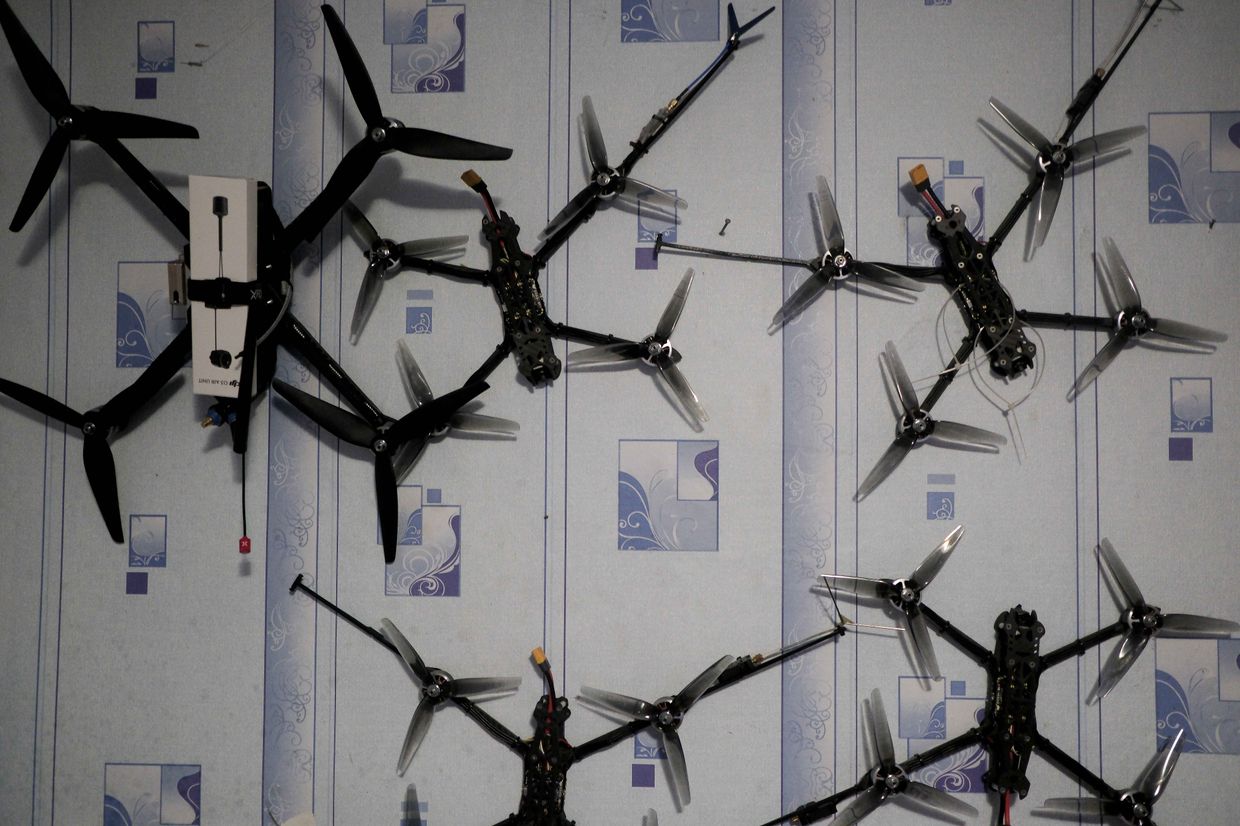
Under the deal, the company will produce various kinds of unmanned aerial vehicles for Ukraine, including those designed to intercept Russian drones and missiles, reconnaissance, attack, and other drones, Zelensky said in a statement published on the website of the President's Office.
"The key priority is interceptor drones that have already proven effective in Ukraine," Zelensky said. "We've tested models from several companies, and now we're signing serious contracts."
Swift Beat will increase its production capacity, aiming to produce hundreds of thousands of drones for Ukraine this year, with plans to scale up production in 2026, according to Zelensky.
"Modern drones will be supplied to Ukraine as a priority, on special terms and at cost," Zelensky said.
The announcement comes just a day after the U.S. Defense Department (DOD) has halted shipments of some air defense missiles and other weapons previously promised to Kyiv. Ukraine has been trying to negotiate buying U.S. weapons for months after U.S. President Donald Trump, who has opposed military aid to Kyiv, took office in January.
Swift Beat has a significant presence in Ukraine, according to Zelensky's office. It specializes in autonomous AI-powered drones and cooperates with Ukrainian engineers and the military, conducting drone testing on Ukrainian territory, the statement reads.
Zelensky arrived in Denmark on July 3 to mark the country's assumption of the rotating presidency of the Council of the European Union.
Zelensky also said that during his visit, he plans to raise the issue of political blockages hindering Ukraine's path to joining the European Union.
"We're ready to open three accession clusters and want to start with one now, in the very near future. But political blockages remain, purely political," he said.
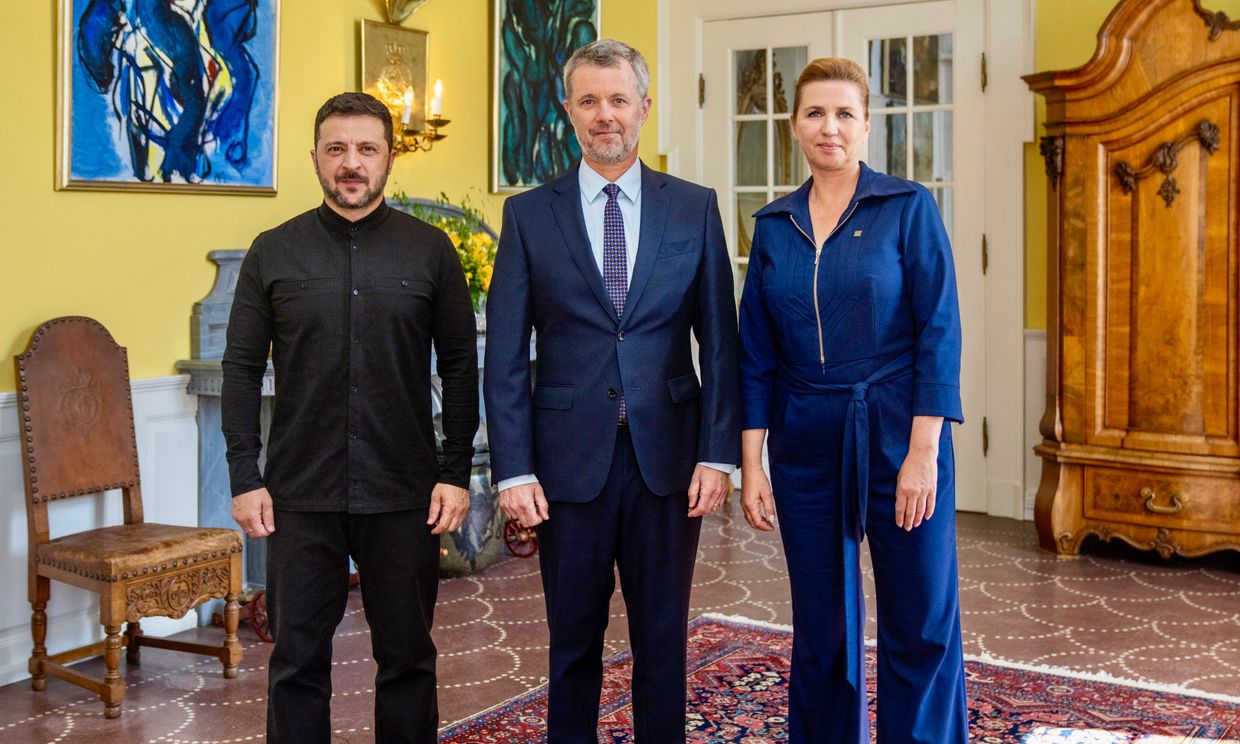
Denmark's King Frederik (C), President Volodymyr Zelensky (L), and Denmark's Prime Minister Mette Frederiksen (R) in Aarhus, Denmark, on July 3, 2025. (Ida Marie Odgaard / Ritzau Scanpix / AFP)
While EU member states agreed to take into account the European Commission's assessment that Ukraine is ready to open the first, Fundamentals cluster, the process remains stalled due to Hungary's refusal to grant unanimous support.
Ukraine applied for EU membership in 2022 and was granted candidate status shortly thereafter, but full negotiations require the approval of all 27 EU member states.
Denmark has been a key backer of Ukraine since the start of Russia's full-scale invasion in 2022. In February 2024, Copenhagen signed a 10-year bilateral security agreement with Kyiv, pledging long-term defense cooperation until Ukraine secures NATO membership.
Zelensky said he expects Denmark to expand its financial support for Ukraine's drone and missile production initiatives.
"What we've just signed requires significant funding. I'm counting on our relationship with Denmark," the president said.
The Ukrainian president will also participate in official events commemorating Denmark's presidency of the Council. According to Danish broadcaster DR, the events will be attended by Denmark's royal family, government officials, and EU leaders.
U.S. weapons already in Poland en route to Ukraine have been halted, including advanced air defense systems and precision missiles, the Wall Street Journal reported on July 2.The Pentagon confirmed the halt in a July 2 briefing, citing an ongoing "capability review" aimed at ensuring U.S. military assistance "aligns with its strategic defense priorities."The shipment in Poland includes over two dozen PAC-3 Patriot missiles, more than two dozen Stinger air-defense systems, Hellfire air-to-ground
U.S. weapons already in Poland en route to Ukraine have been halted, including advanced air defense systems and precision missiles, the Wall Street Journal reported on July 2.
The Pentagon confirmed the halt in a July 2 briefing, citing an ongoing "capability review" aimed at ensuring U.S. military assistance "aligns with its strategic defense priorities."
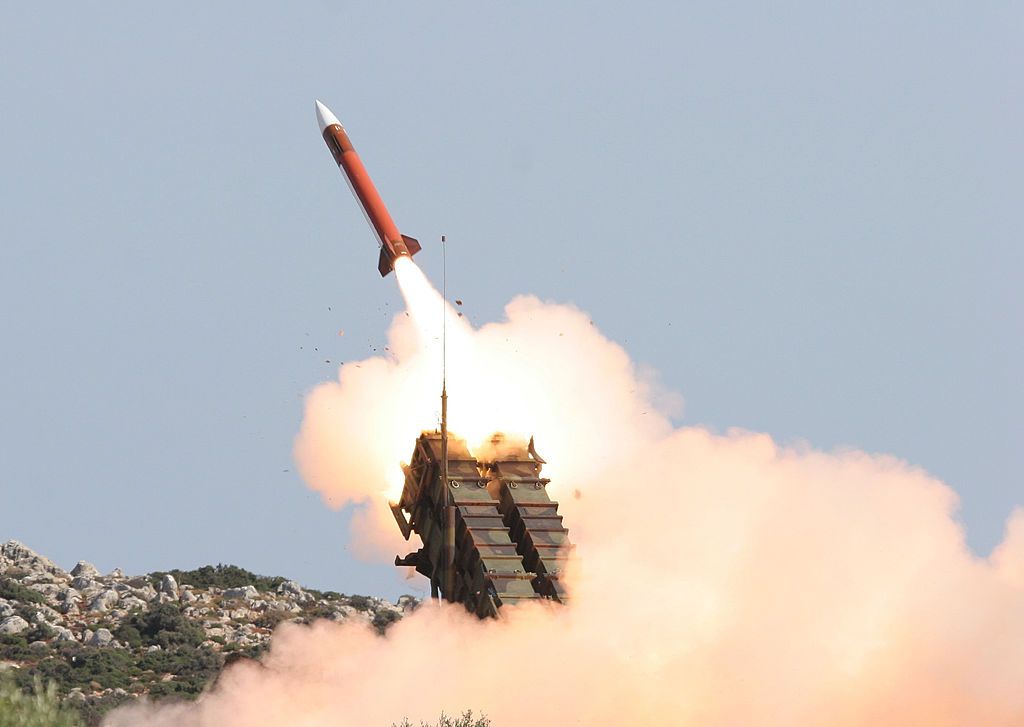
The shipment in Poland includes over two dozen PAC-3 Patriot missiles, more than two dozen Stinger air-defense systems, Hellfire air-to-ground missiles, and over 90 AIM air-to-air missiles intended for use with Ukraine's F-16 fighter jets, according to U.S. administration and congressional officials cited by the Wall Street Journal.
"We see this as a common-sense, pragmatic step towards having a framework to evaluate what munitions are sent and where," Pentagon spokesperson Sean Parnell said.
The decision has sparked backlash from both sides of the political aisle in Washington. Republican Rep. Brian Fitzpatrick, co-chair of the Congressional Ukraine Caucus, called the pause "unacceptable," while Democratic Senator Richard Blumenthal labeled it "fallacious and maybe even disingenuous."
The pause comes at a critical moment for Ukraine, which faces intensified Russian missile and drone strikes. On June 29, Russia launched the largest aerial assault against Ukraine since the start of its full-scale invasion in February 2022, targeting civilian infrastructure and cities far beyond the frontline.
NATO Secretary General Mark Rutte, speaking on July 2, emphasized the urgency of continued Western support for Kyiv. "I totally understand that the U.S. always has to make sure its interests are covered," he said. "But in the short term, Ukraine cannot do without all the support it can get."
The Pentagon has not provided a timeline for when the held-back shipments might resume.
Pentagon spokesperson Sean Parnell confirmed on July 2 that some military assistance to Ukraine has been halted as the U.S. Defense Department conducts a review of foreign aid deliveries."This capability review... is being conducted to ensure U.S. military aid aligns with our defense priorities... We see this as a common-sense, pragmatic step towards having a framework to evaluate what munitions are sent and where," Parnell said.The White House earlier confirmed the pause in shipments, citing a
Pentagon spokesperson Sean Parnell confirmed on July 2 that some military assistance to Ukraine has been halted as the U.S. Defense Department conducts a review of foreign aid deliveries.
"This capability review... is being conducted to ensure U.S. military aid aligns with our defense priorities... We see this as a common-sense, pragmatic step towards having a framework to evaluate what munitions are sent and where," Parnell said.
The White House earlier confirmed the pause in shipments, citing a broader reassessment of U.S. military stockpiles amid media reports of the halt in military assistance.
The weapons reportedly being held back include two dozen Patriot air defense missiles, over two dozen Stinger air-defense systems, precision artillery rounds, Hellfire missiles, drones, and more than 90 AIM air-to-air missiles launched from F-16 fighter jets.
New U.S. military aid packages have not been approved since U.S. President Donald Trump was inaugurated in January, raising concern among Ukraine's allies.
"Ultimately, our job here at the Department of Defense is to pursue the president's 'America First' agenda and make sure that we achieve peace through strength throughout the world," Parnell said at a Pentagon press briefing.
The U.S. Defense Department will not provide updates on the timeline and quantity or type of munitions provided to Ukraine, he added.
"What we've done here at the Department of Defense is create a framework to analyze what munitions we're sending (and) where," Parnell said.
A bipartisan group of U.S. lawmakers has voiced their opposition to the decision to halt military aid shipments to Ukraine.
"We must build up our own Defense Industrial Base here in the U.S. while simultaneously providing the needed assistance to our allies who are defending their freedom from brutal invading dictators. To not do both is unacceptable," Republican Rep. Brian Fitzpatrick, the co-chair of the Congressional Ukraine Caucus, said.
Democratic Senator Richard Blumenthal, a member of the Senate Armed Services Committee, described the military aid pause as "fallacious and maybe even disingenuous."
NATO Secretary General Mark Rutte said on July 2 that he understands the White House's need to safeguard its own defense capabilities, but underscored that Ukraine urgently requires sustained support.
"I totally understand that the U.S. always has to make sure its interests are covered... When it comes to Ukraine, in the short term, Ukraine cannot do without all the support it can get," Rutte said.
The Washington Post reported that the military aid was already in Poland, being prepared for delivery to Ukraine.
A bipartisan group of U.S. lawmakers are voicing their opposition to the Trump administration's decision to halt shipments of some air defense missiles and other weapons previously promised to Kyiv.The U.S. Defense Department (DOD) made the decision to pause the aid deliveries after conducting a review of U.S. munitions stocks, reportedly concerned about dwindling levels of artillery rounds, air defense missiles, and precision munitions.Among the items being held back from Ukraine are over two d
A bipartisan group of U.S. lawmakers are voicing their opposition to the Trump administration's decision to halt shipments of some air defense missiles and other weapons previously promised to Kyiv.
The U.S. Defense Department (DOD) made the decision to pause the aid deliveries after conducting a review of U.S. munitions stocks, reportedly concerned about dwindling levels of artillery rounds, air defense missiles, and precision munitions.
Among the items being held back from Ukraine are over two dozen Patriot air defense missiles, over two dozen Stinger air-defense systems, precision artillery rounds, Hellfire missiles, drones, and more than 90 AIM air-to-air missiles that Ukraine launches from F-16 fighter jets. The Washington Post reported that the weapons were already in Poland being prepped for delivery to Ukraine.
Republican Rep. Brian Fitzpatrick, the co-chair of the Congressional Ukraine Caucus, lambasted the decision in a post on X.
I will be aggressively looking into this matter and will be demanding accountability. We must build up our own Defense Industrial Base here in the U.S. while simultaneously providing the needed assistance to our allies who are defending their freedom from brutal invading… https://t.co/pRTOMCghWh
— Rep. Brian Fitzpatrick 🇺🇸 (@RepBrianFitz) July 2, 2025
Fitzpatrick, a staunch ally of Ukraine who has previously visited the front line, said he "will be aggressively looking into this matter and will be demanding accountability."
"We must build up our own Defense Industrial Base here in the U.S. while simultaneously providing the needed assistance to our allies who are defending their freedom from brutal invading dictators. To not do both is unacceptable," the Congressman added.
In a letter to U.S. President Donald Trump about the reported halt of air defense deliveries, Fitzpartick requested an emergency briefing from the White House and DOD on the shipments.
"Ukraine's courage must continue to be met with action, and the United States must continue to lead with clarity and purpose," Fitzpartick wrote.
Another Republican House member, Rep. Michael McCaul, said he is examining "very intensely" whether the Pentagon’s freeze breaches legislation on aid to Ukraine passed in 2024, Politico reported.
As Trump continues to call for a ceasefire from Moscow, McCaul said that the decision comes "at the wrong time."
"If you want to get (Russian President Vladimir Putin) to the negotiating table in good faith, you have to put leverage and pressure on him, and that would be (Senator) Lindsey Graham’s economic sanctions and the flow of weapons," McCaul said. "If you take the flow of weapons out, yeah, then you’re not, you don’t have the leverage over Putin to negotiate."
Other Republican members of Congress have thus far dismissed concerns over the reported halts, stating that they are waiting to be briefed with additional information before speaking about the reports.
On the other side of the isle, Democratic lawmakers have also lambasted the real world implications of halting military aid for Ukraine.
Senator Richard Blumenthal, a member of the Senate Armed Services Committee, said in an interview that more civilians are "going to lose more lives, more people will be maimed and injured — more homes, hospitals, schools will be destroyed," calling the decision, "fallacious and maybe even disingenuous."
Since his inauguration in January, Trump has not approved any additional military aid packages for Ukraine. Defense Secretary Pete Hegseth also announced recently that the U.S. will reduce the total aid it sends to Ukraine in its upcoming defense budget.
In his evening address on July 2, President Volodymyr Zelensky said Ukrainian and U.S. officials are working through the aid issue at a "working level," including discussions on critical air defense support. Head of the Presidential Office Andriy Yermak held a late night phone call with Rep. Brian Mast, Chair of the House Committee on Foreign Affairs.
Ukraine's Defense Ministry said it has not received any formal notification of delays or cancellations but has requested urgent consultations with U.S. defense officials.
The Foreign Ministry also summoned U.S. Charge d'Affaires John Ginkel, warning that "any hesitation" in military support would encourage further Russian aggression.
The Kremlin welcomed the decision, with spokesperson Dmitry Peskov saying, "The fewer weapons that are supplied to Ukraine, the closer the end of the (war)."
NATO Secretary General Mark Rutte expressed understanding of Washington's desire to safeguard its stockpiles but said, "Ukraine cannot do without all the support it can get."
The Trump administration's decision to halt deliveries of key military aid to Ukraine has caught European partners off guard and prompted urgent requests for clarification, Bloomberg reported on July 2, citing unnamed sources.The pause affects the delivery of several weapons critical to Ukraine's defense, including Patriot air defense missiles, precision-guided artillery shells, Hellfire missiles, and munitions for F-16 fighter jets. The White House confirmed the hold, describing it as part of a
The Trump administration's decision to halt deliveries of key military aid to Ukraine has caught European partners off guard and prompted urgent requests for clarification, Bloomberg reported on July 2, citing unnamed sources.
The pause affects the delivery of several weapons critical to Ukraine's defense, including Patriot air defense missiles, precision-guided artillery shells, Hellfire missiles, and munitions for F-16 fighter jets.
The White House confirmed the hold, describing it as part of a broader reassessment of U.S. military stockpiles. Since U.S. President Donald Trump took office in January, the U.S. has not approved any new military aid packages for Ukraine.
According to Bloomberg, some European allies hope the Trump administration will soften or reverse the decision. The timing of the pause has raised particular concern as Ukraine faces one of the most intense waves of Russian missile and drone attacks since the start of the war.
In his evening address on July 2, President Volodymyr Zelensky said Ukrainian and U.S. officials are working through the aid issue at a "working level," including discussions on critical air defense support.
Ukraine's Defense Ministry said it has not received any formal notification of delays or cancellations but has requested urgent consultations with U.S. defense officials.
The Foreign Ministry also summoned U.S. Charge d'Affaires John Ginkel, warning that "any hesitation" in military support would encourage further Russian aggression.
The Kremlin welcomed the decision, with spokesperson Dmitry Peskov saying, "The fewer weapons that are supplied to Ukraine, the closer the end of the (war)."
NATO Secretary General Mark Rutte expressed understanding of Washington's desire to safeguard its stockpiles but said that "Ukraine cannot do without all the support it can get."
U.S. Defense Secretary Pete Hegseth previously signaled a shift in policy, indicating that future defense budgets would prioritize domestic needs over military support for Ukraine.
NATO Secretary General Mark Rutte said on July 2 that he understands Washington's need to safeguard its own defense needs, but emphasized that Ukraine urgently requires sustained Western support."I totally understand that the U.S. always has to make sure its interests are covered," Rutte told Fox News. "When it comes to Ukraine, in the short term, Ukraine cannot do without all the support it can get."His remarks come as the U.S. Defense Department has halted deliveries of key weapons systems pre
NATO Secretary General Mark Rutte said on July 2 that he understands Washington's need to safeguard its own defense needs, but emphasized that Ukraine urgently requires sustained Western support.
"I totally understand that the U.S. always has to make sure its interests are covered," Rutte told Fox News. "When it comes to Ukraine, in the short term, Ukraine cannot do without all the support it can get."
His remarks come as the U.S. Defense Department has halted deliveries of key weapons systems previously promised to Kyiv, including Patriot missiles, precision-guided artillery shells, Hellfire missiles, and munitions compatible with F-16 fighter jets.
The White House confirmed the pause in shipments, citing a broader reassessment of U.S. military stockpiles. No new U.S. military aid packages have been approved since U.S. President Donald Trump took office in January.
"I understand the U.S. has to take care of its stockpiles, and at the same time, we have to allow for some flexibility here," Rutte said. "Europeans, in the meantime, are really stepping up."
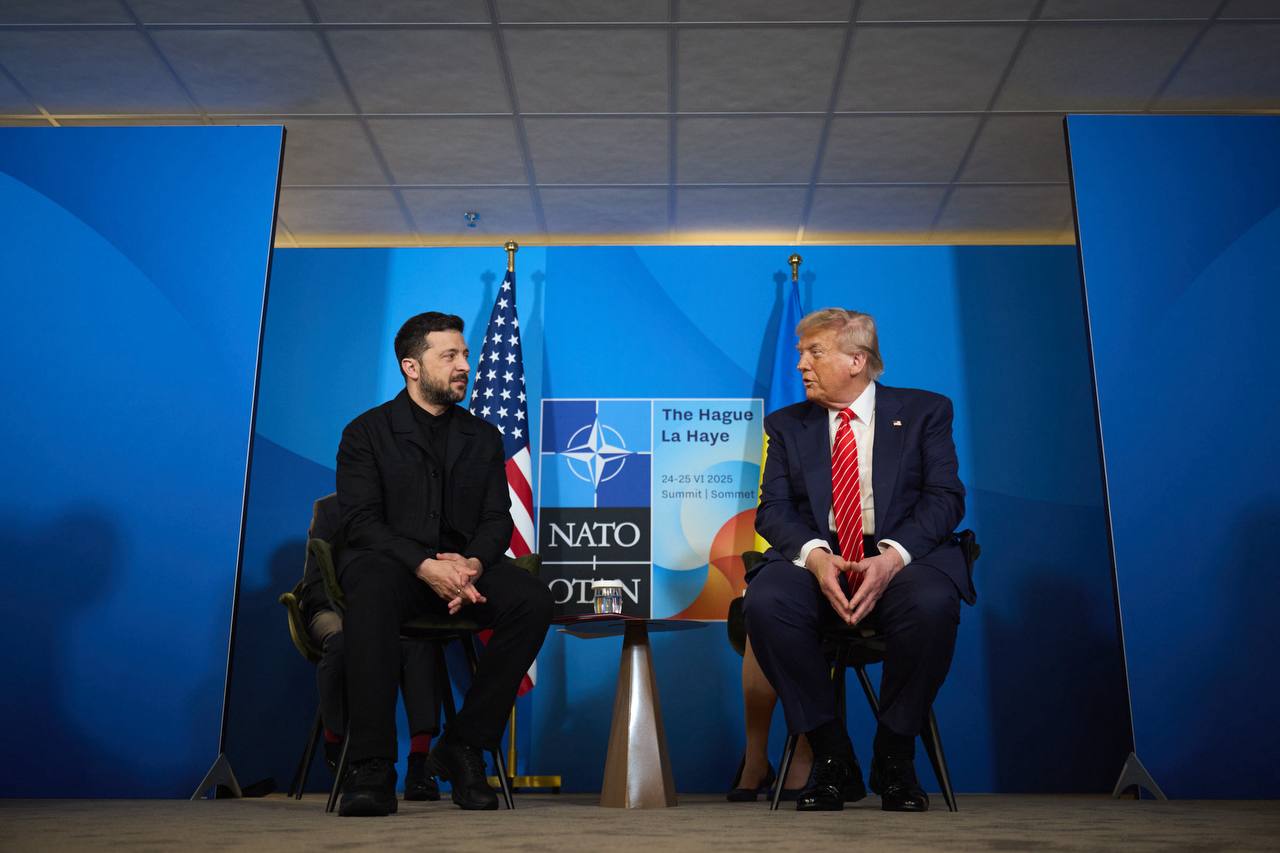
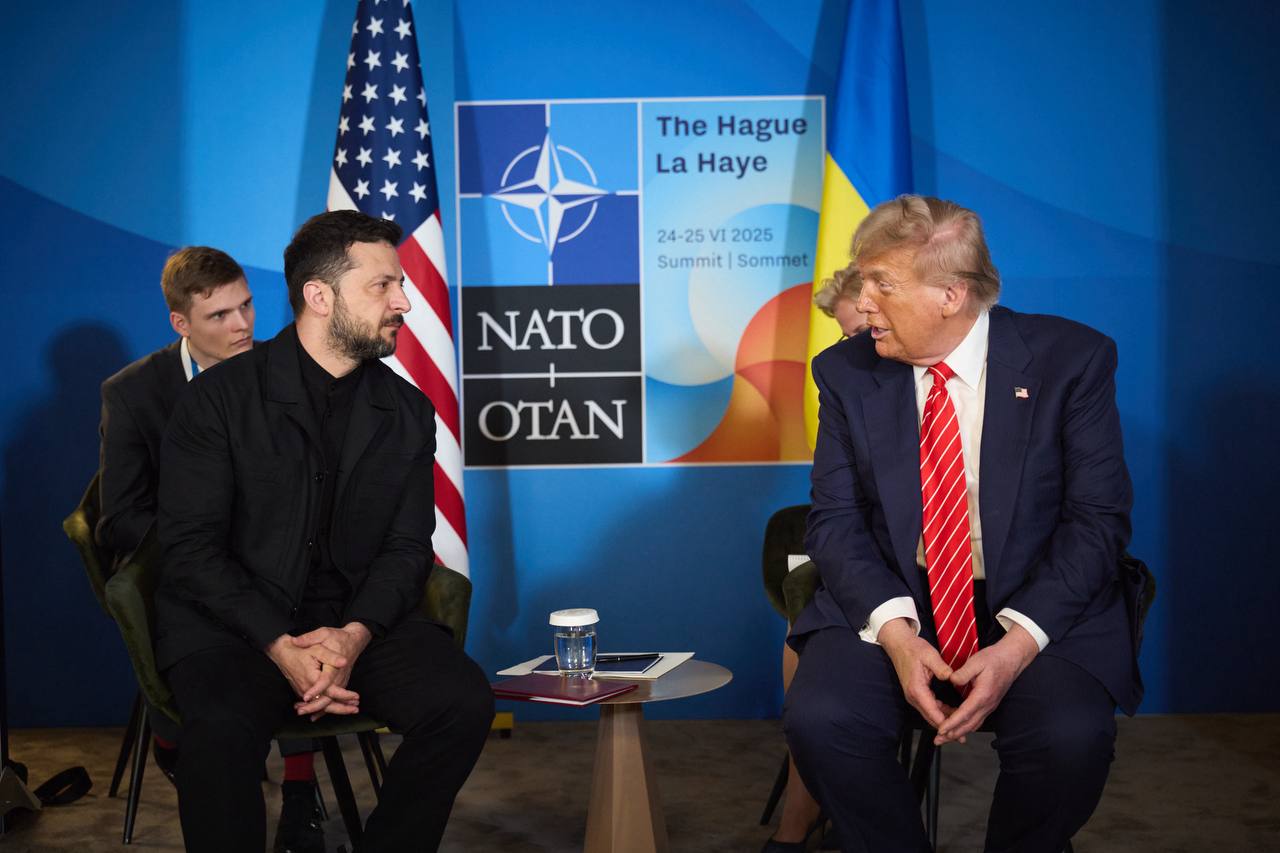
During last week's NATO summit in The Hague, Trump and President Volodymyr Zelensky met behind closed doors. Rutte described the conversation as "a very good discussion, particularly focusing on air defense systems."
The reporting of paused deliveries comes as Ukraine faces one of the heaviest barrages of Russian drone and missile strikes since the start of the full-scale invasion.
Ukraine's Defense Ministry responded by saying it has not received formal notification of delays or cancellations and has requested urgent consultations with U.S. defense officials.
The Foreign Ministry summoned U.S. Charge d'Affaires John Ginkel the same day, warning that any hesitation in maintaining Ukraine's defense capabilities would embolden Russia.
The Kremlin welcomed the halt in arms shipments, saying it brings the war closer to an war.
"The fewer weapons that are supplied to Ukraine, the closer the end of the (war)," Kremlin spokesperson Dmitry Peskov said in response to the information.
U.S. Defense Secretary Pete Hegseth has previously indicated that the upcoming defense budget will scale back long-term military support for Ukraine, reflecting a shift in Washington's priorities.
U.S. Special Envoy for Ukraine Keith Kellogg denied on July 1 that he agreed to "work on" halting Ukraine's drone attacks on Russia, contradicting Belarusian dictator Alexander Lukashenko's claim.Speaking at a state event on Belarus's Independence Day, Lukashenko said he relayed Russian President Vladimir Putin's position to Kellogg during their June 21 meeting in Minsk.According to Lukashenko, the Russian president is willing to consider a ceasefire in Ukraine if Ukrainian forces stop conductin
U.S. Special Envoy for Ukraine Keith Kellogg denied on July 1 that he agreed to "work on" halting Ukraine's drone attacks on Russia, contradicting Belarusian dictator Alexander Lukashenko's claim.
Speaking at a state event on Belarus's Independence Day, Lukashenko said he relayed Russian President Vladimir Putin's position to Kellogg during their June 21 meeting in Minsk.
According to Lukashenko, the Russian president is willing to consider a ceasefire in Ukraine if Ukrainian forces stop conducting drone strikes on Russian territory.
"I conveyed this position to the Americans," Lukashenko said on July 1. "We will work on it, said (the U.S. special envoy), in this direction."
Kellogg pushed back on the claim, writing on X that the quote was "taken out of context" and misrepresented the substance of their talks.
"At no point did I make comments related to Ukraine's prosecution of the war outside of a total ceasefire," he said. "In my conversation with Lukashenko, we discussed a full and unconditional ceasefire."
The June meeting between Kellogg and Lukashenko marked the highest-level U.S. visit to Belarus since former Secretary of State Mike Pompeo's 2020 trip. Belarusian state media widely portrayed Kellogg's visit as a sign of thawing relations.
Shortly after the talks, Belarus released opposition leader and political prisoner Siarhei Tsikhanouski, who had been jailed since the 2020 presidential election.
Lukashenko has ruled Belarus since 1994 and remains a key ally of the Kremlin. His regime has allowed Russian troops and equipment to use Belarusian territory to attack Ukraine since the start of the full-scale invasion in February 2022.
The United States' reported decision to suspend some arms deliveries to Ukraine could help bring Russia's war in Ukraine to an end, the Kremlin said on July 2, according to Russian state-controlled media."The fewer weapons that are supplied to Ukraine, the closer the end of the... (Russia-Ukraine war)," Kremlin spokesperson Dmitry Peskov told reporters.Peskov's comments came after Politico reported that the U.S. Defense Department has paused shipments of key air defense and precision munitions t
The United States' reported decision to suspend some arms deliveries to Ukraine could help bring Russia's war in Ukraine to an end, the Kremlin said on July 2, according to Russian state-controlled media.
"The fewer weapons that are supplied to Ukraine, the closer the end of the... (Russia-Ukraine war)," Kremlin spokesperson Dmitry Peskov told reporters.
Peskov's comments came after Politico reported that the U.S. Defense Department has paused shipments of key air defense and precision munitions to Ukraine over concerns about declining U.S. stockpiles.
Among the withheld items are Patriot air defense missiles, precision artillery rounds, Hellfire missiles, and other munitions used by Ukraine's F-16 fighter jets.
Ukraine's Foreign Ministry summoned U.S. Charge d'Affaires John Ginkel on July 2 to voice concern over the reported pause in weapons shipments.
Deputy Foreign Minister Mariana Betsa warned during the meeting that "any delay or hesitation in supporting Ukraine's defense capabilities will only encourage Russia to continue war and terror, rather than pursue peace."
According to Politico, Pentagon policy chief Elbridge Colby ordered the halt in June following a review of U.S. ammunition levels. The White House confirmed the decision, saying it was part of a broader reassessment of American military aid to foreign partners.
"(The decision) was made to put America's interests first following a DOD review of our nation's military support and assistance to other countries across the globe," White House Deputy Press Secretary Anna Kelly said in a statement.
The move comes as Ukraine faces intensifying Russian attacks. In June, Russia launched a record 5,337 Shahed-type attack drones at Ukrainian targets, the highest monthly total since the start of the full-scale invasion in February 2022.
The U.S. has not approved any new military aid packages after U.S. President Donald Trump took office in January. Defense Secretary Pete Hegseth has also signaled that future U.S. defense budgets will reduce the scale of assistance to Ukraine.
At a NATO summit in The Hague in late June, Trump said Washington was considering whether it could help provide more Patriot missiles to Kyiv but emphasized that U.S. and Israeli needs take precedence.
"They are very hard to get. We need them too," Trump said after meeting with President Volodymyr Zelensky.
The Kremlin has long argued that Western arms shipments to Ukraine only prolong the conflict and raise the risk of escalation, while continuing to attack Ukrainian cities and advance on the battlefield.
The Ukrainian Foreign Ministry told U.S. Charge d'Affaires John Ginkel that any delays in U.S. military aid would only prolong the war, the Foreign Ministry said on July 2 after the Pentagon reportedly paused some weapons shipments.Ginkel met Deputy Foreign Minister Mariana Betsa at the request of Ukraine's chief diplomat, Andrii Sybiha. During the meeting, the Ukrainian side warned that "any delay or hesitation in supporting Ukraine's defense capabilities will only encourage Russia to continue
The Ukrainian Foreign Ministry told U.S. Charge d'Affaires John Ginkel that any delays in U.S. military aid would only prolong the war, the Foreign Ministry said on July 2 after the Pentagon reportedly paused some weapons shipments.
Ginkel met Deputy Foreign Minister Mariana Betsa at the request of Ukraine's chief diplomat, Andrii Sybiha.
During the meeting, the Ukrainian side warned that "any delay or hesitation in supporting Ukraine's defense capabilities will only encourage Russia to continue war and terror, rather than pursue peace."
The meeting came amid reporting in the U.S. media that the U.S. Defense Department had paused some of the previously allocated shipments of weapons to Kyiv as part of a review. Among the withheld items are Patriot air defense missiles, precision artillery rounds, Hellfire missiles, and other munitions used by Ukraine's F-16 fighter jets.
White House spokesperson Anna Kelly later confirmed the move, saying that the decision "was made to put America's interests first following a (Defense Department) review of our nation's military support and assistance to other countries across the globe."
The Ukrainian Foreign Ministry did not explicitly confirm the pause in its statement. According to the ministry's readout, Betsa underscored Ukraine's gratitude for U.S. aid and stressed the critical importance of continued deliveries, namely air defenses.
Separately, parliamentary defense committee member Fedir Venislavskyi told RBK-Ukraine that Ukraine has not received an official confirmation of the suspension.
"Any restrictions on the supply of those resources that are very important to us are undoubtedly negative," Venislavskyi said, adding that Ukraine nevertheless has some "reserve capacities."
In the conversation with Ginkel, Betsa also stressed that Russia continues to reject a U.S.-proposed ceasefire that Kyiv agreed to during talks in Jeddah on March 11 and only intensifies its aerial attacks and ground offensives against Ukraine.
"Ukraine supports peace efforts and supports the U.S. calls for an immediate end to the killings and the war, stressing the need to compel Russia to seek peace," the Foreign Ministry said in a statement.
"Under these circumstances, strengthening Ukraine's defense capabilities and ramping up coordinated transatlantic pressure on Russia are critically important."
The aid pause comes in a critical moment as Russia is ramping up its aerial strikes across Ukraine and intensifying offensive operations along the front line. In June, Russia launched a record 5,337 Shahed-type attack drones at Ukrainian targets, the highest monthly total since the start of the full-scale invasion in February 2022.
The Trump administration has yet to approve any new major aid package for Ukraine and revealed plans to reduce military assistance in next year's budget. The pause comes despite U.S. President Donald Trump recently signaling support for further Patriot supplies to Kyiv.
USAID officially stopped implementing foreign assistance as of July 1, as the Trump administration seeks to realign international aid with its policies, U.S. Secretary of State Marco Rubio announced."Foreign assistance programs that align with administration policies — and which advance American interests — will be administered by the State Department," Rubio said in a statement on Substack.The Trump administration has set its sights on the U.S.'s chief foreign aid agency, accusing it — despite
USAID officially stopped implementing foreign assistance as of July 1, as the Trump administration seeks to realign international aid with its policies, U.S. Secretary of State Marco Rubio announced.
"Foreign assistance programs that align with administration policies — and which advance American interests — will be administered by the State Department," Rubio said in a statement on Substack.
The Trump administration has set its sights on the U.S.'s chief foreign aid agency, accusing it — despite little evidence — of fraud and of promoting a "liberal" or "leftist" agenda. Roughly 83% of USAID's programs, or around 5,200 contracts, were terminated in March, and thousands of workers were laid off.
Founded in 1961, USAID has played a crucial role in humanitarian relief worldwide and has overseen thousands of programs supporting democracy-building, human rights, and economic development.
"USAID had decades and a near-infinite taxpayer budget to advance American influence, promote economic development worldwide, and allow billions to stand on their own two feet," Rubio said.
"Beyond creating a globe-spanning NGO industrial complex at taxpayer expense, USAID has little to show since the end of the Cold War."
Contradicting Rubio's comments, experts and former U.S. officials have criticized the decision and pointed to potentially devastating humanitarian consequences. Research by The Lancet estimated that USAID funding cuts could result in 14 million deaths by 2030, including 4.5 million children younger than 5.
"We will not apologize for recognizing America's longstanding commitment to life-saving humanitarian aid and promotion of economic development abroad must be in furtherance of an America First foreign policy," Rubio said.
The chief U.S. diplomat presented the step as part of President Donald Trump's broader policies aimed at requiring international allies and partners to pay a greater share for projects around the world.
"Americans should not pay taxes to fund failed governments in faraway lands. Moving forward, our assistance will be targeted and time limited. We will favor those nations that have demonstrated both the ability and willingness to help themselves," Rubio said.
Since the start of Russia’s full-scale invasion, USAID has provided $2.6 billion in humanitarian aid to Ukraine, as well as $5 billion in development assistance and more than $30 billion in direct budget support to Kyiv.
The U.S. Defense Department (DOD) has halted shipments of some air defense missiles and other weapons previously promised to Kyiv out of concerns over the size of U.S. stockpiles, Politico reported on July 1, citing sources familiar with the matter. The suspension comes as Ukraine faces a shortage of air defense munitions along with increasingly intense and deadly Russian bombardments. In June 2025, Russia launched 5,337 Shahed-type drones at Ukraine, shattering its previous monthly record. Pent
The U.S. Defense Department (DOD) has halted shipments of some air defense missiles and other weapons previously promised to Kyiv out of concerns over the size of U.S. stockpiles, Politico reported on July 1, citing sources familiar with the matter.
The suspension comes as Ukraine faces a shortage of air defense munitions along with increasingly intense and deadly Russian bombardments. In June 2025, Russia launched 5,337 Shahed-type drones at Ukraine, shattering its previous monthly record.
Pentagon policy chief Elbridge Colby made the decision to pause the aid deliveries after conducting a review of U.S. munitions stocks, three sources told Politico. Colby was reportedly concerned about dwindling levels of artillery rounds, air defense missiles, and precision munitions.
Among the items being held back from Ukraine are Patriot air defense missiles, precision artillery rounds, Hellfire missiles, drones, and other missiles that Ukraine launches from F-16 fighter jets.
Colby made the decision in June, amid a surge in Russian mass aerial attacks against Ukraine. The White House later confirmed the pause.
The Pentagon's decision "was made to put America's interests first following a DOD review of our nation's military support and assistance to other countries across the globe," White House Deputy Press Secretary Anna Kelly said in a statement issued after Politico published the story.
"The strength of the United States Armed Forces remains unquestioned — just ask Iran," she said.
Since his inauguration in January, U.S. President Donald Trump has not approved any additional military aid packages for Ukraine. Defense Secretary Pete Hegseth also announced recently that the U.S. will reduce the total aid it sends to Ukraine in its upcoming defense budget.
At the NATO summit in The Hague in late June, Trump said he would "see" if the U.S. could supply Kyiv with additional missiles for its Patriot systems.
"They (Ukraine) do want to have the anti missiles, as they call them, the Patriots, and we're going to see if we can make some available," he said after meeting with President Volodymyr Zelensky.
"They are very hard to get. We need them too. We are supplying them for Israel, and they are very effective."
But according to a source who spoke to Politico, plans to reduce and redirect air defense munitions and other weapons for Ukraine have been in the works for months. The administration is looking to redirect artillery shells, tank shells, and air defense systems to Israel or back to Washington.
"They have proposed repeatedly since March to pause the shipments," the person said.
Colby, the reported architect of the decision, has previously advocated for reducing U.S. military assistance to Ukraine to prioritize deterrence efforts in Asia.
The U.S. Treasury Department's Office of Foreign Assets Control (OFAC) has imposed sanctions on the Russian IT company Aeza Group for hosting infostealers and ransomware operations, according to a press release published on July 1.Restrictions were imposed on two subsidiaries and four members of the Aeza Group's management as well, the statement read.The U.S. Treasury Department characterized Aeza as a "bulletproof hosting service" that provided services to the Meduza and Lumma infostealers, as
The U.S. Treasury Department's Office of Foreign Assets Control (OFAC) has imposed sanctions on the Russian IT company Aeza Group for hosting infostealers and ransomware operations, according to a press release published on July 1.
Restrictions were imposed on two subsidiaries and four members of the Aeza Group's management as well, the statement read.
The U.S. Treasury Department characterized Aeza as a "bulletproof hosting service" that provided services to the Meduza and Lumma infostealers, as well as to the BianLian and RedLine ransomware groups.
Aeza Group also hosted the Russian-language darknet marketplace for illegal drugs, BlackSprut.
According to the U.S. Treasury Department, Aeza Group sells access to specialized servers that help cybercriminals avoid detection and resist attempts by law enforcement agencies to suppress their criminal activities.
Sanctions against the company involve blocking all assets of the named individuals located in the U.S. Any legal entities that are owned, directly or indirectly, individually or in the aggregate, by 50% or more by one or more of the mentioned individuals are also blocked.
Violation of the U.S. sanctions may result in civil or criminal penalties.
The news comes as Ukraine continues to call on the U.S. to strengthen sanctions against Russia. Despite Russia's refusal to accept the ceasefire proposal and its army's ongoing advance across Ukrainian territory, the Trump administration has not yet imposed new restrictions.
Meanwhile, Senators Lindsey Graham (R) and Richard Blumenthal (D) introduced a bill to impose a 500% tariff on imports from countries that continue to buy Russian oil and raw materials.
The legislation currently has broad bipartisan support, with 82 out of 100 U.S. senators backing it. U.S. House Speaker Mike Johnson also voiced his support for the bill.
Serhii Plokhii, a renowned scholar of Ukrainian history, is stepping down as director of the Ukrainian Research Institute at Harvard University (HURI) after 12 years of leadership, the institute announced on June 30."It has been a privilege and an honor to lead the Institute over the past 12 years," Plokhii said in a farewell message. Plokhii is one of the leading experts on the history of Eastern Europe. Born to a Ukrainian family in Russia, he has lived in Ukraine for 35 years and has written
Serhii Plokhii, a renowned scholar of Ukrainian history, is stepping down as director of the Ukrainian Research Institute at Harvard University (HURI) after 12 years of leadership, the institute announced on June 30.
"It has been a privilege and an honor to lead the Institute over the past 12 years," Plokhii said in a farewell message.
Plokhii is one of the leading experts on the history of Eastern Europe. Born to a Ukrainian family in Russia, he has lived in Ukraine for 35 years and has written several best-selling books on the subject, including "The Gates of Europe: A History of Ukraine" and "The Last Empire: The Final Days of the Soviet Union."
Plokhii expressed gratitude to colleagues, staff, and supporters and offered best wishes to historian Terry Martin, who will assume the role of director in the upcoming academic year.
"Years marked by the anxiety and challenges of war, but also by the opportunities that institutions like HURI offer to advance what Harvard’s motto calls 'good knowledge' about Ukraine and the region."
The Ukrainian Research Institute, founded in 1973 through the support of the Ukrainian-American community, is the leading academic institution in the United States focused on Ukrainian studies.
Based at Harvard, HURI promotes research and scholarship on Ukraine's history, culture, and politics through fellowships, conferences, digital initiatives, and its flagship journal, Harvard Ukrainian Studies.
Under Plokhii's leadership, the Institute expanded its programming significantly, including the establishment of the Temerty Contemporary Ukraine Program in 2019, an initiative that became central to HURI's academic response following Russia's full-scale invasion of Ukraine in 2022.
The incoming director, Martin, is a scholar of Soviet history and professor of Russian studies.
A bipartisan group of U.S. lawmakers introduced a resolution in Congress demanding the return of Ukrainian children abducted by Russia, according to a press release published on June 30.Kyiv estimates that Russia has abducted or forcibly displaced at least 19,500 Ukrainian children since the outbreak of the full-scale invasion of 2022, and has deported them to Russia, Belarus, or the occupied territories of Ukraine.The resolution, introduced in the U.S. House of Representatives by Democratic Con
A bipartisan group of U.S. lawmakers introduced a resolution in Congress demanding the return of Ukrainian children abducted by Russia, according to a press release published on June 30.
Kyiv estimates that Russia has abducted or forcibly displaced at least 19,500 Ukrainian children since the outbreak of the full-scale invasion of 2022, and has deported them to Russia, Belarus, or the occupied territories of Ukraine.
The resolution, introduced in the U.S. House of Representatives by Democratic Congressman Gregory Meeks and Michael McCaul, a Republican chair of the Foreign Affairs Committee, condemns the abductions and calls for the repatriation of children even before a potential peace deal.
Senators Chuck Grassley (Republican) and Amy Klobuchar (Democrat) introduced the resolution in the Senate.
"These children have been stripped of their national identity, adopted into Russian families, or indoctrinated as soldiers for the Kremlin," McCaul said in a statement.
"Russia’s mass-scale child abduction is nothing short of evil; the United States must demonstrate moral leadership by demanding every child be returned to his or her family in Ukraine before true peace can be achieved."
The Trump administration has previously cut funding for a Yale University-based Ukraine Conflict Observatory tracking the abduction of Ukrainian children. Nathaniel Raymond, the executive director of the Humanitarian Research Lab overseeing the effort, has said the operation would cease on July 1 due to the lack of funds.
Since its launch in May 2022, the observatory has compiled evidence of Russian war crimes, including the deportation of Ukrainian children, many of whom were sent to reeducation camps or adopted by Russian families.
The database suggested that the actual number of abducted Ukrainian children could be higher than the figure provided by Ukraine's Children of War database, placing it as high as 30,000. Over 1,360 children have been brought back home.
According to the resolution newly introduced in Congress, "Russia's abduction and Russification of Ukrainian children demonstrates the intent of the Government of the Russian Federation to erase the Ukrainian nation and identity."
The document also says that Russia's invasion "has significantly increased the risks of children being exposed to human trafficking and exploitation, child labor, sexual violence, hunger, injury, trauma, deprivation of education and shelter, and death."
Andriy Yermak, President Volodymyr Zelensky's chief of staff, called the resolution "an important step in support of justice and peace."
The abductions have been widely denounced as war crimes and violations of international law. In 2023, the International Criminal Court issued arrest warrants for Russian President Vladimir Putin and children’s rights ombudsman Maria Lvova-Belova over their roles in the deportation of Ukrainian minors.
The Iranian Foreign Ministry has summoned the Ukrainian charge d'affaires to protest "inappropriate remarks" by Kyiv regarding recent Israeli and U.S. strikes on Iran, the ministry said on July 1.Tehran threatened Ukraine with unspecified "consequences" should such statements be repeated.The diplomatic spat follows a wave of Israeli and U.S. air strikes targeting Iran's nuclear program, with Iranian forces attacking Israel and a U.S. base in Qatar in response.Highlighting Iran's military support
The Iranian Foreign Ministry has summoned the Ukrainian charge d'affaires to protest "inappropriate remarks" by Kyiv regarding recent Israeli and U.S. strikes on Iran, the ministry said on July 1.
Tehran threatened Ukraine with unspecified "consequences" should such statements be repeated.
The diplomatic spat follows a wave of Israeli and U.S. air strikes targeting Iran's nuclear program, with Iranian forces attacking Israel and a U.S. base in Qatar in response.
Highlighting Iran's military support for Russian aggression against Ukraine, Kyiv responded by calling for the dismantling of the Iranian nuclear program to prevent it from threatening the Middle East or the wider world.
In response, Shahram Farsaei, head of the Iranian Foreign Ministry's Eurasian affairs department, relayed a protest note to Ukraine via the Ukrainian envoy in Iran, Kyrylo Pozdniakov. The ministry did not specify what exact comments prompted the reaction from the Iranian side.
Tehran also said that Ukrainian officials have "disregarded Ukraine's international legal obligations concerning respect for the principles and purposes of the U.N. Charter as well as the four Geneva Conventions."
Iran has provided ballistic missiles and thousands of Shahed drones to Russia, directly backing its armed aggression in Ukraine, itself launched in violation of international law and the U.N. Charter.
Moscow has backed Iran diplomatically after U.S. and Israeli attacks, urging a response from the U.N. Security Council and calling the attacks an "unprovoked aggression."
After months of diplomatic stalling, the Kremlin on June 29 blamed Kyiv and Washington for the lack of progress in peace talks, with Kremlin spokesman Dmitry Peskov saying the pace of negotiations hinges on Ukraine's position, the effectiveness of U.S. mediation, and battlefield developments."A lot depends, naturally, on the position of the Kyiv regime," Peskov told Belarus 1 TV, in comments reported by Reuters, adding: "It depends on how effectively Washington's mediating efforts continue."Russ
After months of diplomatic stalling, the Kremlin on June 29 blamed Kyiv and Washington for the lack of progress in peace talks, with Kremlin spokesman Dmitry Peskov saying the pace of negotiations hinges on Ukraine's position, the effectiveness of U.S. mediation, and battlefield developments.
"A lot depends, naturally, on the position of the Kyiv regime," Peskov told Belarus 1 TV, in comments reported by Reuters, adding: "It depends on how effectively Washington's mediating efforts continue."
Russia has repeatedly refused to a U.S.-proposed ceasefire agreement, has escalated attacks on Ukrainian civilians, and Russian President Vladimir Putin declared earlier this month that "all of Ukraine is ours."
Peskov made the remarks in a televised interview, as the full-scale war enters its fourth summer with no comprehensive ceasefire in sight, and two mostly inconclusive rounds of peace talks.
Russia and Ukraine have held two rounds of face-to-face talks in Istanbul this year, first on May 16 and again on June 2, following more than three years without direct negotiations. The meetings resulted in significant prisoner exchanges, but no significant steps toward a ceasefire.
During the June 2 meeting, both sides presented proposals for ending the war, but Putin later described them as "absolutely opposite" memorandums.
Ukraine's delegation, led by Defense Minister Rustem Umerov, demanded an unconditional 30-day ceasefire, a position supported by Western partners, while Russia insisted on a 2–3-day limited truce to recover the bodies of fallen soldiers.
"Russia rejects even the very idea of stopping the killings," Umerov said after the talks. "That's why we appeal to the world: pressure is needed for real peace, not for an imitation of negotiations."
Despite the deadlock, Russia said it is open to a third round of negotiations. "In general, we are ready for this," Putin told reporters on June 27, suggesting Istanbul could again serve as the venue.
Turkish President Recep Tayyip Erdogan confirmed Ankara's willingness to host, and said efforts are underway to arrange a direct meeting between Putin and President Volodymyr Zelensky — possibly with U.S. President Donald Trump joining the talks.
Zelensky has expressed support for a trilateral format and discussed the idea during the recent NATO summit in Brussels, where he and Trump also spoke about enhanced U.S. military assistance and co-production of air defense systems and drones.
So far, Trump has not imposed the additional sanctions on Russia he promised if peace efforts failed. "If the Istanbul meeting brings nothing, that clearly means strong new sanctions are urgently needed," Zelensky said on June 2.
While the Kremlin continues to reject a broad ceasefire, its forces are advancing in Ukraine's southeast, gaining territory in Donetsk and Dnipropetrovsk oblasts, and intensifying missile and drone strikes on civilians.
CIA Director John Ratcliffe told U.S. lawmakers that recent American military strikes dealt a major blow to Iran’s nuclear program by destroying the country’s only metal conversion facility, a U.S. official told Associated Press on June 29. Speaking on condition of anonymity due to the sensitivity of the intelligence, the official explained that Ratcliffe outlined the significance of the strike during a classified briefing last week, calling it a major setback that would take Tehran years to rec
CIA Director John Ratcliffe told U.S. lawmakers that recent American military strikes dealt a major blow to Iran’s nuclear program by destroying the country’s only metal conversion facility, a U.S. official told Associated Press on June 29.
Speaking on condition of anonymity due to the sensitivity of the intelligence, the official explained that Ratcliffe outlined the significance of the strike during a classified briefing last week, calling it a major setback that would take Tehran years to recover from.
Ratcliffe also told lawmakers that most of Iran’s stockpile of enriched uranium likely remains buried under rubble at the Isfahan and Fordo nuclear sites, two of the three key facilities targeted by U.S. strikes.
While the uranium may still be intact, the official emphasized that the destruction of the metal conversion facility has left Iran without a crucial component needed to build a nuclear weapon. "You can’t do a nuclear weapon without a conversion facility," Secretary of State Marco Rubio said during the NATO summit. "We can’t even find where it is, where it used to be on the map. You can’t even find where it used to be because the whole thing is just blackened out. It’s gone. It’s wiped out."
President Donald Trump has continued to defend the operation, which came just before a ceasefire between Israel and Iran took effect last Tuesday.
"It was obliterating like nobody’s ever seen before," Trump said in an interview with Fox News. "And that meant the end to their nuclear ambitions, at least for a period of time." Defense Secretary Pete Hegseth echoed that assessment, stating the sites were “destroyed.”
A preliminary report by the U.S. Defense Intelligence Agency, however, concluded the strikes inflicted significant damage but did not completely demolish the Fordo, Natanz, and Isfahan facilities.
Rafael Grossi, Director General of the International Atomic Energy Agency, said on CBS’ "Face the Nation" that three major Iranian nuclear sites with “capabilities in terms of treatment, conversion and enrichment of uranium have been destroyed to an important degree.”
However, he cautioned against overstating the damage. “Some is still standing,” Grossi said, adding, “If they so wish, they will be able to start doing this again.” He emphasized that inspectors must be allowed in to fully assess the extent of the destruction. “Frankly speaking, one cannot claim that everything has disappeared, and there is nothing there,” he said.
The destroyed metal conversion facility, located at the Isfahan nuclear site, had played a central role in Iran’s nuclear weapons development. The facility’s function—to convert enriched uranium gas into dense metal—is a critical step in producing the explosive core of a nuclear bomb. Ratcliffe emphasized this point during the classified hearing, describing the facility’s elimination as a strategic win that effectively undercuts Iran’s ability to weaponize its uranium.
Ratcliffe also told lawmakers that the 12-day U.S. assault severely weakened Iran’s air defense systems. According to the U.S. official, the CIA director explained that Iran now lacks the capability to defend against future Israeli airstrikes, making any attempts to rebuild its nuclear program highly vulnerable.
The Director of Russia’s Foreign Intelligence Service (SVR), Sergey Naryshkin, told Russian state media on June 29 that he had agreed to remain in open contact with Central Intelligence Agency (CIA) Director John Ratcliffe, following a recent phone call between the two."I had a phone call with my American counterpart, and we reserved for each other the possibility to call each other at any time and discuss issues of interest to us," Naryshkin said. He did not specify when the conversation took p
The Director of Russia’s Foreign Intelligence Service (SVR), Sergey Naryshkin, told Russian state media on June 29 that he had agreed to remain in open contact with Central Intelligence Agency (CIA) Director John Ratcliffe, following a recent phone call between the two.
"I had a phone call with my American counterpart, and we reserved for each other the possibility to call each other at any time and discuss issues of interest to us," Naryshkin said. He did not specify when the conversation took place, and Ratcliffe has not publicly confirmed the call.
Russian state media claimed the last known exchange between the two intelligence chiefs occurred in March.
The remarks come amid broader efforts by the administration of U.S. President Donald Trump to normalize relations between Washington and Moscow. During a phone call on Feb. 12, Presidents Trump and Vladimir Putin agreed to reset U.S.-Russia ties and revive dialogue on "topics of mutual interest," including a potential resolution to the war in Ukraine.
That call was followed by the first round of bilateral talks, held on Feb. 18 in Saudi Arabia—the first official meeting between U.S. and Russian officials in over three years. Both sides pledged to begin restoring diplomatic relations and to appoint senior teams tasked with negotiating a Ukraine peace agreement.
Despite these efforts, progress on peace has been limited.
Two earlier rounds of talks between Moscow and Kyiv in Istanbul failed to produce a ceasefire. On June 5, Trump declined to say when or if further sanctions on Russia might be imposed, stating only that there is a deadline “in (his) brain.”
U.S. Secretary of State Marco Rubio later told Politico that Trump would resist European pressure to toughen sanctions, arguing that doing so could jeopardize the fragile window for negotiations with the Kremlin.
After holding a discussion with U.S. President Donald Trump, Senator Lindsey Graham said on June 29 that the U.S. president was ready for the Senate to vote on a bill to impose new sanctions on Russia.Voting on the bill is expected to begin following the end of the July congressional break, Graham said."For the first time yesterday the president told me... he says, 'it's time to move your bill'," Graham said in an interview with ABC News, stressing that it would be Trump's purview as to whether
After holding a discussion with U.S. President Donald Trump, Senator Lindsey Graham said on June 29 that the U.S. president was ready for the Senate to vote on a bill to impose new sanctions on Russia.
Voting on the bill is expected to begin following the end of the July congressional break, Graham said.
"For the first time yesterday the president told me... he says, 'it's time to move your bill'," Graham said in an interview with ABC News, stressing that it would be Trump's purview as to whether the bill would ultimately be signed into law.
When asked if Graham expected Trump to sign the bill, the senator responded: "Yes, I think we're in good shape... But he has a waiver. It's up to him how to impose it."
Graham said he held the talk with Trump during a round of golf on June 28. No specific timeline was provided as to when the bill can be expected to be moved, although Congress is set to reconvene on July 9.
Signed by 84 co-sponsors, Senators Lindsey Graham (R-S.C.) and Richard Blumenthal (D-Conn.) have been working on a revised version of their bill that would impose secondary sanctions on Russian trading partners, while shielding Ukraine’s allies from penalties and making technical adjustments.
"So what does this bill do? If you're buying products from Russia and you're not helping Ukraine, then there's a 500 percent tariff on your products coming into the United States. India and China buy 70 percent of Putin's oil. They keep his war machine going," Graham explained.
Despite pressure, Trump has thus far refused to impose additional sanction against on his own accord. Amid discussion around the Senate bill, Trump has reportedly asked Graham to to soften his proposed sanctions, having previously postponed a vote on the bipartisan measure.
Amid the slow process of moving the proposed bill, Graham described the move as a "big breakthrough."
Ukraine has repeatedly urged the United States to impose additional sanctions on Russia as Moscow continues increase the frequency and magnitude of its attacks on Ukrainian cities.
Graham's comments come just hours after Hungarian Foreign Minister Peter Szijjarto claimedthat Washington lifted sanctions that hindered the expansion of the Paks Nuclear Power Plant, where Russia's state-owned energy company Rosatom is to build two new reactors.
The U.S. fast-food giant McDonald's plans to open 10 new restaurants in Ukraine this year, signaling faith in Ukraine's struggling but growing wartime economy, the New York Times (NYT) reported on June 28. McDonald's closed all its locations in Ukraine after Russia launched the full-scale invasion in February 2022, but began reopening later that year. The 10 new restaurants will bring the total number close to 120 — more operating McDonald's locations than before the war. "Overall, this indicate
The U.S. fast-food giant McDonald's plans to open 10 new restaurants in Ukraine this year, signaling faith in Ukraine's struggling but growing wartime economy, the New York Times (NYT) reported on June 28.
McDonald's closed all its locations in Ukraine after Russia launched the full-scale invasion in February 2022, but began reopening later that year. The 10 new restaurants will bring the total number close to 120 — more operating McDonald's locations than before the war.
"Overall, this indicates that despite the military actions, Ukraine's economy is showing positive dynamics," Viktor Mykyta, a top economic adviser to President Volodymyr Zelensky, told the NYT.
"If a business like McDonald's can operate here, it shows any investors that they, too, can confidently work here."
Mykyta served as Governor of Ukraine's far-western Zakarpattia Oblast until last fall. The region was the only one in Ukraine without a McDonald's outpost — until this spring, when two McDonald's restaurants opened in Zakarpattia's cities of Uzhhorod and Mukachevo.
The expansion of McDonald's offers job opportunities and lucrative tax revenues. In 2024, McDonald's paid over $60 million in taxes in Ukraine, making it the country's largest taxpayer in the industry.
Ukraine's economy is projected to grow by 3.3% this year, according to the European Bank for Development and Reconstruction (EBRD). Earlier projections showed over 4% growth, but rising inflation and an economic slowdown exacerbated by Russian attacks on energy infrastructure and nationwide labor shortages brought the forecast down.
Still, Ukraine has been able to welcome back Western businesses that suspended operations at the start of the war, including Ikea, H&M, and Zara.
Russia's war has presented challenges to McDonald's operations. In January 2025, a Russian missile strike on Kyiv damaged Ukraine's oldest McDonald's. Many restaurants also do not offer breakfast due to frequent air raids. In March, the company relaunched its breakfast menu at six McDonald's locations.
McDonald's closed its restaurants in Russia and left the Russian market entirely in 2022.
Around 50% of Americans support sanctions against countries that purchase Russian oil and gas, according to the results of a YouGov poll published on June 27. A bipartisan sanctions bill in the U.S. Senate aims to slap 500% tariffs on imports from countries that continue to purchase Russian energy products. U.S. President Donald Trump has not backed the measure and a vote on the bill has reportedly been postponed. In a YouGov survey of adult U.S. citizens conducted June 12-16, 24% said they "str
Around 50% of Americans support sanctions against countries that purchase Russian oil and gas, according to the results of a YouGov poll published on June 27.
A bipartisan sanctions bill in the U.S. Senate aims to slap 500% tariffs on imports from countries that continue to purchase Russian energy products. U.S. President Donald Trump has not backed the measure and a vote on the bill has reportedly been postponed.
In a YouGov survey of adult U.S. citizens conducted June 12-16, 24% said they "strongly support" sanctioning Russian energy buyers while 25% said they "somewhat support" secondary sanctions against these countries.
Like the Senate bill, support for secondary sanctions among respondents was bipartisan. Of "strong supporters," 26% indentified as Democrats while 27% were Republicans.
More Republicans than Democrats said they favored the specific 500% tariff penalty proposed by legislators. While 29% of respondents who "strongly supported" the measure were Democrats, 41% were Republicans. Only 32% of survey respondents overall said they supported the 500% tariff.
The 500% tariff has been championed by Republican Senator Lindsey Graham, a Trump ally and co-author of the sanctions bill alongside Democrat Richard Blumenthal. Along with tariffs on countries purchasing Russian oil, the bill would also slap "bone-crushing" new sanctions against Russia, according to Graham.
A majority of Americans support increasing or maintaining U.S. sanctions against Russia, the survey found. Here the division along party lines is stark, with 59% of those in favor of increasing sanctions on Moscow identifying as Democrats and only 37% identifying as Republicans.
The poll also showed that about 50% of Americans oppose cutting military aid to Ukraine. According to YouGov, 26% of U.S. adults are in favor of increasing military aid while 23% believe Washington should maintain its current levels of support.
The results illustrate the contrast between the prevailing views of the American public and the policies of the Trump administration. Trump has repeatedly undercut the Senate sanctions bill, requesting delays to the vote and calling on lawmakers to weaken the proposed measures.
While Trump has at times threatened to impose new sanctions on Russia, he has never followed through on any of those threats and consistently shoots down domestic and international appeals to get tough on Moscow. At the recent G7 Summit in Canada, Trump reportedly insisted that sanctions would be at odds with U.S. business interests.
U.S. Defense Secretary Pete Hegseth also announced earlier this month that Washington will cut military aid to Ukraine in its upcoming defense budget.
The United States would consider bombing Iran again if the country's nuclear program once again became of concern, U.S. President Donald Trump told reporters during a press briefing on June 27.When asked whether Trump would consider bombing Iran if the country were able to enrich uranium to a concerning level, Trump responded: "Sure. Without question, absolutely."On June 21, the United States conducted strikes on three major Iranian nuclear sites, Fordow, Natanz, and Isfahan, dropping over a doz
The United States would consider bombing Iran again if the country's nuclear program once again became of concern, U.S. President Donald Trump told reporters during a press briefing on June 27.
When asked whether Trump would consider bombing Iran if the country were able to enrich uranium to a concerning level, Trump responded: "Sure. Without question, absolutely."
On June 21, the United States conductedstrikes on three major Iranian nuclear sites, Fordow, Natanz, and Isfahan, dropping over a dozen bunker buster bombs on the sites and causing significant damage to the country's nuclear program.
"Turned out to be unbelievable," Trump said of the strikes on June 27, despite mixed reports on the success of the strikes.
A leaked U.S. Defense Intelligence Agency (DIA) assessment, reported by CNN, found that the strikes did not destroy the core of Tehran's nuclear program. Instead, the intelligence suggests the attacks likely delayed Iran's progress by "a few months."
Despite the leak, Trump administration officials have rebuffed reports that the strikes did not fully fulfill its object, amid reports of Iran having possibly moved its enriched uranium away from the sites.
"The objective was to eliminate enrichment in Iran… and he achieved that objective," U.S. Special Envoy to the Middle East Steve Witkoff said on June 24, adding that he personally reviewed damage assessments and saw "no doubt" that key nuclear infrastructure was destroyed.
Trump's comments on future attacks comes as Iran's Supreme Leader Ayatollah Ali Khamenei downplayed the success of the strikes, claiming victory over Israel and the United States.
"I SAVED (Khamenei) FROM A VERY UGLY AND IGNOMINIOUS DEATH," Trump wrote on Truth social on June 27, adding that he has halted plans to potentially ease sanctions on Iran. "The sanction are BITING," Trump wrote.
"Iran has to get back into the World Order flow, or things will only get worse for them," he added.
On June 24, Trump announced that a ceasefire between Iran and Israel had come into effect, following the U.S. strikes on Iranian nuclear facilities and a retaliatory Iranian attack on a U.S. military base in Qatar.
Russia is ready to hold a third round of peace talks on the war in Ukraine, Russian President Vladimir Putin told reporters on June 27, without specifying if he would directly participate in the negotiations."In general, we are ready for this (next round of peace talks), we need to coordinate the place and time," Putin said.Putin added that the talks could potentially be held in Istanbul but the details have not yet been worked out. He added that another round of talks may bring peace closer as
Russia is ready to hold a third round of peace talks on the war in Ukraine, Russian President Vladimir Putin told reporters on June 27, without specifying if he would directly participate in the negotiations.
"In general, we are ready for this (next round of peace talks), we need to coordinate the place and time," Putin said.
Putin added that the talks could potentially be held in Istanbul but the details have not yet been worked out. He added that another round of talks may bring peace closer as the terms for peace outlined in the countries' peace memorandumsremain "absolutely opposite."
The latest peace talks between Russia and Ukraine took place on June 2 in Istanbul, following an earlier meeting on May 16. Despite Ukraine's insistence on a 30-day ceasefire, Russiahas repeatedly rejected the offer, proposing only a temporary 2–3-day truce in limited areas to retrieve the bodies of fallen soldiers.
While no agreement on a comprehensive ceasefire has been reached, talks have led to a few major prisoner exchanges, including a 1,000-for-1,000 swap that took place in late May and a follow-up deal for up to 1,200 prisoners from each side.
Defense Minister Rustem Umerov said during a press briefing on June 26 that it was Ukraine's goal to organize a direct meeting between President Volodymyr Zelensky and Putin during the next round of negotiation.
In previous rounds, Putin had failed to show in-person sending lower-level officials to the meeting instead — despite Zelensky's willingness for in-person talks as well pressure from the United States.
On June 26, Turkish President Recep Tayyip Erdogan said Ankara is workingto organize a meeting between Zelensky and Putin, with U.S. President Donald Trump potentially joining the talks.
Putin said on June 27 that it was "quite possible" that a meeting between himself and the U.S. president could take place. "We will be happy to prepare it," he briefly added.
Zelensky and Trump met during the NATO summit on June 25, where the two leaders discussed battlefield developments, Kyiv's need for additionalair defense systems, and the potential for co-production of drones.
Zelensky has previously voiced openness to a trilateral meeting. On May 27, he told public broadcaster Suspilne that he was ready to sit down with both Trump and Putin.
Turkey previously hosted direct peace talks in March 2022 and has remained one of the few countries with open lines to both Kyiv and Moscow.
Ukraine's next goal in ongoing negotiations with Russia is to organize a direct meeting between President Volodymyr Zelensky and Russian President Vladimir Putin, Defense Minister Rustem Umerov said during a press briefing on June 26.Speaking to journalists in Kyiv, Umerov, who was part of Ukrainian peace talks delegation, outlined a multi-stage negotiation process that began in January with an initiative from U.S. President Donald Trump. Umerov stressed that Ukraine welcomed the idea of a cease
Ukraine's next goal in ongoing negotiations with Russia is to organize a direct meeting between President Volodymyr Zelensky and Russian President Vladimir Putin, Defense Minister Rustem Umerov said during a press briefing on June 26.
Speaking to journalists in Kyiv, Umerov, who was part of Ukrainian peace talks delegation, outlined a multi-stage negotiation process that began in January with an initiative from U.S. President Donald Trump. Umerov stressed that Ukraine welcomed the idea of a ceasefire from the outset and remains fully committed to a just peace.
"Ukraine has always remained consistent in its pursuit of peace," Umerov said. "We supported the U.S. initiative for a full ceasefire from the very beginning and demonstrated our commitment through multiple rounds of negotiations. But any dialogue must take place without ultimatums and with full respect for our country's sovereignty."
The talks unfolded in several rounds in Jeddah, Riyadh, Paris, London, and Istanbul. During the second round of negotiations in Riyadh, Ukraine communicated with Russia indirectly, through U.S. mediators. In Turkey, U.S. mediators were excluded from talks due to Russia's request, according to Umerov.
"President Zelensky's proposal to meet with Putin is aimed at showing Donald Trump that Moscow is not truly seeking peace," Mykola Kniazhytzkyi, a Ukrainian lawmaker from the European Solidarity party, told the Kyiv Independent.
"Its real goal is the destruction of Ukrainian statehood and the genocide of the Ukrainian people."
Oleksandr Merezhko, a lawmaker from Zelensky’s party and chair of the parliament's foreign affairs committee, called the proposal for a bilateral high-level meeting "an interesting political step." He said it is a logical move since "Putin decides everything in Russia."
However, the MP questioned the overall advisability of a direct meeting between Zelensky and Putin.
"It seems to me that it would be better to conduct such negotiations in a format involving not only Zelensky, but also the United States and the European Union," Merezhko said, adding that European leaders could help build a "balance of power," given the risk that the U.S. might potentially lean toward Russia.
He said that talks between the leaders should take place after the ceasefire, at least a temporary one, is in place.
"For them (Russia), negotiations are a tool of war. They have never conducted them in good faith and will never do this. In general, there is no need for negotiations, there is a need for pressure (from the West)," Merezhko said.
Umerov said Ukraine had accepted a U.S.-proposed full ceasefire across land, sea, and air in early March, but Russia has rejected the proposal.
While no agreement on a comprehensive ceasefire has been reached, talks have led to a few major prisoner exchanges, including a 1,000-for-1,000 swap that took place in late May and a follow-up deal for up to 1,200 prisoners from each side.
Umerov said the focus of recent negotiations has included humanitarian issues such as the release of civilians and children, as well as conditions for a meeting of Ukrainian and Russian leaders. He emphasized that the next stage must include top-level dialogue.
"After completing discussions on humanitarian issues, Ukraine plans to move forward to the topic of a leaders' summit for substantive dialogue," he said.
The latest peace talks between Russia and Ukraine took place on June 2 in Istanbul, following an earlier meeting on May 16. Both times, the Ukrainian delegation was led by Umerov. Despite Ukraine's insistence on a 30-day ceasefire, Russia proposed only a temporary 2–3-day truce in limited areas to retrieve the bodies of fallen soldiers. Umerov called this offer "insufficient" and accused Moscow of avoiding meaningful peace.
"Russia rejects even the very idea of stopping the killings," Umerov said following the June 2 talks. "That's why we appeal to the world: pressure is needed for real peace, not for an imitation of negotiations."
Zelensky has also criticized Moscow's limited ceasefire offers and called on Trump to follow through on promised sanctions if talks remain fruitless. Trump has repeatedly suggested that he is monitoring the peace process closely and warned that the U.S. response could change if Putin is not prepared to end the war.
No further U.S. sanctions were imposed after more than 100 days of Moscow's refusal to the proposed ceasefire.
The White House has recommended terminating U.S. funding for multiple programs that investigate war crimes worldwide, including Russian war crimes in Ukraine, Reuters reported on June 26. Since U.S. President Donald Trump's inauguration in January, the administration has imposed sweeping layoffs and budget cuts, targeting foreign aid, media outlets, and federal workers. Many of the cuts have directly impacted programs assisting Ukraine.The Trump administration's Office of Management and Budget (
The White House has recommended terminating U.S. funding for multiple programs that investigate war crimes worldwide, including Russian war crimes in Ukraine, Reuters reported on June 26.
Since U.S. President Donald Trump's inauguration in January, the administration has imposed sweeping layoffs and budget cuts, targeting foreign aid, media outlets, and federal workers. Many of the cuts have directly impacted programs assisting Ukraine.
The Trump administration's Office of Management and Budget (OMB) on June 25 recommended canceling funds for nearly two dozen programs that investigate and seek accountability for war crimes, two U.S. sources familiar with the matter told Reuters. The outlet also reviewed internal government documents to support their claims.
The targeted programs include groups investigating Russian war crimes in Ukraine, as well as atrocities in Myanmar, Syria, Iraq, Nepal, Sri Lanka and the Gambia.
Multiple programs designated for termination are operating in Ukraine, three sources told Reuters. One of the groups is Global Rights Compliance, which gathers evidence of Russian war crimes across the country, including torture and sexual violence. Another is Legal Action Worldwide, a legal aid organization that supports efforts to prosecute suspects accused of perpetrating war crimes in Ukraine.
The State Department will have the opportunity to appeal the OMB's recommendation, though two U.S. officials told Reuters that Secretary of State Marco Rubio is not likely to advocate for most of the programs.
Rubio could potentially argue to preserve a few key programs, such as those supporting the prosecution of Russian war crimes in Ukraine, one source said.
According to an internal State Department email viewed by Reuters, the department has until July 11 to submit their arguments on behalf of preserving any of the targeted war crimes accountability programs.
The Trump administration's funding cuts have already impacted humanitarian aid and civil society programs across Ukraine as the country faces its fourth year of Russia's full-scale invasion. One of Trump's first acts in his second term was to freeze all U.S. foreign assistance for 90 days. He then worked alongside former ally Elon Musk to dismantle the U.S. Agency for International Development (USAID).
Among the defunded organizations is Ukraine Conflict Observatory, the leading U.S.-backed initiative documenting Russia's abduction of Ukrainian children. A part of Yale University's Humanitarian Research Lab, the group will end its efforts to track and monitor illegally deported Ukrainian children as of July 1 due to funding cuts.
The White House also previously disbanded the U.S. Justice Department's War Crimes Accountability Team and fired a coordinator responsible for collecting data on Russian war crimes in Ukraine.
U.S. President Donald Trump promised during the NATO summit in The Hague that Russia would never attack the alliance while he is in office, the Washington Post reported on June 26, citing three unnamed European officials.Speaking at a briefing in The Hague a day earlier, Trump, however, did not rule out that Russia has territorial ambitions beyond Ukraine."It's possible," he said. Still, the U.S. president immediately downplayed Moscow's threat and aggression against Ukraine, saying Russian Pres
U.S. President Donald Trump promised during the NATO summit in The Hague that Russia would never attack the alliance while he is in office, the Washington Post reported on June 26, citing three unnamed European officials.
Speaking at a briefing in The Hague a day earlier, Trump, however, did not rule out that Russia has territorial ambitions beyond Ukraine.
"It's possible," he said.
Still, the U.S. president immediately downplayed Moscow's threat and aggression against Ukraine, saying Russian President Vladimir Putin was "misguided."
Trump's remarks came days after President Volodymyr Zelensky said that Ukraine's intelligence has proof that Russia is preparing new military operations in Europe and just a week after Putin declared "all of Ukraine is ours."
During the summit, NATO Secretary General Mark Rutte called on alliance members to be realistic about the threats posed by Russia and China. Previously, he warned that Russia could be ready to launch an attack against the alliance within five years.
Amid rising threats from Russia, NATO member states have agreed to a new defense spending benchmark, committing to allocate 5% of their gross domestic product annually to defense and security-related expenditures by 2035.
In early June, German intelligence chief Bruno Kahl said Russia may try to test NATO’s unity with provocations beyond Ukraine, as some Russian officials believe that the alliance's collective defense principle no longer works.
Sergei Zharnovnikov, a 46-year-old citizen of Kyrgyzstan, pleaded guilty in New York federal court on June 25 to a conspiracy to illegally export U.S.-made firearms to Russia and smuggling, the U.S. Department of Justice announced. According to the statement, the defendant exported firearms and ammunition worth more than $1.5 million from the U.S. to Russia, violating U.S. law."The defendant admitted that he purchased American-made, military-grade firearms and re-exported them to Russia," U.S. A
Sergei Zharnovnikov, a 46-year-old citizen of Kyrgyzstan, pleaded guilty in New York federal court on June 25 to a conspiracy to illegally export U.S.-made firearms to Russia and smuggling, the U.S. Department of Justice announced.
According to the statement, the defendant exported firearms and ammunition worth more than $1.5 million from the U.S. to Russia, violating U.S. law.
"The defendant admitted that he purchased American-made, military-grade firearms and re-exported them to Russia," U.S. Attorney Joseph Nocella for the Eastern District of New York said.
"Today’s guilty plea is the culmination of extensive investigative work, showing that this office will not allow merchants of lethal weapons and Russia to flout U.S. sanctions."
According to court records, Zharnovnikov, owner of a Bishkek-based arms company, conspired to export U.S. firearms to Russia starting in March 2020. He signed a $900,000 contract with a U.S. company to send weapons to Kyrgyzstan, using a Department of Commerce export license that specifically banned re-export to Russia.
Despite the restriction, Zharnovnikov allegedly sent semi-automatic hybrid rifle-pistols to Russia via Kyrgyzstan without proper permits. Shipping records show the weapons left JFK Airport in July 2022. By November, a Russian client listed those same weapons on a tax form.
Upon sentencing, Zharnovnikov could face up to 20 years in prison.
U.S. President Donald Trump's proposed defense budget for fiscal year 2026 prioritizes drones and long-range missile systems over traditional air and naval platforms, Reuters reported on June 26.The $892.6 billion request maintains the overall funding level from 2025 but shifts spending toward innovation and high-tech systems. The budget includes increased investment in small drones, a response to their proven battlefield value in Ukraine.The proposal slashes procurement of key legacy systems. T
U.S. President Donald Trump's proposed defense budget for fiscal year 2026 prioritizes drones and long-range missile systems over traditional air and naval platforms, Reuters reported on June 26.
The $892.6 billion request maintains the overall funding level from 2025 but shifts spending toward innovation and high-tech systems. The budget includes increased investment in small drones, a response to their proven battlefield value in Ukraine.
The proposal slashes procurement of key legacy systems. Trump's plan includes just 47 F-35 fighter jets, down from the 68 planned by the Biden administration, and only three warships.
The Pentagon will continue to purchase Joint Air to Surface Standoff Missile – Extended Range and Long Range Anti-Ship missiles for the U.S. Air Force. Fewer Precision Strike Missiles, meant to replace the ATACMS, are included in the main request.
The proposal also includes a 3.8% increase in military salaries, while decommissioning aging and costly aircraft and ships. The Navy's civilian workforce will be reduced by more than 7,000 employees to free up resources for technology and modernization.
The shift from traditional fleet expansion indicates a move towards asymmetric, precise warfare with drones playing a crucial battlefield role.
Ukraine's experience has informed several elements of the request. Since Russia's full-scale invasion in 2022, Kyiv has expanded drone production across all domains — air, land, and sea — with plans to manufacture 30,000 long-range drones in 2025.
Ukraine's hybrid strike platforms, such as the Palianytsia and Peklo missile-drones, have drawn international attention for their range and versatility.
Italian Prime Minister Giorgia Meloni told U.S. President Donald Trump that the determination shown by the U.S. toward Iran should also be applied to ending Russia's war against Ukraine, she said on June 25 on the sidelines of the NATO summit in The Hague.Meloni, a close Trump ally and the only European leader invited to his 2025 inauguration, welcomed the recently announced ceasefire between Israel and Iran.She emphasized that sustained commitment is also needed in Ukraine, where Russian Presid
Italian Prime Minister Giorgia Meloni told U.S. President Donald Trump that the determination shown by the U.S. toward Iran should also be applied to ending Russia's war against Ukraine, she said on June 25 on the sidelines of the NATO summit in The Hague.
Meloni, a close Trump ally and the only European leader invited to his 2025 inauguration, welcomed the recently announced ceasefire between Israel and Iran.
She emphasized that sustained commitment is also needed in Ukraine, where Russian President Vladimir Putin last week declared "all of Ukraine is ours."
"I spoke about this with President of the United States Donald Trump, to whom I said the same determination is needed to achieve two other important ceasefires," Meloni said. "One in Ukraine, where Russia seems unwilling to take any steps forward, and one in Gaza."
On June 24, Trump announced that a ceasefire between Iran and Israel had taken effect following U.S. airstrikes on Iran's nuclear infrastructure.
The escalation followed Israel's June 13 attack that prompted Iran to retaliate with missile attacks on Tel Aviv and other cities, killing multiple civilians, including five Ukrainian citizens.
President Volodymyr Zelensky met with Trump during the summit, held amid concerns over waning U.S. support for Kyiv. Unlike in 2024, this year's communique did not directly condemn Russia's invasion, a shift that underscores changing political dynamics within the Alliance.
The leaders reaffirmed support for Ukraine's defense, saying national contributions toward Ukraine's military-industrial capacity will count toward NATO's new defense spending goal.
All 32 NATO member states agreed to a new benchmark, committing to raise defense spending to 5% of GDP by 2035. Meloni praised the decision as a sign of unity.
"I believe the unity of the alliance and its willingness to strengthen itself is more important, especially in the context we are in, and is clearly a very important element," she said.
The NATO summit comes just one week after Trump departed early from the G7 in Canada, delaying direct talks with Zelensky until June 25.
Washington will "see" whether it can supply Kyiv with additional missiles for its Patriot air defense systems, U.S. President Donald Trump said during the NATO summit in The Hague on June 25 as Russia escalates its air strikes against Ukraine."They (Ukraine) do want to have the anti missiles, as they call them, the Patriots, and we're going to see if we can make some available," Trump said."They are very hard to get. We need them too. We are supplying them for Israel, and they are very effective
Washington will "see" whether it can supply Kyiv with additional missiles for its Patriot air defense systems, U.S. President Donald Trump said during the NATO summit in The Hague on June 25 as Russia escalates its air strikes against Ukraine.
"They (Ukraine) do want to have the anti missiles, as they call them, the Patriots, and we're going to see if we can make some available," Trump said.
"They are very hard to get. We need them too. We are supplying them for Israel, and they are very effective."
After the meeting with Trump earlier in the day, Zelensky said that the two discussed the purchase of American air defense systems to shield Ukrainian cities and critical infrastructure.
In recent weeks, Moscow has intensified its drones and missiles strikes. As NATO leaders gathered for the summit, Russia launched an attack on the city of Dnipro, killing at least 19 people and injuring more than 300 others.
"Ukraine is ready to buy this equipment and support American weapons manufacturers. Europe can help. We also discussed the potential for co-production of drones. We can strengthen each other," Zelensky added.
Previously, despite Kyiv's appeals, Trump has dismissed the request, accusing Ukraine's president of "always looking to purchase missiles" and falsely blaming Ukraine for provoking the war.
The Patriot is a high-precision, U.S.-made surface-to-air missile platform capable of intercepting aircraft, cruise missiles, and ballistic threats. Zelensky has repeatedly said Ukraine needs at least seven more systems to defend its most at-risk regions.
In early June, he confirmed that Trump's administration diverted 20,000 anti-drone missiles originally intended for Ukraine to American forces in the Middle East.
Since the start of Russia’s full-scale invasion, Moscow has launched 28,743 Shahed-type drones at Ukraine — with 2,736, or roughly 9.5%, fired in June 2025 alone, Zelensky said.
Speaking at a NATO press conference in The Hague on June 25, U.S. President Donald Trump said it was possible Russia could target other countries beside Ukraine.When asked whether Russian President Vladimir Putin has territorial ambitions beyond Ukraine, Trump replied, "it's possible.""I know one thing: He (Putin) would like to settle (the war). He'd like to get out of this thing. It's a mess for him," he added.Foreign officials and EU diplomats have increasingly called for the preparation for a
Speaking at a NATO press conference in The Hague on June 25, U.S. President Donald Trump said it was possible Russia could target other countries beside Ukraine.
When asked whether Russian President Vladimir Putin has territorial ambitions beyond Ukraine, Trump replied, "it's possible."
"I know one thing: He (Putin) would like to settle (the war). He'd like to get out of this thing. It's a mess for him," he added.
Trump's remarks came days after President Volodymyr Zelensky said that Ukraine's intelligence has proof that Russia is preparing new military operations in Europe and just a week after Putin declared "all of Ukraine is ours."
During The Hague summit, NATO Secretary General Mark Rutte called on alliance members to be realistic about the threats posed by Russia and China.
While Trump appeared to downplay concerns about Putin’s threat, he later said that the Russian leader "really has to end that war" against Ukraine. During his speech, he also referred to Russia’s all-out war as a "crisis," a term used by some Russian allies but criticized by Kyiv.
"I consider him (Putin) a person I think is misguided," Trump said.
The U.S. leader said his June 25 meeting with Zelensky, which preceded the briefing, "couldn’t have been nicer."
"I think it’s a great time to end it (war). I’m going to speak to Vladimir Putin, see if we can get it ended," Trump said. "He (Zelensky) is fighting a brave battle, it's a tough battle."
Separately, Trump acknowledged that Ukraine wants to receive Patriot missiles, saying that the U.S. is going to see "if we can make some available."
In recent weeks, Russia has intensified drone and missile attacks on Kyiv and other Ukrainian cities, killing and injuring hundreds of civilians.
Despite Kyiv's appeals, Trump has dismissed the request, accusing Zelensky of "always looking to purchase missiles" and falsely blaming Ukraine for provoking the war.