The conflict is raising fears of a regional war in the Horn of Africa, drawing in foreign powers including Eritrea, Egypt, the United Arab Emirates and Saudi Arabia.
The conflict is raising fears of a regional war in the Horn of Africa, drawing in foreign powers including Eritrea, Egypt, the United Arab Emirates and Saudi Arabia.
The Israeli military published an investigation it said rebuts accusations that it intentionally targeted journalists. But it and a journalists group disagree over 78 people who are on the list.
The Israeli military published an investigation it said rebuts accusations that it intentionally targeted journalists. But it and a journalists group disagree over 78 people who are on the list.
The site, near a hospital in Gaza City, was hit by an Israeli strike that killed an Al Jazeera reporter and several of his colleagues in August last year.
Russia has ordered Hungarian diplomatic staff to leave the country weeks after Hungary expelled 10 Russian diplomats over activities Budapest said were incompatible with their diplomatic status, Euronews reported.
The tit-for-tat expulsions mark a significant change in relations between Budapest and Moscow following Viktor Orbán’s 16-year rule as Hungarian Prime Minister.
Russia’s Foreign Ministry summoned Hungary’s chargé d’affaires Gábor Gergics on 1 October and informed him that
Russia has ordered Hungarian diplomatic staff to leave the country weeks after Hungary expelled 10 Russian diplomats over activities Budapest said were incompatible with their diplomatic status, Euronews reported.
The tit-for-tat expulsions mark a significant change in relations between Budapest and Moscow following Viktor Orbán’s 16-year rule as Hungarian Prime Minister.
Russia’s Foreign Ministry summoned Hungary’s chargé d’affaires Gábor Gergics on 1 October and informed him that staff at the Hungarian embassy in Moscow and consulates in St Petersburg and Kazan would have two weeks to leave. Moscow described Hungary’s September expulsion as “baseless and openly unfriendly,” according to Euronews.
Hungary stands by expulsions
Hungary expelled 10 Russian diplomats on 8 September, citing activities it said were unacceptable for diplomats under the Vienna Convention. The government did not publicly provide details of the alleged activities.
Budapest said it was not seeking an escalation but would maintain its decision, while also saying its diplomatic missions in Russia would continue operating.
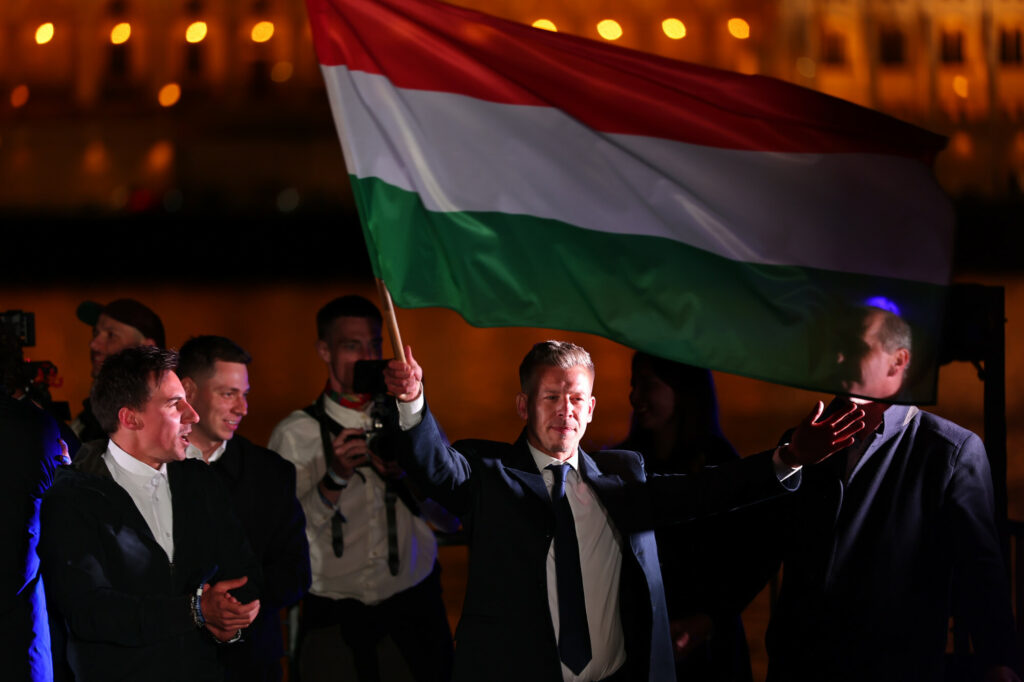
The expulsions come as Hungary’s foreign policy shifts under Prime Minister Péter Magyar, who took office after Viktor Orbán’s Fidesz lost the April election. Magyar’s government has moved to strengthen Hungary’s alignment with the EU and NATO while maintaining what it describes as pragmatic relations with Moscow.
A break with the Orbán era
Under Orbán, Hungary maintained unusually close relations with Russia compared with other EU members. Budapest continued cooperation with Moscow after Russia’s full-scale invasion of Ukraine, and Orbán repeatedly opposed or delayed EU measures related to Ukraine.
The new government has taken a different position. In September, Hungary expelled the 10 Russian diplomats, and its new foreign policy doctrine identified Russia as a threat to Hungary’s security. Earlier, the government’s guidance for its UN delegation condemned Russia’s war against Ukraine and affirmed Ukraine’s sovereignty and right to self-defense, according to Euronews.
The shift has not amounted to a complete break with Moscow. Magyar has said Hungary will pursue pragmatic relations with Russia, while Budapest continues to seek concessions from Kyiv over the rights of Hungary’s minority in Ukraine.
A report on the fires that devastated the Los Angeles area in early 2025 recommended that local governments take a broader approach to preparedness and emergency response.
A report on the fires that devastated the Los Angeles area in early 2025 recommended that local governments take a broader approach to preparedness and emergency response.
The clearest lesson from the Palisades and Altadena fires was the extent to which climate-driven fires are outstripping modern firefighting, a new report found.
After the co-pilot stabbed the captain, two pilots who were seated in the cabin intervened alongside passengers and safely landed the Boeing 737 in Saudi Arabia.
After the co-pilot stabbed the captain, two pilots who were seated in the cabin intervened alongside passengers and safely landed the Boeing 737 in Saudi Arabia.
A FlyDubai plane carried passengers to Tel Aviv on Wednesday after a midair cockpit attack on their earlier flight. Two other pilots who were seated in the cabin safely landed that plane.
Kazakhstan detained Ukrainian citizen Liubov Rozhanska in Astana on 1 October at Russia’s request, after she traveled there to receive her grandson, a Ukrainian boy whose father has sought his return to Ukraine, Deutsche Welle (DW) reported.
Russia accuses Rozhanska of attempting to abduct the child and is seeking her detention through the Collective Security Treaty Organization (CSTO), a Russia-led security alliance that includes Kazakhstan.
She could now face deportation to Russia
Kazakhstan detained Ukrainian citizen Liubov Rozhanska in Astana on 1 October at Russia’s request, after she traveled there to receive her grandson, a Ukrainian boy whose father has sought his return to Ukraine, Deutsche Welle (DW) reported.
Russia accuses Rozhanska of attempting to abduct the child and is seeking her detention through the Collective Security Treaty Organization (CSTO), a Russia-led security alliance that includes Kazakhstan.
She could now face deportation to Russia, despite never having entered the country, according to her lawyers cited by DW.
A Ukrainian child Russia wants to keep
The case involves a boy born in Odesa in 2018. His mother took him from Ukraine to Russia’s Kaliningrad Oblast in 2021, before Russia’s full-scale invasion. In 2022, she and the child obtained Russian citizenship.
The boy’s Ukrainian father challenged the child’s residence in court. In March 2025, Ukraine’s Supreme Court ruled that the boy should live in Odesa with his father.
According to Rozhanska’s lawyer, Oleksii Pryanishnikov, the boy’s stepfather and step-grandfather contacted her in July 2026 about arranging the child’s transfer to his Ukrainian father and grandmother.
By August, a Kaliningrad court had issued a warrant to detain Rozhanska in connection with an alleged attempt to abduct the child. Russian investigators were also preparing documents to seek her extradition through the CSTO, according to documents cited by DW.
Rozhanska then traveled to Astana and was detained at the airport after arriving from Istanbul.
Kazakh lawyer Riza Nurbaeva told DW that Rozhanska did not know about the Russian criminal case and had never entered Russia. She said the Ukrainian was detained under the Kaliningrad court’s warrant.
Lawyer alleges political motive
Pryanishnikov described the detention as a “planned operation” by Russia’s Federal Security Service and alleged that it has a political dimension connected to Russia’s war against Ukraine.
His allegation comes in the context of Russia’s documented transfer and deportation of Ukrainian children to Russia and efforts to assimilate them into Russian society, grant them Russian citizenship and sever their ties to Ukraine.
In this case, Russia is using international legal mechanisms to potentially prevent a Ukrainian child from returning to his father in Ukraine.
Rozhanska is currently being held in a Kazakh pretrial detention center. A court hearing is expected within three days, according to DW.
Yemen’s capital, Sanaa, was bombarded overnight, after government forces reported some of the most intense clashes in years around Taiz, the country’s third largest city.
Yemen’s capital, Sanaa, was bombarded overnight, after government forces reported some of the most intense clashes in years around Taiz, the country’s third largest city.
Hundreds were detained in New Delhi as demonstrators expressed anger over the removal of 130 million people from the rolls. The government denies accusations of “vote theft.”
Hundreds were detained in New Delhi as demonstrators expressed anger over the removal of 130 million people from the rolls. The government denies accusations of “vote theft.”
Capt. Smit Machchhar, who was stabbed by his co-pilot midair between Dubai and Tel Aviv, said he “had to act” to prevent a crash despite serious injuries.
Capt. Smit Machchhar, who was stabbed by his co-pilot midair between Dubai and Tel Aviv, said he “had to act” to prevent a crash despite serious injuries.
Capt. Smit Machchhar, who was stabbed by his co-pilot midair between Dubai and Tel Aviv, said he “had to act” to prevent a crash despite serious injuries.
Capt. Smit Machchhar, who was stabbed by his co-pilot midair between Dubai and Tel Aviv, said he “had to act” to prevent a crash despite serious injuries.
Russia lost almost 300 km² of Ukrainian territory on net between March and September 2026, and it likely gained no ground in September despite its heaviest casualties of the year, the Institute for the Study of War (ISW) assessed. Ukraine's Operation Vivaldi accounts for much of the swing. The think tank notes that Ukraine's secrecy around such counterattacks makes exact monthly tallies hard.
Russia has pressed attacks along the entire front through 2026, accepting mass casualties for m
Russia lost almost 300 km² of Ukrainian territory on net between March and September 2026, and it likely gained no ground in September despite its heaviest casualties of the year, the Institute for the Study of War (ISW) assessed. Ukraine's Operation Vivaldi accounts for much of the swing. The think tank notes that Ukraine's secrecy around such counterattacks makes exact monthly tallies hard.
Russia has pressed attacks along the entire front through 2026, accepting mass casualties for marginal ground, and its battlefield year has already been called its worst since 2023. Its losses have been outpacing its recruitment for months.
Russia came out behind in September
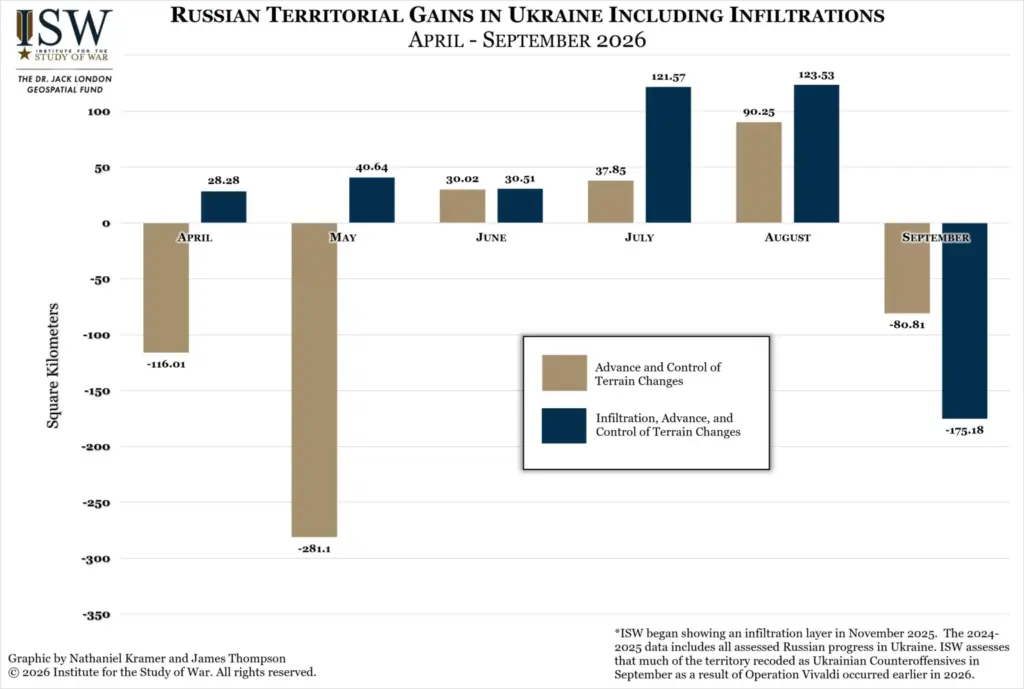
Russian forces seized 175.54 km² in September but lost 256.35 km², a net loss of 80.81 km², or minus 2.69 km² a day, ISW calculated. The balance stayed negative when Russian infiltrations into areas Russia does not control are counted: Russia seized or infiltrated 143.2 km² but lost 318.38 km², a net loss of 175.18 km².
Russian territorial gains in Ukraine with and without infiltrations, April–September 2026. Graphic: ISW
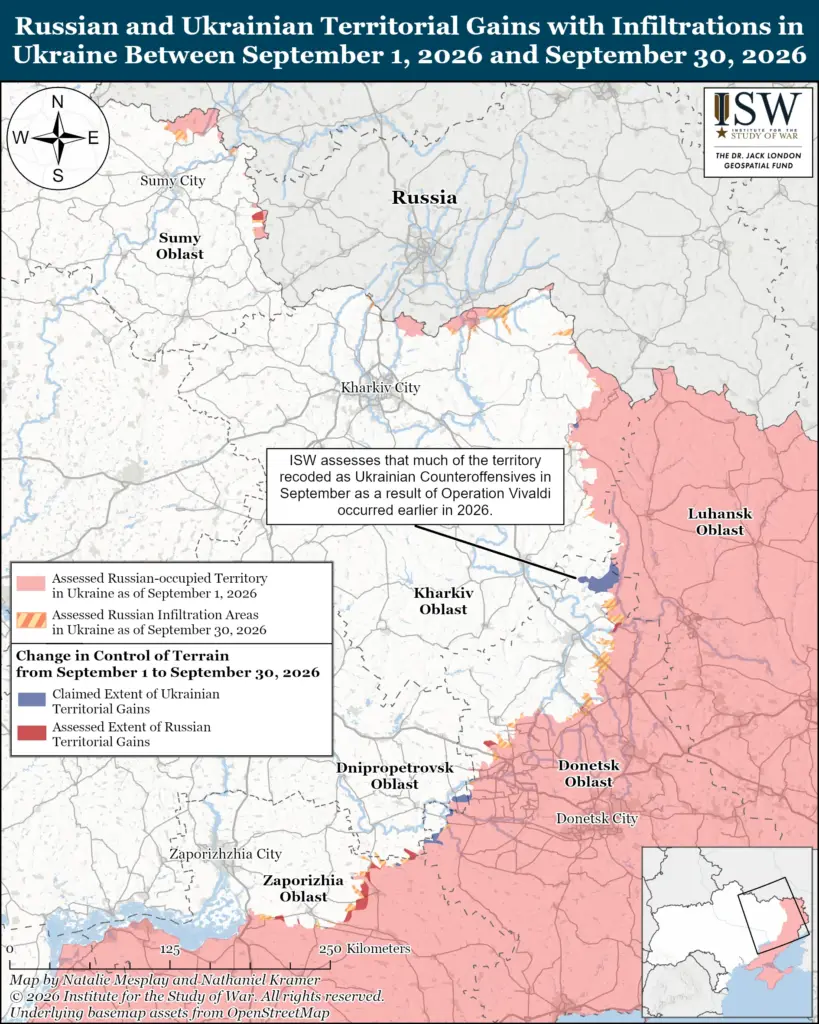
The September figures include at least 147 km² near Lyman that Ukraine liberated over earlier months, but that ISW recorded only once details of Operation Vivaldi emerged in September. The operation already disrupted Russia's plan to encircle the Fortress Belt cities from the Lyman and Dobropillia directions.
Explore further
Ukraine’s Vivaldi counteroffensive disrupts Russia’s plan to encircle Donetsk Fortress Belt – ISW
Almost 300 km² lost since March
Russia's rate of seizing territory dropped sharply in March 2026 and has stayed low, or even negative, since, ISW found. After controlling for the gains Ukraine made during Vivaldi, Russia lost control of 293.59 km² net across the front since March. Counting infiltrations, it gained a presence in only 174.44 km² over the same period.
ISW's monthly chart shows net Russian losses of 116.01 km² in April and 281.1 km² in May, modest gains in June, July, and August, and a net loss again in September. Oleksandr Syrskyi, then Ukraine's commander-in-chief, reported in June that Ukrainian forces had recaptured 100 km² in May.
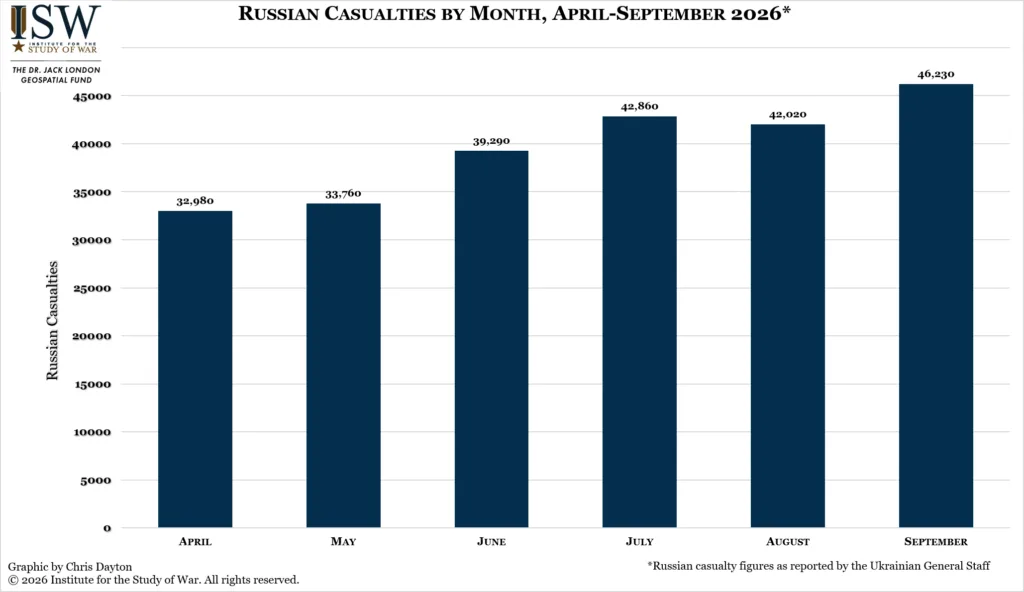
Russian casualties by month as reported by Ukraine's General Staff, April–September 2026. Graphic: ISW
More than 46,000 casualties for no ground
Russian forces suffered 46,230 casualties in September, Ukraine's General Staff reported. It is the third straight month above 40,000 and the highest monthly toll of 2026, by Kyiv's count. Monthly Russian casualties have climbed from 32,980 in April to 42,860 in July and 42,020 in August, ISW's chart shows.
Russia keeps suffering heavy personnel losses while making extremely limited or even net-negative territorial gains, ISW said, and its current force generation system still recruits fewer soldiers than it needs to replace them.
Explore further
Russia’s mass drone attacks on Ukraine have a goal—likely Ukraine’s capitulation by spring 2027, ISW says
Ukraine's effective operational security around Vivaldi, likely to continue in future counterattacks, will make meaningful month-to-month assessments of Russian gains and losses hard, the think tank added.
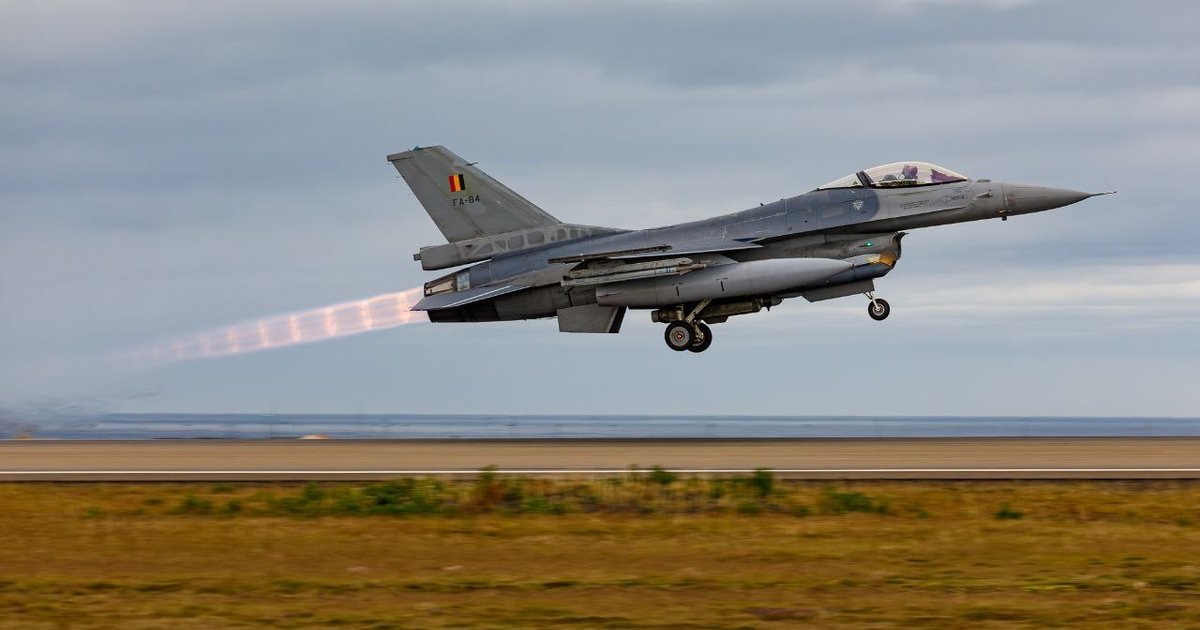
Ukraine may soon receive a multimillion package of 20-mm rounds for its F-16 fighter jets, Foreign Minister Andrii Sybiha told journalists, Hromadske reported. He called the ammunition critical for shooting down Russia's jet-powered drones and said several partners have already begun transferring it. He expects the larger package after an upcoming high-level visit.
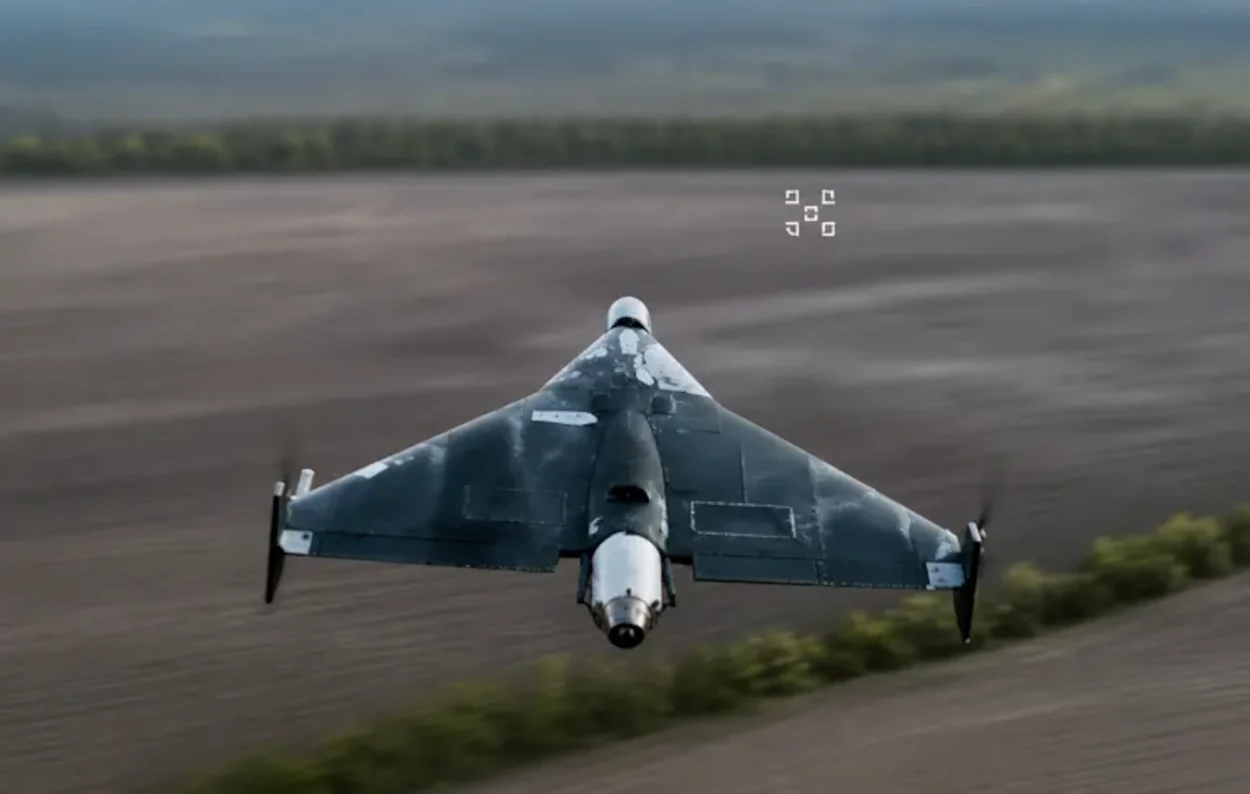
Russia now strikes Kyiv and other Ukrainian cities daily, increasingly with jet-powered drones that outrun the cheap intercepto
Ukraine may soon receive a multimillion package of 20-mm rounds for its F-16 fighter jets, Foreign Minister Andrii Sybiha told journalists, Hromadske reported. He called the ammunition critical for shooting down Russia's jet-powered drones and said several partners have already begun transferring it. He expects the larger package after an upcoming high-level visit.
Russia now strikes Kyiv and other Ukrainian cities daily, increasingly with jet-powered drones that outrun the cheap interceptors built for slower Shaheds. Fighter jets are among the tools Ukraine uses against them, while its overall interception rate for jet drones still trails its rate against propeller drones.
"Critically important" ammunition
Sybiha said Ukraine has yet to build up its capability to repel jet drones.
"Given that we have not yet built up the capability to repel jet drones, and given the preparations for new strikes, it was critically important to help our military shoot down these drones. Apart from air defense systems, which are too expensive to use constantly against drones, the most effective tools right now are F-16 fighter jets," Sybiha said.
He thanked Spain, Belgium, and Poland, which have begun the process of transferring the ammunition, and said that thanks to them Ukraine will "very soon" have the rounds it needs.
Explore further
Belgium will send three F-16 fighter jets, but maintenance delays may keep Ukraine from using them
A "very serious visit" ahead
Sybiha linked the larger package to a visit he did not name.
"We will soon have one very serious visit. We think that one of the decisions following this visit will be a multimillion package of this ammunition for Ukraine," he said.
Talks on buying the rounds from private manufacturers are also underway, he added.
Ukraine has already received urgent batches of F-16 ammunition from Belgium, Spain, and other partners, and Belgium plans to send three more F-16s by the end of 2026 under an accelerated procedure. The jets' air-to-air missiles and cannon rounds are imported and not always in stock.
Explore further
Combat shows speed alone can’t catch Russia’s jet-powered drones, despite eight Ukrainian makers’ assurances. So why can’t they stop them?
Another night of Russian strikes
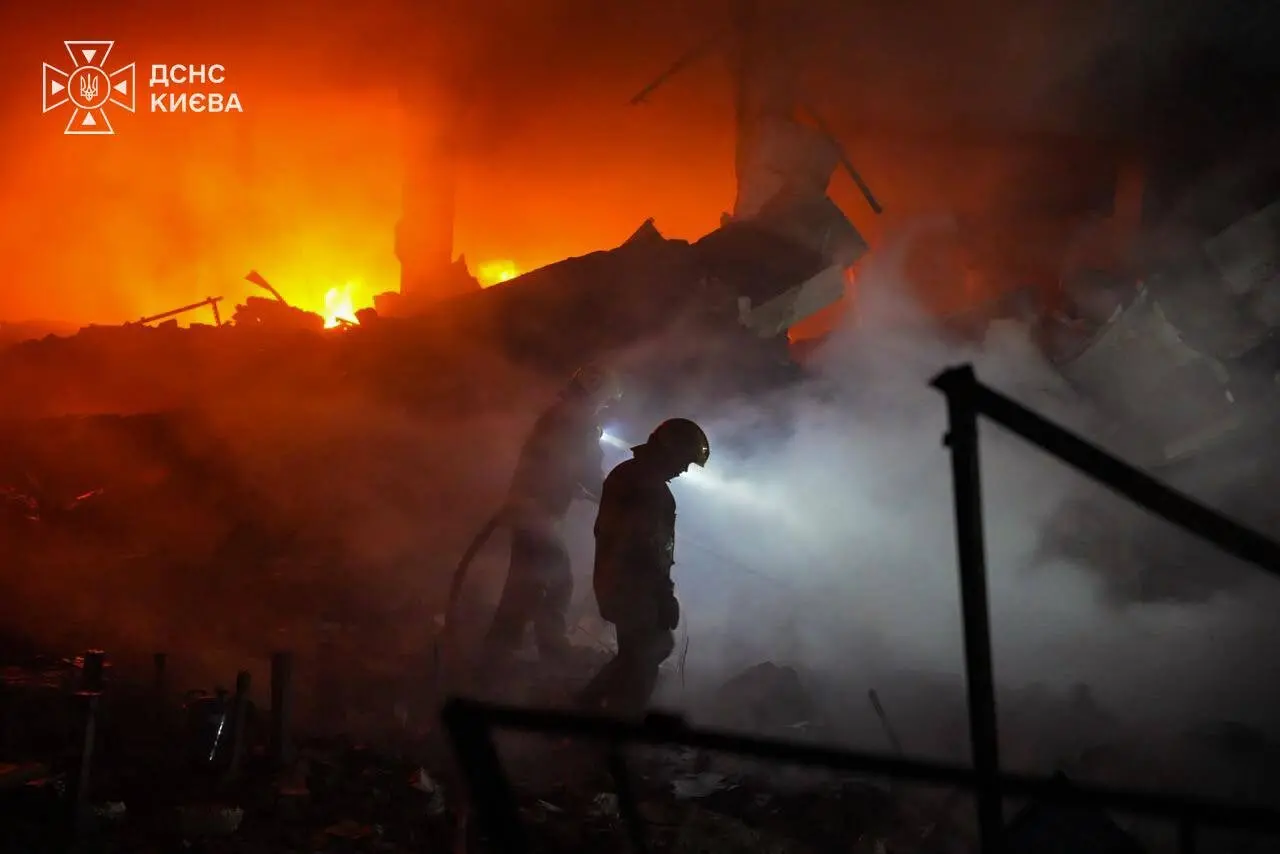
Overnight on 2 October, Russia launched 108 drones at Ukraine, 47 of them jet-powered, and air defenses downed 88 of them. In Kyiv, a Russian strike on a 25-story residential building in the Darnytskyi district killed one person and injured two. Russia also targeted the Southern Bridge again, after striking it three times the previous day, and the city restricted public transport across several bridges.
In Kharkiv Oblast, a Russian FPV drone hit a car in the Solonytsivka hromada on the afternoon of 1 October, injuring a man and a boy. A Russian strike damaged a civilian enterprise in Rivne Oblast and started a fire that forced an evacuation of nearby homes, regional head Oleksandr Koval said, and drones attacked Cherkasy Oblast.
In neighboring Romania, an object believed to be a drone crashed near the village of Plauru in Tulcea County during the attack, starting a fire that caused no casualties, Romania's Defense Ministry said.
A Latvian guard patrols the border with Belarus. Migrants have streamed into Latvia, many through considerable border defenses, cutting gaps in fencing or burrowing under it.

 Connexion