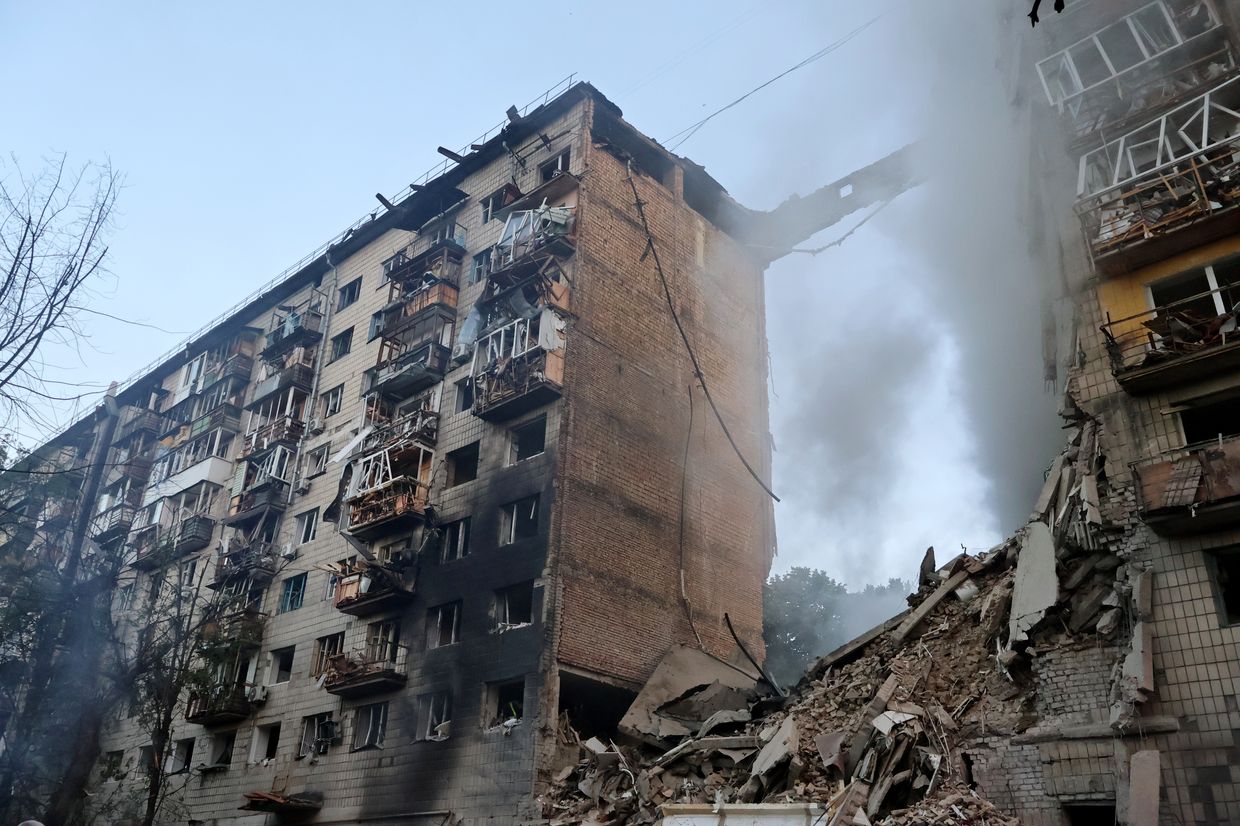
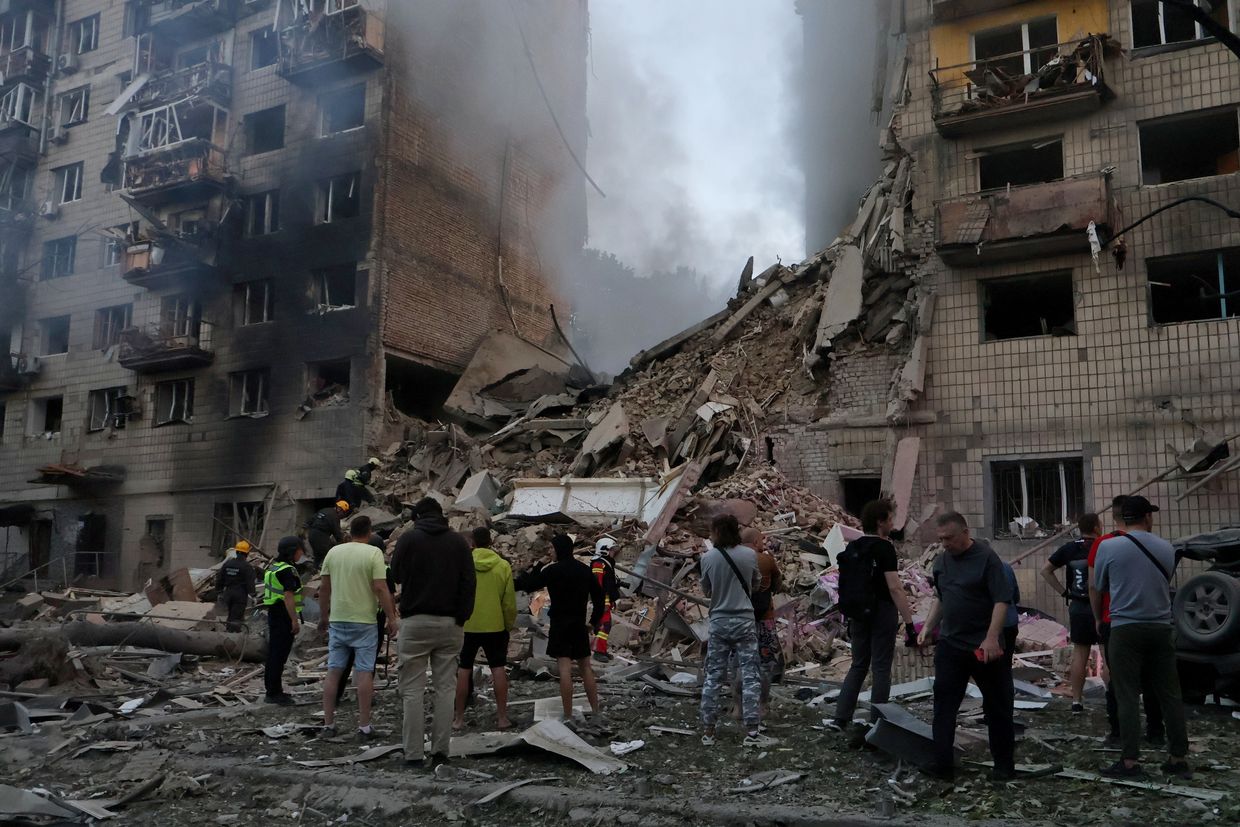
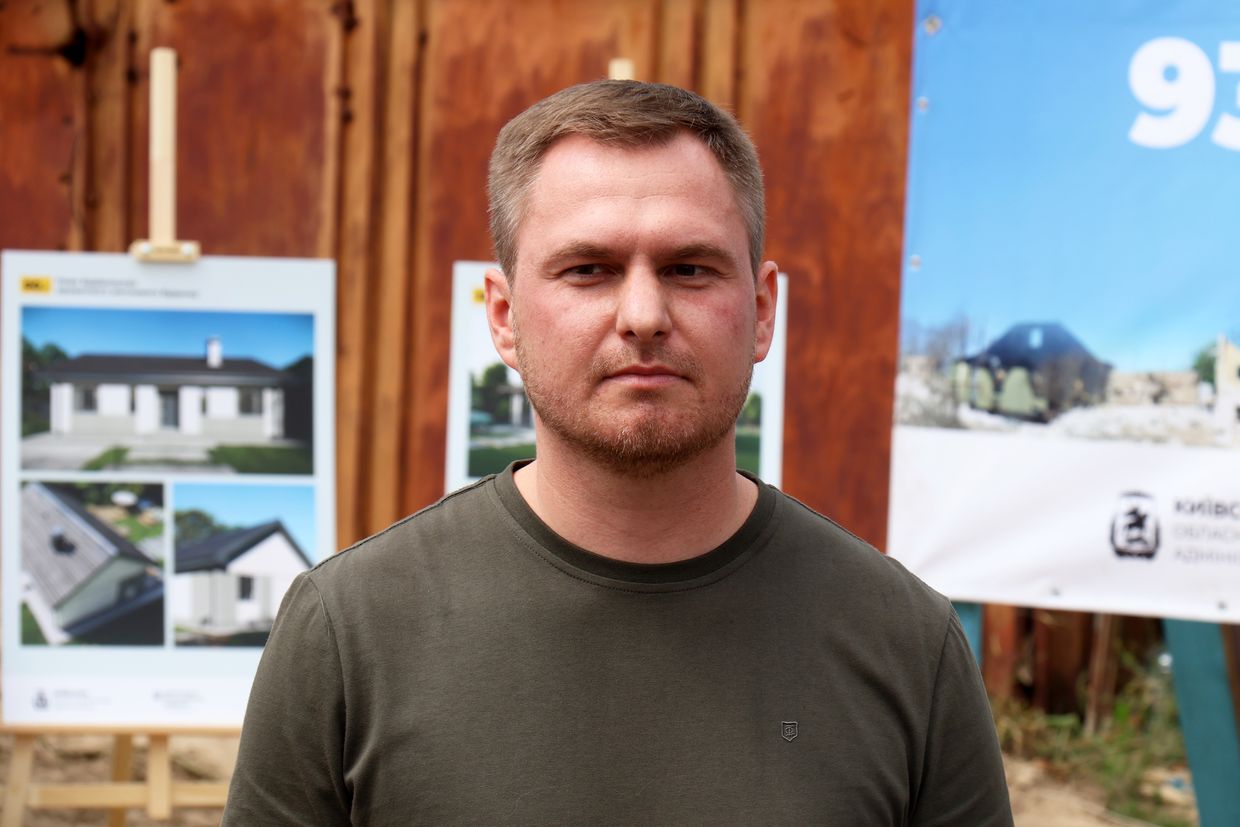
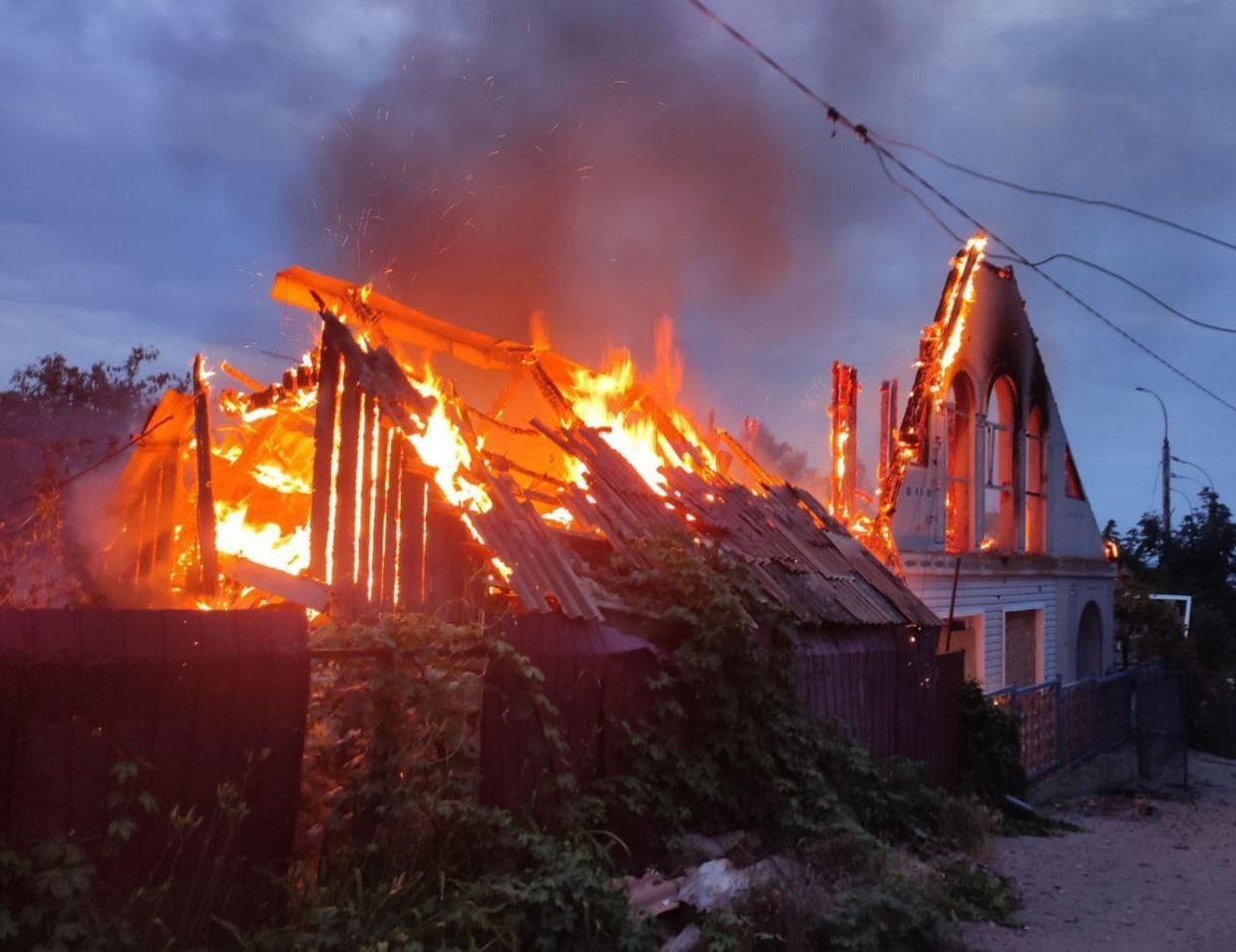
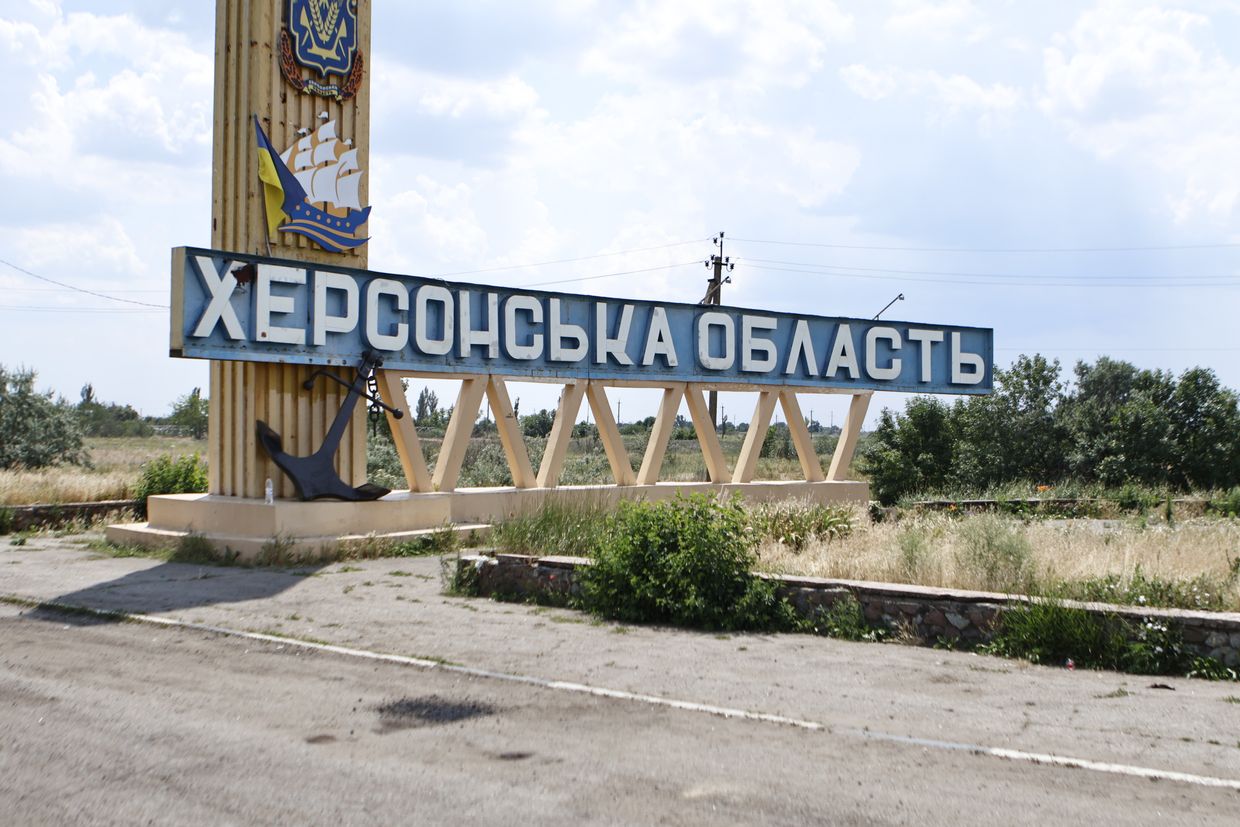
Russian attacks on Kherson Oblast injured nine people and damaged residential infrastructure on June 18-19, according to local authorities. Thirty-four settlements were reportedly targeted with artillery and drones.On June 18 at 6:00 p.m. local time, eight civilians were reported injured, including two men in Komyshany and Romashkovo, and six others in Bilozerka, Beryslav, Antonivka, and the regional capital Kherson. One more person has been injured since then.Civilian infrastructure, including
On June 18 at 6:00 p.m. local time, eight civilians were reported injured, including two men in Komyshany and Romashkovo, and six others in Bilozerka, Beryslav, Antonivka, and the regional capital Kherson. One more person has been injured since then.
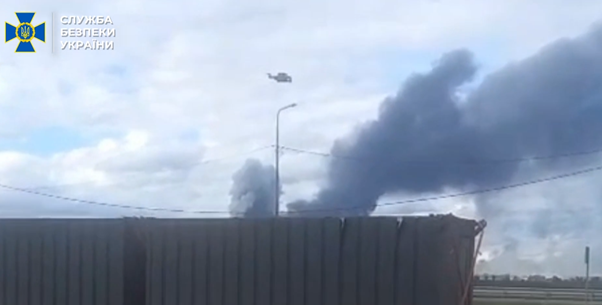
Civilian infrastructure, including private homes and residential buildings, was also damaged in the attacks. A gas pipeline, emergency medical clinic, and fire department were also damaged, according to the latest reports.
Kherson Oblast is located in southern Ukraine, just north of Russian-occupied Crimea, and has been relentless targeted by Russian forces throughout the war.
Ukrainian forces liberated the city of Kherson, the regional capital, in November 2022.
Russian troops continue to occupy large parts of the region and regularly launch attacks on civilian areas using artillery, guided bombs, and drones.
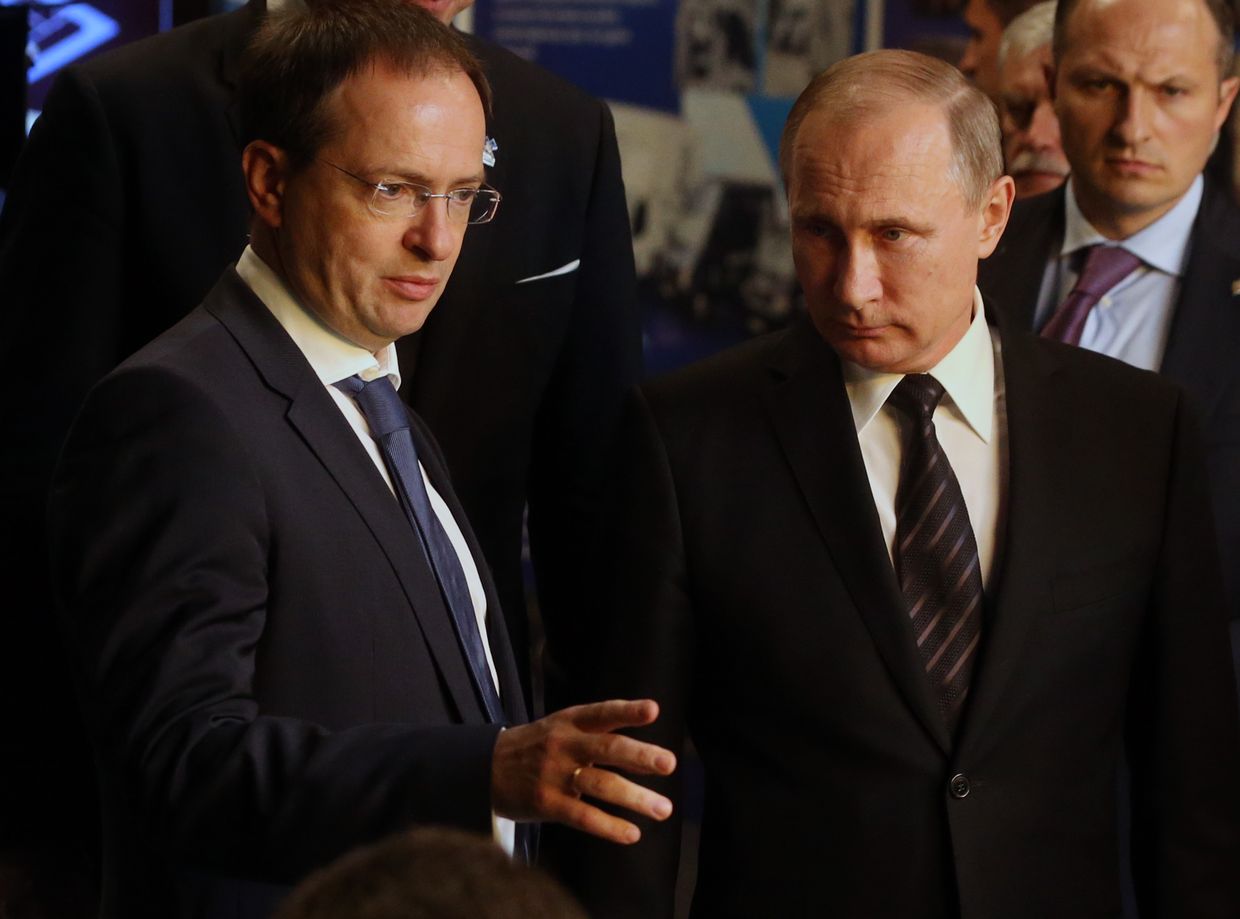
Russia wants to end the war in Ukraine "as soon as possible," preferably through peaceful means, and is ready to continue negotiations — provided that Kyiv and its Western allies are willing to engage, President Vladimir Putin said.Speaking during a roundtable with top editors of major international news agencies late on June 18, Putin added that he is ready to meet with President Volodymyr Zelensky and "Russia does not care who represents Ukraine in negotiations, but insists that any final agre
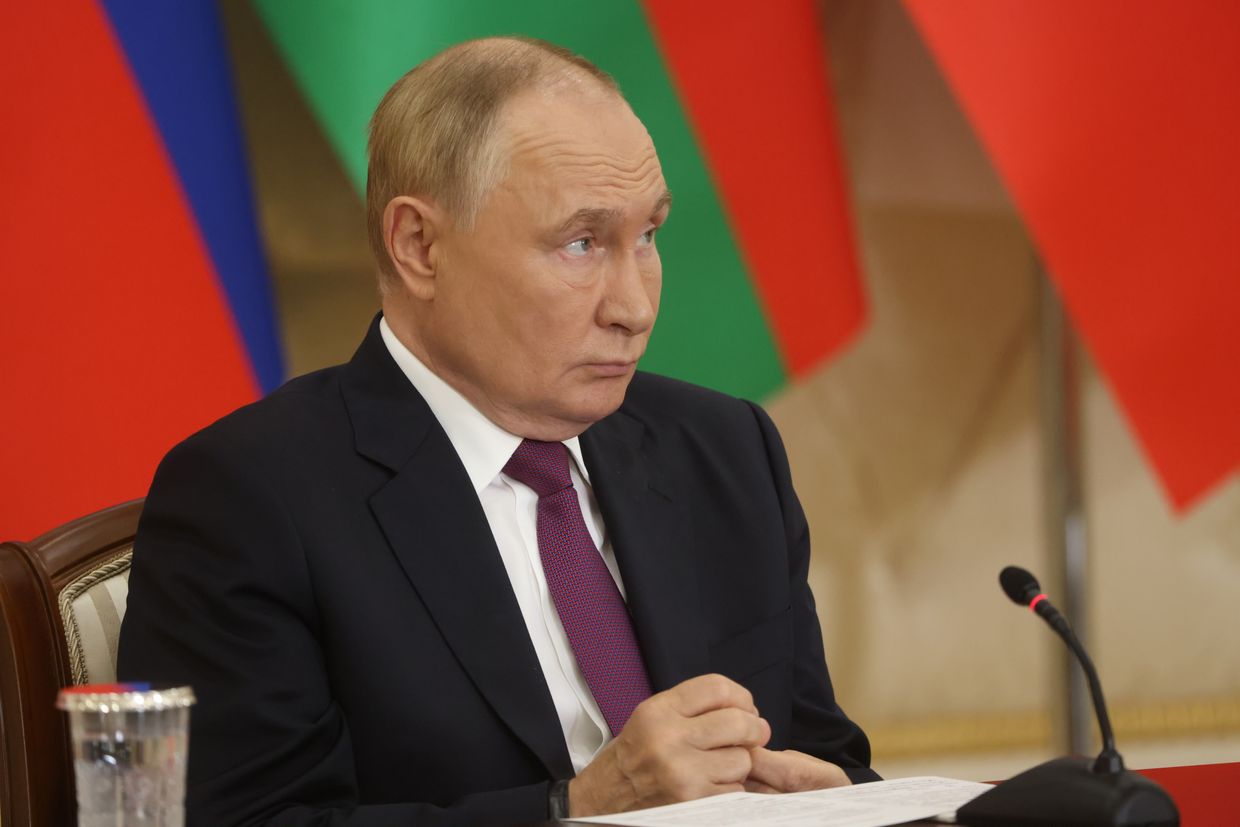
Russia wants to end the war in Ukraine "as soon as possible," preferably through peaceful means, and is ready to continue negotiations — provided that Kyiv and its Western allies are willing to engage, President Vladimir Putin said.
Speaking during a roundtable with top editors of major international news agencies late on June 18, Putin added that he is ready to meet with President Volodymyr Zelensky and "Russia does not care who represents Ukraine in negotiations, but insists that any final agreement must bear the signature of legitimate authorities."
The Kremlin has long sought to portray Zelensky as "illegitimate" in an attempt to discredit Kyiv. Kremlin spokesperson Dmitry Peskov said on Feb. 18 that Putin, who has ruled Russia for over 20 years, is ready for talks with Zelensky, but "legal aspects related to his legitimacy" must be considered.
Ukraine's allies had generally ignored this propaganda narrative until U.S. President Donald Trump appeared to echo the Kremlin's lines claiming that Zelensky was a "modestly successful comedian" turned "dictator" who "refused to have elections."
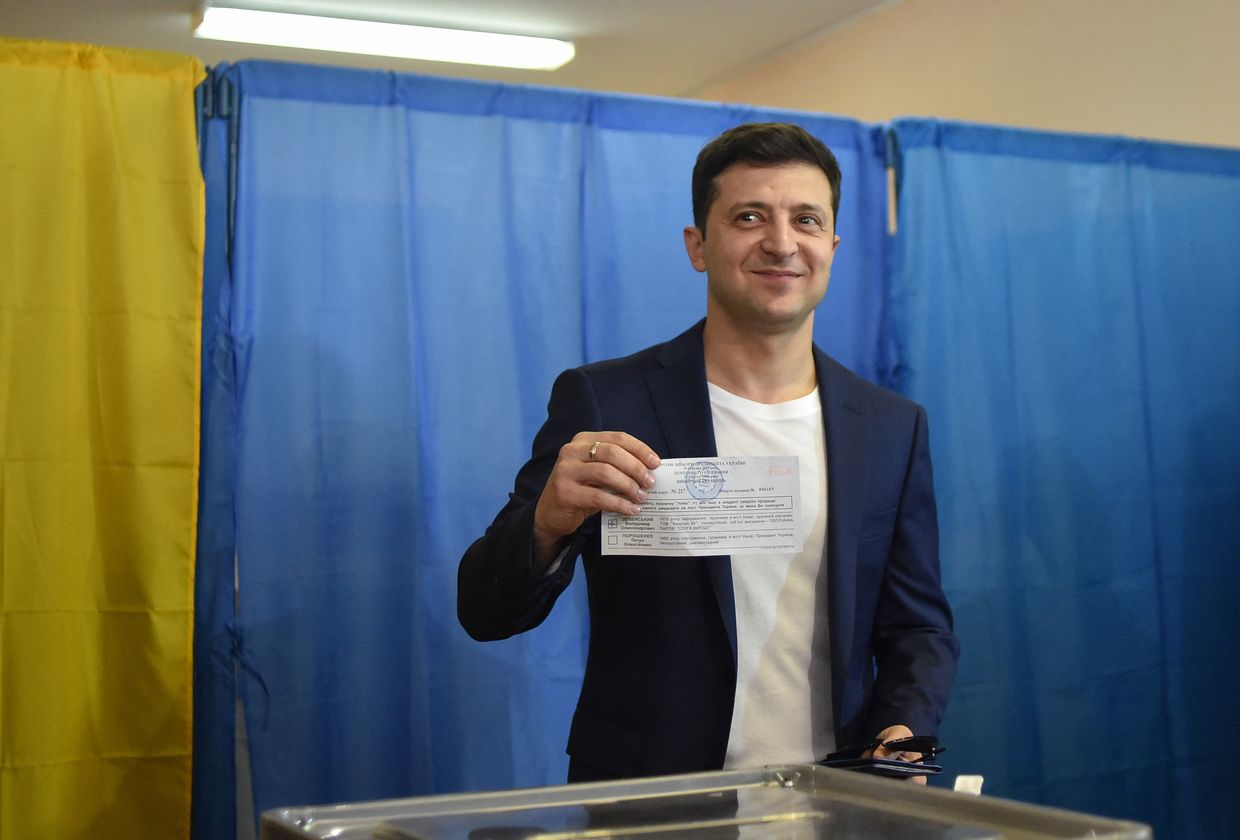
Ukraine has not held elections during Russia’s full-scale invasion because they are legally prohibited under martial law, which was declared on Feb. 24, 2022, just hours after the war began. Ukrainian law also mandates that elections must be safe, equal, and uninterrupted—conditions that are impossible to meet amid ongoing Russian attacks on civilians and critical infrastructure.
Putin also told U.S. President Donald Trump on June 14 that Moscow is ready to hold a new round of peace talks with Kyiv after June 22, following the completion of prisoner and fallen soldier exchanges.
Asked if he would be willing to speak with Germany’s Chancellor Friedrich Merz, Putin said that “if the Federal Chancellor wants to call and talk, I have already said this many times — we do not refuse any contacts."
"And we are always open to this… They stopped, let them resume. We are open to them,” Putin said, adding that he, however, questions Germany’s role as a mediator in the Russia-Ukraine war: "I do doubt if Germany can contribute more than the United States as a mediator in our negotiations with Ukraine. A mediator must be neutral. And when we see German tanks and Leopard battle tanks on the battlefield… and now the Federal Republic is considering supplying Taurus missiles for attacks on Russian territory… — here, of course, big questions arise."
The U.S. Senate is postponing action on a bipartisan Russia sanctions bill until at least July, as other legislative and foreign policy priorities dominate the agenda, Semafor reported on June 18. Senators Lindsey Graham (R-S.C.) and Richard Blumenthal (D-Conn.) have been working on a revised version of their bill that would impose secondary sanctions on Russian trading partners, while shielding Ukraine’s allies from penalties and making technical adjustments. But momentum has stalled as Republi
The U.S. Senate is postponing action on a bipartisan Russia sanctions bill until at least July, as other legislative and foreign policy priorities dominate the agenda, Semafor reported on June 18.
Senators Lindsey Graham (R-S.C.) and Richard Blumenthal (D-Conn.) have been working on a revised version of their bill that would impose secondary sanctions on Russian trading partners, while shielding Ukraine’s allies from penalties and making technical adjustments. But momentum has stalled as Republicans push President Donald Trump’s sweeping tax and spending bill, and the escalating conflict between Iran and Israel demands urgent attention.
Senate Majority Leader John Thune (R-S.D.) acknowledged on June 18 that a "July timeframe" was now more realistic for the sanctions bill. "We’re very open to moving, we’re trying to work with the administration from a timing standpoint," Thune said, according to Semafor. Graham added that the Senate is "going to have to wait a bit," citing shifting global developments. "Things are changing now with Iran… that doesn’t mean I’ve forgotten about Russia or Ukraine. Not at all. Iran is center stage, but sooner rather than later," he said.
Trump has not yet signaled support for the legislation, which remains a critical obstacle.
While sanctions enjoy broader Republican backing than direct military aid to Ukraine, GOP lawmakers are hesitant to move forward without Trump’s approval. The U.S. president left the G7 summit in Canada early, skipping a planned meeting with President Volodymyr Zelensky, as attention shifted to a potential U.S. response to Iran’s nuclear ambitions. "All the focus is on Israel and Iran right now," said Sen. Tommy Tuberville (R-Ala.), though he noted that he is "all for putting sanctions" on Russia.
Graham and Blumenthal had hoped to secure passage of the bill ahead of the G7 summit after visiting Ukraine earlier this year. Blumenthal said he and Graham were "making tremendous progress" with the administration, but acknowledged that other priorities were pushing the legislation off the floor.
Supporters of the sanctions argue the bill would give Trump more leverage in negotiations with Russian President Vladimir Putin. "We want to strengthen our hand in the negotiation," said Sen. John Hoeven (R-N.D.). "We want to help effectuate an outcome in Ukraine, so we’re trying to use it in a way that actually helps get something done." The legislation would authorize secondary sanctions on countries that continue to purchase Russian energy or conduct other major trade with Moscow.
Despite uncertainty around timing, both Graham and Blumenthal continue to refine the bill to ensure broader support, including a carveout for Ukraine’s allies and changes to accommodate the global banking system. "There is no evidence that Putin is going to slow down," Graham told Semafor. "We need to change the approach. I think the sanctions will give the president leverage."
Russian President Vladimir Putin is facing renewed pressure from hardliners to formally declare war on Ukraine, with critics inside the Kremlin warning what he calls his "special military operation" no longer goes far enough. Anger intensified following Ukraine’s June 1 drone strike, dubbed Operation Spiderweb, which targeted four Russian air bases deep inside the country and reportedly damaged at least 20 Russian nuclear bombers. "Shock and outrage" is how one senior official described to the T
Russian President Vladimir Putin is facing renewed pressure from hardliners to formally declare war on Ukraine, with critics inside the Kremlin warning what he calls his "special military operation" no longer goes far enough.
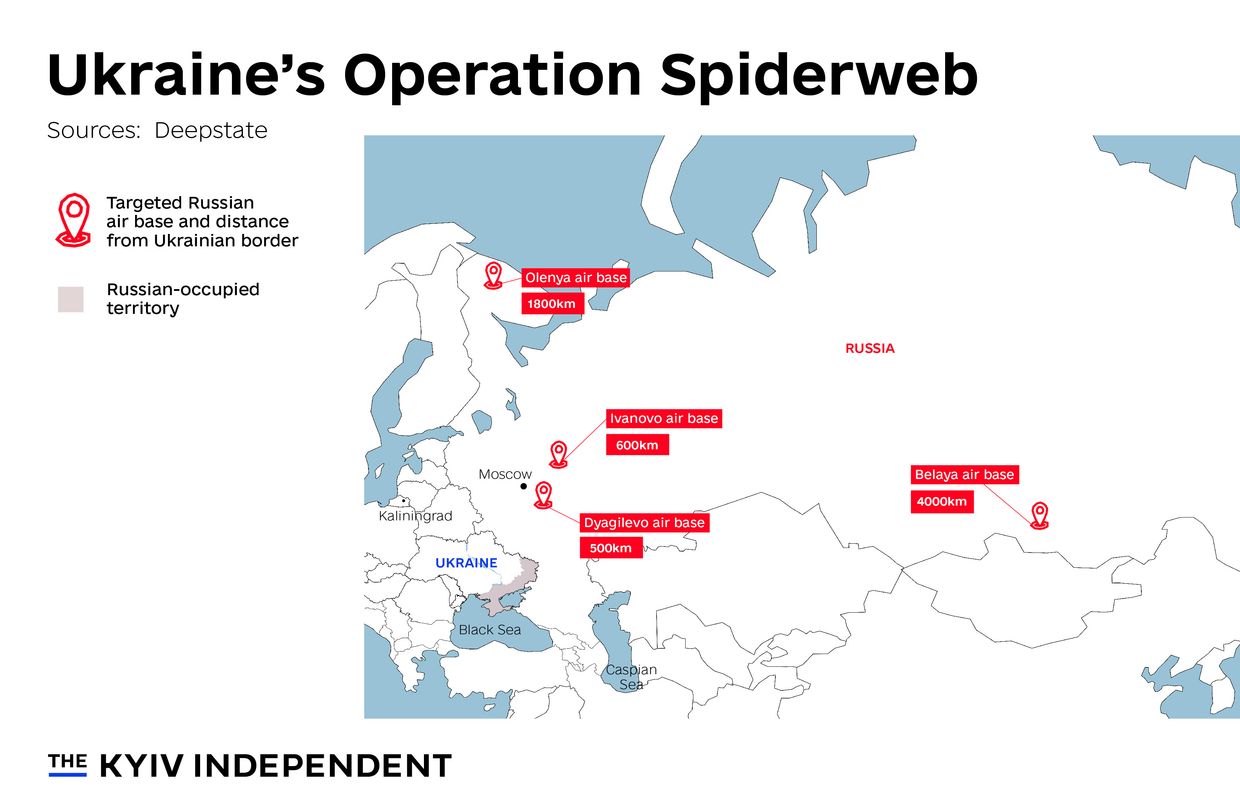
Anger intensified following Ukraine’s June 1 drone strike, dubbed Operation Spiderweb, which targeted four Russian air bases deep inside the country and reportedly damaged at least 20 Russian nuclear bombers. "Shock and outrage" is how one senior official described to the Telegraph the mood in the Kremlin, while another called the attack "a personal tragedy."
Russia has apparently redeployed dozens of long-range bombers to more remote bases within the country following the strike, Russian independent media outlet Agentstvo reported on June 11, citing OSINT analyst AviVector.
Despite the escalation, the Kremlin has so far avoided any dramatic shift in strategy. "This did not catalyse a political discussion or a change in the format of military operations," a former Kremlin official told the Telegraph. Another source close to the Russian Defense Ministry said, "Could the president declare war on Kyiv? Right now, unlikely. As cynical as it may sound, the leadership is satisfied with the current situation."
Hardliners argue that only a formal war declaration would permit true escalation—full-scale mobilization, regular missile strikes, and potentially the use of tactical nuclear weapons. One analyst told the Telegraph that a formal war declaration would give the Russian government sweeping authority to shift the country fully onto a wartime footing.
However, despite record levels of defense spending, the Kremlin has avoided taking that step—seeking instead to preserve the illusion of control and protect the broader population from the immediate impact of the war.
The Kremlin is projected to allocate 6.3 percent of its GDP to defense this year — the highest level since the Cold War — yet still far below what would typically indicate a country fully mobilized for war. By contrast, Ukraine spent 34 percent of its GDP on defense last year, while British military spending surpassed 50 percent of GDP during the Second World War.
"Mobilization undermines economic stability," said one current government employee. According to him, those in Putin’s inner circle have convinced the president that large-scale mobilization could trigger the collapse of the war effort. "And why is it needed now? We have Kalibr missiles, we have volunteers. Their resources are not yet exhausted," he was quoted as saying.
Former U.S. Ambassador to Ukraine Bridget Brink announced on June 18 that she is running for Congress from Michigan's 7th district, pledging to oppose U.S. President Donald Trump."I've dedicated my life to protecting democracy and fighting for freedom. It's why we stood up to (Russian President Vladimir) Putin and why I spoke out against Trump," Brink wrote on X. "My next mission: fighting for what's right here at home."Brink resigned from her post on April 10, and in a May 16 op-ed in the Detro
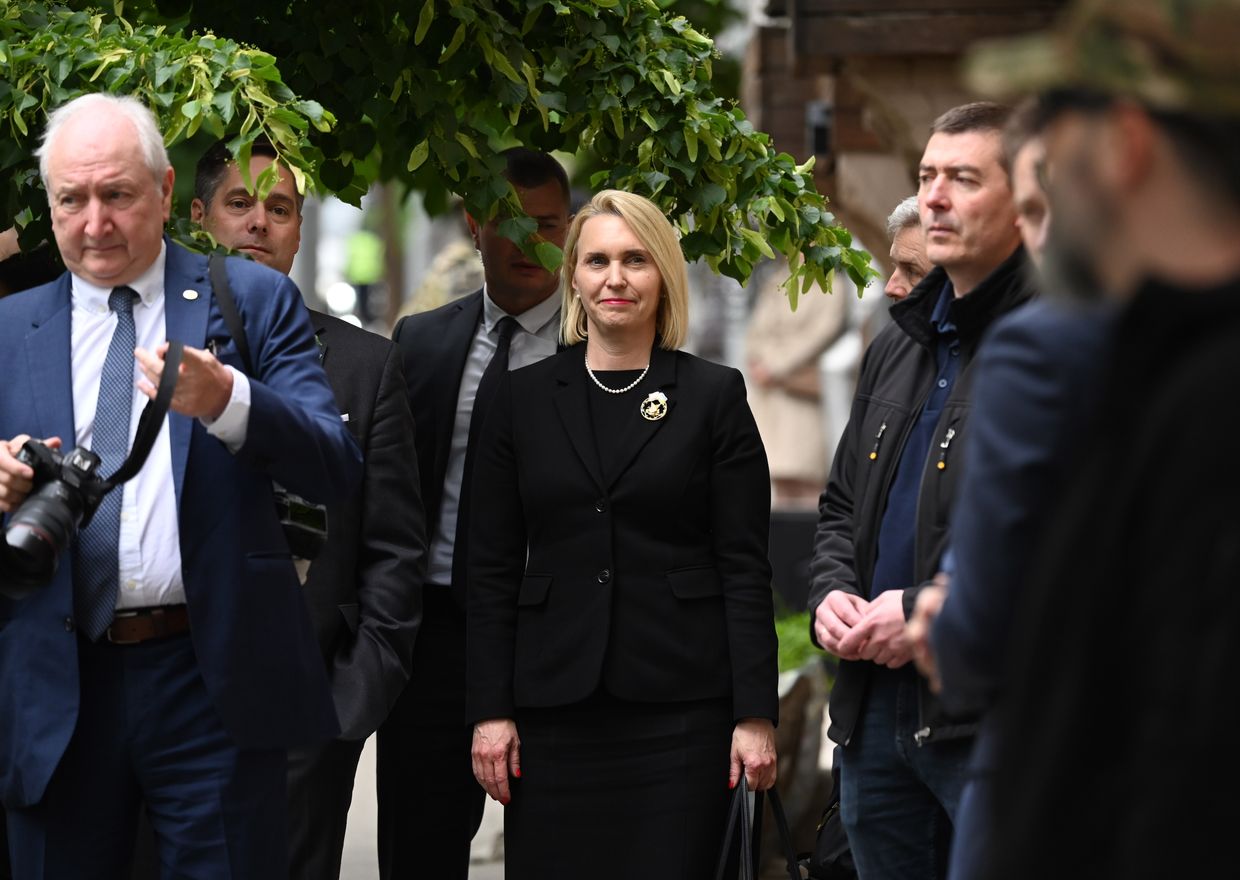
Former U.S. Ambassador to Ukraine Bridget Brink announced on June 18 that she is running for Congress from Michigan's 7th district, pledging to oppose U.S. President Donald Trump.
"I've dedicated my life to protecting democracy and fighting for freedom. It's why we stood up to (Russian President Vladimir) Putin and why I spoke out against Trump," Brink wrote on X.
"My next mission: fighting for what's right here at home."
Brink resigned from her post on April 10, and in a May 16 op-ed in the Detroit Free Press, publicly confirmed her departure was driven by disagreement with the Trump administration's stance on Russia's full-scale war against Ukraine.
"I just came home to Michigan from three years in the toughest job of my life," she wrote. "I could no longer in good faith carry out the administration's policy and felt it was my duty to step down."
Brink accused the Trump administration of pressuring Ukraine rather than holding Russia accountable, calling that approach "dangerous and immoral."
"I cannot stand by while a country is invaded, a democracy bombarded, and children killed with impunity," she wrote. "Peace at any price is not peace at all — it is appeasement."
Elections for the representative of Michigan's 7th district will take place in November 2026.
Trump, who began his second term in January, pledged to end the war within 100 days. That deadline has passed with no deal. He has alternated between blaming both sides for the conflict and claiming a breakthrough is still possible.
Despite repeatedly expressing frustration with Putin, the U.S. president has continued to avoid placing additional sanctions on Moscow, even as the Kremlin refuses to agree to a ceasefire.
Brink's relationship with Ukraine's leadership frayed in April after the U.S. Embassy issued what was seen as a muted response to a deadly Russian missile strike on Kryvyi Rih that killed 20 civilians.
"Horrified that tonight a ballistic missile struck near a playground and restaurant in Kryvyi Rih," Brink posted on X following a Russian missile attack. "This is why the war must end."
"Unfortunately, the response from the U.S. Embassy is surprisingly disappointing — such a strong country, such a strong people, and yet such a weak reaction," he wrote on April 5.
Julie S. Davis, the new U.S. Charge d'Affaires to Ukraine, arrived in Kyiv on May 5.
During a targeted operation, Ukraine's military intelligence (HUR) killed Mykhailo Hrytsai, a senior collaborator with Russian occupation authorities in Berdiansk, Zaporizhzhia Oblast, a HUR source told the Kyiv Independent on June 18.According to the source, Hrytsai was directly involved in organizing repressions against the local Ukrainian population and establishing torture chambers for prisoners of war. The collaborator was shot dead in the city using a silenced PM pistol, the source said. H
During a targeted operation, Ukraine's military intelligence (HUR) killed Mykhailo Hrytsai, a senior collaborator with Russian occupation authorities in Berdiansk, Zaporizhzhia Oblast, a HUR source told the Kyiv Independent on June 18.
According to the source, Hrytsai was directly involved in organizing repressions against the local Ukrainian population and establishing torture chambers for prisoners of war.
The collaborator was shot dead in the city using a silenced PM pistol, the source said.
Hrytsai served as the Russian-installed deputy mayor responsible for infrastructure, housing, utilities, and the energy sector. The source also said he facilitated the illegal seizure of municipal and state property in Berdiansk.
"There are still plenty of such targets — collaborators, accomplices of the enemy — in the occupied territories of Ukraine," the source said.
"We will definitely get to each and every one of them and put an end to their criminal activities by any means necessary: with or without a silencer, quietly or loudly, but always effectively."
A native of Poltava Oblast, Hrytsai had previously participated in Ukrainian political life. He was an assistant to a member of parliament and headed the Berdiansk branch of the Socialist Ukraine party before siding with Russian occupation forces.
Berdiansk, a port city on the Azov Sea, has been under Russian control since the early days of the full-scale invasion in 2022. It remains a critical logistics hub for Russian forces, facilitating the transport of looted Ukrainian grain and other resources.
On Feb. 20, another targeted strike in Berdiansk killed Yevgeny Bogdanov, the deputy head of the Russian-installed administration, according to Ukrainian military intelligence.
Editor's note: This item has been updated to include Kremlin spokesperson Dmitry Peskov's statement. U.S. President Donald Trump said on June 18 that he had turned down Russian President Vladimir Putin's offer to mediate the escalating conflict between Israel and Iran."I spoke to him yesterday, and, you know, he actually offered to help mediate. I said, do me a favor. Mediate your own," Trump told reporters. "Let's mediate Russia first, okay? I said, Vladimir, let's mediate Russia first. You can
Editor's note: This item has been updated to include Kremlin spokesperson Dmitry Peskov's statement.
U.S. President Donald Trump said on June 18 that he had turned down Russian President Vladimir Putin's offer to mediate the escalating conflict between Israel and Iran.
"I spoke to him yesterday, and, you know, he actually offered to help mediate. I said, do me a favor. Mediate your own," Trump told reporters. "Let's mediate Russia first, okay? I said, Vladimir, let's mediate Russia first. You can worry about this later."
Shortly after Trump's statement, Kremlin spokesperson Dmitry Peskov said the U.S. president was speaking "figuratively" when referring to a conversation with Putin, according to the Russian state news agency TASS.
"Life is so eventful these days that a retrospective covering several days is like looking back at yesterday," Peskov added, implying there had been no such conversation on June 17.
Trump's comments come just days after he had said he was "open" to the idea of Putin serving as a mediator between Israel and Iran, sparking criticism from U.S. allies. On June 15, Trump claimed Putin was "ready" and had discussed the possibility at length in a recent phone call.
Putin, whose country has been deepening military cooperation with Tehran, spoke separately with Israeli Prime Minister Benjamin Netanyahu and Iranian President Masoud Pezeshkian on June 13. He condemned Israel's air strikes on Iran and offered Russian mediation.
Those strikes, described by Israel as "preemptive," involved 200 warplanes and 330 munitions targeting Iranian nuclear and military sites. Iran responded with missile attacks on Israeli cities, including Tel Aviv, that killed at least five Ukrainian citizens on June 14.
Putin's offer of mediation has been dismissed by several Western leaders.
Trump says Putin offered to mediate in the war between Israel and Iran.
Trump: "Do me a favor. Mediate your own. Let's mediate Russia first. I said, Vladimir, let's mediate Russia first. You can worry about this later.”
French President Emmanuel Macron said Russia "cannot be a mediator," given its war against Ukraine. EU foreign policy chief Kaja Kallas echoed that sentiment, saying on June 17 that Putin "cannot be trusted to mediate peace" while continuing to wage war on Ukrainian civilians.
Kremlin spokesperson Dmitry Peskov said on June 17 that Israel appeared unwilling to accept Moscow's mediation. Israel has not publicly commented on the offer.
Ukraine, which has been targeted by thousands of Iranian-made Shahed drones and missiles supplied to Russia, warned that Tehran is a "source of problems" both regionally and globally.
Despite Trump's latest rebuke of Putin's mediation ambitions, the U.S. president has continued to avoid placing additional sanctions on Moscow, even as the Kremlin refuses to agree to a ceasefire in its war against Ukraine.
All 32 NATO member states are on track to meet the alliance's 2% GDP defense spending benchmark in 2025, Secretary General Mark Rutte said on June 17 at the G7 summit in Canada.The announcement marks a major shift for the alliance, which has faced repeated criticism from U.S. President Donald Trump for failing to meet spending commitments. The U.S. president has long pushed NATO members to spend more on defense, at one point suggesting the threshold be raised to 5% of GDP."This is really great n
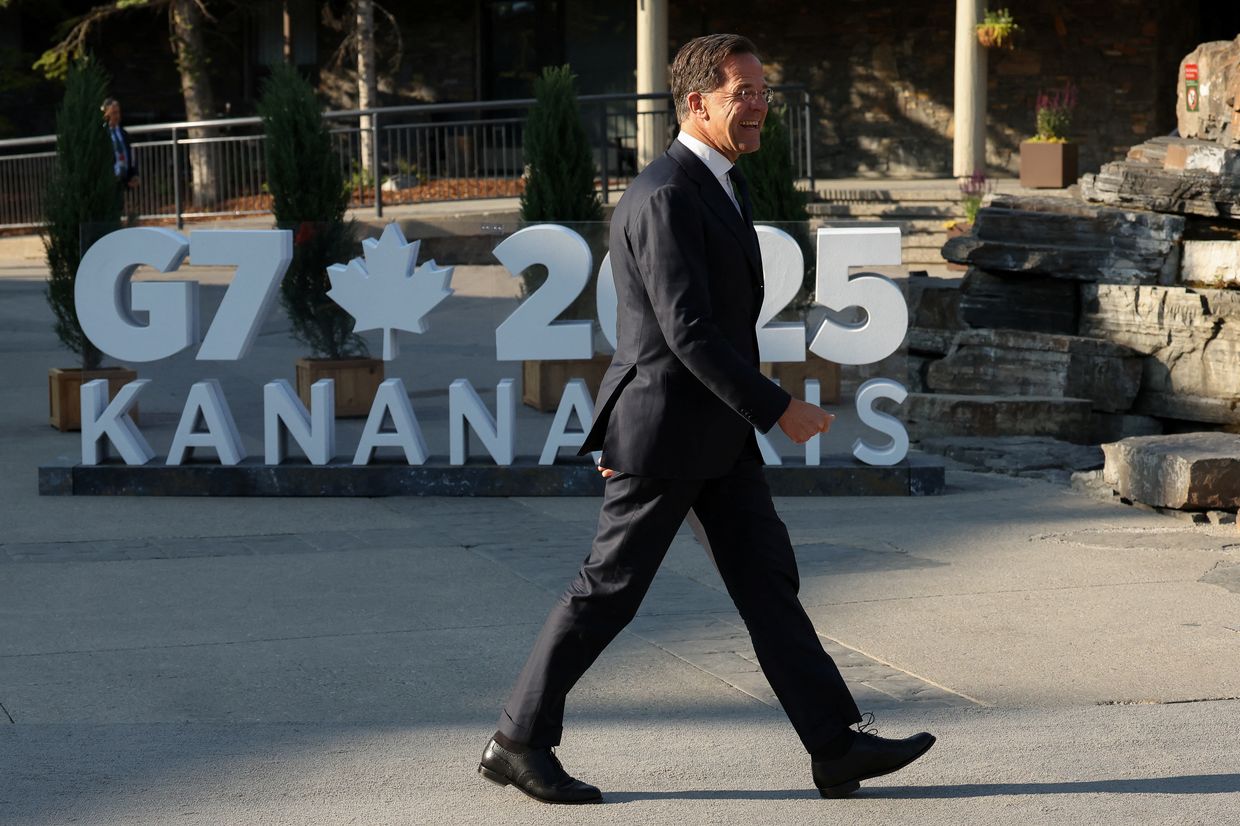
All 32 NATO member states are on track to meet the alliance's 2% GDP defense spending benchmark in 2025, Secretary General Mark Rutte said on June 17 at the G7 summit in Canada.
The announcement marks a major shift for the alliance, which has faced repeated criticism from U.S. President Donald Trump for failing to meet spending commitments.
The U.S. president has long pushed NATO members to spend more on defense, at one point suggesting the threshold be raised to 5% of GDP.
"This is really great news," Rutte said, praising announcements from Canada and Portugal, the last two holdouts. "The fact that you decided to bring Canada to the 2% spending when it comes to NATO this year is really fantastic," he told Canadian Prime Minister Mark Carney.
In 2024, only 23 alliance members met the 2% target, according to NATO estimates. Poland led all members with 4.12% of GDP allocated to defense, followed by Estonia (3.43%) and the U.S. (3.38%).
Rutte's comments come ahead of the June 24–25 NATO summit in The Hague, which has been reportedly scaled back to a single working session on defense spending and alliance capabilities.
The move, according to Italian outlet ANSA, is designed to avoid friction with Trump, whose presence at the summit remains unconfirmed.
Ukraine has been invited to the summit, but President Volodymyr Zelensky may reconsider his attendance amid uncertainty over the U.S. delegation, the Guardian reported on June 17.
According to the outlet, some in Kyiv are questioning whether Zelensky's presence at the summit would be worthwhile without a confirmed meeting with Trump.
Many NATO members have cited Russia's ongoing war against Ukraine and Trump's isolationist rhetoric as reasons to accelerate defense spending and prepare for potential future threats.
Ukraine is preparing to evacuate its citizens from Israel and Iran as hostilities between the two countries intensify, the Foreign Ministry told Ukrainian media outlet NV on June 18.The move comes as Israel on June 13 launched widespread air strikes against Iran, targeting nuclear facilities and the country's military leadership. Iran responded with missile strikes on Tel Aviv and other cities, killing multiple civilians, including five Ukrainian citizens on June 14.As of the morning of June 18,
Ukraine is preparing to evacuate its citizens from Israel and Iran as hostilities between the two countries intensify, the Foreign Ministry told Ukrainian media outlet NV on June 18.
The move comes as Israel on June 13 launched widespread air strikes against Iran, targeting nuclear facilities and the country's military leadership. Iran responded with missile strikes on Tel Aviv and other cities, killing multiple civilians, including five Ukrainian citizens on June 14.
As of the morning of June 18, 293 Ukrainians in Israel and 85 in Iran have requested evacuation, the ministry said. Ten additional foreign nationals with permanent residency in Ukraine have also asked for assistance to evacuate from Iran.
Ukraine's embassy in Israel has received over 400 calls on its hotline as citizens seek updates on possible evacuation routes. The ministry told NV it is developing evacuation plans, including potential flights organized in cooperation with international partners.
On June 13, Kyiv expressed concern over the security situation in the Middle East, describing Tehran as a "source of problems" in the region and beyond.
Iran is a key supplier of weapons to Russia, including Shahed-type drones and ballistic missiles used in attacks on Ukrainian cities. Israel, which hosts a significant Russian-speaking population, has not joined Western sanctions against Moscow.
Tensions in the region grow as U.S. President Donald Trump is also considering launching U.S. strikes on Iranian nuclear targets, Axios reported on June 17.
On Truth Social, Trump demanded Iran's "unconditional surrender" and threatened Supreme Leader Ali Khamenei, while boasting about American control of Iranian airspace.
Trump has also floated Russian President Vladimir Putin as a possible mediator in the conflict.
Putin held separate calls with Iranian President Masoud Pezeshkian and Israeli Prime Minister Benjamin Netanyahu on June 13, condemning Israeli strikes and offering to mediate.
Israel has not publicly responded to Russia's proposal, but Kremlin spokesperson Dmitry Peskov said on June 17 that Tel Aviv appeared unwilling to accept Russian mediation.
Iran's Health Ministry claimed on June 18 that 585 people had been killed by Israeli strikes, with Tehran alleging that 90% of the casualties are civilians.
Russia on June 18 warned the world is "millimetres away from catastrophe" due to Israeli strikes on Iran's nuclear infrastructure, just four months after one of its own drones struck the Chornobyl nuclear site in Ukraine.Russian Foreign Ministry spokesperson Maria Zakharova accused Israel of escalating the risk of a nuclear incident in the Middle East, despite Russia's own record of repeatedly placing nuclear facilities at risk during its full-scale invasion, and threatening the use of nuclear w
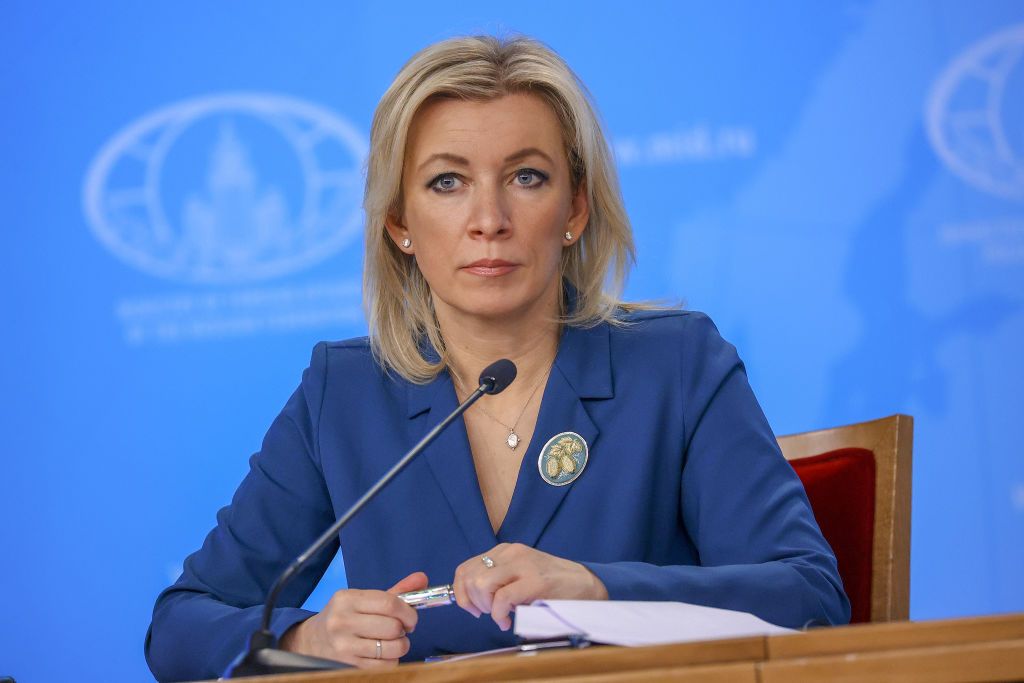
Russia on June 18 warned the world is "millimetres away from catastrophe" due to Israeli strikes on Iran's nuclear infrastructure, just four months after one of its own drones struck the Chornobyl nuclear site in Ukraine.
Russian Foreign Ministry spokesperson Maria Zakharova accused Israel of escalating the risk of a nuclear incident in the Middle East, despite Russia's own record of repeatedly placing nuclear facilities at risk during its full-scale invasion, and threatening the use of nuclear weapons.
On Feb. 14, Russian forces struck the Chornobyl nuclear facility with a Shahed drone, hitting the protective sarcophagus that encases Reactor No. 4, site of the 1986 nuclear disaster.
Damage was limited, and no radiation leakage occurred, but the act was widely condemned as a deliberate provocation timed to coincide with the Munich Security Conference.
President Volodymyr Zelensky called the attack on the Chornobyl plant "a terrorist threat to the whole world." Ukrainian officials and nuclear security experts said the strike was unlikely to cause significant radioactive contamination but served as a warning of Russia's willingness to weaponize fear of nuclear disaster.
Russia has also intensified strikes near other nuclear facilities in Ukraine, including infrastructure connected to the occupied Zaporizhzhia Nuclear Power Plant, which Moscow's forces have used as a military base since early in the war.
Analysts view the attacks as part of a broader campaign of intimidation aimed at pressuring Kyiv and its allies into a settlement.
Zakharova's comments follow growing international concern over the rising tensions between Israel and Iran. Russia has positioned itself as a potential mediator in the conflict, though European leaders have dismissed the Kremlin's neutrality due to its deepening military ties with Tehran and ongoing aggression in Ukraine.
Russian President Vladimir Putin "cannot be trusted" to mediate peace in the Middle East while launching mass strikes on Ukrainian cities, EU foreign policy chief Kaja Kallas said on June 17. Her remarks came after a Russian missile attack killed at least 28 civilians in Kyiv and injured over 130.
Kremlin spokesperson Dmitry Peskov said Israel has so far rejected Moscow's mediation offer. U.S. President Donald Trump said over the weekend that Putin had expressed willingness to help mediate.
Russia continues to receive military support from Iran, including drones and missiles used in attacks across Ukraine.
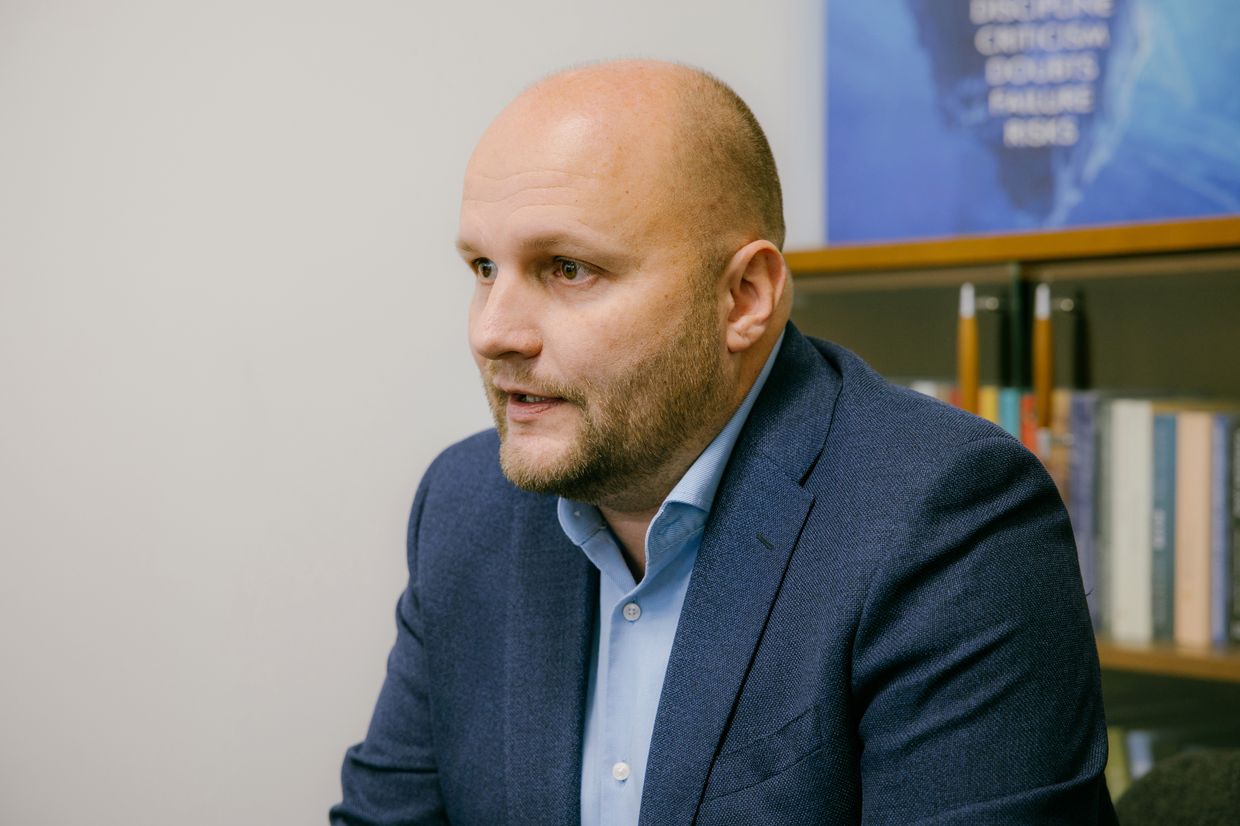
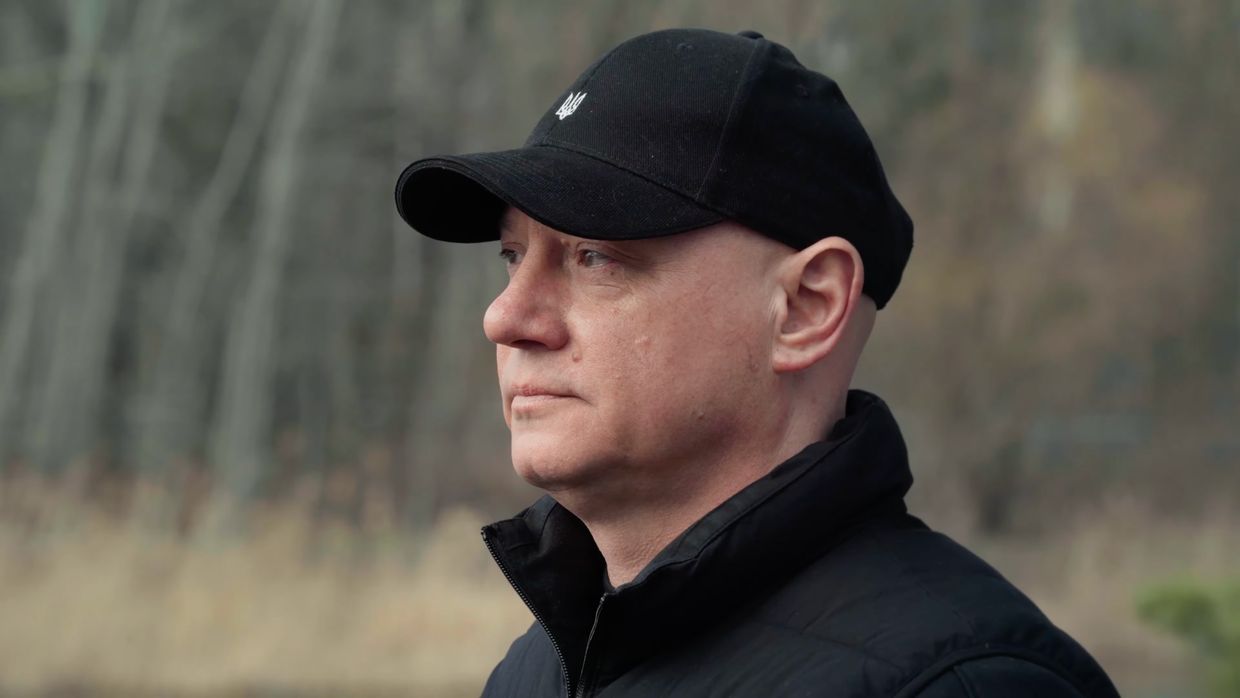
The Slovak police sought to detain ex-Defense Minister Jaroslav Nad over alleged misconduct during the donation of ammunition to Ukraine in 2022, the Slovak newspaper Dennik N reported on June 18, citing two undisclosed sources.According to his social media, Nad is currently vacationing in Canada. The Slovak police reportedly also seek to detain a former Defense Ministry official and have detained an ex-head of the Konstrukta Defense state company in a move denounced by Nad's opposition Democrat
The Slovak police sought to detain ex-Defense Minister Jaroslav Nad over alleged misconduct during the donation of ammunition to Ukraine in 2022, the Slovak newspaper Dennik N reported on June 18, citing two undisclosed sources.
According to his social media, Nad is currently vacationing in Canada. The Slovak police reportedly also seek to detain a former Defense Ministry official and have detained an ex-head of the Konstrukta Defense state company in a move denounced by Nad's opposition Democrats party as politically motivated.
The police operation reportedly concerns 120 mm rounds that Slovakia donated to Ukraine at the onset of Russia's full-scale invasion in 2022. The Slovak Defense Ministry allegedly initially sold the obsolete ammunition to a private company, only to later purchase it through Konstrukta Defense for a higher price for swift deliveries to the war-torn nation.
Nad was the defense minister between 2020 and 2023, during which time Slovakia decisively supported Ukraine against Russian aggression and provided substantial military aid.
Bratislava's foreign policy radically shifted after the election victory of left-nationalist Robert Fico in September 2023, who halted military aid from Slovak military stocks, adopted more hostile rhetoric toward Kyiv, and sought close energy ties with Russia.
Nad dismissed the allegations as a "theater," portraying it as the government's attempt to distract the public from internal problems.
"Today's theater didn't shock or upset me in the slightest," Nad said on Facebook.
"I'll keep reminding myself of how proud I am of the support we gave to Ukraine. I'd make the same decision again — without hesitation."
Fico has long criticized Western military aid to Ukraine and the defense assistance provided to Kyiv under the previous Slovak government. In a separate case last year, Slovak Defense Minister Robert Kalinak denounced last year a decision to send MiG-29 jets to Ukraine as "treason."
Australia has, for the first time, imposed sanctions on Russia's so-called "shadow fleet" of oil tankers, targeting 60 vessels used to circumvent international sanctions and sustain the Kremlin's war effort in Ukraine, the Australian government said on June 18.The move aligns Canberra with similar measures introduced by the United Kingdom, Canada, and the European Union. Australia's Foreign Ministry said the sanctioned vessels operate under "deceptive practices, including flag-hopping, disabling
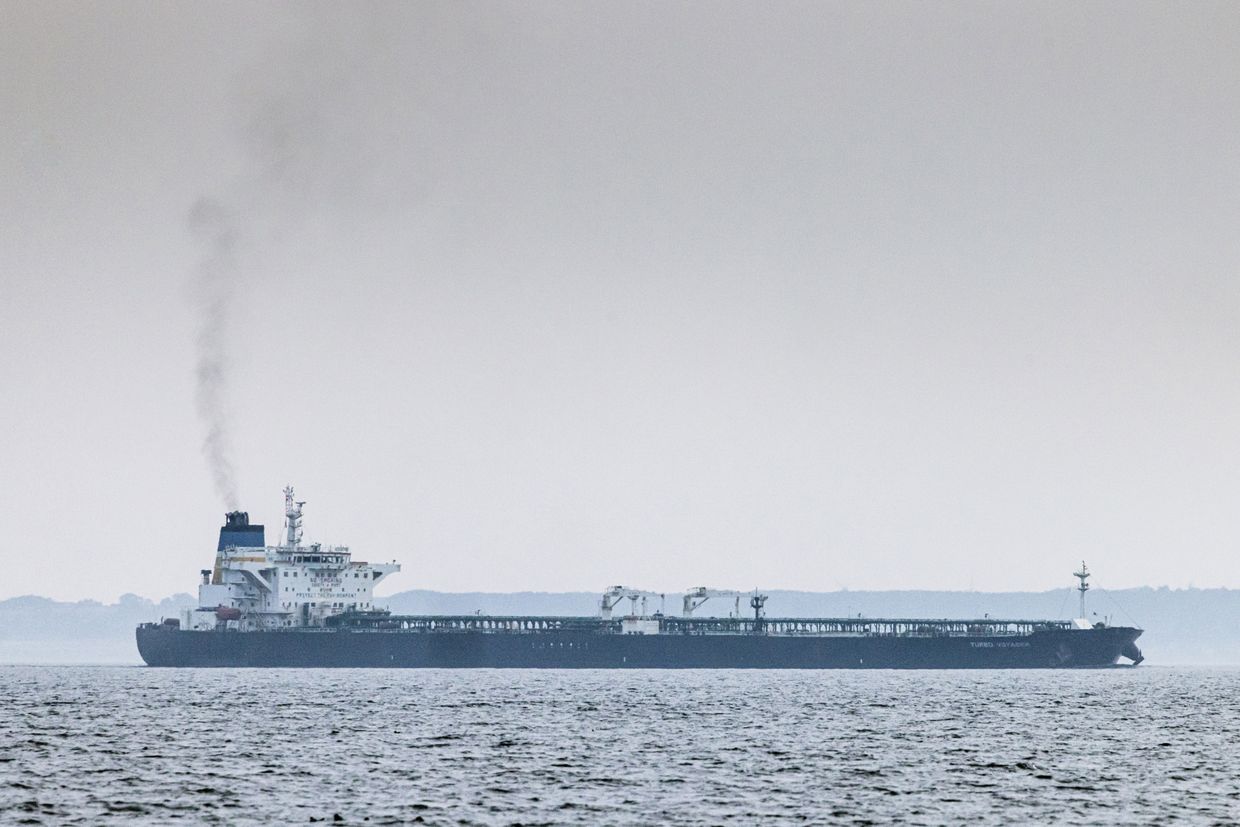
Australia has, for the first time, imposed sanctions on Russia's so-called "shadow fleet" of oil tankers, targeting 60 vessels used to circumvent international sanctions and sustain the Kremlin's war effort in Ukraine, the Australian government said on June 18.
The move aligns Canberra with similar measures introduced by the United Kingdom, Canada, and the European Union.
Australia's Foreign Ministry said the sanctioned vessels operate under "deceptive practices, including flag-hopping, disabling tracking systems and operating with inadequate insurance," enabling illicit Russian oil trade that undermines international sanctions.
"Russia uses these vessels to circumvent international sanctions and sustain its illegal and immoral war against Ukraine," the ministry said in a statement.
With this move, Australia has now sanctioned more than 1,400 Russian individuals and entities since Moscow's full-scale invasion of Ukraine began in February 2022, the government said.
The step comes amid the continued operation of Russia's shadow fleet. According to a recent study by the Kyiv School of Economics (KSE), Russia currently operates 435 tankers outside the control of Western regulators to evade sanctions such as the G7-EU price cap on Russian oil.
These vessels are typically un- or underinsured and pose a rising environmental risk due to their age and operational opacity.
KSE estimates that as of April 2024, 83% of Russia's crude oil and 46% of its petroleum product exports were shipped using shadow fleet tankers. The study warns that this undermines the effectiveness of Western sanctions and increases the likelihood of maritime disasters, as many of these ships fall outside international safety and insurance standards.
The EU formally adopted its 17th sanctions package against Russia in May, sanctioning nearly 200 vessels tied to the shadow fleet. EU foreign policy chief Kaja Kallas said the new measures also target hybrid threats and human rights violations, with more sanctions under consideration.
Some EU member states and observers have criticized the package for lacking stronger provisions to disrupt Russia's sanction evasion schemes.
Now, the EU seeks to approve its 18th sanctions package, which will add 77 more shadow fleet vessels to comply with the cap to prevent Russia from circumventing sanctions and propose imposing a ban on imports of petroleum products made from Russian oil.
The United States has signaled reluctance to pursue additional sanctions despite Moscow's continued aggression in Ukraine and rejection of ceasefire proposals supported by Western allies.
An invitation for Ukraine to become a member of NATO "is not on the agenda" of the upcoming summit in The Hague, Lithuanian Foreign Minister Kestutis Budrys said in an interview with the Baltic News Service published on June 18."This issue is certainly not on the NATO agenda and nobody has formulated an expectation that there will be an invitation in The Hague, nor have we heard that from the Ukrainians themselves," Budrys said in comments quoted by the LRT broadcaster. "There is no such expecta
An invitation for Ukraine to become a member of NATO "is not on the agenda" of the upcoming summit in The Hague, Lithuanian Foreign Minister Kestutis Budrys said in an interview with the Baltic News Service published on June 18.
"This issue is certainly not on the NATO agenda and nobody has formulated an expectation that there will be an invitation in The Hague, nor have we heard that from the Ukrainians themselves," Budrys said in comments quoted by the LRT broadcaster.
"There is no such expectation that there will be breakthrough decisions, neither before the Washington summit nor now before the Hague summit – it is not on the agenda."
The comments, coming less than a week before the summit, hint at a shifting rhetoric within the alliance regarding Ukraine's potential membership after U.S. President Donald Trump took office.
The new Trump administration has spoken out against Kyiv's accession, and the U.S. president even echoed the false Russian narratives that its efforts to join NATO helped instigate Russia's full-scale invasion.
Unlike during the previous summits, the final communique may reportedly completely omit the topic of Ukraine's membership, as NATO members seek to avoid a conflict with Trump. The gathering was also preceded by rumors that Ukraine may not be invited due to U.S. opposition, but the invitation was extended in the end.
In spite of these tensions, Budrys said that the summit should keep its focus on Ukraine, stressing that the war-torn country is part of the Euro-Atlantic security space.
Ukraine applied for NATO membership in September 2022, months after the outbreak of the full-scale Russian invasion. The alliance has signaled support for Kyiv's accession efforts in previous years, even declaring at the Washington summit in 2024 that Ukraine's path to membership is "irreversible" — but stopping short of a formal invite.
Kyiv's swift entry seems increasingly unlikely amid opposition from the U.S. and several other members, even though NATO Secretary General Mark Rutte recently reaffirmed that a political commitment to Ukraine's membership stands. Ukraine would need support from all 32 members to join.
It remains uncertain whether The Hague summit will lead to any breakthroughs regarding Ukraine. Following signals that U.S. President Donald Trump may not attend the event, the Guardian reported that President Volodymyr Zelensky may skip the summit as well.
President Volodymyr Zelensky may reconsider attending the NATO summit in The Hague, as questions remain over U.S. President Donald Trump's participation, the Guardian reported on June 17, citing unnamed Ukrainian officials.According to the Guardian, some in Kyiv are unsure if Zelensky's presence at the June 24-25 summit would be worthwhile without a confirmed meeting with Trump, whom they had hoped to engage directly in efforts to pressure Russian President Vladimir Putin into accepting a ceasef
President Volodymyr Zelensky may reconsider attending the NATO summit in The Hague, as questions remain over U.S. President Donald Trump's participation, the Guardian reported on June 17, citing unnamed Ukrainian officials.
According to the Guardian, some in Kyiv are unsure if Zelensky's presence at the June 24-25 summit would be worthwhile without a confirmed meeting with Trump, whom they had hoped to engage directly in efforts to pressure Russian President Vladimir Putin into accepting a ceasefire.
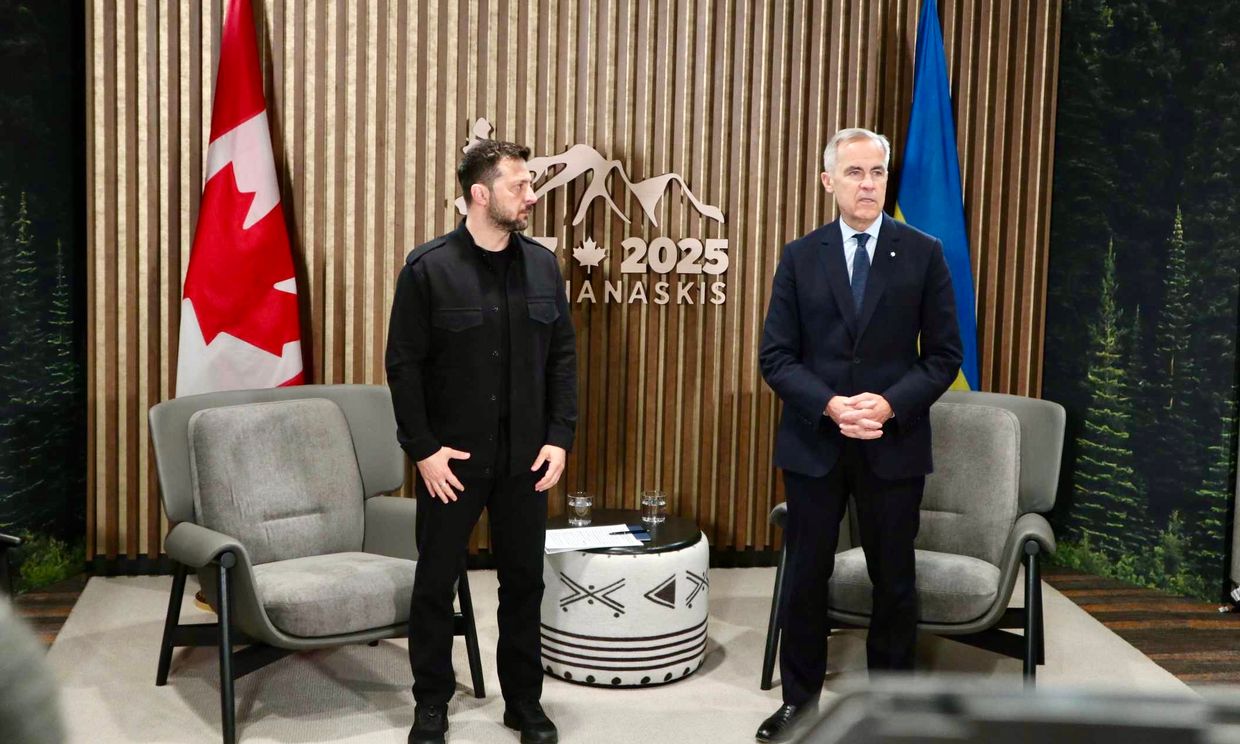
Earlier, Zelensky had traveled to the G7 summit in Canada, hoping to meet one-on-one with Trump and push for stronger sanctions against Russia. Trump left the summit early, citing the crisis in the Middle East, and no bilateral meeting or joint G7 statement took place.
One official told the Guardian that Ukraine is in a "permanent hazard" of becoming a victim of "Trump's short attention span," adding that Russia has exploited this uncertainty by fresh aerial attacks. The source added that there had been "all sorts of promises for this summit," including U.S. arms.
The Russian attack on Ukraine that occurred during the G7 summit killed at least 24 civilians and injured 134 in Kyiv. Trump has not responded to the attack as of the day after.
German Chancellor Friedrich Merz has reportedly said Trump had previously promised to attend the NATO gathering, though no official confirmation has been issued from Washington.
Despite the setback, Zelensky said the G7 meeting had concrete results for Ukraine. In a Telegram post on June 17, he thanked partners for increased military aid, new sanctions on Russia, and the decision to allocate frozen Russian assets for Ukraine’s reconstruction.
"It is important that our partners are ready not only to support our defense now, but also to rebuild Ukraine together after the war ends," he said.
Canadian Prime Minister Mark Carney announced a support package that includes 2 billion Canadian dollars ($1.5 billion) in military assistance and another $1.6 billion in reconstruction loans. The aid includes drones, armored vehicles, ammunition, and sanctions to disrupt Russia's energy revenues.
U.K. Prime Minister Keir Starmer also unveiled new sanctions targeting Russia's military-industrial complex and 20 oil tankers from Russia's "shadow fleet."
Zelensky later told G7 leaders that "diplomacy is now in a state of crisis" and called on allies to press Trump to "use his real influence" to help end the war.
Ukraine has been invited to the NATO summit, and Zelensky previously called the invitation "important" during a June 2 press briefing. At the time, he did not confirm whether he would attend in person.
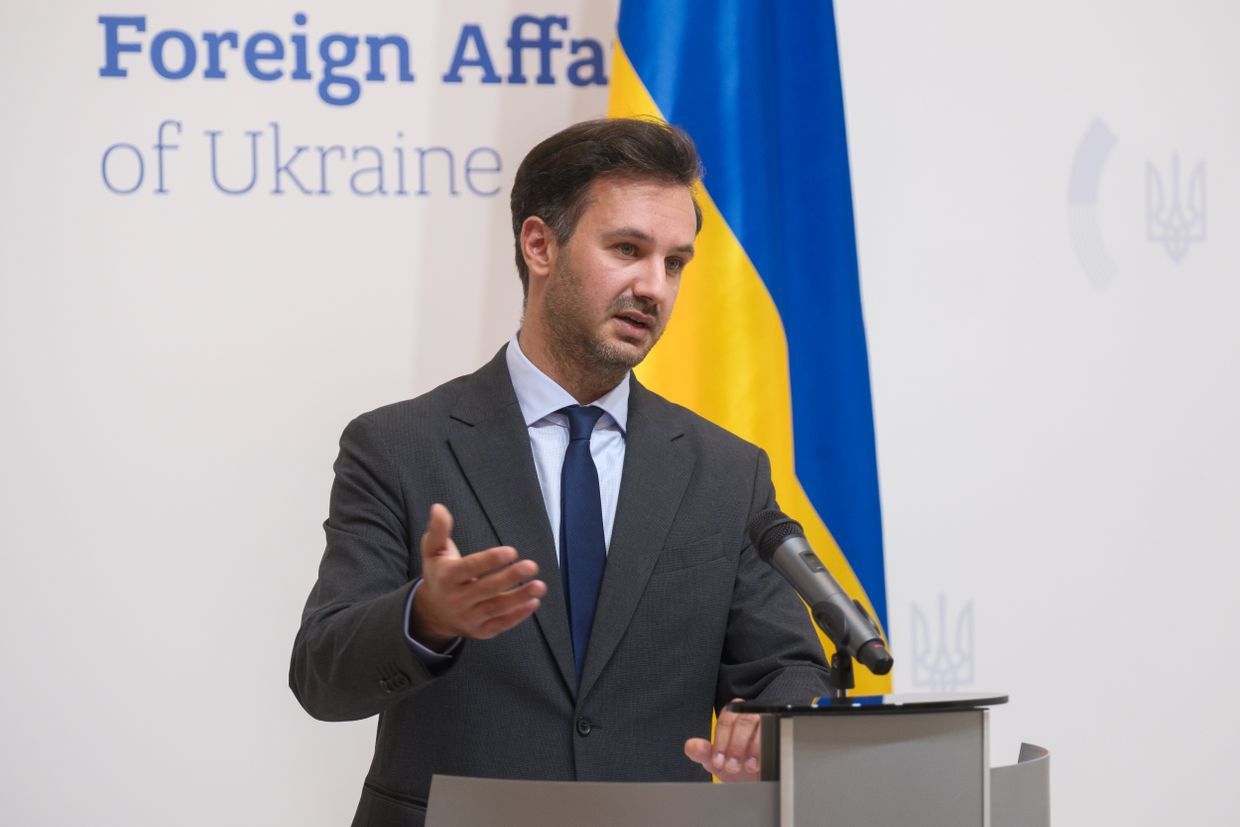
Ukraine's Foreign Ministry on June 18 brushed off Moscow's demands for Kyiv to destroy or dismantle Western-supplied weapons as a condition for a ceasefire, saying it shows disregard for U.S. peace efforts."Russian officials make new absurd demands almost every day. Total inadequacy," Ukrainian Foreign Ministry spokesperson Heorhii Tykhyi said on X."Moscow shows complete disregard for the United States' efforts to end the war."Russian Deputy Foreign Minister Alexander Grushko raised the demand i
Ukraine's Foreign Ministry on June 18 brushed off Moscow's demands for Kyiv to destroy or dismantle Western-supplied weapons as a condition for a ceasefire, saying it shows disregard for U.S. peace efforts.
"Russian officials make new absurd demands almost every day. Total inadequacy," Ukrainian Foreign Ministry spokesperson Heorhii Tykhyi said on X.
"Moscow shows complete disregard for the United States' efforts to end the war."
Russian Deputy Foreign Minister Alexander Grushko raised the demand in an interview with the state-run newspaper Izvestia earlier this week.
"All these surpluses must be destroyed. All international algorithms are known. They must be reduced, disposed of, and guaranteed," Grushko said.
The Kremlin has previously demanded a complete halt on Western military aid to Ukraine as a key condition for a truce. Kyiv and its European partners have rejected this, instead urging increased military assistance to the war-torn country.
The demand reflects Moscow's growing list of maximalist conditions presented in its so-called "peace memorandum" during negotiations with Ukraine in Istanbul on June 2.
While the recent peace talks ended with an agreement on major prisoner exchanges and repatriation of fallen soldiers, they have failed to achieve a breakthrough in the peace talks.
U.S. President Donald Trump, who initially pledged to broker peace in Ukraine within 24 hours of taking office, has become increasingly disengaged in the effort. He has also been reluctant to apply pressure on Moscow to push it to a ceasefire deal despite repeatedly threatening additional sanctions.
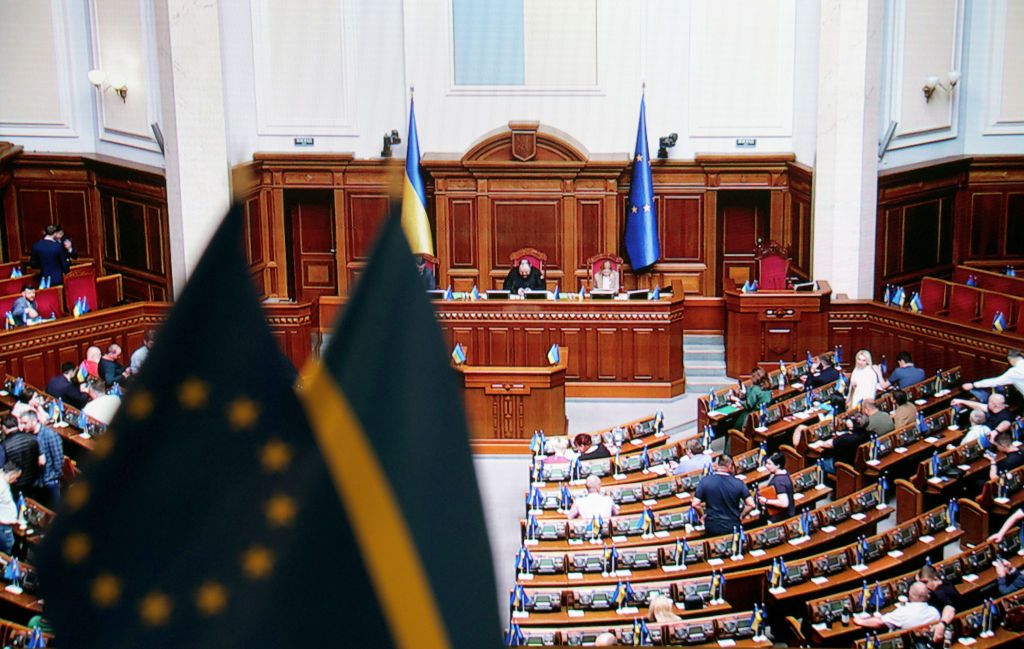
Ukraine's parliament passed a reform of the Asset Recovery and Management Agency (ARMA) on June 18, a key step toward European integration and a condition listed in the EU's Ukraine Facility plan.The legislation passed with the support of 253 lawmakers "after months of obstructions... unblocking 600 million euros ($690 million) in EU funds," lawmaker Yaroslav Zhelezniak said.The ARMA is Ukraine's national agency tasked with locating, recovering, and managing assets seized in criminal proceedings
Ukraine's parliament passed a reform of the Asset Recovery and Management Agency (ARMA) on June 18, a key step toward European integration and a condition listed in the EU's Ukraine Facility plan.
The legislation passed with the support of 253 lawmakers "after months of obstructions... unblocking 600 million euros ($690 million) in EU funds," lawmaker Yaroslav Zhelezniak said.
The ARMA is Ukraine's national agency tasked with locating, recovering, and managing assets seized in criminal proceedings, namely during corruption cases.
Proposed reforms include stricter integrity and qualification standards for leadership candidates and merit-based hiring through open competitions involving civil society. They also call for independent external audits, clear deadlines for appointing asset managers, and the use of certified professionals held legally accountable for mismanagement.
The Ukraine Facility, an EU program providing Ukraine with 50 billion euros ($58 billion) in multi-year financial support contingent on reforms, set the end of March as the deadline for the ARMA's reform.
Anti-corruption experts, lawmakers, and Transparency International in Ukraine have backed the reforms, but discussions have dragged on for months since several versions of the bill were introduced in December 2024 and January.
The ARMA has long criticized the proposed legislation, arguing it had already carried out substantial and "transformative" reforms since 2023.
Transparency International reacted by saying that the ARMA's "public communication suggests that the agency’s primary concern is not the introduction of meaningful reforms, but ensuring that its current leadership can continue operating as it has."
Ukraine has embarked on extensive reforms as part of its efforts to join the EU and other Western structures, though Russia's full-scale invasion has presented fresh challenges to this effort.
Ukraine's parliament on June 17 approved President Volodymyr Zelensky's nomination of 35-year-old Ruslan Kravchenko as the country's new prosecutor general, making him the youngest person to ever hold the post.Kravchenko, a former military prosecutor and most recently head of Ukraine's tax service, replaces Andrii Kostin, who stepped down in October 2024 following a scandal involving fraudulent disability claims by dozens of prosecutors in Khmelnytskyi Oblast.Lawmakers supported Kravchenko's app
Ukraine's parliament on June 17 approved President Volodymyr Zelensky's nomination of 35-year-old Ruslan Kravchenko as the country's new prosecutor general, making him the youngest person to ever hold the post.
Kravchenko, a former military prosecutor and most recently head of Ukraine's tax service, replaces Andrii Kostin, who stepped down in October 2024 following a scandal involving fraudulent disability claims by dozens of prosecutors in Khmelnytskyi Oblast.
Lawmakers supported Kravchenko's appointment with 273 votes in favor, according to Yaroslav Zheleznyak, an MP from the Holos party.
A native of Sievierodonetsk in eastern Ukraine, Kravchenko served as a military prosecutor in Crimea before leaving the peninsula after Russia's annexation in 2014. He was one of the prosecutors in the case of fugitive President Viktor Yanukovych.
Kravchenko will now lead the Prosecutor General's Office amid war, reforms, and heightened scrutiny of law enforcement bodies' work. His predecessor, Kostin, resigned after the media revealed that at least 50 prosecutors had allegedly received disability status fraudulently — a scandal that sparked widespread criticism.
The Prosecutor General's Office has played a central role in documenting Russian war crimes and enforcing anti-corruption efforts, especially since Russia's full-scale invasion began in February 2022.
Violent clashes broke out on June 17 outside the Holy Spirit Cathedral in Chernivtsi, a city in southwestern Ukraine, as hundreds of people attempted to force their way into the church following a long-running dispute over its religious affiliation, Suspilne reported. The unrest reflects Ukraine's broader struggle to sever ties with the Russian-affiliated Ukrainian Orthodox Church of the Moscow Patriarchate (UOC-MP) amid the ongoing war, which was extensively used by Moscow as a propaganda tool.
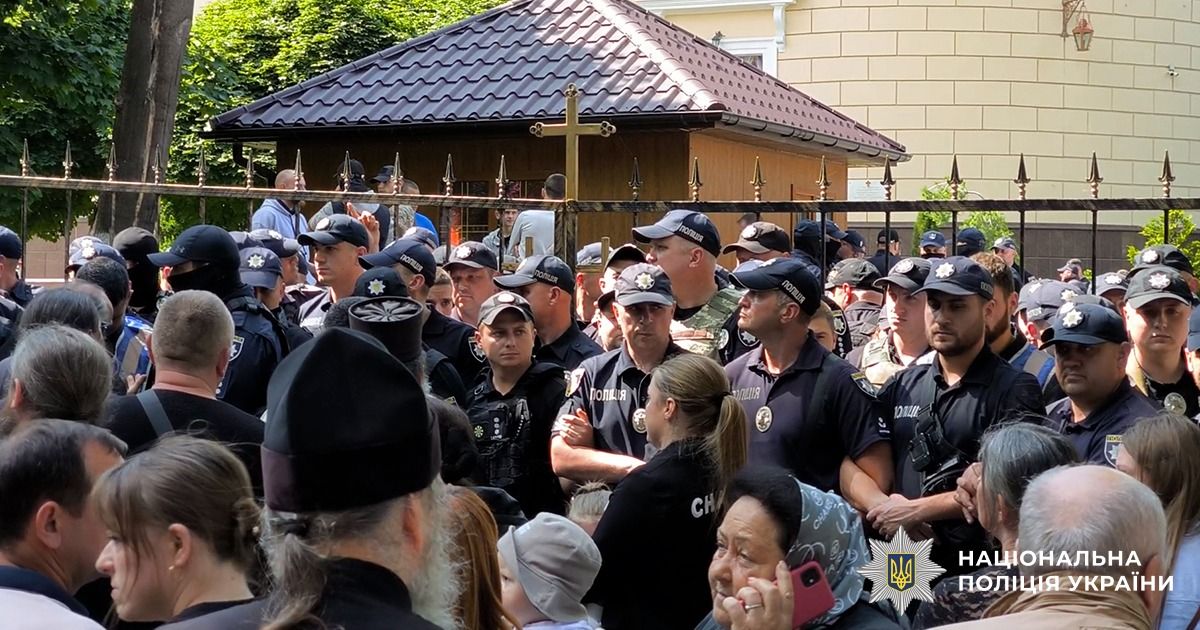
Violent clashes broke out on June 17 outside the Holy Spirit Cathedral in Chernivtsi, a city in southwestern Ukraine, as hundreds of people attempted to force their way into the church following a long-running dispute over its religious affiliation, Suspilne reported.
The unrest reflects Ukraine's broader struggle to sever ties with the Russian-affiliated Ukrainian Orthodox Church of the Moscow Patriarchate (UOC-MP) amid the ongoing war, which was extensively used by Moscow as a propaganda tool.
According to public broadcaster Suspilne, the crowd gathered to assert control over the church, which had recently voted to switch allegiance from the UOC-MP to the Orthodox Church of Ukraine (OCU) — an autocephalous (autonomous) Ukrainian church not affiliated with Moscow.
The police were reportedly deployed to prevent escalation but were eventually overwhelmed as protesters breached the church fence and entered the grounds. Officers deployed tear gas, and medics reported treating around 30 people for injuries.
The confrontation came after local authorities re-registered the Holy Spirit Cathedral and two other major parishes in Chernivtsi under the jurisdiction of the OCU earlier this year. Bishop Feognost of the OCU confirmed to Suspilne that the day marked the first Ukrainian-language prayer service in the cathedral, a significant symbol of the national church’s growing influence.
The dispute stems from decades of tension between Orthodox churches in Ukraine and has intensified since Russia launched its full-scale invasion in 2022. The UOC-MP, while claiming to have severed ties with Moscow, remains legally subordinate to the Russian Orthodox Church, which is seen as a close ally of the Kremlin.
Ukrainian lawmakers passed legislation in August 2024 banning religious organizations with ties to Russia. The law, signed by President Volodymyr Zelensky, gave such organizations nine months to cut all legal and institutional connections with Moscow. Over 100 UOC-MP clergymen have been investigated for suspected collaboration with Russian forces, with dozens facing criminal charges.
Local media say the scene outside the cathedral grew tense as both UOC-MP and OCU supporters gathered. Some attempted to tear down gates while chanting "shame!" and others blocked roads, disrupting traffic. The police temporarily restricted access to the site and launched an investigation.
Suspilne reported that Metropolitan Meletii of the UOC-MP later entered the cathedral after the gates were forced open. Worshippers not aligned with the OCU began a service inside, prompting further clashes. Fire extinguishers were reportedly used inside the building to push back demonstrators.
Chernivtsi Mayor Roman Klichuk initially welcomed the transition of the church to the OCU as a "historic day" for Ukraine's national church, but later deleted the post from his social media page, Suspilne said.
The Moscow-linked church claims it is the victim of religious persecution and insists that it operates lawfully. Critics argue its claims of independence are symbolic and that it remains deeply tied to Russia's religious and political structures.
While Orthodox Christianity remains freely practiced and the most widespread religion in Ukraine, the government and a growing number of citizens view the UOC-MP as a potential security threat.
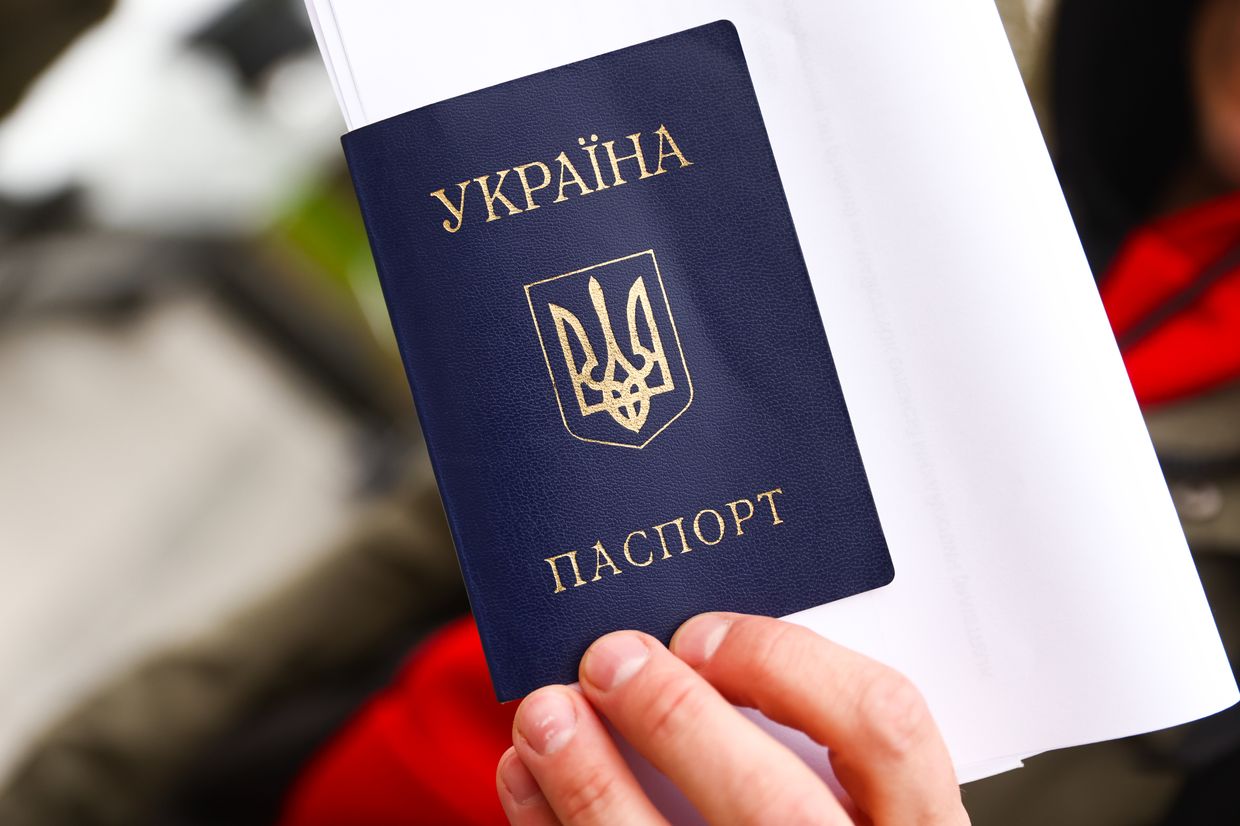
Ukraine's parliament on June 18 supported a bill allowing Ukrainian citizens to hold passports of foreign countries, lawmaker Yaroslav Zhelezniak said.The draft law, backed by 243 lawmakers in the second and final reading, outlines conditions for holding multiple citizenship and simplifies procedures for foreigners wanting to obtain Ukrainian passports.The legislation must receive a presidential signature before entering force, largely a formality as President Volodymyr Zelensky himself submitte
Ukraine's parliament on June 18 supported a bill allowing Ukrainian citizens to hold passports of foreign countries, lawmaker Yaroslav Zhelezniak said.
The draft law, backed by 243 lawmakers in the second and final reading, outlines conditions for holding multiple citizenship and simplifies procedures for foreigners wanting to obtain Ukrainian passports.
The legislation must receive a presidential signature before entering force, largely a formality as President Volodymyr Zelensky himself submitted the bill last August.
Until now, the status of multiple citizenship has not been recognized by Ukrainian law.
The bill also establishes new grounds for losing citizenship, such as receiving a Russian passport or serving in the Russian Armed Forces.
The government will determine the list of countries whose citizens will be able to obtain Ukrainian passports in a simplified way, taking into account issues like EU membership or imposed sanctions in connection with Russian aggression.
Multiple citizenship will be recognized for foreigners from the listed countries who apply for Ukrainian citizenship, or if Ukrainian citizens apply for citizenship in these countries. It will also be recognized for Ukrainian spouses of foreign citizens and other specified cases.
Deputy Foreign Minister Serhii Kyslytsia said the law is not applicable to Russian citizens or citizens of countries that do not recognize Ukraine's territorial integrity.
Even before the full-scale invasion, the Ukrainian diaspora has been widespread around the world, with particularly large communities in the EU, the U.S., and Canada. The war drew millions more from their home, and 6.8 million Ukrainian refugees and asylum-seekers remain abroad as of 2025, according to U.N. data.
Among others, the bill is seen as part of Ukraine's effort to strengthen ties with Ukrainians living abroad. Zelensky said the document should allow ethnic Ukrainians born abroad to obtain citizenship.
The U.S. Embassy in Kyiv on June 18 condemned Russia's massive missile and drone attack on Kyiv that killed at least 23 people and injured more than 130 a day earlier, saying it "runs counter" to U.S. President Donald Trump's peace efforts."Today, with all of Ukraine, we join a day of mourning in Kyiv for the victims of Russia's June 17 attack," the U.S. Embassy in Ukraine said in a statement. "We extend deepest condolences to the victims' families. This senseless attack runs counter to Presiden
The U.S. Embassy in Kyiv on June 18 condemned Russia's massive missile and drone attack on Kyiv that killed at least 23 people and injured more than 130 a day earlier, saying it "runs counter" to U.S. President Donald Trump's peace efforts.
"Today, with all of Ukraine, we join a day of mourning in Kyiv for the victims of Russia's June 17 attack," the U.S. Embassy in Ukraine said in a statement. "We extend deepest condolences to the victims' families. This senseless attack runs counter to President Trump's call to stop the killing and end the war."
The nine-hour overnight attack, which began late June 16, has become one of the largest aerial assaults on the Ukrainian capital since the start of Russia's full-scale invasion in 2022.
Ukrainian officials said Russia launched 472 aerial weapons, including nearly 280 Shahed-type attack drones and cruise and ballistic missiles. Ukraine's air defense downed 428 targets, but several struck residential areas, including a nine-story apartment building in Kyiv's Solomianskyi district.
Among the dead was a U.S. citizen, State Department Press Secretary Tammy Bruce confirmed at a briefing on June 17.
"We are aware of last night's attack on Kyiv, which resulted in numerous casualties, including the tragic death of a U.S. citizen," Bruce said. "We condemn those strikes and extend our deepest condolences to the victims and to the families of all those affected."
President Volodymyr Zelensky called it "one of the most horrifying attacks on Kyiv" and urged stronger international support to help Ukraine defend itself.
Despite the scale of the attack, Trump appeared to be unaware of the strike when questioned by reporters aboard Air Force One early on June 17.
"When was that? When?" Trump responded when a reporter asked for his reaction. Told that the drone and missile attack had occurred "very recently," Trump said: "Just now? You mean as I’m walking back to see you, that’s when it took place? Sounds like it. I’ll have to look at it."
As of a day later, the White House had still not issued an official response to the strike.
The June 17 attack caused extensive damage across the capital. Civilian infrastructure hit included kindergartens, a university dormitory, residential neighborhoods, and industrial sites.
Fahrenheit, a Ukrainian manufacturer of military and civilian clothing, reported that its Kyiv factory was damaged and operations were suspended. Ukrposhta, the national postal service, lost two branches. Ukrainian Railways said a grain-carrying train was struck, disrupting transit.
Kyiv Mayor Vitali Klitschko said unexploded cluster munitions were found in the city — a type of weapon banned by some countries due to the danger they pose to civilians. June 18 was declared a day of mourning in Kyiv.
Foreign Minister Andrii Sybiha called the timing of the attack, as G7 leaders gathered in Canada, a deliberate message from the Kremlin. Moscow has escalated strikes on Ukrainian cities in recent weeks, targeting residential areas and critical infrastructure.
Ukraine has urged Western allies to respond by reinforcing air defense capabilities and tightening economic pressure on Russia.
Russian attacks across Ukraine killed at least six civilians and injured at least 49, including a teenage boy, over the past day, regional authorities reported on June 18. Russian forces launched 58 Shahed-type attack drones and decoys against Ukraine overnight, targeting mainly the Donetsk, Dnipropetrovsk, and Zaporizhzhia oblasts, the Air Force said.Ukrainian defenses shot down 12 drones, while 18 disappeared from radars or were intercepted by electronic warfare systems, according to the state
Russian attacks across Ukraine killed at least six civilians and injured at least 49, including a teenage boy, over the past day, regional authorities reported on June 18.
Russian forces launched 58 Shahed-type attack drones and decoys against Ukraine overnight, targeting mainly the Donetsk, Dnipropetrovsk, and Zaporizhzhia oblasts, the Air Force said.
Ukrainian defenses shot down 12 drones, while 18 disappeared from radars or were intercepted by electronic warfare systems, according to the statement.
In Chernihiv Oblast, a Russian drone attack against a village in the Snovsk community on June 17 injured a 68-year-old woman, Governor Viacheslav Chaus reported.
A Russian attack against Nikopol in Dnipropetrovsk Oblast on June 17 killed a 63-year-old man, Governor Serhii Lysak reported. Two more people were injured, and an educational institution and houses were damaged.
Russian attacks across Donetsk Oblast killed a civilian in Myrnohrad and injured eight others in the region, according to Governor Vadym Filashkin.
In Kharkiv Oblast, three people were injured in Russian attacks, including a 69-year-old woman and a 15-year-old boy in Izium and a 52-year-old man in Ripky, Governor Oleh Syniehubov reported.
Russian attacks against Kherson Oblast killed two people and injured 34, according to the regional governor, Oleksandr Prokudin.
In Sumy Oblast, one person was killed and another injured in a Russian drone attack against the Bilopillia community, and another man was killed during an air strike against the Yunakivka community, the regional administration reported.
Russia launched missile and drone attacks against Zaporizhzhia, damaging multiple residential and non-residential buildings but inflicting no casualties, Governor Ivan Fedorov said.
Russian President Vladimir Putin "cannot be trusted" to mediate peace in the Middle East while continuing to launch brutal attacks against civilians, EU High Representative Kaja Kallas said on June 17, following a mass Russian strike on Kyiv that killed at least 21 people and injured over 130."Clearly, President Putin is not somebody who can talk about peace while we see actions like this,” Kallas said during a briefing in Brussels. "He's not a mediator that can really be considered. Russia cann
Russian President Vladimir Putin "cannot be trusted" to mediate peace in the Middle East while continuing to launch brutal attacks against civilians, EU High Representative Kaja Kallas said on June 17, following a mass Russian strike on Kyiv that killed at least 21 people and injured over 130.
"Clearly, President Putin is not somebody who can talk about peace while we see actions like this,” Kallas said during a briefing in Brussels. "He's not a mediator that can really be considered. Russia cannot be a mediator if they don't really believe in peace."
Russia has sought to position itself as a potential mediator in the escalating conflict between Israel and Iran. Kremlin spokesperson Dmitry Peskov said on June 17 that Israel appeared unwilling to accept Russia’s offer of mediation.
President Donald Trump said on June 15 that Putin had expressed willingness to help mediate between Tel Aviv and Tehran — an idea already dismissed by France. EU leaders have also questioned Moscow’s neutrality given its deep military ties with Iran, which has supplied Russia with drones and missiles used in attacks on Ukraine.
Kallas also pointed to Iran's role in enabling Russia's attacks. "Iran has helped Russia do these attacks… their cooperation is working in this regard," she said.
Kallas urged the European Union to press forward with lowering the oil price cap on Russian oil, even without U.S. support, warning that Middle East tensions could otherwise drive prices up and boost Russia's revenues.
"The whole idea of the oil price cap is to lower the prices," Kallas said. "We shouldn't end up in a situation where the crisis in the Middle East increases oil prices and makes Russia earn more… that would mean they can fund their war machine on a bigger scale."
Her warning comes after global oil prices soared on June 13, following an Israeli strike on Iran that raised fears of a broader regional conflict. Brent and Nymex crude prices surged more than 10% before stabilizing around 7.5% higher, with Brent at $74.50 a barrel and Nymex at $73.20, the BBC reported.
The spike threatens to undermine Western efforts to restrict Russia’s wartime revenues, which heavily depend on oil exports.
Earlier, Kallas said the EU can act independently to lower the oil price ceiling, noting that most Russian crude flows through European-controlled waters.
"Even if the Americans are not on board, we can still do it and have an impact," she said.
Her remarks come as the EU works on its 18th sanctions package targeting Russia's energy, banking, and defense sectors. The 17th package entered into force on May 20. European Commission President Ursula von der Leyen has said new measures will further target Russia's war-sustaining supply chains.
Kallas spoke hours after one of Russia's deadliest attacks on Kyiv since the start of its full-scale invasion. The nearly nine-hour assault saw Moscow fire 472 aerial weapons, including over 280 Shahed drones and multiple cruise and ballistic missiles.
Ukraine's Air Force reported intercepting 428 targets, but several missiles hit residential buildings, including a nine-story apartment block in Solomianskyi district, where 16 people were killed.
President Volodymyr Zelensky called the assault "one of the most horrifying attacks on Kyiv" and again called on Western leaders to act decisively.
Russia has lost 1,007,160 troops in Ukraine since the beginning of its full-scale invasion on Feb. 24, 2022, the General Staff of Ukraine's Armed Forces reported on June 18.The number includes 1,040 casualties that Russian forces suffered just over the past day.According to the report, Russia has also lost 10,947 tanks, 22,845 armored fighting vehicles, 52,312 vehicles and fuel tanks, 29,265 artillery systems, 1,420 multiple launch rocket systems, 1,187 air defense systems, 416 airplanes, 337 he
Russia has lost 1,007,160 troops in Ukraine since the beginning of its full-scale invasion on Feb. 24, 2022, the General Staff of Ukraine's Armed Forces reported on June 18.
The number includes 1,040 casualties that Russian forces suffered just over the past day.
According to the report, Russia has also lost 10,947 tanks, 22,845 armored fighting vehicles, 52,312 vehicles and fuel tanks, 29,265 artillery systems, 1,420 multiple launch rocket systems, 1,187 air defense systems, 416 airplanes, 337 helicopters, 41,165 drones, 3,369 cruise missiles, 28 ships and boats, and one submarine.
U.S. Special Envoy for Ukraine Keith Kellogg will meet Belarusian President Alexander Lukashenko in the coming days, Reuters reported on June 17, citing four sources familiar with the matter.Kellogg will meet Lukashenko in a visit to Belarus as peace talks to bring an end to Russia's war against Ukraine remain inconclusive, Reuters reported.In February, U.S. Deputy Assistant State Secretary Christopher W. Smith visited Belarus alongside two other U.S. officials to conduct a prisoner swap in a si
U.S. Special Envoy for Ukraine Keith Kellogg will meet Belarusian President Alexander Lukashenko in the coming days, Reuters reported on June 17, citing four sources familiar with the matter.
Kellogg will meet Lukashenko in a visit to Belarus as peace talks to bring an end to Russia's war against Ukraine remain inconclusive, Reuters reported.
In February, U.S. Deputy Assistant State Secretary Christopher W. Smith visited Belarus alongside two other U.S. officials to conduct a prisoner swap in a similar unannounced visit.
Lukashenko has been in power since 1994 and has been accused of staging fraudulent elections in Belarus. The leader declared a seventh consecutive presidential election victory in January.
Kellogg has given the impression that the meeting could help reinitiate largely unsuccessful peace talks between Ukraine and Russia, two sources told Reuters.
Lukashenko is seen as a key ally of Russian President Vladimir Putin as Russia faces isolation in response to its full-scale war against Ukraine.
The White House has discussed ways to weaken Russia's influence on Minsk and bring Belarus closer to the United States, one of the sources said.
On Feb. 12, Smith drove to Belarus from Lithuania following a phone call with Lukashenko. The small U.S. delegation visited a border town where three political prisoners were transferred, including one U.S. citizen and two Belarusian citizens, the New York Times reported.
Lukashenko assured he was ready to decrease repression in Belarus, Smith said, adding that the U.S. wants Belarus to be less reliant on Russia.
Belarus has faced Western sanctions following a presidential election in 2020 that international observers condemned as fraudulent. The sham election garnered mass protests that rejected the results.
Minsk refused to invite a mission from the Organization for Security and Cooperation in Europe (OSCE) to observe the country's Jan. 26 presidential election.
Belarus further isolated itself from the West as it supports Russia in its ongoing war against Ukraine.

 Connexion
 The Kyiv IndependentAnna Fratsyvir