Si de nombreuses images vérifiées attestent de violences policières lors des manifestations lycéennes en France, une vidéo d'un jeune homme frappé au visage devenue virale ces derniers jours a en réalité été générée par IA. L’image d’une policière frappée à la tête par un lycéen est également fausse.
Si de nombreuses images vérifiées attestent de violences policières lors des manifestations lycéennes en France, une vidéo d'un jeune homme frappé au visage devenue virale ces derniers jours a en réalité été générée par IA. L’image d’une policière frappée à la tête par un lycéen est également fausse.
Entre la dégradation historique de sa dette, une trajectoire budgétaire incertaine et une montée de la grogne sociale, la France inquiète les marchés et la presse économique internationale. Pour décrire cette défiance, l'institut Rexecode a proposé l'acronyme "Frogs", en référence au sobriquet de "grenouilles" dont nous affublent les Britanniques.
Entre la dégradation historique de sa dette, une trajectoire budgétaire incertaine et une montée de la grogne sociale, la France inquiète les marchés et la presse économique internationale. Pour décrire cette défiance, l'institut Rexecode a proposé l'acronyme "Frogs", en référence au sobriquet de "grenouilles" dont nous affublent les Britanniques.
Victor Wembanyama a témoigné son soutien jeudi au mouvement lycéen français depuis San Antonio, au Texas, où il prépare la prochaine saison NBA qui débute le 20 octobre. "Je les entends et je les soutiens. Et j'espère que les gens qui sont là-haut ou tout là-haut en feront de même", a déclaré le basketteur français.
Victor Wembanyama a témoigné son soutien jeudi au mouvement lycéen français depuis San Antonio, au Texas, où il prépare la prochaine saison NBA qui débute le 20 octobre. "Je les entends et je les soutiens. Et j'espère que les gens qui sont là-haut ou tout là-haut en feront de même", a déclaré le basketteur français.
Selon de nouvelles informations publiées vendredi par le Canard enchaîné, Jordan Bardella aurait effacé les données d'un ancien compte Facebook militant dès la divulgation par Mediapart des écrits de jeunesse antisémites dont il nie être l'auteur. Des informations de nouveau démenties en bloc par le Rassemblement national.
Selon de nouvelles informations publiées vendredi par le Canard enchaîné, Jordan Bardella aurait effacé les données d'un ancien compte Facebook militant dès la divulgation par Mediapart des écrits de jeunesse antisémites dont il nie être l'auteur. Des informations de nouveau démenties en bloc par le Rassemblement national.
Les deux tableaux volés il y a un mois au musée Renoir de Cagnes-sur-Mer (Alpes-Maritimes) ont été retrouvés, après une série d'interpellations, a confirmé vendredi le maire RN de la ville, Bryan Masson.
Les deux tableaux volés il y a un mois au musée Renoir de Cagnes-sur-Mer (Alpes-Maritimes) ont été retrouvés, après une série d'interpellations, a confirmé vendredi le maire RN de la ville, Bryan Masson.
La commission d'organisation de la primaire sociale-démocrate a annoncé vendredi matin que la plateforme de vote était victime d'une cyberattaque qui impactait le processus pour voter, sans toutefois empêcher le scrutin.
La commission d'organisation de la primaire sociale-démocrate a annoncé vendredi matin que la plateforme de vote était victime d'une cyberattaque qui impactait le processus pour voter, sans toutefois empêcher le scrutin.
Plus de 140 000 personnes sont inscrites pour la primaire sociale-démocrate, dont le premier tour a lieu vendredi et samedi et le second le week-end suivant. L'enjeu principal du scrutin est de trancher le rapport du Parti socialiste à La France insoumise. Deux candidats – dont le favori Raphaël Glucksmann – s'opposent fermement à une alliance, alors que les trois autres – dont le premier secrétaire du PS Olivier Faure – y sont favorables.
Plus de 140 000 personnes sont inscrites pour la primaire sociale-démocrate, dont le premier tour a lieu vendredi et samedi et le second le week-end suivant. L'enjeu principal du scrutin est de trancher le rapport du Parti socialiste à La France insoumise. Deux candidats – dont le favori Raphaël Glucksmann – s'opposent fermement à une alliance, alors que les trois autres – dont le premier secrétaire du PS Olivier Faure – y sont favorables.
Retour en classe ou poursuite des blocages ? Vendredi, seuls 4 % des établissements étaient fermés, alors que les organisations lycéennes appellent à un "acte V" mardi et que les discussions avec le gouvernement se poursuivent suite aux annonces d'Edouard Geffray.
Retour en classe ou poursuite des blocages ? Vendredi, seuls 4 % des établissements étaient fermés, alors que les organisations lycéennes appellent à un "acte V" mardi et que les discussions avec le gouvernement se poursuivent suite aux annonces d'Edouard Geffray.
Mass protests over decrepit schools and absent teachers are in their third week, with more planned. Officials have failed so far to quell a movement drawing many adult supporters.
Mass protests over decrepit schools and absent teachers are in their third week, with more planned. Officials have failed so far to quell a movement drawing many adult supporters.
Anger about classroom overcrowding, teacher shortages and broken-down buildings has boiled over in recent weeks, and threatens to coalesce into broader grievances in a heated political season.
Anger about classroom overcrowding, teacher shortages and broken-down buildings has boiled over in recent weeks, and threatens to coalesce into broader grievances in a heated political season.
Angered by poor classroom conditions, students at Paul Éluard High School in a suburb of the capital were among the first to blockade their campus during an ongoing round of unrest.
Angered by poor classroom conditions, students at Paul Éluard High School in a suburb of the capital were among the first to blockade their campus during an ongoing round of unrest.
Three African countries have started Tafouk TV, a Russia-partnered broadcast channel, after throwing out Western journalists and cracking down on local media.
Three African countries have started Tafouk TV, a Russia-partnered broadcast channel, after throwing out Western journalists and cracking down on local media.
At a news conference in Bamako, Mali, in May. Military juntas have taken over Mali, Burkina Faso and Niger in recent years, cracking down on journalists and struggling to stop extremist groups like Al Qaeda.
Chaos in schools, on the streets and in the markets is rooted in France’s struggles to fund its social welfare state, with a presidential election approaching.
Chaos in schools, on the streets and in the markets is rooted in France’s struggles to fund its social welfare state, with a presidential election approaching.
Union members, parents, teachers and others took part in mass demonstrations around the country, backing student demands that the government invest more in schools.
Union members, parents, teachers and others took part in mass demonstrations around the country, backing student demands that the government invest more in schools.
Chaos in schools, on the streets and in the markets is rooted in France’s struggles to fund its social welfare state, with a presidential election approaching.
Chaos in schools, on the streets and in the markets is rooted in France’s struggles to fund its social welfare state, with a presidential election approaching.
Pour cette émission consacrée à la rentrée littéraire, Augustin Trapenard accueille Thélyson Orélien, pour son premier roman, "C'était ça ou mourir", publié ...
— Permalien
Pour cette émission consacrée à la rentrée littéraire, Augustin Trapenard accueille Thélyson Orélien, pour son premier roman, "C'était ça ou mourir", publié ...
— Permalien
Hundreds of schools will suspend some or all classes on Monday, the education minister said, as students protest conditions in the education system. Thousands of protesters have been arrested and hundreds of people injured.
Hundreds of schools will suspend some or all classes on Monday, the education minister said, as students protest conditions in the education system. Thousands of protesters have been arrested and hundreds of people injured.
Trying to kick a tear-gas canister during clashes with the police on Thursday in Seine-Saint-Denis, near Paris. Students in about 1,000 French schools are protesting a lack of resources in education.
He and a small troop of French Jews worked with the Allies to distribute supplies and fight the Nazis, ambushing a German train and liberating a city in the south.
He and a small troop of French Jews worked with the Allies to distribute supplies and fight the Nazis, ambushing a German train and liberating a city in the south.
The French government soured on a reciprocal deal that allowed the British authorities to return some migrants who crossed the English Channel illegally in small boats.
The French government soured on a reciprocal deal that allowed the British authorities to return some migrants who crossed the English Channel illegally in small boats.
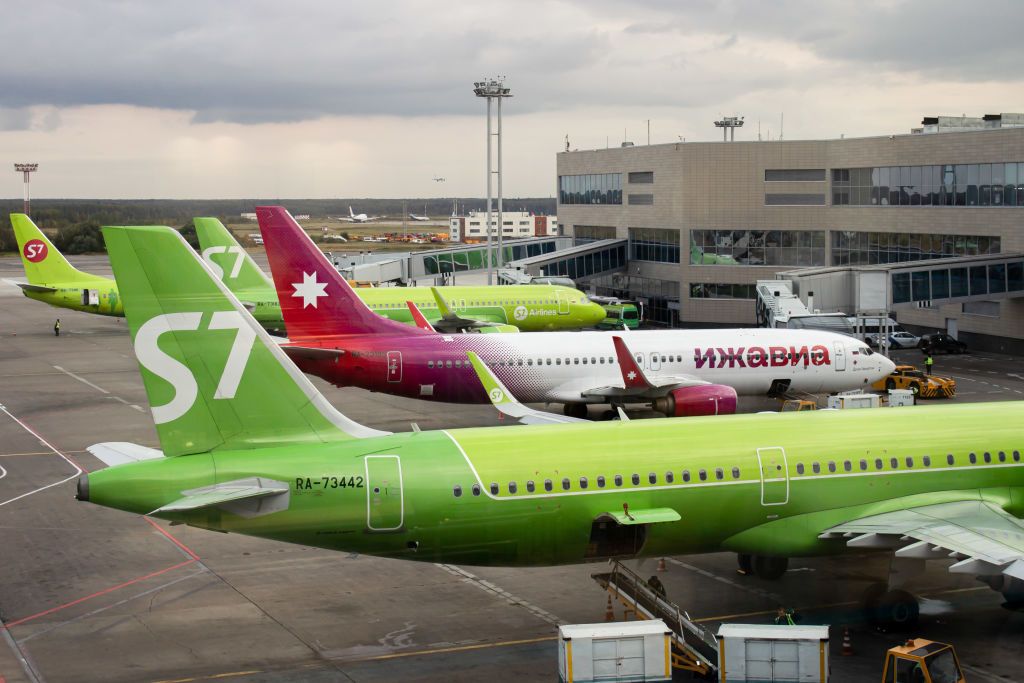
The Kremlin is signaling that it will hold the Russian assets of European companies hostage to pressure Europe into rethinking its sanctions, the Institute for the Study of War (ISW) wrote on 30 September. Moscow has already put well-known European retailers and food makers under Russian "temporary management." A senior Russian official has now hinted that European banks could be next.
As Russia continues its invasion of Ukraine, it has long turned hostages and threats into weapons. Its
The Kremlin is signaling that it will hold the Russian assets of European companies hostage to pressure Europe into rethinking its sanctions, the Institute for the Study of War (ISW) wrote on 30 September. Moscow has already put well-known European retailers and food makers under Russian "temporary management." A senior Russian official has now hinted that European banks could be next.
As Russia continues its invasion of Ukraine, it has long turned hostages and threats into weapons. Its record includes nuclear threats against Europe from its Oreshnik missile launch sites and a fresh warning over Kaliningrad. It has played games with Europe's largest nuclear plant that it occupied in 2022, applied gas and water pressure on its neighbors, and Kyiv accuses it of blackmailing the families of Ukrainian prisoners of war. Europe's companies are now one more lever in that kit.
"Let them be scared"
Russia is taking "asymmetric measures" to make Europe rethink its sanctions, a senior Russian government source with direct knowledge of the seizures claimed, Reuters reported. "Let them think about what measures they are taking and what sanctions they are introducing," the source said.
Asked whether the Russian units of Italy's UniCredit and Austria's Raiffeisen could be placed under temporary management, the source answered: "Let them be scared."
Kremlin spokesman Dmitry Peskov claimed the decisions were driven by "the increasing level of involvement of these unfriendly countries in direct battlefield hostilities" against Russia. He suggested the moves were "reversible," but added: "For now, we do not see any grounds for a reversal."
Explore further
EU lawmakers renew push to seize frozen Russian assets as Ukraine faces its toughest winter yet with a €23 billion defense funding gap
Nestlé, Auchan, and Metro under "temporary management"
Putin's decree of 17 September placed 16 companies under the "temporary management" of a firm called L.E.V. Management, with no end date. They include the Russian units of France's Auchan and Lemana PRO, formerly Leroy Merlin, and of Switzerland's Nestlé. A second decree, on 28 September, handed the Russian assets of German wholesaler Metro AG to UK Torg Rus.
Both decrees amend Putin's April 2023 decree No. 302, which lets Moscow take over the property of firms tied to countries it labels "unfriendly." Because the "temporary" management has no expiry date, ISW considers it effectively nationalization. Independent outlet Novaya Gazeta Europe identified L.E.V. Management's director as retired Russian Major General Andrei Krayushkin.
European companies as corporate hostages
The Kremlin likely wants to use the seizures to take European companies as corporate hostages, ISW assessed. It also likely expects a temporary fiscal boost from the revenues of the seized businesses.
The strategy assumes that European firms will judge the benefits of staying in Russia to outweigh the risk of losing their assets, the think tank said. Whether a company is seized depends entirely on Moscow's relations with the country where it is headquartered, ISW added.
Explore further
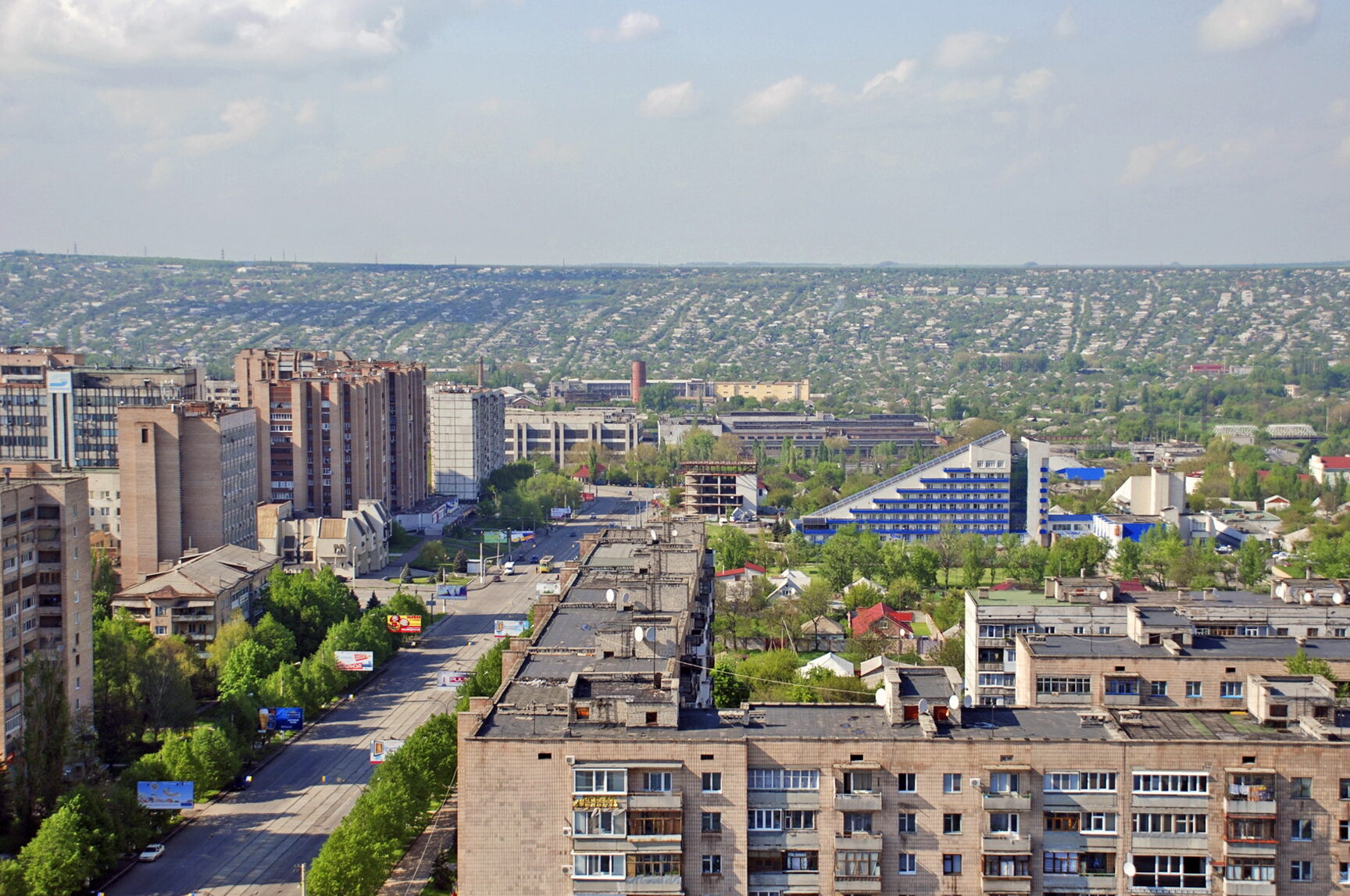
Russia declares nearly 8,000 Luhansk apartments “ownerless” for “nationalization”
Seizing others' property is an old Moscow habit
Since the start of the full-scale war, Russia has introduced temporary administration at 135 foreign-linked firms, mostly from EU countries, according to TASS data cited by Reuters. Earlier targets included French food group Danone and Danish brewer Carlsberg.
The method was tested on Ukraine first. Russia's proxies in occupied Donetsk and Luhansk oblasts stole most Ukrainian assets there in 2014 and 2015. In March 2017, after Ukrainian activists blocked rail trade with the occupied areas, they placed the remaining Ukrainian-registered firms under "temporary administrations," a label close to the one Moscow uses today. The published Donetsk list alone ran to 43 assets, from coal mines and ironworks to the Donbas Arena stadium. Much of the coal and steel business later ended up with firms tied to Serhii Kurchenko, a fugitive oligarch from Yanukovych's era.
Speaking in France, the pontiff lauded postwar efforts to unify the continent. Experts saw it as a critique of President Trump’s repeated berating of European leaders.
Speaking in France, the pontiff lauded postwar efforts to unify the continent. Experts saw it as a critique of President Trump’s repeated berating of European leaders.
In Metz, in northeastern France, Pope Leo XIV spoke of a Europe that would “continue to flourish and to inspire the whole world.” President Emmanuel Macron of France looked on.
French President Emmanuel Macron said French services received no CIA warning about a possible Russian drone attack from Mediterranean merchant ships, pushing back on an El Mundo report that US intelligence had alerted France, Italy, and Spain, RTL reported.
Macron’s denial comes amid drone attacks and sabotage cases that European governments have linked to Russia. France is preparing stronger defenses against that wider threat, even as Macron says its services received no specific CIA
French President Emmanuel Macron said French services received no CIA warning about a possible Russian drone attack from Mediterranean merchant ships, pushing back on an El Mundo report that US intelligence had alerted France, Italy, and Spain, RTL reported.
Macron’s denial comes amid drone attacks and sabotage cases that European governments have linked to Russia. France is preparing stronger defenses against that wider threat, even as Macron says its services received no specific CIA warning. Italy’s defense minister has also cautioned against fueling alarm over an unconfirmed report.
Asked about the report during a televised interview on 24 September, Macron said: “The CIA did not inform French services of such an attack.” He said Russia was multiplying hostile and sometimes criminal acts against European countries. Covert acts such as sabotage and cyberattacks are often described as hybrid warfare. Asked whether France itself could be attacked, Macron answered yes.
Italian Defense Minister Guido Crosetto separately wrote on X that El Mundo’s alert “finds no confirmation.” He said it served no one to add “more fuel to the fire” at an already tense time.
The Spanish newspaper reported that the possible operation would use Gerbera drones, small Russian aircraft capable of carrying several kilograms of explosives. The drones would be hidden in shipping containers aboard merchant ships and launched toward targets along Europe’s southern coast. El Mundo cited a source close to Lithuania’s Defense Ministry, and analysts familiar with a CIA report said to have circulated among European foreign ministries. Euromaidan Press covered the account on 24 September. Bythe time of publication, neither Spain’s government nor the CIA had publicly addressed it.
Macron pointed to the failed attack at Leipzig/Halle Airport in eastern Germany in August. A drone carrying explosives was found near a Ukrainian cargo aircraft. German officials attributed the attempt to Russia. Macron said France had not experienced a comparable incident.
The wider hybrid warfare threat
Beyond the disputed Mediterranean alert, authorities have investigated other incidents throughout Europe as possible Russian sabotage.
Germany followed its accusation over Leipzig with diplomatic measures against Moscow. Berlin ordered Russia’s last consulate in Germany closed and ended an agreement permitting a Russian cultural center. German investigators also identified two suspects, including a Russian man they linked to military intelligence. Moscow denied involvement.
Poland’s justice and interior ministers said Russian intelligence ordered the May 2024 arson of Warsaw’s Marywilska 44 shopping center.
Finnish President Alexander Stubb said Russia would continue such attacks to frighten Ukraine’s allies into reducing support. He urged vigilance without overreacting, saying Finnish intelligence saw no imminent military threat.
“It Was Either That Or Die,” by the Haitian-Canadian author Thélyson Orélien, was the hit of the French literary season. Now it has been pulled from the shortlist for a prestigious prize.
“It Was Either That Or Die,” by the Haitian-Canadian author Thélyson Orélien, was the hit of the French literary season. Now it has been pulled from the shortlist for a prestigious prize.
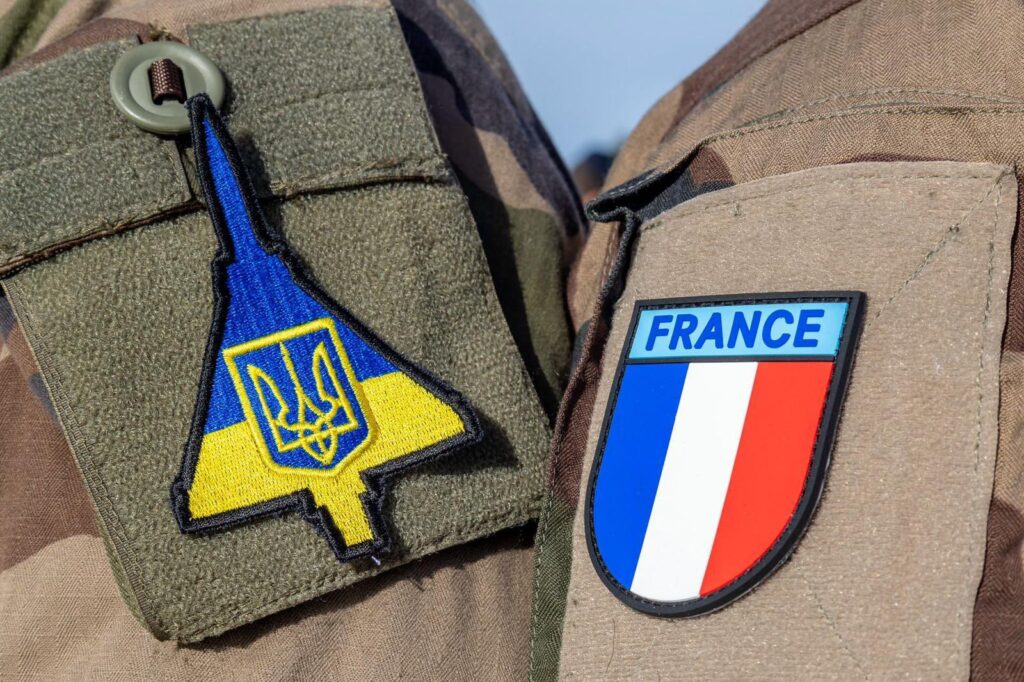
France delivered additional MICA air-to-air missiles and 30mm cannon ammunition for Ukraine's Mirage 2000 fighter jets, Militarnyi reported, citing France's Armed Forces Ministry.
Delivering an aircraft is one step, keeping it armed is another. France's weapons resupply reflects a shift from one-off hardware transfers to sustained combat support as Russia's aerial campaign against Ukrainian cities grinds on.
What MICA does
The MICA, developed by MBDA, comes in two versions: radar-
France delivered additional MICA air-to-air missiles and 30mm cannon ammunition for Ukraine's Mirage 2000 fighter jets, Militarnyi reported, citing France's Armed Forces Ministry.
Delivering an aircraft is one step, keeping it armed is another. France's weapons resupply reflects a shift from one-off hardware transfers to sustained combat support as Russia's aerial campaign against Ukrainian cities grinds on.
What MICA does
The MICA, developed by MBDA, comes in two versions: radar-guided (MICA RF) and infrared (MICA IR). It weighs about 112 kg, flies at Mach 4.9—nearly five times the speed of sound—and can engage targets 60 to 80 km away.
Ukraine's Mirages have also carried older Magic 2 missiles limited to roughly 20 km. MICAs were reportedly included with the original donation, but the supply may have been limited, which would explain why the Magic 2s stayed in use. MICA triples to quadruples that engagement window, letting pilots intercept cruise missiles far earlier in their flight path. The fresh delivery keeps Ukraine's small fleet supplied with the missiles that make these longer-range interceptions possible.
Explore further
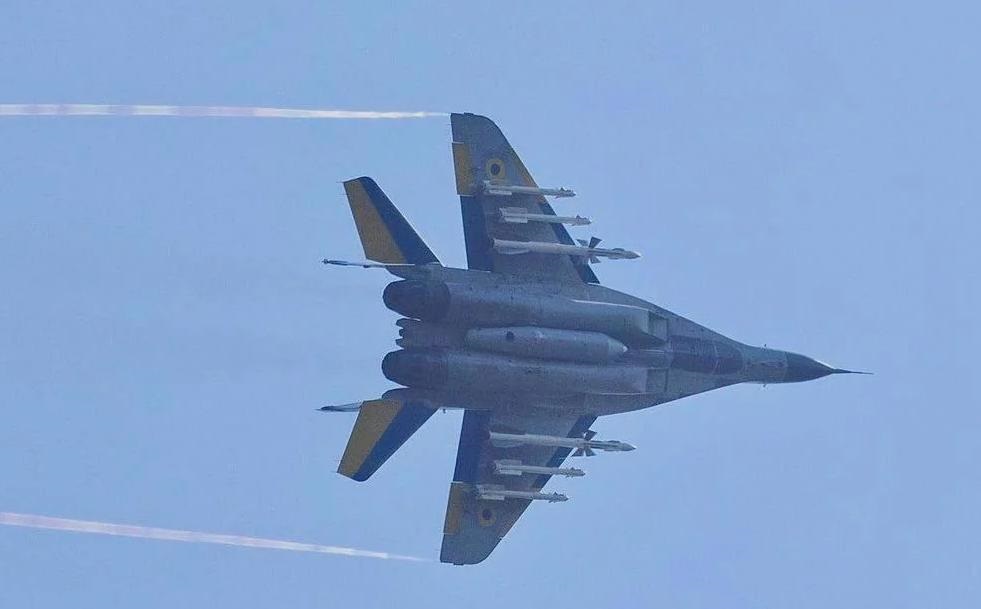
Ukraine is running short of its best missiles for hunting Russia’s jet drones. Now MiG-29s are firing 1970s weapons
Cheap shells for cheap drones
The 30mm ammunition feeds the Mirage's two built-in DEFA 554 cannons, which fire at a selectable rate of 1,200 or 1,800 rounds per minute. A pilot who uses the gun on a Shahed drone saves a MICA for a target that actually needs one.
Ukraine's F-16 operations follow a similar logic: pilots use their 20mm Vulcan cannons alongside AIM-9 and AIM-120 missiles, though Zelenskyy called the missile option expensive—used when nothing else can reach a jet drone, because "a human life is more important."
A Ukrainian Mirage 2000 shot down a Russian Kh-101 cruise missile during its very first combat mission, on 7 March 2025. France has delivered about a dozen modified Mirage 2000-5F jets since February 2025, and the fleet is still growing.
Asked about the Trump administration’s restrictions on journalists, Leo told reporters accompanying him on a flight to France that they were “all welcome.”
Asked about the Trump administration’s restrictions on journalists, Leo told reporters accompanying him on a flight to France that they were “all welcome.”
After visiting Africa, Pope Leo’s four-day trip to France shows how he is seeking to appeal to Roman Catholicism’s original heartlands as well as to the church’s newest strongholds.
After visiting Africa, Pope Leo’s four-day trip to France shows how he is seeking to appeal to Roman Catholicism’s original heartlands as well as to the church’s newest strongholds.
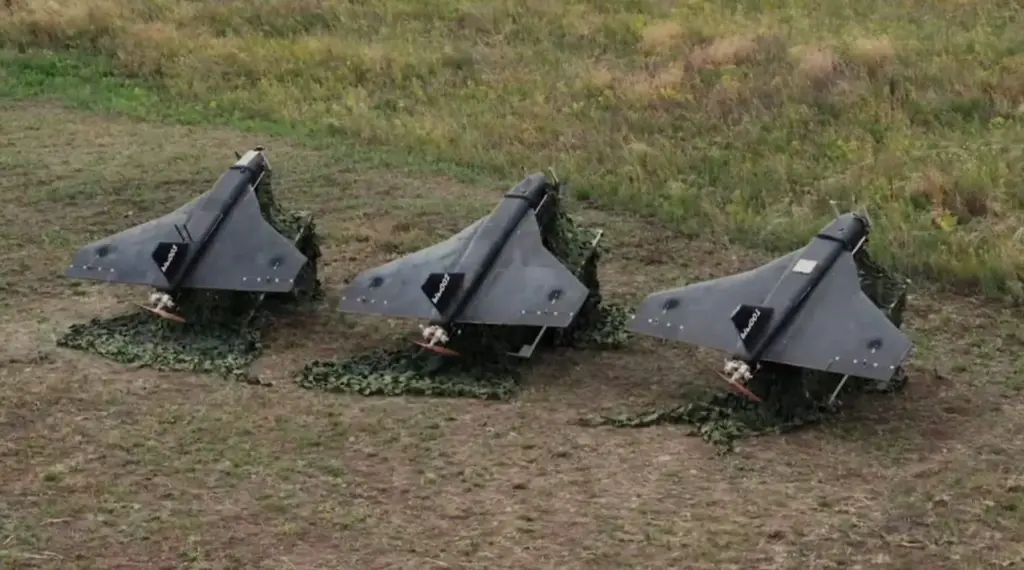
US intelligence has warned Spain, France, and Italy that Russia may be preparing to launch drones at one of them from merchant ships in the Mediterranean, El Mundo reported on 23 September, citing sources familiar with the alert. Neither the CIA nor the three governments have confirmed it.
Russia has intensified a campaign of sabotage, airspace incursions, and other provocations against European states supporting Ukraine while keeping its actions below the threshold of open conflict wit
US intelligence has warned Spain, France, and Italy that Russia may be preparing to launch drones at one of them from merchant ships in the Mediterranean, El Mundo reported on 23 September, citing sources familiar with the alert. Neither the CIA nor the three governments have confirmed it.
Russia has intensified a campaign of sabotage, airspace incursions, and other provocations against European states supporting Ukraine while keeping its actions below the threshold of open conflict with NATO. A maritime drone attack would extend that campaign into southern Europe, turning the Mediterranean into a launch zone for deniable strikes on civilian or military infrastructure.
El Mundo based its account on a source close to Lithuania's Defense Ministry and analysts familiar with a CIA report circulated among European foreign ministries. The reported plan would hide small Russian Gerbera drones inside shipping containers aboard merchant ships and launch them from the Mediterranean.
According to El Mundo, a Gerbera drone can travel up to 600 kilometers depending on payload and wind, potentially putting targets along NATO's southern coast within reach of a ship offshore.
The Gerbera drone's reported 4–5 kilogram explosive payload would be unlikely to destroy a large facility, the newspaper said, but could start a fire, damage exposed equipment, or temporarily close an airport or port.
All three countries hold elections in 2027 and have political forces capable of exploiting fear and fatigue with Ukraine, with connections to Kremlin interests especially visible in France and Italy, El Mundo reported. Keir Giles, a British defense analyst, said frontline states are not necessarily the targets—the target will be wherever Europe's weakest point is, naming the UK and Spain as countries that have not invested in air and missile defense adequate to the Russian threat.
El Mundo placed the warning alongside earlier Russian drone incidents on NATO territory. In September 2025, 19 unarmed drones strayed into Polish airspace. German authorities later attributed an explosive-carrying drone incident at Leipzig airport to Russia.
The war has reached Mediterranean shipping
Russia's oil shipments and naval presence, alongside reported Ukrainian operations, have brought the conflict into the region in several ways.
A source cited by Ukrainian media said Ukraine's Security Service struck a Russian shadow-fleet tanker there in December 2025. Such vessels carry Russian oil outside Western sanctions, making the sea a route for Moscow's war revenue and a target for Kyiv.
The French outlet RFI later reported that Ukraine may have established a drone launch site in Libya for strikes on Russian shipping. Kyiv has not confirmed the reported site.
Russia's military position in the region has also shifted. British intelligence assessed in January 2025 that its Mediterranean naval force lacked access to its Syrian base at Tartus after Bashar al-Assad's fall.
Une loi, qui devait entrer en vigueur en septembre, prévoyait d’interdire aux moins de 15 ans les réseaux sociaux et les fonctionnalités sociales de certains sites, messageries et jeux vidéo en ligne.
Le Conseil constitutionnel, l’autorité qui contrôle la conformité des lois à la Constitution française, a jugé que cette interdiction portait atteinte à la liberté d’expression des moins de 15 ans.
Cette loi était l’une des priorités du président français, Emmanuel Macron.
Il a dem
Une loi, qui devait entrer en vigueur en septembre, prévoyait d’interdire aux moins de 15 ans les réseaux sociaux et les fonctionnalités sociales de certains sites, messageries et jeux vidéo en ligne.
Le Conseil constitutionnel, l’autorité qui contrôle la conformité des lois à la Constitution française, a jugé que cette interdiction portait atteinte à la liberté d’expression des moins de 15 ans.
Cette loi était l’une des priorités du président français, Emmanuel Macron.
Il a demandé à son premier ministre de rédiger une nouvelle version «juridiquement robuste» de la loi.
Ingérence russe en France : deepfakes, réseau Pravda, formation SputnikPro et 8 000 €/mois proposés à un journaliste. Enquête exclusive sur la stratégie du Kremlin avant 2027.
— Permalien
Ingérence russe en France : deepfakes, réseau Pravda, formation SputnikPro et 8 000 €/mois proposés à un journaliste. Enquête exclusive sur la stratégie du Kremlin avant 2027.
— Permalien
Une loi française interdit désormais à la plupart des entreprises et des organisations de contacter les consommateurs sans leur consentement préalable.
Le gouvernement français estime qu’environ trois Français sur quatre recevaient jusqu’à maintenant au moins un appel non sollicité par semaine sur leur téléphone cellulaire.
Au Canada, le Conseil de la radiodiffusion et des télécommunications canadiennes autorise les télévendeurs à contacter les consommateurs qui n’ont pas inscrit leur
Une loi française interdit désormais à la plupart des entreprises et des organisations de contacter les consommateurs sans leur consentement préalable.
Le gouvernement français estime qu’environ trois Français sur quatre recevaient jusqu’à maintenant au moins un appel non sollicité par semaine sur leur téléphone cellulaire.
Au Canada, le Conseil de la radiodiffusion et des télécommunications canadiennes autorise les télévendeurs à contacter les consommateurs qui n’ont pas inscrit leur numéro sur une liste d’exclusion.
Les effets des réseaux sociaux sur les jeunes sont préoccupants et de plus en plus de pays adoptent des lois pour en restreindre l’accès aux mineurs.
Cette stratégie comporte toutefois plusieurs lacunes.
Ces lois sont difficiles à appliquer et elles peuvent avoir des effets imprévus sur les jeunes.
Les dangers que posent les réseaux sociaux pour les jeunes sont bien connus.
Une étude réalisée l’an dernier a révélé que les enfants qui y sont actifs sont deux fois plus susc
Les effets des réseaux sociaux sur les jeunes sont préoccupants et de plus en plus de pays adoptent des lois pour en restreindre l’accès aux mineurs.
Cette stratégie comporte toutefois plusieurs lacunes.
Ces lois sont difficiles à appliquer et elles peuvent avoir des effets imprévus sur les jeunes.
Les dangers que posent les réseaux sociaux pour les jeunes sont bien connus.
Une étude réalisée l’an dernier a révélé que les enfants qui y sont actifs sont deux fois plus susceptibles que les autres de présenter des symptômes de dépression ou d’anxiété.
En réaction à ces préoccupations grandissantes, des pays ont décidé d’agir.
L’Australie a été, en décembre 2025, le premier pays à interdire l’accès aux réseaux sociaux aux moins de 16 ans.
La loi australienne exige maintenant des entreprises qu’elles prennent des mesures raisonnables pour empêcher les jeunes d’utiliser leur plateforme.
La France a adopté en juillet une proposition de loi pour interdire les réseaux sociaux aux moins de 15 ans.
Cette mesure s’appliquera dès septembre pour les nouveaux comptes.
Les comptes existants devront être fermés d’ici janvier prochain.
L’essentiel des nouvelles importantes chaque jour en 2 minutes? C’est ce que vous offre notre infolettre InfoBref Matin. Essayez-la et voyez pourquoi 30 000 Québécois·es la reçoivent chaque jour: inscrivez-vous gratuitement ici ou en cliquant Infolettres en haut à droite
Difficile à mettre en place
L’application de ces lois est toutefois plus compliquée qu’il n’y parait, selon un rapport sur les effets de la nouvelle réglementation australienne.
Les auteurs ont constaté que 7 parents sur 10 affirmaient que leur enfant avait toujours un compte sur Facebook, Instagram, Snapchat ou TikTok.
Dans 67% des cas, les jeunes avaient conservé l’accès à l’application parce que l’entreprise n’avait pas encore vérifié leur âge.
Un rapport de l’organisme britannique Internet Matters montre que les méthodes utilisées pour vérifier l’âge, comme la reconnaissance faciale, la vérification par une organisation indépendante ou la demande d’une pièce d’identité officielle, sont loin d’être infaillibles.
Près de la moitié des enfants britanniques interrogés pour le rapport considéraient qu’il était facile de contourner ces méthodes de vérification.
Les jeunes étaient particulièrement imaginatifs.
Une mère a raconté avoir surpris son fils qui se dessinait une moustache avec un crayon à maquillage pour tromper, avec succès, une application.
Des effets pervers
Par ailleurs, ces lois peuvent avoir des conséquences imprévues.
D’abord, la vérification de l’âge implique dans certains cas une collecte de données sur les mineurs, une mine d’informations personnelles attirante pour les cybercriminels.
De plus, l’interdiction pure et dure des réseaux sociaux peut placer les jeunes dans des situations difficiles, selon Andrée-Anne Légaré, professeure au Service sur les dépendances de la Faculté de médecine et des sciences de la santé de l’Université de Sherbrooke.
Un enfant victime de cyberintimidation ou témoin d’une vidéo traumatisante pourrait, explique-t-elle, hésiter à en parler à un parent ou un adulte parce qu’il craint de se faire réprimander.
Des conseils enfinances personnelles, investissement, immobilier et consommation? C’est ce que vous offre chaque mois l’infolettre InfoBref Votre argent. Elle est gratuite: inscrivez-vous ici ou en cliquant Infolettres en haut à droite
Utilité des réseaux sociaux
Mais surtout, les réseaux sociaux ne sont pas qu’un endroit pour se divertir.
C’est aussi un espace pour socialiser, apprendre et trouver de l’information, souligne Claudia Del Pozo dans un article publié sur le site du magazine Wired.
La vie numérique constitue une extension de la vraie vie, mentionne-t-elle.
Autres moyens d’action
La solution ne serait donc pas, selon elle, d’interdire les réseaux sociaux, mais plutôt de s’assurer que ces plateformes sont sécuritaires.
Elle cite l’exemple du Brésil qui demande aux entreprises:
d’incorporer des contrôles parentaux accessibles;
de réduire les caractéristiques addictives;
d’être plus transparentes sur le fonctionnement de leurs algorithmes.
Aussi, l’éducation a un rôle à jouer puisqu’il est important de développer la littératie numérique des jeunes dans les écoles, insiste Claudia Del Pozo.
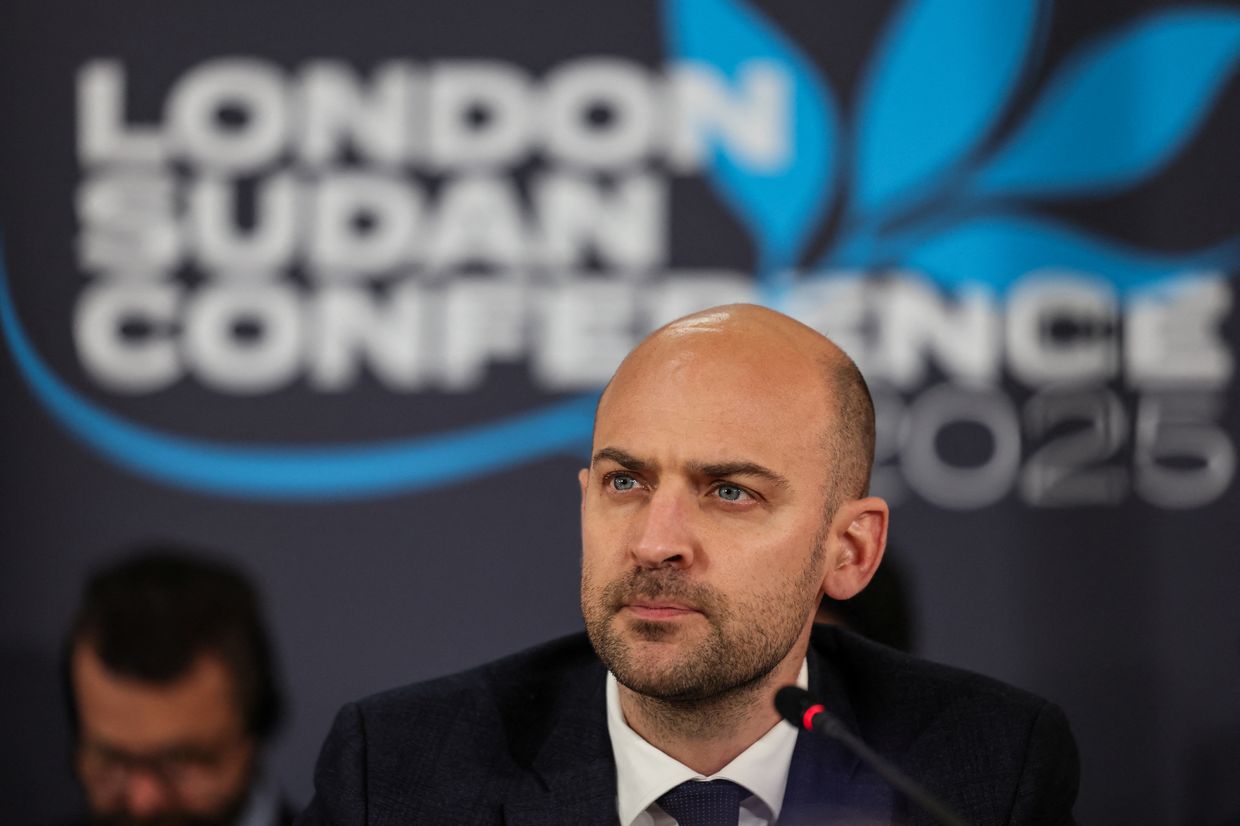
The EU will introduce the "toughest sanctions... imposed (on Russia) in the last three years" in coordination with U.S. senators, French Foreign Minister Jean-Noel Barrot said in a television interview on July 7."(Russian President Vladimir) Putin is no longer advancing on the front and is now limited to shelling residential areas with drones and missiles. This is leading to numerous casualties among the civilian population. This must stop," Barrot said.U.S. Senator Lindsey Graham said on June 2
The EU will introduce the "toughest sanctions... imposed (on Russia) in the last three years" in coordination with U.S. senators, French Foreign Minister Jean-Noel Barrot said in a television interview on July 7.
"(Russian President Vladimir) Putin is no longer advancing on the front and is now limited to shelling residential areas with drones and missiles. This is leading to numerous casualties among the civilian population. This must stop," Barrot said.
U.S. Senator Lindsey Graham said on June 29 that U.S. President Donald Trump was ready for the Senate to vote on a bill to impose new sanctions on Russia. The Republican senator has repeatedly called for implementing additional sanctions against Moscow.
Barrot noted the EU is planning to impose the strongest sanctions against Russia that the bloc has introduced since 2022.
"This (war) cannot continue; it must stop. To achieve this, in coordination with American senators, Europe is preparing to introduce, based on French proposals, the toughest sanctions we have imposed in the last three years," he said.
"They will directly deplete the resources that allow Vladimir Putin to continue his war," Barrot added.
In the U.S., senators have been working on a sanctions bill, with Graham saying voting on a bill is expected to begin following the end of the July congressional break.
Graham, earlier on July 7, said he expects "the Senate will move the bipartisan Russian sanctions bill that will allow tariffs and sanctions to be placed on countries who prop up Putin’s war machine and do not help Ukraine."
The bill led by Graham has been in the works for several months as the White House has failed attempts to broker a peace deal between Ukraine and Russia.
"Ukraine has said yes to ceasefires and to any and all meeting requests while Putin continues to defy peace efforts. It is now time to put more tools in President Trump’s toolbox in order to end the war," he said.
Russia has relied on its partners, including Belarus, China, and Iran, for trade and to bypass Western sanctions meant to inhibit Moscow's ability to continue its war against Ukraine.

 Connexion