
 Connexion
Moscow’s message to European business: your Russian assets are now leverage against your governments

The Kremlin is signaling that it will hold the Russian assets of European companies hostage to pressure Europe into rethinking its sanctions, the Institute for the Study of War (ISW) wrote on 30 September. Moscow has already put well-known European retailers and food makers under Russian "temporary management." A senior Russian official has now hinted that European banks could be next.
As Russia continues its invasion of Ukraine, it has long turned hostages and threats into weapons. Its record includes nuclear threats against Europe from its Oreshnik missile launch sites and a fresh warning over Kaliningrad. It has played games with Europe's largest nuclear plant that it occupied in 2022, applied gas and water pressure on its neighbors, and Kyiv accuses it of blackmailing the families of Ukrainian prisoners of war. Europe's companies are now one more lever in that kit.
"Let them be scared"
Russia is taking "asymmetric measures" to make Europe rethink its sanctions, a senior Russian government source with direct knowledge of the seizures claimed, Reuters reported. "Let them think about what measures they are taking and what sanctions they are introducing," the source said.
Asked whether the Russian units of Italy's UniCredit and Austria's Raiffeisen could be placed under temporary management, the source answered: "Let them be scared."
Kremlin spokesman Dmitry Peskov claimed the decisions were driven by "the increasing level of involvement of these unfriendly countries in direct battlefield hostilities" against Russia. He suggested the moves were "reversible," but added: "For now, we do not see any grounds for a reversal."
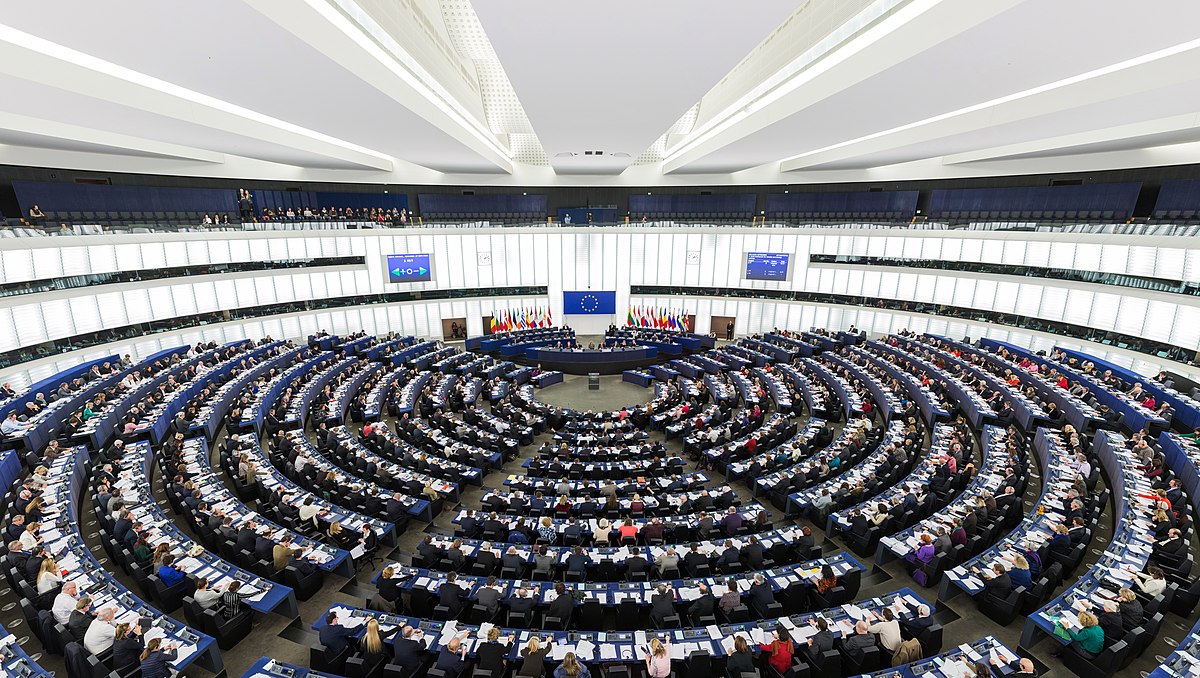
EU lawmakers renew push to seize frozen Russian assets as Ukraine faces its toughest winter yet with a €23 billion defense funding gap
Nestlé, Auchan, and Metro under "temporary management"
Putin's decree of 17 September placed 16 companies under the "temporary management" of a firm called L.E.V. Management, with no end date. They include the Russian units of France's Auchan and Lemana PRO, formerly Leroy Merlin, and of Switzerland's Nestlé. A second decree, on 28 September, handed the Russian assets of German wholesaler Metro AG to UK Torg Rus.
Both decrees amend Putin's April 2023 decree No. 302, which lets Moscow take over the property of firms tied to countries it labels "unfriendly." Because the "temporary" management has no expiry date, ISW considers it effectively nationalization. Independent outlet Novaya Gazeta Europe identified L.E.V. Management's director as retired Russian Major General Andrei Krayushkin.
European companies as corporate hostages
The Kremlin likely wants to use the seizures to take European companies as corporate hostages, ISW assessed. It also likely expects a temporary fiscal boost from the revenues of the seized businesses.
The strategy assumes that European firms will judge the benefits of staying in Russia to outweigh the risk of losing their assets, the think tank said. Whether a company is seized depends entirely on Moscow's relations with the country where it is headquartered, ISW added.
Seizing others' property is an old Moscow habit
Since the start of the full-scale war, Russia has introduced temporary administration at 135 foreign-linked firms, mostly from EU countries, according to TASS data cited by Reuters. Earlier targets included French food group Danone and Danish brewer Carlsberg.
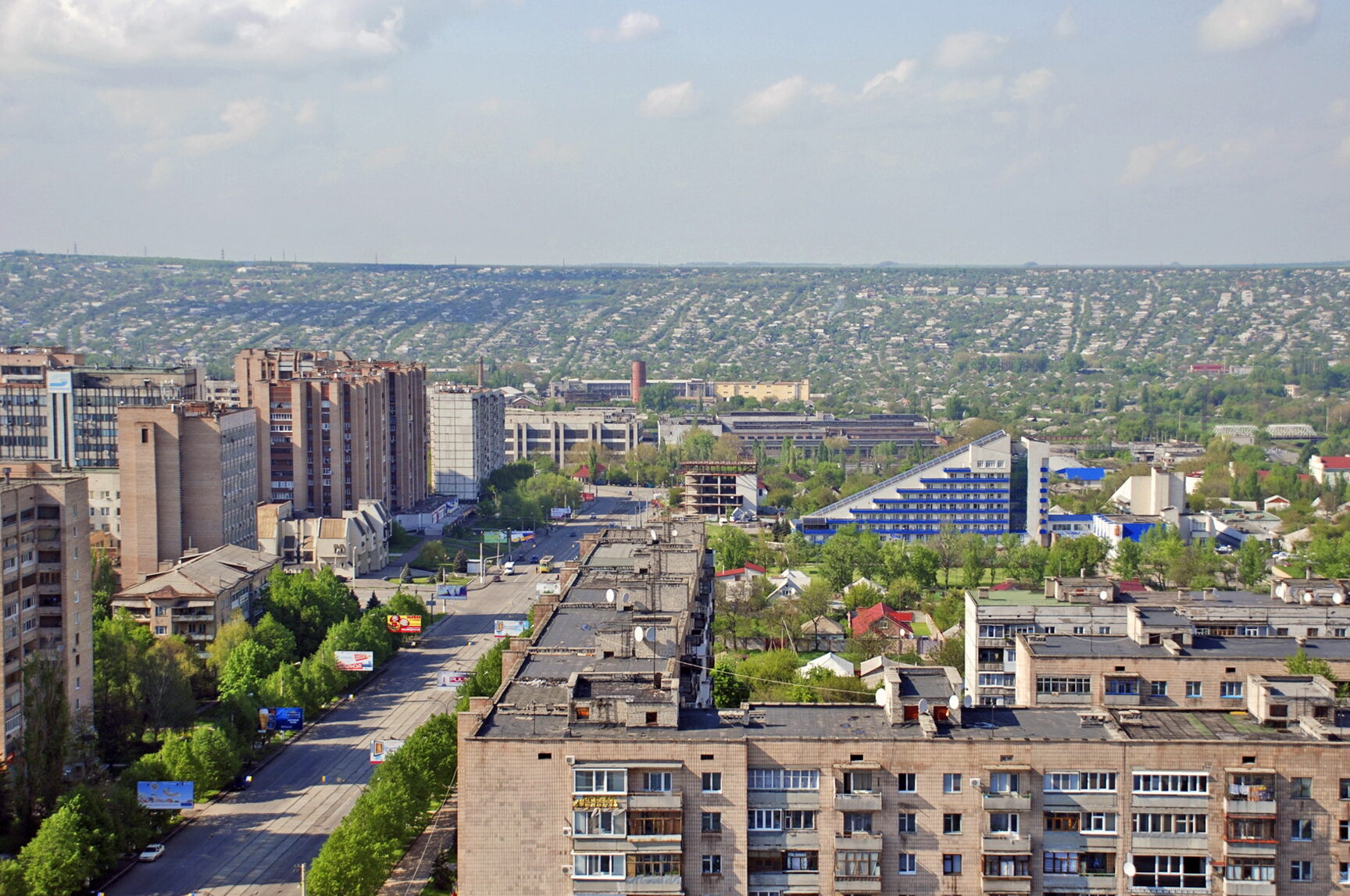
The method was tested on Ukraine first. Russia's proxies in occupied Donetsk and Luhansk oblasts stole most Ukrainian assets there in 2014 and 2015. In March 2017, after Ukrainian activists blocked rail trade with the occupied areas, they placed the remaining Ukrainian-registered firms under "temporary administrations," a label close to the one Moscow uses today. The published Donetsk list alone ran to 43 assets, from coal mines and ironworks to the Donbas Arena stadium. Much of the coal and steel business later ended up with firms tied to Serhii Kurchenko, a fugitive oligarch from Yanukovych's era.
