U.S. Airman Says He Would Accept Punishment for Protesting Iran War

© Allison Bailey/NurPhoto, via Associated Press


© Allison Bailey/NurPhoto, via Associated Press


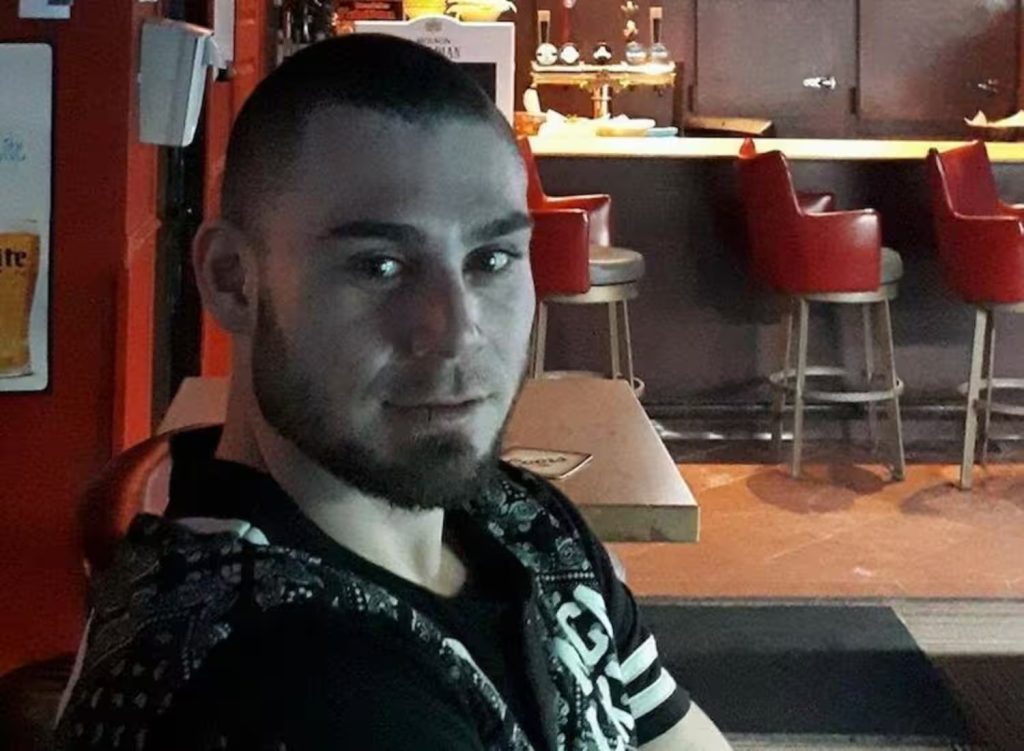
Il n’y a toujours pas de dates fixées pour la tenue de l’enquête préliminaire des quatre accusés du meurtre prémédité de Michael Lévesque-Fitzpatrick, survenu le 29 novembre 2024 à Rimouski. Les dates de l’enquête, prévue pour être de longue durée, devaient être fixées le 10 août dernier, mais cette étape a été reportée au 11 septembre prochain.
« Nous avons reçu une requête en ouverture de scellés. Je suis en attente des documents demandés. Ils seront transmis aux avocats de la défense par la suite. Nous allons aussi faire une demande de facilitation pour préparer l’enquête préliminaire qui s’annonce longue en vertu du nombre d’avocats impliqués et selon le nombre de témoins qu’ils voudront faire entendre », a mentionné la procureure de la Couronne, Me Annie-Claude Breton, en juin dernier.
Le ministère public tient à tenir une seule enquête préliminaire commune même si un accusé est francophone et que les trois autres sont anglophones.
Doneil-Josiah Levy-Porter et Jahshai Cooper sont détenus en Ontario tandis qu’Ingram Joe Mohamed, de Hamilton, est incarcéré à Rimouski. Guillaume Proulx se trouve à Trois-Rivières, lui qui est Rimouskois.
Les quatre sont accusés de meurtre au premier degré, c’est-à-dire avec préméditation. Ils ne sont donc pas admissibles à une remise en liberté et demeureront donc détenus pendant le processus judiciaire.
Les policiers de la Division des crimes contre la personne de la Sûreté du Québec, assistés par de nombreux partenaires de plusieurs services de police en Ontario, ont procédé aux arrestations en lien avec le meurtre de Michael Lévesque-Fitzpatrick, 36 ans.

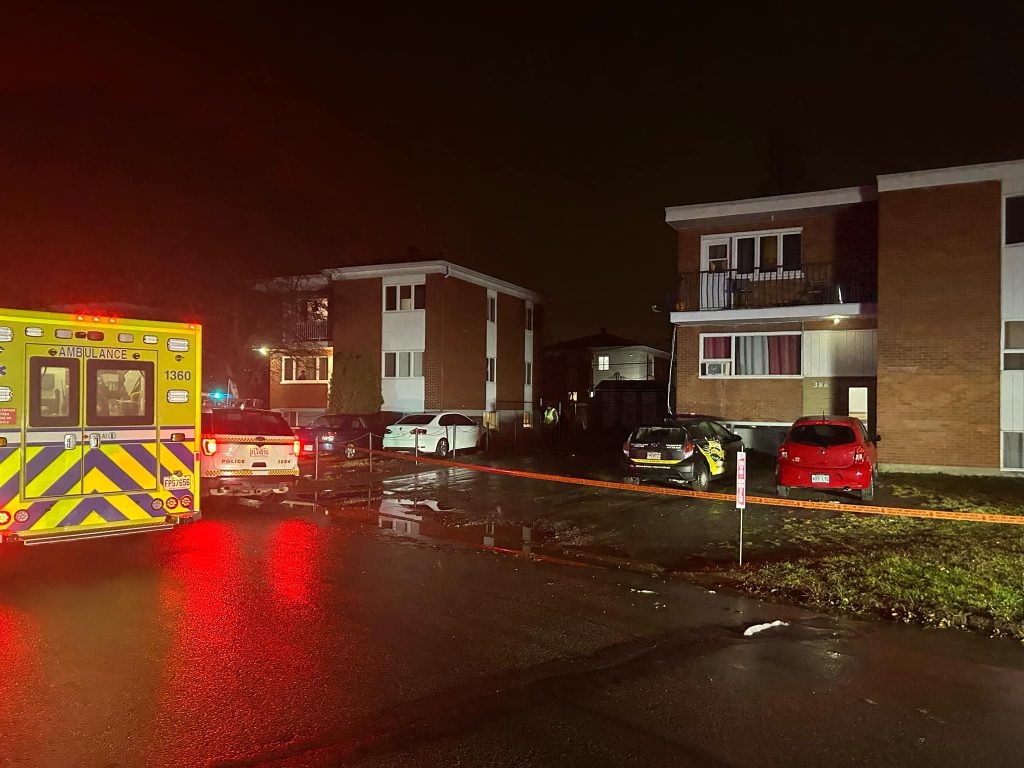
Dans la journée du 29 novembre 2024, vers 16 h 30, les services d’urgence avaient été appelés à se rendre dans un appartement de la rue Pierre-D’Anjou. À leur arrivée, les policiers avaient constaté le décès de la victime.
Selon nos informations disponibles, la mort de la victime serait liée au crime organisé.
Michael Lévesque-Fitzpatrick avait également été visé par le passé par des accusations de voies de fait et d’agression armée.


Une loi, qui devait entrer en vigueur en septembre, prévoyait d’interdire aux moins de 15 ans les réseaux sociaux et les fonctionnalités sociales de certains sites, messageries et jeux vidéo en ligne.
Le Conseil constitutionnel, l’autorité qui contrôle la conformité des lois à la Constitution française, a jugé que cette interdiction portait atteinte à la liberté d’expression des moins de 15 ans.
Cette loi était l’une des priorités du président français, Emmanuel Macron.
[L'article En France, l’interdiction des réseaux sociaux aux moins de 15 ans a été jugée inconstitutionnelle a d'abord été publié dans InfoBref.]


© Ian Willms for The New York Times


© Atul Loke for The New York Times


© Marylise Vigneau for The New York Times


© Ian Austen/The New York Times


© John Mcdonnell/Associated Press


© Carabinieri Art Recovery Squad, via Associated Press


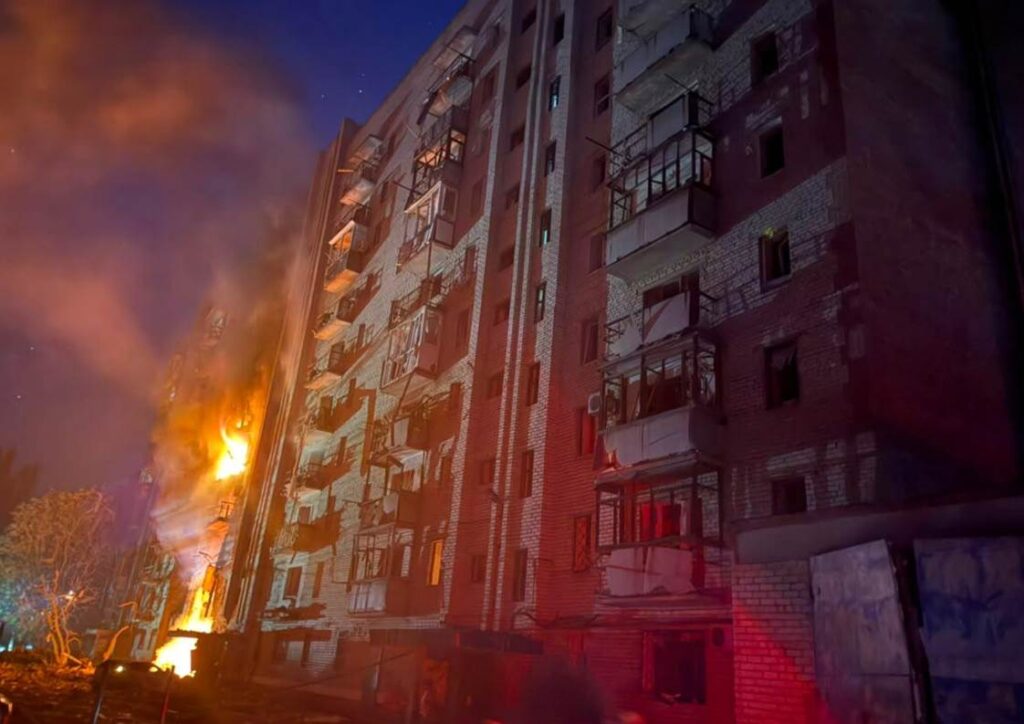
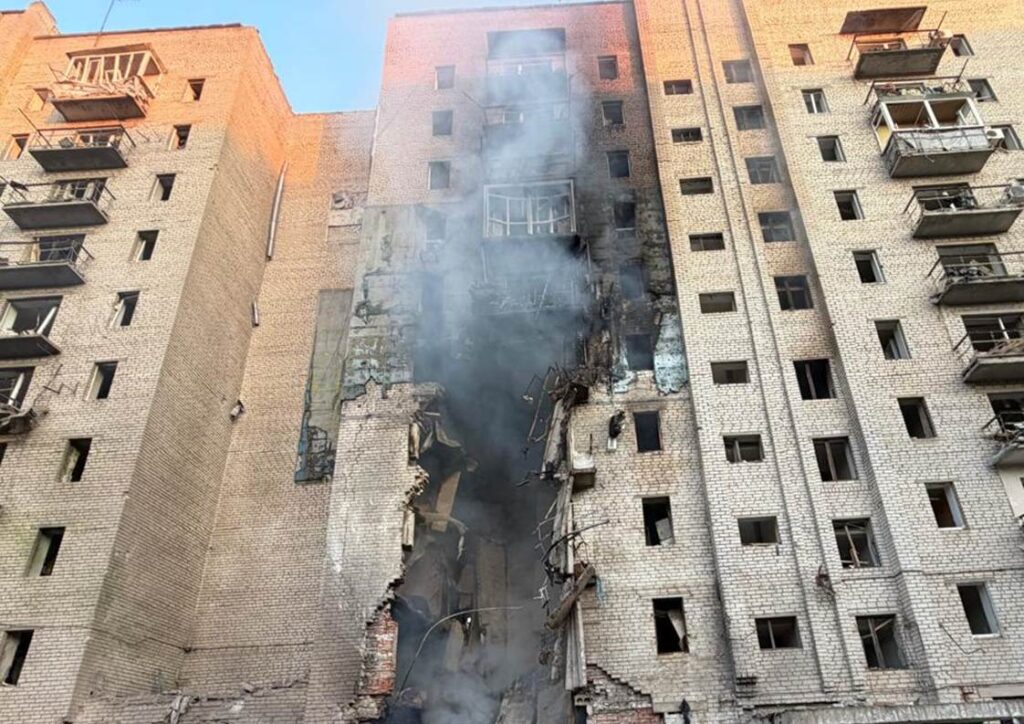
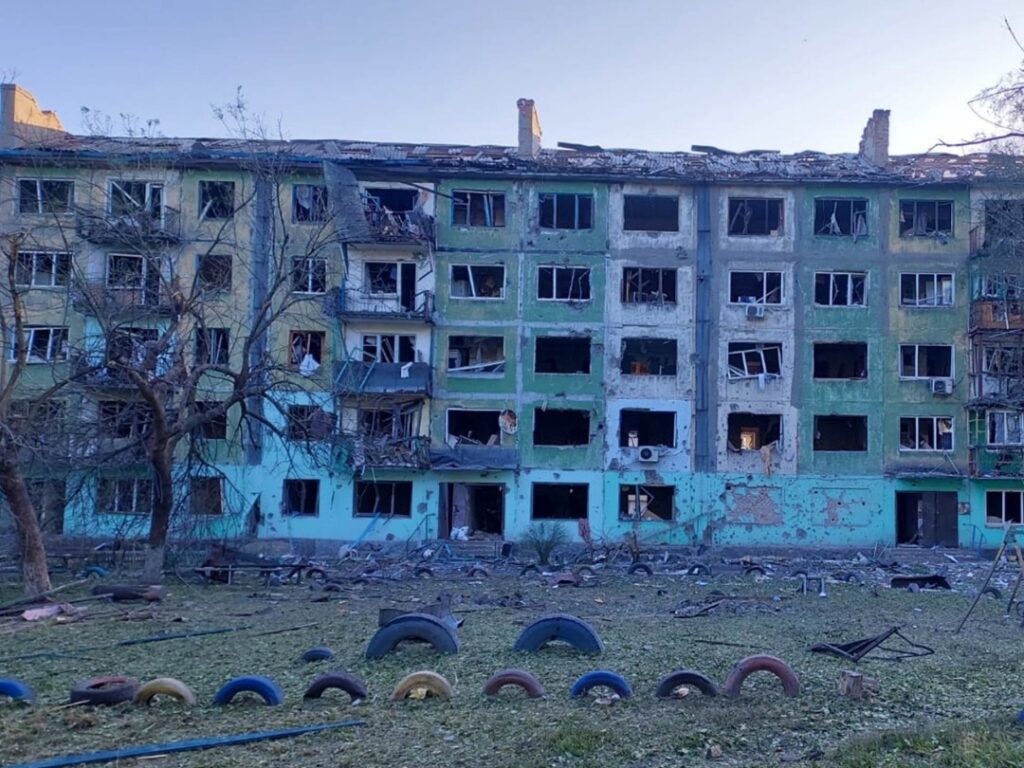
Russia's glide-bomb strike on Kramatorsk killed one person and wounded 18, the head of the Donetsk Oblast Military Administration, Vadym Filashkin, reported on the morning of 14 August. The Donetsk Oblast Prosecutor's Office has opened a war-crimes investigation into the attack.
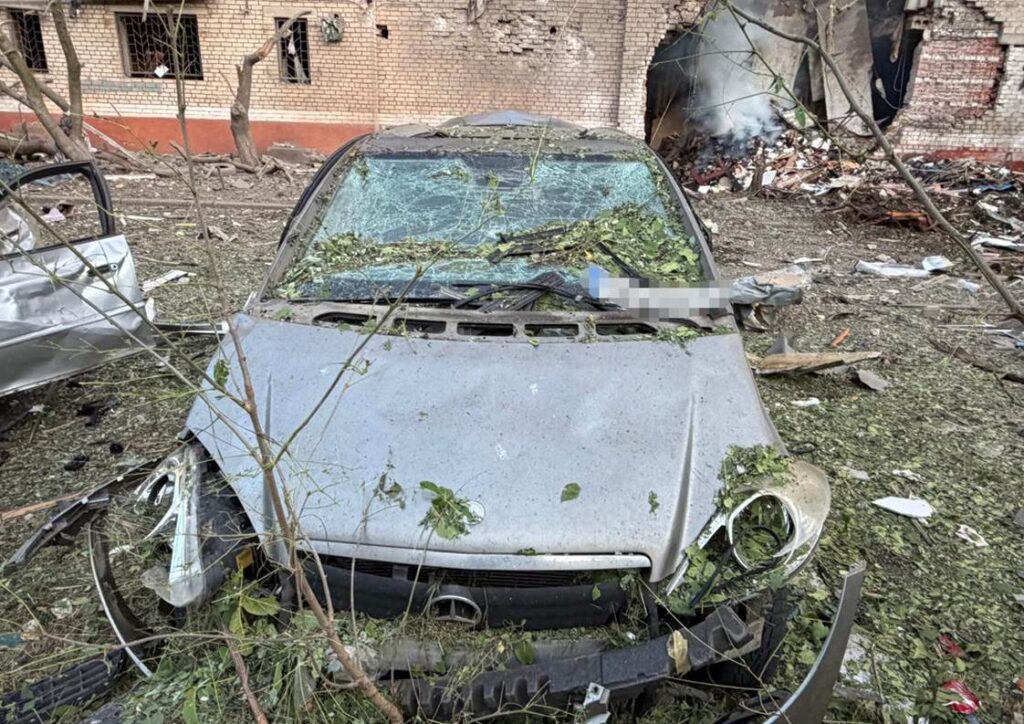
Russian forces dropped eight FAB-250 aerial bombs fitted with universal glide and correction modules (UMPK) on the city on the evening of 13 August, hitting residential areas including apartment buildings, the prosecutor's office reported. An apartment building and a car were damaged. Filashkin said the strikes also hit the nearby settlement of Bilenke.
The strike on the residential area was another instance of Russian forces using guided aerial munitions against civilian areas. Under international humanitarian law, civilian objects may not be deliberately targeted.
The toll rose overnight. Filashkin first reported at least one killed and 15 wounded on the evening of 13 August. By the next morning, the prosecutor's office had documented 17 of the wounded — seven men and 10 women aged between 47 and 85 — with blast and traumatic brain injuries, shrapnel wounds, cuts to the head, arms and legs, and abrasions and bruises. Filashkin's later update put the number of wounded at 18.

"Russia again turned an ordinary evening in the city into deadly danger. This is not an accident or a mistake — this is how the enemy wages war against our people," Filashkin said.
Deliberately directing attacks against civilian objects may constitute a war crime under international humanitarian law. The prosecutor's office has opened a pre-trial investigation under Part 2 of Article 438 of Ukraine's Criminal Code.
"In total, over the past day, Russians shelled populated areas of Donetsk Oblast 37 times. 624 people, including 90 children, have been evacuated from the front line," Filashkin reports.

Russian forces regularly use FAB-250 bombs equipped with UMPK to strike populated areas in Donetsk Oblast and other frontline regions.
On 11 August 2025, Russian aircraft dropped FAB-250 bombs equipped with UMPK on a residential quarter in Bilozerske, Donetsk Oblast. Two civilians were killed, a 43-year-old man and a 34-year-old woman, while seven others were injured, including a 16-year-old boy. Eight apartment buildings and six vehicles were damaged. A pre-trial investigation was opened under Part 2 of Article 438 of Ukraine's Criminal Code.

On 18 September 2025, Russian forces struck civilians with a FAB-250 bomb equipped with UMPK in Kostiantynivka, Donetsk Oblast. Five residents aged between 62 and 74 were killed; three men and two women were outside at the time of the strike. The facades of four apartment buildings were damaged.
On 25 June 2026, Russian forces dropped three FAB-250 bombs equipped with UMPK on Druzhkivka, Donetsk Oblast. A 56-year-old woman was killed, and four others were injured: a 68-year-old man and three women aged 51, 58, and 67, sustaining blast injuries and shrapnel wounds.


© São Paulo Police Press Office, via Agence France-Presse — Getty Images


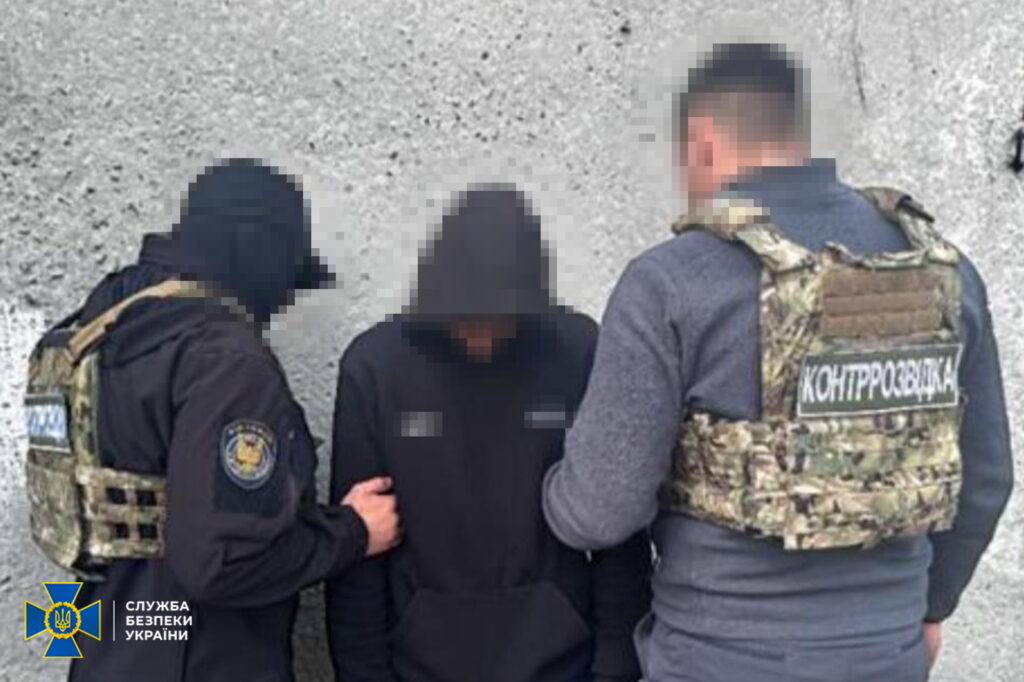
Russian security services are increasingly recruiting Ukrainians to carry out sabotage, terrorist attacks, and killings, with police reporting a sharp rise in attacks linked to such recruitment since 2024, according to independent Ukrainian outlet Babel.
Since the start of 2026, Ukraine’s National Police and Security Service have registered 31 terrorist attacks, 80% of which have been solved, while another 14 were prevented during preparation.
Authorities have also registered 11 cases of military personnel being poisoned that are being investigated for links to Russian recruitment.
Andrii Niebytov, deputy head of the National Police and chief of criminal police, said Russian recruitment became systematic in early 2024, Babel reported.
Russian handlers typically approach people through Telegram channels and chats where users seek work, easy money, or drugs. The first assignment may appear harmless: photographing a location, passing information, moving a package, or delivering an item.
The tasks can then escalate into property damage, arson, terrorist attacks, and killings. Police say handlers can gradually involve recruits in more serious crimes before using threats or blackmail to keep them under control.
The increase is reflected in police figures. Russian operatives used Ukrainian recruits to carry out nine terrorist attacks in 2024, according to data cited by Babel. The figure rose to 61 in 2025, including 27 attacks that police stopped during preparation. Authorities solved 52 terrorist cases that year.
One increasingly dangerous part of the recruitment campaign involves attempts to target Ukrainian service members.
Police have registered 11 poisoning cases since the beginning of 2026 in which investigators are examining or have established links to Russian recruitment, Babel reported.
In some cases, Russian handlers have used young women to establish contact with soldiers, arrange meetings, or deliver poisoned items.
In late July, police detained a 20-year-old woman in Poltava who is suspected of poisoning two soldiers with drugs allegedly provided to her by mail.
In Rivne, investigators are examining the death of a soldier allegedly poisoned by a minor girl with a drug mixed with alcohol. The Russian handler reportedly installed tracking software on the girl’s phone and remotely monitored her actions.
Russian operatives use different entry points depending on the target. Some recruits are drawn in by promises of easy money or drugs, while others are manipulated through personal relationships or threatened with supposed criminal prosecution.
One scheme involves fraudulent call centers operating in Russian-occupied Ukrainian territories. Callers impersonate Security Service of Ukraine officials and accuse targets of offenses such as buying Russian-made goods or financing Russia.
Police are investigating 449 fraud cases involving this scheme. But according to Babel, the same tactic is now also being used for recruitment.
After intimidating targets, callers send fake summonses, notices of suspicion, or other documents through messaging apps. They then offer to help the person avoid prosecution in exchange for carrying out criminal assignments.
Russian handlers have also targeted minors, who can be easier to manipulate and may be used as intermediaries or perpetrators.
The National Police said 260 children have independently contacted authorities after being approached by Russian recruiters, according to Babel. Their reports helped prevent terrorist attacks in which minors were allegedly intended to be used as perpetrators.
Police say Russian intelligence services are constantly changing their methods, while the basic pattern remains consistent: identify a vulnerability, offer or impose an initial task, and gradually draw the recruit into more serious criminal activity.
Ukrainian authorities are urging people approached with suspicious offers or assignments to stop contact and report the recruitment attempt immediately.


© Federico Rios for The New York Times


© Amir Hamja/The New York Times


Immigration and Customs Enforcement (ICE) plans to spend tens of millions of dollars on buying specialized gloves that pulse with electrical energy, which make it easier for agents to subdue people, the Associated Press reported on Tuesday.
A user manual for G.L.O.V.E, or Generated Low Output Voltage Emitter, sold by a company called Compliant Technologies, provides more specifics on how the gloves are supposed to work and allegedly be used.

Justice department asks justices to pause decision that blocked Trump’s order to tighten voting-by-mail rules
Donald Trump’s administration again asked the US supreme court on Wednesday to intervene to fully implement the president’s executive order restricting the use of mail-in ballots ahead of the November midterm elections that will decide control of US Congress.
The US Department of Justice filed a request asking the justices to put on hold a decision made on Tuesday by US district judge Indira Talwani in Boston that blocks the US Postal Service from nationwide enforcement of the directive’s tighter rules for voting by mail.
Continue reading...
© Photograph: Rob Schumacher/The Republic/USA TODAY Network/Reuters Connect

© Photograph: Rob Schumacher/The Republic/USA TODAY Network/Reuters Connect

© Photograph: Rob Schumacher/The Republic/USA TODAY Network/Reuters Connect


© Juan Barreto/Agence France-Presse — Getty Images


© Doug Mills/The New York Times


© Simon Ducroquet/The New York Times


© Doug Mills/The New York Times

Lawsuit challenges executive order targeting international criminal court for investigating Israeli crimes in Palestine
Four prominent US human rights organizations have accused the Trump administration of using its “crippling” sanctions regime against the international criminal court (ICC) to undermine global efforts to prosecute war crimes and crimes against humanity.
In a lawsuit filed in federal court on Tuesday, the groups – the American Friends Service Committee, the Center for Constitutional Rights, Human Rights Watch and the Open Society Institute – argued that the administration’s targeting of the ICC, as well as of groups and individuals affiliated with it or assisting its work, amounts to a “blatantly illegal attack on international justice”, the groups said.
Continue reading...
© Photograph: Simona Granati/Corbis/Getty Images

© Photograph: Simona Granati/Corbis/Getty Images

© Photograph: Simona Granati/Corbis/Getty Images


© Doug Mills/The New York Times


Immigration and Customs Enforcement (ICE) plans to pay LexisNexis millions more dollars for continued access to data it can feed into a Palantir platform, according to newly published procurement records. The data is to help, among other sections, ICE’s Enforcement and Removal Operations (ERO), the part of ICE focused on deportation.
The documents provide some more insight into the sort of information ICE intends to use Palantir to process. In January, 404 Media revealed the existence of ELITE, a system Palantir made for ICE that helps the agency find which neighborhoods to target by bringing together data from private suppliers and government agencies.
The news comes as ICE arrested more than 51,000 people in July, many of those at airports.


© Jamie Kelter Davis for The New York Times


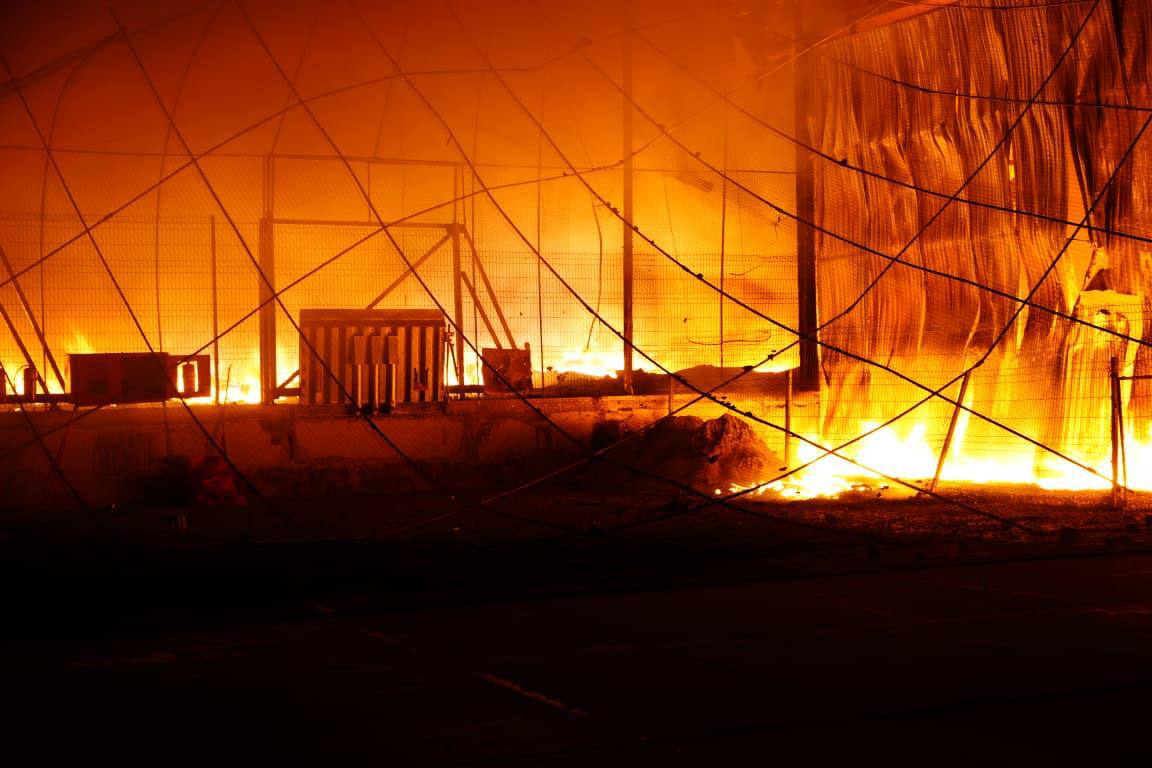
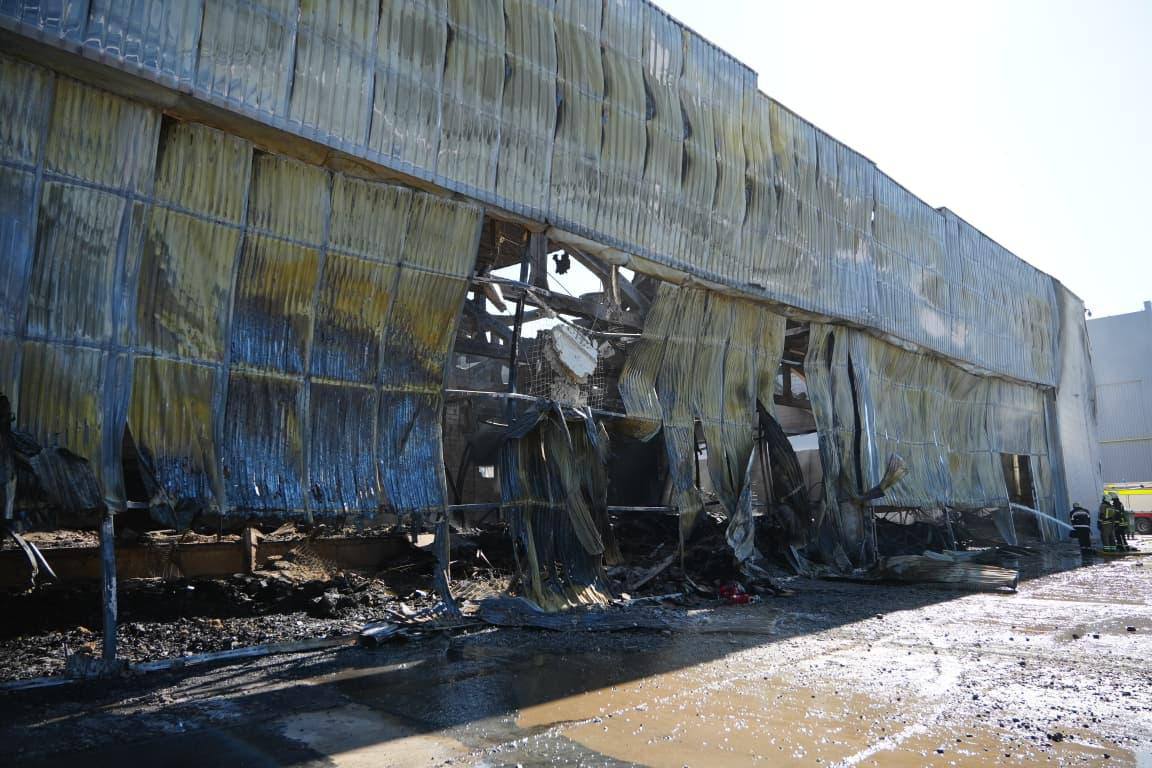
A Russian overnight strike heavily damaged a German-owned car-parts plant in Zhytomyr Oblast, forcing it to halt production, the company said. No workers were hurt, but the destruction was extensive. One of the region's major employers now has no restart date.
Russia struck Zhytomyr Oblast overnight into 9 August and hit the Kromberg & Schubert plant, which reported the attack on Facebook. Its production lines and infrastructure took heavy damage.
"The most important thing for us is that no employees were hurt in the attack," the statement said.
With the damage so severe, the plant suspended operations for an indefinite period. A restart depends on a technical assessment and the full scope of repairs, the company added.
Kromberg & Schubert is a civilian manufacturer with 100% German investment. It has run in the Zhytomyr region for 11 years and employs about 3,500 people. The plant makes the wiring harnesses that thread through cars, supplying European automakers.

Vitalii Bunechko, head of the Zhytomyr Oblast Military Administration, called it one of the region's budget-forming enterprises. He said the administration and local authorities are working to help the strategic investor and keep the plant running.

Bunechko reported that Russia had launched a massive strike on the oblast overnight. The attack also damaged civilian infrastructure, he said. State Emergency Service crews contained the fires, and investigators began work at the site.
Russia has repeatedly struck Zhytomyr Oblast during the war, stepping up its drone strikes on northwestern Ukraine, often exploiting Belarusian territory.


© European Centre for Medium-Range Weather. The New York Times


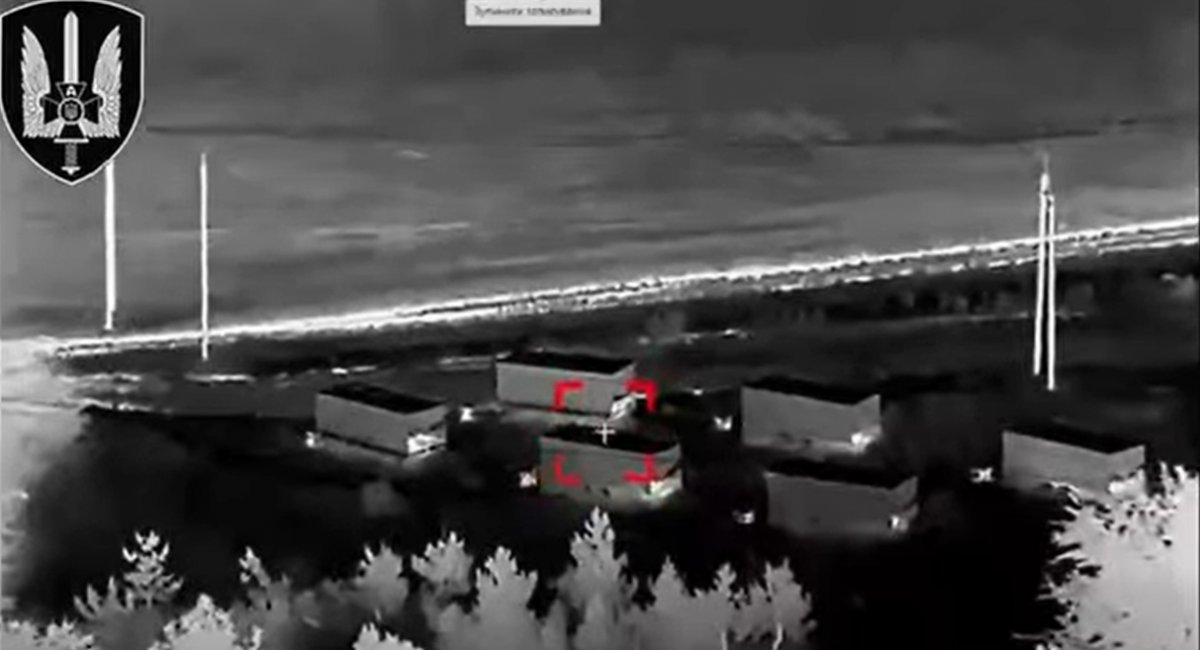
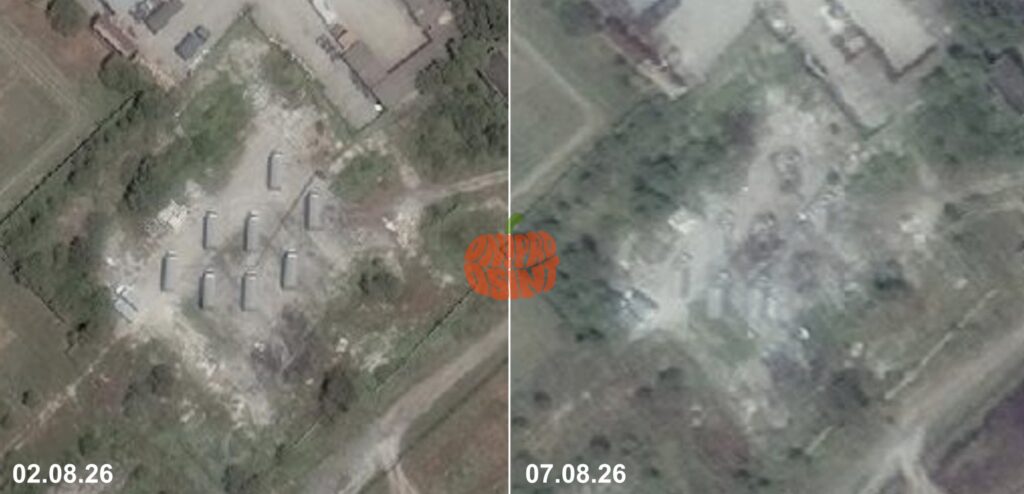
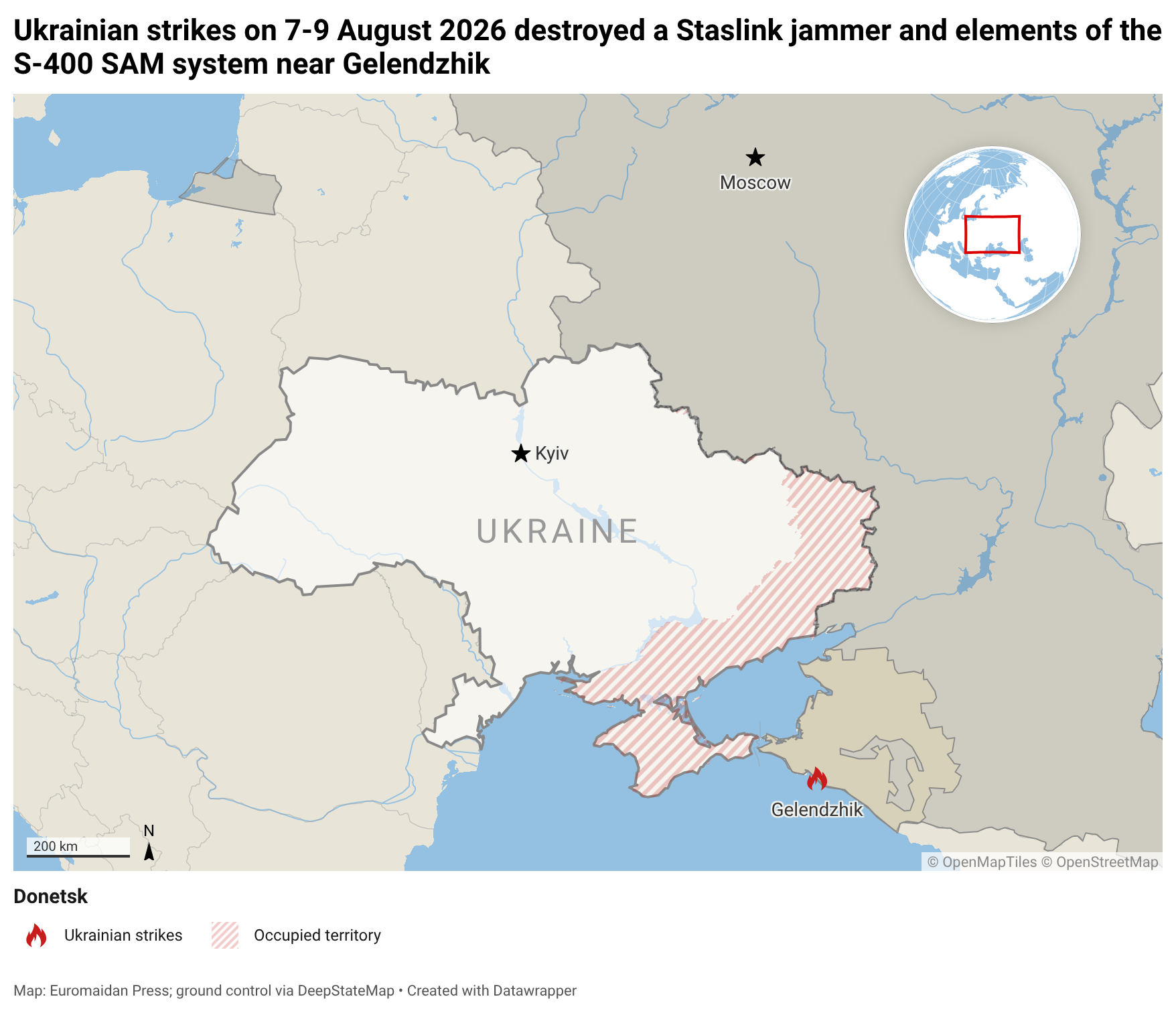
Satellite imagery has confirmed that Ukraine's Defense Forces destroyed a Russian electronic-warfare system built to jam Starlink at Gelendzhik in southern Russia, the Ukrainian defense outlet Militarnyi reported. Ukrainian drones hit the machine on the grounds of a Russian border-guard base during their sweep of the Black Sea coast. It is one more of these costly jammers Russia has lost, even as Ukraine's long-range drones cannot use Starlink over Russia.
Satellite images published by the OSINT community Dnipro Osint show the site cleared at Gelendzhik, in Russia's Krasnodar Krai. The Volna Kupol Garant complex is gone. Researchers called it the third destruction of this jammer recorded in open sources. The strike landed on the grounds of military unit 2156, the Novorossiysk border detachment of Russia's FSB Border Service.
Ukrainian drones likely hit it alongside a 7 August strike on cargo ships near Novorossiysk and Gelendzhik. Geolocated photos from residents point to a repeat strike on the base on 8 August.
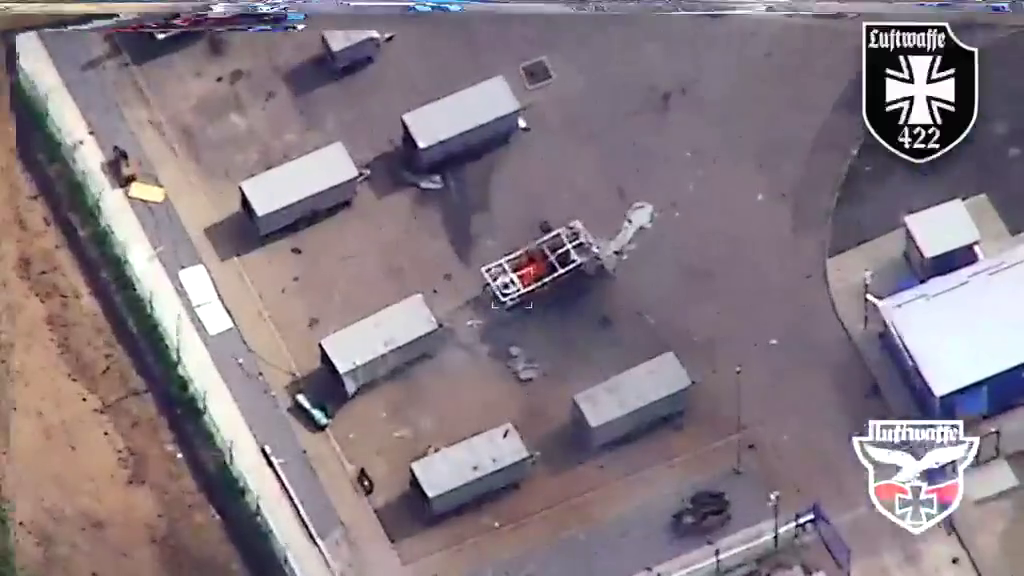
The Volna Kupol Garant is built from trailers carrying satellite antennas. It tracks a passing Starlink satellite and beams a strong signal that scrambles the terminals below across up to 20 km². Starlink is the SpaceX satellite-internet network that Ukrainian drones rely on to reach their operators. Each unit costs about $1.8 million. A same-named firm registered in occupied Simferopol builds it. The developer also makes the Volna 3M jammer that Russia has fitted to Mi-8AMTSh helicopters to block drone satellite navigation.
Ukraine has knocked out these jammers before. The 422nd Unmanned Systems Regiment, the Security Service of Ukraine's (SBU) Alpha special-operations center, and other Ukrainian units have struck such systems, including in occupied Crimea. The complex's weakness is its own power: beaming enough energy to reach a satellite makes it loud and easy to find.
And deep inside Russia, there is little Ukrainian Starlink to jam — SpaceX geofences the network to Ukrainian territory, and Elon Musk has refused Kyiv's push to use it for strikes into Russia so far.
Ukraine's drone crews have spent 2026 tearing into Russia's air defenses and rear. The same run of Black Sea strikes that wrecked this jammer also burned a Russian S-400 air-defense system on the Gelendzhik coast.


© Kenny Holston/The New York Times


© Salwan Georges for The New York Times


© Getty Images


© Stefani Reynolds for The New York Times


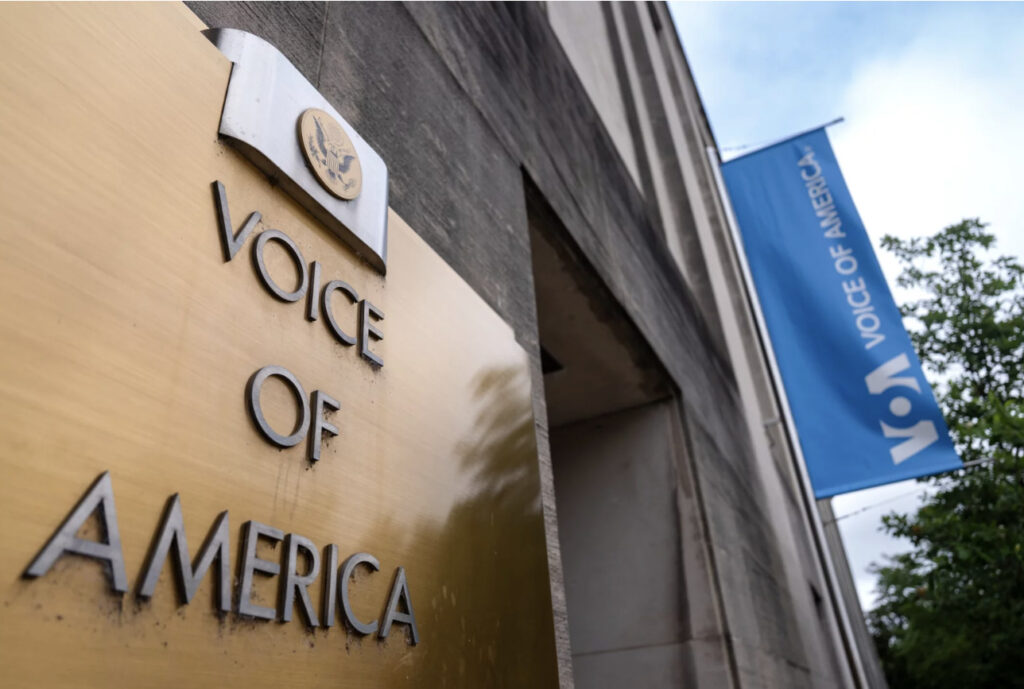
Ukrainian-language American broadcasting is coming back after more than a year of silence. Voice of America (VOA) is restoring service and returning part of its Ukrainian department staff to work, the outlet's head, Ruslan Petrychka, announces.
The return revives an American voice countering Russian propaganda in Ukraine at a moment when Russia is escalating both its strikes and its disinformation.
Petrychka called the decision very important, especially now that Russia cynically shells Kyiv and other Ukrainian cities daily, kills civilians, and continues large-scale propaganda campaigns against Ukraine.
"My colleagues are already preparing to resume broadcasts next week. I hope that even more employees of our service will return to work soon," he added.
Petrychka said the service is already preparing to return to the air. His colleagues are getting ready to resume broadcasts next week, and he said he hoped more of the service's staff would return to work soon.
The Ukrainian service had gone dark along with the rest of VOA. Its staff, like the broadcaster's employees generally, were placed on administrative leave in May 2025, which suspended its broadcasting.
The silence began with a White House decision. In March 2025, US President Donald Trump signed an executive order aimed at cutting the US Agency for Global Media (USAGM), the parent company of VOA, Radio Free Europe/Radio Liberty, and other US-funded international broadcasters, EP reported at the time. USAGM funding was to be cut to a minimum, and VOA employees were sent on leave.
Representatives of these organizations sued to challenge the decision.
The revival came through the courts, not a change of heart. In March 2026, US federal judge Royce Lamberth ordered the Trump administration to restore VOA's work, after much of the broadcaster had effectively been shut down a year earlier, CBS News reported.
The Ukrainian service's return is one piece of that court-ordered restoration finally taking effect.


© Meridith Kohut for The New York Times


© Eric Lee for The New York Times
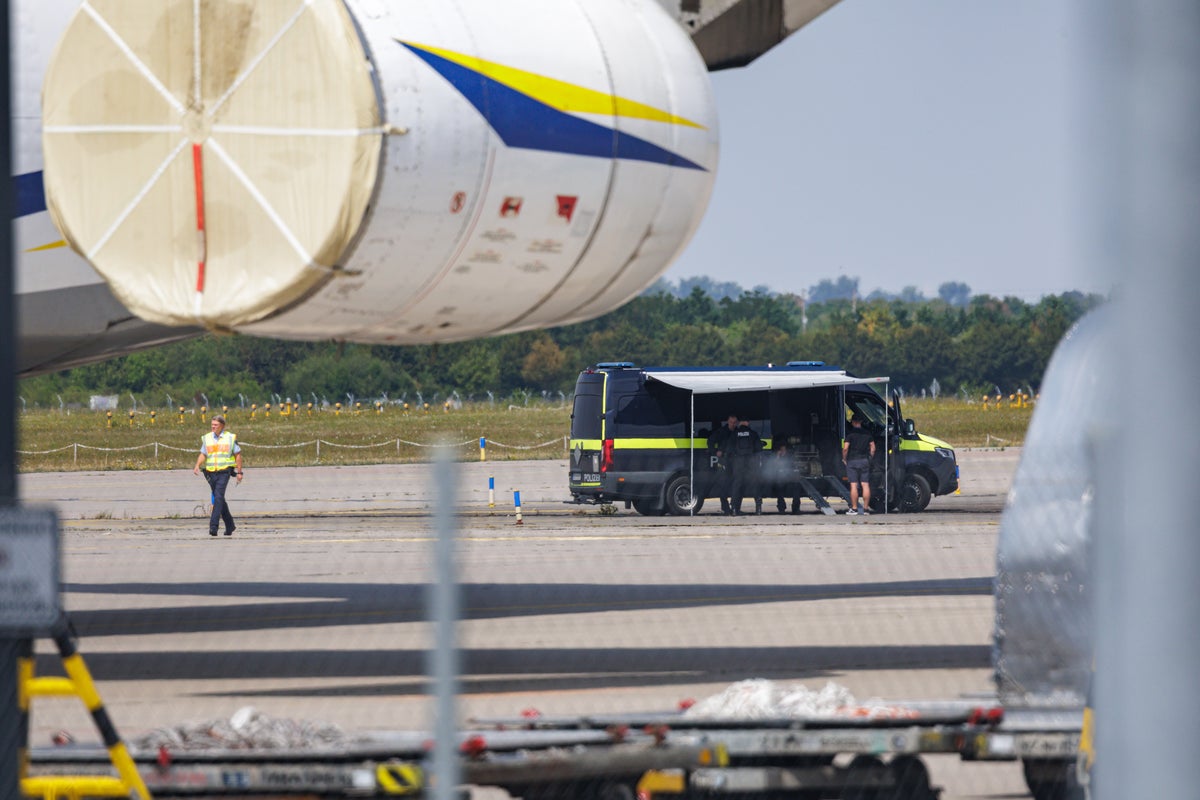
Flights at Germany’s Leipzig/Halle Airport were disrupted overnight as authorities investigated
© Getty


© Nathan Howard for The New York Times
Donald Trump a annoncé le mois dernier de nouveaux droits de douane, de 10% ou de 12,5%, pour remplacer la surtaxe mondiale de 10% imposée l’an dernier et qui arrivait à échéance.
25 États américains ont déposé hier une plainte auprès du Tribunal de commerce international des États-Unis pour contester ces tarifs imposés par Washington.
Ils soutiennent que le gouvernement Trump n’a pas, comme il le prétend, décrété ces tarifs pour combattre le travail forcé, mais plutôt pour rétablir des droits de douane proches de ceux que les tribunaux avaient déjà annulés par deux fois.
[L'article Une vingtaine d’États américains contestent des droits de douane imposés par les États-Unis a d'abord été publié dans InfoBref.]