Connexion

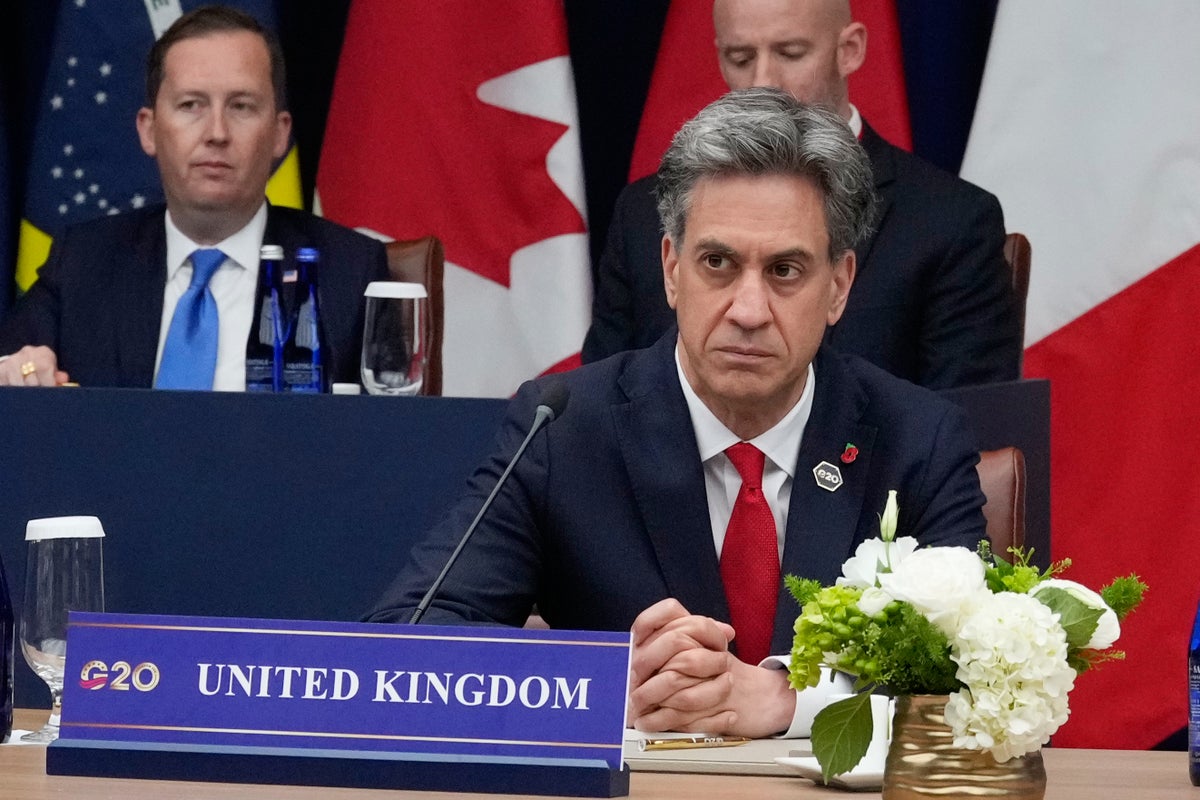
G20 photocall cancelled after Miliband refuses to be pictured with Russian foreign minister
Miliband also told Russia foreign minister ‘you are not winning this war’
© AP

Miliband also told Russia foreign minister ‘you are not winning this war’
© AP

© Pool photo by Christopher Katsarov
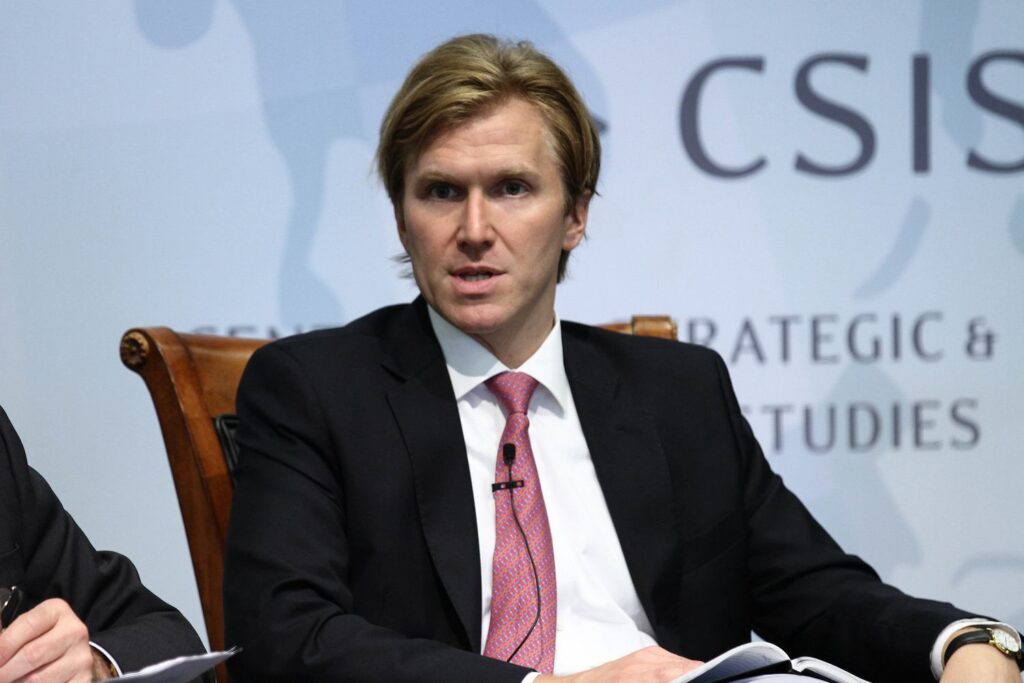
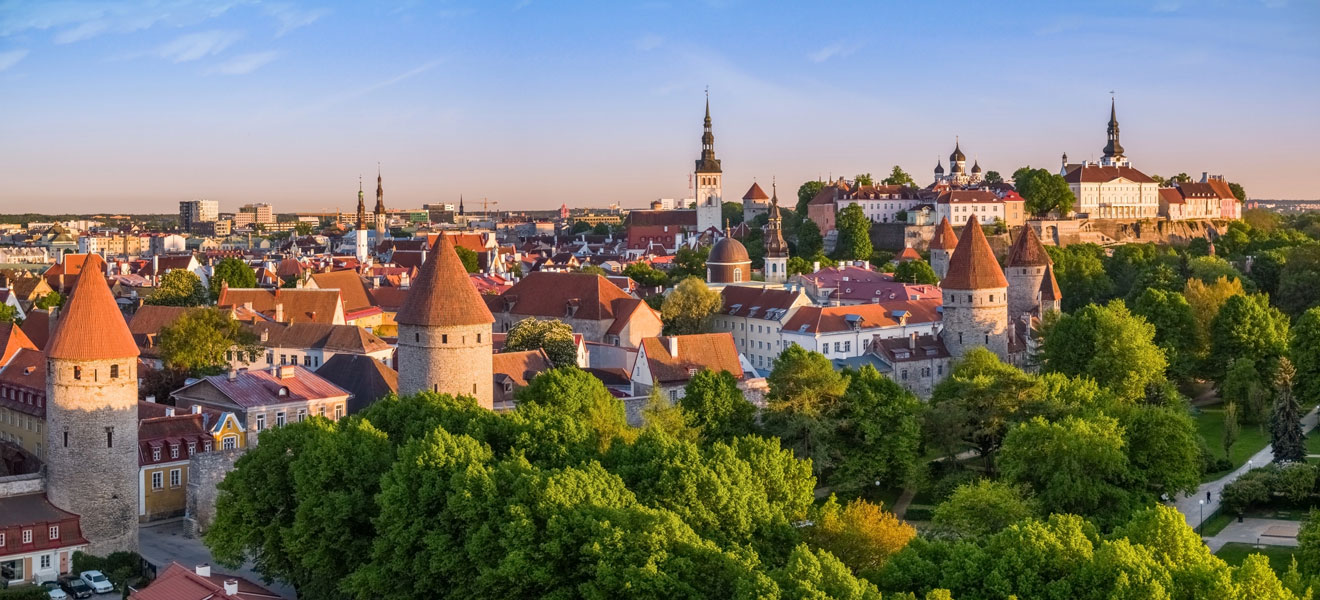
In recent weeks, the Pentagon has urged several NATO allies, among them Lithuania, Latvia, and Estonia, to tone down their public warnings about the threat from Russia, four people familiar with the matter told Reuters. Pentagon officials argued that some European statements undermined Europe's security, the sources said. Pentagon policy chief Elbridge Colby recently advised a Baltic official against any "poking" of the Russians, one of the people said.
Russia's full-scale war on Ukraine is in its fifth year, and Moscow has spread a deniable arson and sabotage campaign across Europe. As Washington offers Moscow sanctions relief and presses Kyiv to stop hitting Russian energy, the restraint it seeks appears to fall on those Russia threatens, first Ukraine and now NATO's eastern flank.
As an example of unhelpful rhetoric, Colby cited Europeans' public suggestions that Russia was "cornered like a rat," the person said. Reuters could not determine whose words he meant. In late September, Estonia said Russia had ordered the arson at Milrem Robotics, a Tallinn company supplying ground robots to Ukraine, and Estonian Prime Minister Kristen Michal likened Putin to a "rat in the corner." Michal said Putin was stepping up activity in Europe to erode the West's backing for Kyiv, and that the surest deterrent was to "back Ukraine."
At another meeting, Pentagon officials asked an Estonian delegation to keep its communications "measured," a person briefed on the encounter said. Another European official described the Pentagon's private messaging this way:
"We are helping you. The Americans are there… Just don't be loud. Don't make noise."
One European official called the advice cordial but baffling, since the Baltic states' own intelligence services have repeatedly judged it unlikely in recent months that Russia would test NATO's mutual defense provisions.
The Pentagon refused to discuss "private conversations among allies," and the Baltic defense ministries did not reply.
Colby is a key figure in the Pentagon's ongoing review of US force posture in Europe, which could lead to a sharp troop drawdown. In September, the Pentagon was weighing pulling up to 40,000 troops from Europe.
Russia has lately stepped up its deniable attacks on NATO members, Western intelligence officials say. Its suspected arson campaign against Starlink sites serving Ukraine has reached Lithuania, and on 28 October German prosecutors announced the arrest of two Belarusians suspected of plotting arson near Nuremberg. Russia denies running a sabotage campaign. Meanwhile, US officials have discussed business deals with Russia, which many European officials oppose.
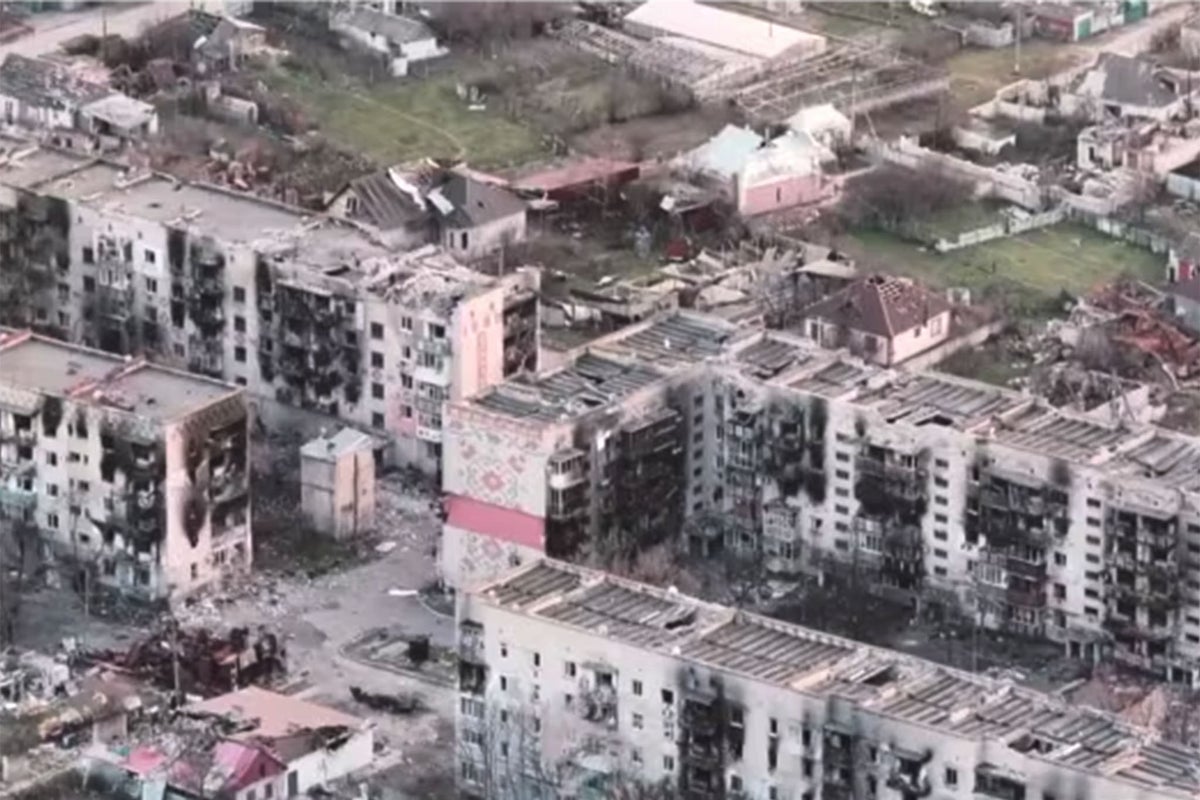
Hundreds of people were expected to stay in the beleaguered town in occupied southern Ukraine despite the risks
© Ukraine's 34th Special Forces Brigade
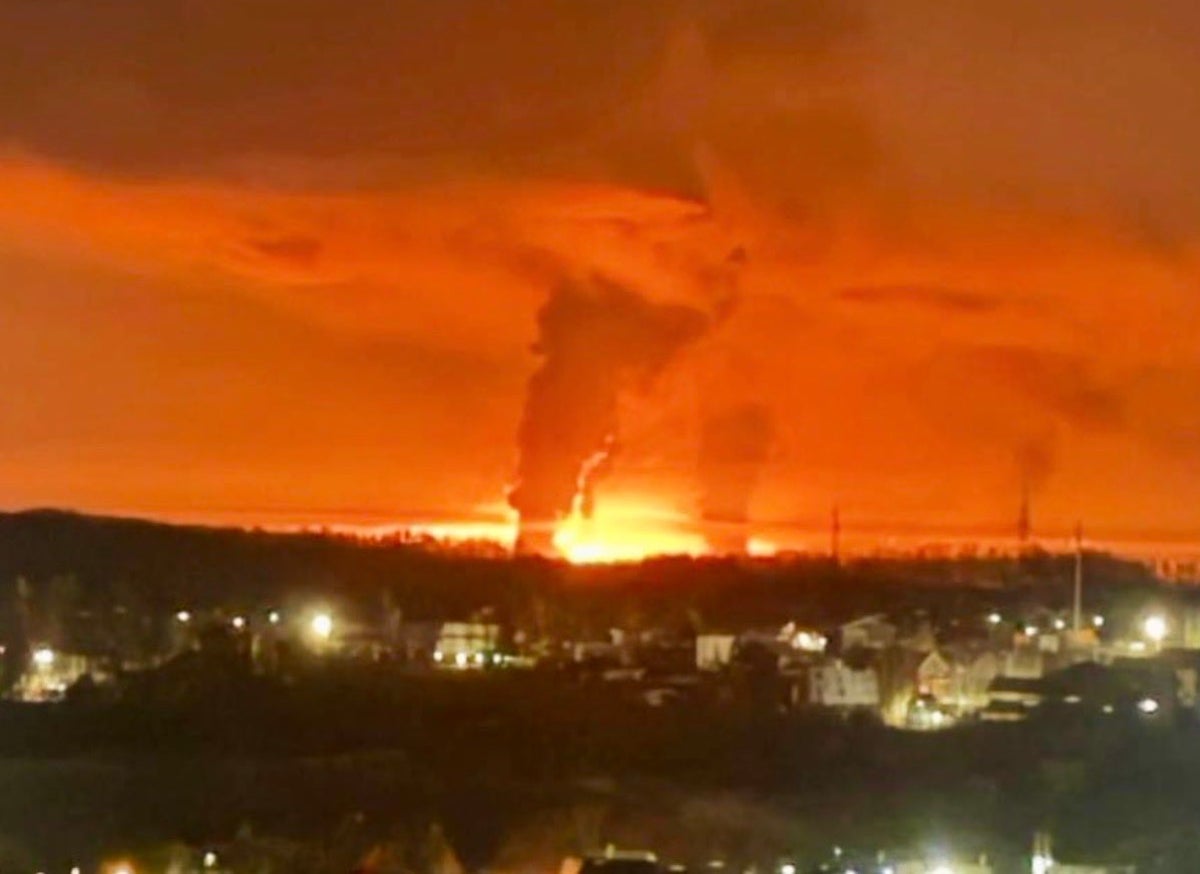
Ukraine said there was ‘no radiation threat’ despite warnings from the app
© X/@ukraine_map
The Higher Regional Court in Düsseldorf has ordered two 19-year-old Germans held pending extradition to Bulgaria, which accuses them of setting fire to Starlink antennas at a satellite ground station near Sofia, the court and Düsseldorf prosecutors said on 29 October. The men, from Duisburg and Moers, were arrested on 23 October, German prosecutors told Reuters.
As Russia presses its war on Ukraine, Starlink keeps Ukraine’s drone units and front-line troops connected, and its ground sites in Europe have become targets. Within a month, fires and attempted fires hit Starlink sites in Poland, Bulgaria, and Lithuania, and Warsaw and Vilnius have linked them to Russia. The Bulgarian case now has its first arrests, and Sofia says the same pair struck another EU country, which would make it more than a one-off.
Bulgarian Interior Minister Ivan Demerdzhiev said he expected both suspects to be handed over to Bulgaria, and that the same two carried out a similar attack in another EU member state on 18 October, the state news agency BTA reported on 28 October. He did not name the country outright, but went on to cite Lithuania’s prime minister on an attempted arson there.
Overnight on 18 October, intruders tried to set fire to a Lithuanian company that stores Starlink equipment used by Ukraine, but tipped-off guards foiled the attempt. Lithuania’s prime minister called it part of Russia’s hybrid war.
Bulgarian Prime Minister Rumen Radev said the suspects had been detained in Germany several days earlier, and that disclosing their names sooner would have let them flee. The opposition wants to know whether a foreign security service warned Bulgaria at least a week before the attack, and how two 19-year-olds could enter the country and leave unnoticed. Parliament has failed three times to gather a quorum for a sitting to hear Radev and the security chiefs.
The two did not agree to a simplified extradition, and the court will rule later on whether handing them over is admissible, according to the court’s statement carried by the dts news agency. Any extradition is to be approved only on the condition that, after a final sentence, they are offered a transfer back to Germany to serve it. Their lawyers plan to contest the Bulgarian warrant, dpa reported.
Bulgarian prosecutors say the pair crossed from Serbia as tourists on 9 October, set fire to eight antennas at the Plana teleport south of Sofia, and drove back to Serbia the same night. They were charged in absentia, a Sofia court confirmed European arrest warrants for them, and they face three to 12 years in prison if convicted.
Sofia City prosecutors announced the arrests on 27 October and said German authorities are gathering evidence for the case under a European investigation order. The pre-trial investigation continues, they said.
Ukraine is preparing for potential foreign policy shifts after Tuesday’s elections, which could see Donald Trump’s Republican party punished at the polls
© AFP/Getty
A six-day ceasefire in the Ukrainian city of Oleshky continues to hold as humanitarian aid is expected to arrive on Friday

© AP

© Sam Bush for The New York Times
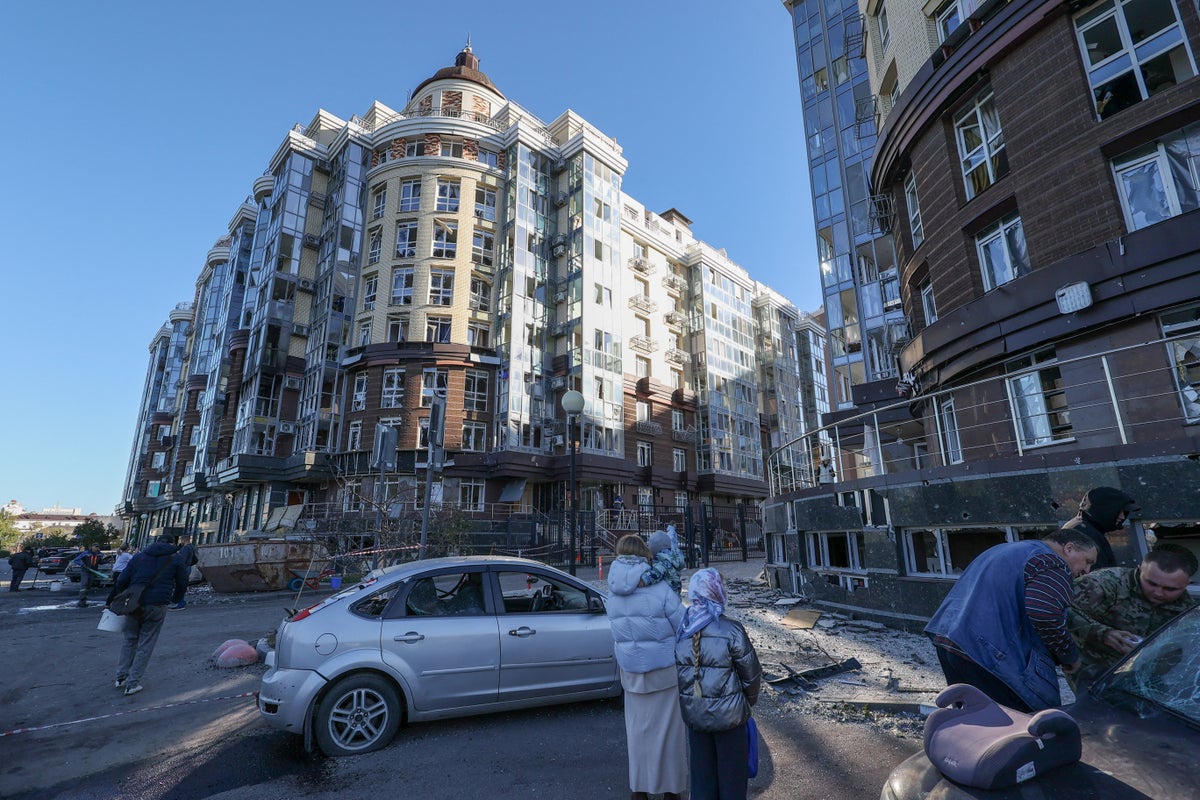
Pause on strikes targeting Russia's oil infrastructure could reportedly last deeper into November
© Reuters

© Copyright 2026 The Associated Press. All rights reserved
Ukraine has relied heavily on Starlink throughout the Russian invasion but complained earlier this month of speed restrictions

© AFP/POOL/AFP via Getty Images
Ukrainian soldiers trekked through nine miles of muddy underground tunnels into Kupiansk where they took 30 prisoners
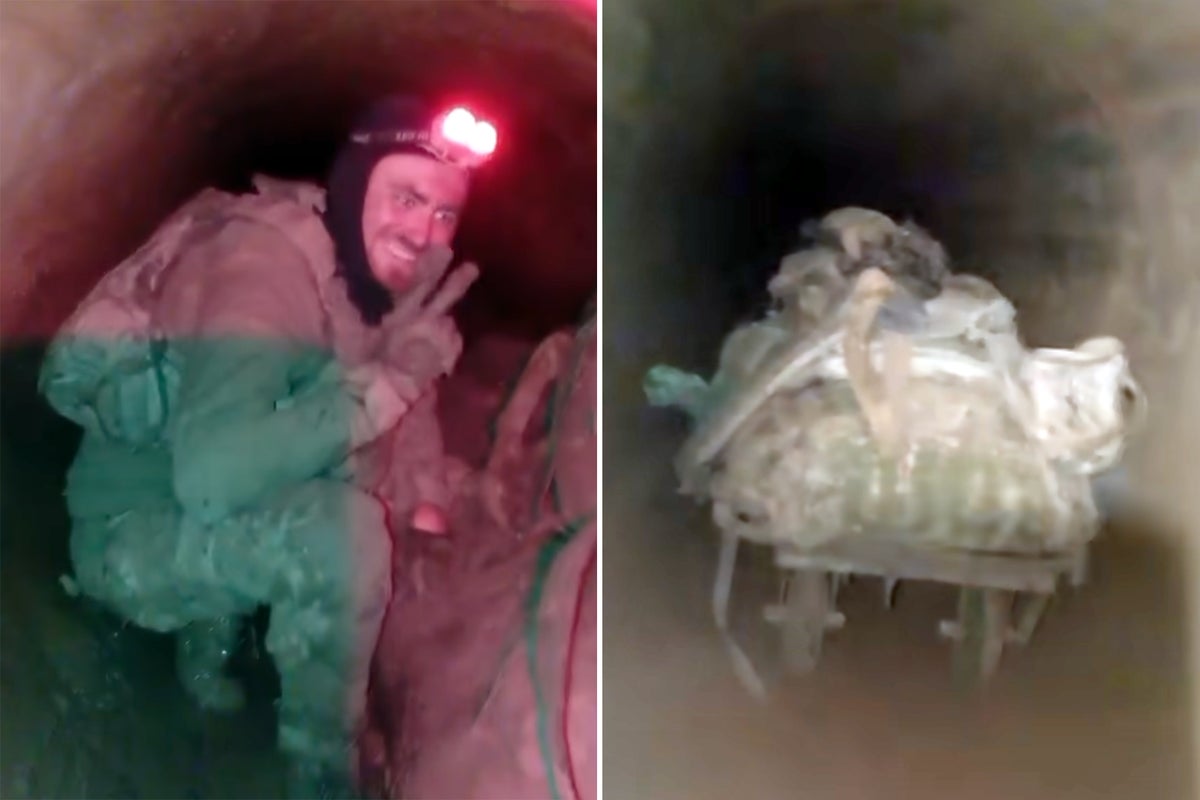
© Skelya 425
The third Russia-Africa Summit in Moscow is attended by African leaders and government delegations from 48 countries
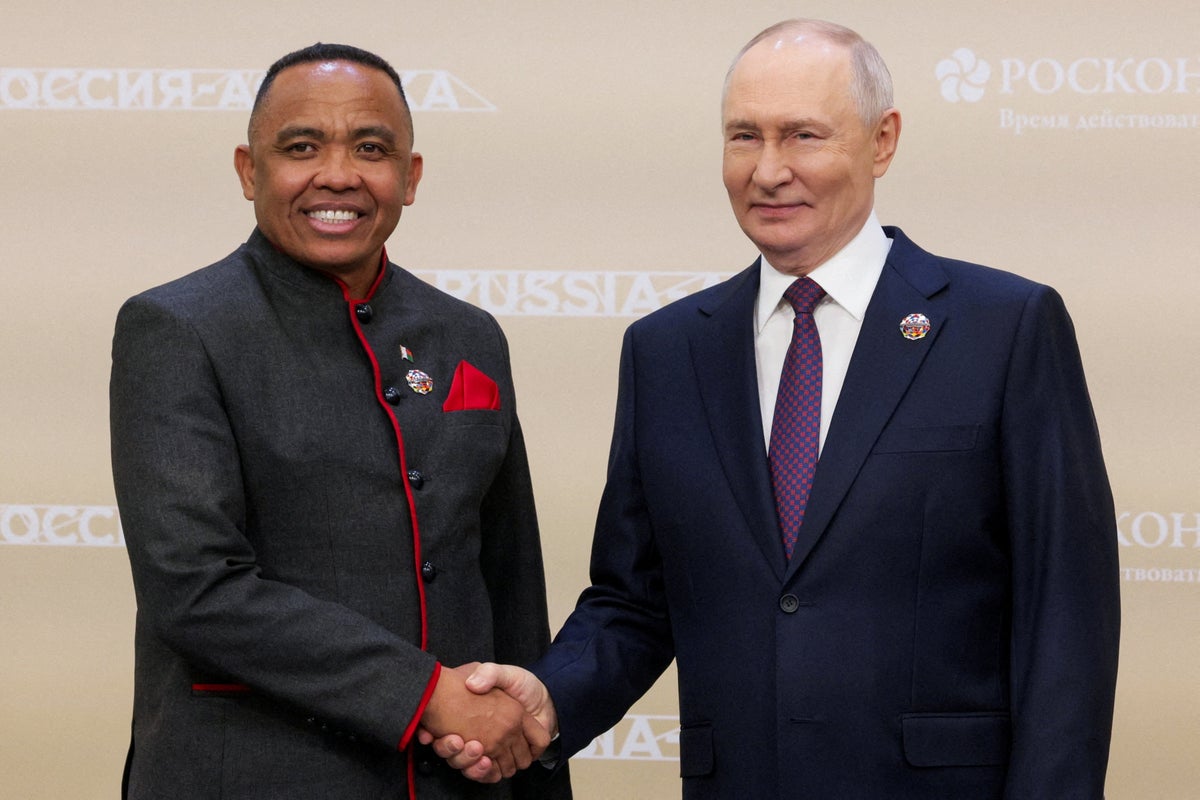
© Reuters
As Ukrainians seek to go about their everyday lives, train travel is still popular - even though passengers must weigh up the risk of being killed by Russian drone strikes
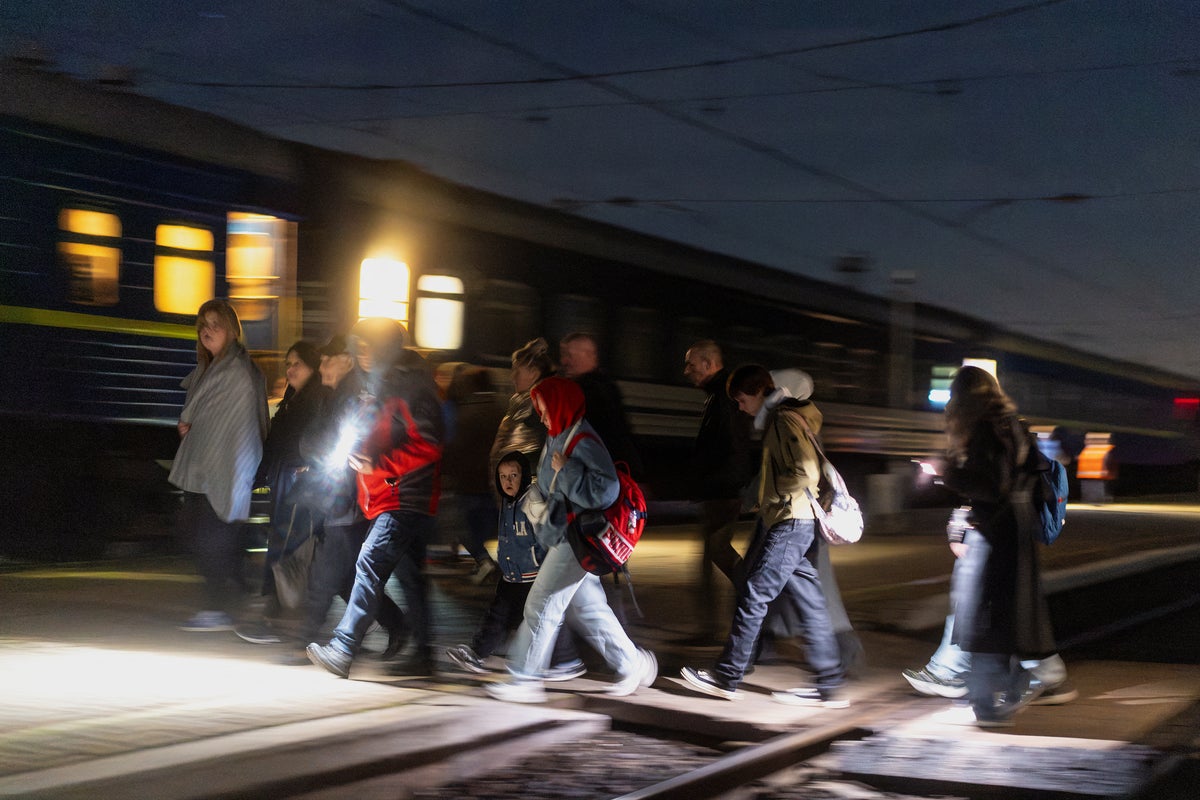
© Reuters
Russia says it has downed most of 613 drones headed for its capital region overnight
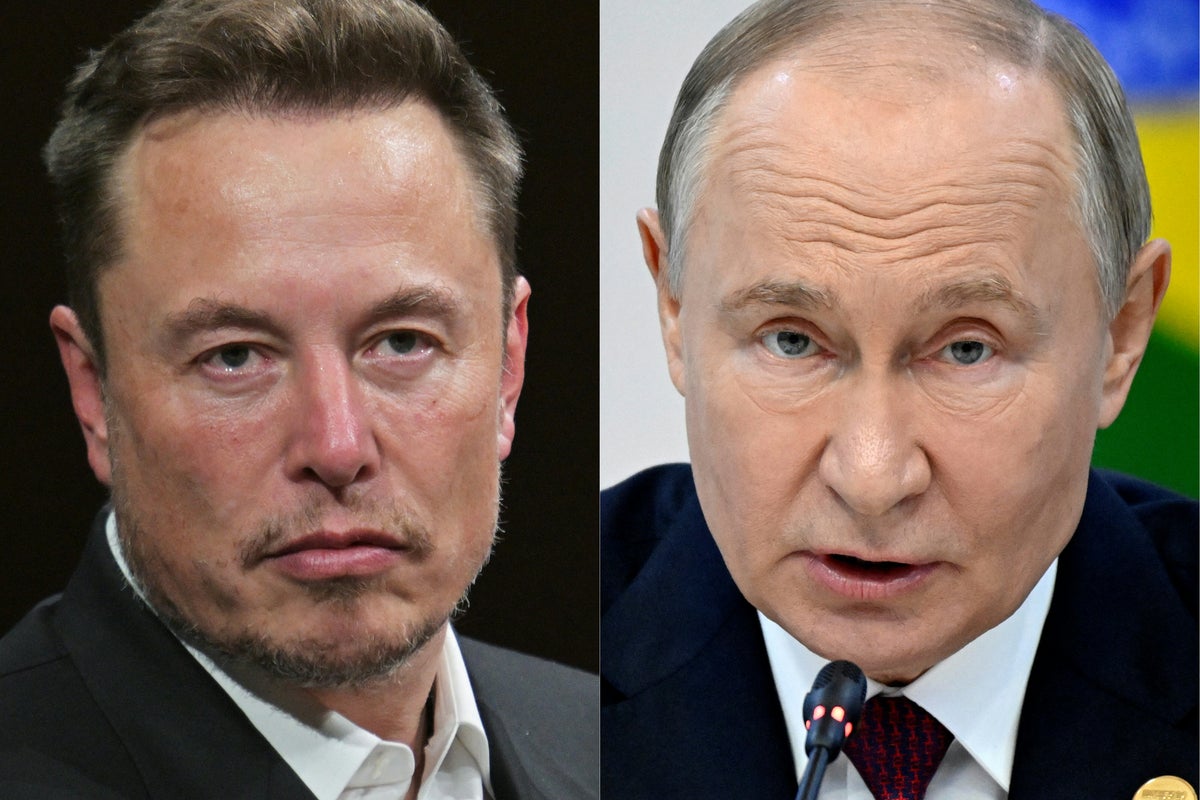
© AFP/Getty

© Daniel Rodrigues for The New York Times
The move attracted criticism from the Danish prime minister, who urged Europe to ‘stick together’ on Ukraine
© AP
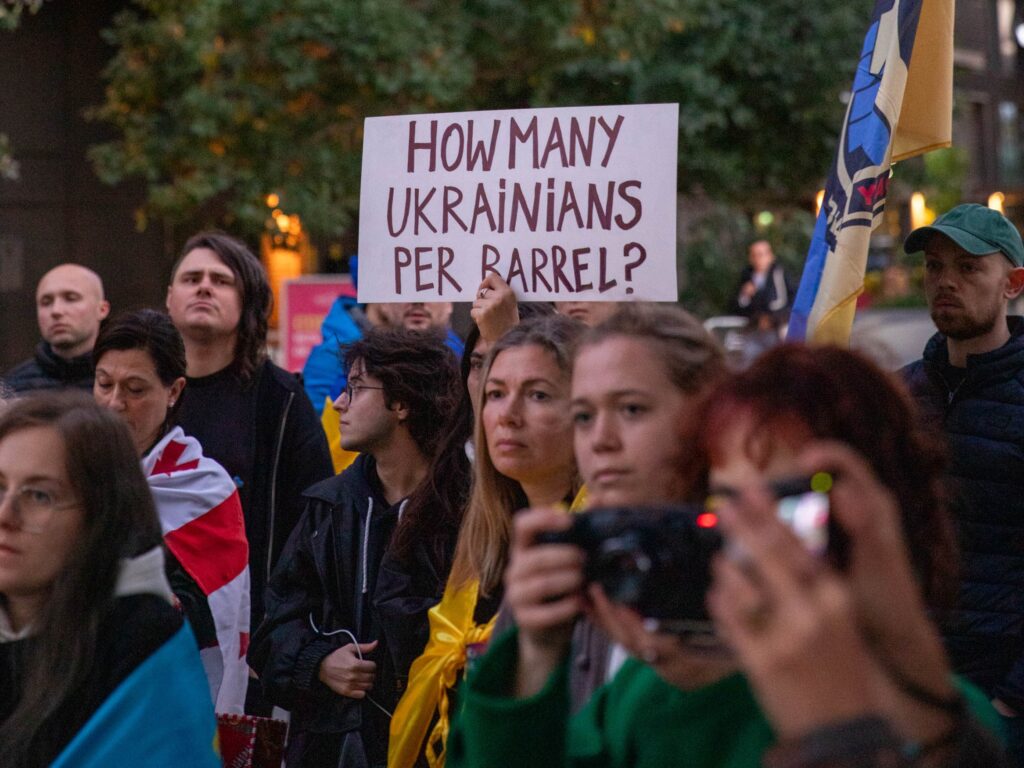
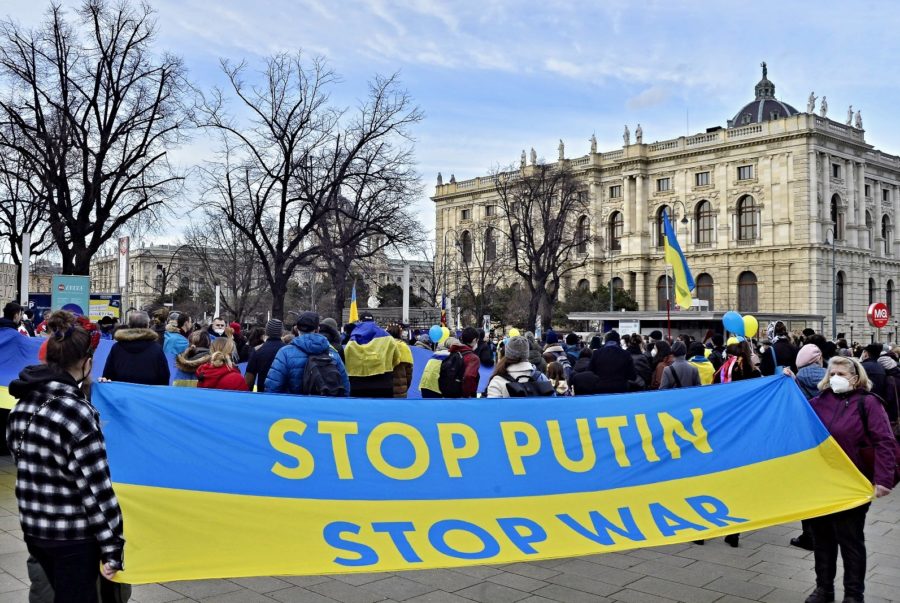
Pro-Ukraine demonstrations took place in more than 10 cities across Europe, North America, and Australia over the past week, with protesters opposing US President Donald Trump’s agreement to resume Russian diesel shipments, the easing of sanctions on Moscow, and restrictions affecting Ukraine’s military support.
The protests were organized by Ukrainian diaspora groups and international supporters of Ukraine, who called on Washington to maintain pressure on the Kremlin, restore Ukraine’s access to Starlink, and stop using military aid and intelligence sharing as leverage against Kyiv.
The International Center for Ukrainian Victory (ICUV) said the actions reflected growing concern over US decisions that could benefit Russia while its war against Ukraine continues.


The demonstrations followed Trump’s announcement on 9 October that Russia would supply diesel to US and global markets. The US Treasury’s Office of Foreign Assets Control subsequently issued a temporary license authorizing transactions involving Russian-origin diesel, including imports into the United States, through 7 April 2027.
The decision reversed part of Washington’s restrictions on Russian fuel imposed after Russia’s full-scale invasion of Ukraine in 2022.
“We are witnessing a dangerous situation today: Russia, which attacks Ukrainian cities every day, is being offered economic agreements and sanctions relief, while Ukraine is being asked to make concessions. But Ukrainians cannot simply stop fighting. For us, this is a matter of our state’s existence. Our future cannot be the subject of agreements between Trump and Putin. It belongs to Ukrainians,” said Olena Ivashchenko, founder of Campaign for Ukraine.


In London, hundreds of protesters gathered outside the US Embassy on 16 October, according to organizers from Campaign for Ukraine and partner groups. Participants included Ukrainians, Britons, Americans, and members of other national communities. British lawmakers also raised the issue in Parliament.
Demonstrators carried signs reading “How Many Ukrainians per Barrel?” and “Occupation Is Not Peace,” calling on Washington to preserve sanctions and reject pressure on Ukraine to make territorial concessions.


Protests also took place in Edinburgh, Chicago, Houston, Boston, San Diego, Prague, Rome, Stockholm, and Sydney. In Prague, two Ukrainian activists staged a protest outside the US Embassy on 21 October, pouring a red liquid resembling blood onto the road to symbolize the human cost of the policy.

Participants in several cities also condemned restrictions on Starlink, delays in ammunition supplies, and disruptions to intelligence sharing with Ukraine.
The diesel agreement has drawn criticism in Ukraine because Russian fuel exports generate revenue for Moscow while its forces continue attacking Ukrainian cities and infrastructure. A Russian diesel tanker carrying 40,000 metric tons of fuel departed Russia’s Baltic port of Primorsk on 22 October bound for New York, according to shipping data reported by Reuters. It was expected to arrive on 7 November.
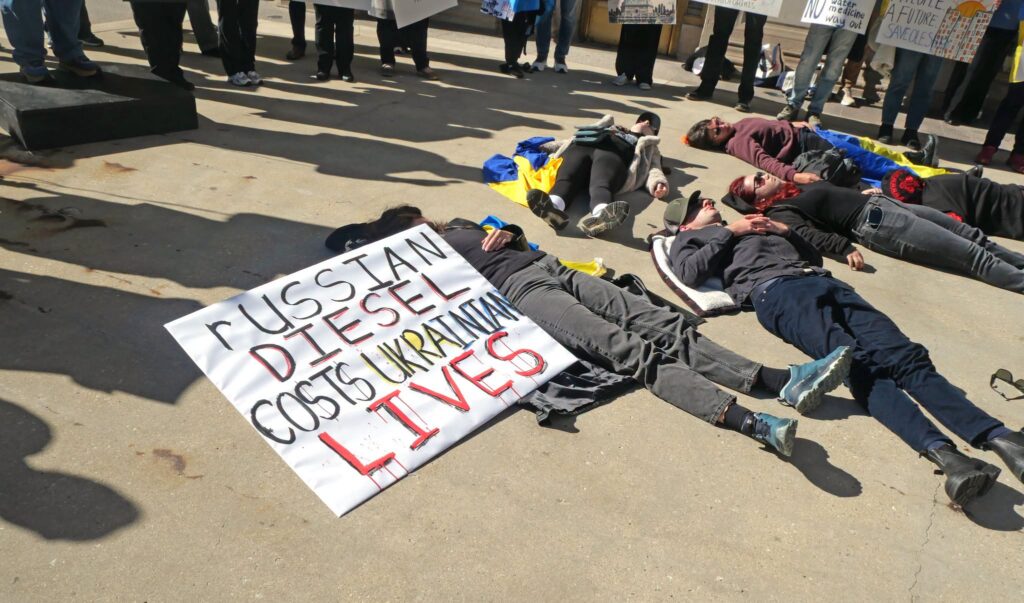

Protest organizers argued that restoring Russian fuel sales and relaxing sanctions risk helping Moscow finance its war. They also opposed any US effort to secure concessions from Kyiv without requiring Russia to end its aggression.
The demonstrations reflect concerns among Ukraine’s international supporters that Washington’s pursuit of economic agreements with Moscow could undermine efforts to isolate Russia and strengthen Kyiv’s position.
Trump has defended the diesel arrangement as a way to increase fuel supplies and lower prices. His administration has also presented engagement with Moscow as part of its broader effort to end the war, while critics question whether easing economic pressure will produce meaningful concessions from the Kremlin.


© Pool photo by Maxim Shipenkov

© Marko Djurica/Reuters
Finnish president defends calling Putin, saying ‘ending the war requires direct discussions’
© AFP/Getty

© Ukrainian 34th Separate Marine Brigade "Borysfen"
The inquiry also found evidence that Russia recruited men from 29 countries into its armed forces ‘through deception or coercion’ to fight in Ukraine
© Ukrainian Emergency Service
Russia has repeatedly denied the accusations
© Reuters
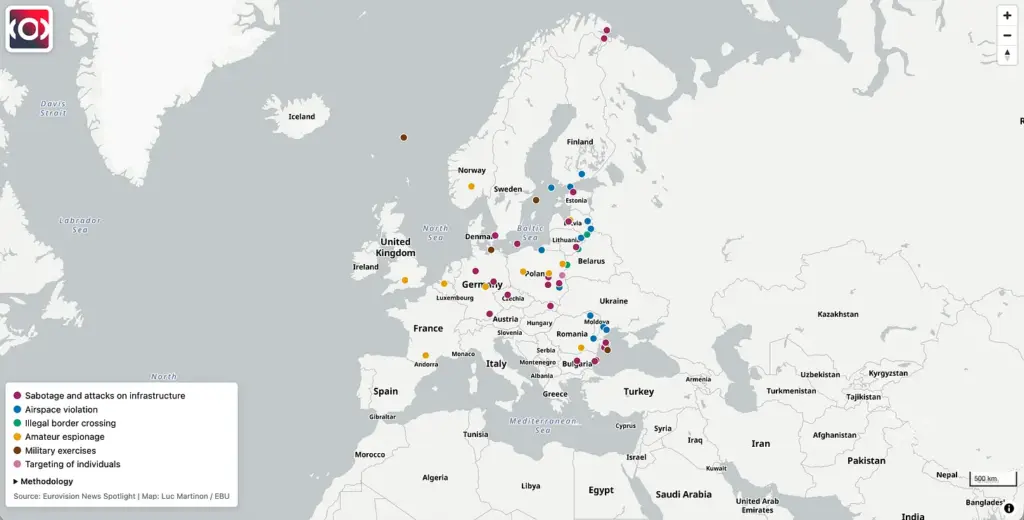
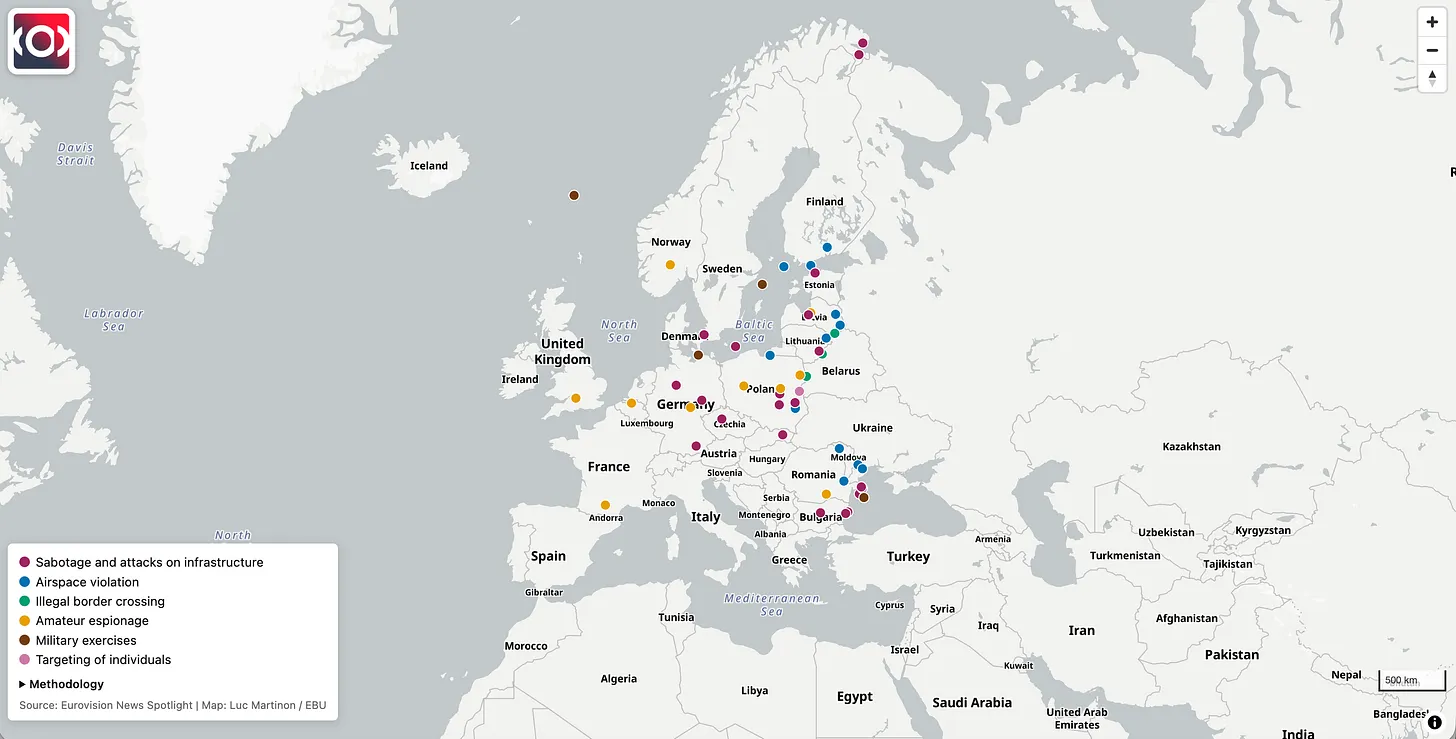
Journalists from 17 European public service broadcasters, coordinated by the European Broadcasting Union’s (EBU) Eurovision News Spotlight network, published an interactive map on 23 October 2026. It documents hybrid incidents linked to Russia across 17 European countries between 1 April and 15 October. Journalists compiled a database of hundreds of reported incidents, categorizing each by type and the source and strength of its alleged links to Russia, then verifying them through open-source research.
The map comes as officials warn the campaign is growing. On 28 September, EU foreign policy chief Kaja Kallas said in Brussels that Russia was planning more acts of sabotage to divide societies and intimidate them into abandoning their support for Ukraine. The points on the map represent an incomplete list of publicly known cases attributed to Russia or suspected of being linked to it, the report states.
The map covers airspace violations, sabotage attempts, “disposable” agents with no formal intelligence training, migration used as a weapon, and Russian military activity near or across European borders. It excludes cyberattacks, influence operations, and espionage by trained intelligence officers.
The EBU calls the result a very conservative estimate, not an official tally. Russia has consistently denied responsibility for the incidents. Many single points represent several incidents of the same type in one area or in quick succession. In Moldova, for example, Defense Minister Anatolie Nosatîi said on 30 September that the government had recorded 84 drone incursions.
The map shows four incidents in Germany, according to BR.

Internal papers from the new Joint Hybrid Defense Center, seen by Correctiv, record 163 suspected sabotage cases in 2026 up to 19 August. The targets included rail lines, military facilities, substations, and radio masts. The same papers record 1,034 drone overflights of critical infrastructure, military sites, and defense companies, and 25 espionage investigations. The papers cover possible attacks by Russia, China, and Iran, and media did not report a breakdown of the sabotage cases by country.
On 15 April, Swedish civil defense minister Carl-Oskar Bohlin said pro-Russian groups had moved from denial-of-service attacks to attempts at destructive cyberattacks, including one on a Swedish power plant in 2025. On 1 September, German Foreign Minister Johann Wadephul named Russia as the perpetrator of the Leipzig attack and accused Moscow of “blatant hostility” toward Germany.
On 18 September, French President Emmanuel Macron said Russia’s hybrid attacks would not go unanswered and ordered a plan to protect France’s critical infrastructure. On 1 October, German Chancellor Friedrich Merz said Germany was preparing for new hybrid attacks, “including serious ones.” NATO Secretary General Mark Rutte on 14 October called the attacks a sign of Russian weakness at a press conference in Tallinn and said NATO would react where needed without being “rattled.”
Russian authorities deliberately targeted civilians and Ukraine’s energy infrastructure, the report claimed
© AP
The episode added to tensions between Kyiv and DC, a relationship already strained by Trump’s reported deal with Moscow on Russian diesel imports

© Reuters
Ordinary Ukrainians are now the targets of Russia’s bombs and drones as Putin gets more help from the US president, writes world affairs editor Sam Kiley
© Shutterstock

Austria has ordered four Russian diplomats to leave the country over suspected espionage, declaring them persona non grata following findings by Austrian security authorities, Austrian media outlet Heute reported on 23 October.
The expulsions come as European countries step up efforts to counter suspected Russian intelligence operations amid Moscow’s war against Ukraine. Three of the diplomats worked at the Russian Embassy in Vienna, while the fourth served in Russia’s delegation to the Organization for Security and Co-operation in Europe (OSCE), which is headquartered in Vienna.
Austria’s Foreign Ministry said the four had engaged in “activities incompatible with their diplomatic status,” a term usually used for spying, Reuters reported. It did not disclose details of the alleged activities or the intelligence findings behind the decision.
The three embassy diplomats were declared persona non grata under Article 9 of the Vienna Convention on Diplomatic Relations. The fourth, who worked on military security and arms control at Russia’s OSCE delegation, was also ordered to leave Austria.
The latest expulsions bring the number of Russian diplomats Austria has expelled since 2020 to 18, according to Reuters. In May 2026, Austria expelled three Russian Embassy employees suspected of using antennas on diplomatic buildings to intercept satellite internet data transmitted by international organizations based in Vienna.
Vienna’s concentration of international organizations, including the OSCE and United Nations agencies, has made it a key location for intelligence activity. A 2024 report by The Wall Street Journal, described Vienna as a major Russian spy hub for operations targeting Western countries, including surveillance of arms supplies to Ukraine.
Russia’s Deputy Foreign Minister Dmitry Lyubinsky said Moscow’s response to the expulsions was unavoidable, according to Russian state news agency TASS, AP reported.
The White House said the ceasefire in the ‘frontline war city on the brink of disaster’ will begin next week

© Reuters
Ukraine’s Defense Intelligence (HUR) warned that Russia may stage sabotage in Central and Eastern Europe, including the Baltic states, and blame Ukraine for the attacks, in a Telegram post on 23 October.
The warning comes three days after The Wall Street Journal reported that US intelligence traces Europe’s sabotage wave to Putin’s personal order. If Russia stages new attacks and pins them on Ukraine, as HUR warns, European anger could turn on Kyiv rather than the Kremlin. This goes further than HUR’s statement on 2 October, which named potential Russian targets in Europe but did not mention a plan to blame Ukraine for attacks.
Russia is stepping up its hybrid strategy to destabilize the European Union, according to HUR. The agency identified two aims: reducing foreign support for Ukraine by discrediting its Defense Forces, and intimidating European governments and societies.
The accusations would be spread through Russian propaganda channels and international platforms accessible to the Kremlin.
HUR listed several potential targets for Russian provocations:
The list reflects HUR’s assessment of potential targets, not confirmation that attacks at these locations are planned.
On 2 October, HUR said Russian intelligence services had been ordered to increase activity in EU and NATO countries. It named military facilities, critical infrastructure, communications systems, and Starlink ground stations as potential targets and said it had alerted partners.
Warnings of Russian false flags on NATO’s eastern flank predate HUR’s. In August, Bloomberg reported, citing an unnamed European intelligence official, that Russia might expand hybrid attacks against Poland and the Baltic states, including false-flag attacks. A European government official separately told the agency that the CIA had warned countries in the region of a possible Russian attack. Lithuania’s military intelligence had warned earlier in August that Moscow might reassemble captured Ukrainian drones for false-flag strikes on critical infrastructure in the Baltic region.
Meanwhile, The Wall Street Journal reported on 20 October that US intelligence agencies believe the attempted drone attack on Leipzig-Halle Airport in Germany in early August was among the opening shots of a sabotage campaign ordered by Russian President Vladimir Putin. The Journal cited European officials briefed on the intelligence findings.
According to the newspaper, at least three drones carrying military-grade Semtex explosives were involved. One struck an Antonov cargo plane used to transport military aid to Ukraine but failed to explode. Another collided with a different aircraft, while a third detonated near the airport perimeter. German newspaper Welt am Sonntag has since named two suspects, citing German investigation files. Earlier German media reports described the sequence differently.
The Journal also reported sabotage attacks on Starlink stations in Poland, Lithuania, and Bulgaria in recent weeks. In August, Slovak authorities said they had foiled a planned arson attack on a Ukrainian drone factory, the Journal reported.
Russia denies involvement in sabotage in Europe. Responding to Berlin’s accusations over the Leipzig incident in early September, Putin asked where the evidence was.
Zelensky announces trilateral meeting with Russia and the US in November
© AP
Kercso says that the staged Russian video of his ‘arrest’ was filmed in mid-April in Sochi, after he had already been captured

© Reuters
Ukrainian military sources say they are yet to see any change in satellite internet speeds
© Reuters
© Copyright 2026 The Associated Press. All rights reserved
© Copyright 2026 The Associated Press. All Right Reserved.
Kostiantyn Vlasenko said he had resigned himself to staying in that position forever after losing his legs
© 92nd Assault Brigade
The talks came more than two years since Donald Trump promised in his election campaign to end the Ukraine war within 24 hours

© Reuters
At least six people have been left injured in the ballistic missile attack
© Reuters
Four others were killed in Nova Vodolaha, including an eight-year-old girl. Ukraine’s president called the attack ‘pure atrocity’

© Ukraine media
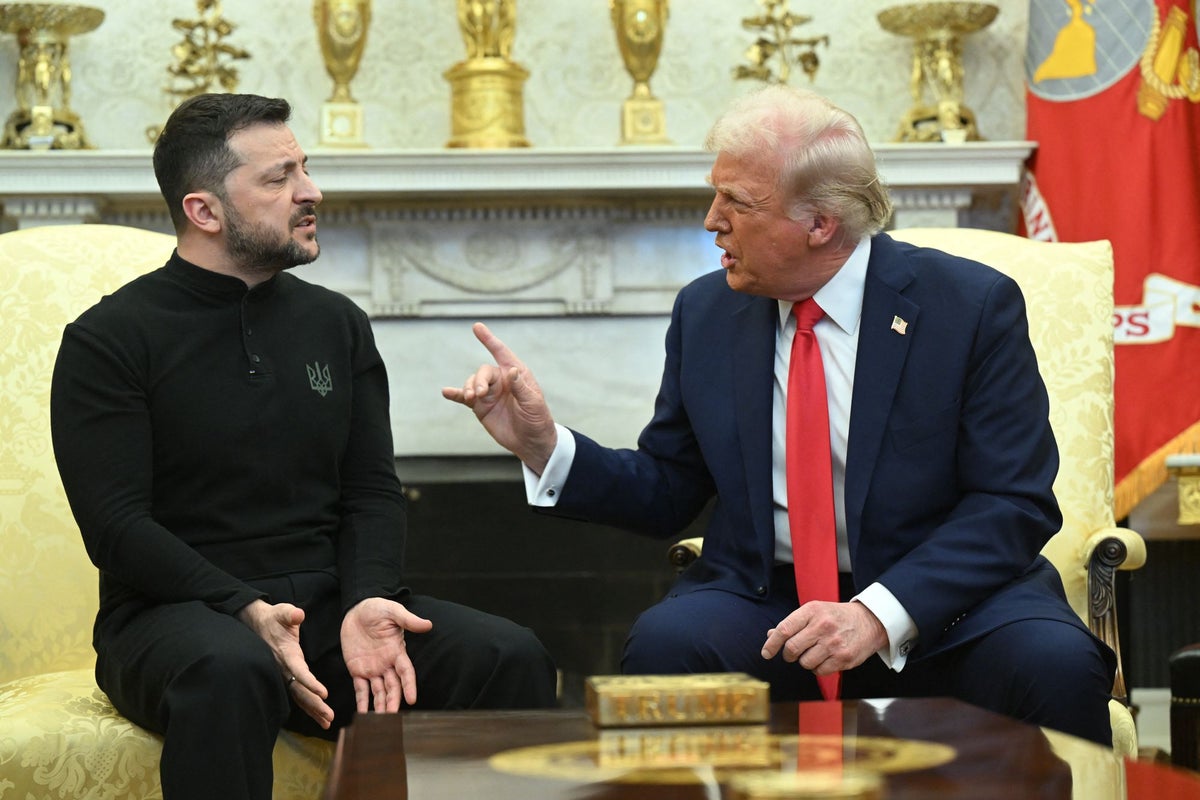
Kyiv has tried desperately to keep the United States on side since Trump returned to office. But the Ukrainian president may now feel the relationship is beyond saving, writes James C. Reynolds
© AFP/Getty
Fighting raged on the frontlines as Volodymyr Zelensky tried to repair fractured relations with the US
© 92nd Assault Brigade
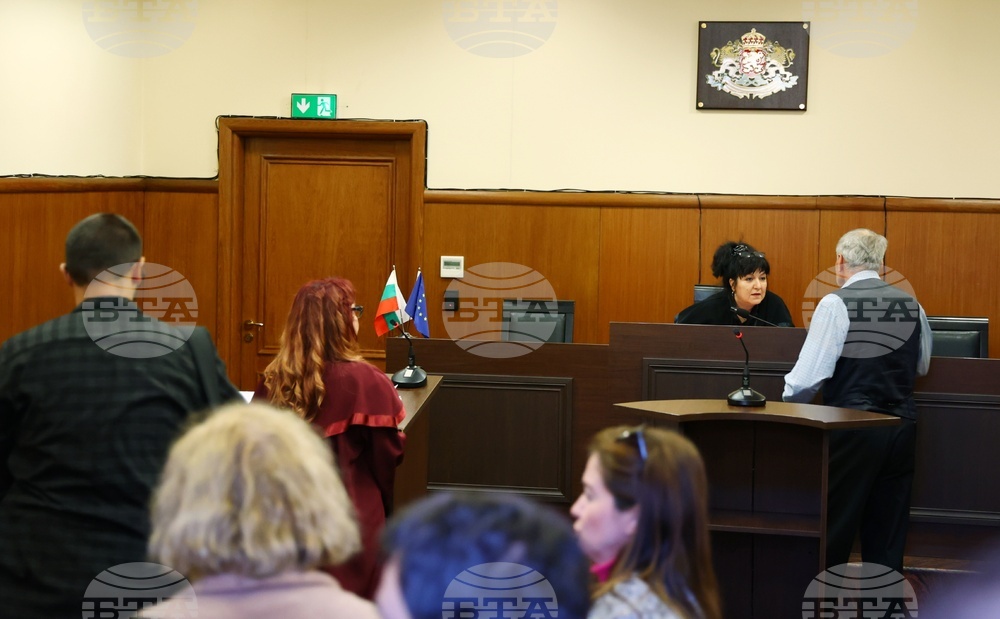
A Sofia court has cleared European arrest warrants for two 19-year-old Germans charged with setting fire to Starlink antennas south of the Bulgarian capital, a court spokeswoman told dpa. Prosecutors named the pair in court, but both had already left Bulgaria. The case adds Bulgaria to a run of attacks on Starlink sites in Europe, which Poland and Lithuania have linked to Russia.
While Russia presses its assault along the front and strikes Ukraine’s cities, Starlink keeps Ukraine’s drone units and front-line troops connected, and Poland pays about $50 million a year for its terminals. The network’s ground links in Europe are now a target in their own right, and ISW has linked the Polish fire to a wider Russian pattern of sabotage. Each attack on a ground station hits a network whose speed caps already disrupted Ukraine’s drone missions this month.
Prosecutors identified the suspects as Zeka Islam and Tirpan Beytullah, Bulgaria’s state news agency BTA reported, noting the names may be misspelled. Their whereabouts are unknown, according to German authorities cited by the agency. They were charged in absentia on 14 October and face three to 12 years in prison if convicted.
According to the indictment, the two crossed from Serbia at the Kalotina checkpoint at 17:37 on 9 October and told border officers they were tourists. At about 22:25, wearing gloves and masks, they allegedly set fire to antennas at the Plana teleport, a satellite ground station near the village of Plana. They drove back into Serbia through the same checkpoint at 23:55.
Three antennas burned completely, two were partly damaged, and three more were affected, prosecutors say. The pair traveled in a Volkswagen with German plates, and a national warrant followed two days after the charges, ZDF reported.
The court-appointed lawyers argued that investigators had pinned down the vehicle, not the men in it. The court rejected those objections, finding reasonable grounds to suspect the pair. The lawyers said they would appeal. The ruling can be challenged within three days.

The fire became public only on 12 October, when opposition MP Ivaylo Mirchev of Democratic Bulgaria posted about it on Facebook. He said 11 antennas had been set on fire, more than prosecutors later counted.
In parliament two days later, Prime Minister Rumen Radev asked the head of the State Agency for National Security (DANS) not to reveal details, saying disclosure could harm the investigation. DANS head Plamen Tonchev told lawmakers he believes the fire was sabotage and that more such attacks cannot be ruled out, dpa reported.

After the ruling, Mirchev wrote that Radev personally owes the public an explanation of what has been achieved, BTA reported.
Bulgaria has not said who might be behind the fire. Authorities in Poland and Lithuania have linked similar recent arsons on Starlink equipment to Russia.
In September, fire hit a Starlink ground station south of Warsaw, and Germany later detained two suspects. On 18 October, Lithuania’s prime minister said intruders had tried to burn a company’s Starlink antennas used by Ukraine, calling it part of Russia’s hybrid war. Moscow claims such accusations are baseless, Reuters reported.
US envoy Steve Witkoff to meet Putin in Russia as Trump called on Ukraine to make a deal to settle the war
© AFP/Getty
Relations worsened after Trump said he would import Russian fuel and dropped planned sanctions on Moscow
© AFP/Getty
The US president thinks somebody else needs to negotiate on behalf of Ukraine
© Getty
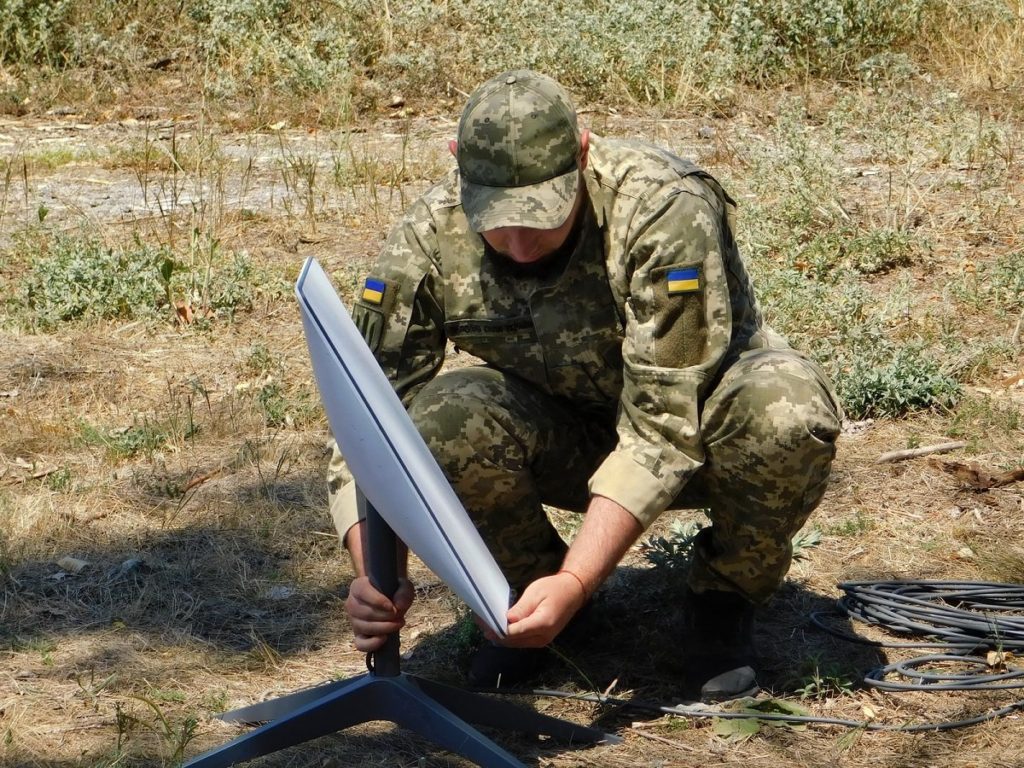
Someone tried to set fire overnight to a Lithuanian company that stores Starlink communication equipment, but tipped-off guards foiled the attempt, Lithuanian Prime Minister Mindaugas Sinkevičius said. He linked the attack to Russia’s hybrid war against Europe. It is the third suspected sabotage of Starlink infrastructure in Europe in under a month.
Russia keeps attacking Ukraine at the front and from the air while running a sabotage campaign behind the lines in Europe, which ISW has linked into one pattern. Starlink keeps Ukraine’s drone units and front-line troops connected, and Poland pays for much of that service.
The attack came just after midnight, the prime minister wrote. Security services had warned the company about possible attacks, security was stepped up, and the attempt failed.
The company provides connectivity through nine Starlink satellite antennas used by Ukraine, Sinkevičius told Lithuanian public radio LRT. At almost 2 a.m., intruders tried to burn the antennas and their control unit, leaving behind incendiary liquid in canisters of 3 to 10 liters.
“It is obvious that this is part of Russia’s hybrid war with elements of sabotage,” he said, adding that the client was likely “the Russian side.”
He said he believes the people involved, and how many there were, are known, but gave no details, citing the investigation.
Police Commissioner General Arūnas Paulauskas said no suspects had been detained, any damage was minimal, and the company kept working. A pretrial investigation is under way.
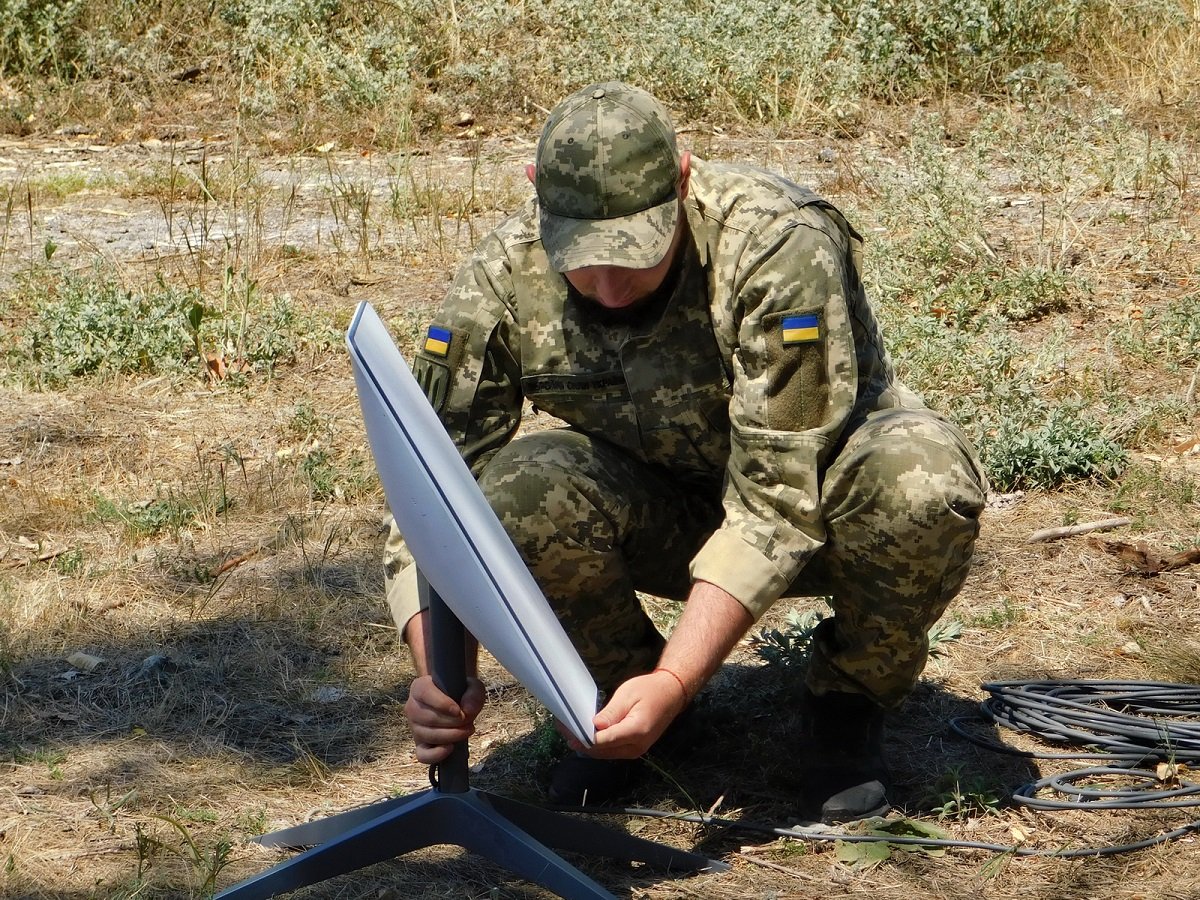
Hours later, an object that apparently entered from Poland crossed northern Lithuania, and NATO jets failed to identify it, Defense Minister Robertas Kaunas said. Possible fragments were found in the Pasvalys district near the Latvian border. Latvia’s military said the object may have blown itself up on a course toward Latvia.
Sinkevičius said the sabotage version had to be checked for the drone too. He called the National Security Commission for Monday, 19 October, to examine both incidents and consider giving services more powers to neutralize drones.
In September, a fire destroyed the distribution panel at a Starlink ground station in Wola Krobowska, Poland. Germany detained two Turkish nationals on 12 October, and Warsaw blamed Russian intelligence. In Bulgaria, masked intruders burned 11 of 17 Starlink antennas near Sofia.