❌

Vue lecture

EU blacklists 1,569 Russian arms suppliers and their bosses in its biggest sanctions round ever, as Trump eases up on Moscow
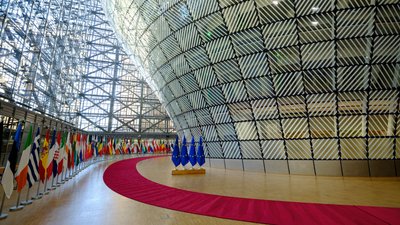
trade banks energy crypto—the eu keeps its full russia economic sanctions wall standing 2027 · post flags member states headquarters council european union brussels belgium 17 2025 getty images/thierry monasse

The EU adopted its largest-ever round of sanctions listings on 12 October, targeting the suppliers behind Russia’s war industry, the Council of the EU announced. The bloc acted as Russia keeps killing Ukrainian civilians every day, while US President Donald Trump eases sanctions on Russian diesel.

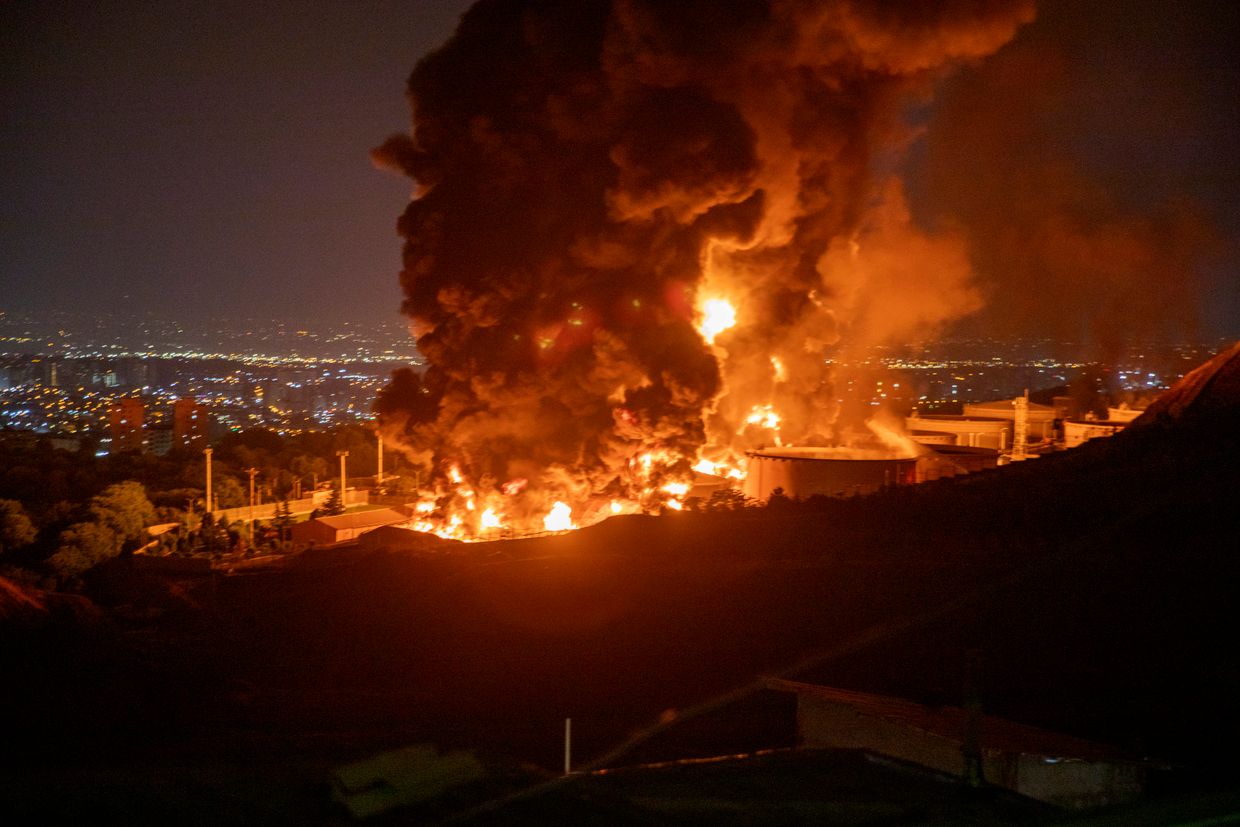
Russia’s planned winter campaign against Ukraine’s infrastructure depends on arms factories fed by a web of component suppliers and on oil revenue that still flows despite Ukraine’s refinery strikes, so every supplier cut off from that web raises the cost of waging it. As Washington eases off, Europe’s own pressure has a gap: its ports still take record volumes of Russian Arctic gas, and a full ban on long-term contracts starts only in 2027.

Missile suppliers top the list

More than half of the new listings hit the supply chain for ballistic missiles that Russia “uses to kill Ukrainian civilians every day,” EU foreign policy chief Kaja Kallas said in the statement. Russian attacks killed more than 150 people in the past week, Ukrainian President Volodymyr Zelenskyy said on 11 October.

The list names 826 Russian companies, mid-level firms the Council calls the “core” of Russia’s arms industry, with at least €20 billion in yearly turnover, and 743 people who run them. They make parts for missiles, drones, and military aircraft, from semiconductors and radars to explosives and navigation systems. Their assets are frozen, EU firms may not finance them, and the executives may not enter the EU.

Foreign ministers ratified a deal EU envoys reached on 7 October. Ukraine’s sanctions commissioner Vladyslav Vlasiuk said 60% of the listings came from Ukrainian proposals.

Ministers reject the diesel deal

EU foreign ministers in Luxembourg vowed to keep the sanctions despite Trump’s diesel deal with Russian President Vladimir Putin, Euronews reported. Kallas addressed Washington directly as she arrived.

“The US is our biggest ally, but our message is clear: if we want to end this war, the only way we can do this is (by) putting more pressure on Russia,” Kallas said.

Irish Foreign Minister Helen McEntee called the deal “concerning,” and Lithuanian Foreign Minister Kęstutis Budrys said it was “not the European way.” Kallas warned that an energy truce covering only refineries would favor Russia, since Ukraine has one refinery and Russia “plenty.”

Trump announced the diesel deal on 9 October, and the US Treasury waived sanctions on Russian diesel until April 2027. Zelenskyy said the EU would provide about €3 billion more in military aid this week.

Washington presses Kyiv

Trump expects Ukraine to stop hitting Russian refineries under his proposed energy ceasefire, a White House official told Axios. Zelenskyy said Kyiv would halt such strikes if Moscow did the same. On 10 October, Trump told reporters it was time for Ukraine to get a new president. Germany’s foreign minister, Britain’s defense secretary, and a senior lawmaker from Chancellor Friedrich Merz’s party backed Zelenskyy, while the Kremlin sided with Trump.

Zelenskyy offered to hold elections after a 60-day ceasefire, and Kallas said elections are impossible while the war goes on. The Institute for the Study of War assessed that Russia exploits Ukraine’s legal ban on wartime elections to drag out the war.

  •  

Ten years on, Britain’s prime minister says Russia meddled in the Brexit vote—and warns Germany and France

ten years britain’s prime minister says russia meddled brexit vote—and warns germany france · post andy burnham britain's new 29 2026 hl-8sqawgaax0se ukraine news ukrainian reports

UK Prime Minister Andy Burnham said Russia interfered in the 2016 referendum that took Britain out of the European Union, in podcast excerpts released on 11 October, the Associated Press reported. His remarks are believed to be the first time a British prime minister has publicly acknowledged such meddling.

Russia’s information war keeps running through Europe’s ballots. German security sources said in August that Moscow was escalating disinformation before state elections, and Ukraine’s Center for Countering Disinformation found more than 200 Russian fake news sites aimed at France last year.

One question, one clear answer

Burnham told The Rest Is Politics podcast that he asked his advisers whether Russia had interfered in the 2016 vote. He asked after taking office in July.

“I’ve had the clear answer that yes, there was,” he said.

He argued that such things must now be put clearly on the record. He did not say how Russia interfered or offer evidence, and Moscow has long denied interfering in foreign votes.

Burnham said he had discussed Russian interference with German Chancellor Friedrich Merz in Berlin the previous week. “You know he was saying to me that the AfD are clearly linked to Russia, funded I believe,” Burnham said, referring to Germany’s far-right Alternative for Germany party. Putting such interference on the record would help “voters in Germany and France understand that some of this politics is instigated via our enemies, namely Russia,” he added.

Years of silence

In 2020, Parliament’s Intelligence and Security Committee found that the government had actively avoided investigating whether Russia meddled in the referendum. The report noted open-source signs of Russian attempts to sway the Brexit campaign. The government, it said, had never looked for hard evidence.

The government rejected the committee’s call for a review.

“We have seen no evidence of successful interference in the EU Referendum,” it said.

That same year, London said Russian actors had almost certainly tried to interfere in the 2019 general election. The government said they did it by amplifying leaked UK-US trade documents online.

From 2019 to 2016

Three weeks ago, Burnham stopped short of this. At the UN General Assembly on 22 September, he said the Kremlin spends around £1.3 billion each year on manipulating information. That is roughly $1.7 billion at recent exchange rates. He cited evidence that Russian agencies tried to interfere in the 2019 general election, but he did not mention 2016.

In the same speech, he said Britain had already helped Moldova protect its elections from Russian interference.

  •  

Ukraine’s new military AI does more than watch the battlefield—it helps commanders plan what comes next

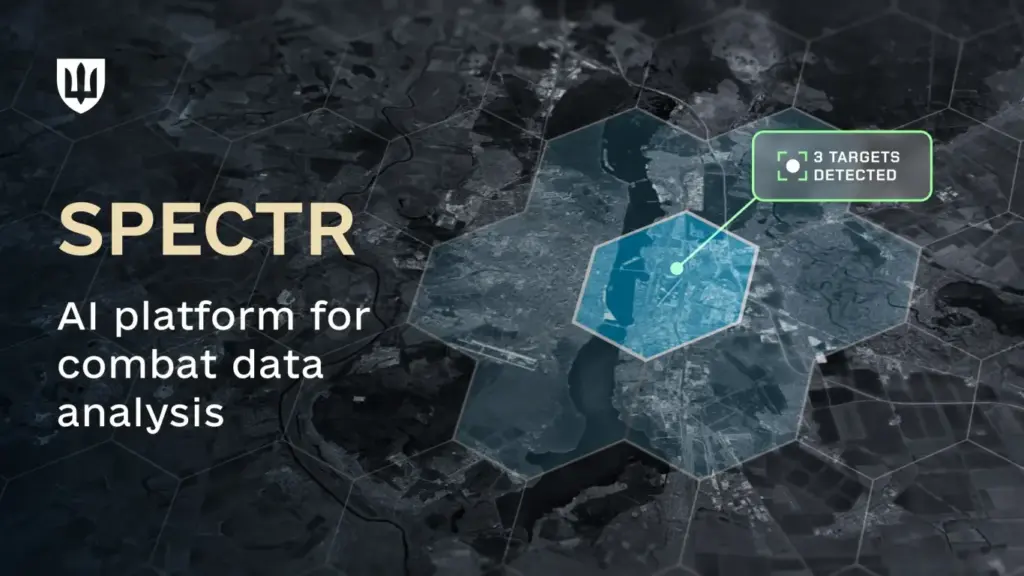
SPECTR.

Ukraine is building an artificial intelligence system to analyze battlefield data, help commanders plan operations, and forecast Russia's possible moves, its Defense Ministry said. The system keeps the data it runs on behind a protected perimeter.

The logic behind the project: Ukraine can already read the battlefield from drone footage and sensor feeds, but converting that picture into orders is the harder, still-human half where wars are decided.

What SPECTR is built to do

SPECTR comes from A1, the AI center inside Ukraine's Defense Ministry. Its head, Danylo Tsvok, said Ukraine holds a unique store of data on how this war is fought, and SPECTR is designed to help turn that into a real edge on the ground.

The system is built to analyze incoming information, spot patterns, draft recommendations for planning operations, and automate the routine work in headquarters. Troops would work with frontline information faster.

"Essentially, we are building an operating system for warfighting. It will help the military choose effective courses of action and predict the enemy’s possible moves," Tsvok said.

SPECTR will run inside systems the Defense Forces already use, and on local devices set aside for sensitive data.

The center behind an AI-driven army

The ministry set up A1 in March 2026 with backing from the UK government, aiming to turn AI into Ukraine's battlefield advantage and build an "AI-driven army." That effort runs along three tracks: faster, data-based decisions, AI built into weapons and less bureaucracy in the ranks. The center is working on three flagship projects. Some of its solutions are already being tested by units.

  •  

Zelenskyy asks Japan for air-defense technology and offers Ukraine’s drones in return, while courting Chile to expand Ukraine’s reach in Latin America

Volodymyr Zelenskyy and Sanae Takaichi at a meeting in New York.

Ukrainian President Volodymyr Zelenskyy has used the UN General Assembly in New York to court partners outside Ukraine's NATO core, pitching air-defense cooperation with Japan and drone cooperation with Chile, Ukrainska Pravda reported. In a single day of bilateral talks, he met Japan's Prime Minister Sanae Takaichi, Chile's President José Antonio Kast, and UK Prime Minister Andy Burnham.

The meetings turned on shielding civilian infrastructure before winter and trading Ukraine's battlefield-tested technology for capabilities it still needs. More than four years into Russia's war, a nation that entered the war reliant on donated arms now iterates drones faster than many of its Western backers, and that expertise has become leverage in its own diplomacy.

Zelenskyy pitches Ukraine's know-how for Japan's air-defense tech

In their first summit meeting, Zelenskyy cast the relationship as a two-way exchange.

"Ukraine is ready to share its experience and technologies on a mutually beneficial basis," he said.

While Japan has advanced technologies for protecting lives, particularly in air defense, that could carry Ukraine through the winter if Russia again rejects talks, the President's Office reported.

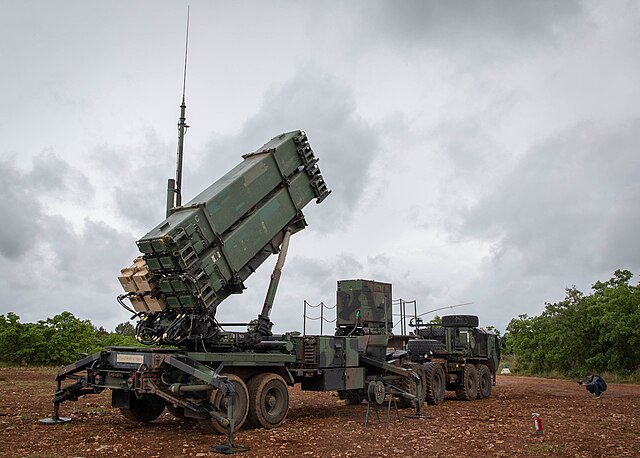
Ukraine walks into winter with two air-defense problems. It is still testing home-built interceptors to catch Russia's jet-powered drones. And it does not have enough Patriot interceptors to stop ballistic missiles over its cities. Japan holds the key to the second one.

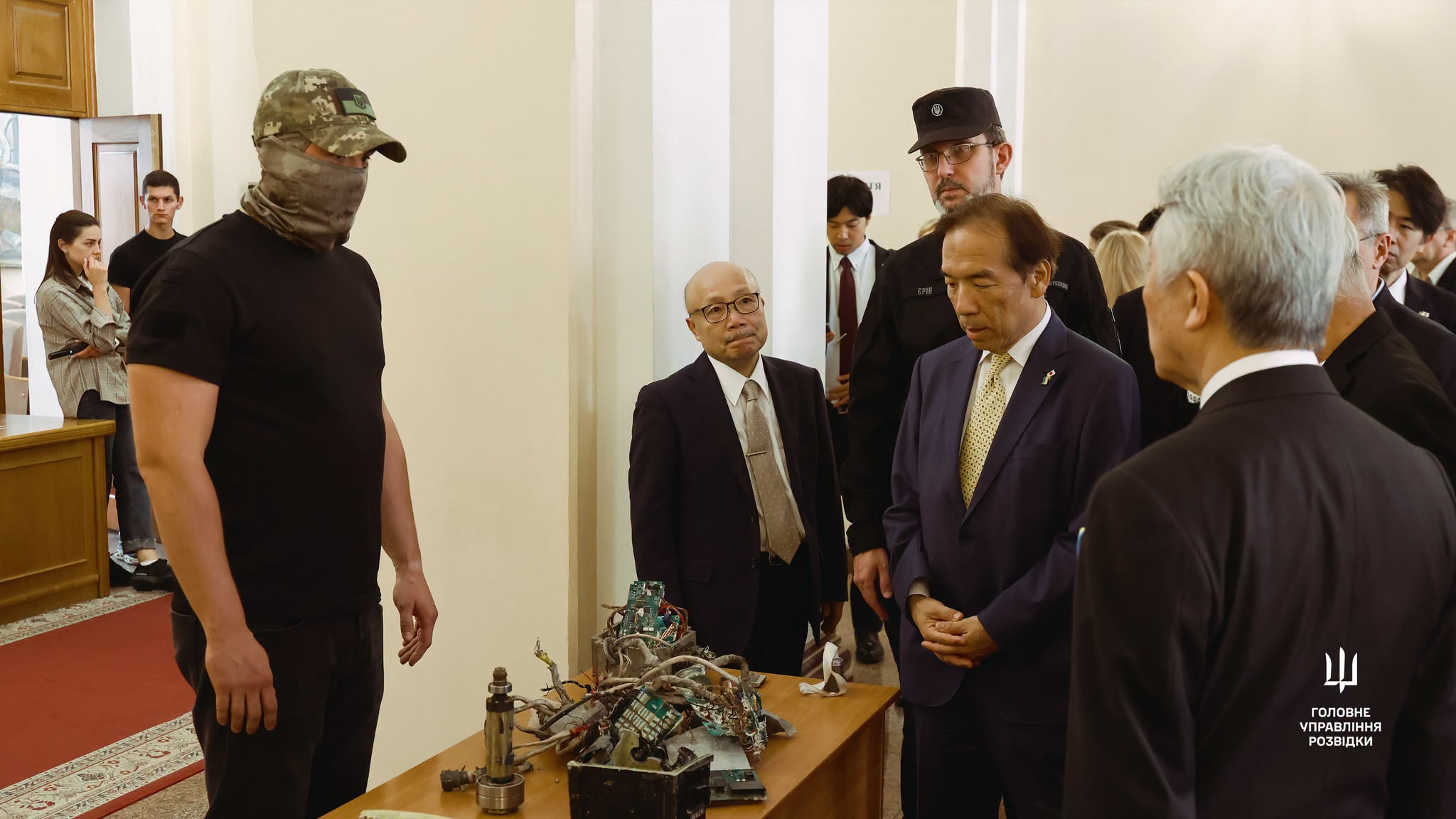
Ukraine's Defense Intelligence has given Eisuke Mori, speaker of Japan's House of Representatives, a close look at a North Korean weapon: the components of a ballistic missile Russia fired at Ukraine. Source: Ukraine's Defense Intelligence
Explore further

North Korea has fired around 150 ballistic missiles at Ukraine, learning from each one. Same missiles threaten Japan, and Kyiv just shows its speaker what is inside them

Mitsubishi Heavy Industries runs the only plant outside the US licensed to assemble the PAC-3, the advanced Patriot interceptor. Japan is also the sole maker of the guidance gyroscopes inside older PAC-2 missiles. It has already shipped Japanese-made PAC-3s to the US to refill stocks drained by transfers to Ukraine, and Zelenskyy has floated Mitsubishi as the model for Ukraine's own Patriot line.

The exchange runs both ways. Russia keeps pressing Japan over the Kuril Islands the Soviet Union seized in 1945. Against that backdrop, Ukraine's combat-tested drones could appeal to Tokyo. Kyiv offers the drone know-how it now leads in, and asks for the air-defense edge Japan already has.

Zelenskyy also thanked Tokyo for its sanctions on Russia, energy packages, and humanitarian projects, and Takaichi assured him of continued support. Zelenskyy invited her to Ukraine, including the Kyiv-Pechersk Lavra, which Japan helped restore after a Russian drone strike in June.

Vladimir Putin visits Etorofu island,
Explore further

Japan weighs sanctions after Putin’s first visit to disputed Kuril Islands

Chile opens a door to Latin America

With Kast, Zelenskyy discussed deepening security and drone-technology ties and thanked Chile for backing Ukraine at international forums and for helping return Ukrainian children abducted by Russia. He welcomed Santiago's willingness to help expand Ukraine's presence across Latin America, calling it an opening for "even more promising opportunities," and invited Kast to visit.

Building on ties already in place

Both partnerships rest on existing ground. Japan, barred by its own laws from sending lethal weapons, has delivered generators, transformers, and non-lethal gear, pledged a $6 billion package for 2026, and agreed to help rebuild the Lavra through UNESCO. Talks in Tokyo in July recast Ukraine as a security partner rather than an aid recipient.

Chile joined the coalition to bring abducted Ukrainian children home and, in an April call, heard Zelenskyy float a security arrangement modeled on Ukraine's Gulf-state pacts. The outreach tracks Kyiv's drive to turn its wartime industry into an export business under its "Drone Deals" framework.

  •  

A fresh $42 million, new sanctions, and a seat in the coalition rebuilding Ukraine’s Navy. Australia just signed its long-term security pact with Ukraine

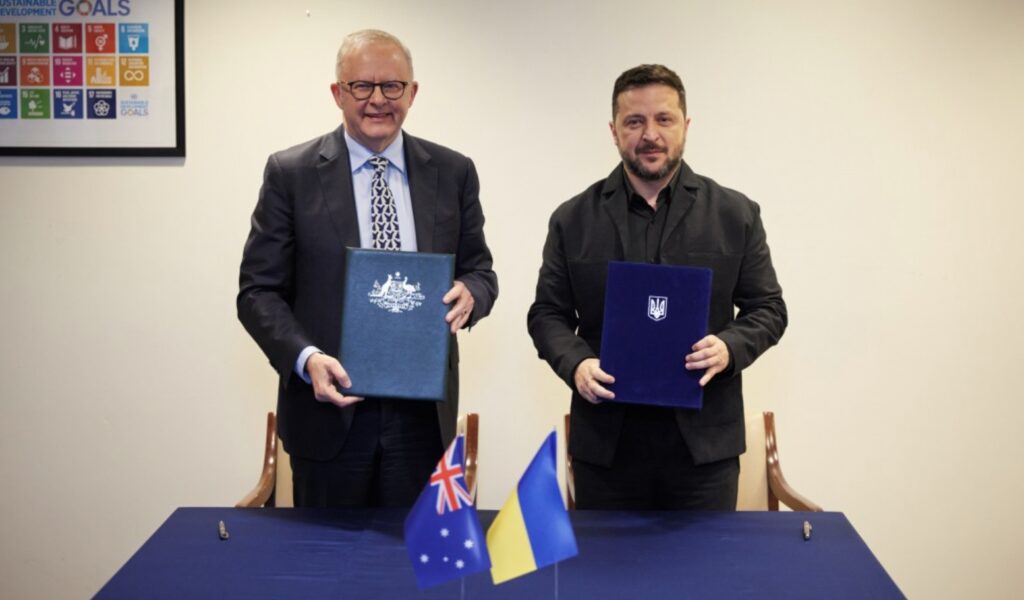
Anthony Albanese and Volodymyr Zelenskyy.

A new bilateral security agreement puts Australia's support for Ukraine on a long-term footing, the Australian government said. The pact bundles fresh money for Kyiv, wider sanctions on Russia, and a new role for Australia in a multinational effort to rebuild Ukraine's Navy.

Australia sits half a world from the front, yet it wants what Ukraine has learned. The deal runs both ways—Australia sends money and equipment, and treats more than four years of Ukrainian war-fighting as a lesson for its own forces. One-off aid packages are giving way to long-term security pacts as Ukraine's partners lock in support—and, more and more, ask to learn from the force that has spent years fighting Russia.

A bigger package and new sanctions

Prime Minister Anthony Albanese and President Volodymyr Zelenskyy signed the agreement on 24 September. Albanese pledged an additional A$60 million ($42 million) in support. It splits into A$45 million ($32 million) of Australian Defence Force equipment, A$10 million for Ukraine's Energy Support Fund, and A$5 million in humanitarian aid. That lifts Australia's total contribution to almost A$1.9 billion ($1.3 billion). Australia also widened its sanctions on Russia to almost 1,900 measures and listed nearly 300 shadow-fleet vessels—the aging tankers Moscow uses to move oil around Western price caps.

ukraine's patriot systems starvation ration air force spox says · post defense system's launcher 210519-a-so154-750_-_patriot_missile_system_operates_in_croatia ukraine news ukrainian reports
Explore further

“What happens in Ukraine matters in Indo-Pacific”: Australia pledged Ukraine another $70 million

Australia will also join the Maritime Capability Coalition for Ukraine, a UK- and Norway-led group building up Ukraine's Navy. The government cast the move as another two-way exchange: it helps Ukraine at sea while giving Australian planners insights into advanced maritime capabilities and their operational use.

Lessons that run both ways

The agreement frames the partnership as a trade in know-how, not just aid. Deputy Prime Minister Richard Marles said that through deeper cooperation Australia could "lend our strengths and insights to help grow Ukraine's defence industrial base, and likewise learn from the hard-fought lessons of Ukraine's resistance in developing our future capabilities." Ukraine has shown what an innovative, agile force can do in a drone-heavy war, and Canberra wants the lessons. Australia has already supplied 49 retired M1A1 Abrams tanks and 120 Bushmaster protected vehicles, hardware Ukrainian crews took straight into frontline use. Two Australian companies are also developing Arrow interceptor drones for delivery to Ukraine.

  •  

Russia paid a recruit to vandalize London mosques and make it look like a homegrown hate crime

Police custody photograph of Illia Bilyk against a plain white background.

Illia Bilyk, a 21-year-old Ukrainian national, admitted five counts of racially and religiously aggravated criminal damage on 17 September over graffiti at five Muslim institutions in east London, the BBC reported.

The BBC and Hope Not Hate linked Bilyk’s attacks to the same Russian network behind arsons targeting properties connected to former UK Prime Minister Keir Starmer. The network operated Direct Action UK, a fake British far-right group that recruited people through Telegram and shared images of the resulting vandalism. Investigations have documented the same recruitment model across Europe for surveillance, sabotage, and other criminal assignments.

The Metropolitan Police said Bilyk sprayed offensive graffiti at three mosques, Noor Ul Islam Primary School, and the Islamic Shariah Council on 23 and 25 January 2025. Images then appeared in a Direct Action UK Telegram group. Russian operators created the group to pose as a British far-right movement, the BBC reported. Bilyk will be sentenced on 19 October.

The handler, known as EL or “El Money,” also recruited through Telegram groups used by Ukrainians seeking work, the BBC found. Ukrainian builder Roman Lavrynovych was paid in cryptocurrency and steered from posters and graffiti to arson.

In May 2025, Lavrynovych set fire to a car and properties connected to Starmer. Nobody was injured. Lavrynovych was jailed for seven years, while Ukrainian-born Romanian national Stanislav Carpiuc was also convicted.

The BBC identified EL as Yevgeny Lyukshin, a 23-year-old Russian diplomat and son of a senior Foreign Ministry official. It cited matching personal details, his presence in the Direct Action UK chat, family connections, and information-warfare training from Rybar, a sanctioned pro-Kremlin Telegram outlet.

However, the BBC could not conclusively establish that Lyukshin was EL, while British police said they had no evidence the attacks were state-sponsored. Lyukshin did not respond. The Russian Embassy denied any connection between Russia or its Foreign Ministry and unlawful activity.

Paid local recruits make Russia-linked attacks look homegrown

The London operation is one of several cases across Europe and other continents.

UK intelligence warned that Moscow increasingly relies on non-state actors, meaning hired civilians and criminals outside its formal services, for espionage, sabotage, assassination, and information operations.

This month, US prosecutors alleged that another Russian network recruited local residents for surveillance, sabotage, and murder-for-hire.

  •  

Three men convicted in London arson plot tied to Russia's Wagner Group

Three men convicted in London arson plot tied to Russia's Wagner Group

Three men were found guilty on July 8 in connection with an arson attack on Ukraine-linked businesses in London, which British authorities say was orchestrated by Russia's Wagner mercenary group, Reuters reported.

The alleged ringleader, Dylan Earl, 21, had already pleaded guilty to aggravated arson over the 2024 blaze targeting companies that were supplying Elon Musk's Starlink satellite equipment to Ukraine, according to Reuters.

The systems are considered vital to Ukraine's communications and defense against Russia's ongoing invasion.

Earl also became the first person convicted under the U.K.'s National Security Act after admitting to a separate plot to attack a wine shop and restaurant in London’s upscale Mayfair district and to kidnap its owner, a prominent critic of Russian President Vladimir Putin.

Two others, Jake Reeves, 23, and Earl’s associate, also pleaded guilty to aggravated arson, with Reeves admitting to a charge under the National Security Act for receiving a material benefit from a foreign intelligence agency.

A jury at London's Old Bailey court convicted three additional men, Nii Kojo Mensah, 23, Jakeem Rose, 23, and Ugnius Asmena, 20, of aggravated arson. They had denied the charges. A fourth man, Paul English, 61, was acquitted.

Two other defendants, Ashton Evans, 20, and Dmitrijus Paulauskas, 23, were charged with failing to disclose knowledge of terrorist activity. Evans was convicted on one count and cleared of another. Paulauskas was acquitted of both charges and reportedly broke down in tears as the verdict was read.

Commander Dominic Murphy of the London Metropolitan Police reportedly said he was confident the Wagner Group and the Russian state were behind the attacks.

The U.K. has designated the Wagner Group as a terrorist organization.

Earl had exchanged hundreds of encrypted messages with a supposed Wagner handler using the alias "Privet Bot" on Telegram. According to reporting by the Organized Crime and Corruption Reporting Project (OCCRP), the account was previously advertised by Grey Zone, a Wagner-affiliated channel.

Prosecutors said Earl expressed interest in fighting for Wagner and was encouraged to recruit contacts from British soccer hooligan networks, Irish republican groups, and organized crime circles, Reuters reported. He and Evans also admitted to unrelated charges of dealing cocaine.

The Russian Embassy in London has denied any involvement in the warehouse attack and accused the British government of blaming Russia for domestic issues.

The Kremlin has consistently rejected accusations of sabotage and espionage, despite growing evidence and convictions tied to Russian-linked operations across Europe.

‘Neither side wasted time’ — Ukraine’s economy minister on minerals deal negotiations with Trump’s ‘business-oriented’ administration
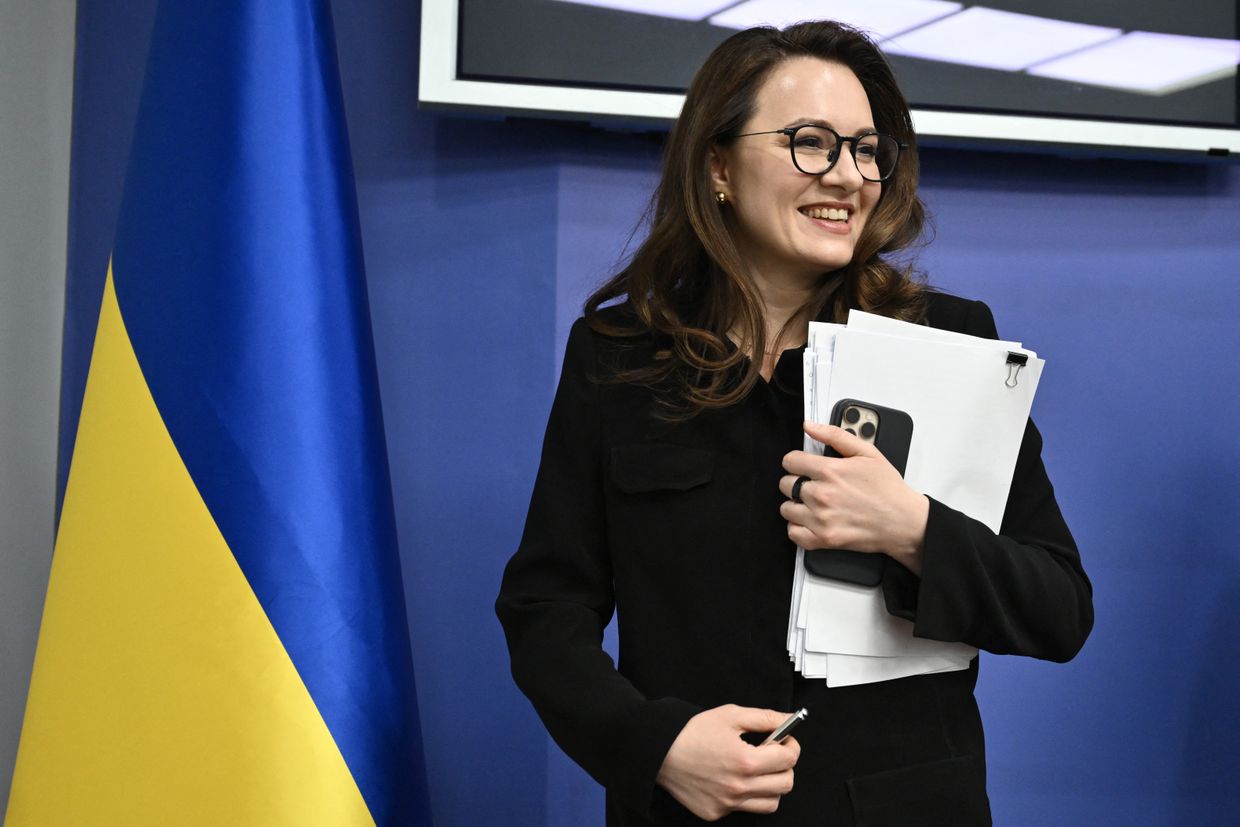
Ukraine’s Economy Minister Yuliia Svyrydenko says her task is simple — to get the investment fund behind the closely watched minerals deal with the U.S. off the ground, and prove its detractors wrong. “There are so many criticisms from different parties that this fund is just a piece of paper we can put on the shelves — that it won’t be operational,” Svyrydenko, who is also Ukraine’s first deputy prime minister, tells the Kyiv Independent at Ukraine’s Cabinet of Ministers on July 4, the morning
Three men convicted in London arson plot tied to Russia's Wagner GroupThe Kyiv IndependentLiliane Bivings
Three men convicted in London arson plot tied to Russia's Wagner Group
  •  

UK sanctions Russian officials and lab over chemical weapons use in Ukraine

UK sanctions Russian officials and lab over chemical weapons use in Ukraine

The United Kingdom has imposed new sanctions on Russian individuals and an organization involved in the use and transfer of chemical weapons in Ukraine, the British government announced on July 7.

According to the updated sanctions list published on the U.K. government's official website, the new measures target Russia's Scientific Research Institute of Applied Chemistry, as well as Lieutenant General Alexei Rtishchev, head of Russia's Radiological, Chemical and Biological Defense Troops, and his deputy, Andrei Marchenko.

The U.K. government said that both of them "have been responsible for, engaging in, providing support for, or promoting prohibited activity related to chemical weapons."

The Scientific Research Institute of Applied Chemistry was sanctioned for providing Russia's military with handheld chemical grenades, which have been used against Ukrainian Armed Forces.

The new British sanctions come amid growing international concern over Russia's escalating use of banned chemical agents in its war against Ukraine.

On July 4, the Netherlands Military Intelligence and Security Service (MIVD) reported that Russian troops are increasingly deploying chemical weapons— including chloropicrin, a highly toxic World War I-era agent, in the field.

The agents are reportedly dropped by drones to flush Ukrainian soldiers from trenches, leaving them exposed to further drone or artillery strikes. While Russia previously used tear gas, the confirmed use of chloropicrin, a substance banned under international law, is "absolutely unacceptable," Dutch Defense Minister Ruben Brekelmans said.

Ukrainian authorities say Russia has conducted more than 9,000 chemical attacks since the full-scale invasion began in 2022. At least three Ukrainian soldiers have reportedly died from direct exposure.

Exclusive: Ukraine pitches deepwater gas, oil refinery projects to US under landmark minerals deal
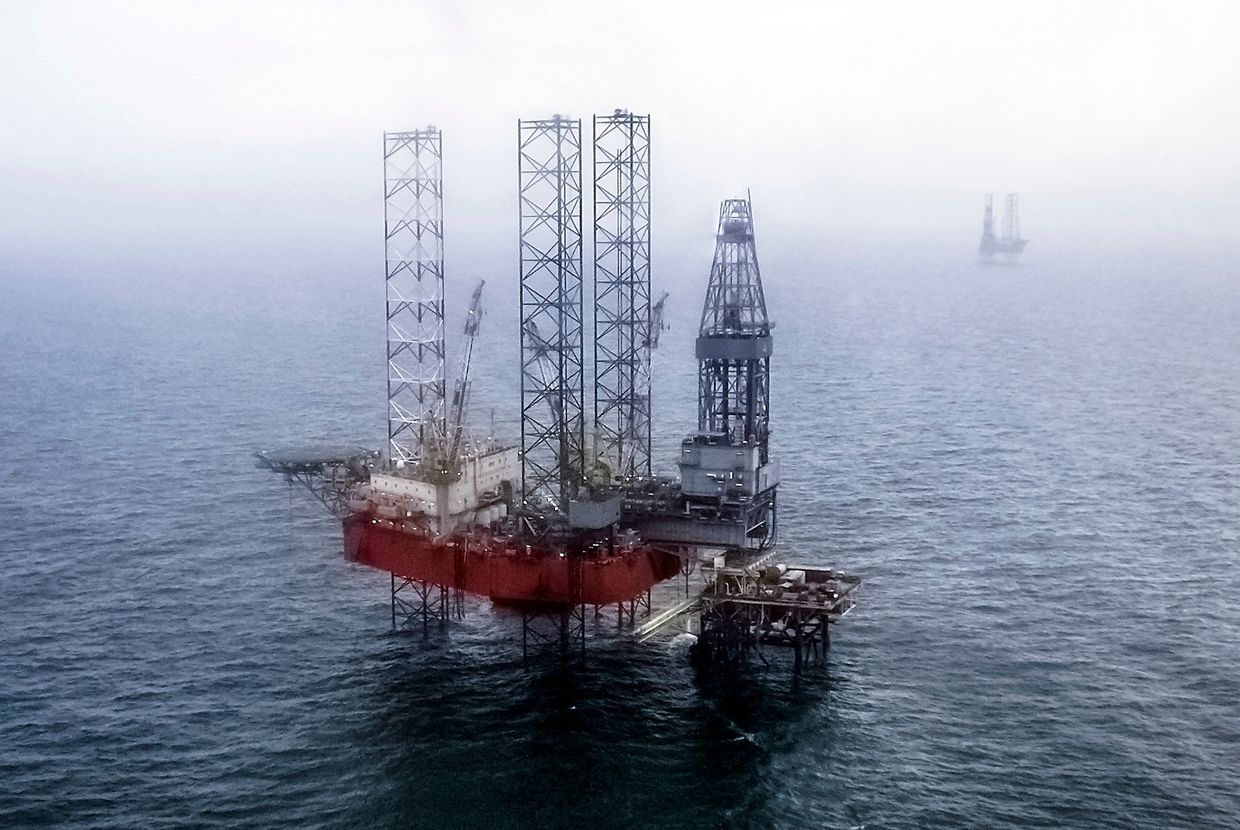
Projects Kyiv has submitted to the U.S. for consideration as part of a profit-sharing deal for Ukraine’s resources include a shelf and deepwater project and an oil refinery that comes under frequent attack by Russia, Ukraine’s Economy Minister Yuliia Svyrydenko told the Kyiv Independent in an interview published on July 7. After months of hard-fought negotiations around the investment agreement — known more widely as the “minerals deal” for its focus on Ukraine’s critical minerals — the two sid
UK sanctions Russian officials and lab over chemical weapons use in UkraineThe Kyiv IndependentLiliane Bivings
UK sanctions Russian officials and lab over chemical weapons use in Ukraine
  •  

'Coalition of the willing' for Ukraine to meet in UK on July 10, Politico reports

'Coalition of the willing' for Ukraine to meet in UK on July 10, Politico reports

The British and French-led "coalition of the willing" is set to meet in the U.K. next week, Politico reported on July 4.

"On the agenda, there's how to maintain Ukraine in a capacity to fight, how to increase pressure on Russia, and how to continue the work on the next steps," an unnamed French official told Politico.

As Washington's intensified efforts to broker a ceasefire in Russia's war against Ukraine failed, two rounds of largely inconclusive peace talks between Kyiv and Moscow took place in Turkey.

Following various failed attempts to obtain a ceasefire or peace deal, the coalition will meet again on July 10.

The French official told Politico that the priorities of the "coalition of the willing" have not changed, and will continue to focus on Ukraine's military needs.

The meeting will be led by U.K. Prime Minister Keir Starmer and French President Emmanuel Macron, with President Volodymyr Zelensky and various leaders joining virtually, the official said.

The "coalition of the willing" has met repeatedly to determine potential security guarantees and a peacekeeping force for Ukraine. Leaders of 31 nations met in Paris on March 27 at a summit for the coalition.

Several countries, including France and the U.K., which lead the coalition, have pledged to send troops on the ground to enforce a potential ceasefire.

Russia launches another horrific attack on Kyiv hours after Trump-Putin call
Ripe cherries and apricots fill the stalls of fruit vendors, while people bustle about on a scorching July Friday. Yet just a five-minute walk from the stand, the scene shifts dramatically: a gaping hole mars the five-story residential building where the stairwell once stood. Rescuers tirelessly sift through the
'Coalition of the willing' for Ukraine to meet in UK on July 10, Politico reportsThe Kyiv IndependentKateryna Hodunova
'Coalition of the willing' for Ukraine to meet in UK on July 10, Politico reports
  •  

Raybird drones to be built in UK in new joint venture with Ukraine

Raybird drones to be built in UK in new joint venture with Ukraine

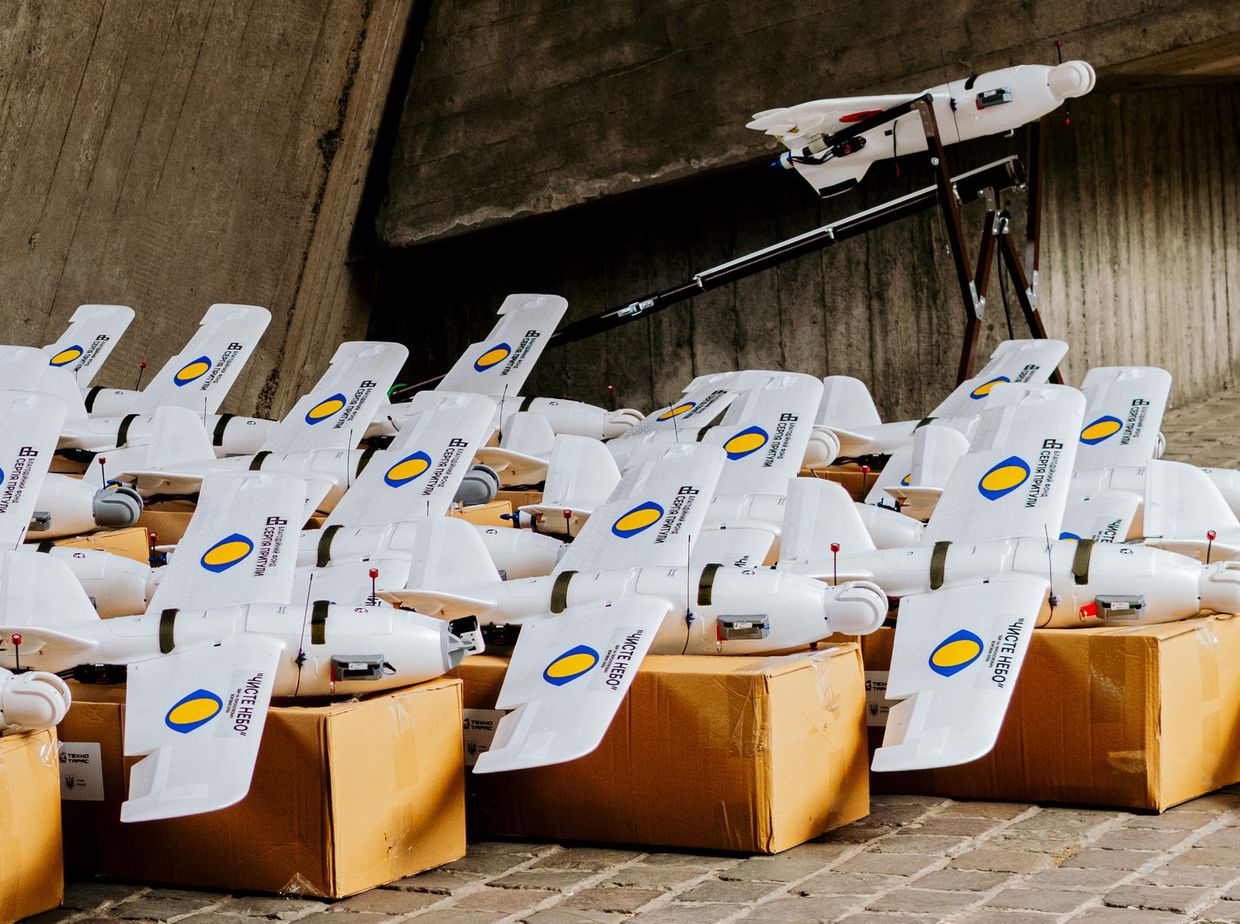
Skyeton Prevail Solutions, a joint venture between Ukrainian drone manufacturer Skyeton and U.K.-based defense company Prevail Solutions, will manufacture and supply Raybird drones in the U.K., the two companies announced on July 2.

"Skyeton — a Ukrainian unmanned aircraft systems company with 19 years of engineering pedigree, and Prevail Partners — a leading U.K. defense and security company, announced a joint venture to fast-track the volume manufacture, supply, and support for the integration of its best-in-class drone into U.K. military applications," a statement by the two companies said.

Ukraine has developed drones that have proven to be effective amid the onset of Russia's full-scale war against Ukraine in February 2022 and Russia's initial invasion of Ukraine in 2014.

President Volodymyr Zelensky and U.K. Prime Minister Keir Starmer met in London on June 23, where the two leaders agreed to an "industrial military co-production agreement."

"The joint venture will scale the availability of Raybird with new manufacturing in the U.K. for both deployment in Ukraine and provide the necessary integration expertise from Prevail Partners for U.K. and other Western militaries," the statement said.

U.K. lawmaker Iain Duncan Smith described the move as an "important step" for U.K. drone production.

Skyeton says its Raybird drone has over 350,000 flight hours and is responsible for billions of dollars in Russian losses.

Ukraine has relied on drones to meet its own defense needs, as foreign military aid has fallen short in supplying necessary weapons and air defenses.

Ukraine’s new interceptor UAVs are starting to knock Russia’s long-range Shahed drones out of the sky
Russia’s Shahed drone swarms are pummeling Ukraine on a nightly basis, inflicting ever more death and destruction in cities that had managed to carve out some sense of normalcy amid wartime. Civilian alarm has grown. With traditional air defense stockpiles running low, the government is banking on newly created
Raybird drones to be built in UK in new joint venture with UkraineThe Kyiv IndependentKollen Post
Raybird drones to be built in UK in new joint venture with Ukraine
  •  

UK to fund joint drone production with Ukraine

UK to fund joint drone production with Ukraine

Ukraine and the United Kingdom have reached an agreement to jointly produce drones, Defense Minister Rustem Umerov announced on June 24.

Britain will finance the procurement of Ukrainian-designed drones manufactured in the UK, he added.

The deal comes as Ukraine has rapidly developed its drone capabilities since 2022, evolving from modifying commercial aircraft to producing military UAVs, attack drones, and reconnaissance systems at scale.

The agreement was reached between President Volodymyr Zelensky and British Prime Minister Keir Starmer, Umerov said.

Under the three-year program, the UK will finance the procurement of a wide range of Ukrainian drones to be produced by British defense companies.

"This will enable British defense companies to rapidly design and produce state-of-the-art drones on a large scale," Umerov wrote on Facebook.

According to Umerov, all production will be directed to meet the needs of Ukraine's Defense Forces. After the war ends, the UK and Ukraine will share the produced drones between themselves.

The initiative will support the scaling of advanced technologies, increased drone production, and the integration of Ukrainian and British defense industries, Ukraine’s defense minister wrote.

Ukraine has ramped up domestic drone production over the recent years of its war with Russia, as well as the development of new missiles.

Various aerial, naval, and ground drones have been developed and often successfully used for reconnaissance, combat, and other tasks throughout the full-scale war with Russia.

In January 2025, Umerov announced that the United Kingdom would finance the production of air defense systems and long-range weapons in Ukraine.

  •  

Zelensky, Starmer hail 'massive step forward' in military cooperation

Zelensky, Starmer hail 'massive step forward' in military cooperation

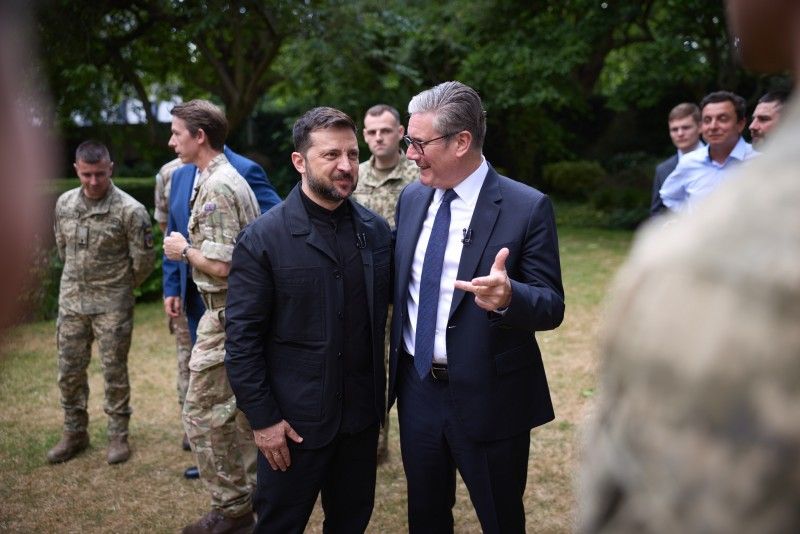
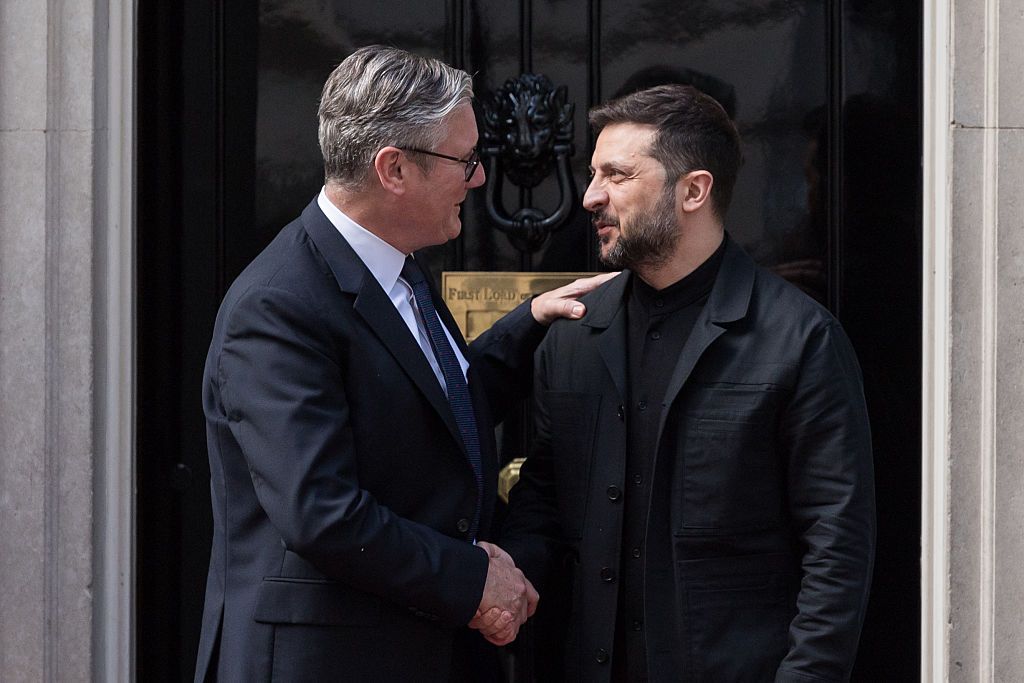
Ukrainian President Volodymyr Zelensky met with U.K. Prime Minister Keir Starmer at Downing Street on June 23, ahead of the NATO summit in The Hague.

Zelensky had earlier paid a visit to King Charles III at Windsor Castle before joining Starmer to discuss continued British support for Ukraine’s defense.

During a joint visit to a U.K. military training site for Ukrainian personnel, Starmer said he and Zelensky held "an excellent bilateral meeting" and had agreed to an "industrial military co-production agreement." He described the deal as "a massive step forward in the contribution that we can continue to make." Zelensky added the agreement "will be very strong and will transform both nations," though specific details were not disclosed.

Addressing Ukrainian troops, Starmer said it was "really humbling" to witness their "level of professionalism, commitment and bravery." Around 58,000 Ukrainian service members have been trained under the international program based in the U.K.

Zelensky thanked the U.K for its consistent backing since the start of Russia’s full-scale invasion in 2022. “We are very thankful to the UK... for such big support of Ukraine from the very beginning of this war,” he said. He noted that the UK-based training initiative has “strengthened our army” and enabled Ukraine to “survive and fight.”

The visit precedes the NATO summit in The Hague, where allies are set to unveil new defense spending targets. NATO Secretary General Mark Rutte said member states will aim to spend five percent of GDP on defense — a move he called “a quantum leap that is ambitious, historic and fundamental to securing our future.”

Under a compromise deal, members will commit to allocating at least 3.5 percent of GDP to core military expenditures and 1.5 percent to broader security areas such as cybersecurity and infrastructure.

Explained: How Ukraine and Russia swap prisoners of war
Even after Ukraine cut diplomatic ties with Russia in 2022, prisoner exchanges have continued as one of the few remaining channels of communication between the two countries. Negotiated behind closed doors and carried out irregularly, POW swaps — and the decisions surrounding them — have long been shrouded in secrecy. Controversies have
Zelensky, Starmer hail 'massive step forward' in military cooperationThe Kyiv IndependentDaria Shulzhenko
Zelensky, Starmer hail 'massive step forward' in military cooperation
  •  

Ukrainian energy giant to build $115 million solar program with British partner

Ukrainian energy giant to build $115 million solar program with British partner

Ukraine's largest private energy company DTEK and British clean energy group Octopus Energy have launched a program to install rooftop solar panels and battery storage systems at Ukrainian businesses and public institutions, DTEK said in a press release on June 23.

The program, called RISE (Resilient Independent Solar Energy), was announced at Octopus Energy's Tech Summit in London and aims to raise 100 million euros ($115 million) to finance 100 energy projects over three years, helping stabilize the grid, lower electricity costs and protect customers from outages, the company said.

DTEK’s facilities have been repeatedly targeted since the start of Russia’s full-scale invasion as Moscow sought to cripple Ukraine's energy infrastructure. The company was forced to shut down its gas production facilities in Poltava Oblast in March.

"About 70% of Ukraine's thermal generation capacity has been damaged, destroyed or seized since the full-scale invasion," said DTEK CEO Maksym Timchenko in the press release.

“This has created not only an urgent need to rebuild but also an opportunity to accelerate the shift to a decentralized, renewable energy system,” he added.

The alternative energy systems will be installed by D.Solutions, DTEK's business unit operating under the Yasno retail brand.

Installed equipment will run on Octopus Energy's AI-powered Kraken operating system, enabling businesses to optimize energy use in real time, reduce consumption during peak hours and sell surplus electricity back to the grid.

"They (DTEK) are rebuilding at pace and pioneering a decentralized, smart energy system powered by homegrown renewables," said Greg Jackson, Octopus Energy Group founder and CEO.

According to DTEK, Ukraine's commercial and industrial energy market has an untapped potential of 300 megawatts annually, valued at 200 million euros ($229 million). DTEK's Yasno brand serves over 60,000 business customers and can generate projects worth 30 million euros per year.

DTEK previously announced plans to build one of Europe's largest energy storage facilities with six installations across the country, totaling 200 megawatts to power 600,000 households. The company secured a $72 million loan from three Ukrainian banks.

Russia pulls its scientists out of Iranian nuclear plant, as Israeli strikes threaten decades of collaboration
Israel’s strikes on Iranian nuclear facilities have alarmed none more than Russia, the country that first brought nuclear power to Iran in defiance of Western objections. We’re “millimeters from catastrophe,” said Kremlin spokeswoman Maria Zakharova on June 18 in response to a bombing campaign that Israel launched against Iran on June 13. Decades of conflict with the West have united Iran and Russia, despite a cultural gulf between the two nations that dwarfs the Caspian Sea that physically di
Ukrainian energy giant to build $115 million solar program with British partnerThe Kyiv IndependentKollen Post
Ukrainian energy giant to build $115 million solar program with British partner
  •  

Zelensky arrives in UK to boost defense cooperation as Russia intensifies attacks against Ukraine

Zelensky arrives in UK to boost defense cooperation as Russia intensifies attacks against Ukraine

President Volodymyr Zelensky arrived in the U.K. on June 23 to conduct several meetings with "a primary goal" of deepening defense cooperation, presidential spokesperson Serhii Nykyforov said in comments reported by Ukrinform.

Zelensky's visit comes just a few hours after yet another Russian attack on Kyiv, which killed at least seven and injured almost 30 people. A residential buliding was partially destroyed in a direct ballistic missile hit.

In the U.K., Zelensky is to meet with King Charles III, British Prime Minister Keir Starmer, as well as with the speakers of both houses of parliament, Lindsay Hoyle and John McFall, according to Nykyforov.

Zelensky is also scheduled to meet with Ukrainian military personnel undergoing training in the U.K. and representatives of think tanks.

This year, the U.K. has allocated 4.5 billion pounds ($5.8 billion) for military assistance to Ukraine, marking its largest annual commitment so far.

London remains one of Kyiv's most steadfast military partners, providing long-range missiles, armored vehicles, training, and political support against Russian aggression.

Russia pulls its scientists out of Iranian nuclear plant, as Israeli strikes threaten decades of collaboration
Israel’s strikes on Iranian nuclear facilities have alarmed none more than Russia, the country that first brought nuclear power to Iran in defiance of Western objections. We’re “millimeters from catastrophe,” said Kremlin spokeswoman Maria Zakharova on June 18 in response to a bombing campaign that Israel launched against
Zelensky arrives in UK to boost defense cooperation as Russia intensifies attacks against UkraineThe Kyiv IndependentKollen Post
Zelensky arrives in UK to boost defense cooperation as Russia intensifies attacks against Ukraine
  •  

Ukraine must accept Moscow's demands or 'surrender,' Russia’s ambassador to UK says

Ukraine must accept Moscow's demands or 'surrender,' Russia’s ambassador to UK says

Ukraine must accept Moscow's terms for ending the war or face further military advances and eventual "surrender," Russia's ambassador to the United Kingdom, Andrei Kelin, said in a June 18 interview with CNN.

Talking to CNN host Christiane Amanpour, Kelin said Russia is continuing its offensive and sees no need to stop hostilities, publicly acknowledging Moscow's disregard for U.S.-backed ceasefire efforts.

The comments come as Russia continues to reject a U.S. truce proposal backed by Kyiv and only intensifies both ground operations and aerial strikes against Ukrainian cities.

"We are now on the offensive and Ukraine is in retreat," Kelin said. "In May, we have taken about 600 square kilometers (230 square miles) of the territory of Ukraine, and we continue to gain more ground."

According to the open-source intelligence group DeepState, Russian forces occupied approximately 449 square kilometers (173 square miles) in May, the highest monthly figure this year, but still well below Kelin's claim.

Kelin outlined an ultimatum for Kyiv: either agree to a permanent ceasefire on Russia's terms or face worse consequences.

"For Ukraine, there is a choice: either they will take our conditions right now… or we will continue this drive and Ukraine will have to surrender under much worse conditions," he said.

In the most recent peace talks with Ukraine in Istanbul on June 2, Russia again pressed its longstanding maximalist demands, including recognition of Russia's annexation of Crimea, as well as Kherson, Donetsk, Zaporizhzhia, and Luhansk oblasts — none of which are fully under Moscow's control.

The Kremlin also insists on Ukraine's complete military withdrawal from these regions.

The ambassador's remarks come amid reported preparations for a third round of negotiations with Ukraine after June 22, though no date has been officially confirmed. Kelin described the talks as "stage by stage," citing prior agreements on prisoner exchanges and humanitarian issues.

Kelin also reiterated long-standing Kremlin demands for Ukraine's neutrality and the prohibition of NATO membership, calling the alliance "very threatening to us."

The ambassador insisted on "reestablishment of normal human rights" for ethnic minorities in Ukraine, including Russians, Hungarians, and Poles, a claim Kyiv and Western officials have repeatedly dismissed as a false pretext for invasion.

CNN's host challenged Kelin on whether such terms amounted to capitulation rather than negotiation. Kelin denied the characterization, maintaining that talks are ongoing and involve "important agreements."

When asked about Russia's capacity to sustain its military campaign, Kelin claimed Moscow is spending "only 5–7%" of its budget on the war and recruiting up to 60,000 volunteer soldiers monthly, figures Western analysts have not independently verified.

"Only 5–7%" of the budget accounts for around 13.5 trillion rubles ($126 billion). Russia's spending on war and law enforcement agencies exceeds expenditures on education, healthcare, social policy, and the national economy combined.

Russia just accidentally admitted to its staggering troop losses in Ukraine
A senior Russian official on June 19 inadvertently confirmed the staggering troop losses incurred by Moscow’s forces during its full-scale invasion of Ukraine. In an interview with CNN, Russian Ambassador to the U.K. Andrey Kelin was asked about Moscow’s maximalist intentions in Ukraine and its ability to recruit enough
Ukraine must accept Moscow's demands or 'surrender,' Russia’s ambassador to UK saysThe Kyiv IndependentChris York
Ukraine must accept Moscow's demands or 'surrender,' Russia’s ambassador to UK says
  •  
❌