From mortgages to inflation, concerns about the public finances of major economies have wide-reaching consequences
When Donald Trump was asked recently about the threat of rising interest rates on US government debt, he told baffled reporters: “The ultimate intervention is our military. And if we have to use that, we will.”
Perhaps not surprisingly, Trump’s bellicose words did not soothe fractious bond markets, and his resumption of the bombing campaign against Iran only made matters worse.
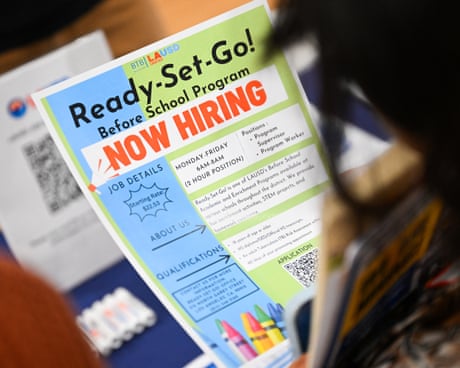
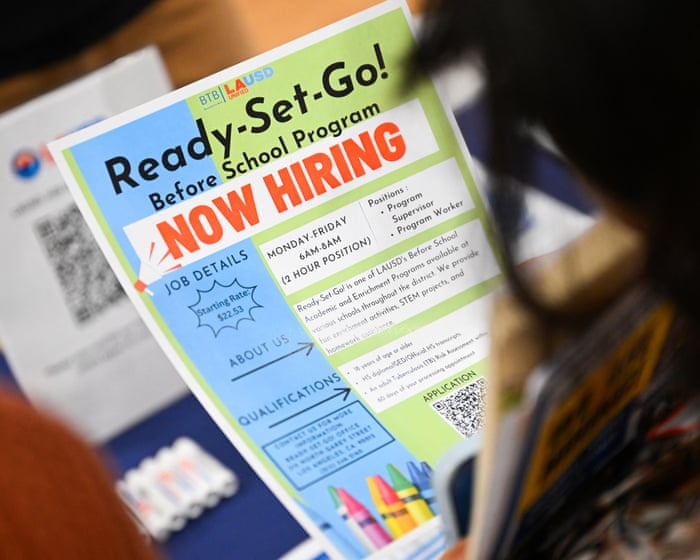
Number of new jobs being added has been fluctuating, with private companies adding 38,000 jobs in August
The US economy added 162,000 jobs in August, an uptick after a sluggish summer for the labor market.
The unemployment rate held steady at 4.1%, still down from its most recent peak of 4.5% last November, according to new data from the Bureau of Labor Statistics (BLS). Despite the relative stability of the unemployment rate, the number of new jobs added to the economy has been fluctuating, going from 214,000 in March down to a 21,000 gain in July and then back up in August.
Private equity firms and the companies they own employ over 13 million, from startups to rural hospitals and large retailers, but experts’ concerns of collapse are growing
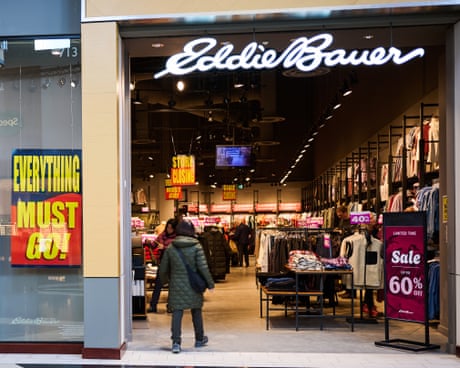
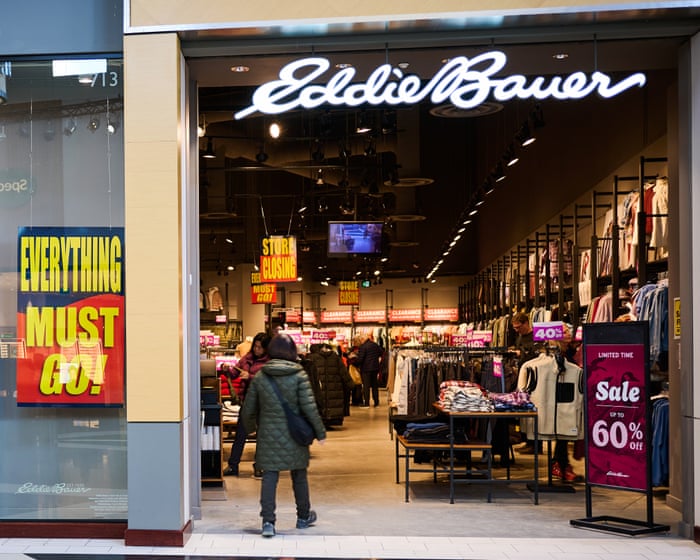
Retail stalwarts Saks and Eddie Bauer filed for bankruptcy. Kmart and JoAnn Fabrics are gone for good, a trail of layoffs and disappointed customers in their wake. Hospital giant Steward Health Care collapsed, costing thousands of jobs and leaving several communities without a local hospital.
These once-trusted US companies have one thing in common: they were owned by private equity investors, who load companies with debt when they buy them and squeeze out profits as they restructure.
Valuation above $11bn expected for firm whose fans include Prince Harry, Jennifer Aniston and Kim Kardashian
Fans of Oura are accustomed to using its trendy smart rings to fastidiously monitor their health but now investors are preparing to track a new metric: its share price.
The company’s filing to list imminently on the Nasdaq stock exchange in New York was made public on Thursday.
Intensification of Middle East conflict and ongoing Russian export ban leads to diesel prices rising 10% in less than a week
Farmers are facing an “astronomical” jump in the price of fuel needed to operate their vehicles and machinery after a surge in diesel costs in the UK and the US.
Renewed fighting between the US and Iran has driven up the price of crude oil, while last week Russia extended a ban on diesel exports, further pushing up market prices.
The US president’s need to assert dominance is igniting patriotism abroad and a backlash at home
What do bullies do when someone stands up to their bullying and punches them in the face? They look for someone weaker to bully who won’t punch back.
Presumably that’s why Donald Trump has now taken on Canada, after Iran punched back so hard in the cage match the US president began more than six months ago as to leave him humiliated and baffled.
Exclusive: financial disclosures from Emil Michael – who also reaped millions from xAI stock earlier this year – show he sold his Perplexity stock for up to $25m
The top Pentagon official overseeing military artificial intelligence policy, who reaped profits earlier this year of up to $24m selling his private investment in Elon Musk’s AI company, has now sold his holdings in another AI company for between $5m and $25m, according to records seen by the Guardian. (Federal financial records show ranges of dollar values rather than specific figures.)
Earlier this year, the Guardian disclosed that the official, Emil Michael, had profited handsomely from his investment in Musk’s xAI in January, with a gain of between 400% and 4,800%.
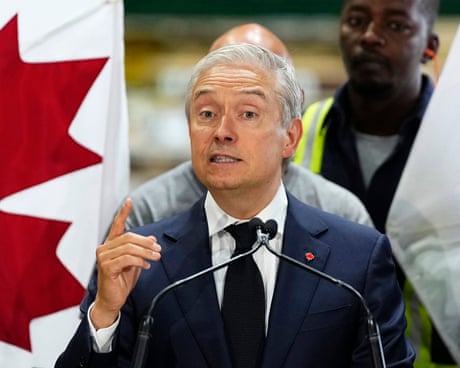
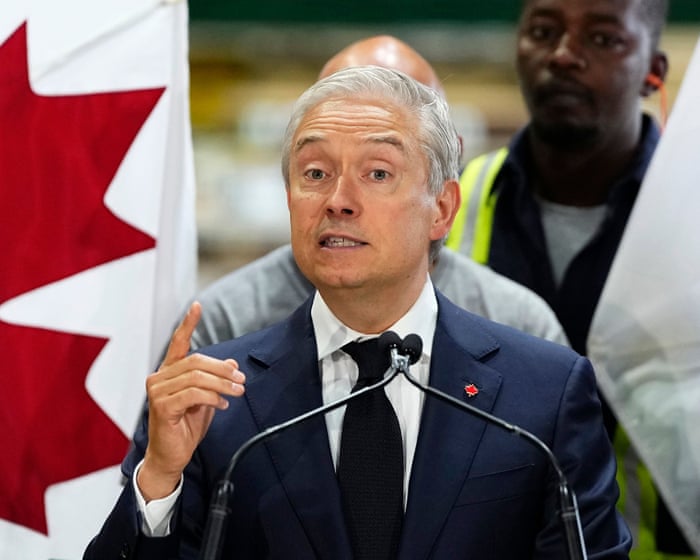
Mark Carney has rebuked Donald Trump’s administration and urged officials in Washington to “start being serious” amid escalating trade tensions between the US and Canada.
Days before Canada is due to retaliate against Trump’s sweeping tariffs with its own duties on US goods, the Canadian prime minister criticized US officials for insulting his country. “It is beneath their office,” he said.
Latest purchases take value of deals to leave capital’s stock market this year past $100bn
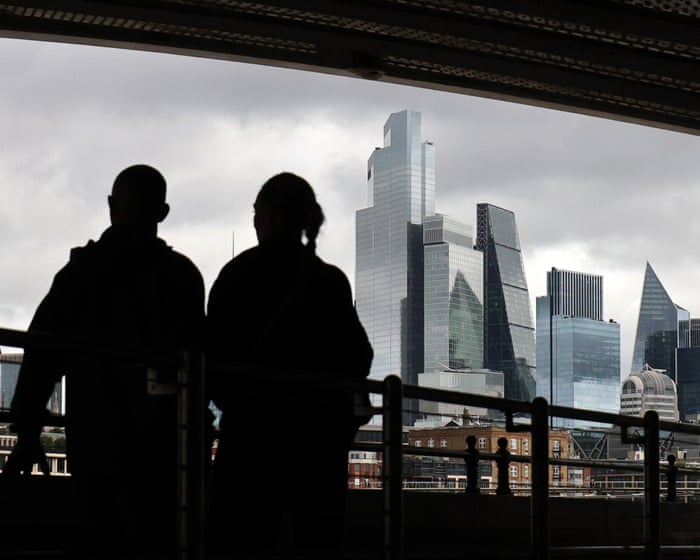
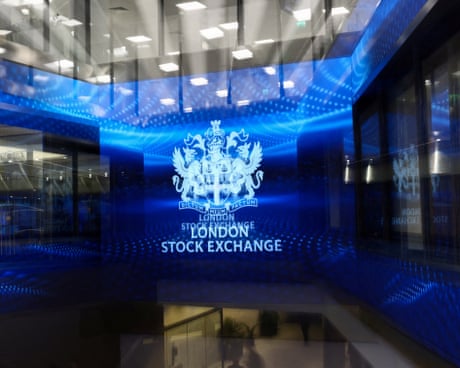
Three more London-listed companies are set to be taken over as the value of deals removing firms from the capital’s under-pressure stock market passes $100bn (£74bn) so far this year.
On Tuesday, Bodycote, the FTSE 250 industrials group that has been listed on the London Stock Exchange since 1972, agreed a £1.84bn takeover by the US private equity group Veritas.
Director Mark Mori followed coffee chain workers’ struggle to unionize: ‘These young kids are so inspirational’
As the food service industry was pushed on to the frontlines of the Covid-19 pandemic in 2021, workers at Starbucks stores in the Buffalo region of New York went public to announce their union-organizing campaign.
Their efforts, and Starbucks’ responses, have culminated in one of the most expansive union-organizing campaigns – and one of the most aggressive union-busting campaigns – in modern US history.
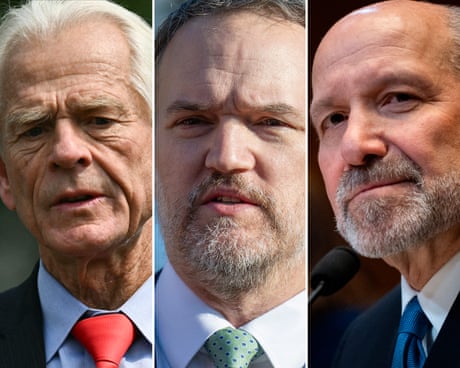
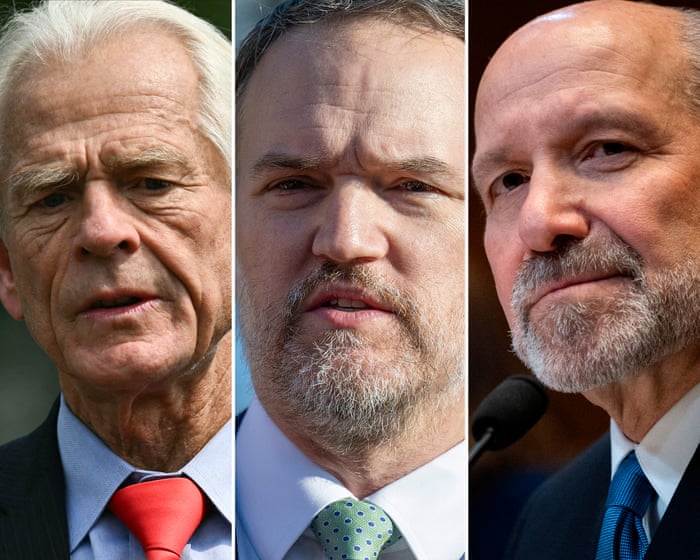
US trade representative Jamieson Greer has a level-headed reputation but commerce secretary Howard Lutnick and White House adviser Peter Navarro also have key roles
Having reportedly read Victor Hugo’s Les Misérables, in French, during a military tour of duty in Iraq, Jamieson Greer considered himself an unlikely target for accusations of francophobia.
But Donald Trump’s US trade representative, hitherto one of the president’s less high-profile cabinet members, found himself in that uncomfortable position amid the acrimonious collapse of bilateral trade talks with Canada that now threatens to degenerate into an all-out trade war between the two close trading partners whose economies are tightly intertwined.
With traditional goals such as stability and home ownership feeling out of reach, young people are focused on the present
By now, we all know the shape of financial nihilism: the throw-your-money-at-anything reaction to the dissolution of the slow, linear path to wealth; the prediction markets, meme stocks, cryptocurrencies and microluxuries growing in its place. We’re left in an economic no man’s land. But financial nihilism only describes where we put our money. What about how we earn it in the first place?
The modern economy has long relied on our need for stable employment – to pay the mortgage, to keep our kids fed, or, for some, to chase prestige and power – to generate the work ethic that keeps the wheel of production turning. None of this is going well for young people. Our jobs are insecure, we can’t afford houses, we’re deferring having kids (if we have them at all), and only 6% of us say a leadership position is our primary career goal. Hope is one of the economy’s most productive inputs, powering our willingness to endure long hours. When the production function of income – the mechanism that turns hard work into a stable salary, then a mortgage, then a pension – breaks down, so does our relationship with the input. I call this production nihilism: my generation’s growing indifference to the kinds of work we’re willing to participate in, and where we’re willing to earn.
Reform UK denies donor and crypto-billionaire’s global interests in arms and military could present a conflict of interest over its defence spending policy
As he struggles with questions about the millions he has received from the billionaire Christopher Harborne, Nigel Farage has made no secret of his enthusiastic support for the industry that made part of his benefactor’s fortune – cryptocurrency. The Reform UK leader even urged the governor of the Bank of England to drop a crypto policy that may be costly for Harborne.
But another element of Harborne’s business interests could prove still more consequential if it shapes Farage’s positions. There appears to be no precedent for a major UK donor who is so entwined with the military.
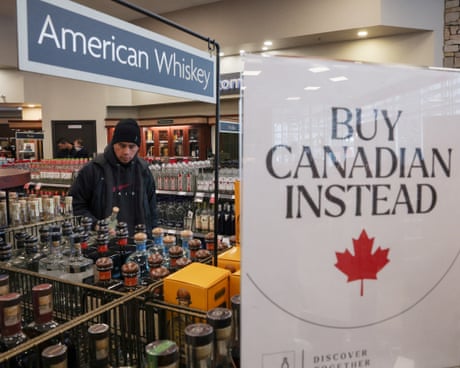
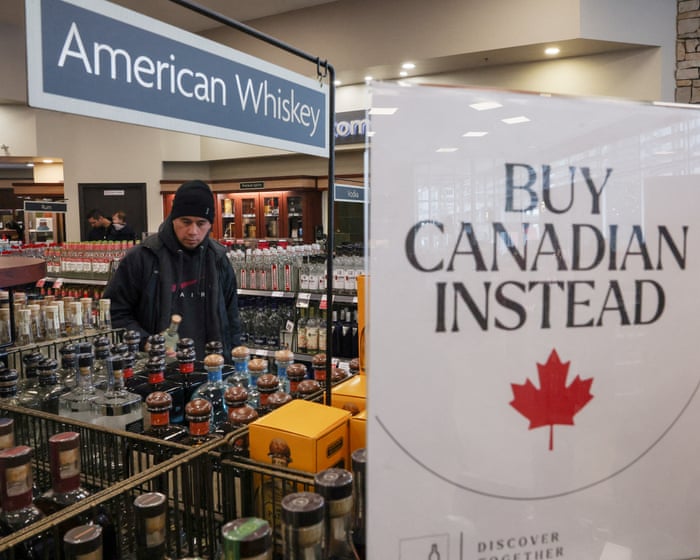
Avoiding US goods and services – from tech to whisky to air travel – has forced many to find a new way of living
For William McDonald, 38, a diesel mechanic from Thunder Bay, Ontario, “Canadian is always the first choice,” even if it means his weekly bills are higher.
“As soon as Trump started putting those tariffs on in February [last year], I started boycotting US goods,” he said. “Avoiding American products has driven my costs up, and I’m still happy to do it.
US president says US will have ‘majority’ control of 65bn barrels of proven oil reserves
Donald Trump announced Friday a new US oil agreement with Venezuela’s interim president Delcy Rodríguez, saying the US will have “majority” control of 65bn barrels of proven oil reserves.
The terms of the agreement remain to be seen, but the US president said on his social-media platform that it had been brokered “through a partnership with private business” by his secretary of state, Marco Rubio, and defense secretary, Pete Hegseth.
However, Kevin Warsh didn’t say if interest rates would change in coming months, as inflation remains stubborn
The US Federal Reserve is not done fighting high inflation, its chair, Kevin Warsh, said in his first major speech in the role on Friday, emphasizing that it was “the Fed’s job to deliver stable prices”.
Warsh did not indicate where the Fed will take interest rates in the coming months, despite US inflation remaining stubbornly above the central bank’s 2% target amid the war in Iran. But his speech was taken by markets as a signal that rates may rise in the coming months, a move that may put him at odds with Donald Trump, who has aggressively called for rates to be cut.
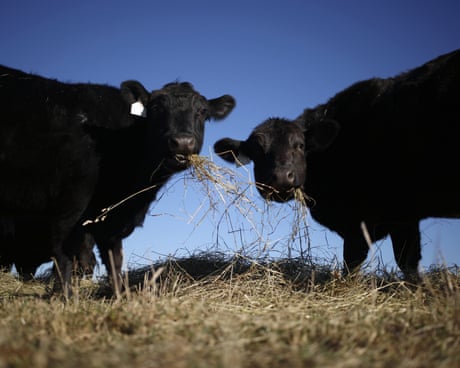
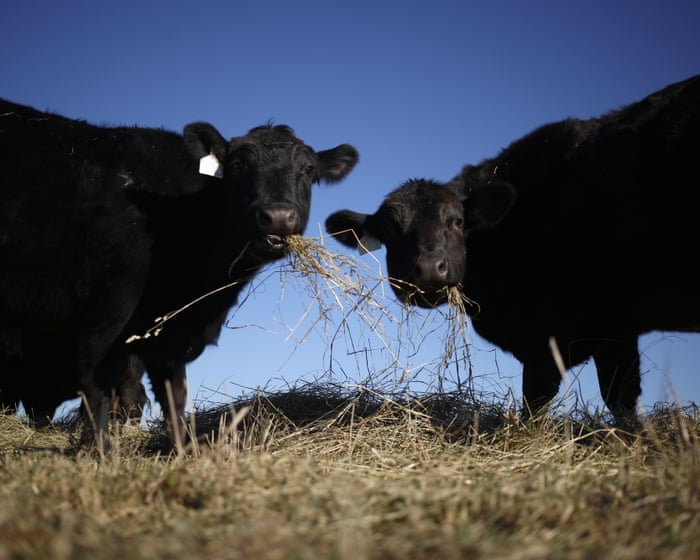
President faces criticism over plan to import up to 300,000 metric tons of foreign beef without charging higher tariffs
Donald Trump has pledged to allow cattle ranchers and farmers to process their own food amid a backlash from the US agricultural sector over his decision to pause US tariffs on foreign beef.
The US president has been sharply criticized, including from members of his own party, since announcing the US will temporarily import up to 300,000 metric tons of foreign beef without charging higher tariffs in an effort to bring down prices.
Unpopular new policy comes as midterms loom and control of Congress could be decided by several Michigan races
Every day $1bn worth of goods crosses the river dividing Detroit, Michigan, and Windsor, Ontario, two largely blue-collar US and Canadian cities that have come to act as one in the creation of North America’s auto industry.
News this week of Donald Trump’s escalating trade spat with Canada has everyone worried. Political and economic leaders and observers labeled the move an act of “hubris” , blamed Trump’s “ego”, and called the escalation “insanity”.
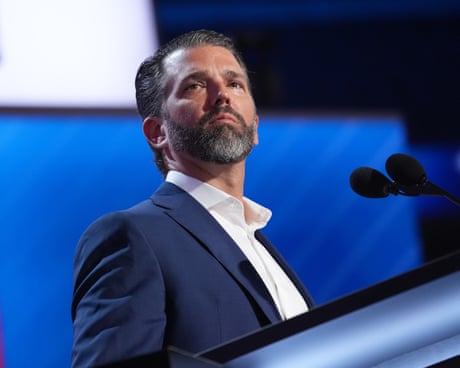
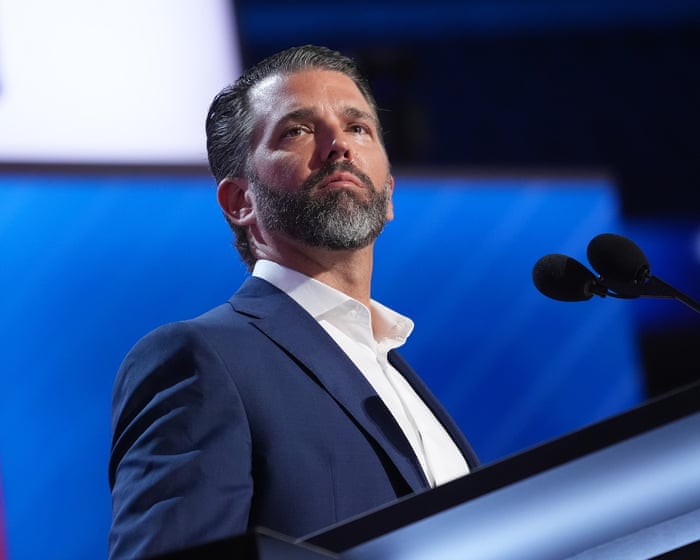
Congressman Jamie Raskin asks president’s son to detail firm’s recent success after he joined 1789 Capital as partner
Democrats on a powerful US congressional committee have launched an investigation into a venture capital firm which has thrived since recruiting Donald Trump’s son.
Donald Trump Jr joined 1789 Capital as a partner just days after his father won a second term in office in November 2024. Congressman Jamie Raskin, ranking member of the US House of Representatives judiciary committee, has asked the president’s son to detail the firm’s recent success.
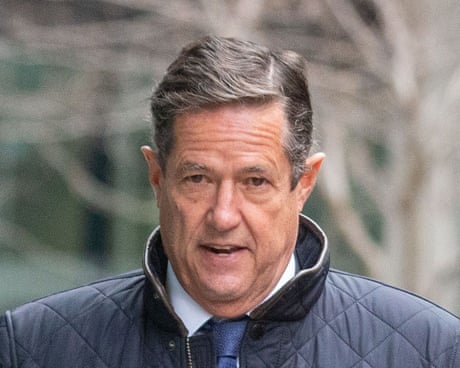
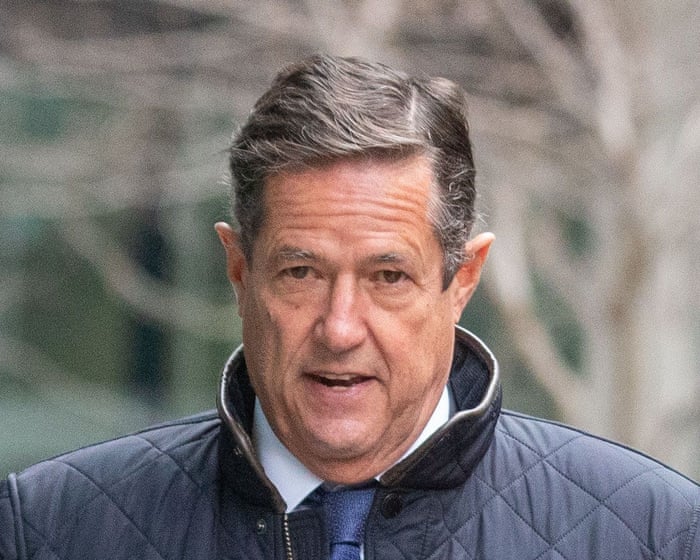
Jes Staley made comments to US lawmakers investigating his links to the convicted sex offender
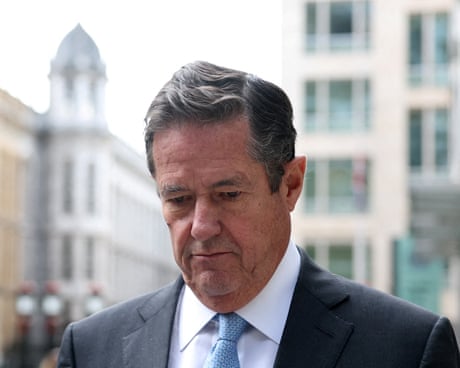
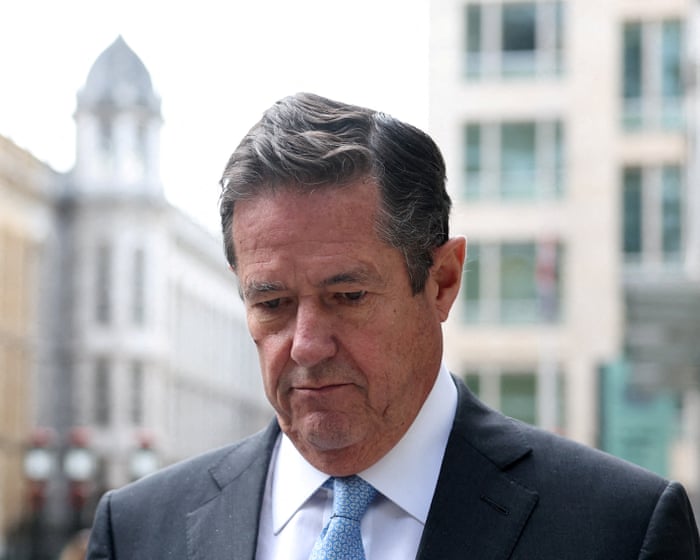
The former Barclays boss Jes Staley has denied having sex with a woman dressed as Snow White, after being questioned about an infamous email exchange about Disney princesses with Jeffrey Epstein.
The comments were detailed in newly released transcripts from a closed-door interview last month with US lawmakers as part of their investigation into Epstein, who died in prison in August 2019 while awaiting trial on child sex-trafficking charges.
Analysis by Institute for Policy Studies found that between 2019 and 2025, CEO compensation increased 41.4%
The average CEO of the US’s 100 largest, lowest-paying corporations earned 614 times more than their average worker last year, according to an analysis by the Institute for Policy Studies (IPS).
IPS’s latest executive excess report analyzed compensation at the 100 S&P 500 corporations with the lowest median worker pay. Between 2019 and 2025, CEO compensation increased 41.4%, unadjusted for inflation, twice as much as the median worker pay increased at these firms during the same period, at 20.7%.
Jes Staley told US House committee he also was at one point named a trustee of convicted sex offender’s estate
Former JPMorgan Chase executive Jes Staley told US lawmakers he repeatedly shared confidential and market-sensitive bank information with Jeffrey Epstein and was at one point named as a trustee of his estate, according to a transcript released by the House oversight committee on Wednesday.
These admissions come as lawmakers investigate the late convicted sex offender’s ties with political and business elites. Staley appeared before the committee in July as part of its investigation into Epstein and Ghislaine Maxwell, his associate. Transcripts from the meeting were released on Wednesday.
Using the bathroom or having a cry is about to become more expensive for North Americans as the US and Canada enter a full-fledged trade war that threatens to flush away decades of peaceful trading between the two nations.
After trade negotiations broke down between the two countries last weekend, Mark Carney, the Canadian prime minister, vowed to match US tariffs “dollar for dollar” and unveiled a list of nearly 900 American goods that will face 25% to 50% tariffs starting on 8 September.
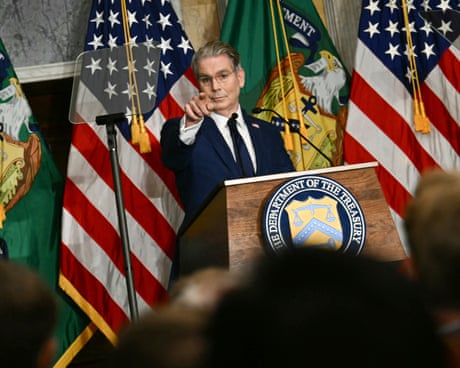
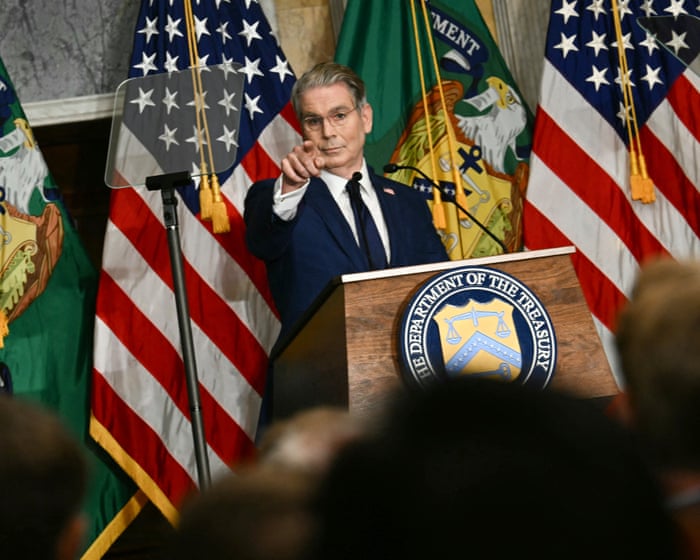
Are we seeing the first signs of panic in Donald Trump’s Treasury? The US is by far the world’s biggest debtor, and the steady rise in global long-term interest rates – which I have long argued was inevitable – is starting to cause real pain.
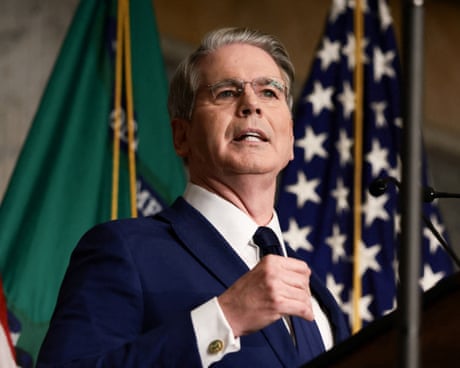
Until now, the Treasury secretary, Scott Bessent, has dismissed concerns about US debt, which recently surpassed $40tn, as a big nothingburger. Growth, in his telling, will be so spectacular the US will easily be able to meet its interest obligations without any significant tax rises or spending cuts, while the rest of the world will happily keep feeding it money. But if Bessent really believes that, why is he trying to strong-arm the bond market by fiddling with the maturity structure of government debt?
The 12-bath, seven-bed home near the state capital boasts a 5,000-bottle wine cellar, a pool and a tennis court
California governor Gavin Newsom has put his Sacramento-area mansion up for sale, before his term will end in January.
The 12-bath, seven-bed Spanish-style home in Fair Oaks, a suburb of the California capital, hit the market on Monday with an asking price of $7.5m. The estate, which sits on a 8.2-acre (3.3-hectare) parcel of land, boasts an array of amenities including a full-size tennis court, a 5,000-bottle wine cellar, a pool, a cold plunge and a hot tub, according to a Zillow listing from realtors Matthew Hindy and Nick Sadek.
Confidence index drops to 89.4 in August from 90.2 in July amid frustration after five years of elevated inflation
Americans’ confidence in the economy declined again this month as the ongoing conflict in Iran continued to push US gasoline prices above $4 per gallon.
The Conference Board said on Tuesday that its consumer confidence index dipped to 89.4 in August from 90.2 in July. That was the lowest level in seven months but was essentially within the same lukewarm range it has been in since the beginning of the year. In late 2024 and early 2025, readings were consistently above 100.
Multicultural Business Coalition sues New York City mayor, alleging plan for city-run stores will harm smaller grocers
A New York City business group sued mayor Zohran Mamdani on Monday over his plan to create five municipally owned grocery stores.
The Multicultural Business Coalition, which says it represents hundreds of small supermarkets, filed two lawsuits in New York county supreme court on Monday, arguing that the plan violates the civil rights of smaller, immigrant- and minority-owned businesses. The group argues that smaller stores would be unable to match the discounts offered by the city grocery stores and “therefore, will be put out of business,” according to the lawsuits.
Danish toymaker also scores success with KPop Demon Hunters, Star Wars and botanicals products
Lego sales have risen by more than a fifth as tie-ups with the football World Cup, Formula One and the hit film KPop Demon Hunters as well as its flower-based and Star Wars kits drive demand.
The toymaker said its revenues had increased by 21% to 41.9bn Danish kroner (£4.8bn) in the first six months of 2026, driven by strong growth in the Americas, Europe and the Asia-Pacific regions, offsetting stalled sales in China.
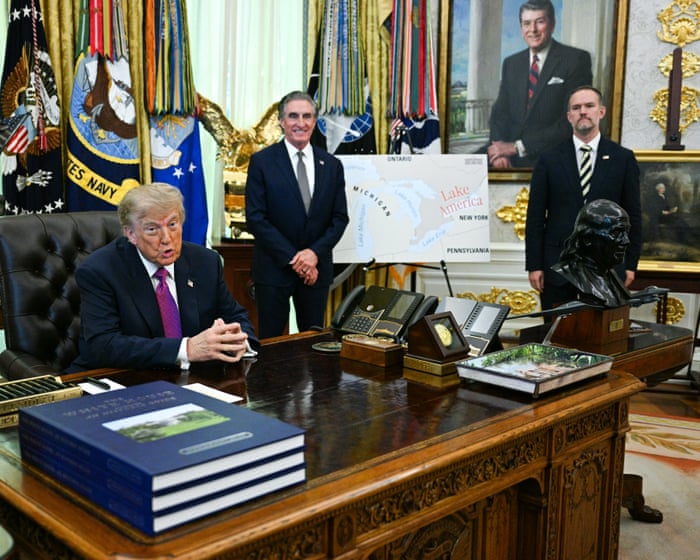
On Truth Social, however, the president shot down assertions that the US talks with Canada collapsed in part due a proposed trade deal that would have weakened French language protections.
“I would never interfere with Canadians speaking French!” he wrote. “In fact, I have never even thought of doing such a stupid thing. This lie was made up by a weak and ineffective Prime Minister in an attempt to gain political support, which he has totally lost, from the people of Quebec.”
Bitcoin rises above $80,000 for the first time since May amid uncertainty over US fiscal plans
Gold prices hit their highest level in more than three months on Tuesday as continued conflict in the Middle East and ongoing political uncertainty fuelled the latest rally in the precious metal.
Gold is viewed as a safe haven by investors and its price tends to rise at times of uncertainty.
Trump ally should cut budget deficit rather than try to suppress bond yields, says billionaire Stanley Druckenmiller
Scott Bessent’s attempt to calm the bond markets and push down America’s cost of borrowing have attracted a rebuke from the US Treasury secretary’s former mentor.
The billionaire investor Stanley Druckenmiller, who worked with Bessent at George Soros’s fund management firm in the 1990s, has warned that his former pupil is courting danger by trying to suppress US bond yields.
Retailer removes kid’s clown costume after people said it resembled a racist caricature used in minstrel shows
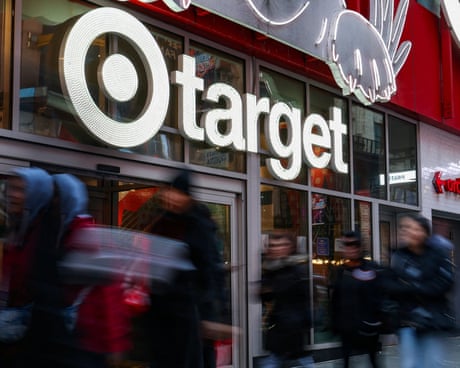
Target, the US retail corporation, said it pulled a controversial Halloween costume off its shelves after criticism across social media that it resembled a racist caricature.
The ad image for the costume, sold as the “Kids’ Glows Under Blacklight Circus Clown Halloween Costume,” depicted a Black child in a bright orange and black top with solid black gloves and a mask with a wide, toothy smile. Both the child’s pose and the costume’s gloves and mask were likened to caricatures of Black people used in minstrel shows.
Move is latest deterioration in trade relations between neighbors with historically strong economic ties
Donald Trump announced a new 50% tariff on automobiles and crucial raw materials from Canada, the latest deterioration in trade relations between the two neighbors with historically strong economic ties.
The US president said that the increased tariffs would start on 1 January 2027 on all cars, trucks, automobile parts and steel. He also derided the nation’s tariffs on American farmers, writing on social media that Canada has been “ripping off” the US “for years”.
Arbitrator determined the Post improperly fired Karen Attiah, a union-protected employee, over social media posts
An independent arbitrator has ordered the Washington Post to rehire the high-profile opinion columnist Karen Attiah, abruptly fired by the news organization last September over comments she made on social media about Charlie Kirk, the then recently killed conservative activist.
On Monday, an arbitrator ruled that the Post had violated her rights as a union-protected employee and ordered the newspaper to reinstate her and compensate her for lost wages.
Watchdog data shared with Guardian shows contributions to Republican Attorneys General Association and others
Over a dozen US companies that signed a 2021 letter urging Congress to strengthen the Voting Rights Act continue to contribute to state political groups that are actively working to undermine the legislation, according to a campaign finance watchdog.
Researchers at the Center for Political Accountability (CPA), a nonpartisan organization that tracks financial disclosures, found that companies – including Airbnb, DoorDash, Target and Zillow – that signed the letter are contributing to groups known as 527 organizations that prop up key state races, according to data provided exclusively to the Guardian.
The US is scooping up treasury bonds in an effort to raise their price and push yields down – but it’s not working
The bond market is driving the Trump administration crazy. Last week, the treasury secretary, Scott Bessent, announced that the government would sharply ramp up its purchase of treasury bonds, in an effort to raise their price and thus push down their yield, which amounts to the interest rate the government pays on its debt.
It didn’t quite work as planned. Yields on treasurys fell after Bessent’s bond market intervention but soon bounced back. By Friday afternoon, the yield on the 10-year treasury was back near where it was before the secretary’s announcement. The yield on the 30-year bond was again trading around its highest level in 20 years or more.
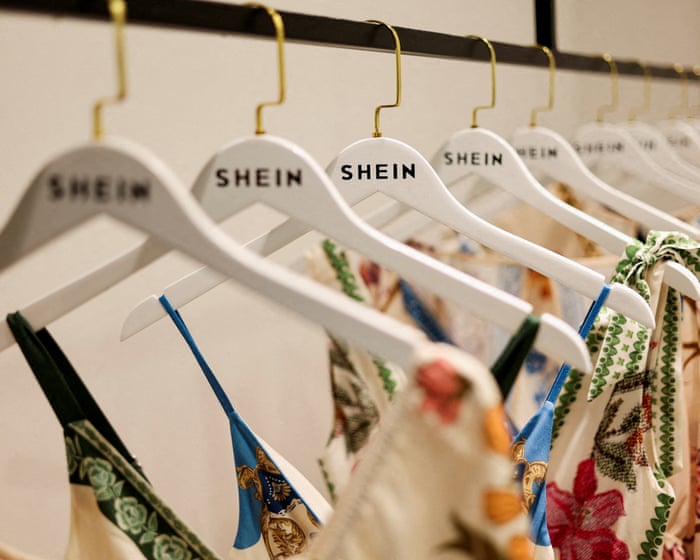
Shein, which built a fast-fashion empire on what seemed like impossibly low prices, has been forced to lower its own valuation in a cut-price stock market float, after falling into the red earlier this year.
The online retailer will list on the Hong Kong stock exchange on 1 September at a valuation of close to $27bn (£19.8bn), significantly down from a near-$100bn private market peak four years ago.
Investors will hope Kevin Warsh offers ‘comfort blanket’ at annual meeting of central banks amid bond market anxiety
The new US Federal Reserve chair, Kevin Warsh, faces a critical test this week amid anxiety in government bond markets over inflation and Donald Trump’s tax and spending plans.
As the world’s most powerful central bank prepares for its annual Jackson Hole conference, analysts said bond traders would be looking for signals from Warsh over its commitment to fighting inflation.
Treasury secretary Scott Bessent’s attempt to calm bond markets is a sign of weakness not strength
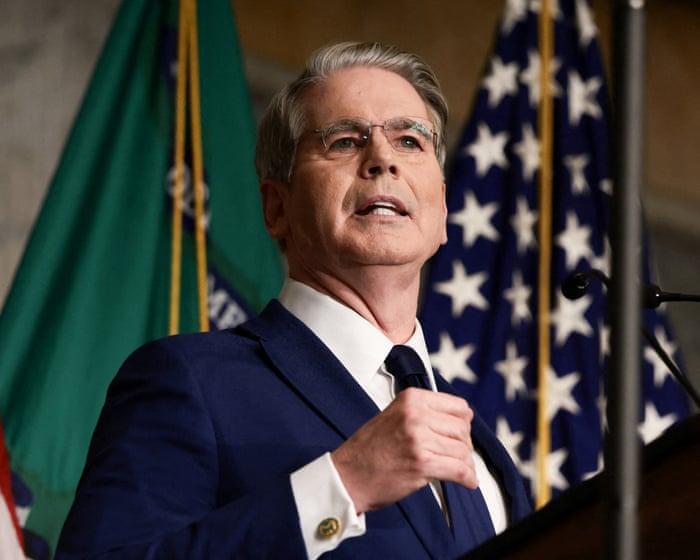
“Look, there’s nothing magic about that $40tn number,” the US Treasury secretary, Scott Bessent, told CNBC insouciantly last week, as the country’s debt mountain surpassed another bleak record.
Yet Bessent’s decision to intervene in government bond markets in an effort to combat soaring yields belied his studied calm in TV interviews – and reignited fears the US may be on the road to a debt crisis.
The Trump administration wants average Americans to be able to buy guns online and have them shipped to their doors. Small gun stores warn it could upend the industry and risk public safety.
Colin Overbey, the manager for Dunn’s Attic in Ormond Beach, Fla., is one of hundreds of people lobbying the A.T.F. to halt proposals that could alter the gun industry.
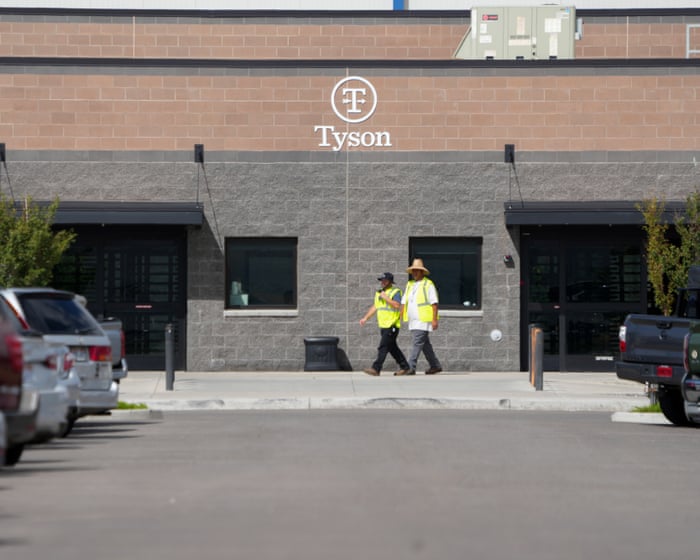
Tyson Foods, the largest meatpacking company in the US, announced last week that it is closing two of its facilities in Illinois and Utah and selling a beef facility in Washington state, and will lay off hundreds of workers as the supply of cattle hits a 75-year low.
The historic cattle shortage has been driven by a multi-year drought, rising costs and severe economic pressures, including consolidation among cattle ranchers. Beef prices have soared over the last year due to the shortage, though economists said the Tyson plant closures likely won’t hit consumer prices so hard.
A Russian strike damaged the Ukrainian warehouse of a company that helps fund Russia's budget. As a result of Russia’s massive August 20 attack, a warehouse storing Yves Rocher cosmetics in Ukraine was heavily damaged.
According to Leave Russia, French cosmetics brand Yves Rocher continues to operate in Russia. Ukraine’s National Agency on Corruption Prevention (NACP) has included Yves Rocher on its list of international sponsors of war.
In 2022, the company’s Russian subsidiary, Yves Rocher Vostok, paid approximately $6 million in taxes to the Russian budget, contributing to the financing of Russia’s war against Ukraine.
At the same time, Yves Rocher’s Ukrainian office and stores continue to operate.
The strike disrupted Ukrainian operations
“We are temporarily suspending online orders and working to restore operations,” the company said.
Customers who have already placed orders will be informed of their status once the attack's consequences are assessed.
Yves Rocher boutiques remain open, although the range of products available may be limited, the company adds.
The strike on Yves Rocher’s warehouse is part of a broader Russian campaign against Ukrainian businesses and critical commercial infrastructure. Russian attacks have repeatedly targeted companies involved in food production, storage, and distribution, disrupting supply chains and local economies.
As a result of the strikes, some food products are already becoming scarce in shops. People are also clearing products off the shelves, apparently stocking up amid concerns over further disruptions. In some stores, supplies of salt and flour are already running low.
Almost the entire arsenal on one city
The Russian attack took place on 20 August and killed 15 people. Ukrainian President Volodymyr Zelenskyy said a children's hospital and a school were also damaged in the capital.
Russia used almost its entire arsenal, launching ballistic and Zircon hypersonic missiles at Kyiv and the surrounding region. Kyiv’s air defenses intercepted nearly all of the cruise missiles. However, ballistic missiles remain a major challenge as the US has not supplied Ukraine with enough Patriot interceptors.
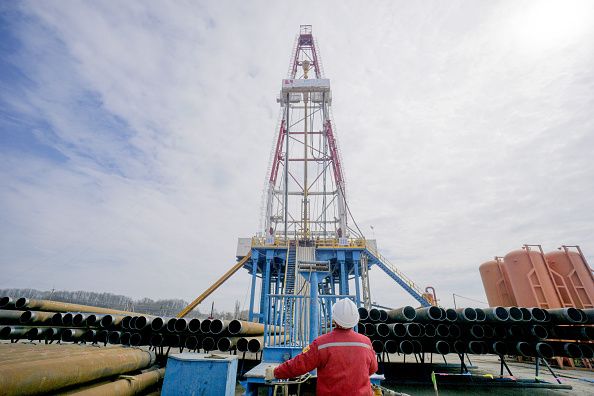
Ukraine's state energy giant Naftogaz has commissioned a new exploration well producing 383,000 cubic meters of natural gas per day through its subsidiary Ukrgazvydobuvannya, CEO Sergii Koretskyi announced on July 8.
The 5.7-kilometer deviated well was drilled and commissioned six weeks ahead of schedule as Ukraine works to boost domestic production amid Russian attacks on its energy infrastructure, including gas storage facilities in western Ukraine.
"This is a significant achievement, given the country's need for gas," Koretskyi said.
Naftogaz produces the lion's share of Ukrainian gas, but its production facilities were severely damaged in a series of Russian missile strikes earlier this year, reducing production by as much as 40%.
According to data from Naftogaz, Ukrgazvydobuvannya lost about 50% of its production due to shelling.
Ukrgazvydobuvannya managed to increase commercial gas production to 13.9 billion cubic meters (bcm) in 2024 compared to 13.2 bcm in 2023, commissioning 83 new wells despite wartime conditions.
Ukraine previously produced 52 million cubic meters daily before Russia's full-scale invasion, but required 110-140 million cubic meters during winter months, covering the shortfall from underground storage.
To secure winter supplies, Naftogaz has signed four contracts with Poland's Orlen for delivery of 440 million cubic meters of U.S. liquefied natural gas. The latest agreement, announced July 2, covers an additional 140 million cubic meters.
According to Bloomberg estimates, in 2025 Ukraine may import a record 5 billion cubic meters of gas from Europe.
Ukraine's gas storage situation has also deteriorated significantly, with underground reserves falling to 6.02 bcm as of May 11 — the lowest level in at least 11 years.
The facilities are operating at just 19.4% capacity, with 2.79 billion cubic meters less gas available than the previous year.
Ukraine's Cabinet of Ministers rejected a nominee to lead the economic crimes agency, drawing swift criticism from lawmakers and businesses over alleged interference in the selection process.
The agency, the Bureau of Economic Security, was created in 2021 to investigate economic crimes. It has since faced accusations of being used to pressure — and in some cases extort — businesses, prompting multiple calls and efforts to overhaul it.
Selecting a new director of the agency by the end of July is one of Ukraine's obligations to the EU and International Monetary Fund as part of international financing packages extended to the war-torn country by the institutions.
As part of a recent attempt to relaunch the bureau, Oleksandr Tsyvinsky on June 30 was officially nominated by the bureau's selection commission that consists of six members — three from the government and three international experts. Tsyvinsky is known for exposing schemes involving illegal land seizures in Kyiv..
But Ukraine's government on July 8 said it had rejected Tsyvinsky following alleged concerns raised by the country's intelligence service of potential Russian connections.
The government unanimously decided to ask the commission to submit two new candidates who meet all security requirements, the government press service wrote on its official Telegram channel, a move it claims aligns with the law.
Following Tsyvinsky's nomination, it was revealed that his father holds a Russian passport. He has said he hasn't spoken to his father, who lives in Russia, in years.
Tsyvinsky holds clearance for state secrets and has passed special vetting, backed by over 20 years in law enforcement, including nearly a decade at the National Anti-Corruption Bureau of Ukraine (NABU).
Opposition lawmaker Yaroslav Zhelizniak, said the government had no grounds to reject a properly nominated candidate, claiming President Volodymyr Zelensky's office is behind the blocking of the nomination.
"The (bureau's) legislation provides no legal grounds for the cabinet to demand a new shortlist or impose additional, undefined requirements such as 'security criteria.' The term itself is absent from any statute and therefore has no legal force," Zhelizniak said.
"The SBU letter in this case is nothing more than an indicator of the winner's disloyalty to the President's Office and a desire to block the appointment," said Olena Shcherban, deputy executive director of the AntAC in a statement following the news.
Major business associations have called on Zelensky, Parliament Speaker Ruslan Stefanchuk, and Prime Minister Denys Shmyhal to reverse the government's decision.
The business groups warned that failing to reform the agency will harm investment decisions, particularly as Ukraine's wartime economy needs to attract capital.
"War is a time for radical changes in the rule of law and business climate, otherwise the economy cannot ensure the country's survival," the businesses wrote in an open letter.
Russia's crude oil production in June fell below its agreed-upon OPEC+ target, according to individuals familiar with the data interviwed by Bloomberg.
Russian producers reportedly pumped 9.022 million barrels per day last month, a figure 28,000 barrels per day below the required level, including compensation cuts. This marks the largest gap between Russia's output and its monthly quota this year, based on Bloomberg's calculations.
Historically, Russia, which co-leads the OPEC+ alliance with Saudi Arabia, has faced criticism for poor compliance with production quotas. However, the nation has shown improved adherence for most of 2025, often pumping below its required levels, according to analysis of Russian data. This increased focus on production discipline follows earlier critiques from Riyadh.
Under the terms of the OPEC+ agreement, Russia's daily production quota for June had increased by 78,000 barrels to 9.161 million barrels. However, Moscow had also committed to a 111,000 barrel-a-day compensation cut for the month, bringing its actual output target to 9.050 million barrels per day.
On July 5, eight OPEC+ nations collectively agreed to raise production by 548,000 barrels per day in August, aiming to capitalize on strong summer consumption. Analysts suggest these additional barrels may be quickly absorbed but could contribute to a crude surplus later in the year.
Independent verification of Russia's oil output data has become challenging since Moscow classified official figures after Western sanctions targeting the nation's energy industry following its full-scale invasion of Ukraine. Consequently, market watchers now largely rely on indicators such as seaborne exports and domestic refinery runs to track trends in Russia's oil production.
The European Bank for Reconstruction and Development (EBRD) will enable Ukrainian banks to provide up to 900 million euros ($1.05 billion) in new loans by sharing credit risks, the EBRD announced in a press release on July 7.
The loans will target companies in agribusiness, manufacturing, pharmaceuticals, transport and logistics, as well as energy security projects.
The mechanism will be announced at the Ukraine Recovery Conference (URC) in Rome on July 10-11. This represents the largest risk-sharing facility implemented in Ukraine since the war began, according to the EBRD's press release.
Russian forces have damaged most of Ukraine's thermal power plants and about 30% of power stations, disrupting nearly two-thirds of the country's total electricity generation, the bank says.
The EU, together with other EBRD donors, has developed plans to de-risk renewable energy investments to attract more private capital, which they will announce at the URC.
Nearly one-third of EBRD's wartime financing to Ukraine — 2.4 billion euros ($2.8 billion) — has gone to the energy sector. This includes support for state-owned electricity transmission and gas companies, as well as financing for hydropower and small-scale distributed generation.
In a pre-URC press release, the EBRD also expressed interest in supporting the development of a natural graphite deposit in Ukraine following the U.S.-Ukraine minerals agreement. Graphite is a strategic material used in batteries and defense applications.
The bank will launch the second phase of digitizing Ukraine's paper-based geological data archive to make information about mineral deposits more accessible, the EBRD reports.
Since Russia's full-scale invasion in 2022, the EBRD has invested over 7.2 billion euros ($8.4 billion) in Ukraine's economy.
 Connexion








































































 The Kyiv IndependentDominic Culverwell