The Battle to be Australia’s Best Pie

© Asanka Brendon Ratnayake for The New York Times


© Asanka Brendon Ratnayake for The New York Times


© Timothy Mantoani/Lynn Mantoani, via Associated Press

Firefighters hollowed out a dumpster truck and lifted a man from trash and debris after bystanders alerted driver to screams
San Francisco fire officials manually hollowed out a garbage truck early on Wednesday to rescue a man trapped inside.
Firefighters were dispatched around 4.11am after receiving a report of an individual stuck inside a Recology dumpster truck, authorities said.
Continue reading...
© Photograph: X

© Photograph: X

© Photograph: X


© Anna Connors for The New York Times; Ludovic Marin/Agence France-Presse — Getty Images


© Emile Ducke for The New York Times


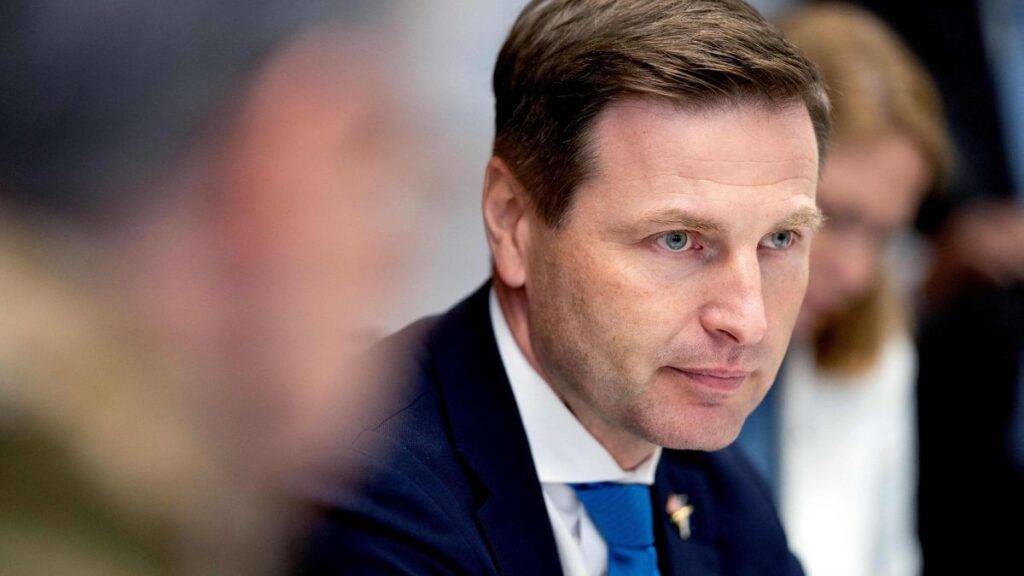
Estonia's defense minister resigned on 2 September over a failed €70 million ammunition deal for Ukraine, ERR reported. The state procurement agency paid EU funds to companies that had never sold artillery shells. Estonian taxpayers may now have to cover the losses.
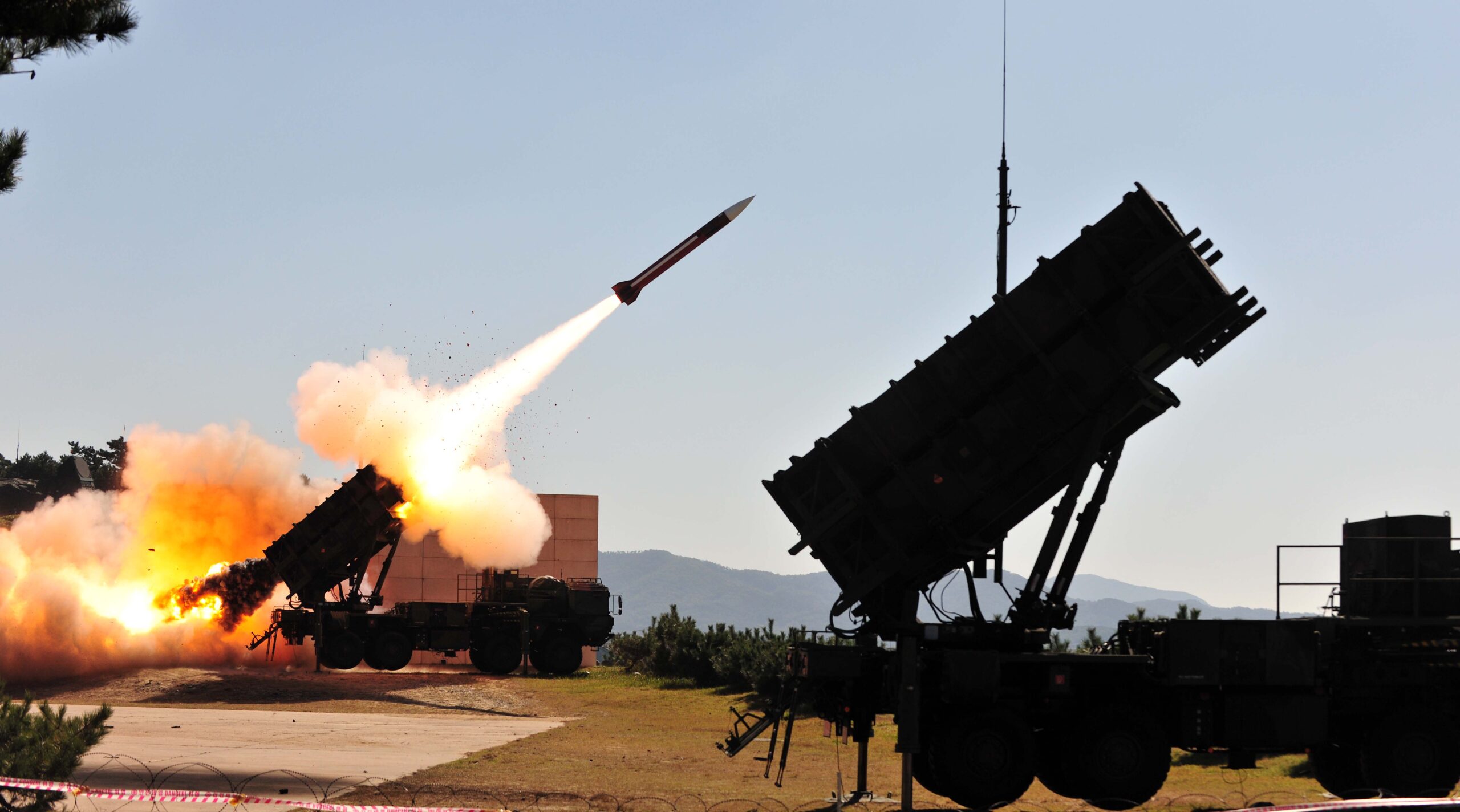
The Baltic states have poured billions into defense since Russia's full-scale invasion of Ukraine. Estonia alone redirected €500 million toward air defense and drones. It pledged 0.25% of GDP in annual aid for Kyiv. Defense budgets have grown faster than the procurement systems managing them.
Hanno Pevkur has held the post since 2022. Amid the scandal, he told Estonian public broadcaster ETV he would step down.
"The minister does not count socks and ammunition," Pevkur said.
RKIK's former chief countered that no major decisions were made without the ministry's approval.
Three opposition parties called for his resignation before he announced it. Prime Minister Kristen Michal said Pevkur was not personally at fault but acknowledged political responsibility applied. The resignation followed a National Audit Office report released on 28 August. Estonia's Prosecutor's Office has also opened a criminal investigation into the procurement.
In 2024, Estonia's Center for Defense Investments (RKIK) signed four contracts with Datasel S.R.L., an Italian-registered firm. Eesti Ekspress reported that the Indian company Neco Defense Munitions owned it. Neither had ever sold a single artillery shell. RKIK paid roughly $81 million in advance using the EU's European Peace Facility. The first delivery was due in November 2024. Ammunition that arrived failed to meet quality standards. Estonia canceled the deals and filed a case at the European Court of Arbitration in Strasbourg.
Pevkur is the second Baltic defense minister to resign in four months. Latvia's Andris Sprūds stepped down in May after drone incursions from Russia's war destabilized the country's government.


© Robert Walker/The New York Times


Poland will recover hundreds of millions of euros from a shared European Union fund for weapons it handed to Ukraine, the defense outlet Militarnyi reported. The money had been frozen for two years and only started moving after a change of government in Hungary lifted a veto.
Europe's ability to keep weapons moving to Ukraine rests on members trusting they will be paid back for what they give away. When that cost-sharing seizes up, national governments face the full bill alone, and the case for the next donation gets harder. A single member's veto can jam that machinery for years.
Poland will receive up to $500 million in 2027 from the European Peace Facility (EPF), an EU fund that reimburses member states for military aid to Ukraine. Deputy Defense Minister Paweł Zalewski told the Polish news agency PAP that the ceiling combines the $465 million now secured with a possible $12–35 million more, depending on which of the two payout options the European Commission picks. Warsaw had already collected $960 million earlier, bringing its total EU reimbursement to roughly $1.4 billion.
The reimbursements had stalled in 2024, when Hungary blocked a $7.7 billion tranche. Budapest dropped the veto in June 2026 after a new government took over, unfreezing the funds. The bloc is now steering part of the money toward joint arms purchases and its training mission for Ukraine, rather than just reimbursement.
By Militarnyi's tally of Kiel Institute figures, total Polish aid has reached $6.8 billion, with $5.2 billion of that military. That ranks Poland 11th among donors by raw volume. When weighed against each country's economy, it ranks 9th, equal to 1.021% of Polish GDP, with the military share at 0.775%.
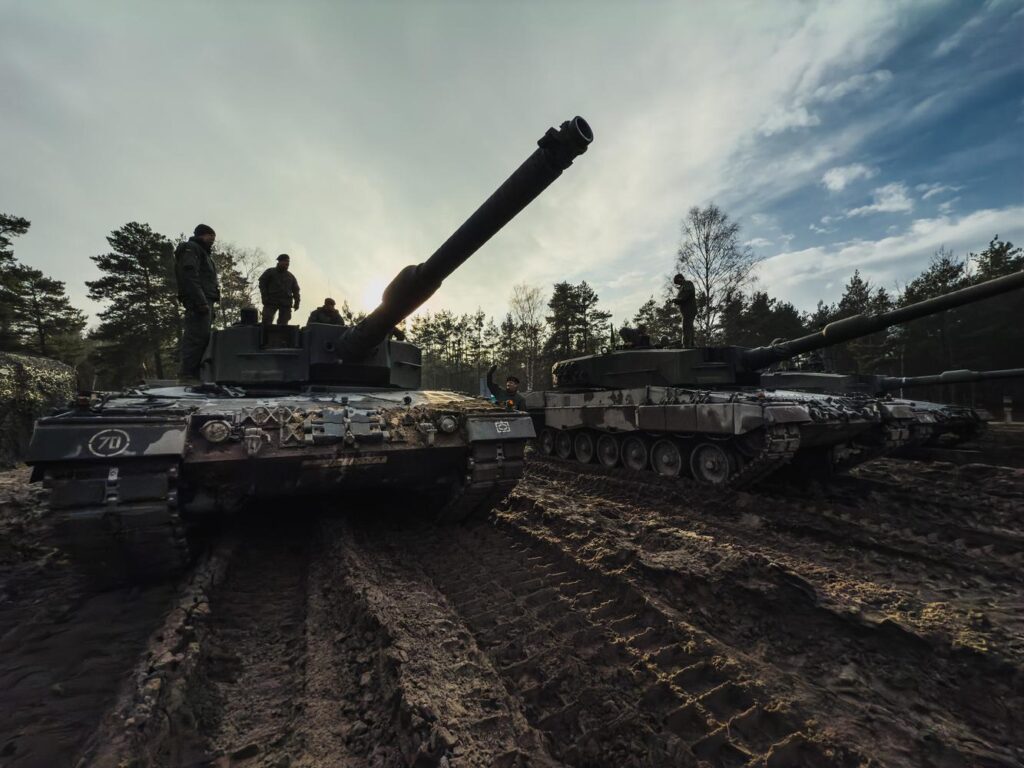
Poland has supplied ammunition and other weapons since early 2022, before the full-scale invasion, and has since handed over more than 350 tanks—14 Leopard 2A4, about 60 PT-91 Twardy, and roughly 280 Soviet-era T-72 variants. Warsaw also sent Krab self-propelled howitzers, Piorun shoulder-fired air-defense missiles, and Grad rocket launchers. Alongside Slovakia, it was among the first NATO states to send Ukraine fighter jets, delivering 14 MiG-29 jets and 10 Mi-24 attack helicopters between 2022 and 2024.


© Philip Cheung for The New York Times

NFL reporter resigned after fallout from photo scandal
Patriots coach, Russini were pictured at Arizona resort
Investigation unable to find ‘exact nature’ of relationship
The Athletic’s internal investigation found that the relationship between former NFL reporter Dianna Russini and New England Patriots coach Mike Vrabel was in “clear violation” of the newsroom’s standards.
The outlet, which is owned by the New York Times, released a report Thursday detailing the findings of a five-months-long investigation. Mike Semel, the Athletic’s editorial director for standards and quality, wrote that he was unable to find signs of clear bias in her coverage or determine the exact “nature of their relationship”, but said it gave the appearance of a conflict of interest.
Continue reading...
© Photograph: Icon Sportswire/Getty Images

© Photograph: Icon Sportswire/Getty Images

© Photograph: Icon Sportswire/Getty Images


Ukraine's National Guard says its assault units have cleared four square kilometers of ground near Kupiansk. According to the military, fighters of the 23rd R.U.G. Assault Regiment of the Khartiia corps have pushed Russian forces out of territory between the settlements of Dvorichna and Zapadne, working with the 35th Separate Marine Brigade on one stretch.
Russia wants Kupiansk as a logistics node and a springboard for pushing deeper into Kharkiv Oblast. Just outside the city sits the Kupiansk-Vuzlovyi station, a key rail hub whose capture would let Russian forces move supplies and equipment far more easily.
“Overall, another 4 square kilometers of Ukrainian territory have been liberated. As long as the enemy remains on our land, the work continues,” the National Guard said.
Ukraine said its assault units have cleared another four square kilometers of ground near Kupiansk
— Euromaidan Press (@EuromaidanPress) September 3, 2026
Fighters of the 23rd R.U.G. Assault Regiment of the Khartiia corps pushed Russian forces out of the territory between the settlements of Dvorichna and ZapadneThe National Guard pic.twitter.com/aOXrXm0BRw
A city fought over from both banks
The clearing north of the city is only one part of a contested picture. Kupiansk straddles the Oskil River: Ukraine holds the left, eastern bank, while Russian forces have pushed onto the right, western bank closer to Ukraine's rear.
On 2 September, Viktor Tregubov, head of communications for Ukraine's Joint Forces Group, said Russian troops had infiltrated part of northern Kupiansk on that right bank.
"On the right bank, the Russians are trying to hold the northern parts of the city, where they've already infiltrated some of their fighters," he told Suspilne, adding that Ukrainian forces are making trouble for them there.
The infiltrators are trying to reach the city through the village of Holubivka, he said.
On the left bank, Russian units are trying to reach the railway station.
"The Russians are pushing very hard toward it. They want to narrow our bridgehead," Tregubov reported.
No confirmed Russian advance
Back in July, Trehubov mentioned the Russian forces’ logistical problems in this direction, according to ArmyInform.
He explained that logistics for Russian forces in the area had been effectively paralyzed by a fuel shortage, with even water being delivered exclusively by drones.


The European Union is discussing export support with Ukraine and its neighboring countries, including through so-called solidarity lanes, Agriculture Commissioner Christophe Hansen told Bloomberg on 2 September.
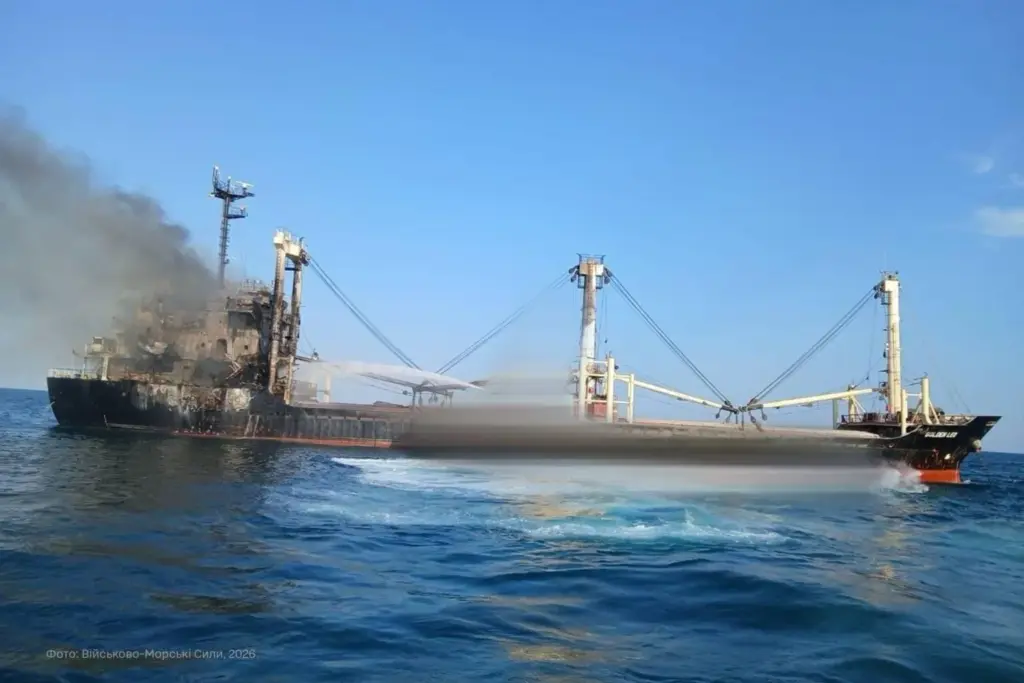
Strikes in the Black Sea have curtailed exports from both Ukraine and Russia, while low water limits how much grain vessels can carry on the Danube, Ukraine’s main fallback when sea traffic slows. Wheat and corn prices are at multiyear highs, and the Bloomberg Agriculture Spot Index jumped by more than 13% in August, its sharpest monthly rise in over a decade. Hansen said the EU’s role as a major food exporter means drought-driven production losses could cause shortages elsewhere.
Created after Russia's full-scale invasion, the solidarity lanes carry Ukrainian exports by road, rail, and river through neighboring countries when Black Sea shipping is disrupted.
The European Commission is separately weighing relief for drought-hit EU farmers. Hansen urged governments to use flexibilities in the Common Agricultural Policy, the EU's farm-subsidy system, including exemptions for circumstances beyond farmers' control, emergency fertilizer aid, and earlier payments, but proposed no new measures in a letter seen by Bloomberg. EU agriculture ministers are due to discuss the drought in Ireland next week and in Brussels later in September.
Low water is only one obstacle to Ukraine’s southern export routes. Russia has repeatedly attacked ports and transport links along the Danube and on Odesa Oblast’s Black Sea coast. Some Ukrainian farmers have sold wheat below production cost as port prices fell, leaving less money for the next sowing.
Romania detected more than 100 drones during seven attacks on Danube ports in mid-August, interim Romanian Defense Minister Radu Miruță said. Russia struck Izmail, Ukraine's largest Danube port, three times in August. The 29 August attack killed one person and destroyed five grain trucks, Odesa regional authorities said.
Ukraine and Moldova have pursued a rail corridor through Moldova to Constanța, Romania’s main Black Sea port, as an alternative. Moldova later halved transit tariffs through 31 December. Ukrainian officials estimate the corridor could handle around 10% of Ukraine's grain exports, Reuters reported.
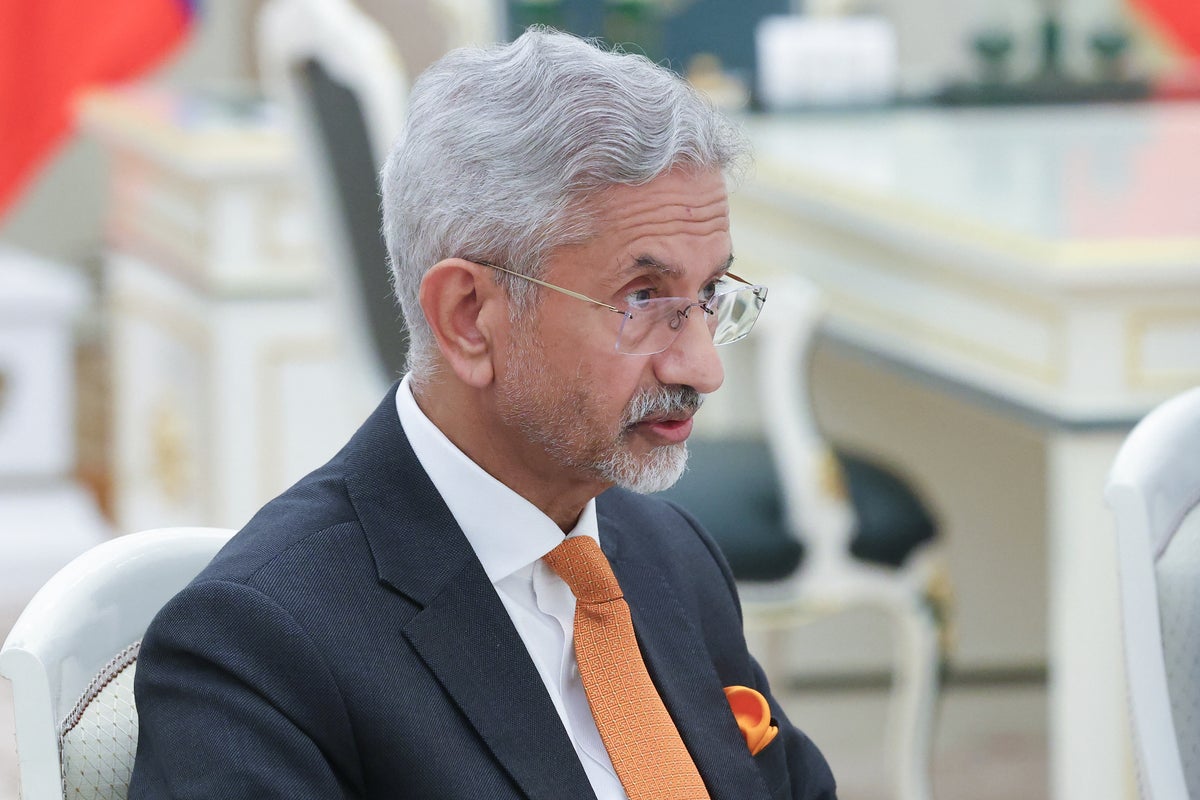
Indian foreign minister’s visit to Kyiv comes days after Modi told Putin ‘we must move away from endless war’ on sidelines of SCO summit
© AFP/Getty

Cull of animals that eat native shrubs, causing spread of fast-igniting grasses, to go ahead despite fierce opposition
Locals and tourists have long fawned over Catalina Island’s mule deer population. For nearly a century, the ungulates have roamed the land’s waterfronts and woodlands, so comfortable around humans that it is not uncommon to spot deer roaming downtown Avalon.
But that sight will soon disappear, after a judge this week paved the way for the island’s conservancy to kill nearly all the island’s 2,000 deer.
Continue reading...
© Photograph: Allen J Schaben/Los Angeles Times/Getty Images

© Photograph: Allen J Schaben/Los Angeles Times/Getty Images

© Photograph: Allen J Schaben/Los Angeles Times/Getty Images


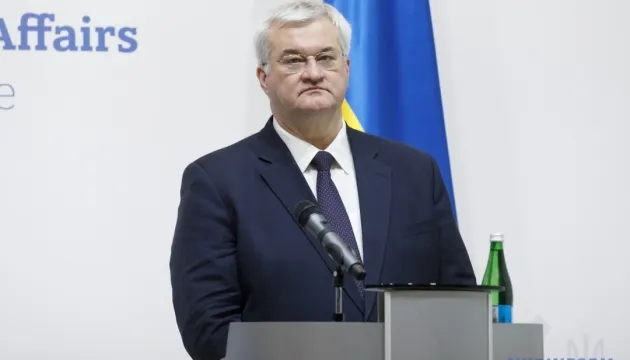
Ukraine formally notified the International Civil Aviation Organization (ICAO) on 2 September that Russian airspace is unsafe for civilian flights because of increased military activity, Ukrainian Foreign Minister Andrii Sybiha said. The letter behind the notification asks the organization to urge its member states to stop civil flights over Russia altogether, ZN reported.
ICAO, the UN aviation agency, cannot close Russian airspace or order carriers to reroute. European and US airlines already avoid Russia's airspace, while carriers from China, Türkiye, and the Gulf states have kept flying through it. Those remaining airlines must assess the safety of flying amid drone and air defense operations. Drone alerts during reported Ukrainian attacks have repeatedly shut Russian airports and delayed hundreds of flights.
The notification follows a 1 September warning by Ukrainian President Volodymyr Zelenskyy, who told airlines, insurers, and other aviation stakeholders that Russian skies were becoming unsafe as Ukrainian drones reached deeper into the country.
Zelenskyy said Ukraine's Foreign Ministry would pass information about the risks to international organizations. The letter to ICAO came from another office—Mykola Kalashnyk, Ukraine's minister for recovery, infrastructure, and transport, whose portfolio covers aviation.
Russian President Vladimir Putin said Zelenskyy's statement amounted to "a bid for state terrorism" and that Moscow would find a way to respond if civilian "tragedies" followed.
Sybiha urged airlines to avoid Russian airspace and said the notice was meant to prevent unintended incidents, arguing that Moscow was failing to disclose the dangers its war had created. He invoked Ukraine’s inherent right to self-defense under Article 51 of the UN Charter, the provision that recognizes states’ right to defend themselves against an armed attack. The foreign minister further stated that the war was “returning home to Russia.”
In its separate statement, ICAO warned of rising threats to civil aviation worldwide. It did not mention Russia, endorse Ukraine’s assessment, or say Kyiv’s notification had prompted it.
The UN aviation body identified long-range weapons, drones, navigation-signal interference, and advanced air-defense systems as growing dangers to civilian aircraft. It reiterated that international aviation law prohibits the use of weapons against them.
ICAO urged member states to assess airspace under their control, share threat intelligence quickly, and improve military-civilian coordination.
Russian airspace has not been legally or completely closed. The disruption has instead taken the form of temporary restrictions at individual airports.
From 5–7 May 2026, restrictions during reported Ukrainian attacks delayed more than 450 flights at Moscow airports, while limits at Vnukovo remained in place for nearly 18 hours.
On 6 July 2025, Moscow's Sheremetyevo airport canceled 171 flights, while airports in five other cities suspended operations. During an earlier wave on 22 May 2025, Domodedovo halted flights four times in one day and Sheremetyevo three times, while Vnukovo and Zhukovsky also restricted operations.
Airports in Kaluga, Nizhny Novgorod, Saratov, and Tambov were temporarily closed during a 27 May attack in which Moscow claimed 99 drones were intercepted. Two days later, another alert delayed 20 arrivals and 14 departures at Vnukovo, pro-Kremlin Telegram channels claimed.


© Robert Walker/The New York Times

The founder of The Ringer and Grantland was famous for discovering and developing writers. Now he is promoting a technology eroding the creative industries
Bill Simmons may have stopped writing with any regularity in the mid-2010s – he claims his fingers don’t work – but that won’t stop him from reminding you of his greatest hits. On a recent podcast about Russell Westbrook’s retirement, he couldn’t stop quoting his old columns. He first referenced an article from the 2012 NBA finals, and wasn’t finished until 11 minutes into the podcast. His guest, The Ringer contributor Kirk Goldsberry, deserved an award for patience. But the biggest blight on the episode came later, in the form of a bizarre ad read.
“This episode,” Simmons announced, “is brought to you by ChatGPT, the Bill Simmons Podcast AI sponsor.” (Emphasis mine; his overenthusiastic delivery mandates the italics.) Simmons said that he had asked ChatGPT what Westbrook’s defining game was. “That was a pretty good answer,” he said of ChatGPT’s offerings, as if it were a precocious, loveable nephew, before encouraging his listeners to try the platform.
Continue reading...
© Photograph: Rebecca Sapp/Getty Images for The Recording Academy

© Photograph: Rebecca Sapp/Getty Images for The Recording Academy

© Photograph: Rebecca Sapp/Getty Images for The Recording Academy

As the Trump administration refuses to end its war in Iran, it is steering into the storm, not out of it
Russia hasn’t yet killed large numbers of Europeans outside Ukraine, but it’s getting closer. The night of 4-5 August, an airport bus driver discovered an armed drone lying near the tarmac of the Leipzig-Halle airport, which is a central hub of Europe’s logistical support to Ukraine’s war effort. A cargo jet, meanwhile, may have struck a second drone shortly after takeoff, forcing an abrupt landing, and investigators found a third drone laden with military explosives nearby.
In 2024, incendiary devices hidden in parcels ignited in DHL cargo at the same airport. Had these detonated in the air, a major air catastrophe and large-scale civilian casualties would have ensued, probably resulting in a broader war.
Continue reading...
© Photograph: Tom Williams/CQ-Roll Call, Inc/Getty Images

© Photograph: Tom Williams/CQ-Roll Call, Inc/Getty Images

© Photograph: Tom Williams/CQ-Roll Call, Inc/Getty Images


© Oleksandr Ratushniak/Reuters


© Gleb Garanich/Reuters


© Emile Ducke for The New York Times