❌

Vue normale

Ukraine-NATO AI built to forecast Russia’s front-line drone attacks from past data and weather is ready to plug into the army
14 octobre 2026 à 08:07

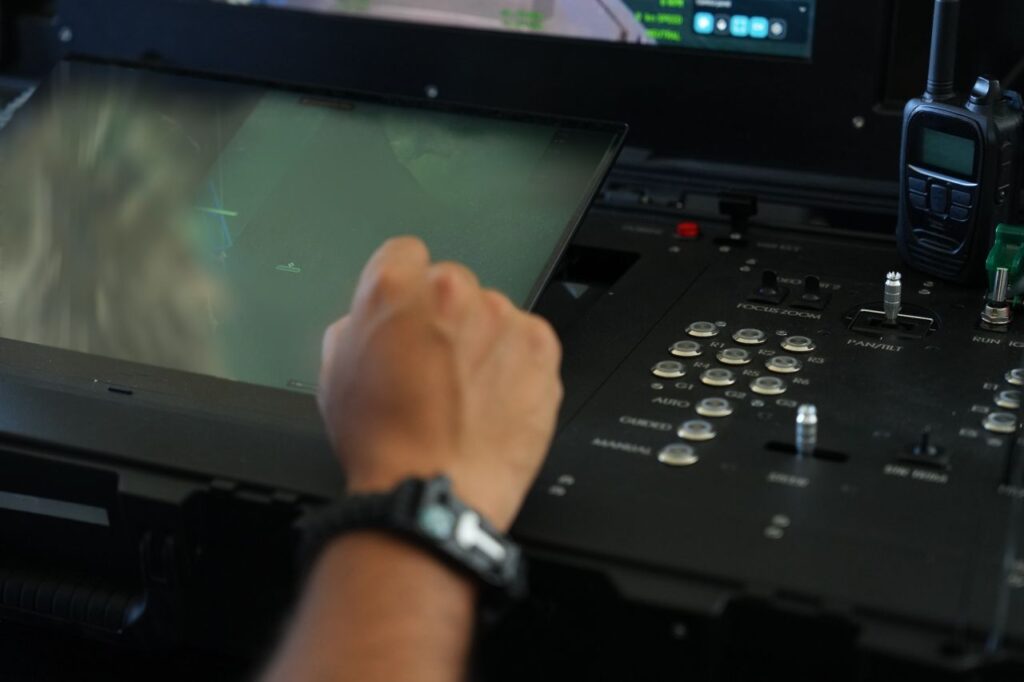
UFORCE drone control station. September 2026.

Ukraine and NATO have unveiled two artificial intelligence (AI) tools in Vilnius, Lithuania, Ukraine’s Defense Ministry reported on 13 October. One forecasts Russian drone attacks near the front and is ready to join the Armed Forces’ situational awareness systems. The other helps plan artillery fire and is still in testing.

A forecast of where, when, and which drones will fly targets the main source of losses near the front. In March, Ukraine’s military put the share of front-line casualties caused by FPV drones at up to 80%. In May, Ukraine’s drone forces commander Robert Brovdi said Russia was copying Ukraine’s model to grow its drone forces. A month earlier, Presidential Office head Kyrylo Budanov wrote that adding more drones no longer fundamentally changes the battlefield. The next stage, he said, is full integration of AI.

Forecasting Russian drone attacks

The NATO-Ukraine Joint Analysis, Training and Education Center (JATEC) presented both at a three-day seminar in the Lithuanian capital. NATO’s Allied Command Transformation and Ukraine’s Armed Forces built the tools with JATEC’s support.

“The solution has already been validated using real-world datasets. It has been refined and is ready for integration into the Armed Forces of Ukraine's situational awareness systems,” the ministry said.

Model No. 13 works from past data, weather, and the current battlefield situation. The ministry said it can identify the intensity of attacks, the areas, the time windows, and the types of drones with a high probability.

Ranking artillery options

Model No. 32 is a decision-support module. It tests whether artillery plans can be generated automatically. It weighs the mission’s requirements and current operational data, including available weapons, ammunition, firing positions, and constraints.

SPECTR.
Explore further

Ukraine’s new military AI does more than watch the battlefield—it helps commanders plan what comes next

First, it applies logistics, ballistics, and impact-zone parameters to throw out unworkable options. Then it scores and ranks the rest. That means less hand-based comparison, faster decisions, and a more efficient fire loop, the ministry said. The prototype is now with the Ukrainian military for trials. If the trials succeed and it is validated, it could be expanded to other units that strike Russian forces.

  • ✇Euromaidan Press
  • Ukraine’s swimming robot can tow 10 tons, its maker says. Hook up a gun, and the shells ride aboard
    Ukraine’s amphibious ground robot UNEX UGV can tow artillery guns, its project lead said in a video interview, Militarnyi reported on 13 October. The electric platform from ABRIS Design Group (ABRIS DG) also swims, climbs, and hauls cargo on its own deck. The Defense Ministry’s robot tally, kept in its DELTA system, counts supply and evacuation runs. It logged 25,143 of them in August, a monthly figure that has climbed all year. In April, then-Defense Minister Mykhailo Fedorov said the
     

Ukraine’s swimming robot can tow 10 tons, its maker says. Hook up a gun, and the shells ride aboard

13 octobre 2026 à 04:43

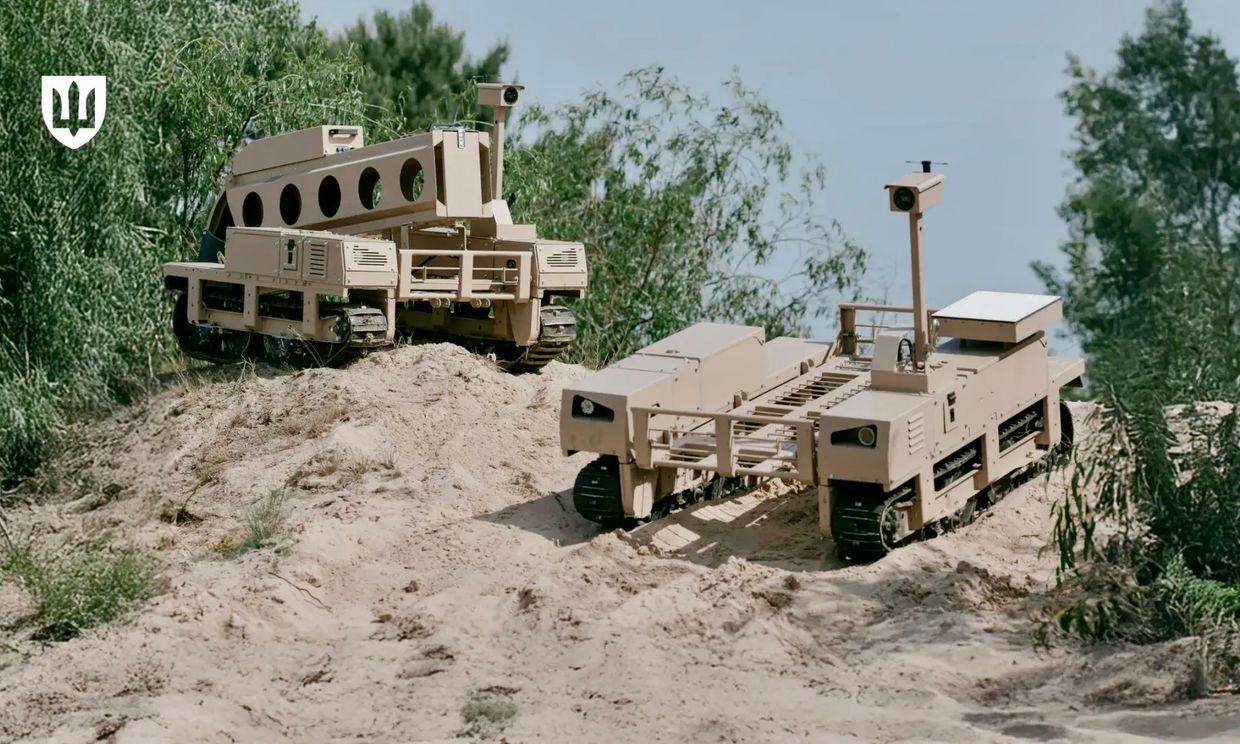
UNEX UGV ground robotic system.

Ukraine’s amphibious ground robot UNEX UGV can tow artillery guns, its project lead said in a video interview, Militarnyi reported on 13 October. The electric platform from ABRIS Design Group (ABRIS DG) also swims, climbs, and hauls cargo on its own deck.

The Defense Ministry’s robot tally, kept in its DELTA system, counts supply and evacuation runs. It logged 25,143 of them in August, a monthly figure that has climbed all year. In April, then-Defense Minister Mykhailo Fedorov said the goal was for robots to handle all frontline logistics. A robot that brings a gun and its shells to a position adds artillery moves to that workload.

A gun behind, shells aboard

The robot can pull a gun or another wheeled vehicle of up to 10 metric tons (about 22,000 lb), the project lead said. Ammunition can ride aboard, so the gun and its rounds reach the position together. No crew has to go with them, he said, and the team has already demonstrated the setup. On its own deck, ABRIS DG says, the robot carries up to 1.7 tons (3,750 lb) on land and 1.25 tons (2,760 lb) on water.

UNEX UGV ground robotic system.
UNEX UGV ground robotic system. Screenshot: Militarnyi

ABRIS DG said US Army testers ran UNEX through scenarios that included towing Joint Light Tactical Vehicles (JLTVs), which are armored US military trucks. The trials took place at the Army’s XTech competition in Vilseck, Germany, in March 2026. UNEX was picked as one of five winners, the company said.

Swims, climbs, backtracks

The robot can float for more than an hour. The team has already crossed the Desna River and narrow stretches of the Dnipro with it, the project lead said. Ultra-low-pressure tires spread its weight over soft ground and swamps. ABRIS DG says it climbs obstacles up to one meter (3.3 ft) high and drives out of water onto ice.

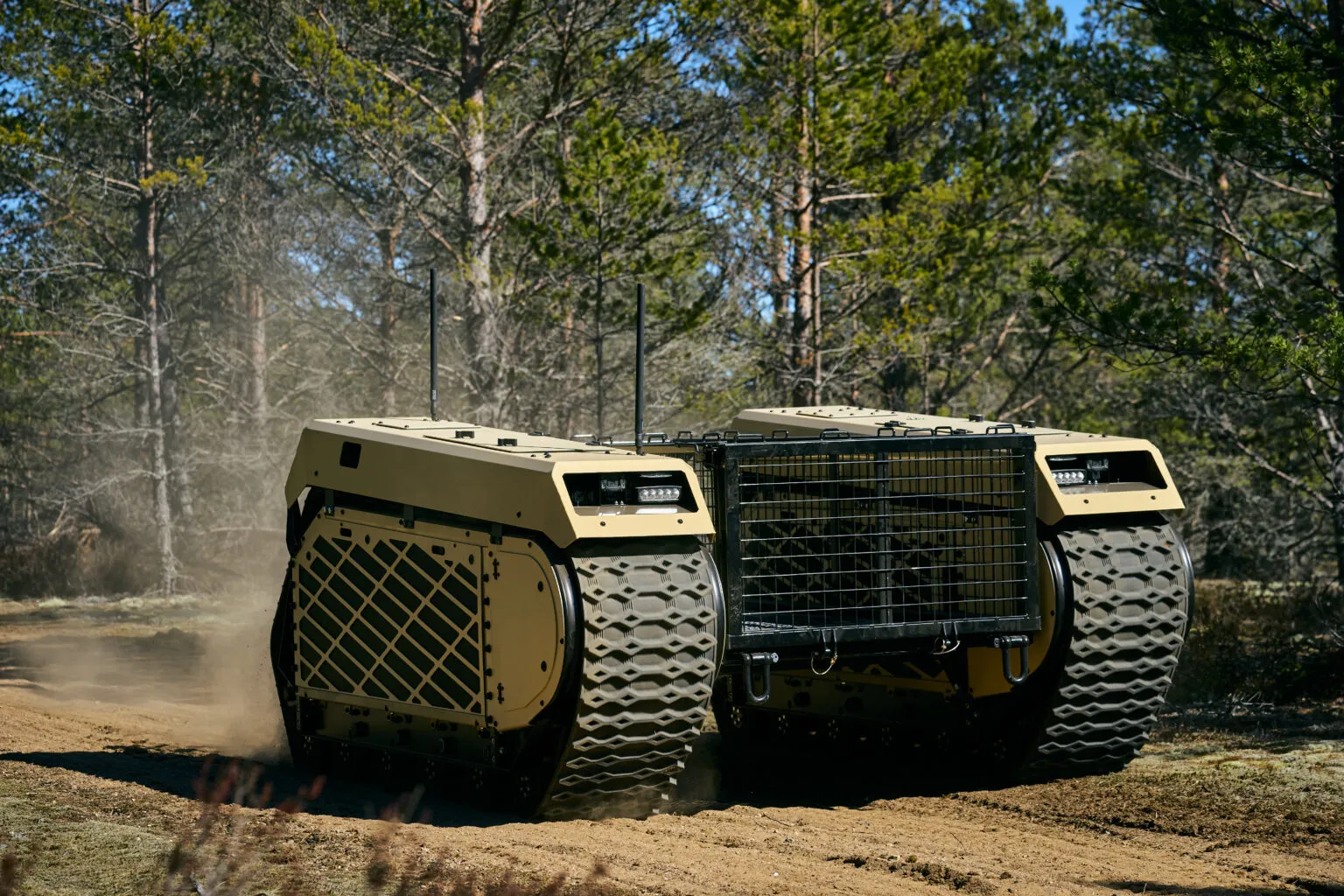
ukraine turned ground robots frontline workhorse its first competitive tender reward cheap copies over proven machines officer warns · post fifth-generation themis unmanned vehicle developed milrem robotics themis_5th_generation_ugv-1536x1024jpg news ukrainian
Explore further

Ukraine turned ground robots into a frontline workhorse. Its first competitive tender may reward cheap copies over proven machines, an officer warns

Operators steer it via Starlink or radio. An escort drone can add an overhead view to the robot’s own cameras. If the link drops, the robot retraces its route to where the signal last held.

It runs on a Ukrainian-made 78 kWh battery. The project lead puts its work time at up to six hours and its range at up to 120 km (75 miles), with a top speed of 20 km/h (12 mph). Load and terrain cut into those figures, he added. With a generator now in development, a mission should stretch to about 12–14 hours, he said.

The robot is not built for the zero line, the project lead said. It works 20–30 km behind the front, at night, where armor would add little. Developers also plan demining and air defense versions. Ukraine’s Defense Ministry codified the robot and cleared it for use in its forces in April 2025.

German radar already guarding Ukraine is picked to spot ballistic missiles. Its maker just signed a new deal with Kyiv

7 octobre 2026 à 10:10

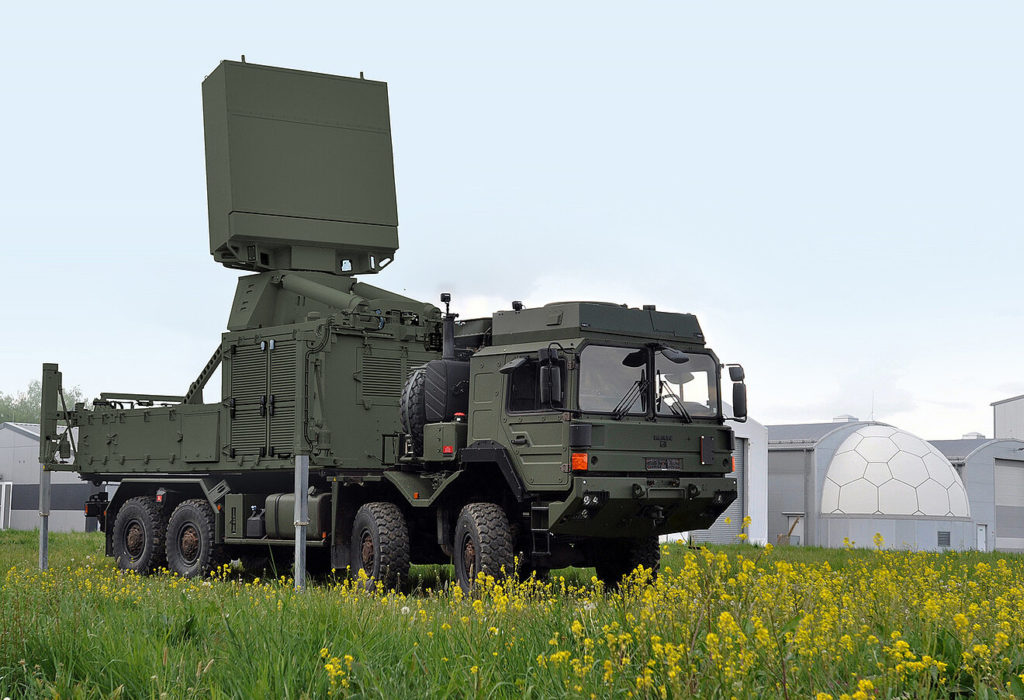
HENSOLDT's TRML-4D rada

German radar maker Hensoldt has signed a memorandum with Ukraine's Defense Ministry for more large-scale radar deliveries, the company said on 5 October. Ukrainian defense outlet Defense Express reads it as a step toward fitting Hensoldt's TRML-4D, already in Ukrainian service, into FREYJA, a planned shield against ballistic missiles.

Ballistic missiles remain the hardest threat in Russia's air war. After Russia's overnight barrage on 7 October, Ukrainian President Volodymyr Zelenskyy said Ukraine is still searching daily for Patriot missiles. The only other system Ukraine can use against them is the Franco-Italian SAMP/T, which fires Aster 30 interceptors made in small numbers. That gap is why Fire Point is reworking its FP-7 missile into a Patriot-like interceptor. Such an interceptor still needs radars to find its target first.

A memorandum signed during Merz's visit

Hensoldt CEO Oliver Dörre signed the document on the sidelines of German Chancellor Friedrich Merz's visit to Ukraine. Beyond deliveries, it covers further development of radar capabilities. The partners will also study options to deploy and jointly operate TRL-4D LR long-range radars. Hensoldt said this expands cooperation already agreed on in ballistic missile defense.

Ukraine ballistic missile program
Explore further

Russia’s air defenses can’t protect all its strategic sites once Ukraine’s ballistic missiles are ready, expert says

The TRL-4D LR is the land-based version of a long-range radar Hensoldt also builds for the German Navy, German outlet Sicherheit & Verteidigung reported. The outlet cited Germany's defense procurement office as giving the naval version a range of more than 400 km (250 miles) against air targets. That, it concluded, puts the range well beyond the TRML-4D's.

"The Ukrainian air defence forces urgently need our high-performance radars to help protect infrastructure such as bridges," Dörre said.

Defense Express, describing the same memorandum, tied both the mass deliveries and the joint-operation plan to the TRML-4D. Hensoldt's release names no model for the deliveries and links joint operation to the TRL-4D LR.

Eyes for FREYJA

Hensoldt and Fire Point signed a memorandum on FREYJA at the Eurosatory arms show in Paris in June, with the TRML-4D to play a key role, Hensoldt announced. Fire Point is set to act as prime contractor and hold design authority. Hensoldt is to produce, test, and deliver the radars.

HENSOLDT's TRML-4D rada
Explore further

Germany’s Hensoldt to supply Ukraine with six more TRML-4D radars to boost air defense capabilities

Defense Express expects any study of deployment options to focus on how well the radar detects ballistic missiles and relays that data. Hensoldt has its own unit in Ukraine to work closely with operators, the outlet noted. Earlier, the company began setting up a local hub so Ukraine can service and repair the TRML-4D itself.

Already on duty

Ukraine's military uses the TRML-4D both standalone and as the built-in radar of the IRIS-T SLM medium-range air defense system, Defense Express noted. Hensoldt lists an instrumented range of 250 km (155 miles) at altitudes up to 30 km (19 miles). Defense Express, citing the manufacturer, gives track ranges of more than 120 km (75 miles) for fighter jets and more than 60 km (37 miles) for supersonic missiles.

More radars give earlier warning of ballistic strikes, but they cannot stop them. Until the FP-7.X makes its first ballistic intercept, planned for mid-2027, that job stays with Patriot and SAMP/T missiles. Partners delivered three times fewer air defense missiles in the first half of 2026 than a year earlier, Zelenskyy said on 5 August.

Ukrainian units hit record number of Russian air defense systems and radars in September, one of them 552 kilometers away

6 octobre 2026 à 12:53

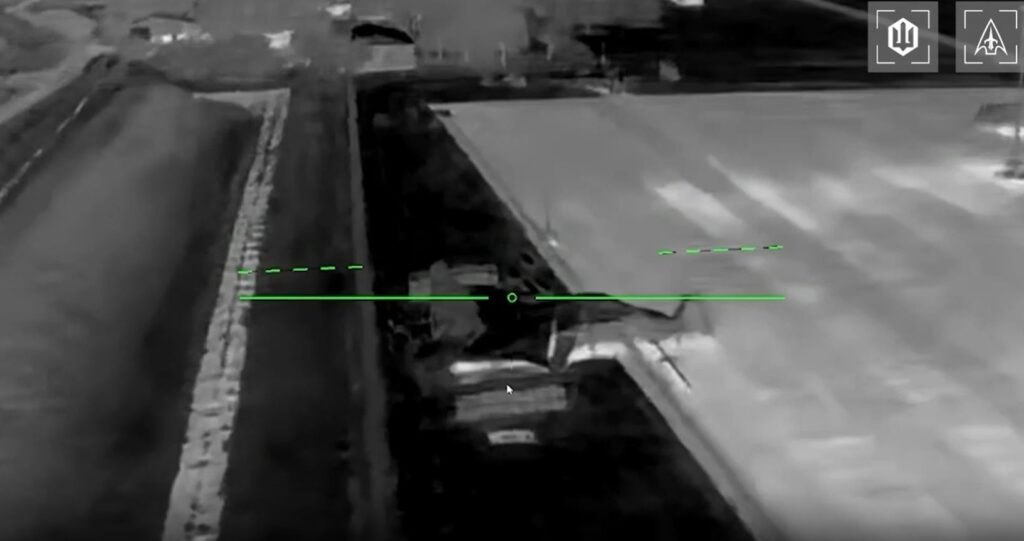
two russian fighters one spy drone hit kranodar radars anti-air systems elsewhere—ukraine forces · post combat aircraft ukrainian drone's sights vityazevo airfield krasnodar krai russia 23 2026 su-33 video sbs

In September, Ukraine struck more Russian air defense systems than in each month since 2024. Its Defense Ministry reports that Ukraine stepped up strikes on targets deep in the Russian rear, and this is how it hit this amount of protective systems, radars among them, in the history of the ePoints program.

ePoints are points that Ukrainian units earn for verified combat missions, from strikes to reconnaissance and evacuation, and spend on drones, ground robots, and electronic warfare systems on the state's Brave1 Market. In September, units confirmed hits on 33,087 Russian soldiers under the program, more than in any month this year except March and April.

Every result is recorded on video in the DELTA battlefield system and verified by the Brave1 defense innovation cluster, the ministry said. Russian losses are also growing far from the contact line, it added, and units are finding new and unconventional ways to inflict them.

The strikes are meant for "bleeding the Russian war machine," Defense Minister Yevhenii Khmara said on 4 October.

Deep strikes pass 11,000

In September, the number of hits more than 20 kilometers behind the front line exceeded 11,000 for the first time. Hits beyond 50 kilometers also set a record, most of them along the Russian logistics route between Mariupol and Crimea. One air defense system was hit 552 kilometers away.

Ukraine also now has a ballistic missile for such depths, not simply drones. It fired its first FP-7 in combat on 1 October, President Volodymyr Zelensky announced without naming a target. Its maker, Fire Point, plans an interceptor version that aims to achieve a first ballistic missile shoot down by mid-2027.

Troops down more propeller Shaheds

Even as Russia kept changing its air attack tactics and launched more jet-powered drones, Ukrainian troops shot down 28% more non-jet-powered Shahed drones in September than in August, the ministry said.

Jet drones remain the harder target. Ukraine shoots down 85 to 92% of propeller-driven Shaheds but only 50 to 60% of jet-powered ones, Zelensky said on 4 October, when he announced a new small missile called Nika for testing against them. Ukraine's military intelligence estimates that Russia builds about 3,000 jet-powered drones a month.

  • ✇Euromaidan Press
  • Ukraine demines over 1,300 hectares in September. Now, it has new plan to tackle 132,000 km²
    Ukraine continues to demine its 132,000 square kilometers of potentially hazardous territory. During the last month, Defense Ministry demining units cleared 1,347 hectares of that liberated territory, the ministry said. In September, Tymur Pistryuha, head of the Board of the Ukrainian Deminers Association, said that Ukraine is the most heavily mined country in the world — a fact recognized by the international community. The contaminated area continues to grow with every day of the war,
     

Ukraine demines over 1,300 hectares in September. Now, it has new plan to tackle 132,000 km²

5 octobre 2026 à 11:28

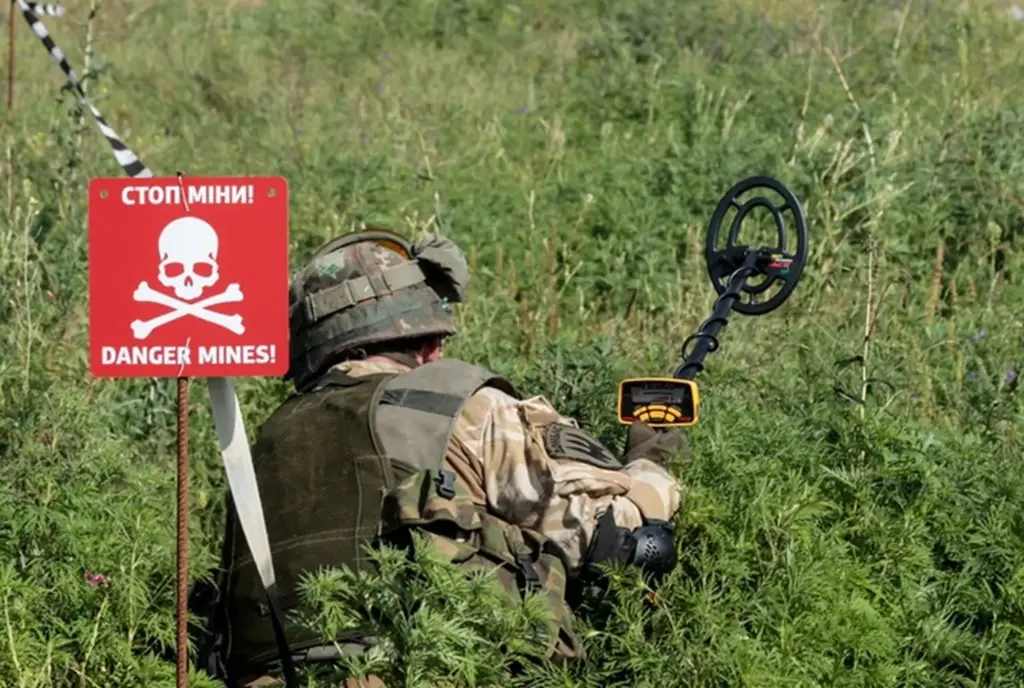
mines

Ukraine continues to demine its 132,000 square kilometers of potentially hazardous territory. During the last month, Defense Ministry demining units cleared 1,347 hectares of that liberated territory, the ministry said.

In September, Tymur Pistryuha, head of the Board of the Ukrainian Deminers Association, said that Ukraine is the most heavily mined country in the world — a fact recognized by the international community. The contaminated area continues to grow with every day of the war, Suspilne reports.

Ukraine clears 483,366 explosive devices overall

During the month, Ukraine surveyed and cleared 339.84 hectares of agricultural land, 21.31 kilometers of roads, 40.4 kilometers of railway tracks of mines and explosive remnants of war.

    In total, in September, demining specialists detected and destroyed 364 explosive devices. Since the beginning of Russia’s full-scale invasion, 483,366 such devices have been detected and destroyed.

    Such missions are conducted by several structures at once. Among them are the Main Directorate for Mine Action, Civil Protection and Environmental Safety, and the Defense Ministry, which engages demining units of the Armed Forces of Ukraine and the State Special Transport Service in clearing liberated territories of explosive remnants of war.

    Explosive ordnance disposal units of the National Police of Ukraine and pyrotechnic units of the State Emergency Service of Ukraine are also involved in demining operations.

    Those deminers now fly drones fitted with special magnetometers that register changes in the Earth's magnetic field, picking out hidden metal from the air and keeping sappers off ground that may be sown with mines.

    New plan for mass demining

    To make the process more effective, the government has approved a procedure under which the Ministry of Defense’s Mine Action Center will prepare a single national humanitarian demining plan every year, while the National Mine Action Authority will approve it.

    The plan will be prepared according to a clear timetable for everyone involved in the process, including government authorities, demining operators, and local communities. The Mine Action Center will collect data on contaminated areas, local communities' needs, and demining operators' capacities, and use this information to develop humanitarian demining plans.

    They say Dobropillia is encircled, but they are actually 10+ km away: ISW publishes map disproving Russia’s claim

    25 septembre 2026 à 10:10

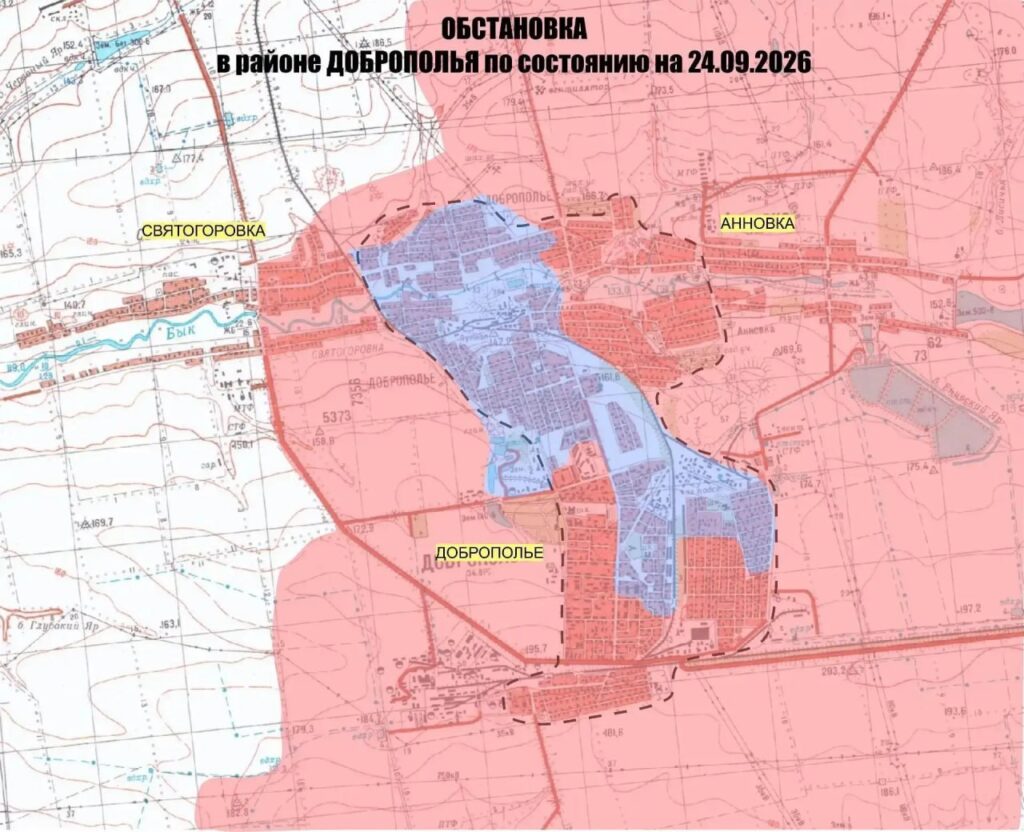
    A map showing the territories around Dobropillia that Russia claims to have captured (purple) and analysts’ assessment that Russian forces are 10.2 kilometers from the southeastern outskirts of Dobropillia. Map: Institute for the Study of War

    The Institute for the Study of War (ISW) published a map in its analytical report on 24 September that contrasts the claimed Russian encirclement with the location of Russian forces as assessed by the experts. Based on the evidence observed by ISW, the nearest area where Russian forces are present is 10.2 kilometers from the southeastern outskirts of Dobropillia.

    Russia has been spreading disinformation about its successes around Dobropillia as part of what ISW calls a cognitive warfare effort to portray Ukrainian defenses as on the verge of collapse. Russia's Defense Ministry published a map claiming the city was surrounded. ISW's own map challenges it. The Ukrainian military says the city remains under its control.

    Russian Defense Ministry claims it is already destroying encircled Ukrainian troops in Dobropillia and moving further

    Units of Russia's Center Grouping of Forces continue combat operations against encircled Ukrainian forces in the Dobropillia area of Donetsk Oblast while simultaneously advancing toward Oleksandrivka, the Russian Defense Ministry claimed. ISW analysts, meanwhile, said they have not observed evidence supporting Russia's claim that the city is encircled. They also noted that Ukrainian officials "directly refute" the claim.

    A Russian map showing the complete encirclement of Dobropillia. ISW and the Ukrainian Armed Forces reject this claim. Map: Russian Defense Ministry
    A Russian map showing the complete encirclement of Dobropillia. ISW and the Ukrainian Armed Forces reject this claim. Map: Russian Defense Ministry

    ISW observed evidence that Russian infiltrators, small groups, were operating east and northeast of Dobropillia on 19 and 20 September. The institute did not assess that these infiltrators had consolidated their positions.

    Ukrainian forces maintain positions south and northeast of Dobropillia, military observer Kostiantyn Mashovets said on 20 September, according to ISW.

    Russian forces have not made major gains in the Dobropillia direction, the chief of staff of an artillery reconnaissance battalion said on 22 September, according to the institute. On the same day, a Russian milblogger described the "alleged Russian encirclement of Dobropillia" as potentially meaning not the direct presence of infantry, but only the establishment of fire control over Ukrainian logistics, including roads west of Dobropillia and toward Sviatohorivka, according to ISW.

    ISW noted that Russia's pervasive military culture of lying—what Russian milbloggers themselves call "beautiful reports"—has degraded the Defense Ministry's own ability to understand the battlefield and enabled inflated claims like the Dobropillia encirclement.

    Russia uses this disinformation as a "diversion"

    In its statement, the Russian Defense Ministry itself described Dobropillia as a "strongly fortified settlement" whose seizure would threaten key Ukrainian supply lines running from Dnipropetrovsk Oblast toward the Fortress Belt—the Sloviansk-Kramatorsk-Druzhkivka urban agglomeration.

    Russia has recently renewed its attempts to break through toward Dobropillia.

    Third Army Corps Commander Andrii Biletskyi said that Russian forces sought to bypass the fortified cities through Dobropillia and link up with troops advancing from north of Lyman, rather than launch a direct assault. ISW noted on 16 September that the Vivaldi operation disrupted Russia's two-pronged plan. In its 24 September report, ISW said Russia's claims about Dobropillia were partly intended to divert attention from Ukraine's elimination of the Russian salient north of Lyman, which has likely forced Russia's command to rethink its wider encirclement plans.

    Arms makers in Ukraine sign first 26 deals in program that lets them lease equipment for 5% of cost, with state paying other 95%

    22 septembre 2026 à 16:11

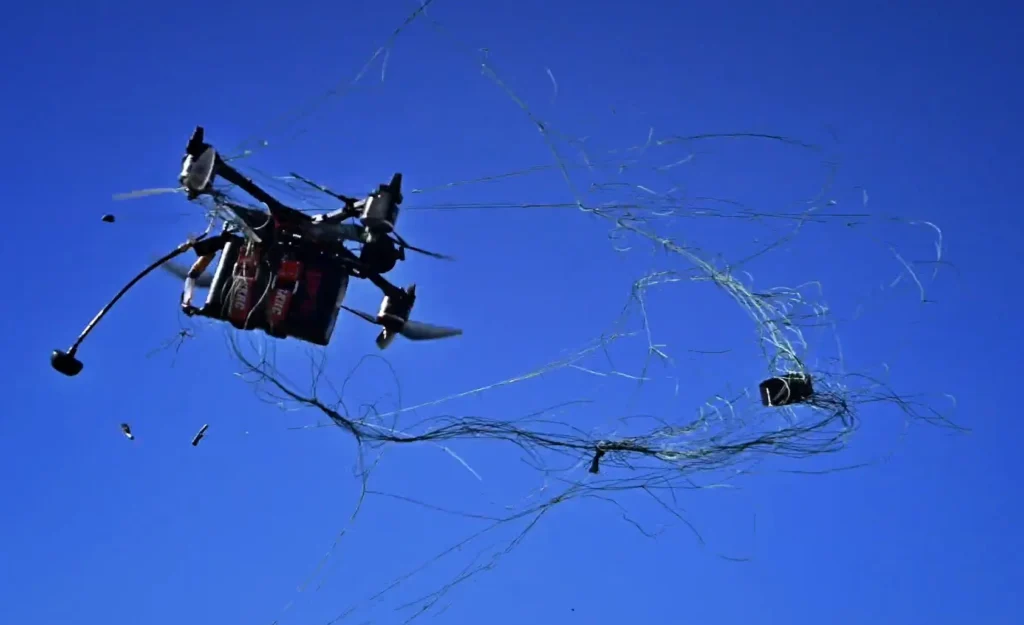
    An FPV drone snared by a net fired from a Chipa net gun, developed by BlueBird Tech. Photo: BlueBird Tech via Defense Blog

    Ukraine's defense makers have signed the first 26 deals under a program that lets them lease or rent new equipment, with the right to subsequently purchase it into ownership, while the state covers most of the bill. The preferential-leasing scheme has channeled about $2 million so far, with producers paying just 5% of the leasing fee and the state covering the rest, the Defense Ministry said.

    For many Ukrainian arms makers, the bottleneck is not orders but the cash to expand fast enough to fill them, Deputy Defense Minister Hanna Hvozdiar says, and the program is the state's answer.

    Producers can lease equipment, machinery, automation equipment, transportation, and even factory space, paying 5 percent per year while the state subsidizes the rest, up to about $11 million per contract over five years.

    The state covers most of the cost

    Beyond capping the borrower's rate at 5 percent, the contracts can defer lease payments for up to a year, easing the squeeze while new equipment is bought and installed.

    Only companies that hold "critically important" status in the defense sector, a label the state gives firms it deems essential to the war effort, can take part. The 26 deals are only the first, the ministry said, with the program still open to new applicants.

    Three banks run the leasing

    The Defense Ministry launched the program in April and named Ukreximbank, PUMB, and MTB Bank as the first authorized lessors, it said. In August, it spelled out what producers can lease, from machines, mobile production platforms, and technological gear to the non-residential real estate a plant needs to run.

    Ukraine races to scale production

    The leasing program is one piece of a broader drive to get money flowing to Ukraine's defense industry so it can produce more, faster. The government has been building financing tools around the sector, including a push by former Defense Minister Mykhailo Fedorov to raise the country's largest defense-tech venture fund.

    • ✇The Kyiv Independent
    • Putin signs decree allowing foreigners to serve in Russian army during mobilization
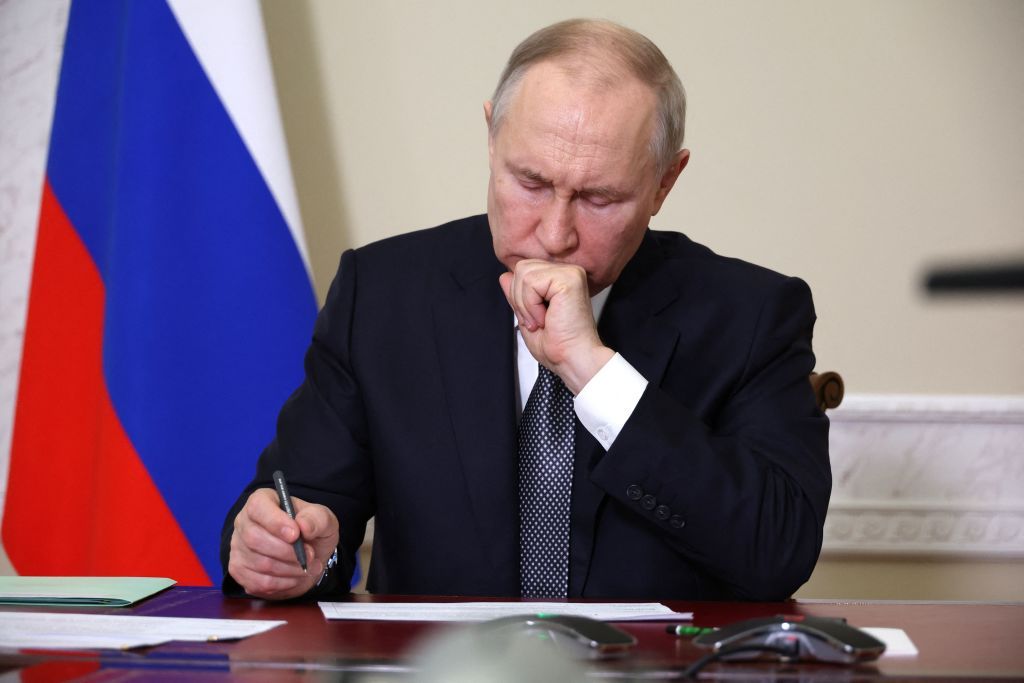
      Russian President Vladimir Putin signed a decree on July 7 permitting foreigners to serve in the Russian army during periods of mobilization, expanding military recruitment efforts.Putin's partial mobilization decree from Sept. 21, 2022, remains in force and has never been formally rescinded. Ending it would require a separate presidential decree specifying a termination date.Previously, it was allowed only during states of emergency or under martial law. Despite its full-scale invasion of Ukrai
       

    Putin signs decree allowing foreigners to serve in Russian army during mobilization

    8 juillet 2025 à 08:16
    Putin signs decree allowing foreigners to serve in Russian army during mobilization

    Russian President Vladimir Putin signed a decree on July 7 permitting foreigners to serve in the Russian army during periods of mobilization, expanding military recruitment efforts.

    Putin's partial mobilization decree from Sept. 21, 2022, remains in force and has never been formally rescinded. Ending it would require a separate presidential decree specifying a termination date.

    Previously, it was allowed only during states of emergency or under martial law. Despite its full-scale invasion of Ukraine, Russia has avoided formally declaring martial law.

    According to the document, the Kremlin is also permitting qualified specialists who have reached the age limit to sign contracts with Russia's Foreign Intelligence Service (SVR), Federal Security Service (FSB), or other state security agencies.

    The changes aim to strengthen recruitment as Moscow tries to keep up the pace of troop replenishment without causing another wave of unpopular conscription. The Kremlin has heavily relied on financial incentives and aggressive campaigns to attract new volunteers.

    Moscow currently recruits 30,000 to 40,000 individuals into its army each month, sources familiar with U.S. and EU intelligence told the Wall Street Journal.

    On March 31, Putin authorized the spring conscription of 160,000 men — the country's largest call-up in 14 years. Though Russian officials claim conscripts are not sent to the front, human rights groups and relatives have reported that many are pressured into signing contracts.

    In May, Russia's Investigative Committee Head Alexander Bastrykin said 20,000 naturalized migrants were sent to fight in Ukraine after failing to register for military service.

    In the summer of 2024, Russian lawmakers passed a law allowing the revocation of citizenship for naturalized individuals who do not comply with military registration requirements.

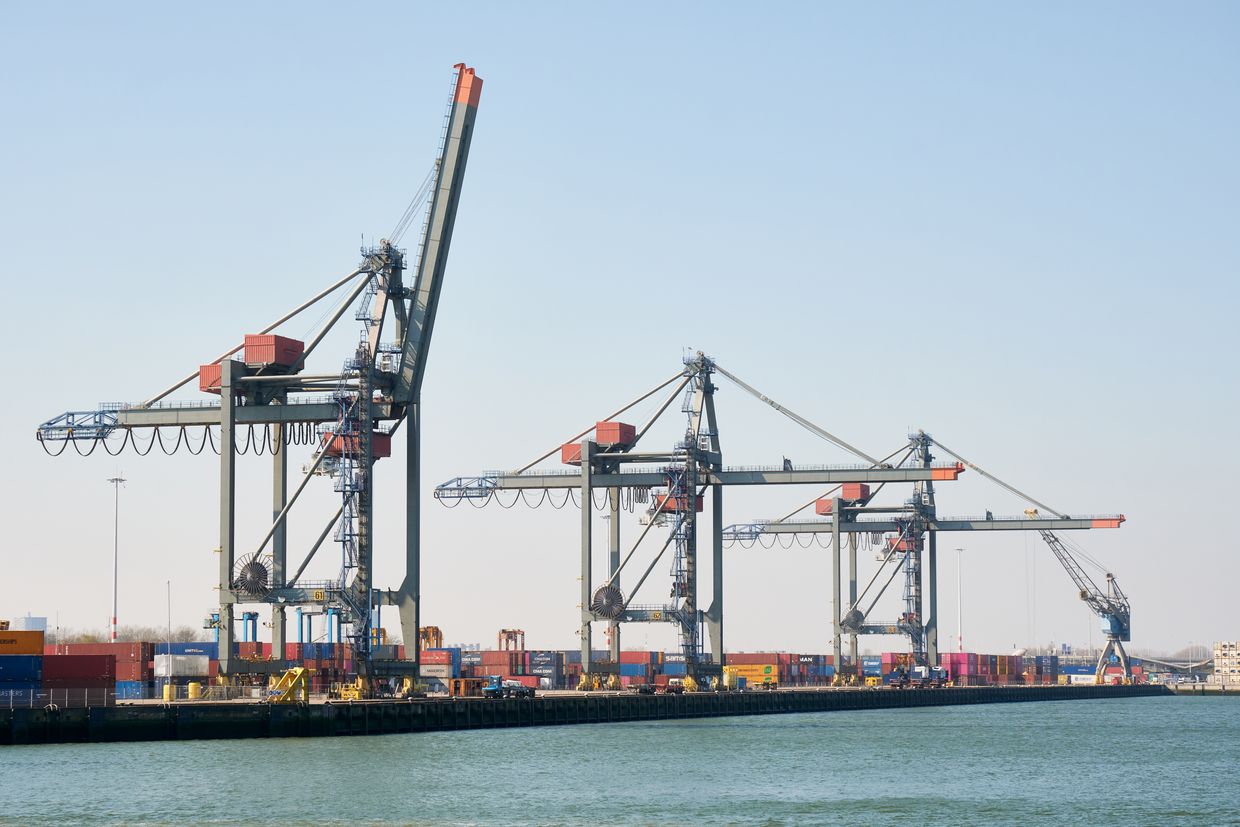
    Rotterdam port prepares for NATO arms shipments amid Russia threat
    Rotterdam has previously handled weapons shipments, but this marks the first time that it will designate a special berth for military use.
    Putin signs decree allowing foreigners to serve in Russian army during mobilizationThe Kyiv IndependentTim Zadorozhnyy
    Putin signs decree allowing foreigners to serve in Russian army during mobilization
    • ✇The Kyiv Independent
    • Russia jails former top general for 17 years in massive military graft case
      A former deputy chief of the Russian army's General Staff, Colonel General Khalil Arslanov, was sentenced to 17 years in prison on July 7 over a scheme involving the theft of over 1 billion roubles ($12.7 million) from Defense Ministry contracts, Russia's state-owned TASS news agency reported.A closed-door military court found Arslanov and others guilty of embezzling millions from state contracts with Voentelecom, a company providing telecommunications services to the Russian military. Arslanov
       

    Russia jails former top general for 17 years in massive military graft case

    7 juillet 2025 à 19:53
    Russia jails former top general for 17 years in massive military graft case

    A former deputy chief of the Russian army's General Staff, Colonel General Khalil Arslanov, was sentenced to 17 years in prison on July 7 over a scheme involving the theft of over 1 billion roubles ($12.7 million) from Defense Ministry contracts, Russia's state-owned TASS news agency reported.

    A closed-door military court found Arslanov and others guilty of embezzling millions from state contracts with Voentelecom, a company providing telecommunications services to the Russian military.

    Arslanov was also convicted of extorting a 12 million rouble ($152,400) bribe from the head of a military communications company. Two co-defendants, Colonel Pavel Kutakhov and military pensioner Igor Yakovlev, received seven and six years in prison, respectively.

    Arslanov, a former head of the Russian military's communications unit, served as deputy chief of the army's General Staff from 2013 until his removal in 2020 and was named a colonel general in 2017.

    This high-profile conviction is the latest in a series of corruption scandals that have implicated top echelons of the Russian military establishment over the past year. Russia has significantly stepped up prosecutions of senior defense officials.

    Just last week, on July 1, former Russian Deputy Defense Minister Timur Ivanov was sentenced to 13 years in a penal colony after being found guilty of corruption. It was the harshest verdict in a series of high-level military corruption cases until Arslanov's sentencing on July 7.

    Authorities initially detained Ivanov in April 2024 on bribery allegations, later adding embezzlement charges in October. His trial, like Arslanov's, was held behind closed doors reportedly due to national security concerns.

    Ivanov's co-defendant, Anton Filatov, a former logistics company executive, received a 12.5-year sentence.According to state media, the embezzled amount totaled 4.1 billion roubles ($48.8 million), primarily funneled through bank transfers to two foreign accounts. Ivanov pleaded not guilty.

    The court stripped him of all state honors and ordered the confiscation of property, vehicles, and cash valued at 2.5 billion roubles, including a luxury apartment in central Moscow, a three-storey English-style mansion, and a high-end car collection featuring brands like Bentley and Aston Martin.

    Russia striking NATO while China invades Taiwan ‘plausible’ scenario, experts say
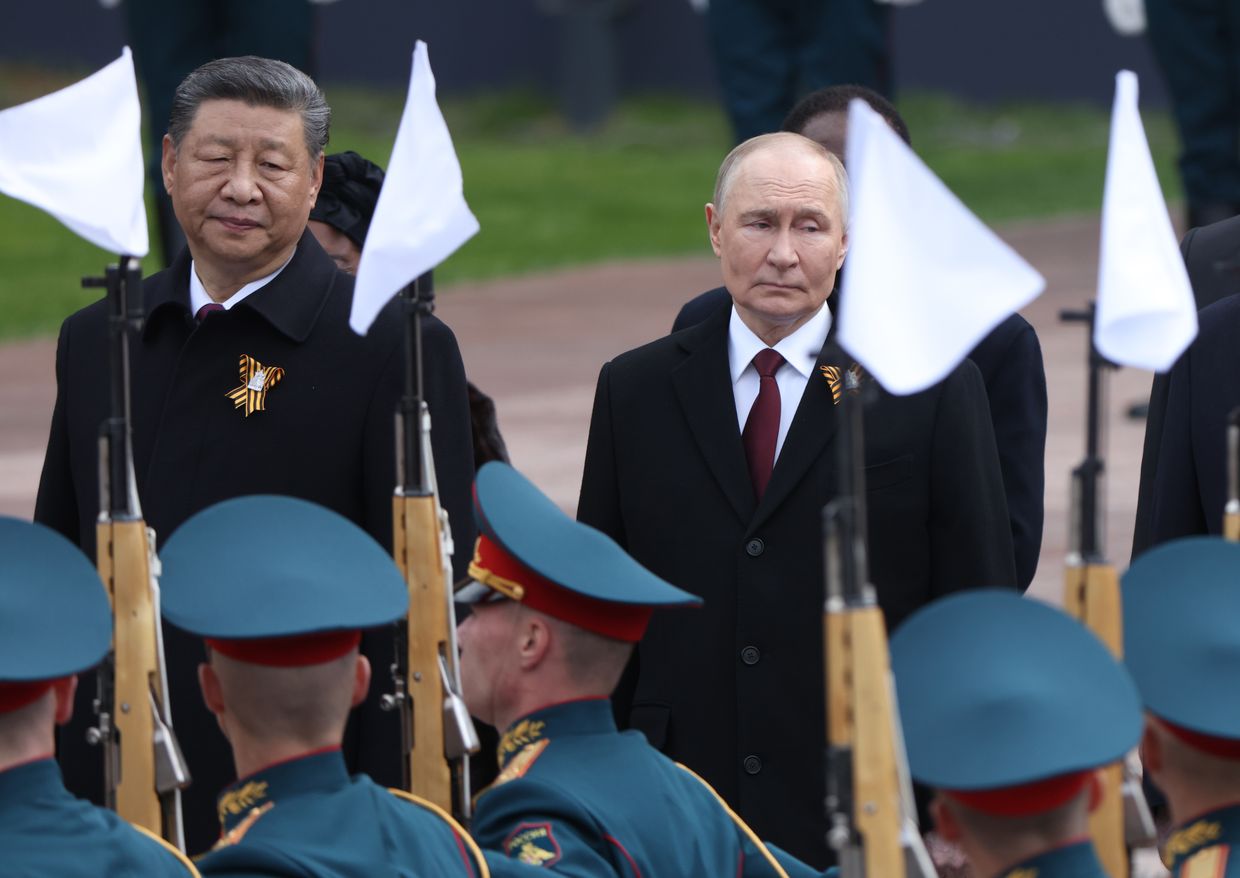
    If Beijing moves against Taiwan, NATO might soon find itself in a two-front war with China and Russia — or so the alliance’s secretary general believes. “If Xi Jinping would attack Taiwan, he would first make sure that he makes a call to his very junior partner in all of this, Vladimir Vladimirovich Putin… and telling him, ‘Hey, I’m going to do this, and I need you to to keep them busy in Europe by attacking NATO territory,’” Secretary General Mark Rutte said in a July 5 interview with the New
    Russia jails former top general for 17 years in massive military graft caseThe Kyiv IndependentMartin Fornusek
    Russia jails former top general for 17 years in massive military graft case
    • ✇The Kyiv Independent
    • Ukraine to launch joint weapons production program with Ramstein summit countries
      Ukraine is launching a joint weapons production program with members of the Ukraine Defense Contact Group (UDCG), or Ramstein summit participants, Defense Minister Rustem Umerov announced on July 1. The UDCG was formed in 2022 under former U.S. President Joe Biden to coordinate military assistance for Ukraine among about 50 of Kyiv's allies. As part of a new joint production program, new factories and weapons manufacturing facilities will be built in Ukraine and abroad, Umerov said in a social m
       

    Ukraine to launch joint weapons production program with Ramstein summit countries

    1 juillet 2025 à 17:14
    Ukraine to launch joint weapons production program with Ramstein summit countries

    Ukraine is launching a joint weapons production program with members of the Ukraine Defense Contact Group (UDCG), or Ramstein summit participants, Defense Minister Rustem Umerov announced on July 1.

    The UDCG was formed in 2022 under former U.S. President Joe Biden to coordinate military assistance for Ukraine among about 50 of Kyiv's allies.

    As part of a new joint production program, new factories and weapons manufacturing facilities will be built in Ukraine and abroad, Umerov said in a social media post. The international sites will be UDCG member countries participating in the Ramstein-format summit.

    New legal and tax regulations will also be put in place for Ukrainian weapons manufacturers, facilitating the construction of new sites and allowing them to rapidly scale up production, Umerov said.

    The Defense Ministry on July 1 joined the Verkhovna Rada (Ukraine's parliament) Finance, Tax, and Customs Committee in presenting four draft laws regarding domestic weapons production "aimed at developing the industry." The legislation introduces amendments to tax, customs, and budget regulations, as well as the Criminal Code.

    The first vote on the new legislative package is expected to take place in a month, according to Umerov.  

    "This is a new type of military-industrial cooperation, where Ukraine is an equal partner and player in the global defense market," he said.

    As Ukraine scales up domestic defense production, President Volodymyr Zelensky has been lobbying foreign partners to provide funding to help match its manufacturing capacity. At the NATO summit in The Hague, Ukraine signed agreements on joint weapons production with the U.K. and Denmark. Norway also pledged to jointly develop air defense systems with Kyiv.

    • ✇The Kyiv Independent
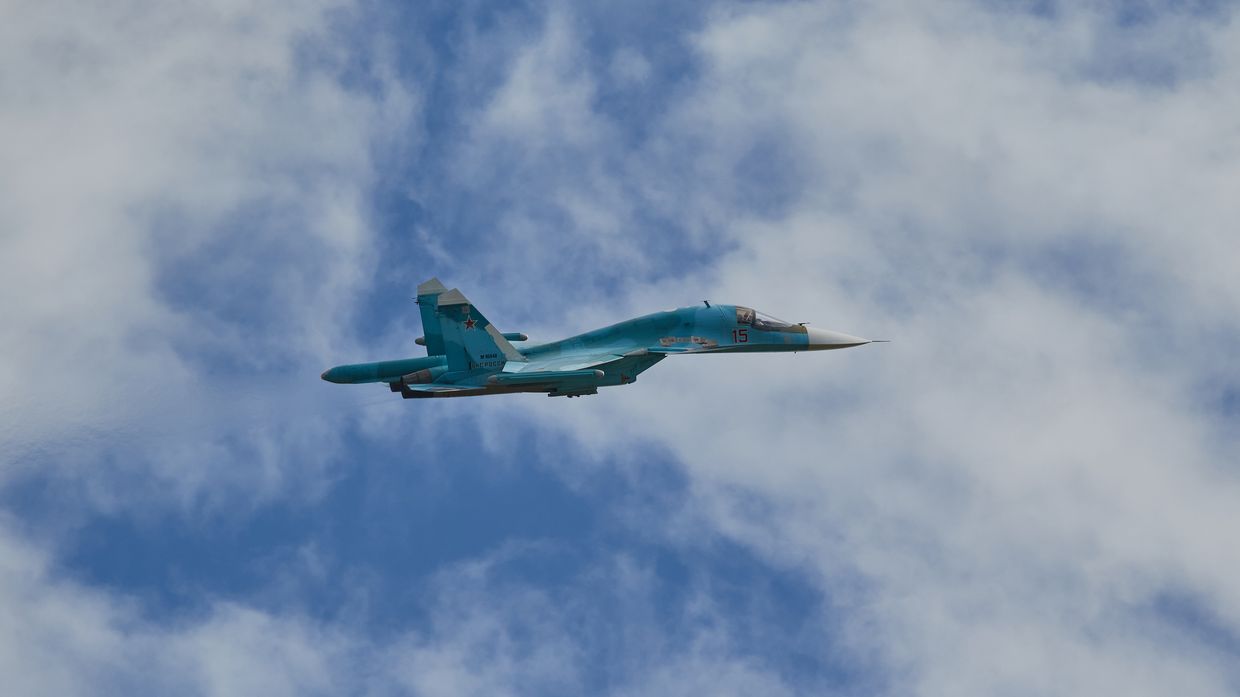
    • Russian Su-34 aircraft crashes during training flight, pilot dies, media reports
      Editor's note: The story was updated with information about the death of one of the pilots who was operating the plane.A Russian Air Force Su-34 fighter jet crashed during a training exercise in Nizhny Novgorod Oblast, Russian state media Ria Novosti reported on July 1, citing Russia's Defense Ministry.One of the pilots died due to sustained injuries, Russian media outlet Mash reported later in the day. After ejecting, he landed on a tree. Medics could not save him, according to Mash.One of the
       

    Russian Su-34 aircraft crashes during training flight, pilot dies, media reports

    1 juillet 2025 à 10:43
    Russian Su-34 aircraft crashes during training flight, pilot dies, media reports

    Editor's note: The story was updated with information about the death of one of the pilots who was operating the plane.

    A Russian Air Force Su-34 fighter jet crashed during a training exercise in Nizhny Novgorod Oblast, Russian state media Ria Novosti reported on July 1, citing Russia's Defense Ministry.

    One of the pilots died due to sustained injuries, Russian media outlet Mash reported later in the day. After ejecting, he landed on a tree. Medics could not save him, according to Mash.

    One of the landing gear struts was not released during landing. The crew made several attempts to fix the malfunction in flight, but it did not help.

    The crew successfully ejected from the plane, and there were no casualties, according to the ministry.

    The Russian Su-34 is a Soviet-era medium-range fighter-bomber.

    Plane and helicopter crashes have become more commonplace in Russia since the beginning of the full-scale invasion of Ukraine and the subsequent imposition of Western sanctions.

    According to the U.K. intelligence, Russia has lost over 30 Su-34 aircraft since the start of the full-scale invasion in 2022.

    Moscow does not comment on its losses it faces inn its war against Ukraine.

    ‘With surgical precision’ — Ukrainian drones strike Russian plant 1,300 km away, SBU source says
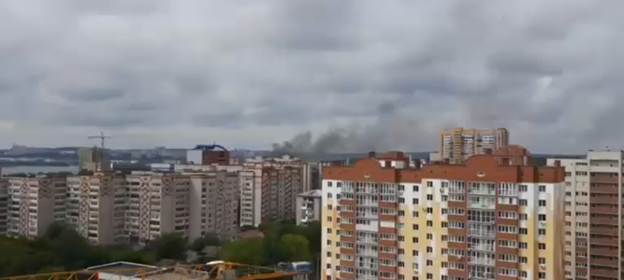
    The SBU said its long-range drones targeted the Kupol plant in Russia’s Udmurt Republic on the morning of July 1, resulting in at least two confirmed strikes and a fire at the site.
    Russian Su-34 aircraft crashes during training flight, pilot dies, media reportsThe Kyiv IndependentAnna Fratsyvir
    Russian Su-34 aircraft crashes during training flight, pilot dies, media reports
    • ✇The Kyiv Independent
    • 'With surgical precision' — Ukrainian drones strike Russian plant 1,300 km away, SBU source says
      Editor's note: This story was updated with information shared by an SBU source.Ukrainian drones struck a major Russian military plant in the city of Izhevsk, over 1,300 kilometers (800 miles) from the front in Ukraine, a source in the Security Service of Ukraine (SBU) told the Kyiv Independent on July 1.The SBU source said the agency's long-range drones targeted the Kupol plant in Russia's Udmurt Republic on the morning of July 1. At least two confirmed strikes struck production and storage faci
       

    'With surgical precision' — Ukrainian drones strike Russian plant 1,300 km away, SBU source says

    1 juillet 2025 à 03:34
    'With surgical precision' — Ukrainian drones strike Russian plant 1,300 km away, SBU source says

    Editor's note: This story was updated with information shared by an SBU source.

    Ukrainian drones struck a major Russian military plant in the city of Izhevsk, over 1,300 kilometers (800 miles) from the front in Ukraine, a source in the Security Service of Ukraine (SBU) told the Kyiv Independent on July 1.

    The SBU source said the agency's long-range drones targeted the Kupol plant in Russia's Udmurt Republic on the morning of July 1. At least two confirmed strikes struck production and storage facilities, starting a fire at the site, according to the source.

    The facility produces Tor and Osa air defense systems, as well as Harpy attack drones for the Russian military, and is under international sanctions as part of Russia's defense-industrial complex.

    "With surgical precision, the SBU continues to carry out strikes against Russia's military-industrial enterprises contributing to the war effort against Ukraine," the source said.

    "Each such operation weakens (Russia's) offensive potential, disrupts weapons production chains, and proves that no part of Russia is a safe zone for its military infrastructure."

    Residents of Izhevsk reported explosions early on July 1, while local authorities confirmed a drone strike on a facility in the city. Alexander Brechalov, head of Russia's Udmurt Republic, said emergency services had responded to the attack and that further information would be provided as it became available.

    One of the facilities in Izhevsk was targeted by Ukrainian drones — local authorities

    “All emergency services have arrived at the scene. I’ll share more details as they come in,” wrote Udmurt Republic head Alexander Brechalov on his Telegram channel.

    Earlier, Rosaviatsiya… pic.twitter.com/GSSeSxs4C3

    — ASTRA (@ASTRA_PRESS) July 1, 2025

    Brechalov later reported casualties, citing deaths and serious injuries, but did not provide specific figures.

    Russia's aviation agency temporarily suspended flights in and out of the city's airport following the incident.

    Russian Telegram channels reported that no air raid siren was sounded before the drone attack on the Kupol plant. According to Astra, Izhevsk residents also could not access warnings via Telegram due to mobile internet outages, which locals say have persisted for nearly two weeks.

    The city was previously targeted on Nov. 17, 2024, when a drone strike damaged a factory known for producing air defense systems, including Tor missile systems and radar components used by the Russian military. That strike marked the first known Ukrainian drone attack on the region during the full-scale war.

    Russia's Defense Ministry said its air defenses shot down 60 Ukrainian drones overnight across several regions, including 17 over occupied Crimea, 16 over the Rostov Oblast, and 11 over the Sea of Azov. Others were reportedly downed over the Kursk, Saratov, Belgorod, Voronezh, and Oryol oblasts, as well as the Black Sea.

    In occupied Crimea, local Telegram channels reported explosions near the town of Kurortne on the Kerch Peninsula, where Russian S-300/S-400 surface-to-air missile systems and radar stations are allegedly located. A monitoring group cited NASA satellite data showing a large fire in the area overnight, though there was no official confirmation of any damage to the air defense assets.

    Local residents reported explosions between 0:20 a.m. and 0:50 a.m. in the cities of Kerch and Feodosia.

    The Kyiv Independent could not independently verify the claims.

    Smashing previous monthly record, Russia launches 5,337 kamikaze drones against Ukraine during June
    Russia launched a record 5,337 Shahed-type drones against Ukraine in June, according to data from the Ukrainian Air Force and Dragon Capital, smashing the previous record of 4,198 set in March. Russia’s bombardments, a fact of life after three years of full-scale war, have intensified dramatically in May
    'With surgical precision' — Ukrainian drones strike Russian plant 1,300 km away, SBU source saysThe Kyiv IndependentYuliia Taradiuk
    'With surgical precision' — Ukrainian drones strike Russian plant 1,300 km away, SBU source says
    • ✇The Kyiv Independent
    • 'Resilience and confident actions' — Umerov praises Ukraine's new 18-24-year-old recruits
      Ukraine's one-year military contract for volunteers aged 18 to 24 is proving effective on the battlefield, Defense Minister Rustem Umerov said at a June 26 press briefing, citing fresh reports from commanders across the front line.Umerov said units made up of young contract soldiers had shown "resilience, professionalism, and confident actions in combat," challenging early skepticism about the new recruitment model."We saw them on the battlefield — and it's truly motivating."The contract, launch
       

    'Resilience and confident actions' — Umerov praises Ukraine's new 18-24-year-old recruits

    27 juin 2025 à 08:31
    'Resilience and confident actions' — Umerov praises Ukraine's new 18-24-year-old recruits

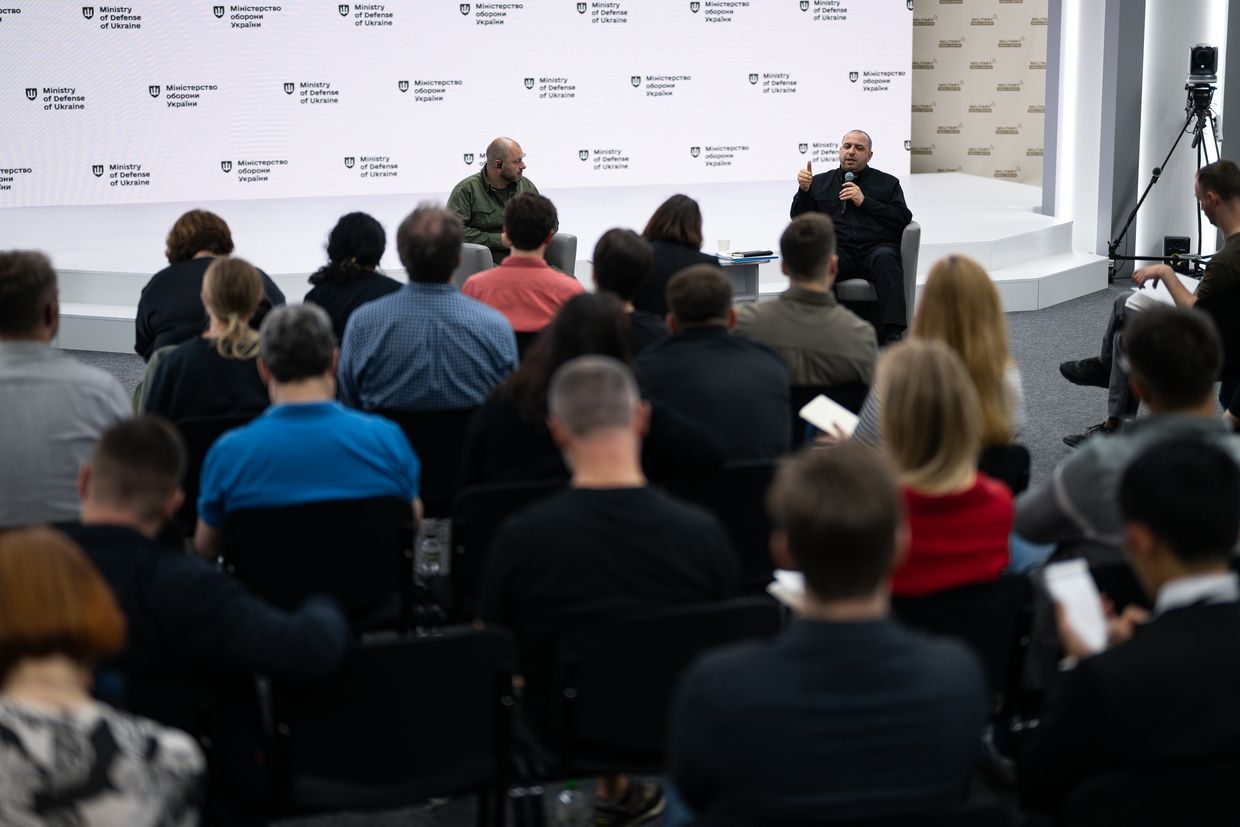
    Ukraine's one-year military contract for volunteers aged 18 to 24 is proving effective on the battlefield, Defense Minister Rustem Umerov said at a June 26 press briefing, citing fresh reports from commanders across the front line.

    Umerov said units made up of young contract soldiers had shown "resilience, professionalism, and confident actions in combat," challenging early skepticism about the new recruitment model.

    "We saw them on the battlefield — and it's truly motivating."

    The contract, launched in February, offers substantial benefits to young volunteers. It includes basic general military training, vocational training, and an adaptation course in an army unit. Volunteers will receive a one-time monetary aid payment of Hr 1 million ($24,000) and a monthly allowance of up to Hr 120,000 ($3,000).

    The campaign initially faced backlash from some front-line troops and activists, who argued it created unfair disparities in pay and support. Now, the initiative is being credited with improving performance in specific units, Umerov said, citing internal military assessments received by the ministry two weeks ago.

    Umerov, however, hasn't shared the number of soldiers recruited through the campaign.

    The campaign is under constant evaluation based on financial, personnel, and training metrics. Umerov said the Defense Ministry is working to enhance the motivational package further, using data and feedback from participants and focus groups.

    Despite pressure from international partners, particularly the United States, to lower Ukraine’s mobilization age from 25 to 18, service for those aged 18–24 remains voluntary. President Volodymyr Zelensky has consistently rejected compulsory mobilization starting at 18, warning that it could damage Ukraine's long-term future.

    In a recent interview, Zelensky said Ukraine's Western allies have at times withheld new sanctions on Russia over Kyiv's refusal to lower the draft age. He stressed that the "weapons and technology," rather than raw manpower, were more decisive on the battlefield.

    Ukraine faces personnel challenges as Russian forces continue to press along the front line. While a mobilization reform law lowered the draft age from 27 to 25 in 2024, the pace of new enlistment has slowed, leaving infantry units understaffed.

    "The younger generation is a powerful human resource that deserves support and development," Umerov said.

    Facing manpower shortage, Ukrainian brigade turns to women in first-ever female recruitment drive
    Editor’s note: This article originated as a winning story idea in a vote by members of the Kyiv Independent’s community. Join our community today and join our exclusive members-only Discord channel, where you can discuss and suggest stories, ask our journalists questions, and more. “Her strength is her
    'Resilience and confident actions' — Umerov praises Ukraine's new 18-24-year-old recruitsThe Kyiv IndependentNatalia Yermak
    'Resilience and confident actions' — Umerov praises Ukraine's new 18-24-year-old recruits
    • ✇The Kyiv Independent
    • Ukraine approves Termit ground drone for battlefield deployment
      Ukraine's Defense Ministry has officially approved the new domestically produced unmanned ground vehicle, known as the Termit, for front-line use, the ministry announced on June 21.The tracked robot is a next-generation version of Ukraine's existing ground-based unmanned systems already deployed across the front. These systems have supported operations by transporting supplies, conducting reconnaissance, and carrying explosives in contested areas.Termit, the newest model in the series, features
       

    Ukraine approves Termit ground drone for battlefield deployment

    21 juin 2025 à 10:56
    Ukraine approves Termit ground drone for battlefield deployment

    Ukraine's Defense Ministry has officially approved the new domestically produced unmanned ground vehicle, known as the Termit, for front-line use, the ministry announced on June 21.

    The tracked robot is a next-generation version of Ukraine's existing ground-based unmanned systems already deployed across the front. These systems have supported operations by transporting supplies, conducting reconnaissance, and carrying explosives in contested areas.

    Termit, the newest model in the series, features improved mobility and modularity. The drone can carry up to 300 kilograms and operates on various terrains thanks to its low profile, tracked design, and improved weight distribution.

    Its traction battery system allows for several hours of continuous movement over dozens of kilometers. According to the Defense Ministry, Termit drones can be equipped with combat modules, used for medical evacuations, or for transporting specialized equipment as needed.

    Ground drones such as Termit are being used more frequently to minimize soldier exposure to front-line risks. Since Russia's full-scale invasion in 2022, Kyiv has prioritized the development of unmanned systems across all domains — air, sea, and land.

    President Volodymyr Zelensky has called for the production of at least 30,000 long-range drones in 2025, alongside expanded investment in strike-capable hybrids such as the Palianytsia and Peklo missile-drone platforms.

    Russia ‘afraid to admit’ scale of losses, trying to hide by dumping soldiers’ bodies on Ukraine, Zelensky says
    Ukrainian authorities have confirmed that at least 20 of the bodies Russia returned as Ukrainian were actually Russian soldiers, President Volodymyr Zelensky said.
    Ukraine approves Termit ground drone for battlefield deploymentThe Kyiv IndependentTim Zadorozhnyy
    Ukraine approves Termit ground drone for battlefield deployment
    ❌