The Canadian prime minister’s remarks before the European parliament outlined a vision of the west without its most powerful memberThe speeches keep coming, each building on the previous one, as the Canadian prime minister builds a case for a new world order that has strikingly little to do with the United States of America, the country that has led the west since the second world war.On 20 January, in Davos, Mark Carney proposed that the world’s middle powers do more to support each other, in l
The Canadian prime minister’s remarks before the European parliament outlined a vision of the west without its most powerful member
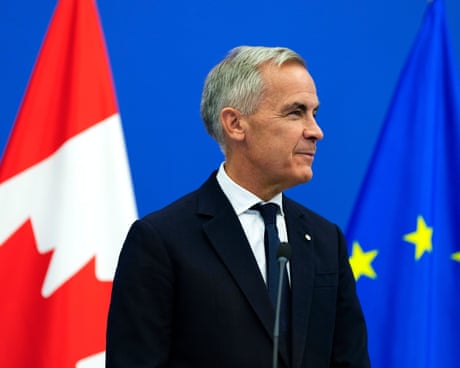
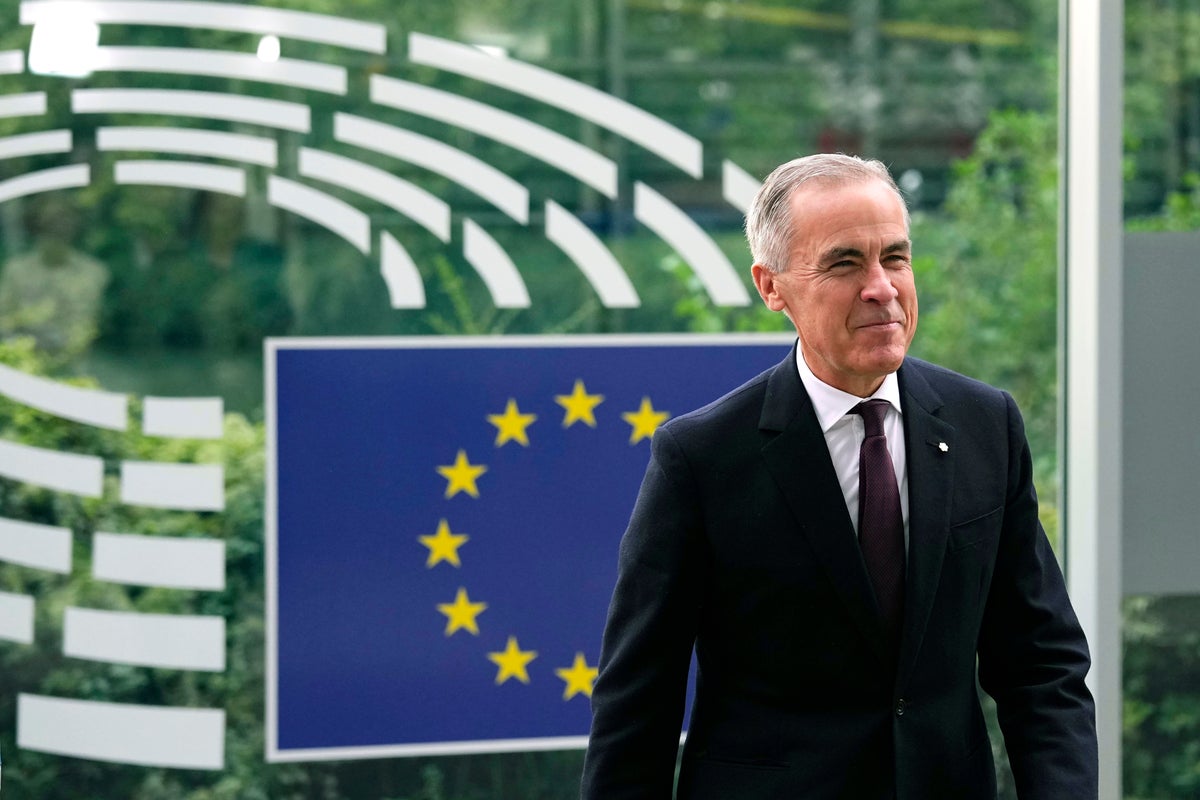
The speeches keep coming, each building on the previous one, as the Canadian prime minister builds a case for a new world order that has strikingly little to do with the United States of America, the country that has led the west since the second world war.
On 20 January, in Davos, Mark Carney proposed that the world’s middle powers do more to support each other, in light of a “rupture” in the global order. That was clearly a reference to the destabilizing policies of Donald Trump, who had been inaugurated exactly one year earlier, and had spent most of that year insulting the US’s allies.
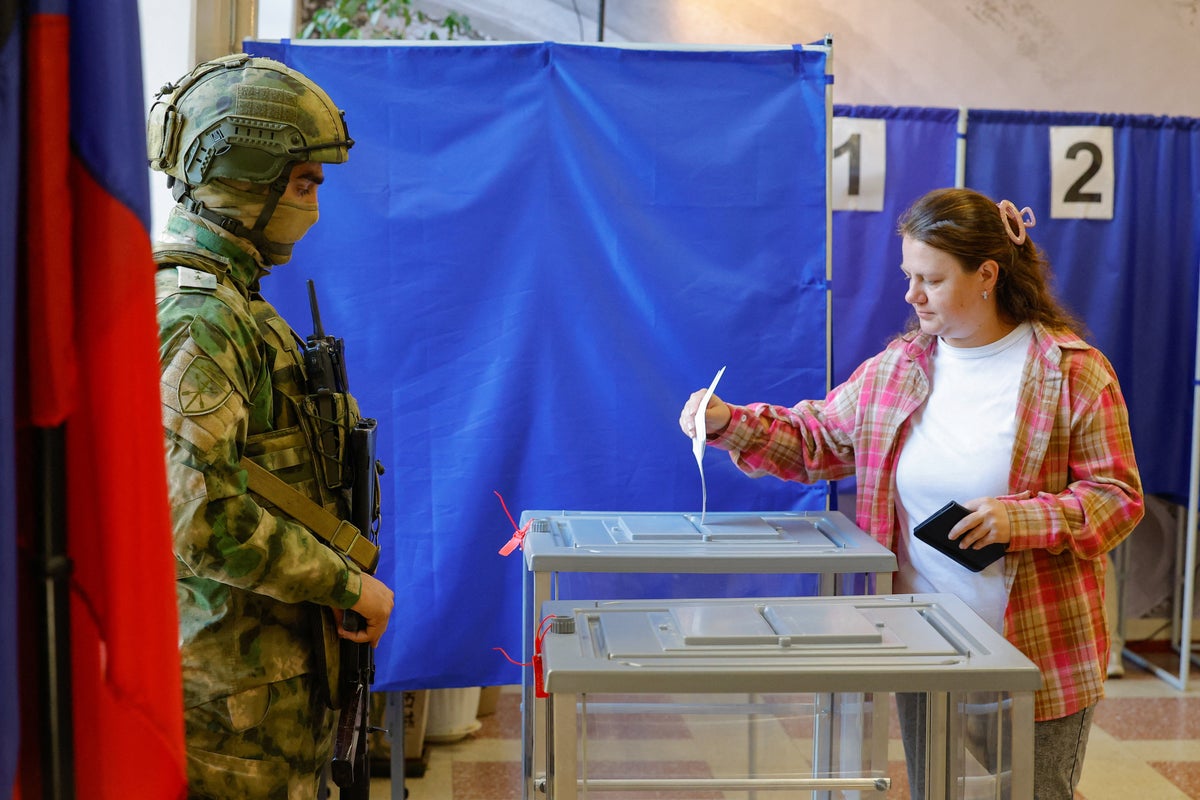
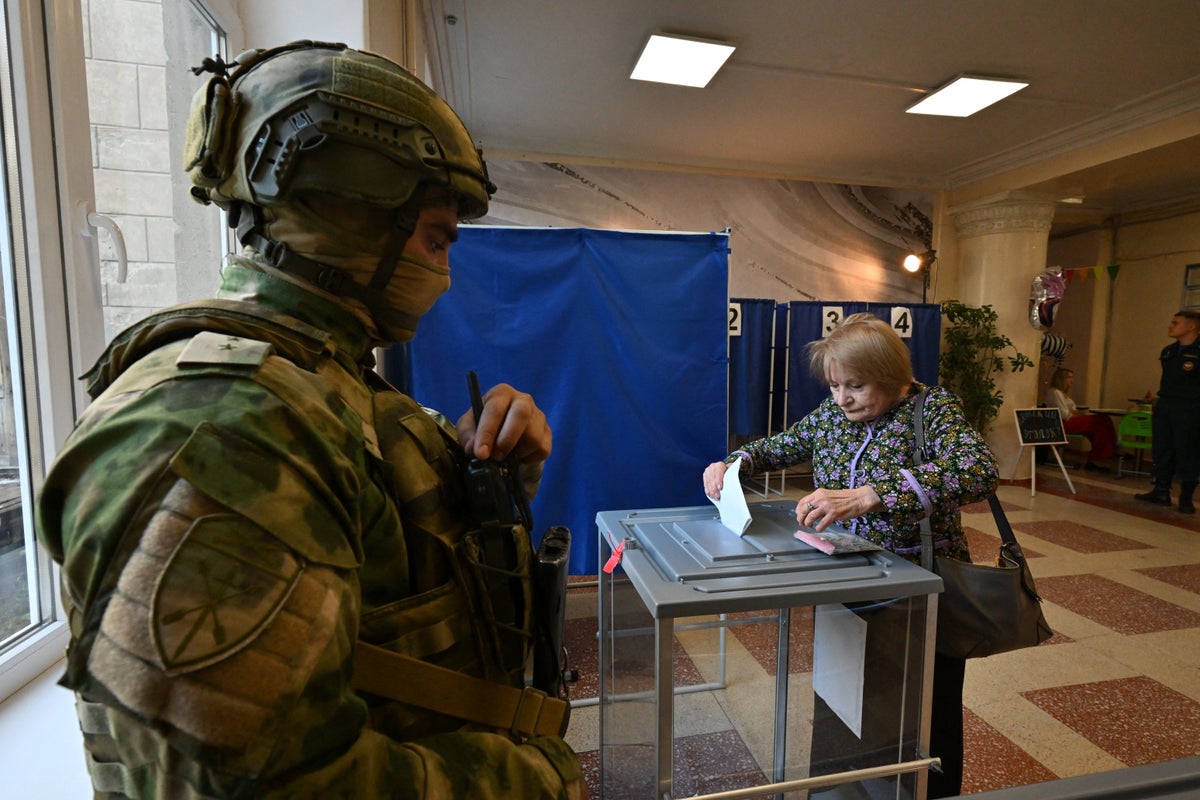
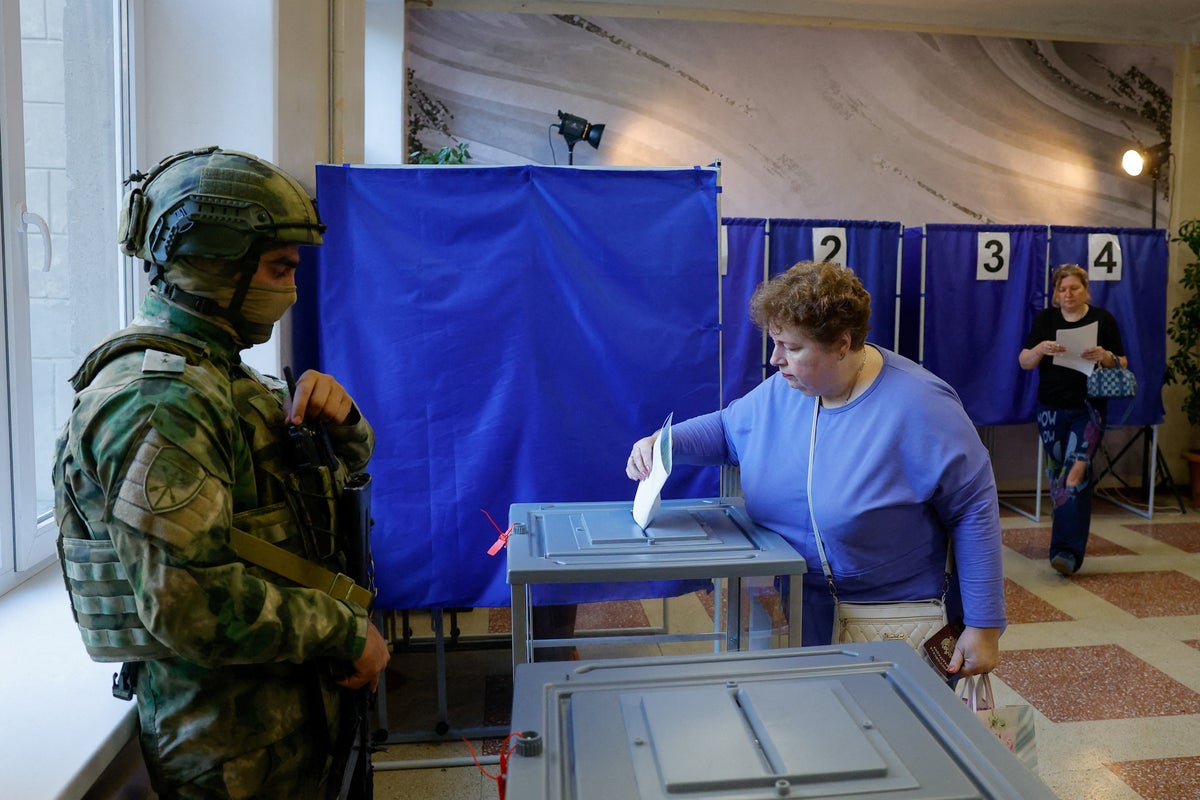
Russia turned away independent European observers as critics said there were few avenues for genuine dissent in the country’s first wartime parliamentary elections, Maira Butt reports
Russia turned away independent European observers as critics said there were few avenues for genuine dissent in the country’s first wartime parliamentary elections, Maira Butt reports
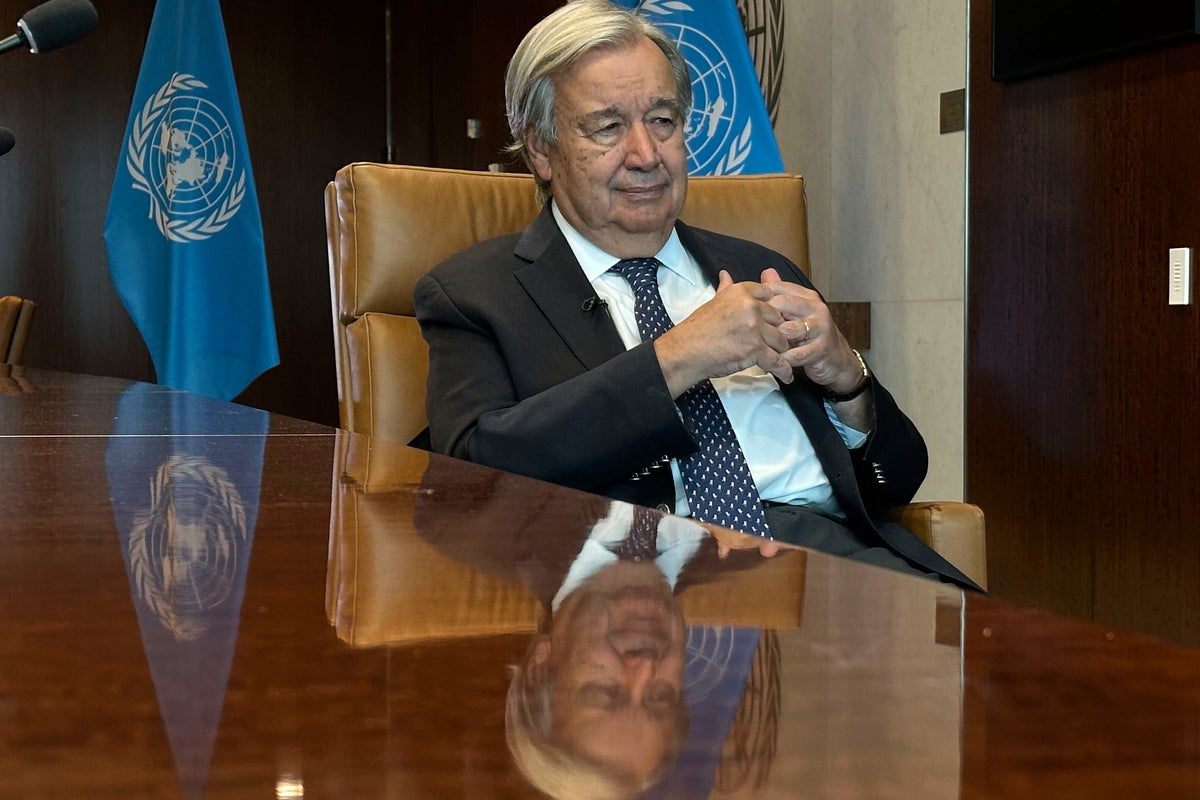
The United Nations headquarters in New York. For the first time, the threat posed by artificial intelligence will be atop the agenda of the U.N. General Assembly meeting this week.
The populist emphasis on national identity and threats to it, real and imagined, finds a deep response in voters adrift in a world they no longer understand.
The populist emphasis on national identity and threats to it, real and imagined, finds a deep response in voters adrift in a world they no longer understand.
Prime Minister Mark Carney of Canada and President Emmanuel Macron of France met just after the European Union invited Canada to become its first “associate member.”
Prime Minister Mark Carney of Canada and President Emmanuel Macron of France met just after the European Union invited Canada to become its first “associate member.”
For years, Ukraine’s air defenses blunted Russia’s attempts to terrorize its cities from the sky. Now, after four years of adaptation, Moscow is fielding faster drones, massing ballistic missiles, and finding new ways to overwhelm a Ukrainian air-defense network running short of the interceptors needed to stop them.
Russia’s aerial campaign is becoming harder to contain just as its attacks are killing more Ukrainian civilians. July recorded at least 437 civilian deaths, the highest mont
For years, Ukraine’s air defenses blunted Russia’s attempts to terrorize its cities from the sky. Now, after four years of adaptation, Moscow is fielding faster drones, massing ballistic missiles, and finding new ways to overwhelm a Ukrainian air-defense network running short of the interceptors needed to stop them.
Russia’s aerial campaign is becoming harder to contain just as its attacks are killing more Ukrainian civilians. July recorded at least 437 civilian deaths, the highest monthly toll since the early months of the full-scale invasion, with UN monitors pointing to Russian missile and drone attacks as a key factor.
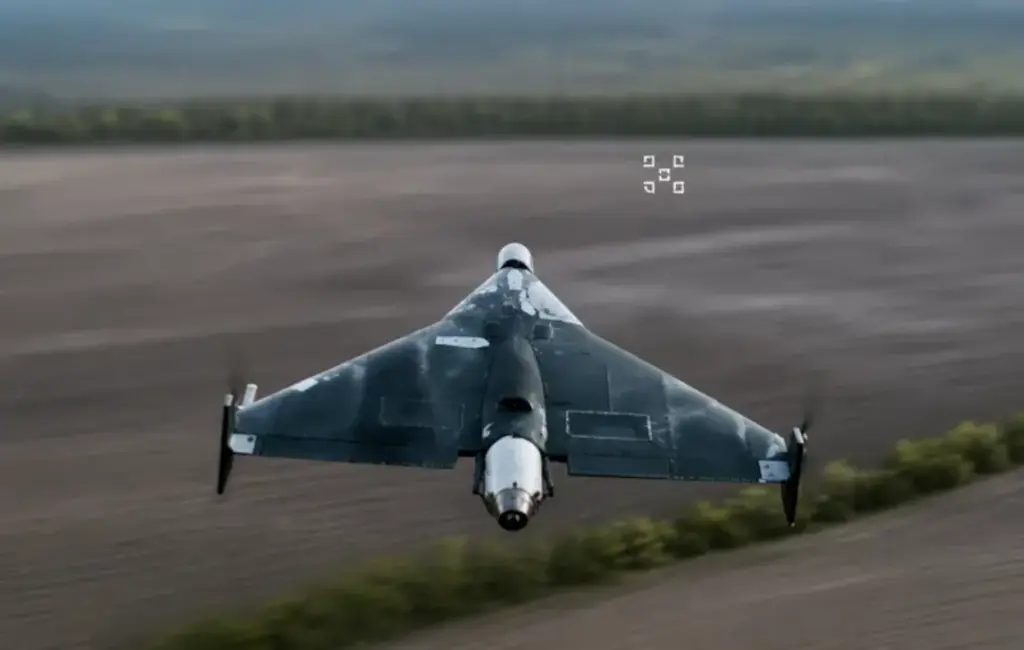
That shift is visible most clearly in Russia’s rapidly expanding use of jet-powered Geran drones. These drones can exceed 400 km/h, making them significantly harder to intercept than the slower, propeller-driven Shaheds Ukraine has spent years learning to counter. Russia reportedly launched as many as 2,850 jet-powered drones in August alone.
Ukrainian President Volodymyr Zelenskyy has warned that Russia’s escalation with the new drones is becoming “increasingly terrorist” and called for urgent efforts to develop defenses against them.
While Ukraine’s Western partners have taken steps to strengthen its air defenses, Russia has spent the same period adapting and expanding its ability to attack from the air. The gap is becoming increasingly visible in the skies over Ukrainian cities.
Ukrainian civilians are already paying the price
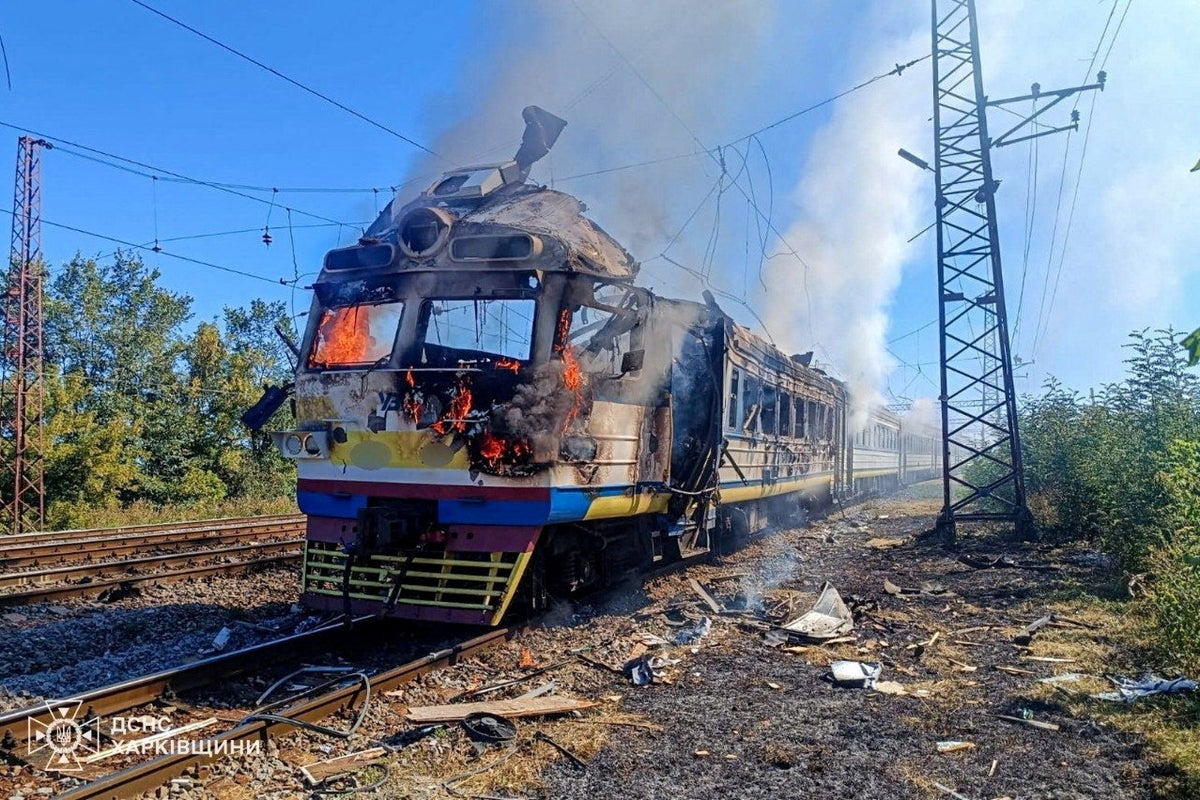
Russia has increasingly turned its ability to strike deep inside Ukraine into a weapon against civilian life itself: hitting residential areas, fuel stations, railways, energy infrastructure and other sites across cities far from the front.
Since late August, Kyiv has faced near-continuous Russian drone attacks, with Russia increasingly sending waves of drones against the capital throughout the day and night. The shift has made air-raid alerts, explosions and disruptions to daily life a near-constant reality.
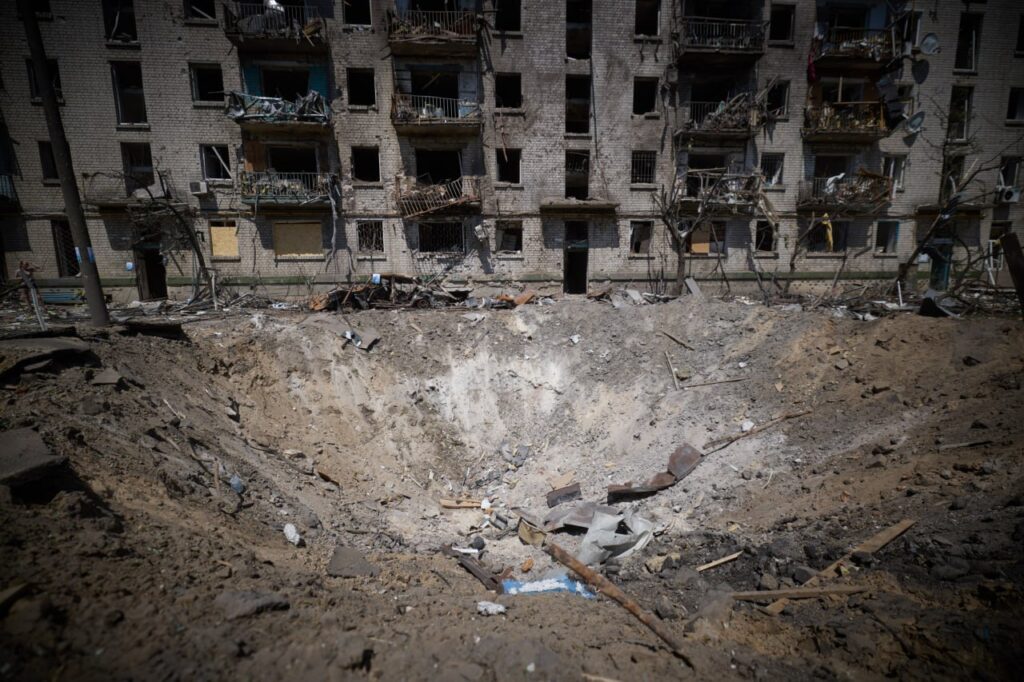
For Ukrainians, Russia’s evolving aerial campaign is measured in destroyed homes, injuries, deaths, and lives permanently changed.
In Kyiv, it has also changed everyday life: explosions interrupt sleep and work, people run for shelter as strikes unfold overhead, and the threat of another attack is never far away.
And the pressure is no longer confined to Kyiv. Kharkiv, Odesa, Sumy and Zaporizhzhia are all facing increasingly sophisticated combinations of drones and missiles.
The danger is not simply that Russia is launching more weapons. It is that Moscow has spent years learning which weapons can penetrate Ukraine’s defenses, how to combine them, and how to force Ukraine to spend its most valuable interceptors.
Zelenskyy’s warning captures the urgency: “You cannot simply wait for Russia to perfect its repertoire of killings.”
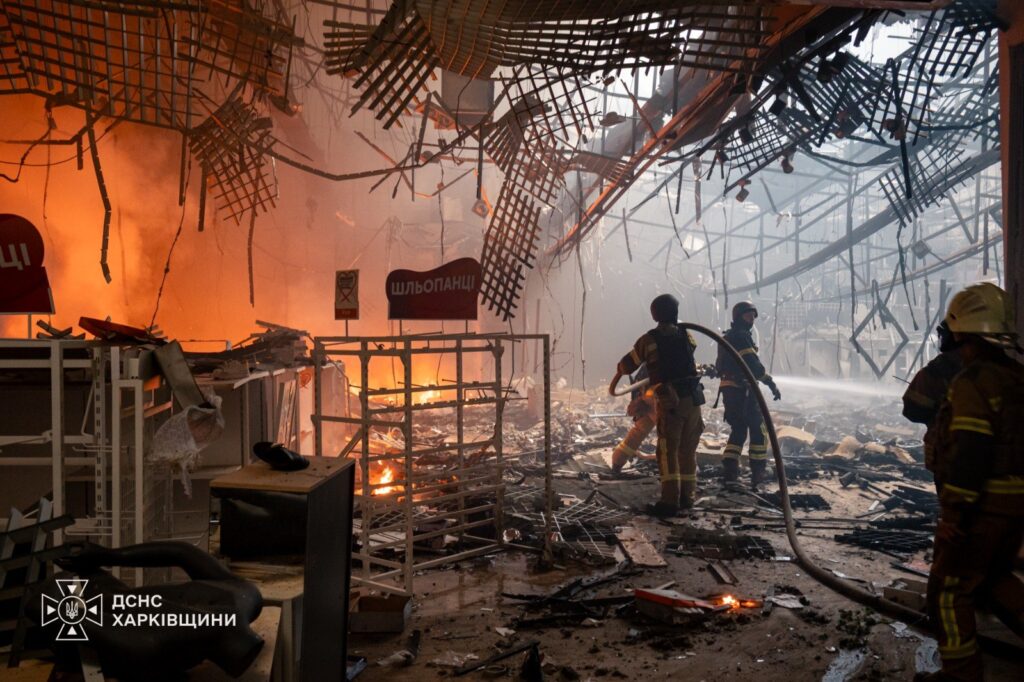
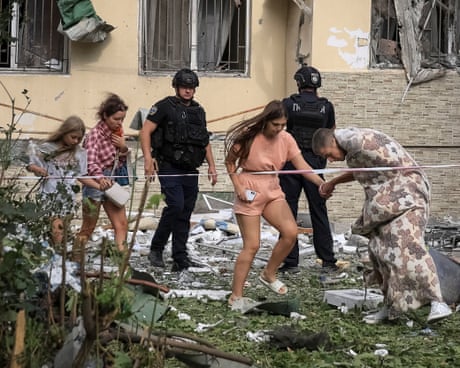
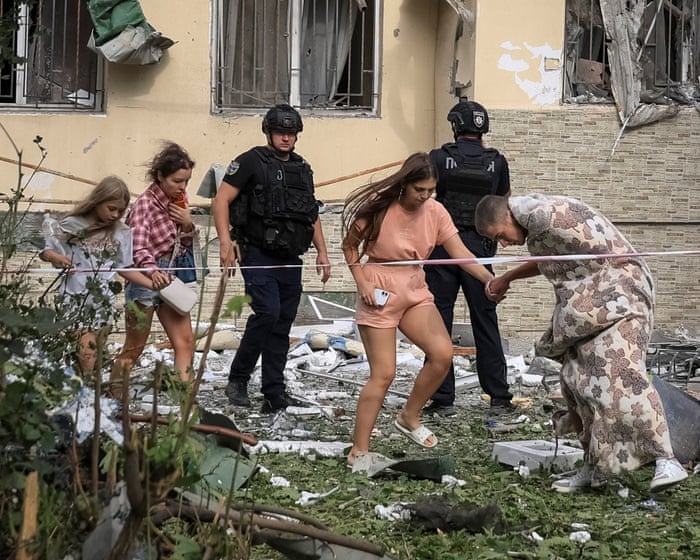
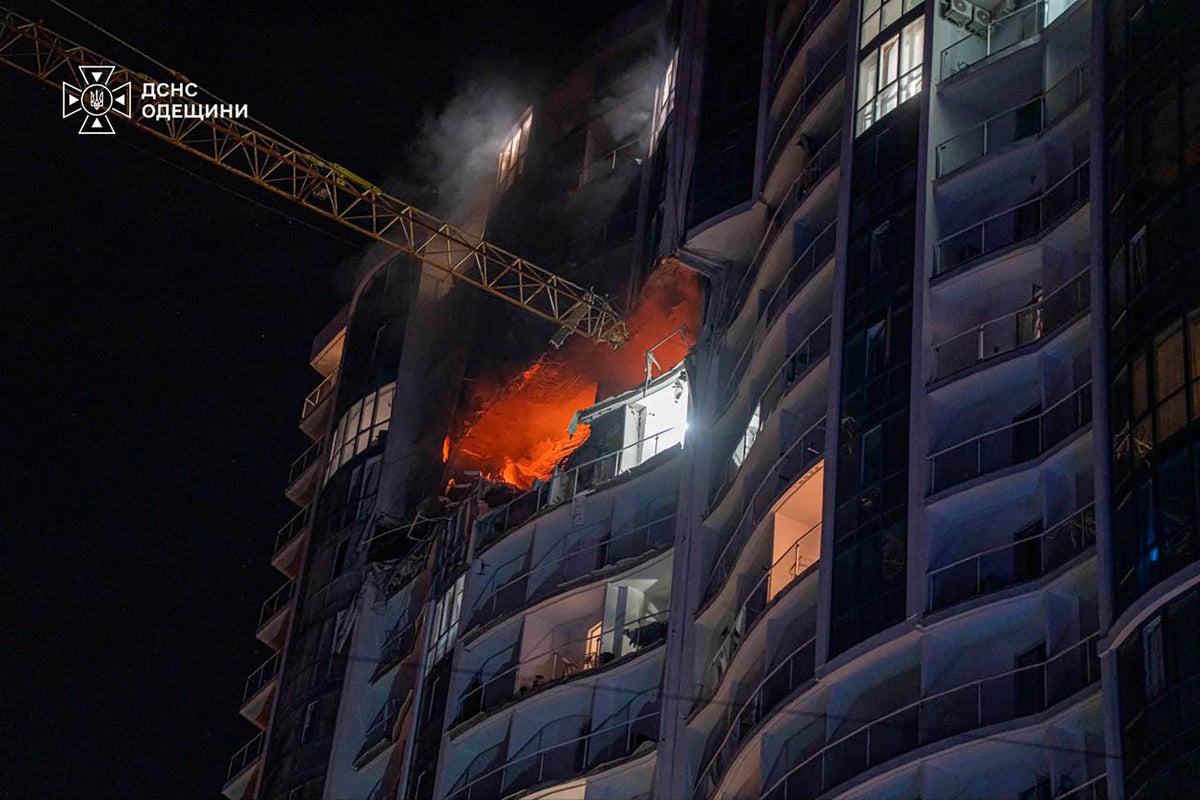
Emergency workers respond to a Russian strike on a shopping center in Kharkiv, Ukraine, on 28 August 2026. Photo: Ukraine’s State Emergency Service
Russia is adapting faster than Ukraine can rebuild its shield
The jet-powered Geran is only one part of the problem.
Russia has also dramatically increased its use of ballistic missiles. Reuters reported that 228 ballistic and hypersonic missiles were launched in July and the first eight days of August, with more than half being inaccurate RM48U training missiles repurposed for combat.
Ukraine has virtually exhausted its US-made Patriot interceptors, the only systems in its arsenal capable of reliably intercepting Russia’s ballistic missiles, while Moscow continues launching them at a high tempo.
The result is a more complex aerial threat: fast drones that are difficult to intercept, ballistic missiles that are extremely difficult to stop, and large waves of cheaper weapons that can force Ukraine to expend scarce defensive ammunition.
Ukraine is developing new ways to counter them, including interceptor drones specifically designed to hunt down the jet-powered Gerans. But Ukraine is developing these systems as Russia is already deploying its new weapons at scale.
Western countries have continued providing air-defense assistance. Canada, for example, announced a C$350 million package for interceptors earlier this month. But Ukrainian officials continue to say that deliveries remain far below what is needed to protect the country from Russia’s expanding aerial campaign.
Russia has spent years expanding the weapons it can use against Ukraine, while Ukraine and its partners are still racing to develop and supply the systems needed to stop them.
The threat Europe helped Russia develop
Some of Ukraine’s Western partners are now confronting a threat Russia has spent years developing over Ukraine: an increasingly sophisticated aerial arsenal that could eventually be turned against them.
European officials and defense analysts are increasingly warning that NATO countries themselves lack enough air and missile defenses to deal with a large Russian attack.
Latvia’s President Edgars Rinkēvičs recently said Europe is not sufficiently prepared for the kind of drone and aerial warfare Russia has developed in Ukraine, including because of delays in supplying Ukraine with critical air-defense systems.
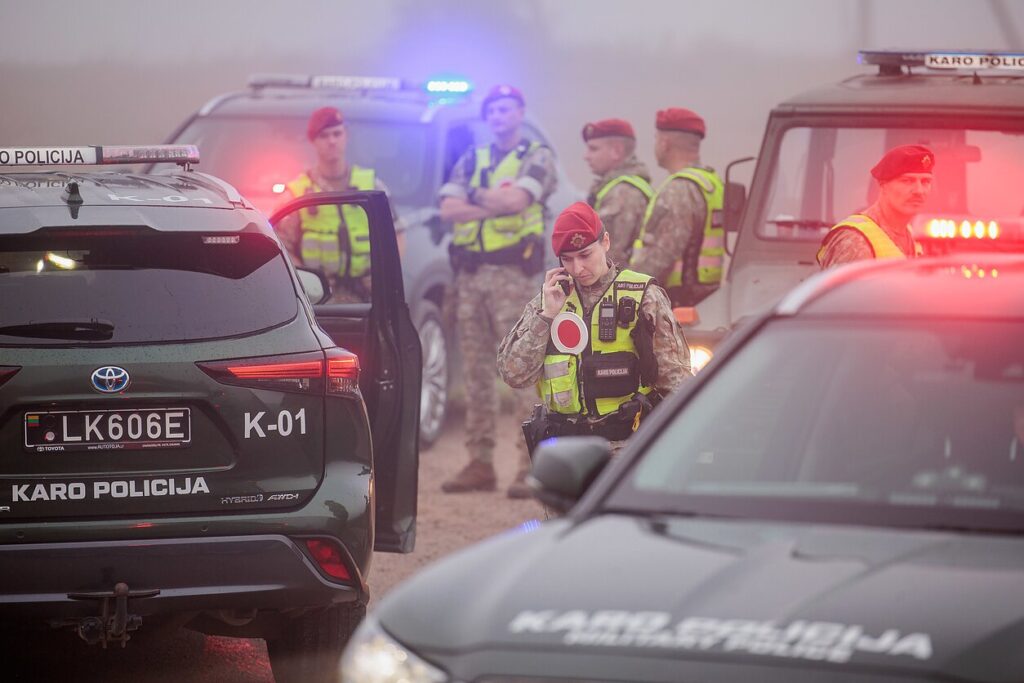
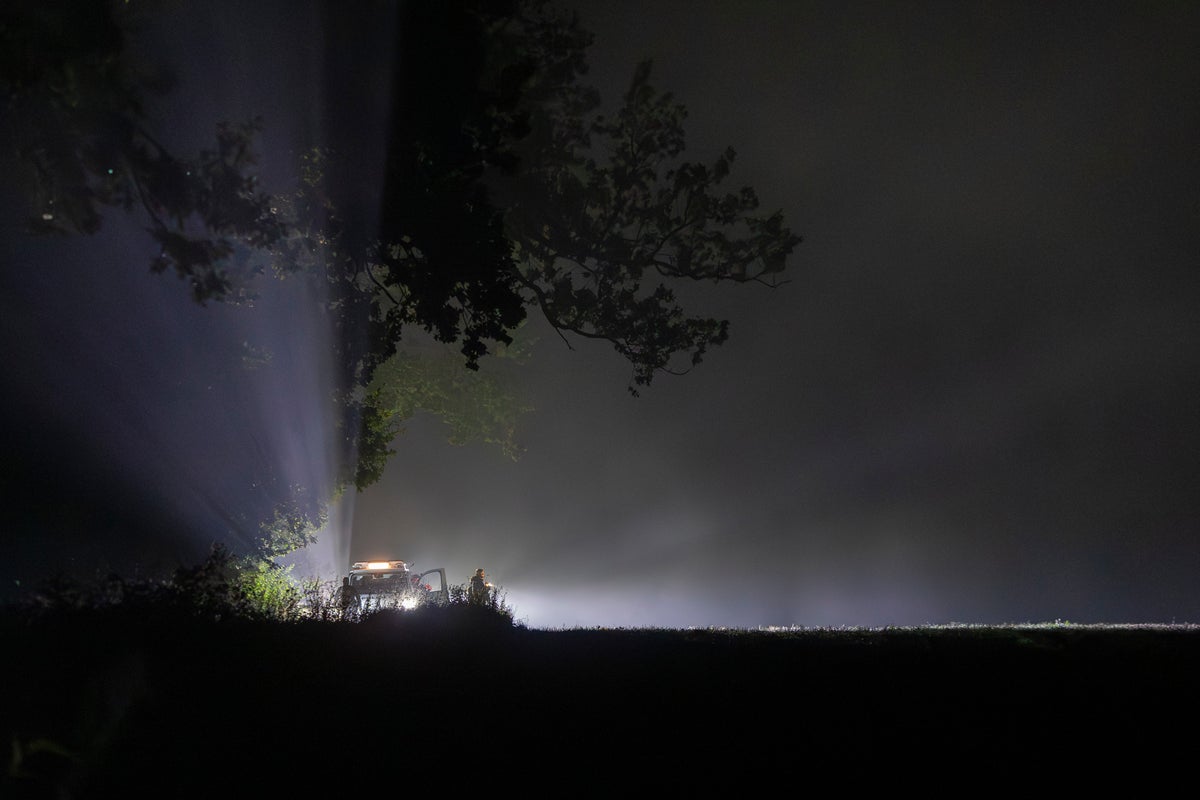
Those concerns are no longer hypothetical. On 14 September, an Italian NATO fighter jet shot down a Russian-made Geran-2 drone over Lithuania after it entered the country from Belarus. Poland and Romania have also faced Russian drone incursions since 2025.
Lithuanian military police at the site near Pratkūnai where NATO fighters shot down a drone, Kaišiadorys district, Lithuania, 15 September 2026. Photo: D. Umbrasas / LRT
This creates a problem that is partly of Europe’s own making. Russia has had more than four years to refine its drones, missiles, production lines and tactics while Ukraine’s partners have often been too slow to provide enough weapons to counter those systems as they were developed and deployed at scale.
In that same period, many European countries continued trading with Russia, particularly in fossil fuels, allowing Moscow to keep generating revenue from European markets even as those same governments were providing military aid to Ukraine.
The result is a Russian aerial arsenal that is more capable than the one Ukraine faced in 2022 – while some of the countries now worried about a future Russian threat lack the air defenses needed to protect themselves.
Western governments helped Ukraine fight Russia’s air war, but not at a scale or speed sufficient to prevent Russia from adapting.
Ukrainian civilians are paying the price for the time Russia was given to expand and refine its aerial warfare. Now, Europe is having to prepare for the possibility that those capabilities could one day be used against it.
Washington political analyst Eric Ham argues that Prime Minister Mark Carney is neutralizing Donald Trump’s aggressive trade shakedown by leveraging his middle powers doctrine to secure an alliance with the European Union.
— Permalien
Washington political analyst Eric Ham argues that Prime Minister Mark Carney is neutralizing Donald Trump’s aggressive trade shakedown by leveraging his middle powers doctrine to secure an alliance with the European Union.
— Permalien
Russian strikes in Kyiv, a female militia march in Tehran, protests in Pristina and Alfie Hewett at the US Open – the past seven days as captured by the world’s leading photojournalists Continue reading...
Russian strikes in Kyiv, a female militia march in Tehran, protests in Pristina and Alfie Hewett at the US Open – the past seven days as captured by the world’s leading photojournalists
A one-woman show about the perils of authoritarianism draws on a memoir by the Hungarian-American writer Kati Marton. Under Viktor Orban’s government, it might not have happened.
A one-woman show about the perils of authoritarianism draws on a memoir by the Hungarian-American writer Kati Marton. Under Viktor Orban’s government, it might not have happened.
Prime Minister Mark Carney told European lawmakers that an alliance would help to secure sovereignty and independence for his country. The moves come amid a historic low for U.S. ties with Canada.
Prime Minister Mark Carney told European lawmakers that an alliance would help to secure sovereignty and independence for his country. The moves come amid a historic low for U.S. ties with Canada.
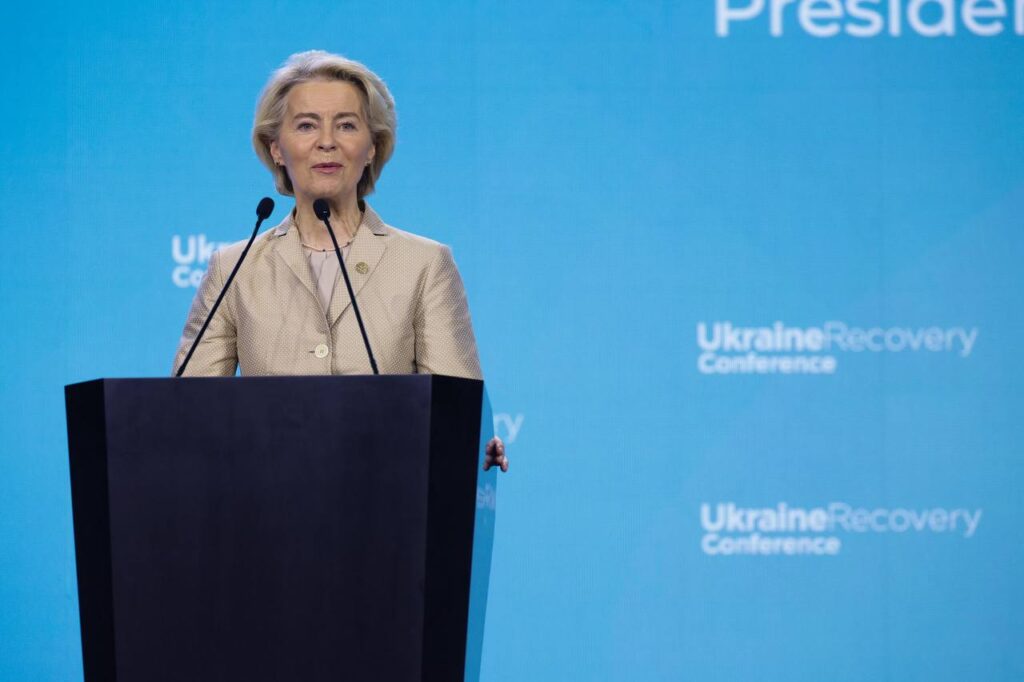
The EU plans to use money remaining under its €150 billion Security Action for Europe (SAFE) program to create a new program for joint projects with Ukrainian companies, European Commission President Ursula von der Leyen said on 16 September. She announced the plan during her State of the Union address to the European Parliament in Strasbourg.
Russia's full-scale war against Ukraine has pushed the EU to spend more on defense and build up its own weapons industry. SAFE was created as par
The EU plans to use money remaining under its €150 billion Security Action for Europe (SAFE) program to create a new program for joint projects with Ukrainian companies, European Commission President Ursula von der Leyen said on 16 September. She announced the plan during her State of the Union address to the European Parliament in Strasbourg.
Russia's full-scale war against Ukraine has pushed the EU to spend more on defense and build up its own weapons industry. SAFE was created as part of that effort, giving EU member states €150 billion in loans for defense spending. Ukraine is also facing heavy defense costs, with President Volodymyr Zelenskyy putting its additional defense funding gap for 2026 at $27 billion.
"Using the remaining funds from SAFE, we will be setting up a new programme for joint projects with Ukrainian companies," von der Leyen told the European Parliament.
EU Defense Commissioner Andrius Kubilius estimated that the unused portion of SAFE could amount to €10 billion to €20 billion, UNN reported. The exact sum will be known only after member states report on their SAFE projects by the end of October. The announcement caught several governments off guard: Poland and other capitals say the Commission never discussed it with them, and Warsaw had been counting on taking up the funds other countries declined for its own projects.
The proposal would allow unused money from member states' SAFE allocations to be redirected to joint projects with Ukrainian firms. One likely destination is Freya, the joint European-Ukrainian air and missile defense system meant as a cheaper answer to the American Patriot, which von der Leyen described as the start of the collaboration rather than the end of it.
In 2025, Ukraine gained associate partner status in SAFE and access to the EU's European Defense Fund, allowing Ukrainian companies to compete for contracts and co-develop military systems with European firms.
Fifteen member states have since said they plan to buy Ukrainian weapons through the program, and Canada joined it in December 2025 as the first non-European partner. Bulgaria agreed SAFE-funded joint weapons production with Ukraine in March 2026.
The war is costing Ukraine more every year, the government says. Its draft 2027 budget proposes ₴4.885 trillion ($110 billion) for defense needs, nearly 44% of GDP.
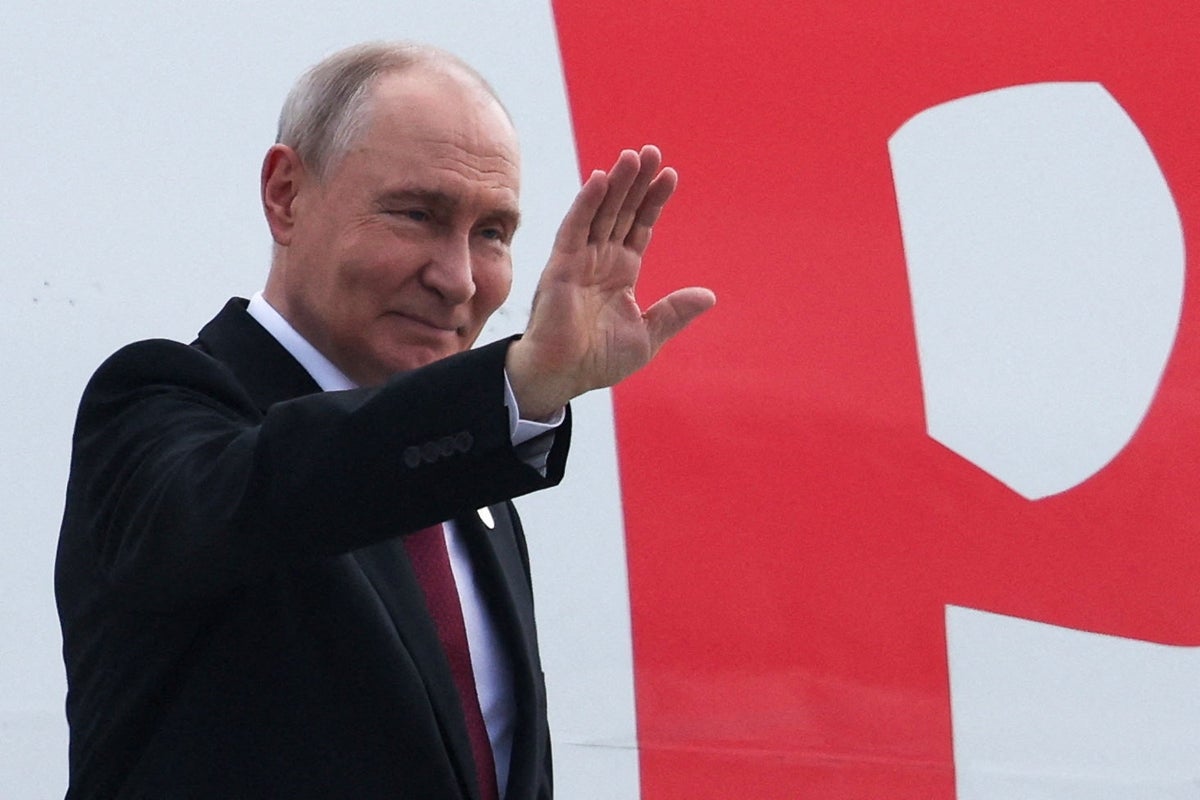
Putin has been facing declining approval ratings, mounting casualties and ‘net-zero’ territorial gains since March this year as polls open today. Experts tell Maira Butt what this could mean for the future of Russia
Putin has been facing declining approval ratings, mounting casualties and ‘net-zero’ territorial gains since March this year as polls open today. Experts tell Maira Butt what this could mean for the future of Russia
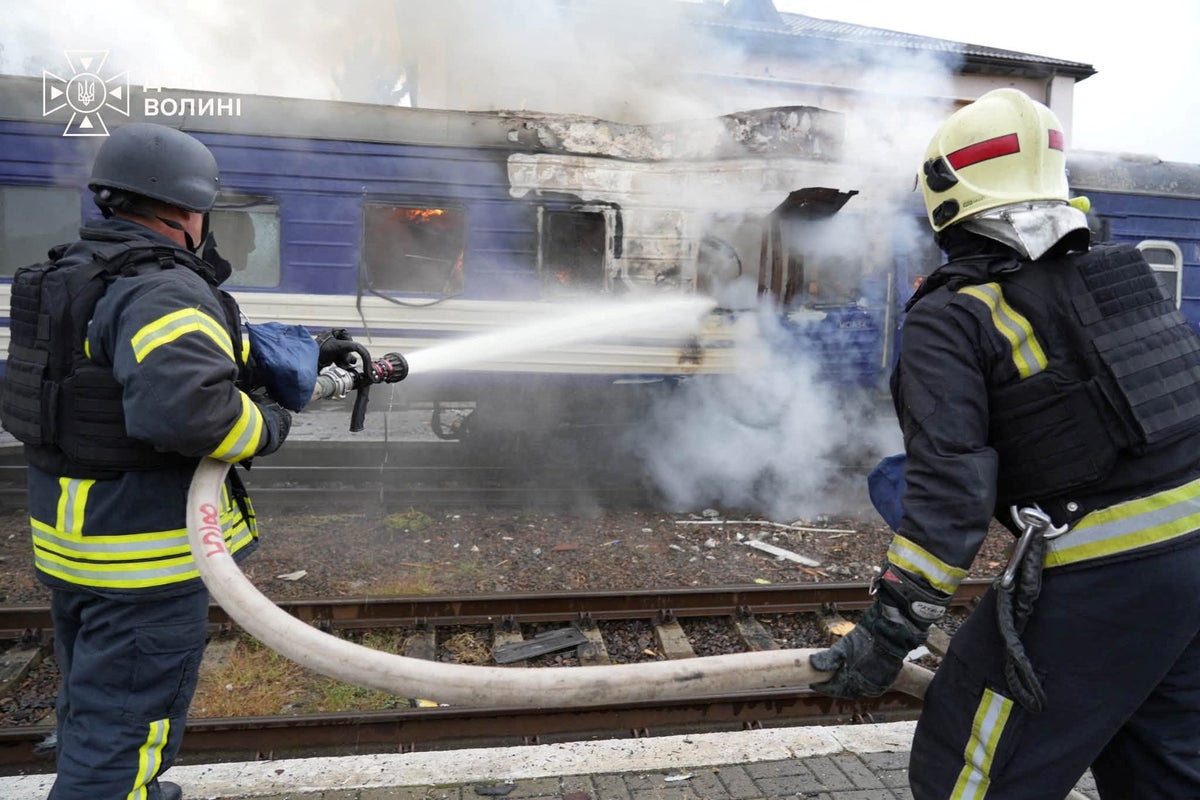
A photograph released by the State Emergency Service of Ukraine after a Russian drone strike at a train station in Lutsk, near the border with Poland, on Saturday.
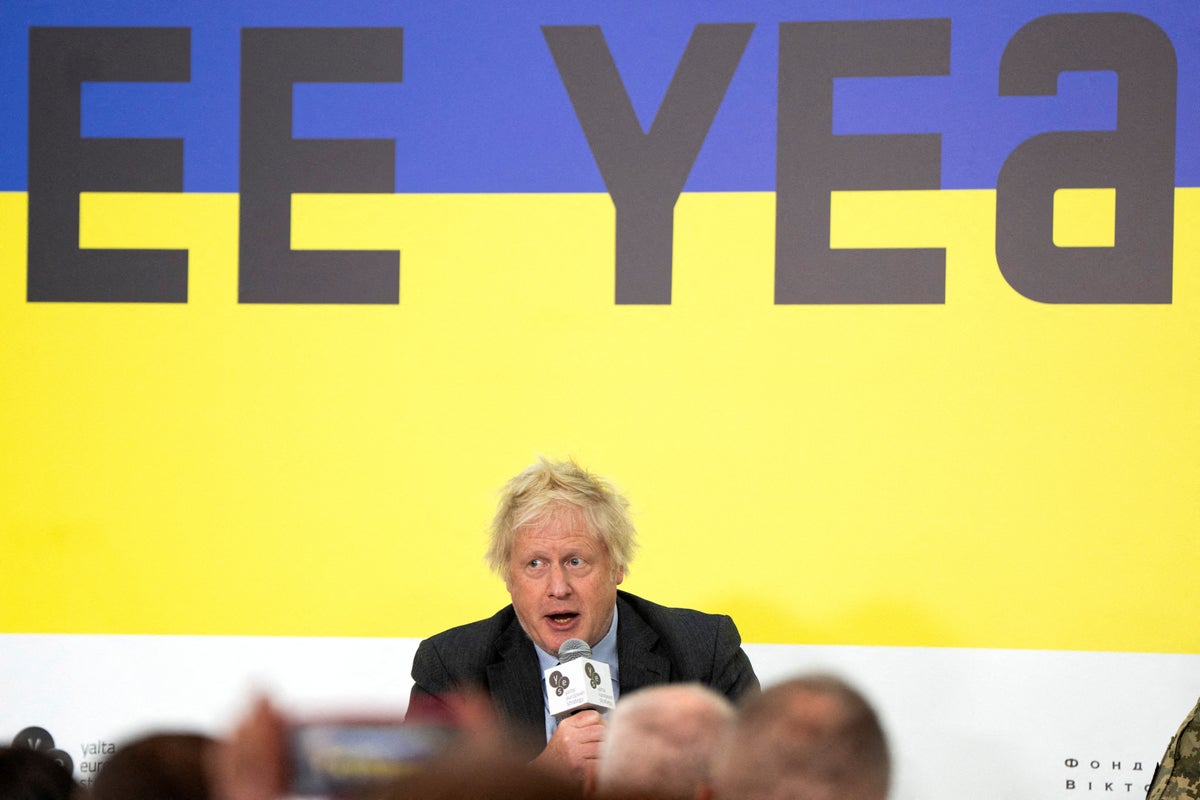
Johnson and other signatories had a close call on Ukraine’s border with Poland - it’s all part of Putin’s plan even if it was a fluke, explains world affairs editor Sam Kiley
Johnson and other signatories had a close call on Ukraine’s border with Poland - it’s all part of Putin’s plan even if it was a fluke, explains world affairs editor Sam Kiley
In nearly five decades in politics, Ms. Bonino wielded outsize influence on Italian discourse, helping erode the political sway of the Catholic Church.
In nearly five decades in politics, Ms. Bonino wielded outsize influence on Italian discourse, helping erode the political sway of the Catholic Church.
The police in Belgium, France, Ireland and the Netherlands say they suspect a fraud network of faking identities and duplicating microchips for hundreds of horses.
The police in Belgium, France, Ireland and the Netherlands say they suspect a fraud network of faking identities and duplicating microchips for hundreds of horses.
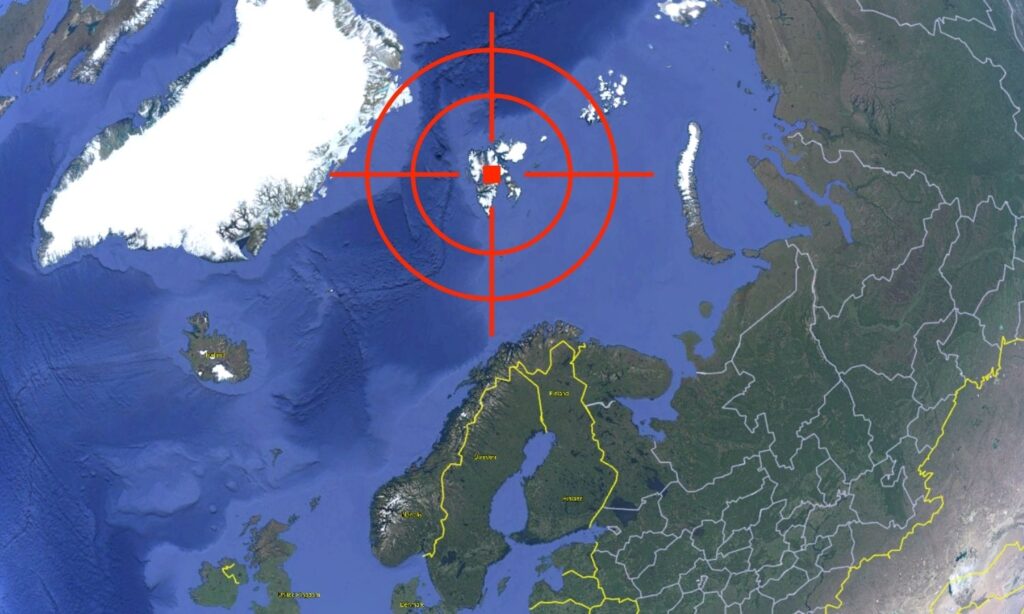
Russia rehearsed an operation to disable critical undersea cables near Norway’s Svalbard archipelago this spring, according to two Western officials cited by Reuters.
The exercise comes as Russia continues a broader hybrid campaign against European countries, using covert sabotage, cyberattacks, espionage, and surveillance of critical infrastructure alongside its war against Ukraine.
The operation involved Russia’s Main Directorate of Deep-Sea Research, known as GUGI
Russia rehearsed an operation to disable critical undersea cables near Norway’s Svalbard archipelago this spring, according to two Western officials cited by Reuters.
The exercise comes as Russia continues a broader hybrid campaign against European countries, using covert sabotage, cyberattacks, espionage, and surveillance of critical infrastructure alongside its war against Ukraine.
The operation involved Russia’s Main Directorate of Deep-Sea Research, known as GUGI, which used deep-sea submersibles to simulate deploying technology designed to disable undersea cables.
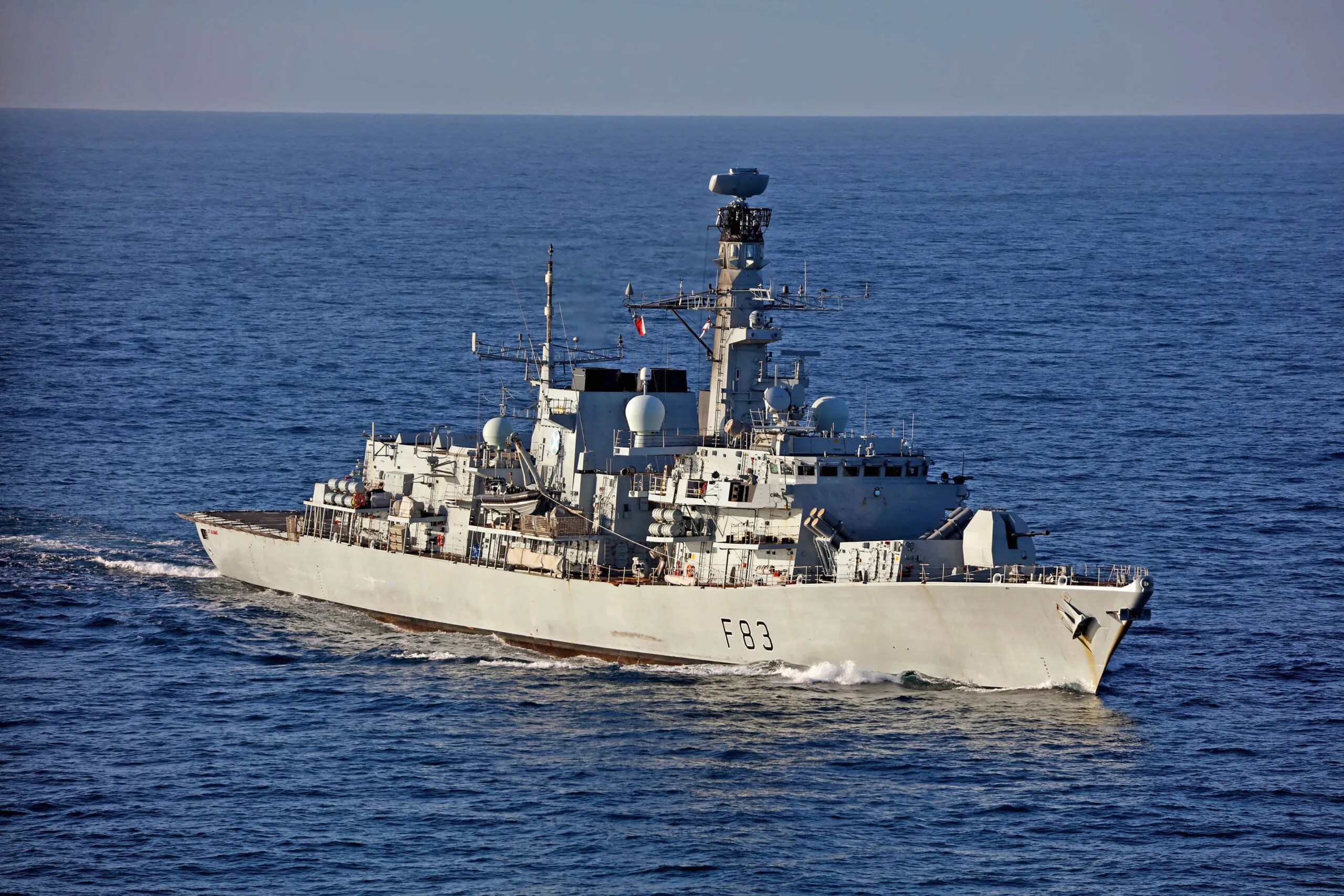
British, Norwegian, and US forces tracked the Russian vessels and confronted them at sea, preventing them from completing the exercise, the officials told Reuters. The vessels eventually left the area.
No cables were damaged.
Russian forces rehearsed cable attacks
The operation took place near two 1,400-kilometer fiber-optic cables connecting Svalbard with mainland Norway. The cables carry satellite data from SvalSat, the world’s largest satellite ground station and part of NASA’s Near Space Network.
Britain and Norway disclosed in April that they had uncovered covert Russian activity in Arctic waters, but the details of the operation, including the technology involved and US participation, had not previously been reported.
Norwegian Defense Minister Tore Sandvik said the joint operation sent Russia a message that covert activity would be detected and face consequences.
The US and UK have sanctioned GUGI over its activities in European waters.
Explore further
“Will not be tolerated” – UK exposes Russian spy submarine operation targeting its undersea cables
Europe watches its undersea infrastructure
European governments have become increasingly concerned about Russian activity around telecommunications cables, power lines, and pipelines. Reuters reported that since 2023, vessels have increasingly been observed moving slowly over or near sensitive infrastructure, raising concerns that they could be mapping potential targets.
NATO has expanded monitoring in response. Its Baltic Sentry operation increases surveillance around critical infrastructure in the Baltic Sea, while the UK-led Nordic Warden monitors northern European waters.
Windward data cited by Reuters showed that vessels classified as “drifting” in the North Sea increased 52% in 2025, to 13,079. At least 11 subsea cables were damaged or cut in the Baltic between October 2023 and the end of 2025.
Western officials are increasingly concerned that Russia could use sabotage against European infrastructure to test NATO's response without immediately triggering open conflict. Some US intelligence officials have raised the possibility that Moscow could eventually test the alliance’s Article 5 mutual-defense commitment, according to Reuters.
Russia’s Defense Ministry did not respond to Reuters’ request for comment. The Kremlin has repeatedly denied conducting sabotage operations in NATO countries.
The Svalbard exercise did not damage infrastructure, but it involved rehearsing capabilities that could be used against critical European infrastructure in a future conflict.
Romania's domestic intelligence service says it prevented a Russia-coordinated sabotage operation on its soil, Militarnyi and Radio Svoboda reported. For months, it watched a Russian citizen who was filming military sites across the country—including, it says, Ukraine's Antonov cargo planes.
A wave of arson, drone incursions, and covert surveillance blamed on Russian handlers has spread across the continent, aimed at the logistics that keep Ukraine armed.
What the su
Romania's domestic intelligence service says it prevented a Russia-coordinated sabotage operation on its soil, Militarnyi and Radio Svoboda reported. For months, it watched a Russian citizen who was filming military sites across the country—including, it says, Ukraine's Antonov cargo planes.
A wave of arson, drone incursions, and covert surveillance blamed on Russian handlers has spread across the continent, aimed at the logistics that keep Ukraine armed.
What the suspect was told to film
The Romanian Intelligence Service (SRI) announced on Tuesday that it had prevented the plot with national and international partners. The man had been under SRI monitoring since February 2026, part of a wider investigation into sabotage attempts on Romanian soil.
An intermediary instructed him to make photos and videos of targets of strategic military interest, SRI said. The list ran from NATO-used bases and communications nodes to defense institutions, critical infrastructure, and Ukraine's Antonov cargo planes.
SRI says the pattern matches saboteur networks run by Russian entities across Europe. It points to similar cases foiled in Romania in 2024 and 2025. The service added that Russia keeps leaning on people from vulnerable groups to carry out this work.
The Leipzig link
The case recalls an incident in Germany. On 4 August, workers found a drone rigged with explosives and a detonator beside an An-124 Ruslan at Leipzig airport. The Ruslan is a giant Antonov cargo plane. Ukraine's Antonov fleet moves oversized loads few other planes can carry, a standing target for a Kremlin trying to slow Western support without firing a shot.
Germany's government blamed Russia, and the attempt sharpened tensions between Berlin and Moscow. Russia denies any role in Europe's sabotage wave and has not addressed Romania's findings.
The disclosure comes days after Russian Shahed attack drones struck the Orlivka ferry crossing in Odesa Oblast, overnight on 1 September. The crossing sits on the Ukrainian-Romanian border.
Canada struck back at U.S. President Donald Trump on Tuesday with tariffs on about $20 billion worth of U.S. goods, in response to his latest round of tariffs on Canada
Canada struck back at U.S. President Donald Trump on Tuesday with tariffs on about $20 billion worth of U.S. goods, in response to his latest round of tariffs on Canada

 Connexion