Vue normale

  • ✇Euromaidan Press
  • Hungary swapped its pro-Russian prime minister. Yet it is still slowing Ukraine’s path to the EU.
    For four hours on 18 June, Péter Magyar, Hungary’s new prime minister, sat with EU leaders and refused to budge. They wanted to advance Ukraine’s membership talks. Magyar held out until they struck that language from the summit text. He got what he came for. EU accession is a prize Ukraine has pursued since the 2013–14 Euromaidan, when Ukrainians bled for the right to choose Europe: a say in the continent’s decisions, access to EU markets and funds, and a European path
     

Hungary swapped its pro-Russian prime minister. Yet it is still slowing Ukraine’s path to the EU.

14 juillet 2026 à 09:55

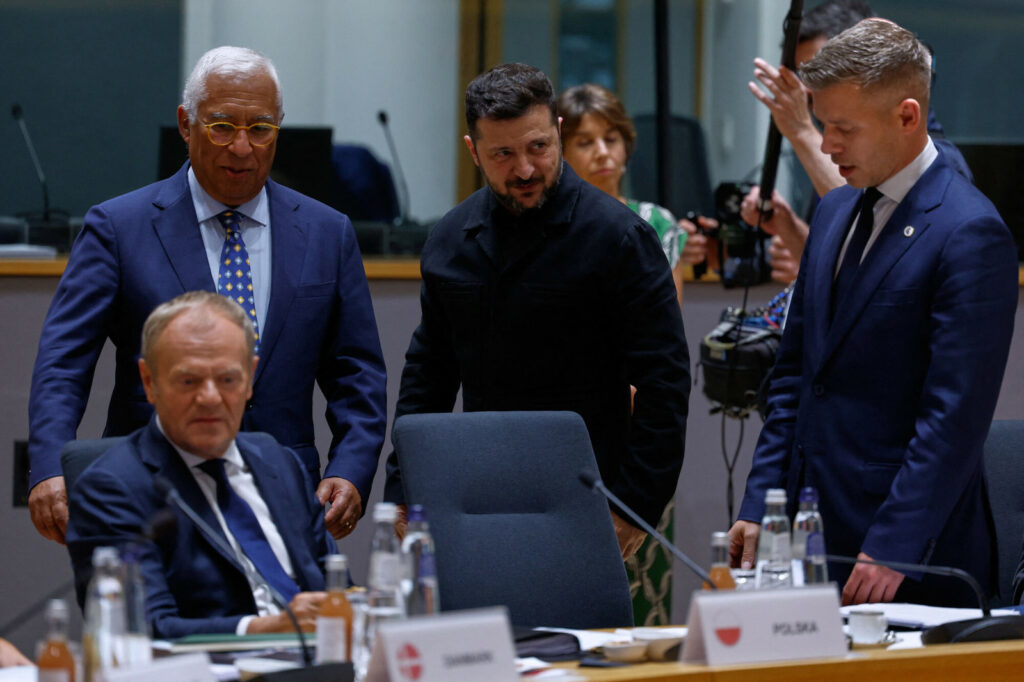
Zelenskyy, Magyar, Tusk, and Costa confer around a table during an EU meeting, with one official in black standing at the center.

For four hours on 18 June, Péter Magyar, Hungary’s new prime minister, sat with EU leaders and refused to budge. They wanted to advance Ukraine’s membership talks. Magyar held out until they struck that language from the summit text. He got what he came for.

EU accession is a prize Ukraine has pursued since the 2013–14 Euromaidan, when Ukrainians bled for the right to choose Europe: a say in the continent’s decisions, access to EU markets and funds, and a European path away from Russia. 

Yet any member state can stall that process. Viktor Orbán, Hungary’s pro-Russian former prime minister, repeatedly did—and Magyar’s government is still holding up Ukraine’s accession. 

Magyar is not Orbán. After Russia struck Zakarpattia Oblast—Ukraine’s westernmost Oblast, home to many ethnic Hungarians—Magyar condemned the attack. His pro-Western foreign minister, Anita Orbán (no relation), summoned Moscow’s ambassador and asked when Russia would end the war. 

For Magyar, however, helping Kyiv could cost votes: more than half of Hungarians oppose restarting talks, and even supporters of Magyar’s own Tisza party—which ended 16 years of pro-Russian Fidesz rule—are split down the middle. 

What Orbán left behind also influences Hungary’s hesitation: a Fidesz propaganda apparatus that has shrunk but whose narratives endure, a minority issue opponents can still weaponize against Magyar, and an energy system tied to Moscow.

Magyar’s caution may be less about what he believes than what Hungarian politics rewards: helping Kyiv still carries more risk than reward at home.

Hungary is not alone: an EU-wide poll found that 41% were opposed to Ukraine joining the EU, even if it met all accession conditions. 

The 18 June confrontation came three days after a brief breakthrough. On 15 June, Hungary helped Ukraine open the first of six negotiating clusters—parts of the EU rulebook Kyiv must work through before joining. Each requires unanimous approval from the EU’s 27 governments. 

On 23 June, Budapest blocked the other five from opening. Hungary later cleared Cluster 6, covering foreign policy. The EU and Ukraine formally opened Cluster 6 on 14 July, leaving four clusters unopened. 

What Hungary is actually blocking

Magyar has repeatedly argued that accelerating Ukraine’s EU talks would be unfair to Western Balkan countries that have waited years to join.

In a recent Substack analysis, Dániel Hegedűs, deputy director of the Institute for European Politics, rejects Magyar's suggestion that opening several clusters quickly would give Ukraine special treatment. 

Other candidate countries have advanced at a similar pace, he said, making Ukraine's request unusual mainly because of the war, not because it breaks EU precedent: Albania opened all six clusters in just over a year, between October 2024 and late 2025. 

For Kyiv, Magyar is harder to read than Orbán. With the latter, Ukraine knew it would not get anywhere with EU accession, as the Fidesz leader would veto every attempt.

As Vitalii Diachuk, an analyst at Ukraine’s Institute for Central European Strategy, stated, Orbán’s veto was “predictable and targeted.” Brussels could counter it with diplomatic pressure, blocking funds, and isolating Hungary’s vote. 

Péter Magyar, leader of Hungary’s Tisza Party, waves a Hungarian national flag at a victory rally in Budapest, Hungary, April 12, 2026. Photo: David Balogh/Xinhua via East News

Unlike Orbán, Magyar did not come to office with a long record of hostility toward Ukraine. But with little track record on Ukraine—Tisza’s manifesto offered few details beyond opposing accelerated accession—his future course is harder to predict.

Soon after taking office, he said Hungary would hold a referendum on Ukraine’s eventual EU membership. Diachuk warned that this would leave Kyiv dependent on Hungarian politics and public opinion years from now: 

“It is unclear what the Hungarian government will look like, how public opinion will be shaped, or whether the referendum will be genuinely democratic rather than another Orbán-style ‘national consultation’ [government mail-in questionnaires criticized for their leading language].” —Vitalii Diachuk

Speaking with Euromaidan Press, Hegedűs argued that Magyar’s Ukraine policy will remain subordinate to domestic political calculations. 

“He will pursue closer rapprochement with Kyiv only if it either brings him a tangible political benefit or does not expose him to vulnerabilities in the domestic political arena,” Hegedűs noted.

Not just a Hungary issue: Europe’s wider doubts on Ukraine’s accession

Hungary is the most visible obstacle to faster talks, but Magyar is not alone: most EU governments also oppose speeding up Ukraine’s accession.

Few want to reject Ukraine outright, Hegedűs said. Yet EU member states favor moving negotiations forward under existing rules while keeping pressure on Kyiv to complete difficult legal, democratic, and economic reforms.

France and Germany have resisted shortening the process, while only the Nordic and Baltic states have pushed to open all six negotiating clusters quickly. Most member states support continued negotiations but do not waive accession requirements or promise membership before Ukraine has met them.

Beyond the halls of power, many EU citizens remain wary of Ukraine’s accession, largely over economic concerns. French farmers pressed Paris to curb Ukrainian food imports, while France’s agricultural minister warned that market disruption could erode public support for Kyiv.

Farther east, a June poll found nearly six in ten Poles opposed Ukraine joining the EU. From 2023 to 2025, Polish farmers repeatedly blocked crossings with Ukraine, claiming that Ukrainian grain meant for global markets was depressing local prices.

Polish farmers’ fears were disproportionate to the broader trade picture: the EU matters far more to Ukraine than Ukraine does to the EU. Still, Brussels struck a temporary compromise, leaving unresolved how accession would reshape farm subsidies and competition.

Same trade flow, opposite weight: what’s central for Ukraine’s economy is marginal for the EU’s. Chart: European Commission / Euromaidan Press.

Concern extends beyond agriculture. András Simonyi—the former Hungarian ambassador to NATO and the US—noted some Europeans fear a war-hardened Ukraine whose defense firms are already “way ahead” in some technologies. Their cheaper, combat-tested systems could undercut established manufacturers and win export contracts.

Le Monde reported unease among French manufacturers, while French experts warned that Ukrainian drone makers could become “formidable competitors.” Simonyi argued that Europe should treat that competition as a catalyst, not a threat.

Janitorial duties: Fidesz’s shadow over Magyar

Domestic priorities have dominated Magyar’s first months in office as his government has focused on restoring the rule of law and securing the release of billions of euros in EU funds frozen under Orbán.

Hegedűs said the “absolute primacy” of domestic affairs would keep the government focused on constitutional reform, removing Fidesz loyalists from state institutions, and pursuing accountability for corruption. 

Simonyi put it more simply:

“Magyar’s focus for now is cleaning up after Orbán.” —András Simonyi

As part of his domestic agenda, Magyar has begun dismantling Fidesz’s propaganda apparatus. After his April victory, he appeared on M1, the state-funded broadcaster aligned with Viktor Orbán, and vowed to shut down its “factory of lies.”  

M1 had echoed Kremlin claims that Russia was defending “the Russian-majority population in Donetsk and Luhansk Oblasts” from “Ukrainian fascism” and that Ukraine persecuted minorities. On 7 July, it suspended news broadcasts for an overhaul intended to restore public-media independence. 

That overhaul could weaken one major source of anti-Ukrainian messaging. But analysts warned that Orbán’s defeat had not erased the wider media ecosystem—or the audience it cultivated. 

“The government’s production line of content and narratives has currently stalled, but public demand and the opposition’s infrastructure remain on standby.” —Vitalii Diachuk

Polling backs Diachuk up. In a post-election ECFR survey, Tisza voters split almost evenly on restarting Ukraine's accession talks—41% for, 43% against. 

On arming Ukraine, though, they were not torn: just 12%—one in eight—backed it. Nationally the mood was colder still—54% opposed reopening the talks at all, and majorities rejected sending Kyiv either money or weapons.
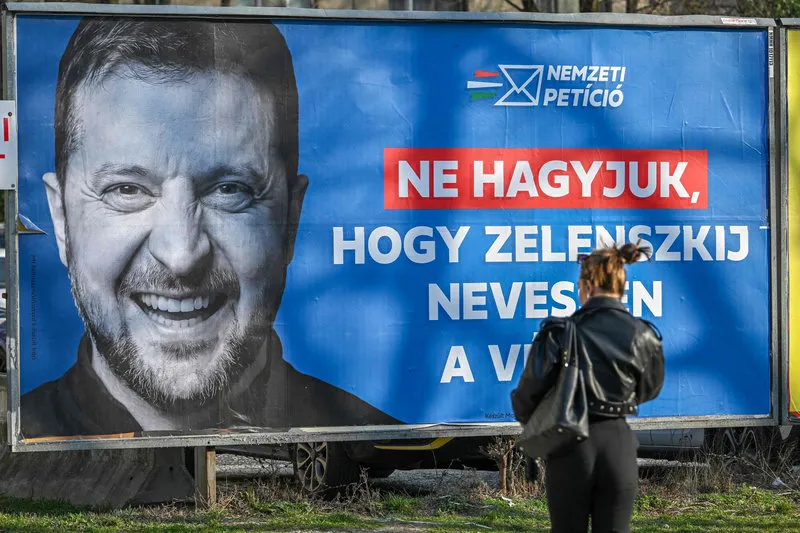
A woman walks past a pro-government billboard featuring a portrait of Ukrainian President Volodymyr Zelensky, with the text reading “Let’s not let Zelensky have the last laugh,” in Budapest on 3 March 2026. Source: Attila KISBENEDEK / AFP via East News

Magyar might therefore be trying not to hand Fidesz political ammunition. As Hegedűs noted, a too-visible rapprochement with Kyiv could expose Tisza to attack and alienate voters beyond its base. 

Magyar’s hesitation may reflect electoral caution more than distrust of Ukraine. The danger is that a temporary tactic becomes lasting policy whenever supporting Kyiv carries a domestic cost. 

The threat of Russian influence also lingers. The Carnegie Center notes that Fidesz remains embedded in transnational illiberal networks that carried Kremlin talking points and could survive Orbán’s loss of power. 

“He cannot appear less sensitive than Orbán”: The minority question

The Hungarian minority in Zakarpattia remains a potential flashpoint for bilateral relations—and Ukraine’s EU bid. Ukraine’s westernmost region is home to roughly 150,000 ethnic Hungarians, before war and emigration substantially reduced the community. Under Orbán, Budapest deployed intelligence agents there, stoked interethnic tensions, and amplified claims of persecution through state media. 

Magyar has taken a different approach. Within three weeks of taking office, his government struck a deal to restore Hungarian-language schools and expand language rights in education and public services. Ukraine also agreed to write those commitments into law and its EU-required minority-rights action plan. 

Diachuk said the contrast between Magyar and Orbán was night-and-day: 

“Orbán and Szijjártó [Orbán’s foreign minister] used demands [connected to the Hungarian minority] to block Ukraine’s EU path, regardless of Kyiv’s progress, because an agreement would have cost them leverage. Péter Magyar, by contrast, sought and reached an agreement.” —Vitalii Diachuk

There is a catch. Magyar has prioritized disputes he can resolve quickly and present to voters as proof he can fix what Orbán left behind, as Hegedűs noted

Future disputes over the Hungarian minority in Zakarpattia Oblast could still become politically combustible. Diachuk noted that “demand for narratives about protecting Zakarpattia's Hungarians is genuine and exists independently of Fidesz narratives.”

Recent events show why Hungarian politicians continue to treat the issue so carefully. Magyar framed the June agreement as restoring “fundamental rights” to 100,000 Hungarians. 

His deeper concern is domestic: Magyar wants to avoid criticism from Fidesz and the far-right Mi Hazánk party for looking “too soft on Ukraine,” Hegedűs told Euronews. 

New disputes could therefore become a test of whether Magyar is defending ethnic Hungarians abroad—and hand his opponents an opening to accuse him of yielding to Kyiv. 

“Magyar cannot appear to be less sensitive to the minority question than Orbán. But he can take the initiative, get it out of the way and not allow others to hide behind Hungary,” Simonyi noted.

The harder break with Moscow lies in energy

In the April election, VSquare reported that Russian operatives campaigned hard for Orbán and cast Magyar as a Brussels puppet. It failed, and "Russians go home" became a prominent slogan of the opposition. 

“Russia failed in Hungary. Hungarians, and especially the Magyar government, will be vigilant and unmask any Russian effort to interfere in Hungarian politics.” —András Simonyi

Magyar’s subsequent actions support that assessment. On 4 May, his government expelled SVR agent Artur Sushkov, whom Orbán had shielded months earlier. In June, Budapest dismissed every Orbán-era intelligence chief and appointed Péter Buda—a critic of Orbán’s pro-Russian course—to overhaul the security services.

Nevertheless, Russia’s presence remains pronounced in Hungary’s energy sector. Russian crude accounted for 93% of Hungary’s oil imports in 2025, while Magyar has pledged to end dependence on Russian energy only by 2035—eight years after the EU’s planned phaseout. 

Warsaw, 25 May 2022. Greenpeace protest in front of the Hungarian Embassy. Source: Pawel Wodzynski/East News

Diachuk noted Magyar inherited an energy system deeply tied to Russia—long-term contracts, infrastructure built around Russian fuel, the Russian-built Paks II project—dependencies no single decision can undo.

The difference is visible in how each leader uses the same vulnerability. Orbán held up a €90 billion EU loan for Ukraine until Russian oil resumed through the Druzhba pipeline; Magyar has instead sought French nuclear cooperation to diversify Hungary’s supply. 
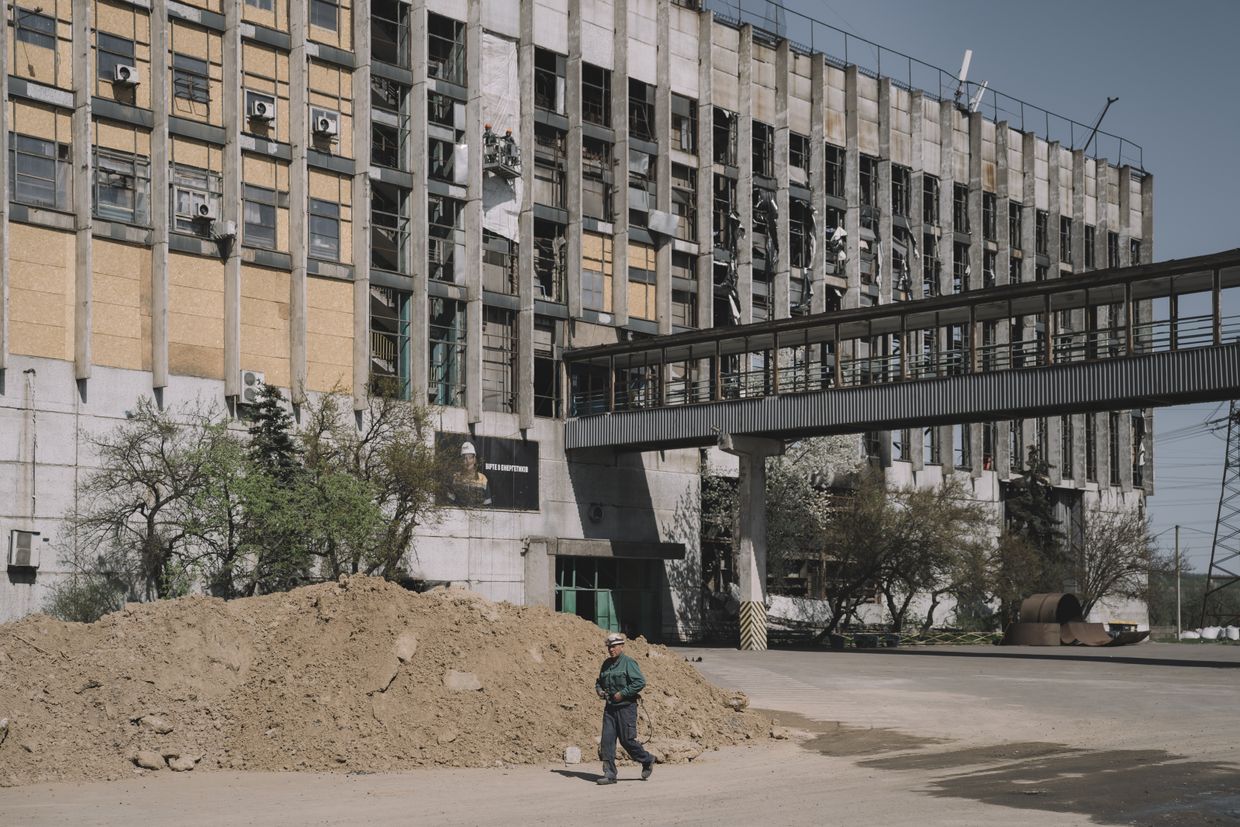
“Magyar treats energy dependence not as leverage over Brussels, but as a problem Hungary must gradually resolve,” Diachuk said.

That difference matters, but it does not settle how Magyar will act when supporting Ukraine becomes costly at home. 

Diachuk said the coming weeks would determine whether the opening becomes durable. “This is a real window of opportunity, but it’s quite small.”

This material was produced as part of a project by the Institute of Mass Information with the support of the Ministry of Foreign Affairs of the Netherlands. The content of this publication does not reflect the official position of the IMI or the Kingdom of the Netherlands.

  • ✇US news | The Guardian
  • Datacentres drive up big tech’s carbon emissions to a third of those of France
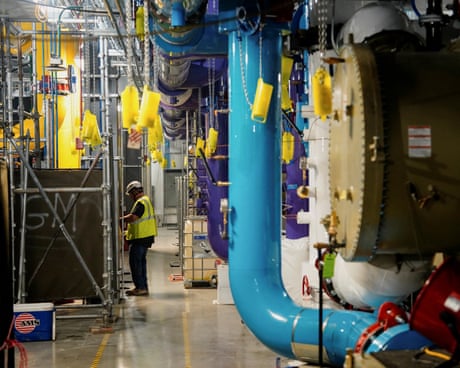
    Microsoft, Amazon and Google say they still aim to achieve net zero output despite construction boomMicrosoft, Amazon and Google’s collective carbon emissions have increased by nearly a fifth in the past year, driven largely by datacentre construction.In the financial year ending March 2026, the three tech companies emitted 119m mTCO₂e (metric tonnes of carbon dioxide equivalent), or about a third of those of France. Continue reading...
     

Datacentres drive up big tech’s carbon emissions to a third of those of France

11 juillet 2026 à 07:00

Microsoft, Amazon and Google say they still aim to achieve net zero output despite construction boom

Microsoft, Amazon and Google’s collective carbon emissions have increased by nearly a fifth in the past year, driven largely by datacentre construction.

In the financial year ending March 2026, the three tech companies emitted 119m mTCO₂e (metric tonnes of carbon dioxide equivalent), or about a third of those of France.

Continue reading...

© Photograph: Audrey Richardson/Reuters

© Photograph: Audrey Richardson/Reuters

© Photograph: Audrey Richardson/Reuters

  • ✇US news | The Guardian
  • ‘Why take those jobs away?’: the unionized workers decrying Trump’s war on wind
    Workers proud of their efforts to grow renewable energy say US president pursuing ‘personal vendetta’ at their expenseDonald Trump has blamed everything – from “national security” issues, the deaths of birds and whales, and cancer – in his decades-long campaign against windfarms. But as the Trump administration continues to undermine the industry, what worries workers most are their jobs.Since taking office for a second term, Trump has issued an executive order aiming to halt all wind-energy lea
     

‘Why take those jobs away?’: the unionized workers decrying Trump’s war on wind

6 juillet 2026 à 07:00

Workers proud of their efforts to grow renewable energy say US president pursuing ‘personal vendetta’ at their expense

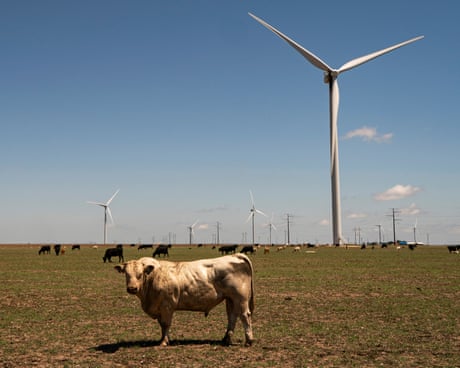
Donald Trump has blamed everything – from “national security” issues, the deaths of birds and whales, and cancer – in his decades-long campaign against windfarms. But as the Trump administration continues to undermine the industry, what worries workers most are their jobs.

Since taking office for a second term, Trump has issued an executive order aiming to halt all wind-energy leases and permits, attempted to issue stop-work orders on wind projects under construction, and paid more than $2.6bn in settlements to buy out wind energy leases. And hundreds of workers have been affected.

Continue reading...

© Photograph: Al Drago/Getty Images

© Photograph: Al Drago/Getty Images

© Photograph: Al Drago/Getty Images

Can Iran Keep Its Edge?

6 juillet 2026 à 00:43
Closing the Strait of Hormuz was a huge source of leverage during the war. But playing the same card over and over is risky.

© Emile Ducke for The New York Times

In Tehran, last week.

Donald Trump is the accidental hero of a real-life feelgood climate tale even as a creeping horror story plays alongside | Clear Air

2 juillet 2026 à 11:00

Despite a deadly heatwave sweeping through Europe, the US president’s ineptness has created reason for optimism on the climate crisis

Two real-life climate-themed movies are playing in parallel across the globe. They are about the world today, but they are also a snapshot of the future. The first is a slow-building horror story; the second, a feelgood summer hit. Both are worth watching.

Horror films are suddenly box-office gold, so let’s start there. The World Health Organisation says the extreme, record-breaking heatwave blanketing Europe has killed more than 1,300 people. But everyone knows that number will end up a dramatic understatement.

Continue reading...

© Photograph: Matt Rourke/AP

© Photograph: Matt Rourke/AP

© Photograph: Matt Rourke/AP

  • ✇Euromaidan Press
  • The Netherlands is sending its worn-out wind turbines to Ukraine instead of the scrapheap
    Ukrainian factories running on a few hours of electricity a day when Russia targets the Ukrainian power grid are buying up the Netherlands' worn-out wind turbines and putting them back to work, De Telegraaf reported. Hundreds of Dutch machines are nearing the end of their working lives at home. Instead of the scrapheap, many are being refurbished and shipped east. Russia has spent every winter since 2022 trying to freeze Ukraine into submission, hammering a centralized, Sov
     

The Netherlands is sending its worn-out wind turbines to Ukraine instead of the scrapheap

1 juillet 2026 à 06:08

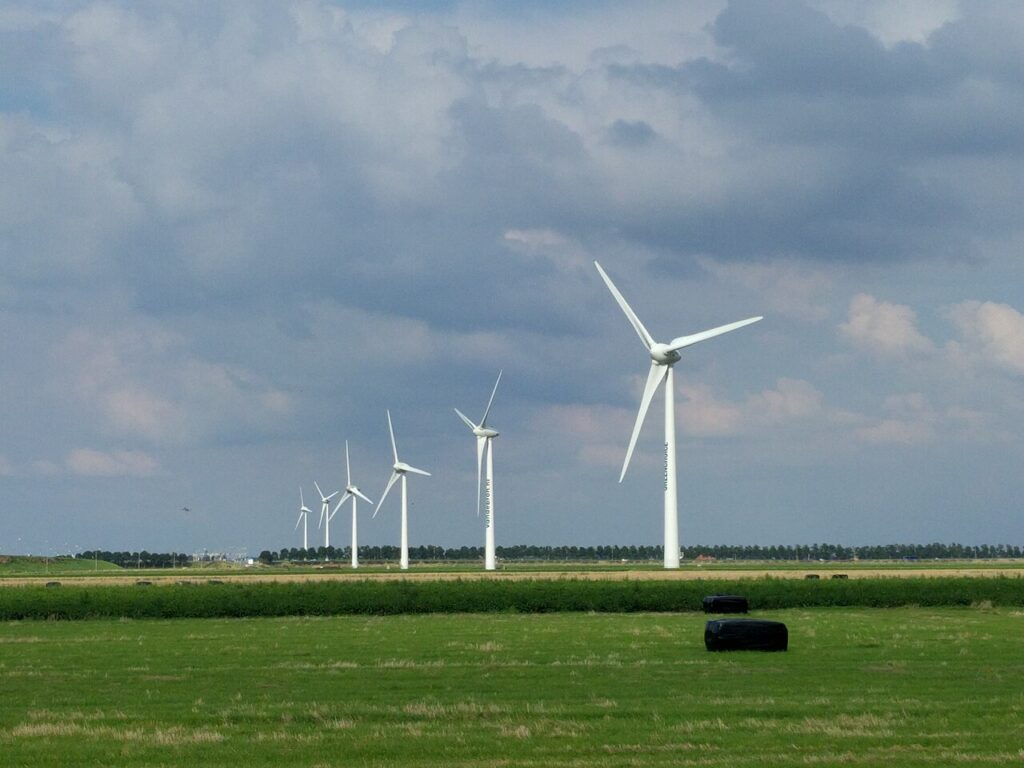
netherlands sending its worn-out wind turbines ukraine instead scrapheap · post near weteringbrug rudolphous / nederlands windmolens maken overuren aan de lisserweg bij news ukrainian reports

Ukrainian factories running on a few hours of electricity a day when Russia targets the Ukrainian power grid are buying up the Netherlands' worn-out wind turbines and putting them back to work, De Telegraaf reported. Hundreds of Dutch machines are nearing the end of their working lives at home. Instead of the scrapheap, many are being refurbished and shipped east.

Russia has spent every winter since 2022 trying to freeze Ukraine into submission, hammering a centralized, Soviet-designed grid whose big power plants and substations make concentrated targets. The January 2026 strikes froze parts of Kyiv, and every Ukrainian power plant has since been damaged, pushing Kyiv toward smaller, scattered generation that a single missile cannot switch off.

A second life in a war zone

A Ukrainian entrepreneur named Serhii has already bought six of them. He runs a factory in the south that presses oil for the world market, and he wants nine turbines standing on a nearby hill by year's end. His power supply is the reason. The grid gives him roughly two hours of electricity, then ten hours without. A single Dutch turbine can change that math.

The war reaches the machines too — Russian attacks target not only substations and conventional power plants but also solar and wind arrays. A Russian drone hit the blades of one, Serhii said, and his crew set about repairing it. He plans to order three more before the year is out.

Henichesk
Explore further

Netherlands transfers sixth mine countermeasures vessel to Ukraine—named Henichesk after ship sunk in 2022

Between 700 and 800 Dutch machines face the scrap heap in the coming years, with no reuse in sight. Yet many still have fifteen to twenty years of life left. Owners are replacing them with turbines that generate five or six times as much power, a practice the industry calls repowering, according to De Telegraaf.

The reconstruction billions

The Dutch wind trade association, NedZero, sees a bigger prize in Ukraine. It named a vice-chair from the diplomatic world, Bert van der Lingen, a former Dutch ambassador to Lithuania with experience in emerging markets.

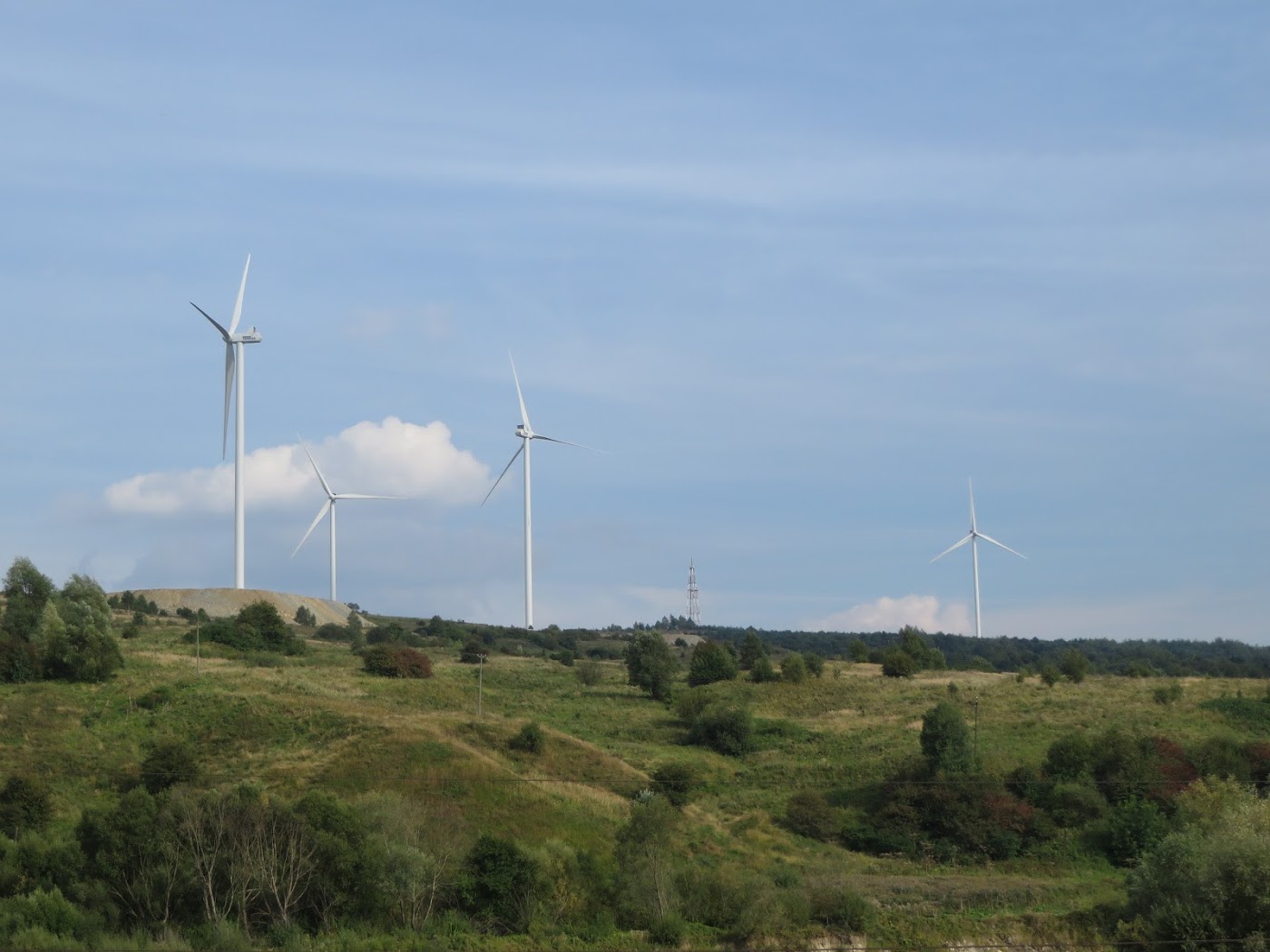
staryi sambir-1 wind farm in lviv oblast
Explore further

Wind farms are harder to destroy—so why won’t Ukraine let them scale? (INFOGRAPHICS)

Van der Lingen knows the lenders financing Ukraine's reconstruction, including the World Bank and the European Bank for Reconstruction and Development. Alongside the tens of billions of euros pledged for weapons and drones, he said, civil support is growing, with tens of billions more set aside.

The catch is scale. Support "tickets" from the big lenders start at €10 million ($11 million), too large for a handful of turbines. So the industry bundles small installations into single big projects, which is where Ukraine's needs become the selling point. The turbines help decentralize Ukraine's grid and deliver green power, and Dutch firms could even become co-producers of wind farms. Eight turbines, he said, are ready to go.

Russia continues targeting Ukraine’s grid. Britain’s $381.5 million package bets on nuclear fuel to keep it running

25 juin 2026 à 14:55

Green power Ukraine wind energy

Britain has pledged nearly $381.5 million to help Ukraine rebuild and keep its lights on. Foreign Secretary Yvette Cooper announced the recovery and energy-security package at the Ukraine Recovery Conference in Gdańsk, covering nuclear fuel for Ukraine's reactors, two new wind farms, support for business, and an overhaul of the justice system, the British government said.

The package is anchored by the $282 million deal for British firm Urenco to supply enriched uranium to state operator Energoatom, which the UK first announced on 16 June and has now folded into its Gdańsk pledge.

"The deal will also boost the British economy, as Urenco employs more than 650 people in the UK and its Chester site supports more than 4,500 jobs around the UK in the wider supply chain," the UK government said. 

Britain funds war-crimes cases

Part of the package goes to modernizing Ukraine's justice system. The funding will help build systems to hold perpetrators of war crimes accountable, speed up court processes, and fight corruption, the government said.

Cooper framed Ukraine's security as inseparable from Britain's own, called a just and lasting peace "urgent and non-negotiable," and said backing Kyiv now creates a strong partner for London later.

Investment arm backs wind power

British International Investment, the UK's development-finance institution, will invest about $85 million into Ukraine's renewable energy and banking sectors alongside the European Bank for Reconstruction and Development.

The money will help build two new wind farms and support Ukrainian businesses through Bank Lviv.

“An enduring peace in Ukraine will not be secured through military support alone, but through our collective commitment to rebuilding communities, strengthening institutions, and deepening joint action," Deputy Prime Minister David Lammy said. 

Nuclear fuel replaces Russian supply

The fuel deal continues Ukraine's break from Russian nuclear supply. After 2022, Kyiv switched its reactors from Russian fuel to Western assemblies and now relies on nuclear power to replace the thermal capacity destroyed by Russian strikes.

Urenco's enriched uranium, financed through UK Export Finance over two years, adds another non-Russian link in that chain as Moscow keeps targeting the grid before winter.

Russia has hit Ukraine’s energy system 6,000 times. Allies pledge €375 million at Gdansk conference, but fund is still short

25 juin 2026 à 04:11

On 25 June 2026, Gdańsk held the fourth meeting of the G7+ Ukraine Energy Coordination Group, also known as the “Energy Ramstein". Source: Denys Shmyhal

Ukraine's allies have pledged at least €375 million to keep its battered power grid running through winter. Partners announced the funding for repairing energy infrastructure and for new contributions to the Ukraine Energy Support Fund at the fourth G7+ energy coordination meeting in Gdańsk, First Deputy Prime Minister and Energy Minister Denys Shmyhal wrote on Facebook.

The pledges land a day after Ukraine and the EU warned the fund would run dry and stall repairs without fresh money. They help, but they do not close the hole: even after the new commitments, Shmyhal put the fund's unmet needs at more than €650 million, most of it, €295 million, for fixing damaged energy sites.

Russia has struck Ukraine's energy system more than 6,000 times since 2022.

Donors break down the pledges

Shmyhal listed the contributions: $175 million from the US, €137 million from Sweden, €77 million from Norway, €4 million from Lithuania, €2.125 million from Estonia, and €550,000 from Iceland.

Twenty countries, EU representatives, and six international organizations joined the session, known as the "energy Ramstein", to weigh Ukraine's needs ahead of the heating season.

"Thank you to every country, international organization, and company that continues to stand with Ukraine. This support helps restore energy infrastructure, protect critical facilities, and provide light to millions of Ukrainians. Together, we are strengthening Ukraine’s energy resilience," Shmyhal said. 

Fund still trails the need

Beyond the €295 million for repairs, distributed generation requires about €192 million more, and building an emergency reserve and buying critical equipment needs nearly €148 million, according to the minister.

To get through next winter, Ukraine must repair and restore more than 3 gigawatts of thermal generation, he added, after Russian strikes damaged or destroyed all 15 of the country's thermal power plants. Direct damage to the sector now nears $25 billion, with full reconstruction estimated at about $91 billion.

Kyiv ties repairs to EU integration

Shmyhal set Ukraine's 2026-2027 priorities as keeping the grid resilient under fire while fully integrating it into Europe's energy market. That means protecting infrastructure, restoring lost capacity, expanding distributed generation, pumping gas into underground storage, and building cross-border interconnectors with EU neighbors.

  • ✇The Kyiv Independent
  • Russia's crude exports fall to lowest level since February
    Russia's crude oil shipments have dropped to their lowest level since February, as refinery processing outpaces production growth and trims available export volumes, Bloomberg reported on July 8.Russia has used its revenues from energy exports to finance the war in Ukraine.Seaborne crude flows averaged 3.12 million barrels a day over the four weeks to July 6, a 3% decline from the previous period ending June 29, according to tanker-tracking data compiled by Bloomberg. That's the lowest level rec
     

Russia's crude exports fall to lowest level since February

8 juillet 2025 à 12:17
Russia's crude exports fall to lowest level since February

Russia's crude oil shipments have dropped to their lowest level since February, as refinery processing outpaces production growth and trims available export volumes, Bloomberg reported on July 8.

Russia has used its revenues from energy exports to finance the war in Ukraine.

Seaborne crude flows averaged 3.12 million barrels a day over the four weeks to July 6, a 3% decline from the previous period ending June 29, according to tanker-tracking data compiled by Bloomberg. That's the lowest level recorded since the four-week period ending Feb. 23.

The gross value of Moscow's oil exports rose by about $100 million, or 8%, to $1.36 billion for the week ending July 6, Bloomberg said. That increase was due to higher volume, although average export prices declined for a second consecutive week.

Most of Russia's oil continues to head to Asia. Shipments to the region averaged 2.73 million barrels per day, slightly lower than the previous month. Flows to Turkey fell to 370,000 barrels a day, and shipments to Syria held steady at 25,000 barrels a day.

The European Union is seeking to tighten sanctions on Russia. Ambassadors have yet to approve the EU's 18th sanctions package due to opposition from Hungary and Slovakia. The bloc failed to adopt the new package on June 27.

The new package includes restrictions targeting Russia's energy and banking sectors, as well as transactions linked to the Nord Stream gas pipeline.

Death of top Russian oil executive fuels fresh scrutiny of elite’s ‘window falls’
The unexplained death of a top Russian oil executive on July 4 is fueling renewed scrutiny over the rising number of high-profile Russian officials and businessmen who have died under mysterious circumstances, specifically, have fallen out of windows. Andrei Badalov, vice president of Transneft, Russia’s largest state-controlled pipeline transport company,
Russia's crude exports fall to lowest level since FebruaryThe Kyiv IndependentTim Zadorozhnyy
Russia's crude exports fall to lowest level since February

Lavrov meets Iranian counterpart Abbas Araqchi at BRICS summit, reiterates Russia's offer to mediate disputes over nuclear program

6 juillet 2025 à 19:51
Lavrov meets Iranian counterpart Abbas Araqchi at BRICS summit, reiterates Russia's offer to mediate disputes over nuclear program

Russian Foreign Minister Sergey Lavrov reiterated Moscow's offer to mediate disputes over Iran’s nuclear program, during a meeting with his Iranian counterpart at the BRICS summit in Rio de Janeiro, Reuters reported on July 6.

Lavrov met with Iranian Deputy Foreign Minister Abbas Araqchi to discuss the situation, condemning recent Israeli and U.S. strikes on Iran, including attacks on nuclear sites under IAEA safeguards.

Moscow reaffirmed its support for Iran’s right to nuclear energy, and also offered to store Iranian uranium as part of a potential solution.

Although Iran officially denies intentions to pursue nuclear weapons, tensions with the U.S. and Israel remain high following the Iran-Israel conflict in June, which has currently settled into an uncertain ceasefire.

Ukraine’s Foreign Ministry said on June 22 that Iran’s nuclear program must be dismantled to prevent it from threatening the Middle East or the wider world, following U.S. air strikes on Iranian nuclear facilities.

“Iran is complicit in the crime of aggression against Ukraine. The Iranian regime is providing military assistance to Russia, including the supply of UAVs and technologies that Russia consistently uses to kill people and destroy critical infrastructure,” the statement read.

Russia and Iran have deepened ties since the start of the full-scale invasion. Notably, Iran has provided Russia with thousands of Shahed drones used in attacks against Ukrainian cities, as well as short-range ballistic missiles.

Amid its war against Ukraine, Russia condemns US strikes on Iran as ‘violating international law’
Moscow condemned on June 22 the recent U.S. strikes against Iranian nuclear facilities, calling them a violation of international law and Iran’s sovereignty, a statement in stark contrast to Russia’s full-scale war against Ukraine.
Lavrov meets Iranian counterpart Abbas Araqchi at BRICS summit, reiterates Russia's offer to mediate disputes over nuclear programThe Kyiv IndependentMartin Fornusek
Lavrov meets Iranian counterpart Abbas Araqchi at BRICS summit, reiterates Russia's offer to mediate disputes over nuclear program
  • ✇The Kyiv Independent
  • Trump envoy Steve Witkoff pushing to lift energy sanctions on Russia, Politico reports
    U.S. President Donald Trump's Special Envoy Steve Witkoff is pushing to lift U.S. energy sanctions on Russia, Politico reported on July 4, citing two people familiar with the matter. The move is part of a broader debate within Trump's administration over how to engage with Moscow amid the ongoing war in Ukraine.While Witkoff is reportedly advocating for the easing of energy sanctions, others in the administration disagree. Interior Secretary Doug Burgum favors reducing U.S. reliance on Russian i
     

Trump envoy Steve Witkoff pushing to lift energy sanctions on Russia, Politico reports

4 juillet 2025 à 06:07
Trump envoy Steve Witkoff pushing to lift energy sanctions on Russia, Politico reports

U.S. President Donald Trump's Special Envoy Steve Witkoff is pushing to lift U.S. energy sanctions on Russia, Politico reported on July 4, citing two people familiar with the matter.

The move is part of a broader debate within Trump's administration over how to engage with Moscow amid the ongoing war in Ukraine.

While Witkoff is reportedly advocating for the easing of energy sanctions, others in the administration disagree. Interior Secretary Doug Burgum favors reducing U.S. reliance on Russian imports rather than expanding trade, according to Politico.

Despite pledging during his campaign to end the war in Ukraine in "24 hours," Trump has made little progress on securing a ceasefire. After nearly seven months of his presidency, and several peace talks between Russia, Ukraine, and the United States, no ceasefire agreement has been reached.

Moscow continues intensifying its attacks against Ukrainian cities. Russia launched one of the largest aerial attacks on Ukraine on July 4, hours after Russian President Vladimir Putin had a phone conversation with Trump.

When journalists asked if he had made any progress with Putin on the call, Trump responded: "No, I didn't make any progress with him today at all."

Europe's energy sector is a central issue in the debate. According to Politico, Moscow is in early talks with Washington about potentially restarting the Nord Stream pipeline project, with backing from U.S. investors. The development has sparked concern in Brussels.

One senior EU official reportedly warned that Trump and Putin appear to be aiming to "divide the European energy market and create (separate) spheres of influence."

Witkoff, a real estate developer-turned-envoy, has raised eyebrows in Washington and abroad over his handling of high-level talks with Russia. As reported by NBC News in May, he has relied on Kremlin-provided translators during multiple meetings with Putin, including a visit to Moscow on April 26, just a day after a Russian missile attack killed 12 people in Kyiv.

Trump's administration has so far refrained from imposing new sanctions against Russia, even as Putin continues to reject calls for a ceasefire.

‘Nothing but terror and murder’ — Russia pounds Kyiv with ballistic missiles in massive overnight attack
Fires broke out across the city as Russia attacked the capital overnight on July 4. At least 23 people have been injured, with 14 of the victims hospitalized.
Trump envoy Steve Witkoff pushing to lift energy sanctions on Russia, Politico reportsThe Kyiv IndependentThe Kyiv Independent news desk
Trump envoy Steve Witkoff pushing to lift energy sanctions on Russia, Politico reports
  • ✇The Kyiv Independent
  • Russia's Rosatom seeks to sell 49% stake in Turkey's first nuclear plant
    Russian nuclear giant Rosatom is negotiating the sale of a 49% stake in Turkey's Akkuyu Nuclear Power Plant project, estimated at $25 billion, Bloomberg reported on July 1.The project is a cornerstone of Russian-Turkish energy cooperation. The Akkuyu plant, located in Mersin Province, is poised to become Turkey's first nuclear power facility. The 4.8-gigawatt project is expected to begin supplying electricity in 2026, Anton Dedusenko, chairman of the board at Rosatom's Turkish subsidiary, told B
     

Russia's Rosatom seeks to sell 49% stake in Turkey's first nuclear plant

2 juillet 2025 à 10:49
Russia's Rosatom seeks to sell 49% stake in Turkey's first nuclear plant

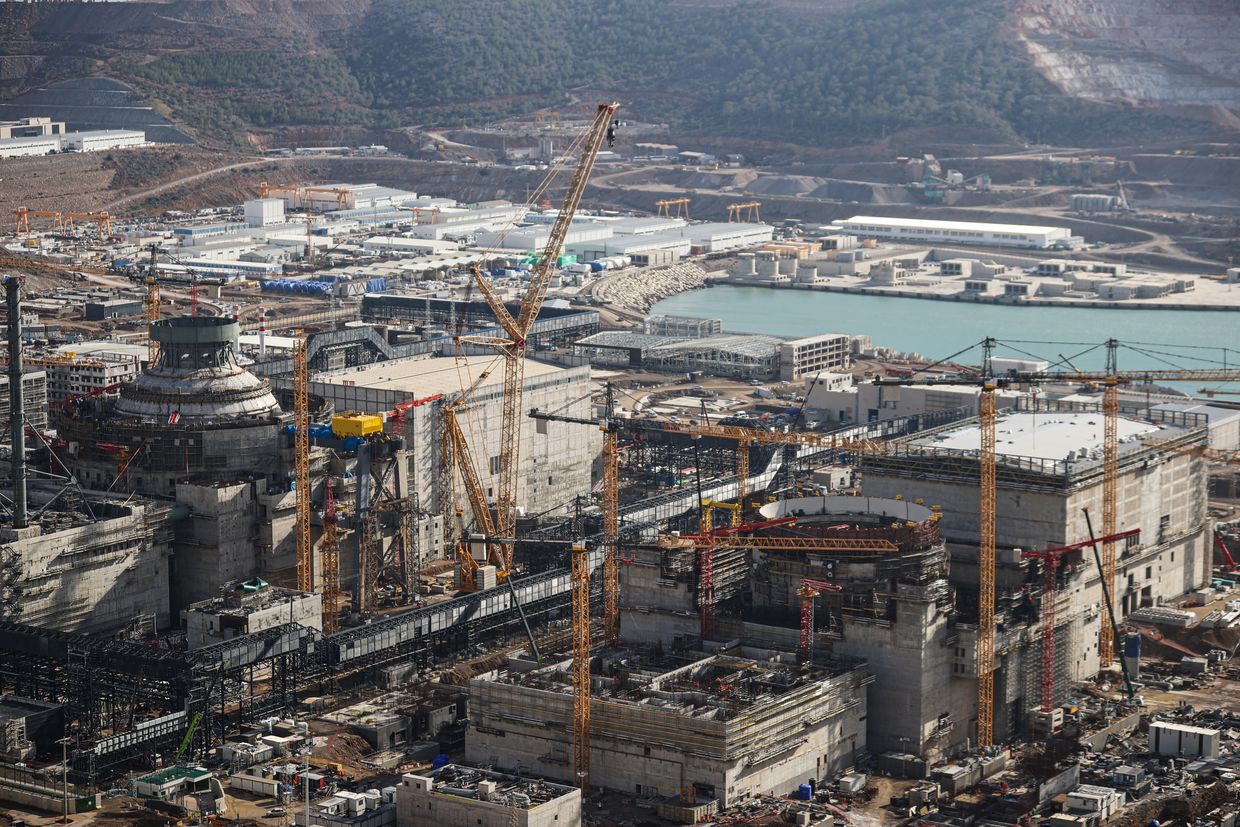
Russian nuclear giant Rosatom is negotiating the sale of a 49% stake in Turkey's Akkuyu Nuclear Power Plant project, estimated at $25 billion, Bloomberg reported on July 1.

The project is a cornerstone of Russian-Turkish energy cooperation. The Akkuyu plant, located in Mersin Province, is poised to become Turkey's first nuclear power facility.

The 4.8-gigawatt project is expected to begin supplying electricity in 2026, Anton Dedusenko, chairman of the board at Rosatom's Turkish subsidiary, told Bloomberg.

"The closer we are to the first unit generating electricity, the more investors start coming," Dedusenko said on the sidelines of the Nuclear Power Plants Expo & Summit in Istanbul.

A previous sale attempt in 2018 collapsed over commercial disagreements. This time, financing is complicated by the threat of U.S. sanctions, prompting Moscow and Ankara to consider alternative payment mechanisms.

"There are many ways how to deliver money here. We can deliver the Russian rubles, the Turkish lira," Dedusenko said.

Despite its NATO membership, Turkey has maintained open diplomatic and economic ties with Russia throughout the full-scale war against Ukraine, while continuing to supply aid to Kyiv and host international mediation efforts.

‘Ukraine is biggest landmine challenge since World War II,’ says head of world’s largest demining organization
Russia’s full-scale invasion may have turned Ukraine into the world’s largest minefield. As of March 2025, Ukraine’s mine-affected land spans an estimated 139,000 square kilometers — or 23% of its territory — covering more ground than all of Greece and posing an immense threat to civilian life and recovery efforts.
Russia's Rosatom seeks to sell 49% stake in Turkey's first nuclear plantThe Kyiv IndependentDaria Shulzhenko
Russia's Rosatom seeks to sell 49% stake in Turkey's first nuclear plant
  • ✇The Kyiv Independent
  • Ukraine's power exports surge 2.5 times, recovering to pre-Russian attack levels
    Ukraine boosted electricity exports by 150% in June 2025 compared to the previous month, reaching over 237,000 megawatt-hours (MWh), according to consulting firm ExPro Electricity.Current export volumes have returned to autumn 2022 levels, before Russia launched systematic attacks against Ukraine's energy infrastructure that caused massive blackouts across the country.This marks Ukraine's return to exporting more electricity than it imports for the first time since October 2023, ExPro analysis r
     

Ukraine's power exports surge 2.5 times, recovering to pre-Russian attack levels

1 juillet 2025 à 12:23
Ukraine's power exports surge 2.5 times, recovering to pre-Russian attack levels

Ukraine boosted electricity exports by 150% in June 2025 compared to the previous month, reaching over 237,000 megawatt-hours (MWh), according to consulting firm ExPro Electricity.

Current export volumes have returned to autumn 2022 levels, before Russia launched systematic attacks against Ukraine's energy infrastructure that caused massive blackouts across the country.

This marks Ukraine's return to exporting more electricity than it imports for the first time since October 2023, ExPro analysis reports.

Electricity cannot be stored in large volumes for long periods, so it can be exported during certain hours when there is surplus in Ukraine’s energy system, and imported during deficit hours.

Hungary imported the majority of Ukrainian exports, with shipments jumping from 34,000 to 122,000 MWh in a single month.

The recovery represents a dramatic turnaround from June 2024, when Ukraine had no exports at all and imported 858,000 MWh, four times more than in June 2025.

Russia continues to target Ukraine's energy infrastructure, with the latest strike hitting a critical energy facility in Kherson Oblast on June 27 that caused widespread blackouts across multiple communities.

Governor Oleksandr Prokudin warned residents to prepare for prolonged outages as power engineers work to restore electricity, saying "Russia decided to plunge Kherson Oblast into darkness."

In February 2025, Emergency energy power shutdowns were introduced in eight Ukrainian oblasts due to Russian attacks on the country's energy system.

‘With surgical precision’ — Ukrainian drones strike Russian plant 1,300 km away, SBU source says
The SBU said its long-range drones targeted the Kupol plant in Russia’s Udmurt Republic on the morning of July 1, resulting in at least two confirmed strikes and a fire at the site.
Ukraine's power exports surge 2.5 times, recovering to pre-Russian attack levelsThe Kyiv IndependentAnna Fratsyvir
Ukraine's power exports surge 2.5 times, recovering to pre-Russian attack levels
  • ✇The Kyiv Independent
  • Russian attack on key energy facility plunges parts of southern Ukraine 'into darkness,' governor says
    Russian forces struck a critical energy facility in Kherson Oblast, causing widespread power outages across several communities, Governor Oleksandr Prokudin said on June 27."Russia decided to plunge Kherson Oblast into darkness," Prokudin wrote on Telegram. He said the attack has disrupted electricity supply to multiple settlements.Local power engineers are working to stabilize the situation, Prokudin said. "I ask the residents of the region to prepare for a prolonged power outage. Power enginee
     

Russian attack on key energy facility plunges parts of southern Ukraine 'into darkness,' governor says

27 juin 2025 à 08:57
Russian attack on key energy facility plunges parts of southern Ukraine 'into darkness,' governor says

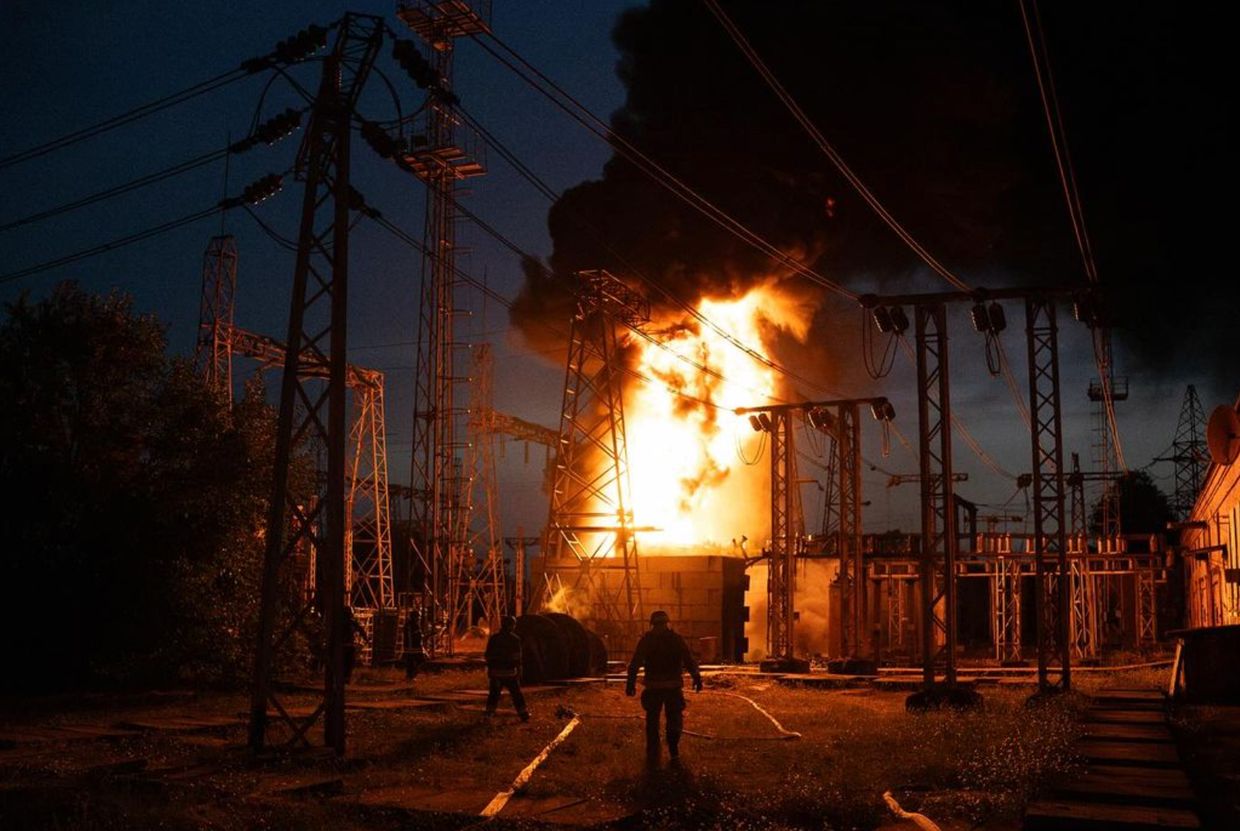
Russian forces struck a critical energy facility in Kherson Oblast, causing widespread power outages across several communities, Governor Oleksandr Prokudin said on June 27.

"Russia decided to plunge Kherson Oblast into darkness," Prokudin wrote on Telegram. He said the attack has disrupted electricity supply to multiple settlements.

Local power engineers are working to stabilize the situation, Prokudin said.

"I ask the residents of the region to prepare for a prolonged power outage. Power engineers are doing everything possible to stabilize the situation," he said.

Kherson and the surrounding regions have frequently come under Russian fire since Ukrainian forces liberated the city from occupation in November 2022. Russian troops continue to attack the area with artillery and drones from across the Dnipro River.

The Russian army consistently targeted Ukrainian energy infrastructure. Throughout 2024, Moscow launched 13 mass attacks with drones and missiles on Ukraine's energy infrastructure. Ukraine was forced to introduce emergency blackouts across the country.

Ukraine and Russia agreed to a partial 30-day energy truce, following consultations with the U.S. in Riyadh on March 25. Moscow violated the ceasefire more than 30 times, Foreign Ministry Spokesperson Heorhii Tykhyi said on April 16.

Russia pulls its scientists out of Iranian nuclear plant, as Israeli strikes threaten decades of collaboration
Israel’s strikes on Iranian nuclear facilities have alarmed none more than Russia, the country that first brought nuclear power to Iran in defiance of Western objections. We’re “millimeters from catastrophe,” said Kremlin spokeswoman Maria Zakharova on June 18 in response to a bombing campaign that Israel launched against Iran on June 13. Decades of conflict with the West have united Iran and Russia, despite a cultural gulf between the two nations that dwarfs the Caspian Sea that physically di
Russian attack on key energy facility plunges parts of southern Ukraine 'into darkness,' governor saysThe Kyiv IndependentKollen Post
Russian attack on key energy facility plunges parts of southern Ukraine 'into darkness,' governor says
  • ✇The Kyiv Independent
  • Strikes didn’t destroy Iran’s nuclear sites, US intel finds, contradicting Trump, CNN reports
    Recent U.S. strikes on three Iranian nuclear facilities did not eliminate the core components of Tehran’s nuclear program and likely delayed it by only a few months, according to an early assessment by the U.S. Defense Intelligence Agency (DIA), CNN reported on June 24, citing four sources familiar with the findings.The analysis, based on a battle damage report from U.S. Central Command, contradicts public statements by President Donald Trump and Defense Secretary Pete Hegseth, who claimed the o
     

Strikes didn’t destroy Iran’s nuclear sites, US intel finds, contradicting Trump, CNN reports

24 juin 2025 à 18:15
Strikes didn’t destroy Iran’s nuclear sites, US intel finds, contradicting Trump, CNN reports

Recent U.S. strikes on three Iranian nuclear facilities did not eliminate the core components of Tehran’s nuclear program and likely delayed it by only a few months, according to an early assessment by the U.S. Defense Intelligence Agency (DIA), CNN reported on June 24, citing four sources familiar with the findings.

The analysis, based on a battle damage report from U.S. Central Command, contradicts public statements by President Donald Trump and Defense Secretary Pete Hegseth, who claimed the operation had "obliterated" Iran’s nuclear capabilities.

"So the (DIA) assessment is that the U.S. set them back maybe a few months, tops," one source told CNN, adding that Iran’s stockpile of enriched uranium was not destroyed and that most centrifuges remain “intact.”

The White House acknowledged the assessment’s existence but strongly dismissed it. "This alleged assessment is flat-out wrong and was classified as ‘top secret’ but was still leaked to CNN by an anonymous, low-level loser in the intelligence community," press secretary Karoline Leavitt said. “The leaking of this alleged assessment is a clear attempt to demean President Trump, and discredit the brave fighter pilots who conducted a perfectly executed mission to obliterate Iran’s nuclear program. Everyone knows what happens when you drop fourteen 30,000 pound bombs perfectly on their targets: total obliteration.”

Trump, for his part, stood by his assessment of the mission's success. “I think it’s been completely demolished,” he said on Tuesday. “Those pilots hit their targets. Those targets were obliterated, and the pilots should be given credit.” Asked if Iran could rebuild, Trump responded: “That place is under rock. That place is demolished.”

While both Trump and Hegseth praised the strikes as decisive, others expressed caution. Chairman of the Joint Chiefs of Staff Dan Caine said it was “way too early” to determine whether Iran retained nuclear capabilities.

Republican Rep. Michael McCaul, former chair of the House Foreign Affairs Committee, also avoided endorsing the president’s characterization. “I’ve been briefed on this plan in the past, and it was never meant to completely destroy the nuclear facilities, but rather cause significant damage,” McCaul told CNN. “But it was always known to be a temporary setback.”

The DIA’s assessment reportedly found that damage at the Fordow, Natanz, and Isfahan sites was mostly limited to aboveground infrastructure, such as power systems and uranium metal processing buildings. The underground facilities—where Iran's most sensitive nuclear work takes place—were largely unaffected, the sources said.

According to CNN, Israel had been carrying out its own strikes on Iranian nuclear facilities prior to the U.S. operation, but relied on U.S. B-2 bombers equipped with 30,000-pound “bunker buster” bombs to finish the job. Despite over a dozen bombs being dropped on Fordow and Natanz, the sites’ key components remain intact, the sources said.

The U.S. also reportedly used Tomahawk missiles launched from a submarine to target Isfahan, rather than deploying bunker busters. A source said this was due to doubts over whether the bombs could penetrate Isfahan’s deep underground levels, which are believed to be even more fortified than Fordow.

Two sources also told CNN that Iran likely retains undisclosed nuclear facilities that were not targeted and remain operational.

Meanwhile, classified briefings for lawmakers on the strikes were postponed. The all-Senate briefing was rescheduled for Thursday, and the House briefing’s new date remains unclear.

More empty threats from Washington, more deadly bombs from Russia
The ongoing and escalating slaughter of Ukrainian civilians depends on two preconditions: Moscow’s determination to erase Ukraine, and the tacit permission it receives from America and Europe. On Monday, a Russian missile tore through a residential building in Kyiv, leaving at least six civilians dead and over a dozen
Strikes didn’t destroy Iran’s nuclear sites, US intel finds, contradicting Trump, CNN reportsThe Kyiv IndependentAndrew Chakhoyan
Strikes didn’t destroy Iran’s nuclear sites, US intel finds, contradicting Trump, CNN reports
  • ✇The Kyiv Independent
  • Ukraine state grid operator appoints CEO after 10-month vacancy, Ukrainian media report
    Ukrainian state grid operator Ukrenergo's supervisory board has appointed Vitaliy Zaichenko, the company's current chief dispatcher, as its new head, Ukrainian media reported on June 23. The appointment comes after ten months of interim leadership following the controversial dismissal of former CEO Volodymyr Kudrytskyi in September 2024.The company has been under temporary management of Oleksiy Brekht while the supervisory board struggled with prolonged disputes over the selection process.Ukrene
     

Ukraine state grid operator appoints CEO after 10-month vacancy, Ukrainian media report

23 juin 2025 à 11:34
Ukraine state grid operator appoints CEO after 10-month vacancy, Ukrainian media report

Ukrainian state grid operator Ukrenergo's supervisory board has appointed Vitaliy Zaichenko, the company's current chief dispatcher, as its new head, Ukrainian media reported on June 23.

The appointment comes after ten months of interim leadership following the controversial dismissal of former CEO Volodymyr Kudrytskyi in September 2024.

The company has been under temporary management of Oleksiy Brekht while the supervisory board struggled with prolonged disputes over the selection process.

Ukrenergo, which operates Ukraine's electricity transmission system and is a member of the European electricity grid network (ENTSO-E), plays a critical role in the country's energy security, especially during wartime when Russian attacks have repeatedly targeted energy infrastructure.

Zaichenko beat out two other finalists: Oleksiy Brekht, the interim head of Ukrenergo, and Ivan Yuryk, former acting head of Ukrainian Railways.

The supervisory board's June 4 attempt to elect a new CEO failed amid conflict with the Energy Ministry, which changed appointment rules without consulting the Energy Community Secretariat, drawing criticism from European partners.

The new rules complicated the selection process by requiring five out of seven supervisory board votes instead of the previous four needed to elect a chairman.

According to Ukrainian MP Max Khlapuk, the European Bank for Reconstruction and Development (EBRD) threatened to block 141 million euros ($152 million) in funding and demand early repayment of 533 million euros ($574 million) already received over the rule changes.

Former Ukrenergo CEO Volodymyr Kudrytskyi was dismissed on Sept.2, 2024, after President Volodymyr Zelensky called for his resignation over alleged failures to protect substations from Russian missiles and drones.

Kudrytskyi disputed this account, saying he initiated the supervisory board meeting himself, though he did not reveal the reasons for his dismissal.

Following Kudrytskyi's dismissal, supervisory board chairman Daniel Dobbeni and member Peder Andersen resigned early, citing political pressure in personnel decisions.

Ukrainian energy giant to build $115 million solar program with British partner
Ukraine’s largest private energy company DTEK and British clean energy group Octopus Energy have launched a program to install rooftop solar panels and battery storage systems at Ukrainian businesses and public institutions, DTEK announced in a press release on June 23.
Ukraine state grid operator appoints CEO after 10-month vacancy, Ukrainian media reportThe Kyiv IndependentYana Prots
Ukraine state grid operator appoints CEO after 10-month vacancy, Ukrainian media report

  • ✇The Kyiv Independent
  • Ukrainian energy giant to build $115 million solar program with British partner
    Ukraine's largest private energy company DTEK and British clean energy group Octopus Energy have launched a program to install rooftop solar panels and battery storage systems at Ukrainian businesses and public institutions, DTEK said in a press release on June 23.The program, called RISE (Resilient Independent Solar Energy), was announced at Octopus Energy's Tech Summit in London and aims to raise 100 million euros ($115 million) to finance 100 energy projects over three years, helping stabiliz
     

Ukrainian energy giant to build $115 million solar program with British partner

23 juin 2025 à 10:40
Ukrainian energy giant to build $115 million solar program with British partner

Ukraine's largest private energy company DTEK and British clean energy group Octopus Energy have launched a program to install rooftop solar panels and battery storage systems at Ukrainian businesses and public institutions, DTEK said in a press release on June 23.

The program, called RISE (Resilient Independent Solar Energy), was announced at Octopus Energy's Tech Summit in London and aims to raise 100 million euros ($115 million) to finance 100 energy projects over three years, helping stabilize the grid, lower electricity costs and protect customers from outages, the company said.

DTEK’s facilities have been repeatedly targeted since the start of Russia’s full-scale invasion as Moscow sought to cripple Ukraine's energy infrastructure. The company was forced to shut down its gas production facilities in Poltava Oblast in March.

"About 70% of Ukraine's thermal generation capacity has been damaged, destroyed or seized since the full-scale invasion," said DTEK CEO Maksym Timchenko in the press release.

“This has created not only an urgent need to rebuild but also an opportunity to accelerate the shift to a decentralized, renewable energy system,” he added.

The alternative energy systems will be installed by D.Solutions, DTEK's business unit operating under the Yasno retail brand.

Installed equipment will run on Octopus Energy's AI-powered Kraken operating system, enabling businesses to optimize energy use in real time, reduce consumption during peak hours and sell surplus electricity back to the grid.

"They (DTEK) are rebuilding at pace and pioneering a decentralized, smart energy system powered by homegrown renewables," said Greg Jackson, Octopus Energy Group founder and CEO.

According to DTEK, Ukraine's commercial and industrial energy market has an untapped potential of 300 megawatts annually, valued at 200 million euros ($229 million). DTEK's Yasno brand serves over 60,000 business customers and can generate projects worth 30 million euros per year.

DTEK previously announced plans to build one of Europe's largest energy storage facilities with six installations across the country, totaling 200 megawatts to power 600,000 households. The company secured a $72 million loan from three Ukrainian banks.

Russia pulls its scientists out of Iranian nuclear plant, as Israeli strikes threaten decades of collaboration
Israel’s strikes on Iranian nuclear facilities have alarmed none more than Russia, the country that first brought nuclear power to Iran in defiance of Western objections. We’re “millimeters from catastrophe,” said Kremlin spokeswoman Maria Zakharova on June 18 in response to a bombing campaign that Israel launched against Iran on June 13. Decades of conflict with the West have united Iran and Russia, despite a cultural gulf between the two nations that dwarfs the Caspian Sea that physically di
Ukrainian energy giant to build $115 million solar program with British partnerThe Kyiv IndependentKollen Post
Ukrainian energy giant to build $115 million solar program with British partner
  • ✇The Kyiv Independent
  • Israel strike reportedly hits Iran’s gas sector, halting production at world’s largest field
    Iran has partially suspended production at the South Pars gas field — the world’s largest — after an Israeli airstrike triggered a fire at the site, the semi-official Tasnim news agency reported on June 14, according to Reuters. If confirmed, it would mark the first Israeli strike targeting Iran’s vital oil and gas infrastructure.The South Pars field, located offshore in southern Bushehr province, is responsible for the bulk of Iran’s gas output. Tehran shares the field with Qatar, which refers
     

Israel strike reportedly hits Iran’s gas sector, halting production at world’s largest field

15 juin 2025 à 01:00
Israel strike reportedly hits Iran’s gas sector, halting production at world’s largest field

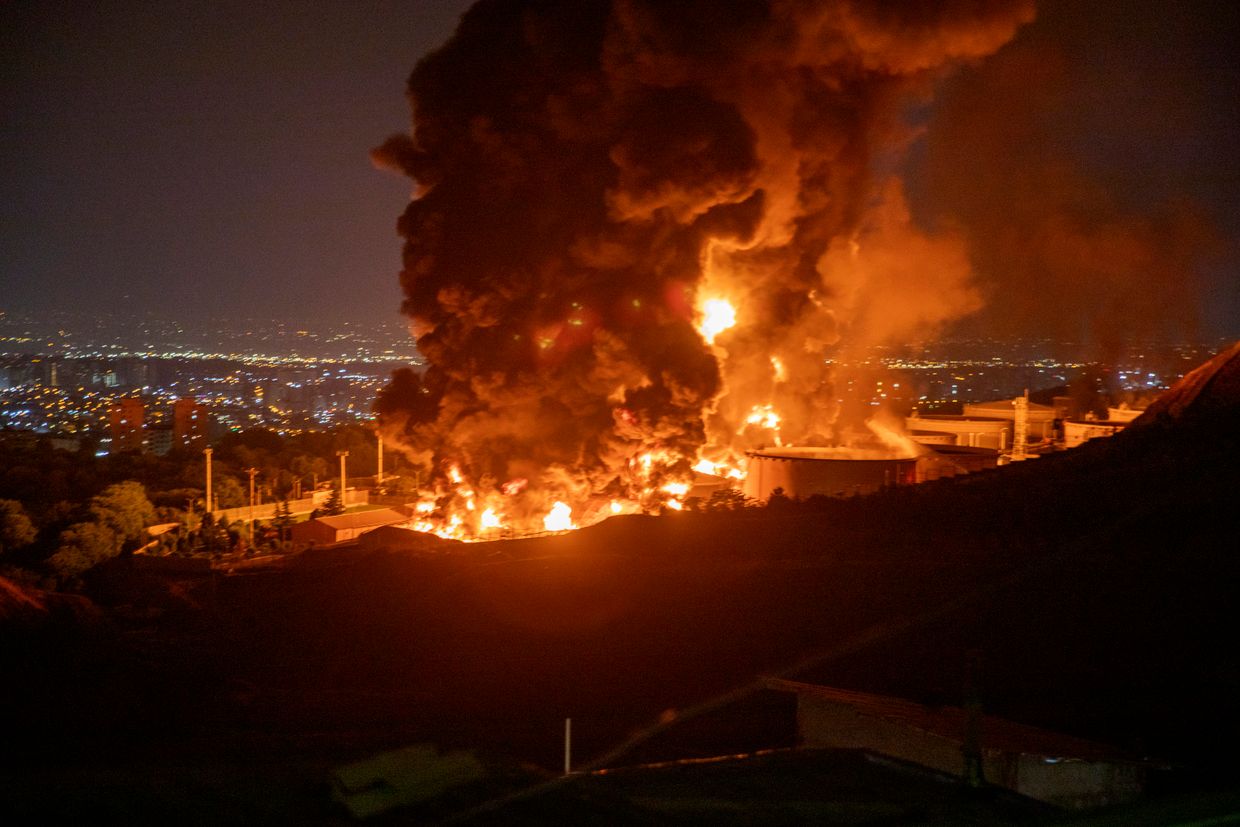
Iran has partially suspended production at the South Pars gas field — the world’s largest — after an Israeli airstrike triggered a fire at the site, the semi-official Tasnim news agency reported on June 14, according to Reuters. If confirmed, it would mark the first Israeli strike targeting Iran’s vital oil and gas infrastructure.

The South Pars field, located offshore in southern Bushehr province, is responsible for the bulk of Iran’s gas output. Tehran shares the field with Qatar, which refers to its portion as the North Field. A strike on South Pars represents a significant escalation, coming after oil prices surged 9% on June 13 following Israel’s initial wave of attacks, which had not targeted energy infrastructure, Reuters reports.

Israel launched its air offensive against Iran on June 13, killing commanders and scientists and bombing nuclear sites, in what it described as an effort to prevent Tehran from developing nuclear weapons.

The Iranian oil ministry said the fire caused by the strike has been extinguished. According to Tasnim, the fire broke out in one of four units of Phase 14 at South Pars, halting the production of 12 million cubic meters of gas.

Iran, the world’s third-largest gas producer after the United States and Russia, produces around 275 billion cubic meters of gas per year, about 6.5% of global output.

Due to international sanctions, the country consumes most of this domestically. Qatar, which operates the majority of the shared field with support from global firms such as Exxon and Shell, produces 77 million tonnes of liquefied natural gas annually, supplying both European and Asian markets.

Israel-Iran war could provide economic boost Russia needs to continue fight against Ukraine
Israel’s “preemptive” strikes against Iran targeting the country’s nuclear program and killing top military officials could have far-reaching implications for Ukraine and could boost Russia’s ability to continue its full-scale invasion, experts have told the Kyiv Independent. Iran has been one of Russia’s staunchest allies throughout the war, providing thousands
Israel strike reportedly hits Iran’s gas sector, halting production at world’s largest fieldThe Kyiv IndependentChris York
Israel strike reportedly hits Iran’s gas sector, halting production at world’s largest field
❌