❌

Vue normale

Hungary held $82 million in cash and gold from Ukraine for months. Now, it faces torture complaints in Europe’s top court
15 octobre 2026 à 11:50

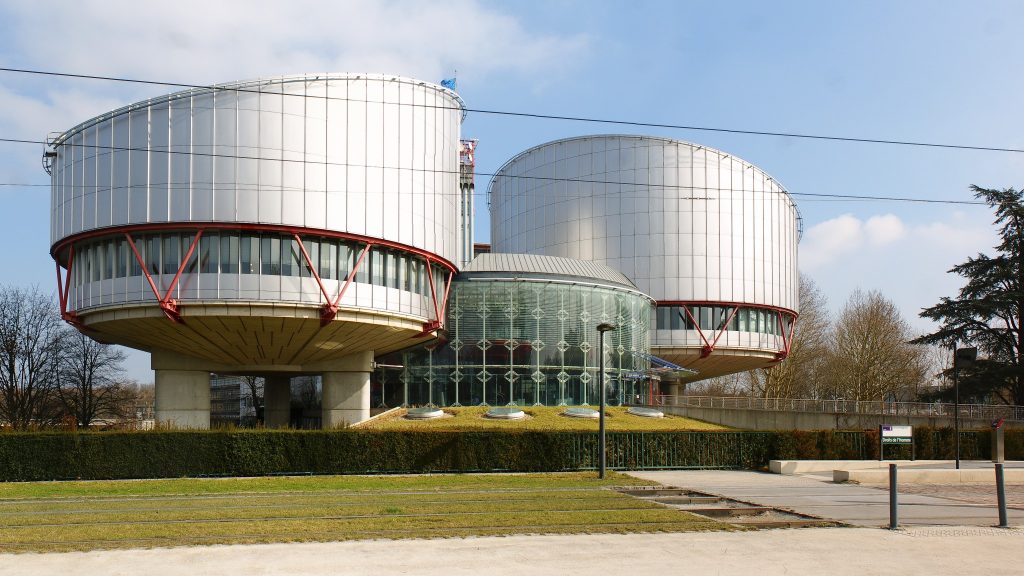
Hungary stopped a Ukrainian Oschadbank armored convoy in 2026, held its couriers, and kept $82 million in cash and gold. The European Court of Human Rights has registered six applications from the bank's couriers, who say Hungarian police unlawfully detained and tortured them.

In March, Hungarian forces stopped two bank vehicles carrying cash and bank metals from Austria to Ukraine, with seven employees transporting $40 million, 35 million euros, and nine kilograms of gold. It happened just before Hungary’s parliamentary elections, in which then-prime minister Viktor Orban had built his campaign around a sweeping anti-Ukraine message, and lost.

Six of the employees filed with the court on 5 July 2026, and the court’s secretariat has now confirmed their registration and assigned each an official number, according to the bank. It expects a seventh courier’s application, alleging the same violations, to be registered too.

“The fact that the ECHR has accepted the complaint and opened proceedings indicates that there are reasonable legal grounds for the case, that it has legal merit, and that the court intends to examine it on its merits,” Oschadbank says.

The rights the couriers say Hungary broke

The complaints rest on two articles of the European Convention on Human Rights. Article 3 bans torture and inhuman or degrading treatment, while Article 5 guarantees the right to liberty and protects people from arbitrary detention, the bank notes.

During the detention, one courier, a diabetic former Security Service officer, was forcibly injected with an unknown substance, which his Hungarian lawyer confirmed he received despite his objections. He then suffered a hypertensive crisis, lost consciousness and was hospitalized, and Oschadbank confirmed that medical care came only after he passed out, The Guardian reported.

Oschadbank calls the registration an important step in defending its staff. Board chairman Yury Katsion said the bank will continue to protect the couriers’ interests and its own reputation, expects a legal assessment of the Hungarian forces’ actions and is grateful to partners for their support.

Why registration is a start, not a verdict

The cases are only at an early stage. Registration does not mean the court has found a violation or ruled the complaints admissible, as it must separately weigh the procedural conditions and the circumstances the applicants describe, Oschadbank stresses.

The incident itself, however, is documented: Hungary returned the seven couriers the next day but held the cash and gold for months, releasing the vehicles on 12 March and the money and gold by May.

For years, Hungary tied Ukraine’s whole EU course to ethnic Hungarians’ language rights. Kyiv has now passed the schooling law meant to lift the block

12 octobre 2026 à 11:19

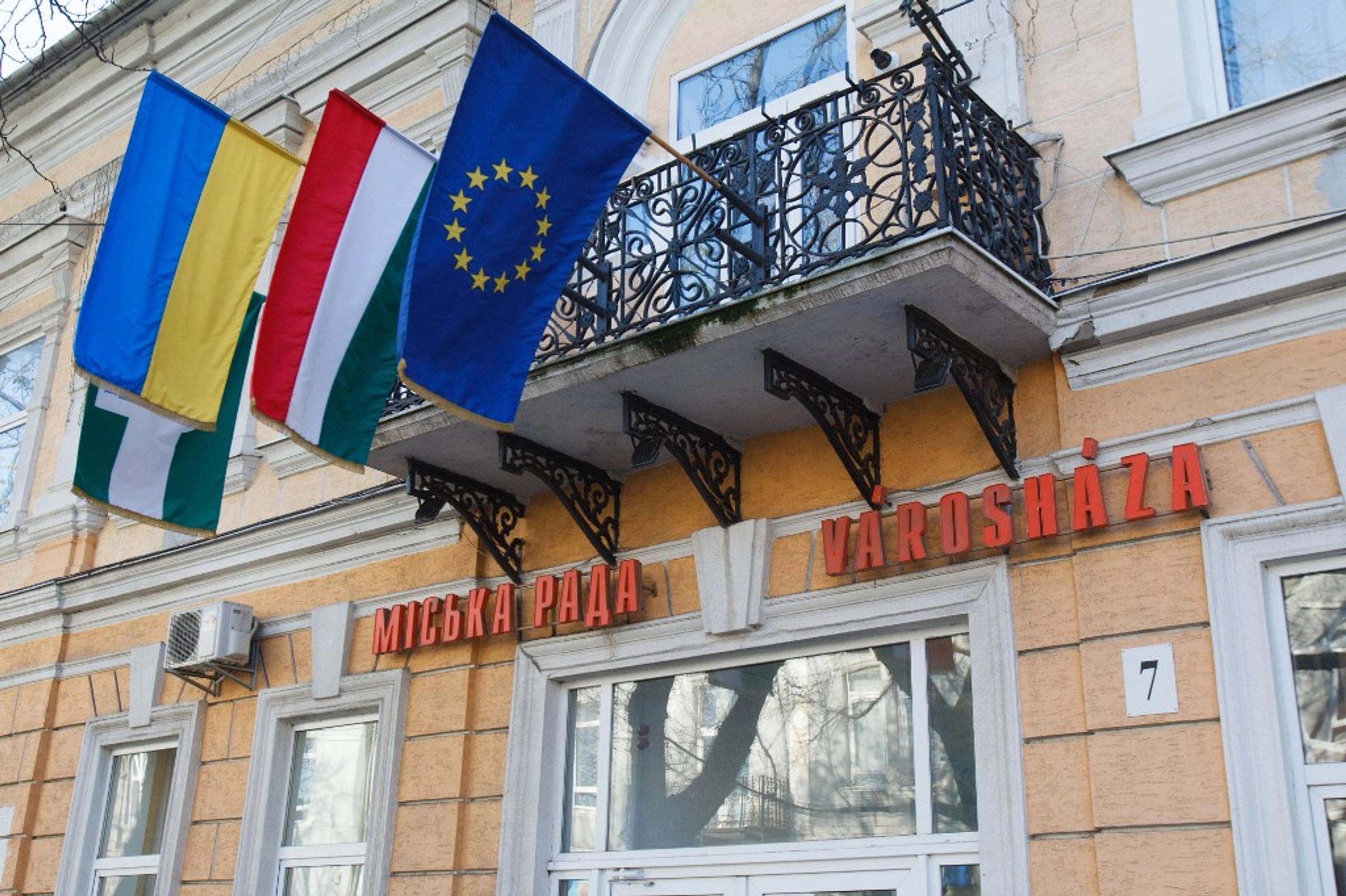
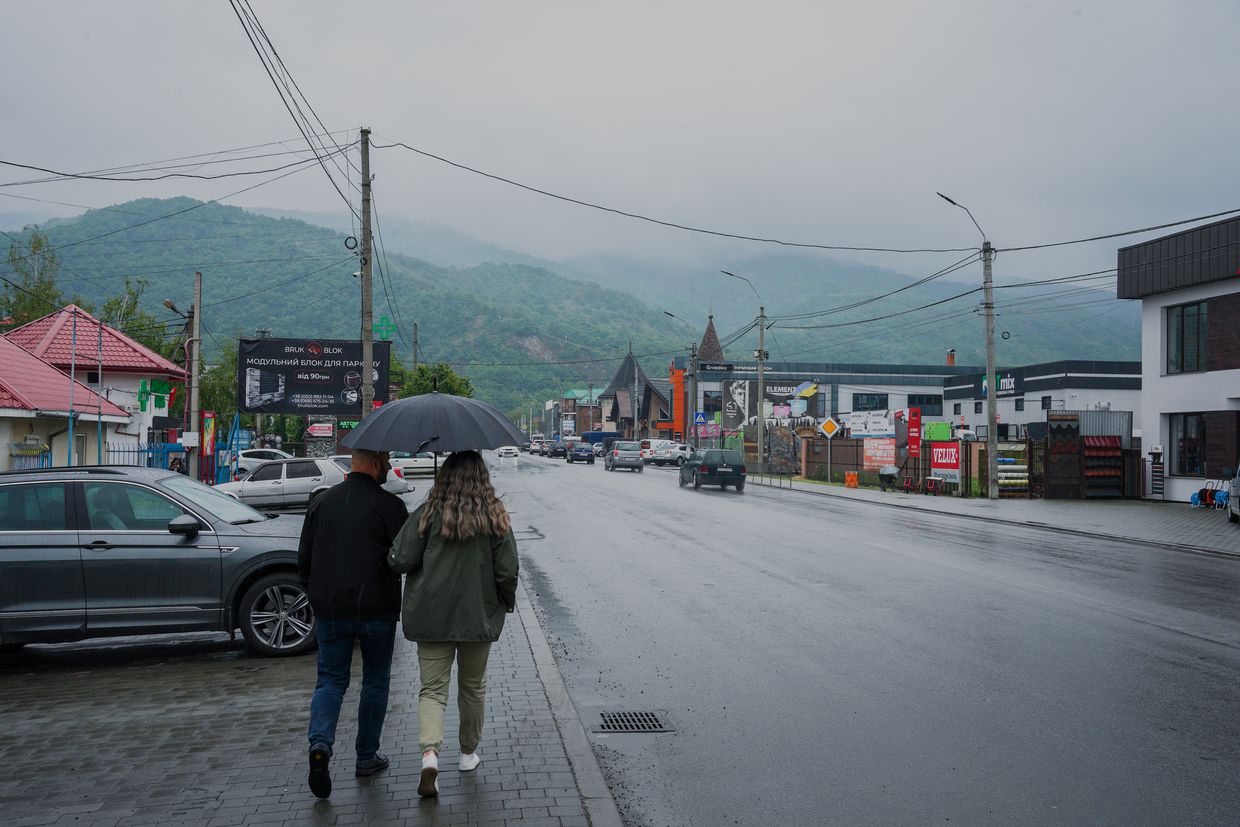
russia faked ukrainian phone numbers threaten hungarians ukraine — help orbán win hungary's election kyiv says · post local hungarian eu flags city hall building zakarpattia oblast's town berehove home

Kyiv just cleared the important roadblock for Budapest, which stood between Kyiv and EU membership talks. Ukraine’s parliament has passed a bill on schooling in minority languages, meant to finally lift Hungary’s block on the country’s path toward EU membership, with 266 of the 450 lawmakers voting in favor, UNIAN reports.

Hungary has been the lone EU member blocking the opening of four of Ukraine’s negotiating clusters, stages of the membership process, over how Kyiv treats the Hungarian minority in Ukraine's Zakarpattia region. Roughly 80,000 ethnic Hungarians live in it, and Budapest had tied Ukraine’s entire EU course to their language rights.

Lawmakers have instructed the parliament’s speaker to sign the law without delay and send it to President Volodymyr Zelenskyy.

What the law changes in schools

The bill keeps Ukrainian as the main language of education, but guarantees classes in minority languages where they exist. Minorities may study in the official languages of EU member states alongside Ukrainian, and pupils may use their language in other forms of communication on school grounds.

A school can gain the status of a national-minority institution if more than half of its pupils study in that minority language, provided that language is an official EU language. Parents of at least two-thirds of a minority class can also ask the school to expand the list of subjects taught in Ukrainian.

The dispute dates back years

Ukraine’s 2017 education law and 2019 language law narrowed minority-language schooling and required more Ukrainian in secondary grades, which then-Hungarian leader Viktor Orban treated as an attack on the Hungarians of Zakarpattia, blocking Kyiv’s NATO and EU steps for years, EUalive reports. Kyiv’s position was that the laws applied to all minorities and excluded Russian.

Hungary’s newer government, in office since spring 2026, inherited the veto. Budapest lifted it on the first cluster, which the EU opened in June, Ukraine’s first since gaining candidate status in 2022, but made the rest conditional on this law.

With the bill passed, Hungary is set to allow the EU to open two more clusters, on the internal market and competitiveness, at a Council meeting in Luxembourg on 13 October. Kyiv aims to open all its clusters by year’s end.

  • ✇Euromaidan Press
  • Ukraine files a minority-schooling bill, and Hungary agrees to unblock two of its EU-accession clusters
    Ukraine's parliament registered a bill on minority-language schooling on 1 October to lift Hungary's block on the country's European Union membership talks, Ukrinform reported. Kyiv acts first with the legislation. Budapest reciprocates by letting the EU push the stalled accession process forward. Hungary's government welcomed the text within a day. Ukraine's route into the European Union turns on unanimous votes, so one member state's leverage can stall the entire queue—and Kyiv is try
     

Ukraine files a minority-schooling bill, and Hungary agrees to unblock two of its EU-accession clusters

2 octobre 2026 à 09:10

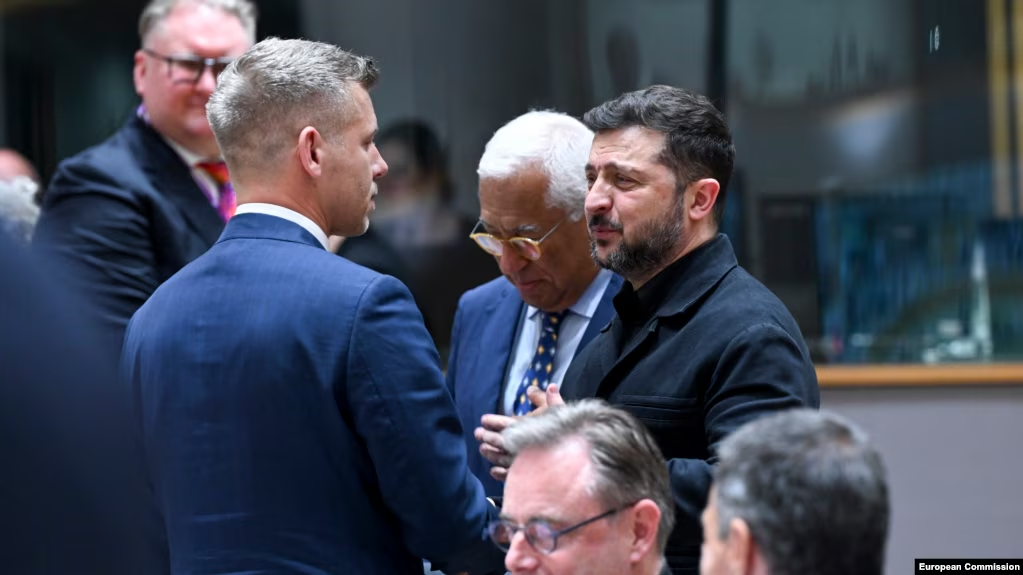
magyar zelensky

Ukraine's parliament registered a bill on minority-language schooling on 1 October to lift Hungary's block on the country's European Union membership talks, Ukrinform reported. Kyiv acts first with the legislation. Budapest reciprocates by letting the EU push the stalled accession process forward. Hungary's government welcomed the text within a day.

Ukraine's route into the European Union turns on unanimous votes, so one member state's leverage can stall the entire queue—and Kyiv is trying to pry the clusters open one bargain at a time before the window for this year's progress closes.

A tightly timed swap

European Pravda, citing unnamed sources, reported that the two capitals agreed to move in parallel after a public standoff, with neither side willing to go first on trust alone. Ukraine registers and passes the bill. In return, Hungary is to let the Council of the EU presidency send Kyiv, on 6 October, the requests needed to open two negotiating clusters—stages of the membership process. The Rada plans an extraordinary session on 12 October to adopt it, and European Pravda says the votes are there. A Council of the EU decision is due on 13 October, ahead of a European Council summit two days later. Deputy Prime Minister Vsevolod Chentsov said rebuilding trust will take concrete steps from both governments.

What the bill changes

Lawmakers filed Bill No. 16119, which creates a national minority school status: a school qualifies when over half its pupils—50% plus one—study in a national-minority language that is also an official EU language. By Education Ministry estimates, that fits about 149 schools, roughly 1.2% of Ukraine's general secondary institutions. Ukrainian stays the language of instruction, and the bill does not return Russian to classrooms.

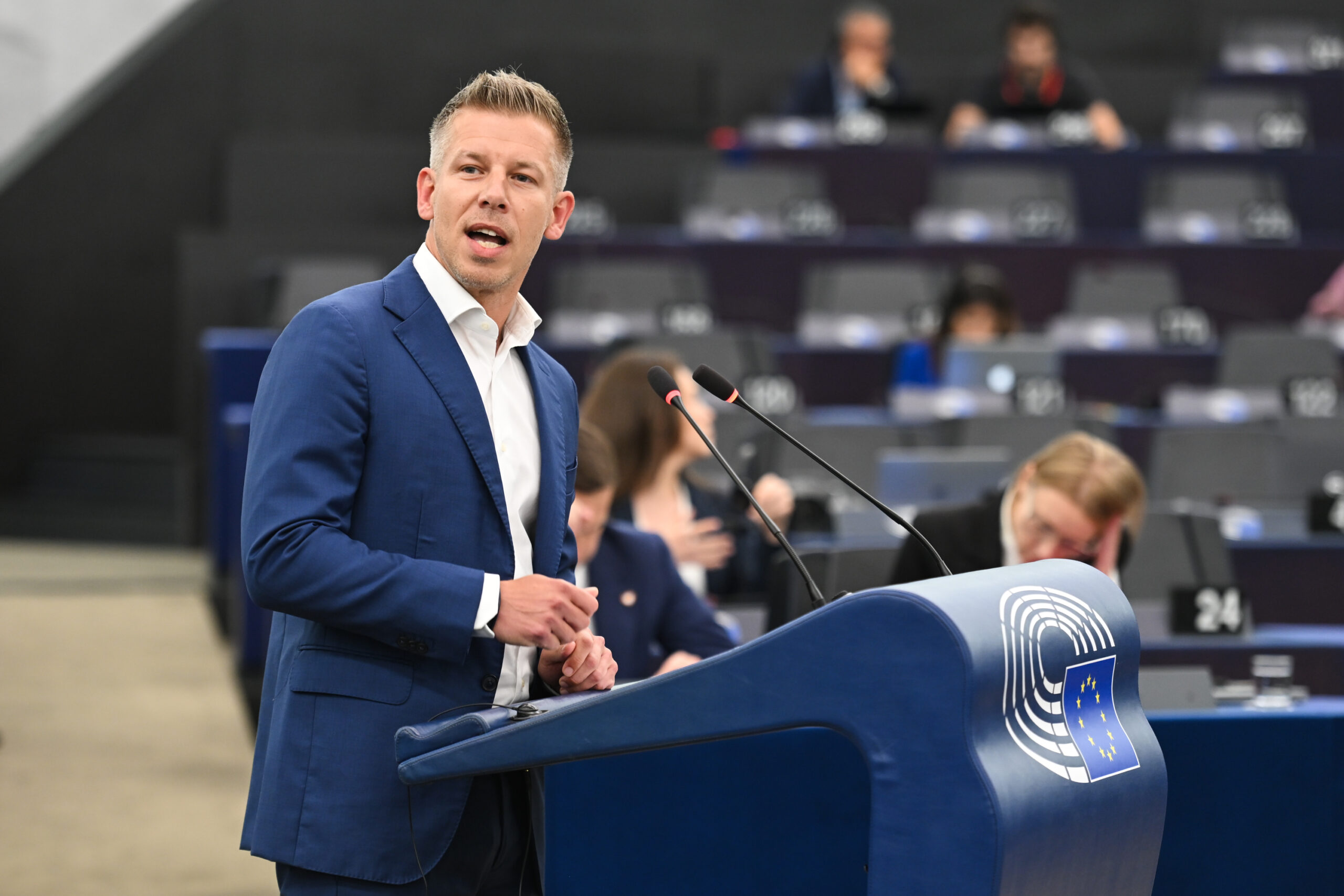
peter magyar speaking at the european parliament
Explore further

Sybiha hails new page in Ukraine-Hungary relations as Cyprus launches first EU cluster procedure

Pupils at qualifying schools could use the minority language with teachers and classmates, not only in lessons, and parents could petition to add subjects taught in Ukrainian. The text also covers Ukraine's indigenous peoples, such as Crimean Tatars, and drops a Ukrainian-language certificate requirement for the heads of 29 private schools for as long as they stay in their posts. Education committee head Serhii Babak said the solution protects Ukrainian while meeting an EU accession commitment.

What changed in Budapest

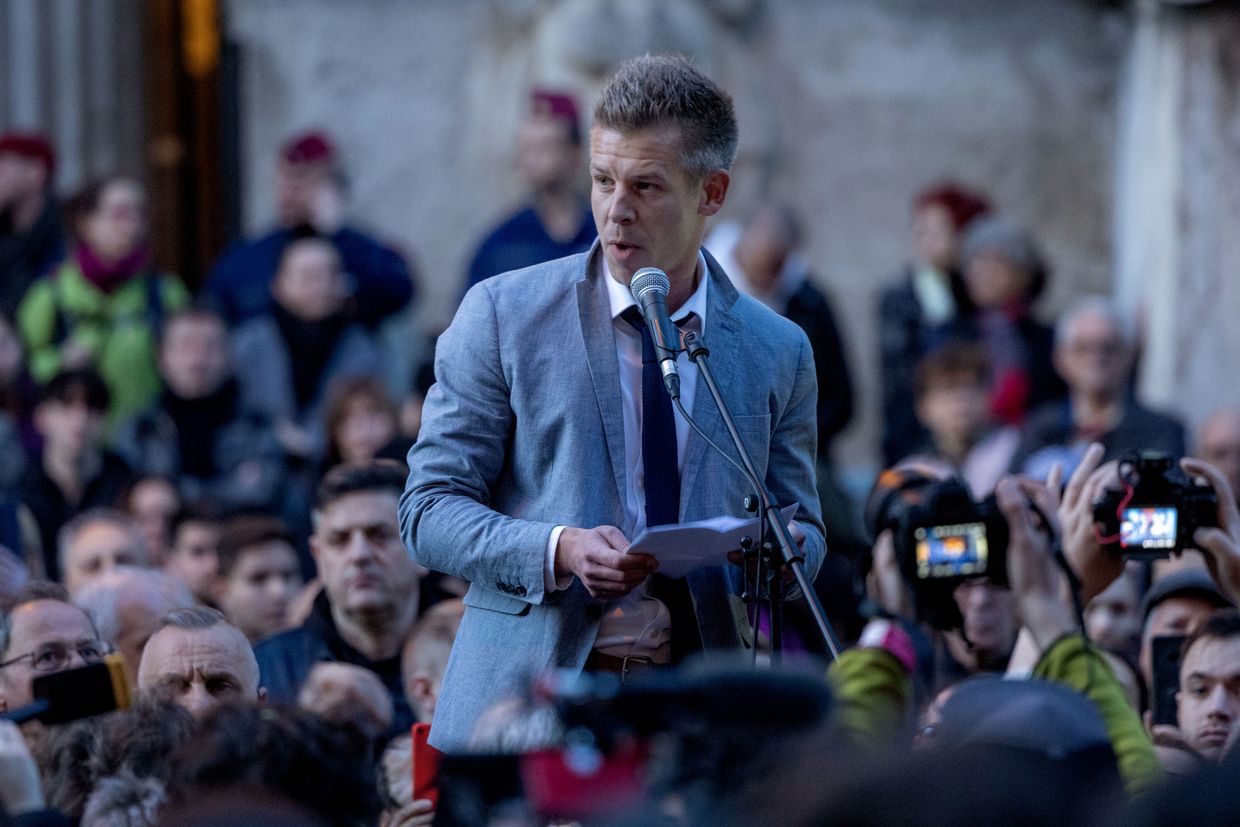
Hungarian Prime Minister Péter Magyar posted on Facebook that the bill strengthens legal guarantees for Hungarian-language education and the school network, and wrote that he expects those rights honored in practice. European Pravda framed the outcome as a win Magyar's own voters can read as delivering what the previous government never secured. Foreign Minister Anita Orbán said the new government had achieved more in a few months for the Hungarian minority in Zakarpattia than Viktor Orbán's cabinet managed in ten years. Under Magyar, Hungary agreed in June to open the first accession cluster but kept slowing the rest. Only in recent weeks, European Pravda wrote, did Budapest abandon Orbán-style unconditional blocking. This bill is meant to free the next two.

  • ✇The Kyiv Independent
  • Orban claims 95% oppose Ukraine's EU accession in disputed Hungary referendum
    Hungary's government announced on June 26 that 95% of participants in a national consultation opposed Ukraine's accession to the EU, Hungarian news outlet Telex reported. The poll, promoted by Prime Minister Viktor Orban's government, has already drawn criticism over its credibility and turnout. Telex reported that the system could be manipulated — testing showed that users were able to vote twice using different email addresses. According to Telex, 2,278,000 people participated in the consultat
     

Orban claims 95% oppose Ukraine's EU accession in disputed Hungary referendum

26 juin 2025 à 06:43
Orban claims 95% oppose Ukraine's EU accession in disputed Hungary referendum

Hungary's government announced on June 26 that 95% of participants in a national consultation opposed Ukraine's accession to the EU, Hungarian news outlet Telex reported.

The poll, promoted by Prime Minister Viktor Orban's government, has already drawn criticism over its credibility and turnout. Telex reported that the system could be manipulated — testing showed that users were able to vote twice using different email addresses.

According to Telex, 2,278,000 people participated in the consultation — approximately 29% of the electorate that voted in the 2024 European Parliament elections. Of those, the government claimed 95% voted against Ukraine joining the EU, while only 5% supported the bid.

Ukraine applied for EU membership shortly after Russia launched its war in 2022 and was granted candidate status within months. As an EU member, Hungary has veto power over further progress.

The consultation results were released on the eve of the European Council summit, giving Orban leverage to delay Ukraine's membership. But the process itself has drawn skepticism.

Government spokesman Gergely Gulyas claimed printed ballots were notarized and secure, and that electronic votes, which made up 10% of the total, were being verified. However, he could not confirm whether the system could detect if someone voted both by mail and online.

Opposition leader Peter Magyar on June 22 dismissed the consultation as a "government propaganda campaign" and cited internal data from Magyar Posta indicating that only 3-7% of mailed ballots were returned.

"It's the lowest-ever turnout for any such consultation," Magyar wrote on social media.

Since 2010, Orban's government has conducted more than a dozen similar national consultations — non-binding letter campaigns with leading questions designed to reinforce government positions.

Previous campaigns targeted topics like LGBTQ rights and EU migration policy. In one 2023 consultation, voters were asked whether they supported Brussels' alleged plans to create "migrant ghettos" in Hungary — 99% voted no, with turnout under 20%.

On April 22, Orban said he voted against Ukraine's accession to the EU in the consultation, publicly sharing photos of himself marking "against" on the poll ballot. He warned earlier this year that allowing Kyiv to join the EU would "destroy" Hungary.

Orban, the EU's most openly pro-Russian leader, has blocked or delayed military aid to Ukraine, maintained close ties with President Vladimir Putin, and echoed Kremlin talking points.

Hungary's opposition and Western critics view his administration as increasingly authoritarian, citing the erosion of press freedom, judicial independence, and electoral fairness.

Despite the low turnout and widespread allegations of manipulation, Orban is expected to use the consultation's outcome to justify future obstruction of Ukraine's EU integration.

Hungary’s soft power meets Ukraine’s hard reality in Zakarpattia
BEREHOVE, Zakarpattia Oblast — Thin gray smoke drifts beyond the patchwork of Soviet-era apartment blocks, historical buildings, and hillside vineyards that make up Berehove — the heart of the Hungarian community in Ukraine’s westernmost Zakarpattia Oblast. “That’s Hungary, over there, where you see the smoke,” gestures Vitalii Antipov, a member of the local council, toward the not-so-distant horizon. He stands on top of a hill adorned by a massive white cross with a makeshift inscription thank
Orban claims 95% oppose Ukraine's EU accession in disputed Hungary referendumThe Kyiv IndependentMartin Fornusek
Orban claims 95% oppose Ukraine's EU accession in disputed Hungary referendum

'A total failure' — Hungarian opposition leader says Ukraine EU accession national poll had lowest ever turnout

21 juin 2025 à 23:13
'A total failure' — Hungarian opposition leader says Ukraine EU accession national poll had lowest ever turnout

Hungary's national consultation on Ukraine's accession to the EU had the lowest ever turnout at such a poll, Hungarian opposition leader Peter Magyar said on June 21.

"The... government propaganda campaign is a total failure. Based on information we received from multiple sources within Magyar Posta (Hungarian Post), only 3-7% of the sent 'ballots' were returned," Magyar said in a post to social media.

The poll was announced by Hungarian Prime Minister Viktor Orban in early March and officially launched on April 19 with ballot papers sent to Hungarian citizens. Many ballot papers explicitly encouraged voters to reject Ukraine’s EU bid.

Orban, on April 22, said he voted against Ukraine's accession to the EU in the national consultation, publicly sharing photos of himself marking "against" on the poll ballot.

"This means that realistically, a maximum of 500,000 people may have 'voted' on paper... the Prime Minister’s Office revealed... that the number of online submissions was negligible compared to the paper-based ones," Magyar said.

"This aligns with information received from government sources — indicating that despite the propaganda lies, the total number of 'voters' could be at most 600,000," he added.

Despite the government's resistance, polling shows public support for Ukraine's accession to the bloc. According to Magyar's opposition party, Tisza's "Voice of the Nation" initiative, which received over 1.1 million responses, 58.18% of participants supported Ukraine's EU bid.

Magyar claims that the national poll garnered around 600,000 responses would mean that the opposition party's own polling received more responses than the government poll.

"This is the lowest number in the 'glorious' history of (national consultations). And this was only achieved over several months, with total mobilization and the burning of tens of billions in public funds. A total failure," Magyar said.

Hungarian officials have repeatedly threatened to undermine Ukraine's EU candidacy and EU support for Ukraine. Hungary has repeatedly blocked or delayed EU aid packages for Kyiv.

"(T)he failed, corrupt regime doesn’t care about people's real problems, and doesn’t dare to look people in the eye. They only send them letters," Magyar said.

Comrades, be proud of lying about two million pen pals, funded by 10 billion forints ($29 million) in state propaganda," he added, addressing Hungary's ruling government.

European officials have denounced Hungary for aligning with Russia. European officials, including Estonian Foreign Minister Margus Tsahkna, have suggested stripping Hungary of its voting power within the bloc.

Hungary maintains positive relations with Russia in contrast with other EU members. On March 26, Hungarian Foreign Minister Peter Szijjarto visited Moscow to discuss continued economic cooperation between the two countries.

How 3 years of war have ravaged Ukraine’s forests, and the people who depend on them
Editor’s note: This story was published in conjunction with Grist. Twenty-two-year-old software developer Artem Motorniuk has spent his entire life in the Zaporizhzhia region of Ukraine, living in the north and visiting his grandparents in the south. It’s been almost four years since he’s seen them in person.
'A total failure' — Hungarian opposition leader says Ukraine EU accession national poll had lowest ever turnoutThe Kyiv IndependentChad Small
'A total failure' — Hungarian opposition leader says Ukraine EU accession national poll had lowest ever turnout
❌