Connexion

Kyiv gets no warning of the first of two Russian ballistic waves, hours after Zelenskyy said US alerts were back

Russia attacked Kyiv with ballistic missiles in two waves overnight on 18–19 October. Information from partners did not arrive before the first wave, at around 23:00, Air Force spokesperson Yurii Ihnat said on national television. A warning came before the second wave, at around 03:00, but the window was short, he told NV.
Hours earlier, Ukrainian President Volodymyr Zelenskyy told NBC that US warnings of Russian ballistic launches were working again after three days without them, and that only the United States has that intelligence. Those warnings have for years given Ukrainian authorities several minutes to sound alarms and let civilians reach shelters before ballistic missiles hit.
“Once again, a Russian ballistic attack in several waves overnight, and once again there was no warning from partners,” Zelenskyy wrote. It was at least the third ballistic strike on Kyiv in a week to begin without warning from partners, following attacks on 12 October and 13 October.
Metro station damaged on Kyiv’s left bank
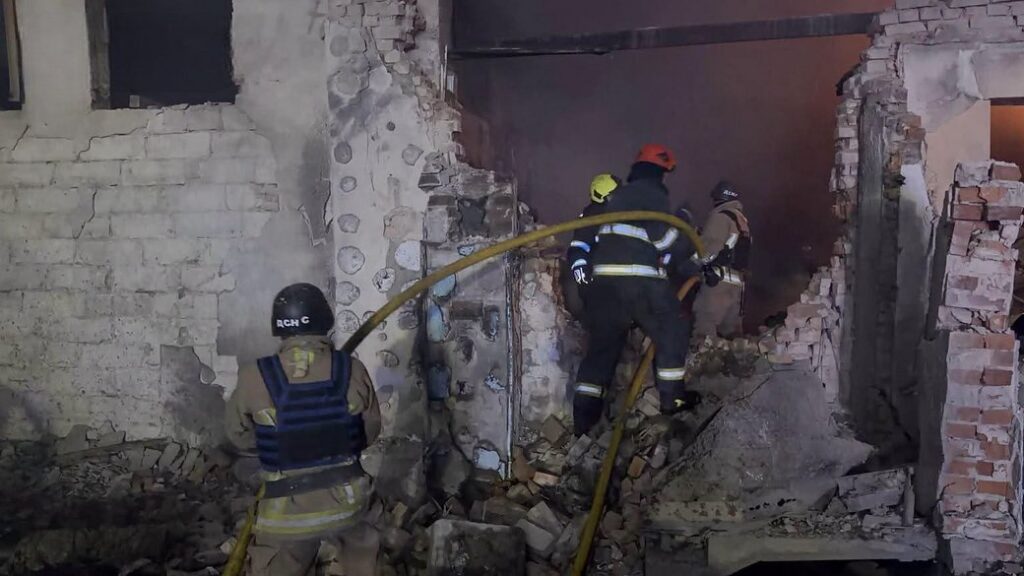
One person was killed and eight injured in Kyiv, Ukrainian Prime Minister Serhii Koretskyi said. A strike damaged a metro station on Kyiv’s left bank, and debris broke the rails beside it, Mayor Vitali Klitschko said. City authorities said the damaged station was above ground, closed Chernihivska and Lisova stations, and said red-line trains would run only between Akademmistechko and Darnytsia. The attack also damaged a 25-story building, a medical facility, and the Cosmo Multimall shopping center in the Solomianskyi district, NV reported, and Zelenskyy said a school was hit too.
The attack also damaged one of Ukraine’s main ice arenas, on Shalett Street in Kyiv, which hosts Ukrainian championship hockey games and youth training, hockey Telegram channel Flamingo reported. Parts of the facade, metal structures, and roof were damaged, but the ice surface showed no significant visible damage, according to preliminary information, Suspilne reported.
Damage in 11 oblasts, three missing in Irpin
Koretskyi said energy and infrastructure were the main targets, with damage in 11 oblasts. Russia also hit warehouses of medicines, railway stations, shops, and homes, he said. In Kyiv Oblast, Russian strikes injured six people in Irpin, including three children, and three more were missing, oblast head Tymur Tkachenko said. In Kharkiv Oblast, six people were injured, including two children, Koretskyi said. In Rivne Oblast, four people were injured, and one of them was hospitalized, regional police reported.
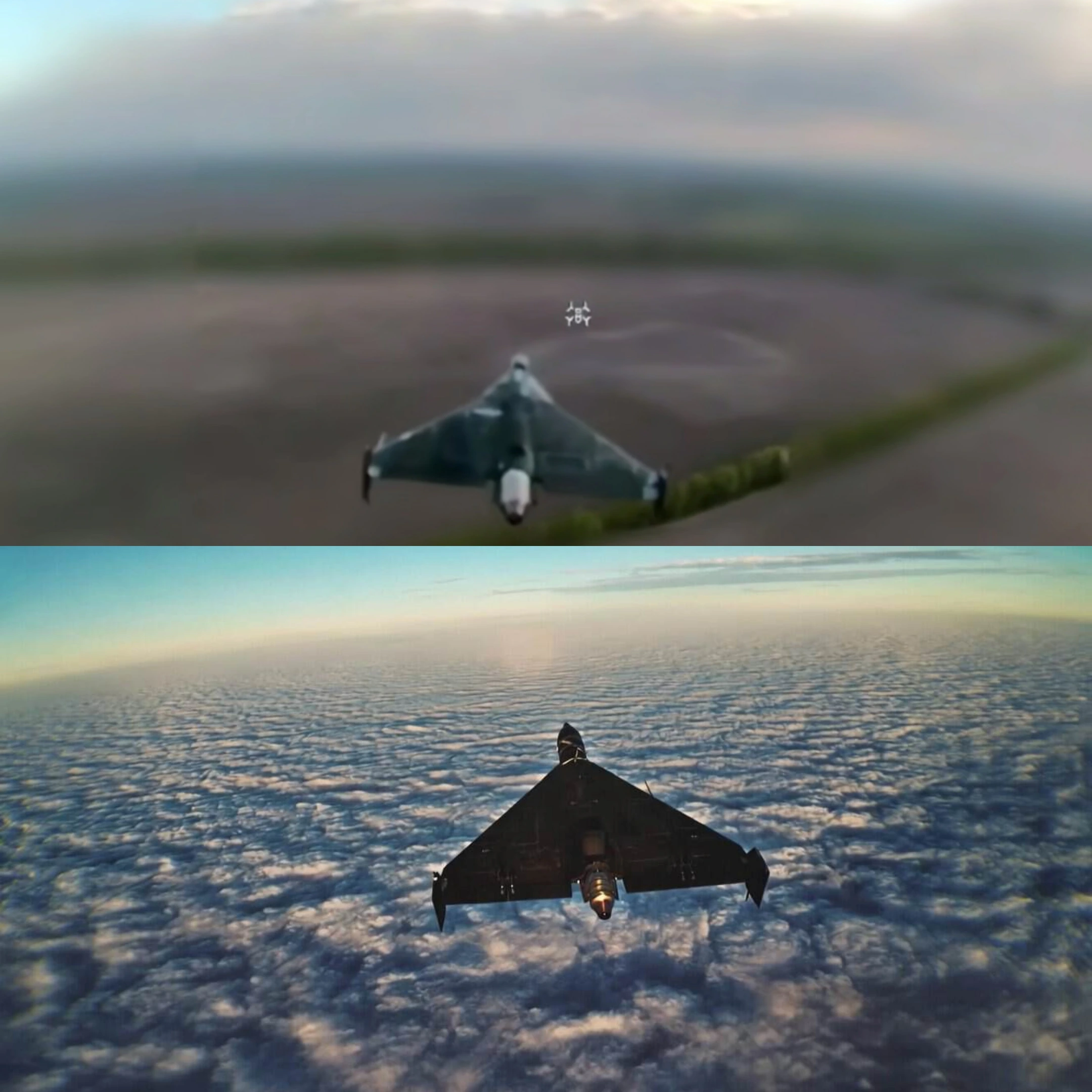
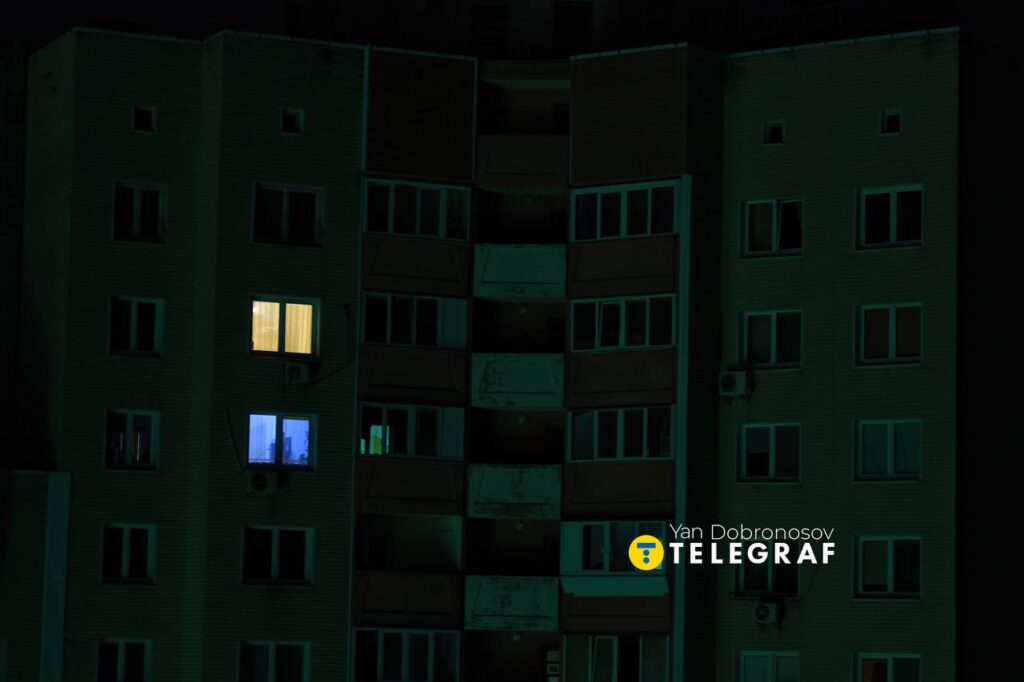
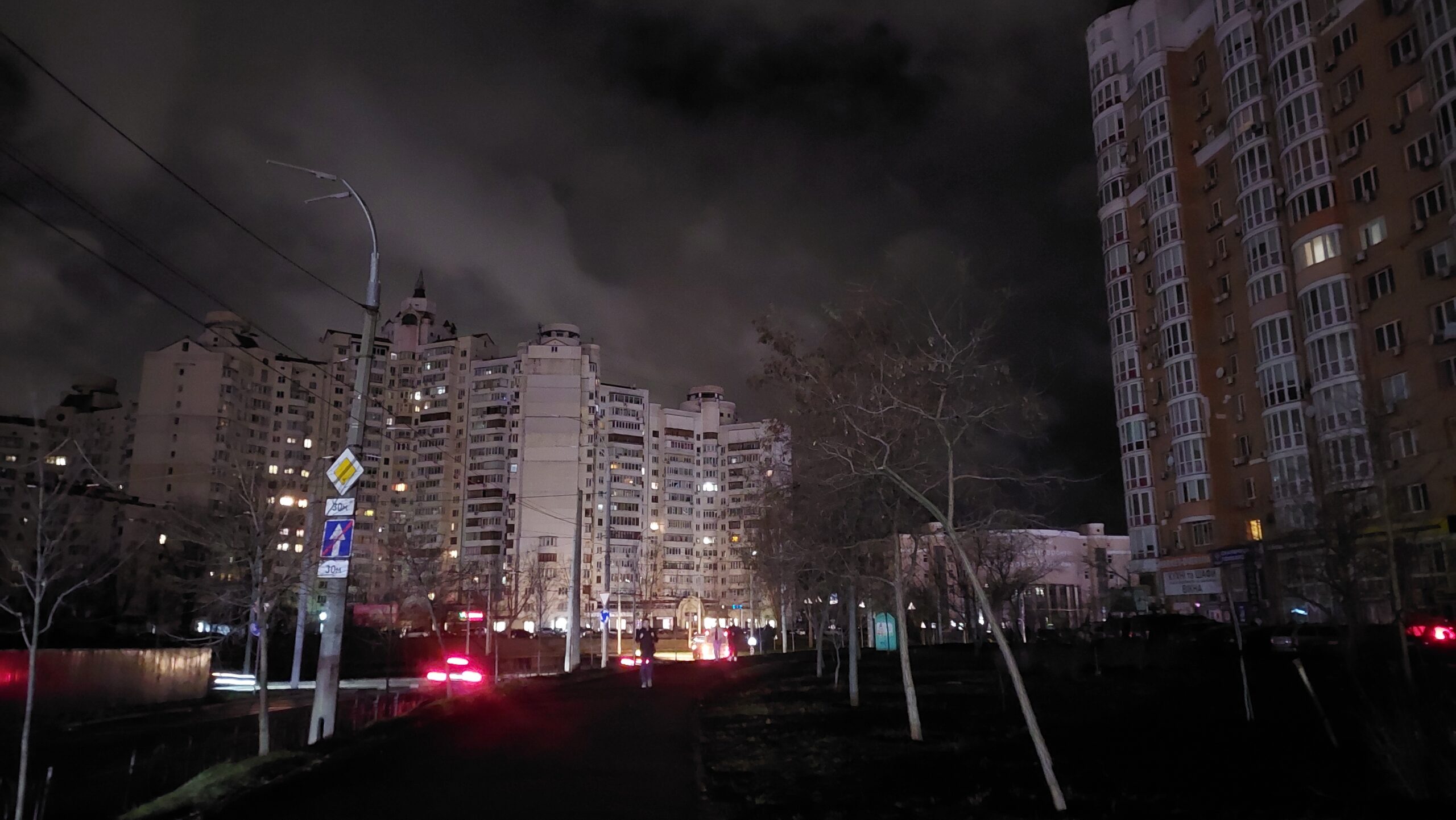
Zelenskyy said that more than 10 energy facilities were damaged and at least 550,000 families lost power. Ukrenergo reported new outages in 10 oblasts: Volyn, Zhytomyr, Rivne, Ternopil, Khmelnytskyi, Vinnytsia, Kirovohrad, Kharkiv, Odesa, and Mykolaiv. In Volyn Oblast, about 15 jet-powered Shahed-type drones targeted the region, and around 66,000 customers were without power on the morning of 19 October, oblast head Roman Romaniuk said. Kovel, Manevychi, and Lutsk were hit hardest, and no casualties were reported. In Vinnytsia Oblast, a critical infrastructure facility in Koziatyn was damaged, and power there would stay unstable for some time, city council secretary Iryna Repalo said, Suspilne reported.
Zelenskyy said Russia fired 16 ballistic missiles at Kyiv and Kyiv Oblast. The Air Force reported that Russia also used Iskander-K cruise missiles and 269 drones, and that by 09:00 air defenses had shot down or suppressed four Iskander-K cruise missiles and 243 drones. Its preliminary count did not list any ballistic missiles among the intercepted targets.
Rubio denies any pause and points to a software problem in Ukraine’s warning system
On 19 October, Rubio told reporters in Samarkand, Uzbekistan, that “there’s been no pause” in intelligence-sharing with Ukraine, Reuters reported. He said he did not know where Zelenskyy was getting such claims and that he should focus on ending the war. He also said he did not know whether a failure had happened the previous night, but that a few nights earlier there had been a software problem with “their early warning system,” and that US European Command was looking into the strikes, The Guardian reported. US officials had not mentioned a software glitch before, and in at least one case Ukraine was told that bad weather over southern Russia had hidden launch preparations, the newspaper noted.
Ihnat said Ukrainian specialists and their partners were working to establish why information about the first launch had not arrived. He added that similar gaps had occurred during earlier attacks.
Zelenskyy wrote that when missile supplies for Ukraine’s air defense are blocked while Russia gets sanctions relief or delays, “this is, unfortunately, a denial of reality on the part of partners.” A night earlier, Russia had hit Ukraine’s energy system again, while Ukrainian drones set fire to St. Petersburg’s oil terminal despite Washington’s pressure to stop refinery strikes.
Read also
-
Russian ballistic missiles hit Kyiv before sirens, gap that lands hard amid fears that Washington could cut data that warns of launches
-
Three days after Washington announced an energy ceasefire, Russia fires 39 ballistic missiles at Ukraine’s grid
-
US continues sharing intelligence with Ukraine, Trump says amid Russia deal backlash. Questions remain over missed warning for latest attack