❌

Vue lecture

For the 17th or 18th time, Putin promised to take Donetsk “in a few months” – Zelenskyy

Ukrainian President Volodymyr Zelenskyy speaks during the UN General Assembly in New York on 24 September 2026. Photo: Ukrainian President's Office

Russian President Vladimir Putin has again told US officials that Russia can capture Ukraine’s Donetsk Oblast within several months, according to Ukrainian President Volodymyr Zelenskyy.

Speaking to the UN General Assembly on 24 September, Zelenskyy said this was the latest in a long series of similar promises as Russia has spent nearly five years trying to seize the region. He said Putin has made such promises 17 or 18 times, repeatedly pushing the deadline further back.

He contrasted those promises with Russia’s heavy battlefield losses and relatively limited territorial gains.

Russia has paid a huge price for its Donetsk offensive

Zelenskyy said Russian forces suffered 248,964 troops killed or severely wounded between January and August 2026.

He said Russia had captured only slightly more than 1,000 square kilometers of Ukrainian territory this year, while Ukraine had already liberated a significant portion of those gains.

Zelenskyy presented the figures as the human cost of Putin’s continued attempt to seize Donetsk, arguing that Russia is paying an enormous price for relatively limited territorial gains.

“Always the same: ‘Just a few more months,’” Zelenskyy said, adding that Putin would again fail to meet his latest deadline.

The Russian offensive is also facing a recent setback in northern Donetsk. Ukraine launched Operation Vivaldi in September to clear Russian infiltrators and retake ground near Lyman, disrupting Russia’s plan to encircle the fortified cities of the Donetsk “Fortress Belt.”

Ukrainian forces have reported retaking several settlements and clearing up to 125 square kilometers in the operation, although the full scope of the offensive remains undisclosed.
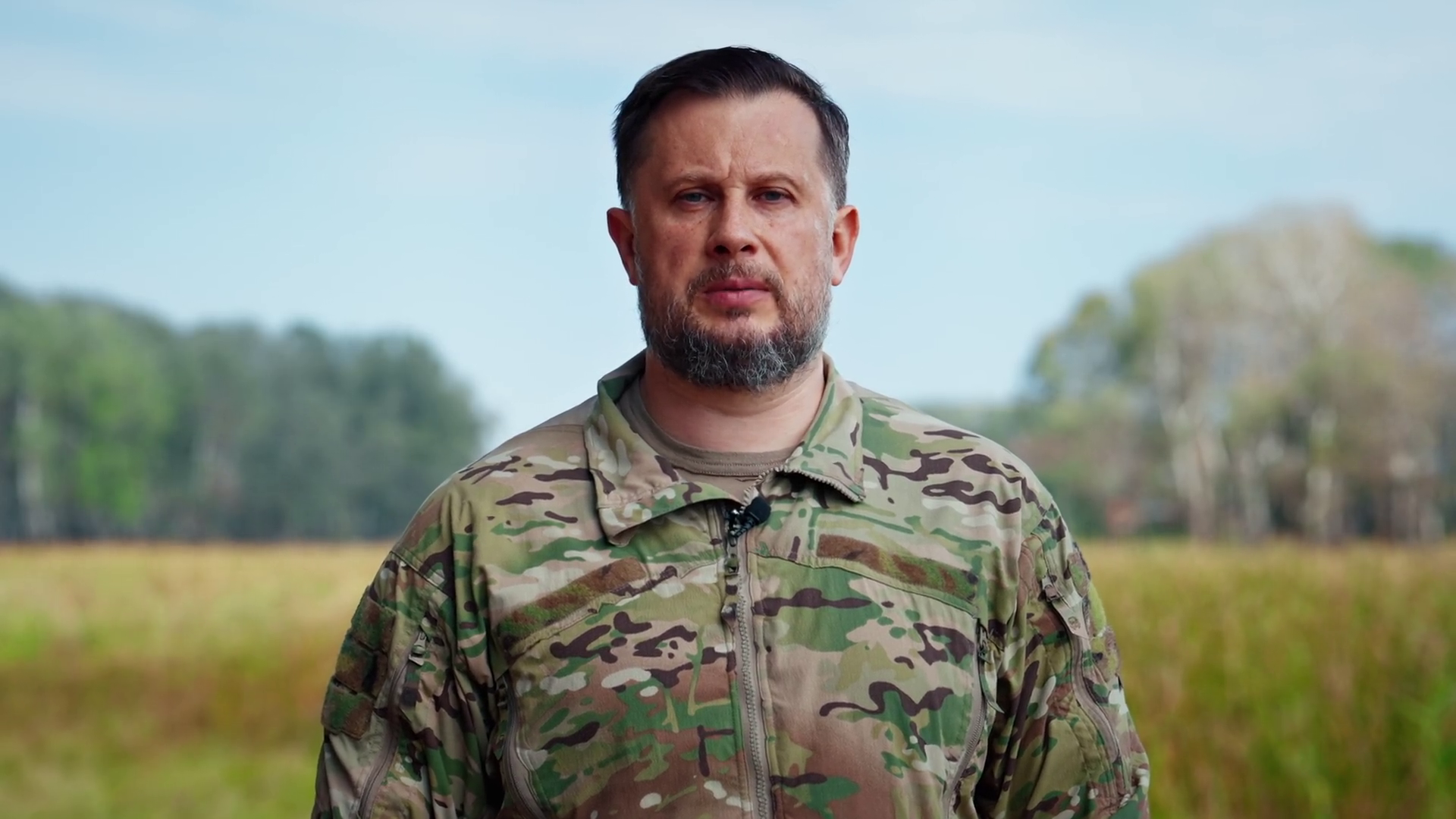
Ukraine's Third Army Corps commander Brigadier General Andrii Biletskyi announcing new developments in "Operation Vivaldi," 20 September 2026. Screenshot from video: Ukraine's Third Army Corps
Explore further

Ukraine retakes ground in a region Russia has fought for years to capture. “Vivaldi” is only getting started but is already “one of the most important victories for Ukraine in 2026”

Zelenskyy also warned that Russia’s ambitions extend beyond Donetsk. After saying Putin would again fail to capture the region, he said Russia would continue seeking other Ukrainian cities, naming Odesa, Kharkiv and Dnipro, while also pointing to Russian pressure on Moldova and threats toward Poland and the Baltic states.

Russia continues to pour missiles and drones into Ukraine

The battlefield campaign has been accompanied by a sustained Russian long-range attack campaign against Ukrainian cities and infrastructure.

Since the beginning of 2026, Russia has launched more than 2,100 missiles against Ukraine, including more than 950 ballistic missiles, according to Zelenskyy.

Ballistic missiles are particularly difficult for Ukraine to counter because it has a limited supply of interceptors capable of engaging them. Russia’s heavy use of ballistic weapons is therefore contributing directly to civilian deaths and infrastructure destruction.

Over the first eight months of the year, Russia also used 63,000 attack drones of various types, Zelenskyy said. More than 7,700 were jet-powered Geran drones, which he described as particularly destructive and dangerous.

The newer jet-powered drones are faster and more advanced than earlier Shahed-type models, making them harder to intercept and adding to the pressure on Ukraine’s air defenses as Russia attacks cities and infrastructure.

Zelenskyy said Russia was using the drones continuously to disrupt economic activity and normal life in Ukrainian cities, including by making it harder for children to attend school.

The figures show the scale of the Russian campaign beyond the front line. Alongside its ground offensive, Russia is using sustained missile and drone strikes to kill civilians, destroy infrastructure, and exhaust Ukraine’s air-defense resources.

North Korean troops add to Russia’s war effort

Zelenskyy also highlighted North Korea’s direct involvement in Russia’s war, saying its troops have suffered heavy losses while gaining battlefield experience alongside Russian forces.

He said North Korea’s military capabilities were also benefiting from its cooperation with Russia, pointing to improvements in its ballistic missiles and drone capabilities.

Ukraine recently transferred two North Korean prisoners of war to South Korea. Zelenskyy said capturing the soldiers alive had been difficult and described one prisoner’s attempt to take his own life after realizing he was about to be captured.

He said the soldiers had been conditioned to believe they had to die rather than surrender.

“Do you really want to give such a force more time to learn how to fight?” Zelenskyy asked.

Zelenskyy calls for de-escalation before winter

Zelenskyy separately warned that Russia could again target Ukraine’s energy and heating infrastructure this winter.

Russia has already intensified attacks on Ukraine’s energy system ahead of the cold season.

Russia has also explicitly threatened to “freeze” Ukraine this winter, with its Defense Ministry linking the threat to attacks on Ukrainian infrastructure. The country spent much of the previous winter dealing with the consequences of Russian strikes on power and heating infrastructure, including blackouts and disruptions to heat supplies.

Zelenskyy said Ukraine expects the coming winter to be difficult but warned that if Russia continues attacking Ukraine’s energy and heating systems, Ukraine will make the winter painful for Russia as well.

He called for steps toward de-escalation before winter, saying that diplomacy and military strength were both needed to end the war.

  •  

Russia spreads false encirclement claims from Dobropillia to Kharkiv — ISW

Two masked soldiers in camouflage crouch in a narrow trench. The soldier in front holds a rifle and wears a Russian flag patch.

Within 24 hours of claiming Ukrainian troops were surrounded near Dobropillia, Russia’s Defense Ministry and pro-war channels expanded the narrative to several supposed encirclements in northern Kharkiv Oblast. Evidence supports none of that, the Institute for the Study of War (ISW) has said.

The claims come as Ukrainian forces make gains in several frontline sectors, according to ISW. Near Dobropillia, Russian bloggers described the ability to fire on supply roads rather than troops surrounding the town. At the same time, Ukrainian forces said they had prevented Russia from physically cutting the routes.

Russia’s Defense Ministry claimed its forces had captured Krasnyi Yar and Potykhonove northeast of Kharkiv. Pro-war bloggers then claimed Russian troops threatened to trap Ukrainian units near Riznykove and had already surrounded others near Rublene. One asserted that roughly 1,500 Ukrainian soldiers were encircled across 460 square kilometers.

ISW found no evidence for those claims. A Ukrainian brigade spokesperson said Russian forces were still shelling settlements they claimed to hold and described positions in the area as heavily intermingled, with no clear front line.

Around Dobropillia, the Kremlin-linked Rybar channel claimed Russian troops were infiltrating toward nearby settlements and making tactical gains south of the town. It did not claim Russian forces had secured those settlements or show an encirclement on its map, ISW noted.

Another Russian blogger said neither side currently had the forces needed to establish and sustain a genuine encirclement.

Russia’s push toward Dobropillia continues

Russia’s Defense Ministry had claimed on 22 September that its troops surrounded Dobropillia, a transport hub on the approach to Ukraine’s fortified cities in Donetsk Oblast.

ISW found no evidence for that claim and linked its timing to the UN General Assembly and Ukraine’s recent battlefield gains. A Ukrainian officer said Russian troops had made no major advances near the town.

Russian assaults continue despite that setback. A Ukrainian staff sergeant reported a sharp increase in the number of small groups trying to reach Dobropillia. On 23 September, Ukraine’s 1st Azov Corps said its forces had prevented Russian troops from physically cutting supply routes toward Dobropillia and Druzhkivka.

  •  

Russian-linked software sold to US government as CEO allegedly hid Russian control – two now arrested

A tablet with cybersecurity forensics software from Oxygen Forensics. Photo via Militarnyi

The US has arrested the CEO of Virginia-based digital forensics company Oxygen Forensics and a Russian national over allegations that they concealed the company’s Russian ownership and the fact that its software was developed in Russia while selling it to US government agencies, according to the US Justice Department.

The case highlights a potential route through which Russian-linked networks could seek access to sensitive US institutions: concealing Russian ownership and influence behind seemingly legitimate American companies.

Lee Reiber, 55, and Oleg Sergeyevich Davydov, 52, are charged with conspiracy to commit wire fraud. The US Justice Department alleges that five Russian nationals, including Davydov, owned and controlled Oxygen Forensics through a Cyprus-based holding company, while its software was developed by a team in Russia.

Software sold to US government agencies

According to the criminal complaint, Oxygen Forensics presented itself to US agencies as an independent American company with no foreign ownership or control.

The company sold digital forensic software used to recover and analyze data from electronic devices to the US Department of War and three Department of Homeland Security components: the Secret Service’s National Computer Forensics Institute, Homeland Security Investigations, and the DHS Office of Inspector General.

The National Computer Forensics Institute awarded Oxygen Forensics a five-year contract in September 2024. The award file included a certification from Reiber stating that the company had no immediate or highest-level owner, according to the affidavit.

The Justice Department alleges that this was false. The Russian owners allegedly continued to make significant company decisions, set Reiber’s compensation, control payments and retain signatory authority over bank accounts after their names were removed from public corporate filings.

Russian software development allegedly concealed

The complaint says the same five Russian nationals also owned a Russian company founded by Davydov in 2000, previously known as Oxygen Software and now called MKO Systems.

According to the affidavit, the Russian company developed the software used by Oxygen Forensics, with developers working in Russia under Davydov’s direction. MKO Systems also sold its software in Russia under different product names to customers that reportedly included the Federal Security Service (FSB), the Russian Investigative Committee and the Russian Ministry of Internal Affairs.

After the US expanded sanctions against Russia in 2022 following Russia’s full-scale invasion of Ukraine, the Russian owners allegedly agreed with Reiber to conceal both the company’s ownership and its Russian development operations.

Reiber was installed as CEO, president and chairman in March 2022, while the Russian owners were removed from the company’s public filings, according to the Justice Department.

The complaint alleges that the arrangement did not end the Russian owners’ control. One of them was later appointed to the company’s board using a Turkish identity, according to the affidavit.

OSINT investigators had traced Russian software links

Militarnyi separately reported that OSINT investigators from InformNapalm had previously traced corporate and technological links between Oxygen Forensics and Russia’s Oxygen Software, now known as MKO Systems.

According to Militarnyi, the Russian company’s products were supplied to Russian security and law-enforcement agencies, including the FSB and Ministry of Internal Affairs. The investigation traced a common corporate and technological origin between the Russian and US software ecosystems.

CEO allegedly denied Russian involvement

The Justice Department says Reiber repeatedly certified to US authorities that the company had no foreign ownership or control.

In March 2026, he allegedly told DHS personnel that no Russian was involved in developing Oxygen Forensics’ software and that no one in Russia had access to its development environment. Days later, he published a statement saying the company had no development presence in any restricted jurisdiction.

The complaint alleges that the software was in fact written and managed by a team in Russia, using a cloud environment administered by one of the Russian owners.

The affidavit also describes a November 2023 exchange in which Reiber allegedly told the Russian owners that public reporting about the company’s Russian connections could jeopardize a pending US government contract.

Arrests and seizures

Reiber was arrested in Idaho on 20 September and released on bond after appearing in federal court. Davydov was arrested the same day at London Heathrow Airport before boarding a flight to Istanbul. The US says it will seek his extradition.

Separately, a federal judge authorized the seizure of Oxygen Forensics’ corporate bank accounts, around 57 domains and other cyber infrastructure allegedly used in the scheme. The domains and related infrastructure were seized on 20 September.

The case is being investigated by the US Department of Commerce’s Bureau of Industry and Security, with assistance from the Department of War Office of Inspector General’s Defense Criminal Investigative Service.

Each could face up to 20 years in federal prison if convicted.

  •  

Ukraine put robots where its soldiers used to die clearing mines—and lost none

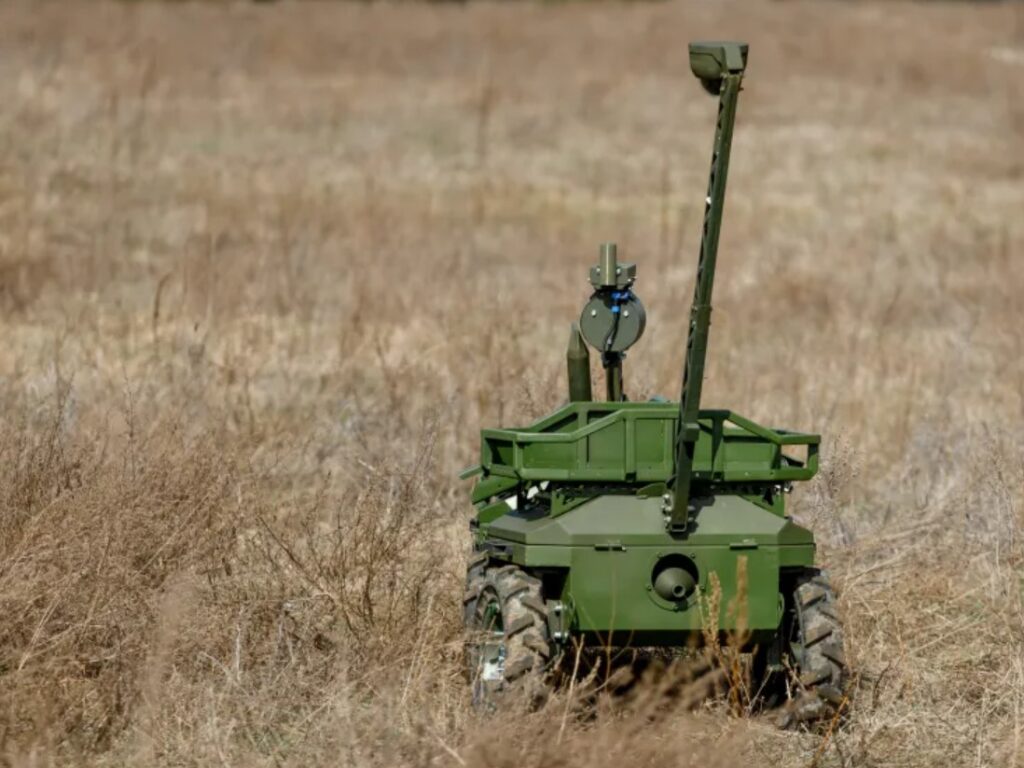
One of Ukraine's fiber optic-controlled UGVs.

Ukraine's Third Army Corps says it became the first military unit in the world to use ground robots for mine clearance inside a live offensive, sending the machines ahead of its infantry into the deadliest sectors to keep soldiers out of the line of fire, Censor.NET reported. The corps built the capability from nothing during its Operation Vivaldi counteroffensive in Donetsk Oblast.

Keeping soldiers alive has become the organizing principle of how Ukraine fights, and handing the jobs most likely to kill them to ground robots is how an army that refuses to treat its people as expendable defends the line.

Robots cleared 30 km of routes in two nights

On the Shandryholove axis, the robots cleared 30 kilometers of routes in two nights—work that two companies of sappers would have needed a full week to finish. The corps reported no losses among its sappers there. Announcing the operation's second phase, corps commander Brigadier General Andrii Biletskyi said protecting personnel drives how his troops plan and fight:

"People often ask, but what about our losses? My answer: we minimize them by every possible means. In assault operations, drones and ground robots always move ahead of the infantry," he said.

Robots clear most of the mines and mine Russian routes in return

The corps says it built the system from scratch and scaled it from a single squad up to the entire corps, arguing that manual clearing would be impossible across open terrain swept by fire. Ground robots now lift roughly 60% of the anti-personnel mines in its area of responsibility. They also work in reverse, remotely mining Russian advance routes—one crew can lay up to 200 meters a day, cutting off enemy reserves. The same machines carry frontline logistics, evacuating the wounded and hauling in provisions and equipment.

Operation Vivaldi continues in Donetsk Oblast, where the corps recently air-dropped robots behind Russian lines. Its advance has disrupted Russia's plan to encircle the fortified belt of Donetsk cities. In the second phase, the Third Army Corps liberated Shandryholove and Derylove and took full control of Drobysheve. Across the operation's first two phases, it has retaken 125 square kilometers.

  •  

This ‘World of Warcraft: Forever’ Mod Blocks All Interactions With Asmongold Fans

This ‘World of Warcraft: Forever’ Mod Blocks All Interactions With Asmongold Fans

The beta for the hotly anticipated World of Warcraft: Forever has been marred by fans of the streamer Asmongold who have filled the game’s public spaces with spam and slurs. To fix the issue, a player named Solastro created a mod called OlympusMute that hides any chats from players associated with Asmongold’s multiple associated guilds and fandom. Funnily enough, Solastro told 404 Media he used to be a big Asmongold fan too.

  •  

EU approves nearly €3 billion for Ukraine as Kyiv meets more reform targets

EU summit Ukraine cyprus zelenskyy

The European Union has approved nearly €3 billion in new funding for Ukraine, including nearly €800 million provided for the first time through the Ukraine Support Loan. The payment is the eighth regular disbursement under the EU’s Ukraine Facility.

The funding will support Ukraine’s budget, recovery, modernization, and reform efforts as the country continues to fight Russia’s full-scale war and pursue EU membership.

Ukraine meets 88% of targets due so far

The latest payment follows Ukraine’s completion of 10 targets under its Ukraine Plan, the roadmap for reforms and investments linked to the Ukraine Facility. Ukraine has now completed 84 of the 95 targets required under the plan so far, according to the Council of the EU.

Funding under the Ukraine Facility is tied to Ukraine meeting these targets. It is intended to strengthen Ukraine’s macro-financial stability, keep public administration running, and support recovery and modernization.

The Ukraine Facility entered into force in March 2024 and provides more than €50 billion in grants and loans for Ukraine through 2027.

Norway adds €92 million

The EU also amended Ukraine’s plan to include approximately €92 million in non-repayable support from Norway.

Norway is the first non-EU country to contribute to Pillar I of the Ukraine Facility, which provides support through Ukraine’s reform and investment plan.

Sweden has provided more than €253 million in additional voluntary contributions over the past year, while the UK recently contributed more than €17 million to Pillar II, the Ukraine Investment Framework.

Ukraine has received more than €32 billion

Following the latest disbursement, Ukraine will have received more than €32 billion through the Ukraine Facility since mid-2024.

More than €40 billion of the facility’s total funding is earmarked for reforms and investments under the Ukraine Plan, with payments tied to Ukraine’s progress toward the agreed targets.

  •  

Eight months of 2026 brought more Ukrainian civilian casualties than all of last year, UN says

protest Russia hunts targets civilians with drones Do I look like a target stop human safari save kherson

Russian strikes have killed or wounded more Ukrainian civilians in the first eight months of 2026 than in all of last year, a senior United Nations official told the Security Council, Censor.net reported. The official warned that the toll keeps climbing as missiles and drones increasingly reach cities far from the front line. She also cautioned that mounting attacks on Ukraine's battered energy grid could push millions into a dark, cold winter.

In the war's fifth year, Russia's long-range strikes on Ukrainian cities have shifted the danger from the front to the streets where people live, and the rising civilian toll now tracks how far those weapons reach.

Casualties outpace all of 2025

Rosemary DiCarlo, the UN Under-Secretary-General for Political and Peacebuilding Affairs, gave the toll as the Council met on Ukraine, Ukrinform reported.

"In just the first eight months, more civilians were killed or injured in Ukraine than in all of 2025," she said.

The heavy toll already recorded in September shows the trend continuing, she added, as strikes hit populated areas away from the front.

The UN human rights office has confirmed at least 17,257 civilians killed since February 2022, including 835 children. Another 53,693 people have been wounded, among them 3,247 children, and DiCarlo said the real numbers are likely far higher. Kyiv and other cities have faced near-daily attacks in recent weeks, she said, with strikes hitting railways, shopping centers, gas stations, warehouses, and food and logistics firms.

A warning over the coming winter

DiCarlo said the mounting strikes on Ukraine's already-damaged energy infrastructure are especially worrying with another war winter near.

"The cumulative impact of these strikes could plunge millions of people into darkness and cold in the coming months," she said.

She urged an immediate moratorium on strikes on populated areas and urgent action to protect the power grid. Targeting civilians and civilian sites is prohibited under international law, she noted.

The warning follows the deadliest stretch of the war for civilians, when UN monitors counted 437 people killed in July, the worst monthly toll since May 2022. Russia has also renewed strikes on gas production and power plants ahead of the heating season.

  •  

Russian attack puts three countries on alert as drones enter Moldova and Romania

Scattered debris and a scorched patch of ground in a cornfield beneath a cloudy sky.

Moldova’s Defense Ministry reported four drone incursions, Romania’s Defense Ministry confirmed a drone crash, and Poland’s Operational Command scrambled fighters twice during Russia’s 24 September attack on Ukraine.

The strike wave forced Moldova to close part of its airspace, Romania to warn residents and launch F-16 fighter jets, and Poland to activate aircraft, air defenses, and radar. No casualties were reported in the two confirmed crashes, and Poland detected no incursion during its first deployment. Moldova has recorded dozens of Russian drone incursions this year.

The drones approached from Ukraine’s Vinnytsia, Odesa, and Chernivtsi oblasts, according to Moldova’s Defense Ministry. Authorities temporarily closed part of the country’s northern airspace.

Near Cernița in northern Moldova, one drone struck a tree, fell into a field beside a farm, and exploded, police said. No casualties were reported.

Investigators preliminarily identified the camera-equipped wreckage as a Gerbera, a low-cost Russian drone often used during attacks on Ukraine. Police said it was the first device of that type found in Moldova.

Police also reported a resident’s account of another explosion near Vadul Rașcov, but said they were still investigating the location.

Romanian radar first tracked an aerial target over Ukraine near the border before it entered northern Romania, the Defense Ministry said. Romania launched two F-16s and sent emergency alerts to residents’ phones in the area. The drone remained in Romanian airspace for about four minutes before crashing near Solca, the ministry said. Officials reported no casualties or damage and had not identified the drone’s origin.

Poland’s Operational Command launched fighters twice in response to Russian strikes on western Ukraine. The first Polish deployment ended around 08:00 with no airspace violation detected; the command announced a second at 09:07. It also activated ground-based air defenses and radar.

The incursions came amid a wider assault. Ukraine’s Air Force said Russia launched 282 drones of various types, along with ballistic and other missiles, overnight into 24 September. Ukrainian officials reported detecting four drones over Chernivtsi Oblast, the Ukrainian region bordering Moldova and Romania, and shooting down three.

Moldova’s repeated airspace breaches

The latest incident followed several breaches in August. An unidentified drone exploded near Crocmaz on 9 August. Another object exploded near Talmaza on 17 August after Moldova briefly closed part of its airspace.

President Maia Sandu said Russian drones had entered Moldovan airspace 39 times in 2026, compared with 17 times throughout 2025. Moldova has portable air-defense weapons and electronic warfare equipment, but Sandu said these chiefly protect individual sites. Her government is working with partners to expand air-defense coverage and speed up threat warnings.

  •  

Russia could launch limited attacks on NATO in coming months, escalating hybrid warfare without being ready for full-scale conflict, Denmark warns

Danish soldiers

Russia is likely to intensify its hybrid war against the West, including more frequent sabotage and cyberattacks that could cause greater damage and casualties, Denmark’s Defence Intelligence Service (DDIS) said in a new assessment published on 24 September.

The assessment says Russia has become increasingly willing to take risks against European and NATO countries, even while its full-scale war against Ukraine continues. DDIS also assesses a low but growing risk of Russia carrying out a limited military attack against one or more NATO countries bordering Russia in the coming months.

Russia preparing to escalate hybrid attacks

DDIS said Russia’s hybrid attacks have increasingly shifted from attempts to create fear and weaken support for Ukraine toward efforts to directly disrupt Western assistance to Kyiv.

This includes sabotage targeting defense companies and railway transport carrying military equipment to Ukraine. The Danish intelligence service expects Russia to carry out such attacks more frequently and with greater consequences.

Future operations could include destructive cyberattacks capable of disrupting critical societal functions and sabotage attacks with a high risk of casualties, according to the assessment.

DDIS also cited the foiled drone attack against Leipzig/Halle Airport in Germany as an example of Russia’s growing willingness to conduct operations against targets in Europe. German authorities said the attack had been planned by Russia over several months.

German Federal police officer protecting the city
Explore further

Germany suspects Russian intelligence behind arson attack as hybrid warfare threat grows across Europe

Growing risk of a limited attack on NATO

The Danish intelligence service assesses that there is a low but growing risk Russia could launch a limited military attack against one or more NATO countries bordering Russia.

Such an attack could take the form of isolated long-range strikes against infrastructure supporting Ukraine. Russia could also use Ukrainian-made drones in a false-flag operation or deploy a limited number of troops, potentially without national insignia.

DDIS says Russia could attempt such an operation even while continuing its war against Ukraine and without having the forces needed for a regional war against NATO.

The purpose, according to the assessment, could be to divert European resources away from Ukraine and create divisions within NATO if Moscow believes the alliance would struggle to agree on a collective response.

Russia would likely try to ensure that any military attack remained below the threshold that would trigger a full NATO response. DDIS warns, however, that Russia may be uncertain about what would trigger such a response.

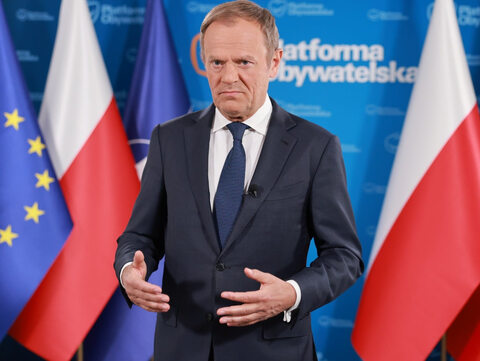
tusk polish prime minister
Explore further

After CIA head’s visit to Moscow, Poland’s PM warns Russia is preparing to escalate war. He puts critical window at seven or eight months

No signs of an imminent Russian invasion

Despite the increased risk of limited attacks, DDIS says it sees no indications that Russia is preparing to invade one or more NATO countries.

The agency considers a full-scale Russian invasion of NATO “highly unlikely,” but says it cannot be ruled out. If Russia decided to launch such an invasion, DDIS estimates it would need at least six months to build up the necessary forces.

The intelligence service also says Russia would need several months to build up forces near a NATO border before a limited military deployment, making such preparations difficult to conceal.

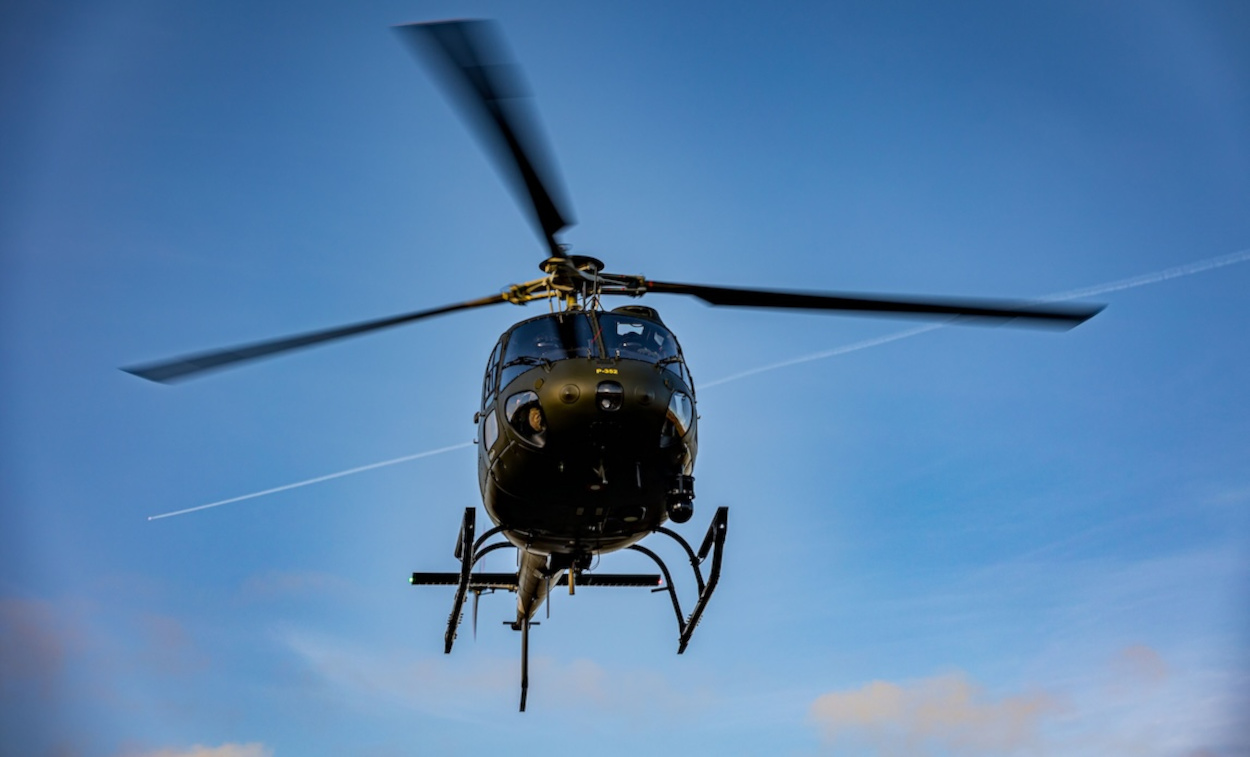
A Danish military helicopter, illustrative image. Photo: Denmark’s Armed Forces
Explore further

Russian warship fires flares at Danish military helicopter as Moscow’s provocations escalate

Russia under pressure from Ukraine’s attacks

The assessment says Russia is currently under more pressure than at any other point in its war against Ukraine.

Ukraine’s sustained long-range strikes are causing increasing damage deep inside Russia, while Russian forces are suffering heavy losses for marginal territorial gains. Moscow is also facing economic pressure from military spending, international sanctions and Ukrainian strikes against Russian energy infrastructure.

DDIS assesses that there is no prospect of Russia achieving a major breakthrough in Ukraine over the next six months. At the same time, it says Putin is highly unlikely to compromise on his fundamental objectives in the war.

The agency says Russia believes Europe will develop a stronger independent military capability by 2030, which Moscow could view as an increasing threat. This could create what DDIS describes as a window of opportunity for Putin to attempt to change Europe’s security order.

  •  

Croatia approves Ukrainian Nord Stream suspect’s extradition to Germany despite Polish refusal

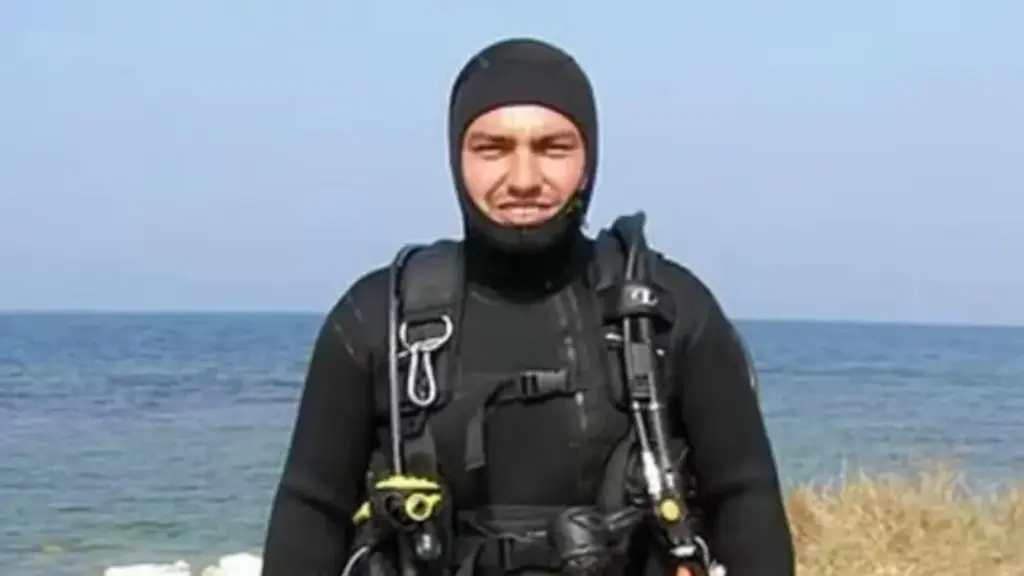
Volodymyr Zhuravliov wears a black hooded wetsuit and scuba harness while standing beside the sea.

A court in Pula ruled that Ukrainian diving instructor Volodymyr Zhuravliov may be extradited to Germany over the September 2022 blasts that damaged the Nord Stream gas pipelines between Russia and Germany and caused major leaks in the Baltic Sea, RBC-Ukraine reported, citing his lawyers.

A Polish court refused to extradite Zhuravliov last year, but its ruling did not cancel Germany’s EU-wide arrest warrant. Croatia could therefore arrest him and decide Germany’s request for itself. The pipelines at the center of the case were built to carry Russian gas to Germany while bypassing Ukraine.

The firm Katerynchuk, Moor & Partners said it expected to receive the written ruling shortly and was preparing to challenge it in Croatia’s appellate court and before international judicial bodies. Zhuravliov also plans to announce an indefinite hunger strike. His lawyers said the Croatian court had disregarded the earlier Polish decision.

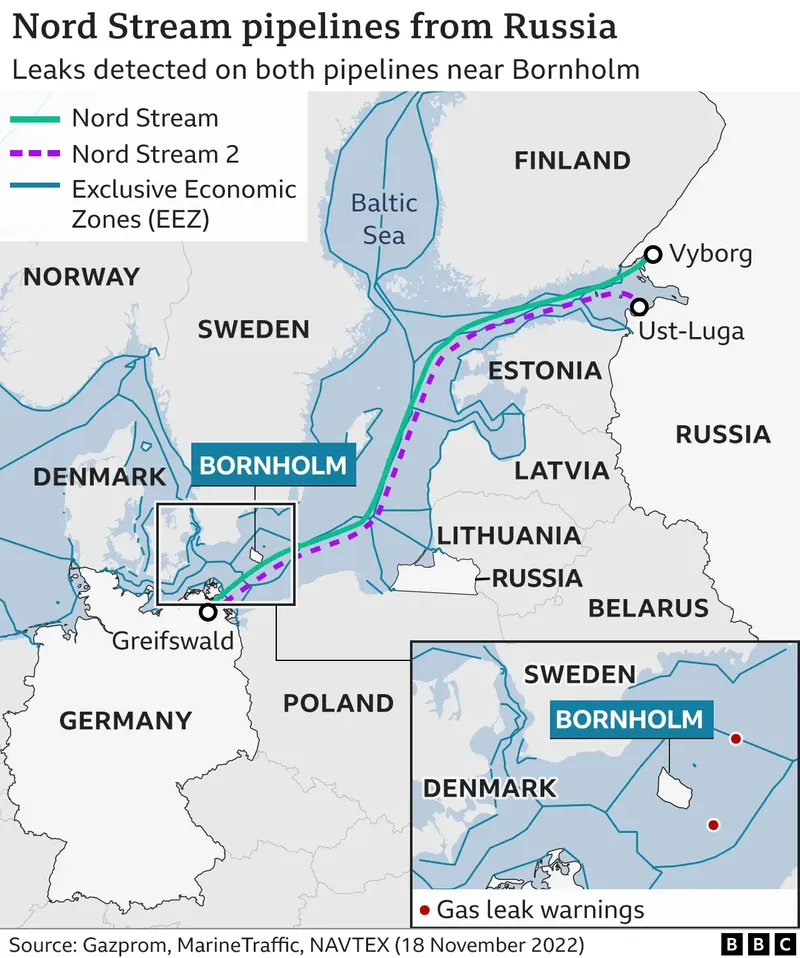
BBC map outlining the Nordstream 2 pipeline and where the sabotage might have taken place

The Warsaw court refused to surrender Zhuravliov in October 2025, finding that the pipelines could be treated as a legitimate military target during an armed conflict. It released him from custody.

His Polish lawyer, Tymoteusz Paprocki, said Zhuravliov understood that the ruling applied only within Poland: under a European arrest warrant, the country where a suspect is arrested decides whether to send them to the country seeking them.

Germany amended the warrant in early September to add a war-crime classification, according to Zhuravliov’s lawyers. The change prompted the Croatian court to postpone an earlier hearing. The lawyers’ account of the amendment has not been independently confirmed.

How the Nord Stream case reached Croatia

Nord Stream 1 and 2 were built to carry Russian gas directly to Germany while bypassing Ukraine. Explosions on 26 September 2022 damaged three of their four lines; Nord Stream 2 had never entered service.

Germany issued a warrant for Zhuravliov in 2024. German prosecutors say he helped place explosives on the pipelines near Denmark’s Bornholm island. He denies involvement. Croatian police arrested him in Pula on 19 August 2026 under the European warrant.

Another Ukrainian suspect, Serhii Kuznietsov, was arrested in Italy in 2025 and later sent to Germany, where prosecutors have charged him over the explosions. He denies involvement. No court has established who ordered the attack.

  •  

He started as a driver. Now he pilots Ukraine’s heavy strike drones

ukrainian soldier

A Ukrainian service member with the callsign Talisman learned to fly four heavy strike drone platforms and now switches between them when conditions demand it, the 808th Dnistrovska Separate Support Brigade reported on 23 September. Before joining the military, he worked in business.

He began his service in a unit in Rivne Oblast, in northwestern Ukraine, starting as a driver and later moving to battalion management tasks. He was then seconded to the 808th Brigade and eventually transferred to its roster permanently. It was there that he retrained as a heavy strike drone pilot.

Four platforms, one pilot

Heavy bombers were just coming into wide use when the unit was moved onto them. They trained for a week at the manufacturer, then practiced in the unit. Everyone started on the Vampire. After nearly a year on it, Talisman tried a second platform. "When you already have the base and the foundation, mastering another platform is much easier," he said.

Talisman now operates four platforms—the Vampire, a hexacopter with six motors, and three quadcopters: the Ares A1, the Heavy Shot, and the Magura Mini. Each type has its own characteristics—some are more resistant to jamming or navigation suppression than others, he said.

"I'd probably single out the Vampire and the Ares. The Vampire is more pleasant to operate, while the Ares is more resistant to various types of jamming. I've had situations where the Vampire wasn't working, and I continued carrying out missions on the Ares," Talisman said.

The Vampire is a six-rotor bomber built by Ukraine's SkyFall, originally codified with a range of up to 20 kilometers carrying up to 15 kilograms. The company says the current range is 35–40 kilometers. The Ares A1, built by Drones of Ukraine, has been in service since 2023 in strike, remote-mining, and resupply roles.

Talisman, a heavy strike drone pilot of the 808th Dnistrovska Separate Support Brigade.
Talisman, a heavy strike drone pilot of the 808th Dnistrovska Separate Support Brigade. Photo: the 808th Dnistrovska Separate Support Brigade / Facebook

"The hardest thing is when there's no water. For a shower. Positions are all different: for some it's harder to get there, for some it's harder to work with drones. I have this thing—it's important to me that there's water," he said with a smile.

His crews have worked the Donetsk direction, near Lyman, in Dnipropetrovsk Oblast, and later on tasks in Sumy and Kharkiv oblasts. In winter they drove in for the night and had to finish the task in that window, some faster and some slower depending on conditions and on Russian jamming, before the next crew took over. In warm weather they stay on position for four to seven days at a stretch, in crews of four or five.

His callsign came from his time serving alongside his fellow soldiers. "We had luck when I was with them. That's how they gave me this callsign," he said.

After the war, Talisman sees himself returning to civilian life. Before military service he was an entrepreneur and plans to go back to it.

Brigade tops remote-mining rating

In June 2026, the 808th Brigade topped Ukraine's DELTA remote-mining rating, which ranks units by how effectively they turn enemy approach routes into traps with drones.

  •  

Watch Body Cam of Man Arrested for Just Cussing at a County Meeting

Watch Body Cam of Man Arrested for Just Cussing at a County Meeting

Last month Fort Worth, Texas police arrested political activist EJ Carrion a week after he cursed at a city council meeting. In his driveway, they told him the charge was “disrupting some kind of procession,” according to body cam footage of the arrest obtained by 404 Media.

Carrion was one of hundreds of Tarrant County residents who’d turned up for a Commissioner's Court meeting on August 4 to speak out against a plan to close a third of the area’s polling places. “You said you were all about cooling the temperature and yet you vote for this extremist bullshit. All of you are bullshit,” Carrion said during the meeting on August 4 before walking out the door.

A week later, Fort Worth Police pulled Carrion over in his driveway and arrested him.

“Why am I getting arrested?” Carrion asked?“So you have a warrant for disorderly conduct, disrupting a meeting. It’s from Tarrant County. I don’t have the details on it [...] it’s a misdemeanor warrant. We’ll take you to Tarrant County and you’ll see the judge and that’s it,” one of the officers said.

“Wait [...] see the judge?” Carrion said. “Guys [...] are you guys serious right now?”

“All it says for us is that you did have a warrant for your arrest from Tarrant County for a disorderly conduct for disrupting some type of procession. I’m not sure what the details are,” the police said.

“Because I disrupted a meeting [...] so because someone doesn’t like me, you’re arresting me? That’s what it sounds like,” Carrion said. “Because of fucking Tim O’Hare, it’s unbelievable.”

“Because of who?”

“Judge Tim O’Hare [...] he’s the biggest pussy,” Carrion said.

Judge Tim O’Hare is a county judge who presides over the Tarrant County Commission — one of the area’s ruling legislative bodies. Back in the August 4 meeting, O’Hare demanded police remove Carrion from the building. But Carrion was already leaving. “I’m walking out, small man,” Carrion said as he left.

As he was being arrested a week later, Carrion called a friend to tell him what was going on. “So, the judge put a warrant on you for getting kicked out of commissioner’s court?” The friend asked.“That’s what it sounds like,” Carrion said, his hands in cuffs while he sat in the back of a police car.

This is not the first time O’Hare has had people arrested for their behavior during public meetings. In 2025, O’Hare had two different people charged with Class A misdemeanors for clapping in support of someone’s speech during the public comment period of the meeting. On Monday, four women filed a federal lawsuit against O’Hare, claiming his tenure on the court has “created a culture of fear and chilled protected speech, cutting to the heart of the Constitution’s free speech and due process guarantees.” 

The Commission did, eventually, vote to reduce the number of polling places in the county. 

  •  

Russians guard Madagascar’s parliament speaker as Moscow builds Indian Ocean foothold – RFE/RL

A soldier in a black uniform shakes hands with a masked man holding papers as another uniformed man with a Russian flag patch looks on.

Since Madagascar’s October 2025 coup, Russian military personnel have joined the parliament speaker’s security detail, and Russian instructors have begun training Malagasy soldiers, RFE/RL reported. OSINT investigators traced a flight carrying a senior Russian military intelligence officer and 40 of Russia's Africa Corps members to the island on 20 December 2025.

Madagascar’s new leadership has welcomed Russian military assistance, while Moscow has pursued media projects, energy talks, and the possible recruitment of Malagasy workers. RFE/RL says the prospective destination is Alabuga, a plant producing drones used against Ukraine. Elsewhere in Africa, Russia has sent troops, sought access to resources, and opened cultural centers.

Major General Andrei Averyanov, who oversees Russian military intelligence operations in Africa, was on the December flight. He traveled with members of Africa Corps, a Russian Defense Ministry unit that absorbed some Wagner forces. Madagascar's National Assembly speaker Siteny Randrianasoloniaiko announced the unit’s arrival that month.

Russian intelligence officer Anton Papshev attended the January launch of training for Madagascar’s 1st Airborne Battalion. The program also included a transfer of Russian weapons, though RFE/RL did not specify which ones. In February, interim President Michael Randrianirina met Vladimir Putin in Moscow and welcomed wider cooperation on defense, energy, and other areas.

Russian authorities signed a deal with Randrianasoloniaiko to open a Russia House, a Kremlin cultural center. Ukraine’s military intelligence said Moscow plans to expand the network across Africa to influence young people. Madagascar also authorized a branch of African Initiative, a Russia-linked media organization that helped National Radio launch a “Russ-Mada” program.

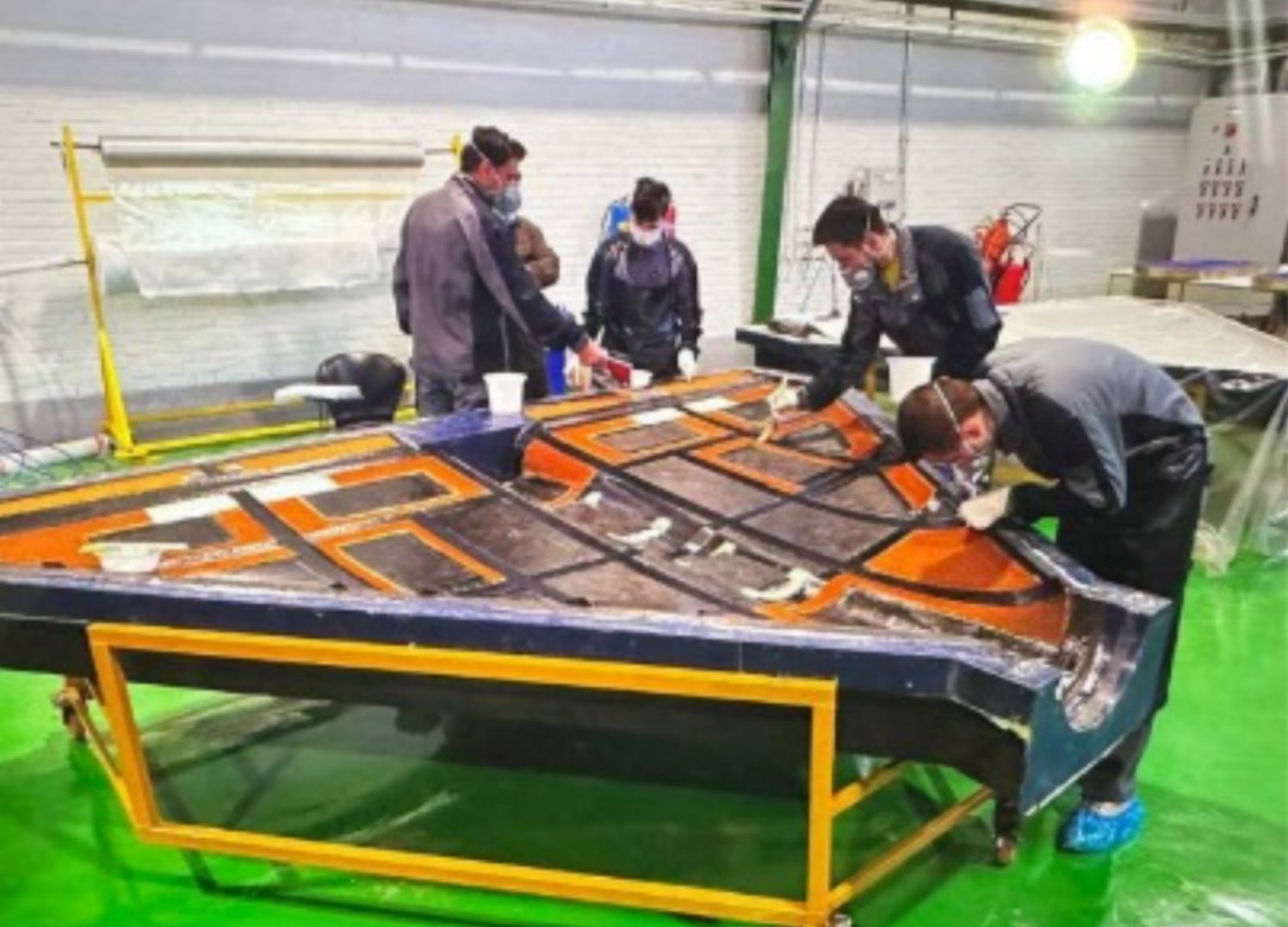
RFE/RL said Russian authorities appear to intend to recruit Malagasy workers for Alabuga, a drone assembly plant in Russia’s Tatarstan region.

The plant has recruited thousands of workers, mainly young women from Africa and Central and South Asia, for relatively high-paying jobs. Richard Rakotonirina, head of Madagascar’s Friends of Russia association, visited Alabuga in February. RFE/RL did not establish that any Malagasy workers had been recruited.

ap russia dupes african women making drones its war ukraine process manufacturing shahed-136 fuselage alabuga plant militarnyi production drone shahed 136
Explore further

Moscow recruits African women to produce drones in horrific conditions — investigation exposes large-scale fraud

During a visit to Moscow, Madagascar’s prime minister discussed Russian fuel supplies, oil storage on the island, and military training.

A Russian delegation also visited an abandoned naval base that Madagascar and France had already agreed to study restoring. RFE/RL did not report any agreement giving Russia access to the base.

Russia’s wider reach in Africa

Madagascar’s emerging ties resemble security arrangements Moscow has built elsewhere in Africa. In the Central African Republic, Russian mercenaries guarded officials and trained troops in exchange for access to gold, diamonds, and timber, RFE/RL reported. Russia's Africa Corps protects the Republic of the Congo’s president, Denis Sassou-Nguesso, who has ruled since 1979, apart from a brief interruption.

In Mali, the force backs a military government and has deployed a drone of a type developed for Russia’s war against Ukraine. Residents and a rights group told RFI that Russian and Malian forces killed four civilian herders. Ukrainian drone specialists are reportedly supporting forces fighting Russian troops there.

  •  

Russia strikes Kyiv with ballistic and hypersonic missiles, damaging maternity hospital amid US-led push for energy truce

kyiv strike

Russia's large combined missile-and-drone attack on Kyiv early on 24 September killed two people in the capital and damaged residential and civilian infrastructure, including a maternity hospital, according to Vitali Klitschko, the capital's mayor. The strike involved 282 attack drones alongside ballistic and hypersonic missiles, Ukraine's Air Force said.

The strike came as US President Donald Trump and Ukrainian President Volodymyr Zelenskyy were pursuing an energy ceasefire during the UN General Assembly in New York. Ukraine was ready to stop attacks on Russian energy facilities if Moscow agreed to stop striking Ukraine's energy system, Zelenskyy said after meeting Trump on 22 September.

Air defense intercepts over 200 targets

Russia launched Zircon hypersonic missiles, an unspecified number of Iskander-M/S-400/KN-23 ballistic missiles, and 282 Shahed-type and Gerbera attack drones, Ukraine's Air Force said. The drones were accompanied by Banderol and Dan-T loitering munitions, as well as parody decoy drones.

By 08:00, Ukrainian forces had destroyed or suppressed 227 targets, including four Zircons, three ballistic missiles, one Banderol/Dan-T loitering munition, and 219 drones.

The Air Force did not disclose how many ballistic missiles Russia launched at Kyiv. Zelenskyy later said Ukrainian air defenses intercepted 60% of the ballistic missiles targeting the capital during three waves of attacks.

kyiv strike
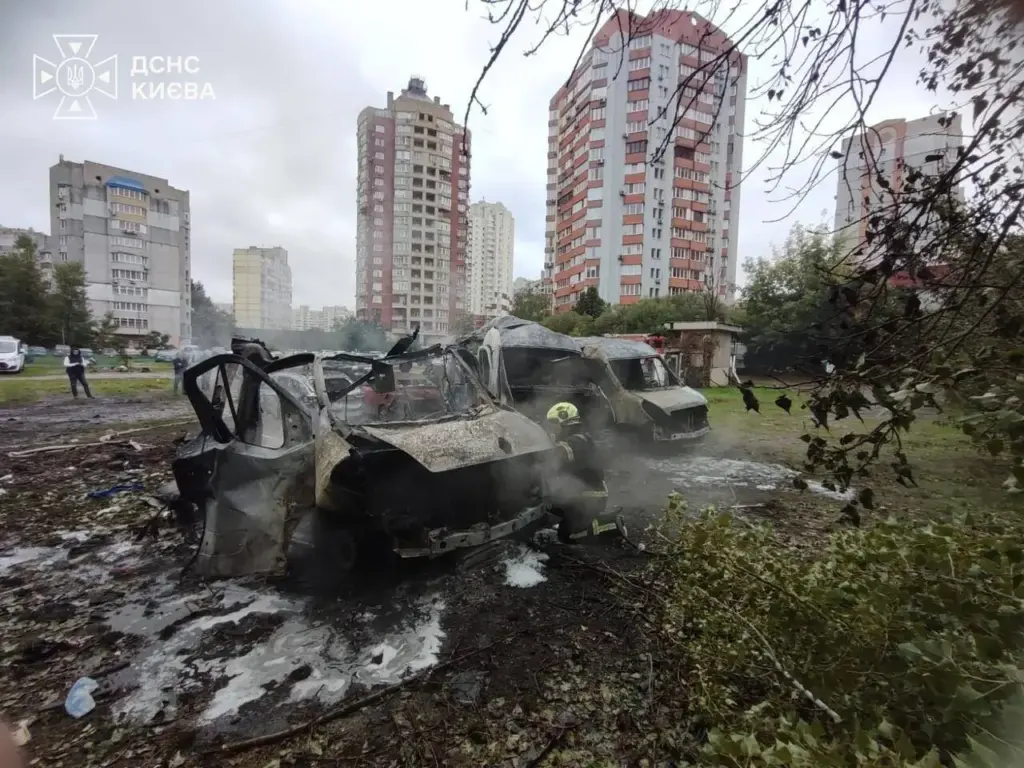
Burned-out vehicles in a residential area of Kyiv after Russia's missile strike on 24 September 2026. Photo: State Emergency Service of Kyiv

Zelenskyy added that the ballistic attack came while he was meeting US lawmakers in New York to discuss sanctions against Russia. He also called for more ballistic missile interceptors, saying Russia had targeted civilian infrastructure, residential buildings, a maternity hospital, energy facilities, and logistics.

Maternity hospital, residential buildings damaged

In Kyiv's Podilsky district, the maternity hospital's windows and part of its facade were damaged, according to the Ministry of Health. No casualties were reported inside the facility. One person was killed in a nearby parking lot, and a clinic-diagnostic center was also damaged.

In Dniprovskyi district, a residential building, a non-residential building, and several private houses were damaged. One private house was partially destroyed. A three-story administrative building was also damaged, and a body was found there. In the Solomiansky district, a warehouse was partially destroyed and caught fire. Missile debris fell on a roadway in Darnytskyi district.

kyiv strike
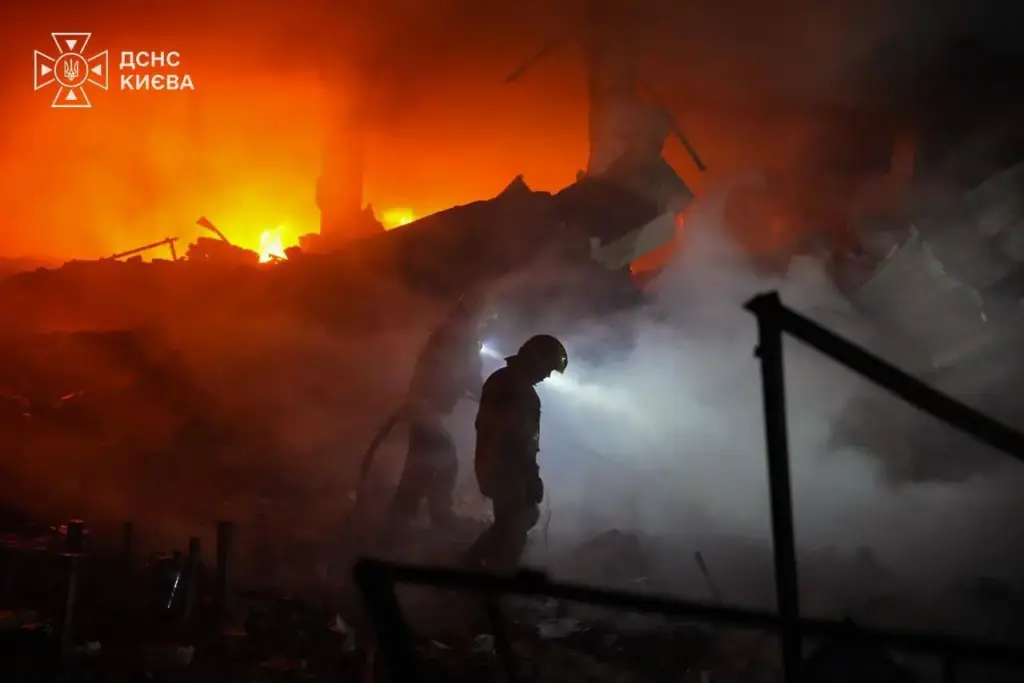
A firefighter works amid burning debris in Kyiv after Russia's combined missile-and-drone attack on 24 September 2026. Photo: State Emergency Service of Kyiv

In Kyiv Oblast, one person was injured, and eight objects were damaged across three districts, the Kyiv Oblast Military Administration said. The damage included private houses and vehicles.

Zelenskyy called for stronger sanctions against Russia and more air-defense interceptors as the attacks continued during the UN General Assembly week.

  •  

Zelenskyy asks Japan for air-defense technology and offers Ukraine’s drones in return, while courting Chile to expand Ukraine’s reach in Latin America

Volodymyr Zelenskyy and Sanae Takaichi at a meeting in New York.

Ukrainian President Volodymyr Zelenskyy has used the UN General Assembly in New York to court partners outside Ukraine's NATO core, pitching air-defense cooperation with Japan and drone cooperation with Chile, Ukrainska Pravda reported. In a single day of bilateral talks, he met Japan's Prime Minister Sanae Takaichi, Chile's President José Antonio Kast, and UK Prime Minister Andy Burnham.

The meetings turned on shielding civilian infrastructure before winter and trading Ukraine's battlefield-tested technology for capabilities it still needs. More than four years into Russia's war, a nation that entered the war reliant on donated arms now iterates drones faster than many of its Western backers, and that expertise has become leverage in its own diplomacy.

Zelenskyy pitches Ukraine's know-how for Japan's air-defense tech

In their first summit meeting, Zelenskyy cast the relationship as a two-way exchange.

"Ukraine is ready to share its experience and technologies on a mutually beneficial basis," he said.

While Japan has advanced technologies for protecting lives, particularly in air defense, that could carry Ukraine through the winter if Russia again rejects talks, the President's Office reported.

Ukraine walks into winter with two air-defense problems. It is still testing home-built interceptors to catch Russia's jet-powered drones. And it does not have enough Patriot interceptors to stop ballistic missiles over its cities. Japan holds the key to the second one.

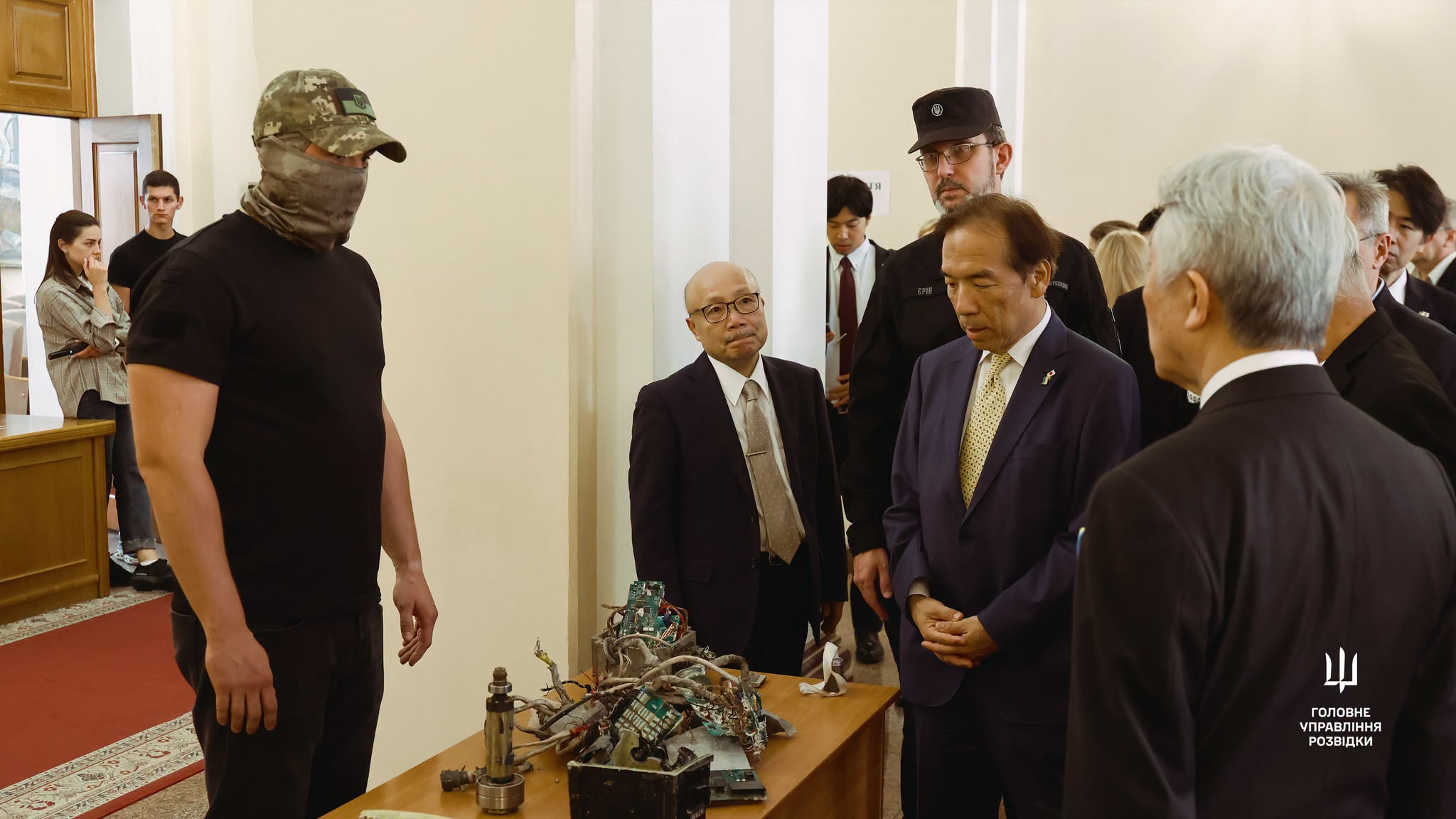
Ukraine's Defense Intelligence has given Eisuke Mori, speaker of Japan's House of Representatives, a close look at a North Korean weapon: the components of a ballistic missile Russia fired at Ukraine. Source: Ukraine's Defense Intelligence
Explore further

North Korea has fired around 150 ballistic missiles at Ukraine, learning from each one. Same missiles threaten Japan, and Kyiv just shows its speaker what is inside them

Mitsubishi Heavy Industries runs the only plant outside the US licensed to assemble the PAC-3, the advanced Patriot interceptor. Japan is also the sole maker of the guidance gyroscopes inside older PAC-2 missiles. It has already shipped Japanese-made PAC-3s to the US to refill stocks drained by transfers to Ukraine, and Zelenskyy has floated Mitsubishi as the model for Ukraine's own Patriot line.

The exchange runs both ways. Russia keeps pressing Japan over the Kuril Islands the Soviet Union seized in 1945. Against that backdrop, Ukraine's combat-tested drones could appeal to Tokyo. Kyiv offers the drone know-how it now leads in, and asks for the air-defense edge Japan already has.

Zelenskyy also thanked Tokyo for its sanctions on Russia, energy packages, and humanitarian projects, and Takaichi assured him of continued support. Zelenskyy invited her to Ukraine, including the Kyiv-Pechersk Lavra, which Japan helped restore after a Russian drone strike in June.

Vladimir Putin visits Etorofu island,
Explore further

Japan weighs sanctions after Putin’s first visit to disputed Kuril Islands

Chile opens a door to Latin America

With Kast, Zelenskyy discussed deepening security and drone-technology ties and thanked Chile for backing Ukraine at international forums and for helping return Ukrainian children abducted by Russia. He welcomed Santiago's willingness to help expand Ukraine's presence across Latin America, calling it an opening for "even more promising opportunities," and invited Kast to visit.

Building on ties already in place

Both partnerships rest on existing ground. Japan, barred by its own laws from sending lethal weapons, has delivered generators, transformers, and non-lethal gear, pledged a $6 billion package for 2026, and agreed to help rebuild the Lavra through UNESCO. Talks in Tokyo in July recast Ukraine as a security partner rather than an aid recipient.

Chile joined the coalition to bring abducted Ukrainian children home and, in an April call, heard Zelenskyy float a security arrangement modeled on Ukraine's Gulf-state pacts. The outreach tracks Kyiv's drive to turn its wartime industry into an export business under its "Drone Deals" framework.

  •  

Russia may target southern Europe with drones launched from merchant ships—El Mundo

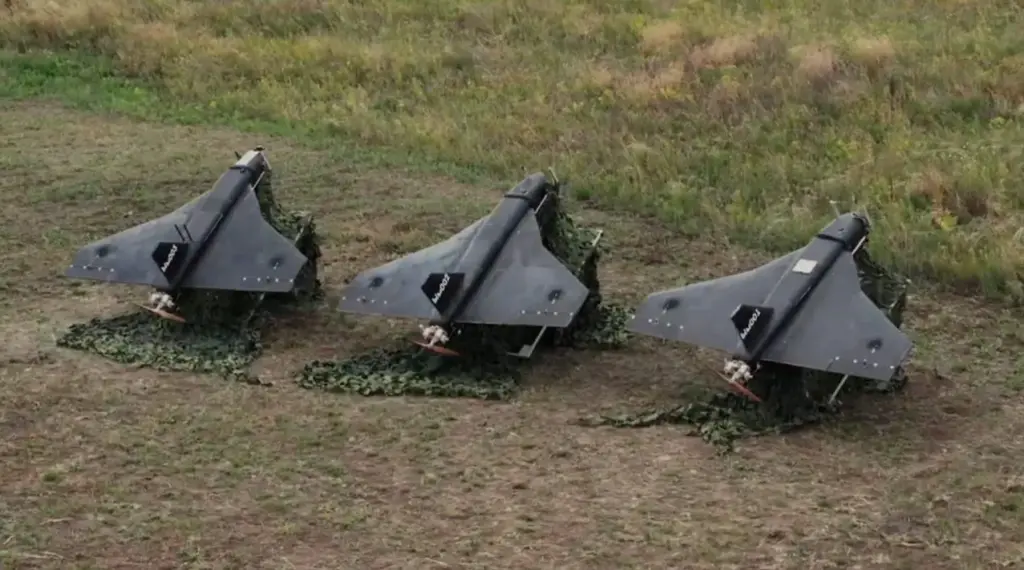
Three gray, triangular-wing drones sit on camouflage netting in a grassy field.

US intelligence has warned Spain, France, and Italy that Russia may be preparing to launch drones at one of them from merchant ships in the Mediterranean, El Mundo reported on 23 September, citing sources familiar with the alert. Neither the CIA nor the three governments have confirmed it.

Russia has intensified a campaign of sabotage, airspace incursions, and other provocations against European states supporting Ukraine while keeping its actions below the threshold of open conflict with NATO. A maritime drone attack would extend that campaign into southern Europe, turning the Mediterranean into a launch zone for deniable strikes on civilian or military infrastructure.

El Mundo based its account on a source close to Lithuania's Defense Ministry and analysts familiar with a CIA report circulated among European foreign ministries. The reported plan would hide small Russian Gerbera drones inside shipping containers aboard merchant ships and launch them from the Mediterranean.

According to El Mundo, a Gerbera drone can travel up to 600 kilometers depending on payload and wind, potentially putting targets along NATO's southern coast within reach of a ship offshore.

The Gerbera drone's reported 4–5 kilogram explosive payload would be unlikely to destroy a large facility, the newspaper said, but could start a fire, damage exposed equipment, or temporarily close an airport or port.

All three countries hold elections in 2027 and have political forces capable of exploiting fear and fatigue with Ukraine, with connections to Kremlin interests especially visible in France and Italy, El Mundo reported. Keir Giles, a British defense analyst, said frontline states are not necessarily the targets—the target will be wherever Europe's weakest point is, naming the UK and Spain as countries that have not invested in air and missile defense adequate to the Russian threat.

El Mundo placed the warning alongside earlier Russian drone incidents on NATO territory. In September 2025, 19 unarmed drones strayed into Polish airspace. German authorities later attributed an explosive-carrying drone incident at Leipzig airport to Russia.

The war has reached Mediterranean shipping

Russia's oil shipments and naval presence, alongside reported Ukrainian operations, have brought the conflict into the region in several ways.

A source cited by Ukrainian media said Ukraine's Security Service struck a Russian shadow-fleet tanker there in December 2025. Such vessels carry Russian oil outside Western sanctions, making the sea a route for Moscow's war revenue and a target for Kyiv.

The French outlet RFI later reported that Ukraine may have established a drone launch site in Libya for strikes on Russian shipping. Kyiv has not confirmed the reported site.

Russia's military position in the region has also shifted. British intelligence assessed in January 2025 that its Mediterranean naval force lacked access to its Syrian base at Tartus after Bashar al-Assad's fall.

  •  

OpenAI hands Ukraine a free AI system to guard its hospitals and power plants from hackers

Open AI logo

OpenAI, the US company behind ChatGPT, will hand Ukraine's government free access to a cyber-defense system and its most powerful artificial-intelligence (AI) model, Ukrainian defense outlet Militarnyi reported. The company unveiled the deal alongside the UN General Assembly, pitching it as a cyber shield for the hospitals and power plants Russia keeps targeting.

Russia's war on Ukraine runs through wires as much as skies. Its hackers have hammered energy, transport, and defense networks for years, on top of the blackouts its missiles already force on Ukrainian cities—and Western tech firms have kept stepping in to help hold the line.

What the Daybreak system does

The tool is called Daybreak. It scans digital systems, finds their weak points fast, and helps specialists close them, the report said. Daybreak handles the whole job on its own—a loop of inventory, detection, verification, assignment, remediation, and confirming the fix held.

The system is meant to shield civilian infrastructure, hospitals and power stations among it, from cyberattacks, BBC reported. Ukraine's Computer Emergency Response Team (CERT-UA) logged nearly 6,000 cyberattacks in 2025.

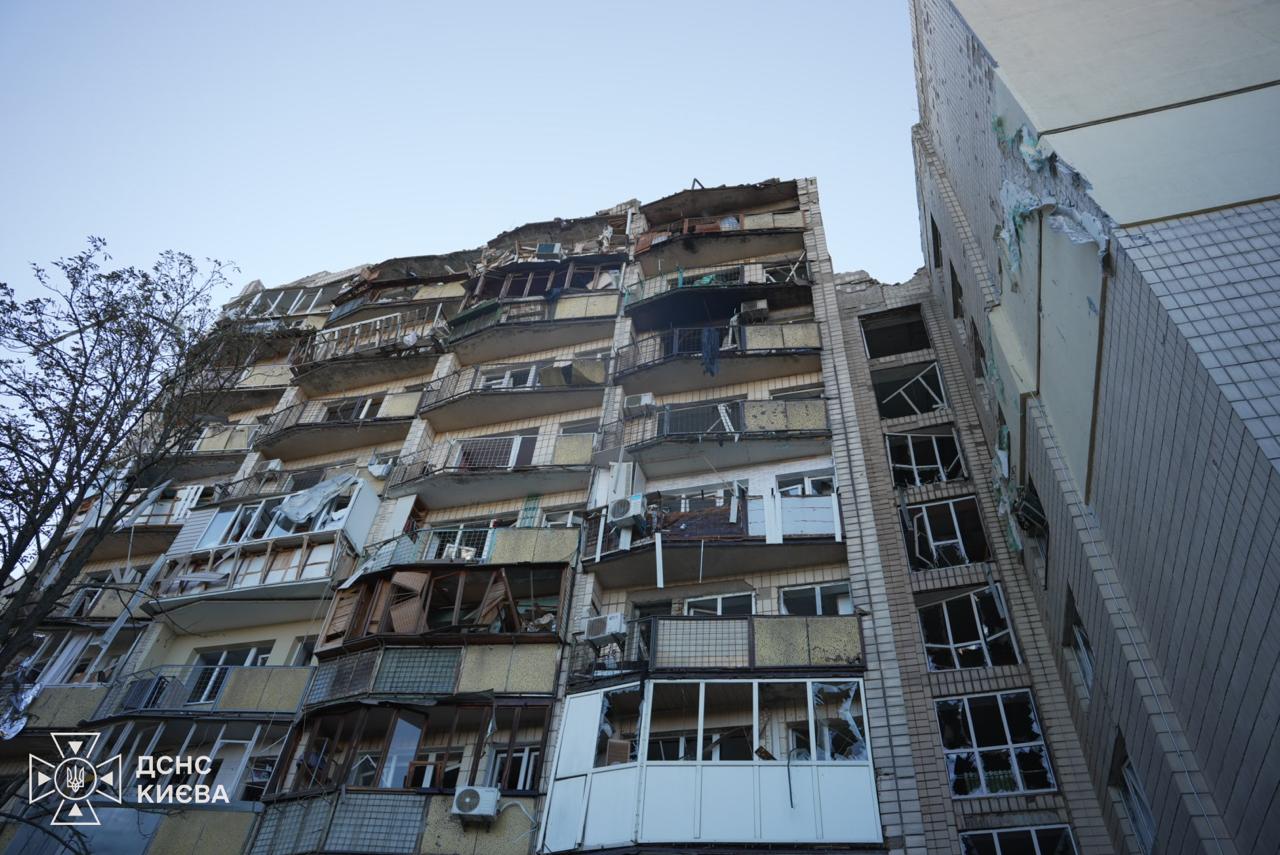
Apartment building damaged from a massive Russian aerial attack on Kyiv, Ukraine, 20 August 2026. Photo: Ukraine's State Emergency Service
Explore further

14 killed as Russia unleashes massive overnight barrage on unprotected Kyiv, striking homes, hospital, school and railway infrastructure

Ukraine also gets OpenAI's top model

The agreement opens access to GPT 5.6 Sol, OpenAI's flagship and strongest model. The company built it for complex professional work—programming, research, science, and cybersecurity, the report said. Both come as part of one agreement between OpenAI and Kyiv.

George Osborne—Britain's former chancellor and now Head of OpenAI for Countries—put the aim plainly.

"Protecting civilian infrastructure means defending it against both physical and digital attacks, so people can continue to live, work and access essential services," he said.

Independent analysts called the deal useful but not unprecedented. Rafe Pilling of cyber firm Sophos said it could serve as a force multiplier for a Ukrainian cyber defense that is already highly capable but heavily burdened. Jamie MacColl of the Royal United Services Institute noted that Western tech firms have been supporting Ukraine for some time, partly altruistically but also because they gain valuable intelligence from an active conflict, and that Ukraine already has access to AI tools from OpenAI's competitors, including Google. The same frontier AI capabilities cut both ways—spotting weaknesses helps defenders block hackers and attackers find a way in.

OpenAI's rival Anthropic has restricted access to its most powerful cyber models on those grounds, while OpenAI has opened them to some European firms and UK banks, BBC reported.

  •  
❌