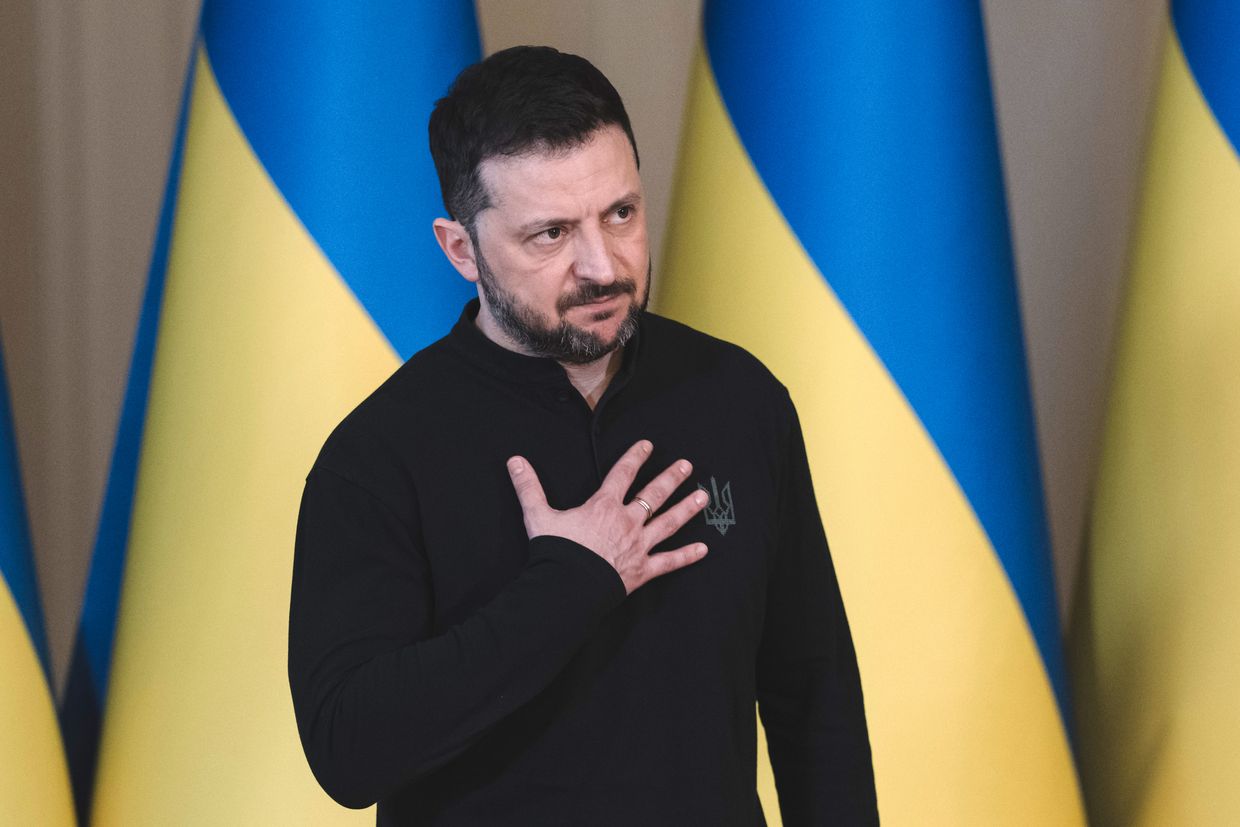
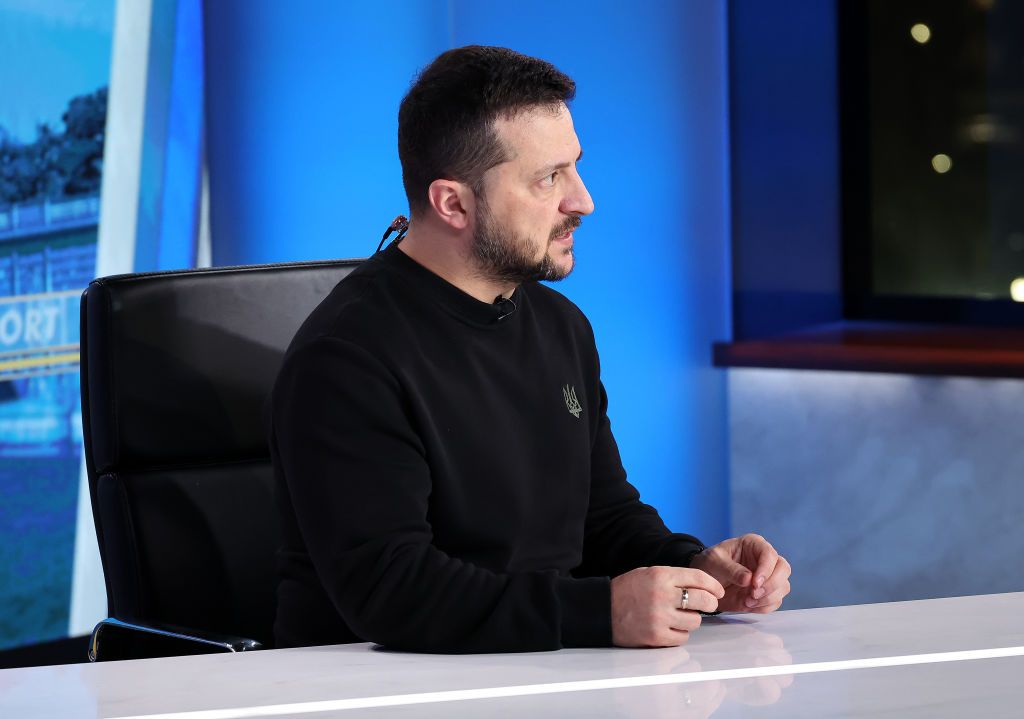
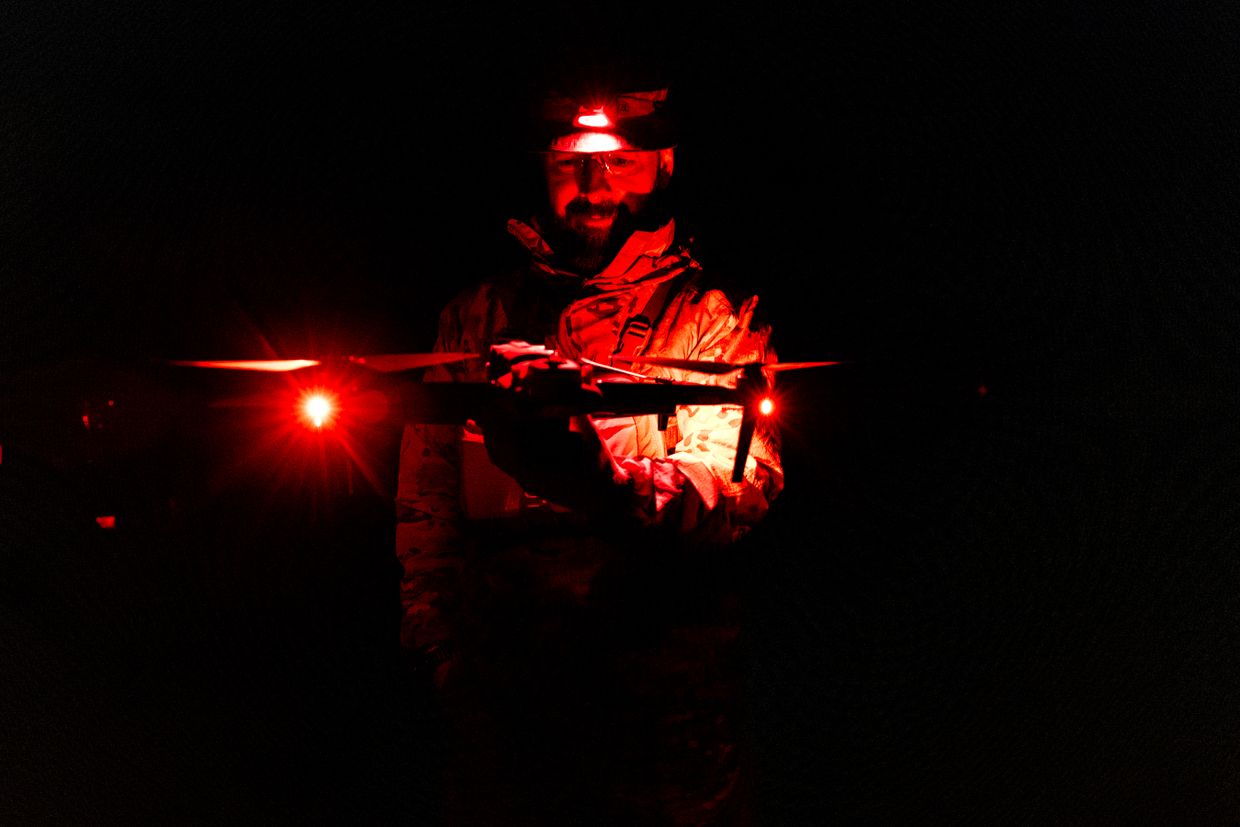
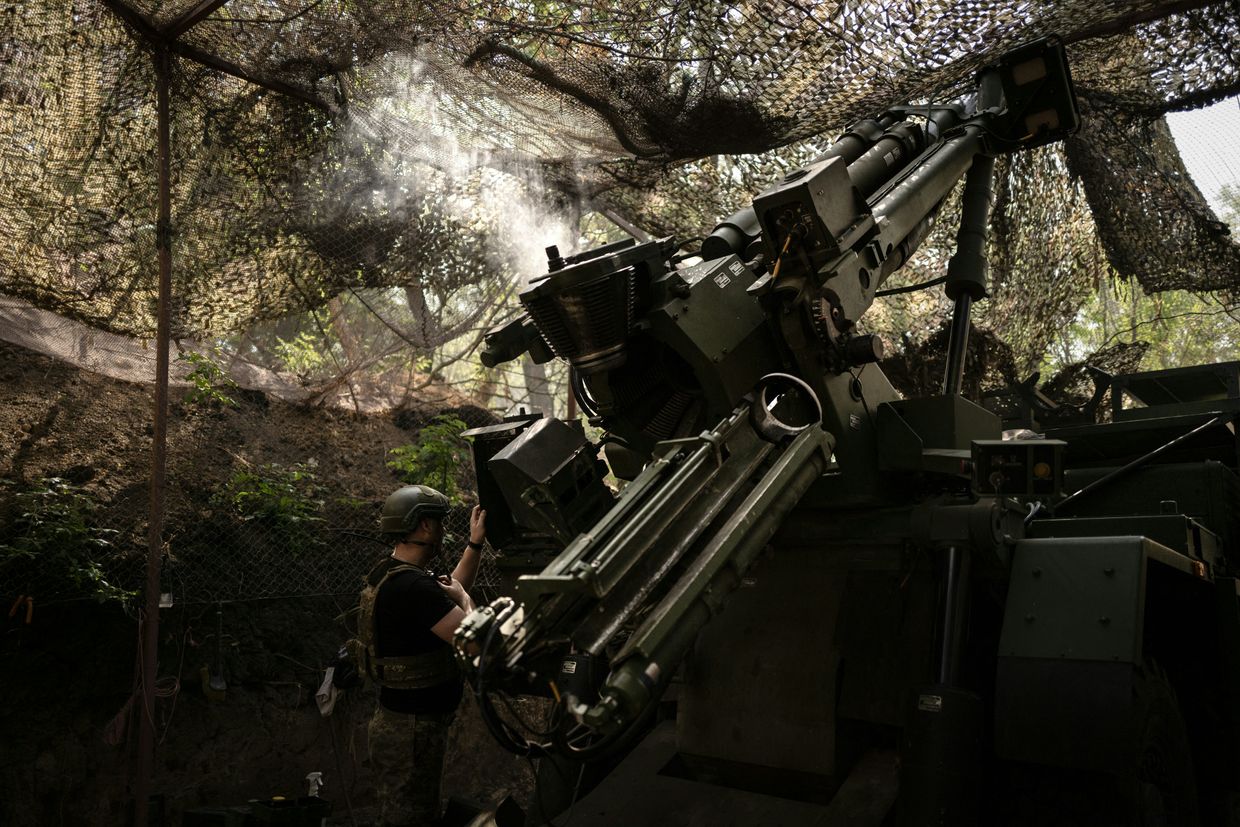
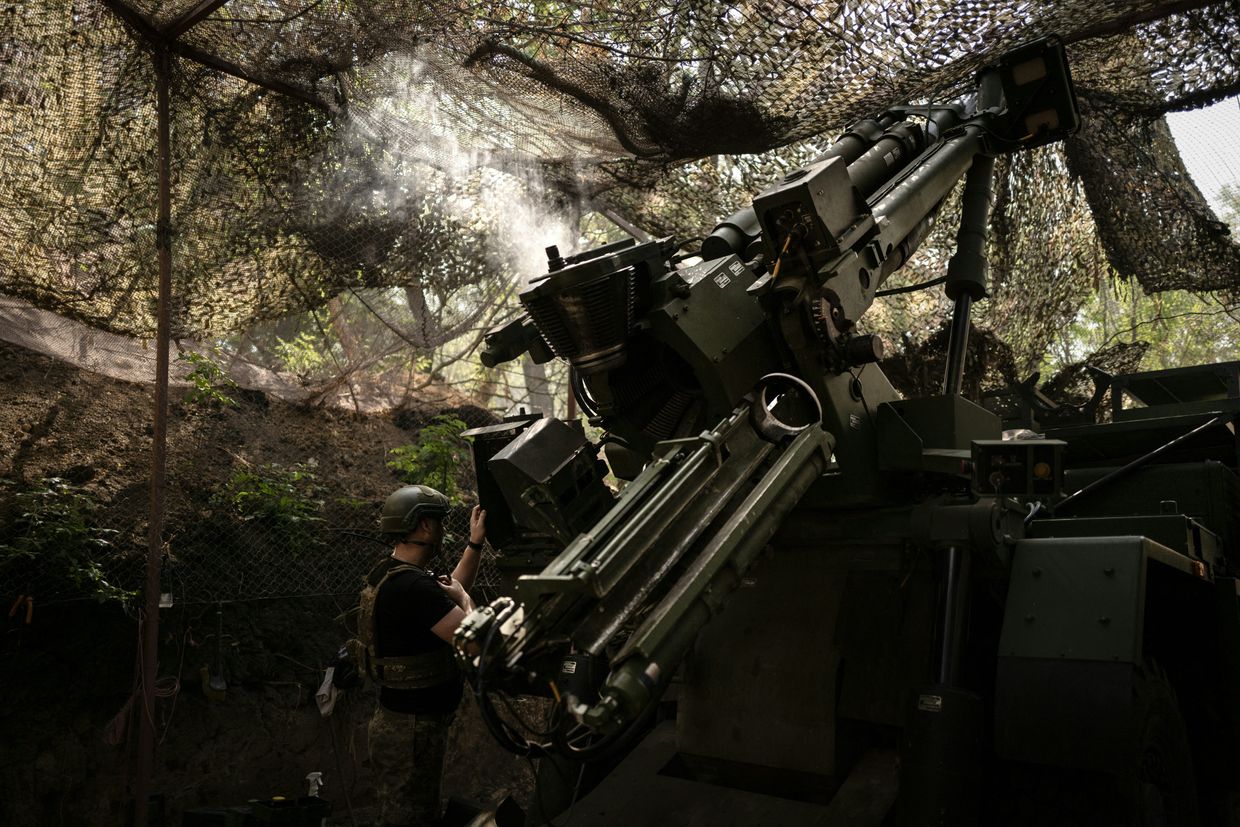
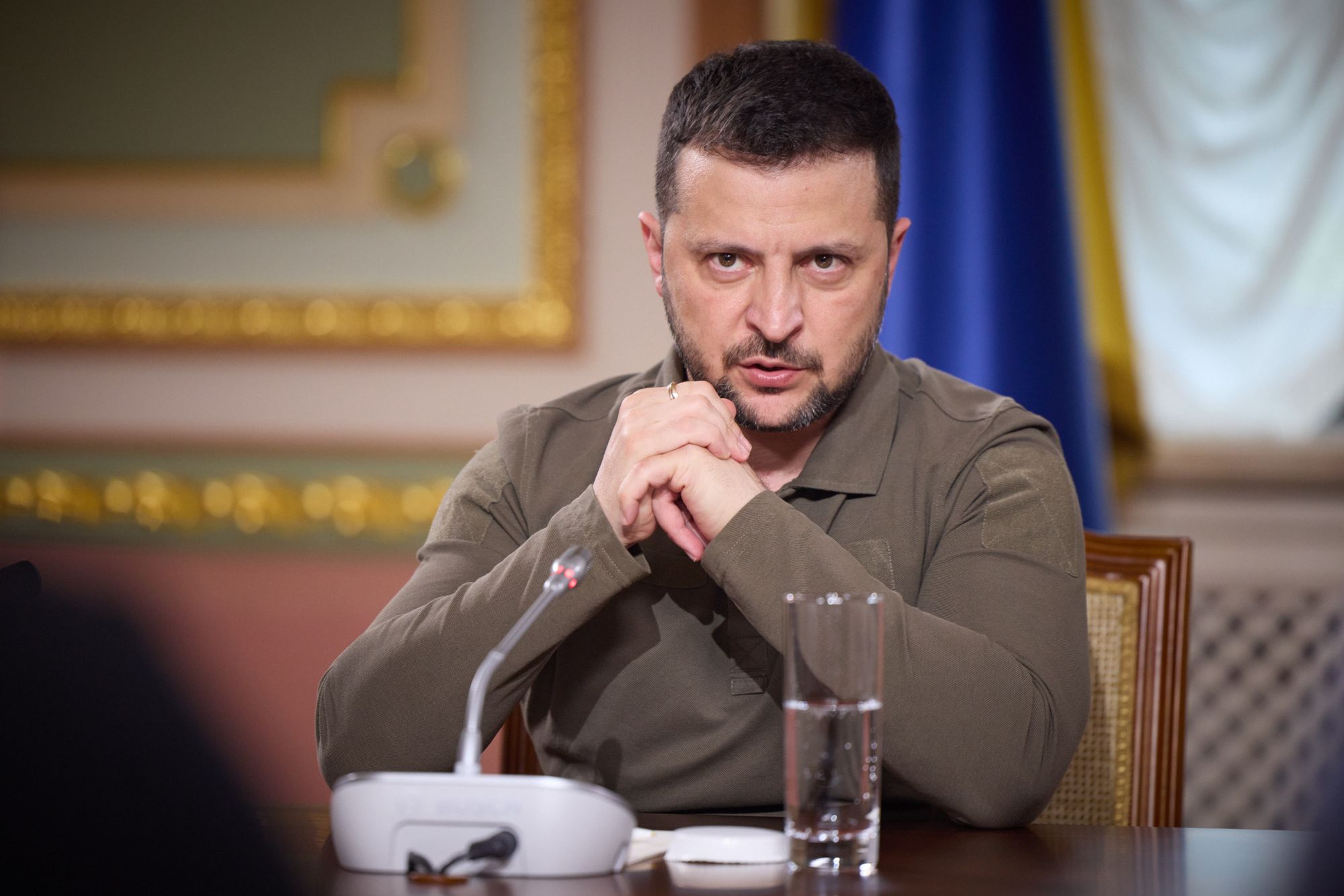
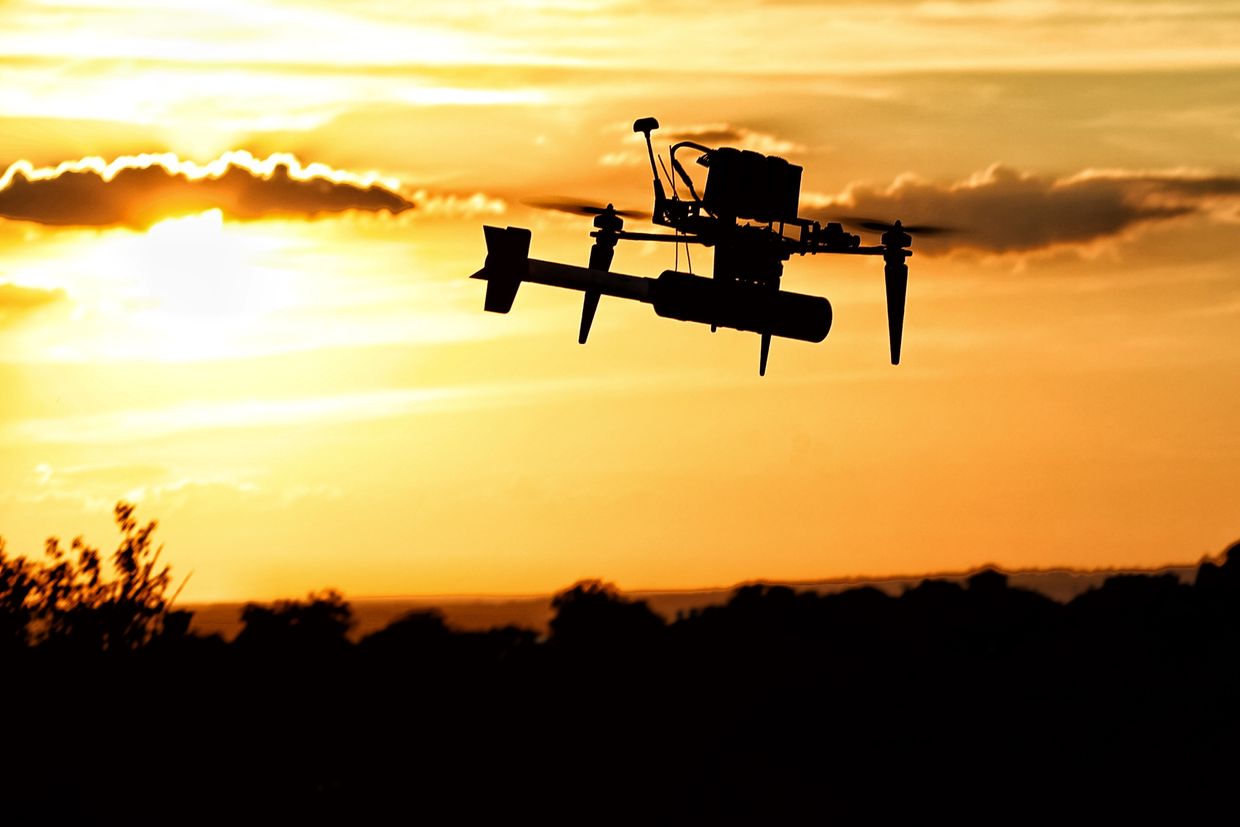
President Volodymyr Zelensky said on June 20 that Ukraine is rapidly developing interceptor drones to defend against increasingly frequent Russian drone attacks.
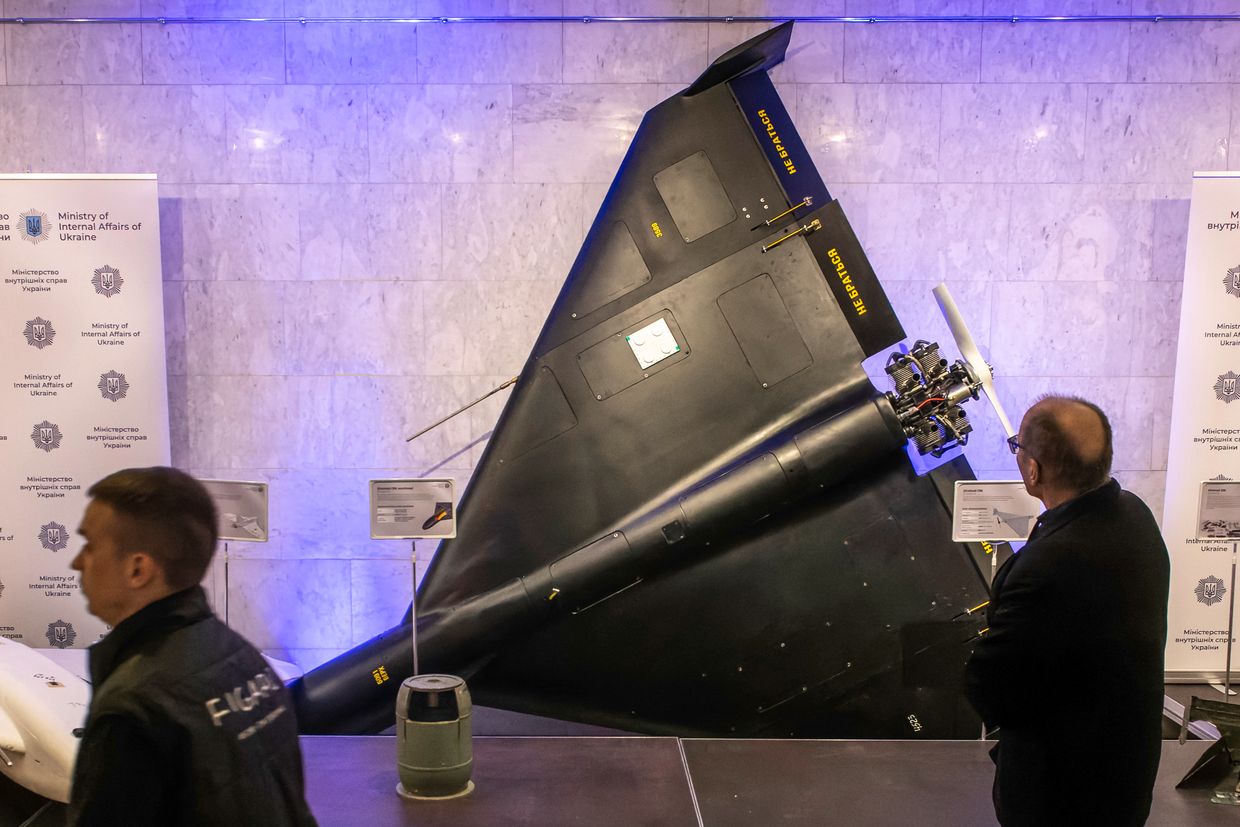
In his nightly address, Zelensky said the new drones would help strengthen Ukraine's defenses against Iranian-designed Shahed drones, which Russia has been deploying in growing numbers in recent weeks.
"We are... making separate efforts on interceptor drones, which must strengthen our defense against Shahed attacks," he said, adding that Ukraine's domestic drone production is "already delivering results."
Zelensky also noted that "production volumes of interceptors are already increasing."
Russian drone strikes across Ukraine have been breaking records in recent weeks, with nearly 500 drones and missiles launched overnight on June 9 – highlighting the urgent need for effective countermeasures.
To support Kyiv's defense industry, Zelensky said that Ukraine is working with international partners to secure additional funding and is preparing new agreements ahead of next week’s NATO summit.
Since the start of Russia’s full-scale invasion, Ukraine has focused heavily on developing and deploying advanced unmanned systems. As of April 2025, more than 95% of drones used by Ukrainian forces on the front line are domestically produced.
Both Ukraine and Russia have increasingly relied on drone warfare, employing aerial, naval, and ground-based drones for reconnaissance and combat operations – making technological innovation a critical component of the war.
President Volodymyr Zelensky is set to attend a NATO summit in The Hague next week, the European Council confirmed on June 20.
European Commission President Ursula von der Leyen and NATO Secretary-General Mark Rutte are set to meet Zelensky on June 24.
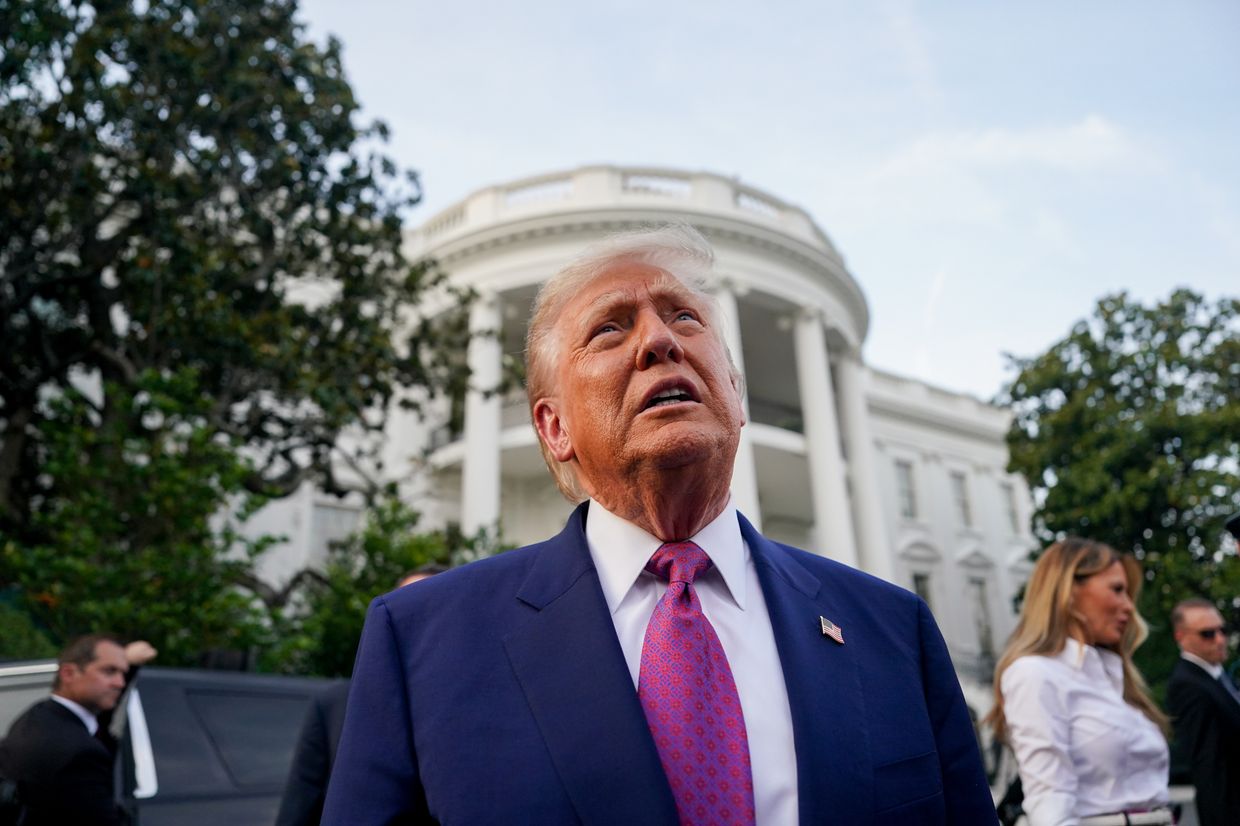
Zelensky was reportedly reconsidering attending the NATO summit, as questions remain over U.S. President Donald Trump's participation, the Guardian reported on June 17, citing unnamed Ukrainian officials.
A schedule released by the European Council on June 20 confirms Zelensky's planned participation at the event.
A Ukrainian official told the Guardian that Kyiv is in a "permanent hazard" of becoming a victim of "Trump's short attention span," adding that Russia has exploited this uncertainty with fresh aerial attacks.
There were "all sorts of promises for this summit," including U.S. arms, the source said.
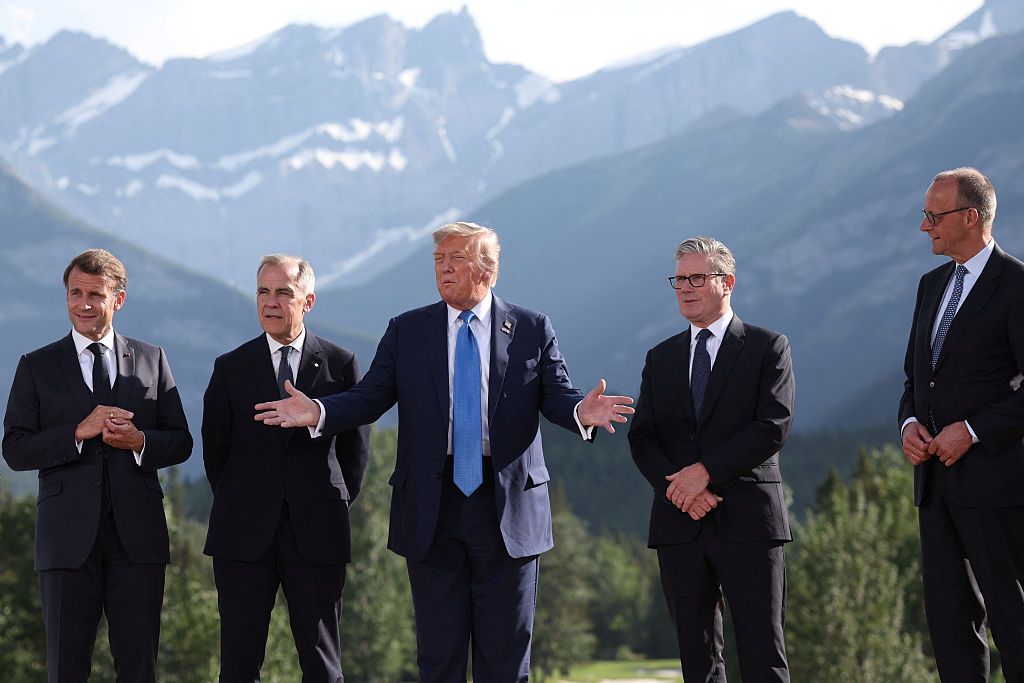
Zelensky was scheduled to meet U.S. President Donald Trump at the Group of Seven (G7) Summit, held June 15-17.
Trump left the multilateral event early due to the renewed conflict between Israel and Iran.
Zelensky met with various leaders, including French President Emmanuel Macron and Canadian Prime Minister Mark Carney.
Zelensky left the summit early, citing Russia's mass drone and missile attack on Kyiv.
On June 17, a Russian drone and missile attack on Kyiv killed 30 people and injured another 172. The nearly nine-hour-long strike saw Moscow's forces launch large numbers of drones and missiles at Ukraine's capital.
Foreign Minister Andrii Sybiha condemned the attack, describing it as a "massive and brutal strike" timed deliberately to coincide with the G7 summit.
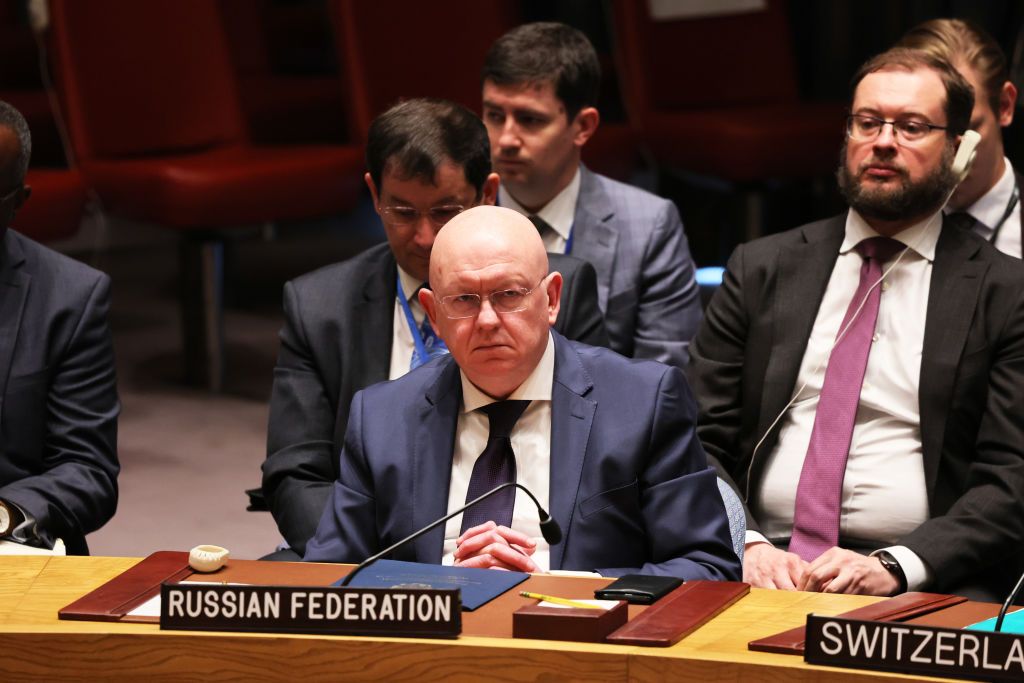
Russia's memorandum on a peace proposal is the "best offer Ukraine can get today," Russia's envoy to the United Nations (UN), Vasily Nebenzya, said at a UN Security Council meeting on June 20.
"During the direct Russian-Ukrainian talks that were held, we presented our memorandum on a peaceful settlement. It consists of two parts: conditions for a comprehensive long-term peace and conditions for a ceasefire," Nebenzya said.
"This is the best offer Ukraine can get today. We advise accepting it as things will only get worse for Kyiv, from here on out," he said.
At Istanbul peace talks on June 2, Russian negotiators told the Ukrainian delegation that their so-called "peace memorandum" is an ultimatum Kyiv cannot accept, President Volodymyr Zelensky said in an interview published on June 10.
"They even told our delegation: we know that our memorandum is an ultimatum, and you will not accept it," Zelensky said. "Thus, the question is not the quality of the Istanbul format, but what to do about the Russians' lies."
"In Istanbul, we also agreed on a large-scale exchange of prisoners of war," Nebenzya said at the UN Security Council meeting on Ukraine.
Aside from agreeing on large-scale prisoner exchanges, peace negotiations between Ukraine and Russia have been largely inconclusive as Moscow continues to issue maximalist demands toward Kyiv.
Nebenzya noted that Ukraine and Russia should resume direct peace talks in Turkey after June 22, despite Russia's intensified drone and missile attacks on Ukraine.
On June 17, a Russian drone and missile attack on Kyiv killed 30 people and injured another 172. The nearly nine-hour-long strike saw Moscow's forces launch large numbers of drones and missiles at Ukraine's capital.
Russia's statements diverged from those of other speakers at the UN Security Council meeting on June 20.
"We call on Russia to agree to an unconditional ceasefire. Russia initiated this war; we call on Russia to end it," Barbara Woodward, the U.K.'s Permanent Representative to the UN, said.
Russia has illegally laid claim to five Ukrainian regions despite not controlling all of the territory. The regions include Donetsk, Luhansk, Zaporizhzhia, and Kherson oblasts, as well as the Autonomous Republic of Crimea.
President Volodymyr Zelensky on June 20 condemned Russia's attempts to advance in Sumy Oblast, as Moscow intensifies its rhetoric of maximalist demands toward Ukraine.
"The Russians had various plans and intentions there — absolutely insane, as usual. We are holding them back and eliminating these killers, defending our Sumy Oblast," Zelensky said in his evening address.
Russian President Vladimir Putin, earlier on June 20, claimed that "all of Ukraine" belonged to Russia, citing the Kremlin's propaganda talking points. Moscow regularly claims that Russians and Ukrainians are "one people."
Putin singled out Sumy, saying that "the city of Sumy is next, the regional center. We don't have a task to take Sumy, but I don't rule it out."
Ukraine's northeastern Sumy Oblast borders Russia and regularly faces Russian shelling as well as drone and missile attacks.
"There was a meeting of the Staff — a very detailed report on the frontline. Particular attention was paid to the Sumy Oblast, to operations in the border areas. I am grateful to our units for their resilience," Zelensky said.
Ukraine continues efforts to work with its allies to increase investment in defense production, he said.
"The volume of support this year is the largest since the start of the full-scale war," Zelensky noted.
Ukraine and Russia held direct peace talks in Turkey on May 16 and June 2. The efforts were largely inconclusive, with Moscow reiterating maximalist demands towards Ukraine.
The two sides were able to agree on large-scale prisoner exchanges. Despite the efforts, Russia has intensified drone and missile attacks on Ukraine.
On June 17, a Russian drone and missile attack on Kyiv killed 30 people and injured another 172. The nearly nine-hour-long strike saw Moscow's forces launch large numbers of drones and missiles at Ukraine's capital.
Ukraine's Unmanned Systems Forces (USF) announced on June 20 the establishment of a new command group that will unite the branch with other top drone units in the country's military.
Drones have become one of the defining tools of the full-scale war, used extensively by both Ukraine and Russia for surveillance, long-range strikes, and tactical battlefield firepower.
The new formation will unite all military units of the USF with the Drone Line, a project launched by President Volodymyr Zelensky in February this year to coordinate and expand five of the country's strongest drone units.
The new command umbrella was created to "improve the efficiency of management, transform the Forces, and adapt to the requirements of modern warfare," according to the statement.
The units will operate within a single chain of command, with a defined structure and a common vision of unmanned aerial vehicle (UAV) tactics in order to harmonize approaches, establish joint work, and use unmanned systems more effectively in combat, the USF said.
The Unmanned Systems Forces were created as a separate branch of Ukraine's military in June 2024.
At that time, Ukraine's strongest existing drone units served in other branches of the defense forces, including the Ground Forces, National Guard, and the Security Service of Ukraine.
The newly-created group will be led by Major Robert Brovdi, better known by his callsign Magyar, whom Zelensky appointed as the commander of the USF in early June.
Brovdi had previously served as commander of the eponymous Magyar's Birds Unmanned Systems Brigade, a founding member of the Drone Line initiative and one of the most consistently high-performing drone units in the Ukrainian military.
A world-first phenomenon, Ukraine's Unmanned Systems Forces works to improve the country's drone operations, creating drone-specific units, ramping up training, increasing drone production, and advancing innovation.
Following in Ukraine's footsteps, Russian President Vladimir Putin announced the creation of his country's own individual drone branch on June 12.
Colonel Vadym Sukharevskyi, previously deputy commander-in-chief of Ukraine's Armed Forces, was named the first commander of the USF on June 10, 2024.
Brovdi replaced Sukharevskyi, who was dismissed on June 3.
According to military personnel who spoke anonymously to Ukrainian news outlet Suspilne, Sukharevskyi's relationship with Commander-in-Chief Oleksandr Syrskyi was tense from the beginning of the USF's formation.
Sukharevskyi's appointment was a decision by president Zelensky, not Syrskyi, sources said.
People close to both Syrskyi and Sukharevskyi also claimed the two men avoided face-to-face interactions.
Editor's Note: This story was updated with comments from Foreign Minister Andrii Sybiha.
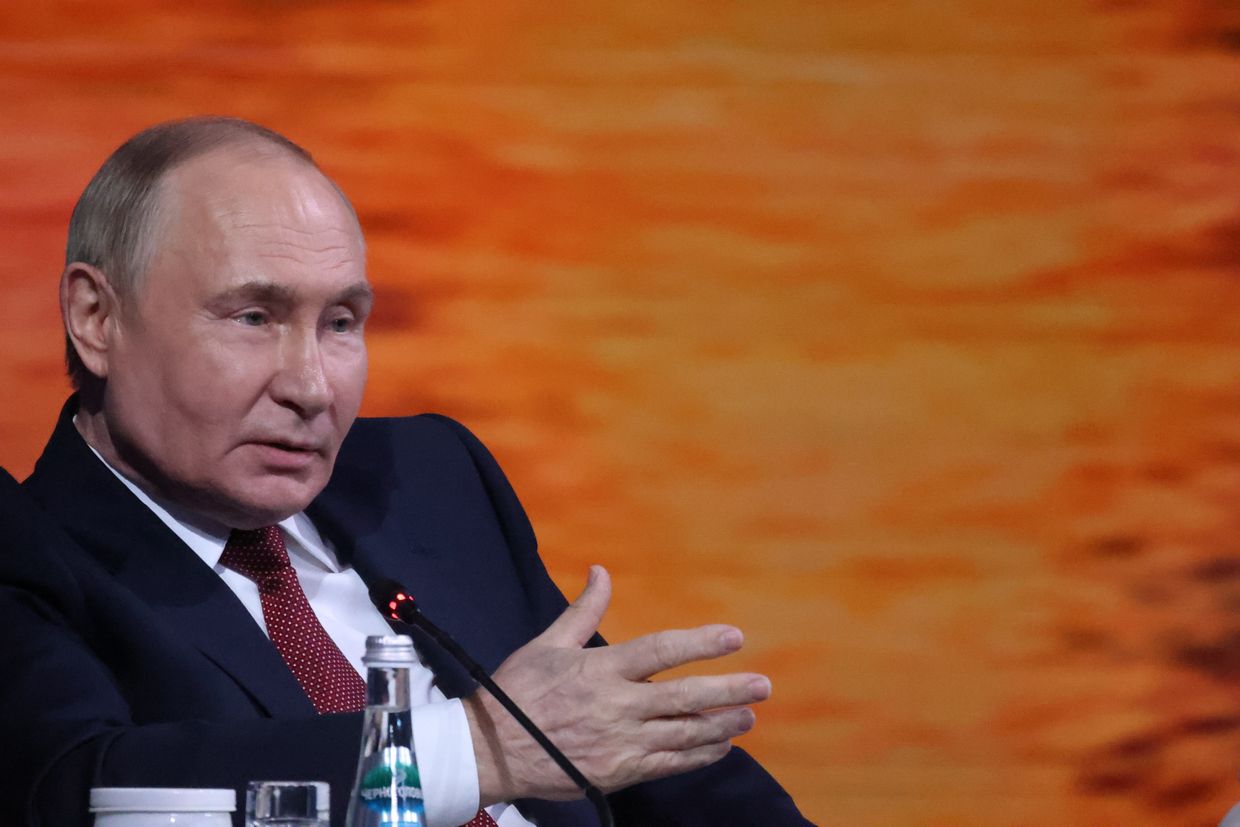
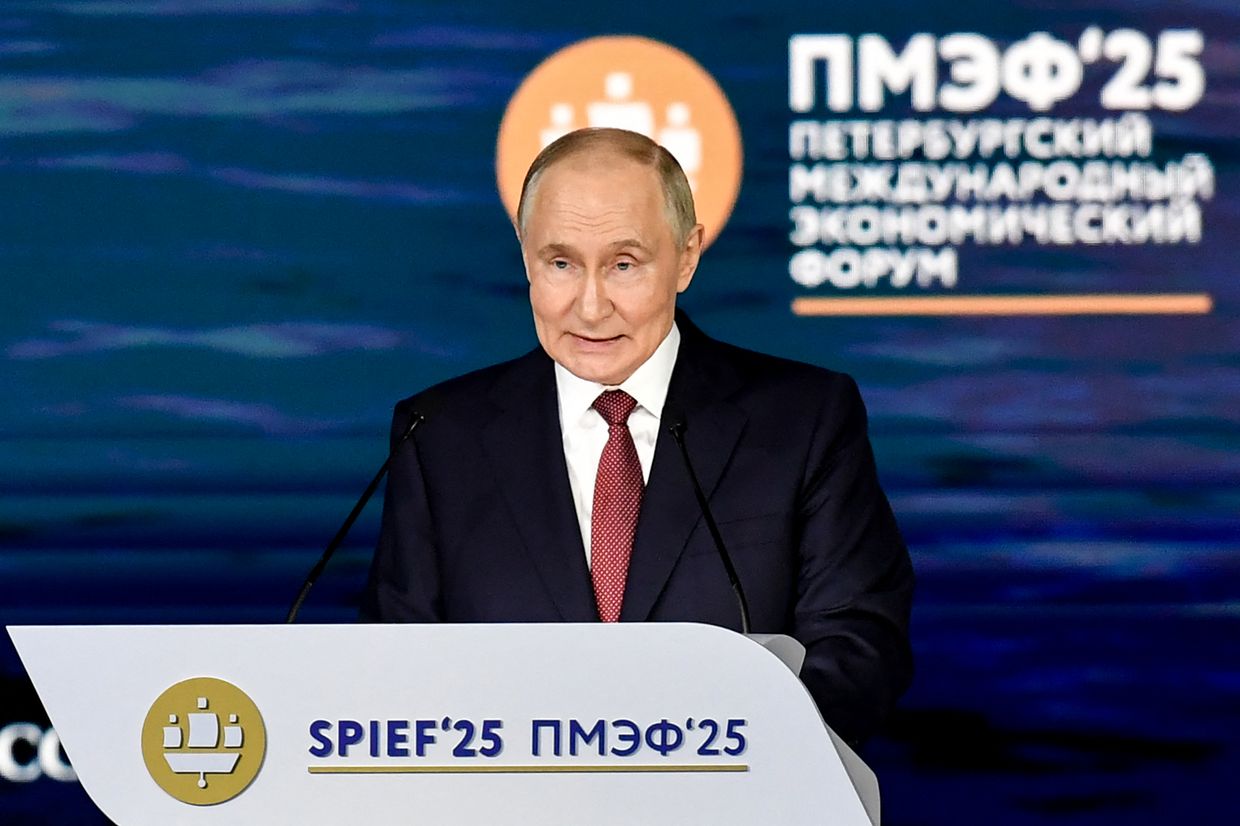
Russian President Vladimir Putin said "all of Ukraine" belonged to Russia in a speech on June 20 at the St. Petersburg International Economic Forum, amid increasingly aggressive official statements about Moscow's final territorial ambitions in Ukraine.
Putin's claim was based on the false narrative often pushed both by himself as leader and by Russian propaganda that Russians and Ukrainians are "one people."
The narrative has long figured prominently in Putin's rhetoric, often brought up as justification for its aggression in Ukraine.
In July 2021, just half a year before the full-scale invasion, the Russian leader stoked fears of a larger attack when he wrote and published an essay on the "historical unity of Russians and Ukrainians."
In response to the speech in St Petersburg, Foreign Minister Andrii Sybiha condemned Putin’s comments as "cynical," saying it showed “complete disregard for U.S. peace efforts."
"While the United States and the rest of the world have called for an immediate end to the killing, Russia's top war criminal discusses plans to seize more Ukrainian territory and kill more Ukrainians," he wrote in a post on X.
Putin made several other statements at the forum, some contradictory, about Moscow's aims in the war going forward.
"Wherever the foot of a Russian soldier steps is Russian land," Putin said, directly implying Russia's intention to continue occupying more than just the five Ukrainian regions that Moscow has illegally laid claim to: Donetsk, Luhansk, Zaporizhzhia, and Kherson oblasts, as well as the Autonomous Republic of Crimea.
Sybiha said that "Russian soldier's foot" brings only "death, destruction, and devastation." He accused Putin of indifference toward his own troops, calling him “a mass murderer of his own people.”
"He already disposed one million Russian soldiers in a senseless bloodbath in Ukraine without achieving a single strategic goal. One million soldiers. Two million feet," the minister said.
"And, while Putin is busy sending Russian feet to invade other countries, he is bringing Russians inside the country to their knees economically."
As per the "peace memorandum" presented by the Russian delegation at the last round of peace talks in Istanbul on June 2, Moscow demands Kyiv recognize the oblasts as Russian and hand over all territory not yet controlled by Russian forces into occupation, including the regional capitals of Kherson and Zaporizhzhia.
Asked whether Russia aimed to seize the regional center of Sumy in Ukraine's northeast, Putin said that while such a mission has not been assigned, he wouldn't rule it out.
Russian ground attacks into Sumy Oblast have intensified along the northeastern border in the past weeks, having first crossed the border after Ukraine's withdrawal from most of its positions in Kursk Oblast in March.
Russian troops have moved 10-12 kilometers (6-8 miles) deep into the region, according to Putin.
"The city of Sumy is next, the regional center. We don't have a task to take Sumy, but I don't rule it out," Putin said.
Sybiha urged the West to ramp up military aid to Ukraine, tighten sanctions against Russia, designate Moscow a terrorist state, and "isolate it fully."
"His cynical statements serve only one purpose: to divert public attention away from the complete failure of his quarter-century rule," the minister added.
Since March, Russia has reportedly taken control of about 200 square kilometers (80 square miles) in northern Sumy Oblast, including roughly a dozen small villages, according to open-source conflict mapping projects.
As of May 31, mandatory evacuations had been ordered for 213 settlements.
In May, Russian President Vladimir Putin ordered his military to create a so-called "security buffer zone" along the border with Ukraine, while Zelensky said on May 28 that Moscow had massed 50,000 troops near Sumy.
In a separate interview with Bild on June 12, Zelensky dismissed Moscow's claims of significant territorial gains as "a Russian narrative" aimed at shaping global perceptions. He stressed that Ukrainian forces have managed to hold off a renewed offensive for nearly three weeks.
When asked if Moscow requires the complete capitulation of Kyiv and the Ukrainian leadership, Putin denied this, saying that Russia instead demands the "recognition of the realities on the ground."
The statement follows a consistent line from Russian officials since the return of U.S. President Donald Trump brought new momentum to the idea of a quick negotiated peace in Ukraine.
Projecting a winning position on the battlefield and gaining confidence from Trump's frequent anti-Ukrainian rhetoric and refusal to approve further military aid to Kyiv, Moscow has stuck to maximalist demands, refusing the joint U.S.-Ukraine proposal of a 30-day unconditional ceasefire along the front line.
On June 18, in an interview to CNN, Russian ambassador to the U.K. Andrei Kelin said that while Russian forces were advancing on the battlefield and taking more Ukrainian, there was no incentive to stop, and that Kyiv must either accept Moscow's peace terms now or "surrender" after losing much more.
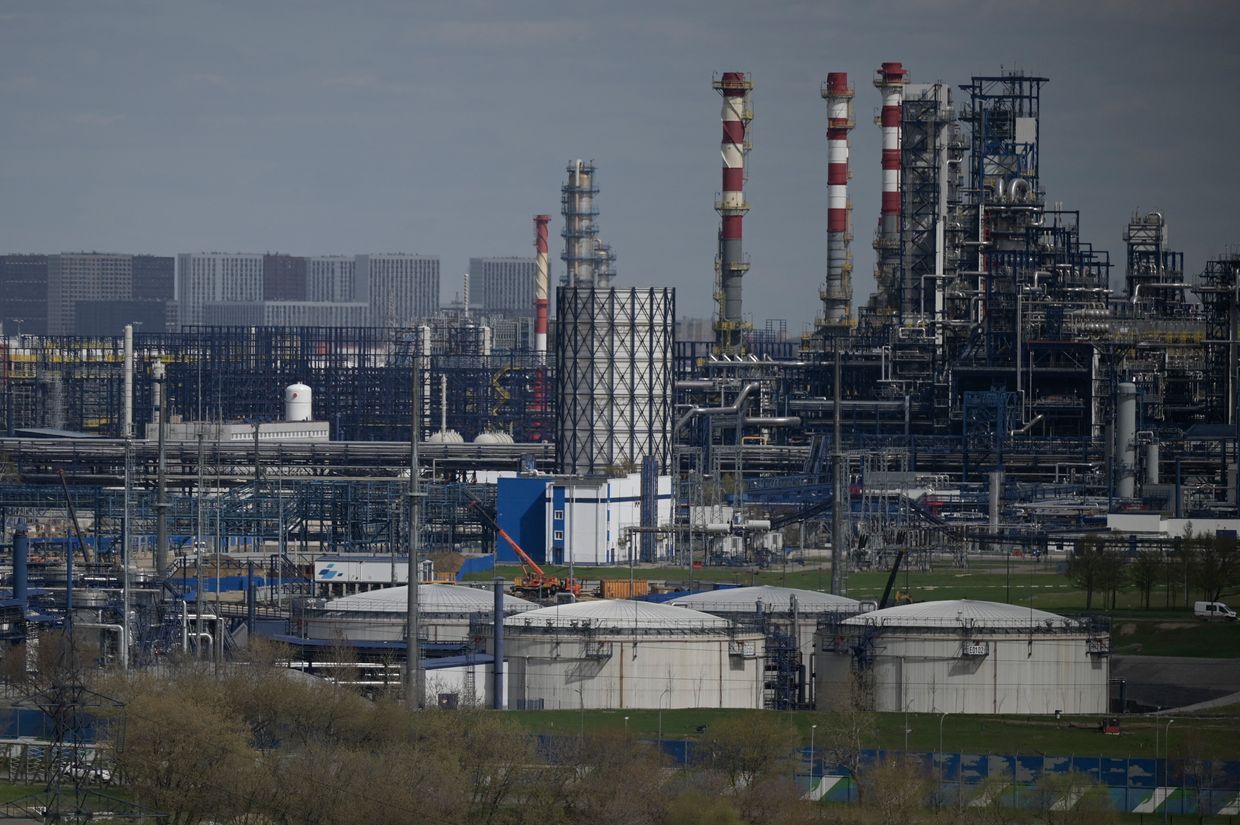
The European Union has postponed a move to lower the existing price cap on Russian oil, after concerns that the Iran-Israel conflict could lead to higher prices, Politico reported on June 20, citing unnamed diplomatic sources.
The price cap, introduced in December 2022 as a measure to limit the Kremlin's ability to finance its war against Ukraine, prohibits Western companies from shipping, insuring, or otherwise servicing Russian oil sold above $60 per barrel.
Ukraine has been calling on Western partners to lower the price cap on Russian oil from $60 to $30 per barrel. Meanwhile, two diplomats told Politico that the escalation of the conflict between Iran and Israel would make it impossible to impose new restrictions.
"The idea of lowering the price cap is probably not going to fly because of the international situation in the Middle East and the volatility," said one diplomat on the condition of anonymity.
The issue of reducing the price cap on Russian oil was discussed during the Group of Seven (G7) summit, which was held June 15-17 in Canada. However, the participants failed to reach a consensus.
"At the G7 meeting this week, it was agreed by all the countries they would prefer not to take the decision right now," the diplomat added. "The prices were quite close to the cap; but now the prices are going up and down, the situation is too volatile for the moment."
European Commission President Ursula von der Leyen said during the G7 summit that the existing measures on Russian oil exports "had little effect," while noting that oil prices had risen in recent days, so "the cap in place does serve its function. "
Global oil prices spiked on June 13, after Israeli strikes on Iran triggered a long-range war between the two countries that has continued for over a week.
Brent and Nymex crude prices surged more than 10% before stabilizing around 7.5% higher, with Brent at $74.50 a barrel and Nymex at $73.20 as of June 20, the BBC reported.
The spike threatens to undermine Western efforts to restrict the wartime revenue of the Russian state, which depend heavily on oil exports.
EU High Representative Kaja Kallas previously urged the European Union to pursue lowering the oil price cap on Russian oil, even without U.S. support, warning that Middle East tensions could otherwise drive prices up and boost Russia's revenues.
President Volodymyr Zelensky signed a decree on June 20, imposing sanctions on 56 individuals and 55 Russian, Chinese, and Belarusian companies involved in the production of Russian drones and sanctions circumvention.
Ukraine introduced new restrictions as Russia has escalated drone attacks against Ukrainian cities over the past weeks, launching record 400-500 unmanned aerial vehicles (UAVs) per night.
Individuals and legal entities subject to Ukrainian sanctions cannot do business and trade in Ukraine, cannot withdraw their capital from the country. In the meantime, their assets are blocked, as well as their access to public and defense procurement, and entry into the territory of Ukraine, among other restrictions.
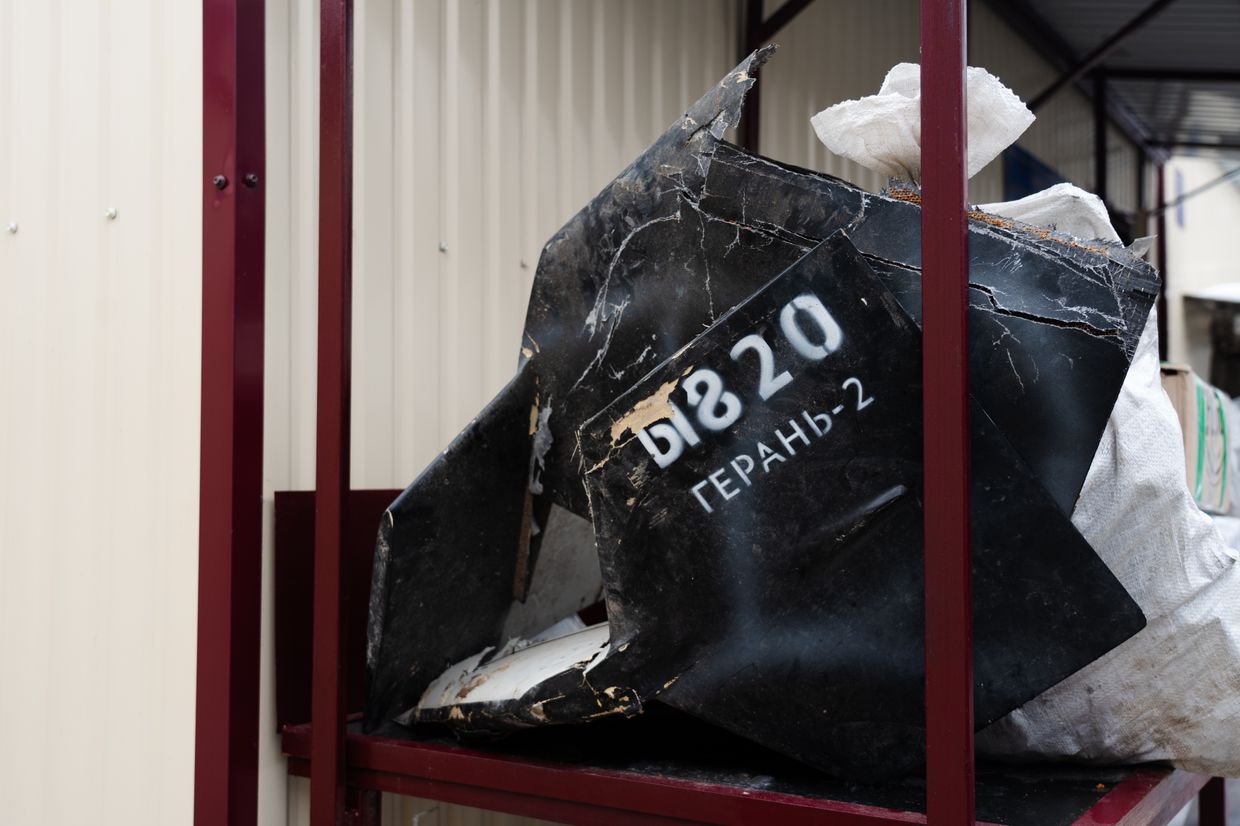
The new package of sanctions targets individuals and entities involved in the development and production of Russian drones such as Geran, Orlan-10, SuperCam, and first-person-view (FPV) drones, according to a decree published on the Presidential Office's website.
The Belarusian Precision Electromechanics Plant and six Chinese enterprises located in Hong Kong and in the provinces of Shandong and Shenzhen are among the sanctioned entities.
The sanctions list includes equipment suppliers to Alabuga Machinery, a Russian manufacturer of machine tools and gears, and individuals who import components for the sanctioned Kronshtadt JSC, a drone producer that developed Banderol UAVs with jet engines.
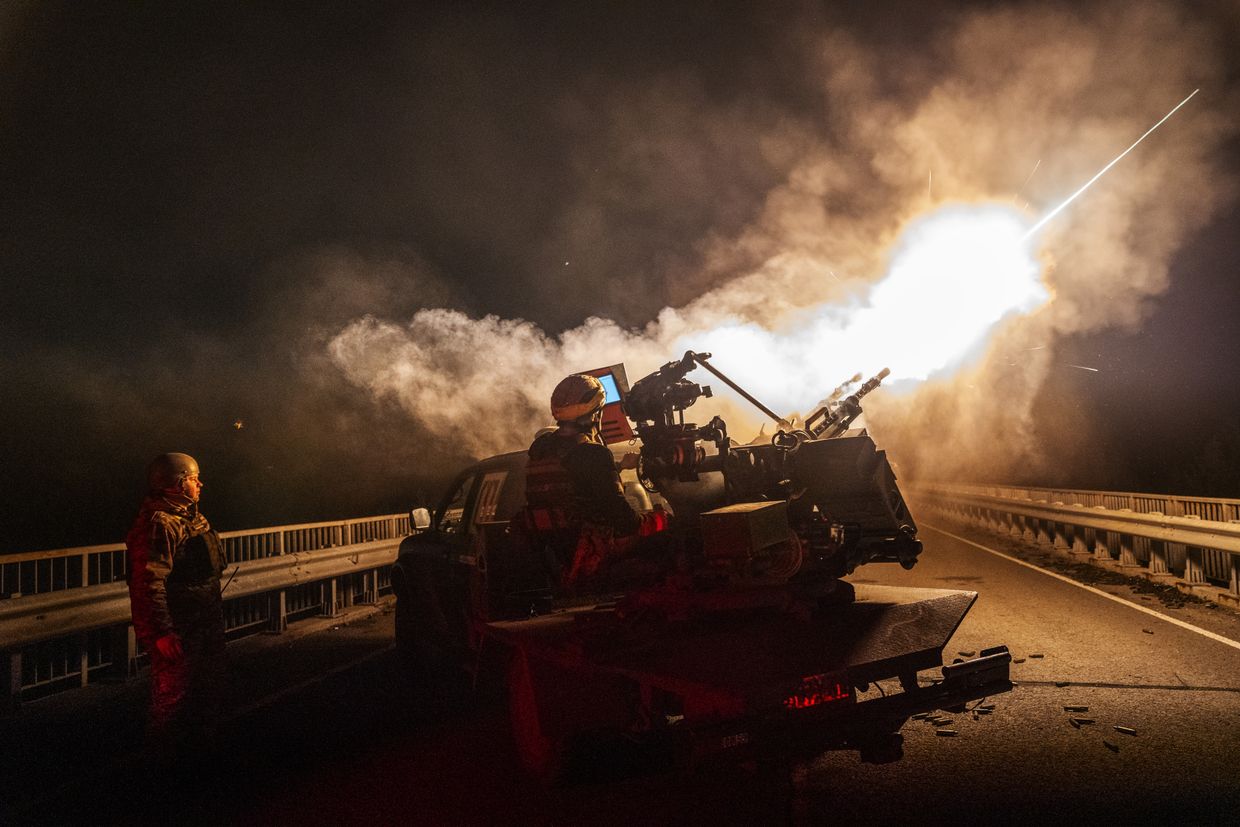
Russia has repeatedly targeted Ukrainian cities with waves of attack drones, often striking energy infrastructure and residential buildings overnight. Ukraine's defense forces use a mix of electronic warfare, air defense systems, and drone-on-drone interception to repel the assaults.
Drones have become one of the defining tools of the full-scale war, used extensively by both Ukraine and Russia for surveillance, long-range strikes, and tactical battlefield advantage.
A Russian soldier deployed in Ukraine may have been involved in an act of cannibalism, audio intercepted by Ukraine's military intelligence agency (HUR) and released on June 20 suggests.
In the recording posted by HUR on Telegram, a Russian commander is heard telling a subordinate that one soldier, referred to by the call sign "Brelok," killed and consumed his fellow service member "Foma" over a two-week period.
Ukraine's military intelligence described the alleged incident as further evidence of what it called the "moral and psychological collapse" of Russian forces.
"Nobody ran away. 'Brelok' took him out and then ate him for two f*cking weeks," a speaker identified by HUR as a commander of a reconnaissance unit from Russia's 68th Motorized Rifle Division can be heard saying in the intercept.
According to HUR, both soldiers served in the 52nd Separate Reconnaissance Battalion, which is reportedly operating near the villages of Zapadne and Lyman Pershyi in the Kupiansk direction of Kharkiv Oblast.
The intercepted speaker adds that "Brelok" was later found dead himself.
"They say he was a 200 (military slang for a killed soldier), f*ck. Well, he ate his comrade, so that's something to think about," the voice says.
The Kyiv Independent cannot independently verify the authenticity of the leaked recording or confirm the events described in it. No visual or documentary evidence has been presented to support the claims, which are based solely on the intercepted audio provided by HUR.
But Russia's recruitment system for the war in Ukraine has heavily relied on the country's prisons as a source of manpower, leading to its ranks being filled by all manner of criminals, even cannibals.
Moscow has been recruiting convicts for its war since the summer of 2022, first under the auspices of the Wagner Group and later under the Russian Defense Ministry.
Initially, prisoners, even those convicted of violent crimes, were promised a pardon after completing a six-month military contract. Since January 2024, Russian army recruits drawn from prisons no longer receive pardons but are released on parole, and are expected to fight until the war is over.
In May 2024, the Moscow Times reported that Russian cannibal Dmitry Malyshev, who was sentenced to 25 years in prison for murder and several other serious crimes, joined one of Russia’s Storm V penal military units.
Malyshev was reportedly recruited to the army together with serial killer Aleksandr Maslennikov, sentenced to 23 years in prison for the "double murder and dismemberment of women."
Previously, Ukraine said there were cases of mistreatment and breakdown of discipline within Russia's own ranks. A group of Russian soldiers fighting near Kursk Oblast surrendered to Ukrainian paratroopers in May, saying abuse within their own units was "worse than captivity," according to a video posted by Ukraine's Airborne Assault Forces.
The soldiers said they had been subjected to inhumane treatment, psychological pressure, and threats while still inside Russian territory.
Reporting by investigative outlets, the Insider and Foreign Policy, has documented systemic abuse of Russian troops throughout the full-scale invasion.
These include so-called "punishment squads," beatings, confinement pits, and hazing that borrows heavily from Soviet-era gulag practices.
Russian drone attacks against Ukraine might decrease due to Iranian Shahed production capabilities being targeted in Israeli strikes, Estonian military intelligence commander Ants Kiviselg said on June 20, according to the ERR broadcaster.
The comments come as Russian drone strikes across Ukraine have been breaking records in recent weeks, with nearly 500 drones and missiles launched overnight on June 9.
"While it can be assessed that Russia has been able to largely localize and transfer the production of Shahed and Geran-type drones to Russia, it can be assumed that some critical nodes for drone production continue to come from Iran," Kiviselg said.
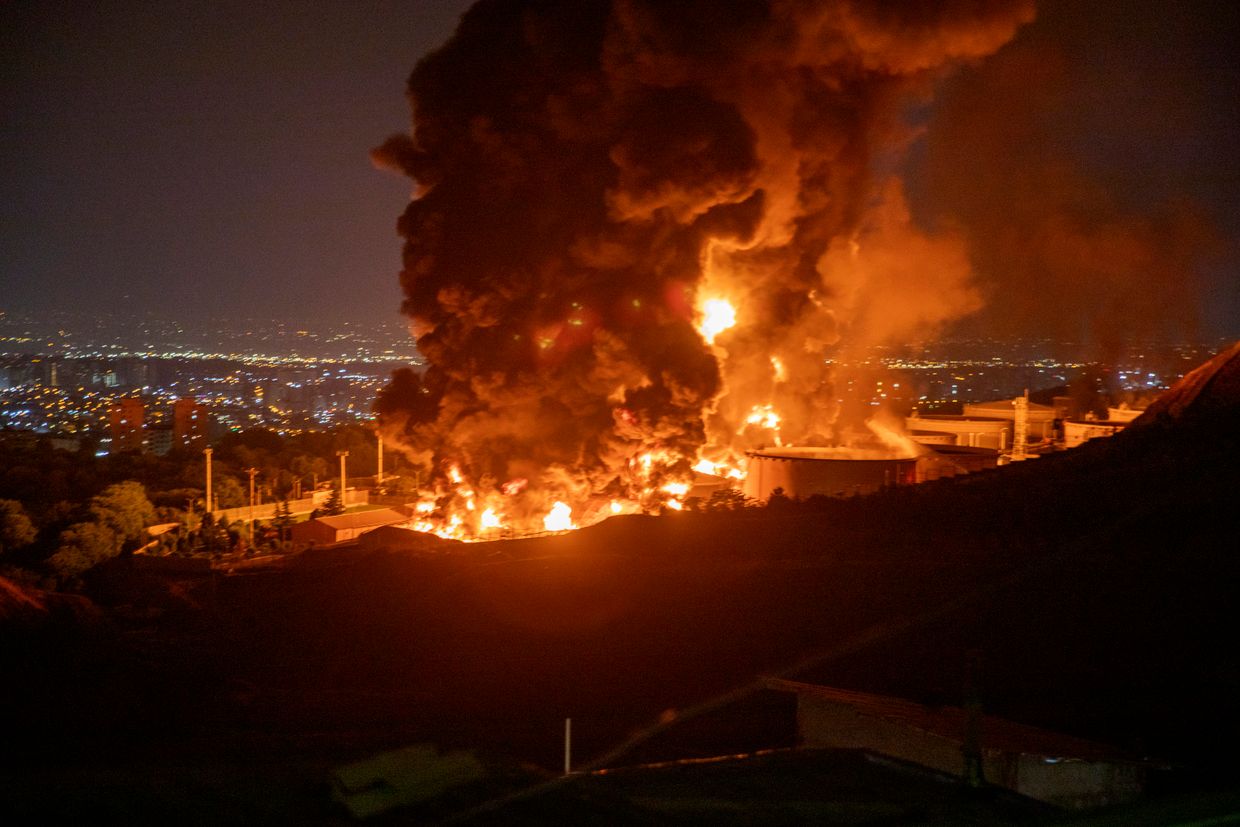
Israel initiated a series of air strikes against Iranian military and nuclear facilities on June 13, with Tehran responding with waves of drone and missile attacks, further escalating tensions in the Middle East.
Iran has been a key ally to Moscow and provided the country with ballistic missiles and thousands of Shahed "kamikaze" drones for its war against Ukraine. Russia has also launched production of its own Shahed equivalents called Geran.
While Israeli strikes targeted and destroyed a Geran-type drone factory in Isfahan, Ukrainian forces have been attacking the Russian plant in Alabuga in Tatarstan, the Estonian intelligence chief noted.
"So there is a possibility that in the near future we may see a certain decline in the use of drones," Kiviselg said. Estonian intelligence is nevertheless convinced that Moscow is planning steps to not only maintain, but also "increase" its drone production.
Russia has been regularly deploying Shahed-type drones for nighttime attacks on Ukrainian cities and infrastructure, overwhelming Ukrainian air defenses with massive swarms.
Ukraine's intelligence has warned that the Russian defense industry seeks to ramp up the production of the strike drones, aiming to deliver 500 unmanned aircraft per month for Russia's war effort.
In turn, the Ukrainian side has also increasingly invested in its drone capabilities, and more than doubled its production of long-range drones in 2024 compared to the previous year.
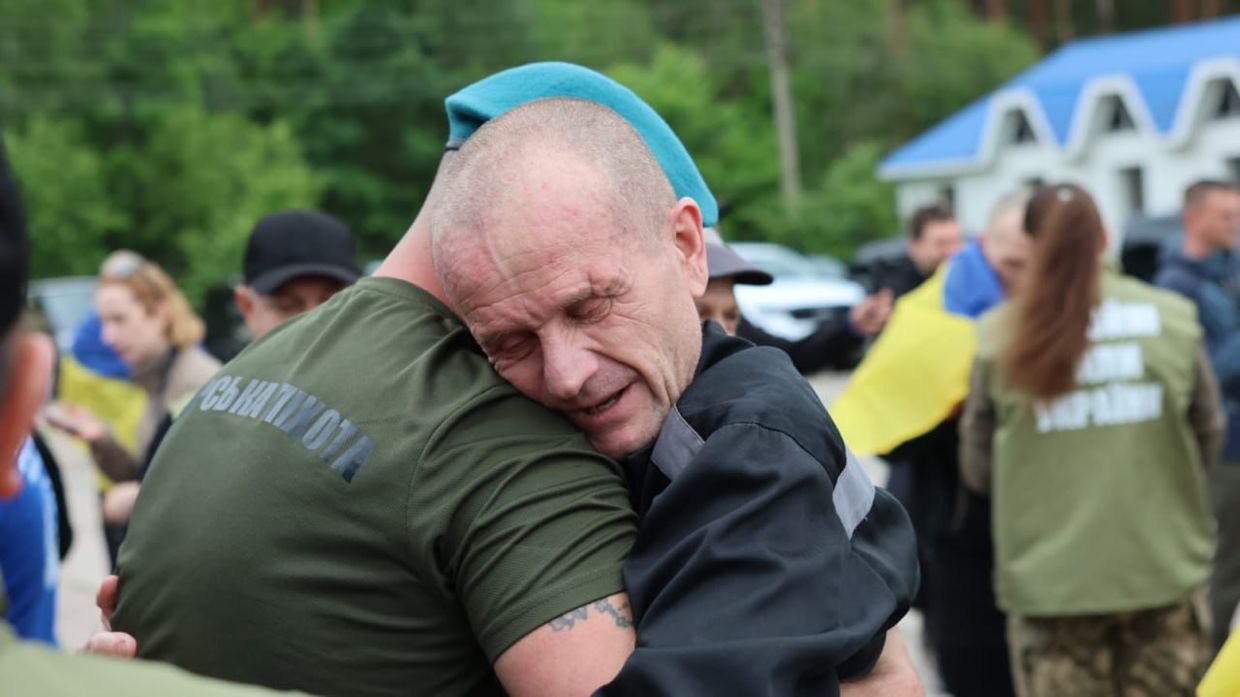
Ukraine has brought home another group of prisoners of war released from Russian captivity, President Volodymyr Zelensky said on June 20, following another prisoner exchange a day earlier.
"Most of the warriors returning today from Russian captivity had been held for over two years. And now, at last, they are home," Zelensky said on X, without revealing how many captives were exchanged.
Russia's Defense Ministry also said that a group of Russian soldiers had been released by the Ukrainian side, without specifying the number of personnel involved.
This week's exchanges follow four similar swaps carried out last week in accordance with Ukraine-Russia agreements reached at peace talks in Istanbul on June 2.
The latest swap was another in a series focusing on seriously ill and wounded prisoners, Ukraine's Coordination Headquarters for the Treatment of the Prisoners of War (POW) said.
"These are defenders of Mariupol, Donetsk, Luhansk, Zaporizhzhia, Kherson, Kharkiv, and Chernihiv regions. Warriors of the Armed Forces, the National Guard, and the Border Guard Service," Zelensky said.
The released POWs included privates and non-commissioned officers, some of whom were captured after the siege of Mariupol in 2022, according to the Coordination Headquarters. The oldest one is 60 years old, said Ombudsman Dmytro Lubinets.
While no political breakthrough was achieved at the Istanbul negotiations, both sides agreed to a phased exchange of prisoners and the repatriation of fallen soldiers' bodies. As part of that agreement, Russia pledged to return the bodies of up to 6,000 Ukrainian service members and citizens.
Moscow has handed over 6,057 bodies to Ukraine in several stages over the past few days, though Kyiv later said that these remains also included fallen Russian soldiers.
The June 2 agreements came after the largest known POW swap in late May, when 1,000 prisoners were exchanged on each side.
Ukraine repeatedly called for a prisoner exchange in an all-for-all format, but Russia continues to reject the offer.
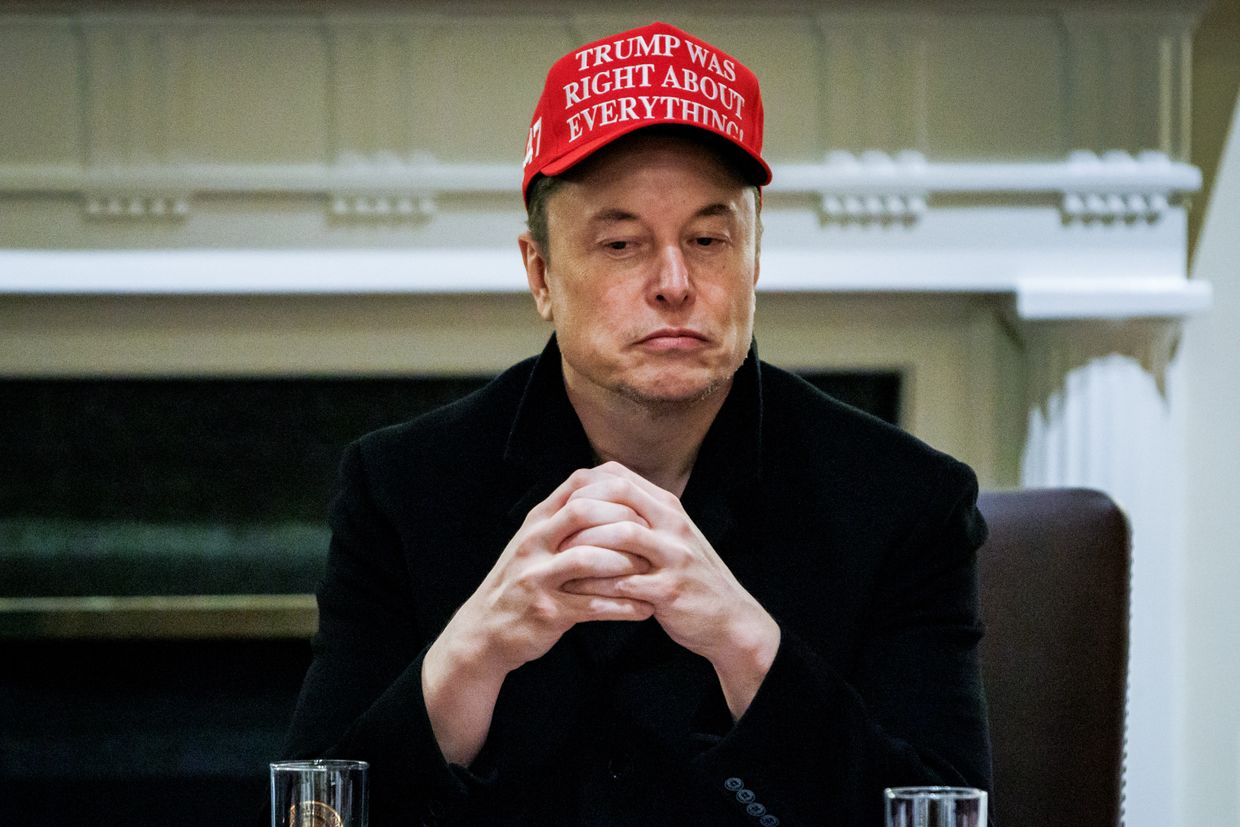
Russian authorities are considering a request from the New People's Party to offer political asylum to U.S. tech billionaire Elon Musk, claimed the party's lawmaker, Vladislav Davankov, to the Russian media on June 20.
Davankov, deputy speaker of the State Duma, told reporters at the St. Petersburg International Economic Forum that his party had formally petitioned the Russian Foreign Ministry to provide Musk with asylum. The request is expected to be reviewed within a month, he reportedly said.
"I think Elon Musk has made mistakes, but those mistakes should be forgiven," Davankov said. "If things don't work out for him, we are always ready to welcome him — from a technological and visionary point of view, he's very impressive."
The claim could not be independently verified, and there has been no official confirmation from the Russian Foreign Ministry or Musk. Kremlin spokesperson Dmitry Peskov declined to comment, telling reporters, "Let's wait for a statement from the Foreign Ministry or from Musk himself before we say anything."
The alleged request follows a public conflict that erupted between Musk and U.S. President Donald Trump earlier this month. The billionaire later expressed regret over a series of critical posts aimed at Trump, calling a proposed government spending bill "disgusting" and warning of economic consequences.
Trump hit back during a meeting with German Chancellor Friedrich Merz on June 5, saying on Truth Social that Musk had "just gone crazy."
In response, Musk claimed on social media that Trump owed him his electoral victory, suggesting his influence prevented Democrats from retaining the House.
Earlier this month, Dmitry Novikov, deputy chair of the State Duma Committee on International Affairs, told state-run news agency TASS that Russia would be ready to provide Musk with political asylum if needed.
"I think Musk is playing a completely different game, that he won't need political asylum, although if he did, Russia could certainly provide it," Novikov said on June 6.
The feud has attracted attention in Russia, where Musk is increasingly viewed as a sympathetic figure. Dmitry Medvedev, deputy chairman of Russia's Security Council, joked on X that Moscow could broker peace between "D and E," referring to Donald and Elon, in exchange for Starlink shares. "Don't fight, guys," Medvedev wrote.
Musk led a federal commission on government efficiency until May 30 and has been a key figure in dismantling U.S. foreign aid institutions, including USAID, which has delivered billions in aid to Ukraine.
Though he initially supported Ukraine by providing Starlink satellite systems to aid its defense, Musk eventually adopted Russian talking points, claiming President Volodymyr Zelensky lacks popular support and accusing Kyiv of running a "never-ending draft meat grinder."
He has also spoken out against U.S. military aid to Ukraine, a stance that aligns closely with Kremlin messaging aimed at discouraging Western support for Kyiv.
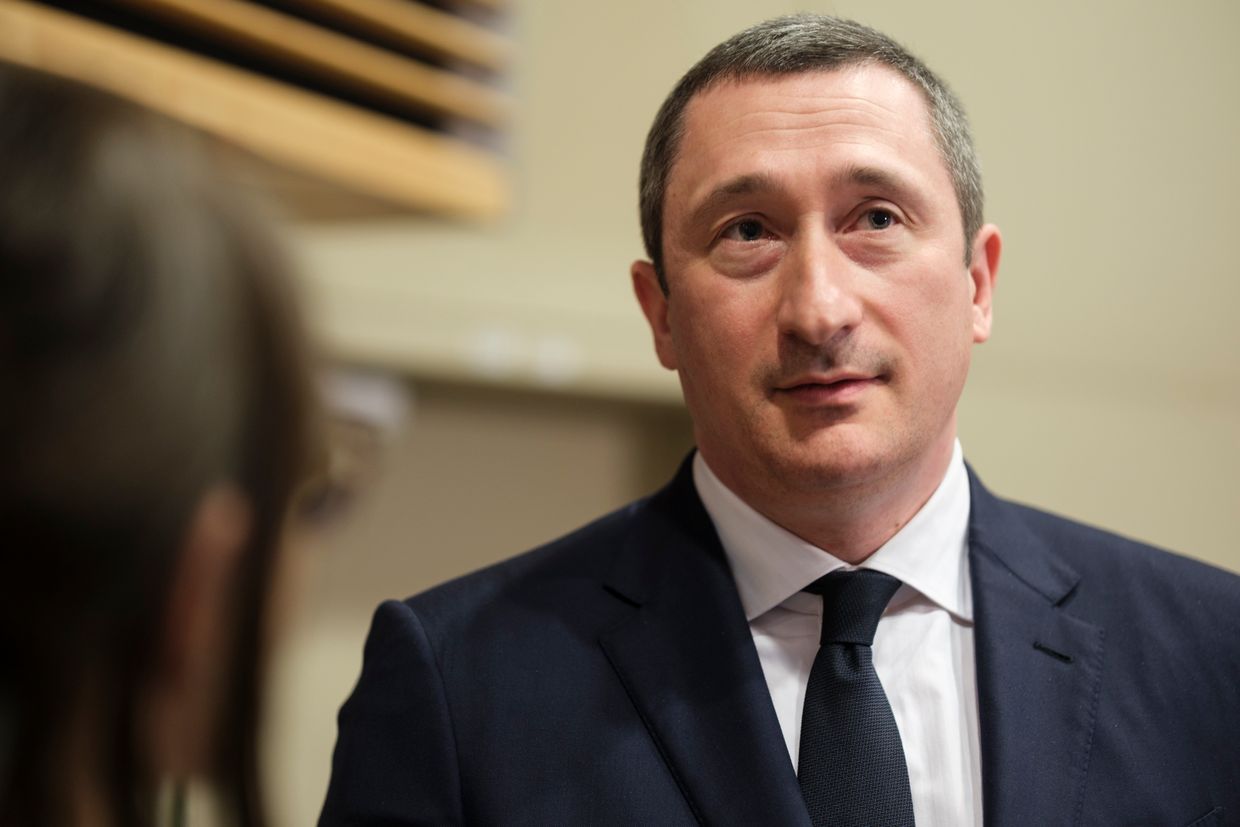
Deputy Prime Minister Oleksii Chernyshov's official trip abroad has been approved until the end of the week, Prime Minister Denys Shmyhal said on June 20 amid media speculations connecting Chernyshov's absence to an ongoing corruption investigation.
Shmyhal made the comment in response to opposition lawmaker Iryna Herashchenko in parliament.
Suspicions about Chernyshov, who heads the new National Unity Ministry focused on relations with refugees and the Ukrainian diaspora, arose earlier this week when the deputy prime minister did not attend a Kyiv forum he himself organized in person but joined online from abroad.
The deputy prime minister's unexpected work trip to Vienna, announced on June 16, came three days after law enforcement agencies unveiled a corruption scheme involving two officials from the now-dissolved Communities and Territories Development Ministry, which was headed by Chernyshov.
According to Ukrainska Pravda, Chernyshov and two of his associates came under investigation last year over suspicions that they received kickbacks from Serhii Kopystira, the head of the KSM Group, for illicitly transferring a plot of land for real estate development between 2021 and 2022.
Four sources in anti-corruption agencies told Ukrainska Pravda that despite the investigation, no police searches were conducted at the time, as they were blocked by the head of the National Anti-Corruption Bureau, Semen Kryvonos, who has a long-standing relationship with Chernyshov.
After the dissolution of the Communities and Territories Development Ministry at the end of 2022, Chernyshov was appointed the head of the state-owned energy company Naftogaz. In 2024, the official was tasked with leading the new National Unity Ministry — a position that often involved travel abroad — while also being named deputy prime minister.
The other two people connected to the case — Maksym Horbatiuk and Vasyl Volodin — were reportedly detained last week as the investigation began moving forward.
Chernyshov traveled to Prague on June 10 and 11 for a business trip, and then to Vienna a week later. The subsequent court hearings with the two detainees detailed Chernyshov's role in the corruption scheme, according to Ukrainska Pravda.
The news outlet stressed that there is currently no evidence that Chernyshov's current stay abroad is connected to the investigation. The National Unity Ministry said that foreign trips are a regular part of Chernyshov's work.
The Kyiv Independent could not verify all the claims and has reached out to Chernyshov's team for comment.
Editor's note: This story was updated to include Russian President Vladimir Putin's remarks at the St. Petersburg International Economic Forum.
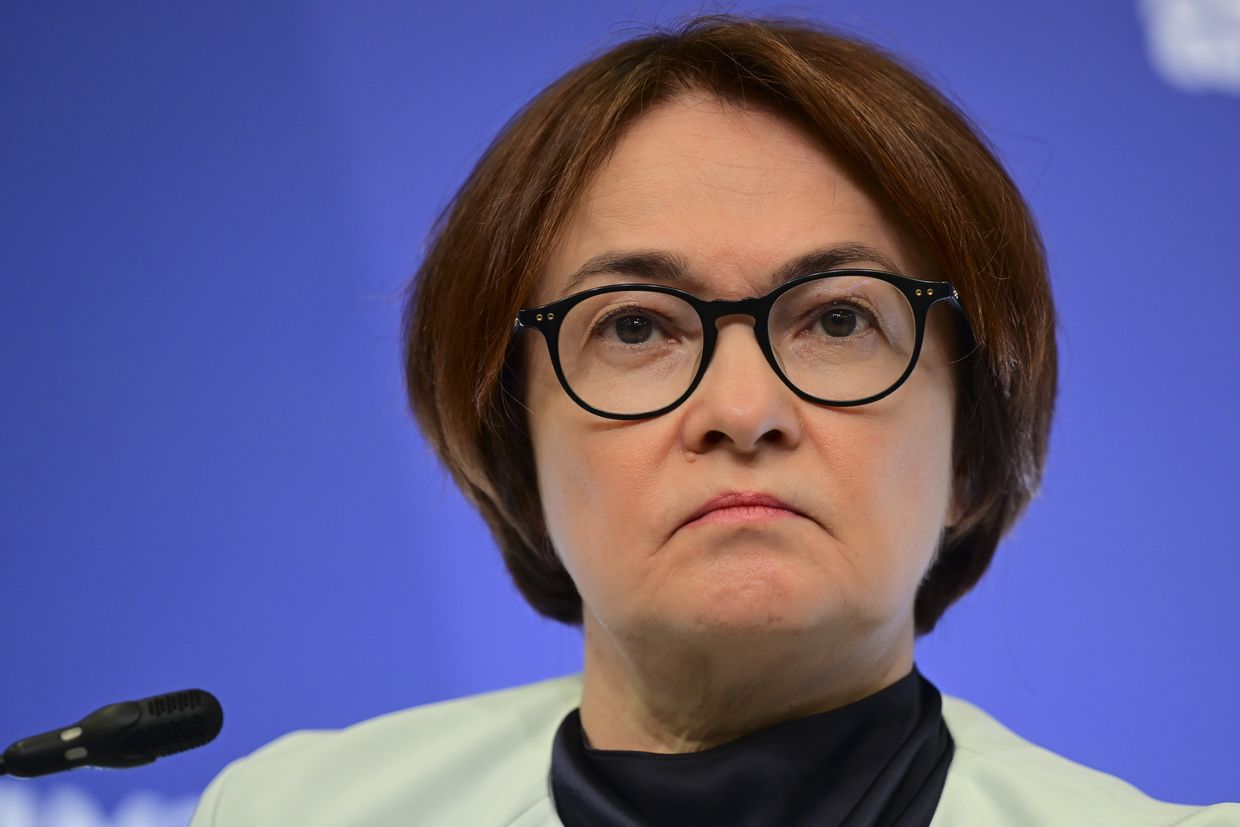
Russia's wartime economic momentum is fading fast, with key resources nearly exhausted, Russian Central Bank Governor Elvira Nabiullina said, warning that the country can no longer rely on the same tools that sustained growth in the first two years of the full-scale war against Ukraine, the Moscow Times reported on June 19.
Speaking at the St. Petersburg International Economic Forum, Nabiullina said that the Russian economy had been expanding on the back of "free resources," including labor, industrial capacity, bank capital reserves, and liquid assets from the National Wealth Fund (NWF) — all of which are now reportedly nearing depletion.
"We grew for two years at a fairly high pace because free resources were activated," she said. "We need to understand that many of those resources have truly been exhausted."
Speaking at the same forum, Russian President Vladimir Putin ordered officials "not to allow stagnation or recession" in the Russian economy under any circumstances.
"We must consistently change the structure of our economy," he said.
The comments come after Russia's ambassador to the U.K., Andrei Kelin, claimed in an interview with CNN this week that Russia is spending "only 5–7%" of its federal budget on the war. Kelin claimed that Russia can continue waging its war, saying Moscow "is winning."
According to the state statistics agency Rosstat, Russia's unemployment rate has dropped to a historic low of 2.3%. At the same time, mass emigration and large-scale wartime recruitment have created a labor shortage estimated at 2 million people. Industrial capacity utilization has surged beyond 80%, the highest in modern Russian history.
Russia's economy is now "on the verge of a transition to recession," Russian Economy Minister Maxim Reshetnikov said at the same forum. Official data show that GDP growth slowed from 4.1% in late 2023 to just 1.4% in the first quarter of 2024, with the economy contracting quarter-on-quarter for the first time since 2022.
Business profits in March fell by one-third overall and dropped by half in the critical oil and gas sector. Industrial growth stagnated at 1.2% year-over-year between January and April, while civilian sectors of the economy began shrinking. Retail turnover growth slowed from 7.2% in December to just 2.4% in April.
An anonymous Russian analyst told Novaya Gazeta Europe that government technocrats are effectively telling Putin it's time to choose between "war or economy."
During its invasion of Ukraine, Russia has faced rising inflation due to record military spending, pushing the central bank to maintain high interest rates. Under government pressure, the bank cut the rate slightly from 21% to 20% earlier in June, despite concerns about weakened private investment.
Officials have scaled back key development projects and reduced shipments of metals and oil products. Early hopes for recovery in 2025, driven by talks with the U.S., have faded as inflation and sanctions weigh heavily on growth.
Editor's note: This story has been updated to include the joint statement issued by the ministers of the Baltic states, Nordic countries, and Poland.
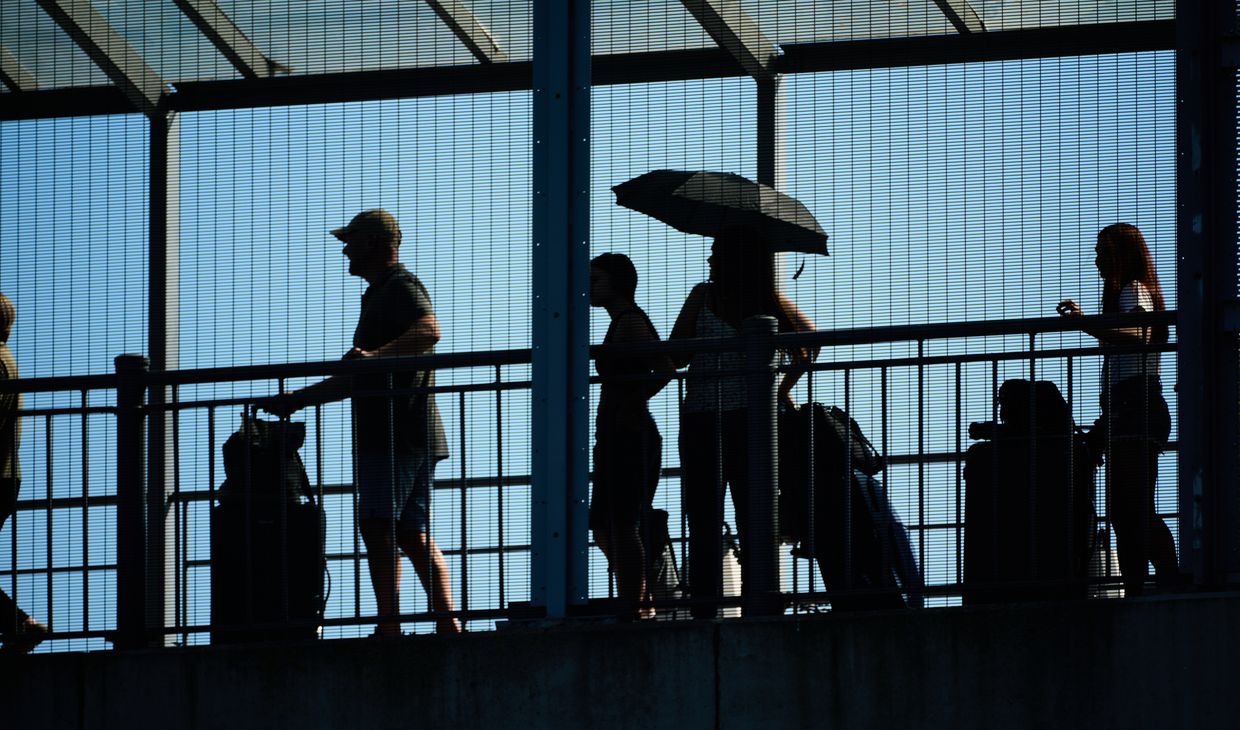
A coalition of European Union countries is pushing to bar Russian citizens who participated in the war against Ukraine from entering the Schengen Area, citing serious security concerns, Estonian broadcaster ERR reported on June 19.
The call comes as Russia increased its hybrid operations targeting the European Union. EU security agencies have repeatedly warned of Russian-linked sabotage operations, including arson attacks, orchestrated by Moscow as part of hybrid warfare strategies.
Interior ministers from the Baltic states, Nordic countries, and Poland met in Tallinn on June 19, where they issued a joint statement confirming their intent to prevent entry into the visa-free Schengen zone for Russians who took part in the war against Ukraine, ERR reported.
"There are hundreds of thousands of Russian citizens who have fought against Ukraine," Estonian Interior Minister Igor Taro said following the meeting. "We must take a clear stance; these individuals cannot freely travel across Schengen."
"We will not issue them residence permits or visas," he added. "This group, which has been killing and destroying, poses a very significant security threat to all of us."
The ministers emphasized that this restriction should remain in place even after active hostilities cease in Ukraine.
"Member States should take all necessary measures to ensure that individuals who are or have been contracted by the Russian armed forces or other armed groups acting on behalf of the regime are not allowed to undermine our security or move freely within the Schengen Area," the joint statement read.
The high-level meeting also included European Commissioner for Home Affairs and Migration Magnus Brunner, as well as representatives from the EU border agency Frontex.
The Schengen Area allows for visa-free travel across 29 European countries for up to 90 days in any 180-day period. While several EU member states have imposed national restrictions on Russian travelers, others continue processing applications, keeping access routes open.
Latvia has been among the most vocal proponents of stricter visa policies for Russian nationals. Latvian Foreign Minister Baiba Braze urged on May 25 all EU countries to suspend visa issuance to Russians, citing escalating security threats from Moscow.
"Latvia calls on the EU countries to halt visa issuance for Russian citizens, citing security concerns," Braze wrote on X. She noted that Schengen visa approvals for Russian nationals had surged by 25% in 2024 compared to 2023.
Latvia imposed entry restrictions in September 2022 as part of a coordinated effort with Lithuania, Estonia, and Poland. Czechia followed suit in October 2022.
Concerns over the abuse of Schengen visas and diplomatic privileges have intensified amid a wave of suspected Russian sabotage and espionage on EU soil. Polish and Czech authorities have recently led an effort to limit the movement of Russian diplomats within the bloc, targeting individuals allegedly working under diplomatic cover for Russian intelligence services.
Russian attacks across Ukrainian regions killed two civilians and injured at least 39, including minors, over the past day, regional authorities reported on June 20.
Russian forces launched 86 Shahed-type attack drones and decoys against Ukraine overnight, the Air Force said. Ukrainian air defenses reportedly shot down 34 drones, while 36 disappeared from radars or were intercepted by electronic warfare.
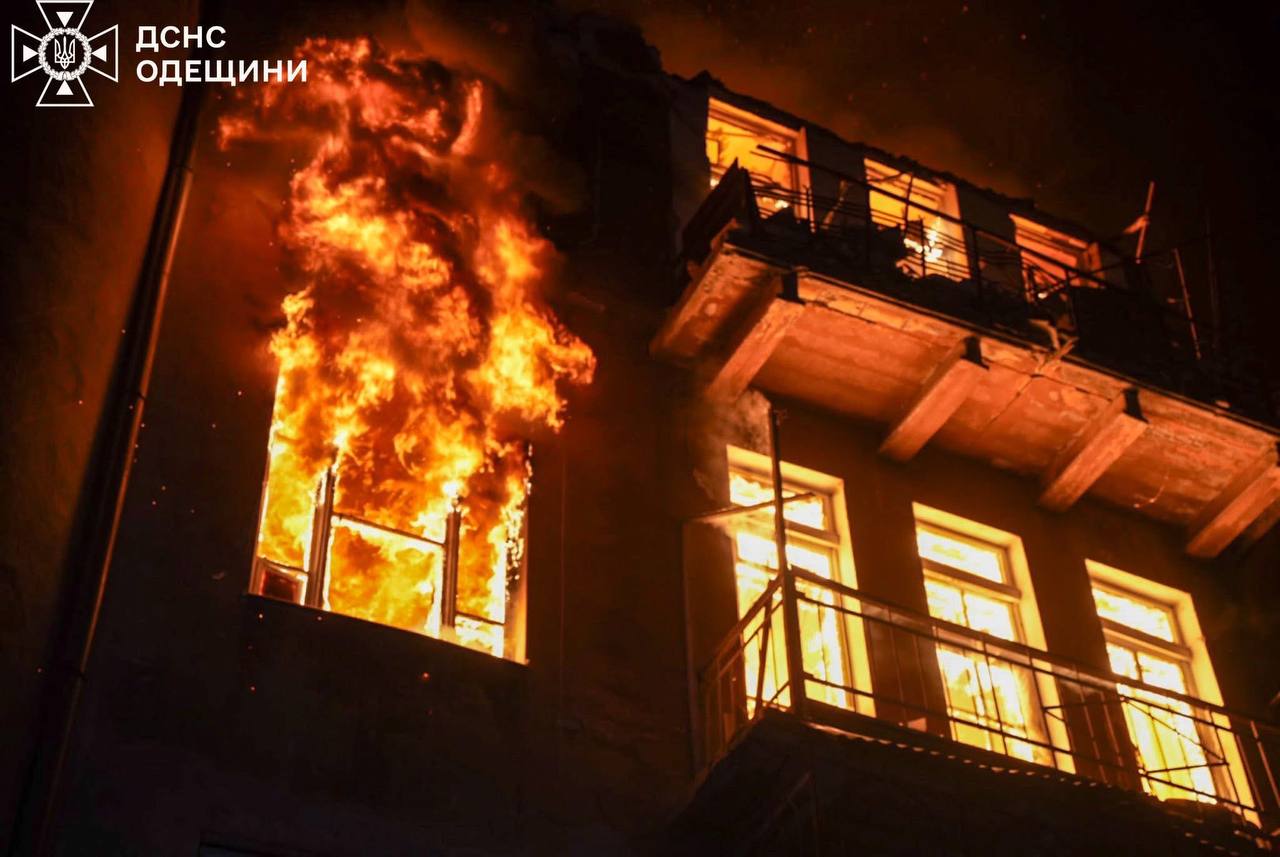
Russia launched "massive" drone attacks against Odesa overnight, authorities reported, resulting in one civilian killed and at least 14 injured, including three emergency workers.
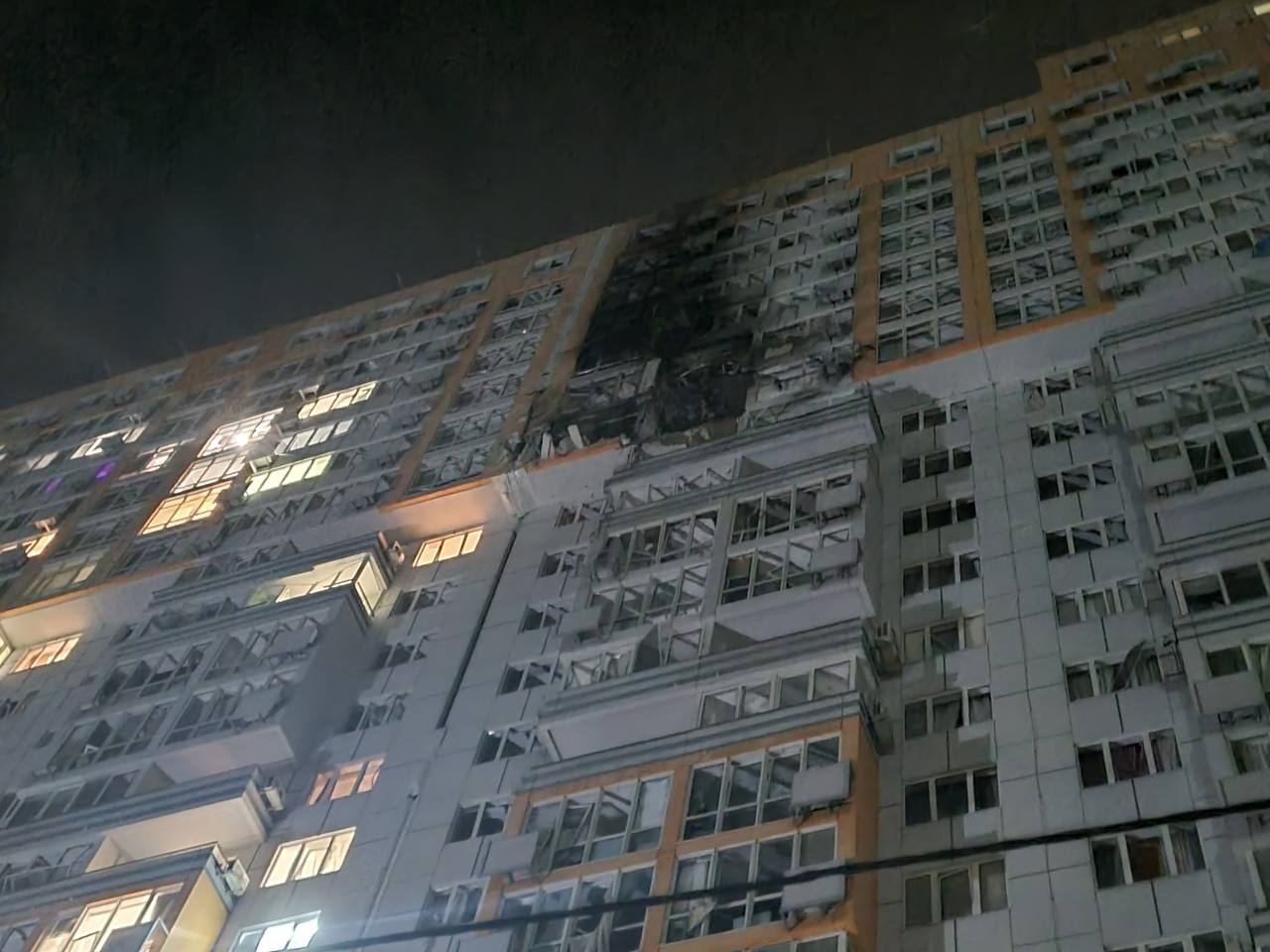
The attack drones struck over 10 targets, including seven residential buildings, and led to multiple large-scale fires. At the site of one of the attacks, a 23-story residential building caught fire between the 18th and 20th floors, and led to the evacuation of over 600 people.
In Dnipropetrovsk Oblast, two men aged 39 and 64 were injured in Russian attacks, Governor Serhii Lysak said. Two industrial facilities, two schools, and four houses were damaged during strikes against the Nikopol district overnight.
In Donetsk Oblast, one person was killed and another injured in Kostiantynivka, while five others were injured elsewhere in the region, according to Governor Vadym Filashkin.
Russian attacks against Kharkiv and eight other settlements in Kharkiv Oblast injured six people, two of them minors, Governor Oleh Syniehubov reported. Multiple residential buildings, houses, a school, warehouses, and other property were damaged.
In Kherson Oblast, 11 people were wounded in Russian strikes, said the regional governor, Oleksandr Prokudin. Seventeen houses were damaged.
The lower house of the Dutch parliament on June 19 officially recognized the 1944 mass deportation of Crimean Tatars by the Soviet Union as genocide, according to a statement from the parliamentary press service.
The motion cited precedent from other countries that have recognized the forced deportations as genocide, including Poland, the Czech Republic, Canada, Latvia, Lithuania, and Ukraine.
In the adopted text, Dutch lawmakers declared that the Soviet-led deportation of Crimean Tatars, which took place between May 18 and 21, 1944, constitutes genocide by contemporary legal and historical definitions.
The 1944 deportation was carried out under direct orders from Soviet dictator Joseph Stalin, who labeled the entire Crimean Tatar population as traitors following the peninsula's liberation from Nazi occupation.
Over 190,000 Tatars were forcibly removed from Crimea in a matter of days, though some estimates place the number closer to 430,000, and sent to remote areas in Central Asia, mainly Uzbekistan, in brutal conditions that led to mass deaths.
The document pointed to the ongoing repression of Crimean Tatars under Russian occupation since 2014. It said that "many Crimean Tatars have been unjustly imprisoned, subjected to torture by the Russian Federation, or forcibly disappeared," and added that "Russia has likely continued a policy of genocide against Crimean Tatars."
Foreign Minister Andrii Sybiha welcomed the decision, calling it "a powerful gesture of solidarity with the Crimean Tatar people, who are still facing persecution under Russia’s temporary occupation of the Ukrainian Crimea peninsula."
Sybiha noted that the Netherlands is now the seventh country to formally recognize the deportation as genocide and urged other nations to follow suit.
"Recognizing this historical injustice is critical not only for establishing truth and justice, but also for preventing future atrocities," the minister wrote.
Ukraine's parliament recognized the deportation as genocide in 2015 and established May 18 as the official Day of Remembrance for the Victims of the Genocide of the Crimean Tatar People.
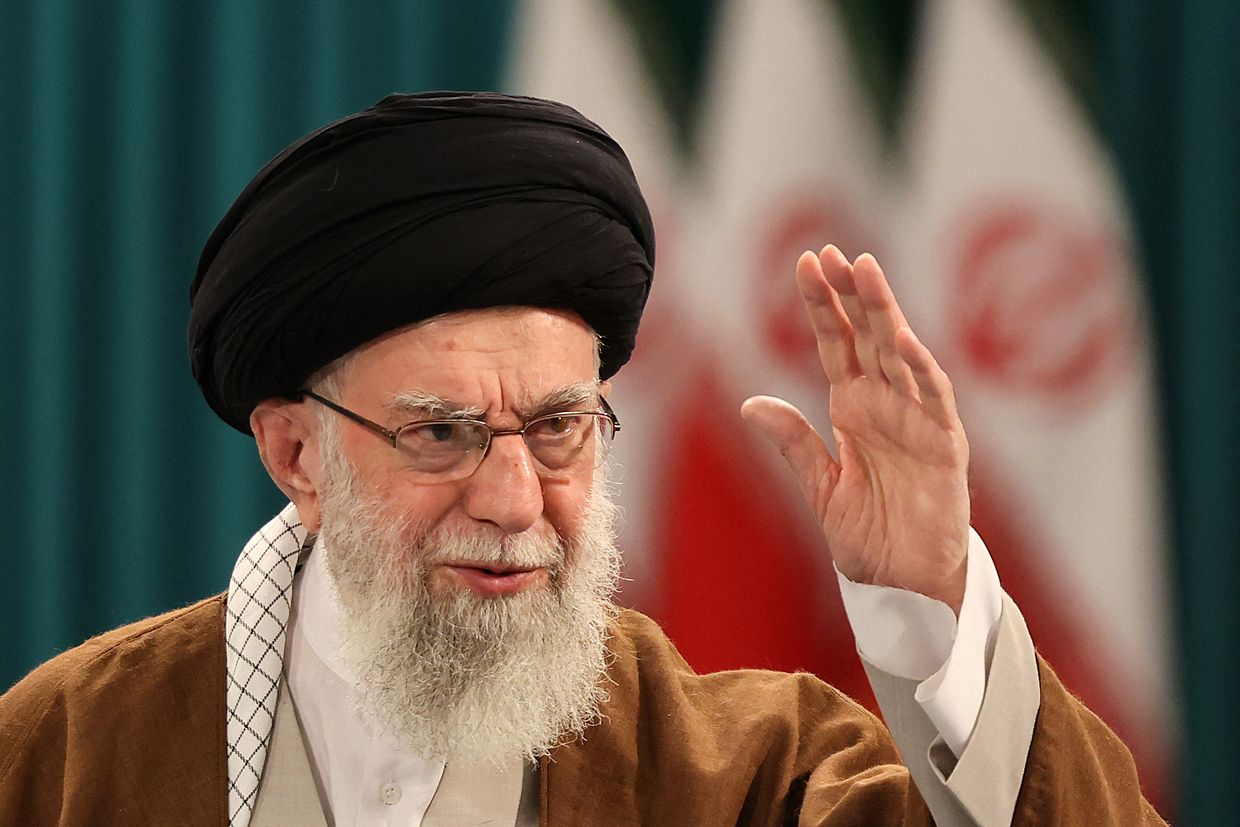
Regime change in Iran is "unacceptable" and the assassination of Supreme Leader Ayatollah Ali Khamenei would "open Pandora's box," Kremlin spokesperson Dmitry Peskov told Sky News in an interview published June 20.
Russia, which signed a strategic partnership with Iran in January, has reportedly grown increasingly alarmed as the United States weighs deeper involvement in Israel's military campaign against Tehran.
Earlier, U.S. President Donald Trump suggested the option of assassinating Iran's Supreme Leader Khamenei remains on the table, though he said the U.S. does not plan to act on it "for now."
The comment followed reporting that Israel had earlier proposed a plan to kill Khamenei — a proposal Trump initially rejected, according to a U.S. official cited by AP.
Peskov warned that any attempt at regime change in Tehran or threats to its leadership would "open Pandora's box," deepening instability across the Middle East and beyond.
"(Regime change in Iran) is unimaginable," Peskov said. "It should be unacceptable, even talking about that should be unacceptable for everyone." He added that the killing of Khamenei would promote extremist sentiment inside Iran and provoke unpredictable consequences.
"The situation is extremely tense and is dangerous not only for the region but globally," Peskov said. "An enlargement of the composition of the participants of the conflict is potentially even more dangerous. It will lead only to another circle of confrontation and escalation of tension in the region."
Russia has been a close regional ally of Iran, while Tehran supplied drones and ballistic missiles for Moscow's war against Ukraine. Meanwhile, Israel has maintained a delicate balance, refraining from joining Western sanctions against Moscow while condemning Iran's role in supporting Russia's war effort.
Asked on whether Moscow would respond to a possible strike against Khamenei, Peskov declined to specify, saying any reaction would come from "inside Iran."
Peskov also commented on Trump's dismissive response to Russian President Vladimir Putin's offer to mediate between Israel and Iran. The U.S. president reportedly told Putin to "mediate your own conflict" in reference to the Russia-Ukraine war. Peskov shrugged off the remark, calling Trump's language "unique" and urging mutual tolerance.
Tensions have risen between the U.S. and Iran following a wave of Israeli air strikes on Iranian territory, beginning June 13. The attacks targeted nuclear infrastructure and senior Iranian commanders, prompting Iranian missile strikes on Tel Aviv and other Israeli cities.
Tehran claimed that at least 224 Iranian civilians were killed on June 16, though the figures remain unverified.
Russia has offered to mediate the crisis, with Putin reportedly reaching out to both Iranian President Masoud Pezeshkian and Israeli Prime Minister Benjamin Netanyahu. Tel Aviv, according to the Kremlin, is reluctant to accept the proposal, while the EU leaders rejected it, citing Russia's aggression in Ukraine and its close military ties to Iran.
Russia has lost 1,009,330 troops in Ukraine since the beginning of its full-scale invasion on Feb. 24, 2022, the General Staff of Ukraine's Armed Forces reported on June 20.
The number includes 1,090 casualties that Russian forces suffered just over the past day.
According to the report, Russia has also lost 10,954 tanks, 22,860 armored fighting vehicles, 52,501 vehicles and fuel tanks, 29,374 artillery systems, 1,421 multiple launch rocket systems, 1,188 air defense systems, 416 airplanes, 337 helicopters, 41,299 drones, 3,369 cruise missiles, 28 ships and boats, and one submarine.
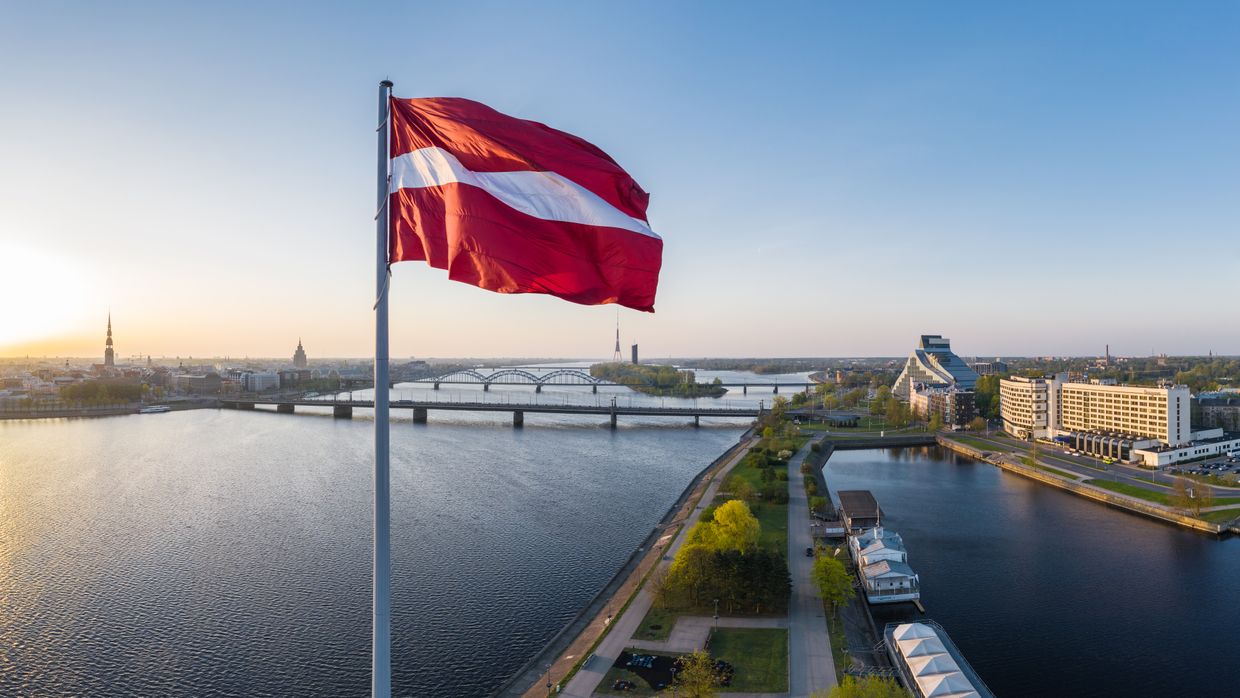
Latvia's parliament adopted a bill on June 19 that prohibits citizens of Russia and Belarus from purchasing real estate in the country, Latvian media reported.
The bill — which carves out exceptions for EU and Latvian permanent residence holders, Belarusian refugees, and repatriates — establishes the new restrictions under the pretenses of protecting the country's national security.
In addition to citizens, the bill prohibits entities that are at least 25% owned by Russian or Belarusian nationals from purchasing property.
"This is a step to limit the influence and presence in Latvia of persons and companies that are adverse to the country,” said Agnese Krasta, an Estonian member of parliament and one of the authors of the initiative.
Latvia, which borders both Russia and Estonia, is widely viewed as one of the most likely targets for a future Russian attack on NATO or the European Union. As the war in Ukraine continues to rage on, Latvia has taken action to increase civil preparedness measures and has drafted plans to relocate a quarter of its population in the case of war.
EU intelligence and security agencies have warned of mounting Russian sabotage operations, including several arson attacks believed to have been coordinated by Moscow.
Latvia joins Finland in imposing a ban on Russians from buying, as Baltic and Nordic countries continue to impose restrictions on Russia over its aggression in the region.
In September 2022, Latvia imposed entry restrictions on Russian citizens as part of a jointagreement with Lithuania, Estonia, and Poland.
Since the start of Russia's full-scale invasion in 2022, Latvia has been one of Ukraine's most vocal backers.
The Baltic state ranks among Europe's top defense spenders, allocating over 3% of GDP to defense in 2025, according to NATO estimates.

 Connexion
 The Kyiv IndependentDmytro Basmat