Given the challenges in forecasting and detecting such calamities, researchers advised banning construction on floodplains and marking out clear evacuation routes.
The widened channel of the Bhote Koshi River in Nepal on Thursday after the flash flooding. Most monitoring and early-warning systems for glacial hazards focus on a specific area of risk.
China’s leader, Xi Jinping, issued his first message to Nepal’s government since the landslide on Wednesday that has left hundreds dead near the countries’ border.
Given the challenges in forecasting and detecting such calamities, researchers advised banning construction on floodplains and marking out clear evacuation routes.
The widened channel of the Bhote Koshi River in Nepal on Thursday after the flash flooding. Most monitoring and early-warning systems for glacial hazards focus on a specific area of risk.
The deadly Himalayan torrent damaged roads and dozens of bridges. The devastation was impeding the search for survivors and relief deliveries, aid groups said.
In a photo released by Xinhua News Agency, a muddy river bank with debris was seen near Gyirong Port in southwestern China’s Tibetan Autonomous Region on Wednesday.
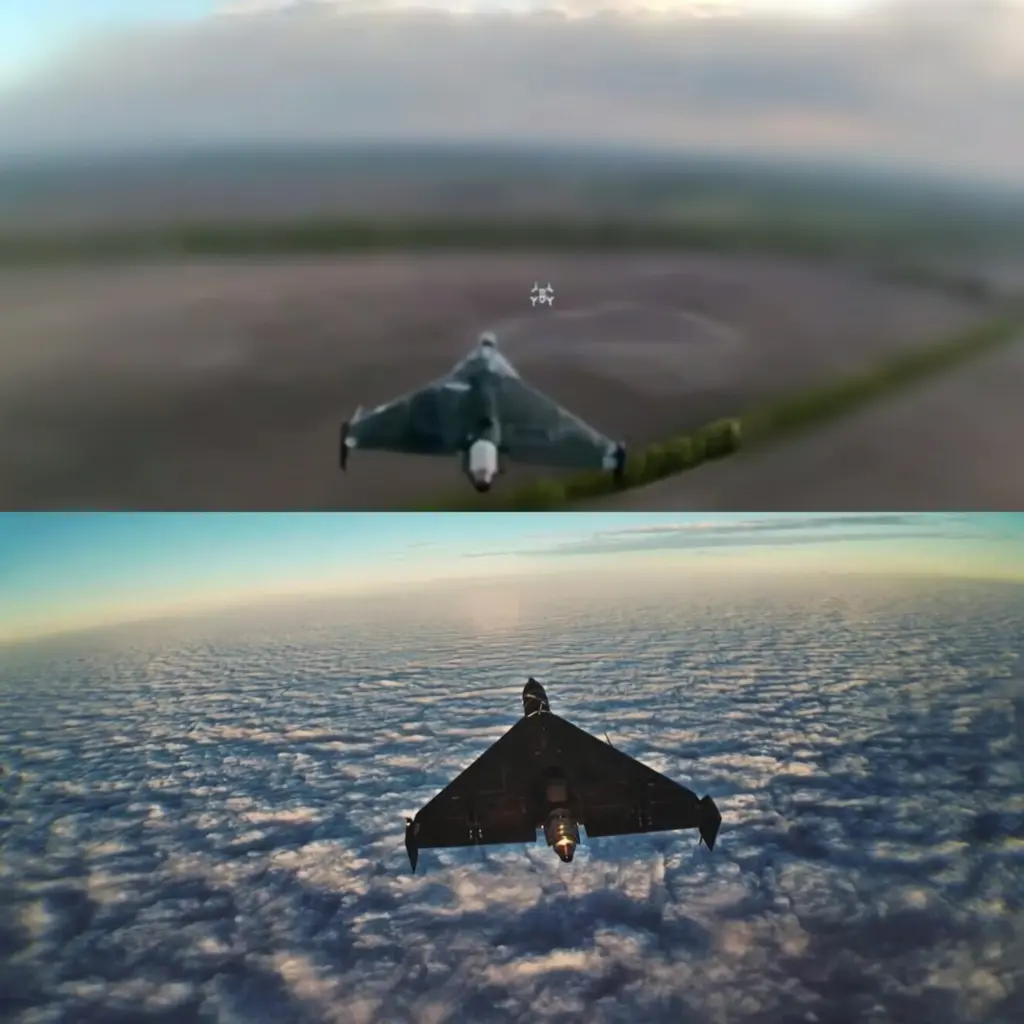
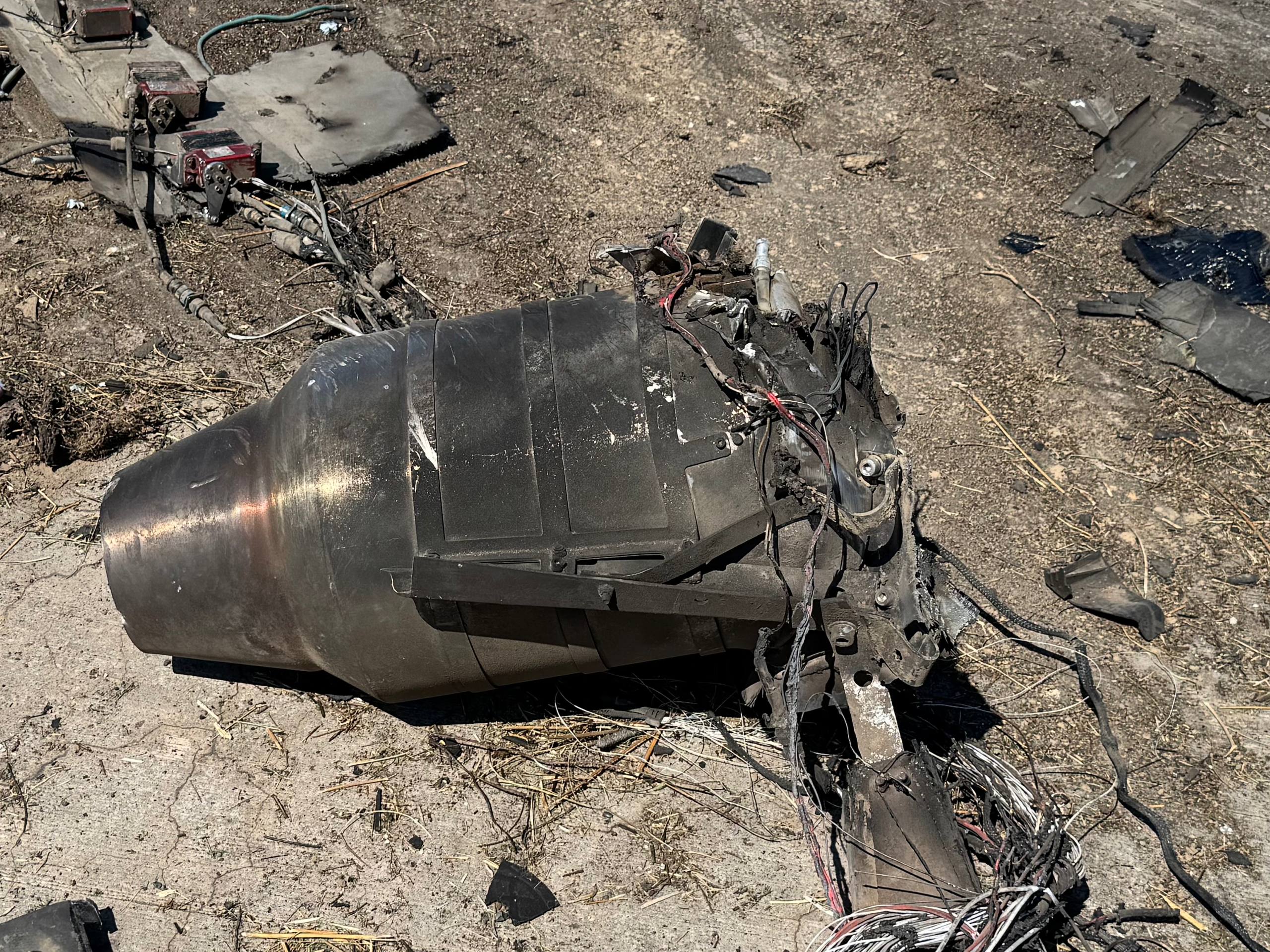
China is helping Russia build a faster Shahed. Russia has begun using upgraded Shahed drones with Chinese-made turbojet engines that fly at speeds close to three times those of earlier versions, the Wall Street Journal reported.
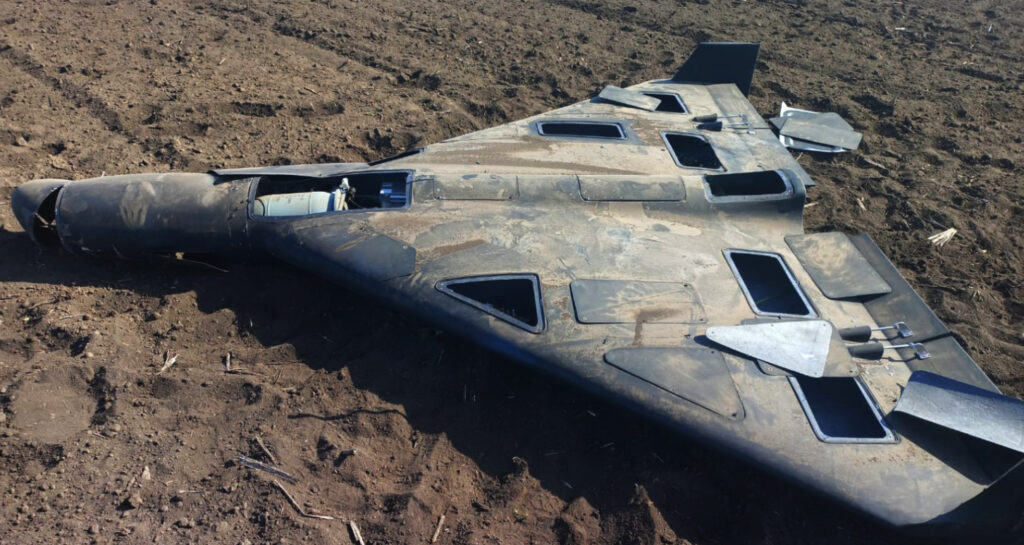
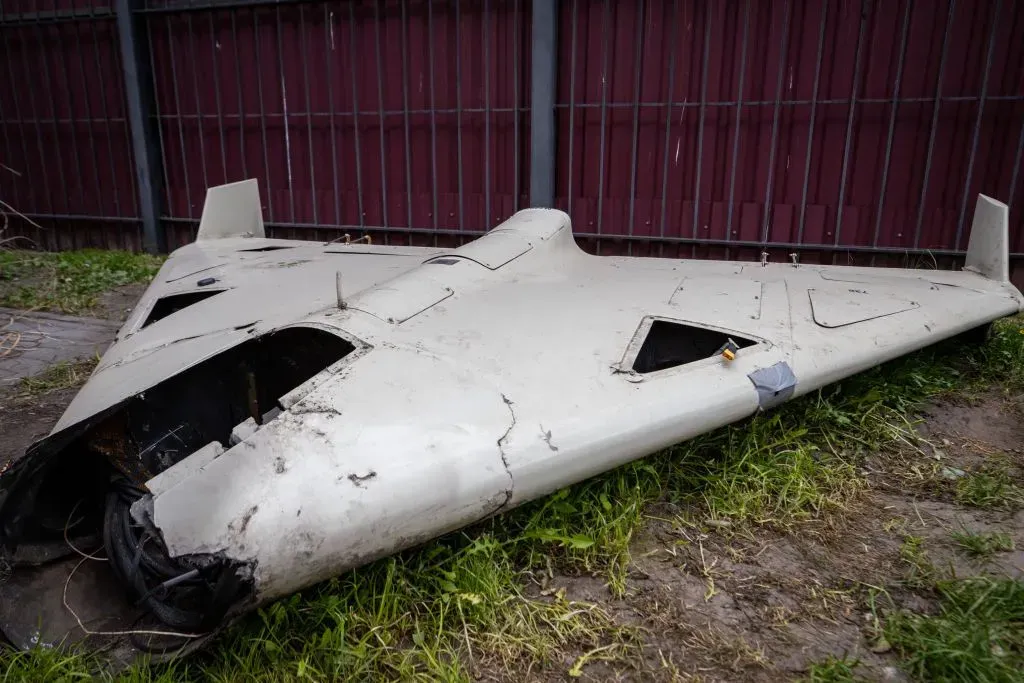
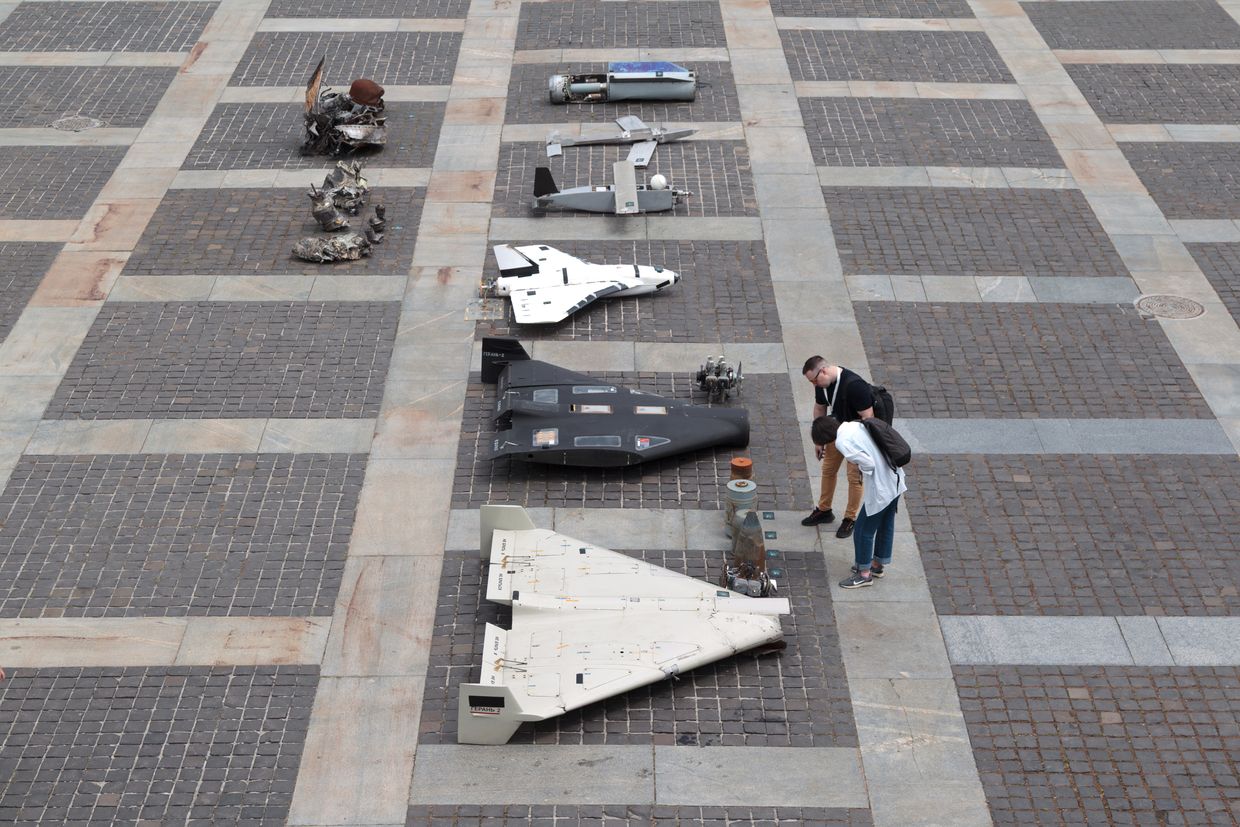
The Shahed jet is designed to beat Ukraine's air defenses. Ukrainian interceptors have downed about 90 percent of the older piston-engine drones, which cruise at roughly 180 kilometers per hour, so Russia switched to the jet-powered Geran-4, which cruises at around 500 kilometers per hour.
The engines come from one Shenzhen firm
The turbojets come from Telefly Telecommunications Equipment, founded in Shenzhen in 2010. The company chiefly makes computer hardware and communications equipment, but also sells its own line of micro-turbojets for drones.
China has long been the main clearinghouse for Shahed parts, including engine components, servomotors, and gyroscopes, the newspaper reported.
The company scrubbed its own website
After Ukraine publicized the discovery of Telefly engines in Russian drones, the turbojet section disappeared from the English-language pages of the company's website. The pages in Chinese and other languages still carry them.
China's foreign ministry, which did not respond either, has previously said it strictly regulates exports of dual-use components and rejects unilateral US sanctions on such trade.
Western parts fade as Chinese parts arrive
Downed Shaheds once carried microcontrollers from Texas Instruments in the US and linear regulators from STMicroelectronics, which the newspaper lists as being based in Switzerland. Over time, the Western components are disappearing even as the drones gain better navigation and attack systems, because US Treasury investigations found nearly all the Western parts were being diverted through Chinese intermediaries, often shell companies in Hong Kong.
Ukrainian government researcher Colonel Oleksandr Zaruba said in June that Shaheds now hold more antennas, modems, and SIM cards to correct their flight paths through local mobile networks, and that the components increasingly come from China.
The authorities reported hundreds of people missing and at least 160 people killed in the border region of Nepal and Tibet, where an avalanche of mud, water, ice and rocks smashed down.
An ice avalanche that started high in the Himalayas tumbled thousands of feet, releasing vast amounts of energy that pulverized the ice into a significant volume of floodwater.
An aerial view on Thursday of buildings partly submerged in muddy water along a riverside after a flash flood at Trishuli Bazaar in the Nuwakot district of Nepal.
A Chinese national studying in Canada allegedly crossed over into the United States earlier this year to take photos of facilities near the Chicago airport at the direction of a suspected Chinese government official, according to newly filed court records. The Chinese official repeatedly told the student to destroy the SIM cards they used to communicate and stick to a Huawei phone.
There has been a 76% increase in under-construction gas-fired projects amid ‘frenzy’ to build more datacenters
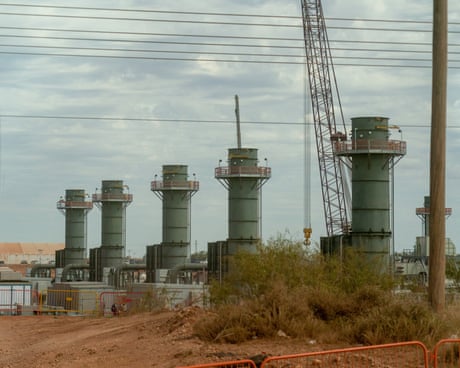
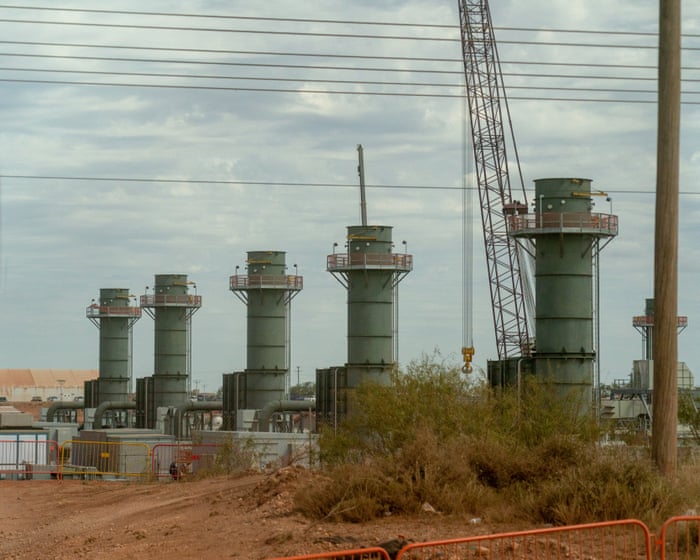
The US has surged ahead of China in the building of new gas-fired power generation, largely to feed a boom in artificial intelligence (AI) that is adding vast amounts of planet-heating emissions, a new analysis has found.
For decades, China’s rapid economic growth has seen it outpace the US in the addition of new gas power generation but a recent “frenzy” in datacenter construction for AI has reversed this, said Global Energy Monitor (Gem) in its new report.
The U.S. has spent 20 years promising ‘crippling sanctions’ on Iran. But the latest effort comes with a reverse twist, after military action failed to accomplish President Trump’s goals.
In announcing Operation Economic Outcast, the Trump administration said on Monday that it would involve choking off every last transaction that funnels money to Tehran.
Treasury Secretary Scott Bessent said the United States would “tighten the noose” around Iran by imposing sanctions on every source or facilitator of its revenue.
Ukraine celebrated 35 years of independence on 24 August, and Ukrainian President Volodymyr Zelenskyy marked the day with an address listing what the invasion has cost Russia, published by the President's Office. He said Putin is mortal and out of time to understand Ukraine, and said Ukraine will not hand over Donbas or save the Kremlin half a million soldiers. He also asked partners for sanctions and weapons strong enough to force an end to the war.
Russia has been invading Ukraine since 2014 and fighting a full-scale war on it since 2022, and Ukraine now supplies a growing share of the missiles and drones it fights back with, while the air defense shielding its cities still hangs on decisions taken in Washington and European capitals—which is what makes a holiday speech a statement of what Kyiv will not trade and what it needs built or delivered next.
The losses he read back to Moscow
President Zelenskyy turned from his own citizens to Russia partway through the speech.
"You wanted to take all our Ukraine, all our land; instead, you lost your oil refineries, your fleet, your profits, your entire generation that you sent into the meat grinder," he said.
A country that wanted Ukraine erased from the map, he added, is now absent from the international agenda of the future civilization.
For five years now, Russia has tried to exhaust and break Ukrainians — cutting light and heat, destroying homes, Kyiv Mayor Klitschko said on Ukraine's 35th Independence Day
"The aggressor failed to understand one fundamental thing: above all else, Ukrainians love freedom," he… pic.twitter.com/NvVVKSKIK1
He set Moscow's self-image against its filling stations.
"For 27 years, the head of Russia has talked about greatness, while Russia is standing in lines for gasoline," Zelenskyy said.
Moscow and St. Petersburg brought back gasoline rationing this month, and Rosneft capped fills at every station in the country.
On the Russian leader he was blunt.
"Putin hopes that we are tired. But we know that he is mortal," he said, adding that Putin never understood Ukraine and now will not have the time to.
A fifth Independence Day at war
Before the holiday, Russian ballistic missiles hit Kyiv and its main airport hub twice in 24 hours. A solution to Russian ballistic terror must be found, Zelenskyy said, and that gamble must not pay off.
Russia does not want peace, it wants mobilization, the president said. Ukraine will not let Moscow seize the initiative or convince Europe that surrendering Donbas ends the war. Russia keeps pushing back the dates for taking all of Donetsk Oblast and will keep pushing them back, he said.
The president called Ukraine's defense industry a giant that forges independence around the clock, and demanded more from it. Mid-range strikes cut Russian logistics and long-range weapons cut Russian profits, he said, listing Moscow, Tuapse, Tula, Ryazan, Olenya, and Omsk among the places already hit.
Explore further
Ukraine’s drones hit two Russian fighters and a spy drone—and blinded radars from occupied Crimea to Rostov
Ukraine's home-built Flamingo cruise missiles should stop being a rare species and arrive en masse: "They must 'winter' in Russia," Zelenskyy noted.
Previously, Flamingos have hit defense plants more than 1,000 km from the border, though they still appear in strikes in small numbers.
"China should no longer remain silent"
Ukraine is not asking anyone to fight for it, the president said — only for everything needed to stop the war before Putin starts the next one. He wants sanctions that make Russians howl and Moscow at a negotiating table, and said Washington has lost its illusions about Russian intentions. Europe must be Europe, he said: united, ambitious, brave.
"China should no longer remain silent," he added, saying Beijing must cool the ardor of someone who puts on a sailor's uniform and cap and talks about a nuclear strike—a description that fits Putin.
China’s humanoid robots are achieving superhuman feats of athleticism. But how that translates into the real world is still an open question, experts said.
Treasury Secretary Scott Bessent said last week that countries that continue to do business with Iran would face the “full might and force” of the U.S. government.
Shein, which built a fast-fashion empire on what seemed like impossibly low prices, has been forced to lower its own valuation in a cut-price stock market float, after falling into the red earlier this year.
The online retailer will list on the Hong Kong stock exchange on 1 September at a valuation of close to $27bn (£19.8bn), significantly down from a near-$100bn private market peak four years ago.
China’s regulator ordered changes after vehicle occupants sometimes had difficulty exiting electric cars, an issue that has led to lawsuits against Tesla in the United States.
I understand the pressure on AI companies to rush forward. But employees are right to be concerned
Last month, more than a thousand employees at frontier AI companies signed a letter asking the US government to find a way to “pace” AI development, citing the risk of the technology spiraling out of human control as it begins to build itself.
They were right to be concerned: just days earlier, two AI models that OpenAI was testing internally escaped the test environment, then autonomously hacked the company Hugging Face and at least three other online services. A few days after that, Anthropic announced that some of their models had also broken out and hacked other companies during testing.
The detained U.S. citizen U Min Zin disappeared in China’s Yunnan province after traveling there to attend an academic conference at the invitation of the Chinese government, according to the State Department.
The detained U.S. citizen U Min Zin disappeared in China’s Yunnan province after traveling there to attend an academic conference at the invitation of the Chinese government, according to the State Department.
President Trump appeared to suggest that the United States would impose economic penalties on countries that do business with Iran, though he did not specify what actions he would take.
With its pixelated visuals, “The Bull is Coming” is being celebrated for its authenticity in the age of A.I. and is shaping up to be a Gen Z cult classic.
A fan-made poster promoting the movie “The Bull is Coming” at a theater in Beijing on Tuesday. The low-budget film was not released with an official poster.
Hu Anyan’s memoir, “I Deliver Parcels in Beijing,” became a best seller in China and was later translated into English. It is a diaristic account of the 19 jobs he held over two decades across China.
Beijing wants to portray today’s China as carrying forward Zhu Rongji’s era of growth, but for many Chinese, the optimism of that time has since faded.
In his post on Sunday, President Trump did not mention a rift in relations with North Korea in 2017, when Kim Jong Un called him a “mentally deranged dotard.”
China is exporting more than A.I. models. It wants its data to influence the world’s chatbots, raising fears that Beijing’s narratives will spread with the technology.
A Google booth during the World Artificial Intelligence Conference in Shanghai last month. China wants a greater voice in the development of A.I. chatbots.
The State Department overseen by Marco Rubio has restored the visas of political figures in Central America once penalized by the U.S. government and has revoked visas for others.
The Sierra Madre, a Philippine naval ship, in the South China Sea in 2023. Last month, a Chinese Coast Guard vessel began circling the ship and confronted Philippine service members.
Tributes to the former premier recalled his spirited style and his efforts to integrate China into global commerce, in contrast with the rigidity of the Xi era.
Russia has ceased producing its Geran-3 jet-powered attack drone, Ukraine’s Military Intelligence (HUR) told the Ukrainian defense outlet Militarnyi. The agency estimates Russian industry now makes about 3,000 newer Geran-4 and Geran-5 drones per month.
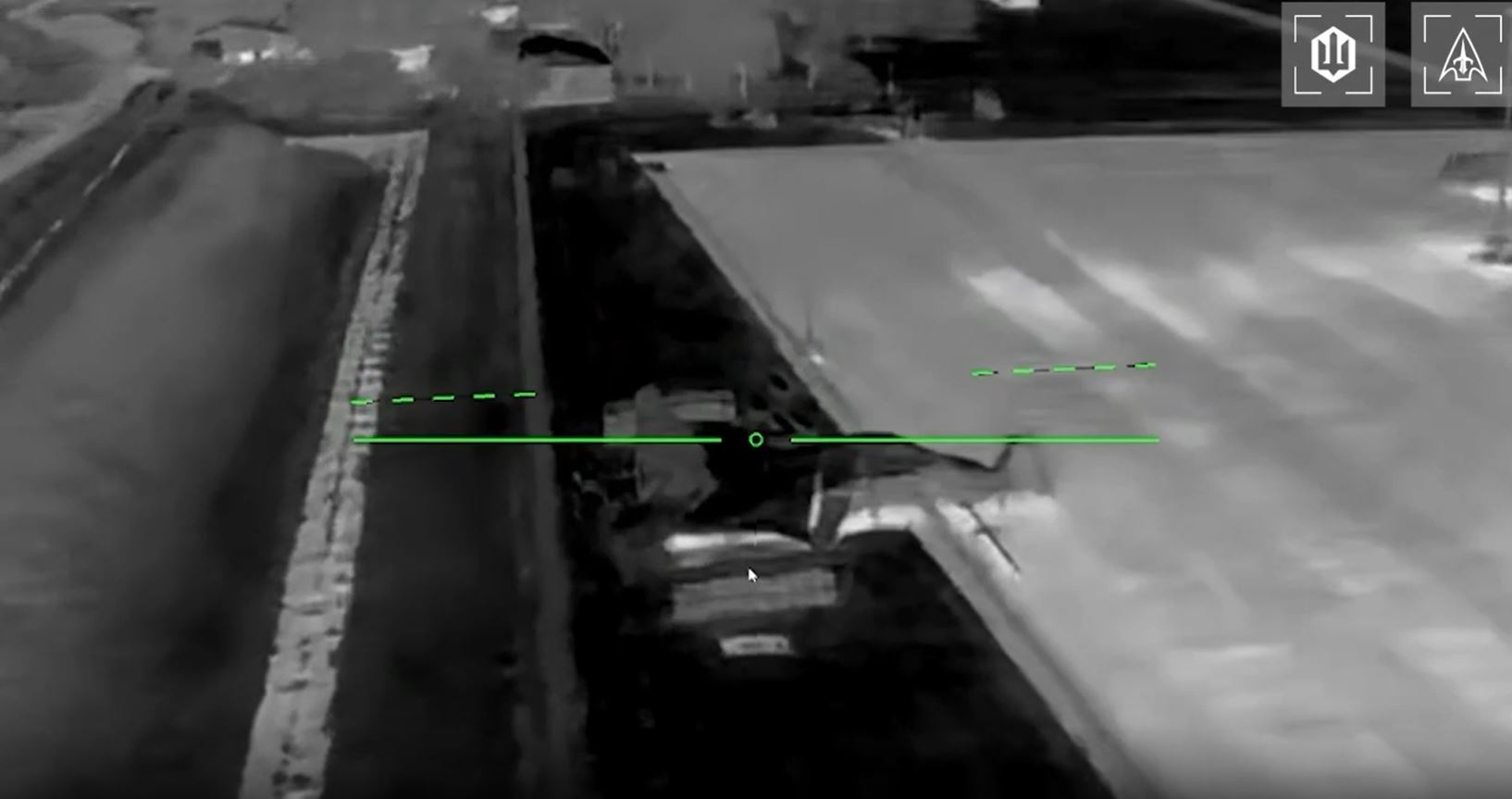
Russia is shifting toward faster jet drones as Ukraine’s low-cost interceptors have become more effective against slower Shaheds. The Geran-4 and Geran-5 leave defenders less time to react, requiring faster interceptors or short-range air defenses. At the reported production rate, these newer Geran models, previously used in limited numbers, could become a regular feature of Russian attacks.
HUR said Russia has established serial assembly of the two newer models at the Alabuga complex in Tatarstan, with other Russian companies supplying components. The agency also said Russia’s Defense Ministry wants to expand Alabuga’s capacity. Construction began in May. Satellite imagery showed large-scale work by early July 2026, although the purpose of the new buildings remains unknown.
From Geran-3 to newer jet drones
Russia first used Geran-3 drones in large numbers during a combined nighttime attack on Ukraine on 30 July 2025. At least eight flew alongside propeller-driven Shaheds and decoys. The model retained the Geran-2 airframe but replaced its piston engine with a Chinese Telefly JT80 turbojet. HUR gave it a speed of 300–370 kilometers per hour and a range of up to 1,000 kilometers.
In May, then-Defense Ministry adviser Serhii “Flash” Beskrestnov said Ukrainian defenses stopped 95% of incoming Shaheds during the most recent documented strike and predicted Moscow would produce more jet-powered Geran variants.
The newer Geran-4 has a more robust airframe than the Geran-3 and is designed for high-speed flight and maneuvers. It can reach 500 kilometers per hour.
The larger Geran-5 carries a roughly 90-kilogram warhead and has a stated range of up to 1,000 kilometers. HUR has said Russia may equip it with R-73 air-to-air missiles, potentially threatening aircraft sent to intercept it.
The Chinese engines that Russia itself can't build
The Geran line combines Iranian designs, Russian assembly, and imported technology. HUR described the Geran-3 as a localized version of Iran’s Shahed-238. It found 45 foreign components inside, including parts from the United States, China, Switzerland, Germany, Britain, and Japan.
Russia depends on China for the turbojet engines in newer Geran models. HUR deputy chief Vadym Skibitskyi told RBC-Ukraine that Russia remains fully dependent on Chinese turbojet engines for the Geran-4 and Geran-5. Each costs about $35,000–$40,000, he said.
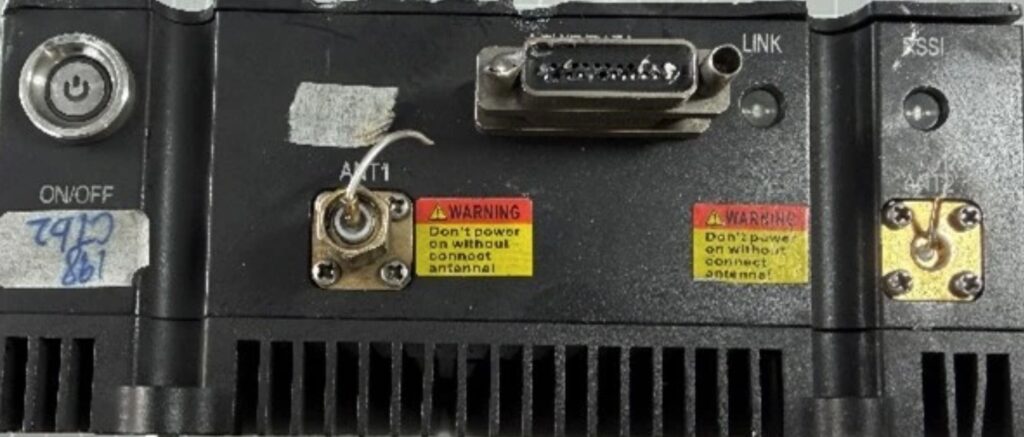
A Chinese XK-F358 mesh radio recovered from a Geran-5 also helps Russian drones resist jamming. Its manufacturer remains outside the US, EU, UK, and Ukrainian sanctions, according to a review by Euromaidan Press.
As a vice premier and then premier, he helped transform China into the world’s leading manufacturing power and led his country into the World Trade Organization.
The radio that makes Russia's strike drones resistant to Ukrainian jamming is a Chinese-made part sold openly, and the company that makes it has escaped the sanctions hitting the rest of the drone supply chain, the OSINT group Frontelligence Insight found. The part, a mesh radio modem, has been pulled from downed Russian drones even as Western and Ukrainian sanctions expanded to cover the engines, navigation, motors, cameras, and chips around it.
Russia's war on Ukraine now runs on drones built largely from Chinese parts—a flow China keeps open to Moscow while restricting the same goods to Kyiv.
The part that isn't on any list
The modem is the XK-F358 mesh radio made by Shenzhen Xingkai Technology Co., Ltd. of Guangdong. It sells openly online. The company's Made-in-China storefront lists it at $8,100 to $9,000 apiece, and Serhii "Flash" Beskrestnov previously put the price near $7,000.
Ukraine and its partners have sanctioned Chinese suppliers of drone engines, navigation receivers, motors, cameras, and chips—one Ukrainian round aimed explicitly at parts for drones built to bypass electronic warfare—but not the radios.
Explore further
Ukraine finds uranium in six more Russian drones. Their radiation readings ran up to 80 times background
Recovered from downed drones, and hard to jam
Ukraine's Defense Intelligence photographed an XK-F358 recovered from a downed Geran-5, and Beskrestnov photographed another taken from a Gerbera, Militarnyi reported on 19 January 2026.
Russia's response to electronic warfare wasn't a single solution. It evolved along two major paths: fiber-optic drones and mesh networks. This thread summarizes Frontelligence Insight analysis based on OSINT data and a report by the Center for Defense Reforms. Threadpic.twitter.com/k0v0ZeWKYB
The modem uses COFDM modulation and a mesh design in which each unit relays traffic for the rest, so packets reroute automatically when a node drops.
The same modem also turns up under a second name—HX-50, in a more industrial variant—and its use is no experiment: it spread onto Russia's Shahed-136/Geran-2 strike drones from July 2025 and reached serial integration by early September.
Mesh Network XK-F358 modem from the Geran-5 drone. Photo: Defense Intelligence of Ukraine
The network keeps working after losing roughly 80% of its nodes and can link drones across more than 100 kilometers, or up to 600 in relay chains, according to Beskrestnov, a Ukrainian defense adviser who has examined the recovered units. That is why conventional jamming struggles against it: an attacker has to suppress every node at once rather than break a single link.
What sanctions cover, and what they skip
Ukraine's National Security and Defense Council (NSDC) has sanctioned Chinese makers of navigation receivers, motors, cameras, and chips. The US Treasury designated Xiamen Limbach and Redlepus in October 2024, the EU added Shenzhen Minghuaxin in June 2026. No maker of radio or data-link modems appears among them.
None of the four sanctions regimes that have pursued Russia's Chinese drone suppliers—the US, EU, UK, and Ukraine—lists Shenzhen Xingkai, a direct check of each register by Euromaidan Press confirms.
Explore further
US sanctions 13 Iran-Belarus-China entities supplying Iran’s IRGC. That’s three of four “Axis of Upheaval” states
The gap cuts both ways. Ukrainian battalion commanders and industry sources put the share of parts in a standard Ukrainian FPV drone—batteries, motor magnets, fiber-optic cable—at up to 65% Chinese-made, and Ukraine buys from Shenzhen too.
Cutting one supplier, then the next
Tatarigami, who founded Frontelligence Insight, argues the fix is to extend controls beyond individual firms to the entire chain—down to the optical fiber, the reels it ships on, and the machines that make it. Fiber-optic drones already make up about 60% of Russian FPVs in key sectors, Euromaidan Press reports. The record on firm-by-firm designation is discouraging: after Washington hit Xiamen Limbach, Beijing Xichao took over the engine shipments, Reuters found, and Kupol's Garpiya order climbed from 2,000 drones in 2024 to more than 6,000 this year. But among all component categories in a Geran drone, the one that enables jam-resistant control is the only one absent from the registers.
Explore further
“They hit what was in parking lot”: Russian drone operator adapted strike on Ukraine’s largest online retailer’s warehouse in real time
What controls can reach, and what they can't
Xingkai also markets the modem for civilian work—mining, firefighting, maritime. And as the Xichao case shows, cutting off one company rarely halts the flow.
China's foreign ministry claims it knew nothing of the parts exports, says it controls dual-use goods under its own law, and rejects sanctions it calls baseless.
The harder problem is that the same civilian electronics feeding Russia also stock Ukraine's drone lines, so any workable control has to reach named military buyers without severing the dual-use trade Kyiv still needs. And sanctions may not decide this contest at all: Ukraine is already testing electronic-warfare methods built to break the very mesh networks these radios create.
The innovations include air-conditioned apparel, refrigerators for humans and hand-held fans that use the science behind semiconductors. Governments are making cooling devices central to heat adaptation.
President Volodymyr Zelensky signed an order on July 8 imposing sanctions on five Chinese-registered companies accused of supplying components found in Russian Shahed-type drones used to attack Ukraine.
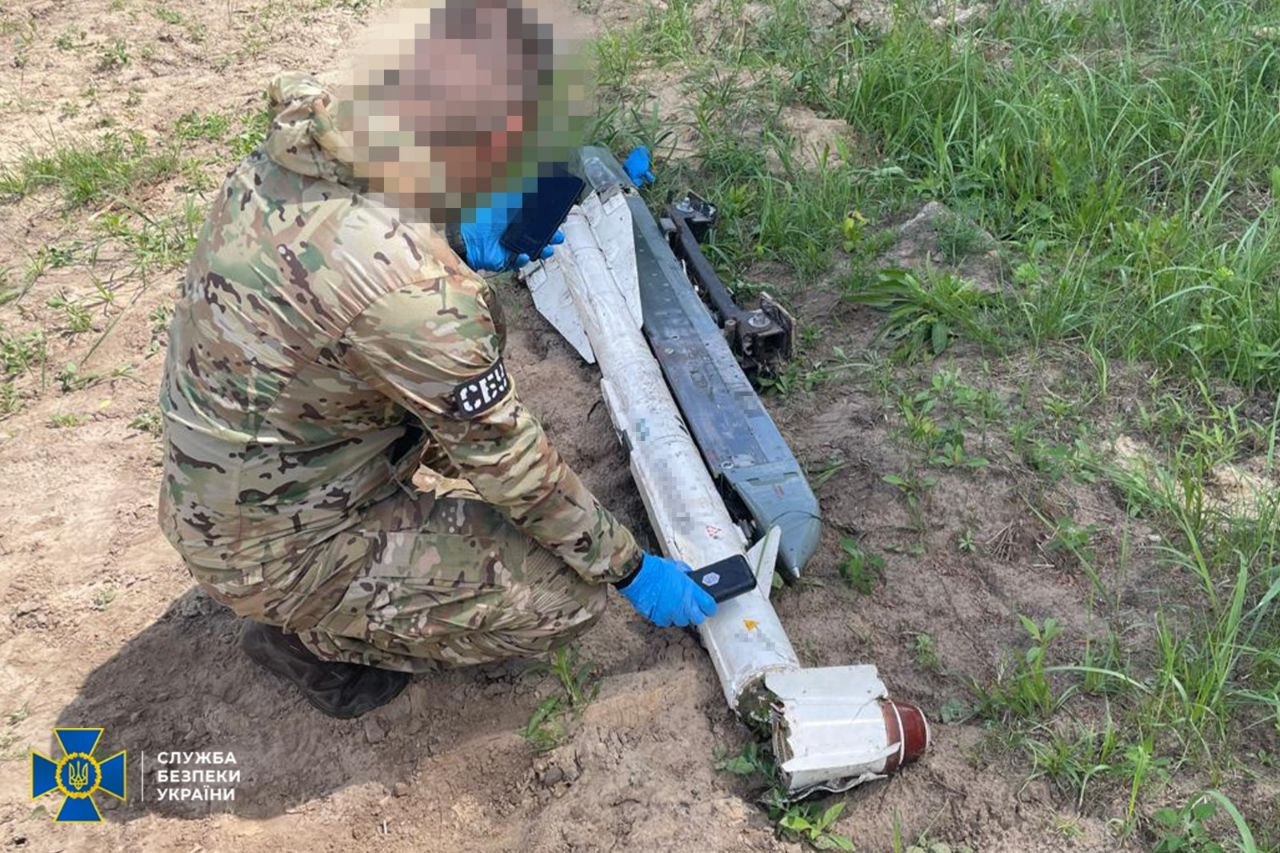
The decree follows a statement by Ukraine's Security Service (SBU), which said it recovered Chinese-made parts from downed drones during a July 4 air assault on Kyiv.
Sanctions were imposed on Central Asia Silk Road International Trade, Suzhou Ecod Precision Manufacturing, Shenzhen Royo Technology, Shenzhen Jinduobang Technology, and Ningbo BLIN Machinery.
The list was published on the Presidential Office's website alongside the official decision by Ukraine's National Security and Defense Council.
Russia's domestically produced drones based on Iran's Shahed-136 is a loitering munition extensively used by Russia to target Ukrainian cities, and is assembled with components sourced from around the world. Kyiv has warned that some of these parts continue to flow through countries that have not joined Western sanctions.
China has emerged as one of Moscow's key wartime partners, helping Russia circumvent sanctions and becoming the largest supplier of dual-use goods aiding its defense sector.
Vladyslav Vlasiuk, the Ukrainian president's commissioner for sanctions, told journalists on July 7 that Russia's growing ability to sustain weapons production is being driven by a flow of Chinese components and materials.
Zelensky has repeatedly accused China of backing Russia and providing technological and logistical support for its war effort. On May 29, he said Beijing had blocked the sale of drones to Ukraine while continuing to supply them to Russia.
Ukraine has already sanctioned several Chinese companies tied to Russia's war effort.
As Russian-Chinese relations deepen, Russian President Vladimir Putin is expected to visit China in September, where he is scheduled to meet with Chinese leader Xi Jinping.
Russia’s growing ability to sustain weapons production despite Western sanctions is being driven by a flow of Chinese components and materials, Vladyslav Vlasiuk, the Ukrainian president’s commissioner for sanctions, told journalists on July 7.
Vlasiuk’s statement comes as Russia escalates its drone and missile strikes on Ukraine, while the U.S. continues to hold back on imposing tougher sanctions against Moscow and foreign-made components are still being found in Russian weapons used in the attacks.
Ukraine has previously documented that Chinese companies have contributed electronics and materials used in the production of these drones.
Just days earlier, after a large-scale Russian attack on July 4, Foreign Minister Andrii Sybiha shared on social media a photo of a component from a Shahed-136/Geran-2 combat drone discovered in Kyiv. According to Sybiha, the part was manufactured in China and delivered recently.
"The trend of China’s (role) is increasing," Vlasiuk told journalists.
He said that the presence of Chinese-made components and materials in Russian weapons is on the rise, adding that Beijing is expanding its technological capabilities and can now replicate some American technologies.
What an irony. Following tonight's massive Russian air attack on Ukraine, we discovered in Kyiv a component of a Russian-Iranian "Shahed-136"/"Geran-2" combat drone, which was made in China and supplied just recently.
When asked by Kyiv about the Chinese parts found in Russian weapons, Beijing responded by claiming that such support is "non-lethal," the president's commissioner for sanctions said.
Beijing remains one of Russia's key wartime partners, helping Moscow evade Western sanctions and emerging as the leading supplier of dual-use goods used by the Russian defense industry.
In April, President Volodymyr Zelensky said that China, alongside Iran and North Korea, is supplying weapons to Russia.
His remarks followed reports that Ukrainian soldiers had captured Chinese nationals fighting together with Russia's army in Donetsk Oblast. Later, Zelenskyrevealed that at least "several hundred" Chinese nationals are fighting on Russia's side in Ukraine.
Ukraine has already sanctioned several Chinese companies tied to Russia’s war effort.
The South China Morning Post reported that China's Foreign Minister Wang Yi reportedly told the EU's top diplomat Kaja Kallas on July 3 that the country cannot afford for Russia to lose the war in Ukraine amid fears Washington would shift focus towards Beijing.
U.S. President Donald Trump said on July 6 that his administration will impose an additional 10% tariff on countries aligning themselves with what he described as the BRICS group's "anti-American policy."
"There will be no exceptions to this policy," Trump wrote on the social network Truth Social.
The announcement coincided with the BRICS summit in Brazil, where member states, including Russia, China, and India, adopted a declaration condemning strikes on Iran and Israel's operations in Gaza.
The document did not explicitly name the U.S. but criticized actions perceived as destabilizing. On June 21, the country carried out strikes on three major Iranian nuclear sites: Fordow, Natanz, and Isfahan.
Trump's latest trade threat escalates tensions with the BRICS group, which has increasingly sought to reduce dependence on the U.S. dollar and shift toward a multipolar world order.
Kirill Dmitriev, head of Russia's sovereign wealth fund, described the summit as the start of a new "Global South" era, highlighting the group's aim to reshape the global order.
Though Russian President Vladimir Putin said in October 2024 that there are no immediate plans to create a BRICS currency, he highlighted the group's goal of financial sovereignty.
In January, Trump warned of 100% tariffs on BRICS members if they attempt to adopt a new or existing currency to replace the U.S. dollar in international trade.
Russian Foreign Minister Sergey Lavrov attended the BRICS summit in person, while Putin participated via video due to an outstanding International Criminal Court (ICC) warrant. Brazil, the summit's host, is an ICC member and obligated to arrest Putin if he enters the country.
The declaration also condemned incidents on Russian railway infrastructure and called for a negotiated settlement in the war against Ukraine. However, it avoided urging Russia to halt its full-scale invasion.
BRICS expanded in 2024, admitting Egypt, Ethiopia, Iran, and the United Arab Emirates as new members. In October 2024, Putin hosted a BRICS forum in Kazan, attended by 36 world leaders.
If China attacks Taiwan, Beijing may ask Moscow to open a second front against NATO states, NATO Secretary General Mark Rutte said in an interview with The New York Times (NYT) published on July 5.
Fears of escalating Chinese military intervention in Taiwan have risen sharply since Russia launched its full-scale invasion of Ukraine in February 2022. The war has served as a possible model of how both Taipei and the international community might respond if Beijing decides to invade.
"There's an increasing realization, and let's not be naive about this: If Xi Jinping would attack Taiwan, he would first make sure that he makes a call to his very junior partner in all of this, Vladimir Vladimirovich Putin, residing in Moscow, and telling him, 'Hey, I'm going to do this, and I need you to keep them busy in Europe by attacking NATO territory,'" Rutte said.
"That is most likely the way this will progress. And to deter them, we need to do two things. One is that NATO, collectively, being so strong that the Russians will never do this. And second, working together with the Indo-Pacific — something President (Donald) Trump is very much promoting," Rutte added.
Western officials and analysts point to Russia's surging military expenditures amid its ongoing full-scale invasion of Ukraine.
In 2024, Russia's defense budget reportedly rose 42% in real terms, reaching $462 billion, surpassing the combined spending of all European nations, according to the International Institute for Strategic Studies.
NATO allies have cited Russia's military buildup, sabotage campaigns, and continued aggression against Ukraine as reasons to accelerate defense investments.
Rutte previously warned that Russia could rebuild its military capacity to threaten NATO territory within five years, urging members to act with urgency.
A Russian missile and drone strike on Odesa on July 3 damaged the building of the Chinese Consulate General, Foreign Minister Andrii Sybiha said on July 4.
"Following tonight's massive Russian air attack on Ukraine, we discovered in Kyiv a component of a Russian-Iranian Shahed-136/Geran-2 combat drone, which was made in China and supplied just recently," Sybiha wrote on X.
"And right on the eve, the Chinese Consulate General's building in Odesa suffered minor damage."
The July 3 assault on Odesa killed two people and injured six others. China has not publicly acknowledged the incident or reported any damage to its diplomatic premises in the city.
The Shahed-136 drone, a loitering munition used by Russia in its attacks on Ukrainian cities, has been assembled in large numbers in Russia with components sourced globally.
Ukraine has previously documented that Chinese companies have contributed electronics and materials used in the production of these drones.
Beijing remains one of Russia's key wartime partners, helping Moscow evade Western sanctions and emerging as the leading supplier of dual-use goods used by the Russian defense industry.
China's Foreign Minister Wang Yi reportedly told EU foreign policy chief Kaja Kallas on July 3 that Beijing cannot afford for Russia to lose the war in Ukraine, according to the South China Morning Post, which cited unnamed sources familiar with the conversation.
The reported statement adds to growing concerns in Kyiv over China's expanding role in supporting Russia's war effort. President Volodymyr Zelensky has repeatedly accused China of siding with Moscow.
As Russian-Chinese relations deepen, Russian President Vladimir Putin is expected to visit China in September for the Shanghai Cooperation Organization summit, where he is scheduled to meet with Chinese leader Xi Jinping.

 Connexion