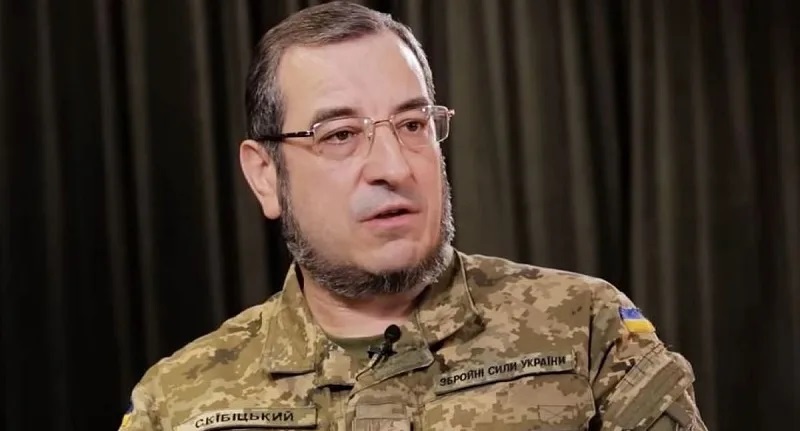
Russia is deploying Rassvet satellites, its answer to Starlink, faster than originally planned, Vadym Skibitskyi, Deputy Chief of Ukraine's Defense Intelligence (GUR), told RBC-Ukraine.
Moscow aims to expand the network to 292 satellites by the end of 2027 and 924 by 2035, he said. Existing satellites can already provide intermittent connections as they pass over Ukraine.
Rassvet could give Moscow an independent alternative to Starlink, which Ukrainian forces rely on for battlefield communications and drone operations. Russian forces also used unauthorized Starlink terminals until Ukraine and SpaceX blocked access. Rassvet’s coverage remains intermittent but could eventually support strike drones, prompting Kyiv to consider countermeasures.
Why Russia wants its own Starlink
Ukrainian forces rely heavily on Starlink for frontline communications, drone operations, and command and control.
Russian forces also relied heavily on unverified terminals until Ukraine and SpaceX blocked them on 5 February. The shutdown disrupted Russian communications and assaults across multiple parts of the front. On 10 August 2026, the SBU said it had dismantled two schemes that registered terminals in Ukraine for transfer to Russian forces.
Rassvet could reduce Russia’s dependence on SpaceX and illicit supply networks. Ukrainian experts have warned that a mature network could also relay data to Russian strike drones.
32 satellites up, 260 to go by 2027
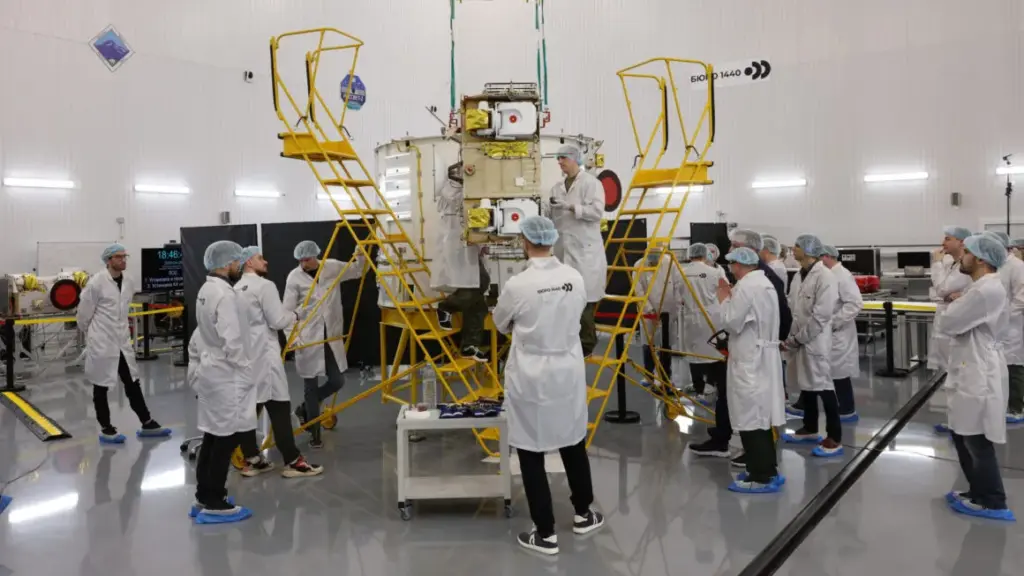
Bureau 1440, the Russian satellite developer behind Rassvet, began testing the network with three satellites in 2023. Three larger prototypes followed in 2024 to test upgraded equipment, including satellite-based 5G technology and laser links between spacecraft.
Russia launched its first batch of 16 serial Rassvet satellites on 23 March 2026 after manufacturing problems delayed the mission. A second group of 16 followed in July, Militarnyi reported.
In May 2026, Serhii “Flash” Beskrestnov, a defense technology adviser to the President of Ukraine, said each Rassvet satellite then in orbit passed over Ukraine roughly once daily, providing six to 10 minutes of connectivity. He estimated that continuous coverage would require 200–250 satellites.
Ukraine’s Agriculture Ministry has cut its forecast for agricultural exports in 2026–2027 by 54% as Russian attacks disrupt shipping through Odesa’s ports, Bloombergreported.
The ministry now expects 29.6 million tons of agricultural exports, down from 64.4 million. Its wheat export forecast fell by 53%, from 17.6 million tons to 8.3 million tons.
Ukraine grows far more grain than it consumes, exporting 65%–70% of its agricultural output. Bloomberg said the sector generated more than half of Ukraine’s export revenue last year. But Russia’s summer attacks have stalled the sea corridor as the harvest arrives, driving some wheat prices below production costs. Land and river routes cannot match the Black Sea shipping capacity, while sales through neighboring EU states remain politically contested. That leaves farmers with less money for the next sowing and further reduces Ukraine’s export income.
Ukraine has about 59 million tons of grain storage. That storage could be full by early November, leaving the country 11 million tons short of space by the end of fall 2026.
Wheat sells below cost as the silos fill up
Ukraine’s export bottleneck is already hitting its farmers. Port prices fell by another 12-15% in one week, while some farmers sold wheat below production cost. When ships stop, traders either stop buying or pass the higher cost of alternative routes on to producers. That leaves farmers with less cash for fall sowing.
To ease the pressure, the government has approved subsidized loans for agricultural producers. President Volodymyr Zelenskyy said Kyiv would expand storage. Ukraine's Agriculture Ministry has also asked the European Commission for €220 million to help cover interest for small and medium-sized farms.
Ukraine and Moldova are discussing a rail route to Romania’s Constanța port. According to the report, grain was already being redirected through Romania, Slovakia, and Hungary, but these routes cannot replace Odesa’s capacity.
Now the ports and the ships are Russia's targets
The export bottleneck is only part of the problem. Russia’s bombardment also threatens the ports, civilian ships, and crews needed to keep the corridor operating.
The port of Odesa normally handles about 90% of Ukraine’s grain shipments. Russia intensified attacks on terminals and civilian ships in July 2026 as the harvest reached the coast.
On 19 July, three Russian missiles struck the foreign-flagged Golden Leo as it left Odesa carrying corn, killing 10 people, including a Ukrainian sea pilot. Three days later, no vessel passed through the corridor.
Alternative routes offer little relief, as record-low Danube levels were restricting river traffic. Poland continues to bar Ukrainian grain from its domestic market. Those constraints leave more of the harvest inside Ukraine and farmers with less money to plant the next crop.
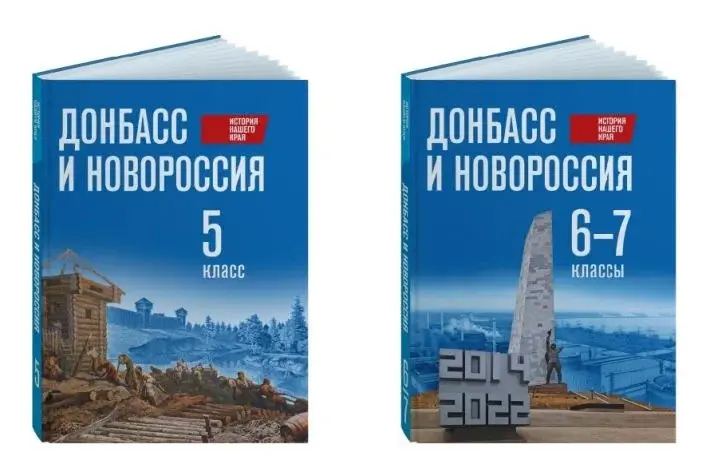
Russia will introduce two editions of a new regional history textbook series in occupied Ukrainian schools on 1 September 2026. The books present the occupied Ukrainian regions as historically Russian, MOST, a Kherson-based outlet, reported on 10 August.
The new textbooks bring Russia's campaign to erase Ukrainian identity into occupied classrooms, where authorities remove Ukrainian from curricula and replace lessons with Russian ideology, military drills, and firing-range visits. Moscow's Russification campaign extends beyond schools to efforts to change the demographics of occupied Ukrainian territory and re-educate forcibly transferred Ukrainian children.
The new textbook series, entitled "History of Our Region: Donbas and Novorossiya," comprises one edition for grade 5 and another for grades 6–7. The course attached to the books will be compulsory throughout Russia's so-called "new regions," according to the Ukrainian human rights center ZMINA.
"Novorossiya" is an imperial term Moscow uses to claim southern and eastern Ukraine.
Russia's Education Ministry calls the course "objective" and part of a "unified history of Russia," Meduza reports. Minister Sergei Kravtsov claimed it contains "objective information, rather than the lies that appeared in Ukrainian textbooks."
Replacing the curriculum, then the population
The "Novorossiya" textbook forms part of a broader Kremlin campaign to Russify occupied Ukraine's education, culture, and demographics.
Since occupying Melitopol, Russian authorities have systematically replaced Ukrainian curricula and textbooks. Older Russian textbooks, issued after Moscow's full-scale war, already depicted occupied Melitopol as part of Russia.
A 2025 Kremlin strategy requires occupied regions to enter Russia's educational, cultural, and information space. The policy also sets a nationwide target for “All-Russian civic identity” to reach at least 95% by 2036.
35,000 Ukrainian children still missing
Meanwhile, experts estimate that about 35,000 Ukrainian children remain missing and are likely held in Russia or Russian-occupied territory. Yale's Humanitarian Research Lab identified at least 210 facilities used to hold children from Ukraine. The lab found that at least 130 facilities subjected Ukrainian children to pro-Russian cultural, patriotic, or military programs.
One case shows where such indoctrination can lead. Once listed as missing under occupation, Ukrainian boy Oleksandr Mustiatse later appeared online in a Russian uniform bearing the “Z” invasion symbol, Save Ukraine reported.
South Korea is keeping lethal aid to Ukraine off the table while continuing humanitarian and reconstruction support, Yonhap reported on 10 August. The outlet cited a senior South Korean Foreign Ministry official.
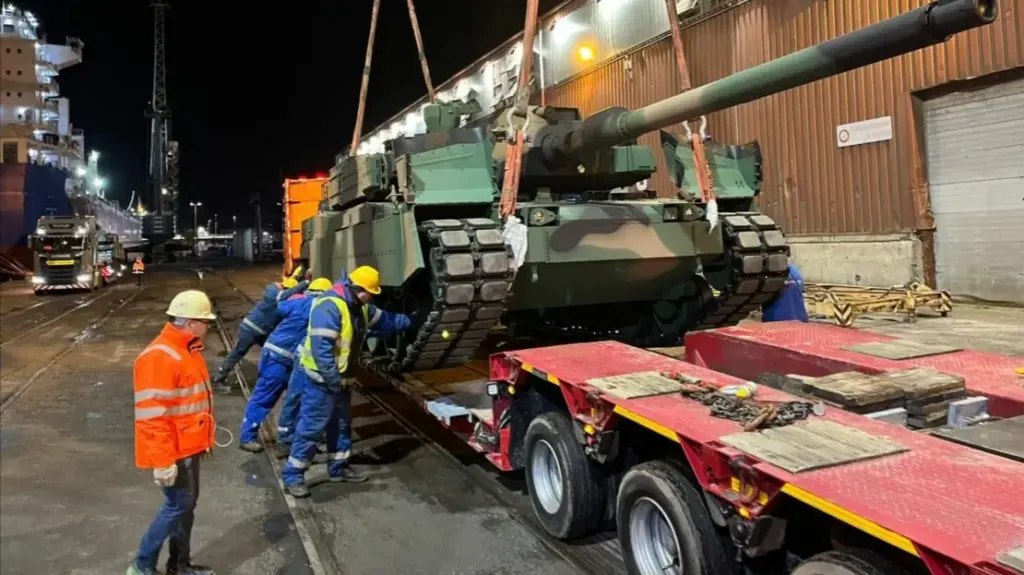
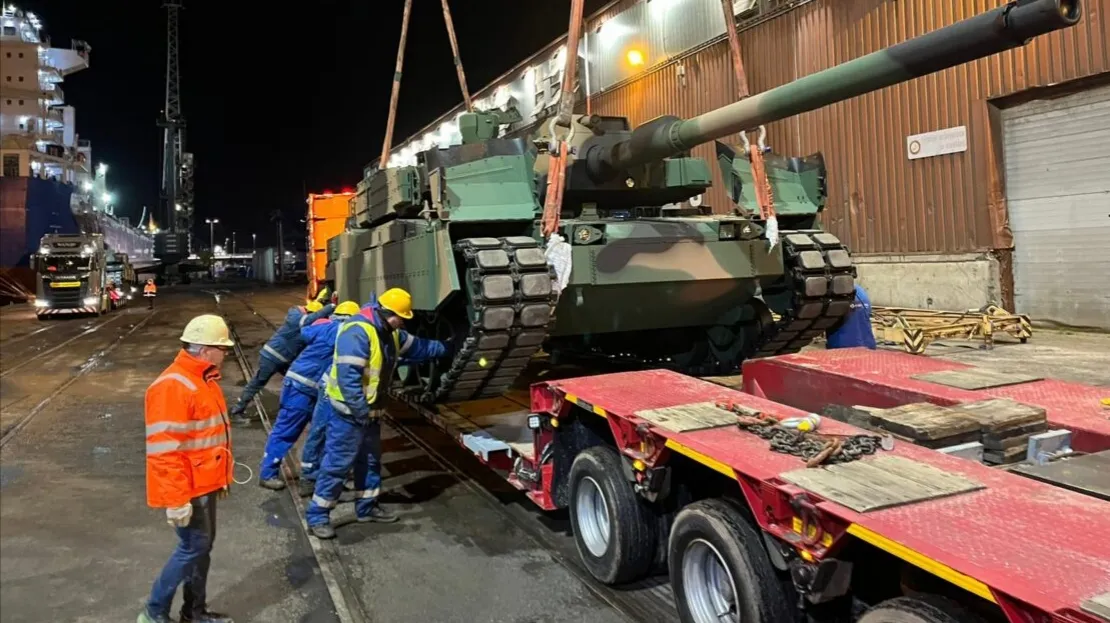
South Korea’s response maintains its established policy of providing humanitarian and nonlethal support to Ukraine, but not direct weapons. Seoul previously helped move artillery shells to Ukraine through the United States. While South Korea arms NATO members with K2 tanks and K9 howitzers to free up older kit for the Ukrainian front, it still draws the line at any direct transfer to Kyiv. Seoul rejects Ukraine’s purchase requests as North Korea sends Russia ammunition and troops in exchange for money and military technology.
South Korean law bars direct exports of lethal weapons to countries in active conflict, a rule rooted in constitutional principles and Seoul's wariness of antagonizing Moscow and Beijing while managing the threat from the North.
Ukraine is seeking South Korean interceptor missiles for its air defenses. The official neither addressed the request specifically nor formally rejected it:
“South Korea’s supply of defense materials to any country has always been carried out in accordance with domestic law,” the official said. Seoul will continue to support Ukraine’s recovery through assistance in energy, infrastructure, healthcare, and education.
The official also declined to confirm whether Seoul and Kyiv were discussing military support. However, he said Moscow-Pyongyang military cooperation “is directly related to our security and violates the United Nations resolutions” and should stop immediately.
Seoul’s indirect aid stopped short of direct arms transfers
In 2023, Seoul transferred hundreds of thousands of 155 mm shells to the United States under a confidential arrangement. Washington then arranged for them to reach Ukraine, The Wall Street Journal reported.
South Korean exports have also helped NATO members replace weapons sent to Kyiv. Poland bought South Korean K2 tanks and K9 howitzers while transferring older tanks and Polish-built Krab artillery systems to Ukraine.
Yet Seoul rejected Ukraine’s request to buy air-defense systems, radars, and artillery propellant in November 2024. In February 2026, it still limited support to humanitarian and nonlethal aid while considering NATO’s request to help purchase US weapons for Ukraine.
North Korean deployments bring the war closer to Seoul
Ukrainian President Volodymyr Zelenskyy said a decision had been made to deploy 30,000–50,000 more North Koreans to Russia. He warned that they would gain modern combat experience and Russian technology that could later threaten Asian countries. Kyiv wants South Korean air defenses and has offered cooperation on drones.
The South Korean official cited by Yonhap declined to confirm either the reported deployment or Zelenskyy’s statement that Ukrainian and South Korean diplomats were discussing possible cooperation.
North Korea is already believed to have sent approximately 20,000 combat troops and military engineers to Russia’s Kursk region, according to Yonhap. Pyongyang has earned as much as $22 billion from arming Russia, helping it finance conventional and nuclear forces.
The Japanese outlet Kyodo News reported in November 2025 that North Korea had transferred about 6.5 million rocket and artillery munitions in exchange for Russian air-defense, space, and nuclear technologies. Moscow and Pyongyang’s 2024 mutual defense pact formalized the expanding military relationship.
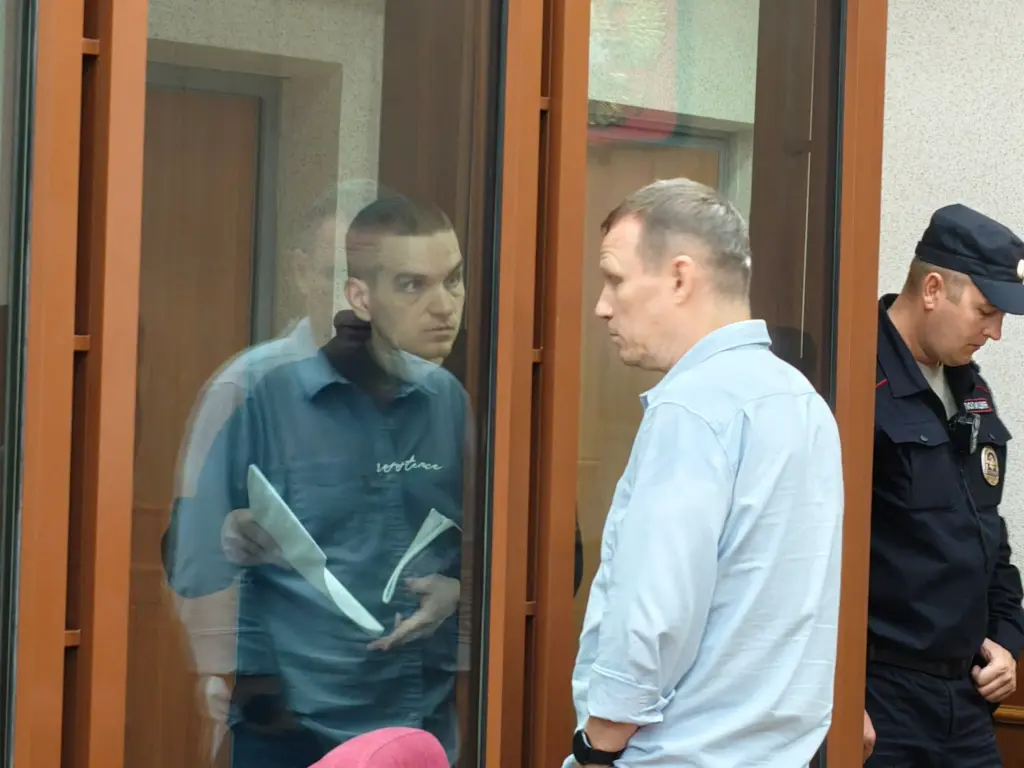
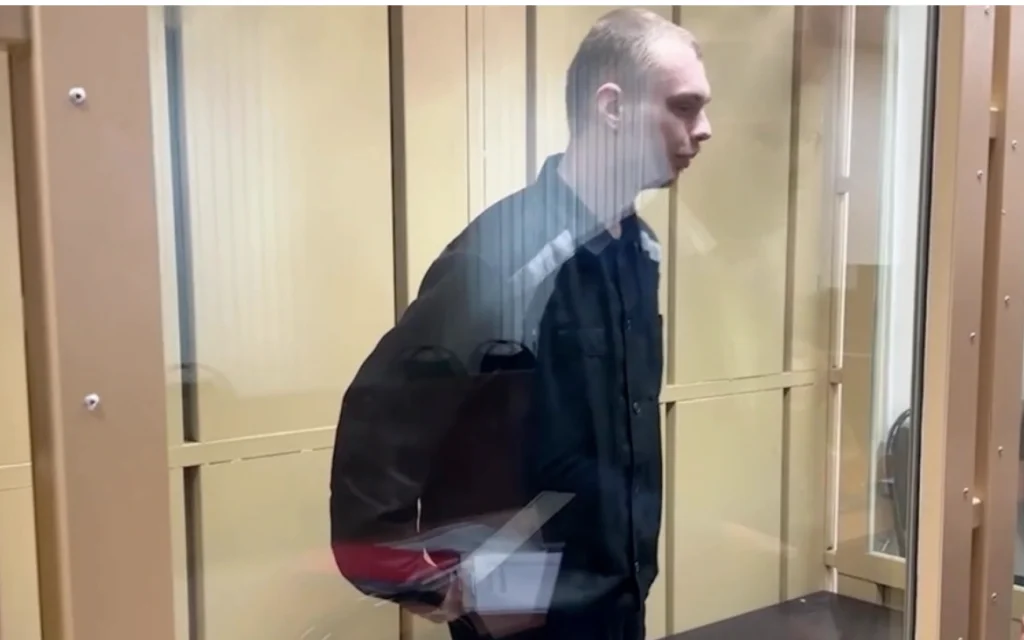
The Sverdlovsk Regional Court sentenced Ivan Stolbov, a 34-year-old Russian citizen who lived in Ivano-Frankivsk, Ukraine, to 13 years in a high-security penal colony.
The court sentenced Stolbov over 11 alleged donations of about 100 hryvnias (about $2.23) each to an unidentified Ukrainian organization, Mediazona reported on 10 August 2026. Born in Sarapul, Russia, Stolbov worked as a procurement manager before his arrest.
Since 2022, Russian courts have imprisoned Russians and Ukrainians under treason, terrorism, and other national-security laws over donations to Ukrainian causes. Penalties depend on the charge: high treason, used against Stolbov, has a 12-year minimum. The Kharkiv Human Rights Protection Group (KHPG) reports that Russian officials threaten up to eight years in prison for donations to organizations Moscow labels extremist, regardless of the amount (this includes Ukrainian organizations).
Authorities detained him at Yekaterinburg's Koltsovo International Airport in July 2025. Stolbov had traveled to Yekaterinburg to visit relatives.
The verdict said he was not registered in Russia. Court records reviewed by Mediazona showed that Stolbov then received three consecutive administrative arrests, two imposed as he left the detention center, before prosecutors filed the treason charge.
KHPG has reported cases in which Russian authorities used surveillance to detect such transfers.
KHPG has documented defendants ranging from teenagers and pensioners to travelers and residents of occupied Ukraine.
Small transfers, decade-long sentences
Stolbov’s case is one of several in which Russian courts have imposed decade-long terms over alleged donations to Ukraine.
Two women from Russian-occupied Enerhodar received 14 years each after allegedly transferring $120 and $57 to Ukrainian forces.
In May, a Russian court sentenced Ukrainian citizen Polina Kuzmina to 12 years and Russian citizen Vladimir Grabovetsky to 14 years. Prosecutors accused them of making 78 transfers to fund Ukraine’s Armed Forces.
KHPG documented a 14-year sentence for a Melitopol mother of two over alleged donations to Ukraine’s military and the Freedom of Russia Legion. KHPG also reported that Viktor Nikitenko, 58, received 12 years for alleged transfers and Ukrainian war bonds.
Stolbov’s 13-year term sits just above the minimum for high treason under Russian law. Article 275 provides for 12 to 20 years or life imprisonment.
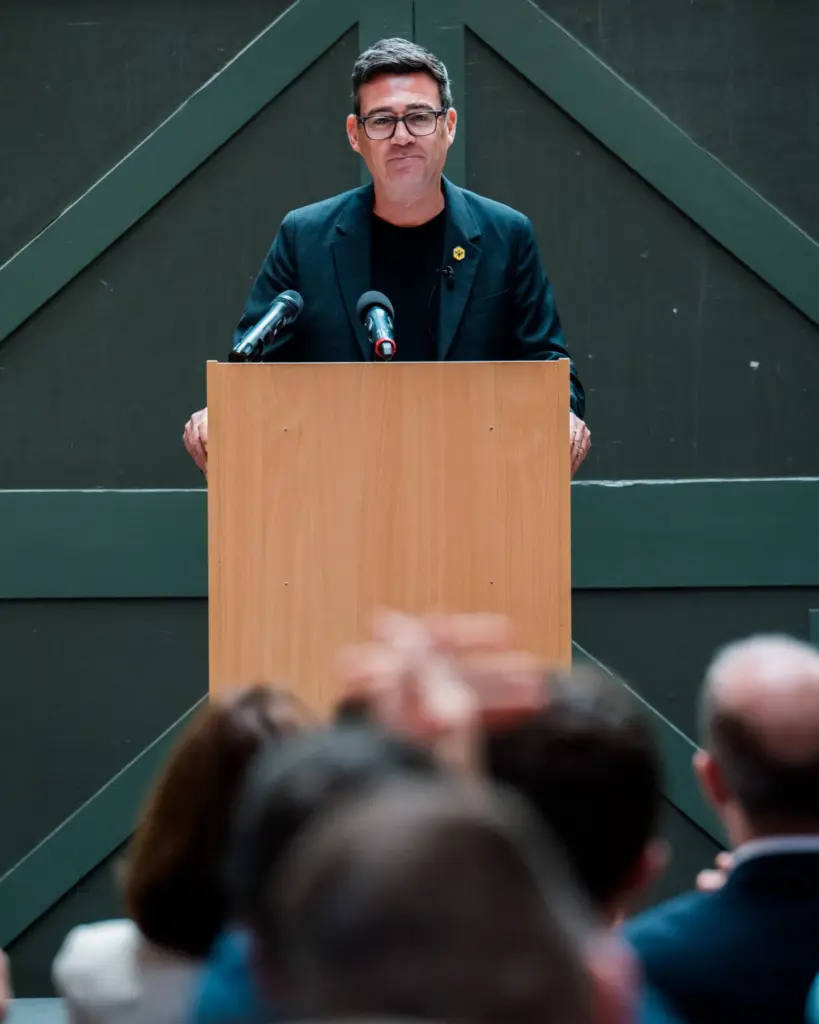
A plan presented to the UK's new Prime Minister, Andy Burnham, would extend Britain's nuclear umbrella to Ukraine and other non-NATO European states. In exchange, Britain would regain access to the EU single market for goods, The Telegraph reported on 9 August.
The proposal comes as European governments question whether they can rely on US protection and struggle to turn moral support for Ukraine into troops and weapons. Russia's invasions, despite the assurances Kyiv received from the US and the UK when it surrendered its nuclear arsenal under the Budapest memorandum, have also revived calls for nuclear-backed guarantees.
Former Conservative MP Nick Boles drafted the plan. He proposes a "European Confederation" that combines single-market access with NATO-style mutual defense commitments.
For Ukraine, it would provide protection modeled on NATO Articles 4 and 5 while Kyiv pursued full EU membership.
Ukraine would maintain a large army as Europe's bulwark against Russia and share defense technology with other members of the Confederation. Britain would raise defense spending to 3.5% of GDP, while both countries would gain full access to the EU's single market for goods.
Boles said Europe needed a new security model because neither US President Donald Trump nor a future US president could be guaranteed to "defend Europe as if it were Kansas."
Boles's plan is not Burnham government policy. Nevertheless, it has circulated among officials, including National Security Adviser Jonathan Powell, as London considers deeper cooperation with the EU.
Britain's support bumps against Europe's political limits
Prime Minister Burnham entered Downing Street as a firm supporter of Ukraine. He assured Ukrainian President Volodymyr Zelenskyy that British support remained unchanged and pledged to preserve aid levels.
Britain also co-leads with France the Coalition of the Willing, which plans to deploy forces in Ukraine after a ceasefire to deter another Russian attack.
The Coalition has brought together representatives of 40 countries. Still, members remain divided over how far to support Ukraine.
Britain and France have formally declared their intention to deploy forces after a potential ceasefire in Ukraine. Yet Poland offered logistical support but ruled out troop deployment, while Bulgaria has withdrawn from the Coalition. Europe has promised deterrence, but key deep-strike missiles may not arrive until 2029.
Boles's plan would pair Britain's nuclear deterrent with Ukraine's conventional military strength. Unlike the Coalition’s voluntary plans, Boles's proposed European Confederation would place its defense guarantees in a treaty. NATO would initially be responsible for carrying them out.
From surrendered weapons to a nuclear shield
Ukraine inherited the world's third-largest nuclear arsenal after the Soviet collapse, including about 1,900 strategic warheads.
Kyiv relinquished them under the 1994 Budapest Memorandum after receiving security assurances from Russia, Britain, and the US. Despite these promises, Russia invaded Ukraine in 2014 and launched its full-scale war in 2022.
Russia's invasions have revived calls among Ukrainian lawmakers for nuclear-backed security guarantees. Politician Roman Kostenko has called for guarantees that could include British and French nuclear retaliation in the event of another Russian attack.
Under Boles's proposal, Ukraine would not regain its own warheads. It would instead come under Britain's nuclear shield.
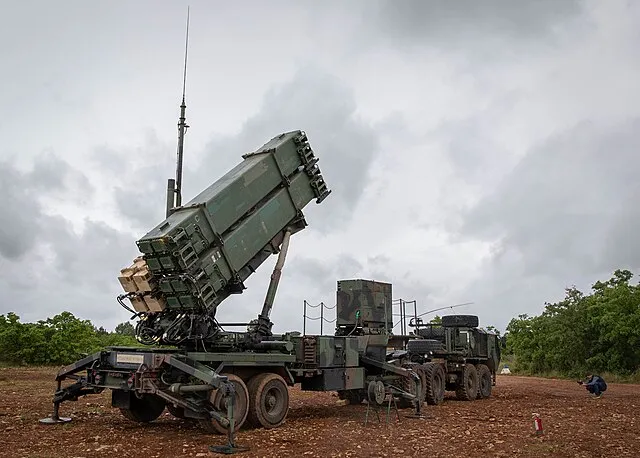
An unnamed Republican official in Washington said fears of Ukrainian competition may be obstructing a Patriot license, The Atlantic reported on 9 August. RTX’s Raytheon and Lockheed Martin may worry Ukraine would improve Patriot interceptors and make them faster and cheaper than US production lines, he said.
The official said the manufacturers would frame their concerns around intellectual-property theft and technology transfer. Their deeper concern, he claimed, is that Ukraine could eventually outcompete them. Neither company has publicly confirmed that motive.
Meanwhile, Russia’s missile threat is growing. July was Ukraine’s deadliest month for civilians since 2022, while Moscow can reportedly launch 77 ballistic and cruise missiles at once and aims to raise that capacity to 200. Ukrainian intelligence separately said Russian plants reached 110–120% of their July missile-production targets and are unlikely to pause their attacks.
Why the Patriot license remains unfinished
US President Donald Trump promised the license at NATO’s 8 July summit. Yet Lockheed Martin and RTX had not been informed, and by 23 July, both described the process as only beginning.
On 8 August, Ukrainian President Volodymyr Zelenskyy said Trump had agreed to grant Ukraine Patriot production licenses, but paperwork was delaying their issuance.
Current interceptor supplies are also failing to keep pace with Russian attacks. After a 5 August strike killed 17 people, Zelenskyy said Ukraine had received three times fewer anti-ballistic missiles since the beginning of 2026. He suggested the reduction might partly be intended to make Kyiv more compliant.
At their 28 July White House meeting, Zelenskyy asked Trump for 300 Patriot interceptors before winter, Axios reported. Trump declined, citing depleted US stocks and demand for interceptors in the Middle East.
Why Ukraine might look like a competitor—and why it is also part of the solution
Ukraine’s expanding defense industry is testing Western allies’ willingness to strengthen a potential competitor.
In January, French President Emmanuel Macron warned that French arms manufacturers faced “fierce competition” from Ukrainian and other European rivals. By July, Le Monde reported that many European allies remained torn between helping Ukraine and creating a new continental competitor.
Yet Kyiv has also proven willing to cooperate with its partners on mutual defense. Ukrainian military specialists have already helped the US counter Iranian-designed Shahed drones and protect American bases in the Middle East. After Washington requested assistance in March, Kyiv sent interceptor drones and military specialists to Jordan the following day.
Kyiv has also spearheaded the ten-country FREYJA initiative, combining Ukrainian launchers and interceptors with European radars and sensors to counter Russian ballistic missiles. Zelenskyy said the system could eventually protect countries across Europe.
Industrial cooperation extends to the Pentagon’s Drone Dominance Program. Kyiv approved its first export of finished combat drones after F-Drones’ F10 placed sixth among 25 competitors. The company won a prototype order for 2,000 drones and plans to open a factory in Ohio.
Russia fired 198 ballistic and hypersonic missiles at Ukraine in July, its highest monthly total of 2026, alongside 153 cruise missiles, as its factories ran their main missile lines at 110 to 120% of plan, the deputy head of Ukraine's Defense Ministry intelligence directorate (HUR), Major General Vadym Skibitskyi, told RBC-Ukraine in an interview published on 10 August.
The volume reflects a production run, not a drawdown of reserves. Moscow has spent recent months building and firing more of exactly the weapons most likely to penetrate Ukrainian defenses, as Kyiv runs short of the Patriot interceptors that are its only reliable counter to ballistic missiles. On 5 August, Ukraine failed to intercept any of 28 Russian missiles, including 24 ballistic ones.
Launches climbed through the summer
Ballistic launches rose steadily before July's peak: 61 in April, 107 in May, and 134 in June, Skibitskyi said. Attack intervals shortened from roughly one strike every 10 days to weekly, then tighter. "Everything depends on the quantity of weapons produced," he said.
Russia is meeting its monthly plans for the main missile types at 110 to 120% and, by 3 August, had already fulfilled its full-year plan for the Zircon hypersonic and modernized Onyx missiles, building 33 Zircons and 60 Onyx in seven months. That output, Skibitskyi said, makes a lasting pause in strikes unlikely.
A downed Russian Kh-101 missile. Illustrative photo by Ukraine's Air Force
Plans overfulfilled, reserves untouched
Output for individual systems ran well above target. The July plan for the Kh-101 cruise missile was met at 140%, the Kalibr at 111%, and the Kh-35 at 200%, according to HUR figures. In absolute terms, Russia planned 72 Kh-101s and built 87. It planned 26 Kalibrs and built 29.
Its stockpile of 9M723 ballistic missiles for the Iskander-M stood at about 130 as of 5 August, against a monthly plan of 60, though July output reached 65, Skibitskyi said. For the RM-48U, a Mach 6 surface-to-surface missile launched from the S-400, the August plan is about 40 units on estimated reserves of 400.
"They are not really going into reserves. Right now almost everything for use comes off the assembly line," Skibitskyi said.
An Iskander-M short-range ballistic missile launcher with its missile raised, at the Army-2016 military expo near Moscow, Russia, 8 September 2016. Photo: Vitaly V. Kuzmin
Newly built Kalibrs now largely go to equip Russia's new warships and submarines, he added, and Ukraine intercepts nearly all the Kalibrs fired when it has the surface-to-air missiles to do so.
Kinzhal and Kh-32 output halted since April
Part of the ballistic surge came from stopping other programs. Russia suspended production of the hypersonic Kinzhal and the Kh-32 cruise missile in April, redirecting their propellant and components to missiles it considers more effective, Skibitskyi said. The Kh-32, a modernized Kh-22, had failed repeated attempts to improve its accuracy and was returned to development.
The Kinzhal has a similar problem.
"We can hardly recall a case when this missile hit the target precisely," Skibitskyi said. "For an effective missile the deviation from the target should not exceed 5 to 7 meters, and theirs is 30 meters and more."
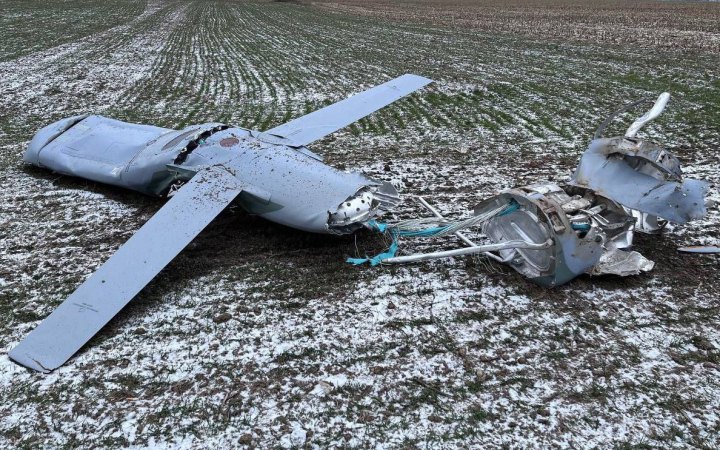
The Geran-3 jet-powered Russian attack drone. (Photo: Wild Hornets)
A shift to jet-powered drones
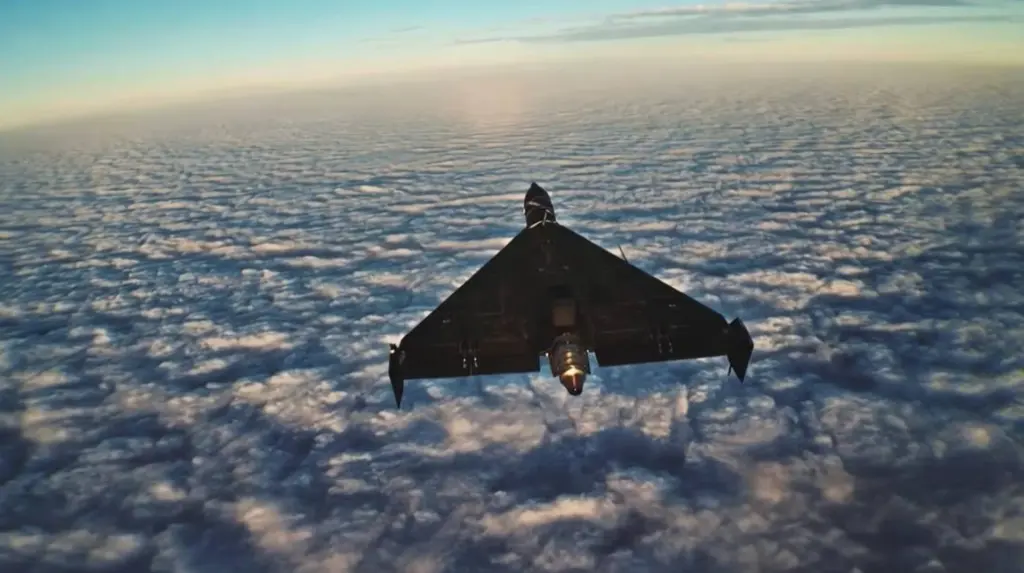
Russia's August plan for strike drones, across the Geran, Gerbera, and Harpia families, is 11,000 units, Skibitskyi said. Production dipped in July as plants retooled toward the turbojet Geran-4 and Geran-5, which already made up half of one recent attack and require faster interceptors to stop.
The engines remain a bottleneck. Russia depends on China for the turbojets, pays about $35,000 to $40,000 apiece, and is trying to build its own, Skibitskyi said.
Targets: defense plants, logistics, and Black Sea shipping
Russia concentrates its strikes on Ukraine's defense-industrial complex, centered on Kyiv, Zaporizhzhia, Dnipro, and Kharkiv, and on logistics, including railways, ports, and shipping, Skibitskyi said. He described a methodical campaign against civilian vessels in the Black Sea: "This is an unprecedented situation, when civilian vessels are not simply struck but methodically finished off and destroyed, to deny us the ability to conduct trade."
Energy sites tied to ports and logistics are also targeted, he said, along with other infrastructure meant to sow panic and destabilize the country.
North Korea, Iran, and a Starlink analog
North Korea has transferred 40 more KN-23 and KN-24 missiles after an initial batch of about 100, Skibitskyi said. One recent North Korean missile strayed roughly 15 kilometers from its target and killed a family. Iranian cooperation has narrowed since 2022 and 2023, as Russia now builds its own strike and FPV drones.
Moscow is also fielding Rassvet, a Russian analog of Starlink, faster than planned. Sixteen satellites reached orbit in March 2026, with a planned constellation of 292 by 2027 and 924 by 2035. For now, it works only in fragments, as each satellite passes over Ukrainian territory.
A pause looks unlikely
Russia may cut the number of missiles sent at a single target but is unlikely to stop, Skibitskyi said. The tempo will depend above all on how much it can produce. "They will be able to reduce the number of missiles flying at one target, but they are unlikely to make a pause," he said.
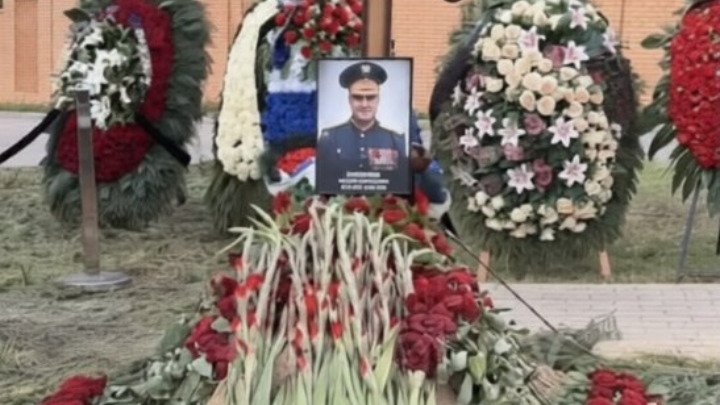
Major General Valery Plokhotnyuk was buried in Moscow on 5 August 2026, four days after he reportedly died in a bombing at an Italian restaurant. Security was heavy at the funeral. The ceremony at Troyekurovskoye Cemetery reportedly took place behind roadblocks, metal detectors, and buses carrying Russian National Guard troops.
If he died in the blast, Plokhotnyuk would be at least the fourth senior Russian general killed near Moscow since December 2024. The earlier targets held senior roles in Russia’s war against Ukraine. Moscow has blamed Kyiv for others without presenting public proof. Unlike the three earlier generals, however, independent reporting has not established that Plokhotnyuk himself was the intended target. Responsibility for several of the killings remains disputed or unconfirmed.
The Russian news site Mediazona verified through state registries that Plokhotnyuk died on 1 August 2026, the day of the Moscow bombing. His business partner later confirmed the death after speaking with the general’s father.
Russian officials have not confirmed that Plokhotnyuk died in the blast.
Plokhotnyuk previously commanded Russian troops in Transnistria, a Russian-backed breakaway strip of Moldova. In 2022, he was serving as chief of staff of Russia's 49th Combined Arms Army. Its units attacked southern Ukraine through Kherson and Zaporizhzhia oblasts.
A bomb was brought to the restaurant disguised as a gift
The device that killed Plokhotnyuk exploded at the entrance to Moscow’s Balzi Rossi restaurant on the evening of 1 August. Five people died, and at least 19 suffered injuries.
A woman tried to carry the device inside as a gift but was stopped by a security guard, according to accounts compiled by Sistema, RFE/RL’s Russian investigative unit. The bomb then reportedly detonated remotely.
The woman and the guard both died. Investigators have not said whether she knew that the package contained explosives.
The scene outside Balzi Rossi after the explosion. Source: Baza
Sistema found several signs that the closed restaurant was hosting a belated 55th-birthday celebration for Colonel General Aleksandr Chaiko, appointed head of Russia’s Aerospace Forces in May 2026.
Footage taken before the blast reportedly showed a backdrop reading “Alexander 55.” State registries confirmed that Chaiko’s son-in-law, Daniil Peredriy, died that day. Chaiko’s daughter, Maria, and another relative reportedly suffered injuries.
The presence of several Chaiko relatives indicates that the event was held for him. However, independent reporting has not established whether he was inside when the bomb exploded. Ukraine has not claimed responsibility.
The EU sanctioned Chaiko in March 2026. It identified him as the senior Russian commander on the ground when Russian forces entered Bucha in February 2022. Hundreds of civilians were killed during Russia’s occupation of the Kyiv suburb.
Far from the front, Russia’s generals keep coming under attack
Before Plokhotnyuk’s reported death, bombings had killed at least three senior Russian generals in Moscow and its surrounding region since December 2024.
A bomb hidden in an electric scooter killed chemical warfare commander Igor Kirillov outside his apartment. An SBU source told Reuters that Ukraine organized the operation.
A car bomb later killed General Staff officer Yaroslav Moskalyk near Moscow. Zelenskyy subsequently mentioned an intelligence briefing on the “elimination” of Russian commanders without naming Moskalyk. Kyiv never formally claimed the bombing.
Another vehicle blast killed military planner Fanil Sarvarov in December 2025. Russian investigators considered possible Ukrainian involvement, while Kyiv remained silent.
No public evidence has established who organized the Balzi Rossi bombing.
Ukraine expects the joint European FREYJA interceptor program to deliver "concrete results" by the turn of 2026–2027, President Volodymyr Zelenskyy said on 6 August. The program "is already actively underway," he added.
Under the program, Ukraine would manufacture the interceptor and launcher, while European partners would provide radars, sensors, and other critical components.
Zelenskyy said FREYJA is intended to intercept ballistic missiles and would benefit countries across Europe. He said its successful development would place Ukraine among the few countries with an anti-ballistic system of their own.
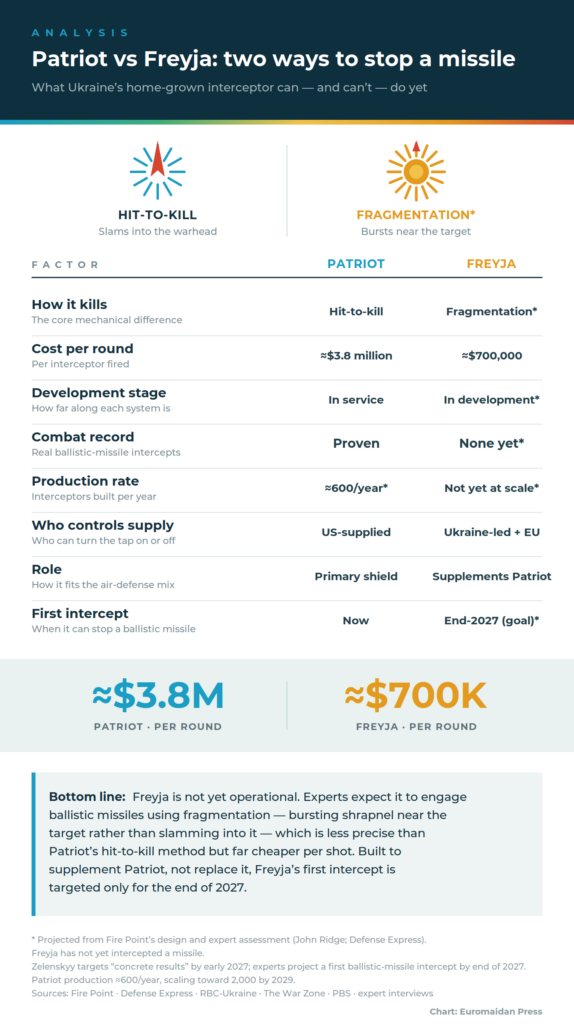
The FREYJA project seeks to address Ukraine's growing shortage of interceptors capable of stopping Russian ballistic missiles. FREYJA will not solve the immediate shortage, but it could reduce Europe's long-term reliance on scarce US-made Patriot interceptors. Recent Russian attacks have shown the consequences of that shortage.
How the FREYJA interceptor would help Ukraine
Ten countries are involved in FREYJA, and Zelenskyy said more partners had agreed to join the effort. Leading European defense companies will contribute the radars, sensors, and other technology the system requires, he said.
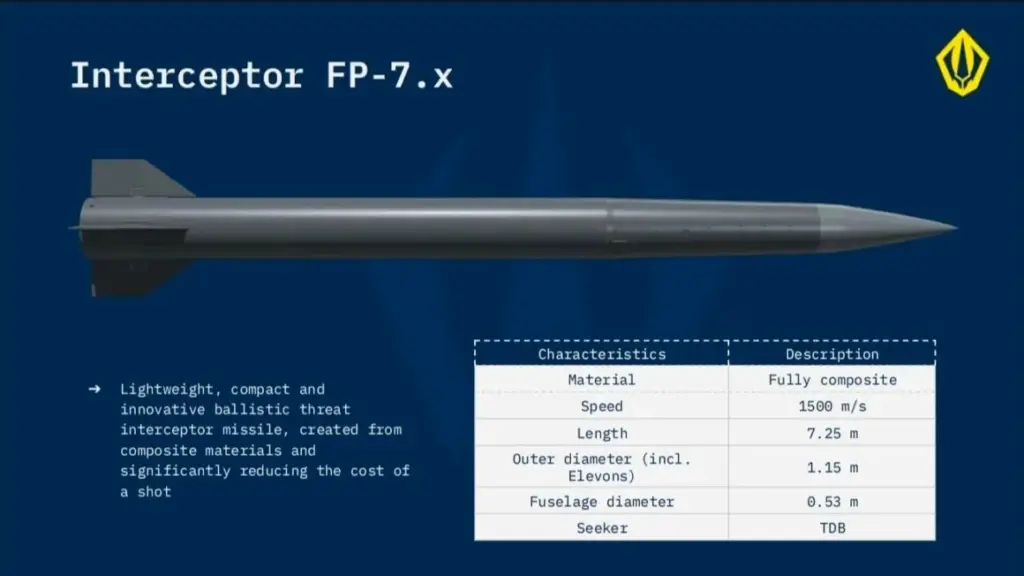
This joint venture connects Ukraine's wartime missile production with technologies held by established European manufacturers. Earlier Euromaidan Press reporting described the project as pairing a Ukrainian Fire Point interceptor with European radar, guidance, and sensor technology.
Image: Euromaidan Press
Euromaidan Press noted that each FREYJA round cost about $700,000, compared with roughly $4 million for a PAC-3 interceptor. However, FREYJA is not a one-for-one Patriot equivalent and has not yet demonstrated a ballistic-missile interception. The lower price could matter if Ukraine can manufacture it at scale.
Zelenskyy's timetable concerns "concrete results," not a fully operational or mass-produced system.
The need for FREYJA was on display during Russia's overnight attack on 5 August. Moscow launched 24 ballistic and four anti-ship missiles, and Ukraine reported intercepting none of them. Air defenders neutralized 98 of 115 drones, but missiles and drones still struck 26 locations. 17 people were killed.
July 2026 had already shown the same deterioration. Ukraine only downed two of 36 ballistic missiles in two major attacks, roughly one in eighteen, as Patriot stocks ran low.
Washington offers no quick relief. Trump's July promise of a Patriot production license remains in its early stages, according to the system's manufacturers. Asked about more Patriot interceptors on 6 August, Trump replied that the United States also needed missiles.
The mismatch leaves Ukraine pursuing two tracks: pressing partners for scarce Patriots now while building FREYJA for a less dependent European defense later.
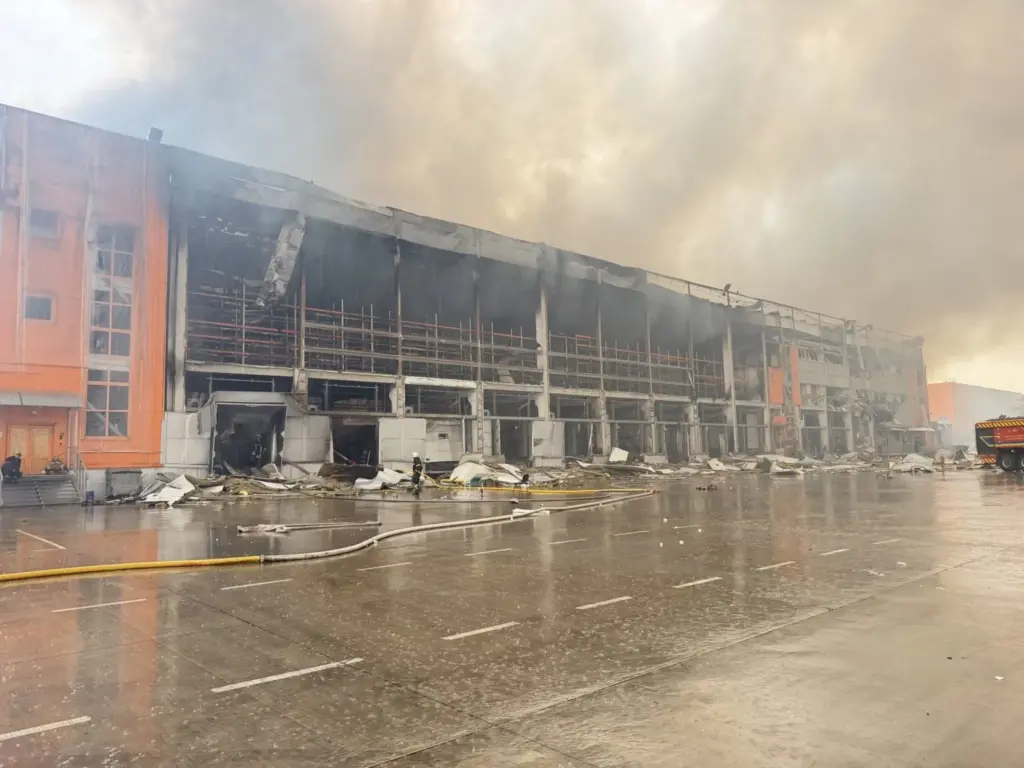
Russia destroyed a Bosch warehouse in Ukraine overnight into 5 August, the German manufacturer said. The strike wiped out its stock of household goods and industrial technology. No Bosch employee or worker for its logistics partner was injured.
The strike was part of Russia's intensified attacks on the warehouses and distribution centers that supply Ukraine. Destroying these facilities eliminates stored goods and disrupts the delivery of food, parcels, equipment, and other essential products. Recent attacks have hit both Ukrainian companies and international brands operating in the country.
Bosch said the warehouse premises belonged to its logistics partner. The company's preliminary assessment found that all Bosch products stored there had been destroyed. It did not disclose the location.
Bosch and its logistics partner are now assessing the damage. They are also seeking ways to maintain operations and meet commitments to customers and business partners.
Russia launches anti-ship missiles on stocks
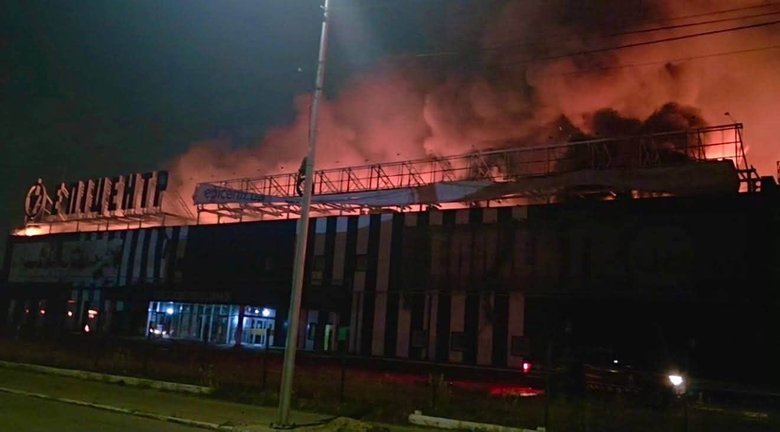
The Bosch loss came during the same overnight barrage that devastated warehouses and production sites across Kyiv and the surrounding region. Russian strikes destroyed facilities used by Rozetka, Nova Poshta, and Epicentr. The three companies distribute parcels, household goods, and construction supplies across Ukraine.
That attack killed 17 people and wounded 44. Ukraine intercepted none of the 24 ballistic missiles or four anti-ship missiles Russia launched, according to Ukrainian officials.
Ukraine is looking for ways to protect its businesses
The same night, a strike burned down the central Ukraine warehouse of German automotive-products maker Liqui Moly. All employees escaped injury, and the company said it would continue operating.
Russia's overnight barrage burned down the Ukrainian warehouse of a German household brand, Liqui Moly. Source: Liqui Moly
Two nights earlier, a Russian drone attack outside Dnipro set food warehouses ablaze. On 1 August, another Russian drone hit a Rozetka warehouse where 270 people were working, killing one employee.
The campaign comes as Russia launches more missiles than Ukraine can reliably stop. Moscow fired 376 missiles in July, including 126 ballistic weapons, Euromaidan Press previously reported.
Ukrainian presidential adviser Serhii Beskrestnov said Russia had intensified attacks on warehouses and production sites. He warned businesses to disperse their stocks. Russia can sustain about 100 ballistic-missile launches a month and locate commercial targets using cheap local informants, he said.
Radical anti-Ukrainian rhetoric became less prominent across Polish social media in July, according to an analysis published on 3 August by Gremi Personal, a recruitment firm for Ukrainian workers.
Gremi Personal researchers monitored public Polish-language posts and comments across Facebook, X, TikTok, YouTube, Instagram, and Wykop, a Polish social news and discussion platform. They recorded less direct ethnic abuse, collective blame, calls to restrict Ukrainians' rights, and justification of violence than in the previous period.
Polish social media posts condemning xenophobia and attacks on Ukrainians also became more visible.
Still, the result marks a shift in online discourse, not proof that attitudes across Polish society have improved. Gremi said its monitoring was not a representative opinion poll. Negative discussion around Ukrainian migration, welfare, and Polish-Ukrainian historical memory also remained widespread.
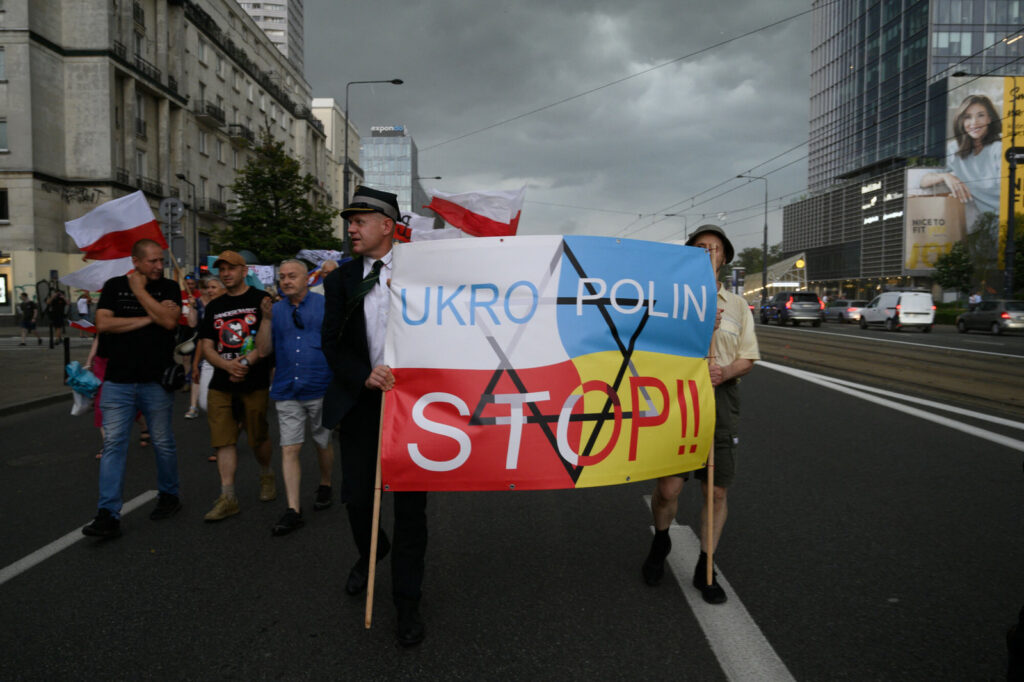
Poland's social media may be cooling faster than its streets, but nearly a million Ukrainians still held temporary protection there as of mid-April 2026 amid rising hate crimes and renewed disputes over Ukraine's honoring of the Ukrainian Insurgent Army, blamed by Poland for wartime massacres. Russia exploits the rift with disinformation.
How Polish-Ukrainian relations have worsened
Historical memory has become a sharper political fault line in Polish-Ukrainian relations since President Volodymyr Zelenskyy issued Decree 440/2026 on 26 May. The order gave a Ukrainian special forces unit the honorary title "Heroes of the UPA."
The Ukrainian Insurgent Army is remembered in Ukraine for fighting Soviet rule. Poland holds it responsible for the massacres of Polish civilians during World War II.
Polish President Karol Nawrocki stripped Zelenskyy of Poland's highest honor in June in response to the "Heroes of the UPA" decree. In July, he also sought a legal ban on the UPA's red-and-black flag.
The row followed years of Poland's far right turning Ukrainian refugees and historical grievances into wedge issues, rallying voters against Polish aid to Ukraine.
Hate-crime reports keep climbing
Reports of suspected hate crimes against Ukrainians in Poland have risen since the beginning of 2026. Ukrainians filed 180 reports of suspected hate crimes with Polish police in the first half of 2026, Rzeczpospolita reported. The newspaper cited national police data. The total was more than 30% above the same period in 2025.
These were allegations, not crimes confirmed by investigators or courts. Yet recent attacks show the danger behind the numbers.
In May, 16-year-old Ukrainian refugee Artem suffered a fractured skull in an attack on a Warsaw bridge. Police detained five teenage suspects, while Warsaw's mayor blamed increasingly hostile right-wing rhetoric.
Screenshot from a video of the attack on the Ukrainian couple, Wrocław, 26 July 2026.
On 26 July, three men allegedly beat a young Ukrainian couple in Wrocław after asking whether the woman was Ukrainian. Investigators are treating the assault as a hate crime driven by the victims' nationality.
Days earlier in Poznań, three men beat a 60-year-old Pole after he defended a Ukrainian teenager from abuse on a tram.
About 16,000 foreign volunteers from at least 72 countries serve in Ukraine's Defense Forces, Military Ombudsman Olha Reshetylova said. Reshetylova said nearly 40% are citizens of Latin American countries.
The figures show the scale of foreign volunteers' participation in Ukraine's military as Russia's invasion strains Ukraine's manpower. Reshetylova's office monitors their rights and uses complaints to identify recurring problems.
Reshetylova announced the figures during a 4 August meeting of the heads of Ukraine's foreign diplomatic missions.
"Ukraine values [foreign service members'] contribution and understands their responsibility to uphold their rights," she said.
Since 27 January 2026, her office has received more than 300 requests from foreign service members, their relatives, and authorized representatives—requests concerning pay, benefits, supplies, combatant status, medical care, and early contract termination. The office has proposed legal changes in response.
Reshetylova did not explain how the figure of 16,000 was calculated. In February 2026, a Ukrainian Ground Forces official said that more than 10,000 foreigners had served or were serving in Ground Forces units.
That cumulative figure covered a narrower part of Ukraine's Defense Forces and is not directly comparable with Reshetylova's estimate.
Foreign recruits bring combat experience and specialist skills
The International Legion, the main destination of most foreign volunteers, draws members from more than 50 countries. Its members include veterans of the war against ISIS, career soldiers, medics, and newcomers motivated by duty, adventure, experience, or personal loss.
On the front line, Colombian veterans have played a significant role in aiding Ukrainian forces in Zaporizhzhia Oblast, bringing military and police experience gained fighting drug cartels and rebels in Colombia.
Some foreign service members also contribute specialist skills beyond infantry combat. British bomb-disposal expert Christopher "Swampy" Garrett cleared mines and trained more than 2,000 Ukrainian troops, police officers, and international volunteers.
Garrett was killed on 6 May 2025 while dismantling a Russian explosive device in Izium.
Contracts, captivity, and the human cost
Beyond the battlefield, foreign service members can face contract disputes in Ukraine, prosecution at home, or imprisonment by Russia.
Finnish volunteer Leo Åland struggled to end his six-month contract. He was killed in combat after serving in Ukraine's military for just over four months.
British ex-soldier gets 19-year sentence in Russia on “terrorism” charges while he was fighting for Ukraine in Russia’s Kursk Oblast. Source: RBC-Russia
In December 2025, a Swiss court convicted Avi M. of serving in Ukraine's military. Swiss law prohibits citizens from joining foreign armed forces.
Russia has prosecuted captured foreign members of Ukraine's military as mercenaries rather than treating them as prisoners of war. A Russian court sentenced British fighter James Scott Rees Anderson to 19 years following his capture in Kursk Oblast.
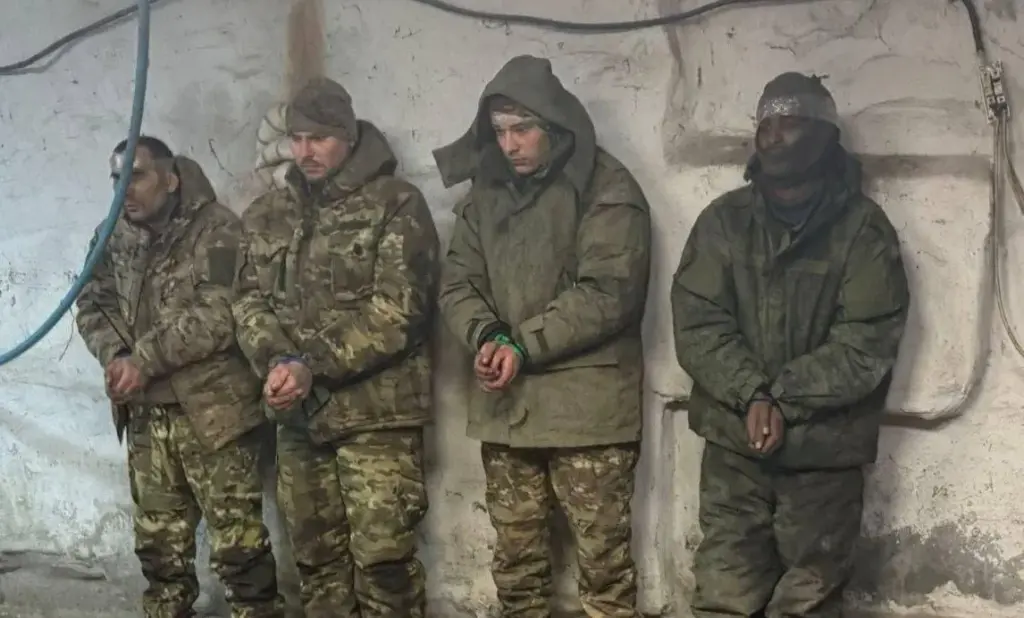
Ukraine now holds prisoners of war (POWs) from 51 countries who fought for Russia, Dmytro Lubinets, the Ukrainian parliament’s human rights commissioner, said on 4 August.
The figure illustrates the global reach of Moscow’s efforts to replenish its forces with foreign recruits. Russia has targeted people abroad with promises of well-paid jobs, university places, and military salaries. Some enlist knowingly. Others report being deceived or pressured into service.
Speaking at a meeting of heads of Ukraine’s foreign diplomatic missions, Lubinets said joining Russia’s war carries “real legal consequences.” He did not disclose the prisoners’ nationalities or their total number.
The human cost extends beyond those captured. A July 2026 BBC Russian Service/Mediazona investigation documented at least 3,589 foreign nationals who had died fighting for Russia. The total comprised 1,285 people from more than 40 countries and 2,304 North Korean troops.
Russia throws its recruitment net across the globe
Moscow has increasingly looked abroad for soldiers as its invasion consumes manpower. Recruiters focus heavily on Africa, Asia, and Latin America, offering civilian work, education, high salaries, or military service.
A human rights investigation covered by Euromaidan Press found that Russia had recruited at least 27,000 people from more than 130 countries since February 2022. Researchers said recruits often received Russian-language contracts they could not understand, while some faced threats or rapid deployment to combat.
Explore further
China asks Ukraine to treat Chinese POWs well, but doesn’t say if it wants them back
In Africa, recruitment operates within a broader Russian soft power influence network. Russian Houses offer language courses and routes into Russian universities. Ukraine’s military intelligence describes Russian Houses as a pipeline through which some young Africans reach Russia as students or workers and later enter Moscow’s army.
Beyond Africa, Russia preys upon the disadvantaged with promises of work. An Associated Press investigation found that Bangladeshi men promised cleaning jobs in Russia were instead sent into combat.
Foreign recruits abandoned after capture
For those captured, neither Russia nor their home governments offer a clear route home. Ukraine’s POW Coordination Headquarters said Moscow had excluded foreign recruits from prisoner exchanges, although some embassies had visited their citizens.
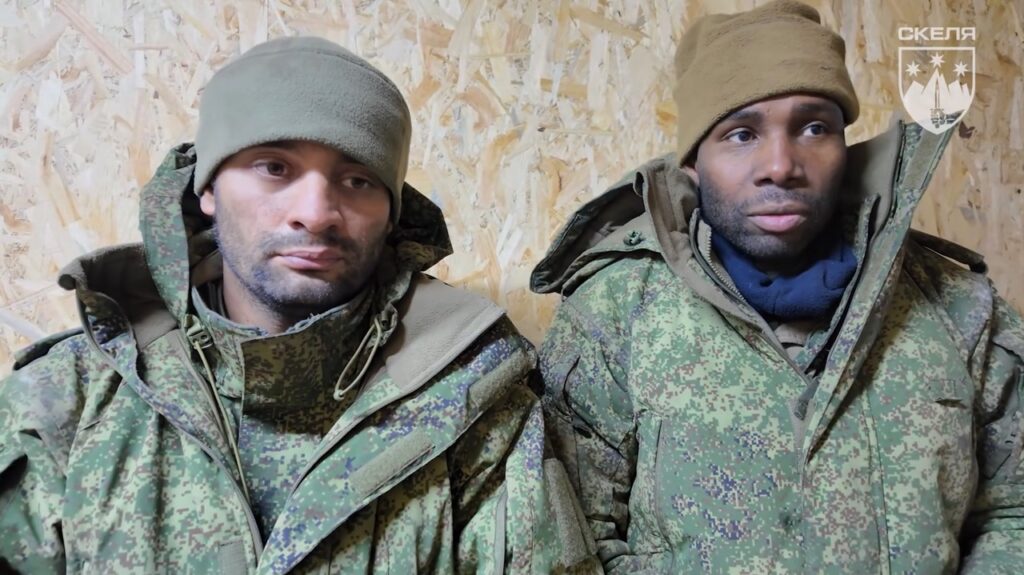
Two Colombian citizens captured by Ukrainian forces near Pokrovsk recount their ordeal. Screenshot: @skala_ukraine/YouTube
A Kenyan Foreign Ministry official stated the government was following reports of several trafficked Kenyans held as POWs in Ukraine. Yet Ukrainian POW official Petro Yatsenko said most African governments showed little interest in bringing their citizens home.
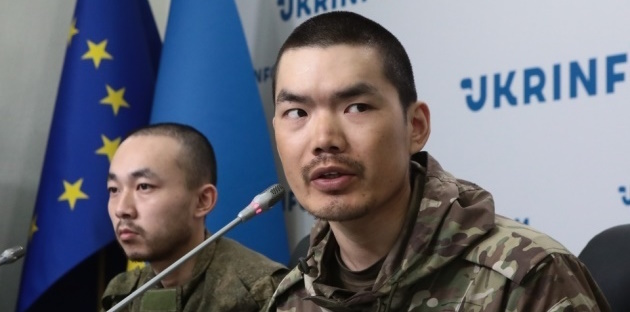
China likewise asked Ukraine to treat two captured Chinese fighters humanely, but did not say whether it sought their return. Ukrainian officials said Russia had inquired only about captured North Korean soldiers, showing little interest in other foreign fighters in captivity.
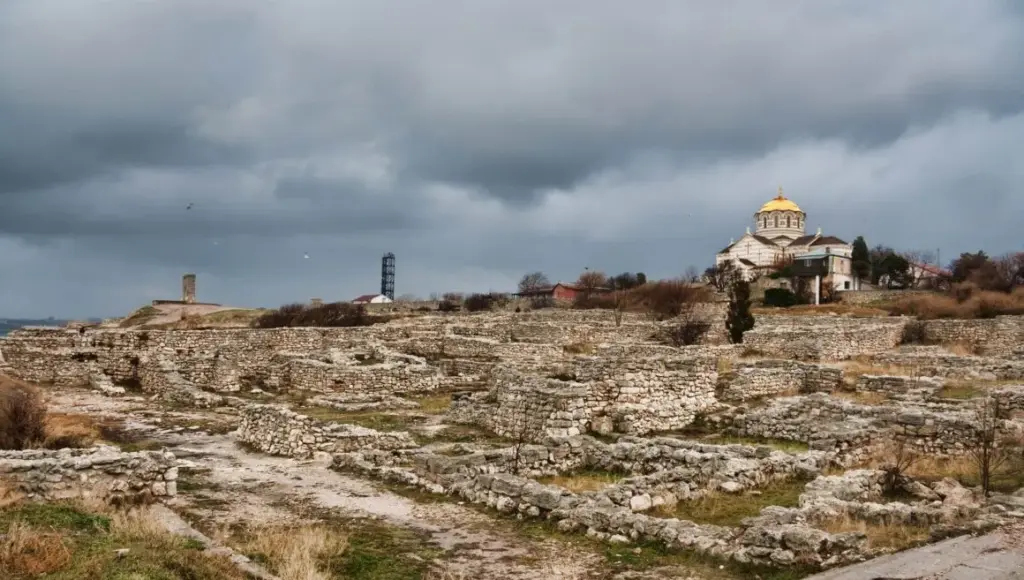
Russia is conducting six illegal archaeological expeditions across occupied Crimea, Suspilne reported. The illegal digs target crypts, a necropolis, and ancient settlements.
Suspilne, citing RIA Novosti Krym, reported that Vadym Maiko, head of Russia’s Institute of Archaeology of Crimea, said the expeditions include the Opushky burial ground, where teams are examining at least three crypts. They also include the late-antique Kyz-Aul necropolis near Yakovenkove, as well as work near the Artezian hillfort and the Belinske settlement. Suspilne did not identify the other two expeditions.
The expeditions add to what Ukrainian officials describe as a wider campaign of cultural theft. Since 2014, Russia has removed artifacts, dug without Kyiv’s permission, and reshaped Ukrainian sites to support its claim to the peninsula.
Russia’s habit of stealing Ukrainian history
Russia has expanded in recent years its archaeological excavations in the occupied Ukrainian territories.
On 1 April 2026, Ukraine’s military intelligence released a report identifying seven Russian archaeologists and historians linked to excavations and occupation institutions. Its update also listed 20 objects taken from occupied sites, including Kyz-Aul and the Hospitalnyi burial mound.
Ukraine’s National Resistance Center also says Russian security personnel let artifact looters remove finds from Chersonesus in return for kickbacks. Meanwhile, Russian construction and excavation there exposed 500,000 artifacts.
In July 2026, UNESCO placed the site on its danger list, citing damage from construction and large-scale digs.
Accountability has begun, but rarely reaches court
The EU’s 17th sanctions package targeted Russia's cultural heritage looting in Crimea. It listed Chersonesus occupation director Elena Morozova and the museum she leads.
Ukraine has also pursued individual archaeologists. Yet identifying the people behind illegal digs is not the same as bringing them before a court.
A Polish court approvedthe extradition of Hermitage archaeologist Alexander Butyagin to Ukraine after Kyiv accused him of causing $4.8 million in damage at Myrmekion. Warsaw later handed him to Belarus in an April prisoner exchange, and he returned to Russia. The case never reached Ukrainian courts.
The 1954 Hague Convention protects archaeological sites and requires parties to prevent theft, pillage, or misappropriation. But Butyagin’s release exposed the central enforcement problem: Ukraine can document a suspect, secure an arrest, and still lose custody before trial.
Russia's overnight missile-and-drone barrage on Kyiv and its surrounding region on 5 August destroyed the warehouses and production sites of several of Ukraine's largest retail and logistics companies, killed 17 people and wounded 44 more, and laid bare the country's dwindling ability to intercept ballistic missiles, according to Ukrainian officials.
Russia's main target on 5 August: Ukraine's warehouses
Russia has spent this year pushing its air war toward the ballistic missiles that Ukrainian defenses struggle most to stop, launching more of them than Ukraine can shoot down while its Patriot interceptor stocks run dry, and pairing them with drone waves that keep reaching homes, transit and the warehouses that feed the country.
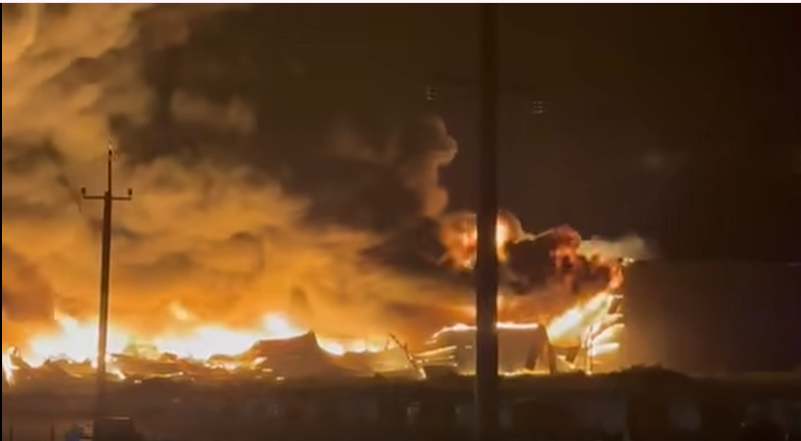
Three Russian ballistic missiles destroyed the largest distribution center operated by Rozetka, Ukraine’s biggest online retailer, near Kyiv overnight on 5 August. Rozetka co-founder Iryna Chechotkina said the warehouse had processed more than 100,000 online orders each day and was beyond repair.
By dawn, the attack had torn through the civilian logistics network moving parcels, groceries, household goods and construction materials across the capital and its suburbs. At least 17 people were killed and 44 injured in the broader barrage, according to President Volodymyr Zelenskyy.
Russia launched a massed missile and drone attack on Kyiv and Kyiv Oblast overnight, killing 14 people and injuring 27.
Fires burned across three raions. A residential building collapsed in Kyiv's Holosiivskyi district, where rescuers are searching for people under the rubble…
In its 5 August 2026 strikes, Russia destroyed a sorting center owned by Nova Poshta, Ukraine’s largest private parcel carrier, as well as major facilities operated by Epicentr, the country’s largest home-improvement retailer. Sites belonging to Novus and Fozzy Group, two major Ukrainian grocery retailers, were also damaged.
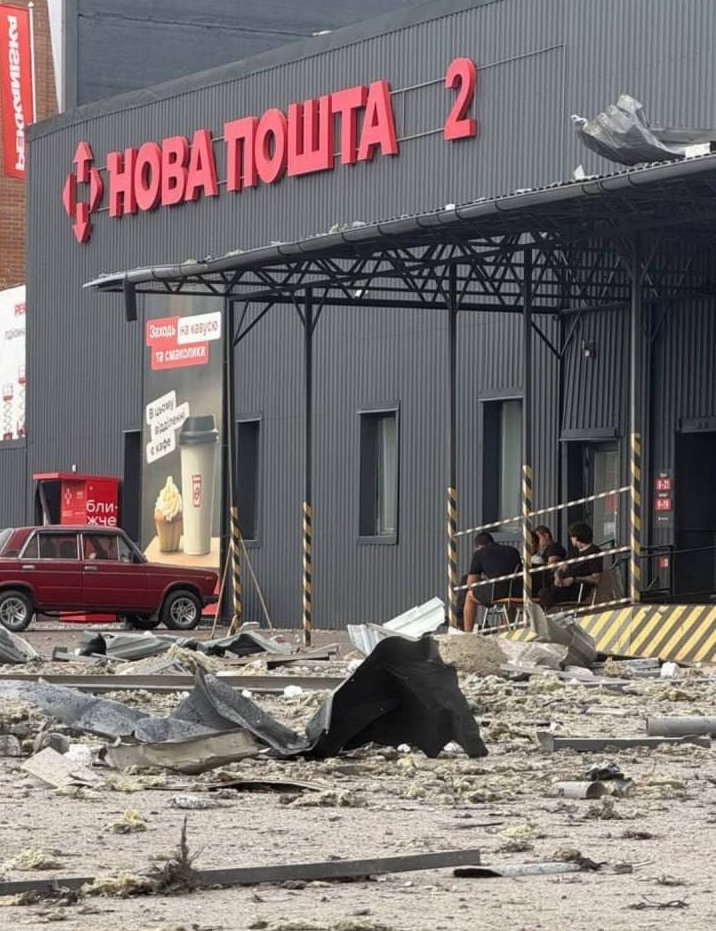
Nova Poshta saidcluster munitions—bombs that scatter smaller explosives across a wide area—destroyed its Kyiv sorting center. Three people were killed and eight injured. Two of those killed were drivers for a partner carrier, while the third worked for a contractor.
Debris covers the grounds of a Nova Poshta sorting center in Kyiv after a Russian strike on 5 August 2026. Source: Kyiv24 via Censor.NET.
Epicentr lost two major warehouse complexes and much of its ceramic-tile production. One employee was killed, and three were hospitalized at the company’s complex in Kalynivka. Its logistics center on Kyiv’s Viskozna Street burned completely, while another Russian missile destroyedthe factory's kilns.
During a separate overnight attack on 3-4 August, a Russian drone destroyeda Biosphere warehouse storing household and personal-care products in Dnipro, although all employees reached shelter and no one was injured.
Fire engulfs a warehouse complex in Dnipro after a Russian drone strike overnight on 3–4 August 2026. The complex included a 20,000-square-meter warehouse operated by Biosphere. Source: screenshot from a video posted by Andriy Zdesenko, Biosphere’s founder and CEO, on Facebook
The Kyiv attack extended beyond commercial facilities. Russia's attack killed eight people waiting for a delayed train at Kvitneva station, a commuter stop near Brovary, east of Kyiv. Missiles also hit homes and offices, damaged an ambulance and caused an ammonia leak at a non-residential site.
8 Passengers waiting for a delayed train were killed at "Kvitneva" station in Kyiv Oblast
Radio Svoboda published footage from the "Kvitneva" station in the Kyiv Oblast, where 8 people were killed as a result of a Russian missile strike.
An earlier Euromaidan Press report detailedthe destruction across Kyiv and the surrounding region.
Why Ukraine intercepted none of the missiles
Russia launched 24 ballistic missiles and four Zircon and Oniks anti-ship missiles, high-speed weapons designed primarily to strike naval targets but also used against Ukrainian cities.
Ukraine intercepted none of the 28, the Ukrainian Air Force said. Air defenses shot down or electronically disabled 98 of the 115 accompanying drones.
Missiles and 17 drones struck 26 locations, while debris fell at another six.
Zelenskyy said ballistic-missile interceptors could have saved those killed. Ukraine’s stocks of Patriot missiles, its only reliable defense against Russian ballistic weapons, arecritically depleted.
A global interceptor shortage means manufacturers cannot produce advanced air-defense missiles fast enough to meet demand.
Russia exploited the same gap on 1 August 2026, when itfired27 ballistic missiles at Kyiv and Ukraine intercepted only one.
Moscow may point to recent Ukrainian strikes on Wildberries logistics centers to frame its attacks as retaliation. Ukrainian officials say the Russian retailer transports military goods, including drone components and navigation equipment. The Kremlin denies that Wildberries carries military cargo.
Ukraine’s acting Foreign Minister Andrii Sybiha rejected any comparison between the attacks. "Russian attacks cannot be justified by anything, including any actions by Ukraine," he said.
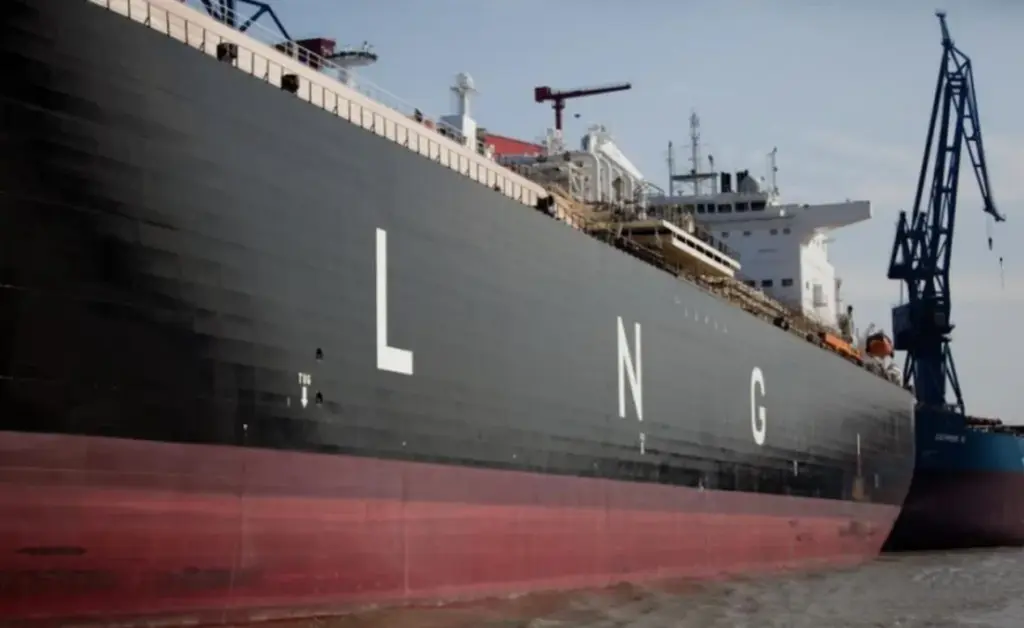
Russian LNG accounted for all of Belgium’s liquefied natural gas imports in July, Bloomberg reported. The Iran war disrupted Middle Eastern supplies and kept European gas prices high.
The shift exposes a contradiction in EU energy policy. Countries should be reducing Russian purchases before a full ban on Russian gas, part of the EU's plan to end its energy dependence on Moscow amid the war against Ukraine, takes effect in January 2027. Yet disruption around the Strait of Hormuz has reopened demand for Moscow’s fuel.
Belgium bought about 0.4 million tons of Russian LNG in July, Bloomberg data show. Its total LNG intake fell by more than 40% from a year earlier, while high prices discouraged winter stockpiling. Russia became the sole supplier in a shrinking market.
Belgium still received pipeline gas from Norway and the UK, meaning Russia supplied all its LNG, not all its gas. It was the first month since early 2021 that all of Belgium’s LNG came from Russia, Bloomberg reported.
Europe’s Russian LNG reliance grows
France, Belgium, Spain, and the Netherlands spent€34.3 billion ($39.6 billion) on Russian LNG between 2022 and 2025, a Greenpeace analysis found. Their combined bilateral aid to Ukraine during that period totaled €21.2 billion ($24.4 billion).
Europe’s Russian LNG dependence predates Belgium’s July reversal. The EU paidRussia €7.2 billion for LNG in 2025. By early 2026, Europe was receiving 97% of exports from Russia’s Yamal LNG plant.
Europe received 16% more Russian LNG in the first half of 2026 than a year earlier, paying €5.96 billion, Bloomberg reported. France, Belgium, and Spain were the biggest buyers, according to figures Bloomberg cited from the German nonprofit Urgewald.
The 2027 ban gives long-term buyers legal protection to end their contracts early. Yet the gas keeps flowing through European ports and on European-operated ships. In July, Greece held upnew sanctions to protect Dynagas, whose vessels transport Russian gas sourced from the Arctic.
Iran war boosts Russia and raises Ukraine’s costs
The same energy shock strengthens Russia while squeezing Ukraine. The Iran war increased Moscow’s energy income while raising the cost of Ukraine’s imported fuel. It also diverted political attention from Russia’s invasion.
The scale became visible within the first two weeks of the Iran war. Russia earned€7.7 billion from fossil-fuel exports during the first half of March. Daily earnings reached €513 million as Brent crude climbed above $119 per barrel.
Higher prices later threatenedto raise the EU price cap on Russian oil from $44.1 to at least $65 per barrel. Brussels considered freezing it to prevent the Iran-driven price spike from weakening sanctions on Moscow.

 Connexion