 Connexion
Trump blames Ukraine for record-breaking US gas prices in latest rant
5 octobre 2026 à 15:43

© Reuters

© Reuters
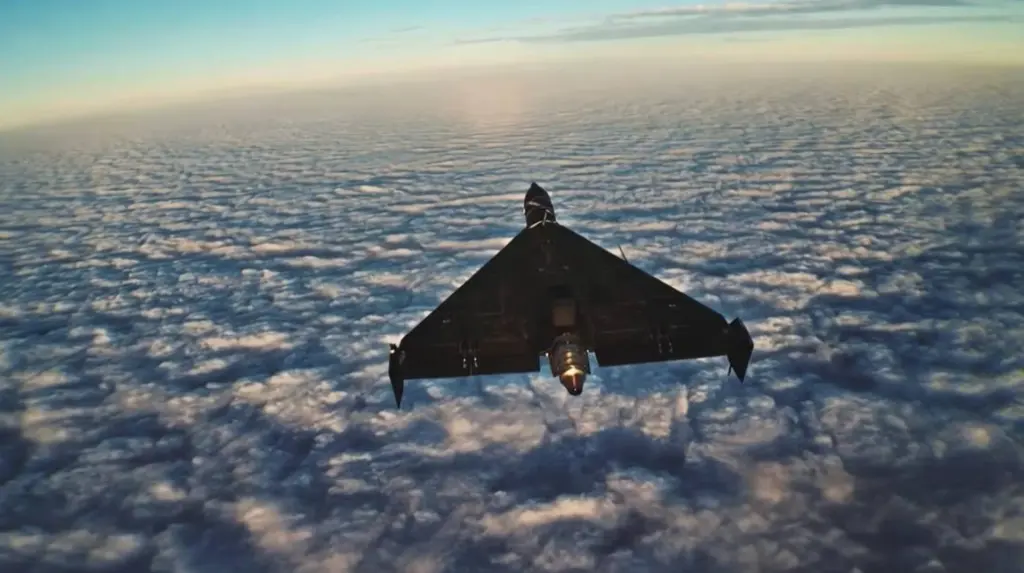

A Ukrainian drone maker just got its own air defense unit, and says it has already downed Russian jet-powered drones. Ukraine's Defense Ministry has issued an order granting the Night Hornets, the anti-Shahed unit of interceptor maker Wild Hornets, the status of a private air defense, and the company announced it is starting to build its own network of remotely launched interceptor drones.
Russia has sharply increased its use of jet-powered Shahed drones, which cuts the reaction time of Ukraine's mobile fire groups from about a minute to as little as six seconds. Now, a private company joins the air defense line, while Ukrainian military intelligence says Russia is producing up to 500 Geran-4 and Geran-5 jet drones a month.
The planned network will combine remote-control centers, a grid of remote interceptor launches built on the company's Hornet Vision Ctrl technology, and field positions. Wild Hornets will not sell protection for individual sites and will pay for the unit from drone sales profit.
"The unit has more than 50 downed Shaheds to its name, including jet-powered ones. We create technologies that work. We use them ourselves to protect our country," the company says.
The crews already go on daily combat duty alongside the military and will take orders from the Air Force command. The unit draws on Wild Hornets instructors and test pilots, including veterans of the war and pilots who rose from beginners to instructors. The company wants to fold private air defense into the country's overall system, including over Kyiv.
Due to Russia's jet-powered drones, air-raid alerts covered 30.8 percent of shopping-center operating hours across Ukraine in September, a record, up from 22 percent in August and 14.1 percent a year earlier, the Ukrainian Council of Shopping Centers reports. The average mall has now lost 176.5 working days since the full-scale invasion, including 9.6 in September alone.
Kyiv shows the sharpest jump. The share of alert time during mall hours in the capital rose from 11.6 percent in August to 32.7 percent in September, the council said.
The damage reaches well beyond the malls. Ukraine's Economy Ministry expects losses from Russian strikes to reach up to $10 billion this year, Economy Minister Oleksandr Kravchenko said on 12 September.
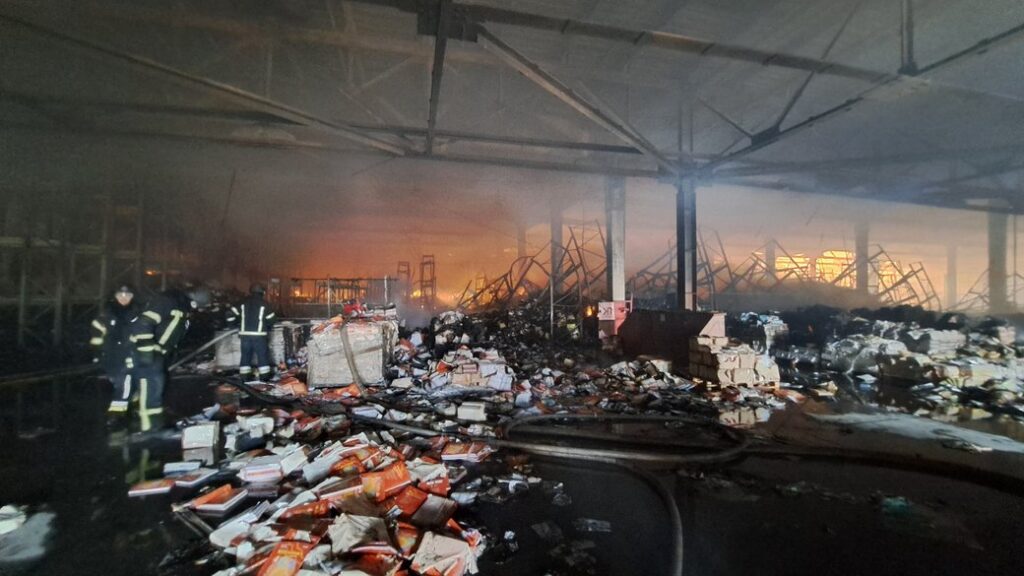
Russian missiles and drones destroyed 13 million Ukrainian books this summer, The Guardian reported. That is about a third of all books printed in Ukraine this year, the government estimates.
Russia is striking civilian warehouses, including those where publishers store their books. The uncertainty is pushing publishers toward safe international bestsellers, Publishers Weekly reported. "We'll all end up fed up with safe, non-risky books—if there are still publishers around to publish them," said Iryna Baturevych, co-founder of the publishing news outlet Chytomo.
Ranok is one of Ukraine's largest publishing houses and a leader in children's literature and school textbooks. On one day in August, Russia destroyed more than 85% of its stock, The Guardian reported.
Viktor Kruhlov, the publisher's co-founder and chief executive, was on the warehouse floor at its headquarters in Kharkiv. The facility, built on the site of a former bread factory, covered about 10,000 m².
Together with five senior colleagues, he was discussing plans for the upcoming school year, the peak of the distribution season. Moments after the meeting began, a strike hit about 30 meters from where the staff had gathered. Kruhlov heard an explosion and almost at once saw a huge fire. As colleagues tried to put out the flames, a second strike came, and he realized there could be a third and a fourth, so the staff evacuated. Fifty people were on shift that day, and no one was injured, Kruhlov told The Guardian.
Eight million books, including 628,000 new school textbooks, were in the warehouse at the time. None could be saved. Firefighters battled the blaze for a week.
Several editorial staff members who saw the remains of the warehouse for the first time looked shaken as they recognized fragments of books they had helped create.
"When you see what was produced with your brain, with your hands, with your imagination, spoiled by Russia, it's an awful feeling," Kruhlov said.
He predicted shortages at Ranok's stores this fall, when the books in stock run out and there is nothing to replace them.
Kruhlov is convinced that Russia deliberately targeted the book warehouse, but Bohdana Laiuk, Ukraine's deputy culture minister, sees the strikes as part of Russia's broader campaign against warehouses, The Guardian wrote.
"They cannot occupy Kyiv. So they target warehouses around Kyiv to take the possibility of everyday life from us—and books are part of everyday life," she said.
Books also matter to Russia's occupiers, Laiuk said.
"When the Russians occupy, the first thing they do—and we know this from the areas that were occupied and then liberated in 2022 in the Kherson and Kharkiv regions—is to go to the libraries, take the Ukrainian language books out, and destroy them," Laiuk said.

Before 2022, about 70% of the Ukrainian book market consisted of Russian-language titles, most of them imported from Russia.
Russian dominance in Ukrainian publishing developed over centuries, from tsarist bans on publishing in Ukrainian in the 19th century to Soviet Russification. Ukrainian writers were purged, and Ukrainian literature stayed in the shadow of Russian literature, the article notes.
Laiuk calls the dominance of Russian books a form of colonialism. Russia deliberately built its own information space in Ukraine through books, media, and television, she argues, so that everything would be ready for it once its tanks arrived.
Even after independence, a commercially successful Ukrainian-language novel was long seen as unlikely. But at the start of the full-scale invasion in 2022, Ukrainian bookstores stopped selling Russian imports, and interest in Ukrainian literature grew, from 1920s classics and poetry to contemporary authors and translations.
"So people are asking: what does it actually mean to be Ukrainian? Literary culture gives us the place to understand who we are," Laiuk told The Guardian in 2023.
Ranok is now rushing to reprint textbooks and bestsellers: schools need the former, while sales of popular titles will help the publisher make up for lost revenue.

For debut authors and writers of less commercial or experimental books, the situation is particularly difficult. Even before the strike on Ranok's warehouse, some publications had been delayed by attacks on printing infrastructure.
Ksenia Shpak's debut novel, an urban fantasy about a girl displaced from eastern Ukraine to the Carpathians, was due out in February 2025 but was published only that November, the article says. Half of the print run was in Ranok's Kharkiv warehouse when it was attacked.
It was her first published book, and Shpak fears the publisher will now focus on bestsellers and reprint her novel only if money allows. The Ukrainian book market is also feeling demand level off and the cost of living rise, she said.
Despite the loss of 8 million books, Kruhlov remained optimistic. Looking over the ruined warehouse in Kharkiv, he said he planned to rebuild everything—and to do it better.

Ukraine is working on a satellite system of its own, something similar to SpaceX's Starlink, Ukrainian President Volodymyr Zelenskyy said on 4 October, Interfax-Ukraine reported. He argued Kyiv should be free to turn Starlink on Russian military targets, warning that China and other states will share comparable satellite technology with Moscow within months. Ukraine's battlefield communications still ride on a network owned by Elon Musk, who has clashed with Kyiv and once limited its wartime use.
Low-orbit satellite internet has turned into a frontline utility that a single company or government can switch on or off, and both armies are now racing to own that link instead of renting it. Control of the network decides whose drones can see the battlefield and fly through the jamming to strike it—leverage Kyiv has gone without while its connection rode on hardware it does not run.
Zelenskyy said there was groundwork in place and that Ukraine was working on a system similar to Starlink. He called it fair for Ukraine to aim Starlink at military sites inside Russia. The timing is the reason, he said: some states will share the technology with Russia late this year or early next, and the Chinese are among them. Moscow is already fielding its own Starlink-style constellation, Rassvet, though for now it reaches Ukraine only in brief passes.
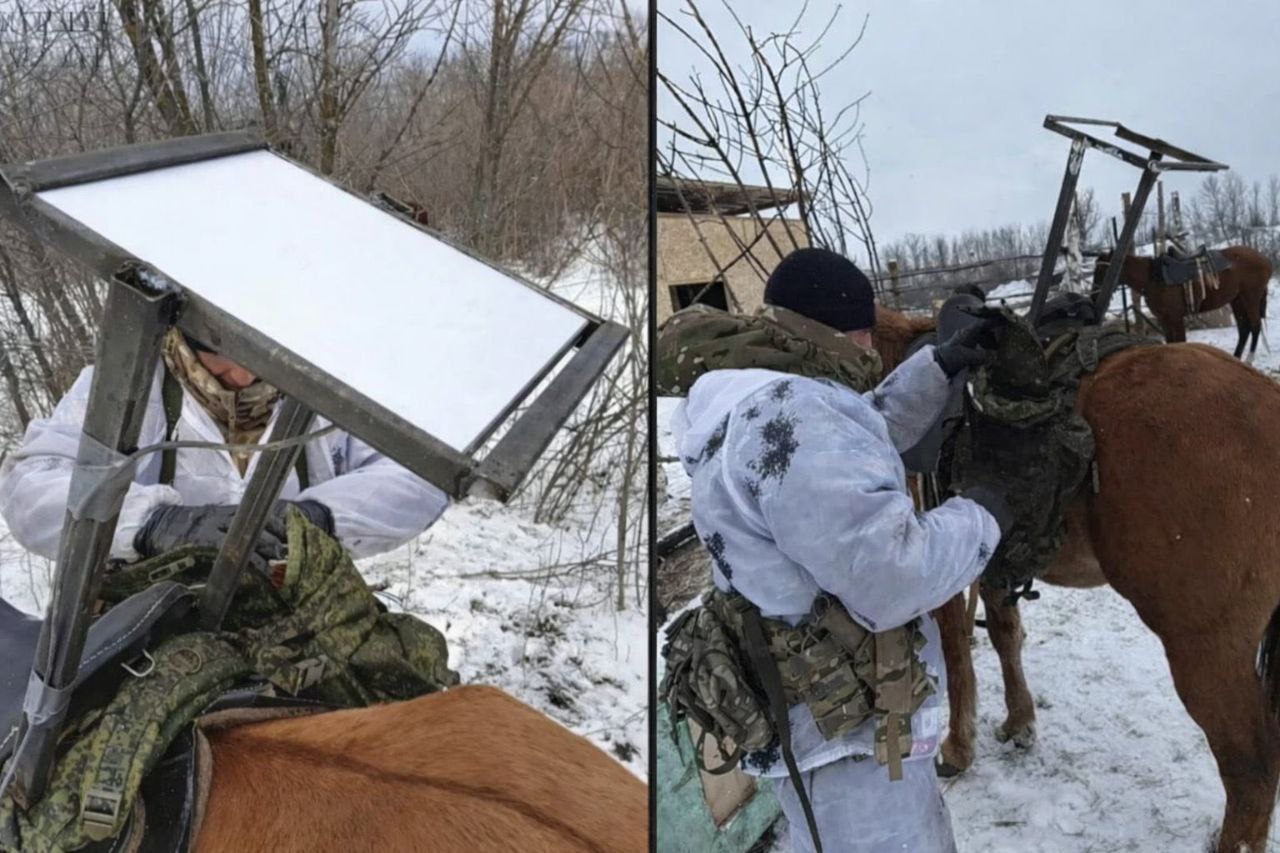
Ukraine's troops and drones lean heavily on Starlink, a network Kyiv neither owns nor controls. Musk has used that control against Kyiv before: in 2022 SpaceX refused a Ukrainian request to extend Starlink over occupied Crimea for a drone strike on Russia's warships, and it has since restricted the network's use for drone operations.
Zelenskyy has asked US President Donald Trump several times to sanction the Russian and Chinese companies building Russia's Rassvet network, most recently at the UN General Assembly in New York, he said in a recent Financial Times interview.
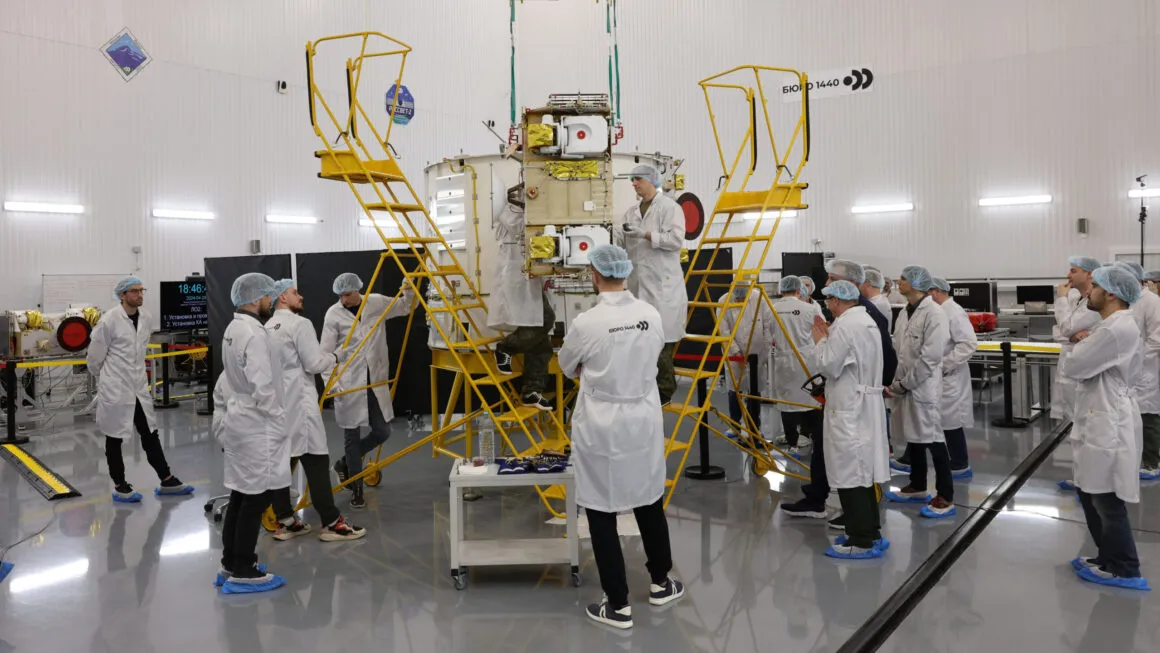
Denys Shtilerman, co-founder and chief designer at Ukrainian defense company Fire Point, told the Financial Times in May that the firm had launched two satellites this year and planned dozens more in 2027, aiming to reduce reliance on the US government and Western tech companies. To strike deep inside Russia and gather intelligence, he has said, Ukraine needs its own constellation covering all of Russia.

Nearly 400 parcels containing food, medicine, and children's kits were delivered to occupied Oleshky on the night of 4 October, weighing almost 4 tons in total, Interior Minister Ivan Vyhivskyi said. All the parcels reached their destinations, he added.
The operation was the second ton-scale drone delivery into the blockaded occupied town in a week. Ukrainian drone deliveries to Oleshky have run regularly since March, and on 27 September Ukrainian forces flew about 4,000 kg of food to 100 locations across the town.
Delivery does not mean the aid stays with the people it was meant for. Kherson Oblast head Oleksandr Prokudin said Russian forces shoot down drones carrying food and take supplies from residents. He also said Russian forces detain and use violence against people who receive the aid.
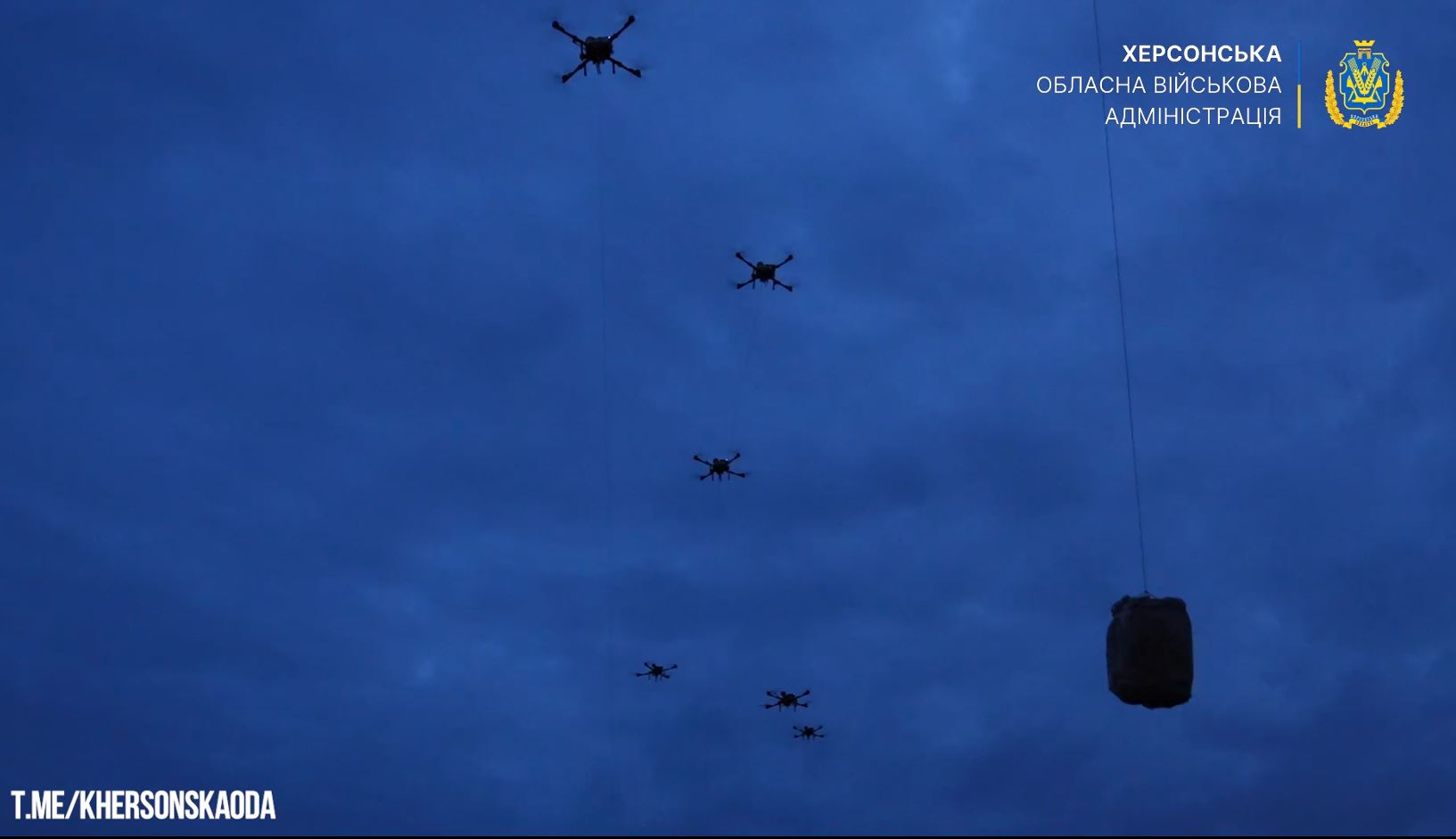
Prokudin also said Russian forces take food intended for children and sell it, according to Radio Svoboda. Tetiana Hasanenko, head of the Oleshky City Military Administration, said Russian troops question residents about where the food came from and treat receiving Ukrainian aid as cooperation with Ukraine.
About 2,000 people remain in Oleshky, including nearly 50 children, Prokudin said. In June, Danielle Bell, head of the UN Human Rights Monitoring Mission in Ukraine, said that food could not get into Oleshky and that sick and injured people were not receiving the medical assistance they needed. Residents had reported that no shipments had reached the town for nearly a month.
The Institute for the Study of War has described Russia's restrictions on the town as an effective blockade. The Kremlin acknowledged a "genuine humanitarian catastrophe" in Oleshky but blamed Ukraine for it: spokesman Dmitry Peskov claimed to The New York Times that Ukraine was preventing residents from leaving and disrupting supplies of food and water with drones.
Several Ukrainian units carried out the 4 October delivery. Vyhivskyi named the National Guard's 11th Mykhailo Hrushevskyi Brigade and 34th Kherson Regiment, the 30th Marine Corps, the 34th Separate Marine Brigade Borysfen, and the 79th Border Guard Detachment. The Perun drone crew also rescued six animals from the occupied territory, he said.
Drone aid to Oleshky is not new. In 2023, Ukrainian drone operators dropped water and other supplies to civilians in Oleshky and nearby settlements. What distinguishes the current effort is its repeated, ton-scale deliveries into the occupied town.

arXiv, an open-access repository where researchers publish preprint academic research, has announced it will rate limit submissions because it has been inundated with AI-written papers. A researcher can now only send in two pieces per calendar month and have a total of three active submissions at any given time. In a blog post about the change, arXiv said AI has made it too easy to spam the publisher’s inbox and its volunteer moderation team is overwhelmed.
“The heart of arXiv’s process for detecting and rejecting low-quality papers is our many volunteer moderators,” Thomas Dietterich, an Oregon State University professor emeritus and the chair of arXiv’s editorial advisory council said in a statement. “We are so grateful that they donate their time and expertise every day. However, a relatively small proportion of authors are submitting a large number of low-quality papers and consuming a disproportionate fraction of the moderators’ time. This is unfair to authors who continue to submit quality papers — their papers can be delayed for days or weeks as a result.”
According to arXiv, it received 9,869 submissions in September 2016, 20,569 submissions in September 2024, and 40,363 submissions in September 2026. Submissions on the site have doubled in the last two years and have sextupled in the computer science category.
AI is driving this surge in multiple ways. Researchers are using LLM to parse massive data sets, write code, and design portions of experiments; some are also using AI to write the papers. “arXiv policy permits authors to employ AI as a tool in support of their research as long as it is disclosed and the research meets arXiv’s standards of scholarly interest and advances the field of research,” arXiv said in its rate limiting blog. “However, many of the submissions that arXiv is now receiving do not satisfy these requirements.”
arXiv said it’s seen an increase in “thin papers of narrow scope” as well as salami papers — where researchers write multiple articles based on one study. “There is also a marked increase in dense, AI-written papers. AI tools are making it easy for authors to flood arXiv and other repositories with these low-value papers,” it said.
Rate limiting was already part of arXiv’s policy, but it was originally left to each individual moderator’s discretion. “This policy update strives to fairly distribute the incredibly valuable work of our volunteer moderators who check that submissions meet these standards,” the publisher said.
This new policy is another part of a long battle the publication is having with AI-powered slop and spam. A little less than a year ago, the archive stopped accepting review articles and position papers in the computer science category and cited low effort LLM-written articles as the reason. In January it started requiring new authors to receive an endorsement from an existing author in the system. Previously the publisher accepted an academic email address as the sole qualifier. In May, arXiv took things a step farther and said it would ban researchers who submitted AI slop from the site for a year.
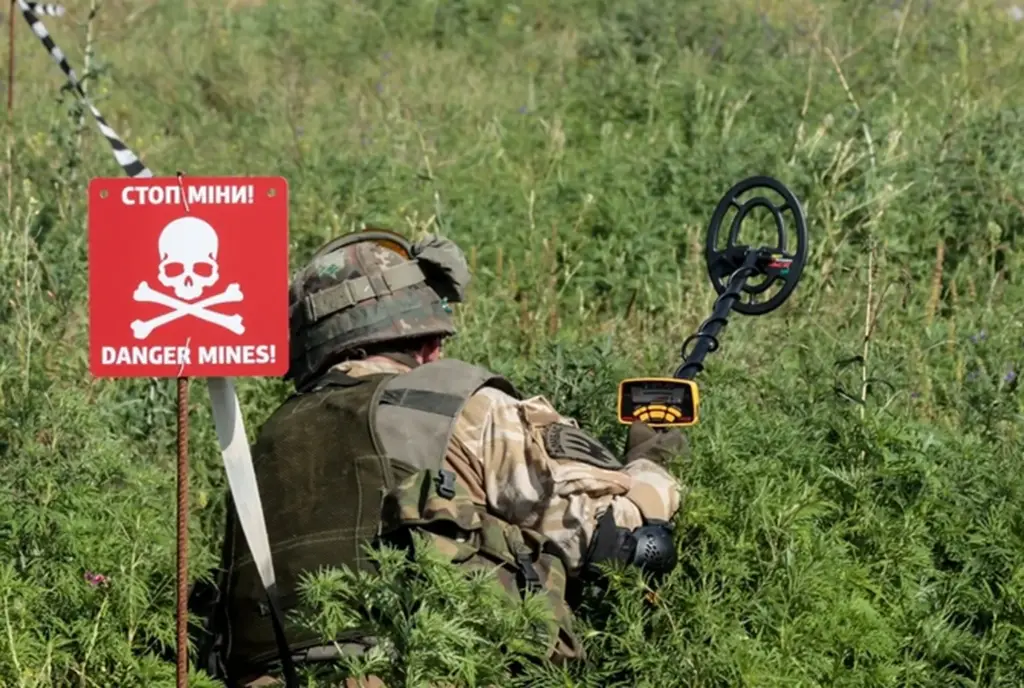
Ukraine continues to demine its 132,000 square kilometers of potentially hazardous territory. During the last month, Defense Ministry demining units cleared 1,347 hectares of that liberated territory, the ministry said.
In September, Tymur Pistryuha, head of the Board of the Ukrainian Deminers Association, said that Ukraine is the most heavily mined country in the world — a fact recognized by the international community. The contaminated area continues to grow with every day of the war, Suspilne reports.
Ukraine clears 483,366 explosive devices overall
During the month, Ukraine surveyed and cleared 339.84 hectares of agricultural land, 21.31 kilometers of roads, 40.4 kilometers of railway tracks of mines and explosive remnants of war.
In total, in September, demining specialists detected and destroyed 364 explosive devices. Since the beginning of Russia’s full-scale invasion, 483,366 such devices have been detected and destroyed.
Such missions are conducted by several structures at once. Among them are the Main Directorate for Mine Action, Civil Protection and Environmental Safety, and the Defense Ministry, which engages demining units of the Armed Forces of Ukraine and the State Special Transport Service in clearing liberated territories of explosive remnants of war.
Explosive ordnance disposal units of the National Police of Ukraine and pyrotechnic units of the State Emergency Service of Ukraine are also involved in demining operations.
Those deminers now fly drones fitted with special magnetometers that register changes in the Earth's magnetic field, picking out hidden metal from the air and keeping sappers off ground that may be sown with mines.
New plan for mass demining
To make the process more effective, the government has approved a procedure under which the Ministry of Defense’s Mine Action Center will prepare a single national humanitarian demining plan every year, while the National Mine Action Authority will approve it.
The plan will be prepared according to a clear timetable for everyone involved in the process, including government authorities, demining operators, and local communities. The Mine Action Center will collect data on contaminated areas, local communities' needs, and demining operators' capacities, and use this information to develop humanitarian demining plans.
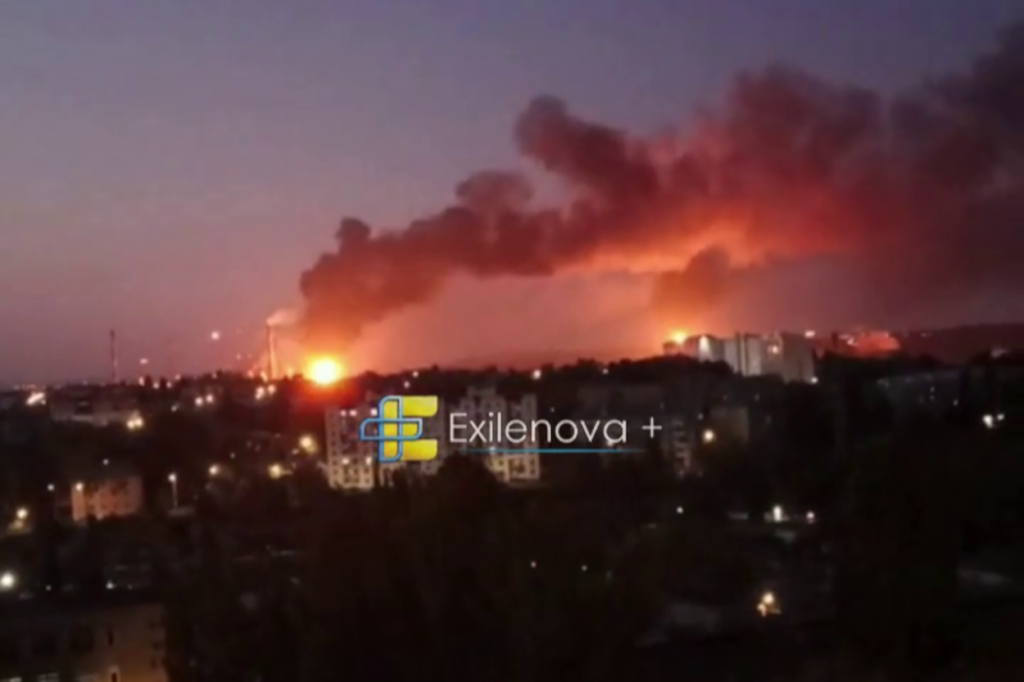
Ukraine's Security and Defense Forces have "put out of action" more than 51% of Russia's oil refining capacity through recent long-range strikes, Defense Minister Yevhenii Khmara said in a statement published by the Defense Ministry on 4 October. These "carefully thought-out" actions were aimed at "bleeding the Russian war machine" and "destroying its military-economic potential," Khmara said.
Ukraine treats Russia's refineries as a priority target because their revenue helps fund the war. Even Russian President Vladimir Putin claimed on 1 October that the strikes had cost Russia 1% of its GDP and had "partially" achieved their goal, Interfax reported.
The ministry did not publish how it calculated the figure.
"The consequences of Ukrainian operations are not always visible immediately. But the effect accumulates and produces a tangible result," the ministry said.
The ministry named eight recently struck facilities, among others. One of them is the Moscow Oil Refinery, which Ukraine targeted in a massive drone attack on the night of 20 September, Ukrainian President Volodymyr Zelenskyy said. The refinery, operated by Gazprom Neft in Moscow's Kapotnya district, supplies about 40% of Moscow's fuel market and 70% of the Moscow region's demand for gasoline and aviation fuel, according to Russian news Telegram channel Astra.
Another was KINEF, which Ukraine has attacked repeatedly. It is Russia's second-largest oil refinery by capacity, and the Ukrainian military struck it on the night of 30 August, setting off a fire at the facility.
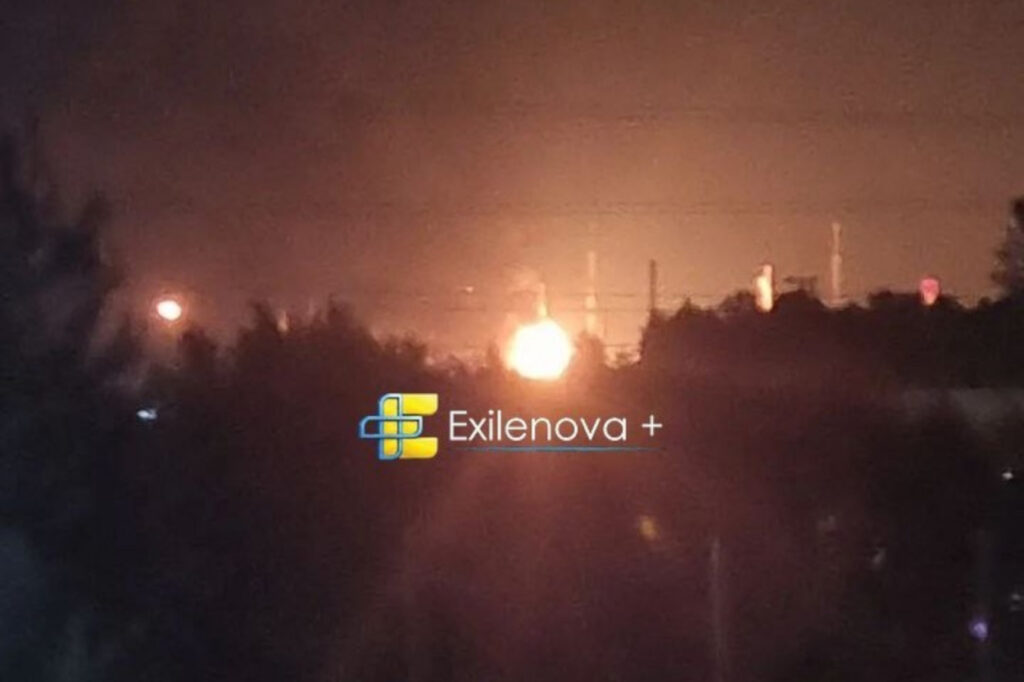
The ministry also named the Yaroslavl, Perm, Ilsky, Saratov, and Syzran refineries and the Ust-Luga port complex.
This year, Ukraine has tripled the production and procurement of long-range attack drones, the ministry said.
"This is not the limit. We will continue to scale up deep-strike capabilities," the statement said.
International cooperation is part of that push. Berlin will fund the production of additional DeepStrike-class long-range drones in Ukraine, German Defense Minister Boris Pistorius said after a meeting of the Ukraine Defense Contact Group on 15 April. The sides also agreed to jointly develop and produce a medium- and long-range drone system.
Ukraine and Germany also signed an agreement on the joint production of Bars drones, Ukrainian Foreign Minister Andrii Sybiha said on 8 July. The Bars' modular design allows it to be used for deep strikes, among other missions.
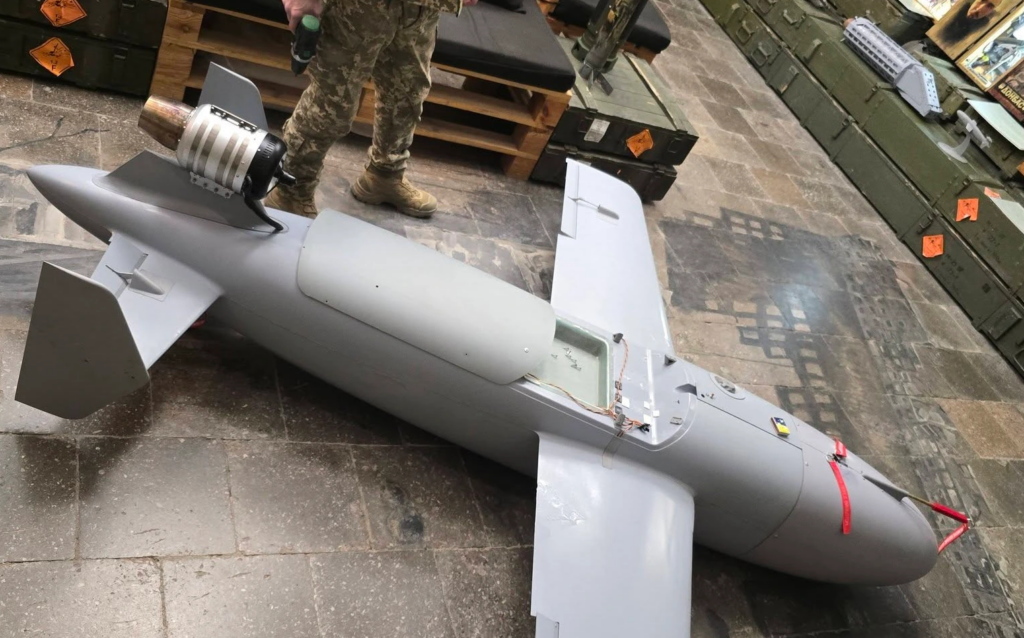
Russian refineries cut crude oil processing by 14% in the first nine months of the year compared with the same period last year amid Ukrainian drone attacks, according to calculations by two industry sources.
Experts' estimates of the decline differ widely. In August, Serhii Vakulenko of the Carnegie Russia Eurasia Center put it at 25–28%, while Russian economic commentator Vyacheslav Shiryaev put it at 65–70%, according to Defense-Aerospace.
Fuel production data give a more concrete picture: in July, Russia's gasoline and diesel output was about a quarter to a third lower than in March 2026, the outlet reported.

Bills could soon approach record levels again, forecasters have warned
© Getty/iStock
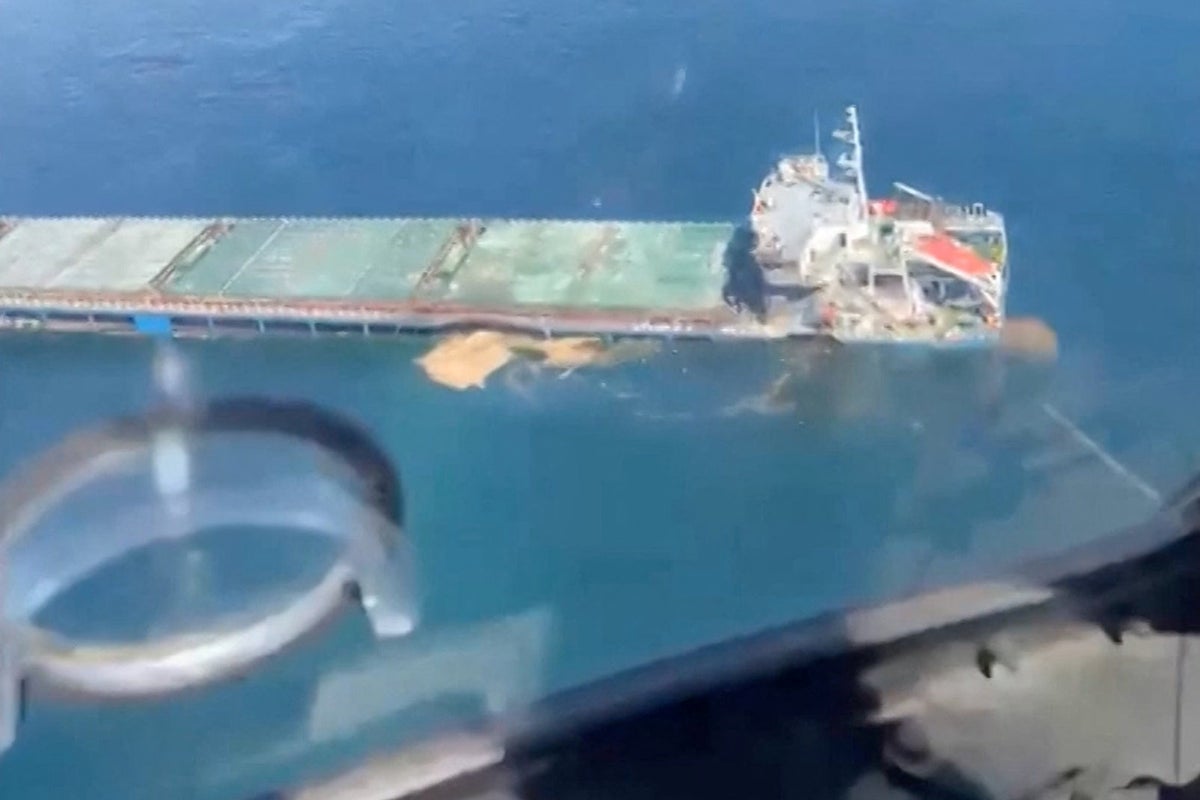
© Reuters
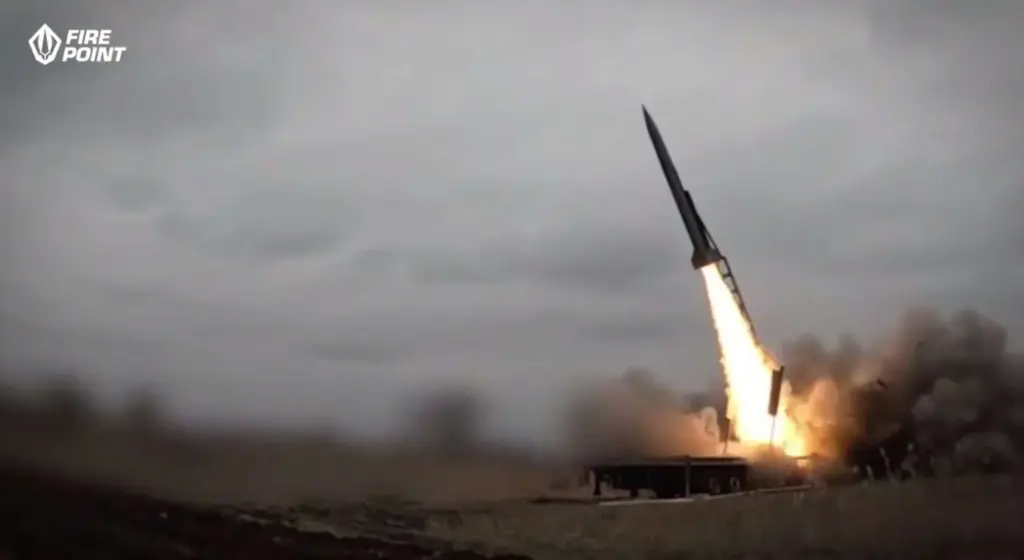
Ukraine has developed a new missile to knock down Russia's fast, jet-powered Shahed drones, the ones its air defenses catch far less often than older models, President Volodymyr Zelenskyy said on 4 October, Suspilne reported. The weapon, called Nika, has not yet been tested. He announced it during a visit to Kyiv by German Chancellor Friedrich Merz.
Russia's plants turn out an estimated 3,000 jet-powered Geran-4 and Geran-5 drones a month, Ukraine's military intelligence estimates, and the jets fly fast enough to outrun the cheap interceptors built for slower, propeller-driven Shaheds. Ukraine plans about 400 units of just one of five interceptor models it is testing by the end of October, as it scrambles to close the gap before winter.
Both the Ukrainian and German sides have reacted positively to the missile, Zelenskyy said, though he stayed cautious on the result: for now, he said, it only "could be positive." In the same remarks, he announced a successful test of a separate system, the German-Ukrainian interceptor Spys.
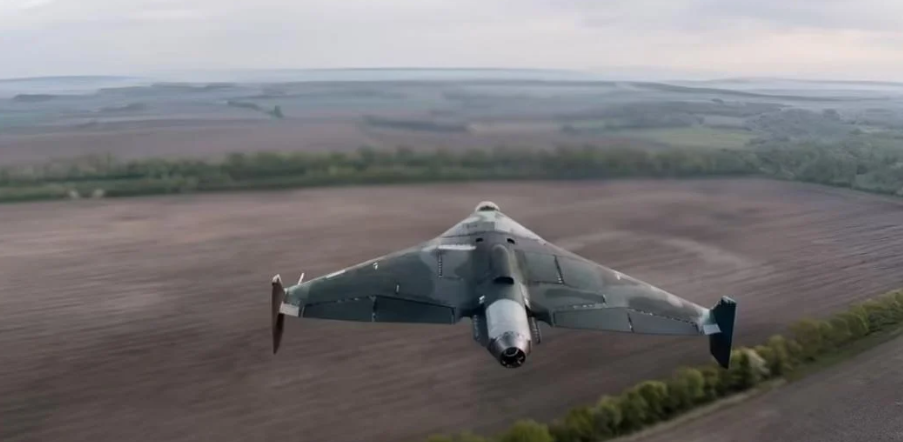
Ukraine shoots down 85-92% of propeller-driven Shaheds, Zelenskyy said. Against the jet-powered variants, interception falls to roughly 50-60%, he noted at the press conference with Merz. F-16 fighter jets help close the gap, he said.
Over the past month, Ukraine tested a new generation of drone interceptors built for the jet-Shahed threat. On 15 September, one struck a Shahed in trials, though Zelenskyy said developers still needed to refine its control system. On 19 September, he said the Security Service of Ukraine (SBU) had created its own interceptor drone and used it to down a jet Shahed in combat. Nika adds a purpose-built missile to that mix.

© Reuters
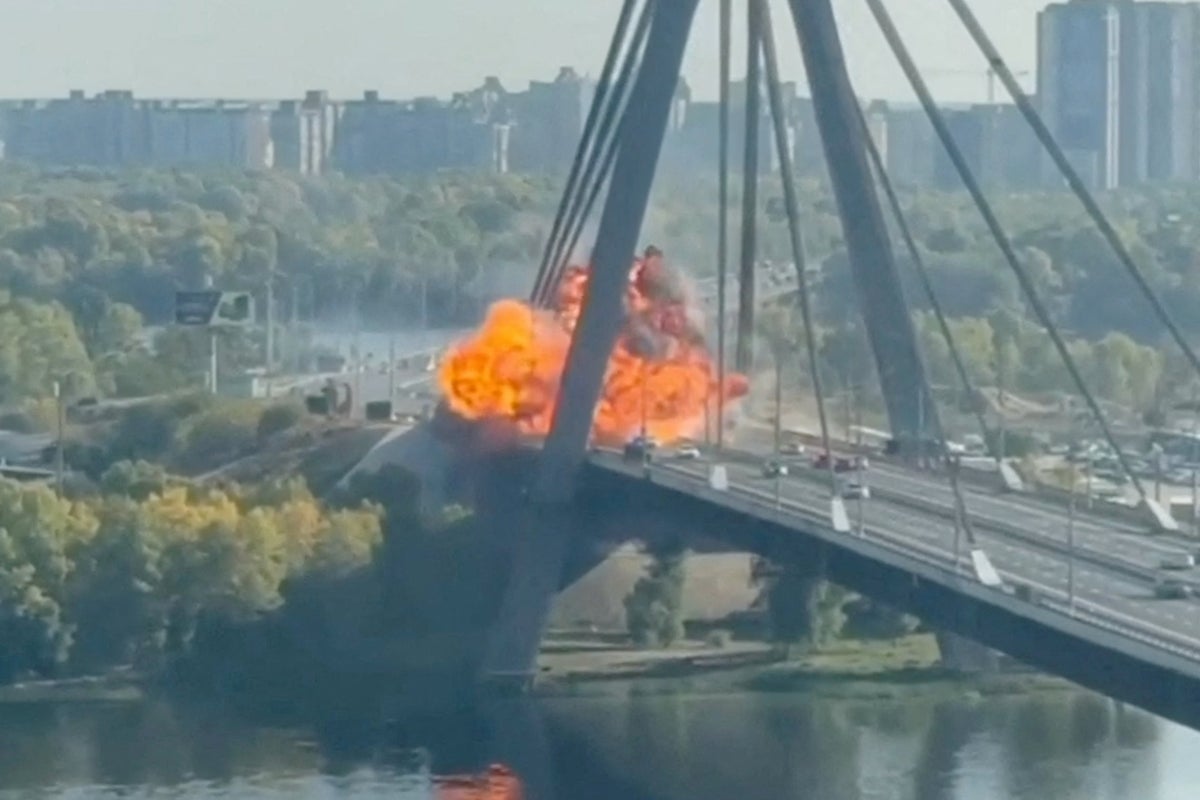
Eyewitness video showed the moment a Russian drone struck the North Bridge in the Ukrainian capital of Kyiv on Sunday (4 October).
© Reuters
