Connexion
Ukraine says its strikes have knocked out more than 51% of Russia’s oil refining capacity
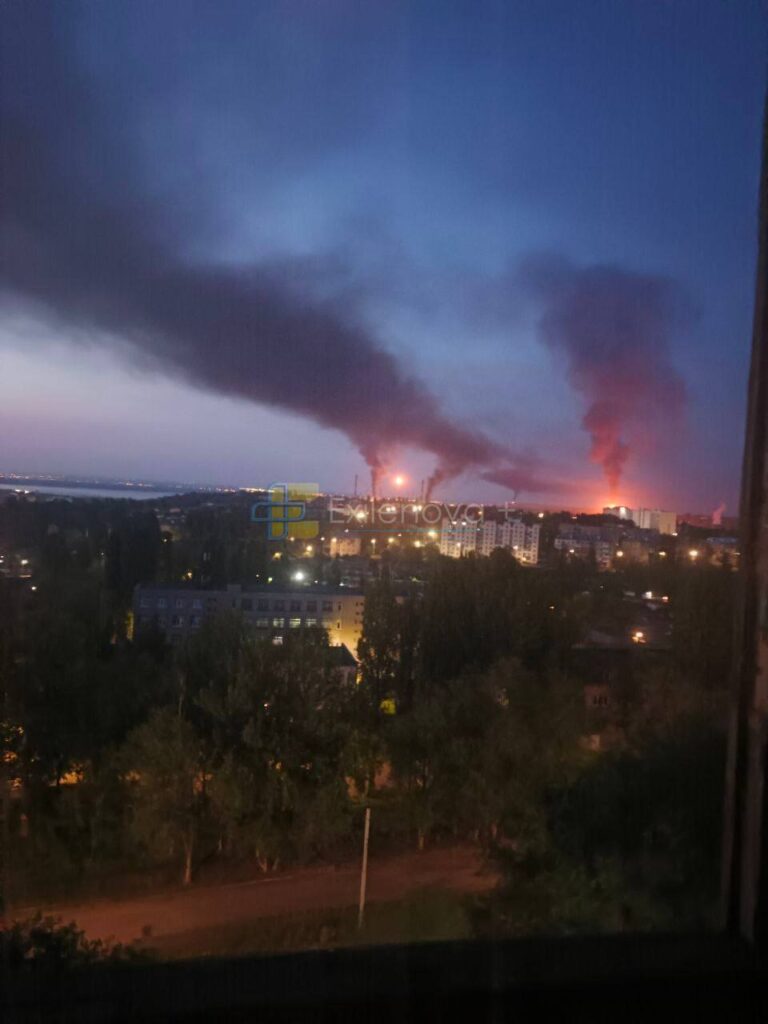
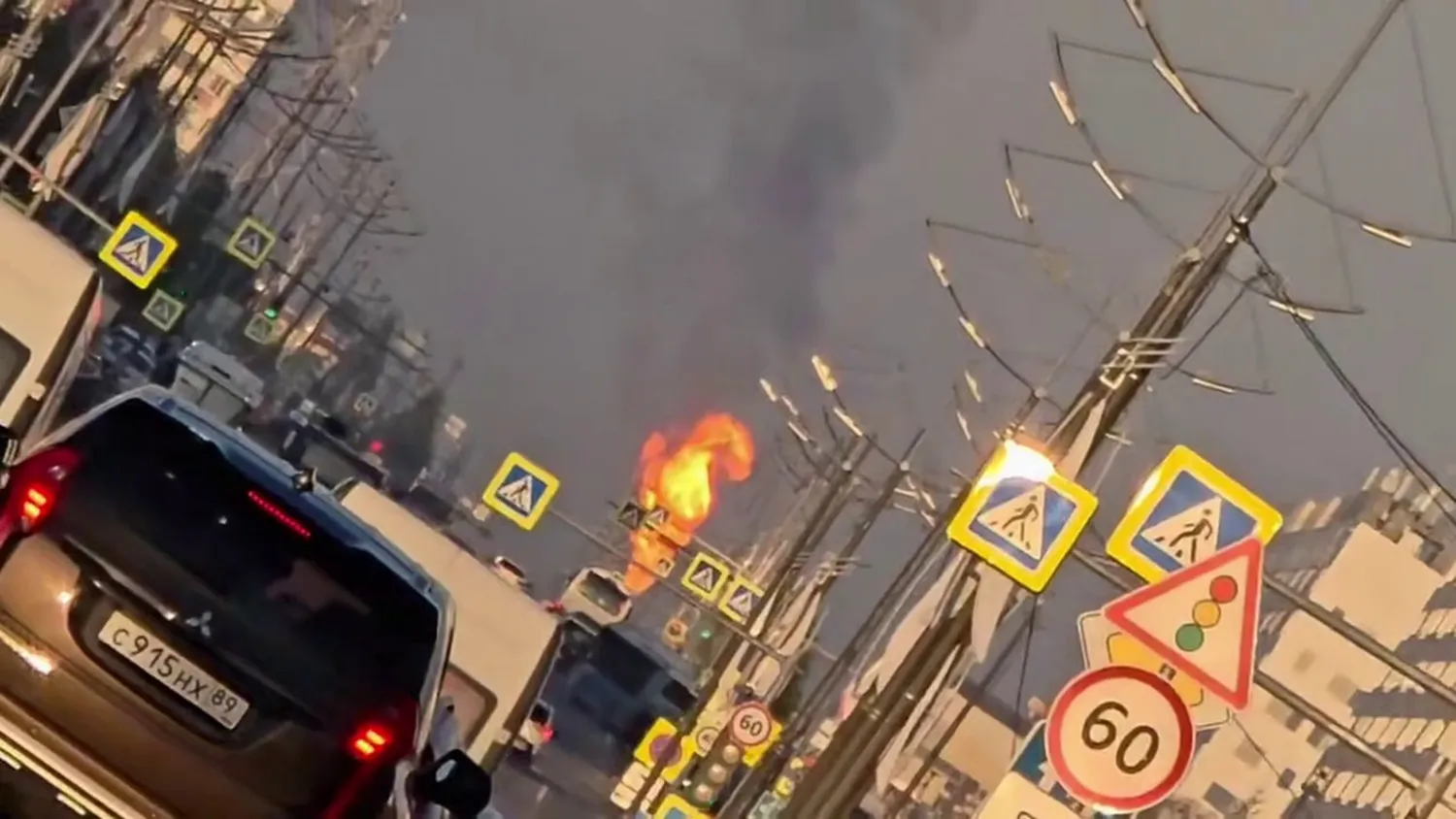
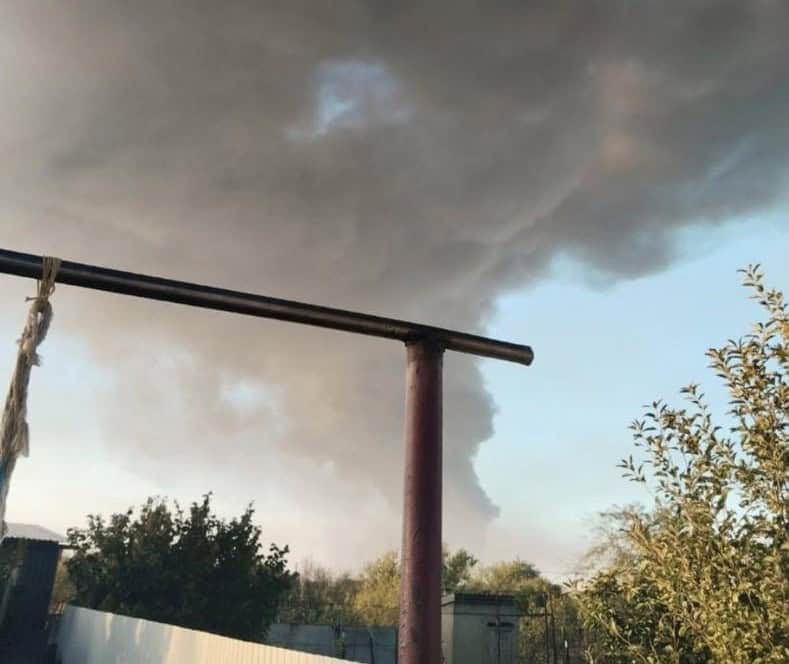
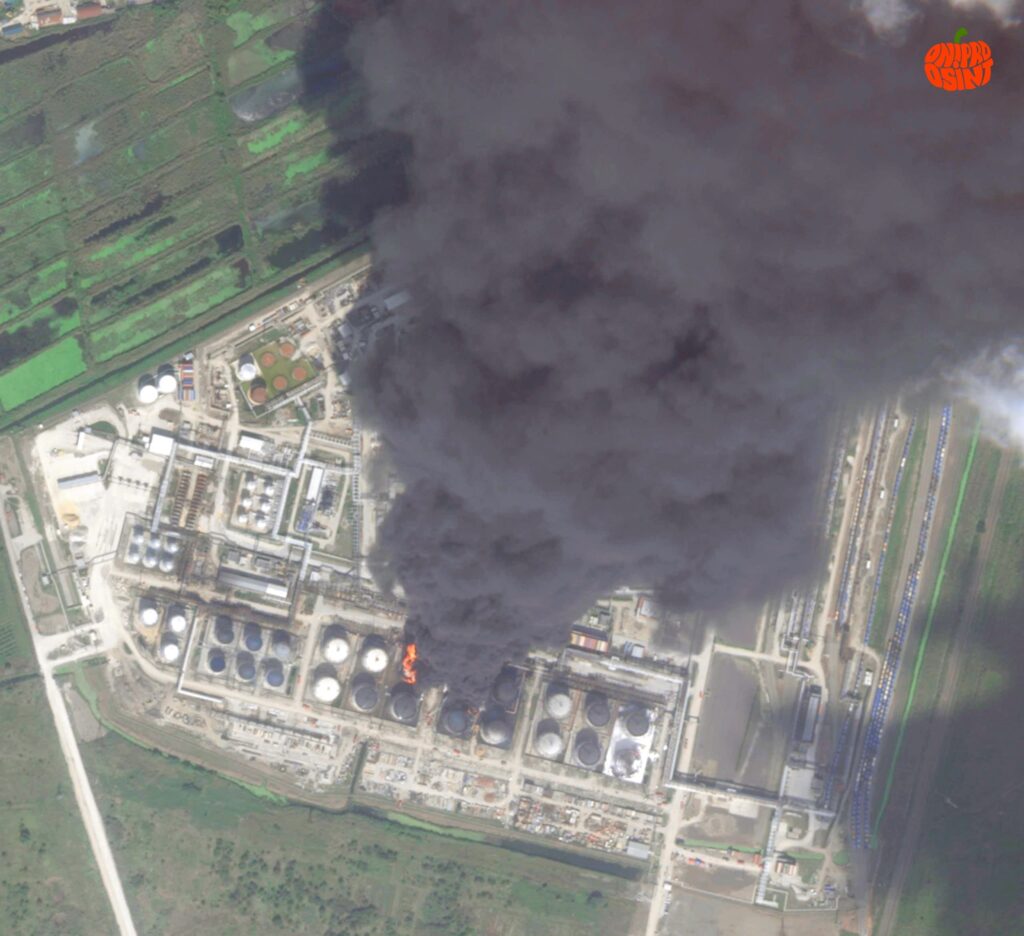
Ukraine's Security and Defense Forces have "put out of action" more than 51% of Russia's oil refining capacity through recent long-range strikes, Defense Minister Yevhenii Khmara said in a statement published by the Defense Ministry on 4 October. These "carefully thought-out" actions were aimed at "bleeding the Russian war machine" and "destroying its military-economic potential," Khmara said.
Ukraine treats Russia's refineries as a priority target because their revenue helps fund the war. Even Russian President Vladimir Putin claimed on 1 October that the strikes had cost Russia 1% of its GDP and had "partially" achieved their goal, Interfax reported.
The ministry did not publish how it calculated the figure.
"The consequences of Ukrainian operations are not always visible immediately. But the effect accumulates and produces a tangible result," the ministry said.
Ukrainian deep strikes continue to bring the war to Russian territory
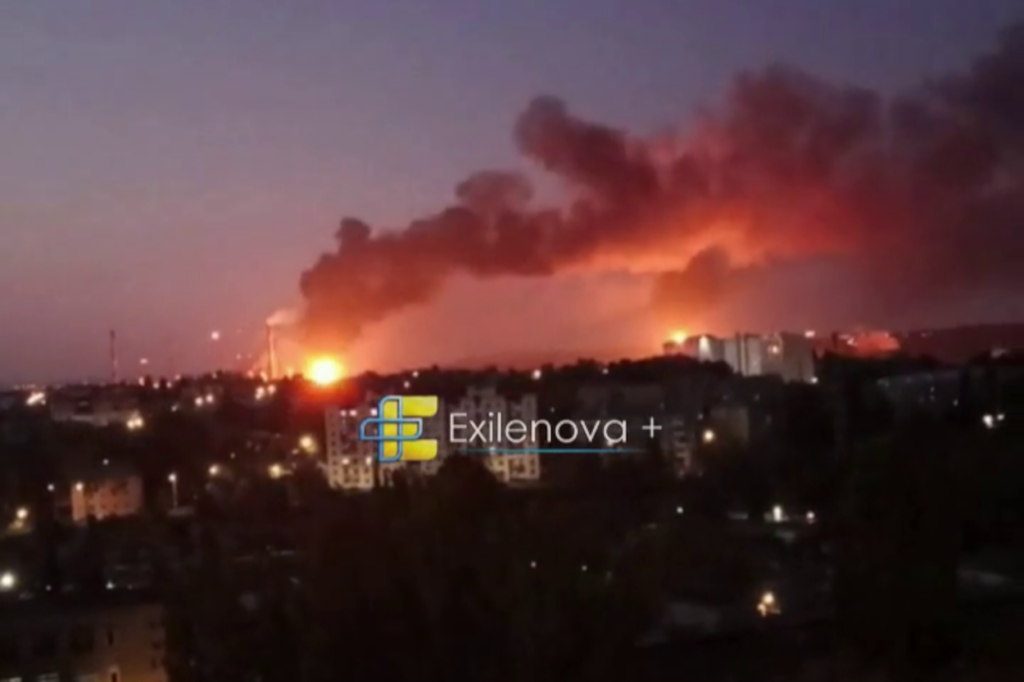
The ministry named eight recently struck facilities, among others. One of them is the Moscow Oil Refinery, which Ukraine targeted in a massive drone attack on the night of 20 September, Ukrainian President Volodymyr Zelenskyy said. The refinery, operated by Gazprom Neft in Moscow's Kapotnya district, supplies about 40% of Moscow's fuel market and 70% of the Moscow region's demand for gasoline and aviation fuel, according to Russian news Telegram channel Astra.
Another was KINEF, which Ukraine has attacked repeatedly. It is Russia's second-largest oil refinery by capacity, and the Ukrainian military struck it on the night of 30 August, setting off a fire at the facility.
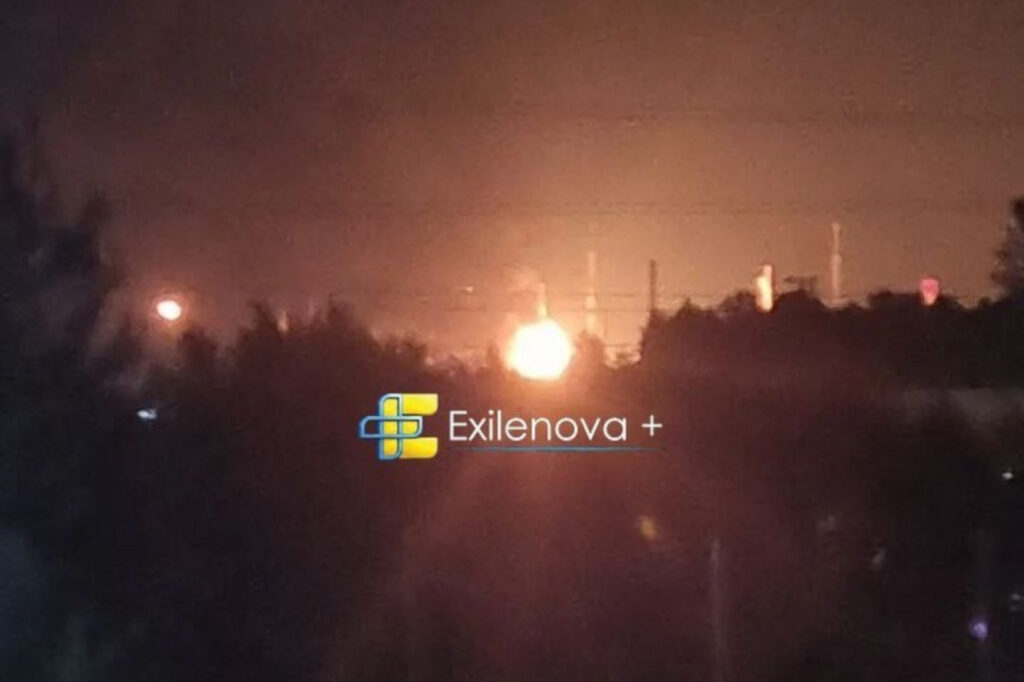
The ministry also named the Yaroslavl, Perm, Ilsky, Saratov, and Syzran refineries and the Ust-Luga port complex.
Ukraine triples production and procurement of long-range drones—and this is not the end
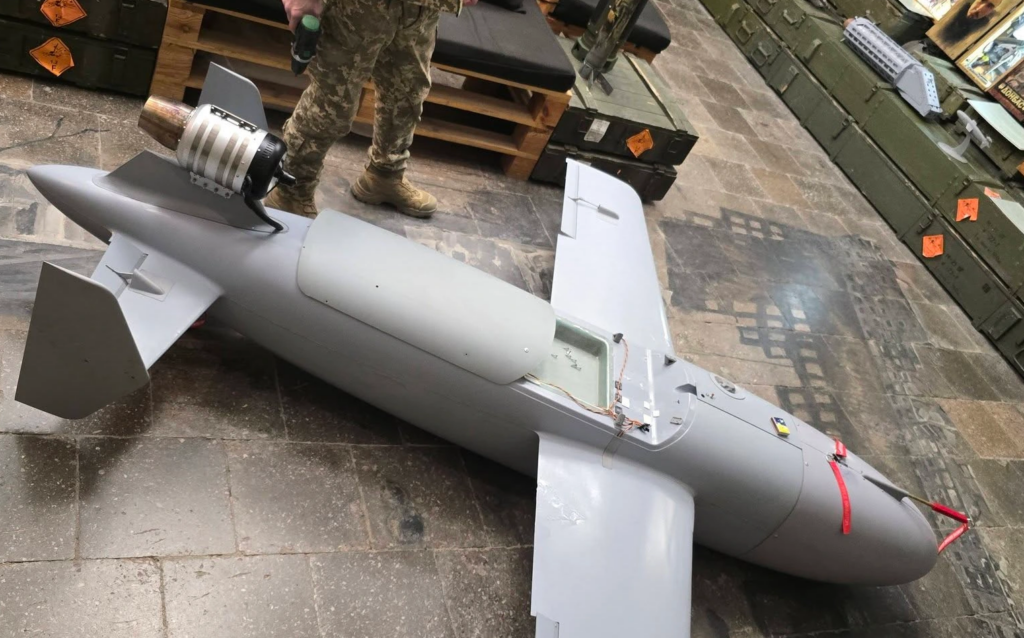
This year, Ukraine has tripled the production and procurement of long-range attack drones, the ministry said.
"This is not the limit. We will continue to scale up deep-strike capabilities," the statement said.
International cooperation is part of that push. Berlin will fund the production of additional DeepStrike-class long-range drones in Ukraine, German Defense Minister Boris Pistorius said after a meeting of the Ukraine Defense Contact Group on 15 April. The sides also agreed to jointly develop and produce a medium- and long-range drone system.
Ukraine and Germany also signed an agreement on the joint production of Bars drones, Ukrainian Foreign Minister Andrii Sybiha said on 8 July. The Bars' modular design allows it to be used for deep strikes, among other missions.
Oil refinery output has fallen
Russian refineries cut crude oil processing by 14% in the first nine months of the year compared with the same period last year amid Ukrainian drone attacks, according to calculations by two industry sources.
Experts' estimates of the decline differ widely. In August, Serhii Vakulenko of the Carnegie Russia Eurasia Center put it at 25–28%, while Russian economic commentator Vyacheslav Shiryaev put it at 65–70%, according to Defense-Aerospace.
Fuel production data give a more concrete picture: in July, Russia's gasoline and diesel output was about a quarter to a third lower than in March 2026, the outlet reported.
Read also
-
As Russia expands attacks on Kyiv, Ukraine prepares to hit Moscow’s oil industry harder in response
-
Fifth drone-related NORSI shutdown in under five months leaves all major Lukoil refineries offline
-
Drones hit Russia’s Volgograd and Samara overnight—fires near a Lukoil refinery, a chemical plant, and likely Europe’s largest oil tank farm in Samara