❌

Vue normale

  • ✇Journal Le Soir
  • Pas de hockey à l’UQAR avant 2027-28
    Ceux qui attendent l’arrivée d’une équipe de hockey à l’Université du Québec à Rimouski (UQAR) devront patienter au moins jusqu’en 2027-28. Le directeur des Services à la communauté étudiante, Jean-François Ouellet, assure que la volonté de l’institution est toujours d’intégrer les rangs de la division D2 du Réseau du sport étudiant du Québec pour la saison 2027-28, ce qui nécessite une réponse favorable au plus tard au début de décembre 2026. « C’est le financement qui demeure le seul pro
     

Pas de hockey à l’UQAR avant 2027-28

18 septembre 2026 à 19:00

Ceux qui attendent l’arrivée d’une équipe de hockey à l’Université du Québec à Rimouski (UQAR) devront patienter au moins jusqu’en 2027-28.

Le directeur des Services à la communauté étudiante, Jean-François Ouellet, assure que la volonté de l’institution est toujours d’intégrer les rangs de la division D2 du Réseau du sport étudiant du Québec pour la saison 2027-28, ce qui nécessite une réponse favorable au plus tard au début de décembre 2026.

« C’est le financement qui demeure le seul problème. Nous savons que nous pouvons rapidement recruter des joueurs et des entraîneurs et obtenir des heures de glace au Complexe Desjardins. Nos devoirs sont faits de ce côté-là. Ce qui nous manque, c’est de l’argent. Le budget d’une équipe universitaire D2 se situe entre 250 000 et 300 000$. L’UQAR ne peut pas financer cela à même son budget d’opération qui est très serré. Nous avons besoin de partenaires financiers. Si on va de l’avant, on veut garantir le financement pour cinq ans, ce qui dépasse le million de dollars. Si on y va, ce ne sera pas pour un an », affirme monsieur Ouellet.

Nouvelle ligue D1

Le RSEQ a annoncé cette semaine la naissance d’une nouvelle ligue entièrement québécoise de calibre universitaire D1 pour la saison 2027-28, ce qui risque d’affaiblir le calibre D2 puisque trois des universités qui s’y trouvent vont graduer dans le D1, soit l’École de technologie supérieure, l’Université du Québec à Chicoutimi et l’Université de Sherbrooke. Elles vont rejoindre McGill, Concordia et Trois-Rivières qui évoluent présentement en Ontario.

« Nous nous réjouissons de la naissance d’une ligue D1 qui permettra aux universités québécoises de ne plus avoir à se rendre en Ontario. Par contre, nous avons des inquiétudes pour l’avenir du calibre D2. Pour le moment, il reste l’Université du Québec en Outaouais et une deuxième équipe de Concordia, ainsi que le Collège militaire royal qui va se joindre au D2. Pour avoir une ligue, ça prend au moins quatre équipes. Est-ce que nous serons présents? Il faut se positionner rapidement parce que c’est pour l’année prochaine », poursuit monsieur Ouellet.

Pour le moment, l’UQAR vise toujours le D2 pour commencer, sans fermer la porte à une graduation par la suite dans le D1.

« Nous aurions le calibre pour le D1, mais le cadre financier serait encore plus important », explique Jean-François Ouellet.

  • ✇Euromaidan Press
  • Kyiv’s arms industry wants to kill the export fee. Parliament just refused to route that money to the army
    Ukraine's arms industry wants the government to scrap a steep fee on weapons exports, warning it undercuts their prices just as Europe's defense market opens, RBC-Ukraine reported. The same fee has opened a second fight in Kyiv, where parliament this week declined to turn its revenue into money for the army. Russia's war on Ukraine has pushed Europe into rearming, and Ukraine's battle-tested arms makers are among the few that can deliver at scale right now—an opening that domestic red t
     

Kyiv’s arms industry wants to kill the export fee. Parliament just refused to route that money to the army

17 septembre 2026 à 10:09

Novator armored vehicles

Ukraine's arms industry wants the government to scrap a steep fee on weapons exports, warning it undercuts their prices just as Europe's defense market opens, RBC-Ukraine reported. The same fee has opened a second fight in Kyiv, where parliament this week declined to turn its revenue into money for the army.

Russia's war on Ukraine has pushed Europe into rearming, and Ukraine's battle-tested arms makers are among the few that can deliver at scale right now—an opening that domestic red tape could blunt, handing the advantage to competitors just as the market grows.

A €60 billion European window—and a fee in the way

The push comes as Europe opens a major market for Ukrainian weapons. The EU's €90 billion Ukraine Support Loan for 2026-2027 reserves €60 billion for defense purchases, and partners increasingly want weapons built on their own soil. International partners report more than 200 cooperation approaches to Ukrainian firms still without a decision, according to the industry's press release. Producers link the fee fix to Build with Ukraine, a co-production push they consider strategically significant.

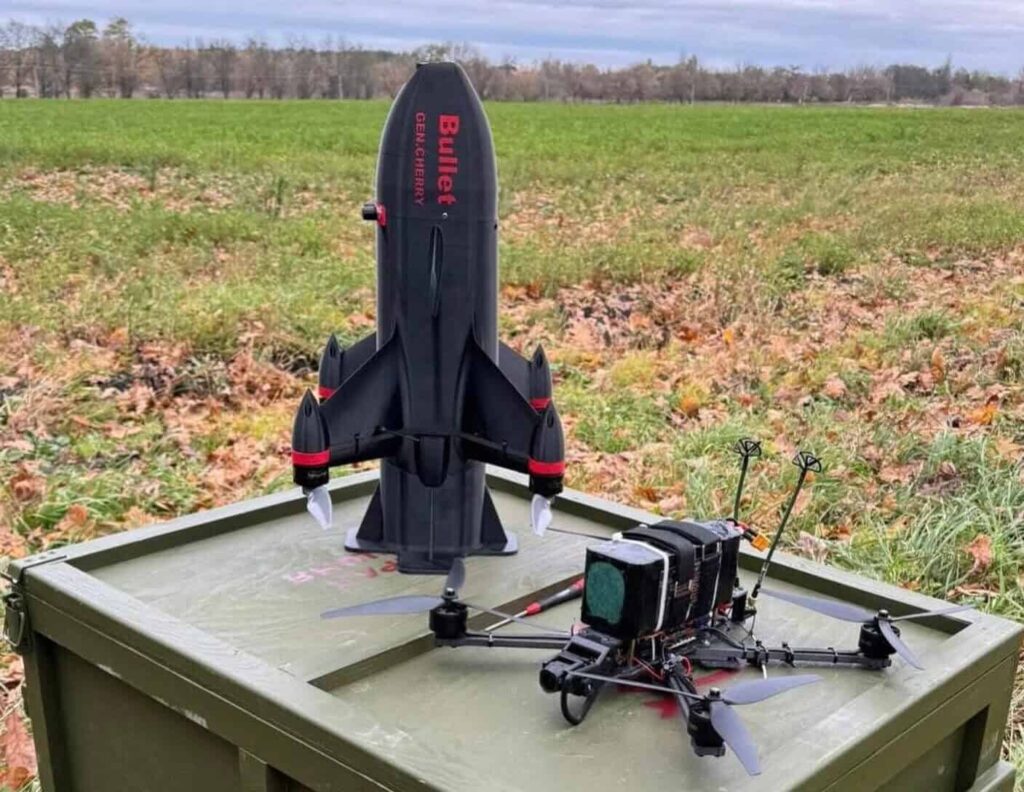
interceptor drones General Cherry (Chereshnia)
Explore further

Ukraine’s Build with Ukraine has 200-plus foreign cooperation bids pending decision. Its arms industry, representing 400-plus firms, wants to help fix mechanism

Parliament won't route the money to the army

On 15 September, the Verkhovna Rada—Ukraine's parliament—rejected a bill in first reading that would have sent fee revenue collected from 1 August 2026 into a special budget fund for the Defense Ministry, half for buying, modernizing, and repairing weapons, half for soldiers' pay. The vote left the fee itself untouched, since it rests on the Cabinet resolution, and settled only that its revenue will not be earmarked for the army.

The fee producers want gone

The Ukrainian Council of Arms Manufacturers, joined by other defense and employer groups, prepared proposals to rework the July government resolution, No. 875. They want the fee—20% on finished goods and technologies, 30% on parts—cut to zero, or capped at 5%. Firms must also pay upfront, before any foreign payment lands, with no refund guaranteed if a deal collapses. A UAH 15 million (about $337,000) threshold shuts out the small test shipments new clients often begin with.

Launch of an Aspide 2000 surface-to-air missile from a Spanish Skyguard-Aspide air defense system
Explore further

Ukraine put an Italian-Swiss Skyguard into combat duty. The missile inside is a Cold War design derived from the American Sparrow

The fee has drawn complaints since the resolution took effect in early July. Ihor Fedirko, the council's executive director, earlier said the 30-day review window was welcome but warned it could clog into a bureaucratic queue as staff leave the agencies running it. One of the associations behind the submission calls the 30% rate on parts prohibitive, since Europe is where Ukrainian firms would undercut Chinese suppliers on price.

Ukraine has swung from banning weapons sales abroad to courting foreign buyers, and its defense sector now ranks among the country's fastest-growing industries. Wartime certification to NATO standards is turning that output into something European militaries can actually buy.

The US House just passed the first major Russia oil sanctions in two years—one signature stands between them and law

17 septembre 2026 à 05:21

The US House of Representatives.

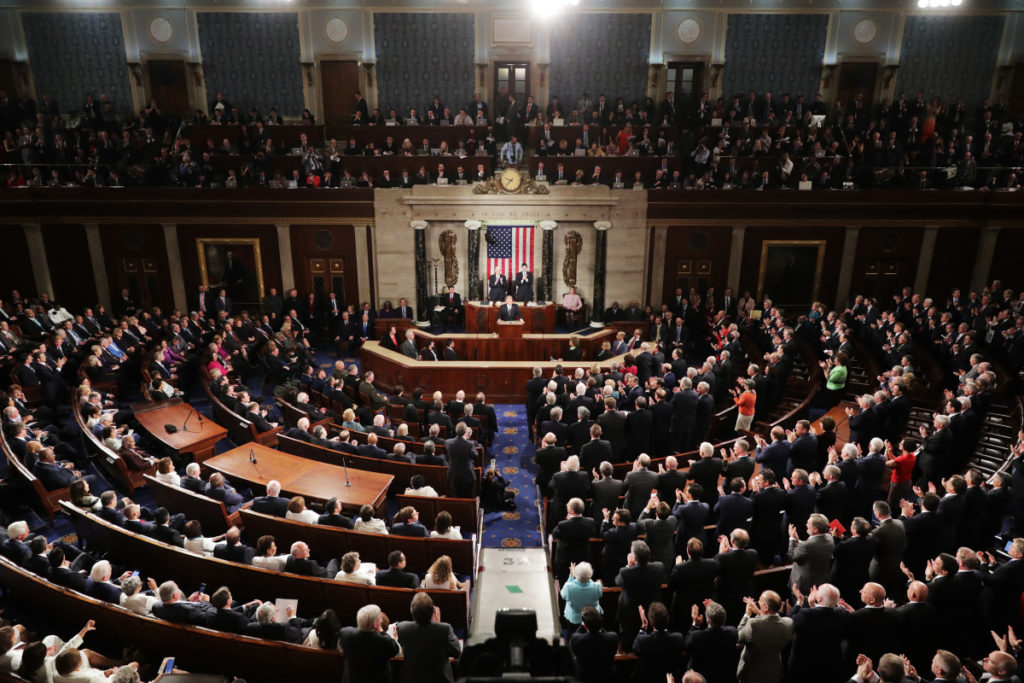
The US House of Representatives has approved sweeping new sanctions on Russia and the countries and companies that help finance its war, sending the measure to the president to sign into law, The Hill reported. The vote breaks a nearly two-year stretch in which Congress passed no major measure to back Ukraine. It also hands Washington fresh power to choke the oil money that keeps Moscow's war running.

For most of the full-scale war, US backing for Kyiv came through emergency spending battles, not laws built to cut off Moscow's income. Washington's long wager that negotiations would end the fighting kept its sharpest economic tools on the shelf. That bet has now shifted toward squeezing the customers who keep the Kremlin's oil trade alive.

The vote and what comes next

In the House, 58 Democrats broke from their party's leaders on 16 September to join most Republicans. The bill passed 262-159, with 203 Republicans and one independent also voting yes, and seven Republicans joining 152 Democrats against.

Whether the full weight of the bill lands is now Trump's call. A White House official said he planned to sign it, and the White House had pushed House Republican leaders to move it. The bill directs him to impose the tariffs and mandates sanctions on Putin, senior officials, and Russian banks, though he can waive them by certifying that it serves US national interests, and how far he goes stays uncertain.

His posture on Russia keeps shifting. Days before the vote, he urged Kyiv to stop striking Russian oil refineries. He said the strikes were pushing diesel prices up worldwide. Those same strikes drain the war economy this bill sets out to squeeze.

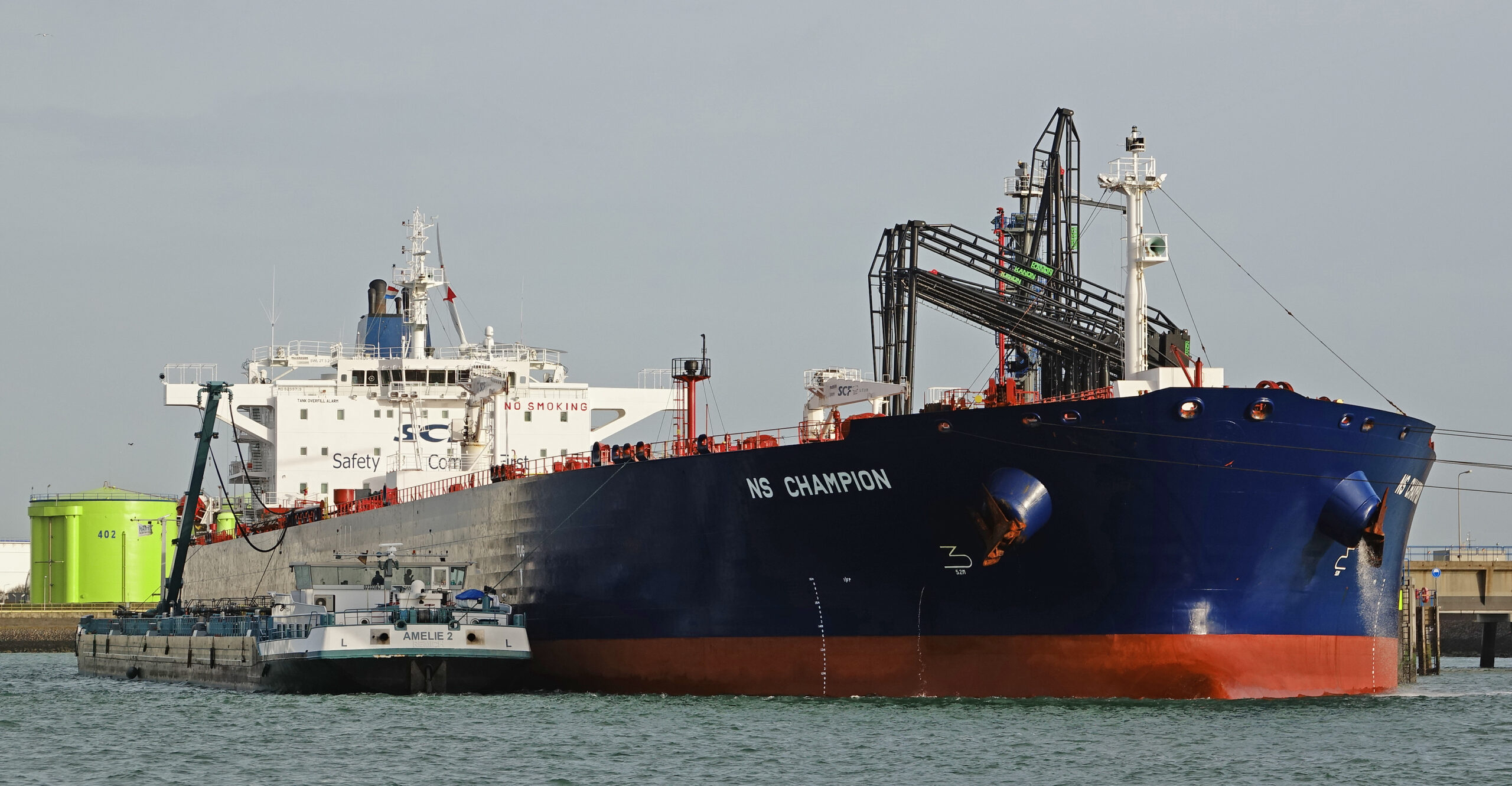
russian shadow fleet tanker
Explore further

US sanctions relief for Russian oil shipments appears to end with no renewal issued

What the sanctions do

The bill directs Washington to impose tariffs of up to 100% on the five biggest buyers of Russian crude, the five biggest buyers of its gas, and the five countries doing most to help Moscow evade oil sanctions—a target aimed squarely at China and India. Countries whose Russian gas imports are less than 15% of everything Russia exports in gas, and that take significant steps to cut them, would be exempt from the gas-based tariff. There is no such carve-out for crude.

It also blacklists Russian officials, banks, and the aging tankers of Russia's shadow fleet, the vessels that move sanctioned crude around Western restrictions. The measure also extends US sanctions on Iran's energy and weapons sectors, a piece Trump asked for. That is why the bill's full name is the Lindsey O. Graham Sanctioning Russia and Iran Act.

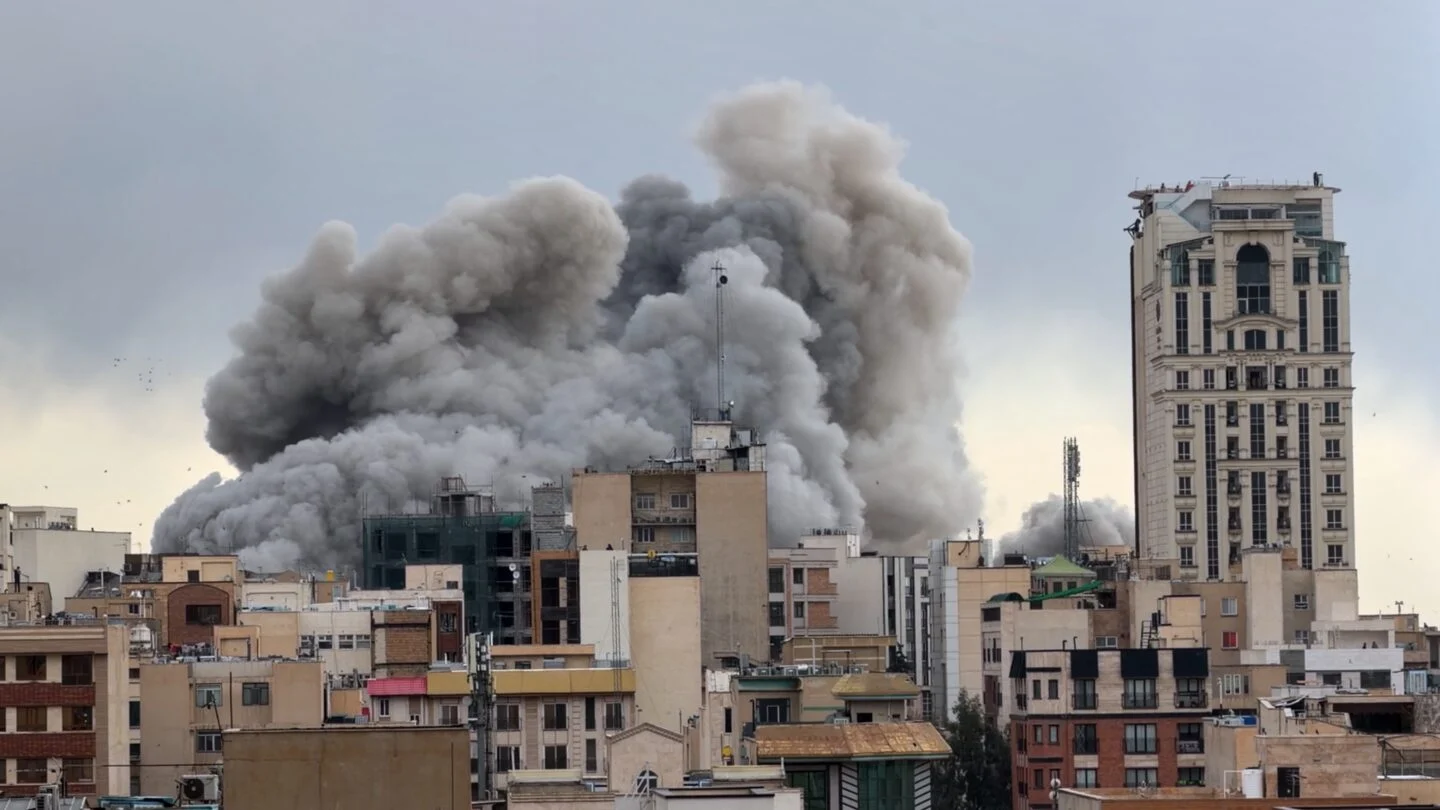
tehran
Explore further

US sanctions 13 Iran-Belarus-China entities supplying Iran’s IRGC. That’s three of four “Axis of Upheaval” states

Why a stalled bill finally moved

For more than a year, the package sat frozen. It had a veto-proof majority of co-sponsors, but the White House wanted room to negotiate with Moscow, and the bill never reached a vote. Its author, Senator Lindsey Graham of South Carolina, spent more than a year negotiating the measure before he died in July. Lawmakers in both parties revived and fast-tracked it in his name, and Trump dropped his resistance and signaled he would sign.

Not everyone wanted it. Most House Democrats voted against, saying the bill hands the president broad new tariff powers and lets him waive away the sanctions it claims to impose. Nearly a dozen Republicans privately pressed leaders to strip the new powers out, alarmed they could push up prices at home before the midterm elections. Their leaders moved it through anyway. Ukrainian President Volodymyr Zelenskyy had lobbied for weeks, even watching an early Senate vote from the chamber.

"To Vladimir Putin—we have your number," said Senator Richard Blumenthal, who co-wrote the bill, after the vote. "And to Ukraine—you are not alone."

Kyiv's response

Ukraine welcomed the vote within hours. Foreign Minister Andrii Sybiha thanked the House for its bipartisan leadership and said Ukraine honors Graham's legacy. Parliament speaker Ruslan Stefanchuk thanked both chambers of Congress and House Speaker Mike Johnson. He singled out Blumenthal for carrying the bill through after Graham's death. What matters for Ukraine, Stefanchuk said, is that pressure on Russia's war funding is turning into concrete decisions.

President Zelenskyy called the timing symbolic: the House voted during another Russian missile and drone attack on Ukraine. The bill and other strong sanctions steps are "an extremely powerful instrument capable of stopping this terrorist war," he said.

Ukraine’s Build with Ukraine has 200-plus foreign cooperation bids pending decision. Its arms industry, representing 400-plus firms, wants to help fix mechanism

16 septembre 2026 à 11:40

interceptor drones General Cherry (Chereshnia)

Ukraine's largest arms-industry group says it is backing the country's drive to sell and co-produce weapons abroad, while pressing the government to fix two separate obstacles in its way. The Council of Defense Industry, which represents more than 400 companies, wants a costly new export-permit fee and a stalled joint-production program to be upgraded, it said on Facebook.

The two problems are distinct. Resolution 875, the wartime rules for shipping arms abroad, charges a 20-30 percent fee on export permits, which the industry says prices Ukrainian goods out of the market.

The export fee bites

Resolution 875, adopted in July, was intended to streamline exports, with a 30-day review period and a streamlined path for partner countries. But the fee has choked it: only about 10 small export contracts have been signed since exports began, and not one permit has been issued under the new rules, Militarnyi reports.

"Resolution 875 in its current form contains provisions that could substantially worsen the competitiveness of Ukrainian producers," the group says.

Build with Ukraine is a separate track

The program lets producers export their technology and set up joint production abroad, reaching EU markets, financing, and infrastructure, while partners fund weapons production inside Ukraine.

The program lets producers export their technology and set up joint production abroad, reaching EU markets, financing, and infrastructure, while partners fund weapons production inside Ukraine. Talks are underway with Denmark, Norway, and Germany.

President Zelenskyy has said $43 billion was raised for Ukraine's defense industry in 2025, floated a goal of partner states each spending 0.25 percent of their GDP on it, and stressed that no Ukrainian technology will reach countries tied to Russia.

The Council, whose ecosystem spans more than 360 manufacturers, 28 drone-pilot schools, and 20 defense venture funds, says it is ready to help refine the mechanism.

Le gouvernement fédéral prolonge la suspension de la taxe sur l’essence

2 septembre 2026 à 20:30

Ottawa avait en avril suspendu la taxe d’accise fédérale sur l’essence et le diesel. 

Cette mesure réduit le prix payé à la pompe de: 

  • 10 cents par litre pour l’essence ordinaire
  • 4 cents par litre pour le diesel

La suspension devait prendre fin lundi prochain. 

Le gouvernement Carney a indiqué qu’elle serait prolongée jusqu’à fin janvier. 

La taxe serait ensuite rétablie, mais réduite de moitié jusqu’à la fin mars.

[L'article Le gouvernement fédéral prolonge la suspension de la taxe sur l’essence a d'abord été publié dans InfoBref.]

Le gouvernement fédéral commande ses brise-glaces au Québec

24 août 2026 à 20:58

Mark Carney a annoncé que le gouvernement fédéral avait confié à Chantier Davie, à Lévis, dans Chaudière-Appalaches, la construction de six brise-glaces.

Le gouvernement veut remplacer les brise-glaces vieillissants de la Garde côtière canadienne. 

Ces imposants navires:

  • ouvrent les voies commerciales maritimes;
  • répondent aux appels de bateaux en détresse.

Les nouveaux brise-glaces seront construits à partir d’acier et d’autres matériaux canadiens.

Selon Ottawa, le premier sera prêt dans 5 ans et l’ensemble de la flotte, avant 2038.

Le montant total du contrat s’élève à plus de 11 milliards $. 

[L'article Le gouvernement fédéral commande ses brise-glaces au Québec a d'abord été publié dans InfoBref.]

Les États-Unis imposent de nouvelles sanctions à l’Iran

24 août 2026 à 20:49

Scott Bessent, ministre américain des finances, a déclaré que Washington avait l’intention de «couper toutes les ressources économiques» du régime iranien.

Les nouvelles sanctions américaines visent cinq secteurs:

  • les actifs numériques
  • la technologie
  • l’or
  • l’aviation
  • le transport maritime

Bessent a affirmé que tous les pays qui ne participeraient pas aux sanctions américaines seraient aussi isolés que l’Iran.

Le gouvernement américain menace d’expulser les pays récalcitrants du système financier lié au dollar américain.

[L'article Les États-Unis imposent de nouvelles sanctions à l’Iran a d'abord été publié dans InfoBref.]

La course en sentier mobilise plus de 10 000 personnes à Mont-Tremblant

13 août 2026 à 20:41

La ville de Mont-Tremblant, dans les Laurentides, accueille d’aujourd’hui à dimanche la première édition de la course Boréalys Mont-Tremblant.

  • C’est la première compétition présentée au Québec du réseau UTMB World Series, dont l’événement phare est l’Ultra-Trail du Mont-Blanc, dans les Alpes françaises.

L’événement, qui a affiché complet en moins de deux jours, pourrait générer des retombées économiques de plusieurs millions de dollars dans la région, a dit à InfoBref Samuel Matte-Thibault, directeur général de l’événement.


Boréalys Mont-Tremblant est coproduit par UTMB World Series, un circuit mondial de course en sentier, et Événements Harricana, un OBNL montréalais.

Les organisateurs attendent 4000 coureurs de 44 nationalités. 

Ils participeront à 6 épreuves allant de 5 km à 100 km.

L’événement est prestigieux parce qu’il permet aux participants «d’accumuler des points pour se qualifier à l’UTMB du Mont-Blanc», explique Samuel Matte-Thibault.

La course en sentier est de plus en plus populaire

Il y a 10 ans, un tel événement n’aurait pas attiré autant de coureurs et les inscriptions ne se seraient pas écoulées aussi rapidement, reconnait l’organisateur.

«Le sport est en pleine expansion en ce moment, la communauté de coureurs en sentier grandit chaque année et attire de nouveaux adeptes», observe-t-il.

En comptant les familles et les accompagnateurs, plus de 10 000 personnes devraient séjourner dans la région à cause de l’événement. 

Ces séjours pourraient générer quelque 10 millions $ en retombées, selon les organisateurs.

[L'article La course en sentier mobilise plus de 10 000 personnes à Mont-Tremblant a d'abord été publié dans InfoBref.]

Le gouvernement fédéral compte diviser par deux le coût du transport de l’acier 

10 août 2026 à 17:52

Steven MacKinnon, ministre fédéral des transports, a annoncé hier le lancement d’un nouveau programme de soutien au secteur de l’acier. 

Doté de 100 millions $, ce programme remboursera la moitié des frais de transport ferroviaire ou maritime aux entreprises qui expédient d’une province à l’autre de l’acier canadien ou des produits d’acier canadien.

  • Il restera en vigueur pendant une durée maximale d’un an ou jusqu’à épuisement des fonds. 

Le gouvernement Carney a indiqué qu’il mettrait également en place des mesures de soutien pour le secteur forestier.

[L'article Le gouvernement fédéral compte diviser par deux le coût du transport de l’acier  a d'abord été publié dans InfoBref.]

Le Parti québécois réitère sa position en faveur d’un troisième lien réservé au transport en commun

6 août 2026 à 20:19

Paul St-Pierre Plamondon était hier à Lévis pour présenter le candidat péquiste pour la circonscription aux prochaines élections.

  • Ce sera Yanick Godbout, directeur du développement des services internationaux chez Desjardins. 

Lors de la dernière campagne, en 2022, le PQ avait proposé de relier Québec et Lévis par un train léger circulant dans un tunnel sous le fleuve.

St-Pierre Plamondon a indiqué: 

  • qu’un troisième lien entre les deux villes est nécessaire;
  • qu’il doit être réservé au transport en commun; 
  • qu’il ne doit pas être «hors de prix».

[L'article Le Parti québécois réitère sa position en faveur d’un troisième lien réservé au transport en commun a d'abord été publié dans InfoBref.]

Un joueur originaire de Victoriaville devient l’athlète québécois le mieux payé

2 août 2026 à 20:48

Matthew Bergeron vient de prolonger son contrat avec les Falcons d’Atlanta, une équipe de la National Football League.

Bergeron a signé un contrat de 4 ans d’une valeur totale de 96 millions $US, soit 24 millions $US par an. 

  • Il devient, à égalité avec un joueur des Cowboys de Dallas, le garde (un poste de la ligne offensive) le mieux payé de la ligue.

Bergeron devient aussi l’athlète québécois le mieux payé, tous sports confondus.

Pour comparaison, le joueur de football québécois Laurent Duvernay-Tardif avait lui signé un contrat de 42 millions $ pour 5 ans.

[L'article Un joueur originaire de Victoriaville devient l’athlète québécois le mieux payé a d'abord été publié dans InfoBref.]

  • ✇The Kyiv Independent
  • Russian airlines face $254 million losses from just 2 days of Ukrainian drone strikes, Kremlin media reports
    Major shutdowns at Russia's key airports on July 5–6 caused by Ukrainian drone attacks could cost Russian airlines around 20 billion rubles ($254 million), the pro-Kremlin outlet Kommersant reported on July 7, citing airline representatives and industry experts. Since the start of mass disruptions on July 5, a total of 485 flights were canceled, 88 were diverted to alternate airports, and another 1,900 were delayed across major hubs, according to Russia's aviation agency Rosaviatsiya.The drone a
     

Russian airlines face $254 million losses from just 2 days of Ukrainian drone strikes, Kremlin media reports

7 juillet 2025 à 10:23
Russian airlines face $254 million losses from just 2 days of Ukrainian drone strikes, Kremlin media reports

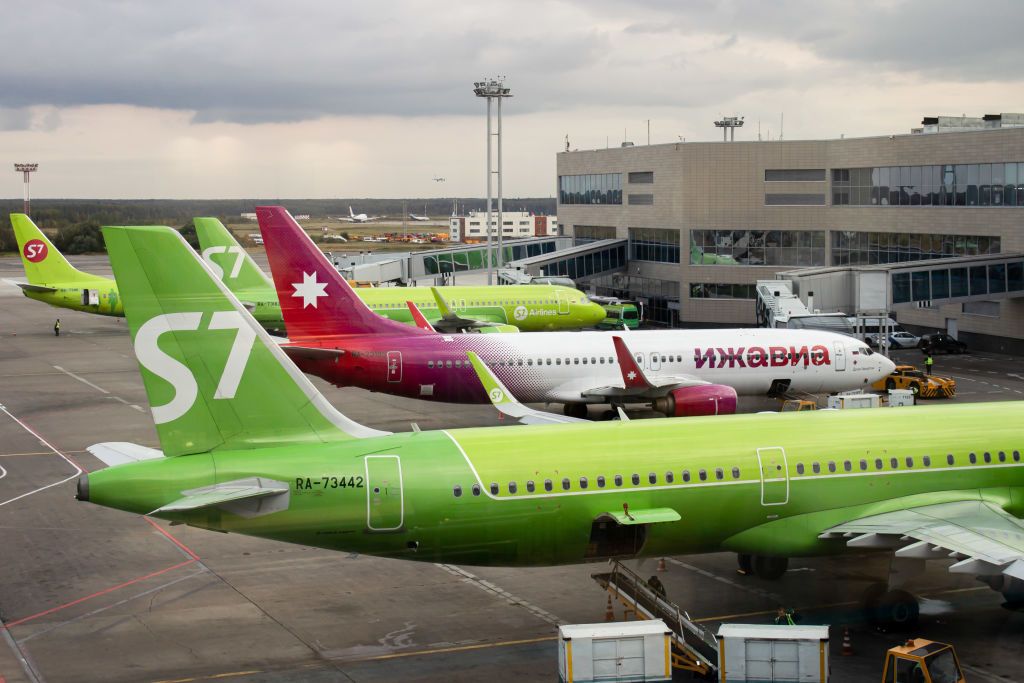
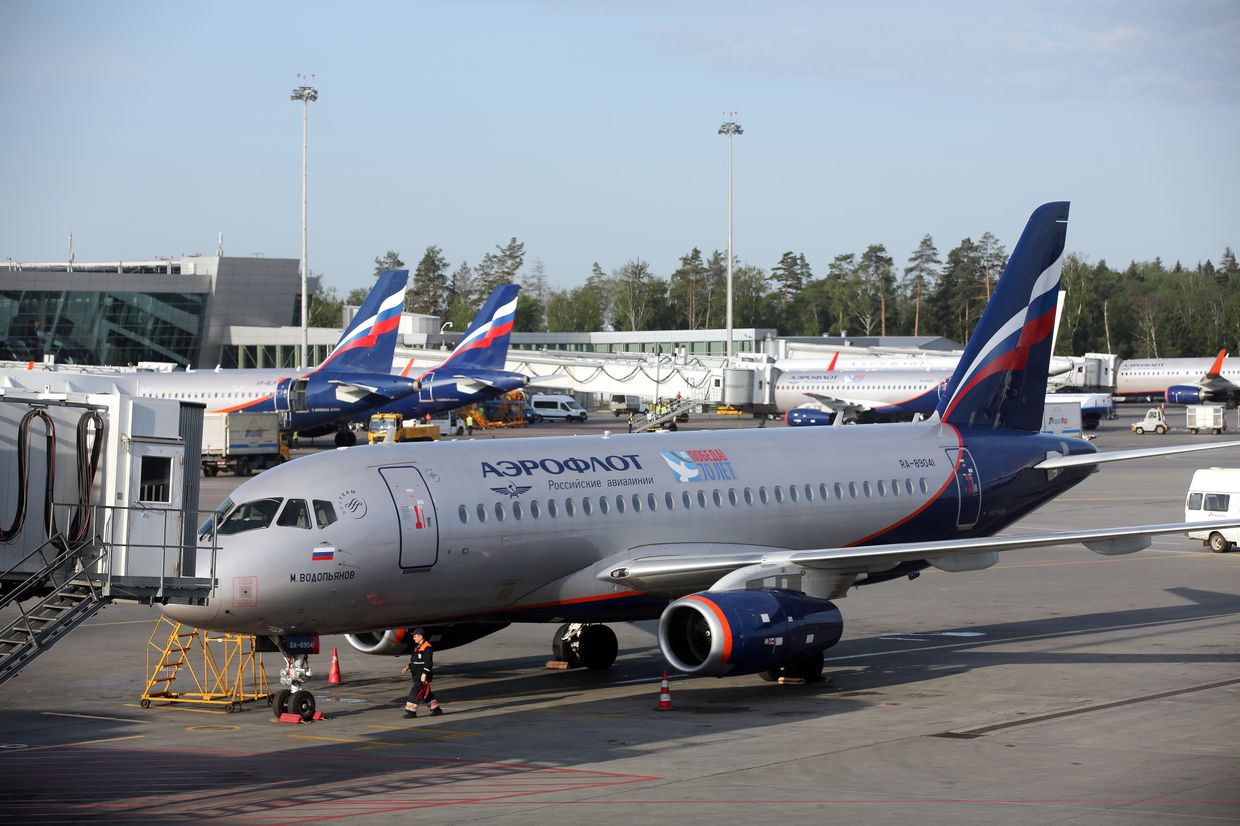
Major shutdowns at Russia's key airports on July 5–6 caused by Ukrainian drone attacks could cost Russian airlines around 20 billion rubles ($254 million), the pro-Kremlin outlet Kommersant reported on July 7, citing airline representatives and industry experts.

Since the start of mass disruptions on July 5, a total of 485 flights were canceled, 88 were diverted to alternate airports, and another 1,900 were delayed across major hubs, according to Russia's aviation agency Rosaviatsiya.

The drone attacks prompted operational shutdowns that triggered widespread logistical and economic consequences. Over 94,000 passengers were housed in hotels, 43,000 refunds were processed, and hundreds of thousands of vouchers for food and drinks were issued.

The estimated financial toll includes direct airline losses from canceled Boeing 737-800 flights, which can run between 15 million and 23 million rubles ($190,000–$292,000) each depending on the route, as well as costs for delays, diversions, and passenger care.

Experts say the true cost could be far higher. Dmitry Datsykov of EXPO.UAV estimated tens of billions of rubles in additional indirect losses, including missed connections, taxi and hotel losses, and supply chain disruptions.

Ukraine has not publicly claimed responsibility for the disruptions but has acknowledged that its drone strategy aims to undermine Russian logistics and force the war's consequences closer to the Russian public.

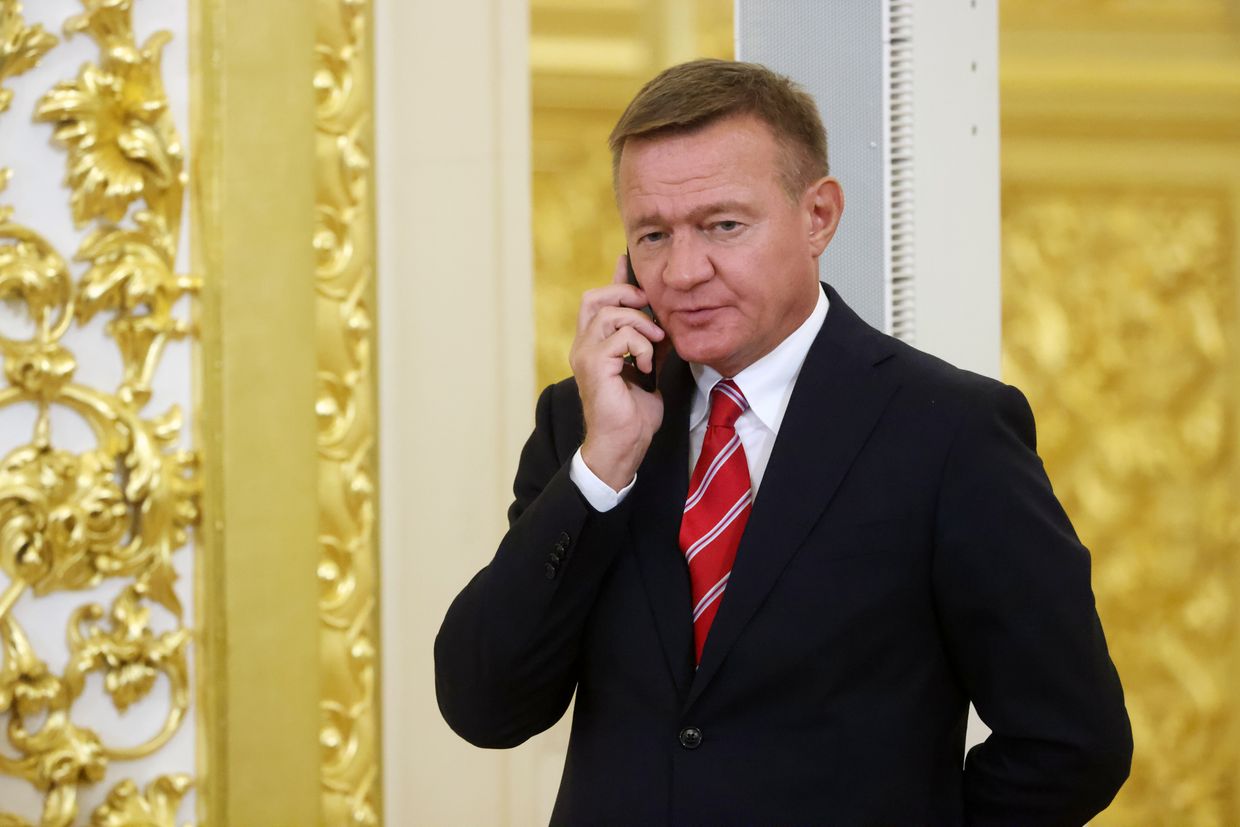
The economic fallout comes amid growing scrutiny of Russia's transport sector. On July 7, President Vladimir Putin dismissed Transport Minister Roman Starovoit following the aviation chaos and a high-profile ammonia leak at the Ust-Luga port.

The Kremlin has increasingly struggled to protect critical infrastructure from Kyiv's deep-strike drone campaign, which in recent months has expanded to include refineries, radar plants, and now Russia's busiest airports.

Russian transport minister fired by Putin reportedly shoots himself dead
According to Russian media, ex-Transport Minister Roman Starovoit’s body was found near Moscow. Preliminary findings suggest that the suicide may be linked to a possible criminal case.
Russian airlines face $254 million losses from just 2 days of Ukrainian drone strikes, Kremlin media reportsThe Kyiv IndependentTim Zadorozhnyy
Russian airlines face $254 million losses from just 2 days of Ukrainian drone strikes, Kremlin media reports
  • ✇The Kyiv Independent
  • Drone threat reportedly causes mass flight delays in Russia's Moscow, St. Petersburg airports
    Russia's largest airports experienced hours-long flight delays and cancellations on July 5, as authorities imposed temporary restrictions due to a reported threat of Ukrainian drone attacks, the pro-Kremlin Telegram channel Shot reported. Ukraine hasn't commented on the report. Kyiv's drone campaign, which has increasingly disrupted civilian air travel in Russia, is part of Ukraine's broader strategy to undermine Russia's logistics far beyond the front line.Some passengers in Russia reported wai
     

Drone threat reportedly causes mass flight delays in Russia's Moscow, St. Petersburg airports

5 juillet 2025 à 07:08
Drone threat reportedly causes mass flight delays in Russia's Moscow, St. Petersburg airports

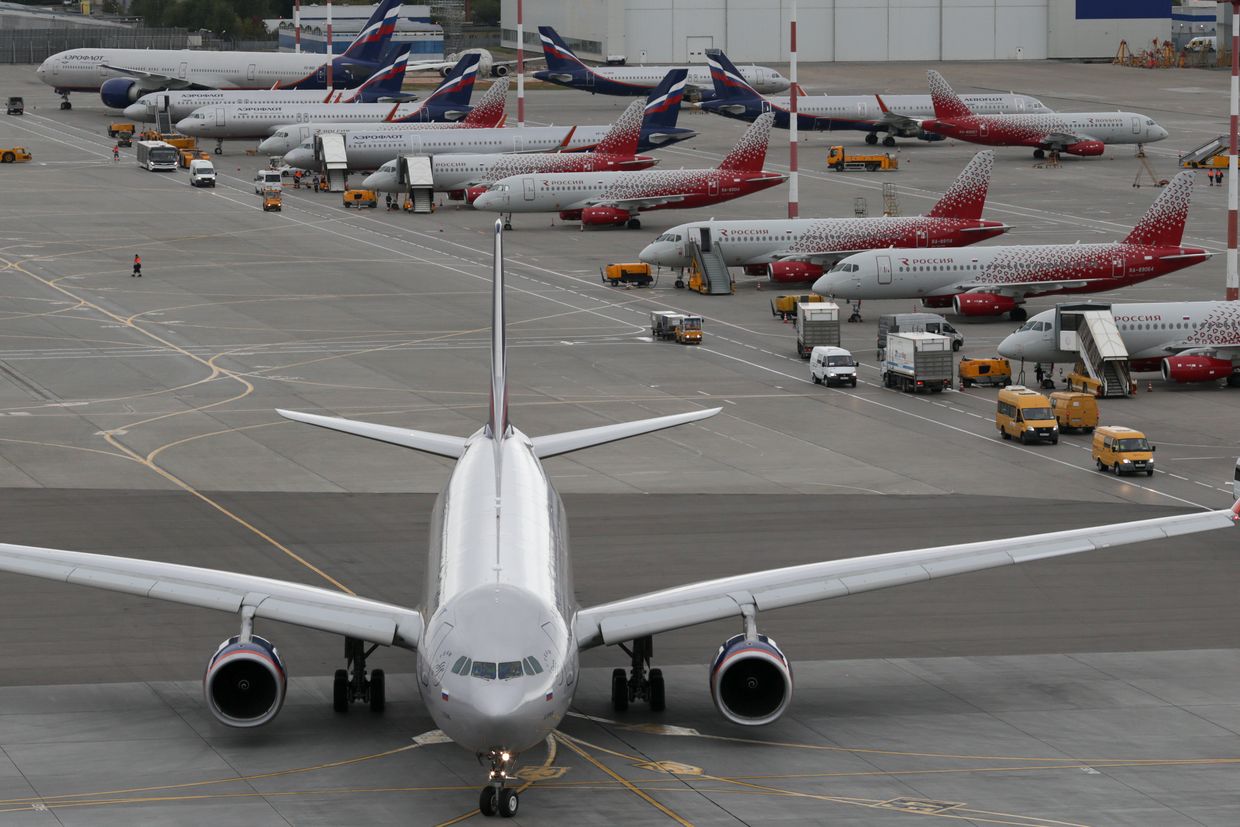
Russia's largest airports experienced hours-long flight delays and cancellations on July 5, as authorities imposed temporary restrictions due to a reported threat of Ukrainian drone attacks, the pro-Kremlin Telegram channel Shot reported.

Ukraine hasn't commented on the report. Kyiv's drone campaign, which has increasingly disrupted civilian air travel in Russia, is part of Ukraine's broader strategy to undermine Russia's logistics far beyond the front line.

Some passengers in Russia reported waiting more than 10 hours on July 5 as their flights were being delayed, according to Shot.

Departures at Moscow's Sheremetyevo Airport were halted for several hours, delaying over 20 flights. At St. Petersburg's Pulkovo Airport, roughly 50 flights were delayed and more than 20 canceled.

Leningrad Oblast Governor Alexander Drozdenko said that two drones were shot down south of St. Petersburg, prompting a temporary suspension of operations at Pulkovo Airport.

The disruptions followed a wave of Ukrainian drone attacks overnight, which targeted military and industrial infrastructure in at least six Russian regions.

The Russian Defense Ministry said it intercepted 42 drones within three hours, mainly over the Belgorod, Bryansk, and Kursk oblasts near the Ukrainian border.

Novaya Gazeta Europe reported in May that at least 217 temporary airport closures have occurred across Russia since Jan. 1 due to drone threats, more than in 2023 and 2024 combined.

A similar wave of strikes ahead of Russia's Victory Day in May led to massive delays, affecting an estimated 60,000 travelers.

Ukraine’s new drone strategy — cripple Moscow’s airports, make Russian population ‘pay’
Hundreds of Ukrainian kamikaze drones have flown towards Moscow in recent weeks. None appear to have even reached the Russian capital, yet the effect on the city — and the wider country — has been hugely significant. Ukrainian drones have forced at least 217 temporary airport closures across Russia since Jan. 1,
Drone threat reportedly causes mass flight delays in Russia's Moscow, St. Petersburg airportsThe Kyiv IndependentTim Zadorozhnyy
Drone threat reportedly causes mass flight delays in Russia's Moscow, St. Petersburg airports
❌