A former deputy mayor for Kharkiv is facing multiple charges related to creating and leading a scheme that allegedly embezzled 5.4 million hryvnias ($130,000) of budget funds allocated for fortifications, law enforcement agencies announced on June 28.Ukraine's military as well as public officials has seen several corruption scandals since the start of Russia's full-scale war, related to illicit enrichment, money laundering, bribery, and misconduct of the command.A total of four people, including
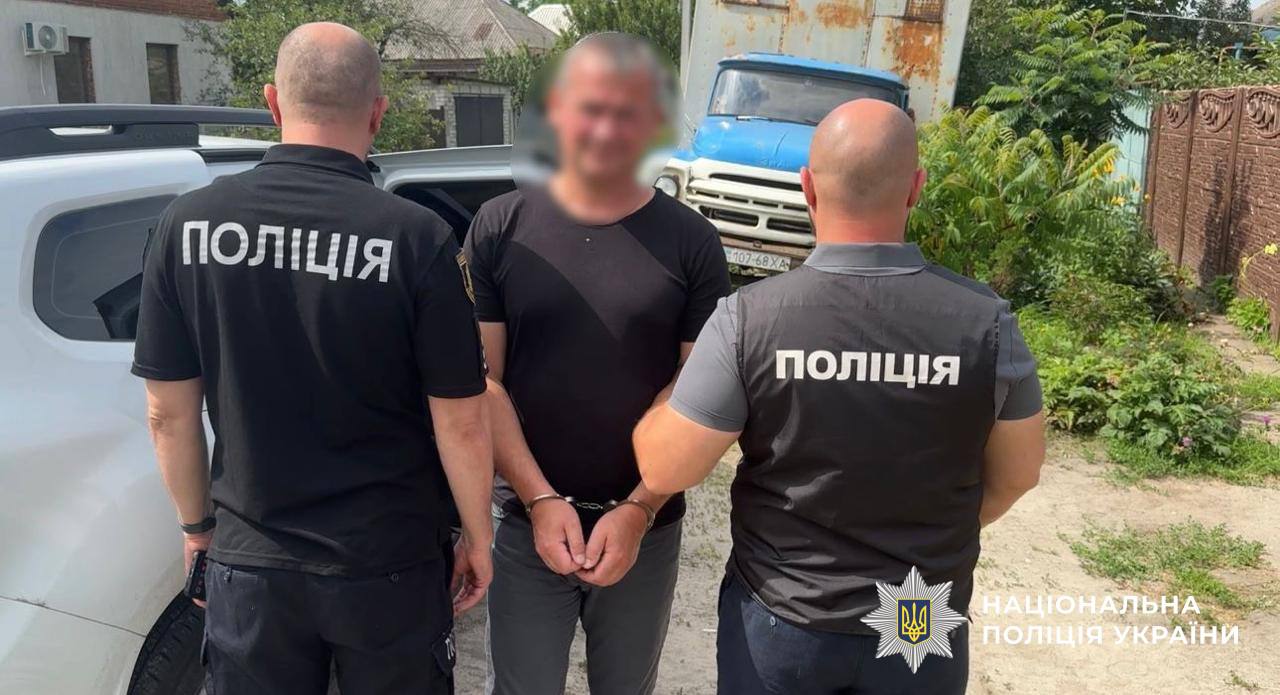
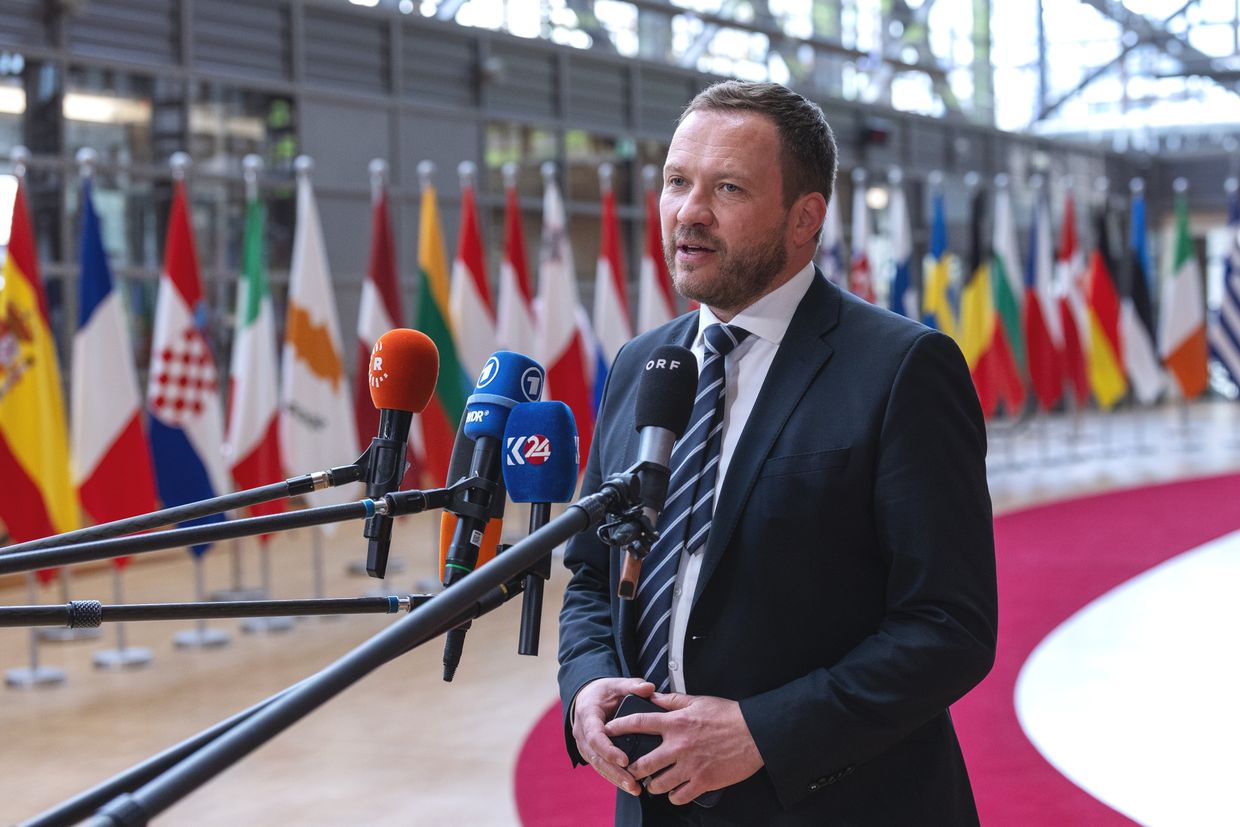
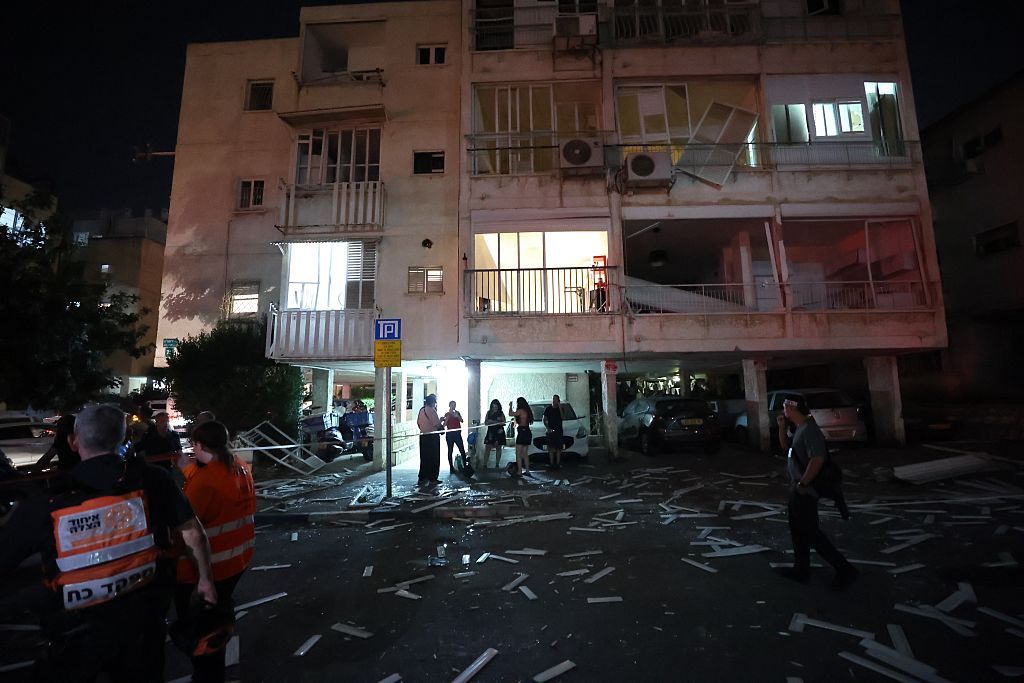
A former deputy mayor for Kharkiv is facing multiple charges related to creating and leading a scheme that allegedly embezzled 5.4 million hryvnias ($130,000) of budget funds allocated for fortifications, law enforcement agencies announced on June 28.
Ukraine's military as well as public officials has seen several corruption scandals since the start of Russia's full-scale war, related to illicit enrichment, money laundering, bribery, and misconduct of the command.
A total of four people, including two company heads and two entrepreneurs, were arrested alongside the former official, the National Police said.
The scheme allegedly involved a shell company procuring purchased materials for fortifications at prices over 30% above market value.
While authoritiesdid not name the former official, Ukrainska Pravda reported, citing law enforcement sources, that the suspect in question is Andrii Rudenko, Kharkiv's Deputy Mayor for Housing and Communal Services between 2015 and 2024.
Authorities did not publicly release the identities of the remaining suspects.
The five suspects are currently facing charges under 17 articles of Ukraine's Criminal Code, with motions filed to impose pre-trial detention without bail.
It was not immediately clear as to the maximum sentence the suspects may receive if found guilty, however, Ukraine's Prosecutor General Ruslan Kravchenko said that he will seek for "stolen budget funds must be fully returned to the state."
Law enforcement agents have previously arrested Kharkiv officials with corruption related charges.
In April, authorities charged a total of eight individuals, including local officials and entrepreneurs, accused of colluding with contractors to supply firewood to the military at prices significantly above market value. Several officials and entrepreneurs of housing and utilities departments in several regions, including Kharkiv, were allegedly implicated.
Chairman of the Verkhovna Rada Ruslan Stefanchuk said on June 28 that Ukraine's parliament is preparing a draft bill to hold elections following the end of the martial law period enacted as a result of the war. "We are working on this draft law, because for the next elections, a new special draft law is needed that will regulate the so-called post-war elections," Stefanchuk said on Ukraine's marathon TV broadcast. "We are preparing various basic scenarios so that people can exercise their fundam
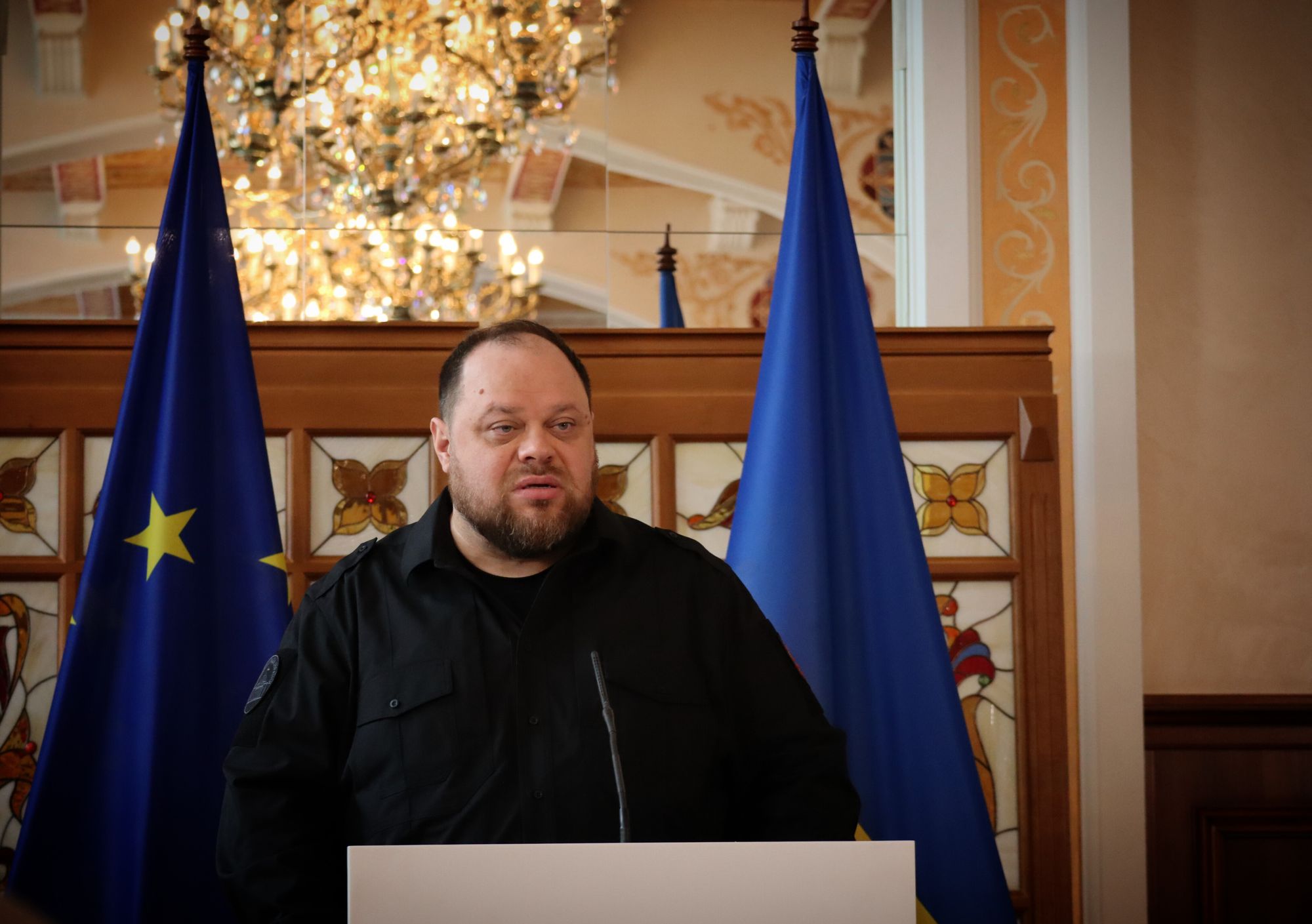
Chairman of the Verkhovna Rada Ruslan Stefanchuk said on June 28 that Ukraine's parliament is preparing a draft bill to hold elections following the end of the martial law period enacted as a result of the war.
"We are working on this draft law, because for the next elections, a new special draft law is needed that will regulate the so-called post-war elections," Stefanchuk said on Ukraine's marathon TV broadcast.
"We are preparing various basic scenarios so that people can exercise their fundamental constitutional right to vote. And this must take place in Ukraine. And I believe we will be able to find the right legislative compromise," he added.
The reason for separate legislation on a post-war election, Stefanchuk previously said, was due to the fact that Ukraine's Constitution does not not provide clarity on the details of holding elections following the end of a martial law period.
No details on the bill or timeline for implementation were provided.
Russia's full-scale invasion and the subsequent declaration of martial law in Ukraine meant elections have been impossible to hold, and President Volodymyr Zelensky's term has been extended, something constitutional lawyers say is allowed under Ukrainian law.
Despite criticism, Ukraine's parliament, the Verkhovna Rada, passed a resolution on Feb. 25 to hold elections after "a comprehensive, just, and sustainable peace is secured" in the country.
While polling shows a vast majority of Ukrainian citizens do not support holding elections before a full peace deal, the lack of elections has stirred some controversy with Ukraine's allies.
At the start of his second term in office, U.S. President Donald Trump urged Ukraine to hold elections — something that Ukraine has thus far refused to do citing the difficulties of holding elections amid active warfare, as well as security implications.
Zelensky has previously said he is willing to step down in exchange for a peace agreement.
Russian propaganda has widely used the issue of elections in Ukraine to discredit the Ukrainian leadership. Mocow has repeatedly claimed that Zelensky is no longer a legitimate president, as his first term was originally meant to end on May 20, 2024.
Editor's note: This is a developing story and is being updated.Ukraine's military intelligence (HUR) struck on June 28 the 1060th Material-Technical Support Center in the city of Bryansk, Ukraine's General Staff said. The facilities store a Russian missile and drone arsenal, Ukrainska Pravda reported, citing a source in HUR.Local residents reported hearing explosions and gun fire throughout the morning of June 28. Pictures posted on social media show smoke billowing from the area of where the ce
Editor's note: This is a developing story and is being updated.
Ukraine's military intelligence (HUR) struck on June 28 the 1060th Material-Technical Support Center in the city of Bryansk, Ukraine's General Staff said.
The facilities store a Russian missile and drone arsenal, Ukrainska Pravda reported, citing a source in HUR.
Local residents reported hearing explosions and gun fire throughout the morning of June 28. Pictures posted on social media show smoke billowing from the area of where the centre, formerly the the 120th arsenal of the Main Missile and Artillery Directorate, is located in an industrial area in the southern part of the city.
The General Staff said it was assessing the strike as extent of the damage was not immediately clear.
Bryansk Oblast Governor Alexander Bogomaz acknowledged a drone attack on the region overnight claiming that four civilians were injured in the attack, damaging ten homes and a vehicle.
Later in the morning, Bogomaz claimed that all the drones had been downed by Russian air defense unit in a separate attack, claiming that no damage had been inflicted. He did not mention the Main Missile and Artillery Directorate in his comments.
The Kyiv Independent cannot immediately verify the reports or claims made by Russian officials.
Bryansk Oblast, located in Russia's far-west, borders Ukraine's Chernihiv and Sumy Oblast, and has been the target of various Ukrainian strikes.
Ukraine's military regularly conducts strikes onto Russian and Russian-occupied territory.
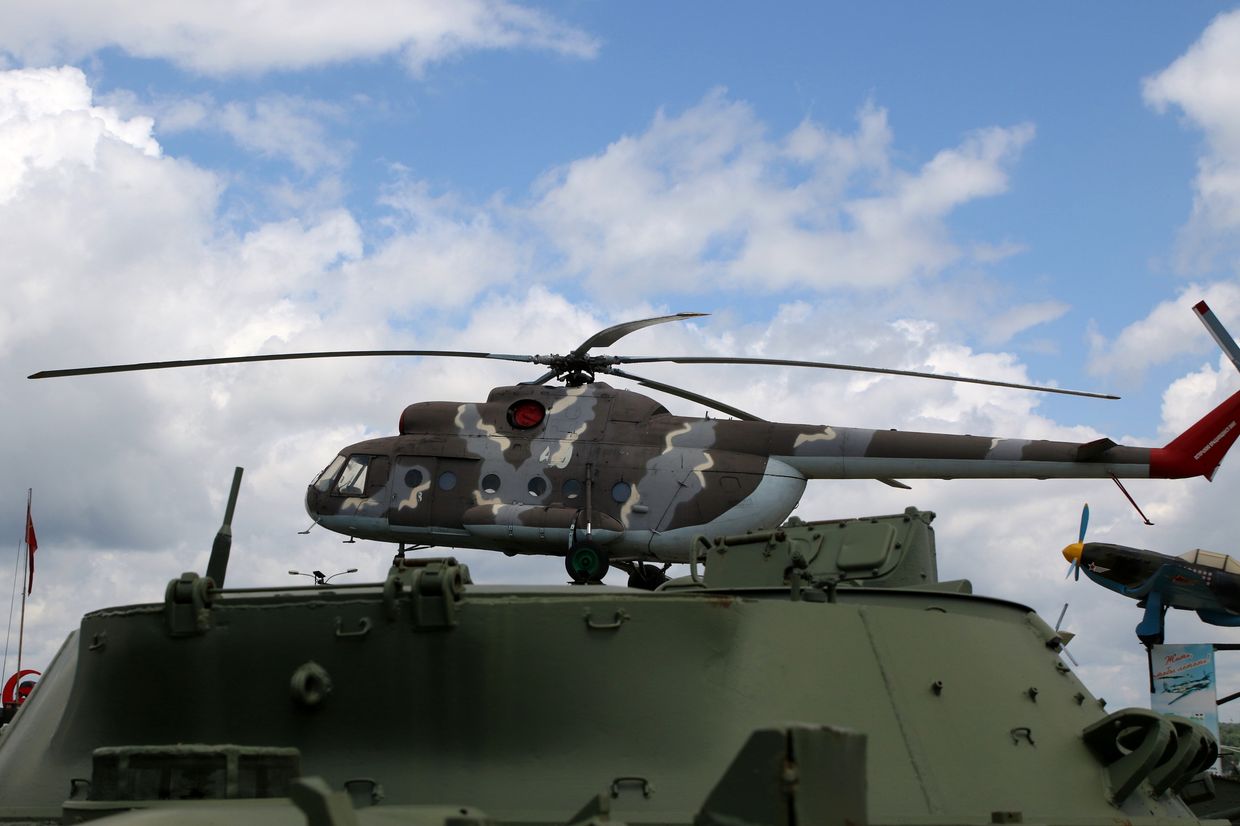
Drones operated by the Security Service of Ukraine (SBU) struck the Kirovske military airfield in occupied Crimea overnight on June 28, the SBU told the Kyiv Independent. The attack destroyed Mi-8, Mi-26 and Mi-28 attack helicopters, and a Pantsyr-S1 self-propelled anti-aircraft missile and gun system, the SBU claimed.
Slovak Prime Minister Robert Fico said on June 28 that he does not intend to meet directly with President Volodymyr Zelensky, claiming that the Ukrainian president "hates" him, as relations between the two countries continue to sour. Fico's comments come just one day after Slovakia joined Hungary in blocking an 18th package of sanctions against Russia, an unnamed EU official told the Kyiv Independent. Unlike Hungarian Prime Minister Viktor Orban, who has consistently opposed sanctions against Ru
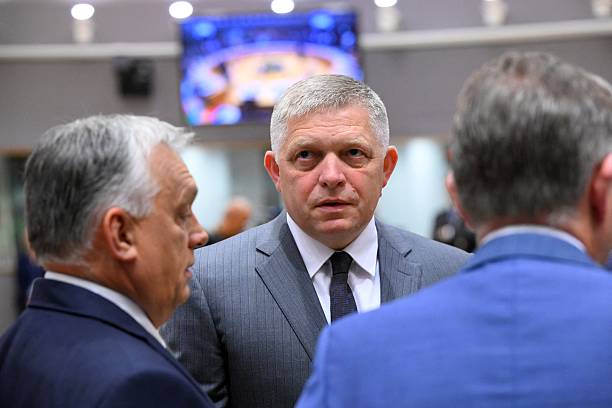
Slovak Prime Minister Robert Fico said on June 28 that he does not intend to meet directly with President Volodymyr Zelensky, claiming that the Ukrainian president "hates" him, as relations between the two countries continue to sour.
Fico's comments come just one day after Slovakia joined Hungary in blocking an 18th package of sanctions against Russia, an unnamed EU official toldthe Kyiv Independent. Unlike Hungarian Prime Minister Viktor Orban, who has consistently opposed sanctions against Russia, Slovakia has not previously attempted to block EU sanctions.
"I see no reason to meet with the Ukrainian president," Fico toldSlovak broadcaster STVR, stressing he has better relations with Ukrainian Prime Minister Denys Shmyhal. "My meeting with President Zelensky has no significance because he hates me," he added.
Fico's comments on a potential meeting refer to talks on improving bilateral relations between the two countries, including in areas of Ukraine's EU accession as well as additional sanctions on Russia.
"I’m the Prime Minister of the Slovak Republic, and my task is to do everything to ensure that gas prices in Slovakia do not rise because of Ukraine," Fico told STVR, in reference to concerns over Slovakia's reliance on Russian gas and energy exports that were allegedly not addressed in the 18th sanctions package.
Slovakia has requested that the adoption of the 18th package of EU sanctions against Russia be postponed until a decision is made on the consequences for the member states from RePowerEU, the European Commission's initiative to end dependence on Russian fossil fuels by 2030 in response to Russia's invasion of Ukraine.
EU foreign policy decisions, including sanctions, require unanimous approval by all member states. A Slovak veto could continue to force concessions or delay enforcement in future rounds.
Despite the criticism, Fico added that "Ukraine's EU membership brings more advantages than disadvantages for Slovakia," but stressed that other officials, including Slovakian President Peter Pellegrini would handle discussions with top Ukrainian leadership.
Since taking office in 2023, Fico has also reversed Slovakia's previous pro-Ukraine policy, ending military aid to Kyiv and questioning the value of EU sanctions on Russia.
President Volodymyr Zelensky signed a decree on June 27 imposing sanctions on 52 Russian citizens as well as an additional 34 Russian companies and one Chinese entity involved in the production of Shahed-type drones and chip manufacturing machinery.Ukraine introduced new restrictions as Russia has escalated drone attacks against Ukrainian cities over the past weeks, launching upwards of 400-500 unmanned aerial vehicles (UAVs) per night.Individuals and legal entities subject to Ukrainian sanction
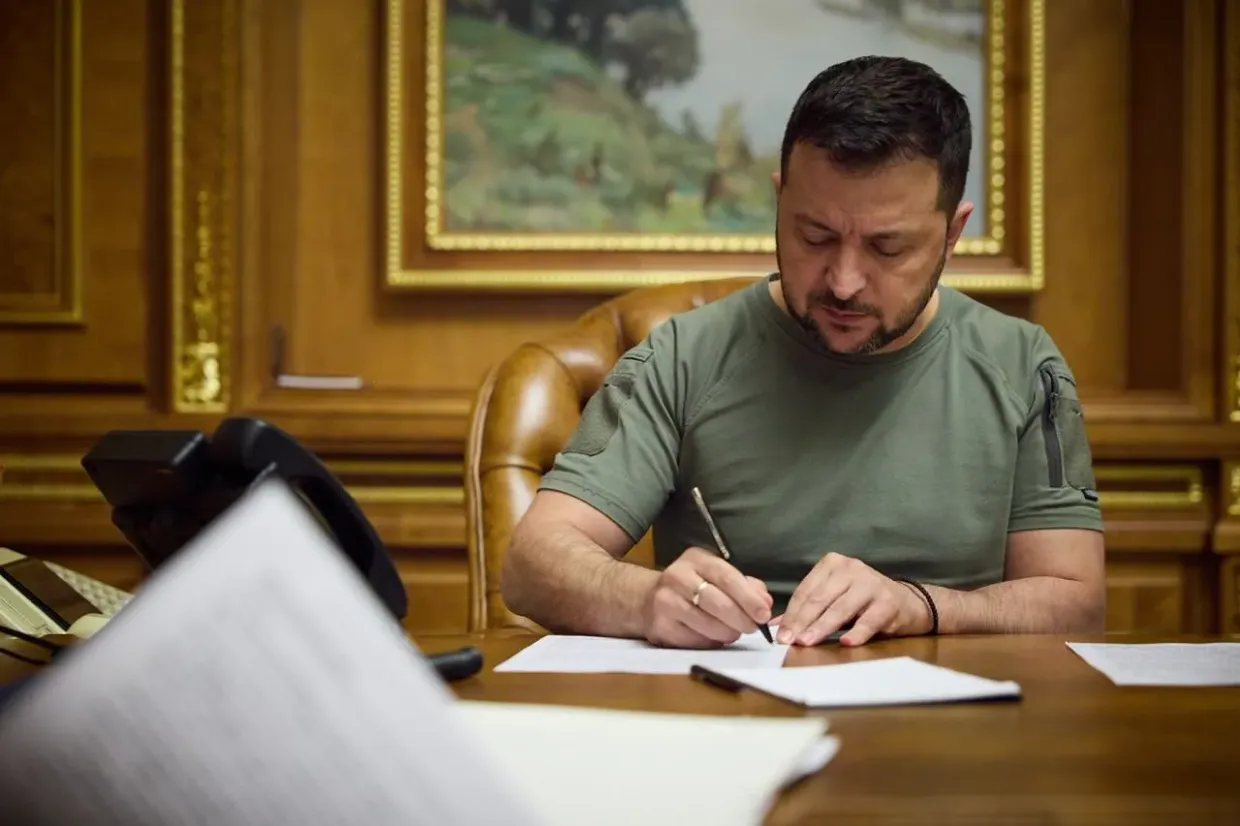
President Volodymyr Zelensky signed a decree on June 27 imposing sanctions on 52 Russian citizens as well as an additional 34 Russian companies and one Chinese entity involved in the production of Shahed-type drones and chip manufacturing machinery.
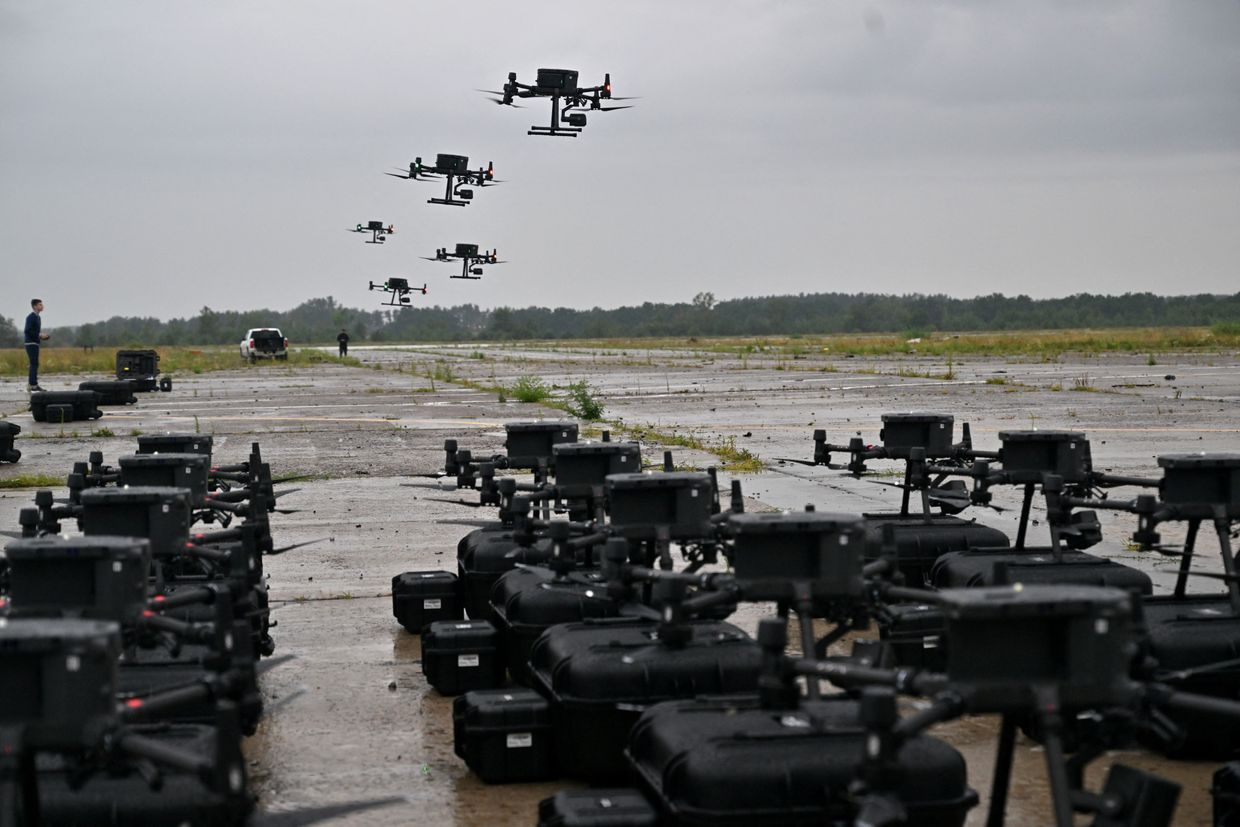
Ukraine introduced new restrictions as Russia has escalated drone attacks against Ukrainian cities over the past weeks, launching upwards of 400-500 unmanned aerial vehicles (UAVs) per night.
Individuals and legal entities subject to Ukrainian sanctions cannot do business and trade in Ukraine, cannot withdraw their capital from the country. In the meantime, their assets are blocked, as well as their access to public and defense procurement, and entry into the territory of Ukraine, among other restrictions.
Andrii Yermak, head of the Presidential Office, said on Telegram that the sanction primarily enterprises and individuals collaborating with a Shahed manufacturing facility located in the town of Yelbuga in Russia's Tatarstan.
Russia has launched thousands of cheap but effective Iranian-designed Shahed drones against Ukraine since the fall of 2022. Originally designed in Iran, Russia has since produced its own Shahed-type drones on Russian territory.
Drones have become one of the defining tools of the full-scale war, used extensively by both Ukraine and Russia for surveillance, long-range strikes, and tactical battlefield advantage.
Earlier in the day, Zelensky signeda decree to coordinate sanctions against Russia with international partners, particularly the European Union and the Group of Seven (G7).
Russian President Vladimir Putin claimed on June 27 that Moscow plans to cut its military expenditure beginning next year, in a rebuke of NATO members' plans to increase defense spending to 5% of GDP.Putin's claims will likely be met with harsh skepticism from Western officials as Russia's military spending has continued to increase throughout its ongoing invasion of Ukraine. The Kyiv Independent cannot verify claims made by Putin. The Russian president did not provide any specifics as to how Mo
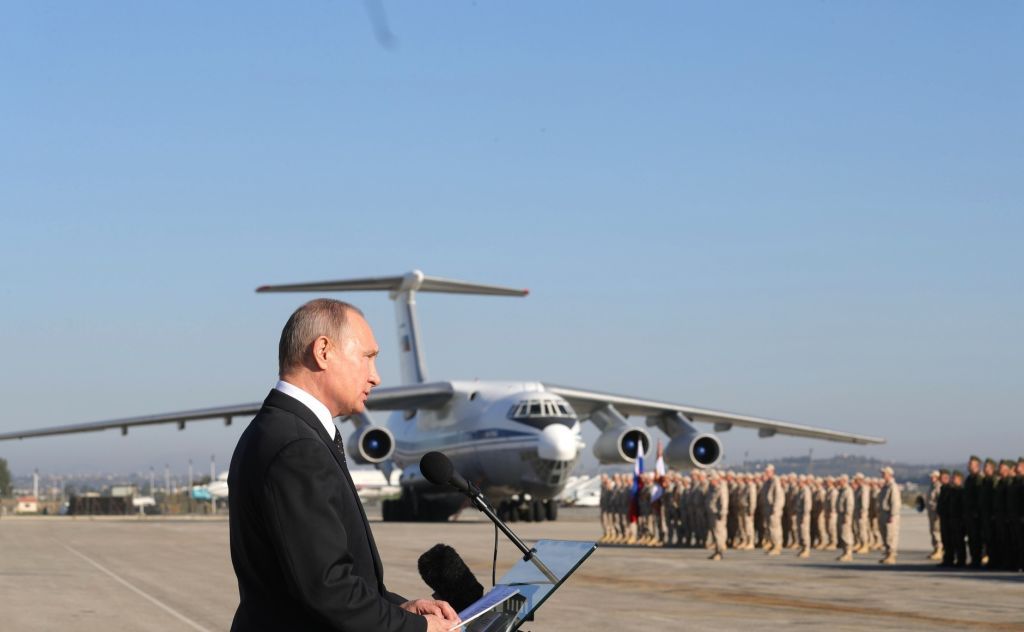
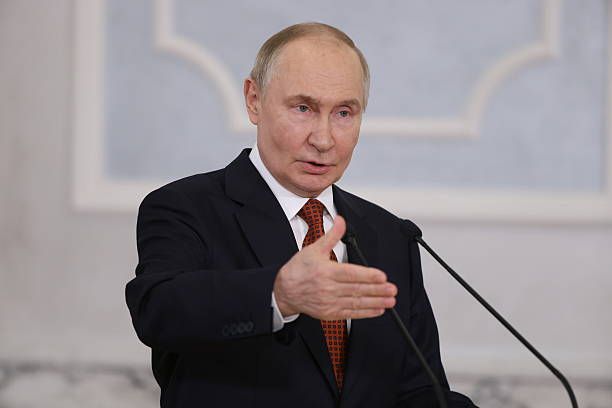
Russian President Vladimir Putin claimed on June 27 that Moscow plans to cut its military expenditure beginning next year, in a rebuke of NATO members' plans to increase defense spending to 5% of GDP.
Putin's claims will likely be met with harsh skepticism from Western officials as Russia's military spending has continued to increase throughout its ongoing invasion of Ukraine.
The Kyiv Independent cannot verify claims made by Putin. The Russian president did not provide any specifics as to how Moscow plans to cut military spending, but added there has yet to be an agreement between ministries.
"We are planning to reduce defence spending. For us, next year and the year after, over the next three-year period, we are planning for this," Putin told reporters during a visit to Belarus. "Europe is thinking about how to increase its spending, on the contrary. So who is preparing for some kind of aggressive actions? Us or them?" Putin continued.
Putin's comments comes as NATO allies are increasingly concerned about Russia's military capabilities, including future threats to alliance members as well as ongoing sabotage efforts.
On June 25, NATO member states agreed to a new defense spending benchmark, committing to allocate 5% of their GDP annually to defense and security-related expenditures by 2035.
The decision comes as NATO allies increasingly believe Russia could rebuild sufficient military capacity to challenge the alliance within five years, with NATO Secretary General Mark Rutte warning that allies must act urgently to prepare for future threats.
"We see Russia's deadly terror from the skies over Ukraine every day. We must be able to defend ourselves from such attacks," Rutte said during a press briefing on June 23. "Our security environment has changed, and not for the better. The threats we face today demand that we do far more," he added.
Various European intelligence agencies as well as officials have increasingly delivered dire warnings about the threat emanating from Russia and Europe's current lack of preparedness. German intelligence chief Bruno Kahl told a parliamentary hearing in October that Russia will have the military capabilities to be able to attack NATO by 2030.
In 2024, Russia’s military spending surpassed the combined defense budgets of all European nations. Russia’s total defense expenditures surged by 42% in real terms amounting to $462 billion, according to the data by the International Institute for Strategic Studies (IISS).
By comparison, total defense spending across Europe, including the U.K. and EU member states, increased by nearly 12% last year to $457 billion, slightly trailing Moscow’s budget.
The Moscow Times reported in December that the Kremlin had spentan unprecedented $43 billion in the third quarter of 2024 alone.
The United States would consider bombing Iran again if the country's nuclear program once again became of concern, U.S. President Donald Trump told reporters during a press briefing on June 27.When asked whether Trump would consider bombing Iran if the country were able to enrich uranium to a concerning level, Trump responded: "Sure. Without question, absolutely."On June 21, the United States conducted strikes on three major Iranian nuclear sites, Fordow, Natanz, and Isfahan, dropping over a doz
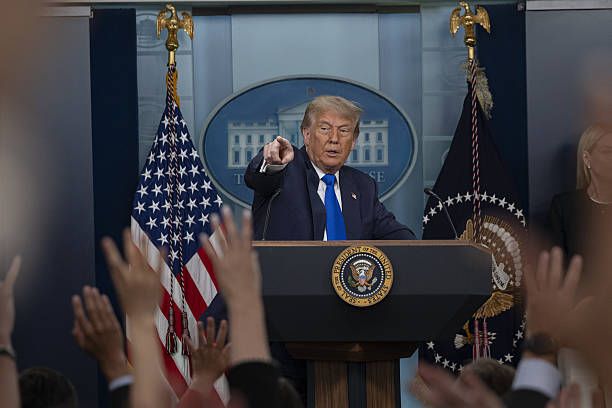
The United States would consider bombing Iran again if the country's nuclear program once again became of concern, U.S. President Donald Trump told reporters during a press briefing on June 27.
When asked whether Trump would consider bombing Iran if the country were able to enrich uranium to a concerning level, Trump responded: "Sure. Without question, absolutely."
On June 21, the United States conductedstrikes on three major Iranian nuclear sites, Fordow, Natanz, and Isfahan, dropping over a dozen bunker buster bombs on the sites and causing significant damage to the country's nuclear program.
"Turned out to be unbelievable," Trump said of the strikes on June 27, despite mixed reports on the success of the strikes.
A leaked U.S. Defense Intelligence Agency (DIA) assessment, reported by CNN, found that the strikes did not destroy the core of Tehran's nuclear program. Instead, the intelligence suggests the attacks likely delayed Iran's progress by "a few months."
Despite the leak, Trump administration officials have rebuffed reports that the strikes did not fully fulfill its object, amid reports of Iran having possibly moved its enriched uranium away from the sites.
"The objective was to eliminate enrichment in Iran… and he achieved that objective," U.S. Special Envoy to the Middle East Steve Witkoff said on June 24, adding that he personally reviewed damage assessments and saw "no doubt" that key nuclear infrastructure was destroyed.
Trump's comments on future attacks comes as Iran's Supreme Leader Ayatollah Ali Khamenei downplayed the success of the strikes, claiming victory over Israel and the United States.
"I SAVED (Khamenei) FROM A VERY UGLY AND IGNOMINIOUS DEATH," Trump wrote on Truth social on June 27, adding that he has halted plans to potentially ease sanctions on Iran. "The sanction are BITING," Trump wrote.
"Iran has to get back into the World Order flow, or things will only get worse for them," he added.
On June 24, Trump announced that a ceasefire between Iran and Israel had come into effect, following the U.S. strikes on Iranian nuclear facilities and a retaliatory Iranian attack on a U.S. military base in Qatar.
Russia is ready to hold a third round of peace talks on the war in Ukraine, Russian President Vladimir Putin told reporters on June 27, without specifying if he would directly participate in the negotiations."In general, we are ready for this (next round of peace talks), we need to coordinate the place and time," Putin said.Putin added that the talks could potentially be held in Istanbul but the details have not yet been worked out. He added that another round of talks may bring peace closer as
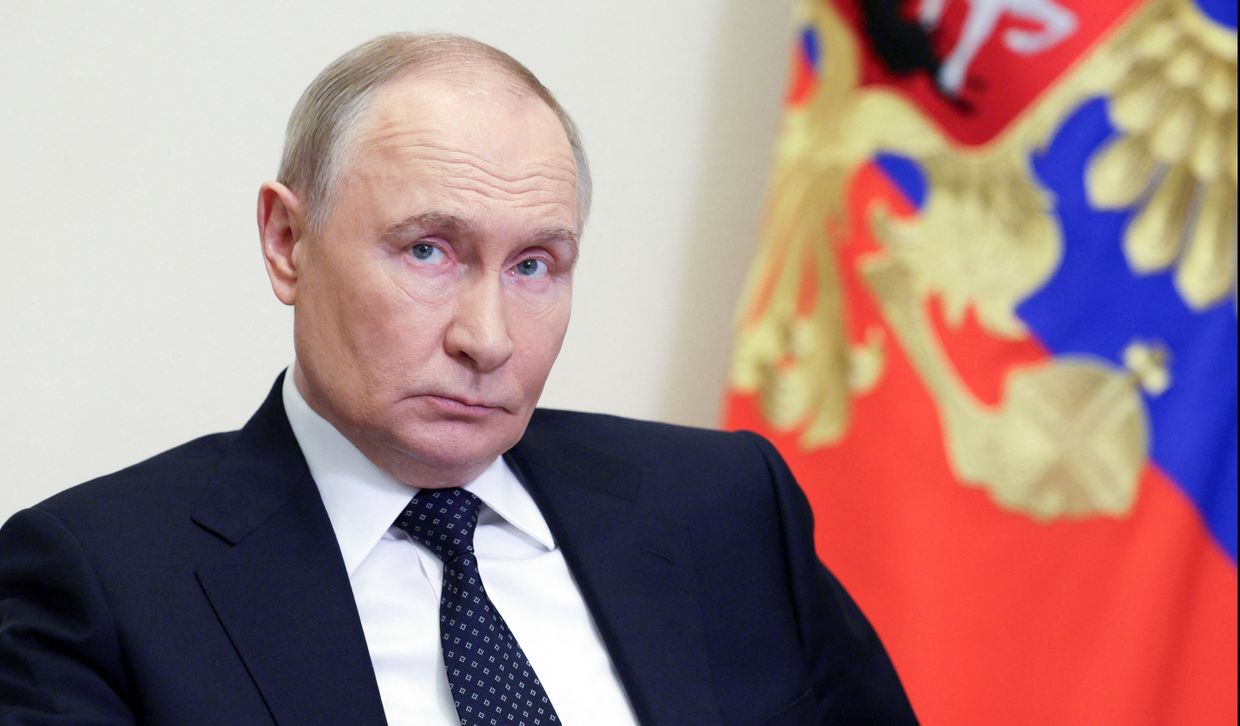
Russia is ready to hold a third round of peace talks on the war in Ukraine, Russian President Vladimir Putin told reporters on June 27, without specifying if he would directly participate in the negotiations.
"In general, we are ready for this (next round of peace talks), we need to coordinate the place and time," Putin said.
Putin added that the talks could potentially be held in Istanbul but the details have not yet been worked out. He added that another round of talks may bring peace closer as the terms for peace outlined in the countries' peace memorandumsremain "absolutely opposite."
The latest peace talks between Russia and Ukraine took place on June 2 in Istanbul, following an earlier meeting on May 16. Despite Ukraine's insistence on a 30-day ceasefire, Russiahas repeatedly rejected the offer, proposing only a temporary 2–3-day truce in limited areas to retrieve the bodies of fallen soldiers.
While no agreement on a comprehensive ceasefire has been reached, talks have led to a few major prisoner exchanges, including a 1,000-for-1,000 swap that took place in late May and a follow-up deal for up to 1,200 prisoners from each side.
Defense Minister Rustem Umerov said during a press briefing on June 26 that it was Ukraine's goal to organize a direct meeting between President Volodymyr Zelensky and Putin during the next round of negotiation.
In previous rounds, Putin had failed to show in-person sending lower-level officials to the meeting instead — despite Zelensky's willingness for in-person talks as well pressure from the United States.
On June 26, Turkish President Recep Tayyip Erdogan said Ankara is workingto organize a meeting between Zelensky and Putin, with U.S. President Donald Trump potentially joining the talks.
Putin said on June 27 that it was "quite possible" that a meeting between himself and the U.S. president could take place. "We will be happy to prepare it," he briefly added.
Zelensky and Trump met during the NATO summit on June 25, where the two leaders discussed battlefield developments, Kyiv's need for additionalair defense systems, and the potential for co-production of drones.
Zelensky has previously voiced openness to a trilateral meeting. On May 27, he told public broadcaster Suspilne that he was ready to sit down with both Trump and Putin.
Turkey previously hosted direct peace talks in March 2022 and has remained one of the few countries with open lines to both Kyiv and Moscow.
Deputy Prime Minister Oleksii Chernyshov returned to Ukraine on June 22 following his official trip abroad amid media speculations connecting Chernyshov's absence to an ongoing corruption investigation.Chernyshov, who announced his return in a Facebook post, has been the subject of controversy in recent days after law enforcement agencies unveiled a corruption scheme involving two officials from the now-dissolved Communities and Territories Development Ministry, which was headed by Chernyshov.Su
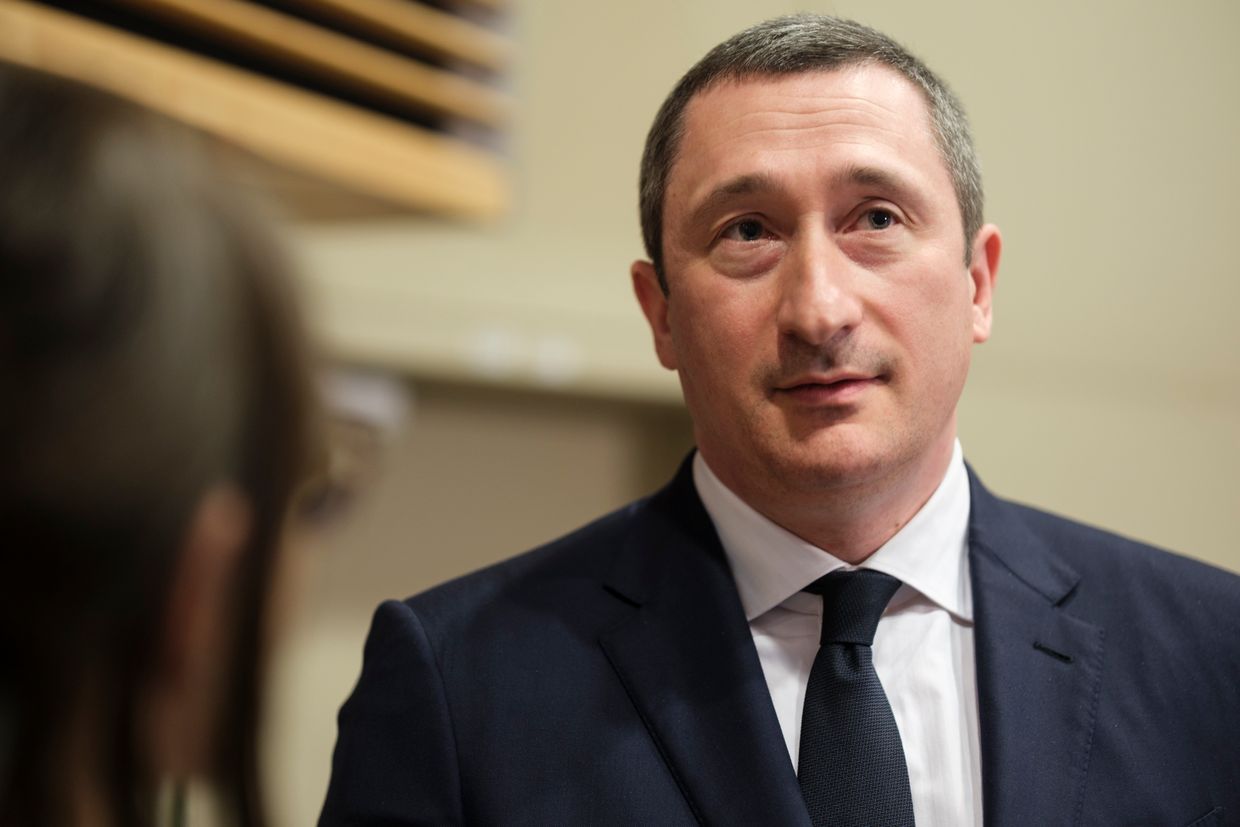
Deputy Prime Minister Oleksii Chernyshov returned to Ukraine on June 22 following his official trip abroad amid media speculations connecting Chernyshov's absence to an ongoing corruption investigation.
Chernyshov, who announced his return in a Facebook post, has been the subject of controversy in recent days after law enforcement agencies unveiled a corruption scheme involving two officials from the now-dissolved Communities and Territories Development Ministry, which was headed by Chernyshov.
Suspicions about Chernyshov, who heads the new National Unity Ministry focused on relations with refugees and the Ukrainian diaspora, arose when the deputy prime minister did not attend a Kyiv forum he himself organized in person but joined online from abroad.
Chernyshov unexpected work trip to Vienna, announced on June 16, came just three days after law enforcement officials revealed the scheme, leaving Prime Minister Denys Shmyhal to answer questions in parliament about Chernyshov's trip. The National Unity Ministry said that foreign trips are a regular part of Chernyshov's work.
Ukrainska Pravda reported, citing its sources, that Chernyshov's son and wife had also Ukraine following Chernyshov's most recent trip. It was not immediately clear whether they had returned to the country.
"Finally home. A difficult but very important business trip (which, thanks to some media outlets, became unexpectedly popular) is now over," Chernyshov said in a Facebook post.
Chernyshov added that he will be returning to work within the Cabinet of Ministers starting on June 23.
"We’ll also break down the smear campaign fact by fact. The truth always prevails," he added, referring to the ongoing police matter.
According to Ukrainska Pravda, Chernyshov and two of his associates came under investigation last year over suspicions that they received kickbacks from Serhii Kopystira, the head of the KSM Group, for illicitly transferring a plot of land for real estate development between 2021 and 2022.
Four sources in anti-corruption agencies told Ukrainska Pravda that despite the investigation, no police searches were conducted at the time, as they were blocked by the head of the National Anti-Corruption Bureau, Semen Kryvonos, who has a long-standing relationship with Chernyshov.
After the dissolution of the Communities and Territories Development Ministry at the end of 2022, Chernyshov was appointed the head of the state-owned energy company Naftogaz. In 2024, the official was tasked with leading the new National Unity Ministry — a position that often involved travel abroad — while also being named deputy prime minister.
The other two people connected to the case — Maksym Horbatiuk and Vasyl Volodin — were reportedly detained last week as the investigation began moving forward.
President Volodymyr Zelensky previously commented on Chernyshov's presence abroad amid questions from media.
"What Shmyhal told me is that he’s on a business trip. He had two tasks from me, from the government, from all of us: the first — to open hubs in different countries, and the second — multiple citizenship. As far as I understand, he is working on both of these," Zelensky was quoted as saying.
The Kyiv Independent could not verify all the claims presented through the media investigation.
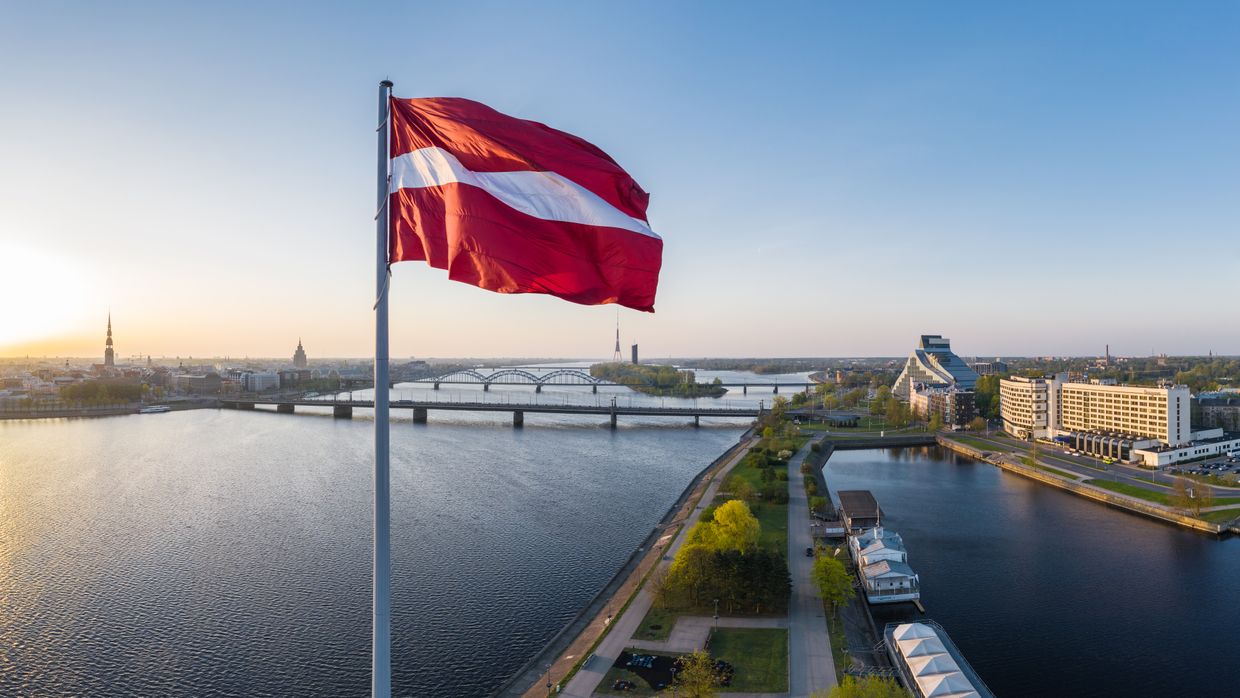
Latvia's parliament adopted a bill on June 19 that prohibits citizens of Russia and Belarus from purchasing real estate in the country, Latvian media reported.The bill — which carves out exceptions for EU and Latvian permanent residence holders, Belarusian refugees, and repatriates — establishes the new restrictions under the pretenses of protecting the country's national security. In addition to citizens, the bill prohibits entities that are at least 25% owned by Russian or Belarusian nationals
Latvia's parliament adopted a bill on June 19 that prohibits citizens of Russia and Belarus from purchasing real estate in the country, Latvian media reported.
The bill — which carves out exceptions for EU and Latvian permanent residence holders, Belarusian refugees, and repatriates — establishes the new restrictions under the pretenses of protecting the country's national security.
In addition to citizens, the bill prohibits entities that are at least 25% owned by Russian or Belarusian nationals from purchasing property.
"This is a step to limit the influence and presence in Latvia of persons and companies that are adverse to the country,” said Agnese Krasta, an Estonian member of parliament and one of the authors of the initiative.
Latvia, which borders both Russia and Estonia, is widely viewed as one of the most likely targets for a future Russian attack on NATO or the European Union. As the war in Ukraine continues to rage on, Latvia has taken action to increase civil preparedness measures and has drafted plans to relocate a quarter of its population in the case of war.
EU intelligence and security agencies have warned of mounting Russian sabotage operations, including several arson attacks believed to have been coordinated by Moscow.
Latvia joins Finland in imposing a ban on Russians from buying, as Baltic and Nordic countries continue to impose restrictions on Russia over its aggression in the region.
In September 2022, Latvia imposed entry restrictions on Russian citizens as part of a jointagreement with Lithuania, Estonia, and Poland.
Since the start of Russia's full-scale invasion in 2022, Latvia has been one of Ukraine's most vocal backers.
The Baltic state ranks among Europe's top defense spenders, allocating over 3% of GDP to defense in 2025, according to NATO estimates.
Editor's note: This is a developing story and is being updated.Russian forces struck residential buildings in Odesa overnight on June 20, killing a civilian and injuring at least 14 others, including three emergency workers, the Prosecutor General's Office reported.The attack, which the service described as "massive," rang out around 1 a.m. local time. The attack drones struck over 10 targets, including seven residential buildings, and led to multiple large-scale fires. At the site of one of the
Editor's note: This is a developing story and is being updated.
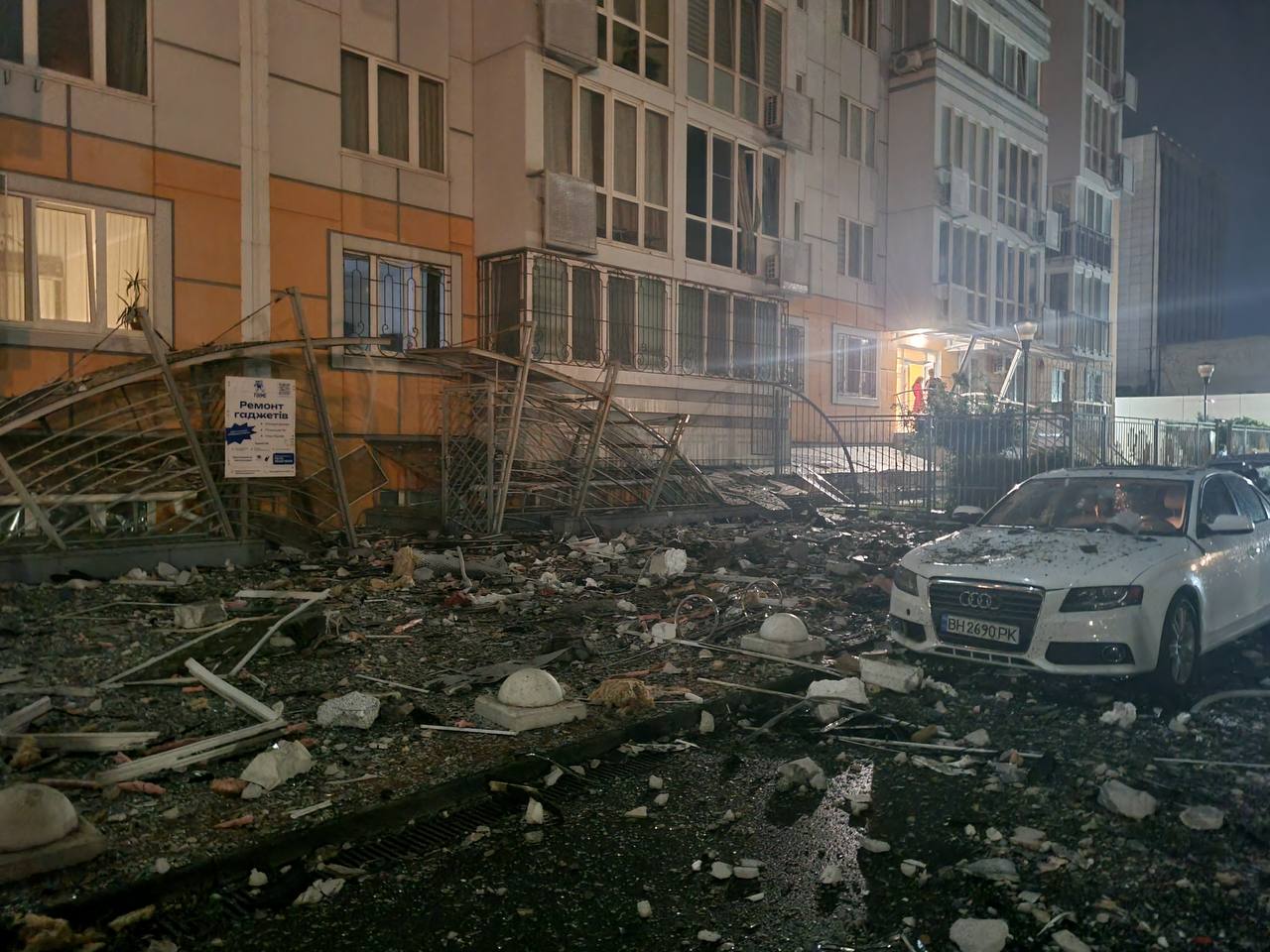
Russian forces struck residential buildings in Odesa overnight on June 20, killing a civilian and injuring at least 14 others, including three emergency workers, the Prosecutor General's Office reported.
The attack, which the service described as "massive," rang out around 1 a.m. local time. The attack drones struck over 10 targets, including seven residential buildings, and led to multiple large-scale fires.
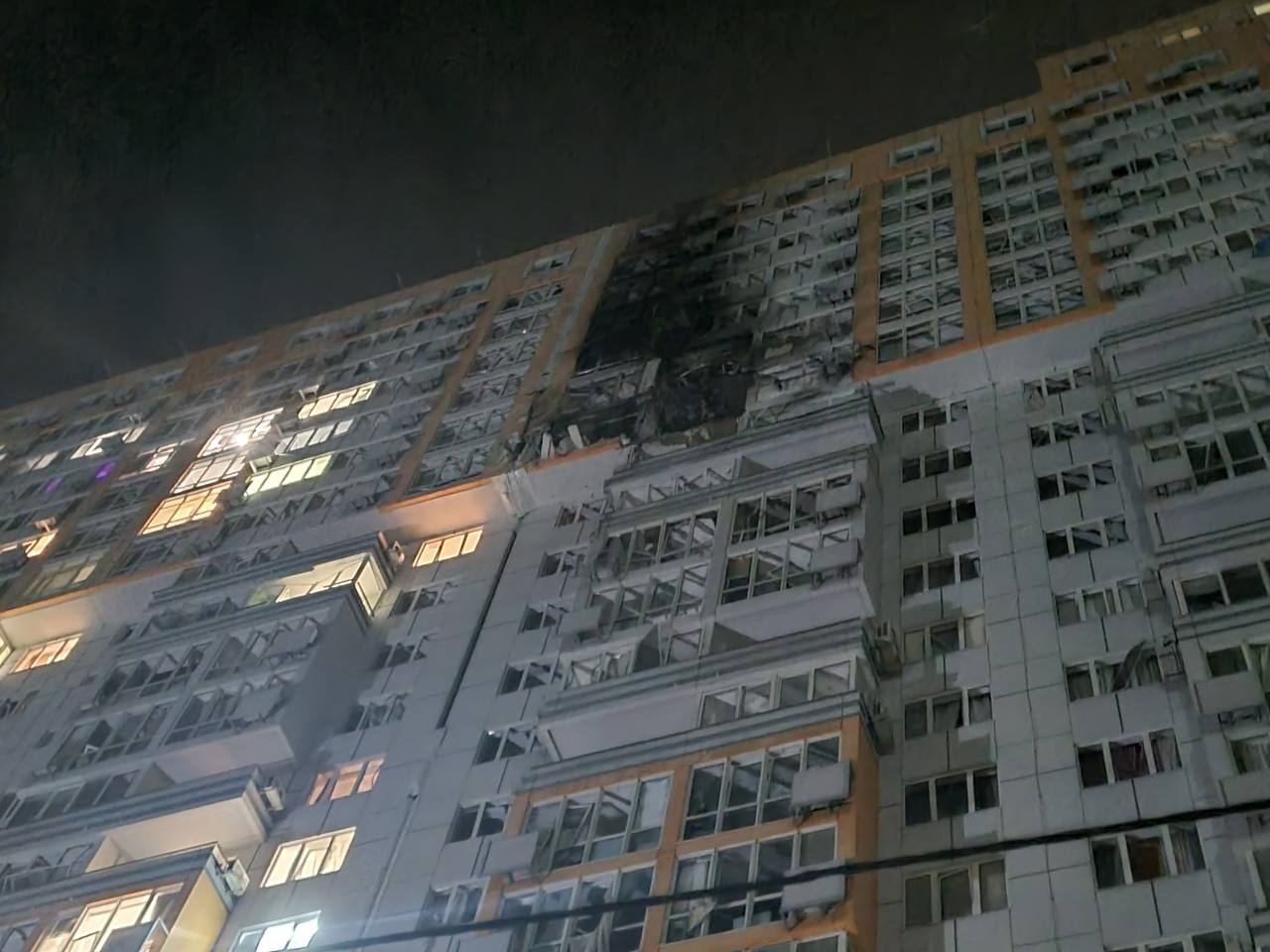
At the site of one of the attacks, a 23-story residential building caught fire between the 18th and 20th floors, and led to the evacuation of over 600 people.
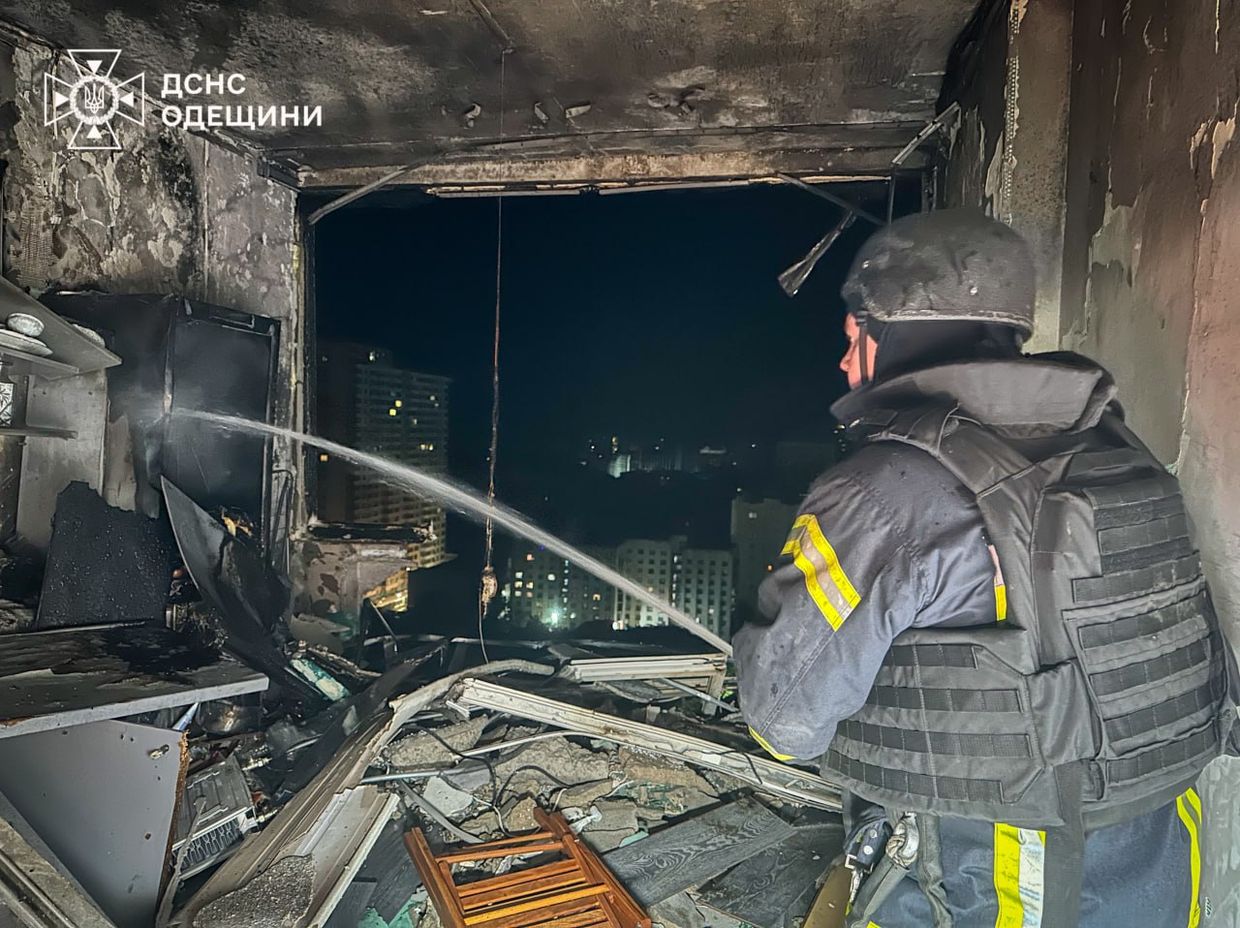
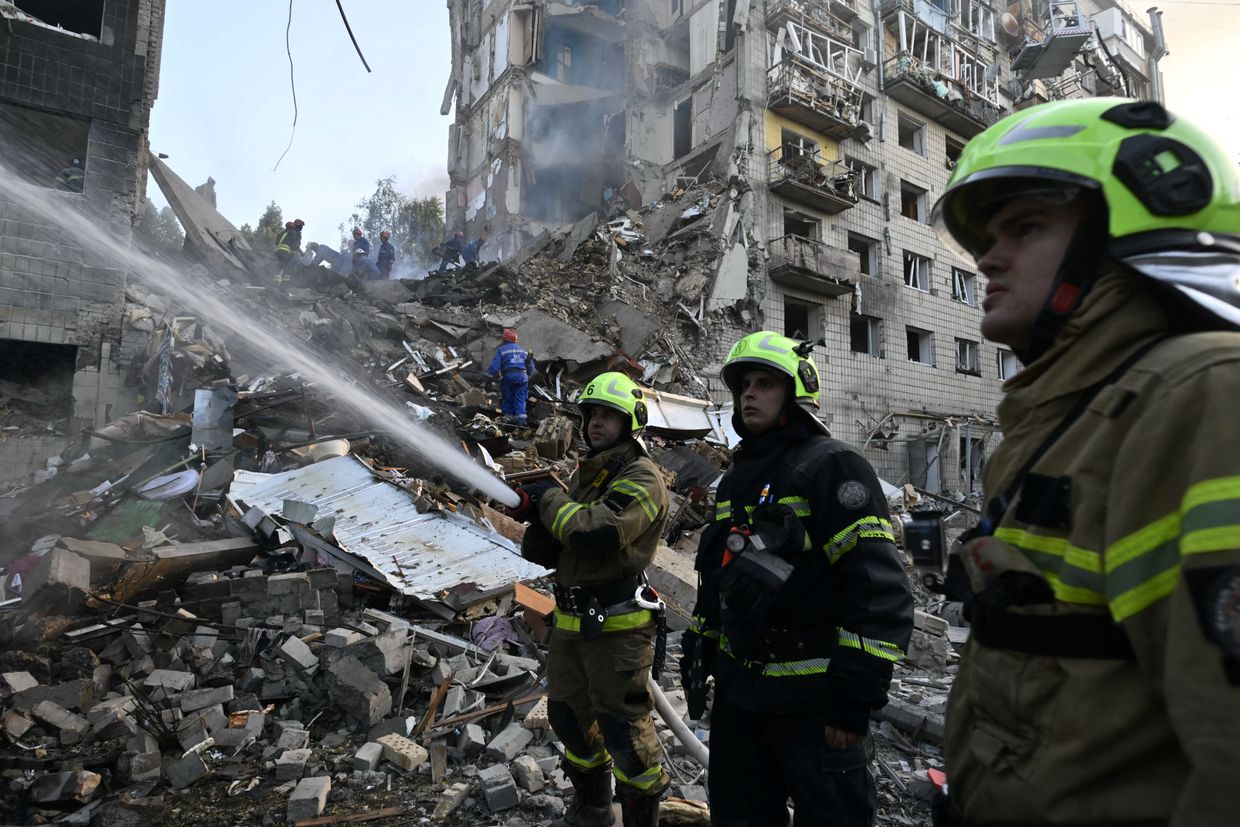
In a separate attack on a four-story building within the city, three firefighters were injured when structural elements collapsed on the responders. The building is described as being "completely engulfed in flames," according to the State Emergency Service.
The three injured firefighters are currently hospitalized in stable condition. Additional information on the attacks, as well as casualties, is being clarified as search efforts under rubble and debris continue.
Firefighters extinguish a fire at a residential building in Odesa on June 20, 2025 following a Russian drone attack that injured at least 13 people, including three firefighters. (Ukraine State Emergency Service/Telegram)
The aftermath of a Russian drone attack on a residential building in Odesa on June 20, 2025. The attacks on the city injured at least 13 people, including three firefighters. (Odesa Oblast Governor Oleh Kiper/Telegram)
In addition to the buildings, Odesa's main train station also had infrastructure damaged as a result of the drone attack, Ukraine's railway agency Ukrzaliznytsia reported.
Odesa, a port city on Ukraine’s Black Sea coast with a population of around 1 million, has been a frequent target of Russian attacks throughout the full-scale war.
"The overhead contact line and the rail and sleeper grid were affected," the agency wrote in a statement, adding that no injuries had been reported.
On June 10, a missile and drone attack on Odesa killed two people and injured eight.
Russia has continued to increase the frequency and severity of its attacks on Ukrainian cities, while rejecting a ceasefire in Ukraine. Overnight on June 17, Russia launched one of its largest attacks on Kyiv since the start of full-scale war in February 2022, killing 30 people and injuring 172 others.
The European Commission has proposed that Ukraine join the European Union's mobile roaming area starting January 1, 2026, providing Ukrainian users the ability to make phone calls, texts, and use mobile data in the bloc's 27 countries at no extra charge. "We want Ukrainian citizens to stay connected to their loved ones across the EU, as well as in their home country. That's why we propose that Ukraine join our roaming family," European Commission President Ursula von der Leyen said in a statemen
The European Commission has proposed that Ukraine join the European Union's mobile roaming area starting January 1, 2026, providing Ukrainian users the ability to make phone calls, texts, and use mobile data in the bloc's 27 countries at no extra charge.
"We want Ukrainian citizens to stay connected to their loved ones across the EU, as well as in their home country. That's why we propose that Ukraine join our roaming family," European Commission President Ursula von der Leyen said in a statement.
The proposal, first announced on June 16, will serve as a means of integration into the European Union's "Roam like at Home" provision in affect between all EU nations. The proposed change will impact the over four million Ukrainian refugees living in the EU.
Ukraine's full integration in the roaming provisions will replace voluntary measures that "allowed for roaming without surcharges and affordable international calls for EU and Ukrainian citizens abroad," according to the European Commission. The current measure will extend to December 31, 2025, ahead of the planned integration.
If approved, Ukraine will become the only country outside of the EU to join the bloc's "Roam like at Home" policy.
The move, which awaits European Council approval, comes as Ukraine continues to implement reforms in pursuing membership in the European Union.
Ukraine applied for EU membership at the onset of Russia's full-scale invasion in 2022. The country has made quick progress, achieving candidate status within months, with the initial negotiations formally launching in June 2024.
Since the start of 2025, Ukraine has opened three negotiation clusters under Poland's rotating presidency.
Poland lead the EU Council's presidency until June, and Denmark will take over the role in July. Ukraine aims to open the remaining three negotiation clusters in the second half of 2025 under the Danish chairmanship, the President Volodymyr Zelensky said.
There are six accession negotiation clusters, consisting of several individual chapters. Negotiations prepare a candidate country to become an EU member.
The EU’s Commissioner for Enlargement, Oliver Varhelyi, said that Ukraine could potentially join the bloc by 2029 if it successfully implements necessary reforms.
President Volodymyr Zelensky arrived at the G7 Leaders' Summit in Canada on June 17 ahead of the final day of the G7 Leaders' summit, according to a Kyiv Independent journalist on the ground.Zelensky was greeted by Canadian Prime Minister Mark Carney in Kananaskis, Alberta, where the summit is being held. "We need more from our allies... We are ready for peace negotiations... But for this, we need pressure," the Ukrainian president said. The Ukrainian president was expected to meet U.S. Presiden
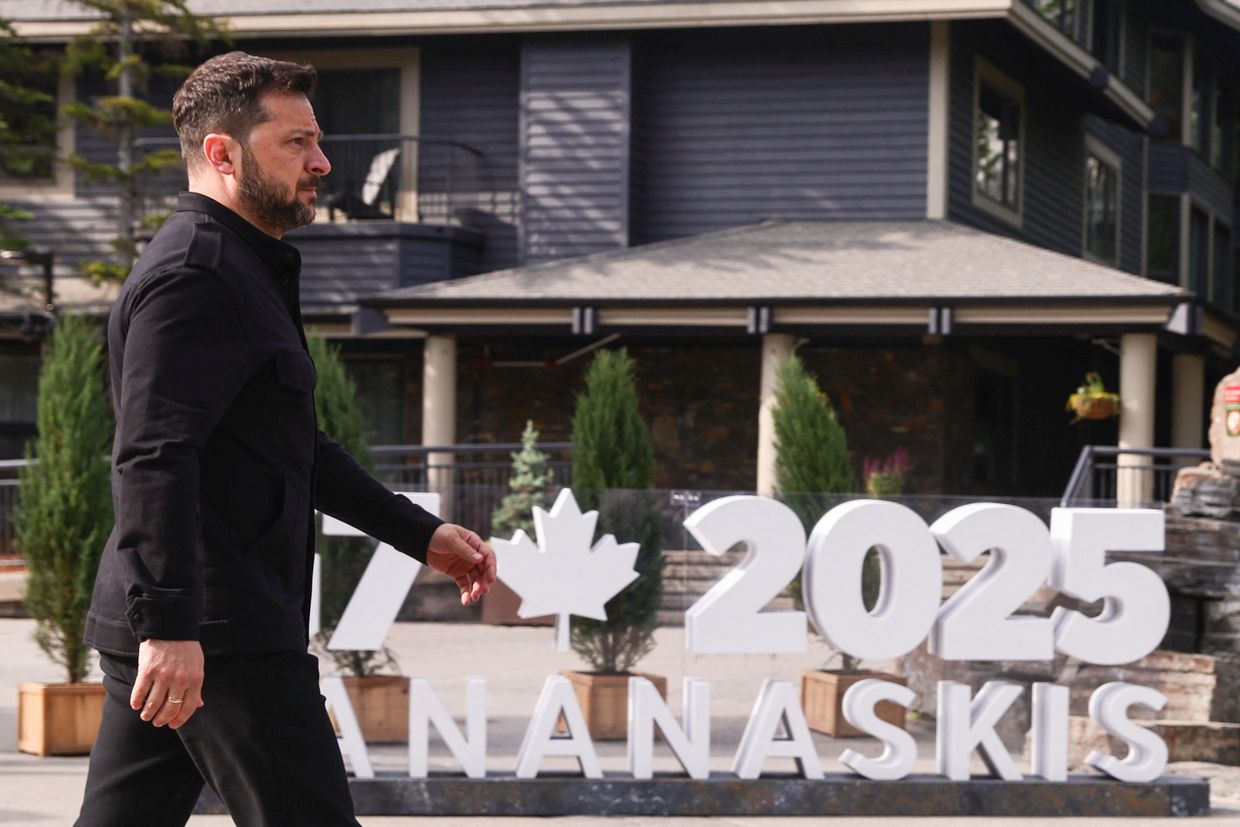
President Volodymyr Zelensky arrived at the G7 Leaders' Summit in Canada on June 17 ahead of the final day of the G7 Leaders' summit, according to a Kyiv Independent journalist on the ground.
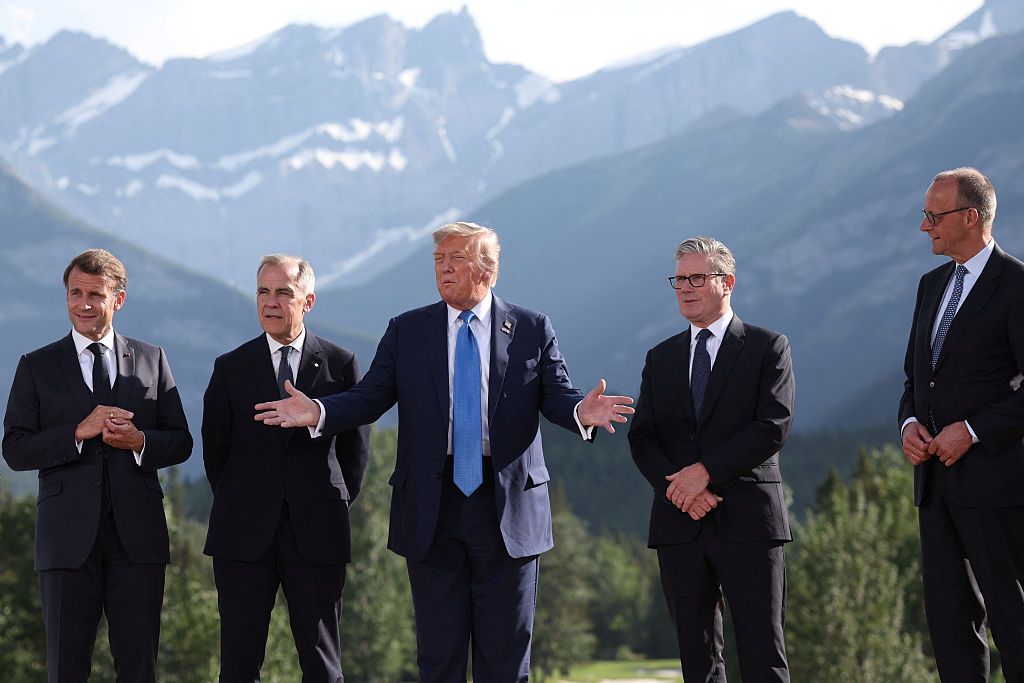
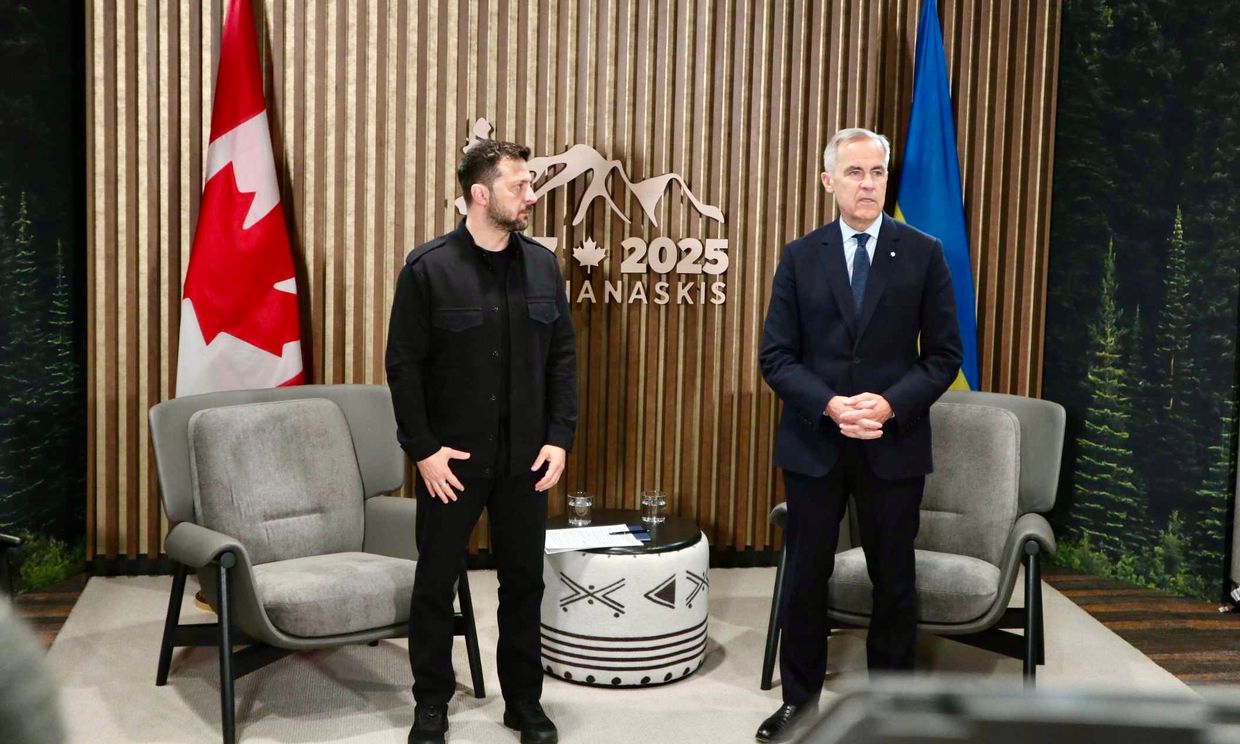
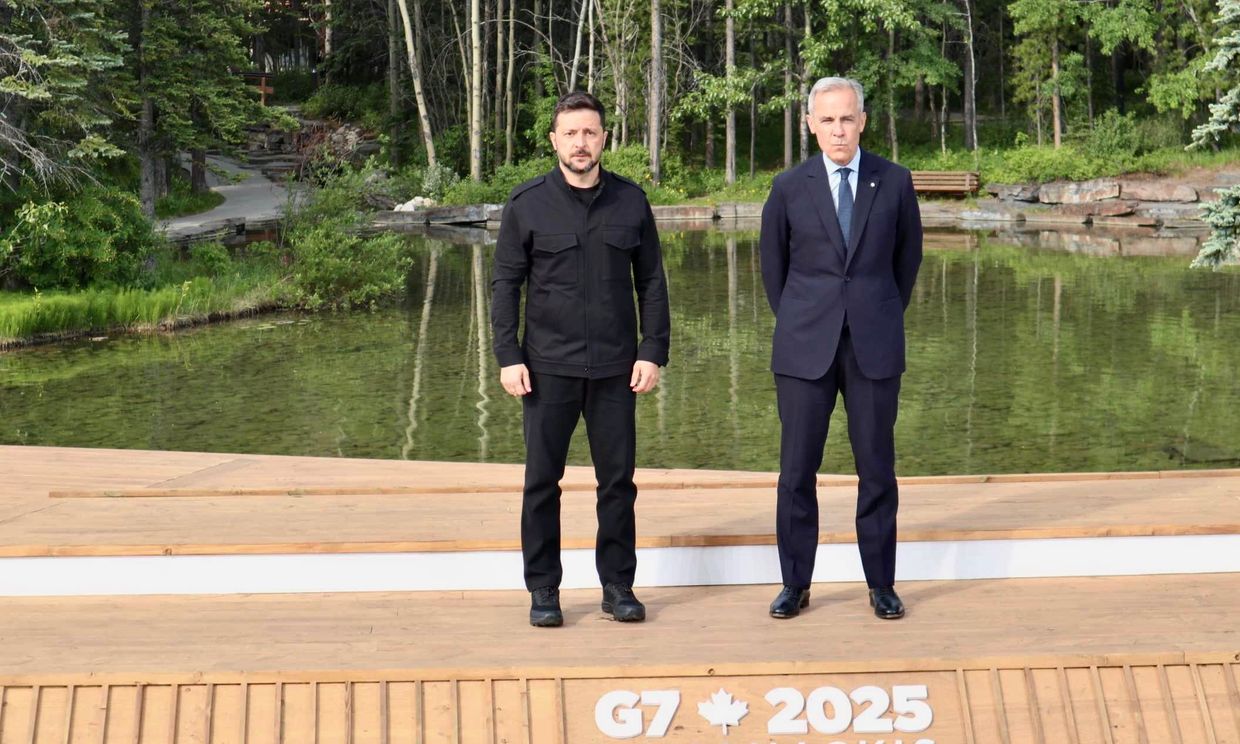
Zelensky was greeted by Canadian Prime Minister Mark Carney in Kananaskis, Alberta, where the summit is being held.
"We need more from our allies... We are ready for peace negotiations... But for this, we need pressure," the Ukrainian president said.
The Ukrainian president was expected to meet U.S. President Donald Trump at the summit. However, it is not clear if the meeting will take place because Trump left the summit early due to escalating tensions in the Middle East.
White House spokesperson Caroline Leavitt confirmed Trump's early departure from the summit, citing the ongoing escalation between Israel and Iran.
The Israeli military launched a large-scale attack on Iran's nuclear and military infrastructure on June 13, which was followed by retaliatory ballistic missile strikes from Tehran. Israel has since struck key defense targets in Tehran, including the headquarters of Iran's Defense Ministry.
Zelensky was to hold his third in-person meeting with Trump, which may signal the future of Trump and Zelensky's relationship, as well as offer insight into the United States' commitment to supporting Ukraine.
In February, Zelensky and Trump held their first meeting, which escalated into a heated argument, with Trump and Vice President JD Vance lambasting the Ukrainian leader over what they described as "a lack of gratitude for U.S. support."
The second meeting between Trump and Zelensky in the Vatican in April led to the U.S. president reiterating calls for a ceasefire in Ukraine and even threatening to impose sanctions on Russia.
In the month since their last in-person meeting, tensions between Trump and Zelensky have risen again. Despite issuing several threats, Trump has not followed through on implementing additional economic pressure on Moscow.
Canadian Prime Minister Mark Carney welcomes President Volodymyr Zelensky during the Group of Seven (G7) Summit in Kananaskis, Alberta, Canada on June 17, 2025. (Dmytro Basmat / The Kyiv Independent)
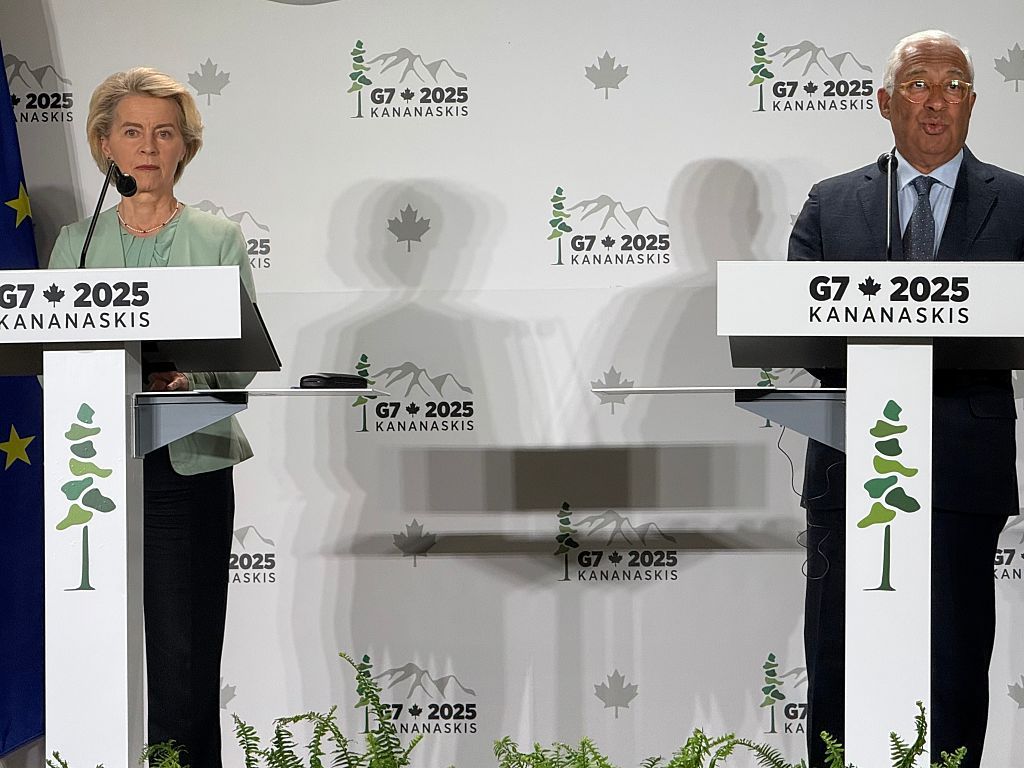
Ahead of the summit, European leaders urged G7 nations to impose harsher sanctions on Moscow in order to secure a ceasefire in the war against Ukraine.
"To achieve peace through strength, we must put more pressure on Russia to secure a real ceasefire, to bring Russia to the negotiating table, and to end this war. Sanctions are critical to that end," European Commission President Ursula von der Leyen said on June 15 at a press briefing attended by a Kyiv Independent journalist.
Zelensky is still expected to attend the scheduled meetings with other G7 leaders.
Zelensky said in a closed-door meeting attended by the Kyiv Independent on June 13 that his priority is to speak with Trump about sanctions against Russia, peace talks, weapons purchases, and U.S.-Ukraine economic cooperation.
"There are steps forward we can take — but we need the political will of the U.S. president, if he wants," Zelensky said on June 13.
Amid increased anxiety around Trump's commitment to ending the war, U.S. Defense Secretary Pete Hegseth recently announced that the Pentagon would reduce funding allocated for military assistance to Ukraine in its 2026 defense budget.
Canada, which holds the G7 presidency in 2025, invited Zelensky to participate in summit, marking the Ukrainian president’s fourth G7 meeting since the outbreak of the full-scale invasion in 2022.
Editor's note: This is a breaking story and is being updated.U.S. President Donald Trump departed the G7 Leaders' Summit late on June 16, ahead of an anticipated high-stakes meeting with President Volodymyr Zelensky on June 17. White House Press Secretary Karoline Leavitt said that the departure comes as Trump is set to attend to "important matters.""Because of what’s going on in the Middle East, President Trump will be leaving tonight after dinner with Heads of State," Leavitt wrote on X."I hav
Editor's note: This is a breaking story and is being updated.
U.S. President Donald Trump departed the G7 Leaders' Summit late on June 16, ahead of an anticipated high-stakes meeting with President Volodymyr Zelensky on June 17.
White House Press Secretary Karoline Leavitt said that the departure comes as Trump is set to attend to "important matters."
"Because of what’s going on in the Middle East, President Trump will be leaving tonight after dinner with Heads of State," Leavitt wrote on X.
"I have to be back as soon as I can... because of what's going on in the Middle East" Trump told reporters.
"I have to be back early for obvious reasons," Trump said, without further elaborating.
In a post on Truth Social, Trump warned ahead of the departure that "Everyone should immediately evacuate Tehran!"
It was not immediately clear as to whether Trump will return for the final day of the summit on June 17.
Zelensky is expected to participate in previously planned G7 events as scheduled.
Zelensky was expected to meet with Trump on the sidelines of the G7 summit on June 17, marking their third in-person meeting since the American president took office in January. The proposed meeting was set to serve as an inflection point for Zelensky as pressure mounts on Trump from Western allies.
"Both teams are working to ensure we meet," Zelensky said on June 14 during a closed-door briefing attended by the Kyiv Independent.
U.S. President Donald Trump arrived in Canada for the Group of Seven (G7) Leaders' Summit late on June 15, according to a Kyiv Independent journalist on the ground. Trump's arrival comes ahead of his expected high-stakes meeting with President Volodymyr Zelensky on June 17 in Kananaskis, Alberta.Canada, which holds the G7 presidency in 2025, invited Zelensky to participate in the 3-day summit, which will mark Zelensky's fourth G7 Leaders' Summit since the outbreak of the full-scale invasion in 2
U.S. President Donald Trump arrived in Canada for the Group of Seven (G7) Leaders' Summit late on June 15, according to a Kyiv Independent journalist on the ground.
Trump's arrival comes ahead of his expected high-stakes meeting with President Volodymyr Zelensky on June 17 in Kananaskis, Alberta.
Canada, which holds the G7 presidency in 2025, invited Zelensky to participate in the 3-day summit, which will mark Zelensky's fourth G7 Leaders' Summit since the outbreak of the full-scale invasion in 2022.
After a disastrous first in-person meeting between the two leaders in the Oval Office in February — during which Trump and Vice President JD Vance lambasted Zelensky over what they described as "a lack of gratitude for U.S. support" — a second meeting in the Vaticanled to Trump reiterating calls for a Russian ceasefire and even threatening to impose sanctions on Russia.
In the month since their last in-person meeting, tensions between Trump and Zelensky have risen again. Despite issuing several threats, Trump has not followed through on implementing additional economic pressure on Moscow.
Zelensky said in a closed-door meeting attended by the Kyiv Independent on June 13 that his priority is to speak with Trump about sanctions against Russia, peace talks, weapons purchases, and U.S.-Ukraine economic cooperation.
The anticipated third meeting could signal the future of Trump and Zelensky's relationship, as well as offer insight into the United States' commitment to supporting Ukraine.
Amid increased anxiety around Trump's commitment to ending the war, U.S. Defense Secretary Pete Hegseth recently announced that the Pentagon will reduce funding allocated for military assistance to Ukraine in its 2026 defense budget.
On June 12, Zelensky decried Washington's lack of urgency around sanctions, suggesting that Russia is "lying to Trump." He said that Russian President Vladimir Putin's strategy is to maintain the illusion of dialogue without ever committing to a ceasefire.
"There are steps forward we can take — but we need the political will of the U.S. president, if he wants," Zelensky said on June 13.
Ukraine’s domestically developed short-range Sapsan ballistic missile has successfully completed combat testing and is in the process of serial production, Ukrainian media reported on June 13.The missile, with a payload of 480 kg, completed testing in May after successfully striking a Russian military target at a range of nearly 300 km, Valentyn Badrak, head of the an independent Ukrainian think Center for Army, Conversion and Disarmament Studies told Liga.net.Ukraine's Defense Ministry reported
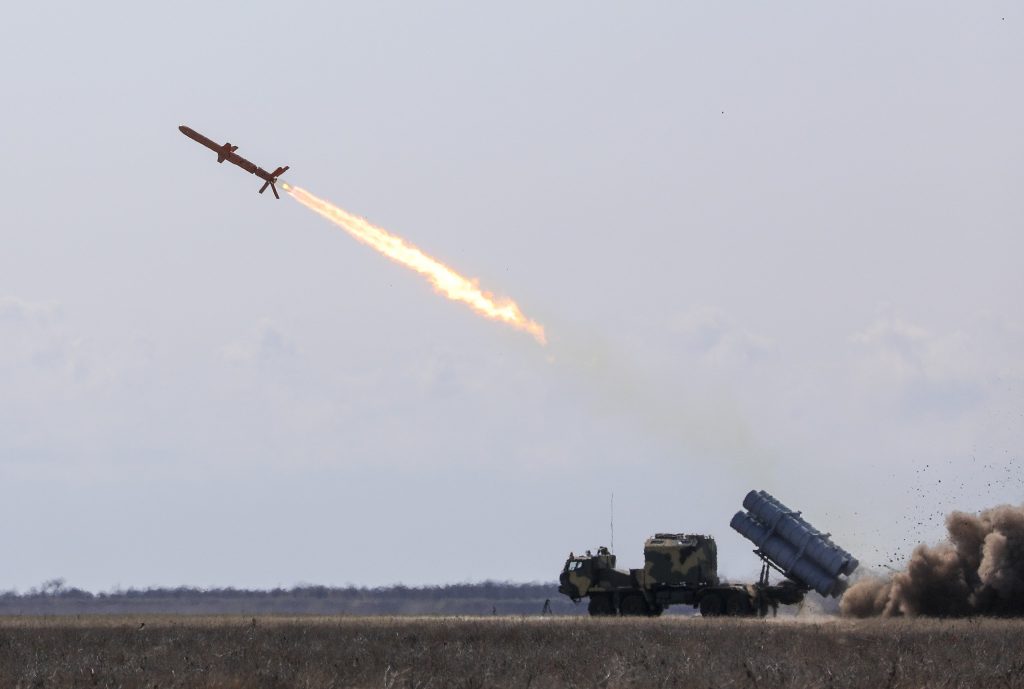
Ukraine’s domestically developed short-range Sapsan ballistic missile has successfully completed combat testing and is in the process of serial production, Ukrainian media reported on June 13.
The missile, with a payload of 480 kg, completed testing in May after successfully striking a Russian military target at a range of nearly 300 km, Valentyn Badrak, head of the an independent Ukrainian think Center for Army, Conversion and Disarmament Studies told Liga.net.
Ukraine's Defense Ministry reportedly dedicated a department to formulate and test the missile.
There is no reported timeline as to when the missiles can be seen in regular use on the battlefield.
Domestically produced long-range weapons are of key importance to Ukraine's defense strategy, as Western partners have been slowin delivering adequate weaponry amid increasing Russian attacks and offensives.
The news comes as U.S. Defense Secretary Pete Hegseth said in a congressional hearing on June 10 that the United States will reduce funding allocated for military assistance to Ukraine in its upcoming defense budget
In November 2024, President Volodymyr Zelensky announced that Ukraine has produced its first 100 missiles.
Since then, Ukraine has continued to increase domestic weapon production. Zelensky said on April 16 that over 40%of the weapons used at the front line are now produced in Ukraine, including over 95% of drones used at front line.
Zelensky also previously revealed that Ukraine had developed another domestic-made weapon, a missile-drone Palianytsia.
As Ukraine attempt to increase its defense production, Russia has continued to unleash large-scale attacks on Ukrainian cities, regularly launching hundreds of drones to overwhelm Ukrainian air defenses.
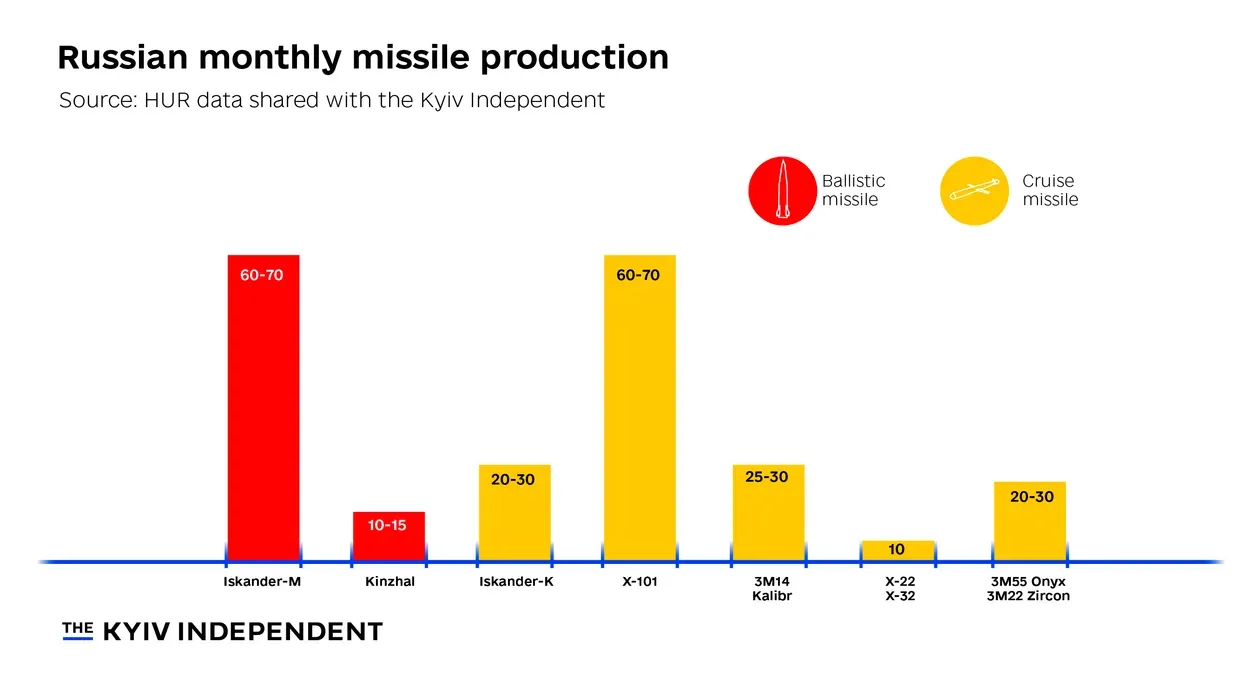
Ukraine's military intelligence (HUR) sharedwith the Kyiv Independent that Russia's production of ballistic missiles has increased by at least 66% over the past year.
Russian monthly missile production (Nizar al-Rifai/The Kyiv Independent)
Ukraine's Defense Minister Rustem Umerov said in late 2024 that Ukraine also resumed and scaled up serial production of Neptune cruise missiles, modifying them to have a greater range.
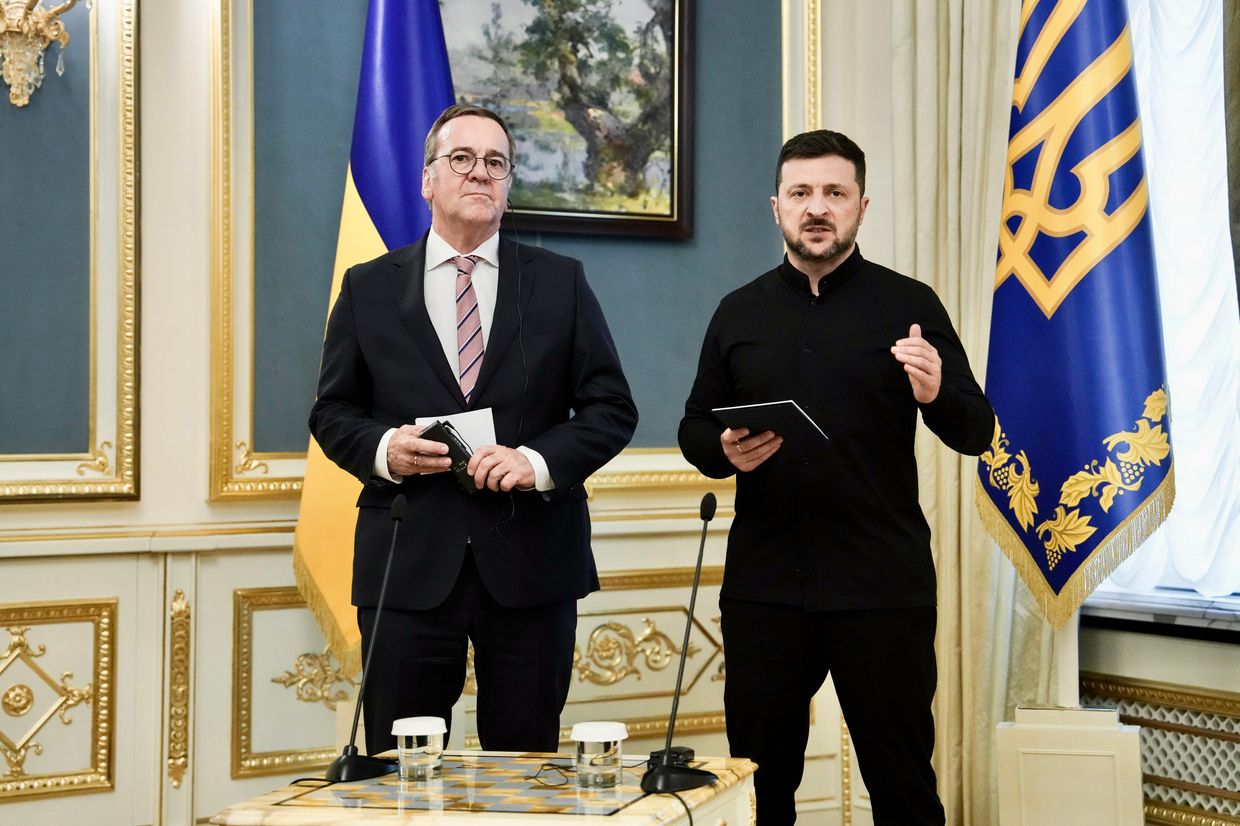
Kyiv has received a number of long-range missiles from partners, such as U.S.-made ATACMS, British Storm Shadow, or French SCALP/T. Despite Ukrainian requests, German Defense Minister Boris Pistorius saidon June 12 that Berlin has no plans to provide Taurus long-range missiles to Kyiv.
Editor's note: This is a developing story and is being updated.A Russian SU-25 fighter jet reportedly crashed over Donetsk Oblast on June 13, Russian social media channels reported. Videos posted on social media of the purported crash by bloggers with close ties to the Russian Air Force appear to show the plane crashing into a field after closely being followed by another fighter jet. The circumstances of the crash remain unclear as rumours swirl of Russian 'friendly fire' as a potential cause o
Editor's note: This is a developing story and is being updated.
A Russian SU-25 fighter jet reportedly crashed over Donetsk Oblast on June 13, Russian social media channels reported.
Videos posted on social media of the purported crash by bloggers with close ties to the Russian Air Force appear to show the plane crashing into a field after closely being followed by another fighter jet. The circumstances of the crash remain unclear as rumours swirl of Russian 'friendly fire' as a potential cause of the crash.
The Kyiv Independent cannot independently verify the crash or the details surrounding it. Neither the Ukrainian nor Russian military have commented on the reported crash.
The Su-25, a Soviet-designed close-air support aircraft developed by Sukhoi in the late 1970s, is built for battlefield survivability. It features heavy armor and can withstand enemy fire.
The aircraft has been widely used in various conflicts, including in Afghanistan, Chechnya, and, more recently, in Ukraine, where both Russian and Ukrainian forces operate the platform.
Ukraine has downed multiple Russian Su-25s throughout the war. On Feb. 8, Ukraine's military reported shooting down a Russian Su-25 near the town of Toretsk in Donetsk Oblast.
In another instance, Russia's Defense Ministry said on on March 24 that Russian Su-25 attack aircraft crashed during a routine training flight in Primorye Krai in Russia's Far East.
The incident comes less than two week following Ukraine's 'Operation Spiderweb' in which Ukrainian drones smuggled deep inside Russia and hidden inside trucks struck as many as 41 Russian heavy bombers at four airfields across the country.
Editor's note: This is a breaking story and is being updated.Iran and Israel continued to exchange attacks on June 14, more than 24 hours after Israel launched its first strikes on Iran's nuclear sites and military leadership.According to recent reports, there are civilian casualties in both countries. In Israel, two people have been killed and more than 40 injured since Iran launched its initial wave of retaliatory strikes. In Iran, more than 70 people have been killed and 329 injured, accordin
Editor's note: This is a breaking story and is being updated.
Iran and Israel continued to exchange attacks on June 14, more than 24 hours after Israel launched its first strikes on Iran's nuclear sites and military leadership.
According to recent reports, there are civilian casualties in both countries. In Israel, two people have been killed and more than 40 injured since Iran launched its initial wave of retaliatory strikes.
In Iran, more than 70 people have been killed and 329 injured, according to the country's United Nations ambassador, Amir Saeid Iravani.
Responding to Israel's preemptive strikes on Iran overnight on June 13, Tehran responded with multiple waves of ballistic missiles, as well as an earlier barrage of drones.
The drone attack followed heavy air strikes launched by Israel against Iran, targeting the country's nuclear program and reportedly killing Hossein Salami, the commander-in-chief of the Islamic Revolutionary Guard Corps (IRGC), and other top officials.
Amid the escalation, Prime Minister Benjamin Netanyahu vowed to respond to the most recent attack.
"More is on the way. The (Iranian) regime does not know what hit them, or what will hit them. It has never been weaker," Netanyahu said in an address.
Clear, dramatic footage captures active missile intercepts over Tel Aviv, including impacts that struck locations downtown. pic.twitter.com/ISxbIQ6CU0
U.S. President Donald Trump said earlier in the day that the U.S. military is on high alert and watching for any kind of retaliation, adding that the U.S. will respond to defend itself or Israel if Iran strikes back.
Before the attacks, Trump emphasized that despite tensions, he is committed to avoiding conflict and prefers a diplomatic solution to Iran's nuclear aspirations. "I want to have an agreement with Iran," Trump said, referring to ongoing Iran-U.S. nuclear talks in Oman.
Iran insists its nuclear program is for peaceful purposes and has expressed willingness to accept limited restrictions in exchange for the lifting of sanctions.
Beyond the Middle East, Iran has emerged as a key ally of Russia in its war against Ukraine, supplying Moscow with drones used in attacks on Ukrainian cities. Iran's Islamic Revolutionary Guard Corps (IRGC) confirmed on June 13 that its aerospace commander, Amir Ali Hajizadeh, who led Iran's Shahed drone supply to Russia, was killed in the strike on June 13.
Just hours after Russia launched its own missile and drone assault on Ukraine, Russian President Vladimir Putin decried the "numerous civilian casualties" in Iran and condemned Israel's actions as violations of the UN Charter and international law.
Following the initial strikes by Israel, Kyiv expressed concern over the security situation in the Middle East after Israeli air strikes against Iran, but stressed that Tehran remains a "source of problems" in the region "and beyond."
Ukraine successfully brought back five children who had been forcibly taken to Russia as well as Russian-occupied territory, Presidential Office head Andriy Yermak announced on June 12.The children have been returned home under the President of Ukraine’s initiative, Bring Kids Back UA, according to Yermak."We are fulfilling the President's mission — to bring back every Ukrainian child," Yermak said in an statement.Since February 2022, at least 20,000 Ukrainian children have been abducted from Ru
Ukraine successfully brought back five children who had been forcibly taken to Russia as well as Russian-occupied territory, Presidential Office head Andriy Yermak announced on June 12.
The children have been returned home under the President of Ukraine’s initiative, Bring Kids Back UA, according to Yermak.
"We are fulfilling the President's mission — to bring back every Ukrainian child," Yermak said in an statement.
Since February 2022, at least 20,000 Ukrainian children have been abducted from Russian-occupied territories and sent to other Russian-controlled areas of Ukraine or to Russia itself, according to a Ukrainian national database, "Children of War." Only 1,359 children have been returned thus far.
Dmytro Lubinets, Ukrainian Parliament’s Commissioner for Human Rights, estimated that Russia has unlawfully deported up to 150,000 Ukrainian children, while the Children’s Ombudswoman, Daria Herasymchuk, puts the figure at 200,000–300,000.
In March 2023, the International Criminal Court (ICC) issued arrest warrants for Russian President Vladimir Putin and Children's Commissioner Maria Lvova-Belova, citing their involvement in the unlawful transfer of Ukrainian children. Russia dismissed the ICC's decision as "outrageous and unacceptable."
Under orders from Putin, children were transported via military aircraft in 2022, reclassified in Russian databases as native-born, and subjected to pro-Russian re-education before being adopted into Russian families. Ukrainian children had been transported to at least 21 regions throughout Russia.
Child abductions have played a key part of U.S.-Russia peace negotiations — all of which Russia has thus far rejected. Ukrainian officials have named their return as a key condition for any future peace agreement with Russia.
President Volodymyr Zelensky said on June 3 that during the Istanbul negotiations, Russian representatives dismissedthe issue of abducted Ukrainian children as a "show for childless European old ladies" and acknowledged deporting several hundred children.
CNN reported on June 11 that the Yale University-based Humanitarian Research Lab, which spearheads the Ukraine Conflict Observatory is preparing to shut down after its funding was terminated by the Trump administration.
A Yale study published on Dec. 3 detailed Russia's systematic program of deporting and forcibly assimilating Ukrainian children.
Russian independent media outlet Mediazona, in collaboration with the BBC Russian service, has confirmed the identities of 111,387 Russian military personnel killed in Ukraine.The publications' latest report covers the period of February 24, 2022 to June 6, 2025. Since it was last updated at the end of May, 1,762 additional Russian military personnel have been confirmed killed.The journalists note that the actual figures are likely significantly higher, as their verified information comes from p
Russian independent media outlet Mediazona, in collaboration with the BBCRussian service, has confirmed the identities of 111,387 Russian military personnel killed in Ukraine.
The publications' latest report covers the period of February 24, 2022 to June 6, 2025. Since it was last updated at the end of May, 1,762 additional Russian military personnel have been confirmed killed.
The journalists note that the actual figures are likely significantly higher, as their verified information comes from public sources such as obituaries, posts by relatives, memorial community tree-plantings, regional media reports, statements from local authorities, among other sources.
The outlet published the complete list of identified casualties for the first time in February, marking three years since Russia launched its full-scale invasion of Ukraine. According to the publication, volunteers manually enter and verify each record to prevent duplicate entries in the database.
The journalists' findings come as Russia surpassed 1 million losses on June 12, marking a symbolic, yet grim milestone in the 3-year-long war. The estimate, which is broadly in-line with estimates made by Western intelligence agencies, likely includes those killed, captured, wounded, and missing.
The confirmed death toll now includes 28,200 volunteers, 17,400 recruited prisoners, and nearly 12,300 mobilized soldiers, according to the media outlets. Over 5,100 officers have also been confirmed to have been killed.
Amid renewed summer offensives in multiple sectors of the front, Russia has steadily gained ground in eastern Ukraine and Kursk Oblast in recent months but at the cost of heavy casualties as well as equipment losses.
Ukraine's Coordination Headquarters for the Treatment of the Prisoners of War (POWs) said on June 12 said that more than 100,000 Russian families have contacted a Ukrainian-run initiative in search of information about missing Russian soldiers.
Moscow does not disclose its casualty figures, though a Defense Ministry official let slip in December that the department received 48,000 requests to identify missing soldiers.