Vue lecture

Israel launches 'preemptive' air strikes on Iran's nuclear program, IRGC chief killed in attack
Israel launches 'preemptive' air strikes on Iran's nuclear program, IRGC chief killed in attack

Editor's note: This is a breaking story and is being updated.

Israeli forces launched "preemptive strikes" on Iran overnight on June 13, targeting Iran's nuclear program, Prime Minister Benjamin Netanyahu said in an overnight address.

Netanyahu said in an overnight address that Israel launched "Operation Rising Lion," which would last for "many days," marking a drastic escalation in conflict in the Middle East.

"We struck at the heart of Iran's nuclear enrichment program... We targeted Iran's main enrichment facility in Natanz. We targeted Iran's leading nuclear scientists working on the Iranian bomb," Netanyahu said.

The strikes killed Hossein Salami, the Commander-in-Chief of Iran’s Islamic Revolutionary Guard Corps (IRGC), multiple Iranian state media outlets reported. Iran’s Supreme Leader Ayatollah Ali Khamenei confirmed that several nuclear scientists and officials had been killed in the attack.

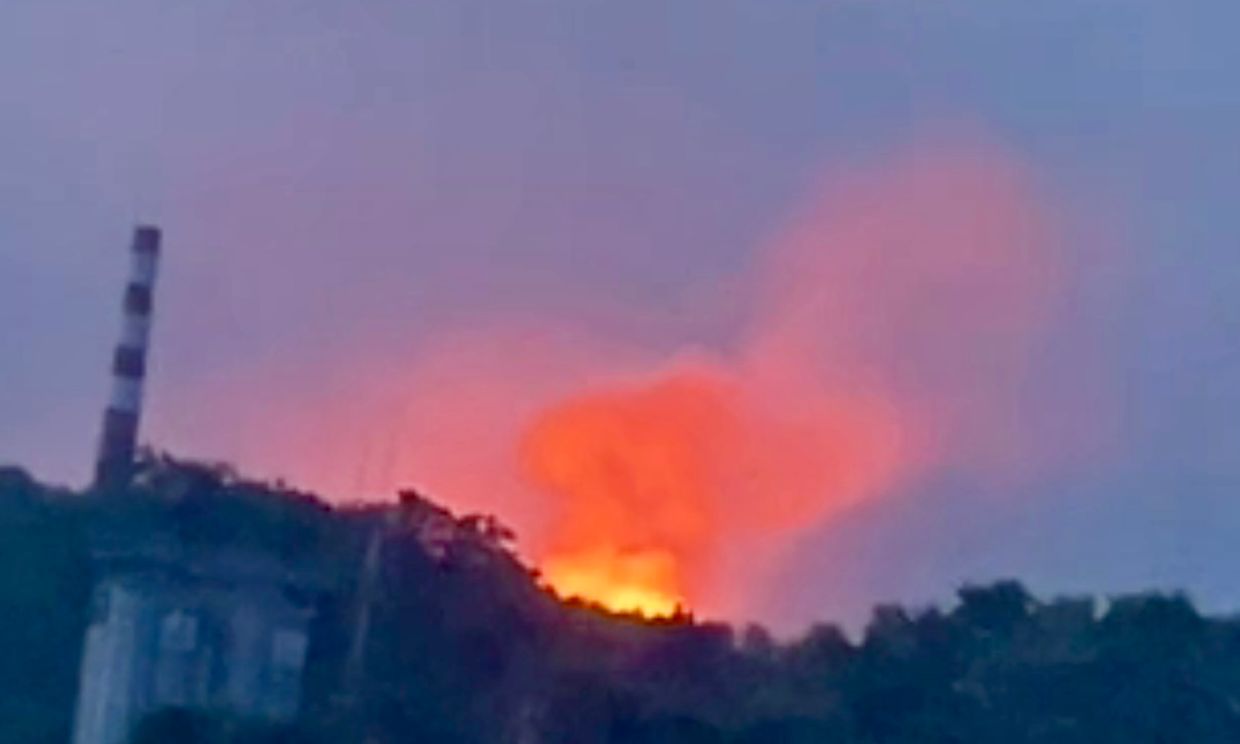
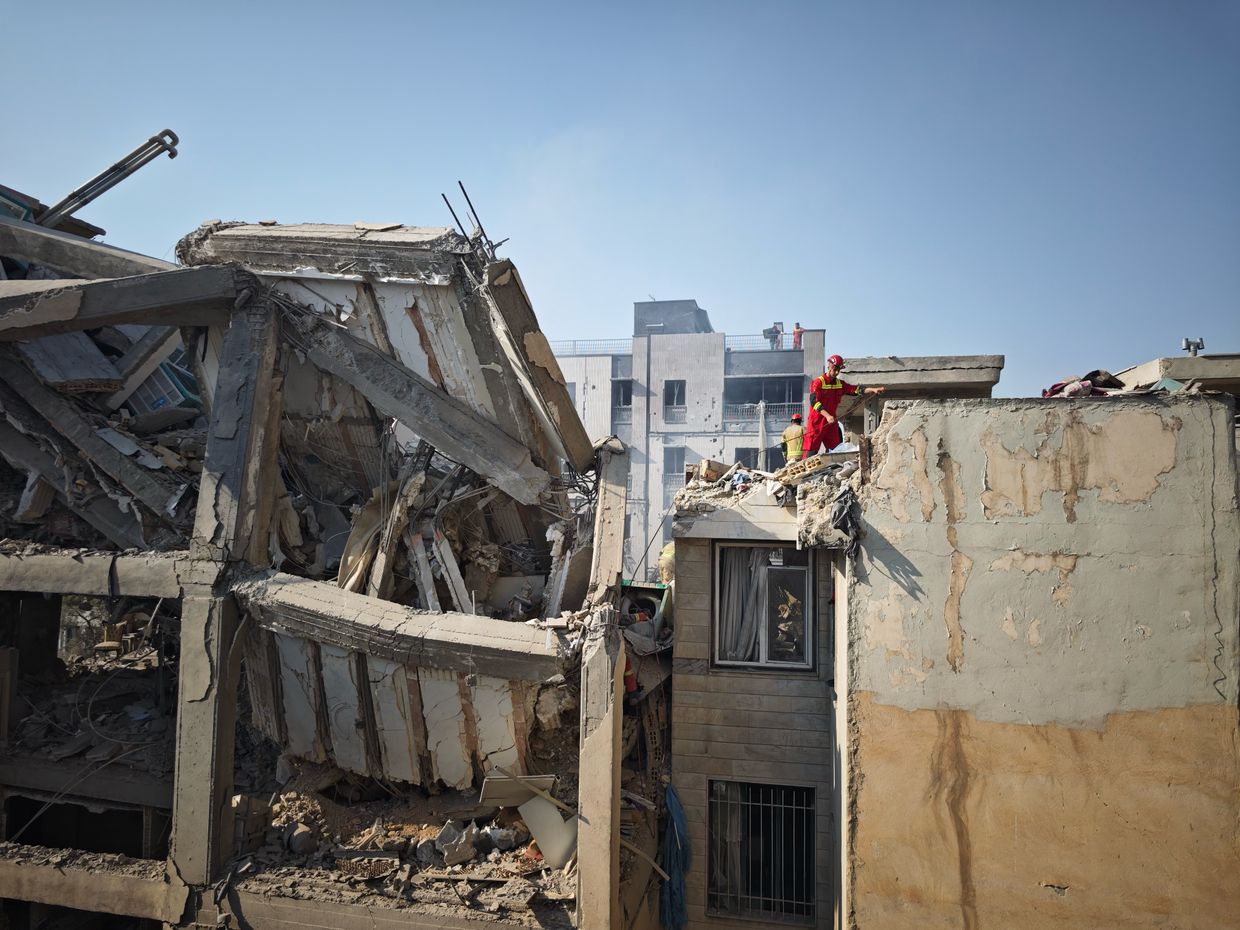
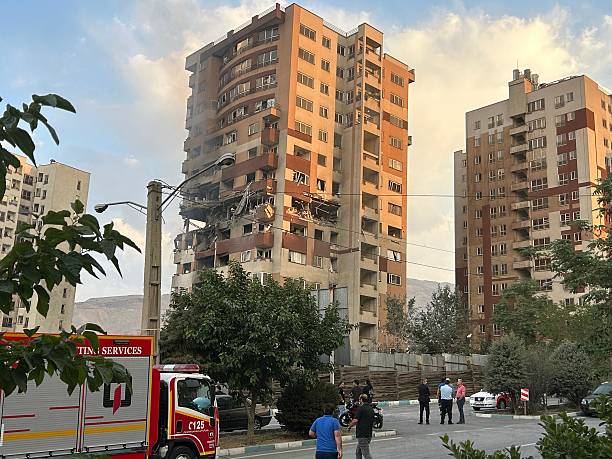
The full extent of the attack was not immediately clear. Multiple explosions were reported in Tehran as videos posted on social media purportedly show fire burning in multiple locations of Tehran.

"Following the State of Israel’s preemptive strike against Iran, a missile and drone attack against the State of Israel and its civilian population is expected in the immediate future" Israeli Defense Minister Israel Katz warned in a statement.
Israel launches 'preemptive' air strikes on Iran's nuclear program, IRGC chief killed in attack
A view of a damaged building in the Iranian capital, Tehran, following an attack by Israel on June 13, 2025. (Ahmet Dursun/Anadolu via Getty Images)

Iran's Supreme Leader vowed to enact "severe punishment" in response to the attack, accusing the United States for "also (being) responsible for the dangerous consequences of this reckless escalation."

In a statement released by the State Department, U.S. Secretary of State Marco Rubio said that the United States was not involved in the strikes on Iran.

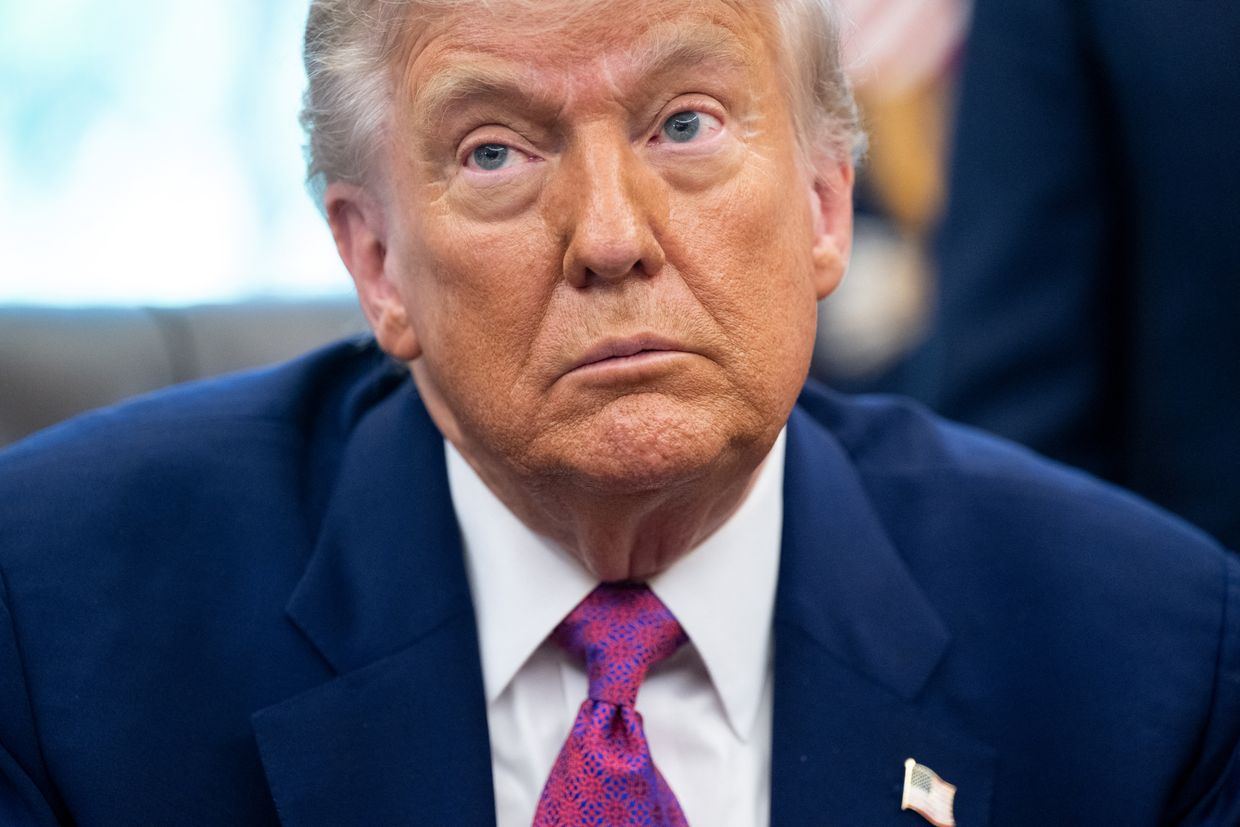
U.S. President Donald Trump, who plans to convene a cabinet meeting in response to the strikes, expressed concerns about escalating tensions between Israel and Iran earlier in the day, warning that a "massive conflict" could erupt in the Middle East.

"Tonight, Israel took unilateral action against Iran. We are not involved in strikes against Iran and our top priority is protecting American forces in the region," Rubio said.

Speaking to reporters at the White House on June 12 ahead of the strikes, Trump warned that an Israeli strike on Iran "could happen" if a nuclear deal is not reached with Iran. Talks between Washington and Tehran were set to resume this weekend on Iran's nuclear program.

Earlier in the day, Trump emphasized that despite tensions, he is committed to avoiding conflict and prefers a diplomatic solution to Iran's nuclear aspirations. "I want to have an agreement with Iran," Trump said, referring to ongoing Iran-US nuclear talks in Oman.  

Writing on Truth Social later in the day, Trump reaffirmed his commitment to a "diplomatic resolution to the Iran nuclear issue," and insisted that his "entire administration has been directed to negotiate with Iran."

Iran insists its nuclear program is for peaceful purposes and has expressed willingness to accept limited restrictions in exchange for the lifting of sanctions.

Coinciding with Trump’s remarks, the International Atomic Energy Agency released a report highlighting Iran’s failure to comply with its obligations to fully disclose activities at its nuclear facilities.

Beyond the Middle East, Iran has emerged as a key ally of Russia in its war against Ukraine, supplying Moscow with drones used in attacks on Ukrainian cities.

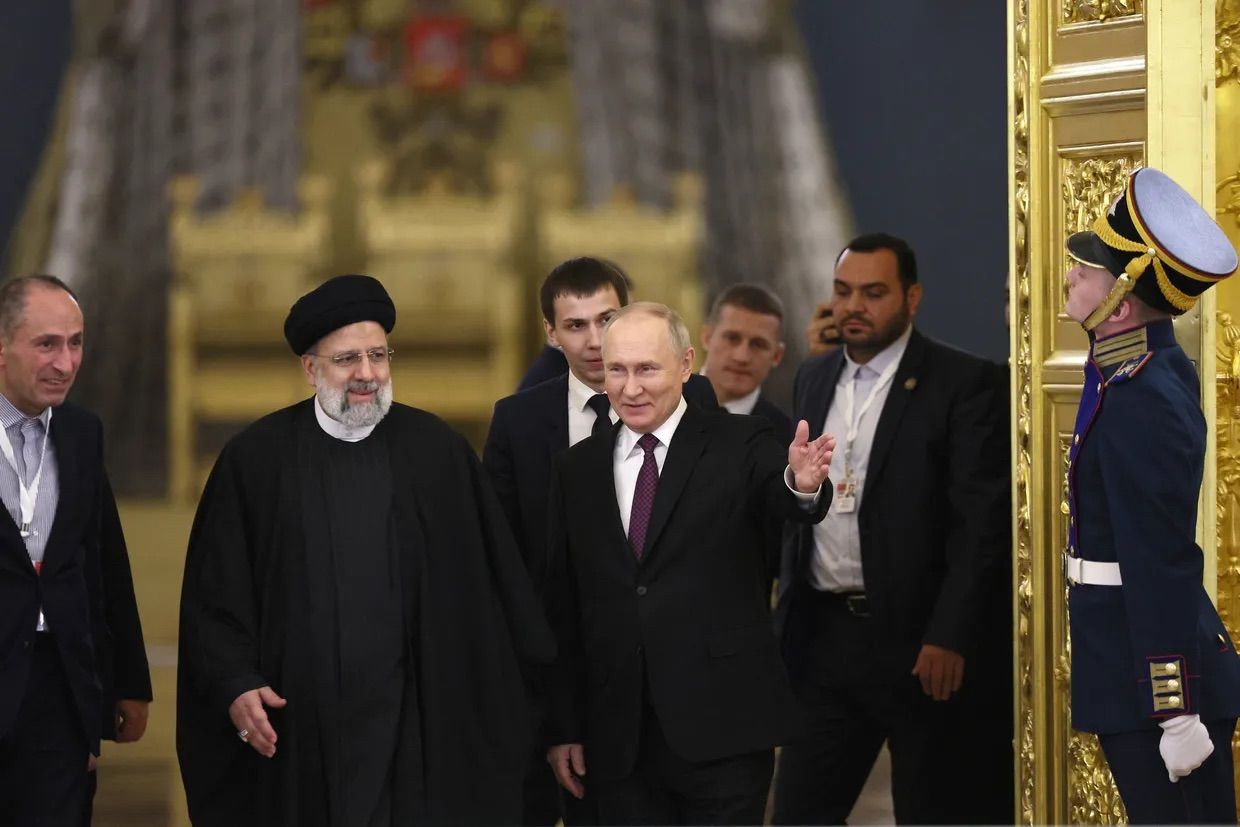
In April 2025, Russian President Vladimir Putin ratified a strategic partnership with Iran, vowing to strengthen bilateral ties and pledging not to support any third party engaged in conflict with the other.

Iran’s parliament ratifies 20-year strategic agreement with Russia
While the pact does not include a mutual defense clause, it outlines commitments for both countries to cooperate against common military threats, enhance military-technical collaboration, and participate in joint military exercises, according to Reuters.
Israel launches 'preemptive' air strikes on Iran's nuclear program, IRGC chief killed in attackThe Kyiv IndependentAnna Fratsyvir
Israel launches 'preemptive' air strikes on Iran's nuclear program, IRGC chief killed in attack
  •  

EU names special envoy for Ukrainian refugees, POLITICO reports

EU names special envoy for Ukrainian refugees, POLITICO reports

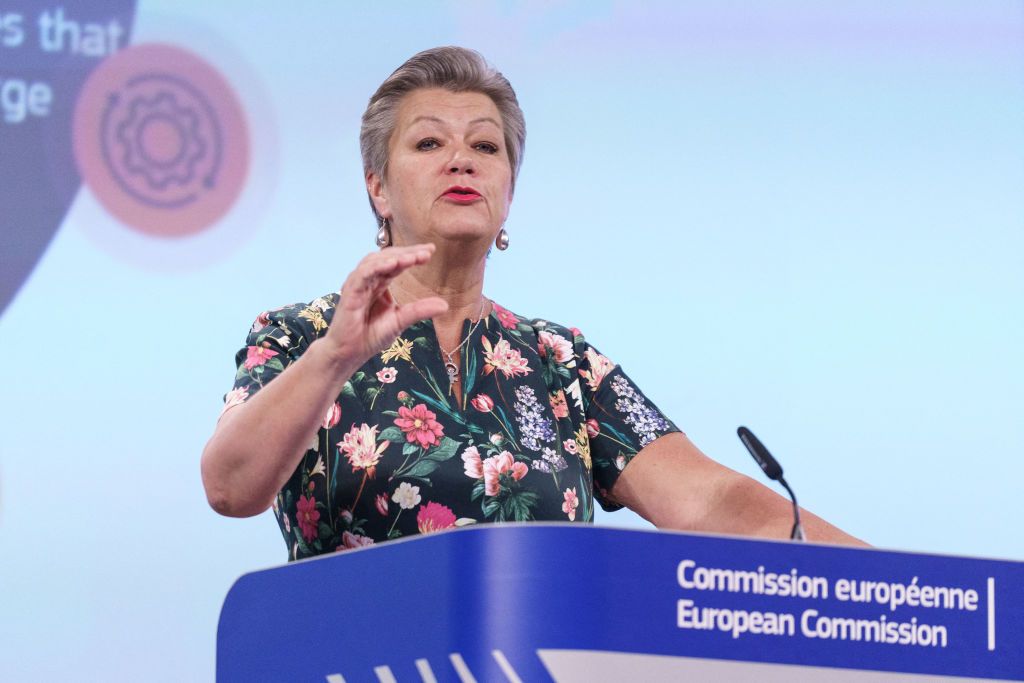
Ylva Johansson, former European Commissioner for Home Affairs, will serve as the European Union's new special envoy for Ukrainians in the bloc, POLITICO reported on June 12.

According to anonymous officials that spoke to POLITICO, Johansson will fill the newly created post, overseeing the Commission's long-term strategy for Ukrainian refugees currently residing in the European Union.

Johansson, a former Swedish minister and European Commission official, previously visited Ukraine on several occasions, including a refugee camp on the border with Romania. She received the Ukrainian order of merit in September 2024.

As special envoy, Johansson will be responsible for EU initiatives focused on helping Ukrainian refugees transition into permanent legal statuses or return home.

As part of these initiatives, the EU will launch "unity hubs" – information centers jointly managed with the Ukrainian government. The hubs will support Ukrainian refugees to integrate with EU host countries or repatriate to Ukraine.

Germany, which has has taken in more than 1 million Ukrainian refugees since the start of the full-scale invasion, recently committed to establishing unity hubs in Berlin. The unity hubs in Berlin will provide Ukrainians with access to educational and career opportunities both in Ukraine and Germany.

The European Commission also recently extended temporary protection Ukrainian refugees who fled to the EU following Russia's invasion of Ukraine.

According to Eurostat, 4.26 million Ukrainians currently hold temporary protection status in the EU as of April 2025.

Germany to supply new Iris-T air defense systems to Ukraine, rules out Taurus missiles
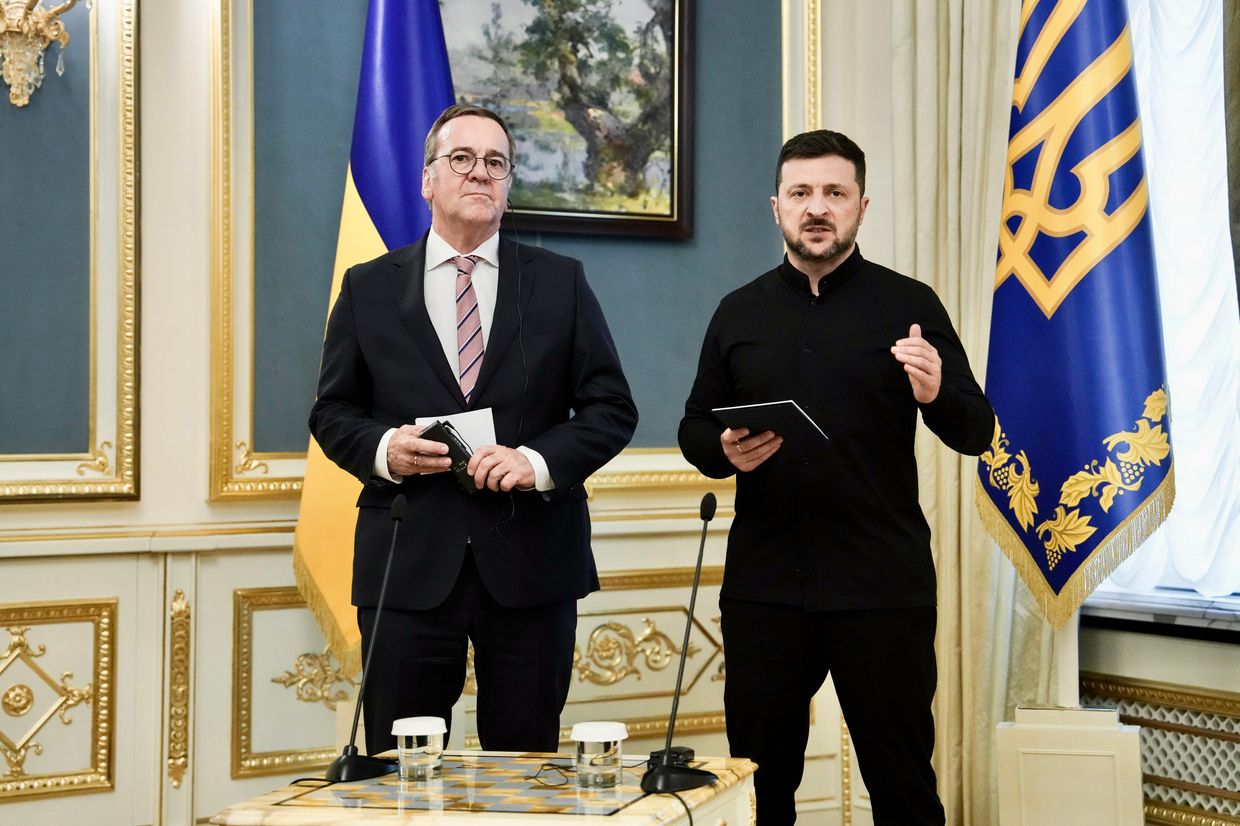
Germany will deliver new IRIS-T air defense systems to Ukraine under a three-year supply plan, President Volodymyr Zelensky said during a joint press conference with German Defense Minister Boris Pistorius, who said Berlin has no plans to provide Taurus long-range missiles.
EU names special envoy for Ukrainian refugees, POLITICO reportsThe Kyiv IndependentTim Zadorozhnyy
EU names special envoy for Ukrainian refugees, POLITICO reports
  •  

Russia's Wagner Group abused civilians in secret prisons in Mali, investigation finds

Russia's Wagner Group abused civilians in secret prisons in Mali, investigation finds

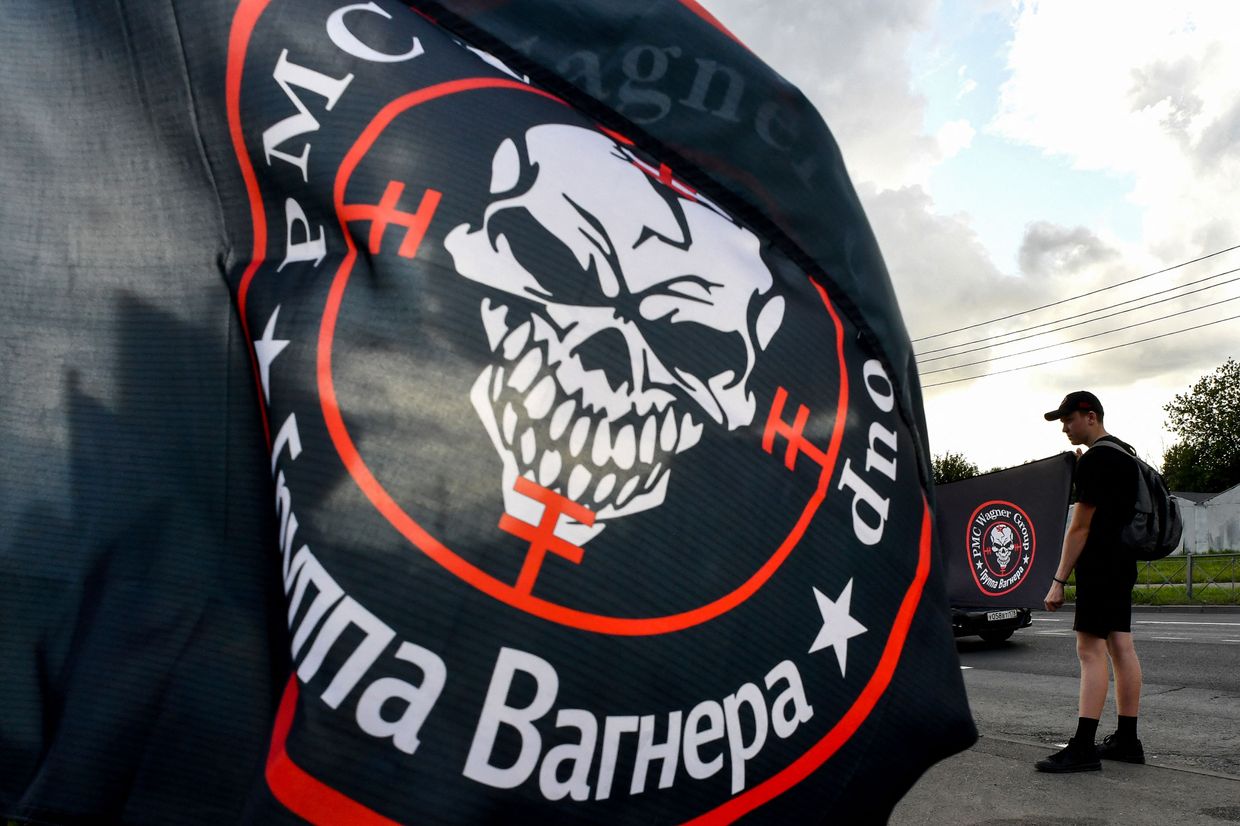
Since 2021, Russian Wagner mercenaries have detained, tortured, and forcibly disappeared hundreds of civilians in secret prisons across Mali, according to a joint investigation published on June 12 by Forbidden Stories, France 24, Le Monde, and IStories.

The investigation found that mercenaries with Russia's Wagner Group, working alongside Malian government forces, had systematically abducted and detained civilians, holding them in prisons at former United Nations bases and military bases across Mali.

Drawing on eyewitness accounts and satellite imagery, the investigation identified six detention centers where Wagner held civilians between 2022 and 2024. The total number of Wagner detention centers in Mali is likely to be much higher.

Prisoners were subjected to systematic torture – including beatings, waterboarding, electric shocks, starvation, and confinement in sweltering metal containers.

The investigation was carried out as part of the Viktoriia project, in memory of Ukrainian journalist Viktoriia Roshchyna, who was captured by Russian forces in 2023 while investigating the illegal detention of civilians in Russian-occupied territories of Ukraine. She was killed in Russian captivity in 2024.

The Russian mercenary group, known for its deployment in Ukraine and short-lived rebellion against the Kremlin in 2023, has a strong presence across the African continent, backing Russian business interests and Moscow-friendly regimes.

The mercenaries have been particularly active in Mali since late 2021 and have been accused of perpetrating war crimes. In December 2024, Human Rights Watch accused Wagner mercenaries and Malian government forces of deliberately killing 32 civilians.

The Wagner Group recently announced its withdrawal from Mali, where it fought alongside Malian government forces to fend off Islamist insurgents. Wagner has been active across the African continent for years and has been previously accused of committing human rights abuses.

Ukraine war latest: Ukraine strikes targets in Russia, including gunpowder plant
Key developments on June 11: * Ukrainian drones strike targets in Russia, including gunpowder plant, General Staff says * Zelensky urges ‘stronger’ EU sanctions on Russia, lower oil price cap * Ukraine repatriates bodies of 1,212 fallen soldiers * Ukraine’s SBU releases fresh video of Operation Spiderweb, teases ‘new surprises’ * NATO summit statement
Russia's Wagner Group abused civilians in secret prisons in Mali, investigation findsThe Kyiv IndependentThe Kyiv Independent news desk
Russia's Wagner Group abused civilians in secret prisons in Mali, investigation finds
  •  

G7 ready to lower Russian oil price cap without US support, Reuters reports

G7 ready to lower Russian oil price cap without US support, Reuters reports

Most Group of Seven (G7) nations are prepared to lower the Russian oil price cap from $60 to $45 a barrel even without support from the United States, Reuters reported on June 12, citing unnamed sources familiar with the matter.

According to Reuters, the European Union and United Kingdom, backed by other European G7 countries and Canada, are ready to lead the charge in lowering the Russian oil price cap – even if U.S. President Donald Trump opts out.

The price cap, which bans Western companies from shipping, insuring, or otherwise servicing Russian oil sold above $60 per barrel, was first introduced in December 2022 as a measure to limit the Kremlin's ability to finance its war against Ukraine.

The G7 had previously attempted to lower the Russian oil price cap; however, the proposal was dropped after U.S. Treasury Secretary Scott Bessent reportedly declined to support it.

It is unclear whether the U.S. will support the decision this time around. Japan's position is also undecided.

Participating country leaders will revisit the price cap discussion at the upcoming G7 summit. Canada, which holds the G7 presidency this year, will host the summit on June 15-17 in Kananaskis County, located in the western province of Alberta.

The summit agenda will include topics such as support for Ukraine in the Russian war, global economic stability, digital transformation, and climate change.

President Volodymyr Zelensky is expected to attend the summit and seek a meeting with U.S. President Donald Trump.

EU could impose Russian oil price cap without US support, Kallas says
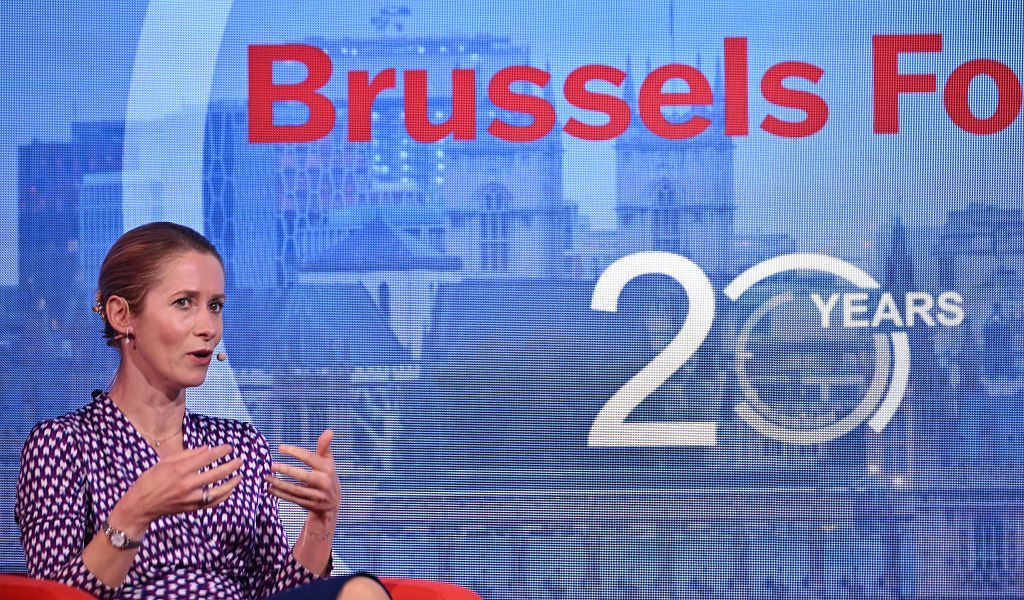
The European Union can impose an additional price cap on Russian oil without U.S. support, EU High Representative Kaja Kallas said at the Brussels Forum on June 11.
G7 ready to lower Russian oil price cap without US support, Reuters reportsThe Kyiv IndependentVolodymyr Ivanyshyn
G7 ready to lower Russian oil price cap without US support, Reuters reports
  •  

Putin announces creation of separate drone branch in Russian military

Putin announces creation of separate drone branch in Russian military

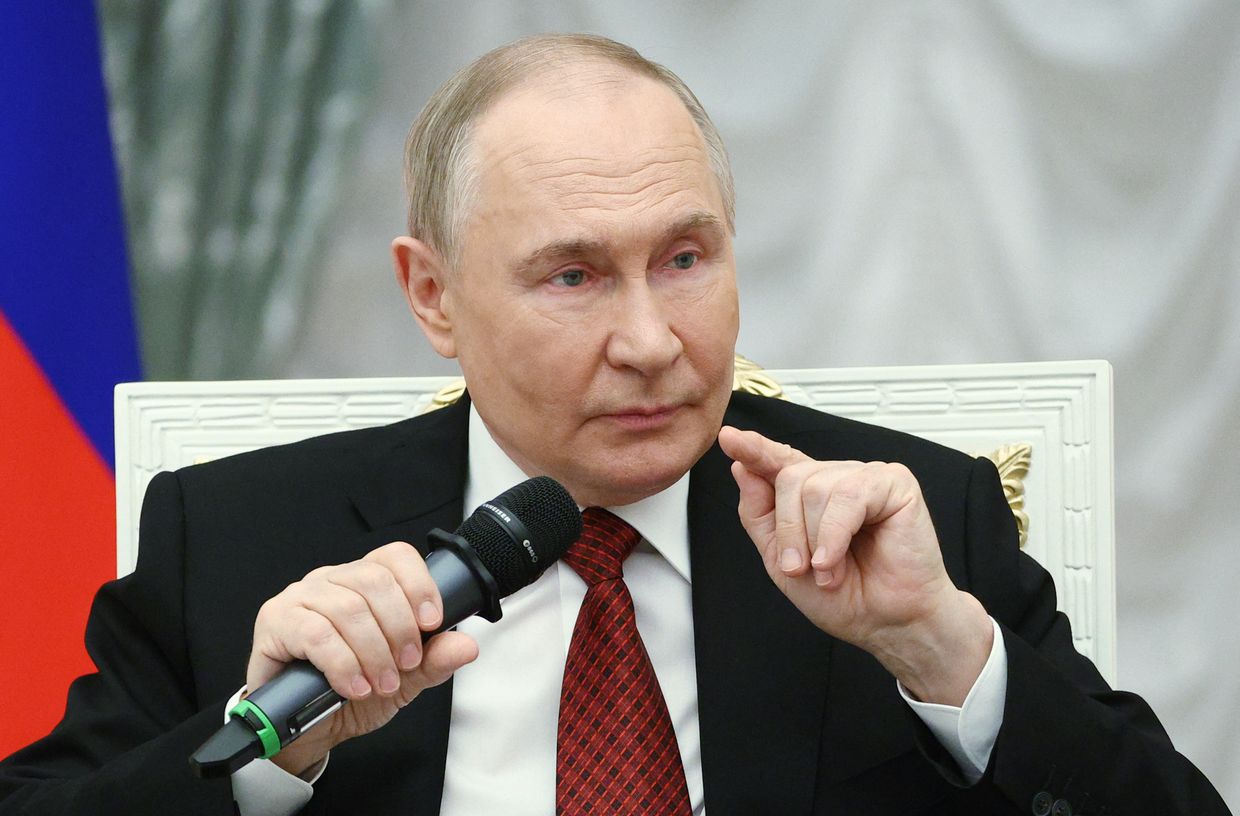
Russia will establish a dedicated military branch for unmanned systems, President Vladimir Putin said on June 12 during a meeting on the state armament program.

"We have accumulated a great deal of experience to create this branch of the armed forces," Putin said, noting the move includes personnel training, manufacturing, and deployment of modern equipment.

The announcement comes as both Russia and Ukraine increasingly use drones for strike missions and surveillance. Unmanned systems have become central to battlefield operations and enabling deep strikes.

Ukraine established its own Unmanned Systems Forces (USF) in June 2024 to formalize and scale its drone-based operations on the battlefield. The USF has since launched hundreds of deep strikes into Russian territory and worked to integrate drone technology across combat units.

Russia, meanwhile, has ramped up drone production over the past year, launching waves of Iranian-designed Shahed-type suicide drones in near-daily attacks on Ukrainian cities.

President Volodymyr Zelensky said on May 27 that Moscow intends to produce up to 500 drones daily, with Russian manufacturers gearing up to manufacture 300-350 drones each day.

Russian drone production has been supported by a steady flow of components from China and a workforce that includes teenagers and foreign laborers from African countries.

The Kremlin's move mirrors Kyiv's earlier military reform and signals Russia's recognition of drones as a critical pillar of modern warfare.

As Russian losses in Ukraine hit 1 million, Putin’s war economy heads toward breaking point
Russian losses in Ukraine hit a massive, and grim milestone on June 12 — 1 million Russian soldiers killed or wounded during the 39-month-long full-scale war, according to figures from Kyiv. Although hugely symbolic, the number is unlikely to prompt a change in tactics from Moscow as it gears up for
Putin announces creation of separate drone branch in Russian militaryThe Kyiv IndependentChris York
Putin announces creation of separate drone branch in Russian military
  •  

Russia exploits medical exemptions to bypass sanctions, Lithuania says

Russia exploits medical exemptions to bypass sanctions, Lithuania says

Russia is exploiting automatic medical exemptions in EU sanctions regulations to import dual-use goods for its military, Lithuania's Deputy Foreign Minister Gabija Grigaite-Daugirde told Bloomberg on June 12.

According to Grigaite-Daugirde, Lithuanian customs authorities blocked 28,854 goods in 2024 that were allegedly destined for Russia and Belarus "under the guise of medical exemption."

Many of the flagged shipments contained parts for motor vehicles, refrigerators, copiers, and microelectronics — all of which can have military applications.

"We have witnessed parts for motor vehicles, refrigerators, copying machines, and other types of microelectronics being exported directly to Russia, claiming that these are bound for medical use," she said.

Under current EU rules, medical exemptions are automatically granted, leaving customs authorities to investigate the shipments retroactively. Lithuania has called for reforms allowing exporters to apply for exemptions before shipments are approved.

"Leaving automatic exemptions from sanctions for medical goods is like closing a door but leaving a keyhole," Grigaite-Daugirde said. "Russia definitely finds a way to pass."

As Moscow shifts to a wartime economy and seeks Western-made technology for its arms production, its efforts to circumvent sanctions have grown "desperate," she added.

Lithuania, a key EU and NATO member bordering both Belarus and Russia's heavily militarized Kaliningrad exclave, has taken a hardline stance on enforcement and regularly pushes for tougher sanctions within the bloc.

Why can’t the West match Russia’s ammunition production?
The West is failing to catch up to Russia’s production of the most basic unit of war for the past half-millennium — gunpowder. The modern propellants and explosives that power war have largely been offshored. While Western manufacturers are churning out shell casings, they are short on the materials to fill
Russia exploits medical exemptions to bypass sanctions, Lithuania saysThe Kyiv IndependentKollen Post
Russia exploits medical exemptions to bypass sanctions, Lithuania says
  •  

Ukrainian forces 'gradually pushing back' Russian troops from Sumy Oblast, Zelensky says

Ukrainian forces 'gradually pushing back' Russian troops from Sumy Oblast, Zelensky says

Ukrainian forces are gradually driving Russian troops back from parts of Sumy Oblast, President Volodymyr Zelensky said on June 12, amid escalating cross-border assaults in the region.

"Today, there was a report from Commander-in-Chief (Oleksandr) Syrskyi — the front and, above all, the Pokrovsk direction, the Kursk operation, the border area of Sumy Oblast," Zelensky said in a video address.

"Our units in Sumy Oblast are gradually pushing back the occupiers. Thank you to each of our soldiers, sergeants, and officers for this result."

The statement follows weeks of intensified Russian offensives along the northeastern border. Russian troops have advanced into Sumy Oblast since Ukraine's withdrawal from most of its positions in Russia's Kursk Oblast in March.

Since March, Russia has reportedly taken control of about 200 square kilometers (80 square miles) in northern Sumy Oblast, including roughly a dozen small villages. As of May 31, mandatory evacuations were ordered for 213 settlements.

In May, Russian President Vladimir Putin ordered his military to create a so-called "security buffer zone" along the border with Ukraine, while Zelensky said on May 28 that Moscow had massed 50,000 troops near Sumy.

In a separate interview with Bild on June 12, Zelensky dismissed Moscow's claims of significant territorial gains as "a Russian narrative" aimed at shaping global perceptions. He stressed that Ukrainian forces have managed to hold off a renewed offensive for nearly three weeks.

Sumy Oblast, which shares a long border with Russia, has been under near-constant attack since the start of the full-scale invasion in 2022.

On June 3, Russian strikes on the city of Sumy killed six people and injured 28 others, including children.

As Russian losses in Ukraine hit 1 million, Putin’s war economy heads toward breaking point
Russian losses in Ukraine hit a massive, and grim milestone on June 12 — 1 million Russian soldiers killed or wounded during the 39-month-long full-scale war, according to figures from Kyiv. Although hugely symbolic, the number is unlikely to prompt a change in tactics from Moscow as it gears up for
Ukrainian forces 'gradually pushing back' Russian troops from Sumy Oblast, Zelensky saysThe Kyiv IndependentChris York
Ukrainian forces 'gradually pushing back' Russian troops from Sumy Oblast, Zelensky says
  •  

Russia converts Kerch Airport in Crimea into military base, investigation shows

Russia converts Kerch Airport in Crimea into military base, investigation shows

Kerch Airport in occupied Crimea is being repurposed from civilian to military use, according to a June 12 investigation by Radio Free Europe/Radio Liberty's Schemes project, citing satellite imagery and Russian real estate registry data.

On March 4, 2025, the Russian-backed authorities officially transferred part of the airport's land to Russia's Defense Ministry for indefinite use, according to the investigation.

Russia illegally annexed Crimea in 2014 after a discredited referendum under military occupation. Since then, the peninsula has become a heavily militarized zone.

Satellite images from the Planet Labs imaging company show ongoing construction at the site, including the installation of protective and camouflage structures around the runway.

The changes suggest the airport is being converted into a military facility capable of supporting drone operations or housing short-range air defense systems such as the Pantsir-S1 or Tor-M2, according to aviation expert Anatoly Khrapchinsky.

The new runway will be suitable for drone launches, Khrapchinsky noted.

Kerch Airport has not hosted regular commercial flights since 2007 and was previously used as a truck holding area for freight vehicles crossing the nearby ferry. That function was relocated in March 2025, officially as part of a "reorganization."

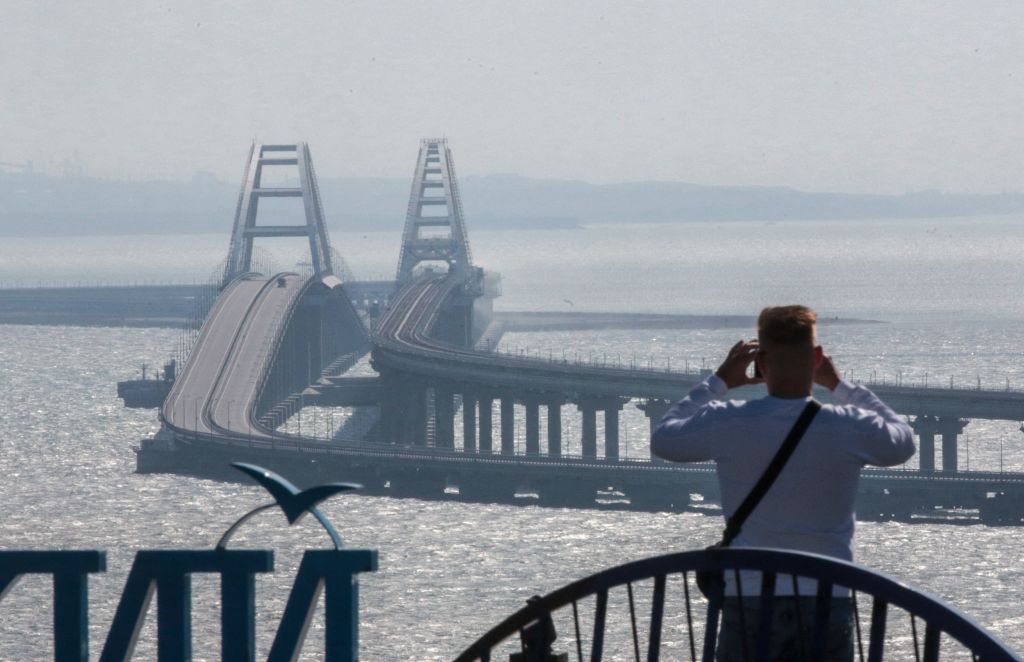
The city of Kerch, situated near the strategic Kerch Strait, lies just across from Russia's Krasnodar Krai and is home to the crucial Crimean Bridge, built after Russia's illegal annexation of the peninsula in 2014.

Germany to supply new Iris-T air defense systems to Ukraine, rules out Taurus missiles
Germany will deliver new IRIS-T air defense systems to Ukraine under a three-year supply plan, President Volodymyr Zelensky said during a joint press conference with German Defense Minister Boris Pistorius, who said Berlin has no plans to provide Taurus long-range missiles.
Russia converts Kerch Airport in Crimea into military base, investigation showsThe Kyiv IndependentTim Zadorozhnyy
Russia converts Kerch Airport in Crimea into military base, investigation shows
  •  

Germany to supply new Iris-T air defense systems to Ukraine, rules out Taurus missiles

Germany to supply new Iris-T air defense systems to Ukraine, rules out Taurus missiles

Editor's note: This story has been updated to include Germany's announcement to supply Ukraine with $2.2 billion in additional military aid.

Germany will deliver new IRIS-T air defense systems to Ukraine under a three-year supply plan, President Volodymyr Zelensky said during a joint press conference with German Defense Minister Boris Pistorius, who added Berlin has no plans to provide Taurus long-range missiles.

The announcement comes amid escalating Russian aerial assaults, including a June 10 missile and drone strike on Kyiv, one of the largest since the start of the full-scale invasion.

"We are grateful for the supply of IRIS-T air defense systems," Zelensky said on June 12. "We understand that deliveries are currently being planned... for the next three years. This is very important assistance."

The IRIS-T is a German-made medium-range surface-to-air missile system capable of intercepting drones, aircraft, and cruise missiles.

Pistorius confirmed the delivery timeline but firmly ruled out the possibility of sending Taurus missiles — weapons Kyiv has repeatedly requested to strike deep into Russian territory.

"You asked me whether we are considering this, and my answer is no," Pistorius said.

Before taking office, German Chancellor Friedrich Merz signaled openness to lifting former Chancellor Olaf Scholz's ban on the missiles. That stance has not yet resulted in a policy shift.

Ukraine has already received long-range missiles — including ATACMS from the U.S. and Storm Shadow and SCALP from the U.K. and France. Initially restricted to use within Ukrainian territory, Western allies only began easing those limitations in late 2024.

Germany is Ukraine's largest military donor in Europe. Pistorius said that Berlin will provide 9 billion euros ($10.4 billion) in aid this year, with investments in defense production being considered. The total includes an additional commitment in military aid worth 1.9 billion euros ($2.2 billion).

"Today, we discussed that this aid will continue," he said. "We agreed on additional investments in production... both in Ukraine and in Germany."

Zelensky visited Berlin on May 28 for talks with Merz, part of an ongoing effort to bolster Ukraine's defense industry amid uncertainty over U.S. support under President Donald Trump.

Why can’t the West match Russia’s ammunition production?
The West is failing to catch up to Russia’s production of the most basic unit of war for the past half-millennium — gunpowder. The modern propellants and explosives that power war have largely been offshored. While Western manufacturers are churning out shell casings, they are short on the materials to fill
Germany to supply new Iris-T air defense systems to Ukraine, rules out Taurus missilesThe Kyiv IndependentKollen Post
Germany to supply new Iris-T air defense systems to Ukraine, rules out Taurus missiles
  •  

Russia reportedly redeploys bombers to Far East bases after Ukraine's Operation Spiderweb

Russia reportedly redeploys bombers to Far East bases after Ukraine's Operation Spiderweb

Russia has redeployed dozens of long-range bombers to more remote bases within the country, Russian independent media outlet Agentstvo reported on June 11, citing OSINT analyst AviVector.

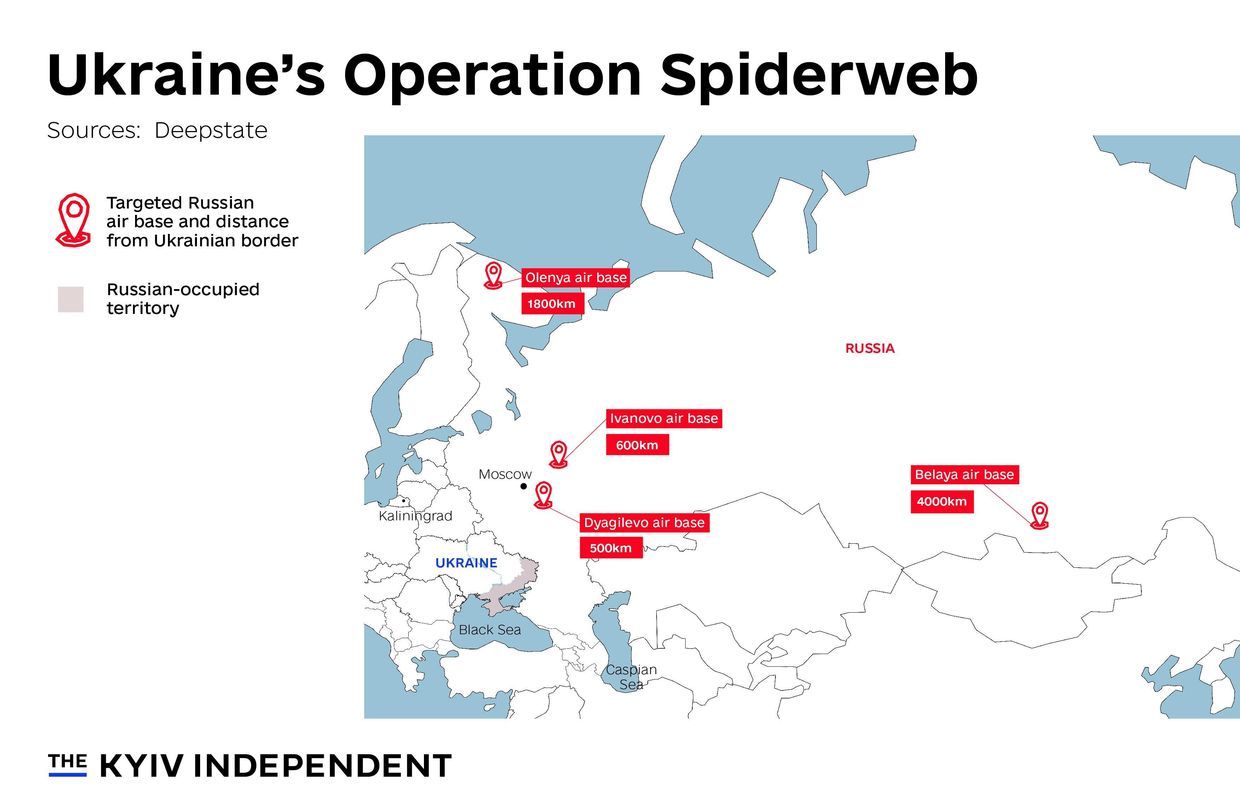
The relocation comes in the wake of Ukraine's Operation Spiderweb, the unprecedented mass drone strike on June 1 that targeted four Russian air bases deep inside the country.  

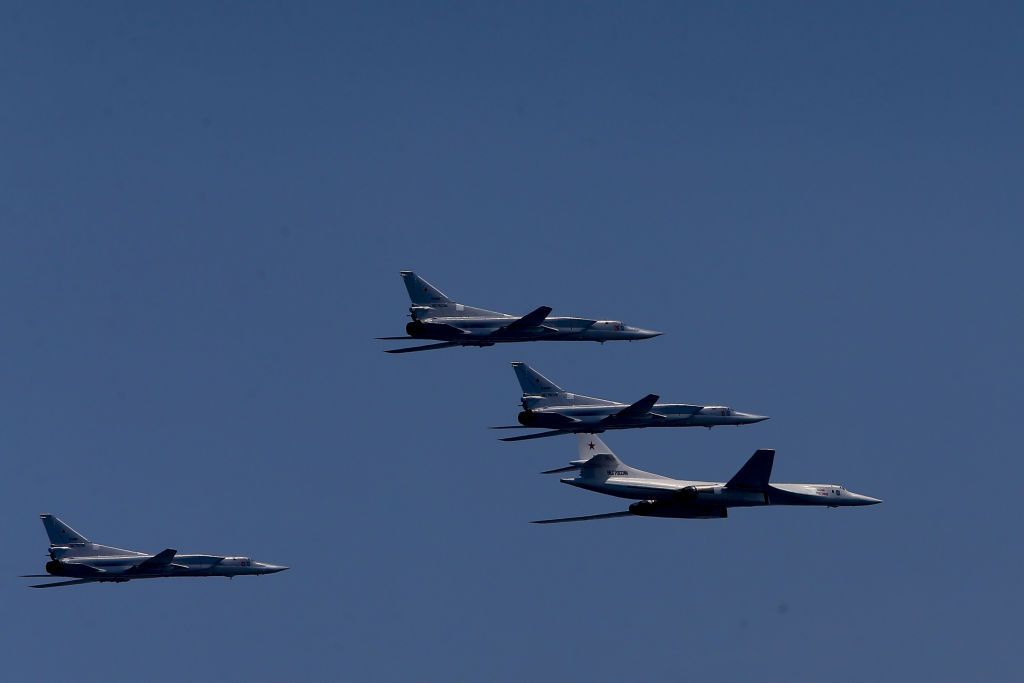
The Security Service of Ukraine (SBU) said 117 drones were launched from hidden positions across Russia, damaging 41 aircraft, including Tu-95, Tu-22M3, and Tu-160 bombers.

According to Agentstvo, all Tu-160 bombers have been evacuated from Belaya airfield in Irkutsk Oblast and Olenya airfield in Murmansk Oblast. Some were relocated to Anadyr in Chukotka, Yelizovo in Kamchatka, and Borisoglebskoye in Tatarstan.

Tu-22M3 and Tu-95MS bombers were also redeployed. Eleven Tu-22M3s and all Tu-95MS aircraft near Murmansk reportedly relocated to the Ukrainka airfield in Amur Oblast, Engels-2 in Saratov Oblast, Borisoglebskoye in Tatarstan, and Mozdok in North Ossetia.

Russia reportedly redeploys bombers to Far East bases after Ukraine's Operation Spiderweb
Ukraine's Operation Spiderweb. (Nizar al-Rifai/The Kyiv Independent))

The reported relocation of bombers is the latest sign that Ukraine's drone warfare is forcing the Kremlin to rethink its strategic posture, even far from the front lines.

Western analysts and military officials praised Ukraine's ingenuity in the Spiderweb operation. NATO Admiral Pierre Vandier called the mission a modern reinvention of the "Trojan Horse," demonstrating Ukraine's growing technical sophistication and deep-strike capability.

President Volodymyr Zelensky claimed that roughly half of the targeted aircraft are damaged beyond repair. Russia has acknowledged losses but insisted all damaged aircraft will be restored.

  •  

Over 100,000 Russian families seek missing soldiers through Ukrainian project, Kyiv says

Over 100,000 Russian families seek missing soldiers through Ukrainian project, Kyiv says

More than 100,000 Russian families have contacted a Ukrainian-run initiative in search of information about missing Russian soldiers, Ukraine's Coordination Headquarters for the Treatment of the Prisoners of War (POWs) said on June 12.

The announcement comes as Russia and Ukraine are conducting a series of the most extensive prisoner exchanges since the beginning of the large-scale war in 2022. The latest phase of the exchange occurred on June 12.

The initiative, called "I Want to Find" (Russian: "Хочу найти"), has received 100,324 requests from Russian citizens seeking answers about relatives who vanished while serving in Russia's military, the Coordination Headquarters said.

The actual number of missing Russian troops is believed to be significantly higher. Since launching its full-scale invasion of Ukraine in February 2022, the Kremlin has largely concealed the scale of its military losses, forcing many families to search independently, Ukrainian officials said.

In May 2025 alone, the project received a record 12,320 inquiries — the highest monthly figure since the program began in January 2024.

Through the project, families can verify whether their relatives have been captured or killed, which may enable them to pressure Russian authorities to pursue prisoner exchanges. As of June, Ukraine has confirmed 2,415 Russian soldiers held in captivity, with 1,126 of them already exchanged for Ukrainian defenders, the Coordination Headquarters said.

"Many more Russians remain in captivity, but not all families know about the program or have submitted requests," the agency added.

A detailed analysis of the requests revealed that some of Russia's most severely depleted units include the 15th Separate Motorized Rifle Brigade (Military Unit 90600), which accounts for 2,277 missing personnel — the highest of any single unit. Of the 20 most-affected units, 17 are motorized rifle brigades, often deployed in Russia's most brutal infantry assaults, commonly referred to as "meat grinder" tactics.

The data also showed that 26% of missing soldiers were under the age of 30. The youngest reported missing was 18, and the oldest was 67.

The project has also uncovered a shift in public sentiment, claiming 75% of those submitting requests said they do not support Russia's war in Ukraine.

According to the Ukrainian General Staff, Russia has lost over 1 million troops since the start of its invasion — a figure reported for the first time on June 12, with 1,140 casualties recorded in just one day. The total reported Russian losses stand at 1,000,340 as of that date.

The Kremlin has not commented on the figures.

As Russian losses in Ukraine hit 1 million, Putin faces an economic time bomb
Russian losses in Ukraine hit a massive, and grim milestone on June 12 — 1 million Russian soldiers killed or wounded during the 39-month-long full-scale war, according to figures from Kyiv. Although hugely symbolic, the number is unlikely to prompt a change in tactics from Moscow as it gears up for
Over 100,000 Russian families seek missing soldiers through Ukrainian project, Kyiv saysThe Kyiv IndependentChris York
Over 100,000 Russian families seek missing soldiers through Ukrainian project, Kyiv says
  •  

EU approves new tariffs on Russian, Belarusian agricultural goods

EU approves new tariffs on Russian, Belarusian agricultural goods

The Council of the EU on June 12 approved fresh tariffs on fertilizers and remaining agricultural goods from Russia and Belarus, aiming to reduce Russian export revenues.

The measures target those goods that have not yet been subject to additional customs duties and will enter into force on July 1. The tariffs on fertilizers will increase gradually over the next three years.

The step comes as the EU readies additional sanctions against Russia as it continues to wage its all-out war against Ukraine.

"Polish Presidency motto is 'Security, Europe!' and these measures increase our economic security by reducing dependencies from Russia," said Michal Baranowski, the trade undersecretary at the Polish Economy Ministry.

"We are further reducing Russia’s export revenues and therefore its ability to finance its brutal war. This is united Europe at its best," he said in a statement.

The new tariffs will apply to goods that made up around 15% of all agricultural imports from Russia in 2023. Fertilizer tariffs will focus on certain nitrogen-based products, the Council said in a statement.

Russian fertilizers accounted for more than a quarter of all of the EU's imports in this sector in 2023, worth almost $1.5 billion.

Apart from stifling Russia's trade revenue, the step also aims to reduce the EU's dependence on Russian and Belarusian goods, protect European farmers, and diversify the supply.

The EU adopted higher tariffs on cereals, oilseeds, and some other products from Russia and Belarus in May 2024. Earlier this year, the European Commission proposed imposing similar measures on all remaining agricultural products from the two countries.

Putin’s suspected daughter found working in anti-war galleries in Paris
Nastya Rodionova, a Russian writer and artist who has been based in Paris since 2022, had only met gallery manager Luiza Rozova in passing at events before she learned who the 22-year-old’s parents were. Described by a number of people as a “very nice and well-mannered girl,” Rozova is
EU approves new tariffs on Russian, Belarusian agricultural goodsThe Kyiv IndependentKate Tsurkan
EU approves new tariffs on Russian, Belarusian agricultural goods
  •  

US Ambassador to Russia Tracy leaving post, embassy says

US Ambassador to Russia Tracy leaving post, embassy says

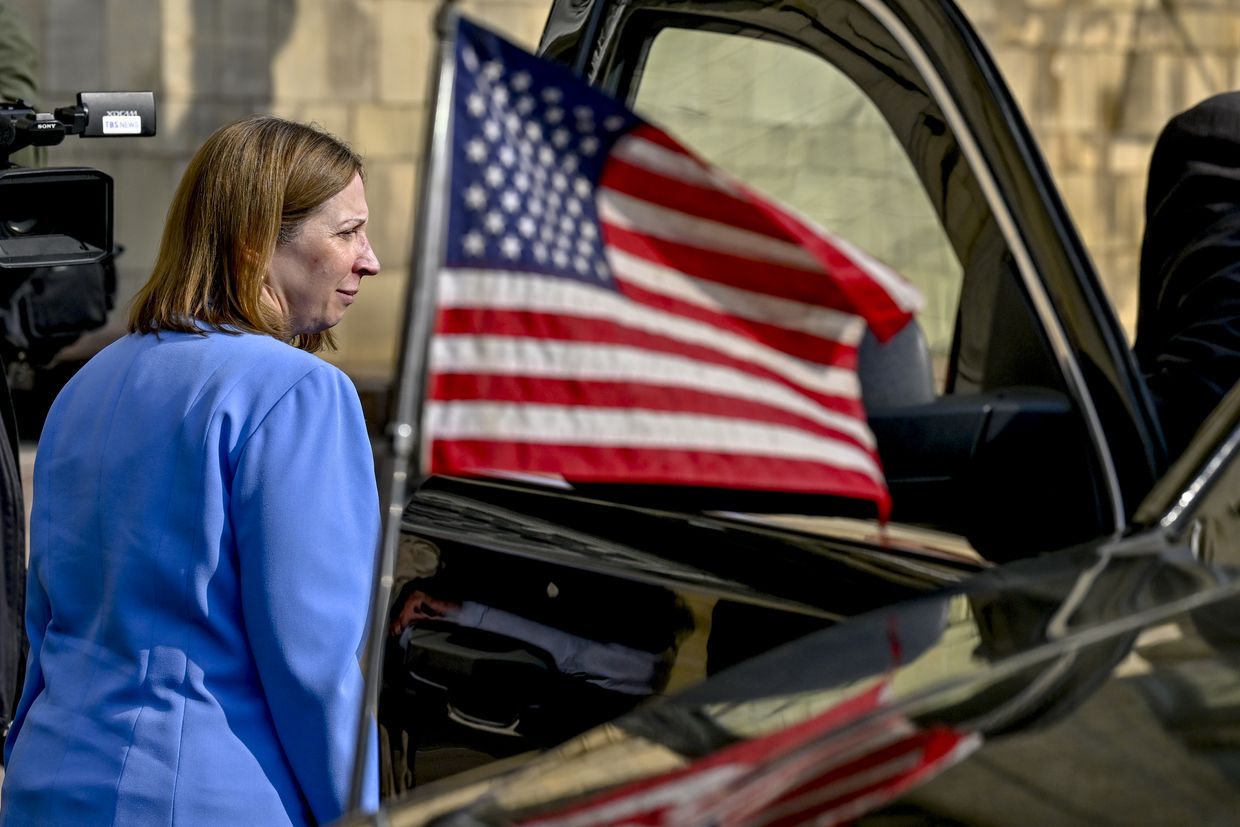
U.S. Ambassador to Moscow Lynne Tracy will soon be stepping down from her post, the U.S. Embassy in Russia announced on June 12.

The statement said that Tracy is "concluding her mission at the U.S. Embassy in Russia," without providing further details.

The move comes as U.S. President Donald Trump makes a decisive break from the previous Biden administration’s Russia policy, aiming to restore relations and negotiate a peace deal in Ukraine.

Tracy replaced John Sullivan at the key diplomatic post in Moscow in January 2023, after being nominated by former President Joe Biden.

A seasoned diplomat, Tracy previously served as the U.S. ambassador to Armenia and held posts at diplomatic missions in Russia, Turkmenistan, Pakistan, Kazakhstan, Afghanistan, and Kyrgyzstan.

The embassy announced a live stream on June 13 to "bid farewell" to the outgoing envoy.

Tracy led the U.S. mission in Russia in one of the lowest points of the U.S.-Russian relationship in decades, as Washington imposed massive sanctions on Moscow and backed Ukraine against Russian aggression.

Though diplomatic contacts during this period were limited, Tracy played a key role in negotiating the release of U.S. citizens held in Russia, such as Wall Street Journal reporter Evan Gershkovich.

The ambassador is concluding her mission after around two years, a similar time period to her predecessor. It is not immediately clear who will replace her.

In April, Bridget Brink, the U.S. ambassador to Ukraine, unexpectedly resigned, later explaining the move by opposition to Trump's foreign policy.

Russia also appointed its new envoy to the U.S., Alexander Darchiev, earlier this year amid a thaw in U.S.-Russian ties under Trump.

America’s weak strongman
Over the past two months, financial investors have hit upon a new trading strategy, based on a simple rule: TACO — Trump Always Chickens Out. America’s president threatens to slap massive import tariffs on friends and foes alike, or to remove the Federal Reserve chair, only to back down when
US Ambassador to Russia Tracy leaving post, embassy saysThe Kyiv IndependentTimothy Snyder
US Ambassador to Russia Tracy leaving post, embassy says
  •  

Ukraine, Russia carry out another exchange of POWs under Istanbul deal

Ukraine, Russia carry out another exchange of POWs under Istanbul deal

Editor's note: The story is being updated.

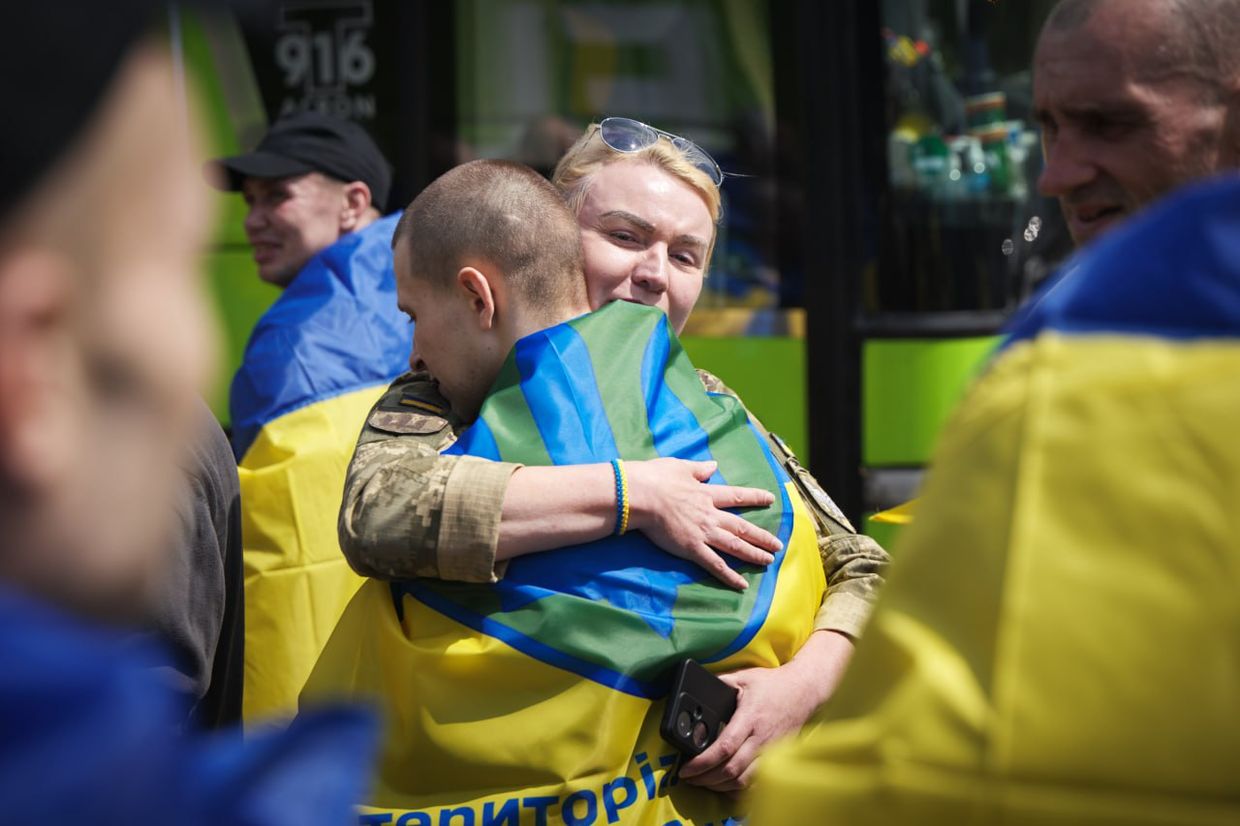
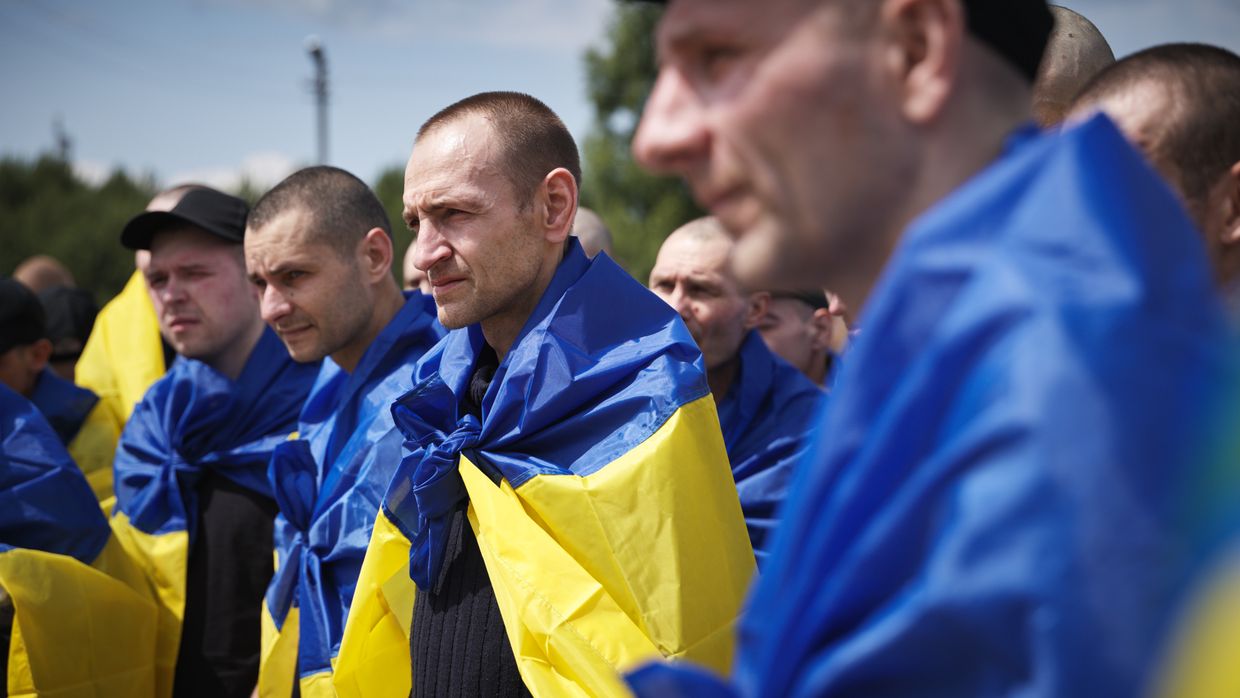
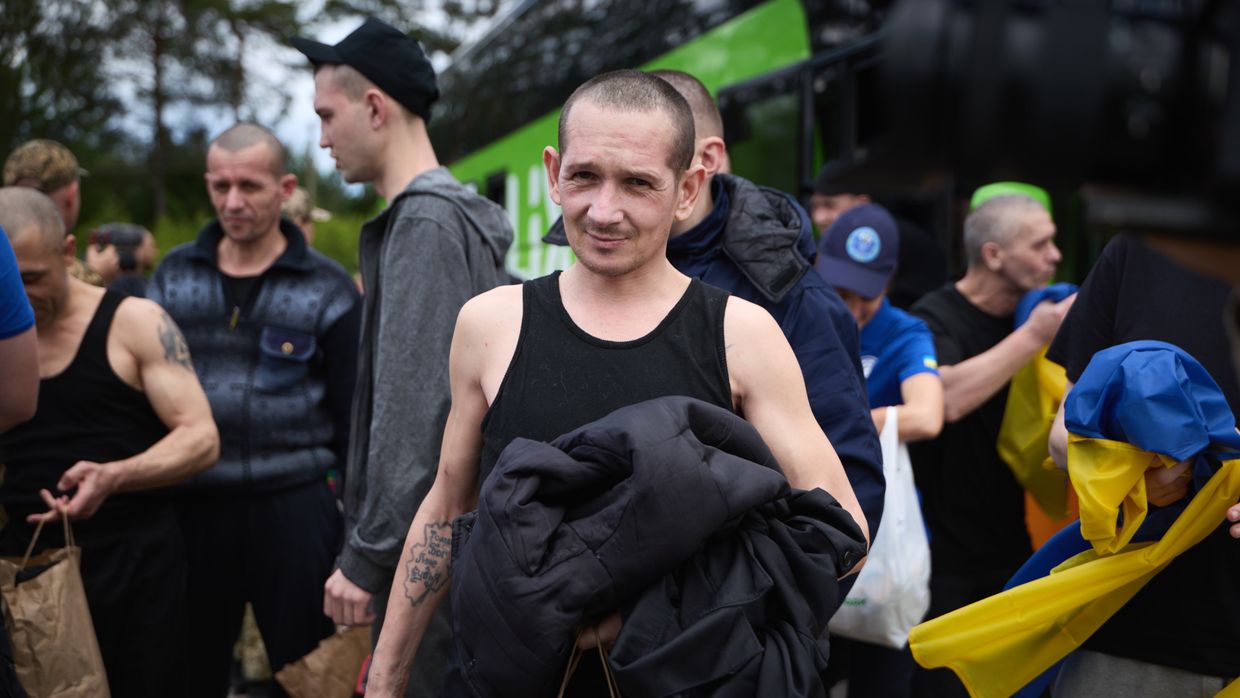
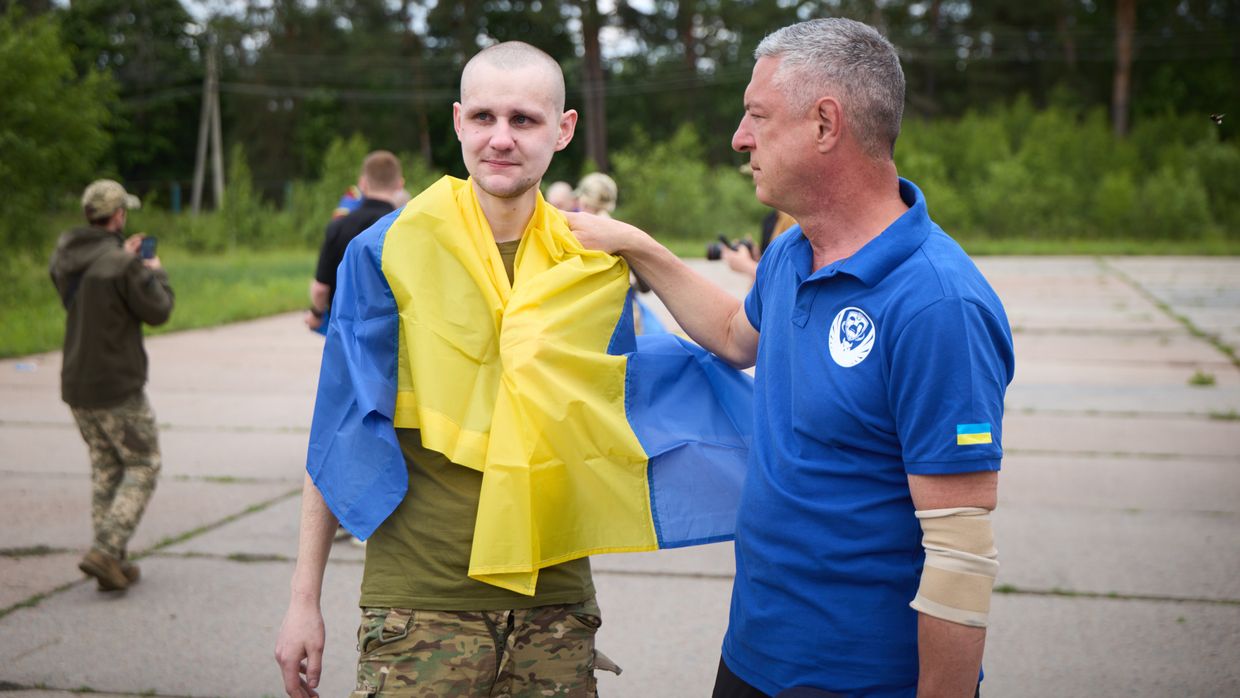
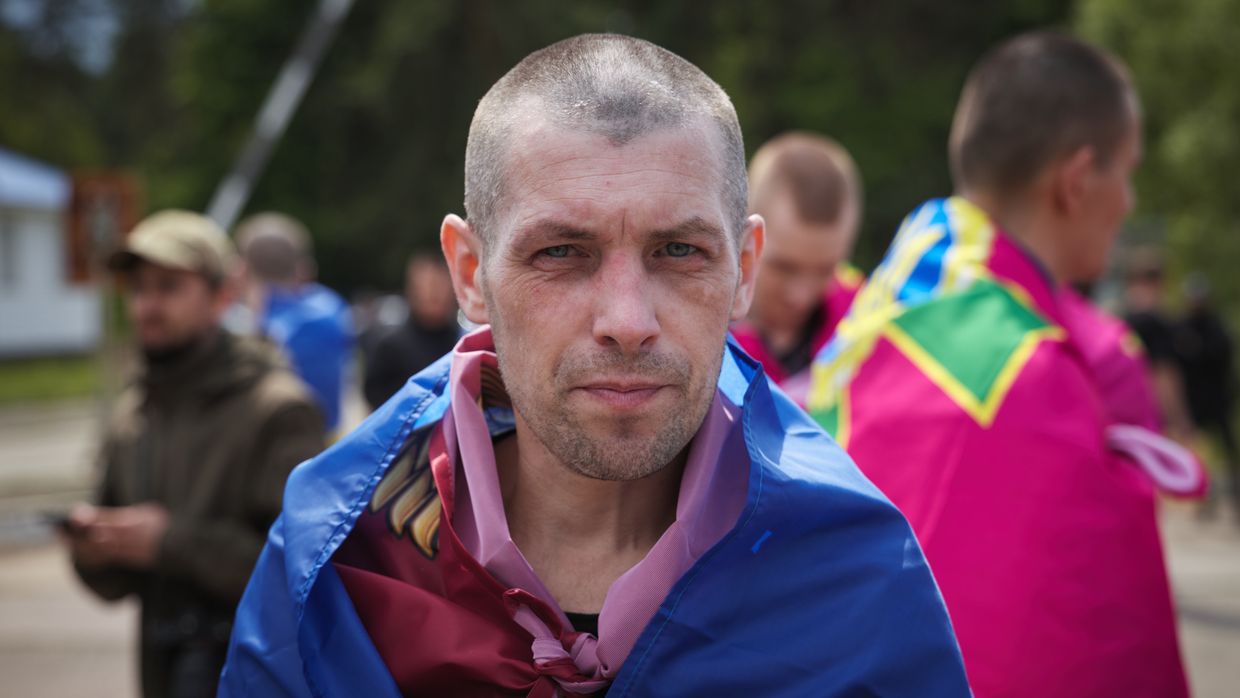
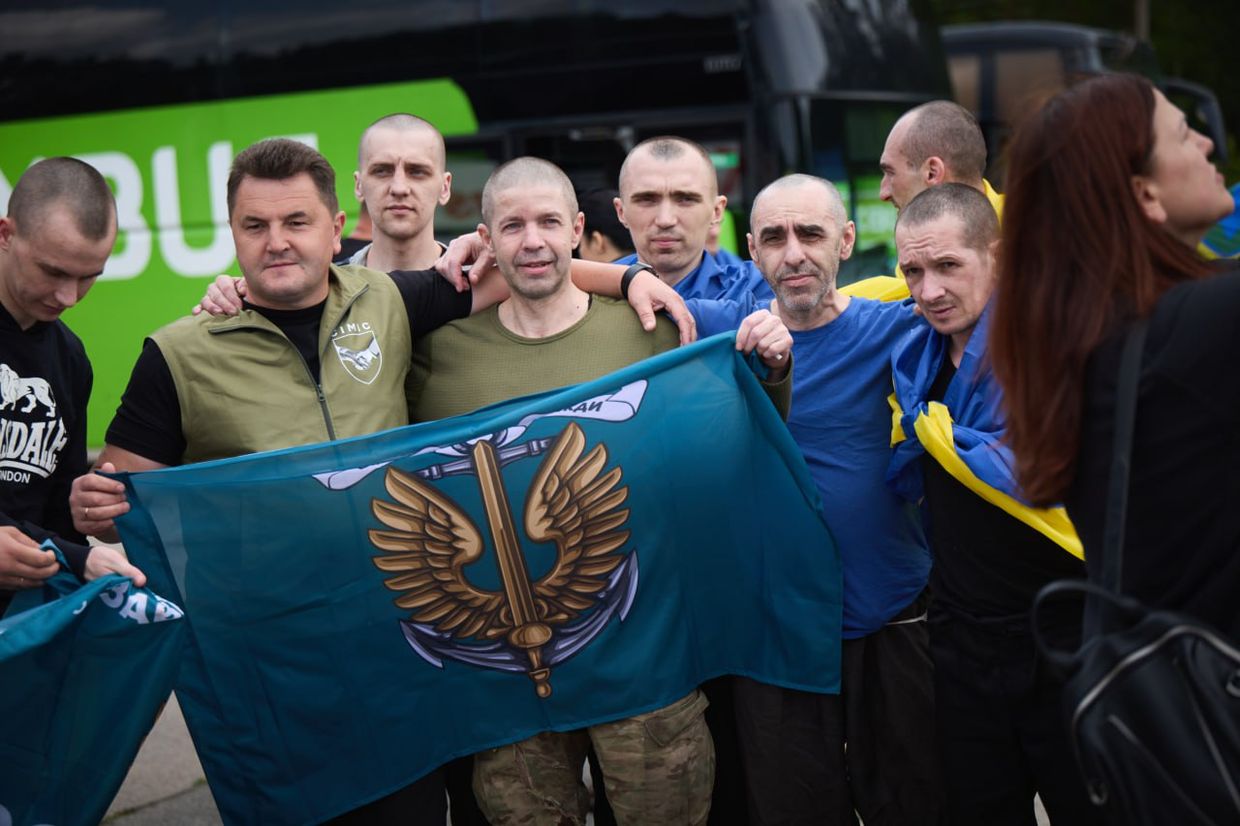
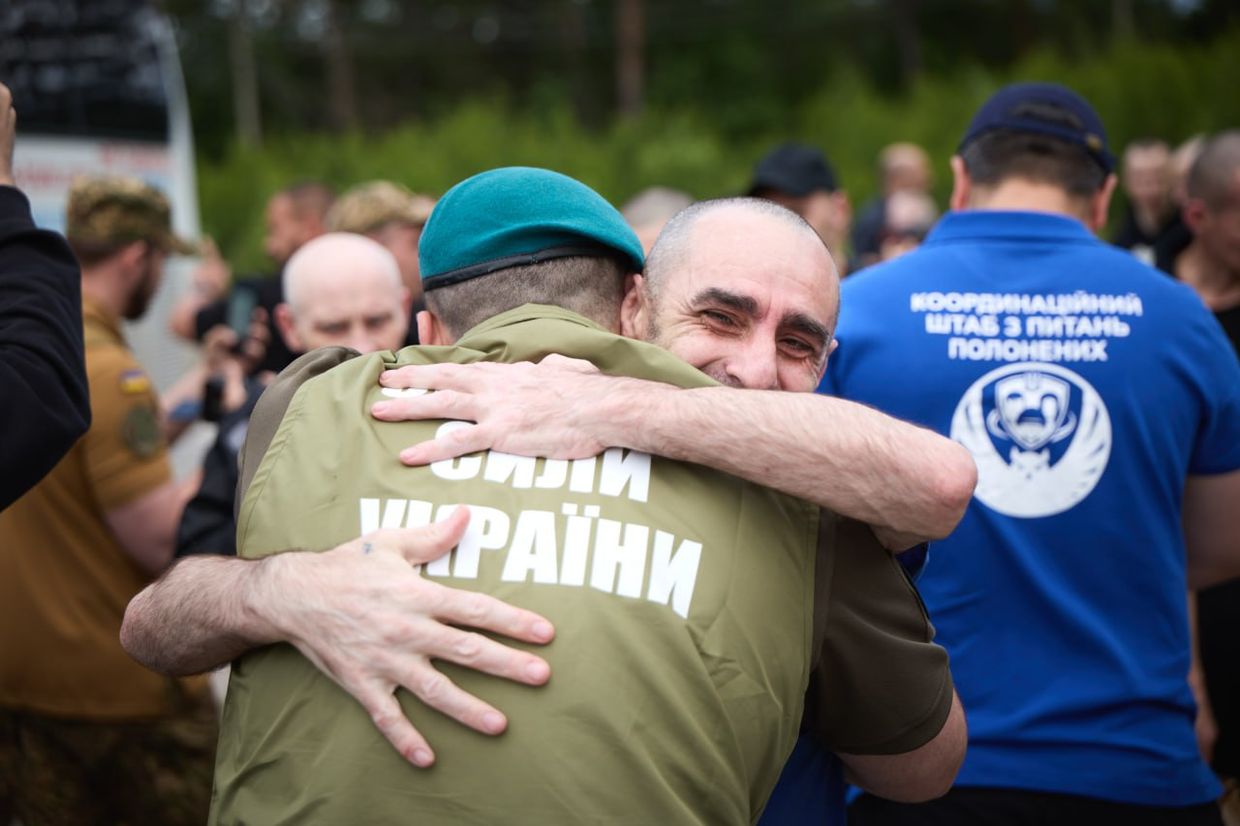
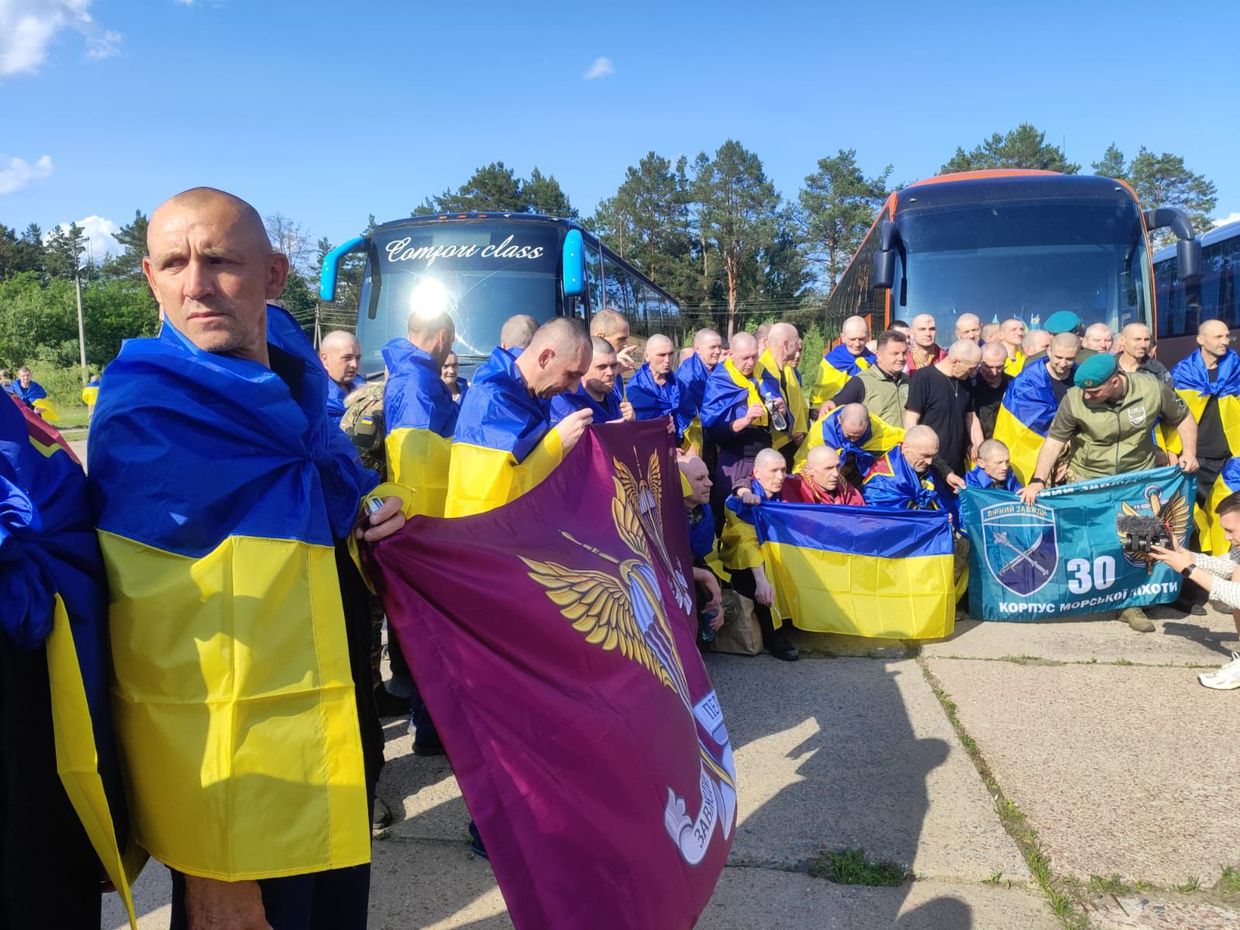
Ukraine has brought home another group of service members from Russian captivity, President Volodymyr Zelensky announced on June 12, saying the latest exchange focused on "severely wounded and seriously ill warriors."

The prisoners of war (POWs) were released as part of a prisoner exchange with Russia agreed upon during recent peace talks in Istanbul, Ukraine's Coordination Headquarters for the Treatment of the POWs said.

The June 12 release follows a similar exchange on June 10, which also prioritized severely injured and ill captives. As during the previous swap, the number of personnel released was not immediately disclosed.

Ukraine, Russia carry out another exchange of POWs under Istanbul deal
Ukrainian service members released from Russian captivity under a prisoner exchange on June 12, 2025. (President Volodymyr Zelensky/X)
Ukraine, Russia carry out another exchange of POWs under Istanbul deal
Ukrainian service members released from Russian captivity under a prisoner exchange on June 12, 2025. (President Volodymyr Zelensky/X)
Ukraine, Russia carry out another exchange of POWs under Istanbul deal
Ukrainian service members released from Russian captivity under a prisoner exchange on June 12, 2025. (President Volodymyr Zelensky/X)
Ukraine, Russia carry out another exchange of POWs under Istanbul deal
Ukrainian service members released from Russian captivity under a prisoner exchange on June 12, 2025. (President Volodymyr Zelensky/X)

Russia's Defense Ministry has also announced that its soldiers had been released from Ukrainian captivity as part of the swap, without disclosing their numbers.

Some of the POWs had been held by Russia for more than three years, according to the headquarters. Many of the released defenders had been classified as missing in action.

"This is part of a major exchange that continues in phases," the headquarters said in a statement. "These soldiers require urgent medical care and will receive full assistance, including psychological rehabilitation and financial compensation for their time in captivity."

0:00
/
Ukrainian service members released from Russian captivity under a prisoner exchange on June 12, 2025. (Ukraine's Coordination Headquarters for the Treatment of the POWs)

Soldiers from multiple Ukrainian military branches, including the Armed Forces, Air Assault Forces, Navy, Air Force, Territorial Defense Forces, National Guard, Border Guard Service, and the State Special Transport Service, were freed in the exchange. Many had served in combat operations across Donetsk, Luhansk, Kharkiv, Kherson, and Zaporizhzhia oblasts.

The Istanbul deal was reached during a second round of direct talks between the Ukrainian and Russian delegations on June 2. While no political breakthrough was achieved, both sides agreed to a phased exchange of prisoners and the repatriation of fallen soldiers’ remains.

Ukraine, Russia carry out another exchange of POWs under Istanbul deal
Ukrainian service members released from Russian captivity under a prisoner exchange on June 12, 2025. (President Volodymyr Zelensky/X)
Ukraine, Russia carry out another exchange of POWs under Istanbul deal
Ukrainian service members released from Russian captivity under a prisoner exchange on June 12, 2025. (President Volodymyr Zelensky/X)

As part of that agreement, Russia pledged to return the bodies of up to 6,000 Ukrainian service members.

Ukraine has brought back the bodies of 1,212 fallen service members on June 11. Vladimir Medinsky, aide to Russian President Vladimir Putin, claimed Ukraine released the remains of 27 Russian service members, while Kyiv did not confirm this.

The recent prisoner swap comes weeks after the largest such exchange of the war to date, which took place between May 23 and 25, with each side releasing 1,000 captives. Since Russia's full-scale invasion began, more than 5,000 Ukrainian POWs have been returned home, according to official figures.

Ukraine continues to push for an "all-for-all" formula to bring every captured Ukrainian soldier back, but Moscow has so far rejected such a comprehensive agreement. Meanwhile, the Coordination Headquarters said preparations are underway for the next phase of exchanges in the coming weeks.

Ukraine, Russia conduct second prisoner swap under Istanbul deal
“All of them require immediate medical attention,” President Volodymyr Zelensky said.
Ukraine, Russia carry out another exchange of POWs under Istanbul dealThe Kyiv IndependentTim Zadorozhnyy
Ukraine, Russia carry out another exchange of POWs under Istanbul deal
  •  
❌