Vue lecture

Putin dismisses mobilization reports as Ukraine warns Russia could call up 600,000 to war
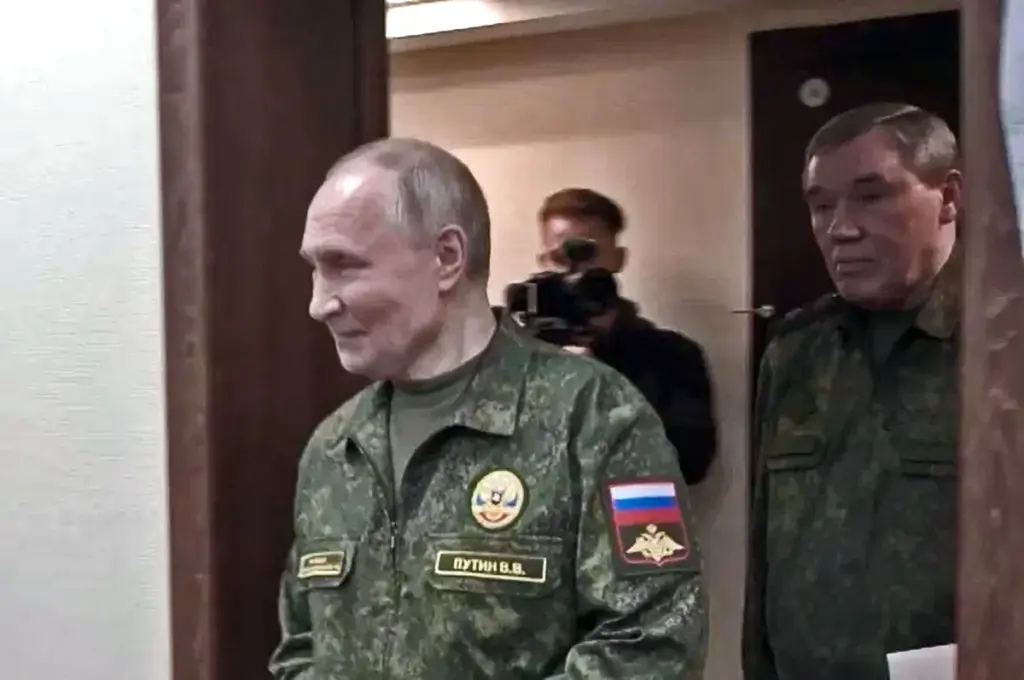
Vladimir Putin walks through a doorway in a military uniform, followed by Russian Chief of the General Staff Valery Gerasimov.

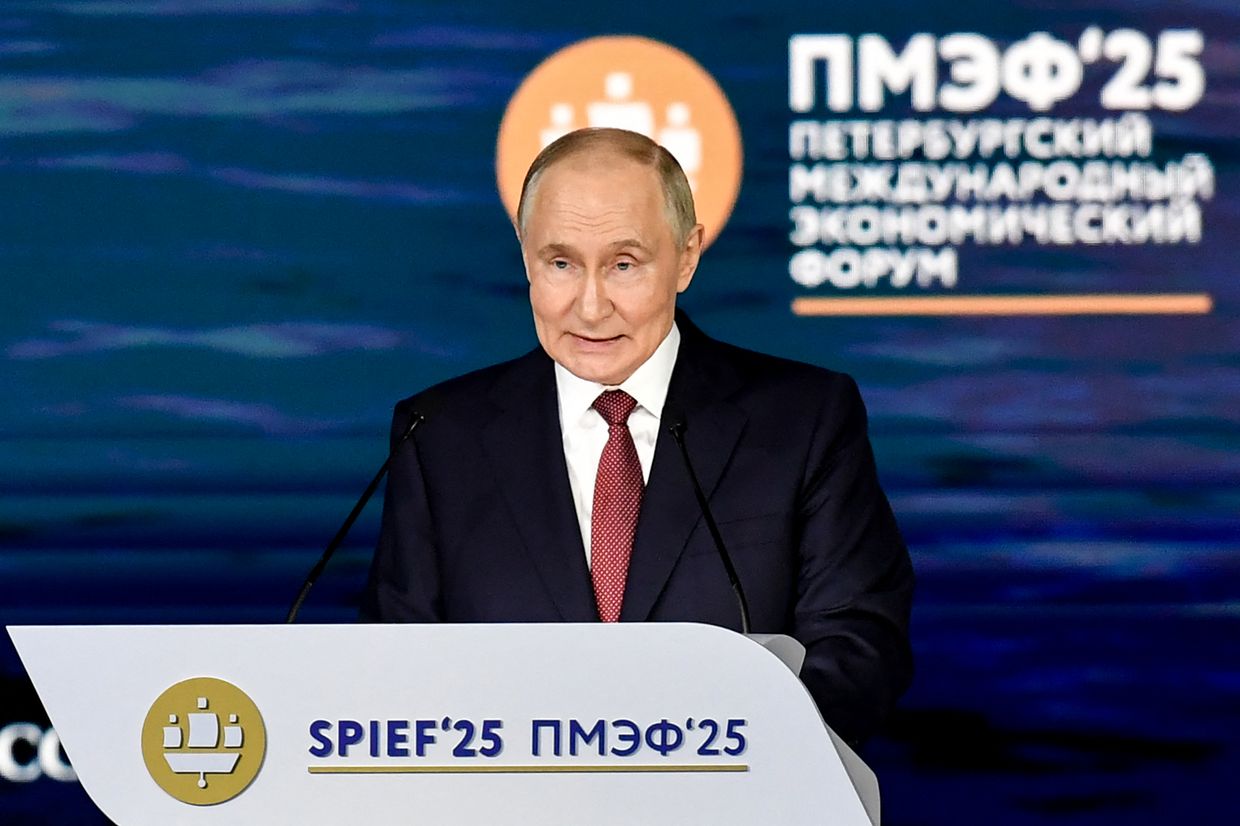
Asked about reports in Ukrainian and Western media that Russia could order a mass mobilization after September’s parliamentary elections, Vladimir Putin replied: “That’s complete nonsense. It’s an information attack on Russia,” RBC reported. He was speaking after the Shanghai Cooperation Organization summit in Bishkek.

Ukraine’s military and foreign intelligence services say Russia’s General Staff has prepared a scenario for mobilizing an additional 600,000 people during 2026 and 2027—300,000 each year. Their briefing described a contingency, not an issued call-up, and did not say mobilization had begun. If activated, the agencies said, the recruits would primarily reinforce units fighting Ukraine and newly formed military units.

Ukraine’s intelligence services linked the scenario to mounting battlefield losses and a slowdown in contract recruitment. They said Russia lost roughly 240,000 personnel from January through July, including at least 140,000 killed or permanently lost, while recruiting about 232,000 contract soldiers. The figures could not be independently verified.

Russia’s military also rehearsed procedures for mobilizing residents of Kaliningrad Oblast in July, Ukrainska Pravda reported, citing The Wall Street Journal.

Reports of a possible draft have generated concern inside Russia. More than 20,000 people crossed into Georgia through the Verkhny Lars checkpoint in a single day amid fears of mobilization, as EP previously reported.

Ukraine’s warnings and Russia’s denials

Ukrainian President Volodymyr Zelenskyy said in August that Moscow planned to mobilize several hundred thousand people after the elections and roughly the same number in 2027, citing military intelligence. HUR deputy chief Vadym Skibitskyi later assessed that a call-up could provide troops for a northern offensive by February 2027, while stressing that the agency saw no preparations underway at the time.

Dmitry Medvedev, Vasily Nebenzya, and the State Duma’s defense committee have all denied plans for another mass draft. Russian officials issued similar denials shortly before Putin announced the 2022 call-up. RBC notes that the decree authorizing that mobilization was never formally revoked. No new call-up has been publicly announced or reported as underway.

  •  

Ukraine confirms strike hit Novatek fuel plant at Russia’s Ust-Luga port

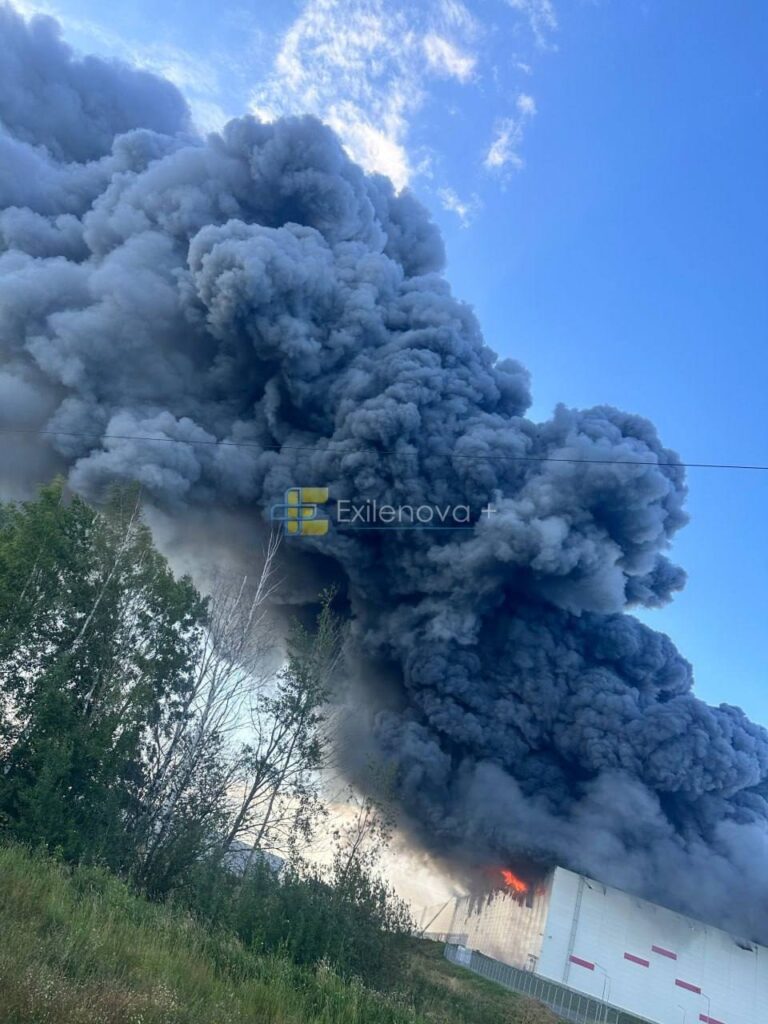
A thick gray plume of smoke rises above a distant tree line beneath a pink early-morning sky.

Ukraine’s General Staff confirmed that Ukrainian forces struck the Novatek-Ust-Luga production complex in Russia’s Leningrad Oblast on 1 September, saying the target was hit and a fire followed. The scale of the damage remains under assessment.

Russian authorities initially acknowledged damage and a fire but did not identify the facility. Ukraine’s military intelligence later named the Novatek complex as the target, and the General Staff has now confirmed the strike and said the facility supports Russia’s armed forces. It did not explain how, nor say whether, production was disrupted.

Ukraine’s military intelligence agency, HUR, was first to identify the target, saying on 1 September that its operators had struck the complex alongside Ukraine’s Defense Forces in a joint deep-strike operation. Key elements of the site’s oil-processing installation and other equipment were hit, and a large fire broke out, the agency said. The General Staff confirmed the strike the following day.

Video of the overnight attack on the port of Ust-Luga in Russia’s Leningrad region. pic.twitter.com/dXG5XTkhab

— Exilenova+ (@Exilenova_plus) September 1, 2026

The Novatek complex at Ust-Luga separates stable gas condensate—a liquid produced during natural gas extraction—into fuel and petroleum components and handles their shipment through the Baltic port. Its design capacity exceeds six million tons a year, the General Staff said. The plant produces light and heavy naphtha, kerosene, a diesel fraction, and a marine-fuel component.

A thick gray plume of smoke rises above a distant tree line beneath a pink early-morning sky.
Explore further

Drone attack damages Russia’s Baltic oil port as drone crosses Latvia into Estonia

Ukraine has repeatedly targeted the Ust-Luga port

Before Ukraine named the target, Leningrad Oblast Governor Alexander Drozdenko acknowledged infrastructure damage and a fire at Ust-Luga on 1 September, but did not identify the specific facility. HUR subsequently named the Novatek complex as the target and reported damage to key equipment.

The operation continued Ukraine’s campaign against Ust-Luga’s energy and port infrastructure. Ukrainian agencies confirmed the first strike on Novatek’s complex overnight on 24–25 March. Drones returned on 31 March, setting fuel-storage tanks ablaze, damaging a pier and pumping equipment, and temporarily halting port operations, followed by another reported attack on 7 April. Ukrainian drones last hit the port on 14 August, marking the sixth such attack there in 2026.

  •  

Ukraine mapped Russia’s Su-35 down to individual control units—and found 22 firms nobody has sanctioned

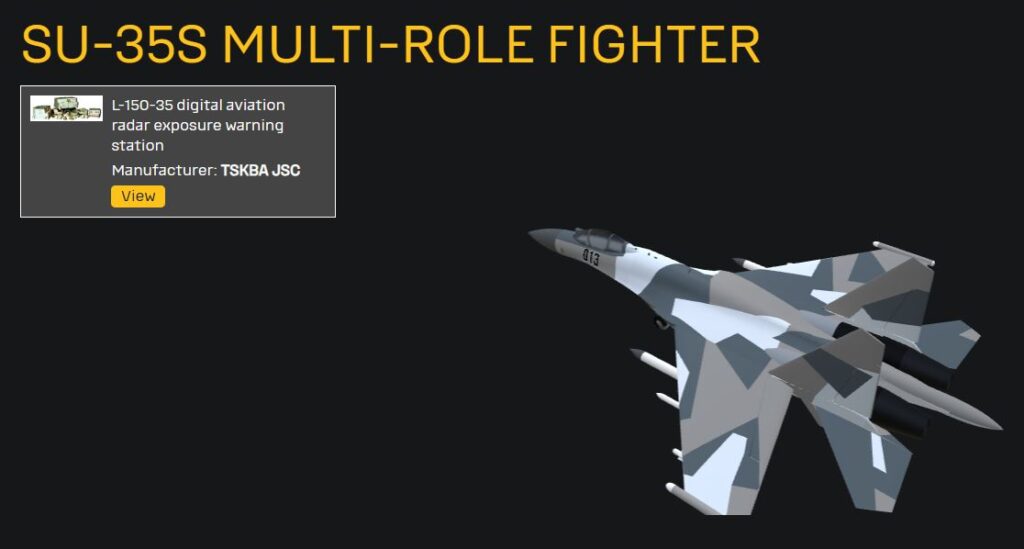
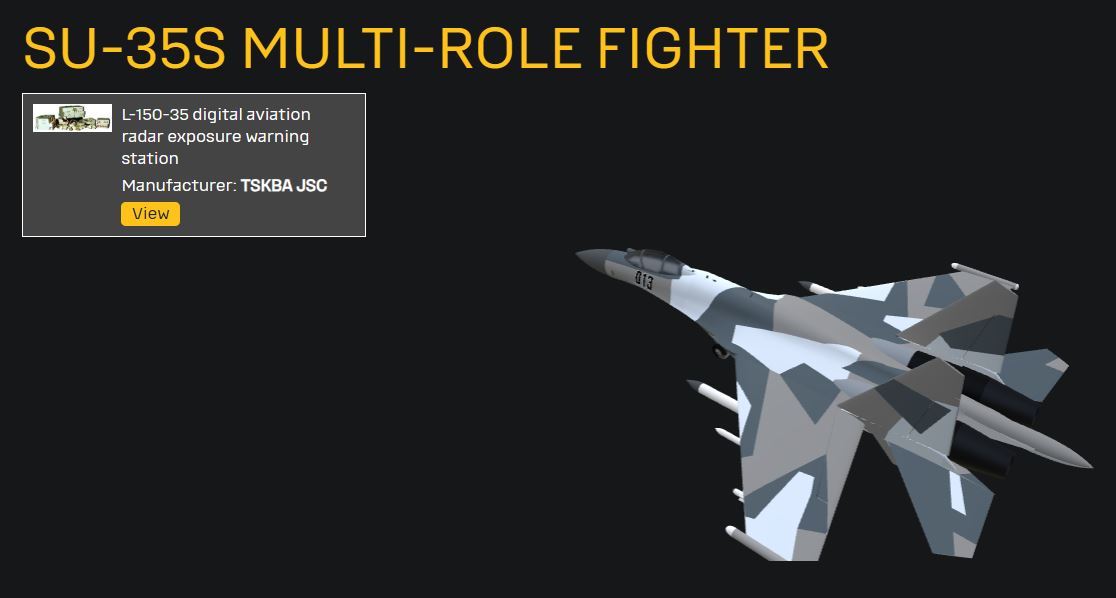
ukraine mapped russia's su-35 down individual control units—and found 22 firms nobody has sanctioned · post interactive 3d model su-35s multirole fighter published ukraine's war&sanctions portal l-150-35 radar warning station

Ukraine's military intelligence has named the Russian companies that build the Su-35S fighter jet and singled out those no country has sanctionedaccording to the Main Intelligence Directorate of Ukraine's Defense Ministry (HUR). The unsanctioned suppliers make parts as ordinary as wheels and fuel-system units, and one of them helped develop the aircraft. Kyiv wants sanctions efforts synchronized across every link of Russia's military-industrial complex.

More than four years of harsh restrictions have made Russia's arms industry slower and costlier to run rather than idle, and it keeps closing the gaps by substituting parts and buying through third countries. Every restriction works one company at a time, which makes the depth of a sanctions list, not its length, the thing that decides whether production slows.

The 22 firms no one has sanctioned

HUR identified 79 companies in the Su-35S production chain. Of those, 22 face no sanctions from any country restricting Russia over the war. The agency highlighted three. Rubin Aviation Corporation supplies the aircraft's braking and non-braking wheels. Gidroavtomatika builds the AU46-05 control units inside the fuel system. The Oktava research institute carried out design and development work on the Su-35S itself.

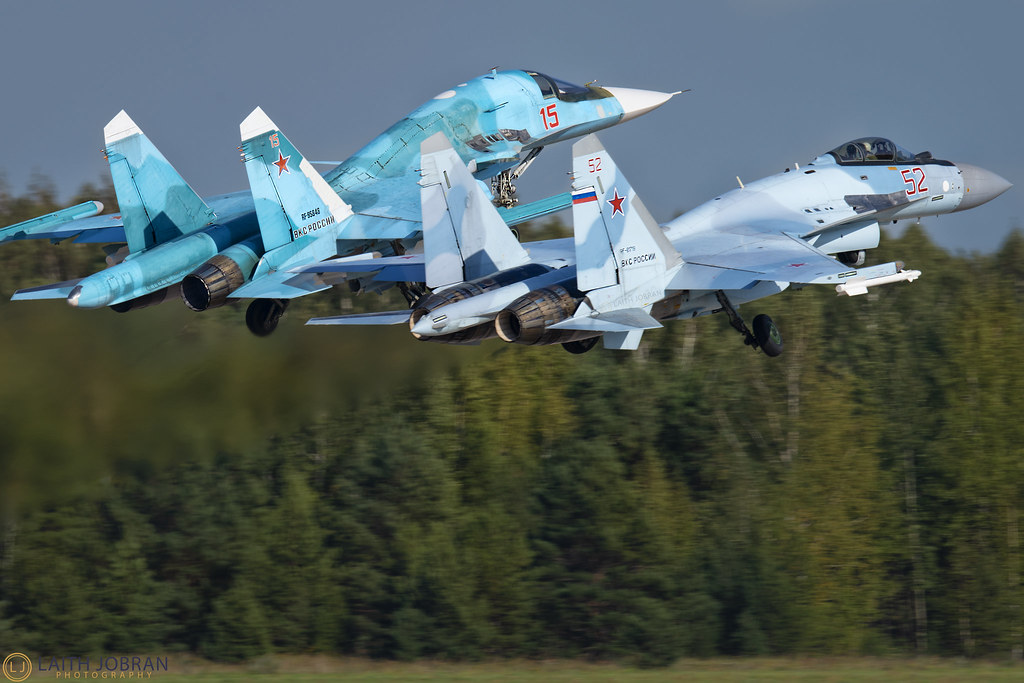
Russian Airspace Force's Su-34 fighter-bomber (left) and Su-35 fighter jet (right). Illustrative image: Flickr/Laith Jobran

What the rest of the network builds

The 79 firms develop and produce the engines and fuel system, the control, communications, and guidance systems, the electronic warfare suite, and the main aviation missiles the jet carries into the war against Ukraine. HUR set the data out in the "Components in weapons" section of its War&Sanctions portal. The page carries a rotatable 3D model of the aircraft whose parts open onto the firms behind them, alongside directory listings and a profile for each company.

Russia uses the jet mainly to cover its own Su-34 fighter-bomber strike groups, ground troops, and installations. It also intercepts Ukrainian drones and cruise missiles, and works against Ukrainian air defense systems. Ukraine's Air Force said in July it had shot one down over the east, and such losses are hard for Moscow to replace: Russian factories ordered 12 of the jets in 2024 and delivered 10.

ukraine mapped russia's su-35 down individual control units—and found 22 firms nobody has sanctioned · post interactive 3d model su-35s multirole fighter published ukraine's war&sanctions portal l-150-35 radar warning station
Explore further

Ukraine mapped Russia’s Su-35 down to individual control units—and found 22 firms nobody has sanctioned

Three sanctions regimes, loosely aligned

The gaps HUR points to exist because the restrictions are not one list. The EU legislates in packages, the US and other G7 states maintain their own designations, and Ukraine issues sanctions by presidential decree, each covering a different set of firms. Kyiv has spent years asking partners to synchronize those lists, and its own designations often run ahead of them. A company can therefore supply a frontline fighter and still trade freely under most of them.

Previously, HUR ran the same exercise on the Su-34, where a third of the production network was still unsanctioned. The same pattern shows up above the component level, with Russia's largest arms conglomerate covered by EU measures while hundreds of its subsidiaries are not, and Western machine tools still sitting inside Russian missile plants. 

  •  

Russia’s North Korean missiles could threaten Kyiv and six other regions, ISW says

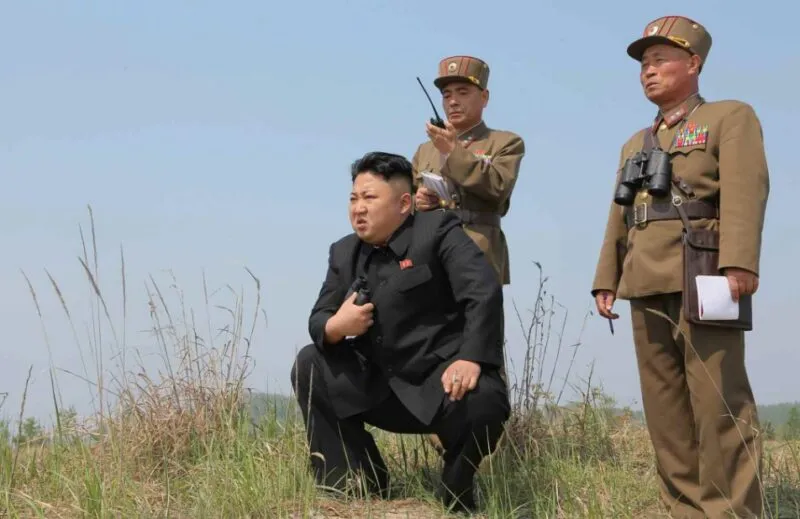
North Korean leader Kim Jong-un crouches in a grassy field while two uniformed military officers stand behind him.

Russia is deploying six launchers for North Korean ballistic missiles in Voronezh Oblast, the Institute for the Study of War (ISW) reported on 20 August. The assessment cited Ukraine’s military intelligence agency (HUR).

Russia has already used North Korean missiles in deadly strikes across Ukraine, and Pyongyang is supplying more of them. From Voronezh Oblast, the weapons could threaten Kyiv and six other regions, adding to the ballistic arsenal Moscow can use in mass attacks intended to overwhelm Ukrainian air defenses.

Six launchers expand Russia’s missile threat

The North Korean missiles could reach Kyiv, Sumy, Kharkiv, Chernihiv, Poltava, Dnipropetrovsk, and Zaporizhzhia oblasts, ISW said.

The unit may eventually field 120 missiles. HUR said North Korea had transferred around 50 KN-23, KN-24, and upgraded KN-30 ballistic missiles to Russia by July.

The KN-30 can carry a 2,500-kilogram warhead, though ISW has seen no evidence of Russia using it against Ukraine. Other North Korean missiles have larger warheads than Russia’s Iskander-M but are less accurate, Ukrainian military expert Anatolii Khrapchynskyi said.

Those missiles could join Russia’s combined attacks. ISW expects Moscow to stockpile ballistic and cruise missiles for several days before launching large barrages intended to overwhelm Ukraine’s air defenses.

ISW pointed to the 19–20 August attack as the latest example of that pattern. The barrage lasted nearly nine hours and killed at least 15 people in Kyiv. Ukraine’s Air Force said it intercepted most drones and cruise missiles, but no longer routinely reports how many ballistic missiles Russia launches or Ukraine intercepts.

North Korean missiles have already killed civilians

Preliminary evidence indicated that Russia used a North Korean ballistic missile in a 30 July strike on Radushne, Dnipropetrovsk Oblast, that killed five members of one family.

On 10 August, a North Korean missile killed seven Zaporizhstal steelworkers and injured 21 others in Zaporizhzhia, Ukrainian officials said. The workers were heading to a shelter when the missile struck.

Ballistic missiles travel at high speed and leave civilians little time to seek cover. They are also harder to intercept than drones or cruise missiles, while Ukraine has limited supplies of the Patriot interceptors used against them.

  •  

Russia’s UN envoy denies reports of post-election mass mobilization

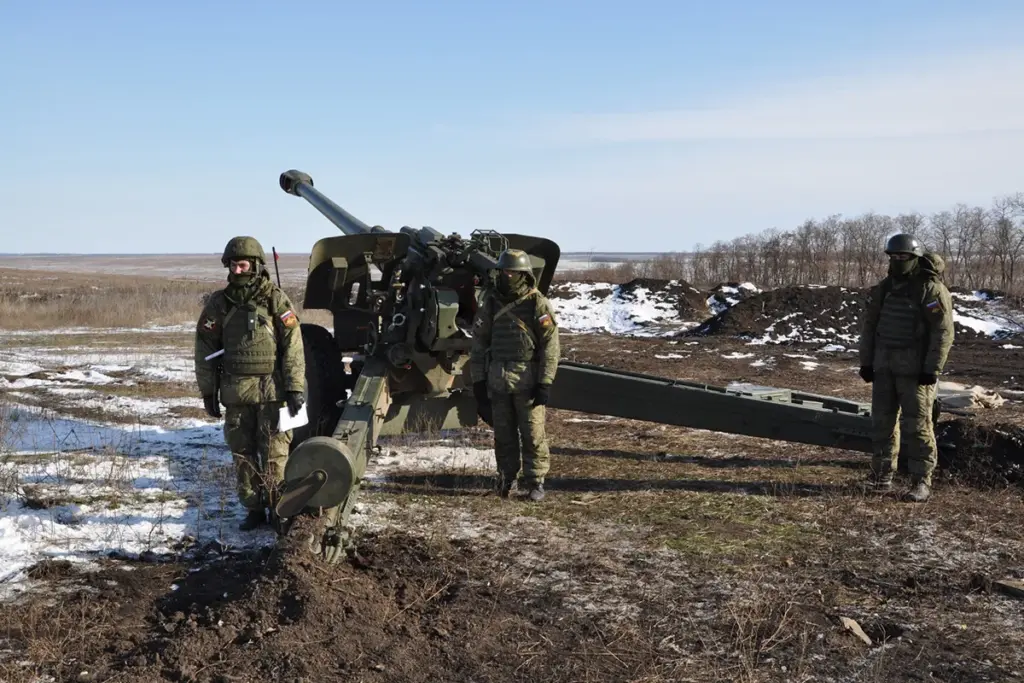
Russian soldiers stand beside a field artillery gun in a snow-covered position.

Russian UN Ambassador Vasily Nebenzya denied reports that Moscow could launch another mass mobilization after September’s parliamentary elections, saying none was planned or expected “as far as I know,” The Moscow Times reported

Russia has avoided another draft since its 2022 mobilization triggered protests and an exodus, relying instead on contract soldiers. Ukraine says those recruits no longer replace battlefield losses, and Moscow may mobilize several hundred thousand people after the elections. That could replenish its forces and support new offensives, although Ukrainian intelligence sees no preparations now.

Nebenzya’s remarks followed a question about more than 20,000 people crossing Russia’s Verkhny Lars border checkpoint into Georgia in one day amid fears of post-election mobilization, Meduza reported.

His comments extend a series of Russian denials. Deputy Security Council Chairman Dmitry Medvedev dismissed reports of another mobilization as “nonsense” in late July. The State Duma’s defense committee said a mass compulsory call-up was not under consideration because the army was recruiting contract soldiers, The Moscow Times reported.

Russia has avoided another mass draft since its September 2022 mobilization triggered protests and an exodus. Officials had also denied that mobilization was planned shortly before President Vladimir Putin announced it, Meduza noted.

Russian government seeks new wartime penalties

Moscow is separately seeking penalties for people and companies that ignore mobilization and military-supply orders issued by regional authorities. The bill would not itself order a new call-up.

The government submitted it to the State Duma, the lower house of Russia’s parliament, on 20 August, The Moscow Times reported. Companies could face fines of up to 1 million rubles or suspension for up to 90 days.

Russian law already punishes such defiance in areas under martial law but imposes no nationwide penalty elsewhere in Russia, according to the bill. Its authors said a “significant number” of violations had been recorded.

Ukraine says a new draft could provide troops for a northern offensive

President Volodymyr Zelenskyy said on 11 August, citing Ukrainian military intelligence, that Russia planned to mobilize several hundred thousand people after the elections and roughly the same number in 2027.

HUR, Ukraine’s military intelligence agency, later assessed that a post-election mobilization could enable Russia to build a strike force for a northern offensive by February 2027. Its deputy chief, Vadym Skibitskyi, stressed, however, that the agency currently sees no evidence that such preparations have begun.

  •  

Russia stops mass-producing Kinzhals amid accuracy problems, but 50 missiles remain ready for Ukraine

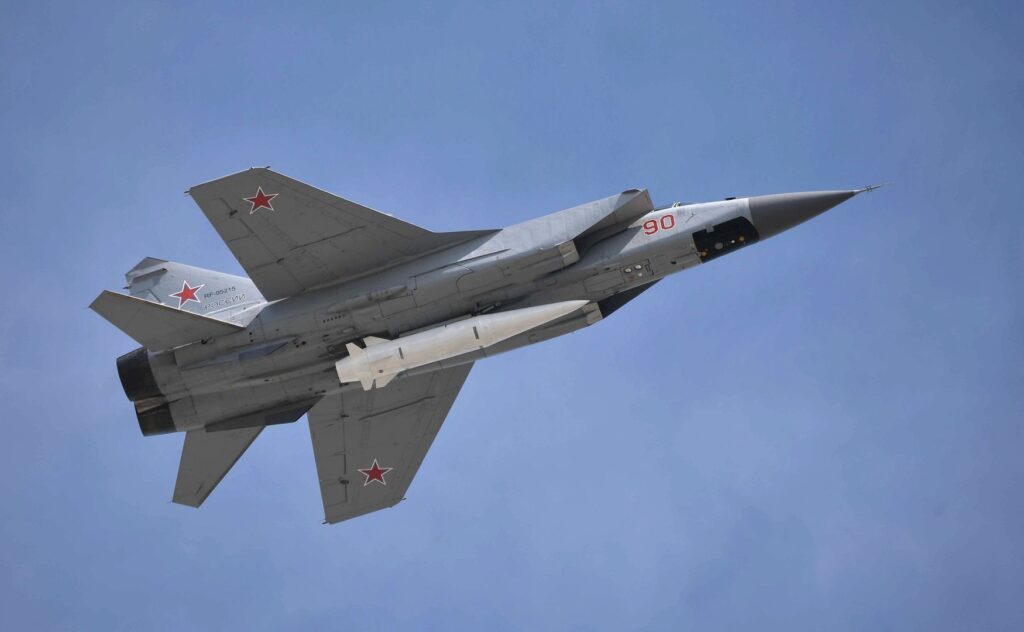
hits harm russia’s 5 hypersonic kinzhal strike ukraine bomber base fails russia's kh-47m2 air-launched ballistic missile attached mig-31k during 2018 victory day parade moscow kremlinru 1750px-2018_moscow_victory_day_parade_66 evening russia launched two

Russia suspended mass production of its Kinzhal air-launched ballistic missiles in April, but still has around 50 in its arsenal, according to Ukraine’s Defense Intelligence Directorate (HUR), Ukrainska Pravda reported.

Russia has repeatedly used Kinzhal air-launched ballistic missiles to strike targets across Ukraine, including during major attacks on Kyiv and other Ukrainian cities. The missile is launched from aircraft and travels at high speed, making it particularly difficult for Ukraine to defend against.

Ukrainska Pravda reported the figures on 20 August, citing HUR data as of July. The intelligence agency said Russia has suspended mass production of the Kinzhal in part because of accuracy problems with the missile. Moscow is instead redirecting production resources toward other ballistic and cruise missiles that can be produced and used more reliably.

Russia shifts production toward other missiles

According to HUR, Russia has redirected rocket fuel, funding, and components toward producing more accurate ballistic and cruise missiles.

The shift is helping Moscow increase production of missiles for the Iskander-M system, HUR said.

“Redirecting production resources towards missile systems enables Russia to maintain the required production rates and ensure the regular use of missiles against Ukraine,” the agency said, as quoted by Ukrainska Pravda.

The production shift suggests Russia is prioritizing missile types it can produce and use more efficiently, rather than maintaining mass Kinzhal production.

all 20+ russian kinzhal hypersonic missiles targeting kyiv intercepted patriot since may 2023 russia's mig-31k aircraft carrying missile illustrative mounted mig-31
Explore further

Putin’s Mach-10 wonder weapon misses by 30 meters. Russia stopped building it in April.

Russia has sharply increased its use of ballistic missiles against Kyiv and other Ukrainian cities in recent months, adding heavier ballistic barrages to its large-scale drone and cruise missile attacks. The escalation has put greater pressure on Ukraine’s air defenses, particularly because ballistic missiles are harder to intercept and can reach their targets within minutes.

Kinzhal remains in Russian arsenal despite production halt

The suspension of mass production does not mean Russia has stopped using Kinzhal missiles, according to HUR.

HUR said Russia still had around 50 Kinzhals as of July, while also holding around 50 North Korean KN-23-series ballistic missiles, including KN-24 and KN-30 variants.

The intelligence agency also said the Kinzhal is undergoing further development to improve issues with its accuracy.

‼ Russian voenkors publishes satellite images from the Starokostiantyniv area!

🚀⚠ The photo shows craters from missiles that did not reach their targets. In some cases, the Kinzhals' deviation was up to 144 meters. pic.twitter.com/qvameRj5t8

— MAKS 26 🇺🇦👀 (@Maks_NAFO_FELLA) November 10, 2025

This means that while Russia has paused mass production, it retains a substantial reserve of Kinzhals that can still be used against Ukraine.

HUR's assessment also highlights a key limitation of the Kinzhal: despite being a high-speed air-launched ballistic missile, it has faced accuracy problems. Russia is therefore shifting production capacity toward missile systems it considers more reliable and easier to produce at scale.

  •  

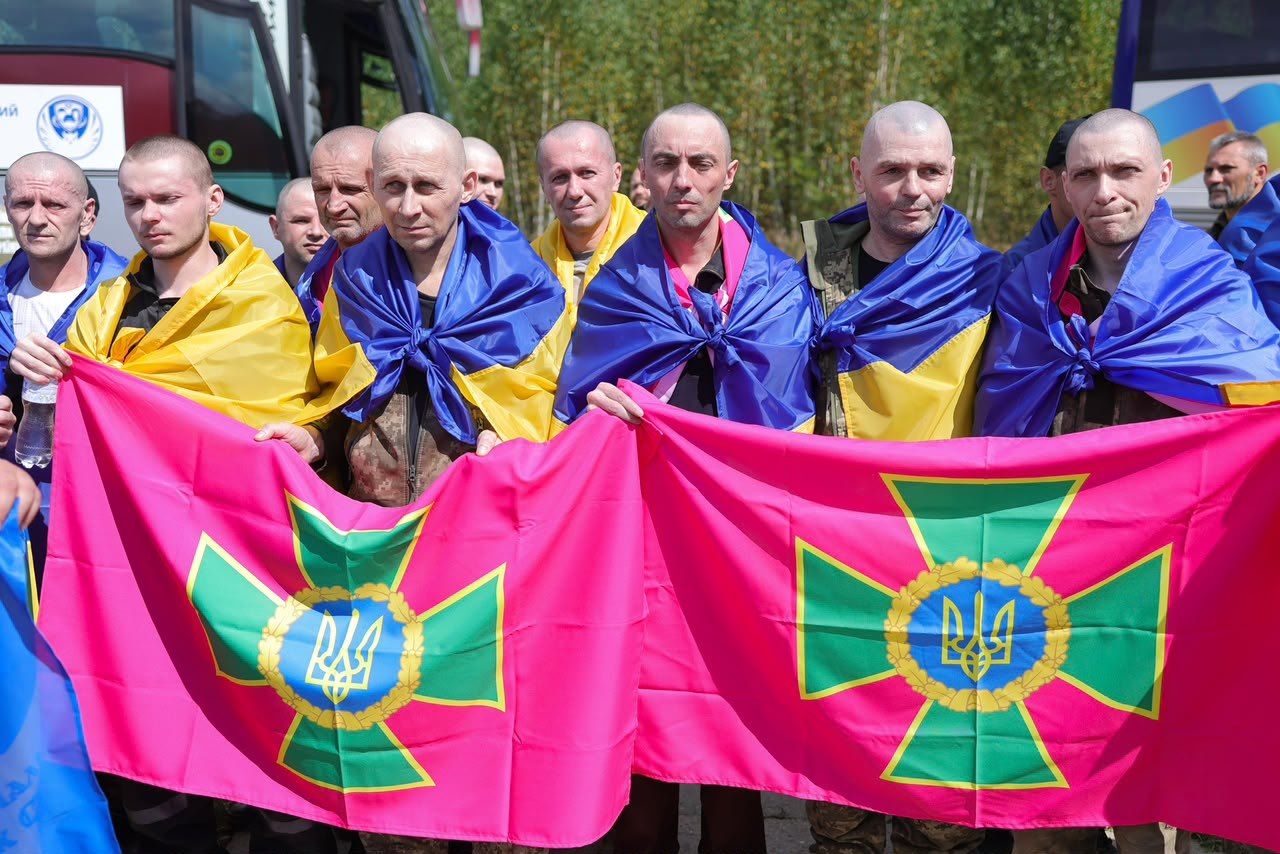
Two officers, 101 soldiers—Ukraine’s newest homecoming from Russian cells

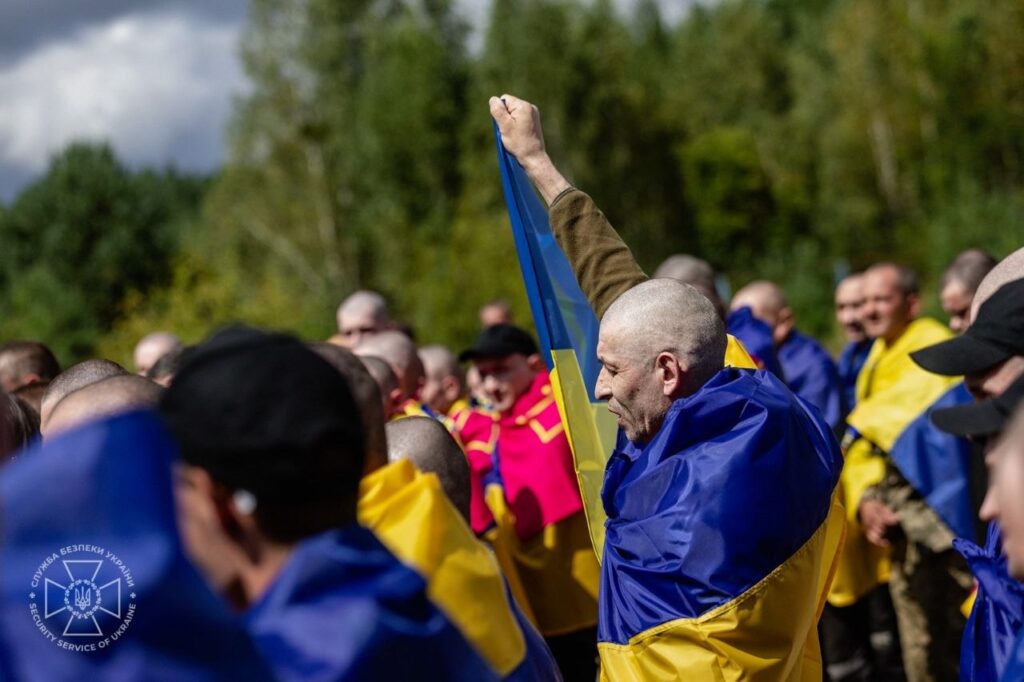
two officers 101 soldiers—ukraine's newest homecoming russian cells · post freed ukrainian defender raises fist among fellow released captives wrapped national flags 19 2026 4 pow exchange sbu5199714552638020898 ukraine news

Ukraine has brought another 103 servicemembers home from Russian captivity in the first stage of a new prisoner exchange, the Coordination Headquarters for the Treatment of Prisoners of War reported on 19 August 2026. Most of the returning defenders are wounded or seriously ill after captivity that, for some, reached back to 2022, the year of Russia's full-scale invasion. The United States and the United Arab Emirates helped organize the swap, the headquarters said.

Amid Moscow's full-scale invasion, prisoner swaps have become one of the few channels that still functions between Kyiv and Moscow, and each one hinges on how many enemy captives one side can put on the table for the next round. Thousands of Ukrainian soldiers and, separately, civilians remain in Russian hands, and each release still returns only a fraction of the people whose families are waiting for them.

Who came home

The freed group covers nearly every branch of Ukraine's forces. It includes members of the Armed Forces, the Navy, Territorial Defense, the National Guard and the State Border Guard Service. Alongside soldiers and sergeants, several officers were released.

The SBU said the return of the 103 Ukrainian defenders was coordinated by the Joint Center for the Search and Release of Prisoners of War, the Coordination Headquarters for the Treatment of POWs, and other authorized agencies.
📹SBU pic.twitter.com/nr5VabHYtQ

— Euromaidan Press (@EuromaidanPress) August 19, 2026

The Coordination HQ detailed the composition. The Defense Ministry accounted for 92 of those freed, and the Interior Ministry for 11. Two of the returnees are officers, the rest enlisted personnel and NCOs. Interior Minister Ivan Vyhivskyi said his ministry's 11 broke down into five National Guardsmen and six border guards.

The defenders had been captured across the Donetsk, Luhansk, Kharkiv, Zaporizhzhia, Dnipropetrovsk, Kherson and Sumy directions, as well as at Mariupol. The single largest share, 72, fell on the Donetsk front. The youngest freed defender was born in 2000, and the oldest is 59.

two officers 101 soldiers—ukraine's newest homecoming russian cells · post freed ukrainian prisoners war officials pose military flags after returning captivity 19 2026 1 pow exchange sbu5199714552638020893 ukraine news reports
Freed Ukrainian prisoners of war and officials pose with military flags after returning from Russian captivity, 19 August 2026. Photo: Security Service of Ukraine

Years behind Russian bars

The captures span the entire full-scale war. One of those freed had been held since 2022, 16 since 2023, and 48 since 2024. Another 31 were seized in 2025 and seven this year. By the same tally, the International Committee of the Red Cross had confirmed the captivity of 102 of the group before the handover, with a single case verified through other sources.

A previous swap in late June returned 160 defenders, all of them held since 2022.

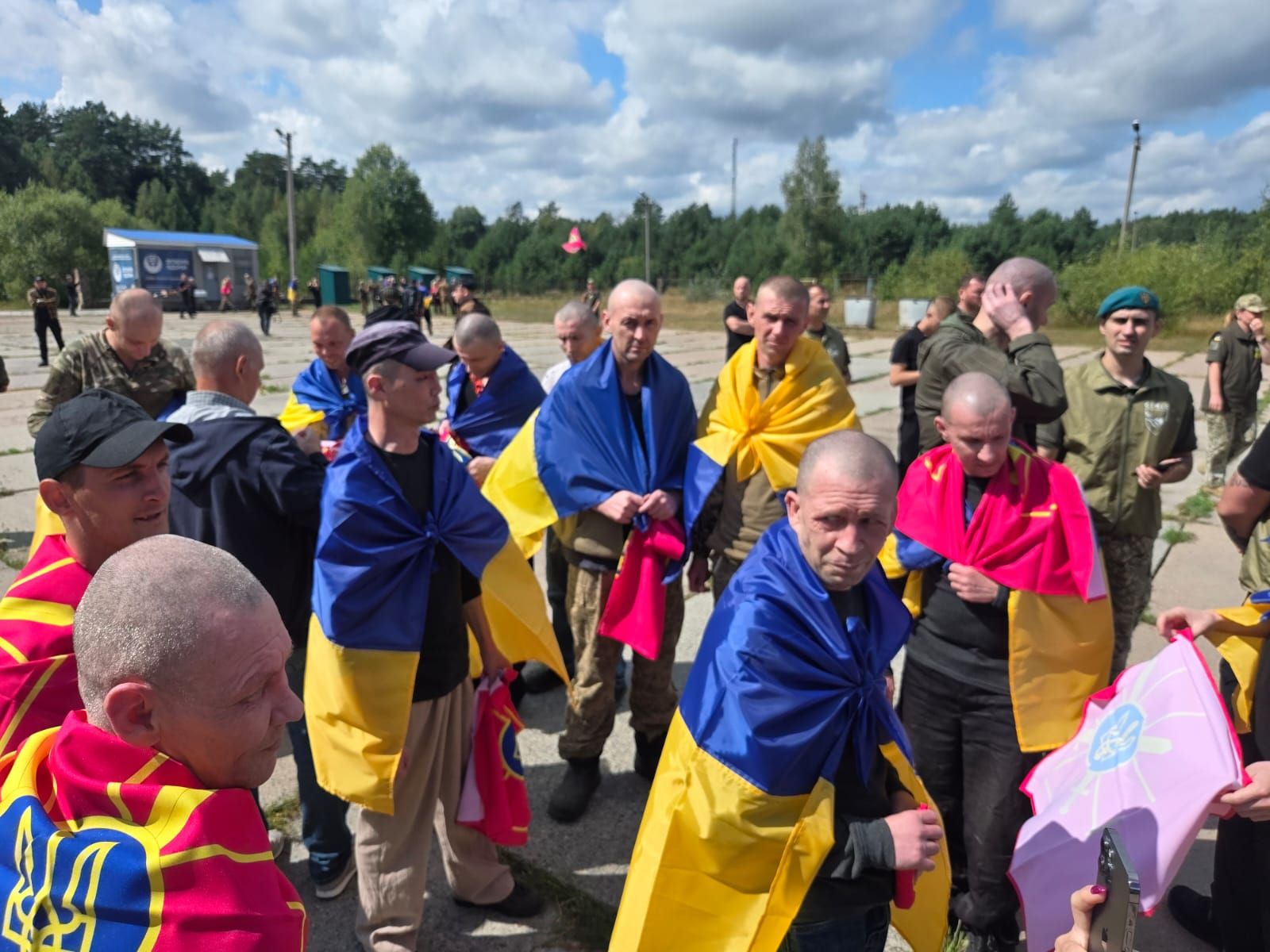
two officers 101 soldiers—ukraine's newest homecoming russian cells · post freed ukrainian servicemen wrapped national flags gather after returning captivity 19 2026 5 pow exchange координаційний штаб ukraine news reports
Freed Ukrainian servicemen wrapped in national flags gather after returning from Russian captivity, 19 August 2026. Photo: Coordination Headquarters for the Treatment of Prisoners of War

Wounded and ill

The released defenders will undergo full medical examinations, receive physical and psychological rehabilitation, and obtain the state payments provided by law. The head of the President's Office, Kyrylo Budanov, said doctors were already doing everything necessary for the returnees, most of whom came back with wounds and serious illness.

Their condition fits a wider pattern Ukrainian officials have described, in which Russia starves most captives and executes many surrendered soldiers on the battlefield.

two officers 101 soldiers—ukraine's newest homecoming russian cells · post released ukrainian defenders hold state border guard service flags after return captivity 19 2026 2 pow exchange іван вигівський мвс5199720694441253107
Released Ukrainian defenders hold State Border Guard Service flags after their return from Russian captivity, 19 August 2026. Photo: Ivan Vyhivskyi / Interior Ministry

"We remember everyone still in captivity"

President Volodymyr Zelenskyy said the freed included men who had defended Mariupol. 

"We remember every man and every woman still held captive. We are doing everything possible to bring all our people home," he said.

two officers 101 soldiers—ukraine's newest homecoming russian cells · post freed ukrainian servicemen wrapped national flags gather after returning captivity 19 2026 5 pow exchange координаційний штаб ukraine news reports
Freed Ukrainian servicemen wrapped in national flags gather after returning from Russian captivity, 19 August 2026. Photo: Coordination Headquarters for the Treatment of Prisoners of War

The Security Service of Ukraine noted the swap ran through the joint center it operates to coordinate the search and release of prisoners. Oleh Ivashchenko, chief of the Main Directorate of Intelligence (HUR) and head of the Coordination Headquarters, met the returning defenders in person. 

  •  

Russia could open northern front by February if it orders new mobilization, Ukraine intel says

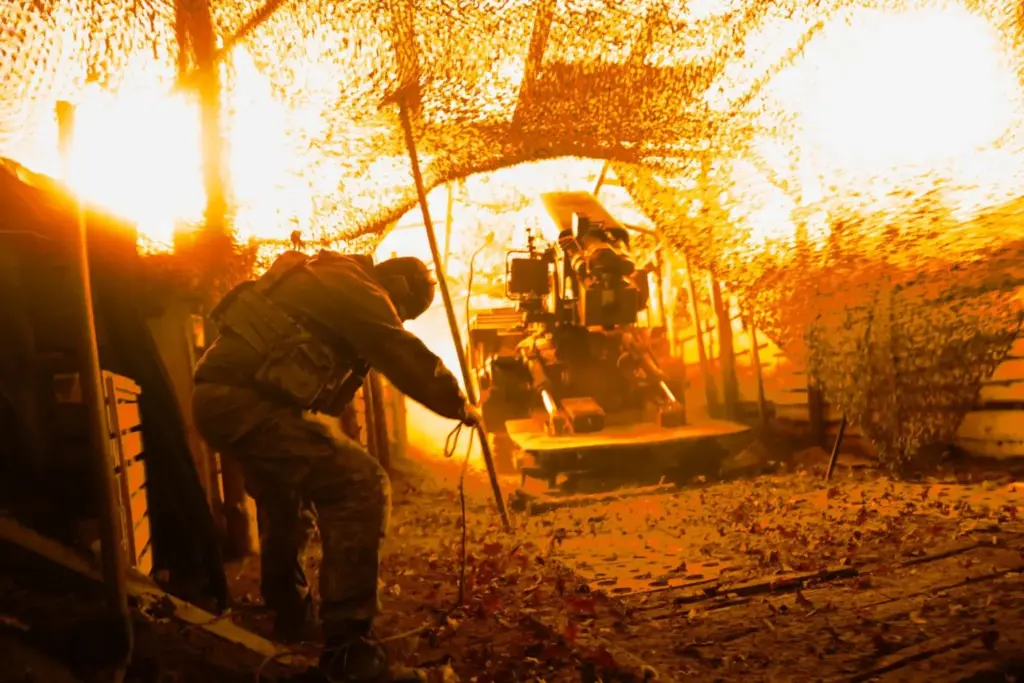
A soldier from Ukraine’s 100th Mechanized Brigade operates an artillery gun firing beneath camouflage netting.

Russia could assemble a strike force for an offensive into northern Ukraine by February 2027 if Moscow launches another mobilization, Ukrainian military intelligence's (HUR) deputy chief Major General Vadym Skibitskyi told RBC-Ukraine on 18 August.

Skibitskyi said another mobilization could follow Russia’s September parliamentary elections. Depending on its scale, that call-up could produce a strike force by February 2027. Skibitskyi based the February estimate on Russia’s 2022 mobilization. He said some personnel reached the front in December 2022, while combat-ready units arrived in January 2023.

Earlier warnings identified a northern route

The February estimate follows Ukrainian warnings about possible attacks across the northern border. In May, Zelenskyy said Ukraine was tracking five scenarios for expanding the war through the north, including an advance through Chernihiv Oblast toward Kyiv.

Syrskyi called an attack from Russia’s Bryansk Oblast into Chernihiv Oblast Moscow’s most realistic northern option, ranking it above an operation through Belarus. Its purpose, he said, would be to draw Ukrainian forces away from the east and south.

Russia has also struggled to prepare other major campaigns as Ukraine targeted the forces and systems needed to carry them out. ISW assessed that Ukrainian drones likely disrupted preparations for a spring–summer offensive in Donetsk Oblast, while a planned Russian naval-drone campaign reportedly stalled after Starlink access was blocked.

Ukrainian intelligence says Russia lacks the manpower

Skibitskyi said Moscow cannot form the units required for a new offensive without mobilization. HUR estimates Russia lost more personnel than it recruited in both June and July. The shortfall reached 3,000 in June and at least 1,000 in July, meaning monthly contracts no longer replaced battlefield losses.

The agency says Russia’s operational reserve is about one-tenth the size of its combat component against Ukraine. Moscow also lacks enough personnel to expand brigades into divisions, while recruitment for its unmanned-systems forces has reached only 30% of its quota.

CSIS estimated in January that Russia had suffered losses unmatched by any major state since World War II while advancing extremely slowly.

  •  

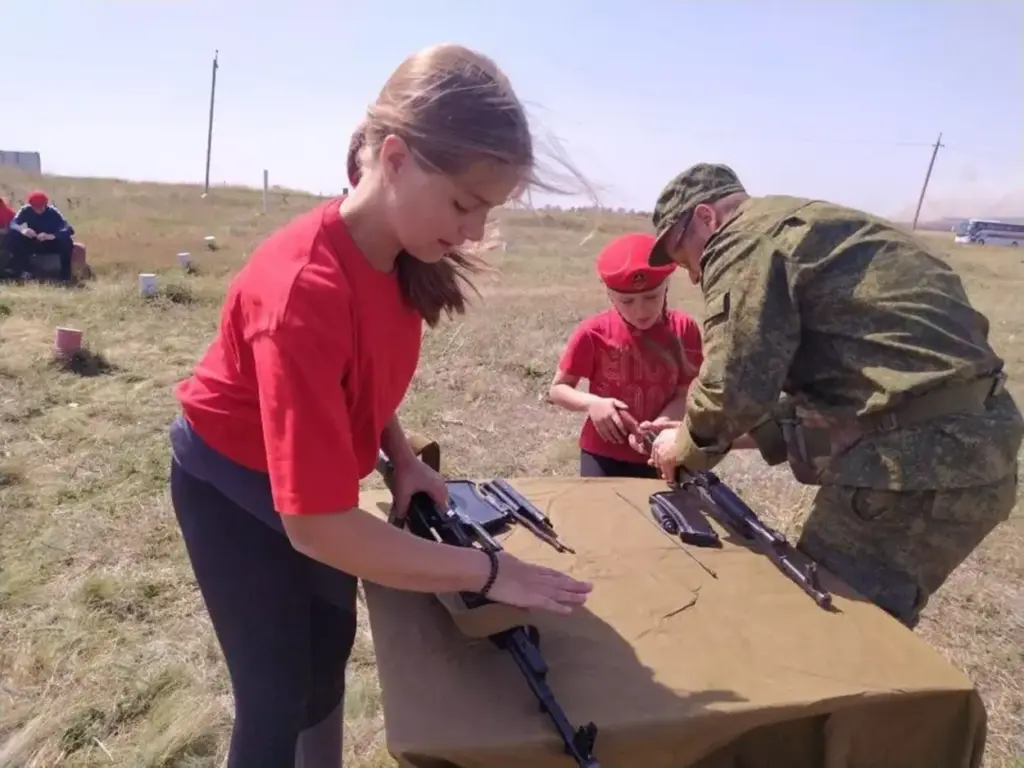
Russia weaponizes Ukrainian children in occupied territories. Ukraine singles out those responsible

Two children handle rifles as a uniformed man demonstrates a weapon on a table outdoors.

Ukraine’s military intelligence (HUR) has named 10 people and two institutions it says are teaching Ukrainian children under occupation to handle weapons—and preparing them to serve Russia.

HUR says those named use youth groups, occupation education authorities, and schools to erase children’s Ukrainian identity and prepare them for Russian military service. Publishing their names supports Ukraine’s efforts to document the system and hold its organizers accountable, but HUR announced no charges or sanctions with the update.

How Russia militarizes Ukrainian youth in occupied territory

At a May 2026 “Zarnitsa 2.0” competition, the Kremlin-backed Movement of the First taught children to handle weapons and explosives and operate drones, HUR said.

At the competition’s stage in occupied Zaporizhzhia Oblast, regional organizer Viktoria Kostromina stated those skills would provide children with a “reliable foundation in life.”

The training sits inside a much larger school system. From 1 September, occupation schools will add a separate basic military-training track alongside a new Russian ideology class and behavior grades. More than 582,000 children across nearly 2,000 schools study under the imposed Russian curriculum, according to the Almenda Center of Civil Education.

Russia is also embedding combat preparation more deeply. “Cossack classes” will make ideological and combat-related drills compulsory for fifth-graders in four occupied Donbas cities. In Crimea, occupation authorities say they have built a pipeline that selects schoolchildren for drone training and ultimately for the Russian military reserve.

The policy has a long horizon. Putin’s 2025 strategy set a 95% “Russian civic identity” target for occupied populations by 2036.

Who HUR says is behind the indoctrination

HUR linked the individuals to the Movement of the First, Yunarmia, occupation education bodies, and a school in Simferopol.

Whom the HUR identified

  • Artur Orlov: chairman of the Kremlin-backed Movement of the First.
  • Oleksii Lavrentiev, Marina Tsvetinskaya, Ruyal Aliyev, Ekaterina Kozyr, Viktoria Kostromina and Kateryna Popova: regional Movement of the First organizers in occupied Ukraine.
  • Svitlana Bespalova: occupation deputy education minister in Crimea.
  • Nikita Polyakov: Yunarmia organizer in occupied Kherson Oblast.
  • Dmytro Pryvidion: director of School No. 5 in occupied Simferopol.

HUR also identified two institutions: Pryvidion’s School No. 5 and the Selet–Ak Bars youth center in Foros. It says the school holds militaristic activities and produces devices for loading rifle magazines, while the center stages pro-war events for children.

All 12 entries now appear in the “Child Kidnappers” section of HUR’s War&Sanctions database.

Ukraine has previously pursued individual organizers through criminal cases. In 2024, the SBU accused a Crimea occupation official of using schools and military camps to indoctrinate pupils and encourage enlistment in Russia’s forces.

Ukraine’s ombudsman later asked the ICC and Ukrainian law enforcement to recognize systematic child militarization as a crime against humanity.

  •  

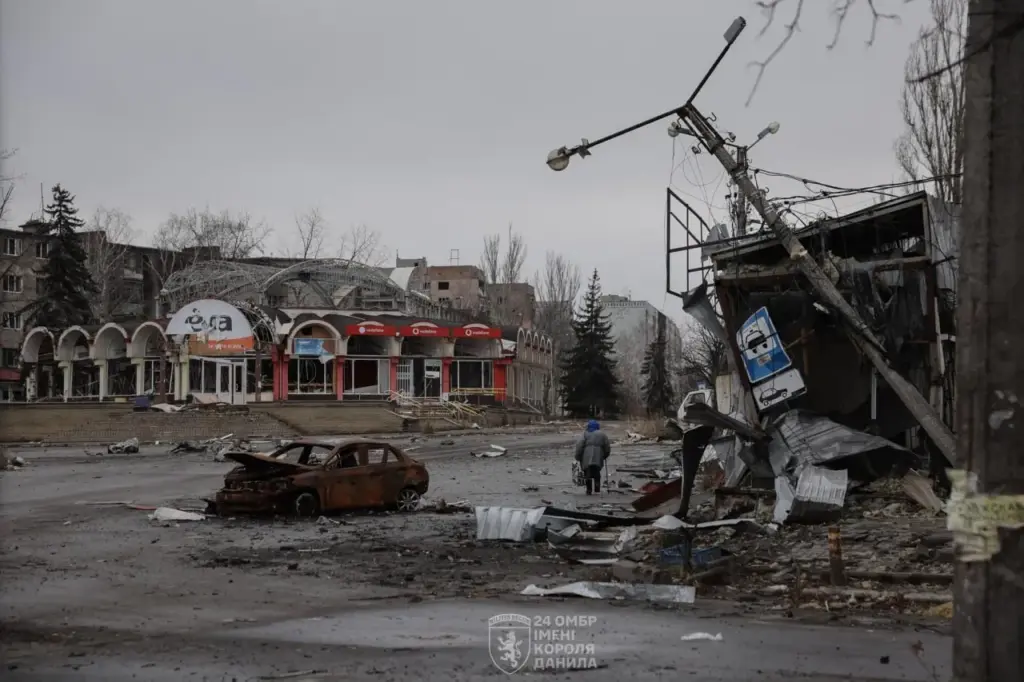
HUR: Russia seeks rest of Donetsk Oblast, not a peace deal, by year-end

A person walks along a war-damaged street past a burned-out car, rubble, shattered buildings and a collapsed utility pole.

Ukraine's military intelligence (HUR) sees no battlefield signs that Russia is preparing for a ceasefire, deputy chief Major General Vadym Skibitskyi said in an interview with RBC-Ukraine on 18 August 2026. The agency expects no peace agreement before the end of 2026.

Russia’s General Staff plans to capture the remainder of Donetsk Oblast by year-end, Skibitskyi said. Meanwhile, HUR estimates that Russian personnel losses exceeded contract recruitment in June and July, leaving Moscow unable to create new military formations without mobilization.

HUR estimates Russia lost more troops than it recruited in both June and July. Losses exceeded new contract personnel by 3,000 in June and by at least 1,000 in July, leaving recruitment unable to replace battlefield losses. The agency says Russia’s operational reserve is only about one-tenth the size of the part already engaged in combat against Ukraine.

Russia has set a 2026 target of recruiting 409,000 personnel. Without mobilization, however, Moscow cannot create new formations or turn existing brigades into divisions because it lacks personnel, Skibitskyi said. The recruitment plan for Russia’s unmanned-systems forces is only 30% complete, and the command is trying to fill the gap with personnel from other military branches, he added.

If Russia mobilizes after its September parliamentary elections, it could assemble a powerful strike group by around February 2027, according to HUR. Skibitskyi did not rule out its use for a northern offensive. At present, however, HUR sees no conditions, indicators, or troops for such an operation.

Russia previously targeted September for Donbas

In April, Skibitskyi told the Financial Times that Moscow aimed to capture all of Donbas by September, after missing its deadlines to take Kostiantynivka and Druzhkivka. Russia was transferring 20,000 troops from strategic reserves to sustain the offensive, although this amounted to less than one month's worth of its battlefield losses.

By early August, DeepState reported 36 square kilometers of additional Russian-controlled territory across Ukraine in July, a figure that included map corrections for May and June. Without those corrections, Russia gained about 88 square kilometers.

DeepState reported limited progress near Rodynske and Kostiantynivka and toward Sloviansk and Kramatorsk, the heart of Ukraine’s “fortress belt.” At that pace, Russia had “no chance” of capturing all of Donetsk Oblast even by 2027, the group said. It cautioned that another wave of mobilization or a wider deployment of North Korean troops could change the forecast.

  •  

First warehouses burned, now payment system is down: Ukraine launches dual campaign against Russia’s largest marketplace that reportedly moves drone parts

russian refinery makes jet fuel moscow's warplanes—and ukraine keeps setting fire · post black smoke rises over burning wildberries logistics complex leningrad oblast after ukrainian drone strike 4 2026 5445360929345313906

Ukraine has hit Russia's biggest marketplace in cyberspace as well as with drones. Cyber specialists disrupted Wildberries' operations across Russia, Ukraine's Defense Ministry's Main Intelligence Directorate (HUR) reports.

Ukraine says that Wildberries is not ordinary commerce but a piece of Russia's war logistics. According to the military command, the network moves military-related goods, and President Zelenskyy has said Russia uses the platform to bring in sanctioned drone components, which is why Ukraine has spent weeks burning its warehouses and now strikes its servers.

HUR reports that on 10 and 11 August, specialists from the Cyber Corps community attacked Wildberries' digital infrastructure, causing failures in its payment and customer service systems.

The attack hit payments and support

The disruption struck where customers feel it. Because of the problems with the payment infrastructure, users complained they could not complete certain transactions.

For a platform whose whole value is the frictionless movement of goods and money, a payment system that will not process transactions is a direct hit to the business.

The strain spread to customer service. At the same time, the load on the support service rose, causing failures in the contact centers, so the attack degraded both the ability to pay and the ability to get help across Russia.

It pairs with the warehouse strikes

In July, Ukrainian drones destroyed eight Wildberries warehouses, about 15.4% of the marketplace's storage.

Pairing strikes on physical infrastructure with Ukrainian cyber operations strengthens the pressure on the company, HUR assessed.

The logic is to squeeze the same target from two directions at once: burn the warehouses that store the goods, then disable the systems that move them to customers, so damage in one domain amplifies damage in the other.

Earlier, Ukraine hit the Progress Rocket Space Center in Samara, which builds Soyuz-2 rockets used to launch Rassvet, Russia’s planned alternative to Starlink.

  •  

Ukraine: 18 of 26 Russian oil and stolen-grain ships face no sanctions

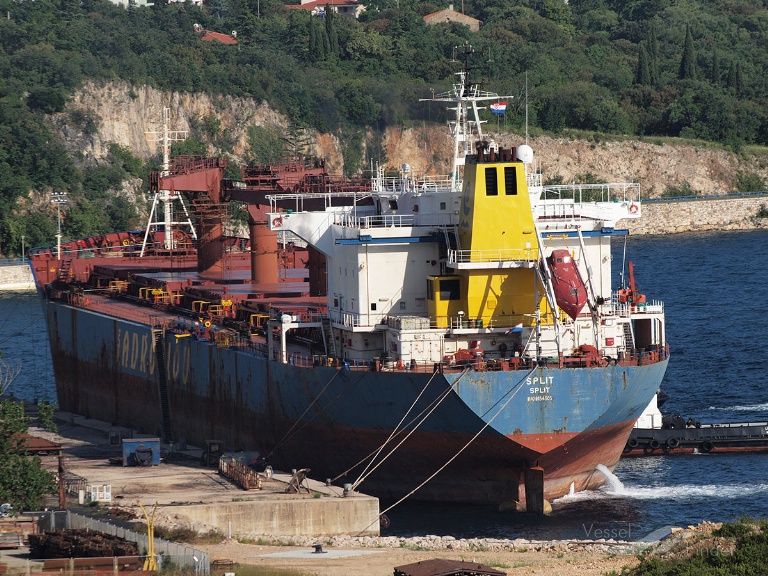
The bulk carrier now named LAMAR S, with SPLIT painted on its stern, moored beside a concrete quay near a wooded coastline.

On 14 August, Ukraine's Military Intelligence (HUR) published data on 26 vessels via its War&Sanctions portal, noting that 18 ships face no sanctions from any of Ukraine's partner countries.

The agency said the ships carry Russian oil, liquefied natural gas (LNG), or agricultural products from occupied Ukraine. Euromaidan Press could not independently verify HUR’s vessel records.

Russia relies on maritime trade both to fund its war through energy exports and to sell crops taken from occupied Ukraine. Kyiv began building a dedicated system against Russia’s shadow grain fleet in April, modeled on its oil-fleet campaign. A US bill introduced this week would also target vessels, owners, insurers, and ports involved in sanctions evasion. HUR’s new list shows how many ships remain outside those restrictions.

Russia’s grain shadow fleet

HUR divided the 26 vessels into three groups:

  • oil tankers serving Lukoil, Rosneft, Surgutneftegas, Novatek, Tatneft, and Gazprom;
  • dry-cargo ships using the occupied ports of Berdiansk, Sevastopol, Kerch, and Feodosia;
  • LNG carriers moving gas from the sanctioned SAAM FSU floating storage unit, which holds LNG from the sanctioned Arctic LNG 2 project.

HUR highlighted three of the 18 vessels that are not facing partner sanctions. The bulk carrier LAMAR S repeatedly loaded wheat at the Avlita terminal in occupied Sevastopol in 2026 for delivery abroad, including to Syria, the agency said.

NAYA FALCON carried baking soda and granulated wheat bran from occupied Sevastopol to Egypt and Cyprus, HUR said. The agency linked the oil tanker GREGAL to UAE-based Cymare Navigation FZC, which it described as affiliated with Sovcomflot, Russia’s state-controlled shipping company.

Russia steals grain while striking Ukraine’s exports

Crops taken from occupied land are sold abroad as Russian produce, while Russia's attacks leave Ukraine’s legitimate harvest with fewer routes to market.

Ukraine’s Foreign Intelligence Service said Russia sold more than 2 million tons of grain from occupied Ukraine as Russian produce in 2025. The agency said ship-to-ship transfers at Kavkaz helped conceal its origin.

Meanwhile, Russian attacks have squeezed Ukraine’s legitimate grain trade. Strikes on civilian ships brought the Black Sea corridor to a near standstill during the July harvest peak. Ten people died when Russian missiles hit the grain-laden Golden Leo on 19 July.

HUR called on Ukraine and its partners to synchronize sanctions and detain vessels that violate restrictions. It said the measures could curb Russia’s maritime logistics and war funding.

  •  

Captured Akhmat fighter says he chose Ukraine and a drone guided him away from Russia’s ranks

Former Akhmat fighter Magomed, center, speaks with journalist Dmytro Karpenko, left, and another man during a video interview.

A former fighter from the Akhmat forces, armed formations loyal to Chechnya’s Kremlin-backed ruler Ramzan Kadyrov, said he wants to fight for Ukraine after nearly a year in captivity.

Identified only as Magomed, he gave his account to Dmytro Karpenko, a Ukrainian journalist and blogger known for interviewing Russian prisoners of war, in a video published on 9 August 2026. Militarnyi, a Ukrainian military news outlet, reported on the interview on 13 August.

Magomed’s reported crossing reflects a divide that has placed Chechen fighters on both sides of Russia’s war. Since 2014, Kadyrov-loyal formations have fought for Moscow, while anti-Kremlin Chechens seeking independence from Russia have supported Kyiv.

Magomed’s account traces one fighter’s claimed passage from the first camp toward the second after Russians allegedly killed his brother. His account has not been independently verified.

The Chechen fighter said he had served near Svitlodarsk, Bakhmut, and Horlivka, including evacuating soldiers’ bodies.

Magomed also claimed two Chechens had crossed before him, prompting Russian commanders to check fighters’ phones and tighten surveillance.

According to Magomed, he later followed a Ukrainian drone toward Ukrainian positions with other Chechens. Ukrainian troops dropped medicine, water, and a radio to guide them. A Russian FPV drone attacked during the crossing and killed one Chechen, he alleged.

Ukrainian forces received the survivors and handed Magomed to the police brigade "Liut". His captivity began on 29 August 2025. Magomed also alleged that Russians killed his brother and called the death an epileptic seizure. Magomed said that drove him to fight Russia.

Militarnyi reported that Magomed had joined the International Legion, which is run by Ukraine's military intelligence. However, Karpenko’s video description says he wants to join the legion. Neither source explained the discrepancy.

What is Akhmat?

Akhmat, the unit Magomed belonged to, provides Russia with frontline troops and rear-area security. UK intelligence estimated in 2024 that around 9,000 personnel served in pro-Russian Chechen units in Ukraine.

Kadyrov’s reach has also expanded during the war. A later investigation found that his armed network had grown to 20 units across Russia’s military and security structures.

The Akhmat group's influence may extend beyond military operations. In January 2026, ATESH, a Ukrainian-Crimean Tatar partisan group, said Moscow planned to hand occupied Mariupol to Akhmat as a reward for Chechen leaders’ loyalty. The resistance organization claimed that arriving Chechen forces sought control of the city’s resources and industry.

Chechens also fight for Ukraine

On the other side, Chechens seeking an independent Ichkeria (the indigenous Chechen name for Chechnya) have fought for Ukraine since 2014.

In April 2026, Ukrainian intelligence said Shamanbat, a Ukrainian special unit that includes Free Ichkeria fighters, helped conduct drone and artillery strikes on Akhmat positions. The agency claimed the operation killed dozens of Akhmat personnel and wounded about 80.

  •  

Russia builds 3,000 jet drones monthly to counter Ukrainian interceptors, HUR says

3D model of a Russian Geran-4 jet-powered attack drone, shown from above with its tracker and navigation unit listed beside it.

Russia has ceased producing its Geran-3 jet-powered attack drone, Ukraine’s Military Intelligence (HUR) told the Ukrainian defense outlet Militarnyi. The agency estimates Russian industry now makes about 3,000 newer Geran-4 and Geran-5 drones per month.

Russia is shifting toward faster jet drones as Ukraine’s low-cost interceptors have become more effective against slower Shaheds. The Geran-4 and Geran-5 leave defenders less time to react, requiring faster interceptors or short-range air defenses. At the reported production rate, these newer Geran models, previously used in limited numbers, could become a regular feature of Russian attacks.

HUR said Russia has established serial assembly of the two newer models at the Alabuga complex in Tatarstan, with other Russian companies supplying components. The agency also said Russia’s Defense Ministry wants to expand Alabuga’s capacity. Construction began in May. Satellite imagery showed large-scale work by early July 2026, although the purpose of the new buildings remains unknown.

From Geran-3 to newer jet drones

Russia first used Geran-3 drones in large numbers during a combined nighttime attack on Ukraine on 30 July 2025. At least eight flew alongside propeller-driven Shaheds and decoys. The model retained the Geran-2 airframe but replaced its piston engine with a Chinese Telefly JT80 turbojet. HUR gave it a speed of 300–370 kilometers per hour and a range of up to 1,000 kilometers.

In May, then-Defense Ministry adviser Serhii “Flash” Beskrestnov said Ukrainian defenses stopped 95% of incoming Shaheds during the most recent documented strike and predicted Moscow would produce more jet-powered Geran variants.

The newer Geran-4 has a more robust airframe than the Geran-3 and is designed for high-speed flight and maneuvers. It can reach 500 kilometers per hour.

The larger Geran-5 carries a roughly 90-kilogram warhead and has a stated range of up to 1,000 kilometers. HUR has said Russia may equip it with R-73 air-to-air missiles, potentially threatening aircraft sent to intercept it.

The Chinese engines that Russia itself can't build

The Geran line combines Iranian designs, Russian assembly, and imported technology. HUR described the Geran-3 as a localized version of Iran’s Shahed-238. It found 45 foreign components inside, including parts from the United States, China, Switzerland, Germany, Britain, and Japan.

Russia depends on China for the turbojet engines in newer Geran models. HUR deputy chief Vadym Skibitskyi told RBC-Ukraine that Russia remains fully dependent on Chinese turbojet engines for the Geran-4 and Geran-5. Each costs about $35,000–$40,000, he said.

A Chinese XK-F358 mesh radio recovered from a Geran-5 also helps Russian drones resist jamming. Its manufacturer remains outside the US, EU, UK, and Ukrainian sanctions, according to a review by Euromaidan Press.

  •  

Russians work three shifts to build jet-powered missiles powered by a $16,000 Chinese engine from AliExpress

Rocket S8000 Banderole

Russia is turning out its cheap Banderol drone-cruise missile at scale. Russia is capable of producing up to 80 jet-powered weapons a month, Ukraine's Defense Intelligence (HUR) told the defense outlet Militarnyi in response to a query.

The production figure sharpens a threat Ukraine has tracked as the Banderol expands. The missile has a relatively short range of about 500 kilometers, so Russia effectively launches it from Crimea at Odesa. It means Russia can sustain and grow the Banderol strikes on Ukraine's south, a weapon whose ground launcher Ukraine recently found could let Russia fire it without warning and in salvos.

The missile is fast, cheap, and short-range

The Banderol was developed and is made by the Russian company Kronshtadt, reaching a maximum speed of 620 to 650 kilometers per hour and cruising at 520 to 560, with a fragmentation-high-explosive warhead of 114.3 kilograms, of which 49.5 kilograms is explosive.

Its range dictates where it is used. At about 500 kilometers, the Banderol cannot reach far into Ukraine, which is why Russia fires it from occupied Crimea at Odesa, using the peninsula's proximity to strike the southern port city that has borne so much of Russia's missile campaign.

It has launched them at the Kyiv agglomeration to hit Rozetka, Ukraine's largest online retailer.

Banderol's jet propulsion allows speeds that Ukrainian mobile fire teams cannot match with standard ground-based machine guns. Countering the missile requires systems like the Gepard that can track fast-moving targets. 

The production runs on Western parts

The 80-a-month figure comes at a cost in effort and imports. To sustain the stated production rate, Russian enterprises work in three shifts, and to make the missiles, Russia uses Western components.

Ukraine's War & Sanctions portal documented over 20 foreign-made components and approximately 20 microchips of foreign origin from 30 different companies in the missile's construction, with a Chinese Swiwin SW800Pro jet engine, available on AliExpress for approximately $16,000, powering the weapon.

  •  

Ukraine finds American Nvidia Jetson micro-computer in Russia’s new missile that can’t reportedly tell truck from a bus with children

The image shows a Russian missile. Source: HUR

An American AI computer has turned up inside Russia's newest cruise missile. Ukrainian specialists has found an Nvidia Jetson micro-computer in Russia's new S-71 "Monokhrom" cruise missile, the Defense Ministry's Main Intelligence Directorate (HUR) reports.

S-71M “Monokhrom is the first fully autonomous long-range strike system designed to engage not only stationary but also moving targets. The system is designed to independently decide whether to destroy a target based on threat priorities. A significant problem for such autonomous systems is determining exactly what they are attacking — a military truck or a bus carrying children.

The discovery is the latest evidence that Russia's newest weapons still run on Western technology. Ukraine has already documented hundreds of foreign components in Russian missiles and drones reaching Moscow despite sanctions.

The AI chip is the standout find

The use of the Nvidia Jetson may indicate the application of AI technologies in the missile. This capability would let the weapon process visual or sensor data onboard to identify targets or navigate, functions that depend on exactly the kind of compact AI computing it provides.

The chip sits among many foreign parts. In total, 35 electronic components used by Russia in the missile were identified, making Monokhrom another Russian weapon built substantially from foreign electronics.

The same parts show up across Russia's arsenal

HUR's analysis linked the missile to Russia's wider weapons program. The identified components included parts of a passive radar seeker that Russia has begun installing on Geran-2 drones to detect and strike Ukrainian air-defense systems and radars.

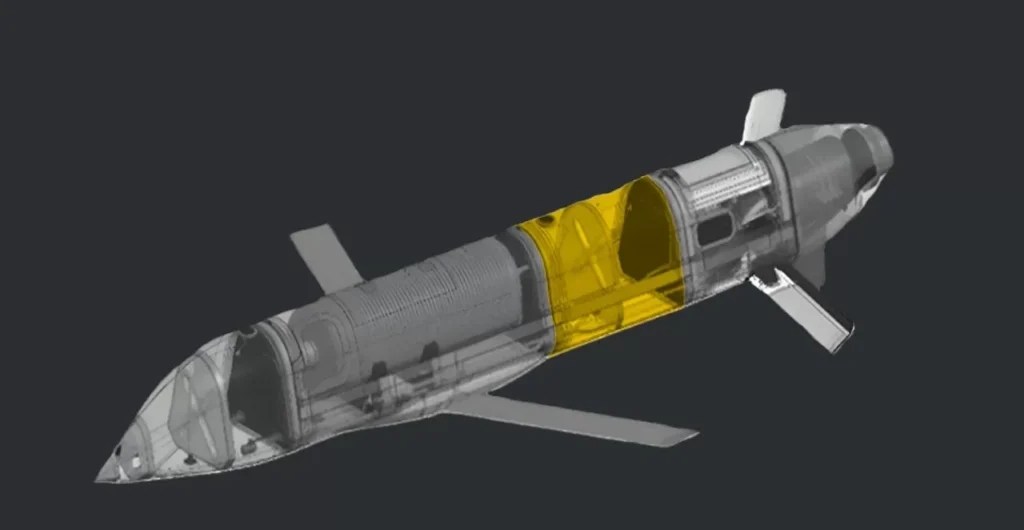
Other finds tied the missile to Russia's newest strike systems. They included a Chinese Honpho TS130C-01 camera from the jet-powered Geran-4 drone and components of the active homing seeker of the Kh-47M2 Kinzhal aeroballistic missile.

The finding sharpens the sanctions case

HUR framed the discovery as an argument for tighter enforcement.

"The discovery of an Nvidia Jetson in a new Russian missile once again demonstrates the need to strengthen sanctions pressure and coordinate the efforts of the civilized world," HUR said.

HUR specialists and Ukrainian research institutions continue to study Russian weapons and trace the origin of their electronic components to strengthen measures to block them.

  •  

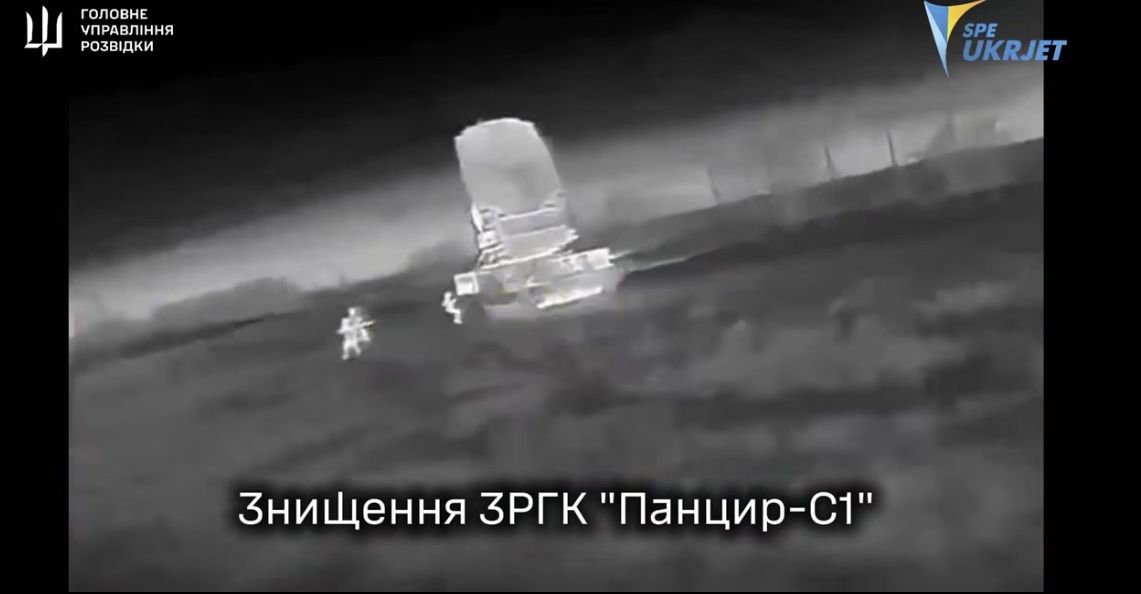
Russia covered its Pantsir-S1 in camouflage. Ukraine’s naval platforms delivered the drones that burned it

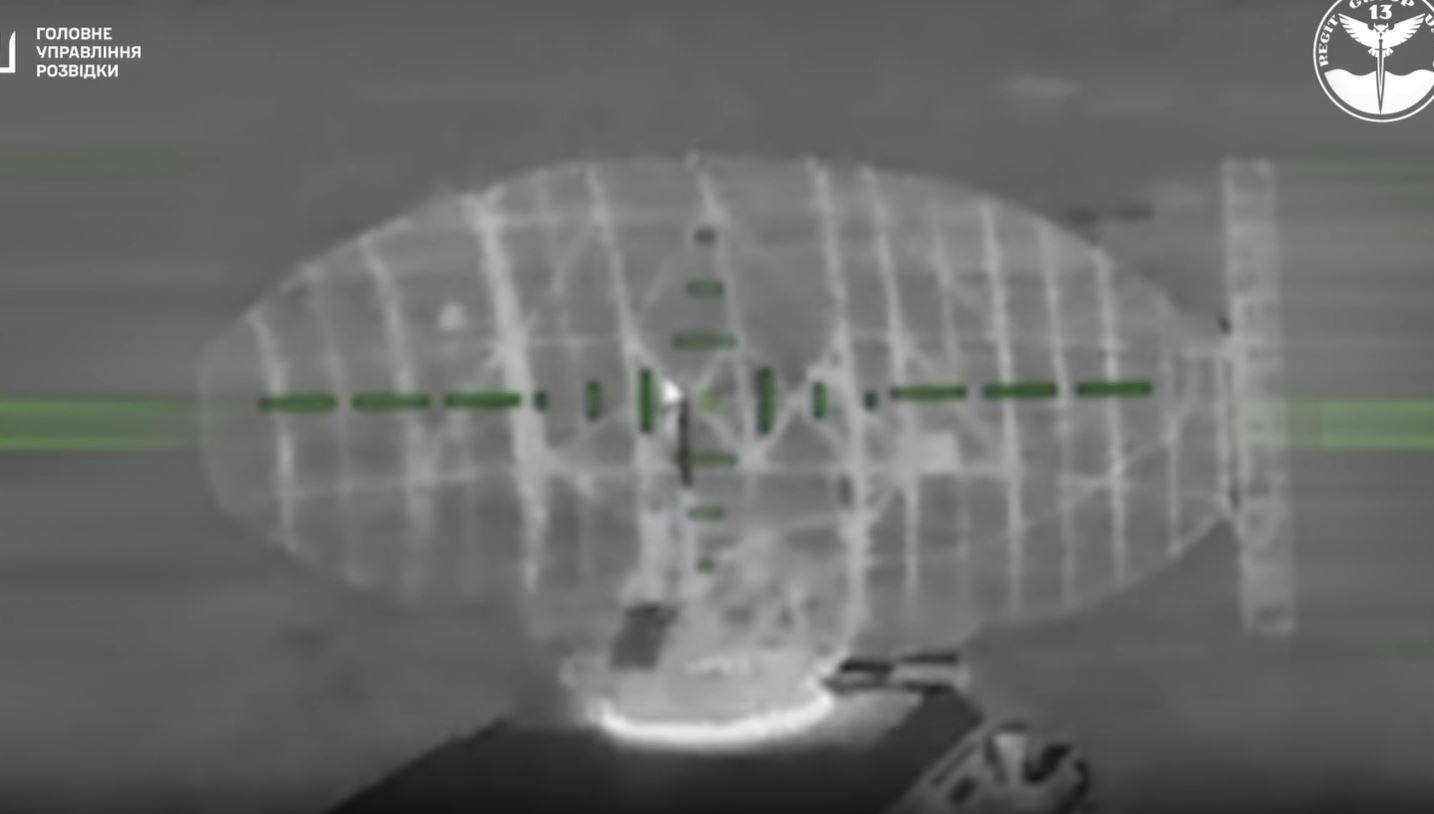
russia hid its pantsir under camouflage nets crimea · post russian pantsir-s1 air defense system covered occupied seen through drone targeting crosshairs moments before strike hur's group 13 early 2026

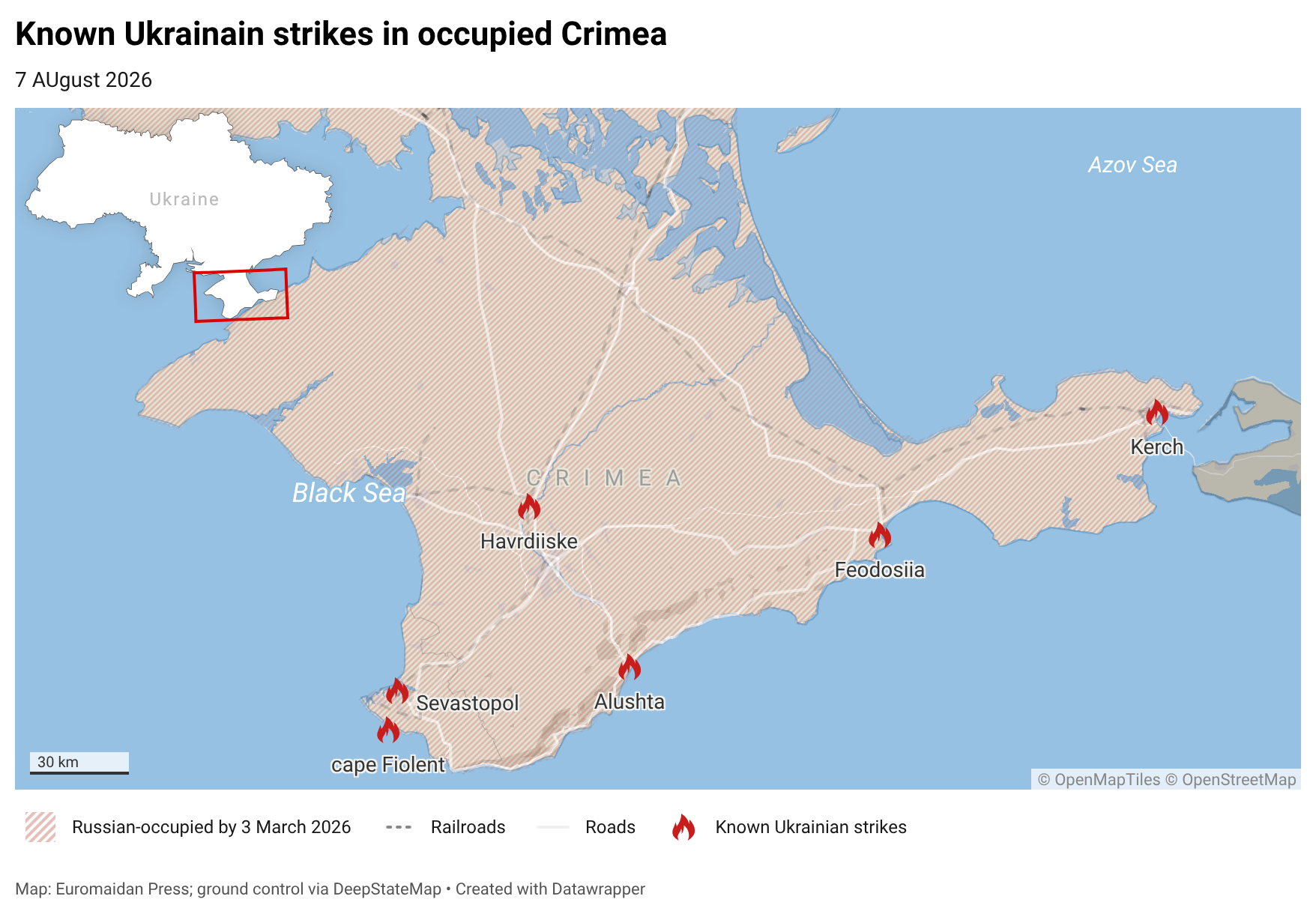
Ukraine's Main Directorate of Intelligence (HUR) destroyed a Pantsir-S1 air defense system worth an estimated $15 million and a military crane in occupied Crimea, HUR reported. The agency's Group 13 used maritime drones as drone carriers to deliver the strikes on ground targets. Separately, monitoring channels reported explosions across the peninsula from Kerch to Sevastopol overnight on 7 August, hitting the airfield Russia uses to launch Shaheds at Ukrainian cities.

The strikes on air defense run alongside a broader isolation campaign. Ukraine's drones have hit 201 shadow fleet vessels in three weeks, the Kerch Strait supply route is blocked indefinitely, and Ukraine's defense minister said the drone campaign is turning Crimea into an island. Earlier this week, the SBU damaged two FSB coast guard ships in Kerch that had been guarding the Crimean Bridge.

FPV drones launched from Magura platforms destroy air defense

HUR's Group 13 used Magura naval platforms as floating carriers for FPV drones. The drones flew from the platforms to strike a camouflaged Pantsir-S1 and a military crane on land, the agency's video shows. HUR estimated the destroyed air defense system at $15 million.

HUR did not specify the exact location but said the operation took place in early August 2026. The Pantsir-S1 is a short-range gun-and-missile system Russia deploys to protect higher-value assets such as S-400 batteries and command posts. Each one destroyed leaves a gap in the layered coverage Russia relies on over the peninsula.

The agency noted that Group 13 operators recently struck a Podlyot radar control vehicle and a Parol-4 radar interrogator in Crimea as well.

The Pantsir kill adds to a months-long campaign that has destroyed nearly 200 Russian air defense assets in the first half of 2026 alone by the Unmanned Systems Forces.

Overnight strikes sweep peninsula from Kerch to Sevastopol

Separately, overnight on 7 August, Ukraine struck at least six locations across occupied Crimea.

Monitoring Telegram channel Krymsky Veter reported explosions and gunfire in Kerch at 02:38. Near Alushta, four strong explosions were heard in the village of Malorichenske close to a large power substation. In Sevastopol, mobile fire groups engaged targets without an air-raid alert, and residents reported a powerful explosion near Cape Fiolent.

two russian radars destroyed crimea one ukrainian sea drone never touched shore · post parol-4 radar interrogator part friend-or-foe identification system seen fpv moments before strike occupied late 2026 video
Explore further

Ukraine’s sea drone that never touched the shore struck two Russian radars in occupied Crimea

The heaviest strikes hit the Hvardiiske military airfield, which Russia uses to launch Shahed attack drones against Ukrainian cities. Hits landed in two waves, from 03:30 to 03:39 and from 04:34 to 04:47. A fuel and lubricants depot caught fire, and small-arms ammunition began detonating, Krymsky Veter reported. Residents described two fire sites visible for kilometers. The Crimean Bridge was temporarily closed during the strikes.

In Feodosia, initial reports of a strike on the oil depot were corrected: the hit likely landed on a concentration of Russian military equipment at the former 13th military compound on the Kerch Highway. Krymsky Veter noted the same compound was struck on 22 June. A vessel also burned at sea off Gelendzhik overnight.

No official confirmation of the strikes' results has been issued. 

  •  

Ukrainian drone strike hits major oil refinery in Russia's Krasnodar Krai, HUR source claims

Ukrainian drone strike hits major oil refinery in Russia's Krasnodar Krai, HUR source claims

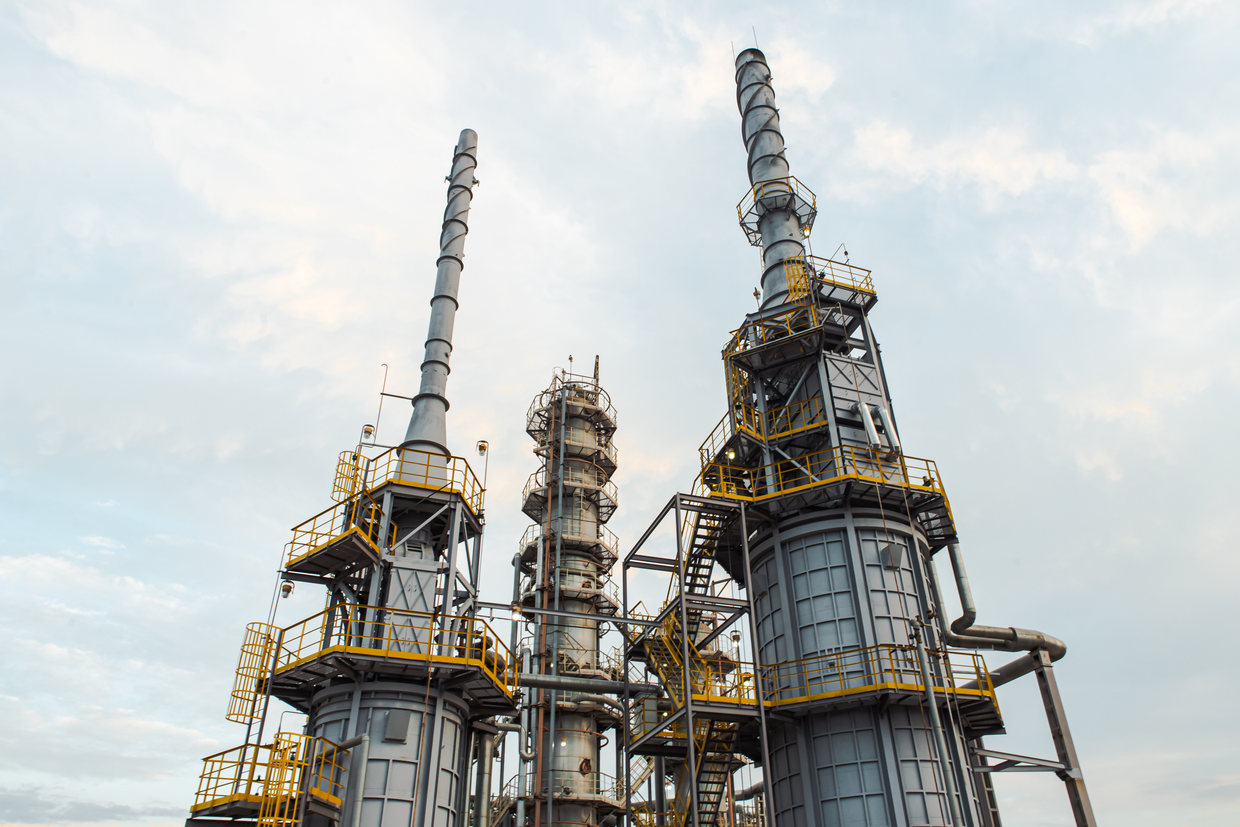
Long-range Ukrainian drones struck the Ilsky oil refinery in Russia's Krasnodar Krai on July 7, hitting one of the facility's technological workshops, a source in Ukraine's military intelligence (HUR) told the Kyiv Independent.

Located roughly 500 kilometers (311 miles) from Ukrainian-controlled territory, the refinery is among the largest in southern Russia, producing over 6 million tons of fuel annually.

It is involved in the reception, storage, and processing of hydrocarbons and distributes refined products via road and rail. The refinery is part of Russia's military-industrial complex and plays a direct role in supporting Moscow's war effort, the source said.

The Russian regional operational headquarters claimed that "drone debris" fell on the oil refinery.

The strike marks a renewed wave of Ukrainian attacks on Russian oil infrastructure, following a months-long pause since March. On July 1, Ukrainian drones struck the Saratovorgsintez oil refinery in Russia's Saratov Oblast.

Kyiv has targeted dozens of refineries, oil depots, and military-industrial sites since the start of Russia's full-scale invasion in 2022. Winter drone attacks forced at least four Russian refineries to temporarily shut down.

This is the second known strike on the Ilsky refinery. Ukrainian drones, operated by the Security Service (SBU) and Special Operations Forces (SSO), previously targeted the facility on Feb. 17, causing a fire.

Krasnodar Krai, a strategic region along Russia's Black Sea coast, has increasingly come under Ukrainian drone attacks as Kyiv extends the range of its strikes deep into Russian territory.

HUR publishes Russian military order, claims proof of Moscow increasing military footprint in Armenia
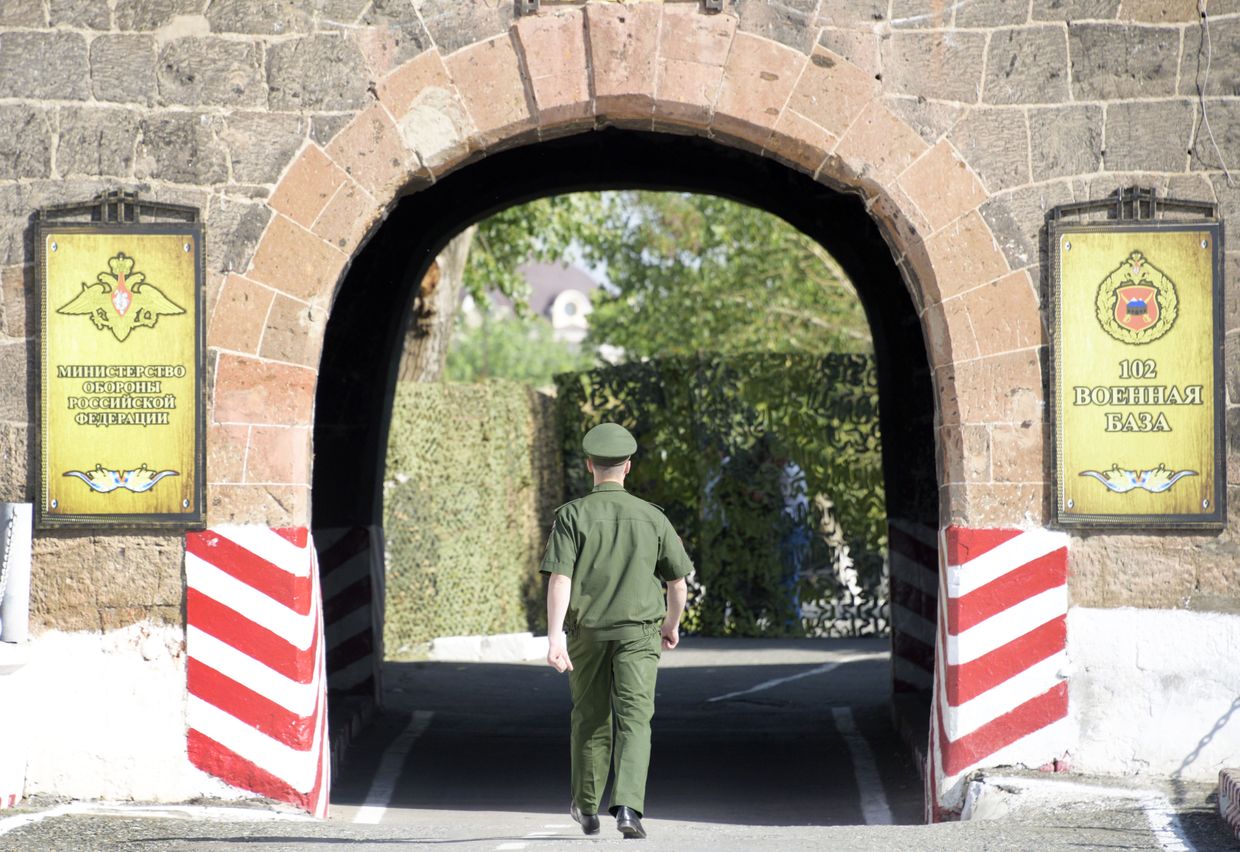
HUR first made the claim on July 5, saying Russia was increasing its forces at the Gyumri base to exert greater influence in the South Caucasus and “destabilize the global security situation.”
Ukrainian drone strike hits major oil refinery in Russia's Krasnodar Krai, HUR source claimsThe Kyiv IndependentChris York
Ukrainian drone strike hits major oil refinery in Russia's Krasnodar Krai, HUR source claims
  •  

HUR publishes Russian military order, claims proof of Moscow increasing military footprint in Armenia

HUR publishes Russian military order, claims proof of Moscow increasing military footprint in Armenia

Ukraine's military intelligence (HUR) on July 7 published what it claimed was a Russian army order to increase its military presence at a base in Armenia, two days after HUR's warning of such a move was denied by Yerevan.

HUR first made the claim on July 5, saying Russia was increasing its forces at the Gyumri base to exert greater influence in the South Caucasus and "destabilize the global security situation."

Armenia's Foreign Ministry denied the claim on the same day.

In a post on social media on July 7, HUR published a document which it said was a "order from the commander of the troops of the Southern Military District of the Russian Armed Forces on the 'replenishment' of the Russian military base in Armenia."

"The telegram lists a list of measures for the urgent “replenishment” of the units of the Russian unit by selecting personnel from among the servicemen of the 8th, 18th, 49th and 58th combined arms armies of the Southern Military District of the Russian Armed Forces," HUR said.

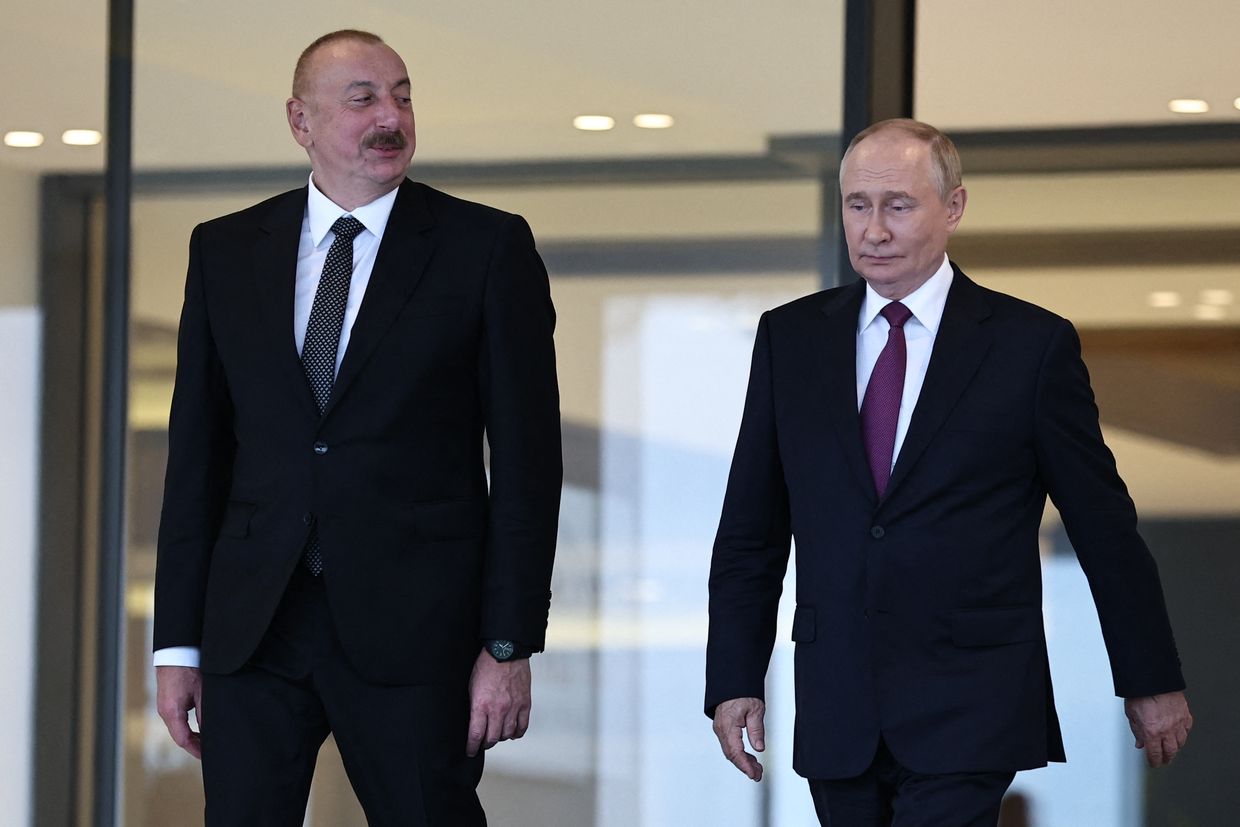
The news comes amid a major deterioration in Russian-Azerbaijani relations after a deadly June 27 operation in Russia's Yekaterinburg, where Russian security forces killed two Azerbaijani nationals and injured several others in a raid linked to a 2001 murder case.

Armenia has had a historically close relationship with Russia but the relations between Yerevan and Moscow have recently deteriorated.

Russia's leverage over both Baku and Yerevan has diminished dramatically since Azerbaijani troops captured Nagorno-Karabakh, an Armenian-controlled region in Azerbaijan, in 2023.

Russian peacekeepers later withdraw from the region, and now Baku and Yerevan are negotiating a permanent peace deal.

Armenia, which has lambasted Moscow for failing to help it during the Nagorno-Karabakh conflict, is drifting closer to the West.

Armenian Prime Minister Nikol Pashinyan has suspended the country's membership in a Russian-led military alliance and announced plans to join the European Union. Recently there has also been a crackdown on the pro-Russian opposition in Armenia.

Arrests, raids, beaten and bloodied suspects — how Russia-Azerbaijan relations have unravelled
Deaths in custody, media offices raided, and beaten and bloodied suspects paraded in court — relations between Russia and Azerbaijan, once considered close, have sharply deteriorated in recent days amid a series of high-profile incidents. The latest tensions erupted over the weekend when Russian law enforcement officers detained over 50 Azerbaijani
HUR publishes Russian military order, claims proof of Moscow increasing military footprint in ArmeniaThe Kyiv IndependentTim Zadorozhnyy
HUR publishes Russian military order, claims proof of Moscow increasing military footprint in Armenia
  •  

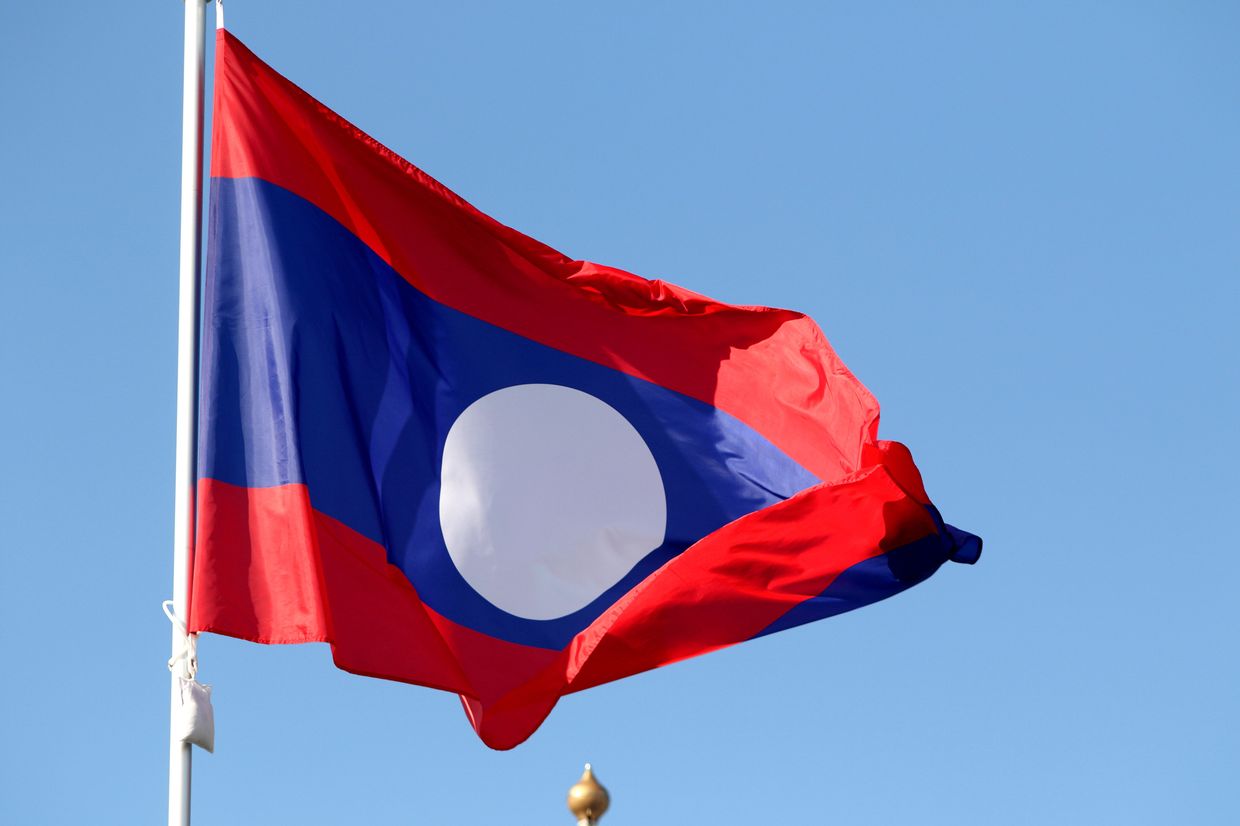
Russia seeks to involve Laos in war against Ukraine, military intelligence claims

Russia seeks to involve Laos in war against Ukraine, military intelligence claims

Russia is seeking to involve Laos in its war against Ukraine under the pretense of humanitarian cooperation, Ukraine's military intelligence (HUR) claimed on July 5.

According to the agency, Moscow is organizing the deployment of a combined unit of military engineers from the Lao People's Armed Forces to Russia's Kursk Oblast, allegedly to help with demining operations.

Ukraine initially captured 1,300 square kilometers (500 square miles) of Russian territory during a cross-border offensive to Kursk Oblast but lost most of it during a Russian counteroffensive this year, which was supported by North Korean troops.

Laotian authorities have reportedly agreed to send up to 50 engineers to support Russian efforts. In addition, Laos is said to be offering free rehabilitation services to wounded Russian soldiers.

"Russia, under the guise of humanitarian rhetoric, is trying to legalize the presence of foreign military contingents on its territory, effectively using them to wage war against Ukraine," HUR said.

This comes amid broader efforts by the Kremlin to recruit foreign personnel. Russia has drawn heavily on fighters from Asia and Africa, as well as North Korea.

Ukraine has captured multiple foreigners fighting for Russian forces. an April investigation by Russian independent outlet Important Stories identified more than 1,500 foreign fighters from 48 countries who had joined Russia's war.

Laos, a landlocked Southeast Asian country bordering China, Vietnam, and Thailand, has not commented on HUR's claim. The country maintains close ties with both Moscow and its ally Beijing.

  •  

North Korea already using Russian Pantsir missiles to defend Pyongyang, Ukraine's intelligence chief says

North Korea already using Russian Pantsir missiles to defend Pyongyang, Ukraine's intelligence chief says

North Korea is already using Russia Pantsir S-1 air defense systems in Pyongyang, Kyrylo Budanov, head of Ukraine's military intelligence (HUR), said in an interview with Hromadske Radio on July 1.

The arrival of Pantsir missiles is another sign that North Korea is improving its weapons technology and military might through cooperation with Russia. The two nations signed a defense treaty in June 2024, and North Korea has supplied arms and troops to Moscow in exchange for training and advanced military technology.

"I can tell you that, for example, the first Pantsir S-1 installations have already appeared in Pyongyang," Budanov told Hromadske Radio.

"They are already on combat duty there, guarding their capital. And the Russians are retraining Korean personnel, and soon the Koreans will be working autonomously on this technology."

The Pansir S-1 is the same air defense system Russia uses to guard its military-industrial facilities. It carries an estimated price tag of around $15 million.

North Korea is "currently significantly increasing its military power" through direct cooperation with Russia, Budanov said. It benefits from Russia's ongoing technology transfers and the "real combat experience" personnel gained by fighting alongside Russian troops against Ukraine.  

Budanov also said Ukraine expects "a significant increase" in the number of North Korean citizens in Russia. Some of these citizens will sign up for the Russian military, making it seem less like an official transfer of North Korean personnel and more like voluntary registration from invidivual citizens.

The day before Budanov's comments, North Korean leader Kim Jong Un publicly honored his country's soldiers who were killed fighting in Russia's war against Ukraine. The ceremony coincided with a visit by Russian Culture Minister Olga Lyubimova, illustrating the deepening military alliance between Moscow and Pyongyang continues.

Russia has also reportedly provided North Korea with advanced electronic warfare systems, helped the country build modern warships, and improved its KN-23 ballistic missiles.

In June, Budanov said that Moscow has agreed to assist Pyongyang in mass-producing Shahed-type attack drones.

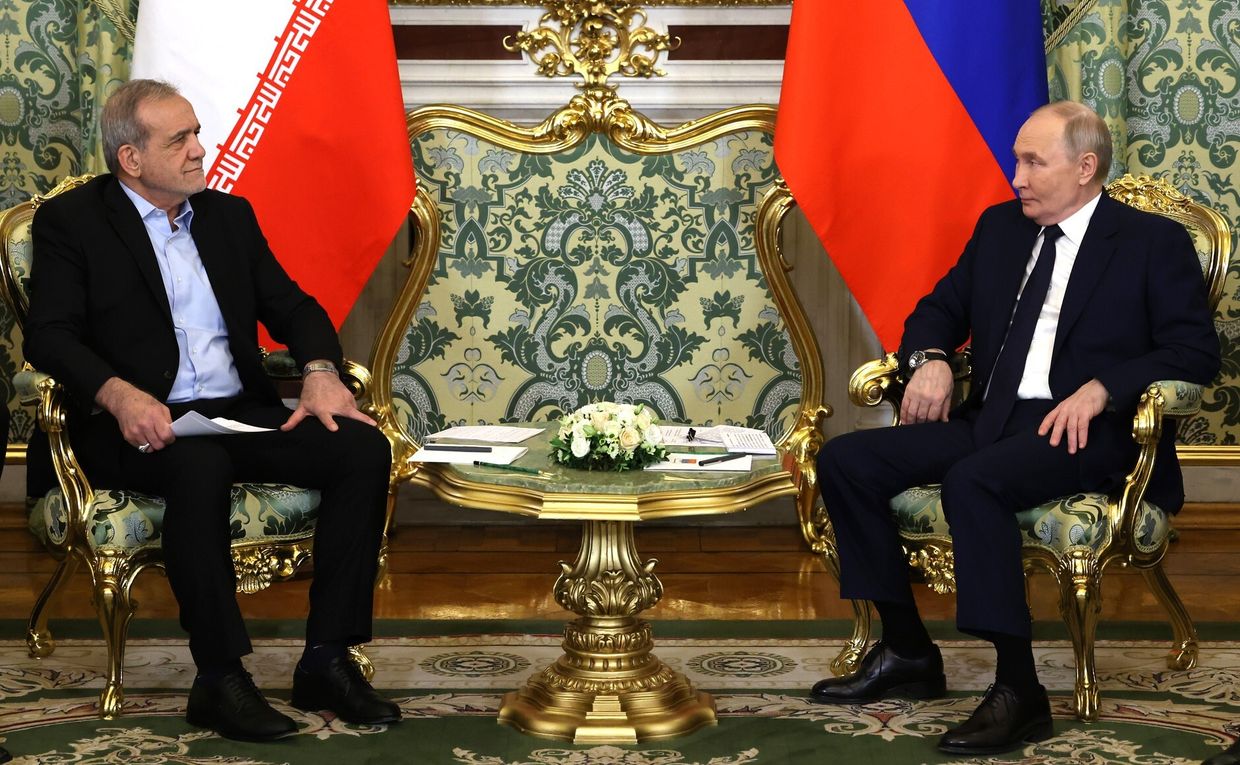
Russia-Iran alliance wavers as Tehran suffers major blows
Tehran, Russia’s main ally in the Middle East, has been dealt a heavy blow as Israel dismantled its network of proxies and then struck targets in Iran. The recent Iranian-Israeli war, which ended with a ceasefire on June 24, showed that the regional balance of power has shifted in Israel’s favor. This could have a major impact on Russian-Iranian relations as Moscow will have to recalibrate its approach to the region. Russian-Iranian cooperation is likely to continue but Iran’s ability to help
North Korea already using Russian Pantsir missiles to defend Pyongyang, Ukraine's intelligence chief saysThe Kyiv IndependentOleg Sukhov
North Korea already using Russian Pantsir missiles to defend Pyongyang, Ukraine's intelligence chief says

  •  

Ukraine shows footage of Bober drones hitting Russian air defenses, fighter jet in Crimea

Ukraine shows footage of Bober drones hitting Russian air defenses, fighter jet in Crimea

Ukraine's military intelligence agency (HUR) released on July 1 video footage showing domestically produced drones striking multiple Russian air defense assets and a fighter jet in occupied Crimea in what it described as a successful special operation.

The undated footage shows the combat use of UJ-26 drones, commonly known as Bober (Beavers), targeting high-value Russian military systems.

"These reliable weapons in the hands of HUR special forces are turning critically important Russian targets into useless scrap," the agency said in a statement.

HUR added that the Bober drones are effectively "gnawing through" Russia's expensive air defense systems "like barberries."

0:00
/
A Ukrainian drone targets and destroys Russian military assets in occupied Crimea, according to Ukraine's military intelligence agency. (HUR / Telegram).

The released footage shows that the strikes destroyed or severely damaged several Russian military assets, including a Pantsir-S1 air defense system and its crew, a Niobium-SV radar, a Pechora-3 coastal radar, a Protivnik-GE radar, and a Su-30 fighter jet stationed at the Saky airfield in occupied Crimea.

The Kyiv Independent could not verify HUR's claims.

The strikes are part of Ukraine's ongoing efforts to degrade Russian military capabilities in Crimea, which has been under Russian occupation since 2014. Moscow reported Ukrainian drone strikes against the peninsula earlier on July 1, with the Crimean Wind Telegram channel reporting attacks in the vicinity of S-300/S-400 air defense systems.

Ukraine has increasingly deployed new drone systems to target Russian military assets on the front line and deep inside the Russian rear.

Ukraine shows footage of Bober drones hitting Russian air defenses, fighter jet in Crimea
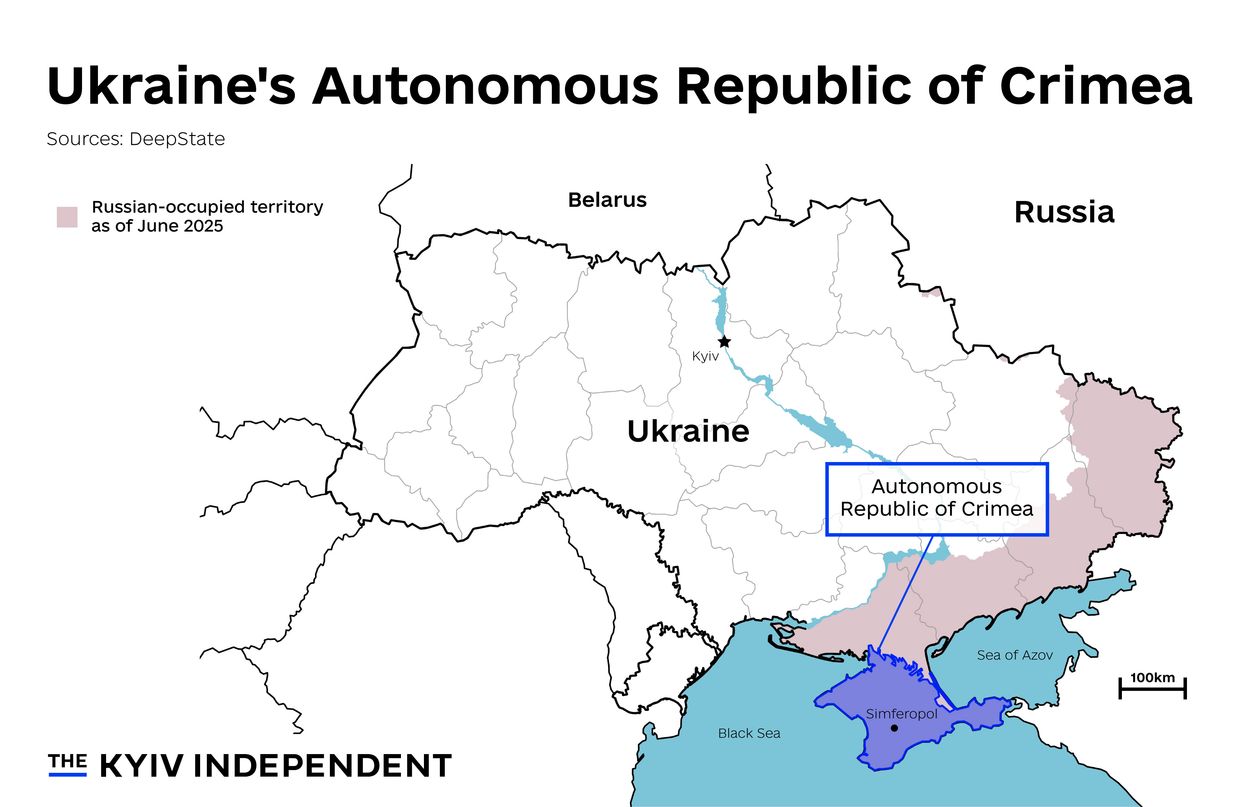
Ukraine's Autonomous Republic of Crimea. (Nizar al-Rifai/The Kyiv Independent)
Russia-Iran alliance wavers as Tehran suffers major blows
Tehran, Russia’s main ally in the Middle East, has been dealt a heavy blow as Israel dismantled its network of proxies and then struck targets in Iran. The recent Iranian-Israeli war, which ended with a ceasefire on June 24, showed that the regional balance of power has shifted in Israel’s favor. This could have a major impact on Russian-Iranian relations as Moscow will have to recalibrate its approach to the region. Russian-Iranian cooperation is likely to continue but Iran’s ability to help
Ukraine shows footage of Bober drones hitting Russian air defenses, fighter jet in CrimeaThe Kyiv IndependentOleg Sukhov
Ukraine shows footage of Bober drones hitting Russian air defenses, fighter jet in Crimea

  •  

Ukraine has evidence Russia prepares military operations in Europe, Zelensky says

Ukraine has evidence Russia prepares military operations in Europe, Zelensky says

Ukrainian intelligence has proof that Russia is preparing new military operations in Europe, said President Volodymyr Zelensky on June 22 after a report from military intelligence (HUR) chief Kyrylo Budanov.

"We are observing a continued intellectual decline within the Russian leadership and have evidence that they are preparing new military operations on European territory," Zelensky said on X.

Zelensky added that Ukraine will inform foreign partners regarding the information obtained by intelligence. The statement follows earlier warnings by Kyiv that Russia may be preparing aggression beyond Ukraine's borders.

The president did not provide further details on the planned Russian operations, their dates, or countries that might be targeted.

"We are preparing joint decisions for defense, in particular with the United Kingdom and the European Union," Zelensky wrote.

Zelensky confirmed that Ukraine will continue its efforts to weaken Russia's army.

"We’re aware of... (Russia's) key vulnerabilities and will strike accordingly to defend our state and people, as well as to significantly reduce Russia’s capacity for aggression," the president said.

Since its full-scale invasion of Ukraine in 2022, Russia has ramped up sabotage operations across Europe, aiming to destabilize the security situation in countries supporting Kyiv against Russian aggression.

Ukrainian foreign intelligence warned in May that Russia would be able to restore its combat capabilities and launch aggression against Europe between two and four years after hostilities in Ukraine ended.

Foreign officials and EU diplomats have increasingly called for the preparation for a potential full-scale conflict between NATO and Russia. On June 2, the United Kingdom announced its largest defense spending increase since the Cold War in the face of "the war in Europe," according to U.K. Prime Minister Keir Starmer.

Russia ‘afraid to admit’ scale of losses, trying to hide by dumping soldiers’ bodies on Ukraine, Zelensky says
Ukrainian authorities have confirmed that at least 20 of the bodies Russia returned as Ukrainian were actually Russian soldiers, President Volodymyr Zelensky said.
Ukraine has evidence Russia prepares military operations in Europe, Zelensky saysThe Kyiv IndependentTim Zadorozhnyy
Ukraine has evidence Russia prepares military operations in Europe, Zelensky says
  •  

Russia recruits Central Asia migrants as 'cannon fodder' in Ukraine war, HUR says

Russia recruits Central Asia migrants as 'cannon fodder' in Ukraine war, HUR says

Russia is systematically recruiting migrant workers from Central Asia to fight in its war against Ukraine as "cannon fodder," Ukraine's military intelligence (HUR) reported on June 21.

Citizens of Uzbekistan, Tajikistan, and other countries in the region are increasingly being drawn into Russia's war effort under duress or with misleading promises, HUR said.

Many of those recruited are reportedly killed on the front lines.

According to HUR, Russia's security services target migrant workers who arrive in the country seeking employment, offering short-term military contracts with promises of fast cash. These individuals often lack legal protections and face coercion, with few realistic alternatives.

Among the identified victims are Uzbek nationals Umarov Syroziddin Sabirjanovich and Kholbuvozoda Muhammad Faizullo, who served in motorized rifle units and died during combat operations in Ukraine.

"Mobilized migrants are formed into separate units, which are mainly used in the most dangerous areas of the front line," HUR said. Survivors may face criminal charges in their home countries for serving in a foreign military, carrying the risk of long prison sentences.

Radio Free Europe/Radio Liberty previously reported that migrant workers are funneled into combat roles for financial reasons, with recruitment networks offering salaries unattainable in civilian life.

Russia has also intensified pressure on its naturalized migrant population.

On May 20, Investigative Committee head Alexander Bastrykin said that 20,000 naturalized migrants had been dispatched to Ukraine for failing to register for military service.

With public memory raw from the unpopular 2022 partial mobilization that prompted over 261,000 Russians to flee, the Kremlin has refrained from another mass draft.

Instead, it is relying on a combination of forced recruitment, enlistment bonuses, and targeted campaigns among vulnerable communities.

‘All of Ukraine is ours’ — Putin on Russia’s territorial ambitions in Ukraine
Editor’s Note: This story was updated with comments from Foreign Minister Andrii Sybiha. Russian President Vladimir Putin said “all of Ukraine” belonged to Russia in a speech on June 20 at the St. Petersburg International Economic Forum, amid increasingly aggressive official statements about Moscow’s final territorial ambitions in Ukraine. Putin’s
Russia recruits Central Asia migrants as 'cannon fodder' in Ukraine war, HUR saysThe Kyiv IndependentKateryna Hodunova
Russia recruits Central Asia migrants as 'cannon fodder' in Ukraine war, HUR says
  •  

Russian cannibal soldier ate his own comrade, leaked audio from Ukraine's HUR claims

Russian cannibal soldier ate his own comrade, leaked audio from Ukraine's HUR claims

A Russian soldier deployed in Ukraine may have been involved in an act of cannibalism, audio intercepted by Ukraine's military intelligence agency (HUR) and released on June 20 suggests.

In the recording posted by HUR on Telegram, a Russian commander is heard telling a subordinate that one soldier, referred to by the call sign "Brelok," killed and consumed his fellow service member "Foma" over a two-week period.

Ukraine's military intelligence described the alleged incident as further evidence of what it called the "moral and psychological collapse" of Russian forces.

"Nobody ran away. 'Brelok' took him out and then ate him for two f*cking weeks," a speaker identified by HUR as a commander of a reconnaissance unit from Russia's 68th Motorized Rifle Division can be heard saying in the intercept.

According to HUR, both soldiers served in the 52nd Separate Reconnaissance Battalion, which is reportedly operating near the villages of Zapadne and Lyman Pershyi in the Kupiansk direction of Kharkiv Oblast.

The intercepted speaker adds that "Brelok" was later found dead himself.

"They say he was a 200 (military slang for a killed soldier), f*ck. Well, he ate his comrade, so that's something to think about," the voice says.

The Kyiv Independent cannot independently verify the authenticity of the leaked recording or confirm the events described in it. No visual or documentary evidence has been presented to support the claims, which are based solely on the intercepted audio provided by HUR.

But Russia's recruitment system for the war in Ukraine has heavily relied on the country's prisons as a source of manpower, leading to its ranks being filled by all manner of criminals, even cannibals.

Moscow has been recruiting convicts for its war since the summer of 2022, first under the auspices of the Wagner Group and later under the Russian Defense Ministry.

Initially, prisoners, even those convicted of violent crimes, were promised a pardon after completing a six-month military contract. Since January 2024, Russian army recruits drawn from prisons no longer receive pardons but are released on parole, and are expected to fight until the war is over.

In May 2024, the Moscow Times reported that Russian cannibal Dmitry Malyshev, who was sentenced to 25 years in prison for murder and several other serious crimes, joined one of Russia’s Storm V penal military units.

Malyshev was reportedly recruited to the army together with serial killer Aleksandr Maslennikov, sentenced to 23 years in prison for the "double murder and dismemberment of women."

Previously, Ukraine said there were cases of mistreatment and breakdown of discipline within Russia's own ranks. A group of Russian soldiers fighting near Kursk Oblast surrendered to Ukrainian paratroopers in May, saying abuse within their own units was "worse than captivity," according to a video posted by Ukraine's Airborne Assault Forces.

The soldiers said they had been subjected to inhumane treatment, psychological pressure, and threats while still inside Russian territory.

Reporting by investigative outlets, the Insider and Foreign Policy, has documented systemic abuse of Russian troops throughout the full-scale invasion.

These include so-called "punishment squads," beatings, confinement pits, and hazing that borrows heavily from Soviet-era gulag practices.

‘Unwanted by their homeland’ — Ukraine confirms Russia returned bodies of its soldiers disguised as Ukrainian
“This is yet another proof of how Russia treats its people with contempt,” Interior Minister Ihor Klymenko said.
Russian cannibal soldier ate his own comrade, leaked audio from Ukraine's HUR claimsThe Kyiv IndependentTim Zadorozhnyy
Russian cannibal soldier ate his own comrade, leaked audio from Ukraine's HUR claims
  •  

Ukraine kills collaborator tied to POW torture in occupied Berdiansk, intelligence source claims

Ukraine kills collaborator tied to POW torture in occupied Berdiansk, intelligence source claims

During a targeted operation, Ukraine's military intelligence (HUR) killed Mykhailo Hrytsai, a senior collaborator with Russian occupation authorities in Berdiansk, Zaporizhzhia Oblast, a HUR source told the Kyiv Independent on June 18.

According to the source, Hrytsai was directly involved in organizing repressions against the local Ukrainian population and establishing torture chambers for prisoners of war.

The collaborator was shot dead in the city using a silenced PM pistol, the source said.

Hrytsai served as the Russian-installed deputy mayor responsible for infrastructure, housing, utilities, and the energy sector. The source also said he facilitated the illegal seizure of municipal and state property in Berdiansk.

"There are still plenty of such targets — collaborators, accomplices of the enemy — in the occupied territories of Ukraine," the source said.

"We will definitely get to each and every one of them and put an end to their criminal activities by any means necessary: with or without a silencer, quietly or loudly, but always effectively."

A native of Poltava Oblast, Hrytsai had previously participated in Ukrainian political life. He was an assistant to a member of parliament and headed the Berdiansk branch of the Socialist Ukraine party before siding with Russian occupation forces.

Berdiansk, a port city on the Azov Sea, has been under Russian control since the early days of the full-scale invasion in 2022. It remains a critical logistics hub for Russian forces, facilitating the transport of looted Ukrainian grain and other resources.

On Feb. 20, another targeted strike in Berdiansk killed Yevgeny Bogdanov, the deputy head of the Russian-installed administration, according to Ukrainian military intelligence.

‘Beyond cynical’ – Russian doctor carved ‘Glory to Russia’ scar on POW during operation, Ukraine says
After more than three years of Russia’s full-scale invasion, each new revelation of cruel treatment of Ukrainians in Russian captivity hardly surprises anyone. But when a photo recently emerged online, showing a “Glory to Russia” scar on the body of a Ukrainian prisoner of war (POW), it sent shockwaves
Ukraine kills collaborator tied to POW torture in occupied Berdiansk, intelligence source claimsThe Kyiv IndependentDaria Shulzhenko
Ukraine kills collaborator tied to POW torture in occupied Berdiansk, intelligence source claims
  •  

Ukrainian agents cause millions in damage during secret sabotage operation in Russia, HUR source says

Ukrainian agents cause millions in damage during secret sabotage operation in Russia, HUR source says

Ukraine’s military intelligence (HUR) ignited an electrical substation during a sabotage operation in the Russian city of Kaliningrad, causing $5 million in damage and cutting electricity to a military production site, a source in HUR told the Kyiv Independent.

In the early hours of June 14, Ukrainian agents drained the coolant from the substation’s power transformer before setting the facility on fire. The inferno inflicted major damage on the facility and caused a power cut, impacting nearby Russian military sites.

"We once again remind you that Russia no longer has a rear either in the east, in the west, or anywhere else on the planet. Everything Russian involved in the war against Ukraine will burn, sink, and be destroyed regardless of its level of protection or location," the source said.

0:00
/
Ukrainian agents sabotage an electrical substation in Kaliningrad, Russia. June 14, 2025. (HUR)

Ukraine continues to carry out numerous secretive attacks within Russia and occupied Ukrainian territories, targeting military sites, like airfields, as well as key infrastructure like railways and oil refineries.

The attacks involve HUR, Ukraine’s Security Service (SBU) as well as partisan and sabotage groups.

HUR was behind explosions near Desantnaya Bay in Russia's far eastern Vladivostok on May 30, which reportedly damaged military personnel and equipment. The operations took place approximately 6,800 kilometres from the Ukrainian border, making it Ukraine's furthest incursion into Russian territory, if confirmed.

On June 1, the SBU launched Operation Spiderweb, a game-changing drone attack on four key Russian military airfields, damaging 41 planes, including heavy bombers and rare A-50 spy planes.

Ukrainian drones destroy Russian air defense systems in occupied Zaporizhzhia Oblast, military intelligence says
Ukraine’s military intelligence (HUR) destroyed three Russian air defense systems using drones in the occupied Zaporizhzhia Oblast on June 14, HUR says.
Ukrainian agents cause millions in damage during secret sabotage operation in Russia, HUR source saysThe Kyiv IndependentVolodymyr Ivanyshyn
Ukrainian agents cause millions in damage during secret sabotage operation in Russia, HUR source says
  •  

Ukrainian drones destroy Russian air defense systems in occupied Zaporizhzhia Oblast, military intelligence says

Ukrainian drones destroy Russian air defense systems in occupied Zaporizhzhia Oblast, military intelligence says

Ukraine's military intelligence (HUR) destroyed three Russian air defense systems using drones in the occupied Zaporizhzhia Oblast on June 14, HUR says.

"Strike drone masters of the Department of Active Operations of the HUR of the Ukrainian defense ministry discovered and destroyed expensive air defense systems of the Russian invaders in the temporarily occupied territory of the Zaporizhzhia region," HUR reported in a post to Telegram.

Ukraine's military regularly strikes military targets in Russian-occupied territories and deep within Russia in an attempt to diminish Moscow's fighting power as it continues its war against Ukraine.

A Russian Buk-M3, a Pantsyr S1, and a 9S19 Imbir radar from the S-300V air defense system were destroyed in the Ukrainian drone attack.

"The video shows a stunning maneuver of a Ukrainian drone dodging a Muscovite anti-aircraft missile, as well as episodes of successful fire strikes," HUR's statement said.

On June 1, Ukraine launched a game-changing drone attack on four key Russian military airfields, damaging 41 planes, including heavy bombers and rare A-50 spy planes.

Kyiv claimed it disabled 34% of Russia's strategic bomber fleet in what is seen as one of the most daring operations during Russia's full-scale war.

Ukraine's military intelligence agency was behind explosions near Desantnaya Bay in Russia's far eastern Vladivostok on May 30, which reportedly damaged military personnel and equipment, a source in HUR told the Kyiv Independent.

From buffer zone to new front: Russia pushes deeper into Sumy Oblast
In March 2025, as Ukrainian forces made their final retreat from Sudzha in Russia’s Kursk Oblast, new grey spots began to appear on open-source maps on the other side of the state border, in Ukraine’s Sumy Oblast. For the first time since 2022, when Moscow’s forces retreated
Ukrainian drones destroy Russian air defense systems in occupied Zaporizhzhia Oblast, military intelligence saysThe Kyiv IndependentFrancis Farrell
Ukrainian drones destroy Russian air defense systems in occupied Zaporizhzhia Oblast, military intelligence says
  •  
❌