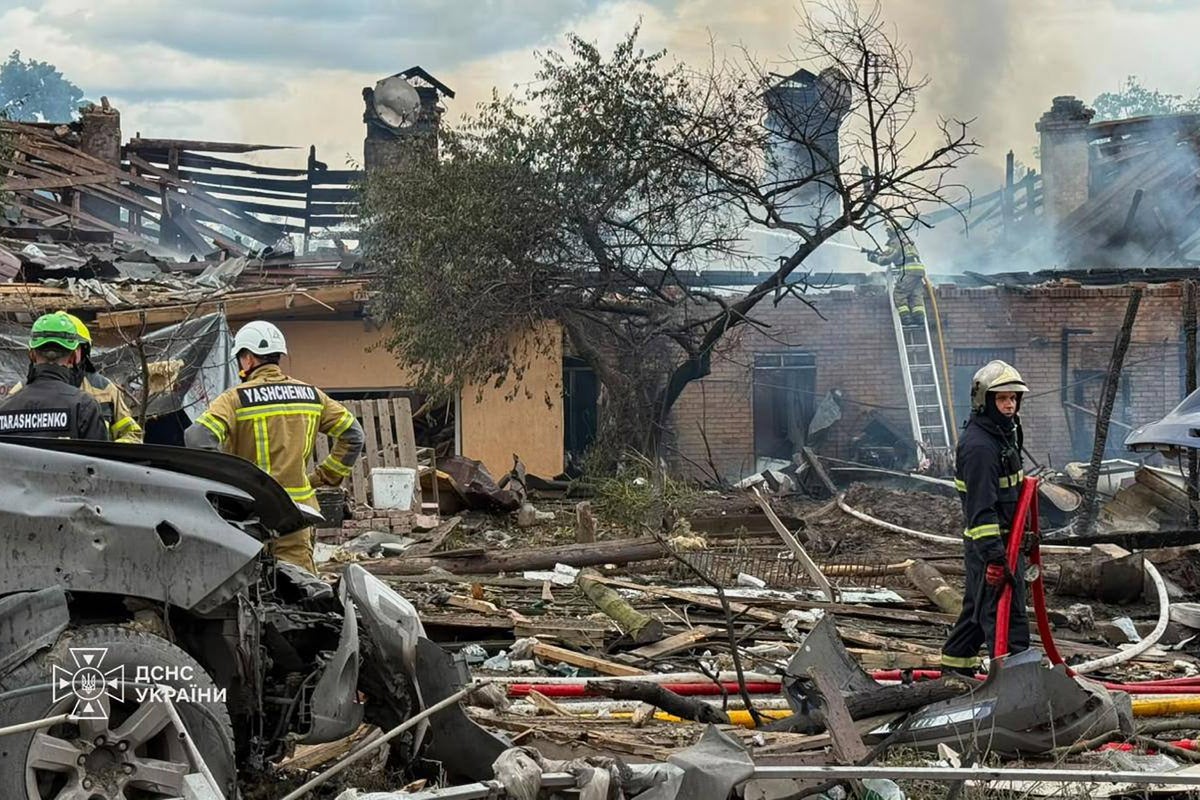
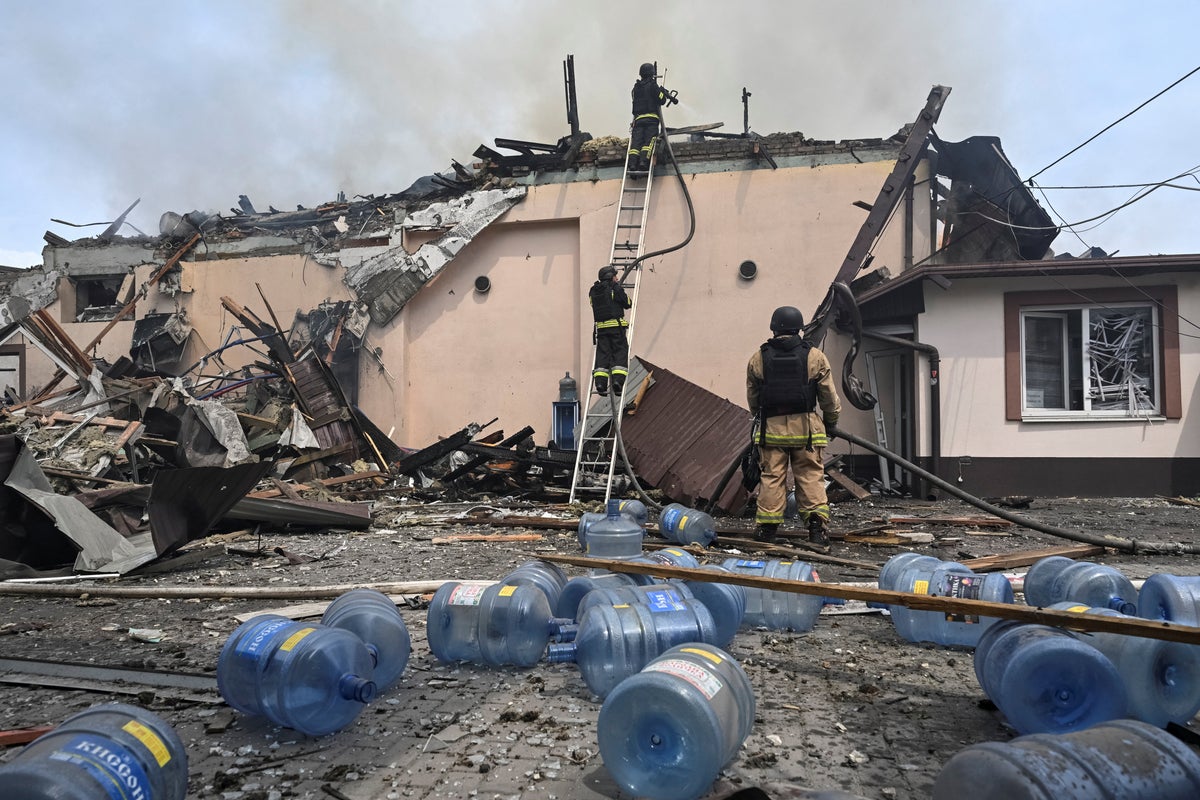
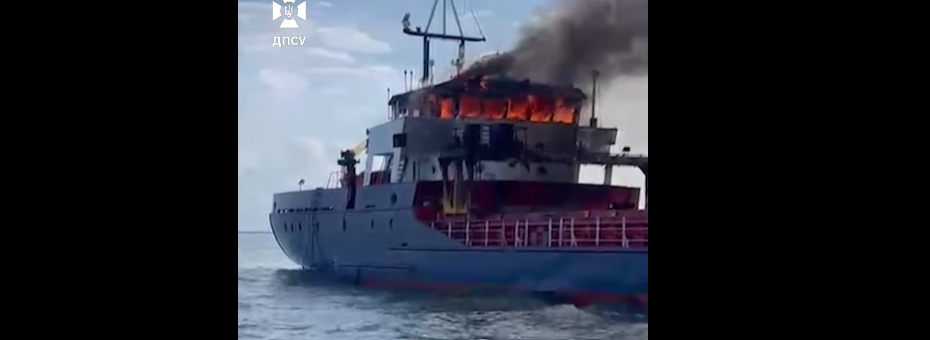
Russia hit a civilian grain ship, waited, and hit it again. A Russian Shahed drone struck a Palau-flagged vessel carrying corn twice as it left a port in Odesa Oblast, setting it on fire, Ukraine's Minister for Restoration, Infrastructure and Transport Mykola Kalashnyk said. Two sailors are missing, and seven crew members and a Ukrainian pilot were rescued.
The double strike on a grain carrier is the maritime edge of Russia's campaign against Ukraine's food exports. The ship was carrying almost 2,800 tons of corn when it was hit as it left the port, and after the strikes, a fire broke out on board.
The State Border Guard Service, which carried out the rescue, reported that the vessel was leaving the mouth of the Danube bound from a Ukrainian port to Greece with nine crew and a pilot aboard when the Shahed hit it, then struck again, the second blast causing a large fire.
This is a deliberate attack on the civilian shipping that carries Ukrainian grain to world markets, and it fits a Russian campaign that has made ports and merchant ships a target through July.
"Russia continues deliberate attacks on civilian shipping and Ukraine's port infrastructure," Kalashnyk said.
The rescue pulled eight from a burning ship
The border guards' maritime security units rescued eight people after the double drone strike, the State Border Guard Service said. The sailors reacted quickly to the distress signal and evacuated eight from the burning vessel, all delivered to safety, with medics monitoring their condition.
The search continues for two crew members who went into the water after the first blast. The two accounts differ slightly on the totals, as they do in the first hours after any strike: Kalashnyk cited seven crew plus a Ukrainian pilot rescued, while the border guards counted eight evacuated. Both agree that two sailors are missing and a search-and-rescue operation is underway. What is confirmed is that a civilian grain ship was struck twice, caught fire, and lost two of its crew to the sea.
The strike is the maritime front of the grain war
The attack extends a campaign that has hammered Ukraine's grain export capacity through July.
From 11 to 15 July, Russian strikes hit three Greater Odesa ports and the merchant ships anchored there, cutting the region's grain-export capacity by roughly a third, according to Reuters. Odesa's ports carry more than 90% of Ukraine's agricultural exports.
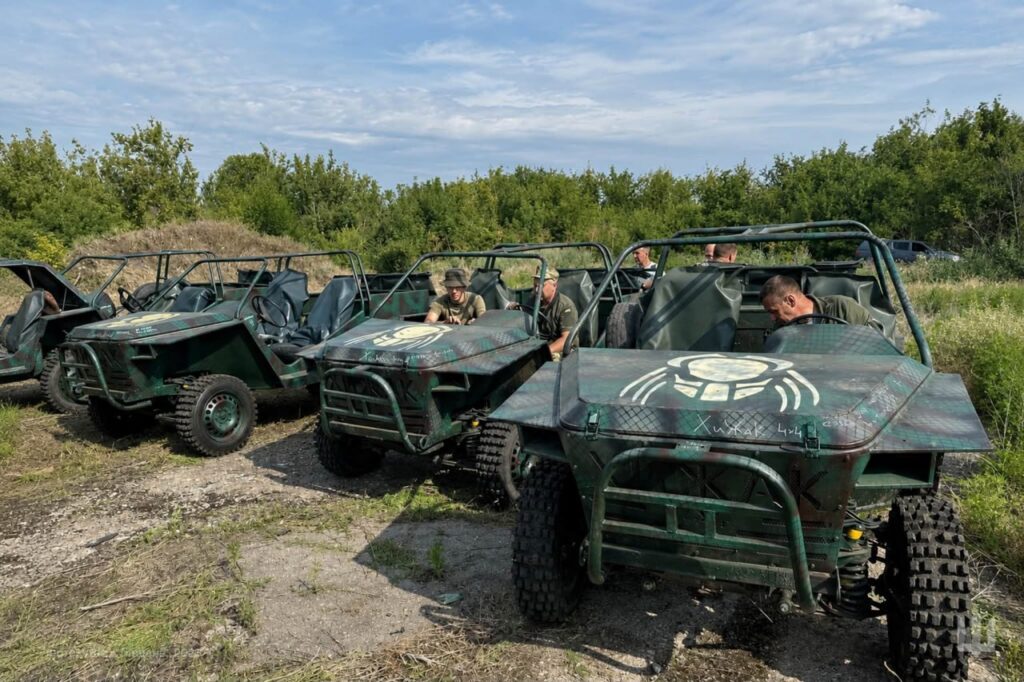
Ukraine is pulling its wounded out of the front line in buggies built partly from destroyed Russian tanks. A new modification of the "Predator" evacuation buggy has reached the 17th and 20th Army Corps, Ukrainian military and political analyst Oleksandr Kovalenko of the Information Resistance group reported.
The two corps received 10 experimental "Predator" evacuation buggies, delivered with the help of the international charitable foundation Nova Ukraine, a US-based Ukrainian diaspora organization founded in 2014.
The vehicles are meant to evacuate wounded quickly from hard-to-reach areas, one of the deadliest problems on a front where Russian FPV drones hunt anything that moves. Casualty evacuation has become so dangerous that wounded soldiers can wait months for extraction, and Ukraine has turned to ground robots, multicopter drones, and purpose-built vehicles to pull people out without exposing rescuers.
The Predator buggy is the cheap, fast, human-driven end of that effort.
The buggies are made partly from salvaged Russian equipment
The detail Kovalenko flagged as symbolic is what the buggies are built from. A number of the buggy's components are machined at the manufacturer's own lathes from materials taken from captured Russian equipment beyond repair, in particular the aluminum alloy ABT-102, he said.
Russia's destroyed vehicles are being turned into the machines that save Ukrainian lives.
A volunteer project that outruns Western serial production
The Predator is what Kovalenko calls a "people's buggy," and its origin is the story. The buggies began reaching Ukraine's Defense Forces in 2022 as a volunteer initiative by enthusiasts from Vinnytsia and became among the most sought-after vehicles in the near-front-line zone.
Kovalenko drew a careful distinction to head off misreading. This is not an assault vehicle, he stressed, but a machine for logistics, evacuation, and raiding or sabotage operations.
Over time, the buggies have been heavily upgraded: production shifted to exclusively all-wheel-drive versions, the frame and components were reinforced, and an all-wheel-drive buggy now weighs a little over a ton.
The performance he describes is serious. The buggy reaches over 120 km/h on rough terrain, climbs steep slopes, and can mount a turret with a 360-degree traverse and almost no blind spots, which Kovalenko called a good option for mobile fire groups. Its cross-country ability, he said, is better than that of many pickups, allowing it to work in the hardest terrain rather than only on roads and hard ground.
The economics are the point he closes on. The Predator's production remains possible thanks to volunteer support and regular fundraisers for units in acute need of such vehicles. In Ukraine, the buggy has practically no competitors on price and quality, Kovalenko said, calling it a project that even Western serial-production analogs struggle to match.
Ukrainian Lieutenant Colonel Serhii Mahlovanyi has received the award in one of NATO's most prestigious professional military education programs, according to the ArmyInform. The Advanced Command and Staff Course (ACSC) prepares operational- and strategic-level officers for service in multinational headquarters, joint operations, and the implementation of defense reforms.
This achievement carries particular significance in the context of Ukraine's strategic goal of joining NATO and integrating into the European security architecture.
Mahlovanyi began his military career in 2004 as an enlisted soldier in Ukraine's Air Assault Forces. Rising through every non-commissioned officer rank, he eventually became a brigade command sergeant major before receiving his commission as an officer.
Commenting on the award, the lieutenant colonel said he viewed the award as recognition of all Ukrainian service members.
"This award belongs not only to me, but to every Ukrainian warrior. It is a great honor that Ukraine will now forever be represented among the recipients recognized by the UK Defense Academy," he said.
A historic achievement
Upon completing the course, Mahlovanyi received the Thales Prize as the Best International Student, selected from 252 senior military officers and civil servants representing nearly 50 countries.
It marks the first time in the nearly 30-year history of the course that the name of a Ukrainian representative will be added to the UK Defense Academy's roll of international prize winners.
In addition, the Ukrainian officer received the course's highest military award for operational planning.
In its final assessment, the UK Defense Academy described Mahlovanyi as an "exceptional, highly respected and outstanding officer."
He graduated among the top 10% of the course with an overall Grade A, while his written assignments and presentations received the highest possible marks of A+.
Contributions beyond the classroom
Mahlovanyi organized meetings between British course participants and Ukrainian military commanders, co-authored a leadership and command handbook, supported the work of Ukraine's defense attaché in the United Kingdom and the Ukrainian community in London, and contributed to the development of the Operation INTERFLEX training program.
Mahlovanyi has also completed a master's degree at King's College London while simultaneously pursuing a second master's degree at a Ukrainian higher education institution.
Italy's Defense Minister Guido Crosetto has said he offered former Ukrainian Defense Minister Mykhailo Fedorov a position as his adviser, Reutersreported.
On 16 July, Ukrainian President Volodymyr Zelenskyy said he had decided to dismiss Fedorov after a prolonged conflict between him and then Commander-in-Chief of the Armed Forces of Ukraine Oleksandr Syrskyi.
The decision triggered mass protests in Kyiv, Lviv, and even the frontline city of Sumy. Demonstrators gathered to support Fedorov despite the risk of Russian KAB glide bomb and FPV drone attacks. Nevertheless, Zelenskyy did not reverse his decision.
The minister who returned the initiative to Ukraine
"I called him the day after his dismissal and said: When do you want to come to Rome and work with me as an adviser?" Crosetto said.
Asked how Fedorov reacted, Crosetto said the former minister was "moved" and regarded the offer as "a demonstration of esteem and friendship."
Crosetto praised Fedorov as "one of those people who completely rewrote the rules of the game on the battlefield."
According to the Italian defense minister, Fedorov helped return the battlefield initiative to Ukraine by fundamentally changing the way the war was fought through the use of new technologies.
Recognition of Fedorov's work was also reflected in the EU's reaction to his dismissal
European Commissioner for Defense Andrius Kubiliussaid Fedorov's removal as Ukraine's defense minister came as a major surprise, according to Europeiska Pravda.
According to Kubilius, the EU had worked closely with Fedorov both before and after he became defense minister. He noted that significant progress had been made during that time, particularly in developing Ukraine's long-range strike capabilities and expanding its defense industrial production.
Fedorov's legacy at the Defense Ministry
On 15 July, Fedorov summarized the achievements of his tenure as defense minister.
Among them, he said his team had succeeded in cutting off Russian forces' access to Starlink, significantly reducing their ability to wage effective drone warfare.
He also highlighted the "Logistics Lockdown" program—a separately funded initiative that, combined with improved procurement and support for Ukraine's top combat units, disrupted Russian logistics and began isolating occupied Crimea.
Another achievement, he said, was introducing an After Action Review (AAR) process following every large-scale Russian strike. During his tenure, the interception rate for Russian drones increased from 83% to 91%, while the interception rate for cruise missiles rose from 47% to 87%.
What remained unfinished
Fedorov acknowledged that several major reforms remained incomplete.
These included completing the organizational transformation of the Ministry of Defense in line with NATO standards, moving all procurement to competitive tenders, and building a culture of accountability for decision-making.
Zelenskyy reportedly offered Fedorov several other government positions, but he declined them
Explaining his decision, Fedorov said that among the positions that "truly determine the course of the war," only that of the defense minister carries the authority necessary to drive meaningful change.
In his view, no other public office has sufficient authority to eliminate corruption in defense procurement, complete the military transformation he initiated, plan asymmetric operations against Russia, or eradicate what he described as a culture of dishonesty and irresponsibility within the system.
Ukraine’s Ministry of Defense reported that newly appointed UK Defense Secretary Wes Streeting held his first conversation with Ukraine’s Acting Minister of Defense Yevhen Khmara. Coincidentally, both officials were appointed to their positions five days ago as part of government reshuffles in their respective countries.
The main focus of the discussion was strengthening Ukraine’s air defense. A year ago, Russia fired 28 ballistic missiles in a month at Ukraine. Now it’s firing three times that number amid a limited supply of Patriot interceptors following the US war against Iran. Moscow has also begun using dangerous jet-powered Banderol drones.
According to Ukraine’s Ministry of Defense, Ukraine and the UK are building a long-term and mutually beneficial defense partnership.
Key areas of cooperation include strengthening Ukraine’s air defense, supporting its air capabilities, countering Russian drones, and procuring Ukrainian-made unmanned systems for the Defense Forces.
"We are ready to share our experience of modern war and solutions that have already proven effective on the battlefield," Khmara said.
Pushing Russian aircraft away from Ukraine’s borders
To strengthen its air defense capabilities, Ukraine is counting on British support for a project to supplyGripen fighter jets and Meteor missiles. This would be important for countering Russian aircraft and protecting Ukrainians from aerial attacks.
The combination of Gripen aircraft and Meteor missiles would allow Ukraine to push back Russian aircraft that launch guided glide bombs (KABs) at Ukrainian positions from just behind the front line.
Russian fighter-bombers carrying KABs have heavily targeted Ukrainian frontline positions throughout the war, typically launching these weapons from within Russian airspace beyond the reach of Ukrainian air defense systems. Currently, Ukraine does not have a systematic capability to counter these aircraft.
It is also critically important to continue supplying ammunition for Ukraine’s F-16 aircraft. One of the tasks set by the President of Ukraine is to protect the grain corridor from Russian attacks. Achieving this requires strong air capabilities.
Countering Russia’s new generation of strike drones
Another key focus of the discussion was countering Russian attack drones. Russia is increasing its use of jet-powered Shahed-type drones, including systems such as Banderol.
These drones reportedly have a cruising speed of 520–560 km/h, a maximum speed of up to 650 km/h, a range of up to 500 km, and carry a 114.3 kg fragmentation high-explosive warhead.
The sides also discussed procuring Ukrainian-made drones for the Defense Forces through the ERA Loan mechanism, financed by revenues from frozen Russian assets.
The planned procurements include interceptor drones, medium-range strike drones, and deep-strike systems.
A new large-scale study of the results of mine-action work in Ukraine has been launched in Kyiv. It is run by the Tony Blair Institute for Global Change in partnership with the UN Development Program in Ukraine, with financial support from the Netherlands, the leading international partner in Ukraine's demining sector, ArmyInform reported.
In 2025, the UN Mine Action Service (UNMAS) described war-torn Ukraine as the most heavily mine-contaminated country in the world. Since Russia's full-scale invasion on 24 February 2022, millions of landmines and other explosive hazards have been scattered across Ukraine's battlefields.
The study aims to assess comprehensively how mine action affects economic recovery, public safety, community development, environmental rehabilitation, and Ukraine's progress toward the Sustainable Development Goals.
It will combine analysis of existing data, field research, and consultations with a wide range of state and international partners, with Ukraine's Defense Ministry as one of the key state partners shaping its methodology.
The country is learning to clear the densest minefields in the world
The Ukrainian side's contribution is what makes the study distinctive, and it was set out plainly at the launch. Colonel Oleh Shuvarskyi, head of the mine-action directorate at the Defense Ministry, argued the research should draw on operational and technical data and analyze the specific threats of the Russia-Ukraine war.
"Ukraine faces unprecedented challenges," he said, urging the study to account for contamination profiles across territories and Russia's use of new types of mines, munitions, disguised explosive objects, and improvised explosive devices.
Why does it matter for the world?
This is not the demining of a peace that has already arrived. It is a clearance happening while the mines are still being laid, against an adversary actively innovating in how it hides them.
That distinction is the reason the Ukrainian experience may matter beyond Ukraine.
Shuvarskyi pointed to the combat experience being accumulated, the effectiveness of innovative clearance technologies, their integration into training programs, and the interagency coordination between the Defense Ministry, the Armed Forces, the State Special Transport Service, the State Emergency Service, and mine-action operators, calling all of it a key factor in responding to contamination on this scale.
An Angolan court has found two Russian nationals, Lev Lakshtanov and Igor Ratchin, guilty of terrorism and espionage. They were sentenced to eight and 11 years in prison after being accused of plotting a coup and helping organize deadly demonstrations in the country last year, The Guardian reported.
Over the past decade, Russia has significantly expanded its presence in Africa. Angola, whose economy depends heavily on oil exports, has historically maintained close ties with Moscow. However, since taking office in 2017, Angolan President João Lourenço has sought to strengthen relations with the United States and Europe.
Prosecutors also alleged that the two men were linked to African Politology, a Russian disinformation and propaganda network that emerged from the Wagner mercenary group, which also played a major role in Russia's war against Ukraine.
According to media investigations, including those by Forbidden Stories, African Politology was taken over by Russia's Foreign Intelligence Service (SVR) following the death of Wagner chief Yevgeny Prigozhin in 2023. Wagner itself was rebranded as the Africa Corps and absorbed into the Russian military.
Why did the Russians allegedly carry out the operation?
Angolan prosecutors said Lakshtanov and Ratchin sought to influence next year's presidential election. According to the prosecution, they intended either to finance Angola's main opposition party, the National Union for the Total Independence of Angola (UNITA), or to force a leadership change within the ruling People's Movement for the Liberation of Angola (MPLA), which has governed the country since independence from Portugal in 1975.
The two Russians denied the allegations, insisting they were in Angola for legitimate cultural and business activities.
What were demonstrations?
Between 28 and 30 July 2025, a strike by minibus taxi operators protesting fuel price increases escalated into widespread riots and looting. According to official figures, 22 people were killed, and more than 1,600 were arrested.
Angolan security forces were accused of firing live ammunition at protesters. Human Rights Watch had previously criticized the government for using "excessive force," including rubber bullets and tear gas, to disperse a peaceful protest against rising fuel prices on 12 July 2025.
The Angolan government defended the actions of its security forces, arguing that the "progressive use of force" was justified under the circumstances.
Ukraine is fighting Russian drones not only by shooting them down. Electronic warfare (EW) operators from the 413th "Raid" Regiment report that over 19 days, they suppressed 696 Russian UAVs, including 646 FPV drones and 50 Molniya drones.
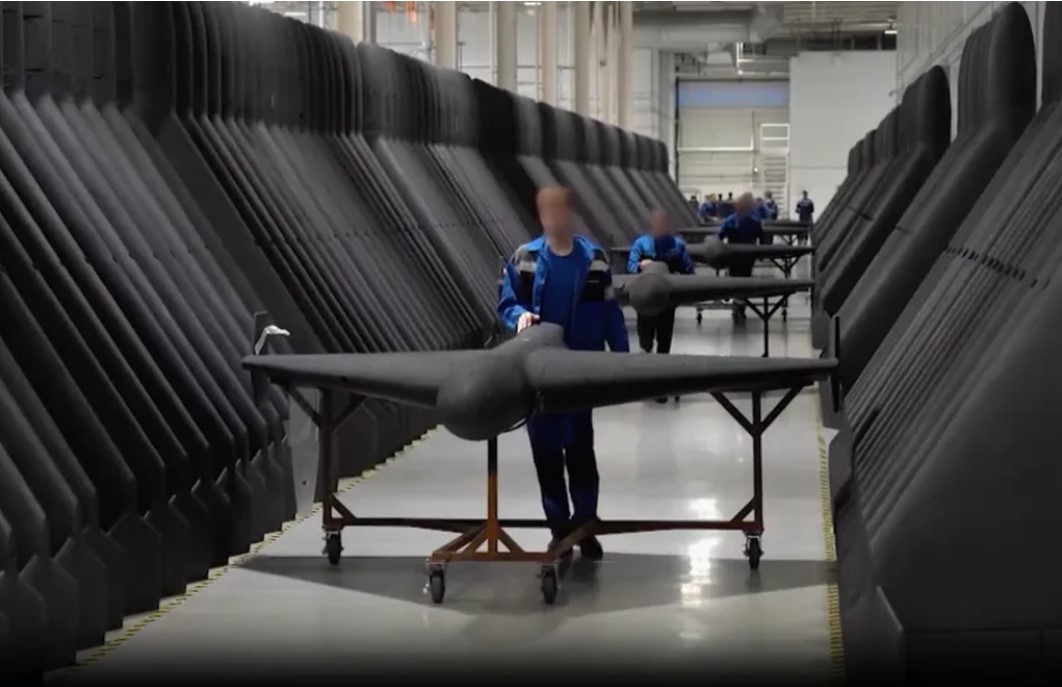
The Russian military has upgraded its Molniya drones, turning them into low-cost reconnaissance and surveillance platforms that are increasingly replacing traditional strike roles.
Earlier, drone warfare expert Serhii "Flash" Beskrestnov said Russia has been reducing its use of expensive strike UAVs in favor of cheaper systems such as the Molniya drone.
According to Beskrestnov, the main challenge posed by these drones is their low radar visibility. Flying at very low altitudes and using airframe materials that reduce detectability, Molniya drones are significantly harder for counter-drone systems to intercept. To counter them effectively, Ukraine must continuously improve its electronic warfare capabilities.
As a result, Ukrainian units receive additional protection
"Thanks to the daily work of EW operators, Russia is increasingly losing the ability to effectively employ its own UAVs, while Ukrainian units receive additional protection," the Raid Regiment said, commenting on the results of its operations.
One Ukrainian electronic warfare unit suppressed 696 Russian UAVs in 19 days
"Thanks to the daily work of EW operators, Russia is increasingly losing the ability to effectively employ its own UAV," the defenders said
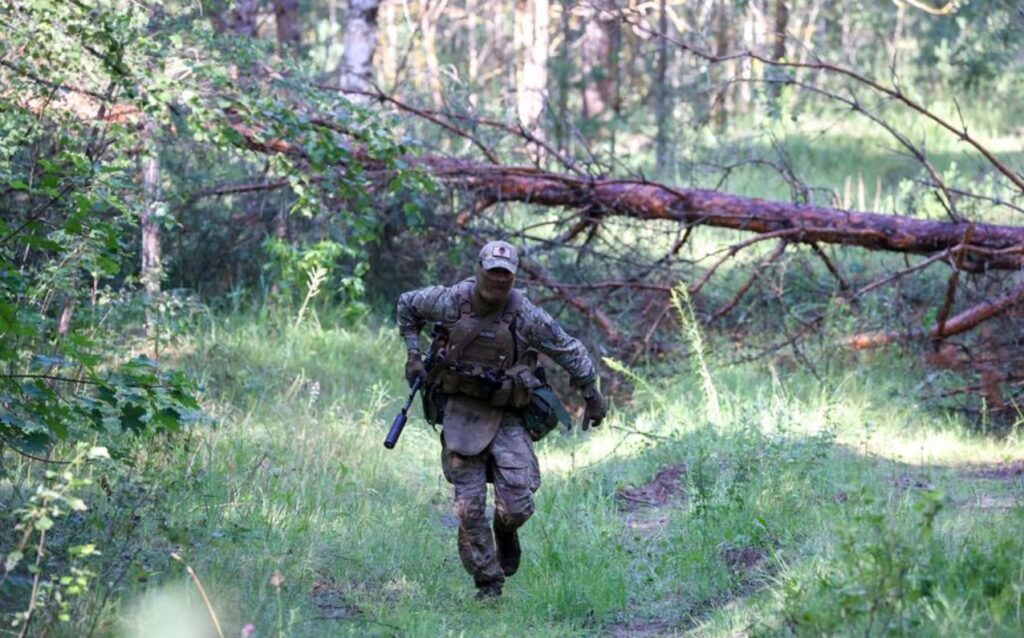
The independent Raid Battalion was established in 2024. In a short period of time, it expanded into a regiment and has become one of the key units carrying out frontline missions.
During the 2013–2014 Revolution of Dignity, many of its fighters took part in clashes on Kyiv's Maidan. After the start of Russia's aggression in eastern Ukraine, they participated in major operations as members of volunteer battalions and later the Armed Forces of Ukraine.
Today, the regiment uses advanced drone technologies to gather precise intelligence, adjust artillery fire, identify enemy positions, and provide Ukrainian forces with a battlefield advantage.
Russia sees targets in real time when striking FPVs
The ability to neutralize FPV drones using electronic warfare is particularly important because it deprives Russian operators of the ability to carry out targeted attacks against civilians in real time.
Ukraine has documented more than 11,000 Russian FPV drone attacks on civilians, including "double-tap" strikes in which the same location is attacked again after medics and firefighters arrive to respond to the initial strike.
In May 2025, the Independent International Commission of Inquiry on Ukraine concluded that FPV drone attacks in Kherson Oblast constituted crimes against humanity. Ukrainian authorities continue to document similar attacks in other frontline regions, including Donetsk Oblast.
The Russian military has upgraded its Molniya drones, turning them into low-cost reconnaissance and surveillance platforms that are increasingly replacing traditional strike roles.
Ukraine's Security Service (SBU) says it has detained a suspected Russian agent accused of illegally verifying more than 1,000 Starlink satellite terminals for use by Russian forces.
The suspect reportedly helped Russia circumvent restrictions on the satellite internet system, which Russian forces use to coordinate units, control drones, and conduct operations over Ukrainian territory, including strikes on cities and frontline positions.
According to the SBU, the suspect was arrested in the central city of Dnipro after allegedly organizing a large-scale scheme to activate Starlink systems using the identities of third parties.
Investigators identified the suspect as a native of Luhansk Oblast who was allegedly recruited by Russian intelligence through Telegram channels advertising "easy money."
SBU says suspect recruited others
The SBU says the suspect initially registered a Starlink terminal using credentials provided by his Russian handler.
He was then allegedly instructed to recruit as many people as possible to help verify additional terminals. According to investigators, the suspect used the identities of third parties to activate Starlink systems through postal service branches.
The SBU says the scheme resulted in more than 1,000 Starlink terminals being verified for Russian use.
During a search of the suspect's home, investigators said they seized a mobile phone containing evidence of contacts with Russian handlers. The agency also said it had blocked all Starlink terminals allegedly registered through the scheme.
The suspect has been charged with aiding the aggressor state under Article 111-2 of Ukraine's Criminal Code. If convicted, he faces up to 12 years in prison.
One day earlier, the SBU announced the arrest of two other alleged Russian agents in Kyiv accused of fraudulently registering 76 Starlink terminals for Russian intelligence. According to investigators, those terminals were intended to support Russian missile and drone strikes and help identify Ukrainian electronic warfare systems protecting frontline positions.
Explore further
Ukraine arrests two alleged Russian agents in Kyiv accused of activating Starlink terminals to support Russian missile and drone strikes
Why Starlink matters
Starlink, operated by SpaceX, has become one of the most important communications systems on the modern battlefield, providing fast, reliable satellite internet that is difficult to jam.
Ukraine has relied extensively on the network throughout Russia's full-scale invasion to maintain communications between military units and support drone operations.
Russian forces have also sought access to the system, but their use has been significantly constrained. In cooperation with SpaceX, Ukraine has introduced verification measures and whitelisted legitimate users operating on Ukrainian territory, limiting Russian access and forcing Moscow to seek alternative communications systems.
The SBU did not specify where or how the more than 1,000 allegedly verified terminals were intended to be used by Russian forces.
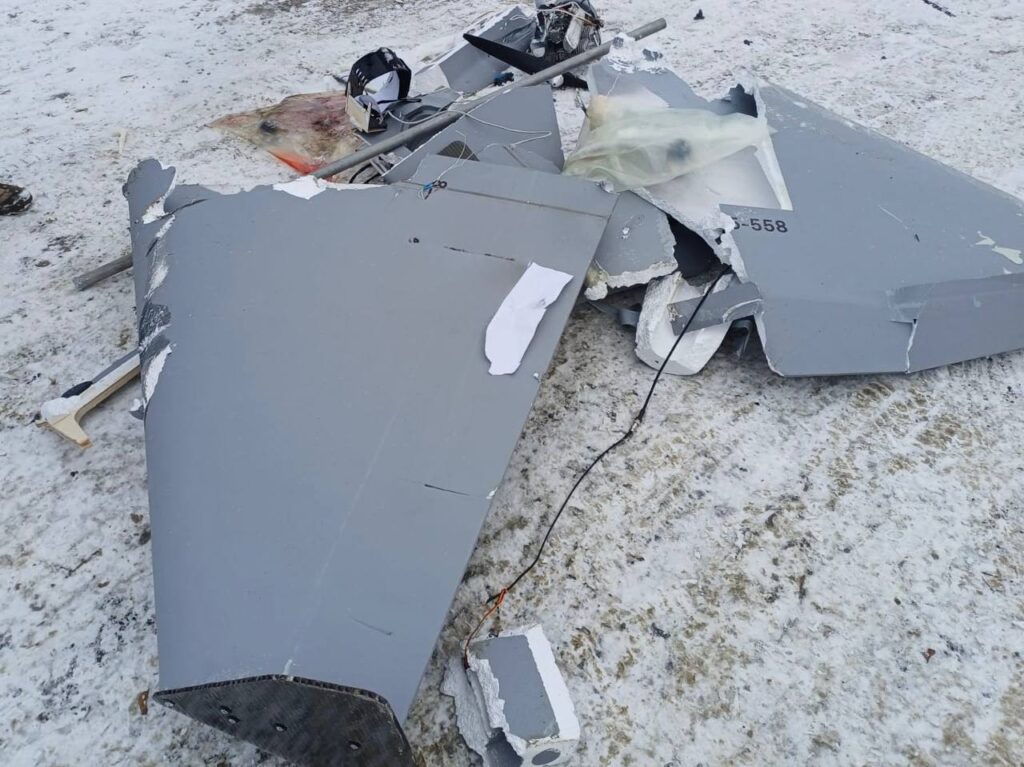
Wreckage of a Russian BM-35 drone with Starlink integration. Photo: Serhii Flash on Telegram
Ukraine has detained the chief organizer of the defense industry event struck by a Russian ballistic missile in Kyiv Oblast on 24 July, as investigators examine whether security failures contributed to an attack that killed 10 people and injured about 100.
Prosecutor General Ruslan Kravchenko stressed that Russia alone bears responsibility for the strike, calling it another war crime, while saying investigators are also examining circumstances that may have increased the scale of the tragedy.
"Russia committed this war crime," Kravchenko said. "But the investigation is also establishing the circumstances that may have increased the scale of this tragedy."
Investigation focuses on event organization
According to the Prosecutor General's Office, an arms industry association organized the event without approval from the military command or regional and district military administrations.
Investigators say more than 300 people were invited to the outdoor demonstration, which featured Ukrainian air defense technologies and other defense systems. The nearest bomb shelter, measuring just 34 square meters, was located about 100 meters from the venue.
Authorities said invitations were distributed nine days before the event, while the exact location and time were shared with confirmed participants one day before it took place. Investigators are examining whether those arrangements could have enabled Russia to prepare a targeted missile strike.
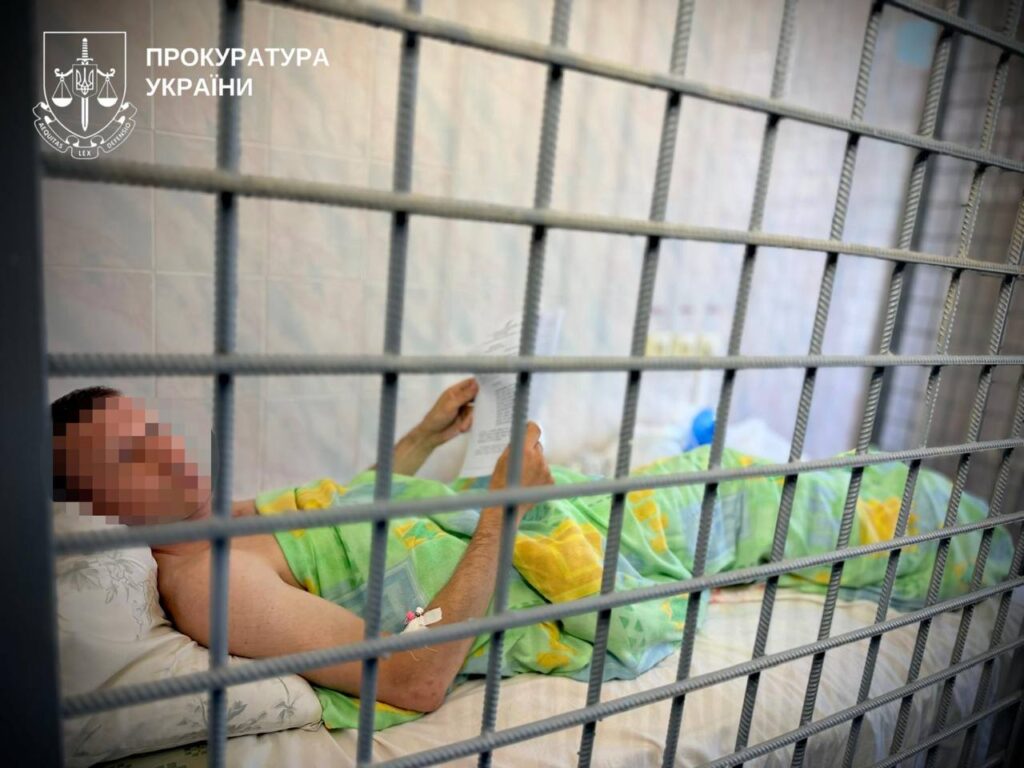
The event's chief organizer has been detained on suspicion of official negligence resulting in grave consequences. Prosecutors said searches were carried out at the association's office and the homes of individuals involved in organizing the event.
Kravchenko said investigators will also assess whether officials from the National Police, Security Service of Ukraine (SBU), military command, state authorities, or local governments failed to respond appropriately to potential security risks.
Explore further
Russia kills at least 10 in rare daytime ballistic strike on Kyiv defense industry event, as fears grow of larger attack to come
Association rejects claims of public disclosure
The ARMADA Association, which organized the demonstration, said it would fully cooperate with investigators but rejected claims that the venue had been publicly advertised.
In a statement, the association said the event was a closed practical demonstration for representatives of Ukraine's defense industry and potential users of anti-aircraft and counter-drone technologies.
It said the exact location was never publicly disclosed and was shared only with registered and vetted participants. The association also disputed online claims that promotional materials circulating on social media were public announcements, saying they were invitations distributed through closed channels.
ARMADA said the demonstration required an open area because participants were testing air defense, electronic warfare, radar, and drone interception systems under realistic conditions.
The association urged the public not to share photographs, videos, participant information, or the exact location while the investigation is ongoing.
Russia's strike killed 10 and injured 100
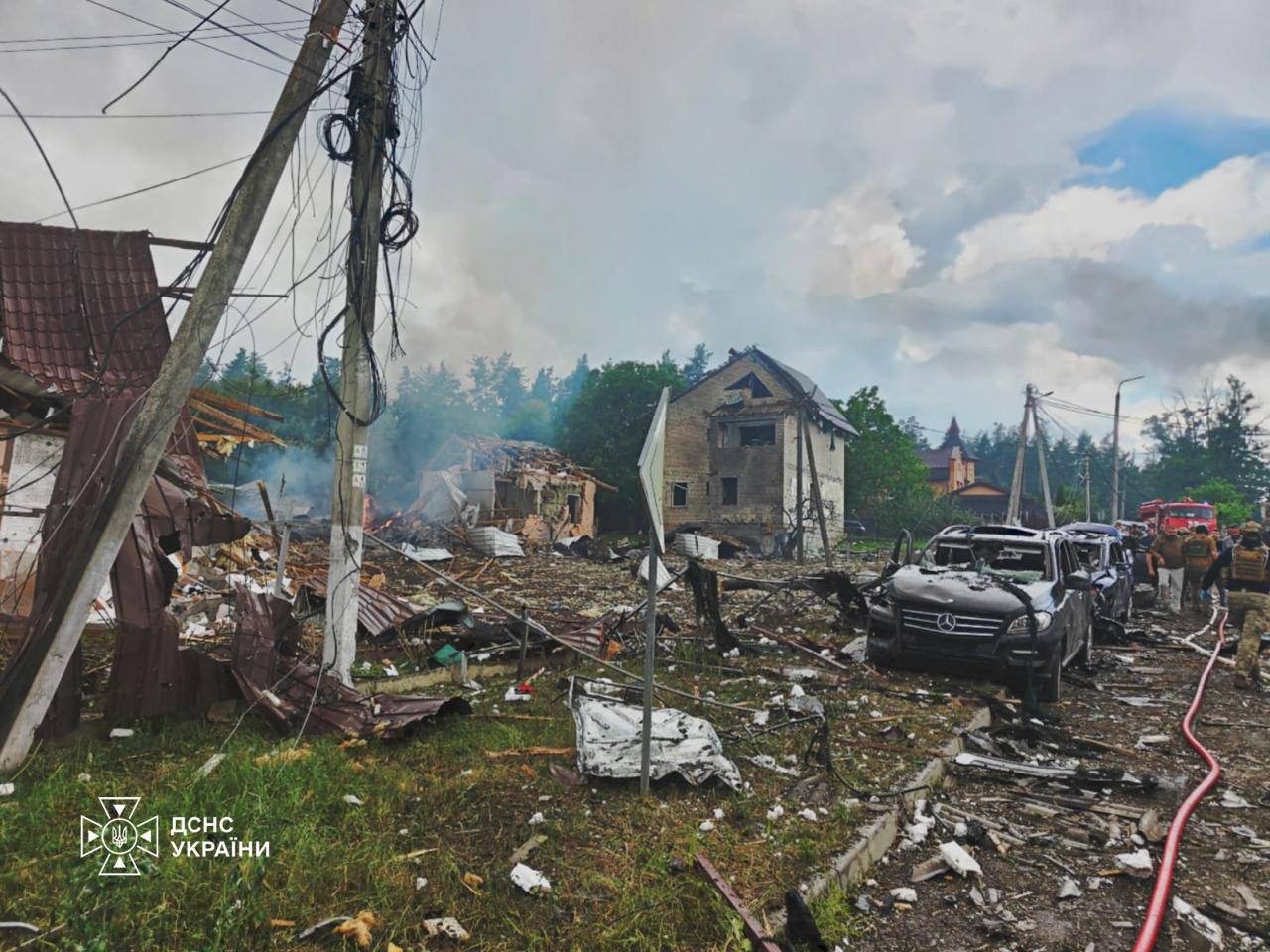
Russia launched the daytime ballistic missile attack on 24 July, striking the event in Bucha district, Kyiv Oblast. The attack killed 10 people, injured around 100 others, and damaged dozens of nearby homes and vehicles.
Ukraine's Air Force said Russia launched three ballistic missiles during the attack. Air defenses intercepted one, while two struck Bucha district.
Kyiv Oblast observed a day of mourning on 25 July in memory of those killed, with flags lowered across the region and entertainment events restricted.
Ukraine says it carried out a series of overnight long-range strikes against Russian military infrastructure, air defense systems, logistics hubs, and naval assets across multiple regions of Russia and occupied Ukraine as part of its campaign to degrade Moscow's war capabilities.
Ukraine has been expanding long- and medium-range strikes across Russia and occupied territories in recent months in an effort to reduce the capacity of the Russian military and the economy that sustains Russia’s ability to continue their invasion of Ukraine.
President Volodymyr Zelenskyy said Ukrainian forces struck facilities supporting Russia's war effort in Kirov, Tyumen, Yekaterinburg, Rostov-on-Don, and the Caspian Sea.
Among the targets, he identified a defense-related enterprise in Kirov, about 1,200 kilometers from Ukraine's border, the Tyumen oil refinery, a logistics facility in Yekaterinburg, and a fuel depot in Rostov-on-Don.
"We have very good results from our long-range strikes in the Caspian Sea," Zelenskyy said, adding that the operation targeted vessels used to transport military cargo from Iran as well as a Russian warship.
Ukraine carried out another wave of long-range strikes overnight against targets supporting Russia's war effort, President Volodymyr Zelenskyy said.
According to Zelenskyy, Ukrainian forces struck a defense-related enterprise in Kirov, about 1,200 km from the Ukrainian border,… pic.twitter.com/Thf6deOJVN
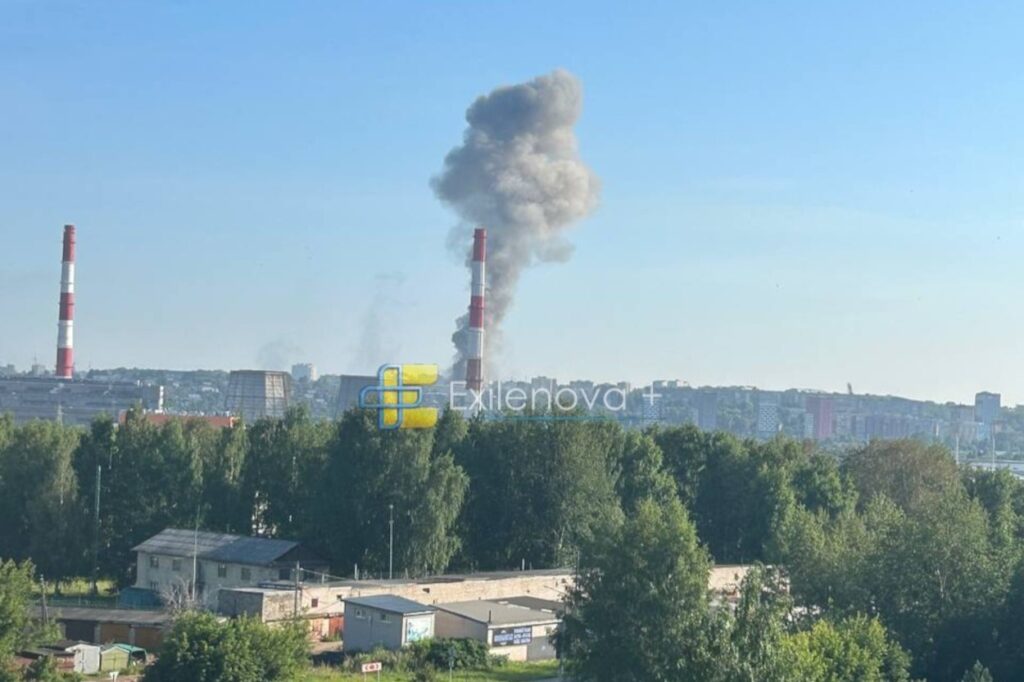
Open-source analysts said the strike in Kirov targeted the Avitek defense plant. Exilenova+ said the attack was carried out with a Ukraine-made Flamingo missile.
According to their assessment, satellite imagery indicates the munition penetrated the roof of a production building before detonating inside, triggering a large fire.
SBU claims strikes on S-400 systems and Caspian vessels
Ukraine's Security Service (SBU) said its long-range drones struck several military targets in Russia's Rostov Oblast.
According to the agency, the attack hit a 92N6E "Grave Stone" radar and its antenna tower, components of Russia's S-400 air defense system. The SBU also claimed to have destroyed a Tor-M2 air defense system, a Pole-21 electronic warfare complex, and two warehouses storing FPV drones.
The agency further said its drones struck the Filanovsky offshore oil production platform in the Caspian Sea, two cargo vessels under international sanctions that it says were transporting military cargo between Iran and Russia, and a Project 12418 Molniya-class missile boat.
The SBU described the operation as part of Ukraine's effort to disrupt Russian military logistics and respond to Russian attacks on Ukrainian ports.
General Staff reports additional strikes
Separately, Ukraine's General Staff reported strikes on several additional military targets on 24-25 July.
According to the military, Ukrainian forces hit an early-warning radar near Olenivka in occupied Crimea and an ammunition depot near Novosemenivka in occupied Kherson Oblast.
The General Staff also said Ukrainian forces struck Russian drone command posts near Bilovody in Sumy Oblast, Ledneva in Russia's Bryansk Oblast, Kamianske, Novoivanivka and Myrne in Zaporizhzhia Oblast, and Komar in Donetsk Oblast.
It also reported a strike on a Russian command and observation post near Kazachya Lisitsa in Russia's Belgorod Oblast.
Reports point to another Wildberries warehouse strike
Videos circulating online and cited by OSINT observers appeared to show a fire at a Wildberries warehouse in Yekaterinburg, roughly 1,750 kilometers from the Ukrainian border.
Wildberries is Russia's largest online retailer and logistics operator. Ukrainian officials and analysts say its warehouses and distribution network are increasingly used to store and transport military equipment, drones, and other supplies for Russia's armed forces, making them legitimate military targets. Facilities linked to the company have been struck repeatedly in recent days as Ukraine expands its campaign against Russian logistics infrastructure.
A Wildberries warehouse in Yekaterinburg, Russia, was reportedly hit in an overnight Ukrainian drone strike. The site is roughly 1,750 kilometers from the Ukrainian border.
Wildberries, Russia's largest online retailer, has become a frequent target as Ukraine says its logistics… pic.twitter.com/f1thgo6UFL
Russian authorities acknowledged drone attacks in the region but did not confirm the reported strike on the warehouse. Sverdlovsk Oblast Governor Denis Pasler said air defenses repelled a drone attack on the Yekaterinburg area, with falling debris igniting a 300-square-meter fire in the city's Chkalovsky district. He said no economic or infrastructure facilities were damaged and no casualties were reported.
The reported strikes are the latest in Ukraine's expanding long-range campaign targeting Russia's military infrastructure, defense industry, fuel facilities, logistics networks, and naval assets far from the front line.
Romanian fighter jets shot down a second drone that entered the country's airspace on 25 July, one day after Romania carried out its first known aerial interception of an unauthorized drone, the Romanian Ministry of National Defense said.
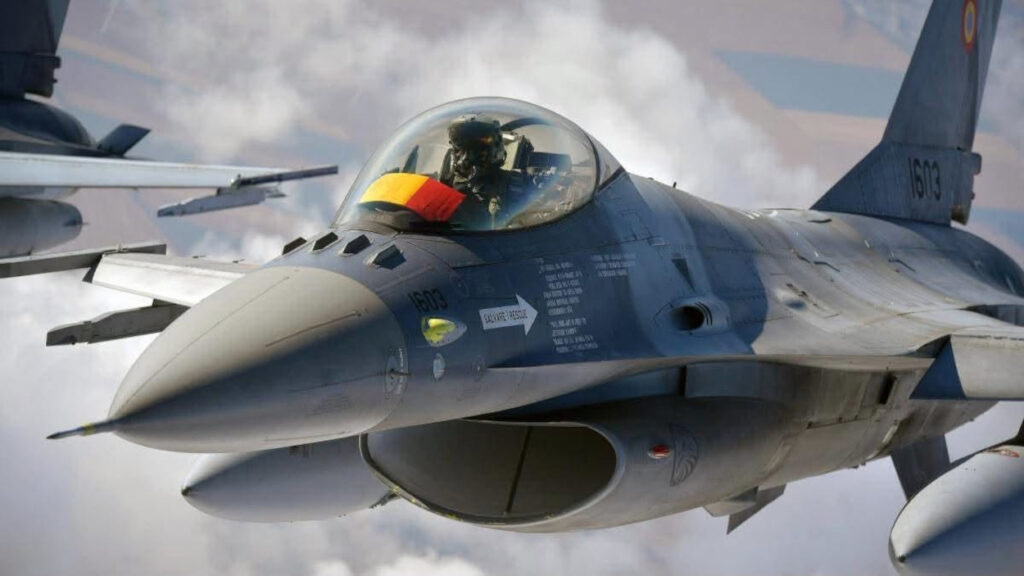
According to the ministry, radar systems detected the drone entering Romanian airspace at 08:22 in the border area with Ukraine. Two Romanian Air Force F-16 Fighting Falcon jets on air policing duty intercepted the target and carried out standard identification and neutralization procedures.
The drone was destroyed over an uninhabited area near the Ukrainian border. Military teams are being deployed to the crash site to investigate, while authorities said they continue to monitor Romania's airspace in close coordination with NATO allies.
Second shootdown in two days
Romania's Defense Ministry said the same F-16 pilot who downed a drone on 24 July also destroyed the second aircraft while flying the same fighter jet, assisted by the same colleague.
The latest interception comes a day after Romania announced its first known combat shootdown of a drone that violated its airspace. That incident marked a shift in Bucharest's response after years of scrambling fighter jets to monitor or escort drones that crossed into Romanian territory.
Explore further
From escorting to firing: Romania changes how it meets Russia’s wandering drones
Airspace violations linked to Russian attacks
Romania did not identify the drone's origin. However, the latest incident occurred as Russia continues to launch large-scale drone attacks against Ukraine, including strikes targeting areas along the Danube and Black Sea coast near the Romanian border.
Russian Shahed attack drones have repeatedly crossed into Romanian airspace during attacks on Ukraine's southern regions, particularly Odesa Oblast. Previous incursions have prompted NATO air policing missions, emergency alerts for residents, and growing calls for a stronger response to protect Romanian territory.
Romania, a NATO member bordering Ukraine, has increased its readiness along the frontier as Russian aerial attacks near its border have become more frequent since the start of Moscow's full-scale invasion.
Explore further
NATO jets over the Baltics get authority to shoot down “objects that pose a threat”
With Ukraine’s petrol stations a key target for Russian drones, customers are advised to spend no more than 10 minutes filling up. Those working on these deadly forecourts tell Harry Stourton in Pavlohrad, eastern Ukraine, how they take their lives in their hands every day they go to work
The European Union has imposed sanctions on Georgia's Kulevi oil refinery for processing Russian crude, marking the first time Brussels has targeted a major Georgian company under its sanctions regime against Russia, according to Reuters.
The measure forms part of the EU's 21st sanctions package adopted on 24 July in response to Russia's full-scale war against Ukraine. It prohibits transactions with the refinery beginning in six months, broadening the bloc's efforts to target companies outside Russia that help sustain Moscow's oil revenues, Reuters reported.
First sanctions against a major Georgian company
Located on Georgia's Black Sea coast, the Kulevi refinery came under scrutiny after Reuters reported in October 2025 that Russian oil producer Russneft had begun supplying crude to the facility.
Georgia's Foreign Ministry said it was concerned by Kulevi's inclusion in the sanctions package but remained ready to cooperate with EU institutions and share information to ensure the country is not used to circumvent sanctions, according to Reuters.
Refinery pledges shift away from Russian crude
Earlier this month, Black Sea Petroleum said it would stop refining Russian crude from August-September and instead source oil from Kazakhstan and Turkmenistan. The company said the switch would allow its petroleum products to access higher-value export markets.
Black Sea Petroleum reportedly processed more than 650,000 tonnes of crude during the first half of 2026. It announced a modernization partnership with US industrial technology company Honeywell and plans to begin producing road bitumen in early 2027 and aviation fuel later that year.
According to Reuters, an EU official said discussions with the refinery remain ongoing and welcomed its commitment to phase out Russian crude, while stressing that the bloc wants to see the pledge implemented before considering lifting the sanctions.
"We'll give them some credit, but we want to see... that they do what they promised, and then we can propose to the council to delist them," the official told reporters in Brussels, according to Reuters.
Explore further
Georgia’s only oil refinery to stop processing Russian crude from August, company says
Energy trade under scrutiny
Although Georgia and Russia have had no formal diplomatic relations since the 2008 war, the ruling Georgian Dream party has expanded economic ties with Moscow during Russia's full-scale invasion of Ukraine, including increased imports of Russian oil.
Research by the Centre for Research on Energy and Clean Air (CREA), cited by Reuters, found that the Kulevi refinery received six shipments of Russian crude between October 2025 and May 2026. During that period, refined products from Kulevi were exported to EU member states including Spain and Bulgaria.
According to CREA's research, also cited by Reuters, the EU and the United States imported 1.46 million tonnes of oil products worth €811 million from the Kulevi port between February 2023 and February 2026.
Explore further
EU adopts largest sanctions package on Russia: 218 names and 100+ banks and crypto platforms among those on the list
A Russian drone strike killed three people in Ukraine’s northeastern Sumy region on Saturday, local officials said, with the victims identified as drivers for the private courier service Nova Poshta

 Connexion




 The 413th "Raid" Regiment