L'Hôpital vétérinaire de Rivière-du-Loup a émis une alerte sanitaire aujourd’hui sur ses réseaux sociaux concernant une éclosion majeure de panleucopénie féline virale extrêmement contagieuse et souvent mortelle, particulièrement chez les chatons et les animaux non vaccinés.
L'Hôpital vétérinaire de Rivière-du-Loup a émis une alerte sanitaire aujourd’hui sur ses réseaux sociaux concernant une éclosion majeure de panleucopénie féline virale extrêmement contagieuse et souvent mortelle, particulièrement chez les chatons et les animaux non vaccinés.
The Harris County district attorney said investigators from his office did not believe that the crash that left Miguel Parra Hernandez injured over the weekend was accidental.
The Harris County district attorney said investigators from his office did not believe that the crash that left Miguel Parra Hernandez injured over the weekend was accidental.
Le projet de gazoduc et d’usine flottante de liquéfaction de gaz naturel Kino Aski, à Baie-Comeau, doit être mise sur pause, réclament trois communautés innues, qui reprochent au Conseil de la Nation atikamekw de laisser entendre que l’ensemble des Premières Nations l’approuvent.
Le projet de gazoduc et d’usine flottante de liquéfaction de gaz naturel Kino Aski, à Baie-Comeau, doit être mise sur pause, réclament trois communautés innues, qui reprochent au Conseil de la Nation atikamekw de laisser entendre que l’ensemble des Premières Nations l’approuvent.
Ukraine's Operation Vivaldi has succeeded because ground commanders thought small instead of big
Rather than hoping for a major breakthrough, they fought incrementally and with heavy support from the air
Contrast Operation Vivaldi's small but successful thinking with the big thinking of Ukraine's failed 2023 counteroffensive
Five months after launching Operation Vivaldi, a local counteroffensive in northern Donetsk Oblast, the Ukrainian 3rd Army Corps has eliminated the Russia
Ukraine's Operation Vivaldi has succeeded because ground commanders thought small instead of big
Rather than hoping for a major breakthrough, they fought incrementally and with heavy support from the air
Contrast Operation Vivaldi's small but successful thinking with the big thinking of Ukraine's failed 2023 counteroffensive
Five months after launching Operation Vivaldi, a local counteroffensive in northern Donetsk Oblast, the Ukrainian 3rd Army Corps has eliminated the Russian bridgehead on its most important long-term objective: the Zherebets River, which flows south through eastern Ukraine and forms a natural defensive barrier east of the last big free cities in Donetsk: Sloviansk and Kramatorsk.
Attacking methodically under strict secrecy, the 3rd Army Corps has pushed back the Russian 20th and 25th Combined Arms Armies and returned 176 sq km of northern Donetsk to Ukrainian control as of 30 September, according to Ukraine's presidential office. The figure could not be independently verified. Operation Vivaldi netted the Ukrainians hundreds of Russian prisoners and erased 18 months of Russian advances toward Sloviansk.
"Ukrainian forces have defeated the 2026 Russian campaign to seize Donetsk Oblast," the Institute for the Study of War in Washington concluded.
It's a remarkable feat for the overall outgunned and outmanned Ukrainian forces. Equally remarkably, the Ukrainians deftly dodged several potentially fatal traps as they flanked the 20th and 25th CAAs. They didn't get stuck in the Russians' dense minefields. They didn't expose themselves to devastating air attack. Perhaps most importantly, they didn't set their sights on distant objectives. They thought small instead of big, stacking small gains on top of small gains until those wins amounted to a big victory.
Explore further
Armored assaults aren’t dead. Robots got the credit, but it was Ukrainian infantry in armored trucks that reversed a year of Russian gains near Lyman
A trio of US Army officers—Col. Timothy Price, Capt. Patrick Visser, and Capt. Andrew Carter—described this achievement in academic terms. The corps' defeat of the Russian bridgehead on the Zherebets "had little to do with maneuver warfare," the officers wrote for the Modern War Institute at the US Military Academy in West Point, New York.
In military parlance, "maneuver" generally involves heavy ground forces supported by air strikes and artillery decisively breaking through enemy lines and then rushing vehicles and troops into the panicking enemy's unguarded rear area to quickly inflict maximal destruction and achieve maximal territorial gains.
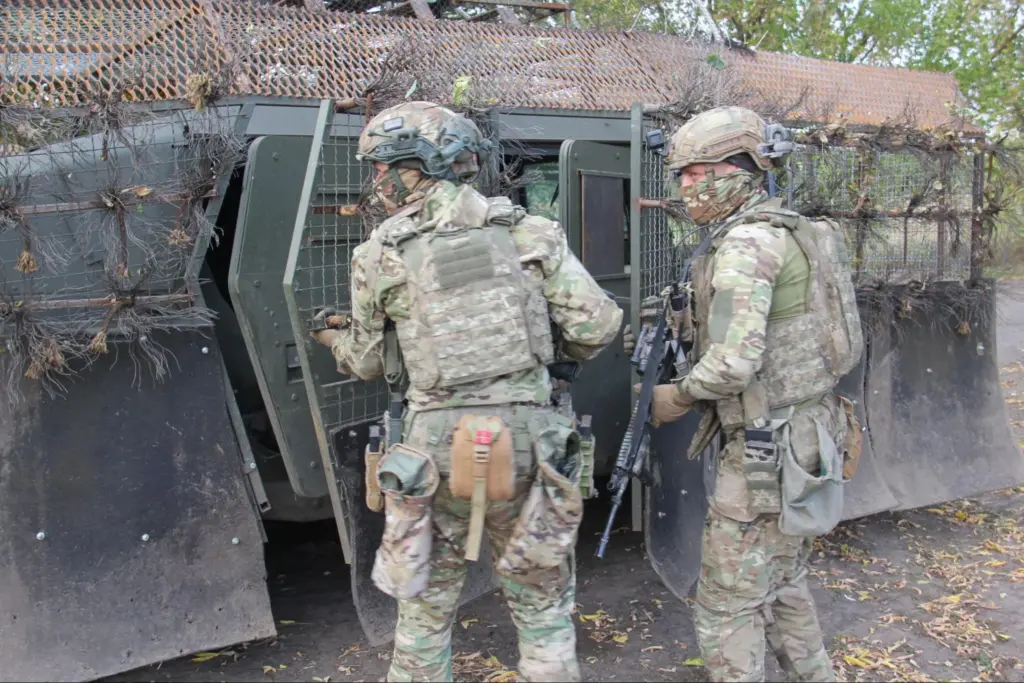
That's not what the 3rd Army Corps did in its five-month—and ongoing—counteroffensive. No, the Ukrainians "won through systematic, geometric interdiction and positional pressure," Price, Visser, and Carter wrote. Put plainly, the corps carefully probed for tree-covered assault lanes toward key settlements, deployed unmanned ground vehicles to clear mines and explode the most important nearby Russian strongpoints, and then rushed in armored vehicles carrying infantry.
Settlements Ukraine's 3rd Army Corps says it liberated during Operation Vivaldi north of Lyman, Donetsk Oblast, Ukraine, as of 28 September 2026. Map: ISW
They marched step by step, incrementally liberating a kilometer at a time instead of running a marathon toward a major objective tens of kilometers away. In that way, Operation Vivaldi is the very opposite of Ukraine's failed 2023 summer counteroffensive, which massed tanks for what commanders hoped would be a decisive breakthrough around the village of Mala Tokmachka in southern Ukraine's Zaporizhzhia Oblast.
The objective at that time was to break into the Russian rear and speed tanks 80 km to the occupied city of Melitopol near the Sea of Azov. That never happened. The Ukrainians got mired in minefields around Mala Tokmachka, suffered badly from Russian air attacks, and, after a grueling season of costly attacks, lost momentum just 10 km south of Mala Tokmachka. Later Russian counterattacks erased even those modest Ukrainian gains.
Explore further
In Ukraine’s Vivaldi offensive, nobody rides in the BTR-60s. Bulgaria’s old troop carriers go into Russian bunkers packed with mines
Old thinking versus new
The planners of the failed 2023 counteroffensive were stuck in an old way of thinking about maneuver warfare. The planners of the successful 2026 counteroffensive shrugged off obsolete ideas. They thought smaller—and, ironically, achieved much more as a result.
The 3rd Army Corps couldn't, and didn't, do it alone. Indeed, the corps depended on the Ukrainian Unmanned Systems Forces to fray the Russians' supply lines, electronic warfare teams to jam Russian drones, and the Ukrainian air force to bomb Russian drone operators the EW teams couldn't suppress. By contrast, the Ukrainian forces attacking south from Mala Tokmachka in 2023 did so without much aerial support.
The aerial and electronic preparation was a prerequisite for each of the 3rd Army Corps' incremental advances this spring and summer. The lesson, the officers argue, is that "higher headquarters must degrade key enemy capabilities" before a smaller ground formation can expect to gain ground and keep it. If the support falters, the ground forces won't be able to hold.
Think small. Prepare hard. Now that the Ukrainians know this is how to win on the ground, can they repeat Operation Vivaldi's success?
There's some evidence they're already doing so in the southeast, where a clutch of Ukrainian air assault brigades has been pushing back the Russian 29th Combined Arms Army.
Un employé de la Ville de Mont-Joli a subi des blessures graves, le 6 octobre dernier, lors d’un accident de travail survenu sur un chantier de la Ville situé sur la rue Maisonneuve.
L’homme a dû être hospitalisé à la suite de l’événement. L’accident a eu lieu pendant des travaux d’excavation.
« La Ville a avisé la CNESST (Commission des normes, de l’équité, de la santé et de la sécurité du travail) et collabore pleinement avec elle afin que les faits puissent être établis. Dans ce contex
Un employé de la Ville de Mont-Joli a subi des blessures graves, le 6 octobre dernier, lors d’un accident de travail survenu sur un chantier de la Ville situé sur la rue Maisonneuve.
L’homme a dû être hospitalisé à la suite de l’événement. L’accident a eu lieu pendant des travaux d’excavation.
« La Ville a avisé la CNESST (Commission des normes, de l’équité, de la santé et de la sécurité du travail) et collabore pleinement avec elle afin que les faits puissent être établis. Dans ce contexte, nous ne commenterons pas davantage l’accident pour le moment. Nos pensées accompagnent notre collègue et ses proches », mentionne le directeur des communications et du service aux citoyens de la Ville de Mont-Joli, Pierre Fiola.
Selon nos informations, la victime aurait été percutée par une pelle mécanique, subissant ainsi des blessures graves ayant nécessité son transport par avion vers un hôpital de Québec.
The 71-year-old underwent an operation to remove a pulmonary adenocarcinoma, among the most common types of lung cancer. Officials said it was “successfully completed.”
The 71-year-old underwent an operation to remove a pulmonary adenocarcinoma, among the most common types of lung cancer. Officials said it was “successfully completed.”
President Trump cut her loose after damaging news reports about her tenure as ambassador to Greece. Once a prominent Trump insider, she suggested she will now fight to defend her reputation.
President Trump cut her loose after damaging news reports about her tenure as ambassador to Greece. Once a prominent Trump insider, she suggested she will now fight to defend her reputation.
Kimberly Guilfoyle with President Trump at a White House event in March. In announcing her resignation, Ms. Guilfoyle decried what she called false accusations.
President Trump cut her loose after damaging news reports about her tenure as ambassador to Greece. Once a prominent Trump insider, she suggested she will now fight to defend her reputation.
President Trump cut her loose after damaging news reports about her tenure as ambassador to Greece. Once a prominent Trump insider, she suggested she will now fight to defend her reputation.
Kimberly Guilfoyle with President Trump at a White House event in March. In announcing her resignation, Ms. Guilfoyle decried what she called false accusations.
Durant ce mois d'octobre, les Journées de l’arbitrage sont de retour en France pour une édition qui a pour thème : et si l’on faisait de l’arbitrage un levier d’éducation pour lutter contre les incivilités ? Objectif : sensibiliser le public, et notamment la jeunesse, à l’importance du rôle de l’arbitre. Parmi les ambassadeurs, l'arbitre international français de basketball Nicolas Maestre nous explique les difficultés du métier d'arbitre et la rencontre qu'il a pu faire avec Victor Wembanyama.
Durant ce mois d'octobre, les Journées de l’arbitrage sont de retour en France pour une édition qui a pour thème : et si l’on faisait de l’arbitrage un levier d’éducation pour lutter contre les incivilités ? Objectif : sensibiliser le public, et notamment la jeunesse, à l’importance du rôle de l’arbitre. Parmi les ambassadeurs, l'arbitre international français de basketball Nicolas Maestre nous explique les difficultés du métier d'arbitre et la rencontre qu'il a pu faire avec Victor Wembanyama.
Exclusives
“Now it’s your turn”: US envoys planned to show Moscow a refinery pause and a diesel deal, then ask for something back, a source tells Reuters. Ukraine’s part of that exchange was to stop striking Russia’s oil plants, a request Kushner repeated at the Miami meeting.
Military
Ukrainian scouts used a captured Russian soldier’s radio to gather intelligence for four days. Recon soldiers shared stories about their daily lives with ArmyInform.
No contact with command, a comrade
Five girls and a camp counselor were thrown into the water off Miami Beach in July last year when a barge pushed by a tugboat struck their stalled sailboat.
Five girls and a camp counselor were thrown into the water off Miami Beach in July last year when a barge pushed by a tugboat struck their stalled sailboat.
Niant avoir été assisté d’un outil d’intelligence artificielle pour écrire C’était ça ou mourir, voici ce que Thélyson Orélien avait à dire pour sa défense le 22 septembre : « Je suis en train de constituer un dossier avec mes éditeurs en France et au Québec pour prouver ce que je dis. »
Niant avoir été assisté d’un outil d’intelligence artificielle pour écrire C’était ça ou mourir, voici ce que Thélyson Orélien avait à dire pour sa défense le 22 septembre : « Je suis en train de constituer un dossier avec mes éditeurs en France et au Québec pour prouver ce que je dis. »
Dans l'est de la République démocratique du Congo, Joseph Kabila prend la tête d'un nouveau mouvement politico-militaire : le Front pour la Refondation de la Nation (FRN). Cette nouvelle plateforme englobe désormais l’AFC/M23, mouvement rebelle qui a conquis de vastes pans de territoire dans l’est du pays.
Dans l'est de la République démocratique du Congo, Joseph Kabila prend la tête d'un nouveau mouvement politico-militaire : le Front pour la Refondation de la Nation (FRN). Cette nouvelle plateforme englobe désormais l’AFC/M23, mouvement rebelle qui a conquis de vastes pans de territoire dans l’est du pays.
Former QB fought with 69-year-old last OctoberFox Sports parted ways with Sanchez over incidentSanchez was charged over Indianapolis confrontation
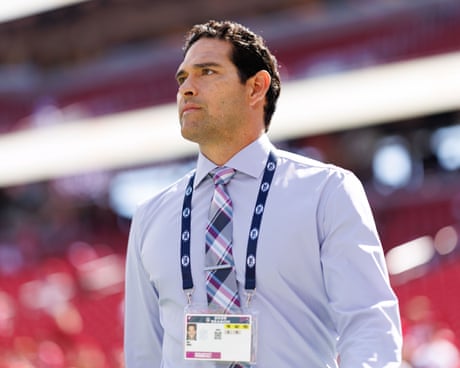
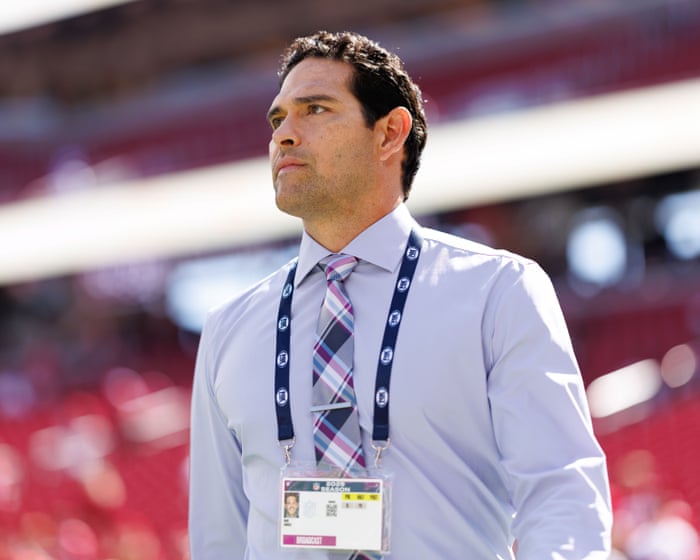
Former NFL quarterback and Fox Sports analyst Mark Sanchez has reached an agreement in principle with the truck driver who stabbed him during an altercation last October, according to the Athletic.Sanchez was stabbed and pepper sprayed by Perry Tole, who was 69 at the time, during the incident in Indianapolis, where the former New York Jets star was
Sanchez was charged over Indianapolis confrontation
Former NFL quarterback and Fox Sports analyst Mark Sanchez has reached an agreement in principle with the truck driver who stabbed him during an altercation last October, according to the Athletic.
Sanchez was stabbed and pepper sprayed by Perry Tole, who was 69 at the time, during the incident in Indianapolis, where the former New York Jets star was due to cover an NFL game between the Colts and Las Vegas Raiders. Prosecutors said Tole used pepper spray and a knife to defend himself after Sanchez attempted to enter his truck during an argument over a parking spot.
Les avocats et notaires qui travaillent pour la Société québécoise des infrastructures se sont dotés d’un mandat de grève pouvant aller jusqu’à la grève générale illimitée.
Les avocats et notaires qui travaillent pour la Société québécoise des infrastructures se sont dotés d’un mandat de grève pouvant aller jusqu’à la grève générale illimitée.
In Rivne, the aftermath of a Russian attack on an educational institution has been cleared up, including the removal of debris and collapsed structures. Currently, 30 people are known to have been injured.
In Rivne, the aftermath of a Russian attack on an educational institution has been cleared up, including the removal of debris and collapsed structures. Currently, 30 people are known to have been injured.
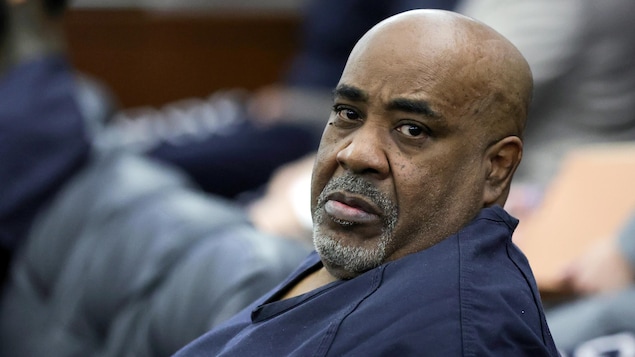
Duane "Keffe D" Davis, ex-figure d'un gang de Los Angeles, a été condamné mardi à une peine d'emprisonnement de 40 ans minimum pour avoir commandité le meurtre du rappeur Tupac Shakur.
Duane "Keffe D" Davis, ex-figure d'un gang de Los Angeles, a été condamné mardi à une peine d'emprisonnement de 40 ans minimum pour avoir commandité le meurtre du rappeur Tupac Shakur.
Ukrainian reconnaissance troops used a captured Russian soldier’s radio for four days to listen to Russian military communications and relay important intelligence to their command, according to a report by ArmyInform, which covered the episode. The soldiers serve in the 23rd Separate Reconnaissance Battalion, which operates in the Oleksandrivka sector, the report noted.
Russia uses infiltration tactics involving small groups to slip through Ukrainian positions undetected, establish the
Ukrainian reconnaissance troops used a captured Russian soldier’s radio for four days to listen to Russian military communications and relay important intelligence to their command, according to a report by ArmyInform, which covered the episode. The soldiers serve in the 23rd Separate Reconnaissance Battalion, which operates in the Oleksandrivka sector, the report noted.
Russia uses infiltration tactics involving small groups to slip through Ukrainian positions undetected, establish themselves into the rear of Ukrainian positionse, and create conditions for the further advance of its main forces. They are countered not only by reconnaissance drones but also by specialized reconnaissance teams, which sometimes cover several dozen kilometers on foot to reach their designated targets.
Ukrainian scouts capture Russian soldier in the grey zone
Ukrainian reconnaissance troops captured a Russian soldier in the grey zone as he was trying to enter a neighboring house, the report said.
“He took off his body armour and set his rifle aside. He felt right at home. Our commander went over and offered him a chance to surrender, and he agreed. He then stayed with us for four days. He told us everything he knew,” a soldier with the call sign Kubik said in the report.
The soldiers’ hideout was later discovered. Fleeing a Ukrainian drone, a Russian infantryman ran into the building where the reconnaissance troops were staying. The position was subsequently attacked by FPV drones, followed by an artillery barrage.
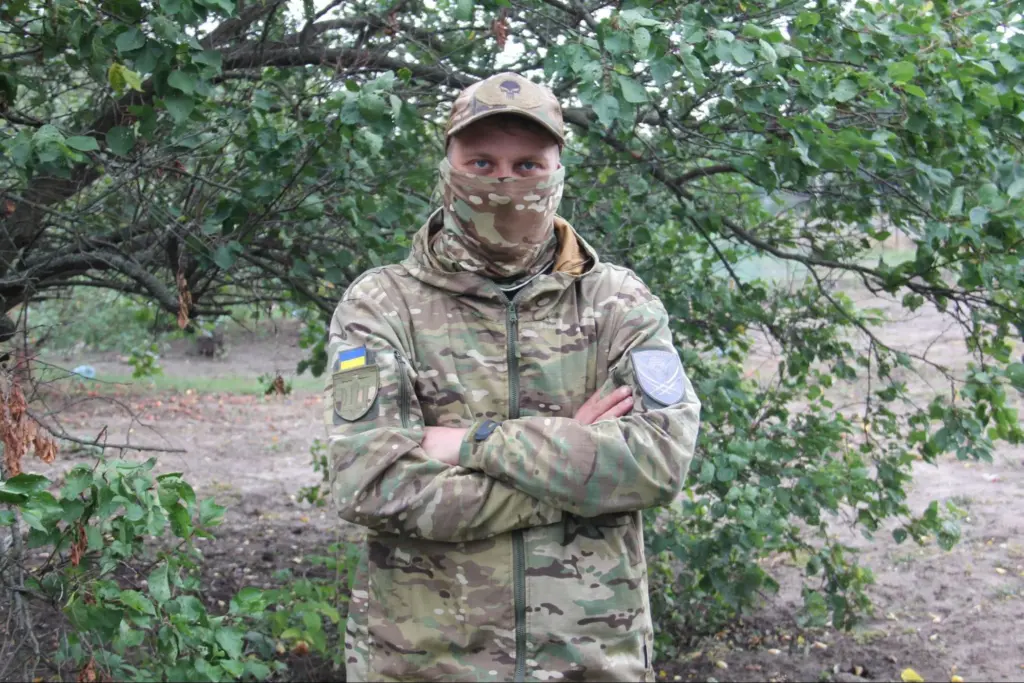
Reconnaissance soldier with the call sign “Kubik” of the 23rd Separate Reconnaissance Battalion, 2026. Photo: ArmyInform
One Ukrainian soldier sustained a minor injury, but the group managed to withdraw without suffering serious losses.
Reconnaissance soldier Kubik spent 23 days on a combat mission
For reconnaissance troops, the journey to their positions and the return trip remain perhaps the most dangerous parts of a mission. During his year of service, Kubik has completed five combat missions, one of which lasted 23 days, according to the report.
During their most recent mission, the soldiers covered 20 kilometers on foot in one direction, moving mostly through tree lines, Kubik said. He added that they had to run across open areas and destroy enemy drones lying in wait before quickly retreating to cover.
Because of the constant threat from the air, the length of time reconnaissance troops can remain at their positions depends on the weather and the situation, the report noted. Sometimes, staying in place longer is safer than risking exposure while a team is being replaced.
Dzhus’s first mission: 20-year-old reconnaissance soldier chooses infantry
Twenty-year-old Mykyta, whose call sign is Dzhus, is preparing for his first combat mission as part of the 23rd Separate Reconnaissance Battalion, the report said. He joined the military under the “18–24 Contract” program after leaving the police force.
“Many people who join under the ‘18–24’ contract go into UAV operations, but I’m more interested in infantry work. We have many experienced reconnaissance soldiers, and the guys are constantly giving advice and sharing their experience,” Dzhus said.
Reconnaissance soldier with the call sign “Dzhus” of the 23rd Separate Reconnaissance Battalion, 2026. Photo: ArmyInform
He is heading out on the mission under the guidance of an experienced commander, he said. The soldiers prepare thoroughly for every mission, practicing at the training ground and rehearsing procedures tailored to the specific task, the media outlet noted.
Russian troops seek new hiding places for infiltration along the front
Russian forces continue to use small-group infiltration tactics. For example, the Russian army is likely increasing its infiltration efforts in Kharkiv Oblast, taking advantage of the remaining summer foliage for concealment, the Institute for the Study of War reported on 9 October. In particular, Russian forces are seeking to infiltrate the city of Kupiansk in small groups, according to an RBC-Ukraine report published on 7 October.
Similar incidents have also been reported in Donetsk Oblast. Russian troops are attempting to infiltrate the gaps between Ukrainian observation posts in small groups and establish positions there, Artem Prybilnov, spokesperson for the 155th Separate Mechanized Brigade, said during a broadcast on Suspilne.Studio on 7 October, NV reported. Their aim is to build up forces for a further advance toward Dobropillia. Ukrainian infantry, working alongside drone operators, is repelling the ongoing Russian attacks and preventing them from achieving this goal, Prybilnov added.
As autumn sets in and vegetation becomes thinner, Russian troops find it increasingly difficult to conceal themselves in tree lines, Prybilnov noted. During the summer, they used these areas for cover and to accumulate personnel, ammunition, and equipment, the spokesperson said. Russian forces are now attempting to infiltrate villages, where they can hide in buildings and basements and establish positions, he added.
Canadian astronaut Joshua Kutryk says he's having a blast on the International Space Station but the mission also shows how Canada can contribute to the leading edge of space flight. Kutryk is on a six-month mission to the ISS.
Canadian astronaut Joshua Kutryk says he's having a blast on the International Space Station but the mission also shows how Canada can contribute to the leading edge of space flight. Kutryk is on a six-month mission to the ISS.
Character.ai’s bankruptcy is the one of the first dominos to fall in the long-foreseen AI bubble. The circumstances of its bankruptcy are exactly what critics of AI have been saying would happen: Character.ai lit a huge amount of money on fire running its product, did not bring in a lot of revenue, and faced enormous legal fees after causing harm to its users. Enshittifying its product to try to make its expenses cheaper did not work, according to a narrative filed in bankruptcy court Tuesday.Di
Character.ai’s bankruptcy is the one of the first dominos to fall in the long-foreseen AI bubble. The circumstances of its bankruptcy are exactly what critics of AI have been saying would happen: Character.ai lit a huge amount of money on fire running its product, did not bring in a lot of revenue, and faced enormous legal fees after causing harm to its users. Enshittifying its product to try to make its expenses cheaper did not work, according to a narrative filed in bankruptcy court Tuesday.
Disney has reportedly offered Character.ai $20 million to license some of its intellectual property; Last year, Disney sent Character.ai a cease and desist letter demanding it stop using its copyrighted characters without permission. In 2023, it was valued at $1 billion after raising $150 million in a round led by a16z.
Character.ai is one of the best-known AI chatbot companies that has become popular in the AI companion space. The company has faced various legal problems after being sued by the family of one of its users who killed himself after chatting with a Character.ai chatbot, and has been the target of regulators pushing for age verification tech because of its popularity with kids. In its bankruptcy filings, the company says that its enormous legal costs contributed to its bankruptcy, but that even without the legal problems, its business was wildly unsustainable.
An affidavit filed in bankruptcy court by Character.ai CEO Colin Adams noted simply: “Character’s impressive technology is expensive to operate,” and “at all times, Character has struggled with profitability and its operational expenditure has been high.”
The company said that in 2024, the company spent $13.8 million per month on AI compute; in 2025, it spent $10 million per month on AI compute. The company’s subscription revenue peaked at $2.8 million per month, but at times was less than $1 million per month. Its revenue from all sources, including ads, has peaked at $5.3 million per month.
The company spent $56.1 million on compute costs between January and August of 2026 alone and as of August was losing “approximately $8-9 million per month,” which it said was a massive improvement over the previous year. The company spent $19.7 million on employee salaries and benefits during that same eight-month time period and that a lot of employees quit because they “began questioning Character’s long-term viability,” according to the company.
Character said that its finances had improved to only be losing $8-9 million per month by taking “significant actions to reduce operational costs and improve revenues” by spending less on compute by simplifying its AI model, laying off staff, and injecting ads into its chats.
In May, 404 Media wrote that Character.ai’s changes are “what AI enshittification looks like,” with tons of ads, usage limits, guardrails, and “lobotomized” models. In the bankruptcy filing, Adams essentially admits that this enshittification was the strategy: “Character has, however, taken significant steps to reduce its operating burn, including transitioning inference workloads to lower-cost GPU capacity and post-training open-weight models rather than developing proprietary foundation models. At the same time, Character reduced its employee headcount,” he wrote. “In mid-2025, Character launched in-app advertising […] in early 2026, Character also introduced in-app purchases.”
While the lawsuits against Character are significant, they are also not unusual for an AI industry that has been plagued with legal problems relating to the theft of intellectual property and suggesting self harm or violence to their users. In other words, there is nothing in Character’s bankruptcy filings that could not be said about many other AI companies that are spending a huge amount of money on compute without having a revenue model that can support it. The difference between Character AI and behemoths like OpenAI, Anthropic, Meta, and Google is that those other companies have been able to repeatedly get injections of new cash, or, in the case of Meta and Google, have been able to subsidize their AI products with revenue from their massive advertising businesses.
The company said in a blog post that it will continue operating through the bankruptcy process: “The Character.ai platform remains up and running, and you can continue to access all services at this time. We're focused on finding the best path forward for our platform and community.”
As frontier models from the big players get better and have fewer guardrails, they will also likely continue to eat into the user base of more specialized products like Character.ai. Much of what you can do on Character.ai you can also do on ChatGPT or with Meta’s Muse, for example. It’s not clear whether AI giants like OpenAI and Anthropic, or the AI industry in general have gotten too big or too important to fail, but Character’s bankruptcy shows that the runway for second-tier players is over.
En une semaine, plusieurs drones ukrainiens ont attaqué des centres de données du géant russe Yandex. De quoi provoquer des pannes d'Internet massives. De nombreux observateurs ont par ailleurs assuré que ces frappes avaient entraîné une baisse d'activité drastique des bots de désinformation du Kremlin. Des affirmations basées sur des graphiques faux ou mal interprétés.
En une semaine, plusieurs drones ukrainiens ont attaqué des centres de données du géant russe Yandex. De quoi provoquer des pannes d'Internet massives. De nombreux observateurs ont par ailleurs assuré que ces frappes avaient entraîné une baisse d'activité drastique des bots de désinformation du Kremlin. Des affirmations basées sur des graphiques faux ou mal interprétés.
Les autorités ont fermé lundi l'accès aux célèbres chutes d'Iguazú, dans le nord-est de l'Argentine. Une fermeture lié au phénomène El Niño qui a touché 3 pays, e Paraguay, le Brésil et l'Argentine. De fortes pluies et l'ouverture des vannes d'un barrage ont provoqué des inondations dans plusieurs localités.
Les autorités ont fermé lundi l'accès aux célèbres chutes d'Iguazú, dans le nord-est de l'Argentine. Une fermeture lié au phénomène El Niño qui a touché 3 pays, e Paraguay, le Brésil et l'Argentine. De fortes pluies et l'ouverture des vannes d'un barrage ont provoqué des inondations dans plusieurs localités.
Un diagnostic d’hypertension devrait inciter les patients à obtenir un dépistage d’un trouble relativement rare touchant les reins, selon des chercheurs montréalais. Ce trouble, plus fréquent que prévu, peut être la cause de l’hypertension, en plus de causer d’autres complications cardiovasculaires. Des dizaines de milliers de Québécois sont concernés.
Un diagnostic d’hypertension devrait inciter les patients à obtenir un dépistage d’un trouble relativement rare touchant les reins, selon des chercheurs montréalais. Ce trouble, plus fréquent que prévu, peut être la cause de l’hypertension, en plus de causer d’autres complications cardiovasculaires. Des dizaines de milliers de Québécois sont concernés.
Le défenseur rimouskois William Dubé connaît tout un départ avec les Saguenéens de Chicoutimi. Sa récolte d’un but et de trois passes, ainsi qu’un différentiel de +4 en deux matchs, lui ont valu une place dans la dernière Équipe de la semaine de la LHJMQ.
Cet honneur s’ajoute à son invitation, reçue dans les derniers jours, à participer au Match des meilleurs espoirs de la LHJMQ en vue du prochain repêchage de la LNH. La rencontre aura lieu le 28 octobre prochain au Centre Slush Puppie, à Gat
Le défenseur rimouskois William Dubé connaît tout un départ avec les Saguenéens de Chicoutimi. Sa récolte d’un but et de trois passes, ainsi qu’un différentiel de +4 en deux matchs, lui ont valu une place dans la dernière Équipe de la semaine de la LHJMQ.
Cet honneur s’ajoute à son invitation, reçue dans les derniers jours, à participer au Match des meilleurs espoirs de la LHJMQ en vue du prochain repêchage de la LNH. La rencontre aura lieu le 28 octobre prochain au Centre Slush Puppie, à Gatineau.
Échangé aux Saguenéens par les Eagles du Cap-Breton, Dubé dispute actuellement sa première saison complète dans la LHJMQ.
Choix de troisième ronde en 2025, il totalise actuellement 10 points (3 buts et 7 passes) en neuf rencontres avec Chicoutimi, ce qui lui vaut le troisième rang des meilleurs marqueurs de son équipe.
Son coéquipier en attaque, Mathis Dufour, a reçu le titre de joueur par excellence de la semaine. Au sein de l’Équipe de la semaine, ils accompagnent les ailiers James Scantlebury, des Remparts de Québec, et Philippe Veilleux, des Foreurs de Val-d’Or, le défenseur des Remparts Alexandre Taillefer et le gardien des Saguenéens Raphaël Précourt.
Malgré une nette domination, le RC Lens a été surpris à domicile par le Sporting Portugal (0-2), mardi à Bollaert, lors de la deuxième journée de Ligue des champions. Trop inefficaces, les Sang et Or ont été punis par Luis Suarez puis Issa Doumbia. De son côté, Lille a explosé en vol sur la pelouse du champion d'Angleterre Arsenal.
Malgré une nette domination, le RC Lens a été surpris à domicile par le Sporting Portugal (0-2), mardi à Bollaert, lors de la deuxième journée de Ligue des champions. Trop inefficaces, les Sang et Or ont été punis par Luis Suarez puis Issa Doumbia. De son côté, Lille a explosé en vol sur la pelouse du champion d'Angleterre Arsenal.
Ukraine has been elected to the UN Human Rights Council for the 2027–2029 term, receiving support from 162 UN member states in a vote by the UN General Assembly on 13 October, Ukraine’s Permanent Mission to the UN said.
The three-year term gives Ukraine an opportunity to shape international human rights discussions while drawing attention to abuses stemming from Russia’s war. Kyiv says it will work with partners to strengthen accountability mechanisms and protect civilians affected by c
Ukraine has been elected to the UN Human Rights Council for the 2027–2029 term, receiving support from 162 UN member states in a vote by the UN General Assembly on 13 October, Ukraine’s Permanent Mission to the UN said.
The three-year term gives Ukraine an opportunity to shape international human rights discussions while drawing attention to abuses stemming from Russia’s war. Kyiv says it will work with partners to strengthen accountability mechanisms and protect civilians affected by conflict.
Ukraine’s Permanent Mission to the UN called the result a major diplomatic achievement, saying its team had spent more than a year securing support for the candidacy.
Ukraine’s Foreign Minister Andrii Sybiha said Kyiv would use its membership to push for accountability for Russian human rights violations, support international investigations, and advocate for prisoners of war and civilians unlawfully detained by Russia.
Ukraine will also continue efforts to secure the return of Ukrainian children deported or forcibly transferred by Russia, Sybiha said.
Ukraine to focus on accountability for Russian violations
Ukraine’s election comes as Russia continues its full-scale war against the country, which has brought grave violations of human rights and international humanitarian law consistently since 2022.
As a council member, Ukraine plans to work with international partners to strengthen mechanisms for documenting and investigating abuses, protect human dignity, and reinforce international human rights institutions, Sybiha said.
Ukraine has been elected to the UN Human Rights Council for 2027-2029. I thank all UN Member States that supported Ukraine’s candidacy.
Ukraine joins the Council while continuing to defend its people and its sovereignty against Russia’s ongoing aggression, which has brought…
Ukraine is returning to the council after previously serving multiple terms, most recently from 2021 to 2023. It was among the council’s founding members when the body was established in 2006.
Russia was suspended from the UN Human Rights Council in April 2022 following reports of gross and systematic human rights violations during its war against Ukraine. Moscow subsequently announced it was withdrawing from the council.
15 countries elected to the council
Alongside Ukraine, the General Assembly elected Brazil, Ghana, the Dominican Republic, Zambia, Ireland, Jordan, Kuwait, Moldova, Nepal, Nigeria, Germany, Uruguay, and Japan to the Human Rights Council.
The 47-member council is the UN’s principal intergovernmental body responsible for promoting and protecting human rights worldwide. Members serve three-year terms.
L’accident a fait un mort et plusieurs blessés dans un parc d’attractions en Géorgie, aux États-Unis. Selon des témoins, un homme a chuté d’un grand huit. Le groupe Six Flags a suspendu neuf attractions par précaution. Il venait déjà d’en fermer une définitivement en Californie, après des plaintes pour de graves lésions cérébrales.
L’accident a fait un mort et plusieurs blessés dans un parc d’attractions en Géorgie, aux États-Unis. Selon des témoins, un homme a chuté d’un grand huit. Le groupe Six Flags a suspendu neuf attractions par précaution. Il venait déjà d’en fermer une définitivement en Californie, après des plaintes pour de graves lésions cérébrales.

 Connexion
























:fill(blur):format(jpg)/2026/10/13/6ace49fac2d31135060354.png)




 (@andrii_sybiha)
 /2026/10/13/6ace87a8b54f8567074482.jpg)
/2026/10/13/6ace83e2d5a92206940823.jpg)