❌

Vue normale

  • ✇Euromaidan Press
  • Belarus holds military drills around the Suwalki Gap, NATO’s only land link to the Baltics
    Belarus sent tank and mechanized battalions to training grounds near Poland and Lithuania for four-day drills that Minsk says focus on border security, counter-sabotage operations, and defense against drones and light aircraft, Militarnyi reported on 17 September, citing the Belarusian Defense Ministry. The exercise includes tank and mechanized infantry battalions, units typically used in conventional ground warfare. Minsk says their tasks include guarding checkpoints and infrastructure
     

Belarus holds military drills around the Suwalki Gap, NATO’s only land link to the Baltics

17 septembre 2026 à 15:45

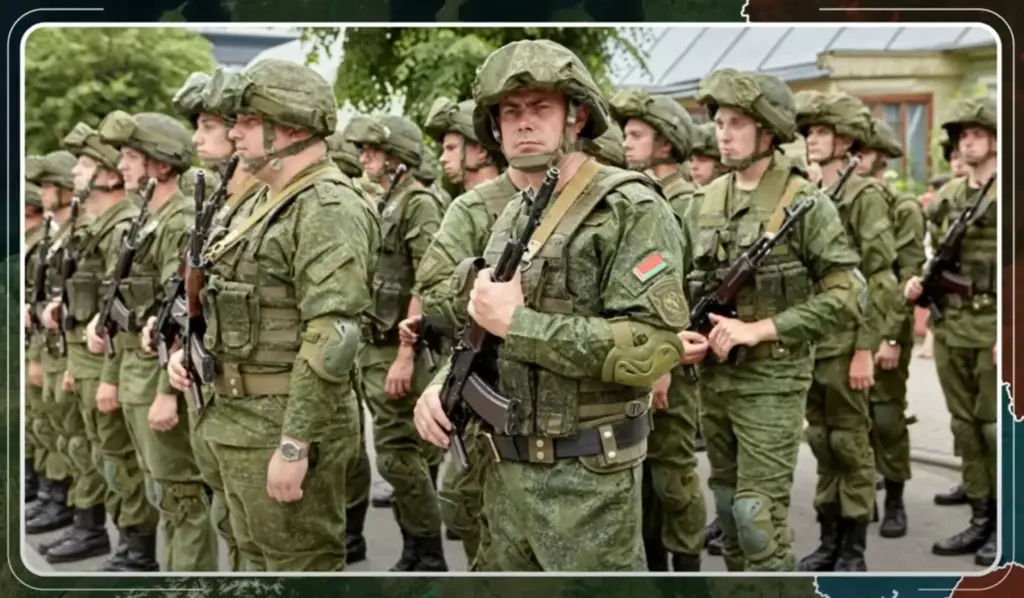
Belarusian soldiers in green uniforms and helmets stand in formation carrying rifles.

Belarus sent tank and mechanized battalions to training grounds near Poland and Lithuania for four-day drills that Minsk says focus on border security, counter-sabotage operations, and defense against drones and light aircraft, Militarnyi reported on 17 September, citing the Belarusian Defense Ministry.

The exercise includes tank and mechanized infantry battalions, units typically used in conventional ground warfare. Minsk says their tasks include guarding checkpoints and infrastructure and defending against drones. Some drills are taking place near the Suwałki Gap, the only land route connecting Lithuania, Latvia, and Estonia to the rest of NATO. The corridor lies between Belarus and Russia’s Kaliningrad region, which is separated from the rest of Russia. Belarus denies any offensive intent.

What Belarus says it is practicing

Belarus’s Western Operational Command is holding the exercises from 15 to 18 September under Chief of the General Staff Pavel Muraveyko, according to the ministry’s schedule outlined by Militarnyi.

The drills are taking place at the Gozha range near Lithuania and at the Brest and Ruzhany ranges near Poland. RBC-Ukraine wrote that mechanized and tank battalions are taking part and that the Brest and Ruzhany sites lie about 15 and 60 kilometers from the Polish border, respectively. Reservists have also been called up to local territorial-defense units, the ministry said.

Militarnyi cited the ministry as saying that one unit guarded a water intake, another directed traffic with police, and a mechanized brigade manned a checkpoint with border guards. The ministry also said truck-mounted fire teams were posted around the clock to defend against drones and practiced firing at targets imitating surveillance drones.

Muraveyko said the army was not considering offensive action and called allegations of preparations for an attack baseless, according to remarks quoted by Militarnyi. Belarus has not disclosed the total number of troops involved, and the exercise’s scale has not been independently verified.

The Moscow Times reported that the ministry also claimed the exercise remained below the notification thresholds set by the 2011 Vienna Document, an international agreement requiring advance notice of large military exercises.

How Russia could exploit the Suwałki Gap

In December 2025, security analyst Taras Zhovtenko warned that Russian propaganda had laid the groundwork to cite an alleged blockade of Kaliningrad to justify a limited incursion and the establishment of temporary checkpoints.

A German war game later modeled Russia staging border incidents before seizing key routes, although Baltic officials said the scenario severely underrated their armed forces.

Separately, French open-source analyst Clément Molin found that defenses along the Polish and Baltic borders with Russia and Belarus remained patchy and shallow, with Lithuania the most exposed. These assessments describe possible vulnerabilities, not evidence that an attack is planned.

  • ✇Euromaidan Press
  • Fire temporarily shuts part of Slovak ammunition plant amid plans to triple capacity
    ZVS Holding evacuated its ammunition factory in Snina, a town in eastern Slovakia, on 16 September after a fire broke out on the roof of a production building. Work stopped temporarily in the affected section, but nobody was injured, Militarnyi reported. The Snina plant has an annual capacity of roughly 100,000 shells and plans to triple it, Noviny reported. The blaze briefly disrupted part of a facility under expansion for Europe’s ammunition buildup, although co-owner CSG expects no i
     

Fire temporarily shuts part of Slovak ammunition plant amid plans to triple capacity

17 septembre 2026 à 12:01

Thick black smoke billows from the roof of the ZVS Holding ammunition plant in Snina beside an extended crane.

ZVS Holding evacuated its ammunition factory in Snina, a town in eastern Slovakia, on 16 September after a fire broke out on the roof of a production building. Work stopped temporarily in the affected section, but nobody was injured, Militarnyi reported.

The Snina plant has an annual capacity of roughly 100,000 shells and plans to triple it, Noviny reported. The blaze briefly disrupted part of a facility under expansion for Europe’s ammunition buildup, although co-owner CSG expects no impact on customer deliveries. Authorities across Europe are investigating suspected Russian sabotage against defense companies, but no evidence links the Snina fire to that campaign.

ZVS Holding is owned equally by the Slovak state and the Czech defense conglomerate Czechoslovak Group (CSG). It makes 155 mm artillery shells, 120 mm tank rounds, and 30/35 mm cannon ammunition.

In December 2025, ZVS signed a seven-year framework agreement with Slovakia’s Defense Ministry to supply EU states. Purchases under the agreement may be financed through the bloc’s SAFE defense-loan program. Its Euro 58 billion ceiling represents the maximum possible value of future orders, not guaranteed purchases.

Firefighters brought the blaze under control during the afternoon. As thick black smoke rose over Snina, town officials advised nearby residents to limit time outdoors, close windows and doors, and switch off ventilation systems drawing in outside air.

Slovak Defense Minister Robert Kaliňák said the fire had not reached the plant’s production equipment and that the affected part of the building was not being used for manufacturing at the time. That section makes metal projectiles, he said.

Kaliňák said welding during the renovation may have sparked the fire, but stressed that investigators had not established the cause.

CSG said the fire started during roof repairs conducted by an external contractor. The company said the damage and cause still had to be assessed, but it did not expect the incident to affect customer deliveries, STVR reported.

Why sabotage fears shadow Europe’s arms plants

The Snina blaze was at least the fourth fire or explosion at a European ammunition facility since 10 August, after two fires struck a Bulgarian company and an explosion hit an Italian factory. No common cause has been established.

Preliminary findings pointed away from outside interference in the first Bulgarian fire. No evidence of sabotage, however, was reported after the Italian blast, and only the second Bulgarian fire remains under investigation for possible sabotage.

Czech authorities are examining a possible Russian trail behind an arson attack on a factory making drones and thermal optics for Ukraine.

Estonia has also probed suspected arson at a military-robot maker after courts documented earlier attacks directed by Russian military intelligence.

  • ✇Euromaidan Press
  • No missiles intercepted again: Russia strikes Kyiv water infrastructure amid warnings of harsher winter attacks
    Russia launched a large-scale missile and drone attack on Ukraine overnight on 17 September, striking Kyiv, Zaporizhzhia, and Odesa Oblast, among other regions. The attack damaged civilian infrastructure in Kyiv, including apartment buildings and educational facilities, while water infrastructure was also affected. Kyiv mayor Vitali Klitschko reported 20 people injured, including at least two children. Water infrastructure hit as winter concerns grow The overnight strikes affected
     

No missiles intercepted again: Russia strikes Kyiv water infrastructure amid warnings of harsher winter attacks

17 septembre 2026 à 11:44

Apartment buildings in Kyiv damaged from an overnight Russian attack on 17 September 2026. Photo: Ukraine's State Emergency Service

Russia launched a large-scale missile and drone attack on Ukraine overnight on 17 September, striking Kyiv, Zaporizhzhia, and Odesa Oblast, among other regions.

The attack damaged civilian infrastructure in Kyiv, including apartment buildings and educational facilities, while water infrastructure was also affected. Kyiv mayor Vitali Klitschko reported 20 people injured, including at least two children.

Water infrastructure hit as winter concerns grow

The overnight strikes affected Kyiv’s water infrastructure, temporarily disrupting water supply on the left bank and reducing pressure in some areas on the right bank.

Kyivvodokanal said its specialists restored operations and that water supply is now fully functioning across the capital.

The damage comes as Ukrainian authorities have warned that Russia could target critical water infrastructure as winter approaches, potentially adding another major threat to civilians alongside attacks on Ukraine’s electricity and heating systems.

Russia has repeatedly used winter strikes to target Ukraine’s critical infrastructure, particularly electricity and heating, leaving civilians without power, heat, and basic services during freezing weather. 

This winter is expected to bring a heavier campaign: Russia has intensified its attacks since the summer, increasingly targeting food-related infrastructure and supplies in addition to energy facilities.

No missiles intercepted, once again

Russia launched ballistic and cruise missiles alongside 157 Shahed-type attack drones and decoy drones, according to Ukraine’s Air Force.

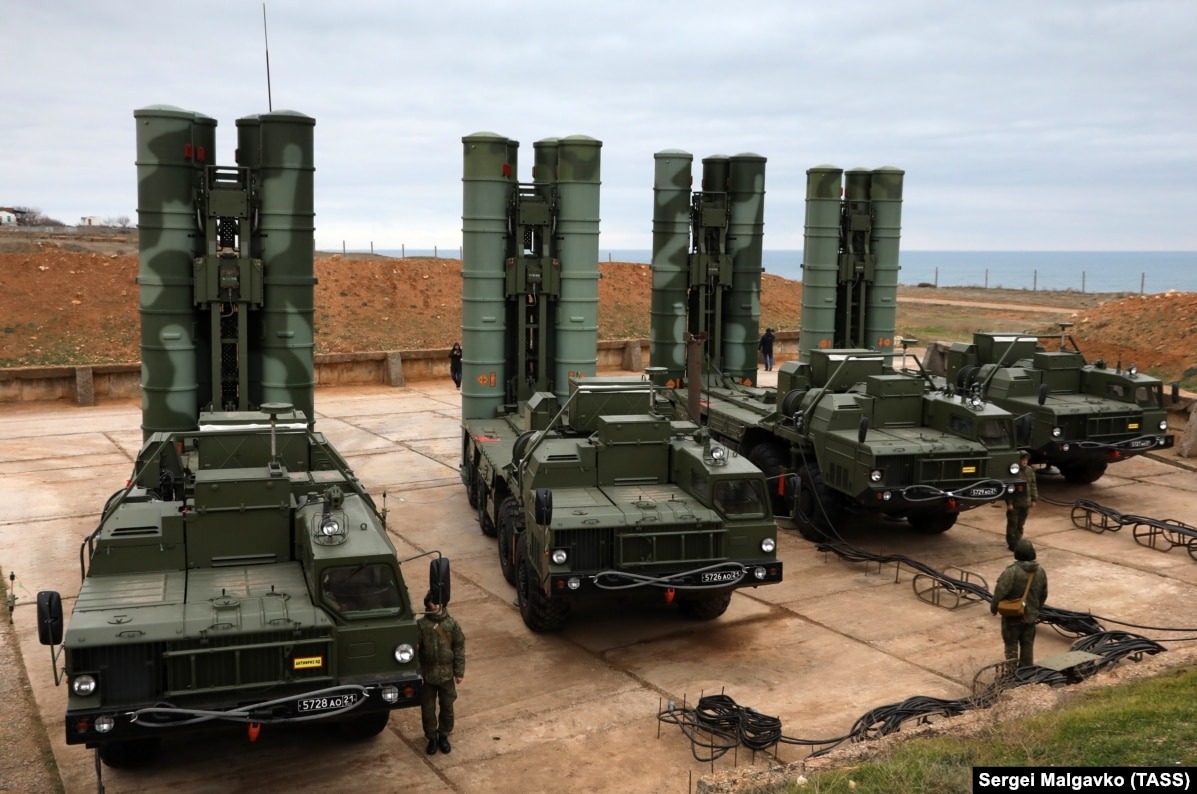
The ballistic missiles included Iskander-M, S-400 and North Korean KN-23 missiles launched from Russia’s Bryansk and Voronezh oblasts. Russia also launched four Kalibr cruise missiles and Oniks missiles.

Ukraine’s air defenses reported destroying or suppressing 131 aerial targets, but none of the ballistic weapons were among those intercepted. The 131 targets consisted of seven Bandеrol/Dan-T missiles and 124 Shahed, Gerbera, and other drones.

Once again, Ukraine intercepted none of the Russian ballistic missiles, underscoring the country’s shortage of high-end air-defense interceptors needed to defend against Russia’s increasing ballistic missile attacks.

However, Ukraine’s General Staff reported strikes on two of the S-400 systems that Russia uses to launch ballistic missiles from Bryansk Oblast. 

russia's arctic bases sit near-naked air defenses vanish guard moscow refineries burning inland · post s-400 defense missile launcher vehicles 2018 file sergei malgavko/tass rferl ukraine news ukrainian reports
Explore further

Ukraine strikes two Russian S-400 launchers in Bryansk. The same systems were used to attack Kyiv overnight.

Kyiv hit across several districts

Kyiv police reported damage in the Darnytskyi, Dniprovskyi, and Solomianskyi districts.

Apartment buildings, educational facilities, a municipal building, vehicles, and railway tracks were damaged. Most of the 16 injured people were residents of a damaged 16-story apartment building in Dniprovskyi district.

The victims included a 10-year-old girl and a 12-year-old boy.

Kyiv’s military administration also reported a strike on a warehouse building in Podilskyi district.

Russian attacks on Kyiv have injured 20 people today, with five hospitalized.

A blast wave damaged apartment buildings in the Dniprovskyi district, while a car caught fire at another location.

Scenes like these are becoming a daily occurrence in the capital.

📷Ukraine’s State… pic.twitter.com/bez0pOPghN

— Euromaidan Press (@EuromaidanPress) September 17, 2026

The Air Force said Russian missiles and attack drones hit 36 locations across Ukraine, while debris from intercepted targets fell at five locations.

Russia damaged the Berestyn station building and a Kyiv commuter stop in an overnight strike on the railways

A Russian drone hit the station at Berestyn in Kharkiv Oblast before dawn on 17 September, and passengers and staff sat out the attack in shelters, Ukraine's national… pic.twitter.com/OaeAaO58eX

— Euromaidan Press (@EuromaidanPress) September 17, 2026

Russia also hits Odesa and Zaporizhzhia

Russia’s overnight attack on Odesa Oblast continued for much of the night, injuring seven people, including children aged four and 13, Odesa Oblast Governor Oleh Kiper reported.

One Russian drone struck a high-rise apartment building in Odesa, destroying 10 apartments on the 14th–16th floors and damaging 11 cars. Three people were injured there, including the four-year-old child. 

Other strikes damaged at least five residential buildings, a kindergarten, a dormitory, a restaurant’s outdoor area, warehouses, garages, and cars. An elderly woman and the 13-year-old child were among four other people injured.

A Russian overnight attack on Odesa Oblast injured 7 people, including 2 children, after a strike hit a 19-story apartment building.

A private home in the region was also destroyed, while a kindergarten, cars, garages, and warehouses were damaged.

Once again, Russian strikes… pic.twitter.com/pHZQlDOcKM

— Euromaidan Press (@EuromaidanPress) September 17, 2026

Zaporizhzhia was also hit by Russian missiles, with three people injured – a woman and two men. The missiles struck industrial facilities, partially damaging buildings and causing a fire at one site.

Later in the day, Russia attacked the village of Storchove in Zaporizhzhia Oblast with guided aerial bombs. One bomb hit a private house and outbuildings, killing a 51-year-old woman and injuring a 70-year-old man. The strike destroyed property the family had accumulated over decades, according to the Zaporizhzhia Regional Military Administration.

Russia also struck a passenger bus in Zaporizhzhia with an FPV drone near a public transport stop. Five people were injured. A regional official said Russia had “once again chosen not a military target, but people who were simply traveling about their business.”

A Russian FPV drone struck a passenger bus carrying people in Zaporizhzhia, right near a public transport stop. Three people were reportedly injured.

“Russians once again chose not a military target, but people who were simply going about their daily lives,” a Zaporizhzhia… pic.twitter.com/VRZcch4PRH

— Euromaidan Press (@EuromaidanPress) September 17, 2026

One pincer stalled a year ago, the other has just been broken near Kostiantynivka—Russia’s ring will not close, Ukrainian commander says

17 septembre 2026 à 07:32

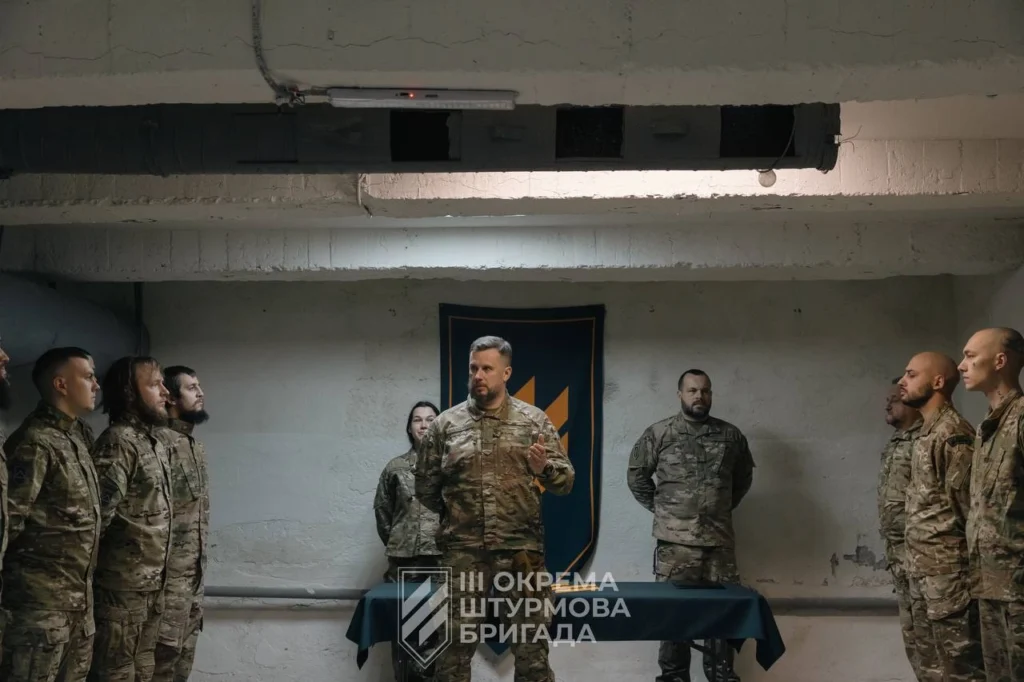
one pincer stalled year ago other has just been broken near kostiantynivka—russia's ring close ukrainian commander says · post andrii biletskyi founder azov third assault brigade (center) 3d ukraine news

Russia's attempt to encircle the fortified cities of Donetsk Oblast has lost its northern pincer, the commander of Ukraine's Third Army Corps, Brigadier General Andrii Biletskyi, said in a television interview reported by Ukrinform. He described where the two Russian pincers were meant to meet, far behind the front line, and what Moscow must do now that one of them is gone. He also named what the Ukrainian operation there is meant to achieve, after declining to do so when he revealed it two days earlier.

Seizing all of Donetsk Oblast is Russia's central objective in the ongoing all-out war, on the battlefield and at the negotiating table alike, and Russian leader Putin has ordered it done by the end of 2026. Russian forces have already missed 15 of his earlier deadlines against a belt of fortified cities Moscow can neither storm nor bypass, and it is losing men faster than it can replace them.

Two pincers that were to meet in another oblast

Biletskyi set out the Russian design "to envelop the so-called fortress cities from the north and from the south"—the four cities, Sloviansk, Kramatorsk, Druzhkivka, and Kostiantynivka, that have been the backbone of Ukraine's defense in the oblast since 2022..

"From the south it was an envelopment through Dobropillia, and from the north through this salient, which is now being cut off, it went to the city of Sviatohirsk and further, to the settlement of Barvinkove, where these two claws of the Russian army, the Dobropillia one from the south and the Sviatohirsk one from the north, were supposed to close," the commander said.

Barvinkove sits in Kharkiv Oblast, west of the fortified belt. The distance from there to the current front line shows how far behind Ukrainian lines the ring was meant to close.

Neither pincer got near it. Ukrainian forces stopped the Russian infiltration near Dobropillia last year, Biletskyi said, and the situation there remains difficult but under control. Russian assault groups have kept pushing toward the town in recent weeks, though Ukrainian troops have mined or destroyed the main approaches.

On the northern pincer he was blunt: 

"The northern claw has effectively been routed and destroyed," he said.

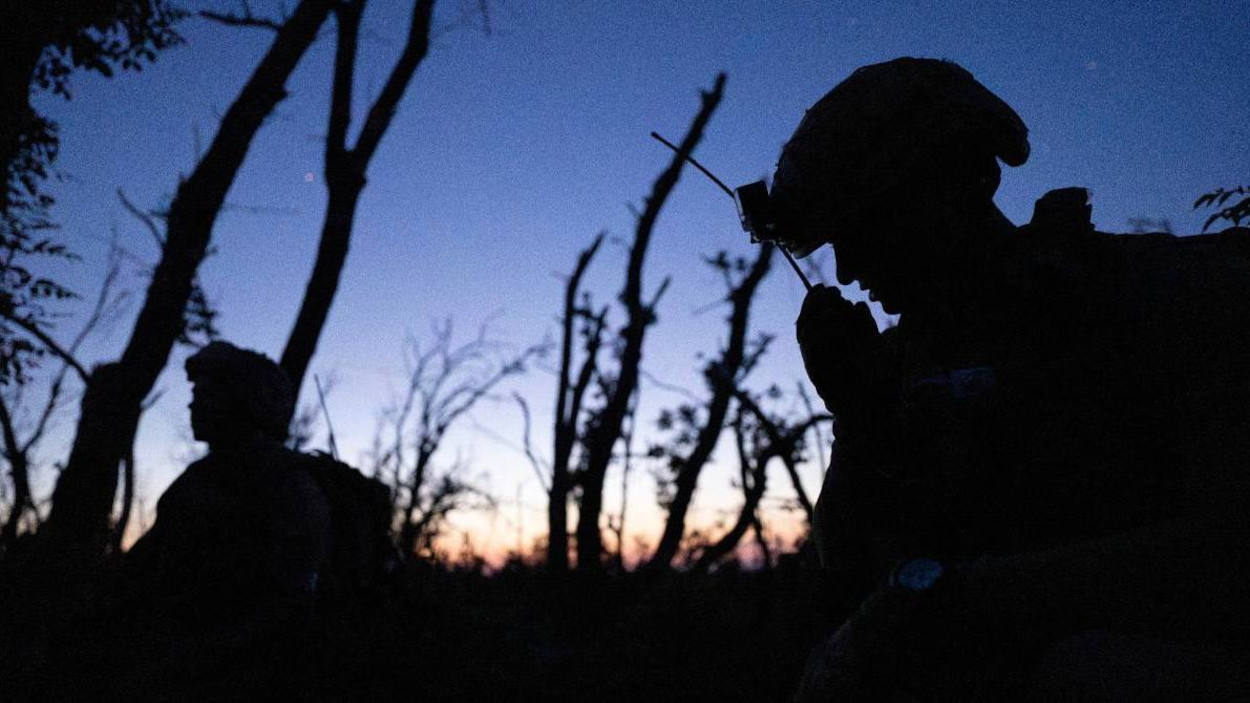
Soldiers of Ukraine's Third Army Corps. Photo: Ukraine's Third Army Corps
Explore further

“Only the first season” – Ukraine unveils secret counteroffensive in a region Russia has been trying to seize for 12 years

Now the cities have to be stormed

Holding that result now depends on Russian supply, Biletskyi said. The critical task is "paralyzing logistics, paralyzing the rear areas, not letting the Russians restore this offensive."

He then set out what the failure costs Moscow.

"Then they will have to storm the Sloviansk-Kramatorsk and the Druzhkivka-Kostiantynivka agglomerations head-on," he said. "And storming these cities head-on is a far more painful and costly business for them than trying to envelop them and effectively take them without a fight."

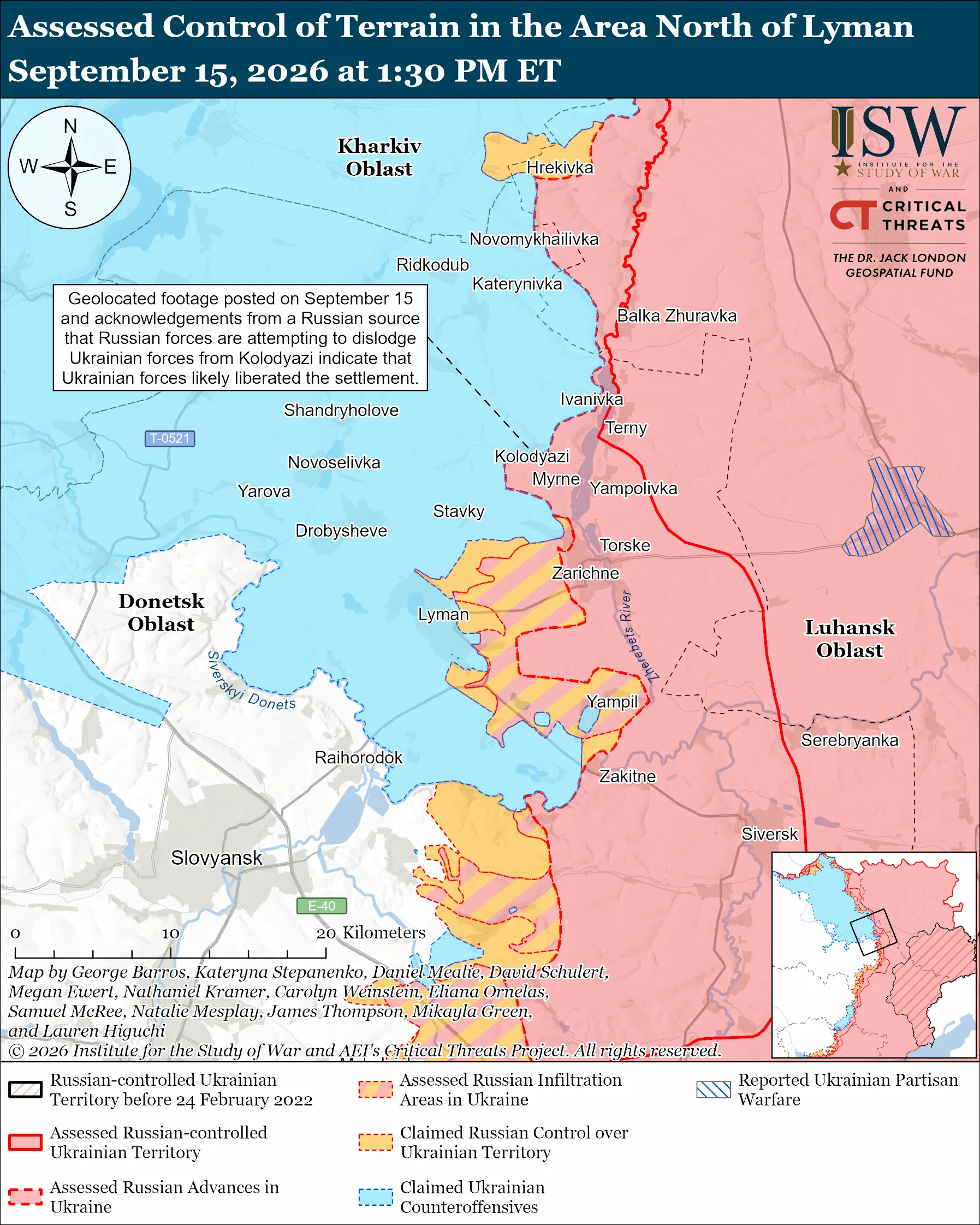
Map: ISW

Russia has taken none of them: it has been fighting for Kostiantynivka since October 2025 and has not reached the other three. Ukraine reinforced the sector last month, placing two newly formed groupings under Azov commanders. One of them has since warned that Russia may mobilize up to 600,000 troops for its next offensive.

Ukraine's Third Army Corps commander Brigadier General Andrii Biletskyi announcing "Operation Vivaldi," 15 September 2026. Screenshot from video: Ukraine's Third Army Corps
Explore further

Ukraine’s Vivaldi counteroffensive disrupts Russia’s plan to encircle Donetsk Fortress Belt – ISW

What Vivaldi is actually for

Two days after the operation was made public without a stated objective, Biletskyi gave one, and it is defensive.

"Our main strategic task for the Armed Forces of Ukraine is defense on the Donetsk and Luhansk axes, the defense of Donetsk and Luhansk oblasts," he said.

Ukrainian forces are not trying to take as much ground as they can, he added. 

"We are not fighting there just for tens or hundreds, and at one time thousands, of kilometers. We are fighting first of all for favorable defensive lines."

Vivaldi is meant to put the troops on exactly those lines. That sets a different yardstick than captured settlements: the operation will be judged on the ground Ukraine ends up holding, not on how much of it there is.

Biletskyi confirmed the offensive in northern Donetsk Oblast on 15 September, after a period of information silence. His corps had cleared 75 square kilometers of Russian infiltrators and liberated 10 more, and its drone units had cut Russian supply routes and burned fuel infrastructure, the corps said at the time. Asked then what the operation was aiming at, he declined to say, offering only that Vivaldi has four seasons and this was the first. The Institute for the Study of War assessed a day later that the operation disrupts the Russian plan to encircle the fortress belt.

The US House just passed the first major Russia oil sanctions in two years—one signature stands between them and law

17 septembre 2026 à 05:21

The US House of Representatives.

The US House of Representatives has approved sweeping new sanctions on Russia and the countries and companies that help finance its war, sending the measure to the president to sign into law, The Hill reported. The vote breaks a nearly two-year stretch in which Congress passed no major measure to back Ukraine. It also hands Washington fresh power to choke the oil money that keeps Moscow's war running.

For most of the full-scale war, US backing for Kyiv came through emergency spending battles, not laws built to cut off Moscow's income. Washington's long wager that negotiations would end the fighting kept its sharpest economic tools on the shelf. That bet has now shifted toward squeezing the customers who keep the Kremlin's oil trade alive.

The vote and what comes next

In the House, 58 Democrats broke from their party's leaders on 16 September to join most Republicans. The bill passed 262-159, with 203 Republicans and one independent also voting yes, and seven Republicans joining 152 Democrats against.

Whether the full weight of the bill lands is now Trump's call. A White House official said he planned to sign it, and the White House had pushed House Republican leaders to move it. The bill directs him to impose the tariffs and mandates sanctions on Putin, senior officials, and Russian banks, though he can waive them by certifying that it serves US national interests, and how far he goes stays uncertain.

His posture on Russia keeps shifting. Days before the vote, he urged Kyiv to stop striking Russian oil refineries. He said the strikes were pushing diesel prices up worldwide. Those same strikes drain the war economy this bill sets out to squeeze.

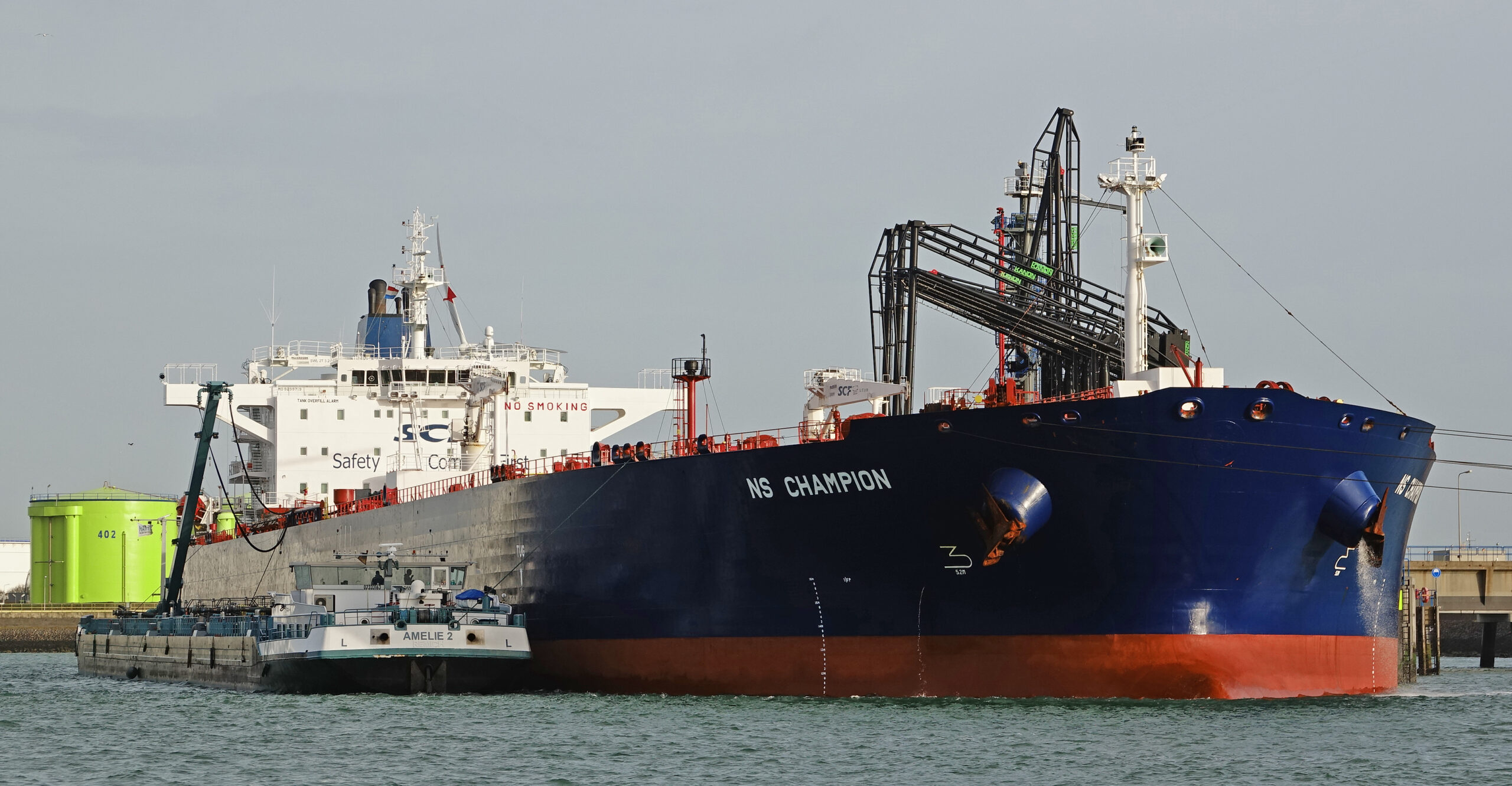
russian shadow fleet tanker
Explore further

US sanctions relief for Russian oil shipments appears to end with no renewal issued

What the sanctions do

The bill directs Washington to impose tariffs of up to 100% on the five biggest buyers of Russian crude, the five biggest buyers of its gas, and the five countries doing most to help Moscow evade oil sanctions—a target aimed squarely at China and India. Countries whose Russian gas imports are less than 15% of everything Russia exports in gas, and that take significant steps to cut them, would be exempt from the gas-based tariff. There is no such carve-out for crude.

It also blacklists Russian officials, banks, and the aging tankers of Russia's shadow fleet, the vessels that move sanctioned crude around Western restrictions. The measure also extends US sanctions on Iran's energy and weapons sectors, a piece Trump asked for. That is why the bill's full name is the Lindsey O. Graham Sanctioning Russia and Iran Act.

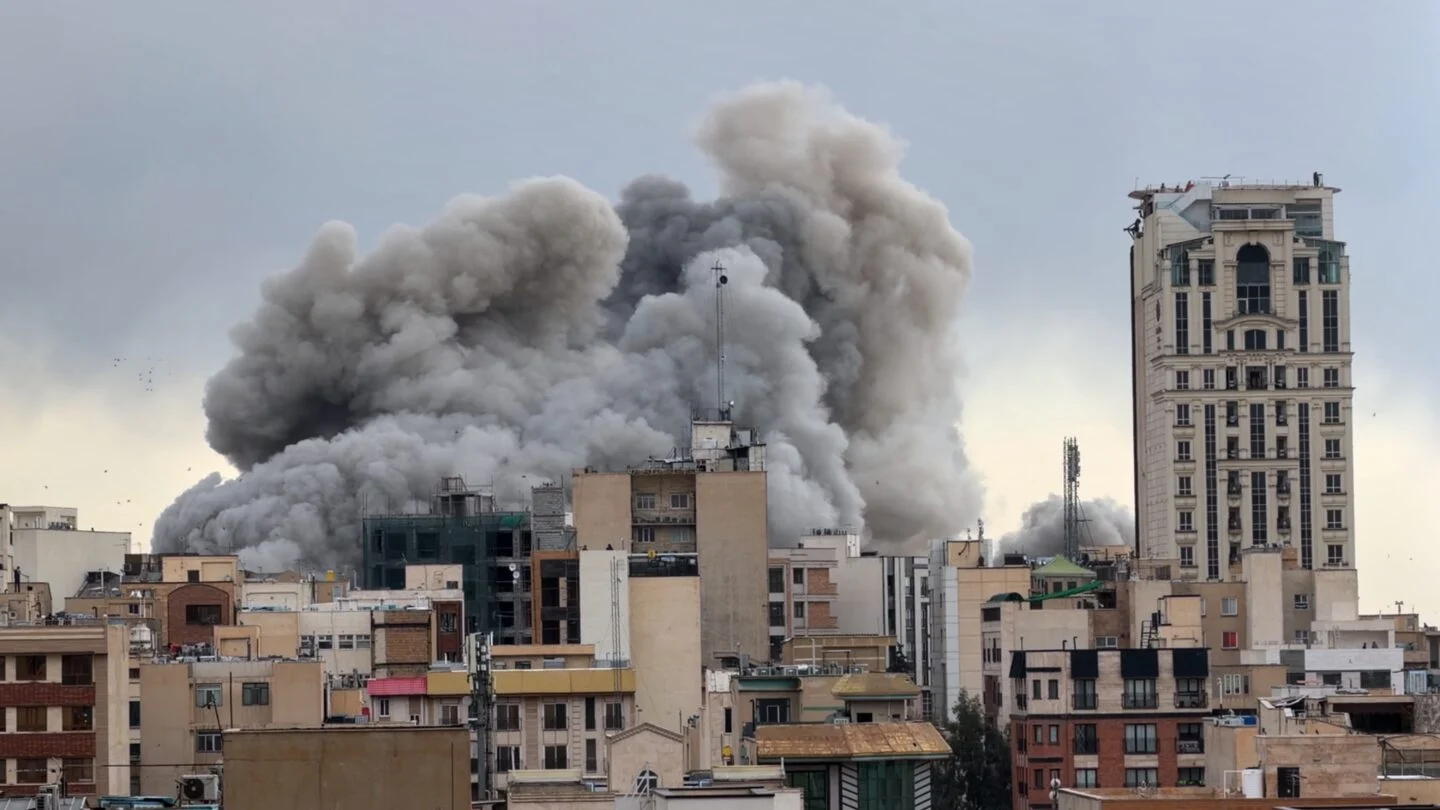
tehran
Explore further

US sanctions 13 Iran-Belarus-China entities supplying Iran’s IRGC. That’s three of four “Axis of Upheaval” states

Why a stalled bill finally moved

For more than a year, the package sat frozen. It had a veto-proof majority of co-sponsors, but the White House wanted room to negotiate with Moscow, and the bill never reached a vote. Its author, Senator Lindsey Graham of South Carolina, spent more than a year negotiating the measure before he died in July. Lawmakers in both parties revived and fast-tracked it in his name, and Trump dropped his resistance and signaled he would sign.

Not everyone wanted it. Most House Democrats voted against, saying the bill hands the president broad new tariff powers and lets him waive away the sanctions it claims to impose. Nearly a dozen Republicans privately pressed leaders to strip the new powers out, alarmed they could push up prices at home before the midterm elections. Their leaders moved it through anyway. Ukrainian President Volodymyr Zelenskyy had lobbied for weeks, even watching an early Senate vote from the chamber.

"To Vladimir Putin—we have your number," said Senator Richard Blumenthal, who co-wrote the bill, after the vote. "And to Ukraine—you are not alone."

Kyiv's response

Ukraine welcomed the vote within hours. Foreign Minister Andrii Sybiha thanked the House for its bipartisan leadership and said Ukraine honors Graham's legacy. Parliament speaker Ruslan Stefanchuk thanked both chambers of Congress and House Speaker Mike Johnson. He singled out Blumenthal for carrying the bill through after Graham's death. What matters for Ukraine, Stefanchuk said, is that pressure on Russia's war funding is turning into concrete decisions.

President Zelenskyy called the timing symbolic: the House voted during another Russian missile and drone attack on Ukraine. The bill and other strong sanctions steps are "an extremely powerful instrument capable of stopping this terrorist war," he said.

❌