Vue normale

Russia’s air war has cost the average Ukrainian mall 166.8 working days since 2022, about eight months of closed floors
2 septembre 2026 à 15:37

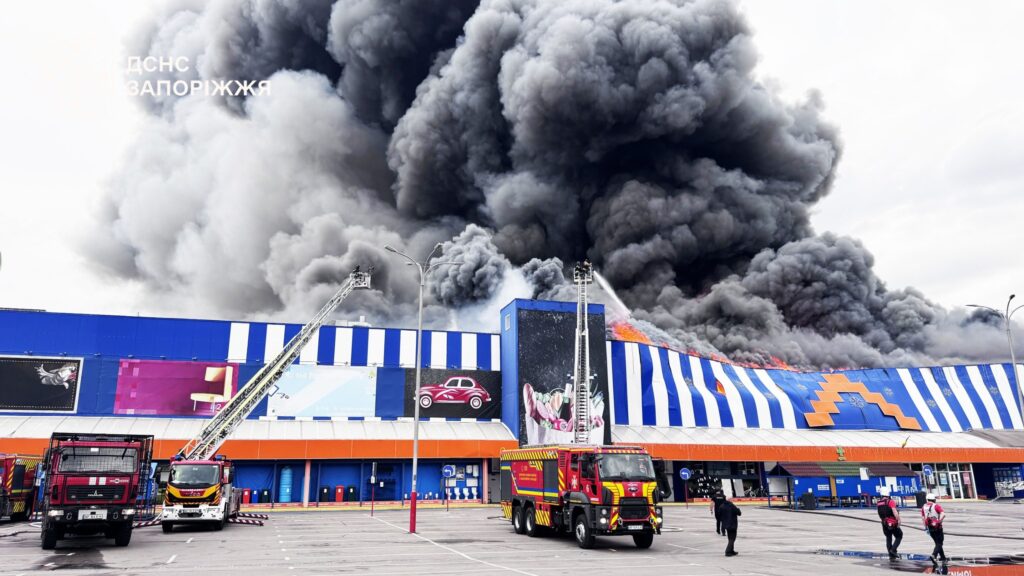
Fire at a shopping center in Zaporizhzhia, Ukraine, following a Russian drone strike on 28 August 2026. Photo: Ukraine’s State Emergency Service

Air-raid alerts covered a record share of working hours at shopping centers across Ukraine in August. Sirens ran for 21.8 percent of the hours malls were open, the Ukrainian Council of Shopping Centers reported.

For more than a fifth of the hours malls were open to serve customers, sirens instead sent staff and shoppers to shelters. The share has more than doubled in a year. The climb is related to Russia's escalating air campaign: Moscow ran a seven-day barrage of ballistic missiles and jet-powered drones against Kyiv into early September, the kind of assault that keeps sirens running through the business day.

Every tracked measure rose

The council considers four figures: the number of alerts, the number during mall working hours, the total alert duration, and the duration during working hours. All four climbed from July to August, it says.

Five regions bear the worst of it

The five regions with the most daytime alert time, between 10 a.m. and 9 p.m., barely changed over the month, the council says. Donetsk Oblast led at 82.0 percent, followed by Sumy at 76.4, Zaporizhzhia at 71.4, Kharkiv at 60.3, and Chernihiv at 40.1.

The sharpest monthly jump fell in Kyiv and Kyiv Oblast.

Faster drones drive the sirens

Russia has switched to jet-powered drones that fly more than three times faster than the propeller Shaheds Ukraine spent three years learning to shoot down. The faster a drone reaches a city, the less time defenders have to catch it.

That is what fills the sirens. Alerts sound earlier and stay on longer, which is the shared council measure.

Ukraine races to answer them

Ukraine has four interceptor systems in field testing, built to take down jet drones, Defense Minister Yevhenii Khmara said on 30 August. The country now wants to bring them to standard and build them in the thousands.

Until that layer works, every jet-drone raid costs Ukraine a long air alert that empties a shopping center.

Downtime piles up over years

Since the full-scale war began, the average Ukrainian mall has lost 166.8 working days to air-raid alerts, according to the report. August 2026 alone accounted for 6.4 of them.

That is more than eight working months of shuttered trading floors, and it is still climbing.

  • ✇Euromaidan Press
  • Ukraine says it busted a Kyiv crypto ring that drained EU citizens’ wallets
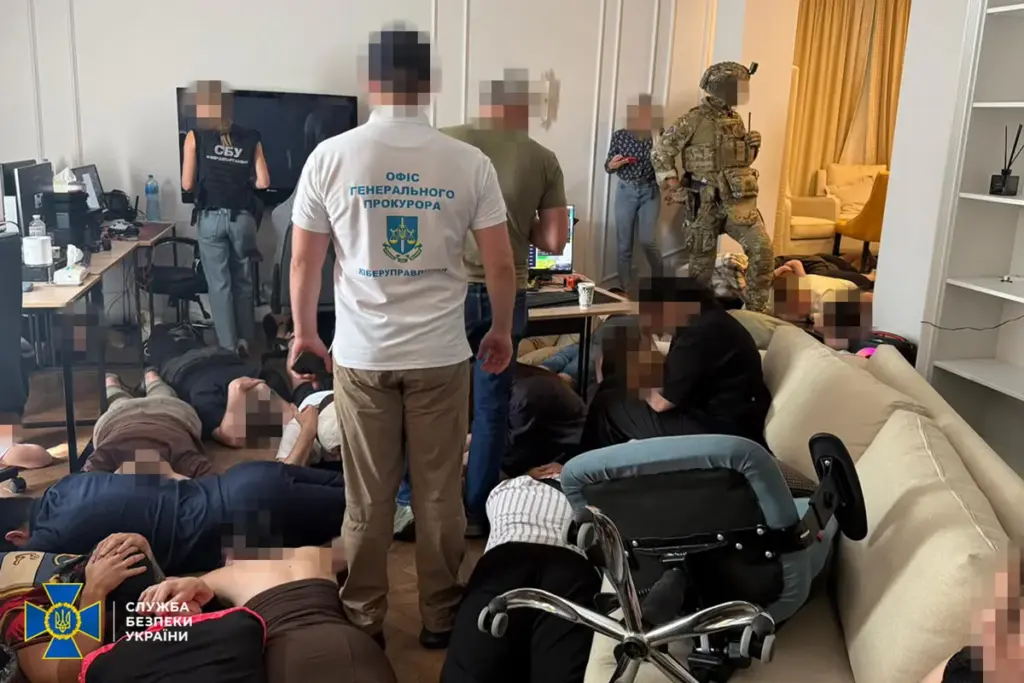
    Ukraine’s Security Service (SBU) and National Police shut down a Kyiv-based network of several dozen people who allegedly used fake cryptocurrency investment platforms and malicious code to steal digital assets from citizens of EU countries, the SBU said on 1 September. Investigators identified the alleged organizer as a 25-year-old Kyiv IT specialist, according to the SBU. The case reaches beyond Ukraine because the agency says the alleged victims were EU citizens. The
     

Ukraine says it busted a Kyiv crypto ring that drained EU citizens’ wallets

2 septembre 2026 à 14:22

SBU and Prosecutor General’s Office personnel stand inside a crowded room with computers as several people with pixelated faces lie or sit on the floor. An armed tactical officer stands near the back.

Ukraine’s Security Service (SBU) and National Police shut down a Kyiv-based network of several dozen people who allegedly used fake cryptocurrency investment platforms and malicious code to steal digital assets from citizens of EU countries, the SBU said on 1 September.

Investigators identified the alleged organizer as a 25-year-old Kyiv IT specialist, according to the SBU. The case reaches beyond Ukraine because the agency says the alleged victims were EU citizens. The agency said the network’s monthly turnover from funds obtained illegally could reach $1 million during its most lucrative periods.

The SBU said investigators had documented alleged crimes by every member of the group. However, its statement did not specify how long the network had operated, how many EU citizens were affected, which countries they lived in, or the total amount allegedly stolen.

The agency did not name any foreign law enforcement partners involved.

How the crypto ring operated

The alleged organizer of the crypto ring recruited other tech workers in the capital, the SBU said. Posing as cryptocurrency-platform representatives, they offered targets seemingly profitable ways to invest in digital assets.

The network found victims by posting about supposedly lucrative crypto projects in popular Telegram channels, then showed them fabricated trading results and fake profits to make the operation look legitimate, investigators said.

Engaged targets were sent a link to a counterfeit site that mimicked a real crypto service and were persuaded to connect their wallets and approve a transaction, the SBU said. The site carried malicious code called a “drainer” that, the agency said, let the operators withdraw the victims’ assets to addresses they controlled—emptying the wallets.

During 23 searches of the suspects’ offices and homes, officers seized phones, computers, money believed to be criminal proceeds, and 16 high-end cars, including Porsche, BMW, and Mercedes-Benz models, the SBU said.

Authorities were still deciding whether to serve notices of suspicion, while the investigation continued under the Prosecutor General’s Office, the SBU said. Those involved could face up to 12 years in prison with confiscation of property.

Ukraine’s role in combating cross-border cybercrime

Ukraine has previously joined with foreign agencies to pursue cross-border cyber threats. In April, the SBU said it worked with the FBI, EU law enforcement, and Polish counterintelligence to disrupt Russian military-intelligence spying through hacked routers. The operation blocked more than 100 servers and removed hundreds of routers in Ukraine from Russian control.

42,020 troops, 1,827 artillery systems, 89 tanks: Ukraine’s tally of what it cost Russia to keep fighting in August

2 septembre 2026 à 14:13

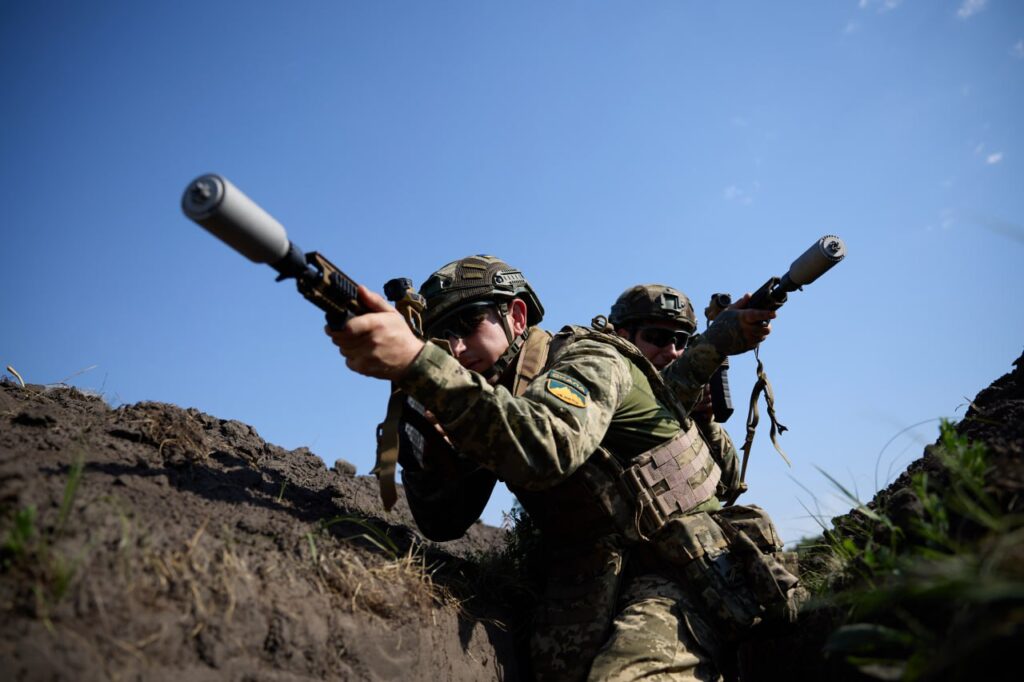
Soldiers of Ukraine’s 425th Separate Assault Regiment Skelia. Photo: Skelia

Russian losses reached one of the highest of the entire full-scale war in August, Ukraine's Defense Ministry says, citing General Staff data. Last month, Ukraine killed or wounded 42,020 invaders.

As its frontline losses climb, Russia is escalating its terror against Ukraine's civilians. Moscow uses large numbers of ballistic missiles and new jet-powered drones to do it. Russia opened its latest drone assault on 27 August, two days after CIA director John Ratcliffe arrived in Moscow, and has kept it up since.

For comparison, Russia lost 42,860 soldiers in July, 33,760 in May, and 39,290 in June, the ministry says.

Ukraine takes another step toward its goal

Ukraine's Defense Ministry states that effectively destroying Russian manpower and logistics is among its priorities, so that Russia's losses reach a level that forces it to abandon its plans of conquest.

"August's losses for the Russian army were another step toward reaching that goal," the Defense Ministry says.

Ukraine began its logistics lockdown late this May. It is a coordinated campaign to scale up medium-range drone strikes against Russian supply convoys, depots, command nodes, and air-defense systems 20 to 200 kilometers behind the front.

Russia loses more than men

Ukraine's Defense Forces also struck 13,835 vehicles and fuel tankers in August.

Over the month they hit an estimated:

  • 89 tanks;
  • 197 armored combat vehicles.
  • On top of that, 1,827 Russian artillery systems were destroyed or disabled.

"Inflicting such losses systematically raises the cost of continuing the war for Russia and forces it to spend ever more resources replacing manpower, equipment, and weapons," the ministry says.

How does Russia answer the losses?

Ukraine's Office of the President has said Russia is preparing an additional mobilization wave in 2026–2027, aiming to draft 300,000 people this year and 300,000 next. Those figures are a response to the steady rise in frontline losses, the office adds.

Meanwhile, Russian President Vladimir Putin called that information "nonsense" after the Shanghai Cooperation Organization summit in Bishkek.

At the same time, legal-aid organizations report a covert mobilization across Russia's regions and occupied territories. Over the past month and a half, residents of at least 17 Russian regions have complained of forcible detention, beatings, and coercion into signing contracts with the Russian Defense Ministry.

  • ✇Euromaidan Press
  • Kazakh refinery deal could ease Russia’s front-line fuel pressure—but it covers just 0.3% of demand
    Kazakhstan’s privately owned Kondensat refinery will process Russian crude and return about 70% of the resulting petroleum products to Russia, Kazakh Energy Minister Yerlan Akkenzhenov said on 25 August, Radio Liberty reported. Based on figures reported by Radio Liberty, the roughly 70% of Kondensat’s maximum gasoline output bound for Russia would amount to about 0.3% of the country’s daily summer gasoline demand. That makes the arrangement a limited stopgap rather than
     

Kazakh refinery deal could ease Russia’s front-line fuel pressure—but it covers just 0.3% of demand

2 septembre 2026 à 14:04

Kazakh President Kassym-Jomart Tokayev and Russian President Vladimir Putin walk past an honor guard in Astana, Kazakhstan, on 27 November 2024.

Kazakhstan’s privately owned Kondensat refinery will process Russian crude and return about 70% of the resulting petroleum products to Russia, Kazakh Energy Minister Yerlan Akkenzhenov said on 25 August, Radio Liberty reported.

Based on figures reported by Radio Liberty, the roughly 70% of Kondensat’s maximum gasoline output bound for Russia would amount to about 0.3% of the country’s daily summer gasoline demand. That makes the arrangement a limited stopgap rather than a solution. John Roberts of the Atlantic Council nevertheless told the outlet that even small additional supplies could help during an acute shortage, including at the front: “It helps, but it doesn’t solve the problem.”

Ukrainian drone strikes have knocked dozens of Russian refineries offline in recent months, forcing Moscow to restrict fuel exports and reimpose rationing, Radio Liberty reported. Gasoline caps returned to Moscow and St. Petersburg in August, while Rosneft reportedly limited fills to 30 liters per car at every station nationwide.

Kondensat has processed Russian oil before. The refinery began handling supplies delivered through Tatneft’s TANECO refinery in 2024, when Kazakhstan and Russia agreed to permit exports of fuel produced from Russian feedstock back to Russia. The arrangement was renewed in 2025, according to Radio Liberty.

Central Asia has no spare refining capacity that could materially change Russia’s situation, Ukrainian energy analyst Hennadiy Riabtsev told Radio Liberty’s Schemes project. Possible contributions from Kazakhstan, Kyrgyzstan, India, China, and Belarus would remain a drop in the ocean for the Russian market, he said.

Prospective suppliers also understand that Russian fuel demand supports the war effort and that assisting Moscow could carry sanctions risks, Ukraine’s presidential sanctions commissioner, Vladyslav Vlasiuk, told Schemes. Kyiv therefore does not expect a queue of countries willing to supply Russia with petroleum products, he said.

Russia’s fuel shortage gives Kazakhstan room to bargain

Russia’s shortage has spread from gas station queues to farming and public transport, with fuel-sale restrictions officially covering more than 40 regions by July, Euromaidan Press reported, citing The Moscow Times. Moscow’s export restrictions have also raised prices and tightened supplies across Central Asia.

Yet Russia’s growing dependence gives Kazakhstan additional bargaining room. Ukrainian strikes have previously prompted Russian retailer Wildberries to expand its warehousing operations in Kazakhstan, while Astana has promoted domestic competitors.

  • ✇Euromaidan Press
  • Ukraine says it bought 5,000 pickup trucks through open competitive bidding and saved more than $45 million
    Ukraine saved more than $45 million on a single army purchase by opening it to competing bidders. The purchase was 5,000 pickup trucks, carried out through the open Prozorro tender system, Ukraine's Defense Ministry said on 2 September. Competitive tenders of this kind saved its procurement agency nearly $362 million on non-lethal supplies in 2025, about 15 percent below expected cost, the ministry reported. The trucks are one more category moved from closed contracts t
     

Ukraine says it bought 5,000 pickup trucks through open competitive bidding and saved more than $45 million

2 septembre 2026 à 12:13

Ukrainian pickup trucks for the military. Source: The Ukrainian Defense Ministry

Ukraine saved more than $45 million on a single army purchase by opening it to competing bidders. The purchase was 5,000 pickup trucks, carried out through the open Prozorro tender system, Ukraine's Defense Ministry said on 2 September.

Competitive tenders of this kind saved its procurement agency nearly $362 million on non-lethal supplies in 2025, about 15 percent below expected cost, the ministry reported. The trucks are one more category moved from closed contracts to open bidding.

Volunteers used to carry this

Pickups are among the most-wanted vehicles at the front and among the longest neglected by the state, the Defense Ministry noted when it launched the tender. Until now, the need fell to volunteer drives and troops' own money.

"These are brand-new vehicles with a manufacturer's warranty, all-wheel drive, with powerful diesel engines," Mstyslav Banik, Ukraine's deputy defense minister, said.

The trucks do everything up close

The pickups are essential for logistics, evacuation, unit mobility, and drone-crew work, former DOT director Arsen Zhumadilov said when the tender opened. That range of use is why they rank among the most-requested vehicles on the front.

The agency ran the market consultations, set the technical requirements, and vetted the suppliers for the order.

Six suppliers, not one

The order was split into lots, so six different companies will deliver the trucks rather than a single contractor. The ministry frames that as insurance: if one supplier fails, the rest still deliver. This is the largest batch of pickup trucks from the state.

The purchase began in May, so the first trucks would arrive before the cold. The full batch is due by the end of 2026.

Drones are meant to be next

Then-defense minister Mykhailo Fedorov said in May that an earlier competitive tender for 155mm shells had cut costs by more than 16 percent. The next category to move to open bidding, he said, would be FPV, mid-strike, and deep-strike drones.

  • ✇Euromaidan Press
  • Putin dismisses mobilization reports as Ukraine warns Russia could call up 600,000 to war
    Asked about reports in Ukrainian and Western media that Russia could order a mass mobilization after September’s parliamentary elections, Vladimir Putin replied: “That’s complete nonsense. It’s an information attack on Russia,” RBC reported. He was speaking after the Shanghai Cooperation Organization summit in Bishkek. Ukraine’s military and foreign intelligence services say Russia’s General Staff has prepared a scenario for mobilizing an additional 600,000 people durin
     

Putin dismisses mobilization reports as Ukraine warns Russia could call up 600,000 to war

2 septembre 2026 à 12:06

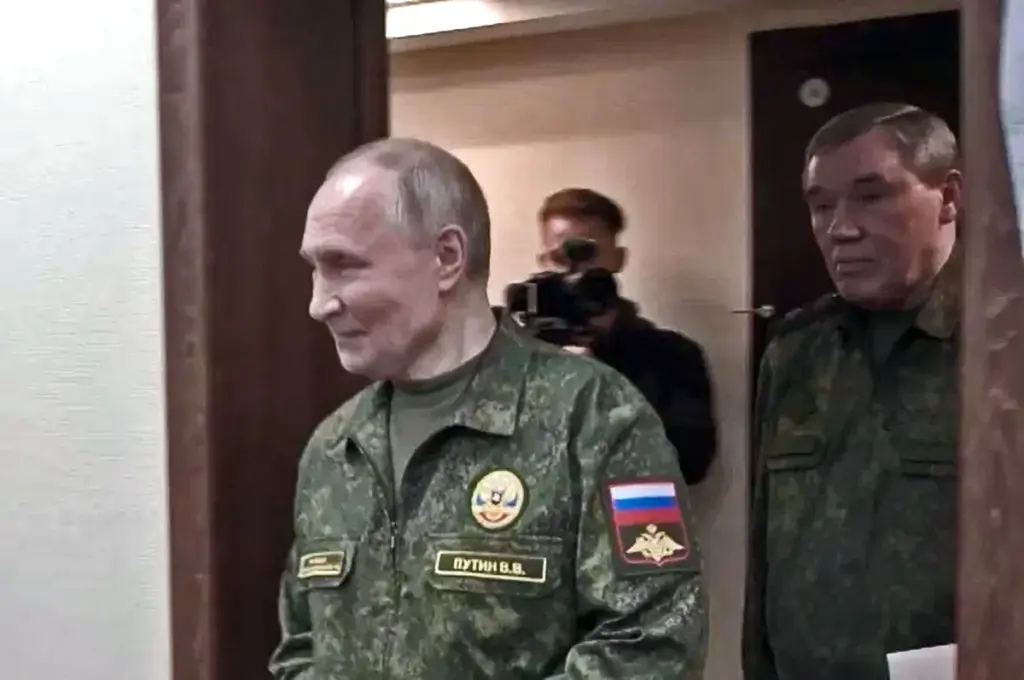
Vladimir Putin walks through a doorway in a military uniform, followed by Russian Chief of the General Staff Valery Gerasimov.

Asked about reports in Ukrainian and Western media that Russia could order a mass mobilization after September’s parliamentary elections, Vladimir Putin replied: “That’s complete nonsense. It’s an information attack on Russia,” RBC reported. He was speaking after the Shanghai Cooperation Organization summit in Bishkek.

Ukraine’s military and foreign intelligence services say Russia’s General Staff has prepared a scenario for mobilizing an additional 600,000 people during 2026 and 2027—300,000 each year. Their briefing described a contingency, not an issued call-up, and did not say mobilization had begun. If activated, the agencies said, the recruits would primarily reinforce units fighting Ukraine and newly formed military units.

Ukraine’s intelligence services linked the scenario to mounting battlefield losses and a slowdown in contract recruitment. They said Russia lost roughly 240,000 personnel from January through July, including at least 140,000 killed or permanently lost, while recruiting about 232,000 contract soldiers. The figures could not be independently verified.

Russia’s military also rehearsed procedures for mobilizing residents of Kaliningrad Oblast in July, Ukrainska Pravda reported, citing The Wall Street Journal.

Reports of a possible draft have generated concern inside Russia. More than 20,000 people crossed into Georgia through the Verkhny Lars checkpoint in a single day amid fears of mobilization, as EP previously reported.

Ukraine’s warnings and Russia’s denials

Ukrainian President Volodymyr Zelenskyy said in August that Moscow planned to mobilize several hundred thousand people after the elections and roughly the same number in 2027, citing military intelligence. HUR deputy chief Vadym Skibitskyi later assessed that a call-up could provide troops for a northern offensive by February 2027, while stressing that the agency saw no preparations underway at the time.

Dmitry Medvedev, Vasily Nebenzya, and the State Duma’s defense committee have all denied plans for another mass draft. Russian officials issued similar denials shortly before Putin announced the 2022 call-up. RBC notes that the decree authorizing that mobilization was never formally revoked. No new call-up has been publicly announced or reported as underway.

  • ✇Euromaidan Press
  • Ukraine confirms strike hit Novatek fuel plant at Russia’s Ust-Luga port
    Ukraine’s General Staff confirmed that Ukrainian forces struck the Novatek-Ust-Luga production complex in Russia’s Leningrad Oblast on 1 September, saying the target was hit and a fire followed. The scale of the damage remains under assessment. Russian authorities initially acknowledged damage and a fire but did not identify the facility. Ukraine’s military intelligence later named the Novatek complex as the target, and the General Staff has now confirmed the strike and
     

Ukraine confirms strike hit Novatek fuel plant at Russia’s Ust-Luga port

2 septembre 2026 à 12:05

A thick gray plume of smoke rises above a distant tree line beneath a pink early-morning sky.

Ukraine’s General Staff confirmed that Ukrainian forces struck the Novatek-Ust-Luga production complex in Russia’s Leningrad Oblast on 1 September, saying the target was hit and a fire followed. The scale of the damage remains under assessment.

Russian authorities initially acknowledged damage and a fire but did not identify the facility. Ukraine’s military intelligence later named the Novatek complex as the target, and the General Staff has now confirmed the strike and said the facility supports Russia’s armed forces. It did not explain how, nor say whether, production was disrupted.

Ukraine’s military intelligence agency, HUR, was first to identify the target, saying on 1 September that its operators had struck the complex alongside Ukraine’s Defense Forces in a joint deep-strike operation. Key elements of the site’s oil-processing installation and other equipment were hit, and a large fire broke out, the agency said. The General Staff confirmed the strike the following day.

Video of the overnight attack on the port of Ust-Luga in Russia’s Leningrad region. pic.twitter.com/dXG5XTkhab

— Exilenova+ (@Exilenova_plus) September 1, 2026

The Novatek complex at Ust-Luga separates stable gas condensate—a liquid produced during natural gas extraction—into fuel and petroleum components and handles their shipment through the Baltic port. Its design capacity exceeds six million tons a year, the General Staff said. The plant produces light and heavy naphtha, kerosene, a diesel fraction, and a marine-fuel component.

A thick gray plume of smoke rises above a distant tree line beneath a pink early-morning sky.
Explore further

Drone attack damages Russia’s Baltic oil port as drone crosses Latvia into Estonia

Ukraine has repeatedly targeted the Ust-Luga port

Before Ukraine named the target, Leningrad Oblast Governor Alexander Drozdenko acknowledged infrastructure damage and a fire at Ust-Luga on 1 September, but did not identify the specific facility. HUR subsequently named the Novatek complex as the target and reported damage to key equipment.

The operation continued Ukraine’s campaign against Ust-Luga’s energy and port infrastructure. Ukrainian agencies confirmed the first strike on Novatek’s complex overnight on 24–25 March. Drones returned on 31 March, setting fuel-storage tanks ablaze, damaging a pier and pumping equipment, and temporarily halting port operations, followed by another reported attack on 7 April. Ukrainian drones last hit the port on 14 August, marking the sixth such attack there in 2026.

  • ✇Euromaidan Press
  • Estonia quarantines emails from Russian domains over cyberattack risk
    Estonia is automatically diverting emails using Russia’s .ru internet domain into quarantine for additional security checks before they reach state institutions connected to the country’s secure government network, Justice and Digital Affairs Minister Liisa Pakosta told Estonia's public broadcaster ERR. The measure is intended to protect Estonian government computer systems amid a post-2022 surge in cyberattacks that officials link to Russia. It applies only to institut
     

Estonia quarantines emails from Russian domains over cyberattack risk

2 septembre 2026 à 11:18

Abstract illustration of computer code and binary numbers glowing blue and green against a dark background.

Estonia is automatically diverting emails using Russia’s .ru internet domain into quarantine for additional security checks before they reach state institutions connected to the country’s secure government network, Justice and Digital Affairs Minister Liisa Pakosta told Estonia's public broadcaster ERR.

The measure is intended to protect Estonian government computer systems amid a post-2022 surge in cyberattacks that officials link to Russia. It applies only to institutions operating inside the secure state network, leaving local governments and some state bodies outside.

Many Estonian residents, particularly Russian speakers, still use .ru email services, ERR noted. Because the filter is triggered solely by the address ending, legitimate messages will be screened alongside potentially malicious ones and may take longer to arrive.

Pakosta said the safeguard was necessary because cyberattacks against Estonia had increased “exponentially” since 2022 and that many were linked to Russia. She said such attacks had not succeeded against Estonia, while major public-sector cyberattacks had succeeded in both Latvia and Lithuania.

The rerouting is automatic and handled centrally, so agencies do not need to take any action, Pakosta said. A large proportion of state institutions have already moved behind the government’s unified cyber shield, while the transition continues.

Pakosta described the quarantine as one small measure within Estonia’s wider cybersecurity work. Estonia’s courts have gone further, saying they will ask parties in legal proceedings to stop using .ru addresses for official communication, according to ERR.

How the Baltic states are hardening against Russia

Estonia's email quarantine forms part of a broader Baltic effort to limit Russian influence and strengthen defenses against military, cyber, and covert threats.

Estonia, Latvia, and Lithuania are constructing a Baltic Defense Line, a planned network of bunkers, anti-tank ditches, and other barriers, along their borders with Russia and Belarus. Latvia has also banned imports of Russian and Belarusian books, clothing, toys, and other goods.

The threat extends beyond cyberattacks: an Estonian court found that Russia’s military intelligence agency, the GRU, ordered the 2024 firebombing of a Ukrainian restaurant in Tallinn, part of a wider Russian sabotage campaign targeting European supporters of Ukraine.

  • ✇Euromaidan Press
  • Russian propagandists fake Polish newspaper claiming Ukraine faces famine
    Russian propagandists used the Matryoshka disinformation network to circulate a digitally altered front page of the Polish regional weekly Przegląd Regionalny warning of a “hungry fall and winter” in Ukraine, the country’s Center for Countering Disinformation reported. The fake turns genuine anxiety over Russian attacks on warehouses and food logistics into an unsupported prediction of mass starvation. The Center said Matryoshka routinely disguises fabricated material a
     

Russian propagandists fake Polish newspaper claiming Ukraine faces famine

2 septembre 2026 à 10:08

Side-by-side comparison of a fabricated Polish newspaper front page claiming 63% of Ukrainians face hunger and the genuine front page without the claim.

Russian propagandists used the Matryoshka disinformation network to circulate a digitally altered front page of the Polish regional weekly Przegląd Regionalny warning of a “hungry fall and winter” in Ukraine, the country’s Center for Countering Disinformation reported.

The fake turns genuine anxiety over Russian attacks on warehouses and food logistics into an unsupported prediction of mass starvation. The Center said Matryoshka routinely disguises fabricated material as reporting by established Western outlets, lending Russian narratives borrowed credibility while creating the impression that foreign media consider Ukraine’s situation hopeless.

The fabricated Przegląd Regionalny front page claimed Russian strikes would push 63% of Ukrainians to the brink of famine over a “hungry autumn and winter.” No such article ran—the real front page of that issue looked entirely different, and the circulated image was built using graphics-editing software, the Center said.

The image spread through Matryoshka, a network that dresses invented content in the mastheads of recognized Western outlets. In this case, the campaign was meant to frighten Ukrainians and weaken public confidence, according to the Center.

Although it impersonated a Polish outlet, the Center described Ukrainians—not Polish readers—as the campaign’s target: the Polish masthead supplied an apparently independent foreign voice for a Russian narrative.

The fake works because the disruption it points to is real. Russian attacks on warehouses and food logistics had destroyed up to 90% of Ukraine’s modern food storage capacity, and suppliers were moving stocks and changing delivery routes and storage methods in response, Agriculture Minister Taras Vysotskyi said on 28 August 2026, according to Interfax-Ukraine.

Supermarket chain ATB has temporarily capped purchases of certain essential goods at 6 units of any single product per customer, citing both Russian strikes and resellers buying in bulk.

What the fake predicts, though, is not what officials expect. Presidential defense-technology adviser Serhii “Flash” Beskrestnov urged Ukrainians not to panic and said a systemic food shortage was not expected, ZN.UA reported.

How Russia spreads disinformation in Poland

Russia has repeatedly exploited Poland’s information space to turn political, economic, and security anxieties against Ukraine. Polish Deputy Prime Minister Krzysztof Gawkowski said Russian intelligence had offered Poles €3,000–€4,000 ($3,500–$4,600) to spread disinformation before the 2025 presidential election.

After Russian drones entered Poland that September, Prime Minister Donald Tusk said the Kremlin was using real fears and emotions to fuel anti-Ukrainian sentiment. False claims about Ukrainians living off Polish taxpayers have also fed hostility as bilateral relations frayed.

  • ✇Euromaidan Press
  • Russian Church installs Soviet military veteran to lead occupation-created diocese in Kherson Oblast
    The head of the Moscow-based Russian Orthodox Church, Patriarch Kirill, personally consecrated Igor Pashentsev as bishop of Skadovsk and Oleshky after occupation authorities appointed him to lead the Skadovsk diocese, the Ukrainian outlet IPC-South reported, citing Russian sources. The appointment advances the Russian church’s incorporation of occupied Ukrainian parishes into a Moscow-controlled structure created after Russia seized the area. Pashentsev will oversee chu
     

Russian Church installs Soviet military veteran to lead occupation-created diocese in Kherson Oblast

2 septembre 2026 à 08:06

Patriarch Kirill sits at a white table in black-and-white Orthodox vestments, looking toward the camera as several people stand around him.

The head of the Moscow-based Russian Orthodox Church, Patriarch Kirill, personally consecrated Igor Pashentsev as bishop of Skadovsk and Oleshky after occupation authorities appointed him to lead the Skadovsk diocese, the Ukrainian outlet IPC-South reported, citing Russian sources.

The appointment advances the Russian church’s incorporation of occupied Ukrainian parishes into a Moscow-controlled structure created after Russia seized the area. Pashentsev will oversee churches across five occupied Kherson districts through a diocese IPC-South describes as operating illegally on Ukrainian territory.

Ukraine banned the Moscow-based Russian Orthodox Church from operating in the country in 2024 and established a court process for suspending Ukrainian religious groups that fail to sever Russian control. The measure targets Russian control, not Orthodox Christianity.

IPC-South says Pashentsev graduated from a Soviet military command school of chemical defense and served in the Soviet Defense Ministry’s 12th Main Directorate from 1981 to 1992. The Federation of American Scientists says the directorate stored, maintained, transported, and secured the Soviet Union's nuclear arsenal, but public records do not identify his duties there.

Ordained in 1993, Pashentsev completed the Moscow Theological Seminary in 1998, later led a Tambov diocesan office for relations with the armed forces and detention facilities, and served in the Barysh diocese. Known in the church as Joseph, he held the rank of archimandrite—a senior Orthodox monk—before his consecration.

During a Dormition liturgy—a major Orthodox feast honoring the Virgin Mary—Kirill gave Pashentsev an episcopal staff symbolizing a bishop’s authority and delivered instructions before his ministry began, Russian church accounts relayed by IPC-South said.

The Russian Orthodox Church created the Skadovsk diocese—a regional church administration—on 27 December 2023 after the occupation made it impossible for the existing Kherson diocese to oversee parishes on the Dnipro’s left bank. The new body incorporated parishes across the occupied Oleshky, Hola Prystan, Kalanchak, Skadovsk, and Chaplynka districts. IPC-South describes it as operating illegally on Ukrainian territory.

Russia weaponizes church control while suppressing other faiths

Pashentsev’s appointment is part of the Moscow Patriarchate’s wider effort to control religious life in occupied Ukraine. Religious communities that reject Kremlin authority face interrogations, threats, closures, and confiscation.

Ukraine’s Security Service has accused church structures of recruiting and training mercenaries for Russia’s military. The Institute for the Study of War, a US-based think tank, says occupation authorities also arbitrarily detain clergy and destroy places of worship while suppressing independent Ukrainian religious identity.

Ukraine’s Security Service says it foiled FSB plot to assassinate Russian opposition leader in Kyiv – several wounded in street shootout

2 septembre 2026 à 07:03

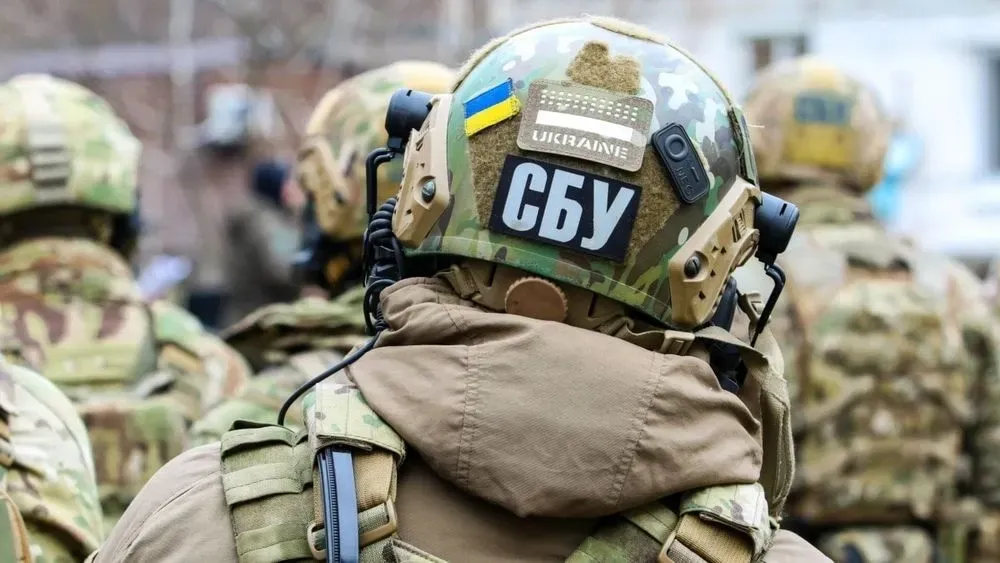
SBU officer with helmet

A shootout involving Ukrainian security personnel in Kyiv left several people wounded on 2 September, with Ukrainian authorities now saying the confrontation occurred during an investigation into an alleged Russian plot to assassinate a Russian opposition figure in Ukraine.

The incident took place overnight in Kyiv’s Dniprovskyi district, amid reports that Stepan Kaplunov, deputy commander for combat operations of the Russian Volunteer Corps (RDK), had been abducted.

Shootout follows reported abduction

Ukrainska Pravda reported, citing Kaplunov’s lawyer Taras Borovskyi, that law enforcement officers arrived at the serviceman’s home after his reported disappearance.

According to Borovskyi, Kaplunov’s fellow soldiers came to the location after being alerted, after which gunfire broke out. The lawyer also published video from the scene, Ukrainska Pravda reported.

The RDK had previously said that unknown individuals abducted Kaplunov from the courtyard of his home.

Ukraine’s State Bureau of Investigation confirmed to Ukrainska Pravda that it had received a complaint from Kaplunov’s lawyers alleging his abduction and was examining it for possible registration as a criminal proceeding.

Ukrainska Pravda, citing sources in Ukraine’s security services, reported that the confrontation involved the Security Service of Ukraine (SBU) and Ukraine’s Main Intelligence Directorate (HUR). Its sources said three HUR personnel had been wounded as of Wednesday morning.

SBU links confrontation to Russian plot

The SBU later said the confrontation occurred during an investigation into an alleged terrorist attack organized by Russia’s Federal Security Service (FSB).

The agency said its investigators were conducting a search at one of the addresses connected to the case when a group of people launched an armed attack on them. The group allegedly blocked the investigators’ vehicles with cars and attempted to prevent the search.

The SBU said its Alpha special operations unit was deployed to stop the armed resistance. Officers used their weapons, and several people who resisted were wounded, according to the agency.

The attackers were detained, the SBU said. Initial investigative work found that they belonged to one of Ukraine’s Defense Forces units, while weapons and documents were seized from them.

The agency did not identify the detainees or their military unit.

Alleged assassination attempt

Earlier on 2 September, the SBU said it and HUR had jointly foiled an FSB plot to assassinate a leader of a Russian opposition nationalist political movement who had traveled to Ukraine for Independence Day.

The SBU did not name the alleged target or provide details of the planned attack.

RBC-Ukraine, citing sources, reported that the target was Kaplunov. The outlet also reported that HUR later deleted a statement about the foiled attack.

The SBU’s later statement about the shootout did not name Kaplunov or explicitly identify the armed group involved as HUR personnel.

The Russian Volunteer Corps is a unit operating within Ukraine’s military intelligence structures and composed of Russian nationals fighting against Russia’s invasion.

Budanov calls for investigation

Kyrylo Budanov, head of Ukraine’s Presidential Office, said the incident should be thoroughly and impartially investigated, according to RBC-Ukraine.

He said no one should be allowed to abduct servicemen, open fire in Ukrainian cities, or give or carry out criminal orders with impunity.

The Prosecutor General’s Office has opened a pretrial investigation into threats against and an attempt on the life of a law enforcement officer, the SBU said.

Authorities have not publicly provided a full account reconciling the different reports surrounding the incident. Investigative actions are ongoing.

Ukraine and Russian opposition figures

Ukraine has become a base for some Russian opposition figures and anti-Kremlin activists since the start of Russia’s full-scale invasion. Some have joined Ukrainian military units or otherwise supported Ukraine’s war effort.

That has also made some of them targets for Russian intelligence operations.

Putin calls Zelenskyy’s airspace warning “state terrorism” as shares in Russia’s national airline fall 5%

2 septembre 2026 à 05:17

Vladimir Putin stands behind a lectern during a press conference, with the RIA Novosti logo visible above him.

Russian President Vladimir Putin said Moscow would “find a way to respond” if civilian “tragedies” followed President Volodymyr Zelenskyy’s warning that Ukrainian drone operations were making Russian skies unsafe. Zelenskyy told foreign airlines and insurers that the “safe moments” in Russian airspace were over.

Zelenskyy’s warning seeks to extend the cost of Russia’s war beyond damaged military and energy facilities to airlines, insurers, and travelers. It does not mean Russian airspace is legally or completely closed. However, carriers that continue flying over Russia face higher costs from repeated airport shutdowns during drone alerts, as well as the danger that military activity in Russian airspace could endanger civilian aircraft.

Putin spoke after a 1 September Shanghai Cooperation Organization summit in Bishkek, where Russia and China coordinate regional security. Zelenskyy’s warning amounted to “a bid for state terrorism” if he had made it publicly, the Russian president said, adding that Russia does not negotiate with “terrorists.” Putin also said Russian forces were preparing massive strikes on Ukraine’s energy infrastructure.

In his evening video address, Zelenskyy said Ukraine did not threaten civilian aircraft but would keep striking Russian military targets and parts of the economy supporting the war. Ukraine’s Presidential Office head Kyrylo Budanov backed the decision, saying long-range weapons would systematically strike military targets in Russia while the invasion continued.

Ukrainian President Volodymyr Zelenskyy during his evening address, 1 September 2026. Screenshot from video: Zelenskyy
Explore further

“Russian airspace will effectively be closing”: Zelenskyy warns airlines Russian skies are no longer safe

Shares in Aeroflot, Russia’s national airline, fell to an intraday low of 30.36 rubles at about 20:40 Moscow time, down 5.11%, Meduza reported, citing Moscow Exchange data. The timing does not establish that Zelenskyy’s speech alone drove the decline.

Wall Street Journal correspondent Yaroslav Trofimov posted a chart of the decline on X, writing, “Aeroflot shares after Zelensky’s warning.”

Aeroflot shares after Zelensky’s warning. https://t.co/L7h2S99jqT pic.twitter.com/Q80gPfYWlo

— Yaroslav Trofimov (@yarotrof) September 1, 2026

European and US carriers already avoid Russian airspace, but airlines from China, Türkiye, the United Arab Emirates, and other Gulf states continue using it, Reuters reported. Aviation-risk firm Osprey Flight Solutions assessed that daily attacks deep inside Russia were nearly certain through 2026 and warned of possible misidentification.

Andrii Kovalenko, head of Ukraine’s Center for Countering Disinformation, said it was “strange” to hear terrorism accusations from “the leader of a terrorist organization masquerading as the Russian state.” Putin’s reaction showed Moscow feared pressure on its airspace, he argued.

Previous closures of Russian airspace due to Ukrainian attacks

Russian airports were repeatedly shut during Ukrainian drone alerts well before Zelenskyy’s warning. On 6 July 2025, Moscow airports canceled 171 flights while airports in five other cities suspended operations.

A 27 May attack closed airports serving Moscow and several other cities after Russia claimed it intercepted 99 drones. Another wave caused flight disruption and mobile internet outages around Moscow, while a 29 May alert again halted flights at Moscow airports.

More recently, Russian authorities restricted operations at Moscow airports during Ukrainian drone attacks, delaying more than 450 flights

❌