Vue normale

  • ✇Euromaidan Press
  • “Faster than originally planned”: Russia wants 292 Starlink-rival satellites by 2027
    Russia is deploying Rassvet satellites, its answer to Starlink, faster than originally planned, Vadym Skibitskyi, Deputy Chief of Ukraine's Defense Intelligence (GUR), told RBC-Ukraine. Moscow aims to expand the network to 292 satellites by the end of 2027 and 924 by 2035, he said. Existing satellites can already provide intermittent connections as they pass over Ukraine. Rassvet could give Moscow an independent alternative to Starlink, which Ukrainian forces rely on
     

“Faster than originally planned”: Russia wants 292 Starlink-rival satellites by 2027

11 août 2026 à 14:04

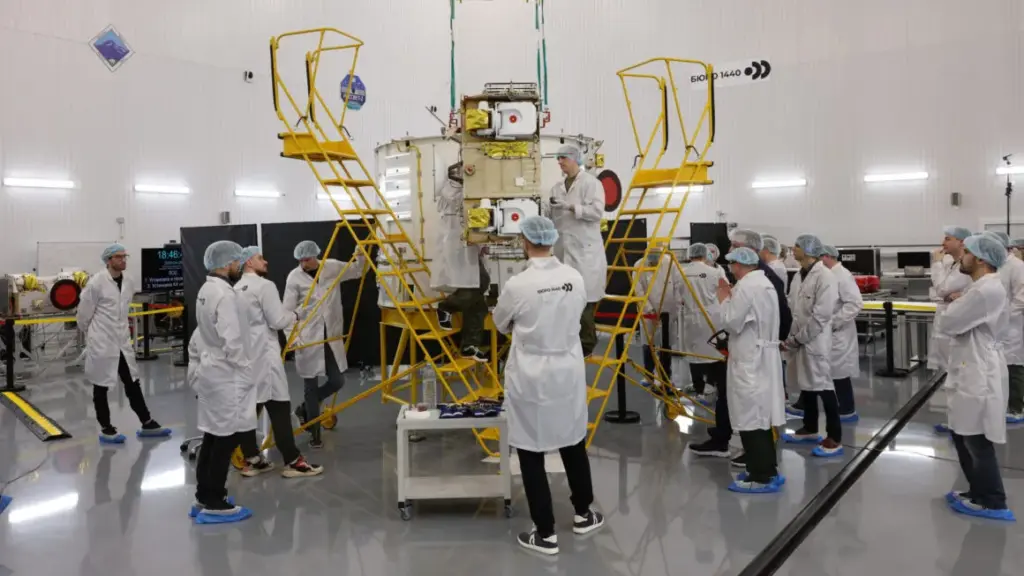
Employees of Russian company Bureau 1440 work on a Rassvet communications satellite.

Russia is deploying Rassvet satellites, its answer to Starlink, faster than originally planned, Vadym Skibitskyi, Deputy Chief of Ukraine's Defense Intelligence (GUR), told RBC-Ukraine.

Moscow aims to expand the network to 292 satellites by the end of 2027 and 924 by 2035, he said. Existing satellites can already provide intermittent connections as they pass over Ukraine.

Rassvet could give Moscow an independent alternative to Starlink, which Ukrainian forces rely on for battlefield communications and drone operations. Russian forces also used unauthorized Starlink terminals until Ukraine and SpaceX blocked access. Rassvet’s coverage remains intermittent but could eventually support strike drones, prompting Kyiv to consider countermeasures.

Why Russia wants its own Starlink

Ukrainian forces rely heavily on Starlink for frontline communications, drone operations, and command and control. 

Russian forces also relied heavily on unverified terminals until Ukraine and SpaceX blocked them on 5 February. The shutdown disrupted Russian communications and assaults across multiple parts of the front. On 10 August 2026, the SBU said it had dismantled two schemes that registered terminals in Ukraine for transfer to Russian forces.

Rassvet could reduce Russia’s dependence on SpaceX and illicit supply networks. Ukrainian experts have warned that a mature network could also relay data to Russian strike drones.

32 satellites up, 260 to go by 2027

Bureau 1440, the Russian satellite developer behind Rassvet, began testing the network with three satellites in 2023. Three larger prototypes followed in 2024 to test upgraded equipment, including satellite-based 5G technology and laser links between spacecraft. 

Russia launched its first batch of 16 serial Rassvet satellites on 23 March 2026 after manufacturing problems delayed the mission. A second group of 16 followed in July, Militarnyi reported.

In May 2026, Serhii “Flash” Beskrestnov, a defense technology adviser to the President of Ukraine, said each Rassvet satellite then in orbit passed over Ukraine roughly once daily, providing six to 10 minutes of connectivity. He estimated that continuous coverage would require 200–250 satellites. 
  • ✇Euromaidan Press
  • Russia’s tank shield shot down seven drones—Ukraine destroyed the tank anyway
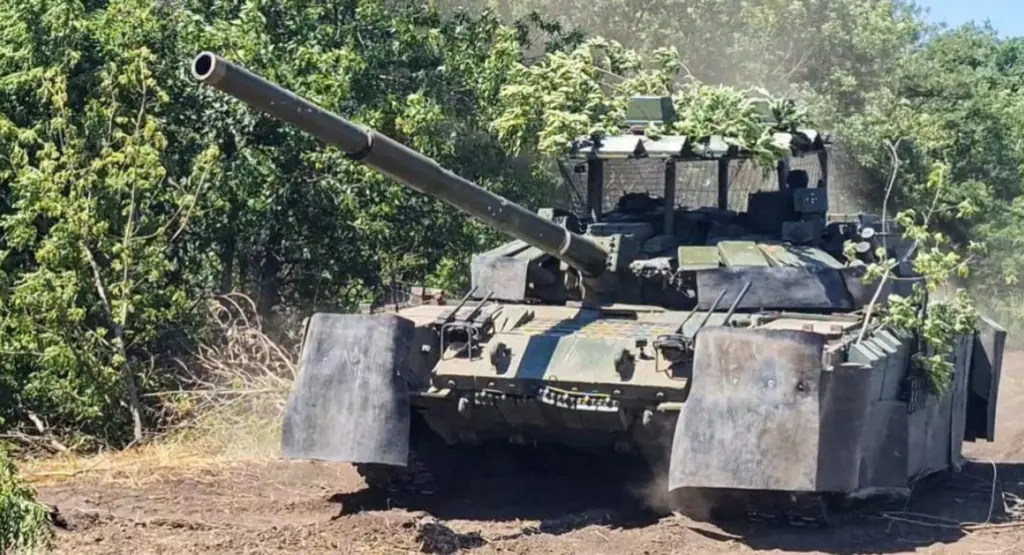
    Russia wants its tanks moving again after two years of Ukrainian drones freezing its armored assaults, the Institute for the Study of War (ISW) reported. Its main bet is a tank-mounted system that fires interceptors at incoming drones. The system worked on at least one tank, but Russia lost it anyway. Since 2022, cheap Ukrainian FPV drones have turned the open approach to any position into ground where armor rarely survives, forcing Russia into slow, infantry-led as
     

Russia’s tank shield shot down seven drones—Ukraine destroyed the tank anyway

11 août 2026 à 12:52

T-72B3A tank equipped with the Arena-M active protection system (APS). Photo: iz.ru/Dmitry Astrakhan

Russia wants its tanks moving again after two years of Ukrainian drones freezing its armored assaults, the Institute for the Study of War (ISW) reported. Its main bet is a tank-mounted system that fires interceptors at incoming drones. The system worked on at least one tank, but Russia lost it anyway.

Since 2022, cheap Ukrainian FPV drones have turned the open approach to any position into ground where armor rarely survives, forcing Russia into slow, infantry-led assaults and years of experiments to armor its tanks against drones.

The shield shot down some drones. Ukraine still killed the tank.

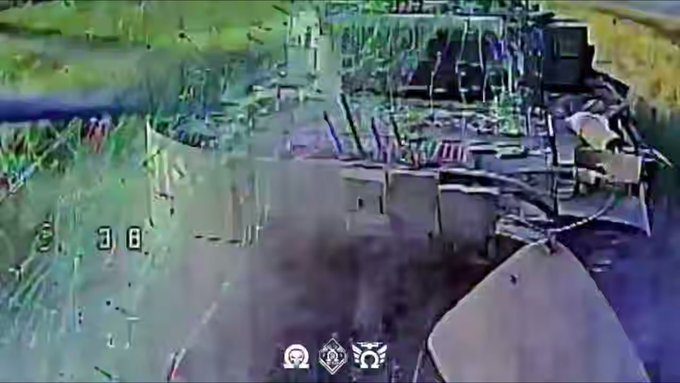
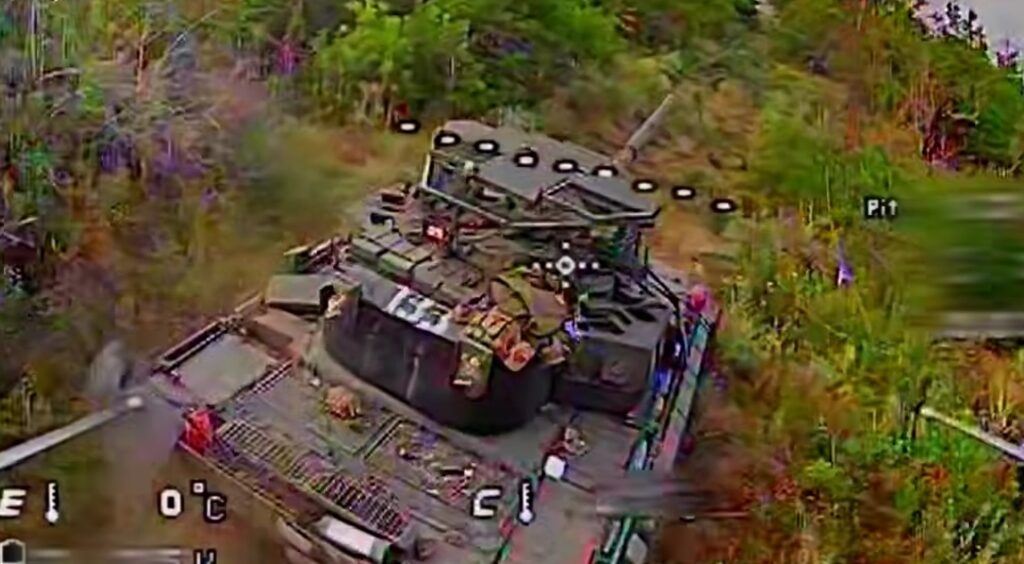
In early August, footage surfaced of Ukrainian drones destroying a Russian tank fitted with the Arena-M active protection system in the Dobropillia sector of Donetsk Oblast. Militarnyi identified the vehicle as a T-72B3A, side number 133, and Militarnyi reported that Ukraine's Security Service (SBU) released the clip. ISW geolocated the footage near occupied Volodymyrivka, east of Dobropillia.

A T-72B3A the moment before a Ukrainian drone strikes.
Explore further

Russia took the cages off its newest tanks. The new Arena-M shield bought them a few minutes.

Dmytro Putiata, a Ukrainian combat drone specialist who posts as kriegsforscherD, spoke with the unit involved. On that tank, Arena-M shot down seven drones before its magazine ran dry, he said.

"Unfortunately, it works," Putiata wrote.

It still wasn't enough. Ukrainian crews finished the tank off with more drones. It took 15 to 20 first-person-view (FPV) drones to kill each vehicle, Putiata said. Footage shows the tank moving with its interceptor cells empty. It was the first time the Arena-M was credited with shooting drones down in combat.

Russia keeps sending tanks into that ground for a reason

Russian forces are experimenting with new technology to restore mechanized maneuver and break out of positional warfare—the static, trench-like fighting that has defined the front, ISW reported. They are fitting tanks with active protection systems to help armor survive in the "kill zone," the open ground where drones and other weapons destroy almost anything that moves.

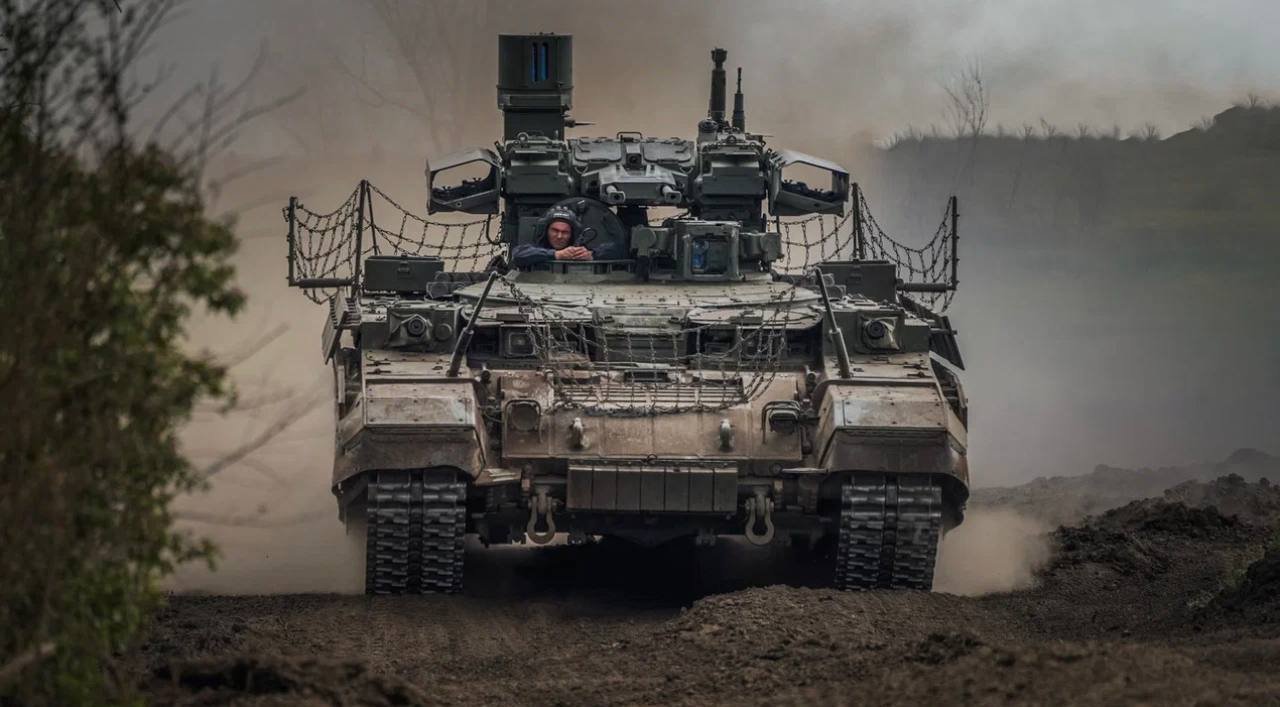
A BMP-T in 2026.
Explore further

Russia’s weirdest armored vehicle was built to fight infantry. The infantry stopped coming

ISW judged that Arena-M alone cannot shield Russian assaults from the drones, let alone the rest of Ukraine's weapons. Russian commanders have largely kept tanks off the roads because drones kill them faster than factories rebuild them. In these assaults, the tank's job is less to fight than to survive long enough to drop infantry closer to Ukrainian lines. Russia will likely keep trying to restore maneuver even after its late-July mechanized assault in the Dobropillia sector failed, ISW added.

Why Russia wants the shield: the cages don't let tanks fight

The bolt-on armor carries a cost. Cope cages and "turtle" shells weigh tanks down and often jam the turret so the main gun can't aim. That trade-off is part of why Russia wants Arena-M: protection without the bulk, so a tank can still move and shoot. Russia recently sent tanks stripped of the welded cages, carrying the shield instead.

Moment of impact of the T-72B3M tank “133,” equipped with the Arena active protection system and empty countermeasure launcher cells.
Moment of impact of the T-72B3M tank “133,” equipped with the Arena active protection system and empty countermeasure launcher cells. Screenshot from an SBU video.

Arena-M is not new. Active protection systems like it were first built to stop anti-tank missiles, and Russia adapted this one to catch drones. The system's lineage dates back to the late Soviet era, and Russian industry has for years claimed mass deployment that never came. Designers worked on fitting it to T-72B3 and T-90M tanks since at least 2019, yet only single vehicles turned up by 2024—some used to shoot a propaganda film rather than fight.

  • ✇Euromaidan Press
  • North Korean ballistic missile kills 7 steelworkers on their way to shelter, shuts down Zaporizhstal plant
    A Russian ballistic strike on Zaporizhzhia, Ukraine, killed seven employees of the Zaporizhstal steel plant and injured 21 others, Ukrainian steelmaker Metinvest, the plant’s majority owner, said on 11 August. The workers were on their way to a shelter after an air raid alert was announced when the strike hit the industrial site, according to the company.  Metinvest said the attack also damaged energy facilities and infrastructure, as well as the main and auxiliary f
     

North Korean ballistic missile kills 7 steelworkers on their way to shelter, shuts down Zaporizhstal plant

11 août 2026 à 11:44

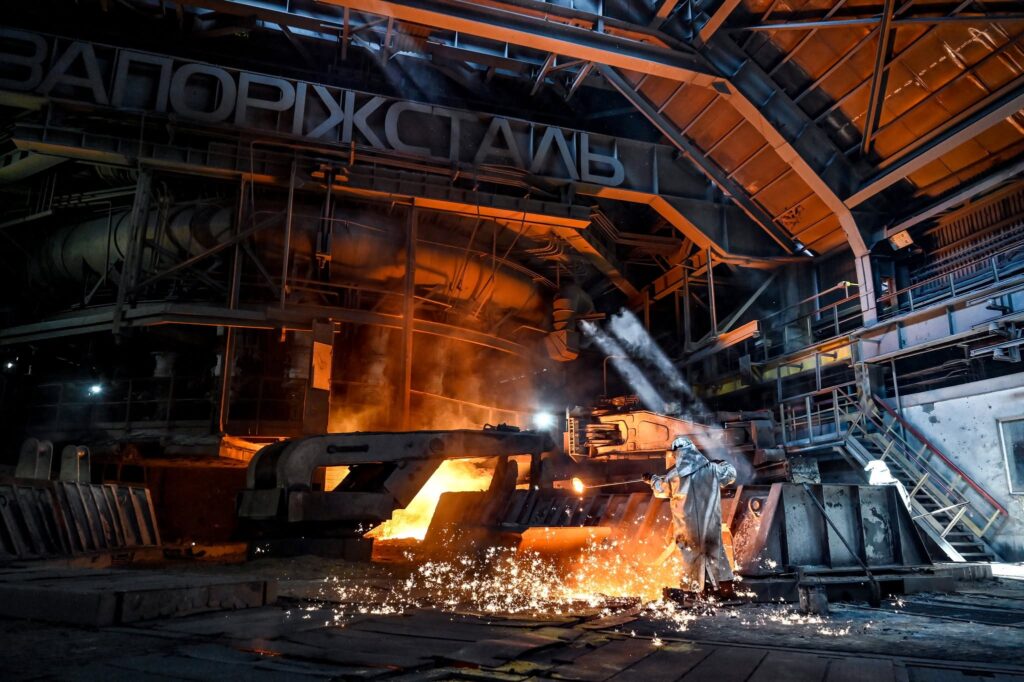
Inside the Zaporizhstal steel plant. Photo: Zaporizhstal on Facebook

A Russian ballistic strike on Zaporizhzhia, Ukraine, killed seven employees of the Zaporizhstal steel plant and injured 21 others, Ukrainian steelmaker Metinvest, the plant’s majority owner, said on 11 August.

The workers were on their way to a shelter after an air raid alert was announced when the strike hit the industrial site, according to the company. 

Metinvest said the attack also damaged energy facilities and infrastructure, as well as the main and auxiliary facilities of the plant’s coke and blast-furnace operations.

Russia’s ballistic missile strikes leave very little time between threat detection and impact for people to react and reach shelter. Several people have been killed from strikes across the country while on their way to bomb shelters. 

Zaporizhstal shuts down after strike

Metinvest said Zaporizhstal has been completely shut down following the attack, while its other production sites in the city are operating at reduced capacity.

Company specialists are assessing the damage and determining the scope and timeline of repairs. Emergency and restoration work is already underway, according to the statement.

The company said its Zaporizhzhia facilities are civilian industrial sites that employ tens of thousands of people and produce steelmaking and coke-chemical products.

Metinvest said it is providing medical assistance and support to the 21 injured employees and staying in contact with the families of those killed and wounded.

The company's facilities will fly flags at half-mast on 11 and 12 August in mourning for the seven Zaporizhstal workers killed in the attack.

North Korean missiles used against Zaporizhzhia

Ukrainian President Volodymyr Zelenskyy said Zaporizhzhia was targeted overnight with North Korean ballistic missiles, Russian Zircon missiles and guided aerial bombs.

Zelenskyy said the attack was designed to cause maximum damage to civilian infrastructure.

Ukraine's military intelligence said on 5 August that a North Korean missile unit had begun deploying to western Russia, potentially adding up to 120 ballistic missiles and six launchers to Russia's arsenal.

According to Ukrainian intelligence representative Andrii Cherniak, North Korea has supplied Russia with around 150 KN-23 and KN-24 missiles since late 2023, including a recent batch of 40 missiles.

The missiles have been linked to attacks with high civilian casualties, including a July strike on Radushne in Dnipropetrovsk Oblast that killed an entire family.

Ballistic threat is growing

The strike comes as Russia has increasingly relied on ballistic missiles in attacks on Ukrainian cities. Unlike drones and cruise missiles, ballistic missiles travel at very high speeds and are much harder for Ukraine to intercept, particularly because Kyiv has a limited supply of the advanced air defense interceptors needed to counter them, mainly US-made Patriot systems.

Ukraine has reported that most ballistic missiles launched in recent mass attacks have penetrated its air defenses, contributing to severe destruction and civilian casualties.

Russia’s education minister calls it “objective.” A new textbook teaches Ukrainian children that their occupied region is historically Russian

11 août 2026 à 10:00

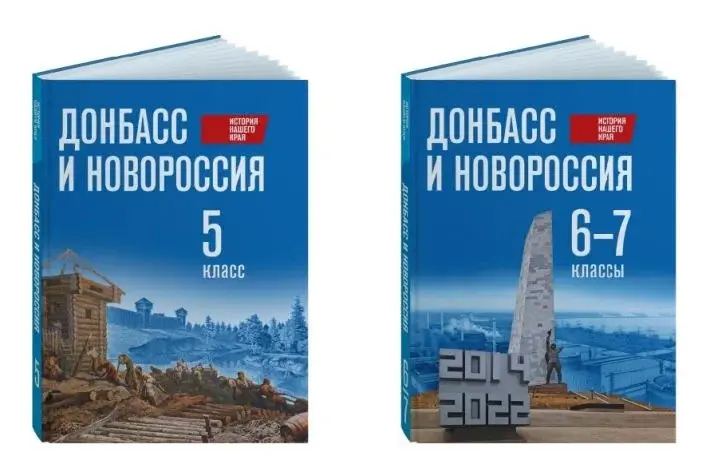
Covers of Russian “Donbas and Novorossiya” history textbooks for students in grades 5–7.

Russia will introduce two editions of a new regional history textbook series in occupied Ukrainian schools on 1 September 2026. The books present the occupied Ukrainian regions as historically Russian, MOST, a Kherson-based outlet, reported on 10 August.

The new textbooks bring Russia's campaign to erase Ukrainian identity into occupied classrooms, where authorities remove Ukrainian from curricula and replace lessons with Russian ideology, military drills, and firing-range visits. Moscow's Russification campaign extends beyond schools to efforts to change the demographics of occupied Ukrainian territory and re-educate forcibly transferred Ukrainian children.

The new textbook series, entitled "History of Our Region: Donbas and Novorossiya," comprises one edition for grade 5 and another for grades 6–7. The course attached to the books will be compulsory throughout Russia's so-called "new regions," according to the Ukrainian human rights center ZMINA.

"Novorossiya" is an imperial term Moscow uses to claim southern and eastern Ukraine. 

Russia's Education Ministry calls the course "objective" and part of a "unified history of Russia," Meduza reports. Minister Sergei Kravtsov claimed it contains "objective information, rather than the lies that appeared in Ukrainian textbooks."

Replacing the curriculum, then the population

The "Novorossiya" textbook forms part of a broader Kremlin campaign to Russify occupied Ukraine's education, culture, and demographics. 

Since occupying Melitopol, Russian authorities have systematically replaced Ukrainian curricula and textbooks. Older Russian textbooks, issued after Moscow's full-scale war, already depicted occupied Melitopol as part of Russia. 

A 2025 Kremlin strategy requires occupied regions to enter Russia's educational, cultural, and information space. The policy also sets a nationwide target for “All-Russian civic identity” to reach at least 95% by 2036.

35,000 Ukrainian children still missing

Meanwhile, experts estimate that about 35,000 Ukrainian children remain missing and are likely held in Russia or Russian-occupied territory. Yale's Humanitarian Research Lab identified at least 210 facilities used to hold children from Ukraine. The lab found that at least 130 facilities subjected Ukrainian children to pro-Russian cultural, patriotic, or military programs. 

One case shows where such indoctrination can lead. Once listed as missing under occupation, Ukrainian boy Oleksandr Mustiatse later appeared online in a Russian uniform bearing the “Z” invasion symbol, Save Ukraine reported.

  • ✇Euromaidan Press
  • A $300 FPV downs a $20,000 bomber drone. Ukraine tests an EW shield for it
    Ukraine is testing a new electronic-warfare solution to protect heavy bomber drones and unmanned ground vehicles (UGVs) from cheaper FPV drones. The project has reached field testing, with several prototypes sent to military units, RBC-Ukraine reports. Ukraine's war has become a laboratory for the economics of unmanned combat, where a mass-produced quadcopter can take down platforms that cost dozens of times more, forcing both volunteer foundations and defense firms
     

A $300 FPV downs a $20,000 bomber drone. Ukraine tests an EW shield for it

11 août 2026 à 09:27

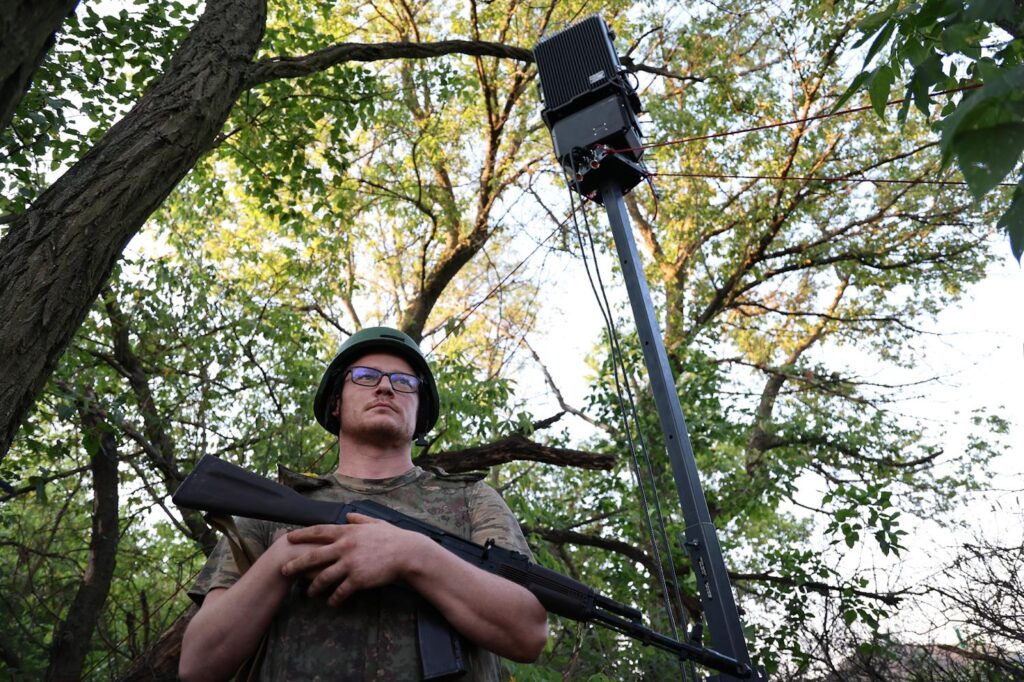
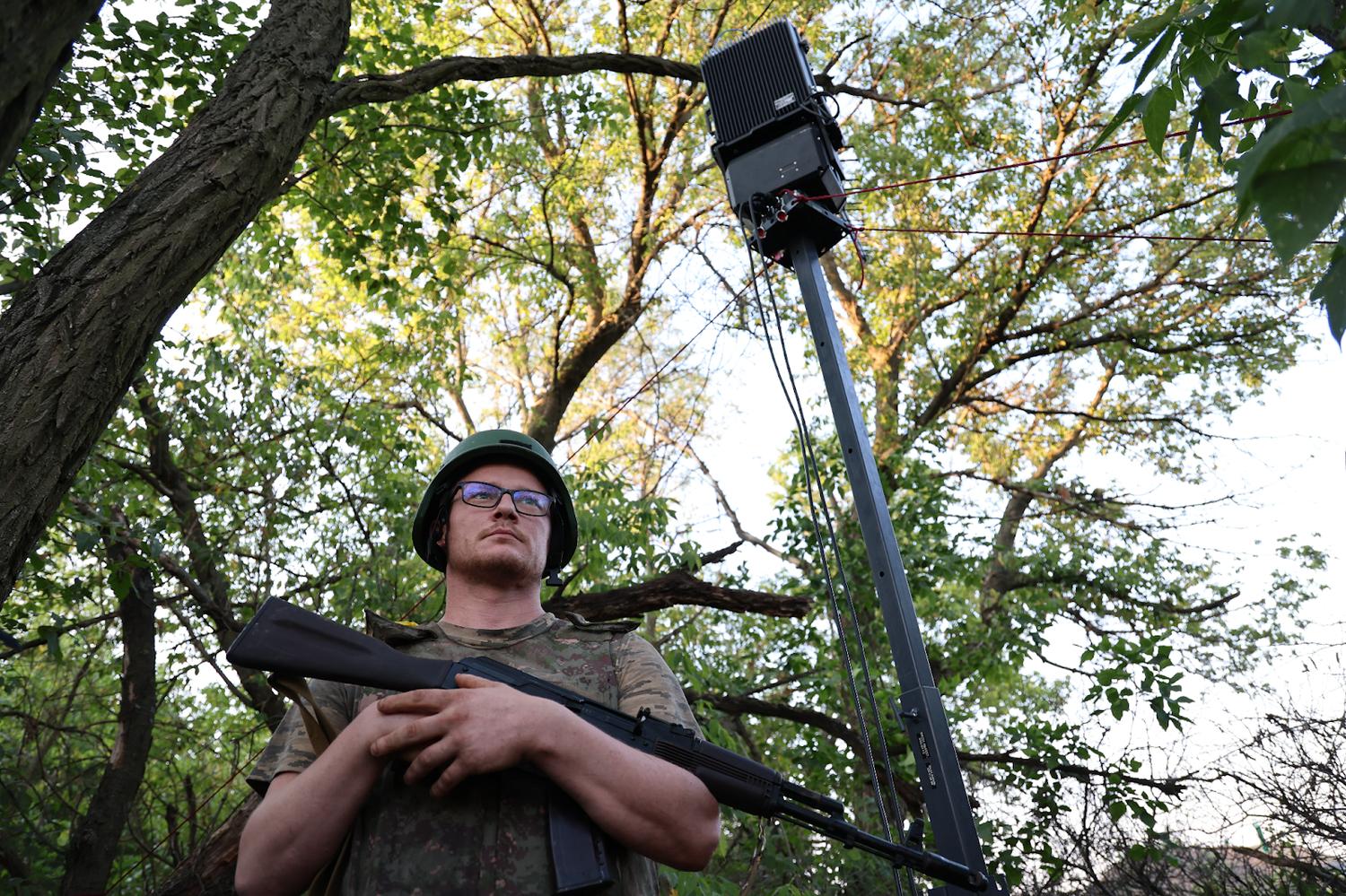
ukraine tests ew system protect $20000 bomber drones $300 fpvs · post vladyslav “vitamin” electronic warfare specialist serving 141st separate mechanized brigade kirichenko3 news ukrainian reports

Ukraine is testing a new electronic-warfare solution to protect heavy bomber drones and unmanned ground vehicles (UGVs) from cheaper FPV drones. The project has reached field testing, with several prototypes sent to military units, RBC-Ukraine reports.

Ukraine's war has become a laboratory for the economics of unmanned combat, where a mass-produced quadcopter can take down platforms that cost dozens of times more, forcing both volunteer foundations and defense firms to look for asymmetric answers on the electronic side of the front.

$20,000 bomber vs. $300 drone

The gap runs more than 60-to-1. Liuba Shypovych, head of the Dignitas foundation, told RBC-Ukraine that a heavy bomber can cost around $20,000, while an FPV drone capable of damaging or destroying it can cost about $300. Shypovych said the bombers are particularly vulnerable because they are relatively slow and less maneuverable than smaller FPVs, and that shootdowns are becoming increasingly frequent.

ukraine tests ew system protect $20000 bomber drones $300 fpvs · post vladyslav “vitamin” electronic warfare specialist serving 141st separate mechanized brigade kirichenko3 news ukrainian reports
Explore further

A $300 FPV downs a $20,000 bomber drone. Ukraine tests an EW shield for it

Yet Ukraine cannot simply stop using the larger drones. According to Shypovych, they are used to deliver water, food, and ammunition to positions that are difficult or impossible to reach by ground. The military therefore approached Dignitas with a request to protect the platforms, and the team is working on the task together with the company Aura.

The jammer has a problem of its own

Equipping a heavy bomber with electronic warfare creates an unusual technical problem. The bomber needs a communications link with its operator, but the same EW system designed to disrupt an incoming enemy FPV could also interfere with that control channel. The problem extends to UGVs, including platforms used to evacuate wounded soldiers. Shypovych said the goal is to develop EW that can counter hostile drones without cutting the Ukrainian platform's own communications.

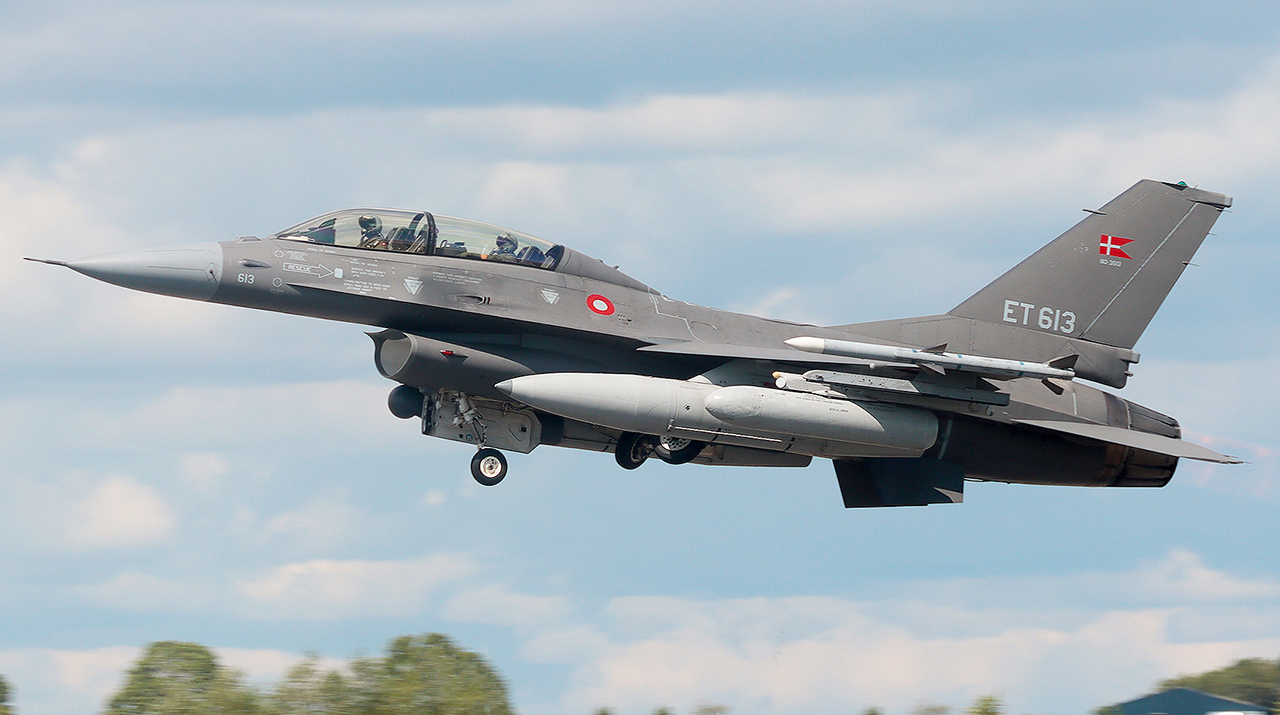
A Danish Air Force F-16BM combat trainer aircraft during a training flight. Photo via mil.in.ua
Explore further

NATO shot down drone over Latvia. Russia’s electronic warfare sent it there

From the test range to the first units

Dignitas and Aura are testing the systems at training grounds and have already sent several samples to military units. Shypovych expects the solution to be ready in roughly two months.

The effort comes as Ukraine rapidly expands its use of unmanned ground systems. Kyiv has set a target to contract at least 50,000 UGVs, with robots already taking on logistics and evacuation tasks in high-risk zones. Ukrainian forces have already received 1,028 UGVs through the DOT-Chain Defense marketplace, with the systems handling logistics, evacuation, mine-laying, and combat. Ukrainian Vampire bombers have also been upgraded to shrug off Russian jamming and even hunt the jammers themselves.

  • ✇Euromaidan Press
  • Russia’s Syrian foothold shrinks to a training center as Damascus takes back the airport and a berth
    On 9 August, Russia and Syria signed a memorandum on the reorganization of Moscow’s military presence in the country. For about 18 months, the two countries had been negotiating the status of Russian facilities in Syria. As a result, Damascus will take control of facilities intended for civilian use, including Hmeimim Airport and the fourth commercial berth at the port of Tartus, SANA reported. Russia supported Bashar al-Assad’s regime in Syria. After the dictator’
     

Russia’s Syrian foothold shrinks to a training center as Damascus takes back the airport and a berth

11 août 2026 à 08:52

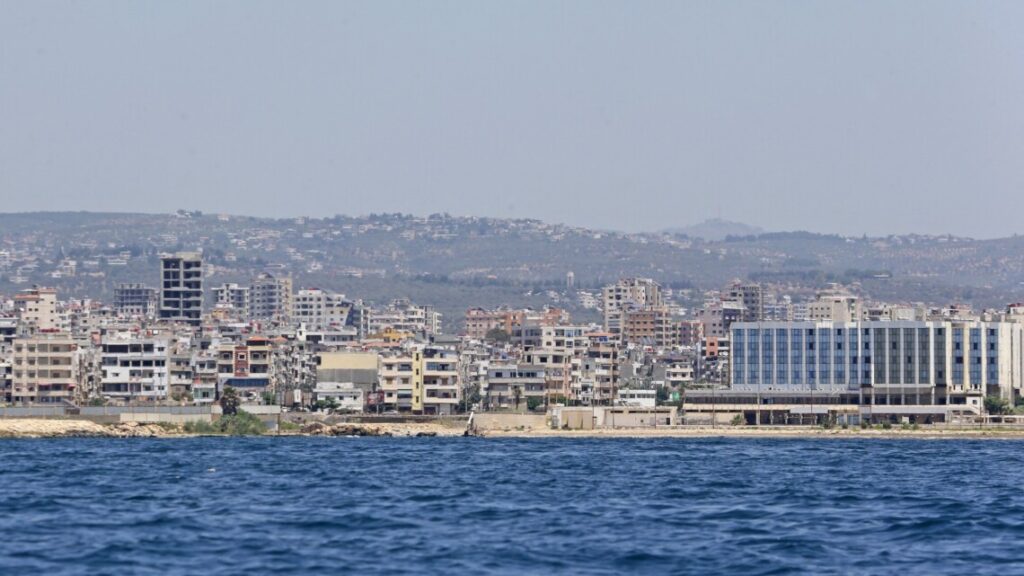
Illustrative photo. A panorama of Tartus, Syria. Photo: middleeasteye.net

On 9 August, Russia and Syria signed a memorandum on the reorganization of Moscow’s military presence in the country. For about 18 months, the two countries had been negotiating the status of Russian facilities in Syria. As a result, Damascus will take control of facilities intended for civilian use, including Hmeimim Airport and the fourth commercial berth at the port of Tartus, SANA reported.

Russia supported Bashar al-Assad’s regime in Syria. After the dictator’s defeat in 2024, Russian troops began leaving the country en masse, including from military facilities, CNN reports. However, Moscow sought to retain control over two strategic facilities: Hmeimim Air Base near Latakia and the naval base in Tartus. The new memorandum sets out a new format for Russia’s presence in Syria, including at these two facilities.

Russia's bases become training centers within three months

According to the report, Syria will integrate the facilities it receives under the memorandum into the country’s civilian administration. Russian military bases will be converted into joint training centers. The two sides also agreed to review the role of facilities currently used for military purposes.

Also under the memorandum, the countries are to implement these changes within three months. According to the journalists, “the Ministry of Foreign Affairs called the agreement the most important development since talks began about 18 months ago, saying it paves the way for a new stage in Syrian-Russian relations.”

How Russia's influence in Syria grew and then eroded

Since 2015, Russia has engaged in direct military intervention and supplied Bashar al-Assad’s regime with weapons. At the peak of its military activity in Syria, Russia maintained a presence at about 90 military facilities across the country, according to a joint investigation by OSINT groups GeoInsider and SONARROW.

In 2024, Assad lost power and fled to Russia, leaving the status of Russian military bases in Syria uncertain. Although the new government, led by interim President Ahmed al-Sharaa, had been on the opposite side of the Syrian civil war from Russia, it decided not to sever ties with Moscow completely. In 2025, Syria said it wanted Russia “by our side.”

Russian military police in Syria, illustrative image. Photo via Wikimedia

Despite the new government’s “pragmatic” approach to relations with Russia, Moscow’s military presence in Syria gradually began to shrink. Two particularly important strategic facilities for Moscow were the port of Tartus and Hmeimim Air Base. In particular, Tartus is important to Russia because it is Russia’s only naval facility in the Mediterranean. After Assad fled, Moscow began negotiations with Syria over the status of its military facilities.

Oil and sanctions shape the deal

The negotiations over the military bases are not the only contentious issue in Russian-Syrian relations. The issue of Assad’s extradition also featured in talks between Damascus and Moscow after he fled to Russia, per Al Jazeera. On 4 August, Reuters reported that Syria had signaled to Washington that it was prepared to significantly reduce imports of Russian oil amid talks over sanctions relief. Russia has emerged as Syria’s main supplier of oil, with shipments reaching about 60,000 barrels per day this year.

  • ✇Euromaidan Press
  • Seoul says no again to Ukraine’s weapons request as Pyongyang gets ready to send Russia more troops
    South Korea is keeping lethal aid to Ukraine off the table while continuing humanitarian and reconstruction support, Yonhap reported on 10 August. The outlet cited a senior South Korean Foreign Ministry official. South Korea’s response maintains its established policy of providing humanitarian and nonlethal support to Ukraine, but not direct weapons. Seoul previously helped move artillery shells to Ukraine through the United States. While South Korea arms NATO members
     

Seoul says no again to Ukraine’s weapons request as Pyongyang gets ready to send Russia more troops

11 août 2026 à 07:47

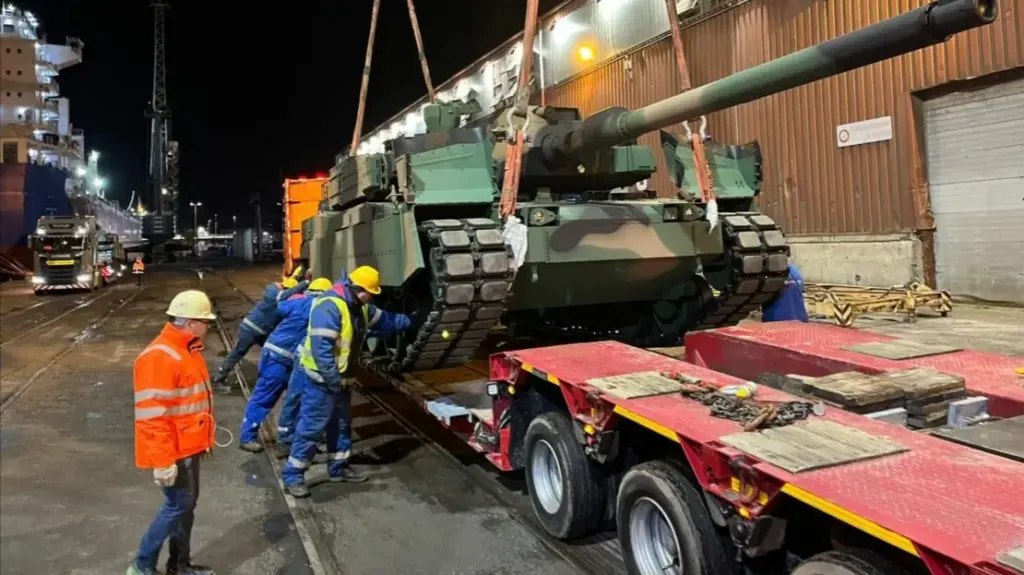
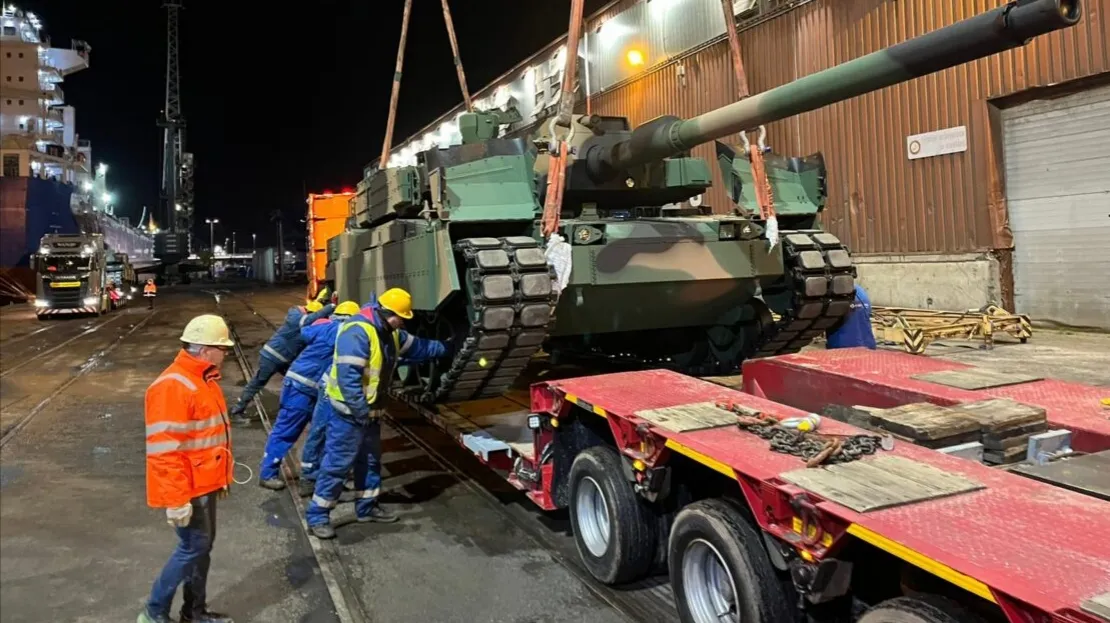
Workers unload a South Korean-made K2 Black Panther tank for the Polish army from a trailer at a Polish port at night.

South Korea is keeping lethal aid to Ukraine off the table while continuing humanitarian and reconstruction support, Yonhap reported on 10 August. The outlet cited a senior South Korean Foreign Ministry official.

South Korea’s response maintains its established policy of providing humanitarian and nonlethal support to Ukraine, but not direct weapons. Seoul previously helped move artillery shells to Ukraine through the United States. While South Korea arms NATO members with K2 tanks and K9 howitzers to free up older kit for the Ukrainian front, it still draws the line at any direct transfer to Kyiv. Seoul rejects Ukraine’s purchase requests as North Korea sends Russia ammunition and troops in exchange for money and military technology.

South Korean law bars direct exports of lethal weapons to countries in active conflict, a rule rooted in constitutional principles and Seoul's wariness of antagonizing Moscow and Beijing while managing the threat from the North.

Ukraine is seeking South Korean interceptor missiles for its air defenses. The official neither addressed the request specifically nor formally rejected it:

South Korea’s supply of defense materials to any country has always been carried out in accordance with domestic law,” the official said. Seoul will continue to support Ukraine’s recovery through assistance in energy, infrastructure, healthcare, and education. 

The official also declined to confirm whether Seoul and Kyiv were discussing military support. However, he said Moscow-Pyongyang military cooperation “is directly related to our security and violates the United Nations resolutions” and should stop immediately.

Seoul’s indirect aid stopped short of direct arms transfers

In 2023, Seoul transferred hundreds of thousands of 155 mm shells to the United States under a confidential arrangement. Washington then arranged for them to reach Ukraine, The Wall Street Journal reported.

South Korean exports have also helped NATO members replace weapons sent to Kyiv. Poland bought South Korean K2 tanks and K9 howitzers while transferring older tanks and Polish-built Krab artillery systems to Ukraine.

Yet Seoul rejected Ukraine’s request to buy air-defense systems, radars, and artillery propellant in November 2024. In February 2026, it still limited support to humanitarian and nonlethal aid while considering NATO’s request to help purchase US weapons for Ukraine.

North Korean deployments bring the war closer to Seoul

Ukrainian President Volodymyr Zelenskyy said a decision had been made to deploy 30,000–50,000 more North Koreans to Russia. He warned that they would gain modern combat experience and Russian technology that could later threaten Asian countries. Kyiv wants South Korean air defenses and has offered cooperation on drones.

The South Korean official cited by Yonhap declined to confirm either the reported deployment or Zelenskyy’s statement that Ukrainian and South Korean diplomats were discussing possible cooperation.

North Korea is already believed to have sent approximately 20,000 combat troops and military engineers to Russia’s Kursk region, according to Yonhap. Pyongyang has earned as much as $22 billion from arming Russia, helping it finance conventional and nuclear forces.

The Japanese outlet Kyodo News reported in November 2025 that North Korea had transferred about 6.5 million rocket and artillery munitions in exchange for Russian air-defense, space, and nuclear technologies.  Moscow and Pyongyang’s 2024 mutual defense pact formalized the expanding military relationship.

Workers unload a South Korean-made K2 Black Panther tank for the Polish army from a trailer at a Polish port at night.

Seoul says no again to Ukraine’s weapons request as Pyongyang gets ready to send Russia more troops

  • ✇Euromaidan Press
  • US House takes up Graham sanctions bill targeting Russia’s oil money and shadow fleet
    A bipartisan group of US House members introduced the House version of the Lindsey O. Graham Sanctioning Russia and Iran Act of 2026 on 10 August, advancing the sweeping sanctions package during the chamber's summer recess just days after the Senate passed it. The move puts the bill one chamber from becoming law. If the House passes it, it would hand the president authority to impose tariffs of up to 100% on the biggest buyers of Russian crude and gas—China and India ch
     

US House takes up Graham sanctions bill targeting Russia’s oil money and shadow fleet

11 août 2026 à 06:54

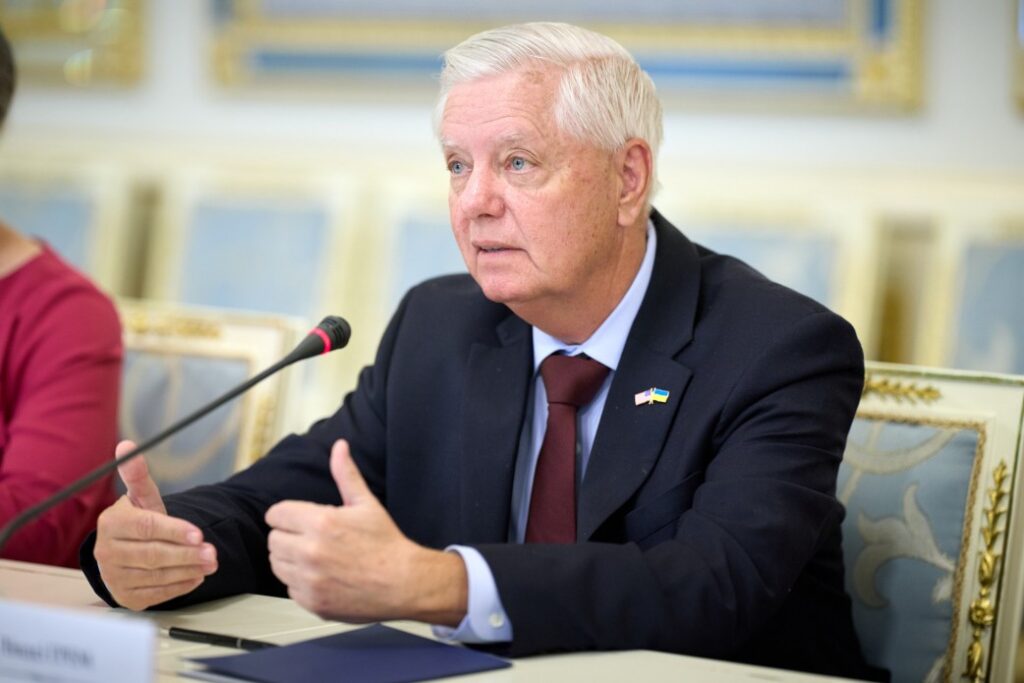
US Senator Lindsey Graham russia sanctions bill senate kyiv 10 2026 presidentgovua

A bipartisan group of US House members introduced the House version of the Lindsey O. Graham Sanctioning Russia and Iran Act of 2026 on 10 August, advancing the sweeping sanctions package during the chamber's summer recess just days after the Senate passed it.

The move puts the bill one chamber from becoming law. If the House passes it, it would hand the president authority to impose tariffs of up to 100% on the biggest buyers of Russian crude and gas—China and India chief among them—and to blacklist the aging tankers of Russia's shadow fleet, the vessels that move sanctioned oil around Western restrictions. The target is the oil revenue that pays for Russia's war on Ukraine, at a moment when Ukrainian deep strikes have already knocked a large share of Russian refining capacity offline.

What the bill would do

The package imposes primary and secondary sanctions on Russian officials, oligarchs, entities propping up Russia's defense-industrial base, and foreign actors that materially aid Moscow's military operations. It targets major Russian banks and the foreign financial institutions that do significant business with them, and it goes after the shadow fleet and sanctions-evasion networks—ships, owners, operators, insurers, and ports that knowingly move Russian oil. The tariff framework, up to 100% on the top five buyers of Russian oil and the top five buyers of its gas, replaces an earlier plan for a blanket 500% tariff, with the US trade representative setting the specific rate for each country. The bill also folds in Iran, extending the Iran Sanctions Act of 1996.

Sanctions could be lifted only if the president certifies to Congress that Russia has signed a peace deal accepted by a free and independent Ukrainian government and has halted hostilities and efforts to subvert Kyiv.

A bill born from a stall—and a death

Graham and Democratic Senator Richard Blumenthal introduced the measure in 2025 with 500% tariffs. It drew more than 80 Senate cosponsors and went nowhere for over a year, as the White House kept it off the floor while betting on negotiations that never delivered. Graham secured President Trump's sign-off, then died on 11 July of an aortic dissection, a day after his last visit to Kyiv. The Senate renamed the bill in his honor and passed it 86-11 on 7 August.

The House is not a rubber stamp

The House text is identical to the Senate-passed version, so the companion functions largely as a whip count—a way for members to signal support before a floor vote expected this fall, once the chamber returns from recess on 31 August. Passage is not guaranteed: some House members have voiced fundamental concerns about handing the president broad tariff powers that could raise costs for US importers and consumers.

  • ✇Euromaidan Press
  • Two Russian refineries burn – Orsk hit by drones 1,500 km out, Komsomolsk ablaze 6,500 km east
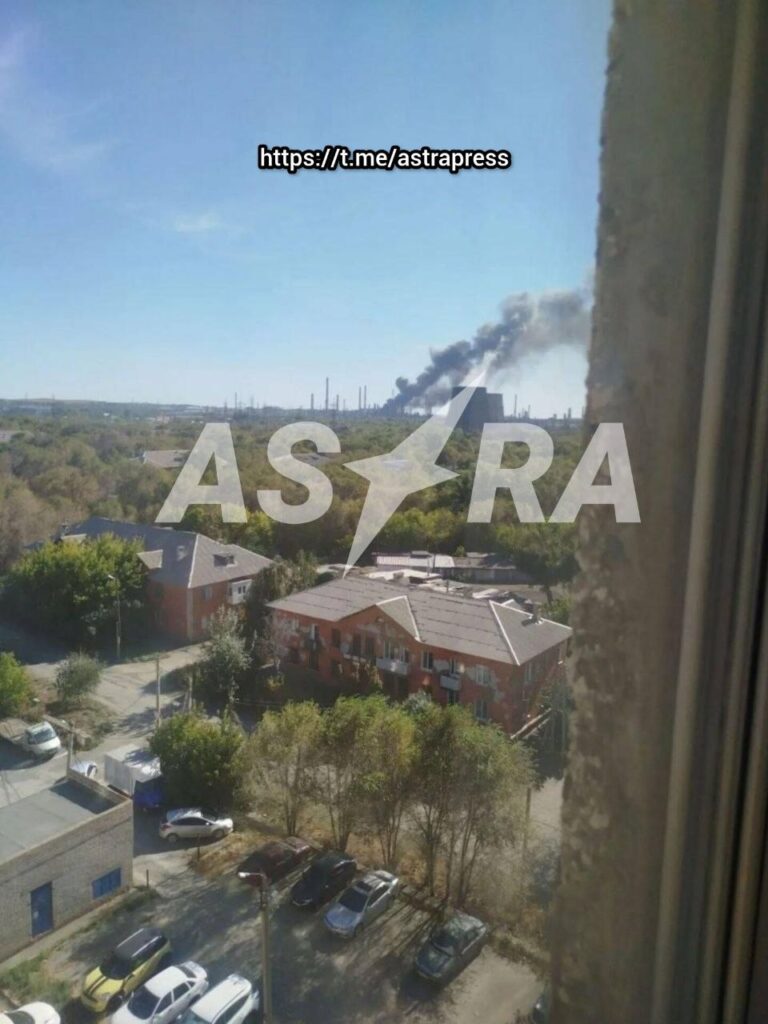
    Two Russian oil refineries caught fire on 11 August, but the two incidents tell very different stories. In Orsk, in Orenburg Oblast, drones sparked a blaze that Ukrainian monitoring channels quickly linked to Kyiv's long-range campaign. Meanwhile, thousands of kilometers farther east, a Rosneft plant in Komsomolsk-on-Amur burned for reasons that remain unexplained. A drone strike deep in Orenburg Oblast Early on 11 August, residents of Orsk reported explosion
     

Two Russian refineries burn – Orsk hit by drones 1,500 km out, Komsomolsk ablaze 6,500 km east

11 août 2026 à 05:55

“Orsknefteorgsintez” Orsk Oil Refinery

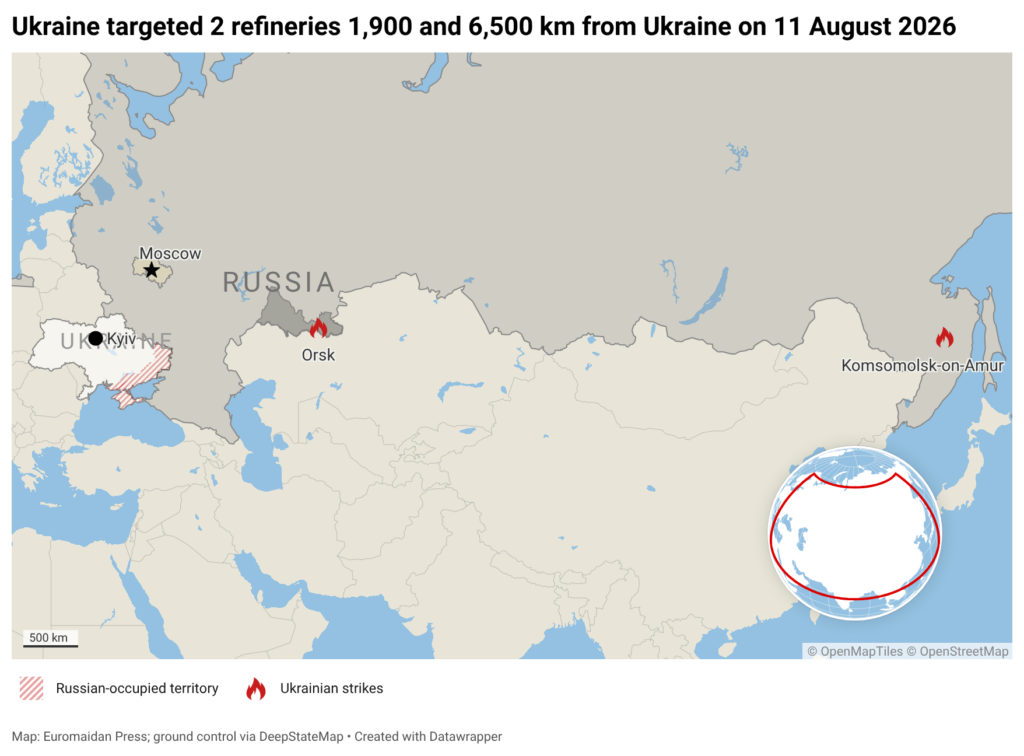
Two Russian oil refineries caught fire on 11 August, but the two incidents tell very different stories. In Orsk, in Orenburg Oblast, drones sparked a blaze that Ukrainian monitoring channels quickly linked to Kyiv's long-range campaign. Meanwhile, thousands of kilometers farther east, a Rosneft plant in Komsomolsk-on-Amur burned for reasons that remain unexplained.

A drone strike deep in Orenburg Oblast

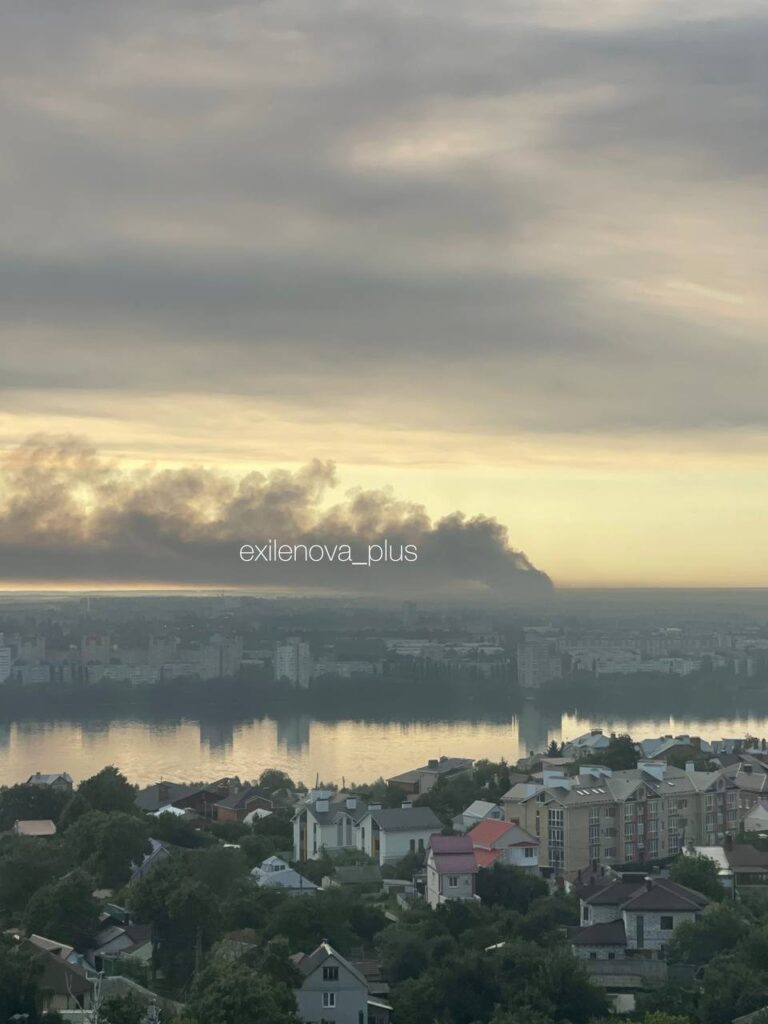
Early on 11 August, residents of Orsk reported explosions near the Orsknefteorgsintez refinery, and a large fire soon followed. OSINT analysts at the Telegram channel Exilenova+ reported the strike. By their assessment, the drones flew more than 1,500 kilometers from Ukraine's border to reach Orsk. Preliminary findings pointed to damage at the plant's hydrocracking complex. Modernized in recent years, the unit can process 1.6 million tonnes a year.

Russian officials confirmed the attack, though they did not name the target at first. Orsk Mayor Artem Vorobyov urged residents to stay indoors and away from windows. Orenburg Governor Yevgeny Solntsev, meanwhile, activated the "Kovyor" (Carpet) airspace-safety plan across a 100-kilometer radius. Authorities also imposed temporary flight restrictions at the Orsk airport.

"The strike drones covered more than 1,500 kilometers from Ukraine's border to reach Orsk—among the deepest targets yet in the refinery campaign," Exilenova+, via OSINT monitoring

An unexplained blaze in the Far East

Far to the east, the picture is murkier. Around 11:00 local time, residents of Komsomolsk-on-Amur reported a fire near the city's refinery. ASTRA then geolocated the footage to Rosneft's RN-Komsomolsk plant. Notably, Ukrainian analysts cautioned that the fire does not appear to stem from a drone strike. After all, the site sits roughly 6,500 kilometers from Ukraine—far beyond the range of Kyiv's long-range drones. Coverage from the Kyiv Independent, meanwhile, flagged no clear cause.

The plant's press service reported no injuries, as relayed by Russian state agency TASS. Commissioned in 1942, the RN-Komsomolsk refinery has a design capacity of about 8 million tonnes of crude per year. In fact, it supplies more than 60% of the petroleum products across Russia's Far Eastern Federal District. Moreover, it produces gasoline, diesel, marine fuel, and other products for the region.

Ukraine's campaign against Russian oil refineries

The Orsk plant is no stranger to such strikes. Drones previously hit Orsknefteorgsintez on 3 October and 11 November 2025, and again on 29–30 April 2026. Since 2022, Ukraine has widened its deep-strike campaign against Russian oil refineries, fuel depots, and pipelines. Such targets power the Kremlin's army and bankroll the war through oil exports. Increasingly, Russian oil refineries have become the signature target of Ukraine's long-range war. Just the night before, on 10 August, Ukraine's General Staff confirmed a strike on the TANECO refinery in Tatarstan. A fire broke out there, too.

As of publication, Kyiv had not claimed the 11 August Orsk strike. Still, the timing fit a familiar pattern—a long-range campaign aimed at the fuel that keeps Russia's war machine moving.

  • ✇Euromaidan Press
  • Ukrainian drones set a newly opened Wildberries mega-hub ablaze near Voronezh
    Ukrainian drones struck a Wildberries logistics complex in Voronezh Oblast overnight into 11 August, setting off a massive fire at one of the Russian retailer's largest and newest hubs, according to Russian and Ukrainian monitoring channels. Voronezh Oblast Governor Alexander Gusev said one person was killed, a 49-year-old man who was outside during the attack, suffered severe wounds, and died in hospital. Two others were hospitalized, one caught outside and one on the
     

Ukrainian drones set a newly opened Wildberries mega-hub ablaze near Voronezh

11 août 2026 à 04:55

Russia's Voronezh Oblast

Ukrainian drones struck a Wildberries logistics complex in Voronezh Oblast overnight into 11 August, setting off a massive fire at one of the Russian retailer's largest and newest hubs, according to Russian and Ukrainian monitoring channels.

Voronezh Oblast Governor Alexander Gusev said one person was killed, a 49-year-old man who was outside during the attack, suffered severe wounds, and died in hospital. Two others were hospitalized, one caught outside and one on the grounds of the logistics center.

Gusev reported fires at two warehouses in the Novousmansky district, with firefighters containing one blaze across about 16,000 square meters and battling another over roughly 20,000 square meters. Debris also damaged three trucks and a car, he said. Russian outlet Astra and Ukrainian monitoring channels identified the site as a Wildberries complex, which Gusev did not name, placing it at the village of Aleksandrovka.

The struck hub opened fully in late 2025, spans about 152,900 square meters, and can hold more than 90 mn items. Wildberries said it had evacuated staff at its logistics sites across the oblast in line with safety requirements. Gusev claimed Russian air defenses detected and destroyed 15 drones over Voronezh and five districts of the oblast.

The strike is the latest in a widening Ukrainian long-range campaign against Wildberries, described by Ukrainian officials as Russia's answer to Amazon and targeted, President Volodymyr Zelenskyy has said, because the platform helps supply the Russian military with parts for drones and other equipment. Russia rejects the claim.

Ukraine had already hit its 16th Wildberries warehouse in under three weeks by 5 August, when drones set fire to a logistics center in Oleksin, Tula Oblast.

Unmanned Systems Forces commander Robert "Madyar" Brovdi said on 4 August that the campaign had struck 15 sites in 18 days, thirteen of them knocked out of action or seriously damaged. Russian outlet Agentstvo put the count at more than 20 warehouses since mid-July. On 7 August, drones reached a Wildberries hub in Yekaterinburg, more than 1,700 kilometers from Ukraine, and earlier fires hit sites in Moscow Oblast, Tambov Oblast, Krasnodar, Stavropol Krai, Leningrad Oblast, St. Petersburg, and occupied Crimea, as well as Voronezh Oblast itself. Estonian military intelligence has estimated the strikes have caused up to $2 bn in direct damage

❌