Seeking new elections, María Corina Machado will need to tread carefully to avoid offending the Trump administration, while also asserting her own leadership.
Seeking new elections, María Corina Machado will need to tread carefully to avoid offending the Trump administration, while also asserting her own leadership.
President Luiz Inácio Lula da Silva won another term on Sunday, with the help of a seismic social media campaign that convinced Brazilians to reject his rival.
President Luiz Inácio Lula da Silva won another term on Sunday, with the help of a seismic social media campaign that convinced Brazilians to reject his rival.
President Luiz Inácio Lula da Silva’s army of supporters, mobilized over a WhatsApp chat group, delivered an unexpected victory over Flávio Bolsonaro, the right-wing challenger.
Israel’s military chief resisted the prime minister, who then pressed in recent days for a separate action, short of an overt strike, according to an official and a person briefed on the matter.
Israel’s military chief resisted the prime minister, who then pressed in recent days for a separate action, short of an overt strike, according to an official and a person briefed on the matter.
The president of the National Electoral Institute, Guadalupe Taddei Zavala, resigned days after the nation’s top auditing and oversight authority announced it had opened an investigation based on irregularities in contracts awarded by the electoral agency.
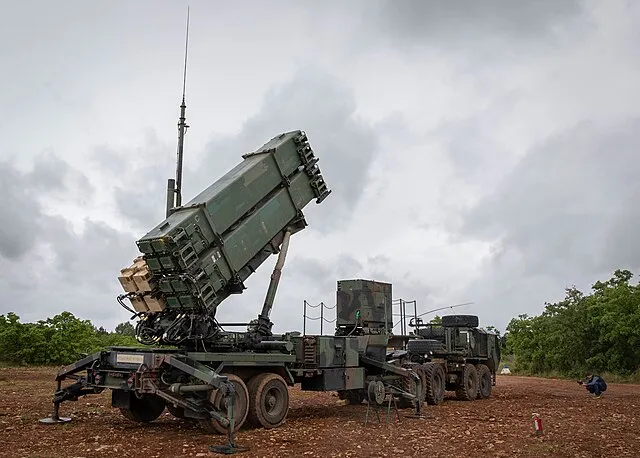
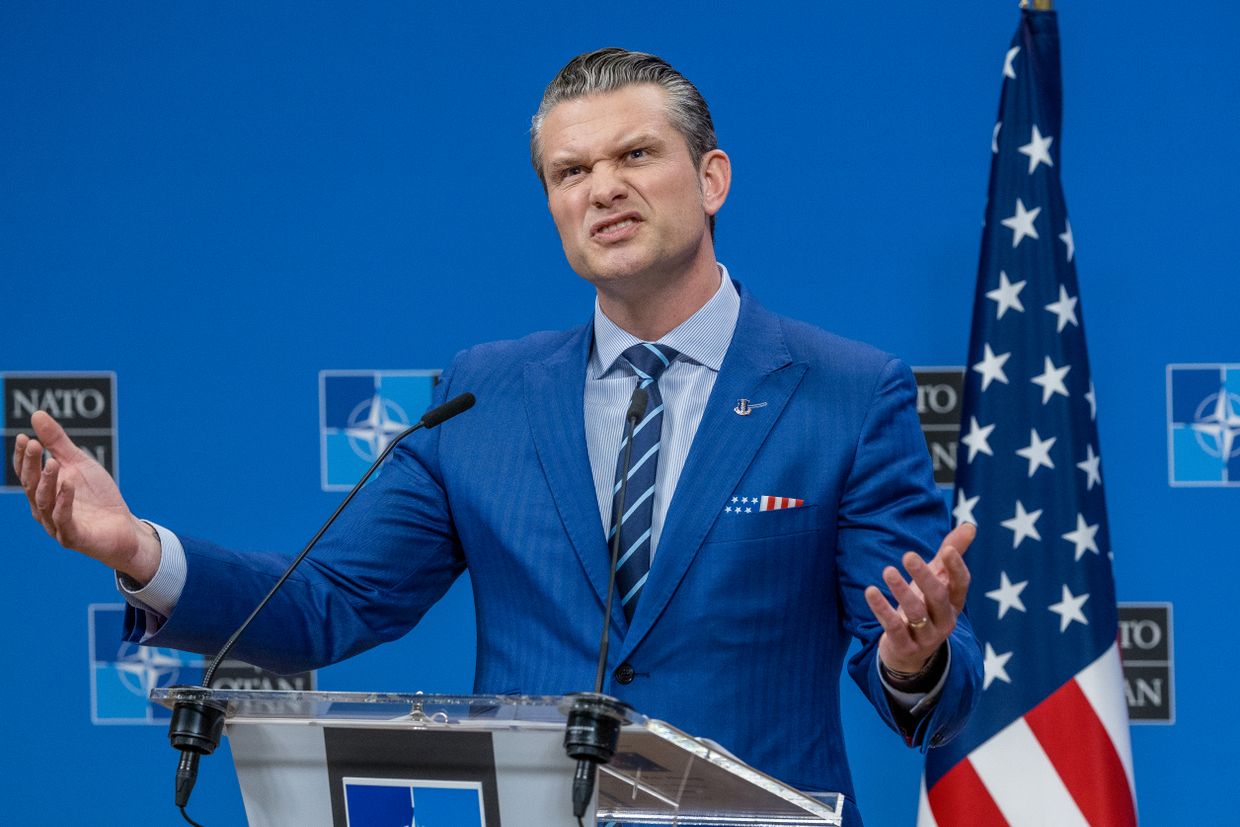
Ukraine has waited almost a month for US Defense Secretary Pete Hegseth to sign off on missiles for its Patriot and NASAMS air defense systems, Ukrainian President Volodymyr Zelenskyy said on 26 October. He ordered his team to raise it with Washington again. Two other US holds on Ukraine, on Starlink speeds and intelligence sharing, have been lifted, leaving the interceptors as the last one.
Russia keeps firing ballistic missiles at Ukrainian cities and the power grid before winter, and
Ukraine has waited almost a month for US Defense Secretary Pete Hegseth to sign off on missiles for its Patriot and NASAMS air defense systems, Ukrainian President Volodymyr Zelenskyy said on 26 October. He ordered his team to raise it with Washington again. Two other US holds on Ukraine, on Starlink speeds and intelligence sharing, have been lifted, leaving the interceptors as the last one.
Russia keeps firing ballistic missiles at Ukrainian cities and the power grid before winter, and Patriots are the only systems in Ukraine that reliably stop Iskander-M, Kinzhal, and Zircon missiles. Zelenskyy has told EU leaders Ukraine needs 300 interceptors to get through winter, diplomatic sources told Radio Svoboda. The holds came as Washington pressed Kyiv to stop striking Russian refineries, which Trump blames for high US fuel prices before the midterms.
Zelenskyy: almost a month waiting for Hegseth’s signature
Zelenskyy held a meeting on weapons supplies with Ukraine’s defense minister, foreign minister, and commander-in-chief. They reported on interceptors for air defense, above all for Patriot systems. Afterward, Zelenskyy wrote:
“We are working in several directions: with the United States, Europe, and other partners that have stocks of PAC-2 and PAC-3 missiles. In particular, for almost a month we have been waiting for Mr. Hegseth’s signature on missiles for Patriots and NASAMS. I have instructed the team to discuss this with the American side once again.”
Talks with other countries continue, he added. The meeting also covered preparations for November’s Ramstein meeting of Ukraine’s allies, where Zelenskyy wants decisions already on the table carried out faster.
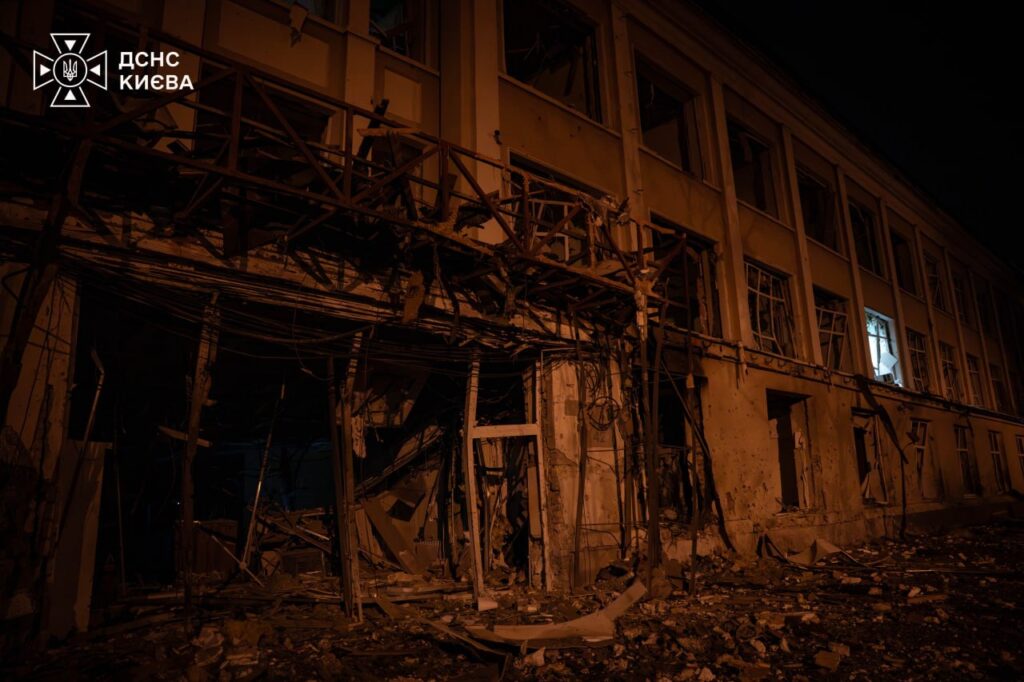
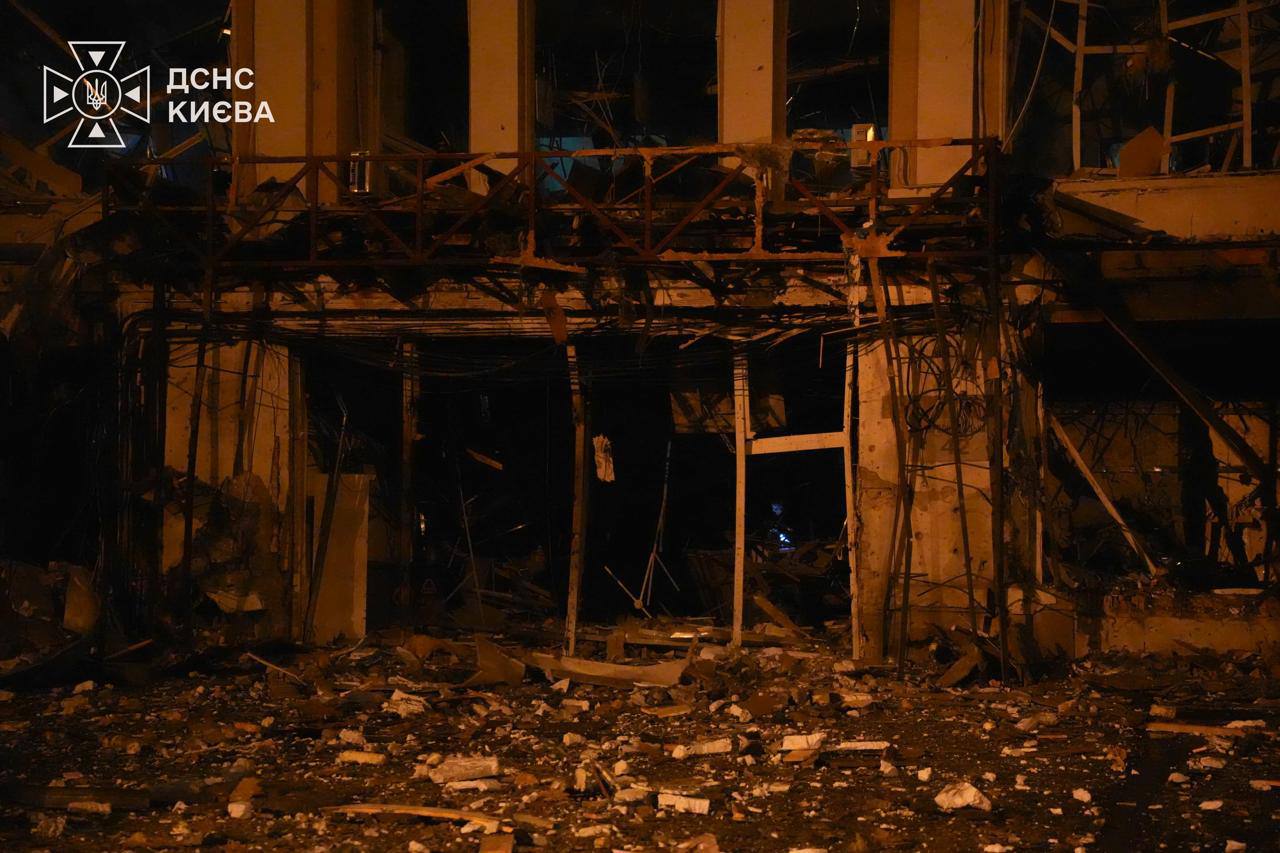
Aftermath of a Russian ballistic missile attack on Kyiv, 19 October 2026. Photo: State Emergency Service of Ukraine
Allies’ missiles need US approval
Some of the transfers come from friendly countries and need Hegseth’s approval, because the US must sign off on any re-transfer of its missiles, a US official and three people familiar with the matter said on 19 October. Hegseth has neither refused nor approved them.
Explore further
The Starlink hot potato: Musk points to Trump, Trump points to nobody, then credits Musk with the fix. The speed limit stays
A Ukrainian official said in mid-October that only “a couple” of interceptors were left. Hegseth has said the US wants “our guys” to have “the most possible” interceptors, and Secretary of State Marco Rubio insisted nothing was “being deliberately denied to Ukraine.”
Two of three US holds lifted
In an interview aired on 25 October, Zelenskyy listed three problems from his Oslo talks with the Americans: air defense, Starlink limits, and limits on US intelligence sharing. Full Starlink speeds returned on 24 October, and missile warnings resumed after his 20 October call with Rubio. Progress on Patriot missiles is “very slow,” he said, “slower than the flight of Russian missiles.”
Kyiv has also tried to trade for the missiles. Zelenskyy told US senators he had offered US envoys a 30-day pause in strikes on Russian refineries in return for Patriot interceptors. The envoys showed no openness to the idea.
Trump has called those refinery strikes a disgrace that only pushes oil prices higher. He said it days after striking a deal with Putin to bring Russian diesel back to the US ahead of the midterm elections on 3 November.
Trump treats Ukraine as the weak link to squeeze and wants a visible win partly with US domestic politics in mind, Ukrainian diplomat Oleksandr Khara has argued.
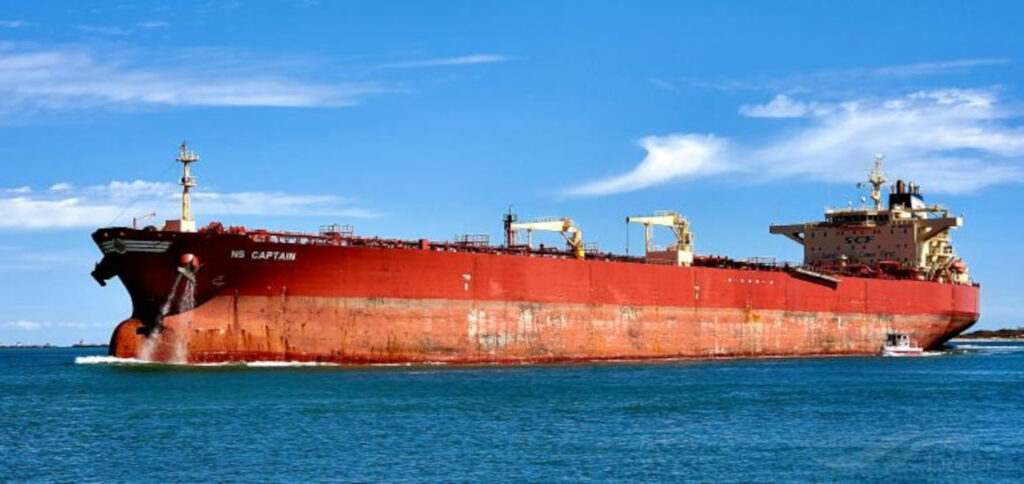
A Malta-flagged tanker carrying Russian diesel is heading for New York after the fuel deal between US President Donald Trump and Russian President Vladimir Putin, Reuters reported in an exclusive on 23 October, citing LSEG shipping data. Two weeks earlier, the US Treasury temporarily waived sanctions on Russian diesel.
The tanker is due in the US on 7 November, four days after Americans vote in the midterms. So the first US-bound cargo cannot reach American pumps before the election. En
A Malta-flagged tanker carrying Russian diesel is heading for New York after the fuel deal between US President Donald Trump and Russian President Vladimir Putin, Reuters reported in an exclusive on 23 October, citing LSEG shipping data. Two weeks earlier, the US Treasury temporarily waived sanctions on Russian diesel.
The tanker is due in the US on 7 November, four days after Americans vote in the midterms. So the first US-bound cargo cannot reach American pumps before the election. Energy analysts also doubt the deal will lower diesel prices meaningfully. US fuel prices rose mainly because the war with Iran disrupted shipping through the Strait of Hormuz. Trump, however, has blamed Ukraine’s strikes on Russian refineries.
Loaded on the day Moscow promised
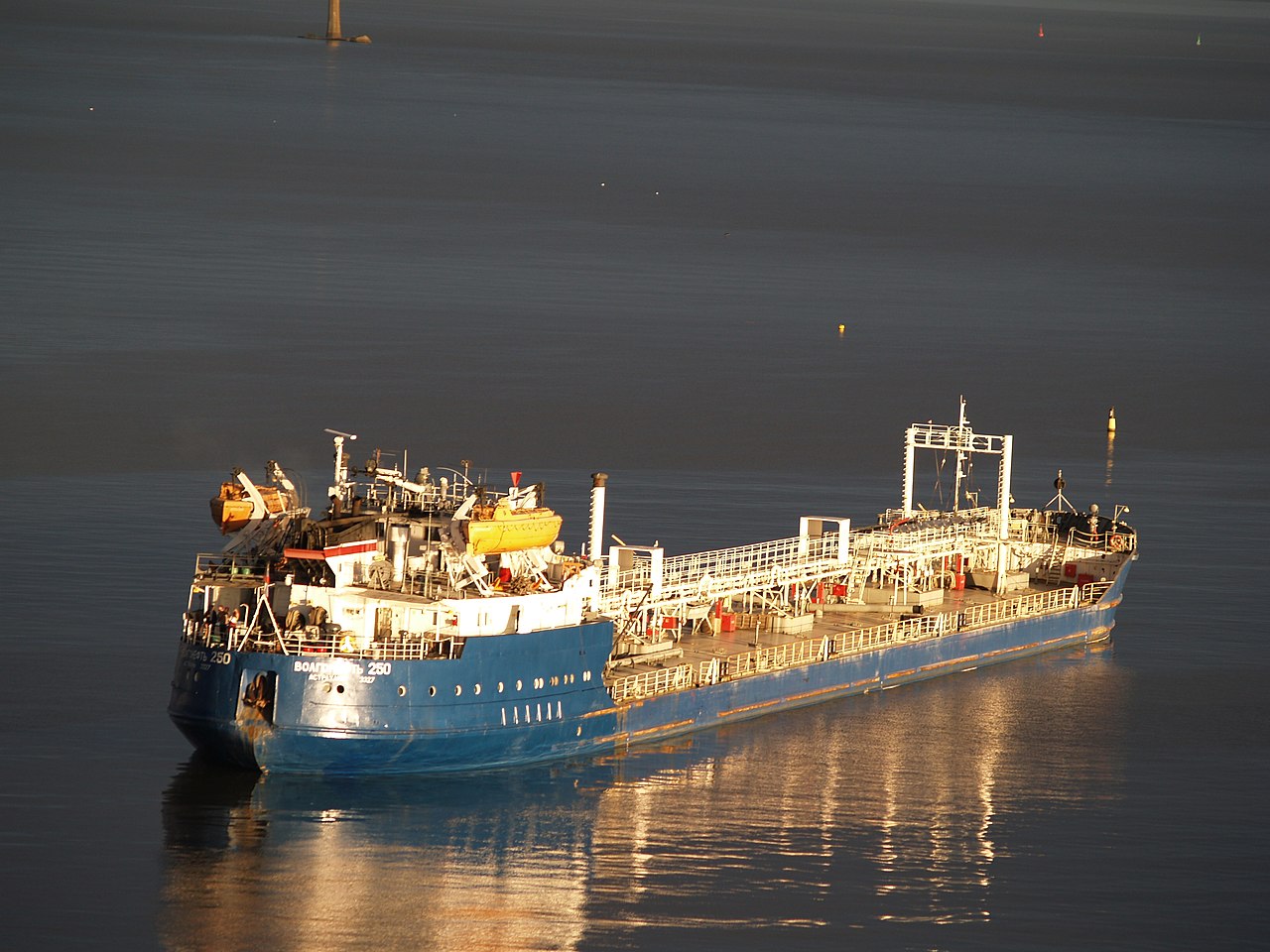
The medium-sized tanker Agioi Fanendes took on 40,000 metric tons of ultra-low sulfur diesel at the Baltic port of Primorsk on 22 October, shipping data showed. In March, Ukraine’s General Staff said its drones hit the Transneft oil terminal at that same port.
A day before the loading, Russian Deputy Prime Minister Alexander Novak announced that the first tanker would sail for the US on 22 October. He pledged more shipments and said Russia would meet US needs within its capabilities.
Explore further
Russia resumes diesel exports to Türkiye, Brazil, after Trump lifts sanctions on fuel supplies, boosting Moscow’s war revenue – Reuters
From a pledge to a partial lift
On 9 October, Trump wrote that Russia would immediately supply over 300,000 tons of diesel “to the American and Global Marketplace.” Another 500,000 tons would follow in November, then 1 million tons “immediately thereafter.”
Moscow had banned diesel exports on 8 July, after Ukrainian drone strikes shut down refineries and caused fuel shortages inside Russia. The Russian government stated on 10 October that it had partially lifted the ban, clearing 500,000 tons for the world market at this stage. Russian diesel shipments to Türkiye and Brazil have since resumed, boosting Moscow’s war revenue.
Trump has made other moves to cut diesel prices before the vote, Reuters reported. He waived parts of a new sanctions law against Russia. He also threatened Europe with a US diesel export ban unless countries released more fuel from their emergency reserves.
This article was published on Friday, before the Serbian election on Sunday. The conditions it describes led to the unseating of Aleksandar Vučic who has been at the center of power in Belgrade since 2014. Student List, a leaderless party borne out of Serbia's student movement, won a decisive victory, claiming over 52% of votes compared to 39% for Vučic's party. At nearly 69%, voter turnout was the highest in 30 years.
On his last morning as a professor, Vladimir Mihić taught both an
This article was published on Friday, before the Serbian election on Sunday. The conditions it describes led to the unseating of Aleksandar Vučic who has been at the center of power in Belgrade since 2014. Student List, a leaderless party borne out of Serbia's student movement, won a decisive victory, claiming over 52% of votes compared to 39% for Vučic's party. At nearly 69%, voter turnout was the highest in 30 years.
On his last morning as a professor, Vladimir Mihić taught both an ordinary and quite unique class.
It was early June, the final day of the academic year at the Faculty of Philosophy in Novi Sad, Serbia's second biggest city, and Mihić had recently celebrated his 24th year in its classrooms.
The day before, the University Senate had voted — in a secret ballot he and his lawyers say was unlawful — not to reappoint him.
A student asked him to give one more lecture, in public, in front of the Rectorate.
Hundreds attended. There were tears, hugs and gifts.
But it was the quiet morning class with his students, Mihić says, that nearly broke him.
“If you went to the same local tavern for 24 years and it closed down, that would be hard,” he says. “Now imagine walking into a faculty with thousands of students you have taught behind you, and someone tells you: ‘You can't do this anymore’.”
Mihić is one of hundreds of Serbian citizens who have paid for supporting the country's student-led protest movement with their livelihoods.
The movement started on November 1, 2024, when the concrete canopy of the recently renovated railway station in Novi Sad collapsed, killing 16 people — a disaster protesters blamed on corruption, and which ignited the largest demonstrations in Serbia's history.
Nearly two years on, the movement has firmly reshaped Serbian politics. Prime Minister Miloš Vučević resigned all the way back in January 2025. After originally just reshuffling the government, Serbian President Aleksandar Vučić called for snap parliamentary elections — the protesters’ main demand for more than a year at this point — which are finally taking place on Sunday, October 25.
A month before the election, on September 27, Vučić stepped down from the presidency to lead his Serbian Progressive Party’s election campaign and run for prime minister, a job he held between 2014 and 2017. Vučić, who has been President since 2017, resigned eight months before his term was due to end in May 2027. He would have been barred from running for a third term, while no such Constitutional barrier exists for prime ministerial terms. Critics argue Vučić, by looking to remain in power, is behaving in the manner of other Eastern European strongmen.
But, for the first time in his reign, Vučić’s grip on power might slip. His main rival is the so-called Student List, a leaderless movement born out of the protests, and the polls constantly disagree on whether it or Vučić is ahead in the race.
Opposition to Vučić has not been confined to just students, however – and nor has the crackdown against it.
In the wake of the student protests, supportive teachers, professors, civil servants, doctors and workers at state-owned companies have been dismissed, demoted, transferred or pushed out. Officially, trade union and civil society groups say, the reasons for dismissal are almost never stated to be support for the students.
But more than 100 school employees alone lost their jobs or had their contracts not renewed in the 2024/2025 school year, according to the Independent Trade Union of Education Workers. The number now far exceeds that, says Civic Initiatives, a prominent local civil rights organization.
Serbia's Commissioner for Protection of Equality keeps no separate tally for “political discrimination,” but on the two grounds that fit — union or political membership, and political convictions — complaints more than doubled in a year, from 31 and 25 in 2024 to 70 and 76 in 2025.
These complaints about discrimination rarely yield redress: of eight formal recommendations made in last year's 85 employment-related cases, only two employers complied, the office said in an email response to Coda’s questions.
Dismissals are only one of the tools of repression the government has used. Since the start of 2026, at least 14 students, activists and opposition politicians have been targeted with advanced spyware, says digital rights group SHARE Foundation. And some of that spyware was installed while they were in police custody, says Amnesty International. Additionally, Serbia recorded 209 press freedom violations in 2025, compared to 84 in the year before. Protesters have been charged with attacking the constitutional order, civil society groups have been branded foreign mercenaries, and university teachers have had their pay cut over the blockades.
Ana Brnabić, currently the acting president of Serbia, was leader of the National Assembly at the time of the student protests and claimed that state institutions had no information that spyware was used against students. Vučić, for his part, has claimed, without evidence, that the Student List is being financed by foreign agents, its political ascent part of a plot to undermine Serbia.
Student List — whose lead candidate (not quite the same thing, the group insists, as a figurehead or party leader) is cardiologist Ilija Srdanović – claims to represent voters fatigued by traditional politics and politicians. It is a posture acknowledged by several opposition parties which have chosen to sit out the elections and endorse Student List instead.
On Sunday, as in so many recent elections around the world, a deeply divided electorate will go to the polls, with watchdogs already warning about intimidation and alleging surveillance and possible electoral manipulation.
Professors on the front lines
But back to June, and Vladimir Mihić’s last day as a professor in Novi Sad. The purge at the Faculty of Philosophy was already underway before Mihić became a national topic.
The first to go was Jelena Kleut, a media studies professor and one of the most visible academic supporters of the protests: in January 2026, the University Senate refused, by secret ballot, to promote her to full professor, thus ending her employment even though expert bodies had approved her promotion and more than 1,200 professors signed a letter of support.
“Sadly, we have indication that this is just the beginning,” Kleut warned, referring to a colleague whose reappointment was also in question.
That colleague was Mihić.
The social psychologist, a tall man with a few grey hairs in his beard and a calm voice, had been, like Kleut, an active supporter of the student protests.
“I could not watch it on television while just sitting around,” he says.
On paper, his reappointment was beyond dispute, his file reviewed by a committee that included two of the most cited psychologists in the world.
"It was not just that my file was not disputable,” Mihić says, “it exceeded the standards several times over.”
What his unimpeachable file could not survive, though, was an objection lodged twice by Patrik Drid, the dean of the Faculty of Sport and Physical Education and a vocal opponent of the protests.
Drid claims his complaint concerned what he described as Mihić's active political organizing. The chief example of which, Drid said, was a social media call for students to gather in front of Drid's own faculty, “blocking access to those who wished to work and study.” Mihić maintains he organized nothing of the kind, and that Drid’s objections were personal.
On June 4, the University Senate voted, again in secret, which Mihić said the university’s own legal department warned was against the rules. Eight members voted for his reappointment, four against and six abstained. Under the current rules, the abstentions counted against him.
Trade unions from ten faculties called the outcome a brutal attack on university autonomy, but no explanation was given for why Mihić had lost his job.
He appealed, but the expanded Senate confirmed its decision. Now he plans to take his case to the Administrative Court, a legal battle he says could take years.
Filip Stevanovic/Anadolu via Getty Images
Fired for standing still
The unjust dismissals extended beyond university campuses.
Biljana Hrnčić spent 21 years working for the government of Vojvodina, Serbia's northern autonomous province, most recently as head of its press department. She says she had never once faced a disciplinary measure.
That changed after the protests.
Every Friday at exactly 11:52 a.m., the exact time the roof caved in at the Novi Sad station in 2024, Serbians would leave their desks and head out to the streets to honor the dead in silence. Managers walked the halls, watching.
“They went around the offices to see who took part and who didn’t,” Hrnčić said. “At one point they were so malicious that they simply locked people out of the building.”
For Hrnčić, joining in the protests was unavoidable. Both her children are students. “My children are in the streets,” she said. “It is more than natural that I would walk out onto that same street.”
In September 2025, with street demonstrations still ongoing, Hrnčić and six colleagues were moved into a new department at work. Two months later, the government abolished the department and its entire staff became “unassigned.”
The provincial government of Vojvodina did not respond to Coda’s questions for this story.
“It is a horrifying feeling,” says Hrnčić, who still looks harrowed by her ordeal. “20 years of daily work, never a single disciplinary problem, and you find yourself on the street asking what just happened.”
She and her colleagues are living off their severance pay and their savings while they wait for their cases to be heard in the Administrative Court.
For every few hundred dismissals, one court victory
Many of those dismissed have taken their case to Administrative Court, but even winning there guarantees little.
Dragoslav Ljubičić was chief steward of the Nezavisnost union at the Serbian state’s largest thermal power plant. Five years short of retirement, he was a marked man even before the student protests as a rare insider willing, in his words, to call out the mismanagement of the utility.
When the roof fell, he joined the protests immediately, holding 16-minute silences at the plant — one minute for each victim — and organized the first joint rally of students and workers in front of the state-owned electricity company EPS’s Belgrade headquarters.
In January 2025, he received a formal warning citing his Facebook posts. On February 12, managers tried to hand him a dismissal letter at work. He refused to sign it. Six days later, he signed and then sued.
EPS has publicly denied he was dismissed over the protests or his union activity. It said Ljubičić broke its code of conduct, without specifying how. EPS did not respond to questions for this story.
A judge ordered EPS to reinstate Ljubičić until his case could be heard, a decision it could not appeal. But, he said, “they did not give me back my job. They gave me a fixed-term contract and a post that did not match my qualifications at nearly half my previous pay.”
For continuing to complain about his treatment, EPS transferred him to a job that included an exhausting commute from his home.
Ljubičić’s lawyer, Ivan Ninić, who represents a string of dismissed workers, says this is the EPS playbook. Every ruling against the company is automatically appealed, at the expense of the public budget. “We took you back because the law says so,” Ninić said, describing EPS’s attitude. “Now we will make your life hell until you quit on your own.”
Serbian law, he says, is largely on the side of workers; the problem, though, is that the process takes years.
Still, Ljubičić has little patience for the slogan his supporters chant.
“The message ‘Justice for Ljubičić’ misses the point,” he says. “The real message is: stop the dismissals. Mine was the first. And then there came a wave of dismissals across Serbia, most of which the public never heard about.”
Despite the professional and financial hardship, neither Ljubičić, Mihić or Hrnčić expressed any regret. “There has not been a fraction of a second in which I have thought, ‘why did I need to do this.’I could never forgive myself if I hadn't done what I did,” says Mihić.
On Sunday, Serbians will have a long-awaited chance to exorcise their feelings of injustice. The answer to the question of whether it will be enough for a student movement to unseat the populist, autocratic Vučić will reverberate around an embattled Europe.
US President Donald Trump wrote in a Truth Social post on 18 October that he did not want to “drive, foolishly, Russia away from the bargaining table.” He also wrote: “Signing that document at this time will do that, and I can sign it later, or any time that I want!”
Trump was referring to sanctions and tariffs under the Lindsey O. Graham Sanctioning Russia and Iran Act of 2026, which he waived in an executive order on 16 October, days before the measures were due to take effect. The wa
US President Donald Trump wrote in a Truth Social post on 18 October that he did not want to “drive, foolishly, Russia away from the bargaining table.” He also wrote: “Signing that document at this time will do that, and I can sign it later, or any time that I want!”
Trump was referring to sanctions and tariffs under the Lindsey O. Graham Sanctioning Russia and Iran Act of 2026, which he waived in an executive order on 16 October, days before the measures were due to take effect. The waiver suspends additional economic penalties intended to pressure Moscow over its war against Ukraine, while leaving earlier US sanctions in place. The decision came weeks before the 3 November midterms, in which Republicans are defending slim majorities in both chambers, and analysts said the penalties could have pushed up oil prices for Americans already paying more, largely because of the US-Israeli war with Iran, Reuters reported.
Trump says Zelenskyy could have made a better deal two years ago
A week before the waiver, Trump had announced a deal for Russia to increase diesel supplies to global markets. The Treasury also issued a license, valid until 7 April 2027, permitting certain transactions in Russian-origin diesel.
In the Truth Social post, Trump accused Ukrainian President Volodymyr Zelenskyy of targeting Russian diesel refineries, saying the strikes were “seriously hurting the world diesel markets, including those in the United States.” Kyiv had paused its refinery strikes for three days at Washington’s request after Trump declared an energy ceasefire on 11 October, which Russia never confirmed, then resumed them. Since then, Russia has struck Ukraine’s energy sector 76 times, Zelenskyy said on 18 October.
Explore further
Kyiv gets no warning of the first of two Russian ballistic waves, hours after Zelenskyy said US alerts were back
Trump wrote that Zelenskyy “doesn’t want to end this war, and probably never did,” and that he “could have made a better deal two years ago than he can now.”
“His country is in shambles, a large portion of his land is lost, his oceans and seas are gone, and his male population is low, wounded, and/or dead,” Trump added.
He also said Russia was “doing very little, if anything, to help” Iran and that he wanted to keep it that way.
A day earlier, Trump said he had not made a final decision
On 17 October, Trump told reporters at Mar-a-Lago that he had not announced his final decision. “A lot of you don’t know what my decision is yet, but we’ll figure it out, and you’ll figure it out,” he said, Reuters reported.
“I think the president wants to take the 60-day period of time to sort of analyze what imposing both sanctions and tariffs will mean to the global economy and even to the US economy,” US Secretary of State Marco Rubio told reporters before departing for Uzbekistan the same day.
Zelenskyy calls the waiver a pity as Republicans split
Zelenskyy called it a “pity” that Trump had waived sanctions under a law named for the late Senator Lindsey Graham, who “really believed in Ukraine.” He said he hoped Trump would change his decisions, NBC News reported.
Discussing the diesel deal on NBC’s Meet the Press, Zelenskyy said US oil prices had risen because shipping through the Strait of Hormuz was blocked, not because of Ukraine.
Explore further
A month before the diesel waiver, Trump’s envoys had already pitched Kyiv on Russian gas, NYT says
On 17 October, Zelenskyy told journalists that “the decision to undo all of this, to block all of it, seems wrong to me” and that it “definitely helps only the Russians.” His remarks appeared in Ukrainian on his official Telegram channel.
“Sanctions relief will continue. I think the diesel deal and the move regarding the Lindsey Graham Act are not the end of it. Unfortunately,” Zelenskyy said.
On 19 October, Zelenskyy wrote that partners had again given no warning of Russia’s overnight ballistic attack and that blocking missiles for Ukraine’s air defense while Russia gets sanctions eased or postponed amounts to partners denying reality.
Republican Senator James Lankford defended Trump’s decision on NBC’s Meet the Press, saying the president was “choosing the American people first.”
Senator Darline Graham, Lindsey Graham’s sister, whom Trump has endorsed for a full term, said at a campaign stop on 17 October that she would “choose to keep the pressure on Russia.”
“I don’t trust Putin and I don’t trust Russia,” Darline Graham said.
She did not directly criticize Trump but said she would not have made that choice, Reuters reported.
US President Donald Trump called Ukraine’s renewed strikes on Russian oil refineries a disgrace in an interview with Newsmax and questioned President Volodymyr Zelenskyy’s will to settle the war on 15 October. His statements came after he made a deal with Russian President Vladimir Putin to allow Russian diesel back into the US ahead of the mid-term elections in the US.
Kyiv says its long-range strikes have knocked out more than half of Russia's refining capacity, one of the few levers
US President Donald Trump called Ukraine’s renewed strikes on Russian oil refineries a disgrace in an interview with Newsmax and questioned President Volodymyr Zelenskyy’s will to settle the war on 15 October. His statements came after he made a deal with Russian President Vladimir Putin to allow Russian diesel back into the US ahead of the mid-term elections in the US.
Kyiv says its long-range strikes have knocked out more than half of Russia's refining capacity, one of the few levers it controls on Moscow's war income, according to Ukraine's Defense Ministry. This is part of efforts to reduce the aggressor's capabilities to launch assaults, including the latest, during which four Russian regions fired 39 Iskander-M, North Korean KN-23, hypersonic Zircon, and supersonic anti-ship cruise Oniks missiles, Zelenskyy said.
Trump criticizes Zelenskyy over oil prices while remaining silent on Russian strikes
Earlier, Zelenskyy said that Ukraine stopped refinery strikes for three days to meet US wishes after Trump announced an “energy ceasefire” on 11 October. At the same time, Russia struck a Kharkiv heat-and-power plant within hours of the announcement, he emphasized.
Meanwhile, in the interview with Newsmax, Trump said Zelenskyy is only pushing world oil prices higher.
“Well, I think that’s a disgrace,” he said.
He added that Ukraine has other options: “There are a lot of targets that you can hit.”
At the same time, Trump didn't say a word about Russian strikes on Ukraine's civilian buildings and power infrastructure ahead of the winter.
Trump compares Zelenskyy to a circus showman
The US leader said he is “not a big fan” of Zelenskyy. He claimed both sides “would like to see it end,” but that he finds Zelenskyy “more difficult to deal with than Putin.”
Explore further
US weighs relief for sanctioned shadow fleet tankers, days after freeing Russian diesel
He also said that he believes the depletion of US ammunition stockpiles is linked to the aid provided to Ukraine under the Biden administration, rather than the war with Iran.
Ukraine has repeatedly offered to help the US counter Iranian drones during the operation. The New York Times reported that a Ukrainian team departed the day after the US made such a request.
Nevertheless, despite Kyiv’s offers and actions, Trump once again compared Zelenskyy to P. T. Barnum, the 19th-century American circus showman, saying that he received a tremendous number of Patriots and Tomahawks.
However, there is no public confirmation that Tomahawk missiles were transferred to Ukraine during the Biden administration.
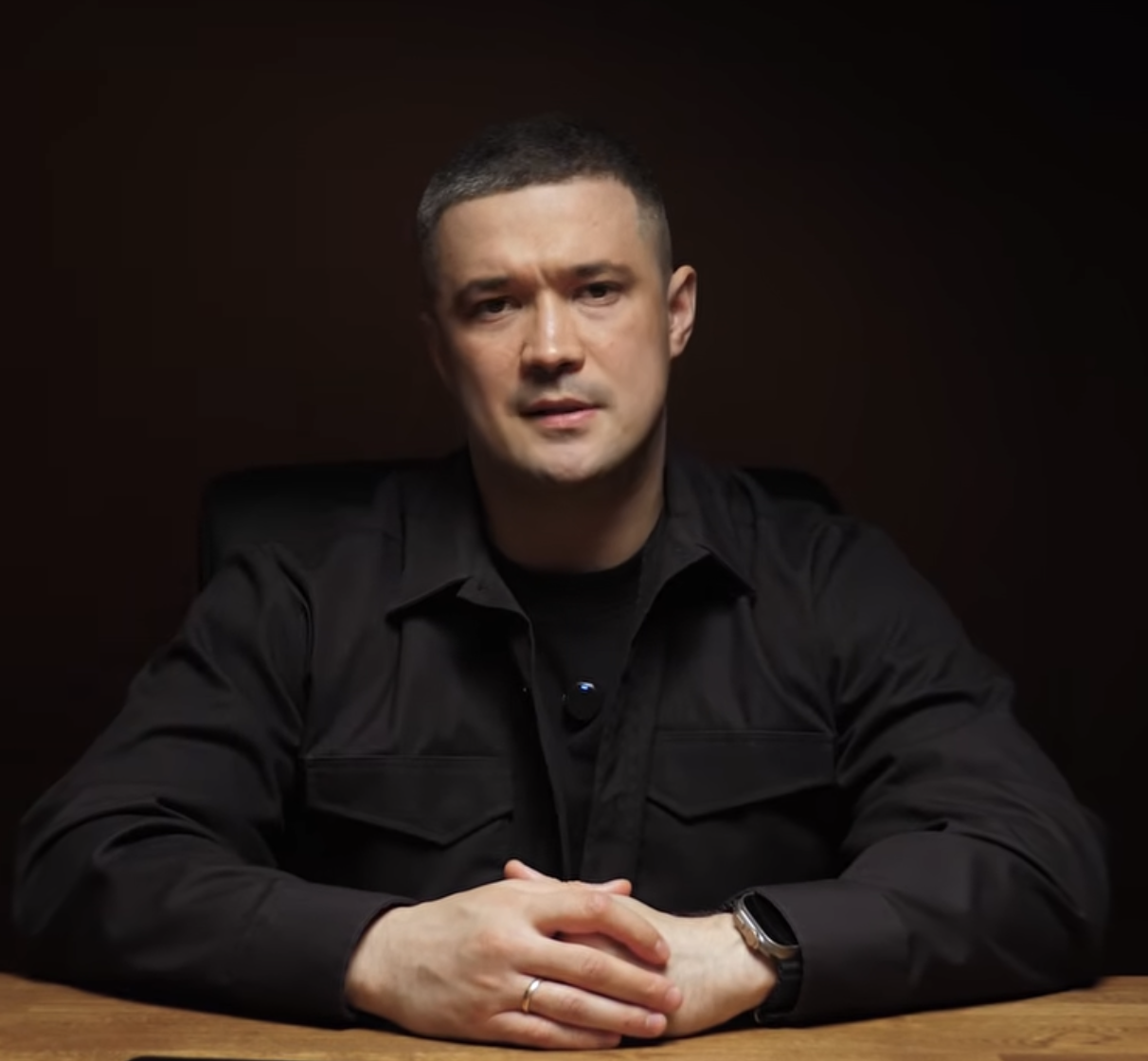
Un commentaire à chaud sur la vidéo enregisrée par l’ancien ministre de la défense Fedorov, où il formule une critique du fonctionnement politique du pays et appelle à des élections.Vous entendrez parler de crise politique, de fragilisation de l’équipe présidentielle, de l’émergence d’un opposant politique. Rien de cela n’est faux, on rentre dans une zone de turbulence. Mais pour moi, le vrai sujet n’est pas forcément là.
Les critiques que l’ancien ministre fait dans sa vidéo ne sont pa
Un commentaire à chaud sur la vidéo enregisrée par l’ancien ministre de la défense Fedorov, où il formule une critique du fonctionnement politique du pays et appelle à des élections. Vous entendrez parler de crise politique, de fragilisation de l’équipe présidentielle, de l’émergence d’un opposant politique. Rien de cela n’est faux, on rentre dans une zone de turbulence. Mais pour moi, le vrai sujet n’est pas forcément là.
Les critiques que l’ancien ministre fait dans sa vidéo ne sont pas nouvelles. Elles sont partagées par un grand nombre d’Ukrainiens: nécessité de faire vivre la démocratie, critique de la gestion d’équipe par le président, inacceptabilité de la corruption en temps de guerre. Comme je l’ai dit à plusieurs reprises, les Ukrainiens savent faire la part des choses entre ce qu’ils reprochent à leur président et à leur parlement, et la nécessité de soutenir leurs institutions pour préserver la souveraineté de l’Etat. Mais tout le monde sait que le jour où les élections se tiendront, ce bilan va peser.
Sur le fond, les critiques de Fedorov ne sont pas le signe d’un dysfonctionnement politique, mais plutôt d’un fonctionnement assez sain. Un acteur politique de premier plan se positionne comme une alternative à Zelensky. Ce n’est pas un militaire mais un civil; ce n’est pas non plus quelqu’un d’étranger à la défense de l’Ukraine. C’est une personnalité qui a des soutiens dans la société; il est populaire dans les milieux tech des forces armées et de la société. Fedorov a clairement la posture d’un canddiat à la prochaine présidentielle. Et c’est tout ce que l’on peut souhaiter à une démocratie: une pluralité de candidats portant des projets sérieux. Que cet opposant potentiel soit issu du cercle même des proches de Zelensky est aussi, finalement, très banal dans un fonctionnement démocratique. Il y a peut-être une crise politique, mais pas de crise systémique.
Ce qui est nouveau dans l’adresse de Fedorov, c’est cependant l’idée que les élections sont possibles. L’argument politique est recevable: la guerre s’est installée dans la durée, refuser la tenue d’élections, c’est aussi donner à la Russie une victoire en la laissant rythmer le timing du jeu politique ukrainien. Mais Fedorov ne parle pas seulement du principe. Sans rentrer dans le détail, il dit: la tenue d’élections est possible. L’Ukraine doit retrouver un processus d’alternance démocratique, sans attendre la sortie de loi martiale.
Et là, il faut se rappeler qui est Fedorov: ancien ministre de la numérisation qui a transformé une bureaucratie d’imprimante et de papier en un système modernisé et rapide. Ancien ministre de la Défense qui a accompagné l’innovation et l’esprit d’initiative qui permettent aujourd’hui à l’armée ukrainienne d’accomplir des choses que personne n’avait anticipées. S’il travaille vraiment à un projet permettant de tenir des élections en temps de guerre, nous avons tout intérêt à suivre le sujet de près. J’imagine que le vote électronique sera au coeur de ce projet – collègues spécialistes du sujet, réglez vos radars, car ce sera riche d’enseignements.
J’attends la suite avec intérêt plus qu’avec inquiétude. Une fois de plus, l’Ukraine pourrait être là où personne ne l’attend.
Ingérence russe en France : deepfakes, réseau Pravda, formation SputnikPro et 8 000 €/mois proposés à un journaliste. Enquête exclusive sur la stratégie du Kremlin avant 2027.
— Permalien
Ingérence russe en France : deepfakes, réseau Pravda, formation SputnikPro et 8 000 €/mois proposés à un journaliste. Enquête exclusive sur la stratégie du Kremlin avant 2027.
— Permalien
Viktor Orbán, Hungary’s prime minister since 2010, faces an election dogfight. Behind in the polls, he has been effectively endorsed by both the Kremlin and the White House, and a host of conservative world leaders. As wars in Iran and Ukraine exacerbate the fissures that have weakened NATO, as well as the U.S.’s relationship with the European Union, this is an election that is being followed with bated breath in Washington, Moscow, Kyiv and Brussels.
Before the elections on April 12, a scan
Viktor Orbán, Hungary’s prime minister since 2010, faces an election dogfight. Behind in the polls, he has been effectively endorsed by both the Kremlin and the White House, and a host of conservative world leaders. As wars in Iran and Ukraine exacerbate the fissures that have weakened NATO, as well as the U.S.’s relationship with the European Union, this is an election that is being followed with bated breath in Washington, Moscow, Kyiv and Brussels.
Before the elections on April 12, a scandal engulfed the Hungarian government. On leaked recordings, foreign minister Péter Szijjártó can be heard deferentially acquiescing to his Russian counterpart Sergey Lavrov and passing on information from EU meetings. Szijjártó appeared willing to help the Kremlin’s cause in Brussels, to remove oligarchs and their relatives from the EU blacklist, and to block efforts to aid Ukraine. Hungary’s advocacy for the Kremlin’s agenda culminated in its recent veto of fresh sanctions on Russia and over $100 billion in loans to Ukraine. On X, Polish prime minister Donald Tusk wrote that while “Hungary is and will be in the European Union, Victor Orbán and his foreign minister left Europe long ago.” And the Irish taoiseach Micheál Martin described Szijjárto’s calls with Lavrov as both “sinister” and “alarming.”
Szijjárto alleged that “foreign intelligence services, with the active involvement of Hungarian journalists, have been intercepting my phone calls.” It is a plot, the Hungarian government claims, to influence the upcoming polls. Orbán directly blames Ukraine for seeking to unseat his government. The opposition, led by Peter Magyar, has a healthy lead in the polls and describes the Hungarian government’s closeness to the Kremlin as “treason.” According to European intelligence reports, Moscow sent a three-person team to Hungary, overseen by Putin confidant Sergei Kiriyenko who ran an operation to interfere in the Moldovan election back in September. His tactics encompassed “vote-buying networks, troll farms, and on-the-ground influence campaigns.” A Kremlin-linked media consultancy, facing EU sanctions, was hired to dismiss Magyar as a Brussels stooge and portray Orbán as the only candidate strong enough to to be treated as an equal by world leaders, as evidenced by the strength of his relationship with Trump.
Despite a war with Iran that doesn’t appear to be going entirely to plan, the U.S. president took time out to back Orbán with enthusiasm and at considerable length on Truth Social. Trump said Orbán was “a true friend, fighter, and WINNER.” JD Vance, the vice president, is scheduled to visit Hungary on April 7, just five days before the election. And secretary of state Marco Rubio went to Hungary in February. It is now part of the U.S. National Security Strategy to work towards “cultivating resistance to Europe’s current trajectory within European nations.” To that end, notes the U.S. government, “the growing influence of patriotic European parties indeed gives cause for great optimism.” Orbán speaks MAGA’s language on immigration, traditional values and the Christian essence of Western societies. He is, like Putin and Trump, in MAGA’s view, an implacable opponent of secular, progressive, globalist politics as symbolised by Brussels.
Orbán, the longest serving current head of government in the EU, has become a figurehead for populist, nationalist movements across the world. The recent CPAC Hungary summit was attended by several of these leaders including France’s Marine Le Pen, Italian deputy prime minister Matteo Salvini, and the Netherlands’ Geert Wilders,who called Orbán “a lion on a continent led by sheep.” Latin American leaders close to Trump , including Javier Milei of Argentina and Jose Antonio Kast of Chile, also attended. Milei, who gave the longest speech at the summit, said Orbán was “a beacon for all… who refuse to accept that the West's destiny is one of managed decline.” This international network, with the United States and Russia included, has a vested ideological interest in seeing Orban continue to remain a thorn in the EU's side.
But what can Brussels do? The answer, it appears, is not much. The EU is consensus driven; it needs all its parts to act in concert, giving holdouts like Orbán considerable power to hold the whole bloc hostage. But given Orbán’s prominence as an ideologue, when Hungary blocks sanctions or delays support for Ukraine, it is more than a single nation going rogue. Alice Weidler, co-chair of the far-right AfD, the largest opposition party in the German Bundestag, was among those who spoke at the CPAC Hungary conference last month. Robert Fico, prime minister of Slovakia, is an Orbán ally. On April 19, Bulgaria will have its eighth general election in just five years. Former president Rumen Radev’s new Progressive Party leads the polls and shares Orbán’s pro-Kremlin, anti-EU inclinations.
So polarized is the Hungarian election, that right wing groups are deploying their own observers from Argentina, Austria, the Czech Republic, Kenya, Poland, Germany, Italy, Spain, Serbia, Tanzania and the United States to monitor proceedings. EU observers have said the Hungarian government controls the national media and a recent documentary alleges that a desperate government is resorting to vote-buying, gerrymandering and intimidation tactics. It’s hard to see how either Orbán or Magyar will accept the election result without protest, unless the margin is crushing. But, given Trump’s disdain for NATO allies and the EU, an Orbán election defeat would be a much-needed victory for European unity.
A version of this story was published in this week’s Coda Currents newsletter. Sign up here.
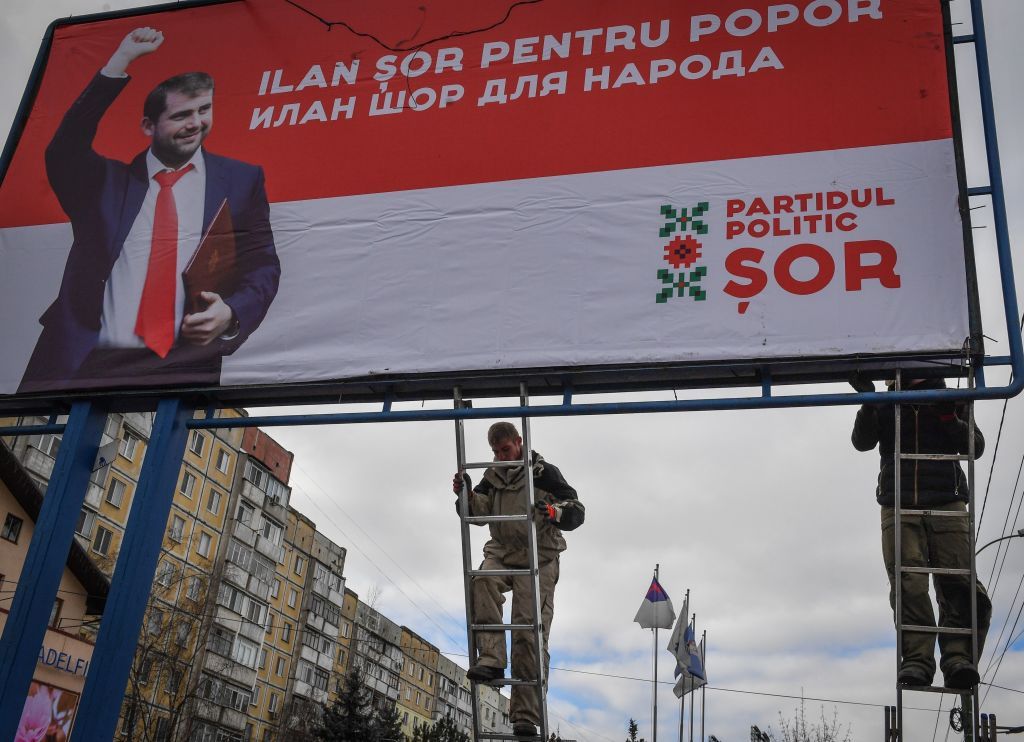
Moldova's Victory bloc, a pro-Russian political alliance, plans to participating in the country's September parliamentary elections, the bloc's founder Ilan Shor announced on July 6. Shor, an exiled pro-Kremlin oligarch, established the Victory bloc in August 2024. The bloc includes his own Shor party, which is banned in Moldova. Victory will submit documents in the coming days registering the bloc for participation in the September vote, Shor said. "Our main goal in these elections is to overth
Moldova's Victory bloc, a pro-Russian political alliance, plans to participating in the country's September parliamentary elections, the bloc's founder Ilan Shor announced on July 6.
Shor, an exiled pro-Kremlin oligarch, established the Victory bloc in August 2024. The bloc includes his own Shor party, which is banned in Moldova.
Victory will submit documents in the coming days registering the bloc for participation in the September vote, Shor said.
"Our main goal in these elections is to overthrow the fascist regime and hold early democratic elections within the next six months," Shor said.
The candidate list will be headed by Evghenia Gutul, the head of Moldova's Gagauzia region, who is currently on trial for illegally funding the banned Shor party. Gutul maintains ties to Moscow and is currently under U.S. sanctions.
The upcoming September elections carry high stakes for Moldova, one of the pooerest countries in Europe. Moldovan President Maia Sandu said on July 4 that Chisinau's European path rests on the outcome of the vote.
European Commission President Ursula von der Leyen pledged on July 4 that the European Union will help Moldova defend itself against hybrid threats by "agents of autocracy" as elections approach.
Moldova was granted EU candidate status in 2022. Sandu's ruling Party of Action and Solidarity aims to maintain its parliamentary majority and move the country closer to full membership by 2030.
Weeks after a high-profile public falling out with U.S. President Donald Trump, tech mogul Elon Musk announced the creation of a new political party in the United States, dubbed the "America Party." Musk said on July 5 that the party's aim is to "give you back your freedom" and challenge the traditional two-party Republican and Democratic system.The announcement came a day after Trump signed his sweeping tax cut and spending bill into law, a legislative act that Musk has fiercely opposed. It rem
Weeks after a high-profile public falling out with U.S. President Donald Trump, tech mogul Elon Musk announced the creation of a new political party in the United States, dubbed the "America Party."
Musk said on July 5 that the party's aim is to "give you back your freedom" and challenge the traditional two-party Republican and Democratic system.
The announcement came a day after Trump signed his sweeping tax cut and spending bill into law, a legislative act that Musk has fiercely opposed. It remains unclear if the America Party has been formally registered with election authorities, but Musk indicated it would launch "next year."
Musk's decision follows a poll he conducted on X on July 4, asking his followers if he should create a new political party.He cited the overwhelming support, writing: "By a factor of 2 to 1, you want a new political party and you shall have it! When it comes to bankrupting our country with waste & graft, we live in a one-party system, not a democracy."
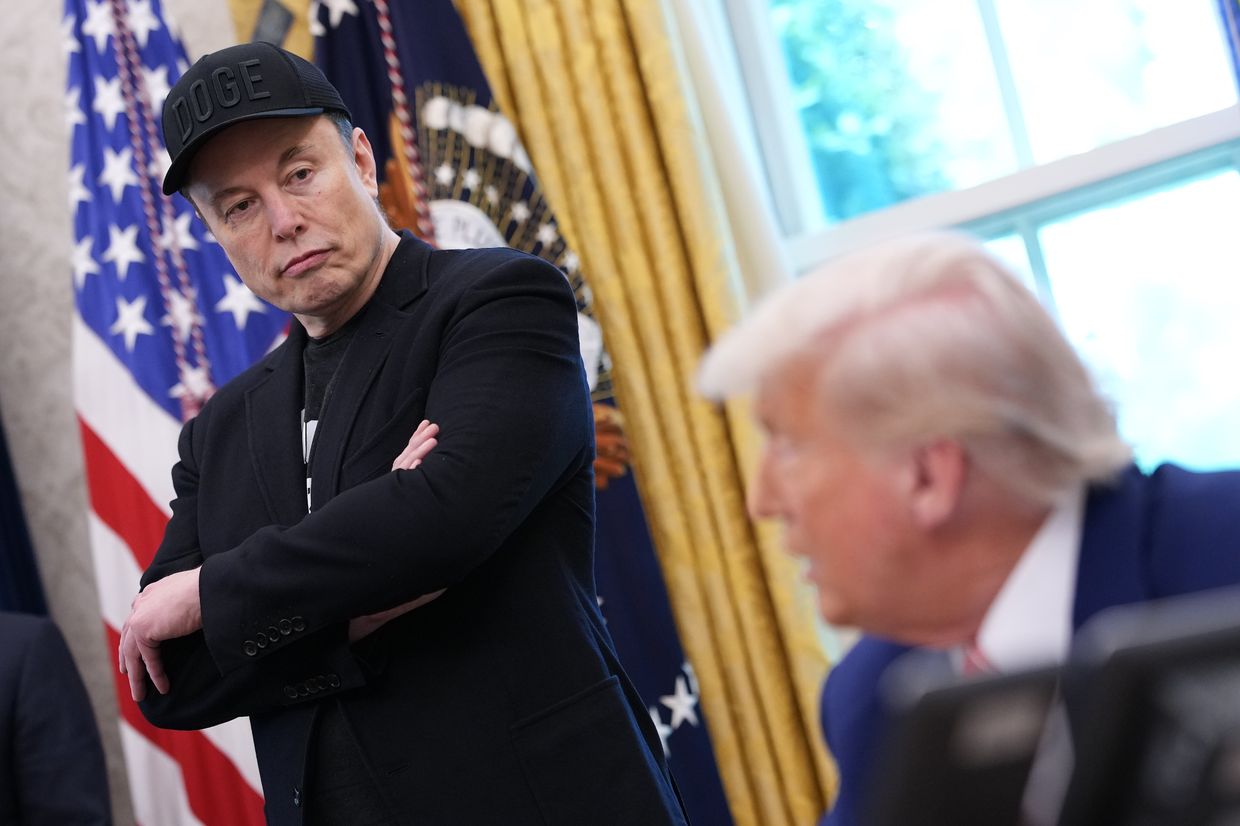
The strained relationship between Musk and Trump began to deteriorate significantly after a period where Musk publicly supported Trump's re-election bid and held a high-profile role in the U.S. government's Department of Government Efficiency (DOGE).
In May, Musk announced his departure from DOGE, citing the end of his "scheduled time." Initially, Trump praised him as "one of the greatest business leaders and innovators the world has ever produced."
However, tensions escalated sharply on May 22 after the U.S. House of Representatives passed the "One Big Beautiful Bill Act," a significant tax-cut and spending bill that Trump signed into law on Friday.
Musk vehemently condemned the legislation, calling it a "massive, outrageous, pork-filled Congressional spending bill is a disgusting abomination." He argued that the bill's spending would exacerbate the "already gigantic budget deficit" and "burden American citizens with crushingly unsustainable debt."
Adding to the friction earlier this week, Trump threatened to cut off billions of dollars in federal subsidies to Musk's companies and even hinted at the possibility of deporting the South Africa-born entrepreneur.
Moldovan President Maia Sandu said on July 4 that her country's European Union aspirations depend on Moldovan citizens as a crucial September 28 election approaches. Sandu hopes her pro-European Party of Action and Solidarity (PAS) will retain its parliamentary majority, paving the way for Moldova, one of Europe's poorest nations, to join the EU by 2030.Sandu made her remarks at the conclusion of the 27-nation bloc's inaugural summit with Moldova. Her PAS party faces a challenge from the pro-Rus
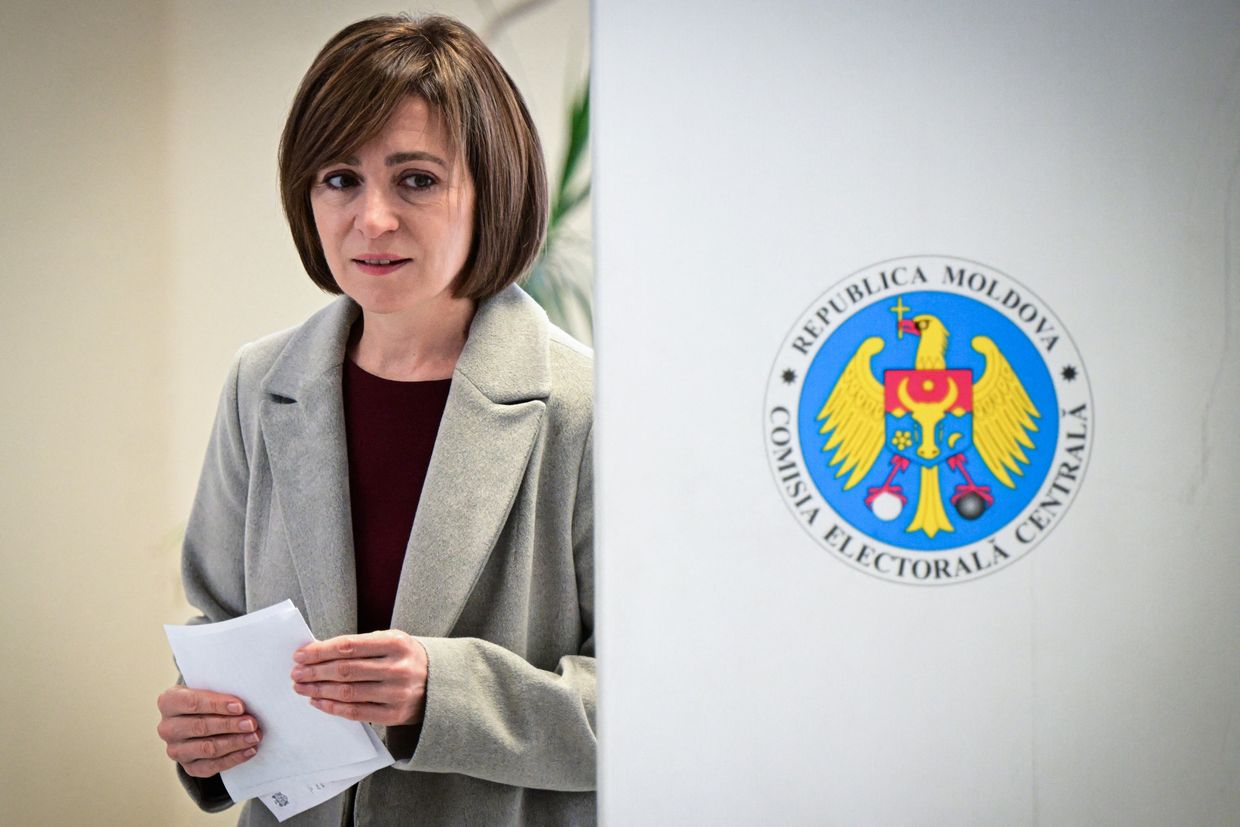
Moldovan President Maia Sandu said on July 4 that her country's European Union aspirations depend on Moldovan citizens as a crucial September 28 election approaches.
Sandu hopes her pro-European Party of Action and Solidarity (PAS) will retain its parliamentary majority, paving the way for Moldova, one of Europe's poorest nations, to join the EU by 2030.
Sandu made her remarks at the conclusion of the 27-nation bloc's inaugural summit with Moldova. Her PAS party faces a challenge from the pro-Russian Socialist Party and its allies in the upcoming election. Sandu secured re-election last year by a narrow margin against a Socialist challenger in the ex-Soviet state, located between Ukraine and Romania. A referendum seeking public backing for EU membership also just barely surpassed a 50% majority.
"Prosperity and peace do not occur for nothing, you have to build them. With collective effort and unity. When citizens are united and choose the correct path and proceed along it," Sandu told a news conference after the summit. "The European Union is already happening here. The only risk is if we stop. If we decide this autumn that nothing will stop us, then everything is possible."
Sandu and her party have condemned Russia's invasion of Ukraine and accuse Moscow of destabilizing Moldova. Russia, in turn, claims many Moldovans desire to maintain ties with Moscow and accuses Sandu of fostering Russophobia.
Opinion polls suggest that no single party will likely secure a parliamentary majority. If no majority emerges, pro-European parties would need to engage in coalition talks.
At the summit, which included European Commission President Ursula von der Leyen and European Council head Antonio Costa, the EU announced the disbursement of the first €270 million ($318 million) tranche of an Economic Growth Plan for Moldova.

 Connexion