❌

Vue normale

  • ✇Euromaidan Press
  • For the 17th or 18th time, Putin promised to take Donetsk “in a few months” – Zelenskyy
    Russian President Vladimir Putin has again told US officials that Russia can capture Ukraine’s Donetsk Oblast within several months, according to Ukrainian President Volodymyr Zelenskyy. Speaking to the UN General Assembly on 24 September, Zelenskyy said this was the latest in a long series of similar promises as Russia has spent nearly five years trying to seize the region. He said Putin has made such promises 17 or 18 times, repeatedly pushing the deadline further back. He contrast
     

For the 17th or 18th time, Putin promised to take Donetsk “in a few months” – Zelenskyy

24 septembre 2026 à 15:36

Ukrainian President Volodymyr Zelenskyy speaks during the UN General Assembly in New York on 24 September 2026. Photo: Ukrainian President's Office

Russian President Vladimir Putin has again told US officials that Russia can capture Ukraine’s Donetsk Oblast within several months, according to Ukrainian President Volodymyr Zelenskyy.

Speaking to the UN General Assembly on 24 September, Zelenskyy said this was the latest in a long series of similar promises as Russia has spent nearly five years trying to seize the region. He said Putin has made such promises 17 or 18 times, repeatedly pushing the deadline further back.

He contrasted those promises with Russia’s heavy battlefield losses and relatively limited territorial gains.

Russia has paid a huge price for its Donetsk offensive

Zelenskyy said Russian forces suffered 248,964 troops killed or severely wounded between January and August 2026.

He said Russia had captured only slightly more than 1,000 square kilometers of Ukrainian territory this year, while Ukraine had already liberated a significant portion of those gains.

Zelenskyy presented the figures as the human cost of Putin’s continued attempt to seize Donetsk, arguing that Russia is paying an enormous price for relatively limited territorial gains.

“Always the same: ‘Just a few more months,’” Zelenskyy said, adding that Putin would again fail to meet his latest deadline.

The Russian offensive is also facing a recent setback in northern Donetsk. Ukraine launched Operation Vivaldi in September to clear Russian infiltrators and retake ground near Lyman, disrupting Russia’s plan to encircle the fortified cities of the Donetsk “Fortress Belt.”

Ukrainian forces have reported retaking several settlements and clearing up to 125 square kilometers in the operation, although the full scope of the offensive remains undisclosed.
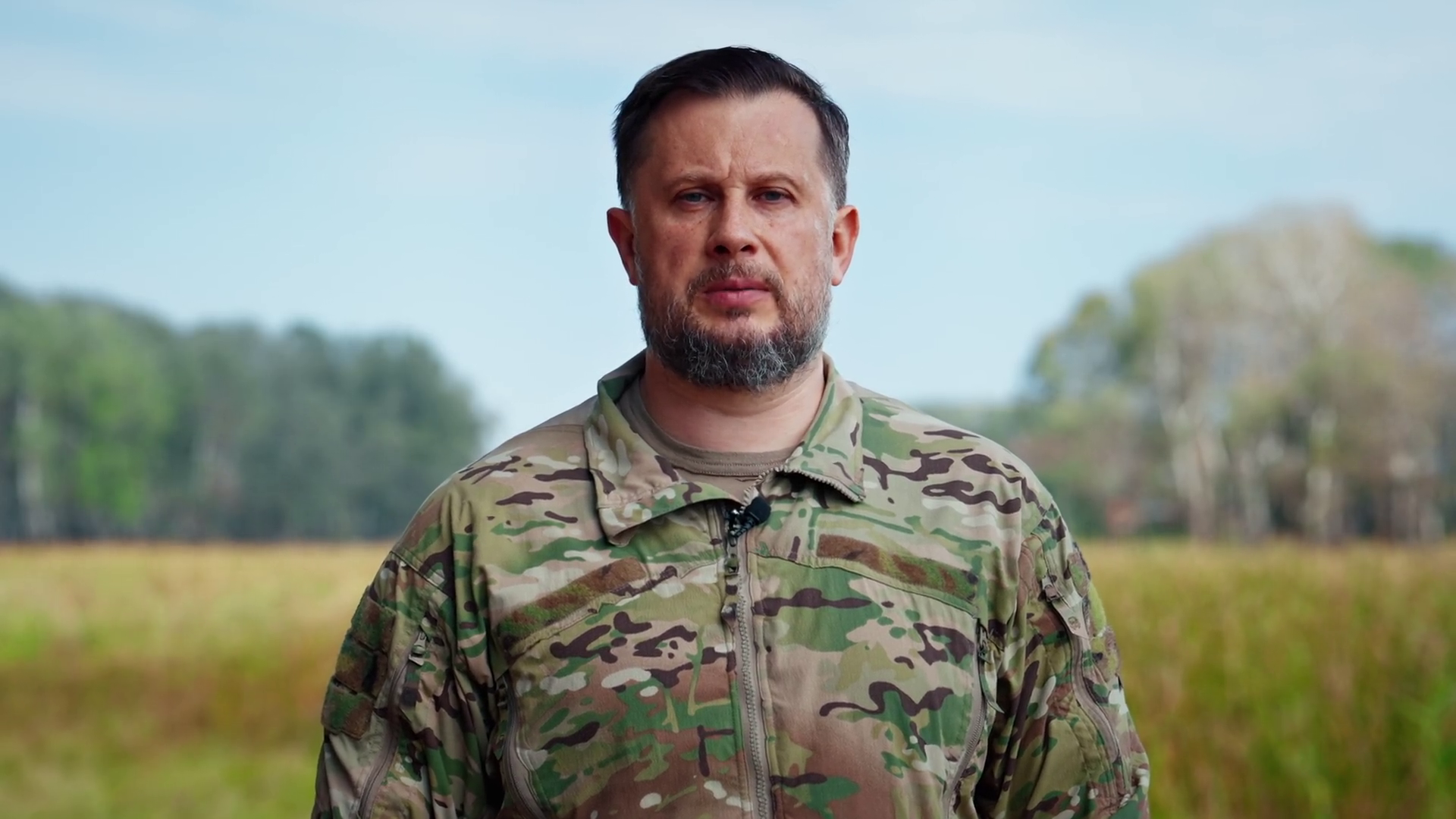
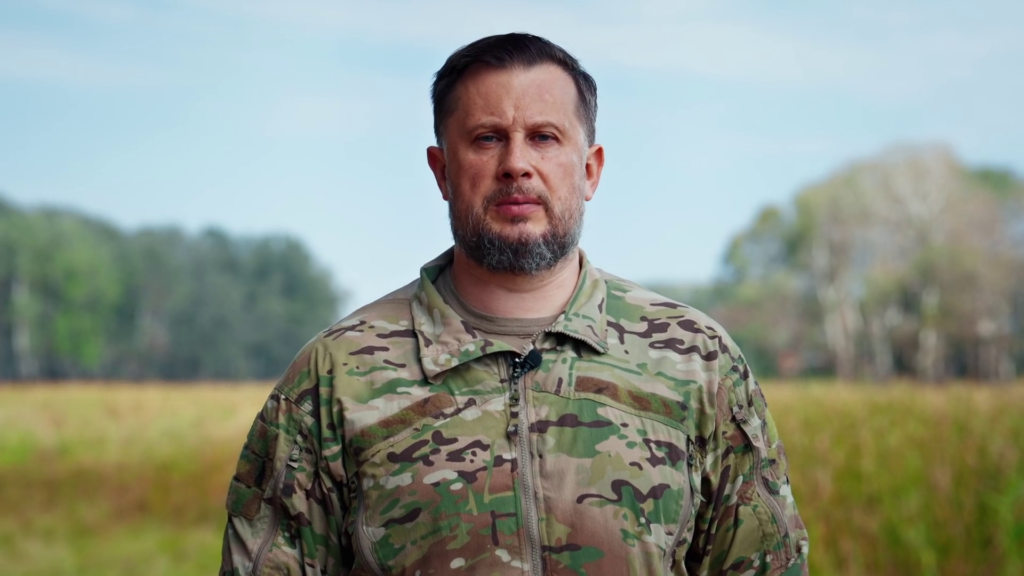
Ukraine's Third Army Corps commander Brigadier General Andrii Biletskyi announcing new developments in "Operation Vivaldi," 20 September 2026. Screenshot from video: Ukraine's Third Army Corps
Explore further

Ukraine retakes ground in a region Russia has fought for years to capture. “Vivaldi” is only getting started but is already “one of the most important victories for Ukraine in 2026”

Zelenskyy also warned that Russia’s ambitions extend beyond Donetsk. After saying Putin would again fail to capture the region, he said Russia would continue seeking other Ukrainian cities, naming Odesa, Kharkiv and Dnipro, while also pointing to Russian pressure on Moldova and threats toward Poland and the Baltic states.

Russia continues to pour missiles and drones into Ukraine

The battlefield campaign has been accompanied by a sustained Russian long-range attack campaign against Ukrainian cities and infrastructure.

Since the beginning of 2026, Russia has launched more than 2,100 missiles against Ukraine, including more than 950 ballistic missiles, according to Zelenskyy.

Ballistic missiles are particularly difficult for Ukraine to counter because it has a limited supply of interceptors capable of engaging them. Russia’s heavy use of ballistic weapons is therefore contributing directly to civilian deaths and infrastructure destruction.

Over the first eight months of the year, Russia also used 63,000 attack drones of various types, Zelenskyy said. More than 7,700 were jet-powered Geran drones, which he described as particularly destructive and dangerous.

The newer jet-powered drones are faster and more advanced than earlier Shahed-type models, making them harder to intercept and adding to the pressure on Ukraine’s air defenses as Russia attacks cities and infrastructure.

Zelenskyy said Russia was using the drones continuously to disrupt economic activity and normal life in Ukrainian cities, including by making it harder for children to attend school.

The figures show the scale of the Russian campaign beyond the front line. Alongside its ground offensive, Russia is using sustained missile and drone strikes to kill civilians, destroy infrastructure, and exhaust Ukraine’s air-defense resources.

North Korean troops add to Russia’s war effort

Zelenskyy also highlighted North Korea’s direct involvement in Russia’s war, saying its troops have suffered heavy losses while gaining battlefield experience alongside Russian forces.

He said North Korea’s military capabilities were also benefiting from its cooperation with Russia, pointing to improvements in its ballistic missiles and drone capabilities.

Ukraine recently transferred two North Korean prisoners of war to South Korea. Zelenskyy said capturing the soldiers alive had been difficult and described one prisoner’s attempt to take his own life after realizing he was about to be captured.

He said the soldiers had been conditioned to believe they had to die rather than surrender.

“Do you really want to give such a force more time to learn how to fight?” Zelenskyy asked.

Zelenskyy calls for de-escalation before winter

Zelenskyy separately warned that Russia could again target Ukraine’s energy and heating infrastructure this winter.

Russia has already intensified attacks on Ukraine’s energy system ahead of the cold season.

Russia has also explicitly threatened to “freeze” Ukraine this winter, with its Defense Ministry linking the threat to attacks on Ukrainian infrastructure. The country spent much of the previous winter dealing with the consequences of Russian strikes on power and heating infrastructure, including blackouts and disruptions to heat supplies.

Zelenskyy said Ukraine expects the coming winter to be difficult but warned that if Russia continues attacking Ukraine’s energy and heating systems, Ukraine will make the winter painful for Russia as well.

He called for steps toward de-escalation before winter, saying that diplomacy and military strength were both needed to end the war.

  • ✇Euromaidan Press
  • Russian-linked software sold to US government as CEO allegedly hid Russian control – two now arrested
    The US has arrested the CEO of Virginia-based digital forensics company Oxygen Forensics and a Russian national over allegations that they concealed the company’s Russian ownership and the fact that its software was developed in Russia while selling it to US government agencies, according to the US Justice Department. The case highlights a potential route through which Russian-linked networks could seek access to sensitive US institutions: concealing Russian ownership and influence behi
     

Russian-linked software sold to US government as CEO allegedly hid Russian control – two now arrested

24 septembre 2026 à 14:20

A tablet with cybersecurity forensics software from Oxygen Forensics. Photo via Militarnyi

The US has arrested the CEO of Virginia-based digital forensics company Oxygen Forensics and a Russian national over allegations that they concealed the company’s Russian ownership and the fact that its software was developed in Russia while selling it to US government agencies, according to the US Justice Department.

The case highlights a potential route through which Russian-linked networks could seek access to sensitive US institutions: concealing Russian ownership and influence behind seemingly legitimate American companies.

Lee Reiber, 55, and Oleg Sergeyevich Davydov, 52, are charged with conspiracy to commit wire fraud. The US Justice Department alleges that five Russian nationals, including Davydov, owned and controlled Oxygen Forensics through a Cyprus-based holding company, while its software was developed by a team in Russia.

Software sold to US government agencies

According to the criminal complaint, Oxygen Forensics presented itself to US agencies as an independent American company with no foreign ownership or control.

The company sold digital forensic software used to recover and analyze data from electronic devices to the US Department of War and three Department of Homeland Security components: the Secret Service’s National Computer Forensics Institute, Homeland Security Investigations, and the DHS Office of Inspector General.

The National Computer Forensics Institute awarded Oxygen Forensics a five-year contract in September 2024. The award file included a certification from Reiber stating that the company had no immediate or highest-level owner, according to the affidavit.

The Justice Department alleges that this was false. The Russian owners allegedly continued to make significant company decisions, set Reiber’s compensation, control payments and retain signatory authority over bank accounts after their names were removed from public corporate filings.

Russian software development allegedly concealed

The complaint says the same five Russian nationals also owned a Russian company founded by Davydov in 2000, previously known as Oxygen Software and now called MKO Systems.

According to the affidavit, the Russian company developed the software used by Oxygen Forensics, with developers working in Russia under Davydov’s direction. MKO Systems also sold its software in Russia under different product names to customers that reportedly included the Federal Security Service (FSB), the Russian Investigative Committee and the Russian Ministry of Internal Affairs.

After the US expanded sanctions against Russia in 2022 following Russia’s full-scale invasion of Ukraine, the Russian owners allegedly agreed with Reiber to conceal both the company’s ownership and its Russian development operations.

Reiber was installed as CEO, president and chairman in March 2022, while the Russian owners were removed from the company’s public filings, according to the Justice Department.

The complaint alleges that the arrangement did not end the Russian owners’ control. One of them was later appointed to the company’s board using a Turkish identity, according to the affidavit.

OSINT investigators had traced Russian software links

Militarnyi separately reported that OSINT investigators from InformNapalm had previously traced corporate and technological links between Oxygen Forensics and Russia’s Oxygen Software, now known as MKO Systems.

According to Militarnyi, the Russian company’s products were supplied to Russian security and law-enforcement agencies, including the FSB and Ministry of Internal Affairs. The investigation traced a common corporate and technological origin between the Russian and US software ecosystems.

CEO allegedly denied Russian involvement

The Justice Department says Reiber repeatedly certified to US authorities that the company had no foreign ownership or control.

In March 2026, he allegedly told DHS personnel that no Russian was involved in developing Oxygen Forensics’ software and that no one in Russia had access to its development environment. Days later, he published a statement saying the company had no development presence in any restricted jurisdiction.

The complaint alleges that the software was in fact written and managed by a team in Russia, using a cloud environment administered by one of the Russian owners.

The affidavit also describes a November 2023 exchange in which Reiber allegedly told the Russian owners that public reporting about the company’s Russian connections could jeopardize a pending US government contract.

Arrests and seizures

Reiber was arrested in Idaho on 20 September and released on bond after appearing in federal court. Davydov was arrested the same day at London Heathrow Airport before boarding a flight to Istanbul. The US says it will seek his extradition.

Separately, a federal judge authorized the seizure of Oxygen Forensics’ corporate bank accounts, around 57 domains and other cyber infrastructure allegedly used in the scheme. The domains and related infrastructure were seized on 20 September.

The case is being investigated by the US Department of Commerce’s Bureau of Industry and Security, with assistance from the Department of War Office of Inspector General’s Defense Criminal Investigative Service.

Each could face up to 20 years in federal prison if convicted.

  • ✇Euromaidan Press
  • EU approves nearly €3 billion for Ukraine as Kyiv meets more reform targets
    The European Union has approved nearly €3 billion in new funding for Ukraine, including nearly €800 million provided for the first time through the Ukraine Support Loan. The payment is the eighth regular disbursement under the EU’s Ukraine Facility. The funding will support Ukraine’s budget, recovery, modernization, and reform efforts as the country continues to fight Russia’s full-scale war and pursue EU membership. Ukraine meets 88% of targets due so far The latest payment follo
     

EU approves nearly €3 billion for Ukraine as Kyiv meets more reform targets

24 septembre 2026 à 13:44

EU summit Ukraine cyprus zelenskyy

The European Union has approved nearly €3 billion in new funding for Ukraine, including nearly €800 million provided for the first time through the Ukraine Support Loan. The payment is the eighth regular disbursement under the EU’s Ukraine Facility.

The funding will support Ukraine’s budget, recovery, modernization, and reform efforts as the country continues to fight Russia’s full-scale war and pursue EU membership.

Ukraine meets 88% of targets due so far

The latest payment follows Ukraine’s completion of 10 targets under its Ukraine Plan, the roadmap for reforms and investments linked to the Ukraine Facility. Ukraine has now completed 84 of the 95 targets required under the plan so far, according to the Council of the EU.

Funding under the Ukraine Facility is tied to Ukraine meeting these targets. It is intended to strengthen Ukraine’s macro-financial stability, keep public administration running, and support recovery and modernization.

The Ukraine Facility entered into force in March 2024 and provides more than €50 billion in grants and loans for Ukraine through 2027.

Norway adds €92 million

The EU also amended Ukraine’s plan to include approximately €92 million in non-repayable support from Norway.

Norway is the first non-EU country to contribute to Pillar I of the Ukraine Facility, which provides support through Ukraine’s reform and investment plan.

Sweden has provided more than €253 million in additional voluntary contributions over the past year, while the UK recently contributed more than €17 million to Pillar II, the Ukraine Investment Framework.

Ukraine has received more than €32 billion

Following the latest disbursement, Ukraine will have received more than €32 billion through the Ukraine Facility since mid-2024.

More than €40 billion of the facility’s total funding is earmarked for reforms and investments under the Ukraine Plan, with payments tied to Ukraine’s progress toward the agreed targets.

Russia could launch limited attacks on NATO in coming months, escalating hybrid warfare without being ready for full-scale conflict, Denmark warns

24 septembre 2026 à 12:13

Danish soldiers

Russia is likely to intensify its hybrid war against the West, including more frequent sabotage and cyberattacks that could cause greater damage and casualties, Denmark’s Defence Intelligence Service (DDIS) said in a new assessment published on 24 September.

The assessment says Russia has become increasingly willing to take risks against European and NATO countries, even while its full-scale war against Ukraine continues. DDIS also assesses a low but growing risk of Russia carrying out a limited military attack against one or more NATO countries bordering Russia in the coming months.

Russia preparing to escalate hybrid attacks

DDIS said Russia’s hybrid attacks have increasingly shifted from attempts to create fear and weaken support for Ukraine toward efforts to directly disrupt Western assistance to Kyiv.

This includes sabotage targeting defense companies and railway transport carrying military equipment to Ukraine. The Danish intelligence service expects Russia to carry out such attacks more frequently and with greater consequences.

Future operations could include destructive cyberattacks capable of disrupting critical societal functions and sabotage attacks with a high risk of casualties, according to the assessment.

DDIS also cited the foiled drone attack against Leipzig/Halle Airport in Germany as an example of Russia’s growing willingness to conduct operations against targets in Europe. German authorities said the attack had been planned by Russia over several months.

German Federal police officer protecting the city
Explore further

Germany suspects Russian intelligence behind arson attack as hybrid warfare threat grows across Europe

Growing risk of a limited attack on NATO

The Danish intelligence service assesses that there is a low but growing risk Russia could launch a limited military attack against one or more NATO countries bordering Russia.

Such an attack could take the form of isolated long-range strikes against infrastructure supporting Ukraine. Russia could also use Ukrainian-made drones in a false-flag operation or deploy a limited number of troops, potentially without national insignia.

DDIS says Russia could attempt such an operation even while continuing its war against Ukraine and without having the forces needed for a regional war against NATO.

The purpose, according to the assessment, could be to divert European resources away from Ukraine and create divisions within NATO if Moscow believes the alliance would struggle to agree on a collective response.

Russia would likely try to ensure that any military attack remained below the threshold that would trigger a full NATO response. DDIS warns, however, that Russia may be uncertain about what would trigger such a response.

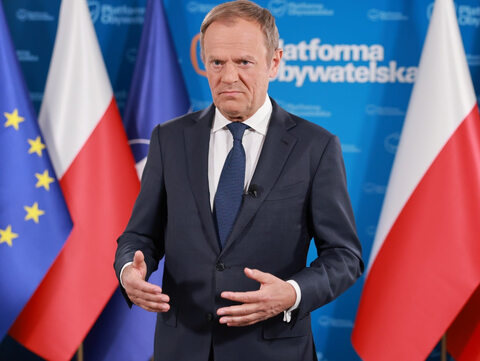
tusk polish prime minister
Explore further

After CIA head’s visit to Moscow, Poland’s PM warns Russia is preparing to escalate war. He puts critical window at seven or eight months

No signs of an imminent Russian invasion

Despite the increased risk of limited attacks, DDIS says it sees no indications that Russia is preparing to invade one or more NATO countries.

The agency considers a full-scale Russian invasion of NATO “highly unlikely,” but says it cannot be ruled out. If Russia decided to launch such an invasion, DDIS estimates it would need at least six months to build up the necessary forces.

The intelligence service also says Russia would need several months to build up forces near a NATO border before a limited military deployment, making such preparations difficult to conceal.

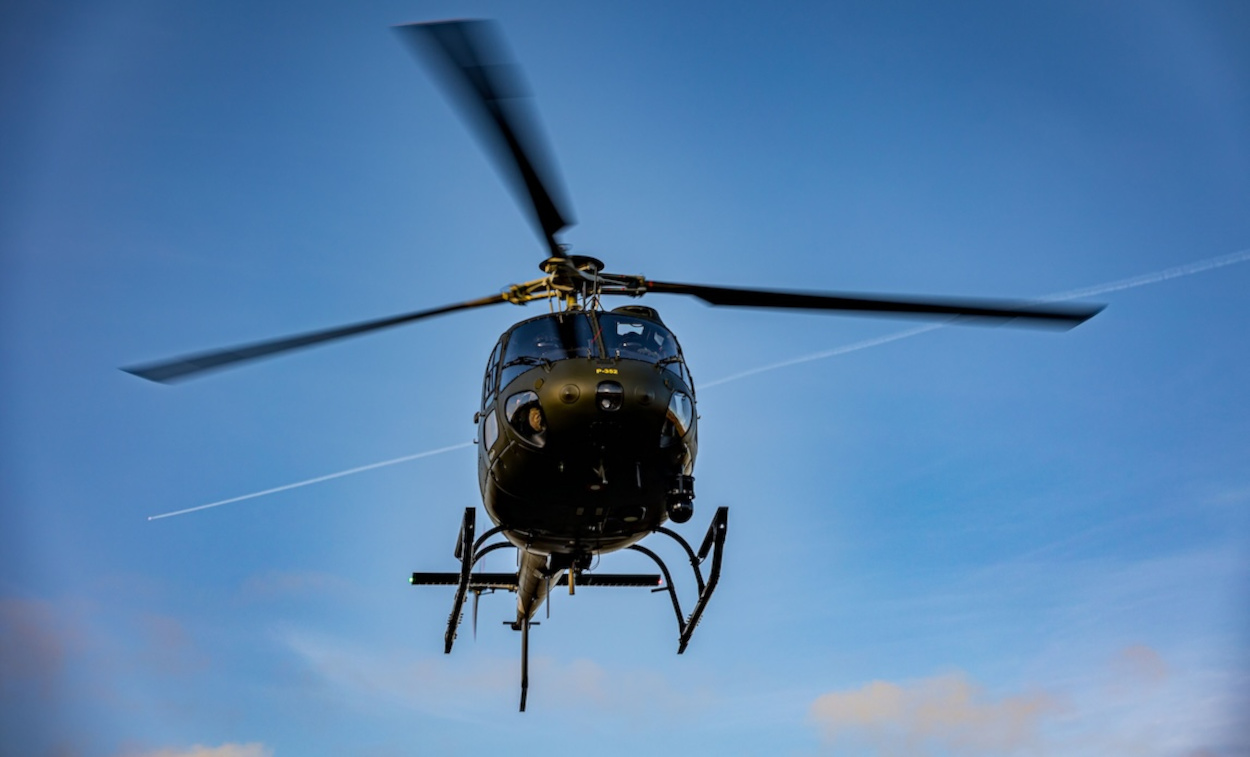
A Danish military helicopter, illustrative image. Photo: Denmark’s Armed Forces
Explore further

Russian warship fires flares at Danish military helicopter as Moscow’s provocations escalate

Russia under pressure from Ukraine’s attacks

The assessment says Russia is currently under more pressure than at any other point in its war against Ukraine.

Ukraine’s sustained long-range strikes are causing increasing damage deep inside Russia, while Russian forces are suffering heavy losses for marginal territorial gains. Moscow is also facing economic pressure from military spending, international sanctions and Ukrainian strikes against Russian energy infrastructure.

DDIS assesses that there is no prospect of Russia achieving a major breakthrough in Ukraine over the next six months. At the same time, it says Putin is highly unlikely to compromise on his fundamental objectives in the war.

The agency says Russia believes Europe will develop a stronger independent military capability by 2030, which Moscow could view as an increasing threat. This could create what DDIS describes as a window of opportunity for Putin to attempt to change Europe’s security order.

  • ✇Euromaidan Press
  • Ukraine and Hungary have a rare moment of cooperation, agreeing to build fuel storage beyond Russia’s reach
    Ukraine’s Naftogaz has signed a memorandum with Hungarian energy company MOL to build fuel storage facilities in Hungary near the Ukrainian border, creating additional reserves outside the reach of Russian strikes. Acting Naftogaz CEO Sergiy Fedorenko said the project will diversify fuel supply routes and provide storage capacity outside areas exposed to Russian attacks. He said this could make fuel supplies more reliable for Ukrainian consumers while also expanding cross-border energy
     

Ukraine and Hungary have a rare moment of cooperation, agreeing to build fuel storage beyond Russia’s reach

20 septembre 2026 à 15:04

Ukraine’s Naftogaz has signed a memorandum with Hungarian energy company MOL to build fuel storage facilities in Hungary near the Ukrainian border, creating additional reserves outside the reach of Russian strikes.

Acting Naftogaz CEO Sergiy Fedorenko said the project will diversify fuel supply routes and provide storage capacity outside areas exposed to Russian attacks. He said this could make fuel supplies more reliable for Ukrainian consumers while also expanding cross-border energy infrastructure.

The agreement was announced during the Carpathian Economic Forum, held as part of the first summit of the Carpathian Eight regional cooperation format.

Why Ukraine needs fuel storage outside the country

Russia has repeatedly targeted Ukraine’s fuel infrastructure, including oil and gas production facilities, filling stations, and other sites needed to supply fuel across the country. These attacks increase in the lead up to and during winter months, where the impacts on civilians are especially severe.

Naftogaz said Russian attacks destroyed 37 of its filling stations during the first seven months of 2026. The company said fuel availability is particularly important for emergency services, medical teams, public transport, and communities near the front line.

Russia has also attacked Ukraine’s oil and gas production facilities. In August, Naftogaz said a major Russian attack damaged seven Ukrnafta production facilities and forced some of them offline, reducing oil and gas production.

Storing fuel in Hungary would give Ukraine additional reserves beyond the reach of these attacks and another route for bringing petroleum products into the country if domestic infrastructure is damaged.

Fedorenko said the agreement could make fuel supplies to Ukrainian consumers more reliable while supporting the development of energy infrastructure connecting the two countries.

Ukraine-Hungary ties improve

The deal comes as Kyiv and Budapest have begun rebuilding relations following years of tensions under former Hungarian Prime Minister Viktor Orbán.

Péter Magyar replaced Orbán as Hungary’s prime minister in 2026, and the new government has moved toward closer cooperation with Ukraine, although major disagreements remain. 

In June, Ukrainian Foreign Minister Andrii Sybiha described the relationship as entering a “new page” after Kyiv and Budapest reached an agreement addressing longstanding disputes over the rights of Hungary’s ethnic minority in Ukraine. 

The two countries have since continued talks on normalizing relations. In September, the relationship was showing tentative signs of improvement, including progress on minority-rights issues and preparations for a meeting between Ukrainian President Volodymyr Zelenskyy and Magyar.

Energy cooperation has already featured in the renewed dialogue. During a Ukrainian government visit to Budapest in 2025, the two sides discussed Hungarian participation in modernizing Ukraine’s energy infrastructure and agreed to continue economic cooperation.

The improvement in relations has not eliminated disagreements. Hungary continues to block progress on parts of Ukraine’s EU accession process, citing concerns over the rights of Hungary’s ethnic minority in Ukraine.

The planned fuel-storage facilities therefore mark a practical area of cooperation between the two countries at a time when Russia’s attacks are making secure fuel supplies increasingly important for Ukraine.

Russia has already destroyed more than two-fifths of Ukraine’s modern warehouse space as it escalates attacks on economic infrastructure – FT

20 septembre 2026 à 13:43

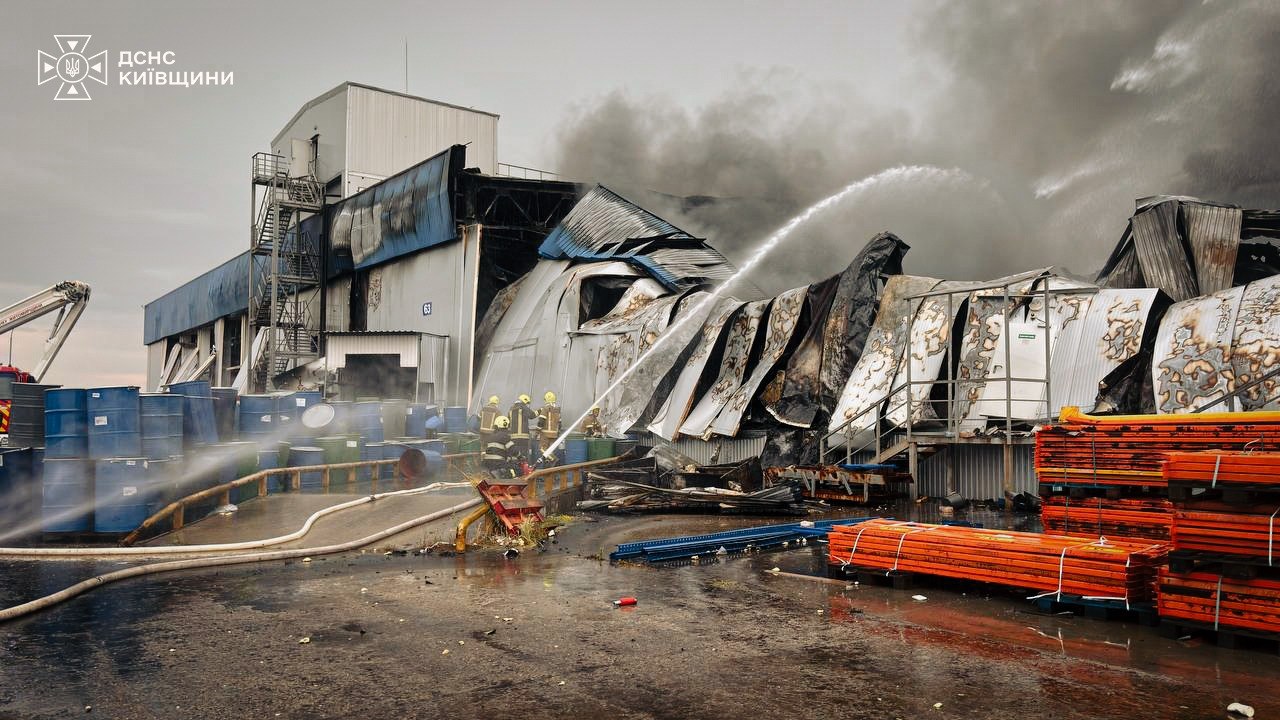
Photo: State Emergency Service of Kyiv Oblast

Russia has destroyed 2.1 million square meters of Ukraine’s modern warehouse space out of a total 5 million, wiping out more than two-fifths of the country’s storage capacity as Moscow expands its air campaign against Ukraine’s economy, according to the Financial Times.

Russia is increasingly targeting the infrastructure that keeps Ukraine’s economy running and its citizens supplied, including warehouses, distribution centers, railways, fuel stations, and other logistics facilities. By hitting these sites far from the front line, Russia is disrupting the supply of everyday goods and making it harder for Ukrainians to find what they need.

Around 900,000 square meters of warehouse space has been destroyed in recent months alone, according to Ukrainian entrepreneur Ruslan Shostak, founder of the Eva and Varus retail chains, cited by the Financial Times.

Russia is destroying Ukraine’s warehouse capacity

The loss of warehouse space is creating problems for businesses across Ukraine.

Russian strikes have hit warehouses and distribution centers belonging to major Ukrainian retailers, pharmaceutical companies, publishers, and logistics operators.

One recent strike destroyed a warehouse belonging to toy retailer Budynok Ihrashok near Kyiv, FT reported. The facility was hit by a jet-powered drone and caught fire, but firefighters were unable to intervene while Russian drone attacks were continuing.

The company now plans to distribute its inventory among smaller warehouses and its network of 67 stores rather than rely on a single large distribution center.

The destruction of large warehouses is forcing companies to rethink how they store and distribute goods, increasing costs and making supply chains more vulnerable to further attacks.

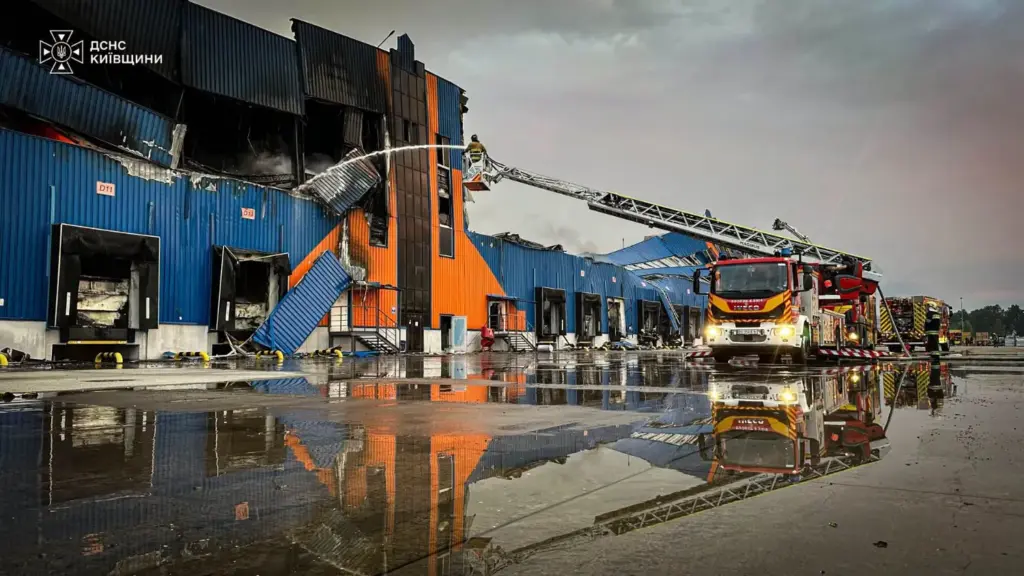
Ukrainian firefighters respond to a blaze at warehouses hit by a Russian drone strike in Kyiv Oblast’s Brovary district, 18 August 2026. Photo: Ukraine's State Emergency Service
Explore further

Kyiv stockpiles food and water as Russia’s new aerial tactics threaten a brutal winter

The attacks are spreading across Ukraine’s economy

Warehouses are not the only economic infrastructure being targeted.

Russian drones have increasingly struck railway infrastructure in western Ukraine, while fuel stations are also being hit farther from the front line. These attacks can disrupt the movement of goods even when they do not directly destroy the businesses producing them.

The result is a widening pressure on Ukraine’s logistics network. Companies must find alternative storage and transport routes while operating under the continuing threat of Russian airstrikes.

The attacks are part of Russia’s broader long-range air campaign against Ukraine’s civilian infrastructure. Moscow is increasingly using drones and missiles to hit economic targets deep inside Ukraine, putting strain on the systems that allow the country’s economy to function during the war.

  • ✇Euromaidan Press
  • Europe gave Russia years to perfect its aerial killing. Ukraine is paying the price. Europe may be next.
    For years, Ukraine’s air defenses blunted Russia’s attempts to terrorize its cities from the sky. Now, after four years of adaptation, Moscow is fielding faster drones, massing ballistic missiles, and finding new ways to overwhelm a Ukrainian air-defense network running short of the interceptors needed to stop them. Russia’s aerial campaign is becoming harder to contain just as its attacks are killing more Ukrainian civilians. July recorded at least 437 civilian deaths, the highest mont
     

Europe gave Russia years to perfect its aerial killing. Ukraine is paying the price. Europe may be next.

20 septembre 2026 à 12:27

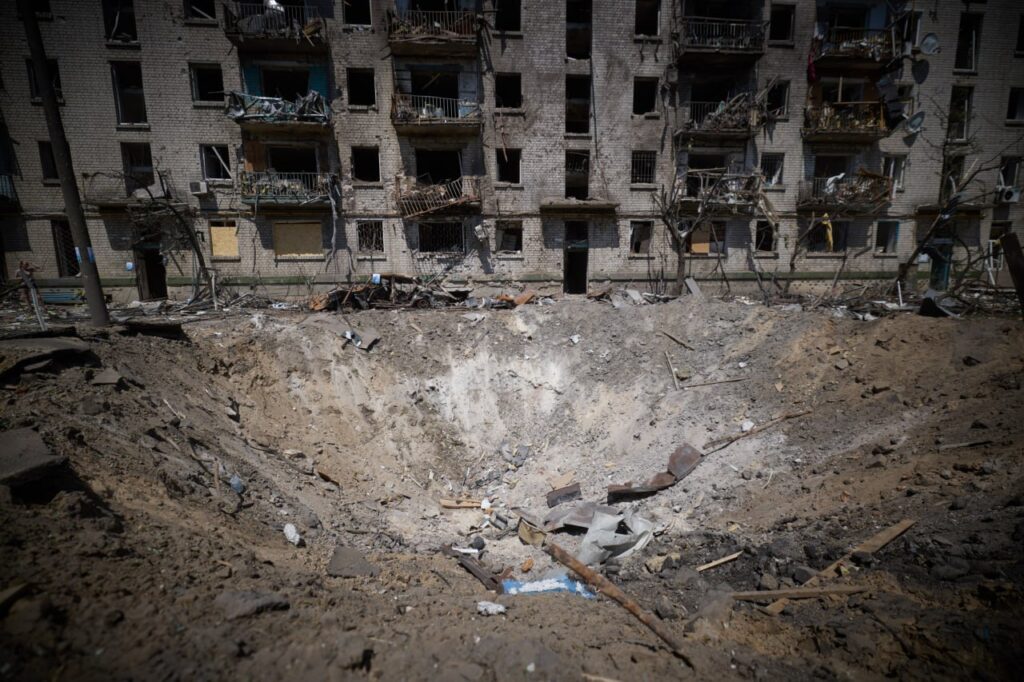
The image shows a giant crater formed by a Russian missile in Kyiv on 3 June 2026. Source: Ukraine's State Emergency Service

For years, Ukraine’s air defenses blunted Russia’s attempts to terrorize its cities from the sky. Now, after four years of adaptation, Moscow is fielding faster drones, massing ballistic missiles, and finding new ways to overwhelm a Ukrainian air-defense network running short of the interceptors needed to stop them.

Russia’s aerial campaign is becoming harder to contain just as its attacks are killing more Ukrainian civilians. July recorded at least 437 civilian deaths, the highest monthly toll since the early months of the full-scale invasion, with UN monitors pointing to Russian missile and drone attacks as a key factor.

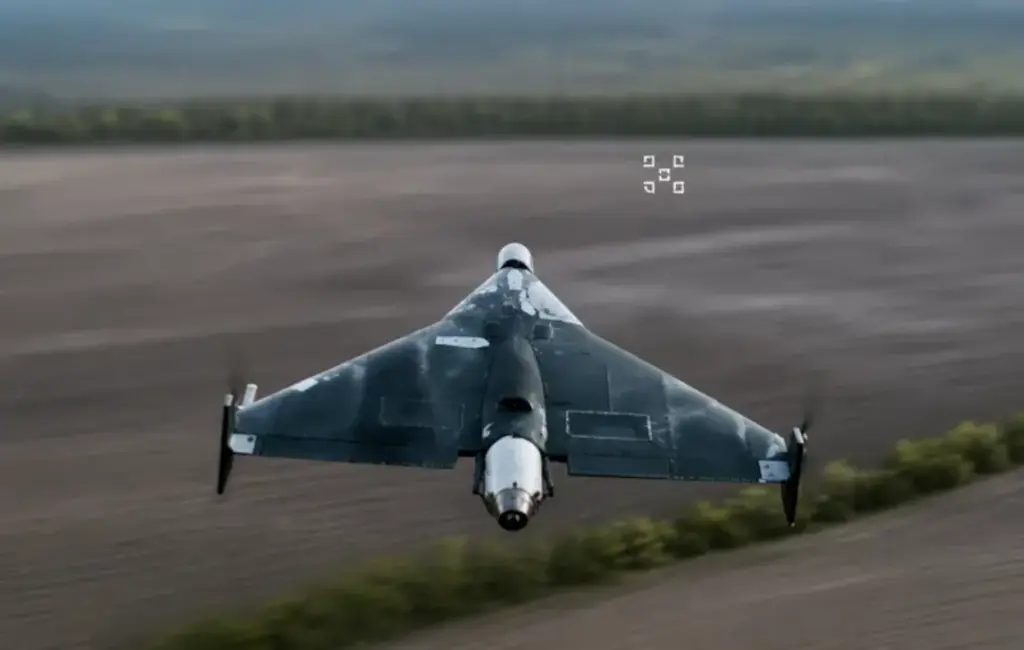
That shift is visible most clearly in Russia’s rapidly expanding use of jet-powered Geran drones. These drones can exceed 400 km/h, making them significantly harder to intercept than the slower, propeller-driven Shaheds Ukraine has spent years learning to counter. Russia reportedly launched as many as 2,850 jet-powered drones in August alone.

Ukrainian President Volodymyr Zelenskyy has warned that Russia’s escalation with the new drones is becoming “increasingly terrorist” and called for urgent efforts to develop defenses against them.

While Ukraine’s Western partners have taken steps to strengthen its air defenses, Russia has spent the same period adapting and expanding its ability to attack from the air. The gap is becoming increasingly visible in the skies over Ukrainian cities.

Ukrainian civilians are already paying the price

Russia has increasingly turned its ability to strike deep inside Ukraine into a weapon against civilian life itself: hitting residential areas, fuel stations, railways, energy infrastructure and other sites across cities far from the front.

Since late August, Kyiv has faced near-continuous Russian drone attacks, with Russia increasingly sending waves of drones against the capital throughout the day and night. The shift has made air-raid alerts, explosions and disruptions to daily life a near-constant reality.

For Ukrainians, Russia’s evolving aerial campaign is measured in destroyed homes, injuries, deaths, and lives permanently changed. 

In Kyiv, it has also changed everyday life: explosions interrupt sleep and work, people run for shelter as strikes unfold overhead, and the threat of another attack is never far away.

And the pressure is no longer confined to Kyiv. Kharkiv, Odesa, Sumy and Zaporizhzhia are all facing increasingly sophisticated combinations of drones and missiles.

The danger is not simply that Russia is launching more weapons. It is that Moscow has spent years learning which weapons can penetrate Ukraine’s defenses, how to combine them, and how to force Ukraine to spend its most valuable interceptors.

Zelenskyy’s warning captures the urgency: “You cannot simply wait for Russia to perfect its repertoire of killings.”

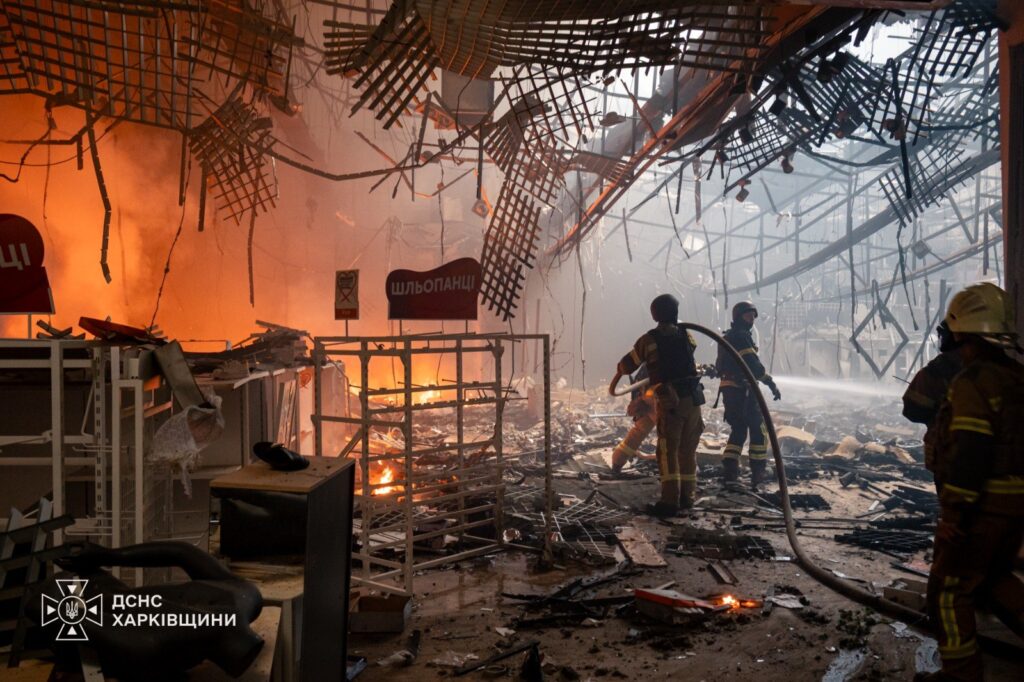
Emergency workers respond to a Russian strike on a shopping center in Kharkiv, Ukraine, on 28 August 2026. Photo: Ukraine’s State Emergency Service

Russia is adapting faster than Ukraine can rebuild its shield

The jet-powered Geran is only one part of the problem.

Russia has also dramatically increased its use of ballistic missiles. Reuters reported that 228 ballistic and hypersonic missiles were launched in July and the first eight days of August, with more than half being inaccurate RM48U training missiles repurposed for combat. 

Ukraine has virtually exhausted its US-made Patriot interceptors, the only systems in its arsenal capable of reliably intercepting Russia’s ballistic missiles, while Moscow continues launching them at a high tempo.

The result is a more complex aerial threat: fast drones that are difficult to intercept, ballistic missiles that are extremely difficult to stop, and large waves of cheaper weapons that can force Ukraine to expend scarce defensive ammunition.

Ukraine is developing new ways to counter them, including interceptor drones specifically designed to hunt down the jet-powered Gerans. But Ukraine is developing these systems as Russia is already deploying its new weapons at scale.

money engineering what stands between ukraine russia's fastest drones zelenskyy says · post russia’s new “geran-4 seeker” shahed variant geran-4 news ukrainian reports
Russia’s new “Geran-4 Seeker” jet-powered Shahed drone variant. Source: Wild Hornets

Western countries have continued providing air-defense assistance. Canada, for example, announced a C$350 million package for interceptors earlier this month. But Ukrainian officials continue to say that deliveries remain far below what is needed to protect the country from Russia’s expanding aerial campaign.

Russia has spent years expanding the weapons it can use against Ukraine, while Ukraine and its partners are still racing to develop and supply the systems needed to stop them.

The threat Europe helped Russia develop

Some of Ukraine’s Western partners are now confronting a threat Russia has spent years developing over Ukraine: an increasingly sophisticated aerial arsenal that could eventually be turned against them.

European officials and defense analysts are increasingly warning that NATO countries themselves lack enough air and missile defenses to deal with a large Russian attack. 

Latvia’s President Edgars Rinkēvičs recently said Europe is not sufficiently prepared for the kind of drone and aerial warfare Russia has developed in Ukraine, including because of delays in supplying Ukraine with critical air-defense systems.

Those concerns are no longer hypothetical. On 14 September, an Italian NATO fighter jet shot down a Russian-made Geran-2 drone over Lithuania after it entered the country from Belarus. Poland and Romania have also faced Russian drone incursions since 2025.

italian jets destroyed drone over lithuania first shootdown country · post lithuanian military police site near pratkūnai where nato fighters shot down kaišiadorys district 15 2026 d umbrasas / lrt
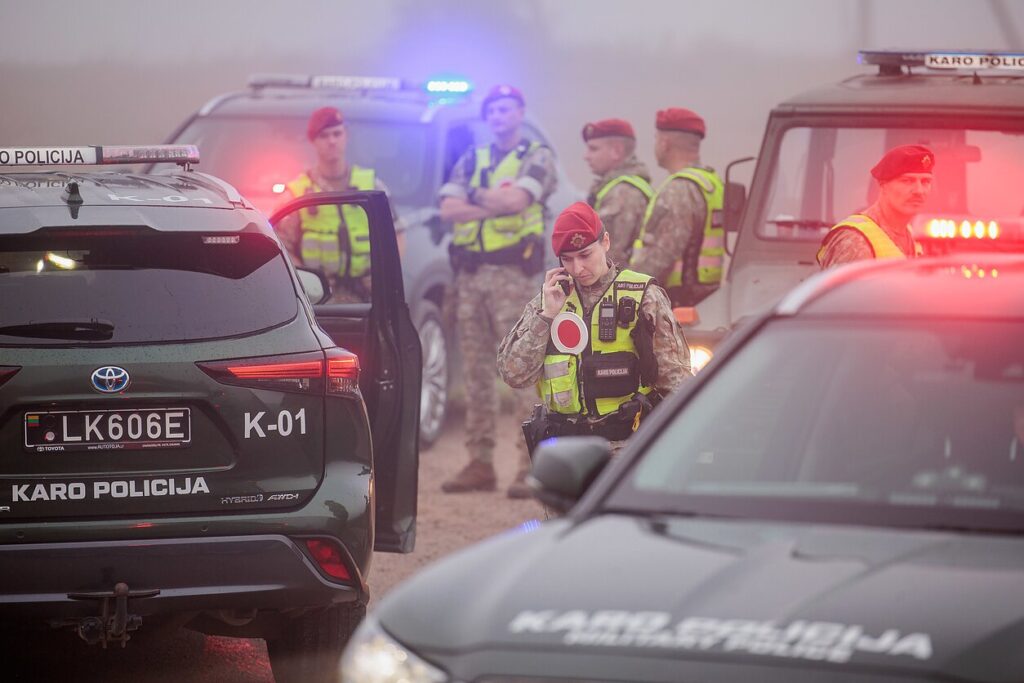
Lithuanian military police at the site near Pratkūnai where NATO fighters shot down a drone, Kaišiadorys district, Lithuania, 15 September 2026. Photo: D. Umbrasas / LRT

This creates a problem that is partly of Europe’s own making. Russia has had more than four years to refine its drones, missiles, production lines and tactics while Ukraine’s partners have often been too slow to provide enough weapons to counter those systems as they were developed and deployed at scale.

In that same period, many European countries continued trading with Russia, particularly in fossil fuels, allowing Moscow to keep generating revenue from European markets even as those same governments were providing military aid to Ukraine.

The result is a Russian aerial arsenal that is more capable than the one Ukraine faced in 2022 – while some of the countries now worried about a future Russian threat lack the air defenses needed to protect themselves.

Western governments helped Ukraine fight Russia’s air war, but not at a scale or speed sufficient to prevent Russia from adapting. 

Ukrainian civilians are paying the price for the time Russia was given to expand and refine its aerial warfare. Now, Europe is having to prepare for the possibility that those capabilities could one day be used against it. 

Ukraine retakes ground in a region Russia has fought for years to capture. “Vivaldi” is only getting started but is already “one of the most important victories for Ukraine in 2026”

20 septembre 2026 à 07:03

Ukraine's Third Army Corps commander Brigadier General Andrii Biletskyi announcing new developments in "Operation Vivaldi," 20 September 2026. Screenshot from video: Ukraine's Third Army Corps

Ukraine’s Third Army Corps says its forces have liberated Shandryholove and Derylove and established full control over Drobysheve in Donetsk Oblast as part of its ongoing “Vivaldi” offensive.

Ukraine is taking the initiative in northern Donetsk, where Russia has spent years trying to seize the remaining Ukrainian-held territory. By retaking ground and disrupting Russian logistics, the “Vivaldi” counteroffensive could complicate Moscow’s plans for a broader offensive in the Donbas.

According to the corps, Ukrainian forces and attached units have regained control of 125 square kilometers during the first two phases of the operation, including 50 square kilometers that had been under Russian occupation.

The corps said the operation has also inflicted more than 3,000 Russian personnel losses across the two phases, including 800 more during the latest phase. 

Ukraine expands gains in “Vivaldi” offensive

The Third Army Corps said its forces captured Shandryholove and Derylove and established full control over Drobysheve during the second phase of the offensive.

The offensive is aimed at degrading Russian forces operating in the area, with the corps saying it is targeting elements of Russia’s 20th and 25th Combined Arms Armies and 1st Guards Tank Army.

Brigadier General Andrii Biletskyi, commander of the Third Army Corps, said Ukrainian assault groups are preceded by drones and unmanned ground vehicles.

The corps said its heavy bombers have been used to deliver kamikaze ground robots more than 10 kilometers behind Russian lines. Artillery and drone units have targeted Russian command posts, communications nodes, logistics, crossings, and reserves.

Ukrainian air defense and electronic warfare units have also helped shield the area of operations, according to the corps.

The operation involved units from the 60th Mechanized Brigade, 125th Heavy Mechanized Brigade, 3rd Assault Brigade, KRAKEN, the 3rd Separate Reconnaissance Battalion, and the corps’ 25th Anti-Tank Battalion, along with attached units.

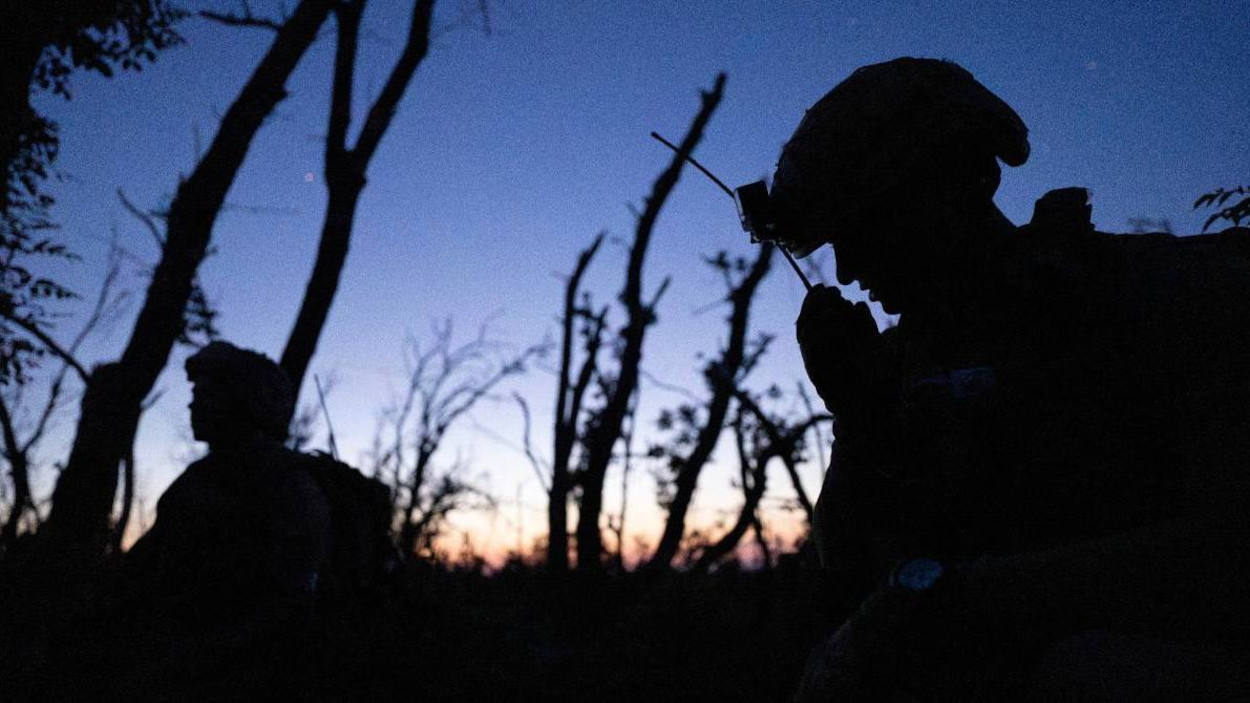
Soldiers of Ukraine's Third Army Corps. Photo: Ukraine's Third Army Corps
Explore further

“Only the first season” – Ukraine unveils secret counteroffensive in a region Russia has been trying to seize for 12 years

“One of the most important victories for Ukraine in 2026”

Open-source analyst Clément Molin, who has tracked the offensive using publicly available information, described the developments as highly significant.

“This is one of the most important victories for Ukraine in 2026, which will delay the offensive on northern Donbas,” Molin said.

After 4 months of the Lyman counter-attack, Ukraine 🇺🇦 3rd Army Corps managed to cut Russian 🇷🇺 salient north of Lyman and liberate more than 200 km2

This is one of the most important victory for Ukraine in 2026 which will delay the offensive on northern Donbas

🧵THREAD🧵1/20⬇ pic.twitter.com/PybB6jO9DO

— Clément Molin (@clement_molin) September 8, 2026

He also cautioned against claims that a large Russian grouping had been encircled, while assessing that Ukrainian advances had put pressure on Russian positions and supply routes.

The information surrounding the operation has remained limited, with Ukrainian forces maintaining operational security around their movements.

The Third Army Corps said the offensive is continuing and that further developments are expected soon.

  • ✇Euromaidan Press
  • Ukraine’s long-range strikes reach Moscow’s fuel supply as Russia votes in State Duma elections
    Ukraine launched a massive long-range drone attack on Moscow and Moscow Oblast overnight on 20 September, striking a major Russian oil refinery and a logistics facility, according to Ukrainian President Volodymyr Zelenskyy. Ukraine is increasingly targeting Russian oil refineries, logistics hubs, and other strategic infrastructure that helps generate the fuel, revenue, and supplies Russia needs to sustain its war against Ukraine. Striking them allows Kyiv to put pressure on Russia’s war
     

Ukraine’s long-range strikes reach Moscow’s fuel supply as Russia votes in State Duma elections

20 septembre 2026 à 06:05

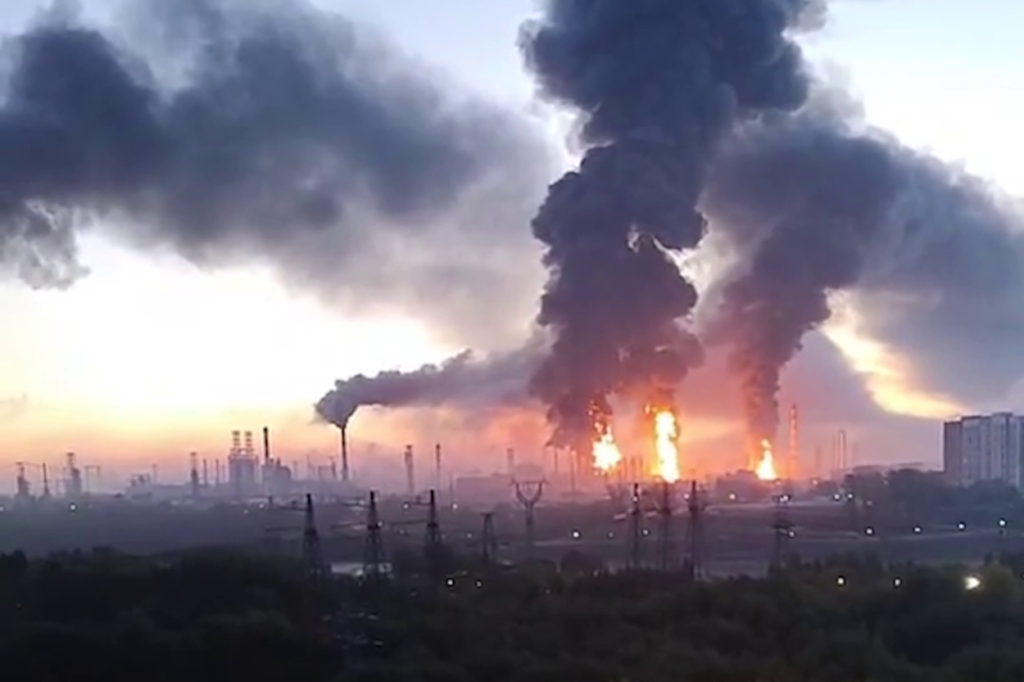
Smoke over Moscow after a mass Ukrainian drone attack on an oil refinery and logistics facility, 20 September 22026. Screenshot from video: Zelenskyy

Ukraine launched a massive long-range drone attack on Moscow and Moscow Oblast overnight on 20 September, striking a major Russian oil refinery and a logistics facility, according to Ukrainian President Volodymyr Zelenskyy.

Ukraine is increasingly targeting Russian oil refineries, logistics hubs, and other strategic infrastructure that helps generate the fuel, revenue, and supplies Russia needs to sustain its war against Ukraine. Striking them allows Kyiv to put pressure on Russia’s war economy and military logistics far beyond the front line.

The Moscow Oil Refinery was among the facilities hit. Moscow Mayor Sergei Sobyanin confirmed that an object at the refinery was damaged, while OSINT analysis by ASTRA of eyewitness footage also identified the refinery as one of the attack’s targets.

Zelenskyy said the strikes were carried out using a range of Ukrainian long-range weapons and targeted infrastructure that generates revenue for Russia’s war effort.

The attack took place on the second day of Russia’s three-day State Duma elections, with voting taking place across the country from 19 to 21 September.

Moscow refinery targeted

Zelenskyy said Ukrainian forces struck “one of the key enterprises of the Russian oil industry” in the Moscow region, along with a logistics facility.

The Moscow Oil Refinery is operated by Gazprom Neft and is located in Moscow’s Kapotnya district. According to information cited by ASTRA, it can process 11 million tons of oil annually and supplies about 40% of Moscow’s fuel market and 70% of the Moscow region’s gasoline and aviation fuel needs.

Sobyanin said an object on the refinery’s territory was damaged and that there were no casualties there.

Ukraine’s long-range campaign

Zelenskyy said Ukraine used FP-1, RZ-100, MICH-2000, Palianytsia, Vendetta, Liutyi, Bars, Flamingo, Sich, and Pelican systems in the operation.

He thanked the Security Service of Ukraine, Unmanned Systems Forces, Special Operations Forces, military intelligence, and Foreign Intelligence Service for their involvement.

“The billions of dollars” generated by such facilities help sustain Russia’s military machine, Zelenskyy said, framing the strikes as part of Ukraine’s effort to reduce Russia’s ability to finance and wage its war.

He also said Moscow should end its war rather than build layered air defenses using systems taken from other Russian regions.

Russian authorities report casualties

Russian officials claimed the overnight attack caused two deaths and six injuries across Moscow Oblast.

Governor Andrei Vorobyov claimed Russian air defenses and electronic warfare systems intercepted or suppressed 249 drones across 17 municipal districts between 3 and 5 a.m.

Vorobyov also claimed that a drone strike in Sofyino damaged six apartments in a three-story building, killing a 44-year-old woman and injuring five people. Another person was reportedly killed in a private house in the Orekhovo-Zuyevsky district.

In Ramenskoye, Russian authorities reported a fire at a 21-story apartment building and said about 400 people were evacuated.

Sobyanin separately claimed that the attack was intended to disrupt Russia’s State Duma elections, which were taking place on 20 September. Ukrainian authorities did not say that this was the purpose of the strikes.

Russia is using inaccurate missiles that can miss by hundreds of meters to attack Ukrainian cities – and plans to scale them up

18 septembre 2026 à 15:26

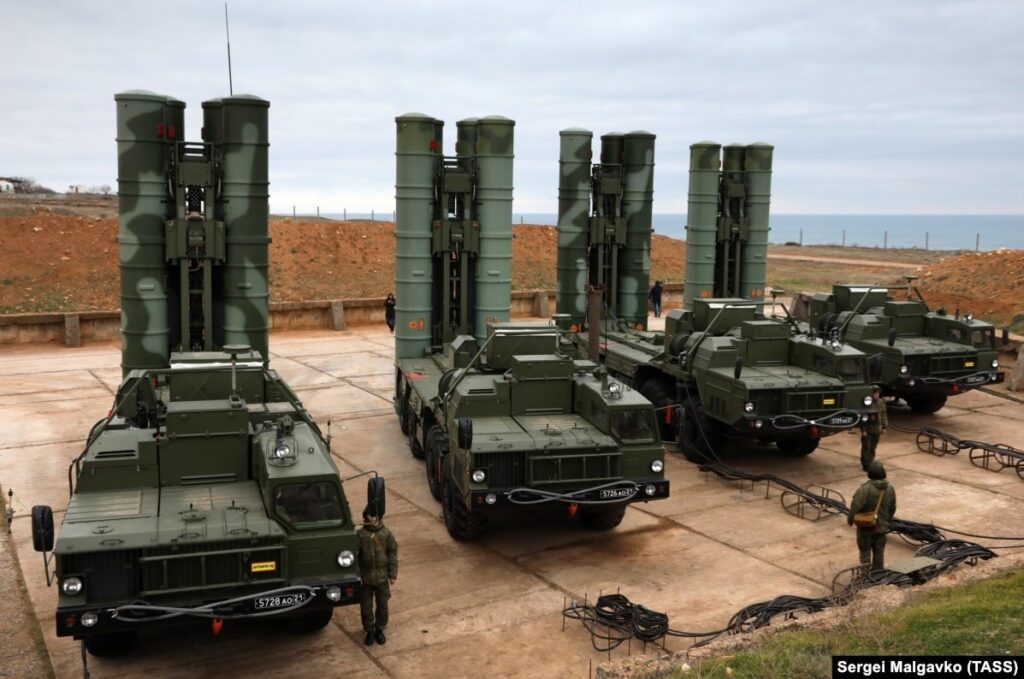
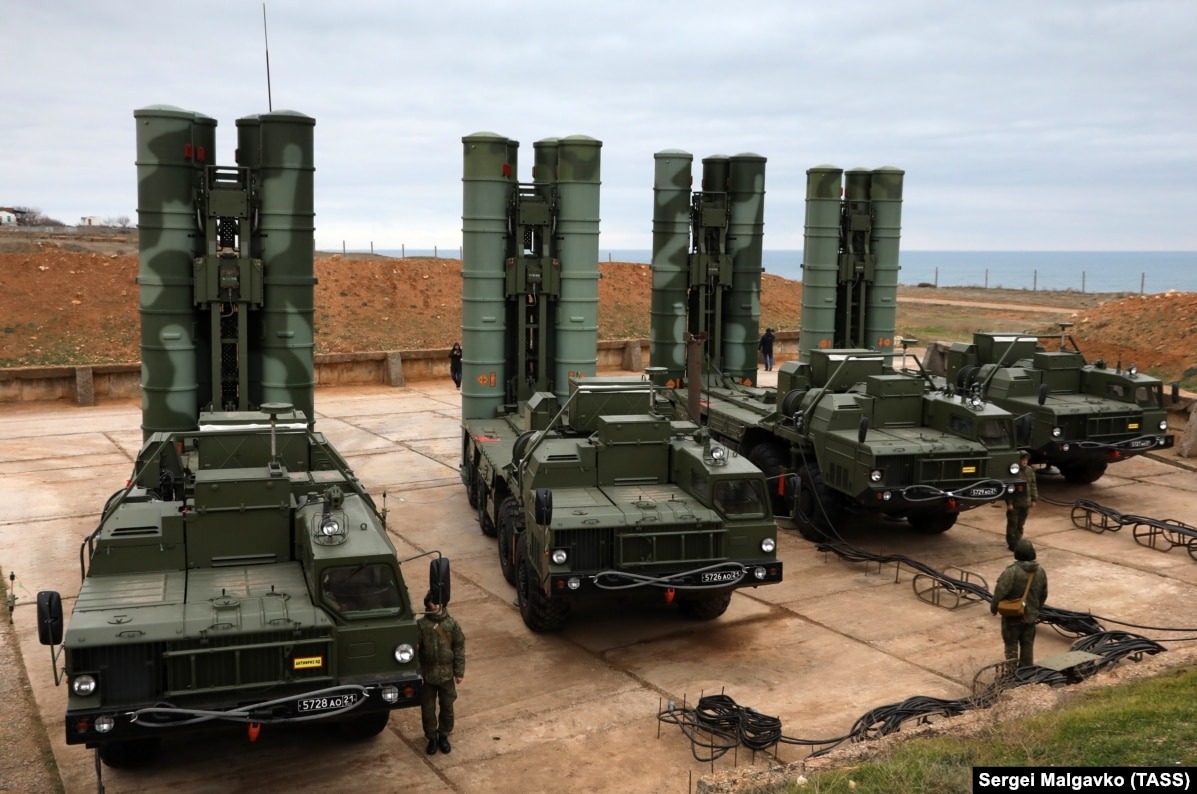
russia's arctic bases sit near-naked air defenses vanish guard moscow refineries burning inland · post s-400 defense missile launcher vehicles 2018 file sergei malgavko/tass rferl ukraine news ukrainian reports

Russia has begun using large numbers of a missile originally designed as a training target for air-defense crews, despite the weapon being significantly less accurate than the ballistic missiles Russia normally uses for precision strikes. The RM48U is now being launched against targets in Ukraine from S-400 air-defense systems.

The development comes as Russia has sharply increased its use of ballistic missiles against Ukrainian cities in recent months, while Ukraine faces a critical shortage of the interceptors needed to defend against them. Russian forces had more than tripled their monthly ballistic missile launches between April and July, according to Ukrainian military intelligence, as Ukraine's stocks of Patriot interceptors have dwindled.

More than half of the 228 ballistic and hypersonic missiles Russia launched in July and the first eight days of August were RM48Us, according to Ukrainian data reviewed by Reuters in an investigation published on 18 September.

A training missile turned into an inaccurate weapon

The RM48U was originally developed as a training target to help Russian air-defense crews practice intercepting incoming threats. It was not designed as a precision ground-attack missile.

Ukrainian investigators told Reuters that the missile is less powerful and less accurate than the Iskander, Russia's main short-range ballistic missile. They estimate that RM48Us deviate from their intended targets by around 300 meters on average.

The missiles nevertheless follow a high-speed ballistic trajectory when used in combat, making them difficult for Ukrainian air defenses to intercept.

Russia launches the RM48U from S-400 systems, repurposing part of its air-defense arsenal for offensive strikes.

russia's arctic bases sit near-naked air defenses vanish guard moscow refineries burning inland · post s-400 defense missile launcher vehicles 2018 file sergei malgavko/tass rferl ukraine news ukrainian reports
Explore further

Ukraine strikes two Russian S-400 launchers in Bryansk. The same systems were used to attack Kyiv overnight.

Russia is using inaccurate missiles at scale

The number of RM48U launches increased sharply during the summer.

Russia launched 158 ballistic and hypersonic missiles against Ukraine in July, according to Ukrainian data reviewed by Reuters. Of those, 87 were RM48Us.

Russia then launched another 36 RM48Us among 70 ballistic and hypersonic missiles fired during the first eight days of August.

July was the highest month for Russian ballistic and hypersonic missile launches since the start of the full-scale invasion, according to the Ukrainian data.

The surge in RM48U use also coincided with a major decline in Russia's use of Iskanders. Russia launched more than 100 Iskanders in June but only 38 in July.

The shift indicates that Russia is using the less capable RM48U to sustain its ballistic missile campaign to continue causing indiscriminate destruction in Ukrainian cities while conserving more capable weapons.

RUSI analyst Sidharth Kaushal told Reuters that this allows Russia to preserve missiles such as Iskanders, as well as other more advanced weapons, for future attacks.

Less accurate does not mean less dangerous

The RM48U's poor accuracy has already had deadly consequences.

Ukrainian investigators concluded that an RM48U struck a railway platform in the Brovary district of Kyiv Oblast on 5 August, killing eight people. 

According to Ukrainian prosecutors cited by Reuters, the missile's warhead also scatters metal fragments over a wide area.

The attack illustrates the danger of Russia using a weapon that was never designed for precision strikes in populated areas. Even when the missile misses its intended target, its large deviation can leave civilians and civilian infrastructure within the affected area.

Russia denies deliberately targeting civilians and says it strikes military and other strategic targets.

Russia plans to produce more

Ukraine's military intelligence told Reuters that Russia plans to produce 480 RM48U missiles in 2026, more than twice the 200 produced last year.

That would give Russia a growing supply of a relatively simple ballistic weapon that can be used alongside its more sophisticated missiles.

The large-scale deployment of the RM48U represents a new development in Russia's ballistic campaign: a missile built to serve as a training target for air-defense crews is now being used as an offensive weapon against Ukraine.

At a time when Ukraine is struggling to replenish the scarce interceptors needed to stop Russia’s ballistic missiles, Moscow is expanding the range of weapons it can use to strike Ukrainian cities, killing more civilians and destroying more civilian infrastructure with each escalation.

“A warning to companies that remain”: Russia takes control of Nestlé and Auchan’s assets – companies that stayed in Russia following the full-scale invasion of Ukraine

18 septembre 2026 à 12:03

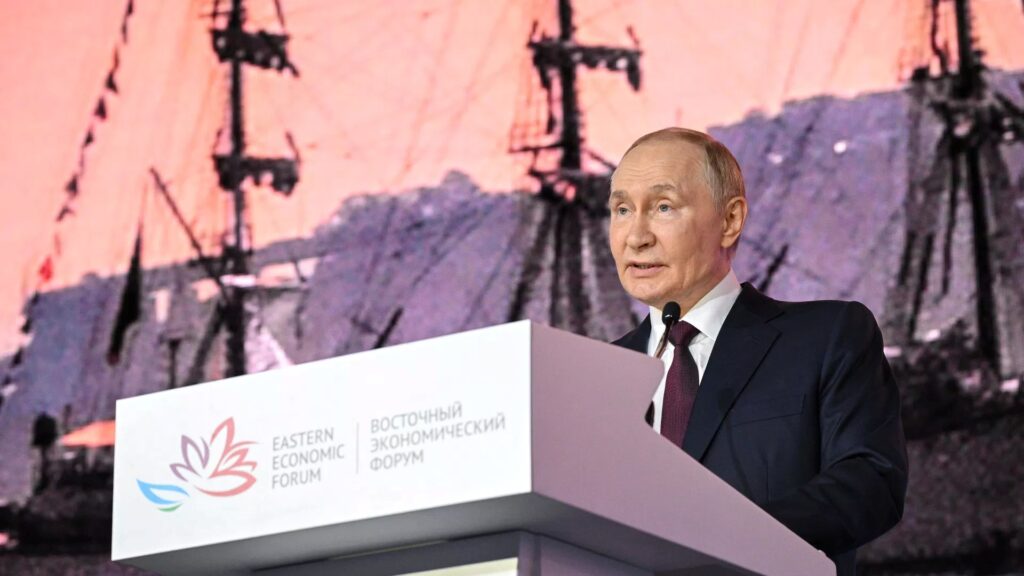
putin at the eastern economic forum in vladivostok on 5 september 2025

Russia has placed the Russian assets of French retailer Auchan, Swiss food giant Nestlé, and the former Leroy Merlin chain under temporary management, stripping the companies of effective control over their businesses in the country.

Foreign companies have long been urged to leave Russia because their continued operations generate revenue for a state waging war against Ukraine. They also face growing risks of asset seizure, legal and financial liabilities, and reputational damage as the Kremlin increasingly uses foreign-owned businesses as political leverage.

Russian President Vladimir Putin signed the decree on 17 September, transferring the assets to L.E.V. Management, a little-known Russian company. The decree also covers Russian assets linked to French logistics companies FM Logistic and Bati Logistics.

The measure does not formally change ownership. However, the companies' Russian assets are now controlled by the Kremlin-appointed administrator, and similar temporary-management arrangements have previously preceded forced sales or transfers to Russian buyers.

L.E.V. Management is headed by Andrei Krayushkin, a Russian Interior Ministry major general who previously served as first deputy head of the ministry's migration department.

According to Reuters, the Kremlin justified the move by pointing to the companies' ties to countries Russia considers "unfriendly." Kremlin spokesperson Dmitry Peskov said the countries involved are actively supporting Ukraine and participating in actions against Russia.

Companies warned they could lose their assets

The move comes after years of warnings to Western companies that remained in Russia carried an increasing risk of expropriation.

Denys Svyrydenkov, a representative of the B4Ukraine coalition, told Euromaidan Press that the organization had repeatedly contacted Auchan, Nestlé, and Leroy Merlin, warning them that their Russian assets could be seized.

"We repeatedly warned these companies about the serious and growing risks of continuing to operate in Russia, including the possibility of losing their businesses through nationalisation," Svyrydenkov said.

According to Svyrydenkov, the companies defended their continued presence in Russia by arguing that they provided essential goods and protected the livelihoods of Russian employees.

He rejected both arguments, saying Russia is largely self-sufficient in food and that Western sanctions do not prevent food or humanitarian goods from reaching the country. He also pointed to Russia's severe labor shortage and historically low unemployment, arguing that alternative employment opportunities are widely available.

"By staying, they were effectively running businesses that were no longer truly theirs," Svyrydenkov said.

Auchan and Nestlé remained in Russia

The three companies took different approaches after Russia launched its full-scale invasion of Ukraine in February 2022.

Auchan did not leave Russia and continued operating its large retail network. It currently has around 230 stores across 100 Russian cities. The chain's Russian turnover reached 127 billion rubles ($1.5 billion) in the first half of 2026, according to The Moscow Times.

Nestlé also remained, but reduced its Russian operations. The company halted investments, withdrew some brands including KitKat and Nesquik, and said it did not intend to profit from its Russian business. It still operates six production sites in Russia, making products including coffee, confectionery, baby food, and pet food.

Leroy Merlin's owner announced its departure from Russia in 2023. Its Russian legal entity was renamed Le Monlid, while its stores now operate under the Lemana Pro brand.

Nestlé said on 18 September that it was assessing its options and would take "all necessary steps" to protect its rights and ensure business continuity, particularly for its employees.

auchan mall russia newsru 95f5d5a4-920d-11ef-a84f-02420a0000c9_930
Auchan mall in Russia. Illustrative image: News.ru

A warning to companies still operating in Russia

The seizure reflects a broader pattern that has emerged since Russia began using temporary administration to take control of Western-owned businesses.

Companies including Danone, Carlsberg and Finnish energy firm Fortum have previously seen their Russian assets placed under state control. Reuters reported that Russia had seized more than $50 billion in foreign assets by 2025.

Svyrydenkov said the latest move was "more than predictable," arguing that Russia has repeatedly used Western companies' exposure to its domestic market as leverage.

"The Kremlin's seizure of the Russian assets of Auchan, Nestle and the former Leroy Merlin reinforces a reality that has been evident for years: Russia is a hostile and unpredictable environment where foreign companies' assets remain at the mercy of an authoritarian regime," he said.

He warned that companies remaining in Russia face the possibility of sudden expropriation while also continuing to generate economic activity inside a country waging war against Ukraine.

"The latest asset seizures should serve as a warning to all companies still operating in Russia: waiting for the Kremlin to decide the fate of your business is not a risk-management strategy," Svyrydenkov said.

Thousands are starving in occupied Oleshky. People have no food, no way out, and Russian forces bomb incoming aid

17 septembre 2026 à 17:54

Oleshky, Kherson Oblast, has been under Russian occupation since 2022, following Russia’s capture of the city during the initial phase of its full-scale invasion of Ukraine. Photo: Dmyto Lubinets

Oleshky, a Ukrainian city under Russian occupation in Kherson Oblast, is facing a severe humanitarian crisis, with more than 6,000 people, including around 200 children, potentially trapped there, according to Ukrainian Ombudsman Dmytro Lubinets.

Civilians are going without food, drinking water, medicine, and other basic necessities while facing daily shelling and drone attacks, Lubinets said.

The crisis has become so desperate that some residents are trying to escape on their own without waiting for an organized evacuation, crossing mined fields because they see no other way out. They risk being killed by mines or Russian drones, but are attempting to leave because staying in Oleshky has become even more dangerous.

“People need to be saved,” Lubinets said, describing the city as a “death trap.”

Thousands remain trapped

Lubinets said his office has received 176 appeals concerning the humanitarian situation in the temporarily occupied territories of Kherson Oblast and has verified 358 people who urgently need assistance to safely leave the area.

He stressed that these are only people his office has managed to identify. Based on the population of Oleshky and the surrounding area, more than 6,000 people may still remain there, including around 200 children, he said.

The civilians remaining in the city are effectively in a “gray zone,” according to Lubinets. They face daily shelling and drone attacks while lacking food, drinking water, medicine, and other essential assistance.

“The stories make your blood run cold. And so there is only one task — to get our people out of this deadly danger,” Lubinets said.

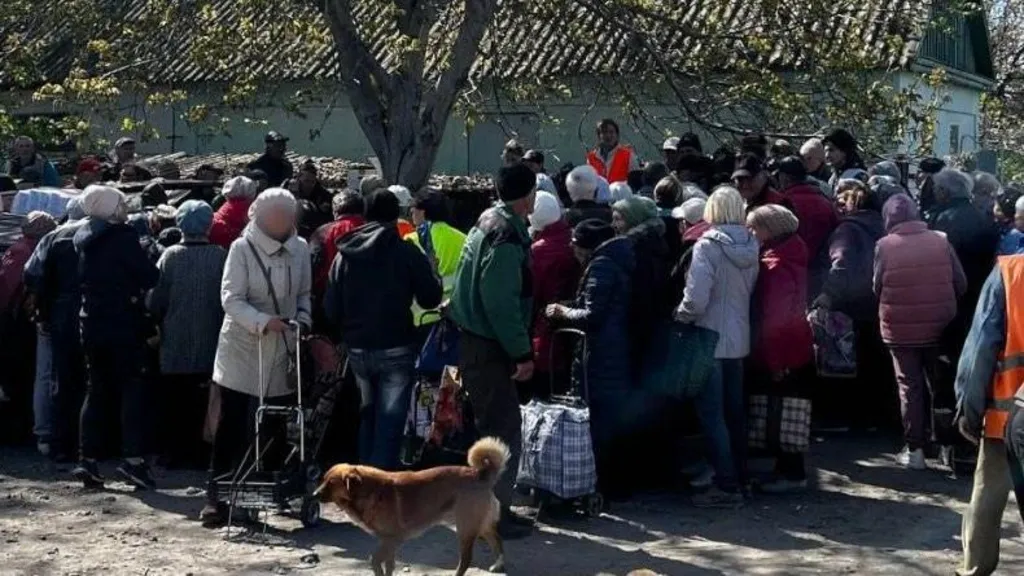
Residents, many elderly and carrying shopping trolleys, gather outdoors in occupied Oleshky, Kherson Oblast.
People in Oleshky wait for food supplies. Hola Prystan is near Oleshky. Photo: BBC

“There is real hunger there”

Other reporting indicates that the shortages have persisted for months. According to Kherson Regional Military Administration head Oleksandr Prokudin, food deliveries to Oleshky have almost completely stopped, while Russian forces prevent residents from evacuating.

Natalia Soboleva, an Odesa volunteer who tracks the situation in Oleshky, told Espreso that residents are gathering grass and searching through destroyed basements for food.

“There is hunger there, real hunger,” she said.

The blockade has also affected humanitarian efforts. Soboleva said Russian forces attacked humanitarian vehicles attempting to bring food and water into the city. During the latest reported attempt on 1 September, Russian troops shelled four volunteer vehicles.

The crisis in Oleshky has been independently documented by international organizations and media. The UN, Human Rights Watch and the OSCE have all reported severe shortages of food and medical care, dangerous conditions for civilians, and restrictions on humanitarian aid and evacuation.

Occupied Oleshky.
Explore further

International monitors confirm Russia’s blockade of occupied Oleshky, where the living starve and the dead go unburied

Russia has not confirmed evacuation, so civilians risk mines to escape

The ombudsman said some people are now trying to leave independently. They are crossing mined areas despite the risk of being killed by a mine or targeted by a drone because they do not see another way to escape.

This desperation has also been documented by Human Rights Watch, which said there is no organized evacuation route from Oleshky and that people attempting to leave face Russian military checkpoints and a dangerous journey through occupied territory.

Lubinets said Ukraine has been pressing for an organized humanitarian evacuation.

Ukraine and Russia had previously reached agreements and established clear procedures for such a mission, he said. Lubinets also secured the International Committee of the Red Cross’ readiness to participate within its mandate.

Ukraine prepared a list of people for evacuation and coordinated with its Security and Defense Forces to establish a ceasefire during the humanitarian mission.

But Russia has not confirmed its readiness to carry out the evacuation, according to Lubinets.

Explore further

Mined in, starved out, hunted from above—life in the towns Russia demands at the peace table

Months ago, he said, he informed international organizations, including the United Nations and the ICRC headquarters in Geneva, about the critical situation and called for assistance to prevent mass deaths.

Lubinets said his office continues to collect and verify information and coordinate with the ICRC, international organizations and Ukrainian authorities. It is also continuing to press Russia for an urgent evacuation of civilians remaining in Oleshky.

The situation is difficult to independently verify because Oleshky is under Russian occupation and access to the city is severely restricted. But reports of the humanitarian crisis have been corroborated by the UN, Human Rights Watch, the OSCE and other international organizations, as well as Ukrainian and international media.

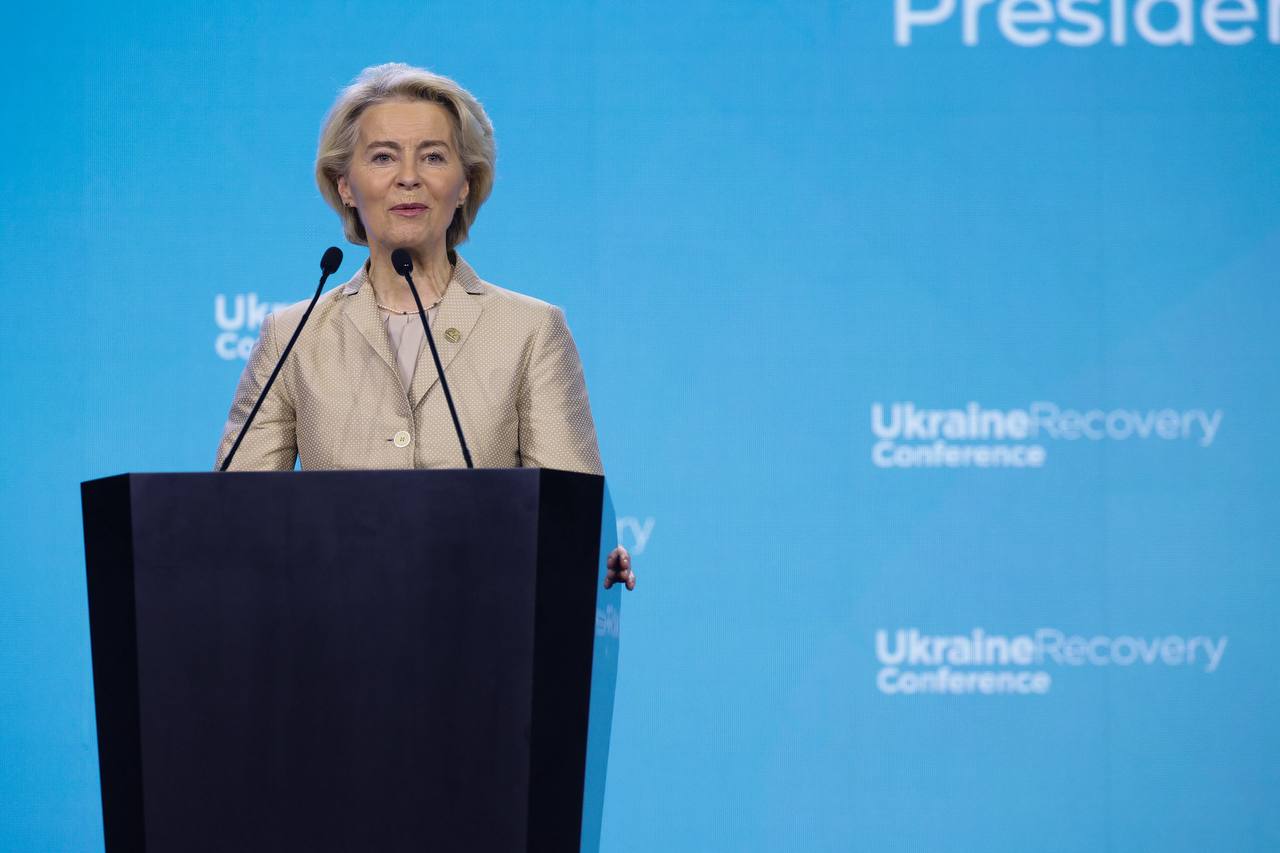
EU pledges €3.3 billion for Ukraine, von der Leyen says “more is coming” as Russia’s escalating air war makes life in Ukrainian cities increasingly difficult

17 septembre 2026 à 16:40

EU Commission President Ursula von der Leyen says Europe will provide Ukraine with another €3.3 billion for missiles and drones as Russia intensifies attacks on Kyiv and seeks to make daily life in Ukraine's cities impossible.

Ukraine has repeatedly appealed to its partners for more air defense as Russia develops increasingly sophisticated ways to attack Ukrainian cities, while Ukraine’s stocks of air-defense interceptors have fallen to critically low levels.

Following a call with President Volodymyr Zelenskyy, von der Leyen said the EU would disburse the funds on 18 September. She also said the EU had approved funding for Patriot air defense systems through its Ukraine Support Loan.

Ukraine needs more air defense

Russia has increasingly combined large numbers of attack drones with ballistic and cruise missiles, forcing Ukraine to defend vast areas while facing shortages of high-end interceptors.

The most difficult targets are Russia’s ballistic missiles, which can reach Ukrainian cities within minutes and require specialized systems such as Patriot to intercept. Ukraine has repeatedly called for more Patriot batteries and interceptors as Russia increases missile attacks.

Ukraine also needs additional air defense capabilities to counter Russia’s increasingly sophisticated drone attacks. Russia is deploying faster, more advanced Geran-type drones that are more difficult to intercept, increasing pressure on Ukraine’s already limited air-defense stocks.

Von der Leyen said the EU had approved funding for Patriot systems last week, but acknowledged that “clearly more is needed.”

The new €3.3 billion package will fund the procurement of missiles and drones for Ukraine, strengthening its ability to defend against Russian attacks.

I just had a phone call with President @ZelenskyyUa.

Tomorrow we will disburse €3.3 billion for missile and drones in Ukraine.

Full read-out ↓https://t.co/UYDT9vn3zC

— Ursula von der Leyen (@vonderleyen) September 17, 2026

Europe proposes joint air defense development

Von der Leyen also announced that the EU is prepared to use remaining funds from its Security Action for Europe (SAFE) program to launch a new joint EU-Ukraine defense initiative.

The proposed program would focus on developing a European air and missile defense system, building on the jointly developed anti-ballistic Freya system.

The goal is to combine Ukraine’s battlefield experience and defense innovation with European technology and industrial capacity, according to von der Leyen.

The announcement comes as Ukraine is trying to strengthen its air defenses ahead of another winter of Russian attacks, when strikes against energy and other critical infrastructure could have an especially severe impact on civilians.

title · post ursula von der leyen during ukraine recovery conference gdańsk poland 2026 news ukrainian reports
Explore further

The EU has billions in unspent defense funds. It wants to use them for projects with Ukraine

Von der Leyen calls for broader support

Von der Leyen said the EU has already mobilized nearly €15 billion for Ukraine in 2026, with additional support planned. She added that “more is coming.”

She also said Ukraine needs to complete reforms in the Verkhovna Rada to unlock further funding and continue its path toward EU membership.

“Europe is stepping up,” von der Leyen said. “Now others must step up their support too.”

  • ✇Euromaidan Press
  • Russia’s war has devastated Donetsk Oblast, with losses already exceeding $26 billion
    Donetsk Oblast’s preliminary economic losses from Russia’s full-scale invasion exceeded 1.08 trillion hryvnias ($26 billion) as of 1 August 2026, according to data provided by the Donetsk Regional Military Administration to Radio Free Europe/Radio Liberty’s Donbas.Realities project. Donetsk Oblast has been at the center of Russia’s war against Ukraine since 2014, with the frontline running through the region and Ukrainian-controlled towns facing daily Russian attacks since 2022. Only ab
     

Russia’s war has devastated Donetsk Oblast, with losses already exceeding $26 billion

17 septembre 2026 à 16:01

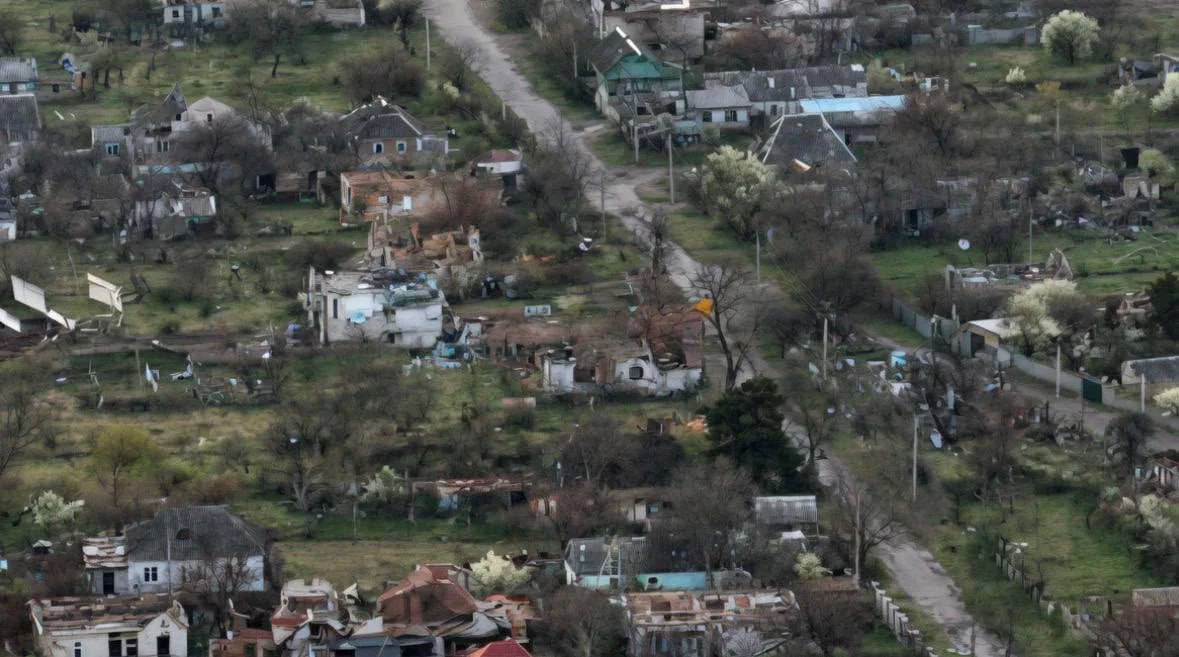
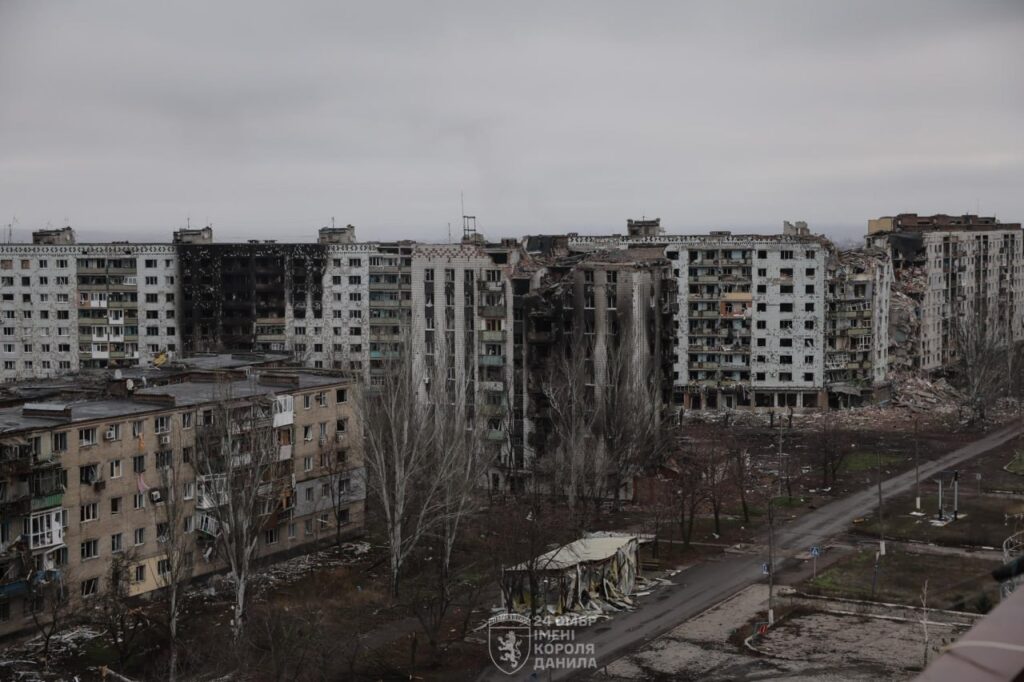
Damaged residential buildings in Kostiantynivka, Donetsk Oblast, 9 April 2026. Photo: UA Land Forces

Donetsk Oblast’s preliminary economic losses from Russia’s full-scale invasion exceeded 1.08 trillion hryvnias ($26 billion) as of 1 August 2026, according to data provided by the Donetsk Regional Military Administration to Radio Free Europe/Radio Liberty’s Donbas.Realities project.

Donetsk Oblast has been at the center of Russia’s war against Ukraine since 2014, with the frontline running through the region and Ukrainian-controlled towns facing daily Russian attacks since 2022. Only about 30% of the oblast remains under Ukrainian control.

Industry accounts for most losses

According to the administration, businesses in the region’s real economy suffered more than 1.08 trillion hryvnias in losses, including lost profits, Donbas.Realities reported.

Industry accounted for 909.4 billion hryvnias ($22 billion) of the estimate, while the electricity and gas sectors suffered 156.5 billion hryvnias ($3.8 billion) in losses.

Agriculture accounted for 11.8 billion hryvnias ($285 million), transport for 1.5 billion hryvnias ($36 million), and other sectors for another 1 billion hryvnias ($24 million).

The losses among businesses operating in the social sphere were separately estimated at 100 million hryvnias ($2.4 million).

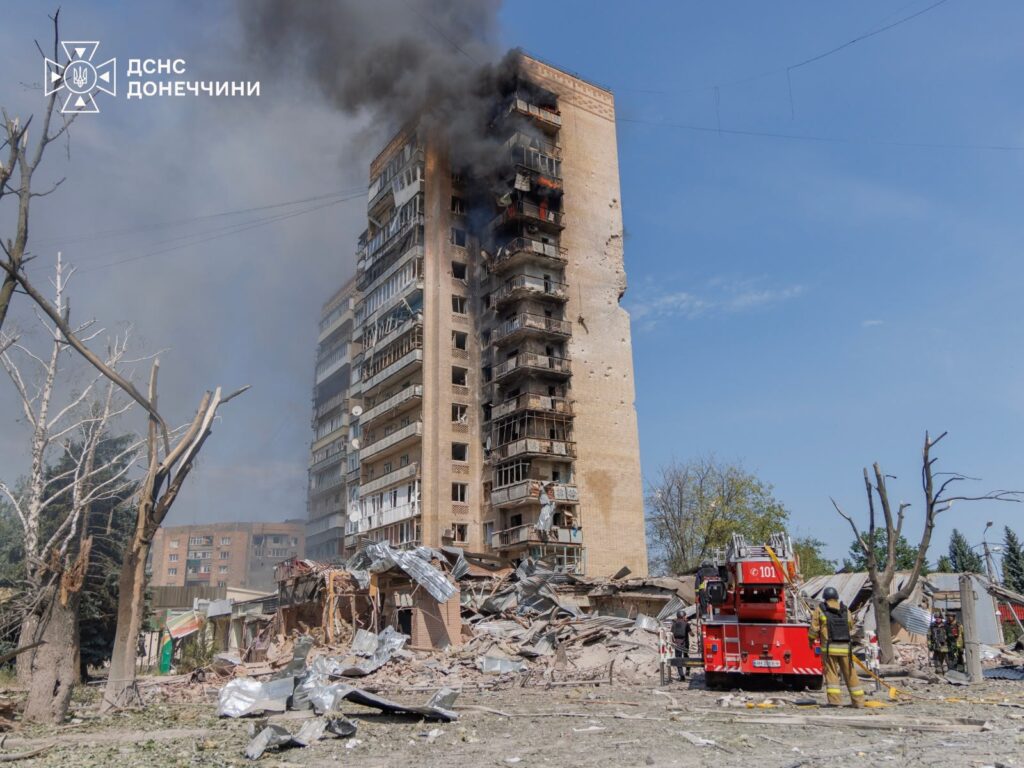
Emergency workers responding to the aftermath of a Russian airstrike on a residential building in Kramatorsk, Donetsk Oblast, Ukraine, on 4 August 2026. Photo: Ukraine's State Emergency Service

Full extent of damage remains unknown

The administration said its Department of Economy is collecting and consolidating information on losses caused by Russia’s invasion.

The regional administration said the figure is likely incomplete, as ongoing fighting and the scale of destruction make it impossible to determine the full extent of the damage.

“Determining the full extent of material damage caused in Donetsk Oblast is currently impossible,” the administration said, citing ongoing hostilities, the scale of destruction, limited access to damaged or destroyed sites, and the loss of documentation from occupied territories and areas of active fighting.

The administration emphasized that the figures are preliminary estimates and do not represent the region’s full material losses.

A final assessment can only be made after the security situation stabilizes and temporarily occupied territories are liberated, allowing authorities to properly document and assess the damage, it said.

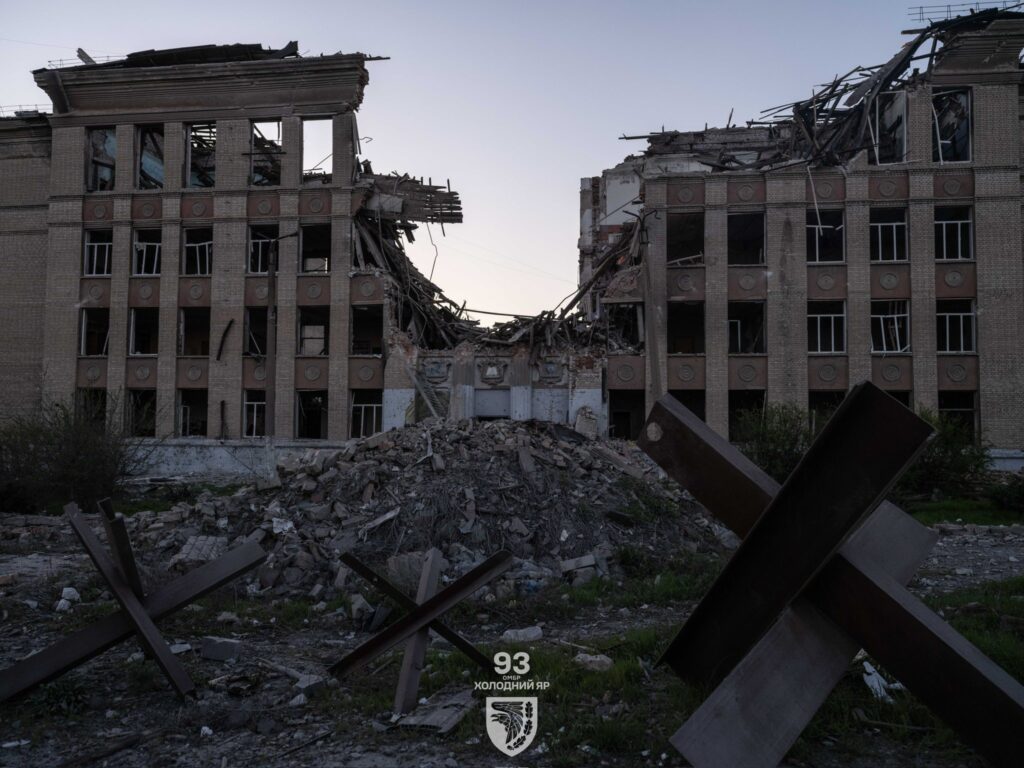
Ruins in Kostyntynivka, Donetsk Oblast, May 2025.
Ruins in Kostyntynivka, Donetsk Oblast, May 2025. Photo: 93rd Brigade

Most of Donetsk Oblast remains under Russian control

About 30% of Donetsk Oblast remains under Ukrainian control, according to the regional administration.

The region has been a major battlefield throughout the full-scale war, with Russian forces continuing to attack Ukrainian-controlled areas while large parts of the region remain occupied.

The scale of the damage in Donetsk Oblast forms part of the much broader economic cost of Russia’s invasion. At the beginning of 2026, Ukrainian authorities and international organizations estimated Ukraine’s overall losses since the start of the full-scale invasion at more than $195 billion, Donbas.Realities reported.

  • ✇Euromaidan Press
  • Russia kills captain of Tanzanian-flagged ship in latest attack on civilian shipping in Black Sea
    Russia killed the captain of a Tanzanian-flagged civilian vessel and wounded three crew members in a drone strike in the Black Sea on 17 September, Ukraine’s Ministry for Restoration, Infrastructure and Transport said. The ministry said Russia is “systematically attacking Ukrainian ports, port infrastructure and civilian commercial vessels,” threatening both people and international shipping in the Black Sea. The vessel was heading toward one of Ukraine’s ports when it was attacked.
     

Russia kills captain of Tanzanian-flagged ship in latest attack on civilian shipping in Black Sea

17 septembre 2026 à 15:20

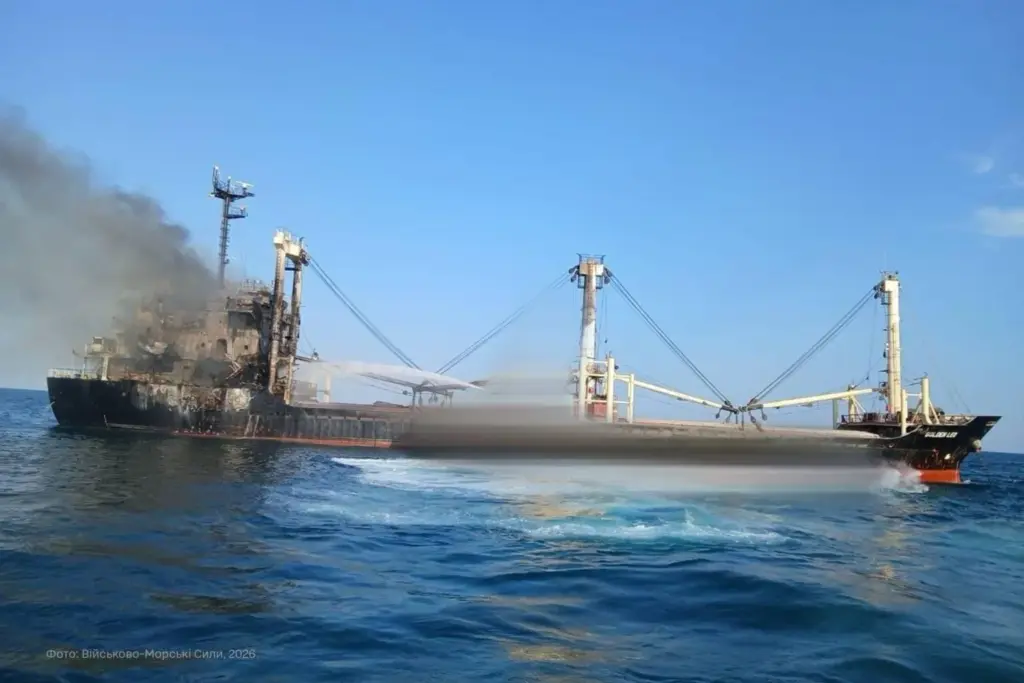
russian black sea attacks low danube waters push eu seek alternative routes ukrainian grain exports · post civilian bulk carrier golden leo ablaze after missiles hit left odesa cargo corn

Russia killed the captain of a Tanzanian-flagged civilian vessel and wounded three crew members in a drone strike in the Black Sea on 17 September, Ukraine’s Ministry for Restoration, Infrastructure and Transport said.

The ministry said Russia is “systematically attacking Ukrainian ports, port infrastructure and civilian commercial vessels,” threatening both people and international shipping in the Black Sea.

The vessel was heading toward one of Ukraine’s ports when it was attacked. The condition of the ship is still being assessed.

Foreign vessels repeatedly targeted

The latest attack follows a series of Russian strikes on foreign-flagged vessels serving Ukrainian ports.

In July, Russia struck the Turkish-owned bulk carrier GOLDEN LEO with cruise missiles as it left Odesa carrying grain, killing 10 people.

Russia also attacked two foreign-flagged cargo ships with drones in June, killing one sailor and injuring five others as the vessels were leaving Ukrainian ports.

In August, a Russian strike on port infrastructure in Odesa damaged a Togo-flagged civilian vessel and injured four people.

Attacks threaten Ukraine’s maritime trade

The repeated attacks have also disrupted Ukraine’s maritime trade route.

In July, Russian strikes on civilian cargo ships brought traffic through the Black Sea corridor close to a standstill at the height of the harvest, with shipowners temporarily stopping vessels from entering Ukrainian ports.

The Ukrainian ministry called for an international response and coordinated action to strengthen the protection of civilian shipping and the security of international logistics routes.

  • ✇Euromaidan Press
  • Ukraine receives 252 bodies as repatriation remains one of the few functioning channels with Russia
    Ukraine has received the bodies of 252 people killed in the war, the Coordination Headquarters for the Treatment of Prisoners of War reported on 17 September. The return of the dead remains one of the few channels that still functions between Kyiv and Moscow during Russia’s war against Ukraine. Each handover allows families of missing Ukrainians to identify and bury their relatives. According to the Russian side, the bodies belong to Ukrainian citizens, including military personnel.
     

Ukraine receives 252 bodies as repatriation remains one of the few functioning channels with Russia

17 septembre 2026 à 14:35

Ukraine receives the bodies of 252 people killed in the war as part of a repatriation from Russia, 17 September 2026. Photo: Coordination Headquarters for the Treatment of Prisoners of War

Ukraine has received the bodies of 252 people killed in the war, the Coordination Headquarters for the Treatment of Prisoners of War reported on 17 September.

The return of the dead remains one of the few channels that still functions between Kyiv and Moscow during Russia’s war against Ukraine. Each handover allows families of missing Ukrainians to identify and bury their relatives.

According to the Russian side, the bodies belong to Ukrainian citizens, including military personnel. Ukrainian authorities will now carry out forensic examinations and identification procedures to establish the identities of those returned, the Coordination Headquarters said.

Bodies to undergo identification

The repatriation was carried out through joint work by Ukraine’s Coordination Headquarters for the Treatment of Prisoners of War, the Security Service of Ukraine’s Joint Center, the Armed Forces, Interior Ministry, Ombudsman’s Office, Missing Persons Commissioner’s Secretariat, State Emergency Service, and other security and defense structures.

The International Committee of the Red Cross assisted with the repatriation.

Ukrainian military personnel are transporting the bodies to designated state facilities, where law enforcement and forensic experts will conduct the necessary examinations and identification.

Repatriations continue amid stalled peace talks

The latest repatriation follows the return of 261 bodies to Ukraine on 13 August. 

The return of fallen Ukrainian soldiers has accelerated since peace talks resumed in early 2025 and has become a recurring process, making repatriation operations one of the few areas of continued humanitarian cooperation between Ukraine and Russia amid the war.

  • ✇Euromaidan Press
  • No missiles intercepted again: Russia strikes Kyiv water infrastructure amid warnings of harsher winter attacks
    Russia launched a large-scale missile and drone attack on Ukraine overnight on 17 September, striking Kyiv, Zaporizhzhia, and Odesa Oblast, among other regions. The attack damaged civilian infrastructure in Kyiv, including apartment buildings and educational facilities, while water infrastructure was also affected. Kyiv mayor Vitali Klitschko reported 20 people injured, including at least two children. Water infrastructure hit as winter concerns grow The overnight strikes affected
     

No missiles intercepted again: Russia strikes Kyiv water infrastructure amid warnings of harsher winter attacks

17 septembre 2026 à 11:44

Apartment buildings in Kyiv damaged from an overnight Russian attack on 17 September 2026. Photo: Ukraine's State Emergency Service

Russia launched a large-scale missile and drone attack on Ukraine overnight on 17 September, striking Kyiv, Zaporizhzhia, and Odesa Oblast, among other regions.

The attack damaged civilian infrastructure in Kyiv, including apartment buildings and educational facilities, while water infrastructure was also affected. Kyiv mayor Vitali Klitschko reported 20 people injured, including at least two children.

Water infrastructure hit as winter concerns grow

The overnight strikes affected Kyiv’s water infrastructure, temporarily disrupting water supply on the left bank and reducing pressure in some areas on the right bank.

Kyivvodokanal said its specialists restored operations and that water supply is now fully functioning across the capital.

The damage comes as Ukrainian authorities have warned that Russia could target critical water infrastructure as winter approaches, potentially adding another major threat to civilians alongside attacks on Ukraine’s electricity and heating systems.

Russia has repeatedly used winter strikes to target Ukraine’s critical infrastructure, particularly electricity and heating, leaving civilians without power, heat, and basic services during freezing weather. 

This winter is expected to bring a heavier campaign: Russia has intensified its attacks since the summer, increasingly targeting food-related infrastructure and supplies in addition to energy facilities.

No missiles intercepted, once again

Russia launched ballistic and cruise missiles alongside 157 Shahed-type attack drones and decoy drones, according to Ukraine’s Air Force.

The ballistic missiles included Iskander-M, S-400 and North Korean KN-23 missiles launched from Russia’s Bryansk and Voronezh oblasts. Russia also launched four Kalibr cruise missiles and Oniks missiles.

Ukraine’s air defenses reported destroying or suppressing 131 aerial targets, but none of the ballistic weapons were among those intercepted. The 131 targets consisted of seven Bandеrol/Dan-T missiles and 124 Shahed, Gerbera, and other drones.

Once again, Ukraine intercepted none of the Russian ballistic missiles, underscoring the country’s shortage of high-end air-defense interceptors needed to defend against Russia’s increasing ballistic missile attacks.

However, Ukraine’s General Staff reported strikes on two of the S-400 systems that Russia uses to launch ballistic missiles from Bryansk Oblast. 

russia's arctic bases sit near-naked air defenses vanish guard moscow refineries burning inland · post s-400 defense missile launcher vehicles 2018 file sergei malgavko/tass rferl ukraine news ukrainian reports
Explore further

Ukraine strikes two Russian S-400 launchers in Bryansk. The same systems were used to attack Kyiv overnight.

Kyiv hit across several districts

Kyiv police reported damage in the Darnytskyi, Dniprovskyi, and Solomianskyi districts.

Apartment buildings, educational facilities, a municipal building, vehicles, and railway tracks were damaged. Most of the 16 injured people were residents of a damaged 16-story apartment building in Dniprovskyi district.

The victims included a 10-year-old girl and a 12-year-old boy.

Kyiv’s military administration also reported a strike on a warehouse building in Podilskyi district.

Russian attacks on Kyiv have injured 20 people today, with five hospitalized.

A blast wave damaged apartment buildings in the Dniprovskyi district, while a car caught fire at another location.

Scenes like these are becoming a daily occurrence in the capital.

📷Ukraine’s State… pic.twitter.com/bez0pOPghN

— Euromaidan Press (@EuromaidanPress) September 17, 2026

The Air Force said Russian missiles and attack drones hit 36 locations across Ukraine, while debris from intercepted targets fell at five locations.

Russia damaged the Berestyn station building and a Kyiv commuter stop in an overnight strike on the railways

A Russian drone hit the station at Berestyn in Kharkiv Oblast before dawn on 17 September, and passengers and staff sat out the attack in shelters, Ukraine's national… pic.twitter.com/OaeAaO58eX

— Euromaidan Press (@EuromaidanPress) September 17, 2026

Russia also hits Odesa and Zaporizhzhia

Russia’s overnight attack on Odesa Oblast continued for much of the night, injuring seven people, including children aged four and 13, Odesa Oblast Governor Oleh Kiper reported.

One Russian drone struck a high-rise apartment building in Odesa, destroying 10 apartments on the 14th–16th floors and damaging 11 cars. Three people were injured there, including the four-year-old child. 

Other strikes damaged at least five residential buildings, a kindergarten, a dormitory, a restaurant’s outdoor area, warehouses, garages, and cars. An elderly woman and the 13-year-old child were among four other people injured.

A Russian overnight attack on Odesa Oblast injured 7 people, including 2 children, after a strike hit a 19-story apartment building.

A private home in the region was also destroyed, while a kindergarten, cars, garages, and warehouses were damaged.

Once again, Russian strikes… pic.twitter.com/pHZQlDOcKM

— Euromaidan Press (@EuromaidanPress) September 17, 2026

Zaporizhzhia was also hit by Russian missiles, with three people injured – a woman and two men. The missiles struck industrial facilities, partially damaging buildings and causing a fire at one site.

Later in the day, Russia attacked the village of Storchove in Zaporizhzhia Oblast with guided aerial bombs. One bomb hit a private house and outbuildings, killing a 51-year-old woman and injuring a 70-year-old man. The strike destroyed property the family had accumulated over decades, according to the Zaporizhzhia Regional Military Administration.

Russia also struck a passenger bus in Zaporizhzhia with an FPV drone near a public transport stop. Five people were injured. A regional official said Russia had “once again chosen not a military target, but people who were simply traveling about their business.”

A Russian FPV drone struck a passenger bus carrying people in Zaporizhzhia, right near a public transport stop. Three people were reportedly injured.

“Russians once again chose not a military target, but people who were simply going about their daily lives,” a Zaporizhzhia… pic.twitter.com/VRZcch4PRH

— Euromaidan Press (@EuromaidanPress) September 17, 2026
  • ✇Euromaidan Press
  • Ukraine strikes two Russian S-400 launchers in Bryansk. The same systems were used to attack Kyiv overnight.
    Ukrainian forces struck two Russian S-400 launchers in Russia’s Bryansk Oblast on 16–17 September, Ukraine’s General Staff reported. These same systems were used to launch missiles at Kyiv last night. Ukraine faces severe shortages of high-end air-defense interceptors capable of countering Russia’s ballistic missiles, making strikes on the launchers themselves increasingly important. Russia has used S-400 systems to launch missiles at Ukrainian cities, including Kyiv, so destroying thes
     

Ukraine strikes two Russian S-400 launchers in Bryansk. The same systems were used to attack Kyiv overnight.

17 septembre 2026 à 10:09

russia's arctic bases sit near-naked air defenses vanish guard moscow refineries burning inland · post s-400 defense missile launcher vehicles 2018 file sergei malgavko/tass rferl ukraine news ukrainian reports

Ukrainian forces struck two Russian S-400 launchers in Russia’s Bryansk Oblast on 16–17 September, Ukraine’s General Staff reported. These same systems were used to launch missiles at Kyiv last night.

Ukraine faces severe shortages of high-end air-defense interceptors capable of countering Russia’s ballistic missiles, making strikes on the launchers themselves increasingly important. Russia has used S-400 systems to launch missiles at Ukrainian cities, including Kyiv, so destroying these systems can reduce Russia’s ability to carry out future attacks.

S-400 missile systems hit

The General Staff said Ukrainian Defense Forces struck two S-400 launchers near Vygonichi in Bryansk Oblast as part of a series of attacks on Russian military targets.

The strikes took place as Russia launched another major overnight attack against Ukraine. According to Ukraine’s Air Force, Russian forces used S-400, Iskander-M and KN-23 ballistic missiles launched from Bryansk and Voronezh oblasts, among other weapons.

The S-400 is a Russian long-range surface-to-air missile system designed to detect and engage aircraft and missiles. It was originally designed for air defense, but Russia has also used S-400 systems to launch ballistic missiles for strikes against Ukrainian cities, including Kyiv.

Kyiv Oblast was among the main targets of last night’s Russian attack.

Smoke rises from a Russian Bastion missile system position in occupied Crimea after a Ukrainian strike on 16 August 2026. Screenshot from video: Ukrainian Navy
Explore further

One alternative to air defense: Ukraine strikes Russian Bastion system used to attack Ukrainian cities from Crimea

Ukraine targets Russian military infrastructure

The S-400 launchers were among several Russian military targets struck by Ukrainian forces on 16–17 September, the General Staff reported.

Near occupied Donetsk, Ukrainian forces hit a Russian site used to store, prepare, and launch attack drones. They also struck Russian logistics warehouses in Kurakhivka, Nova Mariivka, and Luhansk.

Ukrainian forces additionally hit Russian personnel concentration areas near Strilkove in occupied Kherson Oblast and Druzhne in occupied Luhansk Oblast.

The General Staff said operations against key Russian military targets are continuing.

❌