Polish police have arrested a 40-year-old man in the Nowy Sącz County of the Małopolska Voivodeship in southern Poland on charges of publicly calling for the assassination of Ukrainian President Volodymyr Zelensky and insulting him on social media.
Polish police have arrested a 40-year-old man in the Nowy Sącz County of the Małopolska Voivodeship in southern Poland on charges of publicly calling for the assassination of Ukrainian President Volodymyr Zelensky and insulting him on social media.
U.S. First Lady Melania Trump helped reunite yet another group of children with their families, who had been separated due to Russia’s war against Ukraine.
U.S. First Lady Melania Trump helped reunite yet another group of children with their families, who had been separated due to Russia’s war against Ukraine.
The Security Service of Ukraine has detained an enemy agent who was coordinating Russian military strikes in the Kharkiv region, specifically against targets along the Poltava-Kharkiv highway.
The Security Service of Ukraine has detained an enemy agent who was coordinating Russian military strikes in the Kharkiv region, specifically against targets along the Poltava-Kharkiv highway.
To match Ukraine's drone strikes on Russian logistics, the Russians need a lot more drones
The "Seeker" attack Gerbera could be just the thing
The Seeker modification adds AI-assisted terminal guidance to the inexpensive explosive drone
Russia's cheap Gerbera drones are getting a little more expensive—and a lot more capable. And that's bad news for Ukrainian forces as both sides in Russia's 53-month wider war on Ukraine escalate their attacks on the enemy's lo
To match Ukraine's drone strikes on Russian logistics, the Russians need a lot more drones
The "Seeker" attack Gerbera could be just the thing
The Seeker modification adds AI-assisted terminal guidance to the inexpensive explosive drone
Russia's cheap Gerbera drones are getting a little more expensive—and a lot more capable. And that's bad news for Ukrainian forces as both sides in Russia's 53-month wider war on Ukraine escalate their attacks on the enemy's logistics.
The upgrade is AI-assisted targeting, and it gives the $10,000 Gerbera the same machine vision Russia put on its far pricier Geran strike drones. In the same way Ukrainian drone units are relentlessly bombarding Russian supply lines with their AI-assisted "middle strike" drones, Russian drone units can now bombard Ukrainian supply lines, potentially weakening Ukrainian units before Russian units even make contact with them.
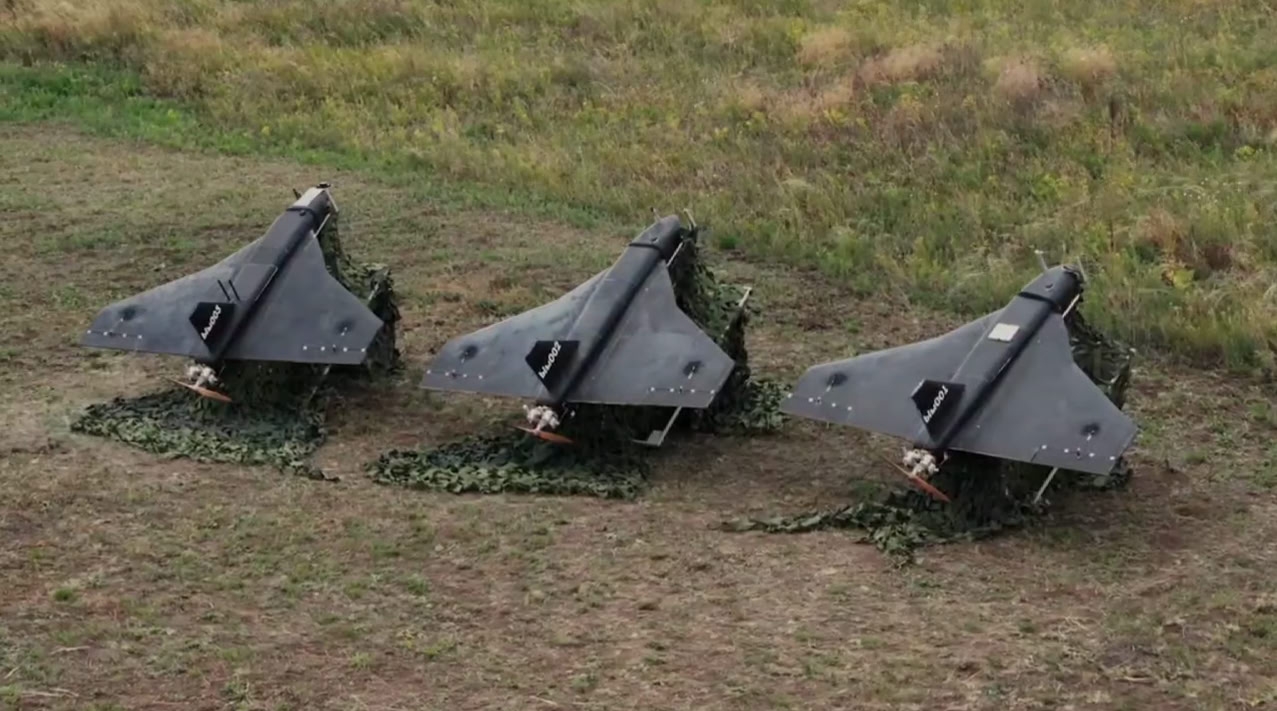
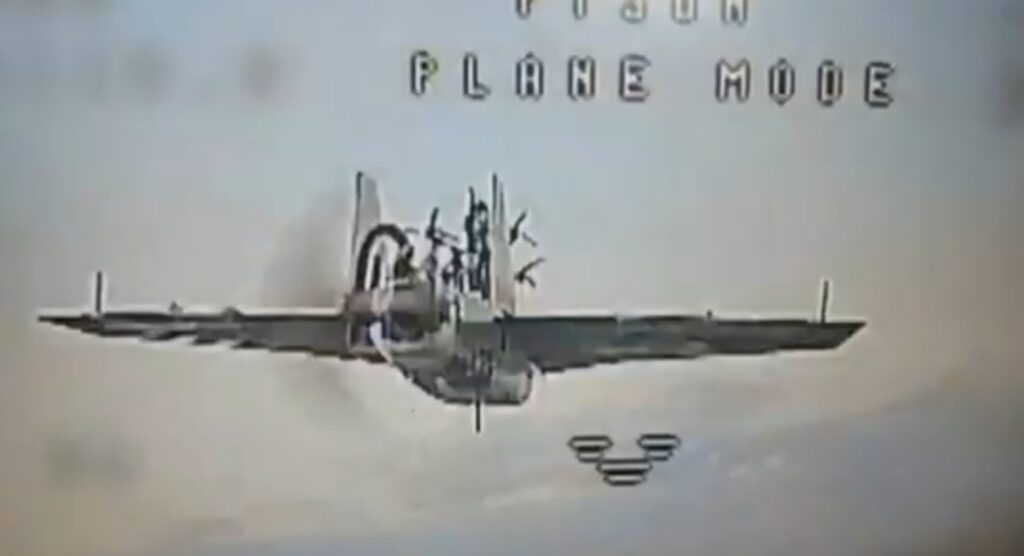
In recent days, the first Gerberas have appeared with AI-assisted targeting. It's the same "Seeker" modification the Russians recently added to their long-range Geran attack drones—Russia's licensed copy of the Iranian Shahed-136: forward-looking cameras feeding a Raspberry Pi microcomputer that runs machine vision software.
On the Gerans, the operator picks out a target—a truck, a locomotive—from around a kilometer away and locks the drone onto it. From there the machine vision flies the rest of the run, holding the lock through the Ukrainian jamming that would otherwise break the operator's radio link in the final seconds. Russia has standardized the guidance, communications and navigation components across the Gerbera Seeker and the Geran Seeker, the Hudson Institute reported on 29 July, so the 18-kg Gerbera should finish its attacks the same way. The Gerbera Seeker also picks up an inertial navigation unit and a jam-resistant Kometa-M satellite antenna carried over from the Geran-2.
The Russian “Seeker” system has reportedly been extended from Gerans to “Gerbera” UAVs. The cameras, mesh communication for an operator, and autonomous terminal guidance are the same as those recently used with Geran “Seeker” strike UAVs. 1/ https://t.co/Rovkg4q2vlpic.twitter.com/5MPHTyCJcu
Greater autonomy via the Seeker mod helps the propeller-driven, plywood-and-foam Gerberas strike more widely within their range of up to 600 km—less when they're carrying a warhead. As it happens, 600 km is just enough to hold at risk all the main supply lines for Ukraine's front-line brigades and regiments. Russian crews have already been hunting Ukrainian trains with cruder versions of the same idea.
Ukraine's Defense Intelligence says Russian robotic-warfare formations have been tasked with striking fuel stations and civilian vehicles—trucks, buses and passenger cars—in front-line and border areas, with the Gerbera Seeker among the systems earmarked for the job, according to the same Hudson assessment.
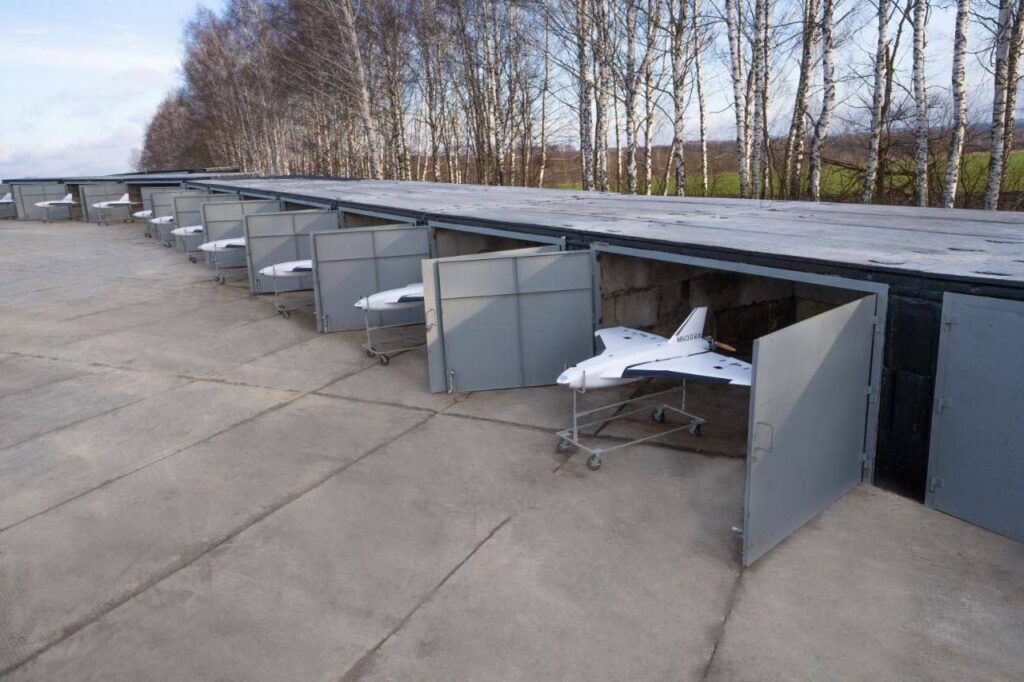
Gerberas in their hangars. Via Russian social media
Decoys, scouts and relays
The Gerbera wasn't always an AI attack drone. The Chinese-designed, Russian-manufactured drone—Ukraine's Defense Intelligence names the developer as the Chinese model-aircraft maker Skywalker Technology Co., Ltd., which ships kits and Chinese components to the Alabuga plant for assembly—started out as a decoy for bigger, pricier drones. Where a Geran might cost between $50,000 and $100,000 depending on the exact model and its features, a Gerbera is priced to move at just $10,000 or so.
Before launching Gerans, the Russians would send in Gerberas in order to distract Ukrainian air defenses and force them to expend their limited supply of ammunition. Gerberas can function as simple reconnaissance systems, relaying video back to their operators. It's likely the Gerans also serve as relays in mesh radio networks, passing radio signals back and forth on behalf of a wider wave of drones.
Transforming a basic Gerbera into a Seeker Gerbera adds cost and weight. At tens of dollars per unit, a Raspberry Pi isn't exactly expensive. It's unclear how much the warhead and software cost, however. In any event, a Seeker Gerbera is still much cheaper than a Seeker Geran is. Adding Seeker Gerberas could allow the Russians to focus their Seeker Gerans at the toughest and most distant targets: ships and port infrastructure, for example.
Low cost is a prerequisite for saturation middle strikes across the logistical zone. The targets—trucks, trains, warehouses and depots—are numerous, after all. Ukrainian drone units launch hundreds of middle strike drones every day, many of them with AI targeting. The defense ministry in Kyiv hopes to expand the strikes by procuring 100,000 middle strike drones for 2027.
The Seeker Gerbera could help Russia begin to catch up.
Explore further
For first time, Russia merged two separate drone types onto one Mesh network. Ukraine already has answer
If the Russians do indeed scale up Seeker Gerbera raids, the Ukrainians may have to counter the drones the same way the Russians counter Ukraine's own middle strike drones. The Russians spread their supply vehicles along more secondary roads and also attach air defense gun teams to more convoys. The same tactics could blunt Seeker Gerbera attacks.
A Russian intelligence agent who attempted to recruit Ukrainian border guards in the Volyn region has been sentenced in absentia to 15 years in prison.
A Russian intelligence agent who attempted to recruit Ukrainian border guards in the Volyn region has been sentenced in absentia to 15 years in prison.
Exclusives
Europe deepens trade with India while Western parts keep reaching Russia’s weapons. Brussels is drafting its largest-ever corporate blacklist over the war—and expanding trade with the country those parts pass through.
Russia can rebuild Wildberries warehouses more easily than it can replace warehouse workers. The warehouses are replaceable—but at a record 2.1% unemployment, the spooked workers who staff them are not.
Precision missiles hit the coordina
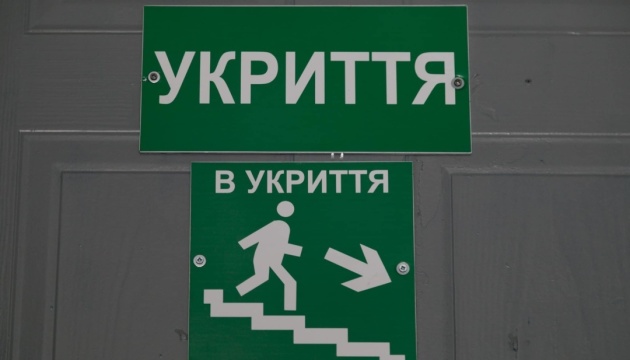
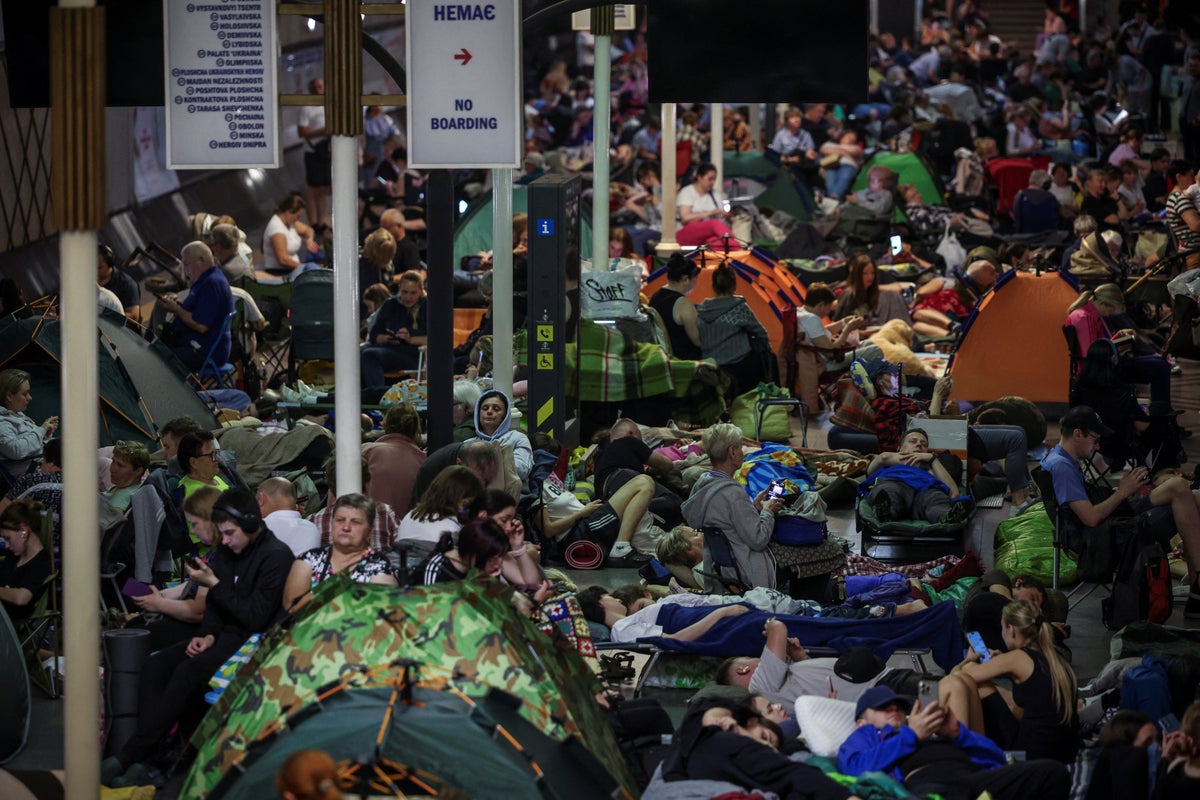
Ukraine has ordered an urgent nationwide inspection of all civilian bomb shelters following Russia's latest deadly ballistic missile attack, with Prime Minister Serhii Koretskyi instructing authorities to ensure shelters are properly maintained and accessible whenever a ballistic missile threat emerges.
The move comes after Russia's overnight missile and drone barrage killed civilians across Ukraine and as more Ukrainians increasingly rely on bomb shelters amid a growin
Ukraine has ordered an urgent nationwide inspection of all civilian bomb shelters following Russia's latest deadly ballistic missile attack, with Prime Minister Serhii Koretskyi instructing authorities to ensure shelters are properly maintained and accessible whenever a ballistic missile threat emerges.
The move comes after Russia's overnight missile and drone barrage killed civilians across Ukraine and as more Ukrainians increasingly rely on bomb shelters amid a growing wave of Russian ballistic missile attacks.
Ballistic missiles leave civilians with little warning
Koretskyi's order follows reports circulating on social media that some people were unable to access shelters before the overnight attack because an official air raid alert had not yet been issued.
Kyiv authorities denied claims that access to metro stations – the capital's largest public shelters – was restricted after the alert was announced, saying all stations were opened immediately once the warning was declared.
However, Russia's increasing use of ballistic missiles has sharply reduced warning times, often to minutes or less. In some recent attacks, air raid alerts have been issued only after missiles were already approaching or reaching their targets.
Government orders inspection of every shelter
Koretskyi said relevant ministries, government agencies, regional military administrations, including the Kyiv City Military Administration, and local authorities had been instructed to immediately inspect every civilian shelter within their areas of responsibility.
"All of them – without exception," he said.
The inspections will assess both the condition of shelters and whether people can access them without obstruction.
Shelters should open before air raid alerts
Koretskyi said shelters should be accessible when authorities already know a ballistic missile threat exists, even if an official air raid alert has not yet been issued.
"Access to shelters must be available even when the danger is already known but the alarm has not yet been announced," he said.
"Given the constant threat of ballistic missiles, regional authorities and city administrations must act more quickly and based on the real need to protect people."
He said it was unacceptable that, more than four years into Russia's full-scale invasion, Ukrainians could still face problems accessing bomb shelters.
"People must always be able to reach shelters in advance and without obstruction, especially when there is a ballistic missile threat. This is the personal responsibility of every official," Koretskyi said.
Ballistic threat drives more people underground
The order comes as Russia increasingly relies on ballistic missiles, which can reach their targets within minutes and leave civilians with little time to seek shelter.
The growing threat has led more Ukrainians to use bomb shelters during air raids. During the latest overnight attack, more than 56,000 people took refuge in Kyiv's metro stations alone, according to the Kyiv City State Administration.
The renewed focus on shelter access also comes as Ukraine continues to press partners for additional Patriot interceptor missiles, which are among the few systems capable of shooting down Russian ballistic missiles. Russia's latest overnight attack included ballistic missiles that struck multiple regions across the country, killing at least nine civilians and injuring dozens more.
A total of 226 combat engagements were recorded along the front line on Thursday, with the fiercest fighting taking place in the Kostiantynivka and Pokrovsk sectors, which together accounted for more than a quarter of all clashes.
A total of 226 combat engagements were recorded along the front line on Thursday, with the fiercest fighting taking place in the Kostiantynivka and Pokrovsk sectors, which together accounted for more than a quarter of all clashes.
Ukraine's relevant ministries, together with regional military administrations, will immediately inspect all civil protection shelters to ensure they are properly maintained and fully accessible to the public.
Ukraine's relevant ministries, together with regional military administrations, will immediately inspect all civil protection shelters to ensure they are properly maintained and fully accessible to the public.
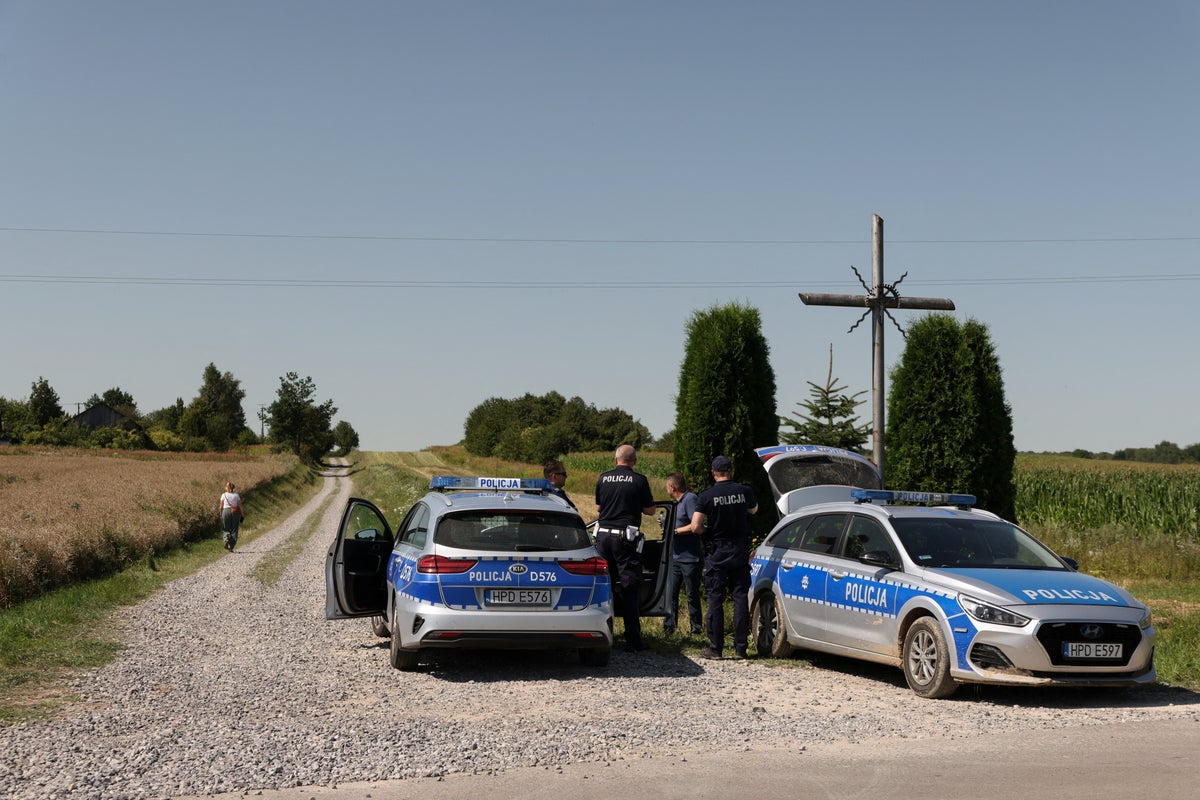
Poland will consider providing Ukraine with additional Patriot interceptor missiles after a Russian cruise missile crossed into Polish airspace during Moscow's latest mass attack on Ukraine, Prime Minister Donald Tusk said on 30 July.
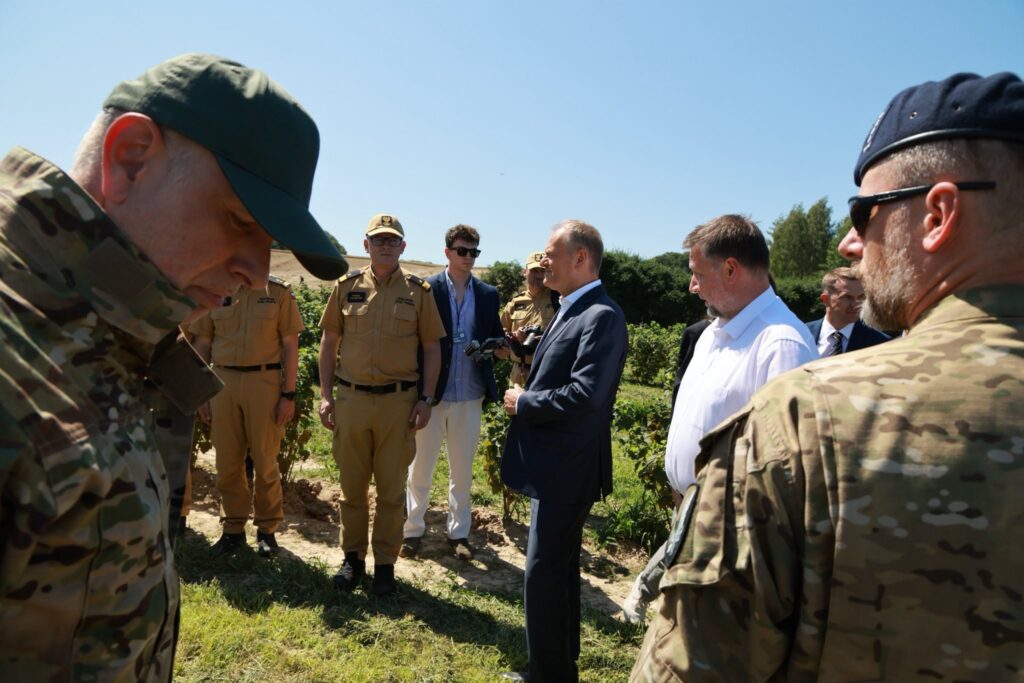
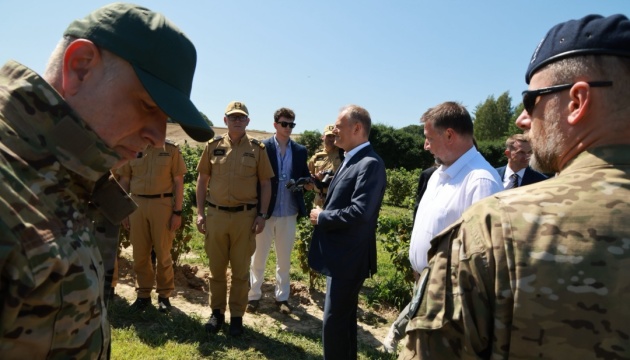
Speaking at the site where a suspected Russian Kh-101 cruise missile crashed in Poland's Lublin Voivodeship, Tusk said Warsaw would review further military assistance to Ukraine following the incident, according to Ukrinform.
Poland wei
Poland will consider providing Ukraine with additional Patriot interceptor missiles after a Russian cruise missile crossed into Polish airspace during Moscow's latest mass attack on Ukraine, Prime Minister Donald Tusk said on 30 July.
Speaking at the site where a suspected Russian Kh-101 cruise missile crashed in Poland's Lublin Voivodeship, Tusk said Warsaw would review further military assistance to Ukraine following the incident, according to Ukrinform.
Poland weighs additional Patriot missiles
"After this incident, together with the defense minister, we will consider as soon as possible the issue of further assistance to Ukraine, including the transfer of additional missiles for Patriot systems, should such a need arise," Tusk said.
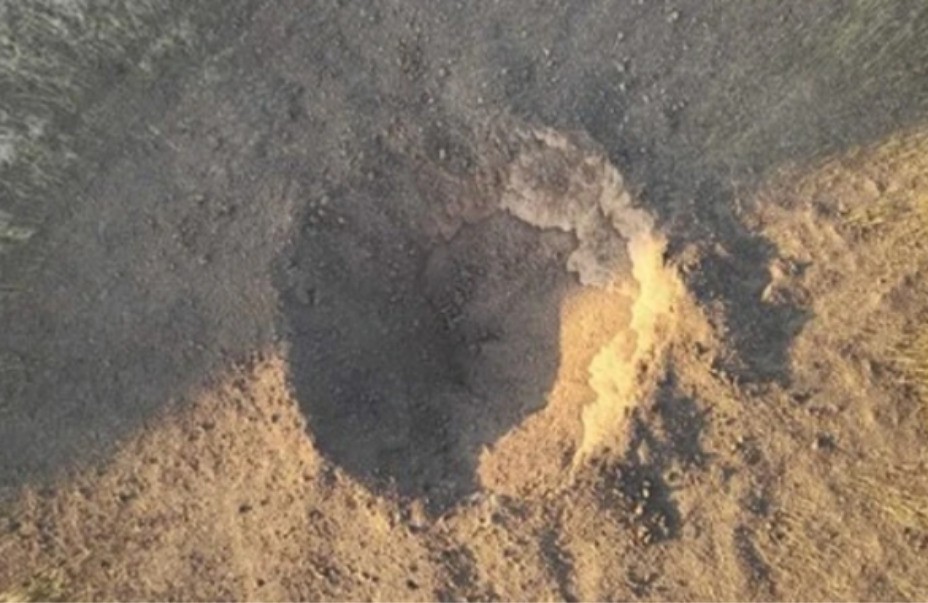
The announcement follows Russia's overnight missile and drone barrage against Ukraine, during which a Russian Kh-101 cruise missile flew roughly 95 kilometers into Polish territory before crashing in a field. Polish authorities said they scrambled an F-16 fighter jet and were prepared to shoot the missile down had it continued deeper into the country.
Explore further
Warsaw confirms a Russian Kh-101 cruise missile overshot Ukraine and hit a field in Poland
Patriot interceptor missiles are currently Ukraine's most effective defense against Russian ballistic missiles. Ukraine has repeatedly warned it is running short of interceptor missiles, while Russia has intensified its use of ballistic weapons that can only be shot down by a limited number of advanced air defense systems.
Tusk added that no country has completely secure airspace.
"There is no sky – not in the United States, not in Israel, not in Ukraine, and not in Russia – that is 100% safe," the Polish prime minister said.
Tusk: Next 100 days could decide the war
Tusk said he discussed the battlefield situation and prospects for ending the war during talks with Ukrainian President Volodymyr Zelenskyy on Wednesday.
"After my conversation with President Volodymyr Zelenskyy, one thing is quite clear: the next 100 days could determine the outcome of this war. It's fifty-fifty," Tusk said, according to Ukrinform.
Investigation into missile incursion continues
Tusk said there was currently no evidence that Poland itself had been the intended target of the missile.
He added that the United States, European Union member states, and Norway had offered assistance with the investigation. Ukraine has also proposed helping examine the incident, and Polish authorities plan to use the expertise of Ukrainian specialists.
The missile incursion occurred during one of Russia's largest aerial attacks in recent months, which killed at least eight civilians across Ukraine and injured more than 50 others. Officials have said the object that crashed in Lublin Voivodeship was most likely a Russian Kh-101 cruise missile.
Explore further
Two children pulled from the rubble alive, three did not survive—one village near Kryvyi Rih after the Russian missile attack
President Volodymyr Zelensky has accepted letters of credence from the newly appointed ambassadors of Oman, North Macedonia, the United Arab Emirates, the Netherlands, and France.
President Volodymyr Zelensky has accepted letters of credence from the newly appointed ambassadors of Oman, North Macedonia, the United Arab Emirates, the Netherlands, and France.
President Volodymyr Zelensky has announced that Ukraine's National Security and Defense Council (NSDC) will meet early next week to review the implementation of regional resilience plans, stressing that many regions still need to catch up on key tasks.
President Volodymyr Zelensky has announced that Ukraine's National Security and Defense Council (NSDC) will meet early next week to review the implementation of regional resilience plans, stressing that many regions still need to catch up on key tasks.
Preliminary findings indicate that Russia used a North Korean ballistic missile in its strike on the village of Radushne in Ukraine's Dnipropetrovsk region, President Volodymyr Zelensky said.
Preliminary findings indicate that Russia used a North Korean ballistic missile in its strike on the village of Radushne in Ukraine's Dnipropetrovsk region, President Volodymyr Zelensky said.
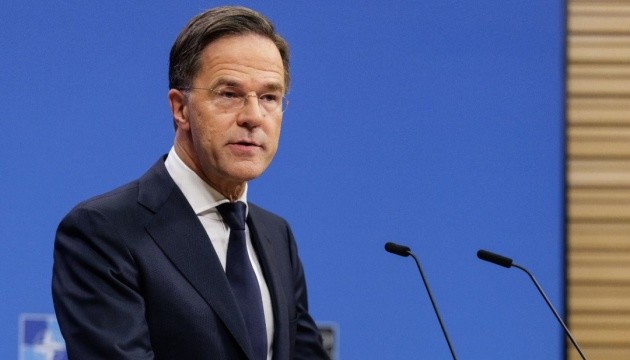
NATO Secretary General Mark Rutte held a phone call with Polish Prime Minister Donald Tusk after a Russian missile landed on Polish territory on July 30.
NATO Secretary General Mark Rutte held a phone call with Polish Prime Minister Donald Tusk after a Russian missile landed on Polish territory on July 30.
Ukrainian President Volodymyr Zelenskyy said preliminary evidence indicates Russia used a North Korean ballistic missile to destroy a family home near Kryvyi Rih, killing five people during Moscow's latest mass attack on Ukraine.
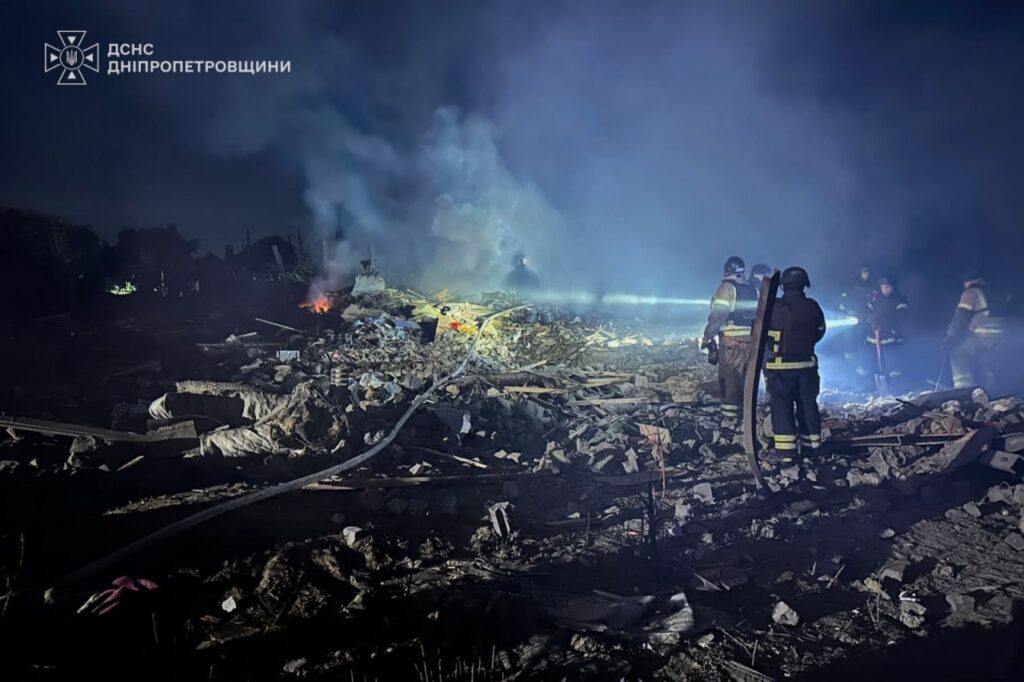
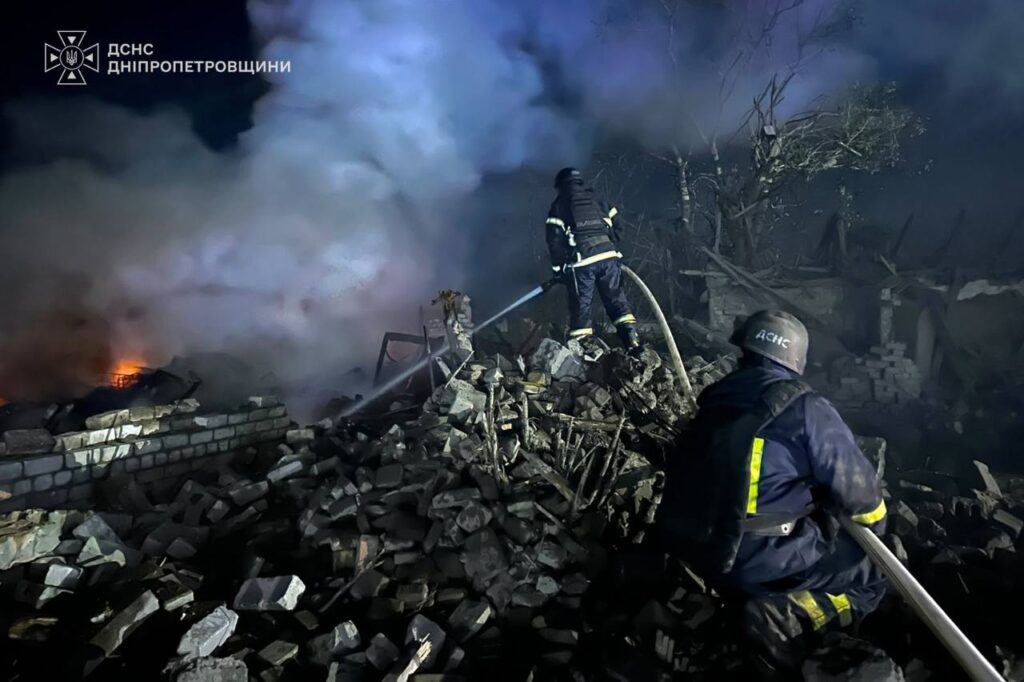
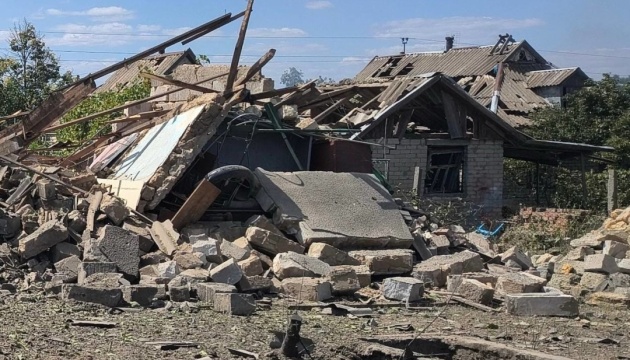
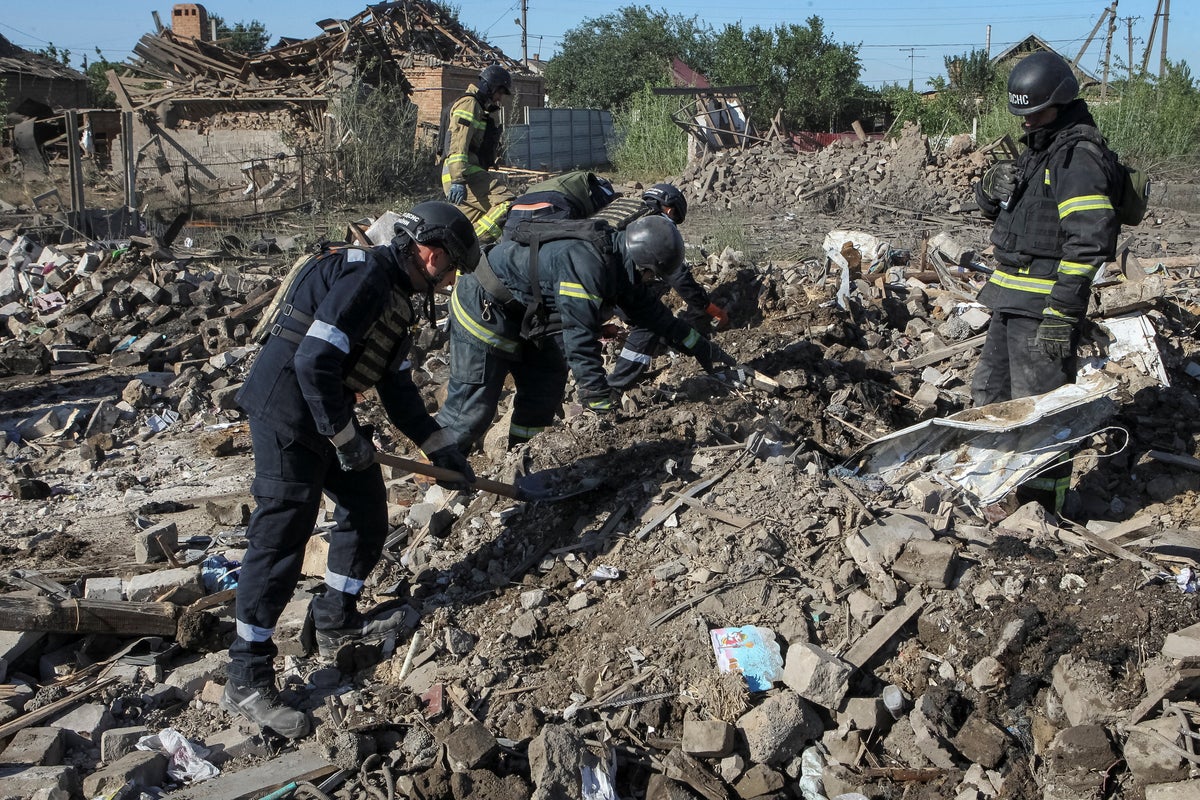
The strike flattened the home of the Voronov family in the village of Radushne. Parents Olena and Artem Voronov were killed along with three of their children – Mark, Azarii Ilai, and Emilia.
The fate of Zakharii, Dominika, Federika, Viorik
Ukrainian President Volodymyr Zelenskyy said preliminary evidence indicates Russia used a North Korean ballistic missile to destroy a family home near Kryvyi Rih, killing five people during Moscow's latest mass attack on Ukraine.
The strike flattened the home of the Voronov family in the village of Radushne. Parents Olena and Artem Voronov were killed along with three of their children – Mark, Azarii Ilai, and Emilia.
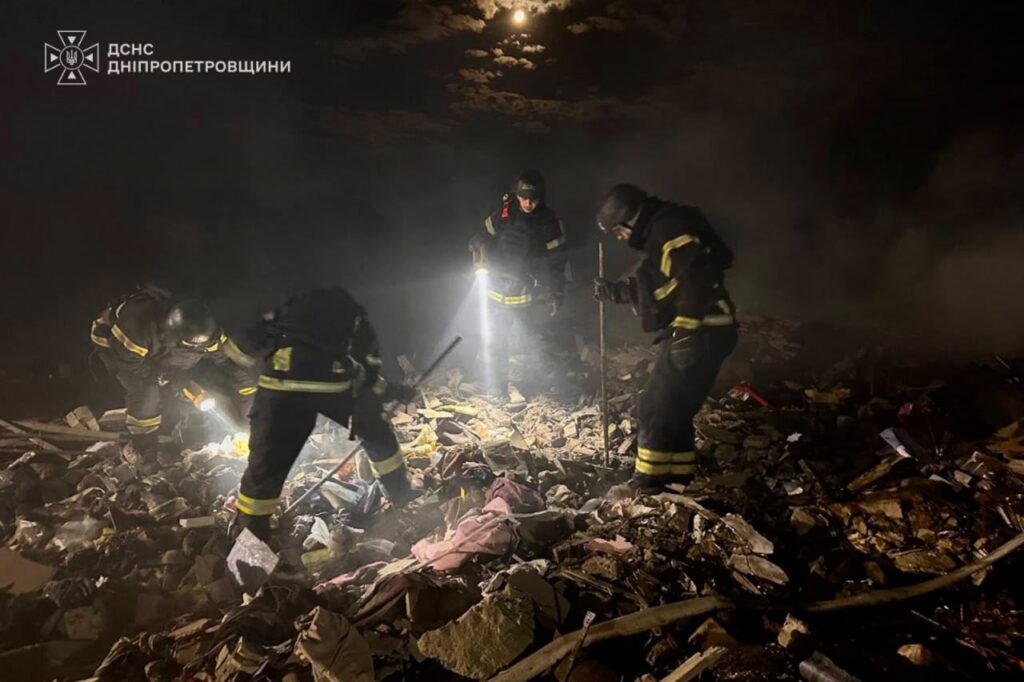
The fate of Zakharii, Dominika, Federika, Viorika, and 18-month-old Artem, the family's grandson, remained unclear as rescuers searched the rubble and forensic experts examined recovered remains to determine which family members had been found.
The Voronov family, whose home was destroyed in a Russian missile attack on Radushne in Ukraine's Dnipropetrovsk Oblast, killing several members of the family. Photo: Zelenskyy
Preliminary evidence points to North Korean missile
"Russia used a North Korean missile in Radushne for the first time in a long while – these are the preliminary findings," Zelenskyy said in his evening address.
"Of course, there will still be expert examinations and everything will be verified, but as of now, it appears to have been North Korean ballistic weaponry."
He condemned what he called the alliance between Moscow and Pyongyang, saying Russia relies on North Korean missiles and troops "to kill our Ukrainian children."
Reuters, citing two sources familiar with the matter, also reported that Russia likely used a North Korean KN-23 or KN-24 short-range ballistic missile in the attack. One military source told the news agency that Ukrainian radar detected flight paths characteristic of the missiles, though investigators must still examine recovered fragments before reaching a definitive conclusion.
According to Reuters, it would be the first confirmed use of a North Korean missile against Ukraine in nearly a year and could indicate Russia has received a new shipment of such weapons.
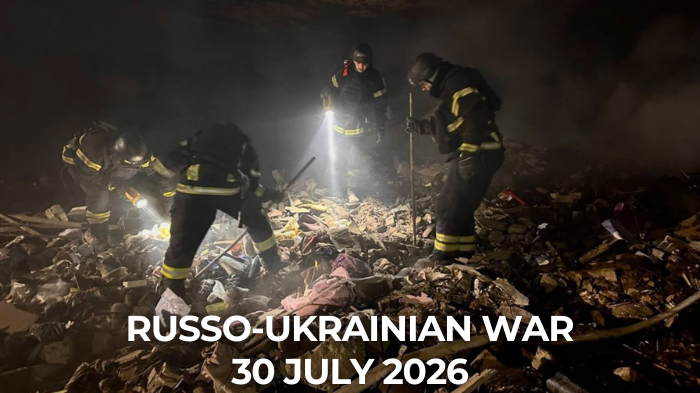
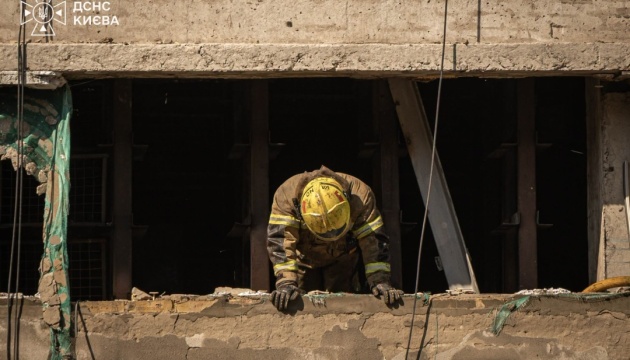
Rescuers search through rubble in the aftermath of a Russian ballistic missile attack on Radushne, Dnipropetrovsk Oblast, Ukraine, 30 July 2026. Photo: Ukraine's State Emergency ServiceRescuers search through rubble in the aftermath of a Russian ballistic missile attack on Radushne, Dnipropetrovsk Oblast, Ukraine, 30 July 2026. Photo: Ukraine's State Emergency Service
Zelenskyy urges partners to send more interceptors
Zelenskyy said international condemnation of the attack and concern over a Russian cruise missile that crossed into Poland during the same overnight barrage were not enough.
"The most important thing is not just condolences and not just condemnation, but air defense missiles and the kind of pressure on Russia that can stop this senseless Russian war, its strikes, and its terror," he said.
He called air defense interceptors, particularly for Patriot systems, Ukraine's highest priority, while also requesting additional missiles for NASAMS, IRIS-T, HAWK, and other Western-supplied systems.
"I very much hope that all our partners, especially our American partners and our friends in Europe, understand that real human lives depend on whether they help us – whether they help Ukraine," Zelenskyy said.
Russia expands ballistic missile campaign
The strike on the Voronov family came during one of Russia's largest recent aerial assaults, in which Moscow launched 74 missiles and 265 drones across Ukraine. The barrage killed at least nine civilians and injured dozens more.
Explore further
Two children pulled from the rubble alive, three did not survive—one village near Kryvyi Rih after the Russian missile attack
Russia has increasingly relied on ballistic missiles, which are far more difficult to intercept than cruise missiles and can currently be shot down only by US-made Patriot systems.
During the same overnight attack, a Russian Kh-101 cruise missile flew roughly 95 kilometers into Poland before crashing in a field, prompting Warsaw to scramble an F-16 fighter jet and renewing concerns about the risk posed to NATO territory.
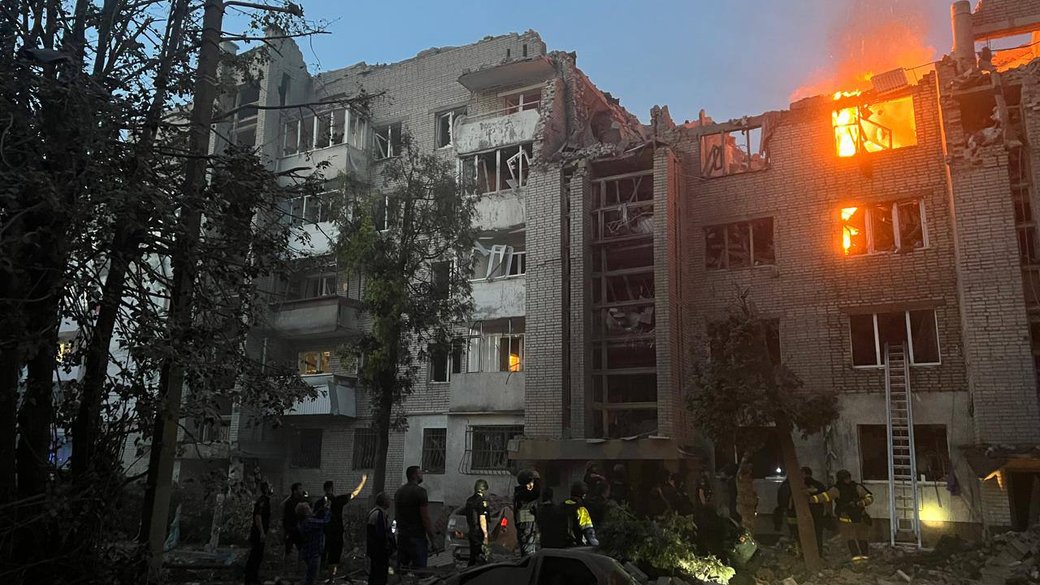
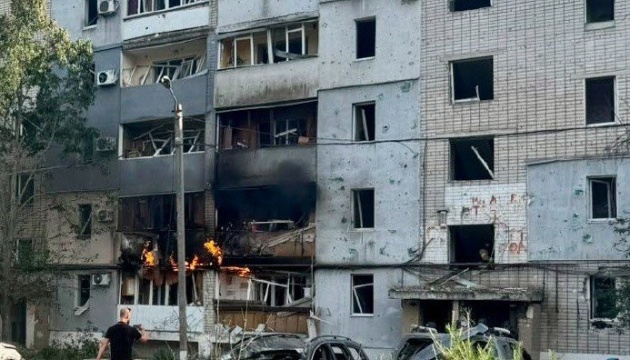
In Pavlohrad, Dnipropetrovsk region, one person was killed and five others—including two children—were injured as a result of an attack by the Russian military on an apartment building.
In Pavlohrad, Dnipropetrovsk region, one person was killed and five others—including two children—were injured as a result of an attack by the Russian military on an apartment building.
Following today’s tragedy involving the Voronov family from Radushne—where a Russian missile struck their home, killing at least six family members—President Volodymyr Zelensky called on partners to expedite the delivery of missiles for the “Patriot” system.
Following today’s tragedy involving the Voronov family from Radushne—where a Russian missile struck their home, killing at least six family members—President Volodymyr Zelensky called on partners to expedite the delivery of missiles for the “Patriot” system.
As of 5:30 p.m., it was reported that four people were killed and four others were wounded as a result of Russian attacks in the Kherson region on July 30.
As of 5:30 p.m., it was reported that four people were killed and four others were wounded as a result of Russian attacks in the Kherson region on July 30.
The European Commission has disbursed an additional €3.47 billion to Ukraine under the defense component of its €90 billion Ukraine Support Loan, providing funding for drones, missiles, air defense systems, and Gripen fighter jets.
The latest tranche comes as Ukraine faces intensified Russian missile and drone attacks and seeks to bolster its defense capabilities.
Funding to strengthen Ukraine's defense
European Commission President Ursula von der Leyen said the n
The European Commission has disbursed an additional €3.47 billion to Ukraine under the defense component of its €90 billion Ukraine Support Loan, providing funding for drones, missiles, air defense systems, and Gripen fighter jets.
The latest tranche comes as Ukraine faces intensified Russian missile and drone attacks and seeks to bolster its defense capabilities.
Funding to strengthen Ukraine's defense
European Commission President Ursula von der Leyen said the new funding would help Ukraine defend its skies while deepening defense industrial cooperation between Kyiv and the European Union.
"Today, we are investing an additional €3.47 billion to help protect Ukraine's skies," von der Leyen said.
"With this new disbursement under our €90 billion loan package, we are helping Ukraine defend its people. We are also bringing our defense industries closer together, combining Europe's industrial scale with Ukraine's unmatched innovation. This is our new Drone Deal taking shape."
With this disbursement, we are helping Ukraine protect its skies and defend its people.
At the same time, we are combining Europe's industrial scale with Ukraine's unmatched innovation.
According to the Commission, the package includes another tranche under its drone procurement program and additional funding for drones, including long-range jet-powered drones, missiles, and Gripen fighter jets to help Ukraine rapidly acquire critical military equipment.
“The funding is provided in response to Ukraine's urgent military needs, as it continues to require capability support to defend itself against Russia's war of aggression,” the statement reads.
The Commission said further funding for drones, ammunition, air defense, and missiles would be approved and disbursed in the coming weeks.
Part of broader Ukraine Support Loan
The Ukraine Support Loan consists of €60 billion dedicated to strengthening Ukraine's defense capabilities and industrial capacity, alongside €30 billion in budget support to help keep the Ukrainian state functioning.
The latest payment follows previous disbursements of €3.2 billion under the EU's Macro-Financial Assistance program on 25 June, €3.9 billion under the defense window on 30 June, and €1.1 billion on 15 July.
The Commission said a total of €28.3 billion is expected to be allocated to Ukraine's defense industrial capacity during 2026, with the remaining funding scheduled for disbursement before the end of the year.
Ukraine welcomes latest tranche
Ukrainian Prime Minister Serhii Koretskyi confirmed that Ukraine had received the €3.47 billion payment, saying the funds would strengthen the country's defenses and help finance its most urgent needs.
"These funds will strengthen our defense and help finance Ukraine's most urgent needs," Koretskyi wrote on X.
He said Ukraine has secured €11.6 billion under the Ukraine Support Loan so far this year, including €3.2 billion in budget support and €8.4 billion for defense, out of the €45 billion available under the mechanism in 2026.
"I am sincerely grateful to the European Commission and all EU Member States for their consistent and unwavering support," Koretskyi said. "Every euro invested in Ukraine strengthens our resilience, protects our people, and brings us closer to a just and lasting peace."
Ukraine has received another €3.47 billion tranche from the European Union under the Ukraine Support Loan. These funds will strengthen our defense and help finance Ukraine’s most urgent needs.
A total of €45 billion is available to Ukraine under this mechanism in 2026. To…
Since the start of Russia's full-scale invasion in 2022, the European Union and its member states have provided more than €220 billion in support to Ukraine, including assistance financed through proceeds from immobilized Russian sovereign assets.
Russian troops attacked the Halytsynivska community in the Mykolaiv region with guided aerial bombs, damaging an administrative building, an educational institution, and more than 10 homes.
Russian troops attacked the Halytsynivska community in the Mykolaiv region with guided aerial bombs, damaging an administrative building, an educational institution, and more than 10 homes.
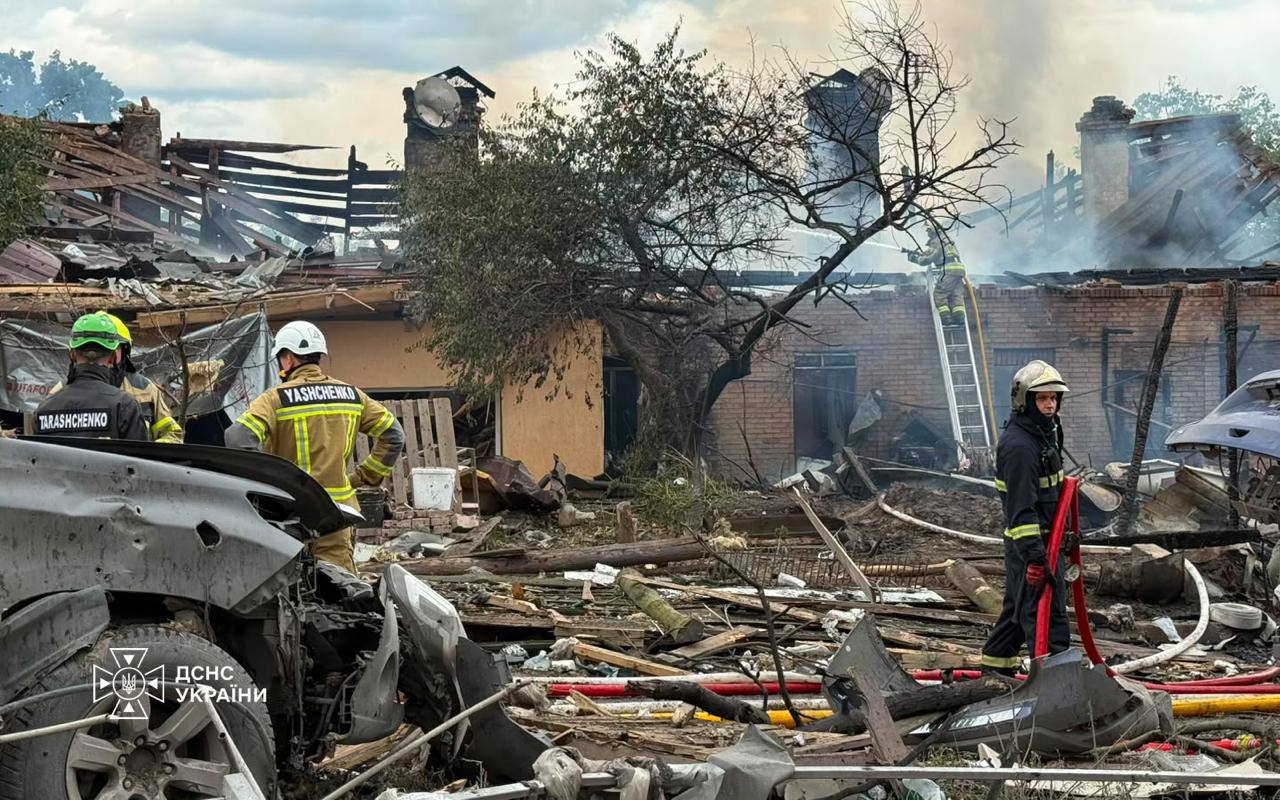
In Kyiv, cleanup efforts following the attack carried out by the Russian military on the night of July 30 have been completed. One person was killed, and three others were injured.
In Kyiv, cleanup efforts following the attack carried out by the Russian military on the night of July 30 have been completed. One person was killed, and three others were injured.
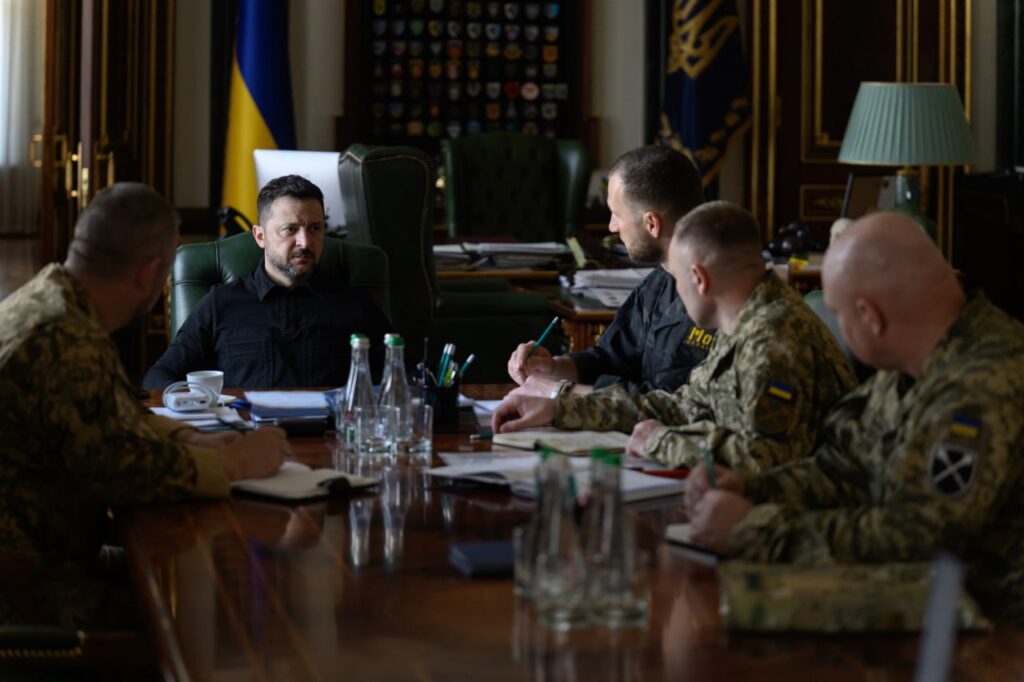
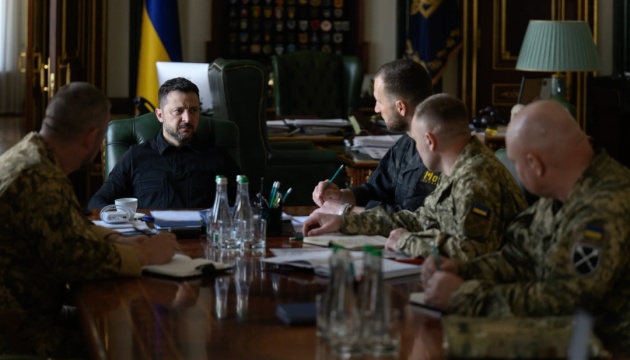
Ukrainian President Volodymyr Zelenskyy said Ukraine is preparing a series of "asymmetric measures" and technological solutions to strengthen its defenses against Russia's escalating ballistic missile attacks, following a high-level security meeting on 30 July.
The announcement comes hours after Russia launched a large-scale overnight missile and drone attack across Ukraine in which ballistic missiles once again proved the hardest to intercept. Ukrainian officials have
Ukrainian President Volodymyr Zelenskyy said Ukraine is preparing a series of "asymmetric measures" and technological solutions to strengthen its defenses against Russia's escalating ballistic missile attacks, following a high-level security meeting on 30 July.
The announcement comes hours after Russia launched a large-scale overnight missile and drone attack across Ukraine in which ballistic missiles once again proved the hardest to intercept. Ukrainian officials have repeatedly warned that dwindling stocks of anti-ballistic interceptors leave cities increasingly exposed.
Ukraine preparing asymmetric response
Zelenskyy said he had received reports from Commander-in-Chief of the Armed Forces Mykhailo Drapatyi, Chief of the General Staff Ihor Skybiuk, Defense Minister Yevhen Khmara, and Deputy Head of the Presidential Office Pavlo Palisa.
"We discussed in detail the challenges created by Russia's tactics of ballistic missile strikes and our ability to counter them at both the military and diplomatic levels," Zelenskyy said. "We identified decisions, technological steps, and asymmetric measures that can provide Ukraine with greater protection."
The president did not disclose what those measures would involve.
More air defense missiles sought from Europe
Zelenskyy said he had instructed Commander-in-Chief Mykhailo Drapatyi to strengthen coordination and information-sharing with military leadership in neighboring countries.
He also said teams from Ukraine's Defense Ministry and the Presidential Office would work with European partners that could help supply additional air defense missiles, as Kyiv continues to press allies for more interceptors capable of defeating ballistic threats.
Ballistic missile threat growing
The renewed focus on ballistic missile defense follows one of Russia's biggest recent air attacks. Overnight into 30 July, Russia launched 358 aerial weapons against Ukraine, including nine ballistic missiles. Ukraine's Air Force intercepted only one of them, underscoring the growing challenge posed by Moscow's reliance on ballistic weapons.
The latest strike highlighted the limits of Ukraine's current air defenses against ballistic missiles, reinforcing Kyiv's calls for more Patriot interceptors and other systems from its partners.
Explore further
Two children pulled from the rubble alive, three did not survive—one village near Kryvyi Rih after the Russian missile attack
Frontline and long-range strike updates
Beyond air defense, Zelenskyy said the meeting reviewed the battlefield situation, particularly around the Sloviansk and Kostiantynivka sectors in Donetsk Oblast, as well as the operation of Ukraine's Black Sea export corridor.
The president also highlighted Ukraine's ongoing long-range strike campaign against Russian military targets in occupied territories, including Crimea, saying priority targets had been updated.
"Our operation of mid-strikes against Russian forces and positions in the temporarily occupied territory of Ukraine, particularly in our Crimea, continues," Zelenskyy said.
General Staff preparing reforms
Separately, Zelenskyy said the General Staff is preparing a package of systemic reforms aimed at improving frontline situational awareness, accelerating operational decision-making, and giving brigades greater flexibility to respond to Russian assault operations.
Explore further
Investigators descend on Ukraine’s recruitment offices in a coordinated nationwide operation
He thanked Ukrainian troops defending the front line and preventing Russian forces from achieving the objectives set by the Kremlin.
The Polish prosecutor’s office has confirmed that a missile—most likely a Russian Kh-101—fell near the village of Tarnava-Kolonia in the Lublin Voivodeship on Wednesday night during a massive Russian attack on Ukraine.
The Polish prosecutor’s office has confirmed that a missile—most likely a Russian Kh-101—fell near the village of Tarnava-Kolonia in the Lublin Voivodeship on Wednesday night during a massive Russian attack on Ukraine.
Polish Prime Minister Donald Tusk stated that Warsaw will soon consider the possibility of supplying Ukraine with additional missiles for the Patriot air defense systems.
Polish Prime Minister Donald Tusk stated that Warsaw will soon consider the possibility of supplying Ukraine with additional missiles for the Patriot air defense systems.
An Iskander missile that Russia fired at Kyiv Oblast on 10 July was built from more than 140 foreign parts, 62 of them American, and at least 20 were made in 2025—components that cleared every Western control and reached a Russian assembly line within about a year, Euromaidan Press reported.Without those parts, Ukraine’s presidential sanctions commissioner Vladyslav Vlasiuk said, Russia could not build the weapon.
An Iskander missile that Russia fired at Kyiv Oblast on 10 July was built from more than 140 foreign parts, 62 of them American, and at least 20 were made in 2025—components that cleared every Western control and reached a Russian assembly line within about a year, Euromaidan Press reported.
Without those parts, Ukraine’s presidential sanctions commissioner Vladyslav Vlasiuk said, Russia could not build the weapon.
Explore further
62 of the 140 foreign parts in this Russian missile were American. Ukraine wants that gap closed
A paradox runs through Europe’s answer to that problem. The EU is preparing to blacklist more than 1,600 companies for helping Russia’s war industry, its largest single batch of corporate designations, Bloomberg reported, while at the same time deepening trade with India, a country the same Western parts move through on their way to Russia.
And closing that gap will matter even after the war ends: a new study of Russia’s arms makers finds they will keep producing weapons at wartime speed—and keep needing imported parts to do it—whether or not the fighting stops.
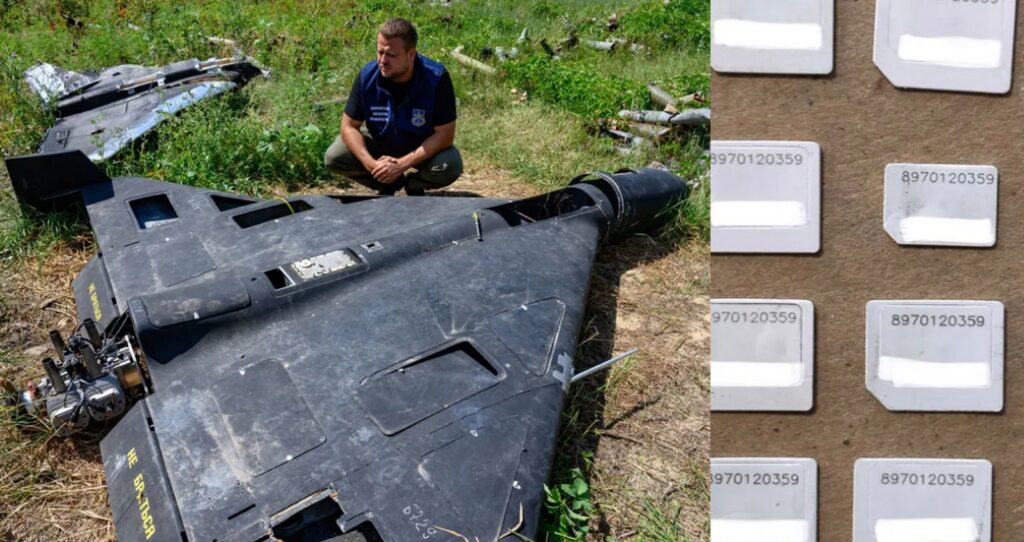
Ukraine has been pulling the same finding out of downed Russian drones and missiles for two years—Indian electronics in Shahed drones among them.
EU and Indian officials meet in Brussels on 15 July 2026 to deepen cooperation on trade, technology, and supply chains. From left: Jitin Prasada, Maroš Šefčovič, Subrahmanyam Jaishankar, Henna Virkkunen, Piyush Goyal, and Ekaterina Zaharieva. Photo: Xavier Lejeune / European Union, 2026.
The India route grew before the trade deals arrived
A 29 July report by the strategic intelligence company Strider put a number on the wider channel: more than 50,000 sensitive goods, or goods with potential dual-use applications, reached Russian defense companies through Indian supply chains after the full-scale invasion.
The security intelligence firm compared totals from 2019 to 2021 with those from 2022 through the first quarter of 2025. Since the invasion, sensitive exports from India to Russia have multiplied several times over—and the sharpest jumps come from the countries deepening their own trade with India.
Swedish-origin goods rose almost sixfold. British, Swiss, and French exports of the same kind roughly doubled or more. The pattern extends beyond Europe: American-origin goods more than five times over, Australian goods even faster. German trade was the exception, falling by more than a third—though Germany still ships more of these goods through India than anyone.
Without those parts, Ukraine’s presidential sanctions commissioner Vladyslav Vlasiuk said, Russia could not build the weapon.
French carbon fiber—used in aircraft, drones, and missiles—reached Polymer Company LLC in Russia through India in 2025, according to Strider. The Russian government has designated the firm part of its military-industrial complex, and it supplies several restricted entities.
None of this shows that a part in the 10 July Iskander passed through India. It shows Western goods moving through the country where Britain’s trade deal took effect on 15 July and where the EU is targeting entry into force in 2027. Those deals expand legitimate commerce, not evasion.
Strider’s warning concerns what happens after Western goods enter long, opaque supply chains, and the report urged end-use monitoring to be written into the agreements themselves.
European Commission President Ursula von der Leyen presents the proposed 21st sanctions package against Russia in Brussels on 9 June 2026. The EU adopted the package on 23 July. Photo: Dati Bendo / European Union, 2026.
Brussels is preparing 1,600 more names
The blacklist Brussels is drafting would target companies rather than whole industries, reaching corners of Russia’s military supply chain that earlier rounds missed.
The firms have a combined annual turnover of more than $20 billion and employ more than a quarter of a million people. If members approve it, the number of EU-sanctioned entities would jump by half. Foreign ministers are expected to take it up in October.
The bloc’s 21st package, adopted on 23 July, had already tightened dual-use export curbs on dozens of firms, some outside the EU. Six days later, the firm published the scale of one route around exactly those curbs.
A production hall at Russia’s Votkinsk Plant in Udmurtia, one of the addresses identified as a destination for sanctioned goods. Photo: Delovaya Reputatsiya, 2021.
Russia plans to keep producing
That is why the flow of parts outlasts the war. A 14 July study of five major Russian defense manufacturers found them still dependent on imported components despite sanctions, corruption, labor shortages, and inflated costs—and likely to hold high output in select weapons while slowly rebuilding reserves.
Its sharpest warning is about time: Russia’s arms industry will probably stay on a wartime footing even if the shooting in Ukraine stops, while Western industry is unlikely to mobilize on that scale until a major war is already underway.
The Iskander compresses that long problem into a single year. At least 20 of its foreign parts were made in 2025, fitted into the missile, and fired at Kyiv Oblast on 10 July 2026.
A Russian cruise missile crossed deep into Poland and crashed in a field during Russia's mass overnight strike on Ukraine, Polish and Ukrainian officials said. Warsaw says it scrambled a fighter jet and was ready to shoot the missile down had it flown on. The same barrage killed civilians across Ukraine and sent hundreds of drones and dozens of missiles at its cities.
The incursion fits a run of sub-threshold provocations Russia has aimed at NATO's eastern members from
A Russian cruise missile crossed deep into Poland and crashed in a field during Russia's mass overnight strike on Ukraine, Polish and Ukrainian officials said. Warsaw says it scrambled a fighter jet and was ready to shoot the missile down had it flown on. The same barrage killed civilians across Ukraine and sent hundreds of drones and dozens of missiles at its cities.
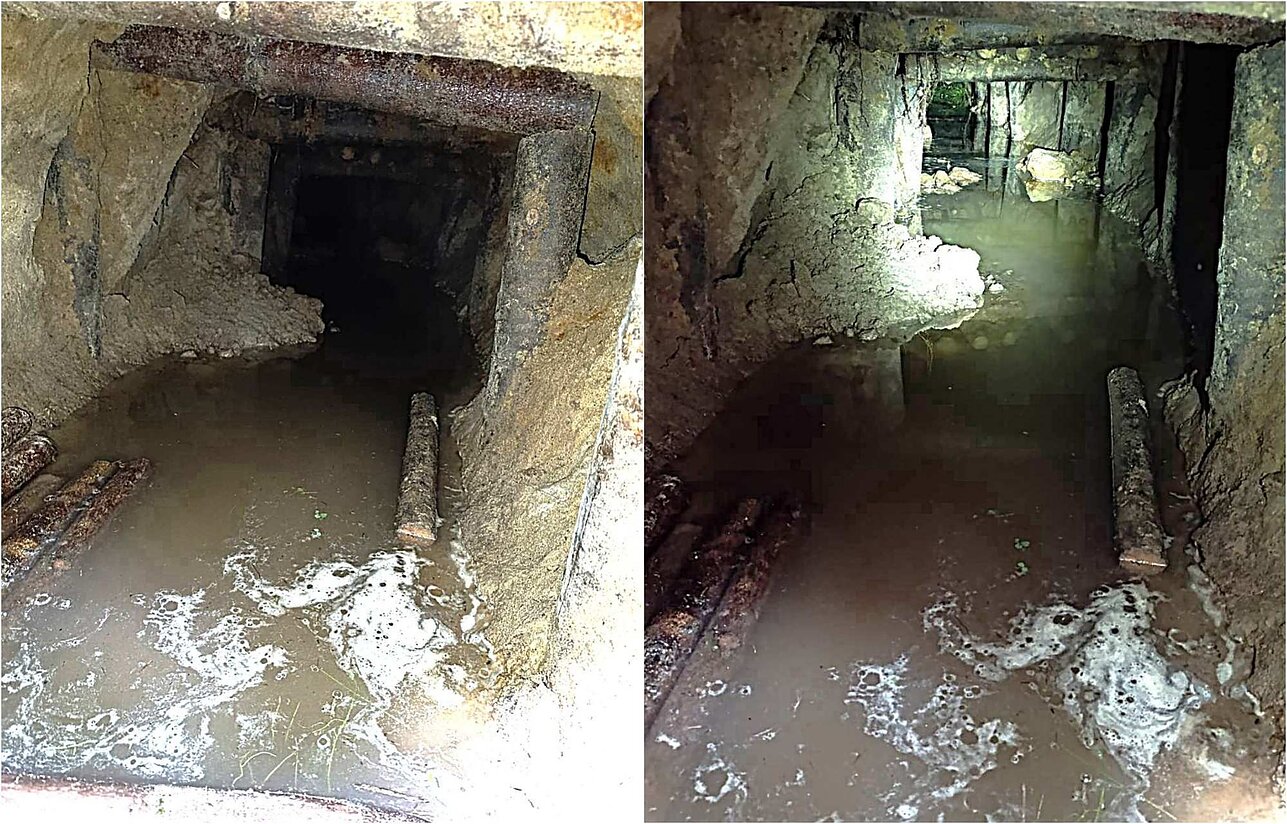
The incursion fits a run of sub-threshold provocations Russia has aimed at NATO's eastern members from the fall of 2025 onward — drones crossing into allied airspace, Russian fighter jets probing the Baltics, a tunnel dug toward the EU from Belarus, and smuggling balloons drifting over the border — each one testing how the alliance answers.
A Kh-101 crossed nearly 100 km into Poland
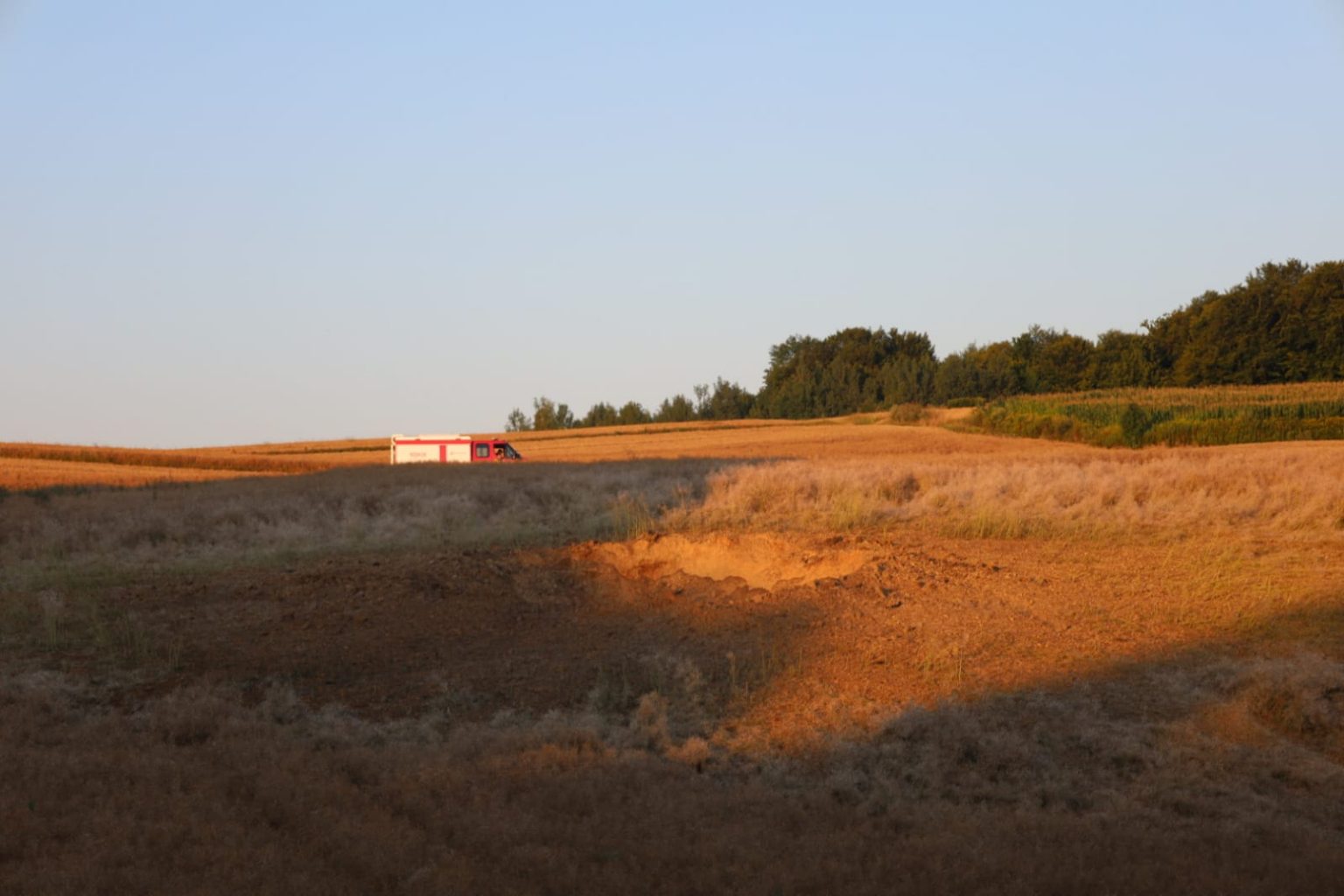
In the early hours of 30 July, a Russian Kh-101 cruise missile flew into Poland and came down about 95 km from the Ukrainian border, the Ukrainian defense outlet Militarnyi reported.
Poland's Defense Minister Władysław Kosiniak-Kamysz called it an extremely difficult night for the country's air defense and said an unidentified object had fallen in a field.
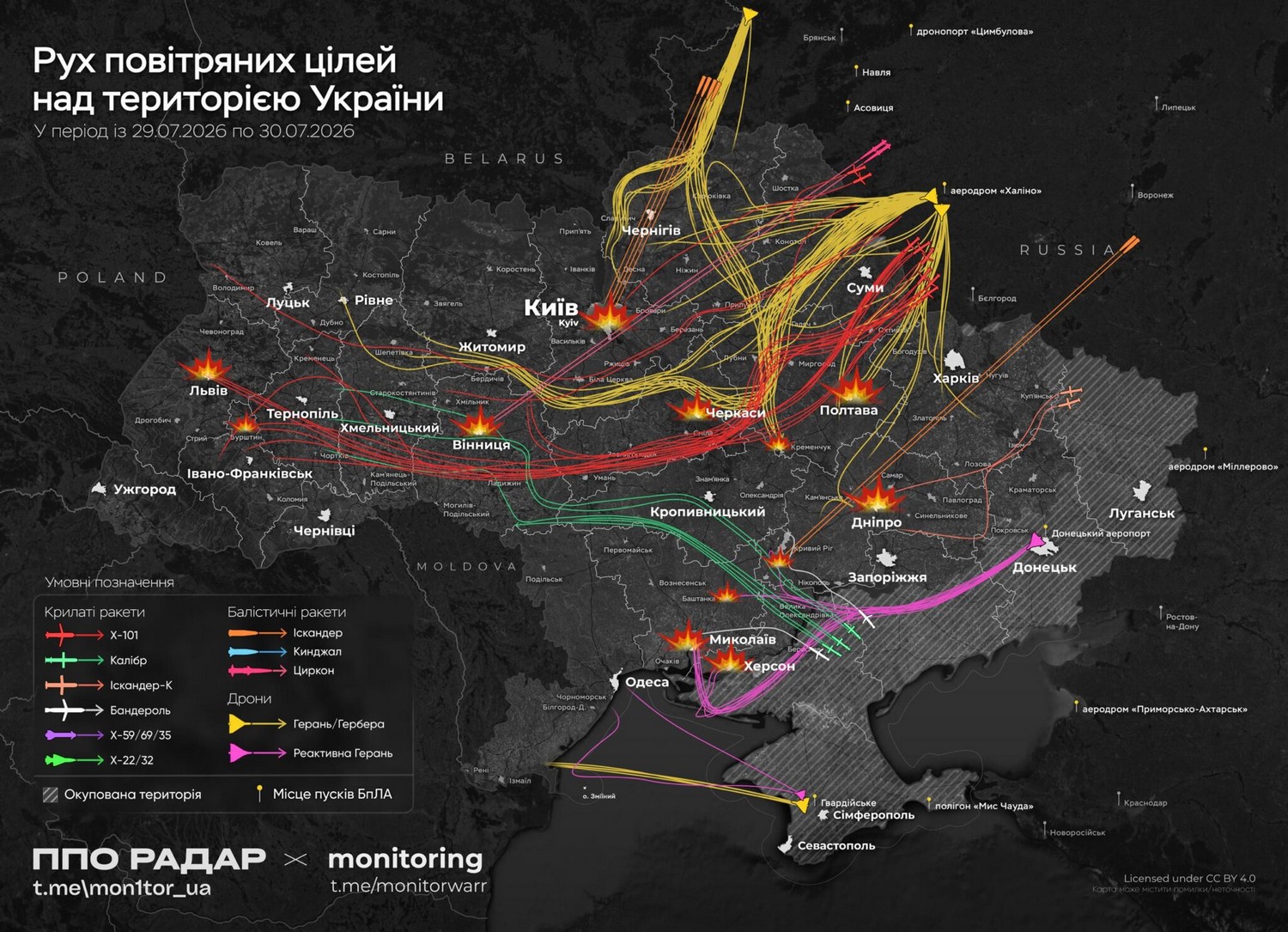
The missile in Poland was one of 74 missiles and 265 drones that Russia fired at Ukraine overnight — 61 Kh-101 and Kalibr cruise missiles, four Zircon and Onyx, and nine ballistic Iskander-M, S-400, and KN-23.
Routes of Russian missiles and drones during the attack on Ukraine, one track crossing into Poland, 30 July 2026. Map: PPO RADAR / monitor_ua
Ukraine's acting Foreign Minister Andrii Sybiha noted that the Kh-101 missile crossed into Poland, called it a violation of NATO airspace, and said Kyiv is informing partners and international organizations about the attack.
Polish Prime Minister Donald Tusk later said everything indicated it was a Kh-101, and that Polish forces were ready to shoot it down had it continued deeper.
Explore further
Two children pulled from the rubble alive, three did not survive—one village near Kryvyi Rih after the Russian missile attack
Poland scrambled a jet and tracked the missile
During the attack, Poland's Operational Command set out the sequence.
Around 03:29 Polish time, one object came within about 5 km of the border, then turned away.
At 3:40, radar caught an unidentified object moving west over Polish territory, and an F-16 went up to identify and intercept it. At 3:46, it vanished from the screens before it could be identified.
Sirens sounded for Lublin and much of the voivodeship only around 3:50.
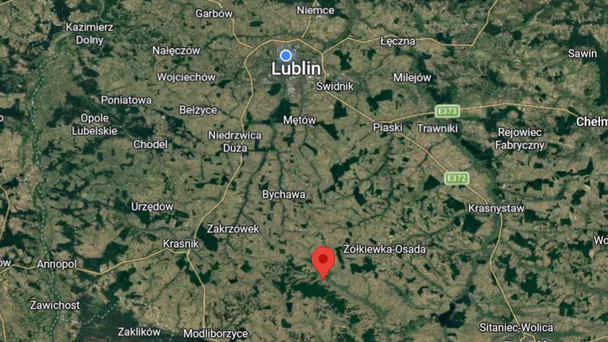
A helicopter crew later located the probable crash site in open ground near Tarnawa-Kolonia, in Lublin Voivodeship.
A map of the area of Lublin Voivodeship, Poland, near where a Russian cruise missile came down, 30 July 2026. Map: Google Maps
Ukrainian monitoring channels eRadar and Strategic Aviation placed a cruise missile over Poland at 04:40 Kyiv time, equal to 03:40 in Warsaw. The monitoring channel Strategic Aviation tracked it over Lublin Voivodeship, which borders Ukraine's Volyn Oblast.
Explore further
The Belarusian tunnel to the EU was almost done. Then Lithuania drilled a hole in exactly the wrong place—for the diggers
At least eight civilians killed in Ukraine during the same attack
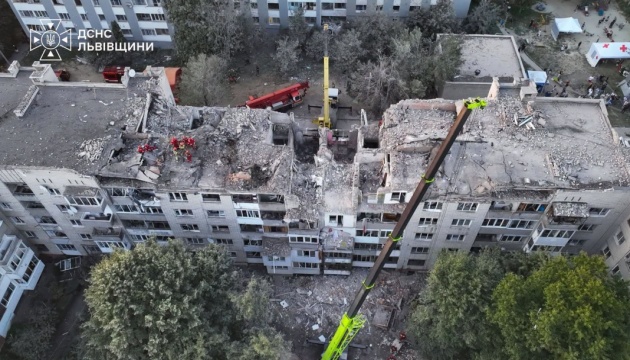
In Ukraine, one of the Russian missiles killed a family — parents and three children — in a direct hit on their home near Kryvyi Rih, while rescuers pulled two more children from the rubble alive. In Lviv, western Ukraine, another missile destroyed apartments, injured dozens including children, and damaged two kindergartens and a school. Russia's strike killed at least eight people across Ukraine and injured dozens, with civilian casualties in Kyiv, Poltava, Kharkiv, Mykolaiv, Sumy, Vinnytsia, and Cherkasy.
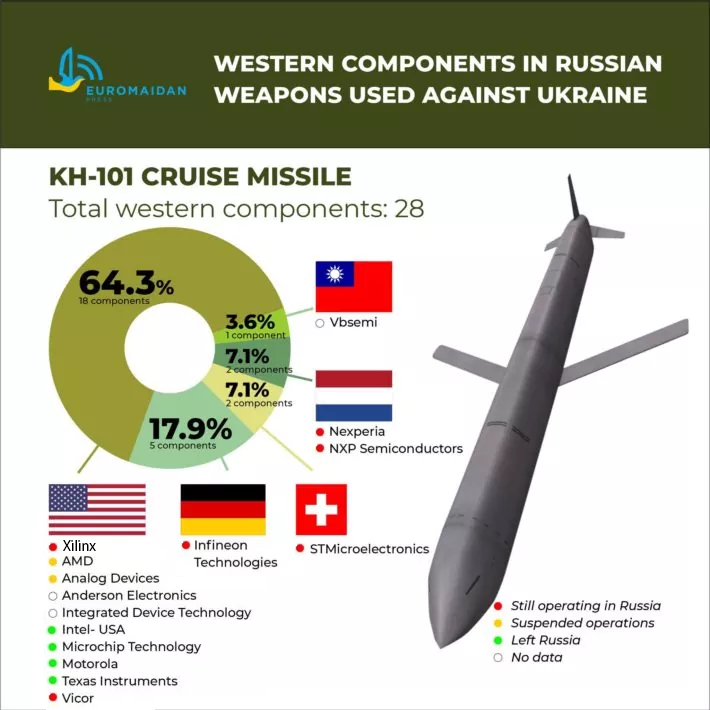
Western components inside the Kh-101 and the companies producing them. Infographcis by Euromaidan Press based on research by Trap Aggressor and the Kyiv School of Economics
Not the first Russian missile over Poland
This was not the first Russian cruise missile to cross into Poland. In 2023, a Kh-55 flew several hundred kilometers over Polish territory before it fell near Bydgoszcz. Earlier in July, the Polish outlet Onet, citing intelligence and diplomatic sources, warned that Poland could become a target of Russian provocations meant to test NATO's resolve, with strikes on critical infrastructure among the scenarios named.
Russian invaders today launched attacks on Sloviansk using “Uragan” multiple rocket launchers and an FPV drone, resulting in injuries to a civilian and a partial power outage in the community.
Russian invaders today launched attacks on Sloviansk using “Uragan” multiple rocket launchers and an FPV drone, resulting in injuries to a civilian and a partial power outage in the community.
Ukraine’s state budget has received €3.47 billion from the European Union under the Ukraine Support Loan. The funds will be directed to defense and other priority needs.
Ukraine’s state budget has received €3.47 billion from the European Union under the Ukraine Support Loan. The funds will be directed to defense and other priority needs.
President Volodymyr Zelensky stated that he had discussed with the heads of the Ministry of Defense and the Armed Forces of Ukraine the consequences of the Russian airstrike, the situation on the front lines and regarding the maritime corridor, and had updated the list of top priorities for precision strikes.
President Volodymyr Zelensky stated that he had discussed with the heads of the Ministry of Defense and the Armed Forces of Ukraine the consequences of the Russian airstrike, the situation on the front lines and regarding the maritime corridor, and had updated the list of top priorities for precision strikes.
The Ukrainian authorities have officially offered Poland assistance in conducting an on-site investigation of the crash site of an aircraft in the village of Tarnawa-Kolonia in the Lublin Voivodeship.
The Ukrainian authorities have officially offered Poland assistance in conducting an on-site investigation of the crash site of an aircraft in the village of Tarnawa-Kolonia in the Lublin Voivodeship.
Information circulated by the Russian Ministry of Defense regarding the alleged capture of the village of Nova Sich in the Yunakivka community of the Sumy region is false.
Information circulated by the Russian Ministry of Defense regarding the alleged capture of the village of Nova Sich in the Yunakivka community of the Sumy region is false.
Unmanned Systems Forces struck a base for unmanned surface vehicles in Crimea, five air defense systems, a launch site for Shahed-type UAVs at the Donetsk Airport, and four more tankers belonging to Russia’s shadow fleet in the Sea of Azov and the Black Sea.
Unmanned Systems Forces struck a base for unmanned surface vehicles in Crimea, five air defense systems, a launch site for Shahed-type UAVs at the Donetsk Airport, and four more tankers belonging to Russia’s shadow fleet in the Sea of Azov and the Black Sea.

 Connexion



 (@GrandpaRoy2)