Vue lecture

Russia offers cash to teachers to Russify occupied Ukraine, report says
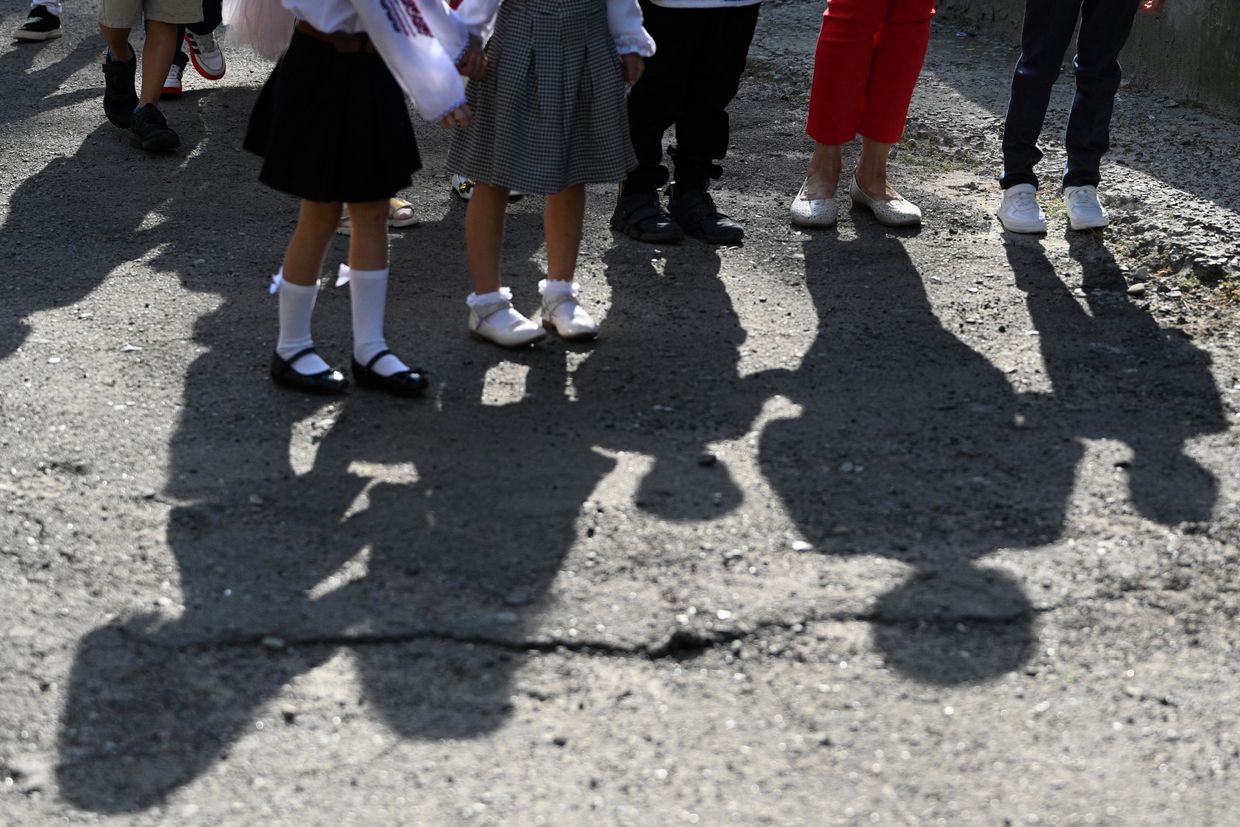
Russia offers cash to teachers to Russify occupied Ukraine, report says

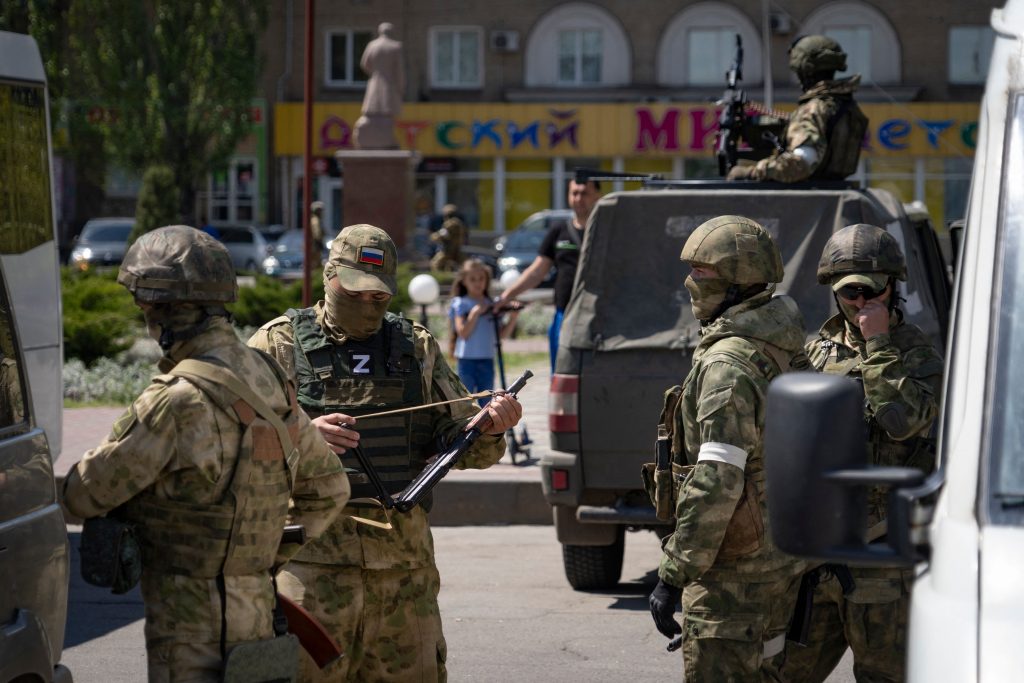
Russia is using financial incentives to recruit teachers, cultural workers, and coaches to work in occupied parts of Ukraine in a campaign aimed at reshaping local identity and fostering loyalty to Moscow’s regime, according to a report published by the Center for European Policy Analysis (CEPA) on June 26.

The Kremlin is offering up to two million rubles (around $22,000) to Russian teachers who agree to work for five years in occupied areas of Donetsk, Luhansk, Zaporizhzhia, and Kherson oblasts, and one million rubles for positions in Crimea.

The initiative, an extension of Russia’s “Zemskyi Uchitel” (Rural Teacher) program, which originally targeted underserved regions in Russia, was formally launched in the newly occupied Ukrainian territories in 2024 — though Russian educators began arriving as early as 2022.

Over 100 teachers have relocated to Crimea through the program, according to Ukraine’s Regional Center for Human Rights/ Most of them arrived from regions including Krasnodar, Altai Krai, Tomsk, Novosibirsk, Saratov, Tyumen, Ivanovo, and the Republic of Udmurtia.

“We have documented cases of teachers — and people assigned to managerial roles, such as school principals and deputy heads — arriving as early as 2022,” said Kateryna Rashevska of Ukraine’s Regional Center for Human Rights. “The first group came from Dagestan, arriving in the occupied Zaporizhzhia region, and by 2024, there were already 37 teachers from Dagestan working there.”

According to Rashevska, these teachers often lead courses in Russian language, history, and “basics of life safety and defense of the Motherland” — classes focused on conscription and military training. “These people are also involved in reprogramming Ukrainian children, attempting to raise them as Russian patriots and future members of the Russian armed forces,” she added.

In parallel, Russia is also exerting pressure on Ukrainian teachers in occupied areas to adopt the Russian curriculum. Those who refuse face serious consequences. "In Berdiansk, a school principal was deported for refusing to open the school under Russian standards," said Mariia Sulialina, head of Ukrainian NGO Almenda. Sulialina noted that teachers are now required to praise President Vladimir Putin and report "extremist behavior" among students — often defined as pro-Ukrainian views.

Human rights experts say these efforts amount to colonization and are violations of international law, including Article 49 of the Geneva Convention and Article 8 of the Rome Statute.

“Russia plans to move another 100 teachers into occupied areas in 2025 — a clear example of colonization,” Rashevska said. Despite existing legal tools, she added, “The International Criminal Court still doesn’t prioritize colonization… even though these federally coordinated programs involving teachers, cultural workers, and coaches create a clear chain of command.”

Putin under pressure to declare war on Ukraine, but experts say Russia isn’t ready
Despite suffering over 1 million casualties, pounding Ukrainian cities nightly with missiles and drones, and committing countless war crimes, one startling fact about Russia’s full-scale invasion remains — Moscow has yet to officially declare war on Ukraine. In February 2022, Russian President Vladimir Putin described what he believed was going to be a swift victory and the capture of Kyiv within days as a “special military operation.” Nearly three-and-a-half years later, the Kremlin is stuck
Russia offers cash to teachers to Russify occupied Ukraine, report saysThe Kyiv IndependentChris York
Russia offers cash to teachers to Russify occupied Ukraine, report says
  •  

European companies shipping critical missile parts to Russia, Zelensky tells EU

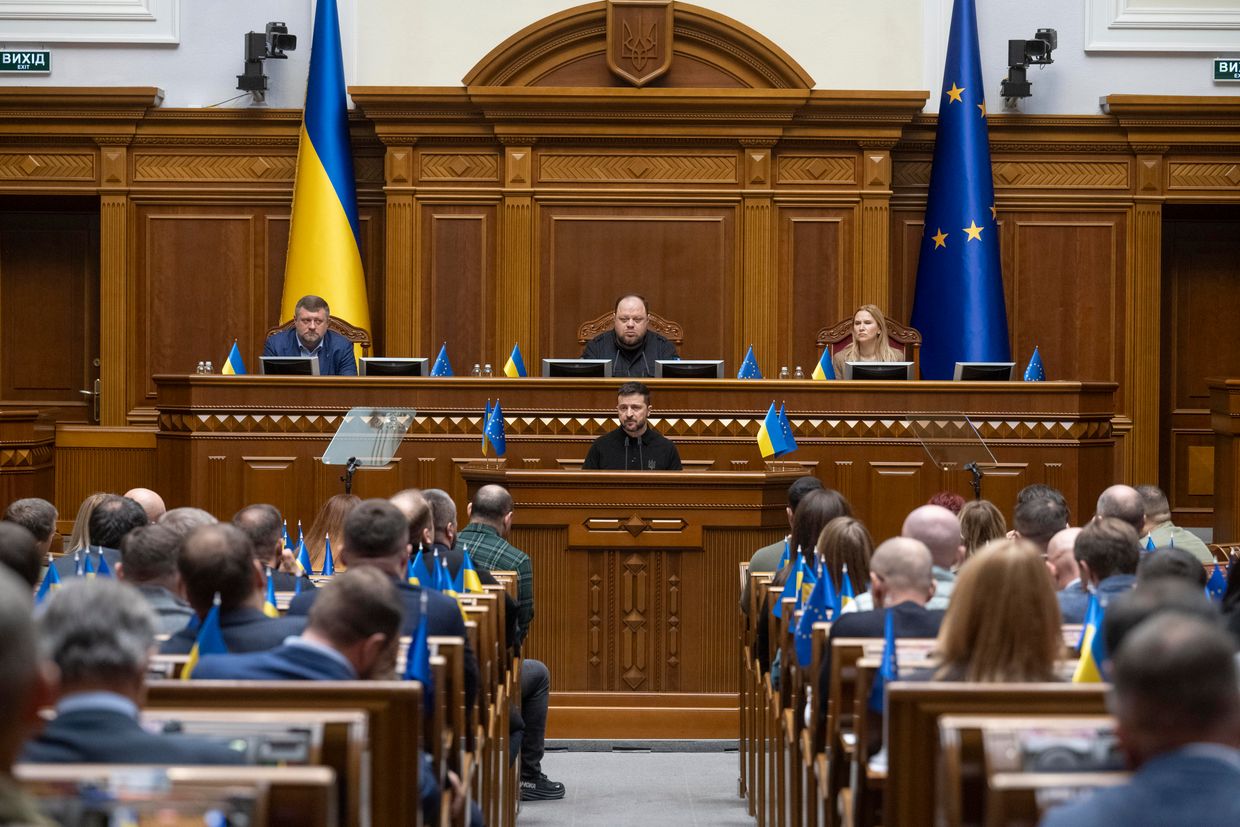
European companies shipping critical missile parts to Russia, Zelensky tells EU

European firms continue to ship critical weapons components to Russia, President Volodymyr Zelensky told the European Council on June 26 in a plea for tougher EU sanctions against Moscow.

"Some European companies are still sending critical components to Russia. These end up in missiles and other weapons used to kill us, kill Ukrainians," Zelensky said in a video address to the European Council summit in Brussels.

Ukraine is in the process of identifying these materials and will pass along evidence to EU officials, he said.

Zelensky's remarks were part of a broader appeal for the EU to expand and strengthen economic penalties on Russia. While the bloc reached an agreement in Brussels to extend current sectoral sanctions for another six months, it is still debating its proposed 18th package of sanctions against Russia.

Zelensky urged the EU to pass "a truly strong" 18th package, targeting "Russia's oil trade, its shadow tanker fleet, Russian banks and other financial instruments, and the supply chains that bring equipment or parts for making weapons."

The sanctions should not only penalize Russia's so-called "shadow fleet" vessels, but also the tankers' captains and the ports Russia uses to export oil, Zelensky said.

The president also reiterated his call to drop the current oil price cap to $30 per barrel.

"Russia's military ambitions grow when its oil revenues are high," he said.

Several European countries still rely heavily on Russian oil and gas, Zelensky pointed out. Ukraine understands the complexities of this situation and treads carefully in order to respect its partnership with the EU.

"Yet, sadly, we don't always feel this same understanding in return when it comes to Ukraine's needs," Zelensky said.

"It feels especially strange to hear such strong criticism — even political pressure from some  leaders — while our respect for EU rules allows oil to keep flowing."

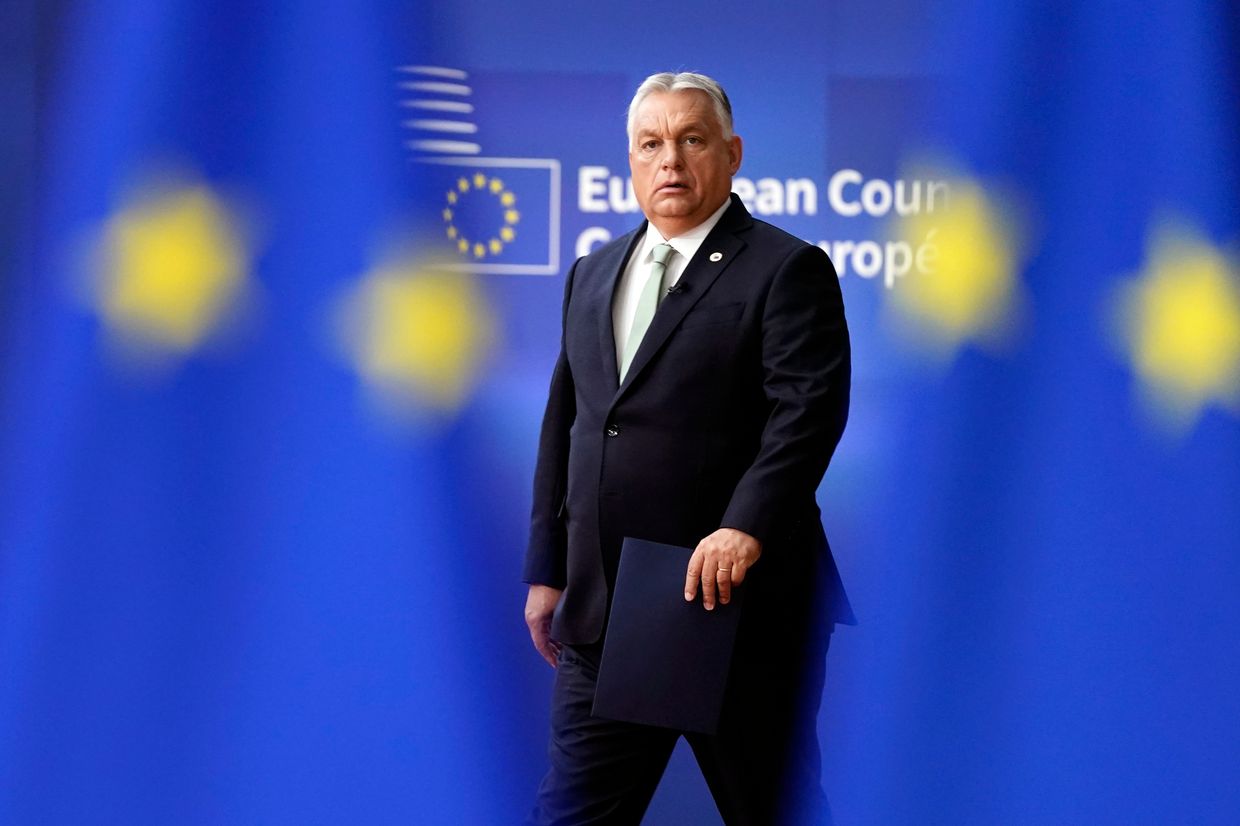
While Zelensky did not specify any particular EU leaders, Slovak Prime Minister Robert Fico in June threatened to veto the 18th sanctions package, citing concerns over Slovakia's reliance on Russia's energy imports. Fico has emerged as one of the EU's strongest supporters of Russia, alongside Hungarian Prime Minister Viktor Orban.

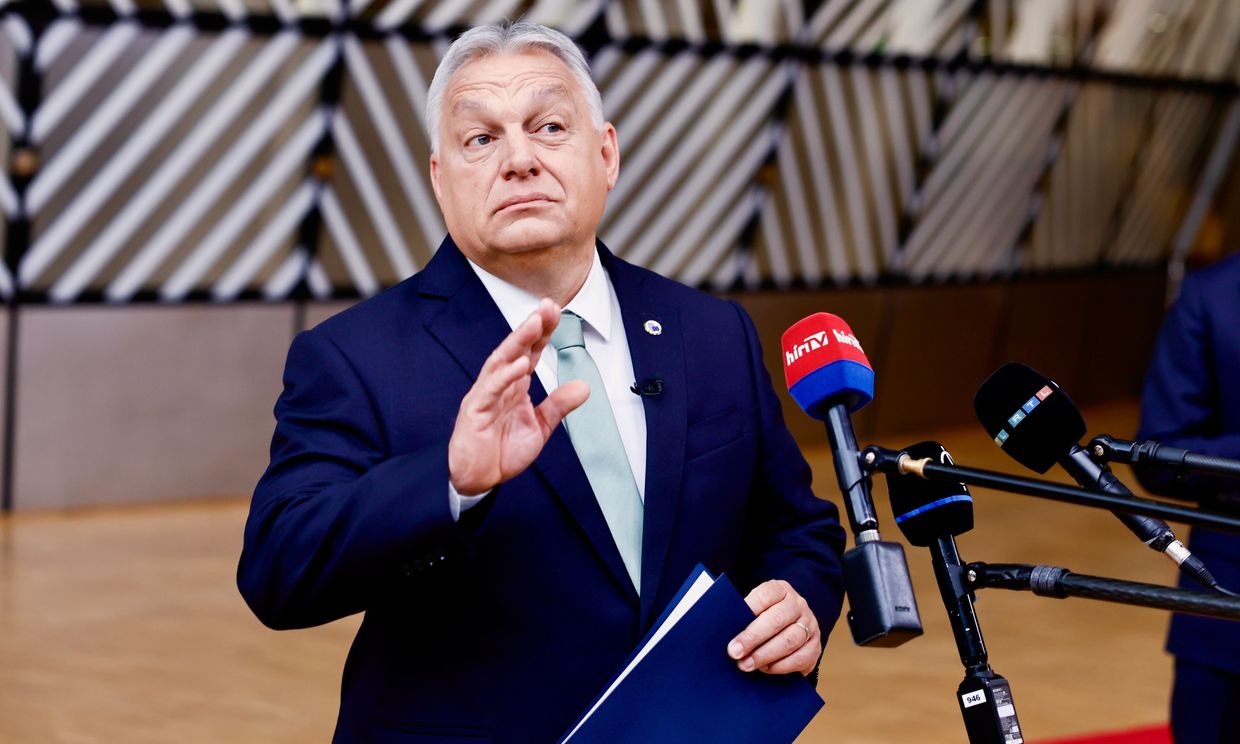
Orban took aim against Kyiv at the Brussels summit by blocking a unanimous statement of support for Ukraine's accession to the EU. All 26 other member states supported the statement, while Hungary was the sole opponent.

In his address to the Council, Zelensky urged the EU to send a clear signal of support for Ukraine's European path. Ukraine has fulfilled its obligations in the accession process, the president argued, and deserves recognition of its progress.

"Any delay by Europe at this point could create a global precedent and a reason to doubt Europe's words and commitments," he said.

Putin under pressure to declare war on Ukraine, but experts say Russia isn’t ready
Despite suffering over 1 million casualties, pounding Ukrainian cities nightly with missiles and drones, and committing countless war crimes, one startling fact about Russia’s full-scale invasion remains — Moscow has yet to officially declare war on Ukraine. In February 2022, Russian President Vladimir Putin described what he believed was going to be a swift victory and the capture of Kyiv within days as a “special military operation.” Nearly three-and-a-half years later, the Kremlin is stuck
European companies shipping critical missile parts to Russia, Zelensky tells EUThe Kyiv IndependentChris York
European companies shipping critical missile parts to Russia, Zelensky tells EU

  •  

Trump wants to slash war crimes investigation funds, Reuters reports

Trump wants to slash war crimes investigation funds, Reuters reports

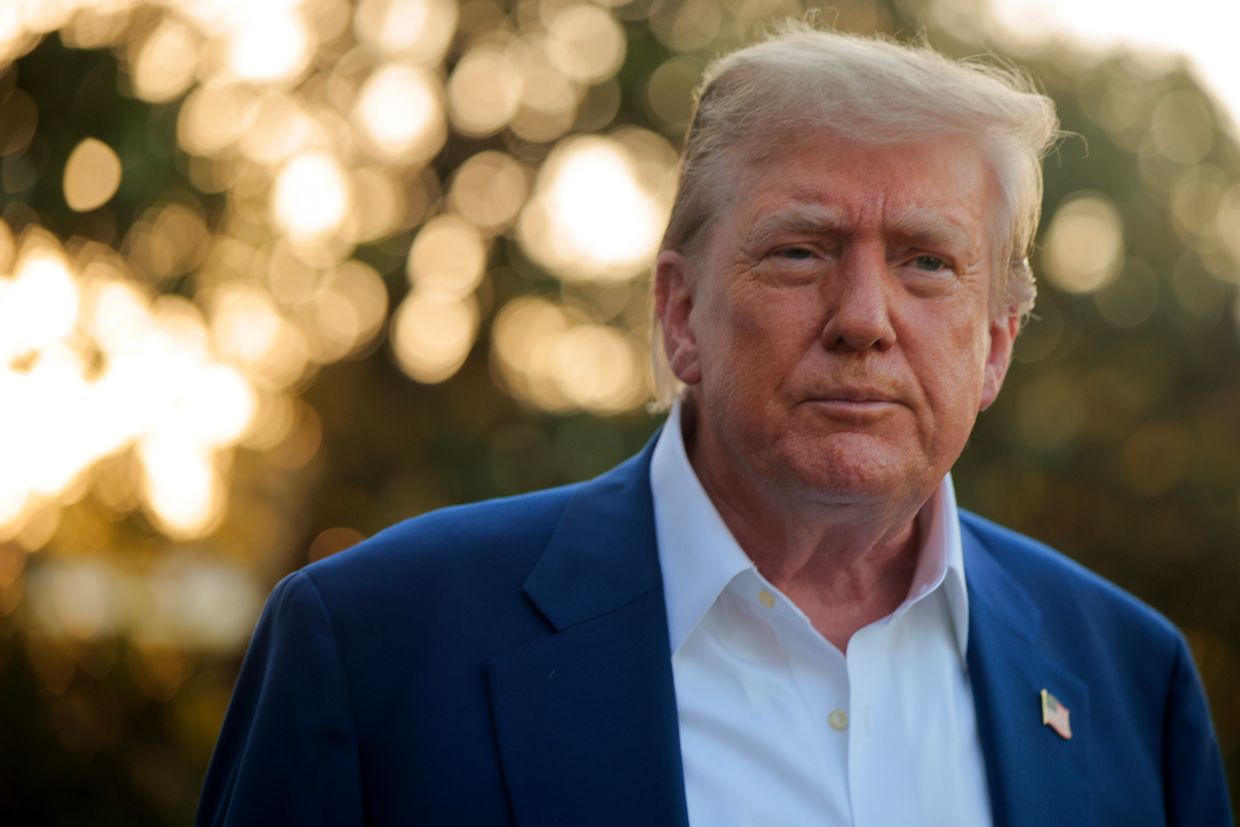
The White House has recommended terminating U.S. funding for multiple programs that investigate war crimes worldwide, including Russian war crimes in Ukraine, Reuters reported on June 26.

Since U.S. President Donald Trump's inauguration in January, the administration has imposed sweeping layoffs and budget cuts, targeting foreign aid, media outlets, and federal workers. Many of the cuts have directly impacted programs assisting Ukraine.

The Trump administration's Office of Management and Budget (OMB) on June 25 recommended canceling funds for nearly two dozen programs that investigate and seek accountability for war crimes, two U.S. sources familiar with the matter told Reuters. The outlet also reviewed internal government documents to support their claims.

The targeted programs include groups investigating Russian war crimes in Ukraine, as well as atrocities in Myanmar, Syria, Iraq, Nepal, Sri Lanka and the Gambia.

Multiple programs designated for termination are operating in Ukraine, three sources told Reuters. One of the groups is Global Rights Compliance, which gathers evidence of Russian war crimes across the country, including torture and sexual violence. Another is Legal Action Worldwide, a legal aid organization that supports efforts to prosecute suspects accused of perpetrating war crimes in Ukraine.

The State Department will have the opportunity to appeal the OMB's recommendation, though two U.S. officials told Reuters that Secretary of State Marco Rubio is not likely to advocate for most of the programs.

Rubio could potentially argue to preserve a few key programs, such as those supporting the prosecution of Russian war crimes in Ukraine, one source said.

According to an internal State Department email viewed by Reuters, the department has until July 11 to submit their arguments on behalf of preserving any of the targeted war crimes accountability programs.

The Trump administration's funding cuts have already impacted humanitarian aid and civil society programs across Ukraine as the country faces its fourth year of Russia's full-scale invasion. One of Trump's first acts in his second term was to freeze all U.S. foreign assistance for 90 days. He then worked alongside former ally Elon Musk to dismantle the U.S. Agency for International Development (USAID).

Among the defunded organizations is Ukraine Conflict Observatory, the leading U.S.-backed initiative documenting Russia's abduction of Ukrainian children. A part of Yale University's Humanitarian Research Lab, the group will end its efforts to track and monitor illegally deported Ukrainian children as of July 1 due to funding cuts.  

The White House also previously disbanded the U.S. Justice Department's War Crimes Accountability Team and fired a coordinator responsible for collecting data on Russian war crimes in Ukraine.

Trump gets king’s treatment at NATO summit while Ukraine sits on the sidelines
THE HAGUE, Netherlands — As NATO leaders convened in The Hague for a two-day summit on June 24–25, allies and Kyiv braced for the first annual meeting since U.S. President Donald Trump’s return to office. With the Israel-Iranian conflict dominating the news and the summit agenda focused on
Trump wants to slash war crimes investigation funds, Reuters reportsThe Kyiv IndependentMartin Fornusek
Trump wants to slash war crimes investigation funds, Reuters reports

  •  

EU agrees to extend sanctions against Russia for 6 months

EU agrees to extend sanctions against Russia for 6 months

Editor's Note: This is a developing story and is being updated.

The European Union on June 26 reached an agreement to extend sanctions against Russia for another six months, an undisclosed EU official told the Kyiv Independent.

Polish Prime Minister Donald Tusk confirmed the agreement shortly afterwards in a joint press conference alongside European Commission President Ursula von der Leyen and European Council President Antonio Costa at the EU summit in Brussels.

The EU made the decision on June 26 to extend its current sanctions against Russia for six more months, Tusk said.

"We still have a decision about the 18th sanctions package ahead of us," he added.

The EU votes to renew its sectoral sanctions against Russia every six months in January and July. Sanctions encompass a broad array of economic areas, including restrictions on trade, finance, technology and dual-use goods, industry, transport, and luxury goods.

The latest agreement comes amid fears that Hungary, one of the bloc's most Kremlin-friendly member states, would attempt to block the extension. Hungary has repeatedly threatened to use its veto power to obstruct the sanctions process.

The European bloc first adopted sanctions related to Russian aggression on July 31, 2014, after Moscow occupied Crimea and invaded Ukraine's eastern Donbas region. The EU has significantly scaled up its sanctions measures in the wake of the full-scale invasion, adopting 17 major sanctions packages since February 2022.

The EU on June 10 unveiled its 18th package of sanctions against Russia, expanding current measures to include new restrictions on energy, banking, oil, and other sectors. The initial proposal included banning transactions involving the Nord Stream 1 and Nord Stream 2 pipelines and reducing the oil price cap from $60 to $45 per barrel.

Soon after the package was announced, however, the EU reportedly postponed the effort to reduce the oil price cap.

The 18th round of sanctions is currently under debate. Slovak Prime Minister Robert Fico, another Moscow-friendly European leader, has threatened to veto the package. Slovakia has not previously attempted to block EU sanctions against Russia.

Ukraine war latest: Russia’s advance in Sumy Oblast ‘halted’; Kyiv, Moscow carry out POW swap
Key developments on June 26: * “50,000 Russian troops pinned down” — Ukraine halts advance in Sumy Oblast, summer offensive “faltering,” Syrskyi says * Ukraine, Russia conduct new POW swap under Istanbul deal * North Korea likely to send more troops to Russia by August, South Korea says * Explosions reported in Moscow, Russia
EU agrees to extend sanctions against Russia for 6 monthsThe Kyiv IndependentThe Kyiv Independent news desk
EU agrees to extend sanctions against Russia for 6 months
  •  

Ukrainian drones strike Russian S-400 air defense system in occupied Crimea, HUR says

Ukrainian drones strike Russian S-400 air defense system in occupied Crimea, HUR says

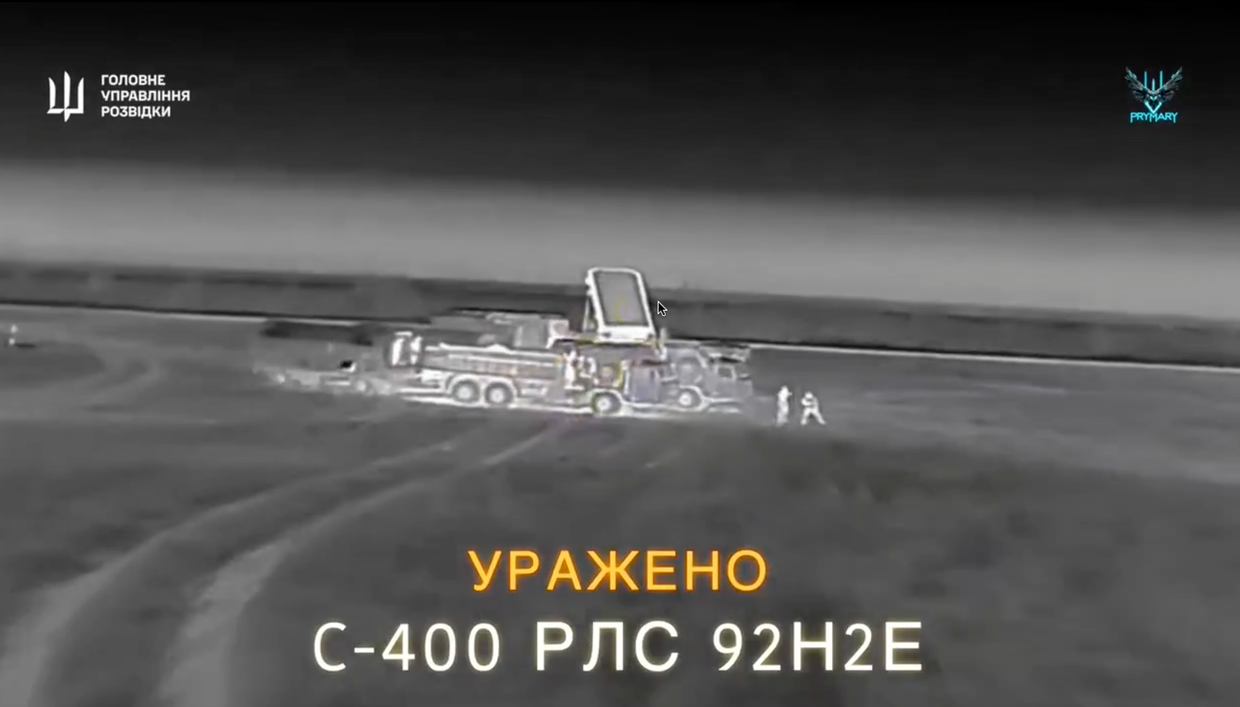
Ukrainian drones struck air defense equipment in Russian-occupied Crimea, damaging radar units and components of the S-400 Triumph system, Ukraine's military intelligence agency (HUR) claimed on June 26.

The drone strike was carried out by the agency's "Ghosts" unit, HUR said. Video footage of the operation published on HUR's official Telegram channel shows the trajectory of multiple drones as they approach and hit their targets.

The attack damaged "critical and expensive components" of Russia's S-400 Triumph air defense system, including two 92N2E multifunctional control radars, two 91N6E detection radars, and an S-400 launcher, according to HUR.

"Radars are the 'eyes' of the enemy's air defense system. Without them, anti-aircraft systems become combat ineffective," HUR wrote.

The Kyiv Independent could not verify these claims.

0:00
/
Video footage of an alleged Ukrainian drone strike on a Russian S-400 air defense radar system in occupied Crimea, June 2025. (Ukraine's military intelligence agency / Telegram) 

Earlier this month, the Atesh partisan group reported that a Ukrainian drone attack hit Russian military facilities near Simferopol. The group claimed on June 13 that Ukrainian drone attacks likely hit a Russian air defense system.

Ukraine has previously carried out successful attacks on S-400 radar systems in Crimea and other regions, including Russia's Belgorod Oblast. Kyiv regularly launches strikes on military and industrial targets in both Russia and Russian-occupied regions of Ukraine.

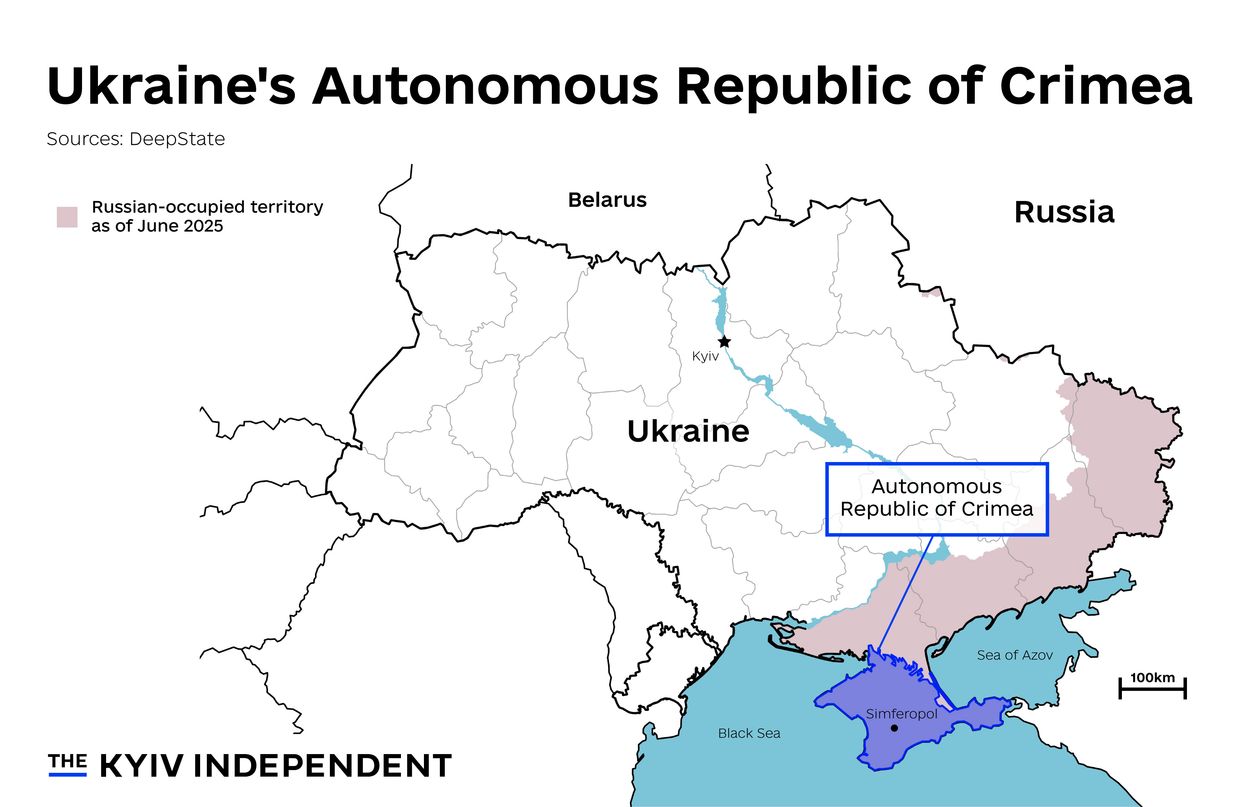
Russia has illegally occupied Crimea since 2014, transforming the peninsula into a heavily militarized stronghold. Moscow uses the region to support its war in Ukraine, launching missiles from the Black Sea and exploiting the peninsula as a key logistics and transport hub.

The Kerch Airport in Crimea has also been repurposed from civilian to military use, with Moscow-backed proxies transferring part of the airport's land to the Russian Defense Ministry in spring 2025, according to an investigation by Radio Liberty/Radio Free Europe.

Ukrainian drones strike Russian S-400 air defense system in occupied Crimea, HUR says
Ukraine's Autonomous Republic of Crimea (Nizar al-Rifai/The Kyiv Independent)

Ukraine war latest: Russia’s advance in Sumy Oblast ‘halted’; Kyiv, Moscow carry out POW swap
Key developments on June 26: * “50,000 Russian troops pinned down” — Ukraine halts advance in Sumy Oblast, summer offensive “faltering,” Syrskyi says * Ukraine, Russia conduct new POW swap under Istanbul deal * North Korea likely to send more troops to Russia by August, South Korea says * Explosions reported in Moscow, Russia
Ukrainian drones strike Russian S-400 air defense system in occupied Crimea, HUR saysThe Kyiv IndependentThe Kyiv Independent news desk
Ukrainian drones strike Russian S-400 air defense system in occupied Crimea, HUR says
  •  

Hungary blocks EU statement backing Ukraine’s accession talks at Brussels summit

Hungary blocks EU statement backing Ukraine’s accession talks at Brussels summit

The European Council failed to unanimously adopt a statement of support for Ukraine during its June 26 meeting in Brussels, after Hungary once again failed to support it.

On the eve of the European Council summit, Hungary's government announced on June 26 that 95% of participants in a so-called "national consultation" opposed Ukraine's accession to the EU.

The highly-particized plebiscite, promoted by Prime Minister Viktor Orban's government, has already drawn criticism over its credibility and turnout, raising concerns that Orban may use its results to justify future resistance to Ukraine’s EU accession.

To register their "vote" in the national consultation, Hungarian citizens received their "ballot" in the post, together with a letter from Orban urging people to vote against.

According to the European Council's statement, the document found "firmly supported" by 26 out of the 27 states. All EU states, except Hungary, reaffirmed Ukraine's "inherent right to choose its own destiny" and support for the country's "path towards EU membership."

"The European Council commends Ukraine for the pace of its accession-related reforms under the most challenging circumstances, welcomes the significant progress achieved, and encourages Ukraine and the Commission to intensify work in the accession process," the statement read.

EU member states also agreed to take note of the Commission’s assessment that Ukraine is ready to open the Fundamentals cluster. However, formal negotiations can only begin with the unanimous consent of all 27 member states.

Ukraine applied for EU membership shortly after Russia launched its war in 2022 and was granted candidate status within months.

As an EU member, Hungary has veto power over further progress.

Orban said he voted against Ukraine's accession to the EU in the consultation, publicly sharing photos of himself marking "against" on the poll ballot. He warned earlier this year that allowing Kyiv to join the EU would "destroy" Hungary.

With Trump disengaged and EU complacent, Ukrainian reforms lose momentum
Russia’s all-out war has accelerated Ukraine’s push to join the European Union and NATO, as well as its dependency on Western loans and aid. Before, these things would have been heavily preconditioned on Ukraine implementing crucial reforms. However, the war has also eased the pressure on Kyiv to carry out
Hungary blocks EU statement backing Ukraine’s accession talks at Brussels summitThe Kyiv IndependentOleg Sukhov
Hungary blocks EU statement backing Ukraine’s accession talks at Brussels summit
  •  

Ukraine to receive $46 million for repairs to Chornobyl sarcophagus after Russian strike

Ukraine to receive $46 million for repairs to Chornobyl sarcophagus after Russian strike

Ukraine will receive €42.5 million ($45.7 million) from international partners to repair the protective arch over the Chornobyl nuclear plant's destroyed reactor, Environment and Natural Resources Minister Svitlana Hrynchuk announced on June 26.

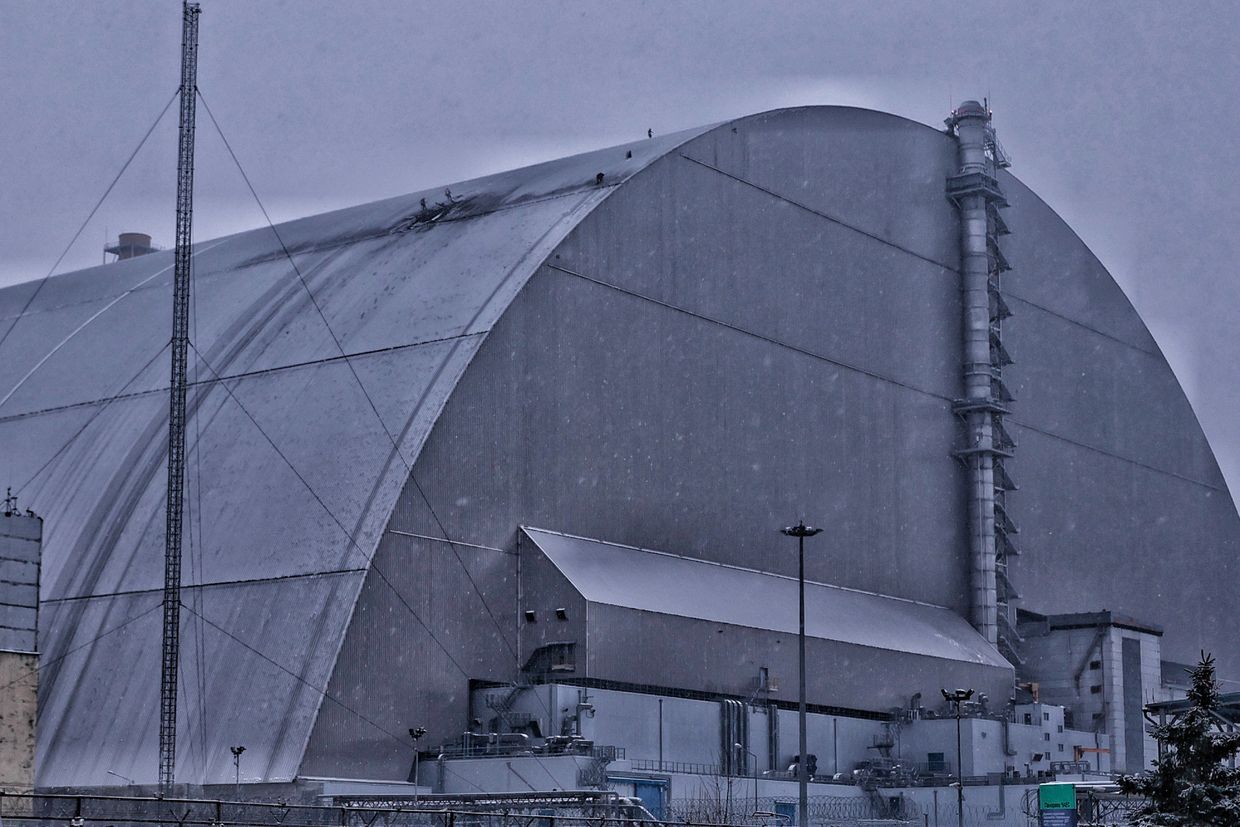
A Russian Shahed-type drone struck the New Safe Confinement over Chornobyl's destroyed 4th reactor on February 14.

The structure built to contain radioactive material was damaged, no serious radiation leaks were caused.

France pledged €10.6 million ($11.4 million), the United Kingdom committed €6.9 million ($7.4 million), and the European Commission contributed €25 million ($26.9 million) toward the repairs.

"This is further evidence that Ukraine does not face its challenges alone, but has reliable friends," Hrynchuk wrote on Facebook.

The funding was announced at the European Bank for Reconstruction and Development (EBRD) headquarters in London during a meeting of the Chornobyl International Cooperation Account Assembly of Contributors – the governing body of the fund created to address Chornobyl Nuclear Power Plant issues.

Ukraine has already surveyed the building's structure and completed preparatory work, Hrynchuk said. In March, €400,000 ($430,000) was allocated from the special fund for this purpose.

The assembly discussed plans for temporary repairs and further work to fully restore the arch's integrity and functionality.

Chornobyl was the site of the world's worst nuclear disaster in 1986, contaminating areas across Ukraine, Belarus, and Russia.

After an protective structure was built over the destroyed reactor to contain radioactive material in the months following the disaster, the current arch, an international project built as a more permanent solution, was completed in 2017.

Chornobyl isn’t safe anymore... again
Chornobyl disaster occurred in the early hours of April 26, 1986, in Soviet Ukraine. Nearly 39 years after the worst nuclear disaster in history, Russia’s brazen attack on the $2 billion New Safe Confinement (the sarcophagus enclosing the destroyed reactor) in February 2025 poses a new potential radioactive danger as engineers race to repair the damage. The Kyiv Independent’s Kollen Post dives into why the restoration is not as simple as it may seem.
Ukraine to receive $46 million for repairs to Chornobyl sarcophagus after Russian strikeThe Kyiv IndependentKollen Post
Ukraine to receive $46 million for repairs to Chornobyl sarcophagus after Russian strike
  •  

Trump vowed at NATO summit that Russia won’t attack alliance during his presidency, WP reports

Trump vowed at NATO summit that Russia won’t attack alliance during his presidency, WP reports

U.S. President Donald Trump promised during the NATO summit in The Hague that Russia would never attack the alliance while he is in office, the Washington Post reported on June 26, citing three unnamed European officials.

Speaking at a briefing in The Hague a day earlier, Trump, however, did not rule out that Russia has territorial ambitions beyond Ukraine.

"It's possible," he said.

Still, the U.S. president immediately downplayed Moscow's threat and aggression against Ukraine, saying Russian President Vladimir Putin was "misguided."

Foreign officials and EU diplomats have increasingly called for the preparation for a potential full-scale conflict between NATO and Russia.

Trump's remarks came days after President Volodymyr Zelensky said that Ukraine's intelligence has proof that Russia is preparing new military operations in Europe and just a week after Putin declared "all of Ukraine is ours."

During the summit, NATO Secretary General Mark Rutte called on alliance members to be realistic about the threats posed by Russia and China. Previously, he warned that Russia could be ready to launch an attack against the alliance within five years.

Amid rising threats from Russia, NATO member states have agreed to a new defense spending benchmark, committing to allocate 5% of their gross domestic product annually to defense and security-related expenditures by 2035.

In early June, German intelligence chief Bruno Kahl said Russia may try to test NATO’s unity with provocations beyond Ukraine, as some Russian officials believe that the alliance's collective defense principle no longer works.

Putin under pressure to declare war on Ukraine, but experts say Russia isn’t ready
Despite suffering over 1 million casualties, pounding Ukrainian cities nightly with missiles and drones, and committing countless war crimes, one startling fact about Russia’s full-scale invasion remains — Moscow has yet to officially declare war on Ukraine. In February 2022, Russian President Vladimir Putin described what he believed was going to be a swift victory and the capture of Kyiv within days as a “special military operation.” Nearly three-and-a-half years later, the Kremlin is stuck
Trump vowed at NATO summit that Russia won’t attack alliance during his presidency, WP reportsThe Kyiv IndependentChris York
Trump vowed at NATO summit that Russia won’t attack alliance during his presidency, WP reports

  •  

Kyrgyz citizen pleads guilty to illegally exporting US firearms to Russia

Kyrgyz citizen pleads guilty to illegally exporting US firearms to Russia

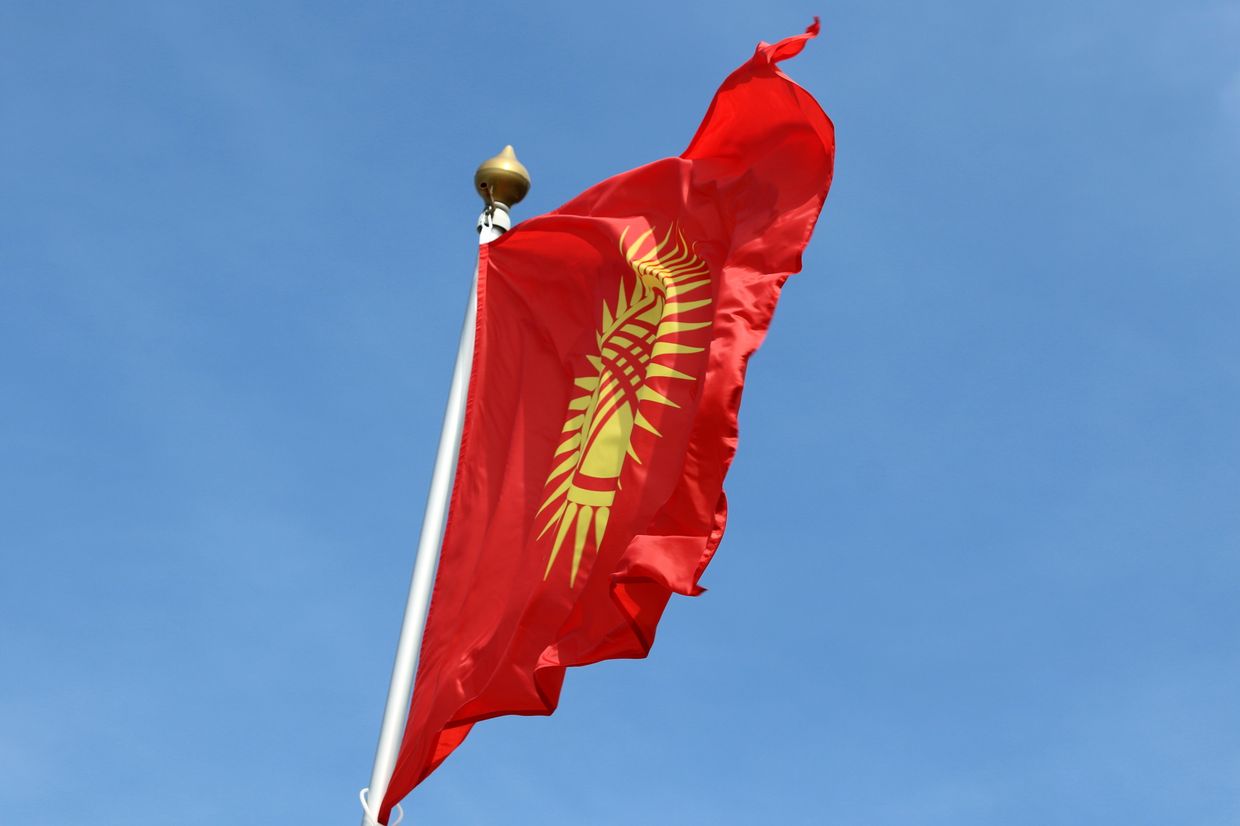
Sergei Zharnovnikov, a 46-year-old citizen of Kyrgyzstan, pleaded guilty in New York federal court on June 25 to a conspiracy to illegally export U.S.-made firearms to Russia and smuggling, the U.S. Department of Justice announced.

According to the statement, the defendant exported firearms and ammunition worth more than $1.5 million from the U.S. to Russia, violating U.S. law.

"The defendant admitted that he purchased American-made, military-grade firearms and re-exported them to Russia," U.S. Attorney Joseph Nocella for the Eastern District of New York said.
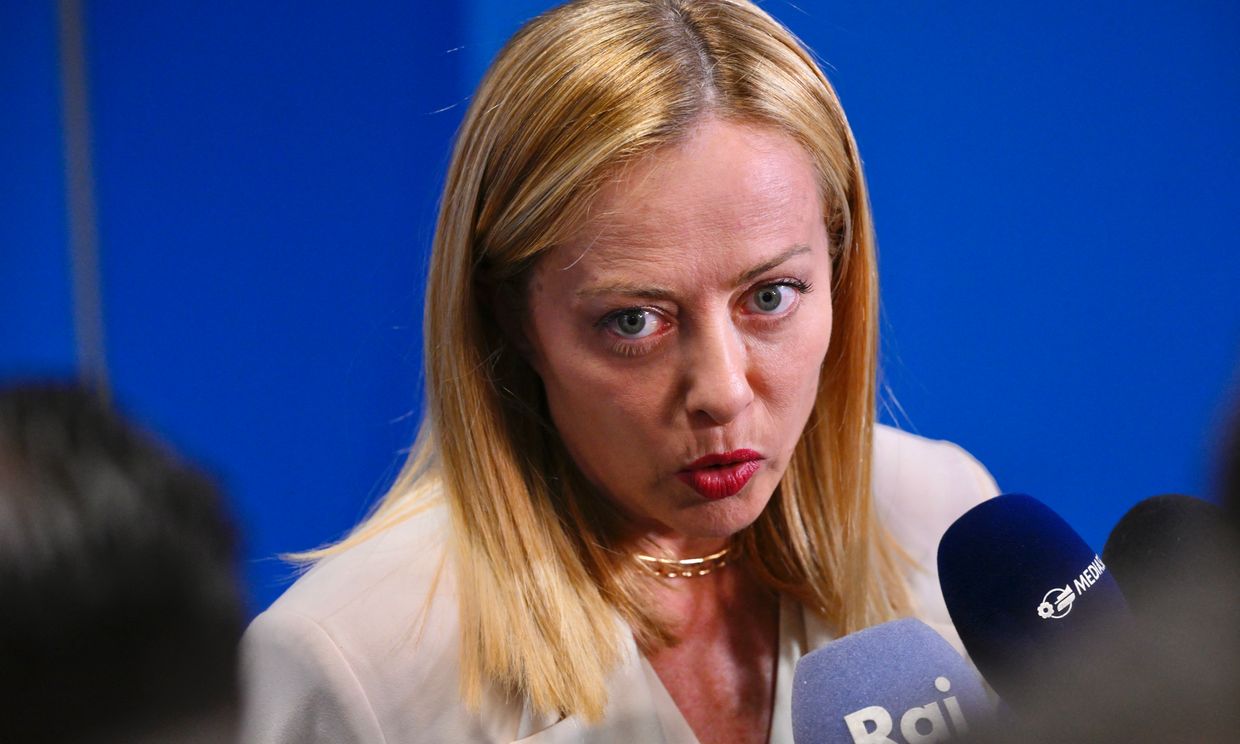
"Today’s guilty plea is the culmination of extensive investigative work, showing that this office will not allow merchants of lethal weapons and Russia to flout U.S. sanctions."

According to court records, Zharnovnikov, owner of a Bishkek-based arms company, conspired to export U.S. firearms to Russia starting in March 2020. He signed a $900,000 contract with a U.S. company to send weapons to Kyrgyzstan, using a Department of Commerce export license that specifically banned re-export to Russia.

Despite the restriction, Zharnovnikov allegedly sent semi-automatic hybrid rifle-pistols to Russia via Kyrgyzstan without proper permits. Shipping records show the weapons left JFK Airport in July 2022. By November, a Russian client listed those same weapons on a tax form.

Upon sentencing, Zharnovnikov could face up to 20 years in prison.

’50,000 Russian troops pinned down’ — Ukraine halts advance in Sumy Oblast, summer offensive ‘faltering,’ Syrskyi says
“This year’s wave of the enemy’s ‘summer offensive’ from Russian territory is faltering,” Commander-in-Chief Oleksandr Syrskyi said.
Kyrgyz citizen pleads guilty to illegally exporting US firearms to RussiaThe Kyiv IndependentTim Zadorozhnyy
Kyrgyz citizen pleads guilty to illegally exporting US firearms to Russia
  •  

Over 20,000 Russian soldiers prosecuted for refusing to fight in Ukraine, media reports

Over 20,000 Russian soldiers prosecuted for refusing to fight in Ukraine, media reports

More than 20,000 Russian soldiers have been prosecuted for refusing to fight in Ukraine, a Russian independent media outlet Mediazona reported on June 26, citing online data from military courts.

As of late May, Mediazona had documented 20,538 such cases since September 2022 (when the Kremlin announced a first wave of partial mobilization) compared to 10,025 cases reported as of June 2024.

Of these, 18,159 were cases of soldiers going AWOL, 1,369 cases of failure to comply with an order, and 1,010 cases of desertion.

According to Mediazona, 17,721 of the accused have already been sentenced.

The Insider reported that Moscow uses a systematic program of "gulag-style" abuse directed at its soldiers in Ukraine in order to "maintain order" and punish perceived offenders.

Reports of Russian soldiers being abused by commanders and fellow troops have emerged since the full-scale war against Ukraine began.

Moscow has only intensified its war effort despite calls by Kyiv, the U.S., and European partners for an unconditional ceasefire as a first step toward a peace deal.

According to President Volodymyr Zelensky, Russia recruits around 40,000-45,000 men for its military every month.

Although Russia did go through phases of mobilization and has made great use of its prison population, most new recruits have for a while been volunteer contract soldiers, lured in by one-time signup bonuses often more than several years' average salary in poorer regions of Russia.

In late 2024, Russian President Vladimir Putin signed a decree to increase the size of Russia's Armed Forces to about 2.4 million, including 1.5 million military personnel.

’50,000 Russian troops pinned down’ — Ukraine halts advance in Sumy Oblast, summer offensive ‘faltering,’ Syrskyi says
“This year’s wave of the enemy’s ‘summer offensive’ from Russian territory is faltering,” Commander-in-Chief Oleksandr Syrskyi said.
Over 20,000 Russian soldiers prosecuted for refusing to fight in Ukraine, media reportsThe Kyiv IndependentTim Zadorozhnyy
Over 20,000 Russian soldiers prosecuted for refusing to fight in Ukraine, media reports
  •  

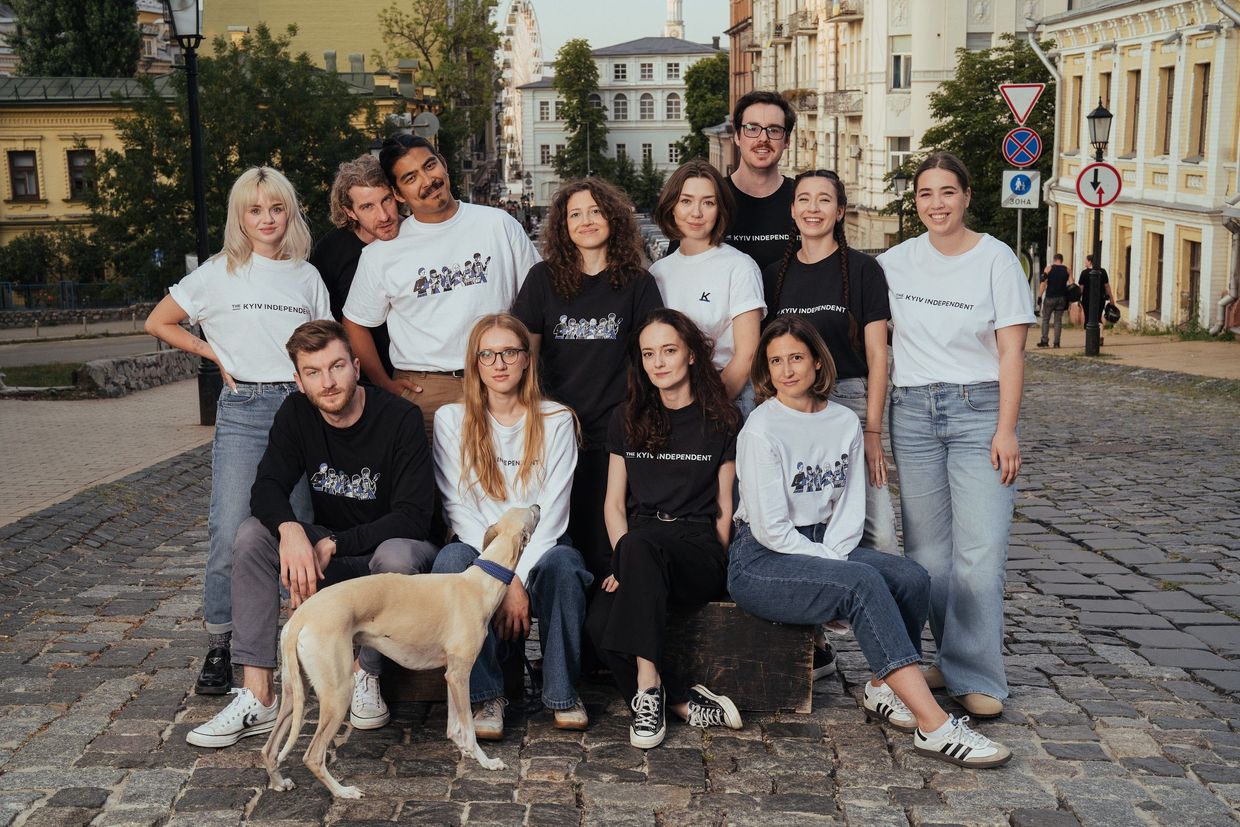
The Kyiv Independent reaches 20,000 paying members — thanks to our global community

The Kyiv Independent reaches 20,000 paying members — thanks to our global community

The Kyiv Independent has officially reached 20,000 paying members, becoming the first Ukrainian media outlet in history to cross this milestone.

This is  not just a number — it’s a reminder that people around the world believe in the importance of independent journalism from Ukraine, and are willing to stand behind it.

When Russia launched its full-scale invasion in February 2022, the Kyiv Independent knew how important it would be to keep its reporting free and accessible — to show the world what was really happening on the ground.

More than three years later, that mission hasn’t changed. That´s why, in May, the Kyiv Independent launched a campaign to ensure that no matter what happens, it would be able to continue showing the threat Russia poses to the world, and the consequences of when it is allowed to do so unchecked.

In less than one month, 2,400 people became new members of the Kyiv Independent community.

  • Support came from more than 60 countries, with the highest number of new members joining from North America and Europe.
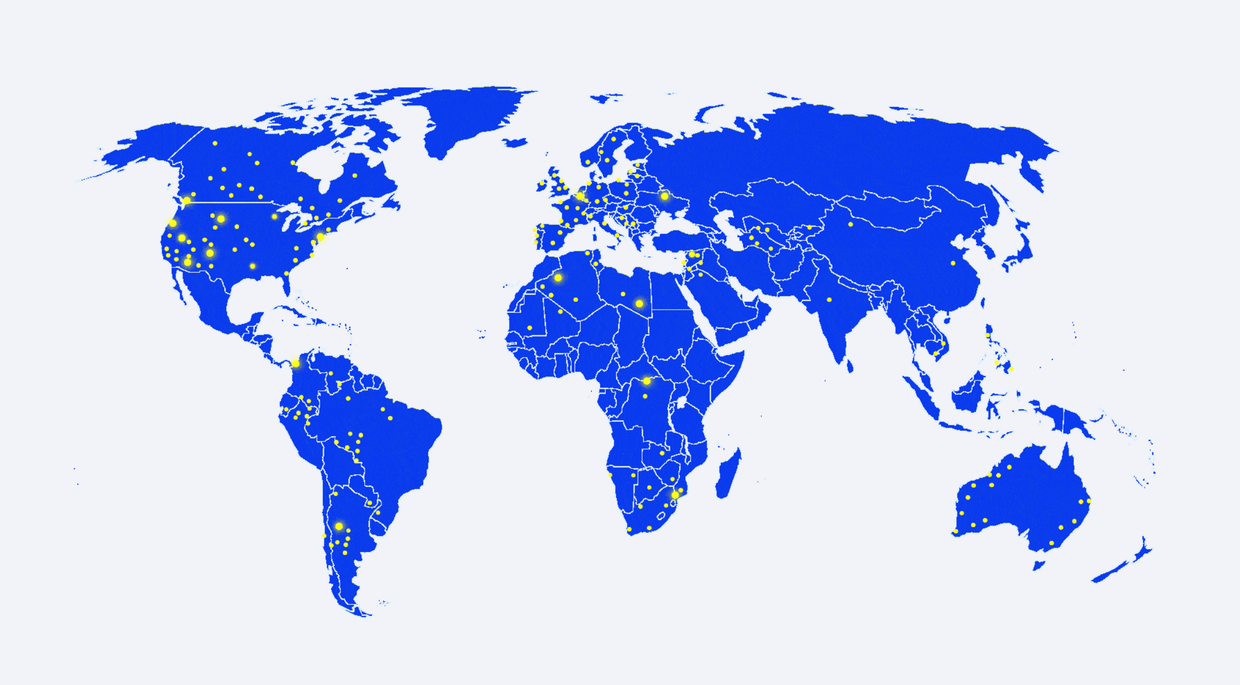
  • To help members feel more connected, an updated interactive community map was unveiled — since the update, over 700 people have added their pins to show where they're supporting from.
  • A live campaign counter allowed every person who joined to see their impact in real time — and know they were contributing to something bigger.
  • Visitors to the Kyiv Independent website saw country-specific messages during the campaign — small touches of language or culture that helped people feel seen, no matter where they were coming from.

Since its founding in late 2021, more than 50,000 people from over 130 countries have contributed financially to support the Kyiv Independent — either through one-time donations or recurring membership.  In 2024, reader contributions accounted for 70% of revenue.

The Kyiv Independent reaches 20,000 paying members — thanks to our global community
A map of The Kyiv Independent supporters from around the world. (The Kyiv Independent)

“The journey to twenty thousand took us 3.5 years and thousands of hours of work by the most talented people I know. It’s a testament to our journalism and our mission to provide high-quality reporting from Ukraine to the world.” said Zakhar Protsiuk, COO of The Kyiv Independent. “These twenty thousand people are our secret power that allows us to do our work and grow.”
All of this is a powerful reminder of what a committed community can do, and how reader-funded journalism can thrive, even in the hardest conditions.

The team at the Kyiv Independent is incredibly grateful to everyone who joined, gifted a membership, or shared the campaign. This achievement belongs to all of them — and it shows what’s possible when journalism is powered by community.

For more information, please contact: news@kyivindependent.com

  •  

Ukraine, Russia conduct new POW swap under Istanbul deal

Ukraine, Russia conduct new POW swap under Istanbul deal

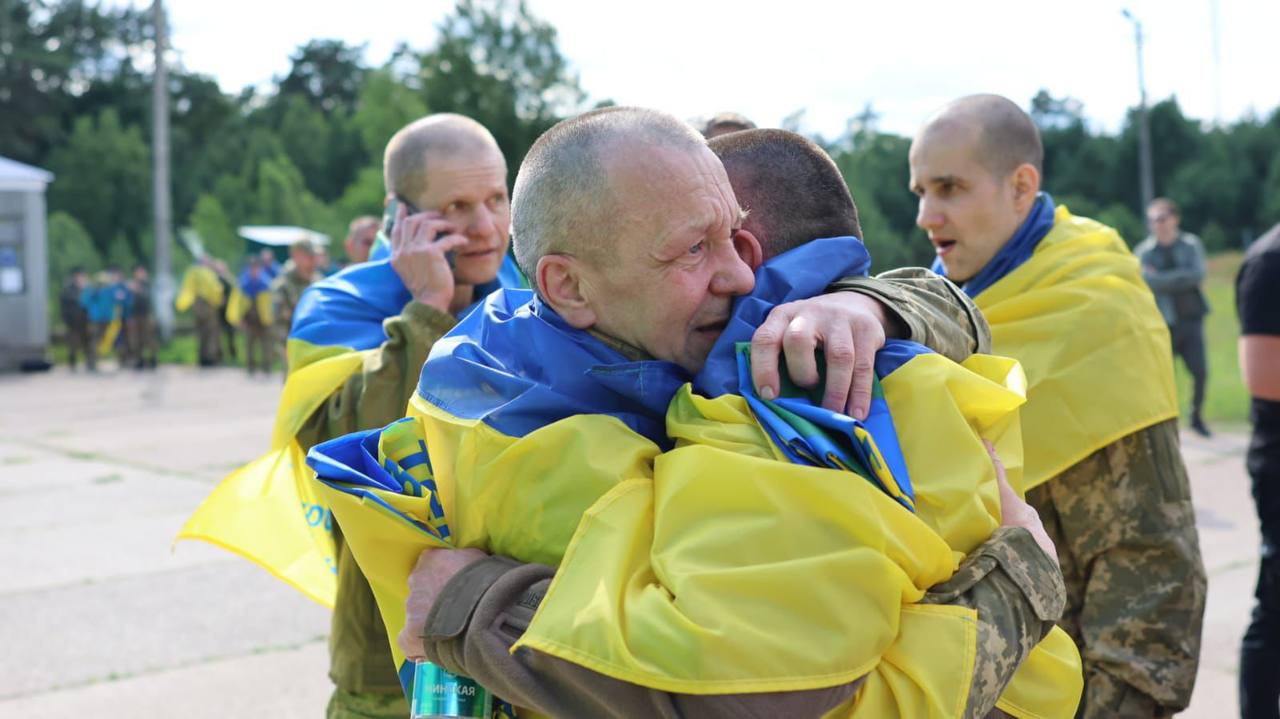
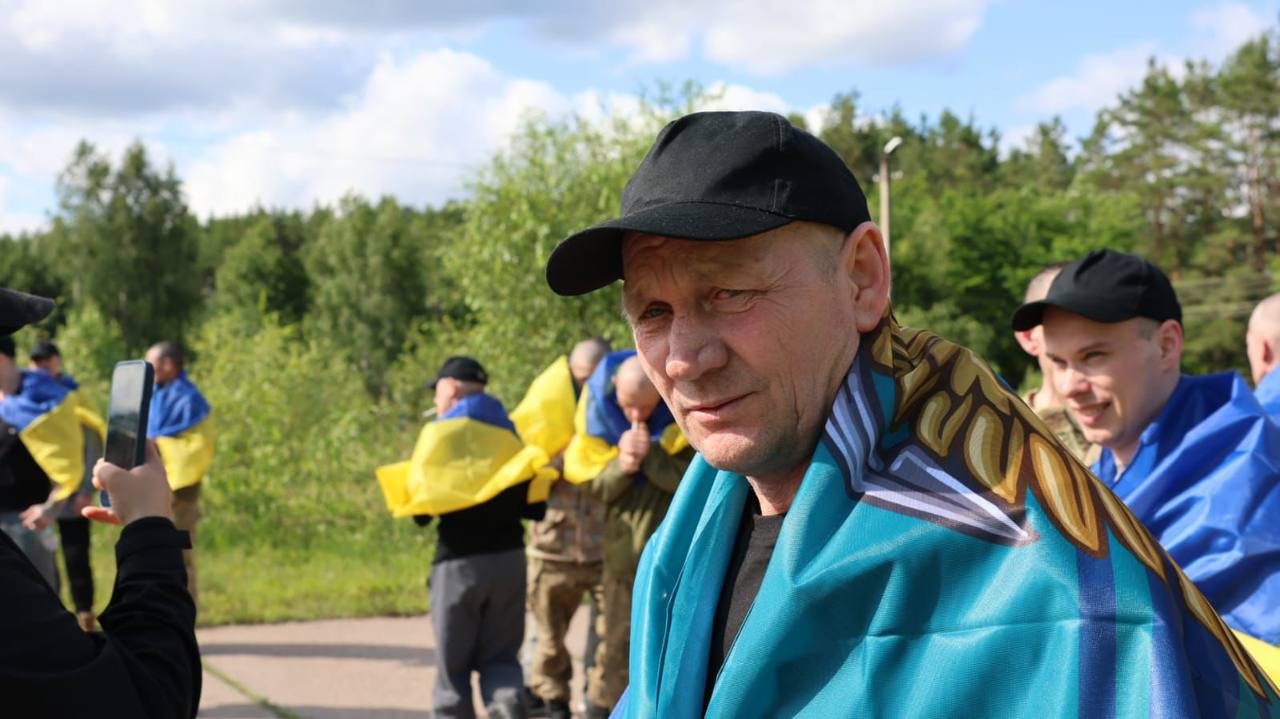
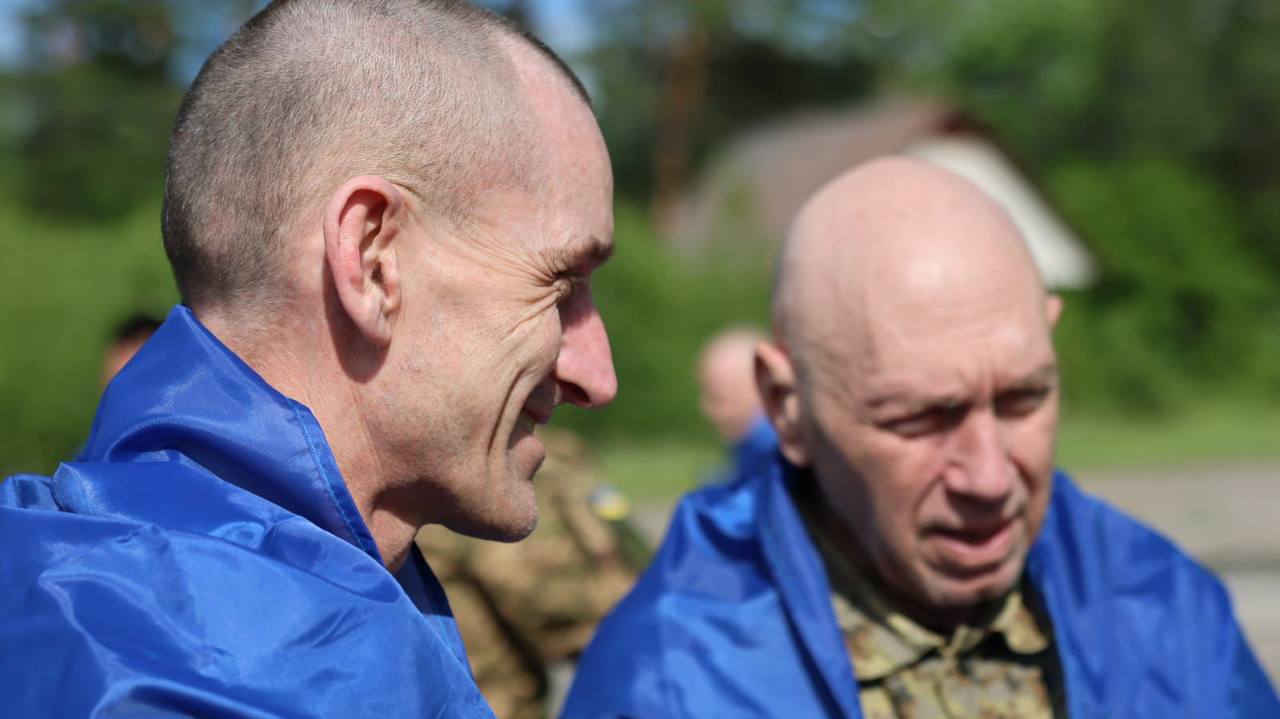
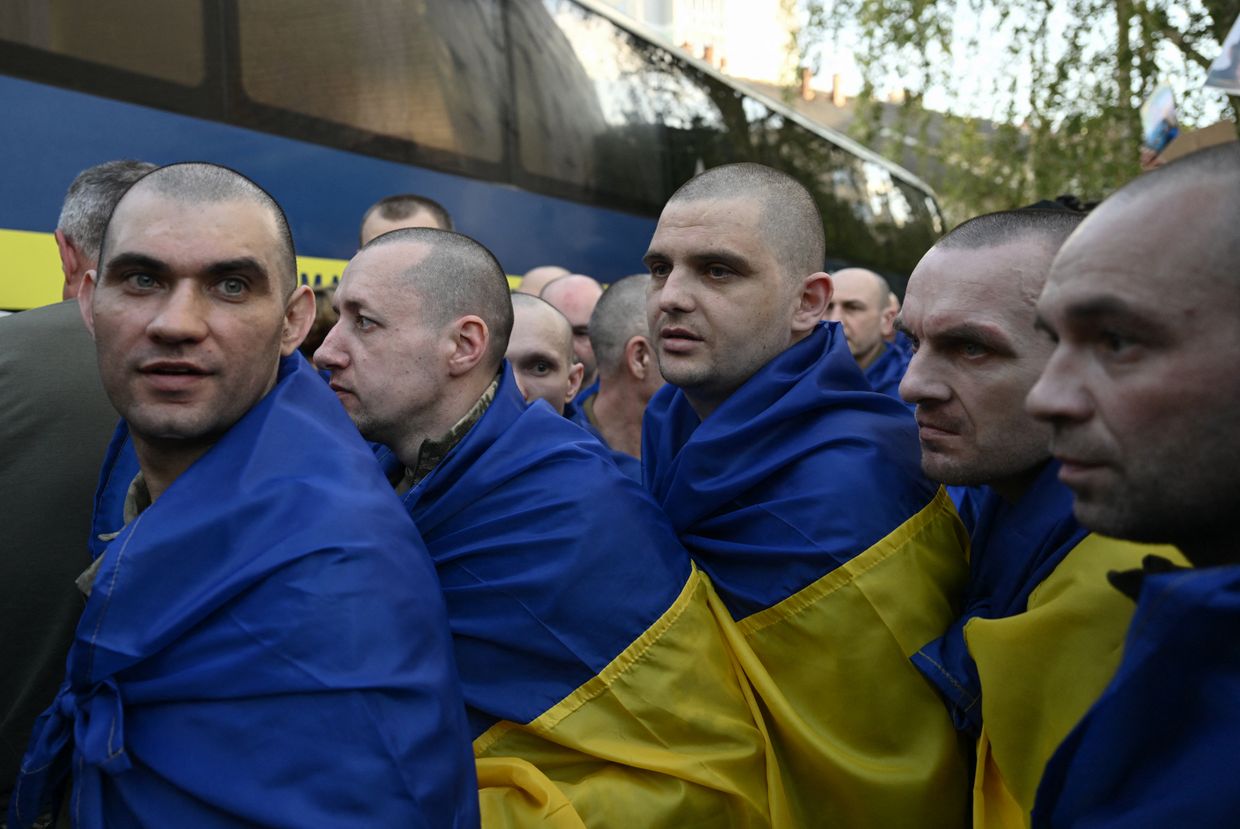
Ukraine has brought home a group of soldiers released from Russian captivity, President Volodymyr Zelensky said on June 26, marking yet another in a recent series of exchanges with Moscow.

"Today, soldiers of the Armed Forces, the National Guard, and the State Border Guard Service are returning home," Zelensky said without revealing their numbers.

The exchange follows six similar swaps carried out in recent weeks in accordance with agreements reached between Kyiv and Moscow at the second round of peace talks in Istanbul on June 2.

As in the other recent swaps, the latest one focused on severely ill and wounded POWs and also included a group of young soldiers under the age of 25, the Coordination Headquarters for the Treatment of Prisoners of War (POWs) said.

Ukraine, Russia conduct new POW swap under Istanbul deal
A Ukrainian soldier pictured after being released from Russian captivity on June 26, 2025. (President Volodymyr Zelensky/Telegram)
Ukraine, Russia conduct new POW swap under Istanbul deal
Ukrainian soldiers pictured after being released from Russian captivity on June 26, 2025. (President Volodymyr Zelensky/Telegram)
Ukraine, Russia conduct new POW swap under Istanbul deal
A Ukrainian soldier pictured after being released from Russian captivity on June 26, 2025. (President Volodymyr Zelensky/Telegram)

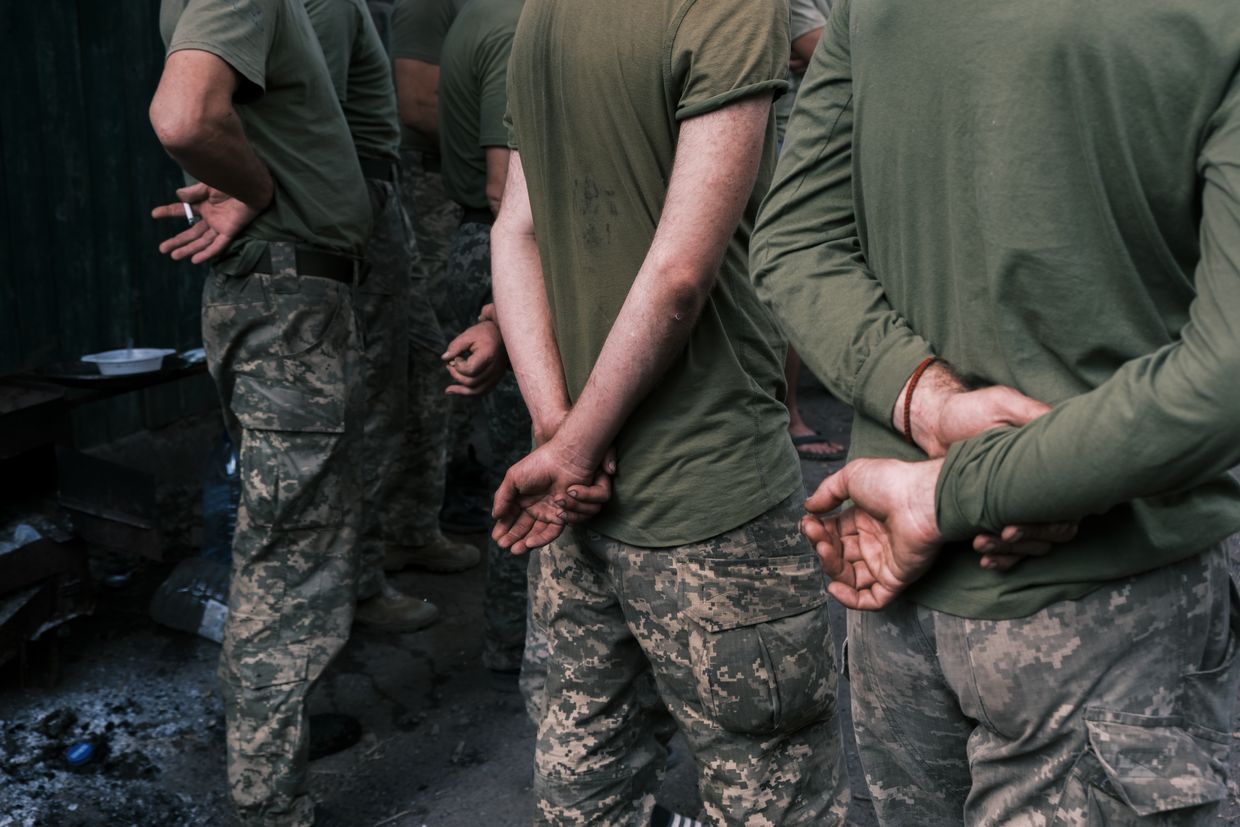
Most of those released had been in Russian captivity since 2022, with the youngest being a 24-year-old soldier taken prisoner during the battle for Mariupol. The oldest of the freed captives was 62.

The released soldiers fought elsewhere in Donetsk, Luhansk, Kherson, Kharkiv, Sumy, and Kyiv oblasts. Among those freed are several officers, according to the headquarters.

"We are doing everything possible to find each person and verify information about every name," Zelensky said. "We must bring all our people home."

Russia's Defense Ministry also announced a prisoner exchange with the Ukrainian side, without specifying the number of soldiers involved.

While no political breakthrough was achieved, both sides agreed to a phased exchange of prisoners and the repatriation of fallen soldiers' bodies. As part of that agreement, Russia pledged to return the bodies of up to 6,000 Ukrainian service members and citizens.

Moscow has handed over 6,057 bodies to Ukraine in several stages over the past few days. President Volodymyr Zelensky later said Ukrainian authorities have confirmed that at least 20 of the bodies Russia returned as Ukrainian were actually Russian soldiers.

According to Zelensky, Moscow is using this tactic as a tool for manipulation to obscure the scale of its military losses from the public.

The June 2 agreements came after the largest-ever POW swap in late May, when 1,000 prisoners were exchanged on each side.

Ukraine repeatedly called for a prisoner exchange in an all-for-all format, but Russia continues to reject the offer.

Explained: How Ukraine negotiates prisoner of war swaps with Russia
Even after Ukraine cut diplomatic ties with Russia in 2022, prisoner exchanges have continued as one of the few remaining channels of communication between the two countries. Negotiated behind closed doors and carried out irregularly, POW swaps — and the decisions surrounding them — have long been shrouded in secrecy. Controversies have
Ukraine, Russia conduct new POW swap under Istanbul dealThe Kyiv IndependentDaria Shulzhenko
Ukraine, Russia conduct new POW swap under Istanbul deal
  •  

Erdogan says Trump ready to join Zelensky-Putin talks in Turkey

Erdogan says Trump ready to join Zelensky-Putin talks in Turkey

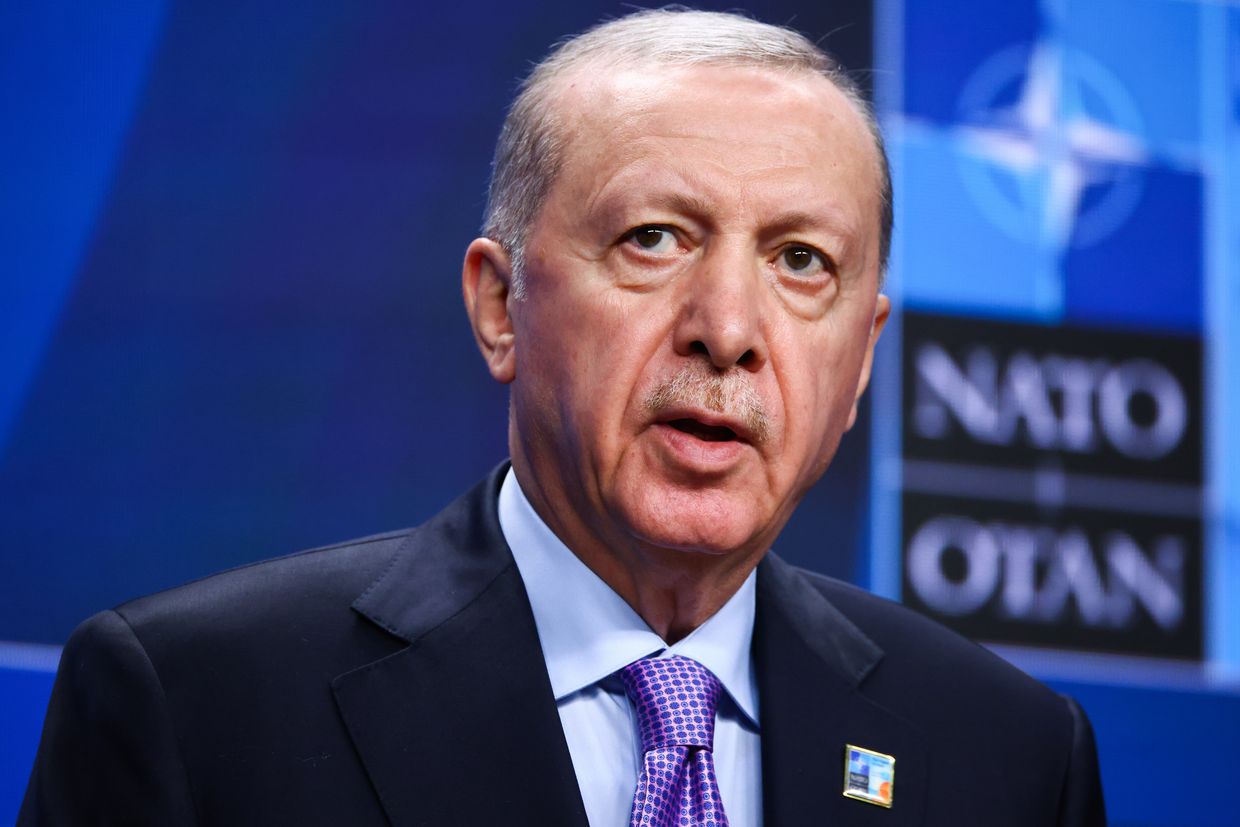
Turkish President Recep Tayyip Erdogan said Ankara is working to organize a meeting between President Volodymyr Zelensky and Russian President Vladimir Putin, with U.S. President Donald Trump potentially joining the talks, Reuters reported.

Speaking after his meeting with Trump, Erdogan said on June 26 that the U.S. president expressed interest in participating if the meeting were to take place in Turkey.

"He said,'If Russian President Vladimir Putin comes to Istanbul or Ankara for a solution, then I will also come,'" Erdogan told reporters. "We will hold the necessary contacts and, God willing, realize this meeting as soon as possible."

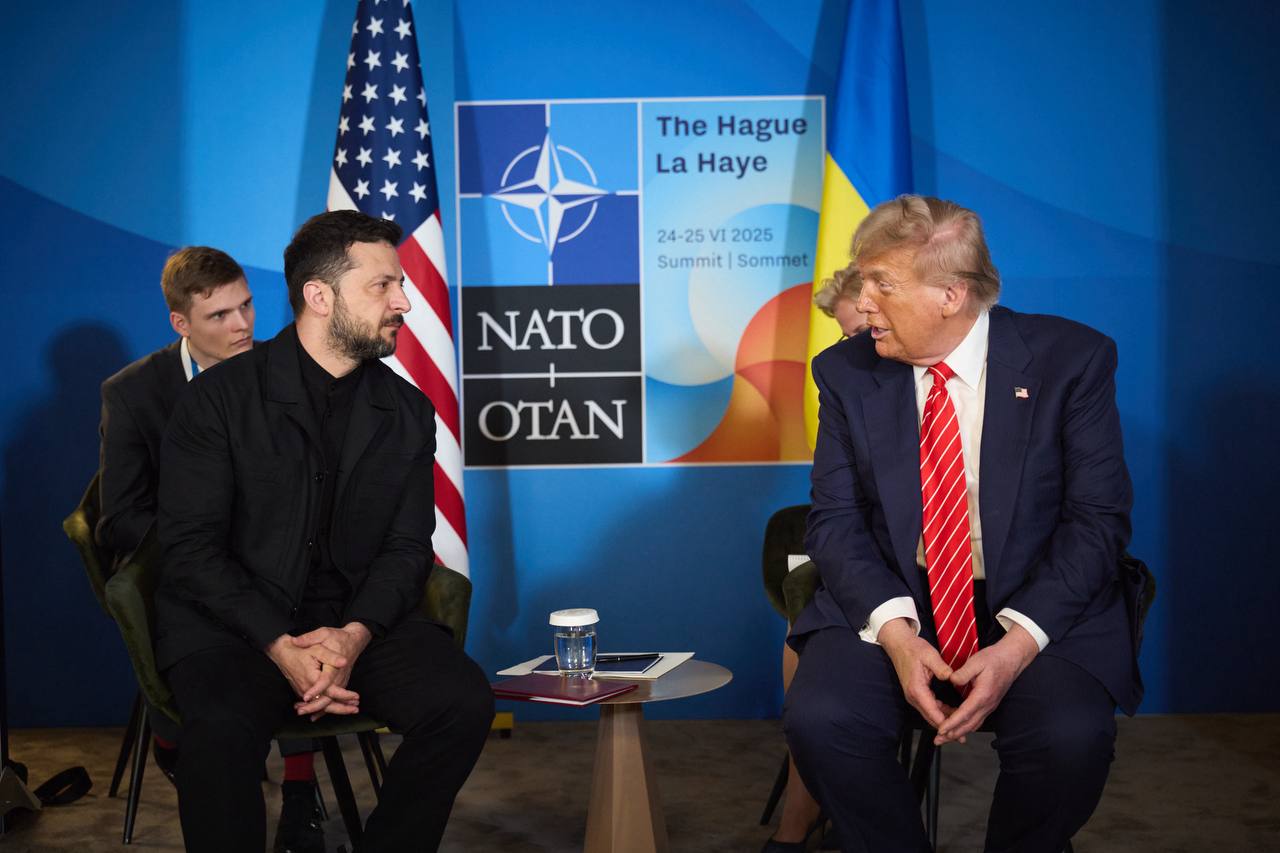
Zelensky and Trump met during the NATO summit on June 25, where the two leaders discussed battlefield developments, Kyiv's need for additional air defense systems, and the potential for co-production of drones.

Zelensky has previously voiced openness to a trilateral meeting. On May 27, he told public broadcaster Suspilne that he was ready to sit down with both Trump and Putin.

Putin has claimed he is also willing to meet, but did not attend previous talks proposed in Istanbul, opting instead to send lower-level delegates to peace discussions held on May 16.

The Kremlin has long sought to portray Zelensky as "illegitimate", with spokesperson Dmitry Peskov in February claiming that any talks must consider "legal aspects" of his mandate.

Turkey previously hosted direct peace talks in March 2022 and has remained one of the few countries with open lines to both Kyiv and Moscow. The latest round of direct talks on June 2 was held in Istanbul.

Trump gets king’s treatment at NATO summit while Ukraine sits on the sidelines
THE HAGUE, Netherlands — As NATO leaders convened in The Hague for a two-day summit on June 24–25, allies and Kyiv braced for the first annual meeting since U.S. President Donald Trump’s return to office. With the Israel-Iranian conflict dominating the news and the summit agenda focused on
Erdogan says Trump ready to join Zelensky-Putin talks in TurkeyThe Kyiv IndependentMartin Fornusek
Erdogan says Trump ready to join Zelensky-Putin talks in Turkey
  •  

North Korea likely to send more troops to Russia by August, South Korea says

North Korea likely to send more troops to Russia by August, South Korea says

North Korea is likely to send more troops to Russia as early as July or August to bolster Moscow's war effort against Ukraine, South Korea's National Intelligence Service (NIS) said during a closed-door briefing, Yonhap reported on June 26.

According to lawmakers briefed by the NIS, Pyongyang has already begun recruiting soldiers for deployment to Russia. The latest intelligence adds to growing concerns about the expanding scope of North Korea's involvement in Russia's war.

The additional troop deployment would come on top of what Seoul estimates is already substantial support from North Korea, including the transfer of over 10 million artillery shells, and ballistic missiles in exchange for economic and technical assistance.

Yonhap's reporting follows recent findings that Pyongyang may send up to 25,000 laborers to Russia to support drone production, specifically Shahed-type loitering munitions, at the Alabuga Special Economic Zone in Tatarstan, according to Japan's NHK broadcaster.

In return, Pyongyang reportedly seeks training in drone operations, signaling an effort to integrate advanced unmanned aerial capabilities into its own military arsenal.

Putin insists the Russian economy is fine, but Kremlin officials say otherwise
In a rare public sign that all is not well in Russia, two high-ranking Moscow officials last week issued separate warnings about the state of the country’s economy. Russian Central Bank Governor Elvira Nabiullina and Economy Minister Maxim Reshetnikov both highlighted that amid the Kremlin’s full-scale war against Ukraine, the tools Moscow once relied on to maintain wartime growth are nearly exhausted. Almost immediately, Russian President Vladimir Putin on June 20 dismissed the concerns, clai
North Korea likely to send more troops to Russia by August, South Korea saysThe Kyiv IndependentTim Zadorozhnyy
North Korea likely to send more troops to Russia by August, South Korea says

The developments come amid intensifying diplomatic exchanges between the two authoritarian regimes. Russian Security Council Secretary Sergei Shoigu traveled to North Korea on June 17 under a special directive from President Vladimir Putin.

After meeting North Korean leader Kim Jong Un, Shoigu announced that Pyongyang had agreed to dispatch 1,000 sappers and 5,000 military engineers to Russia's Kursk Oblast.

North Korean combat units have already participated in front-line operations. Thousands of troops helped Russia repel a Ukrainian cross-border offensive into Kursk Oblast that began in August 2024.

Ukraine briefly held 1,300 square kilometers in the region before losing most of the territory during Russia's March 2025 counteroffensive, which was supported by Pyongyang. The U.K. defense intelligence estimates place North Korean casualties at over 6,000.

Kyrylo Budanov, Ukraine's military intelligence chief, said on June 9 that Russia and North Korea had agreed to begin domestic production of Shahed-136 drones on North Korean territory, further solidifying their military partnership.

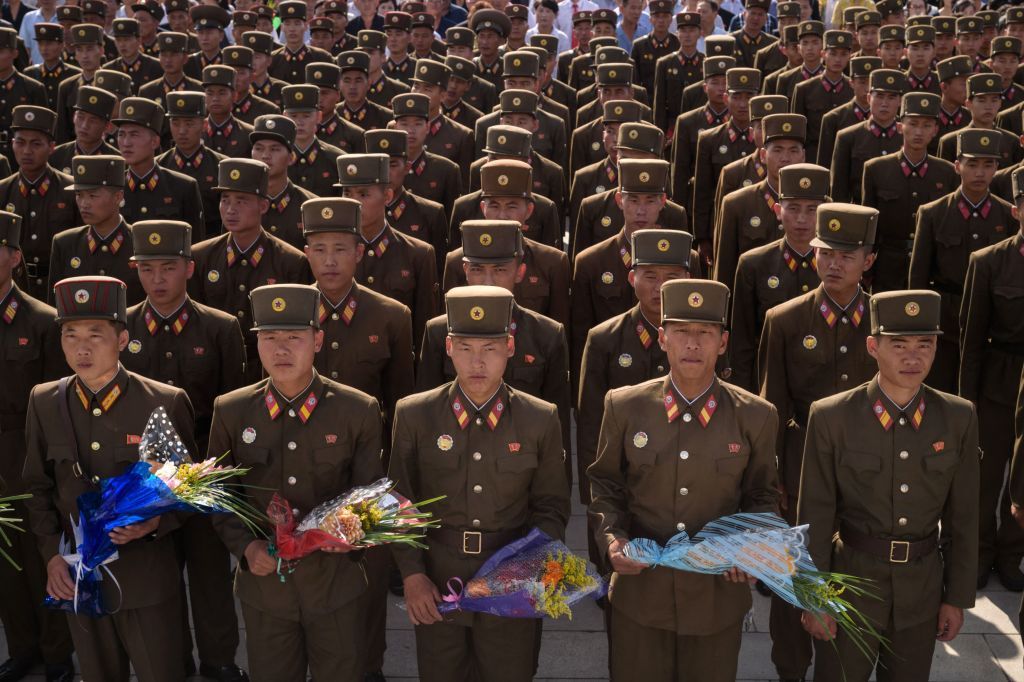
During Russia's May 9 Victory Day Parade in Moscow, President Putin personally greeted North Korean troops in Red Square, underscoring the alliance's symbolic and operational depth.

Kim did not attend but remains one of the Kremlin's staunchest foreign backers.

Russia reportedly helping North Korea build warships, but questions over seaworthiness remain after failed launch
Satellite imagery and launch footage suggest a clear Russian design influence.
North Korea likely to send more troops to Russia by August, South Korea saysThe Kyiv IndependentTim Zadorozhnyy
North Korea likely to send more troops to Russia by August, South Korea says
  •  

'50,000 Russian troops pinned down' — Ukraine halts advance in Sumy Oblast, summer offensive 'faltering,' Syrskyi says

'50,000 Russian troops pinned down' — Ukraine halts advance in Sumy Oblast, summer offensive 'faltering,' Syrskyi says

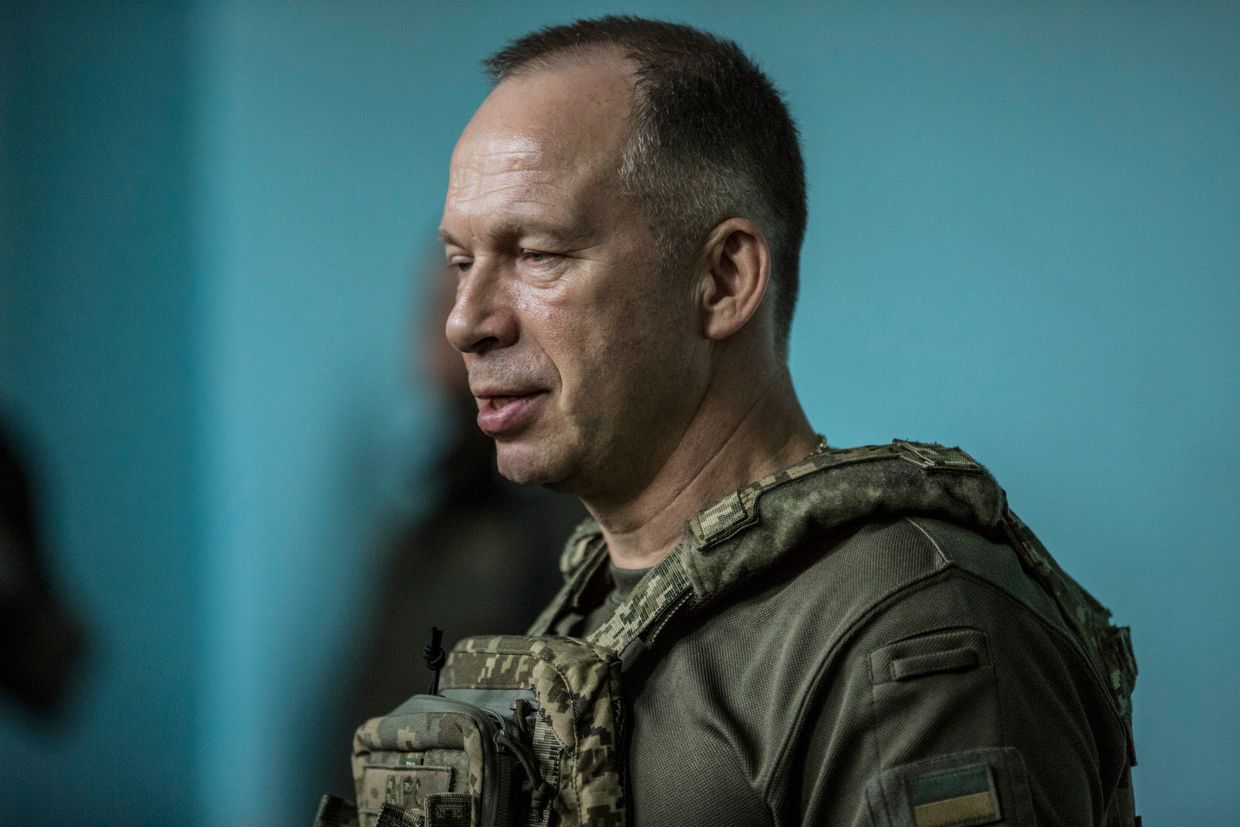
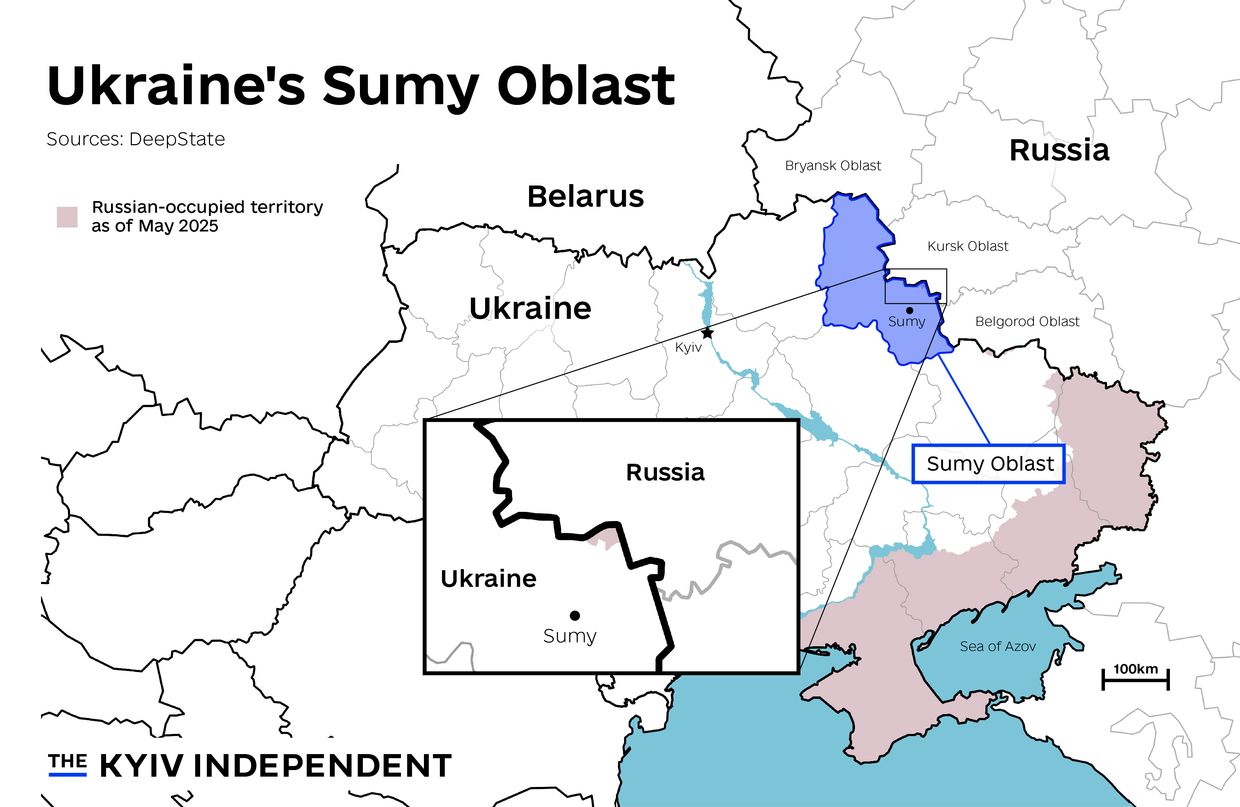
Ukraine has halted Russia's advance in Sumy Oblast, stabilizing the front line and blunting the momentum of Moscow's summer offensive, Commander-in-Chief Oleksandr Syrskyi said on June 26.

"Based on the results of May and June, we can say that this year's wave of the enemy's summer offensive from Russian territory is faltering," Syrskyi said, reporting that Russian troops in the northeastern border region had been stopped.

Moscow launched its new summer campaign in May, aiming to push deeper into Ukraine's northeast and eastern regions, disregarding Kyiv's calls for an unconditional ceasefire.

Russian forces had made modest gains, occupying around 449 square kilometers (173 square miles) in May, the highest monthly total in 2025, according to the open-source intelligence group DeepState.

In Sumy Oblast, however, the line of contact has stabilized. Syrskyi said Ukrainian troops are not only defending but also reclaiming ground using active defense tactics.

"In certain areas, our units are liberating Ukrainian territory," he said.

'50,000 Russian troops pinned down' — Ukraine halts advance in Sumy Oblast, summer offensive 'faltering,' Syrskyi says
A map of Ukraine's Sumy Oblast (Nizar al-Rifal/The Kyiv Independent)

Syrskyi said Ukrainian operations in Russia's Glushkovsky district had forced Moscow to shift elite units, including Airborne Forces and Marine Corps brigades, into defensive positions, undermining their offensive capabilities in Sumy.

"In the North Slobozhansky and Kursk directions, we have once again pinned down about 50,000 Russian Armed Forces personnel," Syrskyi said. He provided no further details about how Ukraine had achieved this.

Ukraine launched a cross-border offensive into Russia's Kursk Oblast in August 2024, initially capturing 1,300 square kilometers before losing most of that territory in a Russian counterattack earlier this year.

Russian officials declared complete control over the region on April 26, though the claim was later disputed by Kyiv and contradicted by Russia's own local authorities.

Russia's broader offensive aims to seize the remaining administrative borders of Donetsk and Luhansk oblasts and carve out a buffer zone along the Sumy and Kharkiv frontiers.

Sumy Oblast, which borders Russia to the east, remains a strategic region. Since the beginning of the full-scale invasion, it has faced near-daily attacks.

Putin insists the Russian economy is fine, but Kremlin officials say otherwise
In a rare public sign that all is not well in Russia, two high-ranking Moscow officials last week issued separate warnings about the state of the country’s economy. Russian Central Bank Governor Elvira Nabiullina and Economy Minister Maxim Reshetnikov both highlighted that amid the Kremlin’s full-scale war against Ukraine, the tools Moscow once relied on to maintain wartime growth are nearly exhausted. Almost immediately, Russian President Vladimir Putin on June 20 dismissed the concerns, clai
'50,000 Russian troops pinned down' — Ukraine halts advance in Sumy Oblast, summer offensive 'faltering,' Syrskyi saysThe Kyiv IndependentTim Zadorozhnyy
'50,000 Russian troops pinned down' — Ukraine halts advance in Sumy Oblast, summer offensive 'faltering,' Syrskyi says
  •  

Orban claims 95% oppose Ukraine's EU accession in disputed Hungary referendum

Orban claims 95% oppose Ukraine's EU accession in disputed Hungary referendum

Hungary's government announced on June 26 that 95% of participants in a national consultation opposed Ukraine's accession to the EU, Hungarian news outlet Telex reported.

The poll, promoted by Prime Minister Viktor Orban's government, has already drawn criticism over its credibility and turnout. Telex reported that the system could be manipulated — testing showed that users were able to vote twice using different email addresses.

According to Telex, 2,278,000 people participated in the consultation — approximately 29% of the electorate that voted in the 2024 European Parliament elections. Of those, the government claimed 95% voted against Ukraine joining the EU, while only 5% supported the bid.

Ukraine applied for EU membership shortly after Russia launched its war in 2022 and was granted candidate status within months. As an EU member, Hungary has veto power over further progress.

The consultation results were released on the eve of the European Council summit, giving Orban leverage to delay Ukraine's membership. But the process itself has drawn skepticism.

Government spokesman Gergely Gulyas claimed printed ballots were notarized and secure, and that electronic votes, which made up 10% of the total, were being verified. However, he could not confirm whether the system could detect if someone voted both by mail and online.

Opposition leader Peter Magyar on June 22 dismissed the consultation as a "government propaganda campaign" and cited internal data from Magyar Posta indicating that only 3-7% of mailed ballots were returned.

"It's the lowest-ever turnout for any such consultation," Magyar wrote on social media.

Since 2010, Orban's government has conducted more than a dozen similar national consultations — non-binding letter campaigns with leading questions designed to reinforce government positions.

Previous campaigns targeted topics like LGBTQ rights and EU migration policy. In one 2023 consultation, voters were asked whether they supported Brussels' alleged plans to create "migrant ghettos" in Hungary — 99% voted no, with turnout under 20%.

On April 22, Orban said he voted against Ukraine's accession to the EU in the consultation, publicly sharing photos of himself marking "against" on the poll ballot. He warned earlier this year that allowing Kyiv to join the EU would "destroy" Hungary.

Orban, the EU's most openly pro-Russian leader, has blocked or delayed military aid to Ukraine, maintained close ties with President Vladimir Putin, and echoed Kremlin talking points.

Hungary's opposition and Western critics view his administration as increasingly authoritarian, citing the erosion of press freedom, judicial independence, and electoral fairness.

Despite the low turnout and widespread allegations of manipulation, Orban is expected to use the consultation's outcome to justify future obstruction of Ukraine's EU integration.

Hungary’s soft power meets Ukraine’s hard reality in Zakarpattia
BEREHOVE, Zakarpattia Oblast — Thin gray smoke drifts beyond the patchwork of Soviet-era apartment blocks, historical buildings, and hillside vineyards that make up Berehove — the heart of the Hungarian community in Ukraine’s westernmost Zakarpattia Oblast. “That’s Hungary, over there, where you see the smoke,” gestures Vitalii Antipov, a member of the local council, toward the not-so-distant horizon. He stands on top of a hill adorned by a massive white cross with a makeshift inscription thank
Orban claims 95% oppose Ukraine's EU accession in disputed Hungary referendumThe Kyiv IndependentMartin Fornusek
Orban claims 95% oppose Ukraine's EU accession in disputed Hungary referendum
  •  

Russia reportedly helping North Korea build warships, but questions over seaworthiness remain after failed launch

Russia reportedly helping North Korea build warships, but questions over seaworthiness remain after failed launch

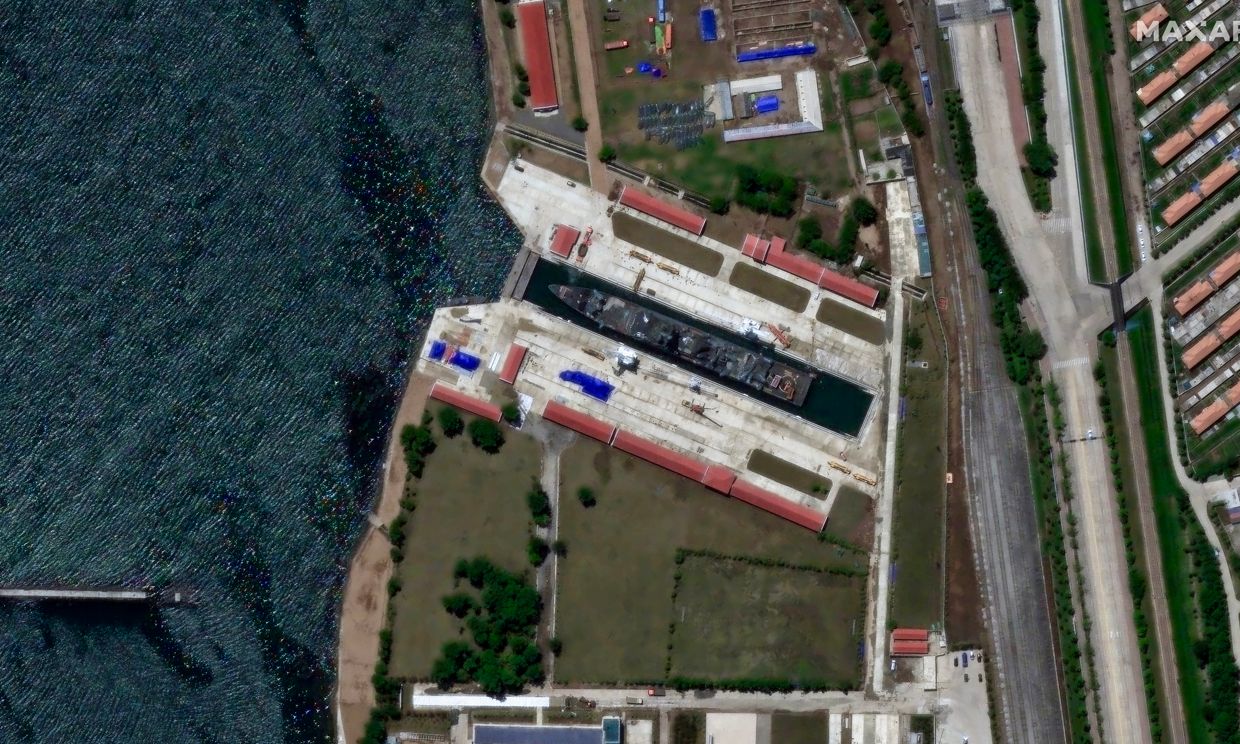
Russia appears to have provided North Korea with extensive assistance in designing and rapidly constructing two advanced destroyers, the most modern in Pyongyang's fleet, the Wall Street Journal (WSJ) reported on June 25.

The destroyers, part of the new Choe Hyon class, were built in just over a year — an unusually fast timeline that analysts say would have been impossible without foreign support.

Satellite imagery and launch footage suggest a clear Russian design influence, including the distinctive bow and stern structure found on Russia's Admiral Grigorovich-class frigates.

One of the destroyers, launched in April, was followed in May by a failed launch during which the second vessel capsized in front of North Korean leader Kim Jong Un.

The incident prompted outrage from Kim, who condemned the failed launch as a "criminal act" and placed blame on several state institutions, accusing relevant officials of "irresponsibility" which "could not be tolerated,"North Korean state-run Korean Central News Agency (KCNA) reported.

According to the agency, a malfunction in the launch mechanism caused the stern of the 5,000-ton destroyer to slide into the water too early, while the rest of the ship remained stuck.

Damage to the bottom of the ship threw it off balance, and the bow failed to move, resulting in "a serious accident."

The wreck was recovered in early June.

Mike Plunkett, a senior naval analyst at Janes, an open-source intelligence company, told the WSJ that the ships appeared to have signs of Russian involvement. He pointed to identical hull lines and profiles where the hull connects to the side, between the Korean and Russian vessels.

One of the destroyers appears to be equipped with the Russian Pantsir-M system, marking the first time this advanced air-defense system has been seen on a non-Russian warship.

Plunkett noted that the ventilation grilles for the engine room were sealed with metal plates, indicating the ships might not yet have engines.

The news comes amid deepening military ties between Russia and North Korea. According to a May 29 report by the Multilateral Sanctions Monitoring Team (MSMT), Pyongyang shipped up to 9 million artillery shells and at least 100 ballistic missiles to Russia in 2024 alone.

In fall 2024, North Korea's role in Russia's war grew as it sent thousands of troops to Russia's western border to assist in repelling a Ukrainian incursion.

The partnership has also expanded into drone cooperation. On June 9, Ukraine's military intelligence chief, Kyrylo Budanov, said the two nations had agreed to begin production of Iranian-designed Shahed-136 drones on North Korean territory.

‘Alarms went off everywhere’ — Explosions reported in Moscow, Russia claims 50 Ukrainian drones downed across country
Explosions were reported in Moscow overnight on June 26, prompting airport closures, as Mayor Sergey Sobyanin claimed that two drones were shot down.
Russia reportedly helping North Korea build warships, but questions over seaworthiness remain after failed launchThe Kyiv IndependentVolodymyr Ivanyshyn
Russia reportedly helping North Korea build warships, but questions over seaworthiness remain after failed launch
  •  

Taking lessons from Ukraine war, Trump's US defense budget prioritizes drones, missiles

Taking lessons from Ukraine war, Trump's US defense budget prioritizes drones, missiles

U.S. President Donald Trump's proposed defense budget for fiscal year 2026 prioritizes drones and long-range missile systems over traditional air and naval platforms, Reuters reported on June 26.

The $892.6 billion request maintains the overall funding level from 2025 but shifts spending toward innovation and high-tech systems. The budget includes increased investment in small drones, a response to their proven battlefield value in Ukraine.

The proposal slashes procurement of key legacy systems. Trump's plan includes just 47 F-35 fighter jets, down from the 68 planned by the Biden administration, and only three warships.

The Pentagon will continue to purchase Joint Air to Surface Standoff Missile – Extended Range and Long Range Anti-Ship missiles for the U.S. Air Force. Fewer Precision Strike Missiles, meant to replace the ATACMS, are included in the main request.

The proposal also includes a 3.8% increase in military salaries, while decommissioning aging and costly aircraft and ships. The Navy's civilian workforce will be reduced by more than 7,000 employees to free up resources for technology and modernization.

The shift from traditional fleet expansion indicates a move towards asymmetric, precise warfare with drones playing a crucial battlefield role.

Ukraine's experience has informed several elements of the request. Since Russia's full-scale invasion in 2022, Kyiv has expanded drone production across all domains — air, land, and sea — with plans to manufacture 30,000 long-range drones in 2025.

Ukraine's hybrid strike platforms, such as the Palianytsia and Peklo missile-drones, have drawn international attention for their range and versatility.

Putin insists the Russian economy is fine, but Kremlin officials say otherwise
In a rare public sign that all is not well in Russia, two high-ranking Moscow officials last week issued separate warnings about the state of the country’s economy. Russian Central Bank Governor Elvira Nabiullina and Economy Minister Maxim Reshetnikov both highlighted that amid the Kremlin’s full-scale war against Ukraine, the tools Moscow once relied on to maintain wartime growth are nearly exhausted. Almost immediately, Russian President Vladimir Putin on June 20 dismissed the concerns, clai
Taking lessons from Ukraine war, Trump's US defense budget prioritizes drones, missilesThe Kyiv IndependentTim Zadorozhnyy
Taking lessons from Ukraine war, Trump's US defense budget prioritizes drones, missiles
  •  

Ukraine to receive 20 new Rheinmetall Ermine vehicles — here's what they can do

Ukraine to receive 20 new Rheinmetall Ermine vehicles — here's what they can do

The Dutch Defense Ministry will finance the production of 20 Ermine ground vehicles for Ukraine, German defense manufacturer Rheinmetall announced on June 25.

The contract, signed during the NATO summit in The Hague, marks the first order for the new-generation tactical platform. Ukraine will become the first country in the world to receive the Ermine.

The Ermine, developed by Rheinmetall Defence Nederland, is designed primarily for front-line evacuation missions.

The light buggies provide fast, maneuverable transport for wounded personnel in combat zones. Rheinmetall said the deliveries are expected to begin in 2026.

According to Rheinmetall, the Ermine is a "lightweight tactical system that combines the robustness of a diesel unit with many advantages of an electric drive."

It's a modular system that comes in four configurations — 4x4 quad, 4x4/6x6 buggy, or Unmanned Ground Vehicle (UGV).

The Ermine combines a diesel engine with an electric motor that allows for what Rheinmetall describes as "Silent Move & Silent Watch," and has a range of up 1,200 kilometers, and can carry up to a tonne.

"The electrical powertrain makes the Ermine almost silent. It is capable of driving up to 50 km silently through heavy terrain and up to 100 km on the road," the company said.

"The system offers its users significant tactical advantages in avoiding enemy reconnaissance."

The electrical engine can even provide charging points for soldiers out in the field.

Ukraine to receive 20 new Rheinmetall Ermine vehicles — here's what they can do
An Ermine ground vehicle developed by Rheinmetall Defence Nederland mainly for front-line evacuation missions (Rheinmetall)

On June 24, Dutch Prime Minister Dick Schoof presented a new military aid package for Ukraine, including 100 drone radar systems, front-line vehicles, and 80 million euros (over $90 million) for the drone initiative.

The NATO summit concluded on June 25 with a joint pledge by member states to raise defense spending to 5% of GDP by 2035. The updated target reflects shifting priorities within the Alliance as the war in Ukraine drags into its fourth year.

Unlike in previous years, the 2025 summit communique did not include an explicit condemnation of Russia's invasion. Still, the final statement reaffirmed support for Ukraine and said assistance to its defense industry will count toward the new spending benchmark.

President Volodymyr Zelensky met with U.S. President Donald Trump during the summit, where the two leaders discussed battlefield developments, Kyiv's need for additional air defense systems, and the potential for co-production of drones.

"They (Ukraine) do want to have the anti-missiles, as they call them, the Patriots, and we're going to see if we can make some available," Trump said. "They are very hard to get. We need them too. We are supplying them for Israel, and they are very effective."

Trump's remarks signal a potential boost to Ukraine's air defense capabilities, which have come under increasing strain amid intensifying Russian attacks.

Meloni tells Trump US must show ‘same determination’ on Ukraine as with Iran
“I said the same determination is needed to achieve two other important ceasefires,” Meloni said.
Ukraine to receive 20 new Rheinmetall Ermine vehicles — here's what they can doThe Kyiv IndependentTim Zadorozhnyy
Ukraine to receive 20 new Rheinmetall Ermine vehicles — here's what they can do
  •  

Meloni tells Trump US must show 'same determination' on Ukraine as with Iran

Meloni tells Trump US must show 'same determination' on Ukraine as with Iran

Italian Prime Minister Giorgia Meloni told U.S. President Donald Trump that the determination shown by the U.S. toward Iran should also be applied to ending Russia's war against Ukraine, she said on June 25 on the sidelines of the NATO summit in The Hague.

Meloni, a close Trump ally and the only European leader invited to his 2025 inauguration, welcomed the recently announced ceasefire between Israel and Iran.

She emphasized that sustained commitment is also needed in Ukraine, where Russian President Vladimir Putin last week declared "all of Ukraine is ours."

"I spoke about this with President of the United States Donald Trump, to whom I said the same determination is needed to achieve two other important ceasefires," Meloni said. "One in Ukraine, where Russia seems unwilling to take any steps forward, and one in Gaza."

On June 24, Trump announced that a ceasefire between Iran and Israel had taken effect following U.S. airstrikes on Iran's nuclear infrastructure.

The escalation followed Israel's June 13 attack that prompted Iran to retaliate with missile attacks on Tel Aviv and other cities, killing multiple civilians, including five Ukrainian citizens.

President Volodymyr Zelensky met with Trump during the summit, held amid concerns over waning U.S. support for Kyiv. Unlike in 2024, this year's communique did not directly condemn Russia's invasion, a shift that underscores changing political dynamics within the Alliance.

The leaders reaffirmed support for Ukraine's defense, saying national contributions toward Ukraine's military-industrial capacity will count toward NATO's new defense spending goal.

All 32 NATO member states agreed to a new benchmark, committing to raise defense spending to 5% of GDP by 2035. Meloni praised the decision as a sign of unity.

"I believe the unity of the alliance and its willingness to strengthen itself is more important, especially in the context we are in, and is clearly a very important element," she said.

The NATO summit comes just one week after Trump departed early from the G7 in Canada, delaying direct talks with Zelensky until June 25.

Ukraine war latest: US signals more Patriot missiles for Kyiv after Zelensky-Trump talks at NATO summit
Key developments on June 25: * Zelensky, Trump hold talks on NATO summit sidelines * ‘Something unknown’ hits key Russian drone facility in Taganrog, Ukrainian official says * Russia has launched over 28,000 Shahed drones at Ukraine since 2022, with nearly 10% fired in June alone, Zelensky says * Donetsk Oblast city “on
Meloni tells Trump US must show 'same determination' on Ukraine as with IranThe Kyiv IndependentThe Kyiv Independent news desk
Meloni tells Trump US must show 'same determination' on Ukraine as with Iran
  •  

General Staff: Russia has lost 1,015,750 troops in Ukraine since Feb. 24, 2022

General Staff: Russia has lost 1,015,750 troops in Ukraine since Feb. 24, 2022

Russia has lost 1,015,750 troops in Ukraine since the beginning of its full-scale invasion on Feb. 24, 2022, the General Staff of Ukraine's Armed Forces reported on June 26.

The number includes 1,100 casualties that Russian forces suffered just over the past day.

According to the report, Russia has also lost 10,968 tanks, 22,892 armored fighting vehicles, 53,195 vehicles and fuel tanks, 29,617 artillery systems, 1,425 multiple launch rocket systems, 1,188 air defense systems, 416 airplanes, 337 helicopters, 42,153 drones, 3,388 cruise missiles, 28 ships and boats, and one submarine.

Ukraine war latest: US signals more Patriot missiles for Kyiv after Zelensky-Trump talks at NATO summit
Key developments on June 25: * Zelensky, Trump hold talks on NATO summit sidelines * ‘Something unknown’ hits key Russian drone facility in Taganrog, Ukrainian official says * Russia has launched over 28,000 Shahed drones at Ukraine since 2022, with nearly 10% fired in June alone, Zelensky says * Donetsk Oblast city “on
General Staff: Russia has lost 1,015,750 troops in Ukraine since Feb. 24, 2022The Kyiv IndependentThe Kyiv Independent news desk
General Staff: Russia has lost 1,015,750 troops in Ukraine since Feb. 24, 2022
  •  

Russian court convicts 184 Ukrainian POWs captured in Kursk Oblast of terrorism, Mediazona reports

Russian court convicts 184 Ukrainian POWs captured in Kursk Oblast of terrorism, Mediazona reports

A Russian military court has convicted 184 Ukrainian prisoners of war (POWs) captured in Kursk Oblast of acts of terrorism, Mediazona reported on June 25.

Ukraine first launched a surprise offensive into Russia's Kursk Oblast in August 2024. Ukrainian officials have said the incursion forced Russia to move resources away from its offensives in Eastern Ukraine.

Russia's military prosecutors office convicts Ukrainian POWs captured in Kursk Oblast on a regular basis, independent Russian outlet Mediazona reported.

The POWs captured in Kursk were charged with carrying out a grave terrorist act by a group of individuals, as outlined by the Russian Criminal Code.

Junior Lieutenant Yevhen Hoch was convicted of allegedly carrying out an act of terrorism by taking part in Ukraine's Kursk Oblast incursion.

Russia has waged its war against Ukraine since 2014 and initiated a full-scale invasion in February 2022.

Russian authorities accused Hoch of interfering with civilian evacuations for three weeks amid Ukraine's Kursk offensive and for "intimidating them by openly carrying and using combat weapons."

Russia regularly convicts people of politically motivated charges in an effort to silence opposition to its war against Ukraine.

The Russian 2nd Western District Military Court has carried out the sentences against the 184 Ukrainian POWs since the beginning of the year.

Moscow has gone after journalists in Ukraine's Russian-occupied territories. Ukrainian Journalist Viktoriia Roshchyna disappeared in August 2023 and died after being tortured in Russian captivity. Roschyna's body was returned to Ukraine in February with missing organs.

Putin insists the Russian economy is fine, but Kremlin officials say otherwise
In a rare public sign that all is not well in Russia, two high-ranking Moscow officials last week issued separate warnings about the state of the country’s economy. Russian Central Bank Governor Elvira Nabiullina and Economy Minister Maxim Reshetnikov both highlighted that amid the Kremlin’s full-scale war against Ukraine, the tools Moscow once relied on to maintain wartime growth are nearly exhausted. Almost immediately, Russian President Vladimir Putin on June 20 dismissed the concerns, clai
Russian court convicts 184 Ukrainian POWs captured in Kursk Oblast of terrorism, Mediazona reportsThe Kyiv IndependentTim Zadorozhnyy
Russian court convicts 184 Ukrainian POWs captured in Kursk Oblast of terrorism, Mediazona reports
  •  
❌